



Friday night football in Indiana isn't just a game—it's a cultural institution that defines communities across the Hoosier State. When a high school football team captures a state championship, it creates memories that last generations, cementing legacies for players, coaches, and entire communities. From small rural towns to suburban powerhouse programs, Indiana high school football state championships represent the pinnacle of athletic achievement and the culmination of year-round dedication.
This comprehensive guide explores the rich history of Indiana high school football state championships, from the earliest tournament formats through today's multi-class system. More importantly, we examine how winning schools commemorate these achievements—from traditional championship rings and banners to modern digital recognition displays that preserve championship stories for future generations while inspiring current student-athletes.
Indiana’s high school football landscape has produced legendary programs, unforgettable championship games, and dynasties that have shaped the sport’s culture throughout the Midwest. Understanding this history and how schools celebrate these achievements provides valuable insights for athletic directors, coaches, and administrators looking to honor their own championship traditions appropriately.
The Evolution of Indiana High School Football Championships
Indiana high school football championships have undergone significant transformation since organized playoff competition began, reflecting the state’s growth and the increasing competitiveness of its athletic programs.
Early Years: Single-Class Championships (1973-1996)
Before 1973, Indiana high school football crowned no official state champion. The Indiana High School Athletic Association (IHSAA) recognized conference champions and maintained season records, but no statewide playoff tournament determined a single state champion. Teams ended seasons after regular conference play, with reputations built on undefeated records and quality of competition rather than tournament success.
The IHSAA introduced the first official state football tournament in 1973, creating a single-class championship format where all schools competed regardless of enrollment size. This system produced memorable David-versus-Goliath matchups when small-school programs faced suburban powerhouses, though larger schools dominated championship results with greater depth and resources.
The single-class era produced several legendary championship runs. Teams from Fort Wayne Snider, Warren Central, Ben Davis, and Carmel established early dominance, building programs that would remain competitive for decades. These schools created the templates for championship-caliber programs—strong youth feeder systems, dedicated booster clubs, and cultures where football excellence became institutional identity.

The Move to Multiple Classifications (1997-2016)
Recognizing competitive imbalances and wanting to provide championship opportunities for schools of all sizes, the IHSAA implemented a two-class system in 1997, dividing schools by enrollment. This change immediately expanded championship accessibility, allowing medium-sized and smaller schools realistic paths to state titles without facing Indianapolis suburban giants with enrollments exceeding 3,000 students.
The two-class format evolved into four classes in 2000, then five classes in 2005, before settling on six classifications in 2013 where it remains today. Each expansion reflected enrollment growth in larger suburban schools and the desire to create more equitable competitive environments. Today’s six-class system ranges from Class 1A (smallest schools with enrollments under approximately 500) through Class 6A (largest programs exceeding 2,100 students).
Multiple classifications dramatically changed Indiana high school football culture. Small rural communities that never competed for state championships suddenly had realistic opportunities, generating unprecedented local excitement when tournament runs materialized. Schools like Indianapolis Lutheran, Sheridan, and Heritage Hills became championship programs despite enrollments that would have made single-class competition impossible.
Modern Era: Six-Class Tournament Structure
Today’s six-class system provides balanced competition while maintaining the tradition and prestige of Indiana high school football championships. The IHSAA divides approximately 315 football-playing schools across classifications using enrollment figures, creating brackets where schools face opponents of similar size and resources.
Class 1A features the state’s smallest football programs—many from rural communities where entire towns rally behind teams with 30-40 players on rosters. These schools often produce exceptional talent relative to size, with players competing at multiple positions and playing every snap. Class 1A championships frequently showcase fundamentally sound football where coaching and execution overcome talent limitations.
Class 2A and 3A include small-city and suburban fringe schools with sufficient enrollment for specialized position groups but limited depth compared to larger classifications. Many traditional football communities compete in these classes, sustaining programs across generations despite enrollment challenges. Championship competition remains intense, with multiple historically successful programs competing annually.
Class 4A and 5A represent the state’s competitive middle—substantial suburban schools and mid-sized cities with resources supporting quality programs. These classifications produce some of Indiana’s most balanced championship games, featuring teams with comparable talent, coaching, and facilities. Many college football players emerge from these classifications, combining strong competition with development resources.
Class 6A showcases Indiana’s largest programs, concentrated in Indianapolis suburbs and major population centers. These schools benefit from massive enrollment bases, elite facilities, substantial booster support, and competition that attracts the state’s best coaches. Class 6A championships often resemble small-college games in attendance, intensity, and talent level. Programs like Carmel, Center Grove, Warren Central, and Ben Davis have established dynasties spanning decades.
Each November and December, all six classifications progress through sectional, regional, semi-state, and state championship rounds, culminating in championship weekend at Lucas Oil Stadium in Indianapolis. The state finals venue—home of the NFL’s Indianapolis Colts—represents the pinnacle achievement, providing championship teams professional stadium experiences that become career highlights for players and coaches.
Legendary Indiana High School Football Championship Programs
Certain programs have established sustained excellence, building dynasties that define Indiana high school football championship history.
Metropolitan Indianapolis Powerhouses
The Indianapolis metropolitan area dominates larger classifications through sheer population, resources, and competitive intensity.
Warren Central Warriors rank among Indiana’s most decorated programs with ten state championships spanning four decades. Located on Indianapolis’s east side, Warren Central established dominance during the single-class era before adapting to classification changes. The program’s success stems from comprehensive youth development, tremendous community support, and tradition attracting talented families to the district. Warren Central’s championship teams have featured dozens of future college players and multiple NFL talents.
Ben Davis Giants built a dynasty with nine state championships, including multiple titles in the 2000s when the program dominated Class 5A and 6A competition. Ben Davis combines massive enrollment (consistently Indiana’s largest high school) with exceptional coaching continuity and facilities rivaling small colleges. The Giants’ championship culture emphasizes physical, ground-oriented offense and aggressive defense—an identity that has produced remarkably consistent results.
Carmel Greyhounds transformed from periodic contender into championship dynasty starting in the 2010s, capturing multiple Class 6A titles. Carmel’s success reflects the northern Indianapolis suburb’s explosive growth, attracting families prioritizing academics and athletics. The program’s championships showcase balanced, sophisticated schemes utilizing exceptional talent depth. Carmel’s state final appearances regularly draw 25,000+ spectators, demonstrating the program’s regional following.
Center Grove Trojans emerged as a 21st-century power with seven championships since 2000. The Greenwood-area program combined enrollment growth with exceptional coaching and commitment to football excellence. Center Grove championships feature prolific offenses and opportunistic defenses, along with special teams execution that often proves decisive. The program has become the Indianapolis southside’s football identity, with championship seasons generating community-wide celebration.
Small-School Championship Traditions
Multiple smaller schools have built championship traditions demonstrating that sustained excellence transcends enrollment advantages.
Indianapolis Lutheran Saints established themselves as small-school football royalty with nine Class 1A championships. Despite enrollment barely exceeding 200 students, Lutheran combines exceptional coaching, strong youth programs, and culture where football represents family tradition spanning generations. Lutheran championship teams regularly feature multiple sets of brothers and players whose fathers competed for previous title teams.
Heritage Hills Patriots from Lincoln City built a southern Indiana dynasty with five championships. The program’s success in a town of 2,000 residents demonstrates how committed communities can sustain elite programs. Heritage Hills championships reflect physical offensive line play, disciplined defense, and coaching continuity that allows system mastery. Nearly the entire community attends games, creating intimidating home environments and traveling en masse to championship games.
Sheridan Blackhawks captured multiple Class 1A championships despite operating in a town of roughly 3,000 residents north of Indianapolis. Sheridan’s success illustrates how coaching excellence and community commitment create championship programs regardless of resources. The program’s titles feature smash-mouth running games and aggressive defensive schemes optimizing limited depth through fundamentals and conditioning.
These programs demonstrate that Indiana high school football championships reflect more than talent and resources—coaching quality, community support, and cultural commitment to excellence produce sustained success across all enrollment classifications.
How Indiana Schools Celebrate State Championships
Winning state championships creates obligations and opportunities for schools to commemorate achievements appropriately, honoring participants while preserving championship legacies and inspiring future teams.
Traditional Championship Recognition
Most championship recognition follows patterns established across decades of Indiana high school athletics.
Championship Rings and Jewelry: Nearly every championship team provides players and coaches with championship rings commemorating the achievement. Ring ceremonies typically occur during winter banquets, creating formal recognition moments. Quality championship rings feature school logos, championship year, final score, and personalization with player names and numbers. Costs range from $100-$300 per ring depending on metal, customization, and jewel details. Many programs fundraise through booster clubs to offset ring costs, viewing them as non-negotiable championship traditions.
Championship Banners: Gymnasiums throughout Indiana feature championship banners hanging from rafters, providing permanent visible recognition of title teams. Standard banners include sport designation, championship classification, and year, with many schools adding final scores or undefeated records. Quality banners use durable materials resisting fading and weathering, particularly for outdoor stadium installations. Banner unveiling often occurs during pep sessions or subsequent season home openers, generating celebration opportunities and reminding current athletes of program standards.
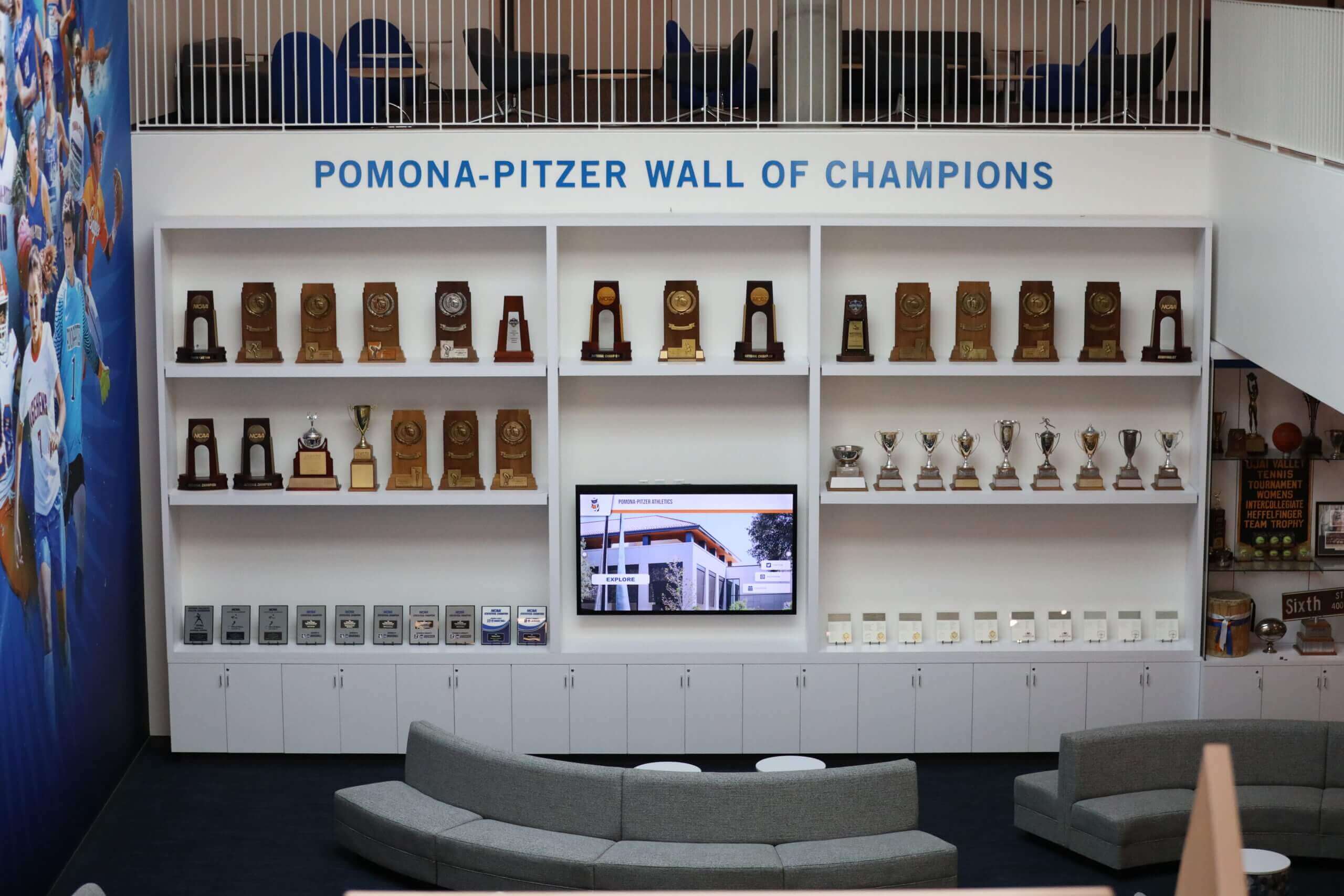
Trophy Cases: State championship trophies occupy positions of honor in athletic facility trophy cases, though space limitations increasingly challenge schools with multiple championships. The IHSAA provides substantial championship trophies to title teams, along with runner-up and semi-state recognition. Effective trophy case displays contextualize hardware with plaques providing championship year, season record, key statistics, and roster listings. However, trophy cases face ongoing challenges as programs accumulate achievements exceeding available display space.
Facility Naming: Some schools honor championship coaches through facility naming, particularly for coaches delivering multiple titles or career achievements. Press boxes, field houses, weight rooms, and entire stadium complexes bear championship coach names, providing permanent institutional recognition. These naming decisions typically follow retirement or passing, celebrating careers rather than individual seasons.
Modern Digital Recognition Solutions
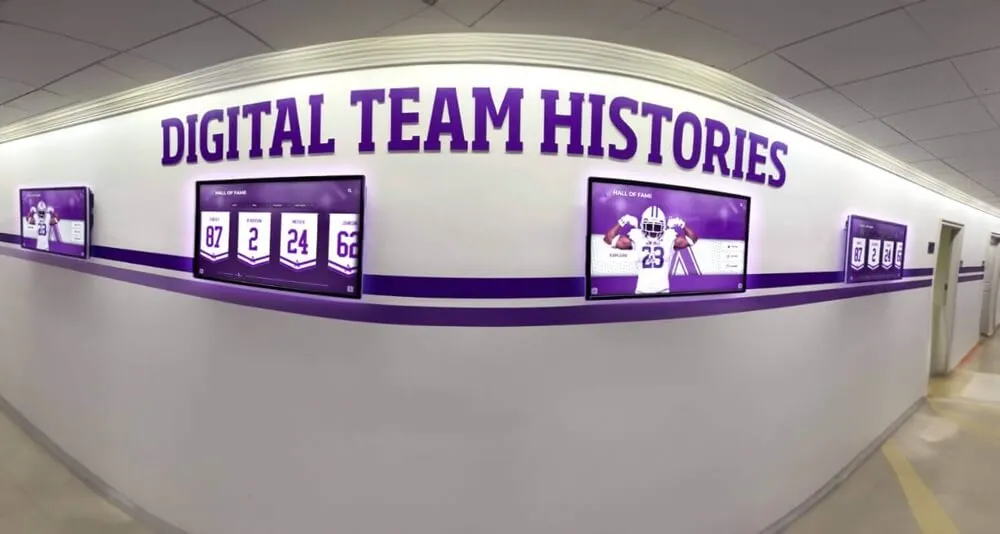
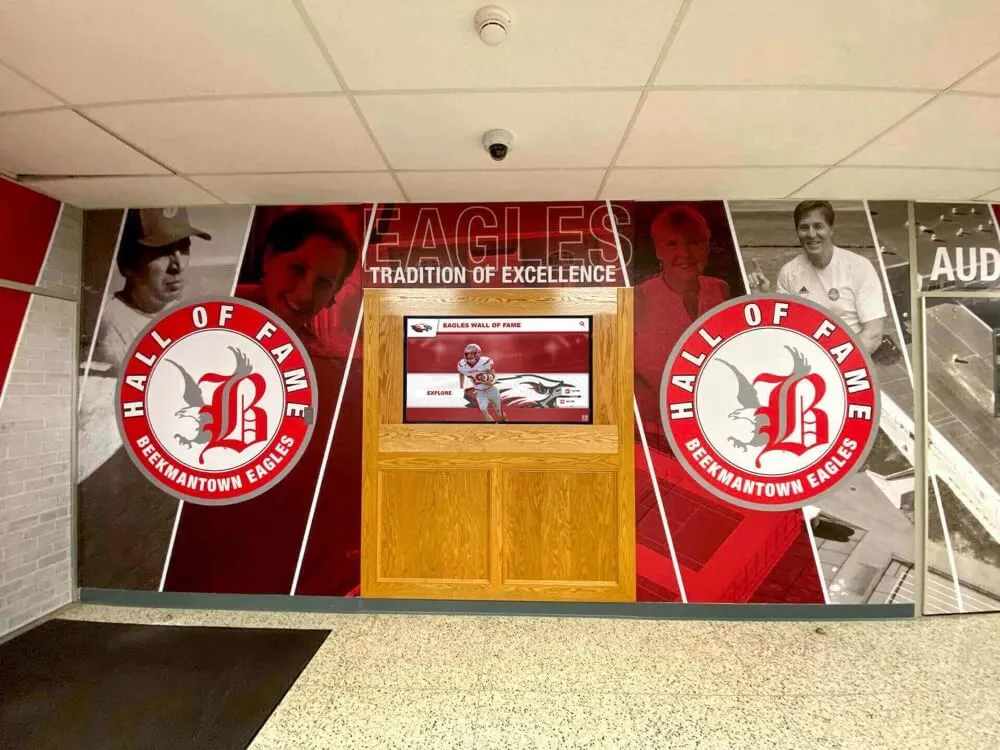
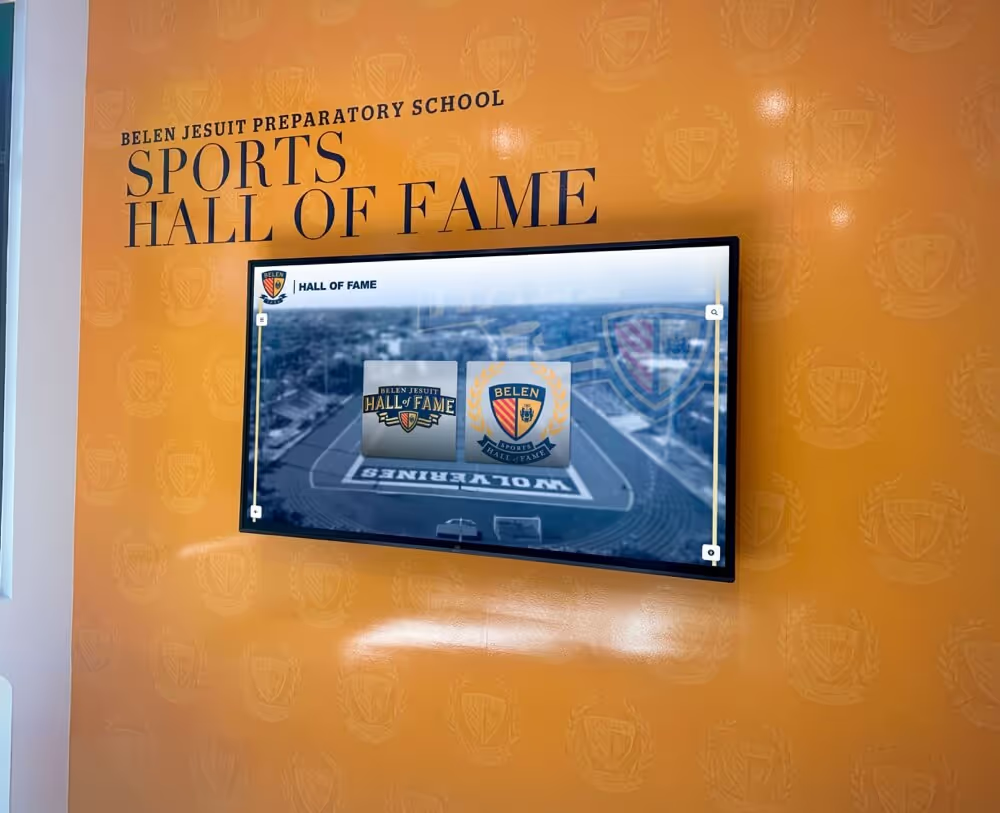
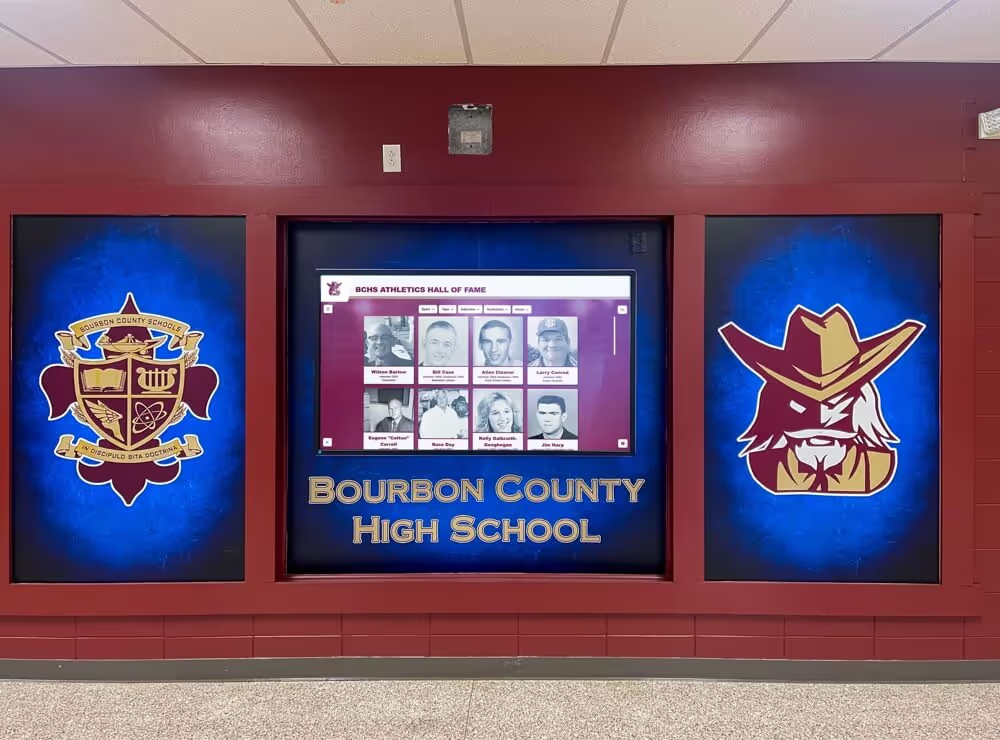
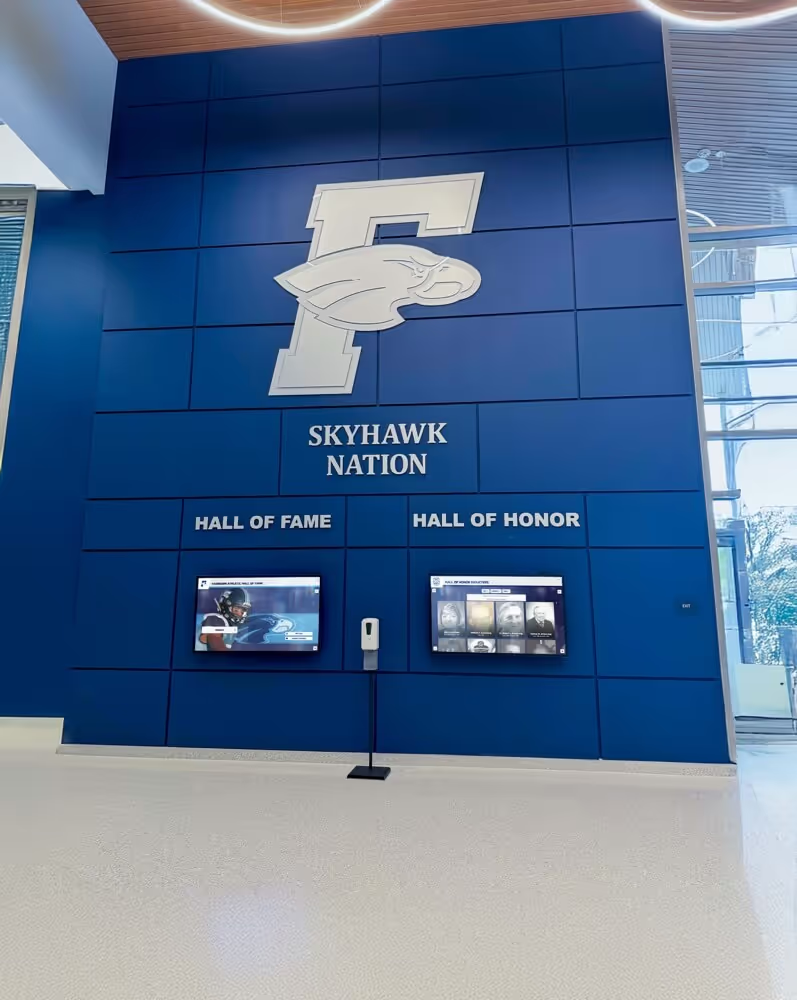
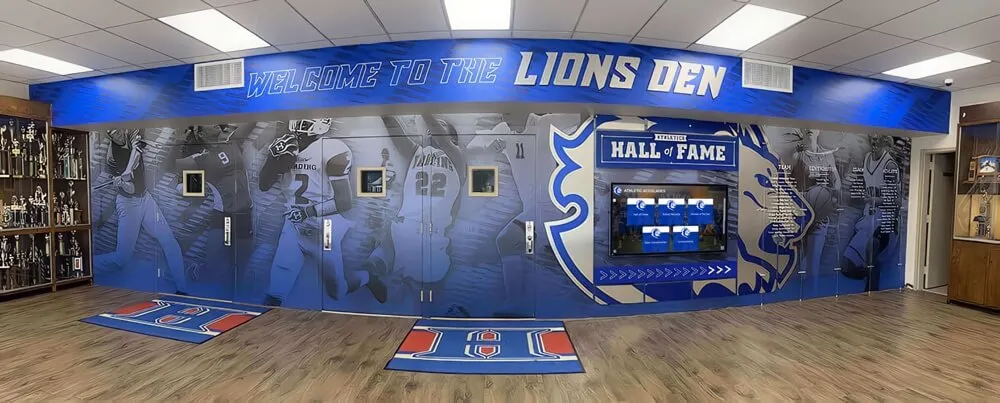
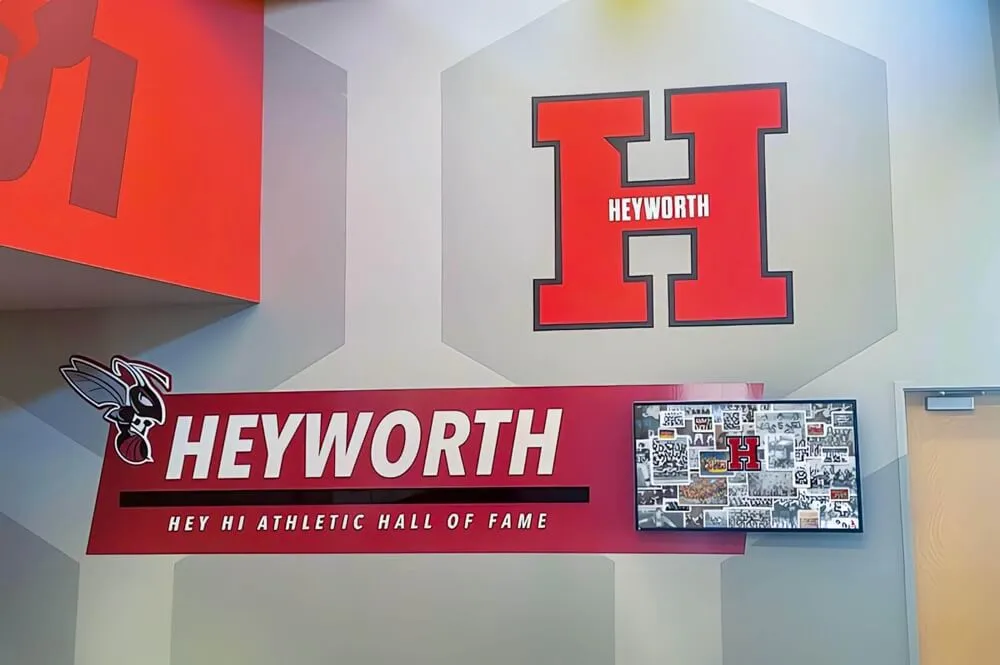
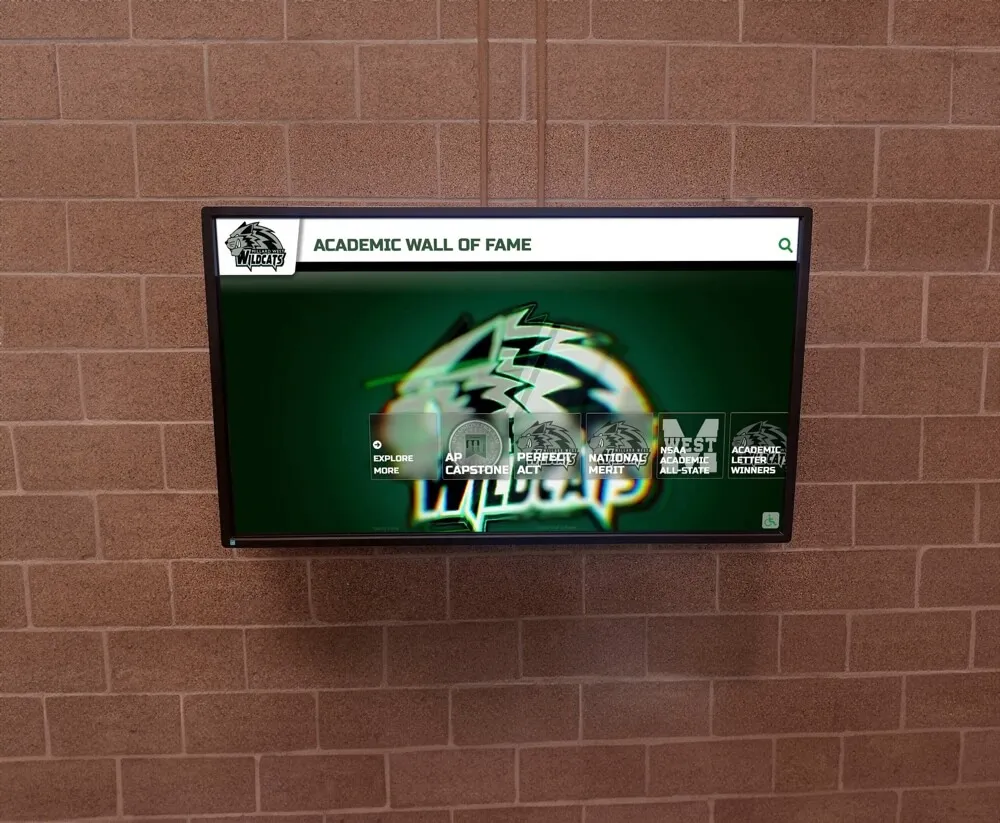
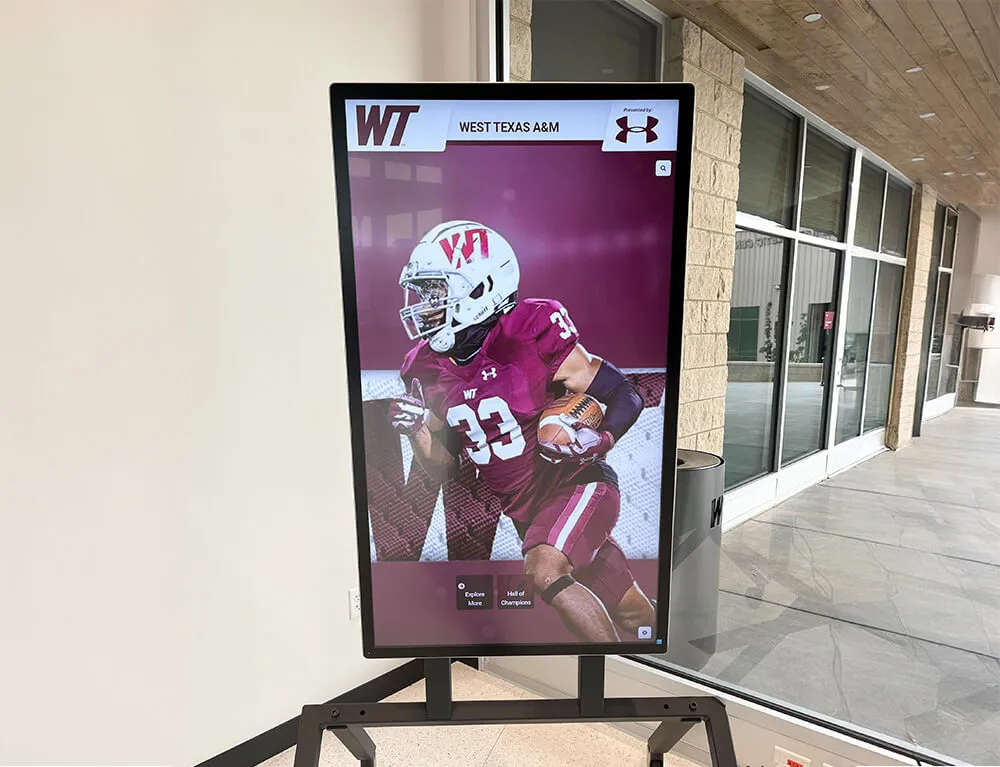
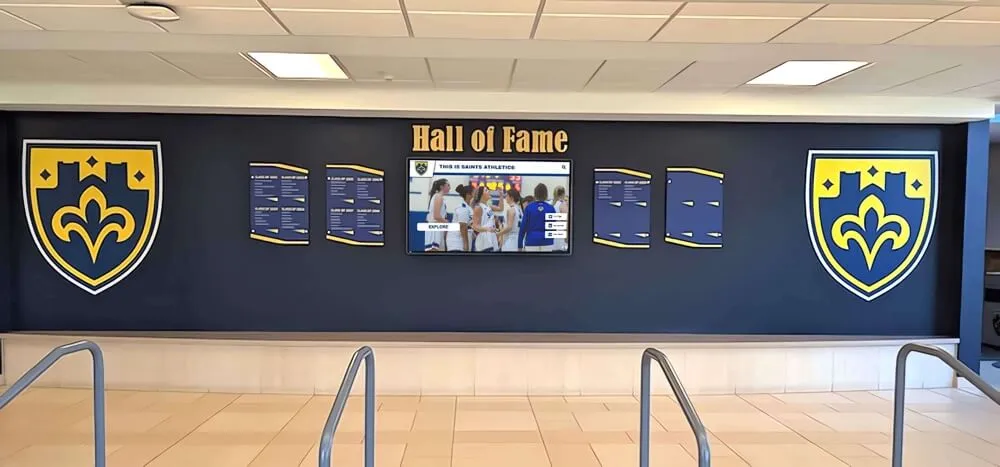
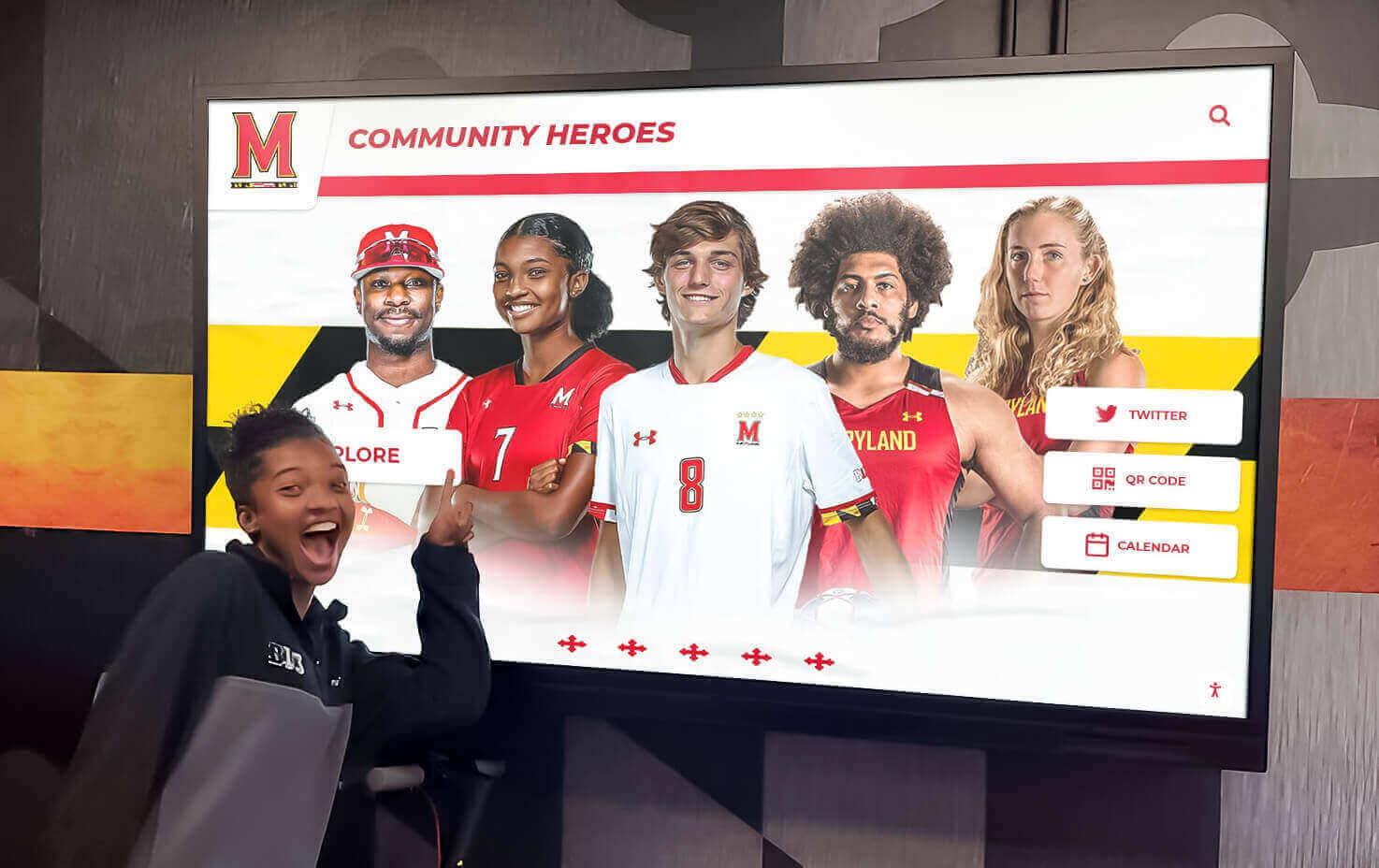
While traditional recognition maintains importance, progressive athletic programs increasingly supplement physical awards with digital recognition systems offering advantages that static displays cannot match. Solutions like digital athletic halls of fame provide unlimited capacity for comprehensive championship documentation.
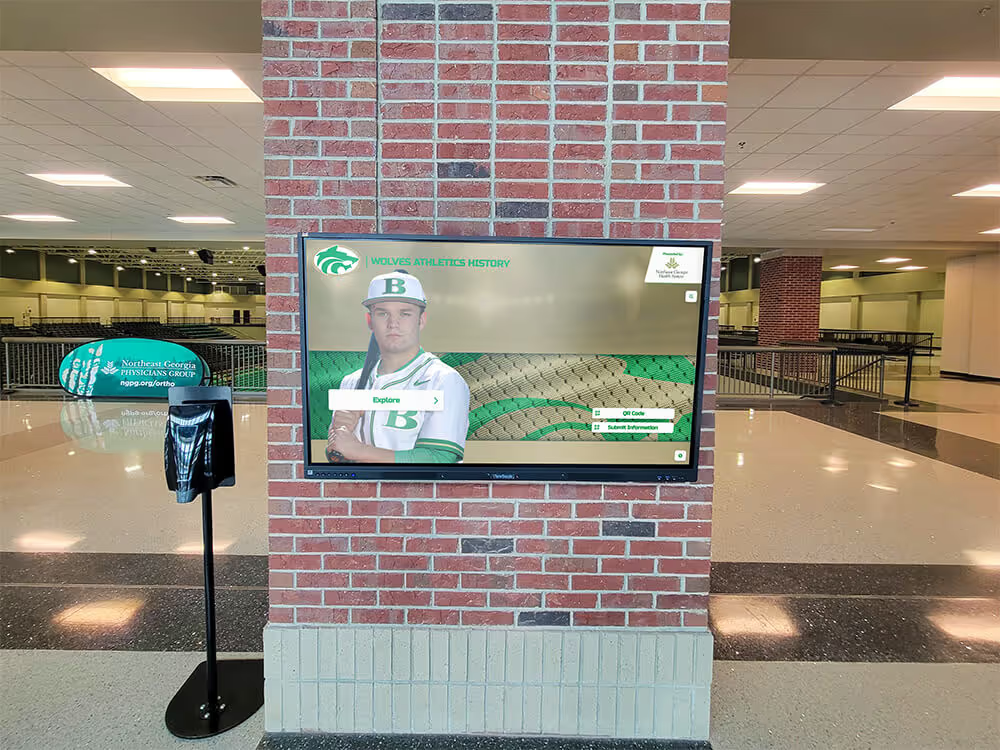
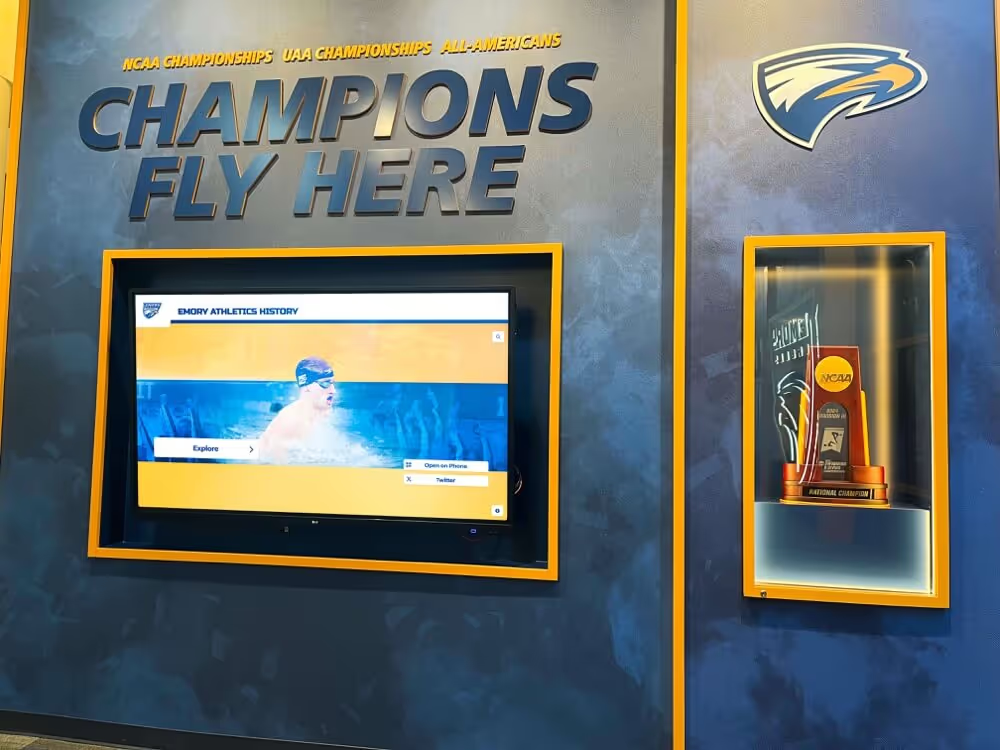
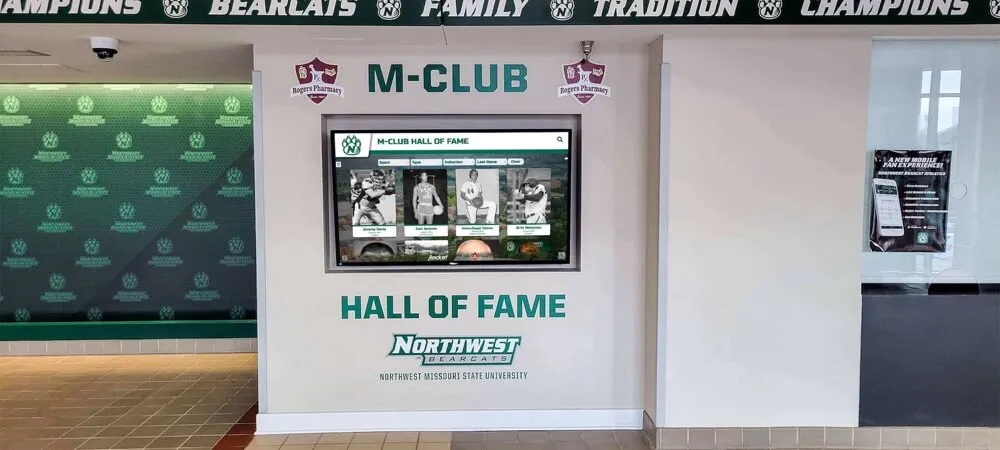
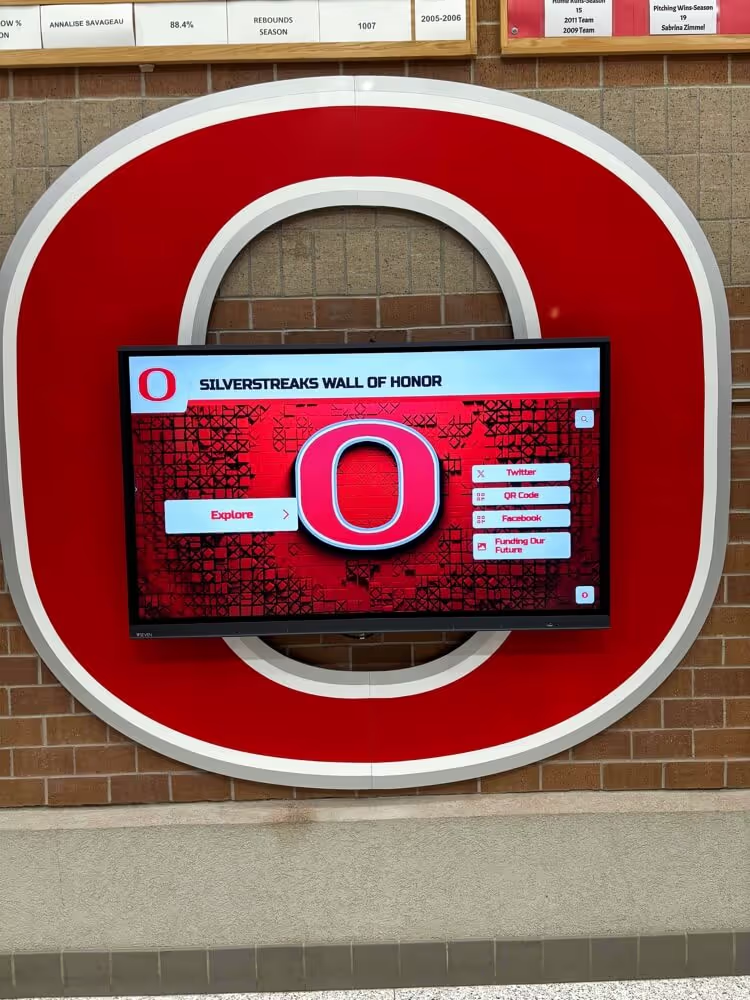
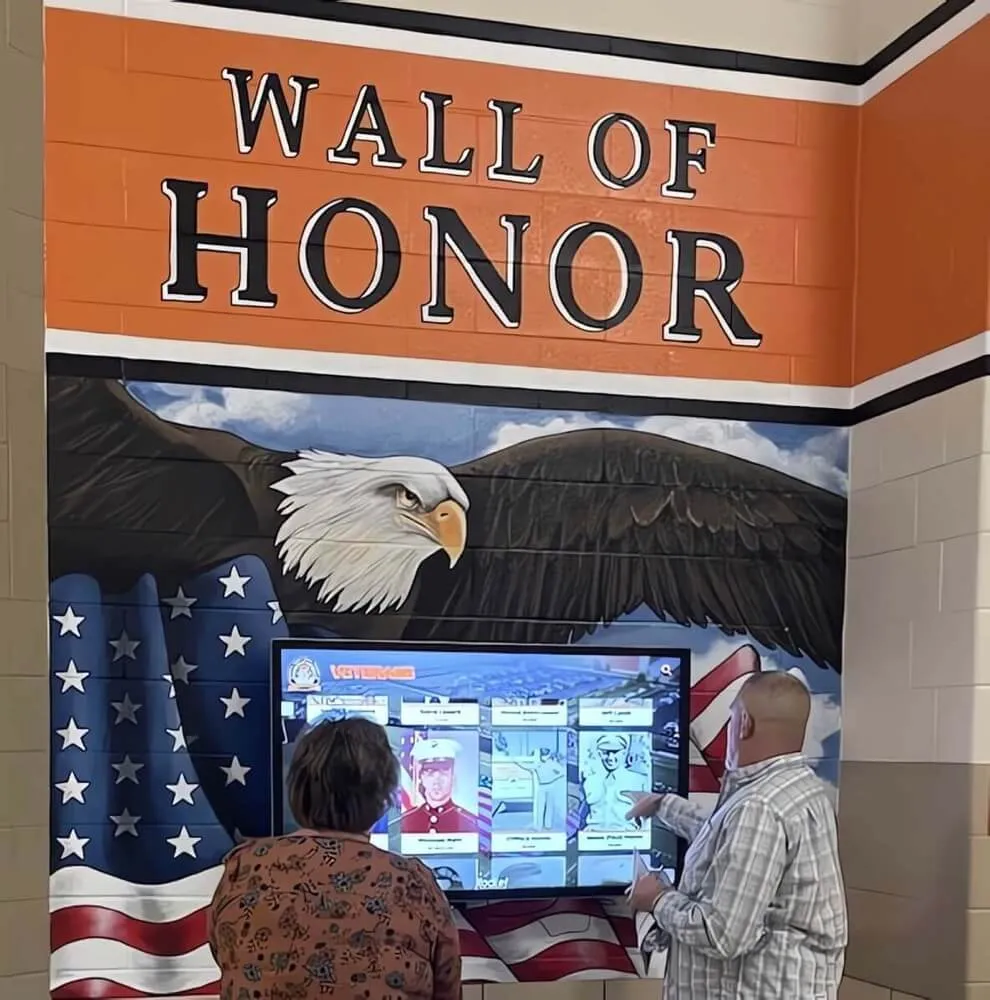
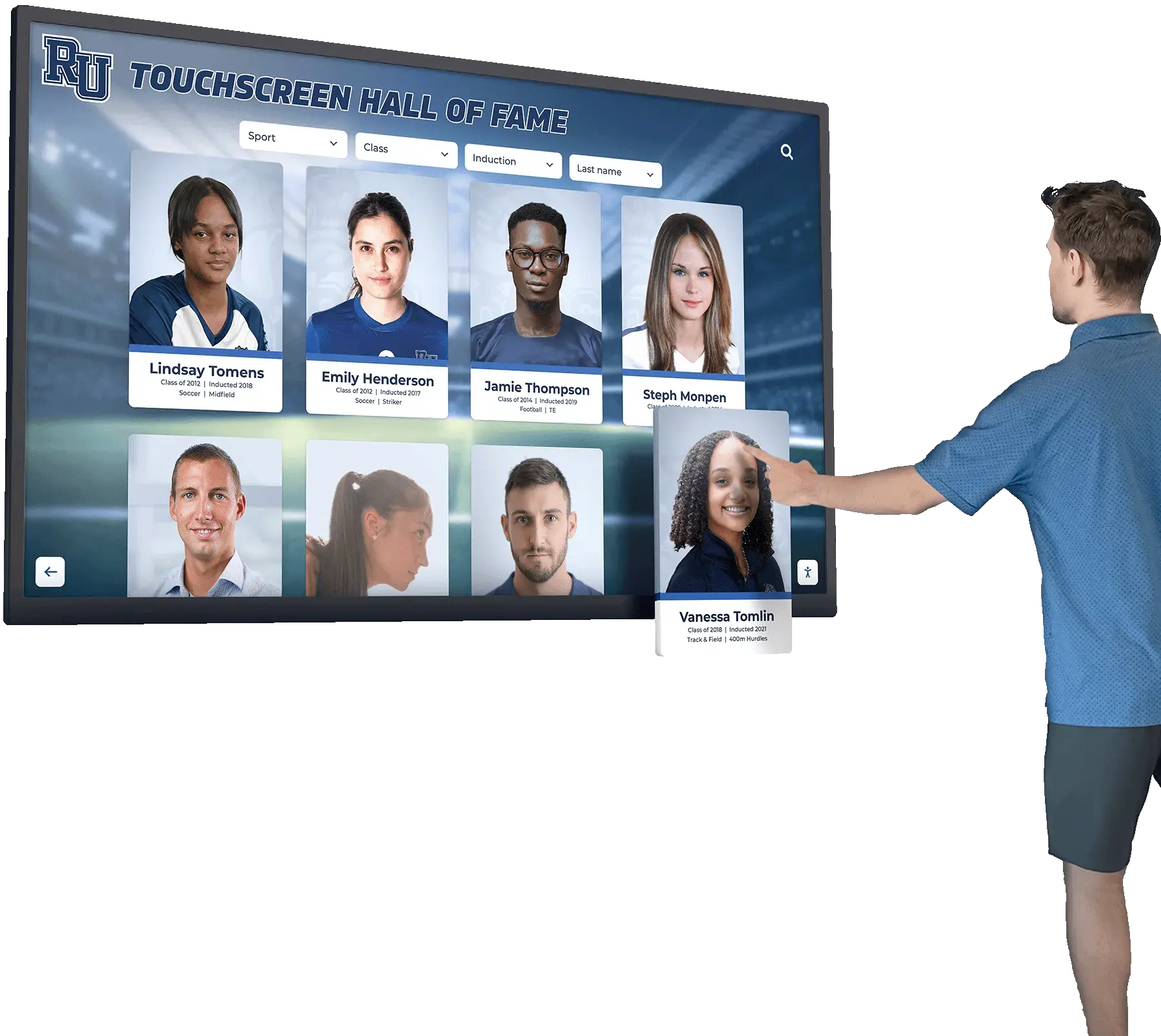
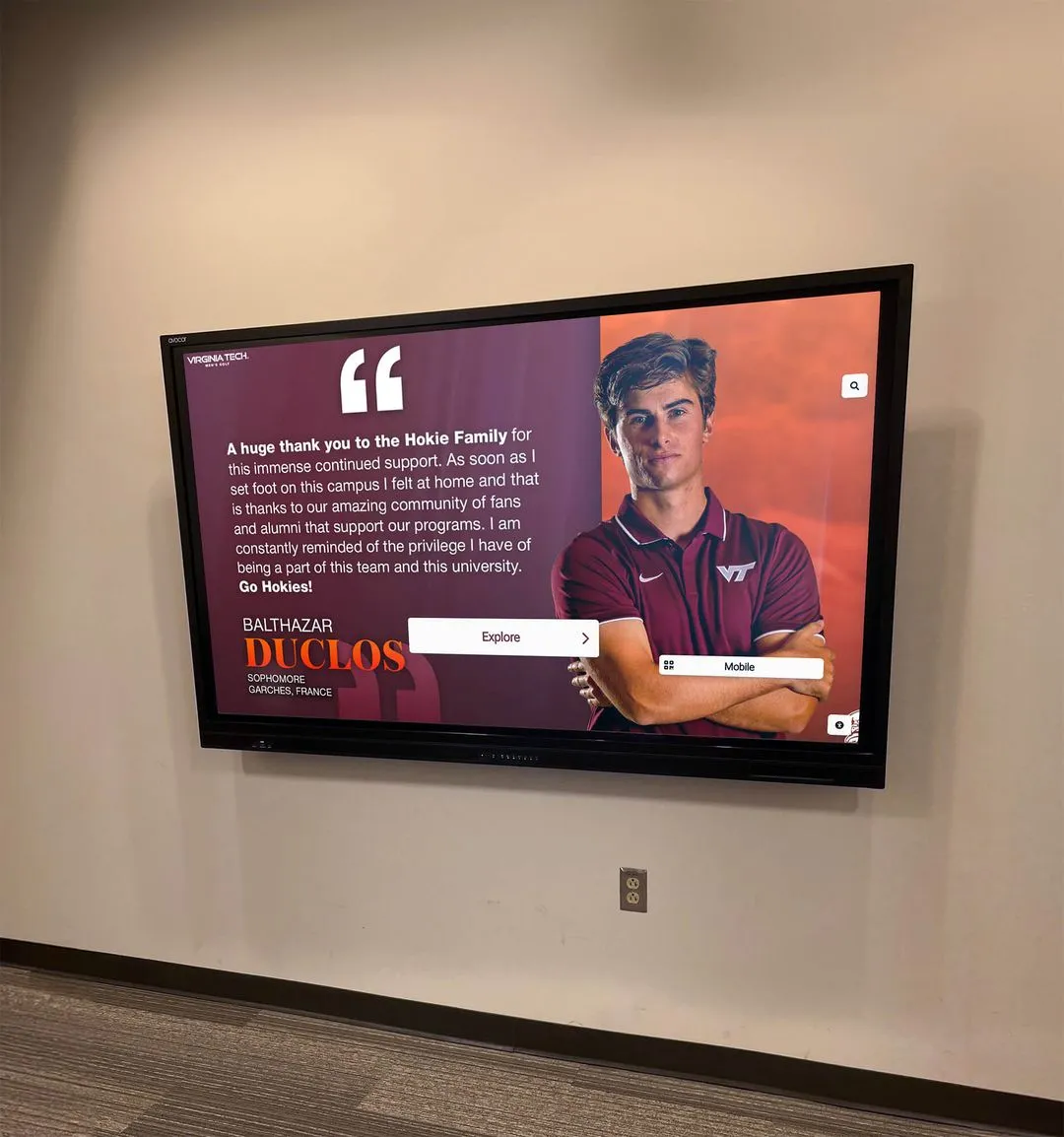
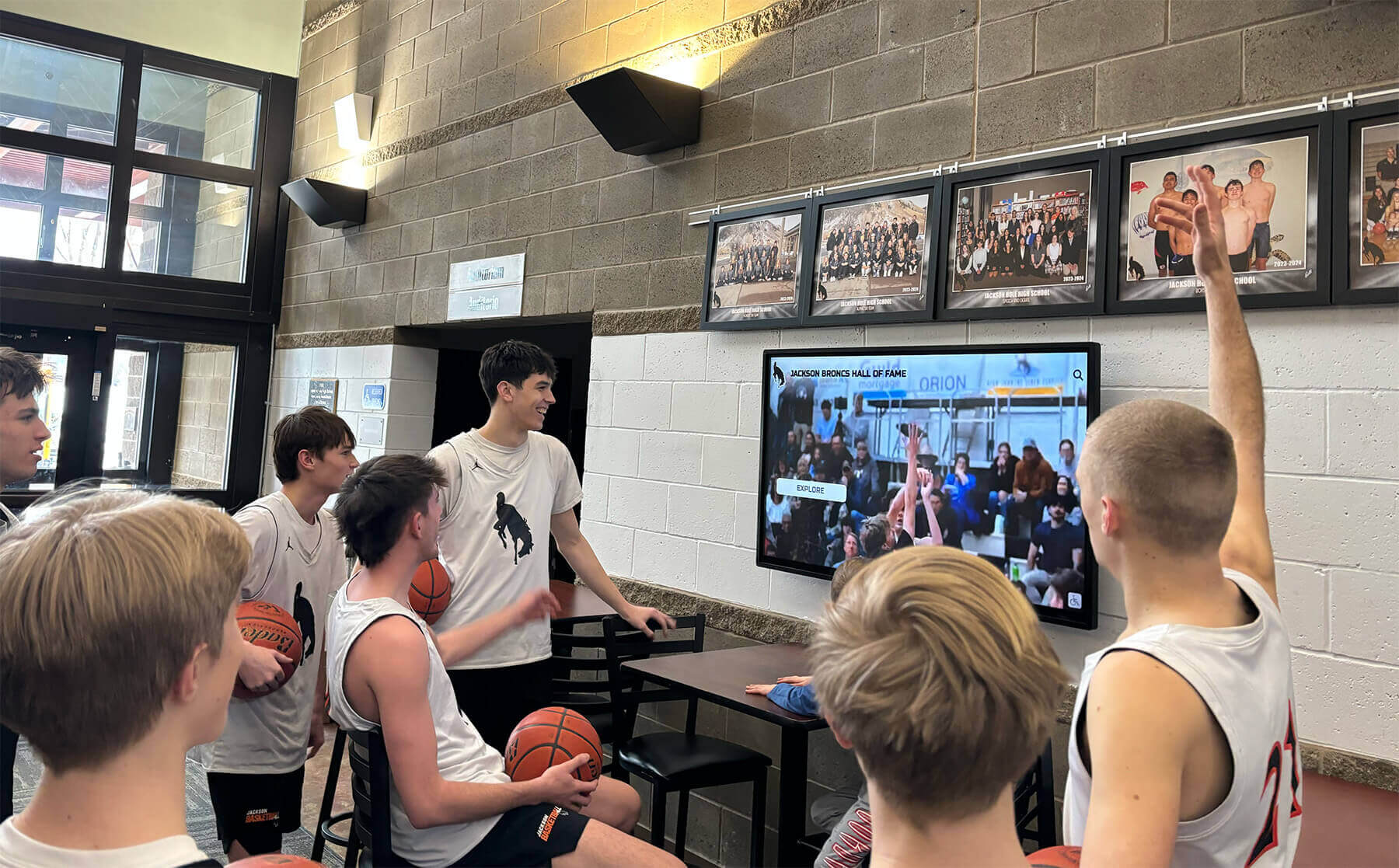
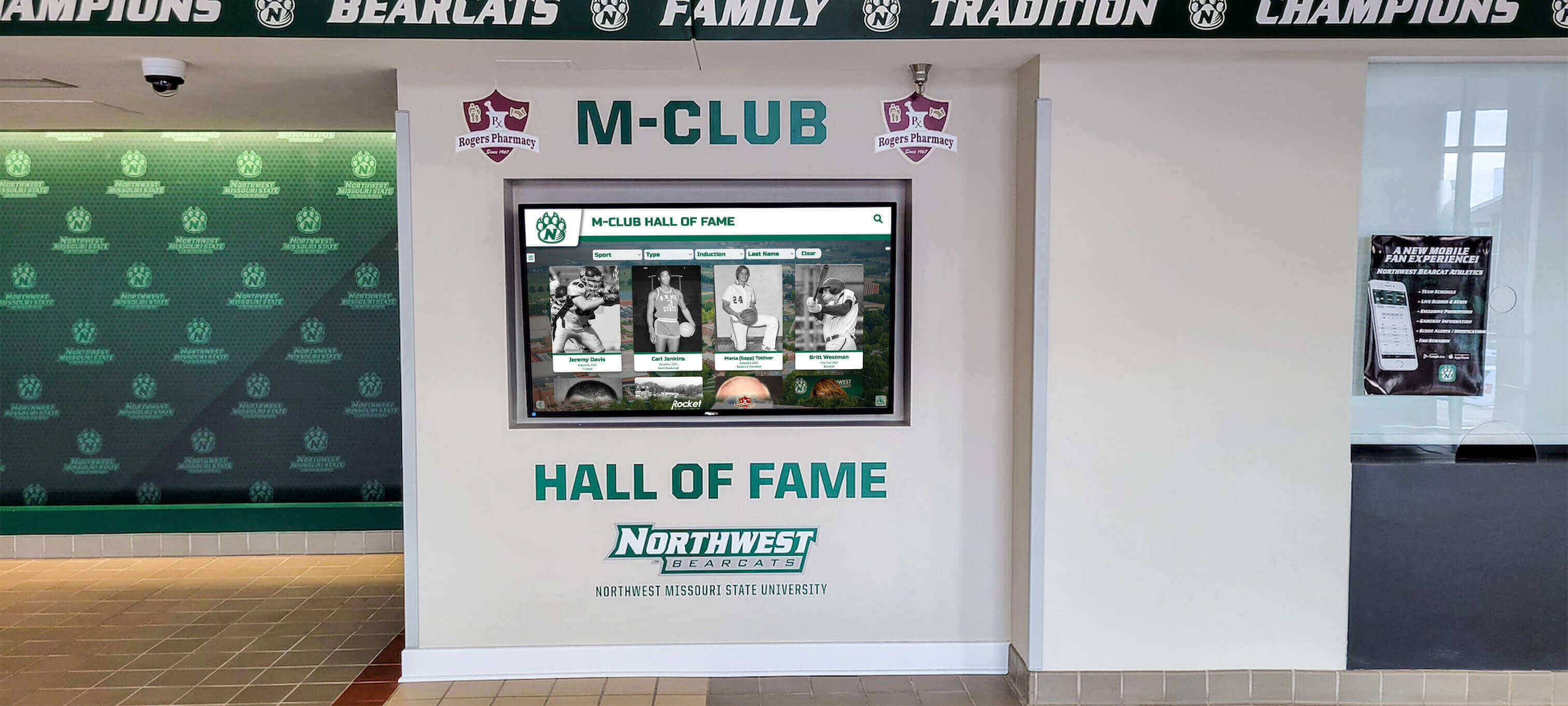
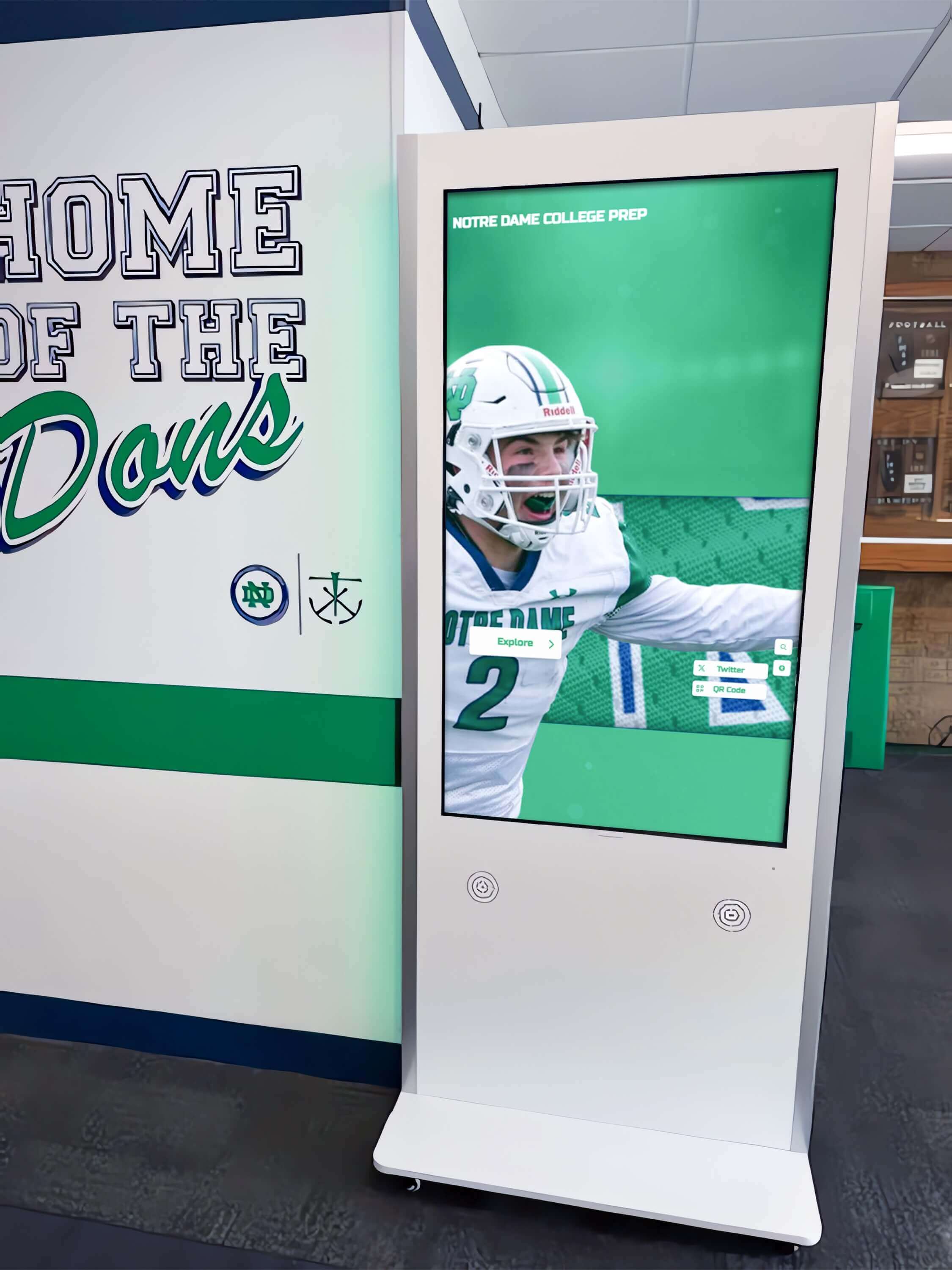
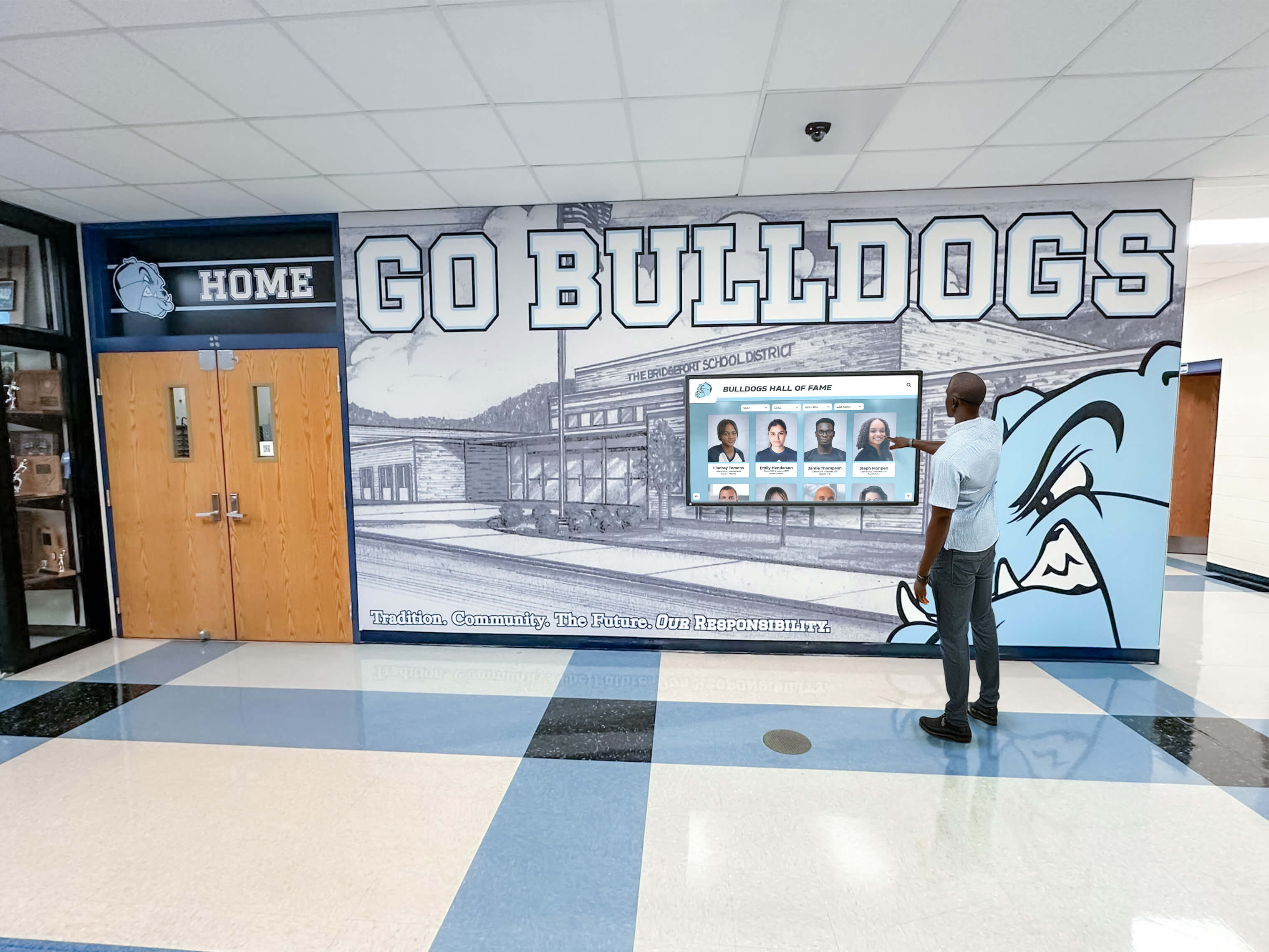
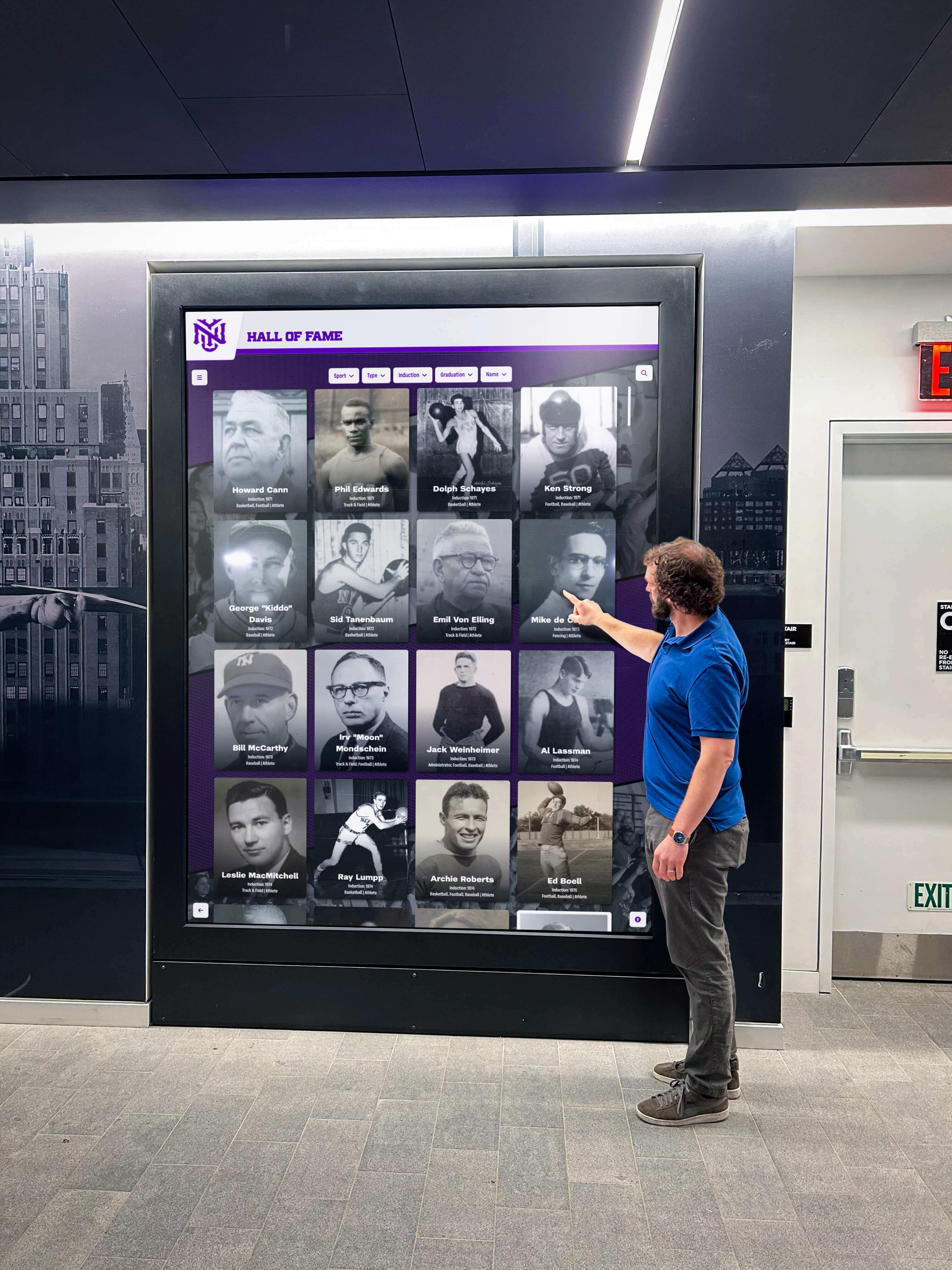
Interactive Touchscreen Displays: Purpose-built interactive displays installed in athletic facility lobbies transform championship recognition from passive viewing into engaging experiences. These systems enable comprehensive championship team profiles featuring complete rosters with player photos and positions, season statistics and game-by-game results, playoff brackets showing tournament progression, championship game highlights and key moments, and coach profiles with biographical information.
Unlike trophy cases with severe space constraints, digital displays accommodate unlimited championships—every title team receives equal representation regardless of when championships occurred. Schools with trophy case capacity challenges find digital solutions particularly valuable, preserving complete championship histories without physical space limitations.
Championship Journey Maps: Advanced recognition systems create visual “journey maps” documenting championship seasons from summer practice through state final victory. These timelines include regular season highlights and key victories, sectional, regional, and semi-state playoff results, opponent information and game scores, statistical leaders at each tournament stage, and celebration photos from championship moments.
Journey maps provide context that static trophies cannot convey—the complete story of championship seasons rather than merely final outcomes. Programs implementing state championship journey recognition create compelling narratives that inspire current athletes while honoring championship teams.
Multimedia Highlight Integration: Digital recognition platforms integrate video highlights directly into championship team profiles, bringing achievements to life through game footage. Championship game highlights, season recap videos, player and coach interviews, and celebration footage transform recognition from historical documentation into emotional experiences. Alumni revisiting their championship teams can watch highlights decades later, while current students witness the moments that built program tradition.
Championship Season Documentation
Comprehensive championship recognition requires systematic documentation throughout championship seasons, not just after state final victories.
Photography Programs: Quality championship recognition depends on exceptional photography capturing key moments. Progressive programs designate photographers for every playoff game, ensuring comprehensive visual documentation. Essential photography includes game action from multiple angles and perspectives, sideline celebration and emotion, championship trophy presentations, team and position group photos, and coach and senior player portraits. Professional photography services typically cost $500-$1,500 per game but create invaluable permanent records.
Video Production: Championship season video documentation provides multimedia content for immediate celebration and long-term recognition. Many programs produce championship season highlight films featuring playoff game highlights, key plays and turning points, player and coach sound bites, and championship celebration moments. These videos become treasured program artifacts, viewed repeatedly by alumni and shown to current teams for inspiration. Schools with video production programs can create quality content in-house, while others contract professional videographers.
Statistical and Historical Records: Proper championship documentation includes comprehensive statistical records beyond basic game scores. Record complete individual and team statistics, preserve game programs and newspaper coverage, document championship game conditions and attendance, and maintain roster details including jersey numbers and positions. Decades later, this information becomes invaluable for championship history preservation and recognition accuracy.
Community Celebration Events
Championship victories generate community celebration opportunities that strengthen connections between schools and communities while providing recognition moments for participants.
Championship Homecomings: Many Indiana championship teams return home to community celebrations featuring police and fire department escorts through town, community gatherings at schools or public venues, and opportunities for players and coaches to address supporters. These homecomings provide communal celebration, with entire towns participating regardless of direct school connections. For small-town programs, championship homecomings become major community events drawing hundreds or thousands of residents.
Recognition Ceremonies: Formal school board or community leader recognition ceremonies acknowledge championship achievements officially. School boards pass resolutions recognizing championships, community leaders present proclamations, and local media cover events. These formal recognitions provide gravitas beyond athletic celebration, positioning championships as significant institutional and community achievements worthy of official acknowledgment.
Championship Banquets: End-of-season banquets provide opportunities for comprehensive recognition beyond immediate post-championship celebration. Banquets typically feature highlight video presentations, individual award recognition, championship ring distribution, and speeches from players, coaches, and administrators. Quality banquets create memorable recognition moments for participants while raising program profiles through attendance by community leaders, local media, and future recruits.
Building Lasting Championship Legacies
Effective championship recognition extends beyond immediate celebration to create lasting legacies that preserve achievement for future generations while inspiring current and future student-athletes.
Creating Comprehensive Championship Archives
Championship recognition should systematically preserve complete historical records enabling future recognition and research.
Digital Archive Development: Schools should maintain organized digital archives containing all championship-related materials including photographs and video footage, statistics and game records, news coverage and published materials, roster information and biographical details, and coaching staff documentation. Cloud-based storage ensures materials remain accessible and preserved regardless of personnel changes. Organized archives enable future recognition enhancements as technology evolves and provide resources for anniversary celebrations.
Physical Artifact Preservation: Important physical championship artifacts deserve proper preservation including championship trophies and plaques, game-worn jerseys and equipment, championship rings and jewelry, newspaper front pages and coverage, and official IHSAA championship awards. Climate-controlled storage protects artifacts from deterioration, while careful documentation tracks artifact location and history. Programs occasionally display artifacts in rotation, creating fresh recognition content while protecting long-term preservation.
Oral History Collection: Championship participant perspectives provide invaluable context that statistics and game footage cannot capture. Progressive programs systematically collect oral histories through recorded interviews with key players, head coaches and assistant coaches, team managers and support staff, and community members who experienced championships. These oral histories become priceless program resources, preserving memories and perspectives that would otherwise disappear as years pass. Interviews conducted shortly after championships capture fresh emotions and details, while follow-up interviews decades later provide perspective on championship impact.
Integrating Championship Recognition into Program Culture
Effective championship recognition continuously reinforces program excellence standards rather than becoming static historical documentation.
Current Team Connections: Championship recognition should actively connect past success with current teams. Programs might feature former championship players at practices or team events, invite championship coaches to speak during playoffs, display championship content in locker rooms and meeting spaces, and incorporate championship stories into team messages and motivation. These connections demonstrate that championships represent program tradition rather than isolated historical achievements, establishing excellence as program identity.
Youth Program Engagement: Championship recognition creates powerful recruitment and development tools for youth programs feeding high schools. Youth teams visit championship displays during facility tours, learn about championship players who started in youth programs, attend championship team recognition events, and receive messages from championship coaches emphasizing development pathways. This integration demonstrates to young athletes that championships result from years of preparation beginning in youth programs, encouraging early commitment to excellence.
Recruiting Showcase: Championship recognition provides crucial recruiting advantages when prospects visit campuses. Comprehensive displays featuring athletic achievement documentation demonstrate program tradition and success more effectively than verbal claims. Recruits can explore championship team profiles, watch highlight videos, and understand the culture and expectations that produced success. Quality recognition signals program professionalism and commitment to honoring athlete achievement—factors influencing recruiting decisions.
Championship Anniversary Recognition
Milestone championship anniversaries provide opportunities to reconnect championship participants while celebrating historical achievements.
Reunion Event Planning: Championship anniversaries—particularly 10-, 25-, and 50-year milestones—warrant reunion events reconnecting team members. Effective reunions include facility tours showing program evolution, recognition ceremonies acknowledging anniversary, opportunities for team members to reconnect, and attendance at current team games. These events strengthen alumni connections while demonstrating to current athletes that championship bonds last lifetimes.
Updated Recognition Content: Anniversary milestones enable recognition content updates featuring “where are they now” profiles updating championship participant careers and lives, reflection interviews discussing championship impact decades later, comparison content examining program evolution since championships, and historical context explaining championship significance. Updated content keeps championship recognition fresh while providing new perspectives that deepen understanding.
Historical Documentation Projects: Significant anniversaries justify intensive historical documentation efforts including comprehensive oral history collection, artifact digitization and preservation, statistical and record compilation, and multimedia production examining championship legacies. These projects often uncover previously unknown details and photographs, enriching championship documentation while creating new recognition content.
The Financial Investment in Championship Recognition
Understanding recognition costs helps schools plan appropriate budgets and identify funding sources.
Immediate Championship Costs
Championship seasons generate immediate recognition expenses that many programs fund through booster clubs or fundraising.
Rings and Jewelry: Championship rings typically represent the largest immediate expense at $100-$300 per ring. Teams with 50-75 players, coaches, and support staff face $5,000-$20,000 total costs depending on ring quality. Many programs order rings for entire athletic departments or include school administrators in recognition, increasing totals further.
Banners and Signage: Quality championship banners cost $200-$500 depending on size and materials. Indoor gymnasium banners typically run $200-$300, while weatherproof outdoor stadium banners exceed $400-$500. Schools with multiple venues often purchase multiple banners, and indoor display cases require additional championship plaques at $50-$150 each.
Celebration Events: Championship homecoming rallies, banquets, and recognition events generate costs including venue rental or catering, audio/visual equipment and production, programs and printed materials, and decorations and recognition items. Events range from modest school gatherings costing $500-$1,000 to elaborate banquets with professional production exceeding $5,000-$10,000.
Long-Term Recognition Investments
Beyond immediate championship celebration, schools invest in permanent recognition infrastructure.
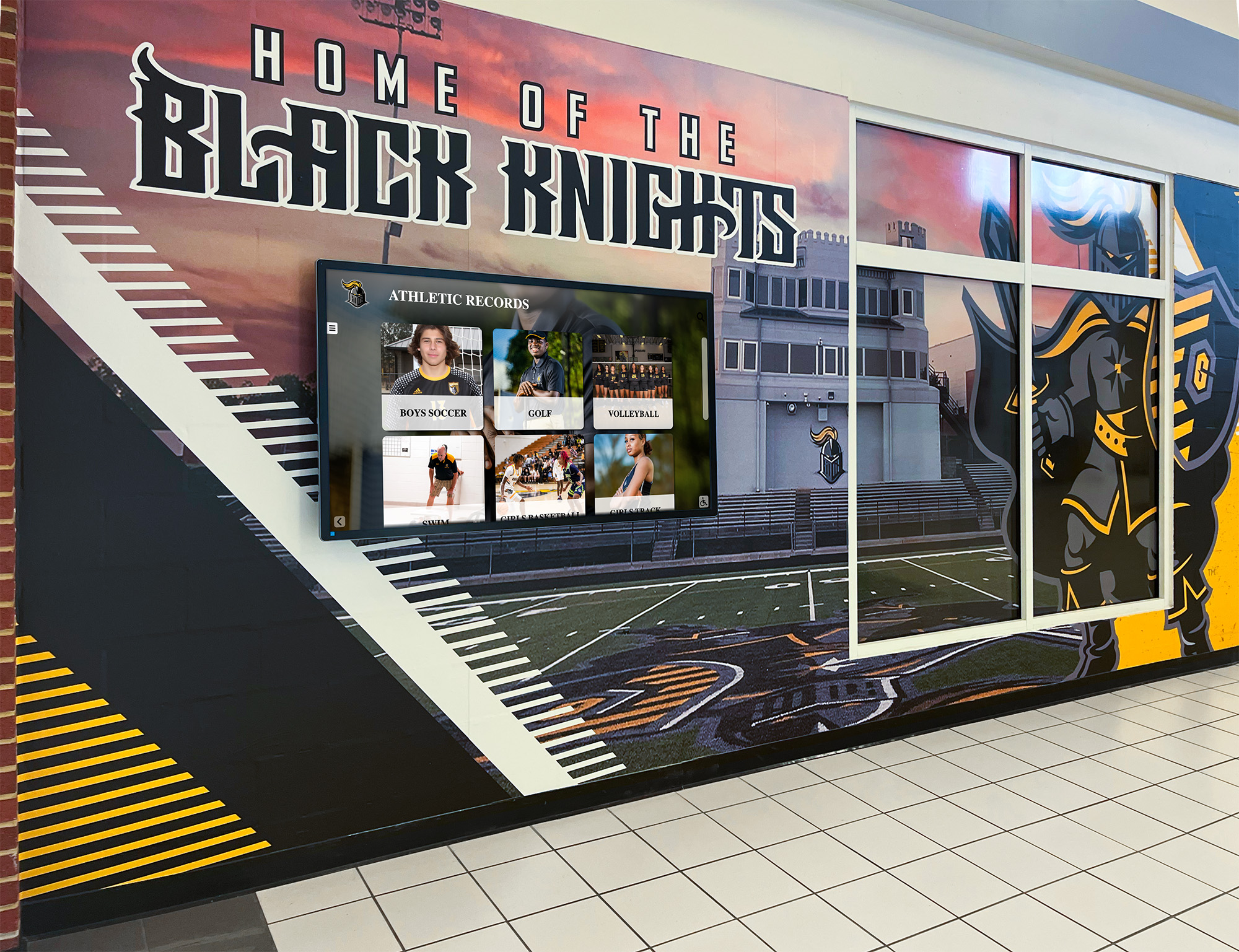
Digital Display Systems: Purpose-built recognition displays represent substantial investments delivering decades of value. Quality systems including commercial-grade touchscreen hardware, specialized recognition software, professional installation, and initial content development typically cost $15,000-$35,000 depending on display size and customization. However, these systems accommodate unlimited future championships without additional physical construction, making them increasingly cost-effective as programs accumulate achievements. Annual software licensing and content management support typically costs $2,000-$4,000.
Physical Facility Enhancements: Traditional physical recognition requires ongoing investment as programs outgrow existing trophy cases. Trophy case additions cost $5,000-$15,000 depending on size and construction, while banner installation infrastructure requires mounting hardware and periodic replacement as materials deteriorate. Schools face difficult decisions about which achievements receive limited physical display space, driving interest in digital alternatives with unlimited capacity.
Content Development Resources: Quality recognition requires professional photography and videography that many schools cannot produce in-house. Professional game photography ranges from $500-$1,500 per event, while championship video production costs $2,000-$5,000 for comprehensive season highlight films. Schools with student media programs can develop quality content in-house with proper equipment and supervision, reducing costs while providing educational opportunities.
Funding Championship Recognition
Most championship recognition funding comes from sources beyond school operating budgets.
Booster Club Support: Athletic booster organizations typically fund championship rings and immediate celebration expenses. Many booster clubs maintain championship funds specifically for this purpose, with contributions designated for championship recognition. Strong booster organizations sometimes fund permanent recognition infrastructure as capital projects.
Alumni Fundraising: Championship team alumni often contribute to recognition honoring their achievements. Reunion fundraising can support anniversary recognition enhancements, updated displays, or scholarship funds in championship team names. Alumni particularly support recognition preserving their legacies and ensuring future championship teams receive comparable honor.
Corporate Sponsorship: Local businesses sometimes sponsor championship recognition elements in exchange for naming recognition or advertising. Sponsorships might fund championship banners, display systems, or celebration events. However, schools must balance sponsorship benefits against potential commercialization concerns and policy restrictions on corporate involvement.
Indiana Football Championship Culture and Community Impact
State championships create impacts extending far beyond participating athletes and coaches, shaping community identity and institutional culture.
Small-Town Championship Identity
In Indiana’s smaller communities, football championships often become defining community moments that shape identity for generations.
For towns with populations under 5,000 residents, state championships represent rare occasions when their communities gain statewide recognition and media attention. Championship seasons unite entire towns regardless of school connections—businesses close for championship games, community members travel hundreds together to Lucas Oil Stadium, and championship recognition appears throughout town for years afterward.
These championships create shared community memories that residents reference decades later. Longtime residents recall exactly where they were during championship games, describe championship team homecomings with precision, and maintain personal connections to championship participants. In communities where population declines and economic challenges dominate headlines, championships provide sources of pride and positive identity that endure.
Small-town championship teams often feature remarkable depth of family connections—brothers playing together, sons of former players, coaches who competed for the same program decades earlier. These family connections intensify community investment since championships honor multi-generational family traditions rather than just current participants.
Suburban Program Championships
For Indianapolis suburban powerhouse programs, championships represent institutional expectations and competitive positioning within elite company.
Programs like Carmel, Center Grove, Warren Central, and Ben Davis compete in environments where championships define success and anything less constitutes disappointing seasons. These programs invest substantially in football—elite facilities, year-round strength and conditioning, dedicated coaching staffs, and comprehensive youth development. Championships validate these investments while attracting talented families to districts.
Suburban championships generate tremendous community pride but don’t define community identity the way small-town titles do. Instead, they represent institutional excellence among academically strong, well-resourced schools where athletic success complements rather than defines community character.
Competition among suburban powers creates intense rivalries where each championship shifts relative program status. Coaching decisions, facility investments, and program priorities receive scrutiny reflecting championships’ importance to institutional identity. Athletic directors face pressure to maintain championship competitiveness, leading to continued investment and program development.
Championship Impact on Student-Athletes
For individual athletes, state championship participation creates defining life experiences with lasting personal impact.
Many championship participants cite their title seasons as peak life experiences—moments of exceptional achievement resulting from years of preparation, shared with teammates who became lifelong friends. The discipline, teamwork, and perseverance required for championship success develop character traits benefiting athletes throughout life, regardless of whether they continue playing competitively.
Championship experiences provide unique perspective on setting ambitious goals, working toward collective achievement, and maintaining composure during high-pressure moments. Athletes learn that exceptional results require exceptional commitment—lessons applicable far beyond football fields.
For athletes continuing to collegiate or professional competition, high school championships provide confidence and credentials opening opportunities. Championship game performances showcase abilities on large stages, generating recruiting attention and scholarship offers. More importantly, championship experience demonstrates that players can perform when stakes are highest—intangible quality that coaches value tremendously.
The Role of Recognition in Building Championship Programs
Schools aspiring to state championships should understand how recognition systems influence program development and championship culture.
Recognition as Motivational Tool
Effective championship recognition motivates current athletes by making excellence visible and establishing clear aspirational targets.
When current athletes regularly encounter championship team displays featuring players just years older than themselves, championships seem attainable rather than abstract historical achievements. Seeing recognizable older siblings or friends honored for championships demonstrates that excellence happens through accessible pathways—quality coaching, consistent work, and team commitment rather than unrealistic talent requirements.
Programs implementing digital recognition systems find that comprehensive championship displays create powerful motivation. Athletes explore detailed championship team profiles, watch highlight videos, study statistics, and understand exactly what championship-level performance requires. This clarity helps athletes self-assess and identify development areas, focusing effort on specific skills and attributes that championship teams demonstrated.
Coaches reference championship recognition when establishing season goals, reminding teams of program standards and expectations. Championship displays provide tangible evidence that program excellence represents tradition rather than occasional occurrence, establishing cultures where championships constitute expectations rather than surprising achievements.
Recognition Supporting Recruiting
Quality championship recognition significantly influences recruiting success by demonstrating program excellence and culture to prospective athletes and families.
When prospects visit campuses, comprehensive recognition systems provide self-guided exploration of program history, achievement patterns, and culture. Recruits can discover championship team rosters identifying players from their positions or similar backgrounds, watch game highlights assessing competition level, and understand program expectations and standards. This exploration occurs organically without recruiting pitch pressure, often making deeper impressions than coach presentations.
Families evaluating programs appreciate recognition systems demonstrating that schools honor athlete achievement meaningfully. Parents want their student-athletes’ accomplishments preserved and celebrated—quality recognition systems signal institutional commitment to recognizing excellence appropriately. Programs with impressive recognition infrastructure demonstrate professionalism and resource commitment that distinguish them from competitors with comparable on-field results.
Digital recognition extends recruiting impact beyond campus visits through web-accessible platforms. Prospects can explore programs remotely during initial evaluation, and families can revisit content during decision-making. Social media sharing amplifies reach as current athletes share recognition content, generating organic promotion that reaches prospective families through trusted peer networks.
Recognition Strengthening Alumni Engagement
Championship recognition creates powerful alumni engagement tools supporting broader institutional advancement and program development.
Championship participants maintain lifelong connections to their teams and programs, making them highly engaged alumni populations. Quality recognition honors their achievements while maintaining visibility keeping programs present in their lives. When alumni revisit schools and encounter comprehensive recognition featuring their championships, they experience pride and validation reinforcing emotional connections.
Alumni engagement generates practical program support through financial contributions to booster clubs and capital projects, recruiting assistance and prospect identification, networking opportunities for current athletes, and program advocacy within communities. Championship recognition provides natural engagement hooks—reunion event organizing, content contribution requests for anniversary recognition, and opportunities to mentor current teams.
Programs implementing digital hall of fame platforms can enable alumni to update their own profiles with college career information, professional accomplishments, and personal milestones. This ongoing engagement transforms recognition from static historical documentation into living platforms maintaining connections across decades. Alumni appreciate opportunities to preserve their own legacies while staying connected to programs that shaped their development.
Planning Championship Recognition Infrastructure
Athletic directors and administrators planning recognition system investments should consider several strategic factors ensuring long-term value.
Scalability for Future Championships
Recognition systems should accommodate multiple future championships without requiring substantial additional investment or physical modification.
Traditional trophy cases eventually reach capacity, forcing difficult decisions about which achievements receive limited display space. Digital platforms eliminate this constraint entirely—adding new championships requires only content entry rather than physical construction. Programs should evaluate whether recognition approaches scale gracefully or create recurring challenges as achievements accumulate.
Consider recognition system capacity across all sports, not just football. Comprehensive athletic programs with 15-30 sports generate numerous championships and significant achievements. Recognition infrastructure should accommodate all program achievements rather than forcing sport-specific prioritization that may disadvantage non-revenue sports.
Balancing Tradition and Innovation
Many schools value traditional recognition elements—championship rings, banners, trophy cases—for their tangible permanence and historical continuity. Effective recognition strategies honor these traditions while incorporating modern capabilities that enhance rather than replace traditional elements.
Integrated approaches combining physical and digital recognition deliver best results. Physical championship trophies and banners provide the permanence and tradition that resonate with alumni, while digital platforms add unlimited capacity, multimedia storytelling, and interactive engagement. Together they create comprehensive recognition satisfying multiple stakeholder preferences and needs.
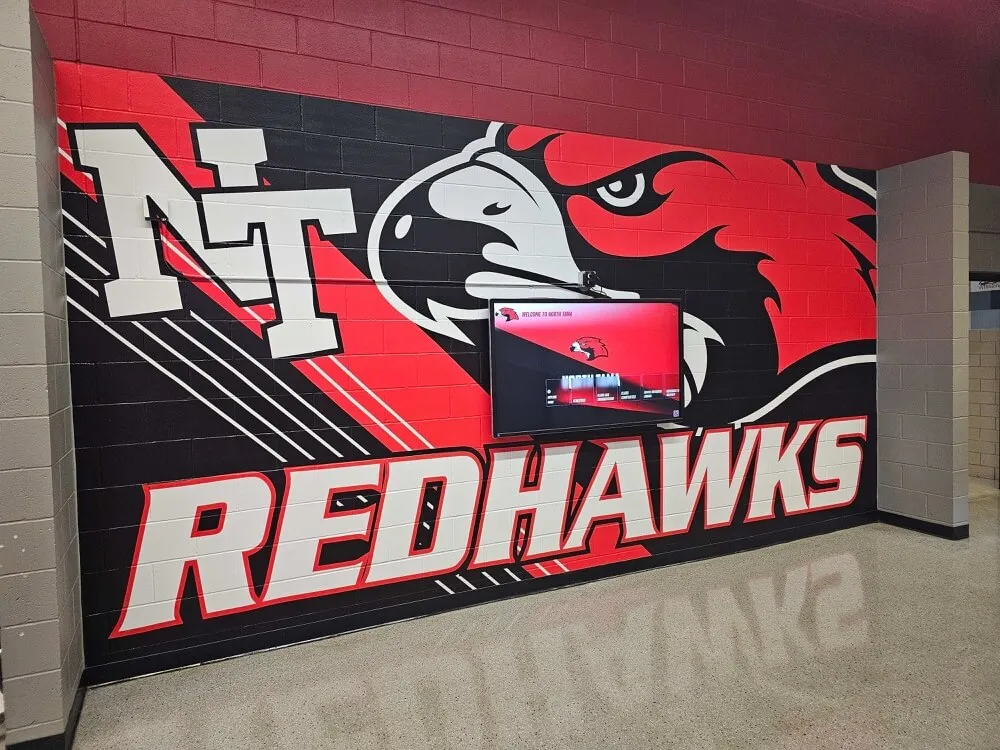
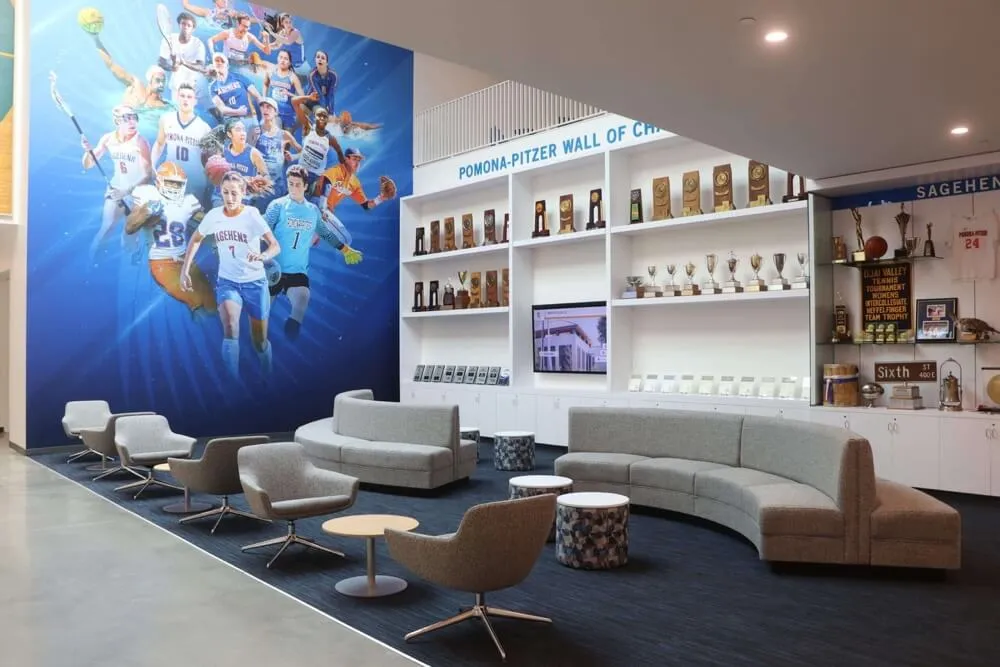
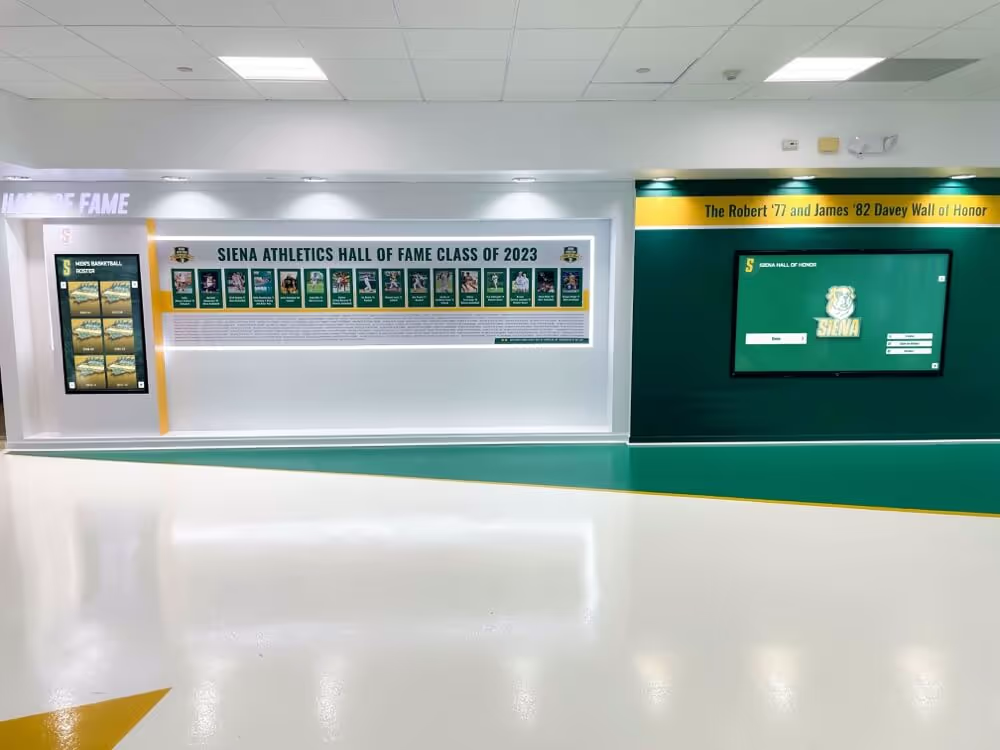
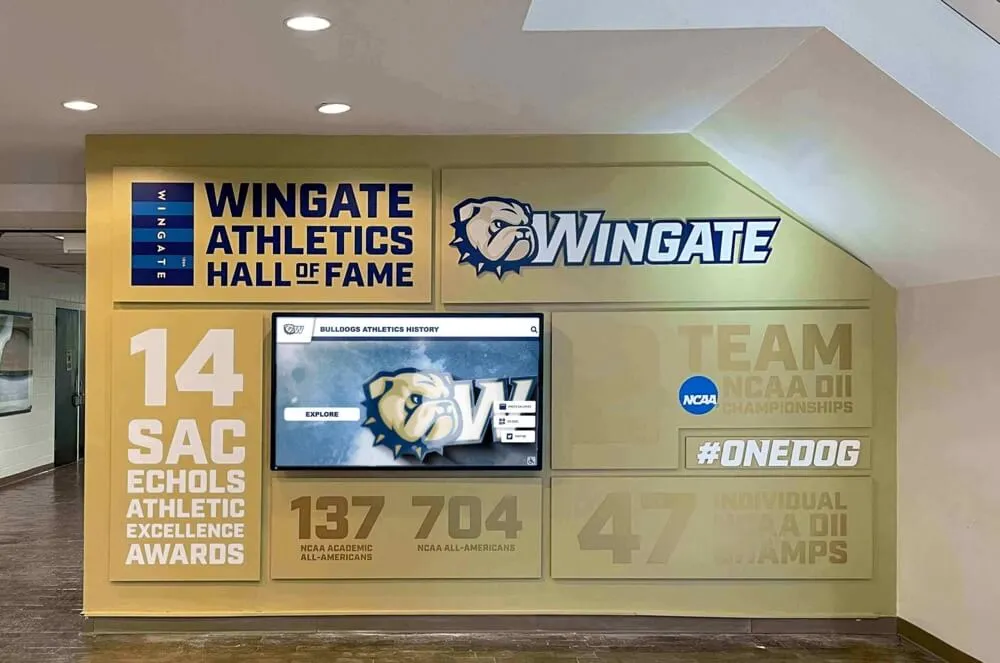
Many programs position digital displays adjacent to trophy cases, creating seamless transitions between traditional physical awards and comprehensive digital documentation. QR codes can connect physical elements to digital content, enabling visitors to scan trophies or plaques for complete championship team profiles, highlights, and historical context.
Long-Term Content Management
Recognition effectiveness depends on sustainable content management processes maintaining current, accurate information over decades.
Schools should honestly assess internal capacity for content development and management. Athletic departments with dedicated media staff or strong student media programs can produce quality content in-house with proper training and tools. Programs without these resources may need external support for photography, videography, and content creation.
Modern recognition platforms provide user-friendly content management systems enabling athletic directors, coaches, or administrative staff to maintain content without technical expertise. However, someone must own responsibility and dedicate time to updates—even intuitive systems require ongoing attention. Clarify content management responsibilities during planning rather than discovering post-implementation that no one has time for maintenance.
Consider whether recognition platforms provide ongoing support, training, and technical assistance ensuring long-term success. The best platforms include dedicated customer success resources helping schools maximize recognition value while troubleshooting issues quickly. Evaluate support quality during vendor selection since ongoing assistance often proves more valuable than initial features.
Conclusion: Honoring Indiana’s Championship Football Tradition
Indiana high school football state championships represent the pinnacle of athletic achievement for student-athletes, coaches, and communities throughout the Hoosier State. From the early days of single-class competition through today’s six-classification system, championships create memories that define programs and communities while building legacies that inspire future generations.
How schools celebrate and preserve these championships matters tremendously—not just for recognizing past achievements, but for building cultures where excellence flourishes. Comprehensive championship recognition honors participants appropriately while motivating current athletes, supporting recruiting efforts, strengthening alumni engagement, and preserving institutional history for future generations.
Modern recognition technology enables schools to document and celebrate championships more comprehensively than ever before. Digital platforms eliminate space constraints that forced previous generations to prioritize limited achievements while others disappeared from institutional memory. Interactive displays engage audiences actively rather than passive glancing at trophy cases. Multimedia capabilities bring championship moments to life through video highlights, detailed statistics, and comprehensive team profiles.
Yet technology simply enables recognition—the substance lies in the achievements honored and the institutional values championship celebrations express. Whether through traditional championship rings and banners or sophisticated digital recognition systems, effective celebration preserves championship legacies while building program cultures where future teams can achieve similar excellence.
For schools pursuing state championships or planning to honor existing titles appropriately, systematic recognition planning ensures championship achievements receive the honor they deserve. Document accomplishments thoroughly during championship seasons rather than attempting historical reconstruction later. Engage championship participants in recognition development, collecting their perspectives and materials. Invest in recognition infrastructure that scales as programs accumulate future achievements. And create recognition systems that inspire current athletes by demonstrating that championships represent attainable goals through dedication, teamwork, and pursuit of excellence.
Indiana’s high school football championships create community moments that resonate across generations. Schools that honor these achievements thoughtfully preserve irreplaceable legacies while building foundations for future championship success. Your championship teams deserve recognition matching their achievement—planning and implementing quality recognition systems ensures their legacies endure.
Ready to create comprehensive championship recognition that honors your program’s achievements while inspiring future excellence? Explore how digital recognition solutions can preserve your championship legacy while building the program culture that produces sustained success.