



Athletic directors, coaches, and parent organizers face numerous decisions when planning sports banquets: selecting appropriate venues, establishing recognition criteria, managing budgets, coordinating logistics, and creating presentations that genuinely celebrate athlete contributions. The difference between a forgettable gathering and a memorable celebration often lies in detailed planning, clear communication, and understanding what makes recognition meaningful to student-athletes and their families.
This comprehensive guide walks you through every aspect of sports banquet planning—from initial timeline development through post-event follow-up. Whether you’re organizing your first team banquet or seeking to enhance established traditions, these proven strategies help create events that honor athletes appropriately while building the program culture that sustains excellence season after season.
Understanding the Purpose and Value of Sports Banquets
Before diving into logistics and planning details, clarifying why sports banquets matter and what they should accomplish ensures your planning efforts align with genuine program goals rather than simply checking boxes on traditional obligations.
Core Purposes of Effective Sports Banquets
Formal Recognition of Achievement Sports banquets provide designated time and space for formally acknowledging the achievements, contributions, and growth that occurred throughout the season. While coaches offer in-the-moment praise during practices and post-game talks, banquets create formal recognition moments that validate athlete effort through structured awards, public acknowledgment before families and peers, and documented celebration that becomes part of program history.
This formal recognition carries weight that informal praise cannot match. Athletes receive tangible awards they can display, experience public acknowledgment before important people in their lives, and understand that their contributions warranted organized celebration requiring planning and investment.
Celebration of Team Culture and Values Beyond individual achievement, effective banquets celebrate the team culture and values that define programs. Through carefully selected awards, featured stories highlighting specific moments, and intentional messaging about what the program stands for, banquets communicate what coaches and programs truly value—not just winning, but also effort, improvement, leadership, sportsmanship, and the character qualities that extend beyond athletics.
These cultural celebrations become particularly powerful for underclassmen who will return next season. They learn concretely what earns recognition, understand program priorities, and see modeled the behaviors and attitudes that coaches celebrate.
Family Appreciation and Involvement Sports require substantial family investment—transporting athletes to practices and competitions, supporting from bleachers throughout seasons, managing schedules around athletic commitments, and providing encouragement during both successes and struggles. Banquets formally acknowledge these family contributions, include families in celebration moments, demonstrate appreciation for their support, and strengthen connections between athletic programs and the families they serve.
Many parents cite sports banquets as highlights of their children’s athletic careers—moments when they see their athlete formally honored for dedication they witnessed daily but which often goes unacknowledged in the rush of competitive seasons.
Season Closure and Transition Banquets provide psychological closure marking season conclusion. This formal endpoint allows athletes and coaches to reflect on the season’s journey, celebrate achievements while acknowledging disappointments, recognize seniors who are concluding careers, and transition focus toward upcoming seasons or athletes’ next chapters.
Without this structured closure, seasons simply fade away. Athletes move to new sports or activities without marking the conclusion of what they invested months accomplishing. Banquets create intentional transitions honoring what was while looking toward what comes next.
Program Tradition and Legacy Building Banquets contribute to building program traditions and maintaining institutional memory. Annual recognition events create continuity across seasons and graduating classes, establish standards that define program excellence, document achievement that becomes part of program history, and create shared experiences connecting alumni who attended banquets years apart.
Programs with strong banquet traditions often find that alumni return for these events years after graduation, creating multigenerational connections and demonstrating the lasting impact of well-executed recognition.
When Sports Banquets Fail to Deliver Value
Understanding what diminishes banquet value helps avoid common pitfalls that transform potentially meaningful events into obligations participants endure rather than celebrations they cherish.
Generic Recognition That Lacks Personalization Banquets feel hollow when recognition amounts to perfunctory award presentations without context, story, or genuine connection to individual athletes. Reading names from lists without sharing specific contributions or memorable moments reduces recognition to administrative documentation rather than authentic celebration.
Poor Planning That Creates Logistical Problems Inadequate venue capacity forcing cramped conditions, poorly managed schedules causing excessive length, disorganized award presentations creating confusion, and technical failures interrupting presentations all undermine banquet effectiveness by frustrating attendees and detracting from recognition moments.
Emphasis on Winners Rather Than Comprehensive Recognition Banquets that exclusively celebrate top performers and varsity starters while minimizing recognition for role players, junior varsity athletes, or those who improved substantially communicate that only elite performance matters. This approach demoralizes the majority of program participants and contradicts messages about team culture and valuing all contributions.
Disconnection Between Recognition and Stated Values Programs that claim to value sportsmanship, academic achievement, and character development but whose banquet awards focus exclusively on competitive statistics send contradictory messages. Athletes quickly recognize these disconnections, undermining both banquet credibility and broader program messaging.
Establishing Planning Timeline and Committee Structure
Successful banquets require months of planning with clear timelines ensuring adequate preparation without last-minute crises that create unnecessary stress.
Recommended Planning Timeline
3-4 Months Before Event
- Establish planning committee with defined roles and responsibilities
- Set banquet date avoiding conflicts with other school and community events
- Research and book venue with appropriate capacity and facilities
- Develop preliminary budget accounting for all anticipated expenses
- Begin identifying potential speakers or special guests if desired
- Draft initial schedule and format for the evening’s program
2-3 Months Before Event
- Finalize venue contract and catering arrangements
- Design and order physical awards including trophies, plaques, and certificates
- Create invitation materials with event details and RSVP instructions
- Establish ticket pricing and payment collection methods if applicable
- Plan menu accommodating dietary restrictions and preferences
- Develop preliminary recognition categories and award criteria
4-6 Weeks Before Event
- Distribute invitations to athletes, families, and other attendees
- Begin collecting RSVPs and meal selections
- Finalize award recipients based on season statistics and coach input
- Order any remaining awards or recognition materials
- Plan presentation content including speeches, videos, and slideshows
- Confirm any special guests or speakers attending
- Arrange audio-visual equipment and technical support needs
2-3 Weeks Before Event
- Provide final attendance count to venue and caterer
- Prepare printed programs listing award recipients and schedule
- Complete presentation materials including slideshow videos
- Confirm logistics including room setup, audio-visual arrangements, and decoration
- Brief coaches and assistants on program flow and their roles
- Order fresh flowers or centerpieces if using decorative elements
Week of Event
- Confirm final details with venue and catering
- Pick up or receive physical awards and recognition materials
- Test all presentation technology and prepare backup plans
- Create seating charts if using assigned seating
- Prepare any handouts or take-home materials for attendees
- Conduct brief run-through with anyone playing significant program roles
Day of Event
- Arrive early for room setup and decoration
- Test all audio-visual equipment with actual presentation materials
- Set up registration table with programs and name tags if using
- Conduct final walkthrough with venue staff and planning committee
- Brief all participants including award presenters and speakers
- Enjoy celebrating your athletes and their achievements
Planning Committee Structure and Roles
Effective banquet execution requires distributing responsibilities across capable individuals rather than overwhelming a single organizer.
Primary Coordinator/Chair One person should serve as primary coordinator maintaining overall responsibility for planning timeline, facilitating committee communication, making final decisions when necessary, and ensuring all elements come together cohesively. This role typically falls to head coaches, athletic directors, or parent volunteer leaders depending on program structure.
Logistics and Venue Coordinator This committee member handles all venue-related aspects including researching and booking facilities, managing catering arrangements, coordinating setup and decoration, and ensuring appropriate facilities for accessibility needs.
Finance Manager One individual should manage all financial aspects including developing and monitoring budget, collecting payments and managing funds, tracking expenses against budget, and providing financial reports to relevant stakeholders.
Awards and Recognition Coordinator This role encompasses identifying recognition categories and recipients, ordering physical awards and materials, preparing certificates and printed recognition, and ensuring all awards are present and properly labeled for presentation.
Communications and Invitations Lead One person should coordinate all event communications including creating and distributing invitations, managing RSVP tracking and meal counts, communicating event details to families, and coordinating with media if capturing coverage.
Technology and Presentations Coordinator This committee member develops presentation content including videos and slideshows, manages technical equipment and audio-visual needs, coordinates photography and videography, and troubleshoots any technical issues during the event.
Selecting the Right Venue and Format
Venue selection significantly impacts attendee experience, program flow, and overall event success.
Venue Evaluation Criteria
Capacity and Space Considerations Venues must accommodate your expected attendance comfortably without feeling cramped or excessively large. Calculate anticipated attendance including athletes, families (typically 3-4 family members per athlete), coaches and staff, administrators, and any invited guests. Add 10-15% capacity buffer to avoid overcrowding if more attendees appear than expected.
Consider not just seating capacity but also space for buffet lines or food service, registration tables, award display areas, mingling and social space before and after formal program, and clearance for presentations and speaker visibility.
Facility Amenities and Infrastructure Evaluate venues for essential amenities including adequate parking and easy access, appropriate restroom facilities for anticipated attendance, audio-visual capabilities including screens, projectors, and sound systems, climate control ensuring comfort regardless of weather, accessibility for individuals with disabilities, and kitchen facilities appropriate for catering needs.
Venues lacking critical infrastructure require renting equipment or making alternative arrangements, increasing both complexity and cost.
Atmosphere and Appropriateness Venues should match the formality level and character you want for the event. School cafeterias or gymnasiums offer familiar, low-cost options but may feel institutional rather than special. Hotel banquet halls or event centers provide formal atmosphere elevating the occasion’s significance. Country clubs or community centers often balance formality with reasonable cost while offering attractive facilities.
Cost and Budget Alignment Venue costs vary dramatically based on facility type, catering arrangements, rental fees, and included amenities. School facilities typically offer low or no rental costs making them budget-friendly options. Off-campus venues provide enhanced atmosphere but at significant price increases requiring either higher ticket prices or supplemental fundraising to cover costs.
Consider total venue cost including rental fees, minimum food and beverage requirements, service charges and gratuities, audio-visual equipment rental if needed, and any deposits or cancellation penalties.
Common Venue Options and Considerations
School Facilities
School cafeterias, gymnasiums, or multi-purpose rooms offer familiar, convenient, low-cost venues directly connected to the athletic program. These facilities work well for programs with limited budgets, teams wanting to maximize recognition spending rather than venue expense, or informal celebrations emphasizing team culture over formal atmosphere.
Challenges with school facilities include institutional atmosphere that may not feel special or celebratory, limited catering options potentially restricted to school food service, and potential audio-visual limitations requiring rental equipment.
Hotel Banquet Facilities
Hotel banquet rooms provide professional event space with comprehensive catering services, sophisticated atmosphere that elevates the occasion, experienced event staff managing logistics, and flexible options accommodating various group sizes.
Hotels represent higher-cost options requiring either substantial ticket prices or fundraising support, but they deliver polished experiences requiring minimal decoration or setup from organizers.
Community Centers and Civic Facilities
Community centers, parks department facilities, and civic buildings often offer middle-ground options balancing cost with atmosphere better than school facilities but more affordable than hotel venues.
These facilities typically allow outside catering providing menu flexibility, offer adequate space and amenities at reasonable rental rates, and provide community connections demonstrating local athletic program support.
Restaurants and Country Clubs
Private clubs, golf courses, and upscale restaurants provide distinctive venues with quality catering and elegant atmosphere. These options work well for smaller teams or programs where higher per-person costs are manageable, or for fundraising banquets where ticket sales support broader program needs beyond event costs alone.
Creating Meaningful Recognition and Award Programs
The recognition component represents the heart of any sports banquet—the formal acknowledgment of achievement and contribution that validates athlete effort and communicates program values.
Essential Award Categories
Effective banquet award structures balance recognition of different achievement types ensuring diverse contributions receive acknowledgment.
Performance-Based Awards
These awards recognize statistical achievement and competitive excellence including most valuable player or offensive/defensive player awards, leading statistical performers in relevant categories, all-conference or all-state recognition, and championship or tournament performance awards.
Performance awards validate competitive achievement and excellence, but programs should avoid making these the exclusive focus of recognition, which can demoralize athletes whose contributions don’t appear in statistical categories.
Effort and Improvement Awards
Recognition for athletes who demonstrated exceptional work ethic or substantial improvement includes most improved player awards, coaches’ awards for exceptional effort regardless of playing time, dedication and commitment recognition, and perseverance awards for athletes overcoming challenges or adversity.
These awards communicate that programs value dedication and growth alongside natural talent, creating recognition opportunities for athletes at all skill levels who invest themselves fully in their sport.
Leadership and Character Awards
Awards acknowledging non-competitive contributions to team culture include team captain recognition, sportsmanship and character awards, leadership impact recognition, and peer-nominated awards for qualities teammates valued most.
Character-based awards reinforce program values beyond winning, demonstrate that coaches notice and celebrate positive influence regardless of statistics, and provide meaningful recognition for seniors who may not be top performers but contributed substantially to team culture.

Academic Achievement Recognition
Many programs recognize academic excellence alongside athletic achievement through academic all-conference or all-state honors, highest team GPA awards, academic improvement recognition, and scholar-athlete designations for athletes maintaining high academic standards while competing.
Academic recognition demonstrates program commitment to student development beyond athletics, provides recognition opportunities for athletes who excel academically, and communicates expectations that athletics and academics both matter. Schools can showcase these achievements through academic recognition displays that honor dual excellence in competition and classroom.
Senior Recognition and Legacy Awards
Graduating seniors deserve special recognition acknowledging their complete careers including years of service and cumulative contributions, memorable moments and signature achievements, impact on younger athletes and program culture, and plans for future including college athletics or career directions.
Senior recognition provides meaningful closure for athletes concluding careers, demonstrates appreciation for loyalty and long-term commitment, and models for underclassmen the program values that earn lasting recognition.
Award Selection Criteria and Process
Establishing clear criteria and transparent selection processes ensures recognition feels fair and meaningful rather than arbitrary or political.
Objective Statistical Measures
Where appropriate, base awards on verifiable statistics eliminating subjective judgment. Leading scorers, top statistical performers, and similar recognition should rely on documented statistics that anyone can verify ensuring transparency and fairness.
Publish criteria in advance so athletes understand what performance earns recognition and can set concrete goals throughout seasons.
Coach Evaluation and Input
For subjective categories like leadership, effort, and team impact, establish clear evaluation processes. Many programs use voting systems where all coaches provide input, rating athletes on relevant criteria before discussing and reaching consensus on recipients.
Document the criteria used for subjective awards—specific behaviors, contributions, or qualities that define what coaches seek—making evaluation more systematic than purely impressionistic.
Peer Recognition Components
Consider incorporating peer voting for certain awards, particularly those recognizing team impact, leadership, or character. Athletes often observe qualities and contributions that coaches miss, and peer recognition carries special meaning because it reflects teammate appreciation.
Structure peer voting carefully with clear instructions and multiple voting rounds to identify consensus winners rather than pure popularity contests.
Physical Award Selection
The tangible awards athletes receive become lasting reminders of recognition and should match the significance of what they celebrate.
Traditional Trophies and Plaques
Classic trophies and plaques work well for major awards including MVP, seasonal champions, and milestone achievements. These traditional awards clearly communicate significance and provide display-worthy recognition athletes can showcase at home.
Select awards appropriate to achievement level—larger, more elaborate pieces for major honors and appropriately scaled recognition for other categories—maintaining distinction without diminishing any recognition’s value.
Certificates and Framed Recognition
For broader recognition categories where providing trophies to numerous athletes becomes cost-prohibitive, quality certificates or framed documents provide meaningful alternatives. Invest in professional printing and presentation rather than basic printer-generated certificates, which can feel cheap and perfunctory.
Medals and Ribbons
Medals work particularly well for participation awards, junior varsity recognition, or categories where numerous athletes qualify. They provide physical recognition athletes can keep while managing costs when recognizing large groups.
Functional Awards
Consider awards athletes will actually use including team apparel like warm-up jackets or championship gear, equipment bags or training supplies, and gift cards or merchandise from sporting goods retailers.
Functional awards demonstrate thoughtfulness about what recipients actually want while providing tangible recognition of achievement.
Developing Engaging Presentations and Program Content
The formal program—how you present awards, structure the evening, and deliver content—determines whether banquets feel meaningful and engaging or tedious and forgettable.
Program Structure and Flow
Pre-Event Social Time
Begin with 20-30 minutes of informal gathering before the formal program starts. This allows guests arriving across a timeframe to settle in, athletes to mingle with teammates and families, and late arrivals to enter without disrupting formal proceedings.
Use this time for registration if collecting payments, photo opportunities with team displays or coaches, and setting up any recognition displays that families can explore.
Welcome and Opening Remarks
Formal programs typically begin with brief welcomes from the head coach, athletic director, or team parent organization leader. Keep opening remarks brief—5 minutes maximum—focusing on thanking attendees for coming, acknowledging the season’s journey, and previewing what the evening will celebrate.
Long, rambling introductions lose audience attention before reaching the recognition that matters most.
Meal Service or Refreshments
Determine whether to serve meals before or after recognition. Serving meals first allows everyone to eat at a reasonable time, eliminates distraction of waitstaff during presentations, and ensures younger siblings or restless guests have engaged in something before sitting through formal programs.
Alternatively, presenting awards before meals creates focused attention on recognition without food service competing for attention, allows recognized athletes to enjoy meals afterward with reduced anxiety, and permits early departures for families needing to leave after recognition concludes.
Seasonal Review and Highlights
Include season recap content celebrating collective achievement alongside individual recognition. This might include highlight videos showing season’s best moments, statistical summaries documenting team and individual accomplishments, memorable game or competition recaps, and photo montages showing season progression and team bonding.
Keep recap content concise—10-15 minutes maximum—ensuring it enhances rather than dominates the evening. Modern digital presentation displays can showcase season highlights alongside individual achievements in engaging formats that capture attention more effectively than simple slideshows.
Award Presentations
Structure award presentations thoughtfully balancing recognition completeness with reasonable time management. Organize awards from broader participation recognition to more exclusive honors, building toward major awards like MVP or senior recognition as program highlights.
For each award category, briefly explain what it represents and why it matters, announce recipients with specific achievements or contributions that earned recognition, provide moments for photos and applause, and maintain consistent pacing avoiding dragging presentations or rushing through recognition.
Senior Recognition and Tributes
Dedicate substantial time to senior recognition since these athletes conclude careers and deserve comprehensive acknowledgment. Consider individual senior tributes including brief biography or career highlights, coach commentary about impact and memorable moments, senior speeches or reflections if athletes are comfortable speaking, and presentation of senior awards or keepsake recognition.
Balance thoroughness with time management—individual senior recognition might range from 2-5 minutes each depending on senior class size and program structure.
Closing Remarks and Future Outlook
Conclude with brief closing remarks offering final thanks to all contributors including assistant coaches, team managers, statisticians, parents, boosters, administrators, and any other supporters who made the season possible.
Acknowledge upcoming seasons or program events and preview the future, express confidence in returning athletes, and send everyone home feeling celebrated and excited about program direction.
Creating Compelling Visual Presentations
Video Highlights and Montages
Professional-quality highlight videos dramatically enhance engagement and create emotional connections. Consider game action highlights showing impressive plays and memorable moments, behind-the-scenes footage capturing practice dedication and team bonding, slow-motion highlights emphasizing athletic excellence, and interviews with athletes sharing reflections and favorite memories.
Keep videos between 5-10 minutes to maintain attention while showcasing the season comprehensively.
Photo Slideshows and Season Documentation
If video production exceeds capabilities or budget, well-curated photo slideshows provide engaging alternatives. Select diverse images showing competition action, team celebrations and bonding moments, individual athlete spotlights, coaches working with athletes, and progression across the season.
Add music that resonates with athletes and captures appropriate emotional tone, and include captions or text identifying significant moments or achievements.
Statistical Presentations and Achievements
Transform statistics into engaging visual presentations rather than reading numbers from lists. Use graphics showing statistical leaders in relevant categories, comparison charts illustrating team or individual improvement, historical context placing achievements within program legacy, and infographics highlighting season milestones and accomplishments.
Well-designed statistical presentations help audiences understand and appreciate achievements while maintaining visual interest.
Interactive Recognition Displays
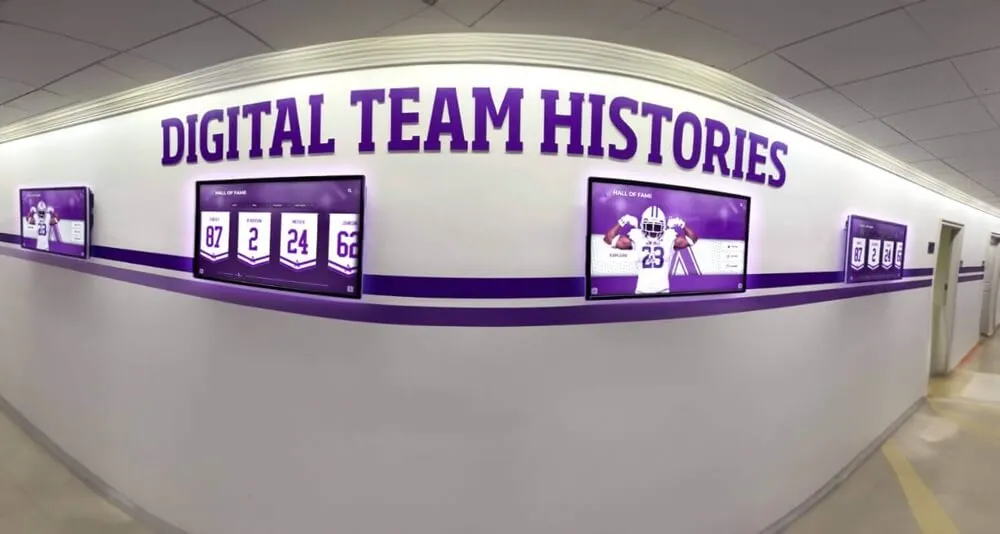
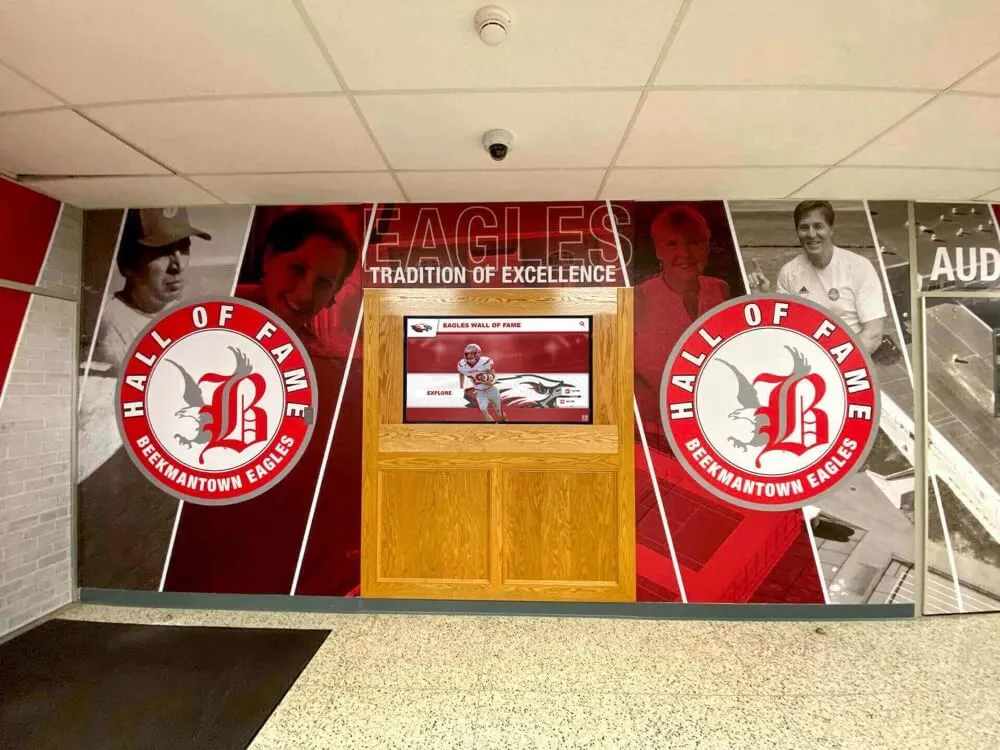
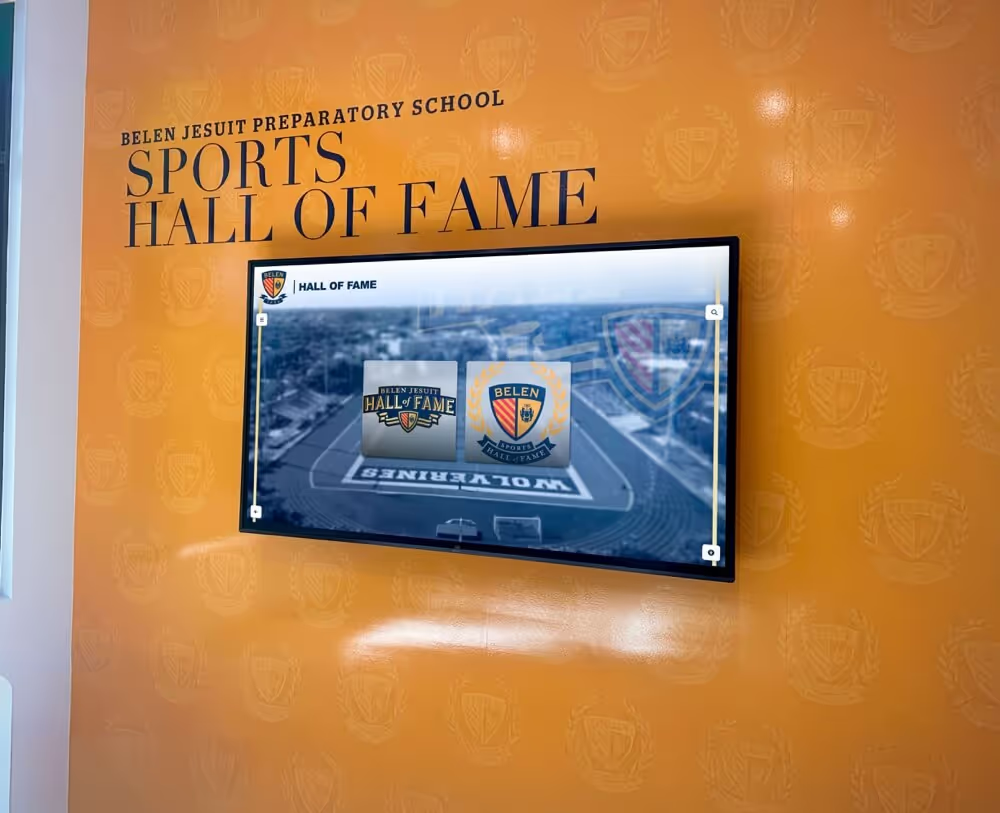
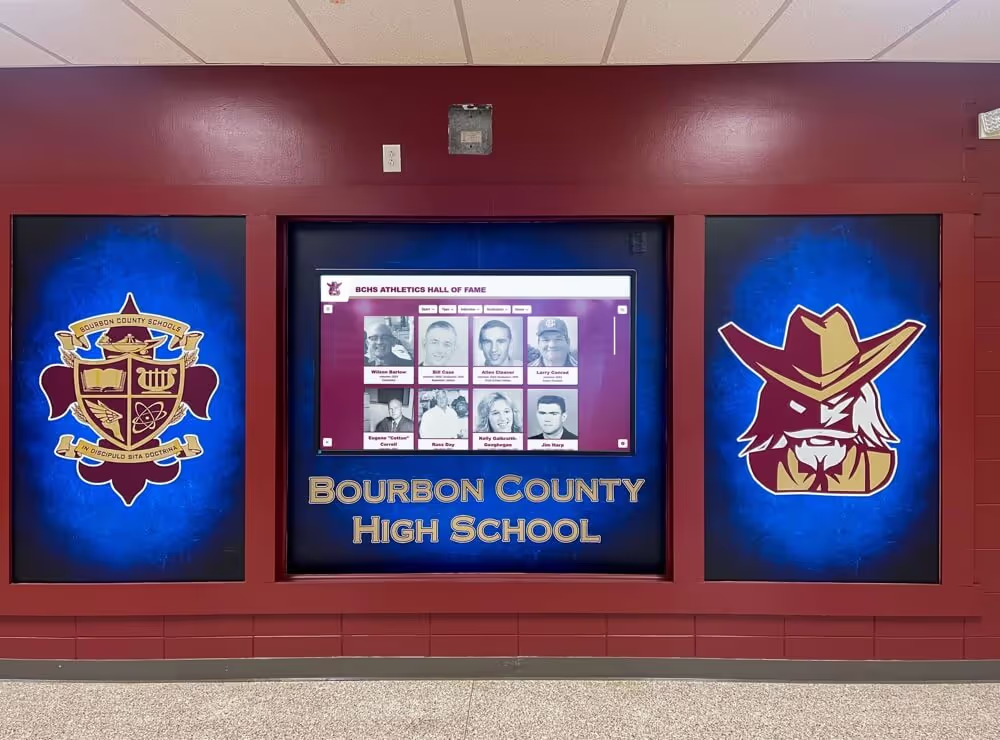
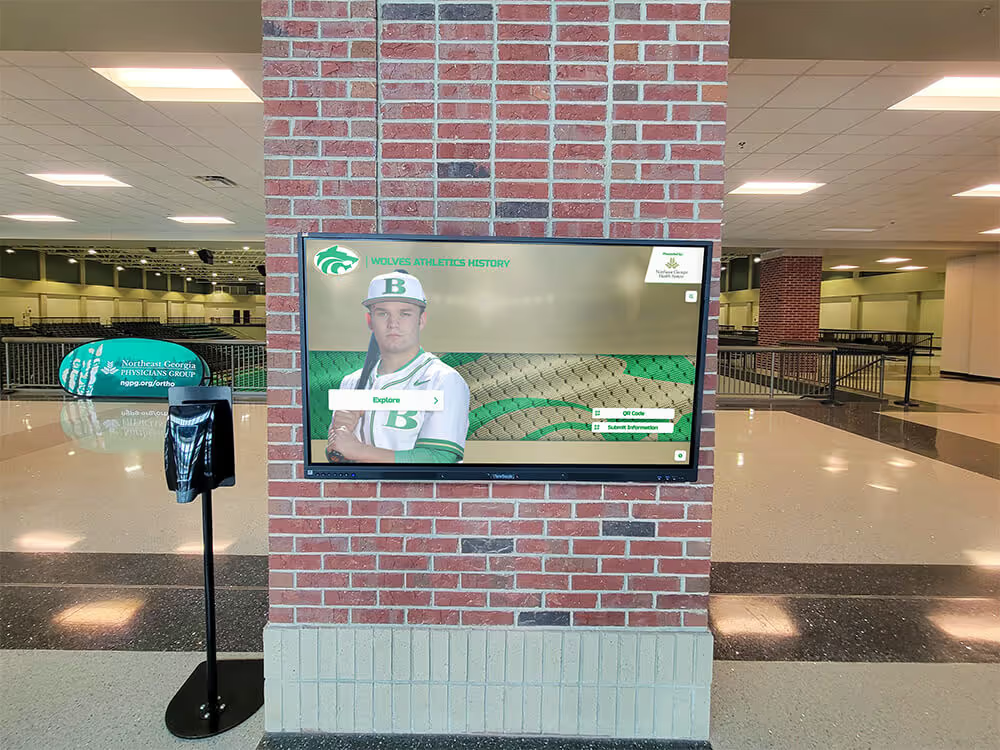
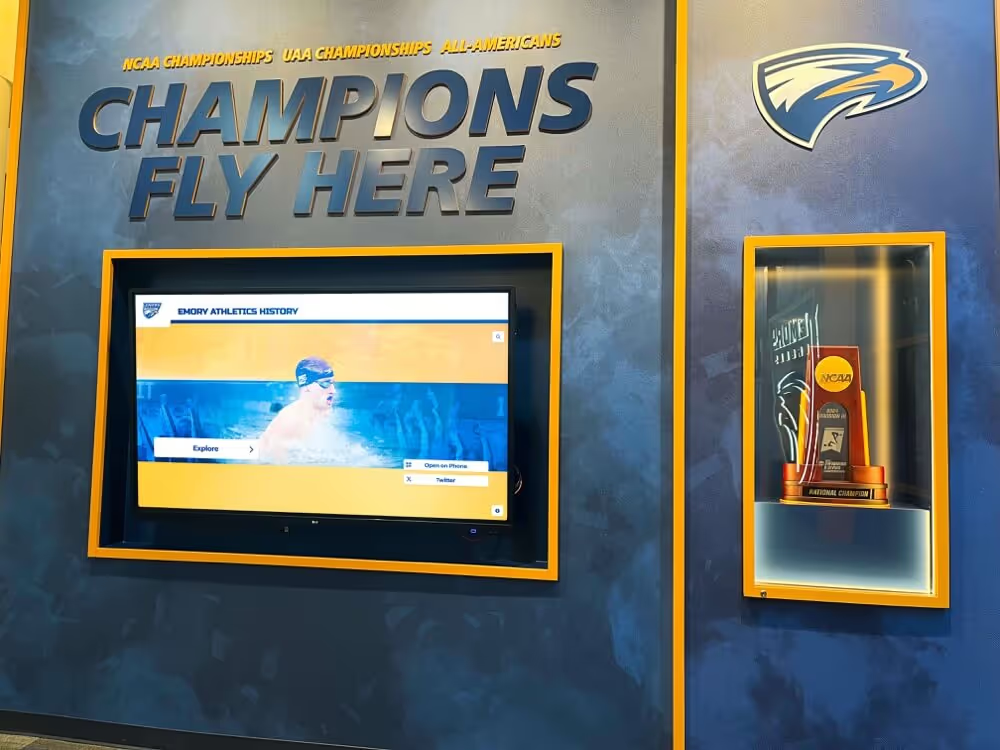
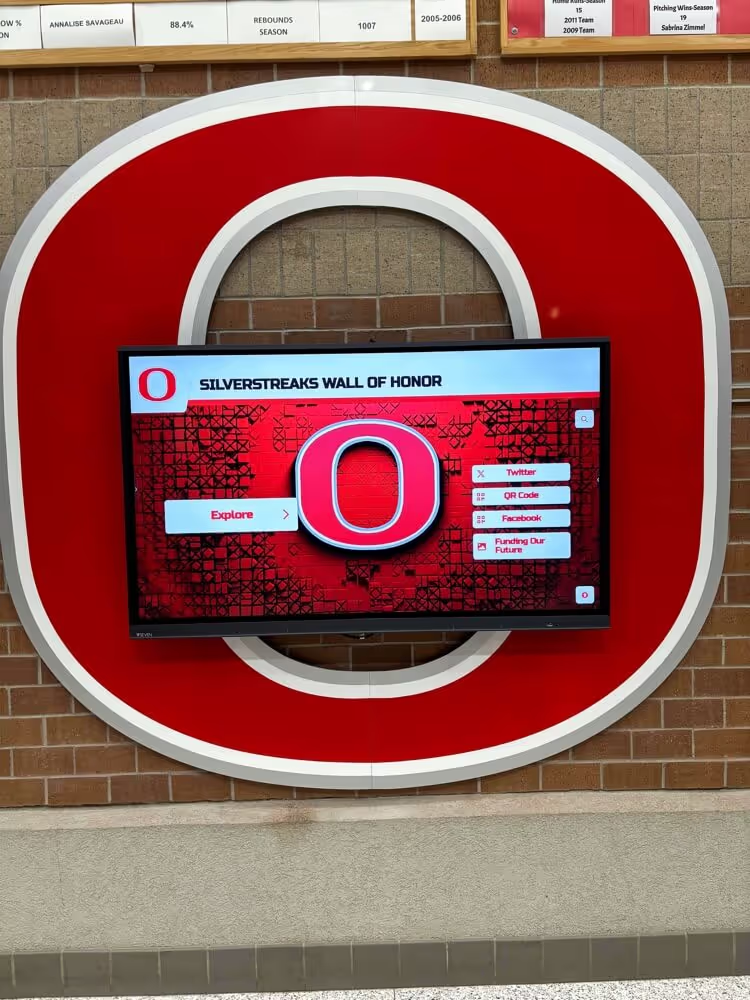
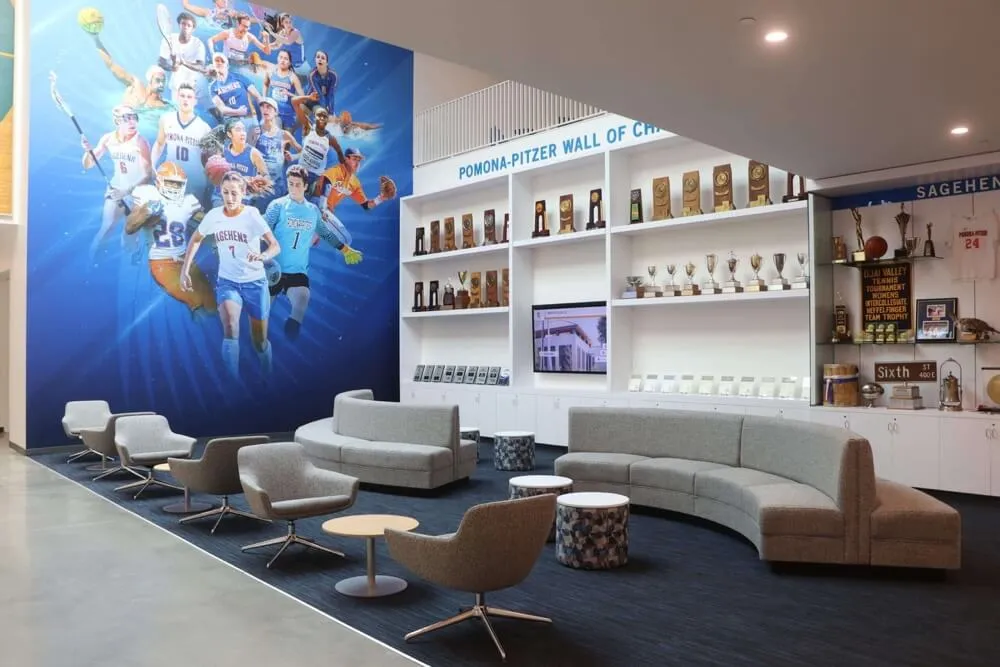
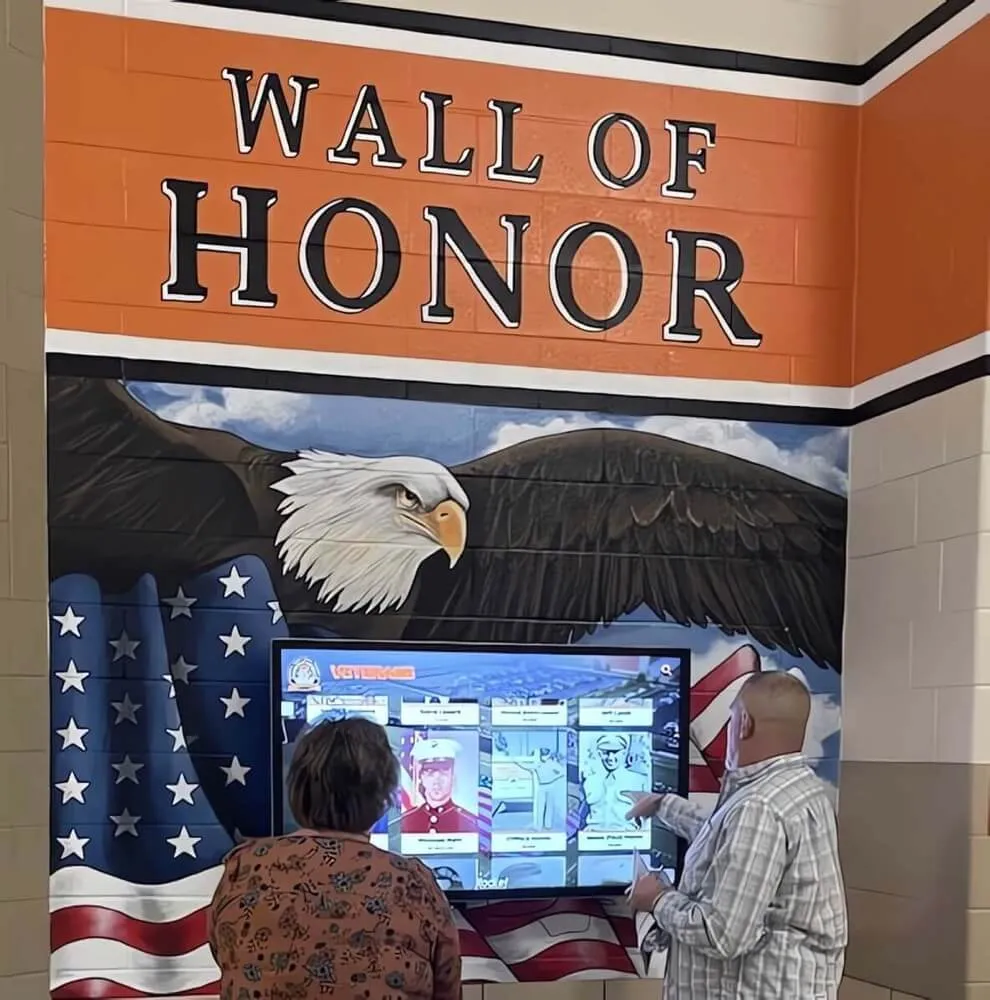
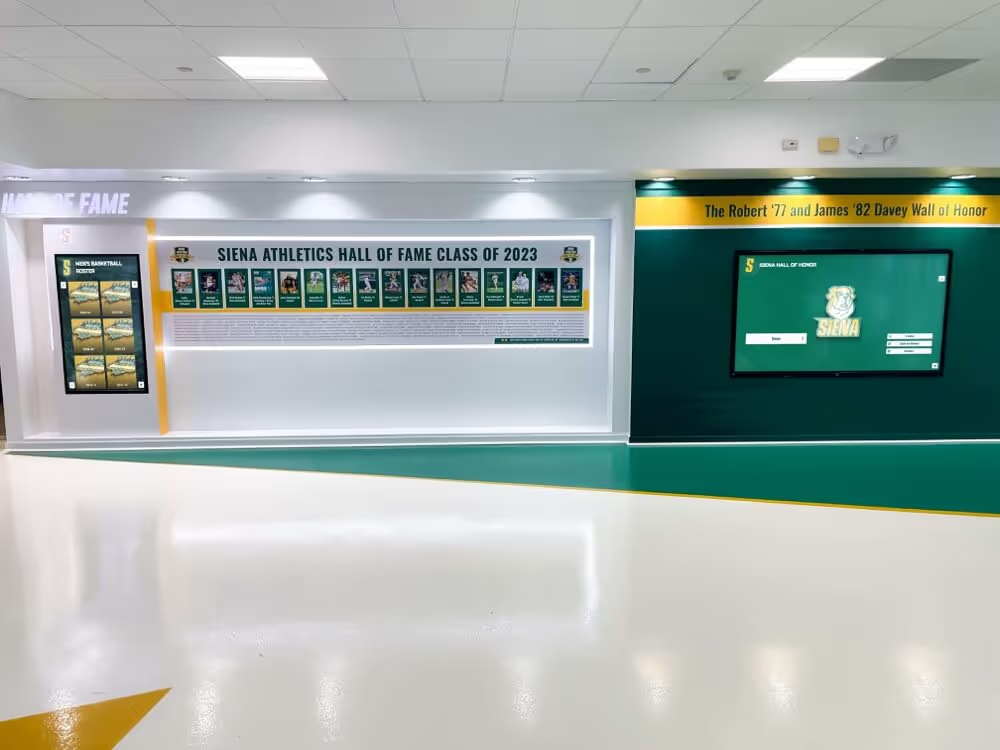
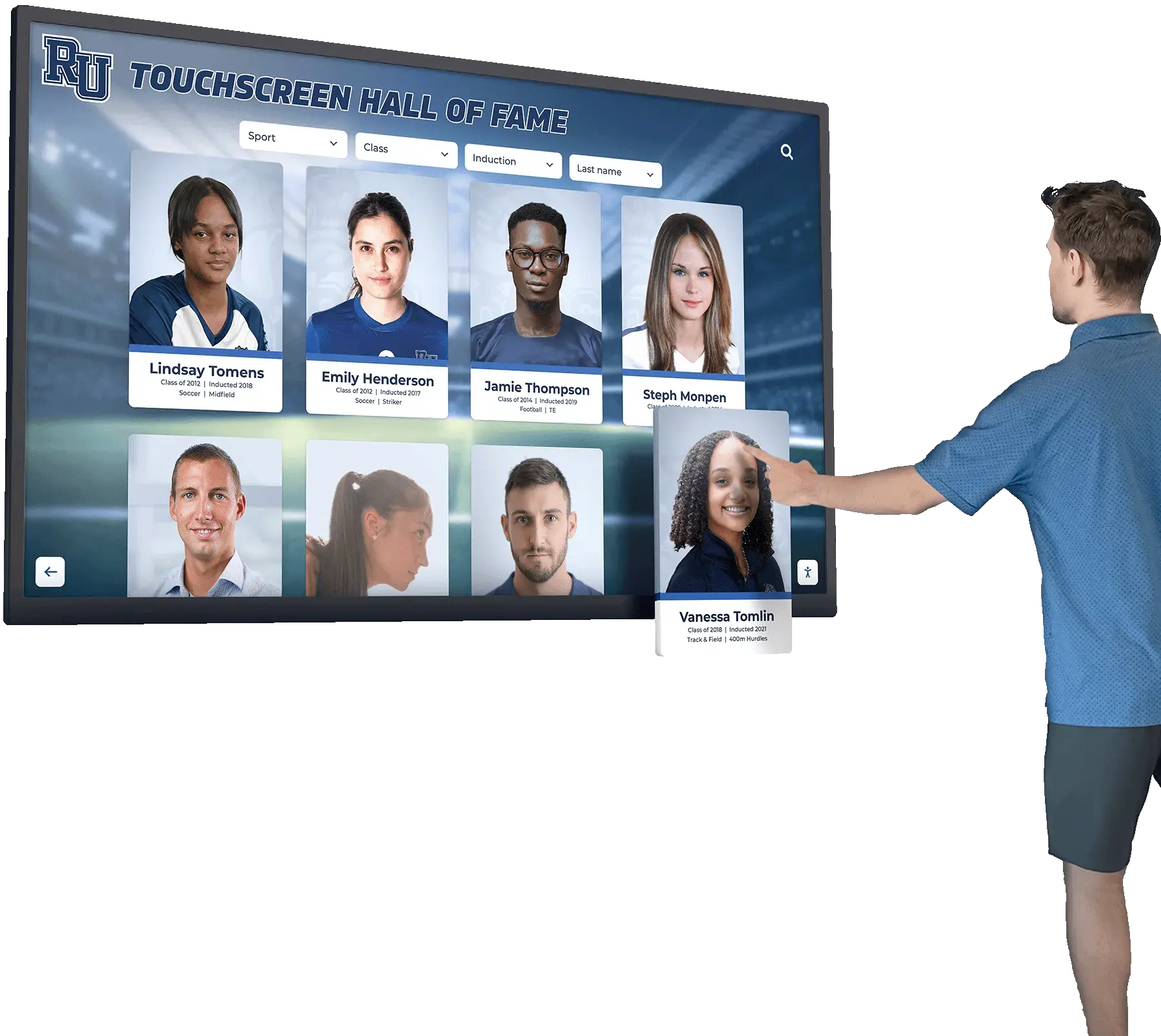
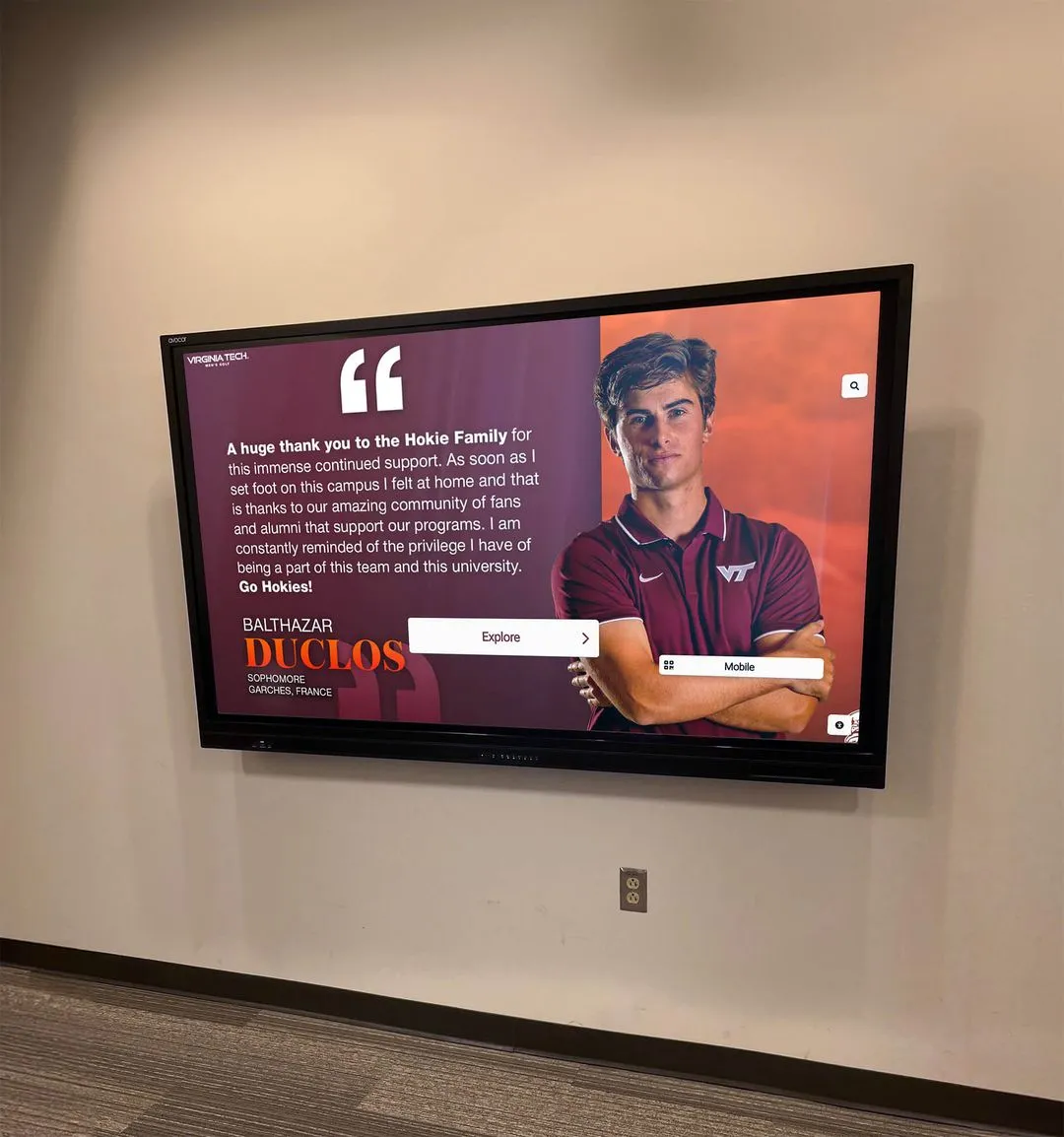
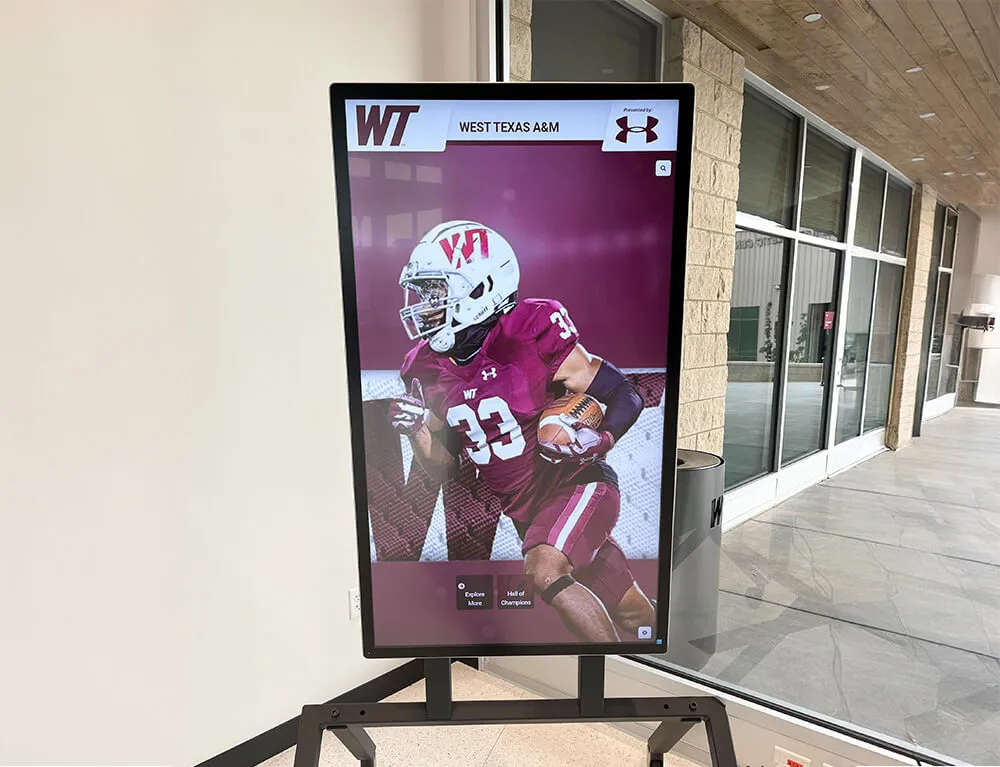
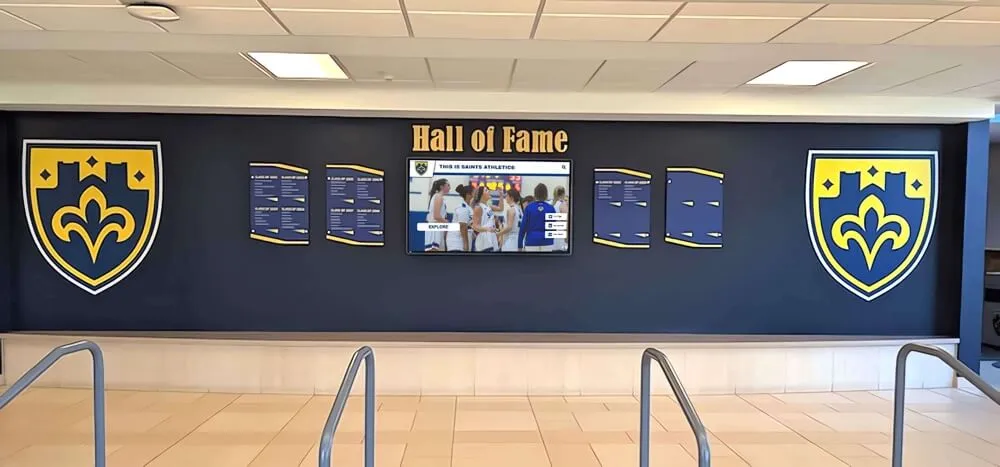
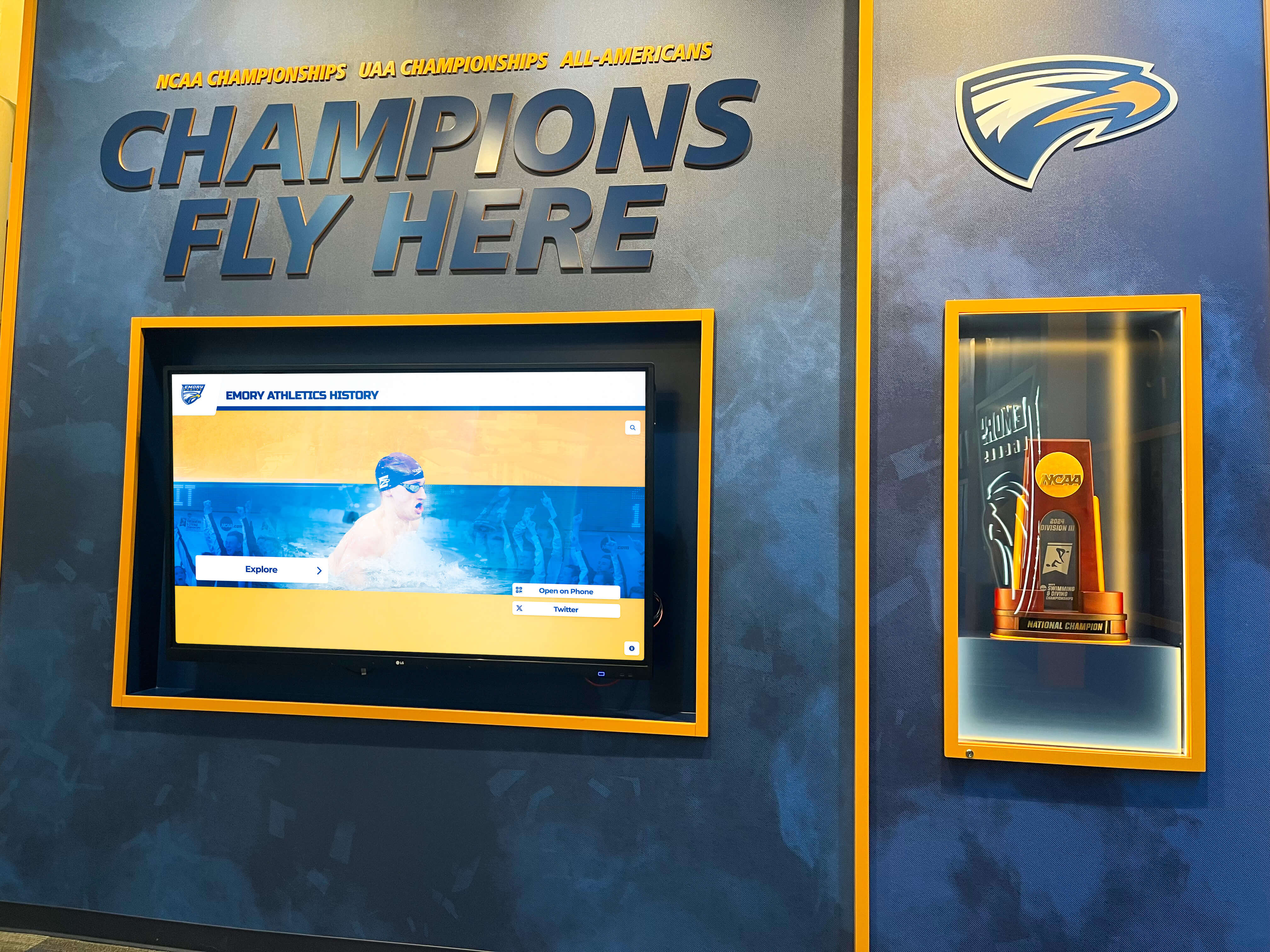
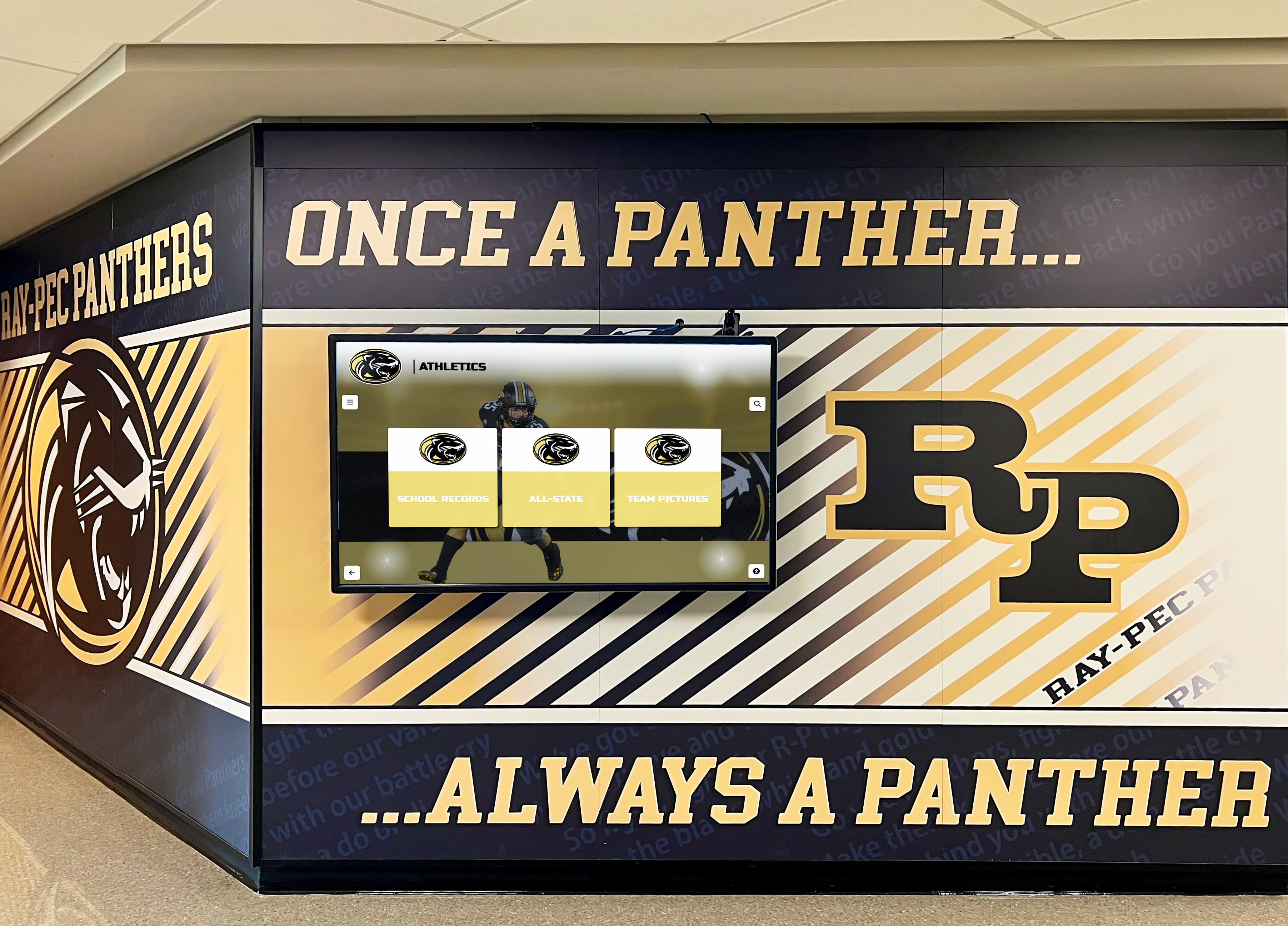
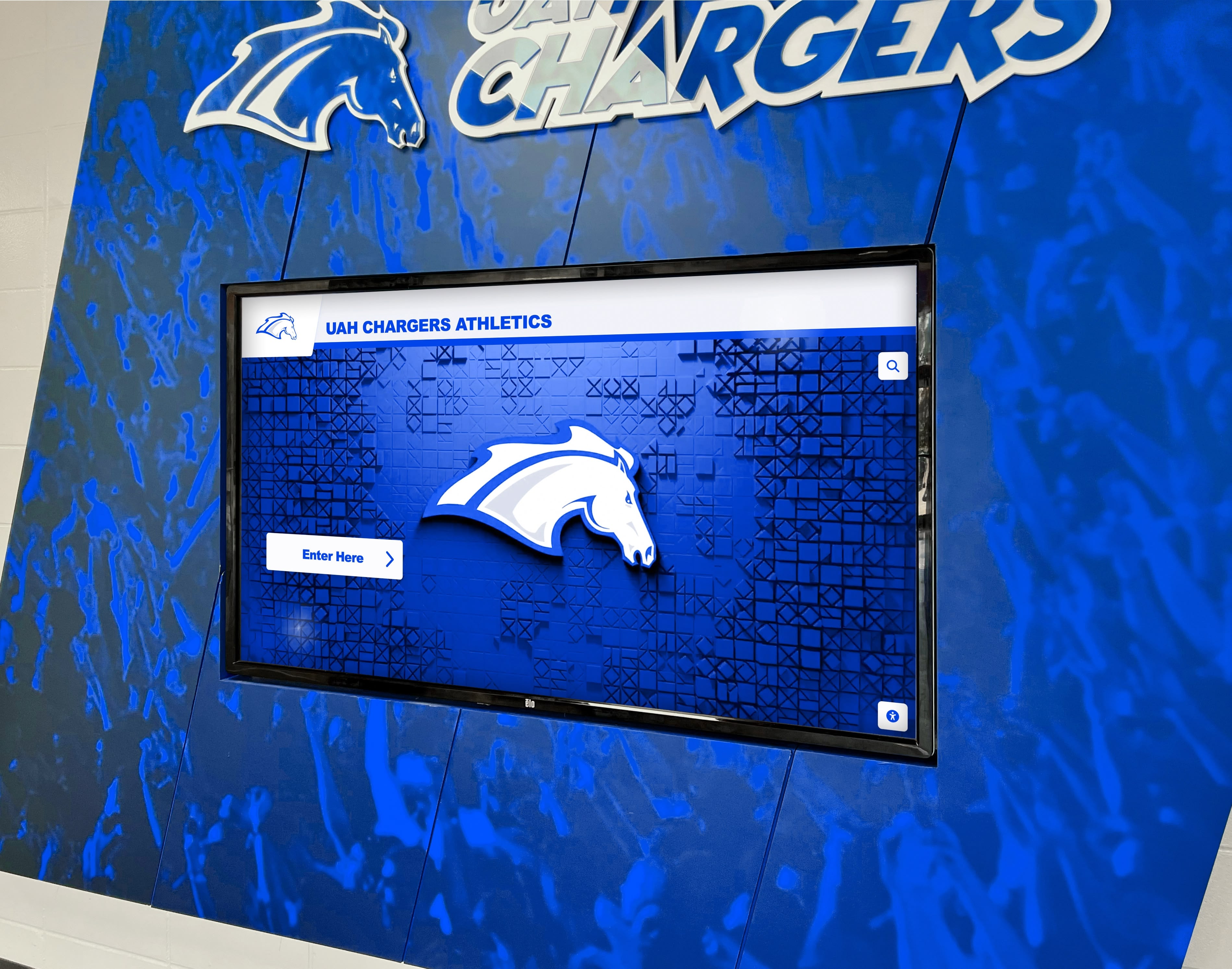
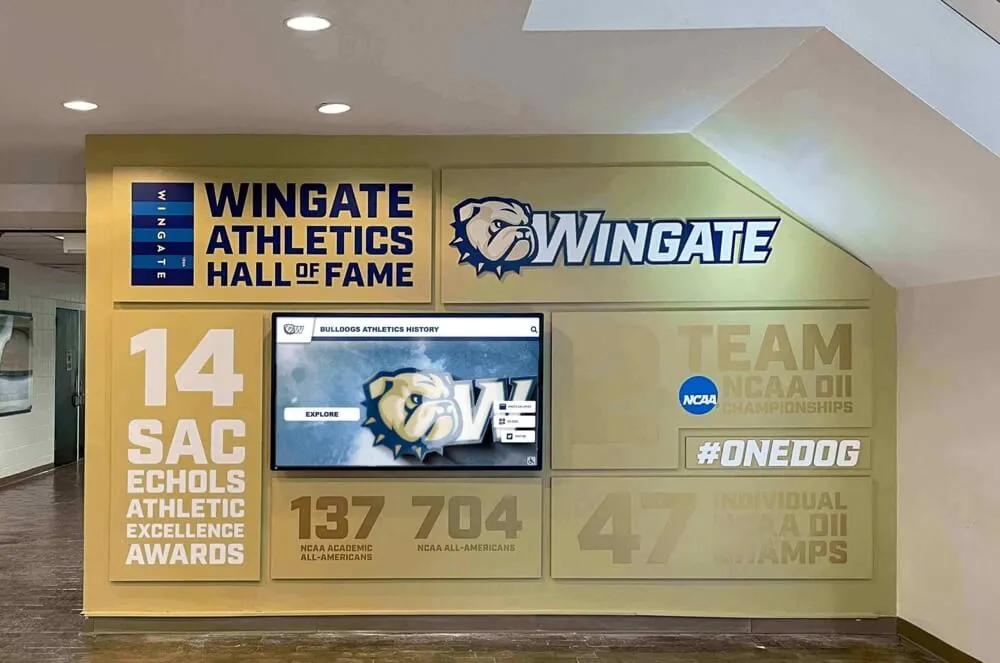
For programs investing in technology, interactive touchscreen displays allow athletes and families to explore comprehensive achievement information before, during, or after formal programs. These systems can showcase every team member with individual profiles and achievements, season statistics and highlights, historical program records and traditions, and photo galleries documenting the season comprehensively.
Rocket Alumni Solutions provides purpose-built platforms specifically designed for athletic recognition, offering intuitive interfaces that make comprehensive achievement celebration accessible for programs at any technical sophistication level.
Budget Planning and Fundraising Strategies
Understanding costs and funding options ensures banquets remain financially sustainable while delivering meaningful recognition.
Typical Budget Categories and Costs
Venue and Facilities
School facilities: $0-$500 (custodial fees, setup costs) Community centers: $300-$800 (rental fees) Hotel banquet facilities: $500-$2,000+ (room rental, minimum guarantees)
Costs vary substantially based on location, venue quality, and whether venue charges separately for space versus bundling with catering requirements.
Catering and Food Service
School cafeteria service: $8-$15 per person Buffet catering: $20-$35 per person Plated dinner service: $30-$60 per person
Food represents the largest variable cost scaling directly with attendance. Budget conservatively accounting for higher-than-expected attendance rather than falling short of food.

Awards and Recognition Materials
Trophies and plaques: $15-$75 each depending on size and quality Certificates and printing: $2-$8 per athlete Medals: $3-$10 each Personalized team awards: $25-$100 per piece
Award costs depend on recognition breadth, quality standards, and number of recipients across categories.
Decorations and Atmosphere
Basic decorations: $100-$300 Professional decoration service: $300-$1,000+ Centerpieces and flowers: $15-$40 per table
Decoration investment balances creating appropriate atmosphere without overspending on elements that receive limited attention.
Audio-Visual and Technology
Equipment rental: $200-$600 if venue lacks built-in systems Professional videography: $300-$800 Photography service: $200-$500
Consider whether technology investment delivers value through preserved memories and enhanced presentations versus representing unnecessary expense.
Printed Materials
Programs and invitations: $1-$3 per attendee Name tags and place cards: $0.50-$2 per person
Printing quality matters for materials guests keep but budget-friendly options exist for items serving purely functional purposes.
Miscellaneous Expenses
Speaker gifts: $50-$150 Thank-you gifts for volunteers: $100-$300 Contingency fund: 10-15% of total budget
Always include contingency allowances for unexpected expenses that inevitably arise.
Funding Models and Revenue Sources
Ticket Sales and Athlete Fees
Many programs charge per-person attendance fees covering meal costs and offsetting other expenses. Typical ticket pricing ranges from $15-$40 per person depending on venue quality, meal selection, and program budget needs.
Consider offering family packages or per-athlete pricing that includes family members rather than charging individually, reducing financial barriers to attendance.
Booster Club and Athletic Department Funding
Athletic booster organizations often budget for end-of-season recognition events as core program support. Work with booster leadership during annual budget planning to allocate appropriate funding for banquets across all teams.
Athletic departments at some schools provide baseline funding for recognition events with teams supplementing through fundraising if desiring upgrades beyond basic allotments.
Sponsorships and Business Support
Local businesses often sponsor athletic banquets in exchange for recognition at events and positive community association. Potential sponsors include sports equipment retailers, restaurants and catering companies, medical practices and sports medicine providers, real estate agents and local professionals, and businesses owned by parents or alumni.
Develop sponsorship levels with corresponding recognition to make participation attractive for businesses of various sizes.
Fundraising Events and Activities
Teams can organize fundraising specifically supporting banquet costs through car washes or concession stand shifts, restaurant fundraiser nights where percentage of sales support teams, online fundraising campaigns through crowdfunding platforms, and sale of team merchandise or spirit wear.
Logistics and Operational Details
Attention to operational details ensures smooth execution on event day.
Registration and Check-In
For larger events, organized registration prevents bottlenecks and confusion. Consider using pre-printed name tags or table assignments for organized seating, registration table with sign-in sheets tracking attendance, and payment collection systems if accepting payment at the door.
Assign specific volunteers to manage registration allowing coaches and organizers to focus on other responsibilities.
Seating Arrangements
Decide between assigned seating offering control and organization versus open seating allowing flexibility and natural grouping. Assigned seating works well for formal events, large gatherings where organization prevents chaos, and situations where mixing different groups intentionally supports community building.
Open seating suits more casual events, smaller teams where formal arrangements feel unnecessary, and groups preferring to select their own seating based on relationships and preferences.
If using assigned seating, consider organizing by athlete class for senior recognition moments, seating families together with their athletes, and clustering coaches, staff, and program supporters together.
Dietary Accommodations
Collect information about dietary restrictions and allergies during RSVP process. Work with caterers to provide vegetarian/vegan options, accommodate allergies including nuts, dairy, gluten, and clearly label buffet items with ingredients for those managing restrictions.
Having appropriate alternatives ensures all guests can participate fully in meal aspects of events.
Technical Rehearsal and Backup Plans
Test all presentation technology well before guests arrive. Run through complete slideshows and videos, verify audio levels and microphone functionality, test internet connectivity for web-based presentations, and prepare backup copies of all presentations on multiple devices.
Identify backup plans for common technical failures including presentations that won’t display, audio system problems, and internet connectivity issues, ensuring events can proceed regardless of technical difficulties.
Photography and Memory Preservation
Designate individuals to capture event memories through photos and video. Brief photographers about key moments requiring documentation including all award presentations and recognition, senior tributes and speeches, team photos with coaches, and candid moments throughout the evening.
Share photos with families and athletes through shared online albums, social media posts highlighting recognition, and year-end team videos or memory books, extending event impact beyond the single evening and creating lasting documentation of recognition. Many programs are discovering the value of digital recognition systems that preserve these achievements year-round, making banquet recognition just one component of comprehensive celebration.
Enhancing Banquets With Digital Recognition Technology
Modern technology transforms traditional sports banquets from single-evening events into launching points for year-round recognition that extends celebration far beyond banquet dates.
Interactive Displays During Banquets
Digital touchscreen displays deployed at banquet venues create engaging experiences for guests during social time before and after formal programs. These interactive systems allow athletes to explore comprehensive season statistics and highlights, families to view photo galleries documenting the entire season, guests to learn about program history and traditions, and attendees to discover detailed information about recognized athletes beyond brief presentation mentions.
Rather than guests standing awkwardly during pre-event social time, displays provide natural conversation starters and engagement opportunities while maintaining focus on athletic achievement.
Permanent Recognition Beyond Single Events
The most significant limitation of traditional sports banquets is their temporary nature—after the evening concludes, recognition largely disappears except for physical awards athletes take home. Digital recognition systems transform single-evening celebrations into permanent recognition that continues inspiring current and future athletes.
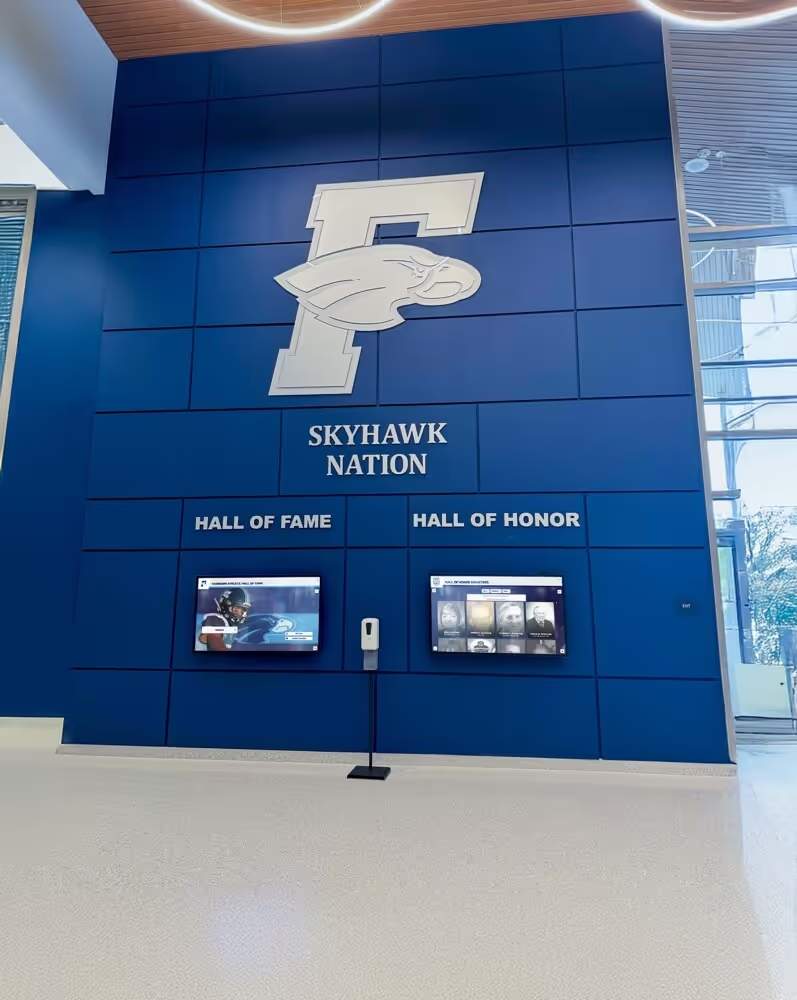
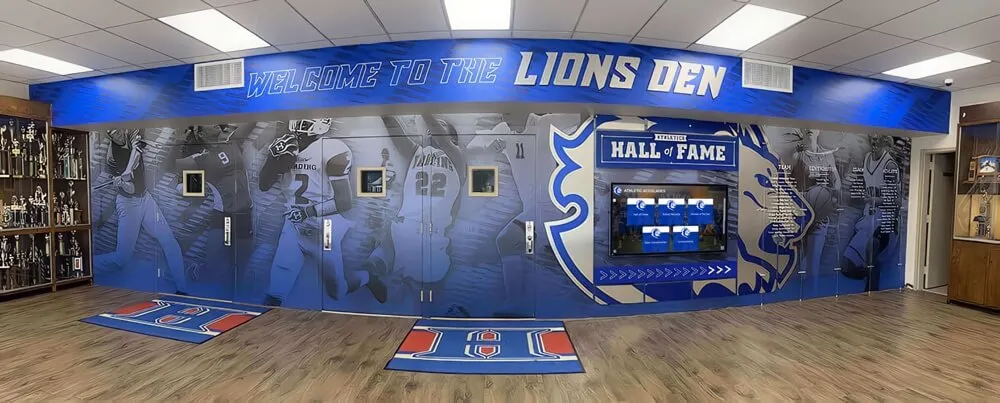
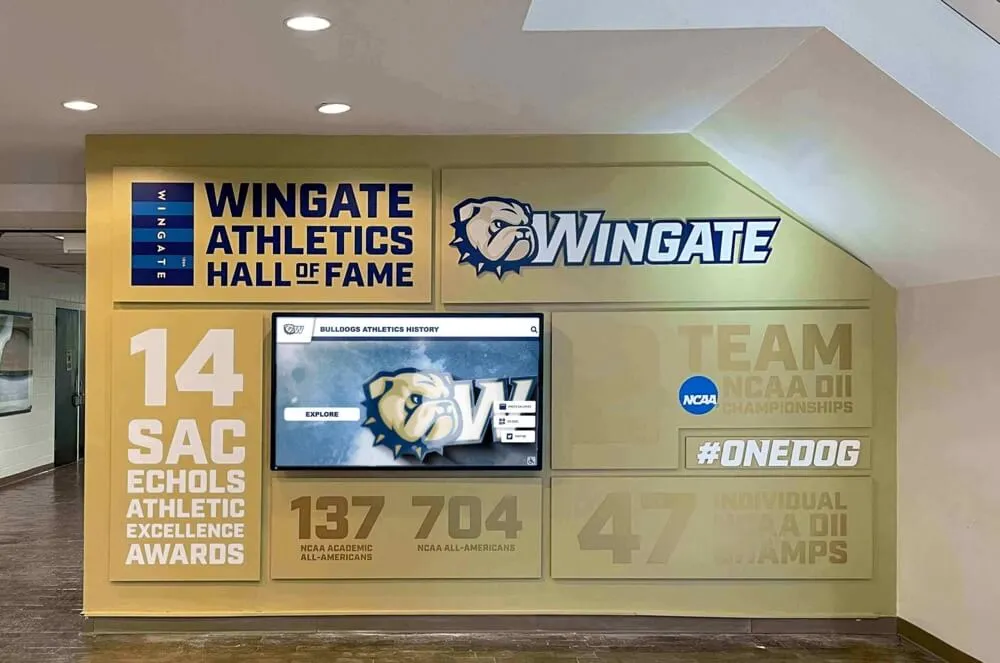
Modern platforms enable programs to maintain comprehensive digital halls of fame documenting every award recipient and season achievement, permanent displays in athletic facilities showcasing historic and current accomplishment, web-based access allowing alumni to revisit their achievements years later, and searchable databases making program history easily discoverable.
This permanent recognition compounds value over time as each season’s banquet adds to growing achievement archives that demonstrate program excellence and tradition.
Presentation Enhancement and Engagement
Digital tools dramatically improve banquet presentation quality without requiring extensive technical expertise. Purpose-built systems provide professionally designed templates for athletic recognition, intuitive content management allowing coaches to create compelling presentations quickly, multimedia integration combining statistics, photos, videos, and text seamlessly, and real-time updates enabling last-minute additions or changes without presentation reconstruction.
These capabilities ensure even small programs with limited resources can deliver polished presentations rivaling those at well-funded schools with dedicated media staff.
Social Sharing and Extended Recognition
Digital recognition naturally extends beyond banquet venues through social media integration. Programs can automatically generate social media content celebrating award recipients, allow athletes to easily share their recognition across platforms, create shareable graphics highlighting achievements that families post proudly, and drive engagement that extends recognition reach throughout communities.
This organic social amplification multiplies recognition impact while requiring minimal additional effort from coaches and organizers. Comprehensive athletic achievement recognition approaches combine traditional banquets with digital systems that maintain visibility year-round.
Platform Solutions for Athletic Programs
While generic presentation software can create basic banquet slideshows, purpose-built platforms designed specifically for athletic recognition deliver substantially better results with less effort. Rocket Alumni Solutions provides comprehensive systems specifically designed for athletic programs including intuitive interfaces requiring no technical expertise, flexible recognition categories matching any sport or award structure, multimedia support incorporating all content types programs want to showcase, permanent cloud-based hosting ensuring recognition remains accessible indefinitely, and dedicated support from teams understanding athletic program needs.
These specialized platforms eliminate the technical barriers that prevent many programs from leveraging technology effectively while ensuring professional results that enhance rather than detract from recognition.
Creating Inclusive Recognition for All Program Participants
Effective banquets celebrate entire programs—not just varsity starters or top performers—ensuring all athletes feel valued for their contributions.
Recognizing Different Participation Levels
Varsity Athletes
While varsity athletes competing at the highest program level naturally receive substantial recognition, ensure this doesn’t completely overshadow others. Balance comprehensive varsity recognition with appropriate acknowledgment of JV and other levels, highlight varsity athletes’ roles as leaders and examples for underclassmen, and connect varsity success to broader program culture involving all participants.
Junior Varsity and Developmental Teams
JV and developmental athletes deserve recognition proportional to their involvement and growth including most improved or dedicated athlete awards at each level, acknowledgment of athletes progressing from JV to varsity during seasons, and celebration of team achievements at all competitive levels.
Some programs hold separate JV banquets allowing extended recognition impossible when combining all levels, while others integrate all levels with structured time for each group’s recognition.
Team Managers and Support Staff
Programs function because of contributions from managers, statisticians, trainers, and others who don’t compete but invest substantially in team success. Recognize these essential contributors through dedicated awards acknowledging their service, public thanks explaining their contributions to those who may not understand their roles, and inclusion in team photos and recognition ensuring they’re genuinely part of the team family.
Balancing Recognition Equity Across Achievement Levels
Creating Multiple Recognition Tiers
Structure awards with multiple tiers ensuring recognition opportunities exist for athletes at various performance levels including elite performer awards celebrating exceptional statistical or competitive achievement, solid contributor awards recognizing athletes who performed their roles consistently, improvement awards acknowledging growth regardless of absolute performance level, and effort awards celebrating dedication and work ethic regardless of results.
This multi-tiered approach ensures athletes understand that different types of contribution all matter and deserve recognition.
Quantitative Distribution of Recognition
Monitor what percentage of program participants receive some form of recognition at banquets. Best practices suggest that 60-80% of participants should receive some specific recognition beyond generic participation certificates, demonstrating programs value broad contribution while maintaining meaningful standards for recognition categories.
If only a handful of athletes receive awards while most receive nothing beyond participation acknowledgment, consider expanding recognition categories to create additional meaningful opportunities.
Post-Banquet Follow-Up and Recognition Extension
Banquet success extends beyond event conclusion through thoughtful follow-up and ongoing recognition.
Documenting and Sharing Event Highlights
Photo and Video Sharing
Compile and share comprehensive photo galleries within days of banquets while excitement remains fresh. Create online albums through Google Photos, Flickr, or similar services accessible to all families, post highlight collections to team social media celebrating recognition, and share video recordings of presentations with families who couldn’t attend.
This sharing extends recognition beyond attendees and creates documentation families treasure for years.
Recognition Announcements and Publicity
Leverage banquet recognition for positive publicity including press releases to local media highlighting major award winners, social media posts celebrating athletes and their achievements, school newsletter features profiling recognition and program success, and website updates documenting season achievements and banquet highlights.
This publicity benefits recognized athletes while promoting program accomplishments throughout communities.
Thank You and Appreciation
Volunteer and Contributor Recognition
Send thank-you communications to everyone who contributed to banquet success including planning committee members who invested substantial time, parents who helped with setup or cleanup, businesses or individuals who provided sponsorships, and venue or catering staff who delivered excellent service.
This appreciation reinforces relationships making future collaboration more likely while demonstrating genuine gratitude for support.
Athlete and Family Follow-Up
Consider sending brief follow-up messages to athletes and families including thank-you for attending and celebrating together, encouragement for returning athletes about upcoming seasons, and well-wishes for graduating seniors beginning next chapters.
These personal touches demonstrate authentic care for athletes as individuals beyond their athletic contributions.
Transition to Next Season
Offseason Program Communication
Use banquet conclusion as transition point to communicate offseason expectations including conditioning or skill development programs, summer schedule information, and registration or commitment timelines for returning athletes.
This forward-looking communication maintains momentum from banquet celebration into productive offseason preparation.
Alumni Engagement Opportunities
For graduating seniors, provide information about staying connected including alumni engagement opportunities and events, ways to support current programs as alumni, and standing invitations to return for future banquets or competitions.
Maintaining alumni connections strengthens program culture while creating mentorship opportunities benefiting current athletes. Programs increasingly use digital recognition platforms to maintain these connections over time, ensuring graduating athletes remain visible within program tradition even after they depart.
Avoiding Common Sports Banquet Mistakes
Learning from frequent planning pitfalls helps ensure your banquets succeed where others struggle.
Logistical Problems That Undermine Events
Inadequate Venue Capacity
Nothing undermines celebration faster than cramped conditions where guests cannot sit comfortably, forcing families to stand or separate from athletes, creating fire safety concerns, and generally communicating poor planning.
Always overestimate attendance slightly when booking venues, ensuring comfortable capacity even if more guests appear than expected.
Excessive Length and Poor Pacing
Banquets that drag beyond 2.5-3 hours lose audience attention and patience. Maintain reasonable length through concise opening remarks and season reviews, efficient award presentation without excessive storytelling for each recognition, and appropriate time limits on speeches from athletes, coaches, or guests.
If programs require more recognition time than reasonable limits allow, consider splitting banquets across multiple levels or teams rather than forcing everyone to endure marathon events.
Technical Failures That Disrupt Presentations
Preventable technical problems—presentations that won’t display, audio systems that fail, internet connectivity issues preventing cloud-based content—create embarrassing disruptions and diminish professionalism.
Always test thoroughly before guests arrive, maintain backup copies of presentations on multiple devices, and prepare contingency plans allowing programs to proceed even if technical elements fail completely.
Recognition Problems That Diminish Impact
Generic Recognition Lacking Specific Detail
Reading names from lists without context or specific examples of what athletes accomplished reduces recognition to administrative formality rather than authentic celebration. Take time to mention specific achievements, contributions, or memorable moments that made each recipient worthy of recognition, creating genuine celebration rather than perfunctory acknowledgment.
Disproportionate Recognition for Elite Performers
When banquets spend 80% of recognition time on three or four top athletes while minimizing acknowledgment for role players and depth contributors, most attendees feel marginalized. Ensure recognition time distributes more equitably across program participants, communicating that all contributions mattered to team success.
Last-Minute Planning and Rushed Preparation
Procrastination creates unnecessary stress while producing inferior results including awards arriving late requiring delays or substitutions, inadequate RSVP tracking causing food shortages, unprepared presentations with errors or missing content, and generally conveying that recognition wasn’t important enough to merit thorough planning.
Begin planning months in advance following established timelines, eliminating crisis mode that ruins organizers’ enjoyment while producing suboptimal results.
Conclusion: Celebrating Athletes, Building Programs
Sports banquets represent far more than perfunctory obligations concluding athletic seasons. When planned thoughtfully and executed well, these events become powerful recognition experiences that validate athlete dedication, strengthen team culture, honor family investment, demonstrate program excellence, and establish traditions that define athletic programs across generations.
The difference between forgettable gatherings and memorable celebrations lies in deliberate planning, attention to detail, genuine commitment to comprehensive recognition, and understanding that effective banquets honor achievement while inspiring continued excellence. Every award presented, speech delivered, and moment shared contributes to building program culture where athletes feel genuinely valued for their contributions—not just competitive results but also effort, improvement, leadership, and character qualities that extend far beyond athletic fields and courts.
As technology evolves, forward-thinking programs increasingly recognize that traditional single-evening banquets, while valuable, represent just one component of comprehensive year-round recognition. Digital platforms extend banquet recognition into permanent celebration that continues inspiring current athletes, preserving achievement for future generations, demonstrating program excellence to prospective participants, and maintaining alumni connections long after graduation.
Whether you’re planning your first team banquet or seeking to enhance established traditions, the fundamental principles remain constant: honor achievement authentically with specific recognition that demonstrates genuine knowledge of individual contributions, include all program participants ensuring everyone feels valued regardless of playing time or statistical production, involve families appropriately recognizing their essential support and investment, leverage quality presentations that enhance rather than detract from recognition moments, and create traditions that build program identity and culture across seasons and graduating classes.
Ready to transform your athletic recognition from single-evening banquets into year-round celebration that builds lasting program culture? Rocket Alumni Solutions provides purpose-built platforms specifically designed for athletic programs, combining intuitive management, professional presentation capabilities, permanent digital recognition, and dedicated support from teams who understand the unique needs of school athletics. From enhancing banquet presentations to maintaining comprehensive achievement archives that inspire future athletes, modern recognition technology helps programs honor excellence in ways that create lasting impact far beyond single events.
Frequently Asked Questions
When should we schedule our sports banquet?
Schedule banquets 2-4 weeks after seasons conclude, allowing time for planning while maintaining connection to season excitement. Avoid conflicts with other school events, major holidays, standardized testing periods, and busy times for other sports in season. Consider whether scheduling immediately after season conclusion maximizes attendance while emotions run high, or waiting 3-4 weeks allows better planning while letting post-season intensity settle.
For sports with postseason tournaments where advancement timelines vary, establish a date accommodating the longest possible season conclusion rather than scheduling prematurely and potentially excluding athletes still competing.
How much should we charge for banquet tickets?
Ticket pricing depends on venue costs, meal quality, and overall budget. Typical ranges include $15-$25 per person for school facility events with basic catering, $25-$35 per person for mid-range venues with quality buffet service, and $35-$50 per person for upscale venues with plated dinner service.
Consider offering family rates or per-athlete pricing including family members to reduce financial barriers. Some programs subsidize costs through booster funding or sponsorships allowing lower ticket prices that increase attendance.
Should we have separate banquets for varsity and JV teams?
Both approaches work depending on program size and resources. Combined banquets build program unity and allow JV athletes to see recognition they might pursue at varsity levels, work well for smaller teams where separate events feel unnecessary, and reduce planning burden requiring only single event coordination.
Separate banquets allow extended recognition for all athletes without excessive program length, provide age-appropriate atmosphere matching team dynamics, and work well for large programs where combining all levels creates unwieldy gatherings exceeding venue capacity or reasonable time constraints.
What should we include in senior recognition?
Comprehensive senior recognition typically includes biographical information and career highlights, coach commentary about impact and memorable moments, statistics or achievements across complete careers, acknowledgment of plans for college athletics or future directions, and special senior-only awards or keepsakes they’ll treasure.
Consider inviting seniors to share brief reflections if comfortable speaking publicly, allowing them to thank coaches, teammates, and families while sharing favorite memories and lessons learned through athletics.
How can we make banquets meaningful for athletes who didn’t receive awards?
Ensure all athletes receive some recognition beyond generic participation including brief acknowledgment of every athlete mentioning specific contributions, team awards or certificates documenting their participation, inclusion in team photos and presentations throughout the evening, and equal treatment regardless of playing time or statistical achievement.
Consider broader recognition categories including improvement awards, effort awards, and character recognition that create opportunities for athletes who may not qualify for performance-based honors but deserve acknowledgment for their contributions and dedication.
What technology do we need for effective banquet presentations?
Essential technology includes a projector or large display visible to all attendees, sound system with microphone for speakers and audio from videos, laptop or computer for running presentations, and reliable internet connectivity if accessing cloud-based content.
Consider upgrading beyond basics with high-quality projector or large LED display for better visibility, wireless presentation systems eliminating cable complications, professional audio equipment ensuring everyone hears clearly, and backup equipment available if primary systems fail.
Should we hire professional photographers or videographers?
Professional services ensure quality documentation and free organizers to focus on other responsibilities, but they add substantial cost ($300-$800) that may not fit tight budgets. Consider alternatives including assigning capable parent volunteers with quality cameras, engaging student media programs or photography clubs providing quality work while offering valuable experience, or trading services with professionals who have children in programs.
Regardless of approach, designate someone specifically responsible for documentation rather than hoping someone captures important moments, ensuring you don’t lose precious memories due to lack of planning.
How can we incorporate banquet recognition into permanent displays?
Traditional banquets create single-evening recognition that largely disappears afterward. Modern programs increasingly integrate banquet recognition with permanent digital displays in athletic facilities, web-based recognition platforms accessible year-round, social media content extending celebration beyond attendees, and comprehensive digital archives documenting program history across seasons.
Purpose-built platforms like Rocket Alumni Solutions provide intuitive systems specifically designed for athletic recognition, allowing banquet presentations to launch ongoing celebration that continues inspiring athletes long after events conclude. Learn more about comprehensive athletic recognition approaches that extend beyond single events to build lasting program culture.