Successful cheer camps don’t happen by accident. They result from months of thoughtful planning addressing dozens of interconnected details—instructor qualifications, progression sequencing, safety equipment, meal coordination, emergency protocols, parent communication, and recognition strategies. Teams that invest time in comprehensive planning create camp experiences delivering measurable skill improvements, stronger squad cohesion, increased athlete confidence, and positive momentum carrying through entire seasons.
The difference between mediocre camps and transformative ones rarely involves budget size. Instead, it reflects planning thoroughness, clear objective setting, attention to age-appropriate programming, and commitment to creating inclusive environments where every athlete feels challenged yet supported. Programs implementing best practices create camps that athletes remember years later—not just for skills learned, but for relationships built, confidence gained, and love of the sport deepened.
Why Cheer Camps Matter: Benefits Beyond Skills Development
Understanding the multifaceted purposes cheer camps serve helps organizers design experiences aligned with team development needs rather than merely replicating generic commercial camp templates.
Accelerated Skill Acquisition in Concentrated Timeframes
Cheer camps create intensive learning environments where athletes develop skills faster than possible through twice-weekly practices scattered across months. Concentrated instruction allows coaches to introduce complex techniques, provide immediate feedback through multiple repetition cycles, reinforce proper form before incorrect habits solidify, and build upon foundational skills progressively within compressed timeframes.
Skill Progression Benefits: Three full days of focused tumbling instruction often produces more improvement than six weeks of standard practice sessions. Athletes experience multiple learning cycles daily—instruction, practice, feedback, correction, mastery—creating momentum impossible to replicate in dispersed practice schedules. This concentrated approach proves particularly effective for mastering stunts requiring precise timing and coordination, learning complex choreography demanding extended rehearsal, correcting technique flaws through intensive focused attention, and building conditioning foundations supporting athletic performance.
Technical Foundation Building: Well-structured camps establish proper technique foundations preventing injury risk and performance limitations. Young athletes learning correct jump form, proper spotting positions, or safe tumbling progressions during intensive camp instruction carry those foundations throughout entire athletic careers, making early camp investment crucial for long-term development.
Team Bonding and Culture Development
Beyond individual skill development, camps create unique social environments accelerating team cohesion in ways regular practices cannot match.
Shared Experience Building: Athletes training together intensively through challenging drills, supporting teammates through difficult skills, celebrating collective achievements, and navigating camp experiences as unified squads develop bonds transcending casual practice acquaintances. These shared experiences—especially overnight camps involving extended time together—create team identity and mutual support systems strengthening performance when competitions intensify pressure.
Leadership Emergence: Camp environments reveal natural leaders and provide opportunities for developing leadership skills. Veteran athletes helping younger squad members, captains organizing team activities, and experienced cheerleaders modeling positive attitudes demonstrate and develop leadership capabilities crucial for effective teams. Coaches can intentionally design camp activities creating leadership opportunities while observing which athletes step forward.
Building Trust for Advanced Stunting: Complex stunts requiring flyers to trust bases, bases to coordinate precisely, and spotters to maintain vigilant focus demand deep team trust. Camp environments where squads spend extended time together, practice communication intensively, and develop confidence through progressive skill building create the trust foundations necessary for attempting advanced stunting safely and successfully.

Establishing Team Standards and Expectations
Camps provide natural settings for establishing behavioral expectations, work ethic standards, and performance goals shaping entire seasons.
Culture Setting: The intensity, professionalism, and expectations established during camps create cultural benchmarks teams reference throughout seasons. Squads learning that excellence requires maximum effort, mistakes are learning opportunities rather than failures, every team member’s contribution matters regardless of role, and positive attitudes remain non-negotiable during camps carry those cultural standards into regular practices and competitions.
Goal Alignment: Camps create opportunities for teams to collectively establish season goals, discuss competitive aspirations, commit to training standards, and build shared vision about what the squad wants to accomplish. This collective goal-setting proves far more powerful than coach-dictated objectives, creating genuine buy-in from all squad members.
Planning Timeline: When to Start and Key Milestones
Successful camp planning typically requires 3-6 months of preparation depending on camp scope, format, and complexity.
4-6 Months Before Camp: Foundation and Big Decisions
Early planning focuses on fundamental decisions shaping all subsequent details.
Determine Camp Format and Dates: Decide whether organizing team-only camp providing exclusive focus for your squad, multi-team camp bringing together programs for shared learning and competition, or attending established commercial camp operated by national cheerleading companies. Each format offers distinct advantages—team-only camps provide customized instruction and schedule flexibility, multi-team camps create competitive motivation and exposure to different programs, while commercial camps offer professional instruction and comprehensive programming without organizational burden.
Select dates considering school calendars avoiding conflicts with other sports or major events, competitive season timing placing camps when skill development has maximum impact, facility availability ensuring appropriate space access, and family vacation patterns maximizing athlete participation. Many programs schedule camps during early summer (June) providing time for skill refinement before school starts, while others prefer late summer (August) immediately preceding competitive seasons for maximum skill retention.
Establish Budget and Secure Funding: Develop realistic budgets accounting for instructor fees if hiring outside coaches or specialists, facility rental costs unless using school spaces at no charge, equipment and mat rentals for safety, meals and snacks for day or overnight camps, camp materials including workbooks or apparel, insurance coverage for camp activities, and recognition items celebrating achievement and participation.
Determine funding approaches through booster club fundraising covering partial or full costs, participant fees with scholarship options ensuring accessibility, school athletic department allocations, and sponsor partnerships with local businesses.
Secure Facility and Permits: Reserve appropriate facilities providing adequate space for tumbling, stunting, and choreography, proper flooring or mats ensuring safety, climate control for comfort during intensive activity, restroom and changing facilities, and space for breaks and meals. Obtain necessary permits or insurance certificates required for facility use, and confirm backup indoor space if planning outdoor components vulnerable to weather.
2-3 Months Before Camp: Detailed Planning and Communication
Mid-range planning addresses curriculum design and logistical coordination.
Design Camp Curriculum and Schedule: Develop age-appropriate programming balancing skills instruction with conditioning, team building, and rest. Structure daily schedules including warm-up and stretching preventing injuries, technique instruction for specific skills, repetition and practice time, conditioning and strength building, choreography and routine work, team building activities, water breaks and rest periods, and cool-down and recovery.
Ensure progression sequences building from fundamental skills toward advanced techniques, avoiding premature attempts at complex skills before foundations solidify. Plan contingencies for varied skill levels if athletes span experience ranges, potentially organizing small groups for differentiated instruction.
Recruit and Confirm Instructors: If hiring outside coaches or specialists, confirm commitments and communicate expectations regarding curriculum alignment, safety protocols, coaching philosophies, and schedule adherence. For team-only camps using internal coaching staff, assign specific responsibilities ensuring all curriculum areas receive adequate attention. Consider recruiting guest instructors for specialized skills like tumbling or stunting technique.
Begin Participant Registration and Communication: Open registration with clear communication about camp dates and schedule, costs and payment deadlines, required forms and liability waivers, what to bring including appropriate attire and personal items, behavior expectations and camp rules, and contact information for questions.
Create excitement through promotional materials highlighting camp activities, skill development opportunities, team building experiences, and recognition for achievements. Utilize team bonding ideasthat enhance camp appeal.
3-4 Weeks Before Camp: Final Logistics and Preparation
Late-stage planning addresses detailed execution elements.
Finalize Participant Lists and Groupings: Confirm final attendance numbers affecting facility setup, meal orders, and material quantities. Organize athletes into appropriate groups based on age and skill level if planning differentiated instruction, team roles if organizing by position groups, or mixed groupings if prioritizing squad integration.
Coordinate Meals and Snacks: Arrange catering or meal preparation for multi-day or overnight camps, plan healthy snacks and hydration stations for day camps, accommodate dietary restrictions and allergies, and communicate meal schedules to participants and families.
Prepare Safety Protocols and Emergency Plans: Ensure first aid kits are stocked and accessible, confirm athletic trainer or medical personnel availability, establish emergency communication procedures, collect participant medical information and emergency contacts, review concussion protocols and injury response procedures, and brief all staff on safety protocols and emergency plans.
Order Materials and Equipment: Secure any equipment rentals including additional mats or tumbling equipment, purchase camp materials such as workbooks or training aids, order camp apparel if providing team shirts or gear, and prepare recognition items for awards or achievement celebrations.
Week Before Camp: Final Confirmations and Setup
Immediate pre-camp activities ensure smooth execution.
Conduct Final Staff Meeting: Review complete schedule and daily plans, clarify instructor responsibilities and group assignments, discuss safety protocols and emergency procedures, address logistical details including meal timing and facility access, and establish communication methods during camp for coordination.
Communicate Final Details to Participants: Send reminder communications with arrival/dismissal times and locations, required items and what to bring, behavior expectations and camp rules, emergency contact procedures, and schedule overview helping athletes and families prepare mentally.
Set Up Facilities: Arrange training spaces with appropriate mats and equipment, set up registration and check-in areas, prepare recognition displays or bulletin boards, stock first aid stations and hydration areas, and conduct final safety inspections.
Camp Format Options: Choosing the Right Structure
Different camp formats serve different purposes and suit different team needs, budgets, and developmental stages.
Team-Only Skills Camps: Focused Development
Team-only camps provide exclusive attention to your squad, enabling customized instruction targeting specific needs.
Advantages: Camps focusing on single teams allow curriculum completely customized to squad skill levels and season goals, schedule flexibility accommodating team preferences, intensive work on specific routines and choreography, building team chemistry without outside distractions, and cost efficiency by avoiding commercial camp fees.
Ideal For: Teams with specific skill gaps or weaknesses to address, squads preparing for upcoming competitions requiring routine refinement, programs wanting to build team culture and cohesion intensively, and schools with limited budgets preferring lower-cost internal options.
Implementation Considerations: Team-only camps require internal coaching expertise sufficient for comprehensive instruction, self-discipline maintaining intensive training without competitive pressure from other teams, and creative variety preventing monotony during extended single-team sessions.
Multi-Team Camps: Competition and Exposure
Inviting other squads or organizing regional camps creates competitive environments and cross-team learning opportunities.
Advantages: Multiple teams training together provide competitive motivation through comparing skills and routines, exposure to different coaching styles and techniques, opportunities for friendly competitions and scrimmages, potential for shared costs through combined resources, and networking among coaches and programs.
Ideal For: Programs wanting to assess competitive position relative to rivals, teams benefiting from competitive pressure to elevate performance, schools located near other programs willing to collaborate, and coaches interested in learning from colleagues.
Organizational Complexity: Multi-team camps require coordinating schedules across multiple programs, managing larger participant numbers, balancing instruction time equitably, and navigating different program philosophies and expectations.
Commercial Camps: Professional Programming
Attending camps operated by national cheerleading companies provides access to professional instruction and comprehensive programming.
Advantages: Commercial camps offer expert instruction from experienced professional coaches, comprehensive curriculum covering all skill areas, exposure to current trends and innovative techniques, evaluation and feedback from outside experts, and potential for team awards and recognition through camp competitions.
Considerations: Commercial camps involve higher costs through registration fees, reduced customization to specific team needs, larger participant numbers potentially limiting individual attention, and travel requirements if attending away from local area.
Best Uses: Teams wanting access to specialized expertise unavailable locally, programs seeking objective evaluation from outside coaches, squads preparing for national competitions wanting exposure to broader competitive landscape, and coaches interested in professional development through observing expert instruction.
Day Camps vs. Overnight Camps: Duration Decisions
Camp length and overnight components significantly affect both logistics and team building potential.
Day Camp Advantages: Day camps (single or multiple consecutive days without overnight stays) involve lower costs without lodging and meal expenses, reduced liability concerns, greater accessibility for younger athletes or families with budget constraints, and easier logistics without coordinating housing.
Day camps work well for local team-only training, younger athletes not ready for overnight experiences, programs with limited budgets, and situations where intensive daily training suffices without extended team bonding time.
Overnight Camp Benefits: Multi-day camps including overnight stays create immersive experiences with extended team bonding time, elimination of daily travel maximizing training time, complete focus without outside distractions, stronger team culture development through 24/7 shared experience, and higher perceived value creating memorable experiences athletes discuss for years.
Overnight camps suit older, more experienced athletes ready for independence, teams prioritizing culture building and bonding, programs able to manage higher costs and logistics, and situations where transformative experience value justifies added complexity.
Curriculum Design: Balancing Skills, Conditioning, and Team Building
Effective camp curriculum balances multiple development dimensions rather than focusing narrowly on single skill categories.
Technical Skills Instruction
Core camp curriculum focuses on developing specific cheerleading skills appropriate to athlete age and experience levels.
Tumbling Progression: Structure tumbling instruction following safe progressions from fundamental skills (rolls, cartwheels, roundoffs) through intermediate techniques (back walkovers, front handsprings) to advanced skills (back handsprings, layouts, fulls) only when prerequisite foundations exist. Provide differentiated instruction accommodating varied skill levels, ensuring beginning tumblers master fundamentals while advanced athletes refine complex passes.
Stunting Technique: Dedicate substantial time to stunting safety, technique, and progressions. Focus on proper grips and hand positions preventing injuries, body positions and weight distribution enabling effective execution, timing and coordination essential for group stunts, spotting responsibilities and safety protocols, and progressive skill building from basic stunts through advanced pyramids only when foundations warrant progression.
Jumps and Motion Technique: While often overlooked in favor of tumbling and stunting, proper jump technique and sharp motions define polished squads. Emphasize jump height, proper form, and landing control; motion precision, sharpness, and synchronization; and facial expressions and performance quality transforming technique into entertainment.
Choreography and Routine Construction: Use camps for teaching new competitive routines, refining existing choreography, building transitions and formations, and practicing routine execution under pressure through mock competitions or performance opportunities.
Conditioning and Strength Development
Athletic conditioning supports skill execution while reducing injury risk.
Flexibility Training: Daily stretching and flexibility work improve jump height, stunt positions, and tumbling form while reducing muscle strain and injury risk. Structure stretching sessions following proper warm-up, targeting specific muscle groups relevant to cheerleading (hip flexors, hamstrings, shoulders, back), and teaching athletes safe flexibility development they can continue independently.
Strength Building: Incorporate strength training appropriate to athlete age and development including bodyweight exercises (push-ups, planks, squats), partner resistance activities, and core strengthening essential for stunting and tumbling. Avoid inappropriate weight training for younger athletes while providing progressive strength development supporting skill advancement.
Endurance Development: Build cardiovascular and muscular endurance enabling athletes to maintain performance quality throughout 2.5-minute routines. Include conditioning circuits, routine run-throughs, and stamina-building activities preparing squads for competition demands.
Team Building and Culture Development
Dedicate intentional time to activities strengthening team bonds and developing positive culture.
Communication Exercises: Strong cheerleading requires constant communication—bases coordinating timing, flyers providing feedback, spotters alerting to safety concerns. Use camp activities specifically developing communication skills including trust exercises requiring verbal coordination, problem-solving challenges demanding team collaboration, and group activities rewarding effective communication patterns.
Leadership Development: Create opportunities for captains and veteran athletes to demonstrate and practice leadership through leading warm-ups or cool-downs, teaching skills to younger teammates, organizing team activities or traditions, and facilitating team discussions about goals and expectations.
Bonding Activities: Schedule structured team bonding including team meals creating social connection, games and recreational activities providing fun stress relief, team discussions about season goals and aspirations, and creative activities like decorating lockers or creating team traditions. These seemingly “non-athletic” activities often prove as valuable as technical instruction for building cohesive squads.
Mental Preparation and Performance Psychology
Advanced camps incorporate mental training supporting competitive performance.
Visualization and Mental Rehearsal: Teach athletes to mentally practice routines, visualize successful skill execution, prepare mentally for competition pressure, and develop pre-performance routines managing anxiety.
Goal Setting: Guide teams through establishing specific, measurable performance goals for the season, individual skill objectives for each athlete, process goals regarding practice effort and attitude, and team culture aspirations defining desired squad characteristics.
Handling Pressure and Mistakes: Use camp settings for practicing performance under pressure through mock competitions, teaching recovery from mistakes during routines, building resilience when skills don’t execute perfectly, and maintaining team support when individuals struggle.
Safety Protocols: Making Camps Both Challenging and Safe
Cheer camps involve inherent injury risks requiring comprehensive safety planning and protocols.
Pre-Camp Safety Preparation
Safety begins well before athletes arrive.
Medical Screening and Documentation: Collect comprehensive medical information including existing injuries or conditions, allergy information and emergency medications, emergency contact details, insurance information, and signed liability waivers and medical consent forms.
Staff Training: Ensure all coaches and staff understand concussion recognition and response protocols, emergency action plans and communication procedures, CPR and first aid certification, and specific safety protocols for different skill categories.
Facility and Equipment Safety: Inspect all training surfaces ensuring appropriate padding and safety, verify equipment condition and proper setup, ensure adequate landing mats for tumbling and dismounts, confirm appropriate climate control preventing heat-related illness, and establish first aid station locations with stocked supplies.
During-Camp Safety Practices
Maintain constant vigilance throughout camp activities.
Proper Warm-Up and Cool-Down: Never allow athletes to attempt skills without thorough warm-up including cardiovascular activity raising body temperature, dynamic stretching preparing muscles for activity, and progressive skill introduction from simple to complex.
Progressive Skill Development: Resist pressure to attempt advanced skills before foundational prerequisites exist. Follow established progression sequences, require demonstrated mastery before advancing, maintain appropriate instructor-to-athlete ratios for skill complexity, and utilize proper spotting for all new or challenging skills.
Hydration and Rest: Enforce regular water breaks preventing dehydration, schedule appropriate rest periods between intensive sessions, monitor for signs of heat exhaustion especially during summer outdoor camps, and maintain reasonable daily training hours avoiding exhaustion increasing injury risk.
Injury Response Protocols: Establish clear procedures for injury occurrence including immediate activity cessation, qualified medical evaluation before return to activity, documentation of all injuries regardless of severity, and parent notification protocols.
Special Considerations for Different Settings
Adjust safety protocols for different camp contexts.
Overnight Camp Supervision: Extended camps require comprehensive supervision including appropriate adult-to-athlete ratios, separate sleeping arrangements by age and gender, clear policies regarding athlete movement and facility boundaries, and nighttime supervision ensuring safety during non-training hours.
Outdoor Camps: Camps utilizing outdoor facilities must address weather monitoring and lightning protocols, sun protection and heat illness prevention, surface conditions affecting safety, and backup indoor facilities for weather disruptions.
Budgeting and Fundraising: Making Camps Financially Sustainable
Camp costs vary dramatically based on format, duration, and services provided, requiring thoughtful budget planning and creative fundraising.
Typical Camp Budget Components
Understand complete cost pictures before setting registration fees or beginning fundraising.
Instructor and Staff Costs: Budget for outside instructor fees if hiring specialized coaches, stipends for internal staff working beyond normal duties, and background check costs for any volunteers assisting. Team-only camps using existing coaches minimize this category substantially.
Facility Expenses: Include rental fees unless using school facilities at no cost, insurance certificates or additional coverage required by facilities, and equipment rentals for specialized items like tumbling tracks or additional mats.
Meals and Snacks: Account for catered meals for multi-day camps, healthy snacks and sports drinks throughout training, and special dietary accommodations for allergies or restrictions. Overnight camps dramatically increase food costs requiring breakfast, lunch, dinner, and snacks.
Materials and Supplies: Budget for camp workbooks or training materials, first aid supplies and medical kits, camp apparel if providing team shirts or gear, and equipment purchases for items used repeatedly across future camps.
Recognition and Awards: Allocate resources for end-of-camp recognition celebrating achievement and improvement, potentially including creative award categories ensuring all athletes receive acknowledgment.
Contingency Reserve: Include 10-15% budget buffer for unexpected expenses, last-minute equipment needs, or emergency situations.
Funding Strategy Options
Most successful camps utilize mixed funding approaches combining multiple revenue sources.
Participant Registration Fees: Base registration fees provide primary funding but must balance cost recovery with accessibility. Calculate per-athlete costs and determine what percentage families will fund directly versus through other sources. Offer early registration discounts incentivizing advance commitment, sibling discounts for families with multiple athletes, and scholarship opportunities preventing cost from excluding participants.
Booster Club Support: Active booster clubs often fund portions of camp costs through dedicated fundraising campaigns, general booster funds allocated to specific sports, or direct appeals to booster membership for camp support.
School Athletic Budget Allocations: Some schools provide funding for camps as part of broader athletic program support, particularly when camps serve clear competitive preparation purposes or support school-wide athletic goals.
Local Business Sponsorships: Approach businesses for camp sponsorships providing funding in exchange for recognition including sponsor acknowledgment on camp materials, business logo visibility during camp, and recognition at any camp showcase or performance events.
Fundraising Events: Organize specific fundraising activities dedicated to camp costs including car washes, concession sales at sporting events, spirit-wear sales, and special events like youth clinics where varsity athletes teach younger children.
Cost Management Strategies
Beyond raising revenue, actively manage expenses keeping camps affordable.
Leverage Existing Resources: Utilize school facilities when possible eliminating rental costs, borrow or share equipment with other programs, coordinate with school food services for meal discounts, and recruit volunteer assistance reducing staff costs.
Smart Scheduling: Schedule camps during times when facility availability is high and costs potentially lower, coordinate with other programs for shared facility costs, and plan around meal times strategically (ending day camps before dinner reduces meal costs significantly).
Phased Implementation: Consider building camp scope gradually—starting with single-day skills camps before attempting multi-day overnight experiences, adding components as fundraising capacity grows, and reinvesting early camp surpluses into enhanced future camps.
Recognition and Celebration: Honoring Achievement and Improvement
Thoughtful recognition strategies celebrate camp achievements while motivating continued development and building positive team culture.
Balancing Achievement and Participation Recognition
Camp recognition must acknowledge excellence while ensuring all athletes feel valued regardless of skill level.
Skill-Based Achievement Awards: Recognize athletes mastering specific skills during camp, demonstrating exceptional technique or form, achieving personal skill goals, or advancing to new skill levels. These performance-based awards celebrate tangible accomplishment while motivating skill pursuit.
Improvement and Effort Recognition: Equally important, acknowledge athletes showing greatest improvement regardless of absolute ability, demonstrating exceptional work ethic and practice habits, supporting teammates consistently through encouragement, and maintaining positive attitudes throughout challenging training.
Character and Leadership Awards: Highlight athletes exemplifying desired team values, demonstrating leadership among peers, showing resilience through difficult moments, and contributing to positive team culture.
Creative Role-Specific Recognition: Design awards specific to position groups or roles acknowledging top base team for consistency and strength, most improved flyer for increased confidence and skills, best spotter for vigilance and safety commitment, and sharpest motions or highest jumps for technical excellence in often-overlooked fundamentals.
Recognition Formats and Delivery
Modern recognition extends beyond traditional certificates and trophies.
Camp Ceremony and Celebration: Conclude camps with recognition ceremonies providing meaningful closure including individual award presentations, team accomplishment acknowledgment, showcase performances demonstrating skills learned, and remarks from coaches highlighting camp successes and season outlook.
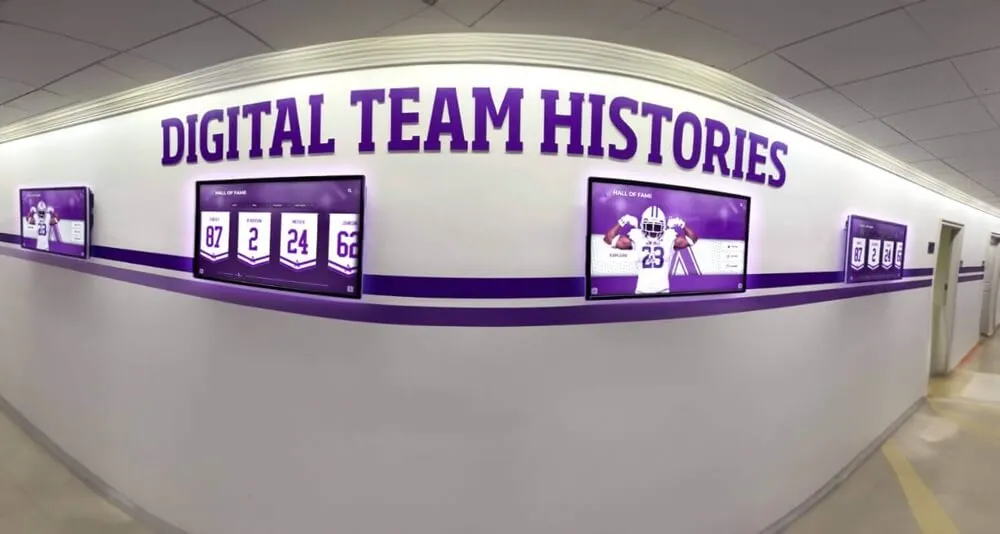
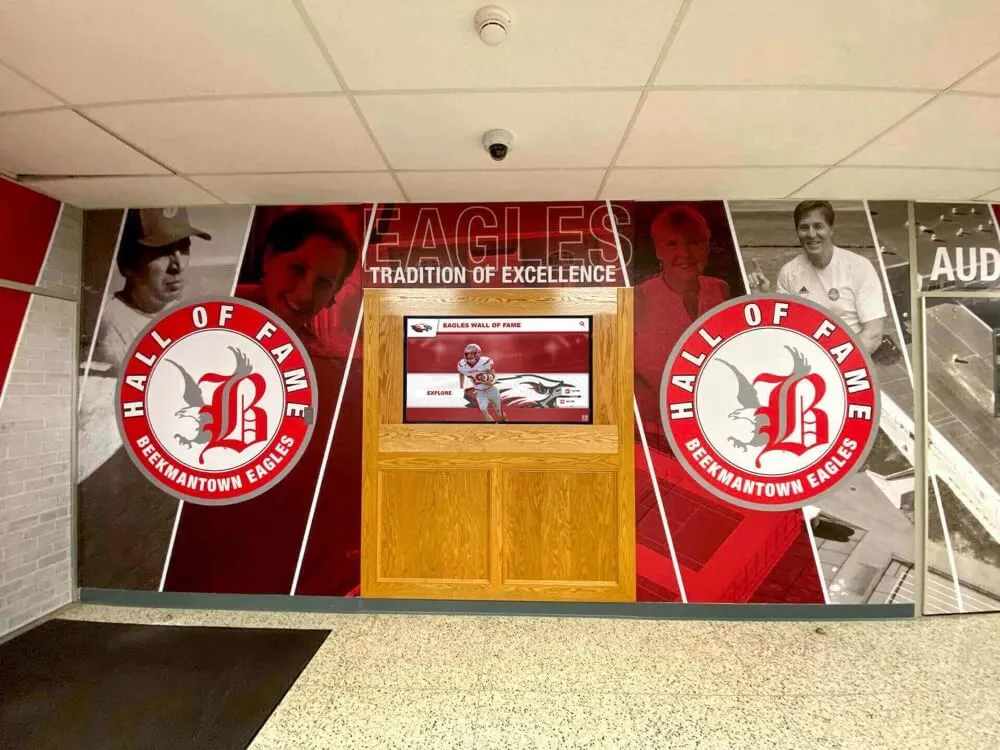
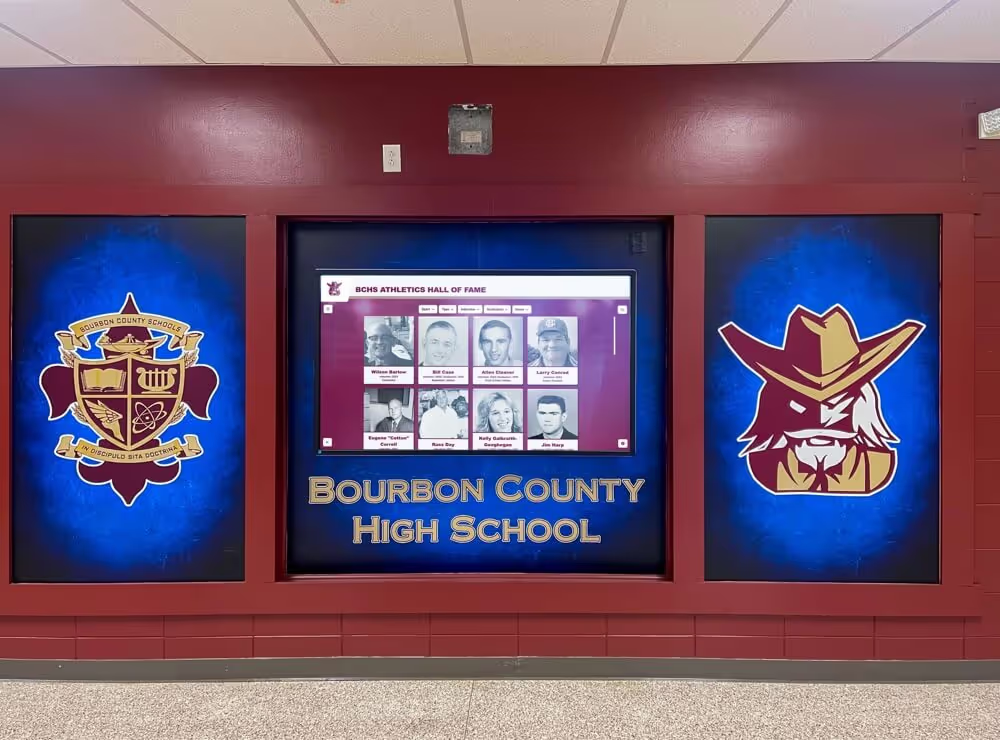
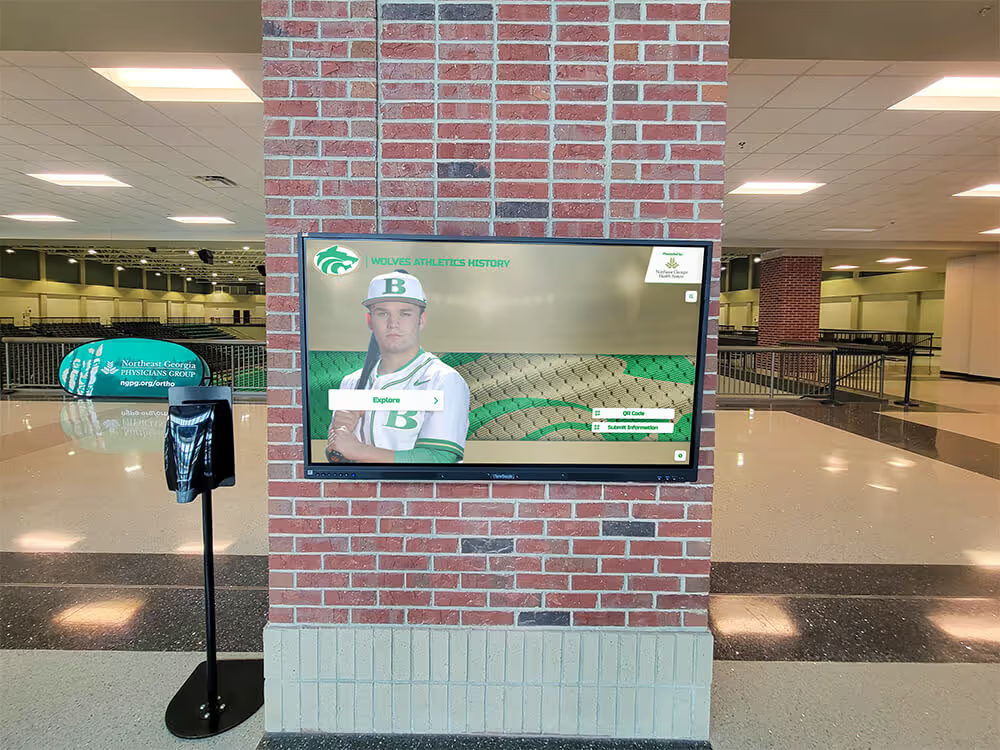
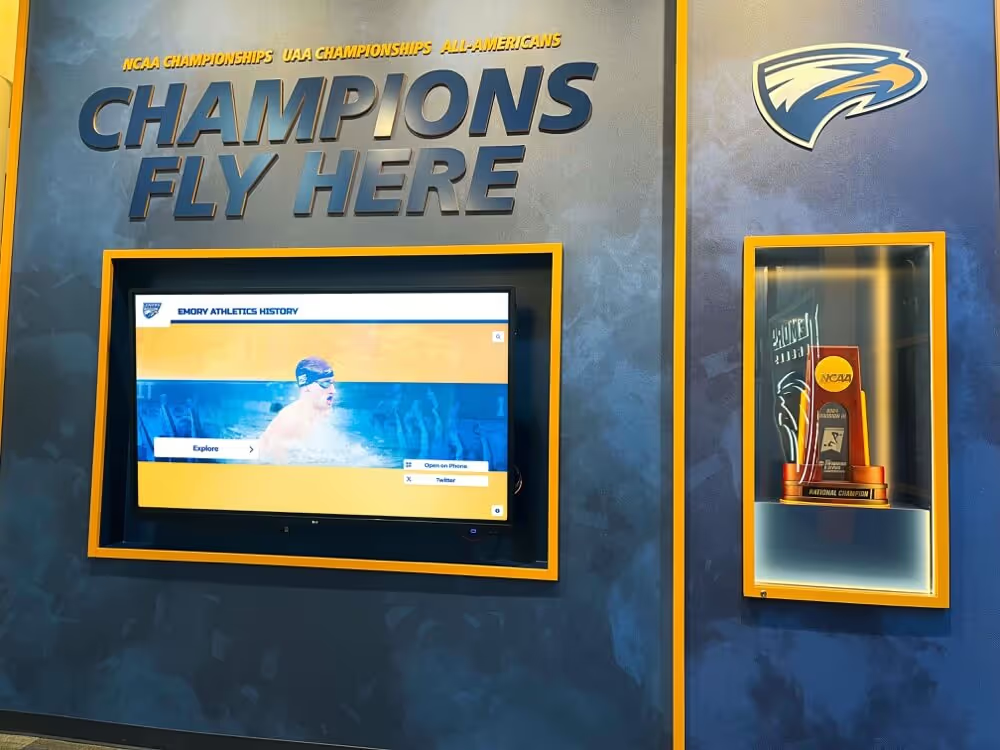
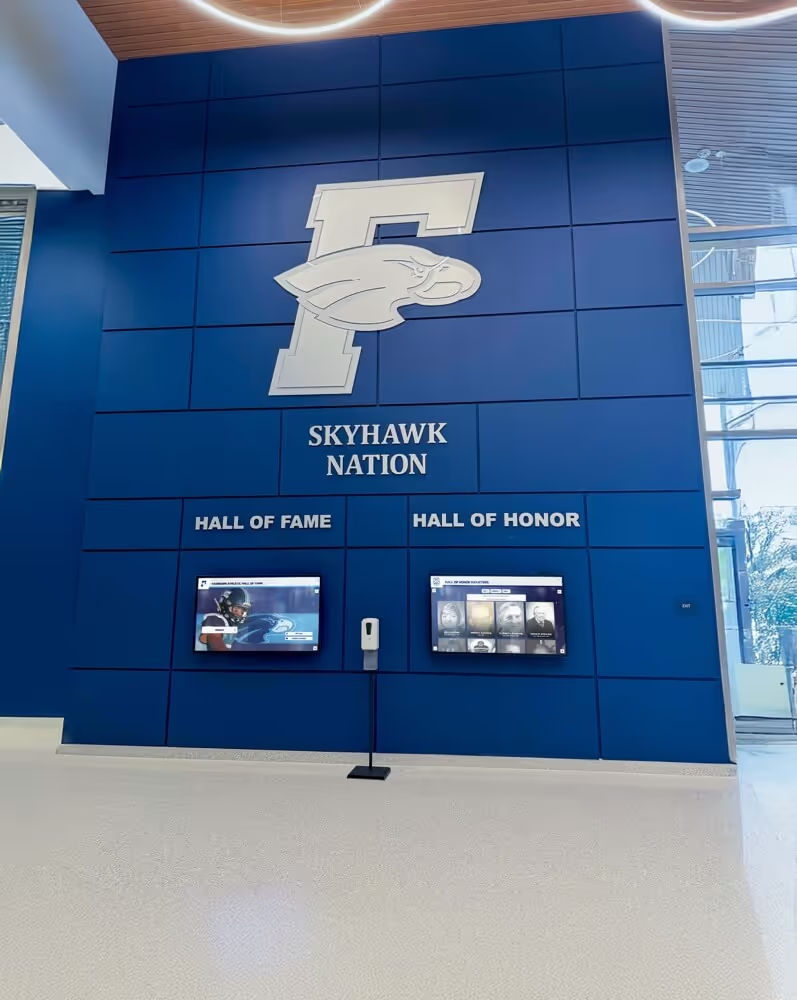
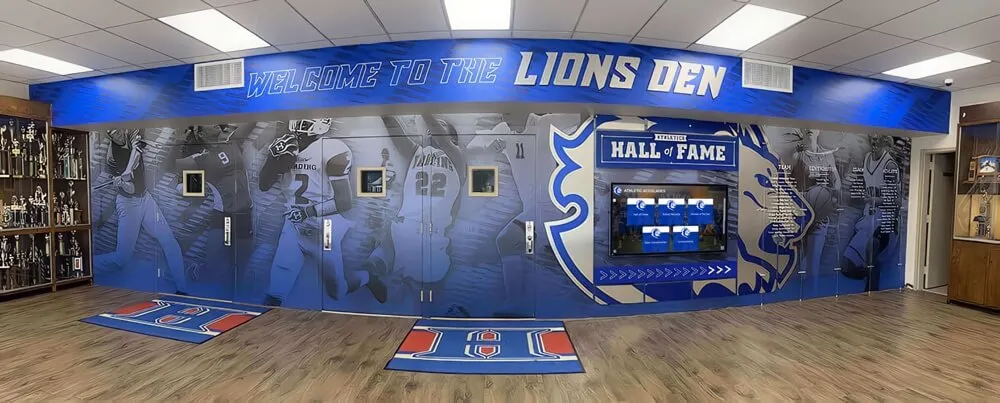
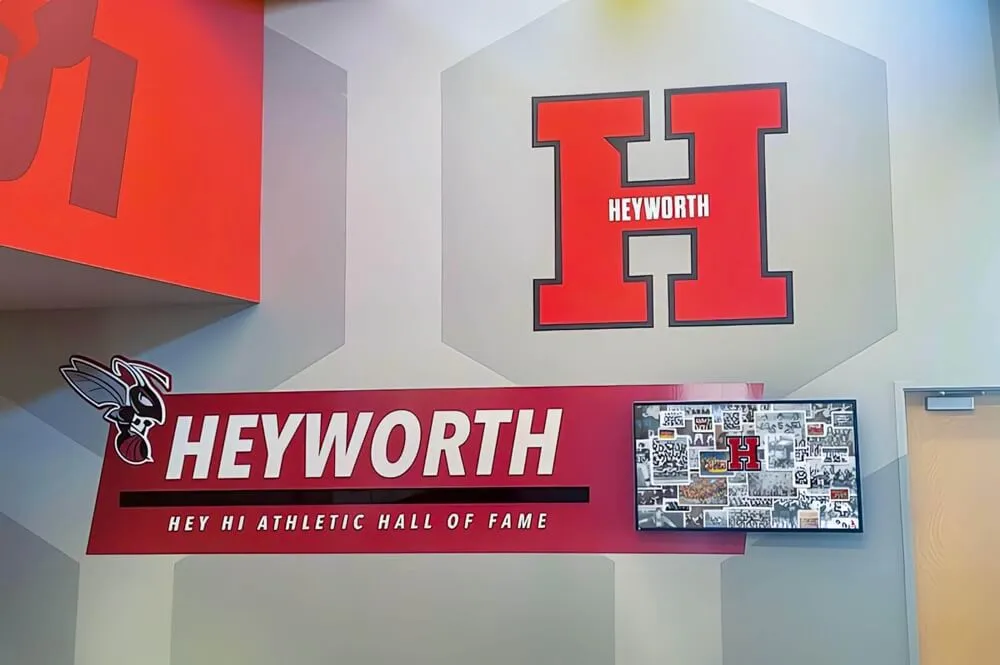
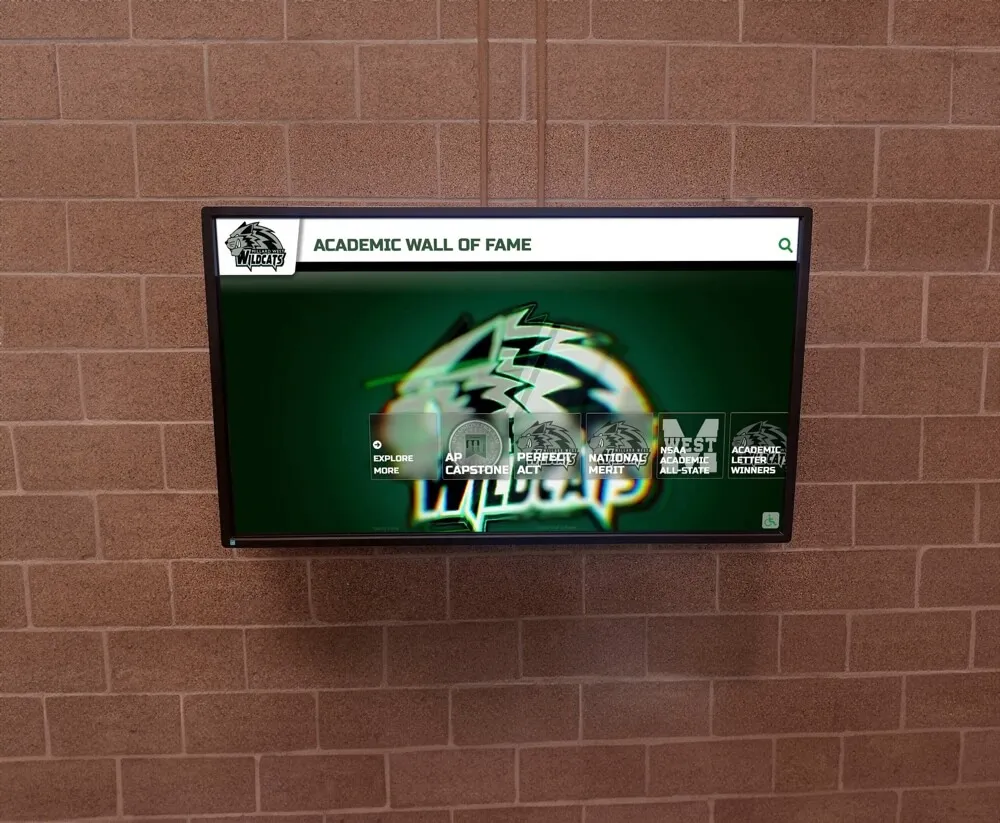
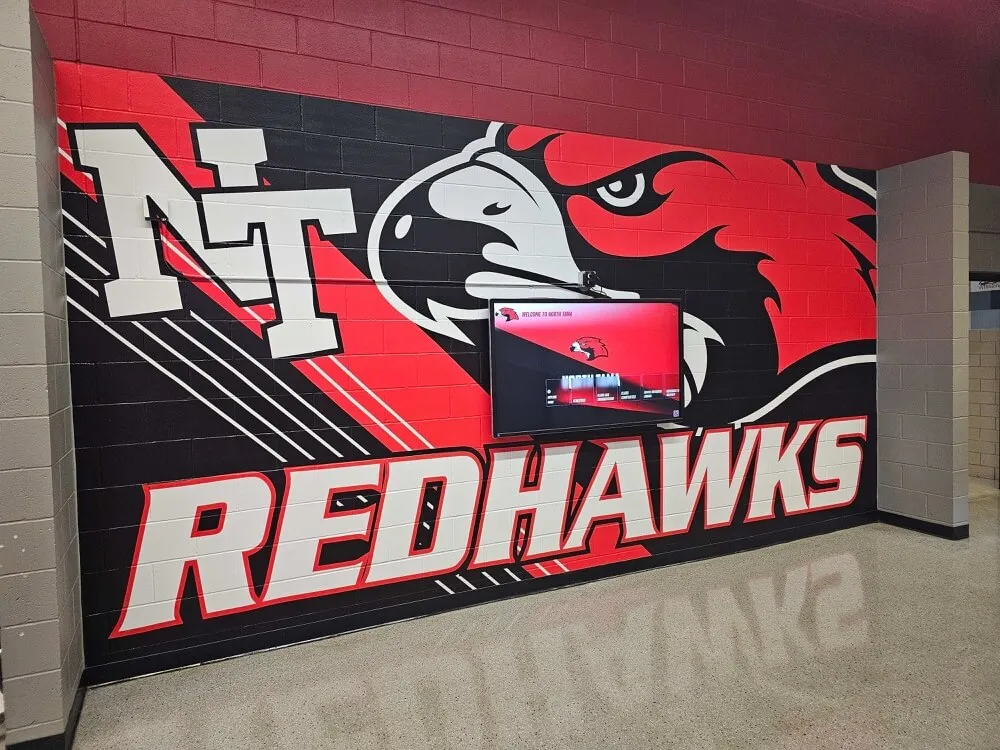
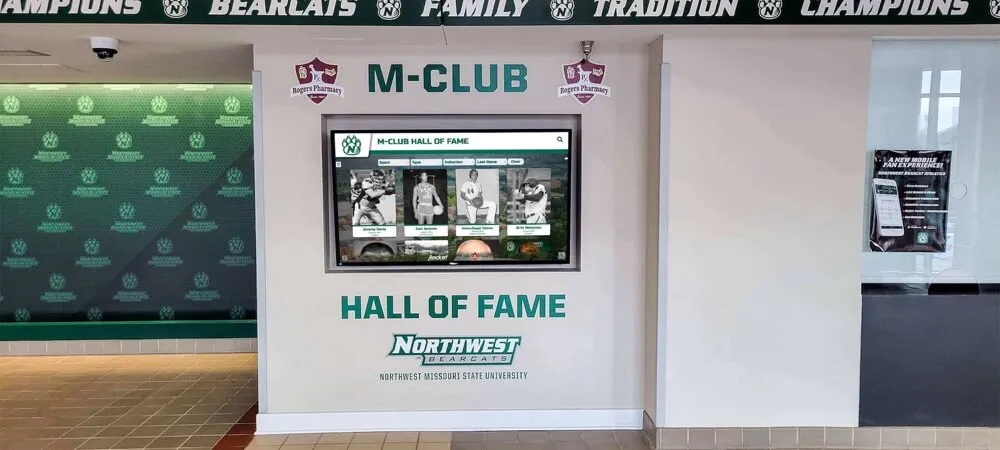
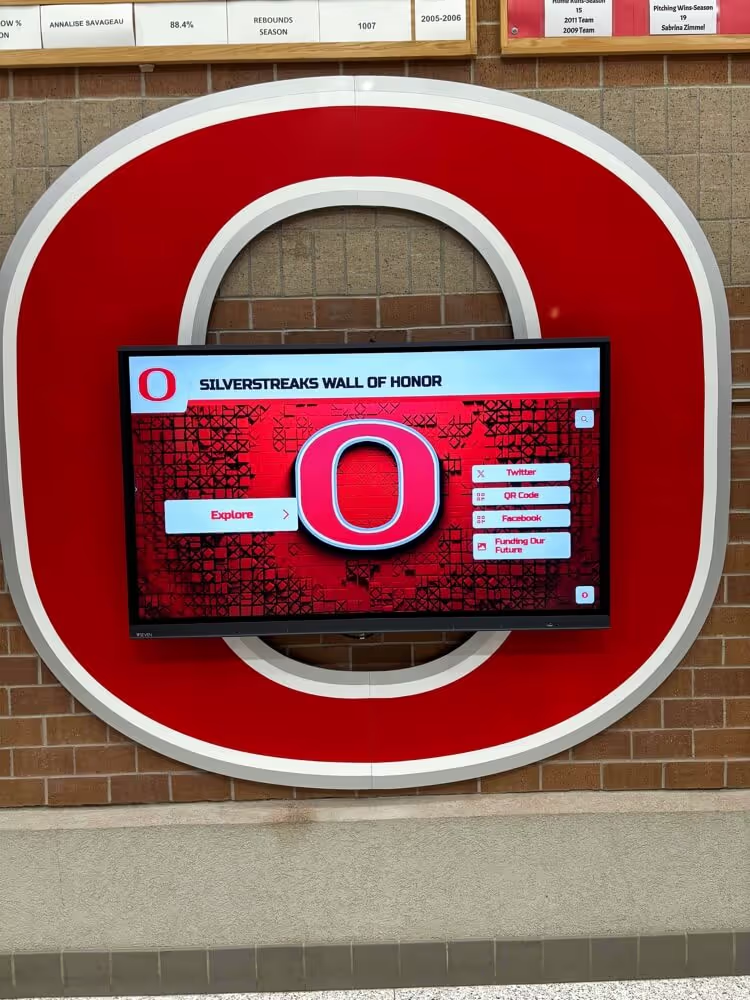
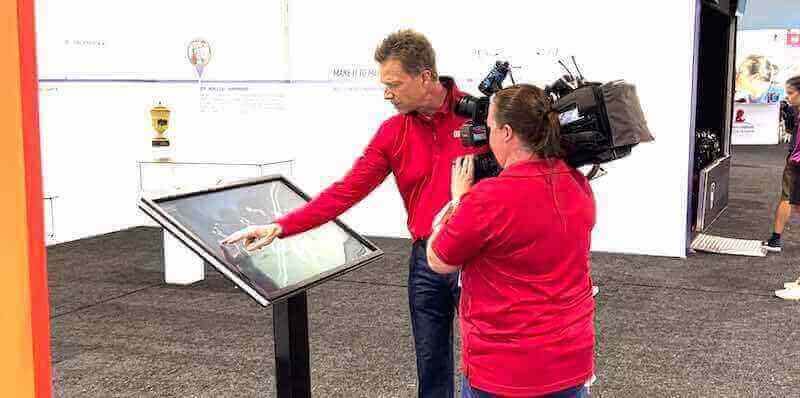
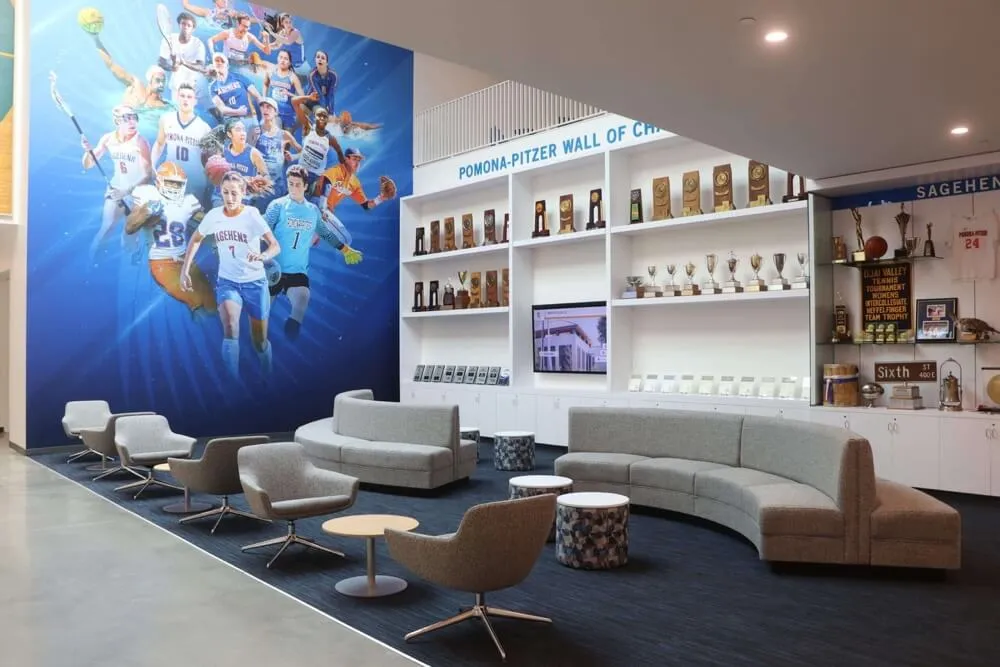
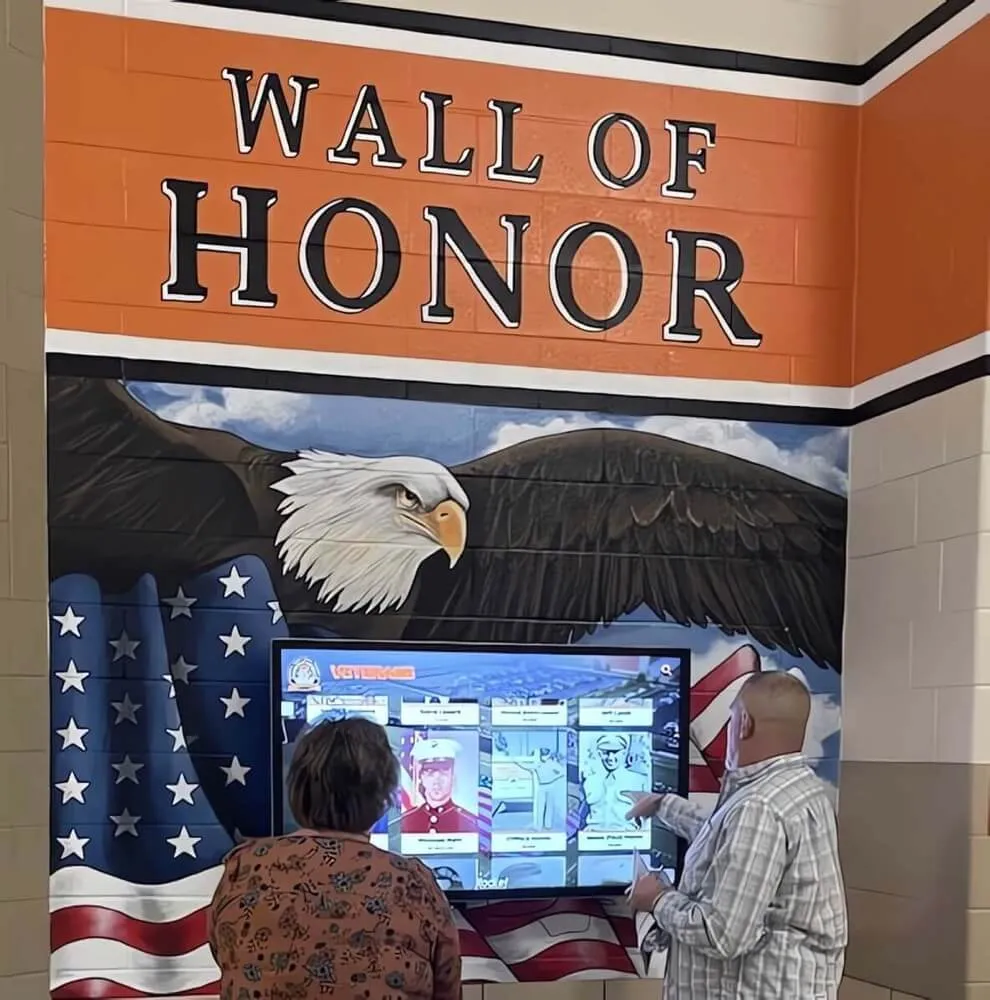
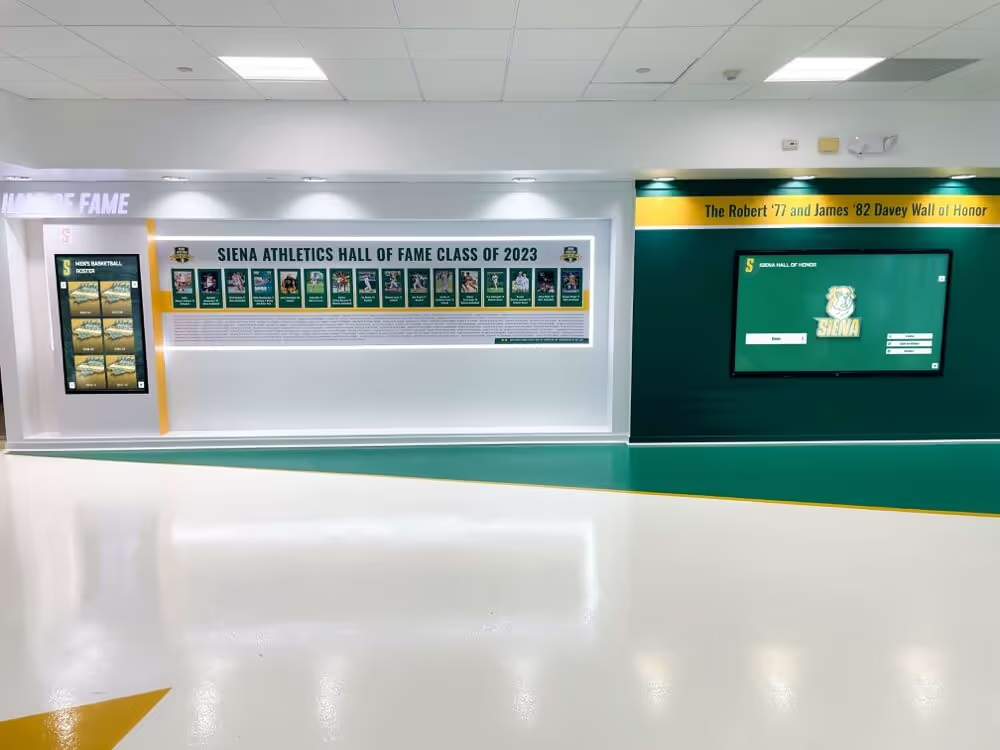
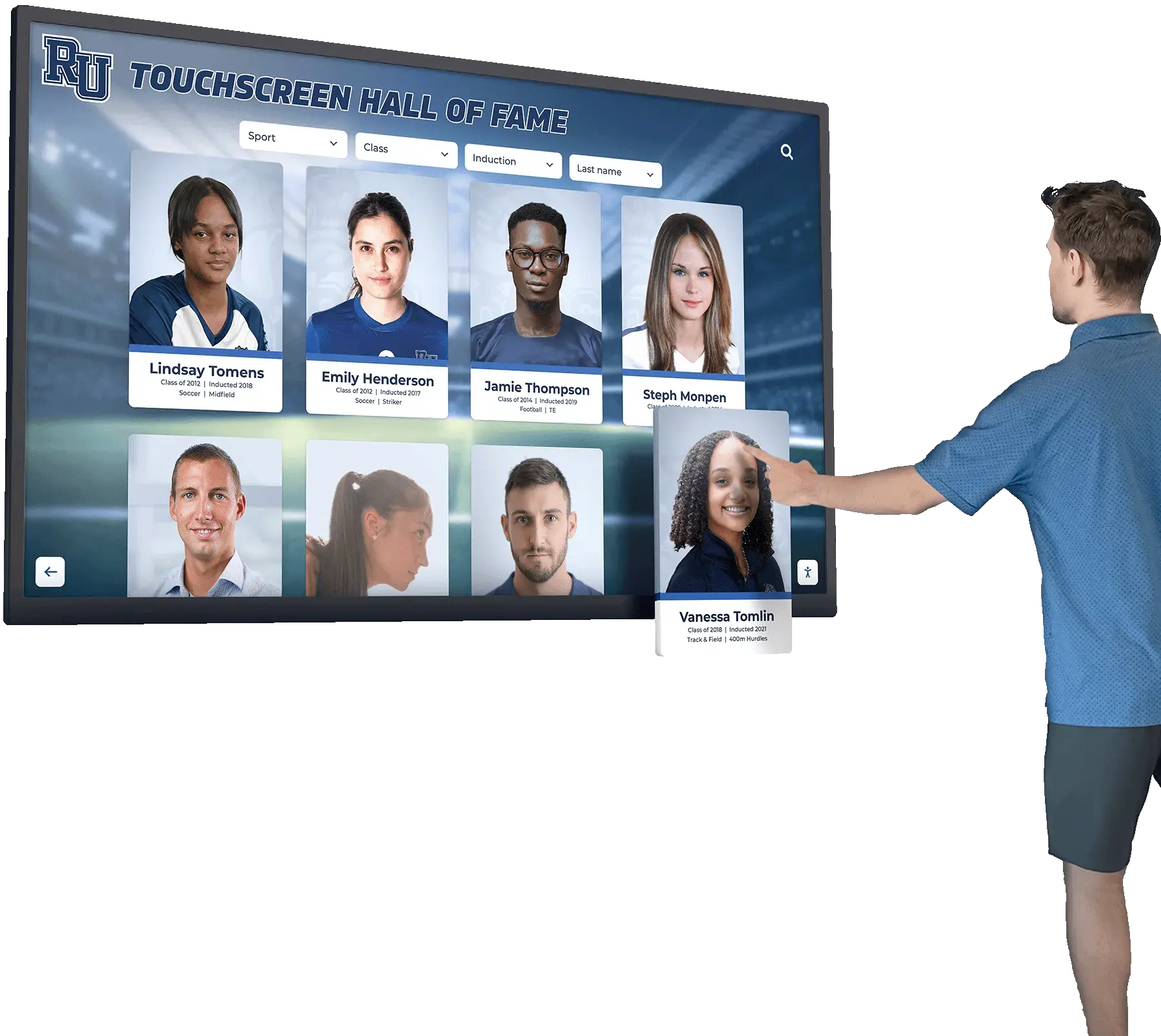
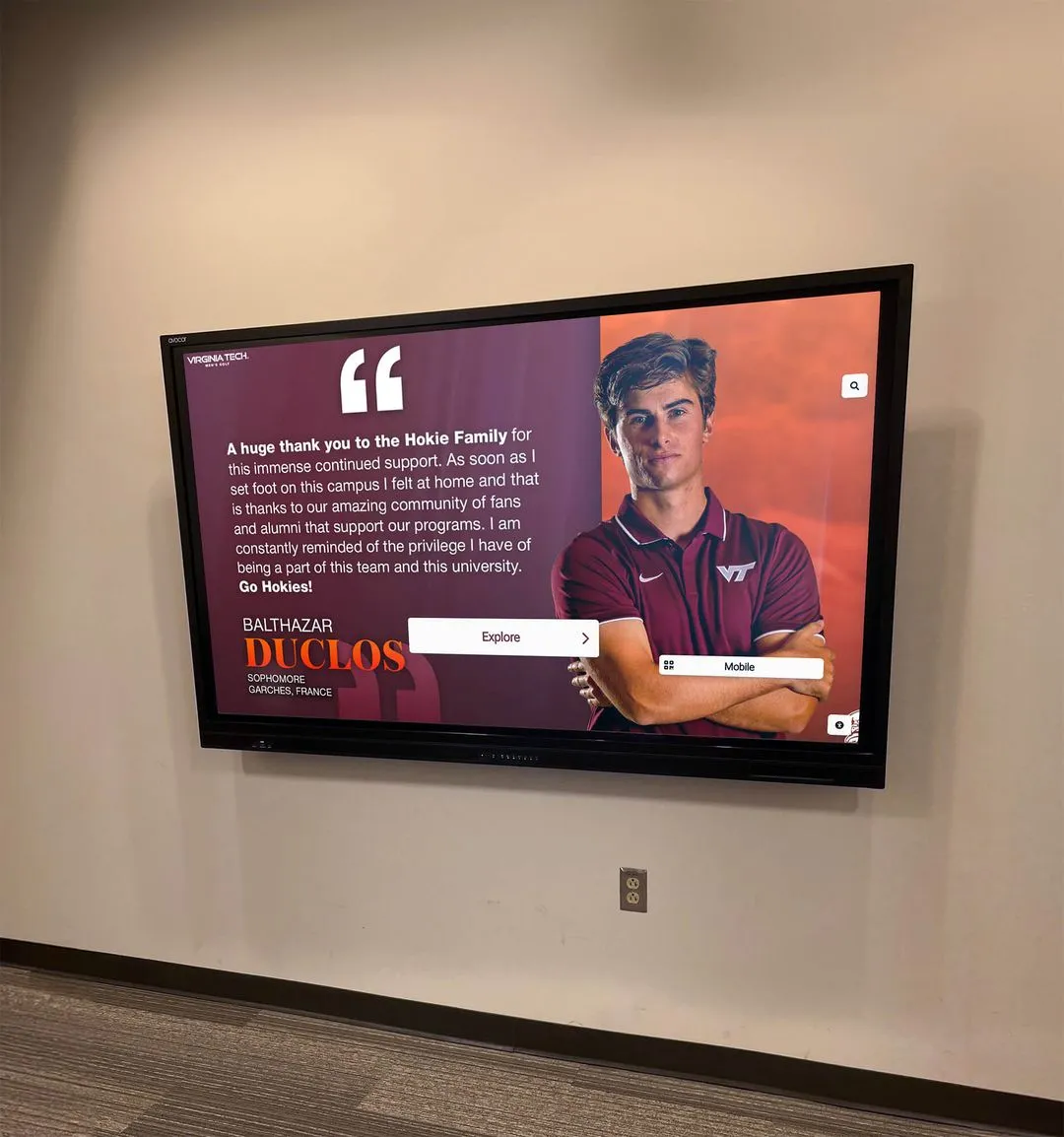
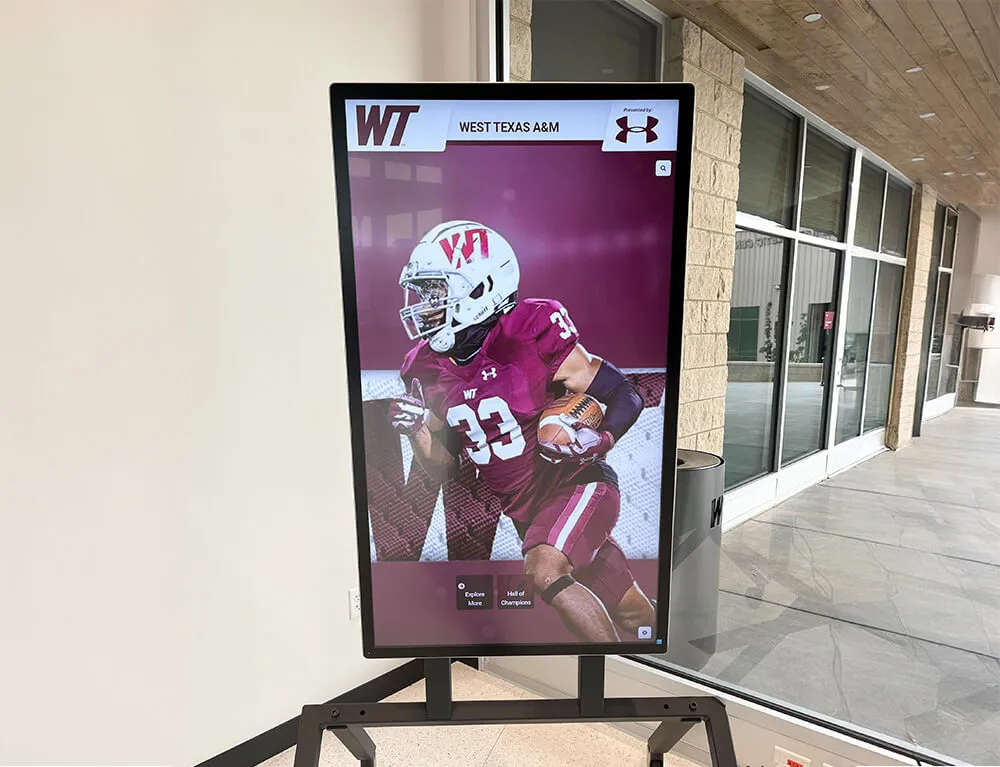
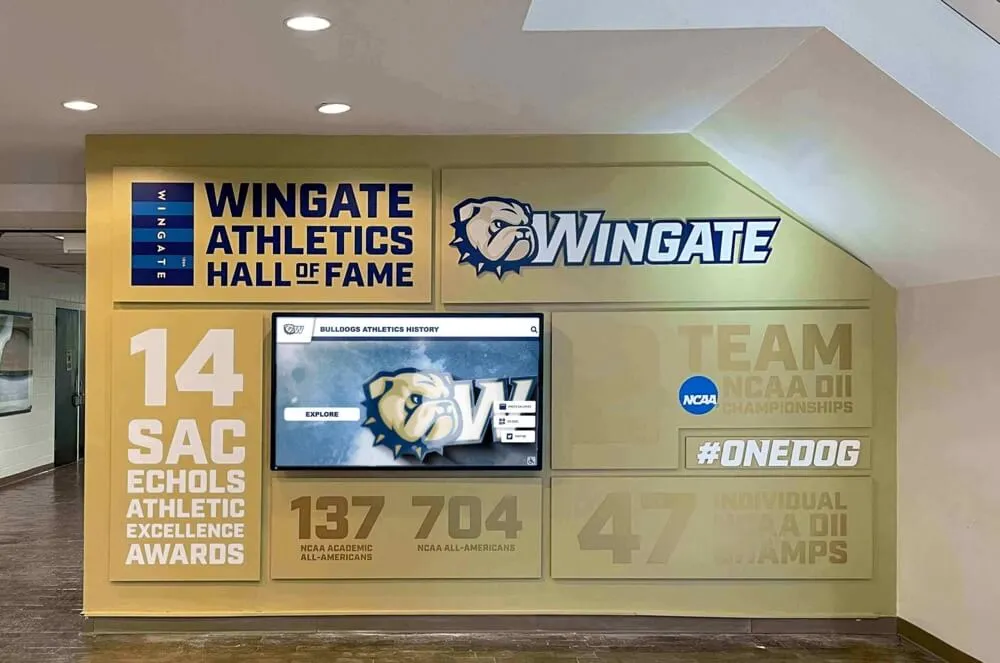
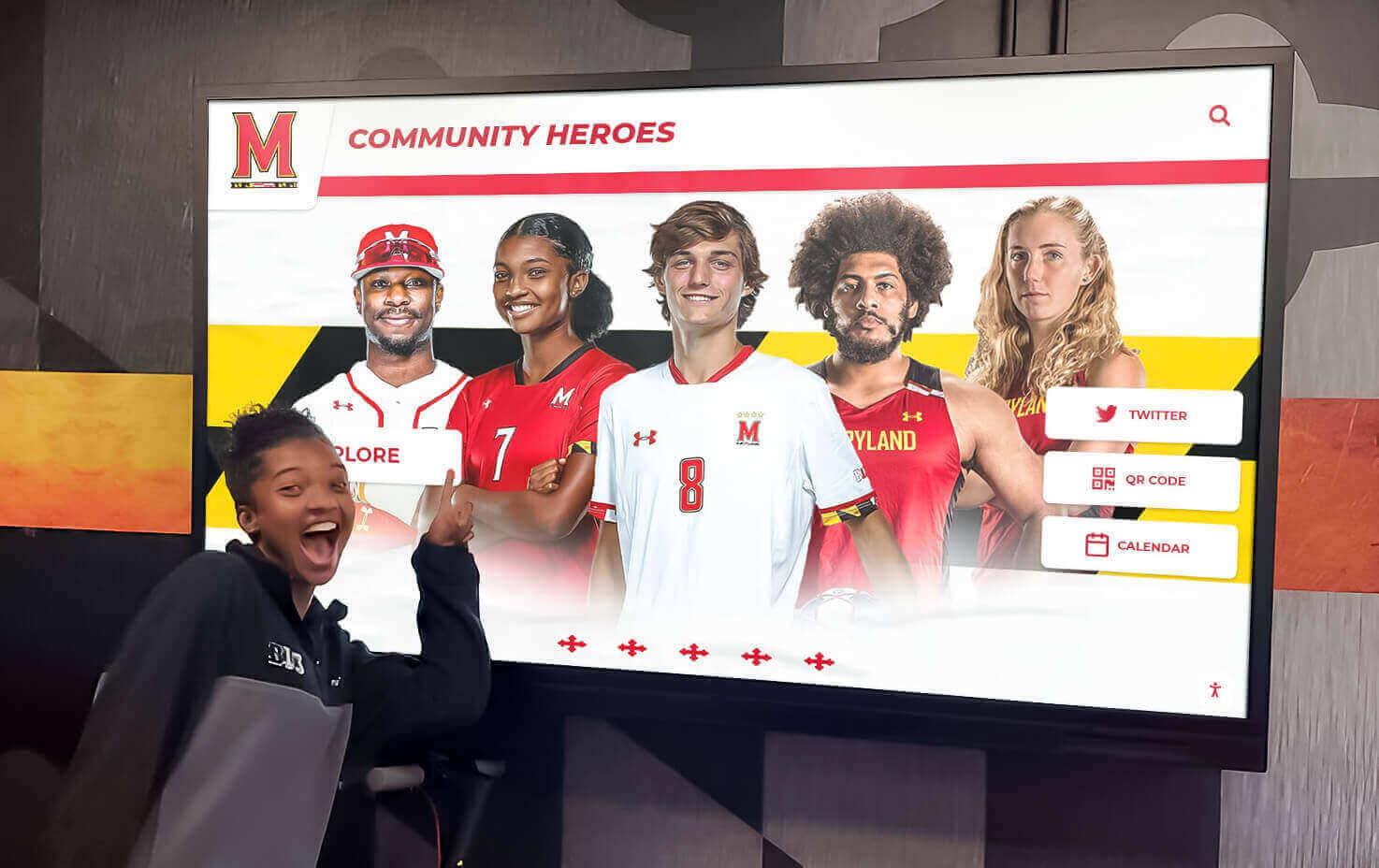
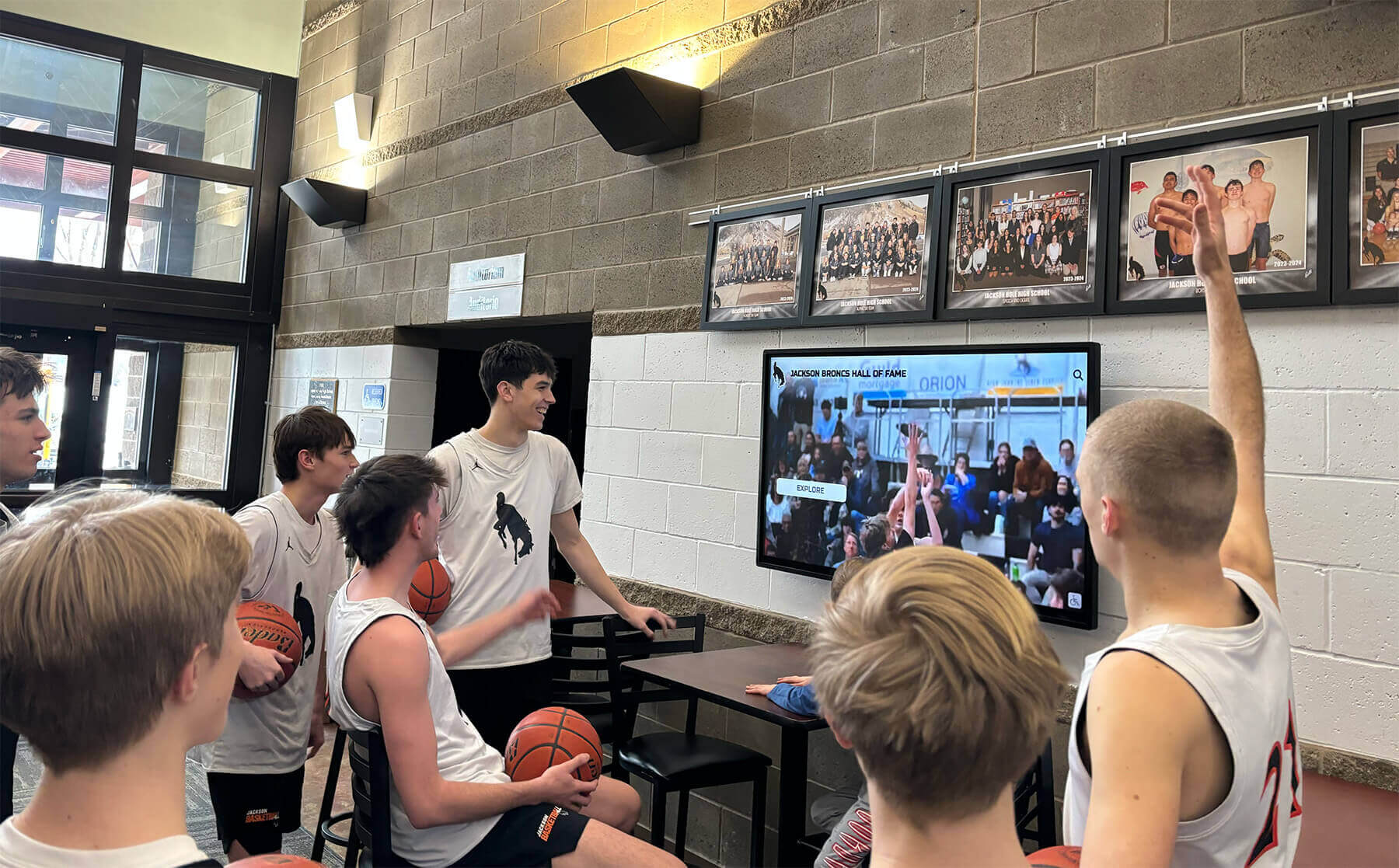
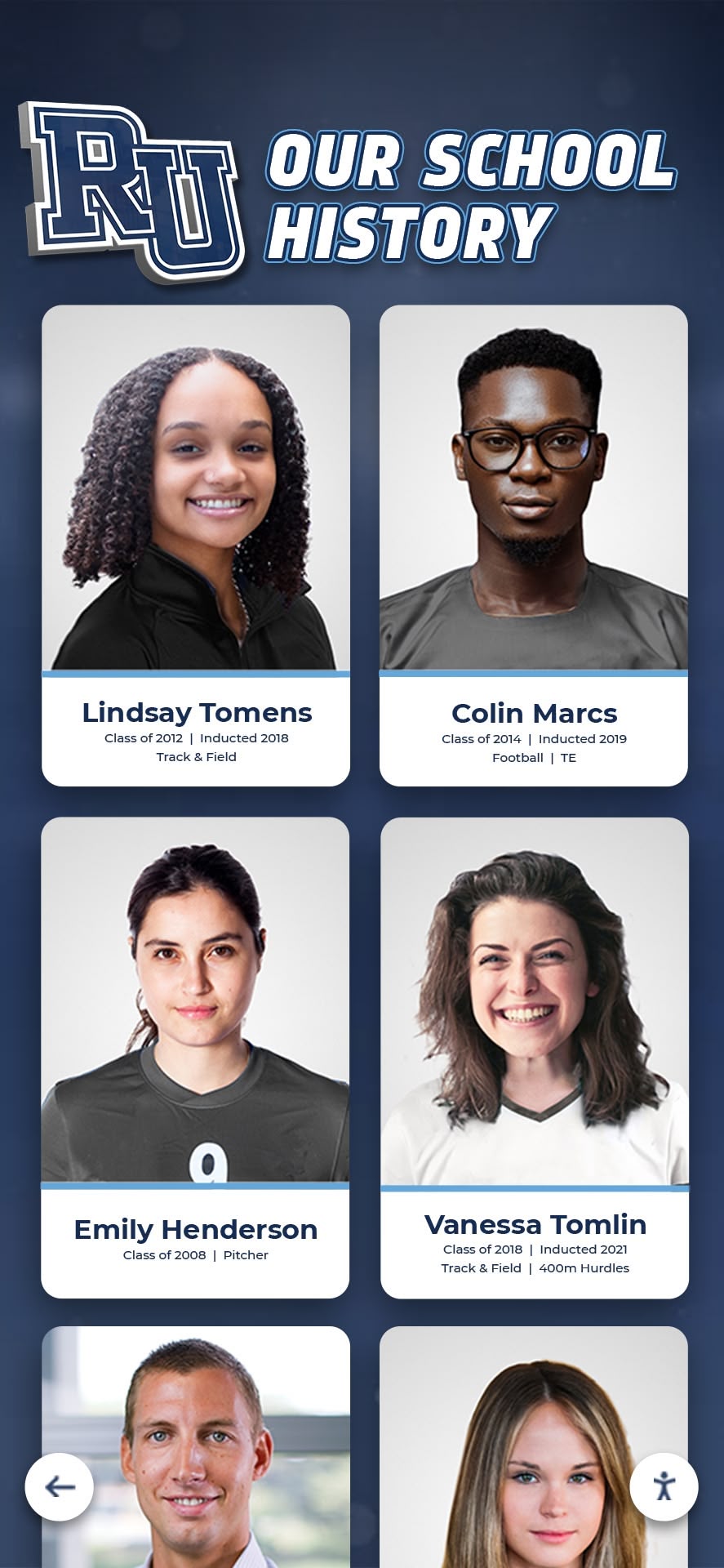

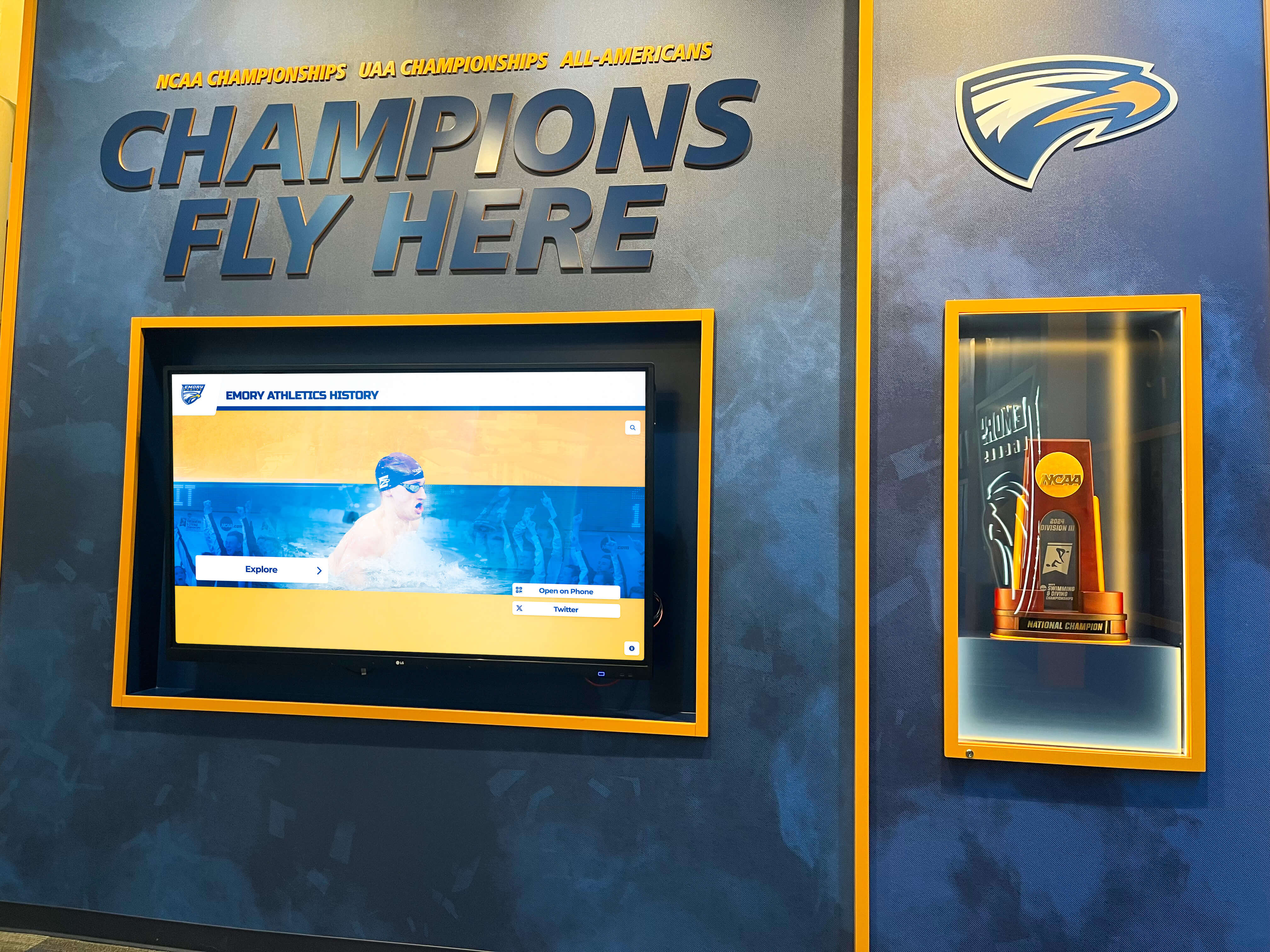
Digital Recognition Platforms: Forward-thinking programs increasingly leverage digital recognition systems extending visibility far beyond single ceremony moments. Interactive displays positioned in athletic facilities or school lobbies can showcase camp achievement highlights and individual recognition, skill progression documentation through before/after videos or photos, team photos and bonding moments from camp experience, and historical camp information building tradition across years.
These digital platforms provide capabilities traditional recognition cannot match including unlimited recognition capacity without space constraints, instant updates adding camp achievements immediately, multimedia content featuring photos and videos from camp, web accessibility enabling sharing with extended family, and permanent documentation athletes reference throughout high school careers.
Social Media Celebration: Share camp highlights, athlete achievements, team bonding moments, and skill progression through team social media accounts, creating positive visibility while building program identity and pride.
Integration with Broader Recognition: Connect camp achievements to comprehensive athletic recognition by documenting camp participation in athlete profiles, including camp skill progressions in season portfolios, and linking camp excellence to end-of-season awards and honors.
Building Camp Traditions
Successful programs establish camp traditions that build anticipation and create continuity across years.
Annual Traditions: Develop recurring elements that athletes anticipate annually such as specific team bonding activities, traditional camp competitions or challenges, awards that carry prestige across years (like “Hardest Worker” or “Best Team Spirit”), and camp theme elements creating unique identity for each year’s camp.
Veteran Recognition: Honor athletes attending multiple camps across their careers, potentially with recognition for seniors attending their final camp, multi-year participants showing long-term commitment, or athletes who have progressed from beginners to advanced performers across camp years.
Documentation and Archives: Preserve camp history through systematic documentation including annual team photos from each camp, video archives showing skill progressions over years, recognition of annual award winners, and historical records showing program development. This documentation serves multiple purposes including building program pride and tradition, demonstrating continuous improvement to athletic directors and administrators, creating recruiting materials showing prospective athletes camp experiences, and honoring athlete achievements permanently.
Post-Camp Follow-Through: Maintaining Momentum
Camp benefits extend only as far as post-camp implementation and follow-through.
Immediate Post-Camp Actions
Critical activities in the days following camp completion preserve momentum and capture value.
Collect Feedback: Survey athletes, parents, and staff about camp experiences, gathering specific input on what worked well, areas needing improvement, suggested changes for future camps, and overall satisfaction levels. This feedback proves invaluable for continuous improvement.
Document Skills and Progressions: Record specific skills mastered by individual athletes, document areas still needing work, note routine choreography and formations, and preserve any written materials or workbooks from camp.
Share Highlights: Communicate camp successes to broader school community, booster club supporters, and program families through photos and videos shared via social media or email, written recaps highlighting achievements, and recognition of supporters who made camp possible.
Integrating Camp Learning into Regular Practice
Camp value depends on continued reinforcement of skills and culture developed.
Structured Skill Reinforcement: Design early-season practices deliberately reinforcing camp curriculum, scheduling regular review of skills introduced at camp, maintaining progressions established during camp training, and avoiding abandonment of camp learning in favor of other priorities.
Culture Maintenance: Preserve the positive culture and expectations established during camp through referencing camp experiences when reinforcing team values, maintaining intensity and work ethic standards set during camp, and continuing team bonding activities initiated during camp sessions.
Track Progress: Monitor whether athletes maintain camp skill levels or continue improving, identify athletes struggling to retain camp gains who need additional support, and celebrate continued growth beyond initial camp achievements.
Planning Cycle for Future Camps
Use current camp experiences to improve future iterations.
Debrief with Staff: Conduct thorough post-camp staff meetings reviewing what worked well and should be repeated, identifying challenges or problems needing solutions, discussing potential improvements or changes, and capturing institutional knowledge before details fade.
Financial Review: Analyze actual costs against budget projections, identify areas where expenses exceeded plans, determine whether revenue models proved adequate, and adjust future budgets based on real experience.
Timeline Adjustments: Reflect on whether planning timeline proved adequate, identify tasks requiring more lead time, and document lessons learned for future planning cycles.
Common Camp Planning Challenges and Solutions
Understanding typical obstacles enables proactive problem-solving rather than reactive crisis management.
Challenge: Limited Budget or Fundraising Capacity
Solutions: Start with modest scope such as single-day camps before attempting multi-day experiences, leverage existing resources including school facilities and volunteer coaches, partner with other programs for shared costs, and phase camp development gradually as fundraising capacity builds.
Challenge: Facility Availability or Access
Solutions: Schedule camps well in advance securing preferred dates, maintain flexibility with backup dates if primary times unavailable, explore alternative facilities beyond school spaces, and consider outdoor options with indoor backup for weather.
Challenge: Varied Skill Levels Within Squad
Solutions: Design differentiated instruction allowing small groups at appropriate levels, pair advanced athletes with beginners for peer teaching, establish baseline skill expectations while providing advanced options, and ensure all athletes feel challenged regardless of starting point.
Challenge: Maintaining Athlete Engagement Throughout Multi-Day Camps
Solutions: Vary activities preventing monotony of repetitive drills, balance intensive training with fun team building, incorporate games and competitions creating engagement, and maintain reasonable daily schedules avoiding exhaustion that diminishes enthusiasm.
Challenge: Managing Parent Expectations and Communication
Solutions: Communicate clearly about camp objectives, schedule, and expectations before camp begins, provide regular updates during camps especially overnight experiences, establish appropriate boundaries regarding parent observation or involvement, and solicit feedback while maintaining professional authority over program decisions.
The Role of Modern Technology in Cheer Camp Recognition
Technology increasingly enhances how programs document, celebrate, and leverage camp experiences.
Digital Recognition Systems
Modern athletic programs implement comprehensive digital recognition displaying athlete achievements, team accomplishments, and program history through interactive platforms positioned in school athletic facilities, lobbies, and spirit spaces.
Camp-Specific Recognition Features: Digital systems enable programs to showcase annual camp achievement awards and recognition, document skill progressions through before/after video comparisons, feature camp photos and team bonding moments, and preserve historical camp information across decades building tradition and program identity.
Year-Round Visibility: Unlike traditional recognition limited to brief ceremony moments or paper certificates stored in drawers, digital platforms provide constant visibility throughout athletic seasons and school years. Athletes seeing their camp achievements displayed prominently experience ongoing recognition reinforcing their accomplishments while motivating continued improvement.
Recruitment and Program Marketing: Comprehensive camp documentation serves recruitment purposes by demonstrating program quality to prospective athletes and families, showcasing commitment to athlete development, highlighting positive team culture and experiences, and building program reputation within broader athletic communities.
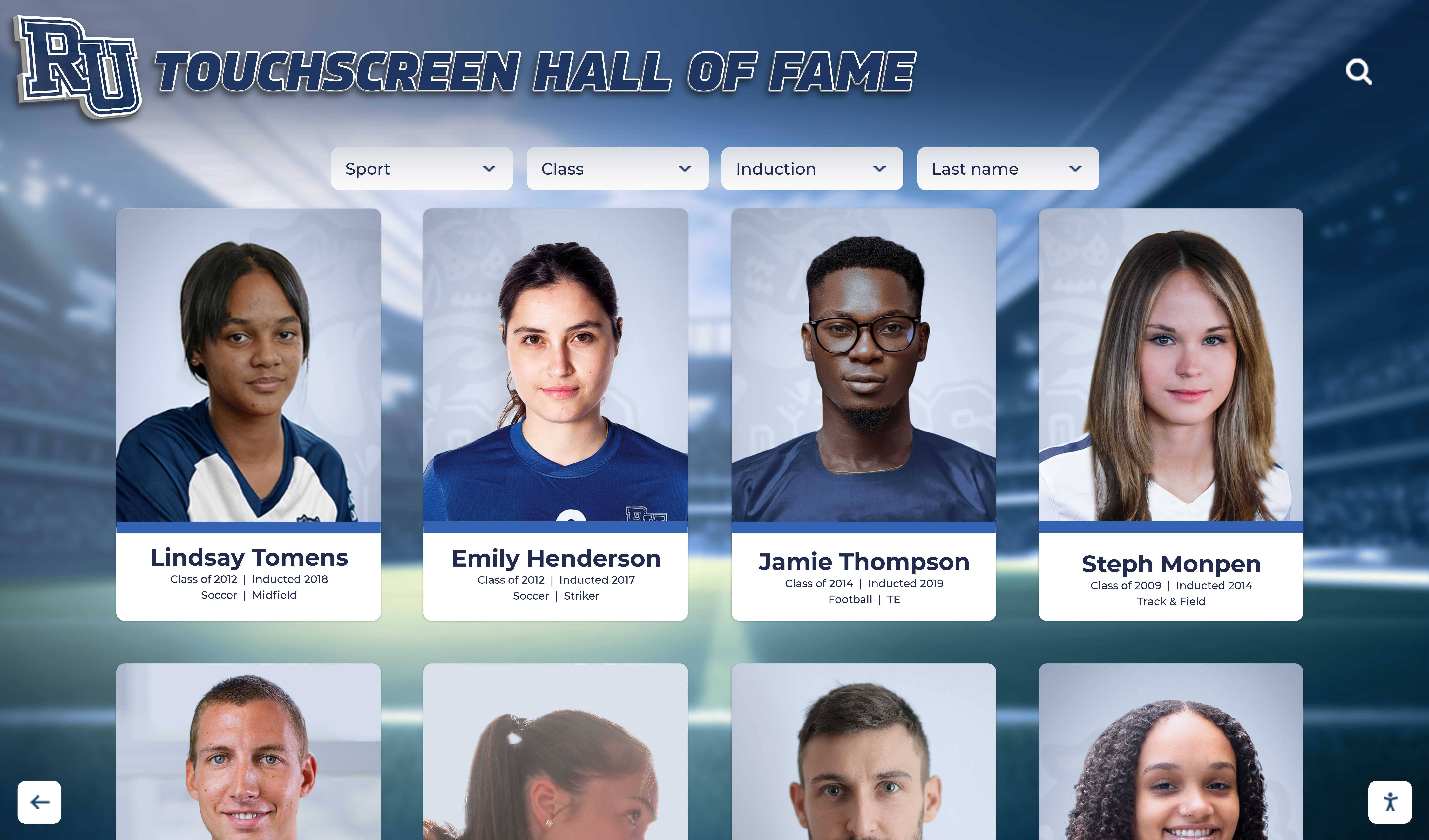
Solutions like Rocket Alumni Solutions provide purpose-built platforms specifically designed for athletic recognition including cheer programs, offering intuitive content management enabling easy updates without technical expertise, engaging interactive displays athletes and families enjoy exploring, unlimited recognition capacity growing with programs across years, and proven approaches that strengthen team culture and program identity.
Video Analysis and Skill Documentation
Technology supports actual skill development through video recording enabling athletes to review technique, providing visual feedback accelerating learning, documenting improvement over time, and creating shareable content celebrating progress.
Communication Platforms
Modern communication tools streamline camp logistics through centralized information sharing, quick updates about schedule changes or important information, photo and video sharing during camps, and continued connection among camp participants after camp concludes.
Conclusion: Creating Transformative Experiences That Build Championship Culture
Successful cheer camps result from thoughtful planning addressing every dimension of the camp experience—from initial timeline development through post-camp integration of learning. When organized with clear objectives aligned with team needs, age-appropriate curriculum balancing skills with conditioning and culture building, comprehensive safety protocols ensuring challenging yet protected environments, creative funding strategies maintaining accessibility, and recognition systems celebrating both achievement and improvement, these camps become transformative experiences shaping entire competitive seasons.
The investment in quality camp planning pays immediate dividends through accelerated skill development compressed into intensive timeframes, strengthened team bonds built through shared challenges and successes, established cultural standards and expectations guiding season-long performance, and enhanced athlete confidence from mastering new skills and deepening team connections. Programs that commit to excellent camp planning create experiences athletes remember throughout their lives—not merely as training sessions, but as pivotal moments when they became part of something larger than themselves while discovering capabilities they didn’t know they possessed.
Ready to strengthen recognition within your cheer program? Modern solutions like Rocket Alumni Solutions provide comprehensive platforms designed specifically for athletic recognition including spirit squads and cheer programs. From documenting camp achievements through interactive displays to building comprehensive athlete profiles spanning entire careers, digital recognition creates lasting visibility extending far beyond traditional certificates or single ceremony moments. Your athletes invest countless hours perfecting skills, building routines, and representing school spirit—comprehensive recognition ensures those achievements receive celebration and visibility that motivates continued excellence while building program identity attracting future generations of cheerleaders.