



Yearbooks capture irreplaceable moments from your school years—class photos, team pictures, candid snapshots, achievement recognition, and handwritten messages from friends. Yet for many alumni, these memory-filled books sit in parents’ attics, storage units, or have been lost entirely over the decades. The good news is that schools, libraries, and specialized organizations are rapidly digitizing yearbook archives, making it increasingly possible to rediscover your school memories online without tracking down physical copies.
Finding digital yearbooks requires understanding where institutions store digitized collections, what online platforms aggregate yearbook content, how to navigate school-specific archives, and when to request digitization if your yearbooks aren’t yet available online. This comprehensive guide explores proven strategies for locating digital yearbooks from your school years, explains how different platforms work, and reveals innovative ways schools now share yearbook memories through modern technology.
Understanding Digital Yearbook Availability
Before diving into specific search strategies, understanding the current state of yearbook digitization helps set realistic expectations about what you might find online.
How Common Are Digital Yearbooks?
Digital yearbook availability varies dramatically depending on several factors:
Institution Size and Resources Larger schools with substantial alumni bases and advancement offices have digitized yearbooks more frequently than smaller institutions with limited resources. Universities and well-established high schools often maintain searchable online archives, while smaller schools may still rely entirely on physical collections.
Yearbook Age and Era Recent yearbooks from the 2000s forward are more likely to exist digitally since they were often produced using digital tools from the start. Many schools maintain the digital files used for printing, making online access relatively straightforward. Yearbooks from the 1980s-1990s occupy a middle ground—old enough to require scanning but recent enough that schools prioritize them for digitization. Historical yearbooks from before 1970 require specialized scanning and may exist digitally only if schools invested in comprehensive archival projects.
Geographic and Demographic Patterns Schools in areas with active alumni networks, strong fundraising capabilities, and technology adoption tend to have digitized more yearbooks. Institutions that closed or merged often have less accessible archives, though local historical societies sometimes preserve these collections.
COVID-19 Acceleration Effect The pandemic significantly accelerated digital yearbook adoption. Schools already creating digital yearbooks for student access found alumni requesting historical content. This pushed many institutions to prioritize digitization projects that had been discussed but not yet implemented.
The Digitization Gap
Despite progress, significant gaps remain in digital yearbook availability. Most institutions have digitized only portions of their complete archives—perhaps the most recent 10-20 years, specific decades based on reunion cycles, or years where physical yearbooks remained in good condition. Complete digital collections spanning 50-100+ years are relatively rare outside major universities with dedicated archival programs.
Primary Methods for Finding Digital Yearbooks
1. Start With Your School’s Official Channels
Your first and often most productive approach involves contacting your school directly through several channels:
Alumni Association Websites Many schools maintain alumni portals featuring digital yearbook collections available to verified graduates. These platforms often include:
- Searchable databases by year, name, or activity
- High-resolution page scans viewable online
- Interactive features allowing comments and memory sharing
- Restricted access requiring alumni authentication
- Integration with class reunion information and events
Begin by visiting your school’s main website and locating the alumni section. Look for terms like “yearbook archive,” “digital memories,” “alumni resources,” or “historical photos.” Some schools prominently feature yearbook collections while others bury them within resource libraries requiring deeper navigation.
School Libraries and Media Centers School libraries increasingly serve as digital archive custodians. Contact reference librarians or media specialists who can advise whether:
- Digital yearbooks exist and how to access them
- Physical yearbooks can be scanned upon request
- Local access is available through on-campus visits
- Restrictions apply based on privacy policies or copyright concerns
Many schools restrict online yearbook access but allow on-site viewing through computers in libraries or alumni centers.
Advancement and Development Offices Development offices engaged in alumni fundraising often maintain extensive digital resources including yearbooks used for prospect research and donor cultivation. While these collections primarily serve internal purposes, advancement staff can frequently provide access to alumni seeking their yearbooks, especially if requests come from potential donors or active alumni supporters.
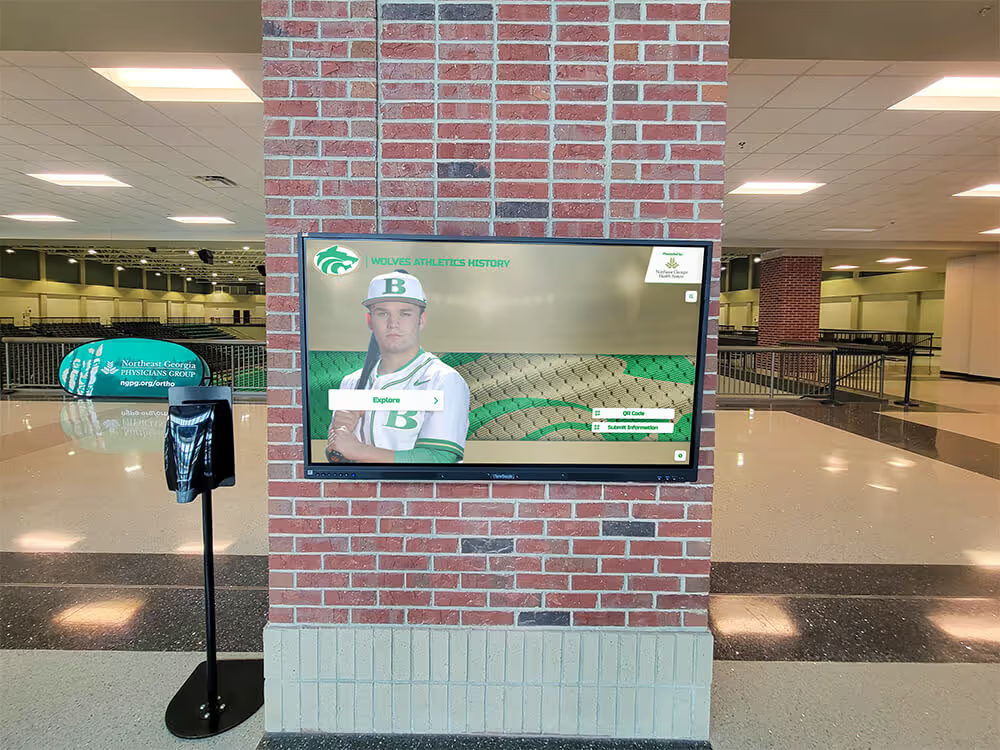
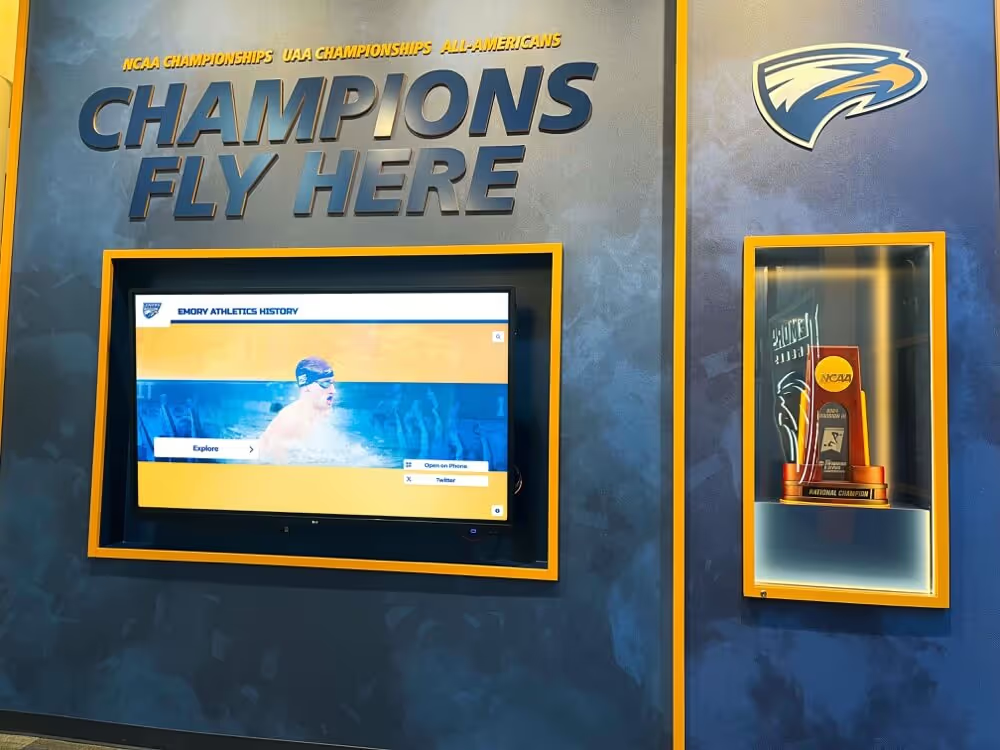
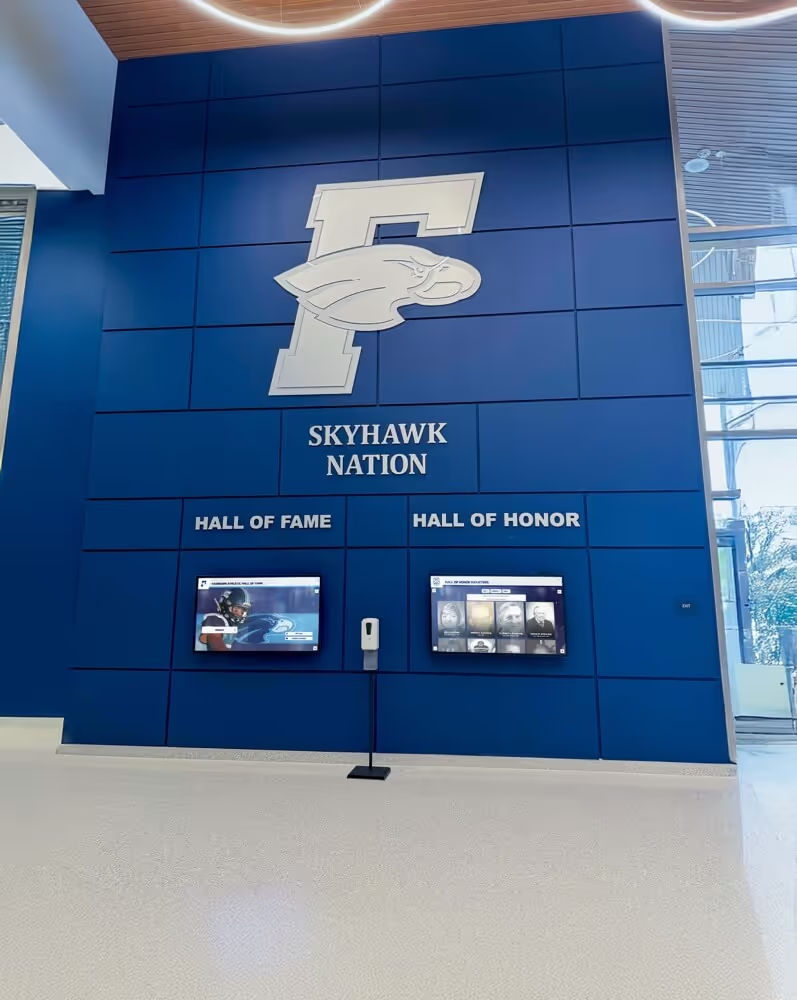
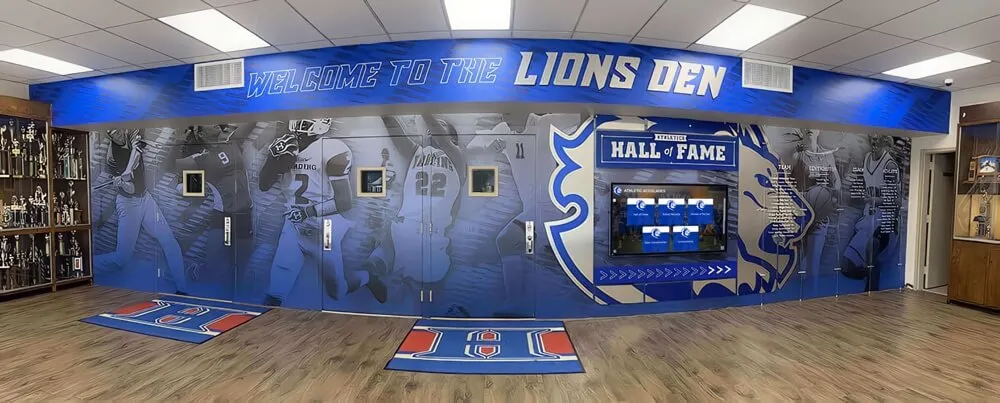
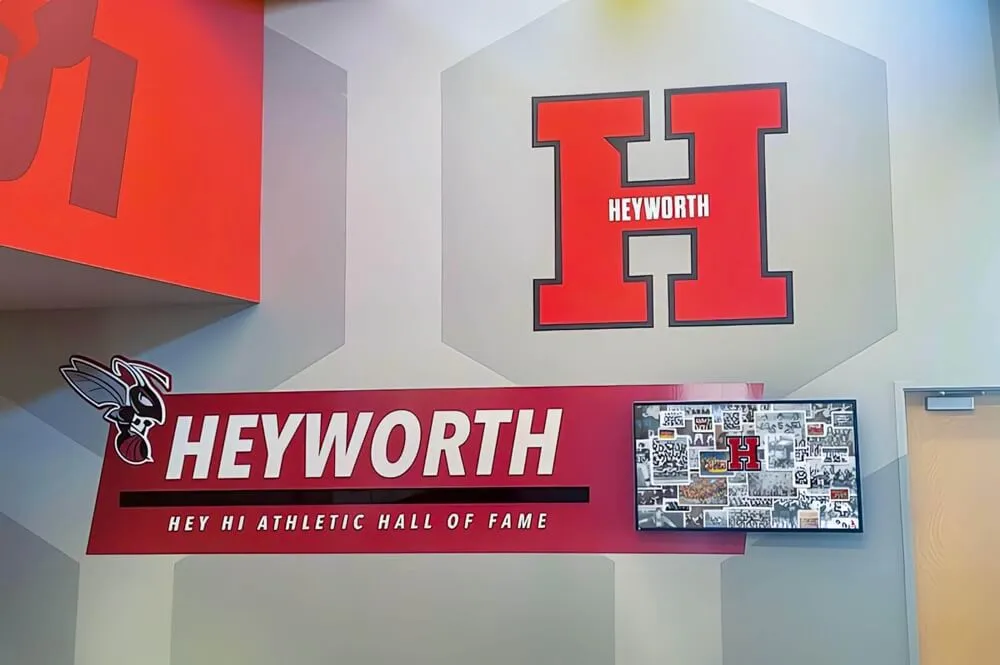
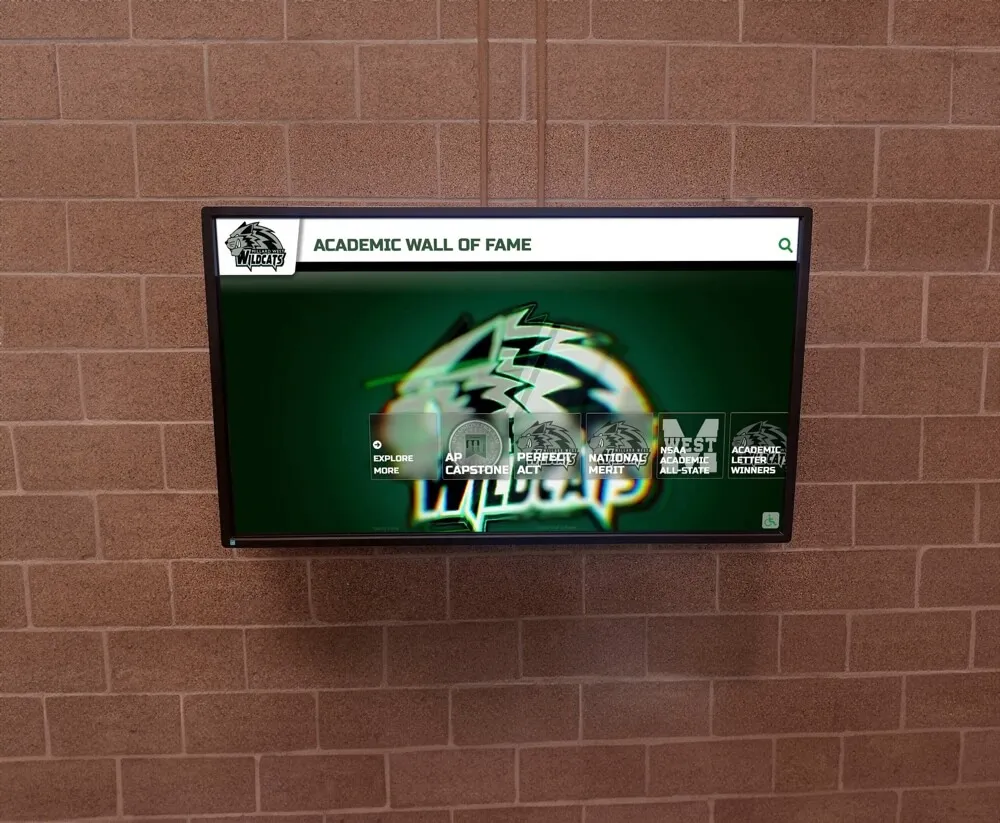
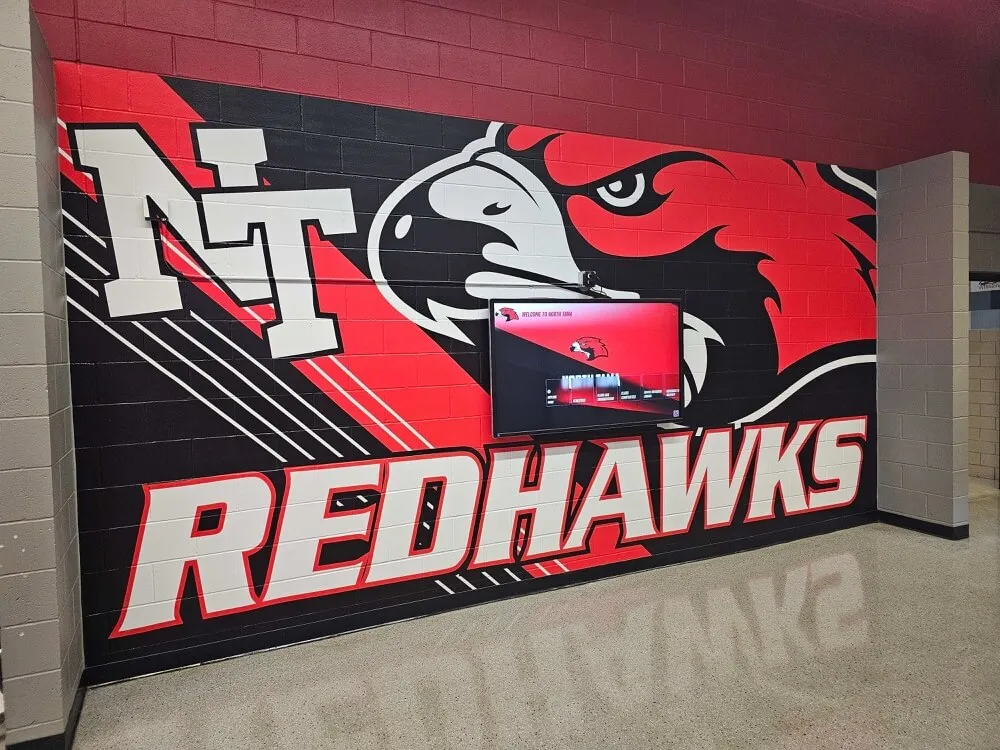
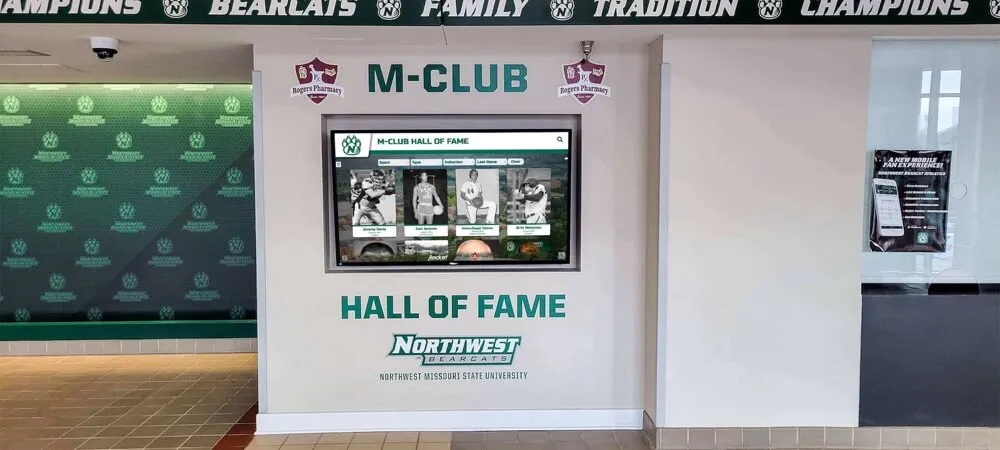
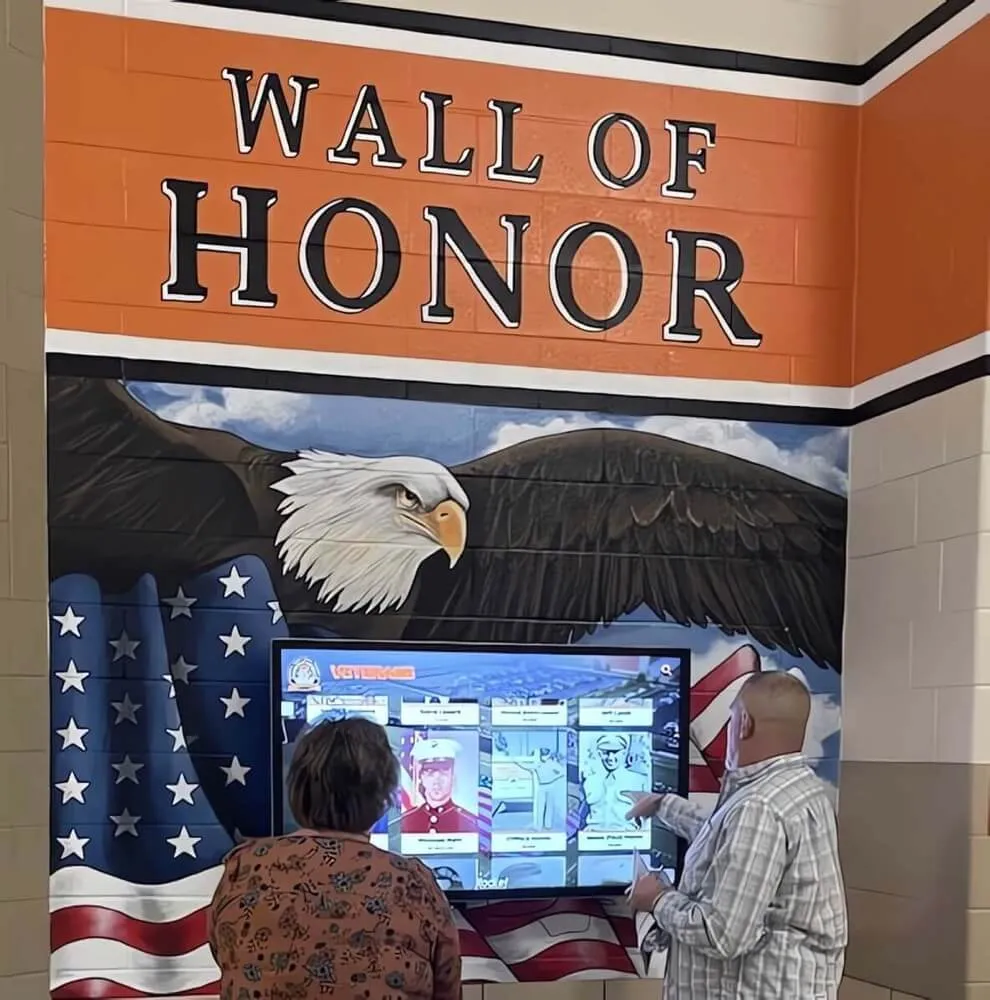
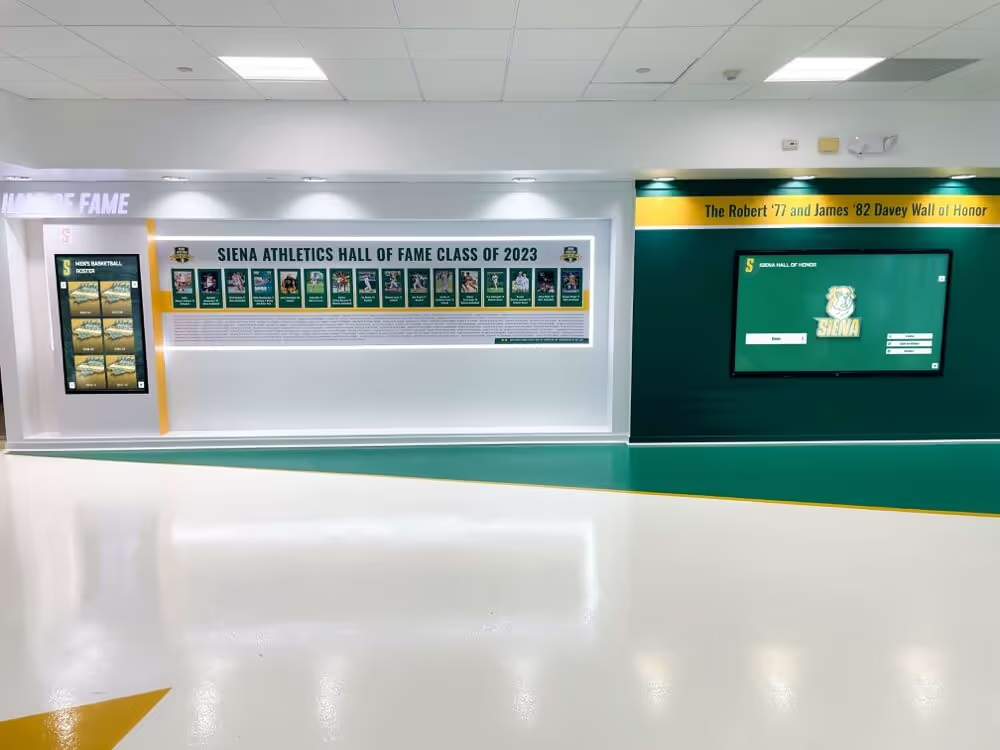
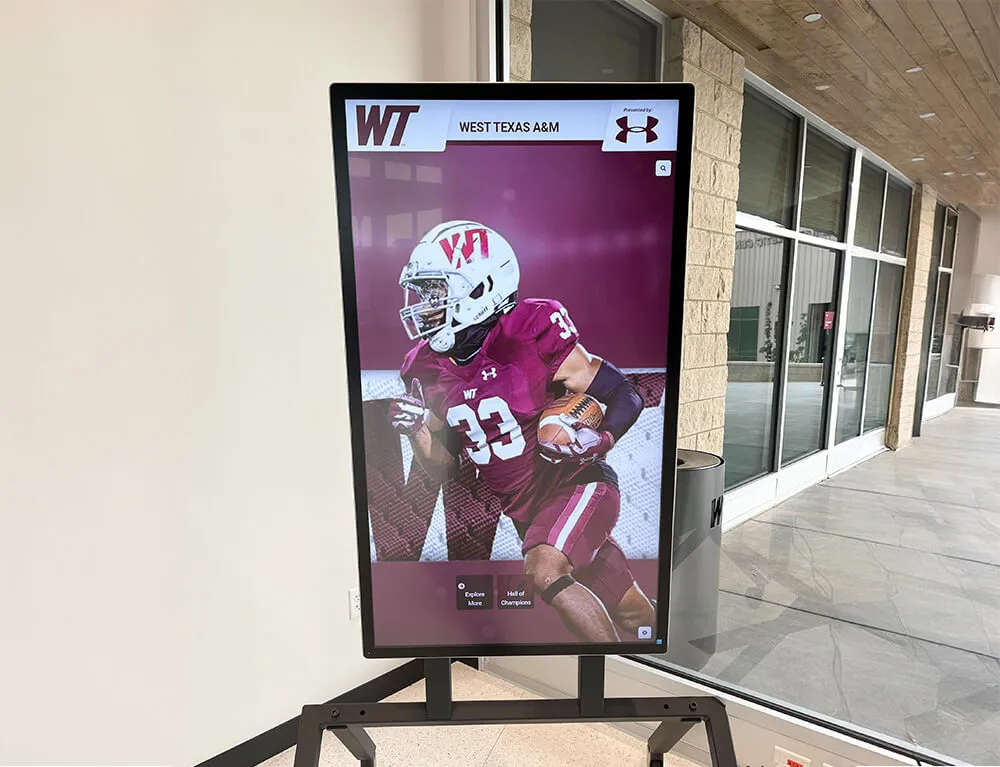
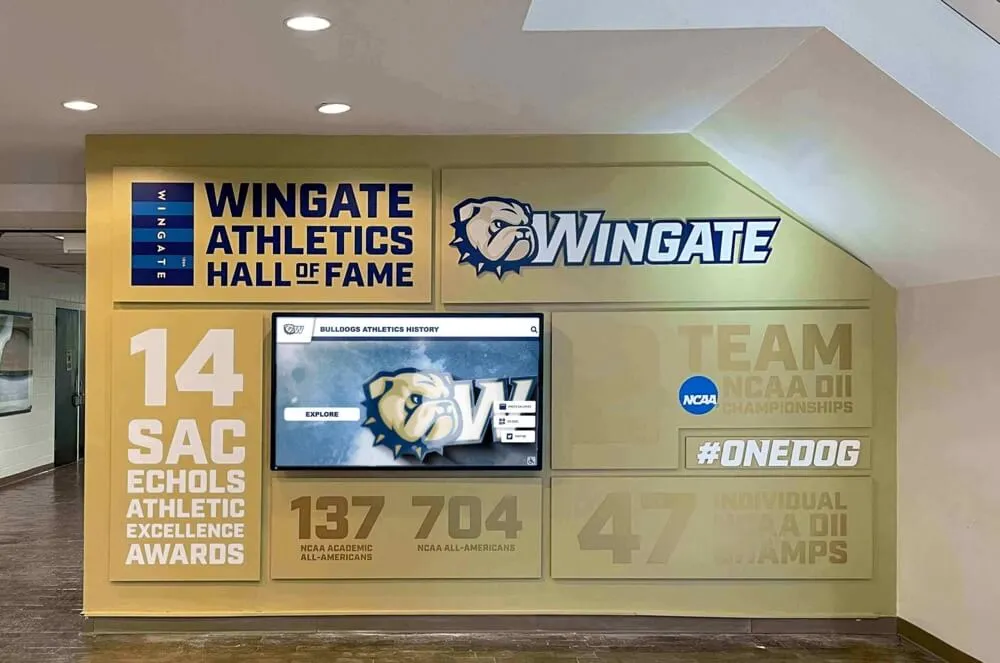
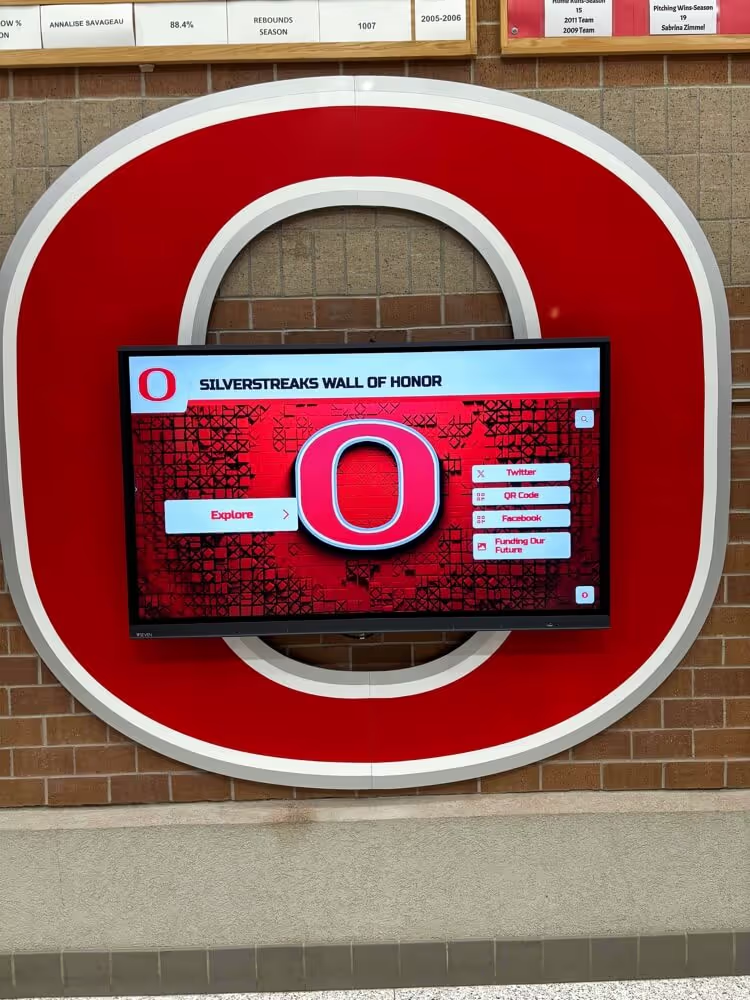

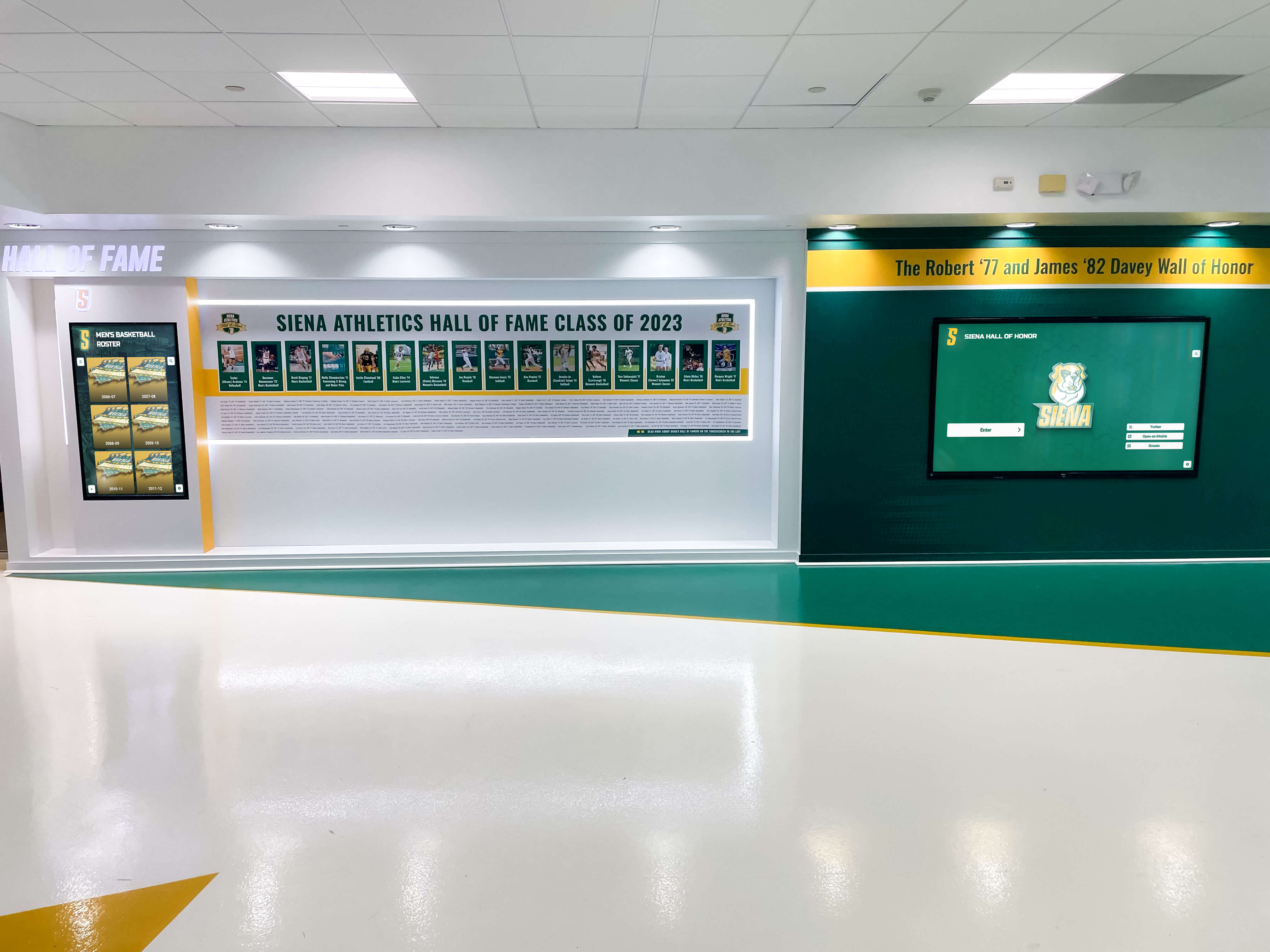
Interactive recognition displays installed in school lobbies, alumni centers, or advancement offices often include searchable yearbook content accessible during campus visits, providing an excellent reason to schedule a tour if you live near your alma mater.
2. Explore Specialized Yearbook Archive Platforms
Several platforms aggregate yearbook content from multiple institutions, providing centralized search capabilities:
E-Yearbook and Classmates.com E-Yearbook has digitized yearbooks from thousands of schools, offering searchable access to content spanning multiple decades. The platform includes:
- Free browsing of available yearbook covers and sample pages
- Full access typically requiring subscription fees
- User-contributed content where alumni upload personal yearbooks
- School directories organized by state and institution name
- Connection features helping locate former classmates
Classmates.com similarly provides yearbook access integrated with broader alumni networking features. Some content is freely accessible while comprehensive access requires paid membership.
Internet Archive and Open Library The Internet Archive’s Open Library includes yearbook collections donated by schools, libraries, and individuals. This nonprofit digital library provides completely free access to archived materials including:
- Searchable text when OCR processing has been completed
- Page-by-page viewing of complete yearbooks
- Download options for personal use
- Contribution opportunities where you can donate yearbooks for scanning
Content availability varies widely—some schools have extensive collections while others have none. But the platform’s free, open access model makes it worth checking for your institution.
Ancestry.com and Genealogy Platforms Genealogy services have digitized yearbook collections as historical records valuable for family research. Ancestry.com’s U.S. School Yearbooks collection includes millions of pages from thousands of schools. While primarily serving genealogists, these collections are searchable by anyone with membership and provide excellent yearbook access organized by:
- School name and location
- Year published
- Individual names appearing in yearbooks
- Geographic regions and states
Genealogy platforms particularly excel for historical yearbooks from the early-to-mid 20th century that schools themselves may not have digitized.
3. Check Public and University Library Systems
Libraries beyond your school often maintain yearbook collections:
Local Public Libraries Public libraries in your school’s community frequently collect local yearbooks as part of historical archives and special collections. These materials support community members researching local history, families investigating genealogy, and alumni seeking school memories. Many libraries have:
- Physical yearbook collections available for in-person viewing
- Digital scanning services where they’ll copy specific pages upon request
- Partnerships with schools making digital collections accessible
- Local history rooms with dedicated yearbook sections
Contact your local library’s reference or special collections department explaining what yearbooks you seek. Even if digital versions don’t exist, librarians can often arrange access to physical copies.
University and Research Libraries Major university libraries, particularly those with extensive special collections, often maintain comprehensive yearbook archives including:
- Their own institutional yearbooks spanning decades or centuries
- Collections from other area schools acquired through donations
- Digitization initiatives making collections searchable online
- Research support for alumni, students, and scholars
Universities with library science programs sometimes make yearbook digitization into class projects, resulting in substantial digital collections available through university library websites.
State Libraries and Historical Societies State-level institutions preserve educational history including yearbook collections from schools throughout their regions. These organizations particularly focus on:
- Schools that have closed or merged
- Historical significance spanning state educational history
- Collaborative digitization projects with multiple institutions
- Free public access reflecting their educational mission
4. Search Social Media and Alumni Groups
Alumni communities on social media platforms have become unexpected yearbook repositories:
Facebook School and Class Groups Many schools and graduating classes maintain active Facebook groups where members frequently share:
- Personal yearbook scans uploaded by individual alumni
- Group projects to digitize and share complete yearbooks
- Discussions about where to find specific yearbooks
- Connections to alumni who possess physical copies
- Planning for reunions that often include yearbook scanning
Search Facebook for your school name plus terms like “alumni,” your graduation year, or “classmates.” Join relevant groups and post requests for yearbook access—fellow alumni are often remarkably helpful.
LinkedIn School Networks LinkedIn school affiliations connect alumni who may have yearbook access or information. While less focused on nostalgia than Facebook, LinkedIn provides professional networking that can lead to yearbook resources through:
- Alumni directories searchable by graduation year
- School-sponsored digital resources shared through official pages
- Professional contacts who work in advancement offices
- Networking requests that build connections with resourceful classmates
Dedicated Reunion and School Websites Class reunion committees often create dedicated websites featuring digitized yearbook content to promote events and reconnect classmates. Search for your school name and graduation year plus “reunion” to locate these typically informal sites created by volunteer organizers.
5. Contact Yearbook Publishers Directly
If your school used national yearbook publishers, the company itself might maintain archives:
Major yearbook publishers including Jostens, Herff Jones, Walsworth, and Balfour have produced millions of yearbooks. While publishers primarily serve schools rather than individual alumni, some maintain historical archives or can connect you with school contacts who have access to digital files. Consider:
- Contacting publisher customer service explaining your search
- Asking whether they maintain historical archives accessible to alumni
- Requesting school contact information for alumni relations offices
- Exploring publisher websites for alumni resources or yearbook search tools
Publishers are more likely to assist with relatively recent yearbooks (past 10-20 years) where digital files might still exist in their systems.
How Schools Are Making Yearbooks Accessible Through Modern Technology
Beyond simply scanning old yearbooks into PDFs, forward-thinking schools are implementing innovative approaches that transform how alumni access and engage with yearbook content:
Interactive Touchscreen Displays
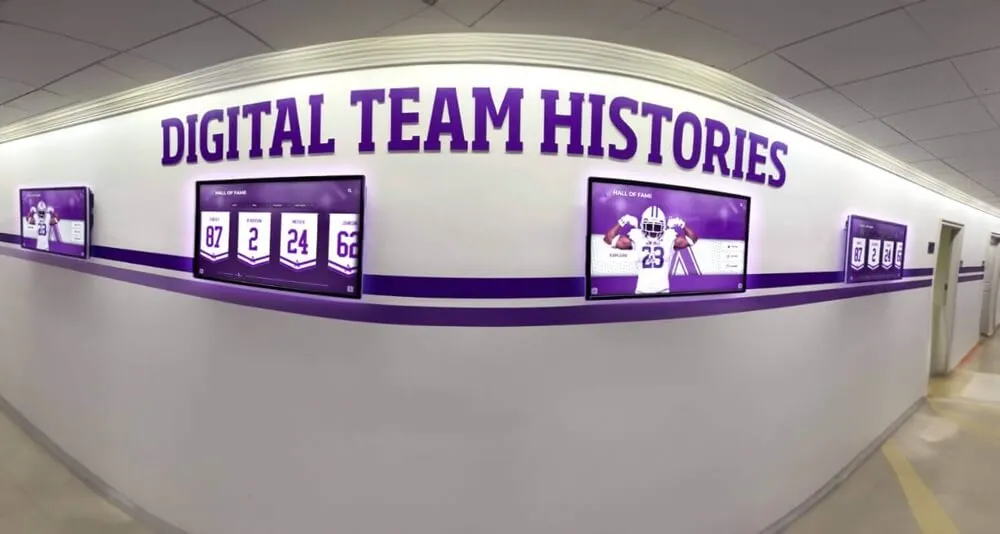
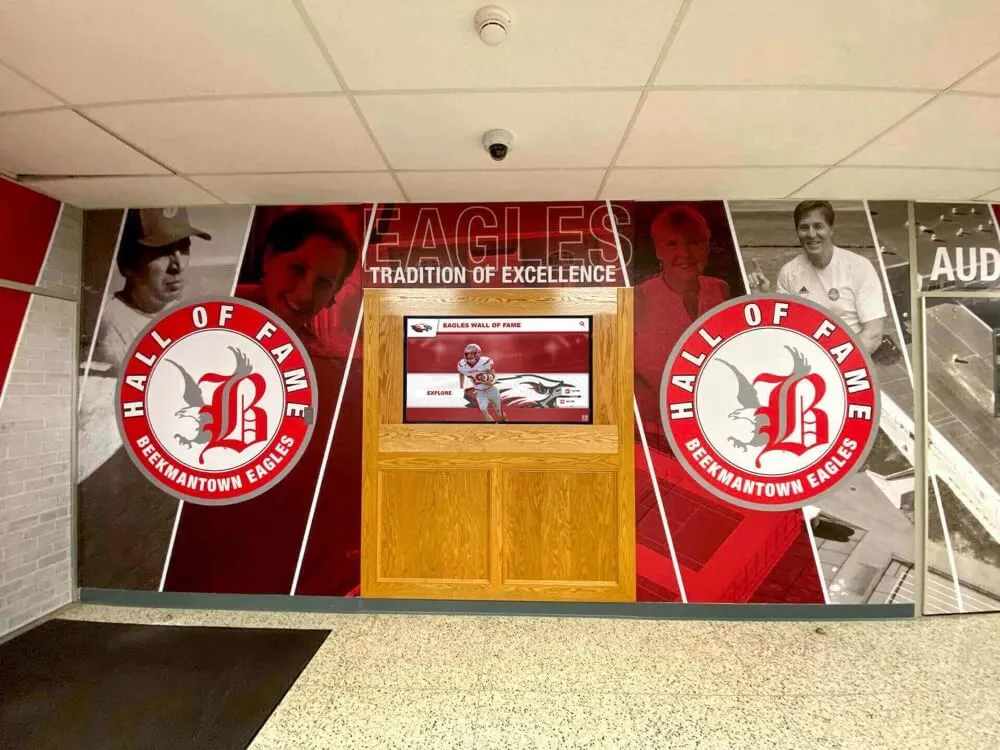
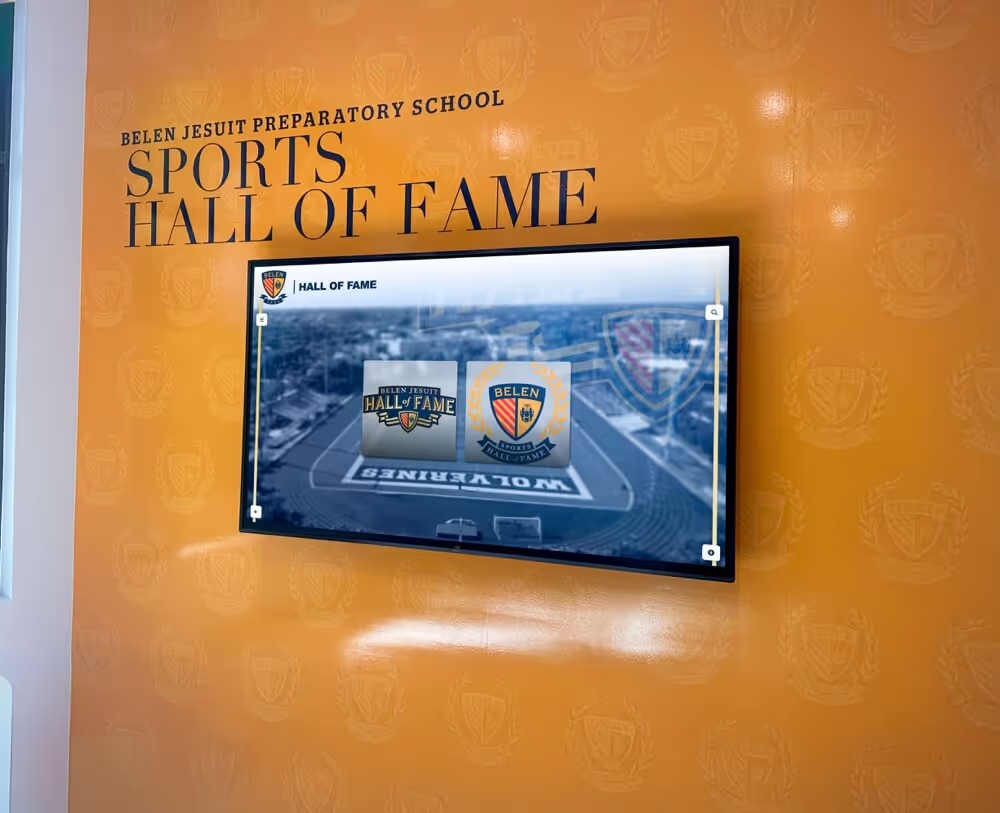
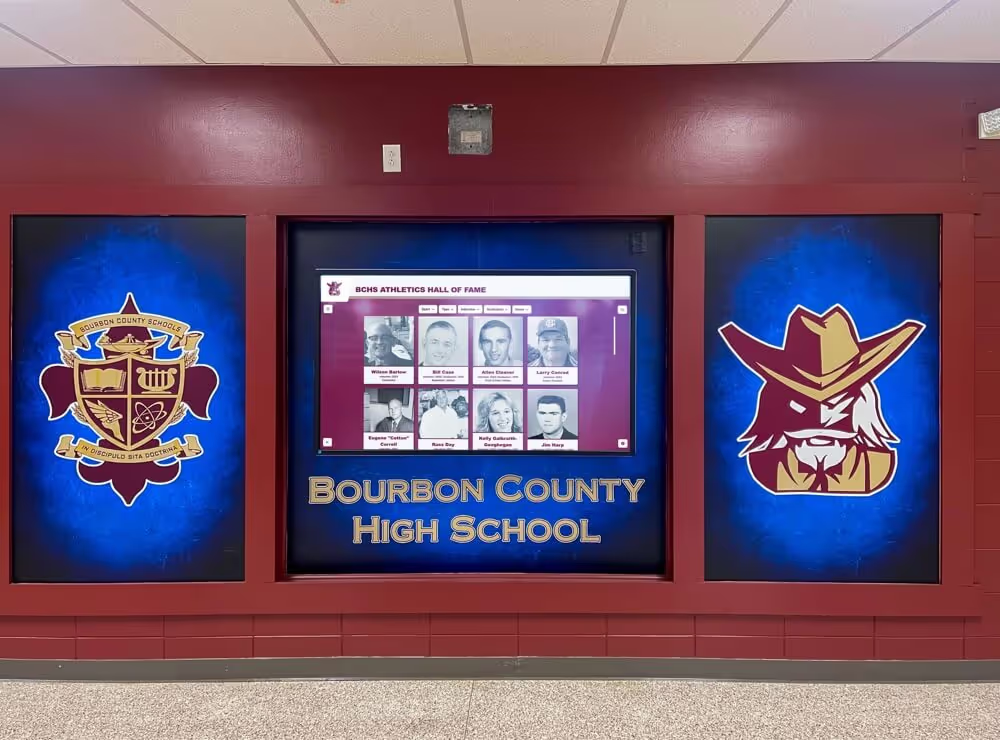
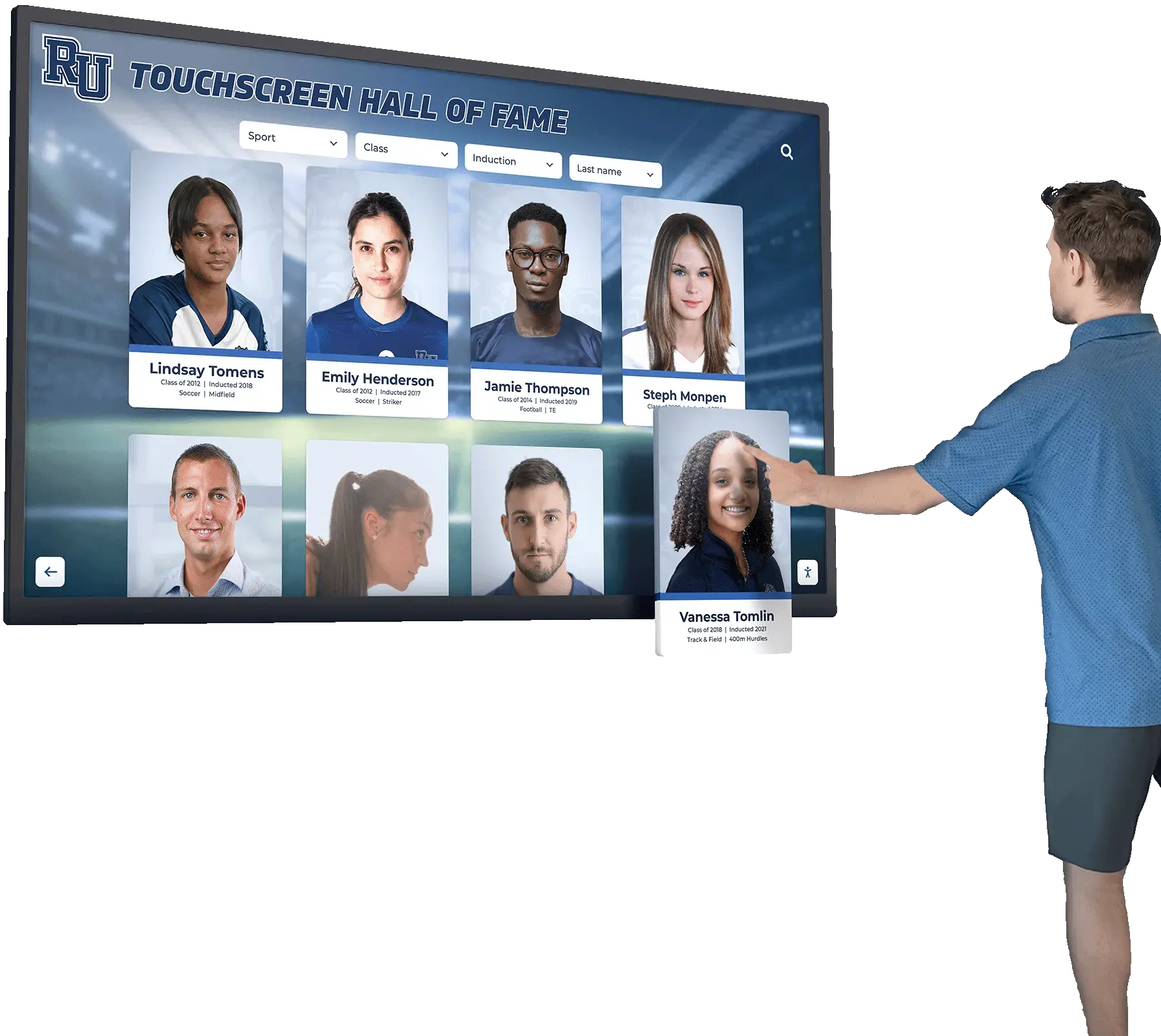
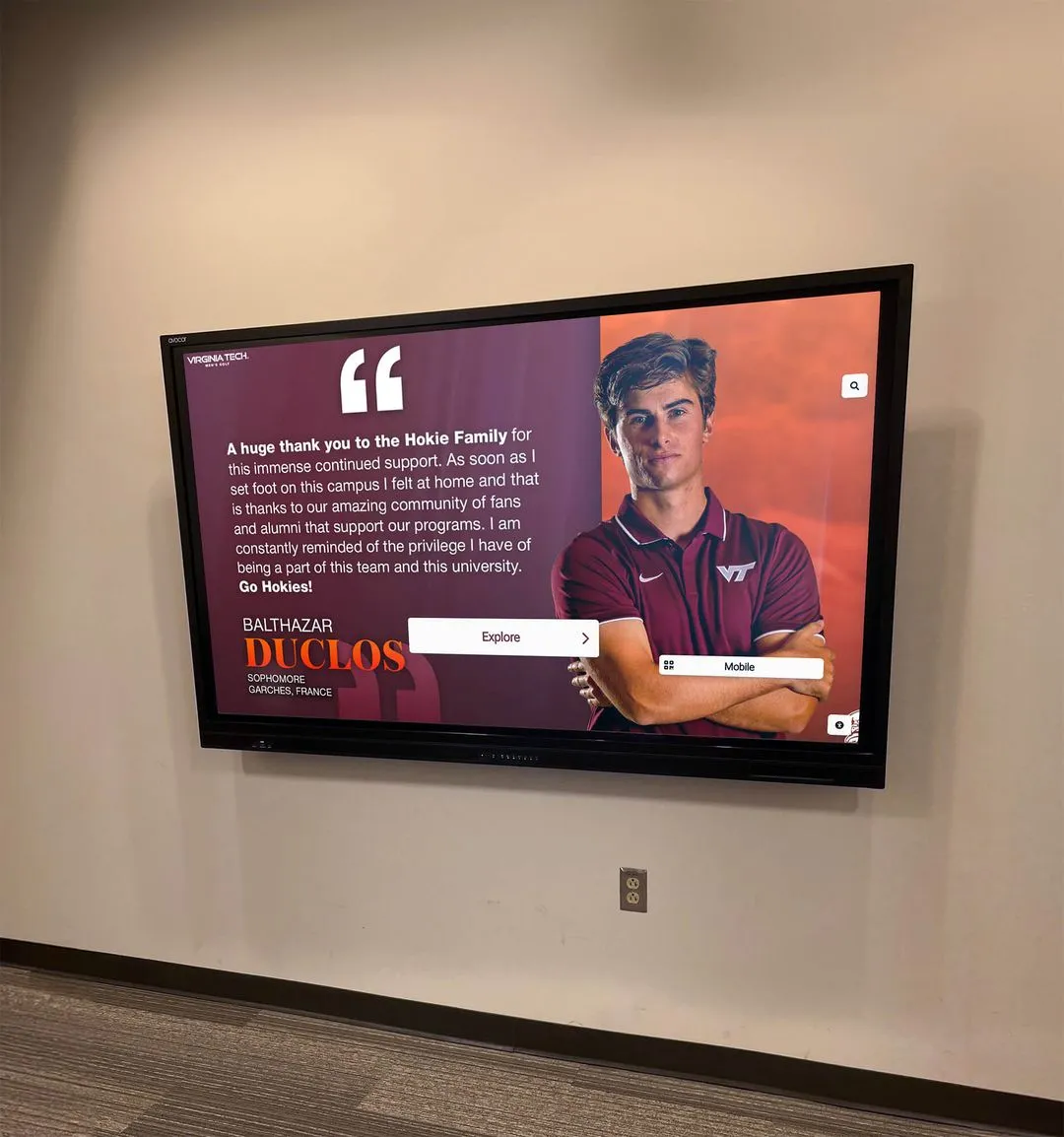
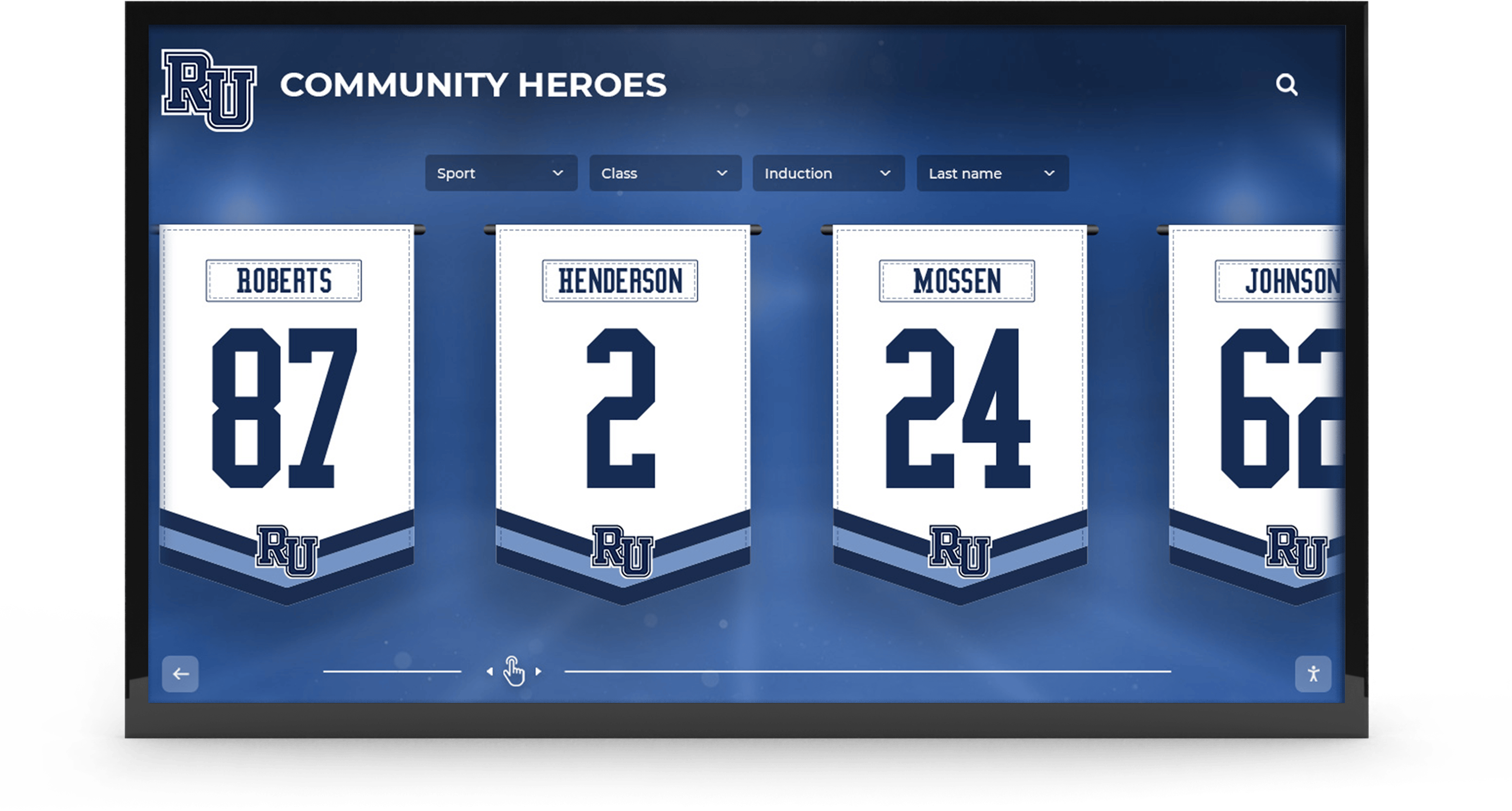
Interactive touchscreen yearbook displays represent one of the most engaging ways schools share digitized yearbook content. These installations typically appear in:
High-Traffic School Locations Main entrance lobbies, alumni centers, athletic facilities, and cafeterias host displays where visitors, students, and alumni can explore digitized yearbooks through intuitive touchscreen interfaces during campus visits or events.
Reunion and Homecoming Events Schools strategically position mobile displays during reunions and homecoming celebrations, creating focal points where alumni gather, share memories, and explore their school years together. These communal viewing experiences often spark conversations and strengthen connections in ways individual online browsing cannot replicate.
Powerful Search and Discovery Features Modern yearbook displays include capabilities far exceeding static page viewing:
- Full-text search finding any name instantly across all digitized years
- Category filtering by sports teams, clubs, activities, or awards
- Timeline browsing showing school evolution across decades
- Zoom features revealing details in group photos and signatures
- Share functions allowing users to email pages to themselves
- Random discovery suggesting unexpected connections and memories
Solutions like those from Rocket Alumni Solutions provide purpose-built platforms specifically designed for educational institutions, combining comprehensive yearbook archives with interactive features that encourage exploration and engagement.
Searchable Online Platforms
Beyond physical displays, schools increasingly provide web-based yearbook access through dedicated portals:
Alumni Portal Integration Digital yearbooks integrate seamlessly into comprehensive alumni websites alongside:
- Class directories with updated contact information
- Event calendars promoting reunions and homecoming
- Giving pages connecting nostalgia to fundraising
- Social features enabling connections between classmates
- Career networking and mentorship programs
Mobile-Optimized Access Modern yearbook platforms provide excellent experiences across smartphones, tablets, and desktop computers, ensuring alumni can explore memories regardless of device. Mobile access proves particularly valuable for alumni who primarily engage with institutions through phones rather than computers.
Privacy Controls and Authentication Schools balance accessibility with privacy through authentication systems ensuring only verified alumni access yearbooks. This protects student privacy while providing authorized alumni convenient access to digital archives.

Integration with Recognition Programs
The most sophisticated implementations connect yearbook archives to broader digital recognition programs:
Hall of Fame Connections Schools honoring distinguished alumni link their yearbook student photos to current professional profiles, showing journeys from student to accomplished professional. These connections make recognition more personal while inspiring current students.
Athletic Achievement Archives Digital athletic record boards connect record holders to yearbook team photos from their competing years. Historical context showing uniforms, facilities, and teams from different eras enriches appreciation of both long-standing records and recent achievements.
Multi-Generational Family Recognition Schools celebrating multi-generational families use yearbook archives to showcase legacy connections—parents, children, and grandchildren all appearing in yearbooks spanning decades. These displays strengthen institutional loyalty among families with deep connections to schools.
What to Do If Your Yearbooks Aren’t Yet Digitized
Despite growing digitization efforts, many yearbooks remain inaccessible online. If you can’t find your yearbooks through the methods above, several proactive approaches may help:
Request Digitization from Your School
Schools respond to alumni interest. If numerous graduates request specific yearbooks, institutions are more likely to prioritize them for digitization. When contacting your school:
Be Specific and Helpful Identify exactly which years you seek and explain why they matter (upcoming reunion, historical research, family significance). Offer to help by volunteering time, funding scanning costs for specific years, or organizing fellow classmates to share expenses.
Understand School Constraints Budget limitations, staff capacity, privacy concerns, and copyright questions may slow or prevent digitization. Acknowledge these challenges while expressing your interest and willingness to help address barriers.
Suggest Phased Approaches If comprehensive digitization seems unrealistic, propose starting with specific high-value years like major reunion milestones, historically significant periods, or years where alumni have already expressed strong interest.
Organize Alumni Crowdsourcing Projects
If your school lacks resources for professional digitization, consider organizing fellow alumni to complete the project:
Identify Classmates with Physical Yearbooks Use social media, class directories, and reunion networks to locate alumni who possess yearbooks from your era. Many graduates have carefully preserved their books and would willingly loan them for scanning if assured they’ll be returned safely.
Coordinate Volunteer Scanning Organize small groups of alumni to carefully scan yearbooks using home scanners or smartphone scanning apps. While not achieving professional archival quality, crowdsourced scanning creates accessible digital versions that serve most alumni needs.
Create Shared Repositories Establish shared online spaces—Google Drive folders, dedicated websites, or cloud storage—where scanned yearbooks can be uploaded and organized. Ensure proper backup and consider collaborating with your school to host files on official platforms rather than relying on personal accounts that may disappear.
Respect Privacy and Copyright Even crowdsourced projects should consider privacy implications. Discuss with school administrators whether sharing yearbooks publicly is appropriate or if access should be restricted to verified alumni.
Explore Commercial Scanning Services
If fellow alumni are willing to fund the effort, commercial digitization services provide professional results:
Several companies specialize in bound volume scanning and can digitize yearbooks to archival standards. Costs typically range $30-60 per yearbook depending on size and desired specifications. Ten alumni each contributing $30-50 could digitize a complete four-year high school set to professional standards.
Check for Physical Access Alternatives
While digital access offers convenience, sometimes physical yearbooks remain the only option:
Request Scanning of Specific Pages Even if schools won’t digitize complete yearbooks, many will scan and email specific pages upon request—your senior portrait, team photos, or sections with your signatures and messages. This targeted approach provides key content without requiring complete digitization.
Schedule In-Person Visits Plan visits to your school, local library, or historical society to view and photograph physical yearbooks. Bring a high-quality camera or smartphone to capture pages of particular interest. Schedule sufficient time to browse carefully—yearbook exploration often reveals forgotten memories worth documenting beyond your initial search focus.
Borrow Physical Copies Some libraries and schools allow yearbook checkout or short-term loans, particularly to verified alumni or for legitimate research purposes. Ask about lending policies—you might be able to temporarily borrow yearbooks for personal scanning or reunion use.
Privacy, Permissions, and Responsible Yearbook Access
As you search for digital yearbooks, consider important ethical and legal dimensions:
Respecting Privacy Rights
Yearbooks contain images of individuals who may not have consented to broad online distribution. While schools generally own copyright for yearbooks they published, privacy concerns merit consideration:
Limited Sharing If you locate yearbooks through personal networks or crowdsourced projects, limit sharing to verified alumni from your school rather than posting publicly. This balance maintains community access while respecting privacy concerns of individuals who may not want their student photos widely available online.
Removal Requests If you encounter your own image in online yearbooks and prefer it not be publicly accessible, contact the hosting institution or platform explaining your concerns. Many organizations honor reasonable removal requests, particularly for sensitive situations.
Historical Context Historical yearbooks sometimes contain content now considered inappropriate—insensitive language, stereotypical representations, or outdated terminology. When these yearbooks are digitized, schools should provide contextual disclaimers acknowledging problematic content while maintaining historical records.
Understanding Copyright Considerations
Schools typically own copyrights for yearbooks they published, but individual photos contributed by students or professional photographers may have separate copyright concerns. If you plan to use yearbook content publicly:
- Personal, non-commercial use (sharing with friends, reunion programs) generally faces few restrictions
- Commercial use or large-scale public distribution requires permission
- Citing sources appropriately shows respect for copyright holders
- Consulting with schools before extensive redistribution demonstrates good faith
Schools implementing digital recognition systems must balance accessibility with privacy requirements, establishing policies that protect individuals while celebrating community history.
The Future of Digital Yearbooks
Yearbook digitization continues accelerating as technology improves and costs decrease:
Emerging Trends and Technologies
Artificial Intelligence and Facial Recognition AI-powered tools increasingly assist with identifying individuals in yearbook photos, enabling automatic tagging and searchability that would require prohibitive manual effort. While privacy concerns necessitate careful implementation, this technology promises to make yearbook archives far more discoverable.
Augmented Reality Experiences Emerging platforms layer additional content onto yearbook pages through AR—vintage photos come to life with embedded video, historical contexts appear when viewing through smartphones, and interactive elements reveal hidden content. These innovations transform static yearbooks into multimedia experiences.
Blockchain-Based Permanent Archives Distributed preservation technologies promise permanent, tamper-proof yearbook archives that will remain accessible regardless of institutional changes or technology evolution. While still emerging, blockchain-based preservation addresses long-term accessibility concerns beyond traditional storage approaches.
Enhanced Social Features Modern yearbook platforms increasingly function as social networks—alumni tag themselves and classmates, leave comments sharing memories, organize virtual reunions, and maintain ongoing conversations around shared school experiences. This social layer adds contemporary engagement to historical content.
The Growing Recognition Industry
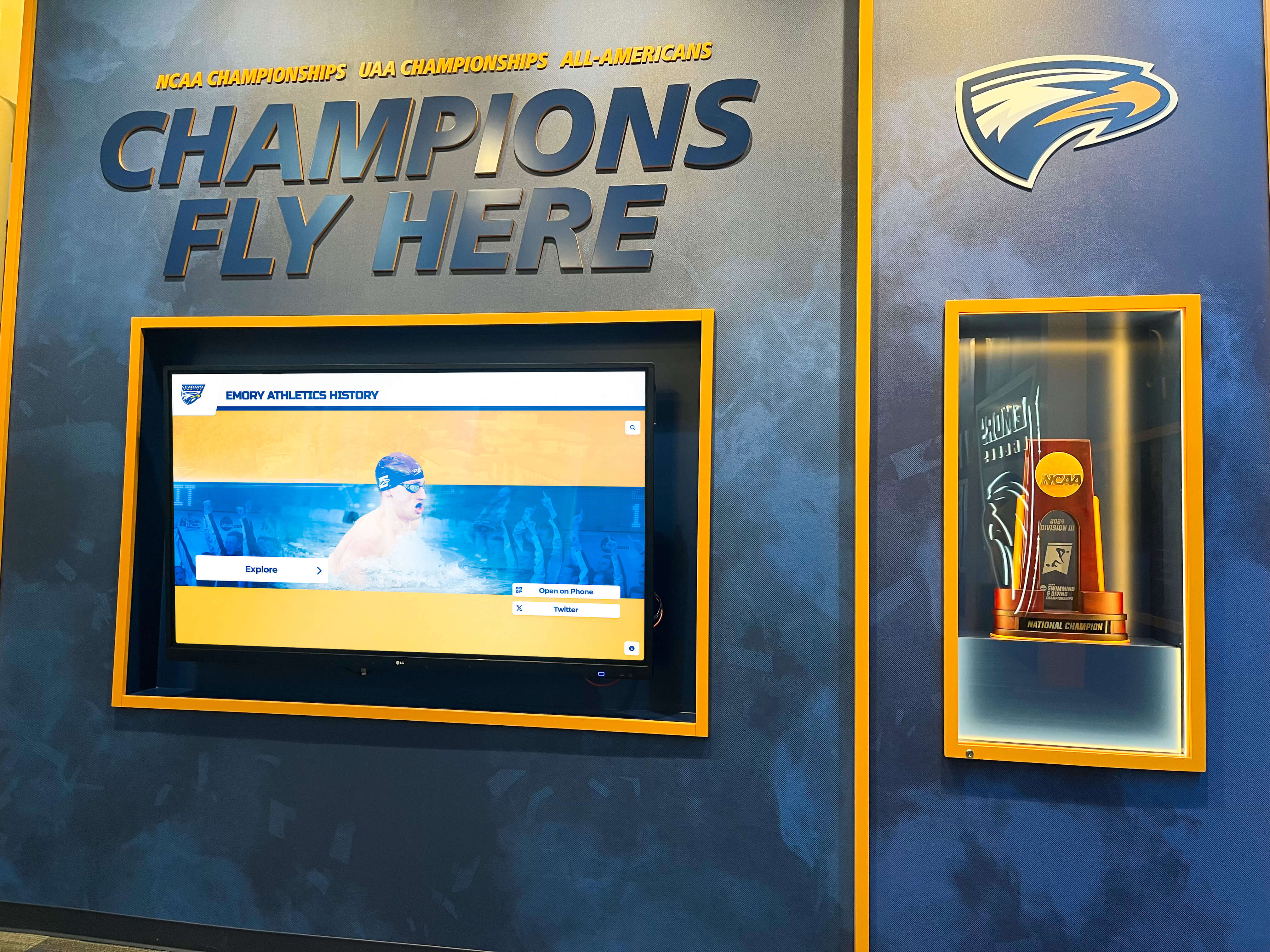
The success of digital yearbook platforms has contributed to broader recognition solution industries serving schools, universities, and organizations. Companies specializing in interactive displays, online platforms, and comprehensive archives have emerged to meet demand from institutions seeking to celebrate history while engaging communities.
These solutions extend beyond simple yearbook scanning to integrated systems connecting yearbooks with:
- Digital halls of fame honoring distinguished alumni
- Digital trophy cases showcasing athletic achievements
- Donor recognition displays celebrating philanthropic support
- Student achievement boards inspiring current students
- Team photo archives preserving athletic history
This comprehensive approach transforms yearbook preservation from isolated archival projects into cornerstone elements of institutional engagement and recognition strategies.
Taking Action: Your Yearbook Search Strategy
Based on the methods explored throughout this guide, here’s a practical action plan for finding your digital yearbooks:
Week 1: Exhaust Free Online Options
Day 1-2: Official School Channels
- Search your school’s website thoroughly for alumni sections and digital archives
- Contact alumni association, library, and advancement office via email
- Search social media for school and class-specific groups
Day 3-4: Aggregator Platforms
- Search Internet Archive, E-Yearbook, and genealogy sites
- Explore state library and historical society digital collections
- Check local public library websites for digital yearbook access
Day 5-7: Community Outreach
- Post in alumni social media groups requesting yearbook access
- Contact classmates directly who might have physical copies
- Search for class reunion websites that may have scanned content
Week 2: Pursue Targeted Strategies
If You Found Digital Yearbooks:
- Document access methods for future reference and sharing with classmates
- Capture or download content of personal significance
- Share discoveries with fellow alumni who may not have found them
- Consider contributing to crowdsourced identification or metadata projects
If You Haven’t Found Your Yearbooks:
- Request digitization from school explaining your interest
- Organize fellow alumni to fund or volunteer for scanning projects
- Schedule visits to view physical yearbooks with plans to photograph key pages
- Set reminders to recheck periodically as more yearbooks are digitized
Ongoing: Stay Connected and Contribute
Digital yearbook availability improves continuously as more schools embrace preservation. Maintaining connections to alumni networks ensures you’ll hear about new digitization projects or expanded access to archives you’re seeking.
Consider contributing to yearbook preservation efforts even after finding your own content. Volunteer to help identify individuals in historical photos, share memories that provide context for yearbook events, fund digitization of specific years through reunion gifts, or promote digital archives to fellow alumni who may not know they exist.
Conclusion: Rediscovering Memories in the Digital Age
Finding digital yearbooks has evolved from a nearly impossible task into an increasingly achievable goal thanks to accelerating digitization efforts by schools, libraries, specialized platforms, and dedicated alumni. While significant gaps remain—particularly for smaller schools and historical yearbooks from mid-20th century and earlier—the trajectory clearly points toward comprehensive digital preservation becoming standard practice across educational institutions.
The methods explored in this guide—from checking official school channels and specialized platforms to leveraging social networks and organizing crowdsourced digitization—provide practical pathways for locating yearbooks from your school years. Success requires patience, persistence, and willingness to try multiple approaches, but the reward of rediscovering those memory-filled pages makes the effort worthwhile.
Beyond simply accessing static scans, modern yearbook platforms transform preservation into engagement. Interactive displays, powerful search capabilities, social features connecting classmates, and integration with broader recognition programs create experiences far exceeding what physical yearbooks could provide. This evolution benefits not just nostalgic alumni but current students who discover institutional legacy, development offices cultivating donor relationships, and entire school communities strengthened by connection to shared history.
Key Takeaways for Finding Digital Yearbooks:
- Start with your school’s official alumni, library, and advancement channels
- Explore specialized yearbook platforms and genealogy services
- Leverage social media alumni groups and personal networks
- Consider organizing crowdsourced digitization if yearbooks aren’t yet available
- Stay patient and persistent—digitization efforts are continuously expanding
- Contribute to preservation projects helping future alumni access memories
Whether you seek yearbooks for upcoming reunions, family research, professional recognition, or pure nostalgia, the strategies in this guide provide comprehensive approaches to locating your school memories. And if your yearbooks aren’t yet digitized, your interest and advocacy may inspire the preservation efforts that make them available not just for you but for all alumni seeking to reconnect with formative school experiences.
For schools and institutions considering yearbook digitization, solutions like those from Rocket Alumni Solutions provide comprehensive platforms specifically designed for educational environments—combining professional digitization with interactive displays, searchable online archives, and integrated recognition programs that transform static yearbooks into dynamic engagement tools strengthening entire school communities.
The digital yearbook revolution continues accelerating. Today might be the day you finally rediscover those irreplaceable school memories you thought were lost forever.