Recognizing academic excellence motivates students, validates hard work, and creates a culture where educational achievement receives the celebration it deserves. Schools across the country maintain honor roll programs that identify top-performing students each semester, yet many struggle to showcase these achievements in ways that create lasting impact. Traditional bulletin boards with printed names fade into hallway backgrounds, certificates collect dust in desk drawers, and announcements over intercoms reach students for mere seconds before disappearing into daily noise.
The challenge facing principals, academic deans, and recognition coordinators centers on making academic achievement visible, memorable, and inspiring. When schools invest the effort to identify honors students but fail to showcase that recognition prominently, they miss opportunities to motivate current students, impress visiting families, and build the achievement-focused culture that drives sustained academic excellence.
Modern schools increasingly turn to digital recognition displays that combine the permanence of traditional honor roll plaques with the flexibility to update achievements frequently, the visual impact that draws attention in busy hallways, and the comprehensive capabilities to celebrate diverse academic accomplishments beyond simple GPA thresholds. Digital displays transform honor roll recognition from fleeting announcements into prominent, engaging showcases that students, families, and visitors notice and remember.
This comprehensive guide examines every dimension of honors student recognition including traditional methods and their limitations, contemporary digital display solutions, implementation considerations, recognition categories beyond standard honor roll, and proven strategies for creating programs that genuinely motivate academic achievement while building school culture around educational excellence.
Schools that thoughtfully design and implement recognition programs report meaningful benefits including increased student motivation to achieve honor roll status, greater family engagement as parents see student accomplishments prominently displayed, enhanced school culture emphasizing academic achievement alongside athletic and extracurricular success, and elevated facility perceptions among prospective families evaluating school options. When recognition receives strategic attention rather than perfunctory treatment, these programs deliver value justifying the investment required.
Understanding Honors Student Recognition Programs
Before implementing specific recognition solutions, school administrators benefit from understanding what constitutes effective academic recognition and how honors programs function.
Defining Honor Roll and Academic Recognition Tiers
Schools use various frameworks for identifying and categorizing academic achievement worthy of recognition.
Standard Honor Roll Categories: Most schools establish tiered recognition based on grade point averages or academic performance metrics. High Honor Roll typically recognizes students achieving GPA of 3.75 or higher, demonstrating exceptional academic performance across all coursework. Honor Roll acknowledges students with GPA between 3.0-3.74, celebrating solid academic achievement and consistent effort. Some schools add Distinguished Honor Roll categories for perfect 4.0 achievement, creating additional aspirational targets for top performers.
Semester vs. Cumulative Recognition: Schools must decide whether honor roll recognition acknowledges semester performance or cumulative achievement over multiple marking periods. Semester-based recognition enables more students to achieve honored status and provides frequent motivation checkpoints throughout academic years. Cumulative recognition celebrates sustained excellence over extended periods but may exclude students who improve dramatically after difficult early semesters. Many schools implement both systems, recognizing semester achievement while separately honoring cumulative GPA milestones.
Subject-Specific Academic Recognition: Beyond general honor roll programs, schools increasingly recognize subject-specific excellence including students achieving highest scores in standardized testing like ACT or SAT benchmarks, students demonstrating exceptional performance in STEM fields, languages, or arts, academic competition achievements including debate, math olympiad, or science fairs, and advanced placement or dual enrollment course success. Subject-specific recognition acknowledges that academic excellence manifests in varied ways beyond simple GPA calculations.
The Psychology of Academic Recognition
Understanding why recognition matters helps schools design programs that achieve intended motivational outcomes.
Validation and Effort Reinforcement: Academic recognition validates the countless hours students invest in homework, studying, and academic persistence. When schools prominently recognize achievement, students receive tangible evidence that their efforts produce results worth celebrating. This validation proves especially important for students whose strengths lie in academics rather than athletics or extracurricular activities that often receive more visible recognition in school cultures.
Peer Influence and Social Motivation: Humans are fundamentally social creatures influenced by peer behavior and group norms. When schools make academic achievement visible through prominent displays, they establish social proof that academic excellence represents a valued and achievable goal. Students see classmates and peers recognized for achievement, making academic success seem attainable rather than distant or unattainable. This peer modeling effect proves particularly powerful during middle school years when social influences peak.
Aspirational Goal Setting: Effective recognition creates aspirational targets motivating students not yet achieving honored status. When sophomore students see junior and senior honor roll members prominently displayed, many develop concrete goals to achieve similar recognition. Schools report that visible recognition programs correlate with increased student inquiries about GPA requirements and grade improvement strategies, suggesting displays successfully inspire goal-oriented academic behaviors.
Traditional Honor Roll Recognition Methods
Schools have employed various traditional approaches to recognizing academic achievement, each with distinct advantages and limitations.
Printed Certificates and Awards
Individual certificates represent the most common form of academic recognition schools distribute to honors students.
Implementation and Benefits: Schools typically print certificates acknowledging honor roll achievement and distribute them during advisory periods, homeroom, or recognition assemblies. Certificates provide tangible recognition students can display at home and include in college application portfolios. Many families value these credentials as keepsakes documenting academic progression through school years.
Limitations and Challenges: Despite widespread use, certificates present several challenges limiting their impact. Most certificates end up in folders or drawers rather than displayed where they create ongoing motivation. Peer recognition remains minimal since certificates represent private rather than public acknowledgment. Production costs and administrative time requirements prove substantial when multiplying certificate quantities across all honor roll students each semester. Environmental considerations increasingly lead schools to question paper-intensive recognition practices when digital alternatives exist.
Bulletin Board and Hallway Displays
Physical bulletin boards listing honor roll students represent traditional approaches to public recognition.
Common Formats: Schools create bulletin boards featuring typed or printed lists of student names organized by grade level and honor roll tier. Some schools enhance basic lists with photographs, decorative borders, or thematic designs aligning with school colors and branding. Bulletin boards typically appear in main hallways, cafeterias, or administrative areas where student and visitor traffic flows consistently.
Practical Challenges: Bulletin board maintenance creates ongoing workload for administrative staff who must update displays each marking period. Physical space limitations restrict the number of students who can be recognized comprehensively, often forcing schools to list names without photographs or additional context. Paper-based displays suffer from weathering, fading, and physical damage in high-traffic areas, requiring regular replacement to maintain professional appearance. Bulletin boards lack interactivity, providing static information that students glance at briefly but rarely engage with meaningfully.
School-Wide Announcements and Assemblies
Many schools incorporate honor roll recognition into morning announcements, assemblies, or school-wide gatherings.
Announcement-Based Recognition: Schools read honor roll student names during morning announcements or display lists on daily announcement screens. This approach provides school-wide awareness but suffers from ephemeral impact—recognition lasts seconds before disappearing into daily information flow. Students not present during announcements miss recognition entirely, and the lack of visual components limits memorability.
Recognition Assembly Formats: Some schools host dedicated academic recognition assemblies where honor roll students receive public acknowledgment before assembled student bodies. Assemblies create ceremonial significance elevating academic achievement to special occasion status, similar to how athletic award ceremonies celebrate sports accomplishments. However, assemblies require substantial scheduling coordination, consume instructional time, and occur infrequently, meaning most semester honor roll achievement goes unrecognized between annual or semi-annual events.
Individual Award Ceremonies and Banquets
Select schools organize dedicated honor roll banquets or award ceremonies celebrating academic achievement with students and families.
Event-Based Recognition: Academic banquets provide formal settings where schools acknowledge honors students before gathered families, creating meaningful moments families remember. These events often feature keynote speakers, scholarship announcements, and specific award presentations for top academic achievers. The combination of formal setting, family attendance, and ceremonial atmosphere elevates academic achievement recognition to levels matching athletic awards banquets.
Scalability and Access Challenges: Despite their impact, award banquets present significant challenges for most schools. Organizing formal events requires extensive planning, volunteer coordination, venue arrangements, and often per-plate costs that limit frequency to annual occurrences at best. Many families cannot attend evening events due to work schedules, transportation limitations, or other commitments, meaning recognition reaches only a subset of honored students and their families. The infrequent nature of banquets means most semester achievement remains unrecognized in this format.
Digital Display Solutions for Honors Student Recognition
Contemporary digital display technology addresses many limitations inherent in traditional recognition methods while introducing new capabilities that enhance academic achievement visibility and impact.
Understanding Digital Recognition Display Technology
Digital displays for academic recognition leverage commercial-grade display hardware and specialized software designed for institutional environments.
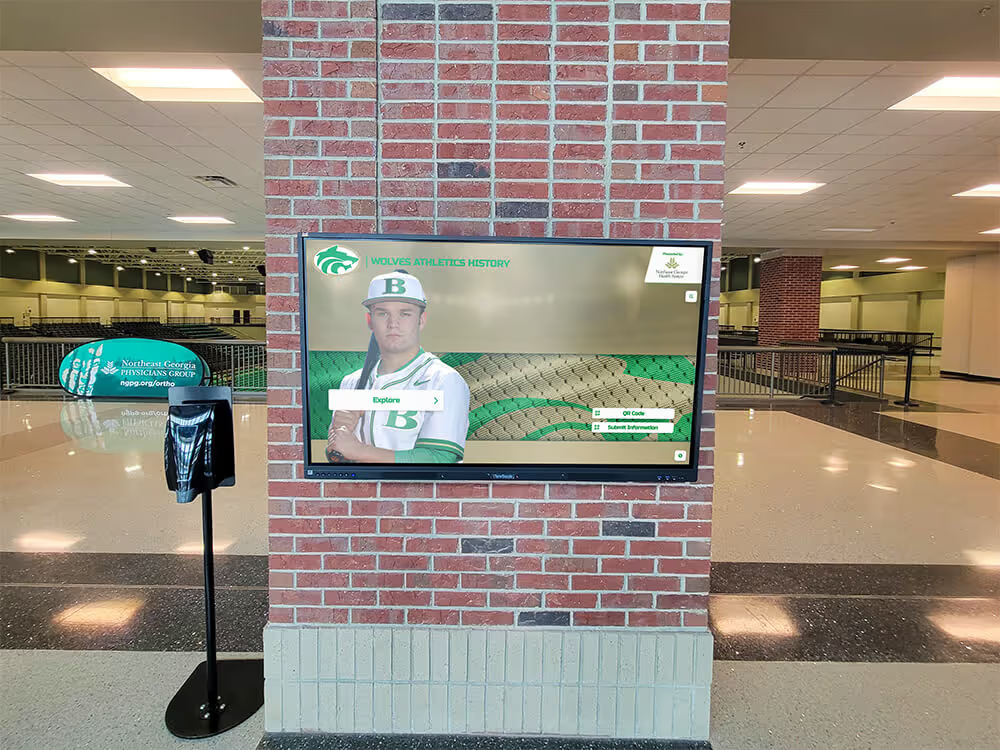
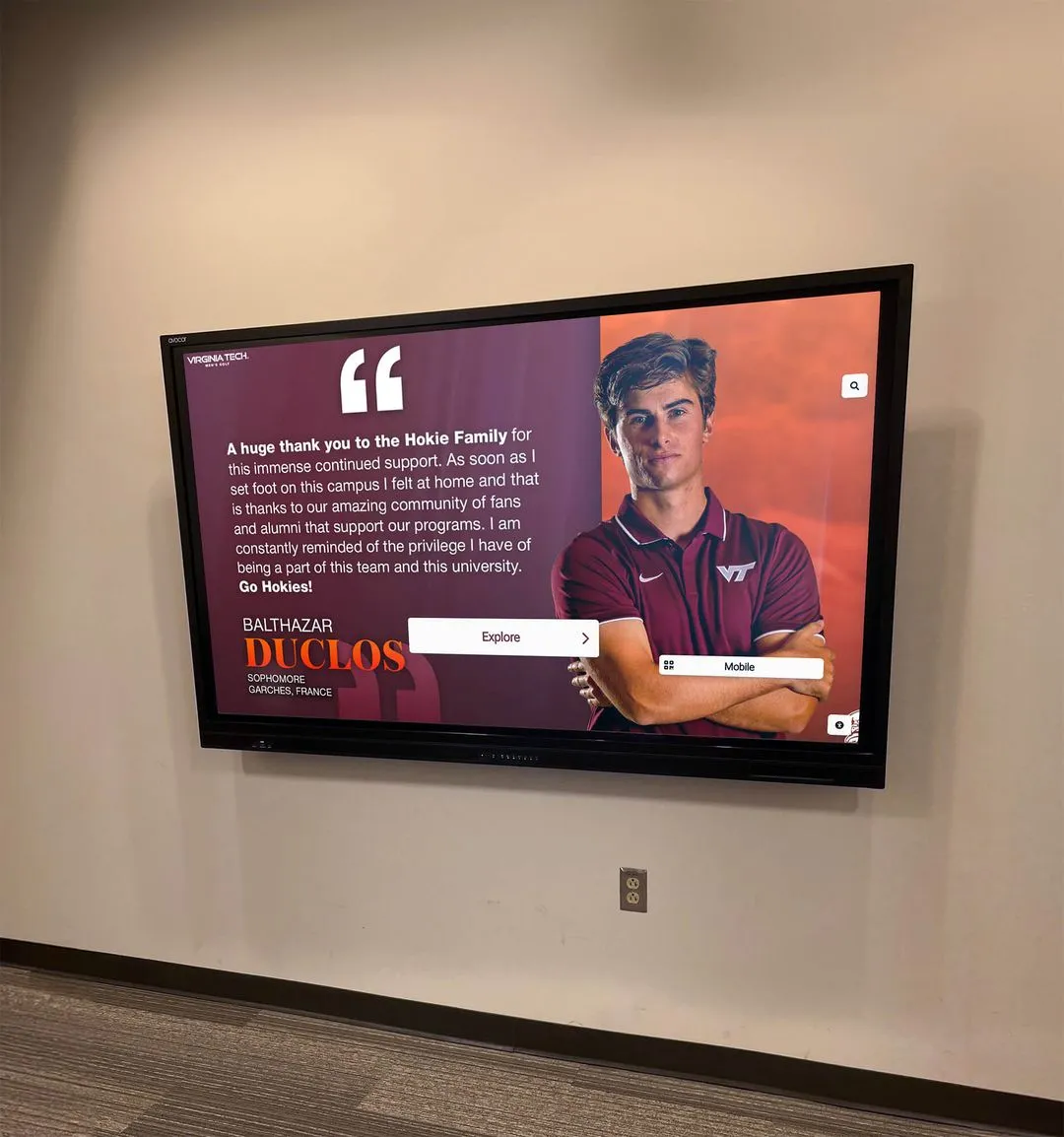
Hardware Components and Specifications: Modern academic recognition displays typically utilize commercial LCD or LED panels ranging from 43" to 75" diagonal measurements, sized appropriately for viewing distances and available wall space. These displays feature brightness levels (300-500 nits) suitable for indoor environments with varied lighting conditions, ensuring visibility throughout school days. Commercial-grade panels designed for 16-24 hour daily operation provide reliability and longevity matching institutional use patterns, contrasting with consumer televisions unsuitable for continuous institutional deployment.
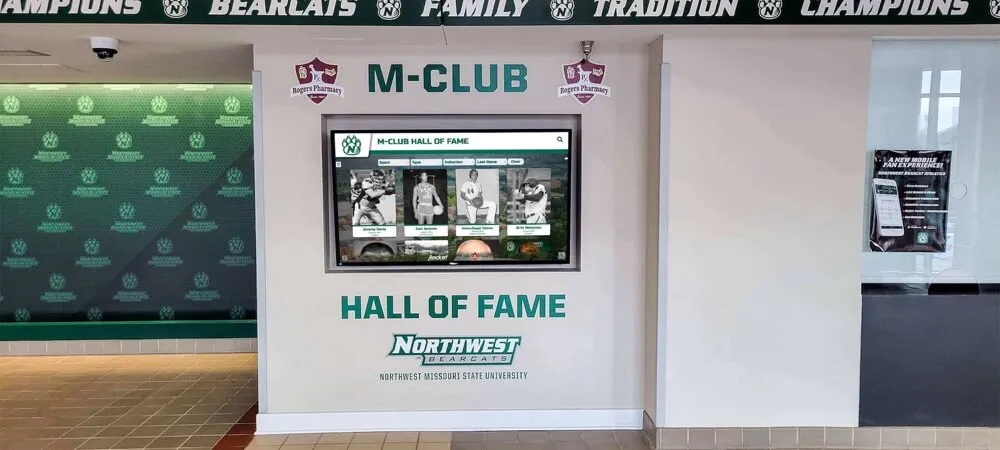
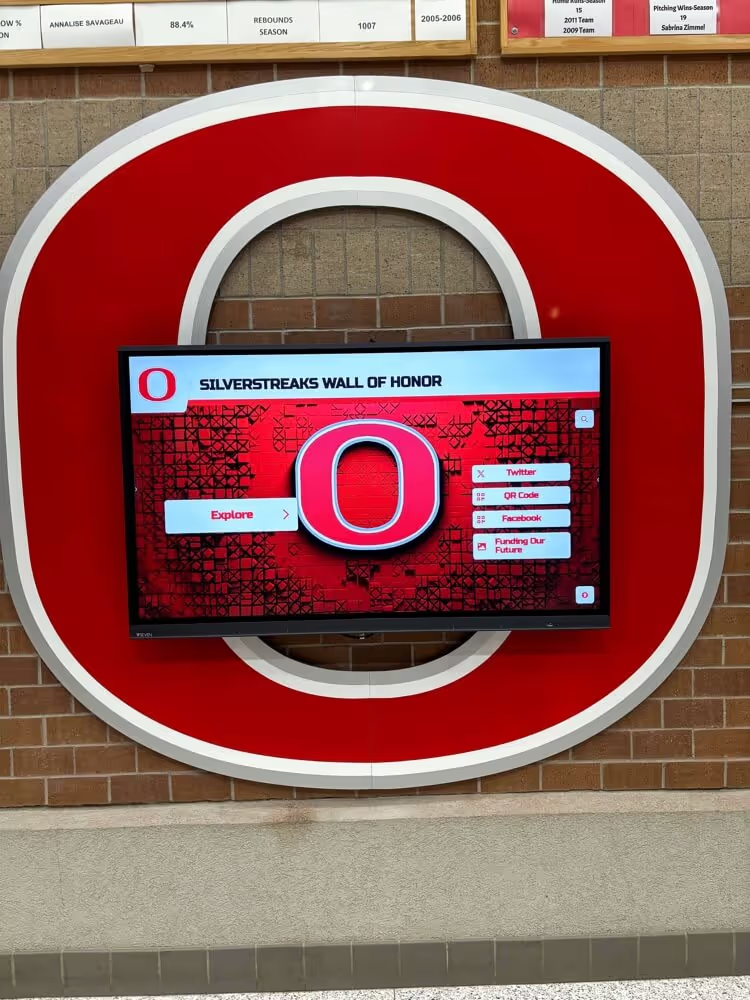
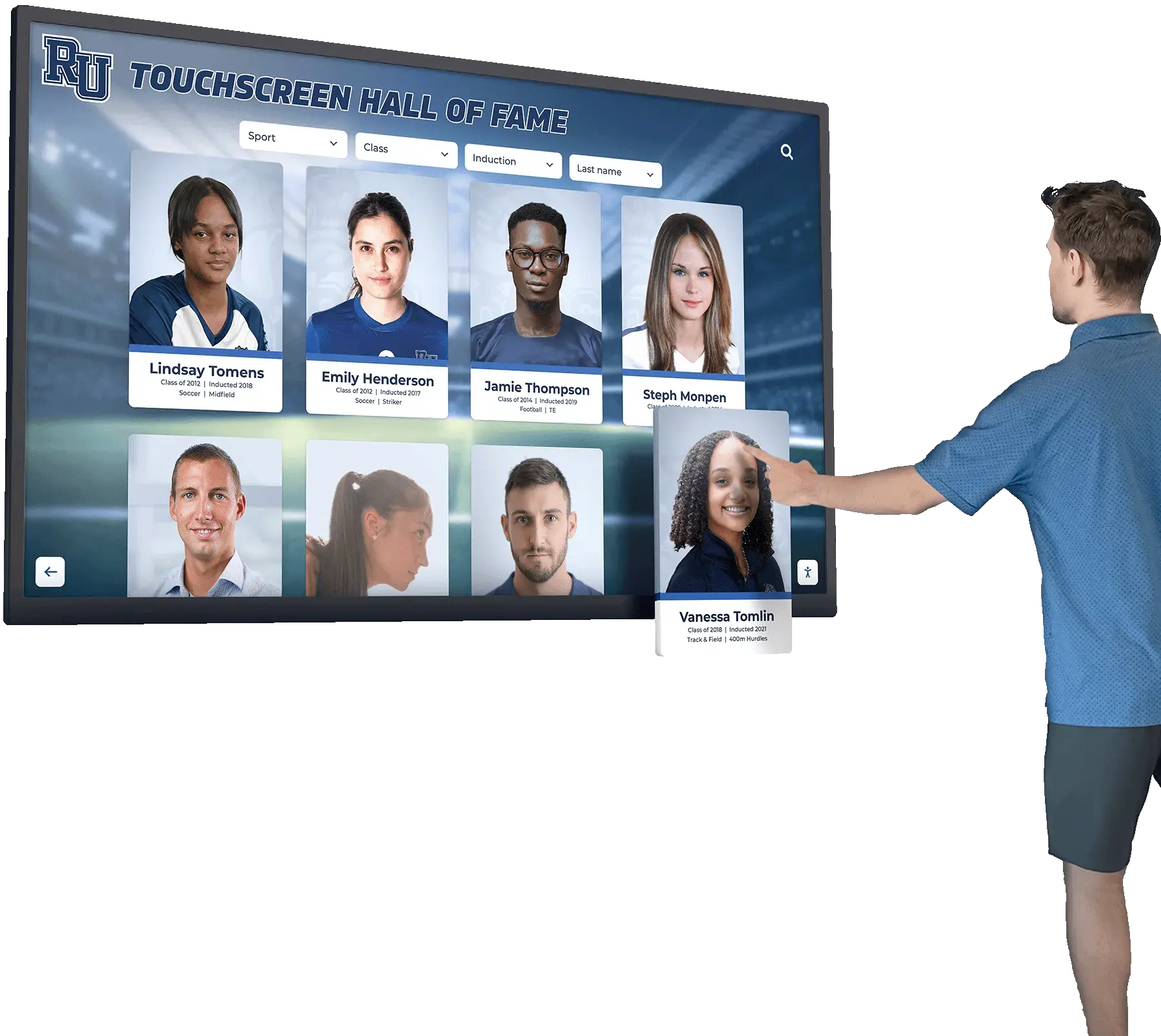
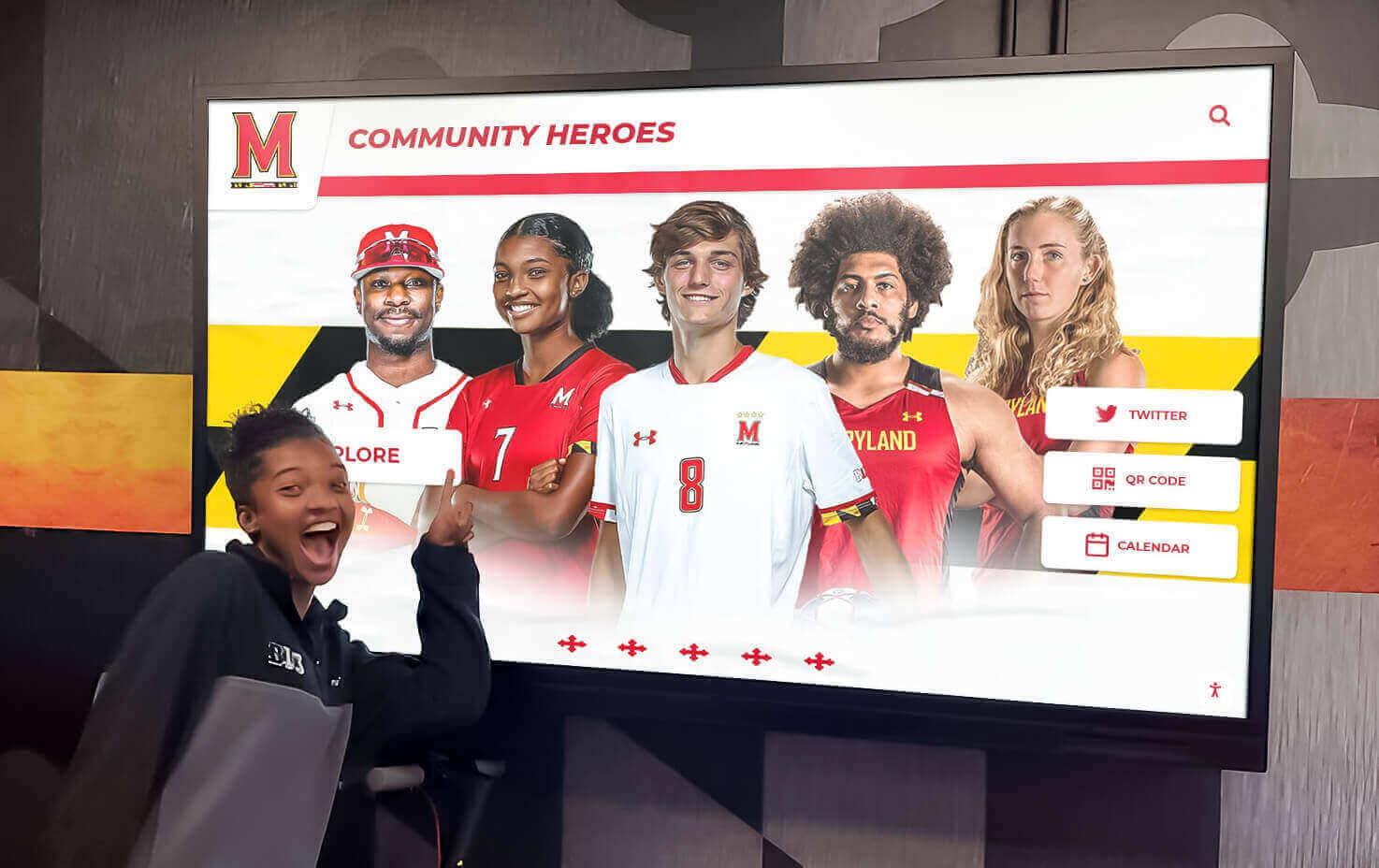
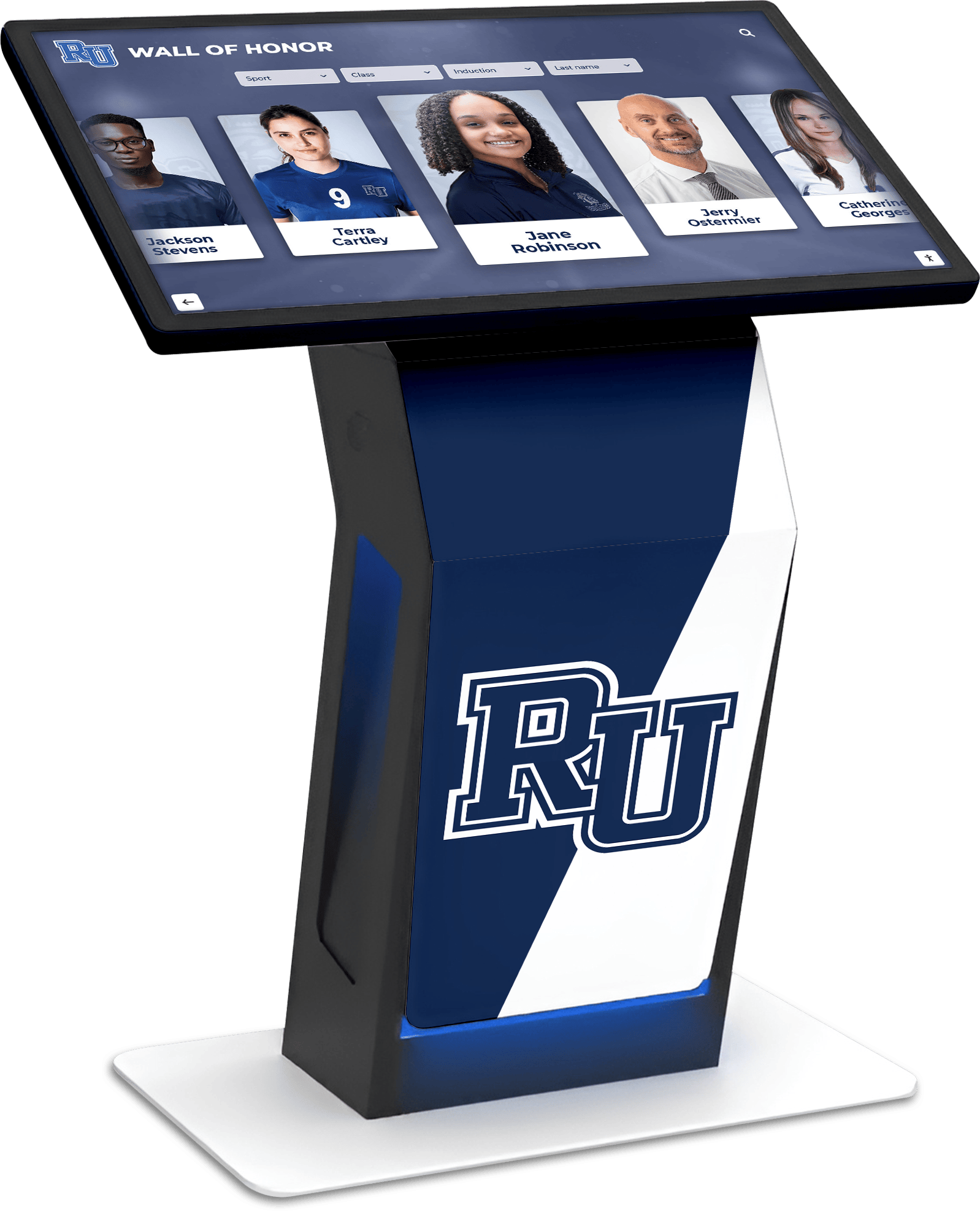
Touchscreen vs. Non-Interactive Displays: Schools must decide whether recognition displays should include touchscreen capabilities enabling student interaction or function as non-interactive digital signage. Touchscreen displays allow students to search for their own names, browse complete honor roll lists across grade levels, and explore historical achievement data creating deeper engagement than passive viewing provides. Non-interactive displays cost less and require simpler content management but offer limited engagement beyond visual observation. Schools prioritizing student interaction typically choose touchscreen options despite premium pricing.
Software and Content Management Systems: Digital recognition effectiveness depends as much on software capabilities as hardware specifications. Effective content management systems enable administrative staff to update honor roll listings from any computer without technical expertise, schedule content rotation displaying multiple recognition categories throughout days, incorporate student photographs alongside names creating personal connection and visual interest, and maintain historical archives allowing students to view honor roll achievement across multiple semesters and years. Cloud-based systems offer particular advantages by enabling updates from any internet-connected device without requiring physical access to display locations.
Advantages Over Traditional Recognition Methods
Digital displays deliver multiple benefits addressing limitations present in traditional recognition approaches.
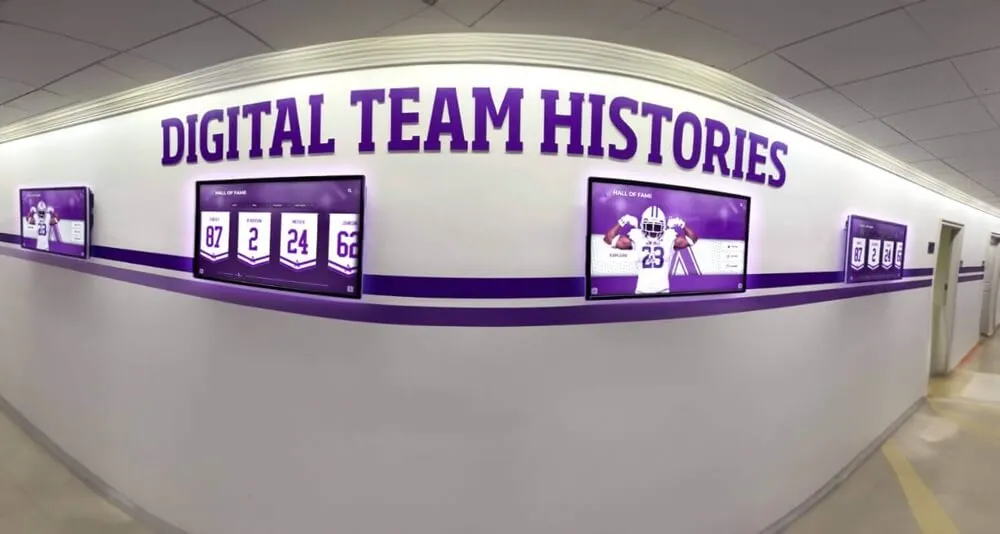
Constant Visibility and Prominence: Unlike bulletin boards that fade into hallway backgrounds, illuminated digital displays command attention through motion, color, and light. Strategic placement in high-traffic areas including main entrances, cafeterias, and administrative lobbies ensures thousands of daily impressions as students, staff, and visitors pass by throughout school days. The prominent nature of digital displays communicates that academic achievement receives priority status worthy of premium real estate and technological investment.
Flexibility and Update Capacity: Digital platforms eliminate the production delays and physical labor associated with printing and posting updated lists each marking period. Administrators can update honor roll displays within minutes of finalizing semester grades, ensuring recognition remains current and relevant. This flexibility also enables schools to recognize mid-semester achievements, special academic accomplishments, and time-sensitive recognition without the constraints physical display updates impose.
Comprehensive Recognition Without Space Constraints: Physical bulletin boards face space limitations restricting the number of students who can be recognized with photographs or detailed information. Digital displays rotate through unlimited student profiles, ensuring every honors student receives equivalent recognition regardless of list length. Schools can showcase hundreds of students with individual photographs, grade levels, specific GPA details, and honor roll tiers without the space constraints limiting traditional displays.
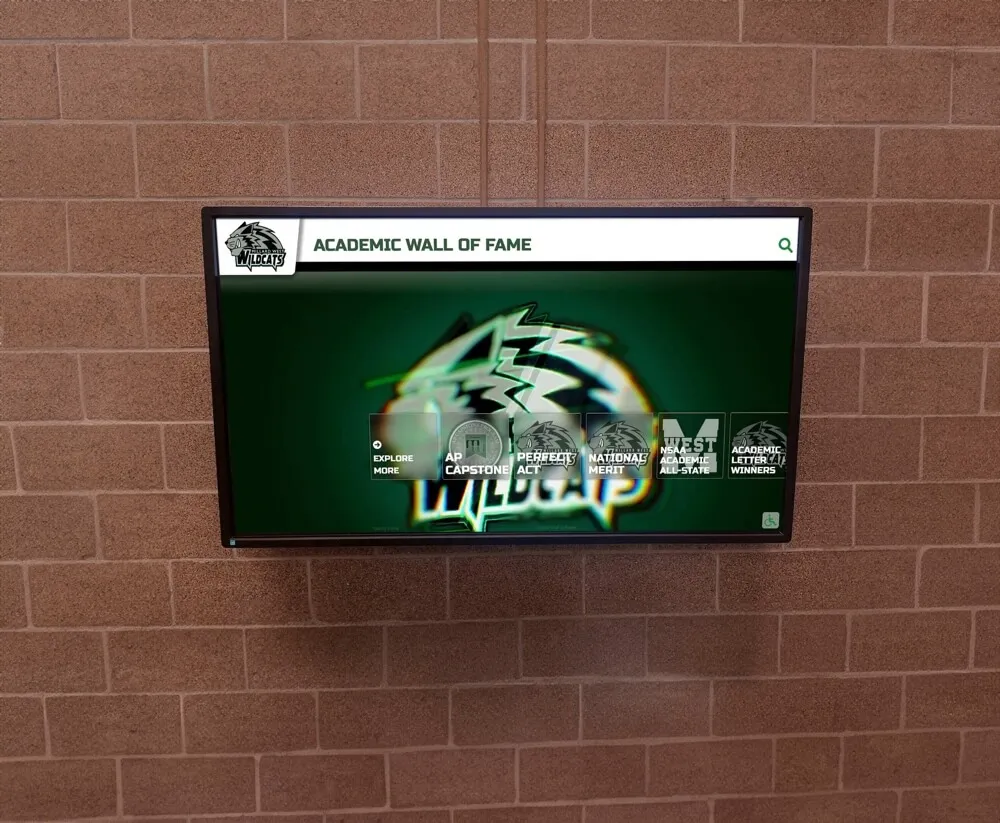
Multi-Purpose Recognition Capabilities: Beyond semester honor roll lists, digital displays accommodate diverse academic recognition including National Honor Society inductees, subject-specific achievement awards, academic competition accomplishments, scholarship recipients, and end-of-year student awards. This versatility transforms single-purpose honor roll boards into comprehensive academic achievement showcases celebrating excellence across multiple dimensions.
Implementation Models and Deployment Options
Schools implement digital recognition displays through various models matching different facility configurations and program goals.
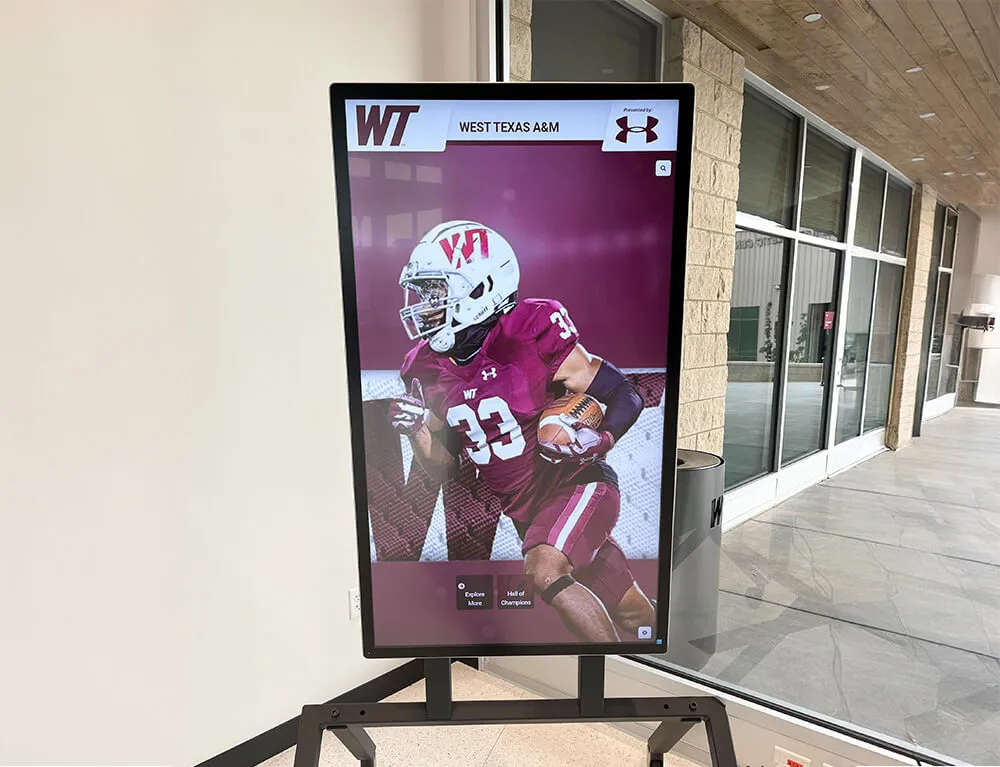
Single High-Profile Display: Many schools begin with one premium display in the highest-traffic location such as main entrance lobbies or cafeteria areas. This approach concentrates resources on maximum visibility while limiting initial investment. Single displays work particularly well in smaller schools where one central location captures most student traffic throughout days.
Distributed Multi-Display Networks: Larger schools often deploy multiple displays across different building areas ensuring recognition reaches students regardless of traffic patterns. Multi-display approaches might include displays in academic wings, athletic facilities, performing arts areas, and administrative zones creating comprehensive recognition visibility. Network deployments typically synchronize content across all displays while potentially customizing portions to reflect department-specific achievement.
Integration with Existing Digital Signage: Schools already operating digital signage systems for announcements, schedules, and general information can integrate honor roll recognition into existing infrastructure. This approach maximizes return on previous technology investments while expanding recognition beyond dedicated displays. Integration requires content management systems capable of scheduling academic recognition content alongside other institutional messaging.
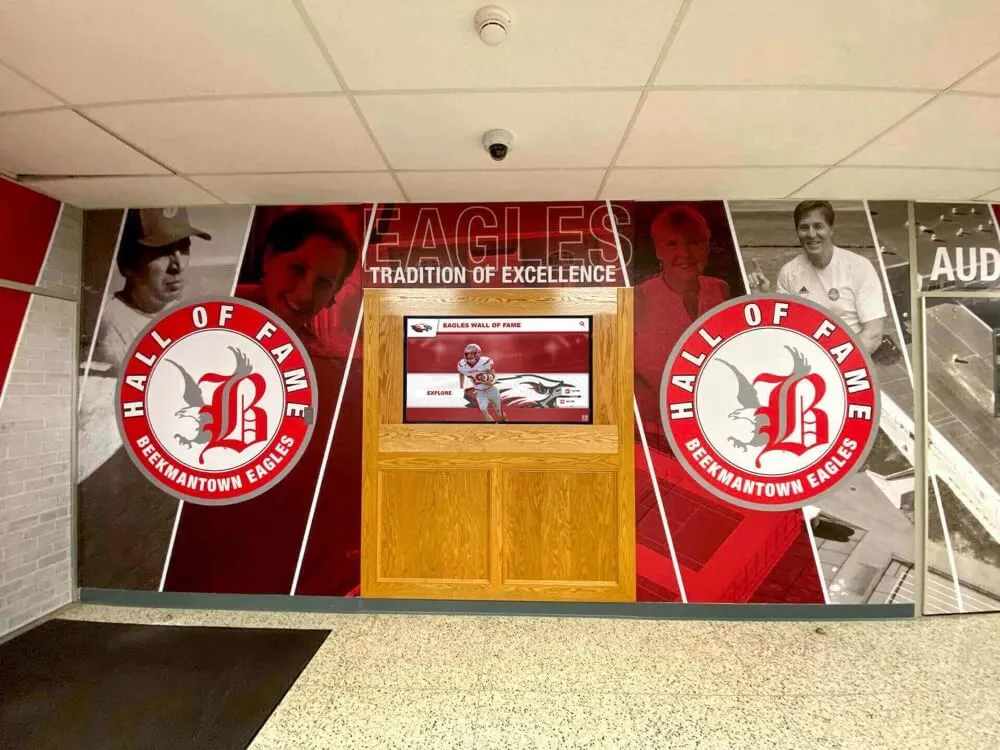
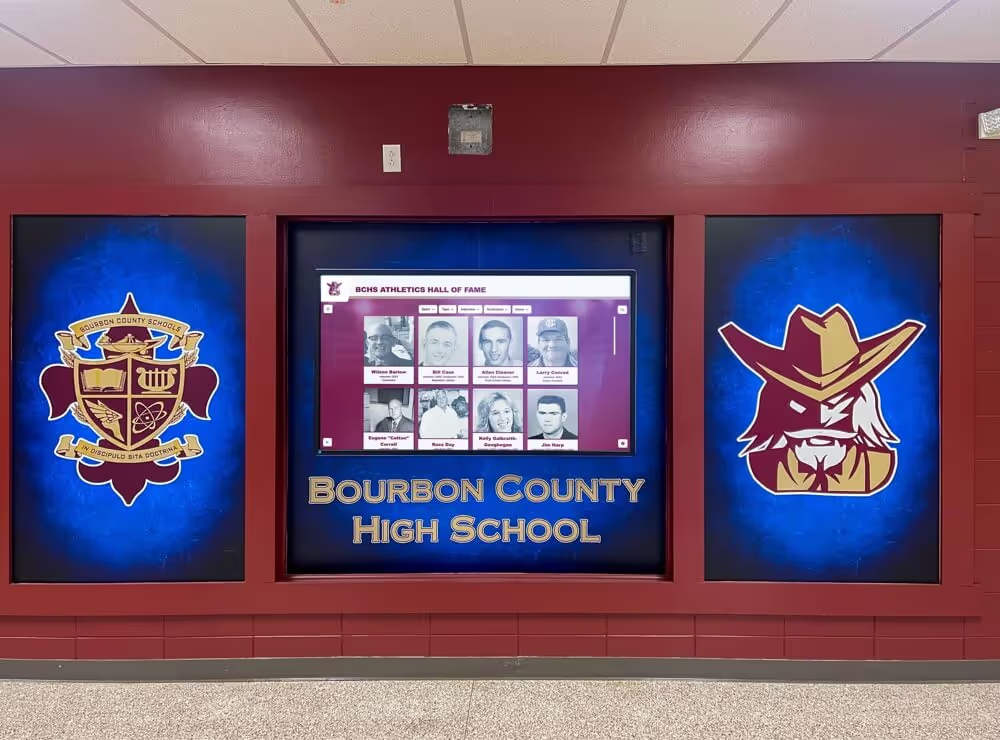
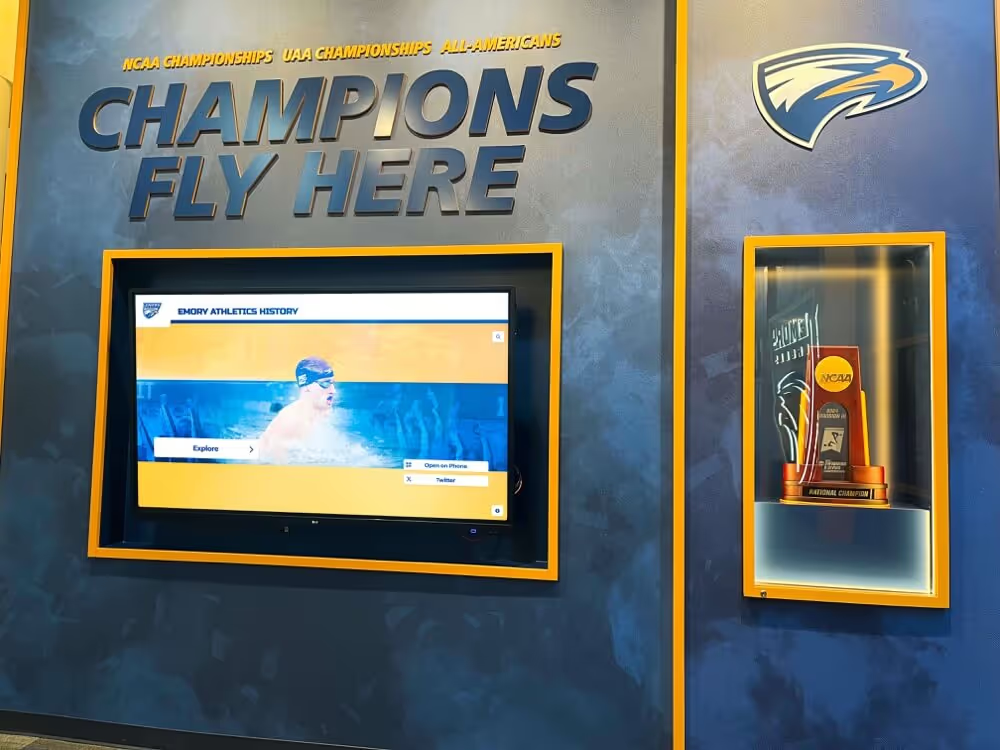
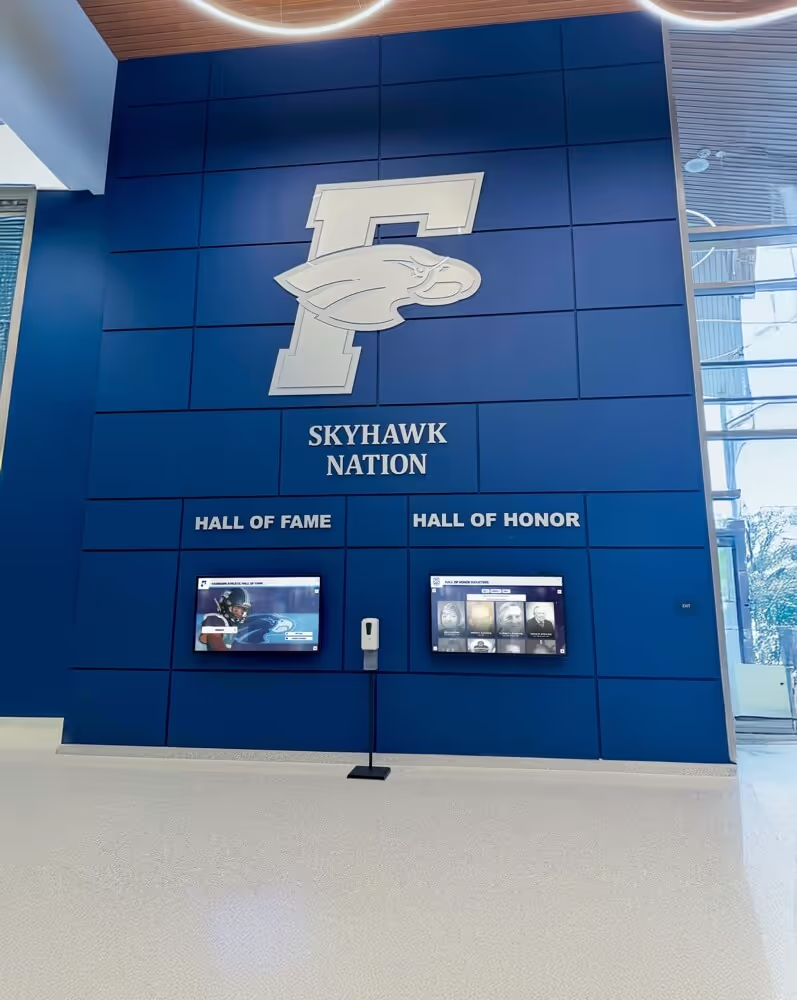
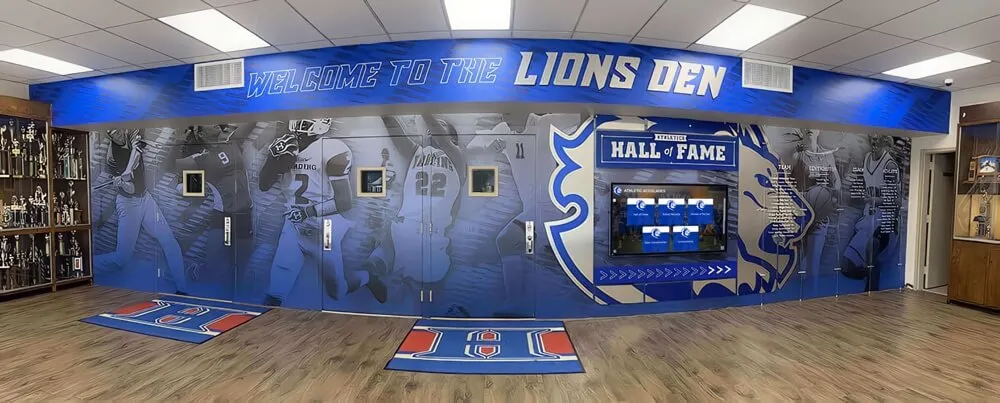
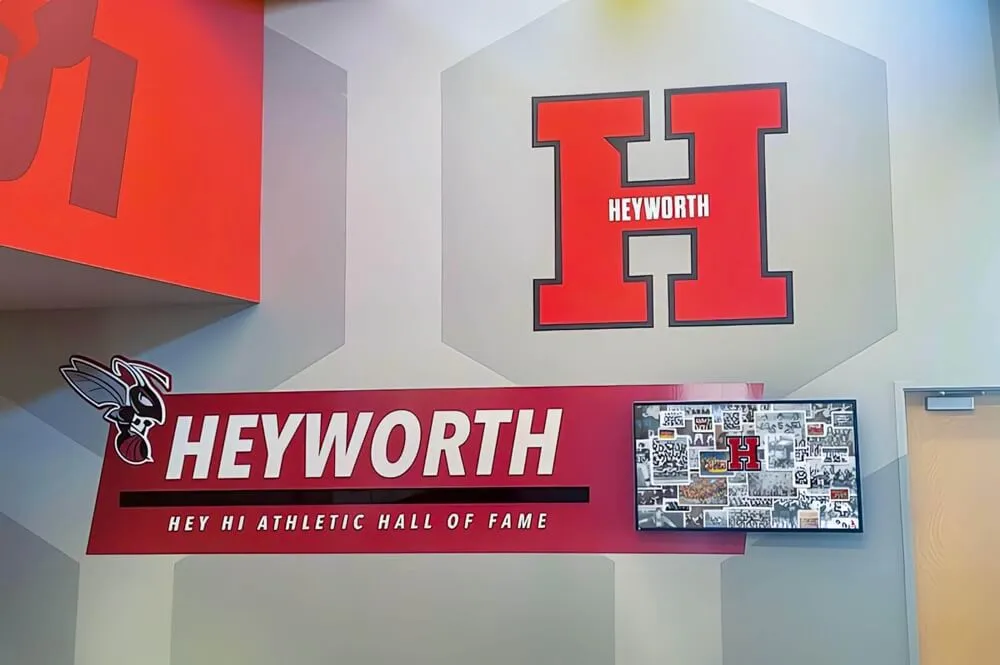
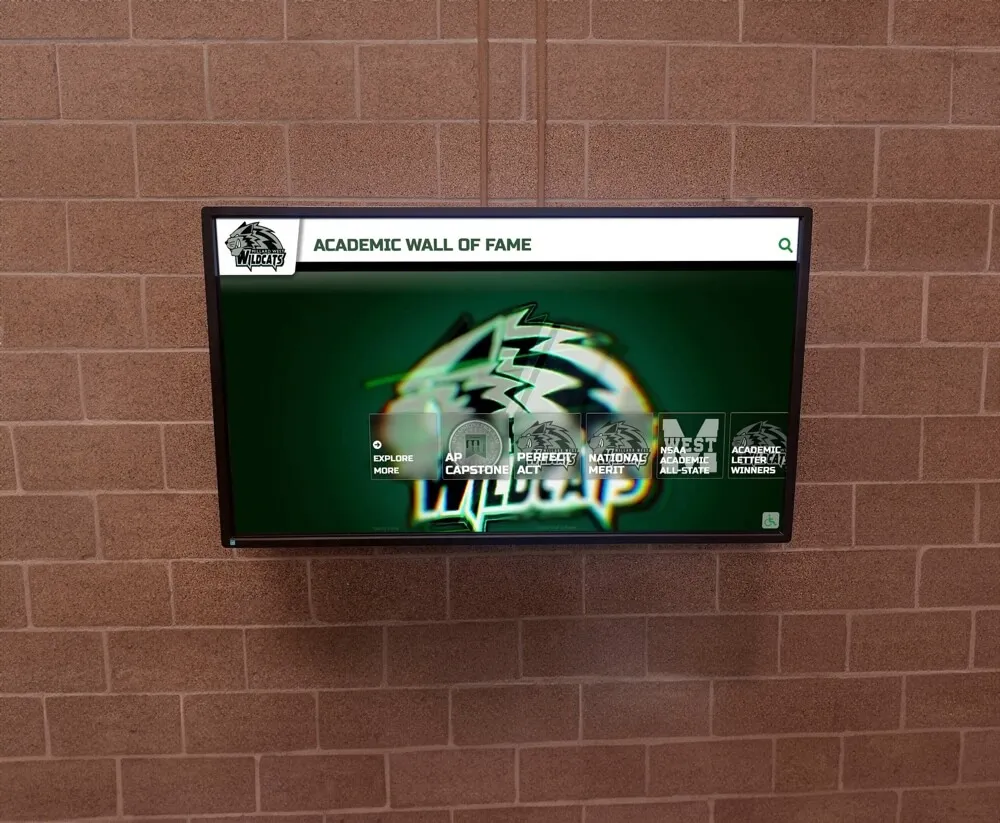
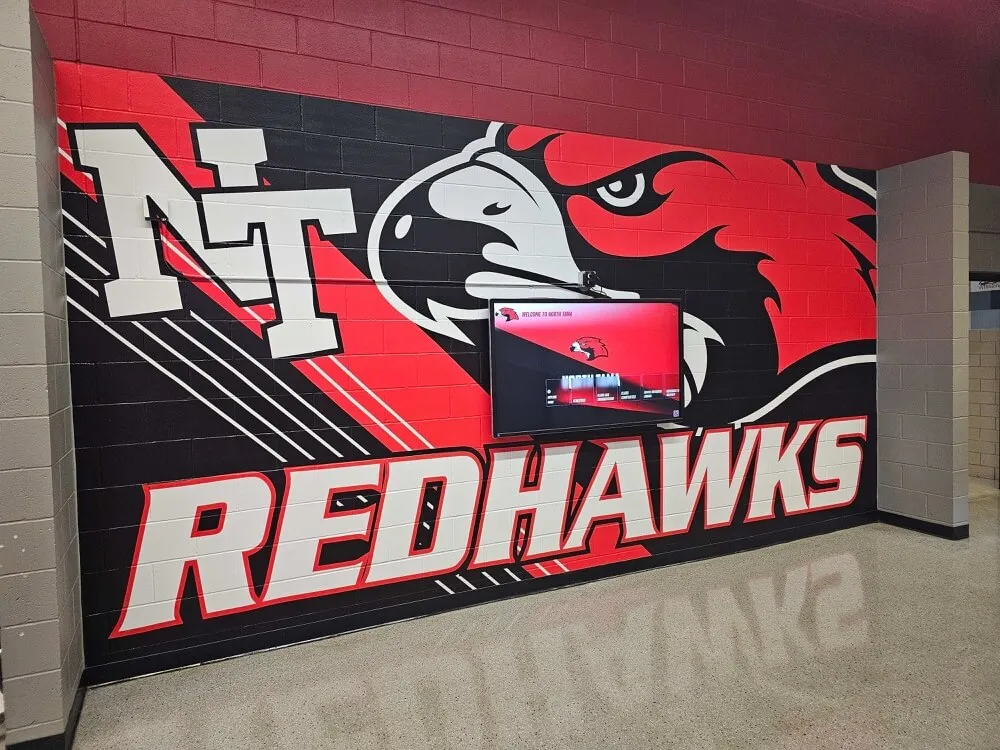
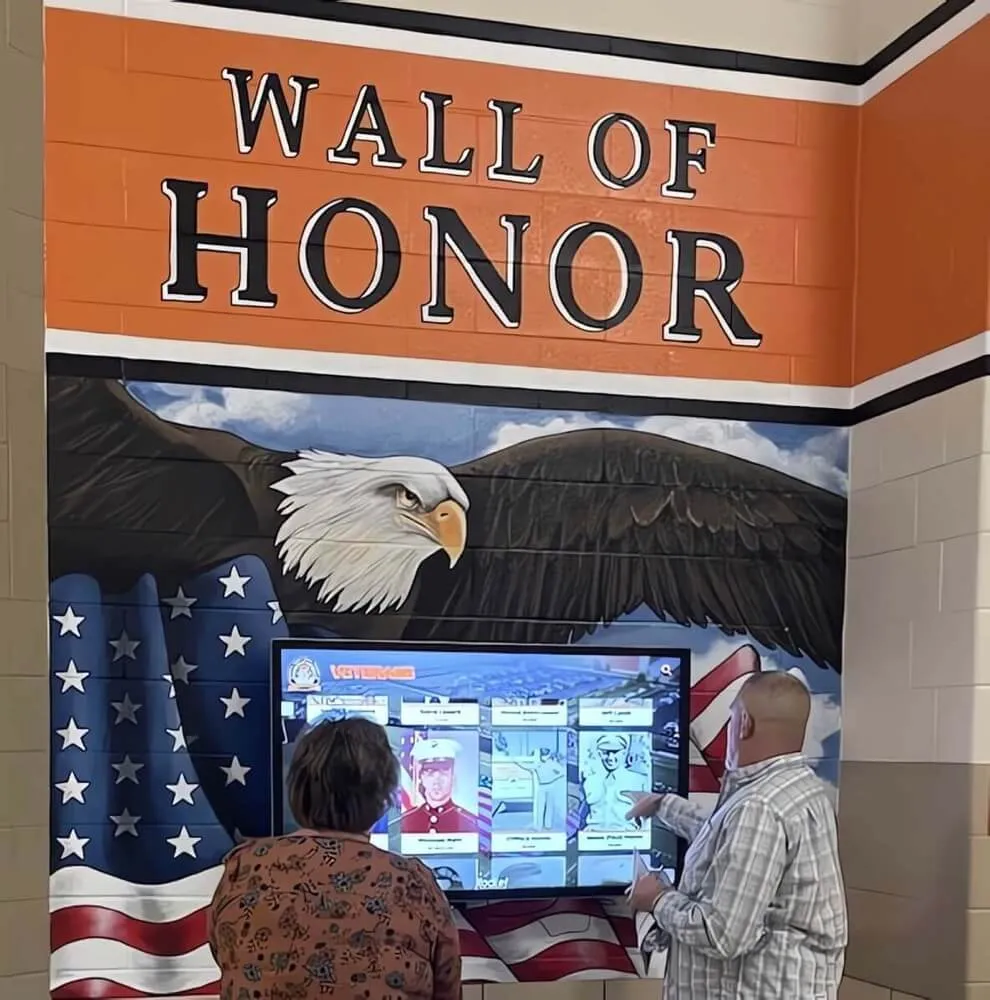
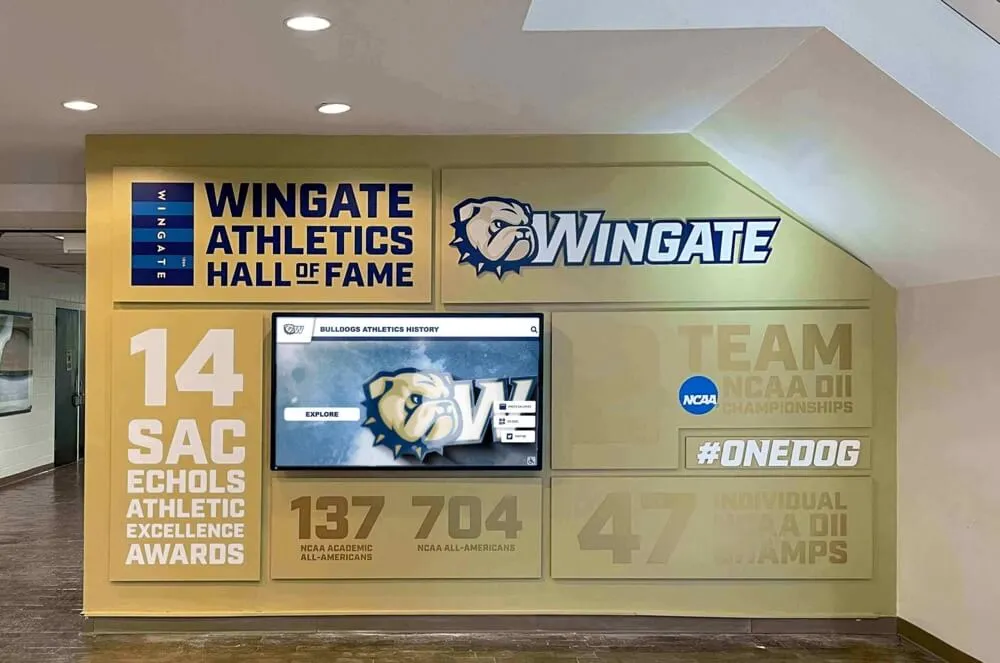
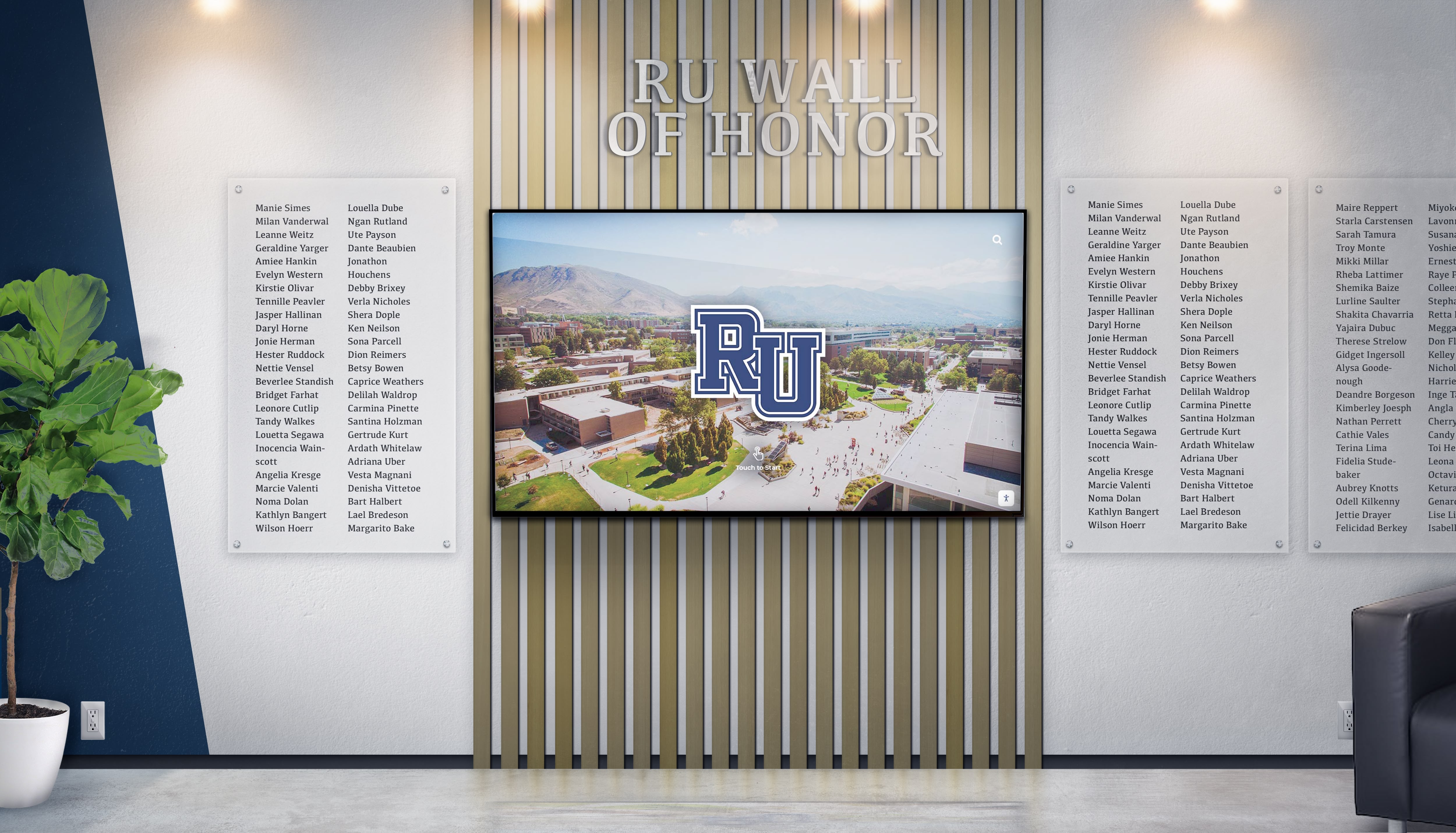
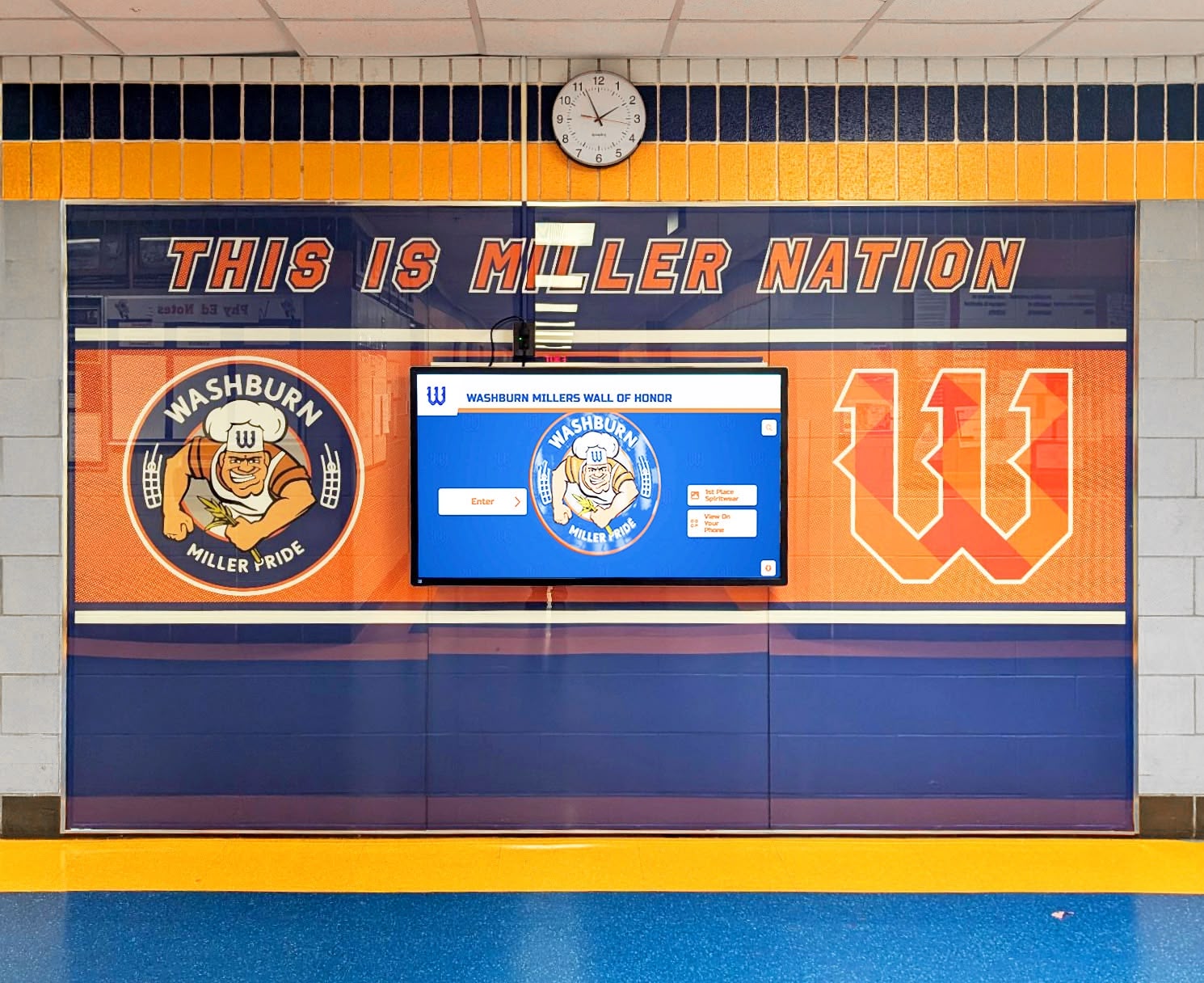
Dedicated Academic Achievement Walls: Some schools create comprehensive academic achievement installations combining digital displays with physical design elements including branded graphics, motivational messaging, and school identity elements. These installations transform recognition from isolated displays into destination-worthy features that become photography locations for honored students and points of pride during school tours for prospective families.
Comprehensive Honor Roll Recognition Categories
Effective academic recognition programs acknowledge diverse forms of excellence beyond simple semester GPA calculations.
Traditional GPA-Based Recognition
Standard honor roll tiers based on grade point averages remain foundational to most academic recognition programs.
High Honor Roll (3.75-4.0 GPA): Top-tier recognition celebrating students demonstrating exceptional academic performance across all coursework. High honor roll status typically requires minimal or no grades below A-, representing sustained excellence throughout semesters. Many schools further distinguish perfect 4.0 achievement within this category through special designation or visual differentiation in displays.
Honor Roll (3.0-3.74 GPA): Secondary tier acknowledging solid academic achievement and consistent effort across coursework. Honor roll recognition celebrates students performing well above average while creating achievable targets for students aspiring to academic recognition. This tier typically represents the largest honor roll category in most schools, encompassing students with B+ to A- average performance.
Principal’s List or Dean’s List: Some schools add premium categories for perfect or near-perfect academic performance, often requiring 4.0 GPA or no grades below A across all courses. These elite categories create aspirational targets for highest-achieving students while acknowledging the exceptional effort required to maintain flawless academic records.
Subject-Specific Academic Excellence
Beyond general GPA, recognizing subject-area excellence acknowledges that academic strength manifests in diverse forms.
STEM Achievement Recognition: Celebrate students demonstrating exceptional performance in science, technology, engineering, and mathematics courses. STEM recognition might acknowledge highest grades in advanced mathematics courses, exceptional performance in AP or honors science classes, success in coding or computer science programs, or achievements in STEM-focused academic competitions. Subject-specific recognition validates students whose passion and talent concentrates in particular academic domains rather than distributed evenly across all subjects.
Humanities and Language Excellence: Recognize students excelling in English, social studies, foreign languages, and arts courses. Categories might include highest achievement in AP Language or Literature courses, exceptional foreign language proficiency, excellence in history or social science programs, or outstanding performance in creative writing or composition. These recognition categories ensure students with strengths outside STEM fields receive equivalent acknowledgment.
Advanced Placement and Honors Course Recognition: Many schools specifically acknowledge students successfully completing challenging advanced coursework regardless of specific grades earned. Recognition might celebrate students completing highest numbers of AP courses, students earning qualifying AP exam scores, students enrolled in full honors or advanced course loads, or students demonstrating significant academic rigor through course selection. This approach values the courage to attempt challenging coursework even when perfect grades prove elusive.
Standardized Testing and Academic Benchmarks
Achievement on standardized assessments provides objective measures worthy of recognition alongside course-based performance.
ACT and SAT Achievement Recognition: Celebrate students achieving exceptional standardized test scores including students scoring 30+ on ACT assessments demonstrating exceptional college readiness, students achieving 1400+ on SAT exams, students making substantial score improvements through preparation and retesting, and students achieving subject-test recognition on SAT II or AP exams. Standardized test recognition acknowledges test-taking abilities that correlate with but differ from classroom academic performance.
Scholar-Athlete Recognition: Many schools celebrate students excelling in both academics and athletics, acknowledging the time management and dedication required to achieve in both domains. Scholar-athlete categories might recognize athletes maintaining 3.5+ GPA while participating in varsity sports, students earning all-conference academic team selections, or students balancing competitive athletics with advanced academic course loads. This dual recognition ensures students pursuing athletic excellence receive acknowledgment when maintaining strong academics simultaneously.
Improvement and Growth Recognition
Beyond absolute achievement levels, recognizing academic growth and improvement acknowledges the effort and progress students make regardless of starting points.
Most Improved Student Recognition: Celebrate students demonstrating substantial GPA improvement semester-over-semester or year-over-year. Growth recognition might acknowledge largest GPA increases from previous marking periods, students raising grades from failing to passing in multiple courses, students transitioning from non-honors to honor roll status through sustained effort, or students demonstrating consistent upward grade trajectories across multiple semesters. Improvement recognition ensures students who start from lower achievement levels but demonstrate significant growth receive acknowledgment rather than reserving recognition exclusively for students maintaining high GPAs throughout school careers.
Attendance and Effort-Based Recognition: Some schools incorporate non-GPA factors into comprehensive recognition programs including perfect or near-perfect attendance records, consistent homework completion and assignment submission, active class participation and engagement, or demonstration of “grit” and persistence through academic challenges. These categories acknowledge that academic success requires more than test-taking ability, recognizing the behavioral factors that contribute to achievement.
Implementation Strategies for Effective Recognition Programs
Successfully implementing honors student recognition requires thoughtful planning addressing technical, administrative, and cultural dimensions.
Setting Clear and Equitable Recognition Criteria
Transparent criteria ensure students understand achievement pathways while maintaining fairness and consistency.
Establishing GPA Thresholds: Schools should define precise GPA requirements for each honor roll tier, clearly communicate whether weighted or unweighted GPAs determine eligibility, specify how pass/fail or credit/no-credit courses factor into calculations, and document procedures for addressing calculation questions or disputes. Written criteria published in student handbooks and school websites eliminate ambiguity about recognition eligibility.
Defining Eligible Coursework: Recognition criteria must specify which courses count toward honor roll calculations including whether elective courses factor into GPA equally with core academic subjects, how physical education grades influence calculations, treatment of study hall or teacher assistant periods, and consideration of courses taken outside school through dual enrollment or online programs. Transparent course eligibility prevents confusion and ensures consistent application across all students.
Addressing Weighted vs. Unweighted Calculations: Schools offering honors and advanced placement courses often weight these classes differently than standard courses when calculating GPAs. Recognition programs should clearly specify whether honor roll determination uses weighted GPAs reflecting advanced course difficulty or unweighted GPAs treating all courses equally. Some schools publish separate honor roll categories for weighted and unweighted achievement, acknowledging both absolute performance and rigor of coursework attempted.
Technical Implementation and Content Management
Deploying digital recognition displays requires addressing hardware installation, software configuration, and ongoing content management.
Hardware Installation Considerations: Schools must determine optimal display locations balancing visibility with technical feasibility, ensure adequate electrical infrastructure and network connectivity at chosen locations, specify wall mounting or free-standing kiosk configurations appropriate for spaces, and consider ADA compliance and accessibility requirements ensuring all students can engage with touchscreen features. Professional installation by experienced integrators typically ensures proper mounting, cable management, and system configuration meeting institutional requirements.
Content Management Training and Workflows: Digital displays only deliver value when content remains current and relevant. Schools should designate specific staff responsible for updating honor roll displays each marking period, provide comprehensive training on content management systems ensuring comfort with update processes, establish workflows defining when and how updates occur following grade finalization, and create backup procedures ensuring continuity when primary content managers are unavailable. Effective content management requires minimal technical expertise when systems are properly configured with intuitive interfaces.
Privacy and Student Photo Consent Considerations: Schools displaying student photographs in recognition systems must address privacy and consent requirements. Best practices include obtaining photo release permissions from families during enrollment processes, providing opt-out mechanisms for students or families declining to have images displayed publicly, maintaining secure databases ensuring photo access remains controlled, and establishing policies governing what information displays publicly (names, photos, specific GPAs vs. general honor roll tiers). Compliance with FERPA and other privacy regulations ensures recognition programs enhance rather than complicate institutional legal obligations.
Building Recognition Culture Beyond Technology
Digital displays represent tools supporting broader efforts to build achievement-focused school culture. Technology alone cannot create culture—strategic integration into comprehensive programs delivers meaningful impact.
Incorporating Recognition into School Traditions: Effective programs weave recognition into existing school traditions and rhythms including announcing honor roll recipients during school-wide assemblies or gatherings, featuring honored students in school newsletters and social media channels, organizing brief recognition moments during parent-teacher conferences or school events, and creating traditions around honor roll achievement such as special privileges, recognition badges, or celebratory activities. These practices ensure digital displays complement rather than replace human acknowledgment and personal recognition moments.
Engaging Families in Recognition Celebration: Family engagement amplifies recognition impact and builds broader community pride in academic achievement. Schools can notify families directly when students achieve honor roll status, invite families to view digital displays showcasing their students during school visits, share digital content or screenshots from displays via email or school communication platforms, and organize family appreciation events celebrating collective academic achievement across student body. Family involvement transforms recognition from individual student experiences into broader community celebrations.
Connecting Recognition to School Values and Mission: Recognition programs should explicitly connect to broader school missions and values. Schools might frame honor roll achievement as evidence of values like persistence, excellence, and commitment to growth, include quotes or messaging on displays reinforcing that academic achievement represents school priorities, celebrate diverse pathways to achievement rather than suggesting single definition of success, and position recognition as part of comprehensive student support systems including tutoring, academic counseling, and intervention programs. This framing ensures recognition supports holistic educational missions rather than creating narrow competition focused solely on GPA metrics.
Measuring Recognition Program Impact and Effectiveness
Schools investing resources in recognition programs should assess whether these initiatives deliver intended outcomes.
Quantifiable Metrics and Success Indicators
Multiple data points help schools evaluate recognition program effectiveness.
Honor Roll Participation Trends: Track numbers of students achieving honor roll status semester-over-semester and year-over-year. Increasing percentages suggest improving academic performance across student populations or effective interventions supporting struggling students. However, participation rates alone don’t indicate quality—schools should balance accessibility with maintaining meaningful achievement standards.
GPA Distribution and Movement: Analyze GPA distributions across student populations over time, identifying trends in average GPAs, shifts in percentages of students in various GPA ranges, and movement of individual students between honor roll tiers. Positive trends suggest recognition programs successfully motivate academic improvement, while stagnant distributions might indicate programs fail to inspire behavioral change.
Student and Family Engagement Metrics: For touchscreen displays, usage analytics reveal engagement levels including number of interactions with displays, time students spend exploring recognition content, search patterns showing which features students use, and peak usage times indicating when recognition receives most attention. High engagement suggests displays successfully capture student interest, while minimal interaction might indicate poor placement or inadequate awareness of display capabilities.
Qualitative Feedback and Perception Assessment
Beyond numbers, gathering stakeholder perspectives provides insight into program cultural impact.
Student Surveys and Focus Groups: Directly ask students whether honor roll recognition motivates academic effort, how prominent displays influence perceptions about school academic culture, what recognition formats students value most, and what improvements would increase program meaningfulness. Student feedback often reveals disconnects between adult assumptions and actual student experiences with recognition programs.
Family Perspectives: Survey families about awareness of school recognition programs, whether honor roll achievement receives appropriate acknowledgment, how recognition influences family perceptions of school academic standards, and whether displayed recognition creates pride in student accomplishments. Family feedback helps schools understand whether recognition extends beyond student experiences to broader community perception.
Staff Observations: Teachers and counselors often observe student motivation and behavior changes related to recognition programs. Gather staff input about whether honor roll programs influence student academic behaviors, if recognition creates positive competitive dynamics or unhealthy pressure, how programs could better support academic mission, and what unintended consequences emerge from recognition practices. Staff perspectives provide ground-level insight into program impacts administrators might miss.
Balancing Recognition with Inclusivity and Student Wellbeing
While celebrating achievement remains important, schools must ensure recognition programs support rather than undermine healthy academic cultures and student wellbeing.
Avoiding Unintended Negative Consequences
Recognition programs can inadvertently create problems if designed without attention to potential downsides.
Managing Academic Pressure and Stress: Prominent recognition can intensify academic pressure for students already experiencing stress about grades and achievement. Schools should monitor student stress levels and academic anxiety, ensure recognition programs don’t create unhealthy competition or gaming of grading systems, provide robust support systems for students struggling academically rather than only celebrating top performers, and communicate that recognition celebrates achievement without suggesting students’ worth derives exclusively from academic performance. Balance requires celebrating excellence while maintaining perspective about academics as one dimension of holistic student development.
Ensuring Access and Equity: Recognition programs should acknowledge that academic achievement reflects not only individual effort but also access to resources and support. Schools must consider whether students from all backgrounds have equal opportunity to achieve honor roll status, if programs inadvertently reward students with access to tutoring, educational enrichment, and other advantages, whether recognition criteria disadvantage students managing work obligations, family responsibilities, or other challenges, and how recognition can celebrate growth and effort alongside absolute achievement levels. Equity-minded programs celebrate achievement while acknowledging systemic factors influencing individual student performance.
Avoiding Narrow Definitions of Success: Schools preparing students for diverse futures must resist framing GPA-based honor roll as the sole meaningful achievement. Recognition programs work best when they celebrate diverse forms of excellence including creative achievement, service and leadership, character and values demonstration, and career/technical program success alongside traditional academic metrics. Comprehensive recognition communicates that schools value multiple pathways to success rather than singular definitions of achievement.
Creating Multiple Recognition Pathways
Beyond traditional honor roll, schools can implement varied recognition categories ensuring more students experience acknowledgment.
Diverse Achievement Celebration: Develop recognition programs acknowledging artistic achievement and creative expression, athletic accomplishment and sportsmanship, service and community contribution, leadership and positive school culture building, career/technical program success and industry certification, and improvement and growth regardless of absolute achievement levels. Diversified recognition ensures students with varied strengths find pathways to acknowledgment rather than reserving celebration for narrow academic elite.
Emphasizing Growth Mindset: Frame recognition programs around effort, growth, and persistence rather than fixed ability. Celebrate students who improve dramatically, students who overcome challenges and setbacks, students who attempt difficult coursework even when perfection proves elusive, and students demonstrating resilience and grit through academic challenges. Growth-oriented recognition supports healthy academic mindsets rather than suggesting intelligence and worth are fixed traits measured exclusively by grades.
Conclusion: Building Achievement Culture Through Strategic Recognition
Effective honors student recognition programs serve purposes extending far beyond congratulating individual academic achievement. Thoughtfully designed and implemented programs build school cultures where educational excellence receives the celebration it deserves, motivate current students to pursue academic goals through visible examples of peer achievement, impress families and visitors with institutional commitment to academic standards, and create lasting pride in school academic traditions and history.
Digital display technology addresses many limitations inherent in traditional recognition methods including bulletin boards that blend into hallway backgrounds, certificates that disappear into drawers, and announcements that fade seconds after delivery. Contemporary displays provide constant visibility ensuring academic achievement receives prominent space in school facilities, comprehensive capacity to recognize every honored student with photographs and detailed profiles, flexibility to update recognition frequently as achievements occur, and multi-purpose capabilities celebrating diverse forms of excellence beyond semester GPA calculations.
Schools considering recognition program enhancements should start by clarifying program goals and intended outcomes, reviewing recognition criteria ensuring transparency and equity, evaluating display locations balancing visibility with technical feasibility, budgeting comprehensively for hardware, software, installation, and ongoing maintenance, and planning content management workflows ensuring displays remain current and relevant throughout school years.
Recognition programs deliver maximum impact when integrated into comprehensive approaches to building achievement-focused school culture rather than functioning as isolated technology deployments. Successful programs combine digital displays with personal acknowledgment from teachers and administrators, family engagement and communication extending recognition beyond school walls, connection to school values and mission providing context for why achievement matters, and diverse recognition categories ensuring multiple pathways for students to experience celebration of their strengths.
Ready to transform how your school recognizes academic achievement? Rocket Alumni Solutions provides comprehensive digital recognition displays designed specifically for educational institutions. Our touchscreen systems enable schools to celebrate honors students, scholar-athletes, academic competition achievements, and diverse forms of excellence through engaging displays that students, families, and visitors notice and remember. Explore how digital recognition solutions can build achievement culture while honoring the students who make your school proud.