



Homeschool families invest extraordinary effort into their children’s education—customizing curricula to individual learning styles, facilitating hands-on experiences beyond classroom walls, nurturing intellectual curiosity through personalized pacing, and maintaining educational consistency across years. These achievements deserve celebration equal to traditional school graduations, yet homeschool families often face unique challenges planning ceremonies without built-in institutional support, established traditions, or ready-made venue access.
The absence of traditional school infrastructure doesn’t diminish accomplishment—it simply requires intentional planning to create meaningful recognition experiences. Homeschool graduation ceremonies serve multiple crucial purposes beyond marking educational completion. They provide graduates tangible acknowledgment of their achievements, creating memorable milestones they’ll reference throughout their lives. Ceremonies offer families opportunities to celebrate their educational journey together, recognizing parents’ teaching dedication alongside students’ learning accomplishments. Recognition events validate homeschooling as a legitimate educational path worthy of the same celebration traditional graduates receive.
This comprehensive guide explores homeschool graduation ceremony ideas across multiple dimensions—from intimate family celebrations through collaborative multi-family events. You’ll discover practical strategies for planning meaningful ceremonies that honor your graduate’s unique educational journey while creating lasting memories celebrating this significant achievement milestone.
Planning Your Homeschool Graduation Ceremony: Essential Considerations
Before diving into specific ceremony ideas, establish foundational decisions that shape all other planning elements. These considerations help clarify what type of celebration best fits your graduate’s personality, your family’s values, and your practical constraints.
Determining Ceremony Size and Format
Intimate Family Celebrations
Some families prefer small, personal ceremonies involving only immediate family and perhaps close relatives. These intimate celebrations offer flexibility, lower costs, and focus purely on your individual graduate without coordinating with other families or managing larger logistics.
Intimate celebrations work particularly well when your graduate prefers low-key recognition over large gatherings, when geographic constraints make gathering extended groups challenging, when family traditions emphasize private milestone celebrations, or when you want ceremony timing flexibility without coordinating multiple schedules.
Small family ceremonies don’t diminish recognition significance—they simply concentrate celebration within your closest circle, creating deeply personal experiences reflecting your unique family dynamics and educational journey together.
Co-op or Group Ceremonies
Many homeschool families participate in cooperatives, support groups, or networks that naturally facilitate collaborative graduation ceremonies. These multi-family celebrations offer several advantages including shared planning responsibilities distributing work among multiple families, built-in peer recognition where graduates celebrate alongside friends who’ve shared educational experiences, enhanced ceremony formality through larger scale and traditional elements like processionals, and cost efficiency by sharing venue rentals, decoration expenses, and other resources.
Athletic banquet planning principles translate well to multi-family homeschool ceremonies, where coordinating committee efforts, establishing shared budgets, and creating structured programs ensure smooth celebrations honoring all participating graduates equally.
Group ceremonies provide natural support systems and shared enthusiasm while maintaining individual recognition moments for each graduate through personalized elements like speeches, awards, or profile presentations.
Hybrid Approaches
Consider combining ceremony formats—perhaps hosting a formal group ceremony with other homeschool families followed by an intimate family reception celebrating your specific graduate privately. This hybrid approach balances formal recognition with personal celebration, allowing graduates to experience both peer celebration and focused family acknowledgment.
Selecting Appropriate Timing
Traditional Spring Graduation
Many homeschool families schedule graduation ceremonies in May or June, aligning with traditional school calendars. This timing offers several benefits including alignment with cultural graduation expectations creating natural celebration momentum, availability of graduation supplies and decorations during peak season, and easier coordination with extended family accustomed to spring graduation timing.
Spring ceremonies feel familiar and allow graduates to participate in broader graduation season celebrations, potentially connecting with traditionally-schooled peers also graduating simultaneously.
Year-Round Flexibility
Homeschooling’s inherent flexibility extends to graduation timing. Some families schedule ceremonies when students actually complete their educational requirements regardless of traditional calendar, perhaps in December, March, or other non-traditional months. This flexibility allows you to avoid peak venue booking competition and potentially secure better rates during off-season, coordinate with family schedules when relatives can actually attend rather than forcing spring availability, and align ceremony timing with completion of specific projects or achievements marking educational conclusion.
There’s no requirement to conform to traditional timing if alternative schedules better serve your family’s needs and circumstances.

Establishing Budget Parameters
Graduation ceremonies can range from essentially free family gatherings through elaborate events costing thousands of dollars. Establish clear budget parameters early in planning to guide venue selection, decoration choices, and ceremony elements.
Budget-Conscious Celebrations
Meaningful ceremonies don’t require substantial financial investment. Low-cost options include home or backyard ceremonies eliminating venue rental costs, DIY decorations using personal creativity rather than purchased supplies, simple refreshments like cake and punch rather than catered meals, digital invitations avoiding printing and mailing expenses, and borrowed or rented graduation gowns and caps rather than purchasing ceremonial attire.
The most important ceremony elements—recognizing achievement, expressing pride, creating memories—cost nothing. Focus resources where they create maximum impact for your specific graduate rather than feeling pressured to replicate expensive traditional school ceremonies.
Enhanced Investment Celebrations
Families choosing to invest more substantially in graduation ceremonies might allocate budget toward professional venue rentals providing formal atmosphere and eliminating home preparation needs, professional photography capturing ceremony moments for lasting documentation, catered meals or receptions creating restaurant-quality dining experiences, printed programs and ceremony materials creating polished presentation, professional videography documenting ceremonies for permanent records, and custom recognition awards, plaques, or displays commemorating achievement.
Balance spending across ceremony elements based on what your family values most—perhaps splurging on professional photography while economizing on decorations, or investing in venue quality while keeping refreshments simple.
Venue Options for Homeschool Graduation Ceremonies
Venue selection significantly impacts ceremony atmosphere, guest capacity, available amenities, and overall budget. Consider these options when planning your celebration location.
Home and Backyard Ceremonies
Living Room or Family Room Celebrations
For intimate family ceremonies, your own home provides comfortable, familiar, and cost-free venue space. Living room ceremonies offer maximum flexibility for timing, format, and duration without rental constraints. Personalize decorations reflecting your family’s personality and your graduate’s interests. Include meaningful family touches throughout ceremony spaces creating highly customized experiences impossible in impersonal rental venues.
Home ceremonies work best for smaller guest counts—typically fewer than 20-30 people depending on your space. Consider furniture arrangement creating defined ceremony space with seating rows facing a designated “stage” area where your graduate will stand during recognition moments.
Outdoor Backyard Gatherings
Weather permitting, backyard ceremonies expand capacity while maintaining home venue benefits. Outdoor settings naturally accommodate more guests than indoor spaces, provide beautiful natural backdrops requiring minimal decoration, offer comfortable informal atmosphere many families prefer, and allow for extended celebration time without venue rental hour restrictions.
Outdoor ceremonies require weather contingency planning—always have indoor backup plans or tent rental options for rain scenarios. Consider timing ceremonies during cooler parts of days (morning or evening) avoiding midday heat, particularly in late spring or summer months. Provide shade structures, fans, or other comfort amenities ensuring guest comfort during outdoor ceremonies.
Church and Community Venues
Church Facilities
Many homeschool families maintain church connections that extend to venue access for graduation ceremonies. Churches often offer fellowship halls, sanctuaries, or multi-purpose rooms perfect for ceremonies. These venues typically provide adequate seating capacity accommodating extended family and friends beyond what homes accommodate, stage or platform areas creating formal presentation spaces, sound systems supporting speeches and music, kitchen facilities enabling reception hosting, and parking accommodating multiple families for group ceremonies.
Some churches provide venue access at no cost or minimal fees for member families, making them cost-effective options for families seeking traditional ceremony atmosphere without commercial rental expenses. Church venues also carry meaningful associations for faith-based homeschool families, connecting educational achievement with spiritual values integrated throughout their homeschool journey.
Community Centers and Civic Buildings
Municipal community centers, library meeting rooms, civic auditoriums, and similar public facilities offer another venue category providing professional environments, larger capacity than most homes, built-in amenities like chairs, tables, and often sound systems, and relatively affordable rental rates compared to commercial event spaces.
These venues work particularly well for multi-family homeschool cooperative ceremonies where you need capacity for dozens of attendees, formal atmosphere befitting significant achievements, and professional presentation environment. Booking community venues typically requires advance planning—popular facilities book months ahead, particularly during spring graduation season.
Parks and Outdoor Pavilions
Public parks with covered pavilions provide hybrid indoor-outdoor venue options combining natural beauty with weather protection. Park venues offer spacious capacity accommodating large gatherings, beautiful natural settings reducing decoration needs, open environments comfortable for summer ceremonies, picnic-style amenities supporting casual receptions, and typically low or no rental costs for public facilities.
Consider park venues when planning larger, more casual celebrations where formal atmosphere matters less than comfortable gathering space. Parks work particularly well for afternoon ceremonies followed by extended outdoor receptions allowing guests to mingle comfortably without crowded indoor constraints.
Restaurant or Banquet Hall Events
Private Dining Rooms
Some families opt for restaurant private dining rooms combining ceremony and reception meal into single coordinated event. Restaurants offer professional food service eliminating home cooking requirements, elegant atmosphere creating special occasion feeling, managed setup and cleanup reducing family workload, and flexible space accommodating varied group sizes.
Restaurant ceremonies work best when you prioritize celebratory meal as primary focus with brief recognition elements integrated into dining experience rather than lengthy formal ceremony followed by separate reception. Consider restaurants that offer private room rentals or can section off areas providing semi-private space for your group.
Hotel Banquet Facilities
For larger multi-family ceremonies or families seeking most formal presentation environment, hotel banquet halls and conference centers provide professional event spaces with comprehensive amenities. These venues typically include complete setup and breakdown service, professional catering options, audiovisual equipment supporting presentations, professional ambiance conveying significance, and ample parking for large gatherings.
Hotel venues represent higher cost options but provide turnkey solutions where venue management handles most logistics, allowing families to focus on ceremony content rather than operational details. These venues suit families wanting traditional ceremony elements and formal presentation comparable to what conventional school graduations provide.
Essential Ceremony Components and Program Elements
Regardless of venue size or celebration format, successful homeschool graduation ceremonies typically include core components providing structure and meaning to recognition events.
Ceremony Opening and Welcome
Processional Music
Consider beginning ceremonies with processional music while your graduate walks down the aisle or enters ceremony space. This traditional element immediately establishes formal atmosphere and creates memorable entrance moment. Classic choices include “Pomp and Circumstance,” the quintessential graduation march, or meaningful contemporary instrumental music reflecting your graduate’s musical preferences and personality.
For group ceremonies, coordinate processional where all graduates enter together, creating shared moment of significance as they walk together toward completion of their homeschool educational journeys.
Opening Remarks
Brief opening remarks—typically delivered by a parent for family ceremonies or designated coordinator for group events—welcome guests and establish ceremony purpose. Opening remarks might include appreciation for attendees joining the celebration, acknowledgment of the educational journey being recognized, context about homeschooling philosophy or approach that shaped the graduate’s education, and overview of ceremony program flow.
Keep opening remarks relatively brief—two to four minutes typically suffices—establishing tone without delaying recognition of graduates themselves.
Graduate Recognition and Diploma Presentation
Individual Recognition Moments
The ceremony centerpiece involves individual recognition of each graduate. For single-family ceremonies, this includes formal presentation of diploma or certificate documenting educational completion, reading of graduate’s accomplishments, honors, or special recognitions, sharing of graduate’s future plans including college, career, or other next steps, and presentation of any special awards recognizing particular achievements during homeschool years.
Senior class awards displays commonly featured in traditional schools can inspire homeschool recognition approaches, documenting achievements like academic excellence, community service, special projects, or other accomplishments worth highlighting.
For group ceremonies, each family takes turns presenting their graduate, maintaining individual focus while benefiting from shared celebration atmosphere. Allocate sufficient time for each graduate’s moment—rushing recognition diminishes significance, while overly lengthy individual presentations may strain program flow when many families participate.
Diploma and Certificate Presentation
Presenting physical diploma or completion certificate creates tangible recognition artifact your graduate will keep permanently. Consider these diploma options:
- Formal diplomas from homeschool curriculum providers or accrediting organizations if you work with established programs
- Custom-designed diplomas reflecting your family’s homeschool name or philosophy
- State-compliant graduation certificates meeting local homeschool requirements
- Personalized certificates highlighting specific achievements beyond basic completion
Present diplomas in formal covers or folders elevating presentation significance. This moment—when graduate receives diploma from parent or ceremony presenter—creates the iconic graduation image families photograph and remember.
Speeches and Addresses
Graduate Speech or Reflection
Many ceremonies include opportunity for graduates to address attendees, sharing reflections on their educational journey, expressing appreciation for family support, discussing lessons learned through homeschooling, or articulating hopes and plans for the future. Graduate speeches range from brief one-minute thank you messages through more substantial five-to-ten-minute addresses depending on the graduate’s comfort with public speaking and desire to share thoughts formally.
For students who prefer not to deliver full speeches, consider alternative sharing formats like pre-recorded video reflections, written statements read by others, interview-style conversations with parents, or panel discussions for group ceremonies where graduates answer prepared questions rather than delivering formal speeches.
Parent or Family Remarks
Parents often wish to address graduates during ceremonies, sharing pride, offering wisdom, or expressing love and support. Retiring principal celebration ideas demonstrate how meaningful speeches honor years of dedication and contribution—principles that apply equally to homeschool parents recognizing their teaching commitment alongside students’ learning achievements.
Parent remarks work best when kept relatively brief (three to five minutes), focused on the graduate rather than parent experiences, emotionally genuine without becoming overly sentimental to the point of discomfort, and forward-looking, celebrating future possibilities alongside past accomplishments.
Guest Speaker or Mentor Address
Some ceremonies include addresses from pastors, coaches, mentors, or other significant figures in the graduate’s life. Guest speakers provide outside perspective validating achievement beyond family circle. Effective guest speakers share personal connections to the graduate rather than delivering generic graduation platitudes, offer practical wisdom applicable to graduates’ life transitions, remain appropriately brief respecting ceremony focus on graduates themselves, and inspire graduates while acknowledging challenges and growth opportunities ahead.
Special Presentations and Awards
Beyond diploma presentation, consider incorporating special awards or recognition presentations celebrating particular aspects of your graduate’s accomplishments:
Academic Achievement Recognition
Acknowledge specific academic accomplishments such as completion of advanced courses, dual enrollment credits, AP exam scores, or particularly challenging subjects mastered. Cum laude graduation honors used by traditional schools to distinguish exceptional academic achievement can inspire similar recognition approaches for homeschool graduates demonstrating superior academic performance.
Consider presenting certificate or award recognizing high GPA if you maintained formal grades, successful completion of demanding curriculum, or mastery of multiple advanced subjects.
Character and Service Awards
Recognize character development and community contribution through awards celebrating volunteer service hours, leadership in community organizations, demonstration of specific character qualities like perseverance or integrity, or overcoming particular challenges during educational journey.
Character recognition communicates that your homeschool educational approach values whole-person development beyond pure academics—an often-cited homeschool advantage worth celebrating explicitly during graduation.
Special Interest or Talent Recognition
Celebrate your graduate’s unique interests, talents, or accomplishments developed through personalized homeschool flexibility. Perhaps they completed significant artistic portfolio work, achieved athletic milestones through individual sports training, mastered musical instruments or performance skills, developed entrepreneurial ventures or businesses, contributed to family enterprises in meaningful ways, or pursued deep study of particular subjects reflecting personal passion.
These individualized recognitions showcase homeschooling’s fundamental advantage—education tailored to student interests rather than standardized requirements applicable to all students regardless of individual gifts and passions.
Musical Performances and Special Elements
Live or Recorded Music
Music elevates ceremony atmosphere and creates memorable moments. Consider incorporating graduate’s favorite meaningful songs, live performances by the graduate themselves if they’re musically talented, performances by siblings or family members, recorded music during specific ceremony segments, or traditional graduation pieces creating formal occasion feeling.
Music serves multiple functions—filling transitional moments during diploma presentations, creating emotional high points during reflective ceremony segments, or showcasing graduate talents through performance opportunities.
Multimedia Presentations
Modern technology enables rich multimedia ceremony elements including photo or video montages chronicling the graduate’s educational journey, slideshow presentations highlighting memorable homeschool experiences, video messages from distant relatives or friends unable to attend in person, or virtual guest speakers connecting via video when in-person attendance proves impossible.
Digital class composite displays used in traditional schools create engaging visual recognition—concepts easily adapted to homeschool ceremonies through digital presentations showcasing graduate achievements, memorable moments, and educational journey highlights.
Ceremony Closing
Final Remarks and Benediction
Close ceremonies with brief concluding remarks summarizing the celebration, offering best wishes for graduates’ futures, and thanking attendees for joining recognition. Religious families often include closing prayers or benedictions invoking blessings on graduates as they transition into new life chapters.
Recessional and Photo Opportunities
Conclude formal ceremony programs with recessional music while graduates exit ceremony space, then transition into informal reception time allowing for photographs, congratulations, and social interaction. Plan specific photo opportunities including formal family portraits with the graduate, photos of graduate with diploma, group photos for multi-family ceremonies, and casual candid photos capturing celebration atmosphere.
Creative Ceremony Themes and Personalization Ideas
While traditional ceremony elements provide meaningful structure, personalization makes celebrations uniquely memorable and reflective of your specific graduate and homeschool journey.
Theme-Based Ceremonies
Educational Philosophy Themes
Design ceremony reflecting your homeschool’s educational approach. Classical education families might incorporate Latin phrases, references to great books, or classical music. Charlotte Mason-inspired homeschools might emphasize nature, literature, and living books. Unschooling families could highlight self-directed learning, passion projects, and non-traditional accomplishments.
Aligning ceremony themes with educational philosophy creates coherent celebration genuinely representing your homeschool experience rather than merely imitating conventional school traditions that may not reflect your actual approach.
Interest or Passion Themes
Center ceremony themes around graduate’s primary interests or passions. A graduate passionate about history might appreciate ceremony incorporating historical elements, period music, or historical figure quotes. Science-focused students might enjoy experiments, demonstrations, or scientific achievement recognition. Artistic graduates could benefit from gallery-style displays of their work integrated throughout ceremony space.
Interest-based themes demonstrate that homeschool education honored and developed individual passions rather than requiring conformity to standardized educational experiences.
Future-Focused Themes
Design ceremonies emphasizing the graduate’s future rather than only celebrating past achievements. If they’re college-bound, incorporate their future institution’s colors or references to their intended major. Career-focused graduates might appreciate ceremonies highlighting skills developed preparing them for their intended profession. Mission-focused students could emphasize service opportunities or ministry work they’ll pursue.
Future-oriented themes position graduation as beginning rather than ending—launching into next chapters with intentional purpose rather than simply completing previous requirements.
Personalized Recognition Displays
Beyond ceremony programs themselves, create lasting recognition displays documenting your graduate’s achievements:
Timeline Displays
Develop visual timelines documenting the homeschool journey from early elementary years through graduation. Include photos from each year, sample work highlighting progression, memorable field trip photos, or achievement milestones reached along the way. Timeline displays help attendees appreciate the sustained multi-year commitment homeschool education represents while creating tangible documentation of educational journey.
Achievement Portfolios
Compile comprehensive portfolios showcasing your graduate’s best work across subject areas. Include writing samples demonstrating progression from early compositions through sophisticated high school papers, math problem solutions showing advancement through increasingly complex material, science lab reports or project documentation, artistic creations representing developed skills, and photos of hands-on projects, experiments, or learning experiences.
Physical portfolio displays allow ceremony attendees to engage with actual evidence of learning and achievement rather than simply hearing descriptions. Consider table displays where guests can browse materials during reception time following formal ceremony programs.
Digital Recognition Solutions
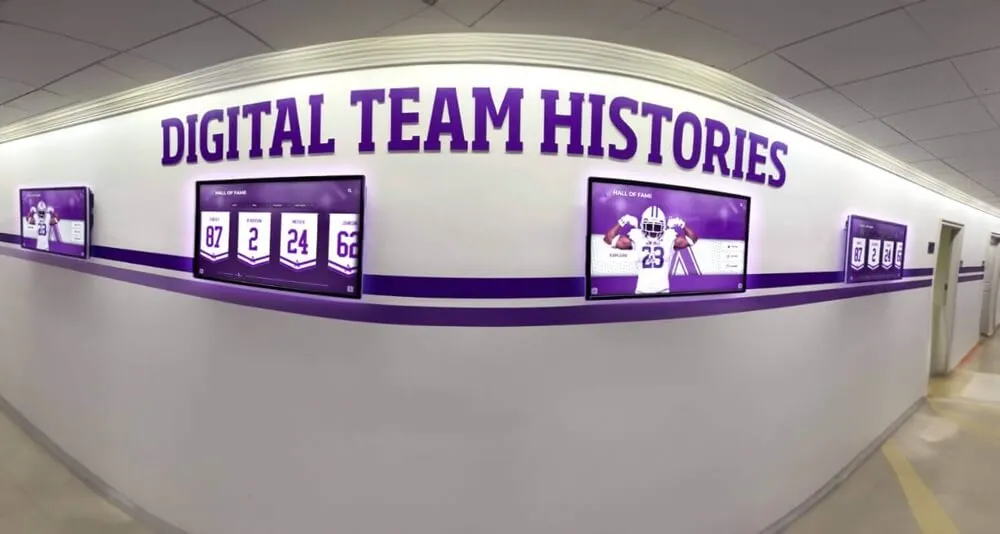
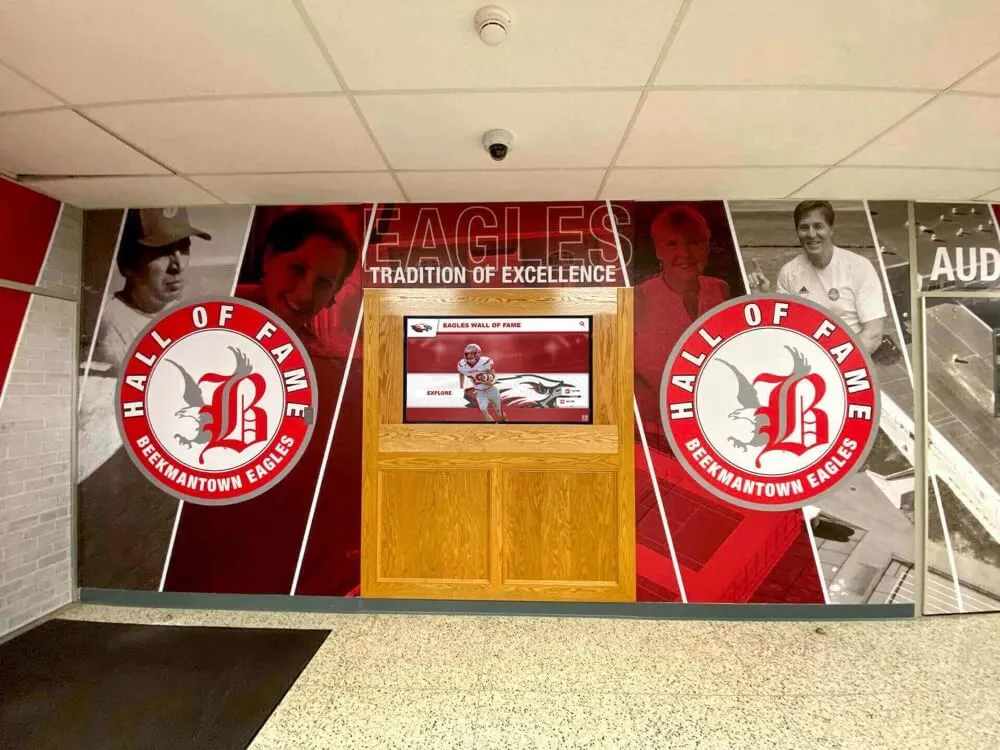
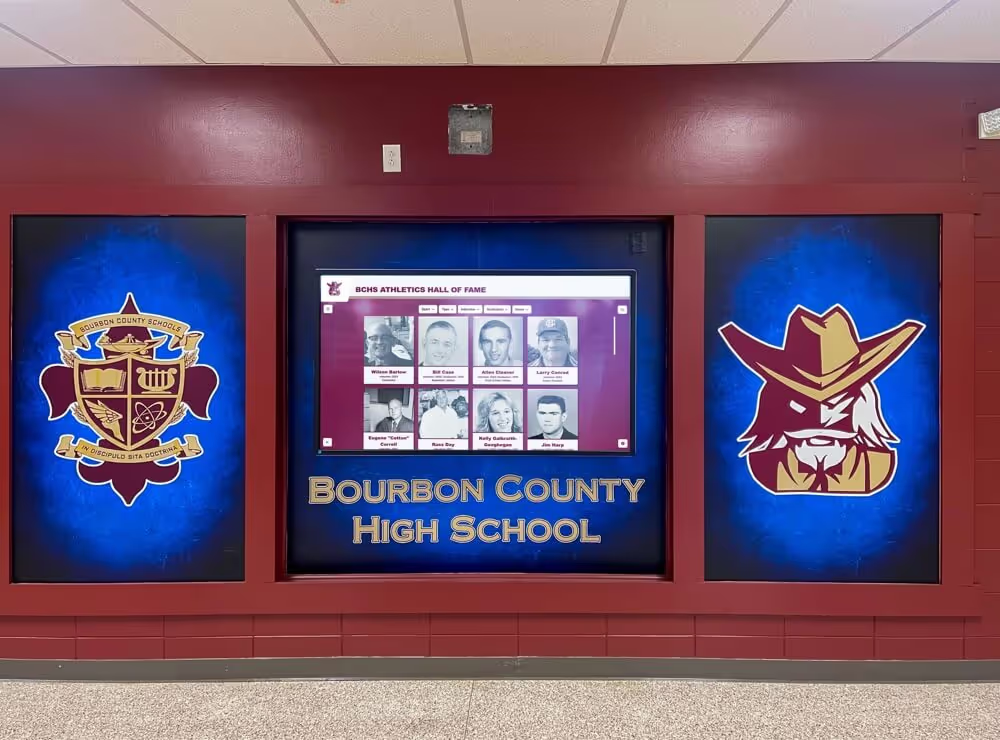
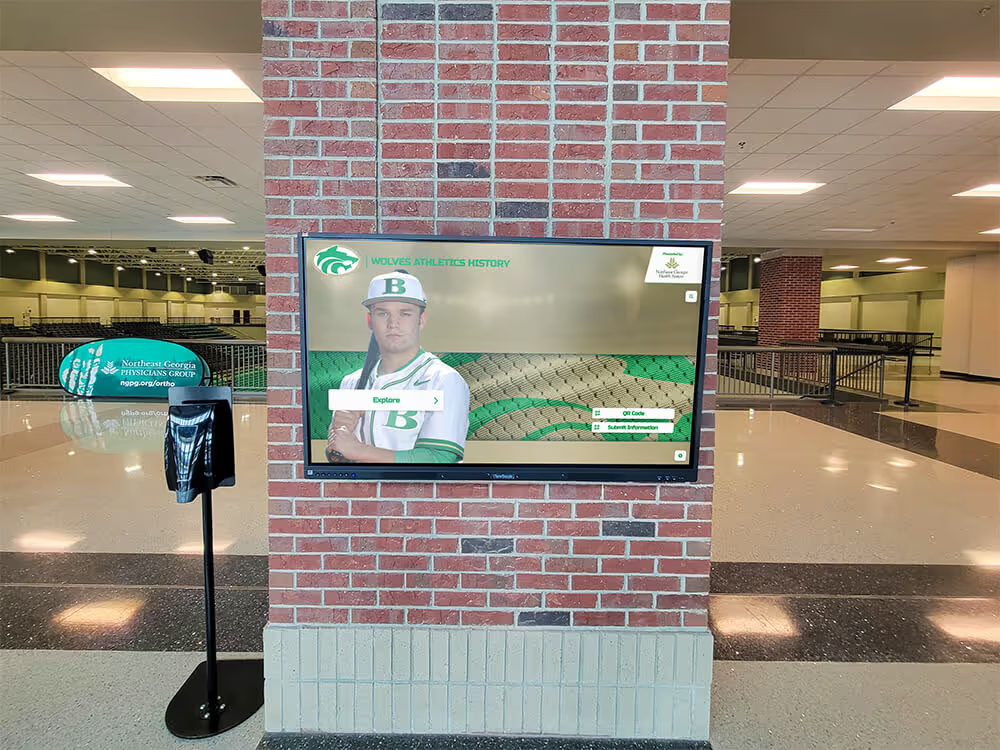
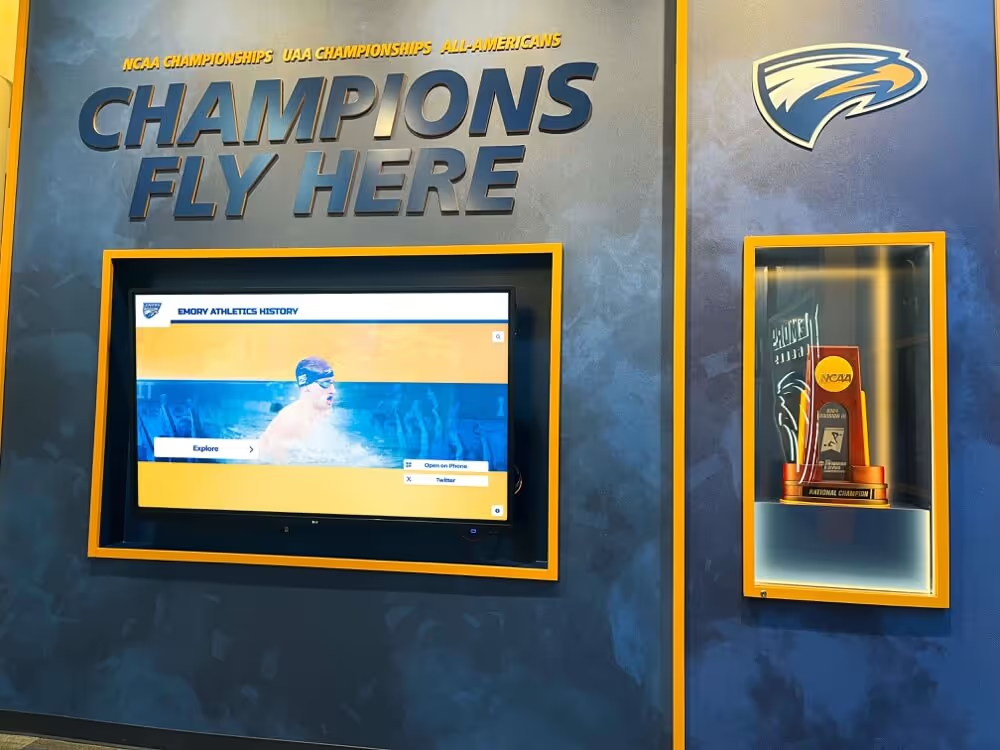
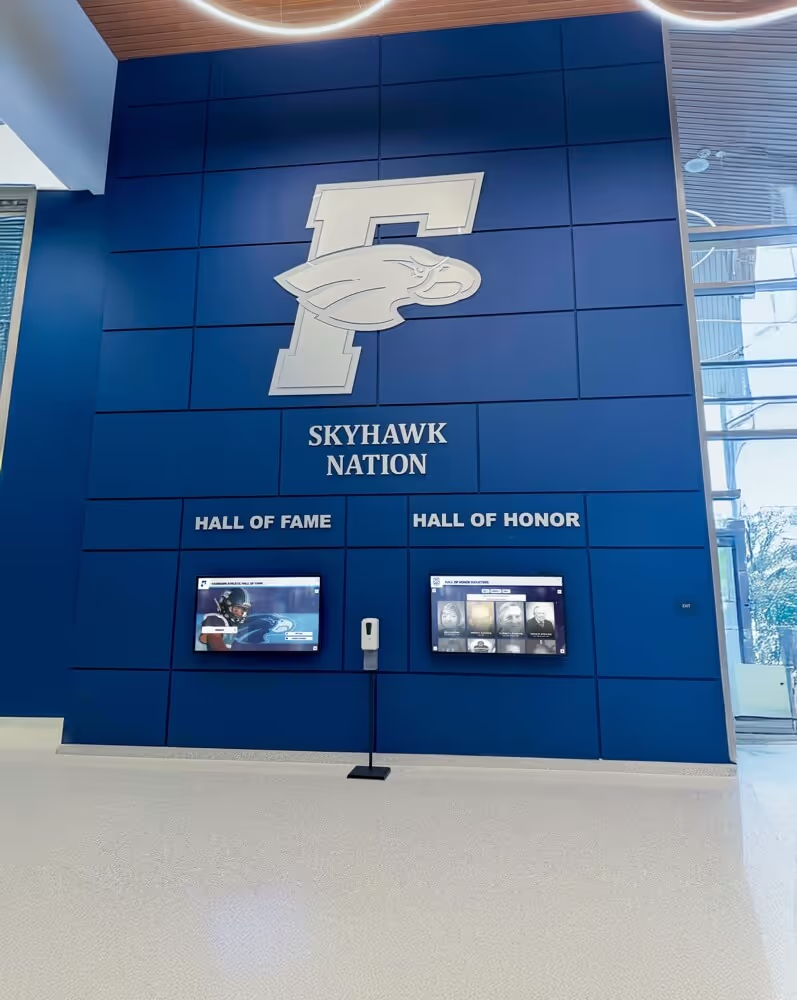
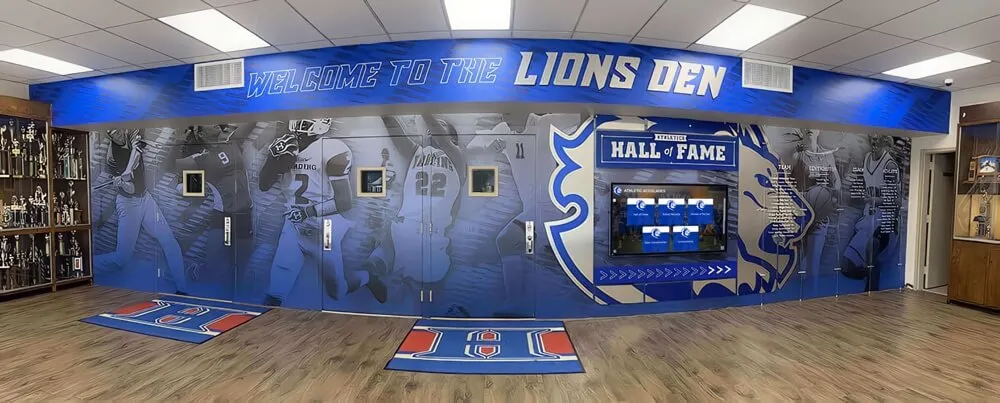
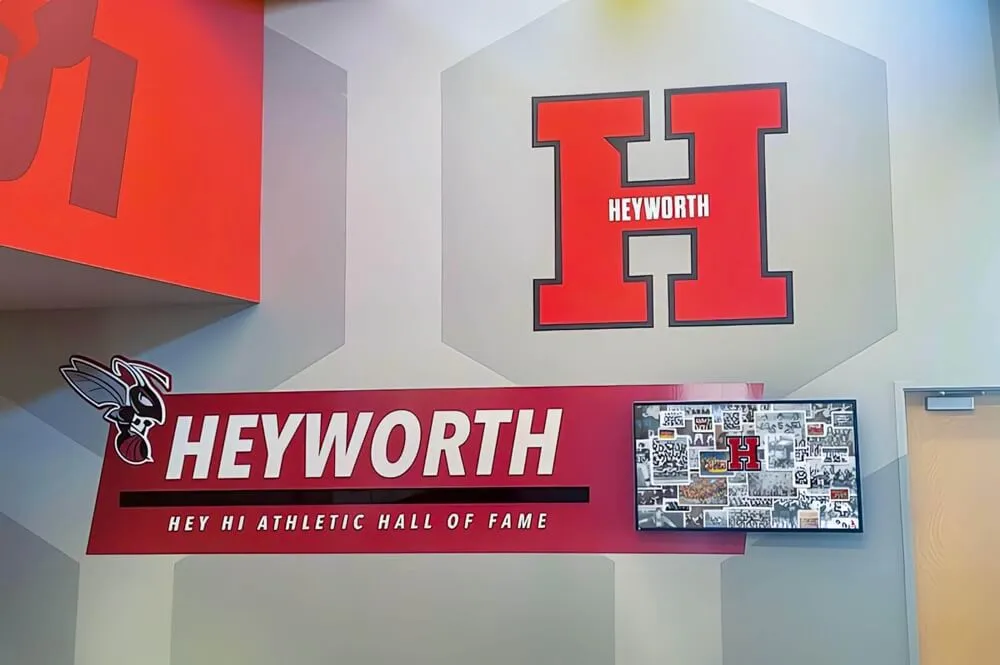
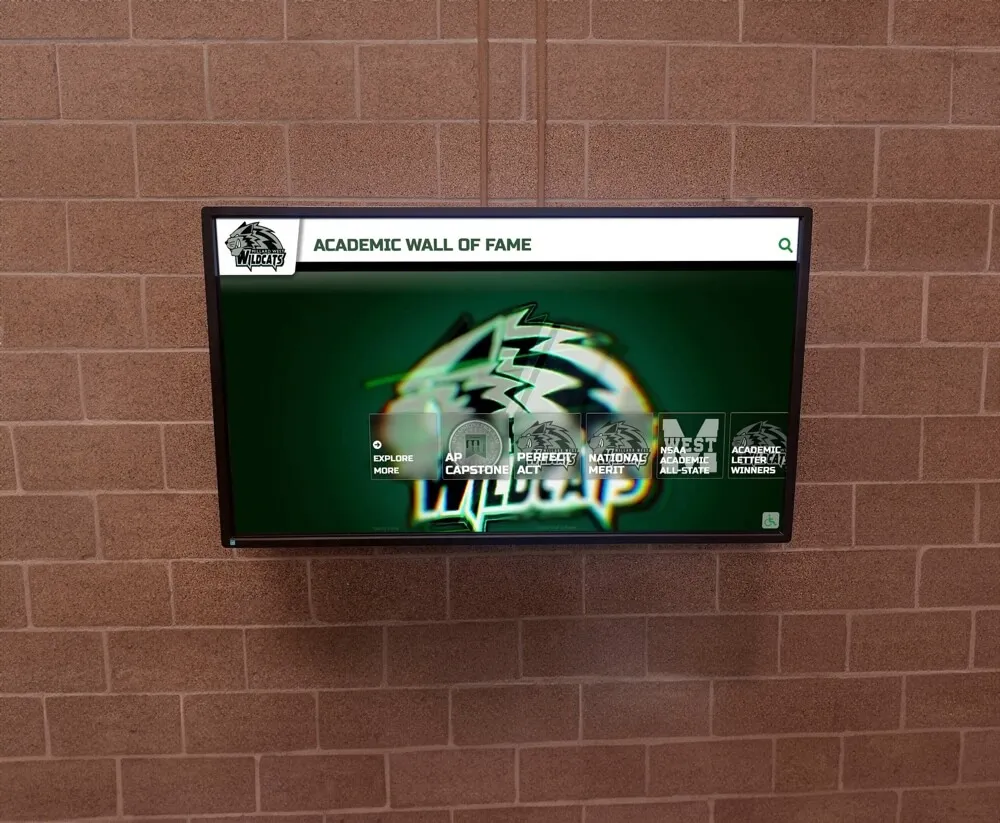
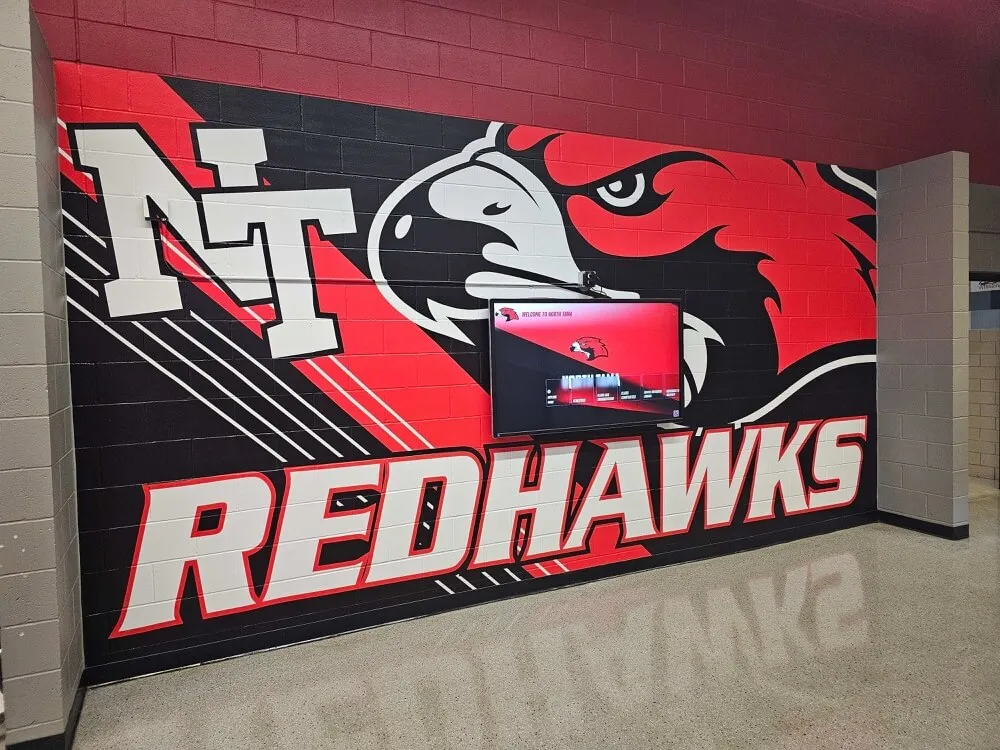
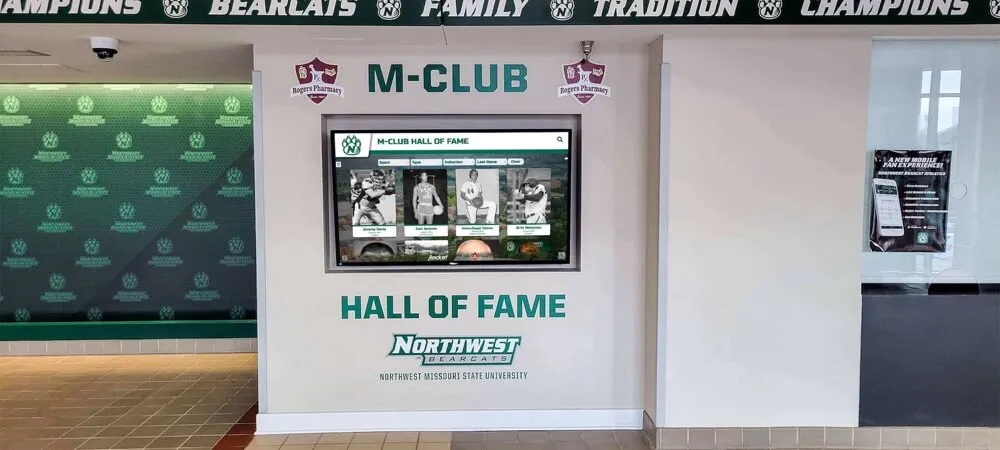
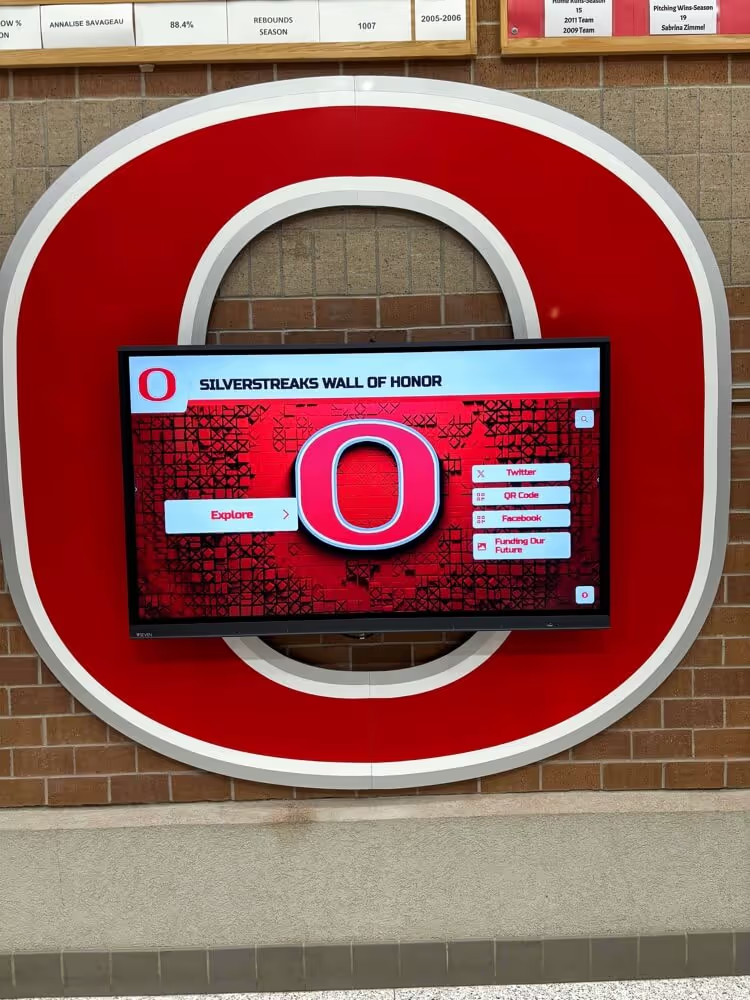
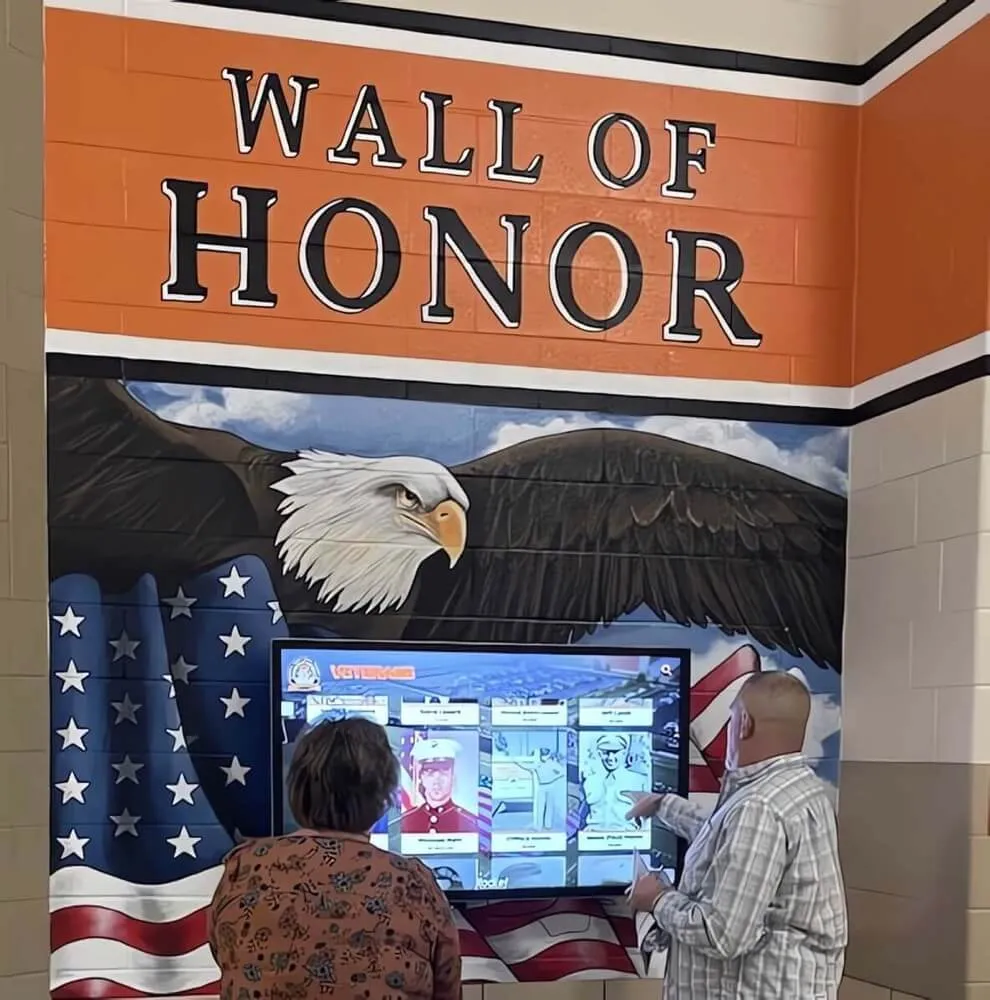
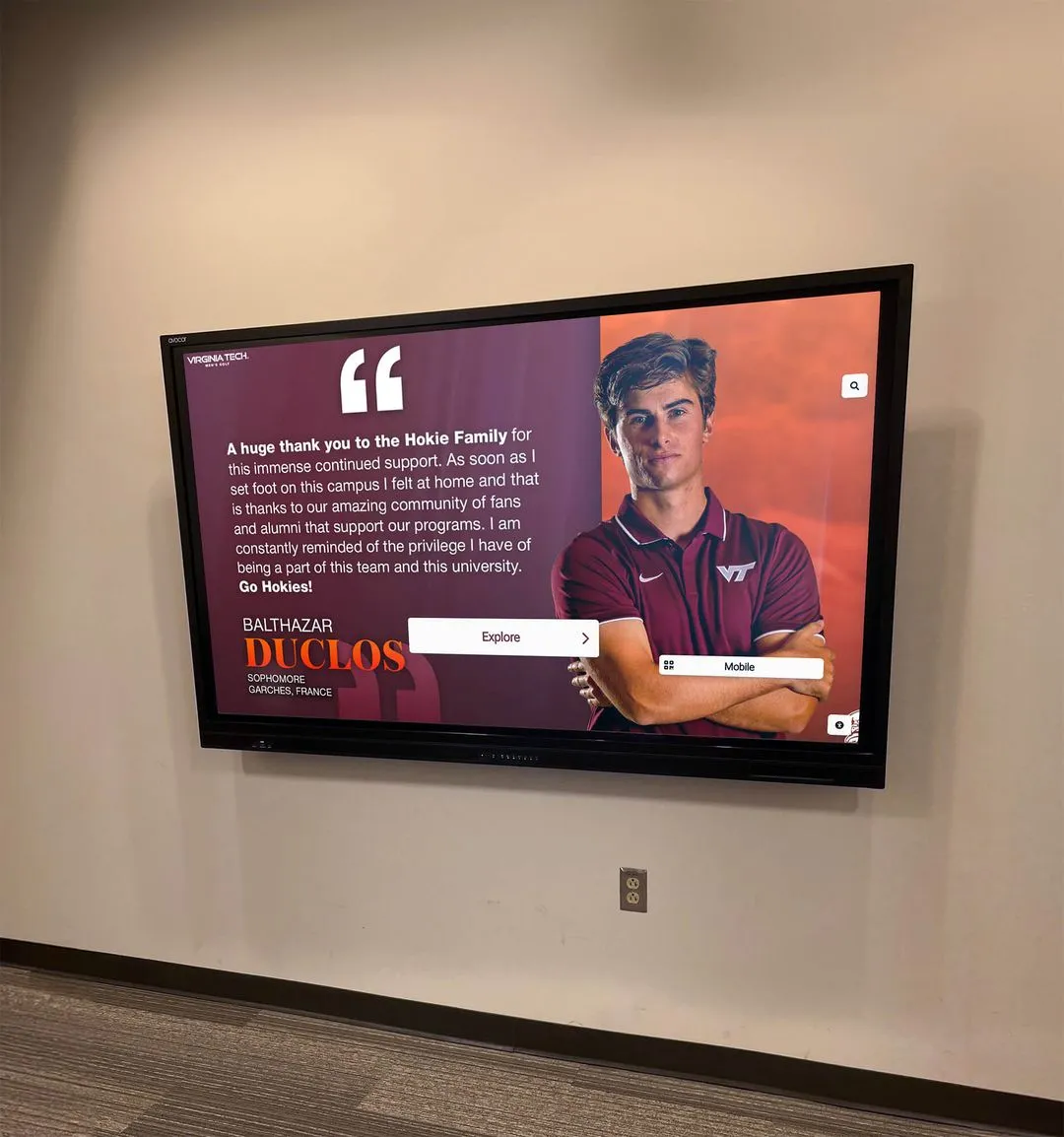
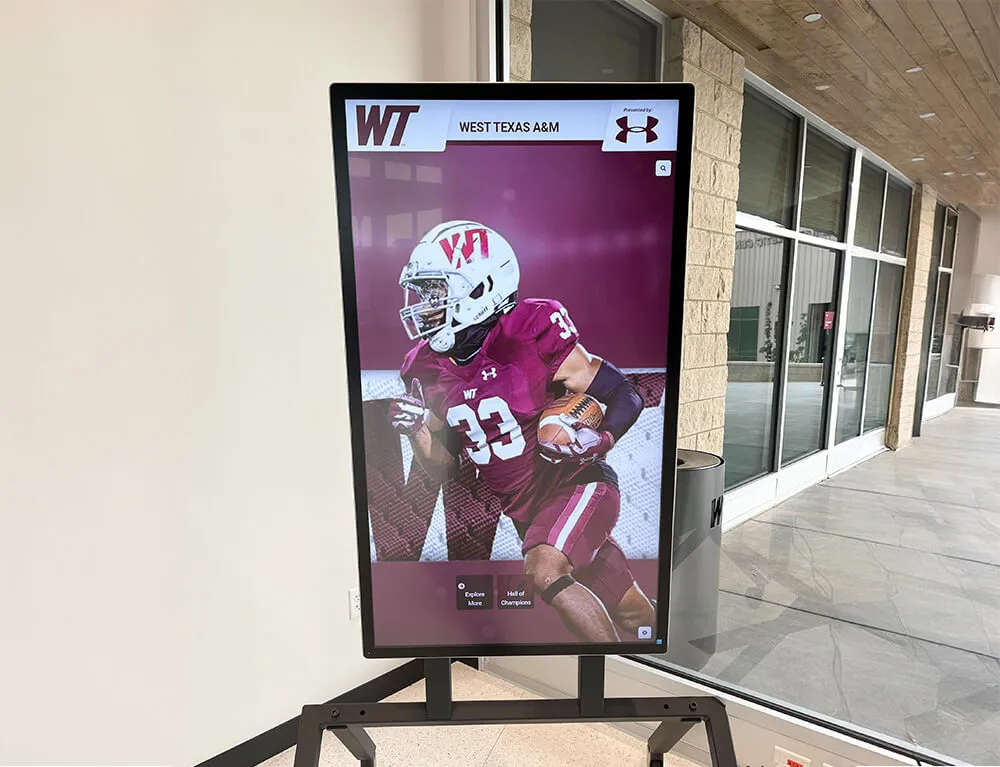
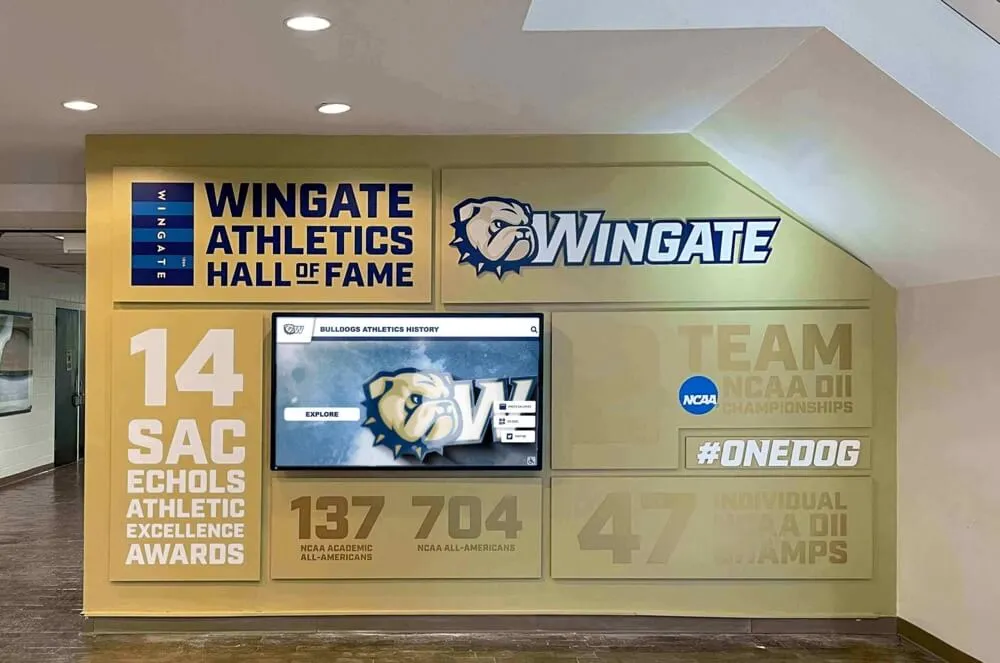
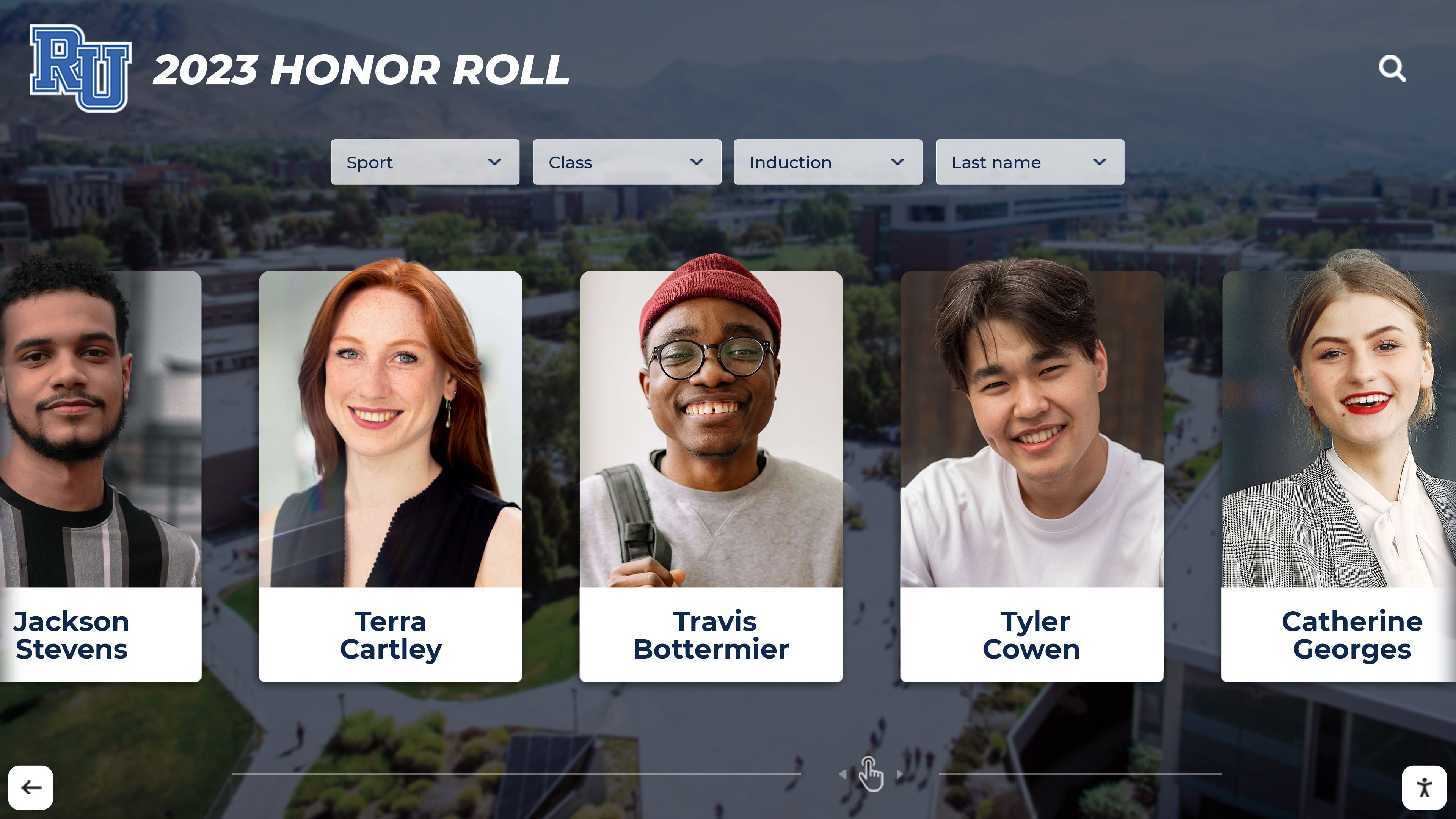
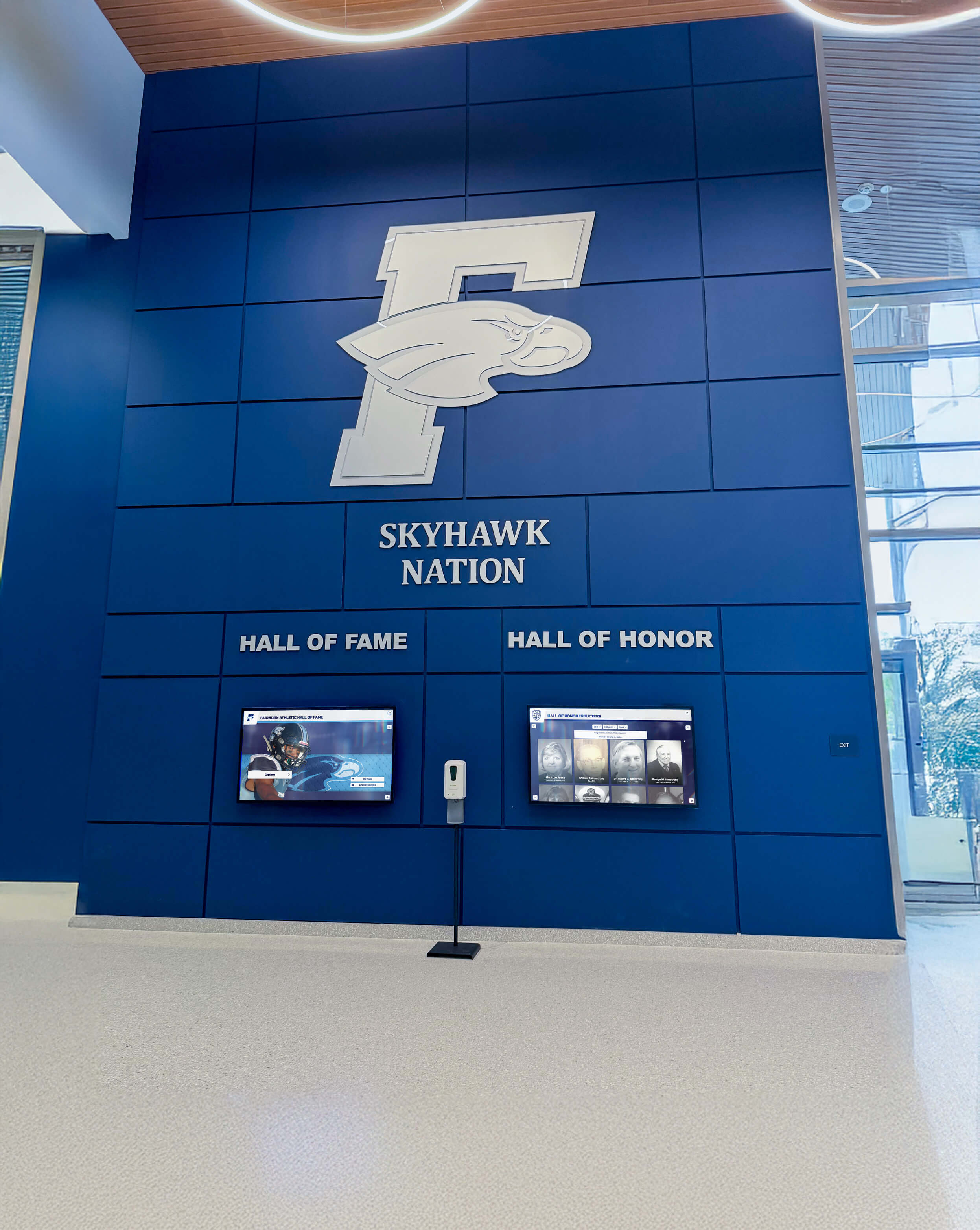
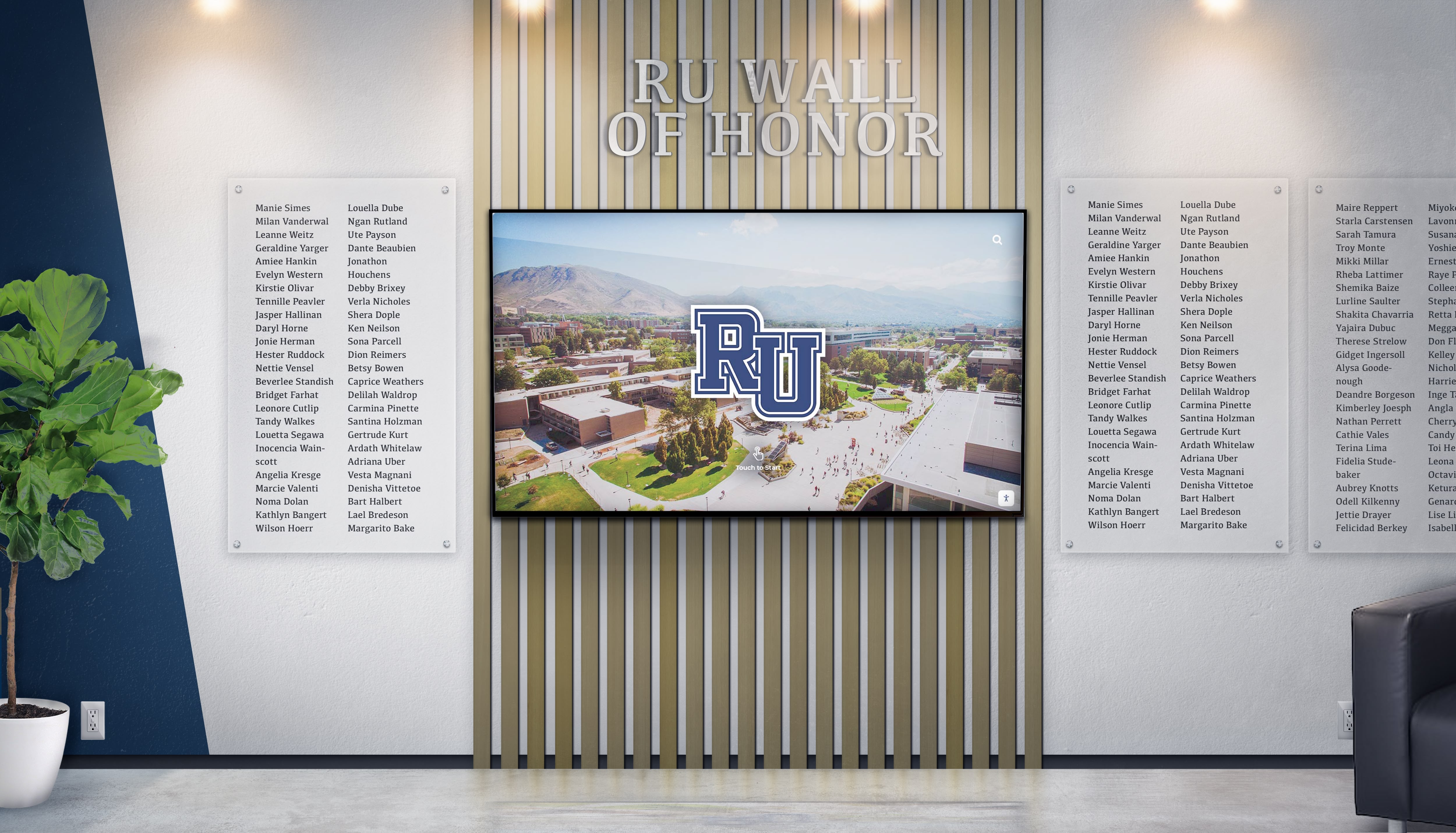
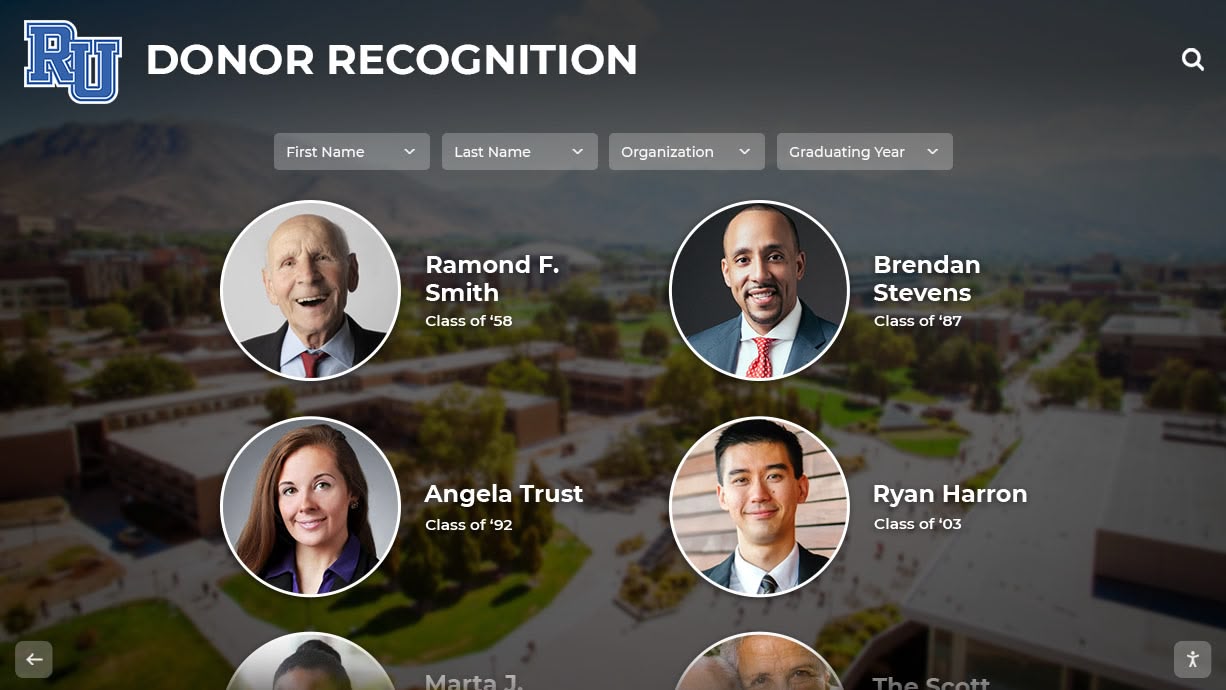
Digital hall of fame displays increasingly common in schools provide inspiration for documenting homeschool graduate achievements. Digital photo frames running slideshows of educational journey, tablet displays with interactive timelines, or projected presentations during ceremonies create engaging modern recognition approaches.
For homeschool co-ops celebrating multiple graduates, solutions like Rocket Alumni Solutions offer sophisticated platforms designed for showcasing diverse achievements through interactive displays. While originally developed for schools and organizations, these digital recognition systems adapt naturally to homeschool cooperatives needing professional-quality platforms for celebrating multiple graduates’ unique educational paths within unified presentation frameworks.
Reception Planning and Post-Ceremony Celebrations
Ceremony programs themselves typically last 30 minutes to 90 minutes depending on graduate numbers and included elements. Extended celebrations continue through reception gatherings following formal recognition.
Reception Formats and Activities
Formal Sit-Down Meals
Some families prefer formal meals where all attendees sit together for served or buffet-style dining. Formal meals create natural extended celebration time encouraging conversation and relationship building between guests. These receptions work well when you want leisurely celebrations allowing adequate time for socializing, when guests are traveling distances making quick departures unlikely, or when your graduate values formal dining experience.
Plan meal timing considering ceremony length—guests appreciate food within reasonable timeframes, typically within an hour of ceremony conclusion. Banquet planning principles used for athletic celebrations translate to graduation receptions requiring coordination of food service, seating arrangements, and scheduled programming.
Casual Refreshment Receptions
Lighter refreshment receptions offer more flexible informal alternatives. Provide cake, cookies, punch, coffee, and light finger foods allowing guests to move freely, mingle comfortably, and leave when convenient rather than being committed to full meal service timeframes. Casual receptions cost less than formal meals, require simpler preparation and cleanup, accommodate varied dietary needs more easily, and create relaxed atmosphere many families prefer.
Standing receptions work particularly well when ceremony venues don’t include adequate dining facilities or when you expect varied guest arrival and departure timing making coordinated meal service impractical.
Outdoor Picnic Celebrations
Weather permitting, outdoor picnic receptions provide comfortable casual celebration environments. Provide picnic-style foods, beverages, lawn games or activities, and comfortable seating or blanket areas. Outdoor picnics work exceptionally well for late spring or summer graduations when pleasant weather makes outdoor gatherings enjoyable, when guest lists include children who benefit from outdoor play opportunities, or when casual celebration atmosphere matches your family’s style better than formal indoor receptions.
Guest Book and Memory Sharing
Traditional Guest Books
Provide guest books for attendees to sign, leaving congratulatory messages, advice, or reflections. Guest books create lasting keepsakes graduates revisit years later, appreciating messages written during this transition moment. Consider high-quality bound books worth keeping permanently rather than cheap temporary options.
Alternative Memory Books
Beyond traditional signature guest books, create interactive memory-sharing opportunities. Provide card stations where guests write advice cards offering wisdom for the graduate’s future, well-wish cards sharing hopes and prayers for their next chapter, or memory cards recounting favorite moments shared with the graduate. Compile cards into albums or bound books creating rich collections of messages beyond simple signature pages.
Photo and Video Guestbooks
Set up video recording stations where guests can record short video congratulations messages, or create photo booth areas with props where guests take celebratory photos. These multimedia alternatives to written guest books create dynamic lasting memories capturing personality and emotion difficult to convey through written messages alone.
Preserving Memories: Documentation and Keepsakes
Thorough documentation ensures graduation memories persist long after ceremonies conclude.
Professional Photography and Videography
Hiring Professional Photographers
Professional photographers capture high-quality images preserving graduation memories permanently. Professionals offer technical expertise ensuring proper lighting, composition, and settings, equipment superior to smartphone cameras, experience capturing ceremonial moments at optimal times, and edited final images enhanced through professional post-processing.
When budgets allow, professional photography provides lasting value through images you’ll treasure permanently. Discuss desired shots in advance—formal portraits, ceremony candids, reception moments, family groupings—ensuring photographers capture your priorities.
Professional Videography
Video documentation preserves ceremony audio—speeches, remarks, music—alongside visual moments, creating complete record of celebration. Years later, graduates cherish hearing their parents’ ceremony remarks or replaying their own speeches, made possible only through video documentation.
Consider professional videography when ceremony includes significant spoken content worth preserving, when distant relatives unable to attend would appreciate experiencing ceremony remotely, or when you want comprehensive documentation beyond still photography alone.
DIY Documentation Approaches
Budget-conscious families can successfully document ceremonies through designated family photographers or videographers. Ask capable relatives or friends to serve as ceremony photographers, ensuring someone captures images while you focus on ceremony participation. Provide smartphones or cameras to multiple people photographing from various angles, increasing likelihood of capturing all important moments.
Set up stationary video cameras on tripods recording entire ceremonies from fixed positions. While lacking professional videography’s dynamic angles and editing, stationary recordings preserve complete ceremony audio and visual content at minimal cost.
Creating Lasting Physical Keepsakes
Ceremony Programs
Design and print ceremony programs listing ceremony order, participant names, graduate biography or achievements, and any relevant acknowledgments or dedications. Programs serve both practical functions—helping attendees follow ceremony flow—and lasting keepsake purposes, providing tangible artifacts families save permanently. Graduation decorations and materials enhance ceremony atmosphere while creating memorable visual elements worth incorporating thoughtfully.
Photo Books and Albums
Following ceremonies, compile professional and personal photos into photo books documenting both ceremony and broader homeschool journey. Modern photo book services enable professional-quality bound books showcasing dozens or hundreds of images with custom layouts, captions, and design elements. Create books combining graduation ceremony photos with retrospective images from throughout homeschool years, telling complete educational story from beginning through graduation conclusion.
Shadow Boxes and Display Cases
Create shadow box displays combining ceremony items—graduation program, diploma, tassel, photos, awards certificates—into unified decorative pieces suitable for permanent display. Shadow boxes transform ephemeral ceremony items into lasting home décor celebrating this significant achievement milestone.
Multi-Family Homeschool Co-op Ceremony Coordination
Homeschool cooperatives planning joint graduation ceremonies face additional coordination considerations ensuring smooth events honoring all participating families equally.
Establishing Planning Committees
Distributing Responsibilities
Avoid burdening single families with entire ceremony planning workload. Form committees distributing major responsibility areas including venue coordination, program development, decoration setup, reception planning, and documentation coordination. Committee structures ensure no family becomes overwhelmed while building shared ownership among all participating families.
Timeline and Milestone Planning
Begin planning collaborative ceremonies at least four to six months before intended ceremony dates, particularly if spring scheduling requires competing for popular venue availability. Establish clear milestones including venue booking deadlines, decoration purchase timing, program content submission dates from each family, and final coordination meetings before ceremony dates.
Ensuring Individual Graduate Recognition
Balanced Time Allocation
In multi-family ceremonies, allocate equal time and attention to each graduate regardless of family size, graduate achievements, or family involvement in planning. Every family invested in the ceremony expects their graduate to receive equivalent recognition, making balanced treatment essential for successful collaborative celebrations.
Plan ceremony programs with consistent individual recognition segments for each graduate—perhaps three to five minutes per student including diploma presentation, accomplishment reading, and brief family remarks or graduate address. This structure ensures equitable treatment while maintaining reasonable total ceremony length.
Coordinated But Personalized Presentations
While maintaining consistent ceremony structure, allow families to personalize their individual graduate presentations. Perhaps each family selects their own diploma presentation music, designs unique accomplishment slides, or incorporates specific elements reflecting their graduate’s personality. This balance provides coherent overall ceremony flow while honoring individual uniqueness rather than creating completely uniform presentations diminishing individual distinction.
Managing Financial Contributions
Transparent Budget Sharing
Develop clear budgets for shared ceremony expenses including venue rental, decoration purchases, program printing, and reception costs. Present budgets to all families early in planning, allowing families to understand expected financial contributions before committing to participation. Some families may need to decline participation or request adjusted contributions if costs exceed their budgets—better to surface these issues early rather than creating financial strain or resentment later.
Equitable Cost Distribution
Typically, multi-family ceremonies divide shared costs equally among participating families regardless of individual family size or guest numbers. However, consider circumstances where adjusted approaches make sense—perhaps families hosting venues contribute less financially while providing significant in-kind contributions through space access, or families unable to contribute full amounts might offset financial gaps through additional volunteer coordination labor.
Long-Term Recognition: Documenting Homeschool Achievement Beyond Ceremony Day
While graduation ceremonies create memorable single-day celebrations, consider lasting documentation approaches preserving and showcasing homeschool achievements permanently.
Creating Permanent Achievement Records
Comprehensive Transcripts
Develop detailed transcripts documenting your graduate’s complete high school coursework, achievements, and accomplishments. While transcripts serve practical functions for college applications or future verification needs, they also create permanent records of educational scope and rigor. Include comprehensive course listings with descriptions, grade documentation showing academic performance, standardized test scores, extracurricular activities and community service, awards and recognition received, and advanced course completion including AP, dual enrollment, or honors courses.
Comprehensive transcripts validate homeschool educational quality while providing detailed achievement documentation your graduate will reference throughout their lives when needing to verify educational credentials.
Achievement Portfolios
Beyond transcripts’ formal documentation, compile rich portfolios showcasing actual work products demonstrating learning and capability. Include writing samples spanning genres and complexity levels, mathematics work showing problem-solving approach development, science lab reports, experimental documentation, or project work, creative works including art, music compositions, or performances, and photographic documentation of hands-on learning, field experiences, or project completion.
Physical portfolios might fill multiple binders or boxes; digital portfolios compiled on drives or cloud storage provide space-efficient alternatives while allowing easy duplication and sharing. These portfolios document not just that courses were completed but rather demonstrate the depth and quality of learning achieved—powerful validation particularly valuable when homeschool critics question educational rigor.
Digital Documentation and Online Presence
Modern technology enables new forms of achievement documentation extending beyond physical records:
Digital Achievement Galleries
Create password-protected websites or online galleries showcasing your graduate’s work, achievements, and educational journey. Include representative work samples across subjects, photos documenting hands-on learning and experiences, videos of presentations or performances, testimonials from mentors, coaches, or instructors, and documentation of awards, recognition, or special achievements. Digital galleries provide shareable documentation easily accessed by extended family, college admissions representatives, or others interested in understanding your graduate’s educational experience and achievements.
Social Media Recognition
Don’t hesitate to celebrate your graduate’s achievements through social media platforms where you maintain presence. Share ceremony photos, graduation announcements, and achievement highlights with your broader networks. Homeschool graduation recognition on social media serves multiple purposes—it celebrates your specific graduate’s accomplishments, validates homeschooling as legitimate educational approach through public recognition, encourages other homeschool families by demonstrating successful completion, and allows distant friends and relatives to participate in celebration virtually even when geographic distance prevents physical attendance.
Virtual Recognition Platforms
For homeschool cooperatives or larger networks, consider implementing digital recognition platforms designed to showcase graduate achievements professionally and permanently. Solutions like Rocket Alumni Solutions—while originally developed for traditional schools—adapt naturally to homeschool communities needing sophisticated platforms for celebrating graduates’ diverse educational paths and unique accomplishments. These digital systems allow cooperative members, extended families, and broader communities to explore graduate profiles, view achievement documentation, and celebrate homeschool educational success through engaging interactive experiences rather than static physical displays with limited reach and accessibility.
Conclusion: Celebrating Homeschool Achievement with Meaningful Recognition
Homeschool graduation ceremonies honor years of dedicated learning, family commitment, and educational achievement pursued outside conventional institutional frameworks. These celebrations validate that education tailored to individual students, paced according to their needs, and delivered through family dedication deserves recognition equal to traditional school graduations receiving institutional support, established traditions, and built-in ceremony infrastructure.
Whether you plan intimate family celebrations, collaborative multi-family ceremonies, or hybrid approaches combining multiple recognition formats, the most meaningful graduations share common characteristics. They provide genuine recognition of accomplishments through diploma presentation, awards, and acknowledgment of specific achievements. They celebrate both graduate and family, acknowledging that homeschool success requires commitment from students and teaching parents alike. They create memorable experiences through thoughtful planning, personalization, and attention to elements that matter most to your specific graduate. They honor your unique homeschool journey rather than simply imitating conventional school traditions that may not reflect your actual educational approach and philosophy. They provide lasting documentation through photography, video, programs, and other keepsakes ensuring memories persist beyond ceremony day.
The planning investment you make in graduation ceremonies communicates powerful messages to your graduate—that their achievements matter, that their years of dedicated learning deserve celebration, that your family recognizes and honors this significant transition milestone, and that the unconventional educational path you’ve traveled together produces graduates worthy of the same recognition their traditionally-schooled peers receive.
Ready to create lasting recognition for your homeschool graduate? Whether planning intimate family celebrations or collaborative cooperative ceremonies, thoughtful recognition acknowledges accomplishments while creating memorable transitions into new life chapters. Modern solutions allow even small homeschool communities to showcase graduate achievements professionally through interactive displays documenting educational journeys and celebrating diverse paths to success. Explore how digital recognition solutions enable families and cooperatives to celebrate homeschool graduates with the same sophistication and permanent visibility traditional institutions provide, ensuring these important achievements receive the lasting recognition they deserve.