Homecoming spirit week represents one of the most anticipated traditions in the school calendar—a week where students, staff, and community members come together to celebrate school pride, build excitement for the big game, and create memories that last a lifetime. The energy that builds throughout spirit week transforms ordinary hallways into vibrant celebrations of school culture, bringing together freshmen and seniors, athletes and artists, students and alumni in shared traditions that define what it means to be part of your school community.
For school administrators, student council advisors, and activities directors responsible for planning homecoming celebrations, creating spirit week experiences that genuinely engage the entire student body while managing logistics, inclusivity concerns, and budgets presents significant challenges. Generic themes that have been repeated for decades may fail to generate authentic excitement, while overly complex activities can exclude students who lack resources or feel uncomfortable participating. This comprehensive guide provides actionable homecoming spirit week ideas with complete daily theme schedules, specific activity plans, implementation strategies, and creative approaches to ensure your spirit week energizes your school community while creating traditions worth celebrating for years to come.
Planning Your Homecoming Spirit Week Framework
Before selecting specific themes and activities, establishing a strategic framework for your spirit week ensures coherent planning that maximizes participation and builds momentum toward homecoming weekend.
Timing and Duration Considerations
Most schools schedule spirit week for the five school days immediately preceding homecoming game day, typically Monday through Friday with the homecoming game on Friday evening or Saturday afternoon. This timing allows energy and excitement to build throughout the week, reaching peak enthusiasm for the game itself.
Consider your school calendar carefully when scheduling spirit week. Avoid weeks with major testing (SATs, ACTs, midterms), significant academic deadlines, or competing school events that might divide student attention. Check your district calendar for professional development days, early dismissals, or other schedule irregularities that could disrupt spirit week momentum.
The four-day week also works well for schools with Monday holidays or schedule constraints. In these cases, start spirit week on Tuesday with slightly condensed themes, or consider extending certain popular themes across two days. Some schools successfully implement “Spirit Week Plus” by including the weekend before homecoming with community events like alumni gatherings or volunteer activities that don’t require full school attendance.
For schools with both middle school and high school on the same campus, coordinate spirit week timing to ensure both buildings can participate without conflicts. Shared themes create campus-wide energy while building middle school students’ excitement about eventually joining high school traditions.
Balancing Participation and Inclusivity
The most successful spirit weeks achieve high participation rates across all student demographics—not just athletes, cheerleaders, or traditionally involved students. Designing themes and activities that welcome every student regardless of athletic status, socioeconomic background, personal style, or friend group requires intentional planning.
Economic Accessibility: Every spirit week theme should be achievable with items students already own or can create using household materials. Avoid themes requiring purchased costumes, expensive accessories, or specific brand-name items. When planning “Twin Day” or “Costume Day,” provide specific guidance emphasizing that simple coordination (same color shirts, similar casual outfits) counts as full participation—elaborate matching outfits aren’t necessary.
Consider creating a spirit week resource exchange where students can swap clothing items, accessories, or costume pieces. Some schools establish “spirit closets” stocked with school-colored clothing, accessories, and costume basics that students can borrow for the week. This removes financial barriers while building community through sharing.
Cultural Sensitivity: Review every theme through an inclusion lens, eliminating concepts that could stereotype cultures, exclude religious groups, or make any student feel uncomfortable participating. “International Day” themes, for example, risk cultural appropriation and stereotyping. Similarly, themes referencing specific decades should avoid perpetuating harmful stereotypes from those eras.
Consult with student affinity groups, diversity councils, and student leadership from various backgrounds when finalizing themes. These conversations often surface concerns that adult planners might overlook and generate creative alternatives that achieve desired fun while respecting all identities.
Participation Flexibility: Build flexibility into every theme so students can participate at comfort levels ranging from minimal to highly elaborate. For “Pajama Day,” some students might wear full pajama sets while others simply add fuzzy slippers to regular clothing—both represent valid participation. Explicitly communicate that all participation levels are welcome and celebrated equally.
This flexibility proves particularly important for students navigating dress codes, religious clothing requirements, or personal comfort boundaries. Clear communication that “spirit week is for everyone, participate in whatever way works for you” removes pressure while maintaining inclusive celebration.
Monday: Class Color Day
Start your spirit week with a theme that builds immediate visual impact while remaining simple to execute—Class Color Day transforms your entire school into a vibrant display of grade-level pride.
Theme Execution and Guidelines
Assign each grade level a specific color that students wear throughout Monday. Traditional color schemes include:
- Freshmen: Green (representing growth and new beginnings)
- Sophomores: Blue (calm confidence in their second year)
- Juniors: Yellow or Gold (bright energy as they approach senior status)
- Seniors: Red or Black (bold authority as graduating class)
Establish clear guidelines for participation that emphasize accessibility. Students should wear ANY clothing item in their class color—t-shirts, pants, shoes, accessories, or even just a colored ribbon or headband counts as full participation. This flexibility ensures every student can participate without purchasing specific items.
For schools with uniforms, work with administration to relax dress code for spirit week or identify specific accessories (ties, hair ribbons, socks, pins) that students can use to display class colors while maintaining uniform requirements. Some uniform schools designate specific periods (lunch, advisory, after-school activities) when students can wear class color clothing.
Encourage grade-level coordination through social media, class councils, and morning announcements. Student leaders can organize color-coordinated photo opportunities, grade-level gatherings at lunch, or friendly competitions for highest participation percentage by grade.
Class Color Day Activities and Competitions
Transform Class Color Day from simple dress-up into competitive events that energize your school community throughout Monday.
Hallway Decorating Competition: Assign each grade level a hallway or common area to decorate in their class color. Provide basic supplies (streamers, construction paper, balloons in class colors) through student council or PTA budgets. Establish clear rules about damage-free installation methods and required removal timing.
Set criteria for judging: creativity (30%), school-appropriate content (20%), incorporation of class achievements or inside jokes (30%), and overall visual impact (20%). Have a panel of staff judges or invite community members to vote, with results announced during Tuesday’s morning announcements. Winners receive privileges like first lunch line access for a week or prime parking spots for seniors.
Class Spirit Photo Challenge: Create designated photo spots where each grade level gathers for group photos in their class colors. These become social media opportunities as students share photos with class-specific hashtags (#Seniors2027Red #Freshmen2030Green). Schools can feature these photos on digital displays in hallways, creating visible participation celebration while building community recognition and school pride.
Advanced planning teams create photo booth backdrops incorporating class colors, mascots, and “Homecoming 2026” branding that elevates photo quality while creating consistent visual themes for documentation.
Color Wars Kickoff Assembly: If your schedule permits, hold a brief assembly or extended advisory period Monday afternoon to launch “Color Wars”—grade-level competition running throughout spirit week. Introduce competition categories (participation rates, spirit competitions, charitable contributions, pep rally performance) and scoring systems. This framework transforms spirit week from isolated dress-up days into cohesive competition building grade-level teamwork.
Announce Monday’s participation winners (grade level with highest percentage of students wearing class colors, most creative hallway, best group photo) and award first points toward overall Color Wars championship. This immediate recognition validates participation while building anticipation for Tuesday’s activities.
Tuesday: Decades Day or Time Traveler Tuesday
Tuesday typically features one of spirit week’s most creative themes—Decades Day invites students to dress representing different time periods, creating visual variety while encouraging creativity.
Decades Day Implementation Strategies
The most inclusive approach assigns different decades to grade levels, ensuring costume variety while simplifying student decision-making:
- Freshmen: 2000s (recent enough that many students have access to early-2000s clothing from family members)
- Sophomores: 1990s (grunge, bright windbreakers, butterfly clips)
- Juniors: 1980s (bold colors, athletic wear, big hair)
- Seniors: 1970s (bell bottoms, tie-dye, platform shoes)
Alternatively, allow students to choose any decade, creating more diverse hallway displays. This open choice accommodates students who have specific costume pieces available or particular interest in certain eras.
Provide detailed costume guidance through social media graphics showing decade-appropriate outfit examples using everyday clothing. Emphasize that participation doesn’t require authentic vintage pieces—modern interpretations using current clothing in decade-appropriate styles count fully. A sophomore wearing athletic shorts, a windbreaker, and a backwards cap represents solid ’90s participation without requiring actual 1990s clothing.
For students concerned about historical accuracy or unsure how to interpret decades, offer “Time Traveler” alternative: dress as a futuristic character, historical figure, or science fiction time traveler. This option accommodates students who find specific decades challenging while maintaining the temporal theme.
Tuesday Activity Programming
Decades Trivia Competition: Organize lunchtime or advisory period trivia contests featuring questions about music, fashion, technology, and major events from each featured decade. Structure competition in grade-level teams, with questions weighted toward each team’s assigned decade (Juniors get more ’80s questions, Freshmen get more 2000s questions) to balance difficulty.
Create question variety ranging from easy identification (“What portable music player defined the 2000s?”) to challenging details (“What 1987 stock market event was called Black Monday?”). Mix pop culture with historical significance to engage different student interests while providing educational value.
Winners receive decade-appropriate prizes: iTunes gift cards for 2000s winners, vintage-style sunglasses for ’70s champions, slap bracelets for ’90s victors. These thematic prizes enhance the experience while keeping costs minimal.
Decade Dance Showcase: Invite student performers to prepare brief dance routines representing different decades’ signature styles—disco, breakdancing, running man, flossing, current trends. Present these during lunch periods or as part of Tuesday afternoon programming.
This performance opportunity engages students involved in dance programs, step teams, or informal dance groups while providing entertainment for the broader student body. Consider this a preview for larger pep rally performances later in the week.
Vintage Tech Display: Work with history teachers to create displays of technology from different decades—vinyl records, cassette tapes, VHS players, original iPods, flip phones. These tangible artifacts help younger students understand the rapid pace of technological change while creating conversation starters and photo opportunities.
Position these displays in high-traffic areas where students naturally gather, with QR codes linking to additional information about technological evolution. This educational element adds substance to the fun while connecting spirit week to curriculum.
Wednesday: Twin Day and Character Day
Mid-week themes typically focus on coordination and creativity, with Twin Day and Character Day offering students opportunities for elaborate planning while remaining accessible to all participation levels.
Twin Day Guidelines and Variations
Twin Day invites students to coordinate outfits with friends, creating matching or complementary looks that demonstrate planning and friendship bonds. The traditional approach involves two students dressing identically, but inclusive Twin Day embraces various interpretations:
- Classic Twins: Two students wearing identical outfits (same colors, similar styles)
- Triplets or Groups: Three or more students coordinating looks together
- Opposite Twins: Two students wearing contrasting but clearly coordinated outfits (one all black, one all white)
- Concept Twins: Students representing complementary ideas (sun and moon, ketchup and mustard, peanut butter and jelly)
Explicitly communicate that students without twin partners can participate by wearing coordinated school colors, representing their favorite character or celebrity, or joining teacher-led “adopt-a-twin” programs where staff members coordinate with students who want twin partners.
For schools concerned about Twin Day excluding students, consider “Duo Day” or “Dynamic Duo Day” where students can dress as famous pairs (historical figures, fictional characters, real-world partnerships) rather than requiring matching outfits with another student present. This variation maintains the coordination concept while removing social pressure.
Character Day as Alternative or Addition
Some schools substitute or add Character Day (Wednesday or Thursday), inviting students to dress as favorite characters from books, movies, video games, television shows, or history. This theme showcases creativity while accommodating various interests and comfort levels.
Establish clear appropriateness guidelines: costumes must meet dress code standards, avoid cultural appropriation or offensive stereotypes, and remain school-appropriate in all respects. Review costume choices through the inclusion lens, prohibiting anything that could make classmates uncomfortable or perpetuate harmful stereotypes.
Provide broad character categories to inspire participation:
- Literary Characters: Book protagonists, beloved sidekicks, classic literature figures
- Movie and TV Heroes: Action heroes, animated characters, beloved sitcom personalities
- Historical Figures: Scientists, civil rights leaders, inventors, explorers
- Professional Personas: Athletes, musicians, artists, astronauts
- Meme and Internet Culture: Appropriate internet personalities or viral moments
The wide range ensures every student can find character options matching their interests, budgets, and comfort levels.
Wednesday Competition and Documentation
Twin Photo Contest: Create designated photo stations where twin groups capture coordinated photos. Share these through school social media with twin pair captions and stories. Hold voting throughout Wednesday afternoon, announcing winning twin groups in categories like Most Creative Coordination, Best Group Twins, Funniest Concept Twins, and Teacher-Student Twin Excellence.
Feature winning photos on digital displays throughout school hallways, creating immediate recognition while preserving memories that current freshmen will see when they’re seniors, connecting spirit week traditions across years.
Character Parade: If schedule permits, organize a brief character parade during lunch periods where students can showcase costumes in a casual runway format. Unlike formal fashion shows, this relaxed approach lets students voluntarily participate by walking through the cafeteria or outdoor gathering space while peers cheer and celebrate creative efforts.
Student council members can provide brief commentary identifying characters, highlighting creative costume construction, or sharing funny costume stories. This low-pressure performance opportunity celebrates participation without requiring auditions or formal staging.
Thursday: College Colors and Career Day
As spirit week nears its conclusion, Thursday themes often focus on future aspirations, with College Colors Day and Career Day helping students visualize post-graduation possibilities while maintaining spirit week energy.
College Colors Day Execution
Thursday invites students to wear clothing representing colleges and universities they hope to attend, currently attend (for staff), or support through family connections. This theme generates natural conversations about college plans, academic goals, and higher education pathways while creating visually diverse hallway scenes.
Provide inclusive framing that accommodates all post-graduation plans: students pursuing military service can wear military branch attire, students planning trade school or certification programs can represent those institutions, and students still exploring options can wear clothing representing career fields of interest or simply school colors demonstrating ongoing school pride.
For schools where college apparel may highlight economic disparities (some families regularly buy college gear while others cannot), emphasize that homemade signs, printed college logos, or even just wearing college colors (blue and gold for Berkeley, crimson for Harvard, orange for Texas) demonstrates full participation. Supply basic materials (paper, markers, safety pins) so students can create college signs to wear if they lack college clothing.
Staff participation proves particularly powerful on College Colors Day—when teachers wear apparel from their alma maters, they create natural mentoring conversations as students ask about college experiences, academic majors, and pathway advice. Encourage staff to bring college memorabilia (pennants, yearbooks, photos) to display in classrooms, transforming the day into informal college exploration.
Career Day Alternative or Addition
Some schools designate Thursday as Career Day, inviting students to dress representing careers they aspire to pursue. This theme works particularly well for schools with strong career and technical education (CTE) programs or community partnerships with local businesses and professionals.
Career Day costumes can include:
- Healthcare Professionals: Scrubs, lab coats, or professional medical attire
- Skilled Trades: Work shirts, safety vests, tool belts (with safe, prop tools only)
- Business Professionals: Business casual or professional attire
- Creative Professionals: Artistic clothing representing designers, architects, artists
- STEM Fields: Lab coats, NASA shirts, engineering company apparel
- Public Service: Age-appropriate representation of military, fire, police, or emergency services
- Education: Teacher-style outfits or educational theme clothing
Partner with counseling departments to connect Career Day with ongoing college and career readiness programming. Set up informational tables in the cafeteria featuring local technical colleges, apprenticeship programs, and university representatives who can answer questions about pathways to various careers.
Thursday Programming and Guest Speakers
Alumni Panel Discussion: Invite recent alumni (graduated within 5 years) representing diverse college types and career paths to speak during extended advisory periods or lunch sessions. These near-peers provide relatable perspectives about college selection, career discovery, and post-graduation transitions that resonate more powerfully than adult professionals sharing similar information.
Structure panels around student questions submitted in advance, ensuring discussions address real concerns about affordability, academic challenge, social transitions, and career preparation. Record these sessions for students who cannot attend live presentations, creating ongoing resources for college planning.
College and Career Fair Mini-Sessions: Transform hallways or common spaces into informal fair environments where local colleges, military recruiters, trade schools, and employers set up tables with information. Unlike formal college fairs, this spirit week integration maintains celebratory atmosphere while exposing students to post-graduation options.
Incorporate these connections into your school’s broader academic recognition and student achievement documentation, showing current students the pathways that successful alumni have pursued.
Friday: School Colors and Spirit Wear Day
Spirit week culminates Friday with the most traditional and universally participated theme—School Colors Day transforms your entire campus into a unified display of school pride immediately before homecoming game kickoff.
Maximizing School Colors Participation
Friday’s theme achieves highest participation rates because virtually every student owns some clothing in school colors, whether spirit wear purchased through athletics or activities, everyday clothing that happens to match school colors, or items borrowed from friends and family.
Encourage maximum participation through:
Spirit Wear Distribution: Work with PTSA, booster clubs, or student council to provide free or low-cost spirit wear items (t-shirts, wristbands, temporary tattoos, face paint stickers) to students who lack school-colored clothing. Some schools create “Spirit Kits” available in the office for students who forget or cannot afford spirit wear.
Seek donations from local screen printing businesses who might provide discounted homecoming shirts, or organize bulk ordering several weeks before homecoming to reduce per-item costs. Schools with active alumni associations can request funding specifically for ensuring all students can participate in spirit week regardless of economic circumstances.
Color Combinations and Patterns: If your school colors include multiple hues (blue and gold, red and white, green and yellow), specify that students can wear any combination or even just one of the colors. The goal is visual unity, not uniform matching.
Provide social media graphics showing various outfit combinations: all one color, mixed colors, patterns incorporating school colors, or creative color blocking. These visual examples help students understand participation doesn’t require specific spirit wear—thoughtful outfit coordination using existing wardrobe items fully counts.
Face Paint and Temporary Decorations: Set up face painting stations Friday morning where student volunteers (or parent volunteers with artistic skills) apply school colors face paint, draw mascots, or create temporary tattoos. These additions elevate simple school-colored clothing into spirited game-day looks while building excitement.
Provide hair chalk, temporary spray color, or colored hair extensions that students can apply to incorporate school colors into their appearance beyond clothing. These temporary enhancements let students express creativity and enthusiasm while remaining appropriate for students with dress codes or personal style preferences that limit clothing options.
Friday Pep Rally and Celebration
Friday’s schedule typically culminates with the homecoming pep rally—the signature spirit week event where the entire school community gathers to celebrate athletic teams, recognize achievements, perform school traditions, and build energy for evening’s homecoming game.
Pep Rally Program Structure: Effective pep rallies balance recognition, entertainment, tradition, and energy-building in 45-60 minute programs. Standard programming includes:
- Opening Performance: Marching band, drumline, or step team performance energizes the crowd and establishes celebratory atmosphere
- Team Introductions: Introduce fall athletic teams (football, volleyball, cross country, soccer, cheer, dance) with brief player recognition
- Student Performances: Feature dance teams, cheerleading routines, band performances, or student talent acts
- Class Competitions: Host brief competitions pitting grade levels against each other (relay races, trivia, musical chairs with teachers, tug-of-war)
- Homecoming Court Recognition: Introduce homecoming court nominees or announce winners if voting concluded
- School Traditions: Lead school cheers, fight song singing, or other established traditions
- Spirit Week Awards: Announce Color Wars winners and recognize outstanding spirit week participation
- Closing Rally: Build to energetic conclusion with unified school cheer and direct send-off to evening’s homecoming game
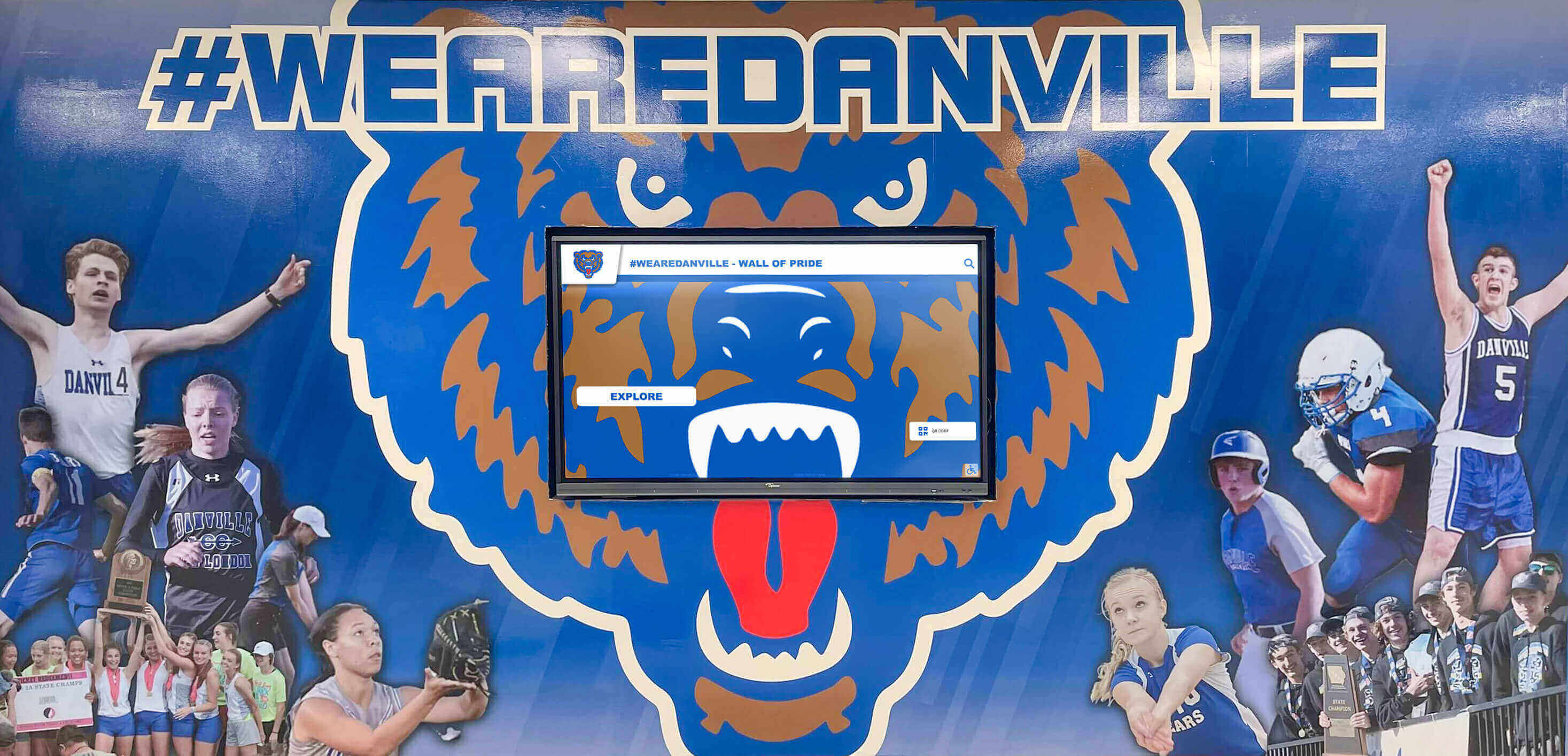
Inclusive Participation Opportunities: Design pep rally programming to showcase diverse student talents beyond athletics. Include performing arts groups, academic team recognition, club highlights, and volunteer achievement acknowledgment. This breadth demonstrates that school spirit encompasses all excellence forms, not exclusively athletic achievement.
Invite students typically underrepresented in spirit events to participate in competitions or performances. When quieter students see themselves reflected in pep rally programming, overall school culture becomes more inclusive while expanding who feels ownership over spirit traditions.
Documentation and Memory Preservation: Assign student photographers and videographers to document Friday’s celebrations, creating content for yearbooks, social media, and school archives. These visual records become part of school history, with current spirit week photos eventually joining displays of past homecoming traditions and school celebrations that connect current students to alumni experiences.
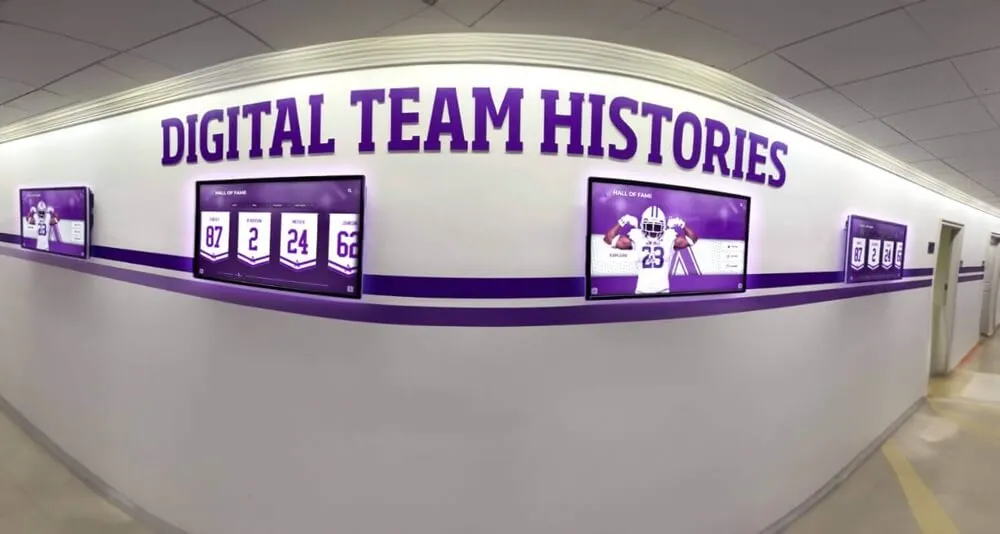
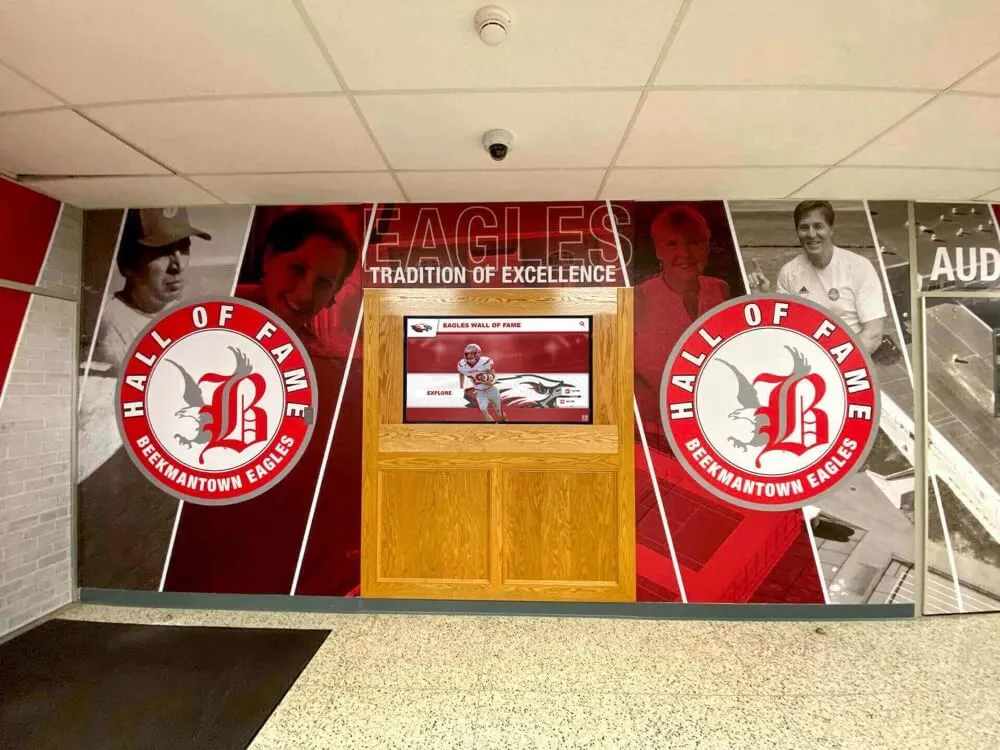
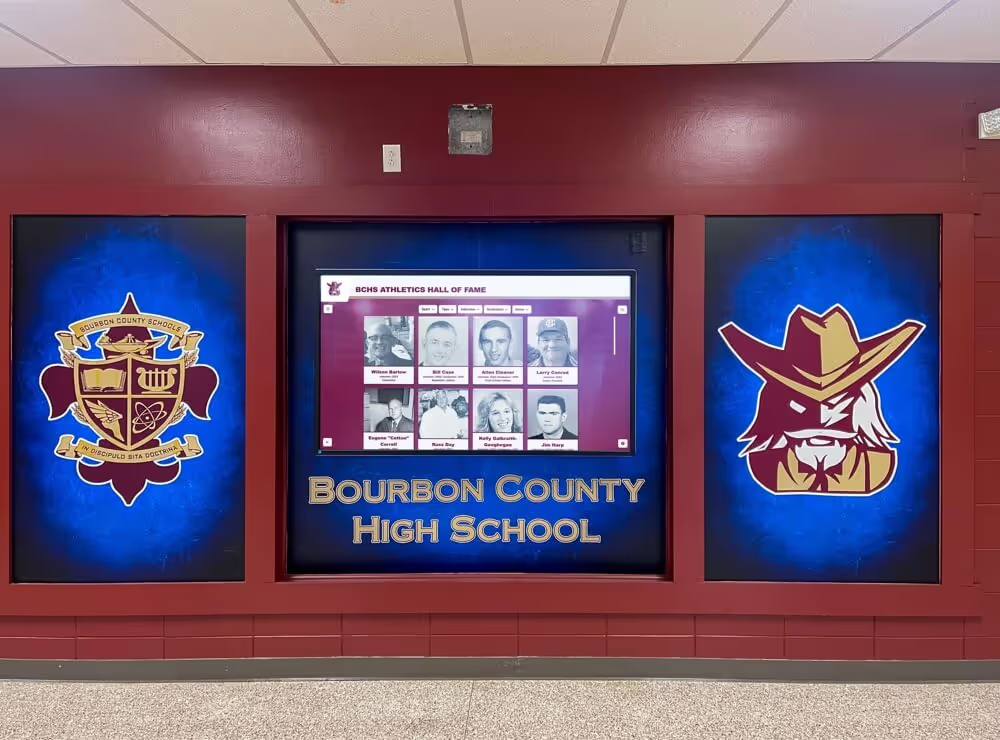
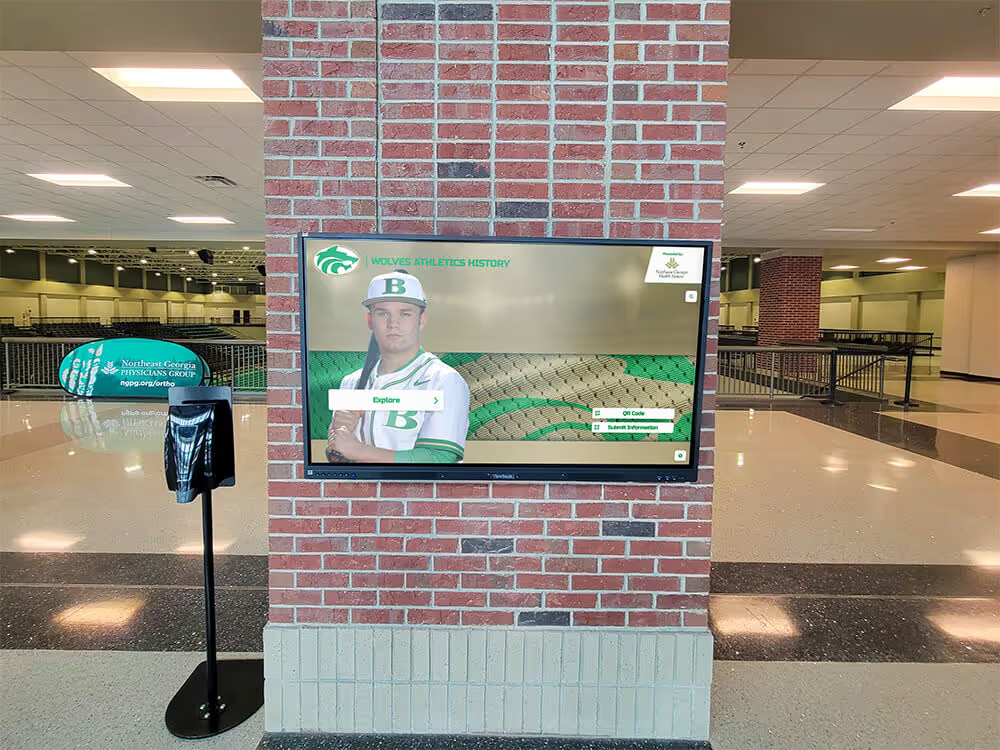
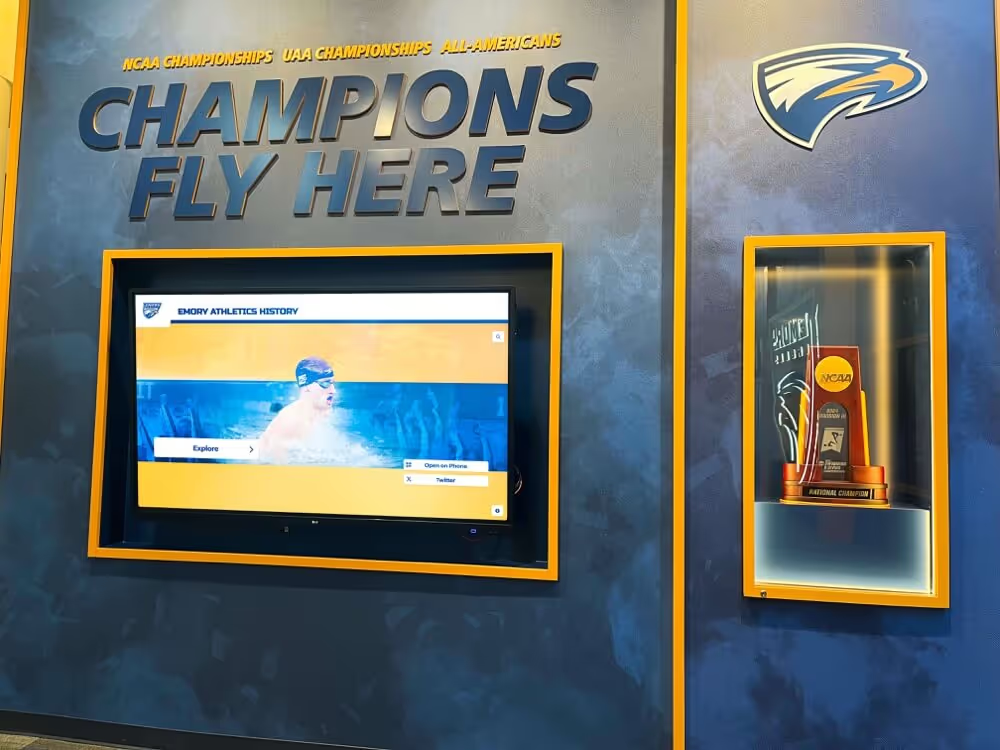
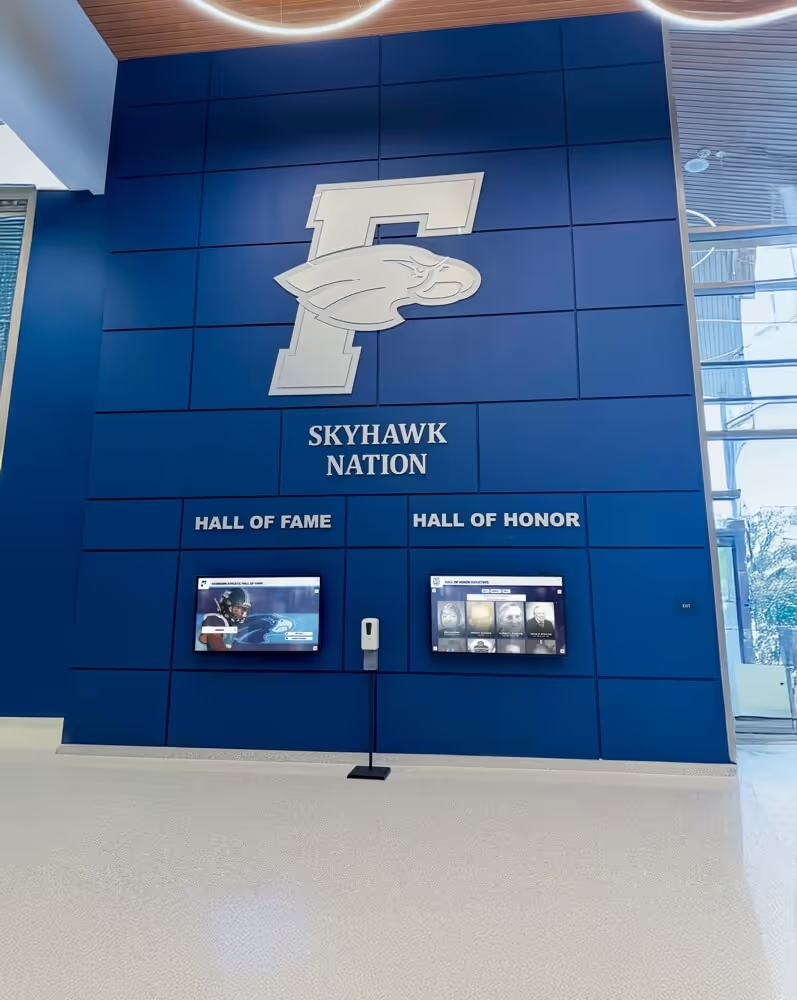
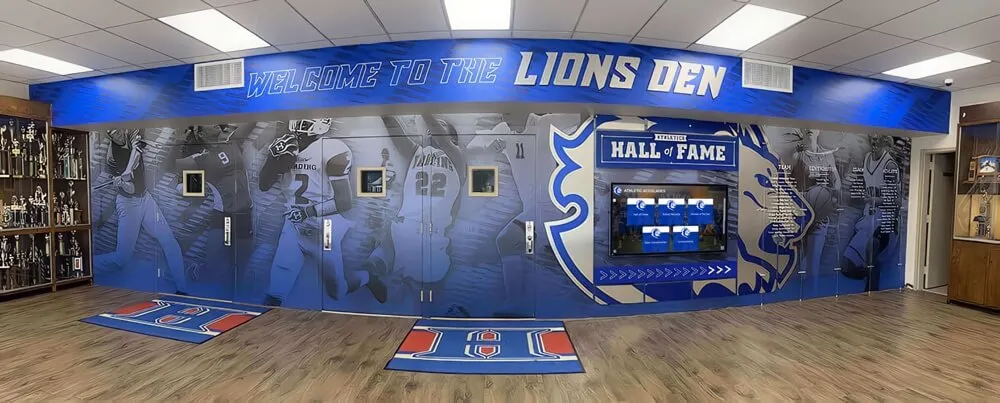
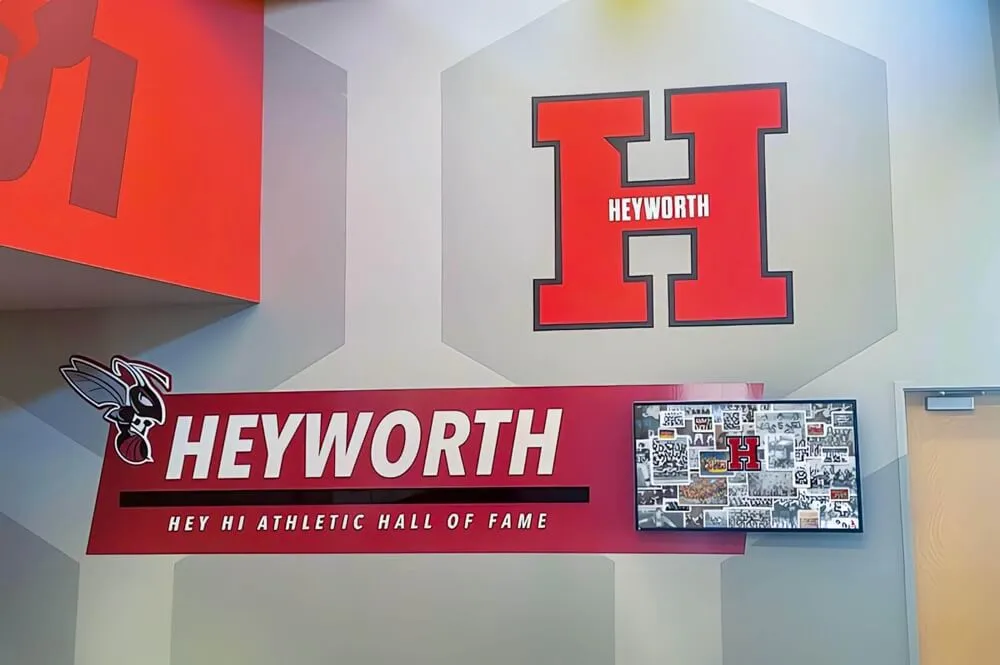
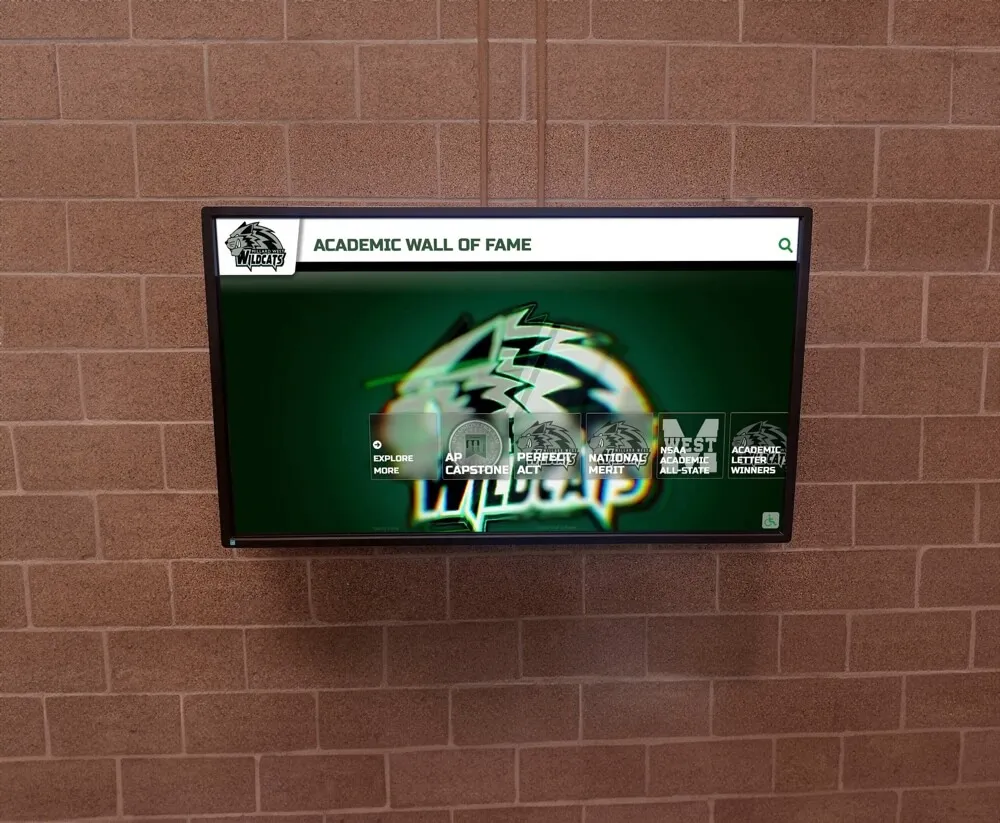
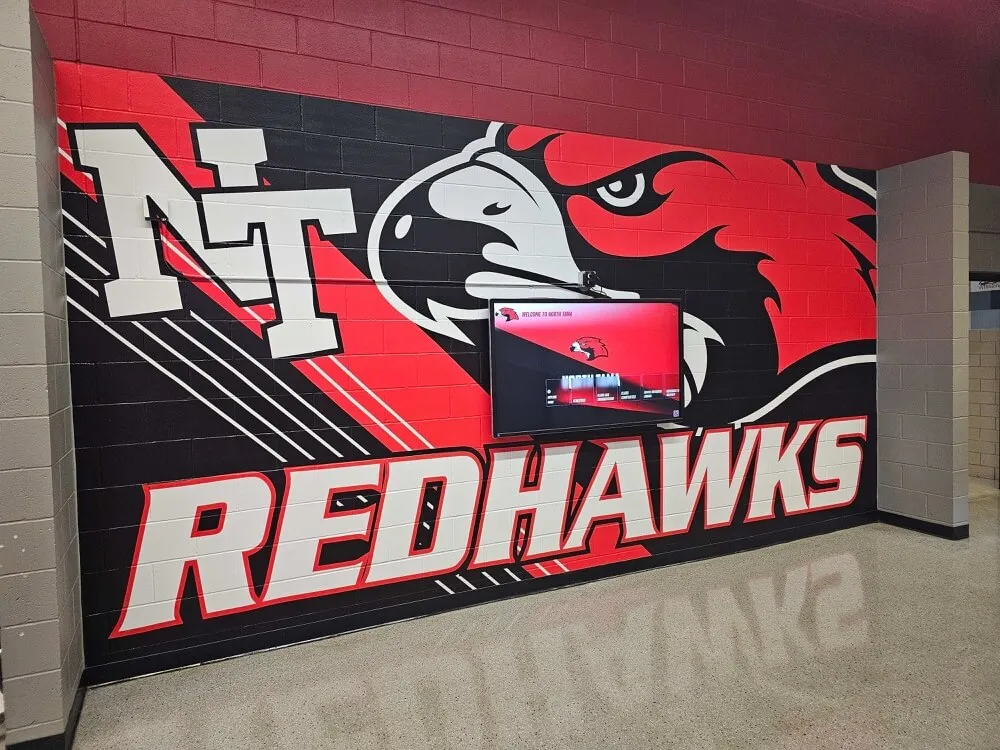
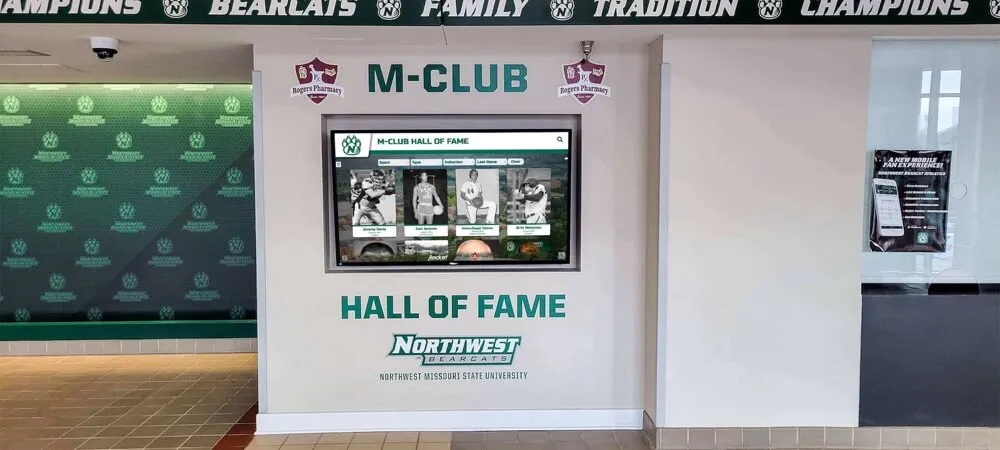
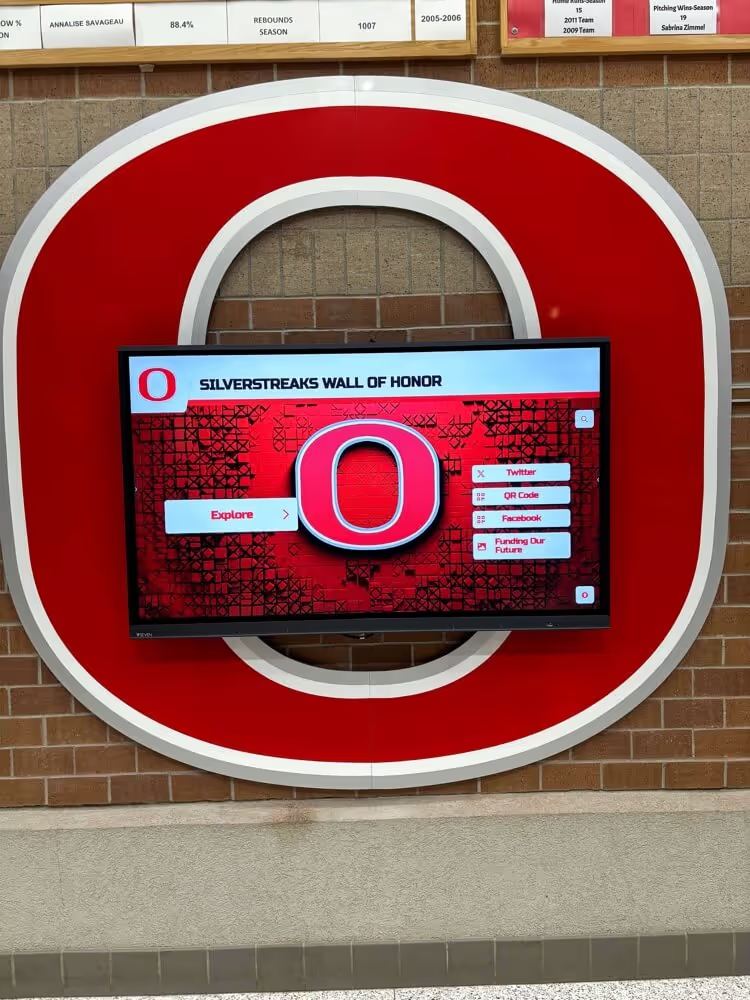
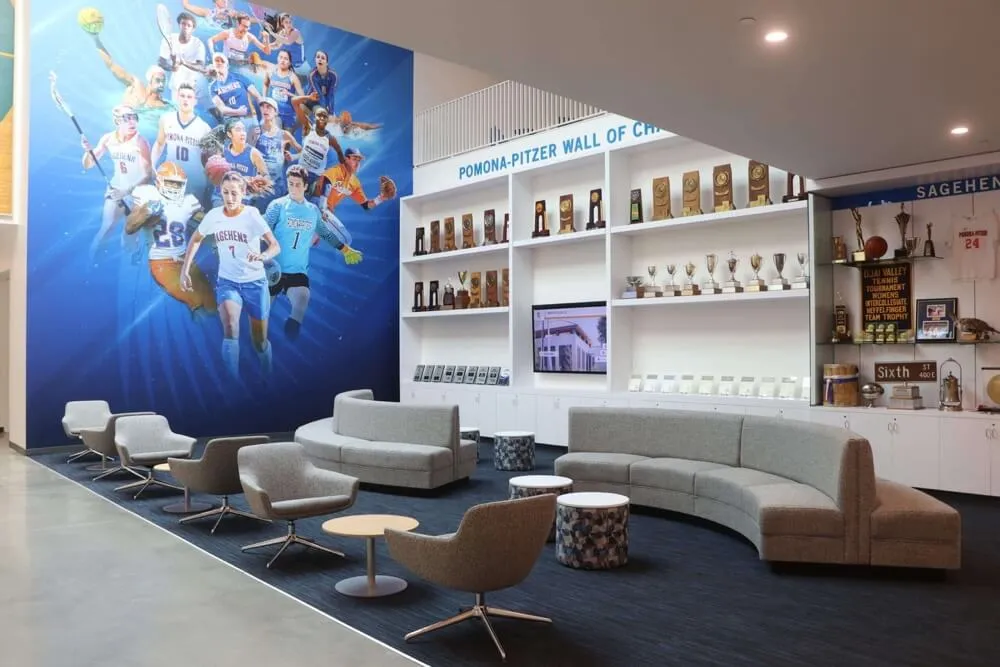
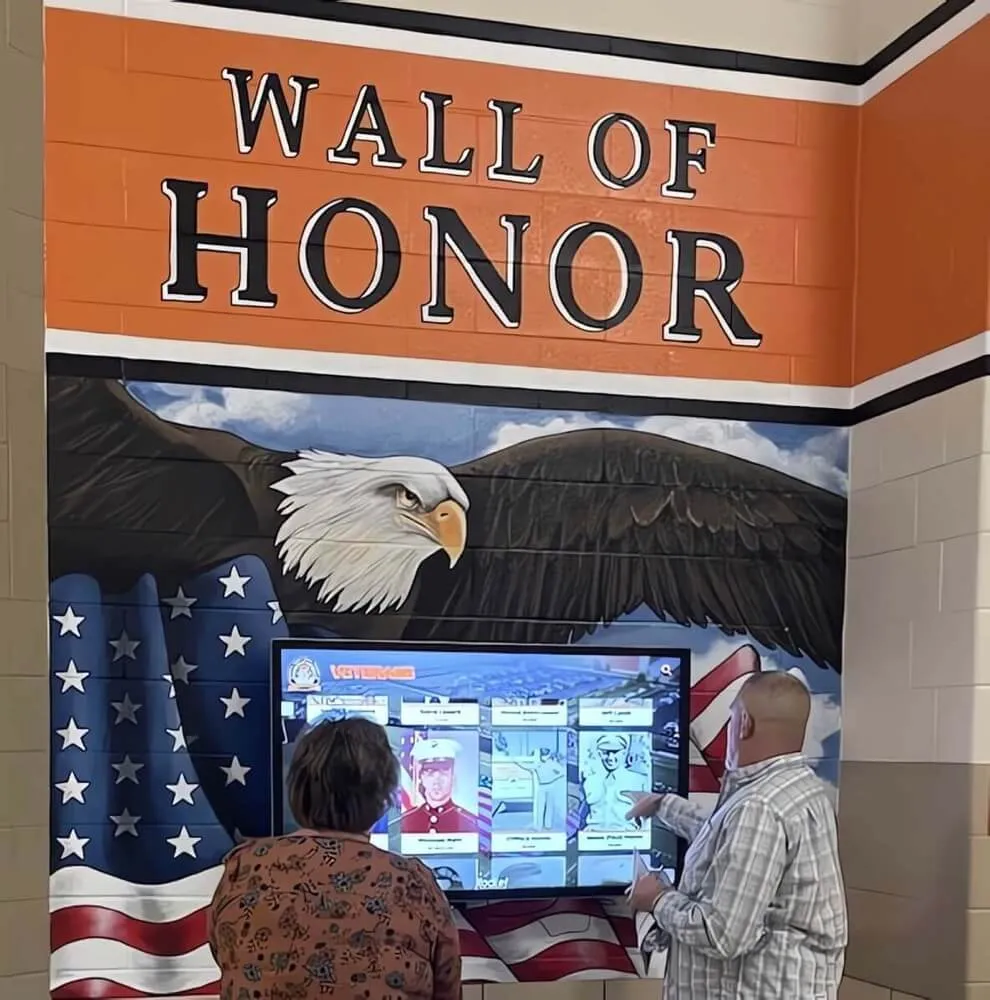
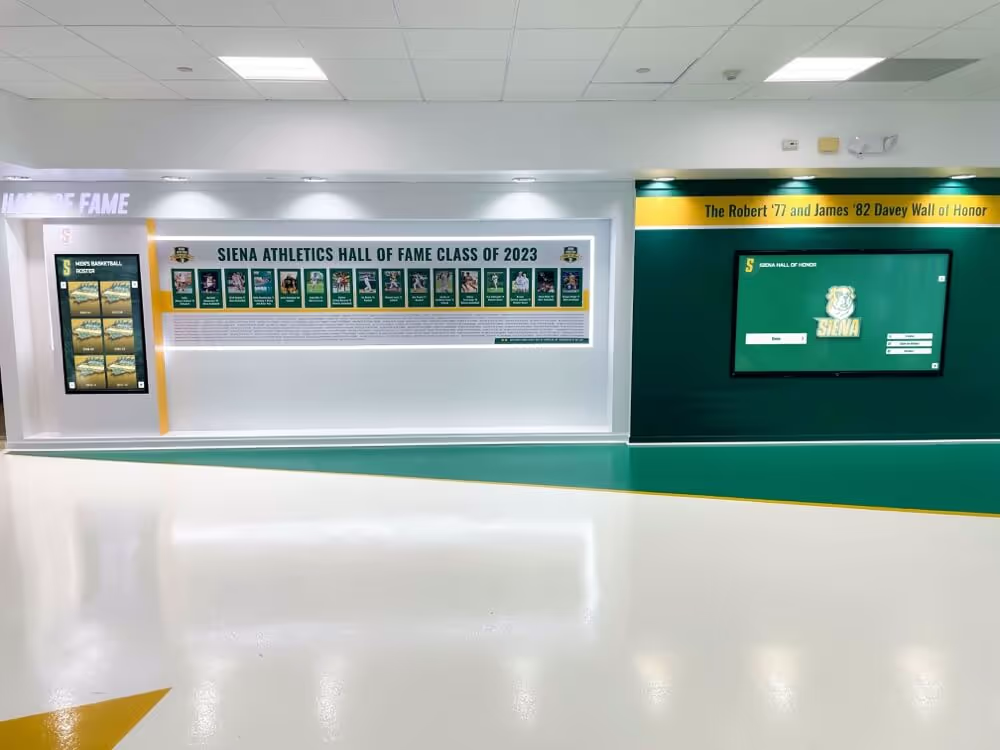
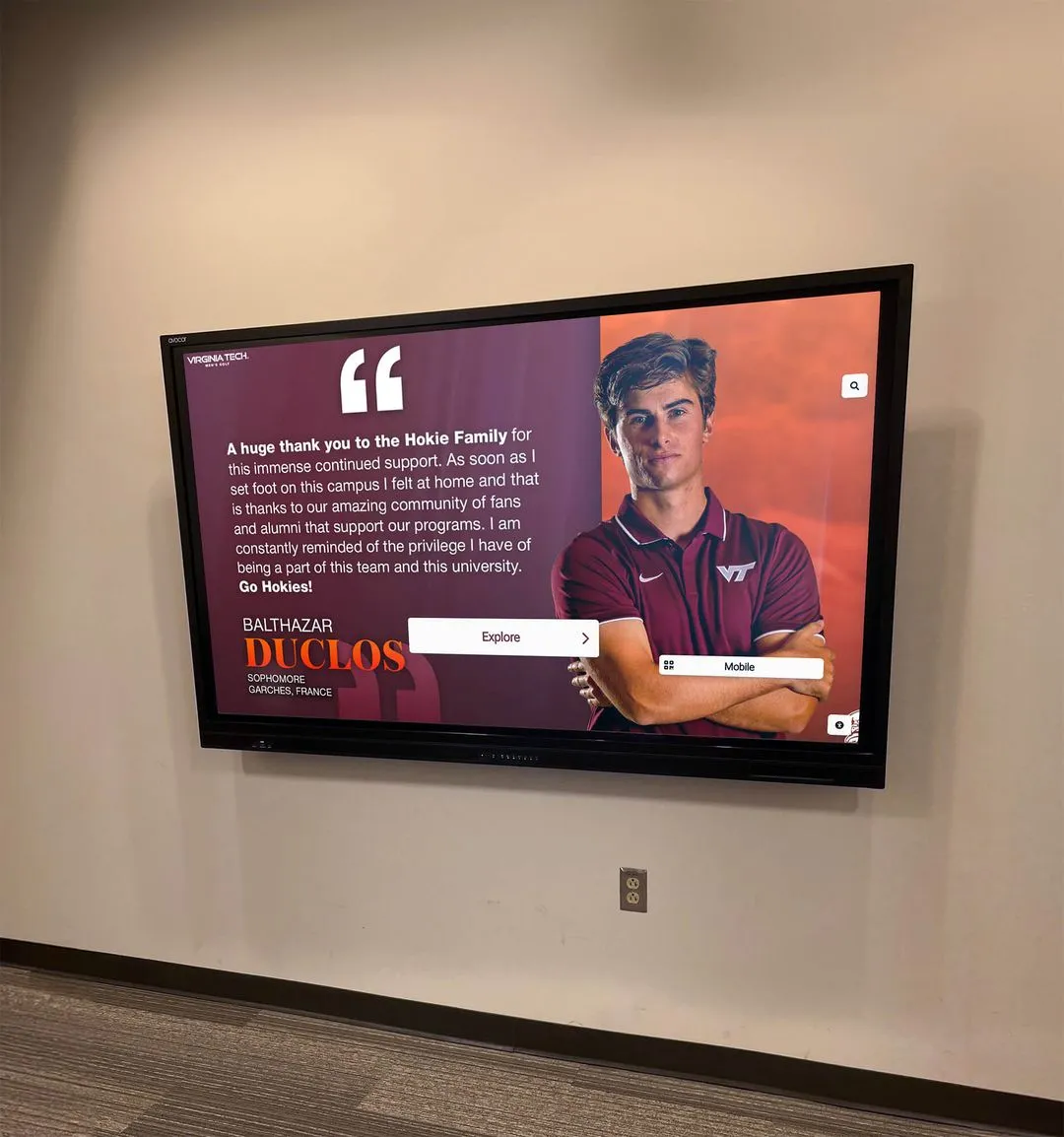
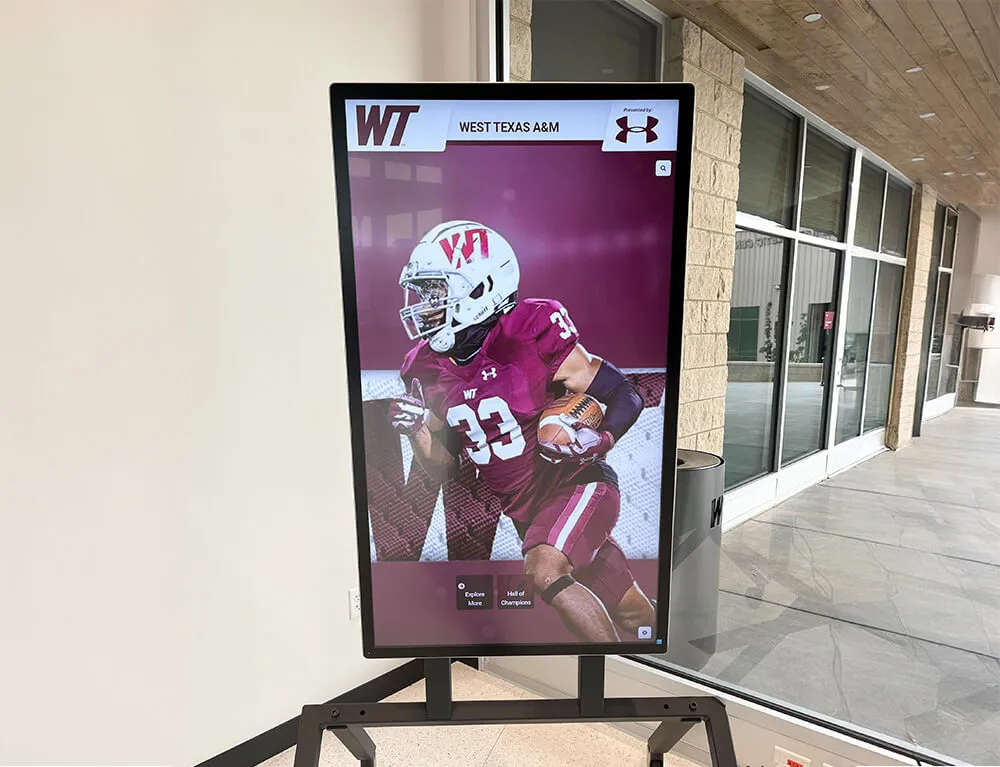
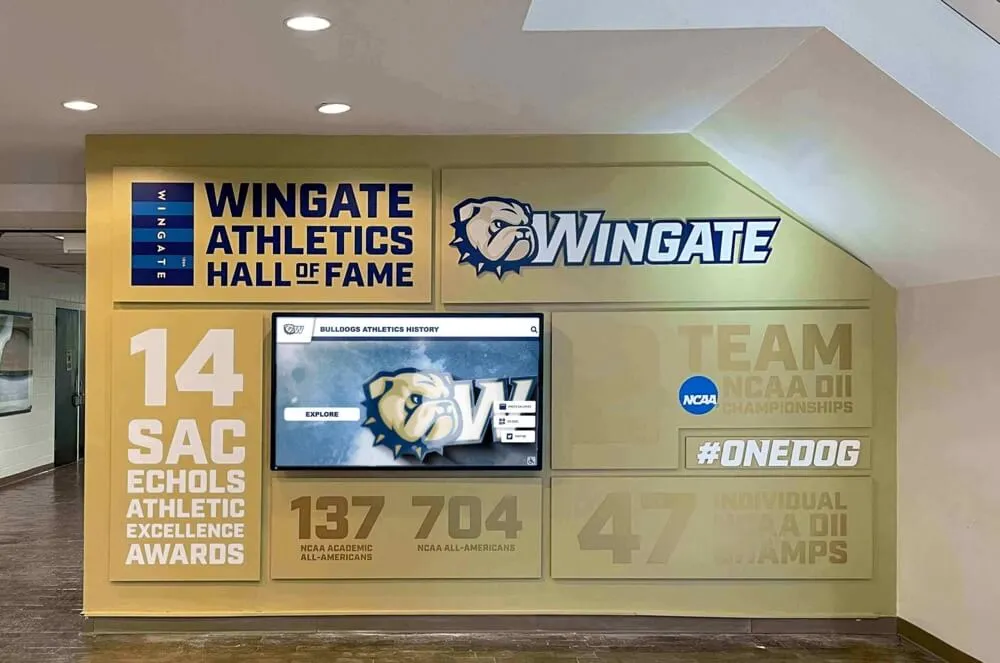
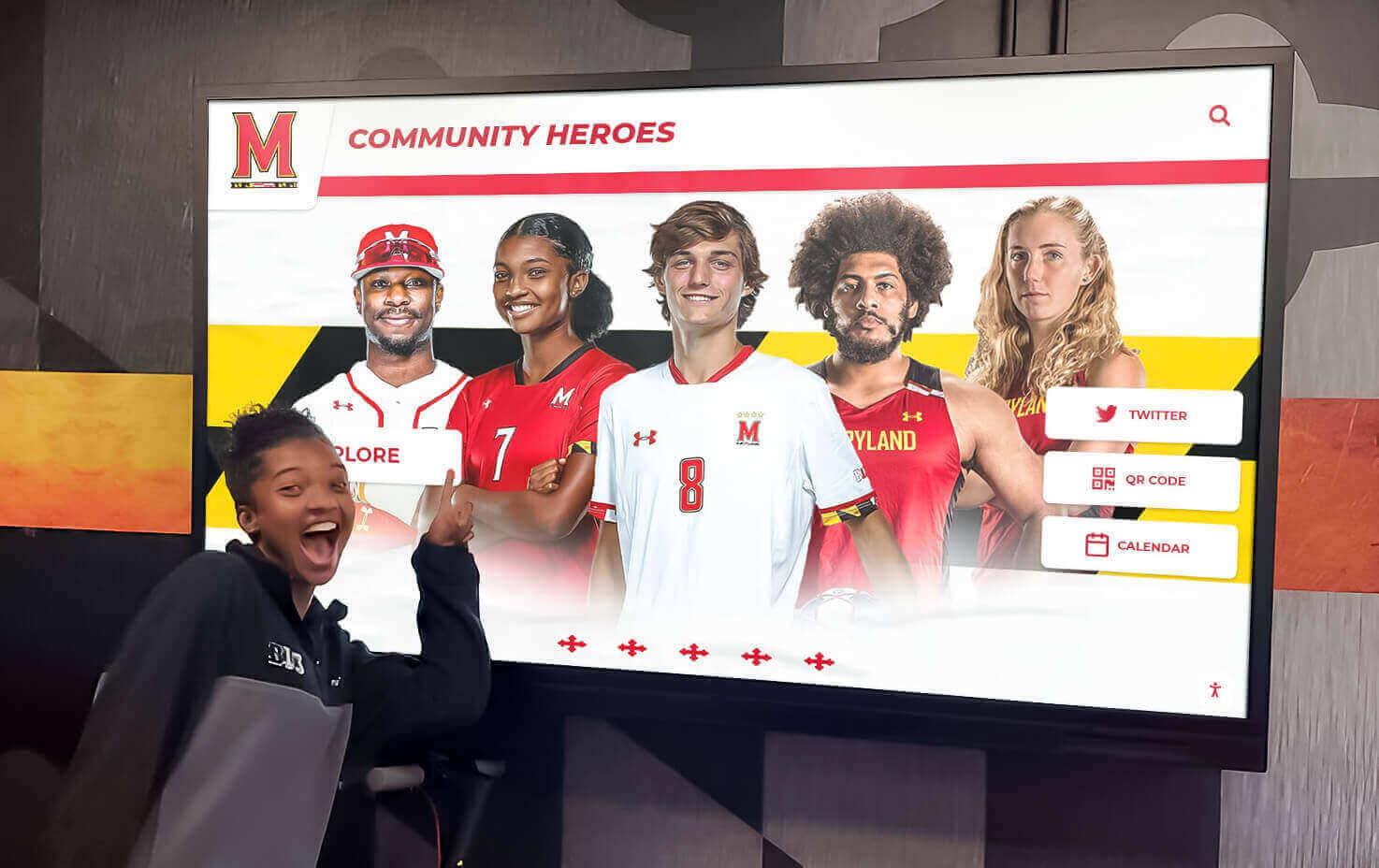
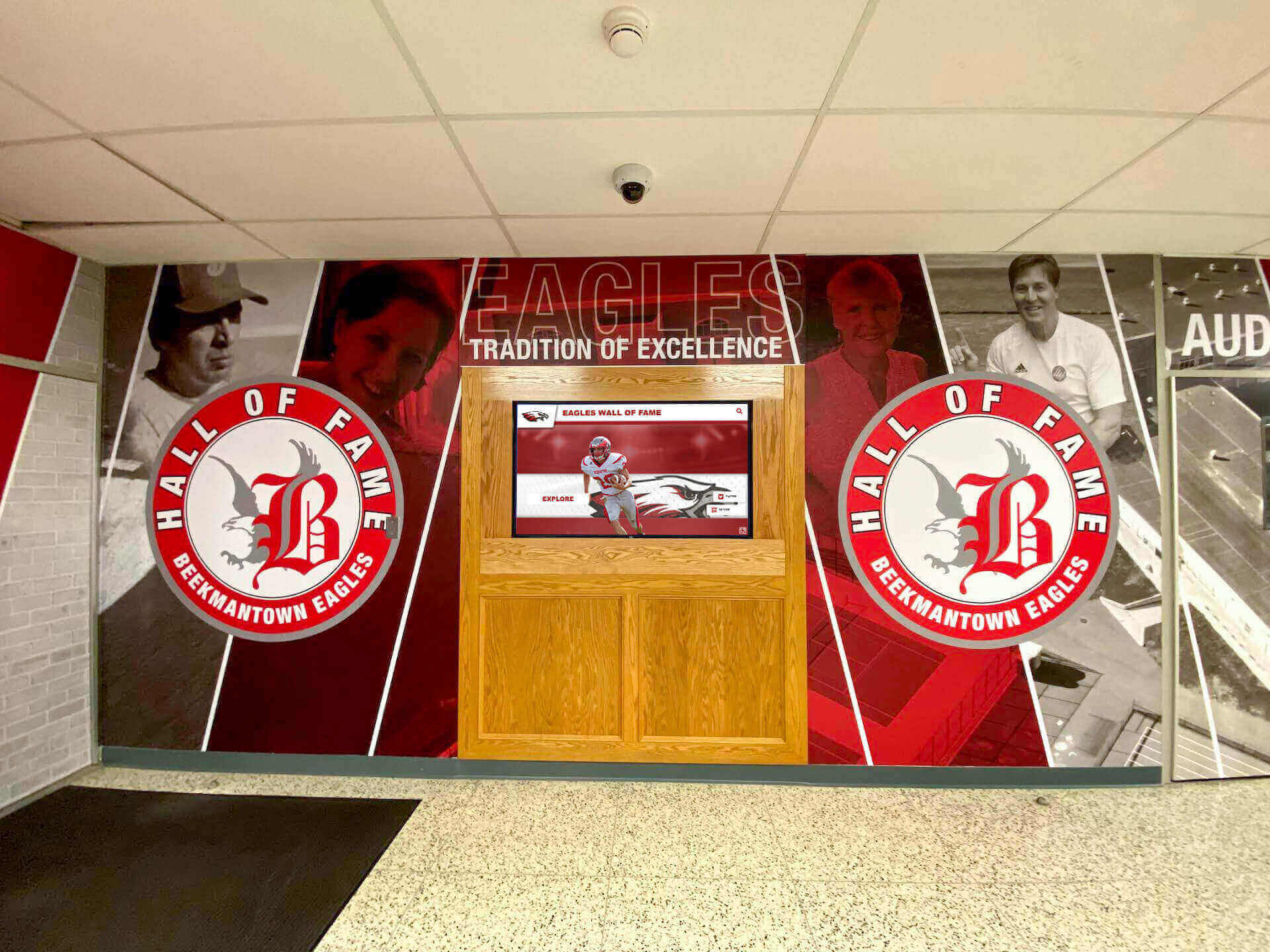
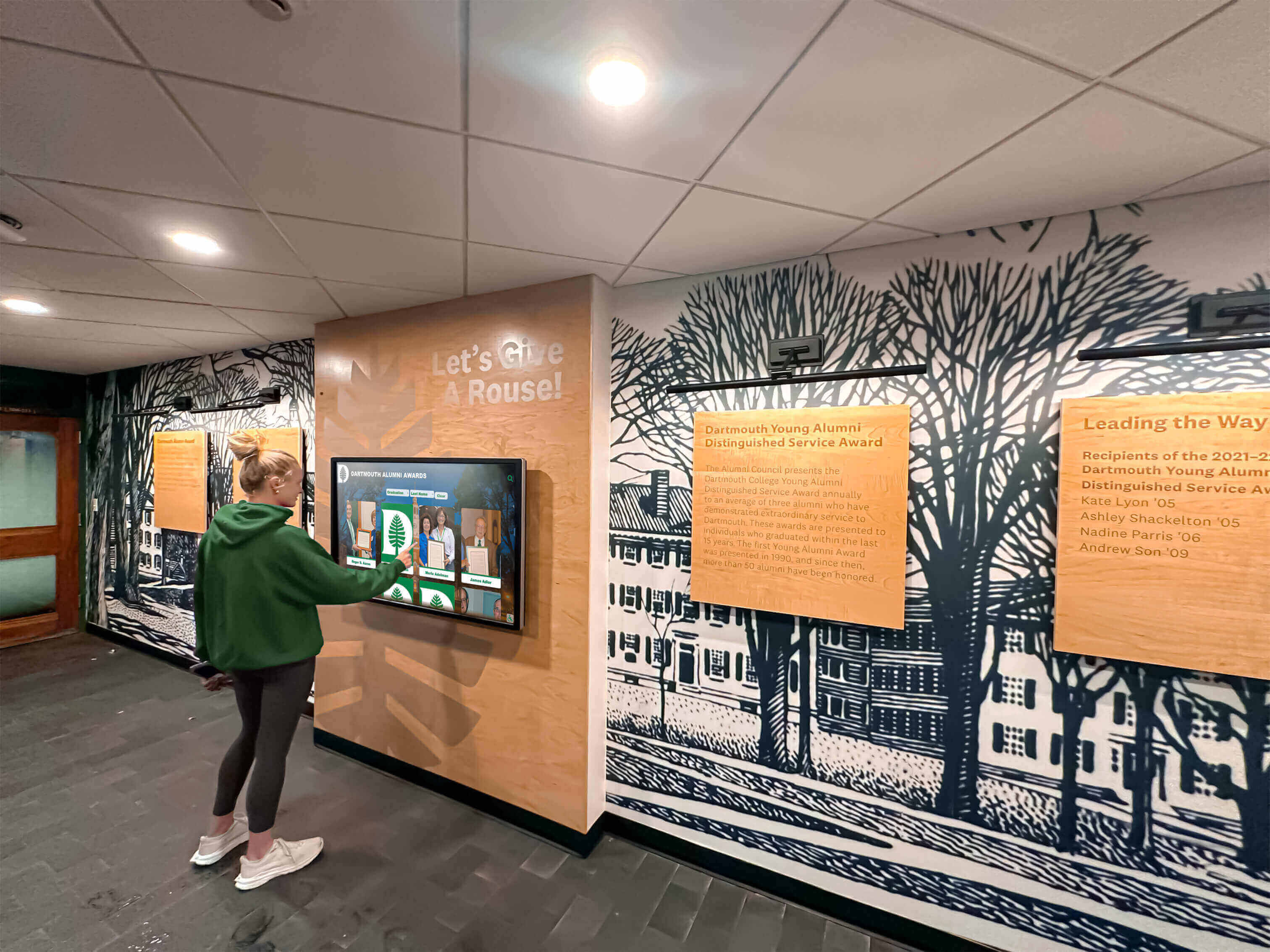
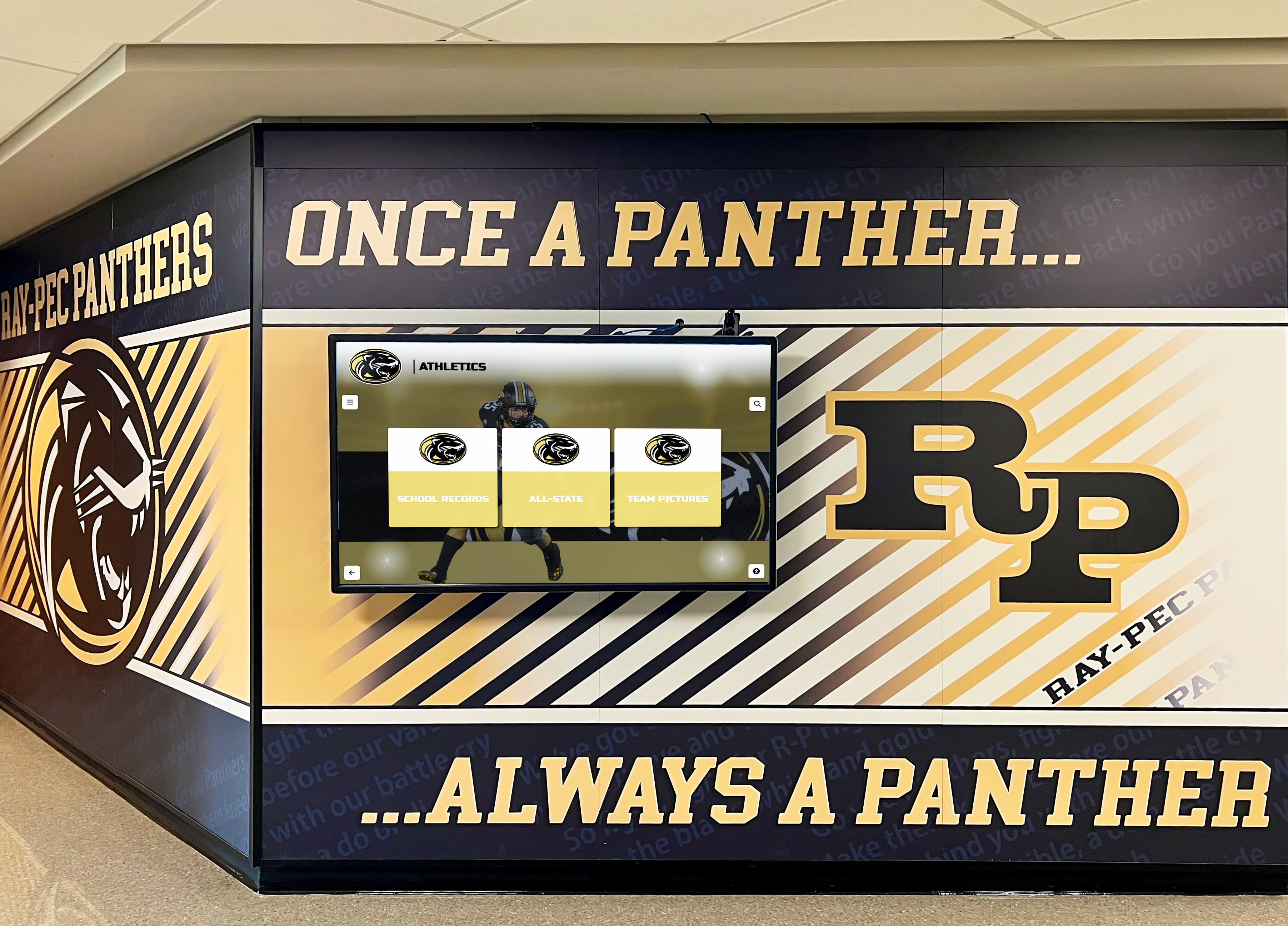
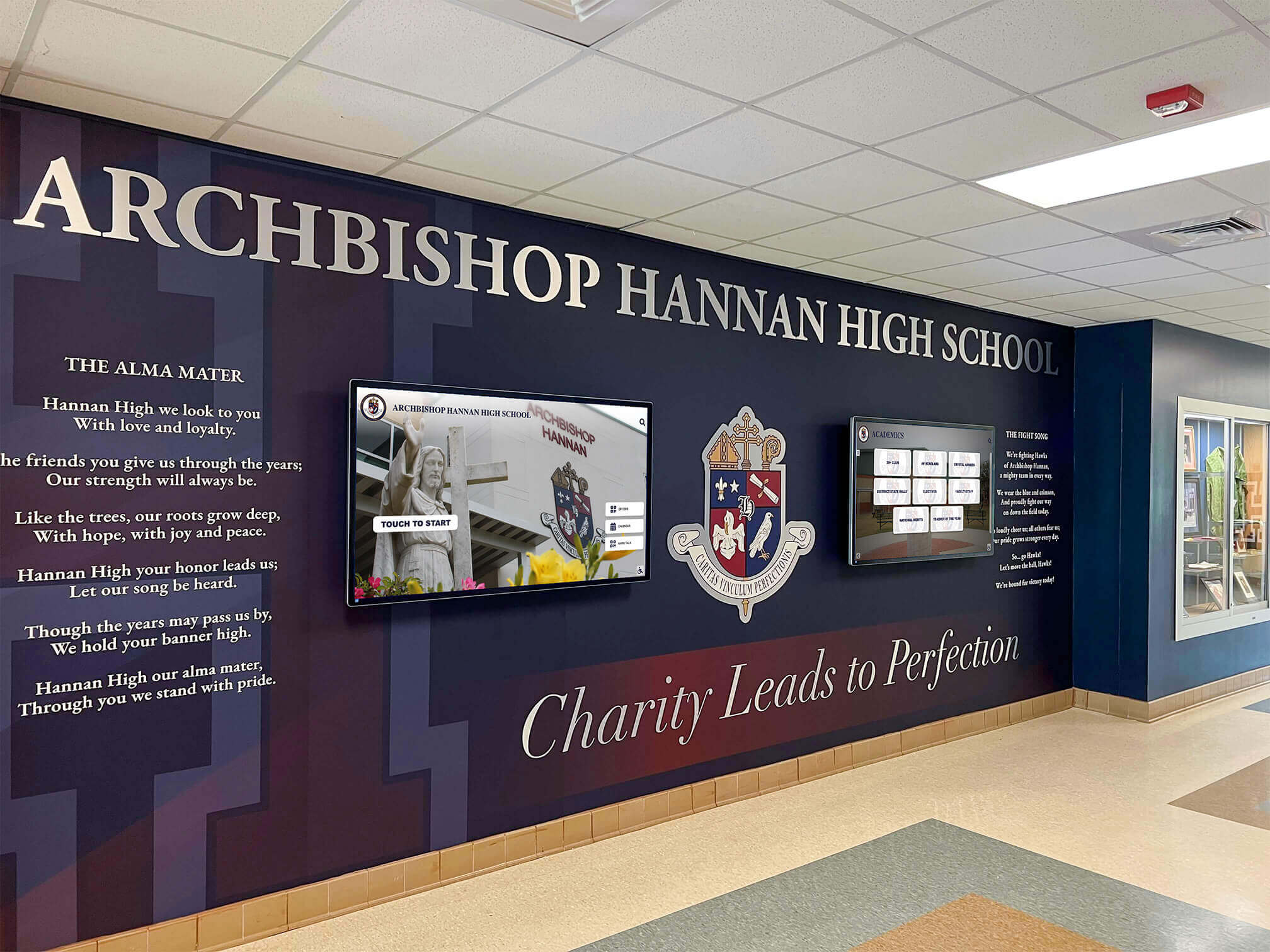
Modern schools are preserving these memories through interactive digital displays in school hallways where students can explore photos from current and past spirit weeks, read about homecoming traditions throughout school history, and see how celebrations have evolved across decades while maintaining core values of community and school pride.
Additional Spirit Week Activity Ideas
Beyond daily dress-up themes, supplementary activities throughout spirit week deepen engagement while creating additional participation opportunities for students who may not enthusiastically embrace costume themes.
Spirit Competitions Throughout the Week
Door Decorating Contest: Invite each classroom, advisory group, or club to decorate their door with spirit week themes, school pride messages, or homecoming celebration designs. Provide basic supplies through student council budgets, or invite groups to use creativity with materials they have available.
Judge decorated doors mid-week, with winning classrooms receiving privileges like homework passes, extra participation points, or pizza party rewards. This competition engages students who express creativity through visual arts rather than dress-up participation.
Lunch Seating by Color: Designate different cafeteria sections for class colors during Monday’s lunch periods, creating visual grade-level separation that builds friendly competition. Photograph each grade level section from above or wide angle, then share participation comparisons showing which grade filled their section most completely.
This activity requires no additional student effort beyond wearing class colors but creates measurable participation data and visual impact that reinforces Color Wars competition framework.
Social Media Challenge: Create daily Instagram or TikTok challenges related to spirit week themes, with student council members selecting winners each afternoon. Challenges might include:
- Monday: Best group photo in class colors
- Tuesday: Most creative decade costume video
- Wednesday: Funniest twin coordination story
- Thursday: College or career aspiration post
- Friday: Most spirited game day preparation video
Digital engagement extends spirit week participation beyond school hours while creating shareable content that builds excitement among students, parents, and broader community members following school social media accounts.
Service and Philanthropy Integration
Spirit Week Charitable Focus: Connect spirit week celebration with community service by designating a charitable cause and incorporating giving opportunities throughout the week. Each grade level might “sponsor” different local organizations, with Color Wars points awarded for contribution participation.
Activities could include:
- Food Drive Competition: Grade level collecting most non-perishable items wins points
- Change Wars: Each grade level collects coins in designated containers, with points for largest total
- Community Service Hours: Award points for documented volunteer hours during spirit week
- Blood Drive Participation: Host school blood drive during spirit week for eligible students
This service integration demonstrates that school spirit encompasses community contribution beyond internal celebration, teaching students that pride in their school includes making positive differences in surrounding communities.
Staff Participation and Leadership
Teacher Spirit Week: Encourage staff to participate fully in daily themes, creating mentoring opportunities and demonstrating school-wide investment in spirit traditions. When students see principals wearing pajamas on Pajama Day or teachers coordinating twin outfits, it validates spirit week as important school culture rather than frivolous distraction.
Organize staff-specific competitions paralleling student activities: Best dressed teacher in daily themes, most creative classroom decorations, highest percentage of department participation. Recognize winning staff members during Friday pep rally, celebrating their contribution to spirit week culture.
Student-Teacher Collaborations: Create opportunities for students and teachers to collaborate on spirit week activities—teacher-student twin partnerships, student-teacher teams in pep rally competitions, or teachers joining student grade-level colors. These cross-role collaborations strengthen school community while showing students that spirit traditions unite everyone regardless of position or age.
Documenting and Celebrating Spirit Week Memories
The memories created during homecoming spirit week deserve preservation that extends far beyond the week itself, creating lasting connections between current celebrations and future school traditions.
Traditional Documentation Methods
Yearbook Coverage: Dedicate substantial yearbook space to spirit week documentation, including daily theme photo spreads, competition result summaries, student quotes about favorite moments, and comprehensive pep rally coverage. These pages become among the most-referenced yearbook sections as students reminisce about shared experiences.
Assign yearbook staff to capture not just staged photos but also candid moments showing authentic student joy, creativity, and connection. The spontaneous hallway interactions, lunch period celebrations, and unscripted friendship moments often communicate spirit week’s impact more powerfully than formal posed photographs.
Social Media Archives: Create dedicated hashtags for your spirit week (#WildcatsSpirit2026 #HomecomingatLincolnHigh) that aggregate student-generated content into searchable collections. Feature daily highlights on school Instagram, Facebook, and Twitter accounts, with retrospective recap posts following homecoming weekend.
Save Stories as Highlights on Instagram, creating permanent spirit week collections that incoming freshmen and prospective families can explore when learning about school culture and traditions. These digital records demonstrate your school’s vibrant community to audiences who may never visit campus physically.
Modern Digital Recognition Solutions
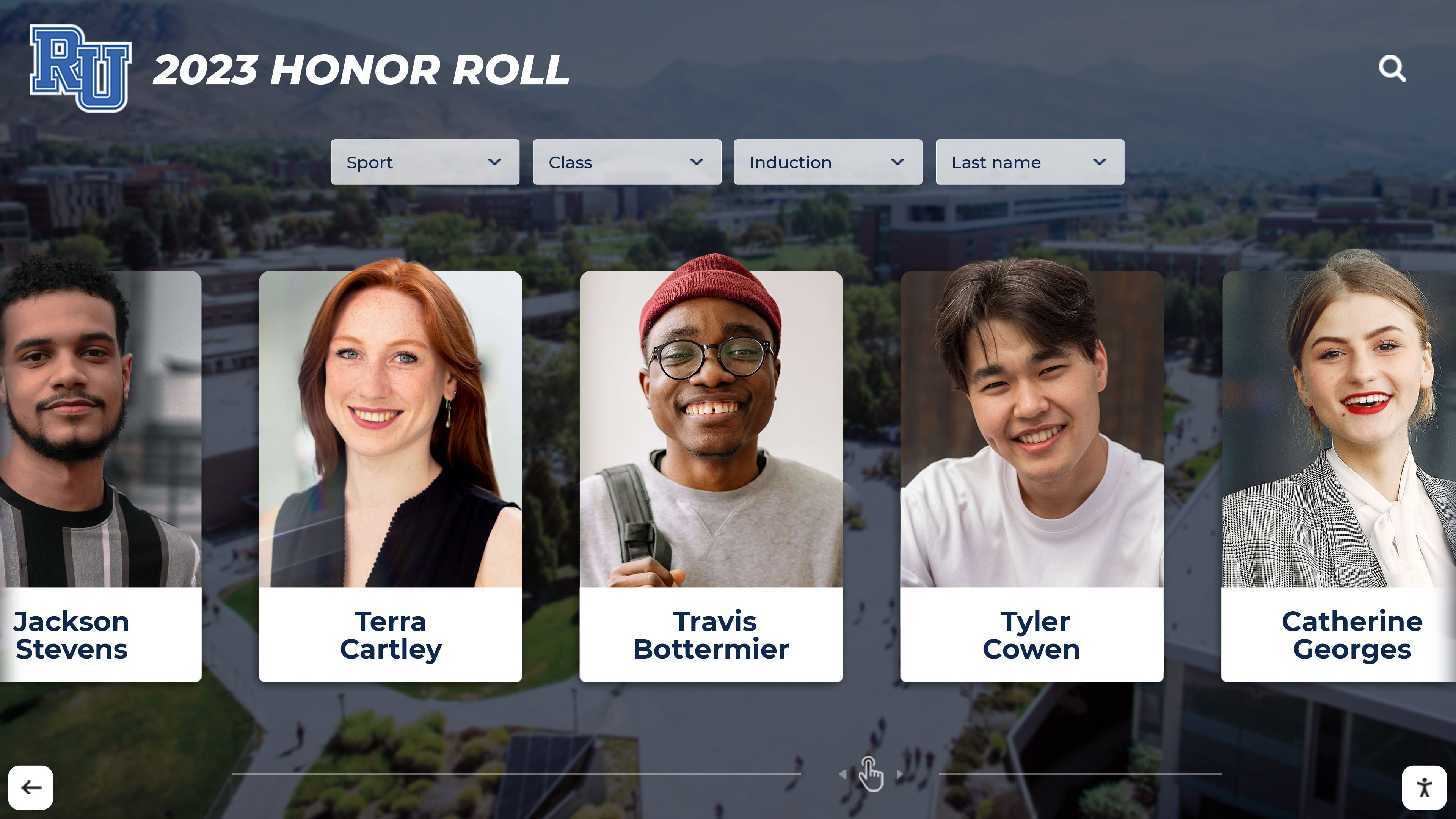
Forward-thinking schools are elevating spirit week documentation through interactive digital displays that preserve memories while connecting current students to decades of school traditions. These platforms transform spirit week from isolated annual events into continuous threads in school heritage narratives.
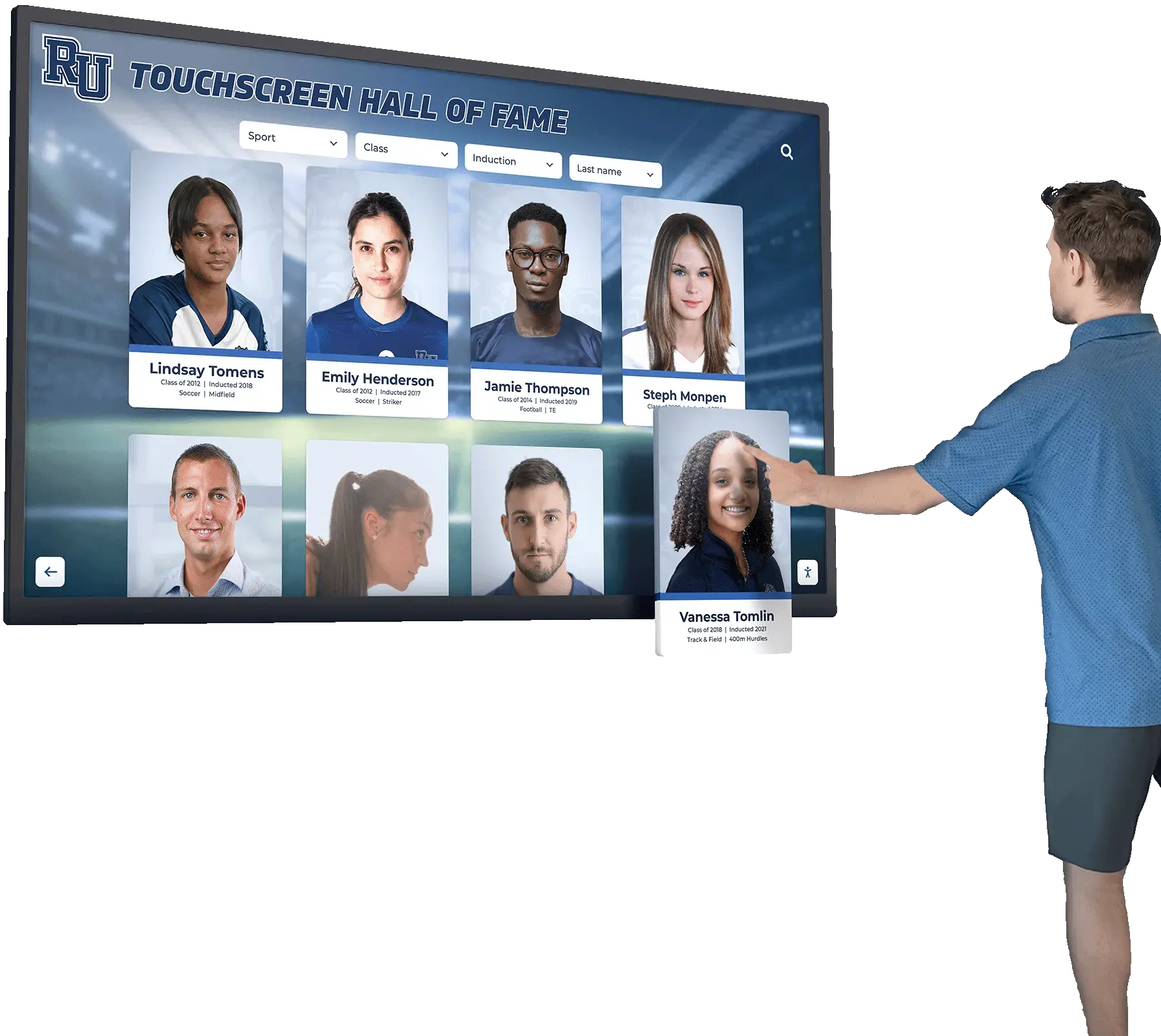
Interactive Spirit Week Archives: Digital recognition displays installed in school hallways allow students to explore photo galleries from current and past spirit weeks, compare how themes have evolved across decades, read stories from alumni about their homecoming memories, and see connections between today’s celebrations and school traditions dating back to founding years.
Students browsing these displays discover that their parents, grandparents, or community leaders participated in similar spirit weeks during their high school years—the themes may have changed from ’80s day to ’90s day, but the underlying celebration of school community remains constant across generations.
These permanent installations also document the creative evolution of spirit week itself, showing how student councils have innovated new themes, adapted traditions for changing student bodies, and maintained core values while refreshing execution. Current student leaders can study what worked in past years, learning from predecessors’ successes and challenges as they plan future homecoming celebrations.
Year-Round Spirit Culture: Beyond spirit week documentation, comprehensive recognition platforms help schools maintain year-round connection to school spirit traditions. Students can explore achievements across athletic excellence, academic success, performing arts accomplishments, and community service contributions—all elements that contribute to the school pride celebrated during homecoming week.
By connecting spirit week celebrations to ongoing recognition of student achievement, schools reinforce that homecoming isn’t separate from daily school culture but rather an amplified celebration of excellence that students demonstrate throughout the year.
Solutions like Rocket Alumni Solutions provide schools with interactive touchscreen displays specifically designed for preserving school traditions, celebrating student achievement, and maintaining connections between current students and alumni. These platforms ensure that the memories created during spirit week become permanent parts of school heritage rather than temporary celebrations that fade when yearbooks close.
Spirit Week Logistics and Planning Timeline
Successful spirit week execution requires detailed planning beginning weeks or even months before homecoming weekend arrives.
Planning Timeline for Student Councils
8-10 Weeks Before: Form homecoming planning committee including student council members, class representatives, activities directors, and staff advisors. Discuss budget allocation, establish theme selection process, and review previous years’ successes and challenges.
Survey student body about theme preferences, gather input from various student groups (athletes, performing arts, cultural affinity groups, academic clubs) to ensure proposed activities appeal broadly and include all school community segments.
6-8 Weeks Before: Finalize daily themes and major activities. Submit facility use requests for pep rally, reserve equipment (sound systems, scoreboards, decorating materials), and confirm staff supervision coverage for all planned activities.
Begin promotional campaign with save-the-date announcements, preliminary theme reveals, and early momentum building through social media teasers and hallway posters.
4-6 Weeks Before: Develop detailed implementation plans for each day including specific activity schedules, required materials lists, volunteer coordinator assignments, and backup plans for weather or scheduling disruptions.
Order or create spirit wear, assemble competition supplies, design participation tracking systems, and establish judging criteria and panels for various competitions.
2-4 Weeks Before: Launch intensive promotional campaign with daily theme explanations, participation guides, costume inspiration photos, and accessibility reminders. Create social media content calendar for spirit week including countdown posts, participation encouragement, and theme clarifications.
Finalize pep rally program with confirmed performers, planned recognition moments, competition logistics, and technical requirements. Conduct walkthrough with all pep rally participants to ensure smooth execution.
Week Before: Distribute final participation guides to students via advisories, email, and social media. Set up competition infrastructure (ballot boxes for voting, collection containers for charitable competitions, judging rubrics for decorated areas).
Confirm all materials arrived and equipment functions properly. Brief staff on their roles in theme encouragement, participation tracking, and activity supervision.
During Spirit Week: Implement daily themes and activities according to plan while remaining flexible to adjust based on participation patterns and unexpected circumstances. Document everything through photos and videos. Announce competition results promptly to maintain momentum.
After Spirit Week: Conduct debrief meeting with planning committee to evaluate successes, identify improvement opportunities, and capture institutional knowledge for next year’s planners. Share comprehensive recap with school community through newsletters, social media, and school communication platforms.
Budget Considerations and Resource Allocation
Spirit week budgets vary dramatically based on school size, community resources, and fundraising capabilities, but effective spirit weeks are achievable across all budget levels.
Low-Budget Spirit Week ($200-500): Focus spending on basic decorating supplies (streamers, construction paper, balloons), minimal spirit wear items for students lacking school colors, and small prizes for competition winners. Leverage social media and existing school resources rather than purchased materials.
Request donations from local businesses for competition prizes or decorating supplies. Many businesses appreciate association with school events and will contribute gift cards, products, or services as competition rewards.
Medium-Budget Spirit Week ($500-1500): Expand to include spirit wear for broader student distribution, professional-quality decorating materials, photo booth props and backdrops, modest pep rally enhancements (professional DJ, upgraded sound system rental), and meaningful competition prizes.
Invest in reusable items like banners, signage, and decorations that can be stored and reused for future homecomings, distributing costs across multiple years.
Well-Funded Spirit Week ($1500+): Create premium experiences with comprehensive spirit wear distribution ensuring every student receives homecoming shirt, elaborate pep rally production (professional sound and lighting, hired entertainment, special effects), extensive decorations throughout campus, and significant competition prizes.
Budget for documentation equipment and services including professional photography, videography for yearbook and promotional use, and potentially enhanced digital platforms for sharing spirit week content with community.
Regardless of budget level, prioritize inclusive participation over elaborate production. Students remember feeling included and celebrated more than they remember expensive decorations or prizes.
Adapting Spirit Week for Different School Contexts
While core spirit week concepts remain consistent, implementation details should adapt to specific school characteristics, student demographics, and community cultures.
Small School Advantages and Challenges
Advantages: Small schools often achieve higher percentage participation rates as peer influence spreads more completely through tight-knit communities. Planning committees can more easily coordinate with entire student bodies, and individual student creativity receives more visibility when smaller crowds participate.
Leverage intimate community feel by emphasizing personal connections—feature every participant in documentation rather than only highlights, ensure every grade level receives equal attention regardless of size, and create opportunities for underclassmen to shine equally with upperclassmen.
Challenges: Limited student population may struggle to generate critical mass of energy during activities, fewer students means less diverse perspectives in planning, and budget constraints may be tighter with smaller fundraising bases.
Address these challenges by involving entire community including elementary/middle school feeders, local businesses, and alumni. Invite younger students to participate in age-appropriate spirit activities, creating pipeline of excitement about eventually joining high school traditions.
Large School Considerations
Advantages: Large student populations create impressive visual impact during color days and school spirit themes, diverse student bodies bring varied creative perspectives to theme interpretation, and larger budgets from robust fundraising support enhanced programming.
Capitalize on scale by creating stadium-style pep rallies with elaborate production values, organizing complex competitions with multiple simultaneous heats or events, and generating significant social media presence through sheer volume of student-created content.
Challenges: Ensuring inclusive participation across all student groups proves more difficult when populations exceed several thousand students, coordinating logistics becomes more complex, and individual students may feel anonymous rather than valued as contributors to school culture.
Address these challenges through distributed leadership—empower class councils, clubs, and small learning communities to organize spirit activities within their specific populations while contributing to school-wide celebration. Create multiple participation pathways so students can engage through various entry points matching their comfort levels and interests.
Urban, Suburban, and Rural Variations
Urban Schools: May have more diverse student populations requiring careful attention to cultural inclusion in theme selection, potentially less school-centered identity as students navigate multiple community affiliations, and competing activities from broader city environment.
Emphasize themes celebrating diversity and common ground across differences. Leverage urban advantages including easy access to college campuses for College Day field trips or university student visitors, and partnerships with urban businesses for prizes and support.
Suburban Schools: Often have strong community investment in school traditions, robust parent volunteer pools and booster support, and well-established homecoming expectations to maintain or evolve.
Honor tradition while innovating—preserve beloved classic elements that alumni remember while introducing fresh approaches that current students find engaging. Balance school-focused activities with awareness that many students participate in multiple suburban institutions.
Rural Schools: Frequently experience entire community rallying around school events as central social gatherings, strong multi-generational connections to school traditions, and tight integration between school and community identity.
Embrace this integration by explicitly inviting community members into spirit week activities—alumni participation in competitions, local business involvement in Career Day, and broad attendance at pep rallies that become true community celebrations rather than student-only events.
Evaluating Spirit Week Success and Continuous Improvement
After homecoming concludes and normal routines resume, thoughtful evaluation ensures that future spirit weeks build on successes while addressing challenges.
Quantitative Success Metrics
Track measurable participation data:
- Daily participation rates: Percentage of students participating in each theme day
- Competition engagement: Number of students involved in specific competitions or activities
- Social media metrics: Engagement rates, hashtag usage, content sharing statistics
- Charitable results: Donations collected, service hours contributed, community impact achieved
- Attendance patterns: Compare school attendance during spirit week versus typical weeks
These quantitative measures provide objective assessments of which activities resonated most strongly with students and where participation lagged.
Qualitative Feedback Collection
Gather subjective impressions through:
- Student surveys: Brief post-homecoming questionnaires asking students to rate daily themes, share favorite moments, and suggest improvements
- Focus groups: Facilitated discussions with diverse student groups (athletes, performing arts, various grade levels, cultural affinity groups) exploring spirit week experiences
- Staff observations: Teachers and administrators sharing perspectives on student engagement, logistical challenges, and cultural impact
- Parent feedback: Community perspectives on visibility, inclusiveness, and appropriateness of spirit week activities
Qualitative feedback often reveals important insights that numbers miss—why certain students felt excluded, how specific activities strengthened relationships, or which moments created most meaningful memories.
Institutional Learning and Documentation
Create planning documents for future student councils including:
- Success archive: Documentation of activities that worked exceptionally well with notes on why they succeeded
- Challenge log: Record of difficulties encountered with problem-solving approaches that worked or didn’t work
- Resource directory: Contact information for supportive businesses, reliable vendors, helpful community partners
- Timeline templates: Detailed planning schedules with built-in deadlines and milestone reminders
- Budget worksheets: Actual spending records showing cost breakdowns for future financial planning
This institutional knowledge prevents future planning committees from starting from scratch, allowing continuous improvement rather than repeated reinvention of foundational approaches.
Building Year-Round Spirit Culture
While homecoming spirit week represents an annual peak, the most successful schools maintain spirit culture throughout the entire year rather than treating school pride as isolated weekly celebration.
Extend Spirit Week Concepts: Adapt successful spirit week activities into ongoing traditions—monthly dress-up days tied to school events, regular pep rallies for winter and spring sports seasons, continued charitable competitions supporting different causes throughout the year.
Connect to Other Traditions: Link spirit week themes and energy to other major school events like senior nights for athletic teams, academic recognition ceremonies, performing arts showcases, and graduation celebrations. This consistency demonstrates that school spirit encompasses all excellence forms and occasions.
Student Leadership Development: Use spirit week planning as leadership development opportunity for student council members and class officers. The project management, collaborative planning, creative problem-solving, and community engagement skills developed through successful spirit week execution transfer to academic, career, and civic contexts far beyond high school.
Conclusion: Creating Homecoming Spirit Week Traditions Worth Celebrating
Effective homecoming spirit week ideas balance celebration with inclusion, tradition with innovation, and fun with meaningful community building. When every student can see themselves reflected in spirit week themes and activities—when participation feels genuinely accessible regardless of economic circumstances, social connections, or personal comfort levels—spirit week fulfills its highest potential as celebration of the diverse, vibrant school community you’ve built together.
The daily themes, competitions, pep rallies, and celebrations that structure spirit week create more than temporary excitement. They become shared experiences that freshmen will remember when they’re seniors, stories that alumni will tell their children decades later, and traditions that connect current students to everyone who has walked your hallways before them. These connections transform schools from institutional buildings into communities where students feel genuine belonging and pride.
As you plan your next homecoming spirit week, remember that the most successful celebrations aren’t necessarily the most elaborate or expensive—they’re the ones that make every student feel valued, included, and genuinely excited to be part of your school family. Start planning early, prioritize inclusive participation, document memories comprehensively, and build traditions that your current students will proudly continue when they return as alumni supporting the next generation.
Ready to preserve your spirit week memories and celebrate school traditions year-round? Discover how Rocket Alumni Solutions can help your school create interactive digital displays that showcase homecoming celebrations, honor student achievements, and maintain connections between current students and alumni. From spirit week photo galleries to comprehensive recognition of academic and athletic excellence, modern recognition platforms ensure that the pride you celebrate during homecoming week continues inspiring your school community every day of the year.