



Homecoming court positions represent one of the most anticipated school traditions, celebrating students who embody school spirit, leadership, and community involvement. Each fall, students across the country participate in homecoming festivities that culminate in the coronation of a royal court—typically featuring princes, princesses, a king, and a queen. Understanding the structure, selection process, and significance of these positions helps schools create meaningful recognition programs that honor deserving students while strengthening school culture and tradition.
This comprehensive guide explores everything you need to know about homecoming court positions in 2026—from traditional role structures and modern variations to selection criteria, responsibilities, and innovative ways schools are celebrating and preserving these cherished moments. Whether you're a school administrator planning homecoming activities, a student council advisor organizing court selection, or simply curious about how these traditions work, this guide provides practical insights into one of high school's most enduring traditions.
Homecoming represents a cornerstone tradition in American secondary education, bringing together current students, alumni, families, and communities for shared celebration of school pride. At the center of these festivities stands the homecoming court—a select group of students chosen to represent their class and school during this special week. While specific traditions vary widely between schools, the fundamental concept remains consistent: recognizing students who exemplify the qualities and values their school communities celebrate.
Understanding homecoming court positions extends beyond simply knowing who wears the crown. These roles carry symbolic weight, representing broader values about leadership, character, popularity, and community contribution. The selection process itself often sparks important conversations about inclusivity, representation, and what schools should recognize in their students. Modern schools increasingly approach homecoming court as an opportunity to celebrate diverse excellence while maintaining connections to beloved traditions.
This guide examines traditional homecoming court structures, explores how schools are adapting these positions for contemporary contexts, and provides practical guidance for creating meaningful recognition experiences that resonate with current students while honoring institutional history.
Understanding Homecoming Court: History and Significance
Before examining specific positions, understanding the broader context of homecoming court traditions helps explain why these roles matter so profoundly to school communities.
The Origins of Homecoming Traditions
Homecoming celebrations trace their roots to early 20th century collegiate traditions, particularly at the University of Missouri, which held what many consider the first organized homecoming event in 1911. The tradition centered on inviting alumni to return to campus for a football game, reconnecting graduates with their alma mater while celebrating current student accomplishments.
The concept quickly spread to high schools across America, adapting collegiate traditions to secondary education contexts. By the mid-20th century, homecoming had become deeply embedded in American high school culture, particularly in communities where local schools served as social and cultural centers. The tradition evolved to include week-long celebrations featuring spirit days, pep rallies, parades, athletic competitions, dances, and—central to our focus—the selection and coronation of a homecoming court.
The homecoming court tradition itself emerged from broader cultural fascinations with royalty and pageantry during the early-to-mid 20th century. Schools adopted the language of monarchy—kings, queens, princes, princesses—to elevate homecoming into something special and ceremonial. These positions represented the highest social honor many schools could bestow, recognizing students who had achieved prominence through academics, athletics, leadership, or social standing within their peer communities.
What Homecoming Court Represents Today
Contemporary homecoming courts continue serving multiple important functions within school communities, though the specific emphasis varies significantly between schools based on local culture, values, and demographics.
Student Recognition and Achievement
Homecoming court positions provide formal recognition for students who have contributed meaningfully to their school communities. Unlike purely academic honors or athletic awards, homecoming recognition typically acknowledges a broader range of qualities including school spirit, leadership, character, involvement in activities, and positive peer relationships. For many students, selection to homecoming court represents a defining high school achievement—validation from peers and the school community that they’ve made positive impact during their time in school.
Community Building and School Spirit
The process of selecting and celebrating a homecoming court generates considerable excitement and engagement throughout school communities. Students participate in nominations, campaigns, and voting. Teachers and staff organize recognition ceremonies and coronation events. Families attend games and dances to celebrate honored students. Alumni return to witness the continuation of traditions they themselves experienced. These shared experiences strengthen community bonds while creating memories that graduates carry throughout their lives.
Tradition and Institutional Identity
Homecoming court traditions connect current students to decades of institutional history. Schools with long homecoming traditions often maintain records of past courts, creating lineages of recognized students spanning generations. This continuity provides tangible connection between present and past, reinforcing that today’s students join a larger narrative extending backward in time and forward into the future. For schools prioritizing tradition, homecoming court represents living history—a ceremony reenacted annually that binds the community across time.
Social Milestone and Coming-of-Age Experience
For students selected to homecoming court, the experience often represents a significant adolescent milestone. The recognition from peers, the ceremonial aspects of coronation, and the formal events surrounding homecoming create memorable experiences marking students’ progression through high school. Parents frequently describe their children’s selection to homecoming court with the same pride they express about academic or athletic achievements, recognizing these honors as validation of social maturity and character development alongside intellectual or physical accomplishments.
Traditional Homecoming Court Positions
While specific structures vary between schools, most homecoming court traditions share common positional frameworks based on class year and hierarchical royal titles.
Class-Based Court Structure
The majority of high schools organize homecoming courts around class year representation, ensuring students from multiple grade levels receive recognition rather than limiting honors to seniors exclusively.
Freshman Court: Prince and Princess
Many schools begin their homecoming court hierarchy with freshman positions, typically titled freshman prince and freshman princess. These positions introduce first-year students to homecoming traditions while providing recognition opportunities early in their high school careers. Schools vary on whether freshmen participate in the main coronation ceremony or receive separate recognition, with some schools hosting freshman-only events and others including all class representatives in unified celebrations.
Selection to freshman court often emphasizes adjustment to high school, participation in ninth-grade activities, and demonstration of school spirit during students’ first months on campus. The recognition serves dual purposes—honoring deserving freshmen while introducing them to traditions they may aspire to continue in subsequent years.
Sophomore Court: Prince and Princess
Sophomore positions—typically sophomore prince and sophomore princess—recognize second-year students who have established themselves within the school community. By sophomore year, students have typically become involved in extracurricular activities, developed broader peer relationships, and demonstrated sustained commitment to school participation beyond their freshman adjustment period.
Some schools use different titles for sophomore positions, such as “duke and duchess” or simply “sophomore representatives,” though the most common approach mirrors the freshman structure with prince and princess designations. The specific titles matter less than the consistent message that students from this class deserve recognition and inclusion in homecoming celebrations.
Junior Court: Prince and Princess
Junior positions represent one step below the pinnacle homecoming honors. Junior prince and junior princess selections often receive considerable attention since these students will be eligible for the ultimate senior king and queen positions the following year. Selection to junior court sometimes predicts future senior court selection, though many schools intentionally recognize different students across their four years to broaden the distribution of homecoming honors.
Junior court members often assume more active responsibilities during homecoming week than freshman or sophomore representatives, potentially assisting with event planning, mentoring younger court members, or serving as visible school spirit leaders during daily activities and pep rallies. For students exploring leadership positions, junior court roles provide excellent developmental experiences.
Senior Court: King and Queen
The pinnacle of homecoming court positions, senior homecoming king and queen represent the ultimate peer recognition most high schools can bestow. These positions typically carry the most prestige, visibility, and ceremonial importance. Coronation of the king and queen usually occurs during halftime of the homecoming football game or at the homecoming dance, creating dramatic ceremonial moments witnessed by large audiences of students, families, alumni, and community members.
Some schools select multiple senior court members—perhaps five to ten nominees from which the king and queen are chosen. This approach allows schools to recognize more deserving seniors while maintaining the singular honor of the king and queen titles. Runners-up might receive titles like “senior court” or “senior attendants” and participate in coronation ceremonies even if not ultimately crowned.
Selection criteria for king and queen positions vary but typically emphasize demonstrated leadership, significant contribution to school activities, strong character and values alignment with school culture, positive peer relationships and social standing, and sustained involvement across multiple years. Schools using these comprehensive criteria aim to ensure homecoming royalty represents genuinely accomplished students rather than simply the most popular individuals.
Alternative Title Structures
While the prince/princess and king/queen framework predominates, some schools adopt alternative nomenclature reflecting different values or avoiding hierarchical royal language.
Duke and Duchess
Some schools use duke and duchess titles for class representatives below senior level, reserving king and queen exclusively for seniors. This approach maintains royal terminology while creating clearer hierarchical distinction between class years.
Representatives or Ambassadors
Schools concerned about elitist connotations of royal titles sometimes adopt more egalitarian language, designating court members as “homecoming representatives” or “homecoming ambassadors.” These titles emphasize that honored students represent their classes and school rather than occupying positions of symbolic royalty. This framing can feel more comfortable for schools prioritizing inclusive values over traditional hierarchical structures.
Escorts and Attendants
Some schools include additional positions beyond core court members, such as escorts who accompany court members during ceremonies or attendants who support court activities. These expanded roles allow more students to participate in homecoming traditions while maintaining distinction between primary honored students and supporting participants.
Modern Variations and Inclusive Approaches
Contemporary schools increasingly adapt traditional homecoming court structures to better reflect diverse student populations and evolving values around recognition and representation. Learn more about inclusive school traditions that celebrate all students.
Gender-Neutral and Inclusive Court Positions
Traditional homecoming courts presumed gender binary structures with separate male and female positions. Progressive schools now adopt more inclusive approaches recognizing diverse gender identities and expressions.
Gender-Neutral Titles
Rather than prince/princess or king/queen designations, some schools implement gender-neutral alternatives such as “homecoming royalty,” “homecoming representatives,” or class-specific titles like “senior homecoming honoree.” These inclusive titles allow all students to participate authentically regardless of gender identity while maintaining the recognition and ceremonial elements that make homecoming meaningful.
Self-Selected Position Categories
Some schools maintain traditional titles but allow nominees to self-select which position they’re competing for rather than assigning categories based on assumed gender. This approach preserves familiar language while ensuring students can pursue positions aligned with their identities.
Separate Recognition Tracks
Other schools create entirely separate recognition systems rather than attempting to retrofit traditional court structures. These alternatives might include “homecoming honorees” selected through criteria-based processes, “homecoming ambassadors” representing various student groups or interests, or “spirit leaders” recognized for contributions to school culture and community.
Representation-Based Court Structures
Some schools structure homecoming courts around ensuring diverse representation rather than purely popularity-based selection.
Activity-Based Representation
Rather than class-based positions, some schools select court members representing different activities or student groups—athletics, arts, academics, student government, community service, and other major programs. This structure ensures homecoming court reflects the breadth of student excellence across diverse domains rather than potentially concentrating recognition among students from particular social circles or activity areas.
Demographic Representation
Schools with diverse student bodies sometimes intentionally structure courts to ensure proportional representation across racial, ethnic, socioeconomic, or other demographic categories. While this approach can prompt concerns about tokenism or reducing students to demographic categories, proponents argue it ensures all community segments see themselves represented in school’s most visible recognition traditions.
Multiple Homecoming Courts
Some large schools or schools with multiple campuses maintain separate homecoming courts for different class years, academic programs, or student populations. This multiplication allows more students to receive recognition while potentially reducing the winner-takes-all dynamics that can make single court structures feel exclusionary to students outside particular social groups.
Selection Process and Criteria
How schools select homecoming court members significantly affects who receives recognition and whether the process feels fair and meaningful to students and families.
Nomination Processes
Most schools begin homecoming court selection through nomination systems that identify potential candidates for consideration.
Peer Nominations
The most common approach allows students to nominate classmates they believe deserve homecoming recognition. Schools typically require nomination forms including nominee name and nominator signatures, sometimes with brief statements explaining why the nominee merits consideration. Minimum nomination thresholds—perhaps requiring ten or twenty peer nominations—ensure that students advancing to voting rounds have genuine base support rather than single-person nominations.
Self-Nomination
Some schools allow or require self-nomination, asking interested students to submit applications describing their involvement, leadership, and contributions to school community. This approach ensures that students who might not occur to peers during nomination periods can still participate, particularly benefiting those involved in less visible activities or from smaller social circles. Self-nomination can also provide administrators with information useful for evaluating candidates beyond simple popularity.
Faculty or Committee Nominations
Other schools empower faculty, staff, or student government committees to nominate homecoming court candidates based on observed character, leadership, and contribution. This approach can reduce pure popularity dynamics while ensuring recognized students genuinely embody school values and have made meaningful contributions. However, adult-driven nominations risk overlooking students who are highly regarded by peers even if less visible to staff, potentially undermining the peer recognition aspect central to homecoming traditions.
Hybrid Approaches
Many schools combine approaches, perhaps requiring both peer nominations and self-nomination applications, or using peer nominations to create candidate pools that committees then evaluate against published criteria. These hybrid processes aim to balance popularity with merit while ensuring selected students meet defined standards beyond simply being well-liked or well-known.
Voting and Selection Methods
Once nomination processes identify candidates, schools use various methods to make final selections for homecoming court positions.
Schoolwide Student Voting
The most democratic approach allows all students to vote for homecoming court members, typically with separate elections for each class year. Students might vote during advisory periods, through online platforms, or at designated voting stations. This inclusive process ensures broad student voice while creating engagement and investment in homecoming traditions throughout the student body.
Schoolwide voting emphasizes peer recognition—students chosen by their peers to represent the school during homecoming. However, this approach can concentrate recognition among students from particular social groups or activities that provide high visibility, potentially overlooking deserving students from less visible populations or roles.
Committee or Faculty Selection
Some schools vest final selection authority in committees comprising administrators, faculty, student representatives, or combinations thereof. These bodies review nomination materials, potentially interview candidates, and select court members based on defined criteria emphasizing character, leadership, contribution, and values alignment with school mission.
Committee selection can ensure homecoming court members genuinely exemplify desired qualities rather than simply winning popularity contests. This approach also enables schools to consider confidential information—such as disciplinary history or academic standing—that shouldn’t become public through campaign processes but reasonably affects whether students should receive the school’s highest social honors. However, committee selection reduces student ownership and can prompt perceptions that administration rather than student peers truly chooses homecoming royalty.
Points-Based Systems
Some schools implement structured points systems where candidates earn scores based on objective and subjective criteria including grade point average and academic standing, participation in extracurricular activities and leadership roles, community service hours, disciplinary record and behavioral standards, teacher recommendations, and student voting results. Total points determine final selections, providing transparent formula-based decisions rather than purely subjective choices.
Points systems can feel fairer by making criteria explicit and quantifiable. However, they risk reducing nuanced human qualities to numerical scores while potentially privileging students with particular advantages—such as those able to participate extensively in activities due to family resources, time flexibility, or other privileges less available to all students.
Common Selection Criteria
Regardless of specific processes, most schools consider similar factors when evaluating homecoming court candidates.
School Spirit and Involvement
Nearly universal criteria emphasize visible school spirit and active participation in school life. Schools typically value students who attend events, participate in spirit weeks, join activities and clubs, support athletic teams and performances, and demonstrate genuine enthusiasm for their school community. These qualities ensure homecoming court members embody the celebratory, school-proud attitudes homecoming aims to cultivate.
Leadership and Character
Beyond pure participation, schools often prioritize demonstrated leadership through student government positions, team captain roles, club officer positions, peer mentoring or tutoring, and positive influence on school culture. Character considerations might include integrity and honesty, respect for peers and adults, kindness and inclusiveness, responsible behavior and citizenship, and alignment with school values and expectations.
Academic Standing
Many schools establish minimum academic requirements for homecoming court eligibility, such as maintaining specific grade point averages, having no failing grades, remaining on track for graduation, and meeting attendance requirements. These academic standards communicate that social recognition requires academic responsibility—students earning the school’s highest honors should also demonstrate commitment to their primary purpose as learners.
Peer Relationships and Popularity
While schools vary on how explicitly they emphasize this factor, peer popularity inevitably influences homecoming selections, particularly in student-voted systems. Students with wide friend networks, high social visibility, and positive peer relationships naturally attract nominations and votes. Schools must balance legitimate recognition of students who’ve built strong community relationships against concerns that pure popularity contests might overlook deserving students from less visible populations or social positions.
Diverse Excellence Recognition
Progressive schools increasingly ensure their selection processes recognize diverse types of excellence rather than privileging particular activities or populations. Criteria might explicitly value academic excellence through challenging coursework and recognition programs, artistic achievement in music, theater, visual arts, or creative writing, athletic accomplishment across various sports and competition levels, technical skills in career and technical education programs, and community service through volunteer work and civic engagement.
This multidimensional approach helps ensure homecoming courts reflect the full breadth of student excellence rather than potentially concentrating recognition among students from particular activities or backgrounds.
Responsibilities and Expectations
Selection to homecoming court carries various responsibilities and expectations, though specific requirements vary significantly between schools.
Pre-Homecoming Obligations
Campaign Activities
Schools allowing student campaigning typically establish guidelines governing acceptable practices. Campaign expectations might include poster creation and display within defined locations, video or social media content promoting candidacy, short speeches during assemblies or announcements, hallway interactions and visibility during campaign periods, and adherence to rules prohibiting inappropriate content or excessive spending.
Well-designed campaign rules aim to keep competition friendly and appropriate while preventing campaigns from becoming expensive, disruptive, or inappropriately negative. Schools should clearly communicate these expectations and enforce them consistently to maintain fair competitive environments.
Spirit Week Participation
Homecoming court members typically receive expectations about participating visibly in homecoming week activities including spirit day dress-up themes, pep rally performances or appearances, hallway decorating competitions, and service projects or community activities. This visible participation reinforces that court members earned recognition partly through school spirit and should continue demonstrating those qualities throughout homecoming week.
Photo Sessions and Media Obligations
Schools typically require court members to participate in formal photography sessions for programs, displays, websites, and social media. These sessions might occur before homecoming week or during scheduled times amid festivities. Court members should expect commitments including professional photo sessions for formal portraits, action shots during events for publicity and documentation, video interviews or profile content, and use of images in school publications and digital displays.
Homecoming Week and Event Responsibilities
Ceremony Participation
The centerpiece responsibility involves participating in coronation ceremonies, typically occurring during halftime of homecoming football games or at homecoming dances. Ceremony expectations usually include arrival at designated times and locations, wearing specified attire (formal wear or provided sashes/crowns), walking in processional formations with escorts or attendants, standing on display during announcements and crowning, and posing for photographs with other court members and newly crowned royalty.
These ceremonial moments create the most visible and memorable homecoming court experiences, requiring court members to manage public attention with grace while genuinely enjoying their recognition moments.
Dance and Reception Attendance
Most schools expect homecoming court members to attend the homecoming dance and potentially pre-dance receptions. King and queen may lead opening dances or participate in special recognition moments. Court members often receive preferred seating, special introductions, and opportunities to create memorable experiences with friends and families celebrating their achievements.
Alumni and Community Engagement
Some schools incorporate homecoming court members into alumni engagement activities during homecoming weekends, perhaps having court members attend alumni receptions, participate in parade activities, or meet with alumni who served on homecoming courts in previous years. These intergenerational connections reinforce continuity between past and present while giving current students perspective on their participation in long-standing traditions.
Post-Homecoming Responsibilities
Homecoming court responsibilities don’t necessarily end when the weekend concludes.
Ongoing Ambassador Roles
Some schools expect homecoming court members to serve as informal school ambassadors throughout their remaining time as students, perhaps attending district events or community functions as school representatives, participating in prospective student visit days or school tours, representing the school at board meetings or community presentations, and maintaining the exemplary behavior and character that earned them recognition.
Mentorship and Leadership
Court members, particularly seniors, sometimes mentor younger students about homecoming traditions, school involvement, and leadership development. This mentorship helps sustain school culture while providing court members opportunities to reflect on their own growth and give back to communities that recognized them.
Record-Keeping and Historical Documentation
Schools typically preserve homecoming court records as part of institutional history. Court members might contribute to this documentation through providing biographical information for displays and archives, sharing reflections on their experiences, participating in oral history projects, and maintaining connections with schools for future alumni engagement activities.
Celebrating and Recognizing Homecoming Court
How schools celebrate homecoming court significantly affects the meaningfulness and impact of these recognitions for honored students, their families, and broader school communities.
Traditional Recognition Ceremonies
Halftime Coronation at Football Games
The most traditional and visible homecoming court recognition occurs during halftime of homecoming football games. These ceremonies typically follow established formats including processional entry of court members onto the field with escorts, introduction of each court member with biographical information, announcement of king and queen selections, crowning of royalty by prior year’s court or school administration, presentation of flowers, sashes, crowns, or other symbolic items, photographs with family members, administrators, and other court members, and recessional exit allowing games to resume.
These public ceremonies, witnessed by large audiences of students, families, alumni, and community members, create significant recognition moments while reinforcing homecoming as a whole-community celebration rather than merely a student event.

Homecoming Dance Recognition
Some schools hold primary coronation ceremonies at homecoming dances rather than athletic events, particularly at schools where not all students attend football games or where weather concerns make outdoor ceremonies problematic. Dance coronations offer more controlled environments, better sound systems for speeches and music, and settings naturally suited to formal recognition ceremonies. The crowned king and queen often share a spotlight dance following coronation, creating romantic and memorable moments celebrating their achievements.
Modern Recognition Innovations
Contemporary schools increasingly enhance traditional recognition with innovative approaches that extend impact and preserve memories more effectively.
Professional Photography and Videography
Rather than relying solely on parent volunteers with smartphones, many schools invest in professional photography and videography services capturing homecoming court experiences. Professional documentation ensures high-quality images and videos that court members can treasure throughout their lives while providing schools with materials for publications, websites, social media, and historical archives.
Social Media Campaigns
Schools increasingly leverage social media platforms to celebrate homecoming court members throughout nomination, campaign, and recognition processes. Strategic social media use might include profile features highlighting each nominee’s involvement and character, countdown posts building anticipation for coronation ceremonies, live streaming of crowning moments for distant family or alumni, recap videos celebrating the entire court and homecoming week, and engagement campaigns inviting community members to share congratulations.
Well-executed social media recognition extends visibility beyond those physically present at events while creating shareable content that court members, families, and friends can preserve and revisit over time.
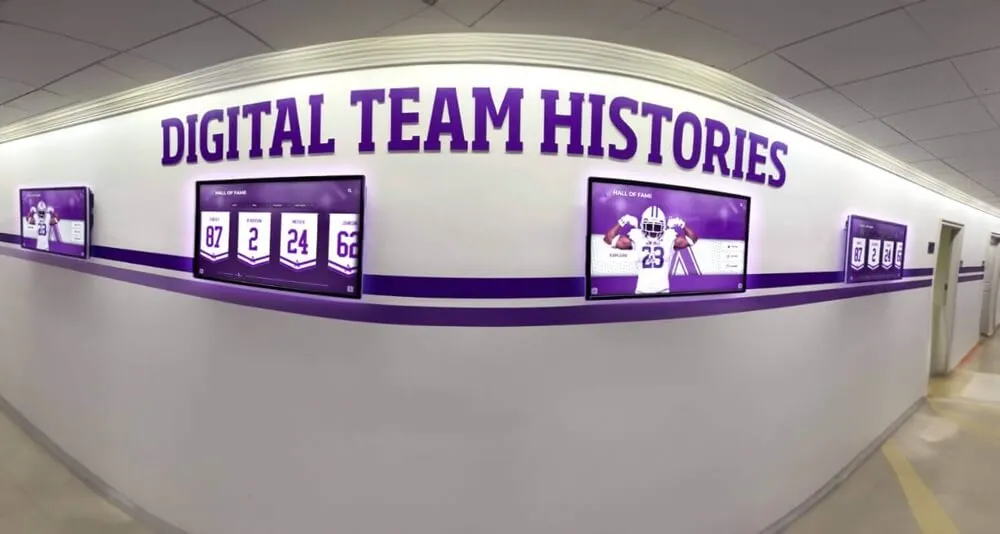
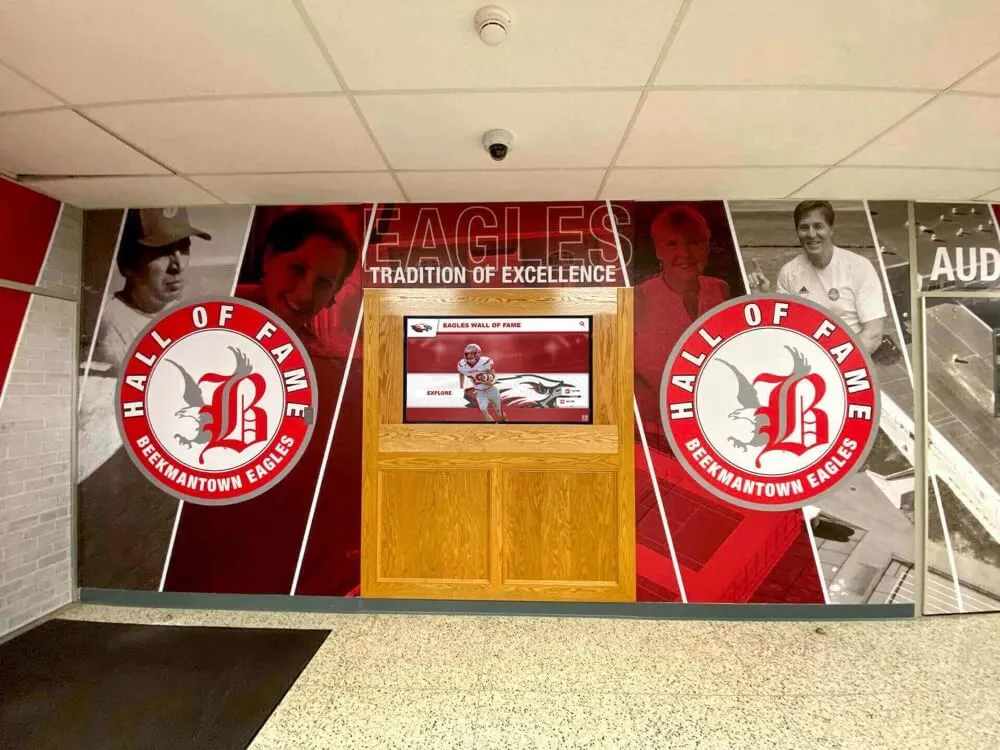
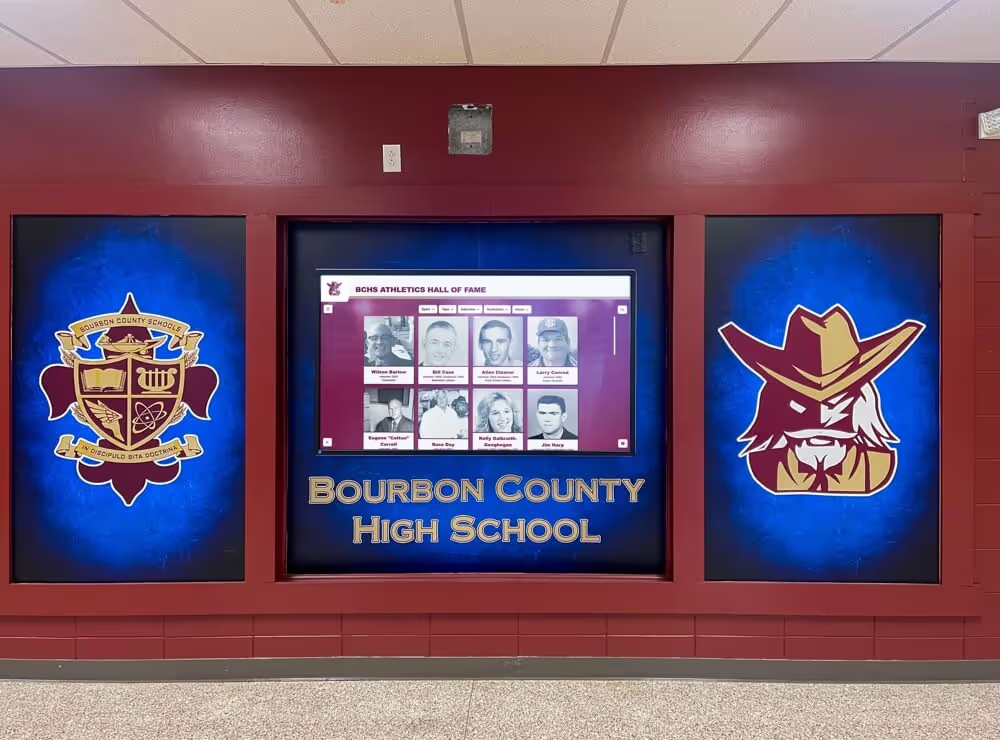
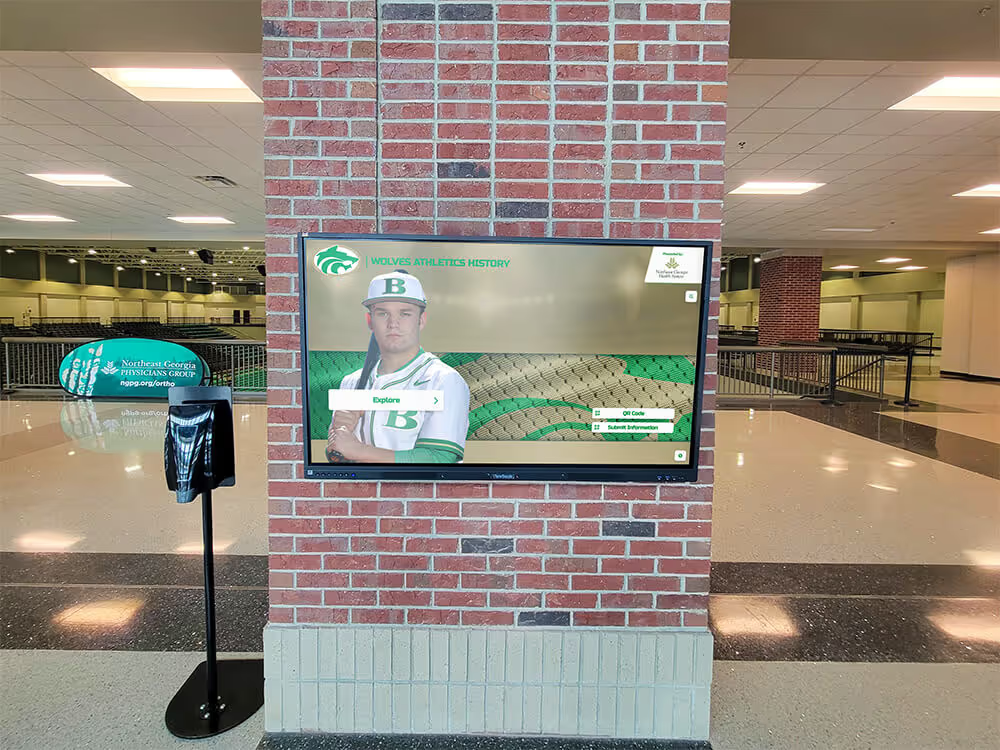
Digital Recognition Displays
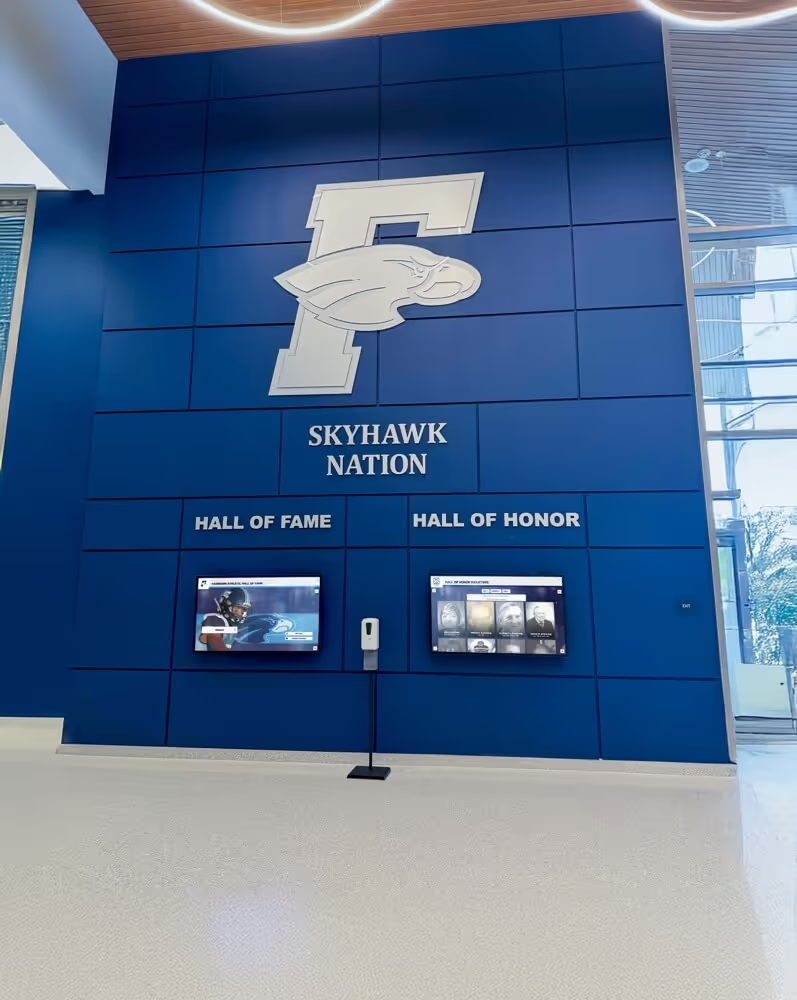
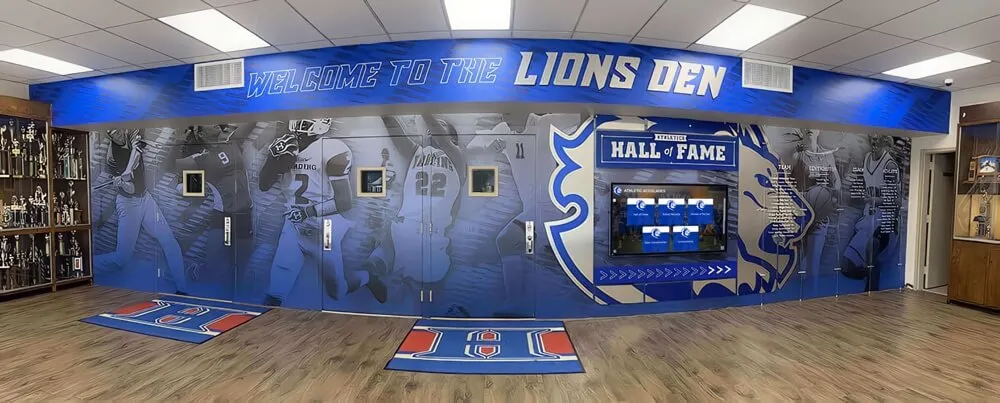
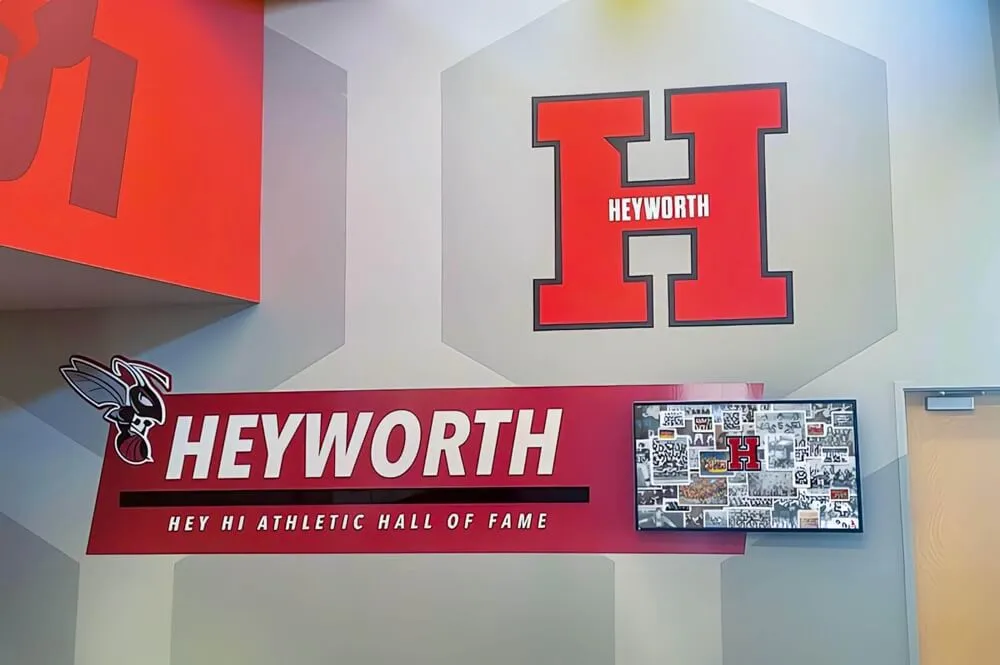
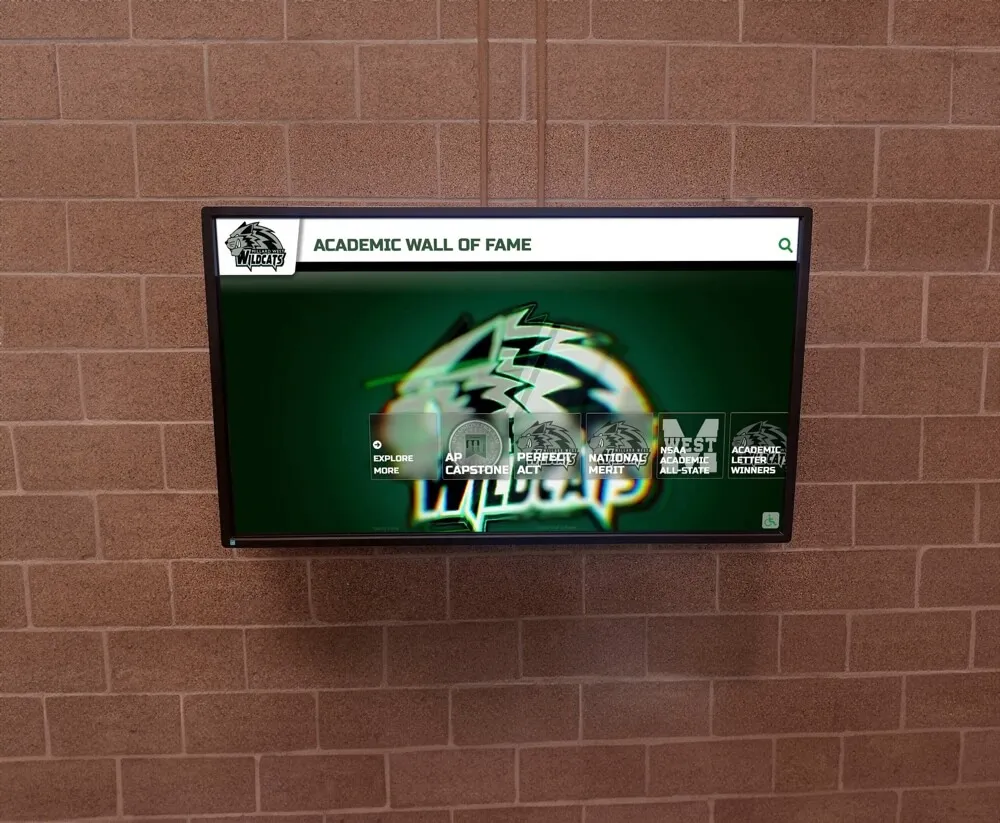
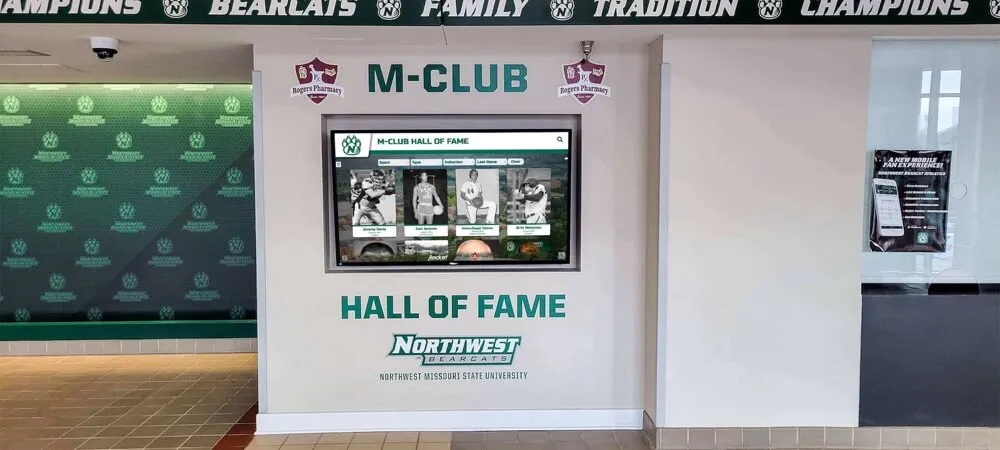
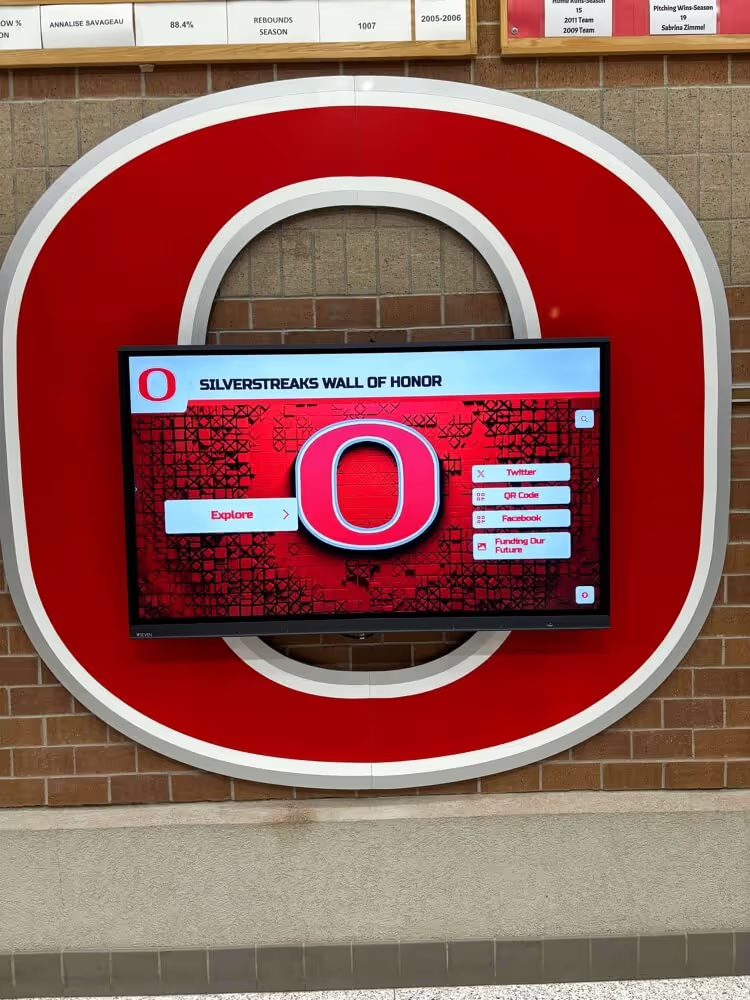
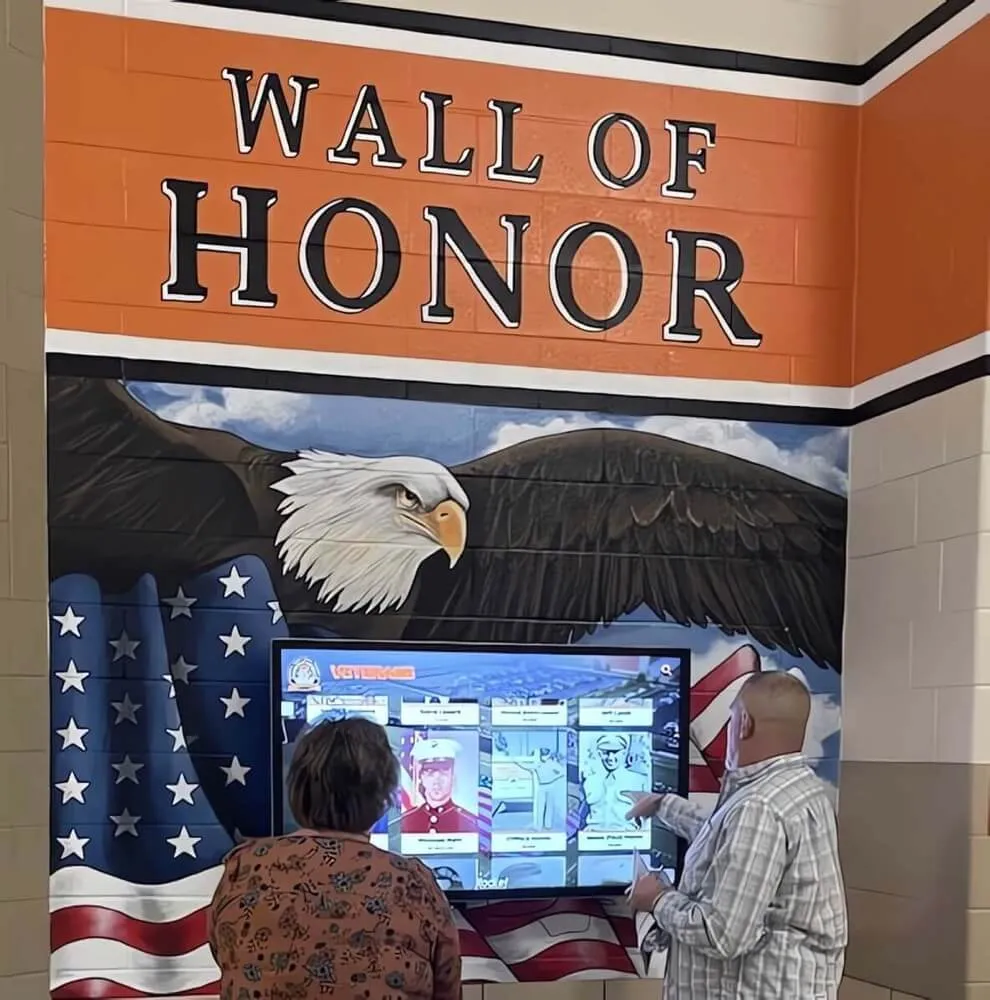
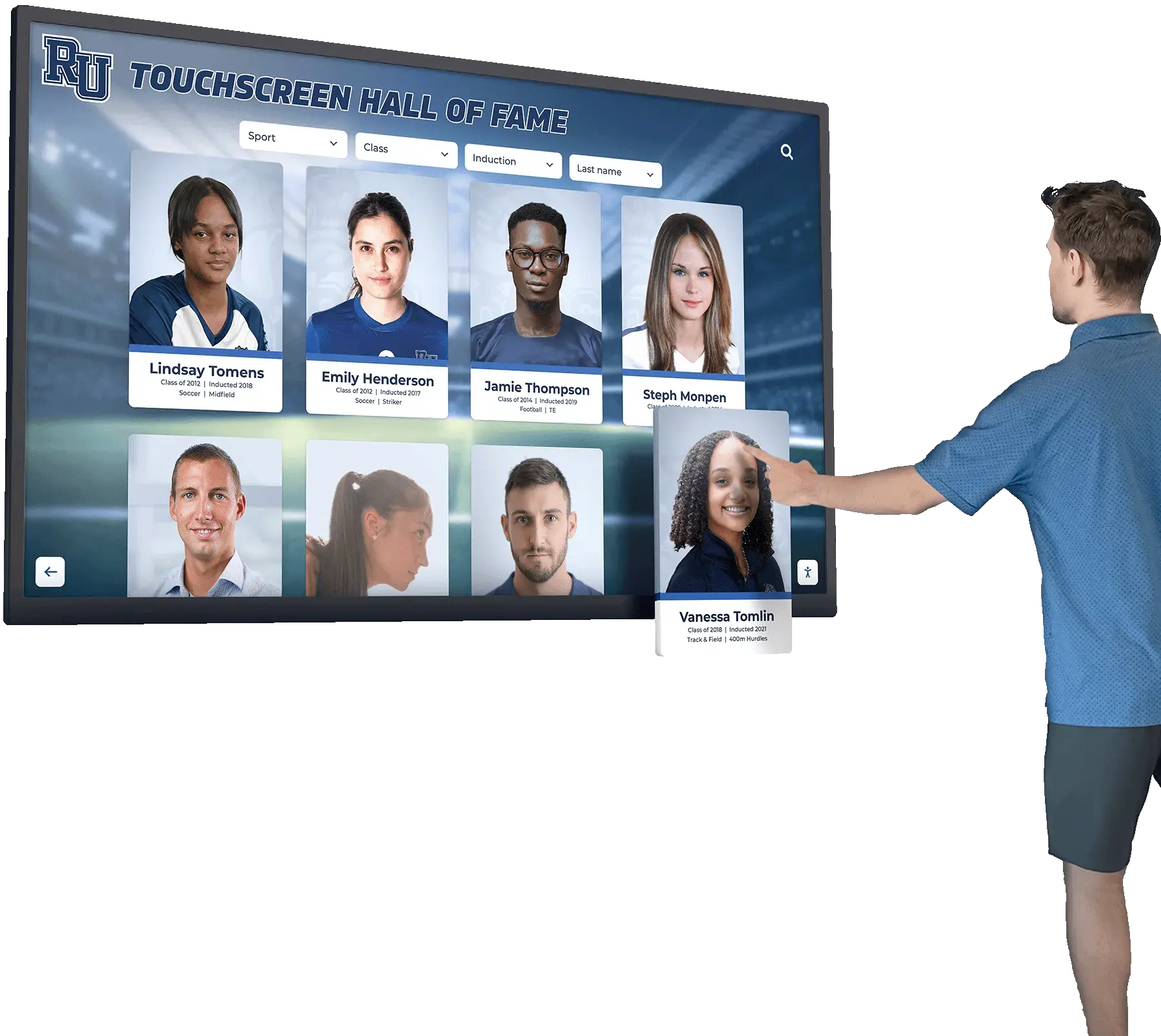
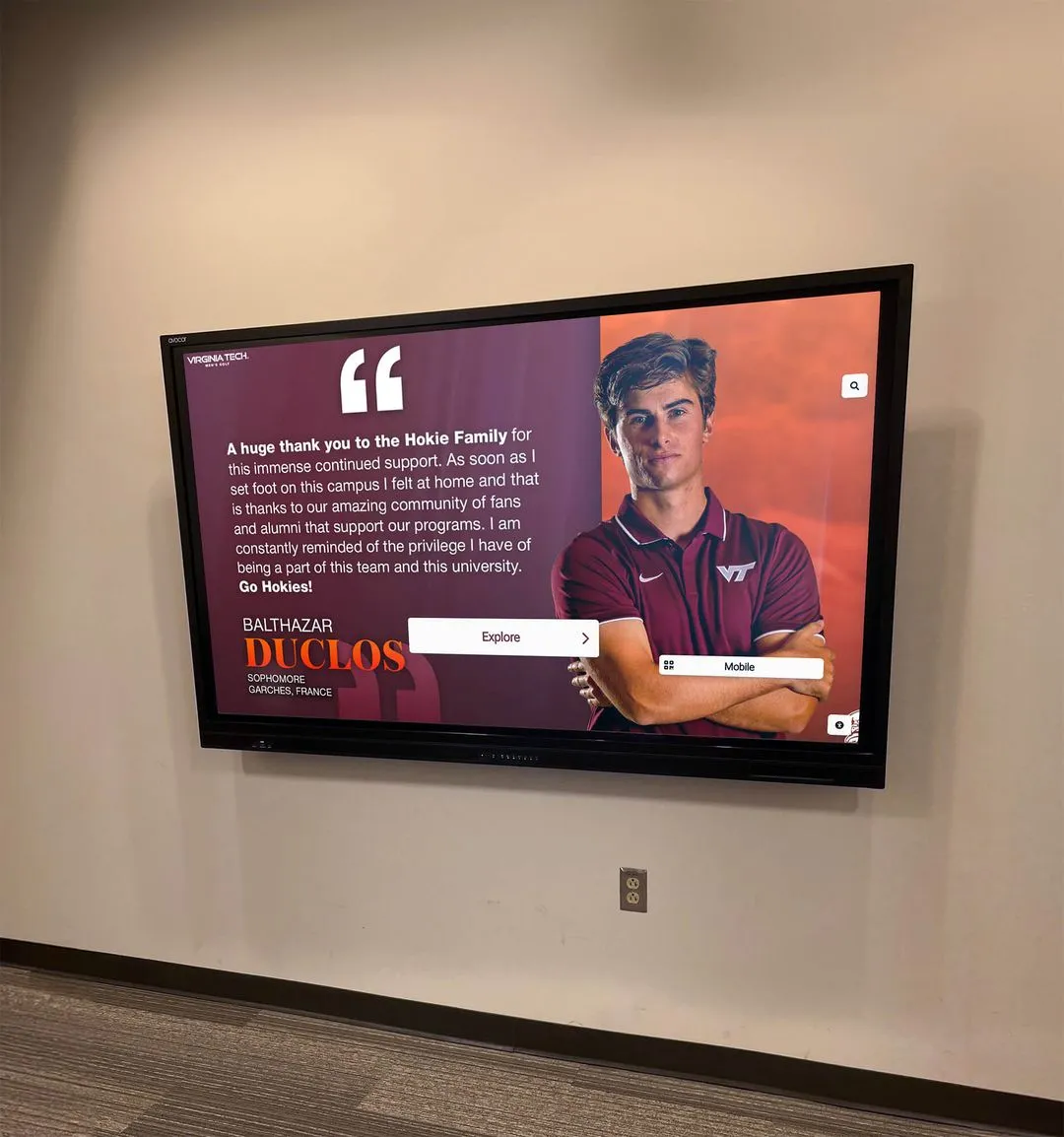
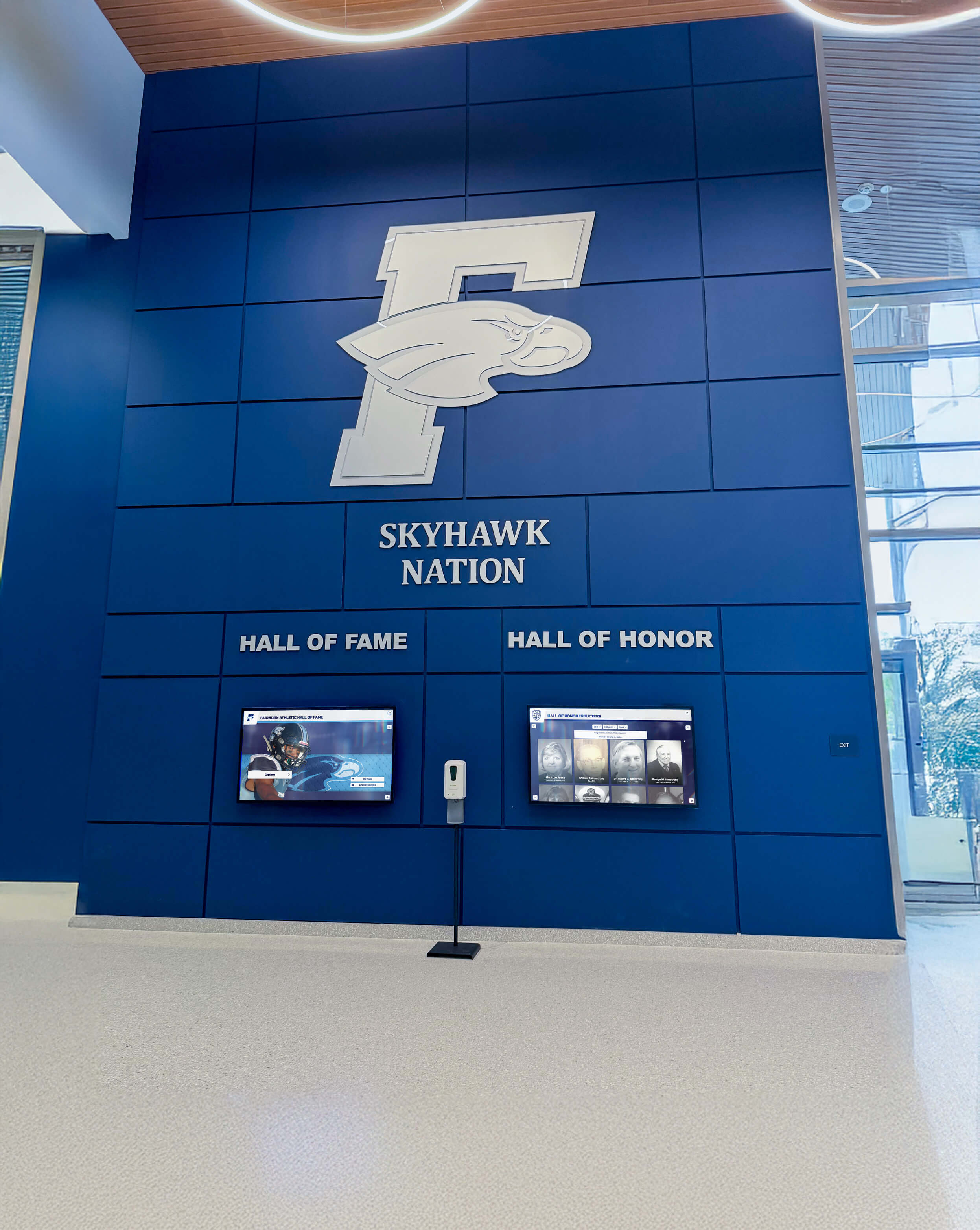
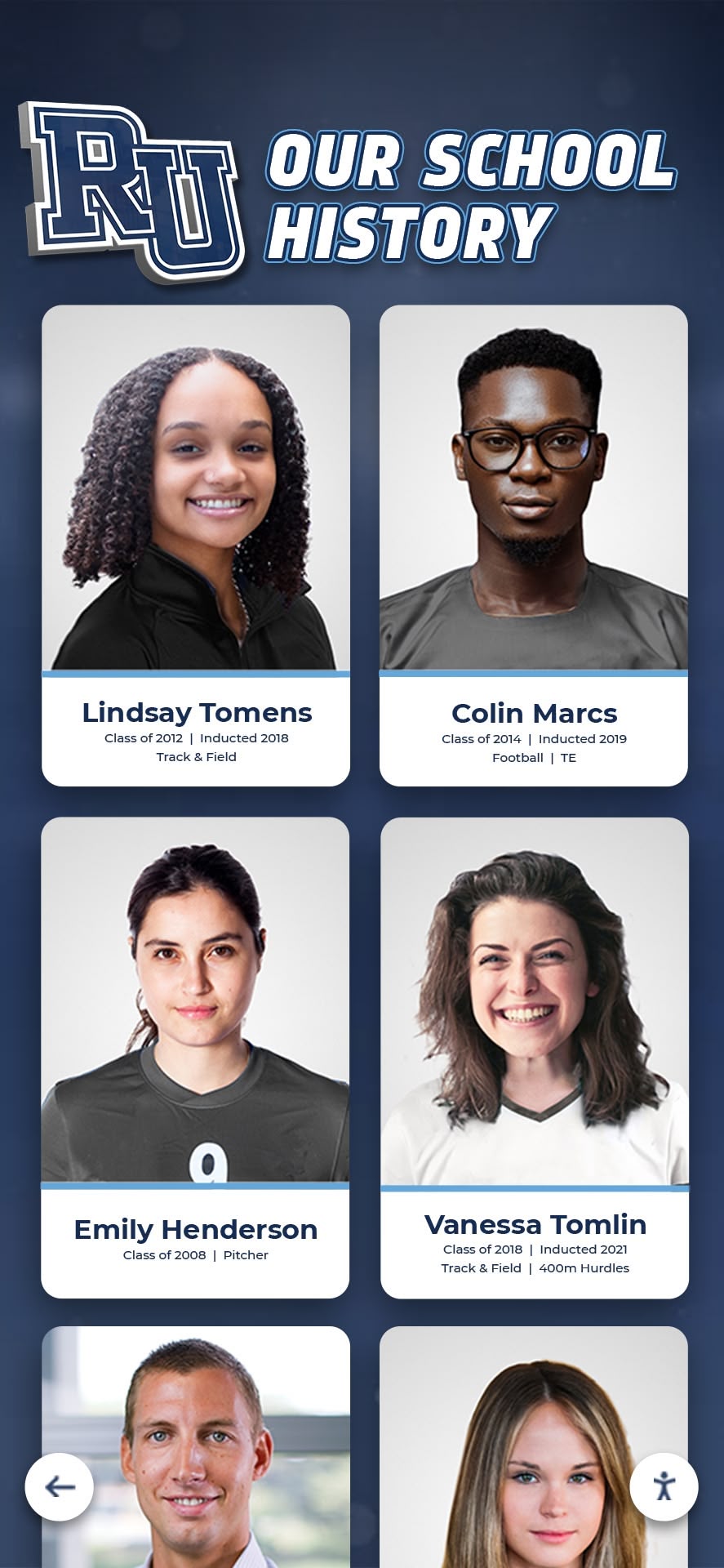
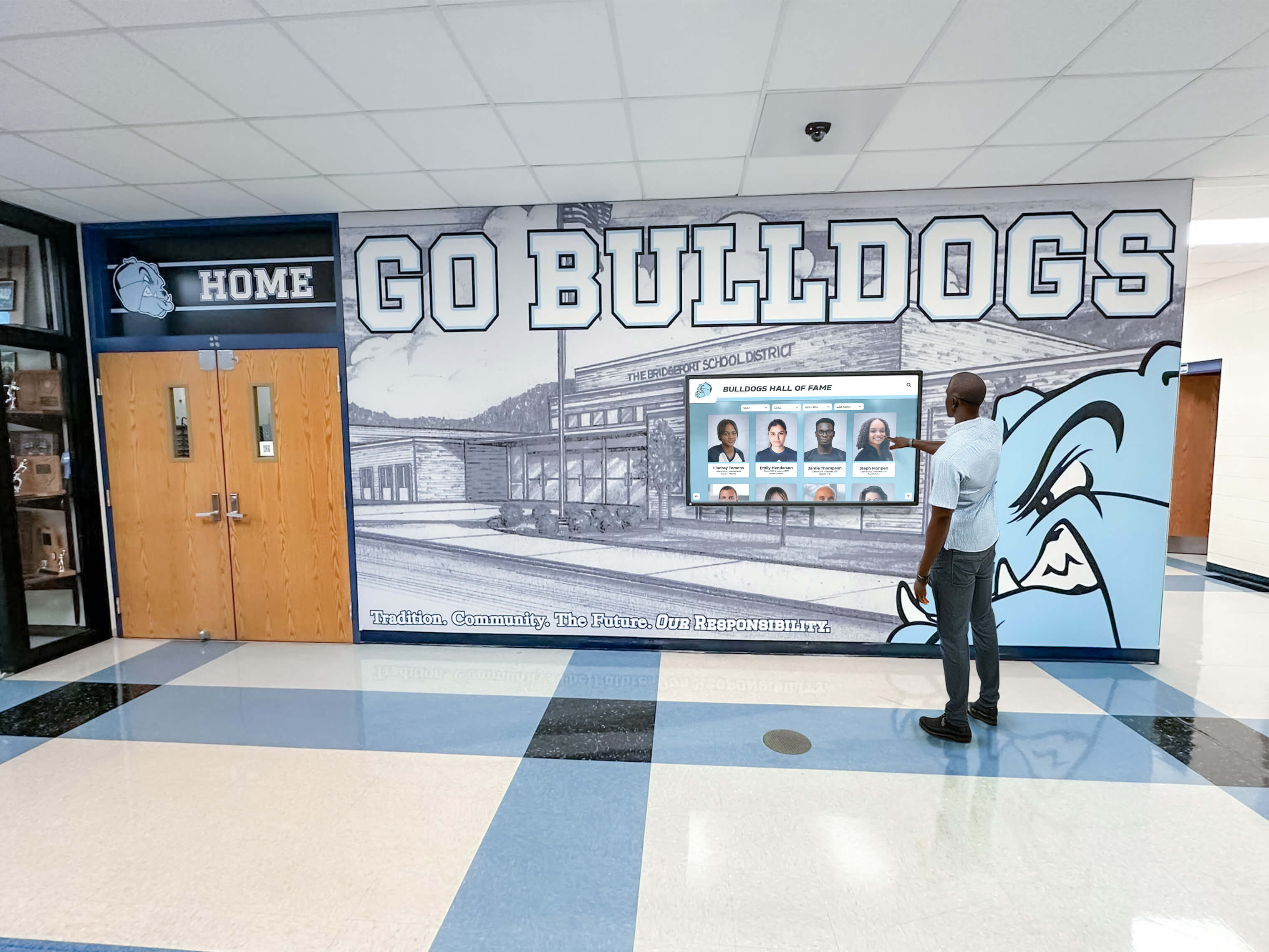
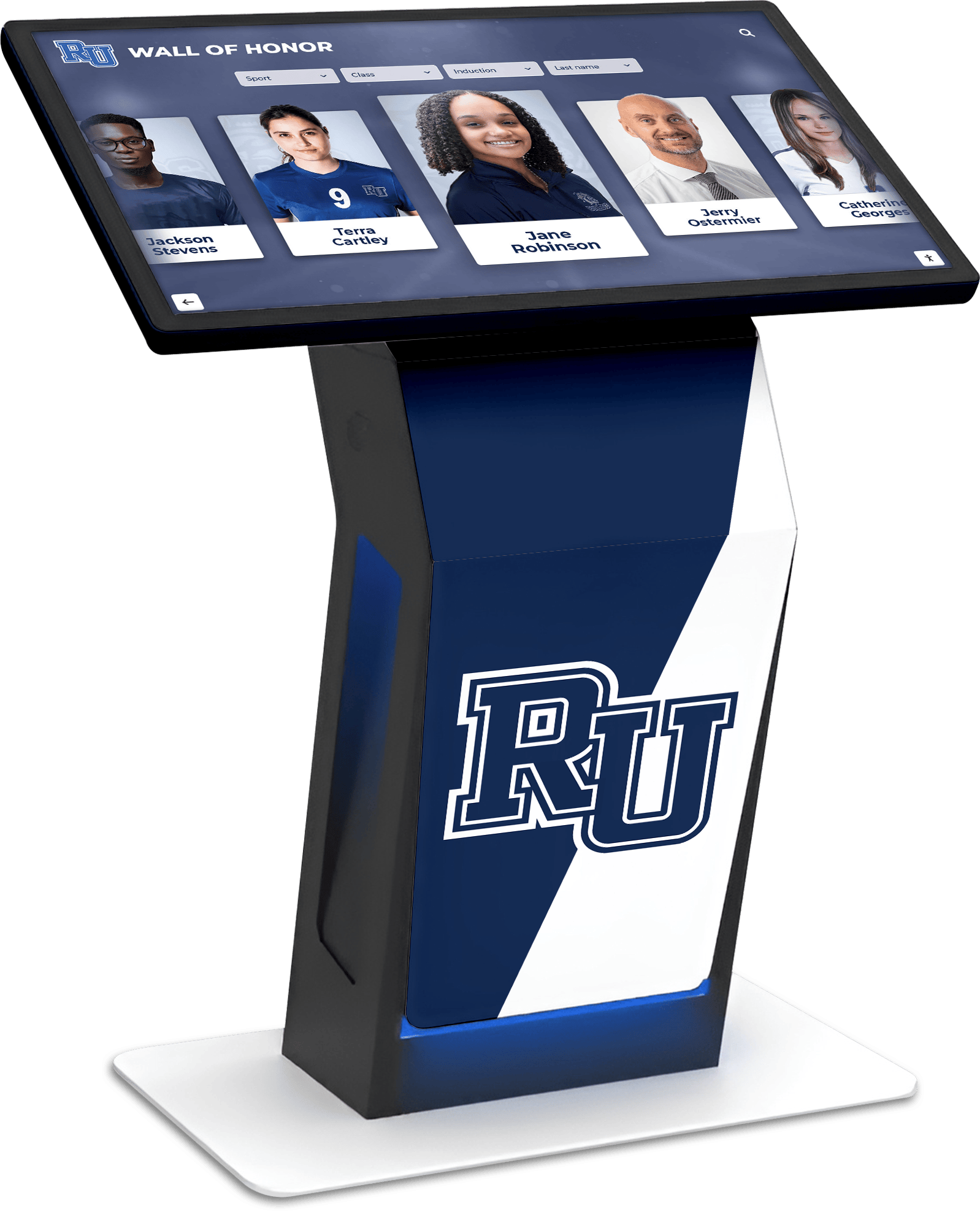
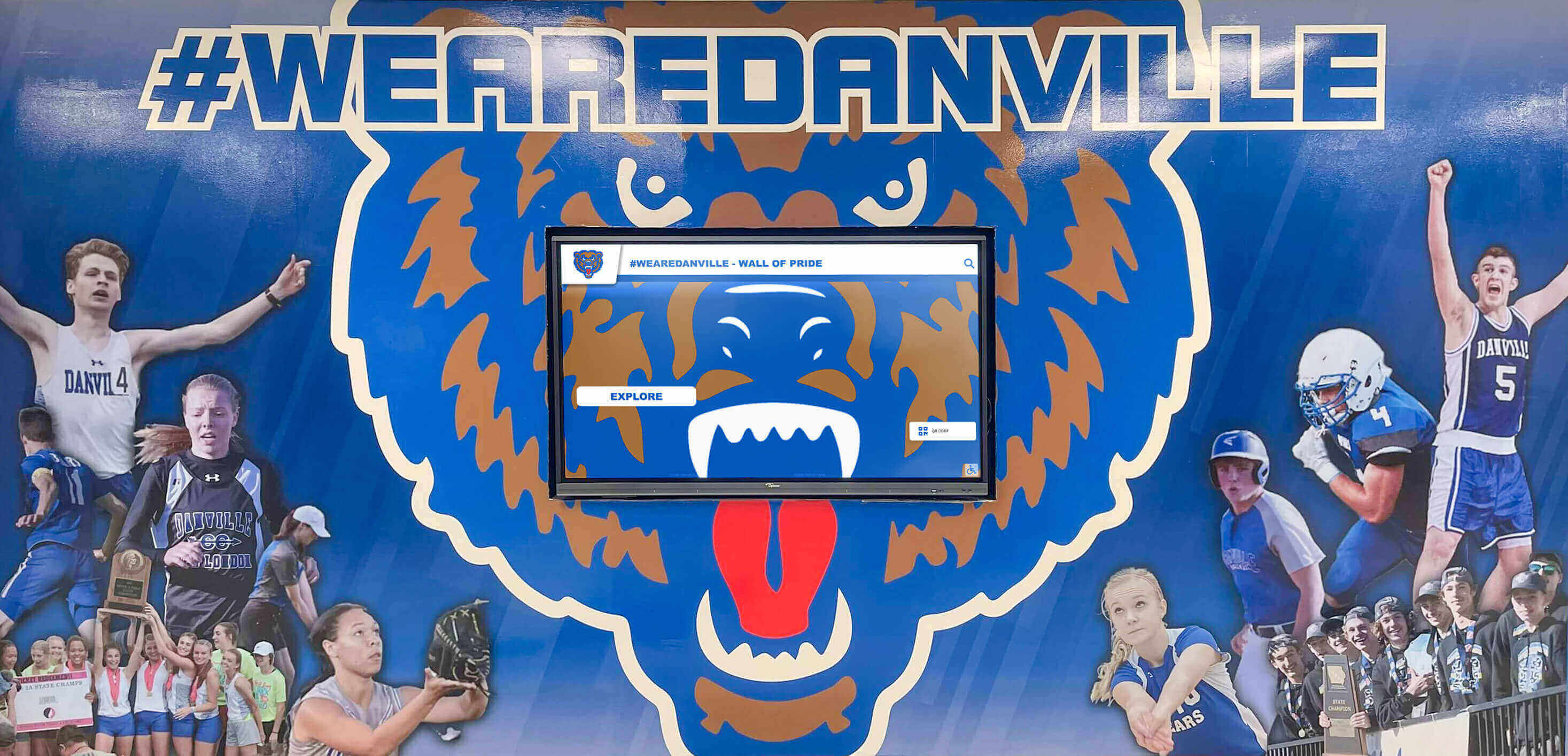
Progressive schools implement permanent digital displays featuring homecoming court members alongside other student achievements. Unlike traditional plaques that accommodate limited information, interactive touchscreen displays can showcase comprehensive profiles including biographical information and involvement details, multiple photographs from coronation ceremonies and court activities, video messages or interview content, connections to other students from the same graduating class or activity groups, and historical context about homecoming traditions across years.
These digital recognition systems overcome space limitations of physical displays while enabling dynamic, engaging presentations that better capture the significance of homecoming recognition than simple name plaques.
Preserving Homecoming History
Thoughtful schools maintain comprehensive records of homecoming court traditions, creating institutional memory that connects current students to decades of history.
Historical Archives and Displays
Physical or digital archives documenting past homecoming courts might include comprehensive lists of all court members across school history, photographs from coronation ceremonies spanning decades, programs from homecoming games and dances, newspaper clippings covering homecoming events, and biographical information about notable alumni who served on courts. These archives serve multiple purposes—preserving institutional history, providing context for current traditions, celebrating continuity across generations, and creating resources for alumni engagement activities.

Interactive Digital Platforms
Modern recognition technology enables schools to create searchable, interactive databases of homecoming history accessible through lobby displays or websites. Visitors can explore past courts by year, search for specific individuals, view photographs from different eras, and discover connections between current and historical court members. These platforms transform static historical records into engaging experiences that build school pride while demonstrating institutional continuity.
Solutions like Rocket Alumni Solutions provide specialized platforms designed for this type of comprehensive student recognition, offering unlimited capacity to preserve decades of homecoming history, intuitive interfaces enabling easy exploration of court records across years, multimedia integration combining text, images, and video in rich profiles, web-based access extending recognition beyond physical school locations, and analytics revealing how communities engage with historical traditions.
Addressing Common Challenges and Concerns
While homecoming court traditions generate excitement and meaningful recognition, they also present challenges that thoughtful schools proactively address.
Inclusivity and Representation Issues
Traditional homecoming courts can inadvertently reinforce social hierarchies or exclude students from meaningful recognition opportunities.
Popularity Versus Merit Tensions
Pure popularity-based selection can result in courts dominated by students from particular social groups, activities, or demographic categories, potentially overlooking deserving students who haven’t achieved high social visibility regardless of their character or contributions. Schools can address this through criteria-based selection requiring demonstrated involvement and character, committee oversight ensuring selected students meet defined standards beyond popularity, multiple position types recognizing diverse forms of excellence, and transparent communication about what homecoming recognition actually celebrates.
Gender and Identity Inclusion
Traditional binary gender structures exclude students whose identities don’t align with male/female categorizations. Progressive solutions include gender-neutral position titles allowing all students to participate authentically, self-selection enabling students to choose which positions they pursue, entirely reimagined recognition structures avoiding gendered categories, and explicit policies protecting LGBTQ+ student participation rights.
Socioeconomic Equity Concerns
Homecoming traditions can create financial burdens that exclude students from lower-income families through formal wear expectations for court members and dance attendees, campaign costs if students spend money on posters or promotional items, photography or announcement expenses, and dance tickets or other participation fees. Schools can promote equity through providing or subsidizing formal wear for court members with financial need, regulating or eliminating campaign spending, including professional photography as school-provided service rather than family expense, and ensuring financial barriers don’t prevent participation in recognition experiences earned through merit.
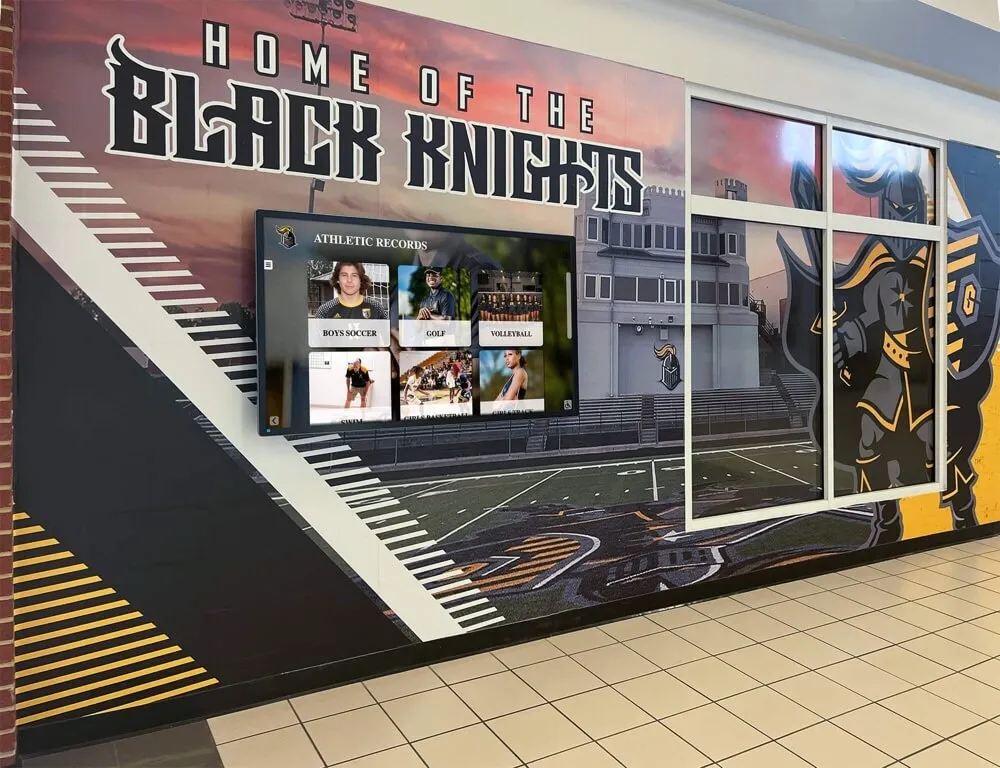
Disappointment and Competition Management
Homecoming court selection inevitably creates winners and others who hoped for recognition but didn’t receive it.
Supporting Non-Selected Nominees
Students who participate in nomination or voting processes but aren’t ultimately selected may experience genuine disappointment. Supportive responses include recognizing all nominees through certificates or announcements, framing nomination itself as honor demonstrating peer respect, emphasizing diverse pathways to recognition beyond homecoming court, and providing perspective that one particular recognition doesn’t define worth or achievement.
Maintaining Appropriate Competition
Campaign periods can become uncomfortably competitive or even hostile if not properly structured and supervised. Schools should establish and enforce clear campaign rules, prohibit negative campaigning or criticism of opponents, limit campaign spending or provide equal resources to all nominees, monitor for bullying or inappropriate pressure tactics, and intervene immediately when competition becomes unhealthy.
Managing Parent and Family Expectations
Sometimes family members become overly invested in homecoming court selection, creating pressure on students or inappropriate advocacy with school officials. Clear communication helps manage expectations including transparent explanation of selection processes and criteria, consistent enforcement of rules without special exceptions, boundaries around parent involvement in campaigns or lobbying, and perspective that homecoming court represents one of many recognition opportunities.
Logistical and Organizational Challenges
Successfully executing homecoming court recognition requires substantial coordination and planning.
Timeline and Planning Requirements
Comprehensive homecoming court processes require significant advance planning including nomination and voting process design and communication, campaign period scheduling and supervision, ceremony planning and coordination with athletic or dance events, attire and accessory procurement or rental, photography and documentation arrangements, and communication with families about schedules and expectations.
Schools benefit from establishing year-round homecoming committees that begin planning months before actual events, creating checklists and timelines ensuring critical elements receive attention, and documenting processes for institutional memory supporting future years.
Budget Considerations
Even modest homecoming recognition involves expenses that budget-conscious schools must plan for including crowns, sashes, flowers, or other symbolic items for court members, professional photography and videography services, promotional materials and program printing, ceremony sound system or equipment rental, and digital display or archive system investments.
Schools should establish dedicated homecoming budgets, explore sponsor support from booster clubs or community partners, and prioritize expenditures ensuring core recognition elements receive funding even if peripheral items require cost-saving approaches.
Best Practices for Meaningful Homecoming Court Traditions
Schools creating or refining homecoming court traditions benefit from these evidence-based practices that enhance meaningfulness while avoiding common pitfalls.
Clear Communication and Transparency
Published Criteria and Processes
Students, families, and community members should easily access clear information about nomination requirements and deadlines, selection criteria and processes, campaign rules and restrictions, timeline for each stage of the process, responsibilities and expectations for selected court members, and appeals or clarification procedures for questions.
This transparency prevents confusion, manages expectations, and ensures all potential participants understand how recognition works before investing time and emotion in pursuing selection.
Rationale and Values Alignment
Schools should articulate why they maintain homecoming court traditions and what values these recognitions represent. Clear values statements help communities understand that homecoming court celebrates character and contribution beyond simple popularity, connects current students to important school traditions, provides leadership opportunities for recognized students, and creates shared experiences building school pride and community bonds.

Balanced Selection Processes
Multiple Evaluation Dimensions
Rather than relying solely on popularity voting or committee selection, effective schools balance multiple input sources including peer nomination and voting, faculty or committee evaluation, objective criteria like academic standing and behavior, demonstrated involvement and leadership evidence, and character references or recommendations.
This multidimensional approach reduces the likelihood that any single factor—popularity, adult preference, or narrow criteria—exclusively determines selection, helping ensure chosen students genuinely merit recognition across multiple dimensions.
Diverse Court Composition
Thoughtful schools ensure homecoming courts reflect student body diversity across demographic categories, activity areas and interest domains, academic and extracurricular excellence types, and social groups and peer networks.
While individual year variations occur naturally, courts that consistently exclude particular student populations suggest selection processes may inadvertently privilege certain groups, warranting examination and potential adjustment of criteria or procedures.
Meaningful Recognition Experiences
Personalization and Individual Acknowledgment
Generic recognition feels less meaningful than personalized acknowledgment celebrating specific contributions. Schools enhance recognition impact through individual profile features highlighting unique accomplishments, personalized speeches during coronation ceremonies, family involvement in recognition moments, connections to students’ specific interests and activities, and documentation preserving individual stories rather than merely names.
Extended Recognition Beyond Single Moments
While coronation ceremonies create peak recognition experiences, schools can extend impact through week-long celebration of court members throughout homecoming activities, social media features building anticipation and celebrating achievements, permanent displays preserving recognition for years, alumni engagement connecting current court members with historical traditions, and ongoing ambassador roles leveraging recognition throughout students’ remaining school time.
Continuous Improvement and Adaptation
Regular Tradition Evaluation
Schools should periodically assess whether homecoming court traditions serve current students effectively through student feedback surveys gathering participant and observer perspectives, demographic analysis examining who receives recognition across years, comparison of stated values to actual selection outcomes, family and alumni input about tradition significance and concerns, and alignment assessment ensuring practices match contemporary school culture.
Regular evaluation enables responsive adjustment maintaining tradition’s positive elements while addressing emerging concerns before they become entrenched problems.
Flexibility and Innovation
The most enduring traditions adapt for changing contexts rather than rigidly maintaining practices that no longer resonate. Schools should remain open to modifications in position structures reflecting student demographics and identities, selection processes better balancing merit and inclusivity, recognition formats leveraging contemporary technology and communication, and participation models expanding rather than restricting who can meaningfully engage.
This adaptive approach preserves core tradition value—celebrating deserving students and building community—while ensuring specific implementation remains relevant and meaningful for current populations.
Technology and Digital Recognition Solutions
Modern schools increasingly leverage technology to enhance homecoming court recognition and preserve these traditions more effectively than historical approaches allowed.
Interactive Digital Displays
Purpose-built recognition platforms transform how schools celebrate and preserve homecoming traditions.
Comprehensive Homecoming Archives
Rather than plaques listing only names and years, digital platforms enable rich documentation including full biographical profiles of court members, multiple photographs from coronation and activities, video content capturing ceremony moments, connections showing peers who served on courts together, historical context about specific years’ homecoming themes or events, and search functionality allowing easy exploration across decades.
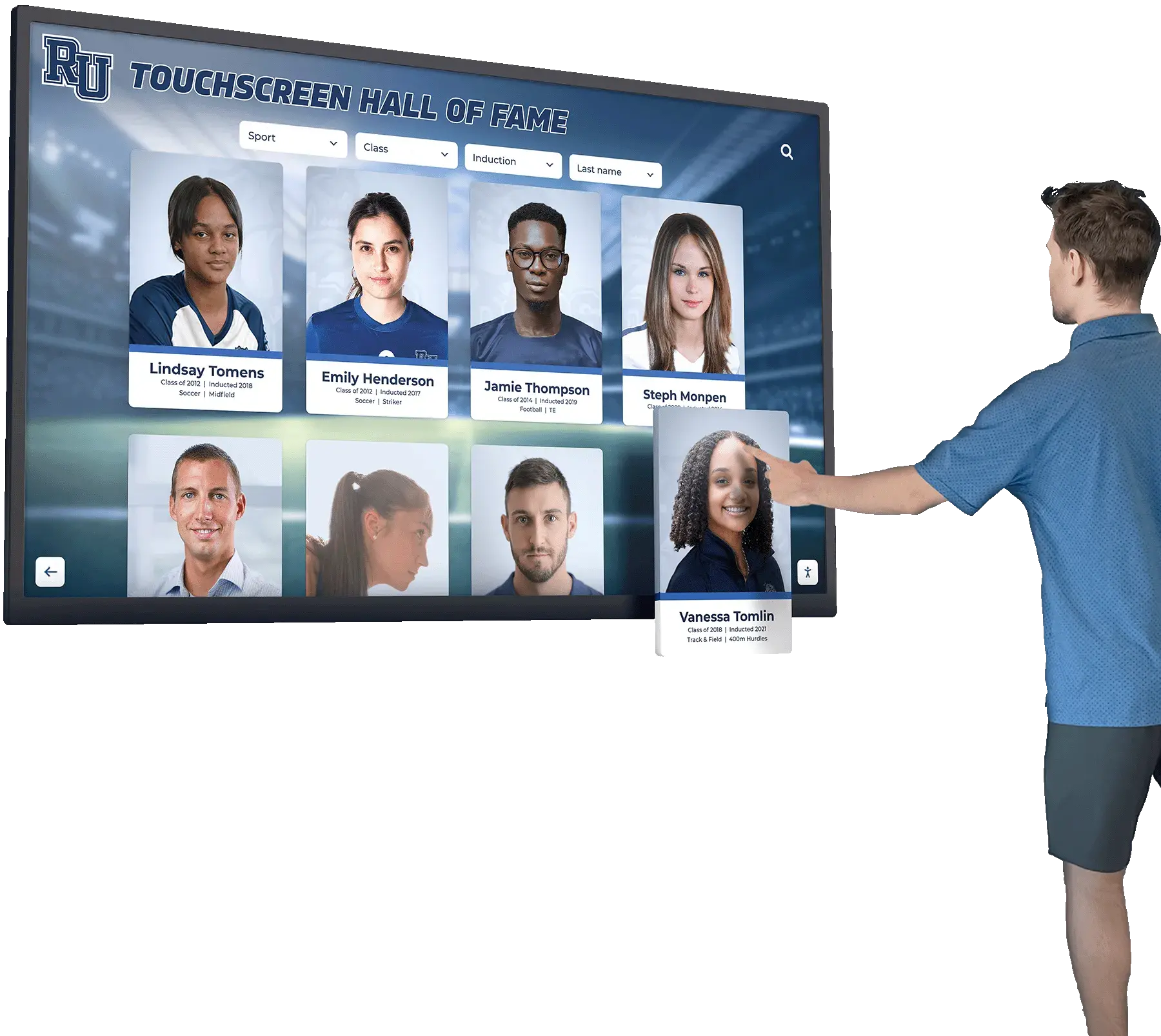
These comprehensive archives preserve institutional history more completely while creating engaging experiences that build pride in school traditions.
Lobby and Hallway Recognition
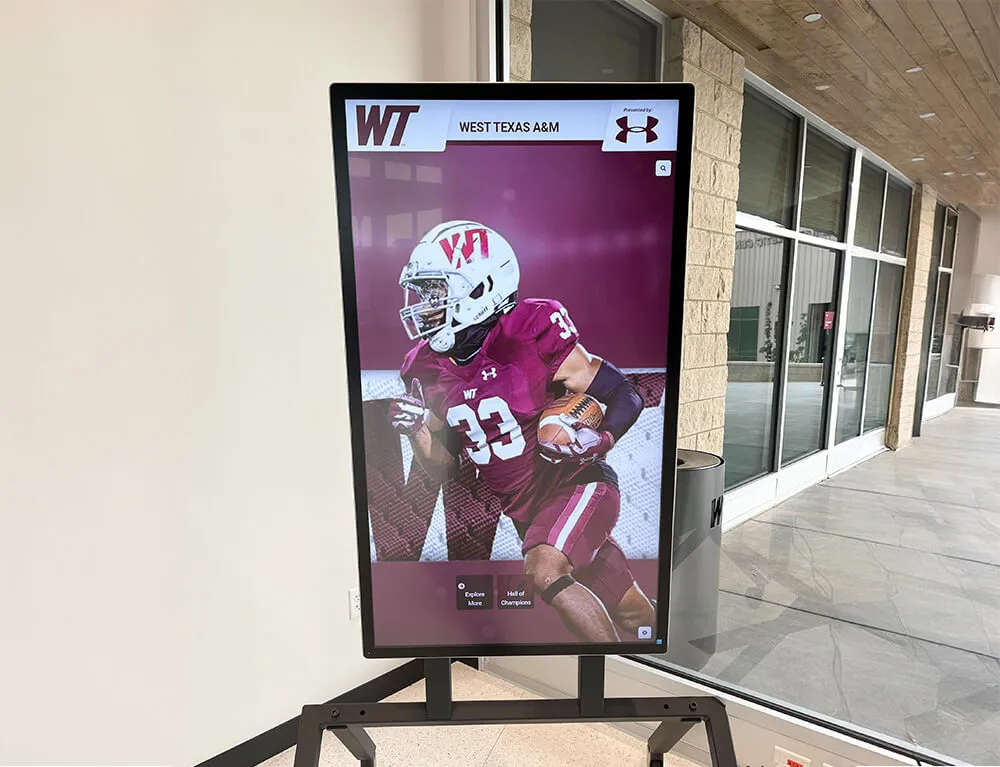
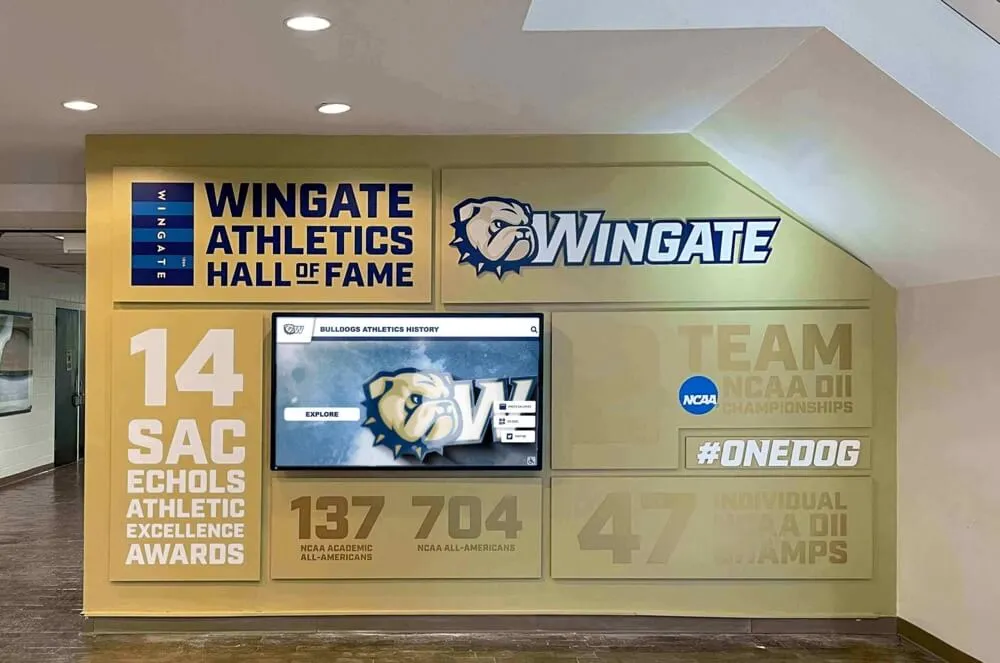
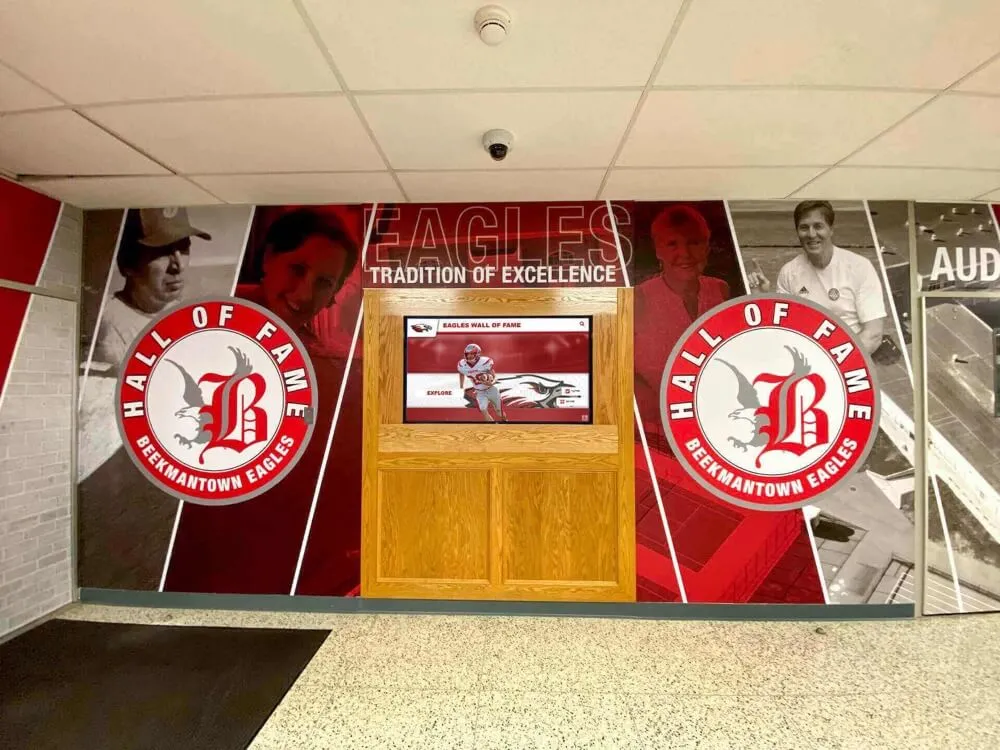
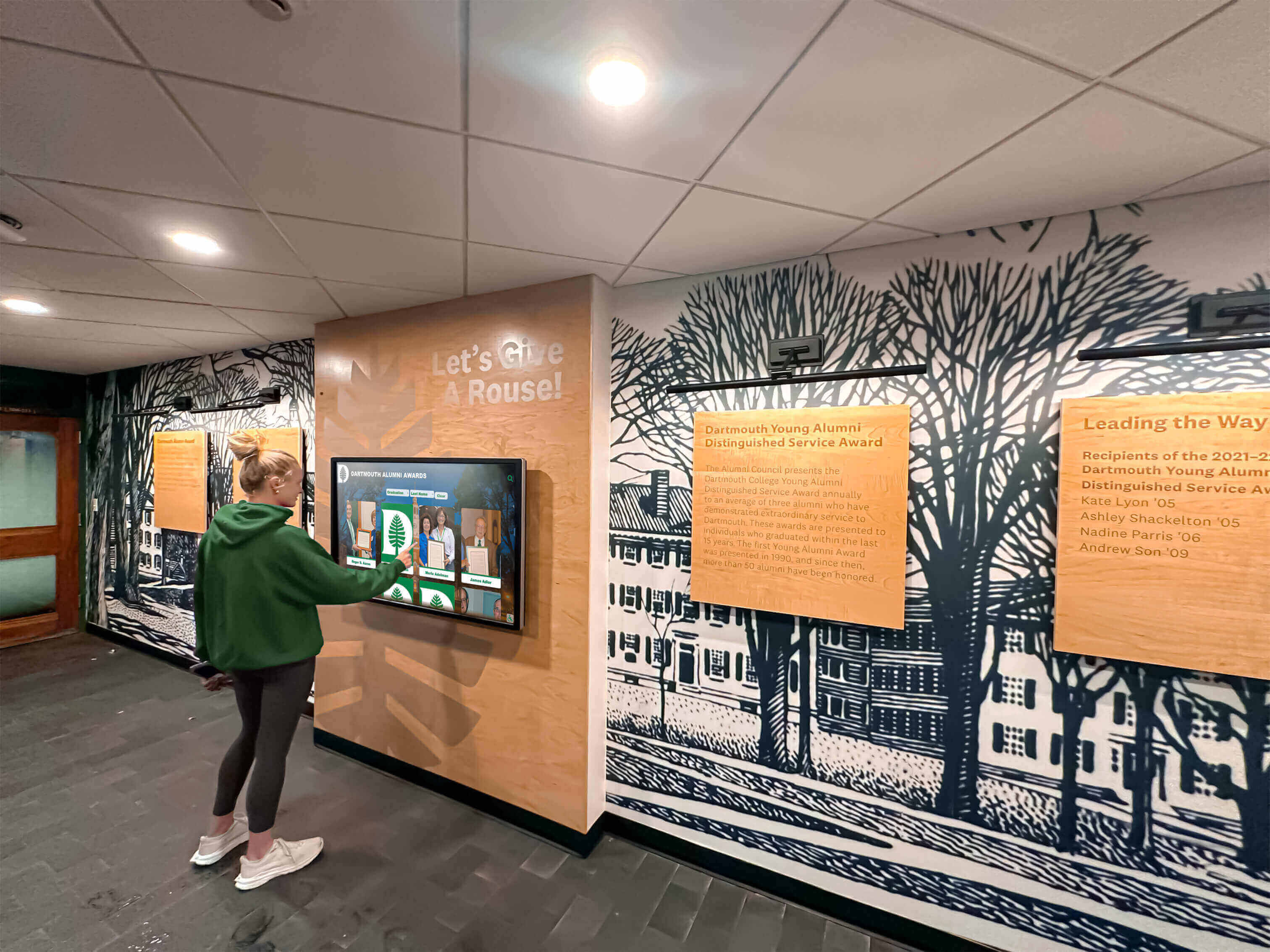
Strategic placement of interactive displays in high-traffic locations transforms underutilized spaces into engagement centers where current students explore homecoming history, prospective families learn about school traditions, alumni revisit their own court experiences, and visitors understand school culture through visible traditions.
The interactive nature encourages exploration during passing periods, before school, lunch, and other unstructured times, building awareness and pride in homecoming traditions throughout the year rather than only during homecoming week.
Web-Based Access
Digital recognition extends beyond physical displays through web platforms enabling families to share student achievements with distant relatives, alumni to reconnect with their own homecoming memories, prospective students to understand school culture before enrolling, and community members to celebrate student success conveniently.
This extended reach amplifies recognition impact while strengthening connections between schools and broader communities.
Rocket Alumni Solutions for Homecoming Recognition
While generic digital signage can display information, purpose-built platforms like Rocket Alumni Solutions provide specialized capabilities designed specifically for educational recognition and tradition preservation.
Unlimited Historical Capacity
Unlike physical displays limited by available wall space, Rocket’s platform accommodates unlimited homecoming court members across decades of history. Schools can comprehensively document every court member since traditions began, ensuring complete historical record accessible for exploration rather than selective inclusion limited by physical constraints.
Rich Multimedia Profiles
Rocket enables schools to create engaging court member profiles including biographical information and school involvement details, coronation ceremony photographs and candid activity shots, video content from ceremonies or interview segments, connections to classmates, activity groups, and other achievements, and narrative descriptions providing context and personality beyond basic facts.
These rich profiles transform recognition from administrative documentation into compelling stories celebrating individual students authentically.
Intuitive Content Management
Busy administrators and staff can manage Rocket displays easily without technical expertise through cloud-based interface accessible from any device, template-driven content creation requiring only information entry, batch upload capabilities adding multiple court members efficiently, scheduled publishing enabling advance preparation, and minimal ongoing maintenance once initial setup completes.
This ease of use ensures comprehensive recognition remains sustainable even for schools with limited staff capacity or technical resources.
Analytics and Engagement Tracking
Understanding how communities interact with homecoming recognition helps schools demonstrate value and refine approaches. Rocket’s analytics reveal session duration and interaction depth, most-viewed profiles and years showing what resonates, search patterns indicating what visitors seek, peak usage times informing content strategy, and social sharing activity extending recognition reach.
These insights support continuous improvement while documenting engagement that justifies recognition program investments to stakeholders and budget decision-makers.
Planning for Future Homecoming Traditions
Schools committed to sustaining meaningful homecoming court traditions benefit from strategic long-term planning rather than year-by-year reactive approaches.
Building Sustainable Programs
Institutional Documentation
Comprehensive documentation ensures traditions persist through leadership transitions including written policies governing selection processes and criteria, planning timelines and checklists guiding annual implementation, historical records of past courts and ceremony approaches, budget frameworks identifying costs and funding sources, and contact lists for vendors, volunteers, and key participants.
This institutional memory prevents traditions from depending entirely on individual knowledge that disappears when key people leave, ensuring continuity across administrative and staff changes.
Committee Structures
Dedicated homecoming committees with defined membership and responsibilities create sustainable leadership including administrator oversight providing institutional authority and resources, faculty advisor continuity maintaining year-to-year knowledge, student leadership enabling peer perspective and ownership, and alumni or community member input connecting traditions across time.
These committees should meet year-round rather than only during homecoming season, ensuring adequate planning time and thoughtful program development rather than rushed last-minute coordination.
Alumni Engagement Integration
Homecoming naturally connects to alumni relations since the event itself celebrates school history and invites graduates to return. Strategic integration might include alumni attendance at coronation ceremonies, alumni profiles on digital displays alongside current courts, alumni mentorship programs connecting past and present court members, and alumni giving campaigns tied to homecoming celebration and tradition preservation.
These connections strengthen both homecoming traditions and broader alumni engagement efforts that support schools through advocacy, mentorship, and financial contribution.
Evolving Traditions Responsively
Regular Stakeholder Feedback
Traditions should evolve based on systematic community input including graduating senior surveys assessing their homecoming experiences, underclassman perspectives about whether traditions feel inclusive and meaningful, family feedback about ceremonies and communication, alumni opinions about changes to traditions they remember, and faculty observations about tradition impacts on school culture.
This ongoing feedback reveals whether homecoming court maintains relevance and meaning or whether adjustments would better serve contemporary students while honoring tradition’s core purposes.
Pilot Testing Significant Changes
When considering substantial modifications to established traditions, pilot approaches reduce risk including small-scale trials testing new formats before full adoption, optional alternatives allowing students to experience innovations while maintaining traditional options, and documented evaluation assessing pilots before permanent implementation.
Pilots demonstrate respect for valued traditions while enabling responsive adaptation that keeps homecoming meaningful for current and future students.
Conclusion: Celebrating Students Through Meaningful Traditions
Homecoming court positions represent far more than social recognition or popularity contests. When thoughtfully structured and authentically implemented, these traditions provide meaningful acknowledgment of student character, leadership, and contribution while creating shared experiences that build school community and connect current students to decades of institutional history.
The specific titles schools use—prince and princess, king and queen, representatives or ambassadors—matter less than ensuring recognition processes genuinely identify deserving students and celebrate them in ways that feel meaningful and inclusive. The most effective homecoming court traditions balance respect for historical continuity with responsive adaptation ensuring practices remain relevant and accessible for diverse contemporary student populations.
Modern schools face the opportunity to enhance traditional homecoming recognition through innovative approaches that preserve the ceremonial significance and community-building value of these traditions while leveraging technology and inclusive practices that previous generations lacked. Digital recognition platforms, comprehensive historical documentation, and transparent selection processes enable schools to celebrate homecoming court more completely, more equitably, and more permanently than ever before.
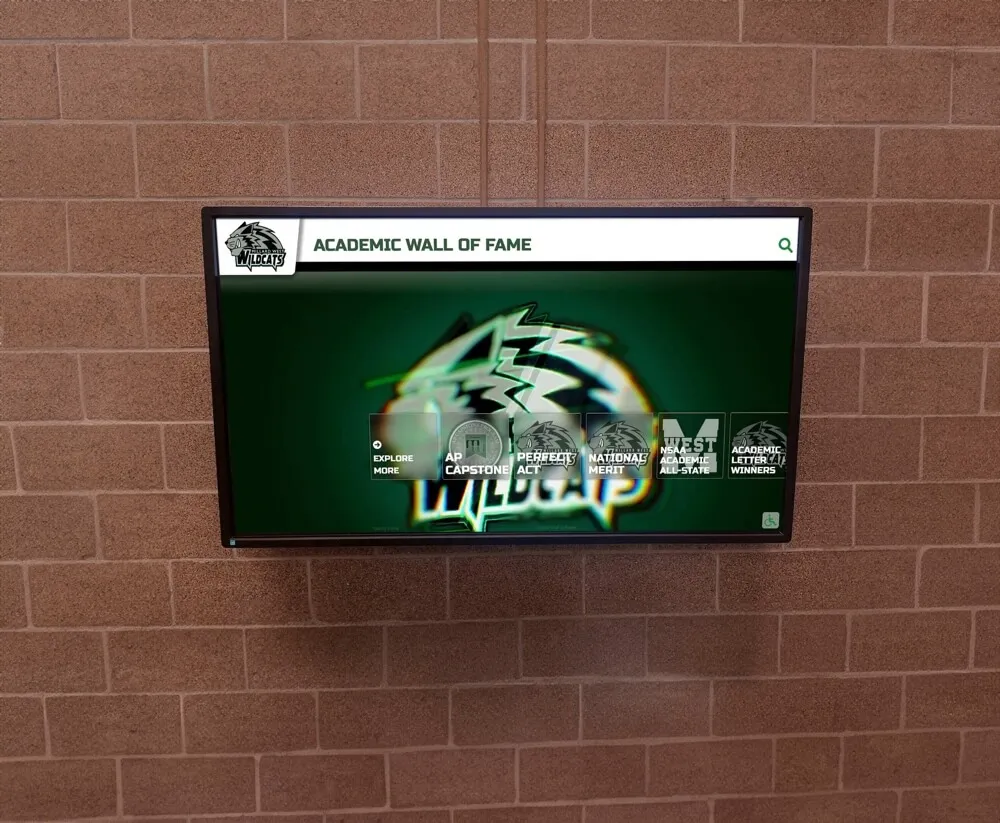
Whether your school maintains traditions stretching back generations or is establishing homecoming recognition for the first time, the key lies in creating processes that genuinely honor deserving students while building the inclusive, prideful school culture that homecoming celebrations aim to foster. The students who receive homecoming recognition today become tomorrow’s alumni who return years later to celebrate current students continuing traditions they themselves experienced—creating living connections across time that strengthen school communities in profound and lasting ways.
Ready to transform how your school celebrates and preserves homecoming court traditions? Rocket Alumni Solutions provides comprehensive digital recognition platforms designed specifically for schools, offering unlimited capacity to preserve decades of homecoming history, intuitive content management requiring no technical expertise, engaging interactive displays that build school pride, and web-based access extending recognition beyond school walls. Your homecoming traditions deserve recognition systems as thoughtful and sophisticated as the students you honor—comprehensive solutions ensure these cherished moments remain celebrated and preserved for generations to come.
Frequently Asked Questions About Homecoming Court Positions
What are typical homecoming court positions?
Traditional homecoming court structures include class-based positions organized by grade level. Freshmen, sophomore, and junior classes typically elect a prince and princess, while seniors select a homecoming king and queen. Some schools add additional positions like dukes, duchesses, or attendants to expand recognition opportunities. The specific titles and number of positions vary widely between schools based on tradition, student population size, and institutional values. Modern schools increasingly adopt gender-neutral titles like “homecoming royalty” or “class representatives” to create more inclusive structures that welcome all students regardless of gender identity.
How are homecoming court members selected?
Selection processes vary significantly but typically involve nomination followed by voting or committee evaluation. Common approaches include peer nominations where students nominate deserving classmates, schoolwide student voting determining final selections democratically, faculty or committee selection based on defined criteria like character and involvement, or hybrid systems combining popular vote with committee oversight ensuring chosen students meet standards beyond mere popularity. Schools may require minimum academic standing, behavioral standards, or demonstrated involvement as eligibility criteria. The most effective processes balance peer recognition with ensuring selected students genuinely embody qualities the school values and aims to celebrate through homecoming traditions.
What responsibilities do homecoming court members have?
Court members typically participate in week-long activities including spirit week events and themed dress-up days, formal photo sessions for programs and displays, pep rallies and school assemblies, coronation ceremonies during football games or dances, and the homecoming dance itself. Kings and queens may lead special dances or represent the school at alumni events. Some schools expect court members to serve as ongoing school ambassadors throughout their remaining time as students. Specific responsibilities vary by school but generally emphasize visible participation in celebratory activities and modeling the school spirit and leadership qualities that earned them recognition. Schools should clearly communicate expectations before students commit to court participation.
Can homecoming court be gender-neutral?
Yes, progressive schools increasingly implement gender-neutral homecoming court structures to ensure all students can participate authentically regardless of gender identity. Approaches include adopting neutral titles like “homecoming royalty,” “representatives,” or “ambassadors” instead of gendered prince/princess or king/queen designations, allowing students to self-select which position category they pursue rather than assigning based on assumed gender, creating entirely separate recognition systems that avoid traditional royal structures, or maintaining familiar titles while clarifying that all students may compete for any position. These inclusive adaptations preserve homecoming’s community-building and recognition purposes while ensuring traditions welcome and celebrate all students in alignment with contemporary values around gender diversity and inclusion.
How do schools choose between multiple homecoming court candidates?
Final selection methods vary widely. Popular approaches include democratic voting where all students vote for their preferred candidates in each class, committee or faculty selection where designated groups evaluate nominees against published criteria, points-based systems that quantify candidates on factors like academics, involvement, character, and voting results, or hybrid processes combining student votes with administrative oversight ensuring winners meet defined standards. Some schools select multiple court members—perhaps five to ten from each class—with king and queen selected from senior court through additional voting or committee decision. The most effective processes balance student voice with institutional oversight ensuring recognized students genuinely merit the school’s highest social honors.
What’s the difference between homecoming court and prom court?
While both traditions recognize students through royal titles, they serve different purposes and occur at different times. Homecoming court celebrates school spirit, community involvement, and connection to institutional traditions, typically occurring in fall alongside alumni return and school-wide celebrations. Selection often emphasizes leadership, character, and sustained contribution to school community. Prom court occurs at the end of spring semester in conjunction with junior-senior prom, functioning more as social recognition of popular students within the junior and senior classes. Prom tends to emphasize social relationships and celebration of senior year milestones rather than homecoming’s broader community and tradition focus. Some schools maintain both traditions while others choose to emphasize one recognition opportunity over the other.
How can schools make homecoming court more inclusive?
Schools promote inclusivity through several strategies including establishing clear criteria emphasizing character and contribution beyond pure popularity, ensuring selection processes recognize diverse types of excellence across academics, arts, athletics, and service, adopting gender-neutral structures welcoming all students regardless of identity, examining demographic patterns to ensure courts reflect student body diversity, eliminating financial barriers that might exclude students from lower-income families, creating multiple position types so various students have realistic recognition opportunities, and transparently communicating values and criteria so all students understand what homecoming recognition celebrates. Regular assessment examining who receives recognition across years helps identify whether processes inadvertently exclude particular populations, enabling responsive adjustments that strengthen inclusivity while maintaining tradition’s core purposes of celebrating deserving students and building school community.