When a hockey jersey hangs from the rafters or rests behind glass in a display case, it represents far more than fabric and numbers. Each retired jersey tells a story of exceptional dedication, championship moments, record-breaking performances, and the kind of character that defines program excellence for generations. Hockey programs at every level—from youth clubs to Division I universities—face the meaningful challenge of honoring their legends in ways that preserve history, inspire current players, and celebrate the individuals who built lasting traditions.
This comprehensive guide explores how hockey programs create meaningful jersey display solutions that authentically honor players and teams while inspiring future generations. Whether you’re planning your program’s first jersey retirement or modernizing recognition systems that no longer serve your needs, these strategies help create hockey displays worthy of the legends they celebrate.
Understanding Hockey Jersey Retirement Traditions
Before exploring display solutions, understanding why hockey jersey retirement matters helps programs create recognition systems serving genuine institutional purposes rather than merely following traditions without deeper meaning.
The Significance of Jersey Retirement in Hockey Culture
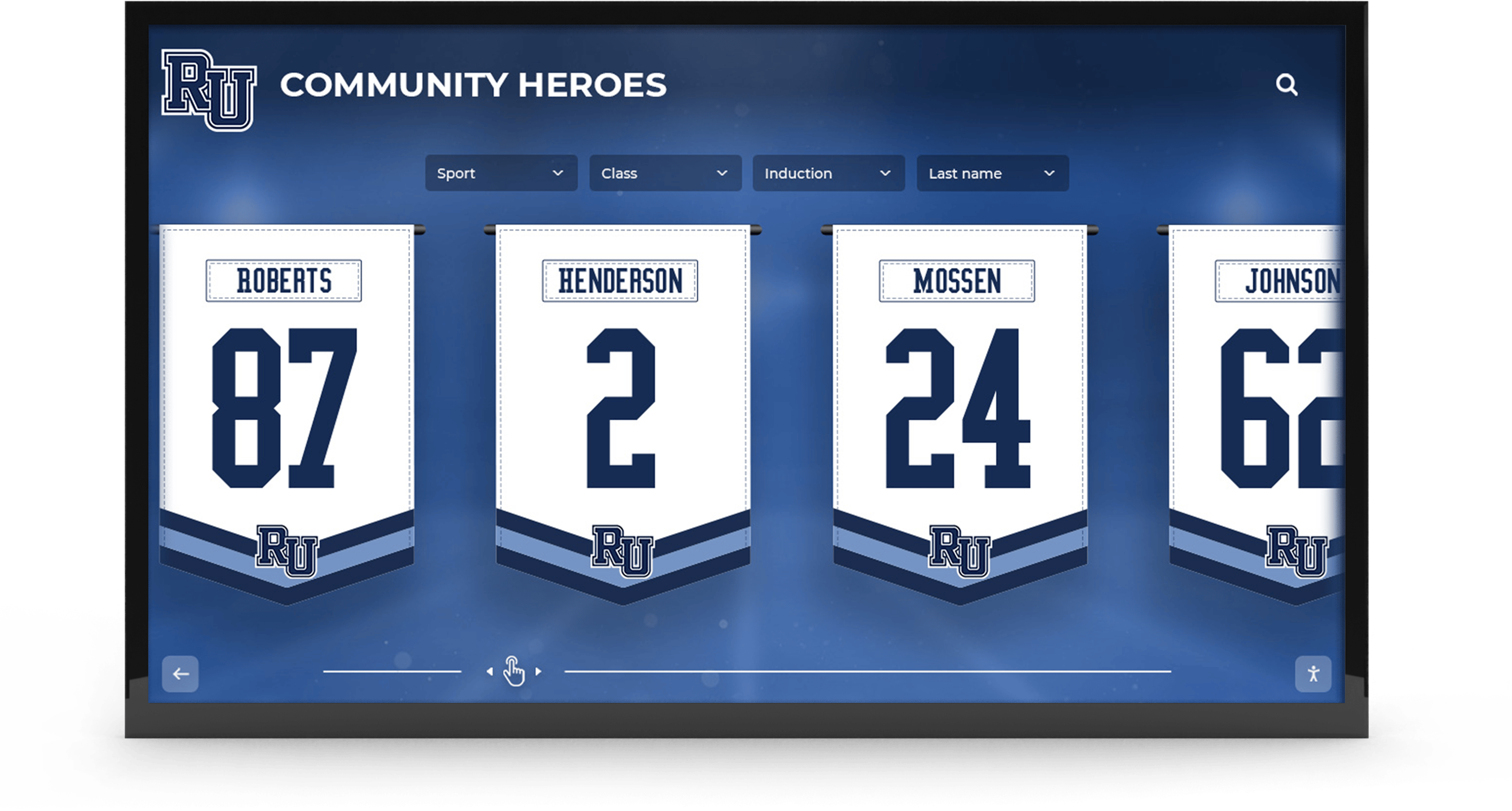
Hockey culture places particular emphasis on jersey retirement as the ultimate honor a program can bestow. Unlike sports where jersey retirement occurs relatively frequently, hockey programs typically reserve this recognition for truly exceptional achievements—players who fundamentally changed program trajectories, established records that defined eras, demonstrated character embodying institutional values, or achieved professional success reflecting positively on program development.
This selectivity makes each retired jersey tremendously significant. When hockey programs hang a jersey from arena rafters or place it in a prominent display case, they’re making a permanent statement about what excellence looks like within their specific program context. Current players see those jerseys every time they enter facilities, creating constant reminders of the standards they’re expected to uphold and the legacy they have opportunities to join.
Different Levels of Hockey Recognition
Hockey programs typically maintain tiered recognition systems distinguishing between various achievement levels rather than treating all accomplishments identically.
Jersey Retirement: The Highest Honor
Full jersey retirement—where a number is permanently removed from circulation and no future player can wear it—represents the most exclusive recognition level. Programs typically reserve this honor for athletes who achieved truly exceptional accomplishments such as professional hockey careers (NHL, international competition), program records unlikely to be broken, multiple championship contributions, or transformative impact on program history and culture.
Jersey Recognition Without Retirement
Many programs recognize outstanding achievements by displaying jerseys in cases or on walls without permanently retiring numbers. This approach allows programs to honor excellent players who had exceptional careers without reaching the truly elite threshold warranting permanent number retirement. Players honored through jersey display without retirement might include all-conference selections, team statistical leaders, significant milestone achievers (500 points, 100 goals), or four-year letter winners who demonstrated sustained excellence.
Hall of Fame Induction
Program halls of fame provide another recognition tier, honoring players, coaches, and contributors without necessarily retiring jerseys. Hall of fame systems often recognize a broader range of contributors including coaches who built programs, administrators who supported hockey despite budget constraints, and boosters whose financial support enabled program development.
Establishing Clear Jersey Retirement Criteria
The foundation of any credible jersey retirement program lies in clear, defensible criteria determining who receives recognition and why. Vague standards undermine recognition significance while creating inevitable conflicts when selection decisions appear arbitrary or inconsistent.
Common Achievement Thresholds
Hockey programs typically establish criteria including specific statistical achievements (career points, goals, assists, goaltending records), championship contributions (conference titles, national tournament appearances, championship teams), individual honors (All-American selection, conference player of year, national award finalists), professional achievement (NHL draft selection, professional career success), and program impact (transformative players who elevated competitive levels, record-setters whose achievements defined eras).
Some programs create automatic retirement standards—any player selected in the first round of the NHL draft receives jersey retirement, for example—while others maintain discretionary selection committees evaluating candidates against multiple criteria without rigid formulas.
Traditional Hockey Jersey Display Case Solutions
For decades, hockey programs have relied on physical display cases to showcase retired jerseys and preserve program history. Understanding traditional approaches helps programs evaluate whether these solutions meet their needs or whether alternatives better serve their recognition goals.
Wall-Mounted Display Cases
Wall-mounted cases represent the most common traditional approach for jersey display. Individual glass-fronted cases house single jerseys along with plaques providing player information, achievement summaries, and career statistics.
Advantages of Wall-Mounted Cases
These displays provide permanent, highly visible recognition in locations where players, families, and fans regularly gather. Well-designed cases with proper lighting create dramatic visual impact, particularly when multiple cases are arranged together creating comprehensive walls of honor. The physical presence of actual game-worn jerseys creates tangible connections to achievements in ways that photographs or digital representations cannot fully replicate.
Limitations and Challenges
However, wall-mounted cases face significant constraints including finite wall space that eventually fills as programs retire additional jerseys over decades, substantial costs ($500-2,000+ per case) for quality materials, professional installation, and proper lighting, maintenance requirements including cleaning, climate control to prevent fabric deterioration, and periodic updating, and limited storytelling capacity since small plaques cannot convey comprehensive achievement narratives or provide statistical depth.

Freestanding Display Cases
Some facilities utilize freestanding cases—essentially trophy case-style furniture containing multiple jerseys, equipment, photographs, and memorabilia creating comprehensive historical displays.
Benefits
Freestanding cases offer flexibility in placement without requiring permanent wall installation, can house multiple jerseys and artifacts in single units reducing per-item costs, and create natural gathering points where viewers can examine displays from multiple angles.
Drawbacks
These cases consume valuable floor space in facilities where space often comes at premium, present security concerns since freestanding units are less secure than wall-mounted alternatives, and may receive less visibility than wall-mounted displays depending on facility traffic patterns and placement options.
Rafters Display: The Hockey Tradition
Hanging jerseys from arena or rink rafters represents perhaps the most iconic hockey recognition tradition. Seeing retired numbers suspended above ice surfaces creates immediate visual impact while preserving maximum wall space for other purposes.
The Appeal of Rafters Display
Rafters jerseys create dramatic visual statements visible to everyone in facilities during games and practices. The elevation carries symbolic significance—literally placing honored players “above” current competition while keeping them present in athletes’ minds every time they step on ice. Professional and collegiate programs that hang jerseys from rafters create traditions that recreational and high school programs often emulate.
Practical Considerations
However, rafters display presents challenges including limited information capacity since viewers cannot read detailed plaques from distances, fabric deterioration from exposure to temperature fluctuations, humidity, and lighting in arena environments, maintenance difficulty requiring equipment access for installation, removal, or replacement, and visibility limitations in facilities with poor lighting or structural constraints affecting viewing angles.
Additionally, rafters display provides no storytelling beyond jersey numbers and names. Viewers see that number 17 was retired, but learn nothing about who wore it, what they achieved, or why they earned recognition unless facilities supplement rafters jerseys with additional displays providing biographical and achievement information.
Combination Approaches: Physical and Informational
Recognizing the limitations of jerseys alone—whether in cases or rafters—many programs implement hybrid approaches combining physical jersey display with supplementary information systems.
Plaque Walls with Jersey Display
Programs might hang jerseys from rafters while maintaining wall-mounted plaque systems at viewing level providing detailed information about each honored player. This approach preserves the dramatic impact of rafters jerseys while ensuring viewers can learn complete achievement stories.
Trophy Case Integration
Trophy case displays can integrate jerseys with championship trophies, individual awards, photographs, and memorabilia creating comprehensive historical narratives showing how individual achievement connected to team success and program development.
Modern Digital Recognition Solutions for Hockey Programs
While traditional jersey display cases serve important purposes, digital recognition platforms address fundamental limitations of physical approaches while offering capabilities impossible through traditional methods.
The Digital Recognition Advantage
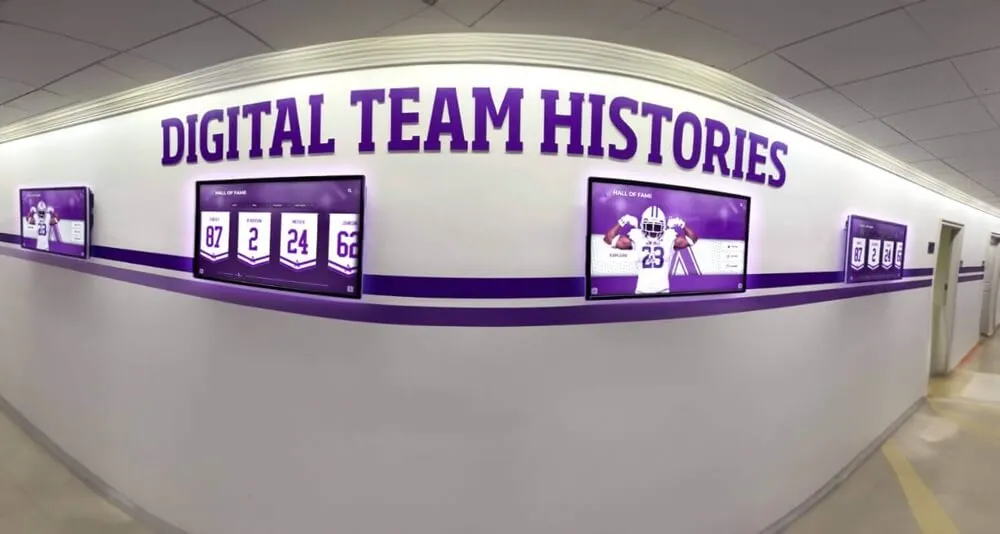
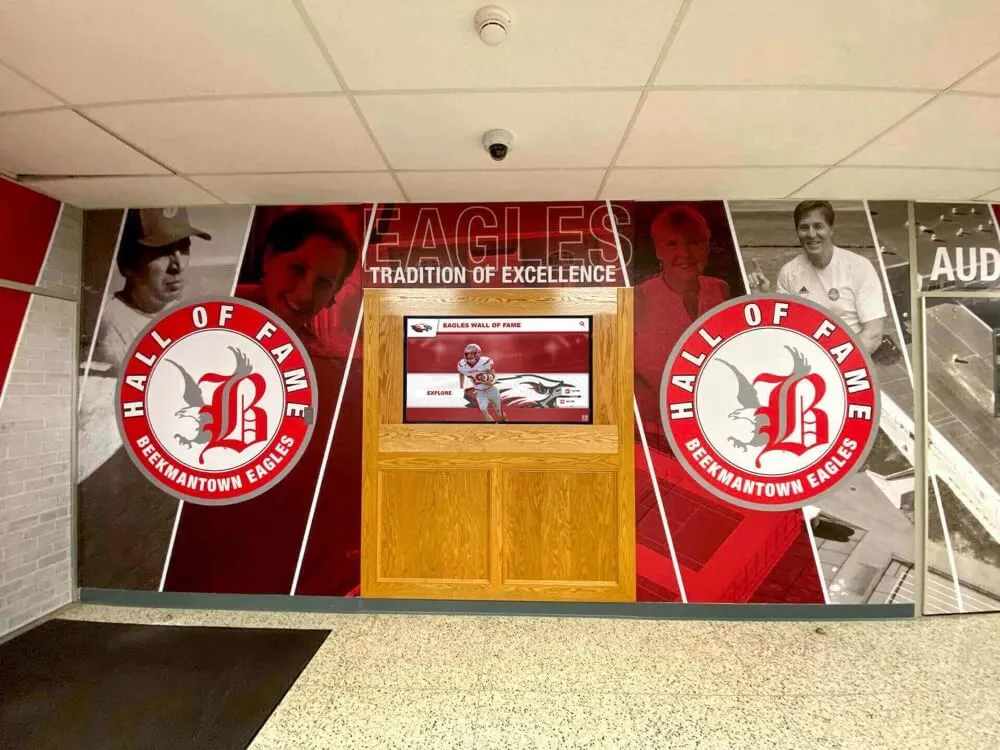
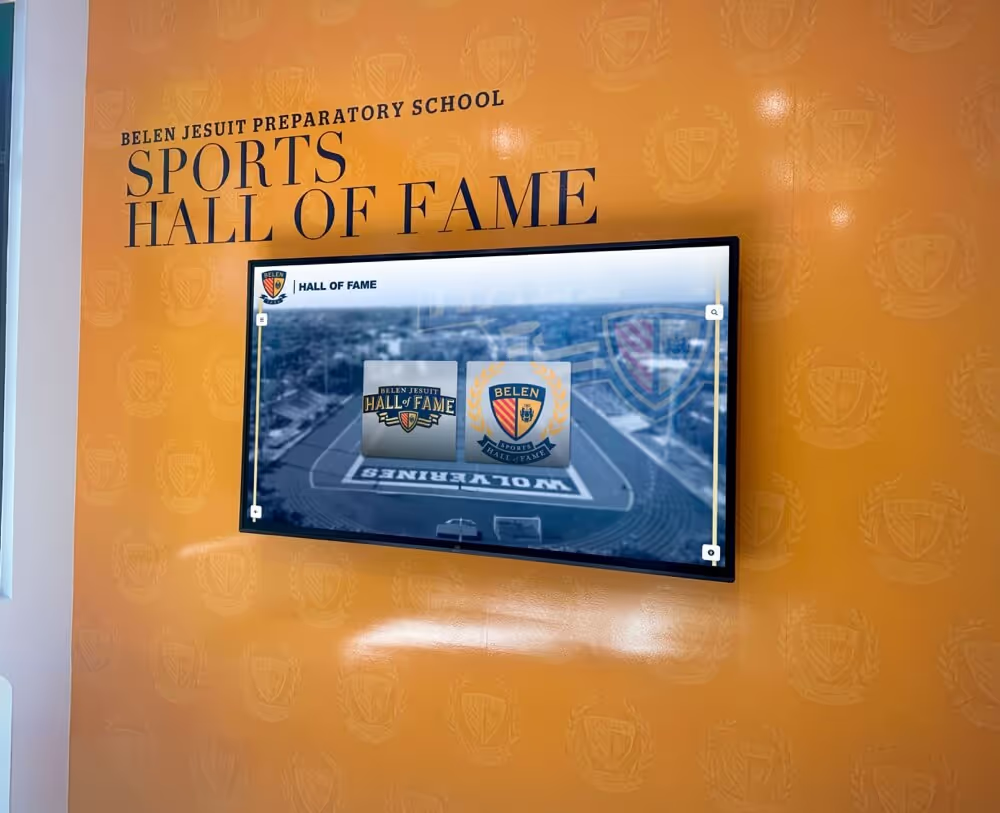
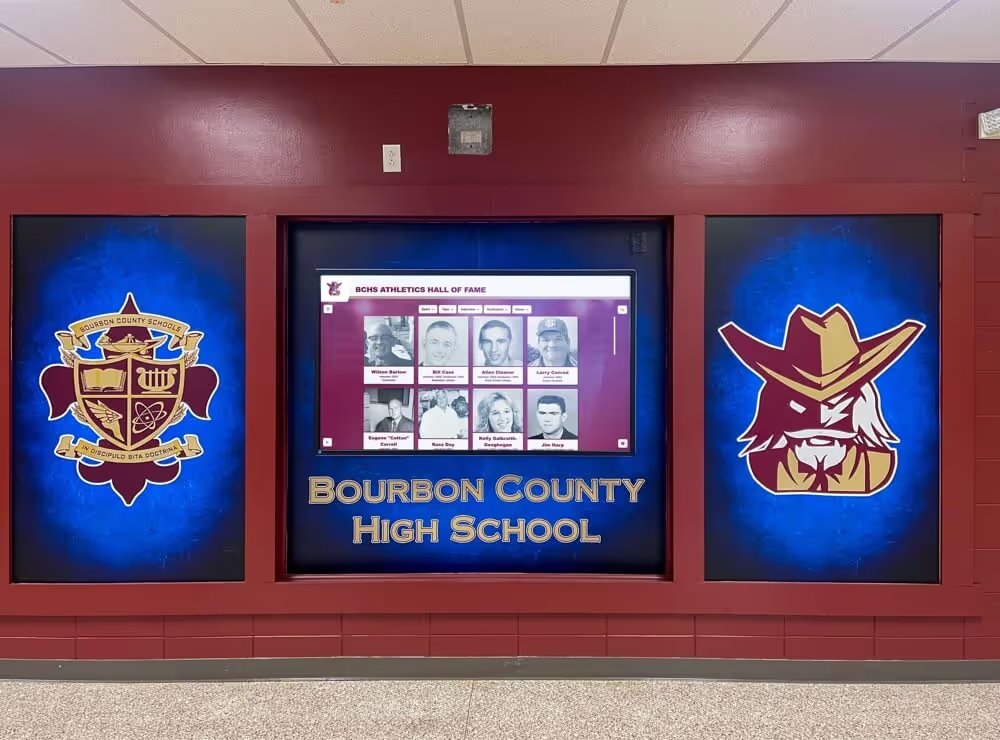
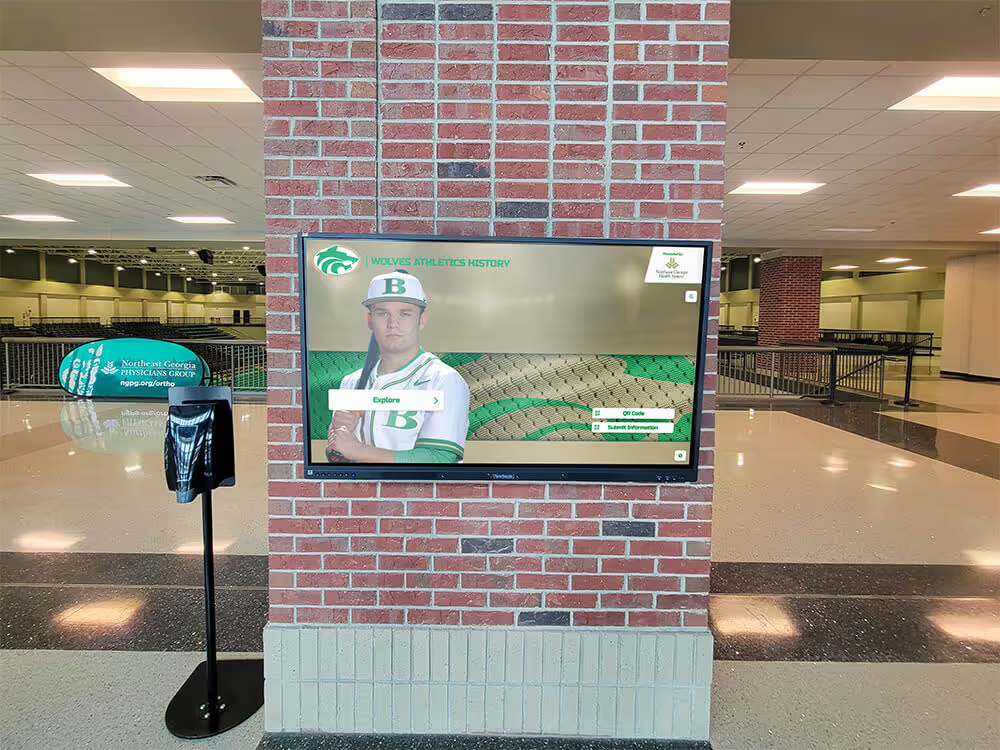
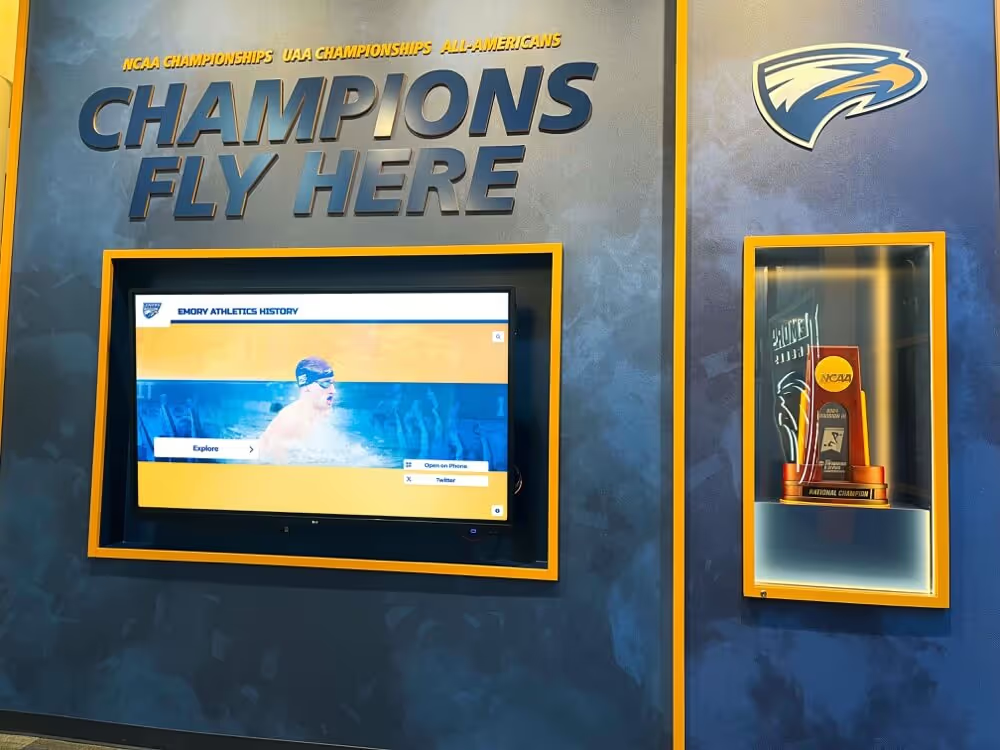
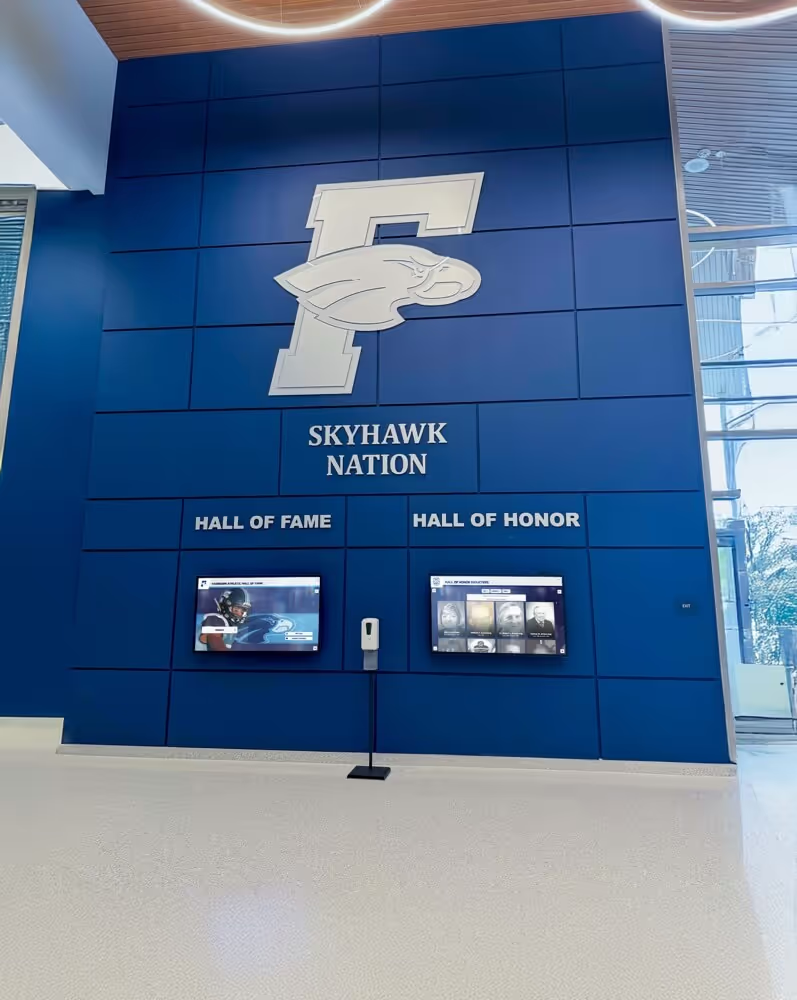
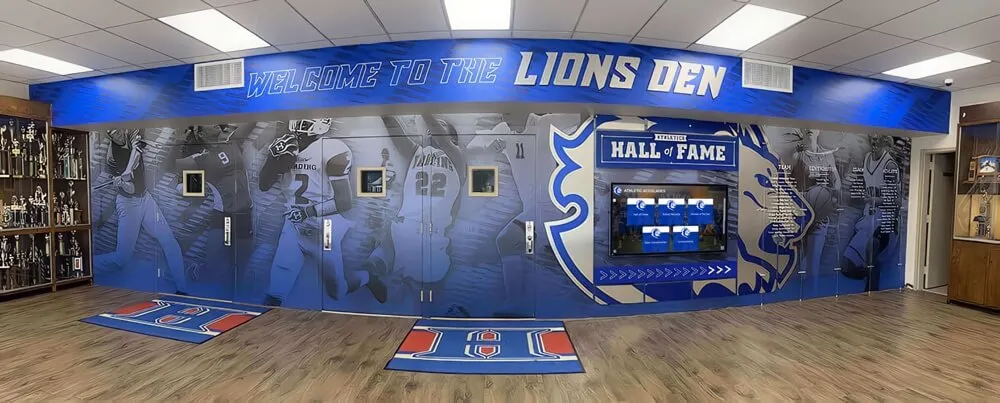
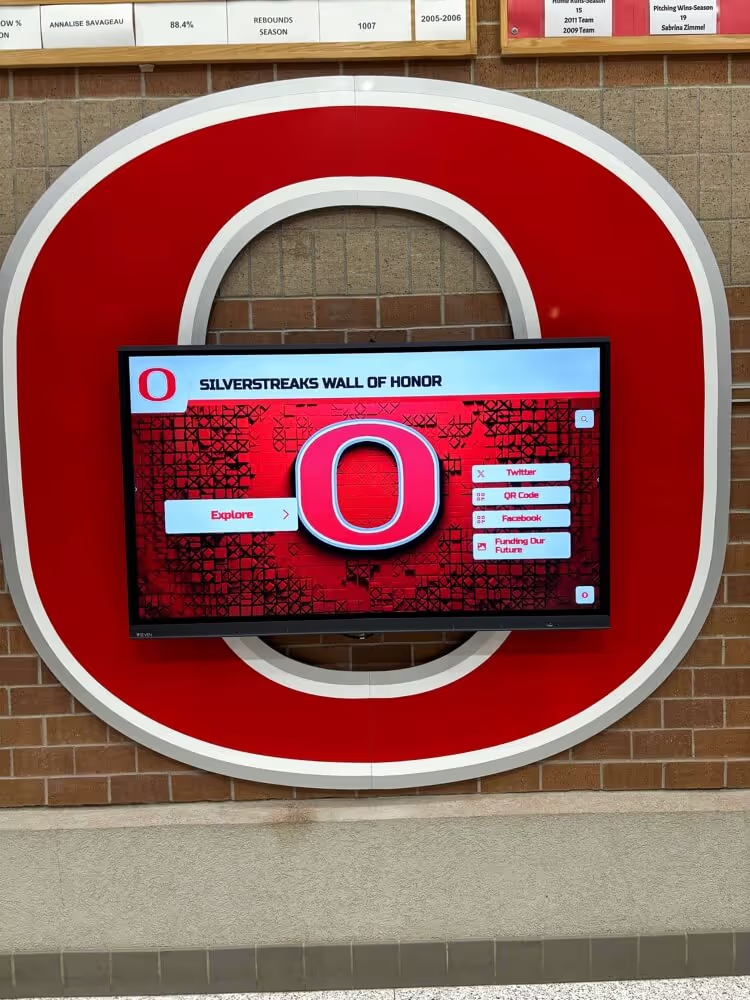
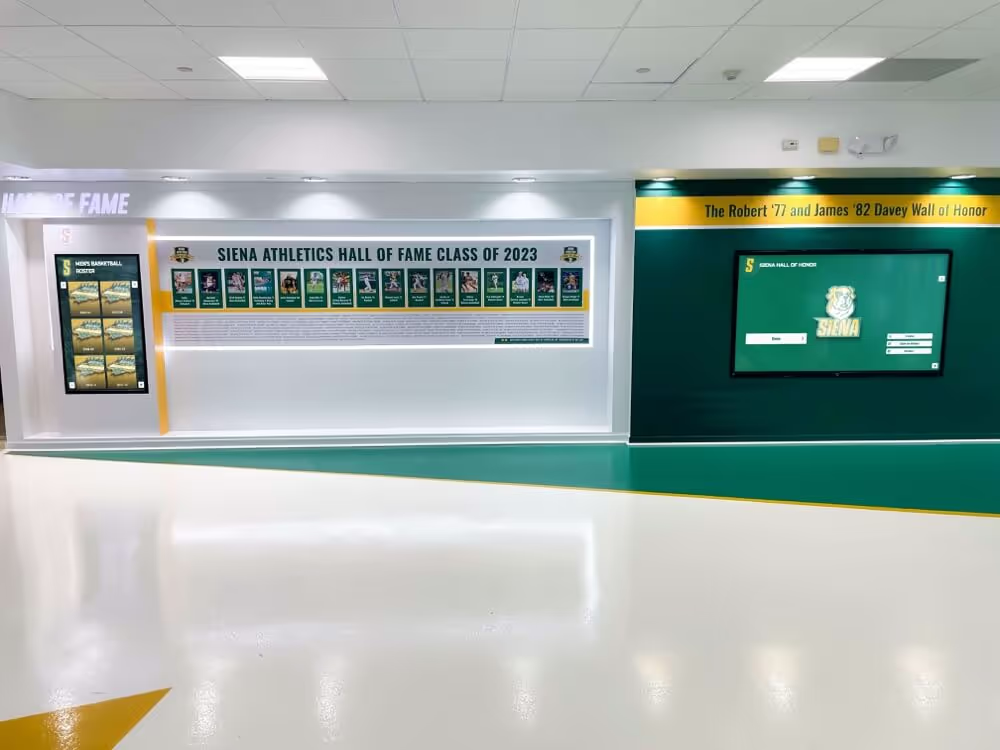
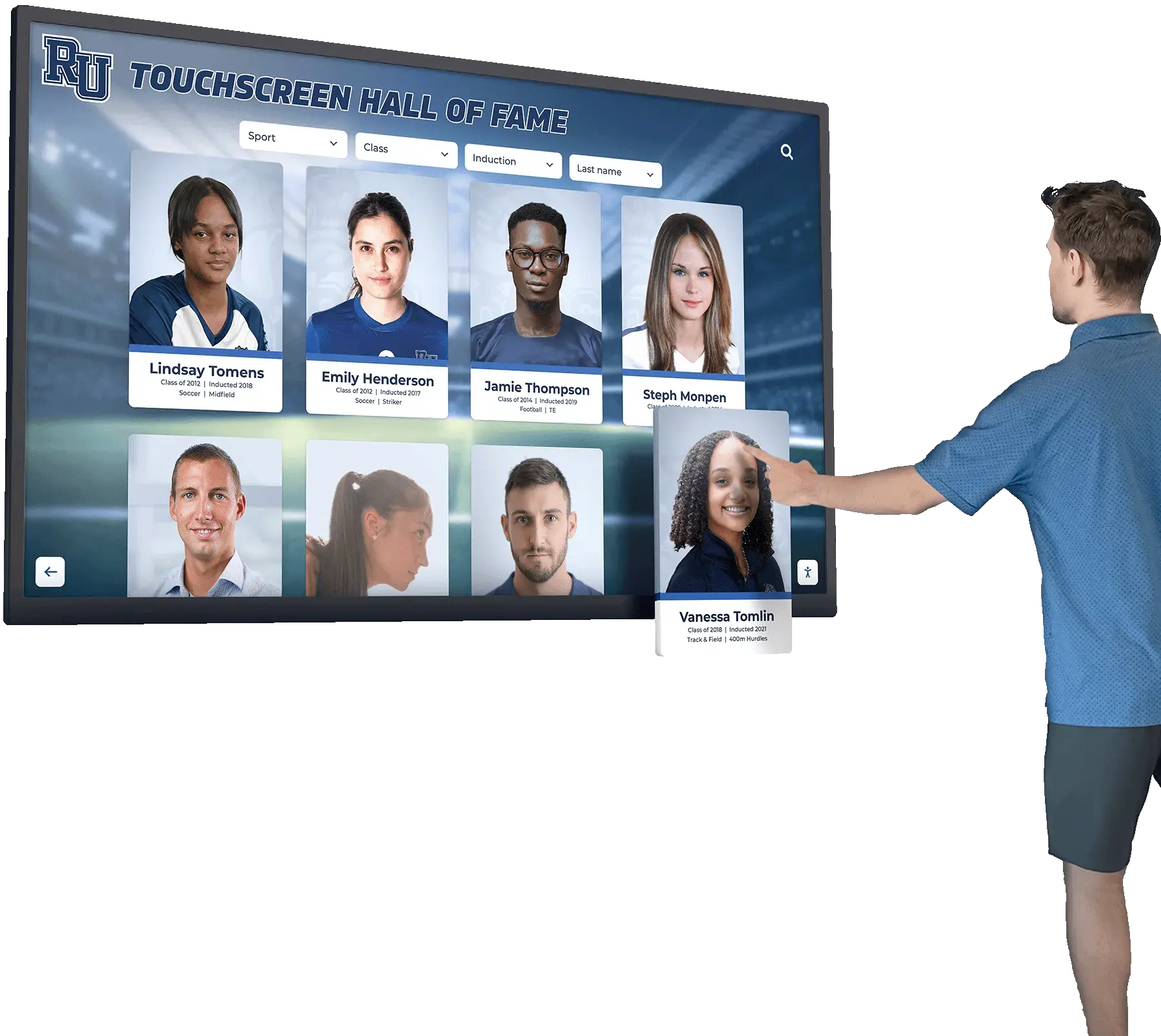
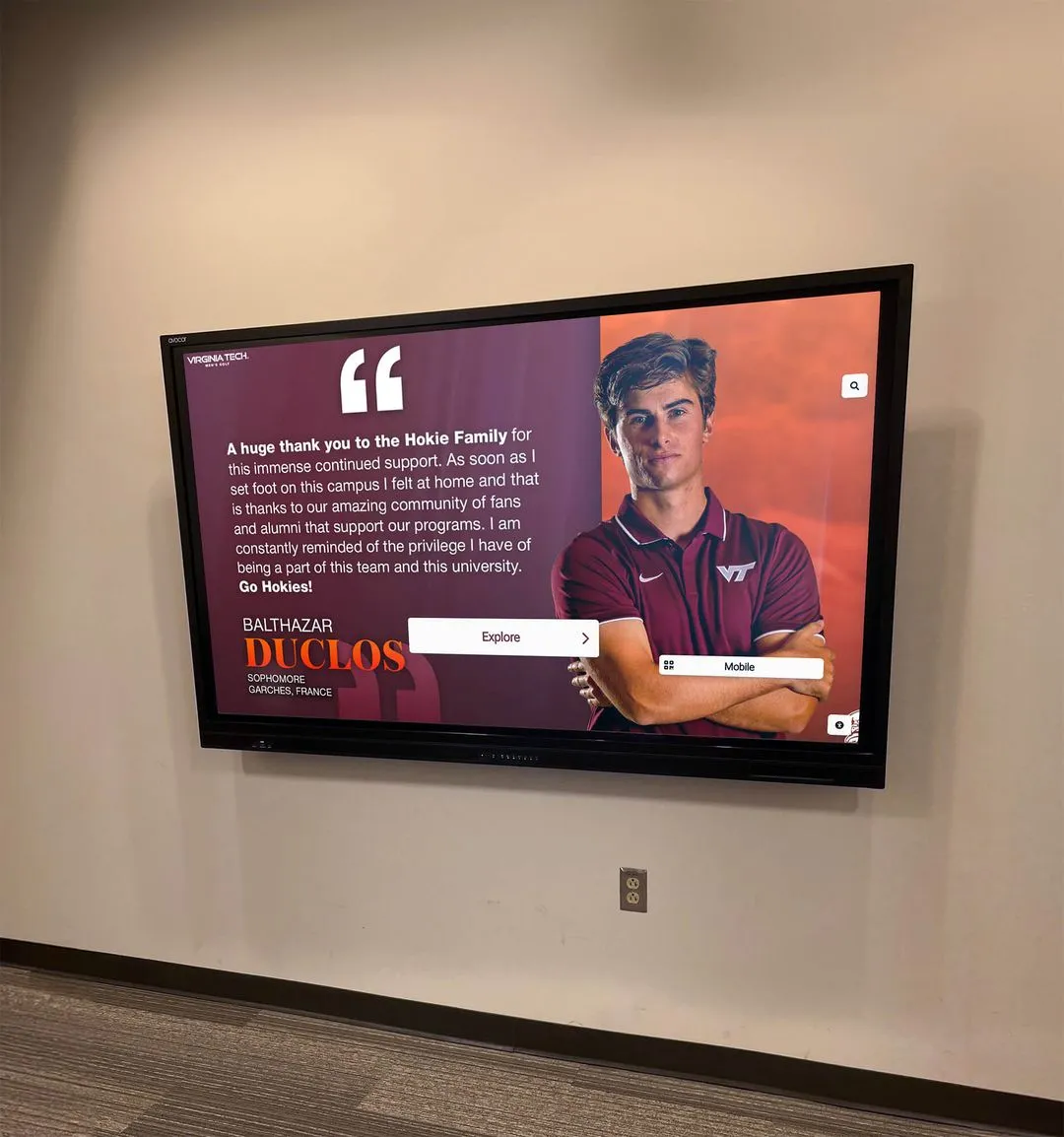
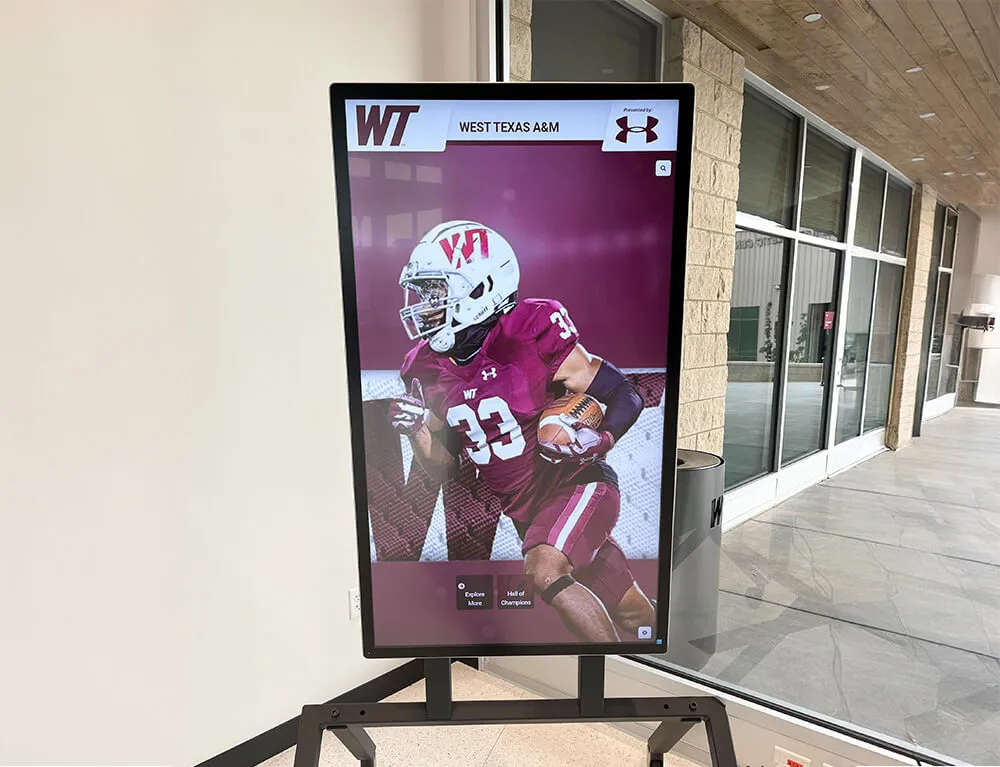
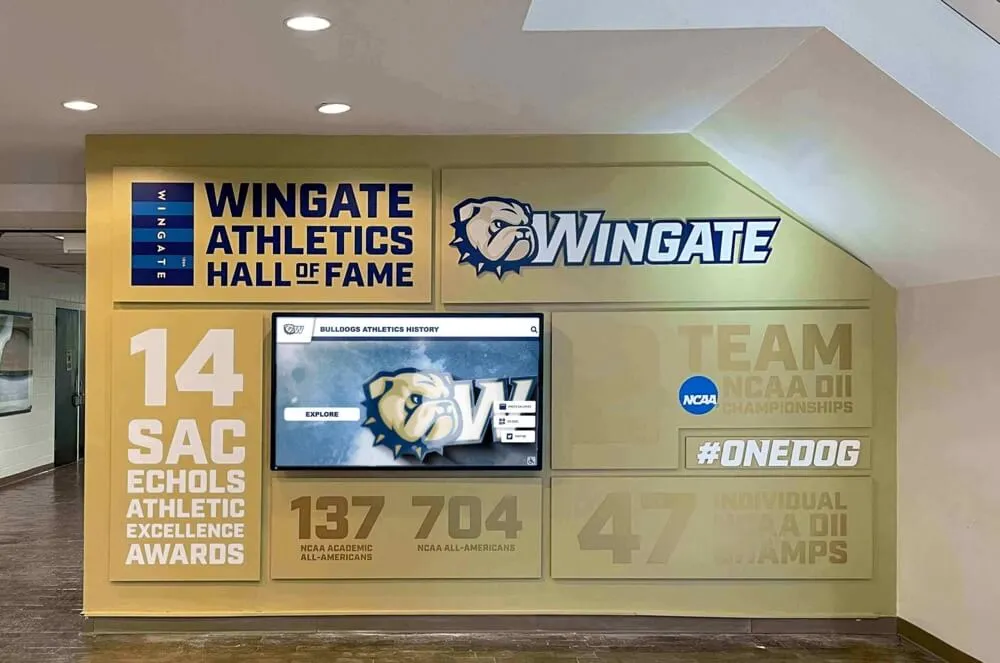
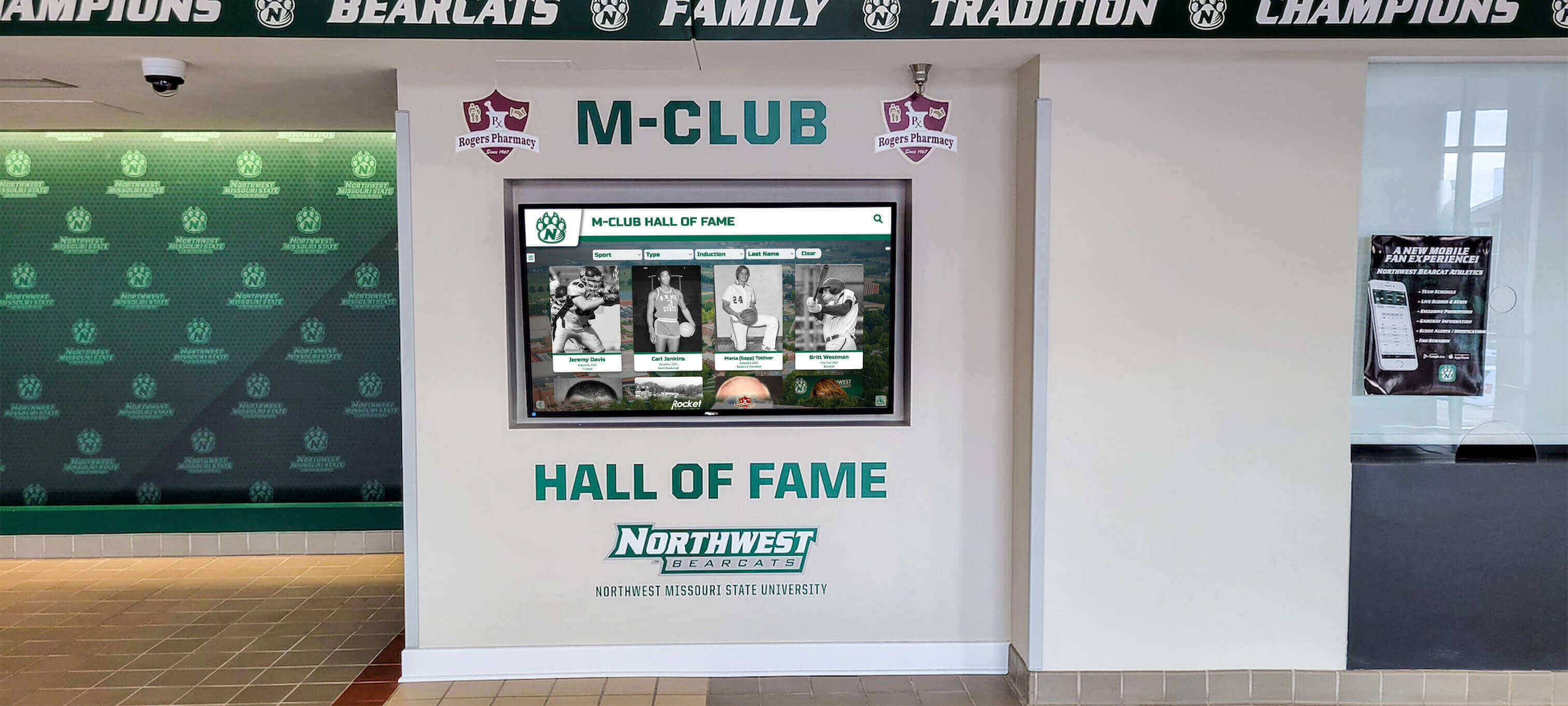
Solutions like those from Rocket Alumni Solutions transform hockey program recognition through interactive touchscreen displays and online platforms providing capabilities that physical jersey cases simply cannot match.
Unlimited Recognition Capacity
Digital systems eliminate the fundamental constraint of physical displays: space limitations. Programs can recognize every deserving player—from jersey retirement honorees to all-conference selections to statistical leaders—without worrying about running out of wall space or making impossible choices about which achievements receive visible honor.
Rich Multimedia Storytelling
While jersey display cases might include small plaques with basic information, digital platforms integrate comprehensive biographical narratives, complete career statistics and achievement details, photograph galleries showing players throughout their careers, video highlights of championship moments and record-breaking performances, and interview content featuring players reflecting on experiences and lessons learned.
This multimedia richness transforms recognition from simple acknowledgment into comprehensive historical documentation preserving not just what players achieved, but how they achieved it, what challenges they overcame, and how their experiences shaped their lives beyond hockey.
Interactive Exploration and Engagement
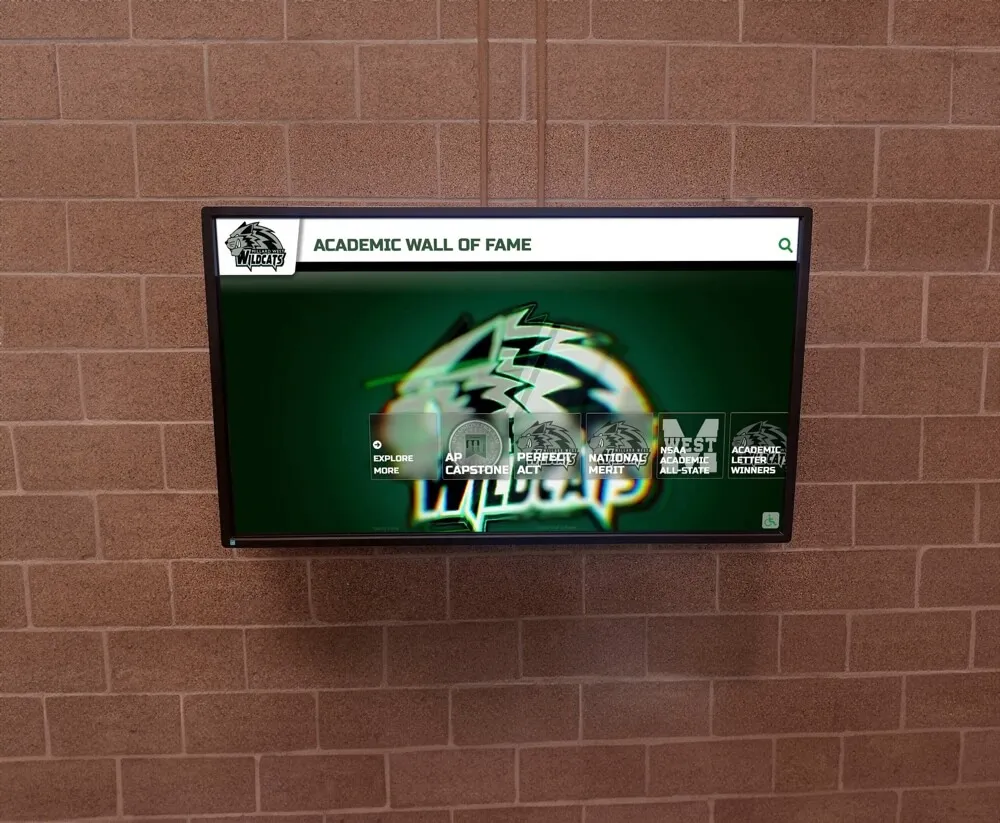
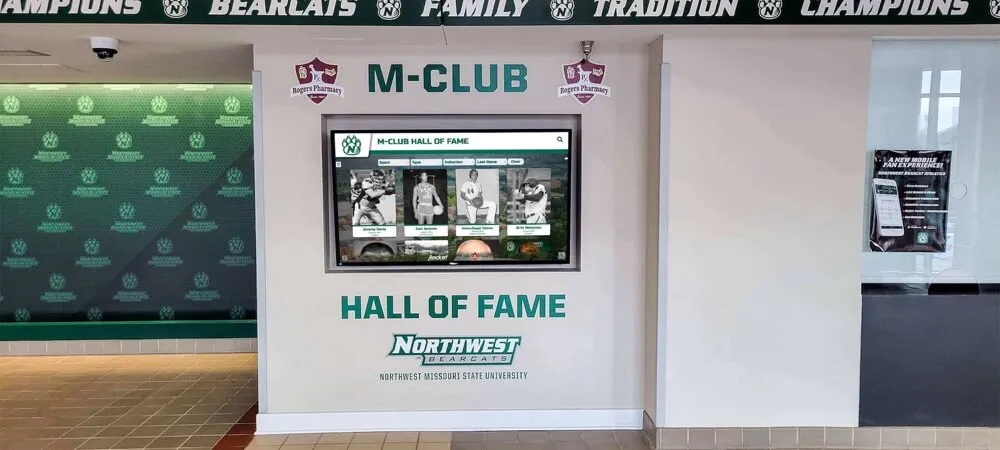
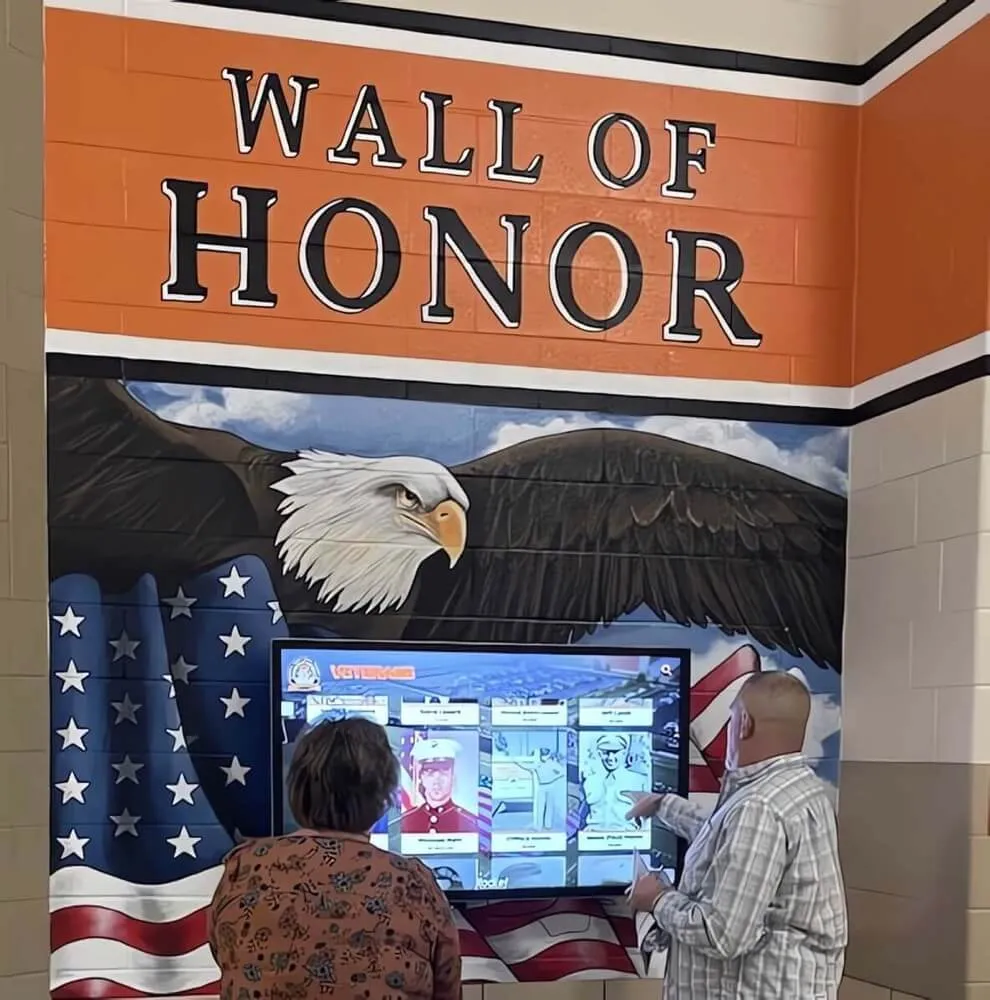

Touchscreen displays enable users to actively explore program history rather than passively viewing static plaques. Visitors can search for specific players, filter by achievement categories or time periods, compare statistical leaders across different eras, and discover connections between current players and historical program legends.
This interactivity creates engagement impossible through traditional displays. A current player exploring the digital hall of fame and discovering they attended the same high school as a program legend from 30 years earlier, or recognizing their grandfather among historical team photographs, creates meaningful connections to tradition that inspire continued excellence.
Remote Content Management
Perhaps most practically, digital platforms enable remote content updates without facility renovation costs. When a current player achieves new milestones worth recognizing, when additional biographical information becomes available about historical players, or when programs correct inaccuracies in historical records, updates occur through content management systems requiring no physical installation, glass removal, plaque replacement, or professional services.
Complementing Rather Than Replacing Physical Displays
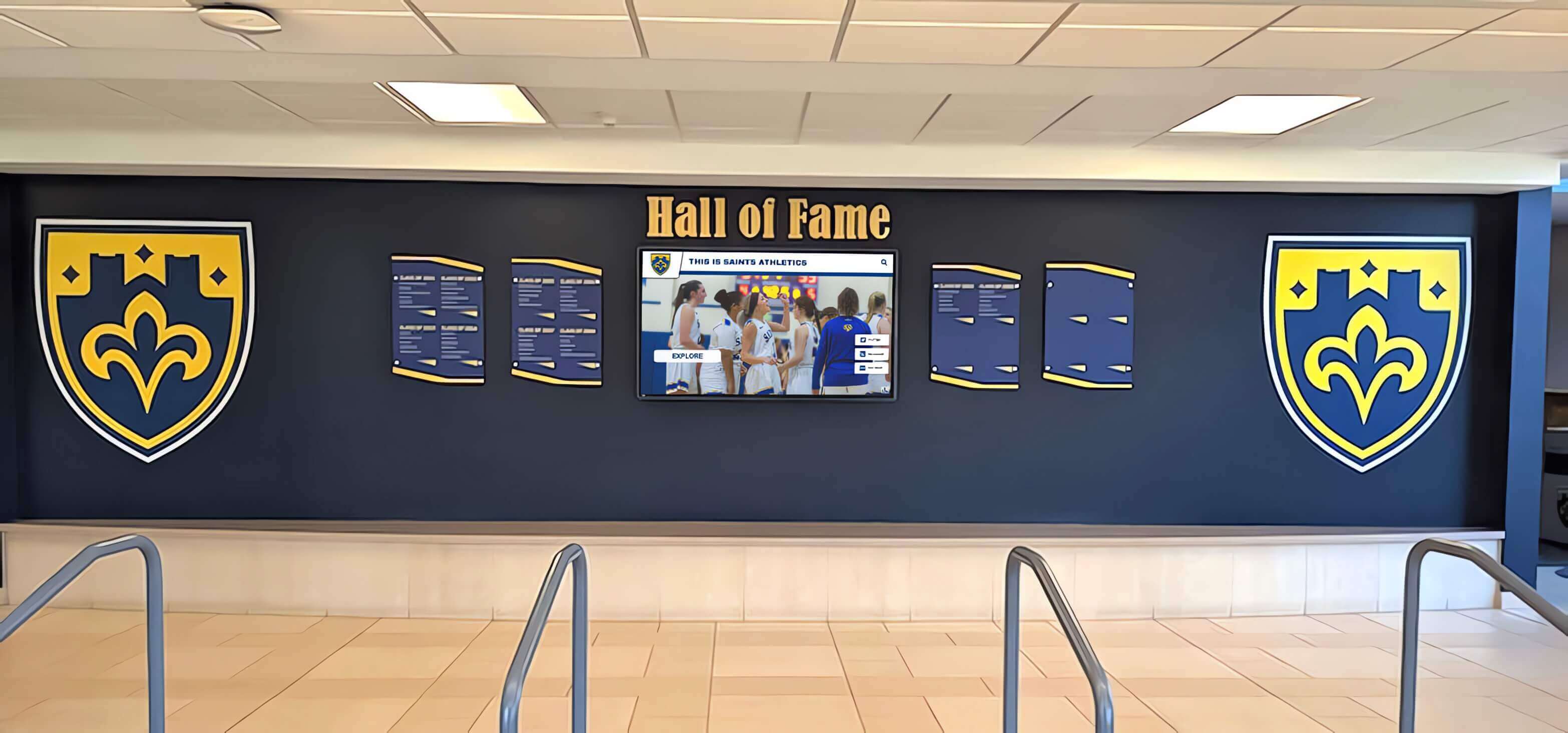
Digital recognition works best when complementing rather than completely replacing physical jersey displays. Programs might maintain select physical cases or rafters jerseys for the highest honor recipients—creating prestigious recognition worthy of truly exceptional achievement—while digital systems provide comprehensive documentation ensuring every deserving player receives recognition regardless of physical space constraints.
This hybrid approach preserves the tradition and gravitas of physical jersey display for the most exceptional legends while ensuring complete historical documentation through digital platforms that tell every story worth preserving.
Digital display solutions also complement championship banners and other physical recognition elements common in hockey facilities, creating comprehensive recognition ecosystems rather than forcing either/or choices between traditional and modern approaches.
Designing Effective Hockey Jersey Display Cases
For programs choosing traditional physical display approaches, thoughtful design ensures cases properly honor players while maintaining long-term quality and visual impact.
Location and Placement Considerations
Display effectiveness depends heavily on strategic placement in high-traffic areas where recognition receives maximum visibility and creates desired cultural impact.
Primary Entrance Areas
Positioning jersey displays near main facility entrances creates immediate impressions about program values and traditions. Visitors—including prospective recruits and their families—see recognition before experiencing anything else about the program, communicating that the organization values achievement and preserves history.
Locker Room and Team Spaces
Placing displays in areas where current players gather daily ensures constant exposure to program standards and expectations. Athletic facility design should intentionally position recognition where it influences culture rather than hiding achievement in seldom-visited hallways.
Spectator Concourses and Gathering Areas
Display locations where fans and families gather before games or during intermissions maximize community exposure while building program pride among supporters who may have watched honored players compete years or decades earlier.
Case Design and Materials
Quality materials and thoughtful design prevent displays from appearing cheap or afterthought recognition unworthy of honored achievements.
Professional-Grade Materials
Cases should utilize museum-quality glass providing clarity while protecting jerseys from UV damage, solid hardwood or metal framing materials conveying permanence and quality, proper mounting systems preventing fabric stress or distortion, and integrated lighting showcasing jerseys without creating heat damage or color fading.
Information Integration
Effective cases combine jersey display with comprehensive information including player name and years competed, jersey number and position, major achievements and honors, career statistics and records, brief biographical narrative, and connection to championship teams or significant program moments.
Preservation and Conservation
Fabric jerseys require proper care to prevent deterioration over years and decades of display.
Climate Control Considerations
Display cases should provide sealed environments protecting jerseys from humidity fluctuations causing fabric deterioration, dust and pollutants that embed in fabric causing discoloration, and temperature extremes creating expansion and contraction cycles damaging materials.
UV Protection
Standard glass allows ultraviolet light penetration causing fabric fading and weakening over time. Museum-quality UV-filtering glass prevents this damage while maintaining visual clarity.
Periodic Maintenance
Even properly designed cases require periodic attention including professional cleaning every few years, monitoring for any signs of fabric deterioration or pest damage, and updating information as additional biographical details or post-playing achievements merit recognition.
Jersey Retirement Ceremonies and Celebrations
The ceremony honoring jersey retirement represents as important an element as physical display, creating memorable moments for honorees, families, former teammates, and current players while reinforcing program values and traditions.
Ceremony Timing and Format
Most hockey programs schedule jersey retirement during games when maximum attendance ensures community participation and creates electric atmospheres befitting the honor.
Game Selection
Ideal timing includes significant rivalry games or homecoming weekends attracting large crowds, alumni weekend events when former players naturally gather, senior night celebrations creating natural connections between current and former athletes, or championship celebration games when program success provides appropriate context for honoring historical excellence.
Ceremony Elements
Thoughtful ceremonies typically include opening remarks establishing jersey retirement significance within program context, biographical presentation featuring career highlights and achievement details, video tributes showcasing game footage and photographs spanning playing careers, remarks from honorees sharing memories and gratitude, recognition of family members who supported athletic achievements, and formal jersey unveiling or rafters hanging creating ceremonial moment.
Connecting Past and Present
The most impactful ceremonies deliberately connect honored players with current team members through opportunities for informal interaction before or after ceremonies, symbolic gestures like honored players dropping ceremonial pucks, panel discussions where legends share experiences and advice, or mentorship commitments creating ongoing relationships benefiting current players.
These connections honor jersey retirement recipients by demonstrating their continued relevance and value while providing current athletes with role models and tangible links to program traditions they’re expected to uphold and extend.
Hockey-Specific Recognition Opportunities Beyond Jersey Retirement
While jersey retirement represents the pinnacle of individual recognition, comprehensive hockey programs honor diverse achievements and contributors creating rich recognition cultures that motivate broad participation and celebrate varied excellence.
Statistical and Record Recognition
Hockey’s detailed statistics create natural recognition opportunities including career scoring leaders (goals, assists, points), single-season performance records, goaltending excellence (save percentage, shutouts, goals against average), special teams contribution (power play goals, short-handed goals), and plus-minus ratings reflecting two-way play excellence.
Championship recognition displays can showcase team achievements alongside individual honors, documenting how exceptional individual performances contributed to collective success and program development.
Position-Specific Excellence
Hockey’s specialized positions create opportunities for category-specific recognition acknowledging that excellence looks different for forwards, defensemen, and goaltenders. Programs might recognize best defensive player awards, leadership and captaincy honors, and most improved player recognition celebrating development regardless of absolute achievement levels.
Team Awards and Championships
Beyond individual recognition, hockey programs should honor team achievements including conference championships, tournament appearances and success, winning streaks and significant milestone victories, and era-defining teams that elevated program competitive levels even without ultimate championship success.
Coach and Contributor Recognition
Hockey programs depend on far more than players including coaches who develop talent and build program culture, athletic trainers maintaining player health, equipment managers ensuring proper gear, officials and tournament organizers enabling competition, and boosters and donors funding program needs.
Comprehensive recognition systems honor these essential contributors, acknowledging that visible player success depends on invisible work from numerous supporters deserving appreciation and lasting recognition.
Best Practices for Hockey Recognition Programs
Learning from successful programs while avoiding common mistakes accelerates effective recognition system development.
Establish Clear, Consistent Criteria
Vague jersey retirement standards create inevitable conflicts and credibility challenges. Document specific achievement thresholds and selection processes before making recognition decisions, and apply standards consistently across all candidates regardless of personal relationships or recency bias.
Plan for Long-Term Growth
Programs establishing recognition systems must consider decades of future honorees rather than just immediate needs. Digital platforms providing unlimited capacity prevent the common challenge where programs exhaust physical display space after 10-15 years, forcing impossible choices about which deserving players receive visible recognition and which achievements get relegated to storage.
Invest in Quality Presentation
Whether physical or digital, recognition displays reflect program values and respect for honorees. Cheap, poorly designed displays undermine recognition significance regardless of honored achievements. Professional-quality materials and thoughtful design demonstrate that recognition means something substantial rather than representing perfunctory acknowledgment.
Maintain Historical Documentation
Recognition systems should preserve comprehensive historical records including complete career statistics and achievement details, biographical information documenting players beyond just athletic accomplishments, photographs and memorabilia creating visual historical archives, and oral histories capturing memories and stories that might otherwise be lost as generations pass.
This documentation serves multiple purposes beyond immediate recognition including recruiting tools showcasing program tradition and development track records, alumni engagement creating touchpoints maintaining connections, institutional memory preventing loss of program history during leadership transitions, and historical preservation documenting athletic and institutional development across decades.
Engage Alumni in Recognition Development
Former players whose achievements might earn recognition should participate in criteria development and selection processes. This engagement ensures community buy-in, leverages alumni knowledge about program history, creates ownership in recognition systems’ success, and builds ongoing relationships benefiting current programs through mentorship, financial support, and recruiting assistance.
Common Jersey Display Challenges and Solutions
Understanding typical challenges enables programs to address issues proactively rather than reactively when problems threaten recognition effectiveness.
Challenge: Running Out of Display Space
The Problem: Programs utilizing traditional wall-mounted cases or rafters display eventually exhaust available space, forcing impossible decisions about which future achievements warrant recognition and which deserving players won’t receive visible honor.
Solutions: Digital recognition platforms eliminate space constraints entirely, providing unlimited capacity for comprehensive recognition. Alternatively, programs might establish more selective criteria limiting physical jersey display to only the most exceptional achievements while maintaining broader trophy and achievement displays through other methods.
Challenge: Updating Information as Players Achieve Post-Hockey Success
The Problem: Players honored for college achievements may subsequently play professionally, coach successfully, or achieve notable success in other fields worthy of inclusion in recognition narratives. Physical plaques cannot be easily updated without replacement costs and reinstallation.
Solutions: Digital platforms enable instant updates as additional information becomes available, ensuring recognition remains current without renovation costs. Programs utilizing physical displays should design with future update capacity including space for additional engraving or modular plaque systems allowing information addition.
Challenge: Telling Complete Stories with Limited Space
The Problem: Small plaques in traditional display cases cannot convey comprehensive achievement narratives, leaving viewers with superficial understanding of why players earned recognition or what their careers meant to program development.
Solutions: Digital systems provide unlimited space for rich biographical narratives, statistical details, photograph galleries, and video content. Physical displays can incorporate QR codes linking to online profiles providing depth impossible in physical formats.
Challenge: Maintaining Consistency Across Different Eras
The Problem: Achievement contexts change across decades as competition levels evolve, training methods improve, and program resources grow. Direct comparisons between players from different eras become problematic.
Solutions: Recognition systems should acknowledge era-specific contexts rather than attempting direct cross-generational comparisons. Display information should provide historical context explaining competitive landscapes, participation levels, and program developmental stages helping viewers understand achievement significance within appropriate frameworks.
The Role of Digital Solutions in Modern Hockey Recognition
Modern technology has fundamentally expanded what’s possible for hockey program recognition. Understanding how digital platforms complement or enhance traditional approaches helps programs make informed decisions about recognition strategies.
Comprehensive Historical Archives
Digital platforms from providers like Rocket Alumni Solutions enable programs to create complete historical documentation including every player who competed in the program, season-by-season team records and rosters, championship teams and tournament results, statistical leaders across multiple categories and time periods, coaching histories documenting who built programs across decades, and facility and program evolution showing how programs developed over time.
This comprehensive documentation serves purposes extending far beyond recognition including recruiting resources demonstrating program tradition and development success, alumni engagement tools providing touchpoints maintaining connections, institutional memory preventing history loss during transitions, and research capabilities enabling analysis of program trends and patterns.
Interactive Engagement Features
Digital displays create active engagement impossible through static physical cases including search and filter capabilities finding specific players or achievements, comparison tools examining statistical leaders across different eras, connection discovery revealing relationships between current and historical players, and multimedia exploration viewing photographs, videos, and detailed narratives at user-controlled pace.
This interactivity transforms recognition from something people glance at briefly into experiences they engage with for extended periods, discovering stories and connections they wouldn’t encounter through traditional passive display viewing.
Web Integration and Accessibility
Modern recognition extends beyond facility displays to include web-based platforms accessible anywhere, anytime. Web-accessible recognition enables alumni to explore program history remotely, families to share achievements with distant relatives, media to research program background for features or coverage, and prospective recruits to learn about program tradition before campus visits.
Sustainability and Future-Proofing
Digital recognition systems adapt to changing needs and technologies in ways physical displays cannot. Content management platforms allow continuous improvement, adding new features, updating designs, incorporating additional media types, and expanding recognition categories without physical renovation.
This adaptability ensures recognition systems remain relevant and effective across decades rather than becoming frozen snapshots of initial installation moments that quickly feel dated as design trends and technology capabilities evolve.
Conclusion: Honoring Hockey Legends Through Thoughtful Recognition
Hockey jerseys represent sacred artifacts in program histories—tangible connections to players whose excellence built traditions, established standards, and created legacies inspiring current athletes to pursue their own excellence. The way programs display these jerseys and honor the players who wore them communicates fundamental values about what the organization respects, what achievements it celebrates, and what legacies it commits to preserving.
The players who earn jersey retirement sacrificed countless hours to early morning practices and late-night conditioning, endured physical punishment that tested their toughness and character, balanced athletic demands with academic responsibilities, represented programs with excellence that built lasting reputations, and demonstrated the kind of sustained commitment that defines program excellence for generations. They deserve recognition systems reflecting the significance of their achievements and the respect they’ve earned.
Whether your program is planning its first jersey retirement or modernizing recognition systems that no longer serve contemporary needs, the strategies outlined in this guide help create hockey displays worthy of the legends they honor. From establishing defensible selection criteria to implementing modern digital platforms showcasing achievements comprehensively, effective hockey recognition balances honoring tradition with embracing solutions that inspire future champions.
Modern recognition technology has transformed what’s possible for hockey programs of all sizes. Rocket Alumni Solutions enables programs to create comprehensive digital hockey halls of fame that preserve complete program histories without physical space constraints, showcase achievements through rich multimedia presentations impossible in traditional display cases, inspire current players through interactive displays connecting them to program traditions, and engage alumni communities by honoring their contributions permanently. Discover how digital recognition systems can transform your hockey program’s ability to honor jersey retirement recipients and program legends while building the culture of excellence that develops future champions.