Hockey represents one of the most demanding team sports, requiring exceptional skating ability, stick skills, hockey sense, physical toughness, and selfless teamwork. Unlike sports where individual statistics tell the complete story, hockey success depends on countless contributions that never appear in scoresheets—blocked shots, defensive zone coverage, winning board battles, effective forechecking, and the intangible qualities that make linemates better.
Effective hockey awards programs recognize this complexity. The best programs balance celebrating statistical leaders with honoring players who excel in less visible but equally valuable roles. Recognition should acknowledge skill development, character growth, team contribution, and the unique attributes that define hockey culture—grit, determination, sacrifice, and unwavering commitment to team success.
This guide provides hockey-specific awards ideas covering traditional recognition, character-based honors, position-specific excellence, and creative categories that celebrate hockey’s unique aspects. Whether coaching youth players, high school teams, or adult leagues, you’ll find recognition approaches that build positive culture while honoring authentic achievement.
Understanding Hockey Awards Categories
Before exploring specific award ideas, understanding broad categories and their strategic purposes helps programs design comprehensive recognition systems aligned with hockey values and developmental goals.
Skill-Based Performance Awards
Traditional hockey awards recognize measurable achievement—goals, assists, points, goaltending statistics, and other quantifiable performance metrics. These awards celebrate exceptional play while providing clear standards that motivate skill development.
Strategic Purpose: Acknowledge top performers, reward dedication to skill improvement, provide competitive motivation, and establish performance benchmarks that inspire teammates.
Implementation Considerations: Balance celebrating offensive producers with recognizing defensive excellence and goaltending contributions. Consider incorporating advanced metrics beyond simple point totals to provide more complete pictures of player contributions.
Character and Leadership Awards
Hockey culture emphasizes qualities beyond skill—work ethic, coachability, leadership, perseverance through adversity, and commitment to team success. Character awards communicate that programs value how players conduct themselves equally with their on-ice performance.
Strategic Purpose: Reinforce team values, establish cultural expectations, model desired behaviors, and acknowledge contributions that build winning team environments.
Implementation Considerations: Establish specific criteria ensuring character awards recognize genuine exemplary behavior rather than serving as consolation recognition for less-skilled players. Character honors should celebrate authentic leadership and commitment.
Position-Specific Excellence
Hockey’s specialized positions—forwards, defensemen, and goaltenders—require distinct skill sets and contributions. Position-specific awards ensure players excelling in different roles all receive appropriate recognition regardless of statistical output.
Strategic Purpose: Value diverse position requirements, recognize specialized excellence, honor defensive contributions equally with offensive production, and acknowledge that winning teams need excellence across all positions.
Implementation Considerations: Define clear criteria for each position category. Ensure defensive and goaltending recognition receives equal emphasis as forward awards, preventing programs from becoming too offense-focused.
Team Contribution Awards
These honors recognize players who make teams better through intangibles—defensive responsibility, penalty killing excellence, faceoff dominance, physical play, practice intensity, or vocal leadership. They celebrate players whose impact exceeds their statistical production.
Strategic Purpose: Value complete players, recognize role players, acknowledge effort-based contributions, and reinforce that championship teams require diverse contributions beyond scoring ability.
Implementation Considerations: Use specific criteria differentiating genuine team contribution from participation. These awards should honor measurable impact—blocked shots, hits, takeaways, faceoff percentage—rather than arbitrary recognition.
Traditional Hockey Performance Awards
These classic awards recognize on-ice excellence through measurable statistics and observable performance, forming the foundation of most hockey recognition programs.
Scoring and Offensive Production
Most Valuable Player (MVP) The premier award honoring the player whose overall contributions most significantly impacted team success. Consider offensive production, defensive responsibility, leadership, consistency, and intangible contributions. MVP selection should reflect complete hockey ability rather than scoring statistics alone.
Leading Scorer Straightforward recognition for the player recording the most points (goals plus assists) during the season. This objective award provides clear acknowledgment of offensive production while motivating players to develop playmaking abilities.
Most Goals Celebrates pure finishing ability by recognizing the player scoring the most goals. Goal-scoring represents hockey’s most valued offensive skill, making this award particularly prestigious. Consider tie-breakers like shooting percentage when multiple players share the lead.
Most Assists Honors unselfish playmaking by recognizing the player recording the most assists. This award celebrates vision, passing ability, and commitment to creating opportunities for linemates—qualities essential to successful offensive hockey.
Rookie of the Year Recognizes the first-year player making the most significant impact. This award encourages newcomers while celebrating successful transitions to new competition levels. Consider both statistical production and adaptation to team systems when selecting recipients.
Most Improved Offensive Player Celebrates significant statistical growth in offensive production. Track season-to-season improvement in goals, assists, and points to identify players making substantial development leaps through dedicated skill work.
Defensive Excellence Awards
Best Defenseman Honors the blue-liner providing the most complete defensive contributions. Evaluate defensive zone coverage, physical play, transition ability, offensive contributions from the back end, and leadership. The best defensemen excel in all situations—even strength, power play, and penalty kill.
Defensive Player of the Year Recognizes the player—regardless of position—providing the most outstanding defensive contributions. This award can honor shutdown forwards or stay-at-home defensemen whose defensive excellence may not generate impressive statistics but proves essential to team success.
Plus/Minus Award Celebrates strong two-way play by recognizing the player with the best plus/minus rating. While this statistic has limitations, significant plus-minus advantages often indicate players who consistently tilt ice time in their team’s favor through responsible two-way play.
Most Blocked Shots Honors players willing to sacrifice their bodies to prevent scoring chances. Shot blocking exemplifies hockey’s selfless culture—players literally putting their bodies on the line for team success. This measurable statistic provides objective recognition for defensive commitment.
For more ideas on recognizing athletic achievement across different sports, explore these 100 youth sports awards ideas that celebrate diverse contributions in any athletic program.

Goaltending Awards
Goaltenders occupy unique positions requiring specialized recognition that honors their distinct contributions and challenges.
Best Goaltender / Goaltender MVP The premier netminding award recognizing overall goaltending excellence. Consider save percentage, goals-against average, quality start percentage, high-danger save rate, wins, and ability to perform in crucial games. The best goaltenders combine statistical excellence with competitive consistency.
Lowest Goals-Against Average Straightforward statistical recognition for the goaltender allowing the fewest goals per game. GAA provides clear, objective measurement of basic goaltending effectiveness, though it reflects team defense quality as well as individual performance.
Best Save Percentage Recognizes the goaltender stopping the highest percentage of shots faced. Save percentage often provides more accurate goaltending assessment than GAA since it isolates individual performance from team defensive support and shot volume.
Most Wins Celebrates the goaltender earning the most victories. While team success influences win totals, this award recognizes that winning remains goaltending’s ultimate objective—giving teams chances to win games through consistent solid play.
Playoff Performer (Goaltending) Honors clutch goaltending when it matters most—during playoff competition. Some goaltenders elevate their games under pressure, providing championship-caliber performances during elimination scenarios. This award celebrates that competitive excellence.
Iron Goalie Award Recognizes the workhorse netminder playing the most minutes or games. Hockey demands durability from starting goaltenders who face physical punishment throughout long seasons. This award honors reliability and consistent availability.
Best Shootout Percentage Celebrates excellence in hockey’s most pressure-packed individual situation. Goaltenders excelling in shootouts provide teams with competitive advantages in close games, making this specialized skill worthy of recognition.
Character and Leadership Awards
These honors recognize qualities that define hockey culture—leadership, work ethic, sportsmanship, coachability, and commitment to team values.
Captain’s Award / Leadership Award Honors the player exemplifying outstanding leadership both on ice and in team settings. Effective hockey leaders motivate through example, communicate between coaches and teammates, maintain positive attitudes during adversity, and model commitment to excellence. This award should recognize authentic leadership impact, not simply captaincy titles.
Hardest Worker Award Celebrates the player demonstrating exceptional work ethic in practices, training, and games. Hockey success requires relentless effort—winning board battles, backchecking consistently, competing for loose pucks, and outworking opponents. This award honors players who set intensity standards through their commitment.
Best Teammate Award Recognizes the player making everyone around them better through encouragement, positive attitude, and selfless support. The best teammates celebrate others’ successes, provide support during struggles, maintain team unity, and contribute to winning culture regardless of personal statistics.
Coaches’ Award Honors the player most exemplifying program values as defined by coaching staff. This flexible recognition allows coaches to acknowledge players displaying desired qualities—coachability, commitment, improvement, attitude, or any attribute coaches wish to reinforce.
Unsung Hero Award Celebrates players whose contributions exceed their recognition. Hockey teams depend on players accepting unglamorous roles—fourth-line energy, penalty killing, defensive-zone faceoffs, physical play against opponents’ top lines. This award honors players making winning possible through willingness to fill necessary roles.
When planning your end-of-season recognition ceremony, consider these sports banquet ideas that create memorable celebration events for your entire hockey program.
Special Teams Excellence
Hockey’s special teams—power play and penalty kill—require specialized skills worthy of distinct recognition.
Power Play Player of the Year Recognizes the player providing the most significant power-play contributions. Evaluate power-play goals, assists, points, shooting percentage, and ability to create man-advantage opportunities. Elite power-play performers provide game-changing competitive advantages.
Penalty Kill Player of the Year Honors excellence in hockey’s most demanding defensive situation. Track shorthanded ice time, blocked shots, takeaways, and overall penalty-kill effectiveness. Great penalty killers combine defensive responsibility with offensive pressure that neutralizes opponents’ power plays.
Shorthanded Goals Leader Celebrates the ultimate penalty-kill achievement—scoring while down a player. Shorthanded goals require reads, speed, finishing ability, and aggressive mentality. Players scoring multiple shorthanded goals demonstrate exceptional hockey sense and opportunistic playmaking.
Faceoff Percentage Champion Recognizes dominance in hockey’s most frequent one-on-one battle. Faceoff excellence provides possession advantages, particularly in crucial situations—defensive-zone draws, power plays, and late-game scenarios. Track faceoff percentage to identify draws specialists.
Physical Play and Grit Awards
Hockey’s physical dimension requires toughness, willingness to battle, and commitment to winning puck battles and protecting teammates.
Most Physical Player Honors the player bringing the most consistent physical presence. Track hits, board battles won, physical intimidation, and willingness to engage in puck battles. Physical players create space for skilled teammates while wearing down opponents through the season.
Enforcer Award / Toughness Award Recognizes players providing physical protection and standing up for teammates. While fighting’s role in hockey continues evolving, programs still value players willing to defend teammates and establish physical presence that opponents must respect.
Hits Leader Provides objective recognition for physical play by tracking body checks delivered. Clean, effective hitting represents fundamental hockey skill—separating opponents from pucks, disrupting offensive flow, and establishing physical dominance.
Warrior Award Celebrates players demonstrating exceptional toughness through playing hurt, blocking shots without hesitation, or persevering through physical punishment. Hockey demands physical courage—this award honors players exemplifying that warrior mentality.
Development and Improvement Awards
Recognition celebrating growth proves particularly valuable in hockey where players develop at different rates and late-bloomers often become impact contributors.
Most Improved Player The premier development award recognizing the player making the most significant season-to-season improvement. Track statistical growth, enhanced skating ability, improved hockey sense, or position mastery. Use objective measures ensuring improvement recognition remains credible.
Breakout Player Award Recognizes players taking significant leaps forward during the current season. Breakout players exceed expectations established by previous performance, often emerging as impact contributors after developing in support roles.
Most Improved Skater Celebrates dramatic skating improvement—hockey’s most fundamental skill. Skating development unlocks all other hockey abilities, making this specialized improvement recognition particularly valuable for highlighting successful skill development.
Best Defensive Improvement Honors players making significant strides in defensive responsibility and positioning. Many young players enter programs with offensive skill but underdeveloped defensive games. This award celebrates commitment to becoming complete players.
Hockey IQ Award Recognizes players demonstrating exceptional hockey sense, anticipation, and tactical understanding. Hockey IQ encompasses positioning, defensive awareness, reading plays before they develop, and making smart decisions under pressure—qualities that separate good players from elite competitors.
For comprehensive guidance on building athletic recognition programs that honor achievement over time, explore this athletic hall of fame complete guide for program administrators.
Fun and Creative Hockey-Specific Awards
Lighthearted recognition celebrating personality, memorable moments, and hockey’s unique culture adds enjoyment to ceremonies while ensuring every player receives acknowledgment.
Best Celly (Celebration) Celebrates the player with the most creative, energetic, or memorable goal celebrations. Goal celebrations represent pure joy—this award honors players bringing infectious enthusiasm that energizes teammates and fans.
Best Flow (Best Hair) A lighthearted honor recognizing hockey’s iconic hair culture. Long, flowing hair has become part of hockey identity, particularly in youth and high school levels. This fun recognition acknowledges hockey’s unique cultural elements.
Sauciest Passes Honors the player making the prettiest passes—saucer passes, behind-the-back feeds, no-look setups, or other creative assists demonstrating exceptional skill and flair. This award celebrates hockey artistry beyond simple point accumulation.
Best Chirper Recognizes the player with the best trash talk, humor, or bench commentary. Hockey culture includes verbal jousting—this award celebrates players bringing personality and entertainment through clever commentary.
Best Mustache (Movember Recognition) Particularly appropriate for November hockey awards or programs supporting Movember fundraising. This fun category celebrates players sporting impressive facial hair while potentially raising awareness for men’s health causes.
Toughest Shot Honors the player with the hardest shot—pure shooting power. Consider conducting shooting competitions or reviewing game footage to identify players bringing intimidating velocity. Hard shots create scoring opportunities and provide special-teams advantages.
Quickest Release Celebrates the player with the fastest, most deceptive shot release. Quick releases create scoring chances before goaltenders can position, making this specialized skill worthy of recognition separate from shooting power.
Best Tape-to-Tape Passer Recognizes exceptionally accurate passing—consistently hitting teammates’ sticks in stride for scoring chances. Great passing represents fundamental hockey excellence that makes teammates better.
Best Dangle / Best Hands Honors the player with the most impressive stick-handling skills and deking ability. Exceptional puck skills create highlight-reel moments while providing competitive advantages in tight spaces.
Best Sniper Celebrates pure goal-scoring ability—players finding corners, beating goaltenders cleanly, and converting chances with exceptional finishing skill. Snipers demonstrate shooting accuracy and composure around the net.
Age-Appropriate Award Considerations
Effective hockey recognition programs adapt awards to developmental levels, ensuring recognition remains appropriate and meaningful across age groups.
Youth Hockey (Mite through Peewee)
Development Focus: Emphasize participation, effort, sportsmanship, and skill development over competitive results. Youth programs should ensure every player receives meaningful recognition while avoiding excessive competition that might discourage developing players.
Recommended Awards:
- Most Improved Player
- Best Teammate
- Hardest Worker
- Best Sportsman
- Fun awards celebrating personality and enthusiasm
- Participation recognition for all players
Considerations: Keep statistics informal, avoid public rankings, celebrate effort equally with results, and ensure all players receive genuine acknowledgment. Youth hockey awards should build confidence and enthusiasm rather than creating winner/loser dynamics.
Bantam and High School Hockey
Development Focus: Balance competitive recognition with character development. These critical years shape hockey identity—programs should honor achievement while reinforcing values that create positive cultures.
Recommended Awards:
- MVP and statistical leaders
- Position-specific excellence (best defenseman, best goaltender)
- Character awards (leadership, hardest worker, best teammate)
- Improvement recognition
- Special-teams excellence
- Mix of serious and fun categories
Considerations: Expand statistical tracking, establish clear selection criteria, involve players in some award decisions (teammate votes), and maintain balance between celebrating top performers and recognizing role players.
Similar recognition principles apply across all sports programs—learn more about wrestling awards ideas that celebrate diverse contributions in another demanding winter sport.
Implementing Effective Hockey Awards Programs
Understanding great award categories matters little without effective implementation strategies that ensure recognition programs achieve their intended purposes.
Establishing Clear Selection Criteria
Transparent criteria prevent awards from becoming arbitrary or political, ensuring recognition maintains credibility and meaning.
Statistical Awards: Use objective measures tracked throughout seasons. Identify statistical categories before seasons begin, maintain accurate statistics, and apply consistent methodology. Consider publishing statistics regularly so players understand their standing.
Character Awards: Define specific observable behaviors and contributions. Rather than vague “leadership” criteria, identify concrete examples—attending optional training sessions, mentoring younger players, maintaining positive attitude during losing streaks, demonstrating respect for officials and opponents.
Voting Mechanisms: Determine whether coaches alone select recipients, players vote for certain awards, or committee approaches combine multiple perspectives. Player voting works particularly well for teammate awards and character recognition.
Documentation: Maintain records justifying selections. Coaches should document specific examples, statistics, or observations supporting award decisions, particularly for character categories requiring subjective judgment.
Creating Memorable Award Presentations
Award ceremony quality significantly impacts recognition value—thoughtful presentation demonstrates that programs genuinely value achievement.
Ceremony Format: Dedicate appropriate time to recognition rather than rushing through presentations. Consider incorporating video highlights, reading accomplishments, or having coaches explain why recipients earned recognition.
Award Quality: Invest in meaningful physical awards. Quality trophies, plaques, or custom items communicate significance better than generic certificates. Consider awards players will proudly display—engraved items, framed recognition, or quality apparel.
Family Involvement: Invite families to ceremonies, creating proud moments parents can share. Consider allowing parents to present certain awards, particularly character recognition or Most Improved honors that acknowledge family support.
Peer Recognition: Incorporate teammate acknowledgment into presentations. Consider having captains or fellow players speak about award recipients, adding teammate perspectives that make recognition more meaningful.
Preserving Hockey Program History
Award recognition creates program history worthy of preservation and celebration.
Record Keeping: Maintain comprehensive records of all award recipients, creating program archives that honor past players while establishing traditions current players aspire to join.
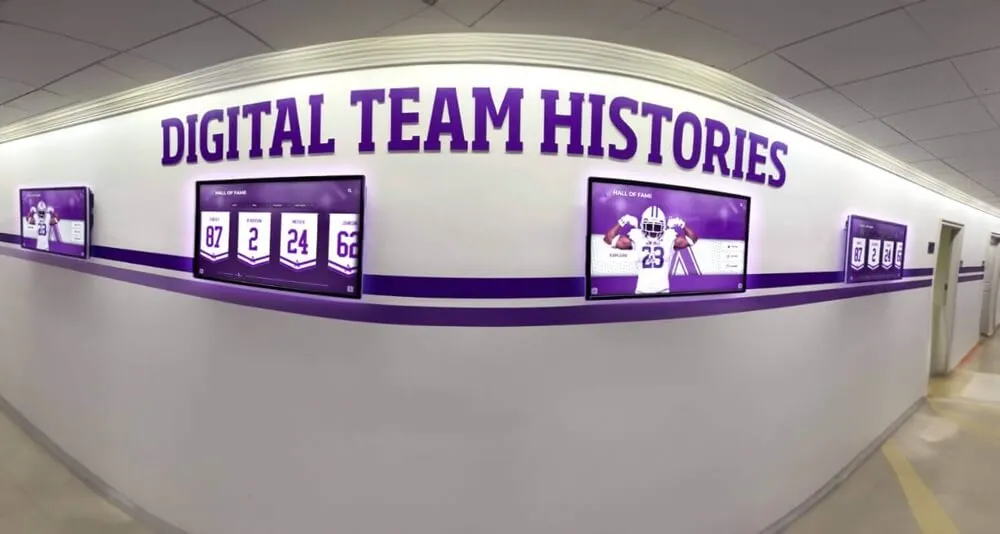
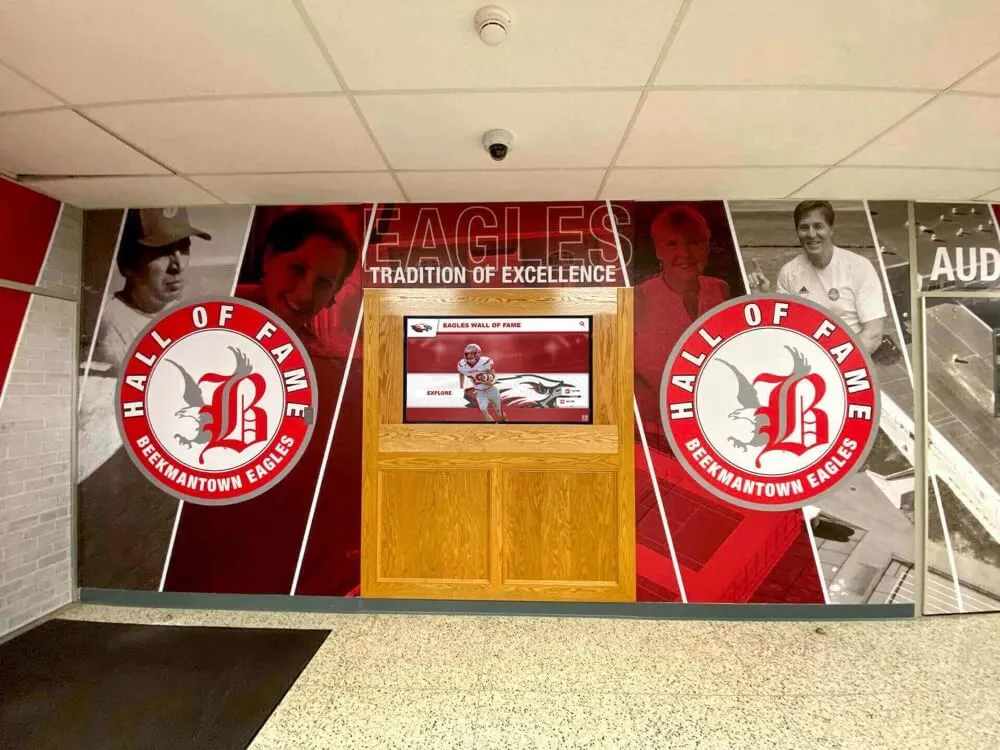
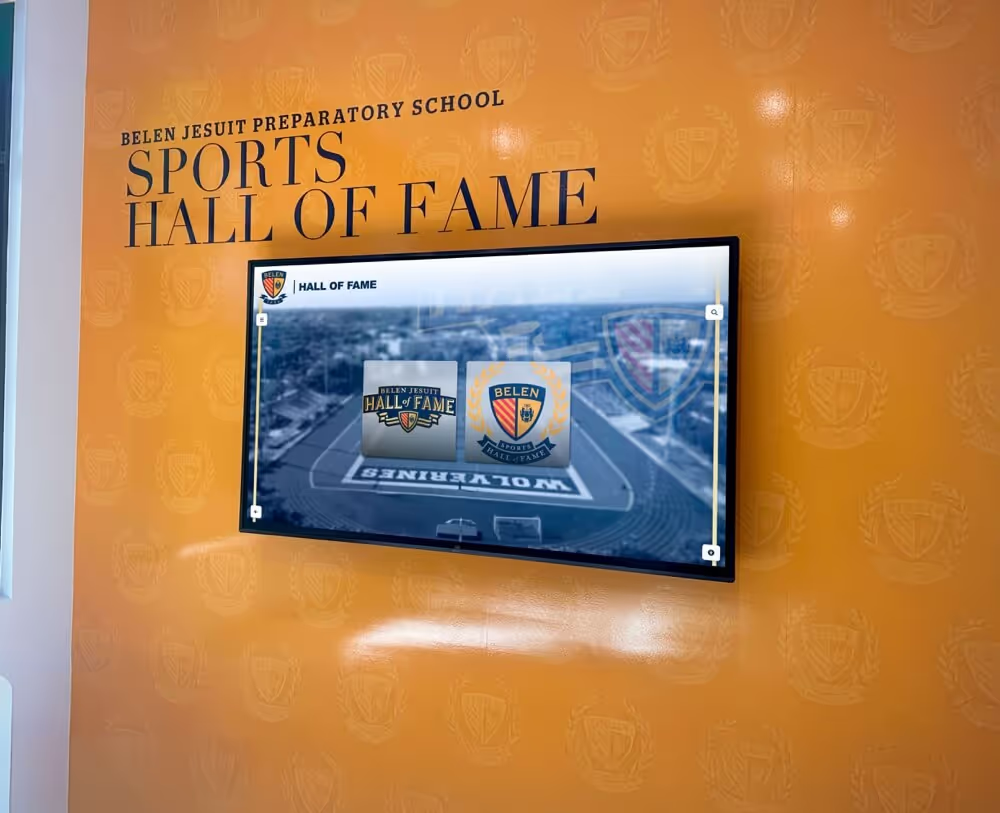
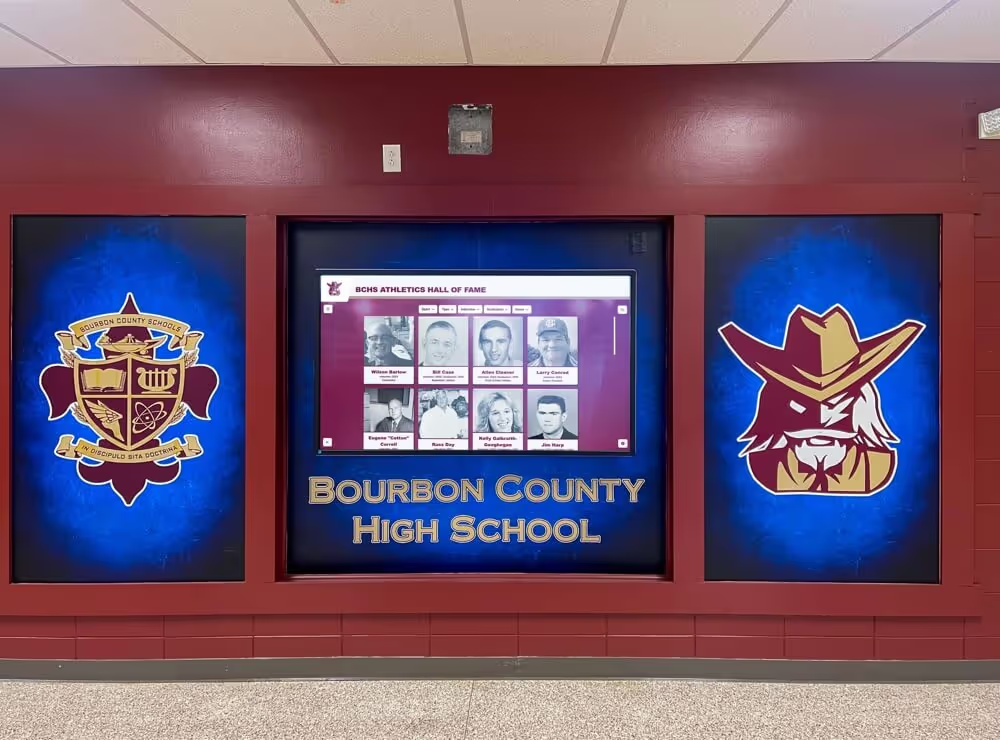
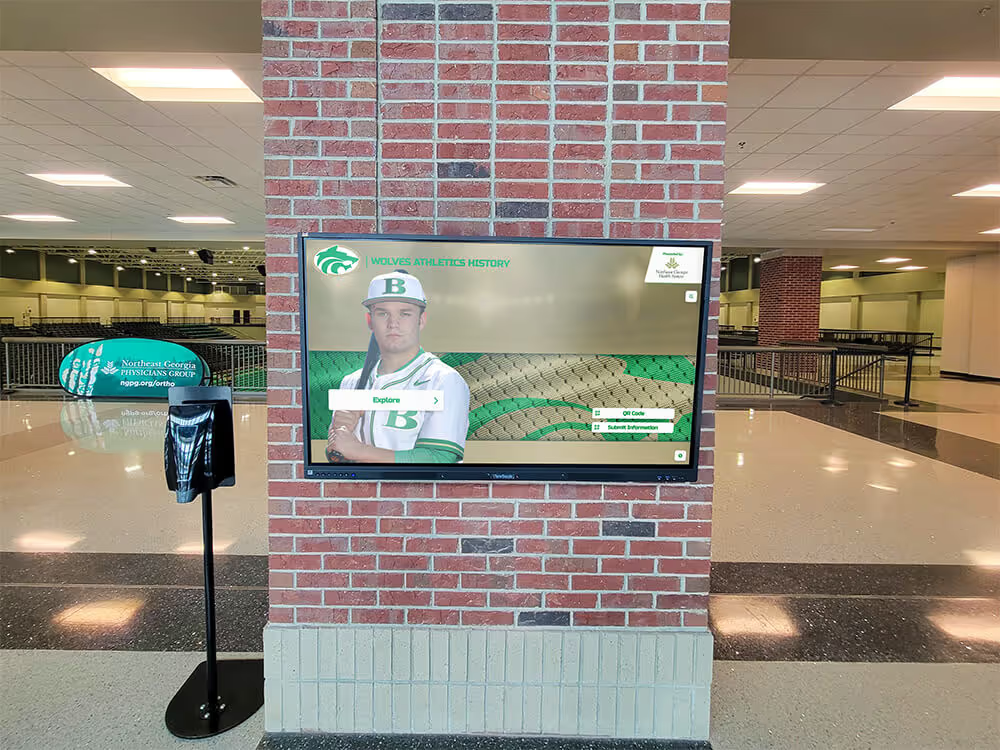
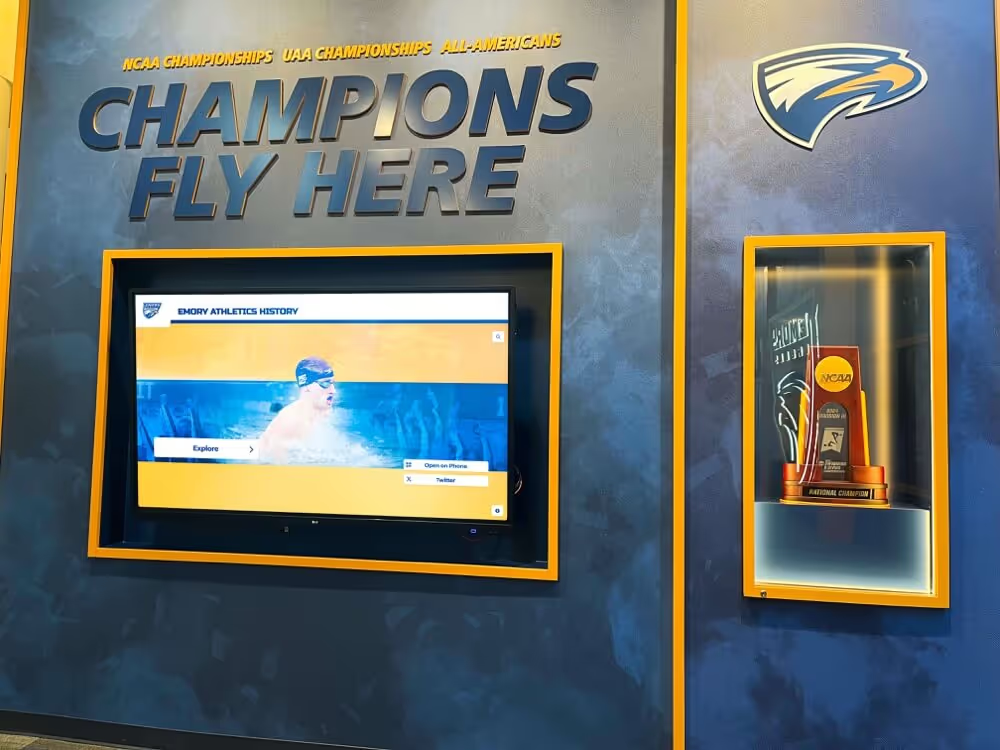
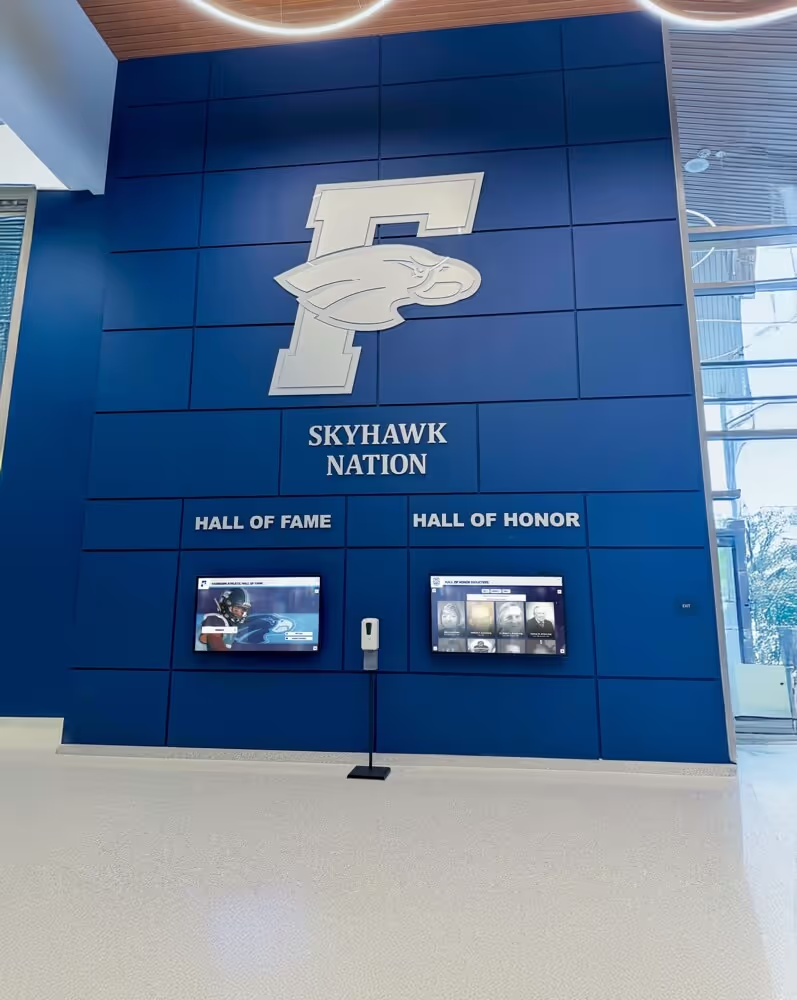
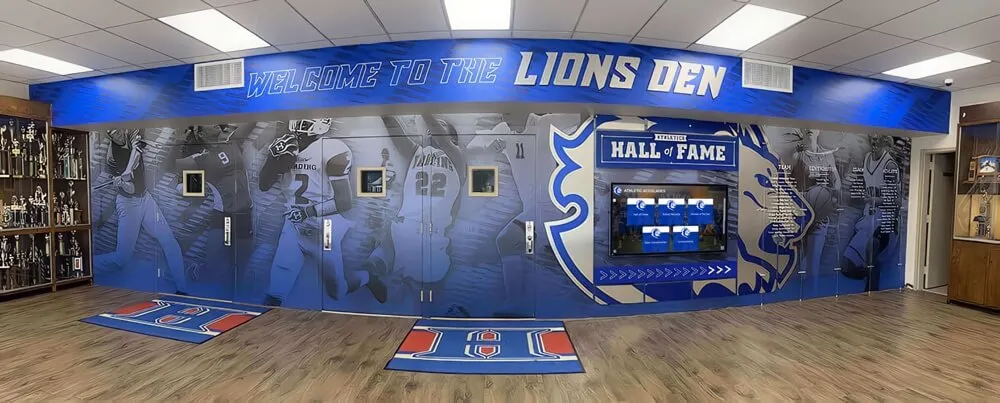
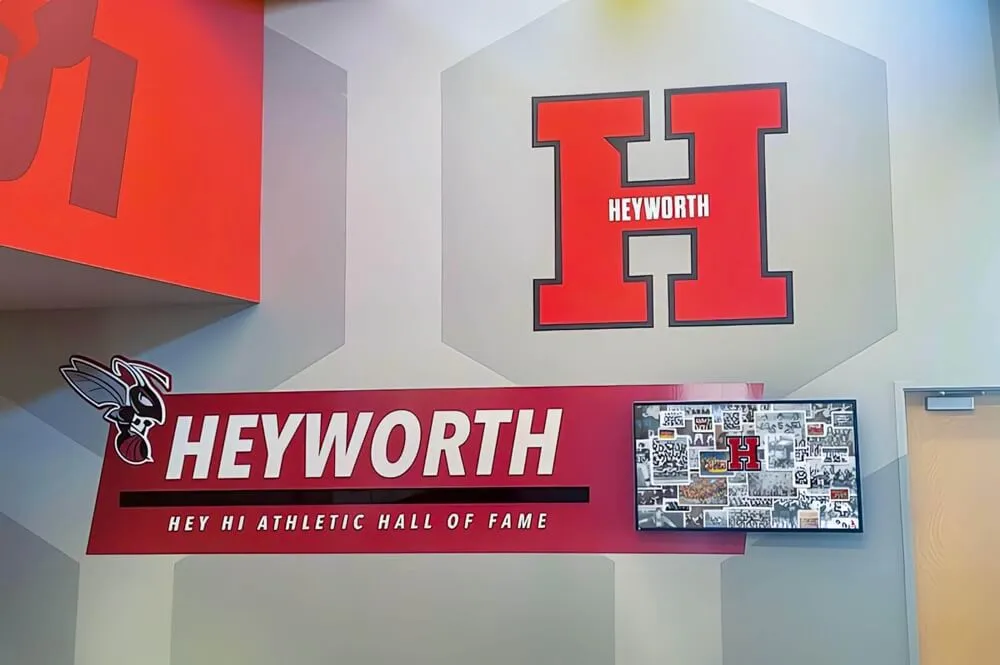
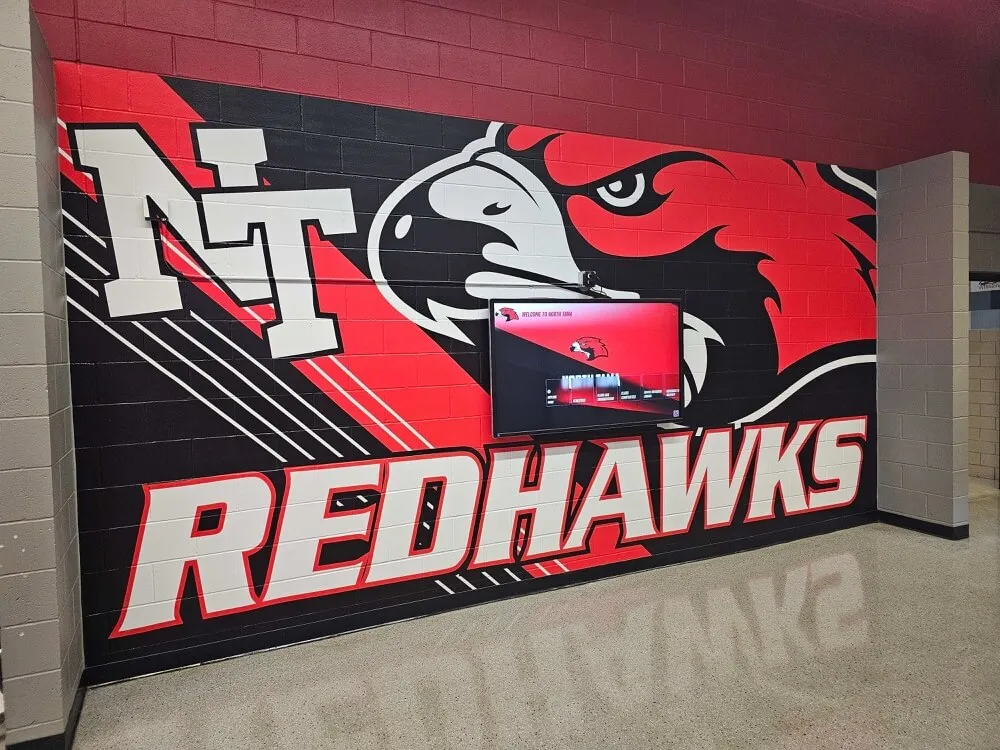
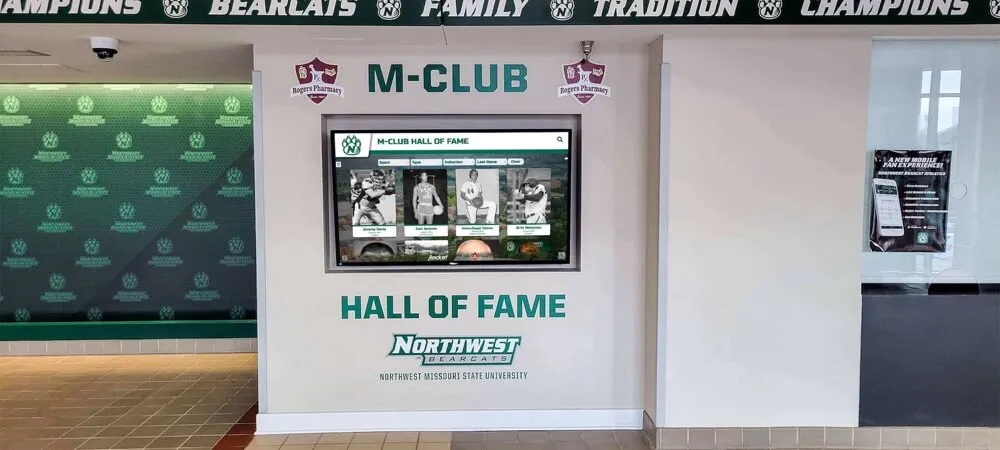
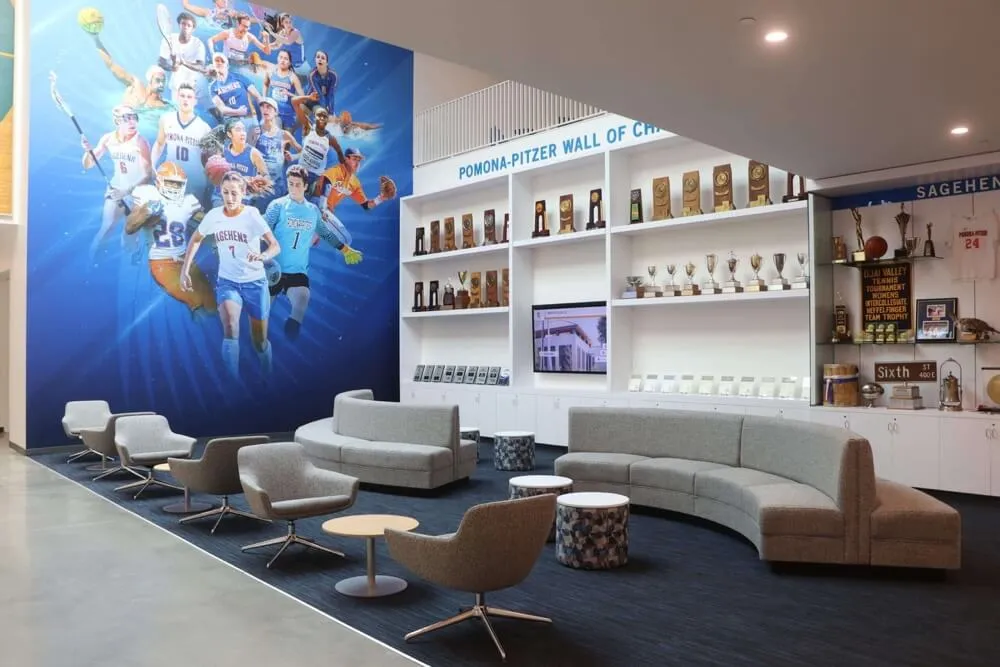
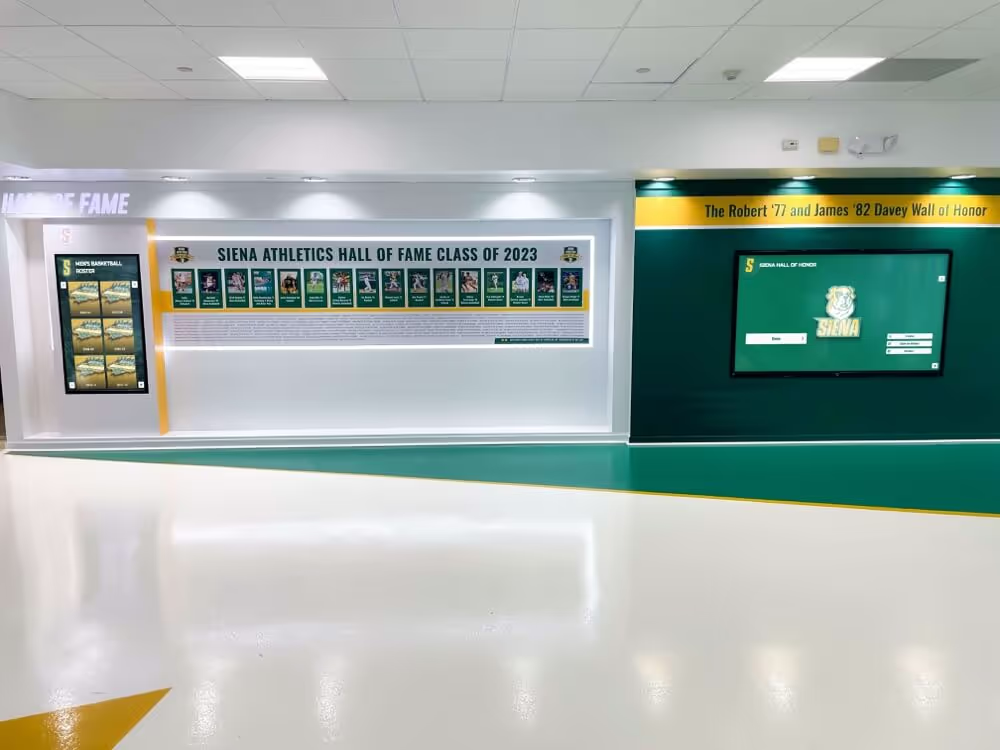
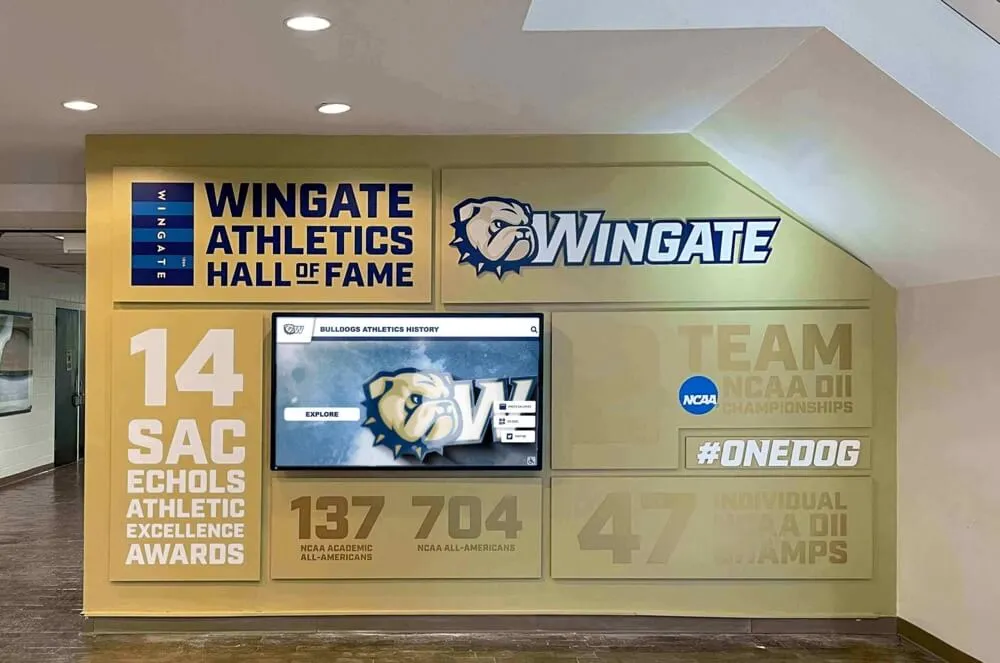
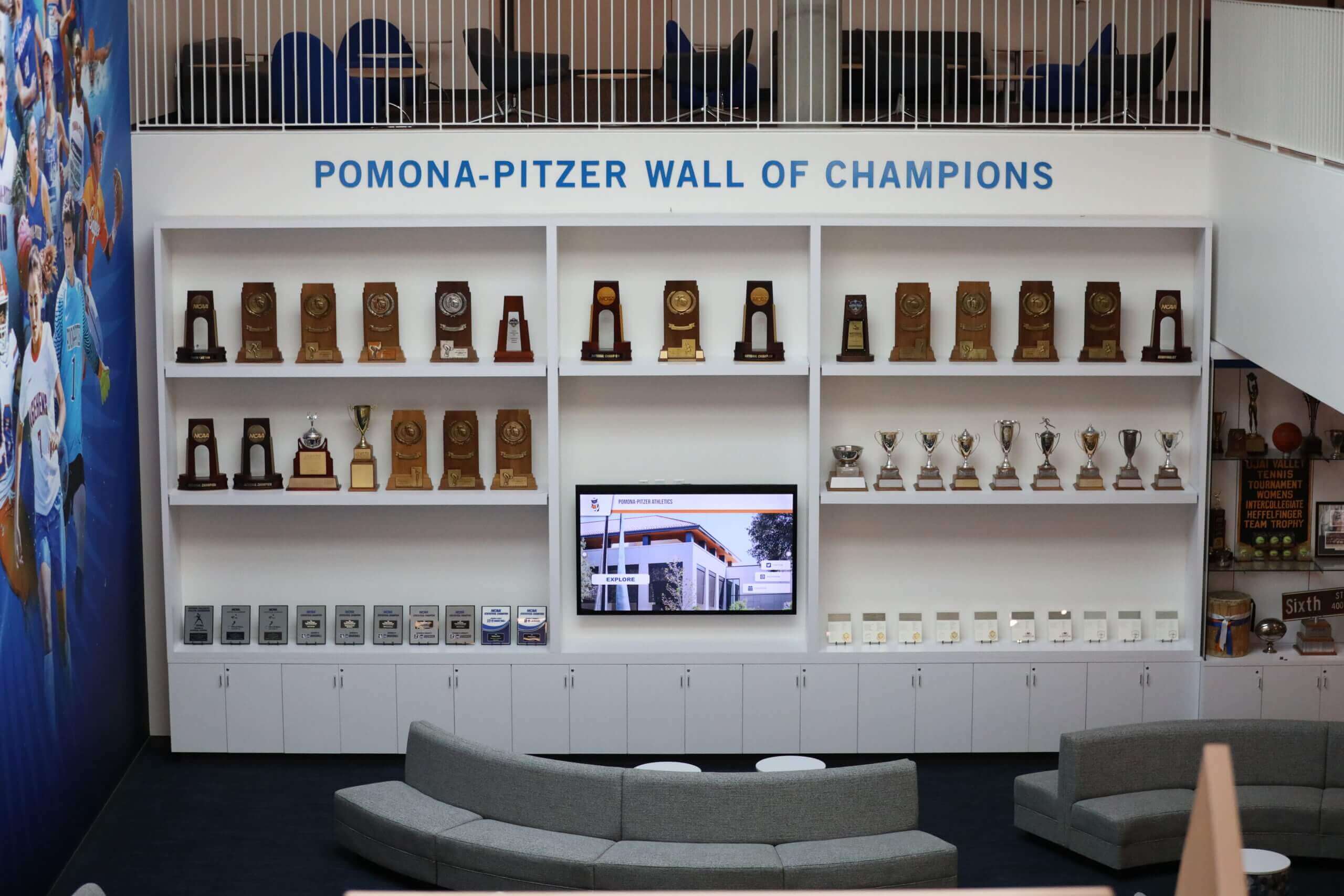
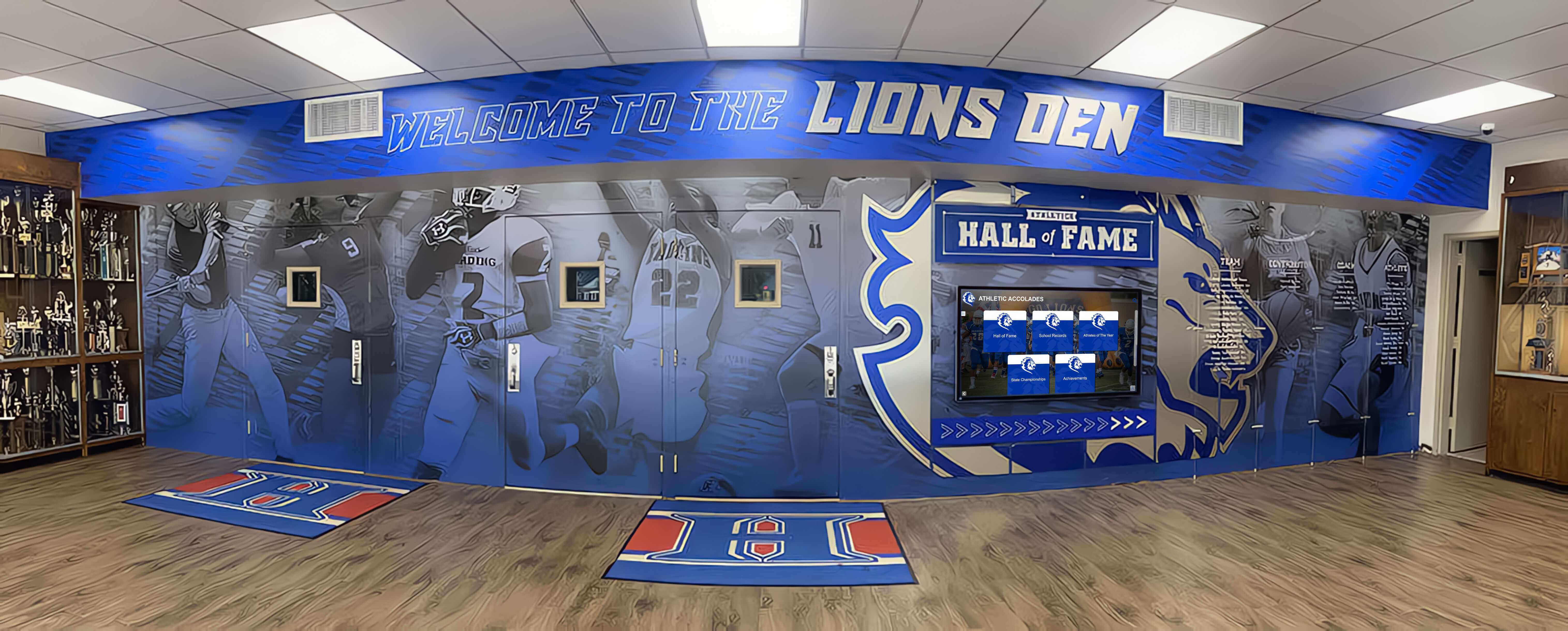
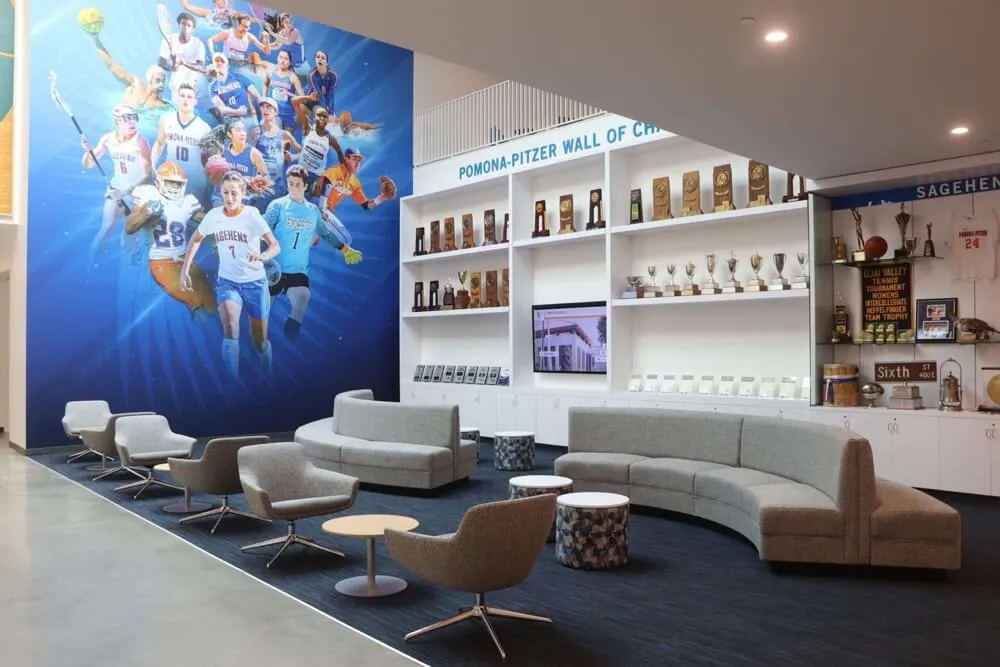
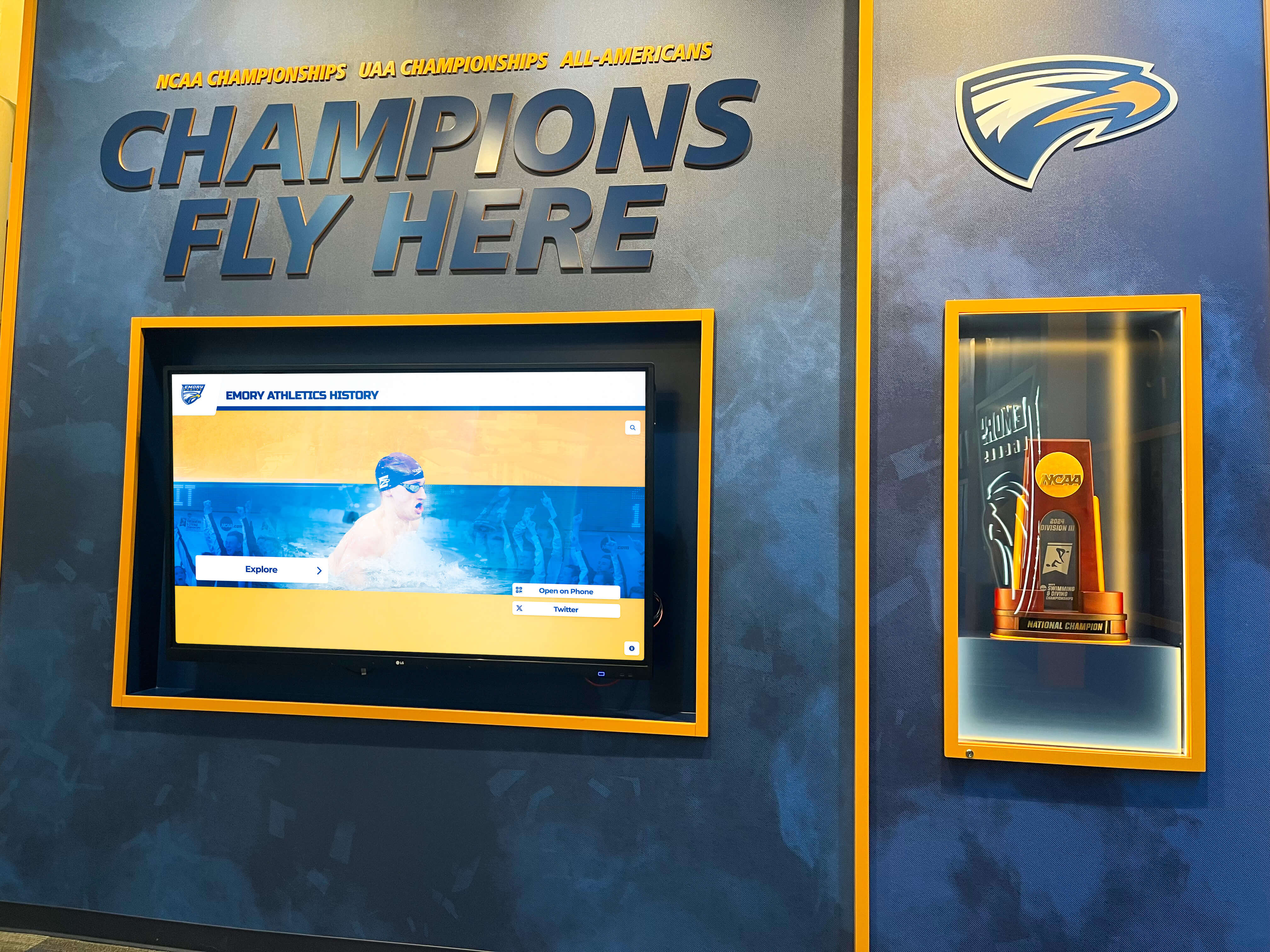
Visual Recognition: Display award winners prominently in rink facilities, locker rooms, or lobbies. Consider championship banners, trophy cases, recognition boards, or modern digital displays showcasing program history.
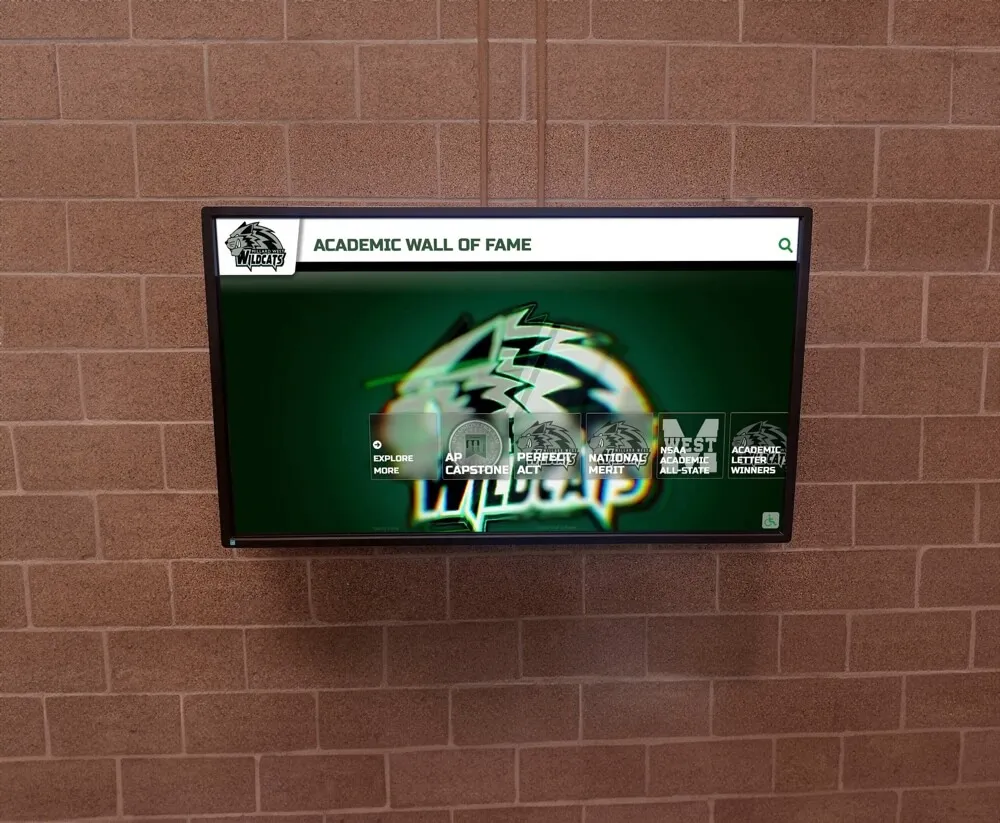
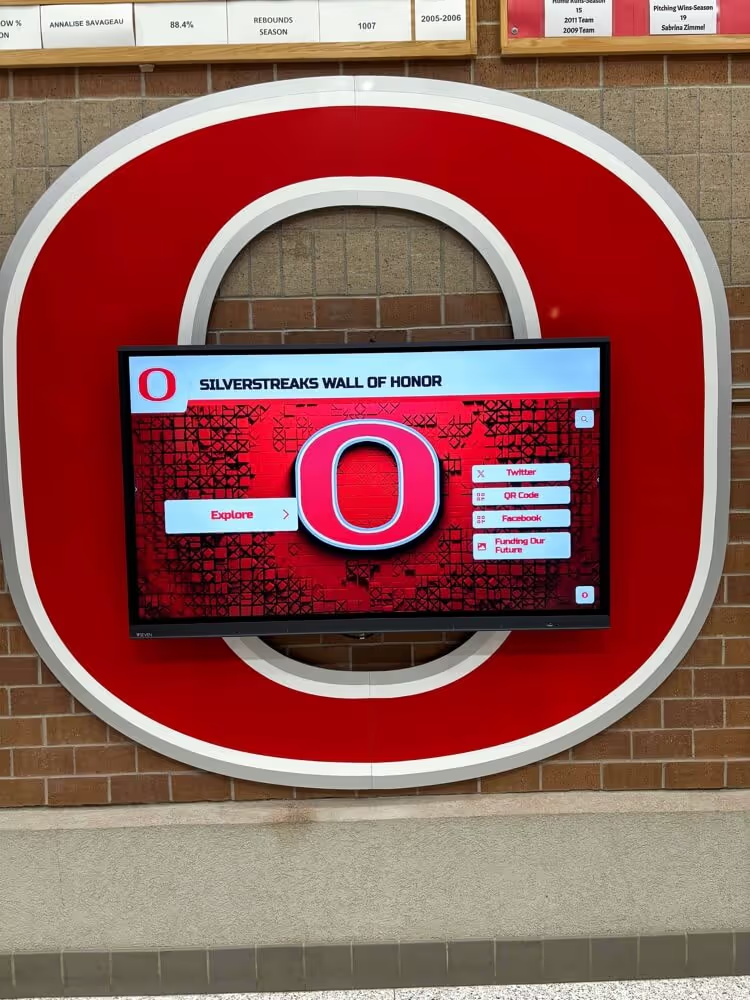
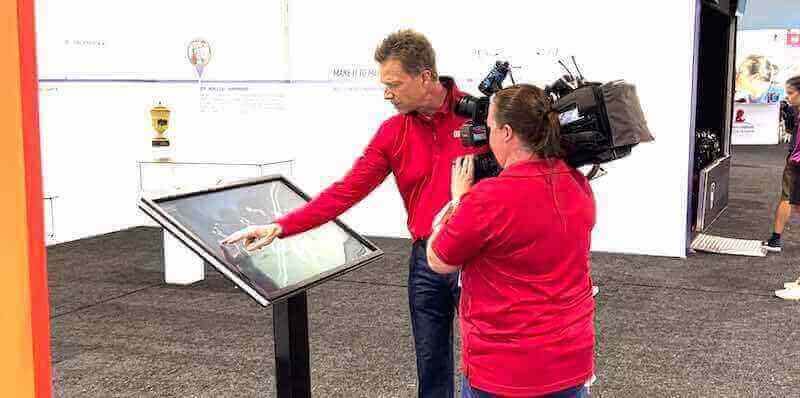
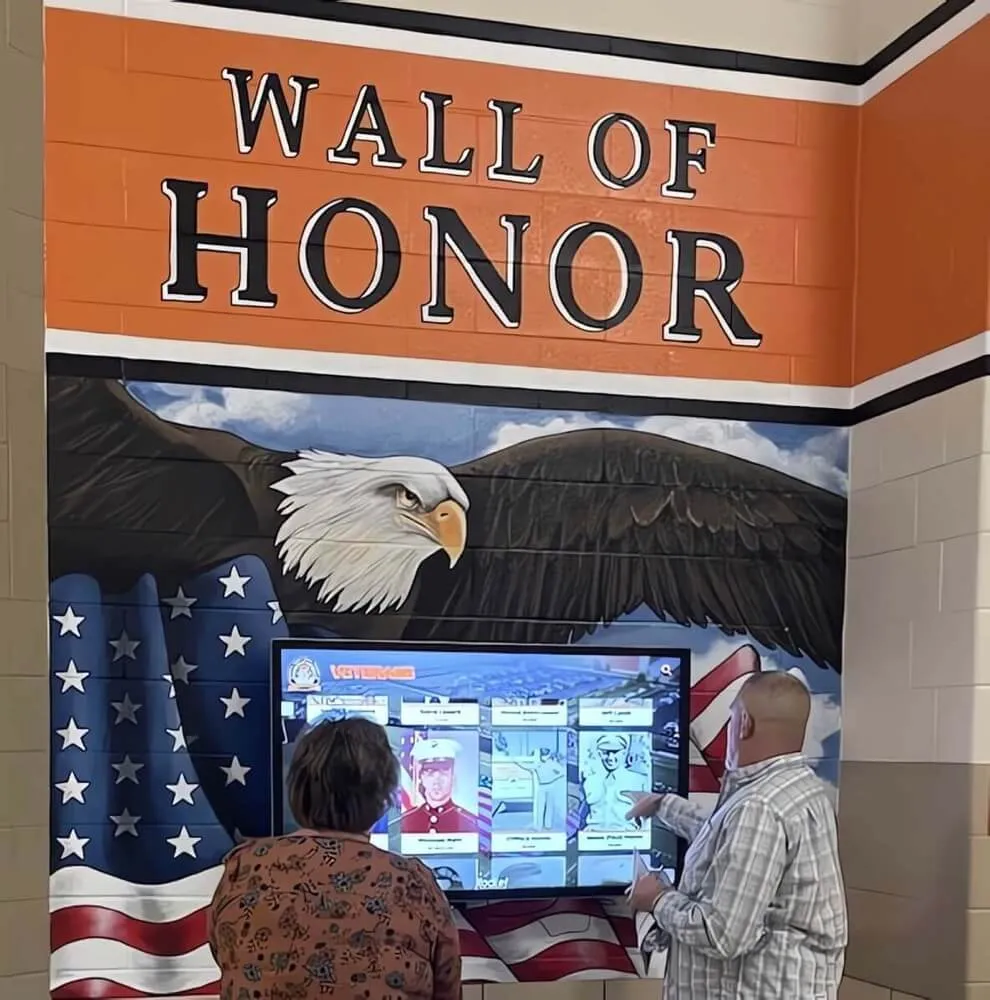
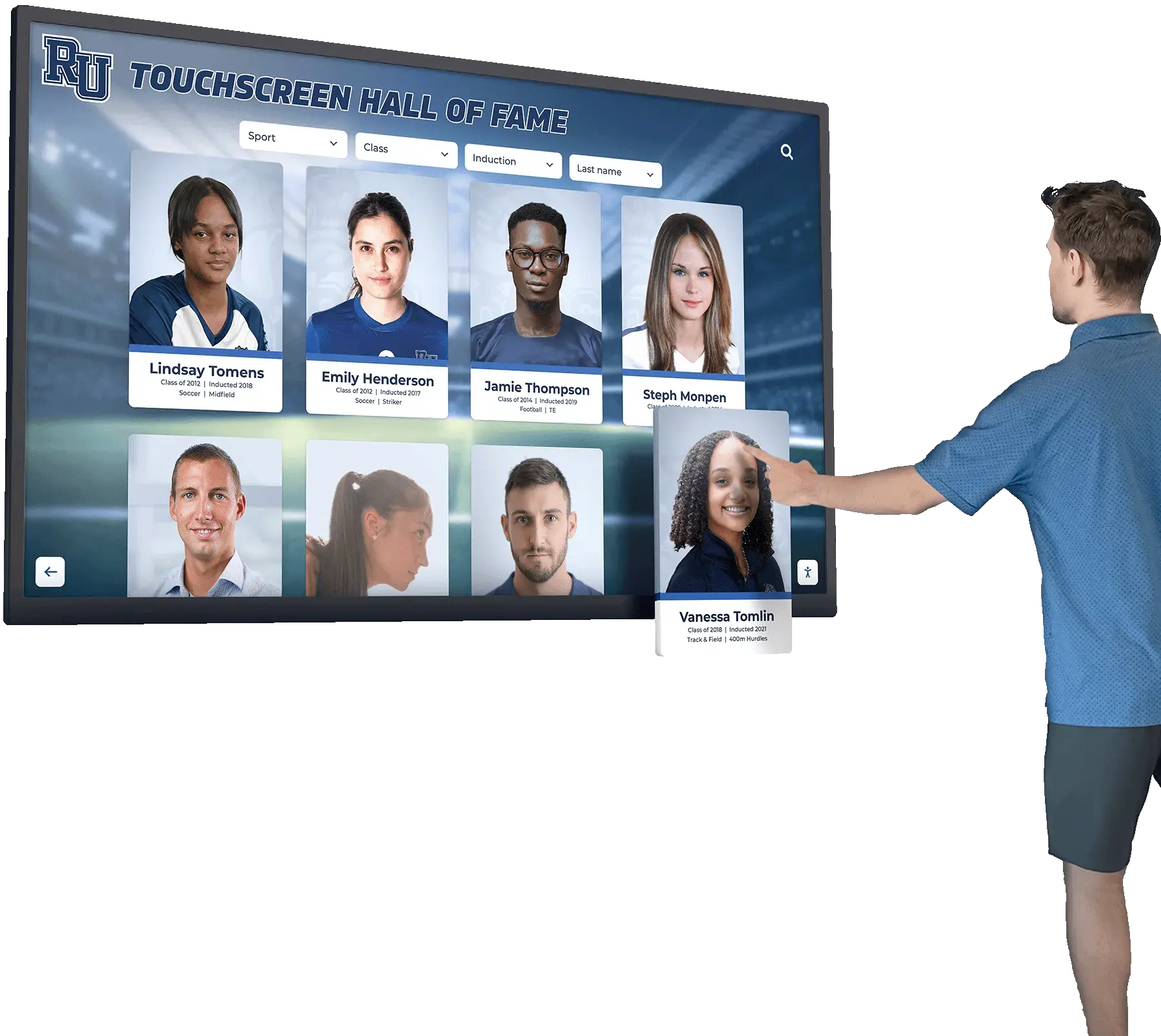
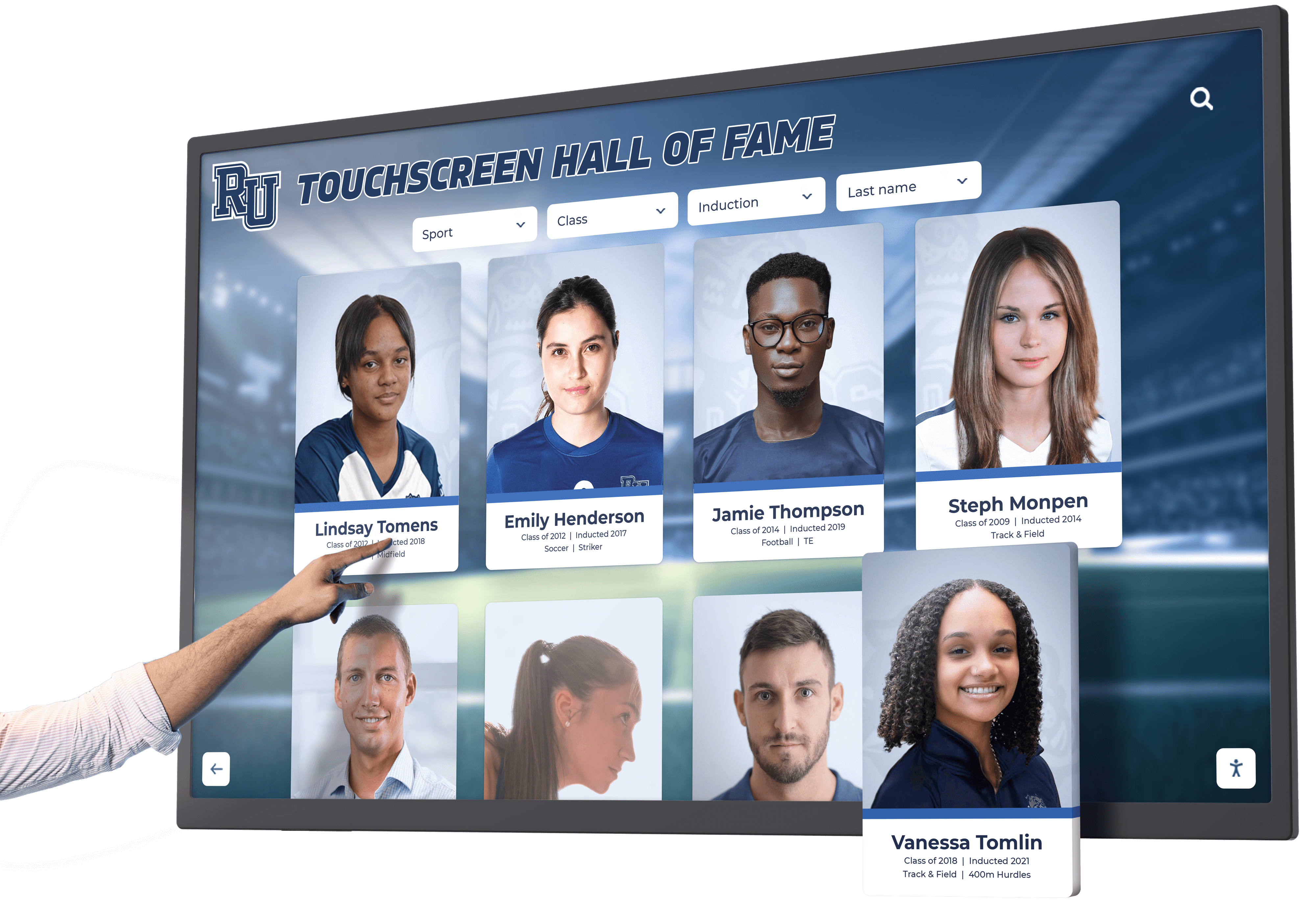
Modern hall of fame tools provide innovative ways to showcase hockey program history and annual award winners through interactive displays that engage players and families.
Year-to-Year Traditions: Establish consistent award categories that become program traditions. When awards are presented annually with clear criteria and prestigious recognition, they develop meaning that motivates future players.
Modernizing Hockey Recognition with Digital Solutions
While traditional trophies and plaques remain valuable, modern technology provides innovative approaches to recognition that enhance engagement and accessibility.
Digital Recognition Displays
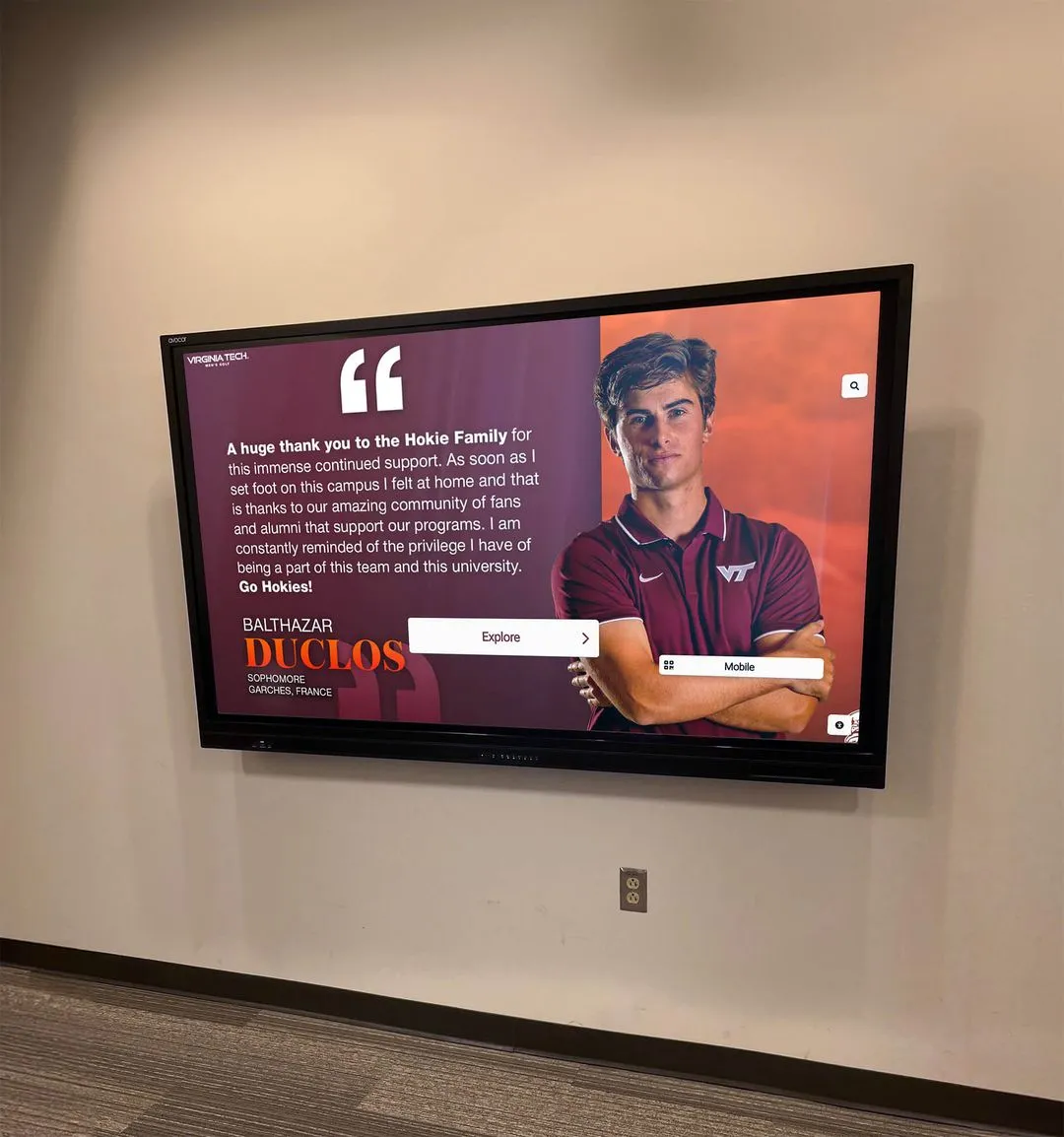
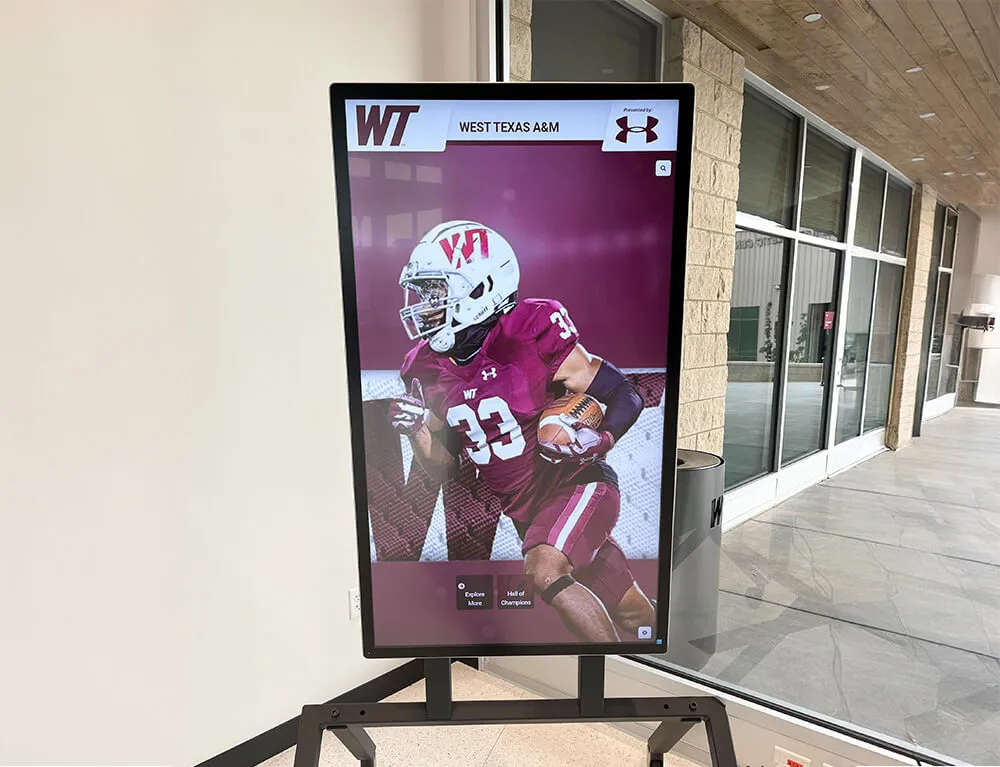
Interactive touchscreen displays offer dynamic alternatives to static trophy cases, providing several advantages for hockey programs:
Comprehensive Coverage: Digital platforms accommodate unlimited recognition without physical space constraints. Programs can honor award winners, display statistics, showcase game highlights, and celebrate achievements across multiple seasons—all within single displays.
Enhanced Engagement: Interactive features allow players, families, and fans to explore program history, search award winners, view statistics, and access multimedia content—creating engaging experiences that static displays cannot match.
Easy Updates: Digital systems accommodate current-season updates without replacement costs or physical modifications. Programs can add new award winners, update statistics, or feature current achievements throughout seasons.
Multimedia Integration: Incorporate photos, video highlights, game footage, and audio commentary alongside traditional text recognition. Video clips of award-winning plays or seasons create powerful recognition that resonates with players.
Accessibility: Digital recognition reaches beyond facility visitors through mobile access, web integration, and social sharing capabilities. Players can share their recognition with extended family, college recruiters, or personal networks.
Solutions like Rocket Alumni Solutions provide hockey programs with professional digital recognition systems that celebrate awards, preserve program history, and create engaging recognition experiences. These platforms combine the prestige of traditional recognition with modern technology’s advantages.
Programs looking to honor season-ending achievements can explore these end of year awards ideas that create meaningful recognition ceremonies.
Special Recognition Opportunities
Beyond annual awards, consider special recognition opportunities that honor unique accomplishments or milestones.
Career Achievement Recognition
1,000 Career Points Milestone Celebrate players reaching significant career scoring milestones—1,000 points in youth hockey, 100 points in high school, or program-appropriate thresholds. Career milestone recognition honors sustained excellence across multiple seasons.
All-Time Program Records Recognize players who establish or break program records in any category—goals, assists, points, wins (goaltending), shutouts, games played, or other tracked statistics. Record-breaking achievements deserve permanent recognition in program history.
Four-Year Contributors Honor players who dedicate four years to high school programs. Multi-year commitment represents loyalty and dedication worthy of recognition regardless of statistical production. Four-year players often provide leadership and cultural continuity.
Captain Legacy Awards Create special recognition for team captains after they complete their tenures. Consider naming leadership awards after legendary program captains, establishing traditions that connect current players with program history.
Game-Specific Recognition
Playoff Performance Awards Recognize exceptional playoff contributions—tournament MVPs, clutch performances in championship games, or players who elevated their games during elimination scenarios. Playoff excellence deserves distinct recognition from regular-season achievement.
Hat Trick Recognition Celebrate individual game achievements like hat tricks (three goals), four-point games, or goaltender shutouts. Consider maintaining permanent records of these accomplishments through program history displays.
Championship Recognition Create special awards for championship seasons—tournament MVPs, championship game stars, or players making defining contributions during title runs. Championship recognition establishes permanent memories of special seasons.
Academic Excellence
Scholar-Athlete Awards Hockey programs should recognize academic excellence alongside athletic achievement. Scholar-athlete awards honor players maintaining high academic standards while managing hockey commitments, celebrating complete student-athletes rather than only on-ice performance.
Team Academic Achievement Consider team GPA recognition that celebrates collective academic commitment. Team academic awards reinforce that programs value education equally with hockey development.
Digital recognition systems can showcase academic achievements alongside athletic honors—discover how academic recognition programs honor well-rounded student-athletes.
Building Hockey Award Traditions
The most meaningful awards become program traditions—recognition that players aspire to earn throughout their hockey careers.
Naming Awards After Legends
Consider naming major awards after legendary program alumni, coaches, or contributors who embody the qualities each award represents. The “John Smith Leadership Award” or “Coach Johnson Hardest Worker Award” creates connections between current players and program history while establishing prestigious recognition.
Selection Considerations: Choose namesakes who exemplified specific qualities, maintained strong program connections, and represent values programs wish to emphasize. Involve families in naming decisions when honoring deceased alumni or coaches.
Ceremony Elements: When presenting named awards, share stories about namesakes—their achievements, character qualities, and program contributions. This storytelling connects current players with traditions while teaching program values.
Creating Award Continuity
Consistent recognition builds traditions that accumulate meaning across generations of players.
Permanent Award Categories: Establish core awards presented annually, allowing categories to develop prestige over time. When players know awards exist before seasons begin, recognition becomes aspirational rather than reactive.
Progressive Difficulty: Consider tiered recognition reflecting developmental progression—youth awards focusing on participation and effort, bantam awards balancing performance with character, and high school awards emphasizing achievement and leadership.
Alumni Connections: Involve award-winning alumni in presentations when possible. Having former MVP recipients present current MVP awards creates powerful connections between program generations.
Common Mistakes to Avoid
Even well-intentioned recognition programs can undermine their purposes through common implementation mistakes.
Over-Recognition Without Meaning
The Problem: Giving too many awards dilutes recognition significance. When everyone receives multiple awards, none carry genuine distinction.
The Solution: Limit total award categories, establish clear criteria distinguishing recipients from teammates, and maintain standards that make recognition meaningful. Better to give fewer prestigious awards than numerous meaningless ones.
Neglecting Defensive Excellence
The Problem: Hockey recognition often overemphasizes offensive production while undervaluing defensive contributions, goaltending, and team-first players accepting unglamorous roles.
The Solution: Ensure award structures provide equal opportunity for defensemen, goaltenders, penalty killers, and defensive forwards to receive major recognition. Winning hockey requires excellence across all roles—recognition should reflect this reality.
Inconsistent or Unclear Selection Criteria
The Problem: Awards lose credibility when selection criteria remain unclear or applied inconsistently. Players questioning why recipients earned recognition undermines program culture.
The Solution: Establish transparent criteria before seasons begin, track relevant statistics or observations, and apply standards consistently. When recognition processes appear fair and objective, awards maintain their motivational power.
Ignoring Character and Leadership
The Problem: Focusing exclusively on statistical achievement while neglecting character recognition sends messages that programs value only on-ice production.
The Solution: Balance performance awards with character recognition. Reserve program’s most prestigious honors for players excelling in both skill and character, establishing expectations that complete players matter more than pure statistics.
Boring or Rushed Ceremonies
The Problem: Rushing through presentations or treating ceremonies as administrative obligations rather than celebrations diminishes recognition value.
The Solution: Dedicate appropriate time to meaningful presentations, incorporate video or photos, explain why recipients earned recognition, and create celebratory atmospheres. Recognition quality matters as much as recognition existence.
High school hockey programs can create special moments by planning thoughtful senior night celebrations that honor graduating players alongside season-ending awards.
Conclusion: Recognition That Builds Hockey Excellence
Thoughtful hockey recognition programs accomplish far more than simply distributing trophies at season’s end. Well-designed award systems strengthen team culture, motivate player development, establish program traditions, and create defining moments that players carry throughout their lives.
The most effective recognition programs share several characteristics:
Comprehensiveness: They acknowledge diverse contributions—offensive skill, defensive excellence, goaltending, character, leadership, and team-first qualities. Every valuable contribution receives potential recognition.
Balance: They celebrate exceptional achievement while ensuring all committed players receive genuine acknowledgment. Recognition motivates rather than discourages.
Clarity: They establish transparent selection criteria applied consistently. Awards maintain credibility through fair, objective processes.
Meaning: They feature quality presentations, meaningful physical awards, and ceremonies demonstrating that programs genuinely value achievement.
Tradition: They establish consistent recognition that builds program history and creates prestigious honors players aspire to earn.
Whether coaching youth players learning hockey fundamentals or leading high school programs competing for championships, recognition matters. The awards you present, the criteria you establish, and the traditions you build shape player experiences, program culture, and lasting memories.
Hockey’s greatest rewards extend far beyond trophies—they include life lessons about teamwork, perseverance, resilience, and commitment. However, those meaningful trophies, thoughtfully selected and professionally presented, provide tangible symbols honoring the dedication, sacrifice, and excellence that make hockey special.
Start Building Your Hockey Recognition Tradition
Ready to create professional recognition systems that honor your hockey program’s achievements while building lasting traditions? Modern digital solutions provide innovative ways to celebrate awards, preserve program history, and engage players and families throughout seasons and across generations.
Discover how Rocket Alumni Solutions helps hockey programs create engaging digital recognition displays that showcase annual award winners, preserve championship seasons, and celebrate player achievements through interactive platforms that honor your program’s unique traditions.
Your players deserve recognition that matches their dedication. Create award programs that build excellence, honor achievement, and establish hockey traditions that inspire future generations.