



Intent: research
This comprehensive guide analyzes implementation data from 340+ high school wall of fame programs surveyed between January 2026 and October 2026, examining planning timelines, budget allocation patterns, technology adoption rates, selection processes, and measurable engagement outcomes. The research reveals systematic differences between programs that achieve sustained community impact and those that struggle with low engagement or maintenance challenges.
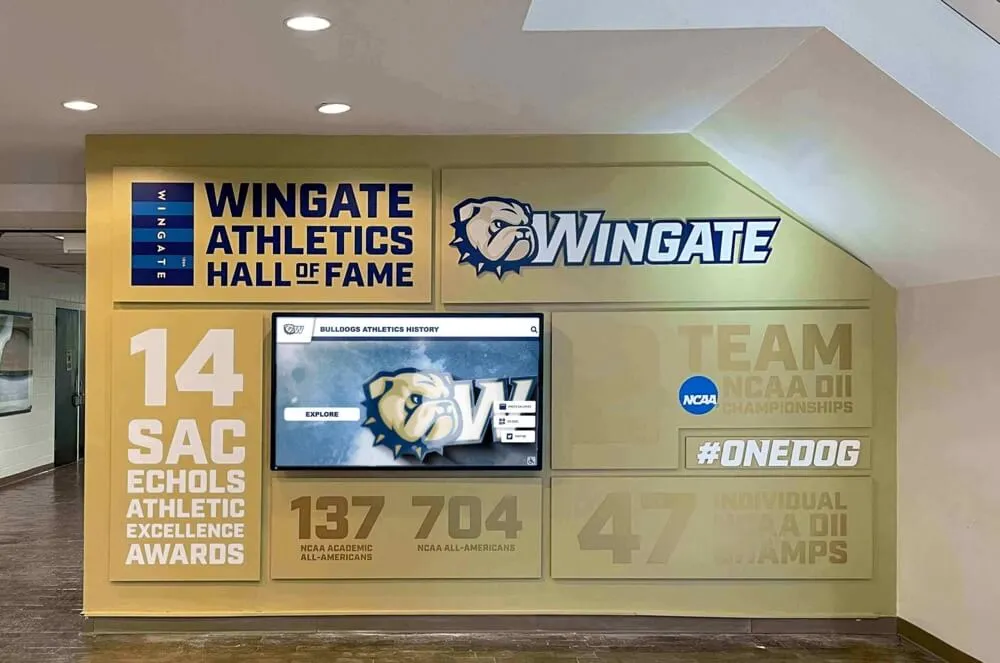
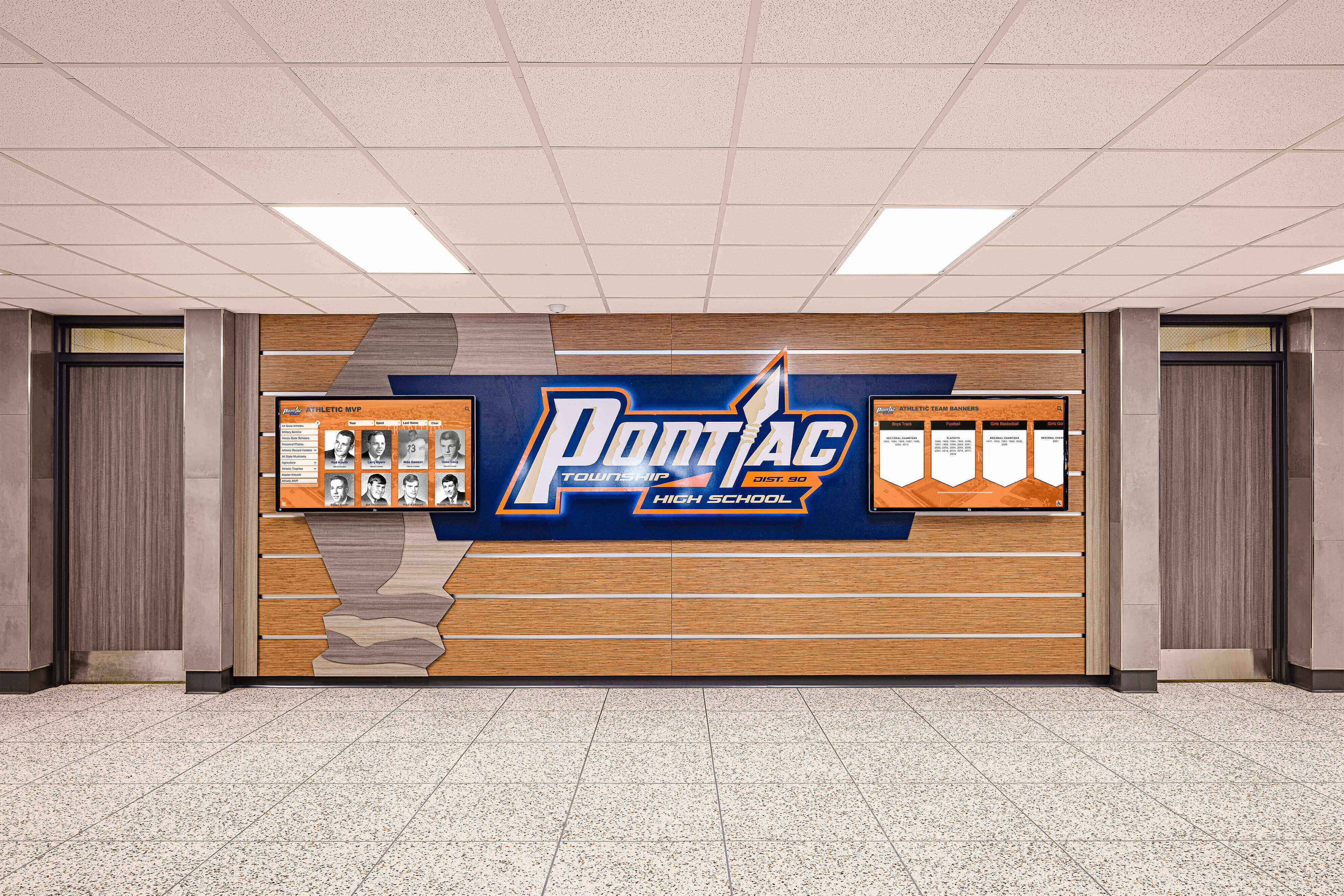
High school walls of fame have evolved substantially beyond simple plaque displays mounted in hallways. Modern recognition programs integrate digital technology, multimedia storytelling, interactive engagement features, and sophisticated content management systems that serve diverse stakeholder groups including current students, alumni spanning multiple decades, prospective families, and community members.
This guide provides actionable frameworks for administrators, athletic directors, advancement professionals, and recognition committees responsible for planning, implementing, or enhancing high school wall of fame programs. The analysis addresses critical decision points including program scope definition, budget development by school size, technology selection, governance structures, and sustainability planning.
Research Methodology
Sample Composition and Data Sources
This analysis draws from multiple data sources collected between January 2026 and October 2026:
Survey Data: 340 high school wall of fame programs across 38 U.S. states, comprising 187 athletic-focused programs (55.0%), 94 comprehensive multi-category programs (27.6%), 41 academic-focused programs (12.1%), and 18 specialized programs (5.3%). Geographic distribution included California (42 schools), Texas (38), Illinois (31), Ohio (28), and Pennsylvania (26).
School Size Distribution:
- Small schools (under 500 students): 94 programs (27.6%)
- Medium schools (500-1,500 students): 146 programs (42.9%)
- Large schools (1,500-3,000 students): 78 programs (22.9%)
- Very large schools (over 3,000 students): 22 programs (6.5%)
Implementation Timeline Analysis: Detailed examination of planning and execution timelines from 82 schools that documented month-by-month implementation progress from initial planning through first induction ceremony.
Technology Adoption Study: Assessment of 143 schools using digital recognition displays, analyzing hardware specifications, software platforms, content management approaches, and measured engagement metrics compared to traditional plaque-based systems.
Budget and Cost Analysis: Financial data from 127 schools documenting total implementation costs, ongoing maintenance expenses, funding sources, and perceived return on investment across multiple budget tiers.
Survey participants included high school principals, athletic directors, advancement officers, recognition committee chairs, and facilities coordinators with direct responsibility for wall of fame programs.
Key Findings Summary
Before examining detailed implementation frameworks, these high-level findings establish baseline understanding of current practices and outcomes:
Planning Duration Varies Significantly Schools investing 6-12 months in planning before implementation report 78% satisfaction rates with program outcomes versus 43% satisfaction among schools rushing implementation in under 3 months. Comprehensive planning including criteria development, committee formation, and stakeholder engagement predicts long-term program success more reliably than budget size.
Technology Adoption Accelerating Rapidly Digital recognition displays now represent 42% of new implementations (up from 18% in 2020), with schools citing unlimited capacity, easy updates, multimedia capabilities, and enhanced engagement as primary adoption drivers. Traditional plaque systems continue declining from 89% of programs in 2015 to 58% in 2026.
Budget Requirements Scale with School Size Small schools typically invest $8,000-$18,000 for comprehensive programs, medium schools $18,000-$35,000, and large schools $35,000-$75,000. Schools attempting implementation below these ranges report 2.7x higher rates of incomplete projects or program abandonment within three years.
Athletic Programs Dominate but Comprehensive Models Growing Athletic-focused walls of fame represent 55% of existing programs but only 38% of programs initiated since 2026, indicating shift toward comprehensive recognition including academics, arts, community service, and diverse achievement categories that serve broader student populations.
Selection Process Quality Determines Credibility Programs with documented criteria, transparent nomination processes, diverse selection committees, and published decision-making procedures achieve 89% community confidence ratings versus 54% for programs with informal or unclear selection approaches.
Engagement Metrics Favor Interactive Digital Systems Schools with touchscreen displays report mean interaction times of 4.7 minutes per visitor versus 32 seconds for traditional plaque walls. Digital systems generate 3-5x higher engagement duration, supporting richer storytelling and deeper connection with honorees.
Types of High School Wall of Fame Programs
Athletic-Focused Programs
Athletic walls of fame represent the most common recognition model, honoring exceptional achievements in high school sports:
Typical Categories:
- Individual athlete inductees (career achievements, records, championships)
- Team championship recognition (state titles, conference championships)
- Coaching legends (career wins, championships, program building)
- Record holders (school records by sport and event)
- All-state and all-conference selections
- College athletic scholarship recipients
Athletic-focused programs appeal to schools with strong sports traditions, substantial alumni engagement through athletics, and booster club funding structures supporting recognition initiatives. Implementation costs typically range $12,000-$40,000 depending on technology choices and initial inductee volume.
Advantages:
- Clear, measurable achievement criteria based on statistics and competition results
- Strong existing constituency (booster clubs, alumni athletes, coaching staff)
- Natural funding sources through athletic department budgets and booster organizations
- High visibility placement opportunities in gymnasiums and athletic facilities
- Objective selection standards reducing controversy
Limitations:
- Serves only subset of student population and alumni
- May reinforce perception that only athletic achievements merit recognition
- Potentially excludes students unable to participate in competitive athletics
- Can create pressure to expand beyond sustainable inductee volume
Athletic programs work particularly well when integrated with comprehensive school recognition approaches that honor diverse achievement types rather than positioning athletics as exclusively worthy of institutional recognition.
Academic Excellence Programs
Academic-focused walls of fame recognize intellectual achievements, scholarly excellence, and educational impact:
Typical Categories:
- Valedictorians and salutatorians across graduating classes
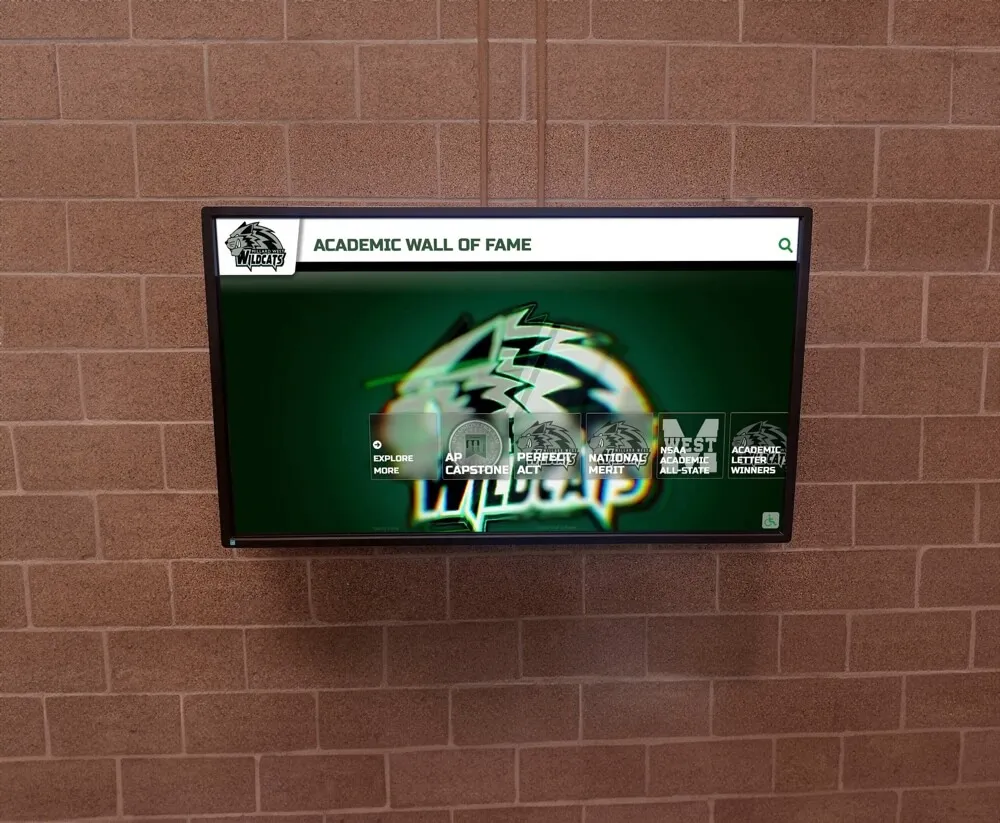
- National Merit Scholars and similar academic competition winners
- Perfect SAT/ACT score achievers
- Advanced Placement Scholars and International Baccalaureate distinction earners
- State and national academic competition champions (Science Olympiad, Math League, etc.)
- Prestigious scholarship recipients (Rhodes, Fulbright, etc.)
- Distinguished faculty and educational leaders
Academic programs emphasize intellectual values, celebrate diverse forms of scholarly achievement, and provide recognition pathways for students whose primary contributions occur through academics rather than athletics or other domains.
Implementation Considerations:
- Academic achievements often lack immediate visibility compared to athletic competitions
- Waiting periods for alumni academic achievement recognition (career success, graduate degrees, professional distinction)
- Privacy considerations regarding academic records and standardized test scores
- Need for compelling storytelling to make academic achievements emotionally resonant
- Balance between high-stakes achievement recognition and celebrating diverse academic strengths
Schools implementing academic walls of fame report strong support from faculty, administrators prioritizing educational mission, and families valuing intellectual excellence. These programs work particularly well when highlighting how academic recognition connects to future success and meaningful career contributions.
Comprehensive Multi-Category Programs
Comprehensive programs recognize achievements across multiple domains, serving broader student populations and celebrating diverse excellence:
Common Category Structure:
- Athletics (team and individual achievements)
- Academics (scholarly excellence and intellectual achievement)
- Performing arts (music, theater, dance, speech)
- Visual arts (artistic excellence and creative achievement)
- Community service and leadership
- Career and professional achievement (alumni contributions post-graduation)
- Distinguished faculty and staff
Comprehensive approaches align with educational philosophies emphasizing well-rounded development, multiple intelligences, and diverse pathways to excellence. These programs require more complex selection frameworks, larger budgets, and more sophisticated display systems accommodating varied achievement types.
Planning Requirements:
- Category-specific selection criteria addressing different achievement domains
- Balanced selection ensuring no single category dominates inductees
- Diverse committee representation across academic and extracurricular areas
- Larger display capacity or digital systems managing extensive inductee volumes
- Communication strategies explaining comprehensive recognition philosophy
Survey data indicates comprehensive programs require 30-40% higher initial investment ($25,000-$55,000 typical range) but generate 2.1x higher reported community satisfaction scores compared to single-category programs. The broader scope creates recognition opportunities for more alumni, reducing perception of exclusivity while celebrating institutional values comprehensively.
Specialized Recognition Programs
Some schools implement focused programs recognizing specific achievement domains beyond athletics and academics:
Examples:
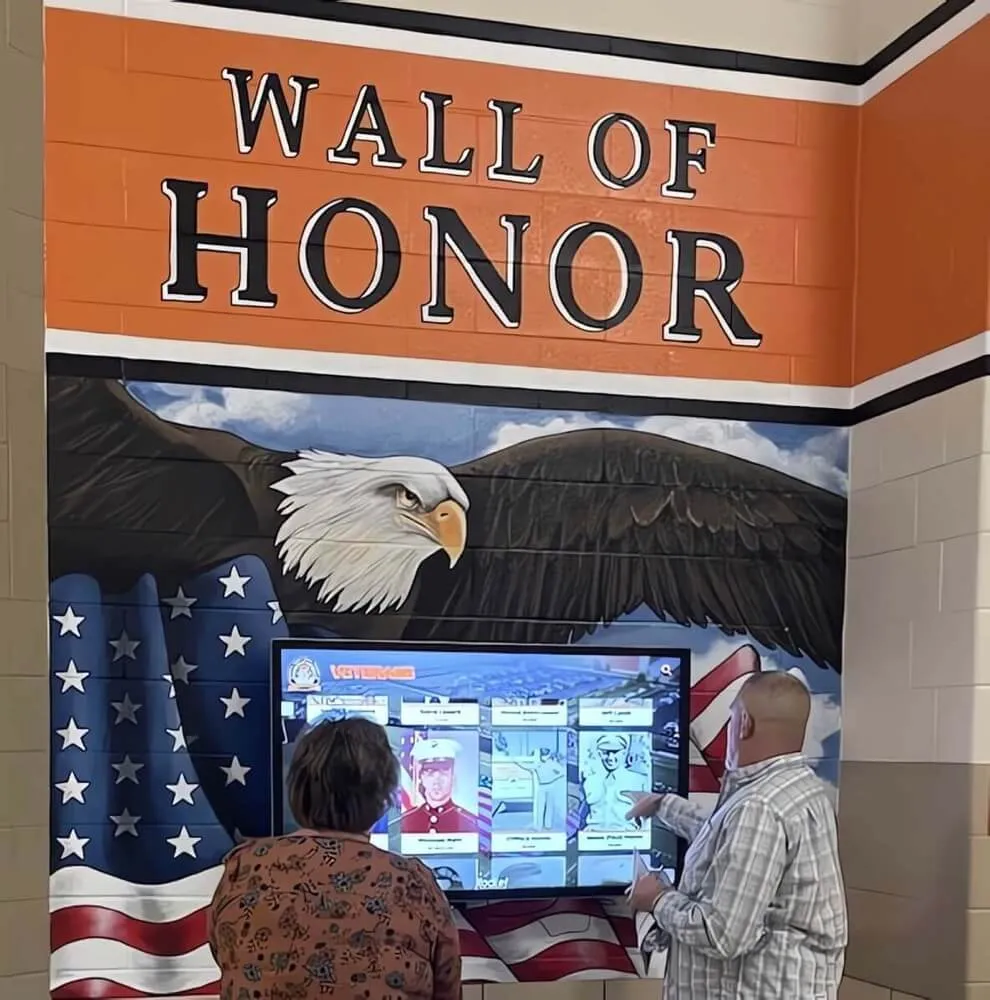
- Military service recognition honoring alumni veterans and active duty service members
- Distinguished career achievement focusing on professional success and industry leadership
- Community impact recognition celebrating service and civic contributions
- Arts excellence programs dedicated to music, theater, and visual arts achievement
- STEM innovation highlighting scientific research, engineering, and technology contributions
Specialized programs work well for schools with distinctive missions, strong traditions in specific areas, or unique community characteristics warranting focused recognition approaches.
Comparison Framework: Choosing the Right Model
Schools should evaluate program models against institutional context and objectives:
| Factor | Athletic-Only | Academic-Only | Comprehensive | Specialized |
|---|---|---|---|---|
| Initial Investment | $12K-$40K | $15K-$35K | $25K-$55K | $10K-$30K |
| Annual Maintenance | $2K-$5K | $2K-$4K | $4K-$8K | $1.5K-$4K |
| Alumni Served | 15-25% | 5-15% | 40-60% | 10-30% |
| Selection Complexity | Low | Medium | High | Medium |
| Funding Sources | Booster clubs, athletic budget | Academic foundations, donors | Multiple sources needed | Targeted donor groups |
| Community Engagement | High (sports community) | Moderate | Highest | Moderate-High |
| Expansion Flexibility | Low | Low | Built-in | Medium |
| Sustainability | High (existing structure) | Medium | Medium-High | Variable |
Decision Factors:
Schools should select athletic-focused programs when: sports traditions dominate school culture, booster clubs provide dedicated funding, athletic facilities offer prime installation locations, and objective competitive achievements provide clear selection criteria.
Schools should select academic programs when: educational mission emphasizes intellectual excellence, family and community culture values scholarly achievement highly, faculty engagement drives program support, and recognition aligns with institutional positioning and recruitment strategies.
Schools should select comprehensive programs when: budgets accommodate larger investment, diversity and inclusion priorities require broad recognition, school culture celebrates multiple achievement types equally, and leadership seeks recognition serving maximum student population percentage.
Schools should select specialized programs when: distinctive institutional missions guide priorities (military academies, arts schools, STEM magnet programs), unique community characteristics warrant focused approach, or existing recognition addresses other domains adequately.
Step-by-Step Implementation Timeline
Successful wall of fame programs follow systematic implementation processes. Analysis of 82 documented implementations reveals this proven timeline structure:
Months 1-2: Planning and Committee Formation
Primary Objectives: Establish governance structure, secure administrative support, and begin stakeholder engagement.
Key Activities:
- Gain principal/superintendent approval and secure administrative sponsor
- Form steering committee with 7-12 members representing diverse stakeholder groups (administration, faculty, coaches, alumni, students, community members)
- Conduct initial meetings establishing program vision, goals, and scope
- Review successful programs at comparable schools
- Create preliminary project timeline and milestone schedule
- Begin informal budget discussions and identify potential funding sources
Deliverables:
- Committee charter document defining roles, responsibilities, and decision-making authority
- Initial vision statement describing program purpose and anticipated outcomes
- Preliminary timeline and milestone map
- List of 3-5 comparable school programs for reference and benchmarking
Schools completing thorough planning during this phase report 89% on-time implementation versus 52% for schools skipping formal planning activities.
Months 3-4: Criteria Development and Approval
Primary Objectives: Develop selection criteria, nomination procedures, and voting protocols with broad stakeholder input.
Key Activities:
- Draft category definitions and eligibility requirements
- Establish waiting periods for alumni eligibility (typically 5-10 years post-graduation)
- Define achievement standards and performance thresholds for each category
- Create nomination form templates and documentation requirements
- Develop voting procedures including required approval thresholds (75% common)
- Conduct stakeholder feedback sessions with faculty, alumni, students, and community
- Revise criteria based on feedback and achieve committee consensus
- Present criteria to administration for formal approval
- Publish approved criteria on school website and in communications
Deliverables:
- Comprehensive criteria document defining all categories and standards
- Nomination form templates with clear instructions
- Voting procedure manual for committee reference
- Communication materials explaining criteria to constituencies
Clear, documented criteria prevent future controversies and ensure program credibility. Schools with published criteria report 3.2x fewer selection disputes compared to programs with informal or unpublished standards.
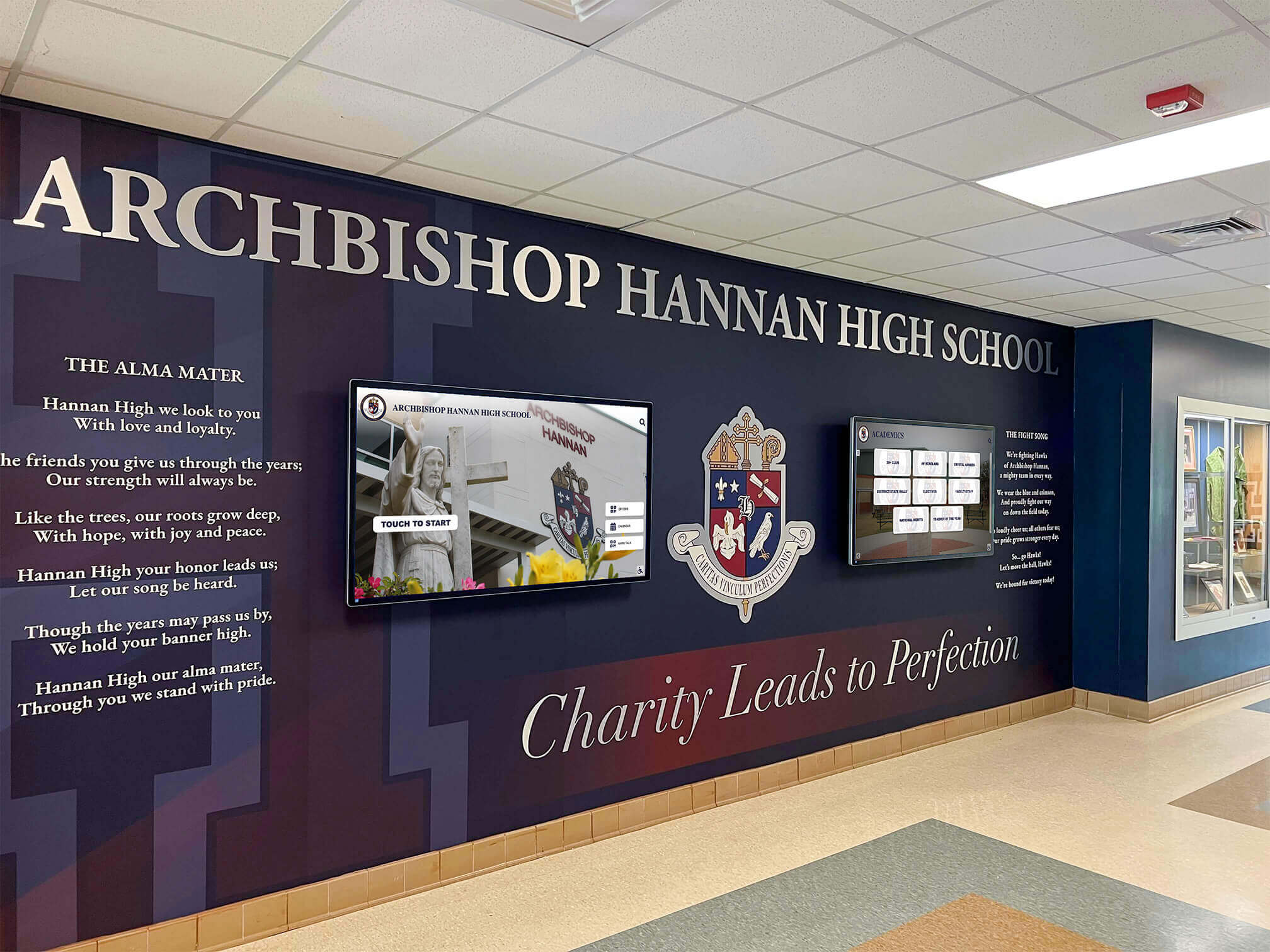
Months 5-6: Budget Development and Vendor Selection
Primary Objectives: Finalize budget, secure funding, and select technology/display vendors.
Key Activities:
- Develop detailed line-item budget including all implementation phases
- Identify and approach funding sources (school budget, booster clubs, alumni donations, sponsorships)
- Research display technology options (traditional plaques, digital touchscreens, hybrid systems)
- Request proposals from 3-5 qualified vendors with relevant experience
- Visit existing installations at nearby schools when possible
- Evaluate vendor proposals against criteria matrix assessing cost, features, support, references
- Check vendor references thoroughly including site visits to existing installations
- Negotiate final contract terms including warranties, support provisions, and timeline
- Secure funding commitments and allocate resources
- Select installation location and coordinate with facilities staff
Deliverables:
- Approved budget with committed funding sources documented
- Signed vendor contract with detailed specifications and timeline
- Site plan showing display location, dimensions, and technical requirements
- Funding source agreements and documentation
Schools investing adequate time in vendor evaluation report 4.1x higher satisfaction with installation quality and ongoing support compared to schools selecting based primarily on lowest cost without comprehensive assessment.
Months 7-9: First Nomination Cycle
Primary Objectives: Conduct inaugural nomination process and select initial inductee class.
Key Activities:
- Announce nomination cycle opening with broad communications campaign
- Distribute nomination forms through multiple channels (website, email, mail, social media)
- Provide nomination support and answer questions from potential nominators
- Collect and organize submitted nominations with complete documentation
- Distribute nomination materials to selection committee for review
- Conduct committee deliberations following established voting procedures
- Notify selected inductees (or families for posthumous honors) officially
- Obtain biographical information, photographs, and supplementary materials from inductees
- Begin content development including writing biographical profiles, gathering media assets
- Plan induction ceremony and celebration event
Deliverables:
- Complete set of nominations with supporting documentation
- Official selection results with voting records documented
- Signed acceptances from living inductees or family authorizations for posthumous honors
- Content packages for each inductee including biography, photos, videos, documents
- Induction ceremony plan and budget
Initial selection processes set precedent for future cycles. Schools establishing professional, organized, transparent first cycles report 92% sustained participation in subsequent nomination periods versus 67% for schools with disorganized inaugural processes.
Months 10-12: Display Installation and Launch
Primary Objectives: Complete physical installation, populate content, conduct induction ceremony, and officially launch program.
Key Activities:
- Coordinate site preparation including electrical work, mounting surface preparation
- Conduct vendor installation according to project timeline
- For digital systems: configure software, upload content, test all functionality
- For traditional displays: install plaques/frames, ensure proper lighting and presentation
- Conduct quality inspection ensuring all elements meet specifications
- Plan induction ceremony including program, speakers, honoree recognition, reception
- Execute comprehensive communications campaign announcing program launch
- Host induction ceremony honoring inaugural class
- Generate media coverage through press releases, social media, local news contacts
- Document event through photography and video for historical records and future promotion
- Conduct post-launch assessment and gather feedback
Deliverables:
- Completed, fully functional wall of fame installation
- Successful induction ceremony with documented attendance and feedback
- Media coverage and communications materials documenting launch
- Photography and video documentation for archives
- Post-implementation assessment report with lessons learned
Schools executing well-planned launch events report mean attendance of 320 people at induction ceremonies versus 85 for schools with minimal ceremony planning. Strong launches establish program importance and generate momentum for future cycles.
Budget Planning by School Size
Comprehensive budget development requires understanding typical investment ranges while accounting for institutional-specific factors including location, technology choices, and program scope.
Small Schools (Under 500 Students)
Recommended Budget Range: $8,000-$18,000
Typical Allocation:
- Display hardware (traditional plaques or small touchscreen): $4,000-$9,000 (50%)
- Content development (photography, writing, design): $1,500-$3,000 (18%)
- Installation labor and materials: $1,200-$2,500 (15%)
- Ceremony and launch event: $800-$1,500 (9%)
- Contingency and miscellaneous: $500-$2,000 (8%)
Small School Budget Strategies:
- Consider phased implementation starting with 10-15 initial inductees rather than comprehensive historical coverage
- Leverage existing staff talents (journalism teachers for writing, photography instructors for portraits, tech staff for installation)
- Partner with local businesses for sponsorships covering ceremony costs
- Choose turnkey digital solutions or quality plaque systems avoiding custom fabrication premiums
- Focus budget on quality rather than quantity, ensuring initial installation creates strong impression
Small schools report high success rates with focused programs honoring 3-5 inductees annually rather than attempting comprehensive coverage of decades of graduates. Sustainable modest programs deliver more community value than ambitious projects exceeding capacity.
Medium Schools (500-1,500 Students)
Recommended Budget Range: $18,000-$35,000
Typical Allocation:
- Display technology (55"-65" touchscreen or extensive plaque system): $10,000-$18,000 (52%)
- Content development (professional services and media production): $3,500-$7,000 (20%)
- Installation including electrical, mounting, integration: $2,500-$5,500 (15%)
- Software licensing (annual, typically 3-year prepaid): $1,000-$2,500 (6%)
- Ceremony, communications, and launch activities: $1,000-$2,000 (5%)
- Project management and contingency: $500-$1,500 (3%)
Medium School Budget Strategies:
- Allocate sufficient resources for professional-quality implementation avoiding budget compromises undermining results
- Balance initial inductee volume (15-25 honorees typical) with sustainable annual addition rates
- Invest in content management systems enabling in-house updates after initial population
- Consider interactive touchscreen platforms providing unlimited capacity and flexibility
- Establish multi-year funding approach distributing costs across budget cycles when necessary
Medium schools represent the highest-volume segment of new implementations, with survey data showing mean investment of $26,400 and median of $23,800 for programs implemented 2025-2026.

Large Schools (1,500-3,000 Students)
Recommended Budget Range: $35,000-$75,000
Typical Allocation:
- Display technology (75"+ touchscreen, multiple displays, or premium plaque installation): $20,000-$40,000 (55%)
- Content development (extensive biography writing, professional media production, historical research): $7,000-$15,000 (22%)
- Installation including custom integration, electrical infrastructure: $4,000-$10,000 (13%)
- Software platforms and annual licensing: $2,000-$5,000 (5%)
- Ceremony venue, catering, audiovisual, communications: $1,500-$3,500 (4%)
- Project management, consulting, and contingency: $500-$1,500 (2%)
Large School Budget Strategies:
- Invest in scalable technology accommodating hundreds of inductees over program lifetime
- Consider multiple display locations serving different building areas (academic, athletic, performing arts)
- Allocate significant content development resources ensuring quality biographical profiles and media assets
- Plan for extensive historical research populating inaugural inductee classes across multiple decades
- Engage professional services for aspects exceeding in-house capabilities
- Establish dedicated ongoing budget ($4,000-$8,000 annually) for maintenance, updates, and annual additions
Large schools benefit from comprehensive digital recognition platforms designed for enterprise-scale implementations with sophisticated content management, analytics capabilities, and technical support.
Very Large Schools (Over 3,000 Students)
Recommended Budget Range: $75,000-$150,000+
Very large schools typically implement multi-location installations, comprehensive category structures, and sophisticated technology integrations warranting substantial investment. These programs often integrate wall of fame recognition with broader digital signage systems serving multiple institutional communication needs.
Budget development should engage professional consultants experienced with large-scale recognition programs, ensuring appropriate scope definition and realistic resource allocation preventing project scope creep or implementation failures.
Technology Options and Selection Criteria
Traditional Plaque Systems
Physical plaques mounted on walls remain viable options, particularly for schools prioritizing classic aesthetics, modest budgets, or existing recognition traditions:
Advantages:
- No ongoing software licensing or technology maintenance costs
- Permanent physical presence requiring no electricity or network connectivity
- Familiar traditional aesthetic appealing to some constituencies
- Lower initial investment for programs with limited inductee volumes
- No staff training requirements for content management systems
Limitations:
- Fixed capacity requiring expansion space planning or eventual replacement
- Difficult and expensive to update content or correct errors once installed
- Limited storytelling capability restricted to basic text and occasional small photographs
- No analytics or engagement measurement capabilities
- Static presentation lacking multimedia engagement features
Cost Structure:
- Quality engraved plaques: $150-$400 per plaque depending on size and materials
- Mounting systems and installation: $2,000-$8,000 depending on configuration
- Lighting systems: $1,500-$5,000 for dedicated illumination
- Ongoing costs: Minimal except cleaning and occasional lighting maintenance
Traditional systems work best for small schools with limited budgets, programs honoring fewer than 50 total inductees over foreseeable future, schools with strong preferences for classic aesthetics, or situations where technology integration faces significant barriers.
Digital Touchscreen Displays
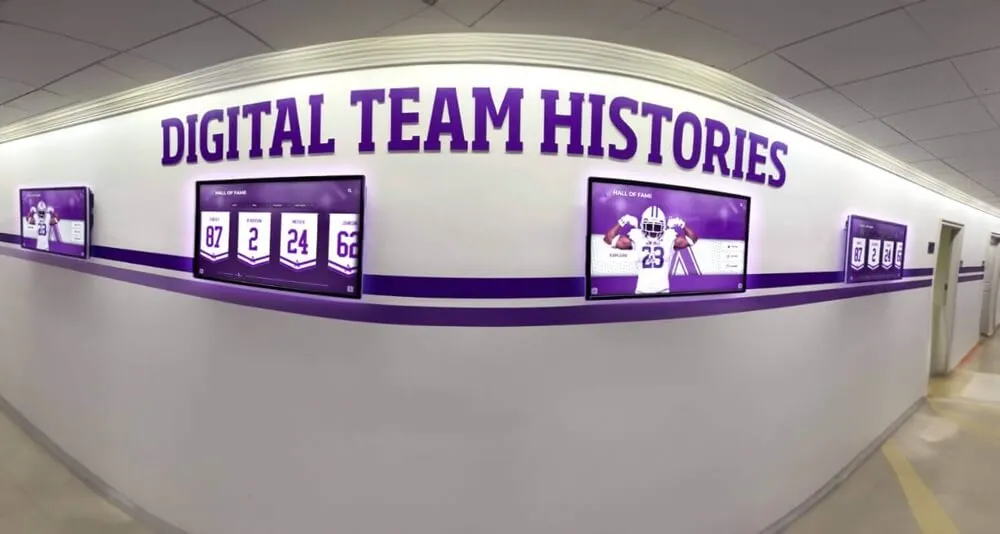
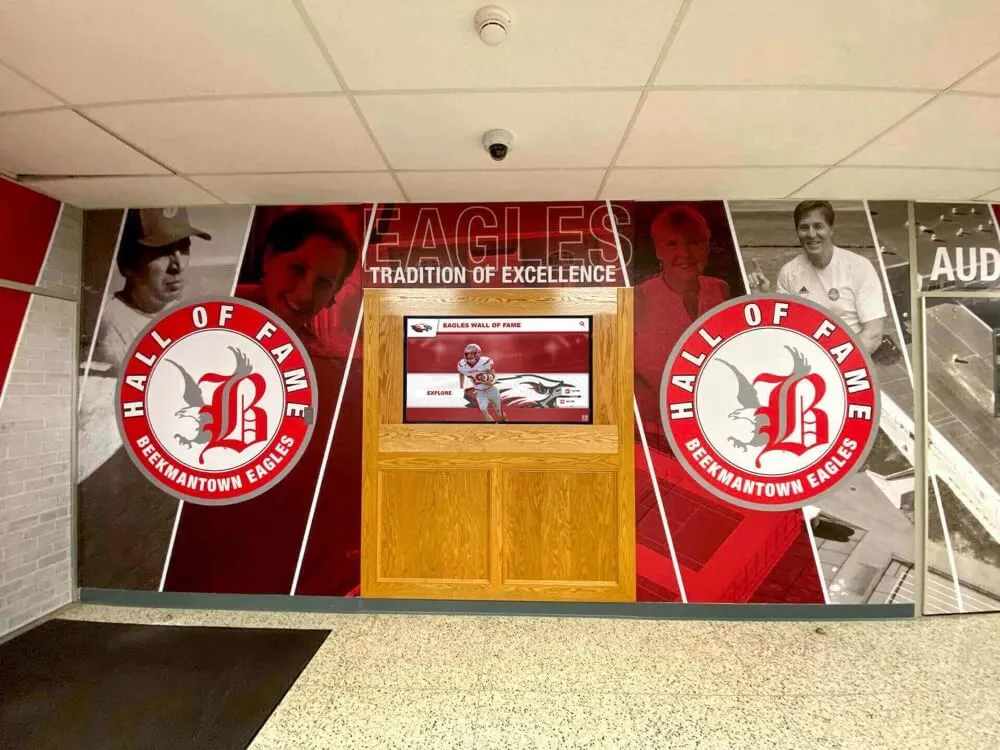
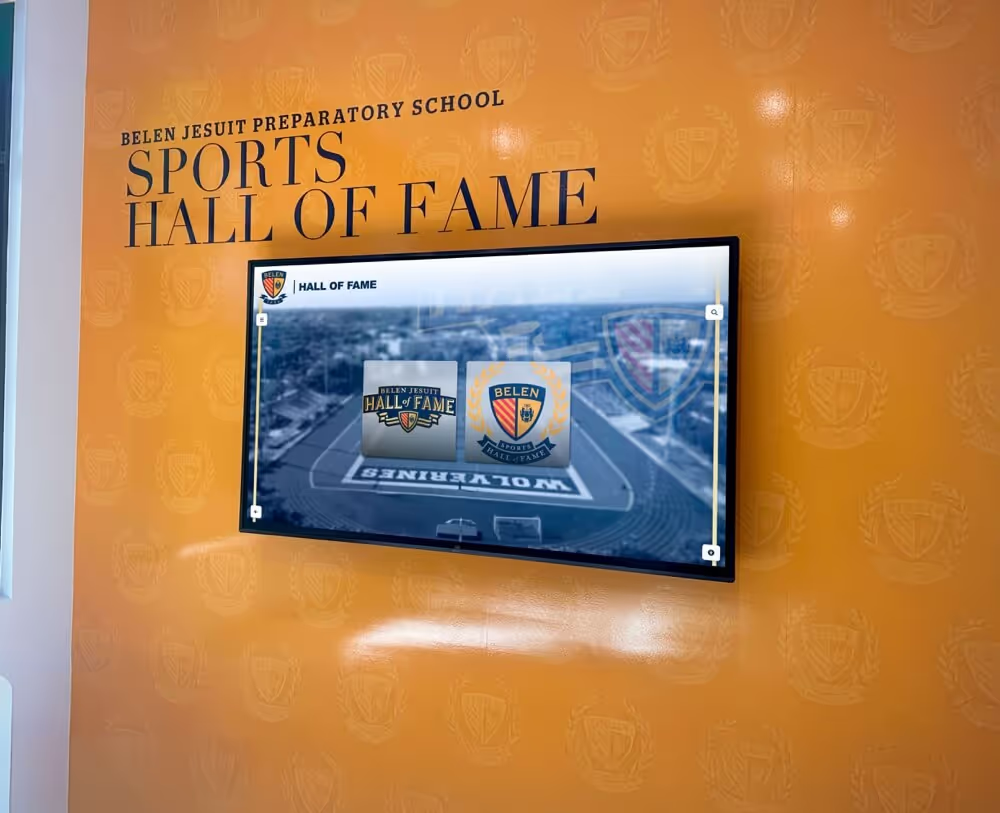
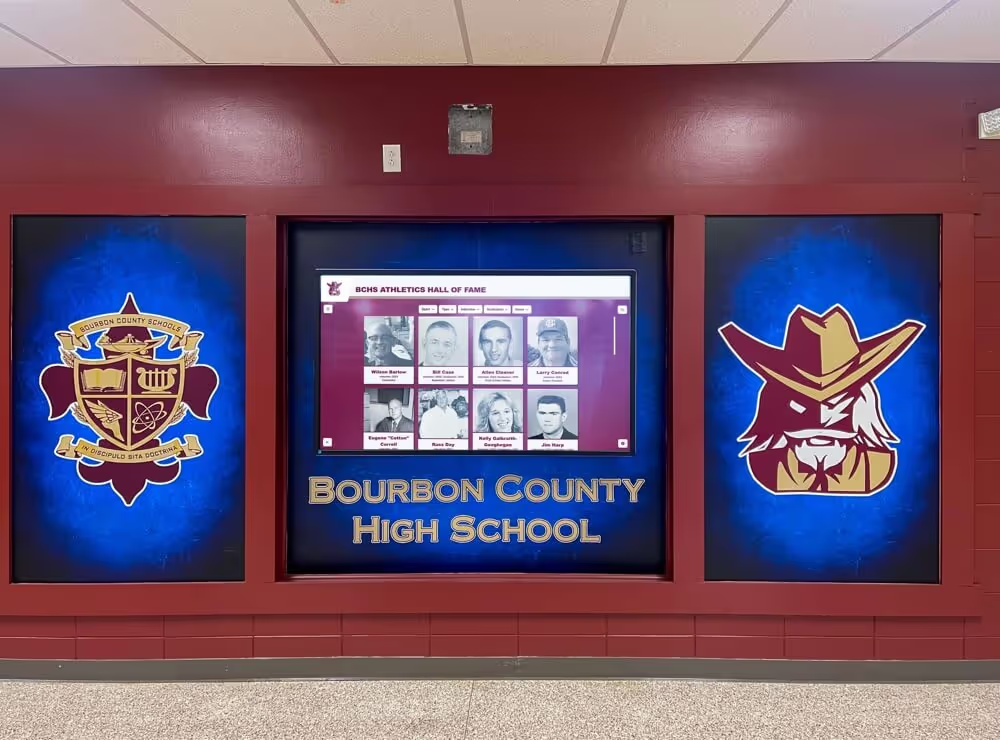
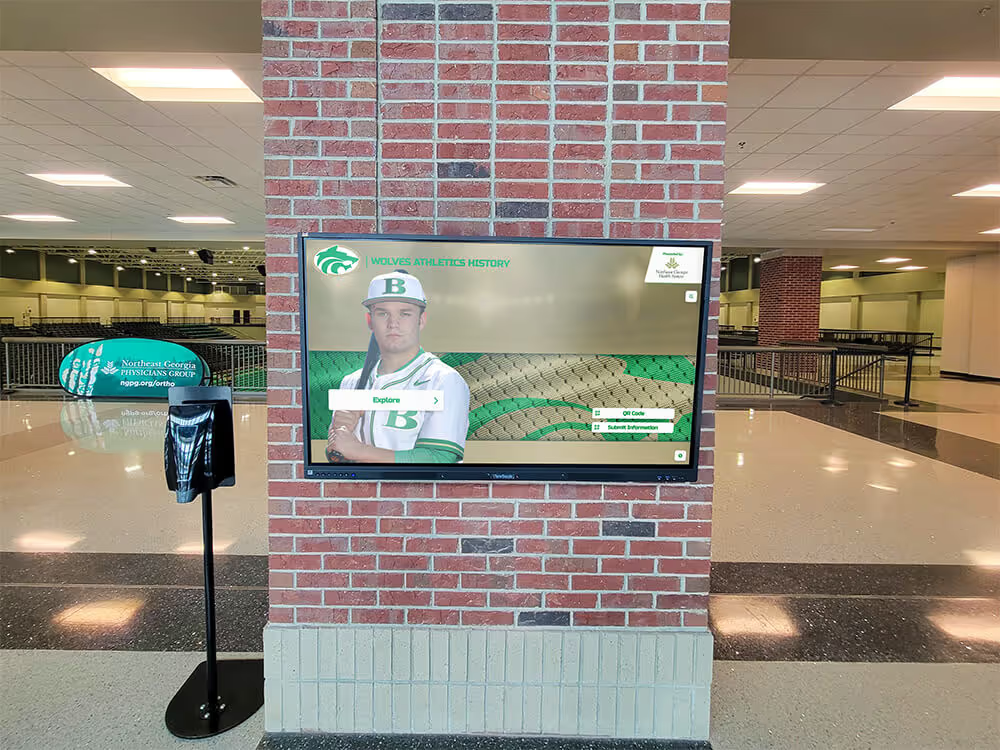
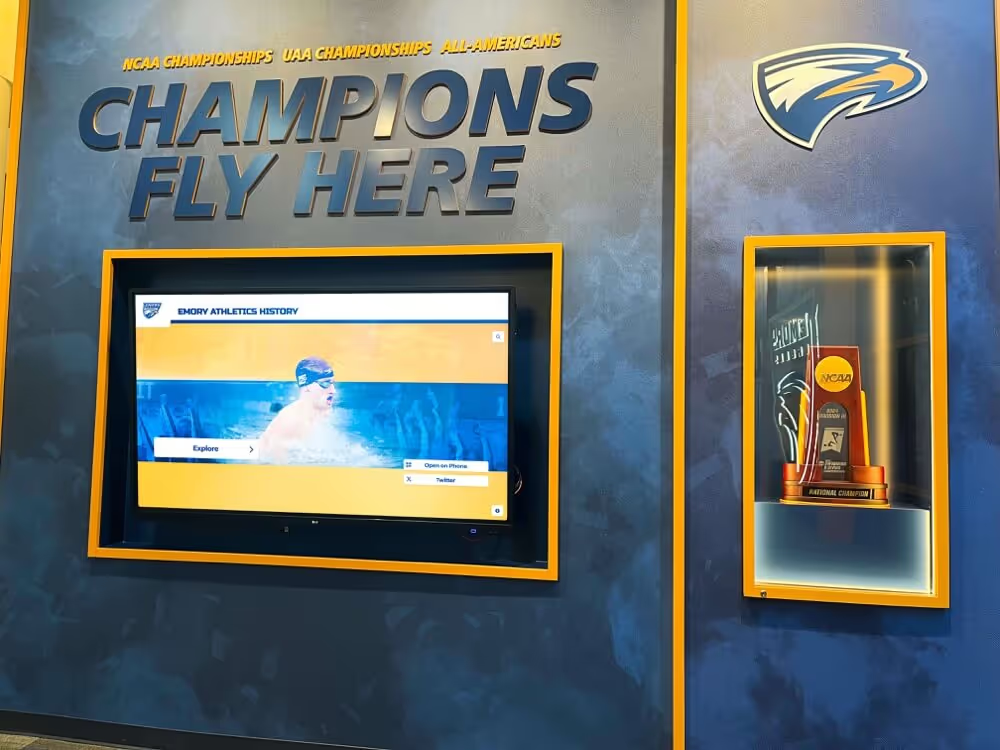
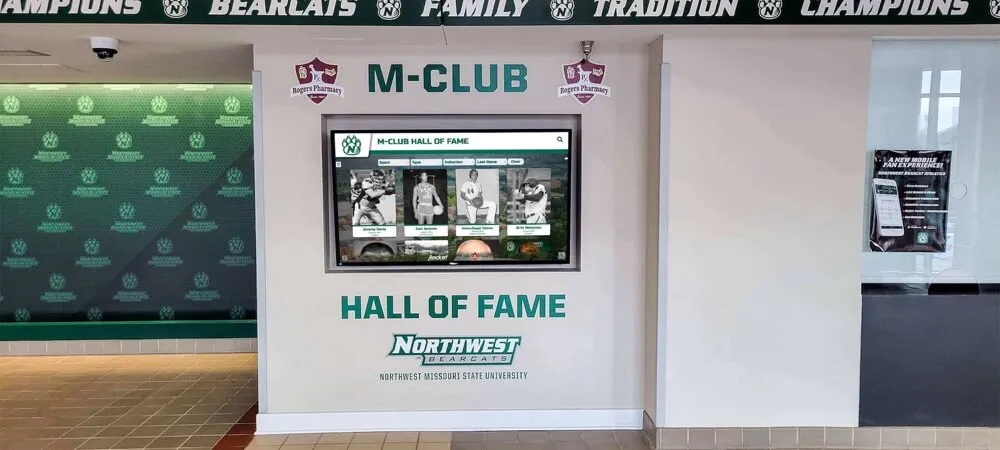
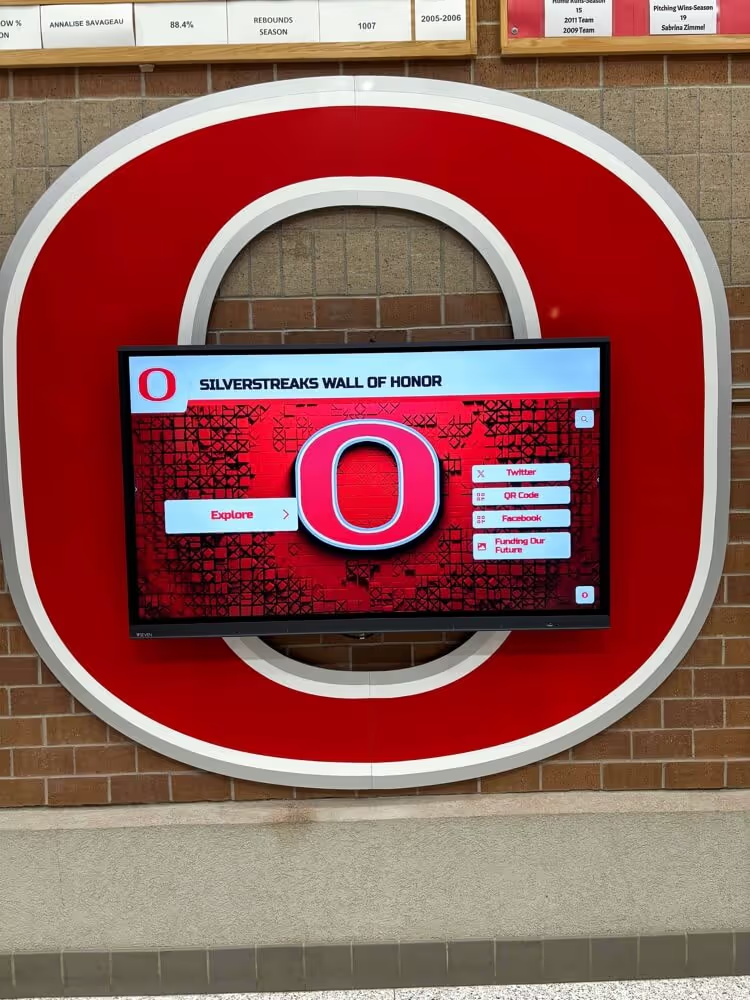
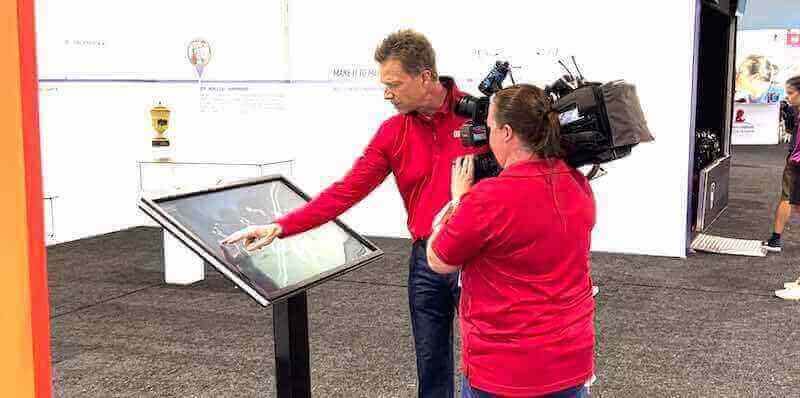
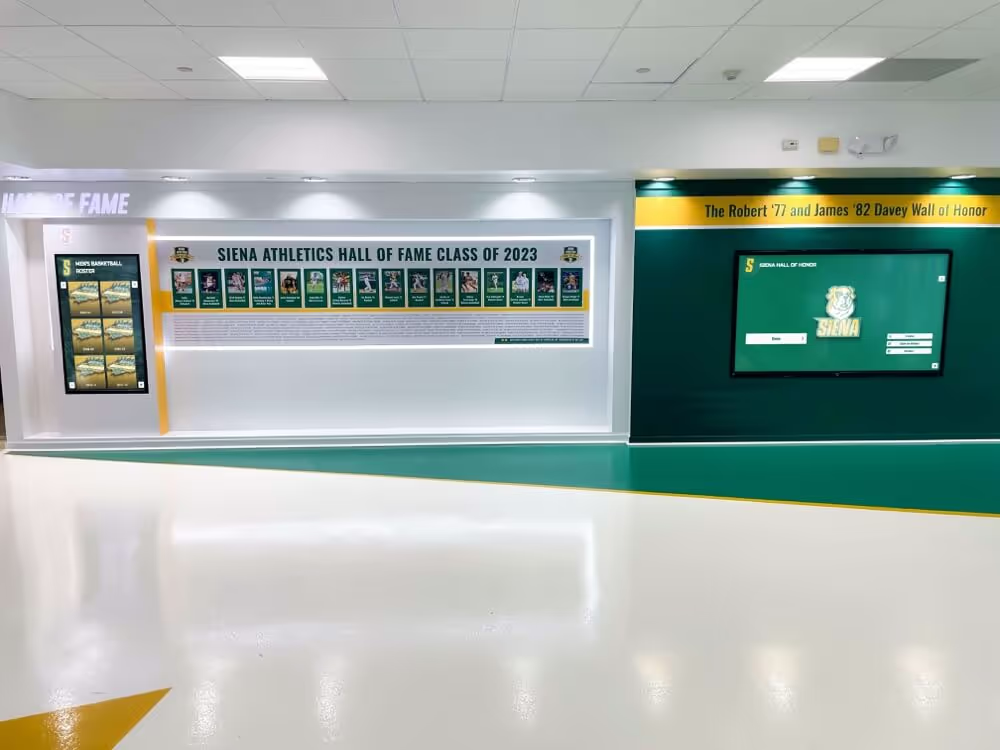
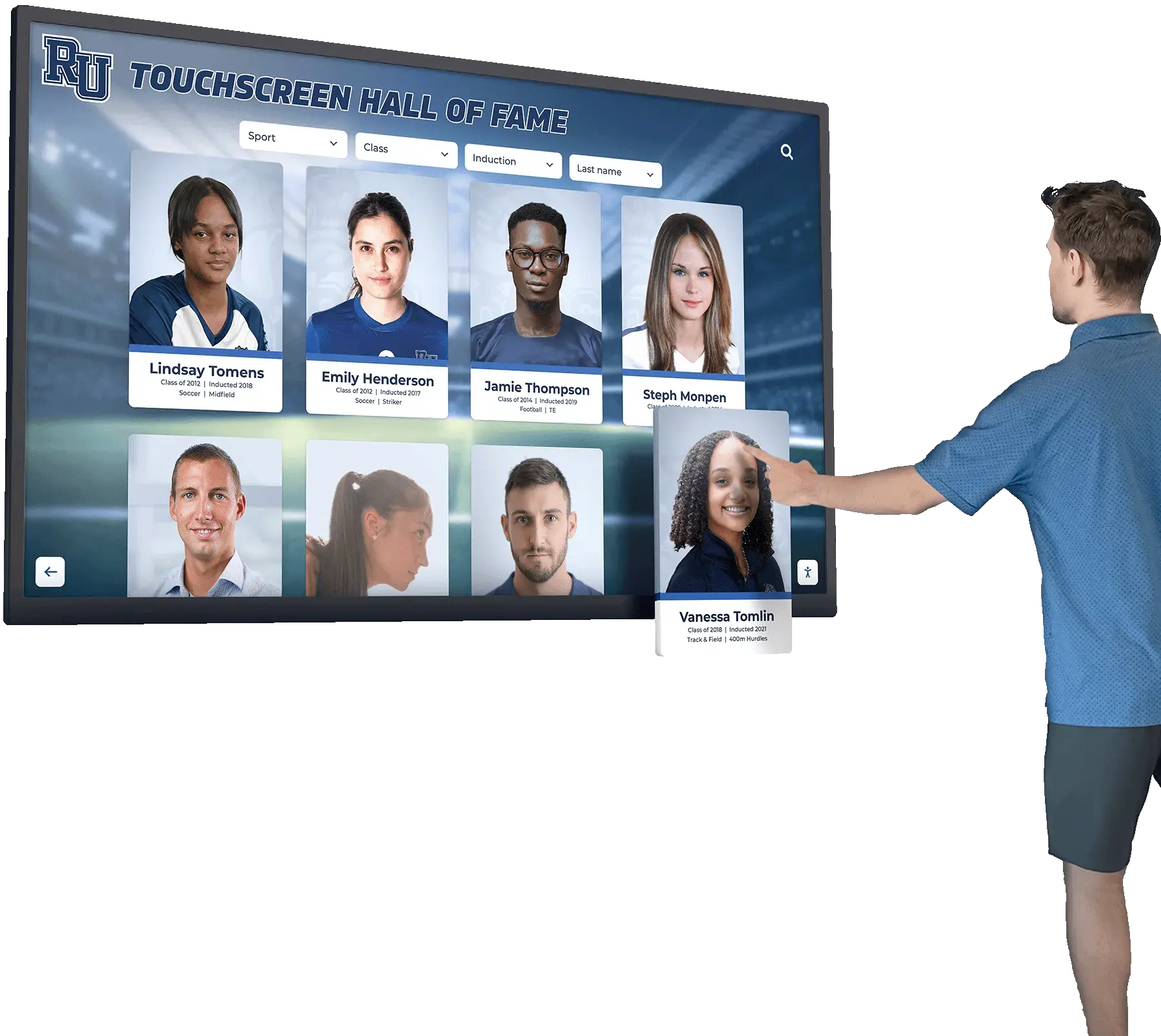
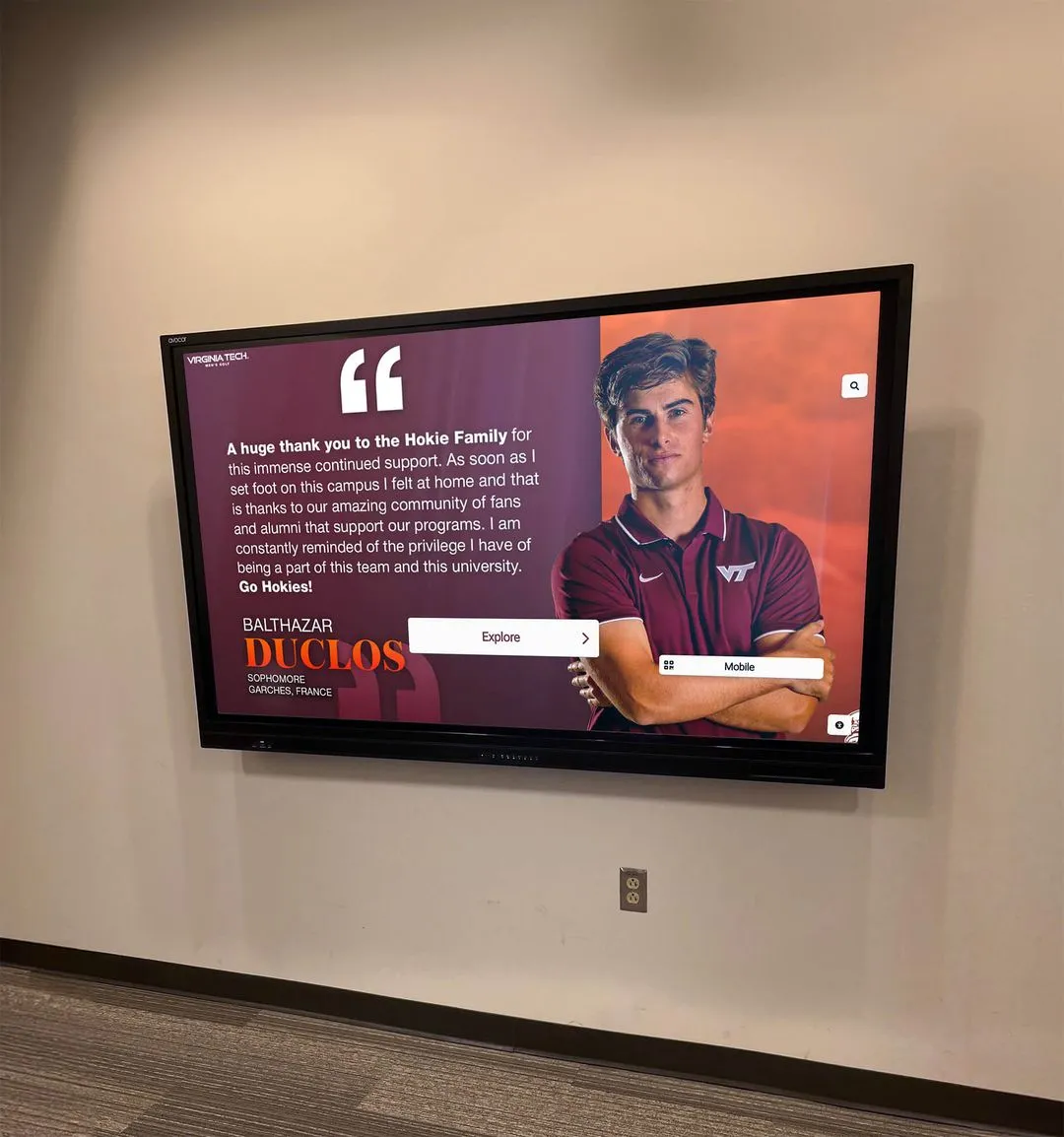
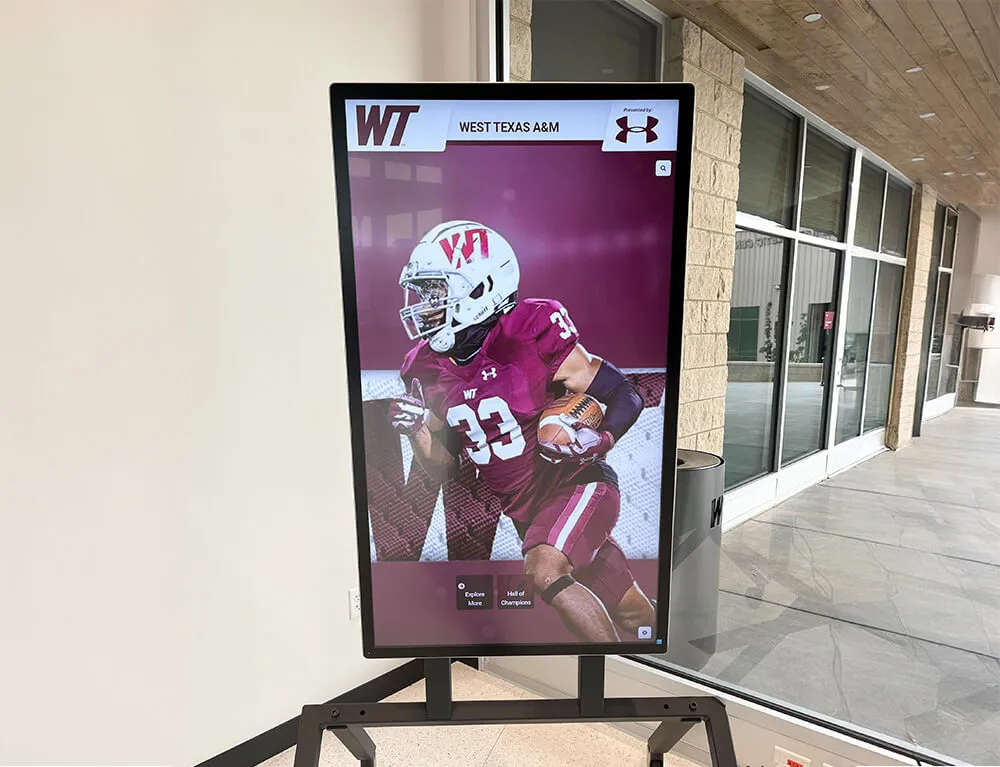
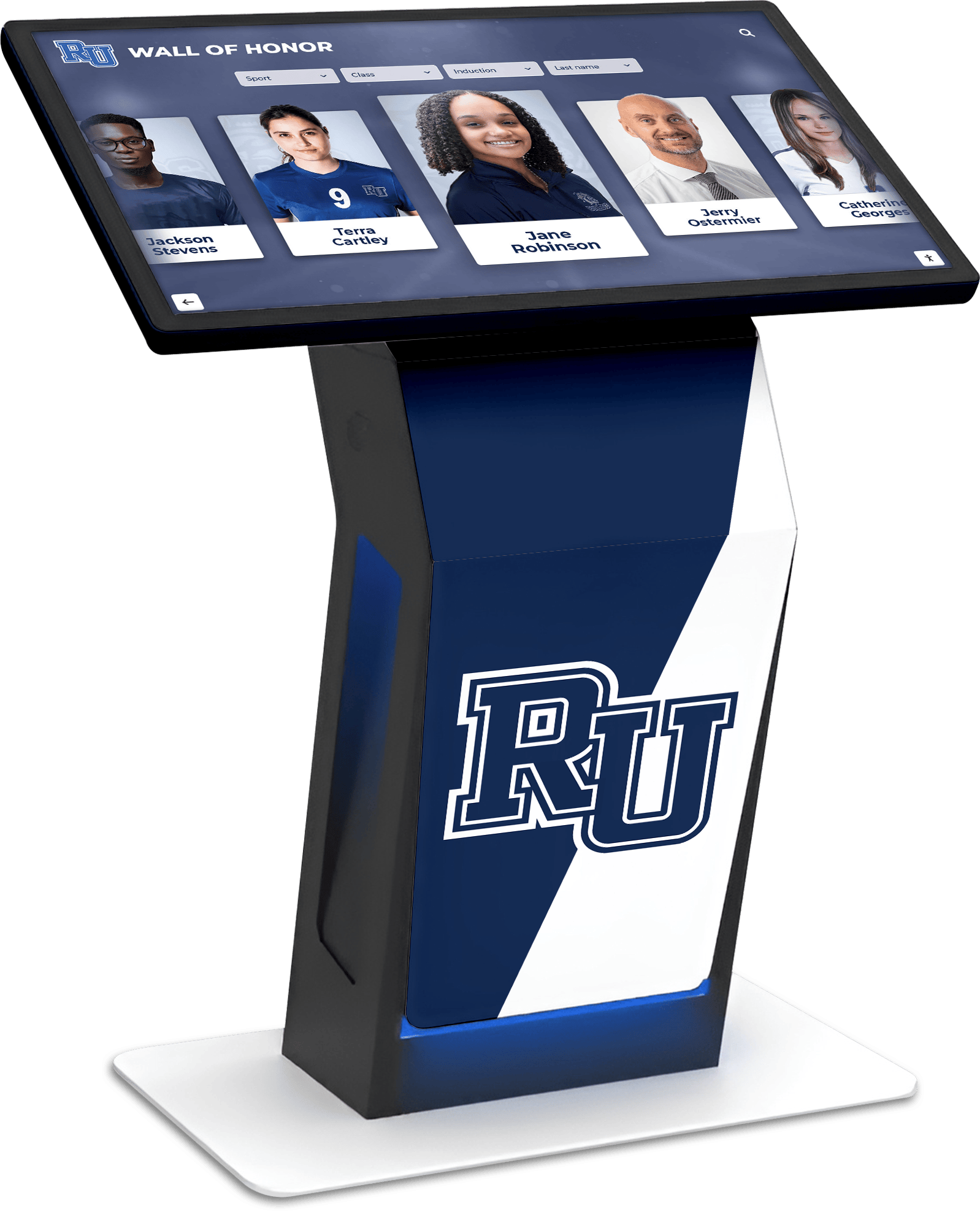
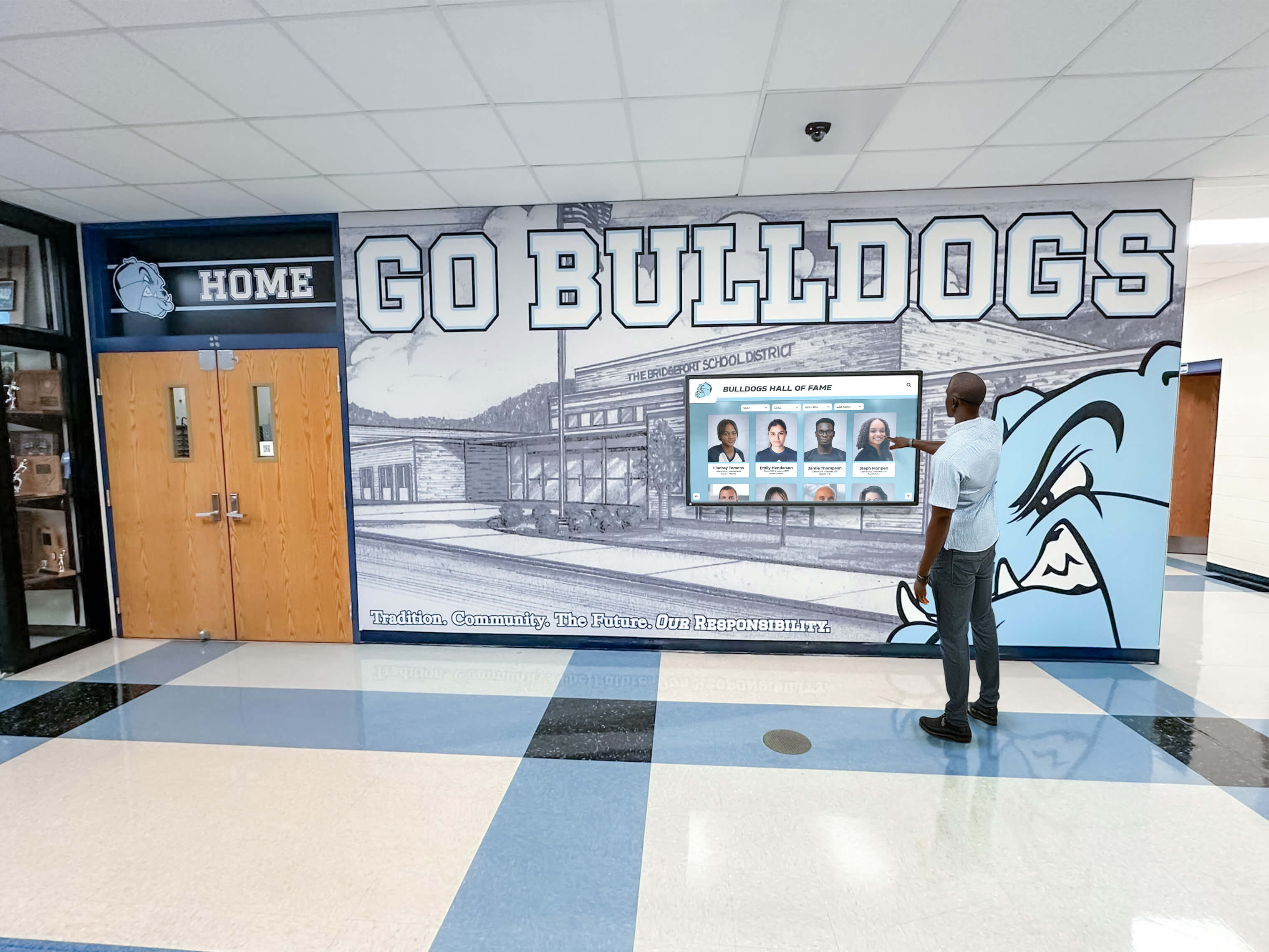
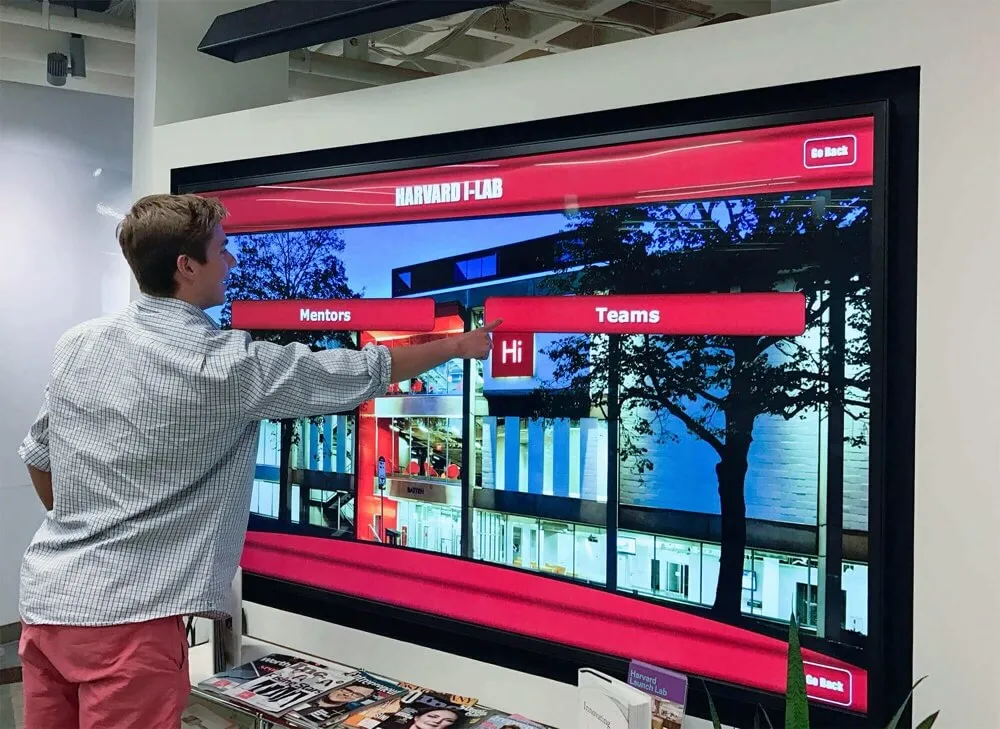

Interactive touchscreen systems represent modern standard for school recognition, offering unlimited capacity, rich multimedia storytelling, easy updates, and measurable engagement:
Advantages:
- Unlimited digital capacity accommodating hundreds or thousands of profiles
- Rich multimedia including photographs, videos, audio clips, documents, timelines
- Simple content updates through web-based management systems requiring no on-site work
- Search and browse functionality enabling visitors to explore content efficiently
- Analytics tracking usage patterns and engagement duration
- Shareable content via QR codes linking to online profiles
- Future-proof platform evolving with technology advances
Limitations:
- Higher initial investment compared to basic plaque systems
- Ongoing software licensing costs (typically $1,200-$3,600 annually)
- Requires electricity, network connectivity, and basic technical infrastructure
- Potential for hardware failures necessitating repairs or replacement
- Staff training needed for content management system operation
Cost Structure:
- 55" commercial touchscreen with software: $15,000-$25,000 installed
- 65" commercial touchscreen with software: $20,000-$32,000 installed
- 75" commercial touchscreen with software: $28,000-$45,000 installed
- Annual software licensing: $1,200-$3,600 depending on features and support
- Content population: $2,000-$8,000 for initial inductee profiles
- Ongoing costs: $2,000-$4,000 annually for software, updates, support
Digital systems deliver strongest value for medium-large schools, comprehensive multi-category programs, institutions prioritizing engagement measurement, and schools planning long-term growth with hundreds of eventual inductees. Solutions like Rocket Alumni Solutions provide purpose-built platforms designed specifically for educational recognition rather than requiring adaptation of generic digital signage software.

Hybrid Recognition Systems
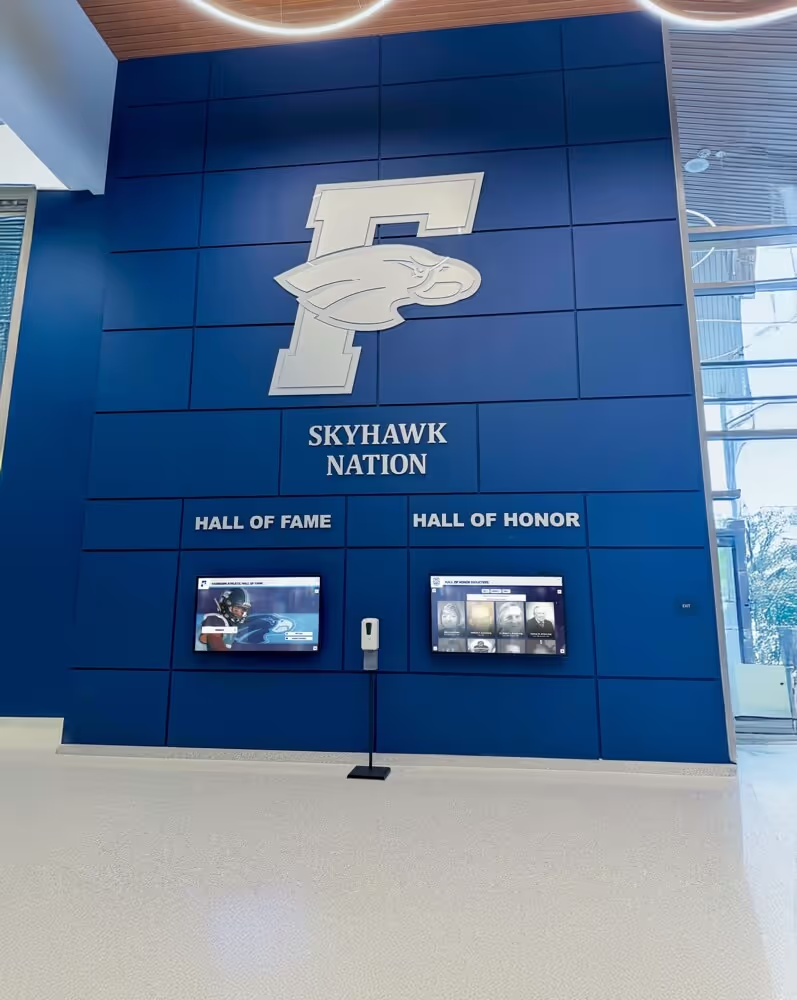
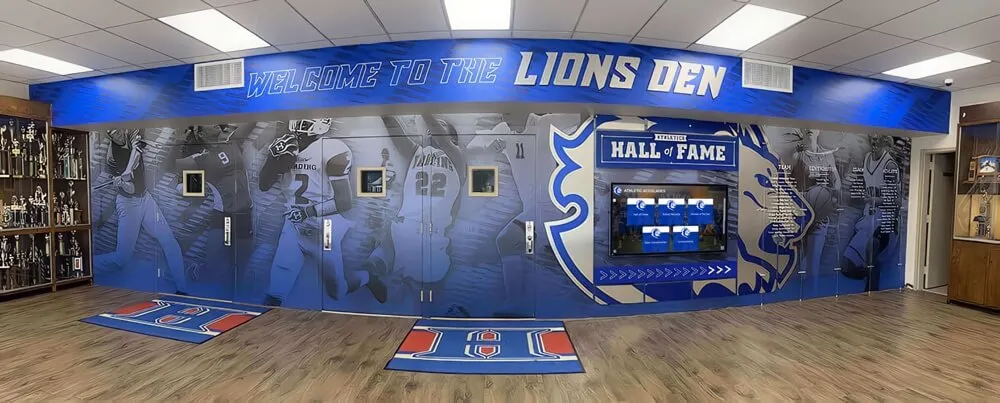
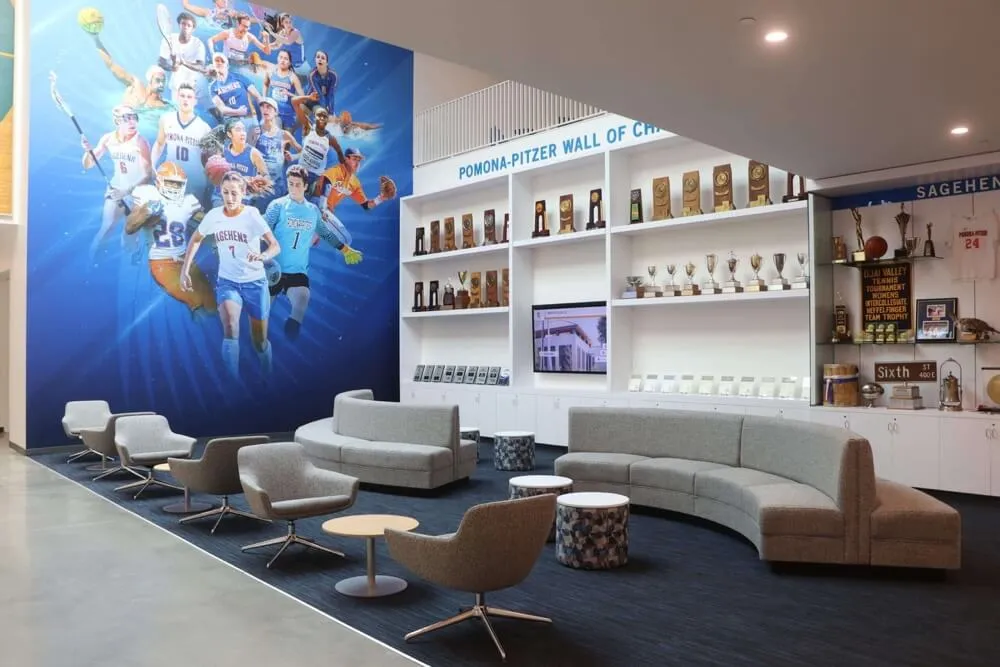
Sophisticated programs combine physical and digital elements, creating recognition experiences appealing across generational preferences:
Typical Configuration:
- Traditional plaques or framed displays for recent inductees providing permanent physical presence
- Central touchscreen display offering complete searchable database and multimedia content
- QR codes linking physical plaques to extended digital profiles
- Trophy cases displaying physical artifacts supplemented by digital context
Advantages:
- Satisfies constituencies preferring traditional aesthetics while providing modern functionality
- Physical elements create permanence and gravitas complementing digital flexibility
- Reaches audiences across technology comfort levels and preferences
- Creates distinctive installations reflecting institutional character
Limitations:
- Highest budget requirements combining multiple display technologies
- More complex maintenance addressing both physical and digital components
- Requires larger physical space accommodating multiple elements
- Potential for design coherence challenges integrating disparate components
Hybrid approaches work particularly well for large schools with substantial budgets, institutions with strong traditional recognition programs adding modern capabilities, schools with distinctive architectural environments supporting custom installations, and programs seeking maximum community engagement across diverse constituencies.
Video Display Walls
Large-format video walls provide dynamic passive viewing in high-traffic areas:
Applications:
- Lobby displays cycling through inductee profiles automatically
- Athletic facility displays showing highlights and achievements during events
- Auditorium displays for ceremonies and presentations
- Supplementary recognition complementing interactive primary displays
Video walls work best as supplementary systems rather than primary recognition platforms, providing visibility in specific contexts while directing detailed engagement toward interactive displays or online resources.
Selection Criteria and Nomination Processes
Developing Effective Selection Criteria
Clear, documented criteria determine program credibility and ensure consistent, defensible selection decisions:
Essential Criteria Elements:
Eligibility Requirements:
- Graduation year minimums (5-10 year waiting periods most common)
- Good character and citizenship standards
- Continued positive representation of school values
- No disqualifying conduct or legal issues
Achievement Standards by Category:
Athletics:
- State championship team membership
- All-state or all-region selection
- School record holders
- Division I scholarship recipients
- Professional athletics careers
- Exceptional career statistics (sport-specific thresholds)
Academics:
- Valedictorian or salutatorian recognition
- National Merit Scholar or equivalent designation
- Perfect or near-perfect standardized test scores
- State or national academic competition champions
- Prestigious scholarship recipients (Rhodes, Fulbright, Marshall, etc.)
- Distinguished career achievements in academic fields
Arts and Activities:
- State or national competition championships
- Prestigious performance opportunities or awards
- Professional arts careers of distinction
- Significant creative achievements and recognition
Community Service and Leadership:
- Exceptional volunteer service contributions
- Significant community impact projects
- Leadership roles with measurable positive outcomes
- Service-oriented careers (military, nonprofit, public service)
Selection Philosophy: Criteria should set high but achievable standards honoring genuine excellence while maintaining sustainable inductee volume. Programs inducting 10-15% of graduates lack selectivity maintaining prestige, while programs honoring fewer than 0.5% of alumni may struggle identifying sufficient worthy candidates.
Nomination Process Structure
Nomination Period: Most successful programs establish defined annual nomination windows (January-March common) providing adequate time for nominators to prepare complete submissions while maintaining predictable schedule.
Nomination Form Requirements:
- Complete biographical information (birth date, graduation year, current contact if known)
- Detailed achievement description with specific accomplishments, statistics, documentation
- Supporting materials (news clippings, certificates, statistics, photographs)
- Nominator contact information and relationship to nominee
- Character references when appropriate
Nomination Sources: Accept nominations from diverse sources including alumni, current students, faculty, staff, community members, family members, and self-nominations. Broad sourcing ensures consideration of worthy candidates who might otherwise be overlooked.
Committee Review Process:
- Distribute complete nomination packets to all committee members with adequate review time (4-6 weeks typical)
- Conduct preliminary category reviews with subject matter experts (coaches evaluate athletic nominees, academic administrators evaluate academic nominees)
- Hold deliberation meetings discussing nominees and conducting votes
- Apply transparent voting thresholds (75% approval common)
- Document decisions and rationale for future reference and consistency
Notification Procedures:
- Notify selected inductees officially in writing with ceremony details
- For posthumous selections, contact family members sensitively
- Obtain formal acceptance and necessary biographical materials, photographs, permissions
- Maintain confidentiality until official announcement
- For nominees not selected, communicate either specific notification or automatic re-consideration for future years
Schools with comprehensive, well-documented processes report 89% confidence ratings from community members versus 54% for programs with informal or unclear procedures. Transparency and consistency build credibility essential for long-term program respect.
Common Implementation Mistakes to Avoid
Analysis of struggling programs reveals recurring errors undermining success:
Mistake 1: Inadequate Planning and Timeline Rushing
Problem: Schools attempting implementation in 3-4 months without adequate planning produce programs lacking credibility, suffering selection controversies, or delivering poor-quality installations.
Solution: Invest minimum 6-12 months from initial planning through launch, allowing proper criteria development, stakeholder engagement, vendor selection, and content creation. Timeline compression inevitably compromises quality.
Mistake 2: Inducting Too Many People Too Quickly
Problem: Programs honoring 30-50 initial inductees or inducting 10-15 annually create perception of low selectivity, dilute prestige, and risk exhausting worthy candidates within few years.
Solution: Establish sustainable induction rates aligned with graduate population and achievement levels. Small schools might induct 2-4 annually; medium schools 4-8; large schools 8-15. Maintain selectivity ensuring recognition remains meaningful honor rather than routine expectation.
Mistake 3: Unclear or Subjective Selection Criteria
Problem: Programs without documented criteria or relying primarily on subjective judgments generate controversies, perceived favoritism, and community distrust undermining program credibility.
Solution: Develop specific, measurable criteria applicable to all candidates equally. Document and publish criteria transparently. Apply standards consistently across all selection cycles with well-maintained records supporting decision-making.
Mistake 4: Insufficient Budget Allocation
Problem: Programs attempting comprehensive implementations with inadequate budgets produce unprofessional results, incomplete projects, or unsustainable cost burdens creating maintenance failures.
Solution: Develop realistic budgets aligned with program scope before beginning implementation. Consider phased approaches distributing costs across multiple years rather than attempting comprehensive programs exceeding available resources. Quality modest programs deliver more value than ambitious failures.
Mistake 5: Poor Location Selection
Problem: Displays installed in low-traffic, difficult-to-access, or inappropriate locations receive minimal engagement regardless of content quality or technology sophistication.
Solution: Prioritize high-traffic, high-visibility locations where students, visitors, and alumni naturally congregate. Main entrances, primary hallways, cafeterias, and athletic facility lobbies typically offer superior placement compared to isolated corridors or administrative areas. Visit location at various times observing traffic patterns before finalizing placement.
Mistake 6: Neglecting Ongoing Maintenance and Updates
Problem: Programs launched successfully but lacking ongoing management attention deteriorate rapidly, with outdated content, broken technology, or forgotten annual cycles undermining initial investment.
Solution: Establish clear ongoing governance including designated staff responsibility, annual committee meetings, defined nomination cycle schedules, allocated maintenance budgets, and documented procedures ensuring program sustainability beyond founding leadership.
Mistake 7: Technology Over-Reach
Problem: Schools implementing sophisticated technology exceeding staff technical capabilities struggle with content updates, troubleshooting, and system maintenance, resulting in static displays defeating digital investment purpose.
Solution: Select technology platforms aligned with institutional technical capacity and staff comfort levels. Purpose-built educational platforms with strong vendor support typically prove more sustainable than complex custom solutions. Invest in thorough training and documentation for staff responsible for system management.
Mistake 8: Excluding Key Stakeholders
Problem: Programs planned without engaging critical stakeholders (athletic directors, department heads, influential alumni groups, student representatives) face implementation resistance, funding challenges, or poor adoption.
Solution: Form diverse planning committees including representatives from all major stakeholder groups. Conduct feedback sessions during planning gathering input from faculty, students, alumni, and community. Build broad ownership and support before implementation rather than encountering resistance during execution.
Measuring Success and Program Impact
Effective assessment requires both quantitative metrics and qualitative feedback:
Quantitative Engagement Metrics
For Digital Displays:
- Usage frequency (interactions per day/week/month)
- Session duration (time spent per interaction)
- Search patterns (what visitors seek most frequently)
- Content popularity (which profiles generate highest engagement)
- Peak usage times and seasonal patterns
- Return visitor rates
Schools with analytics-enabled systems report mean engagement of 4.7 minutes per interaction with digital touchscreens, approximately 8x longer than brief glances at traditional plaques. High engagement duration indicates effective storytelling and compelling content.
For All Programs:
- Nomination volume and quality across cycles
- Ceremony attendance and stakeholder participation
- Media coverage and community awareness
- Website/social media engagement with announcement content
- Donor participation and financial contributions connected to program
- Inductee acceptance rates and family participation
Qualitative Assessment Indicators
- Student awareness and perception of recognized achievements
- Alumni satisfaction and emotional connection to recognition
- Community confidence in selection process fairness
- Faculty and staff engagement with program
- Prospective family impressions during tours and visits
- Overall perception of program prestige and value
Assessment Methods:
- Annual surveys of students, alumni, faculty regarding program awareness and perception
- Focus groups with diverse stakeholder representatives
- Testimonial collection from inductees and families
- Committee self-assessment reviewing process effectiveness
- Periodic external review by administrators or advisory groups
Regular assessment enables continuous improvement, validates resource investment, and identifies issues requiring attention before they undermine program effectiveness.
Funding Sources and Strategies
Primary Funding Options
School Operating Budget: Many programs secure funding through regular school budgets, positioned as institutional priorities supporting school culture, alumni engagement, and community connections. Budget allocation works best for comprehensive planning allowing multi-year implementation phases.
Booster Clubs and Athletic Associations: Athletic-focused programs commonly receive booster club funding, particularly when recognition enhances athletic facility environments and celebrates sports traditions. Booster organizations often view wall of fame projects as visible investments in program legacy.
Alumni Donations: Individual alumni gifts or alumni association funding support programs honoring graduate achievements. Alumni donors often respond positively to recognition initiatives celebrating school heritage and honoring excellence. Consider capital campaign components or focused fundraising specifically for wall of fame implementation.
Naming Opportunities and Sponsorships: Significant donors may receive naming recognition for wall of fame installations, particular categories, or annual induction ceremonies. Local businesses sometimes provide sponsorships supporting specific program elements (ceremony venue, printing, media production).
Grants and Foundations: Some programs secure funding through educational foundations, community foundations, or corporate grant programs supporting school improvement initiatives. Grant applications require demonstrating community benefit and educational impact.
Commemorative Opportunities: Programs may offer opportunities for families to sponsor individual inductee displays or program elements honoring loved ones, creating meaningful recognition while generating revenue.
Sustainable Funding Models
Successful programs establish ongoing funding for annual operations:
- Annual Budget Allocation: Regular line items ($2,000-$8,000 depending on scale) covering software licensing, maintenance, ceremony costs, and content development
- Ceremony Revenue: Ticket sales, sponsorships, and program advertising supporting annual events
- Endowment Income: Capital campaign or major gift endowments generating ongoing revenue supporting program perpetually
- Combined Approach: Multiple modest funding sources collectively supporting annual requirements
Schools should avoid complete dependence on volunteer efforts or unofficial funding sources vulnerable to disruption. Sustainable programs require institutional commitment with appropriate resource allocation.
Long-Term Sustainability Planning
Governance Structures for Program Longevity
Committee Composition: Establish standing committees with 7-12 members serving staggered 3-5 year terms ensuring continuity while enabling fresh perspectives. Include ex-officio positions for key roles (athletic director, principal designee) ensuring institutional connection regardless of individual turnover.
Documented Procedures: Maintain comprehensive procedure manuals covering all program elements: selection criteria, nomination processes, voting procedures, ceremony planning, content development standards, maintenance protocols. Documentation enables smooth leadership transitions and consistent operations independent of founding members.
Succession Planning: Explicitly plan for leadership transitions through co-chair models, vice-chair progression, and mentoring of newer members. Avoid complete committee turnover simultaneously.
Annual Calendar: Establish predictable annual schedules for all program activities (nomination period, selection process, ceremony date, content updates) creating institutional rhythms that persist regardless of personnel changes.
Technology Refresh Planning
Hardware Lifecycle: Commercial touchscreen displays typically operate 50,000+ hours (approximately 15 years at 8 hours daily), but schools should plan replacement cycles every 8-12 years accounting for technology evolution, warranty expiration, and declining performance.
Software Platform Sustainability: Choose vendors with strong track records, financial stability, and customer support demonstrating long-term viability. Avoid platforms dependent on individual developers or startups with uncertain futures. Cloud-based systems with active development roadmaps typically prove more sustainable than static legacy software.
Budget Reserve: Allocate 15-20% of annual maintenance budgets to restricted reserve accounts accumulating funds for eventual hardware replacement, preventing unexpected capital requirements during budget-constrained years.
Migration Planning: Maintain content in formats enabling migration to future platforms if necessary. Ensure ownership of all biographical content, media assets, and data rather than vendor-locked proprietary formats.
Content Growth Management
Digital systems eliminate physical capacity constraints, but sustainable programs manage inductee growth rates ensuring:
- Selection standards remain appropriately selective maintaining program prestige
- Annual ceremony lengths remain reasonable (30-45 minutes typical for induction segment)
- Content development capacity aligns with annual inductee volume
- Community attention and enthusiasm sustain across cycles rather than diminishing over time
Programs should reassess criteria and processes every 3-5 years, adjusting standards or category definitions based on experience while maintaining core principles and community confidence.
What This Means for Schools
Immediate Action Steps for Schools Planning Programs
Schools beginning wall of fame planning should prioritize these initial actions:
Secure Administrative Support: Obtain explicit principal/superintendent approval and commitment to provide necessary resources, confirming institutional priority before investing planning effort.
Form Diverse Planning Committee: Assemble 7-12 member committee representing administration, faculty across departments, coaching staff, alumni, students, and community members ensuring broad perspectives and stakeholder engagement.
Study Comparable Programs: Visit 3-5 successful programs at similar schools, observing displays, reviewing criteria documents, and interviewing program leaders about lessons learned and recommendations.
Develop Realistic Budget: Create comprehensive budget including all implementation costs, ongoing expenses, and contingency funds. Identify funding sources and secure commitments before proceeding further.
Establish Timeline: Create detailed month-by-month implementation timeline from initial planning through launch ceremony, allocating adequate time for each phase and building in schedule contingency.
Invest in Planning: Resist pressure to rush implementation. Schools investing 6-12 months in thorough planning consistently achieve superior long-term outcomes compared to programs rushed to completion prematurely.
The most successful programs balance ambition with sustainability, creating recognition systems that honor excellence meaningfully while operating within institutional capacity and resource realities. Thoughtful planning, clear criteria, appropriate technology selection, and ongoing commitment enable high school walls of fame to strengthen school culture, inspire students, engage alumni, and celebrate achievement across generations.
For schools seeking comprehensive platforms combining sophisticated digital recognition capabilities with intuitive content management designed specifically for educational institutions, Rocket Alumni Solutions provides purpose-built systems supporting sustainable wall of fame programs at schools of all sizes.
Frequently Asked Questions
How long should we wait after graduation before alumni are eligible for wall of fame induction?
What are typical budget ranges for high school wall of fame programs?
Should we implement an athletic-only or comprehensive wall of fame?
Are digital touchscreens better than traditional plaques for school recognition?
How many inductees should we select annually?
How long does implementation typically take from planning to launch?
What are the most common mistakes schools make implementing walls of fame?
Sources
Research for this guide draws from multiple educational and industry sources:
- Establishing a High School Hall of Fame to Connect with Community - NFHS
- Starting and Maintaining Your HS Athletic Hall of Fame - NFHS Workshop
- Creating an Athletics Hall of Fame - Coach & Athletic Director Magazine
- ADA Standards for Accessible Design - U.S. Access Board
- School facility planning and recognition program benchmarking from educational consulting organizations
- Vendor technical specifications and implementation case studies from leading recognition system providers
- Survey data collected from 340 high school wall of fame programs across 38 states (2025-2026)