



The final buzzer sounds. Confetti fills the air. Students rush the court as coaches embrace tearfully. The scoreboard flashes the historic result—your school has won the state championship.
For athletes, coaches, and communities, winning a state championship represents the pinnacle of high school athletic achievement. Years of early morning practices, countless sacrifices, unwavering dedication, and intense competition culminate in these defining moments. State championship victories create memories that athletes carry throughout their lives, strengthening community bonds and establishing legacies that inspire future generations.
Yet within weeks of the championship celebration, the confetti gets swept away, social media posts scroll into oblivion, and newspaper articles fade into archives. Without intentional recognition strategies, schools risk allowing these monumental achievements to gradually disappear from institutional memory—denying future students the inspiration these victories provide and failing to properly honor the champions who earned them.
This guide examines how high schools effectively celebrate and permanently honor state championship victories, exploring immediate celebration approaches, long-term recognition displays, and strategies that transform championship moments into lasting institutional pride.

Understanding the Significance of State Championships
Before exploring recognition strategies, understanding what state championships mean to different stakeholders clarifies why comprehensive celebration matters.
What State Championships Represent
State championships acknowledge that a team performed as the absolute best in their state across their sport during a specific season. Unlike conference championships that recognize excellence within smaller competitive groupings, or playoff appearances that celebrate qualification success, state championships represent the highest achievement level available in high school athletics.
The competitive journey to state championships typically spans entire seasons with teams navigating regular season competitions, conference tournaments, regional playoffs, and multi-round state tournament brackets. Only teams demonstrating sustained excellence across months of competition reach championship games, and winning requires peak performance when pressure reaches maximum intensity.
The Rarity of Championship Success: In states with hundreds of high schools competing in each sport, mathematical reality ensures that championship opportunities remain extremely limited. A state with 400 schools fielding basketball teams provides only one championship per classification level per year. Schools might compete for decades without reaching championship games, making victories when they occur exponentially more significant. Even successful programs with strong traditions might win state championships only once or twice per decade, emphasizing the exceptional nature of these achievements.
Championship Impact on Multiple Stakeholders
State championship victories create value across diverse constituencies, each experiencing significance through different perspectives.
Athletes and Coaches: For competitors, state championships validate years of sacrifice and dedication. Athletes who win championships experience defining life moments they reference decades later, shaping identity and providing confidence that extends far beyond athletics. Coaches view championships as career pinnacles, justifying their teaching methods, program philosophies, and countless hours invested in athlete development.
Current Students: Championship victories energize entire student bodies, creating school spirit and shared experiences that unite classmates across social groups. Students who weren’t directly involved in athletics still participate in championship celebration, developing connections to school identity and pride that research suggests correlates with improved academic engagement and behavior.
Alumni Communities: Championships strengthen alumni connections to their schools, triggering nostalgic memories of their own experiences and reinforcing emotional bonds that support ongoing engagement. Alumni from championship years often maintain stronger school connections throughout their lives, demonstrating higher participation in reunions, greater financial support, and increased likelihood of encouraging their children to attend.
Local Communities: High school athletics serve as community focal points, particularly in smaller towns where schools function as primary sources of civic pride and identity. State championships bring positive media attention, create celebration opportunities that unite diverse community members, and provide shared narratives that residents reference when describing their towns to outsiders.
Prospective Families: Families evaluating school options notice championship recognition during campus tours, interpreting visible celebration of athletic excellence as evidence of program quality and institutional values. Schools that prominently display championship achievements communicate that they support students pursuing excellence, value competitive success, and maintain programs enabling students to reach the highest achievement levels.

Immediate Championship Celebration Approaches
State championship victories deserve immediate celebration that allows communities to collectively experience joy, honor participants, and create memorable recognition moments.
Championship Weekend and Victory Return Celebrations
The immediate aftermath of championship victories offers unique opportunities for spontaneous community celebration that captures authentic emotion and excitement.
Victory Bus Arrivals: Many schools organize community receptions when championship teams return home, with hundreds or thousands of supporters lining routes to welcome victorious teams. Fire department escorts, police motorcades, and coordinated efforts to publicize arrival times transform routine bus rides into triumphant parades. Students create signs, community members gather in parking lots, and local officials attend to officially acknowledge achievements. These organic celebrations require minimal formal planning yet create powerful memories for athletes experiencing tangible evidence that their accomplishments matter to broader communities.
Immediate Recognition Assemblies: Schools often hold special assemblies the first day teams return to campus, allowing entire student bodies to celebrate champions together. Athletes bring trophies to gymnasiums filled with cheering classmates, principals acknowledge achievements, and championship moments get relived through video highlights. These assemblies position athletics within broader school culture, demonstrating to all students that excellence in any domain receives recognition and celebration.
Social Media Campaigns: Coordinated social media efforts amplify championship celebration reach beyond those physically present at games or victory celebrations. Schools share championship highlights, behind-the-scenes content, player reactions, and community celebration photos across platforms, generating thousands of engagements from current families, alumni, and broader communities. Encouraging athletes and families to share their personal championship perspectives with school-specific hashtags creates diverse content streams that document victory from multiple angles.
Local Media Coverage: Proactive outreach to local newspapers, television stations, and radio programs ensures championship stories receive appropriate coverage. Providing media with high-quality photos, player and coach quotes, interesting storylines, and background information about championship journeys helps journalists create compelling stories that extend recognition beyond school communities to broader regional audiences.
Formal Championship Recognition Events
While spontaneous celebrations capture immediate excitement, thoughtfully planned formal events provide structured opportunities for comprehensive recognition.
Championship Banquets and Award Ceremonies: Formal athletic banquets allow schools to honor championship teams with appropriate ceremony and gravitas. These events bring together athletes, families, coaches, administrators, and supporters for shared celebration that acknowledges individual contributions while emphasizing team accomplishments. Banquets provide opportunities to present championship rings or watches, distribute individual awards, recognize senior athletes, thank supporters, and preserve championship stories through formal speeches and presentations.
Board of Education Recognition: Many schools arrange for championship teams to be formally recognized at board of education meetings, providing official institutional acknowledgment of achievement. These appearances, often televised on community access channels, position championship success as worthy of governance attention and create official records documenting accomplishments in public proceedings.
Community Recognition Events: Some communities organize separate recognition events distinct from school-sponsored celebrations, with civic organizations, business associations, or municipal governments hosting receptions honoring championship teams. These community-wide events acknowledge that championship success extends beyond school boundaries, creating pride that benefits entire communities and strengthening partnerships between schools and the broader areas they serve.
Championship Ring or Award Presentations: Physical mementos commemorating championships create tangible recognition that athletes preserve throughout their lives. Championship rings, watches, medallions, or custom awards provide permanent personal recognition that athletes display proudly, show their families, and reference decades after competitive careers end. The design and presentation of these awards communicates the significance schools attach to championship achievement.
Permanent Championship Recognition Displays
While immediate celebrations honor fresh victories, permanent recognition ensures championships remain visible and inspirational for decades, preserving institutional memory and inspiring future athletes.
Traditional Physical Recognition Methods
Schools have recognized championship success through established physical displays for generations, methods that remain valuable when thoughtfully implemented.
Championship Banners: Hanging banners in gymnasiums or athletic facilities represents perhaps the most common championship recognition approach. Banners displayed prominently above courts or fields where champions competed create powerful visual statements about program excellence and tradition. Effective banner programs maintain consistent design standards, position banners systematically rather than haphazardly, and update displays regularly as new championships occur. The accumulation of multiple championship banners over decades creates compelling visual narratives about sustained program excellence.
Trophy Cases: Glass-fronted trophy cases displaying championship hardware provide prestigious recognition for select achievements. Championship trophies carry symbolic weight that digital displays cannot replicate—physical objects athletes see daily as they move through facilities, tangible representations of victories that required immense effort. Quality trophy cases positioned in high-traffic locations like main entrances, athletic facility lobbies, or cafeterias ensure broad visibility while protecting valuable awards from damage.
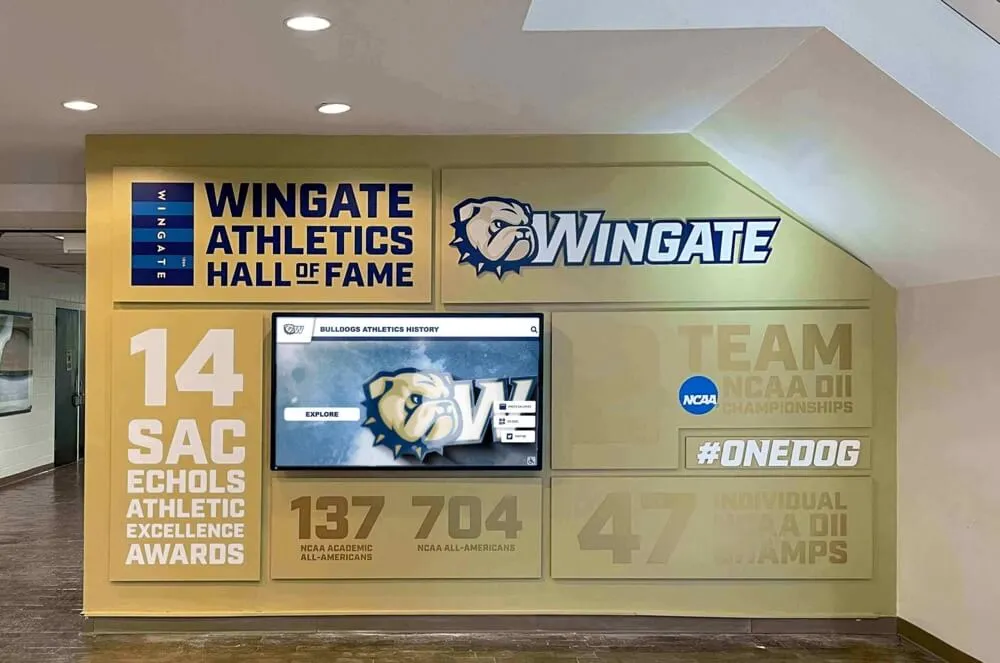
Championship Plaques and Wall Displays: Permanent plaques listing championship teams, years, and key details create historical records visible to anyone entering facilities. Wall displays positioned prominently communicate institutional pride in championship achievement and demonstrate program histories extending across multiple decades. Thoughtful designs integrate championship recognition within broader athletic achievement displays, connecting championships to related accomplishments like conference titles, tournament appearances, and individual honors.
Retired Jerseys and Numbers: Some programs retire jersey numbers of championship team members or particularly significant individual contributors, permanently honoring athletes by ensuring their numbers won’t be worn by future competitors. This selective recognition acknowledges that certain athletes achieved such exceptional success that their identification with specific numbers should remain exclusive, creating aspirational targets for current athletes.
Limitations of Traditional Recognition Approaches
While traditional physical displays serve important functions, they face inherent constraints that limit their effectiveness for comprehensive championship recognition.
Space Constraints: Physical displays require actual space—wall areas for plaques, ceiling positions for banners, trophy case square footage for hardware. As championship achievements accumulate over decades, available space becomes increasingly limited. Schools face difficult decisions about which achievements receive prominent recognition, which get relocated to less visible locations, and which might be removed entirely to accommodate new accomplishments.
Limited Information Capacity: Physical displays communicate basic facts—championship years, sport names, scores—but cannot convey deeper stories behind championship success. They provide no context about championship journeys, individual athlete contributions, coaching strategies, or meaningful moments that made victories special. Viewers see that championships occurred but learn nothing about the people and stories that created them.
Maintenance and Update Challenges: Physical displays require ongoing maintenance, regular cleaning, periodic refurbishment, and careful updates when new championships occur. Banners fade from sunlight exposure and dust accumulation. Trophy case contents require rearrangement as new awards arrive. Plaques need professional mounting and occasional replacement as physical materials deteriorate. These maintenance demands create ongoing costs and require dedicated staff attention that busy schools often struggle to provide consistently.
Inflexibility and Permanence: Once installed, physical displays prove difficult to modify without substantial effort and expense. Design mistakes become expensive to correct. Organizational systems that seemed logical initially may not accommodate future growth. Aesthetic choices reflecting current trends eventually appear dated. This inflexibility means schools often live with imperfect solutions rather than investing resources to reimagine and improve recognition approaches.
Modern Digital Championship Recognition
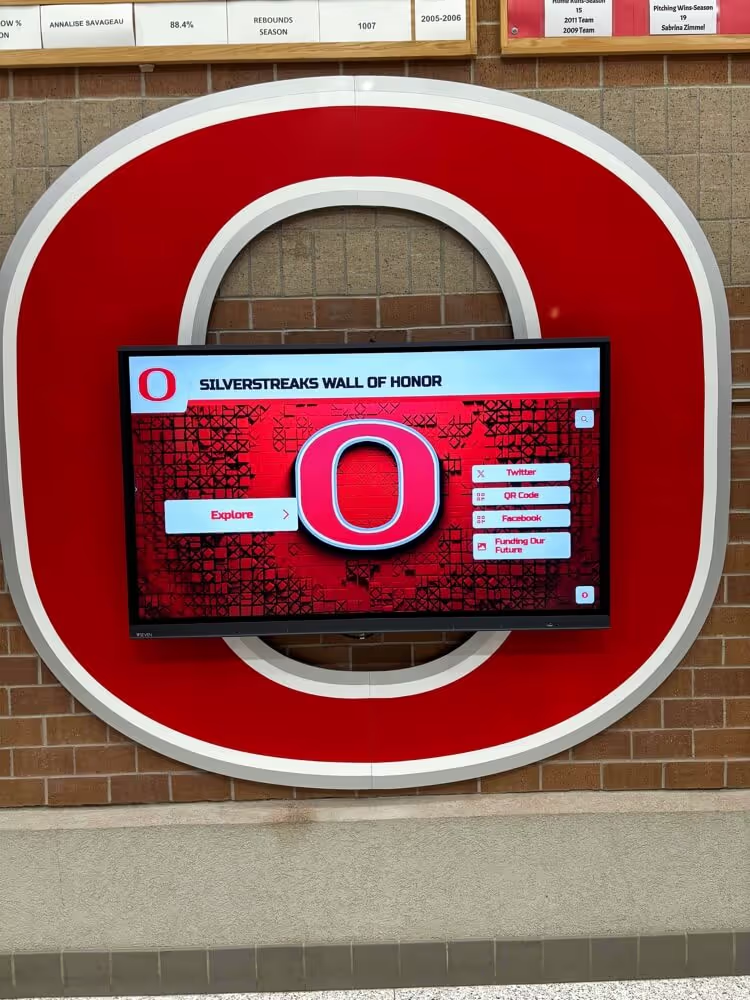
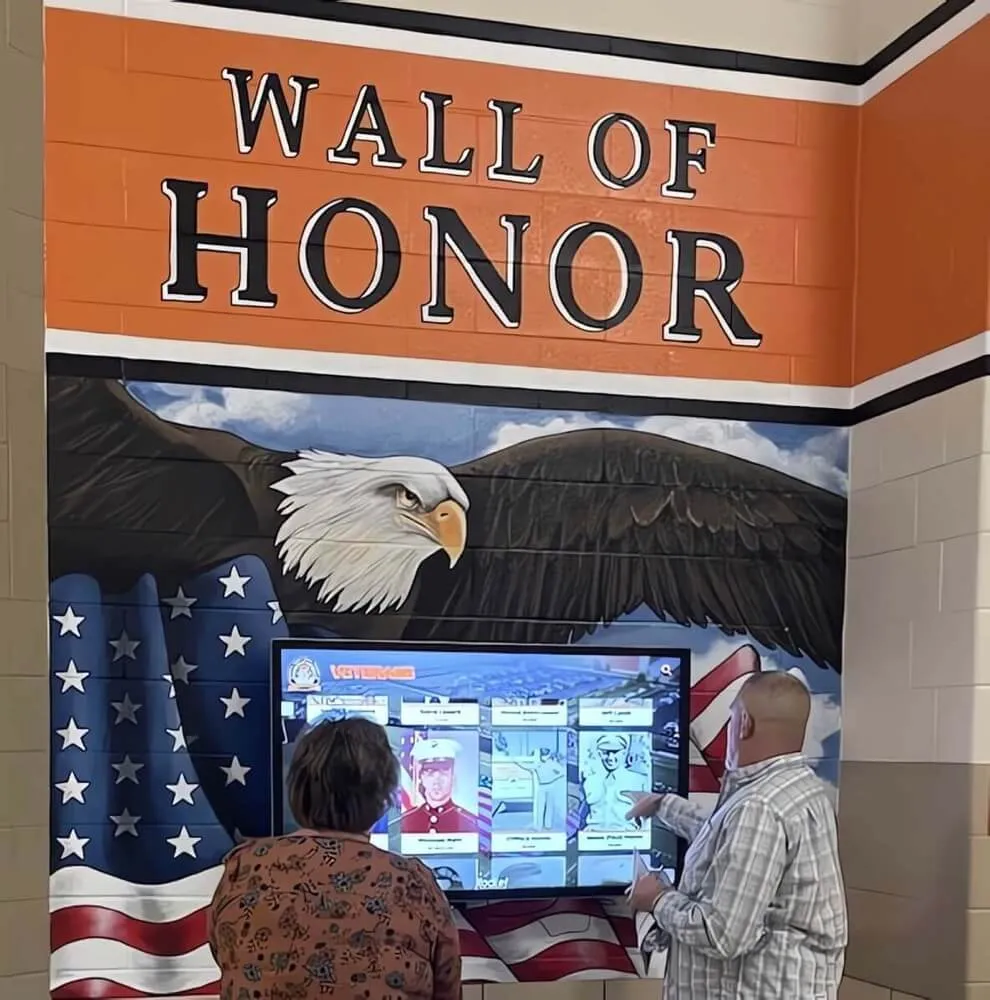
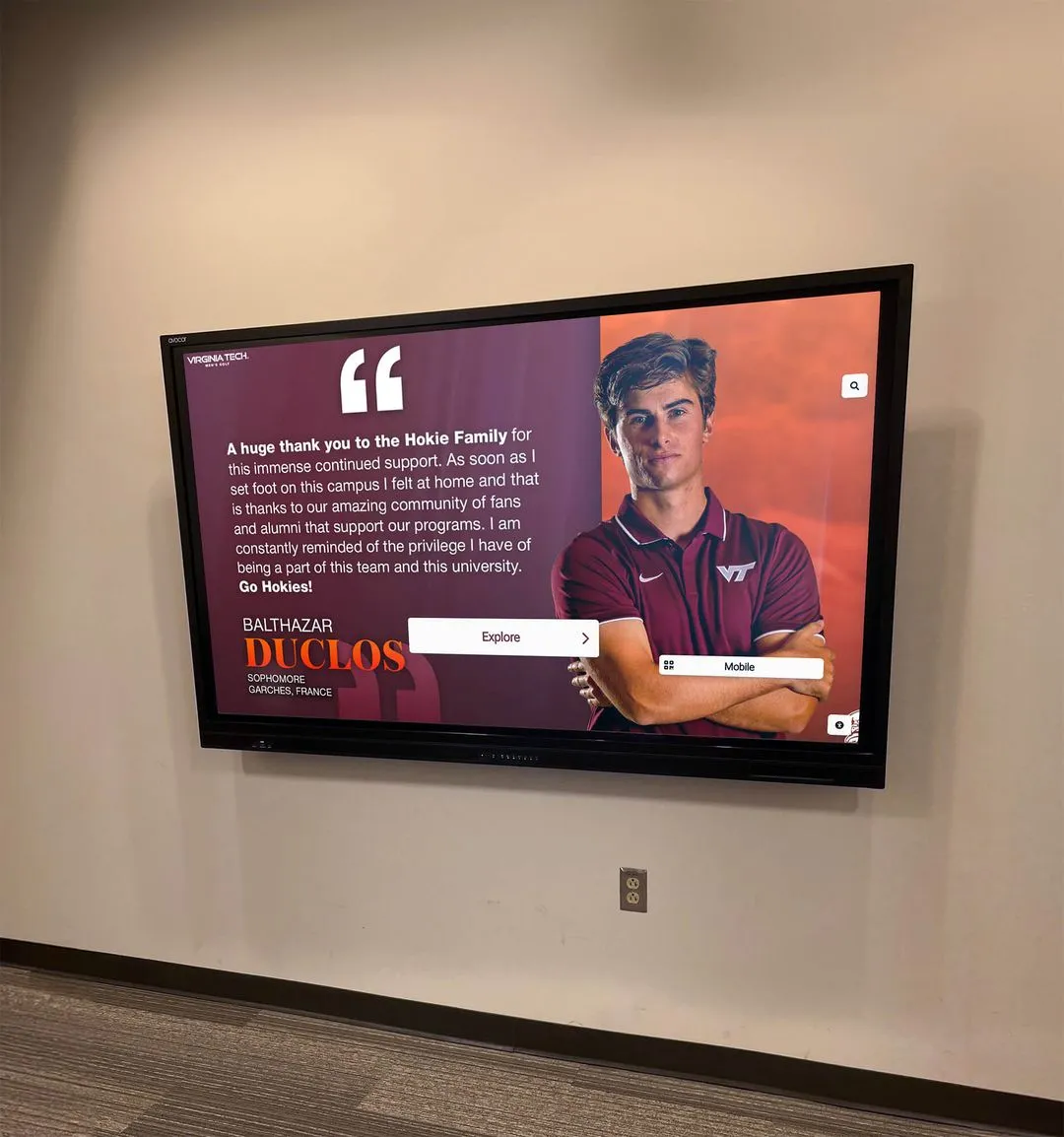
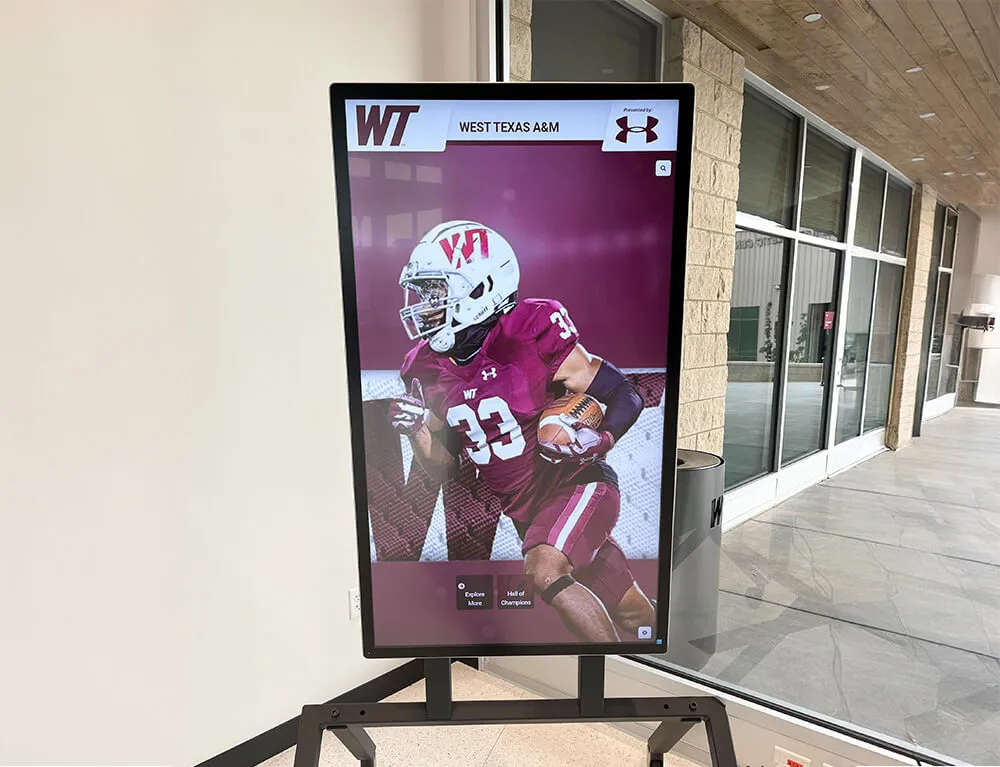
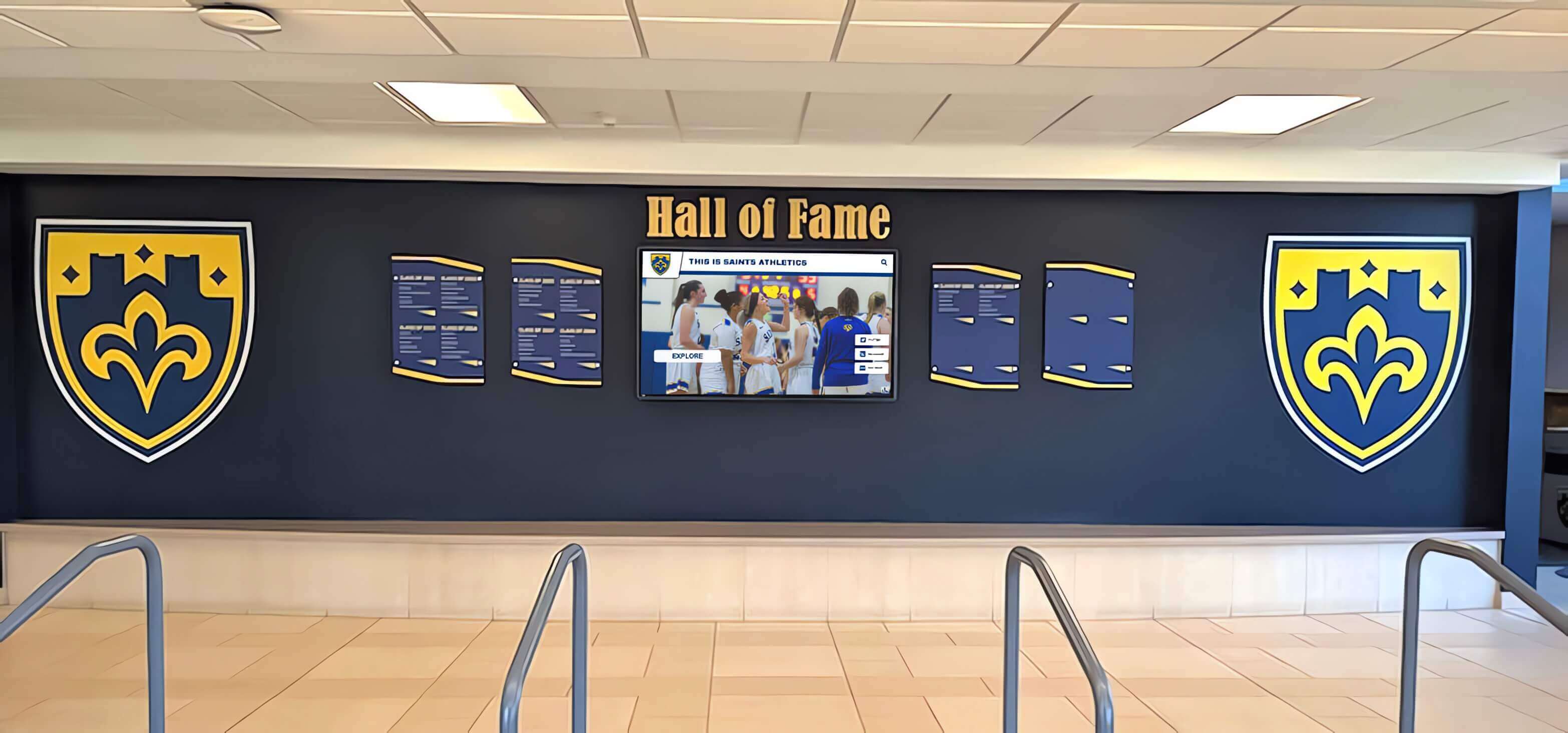
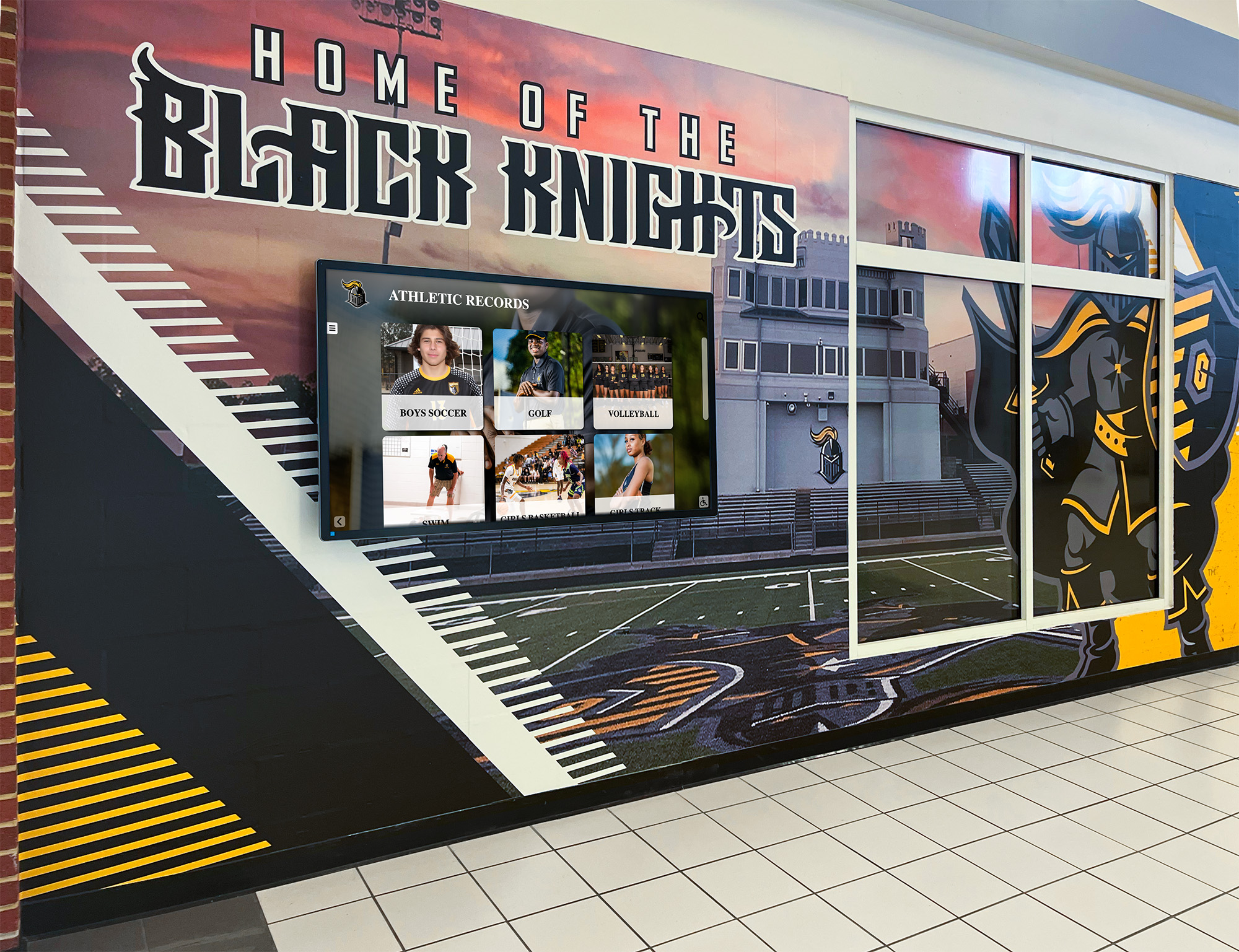
Interactive digital displays address traditional recognition limitations while introducing capabilities that transform championship celebration from static commemoration to engaging storytelling.
The Digital Recognition Advantage
Digital recognition platforms provide schools with flexible, comprehensive solutions for celebrating championship achievement that evolve alongside institutional needs.
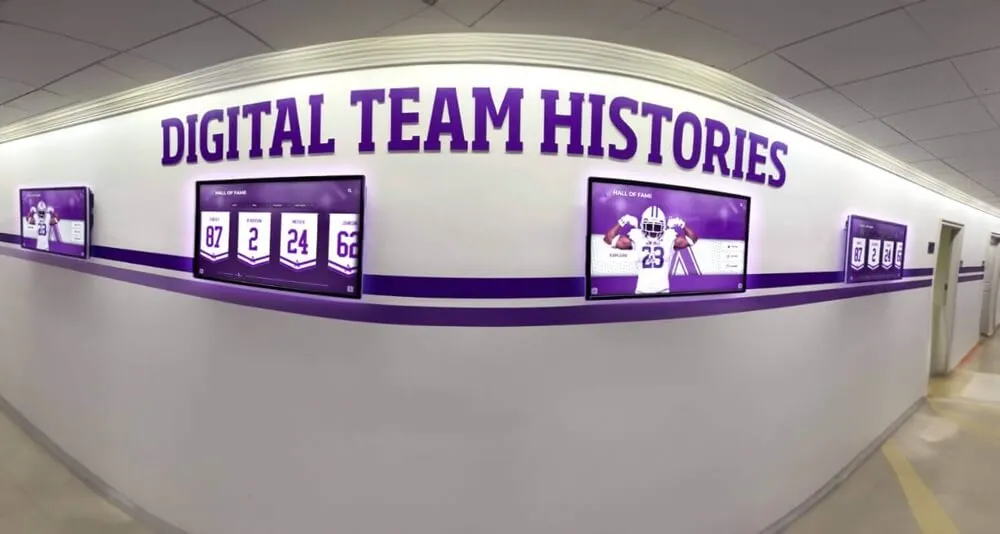
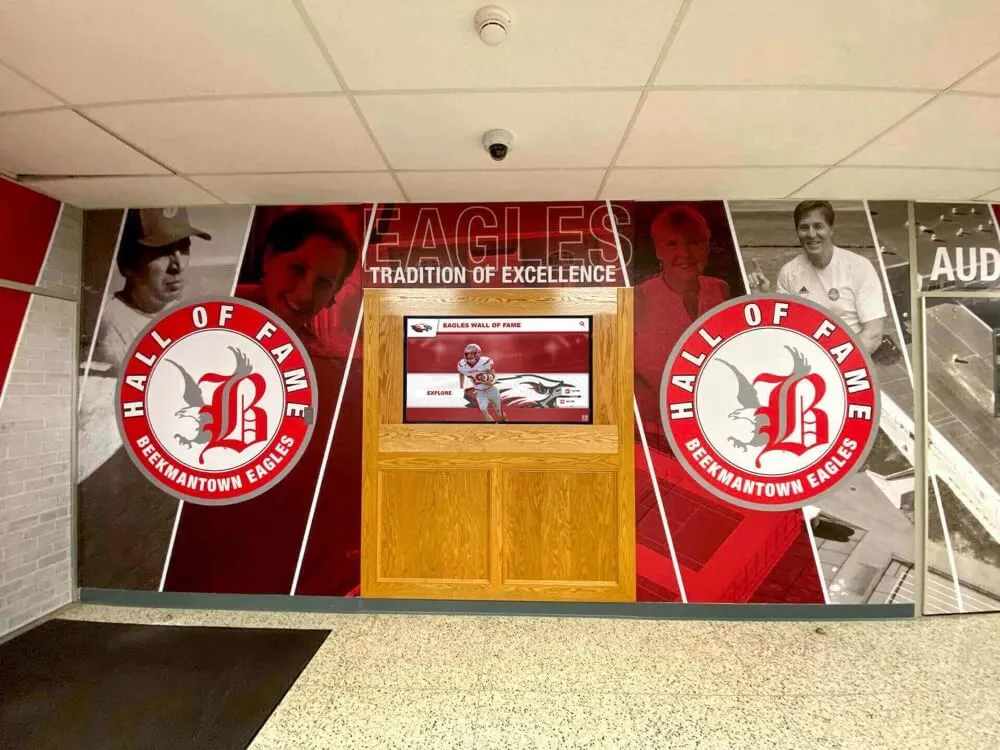
Unlimited Recognition Capacity: Digital systems eliminate physical space constraints entirely. Schools can comprehensively document every championship in program history—from recent victories to championships won decades ago—without competing for limited wall space or trophy case positions. Each championship receives dedicated digital space where complete stories unfold through multimedia content impossible in physical displays.
Rich Multimedia Storytelling: Digital platforms transform basic championship documentation into compelling narratives that bring victories to life. Championship profiles can include complete season recaps, game-by-game result summaries, championship game highlights and key moments, individual athlete profiles with photos and statistics, coach perspectives on championship seasons, parent and community reactions, and follow-up content about athletes’ subsequent achievements. This storytelling depth creates emotional connections and provides inspirational context that simple plaques cannot match.
Easy Updates and Modifications: Adding new championships to digital platforms requires no physical installation, no mounting hardware, no space allocation decisions—just content updates through intuitive web-based management systems. Athletic directors or coaches can publish new championship recognition within hours of victories, ensuring immediate visibility while excitement remains high. Content modifications to correct errors, add information, or enhance presentations require simple edits rather than expensive physical alterations.
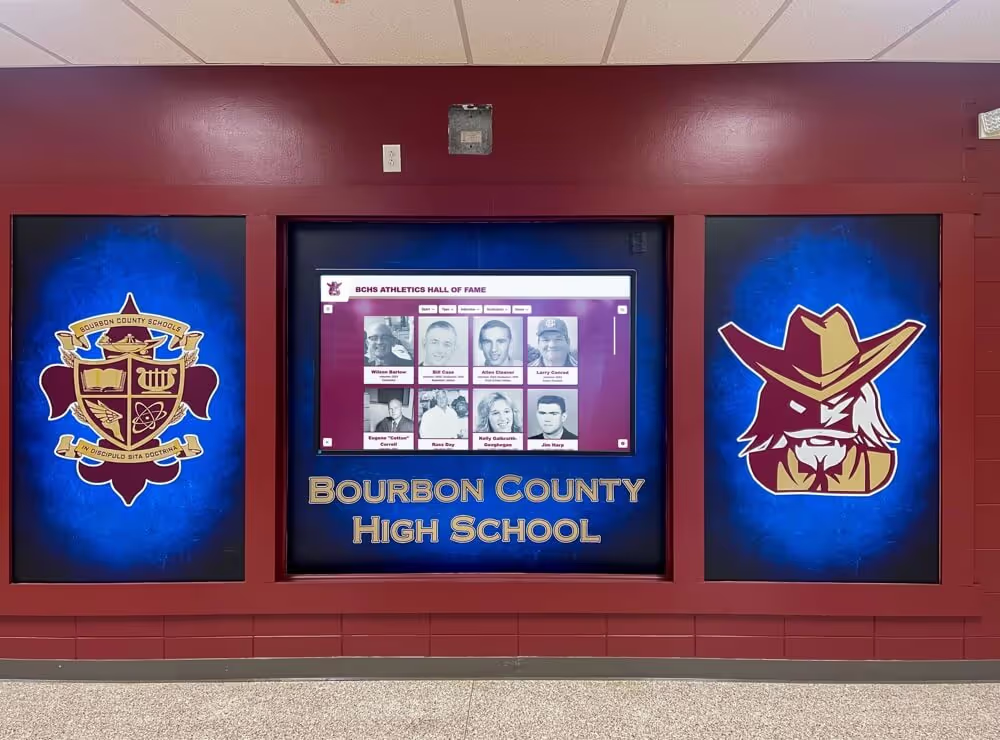
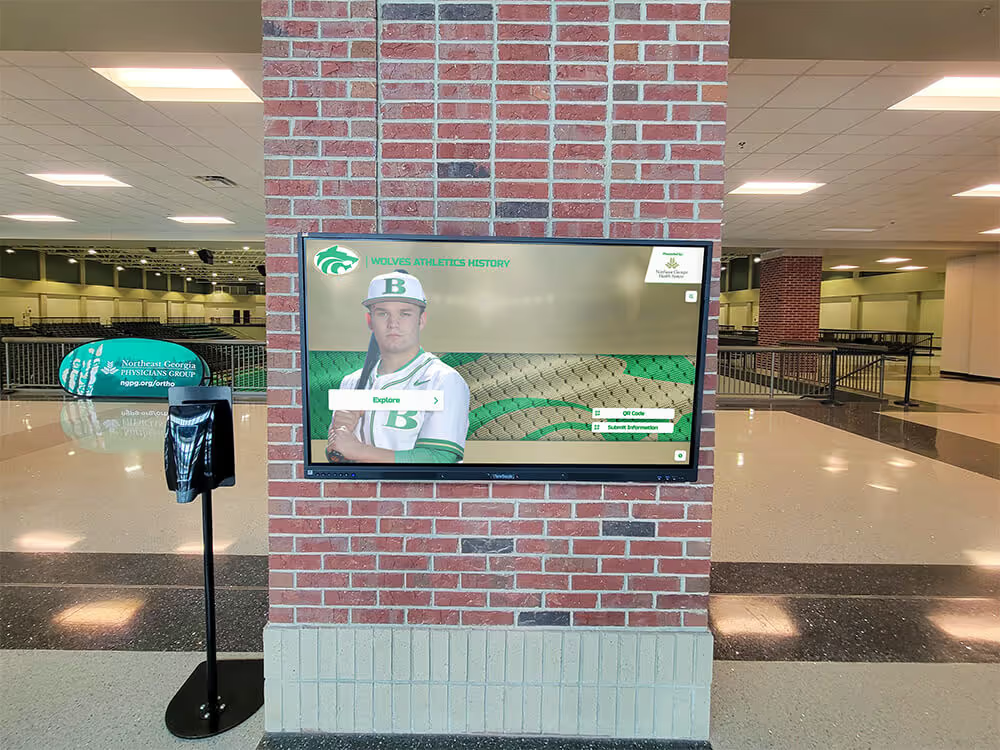
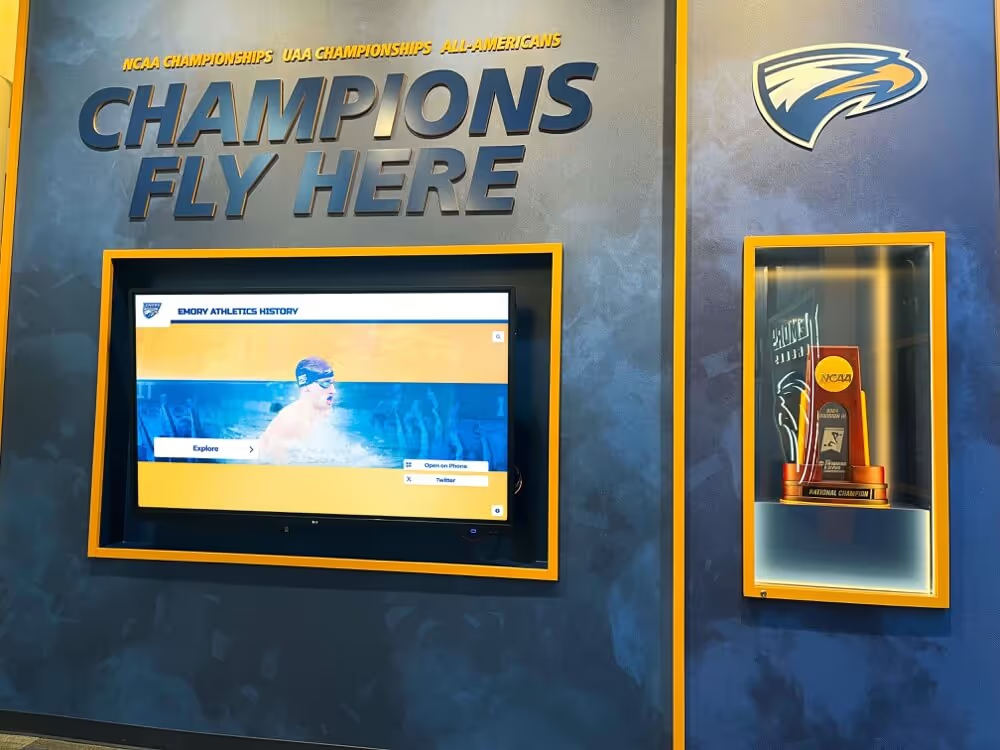
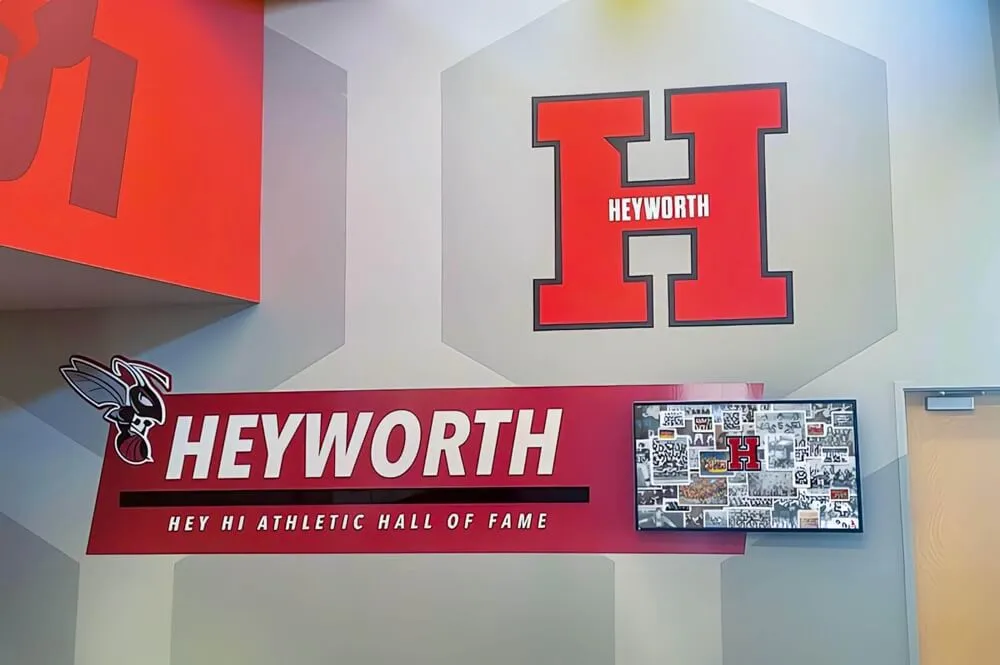
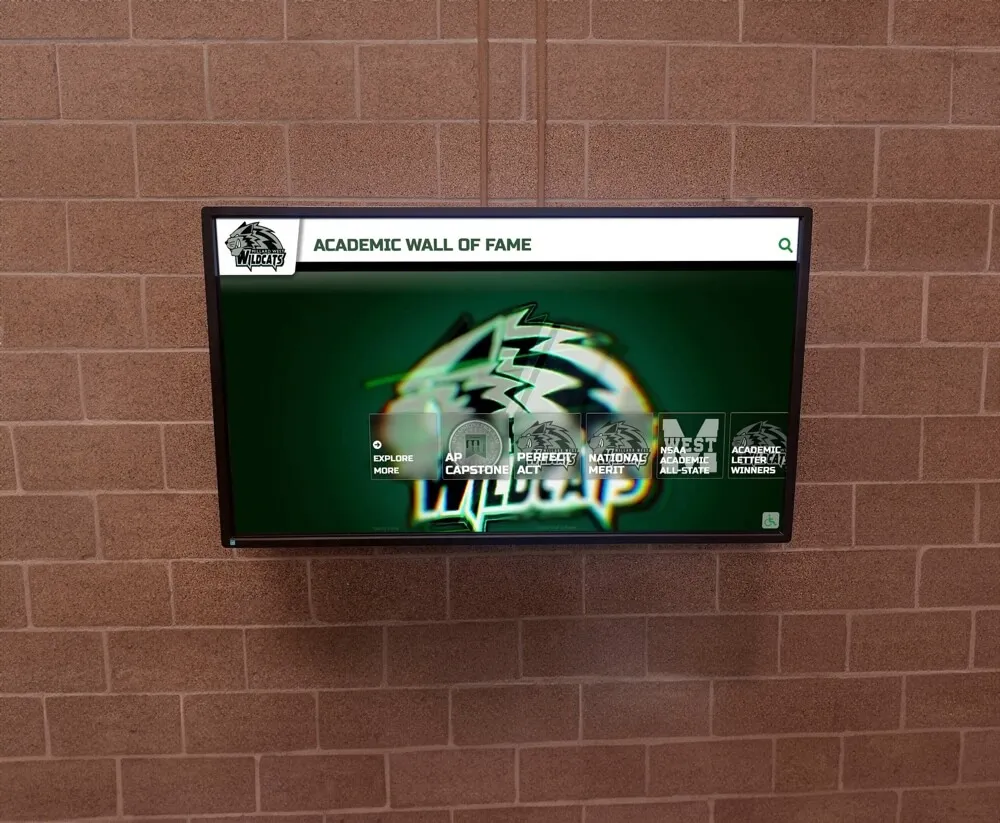
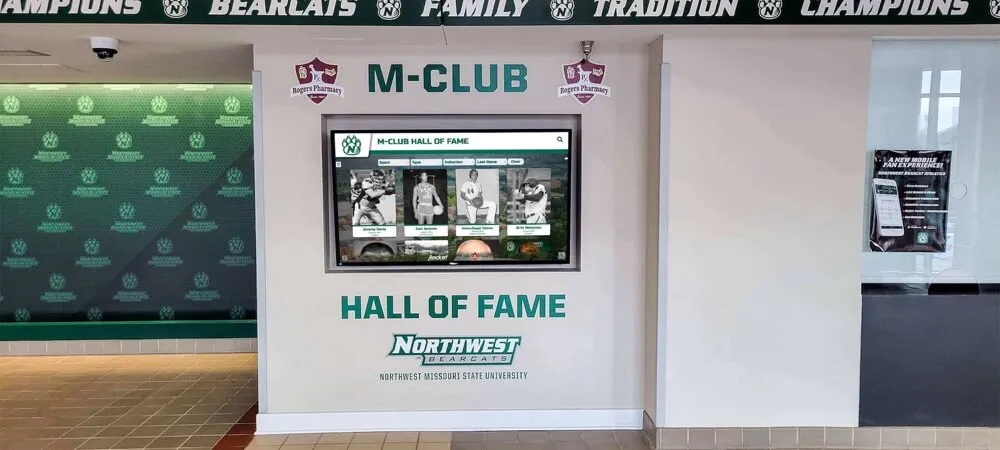
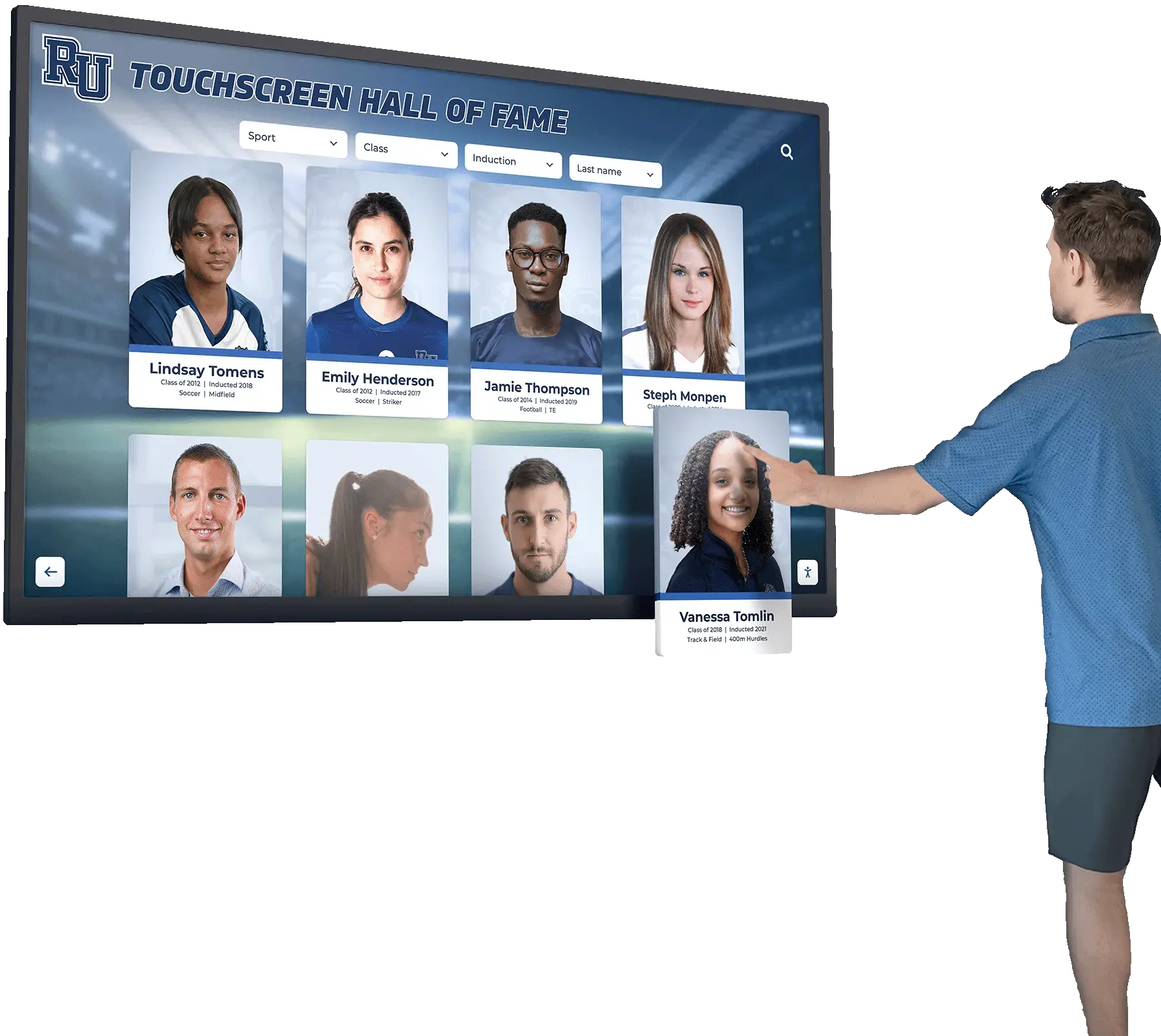
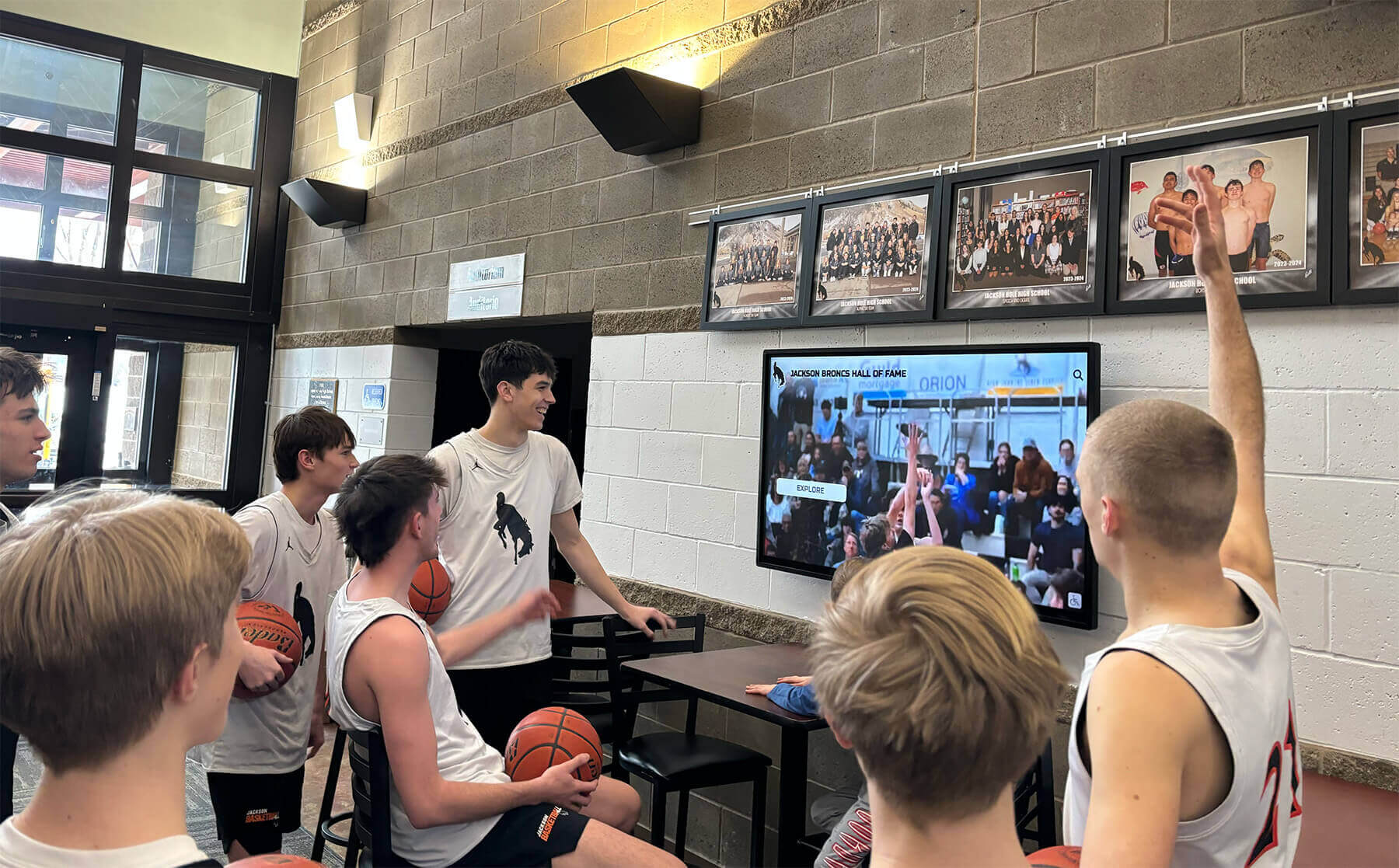
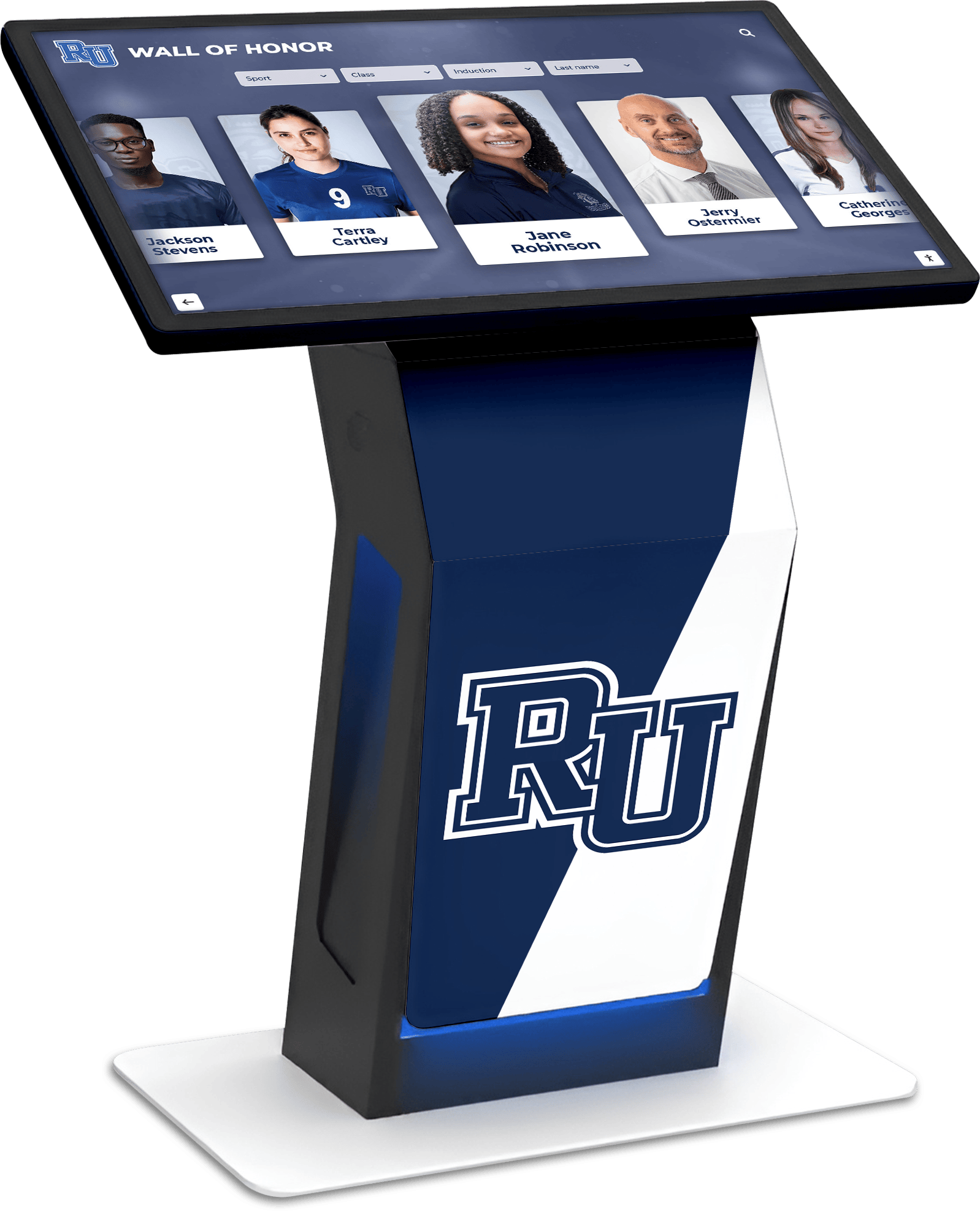
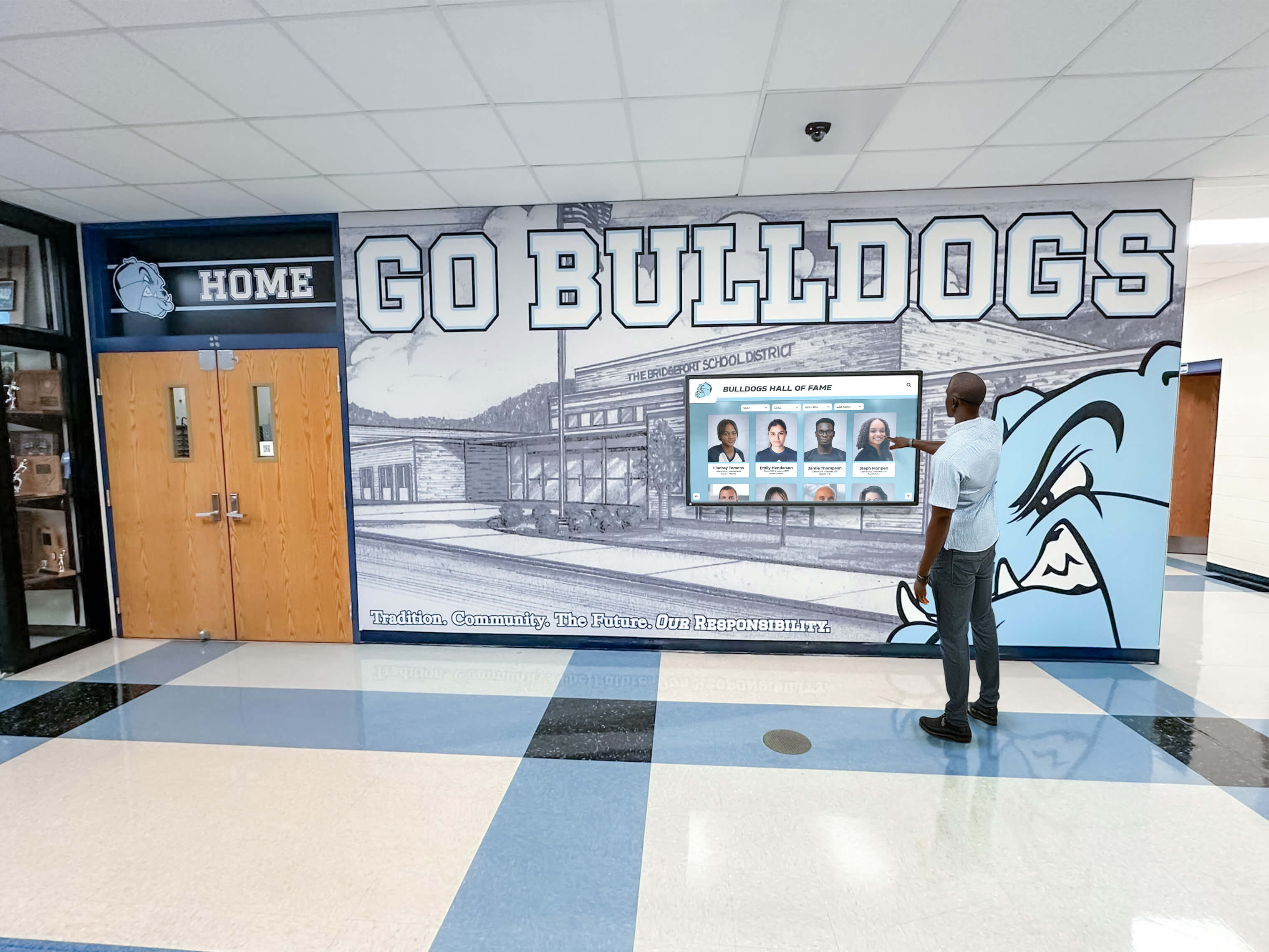
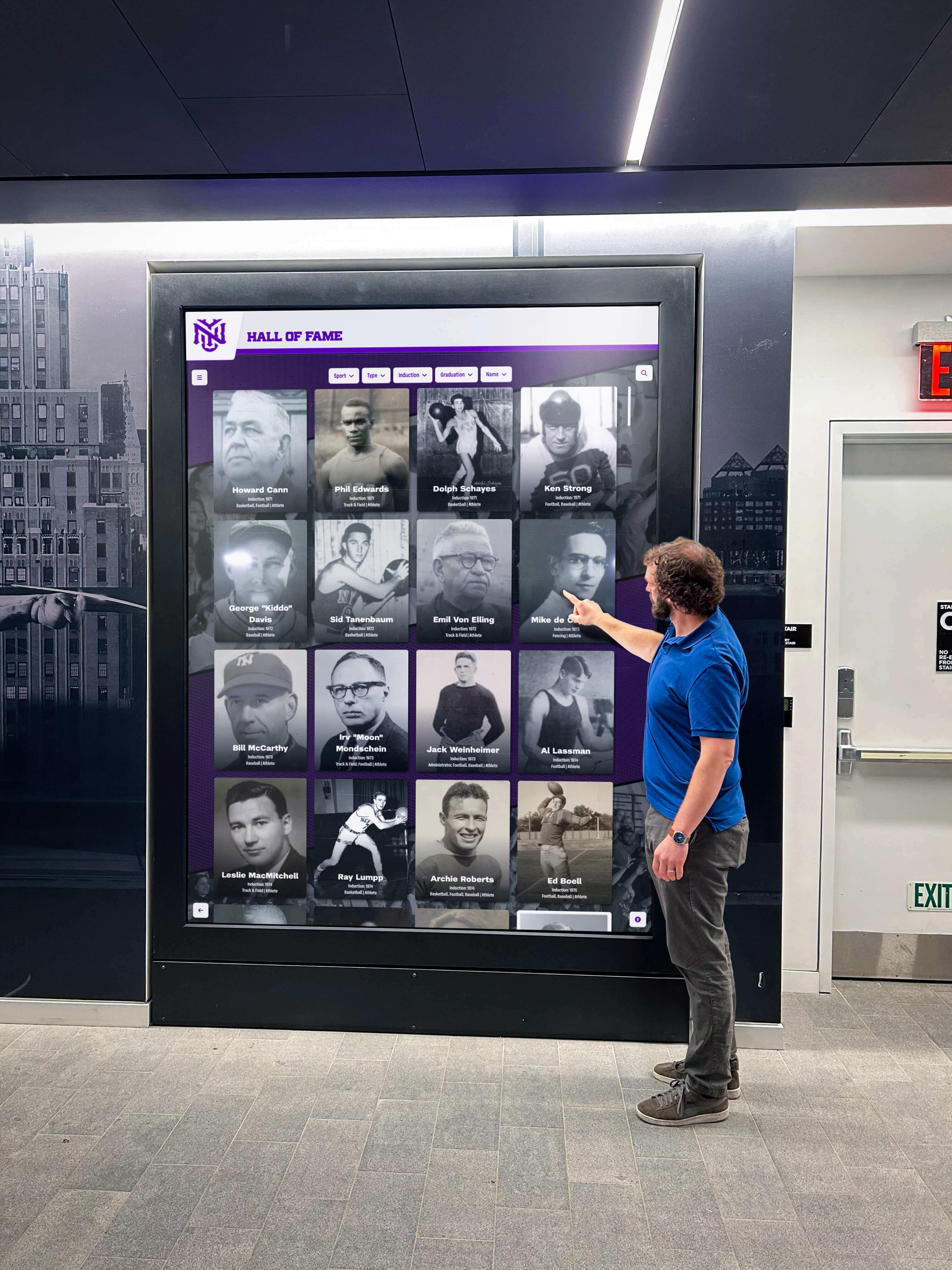
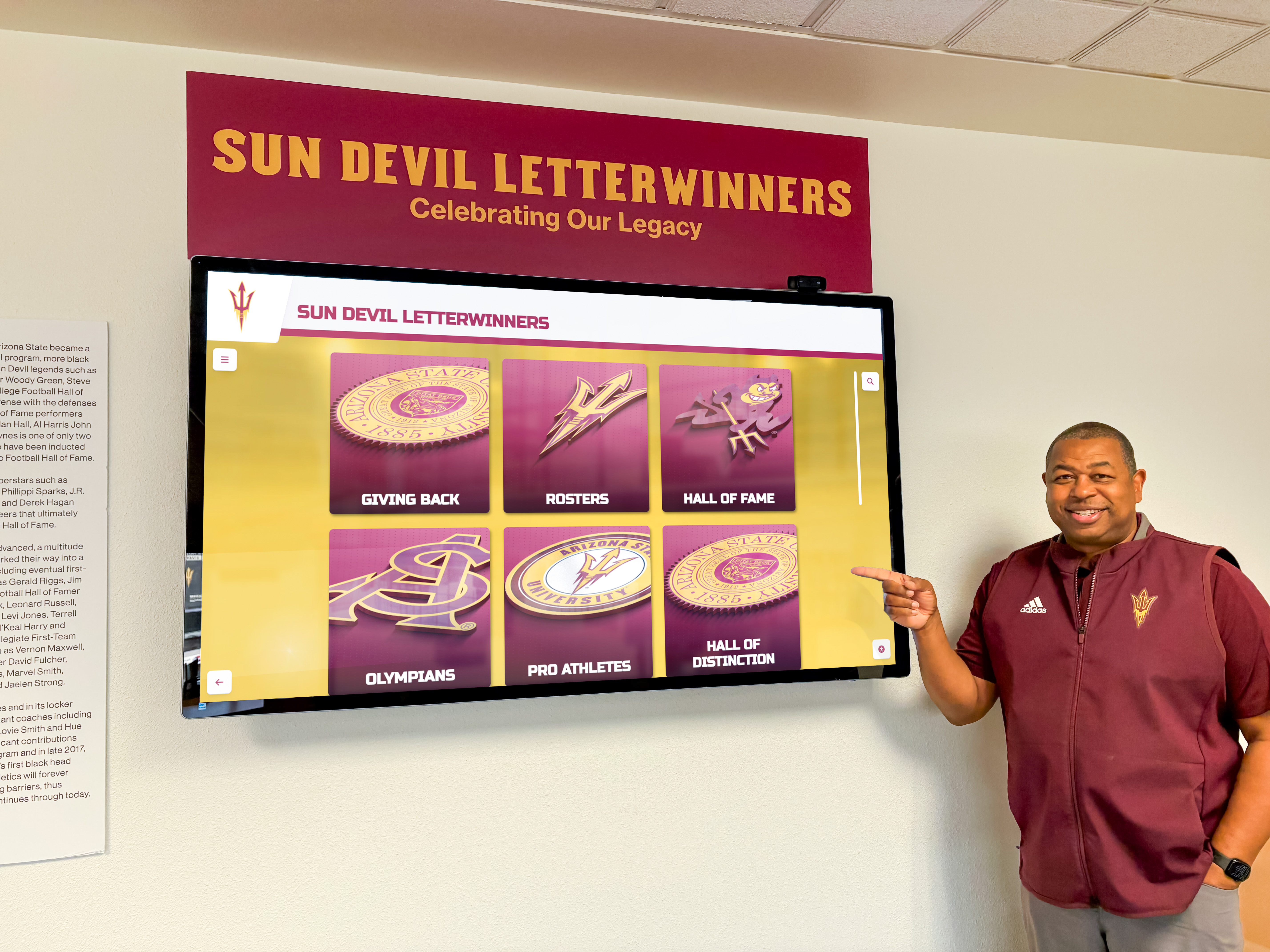
Interactive Exploration and Discovery: Touchscreen interfaces enable active exploration rather than passive viewing. Students can search championships by sport, decade, or coach, filter results to find specific teams or achievements, compare statistics across different championship seasons, view detailed rosters with individual athlete information, and explore connections between championships and other program achievements. This interactivity increases engagement dramatically—users typically spend several minutes exploring well-designed digital recognition compared to brief glances at traditional displays.
Analytics and Engagement Metrics: Modern platforms provide data quantifying how visitors engage with championship recognition. Schools track total interactions showing how many people explore content, most-viewed championships revealing which teams generate greatest interest, search patterns demonstrating how visitors navigate recognition, and peak usage times informing optimal update scheduling. These analytics demonstrate recognition value to administrators and inform content development priorities.
Implementing Digital Championship Recognition Systems
Schools ready to modernize championship recognition should approach implementation strategically, ensuring systems serve long-term needs while remaining manageable within resource constraints.
Platform Selection Considerations: Purpose-built athletic recognition platforms offer significant advantages over generic digital signage adapted for recognition purposes. Specialized platforms like those from Rocket Alumni Solutions provide intuitive content management requiring no technical expertise, flexible templates designed specifically for championship recognition, robust multimedia support for photos and videos, searchable databases with multiple filtering options, and mobile-responsive versions extending access beyond physical displays.
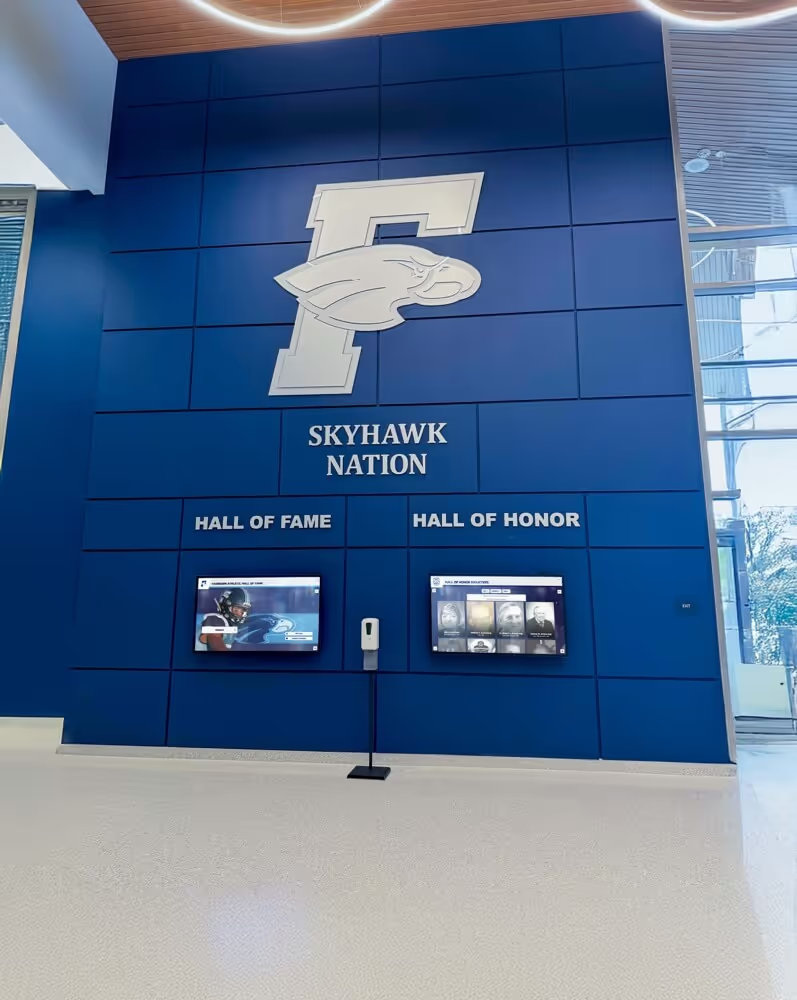
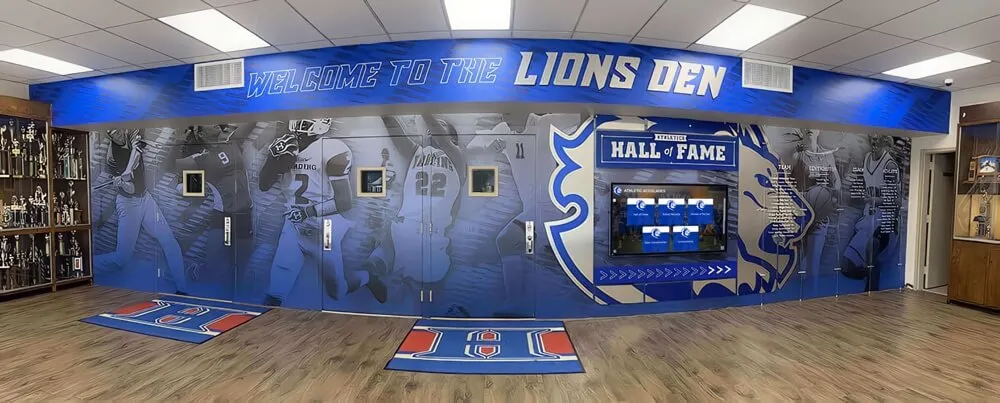
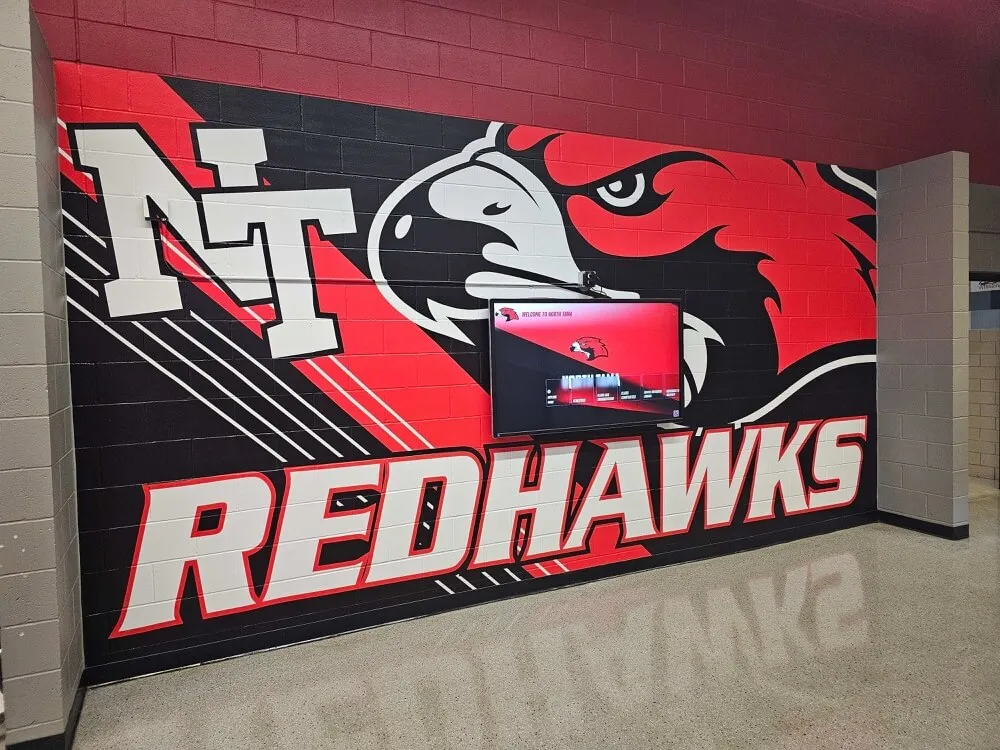
Hardware and Installation Planning: Commercial-grade touchscreen displays designed for continuous operation in public spaces ensure reliability and longevity. Key specifications include appropriate screen sizes for viewing distances (typically 55-75 inches for lobby installations), commercial durability rated for extended daily operation, responsive touch technology supporting intuitive interaction, and mounting options compatible with available locations. Strategic placement in high-traffic areas like athletic facility entrances, main school lobbies, or commons areas maximizes visibility and usage.
Content Development Strategies: Comprehensive championship recognition requires systematic content gathering and development. Schools should collect high-quality photography from championship seasons, gather complete rosters and statistics, interview coaches and athletes about championship memories, compile newspaper articles and media coverage, research historical championships through yearbooks and archives, and establish processes for documenting future championships immediately upon occurrence. Creating engaging digital content requires planning but generates recognition that serves schools for decades.
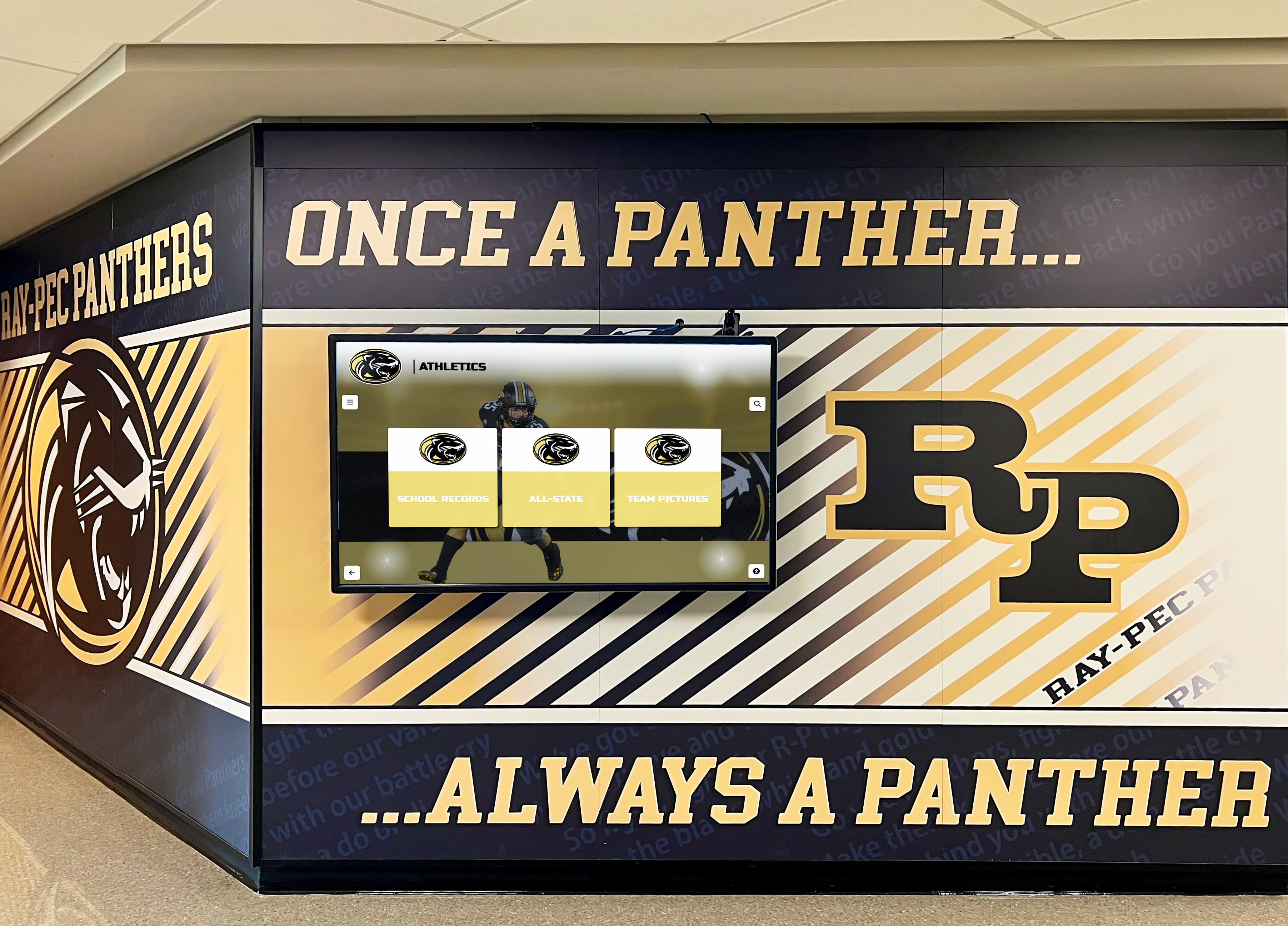
Integration with Broader Recognition Systems: Championship recognition delivers maximum value when integrated within comprehensive athletic recognition ecosystems. Rather than standalone championship displays, consider platforms that also showcase team leadership and athlete profiles, document school records and statistical achievements, celebrate individual honors and all-state recognition, preserve team histories across multiple decades, and maintain hall of fame inductee information. Integrated platforms reduce administrative burden while creating more complete recognition that connects championships to broader program excellence.
Sport-Specific Championship Recognition Strategies
Different sports create unique championship recognition opportunities reflecting their distinctive traditions, seasons, and competitive structures.
Fall Sports Championships
Fall sports including football, volleyball, soccer, and cross country typically crown champions as academic years begin, creating unique recognition timing considerations.
Football State Championships: Football championships, often decided in dramatic stadium showdowns before thousands of spectators, generate intense community engagement. Recognition should capture not just championship game victories but entire playoff runs, emphasizing the multi-week journeys that lead to finals. Many schools feature football championships most prominently given the sport’s profile, but equitable recognition across all sports demonstrates institutional values. Comprehensive football championship recognition documents offensive and defensive statistics, special teams contributions, coaching staff, and support personnel whose efforts enabled success.
Volleyball and Soccer Championships: These championships often involve tournament formats where teams play multiple games across championship weekends. Recognition should document complete tournament performances rather than focusing exclusively on final matches, acknowledging that reaching finals required defeating multiple quality opponents. Highlighting individual statistical leaders, defensive excellence, and teamwork dynamics provides context beyond final scores.
Cross Country Championships: Cross country state championships present unique recognition challenges since team success reflects cumulative individual performances rather than direct competition. Recognition should honor both team achievement and individual performers, documenting scoring systems, highlighting top finishers, and explaining how individual races combine to determine team champions. Photos from championship courses and finish line moments capture the sport’s distinct competitive atmosphere.
Winter Sports Championships
Winter championships occurring mid-academic year create opportunities for recognition that energizes school communities during months when weather limits outdoor activities and engagement.
Basketball State Championships: Basketball’s popularity and visible competitive format make championships particularly meaningful to school communities. Tournament progression through regional and state brackets creates natural narrative structures for recognition, with each round representing milestones on paths to championships. Recognition should feature key games, memorable individual performances, and the tournament atmosphere unique to basketball state championships. Many programs face the challenge of balancing recognition between girls’ and boys’ basketball championships, requiring thoughtful approaches that honor both equally.
Wrestling State Championships: Wrestling championships typically involve individual weight class competitions where team scores accumulate from individual placements. Recognition must balance individual wrestler achievements with team success, documenting each wrestler’s tournament performance while celebrating collective team championship victories. The intensity and physical nature of wrestling championships deserves recognition emphasizing dedication and sacrifice required for success.
Swimming and Other Individual-Dominant Sports: Sports where team championships result primarily from individual event performances require recognition strategies highlighting both individual excellence and collective achievement. Documenting record-breaking performances, relay team combinations, and depth across multiple events provides complete championship stories.
Spring Sports Championships
Spring championships occurring near academic year conclusions create natural transitions into summer and provide capstone experiences for graduating seniors.
Baseball and Softball Championships: Diamond sports championships often feature multiple-game series or double-elimination tournament formats requiring sustained excellence across extended periods. Recognition should document pitching performances, offensive highlights, defensive excellence, and the drama inherent in elimination games. The tradition-rich nature of baseball and softball allows recognition to connect current championships to program histories spanning decades.
Track and Field Championships: Similar to cross country, track championships aggregate individual event performances into team scores. Comprehensive recognition documents performance across sprints, distance races, field events, and relays, highlighting individual excellence while celebrating team depth and balanced programs. Championship meet conditions, weather, and competitive atmosphere provide contextual elements that enhance recognition storytelling.
Lacrosse, Tennis, and Golf Championships: Championship recognition for these sports should reflect their specific competitive formats, whether tournament brackets, match play, or stroke play formats. Highlighting sport-specific excellence markers—assists and ground balls in lacrosse, set victories in tennis, under-par rounds in golf—ensures recognition resonates with participants and knowledgeable audiences.
Creating Comprehensive Championship Profiles
The depth and quality of championship documentation directly determines how effectively recognition preserves history and inspires future athletes.
Essential Championship Profile Components
Comprehensive championship profiles should document multiple dimensions of championship success, creating complete historical records.
Team Rosters and Individual Recognition: Complete rosters listing every team member—varsity players, junior varsity contributors, team managers, student trainers—ensure that all participants receive recognition for their roles in championship success. Including athlete photos, class years, positions, and jersey numbers creates personal connections and allows current students to discover older siblings, relatives, or community members who participated in championships. Highlighting senior athletes acknowledges their leadership and cumulative contributions across multiple seasons.
Season Overview and Statistics: Championship seasons involve months of competition leading to tournament success. Recognition should document regular season records, conference standings and titles, significant victories over ranked opponents, statistical leaders across relevant categories, and season progression showing how teams improved and peaked during tournaments. This context demonstrates that championships resulted from sustained excellence rather than single-game fortune.
Championship Tournament Documentation: Detailed documentation of tournament paths to championships creates narratives readers can follow. Include bracket positions and seeding, round-by-round results with scores and locations, brief game summaries highlighting key moments, individual performance statistics from each game, and photo galleries from different tournament rounds. This thoroughness allows viewers to mentally reconstruct championship journeys, experiencing progression as participants did.
Coaching Staff and Support Personnel: Championships result from collective efforts extending beyond athletes who competed. Recognition should acknowledge head coaches with career context, assistant coaches and coordinators with specific responsibilities, athletic trainers who maintained athlete health, equipment managers who ensured proper preparation, and administrators whose support enabled program excellence. This comprehensive approach demonstrates that championship success requires organizational excellence across multiple roles.
Memorable Moments and Key Plays: Every championship features defining moments—dramatic comebacks, clutch performances, defensive stands, record-breaking achievements—that participants remember vividly. Capturing these moments through detailed descriptions, action photography, video highlights, and participant quotes makes recognition more engaging and emotionally resonant. These stories transform statistical summaries into compelling narratives that inspire readers.
Multimedia Enhancement Strategies
Visual and interactive content dramatically enhances championship recognition, making it more engaging and memorable.
Photography and Image Galleries: High-quality photography brings championship recognition to life. Include action shots from competitions showing athletes in peak performance, celebration photos capturing emotional victory moments, team photos with championship trophies, individual athlete portraits, coaching staff photos, and fan reaction images. Comprehensive galleries provide visual variety that maintains interest as viewers explore recognition content.
Video Content Integration: Video represents the most engaging digital content format, particularly for younger audiences. Championship recognition enhanced with video highlights, championship game broadcasts, post-game interviews with athletes and coaches, celebration footage, and documentary-style features provides immersive experiences that static content cannot match. Even brief video clips significantly increase engagement time and emotional impact.
Statistical Visualizations and Infographics: Raw statistics presented in tables prove less engaging than visualized data. Create charts comparing championship season statistics to program averages, infographics highlighting remarkable achievements and records, visual tournament brackets showing paths to championships, and comparative graphics positioning championships within program history. Well-designed visualizations make numbers accessible even to viewers less familiar with specific sports.
Interactive Elements: Digital platforms enable interactive features that increase engagement. Consider interactive timelines allowing viewers to explore season progression chronologically, filterable roster grids showing different athlete subsets, comparison tools letting users contrast different championship teams, social sharing functions encouraging viewers to spread recognition, and comment or reaction features enabling community engagement.
Championship Recognition and School Culture
Effective championship recognition extends beyond merely documenting achievements—it shapes institutional culture and influences future athletic success.
Using Championship Recognition to Inspire Excellence
Strategic championship recognition creates aspirational targets that motivate current athletes while demonstrating that elite success is achievable within their programs.
Creating Visible Excellence Standards: When underclassmen regularly encounter comprehensive championship recognition as they move through facilities, they internalize that championship success represents expected rather than exceptional outcomes. This normalization of excellence raises performance expectations and encourages athletes to pursue championship-level commitment and preparation. Schools with prominent championship recognition often report that athletes reference specific past teams or individuals as motivational targets, using historical achievement as benchmarks for their own goals.
Demonstrating Achievement Pathways: Comprehensive championship recognition documenting athlete development, training approaches, seasonal progression, and performance growth provides current athletes with roadmaps they can follow. When recognition shows that championship athletes faced similar challenges, overcame setbacks, and improved through dedicated effort, it makes elite success seem attainable rather than exclusively available to naturally gifted competitors. This relatability proves particularly valuable for underclassmen early in development who might not yet perform at varsity levels but aspire to championship contribution.
Connecting Past and Present: Recognition that links current athletes to historical championship teams creates continuity and tradition that strengthens program culture. Highlighting that current seniors were elementary students when specific championship teams competed, noting family connections between current and former athletes, and featuring alumni championship athletes mentoring current competitors builds multi-generational program identity. This historical connection combats the temporary nature of high school athletics where complete roster turnover occurs every four years, maintaining institutional memory that transcends individual participant tenures.
Celebrating Diverse Achievement: Equitable recognition across all sports—prominently featuring championships from less-visible programs alongside marquee sports—communicates that all athletic excellence matters equally. This inclusive approach strengthens overall athletic culture rather than creating hierarchies that devalue some programs. Schools that recognize academic and co-curricular championships alongside athletic titles further reinforce that excellence in any domain deserves celebration.
Building Community Pride Through Championship Recognition
Championship recognition serves broader purposes beyond athletic programs, strengthening school-community relationships and institutional reputation.
Prospective Family Recruitment: Families evaluating school options notice championship recognition during campus tours, interpreting visible athletic success as evidence of comprehensive educational quality. Research consistently shows that athletic program strength influences school choice even for families whose children don’t plan athletic participation, with championship success signaling institutional excellence across domains. Schools that showcase championship achievement prominently often report improved yield rates for admitted students and increased interest from prospective families.
Alumni Engagement and Philanthropy: Championship recognition provides alumni with tangible connections to their schools and specific memories from their attendance periods. Alumni who competed on championship teams or attended school during championship years experience particular pride when they see their eras recognized. This emotional connection correlates with higher alumni engagement rates including event attendance, mentorship participation, and financial contributions. Athletic success creates positive associations that support advancement objectives extending far beyond sports.
Community Identity and Cohesion: In many communities, high schools serve as primary sources of civic pride and shared identity. State championships provide collective celebration opportunities that unite diverse community members regardless of socioeconomic status, political affiliation, or other dividing factors. Permanent championship recognition reinforces these unifying narratives, creating conversation topics and shared reference points that strengthen social bonds. Communities with visible school championship recognition often demonstrate stronger overall civic engagement and institutional support.
Best Practices for Sustainable Championship Recognition
Successful championship recognition requires more than initial implementation enthusiasm—sustainable systems remain current and valuable across decades.
Establishing Recognition Protocols and Workflows
Clear processes ensure that championship recognition remains consistently excellent regardless of which specific individuals manage it.
Immediate Post-Championship Documentation: Schools should establish protocols activating immediately when teams win championships. Assign specific staff responsibility for gathering complete rosters, collecting final statistics and season summaries, requesting coach and athlete quotes, organizing championship photography and video, compiling newspaper articles and media coverage, and documenting tournament progression and key moments. Capturing this information while memories remain fresh and materials are readily available proves infinitely easier than attempting historical research years later when details have become hazy and materials have scattered.
Recognition Timeline Standards: Establish internal standards defining how quickly championship recognition should appear in displays following victories. Best practices suggest comprehensive digital recognition should publish within 1-2 weeks of championship victories, physical recognition elements should install within 4-6 weeks, and initial recognition should expand with additional content over subsequent months as follow-up materials become available. These timelines ensure recognition occurs while championship excitement remains high rather than delayed so long that communities move on to other priorities.
Annual Review and Update Cycles: Even after initial publication, championship recognition benefits from periodic review and enhancement. Schedule annual reviews verifying all information remains accurate, updating athlete profiles with post-graduation accomplishments, adding newly discovered historical materials, refreshing photography and multimedia content, and enhancing recognition based on engagement analytics showing which content elements resonate most strongly. These ongoing improvements demonstrate sustained institutional commitment rather than one-time effort.
Quality Standards and Approval Workflows: Establish quality expectations for championship recognition including minimum information requirements, photography standards, writing tone and style guidelines, and accessibility considerations. Implement approval processes ensuring athletic directors, administrators, or designated reviewers verify recognition accuracy and appropriateness before publication. These quality controls prevent errors and ensure professional presentation befitting championship achievement significance.
Training and Succession Planning
Championship recognition sustainability requires preparing multiple staff members to manage systems and implementing knowledge transfer when personnel change.
Cross-Training Multiple Staff Members: Single-person dependency creates vulnerabilities when that individual becomes unavailable or leaves the organization. Train at least 2-3 staff members on recognition system operation, content management, update procedures, and troubleshooting common issues. This redundancy ensures recognition remains current during illnesses, vacations, or unexpected absences and protects institutional knowledge when personnel transitions occur.
Comprehensive Documentation: Maintain detailed documentation covering system access procedures, content management instructions, design and style guidelines, contact information for technical support, and institutional knowledge about recognition decisions and approaches. This documentation enables new staff members to maintain recognition effectively without relying exclusively on predecessor training, reducing disruption when personnel changes occur.
Succession Planning: When staff members responsible for championship recognition plan departures or role changes, implement structured transition periods where successors shadow current administrators, learn systems thoroughly, and assume gradually increasing responsibility. These deliberate transitions prevent knowledge loss and ensure recognition quality doesn’t deteriorate during personnel changes.
Budgeting for Long-Term Recognition Success
Sustainable recognition requires realistic budgeting that accounts for ongoing costs beyond initial implementation investment.
Initial Implementation Budgets: Comprehensive digital championship recognition typically requires initial investment of $12,000-$35,000 depending on display size and quantity, software platform selection, installation complexity, initial content development scope, and integration with existing systems. Traditional physical recognition involving quality trophy cases, professionally designed banners, and permanent plaques might cost $8,000-$20,000 for comprehensive installations. Many schools fund championship recognition through athletic booster clubs, alumni donations, corporate sponsorships, or capital campaigns rather than general operating budgets.
Ongoing Operational Costs: Annual expenses typically include software licensing fees ($1,500-$3,500), technical support and maintenance ($800-$2,000), content development and photography ($500-$2,000 if using contracted services), hardware maintenance and eventual replacement reserves ($500-$1,500), and electricity and connectivity costs ($200-$500). Total annual operational costs usually range from $3,500-$9,500 depending on system scope and internal versus contracted content development.
Staff Time Investment: Perhaps the least visible but most substantial cost involves staff time for content management, regular updates, quality review, and system administration. Schools should allocate realistic staff time—typically 3-6 hours monthly for routine maintenance plus 8-12 additional hours per championship to develop comprehensive recognition—and ensure this work receives appropriate priority rather than becoming perpetual “additional duties” that never receive adequate attention.
Measuring Championship Recognition Impact
Schools should assess recognition effectiveness through quantitative metrics and qualitative feedback, demonstrating value and identifying improvement opportunities.
Engagement and Usage Analytics
Digital recognition platforms provide detailed analytics quantifying how visitors interact with championship content.
Interaction Metrics: Track total interactions showing how many people engage with championship recognition, unique versus returning visitors indicating whether displays attract ongoing interest, average session duration revealing depth of engagement, and most-viewed championships identifying which content resonates most strongly. Growing engagement over time validates recognition investment while declining metrics suggest content refreshment needs.
Search and Navigation Patterns: Analyzing how visitors navigate recognition reveals which search terms they use most frequently, which filtering options they select, which championship eras generate greatest interest, and whether users explore broadly or focus narrowly. These patterns inform content development priorities and interface design improvements that make recognition more intuitive and valuable.
Peak Usage Analysis: Understanding when visitors most frequently engage with recognition—times of day, days of week, seasonal patterns—helps optimize update scheduling and informs decisions about where additional displays might maximize impact. Schools often discover that recognition usage spikes during athletic seasons, alumni events, and prospective family tours, suggesting opportunities to highlight specific content during these high-traffic periods.
Demographic Insights: Advanced platforms may provide demographic information about recognition visitors including approximate ages, relationship to school (student, parent, alumni, community member), and engagement device types (touchscreen displays, personal computers, mobile phones). These insights help schools understand which audiences currently engage with recognition and which might need targeted outreach.
Stakeholder Feedback and Surveys
Quantitative analytics should complement qualitative feedback from athletes, students, families, and community members.
Athlete Perspectives: Survey current athletes about whether championship recognition influences their motivation and goals, if historical championship displays help them understand program traditions, whether recognition makes championship achievement feel attainable, and if they would like to see recognition expanded or modified. Gather feedback from championship team members about whether recognition appropriately honored their accomplishments and created meaningful lasting commemoration.
Student Body Awareness: Assess broader student awareness through periodic surveys asking whether students can identify recent championship teams, if they’ve explored championship recognition displays, whether championship success influences school pride, and if recognition inspires their own pursuits regardless of athletic participation. This broader measurement reveals whether recognition achieves cultural impact beyond just athletes.
Alumni Engagement: Monitor alumni interaction with championship recognition through website analytics, display engagement during campus visits, and feedback about whether recognition strengthens their school connections. Survey alumni about favorite championship memories, whether recognition accurately captures their experiences, and if they would contribute content enhancing historical recognition.
Prospective Family Input: Ask families touring campus whether championship recognition influenced their perceptions of athletic program quality, overall school excellence, and enrollment decisions. This feedback demonstrates recruitment value and justifies recognition investment to administrators focused on enrollment management.
Conclusion: Honoring Championships, Inspiring Excellence
State championship victories represent the pinnacle of high school athletic achievement—culminations of years of dedication, sacrifice, and relentless pursuit of excellence. Athletes, coaches, and communities invest immense effort reaching championship levels, creating memories and accomplishments that deserve recognition matching their significance.
Effective championship recognition serves multiple critical purposes simultaneously. It honors the champions who earned victories through extraordinary commitment and performance, preserving their legacies and ensuring their achievements remain visible across decades. It inspires current athletes by demonstrating that championship success is achievable and providing visible aspirational targets that elevate performance expectations. It strengthens community pride and identity, creating shared narratives that unite diverse populations around common celebrations. And it attracts talented prospective students and families by demonstrating program excellence and institutional values around supporting student success.
The evolution from traditional physical recognition to modern digital platforms expands what championship celebration can accomplish. While time-honored approaches like championship banners and trophy cases retain important symbolic value, digital recognition systems provide unlimited capacity, rich multimedia storytelling, interactive exploration, and sustainable content management that ensures recognition remains current and engaging across generations. Solutions like those from Rocket Alumni Solutions offer purpose-built platforms specifically designed for educational athletic recognition, combining proven technology with intuitive management interfaces that make comprehensive championship celebration accessible to schools of all sizes.
Schools planning championship recognition should begin by researching program history, documenting past championships through available records and community knowledge. Establish systematic processes for capturing information immediately when future championships occur, ensuring complete documentation while materials and memories remain fresh. Evaluate recognition platforms selecting solutions designed for long-term sustainability rather than short-term convenience. Engage diverse stakeholders building broad support for recognition investment. And commit to ongoing content enhancement and system maintenance that keeps recognition relevant and valuable across decades.
Your state championships represent defining moments in school history—achievements that validate years of program development, unite communities in celebration, and inspire future generations to pursue their own excellence. These victories deserve recognition infrastructure that matches their significance, ensuring champions receive lasting honor while their accomplishments continue inspiring those who follow. Modern championship recognition transforms fleeting victories into permanent institutional pride, celebrating past excellence while building cultures where future championships flourish.
Ready to transform how your school celebrates state championship victories? Comprehensive digital recognition displays provide proven solutions that honor athletic excellence while preserving program history and inspiring future achievement. Your champions earned their victories through extraordinary dedication—they deserve recognition that matches their commitment and ensures their legacies inspire excellence for generations to come.