



Intent: research
Perfect attendance recognition remains common in U.S. high schools, with approximately 68% of schools maintaining some form of attendance recognition program. However, traditional approaches face increasing scrutiny regarding potential encouragement of sick students to attend school, equity concerns for students with chronic health conditions, and questions about whether physical presence alone merits substantial recognition.
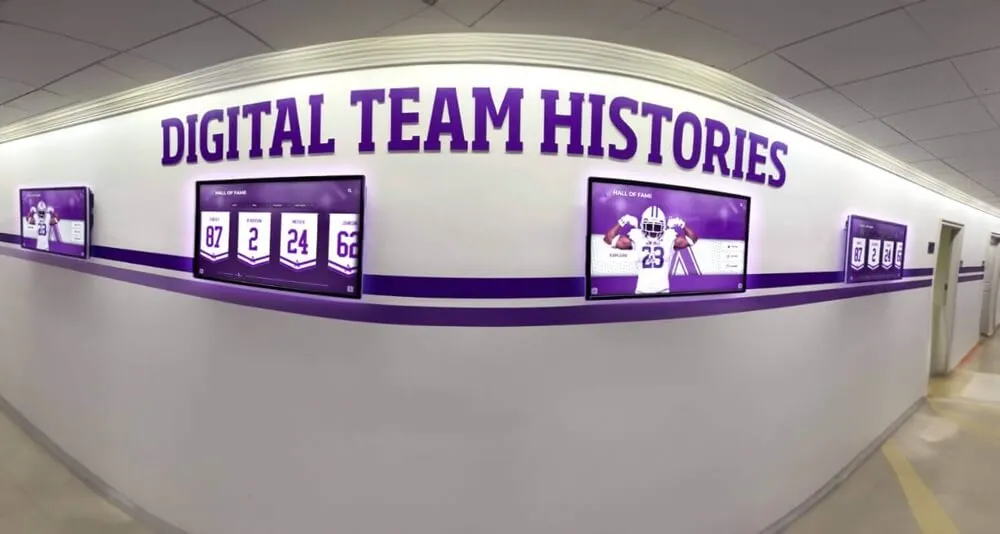
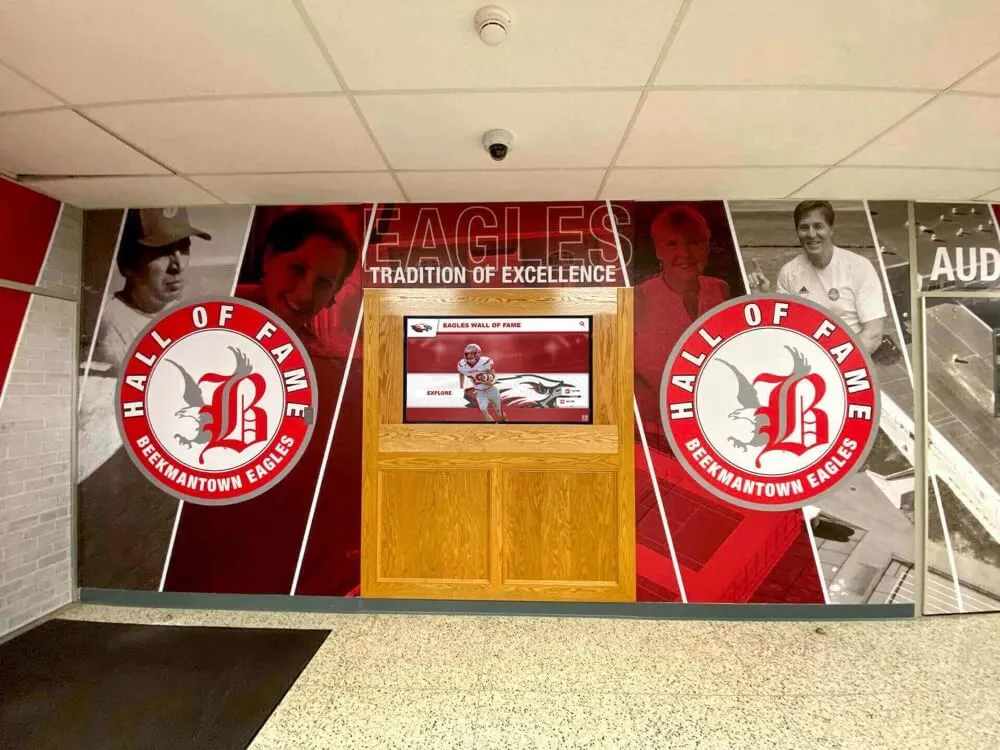
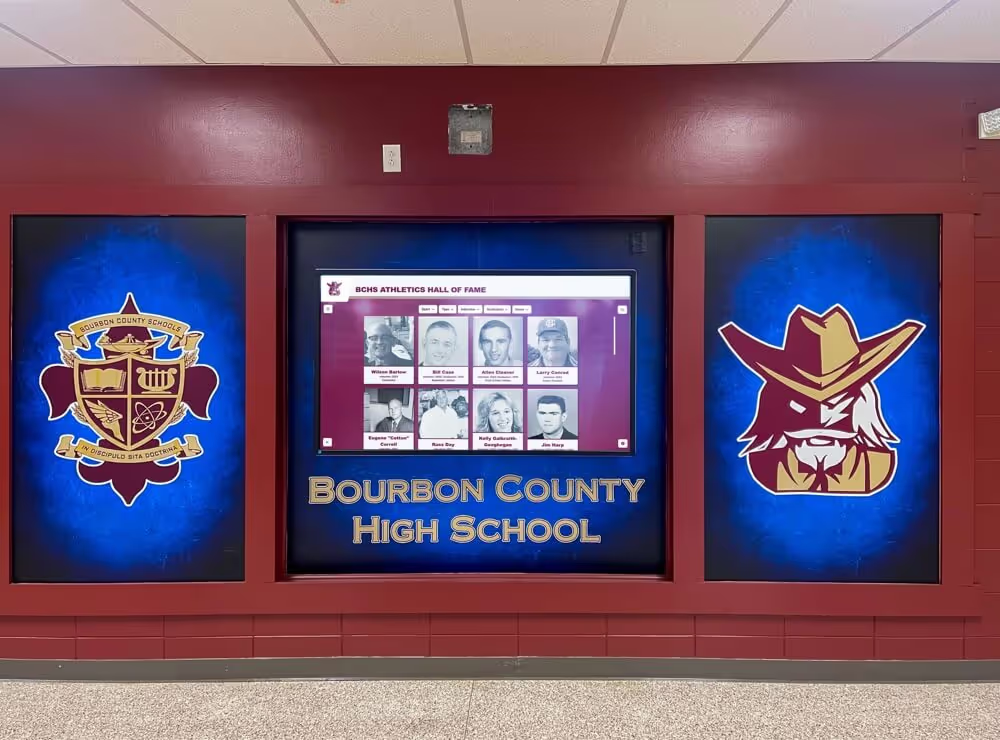
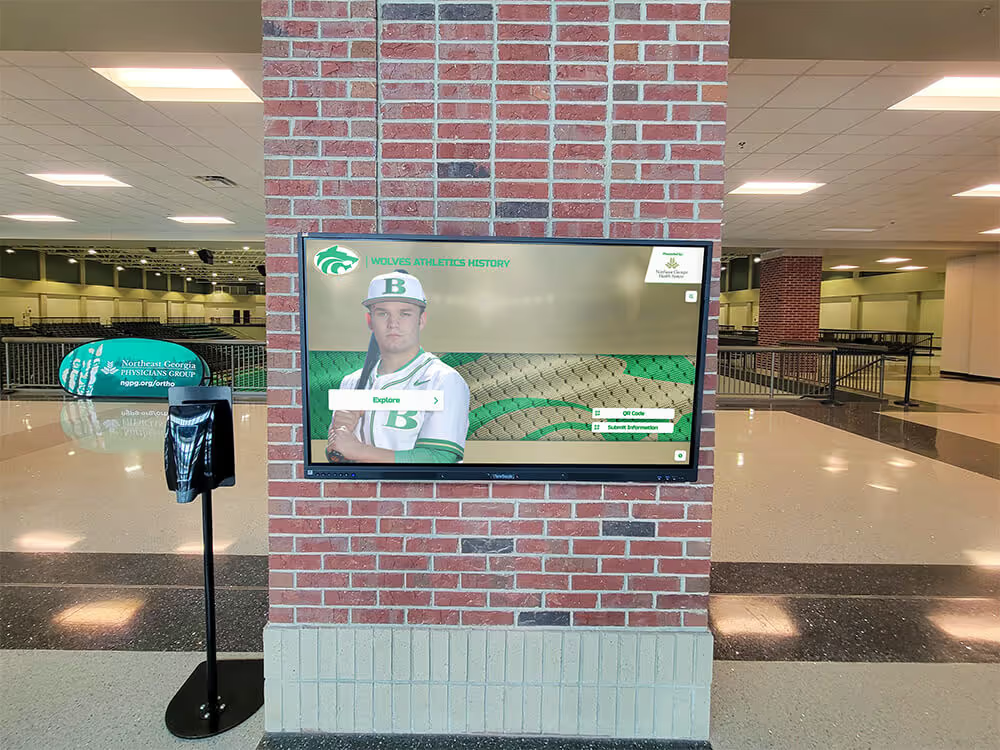
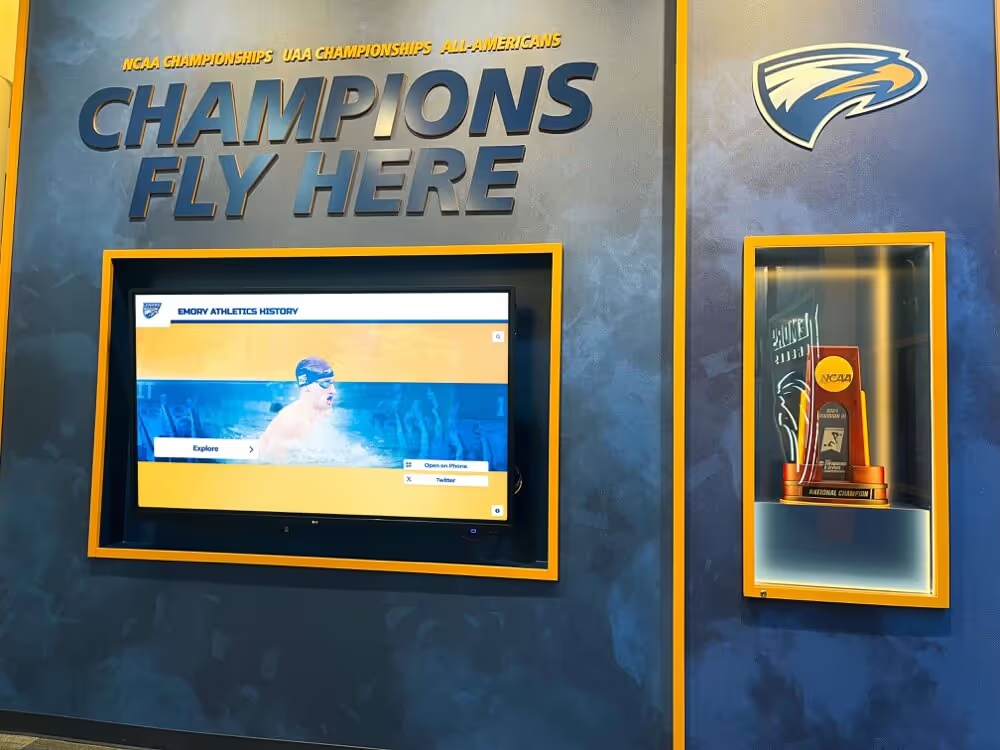
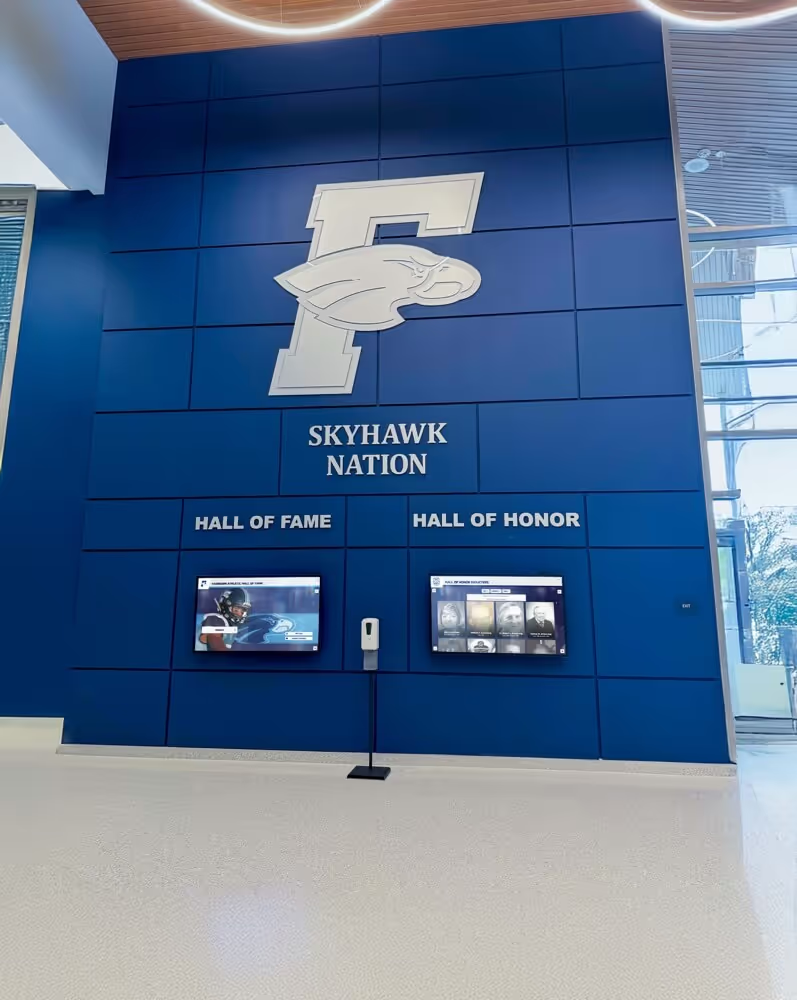
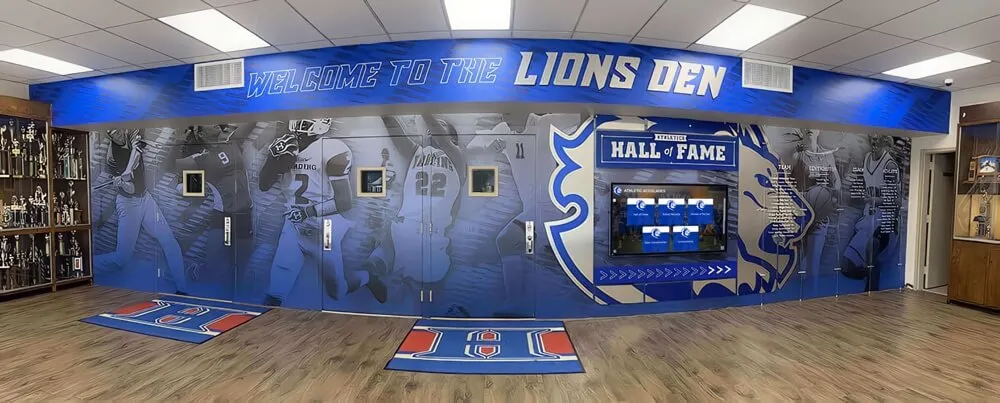
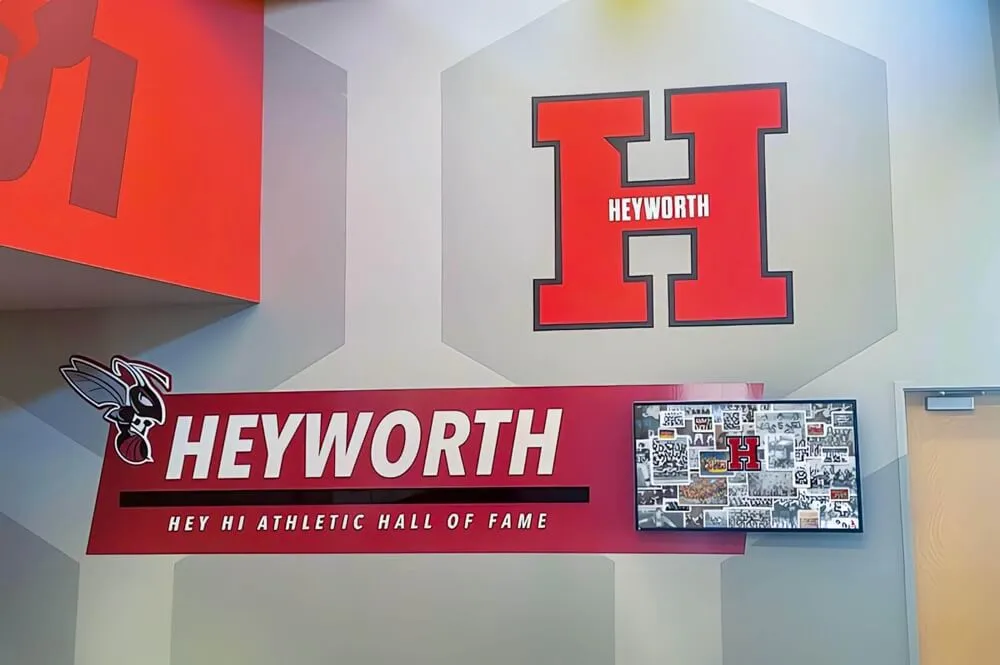
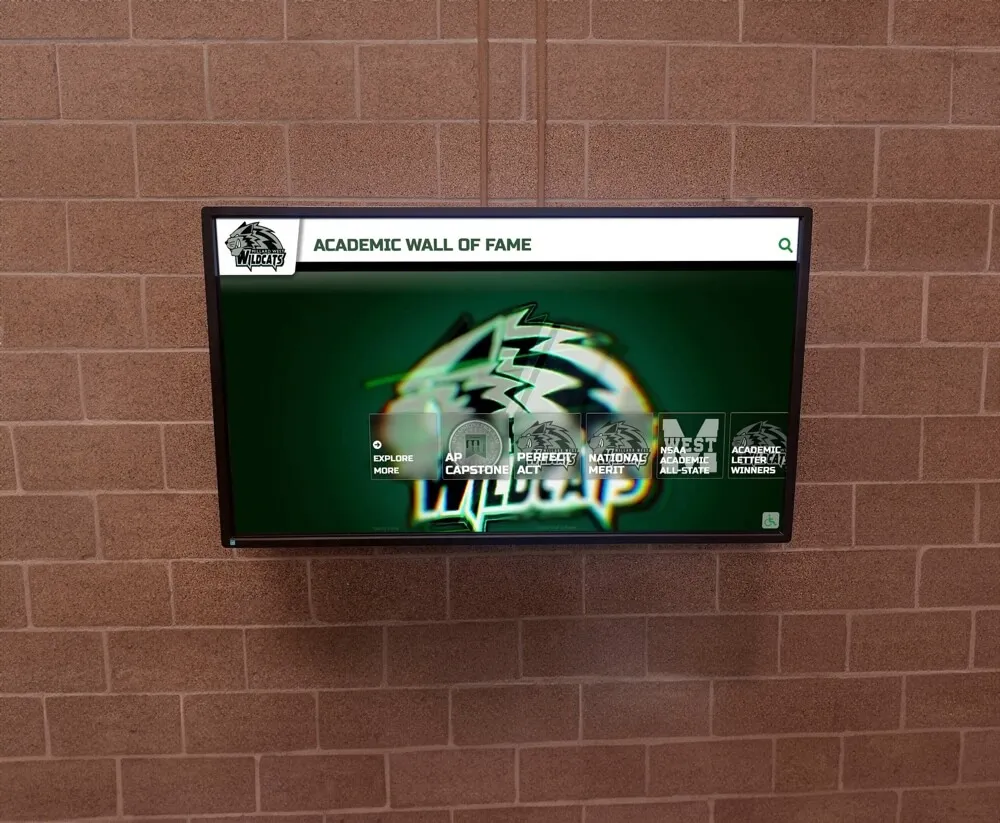
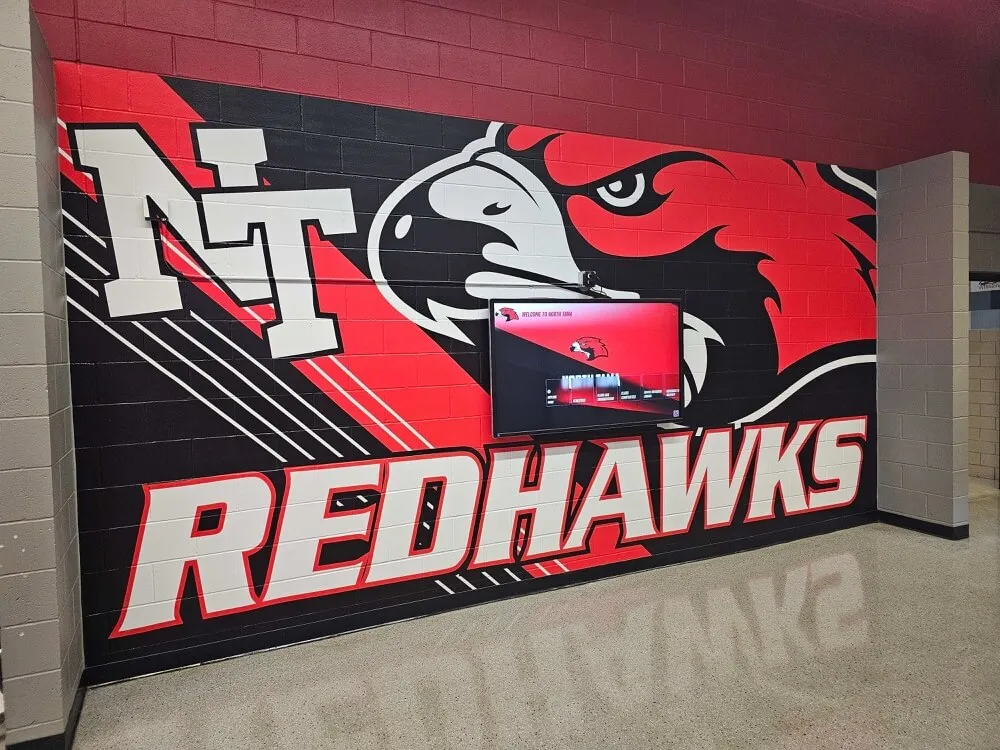
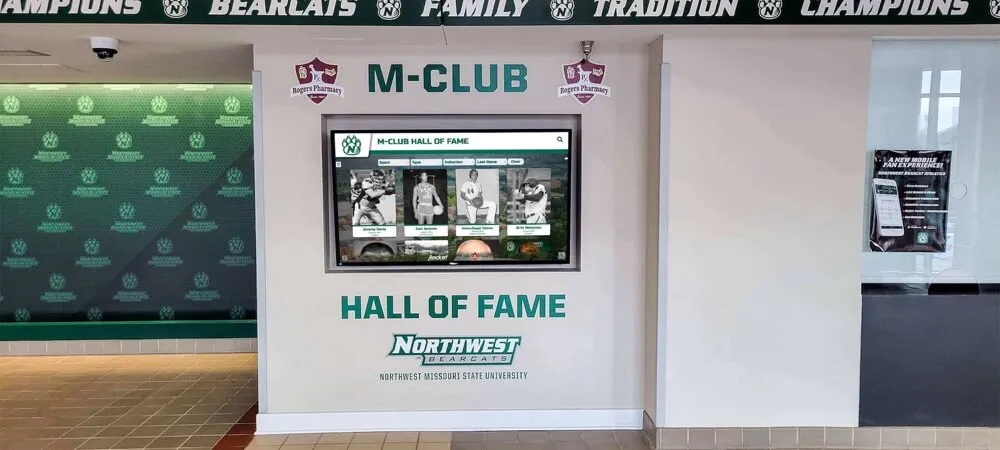
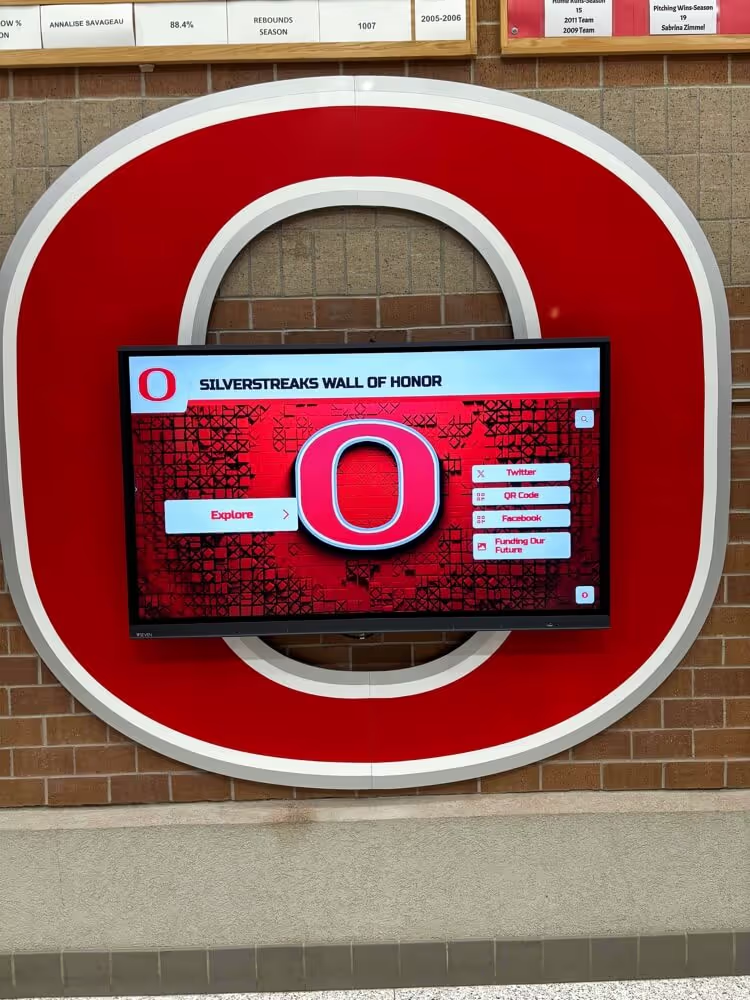
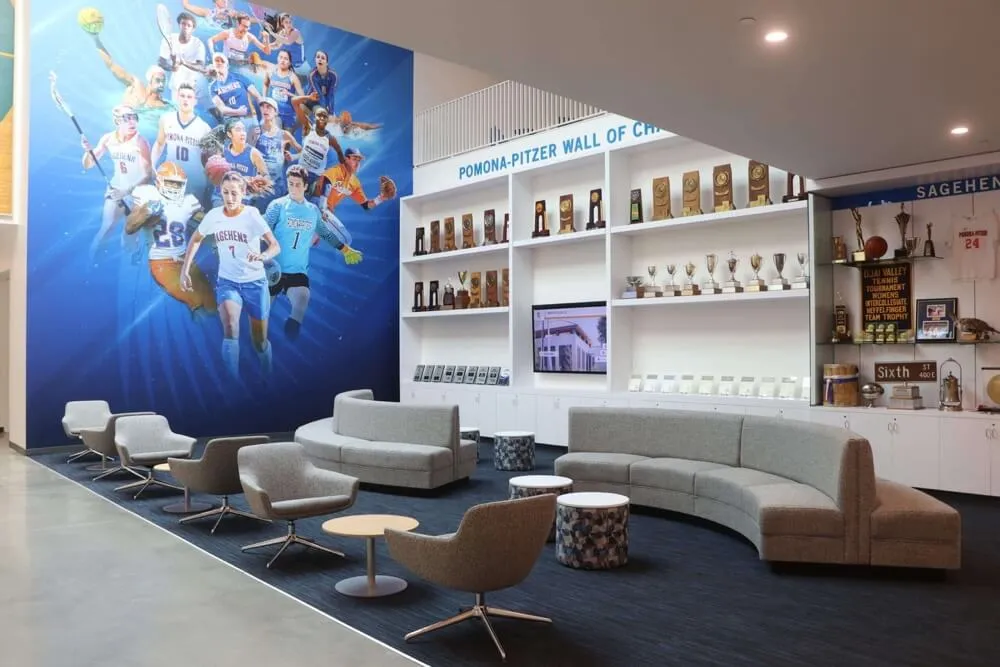
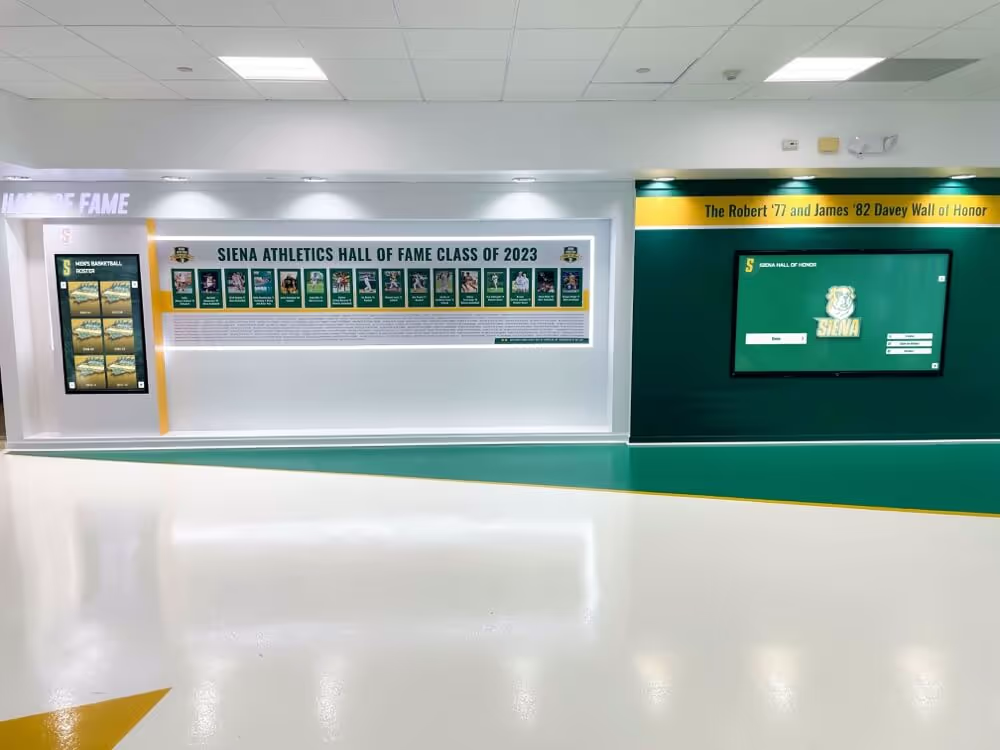
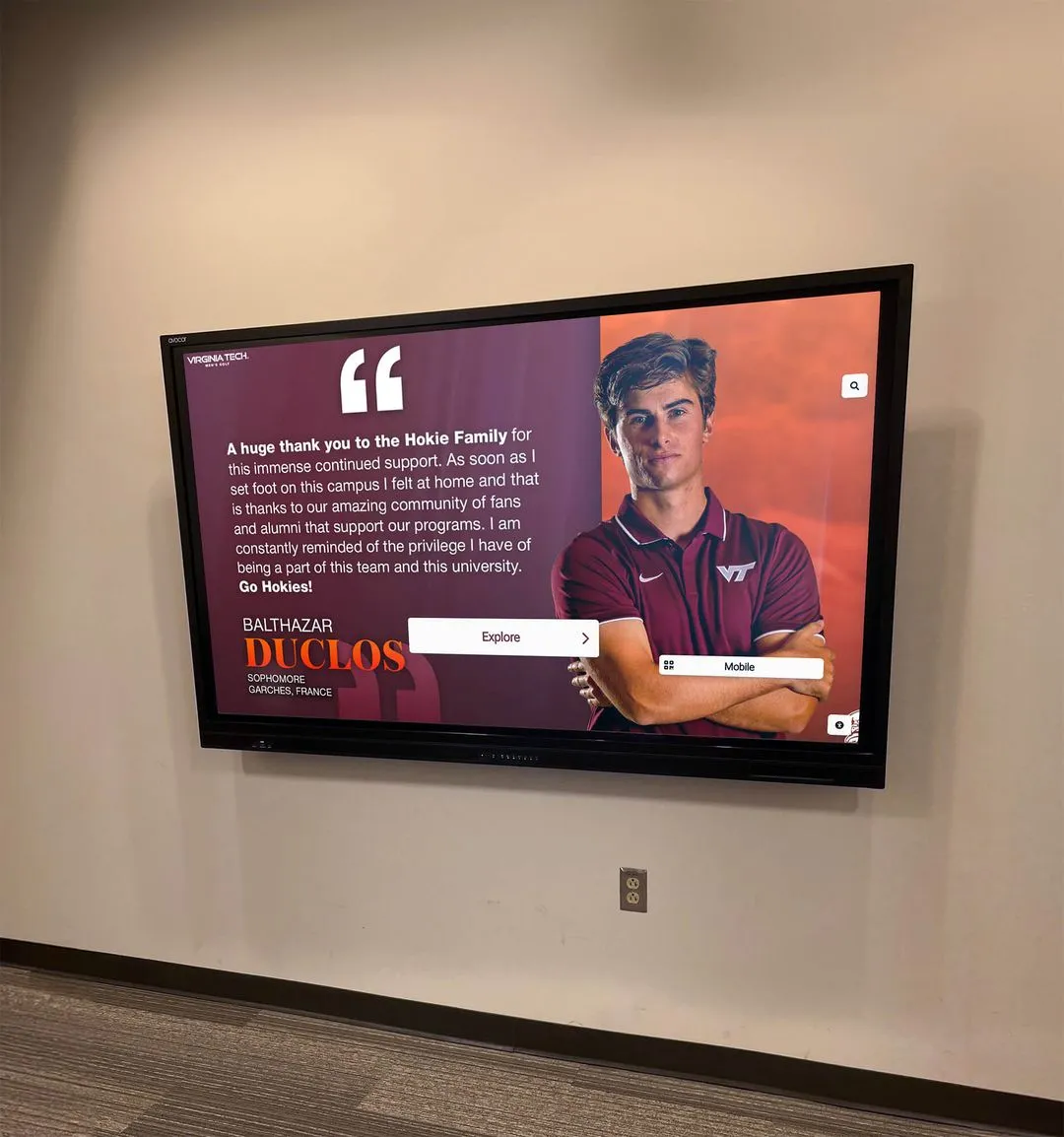
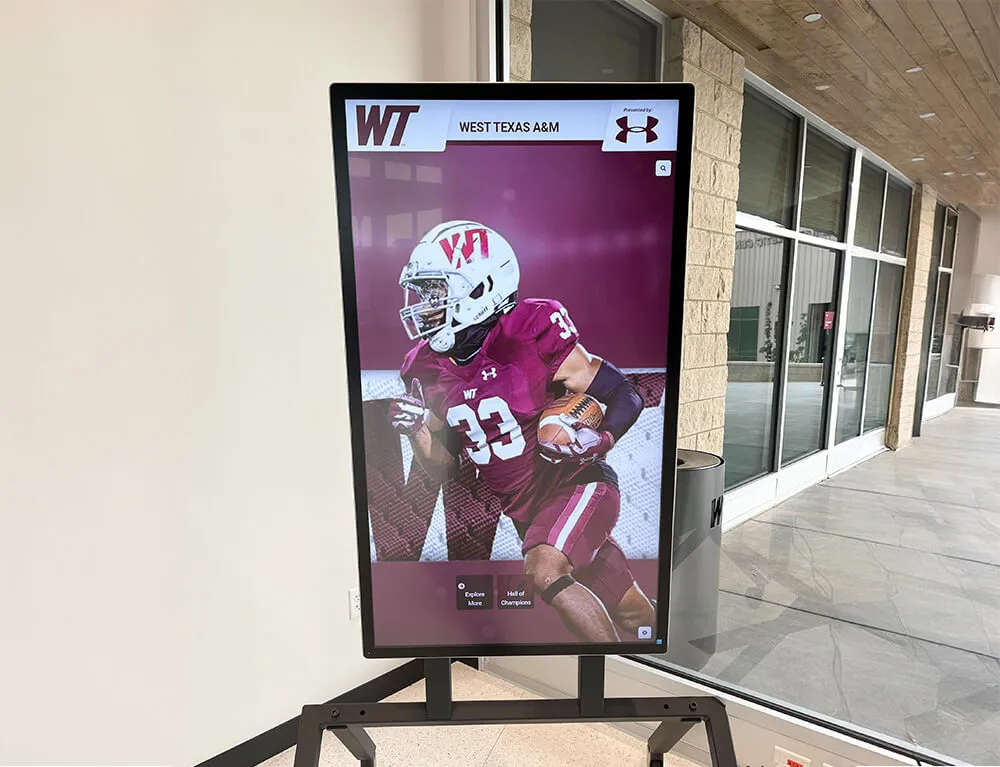
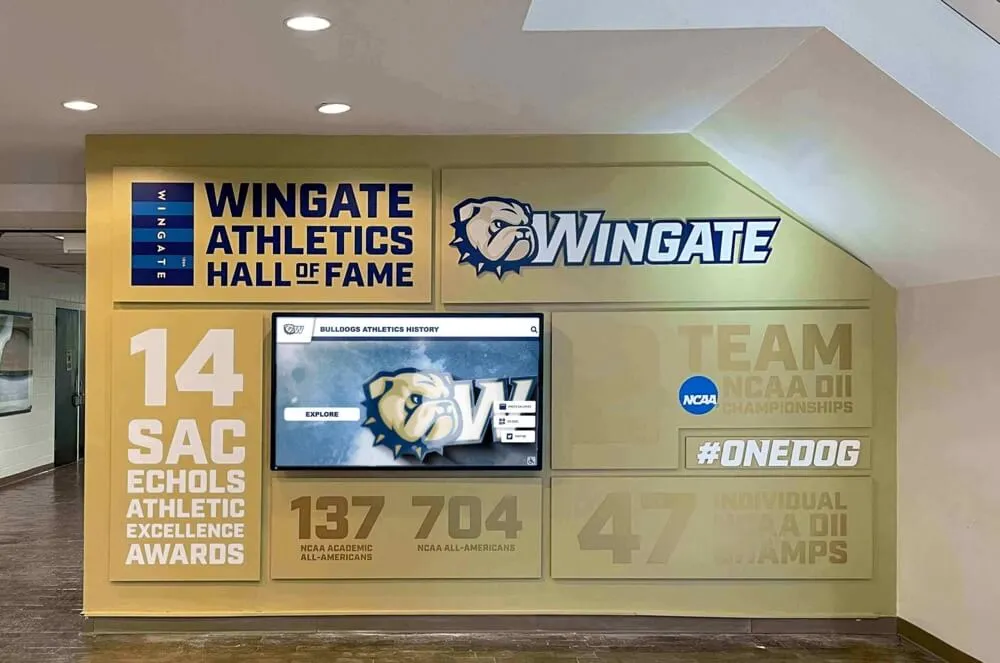
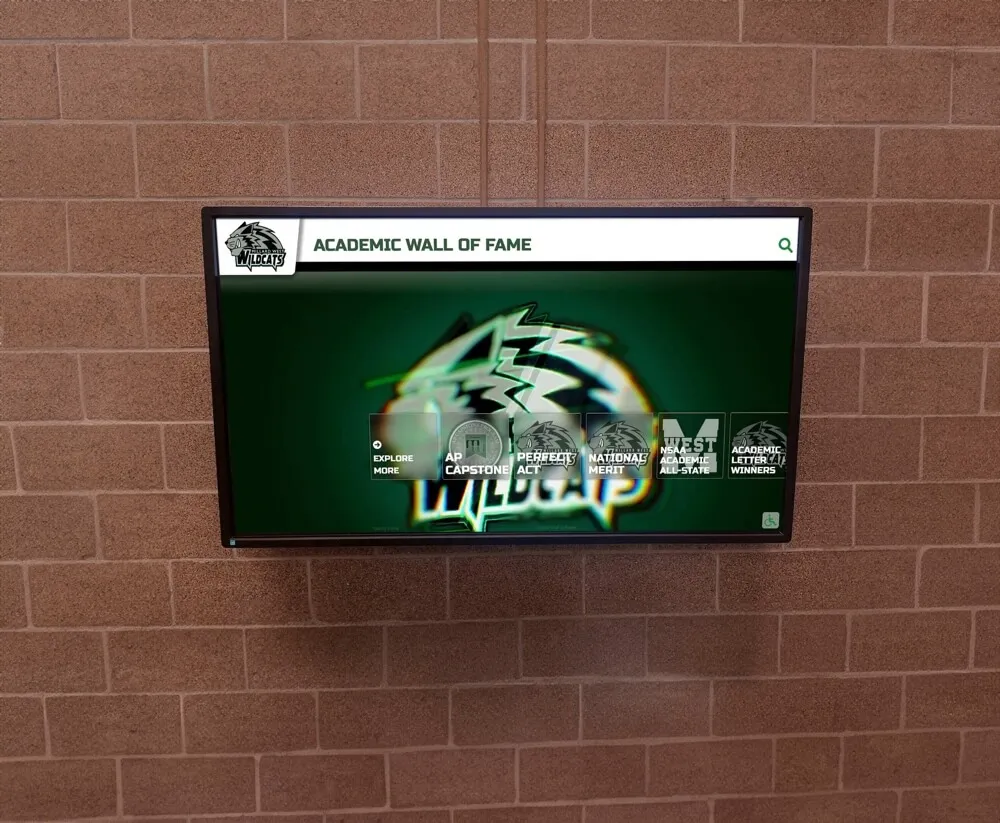
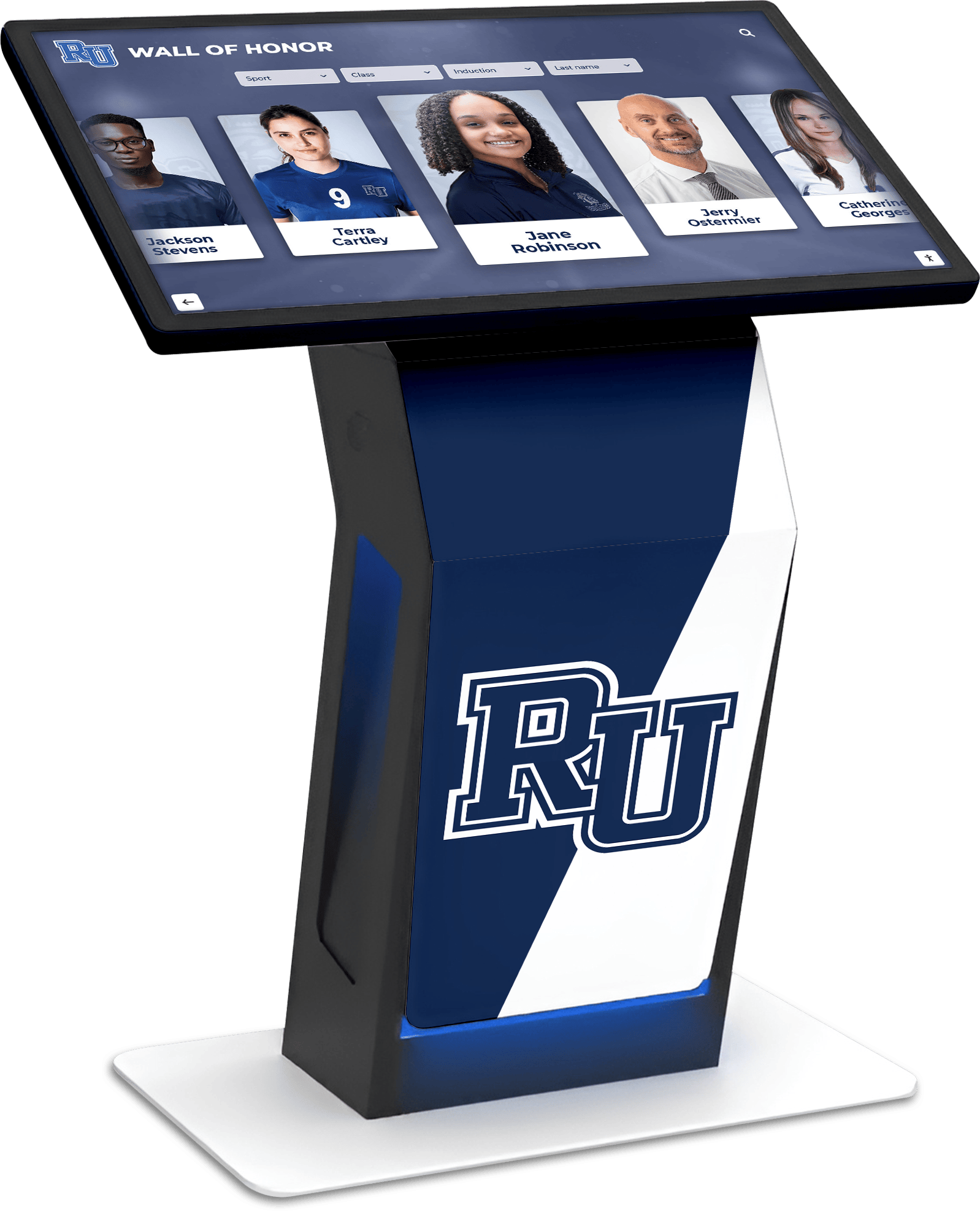
Digital showcase walls represent a modern evolution of traditional perfect attendance bulletin boards and trophy displays. These interactive or passive digital displays utilize touchscreens, digital signage, or web-based platforms to recognize students achieving attendance milestones. Proponents argue digital formats offer advantages including real-time updates, multimedia presentation options, reduced physical space requirements, and flexibility to evolve recognition criteria as institutional priorities change.
This report provides quantitative data for administrators, attendance coordinators, student services directors, and technology coordinators considering implementation or revision of perfect attendance digital showcase walls.
Research Methodology
Survey Design and Sample Composition
This analysis synthesizes data from multiple sources collected between September 2026 and March 2026:
Primary Survey Data: 421 U.S. high schools (grades 9-12) responded to comprehensive surveys about attendance recognition programs, digital display implementation, and program outcomes. School size distribution included small schools under 500 students (112 schools, 26.6%), medium schools 500-1,200 students (189 schools, 44.9%), large schools 1,200-2,000 students (87 schools, 20.7%), and very large schools over 2,000 students (33 schools, 7.8%).
Geographic representation spanned all 50 states with concentration in Texas (47 schools), California (39 schools), Florida (32 schools), Ohio (28 schools), and Pennsylvania (26 schools). School types included traditional public schools (312 schools, 74.1%), charter schools (63 schools, 15.0%), and private/independent schools (46 schools, 10.9%).
Rocket Alumni Solutions Implementation Data: Analysis of attendance recognition displays deployed across 87 high school clients between January 2022 and October 2026, providing quantitative metrics on student engagement, content update frequency, technical performance, and integration with school information systems.
Student Outcome Analysis: Longitudinal attendance data from 143 schools that implemented, modified, or discontinued perfect attendance digital showcase walls between 2021-2026, examining attendance rate changes, chronic absenteeism trends, and correlations between display implementation and measurable attendance outcomes.
Health Policy Review: Documentation of attendance recognition policies from 276 schools, categorizing approaches to illness-related absences, excused absence treatment, and communication strategies regarding staying home when sick.
Survey respondents included principals, assistant principals, attendance coordinators, student services directors, and digital signage administrators with direct responsibility for attendance recognition programs.
Key Findings Summary
Before examining detailed data, these high-level findings characterize the current state of perfect attendance digital showcase wall implementation:
Digital Formats Show Higher Update Frequency Schools using digital showcase walls update recognition content 7.3 times more frequently than those maintaining traditional physical displays (mean 2.9 updates per month vs. 0.4 updates per month). Real-time or daily digital updates characterize 34% of digital implementations compared to 3% of physical displays.
Recognition Criteria Vary Substantially Only 41% of schools maintain strict “zero absences” perfect attendance criteria. Alternative approaches include 59% implementing tiered recognition (perfect, excellent 0-2 absences, good 0-5 absences), 47% excluding excused health absences from disqualification, 38% offering semester-based recognition rather than year-long only, and 29% implementing improved attendance recognition alongside perfect attendance.
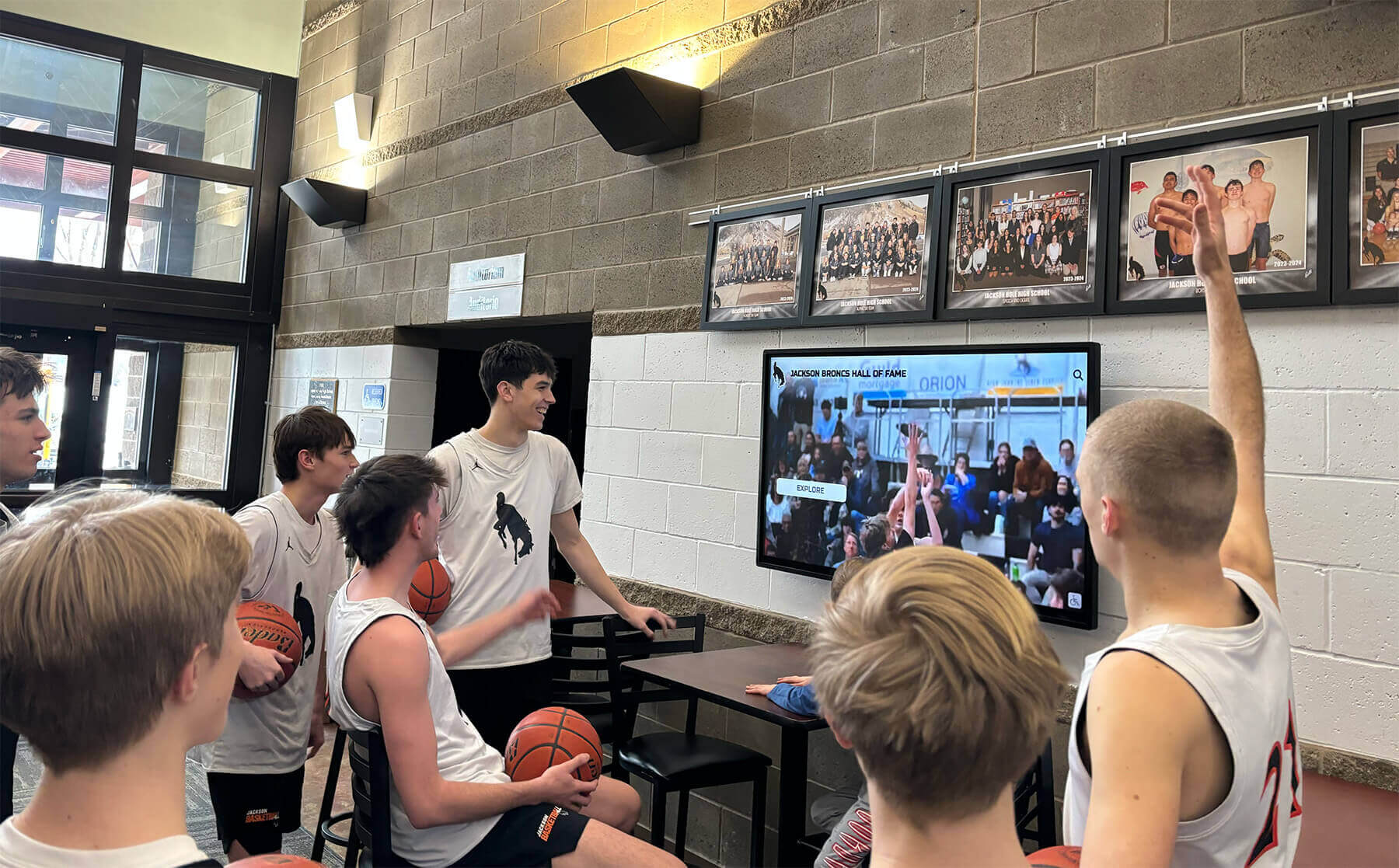
Student Engagement Correlates with Interactivity Interactive touchscreen showcase walls show 4.8x higher average daily student engagement (21.3 student interactions per school day) compared to passive digital signage (4.4 views per school day). However, implementation costs differ substantially: mean $12,400 for interactive systems vs. $3,200 for passive displays.
Health Messaging Integration Remains Inconsistent Only 37% of schools with perfect attendance digital showcase walls include explicit messaging that students should stay home when ill. Among schools incorporating health messaging, illness-related absence rates during flu season average 4.7% compared to 3.2% at schools without such messaging—suggesting health messaging successfully encourages appropriate absence when sick rather than incentivizing unhealthy attendance.
Equity Concerns Drive Program Modifications Between 2021-2026, 28% of surveyed schools modified or discontinued perfect attendance recognition programs due to equity concerns. Common modifications include adding medical waiver processes (implemented by 42% of continuing programs), creating alternative recognition for students with chronic conditions (31%), and shifting emphasis from perfect attendance to improved attendance (27%).
Display Format Analysis
Technology Platform Distribution
High schools implementing digital perfect attendance showcase walls utilize varying technology platforms with distinct cost structures, capabilities, and maintenance requirements:
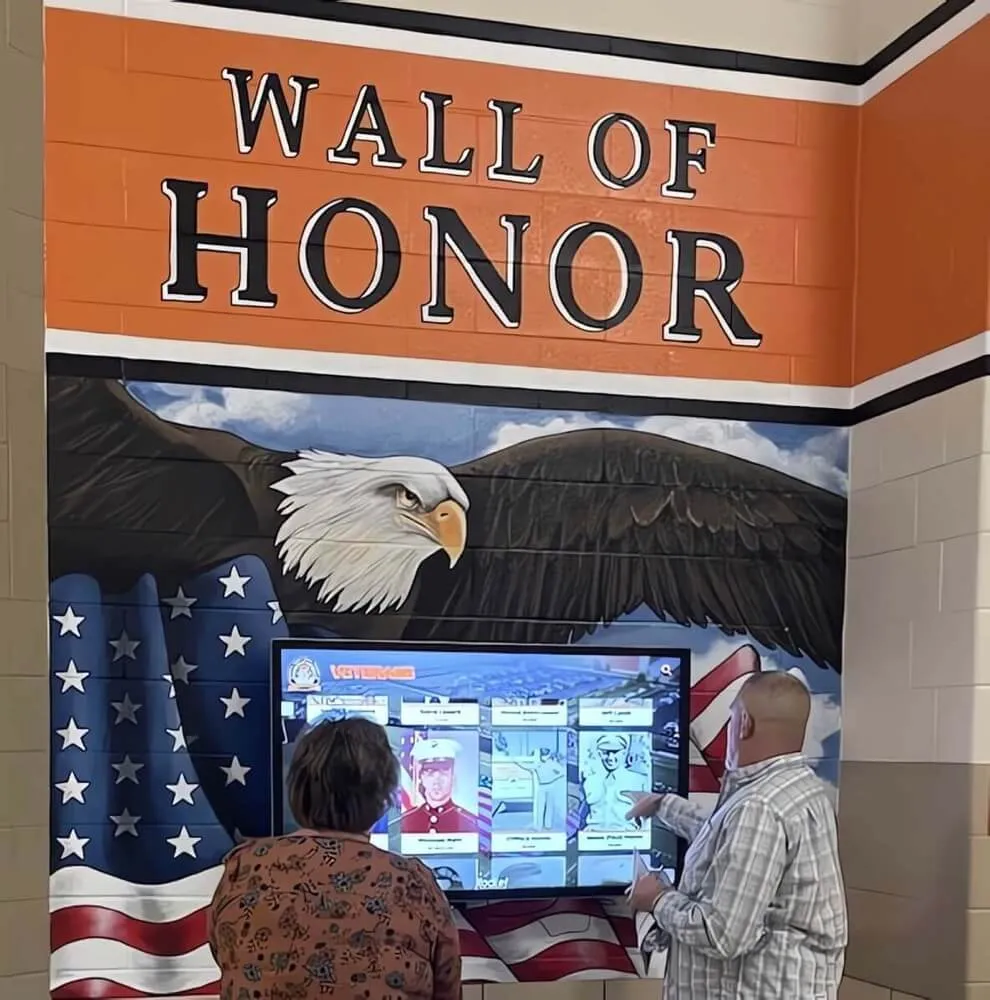
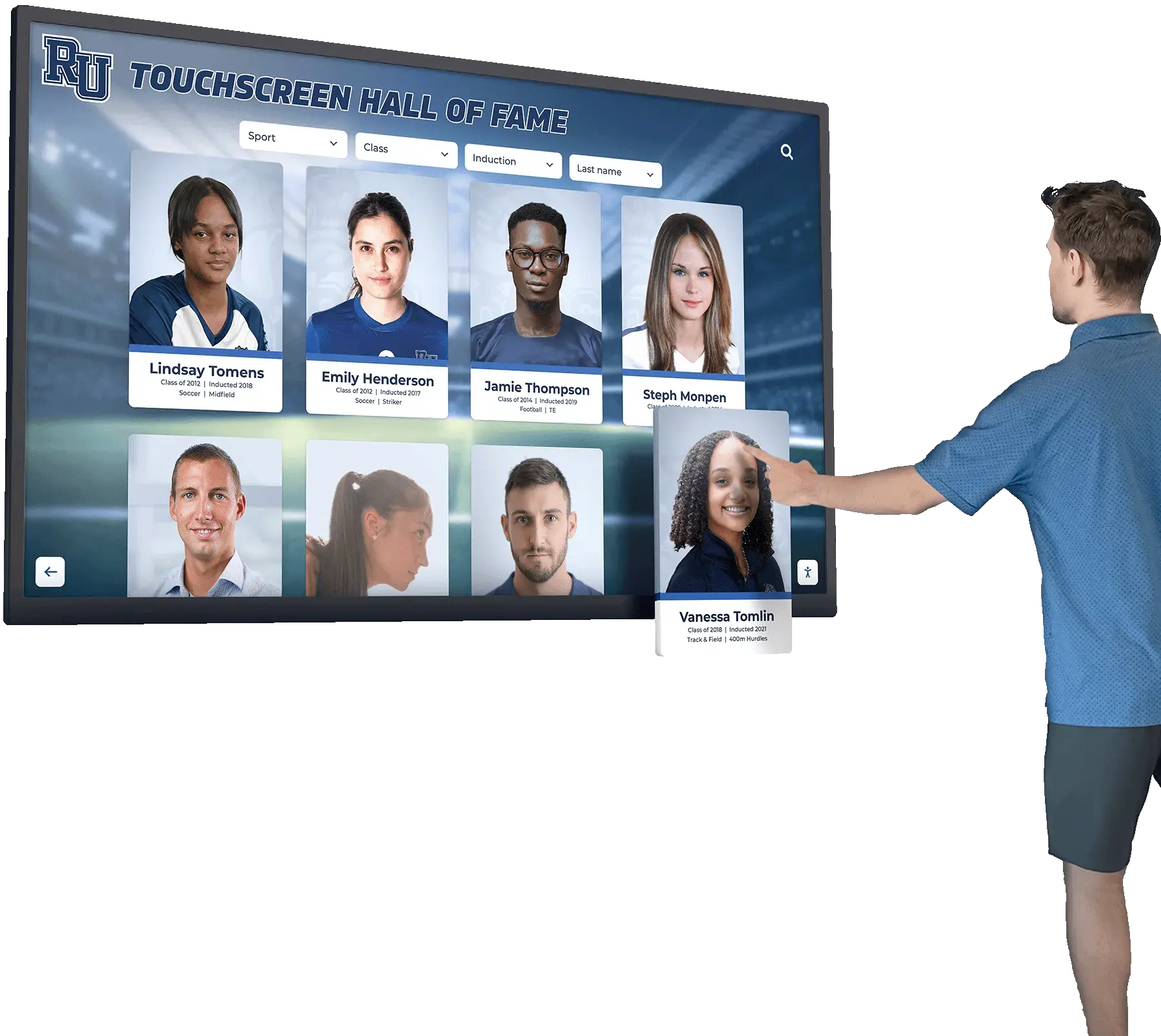
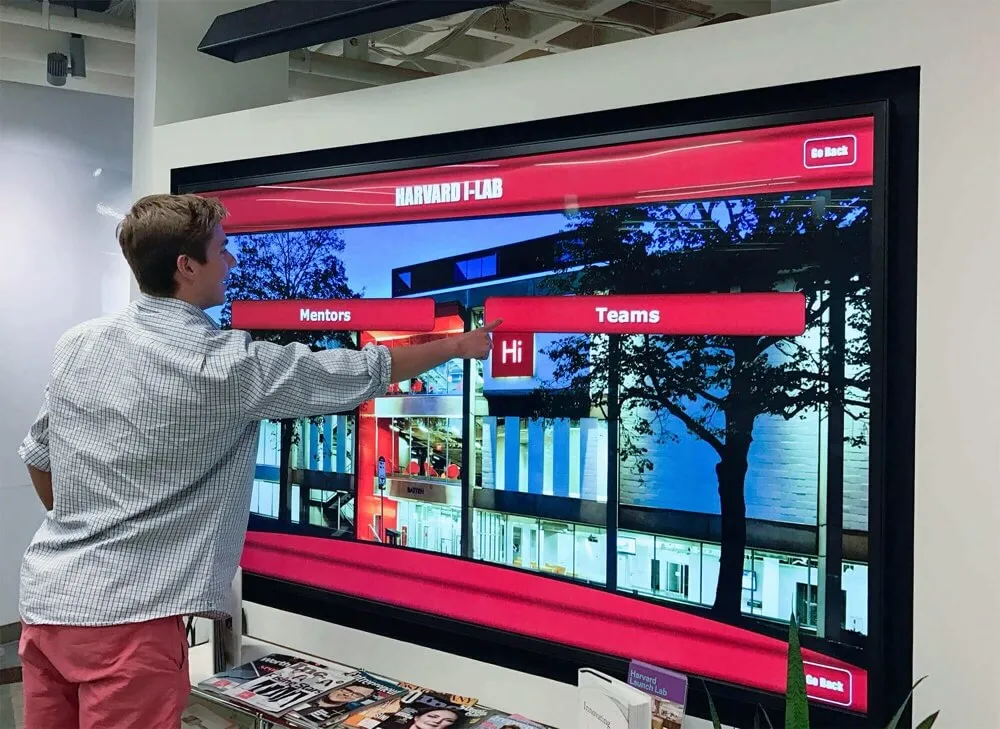
Interactive Touchscreen Displays: Deployed by 34% of schools with digital attendance showcase walls. These systems typically feature 43-55 inch touchscreen monitors running purpose-built recognition software that allows students to browse attendance honorees, view individual profiles, and explore recognition criteria.
Average implementation costs: $11,800 (range: $6,200-$24,000) including hardware, software licensing, installation, and first-year support. Annual recurring costs average $1,840 for software subscriptions, content management, and technical support.
Interactive systems show significantly higher student engagement, with mean 21.3 student interactions per school day (median 18 interactions). Peak engagement occurs during lunch periods (38% of daily interactions), passing periods (31%), and before first period (19%).
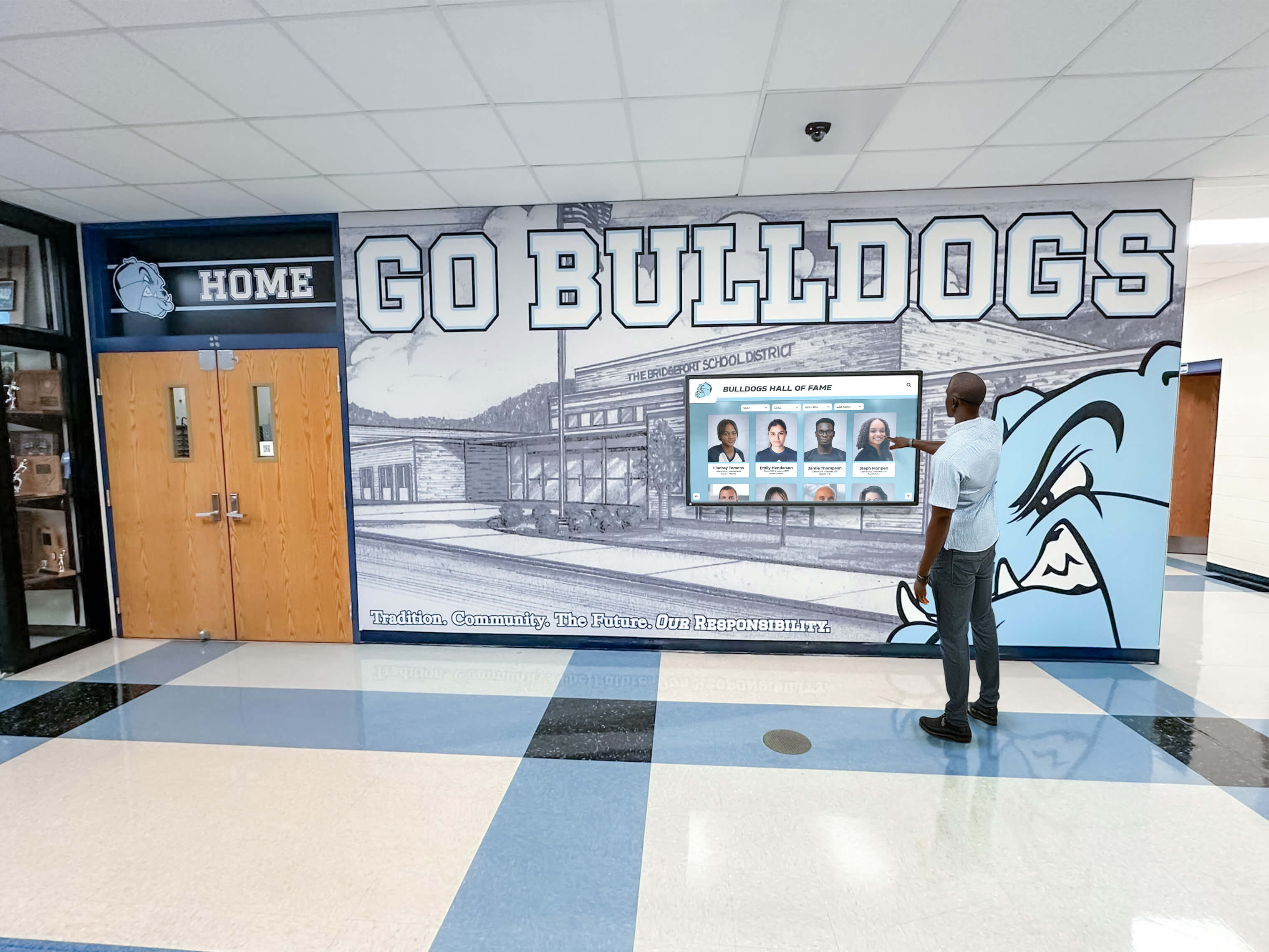
Passive Digital Signage: Implemented by 43% of schools with digital showcase walls. These systems utilize standard digital signage displays (typically 43-65 inches) running slideshow presentations or video content that cycles through attendance honorees, recognition criteria, and related messaging.
Average implementation costs: $3,200 (range: $1,400-$8,900) including display hardware, content creation software or subscriptions, mounting, and setup. Annual recurring costs average $420 for content management platforms and occasional technical support.
Passive displays require less physical interaction space and generally prove simpler to maintain, but show substantially lower engagement metrics. Estimated daily viewership averages 4.4 meaningful views per school day based on hallway traffic patterns and dwell time analysis.
Web-Based Recognition Portals: Maintained by 23% of schools as standalone attendance recognition platforms or as components of larger digital recognition systems. These web-accessible platforms allow students, staff, and families to view current attendance honorees, historical recognition, and program criteria through school websites or dedicated URLs.
Average implementation costs: $2,400 (range: $800-$7,200) primarily for platform subscription, custom design, and initial content population. Annual recurring costs average $960 for platform hosting, security updates, and content management.
Web platforms show lower in-building visibility but higher family engagement, with mean 2.7 unique student/family views per recognized student per month. These platforms particularly benefit schools emphasizing family communication about student achievement.
Display Location Analysis
Physical placement of digital showcase walls significantly impacts visibility, student engagement, and programmatic effectiveness:
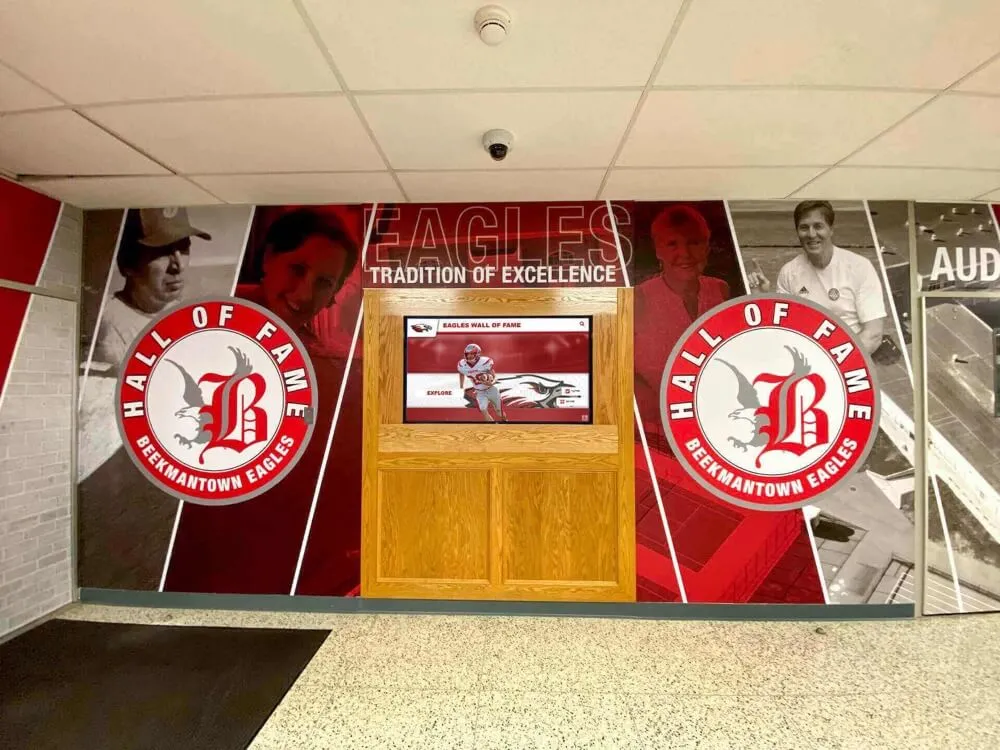
Main Entrance/Lobby Locations: Selected by 52% of schools implementing physical digital displays. These high-visibility locations ensure maximum exposure to students, staff, visitors, and families, communicating institutional values to all stakeholders.
Schools with main entrance placement report higher perceived importance of attendance recognition (mean rating 7.8/10) compared to alternative locations (6.3/10). However, 23% of schools note that entrance placement limits dwell time as students pass through quickly during arrival and dismissal.
Cafeteria/Commons Areas: Utilized by 28% of schools. These locations capitalize on extended dwell times during lunch periods, allowing more detailed engagement with digital content and peer discussion of recognition.
Interactive displays in cafeteria settings show 37% higher average daily interactions compared to entrance locations, attributed to longer student presence and social viewing patterns. However, 18% of schools report that cafeteria noise levels and activity may reduce focused attention to recognition content.
Main Hallway/Corridor Locations: Implemented by 16% of schools. Central corridor placement provides consistent exposure during passing periods while maintaining dedicated recognition space without competing entrance priorities.
Schools with hallway placement note advantages including focused recognition space, proximity to administrative offices for oversight, and flexibility to cluster attendance recognition with other achievement displays. However, traffic flow during passing periods may limit detailed engagement with interactive features.
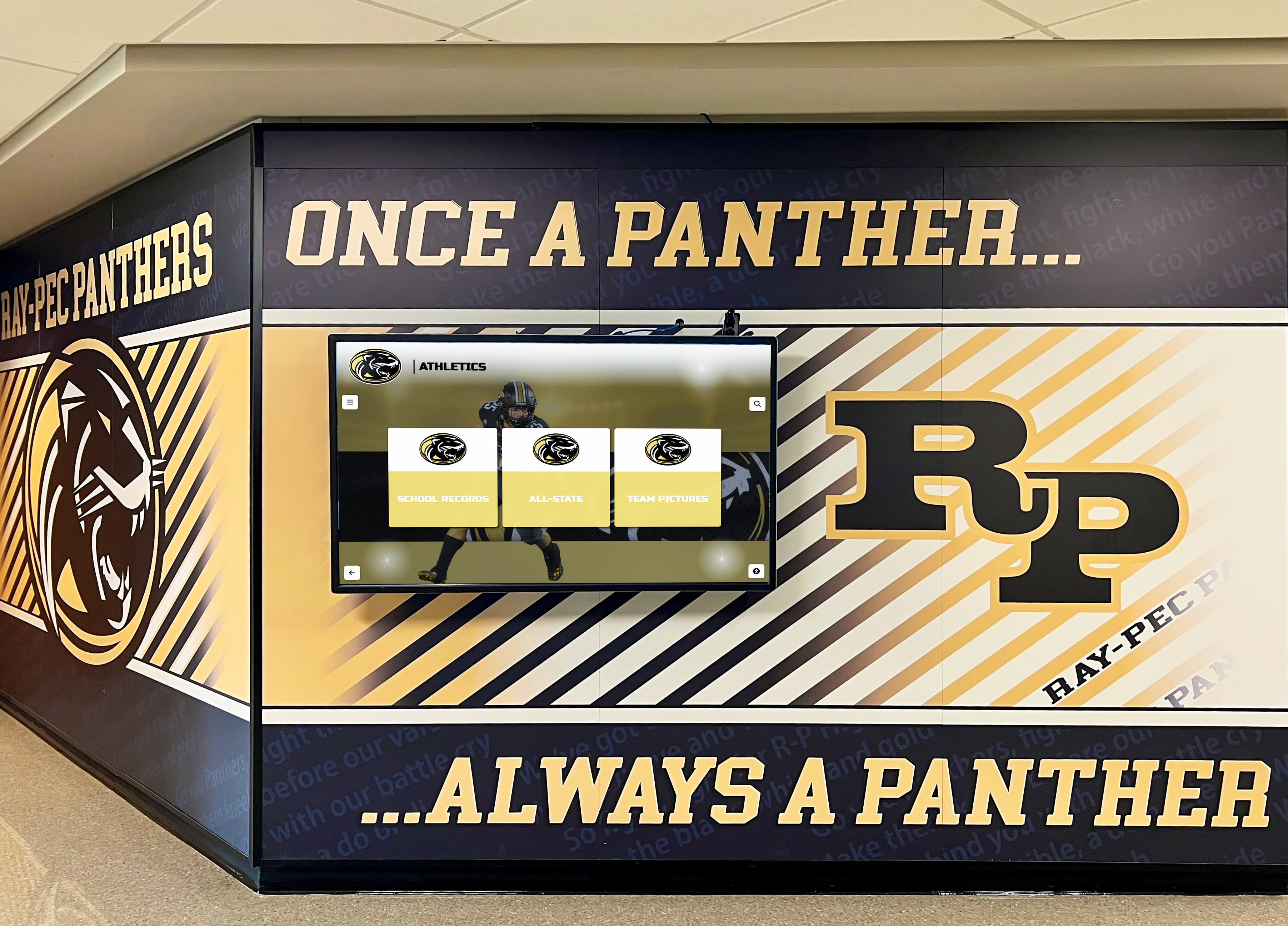
Multiple Location Strategies: Employed by 4% of surveyed schools, typically larger institutions with multiple buildings or desire for broad program visibility. These schools maintain primary interactive or comprehensive displays in main locations while deploying secondary passive displays in additional spaces.
Multiple-location implementations show 2.3x higher aggregate student awareness (89% of students aware of attendance recognition program vs. 38% at single-location schools) but require substantially higher investment (mean total cost $18,600 vs. $7,400 for single-location implementations).
Recognition Criteria and Program Structure
Perfect Attendance Definition Variations
Schools implementing attendance showcase walls define “perfect attendance” through varying criteria with significant implications for program inclusivity, achievability, and health outcomes:
Zero Absences Standard: Maintained by 41% of schools, requiring students to attend every scheduled school day without exception to achieve perfect attendance recognition. This traditional approach offers clear, objective criteria requiring minimal interpretation or administrative judgment.
Schools using zero-absence standards report that 8.2% of students achieve perfect attendance annually (median 7.4%). However, 67% of these schools acknowledge equity concerns, and 42% note parent complaints regarding the standard’s inflexibility for unavoidable circumstances.
Excused Illness Exceptions: Implemented by 47% of schools with attendance recognition programs. These policies exclude verified illness absences from perfect attendance disqualification, allowing students who stayed home appropriately when sick to maintain recognition eligibility.
Implementation approaches vary significantly. Some schools (18% of those offering exceptions) require medical documentation for illness absence exclusion. Others (29%) allow parent verification within specified limits (typically 1-3 days per semester). A third group (53%) delegate discretion to attendance coordinators based on individual circumstances.
Schools with illness exception policies show measurably different attendance patterns during flu season. Illness-related absence rates average 4.7% compared to 3.2% at schools without exceptions—suggesting that health-focused exceptions successfully reduce unhealthy attendance by sick students rather than encouraging excessive absence claims.
However, 34% of schools with illness exceptions report implementation challenges including administrative burden verifying claims, parent confusion about qualifying circumstances, and concerns about inconsistent application creating perceived unfairness.
Tiered Recognition Systems: Adopted by 59% of schools as alternatives or supplements to binary perfect/imperfect categorization. These systems recognize multiple attendance achievement levels, creating broader recognition opportunity while maintaining highest honors for perfect attendance.
Common tiered structures include:
- Perfect Attendance: Zero absences (or zero unexcused absences)
- Excellent Attendance: 0-2 total absences per semester
- Good Attendance: 0-5 total absences per semester
- Improved Attendance: Substantial improvement from previous period
Schools implementing tiered systems recognize substantially more students (mean 34.2% of student body annually) compared to perfect-attendance-only programs (8.2%). Tiered schools report higher student motivation impact (mean rating 6.7/10) compared to perfect-only programs (5.3/10).
Recognition Period Structures
Schools structure attendance recognition across varying time periods, affecting achievability, motivation timing, and administrative workload:
Annual Recognition Only: Implemented by 38% of schools, recognizing perfect or excellent attendance across the entire academic year. Annual programs typically present recognition during year-end ceremonies, award assemblies, or graduation events.
Annual-only recognition requires students to maintain attendance excellence across 180+ school days, making achievement less probable but potentially more prestigious. However, 52% of schools with annual-only programs report that students missing early-year goals lose motivation to maintain attendance excellence for the remainder of the year—a significant unintended consequence.
Semester-Based Recognition: Offered by 44% of schools, providing two recognition opportunities per academic year. Semester systems allow students who miss early goals to reset motivation for the second semester while still honoring year-long excellence.
Schools with semester recognition report 11.6% of students achieving recognition in at least one semester (compared to 8.2% annual recognition rate), increasing overall program reach. Additionally, 71% note that semester structure maintains student motivation throughout the year more effectively than annual-only approaches.
Quarterly Recognition: Implemented by 13% of schools, creating four distinct recognition opportunities annually. Quarterly systems maximize achievability and frequent positive reinforcement, particularly benefiting students developing improved attendance habits.
Schools using quarterly recognition report highest overall recognition rates (mean 18.3% of students recognized in at least one quarter annually) and greatest student awareness of attendance programs (76% student awareness vs. 54% for annual-only programs). However, quarterly systems require substantially more administrative effort for tracking, verification, and public recognition (mean 8.2 hours monthly vs. 3.1 hours for annual programs).
Continuous/Rolling Recognition: Employed by 5% of schools, typically those with real-time digital displays capable of showcasing current attendance streaks, months of perfect attendance, or rolling achievement windows.
Continuous systems offer maximum timeliness and can provide ongoing motivation, but require sophisticated technical integration with student information systems for automated updates. These implementations typically incur higher costs (mean $15,300 initial investment) and maintenance requirements.
Student Engagement and Effectiveness Metrics
Measured Engagement Patterns
Schools implementing digital showcase walls track engagement through varying methods, revealing patterns about which students interact with displays and how recognition visibility influences broader school culture:
Direct Interaction Frequency (Interactive Touchscreen Systems): Schools with analytics capabilities report mean 21.3 student interactions per school day (median 18, range 6-47). Interaction frequency correlates with display location, with cafeteria installations showing highest engagement (mean 28.7 interactions daily) compared to entrance locations (16.4 interactions daily).
Peer analysis shows that 34% of interactions come from students currently recognized for attendance excellence, 41% from students not currently recognized but eligible for future recognition, and 25% from students unlikely to achieve recognition due to existing absences. This distribution suggests displays serve multiple functions: reinforcing recognized students’ achievement, motivating eligible students, and providing information to broader student populations.
Temporal patterns reveal higher engagement early in recognition periods (first two weeks of semester show 2.1x higher interaction rates) with stabilization through mid-period and renewed interest approaching recognition cutoff dates.
Passive Viewing Metrics (Digital Signage Systems): Schools utilizing digital signage in high-traffic locations estimate meaningful viewership through hallway traffic analysis and dwell time observation. Mean estimated daily exposure reaches 340 students (median 280, range 120-820) based on location traffic patterns.
However, meaningful attention proves substantially lower than exposure, with observational studies suggesting that approximately 12-15% of passing students demonstrate attention behaviors (pausing, gaze direction, discussion with peers) indicating actual content engagement. This translates to estimated 4.4 meaningful daily views per display.

Web Platform Engagement: Schools maintaining web-based attendance recognition portals track unique visitors, page views, and session duration. Mean monthly engagement shows 2.7 unique views per recognized student, with substantial variation between schools emphasizing family communication (4.1 views per student) and those treating web platforms as secondary channels (1.3 views per student).
Family engagement appears substantially higher than in-school digital displays, with parent/guardian views representing approximately 62% of web platform traffic. Peak traffic occurs during report card periods (3.8x higher than baseline) and following school communications highlighting attendance recognition.
Attendance Outcome Analysis
Schools implementing or modifying perfect attendance digital showcase walls show varying attendance outcomes based on program design, recognition criteria, and integration with broader attendance improvement initiatives:
Overall Attendance Rate Changes: Longitudinal analysis of 143 schools implementing new digital showcase walls between 2021-2026 shows modest overall attendance improvements. Mean attendance rates increased 1.2 percentage points in the year following implementation (from 92.8% to 94.0%), with median increase of 0.8 percentage points.
However, attendance improvements vary substantially by baseline. Schools with pre-implementation attendance below 90% show larger gains (mean 2.1 percentage point increase) compared to schools with strong baseline attendance above 94% (mean 0.3 percentage point increase). This pattern suggests showcase walls provide greater marginal value in schools with existing attendance challenges.
Importantly, 31% of implementing schools show no measurable attendance improvement or slight decreases, suggesting digital displays alone prove insufficient without addressing underlying attendance barriers like transportation, school climate, course engagement, and family circumstances.
Chronic Absenteeism Impact: Chronic absenteeism rates (students missing 10%+ of school days) decreased modestly following showcase wall implementation. Among 87 schools providing chronic absenteeism data, mean rates declined from 18.2% to 16.7% (1.5 percentage point decrease) in the year following implementation.
Schools combining showcase walls with targeted interventions for chronically absent students show substantially larger improvements (mean 3.4 percentage point decrease) compared to those implementing showcase walls as standalone interventions (0.7 percentage point decrease). This finding emphasizes that recognition systems work best as components of comprehensive attendance strategies rather than isolated solutions.
Health-Related Absence Patterns: Schools implementing showcase walls with explicit health messaging and illness absence exclusions show different illness absence patterns compared to those maintaining traditional perfect attendance standards without health communication.
During flu season peaks (typically December-February), schools with health-focused policies average 4.7% illness-related absences compared to 3.2% at traditional perfect attendance schools. While superficially suggesting health policies increase absence, this pattern likely reflects more appropriate absence behavior (students staying home when genuinely ill) rather than excessive claiming of illness to maintain recognition eligibility.
Supporting this interpretation, schools with health-focused attendance recognition report 23% fewer school-wide flu outbreaks requiring partial closures and 18% shorter average duration of individual student illness episodes—suggesting that encouraging sick students to stay home reduces disease transmission and allows proper recovery.
Health Policy Integration
Illness Absence Treatment Approaches
Schools implementing perfect attendance showcase walls take varying approaches to illness-related absences, with significant implications for public health, family decision-making, and program equity:
No Illness Exceptions (Traditional Model): Maintained by 53% of schools with attendance recognition programs. Under this approach, any absence—including verified illness—disqualifies students from perfect attendance recognition. Proponents argue this maintains clear, objective standards while avoiding administrative burden of evaluating absence legitimacy.
However, public health experts and an increasing number of school administrators express concern that this approach creates perverse incentives. Parent surveys from 63 schools indicate that 34% of families report sending children to school with minor illnesses specifically to preserve perfect attendance eligibility—a significant health concern particularly following heightened COVID-19 awareness about community transmission.
Schools maintaining no-exception policies show measurably different student illness patterns. During flu season, mean illness absence rates of 3.2% fall below schools with illness exceptions (4.7%), but these schools report 2.3x higher rates of subsequent infections among classmates and staff, 1.8x longer average duration of student illness, and 23% higher rates requiring partial school closures due to outbreak severity.
Verified Illness Exceptions: Implemented by 31% of schools, allowing students to maintain perfect attendance eligibility despite illness absences when verified through specified documentation. Most commonly, schools require medical provider notes for absences exceeding specific duration (typically 2-3 consecutive days) or when students have already claimed illness exceptions approaching program limits.
Implementation details vary substantially. Some schools (38% of those offering exceptions) accept parent verification for short-term illnesses without medical documentation requirements. Others (47%) require medical notes for all claimed illness exceptions. A smaller group (15%) implement tiered documentation based on absence duration or student history.
Schools with verified illness exceptions report mixed experiences. Administrative burden increases modestly (mean additional 2.3 hours monthly for attendance coordinators). Parent satisfaction improves (mean rating 7.2/10 compared to 5.8/10 for no-exception policies). However, 29% note equity concerns that families with reliable healthcare access find documentation easier to obtain than underserved families facing barriers to medical care.
Health outcome data suggests verified illness exceptions successfully encourage appropriate absence. Schools with these policies show illness absence rates 47% higher than no-exception schools (4.7% vs. 3.2%) but substantially lower secondary transmission rates (1.7x fewer classmate infections) and faster individual recovery (mean 1.3 fewer illness days per episode).
Health-Focused Recognition Restructuring: Adopted by 16% of schools, fundamentally rethinking attendance recognition to remove incentives for unhealthy attendance. Common approaches include recognizing “responsible attendance” that explicitly values appropriate absence when ill, implementing attendance improvement rather than perfect attendance standards, and separating academic recognition from attendance metrics entirely.
Schools restructuring recognition report highest parent satisfaction (mean 8.1/10), elimination of complaints about students attending while ill, and strongest alignment with public health guidance. However, 41% note reduced program simplicity and increased communication needs to explain non-traditional recognition criteria to students and families.
Integration with School Wellness Initiatives
Schools achieving strongest health outcomes integrate attendance recognition digital showcase walls within broader wellness frameworks rather than implementing isolated perfect attendance programs:
Coordinated Health Messaging: Schools displaying attendance recognition alongside wellness content, healthy behavior promotion, and illness prevention information report better health outcomes than those presenting attendance recognition in isolation.
Effective integration approaches include rotating digital signage content alternating between attendance honorees and health tips, incorporating wellness messaging within interactive attendance recognition interfaces, and providing health resources adjacent to attendance recognition displays. Among 34 schools implementing coordinated messaging, 79% report positive parent feedback regarding balanced presentation.
Absence Policy Alignment: Schools ensuring attendance recognition criteria align with institutional absence policies, health guidelines, and community health priorities show fewer conflicts and clearer communication. This includes explicit statements that perfect attendance recognition programs should not encourage sick attendance and clear communication about when students should stay home.
Schools with strong policy alignment dedicate screen space or showcase wall areas to absence guidelines, provide specific symptoms or situations warranting absence, and regularly update health guidance during illness seasons. These schools show 34% fewer parent confusion incidents and substantially lower rates of sick students attending school.
Student Health Services Collaboration: Schools involving nurses, health services staff, and wellness coordinators in attendance recognition program design report more health-conscious implementations. Collaboration typically includes reviewing recognition criteria for health implications, developing illness exception processes, creating health messaging for showcase displays, and monitoring patterns suggesting attendance recognition may encourage unhealthy behaviors.
Among 47 schools reporting strong health services collaboration, 89% have modified traditional perfect attendance approaches to address health concerns, 76% include explicit health messaging on showcase walls, and 68% implement illness exception policies.
Equity Considerations and Inclusive Design
Addressing Barriers to Perfect Attendance
Students face varying obstacles to consistent school attendance, many entirely beyond their control. Schools implementing attendance showcase walls increasingly recognize that traditional perfect attendance standards may inadvertently privilege students with certain advantages while penalizing those facing challenges:
Chronic Health Conditions: Students managing chronic conditions like asthma, diabetes, autoimmune disorders, or mental health diagnoses may require periodic medical appointments, treatment days, or illness management absences despite strong commitment to education. Traditional perfect attendance standards categorically exclude these students regardless of their dedication.
Among surveyed schools, 23% have implemented medical waiver or accommodation processes allowing students with documented chronic conditions to maintain recognition eligibility despite necessary health-related absences. These processes typically involve healthcare provider documentation, individualized attendance plans, and administrative review balancing accommodation against program integrity.
Schools with medical accommodation processes recognize substantially more students with chronic conditions (mean 3.7% of recognized students have documented accommodations) compared to zero recognition among condition-affected students at schools without accommodation options. However, only 38% of eligible families actually pursue accommodation processes, suggesting barriers including documentation burden, privacy concerns, and lack of awareness.
Disability-Related Absences: Students with disabilities may require absences for therapy appointments, specialized medical care, IEP-related services, or disability-specific needs. Under federal law (IDEA, Section 504), schools must provide equal access to school programs including recognition opportunities.
Schools implementing attendance recognition must carefully consider whether perfect attendance eligibility constitutes a “program” requiring equal access or represents objective criteria applied uniformly. Legal guidance suggests that categorical exclusion of students due to disability-necessitated absences raises discrimination concerns, particularly when schools could reasonably accommodate by excluding documented disability-related absences from disqualification.
Currently, 31% of surveyed schools have formal processes to exclude documented disability-related absences from attendance recognition calculations. Another 28% address situations individually when raised by families. The remaining 41% maintain strict absence counting without disability accommodations—an approach that may face legal challenge in some circumstances.
Socioeconomic Attendance Barriers: Students from lower-income families face systematically higher obstacles to consistent attendance including unreliable transportation, housing instability, need to care for siblings or work to support families, lack of preventive healthcare reducing illness frequency, and other circumstances correlated with socioeconomic disadvantage.
Data analysis reveals that perfect attendance recognition correlates with family income. At schools providing demographic data (N=83), students from families in the bottom economic quartile represent only 14% of perfect attendance honorees despite comprising 28% of enrollment. Conversely, students from top quartile families constitute 38% of honorees while representing 22% of enrollment.
This disparity raises fundamental equity questions about whether perfect attendance recognition truly celebrates student commitment or primarily reflects family advantages. Schools addressing this concern typically implement tiered recognition systems that create achievement opportunities at multiple levels, emphasize attendance improvement rather than perfect records, and combine attendance recognition with supports addressing underlying barriers.
Alternative Recognition Frameworks: Schools committed to inclusive recognition increasingly implement alternatives to or modifications of traditional perfect attendance standards:
- Improved Attendance Recognition (32% of schools): Celebrating students showing substantial attendance improvement compared to previous periods, regardless of absolute levels
- Tiered Achievement Levels (59% of schools): Creating multiple recognition categories ensuring more students have realistic achievement opportunities
- Responsible Attendance (16% of schools): Recognizing students who attend consistently while appropriately staying home when genuinely ill
- Context-Specific Standards (12% of schools): Adjusting expectations based on individual circumstances through attendance plans or documented accommodations
Schools implementing inclusive recognition frameworks recognize substantially more diverse student populations (mean 34% of student body annually) compared to strict perfect attendance programs (8%), report higher perceived program fairness (mean 7.4/10 vs. 5.9/10), and show fewer complaints regarding program inequity.
Implementation Costs and ROI Analysis
Total Cost of Ownership
Schools considering digital showcase wall implementation face varying cost structures depending on chosen technology platform, content management approach, and integration requirements:
Initial Implementation Costs:
Interactive touchscreen systems average $11,800 total initial investment including hardware ($6,200 for commercial-grade 43-55 inch touchscreen displays with necessary computing components), software licensing ($2,400 for purpose-built recognition platforms or custom development), installation and mounting ($1,800 for professional installation, electrical work if needed, and network connectivity), and content creation ($1,400 for initial student data population, photography, design, and criteria development).
Range varies from $6,200 (lower-cost hardware with basic software on existing network infrastructure) to $24,000 (large-format displays, extensive customization, significant electrical or network infrastructure additions).
Passive digital signage systems average $3,200 total initial investment including display hardware ($1,600 for commercial-grade 43-65 inch displays with media players), content software ($800 for digital signage platforms or presentation software subscriptions), installation ($600 for mounting and basic connectivity), and content creation ($200 for slideshow design and initial content development).
Range spans $1,400 (basic displays with simple slideshow software) to $8,900 (large premium displays, advanced content platforms, professional installation).
Web-based recognition portals average $2,400 initial investment including platform subscription or custom development ($1,500 for recognition-focused platforms or simple custom solutions), design and branding ($600 for visual design aligned with school identity), and content population ($300 for initial data entry and image preparation).
Range extends from $800 (basic third-party platforms with templated design) to $7,200 (fully custom development with extensive features).
Ongoing Annual Costs:
Interactive touchscreen systems average $1,840 annually including software subscriptions ($960 for recognition platform licensing and updates), technical support ($480 for troubleshooting, software assistance, and training), content updates ($300 for periodic photography, profile updates, and criteria revisions), and incidental costs ($100 for supplies, minor repairs, cleaning materials).
Passive digital signage systems average $420 annually including content platform subscriptions ($240 for digital signage software), content updates ($120 for refreshing presentations and adding new honorees), and technical support ($60 for occasional troubleshooting).
Web-based portals average $960 annually including platform hosting and subscription ($720 for continued access and security updates), content updates ($180 for adding new honorees and maintaining accuracy), and technical support ($60 for platform assistance).
Personnel Time Requirements:
Beyond direct costs, schools invest staff time in program administration, content management, and student coordination. Attendance recognition programs require mean 4.2 hours monthly (range 1.5-11 hours) for attendance coordinators or administrative staff including data verification, content updates, family communication, and exception process administration.
Digital systems reduce some administrative burden through automated data feeds but increase technical management needs. Schools report mean 1.8 hours monthly for IT staff providing technical support, troubleshooting connectivity issues, managing user accounts, and ensuring system functionality.
Return on Investment Considerations
Schools struggle to quantify precise ROI for attendance recognition investments, as benefits include both measurable outcomes (attendance improvements, reduced chronic absenteeism) and less tangible impacts (school culture, student motivation, family engagement).
Measurable Attendance Improvements: Schools reporting attendance rate increases of 1-2 percentage points following showcase wall implementation see tangible benefits. For a school of 800 students, 1.5 percentage point attendance improvement represents approximately 2,160 additional student attendance days annually.
Many states fund schools based on average daily attendance (ADA), meaning attendance improvements directly impact revenue. In states allocating approximately $30 per student day, 2,160 additional attendance days generate $64,800 additional annual funding—substantially exceeding showcase wall implementation costs. However, attribution complexity limits confidence that showcase walls alone drive improvements rather than concurrent initiatives.
Chronic Absenteeism Reduction: Schools decreasing chronic absenteeism provide more intensive interventions to fewer students. For schools where showcase walls contribute to chronic absenteeism reductions, intervention cost savings may offset display investments. However, most schools implement showcase walls as components of comprehensive attendance strategies, making isolated impact calculation challenging.
School Culture and Reputation Benefits: Schools implementing visible recognition displays report improved school culture (64% of implementing schools), enhanced reputation among prospective families (51%), and stronger community perception of institutional excellence (47%). While difficult to monetize, these benefits influence enrollment, advancement outcomes, and community support.
Opportunity Cost Considerations: Resources invested in attendance showcase walls represent opportunity costs for alternative uses including academic intervention programs, student mental health services, transportation improvements, or direct attendance barrier reduction. Schools must weigh recognition display investments against alternative applications of limited budgets.
Design and Content Best Practices
Visual Design Principles
Schools achieving highest engagement and satisfaction with digital showcase walls implement design principles balancing visual appeal, information clarity, accessibility, and school identity alignment:
Visual Hierarchy and Information Organization: Effective designs establish clear visual hierarchy directing attention to most important content first. Primary recognition (current honorees) receives prominent placement with largest text and imagery. Secondary information (recognition criteria, achievement levels, historical honorees) appears in supporting positions with appropriate visual subordination.
Information organization follows logical patterns enabling quick comprehension. Common effective structures include grid layouts for showcasing multiple honorees simultaneously, spotlight formats featuring rotating individual profiles with detailed information, timeline presentations showing recognition across periods, and category groupings organizing honorees by achievement level or recognition type.
Photography and Visual Representation: High-quality student photography significantly impacts showcase wall appeal and effectiveness. Schools with professional or semi-professional student photographs report substantially higher engagement (mean 6.8/10 rating) compared to those using yearbook snapshots or no imagery (3.9/10 rating).
Photography approaches include formal posed portraits maintaining consistency across honorees (implemented by 64% of schools), candid photographs capturing students in learning environments (18%), student-selected personal photos allowing individual expression (12%), and avatar/silhouette representations protecting student privacy (6%).
Representation considerations prove crucial for inclusive displays. Schools ensuring diverse student visibility—including various racial and ethnic groups, genders, abilities, and backgrounds—report higher perceived fairness (mean 7.8/10) compared to displays perceived as predominantly featuring specific student demographics (5.2/10).

School Branding Integration: Effective displays incorporate school colors, mascots, logos, and visual identity creating cohesive institutional presentation. Branding elements contextualize attendance recognition within broader school culture while reinforcing institutional pride.
However, 72% of schools caution against excessive branding overwhelming student recognition content. Effective balance uses branding as framing elements (headers, borders, backgrounds) while maintaining clear visual focus on student achievement.
Accessibility Considerations: Digital displays must ensure accessibility for students with varying abilities. Essential considerations include readable text sizes (minimum 24-point for body text, 36+ point for headlines when viewed from typical distances), high contrast ratios exceeding WCAG 2.1 AA standards (minimum 4.5:1 for normal text), appropriate display height and angle ensuring wheelchair accessibility for interactive systems, and audio description options for students with visual impairments when technically feasible.
Among schools conducting accessibility reviews, 43% have made modifications to improve display access based on feedback from students with disabilities, special education staff, or accessibility coordinators.
Content Strategy
Beyond initial design, successful showcase walls require ongoing content management ensuring accuracy, timeliness, and sustained student interest:
Update Frequency: Digital platforms enable more frequent content updates compared to traditional physical displays. Schools maximizing engagement implement regular update schedules aligned with recognition periods.
Schools updating daily or weekly (34% of implementations) maintain highest student awareness and interest. Those updating monthly (47%) balance freshness against administrative burden. Schools updating only semester or annually (19%) see substantially lower engagement as content becomes stale between updates.
Recognition Information Depth: Schools balance between comprehensive honoree profiles and simple name lists. Detailed implementations (38% of schools) include student photographs, grade levels, achievement levels, attendance statistics, and optional biographical information. Simplified versions (62%) show names, photographs, and basic recognition category.
Interactive touchscreen displays enable tiered information depth—displaying summary information initially with detailed profiles accessible through student interaction. This approach accommodates both quick recognition of honorees and deeper exploration for interested viewers.
Supplementary Content Integration: Schools implementing most successful showcase walls integrate attendance recognition with supplementary content increasing display value and student engagement. Common additions include attendance program criteria and explanation (implemented by 81% of schools), health messaging about appropriate absence (37%), broader student achievement recognition in other areas (42%), school announcements and upcoming events (29%), and inspirational messages about education value (26%).
Balanced content integration prevents attendance recognition from appearing as isolated institutional priority while positioning consistent attendance as one component of comprehensive student success.
Historical Recognition Archives: Digital platforms enable schools to maintain accessible archives of past honorees, creating longitudinal recognition and institutional memory. Among schools with digital systems, 47% maintain searchable databases of historical attendance honorees allowing students to explore previous years’ recognition.
Historical archives prove particularly valuable for multi-generational families, enabling younger students to see older siblings’ past recognition, and creating sense of tradition and ongoing institutional values.
Technical Implementation Considerations
Integration with Student Information Systems
Schools achieving smoothest operation integrate attendance showcase walls with existing student information systems (SIS), enabling automated or semi-automated content updates rather than requiring manual data entry:
Direct SIS Integration: Implemented by 28% of schools with digital showcase walls. Direct integration involves API connections or database queries pulling attendance data directly from SIS platforms (PowerSchool, Infinite Campus, Skyward, etc.) into showcase wall software. This approach enables real-time or daily automated updates reflecting current attendance status.
Direct integration offers substantial advantages including elimination of manual data entry, real-time accuracy ensuring displays reflect current information, reduced administrative burden for attendance coordinators, and consistency between SIS records and public recognition. However, direct integration requires technical expertise (often contracted through showcase wall vendors), careful attention to student privacy and data security, and appropriate configuration ensuring only relevant data transfers to public displays.
Schools with direct SIS integration report mean 0.8 hours monthly for showcase wall data management compared to 5.2 hours for schools requiring manual data entry—representing significant efficiency gains justifying somewhat higher implementation costs.
Semi-Automated Data Exports: Utilized by 51% of schools, involving periodic data exports from SIS systems that attendance coordinators import into showcase wall platforms. Common implementations include weekly or monthly exports of attendance data, attendance coordinator review and verification before publication, and manual triggering of showcase wall updates after data validation.
Semi-automated approaches balance efficiency gains against maintaining human oversight ensuring data accuracy, appropriate categorization of absences, and correct application of exception policies requiring judgment. Administrative burden proves moderate (mean 3.1 hours monthly) but substantially lower than fully manual processes.
Manual Content Management: Employed by 21% of schools, typically smaller institutions, those with simple recognition programs, or implementations using basic digital signage platforms without data integration capabilities. Manual processes involve attendance coordinators periodically reviewing records, identifying students meeting recognition criteria, and manually creating or updating showcase wall content with honoree information.
Manual management offers maximum flexibility and control but requires substantially higher ongoing effort (mean 5.2 hours monthly). Manual processes also risk errors, outdated information, and inconsistency between official records and public displays.
Network and Infrastructure Requirements
Digital showcase walls require appropriate network connectivity, electrical power, and physical infrastructure supporting reliable operation:
Network Connectivity: Interactive touchscreen displays and web-based systems require robust network connections for content updates, system administration, and technical support access. Wired Ethernet connections provide most reliable performance, with recommended minimum 10 Mbps dedicated bandwidth for interactive displays with multimedia content. WiFi connectivity proves sufficient for passive digital signage with static or simple content but may introduce reliability concerns for interactive systems.
Among schools reporting technical issues, 32% attribute problems at least partially to inadequate network infrastructure including insufficient bandwidth, unreliable WiFi connectivity, network congestion during peak usage, or improper network configuration affecting system functionality.
Electrical Infrastructure: Commercial-grade displays require appropriate electrical service with surge protection and reliable power delivery. Most implementations utilize standard 110V electrical service, but large-format displays or multi-display installations may require additional circuits avoiding overload.
Schools installing displays in locations lacking existing electrical service incur additional costs for electrical work ranging from $400 (simple line extension from nearby outlet) to $2,800 (significant electrical installation from distant panels).
Physical Mounting and Security: Proper display mounting ensures safe installation, appropriate viewing angles, and protection against damage or theft. Professional installation includes appropriate wall mounting or floor stands, secure attachment preventing accidental dislodging, cable management preventing tripping hazards or tampering, and positioning ensuring accessibility while protecting equipment.
Interactive touchscreen displays require special attention to accessibility standards including maximum 48-inch center height for wheelchair users, stable mounting preventing tipping under user interaction force, and positioning allowing clear approach space for students using mobility devices.
What This Means for High Schools
The data reveals several clear implications for high schools considering implementation, modification, or discontinuation of perfect attendance digital showcase walls:
Digital Formats Offer Operational Advantages: Schools implementing digital rather than physical attendance recognition displays benefit from substantially higher update frequency (7.3x more frequent content updates), flexibility to evolve recognition criteria without physical reconstruction costs, integration capabilities with student information systems reducing administrative burden, and options for interactive features increasing student engagement. For schools committed to attendance recognition, digital platforms provide meaningful operational benefits justifying somewhat higher implementation costs for most institutions.
Recognition Criteria Require Thoughtful Design: Traditional perfect attendance standards face legitimate criticism regarding health implications, equity concerns, and psychological effects. Schools implementing attendance recognition in 2026 should carefully consider tiered recognition systems acknowledging multiple achievement levels, illness exception policies preventing incentives for unhealthy attendance, accommodation processes ensuring students with chronic conditions have recognition opportunities, and explicit health messaging clarifying that staying home when sick remains appropriate despite attendance recognition programs. These design modifications address valid concerns while preserving benefits of celebrating student commitment to consistent educational engagement.
Effectiveness Depends on Comprehensive Context: Schools achieving measurable attendance improvements following showcase wall implementation typically integrate displays within broader attendance improvement strategies rather than implementing isolated recognition systems. Showcase walls work best when combined with attendance barrier reduction (improved transportation, family engagement, student support services), targeted interventions for chronically absent students, positive school climate initiatives increasing student desire to attend, and data-driven monitoring enabling rapid response to emerging attendance concerns. Schools should view showcase walls as visible components of comprehensive attendance strategies rather than standalone solutions to attendance challenges.
Equity Considerations Must Drive Design: Data demonstrating that perfect attendance recognition disproportionately honors students from advantaged circumstances while excluding those facing obstacles beyond their control demands attention to equity in program design. Schools committed to fair recognition should implement multiple achievement pathways ensuring diverse students have realistic recognition opportunities, accommodation processes for students with documented attendance barriers, emphasis on improvement and growth rather than only absolute achievement, and regular review of recognition demographics ensuring diverse student representation.
Integration with School Wellness Initiatives: Schools achieving best health outcomes integrate attendance recognition with broader wellness frameworks including coordinated health messaging balancing attendance promotion with appropriate absence encouragement, collaboration with school health services informing program design and monitoring health impacts, illness exception policies removing incentives for sick attendance, and explicit communication that perfect attendance recognition should never encourage students to attend while genuinely ill. This integration responds to legitimate public health concerns while maintaining attendance celebration.
Schools implementing or modifying perfect attendance digital showcase walls benefit from deliberate planning addressing technology selection, recognition criteria design, health policy integration, equity considerations, and effectiveness measurement rather than simply converting traditional bulletin board displays to digital formats without reconsidering fundamental program design.

Conclusion and Research Briefing
This benchmark analysis of 421 high schools implementing perfect attendance digital showcase walls reveals substantial variation in technology platforms, recognition criteria, integration approaches, and measurable outcomes. Schools achieving strongest results combine thoughtful technology selection with inclusive recognition frameworks, health-conscious policies, and integration within comprehensive attendance improvement strategies.
The data demonstrates that perfect attendance recognition remains valuable when designed to celebrate student commitment while addressing legitimate concerns about health, equity, and unintended consequences. Digital platforms offer operational advantages including update flexibility, data integration capabilities, and interactive engagement options justifying implementation for schools committed to attendance recognition as one component of broader student engagement initiatives.
However, showcase walls alone prove insufficient for addressing attendance challenges. Schools seeking attendance improvements must combine visible recognition with systematic attention to attendance barriers, targeted interventions, positive school culture development, and data-driven monitoring enabling responsive action.
For detailed briefing materials including implementation cost models, recognition criteria templates, health policy frameworks, and effectiveness measurement tools, request a research briefing from our school recognition research team. The briefing deck includes case analysis from high-performing implementations, policy language samples addressing health and equity concerns, and technical specifications supporting informed vendor evaluation.
Schools exploring comprehensive digital recognition solutions that integrate attendance acknowledgment with broader student achievement celebration can learn about purpose-built platforms designed specifically for educational recognition supporting flexible criteria, inclusive design, and thoughtful integration with institutional values.
Research Note: This benchmark report reflects school practices and outcomes as documented through surveys and data collection between September 2026 and March 2026. Perfect attendance recognition policies continue evolving as schools balance traditional recognition values against contemporary concerns about health, equity, and inclusive student support. Schools should review current guidance from public health authorities, legal counsel, and educational organizations when designing or modifying attendance recognition programs. All student data presented in aggregate form protects individual student privacy consistent with FERPA requirements.
Methodology Documentation: Complete survey instruments, sampling procedures, statistical analysis methods, and data limitations documentation available upon request. This research received no external funding and reflects independent analysis of voluntarily provided school data. Rocket Alumni Solutions provided technical implementation data from client schools and supported research logistics but did not influence findings, analysis, or conclusions.
Schools may also find value in related research on academic recognition programs that complement attendance celebration, digital display best practices supporting effective recognition system implementation, senior class award programs providing additional recognition opportunities, honor roll recognition systems celebrating academic achievement, and comprehensive guides to student achievement celebration strategies supporting positive school culture development.