High school marching bands represent some of the most dedicated student organizations on any campus. Members invest hundreds of hours rehearsing, performing at football games and competitions, traveling to festivals, and building musical excellence that brings pride to entire school communities. Yet despite their visibility and contribution to school spirit, marching band programs often receive less formal recognition infrastructure compared to athletics—no retired jerseys, sparse trophy displays, and limited permanent acknowledgment of outstanding musicians who’ve dedicated years to the program.
This recognition gap affects program culture, student motivation, and community perception. When schools implement comprehensive marching band recognition systems that celebrate every section—from brass and woodwinds to percussion and color guard—they validate the substantial commitment these students make while building traditions that strengthen programs across generations. Effective recognition demonstrates institutional appreciation for music education while creating aspirational examples that inspire current and future band members.
This guide explores comprehensive strategies for high school marching band recognition including hall of fame concepts, section-specific recognition approaches, modern digital recognition platforms, and implementation frameworks that ensure every contributor—from first-year clarinet players to veteran drum majors—receives meaningful acknowledgment for their dedication to musical excellence.
Understanding the Unique Recognition Needs of Marching Band Programs
Before implementing specific recognition strategies, understanding what differentiates marching band from other school activities helps administrators design systems that authentically honor program contributions.
The Multi-Dimensional Nature of Marching Band Achievement
Marching band encompasses diverse skill sets and contributions that comprehensive recognition systems must address.
Performance Excellence Across Sections
Unlike individual sports where recognition focuses on single performers, marching band achievement involves coordinated excellence across multiple sections. Brass sections provide melodic foundations and powerful statements, woodwinds deliver intricate countermelodies and technical passages, percussion sections—including battery and front ensemble—create rhythmic frameworks and dramatic effects, and color guard transforms visual elements into integrated performance art. Effective recognition acknowledges section-specific excellence rather than treating the band as an undifferentiated group.
Leadership at Multiple Levels
Marching band leadership extends well beyond traditional officer roles. Drum majors conduct performances and model musical standards, section leaders mentor younger members while maintaining technical consistency, student arrangers and choreographers contribute creative vision, equipment managers ensure logistical success behind the scenes, and peer mentors provide one-on-one support helping new members integrate into program culture. Recognition systems that acknowledge only drum majors miss substantial leadership contributions occurring throughout the organization.
Sustained Commitment Across Years
Marching band requires multi-year development of technical skill, physical conditioning, and ensemble integration. Students who participate across four years demonstrate extraordinary commitment—attending summer band camps, weekly evening rehearsals, weekend competitions, and continuous skill development. This sustained dedication deserves recognition equivalent to four-year varsity athletes, yet few schools provide comparable permanent acknowledgment for band veterans.
Contributions Beyond Competitive Performance
While competition success provides clear recognition opportunities, comprehensive systems also acknowledge community contributions including performances at civic events and parades, mentoring programs supporting younger musicians, fundraising efforts sustaining program resources, spirit-building activities strengthening band culture, and academic achievement demonstrating well-rounded excellence. Recognition limited to competition rankings misses substantial program contributions that occur beyond adjudicated performances.
Common Recognition Gaps in Music Programs
Understanding where current recognition typically falls short helps schools implement more comprehensive approaches.
Recognition Gaps to Address:
- Space Allocation: Athletic programs often receive prominent trophy case locations and hallway displays while band achievements occupy secondary spaces or administrative areas with limited student and visitor traffic
- Historical Documentation: Schools frequently lack systematic documentation of band achievements across decades, resulting in lost institutional memory about program milestones and outstanding individual contributors
- Section Equity: Recognition often concentrates on drum majors or competition award recipients while overlooking consistent contributors in specific sections who may never hold titled positions but sustain program excellence
- Non-Performance Recognition: Most existing recognition focuses exclusively on competition results, ignoring leadership development, community service, academic achievement, and personal growth that comprehensive programs cultivate
- Physical Capacity Constraints: Traditional plaques and trophy cases face physical space limitations that prevent comprehensive recognition as programs grow and achievement accumulates across years
Addressing these gaps through strategic recognition systems creates inclusive programs where every committed member sees pathways to meaningful acknowledgment regardless of their specific role or section assignment.
Hall of Fame Models That Celebrate Comprehensive Band Contributions
Formal hall of fame structures provide frameworks for systematic recognition while building program traditions that strengthen culture across generations.
Individual Achievement Hall of Fame
Recognizing outstanding individual musicians creates aspirational examples while documenting program history.
Eligibility Criteria for Individual Recognition
Schools implementing individual hall of fame recognition typically establish criteria balancing excellence with achievability. Common frameworks include minimum participation requirements (three or four years of marching band membership), demonstration of superior musicianship within section assignments, leadership contributions through titled positions or informal mentorship, positive character and citizenship exemplifying program values, and significant impact on program culture or achievement. Some programs require a waiting period—typically 2-5 years post-graduation—ensuring recognition reflects sustained excellence rather than recent popularity.
Section-Specific Individual Recognition
Rather than selecting generic “band members of the year,” sophisticated programs implement section-specific recognition ensuring every part of the ensemble receives acknowledgment. Schools can create recognition categories including brass excellence (trumpet, mellophone, trombone, baritone, tuba), woodwind excellence (flute, clarinet, saxophone), battery percussion excellence (snare, tenor, bass, cymbals), front ensemble excellence (mallet percussion, auxiliary percussion), and color guard excellence (flag, rifle, sabre). This section-specific approach prevents recognition from concentrating on typically prominent instruments while ensuring tuba players and bass drummers receive equivalent opportunities for hall of fame induction as section leaders in more visible positions.
Character and Service Recognition
Beyond performance excellence, character-focused recognition categories honor members who exemplify program values. Recognition can acknowledge musicians demonstrating exceptional dedication through perfect attendance across seasons, significant improvement in technical skill or leadership capacity, outstanding mentorship of younger members, service contributions supporting program operations and success, and positive representation of program values in school and community contexts. These categories ensure students who may not be the most technically advanced musicians but contribute substantially to program culture receive meaningful recognition.
Ensemble Achievement Recognition
While individual recognition matters, marching band fundamentally succeeds through collective achievement deserving formal documentation.
Competition Achievement Documentation
Schools should systematically document ensemble achievements including competition placements and ratings, best in class awards for specific categories (music, visual, general effect), caption awards recognizing excellence in specific performance dimensions, championship titles and tournament victories, and progression over seasons showing continuous improvement. Modern digital recognition platforms enable comprehensive documentation of this competitive history with multimedia integration including performance videos, adjudication sheets, and photos from championship events.
Show-Specific Recognition
Each year’s marching show represents substantial creative and performance achievement worthy of permanent documentation. Recognition systems can preserve each season by documenting show titles and themes, composer and arranger credits acknowledging musical creators, choreographers and visual designers who shaped production, competitive season records including all performances and ratings, special recognitions or unique achievements from each season, and narrative context explaining creative vision and design choices. This show-by-show documentation builds comprehensive program history demonstrating evolution across decades.
Milestone Achievement Recognition
Programs reach institutional milestones deserving permanent celebration including anniversary years (25th, 50th, 75th, 100th seasons of band program), qualification for prestigious competitions or festival invitations, achievement of superior ratings or perfect scores, expansion milestones when program grows significantly, and facility improvements or instrument acquisitions representing major program investments. Documenting these milestones provides context showing program development over institutional history.
Leadership and Service Hall of Fame
Recognizing leadership contributions separately from performance excellence ensures students developing others receive appropriate acknowledgment.
Drum Major Recognition
Drum majors represent visible leadership deserving comprehensive recognition. Schools can document drum major history including names and tenure years for every drum major in program history, leadership achievements and contributions during service, post-graduation pathways showing continued musical or leadership development, and signature moments or accomplishments defining their tenure. Some schools create dedicated drum major legacy displays featuring photos of each drum major in performance, leadership philosophies or memorable quotes, and connections to current drum major leadership maintaining traditions across generations.
Section Leader Legacy Programs
Section leaders provide crucial day-to-day mentorship and technical guidance that sustains ensemble excellence. Recognition systems can acknowledge section leadership through annual documentation of all section leaders, specific contributions to section development or technical achievement, mentorship impact demonstrated through section growth or individual member development, and innovative teaching or leadership approaches benefiting program culture. This systematic recognition validates section leadership roles that require substantial time investment but often receive minimal formal acknowledgment.
Behind-the-Scenes Contributors
Comprehensive recognition includes often-overlooked roles essential to program success including equipment managers organizing and maintaining substantial inventories, student arrangers creating custom musical arrangements, uniform coordinators managing complex logistical systems, fundraising leaders generating resources supporting program needs, and parent volunteers whose sustained support enables program operations. Creating recognition categories for these contributions demonstrates appreciation for comprehensive program ecosystems extending beyond performance roles.
Section-Specific Recognition Strategies Ensuring Inclusive Acknowledgment
Recognition systems explicitly addressing every section communicate that all positions contribute equally to ensemble success regardless of visibility or traditional prestige.
Brass Section Recognition
Brass players form melodic foundations and provide dramatic impact deserving section-specific acknowledgment.
Trumpet Section Recognition
Trumpet players often occupy melodically prominent roles requiring technical excellence. Recognition can focus on lead trumpet accomplishments requiring exceptional range and endurance, jazz and solo performance achievements showcasing individual artistry, mentorship of younger trumpet players developing section strength, and consistency maintaining section sound across demanding performance schedules. Schools implementing comprehensive academic recognition programs for student achievement can apply similar frameworks to music program recognition, ensuring systematic documentation of excellence across all student activities.
Mellophone, Trombone, Baritone, and Tuba Recognition
Mid-voice and low brass sections provide harmonic foundation and rhythmic drive essential to ensemble sound. Recognition should acknowledge technical excellence in supporting roles requiring precision, leadership within sections often containing significant membership, contributions to ensemble blend and intonation demanding musical maturity, and versatility across musical styles and performance contexts. Ensuring tuba players and baritone players receive equivalent recognition to trumpet players demonstrates institutional appreciation for all brass contributions rather than focusing exclusively on melodic prominence.
Woodwind Section Recognition
Woodwind sections deliver technical passages, countermelodies, and coloristic effects requiring sophisticated musicianship.

Flute, Clarinet, and Saxophone Section Recognition
Each woodwind section brings unique capabilities deserving specific acknowledgment. Recognition can highlight technical virtuosity in complex passages requiring advanced skill, consistency maintaining clear articulation in outdoor performance contexts, section leadership developing unified sound across diverse membership, and musical contributions including solo passages and exposed entrances requiring confidence. Many programs underrecognize woodwind contributions because outdoor stadium environments favor brass projection, making explicit woodwind recognition particularly important for balanced program culture.
Percussion Section Recognition
Percussion sections—both battery and front ensemble—provide rhythmic frameworks and dramatic effects central to competitive achievement.
Battery Percussion Recognition (Snare, Tenors, Bass, Cymbals)
Battery percussion requires extraordinary technical skill, physical endurance, and visual precision. Recognition should acknowledge technical excellence in complex rhythmic passages, visual precision in choreographed movement integrated with performance, stamina maintaining consistency across extended shows in demanding physical conditions, section synergy creating unified rhythmic foundations, and leadership within drum line culture often developing distinct identity within broader band programs. Battery sections frequently maintain rigorous training standards and unique traditions deserving recognition alongside melodic sections.
Front Ensemble Recognition (Mallet and Auxiliary Percussion)
Front ensemble musicians contribute intricate harmonic and melodic material while managing complex equipment. Recognition can focus on musicianship across multiple mallet instruments requiring advanced reading and technical facility, ensemble contributions providing harmonic foundations supporting brass and woodwind sections, logistical excellence managing and maintaining substantial equipment inventories, and creative interpretation bringing nuance to written material. Front ensemble sections have grown substantially in competitive importance and technical sophistication, requiring recognition commensurate with their expanded musical contributions.
Color Guard Recognition
Color guard transforms visual elements into performance art requiring athletic ability, artistic expression, and technical precision.
Performance Excellence Recognition
Color guard members develop skills bridging athletics and performing arts. Recognition should acknowledge technical skill across equipment (flag, rifle, sabre, and other implements), choreographic interpretation expressing musical and thematic content through movement, athletic achievement demonstrating strength, flexibility, and endurance, consistency executing complex choreography under performance pressure, and artistic expression contributing to overall show impact. Color guard frequently participates in winter guard competitions extending their season beyond traditional marching band, providing additional achievement opportunities deserving documentation.
Equipment Specialization Recognition
Within color guard, members often specialize in specific equipment types. Recognition can differentiate flag specialist excellence requiring manipulation skills and visual precision, rifle and sabre weapon specialists demonstrating equipment mastery, and multi-equipment versatility across different implement types. This specialized recognition parallels section-specific acknowledgment in music sections, ensuring guard members receive appropriately differentiated recognition rather than generic guard member acknowledgment.
Modern Digital Recognition Solutions for Comprehensive Band Programs
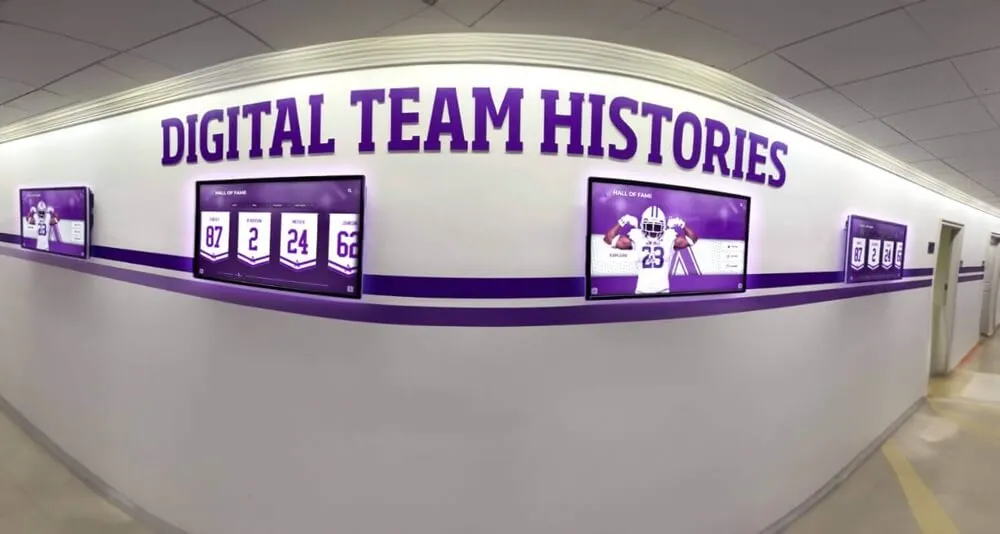
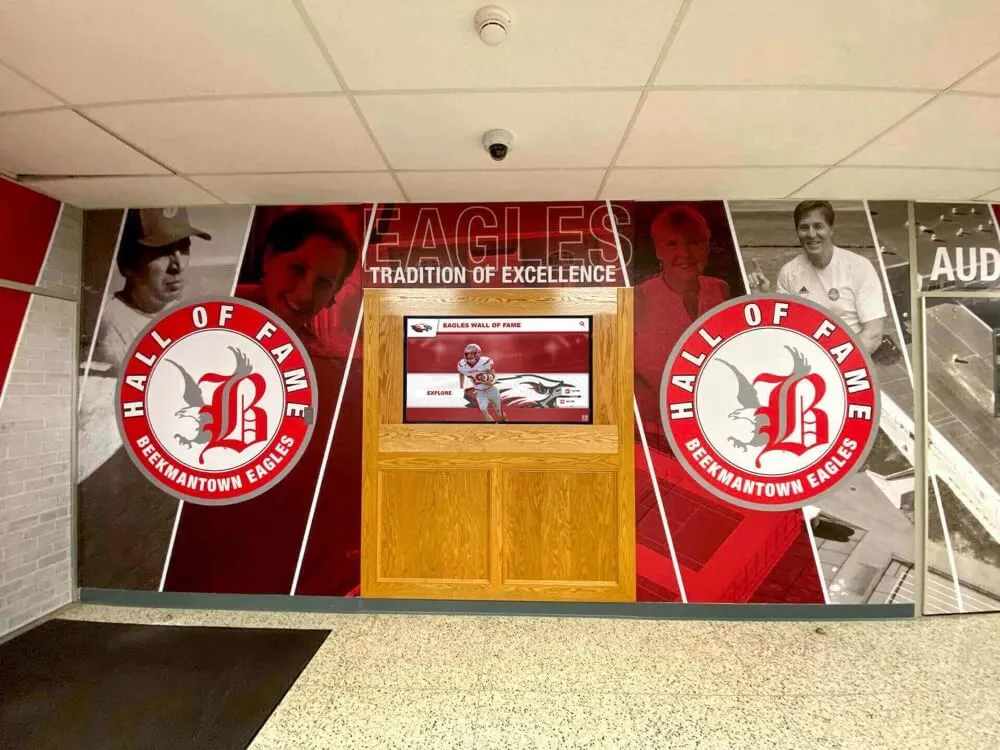
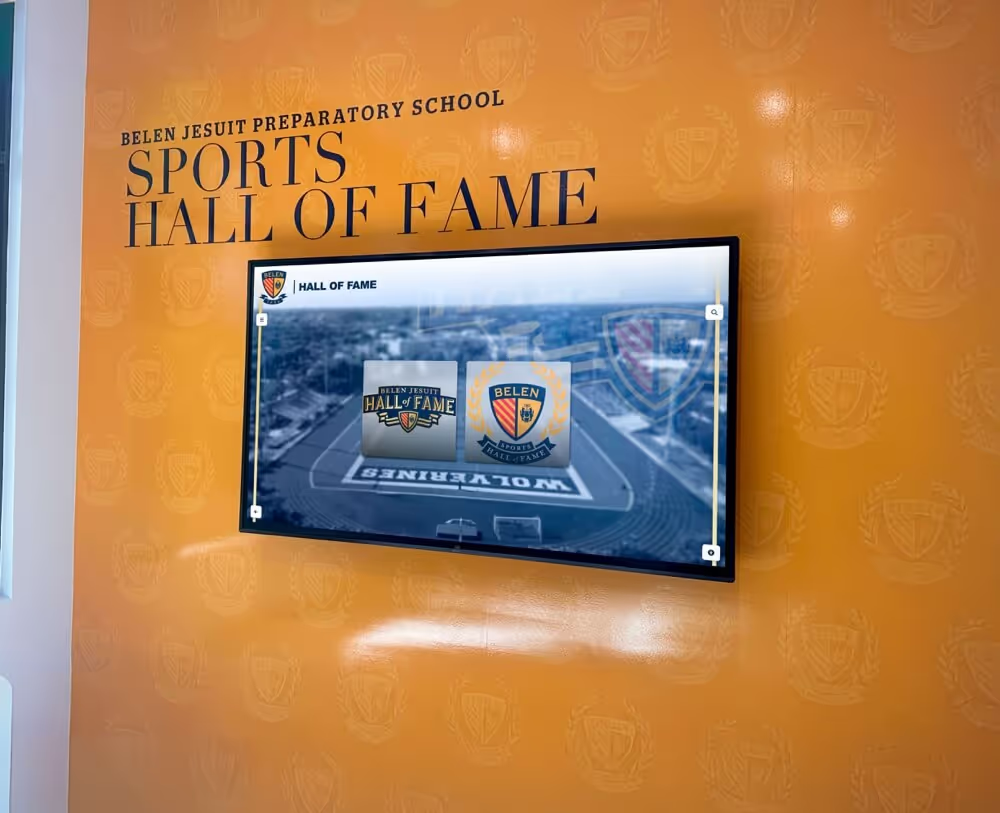
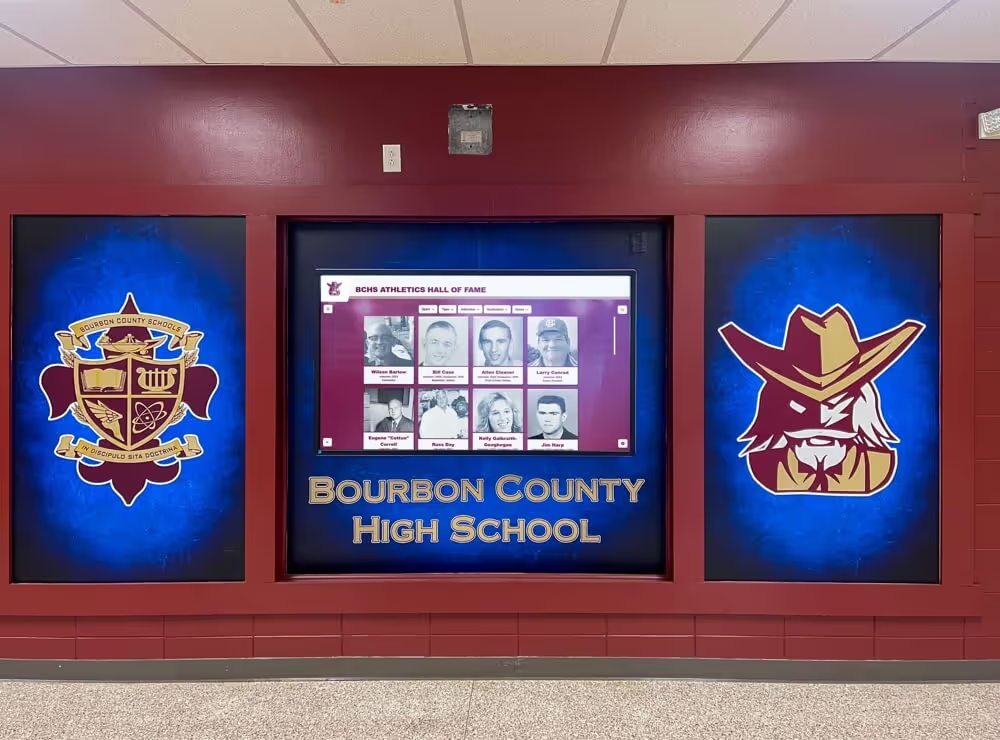
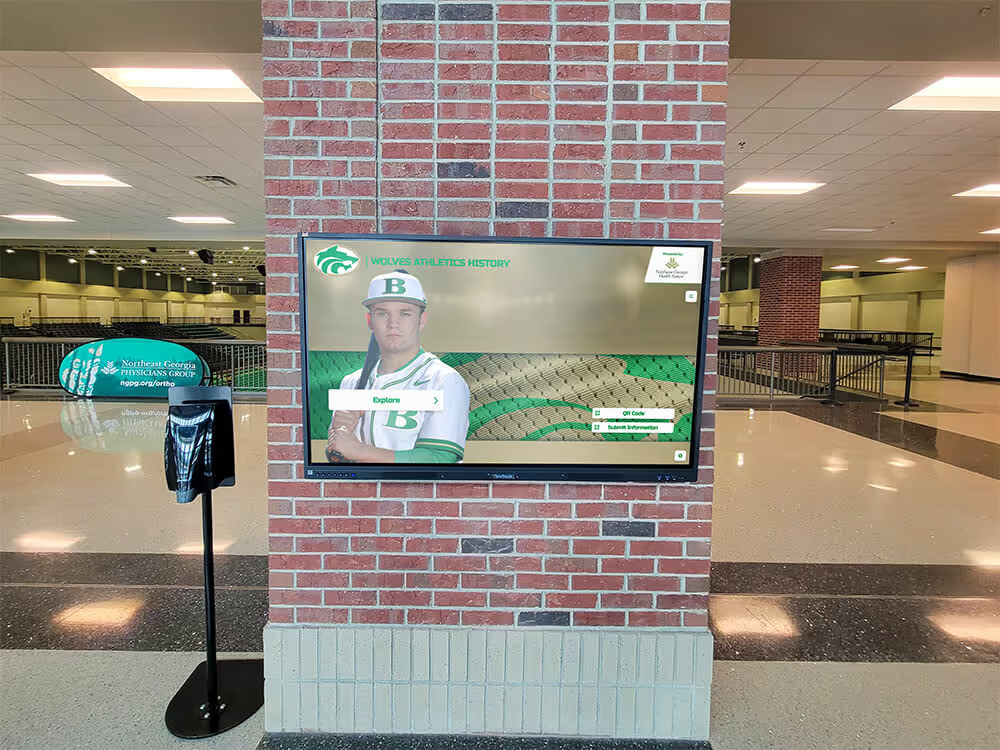
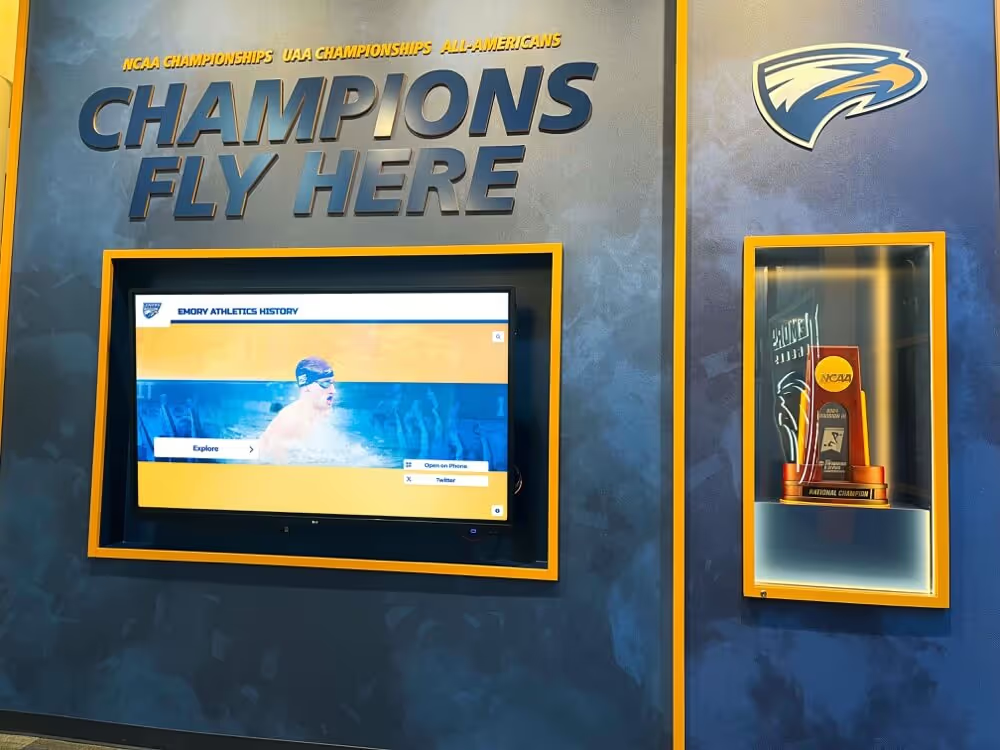
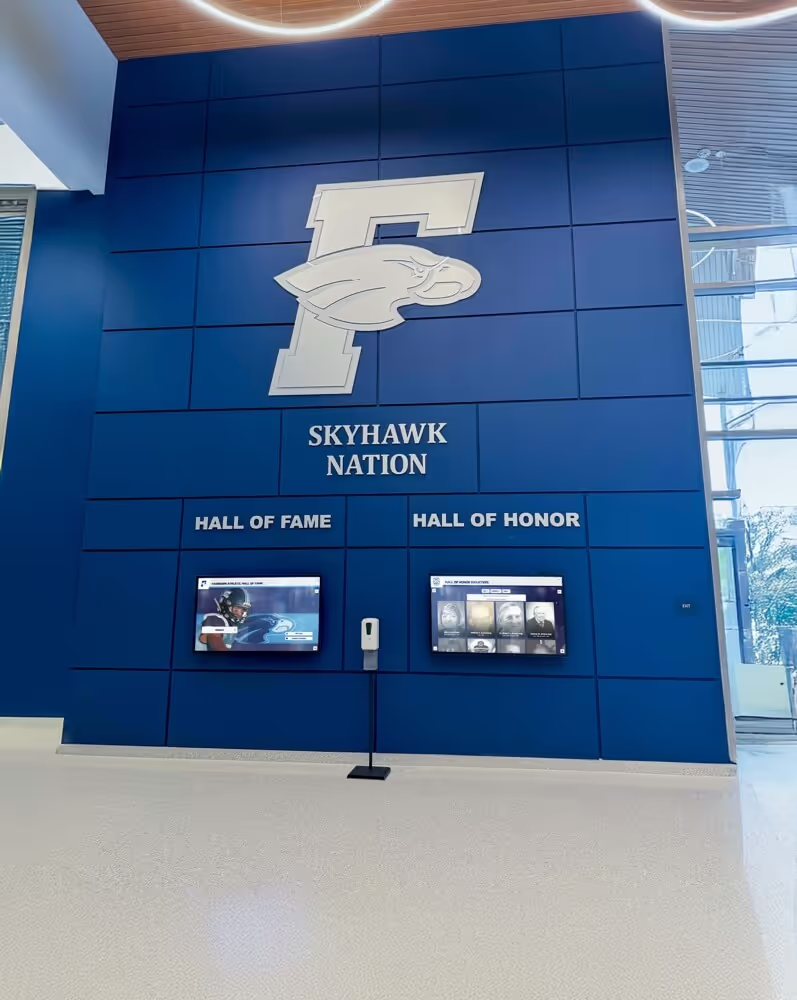
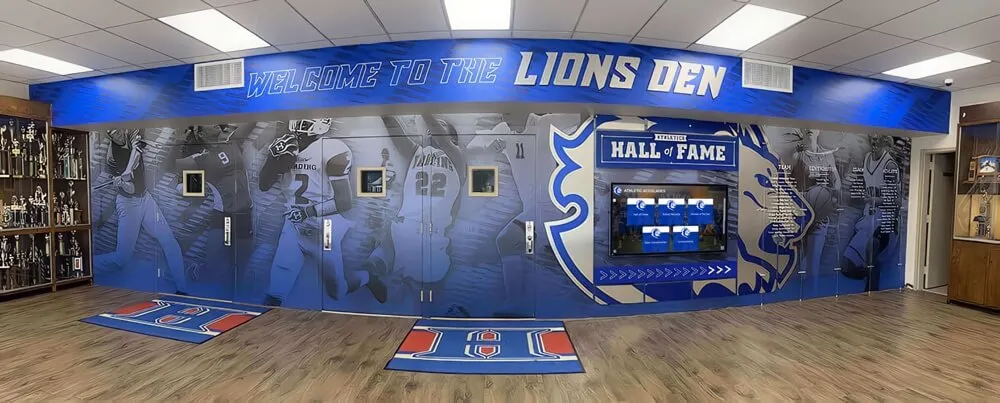
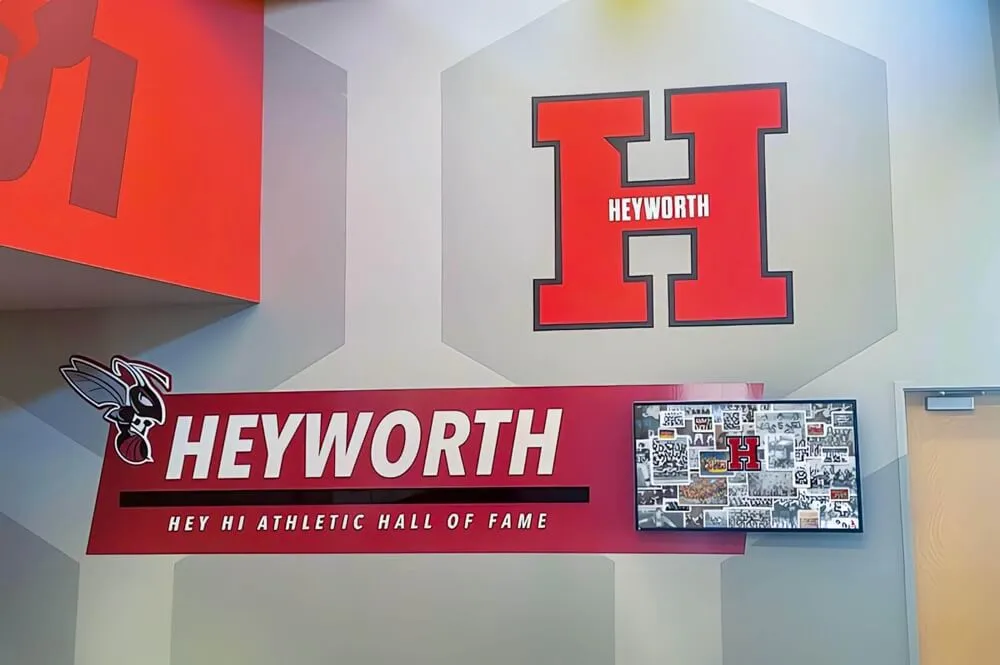
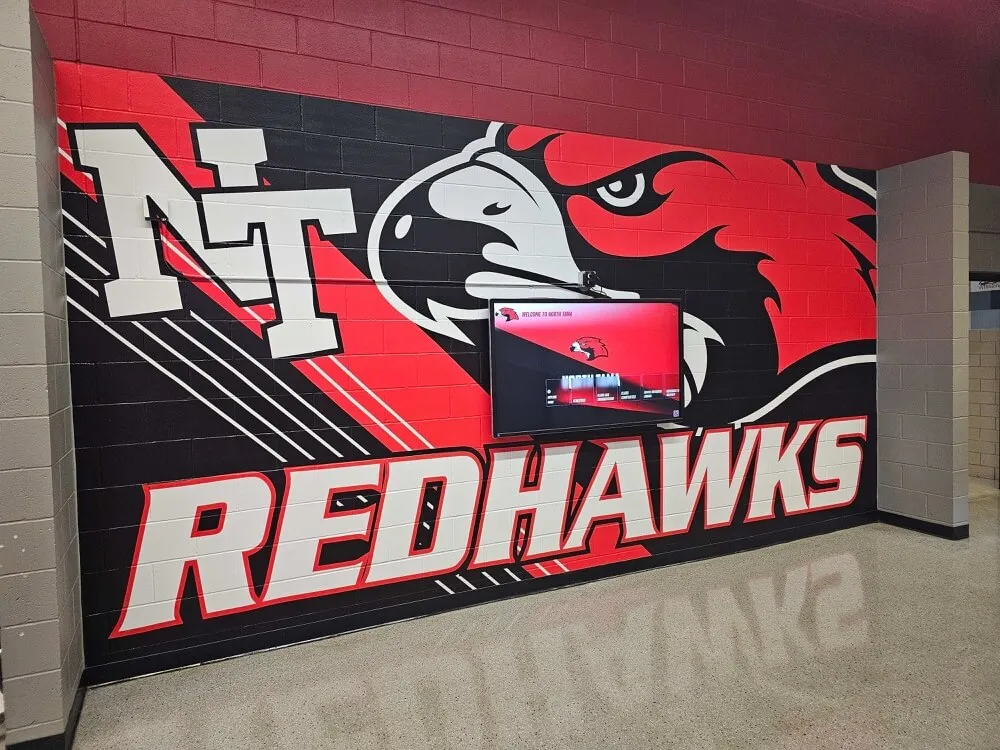
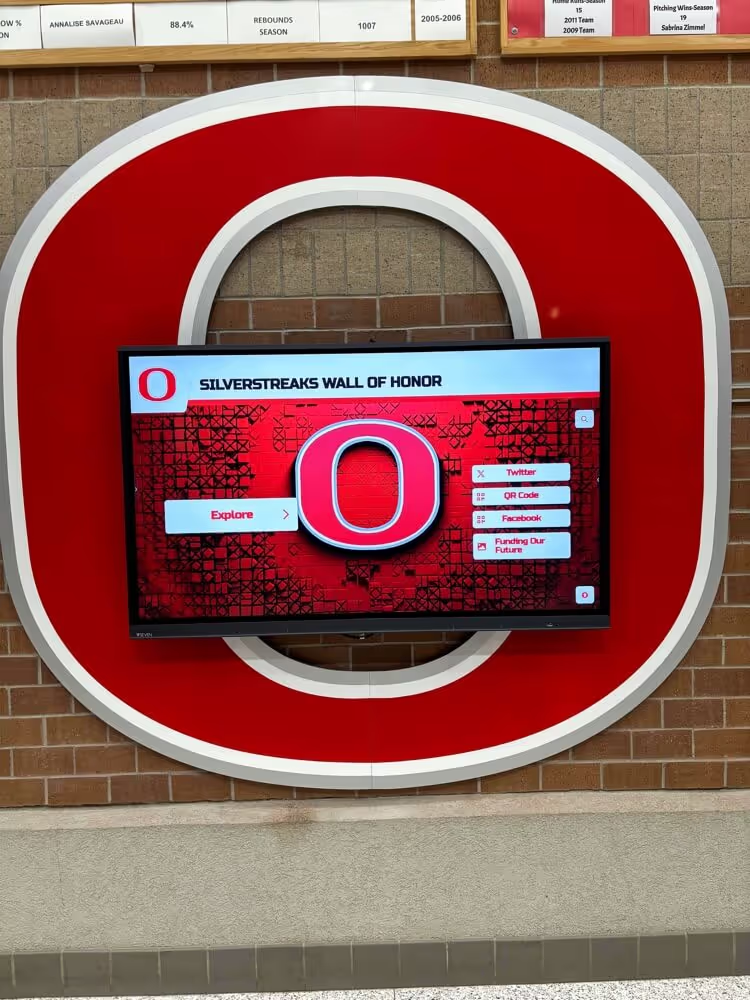
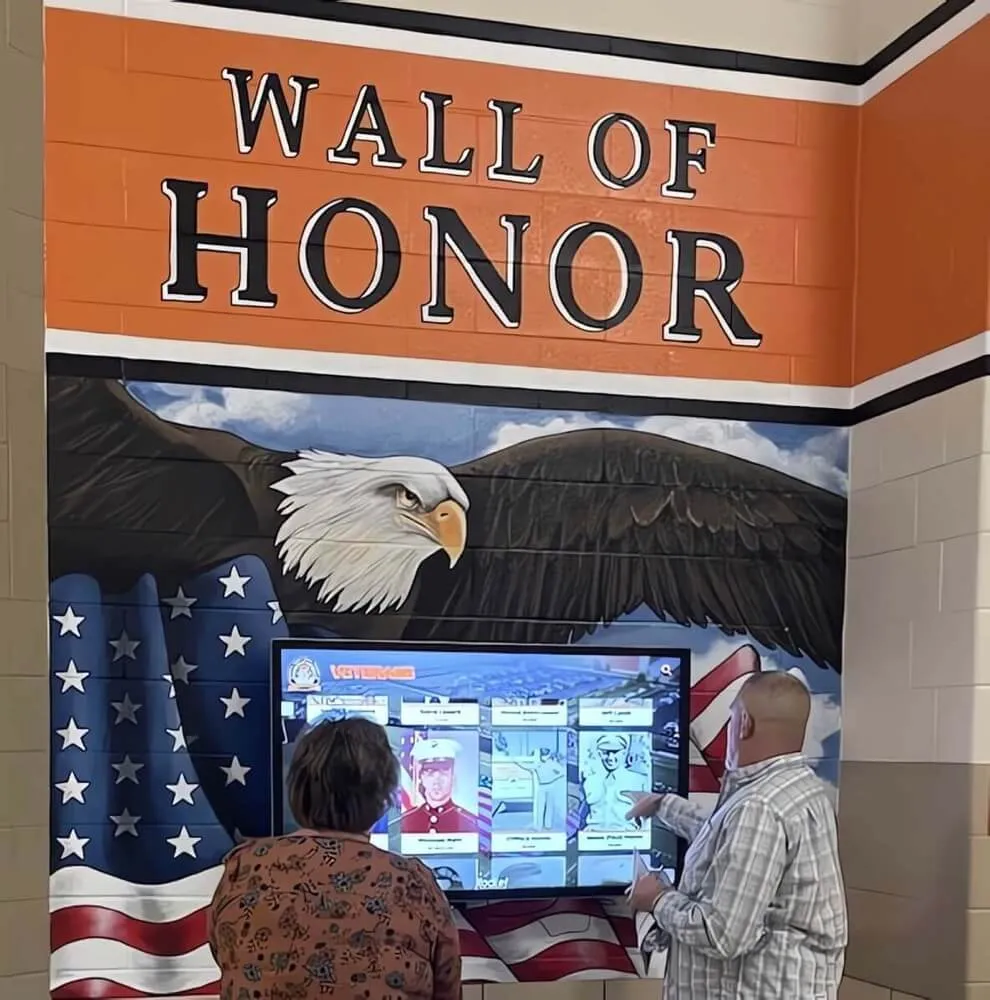
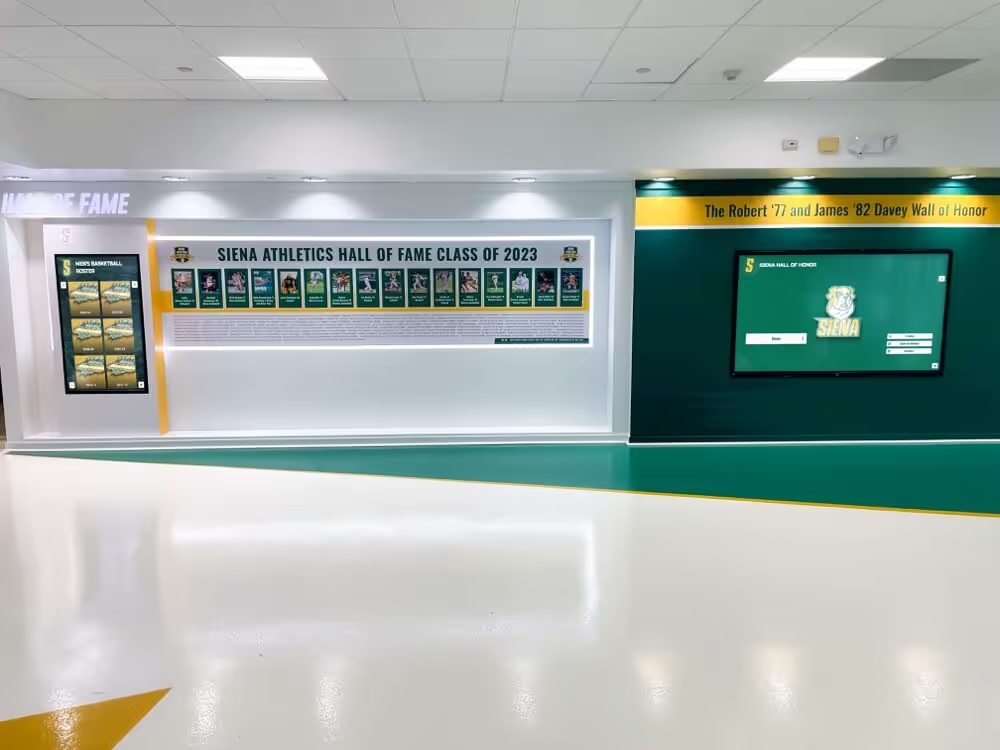
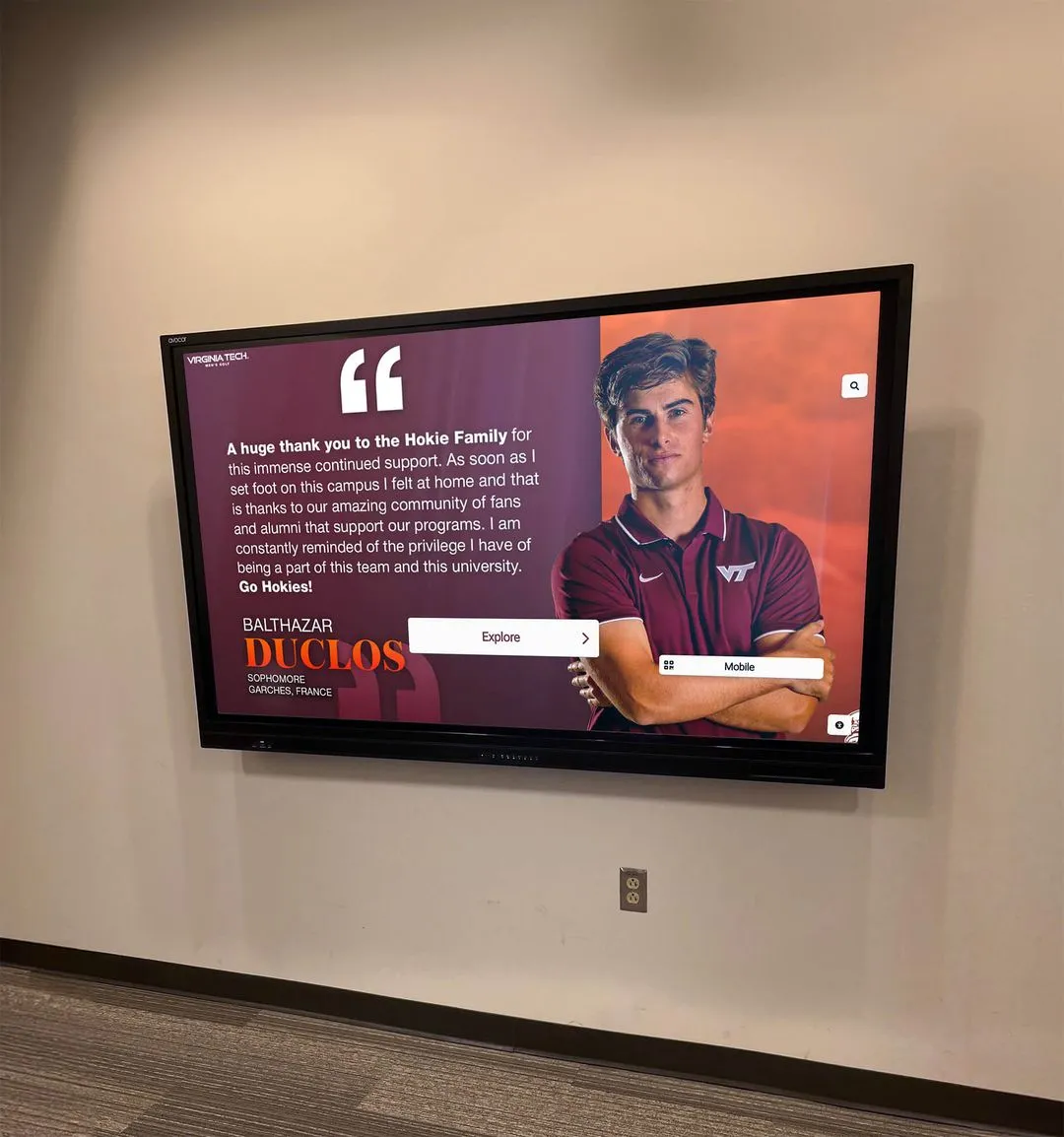
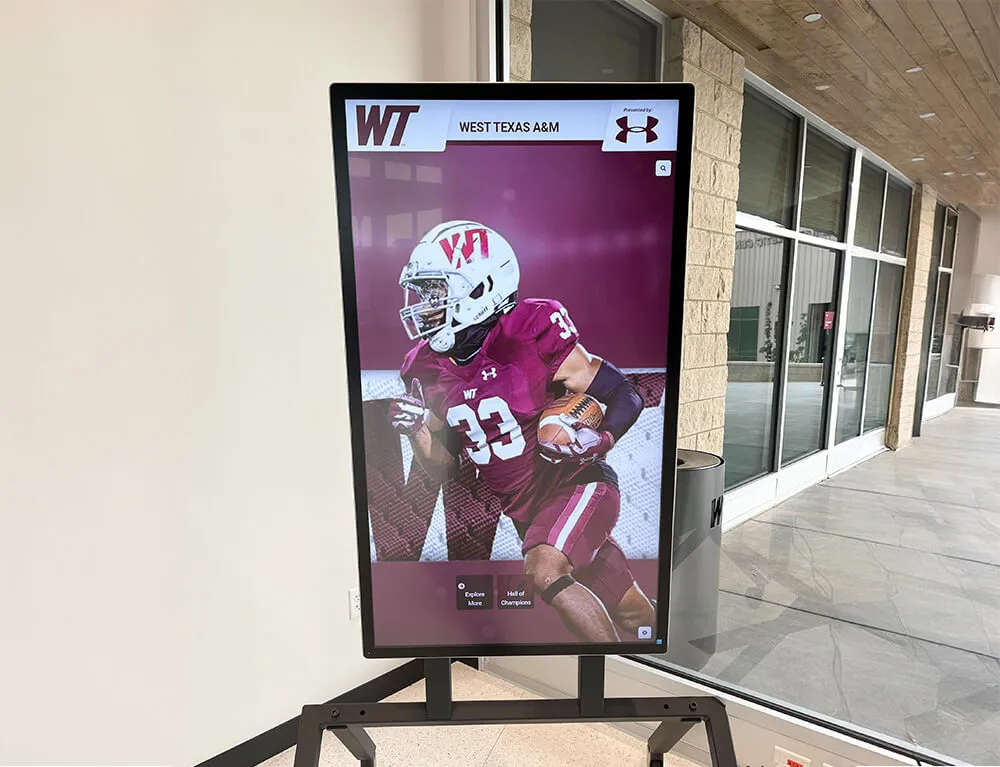
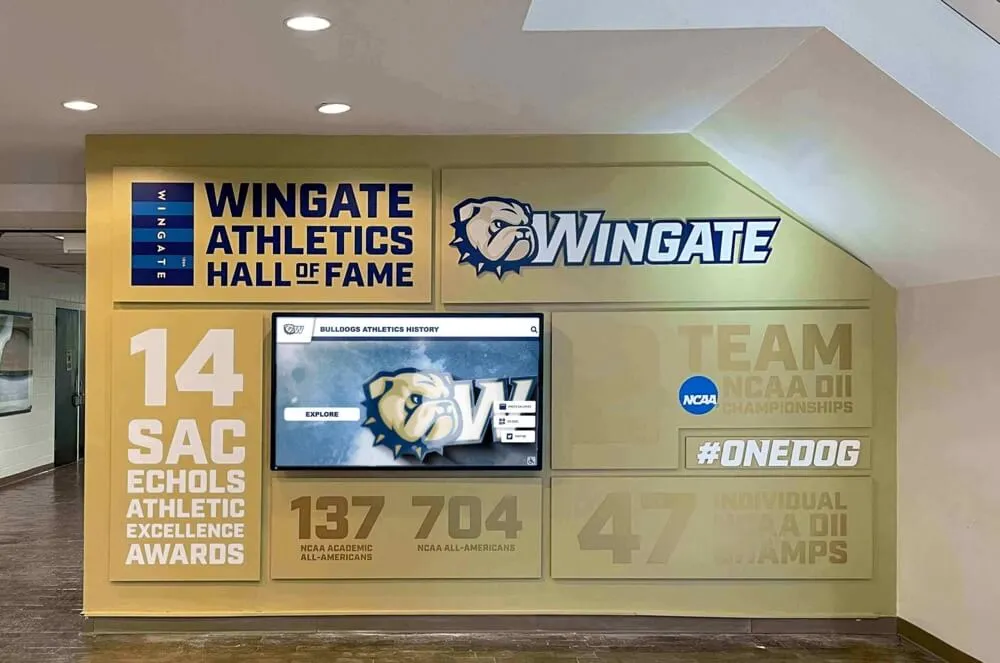
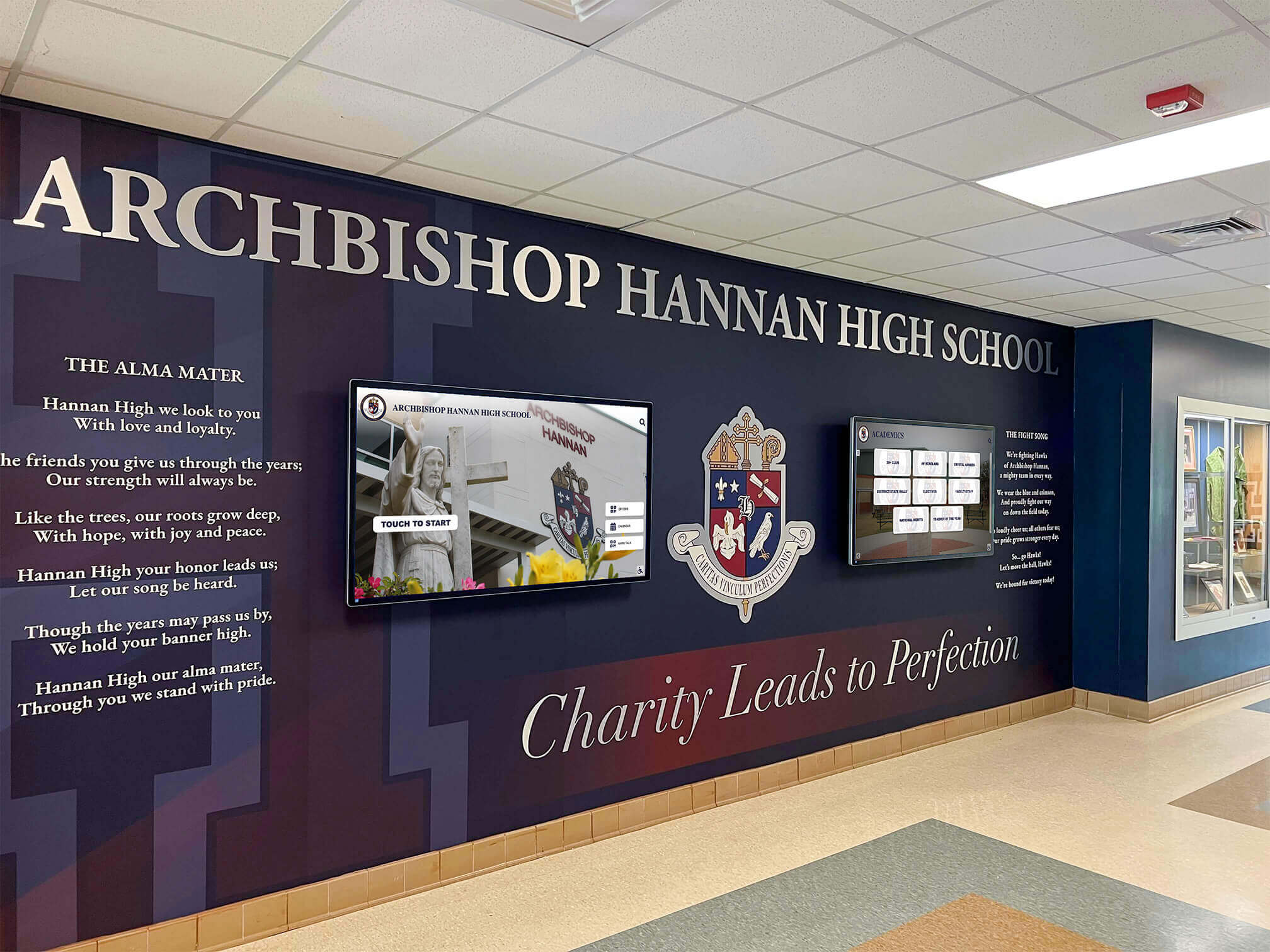
Traditional plaques and trophy cases face inherent limitations when documenting comprehensive band achievements across sections, individuals, ensembles, and program history. Digital recognition platforms transform what schools can accomplish in honoring music programs while creating engaging experiences that resonate with students and community members.
Interactive Touchscreen Recognition Displays
Modern touchscreen systems enable comprehensive music program recognition without physical space constraints.
Unlimited Recognition Capacity
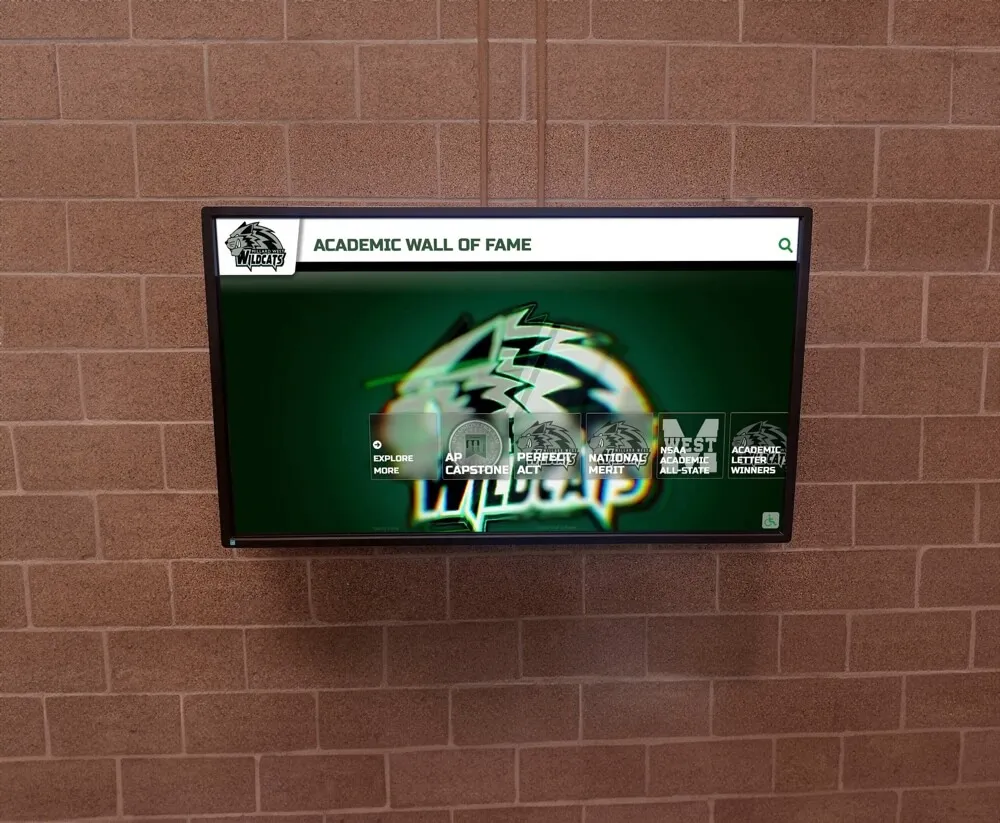
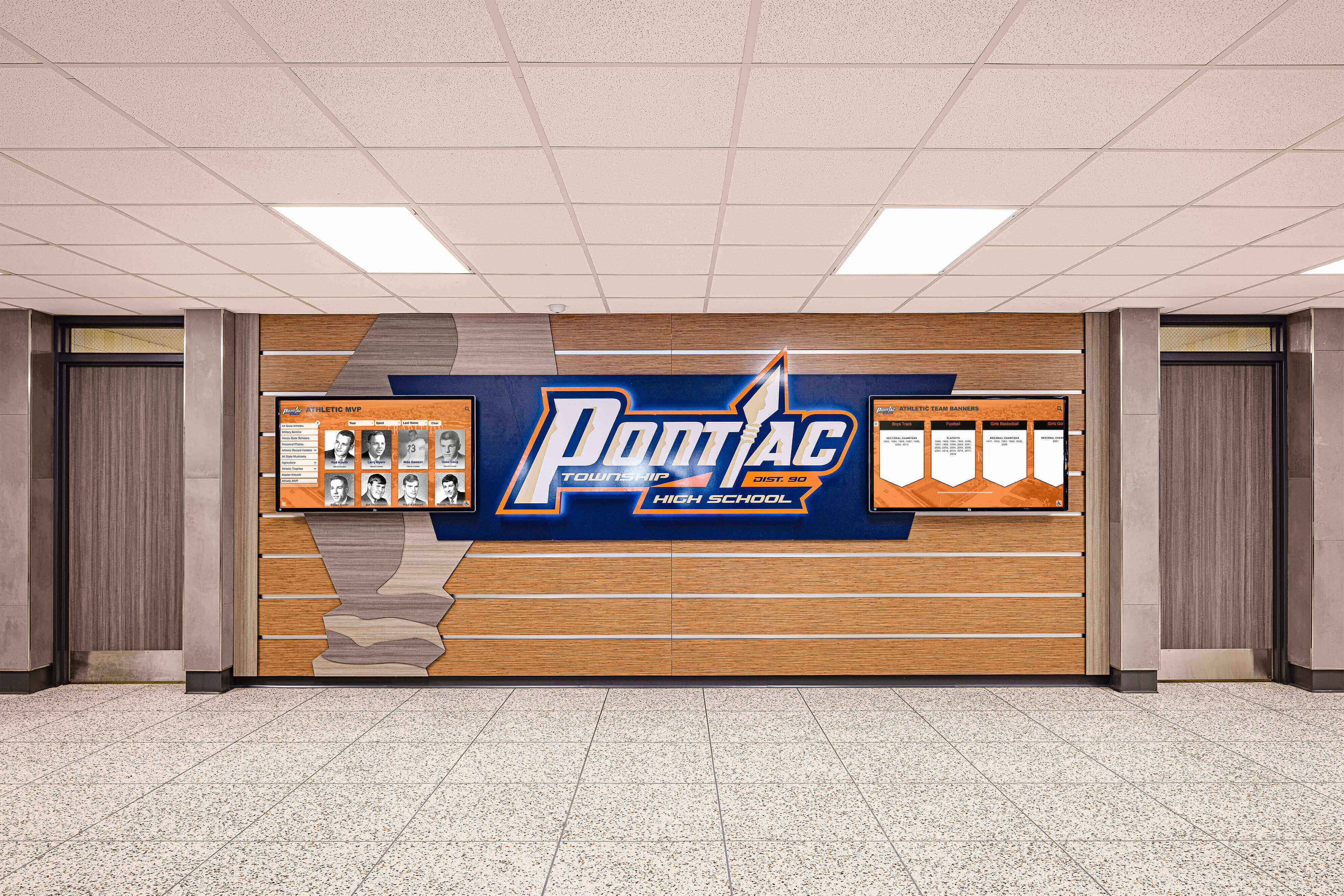
Digital platforms eliminate the space limitations that force schools to choose which achievements warrant permanent recognition. Schools can document every drum major in program history, all section leaders across decades, complete competition results for every season, individual recognition for outstanding musicians in each section, and ensemble achievements spanning the program’s entire existence. This comprehensive documentation builds institutional memory while ensuring current and future members understand full program legacy.
When thoughtfully implemented, these systems function similarly to high school awards ceremony recognition but provide permanent, accessible documentation rather than one-time acknowledgment at annual events.

Multimedia Integration Bringing Recognition to Life
Digital platforms enable rich multimedia integration including performance video clips showcasing competitive shows and memorable moments, individual musician profiles with photos and achievement summaries, adjudication sheet documentation showing competitive ratings and judge comments, historical photos documenting program evolution across decades, and audio recordings preserving musical excellence for future generations. This multimedia capacity creates substantially more engaging recognition than static plaques can provide while documenting achievements in formats that convey their true impact.
Search and Navigation Functionality
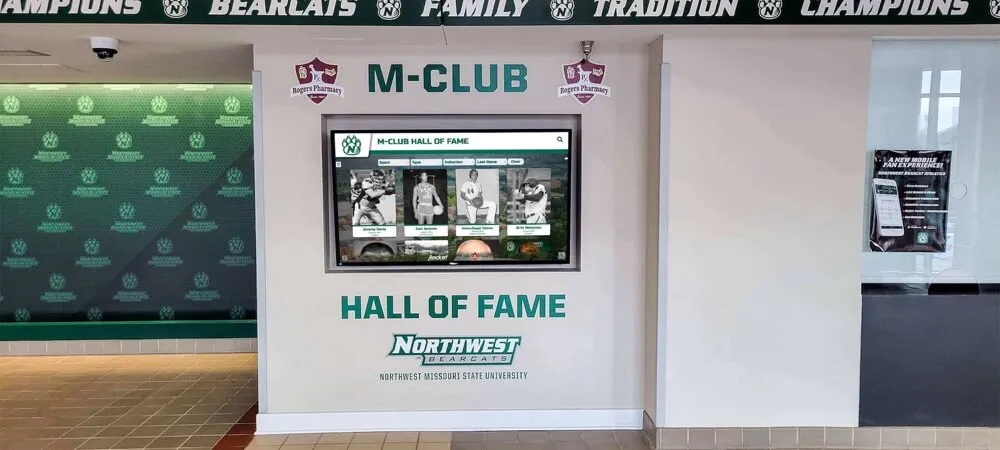
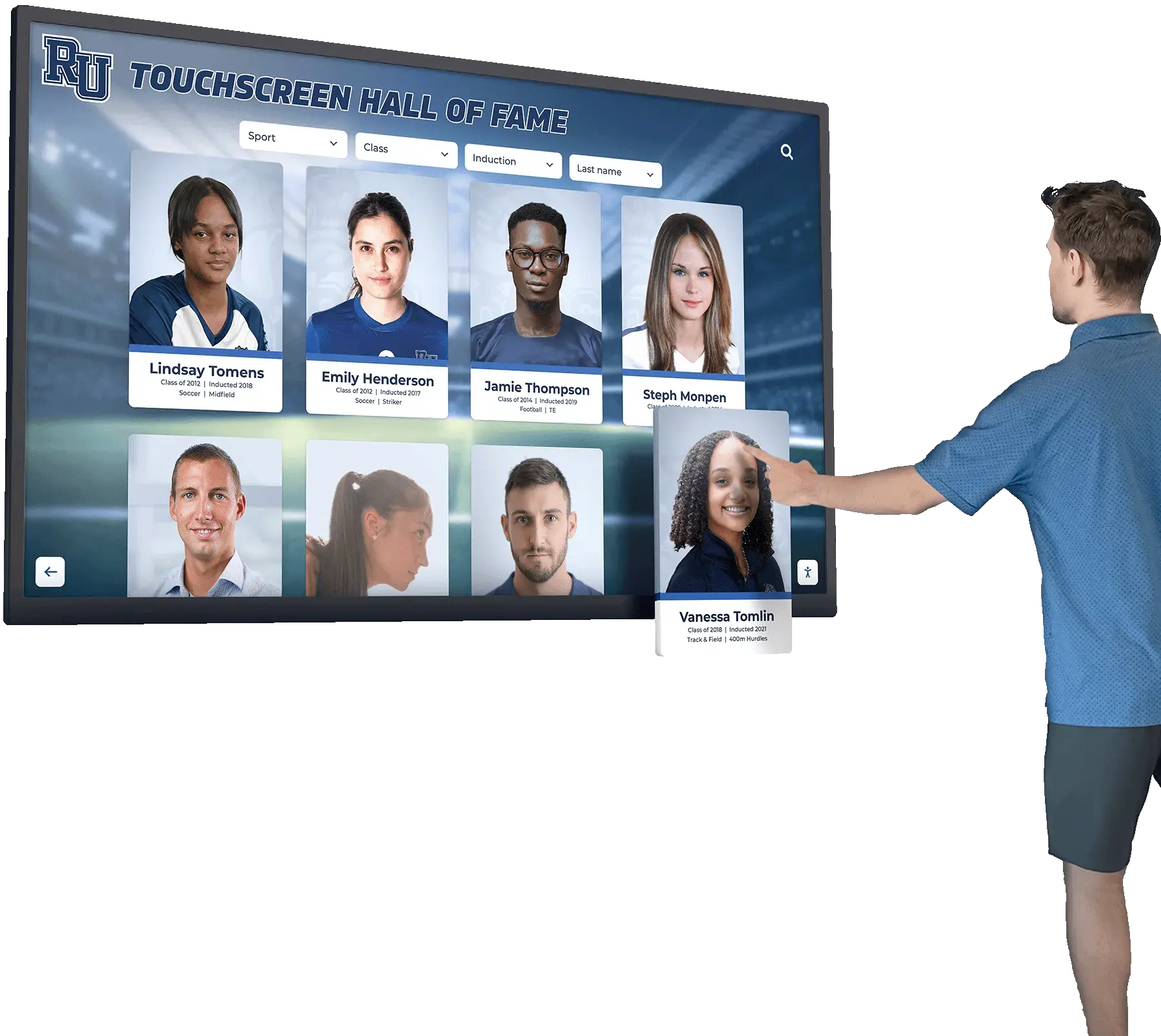
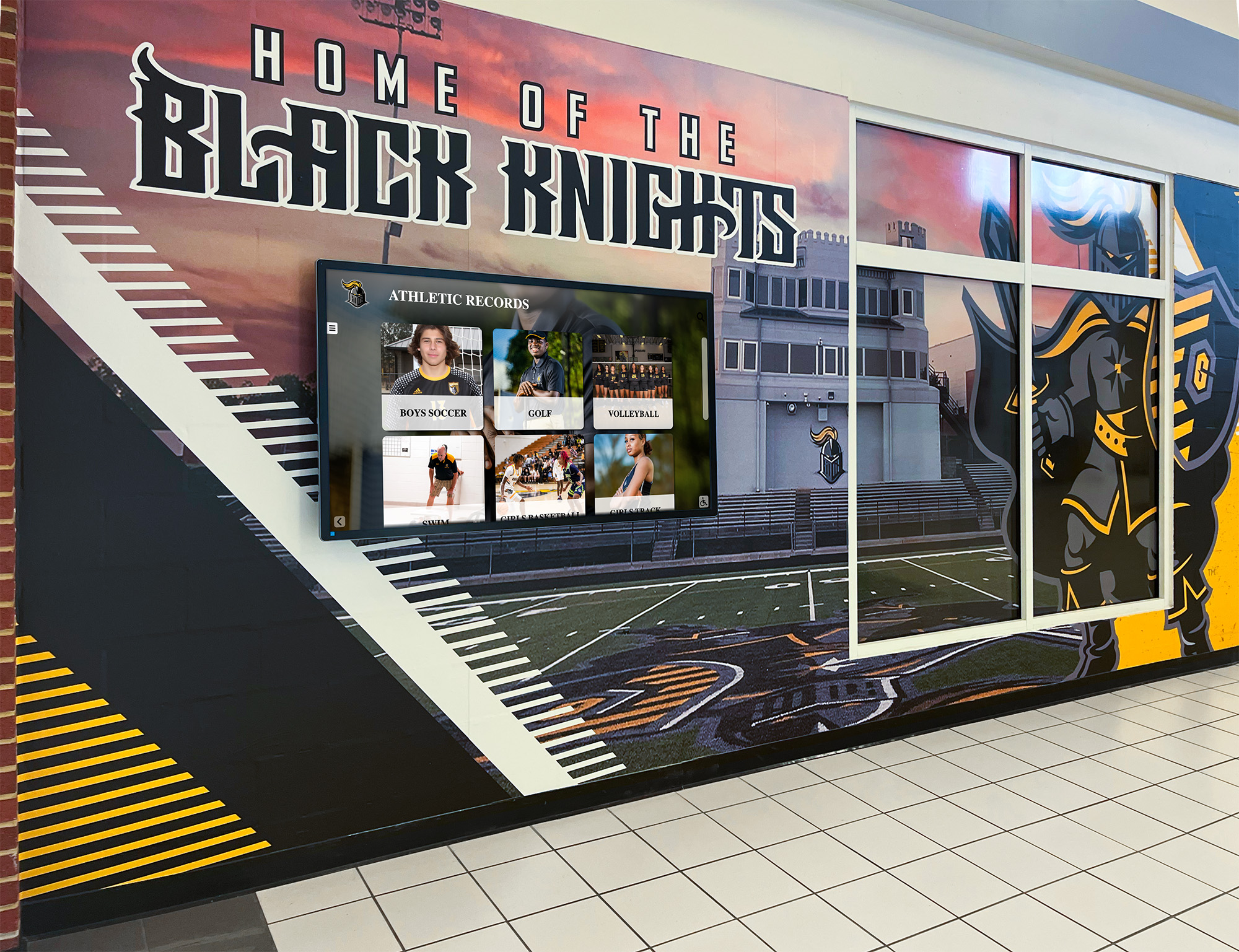
Touchscreen systems provide intuitive navigation enabling users to explore recognition by section (viewing all recognized trumpet players or color guard members), by year (seeing all achievements from specific seasons), by recognition category (exploring drum majors, section leaders, or specific award recipients), by individual name (finding specific alumni regardless of when they participated), or through timeline views showing program evolution chronologically. This navigational flexibility ensures recognition remains accessible and discoverable rather than static displays that visitors walk past without engagement.
Easy Updates Maintaining Current Recognition
Unlike traditional plaques requiring fabrication, installation, and physical space allocation for each addition, digital systems enable real-time updates through administrative interfaces. Band directors can add new recognition immediately following competitive seasons, update profiles when alumni achieve post-graduation accomplishments worth documenting, incorporate new multimedia content as historical materials are discovered or created, and refine recognition categories as programs evolve. This administrative simplicity ensures recognition remains comprehensive and current rather than falling years behind due to update difficulty.
Web-Accessible Recognition Platforms
Extended recognition impact occurs when achievements are accessible beyond physical locations.
Alumni Access to Personal Recognition
Web-accessible platforms enable alumni to view their individual recognition from anywhere, share their achievements with family and professional networks, reconnect with program memories and fellow alumni, and maintain identity connections with programs that shaped their development. This extended access builds long-term alumni engagement valuable for program support, mentorship opportunities, and community building across graduating classes.
Recruitment Advantage for Prospective Students
Families evaluating schools increasingly research programs digitally before campus visits. Web-accessible band recognition demonstrates program quality and institutional commitment to music education, showcases achievement history and competitive success, illustrates comprehensive recognition culture valuing all contributions, and provides specific examples of opportunities available to prospective members. Programs with robust digital recognition create stronger first impressions than those relying exclusively on physical displays families may never see.
Community Engagement and Support Building
Public recognition builds community awareness and support by documenting program impact and achievement for community members, creating shareable content for social media and communication channels, providing transparent accountability showing how program resources translate into achievement, and building community pride in student accomplishment. These engagement benefits strengthen community support for music education funding and resources.
Implementation Framework: Building Comprehensive Recognition Systems
Moving from concept to reality requires systematic planning addressing selection criteria, content development, platform selection, and ongoing administration.
Establishing Recognition Criteria and Governance
Clear, transparent criteria ensure recognition feels fair and achievable while maintaining meaningful standards.
Selection Committee Structure
Most successful programs establish recognition committees including current band director input ensuring alignment with program values, alumni representation providing historical perspective and community connection, administrative oversight ensuring institutional policy alignment, and student input when appropriate for certain recognition categories. This balanced governance prevents recognition from becoming director-centric while maintaining appropriate standards.
Criteria Development Principles
Effective recognition criteria balance excellence with achievability by establishing clear, measurable standards when possible (participation years, leadership roles, achievement levels), including subjective evaluation for character and impact elements requiring human judgment, creating multiple pathways to recognition ensuring diverse contribution types receive acknowledgment, maintaining consistency across years so standards don’t fluctuate arbitrarily, and communicating criteria transparently so students understand what recognition requires. Well-designed criteria prevent recognition from concentrating on narrow achievement types while maintaining standards that make acknowledgment meaningful.
Nomination and Selection Processes
Systematic processes ensure qualified candidates receive consideration including annual nomination periods with clear deadlines and submission requirements, nomination forms documenting achievement and contribution evidence, review processes evaluating candidates against established criteria, selection decisions made by committees rather than individuals, and communication to nominees and community about selection outcomes and recognition timing. Transparent processes build trust in recognition legitimacy while ensuring worthy candidates don’t fall through administrative cracks.
Content Development for Comprehensive Recognition
Meaningful recognition requires thoughtful content development going beyond names and dates.
Individual Profile Development
Effective individual recognition includes biographical information providing personal context, specific achievement documentation with relevant details and dates, leadership contributions and impact on program development, memorable moments or signature accomplishments defining their tenure, quotes or personal reflections when available and appropriate, and post-graduation pathways showing continued development when information is accessible. This comprehensive profiling creates recognition conveying actual impact rather than superficial listing.
Historical Research and Documentation
Implementing comprehensive recognition often requires historical research reconstructing program history including archival review of yearbooks, programs, and institutional records, alumni outreach gathering memories and documentation from past participants, photograph collection and digitization preserving visual history, competition result verification confirming achievement records, and narrative context development explaining historical program circumstances. This research investment builds institutional memory preventing historical achievements from being lost as memories fade and documentation deteriorates.
Platform Selection and Technical Implementation
Schools face multiple options for recognition platform implementation requiring evaluation against program needs and resources.
Physical vs. Digital vs. Hybrid Approaches
Recognition implementation options include traditional physical displays using plaques, engraving, and trophy cases providing permanent, low-tech recognition with space limitations, pure digital solutions using touchscreens and web platforms providing unlimited capacity with technology dependencies, and hybrid approaches combining permanent physical elements with digital expansion providing tangible presence with digital benefits. Most schools implementing comprehensive music recognition favor hybrid approaches—maintaining signature physical displays for major recognition while using digital platforms to extend capacity and functionality beyond what physical space permits.
Integration with Existing Recognition Infrastructure
Effective implementation integrates band recognition with broader institutional systems by locating displays in prominent shared spaces demonstrating institutional parity between music and athletics, coordinating visual design with school branding and existing recognition aesthetics, sharing technical platforms when schools implement digital recognition across multiple programs, and coordinating recognition ceremonies and announcements across student achievement programs. Integration demonstrates institutional commitment to comprehensive student recognition rather than isolated band-specific initiatives that may feel secondary to athletic programs receiving more prominent placement and resources.
Ongoing Administration and Maintenance
Recognition systems require administrative commitment ensuring they remain current and comprehensive.
Annual Update Cycles
Systematic annual processes should include end-of-season recognition review identifying qualified candidates, content development creating profiles and documentation for new recognition, platform updates adding new content and maintaining technical functionality, and recognition ceremonies announcing and celebrating new inductees. Regular cycles prevent recognition from falling years behind current achievement due to administrative neglect.
Long-Term Stewardship Considerations
Sustained recognition requires planning for leadership transitions ensuring recognition continues when current champions leave, technical platform maintenance keeping digital systems functional as technology evolves, archive preservation protecting physical and digital historical materials, and program evolution adapting recognition categories as program emphases and competitive standards change. Schools should document recognition governance, criteria, and processes ensuring institutional knowledge survives personnel changes that might otherwise disrupt recognition continuity.
Creating Recognition Ceremonies That Enhance Program Culture
Recognition becomes most meaningful when celebrated through ceremonies integrating acknowledgment into program traditions.
Annual Recognition Events
Formal recognition events create memorable moments while demonstrating institutional appreciation.
End-of-Season Banquet Recognition
Band banquets provide natural contexts for recognition including hall of fame induction announcements and presentations, section-specific award presentations acknowledging excellence in each instrumental group, leadership recognition for drum majors, section leaders, and other contributors, senior tribute moments honoring graduating members, and program achievement celebration reviewing the season’s accomplishments. These events should balance individual recognition with ensemble celebration, ensuring ceremonies strengthen collective culture rather than creating excessive individual competition.
Integration with School-Wide Recognition
Band recognition gains institutional prominence when integrated with broader events including participation in academic honors assemblies alongside scholarship and academic achievement, inclusion in athletic recognition events when schools host multi-program celebrations, featured presentation at school board meetings demonstrating achievement to institutional leadership, and coordination with alumni event programming that connects current students with graduates who maintained musical connections. This integration demonstrates that musical achievement merits institutional recognition equivalent to athletic accomplishment.
Public Recognition Opportunities
Beyond formal ceremonies, ongoing recognition opportunities build program visibility.
Performance Recognition Moments
Schools can incorporate recognition into performances by announcing significant achievements before concerts or competitions, recognizing section excellence during sectional showcase features, honoring seniors during final home performances creating memorable tribute moments, and acknowledging alumni attendance connecting current members with program history. These performance-integrated moments build traditions while ensuring recognition occurs before broader audiences than ceremony attendees.
Digital and Social Media Recognition
Contemporary recognition extends through digital channels including social media highlights celebrating individual and ensemble achievements, website features showcasing recognition and program history, digital signage throughout school facilities announcing recent accomplishments, and email communications to school community sharing band achievements. This multi-channel approach ensures recognition reaches diverse audiences while building consistent program visibility.
Budget Considerations and Resource Planning
Comprehensive recognition requires financial investment, though options exist across budget ranges.
Cost Framework for Different Recognition Approaches
Schools can implement meaningful recognition across budget levels.
Traditional Physical Recognition Costs
Physical recognition elements include plaques and engraving typically ranging from $50-$200 per individual recognition, trophy case installations costing $1,000-$5,000 depending on size and quality, wall-mounted display systems ranging from $2,000-$10,000 for comprehensive installations, and annual update costs for adding new plaques, engraving, and physical elements. Physical approaches provide tangible, permanent recognition but face space limitations and ongoing costs for expansion.
Digital Recognition Platform Costs
Digital solutions involve different cost structures including touchscreen hardware systems ranging from $3,000-$15,000 for professional installations, content management platform subscriptions ranging from $500-$3,000 annually depending on features and capacity, initial content development potentially requiring $2,000-$10,000 for historical research and profile creation, and ongoing content updates typically manageable through staff time rather than external costs. Digital platforms require higher initial investment but provide unlimited recognition capacity and simpler ongoing administration.
Hybrid Approach Budget Optimization
Most schools find hybrid approaches optimize value by implementing signature physical elements for major recognition (drum major legacy, major ensemble achievements) costing $5,000-$15,000, complementing with digital platforms providing comprehensive documentation and unlimited capacity requiring $5,000-$20,000 initial investment, and planning annual recognition budgets of $1,000-$3,000 for ongoing updates and additions. This balanced approach provides tangible recognition presence while digital systems enable comprehensive documentation impossible with physical-only approaches.
Funding Strategies for Recognition Investment
Recognition funding can come from multiple sources beyond general operating budgets.
Alumni Fundraising for Recognition Projects
Band alumni often respond enthusiastically to recognition-specific fundraising by participating in recognition legacy campaigns inviting alumni to sponsor their own induction or contribute to program recognition infrastructure, making memorial recognition gifts honoring deceased band members or directors through permanent recognition, organizing anniversary campaign fundraising tied to program milestones creating natural giving opportunities, and forming dedicated alumni committees stewarding recognition projects and funding. Recognition projects create compelling fundraising cases because benefits are tangible and permanent rather than general operating support.
Integration with Facility Improvement Projects
Recognition implementation often succeeds when integrated with broader facility work including new construction or renovation projects allocating recognition space and resources, performing arts facility expansions incorporating dedicated music program recognition areas, common area improvements adding digital displays serving multiple recognition purposes, and annual maintenance budgets including recognition updates alongside other facility enhancements. Integration creates institutional funding pathways rather than requiring standalone music department budgets that may face competitive pressure from other priorities.
Connecting Recognition to Broader Program Goals
Recognition serves strategic purposes beyond acknowledging achievement, supporting recruitment, retention, culture, and long-term program development.
Recognition’s Impact on Student Recruitment and Retention
Comprehensive recognition creates recruitment advantages while improving retention.
Prospective Student and Family Impressions
Prominent band recognition communicates program quality and institutional commitment, demonstrates comprehensive culture valuing diverse contributions beyond competitive results, provides specific achievement examples showing what students can accomplish, and creates professional presentation distinguishing programs from competitors relying on generic descriptions. Families evaluating schools increasingly expect evidence of program quality—comprehensive recognition provides tangible demonstration of achievement and values that generic marketing materials cannot convey.
Current Member Motivation and Goal Setting
Recognition creates aspirational examples by showing students specific pathways to acknowledgment beyond competitive success, demonstrating that sustained commitment receives meaningful recognition, providing role models showing what excellence looks like in specific sections and positions, and building program pride motivating members to maintain high standards. Students respond to clear recognition pathways showing that dedication, leadership, and excellence lead to permanent acknowledgment rather than temporary praise that fades with graduation.
Building Multi-Generational Program Culture
Recognition connects current members with program history creating continuity across generations.
Historical Identity and Tradition Building
Comprehensive recognition builds institutional memory by documenting program evolution showing how current success builds on past achievement, preserving stories and accomplishments preventing historical erosion, creating reference points for traditions and program identity, and connecting current members with alumni maintaining multi-generational community. Programs with strong historical recognition develop distinct identities and traditions that strengthen recruitment, retention, and community support.
Alumni Engagement and Program Support
Recognition creates foundations for sustained alumni connections including maintaining personal connections between graduates and programs through ongoing visibility of their recognition, creating touchpoints for alumni involvement through recognition ceremonies, updates, and communications, building fundraising constituencies motivated by recognition of their contributions and investment in future recognition, and establishing mentorship pipelines connecting successful alumni with current students. Alumni who feel genuinely recognized maintain stronger program connections than those whose contributions fade into obscurity following graduation.
Conclusion: Building Recognition Systems Worthy of Musical Excellence
High school marching band programs demand extraordinary commitment from students who invest thousands of hours developing technical skill, physical conditioning, ensemble precision, and artistic expression. These programs contribute substantially to school identity, community pride, and student development across musical, athletic, and personal dimensions. When schools implement comprehensive recognition systems celebrating every section—from brass and woodwinds to percussion and color guard—they validate this commitment while building program culture that strengthens achievement across generations.
Effective marching band recognition requires moving beyond generic acknowledgment toward systematic frameworks that honor individual excellence, ensemble achievement, leadership development, and sustained contribution. Section-specific recognition ensures trumpet players and tuba players, battery percussion and front ensemble, color guard members and equipment managers all see clear pathways to meaningful acknowledgment. Digital recognition platforms eliminate the space constraints that previously limited what schools could realistically document, enabling comprehensive recognition preserving program history while creating engaging experiences for current and future members.
Schools investing in marching band recognition comparable to athletic recognition demonstrate genuine institutional commitment to comprehensive student achievement. Recognition creates recruitment advantages, improves retention, strengthens alumni engagement, and builds program cultures where excellence becomes self-sustaining tradition rather than temporary accomplishment depending entirely on current director vision. The musicians who dedicate their high school experience to marching band excellence deserve recognition systems that honor their achievement as permanently and prominently as any other student accomplishment.
Ready to explore how modern digital recognition solutions can help your school build comprehensive marching band recognition celebrating every section and contribution? Discover how Rocket Alumni Solutions creates engaging recognition experiences that honor musical excellence while strengthening program culture across generations.