



As academic years draw to close, high schools across the country prepare for one of the most significant traditions on their calendars—end of year awards ceremonies recognizing student achievement. These events serve multiple vital purposes: celebrating individual accomplishments, reinforcing school values and priorities, inspiring younger students, honoring teachers and mentors who guided achievement, and creating memorable moments families treasure for years.
Yet many schools struggle to design award programs that feel meaningful rather than perfunctory. Too often, recognition becomes predictable—the same award categories repeated annually with minimal thought about whether they truly capture the breadth of student excellence. Ceremonies drag on too long, losing audience engagement. Limited trophy case space forces difficult decisions about which achievements warrant lasting recognition. Recognition feels generic rather than personal, with identical certificates failing to differentiate between vastly different accomplishments.
High schools face distinct challenges when planning end of year awards compared to elementary or middle school recognition. Secondary students have developed sophisticated awareness about fairness, equity, and authenticity in recognition. They quickly discern whether awards genuinely honor merit or represent participation trophies diluting achievement significance. Diverse achievement domains—rigorous academics, competitive athletics, advanced arts, technical skills, leadership roles, community service—all deserve recognition proportional to accomplishment difficulty and impact.
Modern recognition solutions help schools address these challenges through flexible award categories accommodating diverse excellence, digital displays preserving achievements permanently without space constraints, multimedia storytelling that brings accomplishments to life beyond paper certificates, and efficient management systems reducing administrative burden on already-stretched staff. When schools combine thoughtful planning with appropriate tools, end of year awards become highlights of the school calendar rather than obligatory exercises.
This comprehensive guide examines every aspect of planning and implementing effective high school end of year award programs—from establishing award categories that honor diverse achievements to organizing engaging ceremonies, implementing recognition systems that preserve institutional memory, and creating cultures where student excellence receives the celebration it deserves.
Understanding the Purpose of End of Year Awards
Before designing specific award categories or planning ceremony logistics, schools benefit from clarifying exactly what they hope to accomplish through end of year recognition programs.
Multiple Stakeholder Objectives
End of year awards serve different but complementary purposes for various school community stakeholders:
For Award Recipients: Recognition validates that hard work, talent development, and dedication produce tangible acknowledgment from institutions they’ve invested years serving. Awards provide external validation of internal growth and accomplishment, creating proud moments students and families remember long after high school concludes. Recognition also generates tangible credentials useful in college applications, scholarship competitions, and employment contexts where demonstrated achievement matters.
For Current Students Not Receiving Awards: Observing peers being recognized exposes students to concrete examples of achievable excellence. When underclassmen watch seniors receive academic awards, they visualize themselves in those positions next year or in subsequent years. Recognition makes abstract goals like “do well academically” or “be a leader” concrete through specific examples from students they know personally. This aspirational function proves particularly powerful when award recipients reflect diverse backgrounds, demonstrating that multiple pathways lead to recognition.
For Faculty and Staff: Awards provide opportunities to acknowledge the teaching, coaching, advising, and mentoring that enabled student achievement. When students thank specific teachers during acceptance remarks or when principals recognize educators who nominated award winners, the event honors professional dedication supporting student success. Faculty also benefit from seeing their educational efforts produce measurable results worth formal celebration.
For Families and Communities: Awards ceremonies create proud moments for parents, grandparents, siblings, and extended family members who have supported students throughout their educational journeys. These events demonstrate tangible returns on family investment in education while showcasing school quality to community members. Strong award programs enhance school reputation and strengthen community connections.
Balancing Recognition Breadth and Prestige
Schools must navigate inherent tensions between making awards inclusive enough that many students receive recognition while maintaining sufficient selectivity that recognition feels meaningful rather than participation-based.
The Dilution Risk: When schools create so many award categories that most students receive some form of recognition, awards lose distinctiveness. Students quickly discern whether recognition represents genuine excellence or merely participation acknowledgment. Overly broad recognition diminishes awards’ motivational value—if everyone receives recognition regardless of achievement level, why invest extra effort pursuing excellence? The trophy case overflowing with generic awards suggests achievement requires little differentiation.
The Exclusivity Risk: Conversely, when schools limit recognition to only the single highest achiever in each category, many deserving students receive no acknowledgment. A student ranking second academically with a 3.95 GPA deserves recognition even though someone else achieved 4.0. The athlete who improved dramatically and became a team leader warrants acknowledgment alongside the player who scored the most points. Overly restrictive awards leave too many accomplished students unrecognized, missing opportunities to celebrate genuine achievement.
Finding the Right Balance: Most effective award programs establish tiered recognition levels acknowledging both exceptional peak performance and significant achievement falling slightly below absolute highest levels. Academic programs might recognize top scholars (students above 3.8 GPA), top 10% of class, and honor roll (3.5+). Athletic programs acknowledge all-conference selections alongside most valuable players. Leadership programs celebrate both elected officers and active contributors.
This tiered approach maintains prestige for highest honors while ensuring many students pursuing excellence receive appropriate recognition proportional to their achievement levels.

Essential Award Categories for Comprehensive Recognition
Effective end of year award programs span multiple achievement domains, ensuring schools recognize diverse forms of excellence rather than privileging only traditional academic metrics.
Academic Excellence Awards
Academic recognition forms the foundation of most high school award programs, celebrating intellectual achievement and scholarly dedication.
Department-Specific Subject Awards: Recognize outstanding achievement in specific academic disciplines—English, Mathematics, Science, Social Studies, World Languages, Computer Science, Business, Arts. Department awards typically honor one or two students per subject who demonstrated exceptional mastery, intellectual curiosity, consistent excellence, or significant growth during the academic year. Teachers typically nominate students for department awards based on comprehensive assessment beyond just grades—considering class participation, project quality, intellectual engagement, and contribution to learning community.
Overall Academic Excellence: Recognize students with exceptional cumulative achievement across all academic subjects. Common categories include valedictorian and salutatorian based on class rank or GPA, high honor roll for students maintaining GPA above specific thresholds throughout the year, and academic achievement awards for top percentage of class (top 5%, top 10%, etc.). These comprehensive academic awards acknowledge sustained excellence across disciplines rather than isolated subject strength.
Academic Competition Success: Honor students who represented schools successfully in external academic competitions. Recognition might include Olympiad participants (Science Olympiad, Math Olympiad, Chemistry Olympiad), quiz bowl or academic team members, debate and forensics competitors, FBLA or DECA business competition participants, and other academic competition contexts. These awards acknowledge students who applied classroom knowledge in challenging competitive environments representing school pride beyond campus boundaries.
Academic Growth and Improvement: Consider awards recognizing significant academic improvement rather than only peak achievement. Most improved GPA awards, students who overcame learning challenges, or those who demonstrated exceptional dedication despite obstacles acknowledge that growth and effort deserve recognition alongside absolute achievement levels. These awards particularly matter for students who began high school struggling academically but through dedication achieved meaningful improvement even if final achievement falls below top-tier absolute levels.
Athletic and Physical Excellence Awards
Sports recognition celebrates physical achievement, competitive success, teamwork, and sportsmanship across school athletic programs.
Varsity Letter Awards: Recognize students who earned varsity letters in school sports programs, meeting participation, performance, or contribution thresholds established for each team. Letter awards acknowledge sustained athletic commitment and contribution to school competitive teams. Many schools present varsity letters during end of year ceremonies as formal recognition of athletic participation earning letter qualifications.
Team-Specific Recognition: Honor outstanding athletes from each sport. Common awards include most valuable player recognizing athletes who contributed most significantly to team success, captains or team leaders who provided leadership beyond just athletic performance, most improved athletes demonstrating significant skill development, and sportsmanship awards honoring athletes exemplifying integrity, respect, and positive attitudes. Team-specific awards ensure each sport receives representation in comprehensive recognition programs.
All-Conference and All-State Selections: Celebrate athletes who earned external recognition from leagues, conferences, or state athletic associations. These external honors carry particular prestige because they represent peer recognition from coaches and officials evaluating athletes across multiple schools. Students earning all-conference, all-region, or all-state recognition deserve prominent acknowledgment during end of year celebrations.
Overall Athletic Achievement: Some schools present special recognition to exceptional multi-sport athletes who competed in multiple seasons, students who balanced athletic excellence with academic achievement (scholar-athletes), or graduating seniors who participated in athletics throughout high school careers. These comprehensive awards acknowledge sustained athletic commitment rather than isolated seasonal performance.
Athletic awards must balance celebrating competitive success while acknowledging diverse contributions—leadership, sportsmanship, improvement, team contribution—ensuring recognition extends beyond just statistical achievement. Learn more about creating comprehensive athletic recognition programs that honor diverse forms of excellence.

Arts and Creative Achievement Awards
Students pursuing excellence in visual arts, performing arts, music, drama, and creative writing deserve recognition comparable to academic and athletic honors.
Visual Arts Excellence: Recognize outstanding achievement in painting, drawing, sculpture, photography, digital arts, or other visual media. Awards might honor students whose work was selected for exhibitions, who won external competitions, or whose artistic growth and dedication exemplified excellence throughout the year. Visual arts awards acknowledge that creative expression and aesthetic development represent legitimate forms of achievement deserving celebration.
Music and Performing Arts: Celebrate students who excelled in band, orchestra, chorus, or other musical ensembles. Recognition categories might include all-state or all-district music selections, solo and ensemble competition winners, students demonstrating exceptional skill on instruments or voice, and section leaders who provided musical and social leadership. Music awards honor both technical mastery and expressive artistry.
Theatre and Drama: Acknowledge students who contributed to school theatrical productions through acting, directing, stage management, technical theatre, or design. Awards might recognize outstanding performances in leading or supporting roles, technical excellence behind the scenes, or students who consistently contributed to multiple productions throughout the year. Theatre awards celebrate collaborative artistry and the dedication required for successful dramatic productions.
Creative Writing and Publications: Honor students who excelled in creative writing, journalism, yearbook, literary magazines, or other publication contexts. Recognition might include students whose work appeared in regional or national publications, creative writing competition winners, or student editors who led school publications. These awards acknowledge written communication excellence and creative expression through text-based media.
Leadership and Character Recognition
Schools benefit from explicitly recognizing character qualities, ethical behavior, leadership contributions, and service orientation alongside achievement-focused awards.
Student Government and Elected Leadership: Acknowledge students who served in elected leadership positions including student council officers, class officers, and organizational leaders. Recognition might focus on specific accomplishments during tenure rather than simply acknowledging role occupancy—highlighting successful initiatives, improved school culture, or advocacy that benefited student communities.
Club and Organization Leadership: Recognize students who led school clubs, organizations, or affinity groups. Leadership awards might honor club presidents, founding members of new organizations, or students who significantly expanded club participation and impact. These awards acknowledge that leadership manifests in diverse organizational contexts beyond just elected student government positions.
Character and Citizenship Awards: Explicitly honor students exemplifying character qualities including integrity, compassion, respect, responsibility, and ethical behavior. Citizenship awards acknowledge students who consistently demonstrated positive character, supported peers, contributed to positive school culture, and served as role models worthy of emulation. These awards communicate that schools value who students are as people, not just what they accomplish in competitive contexts.
Service and Community Engagement: Celebrate students who dedicated significant time to community service, volunteer work, or addressing community needs. Service recognition might honor total volunteer hours, sustained commitment to specific organizations, or innovative service initiatives students created addressing unmet community needs. These awards demonstrate that schools value contribution to broader communities beyond just school-focused achievement.
Specialized and Unique Awards
Consider creating distinctive award categories reflecting your specific school’s unique programs, values, or communities.
Career and Technical Education Excellence: Schools with strong career and technical education (CTE) programs should recognize outstanding achievement in areas like engineering, automotive technology, culinary arts, health sciences, information technology, or other technical disciplines. CTE awards acknowledge that hands-on technical mastery represents genuine excellence deserving recognition alongside traditional academic achievement.
Special Recognition Awards: Many schools present unique awards reflecting institutional values or honoring specific individuals. Examples include awards named after beloved former faculty or administrators, school-specific traditions like spirit awards or community contribution recognition, or special acknowledgment of students overcoming significant personal obstacles while maintaining academic progress.
External Recognition Acknowledgment: Celebrate students who earned external recognition including National Merit Scholarship recognition, state or national competition winners, students published in external media or journals, or those who received significant external awards in any domain. Acknowledging external recognition demonstrates that student achievement extends beyond school walls and earns recognition from broader educational and professional communities.
Ensuring Equitable Recognition Across Student Groups
As schools design comprehensive award categories, they must carefully ensure recognition opportunities exist for diverse student populations rather than inadvertently favoring narrow student demographics.
Awards should reflect diverse achievement pathways including academic excellence, athletic success, artistic achievement, technical skills, leadership, service, and character. Recognition should be accessible to students across demographic groups—various racial and ethnic backgrounds, socioeconomic circumstances, gender identities, and ability levels. Schools should audit recent award recipients to identify whether certain groups receive disproportionate recognition, suggesting structural barriers preventing equitable access to award opportunities.
This attention to equity ensures end of year awards genuinely celebrate excellence across entire student bodies rather than repeatedly honoring narrow student groups year after year.
Planning and Organizing Award Ceremonies
Award categories mean little without well-organized ceremonies that engage audiences, honor recipients meaningfully, and create memorable experiences worth attending.
Timing and Scheduling Considerations
Strategic timing significantly influences ceremony attendance, student availability, and overall event success.
End of Year Timing Options: Most schools schedule award ceremonies during the final weeks of school, after major assessments conclude but before students disperse for summer. Common approaches include dedicated evening events allowing family attendance without missing instruction, morning or afternoon assemblies during school hours ensuring student attendance, or integration into existing events like graduation ceremonies or academic year closing assemblies. Each approach presents tradeoffs between maximizing family attendance versus ensuring student participation.
Multi-Ceremony Approaches: Large schools may host multiple ceremonies rather than single marathon events attempting to recognize hundreds of students. Approaches include separate ceremonies for different grade levels, domain-specific recognition nights for academics, athletics, and arts, or senior-focused ceremonies complemented by grade-level assemblies for underclassmen. Multiple smaller ceremonies typically maintain better audience engagement than single lengthy events.
Academic Calendar Integration: Consider how award ceremonies fit within broader academic calendars. Avoid scheduling conflicts with major sports championships, prom, AP exam weeks, or other significant events competing for student and family attention. Coordinate with coaches, activity directors, and other stakeholders to identify optimal timing that maximizes participation.
Ceremony Format and Program Structure
Thoughtful program design creates engaging experiences that celebrate achievement without testing audience patience through excessive length.
Opening Components: Begin ceremonies with welcoming remarks from principals or ceremony emcees establishing the event’s purpose and importance. Consider brief musical performances, student speakers reflecting on the year’s meaning, or multimedia presentations showcasing school year highlights. Opening components should be concise—5-10 minutes maximum—setting positive tone without delaying the main recognition purpose.
Award Presentation Approaches: Organize award presentations logically by domain (academics, athletics, arts, leadership) or by recipient grade level. For each award, clearly identify the award name and criteria, announce recipient names with brief achievement context, allow time for recipients to walk to stage and receive recognition, and capture photos of recipients with presenters. Maintain steady pacing—each individual award presentation should take 30-60 seconds, ensuring ceremonies don’t extend beyond reasonable lengths.
Special Recognition Segments: Consider special segments honoring groups beyond individual award recipients including recognition of all honor roll students, acknowledgment of club presidents and organizational leaders, celebration of senior class accomplishments, or thanks to teachers, coaches, and mentors who enabled student success. These collective acknowledgments ensure broader student populations feel included even when not receiving individual named awards.
Closing Elements: Conclude with appropriate ceremony closings including final remarks from school leaders, collective recognition of all students’ growth throughout the year, announcement of any ceremonial traditions (class gift presentations, senior legacy acknowledgments), and clear direction about post-ceremony receptions or photo opportunities. Closing should feel celebratory while bringing the event to a clear conclusion rather than simply trailing off.
Length Management: Total ceremony length significantly impacts audience experience. Most effective ceremonies conclude within 90-120 minutes maximum. Longer events test audience patience, reduce engagement, and diminish recognition impact for students recognized late in programs. Schools recognizing many recipients might present major awards individually while acknowledging additional recipients collectively by category, balancing comprehensive recognition with reasonable ceremony duration.
Creating Engaging Multi-Sensory Experiences
Ceremonies become more memorable through thoughtful attention to visual, auditory, and emotional elements beyond just reading names and distributing certificates.
Visual Enhancement: Professional stage lighting, school colors and decorations, digital displays showing recipient photos and achievements, and consistent visual branding create polished presentations that honor achievement significance. Visual quality demonstrates institutional respect for the occasion and recipients being honored.
Multimedia Integration: Digital presentations showing recipients’ photos alongside achievements, video montages celebrating school year highlights, recorded messages from alumni reflecting on how recognition influenced their trajectories, or brief recipient interview clips played during presentations add depth beyond simple name announcements. Multimedia elements bring recognition to life while maintaining program pacing.
Musical Elements: Live or recorded music during recipient processionals, brief musical performances by school ensembles between award segments, or recognizing music department award winners through live performance rather than simple announcement leverage school talent while enhancing ceremony atmosphere.
Personal Touches: Brief achievement narratives beyond just names add meaningful context. Rather than simply announcing “The English Department Award goes to Sarah Johnson,” enhance recognition by adding “Sarah demonstrated exceptional analytical writing throughout Advanced Placement Literature, contributed thoughtful discussion to every class session, and mentored underclassmen in our writing center—The English Department Award goes to Sarah Johnson.” These additional 10-15 seconds provide context that makes recognition feel personal rather than perfunctory.
Family and Community Engagement Strategies
Award ceremonies serve not just students but families and broader communities, requiring strategies that welcome and engage these stakeholders effectively.
Pre-Event Communication: Send detailed invitations explaining ceremony purpose, timing, location, and expectations to families well in advance. Provide information about photo opportunities, reception details, parking, accessibility accommodations, and any special elements families should anticipate. Clear communication increases attendance and ensures families come prepared to fully participate.
Reception and Social Elements: Many schools host post-ceremony receptions allowing families to celebrate together, take photos with award recipients and school leaders, and enjoy refreshments. These informal social components create opportunities for community connection beyond formal ceremony structures. Receptions should feel welcoming to all attendees regardless of whether their specific students received awards.
Photo and Memory Capture: Designate photographers to capture professional photos of each award recipient receiving recognition, create photo opportunities with backdrop displays where families can take commemorative pictures, and share photos digitally through school websites or social media platforms so families can download and share their memories. Comprehensive photo capture acknowledges that ceremony memories matter and deserve professional documentation.
Program Accessibility: Ensure ceremonies accommodate diverse family needs including accessible seating for families with mobility limitations, space for large families or extended family groups traveling to attend, interpretation services for families with limited English proficiency if needed, and livestreaming or recording options for families unable to attend in person due to distance or schedule conflicts.

Permanent Recognition Beyond Ceremonies
Awards ceremonies create important celebratory moments, but their impact typically fades quickly unless schools also implement permanent recognition systems preserving achievements throughout the year and across subsequent years.
Traditional Physical Recognition Approaches
Schools have traditionally preserved end of year awards through various physical recognition methods, each offering distinct advantages and limitations.
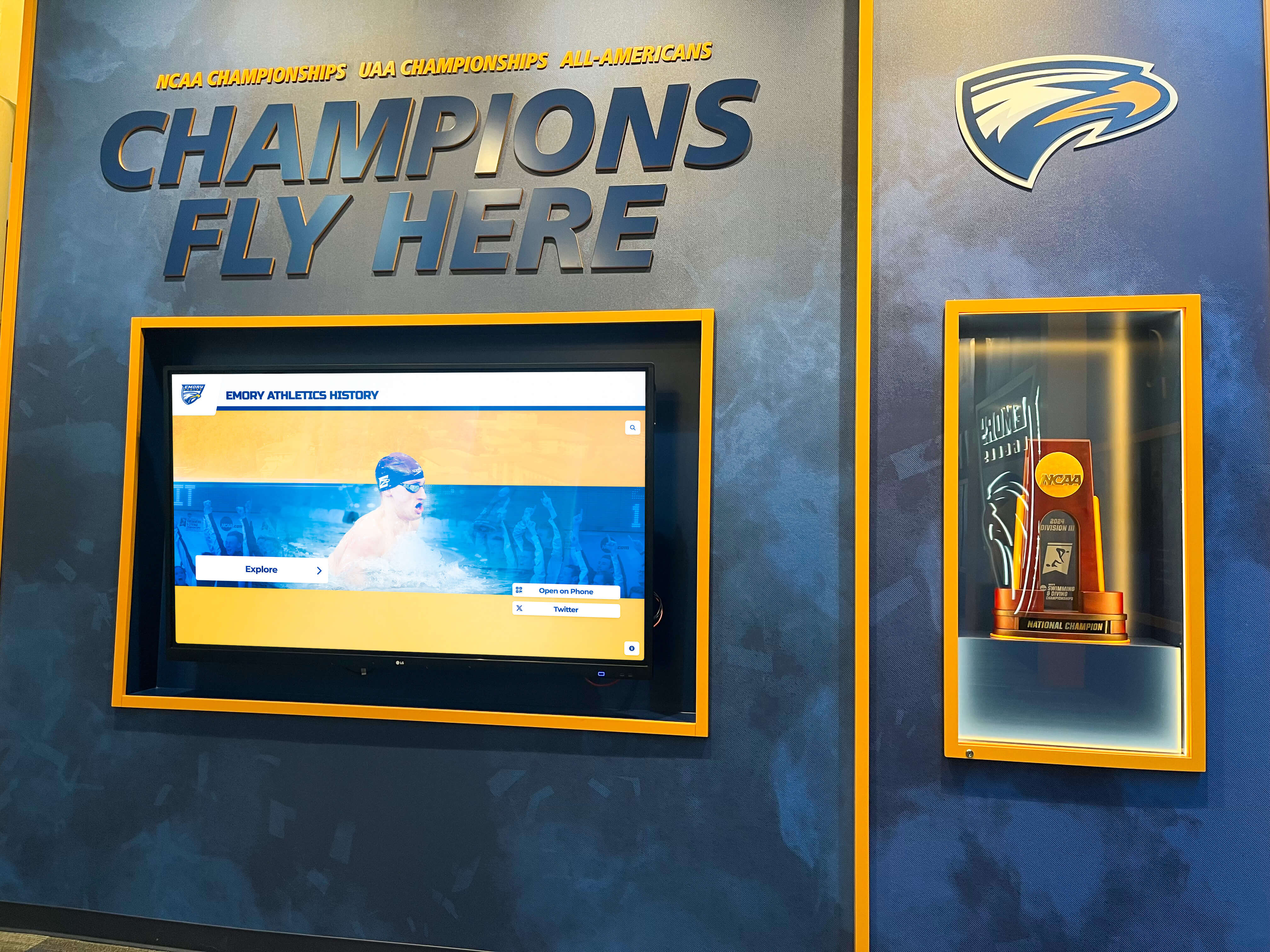
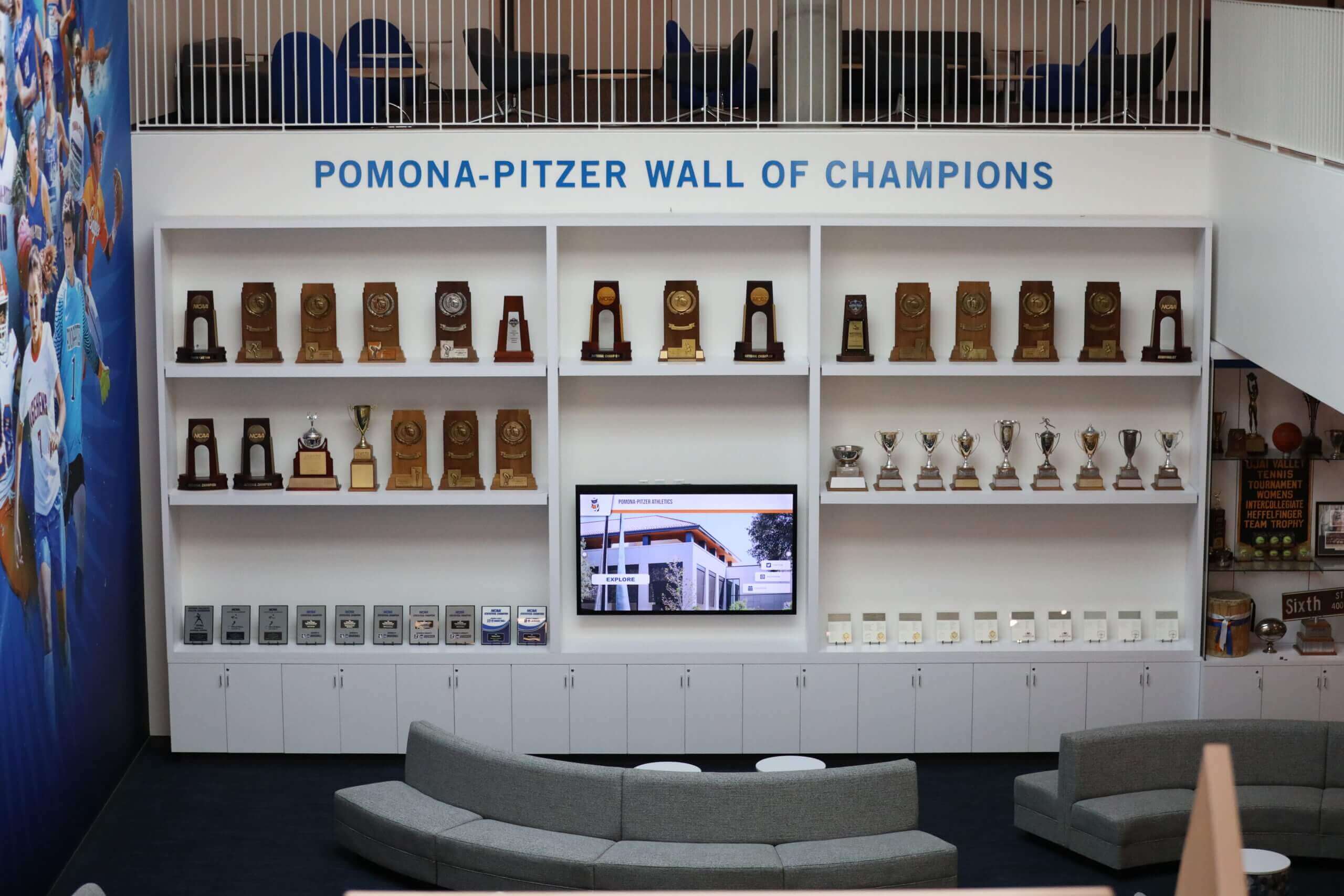
Trophy Cases and Display Cases: Glass-front display cases in school lobbies, hallways, or common areas provide visible locations to showcase trophies, plaques, and certificates. Trophy cases offer tangible, permanent recognition that students encounter regularly during normal school activities. However, physical cases present significant limitations including limited capacity forcing difficult prioritization decisions about which achievements warrant display space, static presentation providing minimal context beyond object itself, deterioration over time as items accumulate dust or materials degrade, and inflexibility preventing easy updates as new achievements occur.
Wall-Mounted Plaques and Recognition Boards: Engraved plaques mounted on walls create formal recognition preserving award recipient names across years. Many schools maintain permanent plaques listing department award winners, valedictorians, or scholarship recipients across decades. While plaques provide lasting documentation, they share trophy case limitations around space constraints, limited information capacity beyond names and years, and inflexibility requiring physical modification to add new recipients.
Certificates and Individual Keepsakes: Paper certificates, medals, or small trophies distributed to award recipients provide personal mementos students can display at home or include in college applications. These individual keepsakes matter greatly to recipients but provide no ongoing institutional recognition visible to current and future students who might be inspired by historical achievement examples.
Yearbook Documentation: Many schools dedicate yearbook pages to documenting end of year award recipients, creating permanent historical records. Yearbooks provide valuable documentation but offer minimal ongoing visibility—most students rarely return to previous years’ yearbooks after initial publication.
Digital Recognition Solutions for Sustainable Achievement Preservation
Modern digital recognition platforms overcome traditional approach limitations while introducing capabilities that transform how schools preserve and present student achievements.
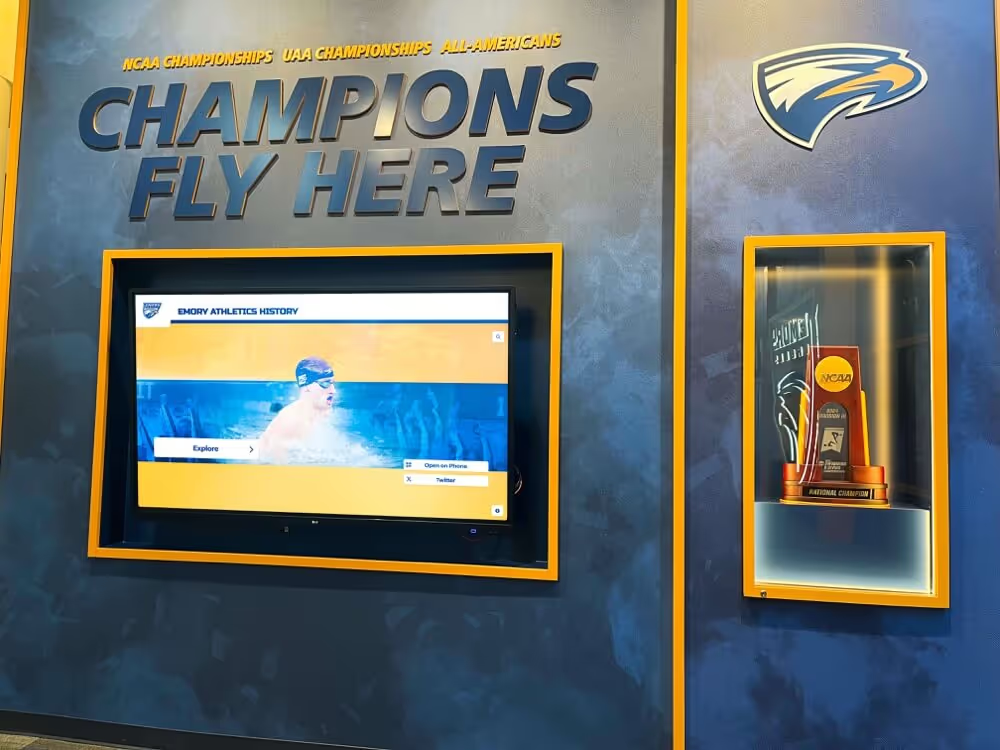
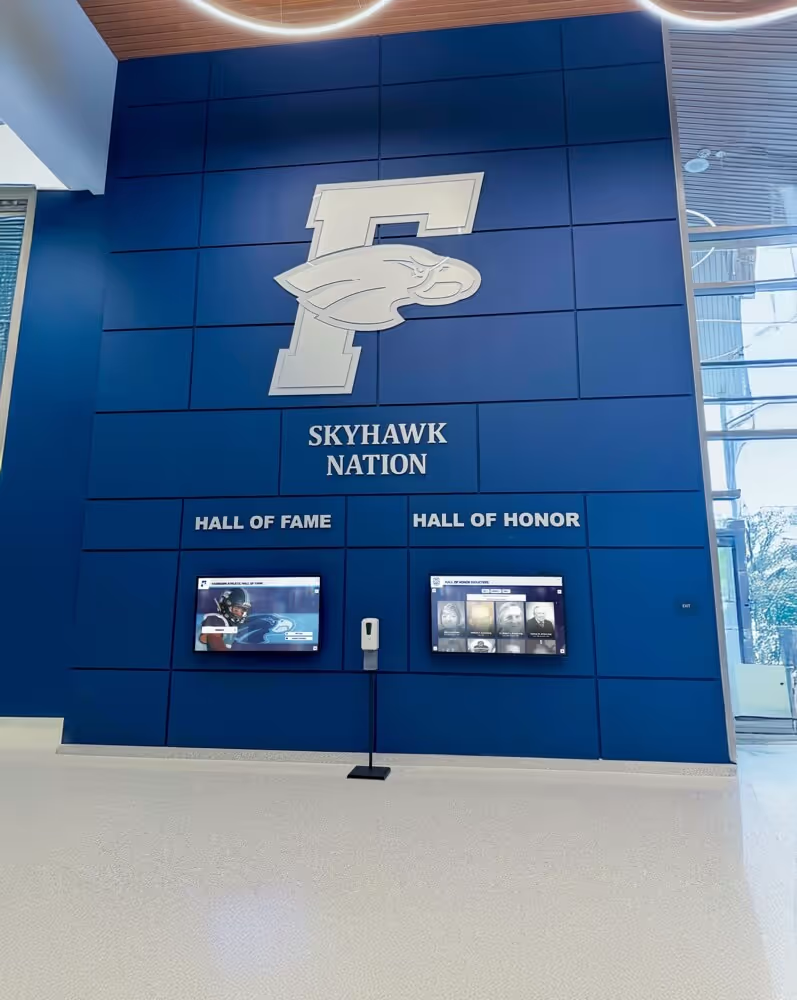
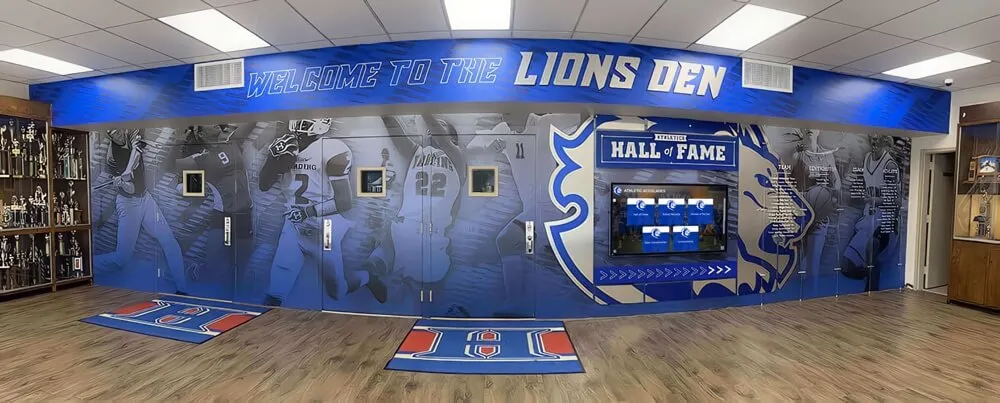
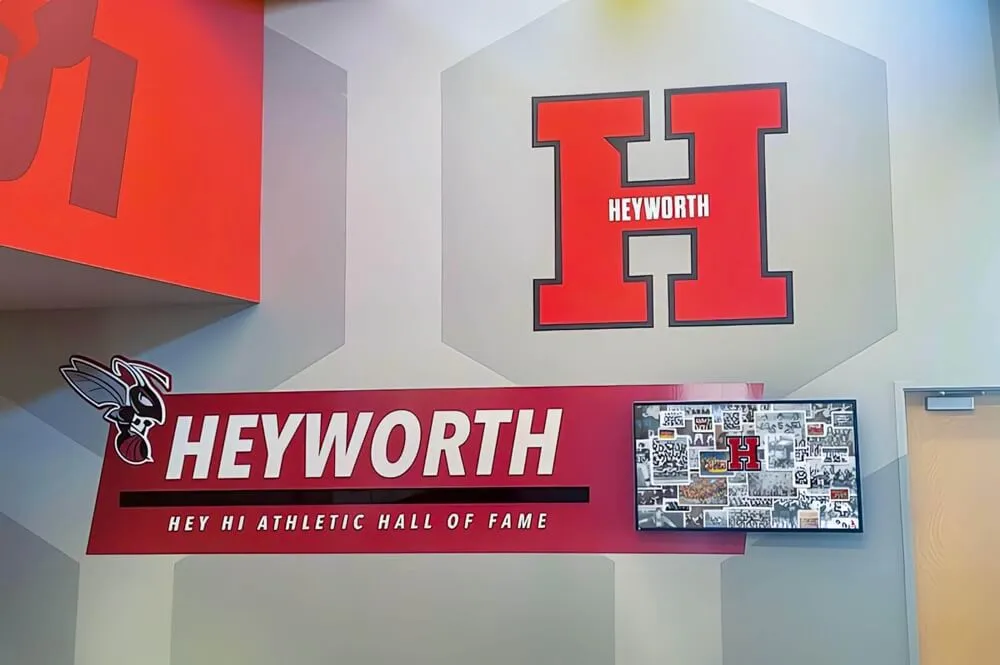
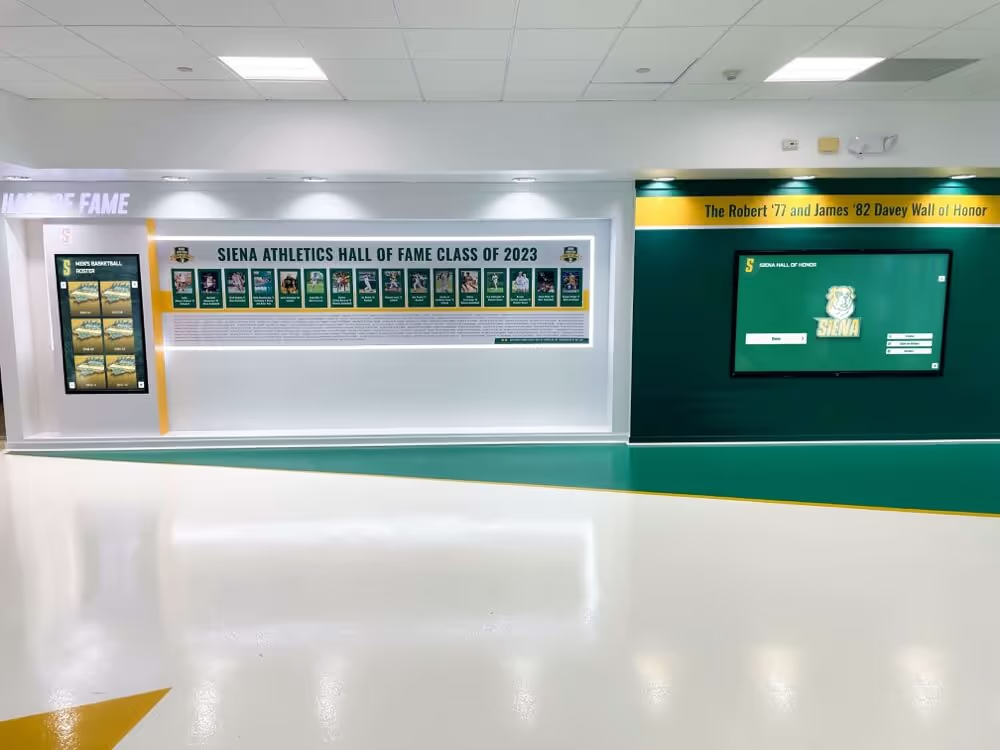
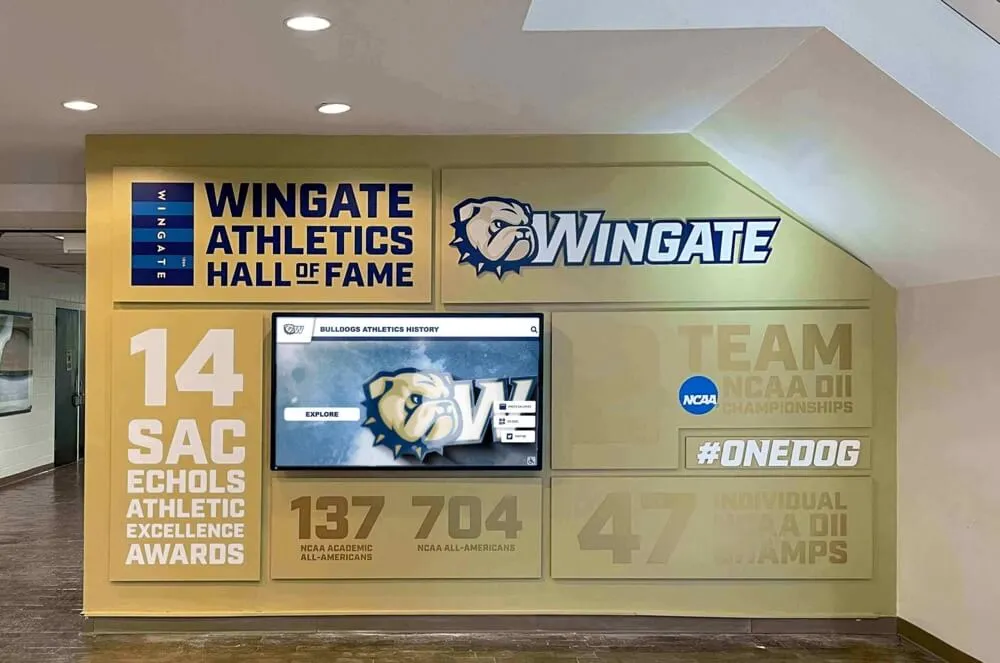
Unlimited Recognition Capacity: Digital systems accommodate unlimited award recipients across all years without physical space constraints. Whether recognizing twenty students or two hundred, the display footprint remains constant. Schools never face decisions about removing older recognition to create space for new recipients, ensuring every achievement receives permanent commemoration across complete institutional histories.
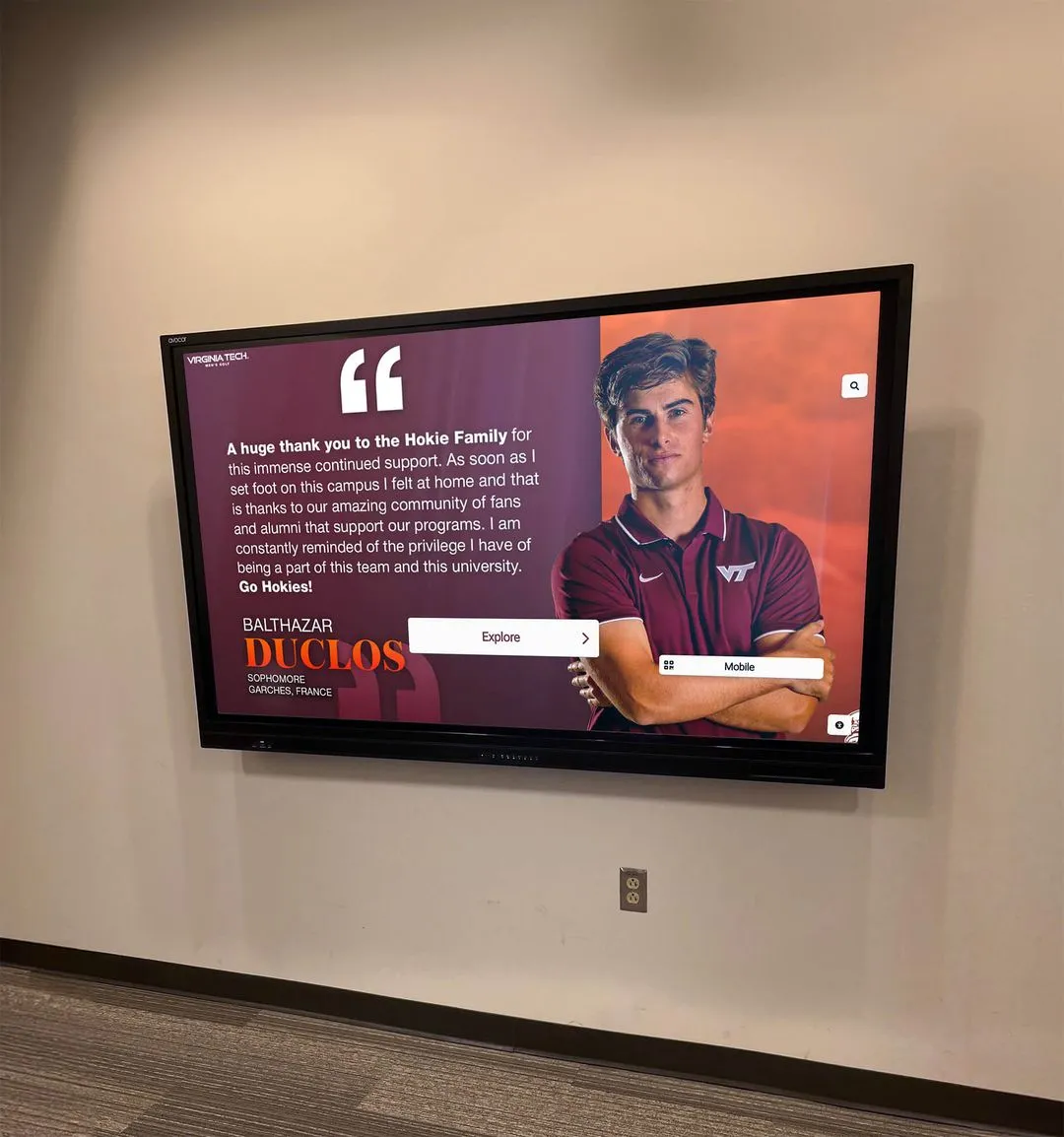
Rich Multimedia Profiles: Digital recognition includes professional photographs showing students at relevant activities, detailed achievement narratives explaining accomplishment context and significance, video clips from performances, competitions, or acceptance speeches, comprehensive achievement histories connecting end of year awards to broader patterns of excellence, and advice or reflections from recipients about their journeys. This multimedia depth creates compelling recognition that static plaques cannot match.
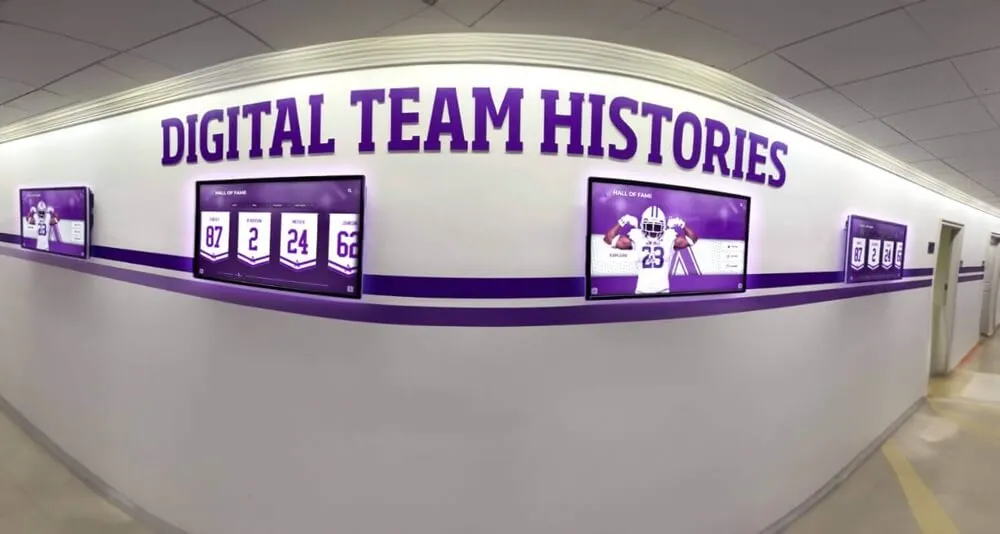
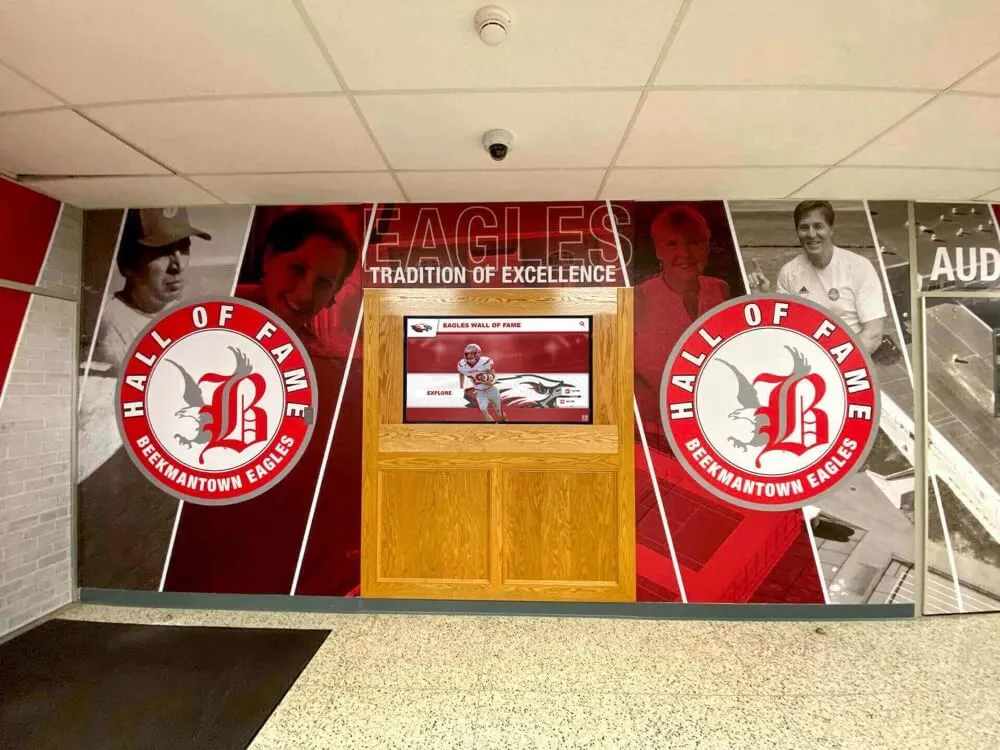
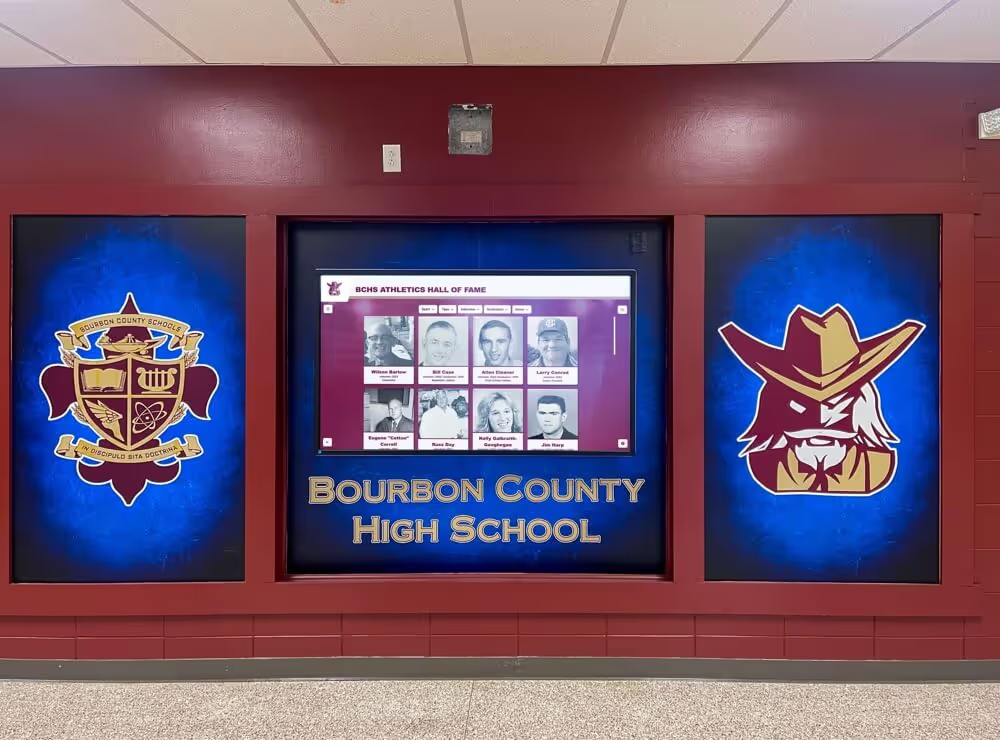
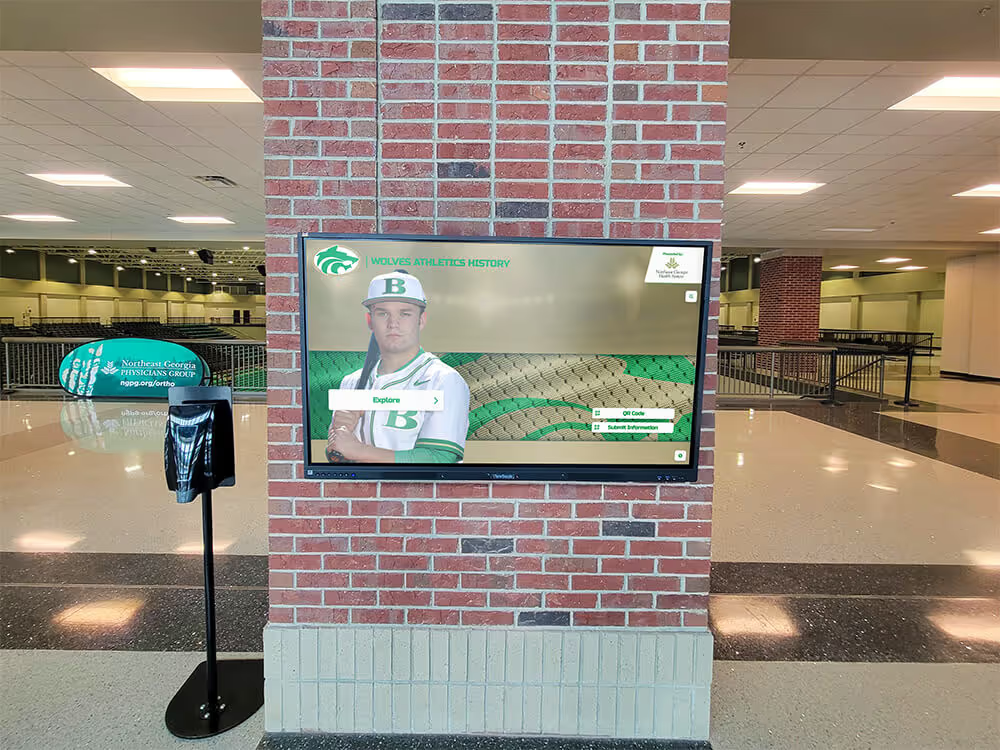
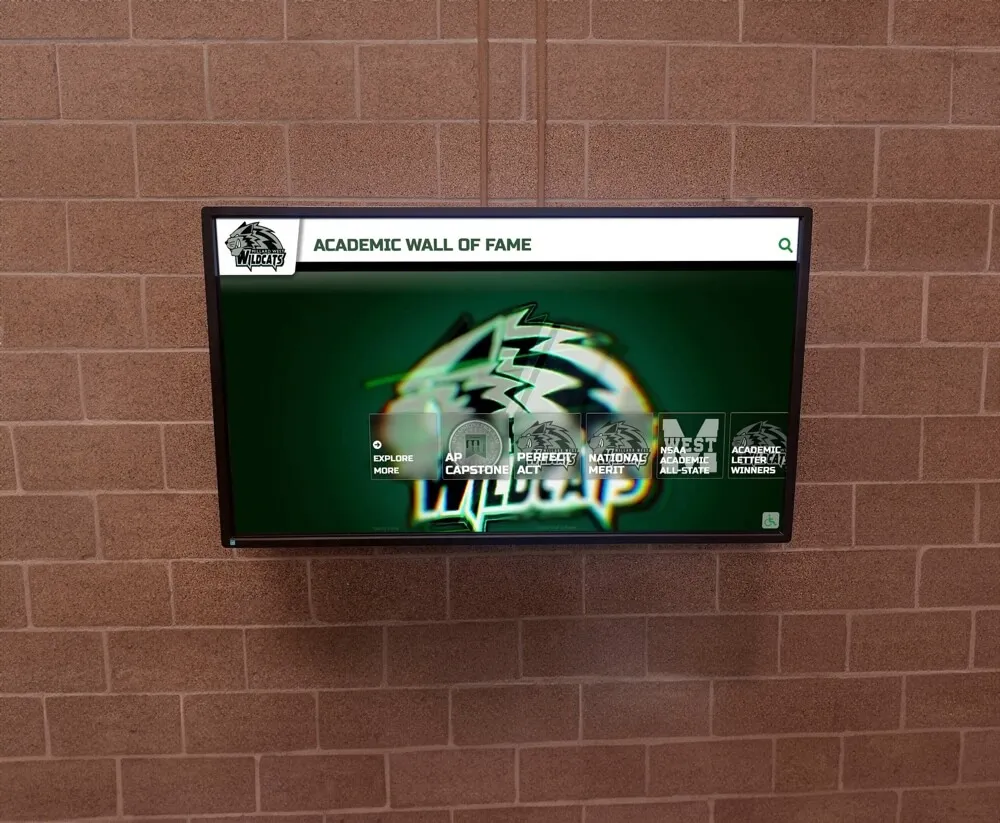
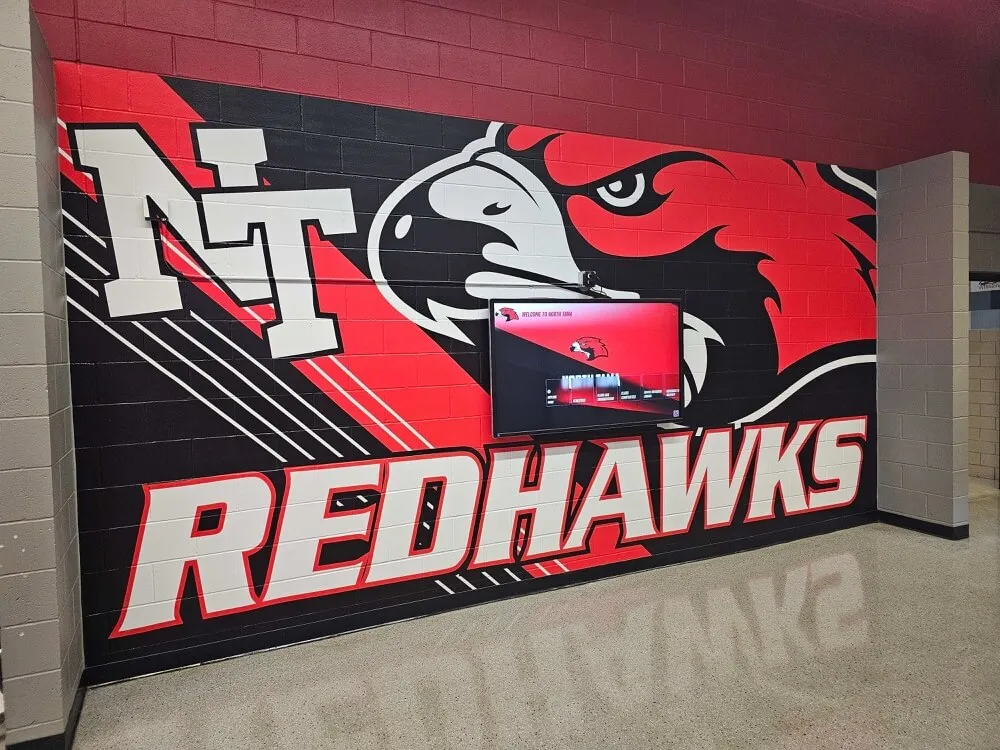
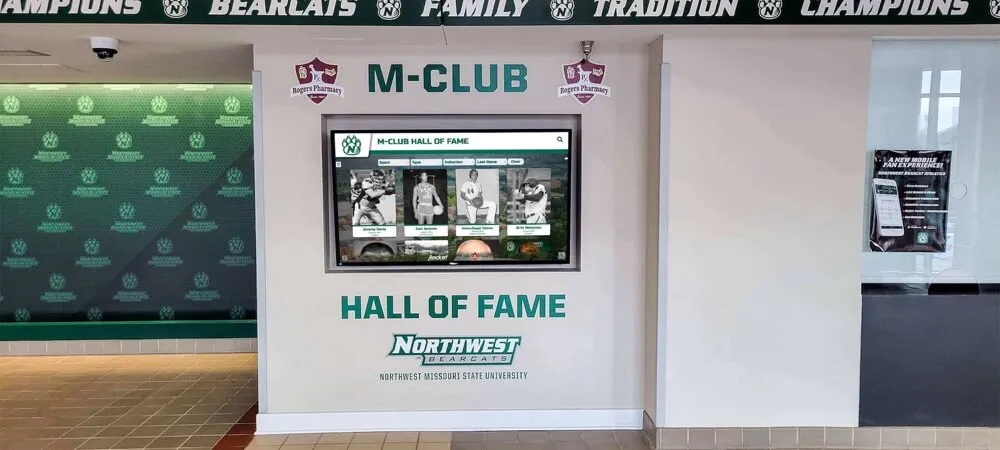
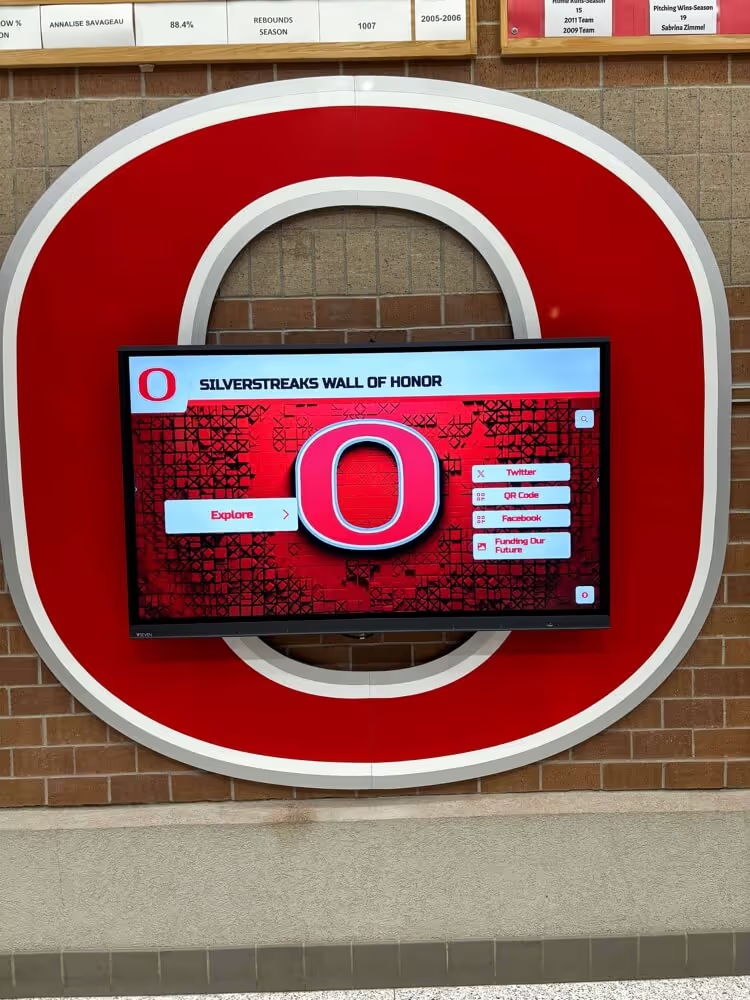
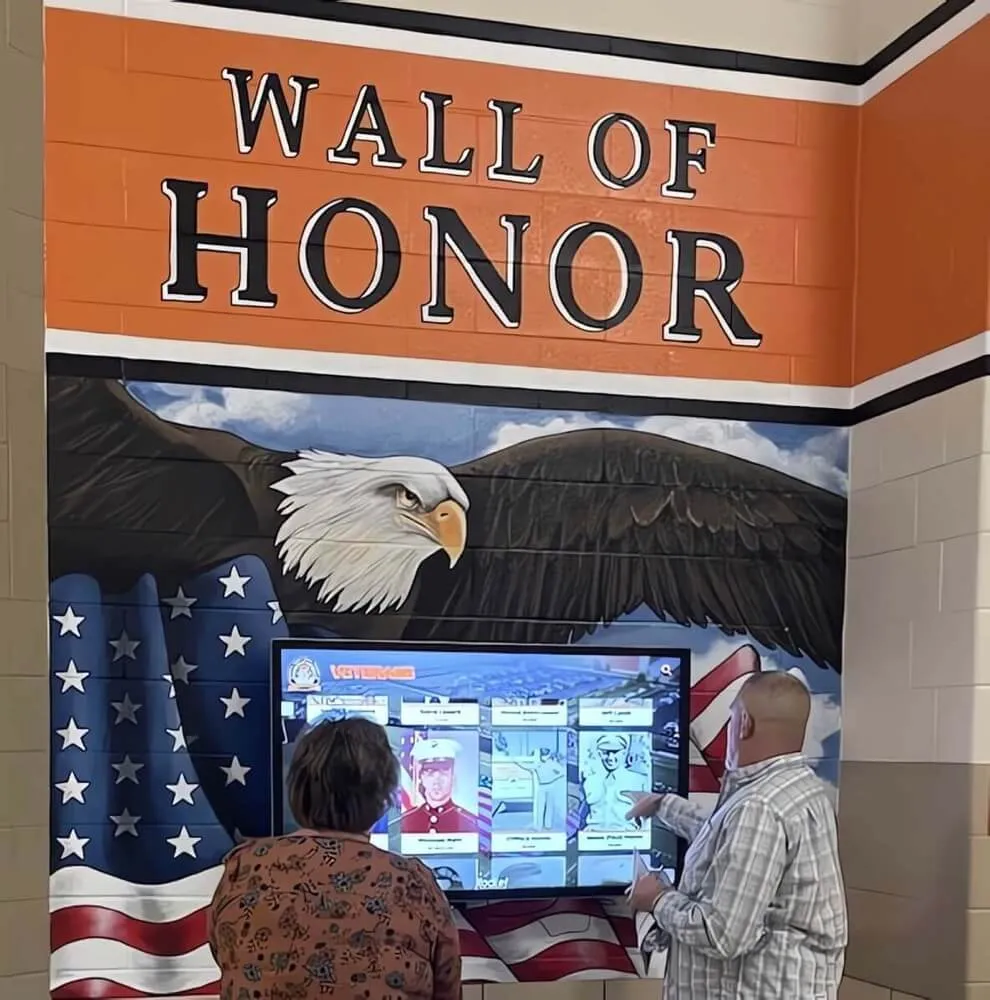
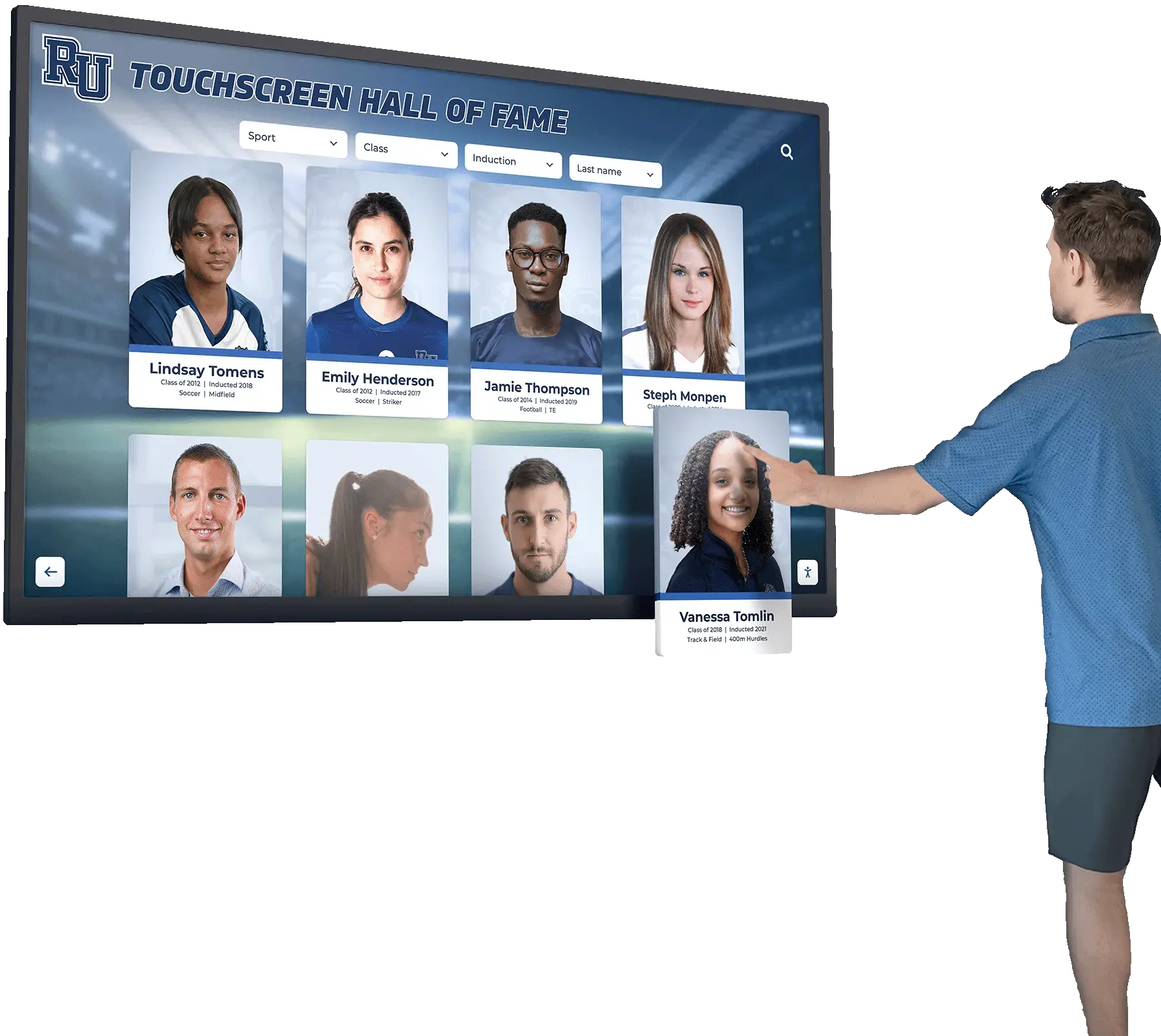
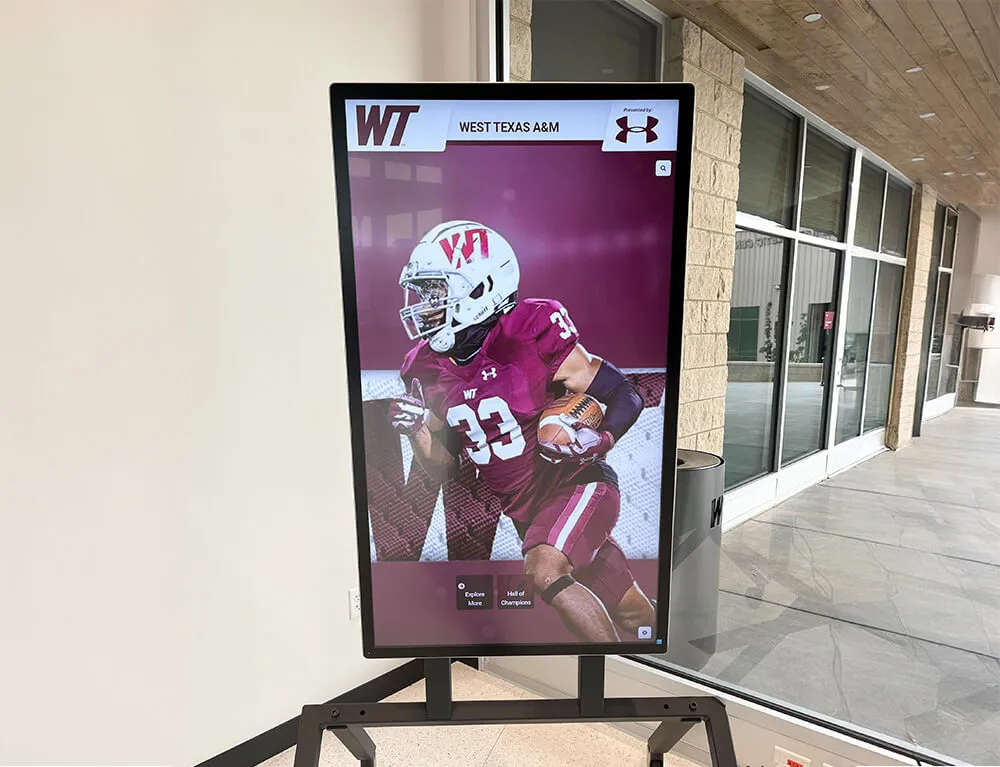
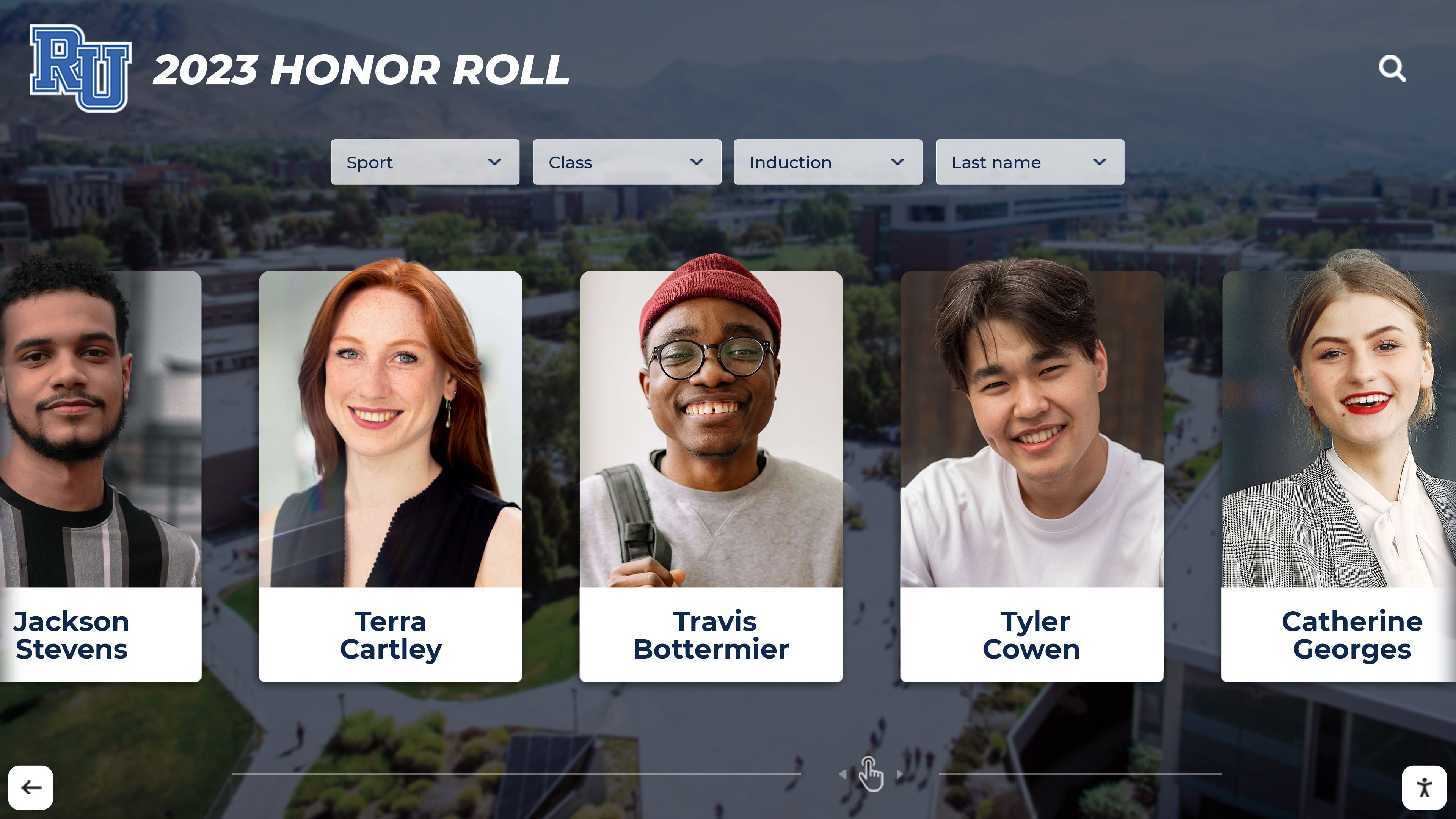
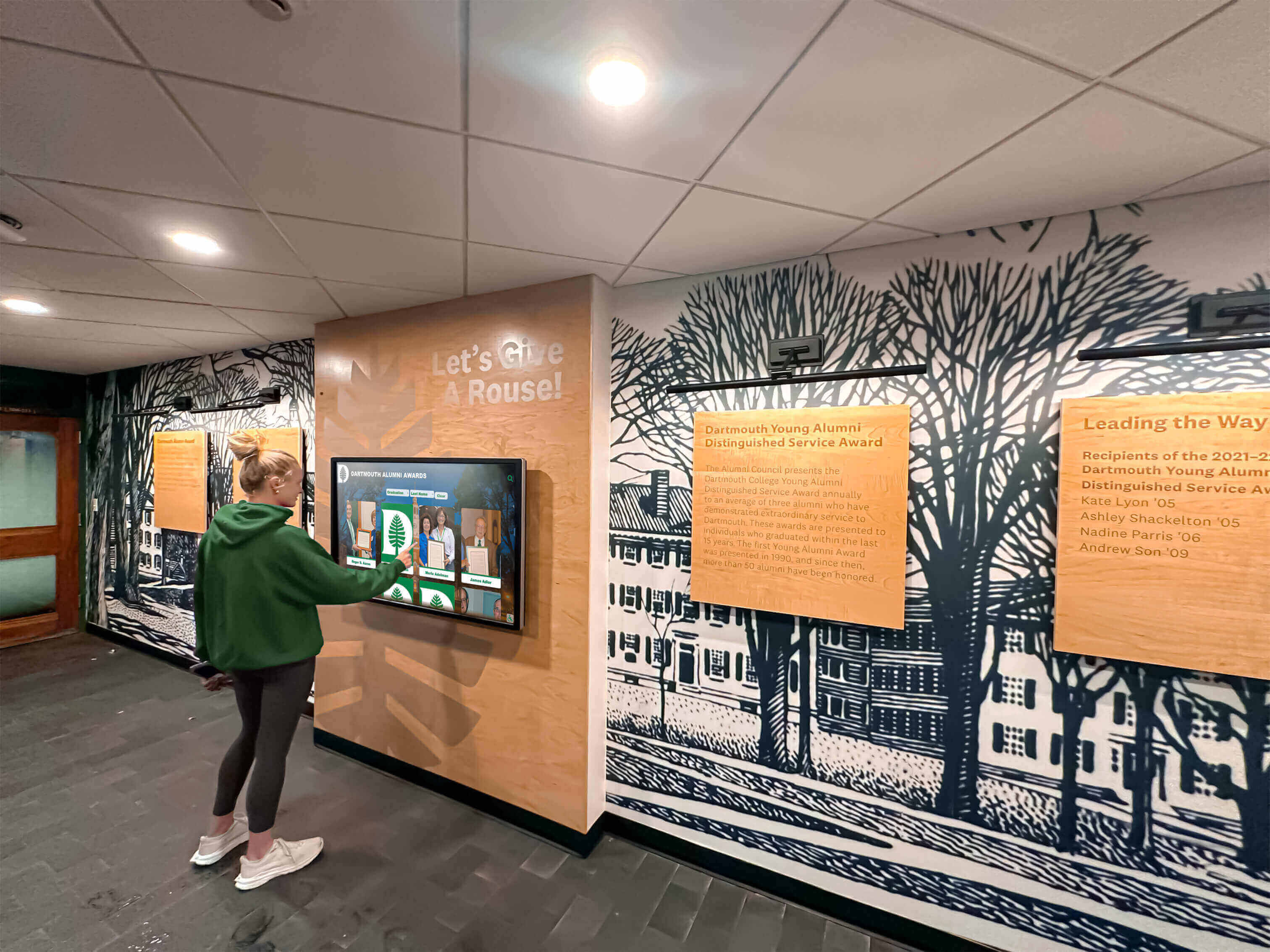
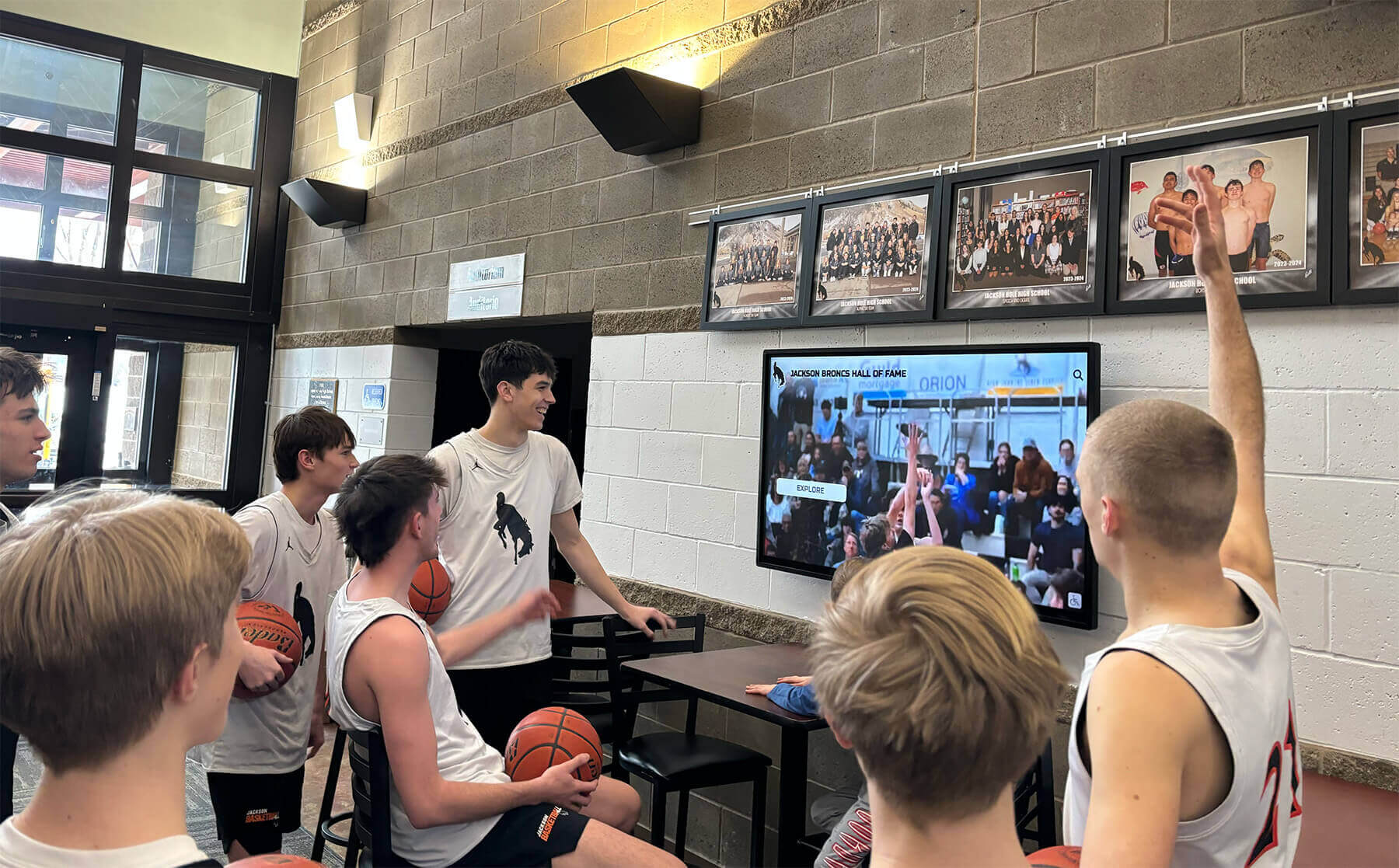
Interactive Exploration Features: Touchscreen interfaces enable active exploration rather than passive viewing. Students, families, and visitors can search for specific recipients by name, browse by graduating class to explore institutional history chronologically, filter by award category to see department award winners or athletic achievement, discover connections between achievements and time periods, and explore comprehensive profiles revealing achievement stories. This interactivity increases engagement dramatically compared to brief glances at trophy cases.
Instant Content Updates: Cloud-based management systems enable recognition coordinators to add new award recipients immediately after ceremonies conclude. No waiting for engraving services, physical material ordering, or installation scheduling that might delay recognition by weeks or months. Digital updates happen in minutes from any internet-connected device, ensuring timely celebration maintains relevance and impact.
Extended Reach Through Web Access: Digital recognition platforms extend beyond physical displays in school buildings. Web-based access enables students to share their recognition with extended family members nationwide, alumni to return and explore their achievements years after graduation, prospective families to understand school excellence culture before visiting campus, and college admissions officers to verify achievement claims in applications. Many schools implementing comprehensive digital recognition find that online access significantly extends recognition impact beyond brief ceremony moments.
Solutions like Rocket Alumni Solutions provide comprehensive platforms designed specifically for educational recognition, offering intuitive content management requiring no technical expertise, flexible templates designed for student achievement profiles, robust multimedia support for photos and videos, searchable databases with filtering capabilities, and mobile-responsive web versions extending access beyond physical displays. These purpose-built education platforms deliver significantly better experiences than generic digital signage software adapted for recognition purposes.
Creating Comprehensive Recognition Ecosystems
Most effective approaches combine thoughtful ceremony experiences with permanent digital recognition creating comprehensive systems serving multiple purposes across time.
Ceremony-to-Digital Integration: Capture professional photos during awards ceremonies specifically for inclusion in digital recognition profiles. Collect brief achievement narratives from teachers, coaches, or mentors nominating students for awards. Record brief video clips of recipients receiving awards or giving acceptance remarks. Gather achievement details and personal information through standardized forms distributed to recipients during or immediately after ceremonies. This systematic collection ensures ceremony experiences naturally feed into permanent digital recognition without requiring redundant information gathering.
Year-Round Visibility: Digital recognition displays remain visible throughout entire academic years, not just during ceremony periods. Place interactive kiosks in high-traffic areas including main entrance lobbies where visitors form first impressions, guidance counseling areas where students discuss college and career planning, libraries or academic commons where students study and work, and cafeterias or student lounges where students gather during free time. Year-round visibility ensures recognition inspires current students continuously rather than existing as isolated annual events.
Historical Depth and Institutional Memory: Digital platforms make it practical to recognize award recipients from throughout school history, not just current year honorees. Include historical recognition demonstrates long-term institutional commitment to excellence while creating more substantial displays honoring complete program traditions. Research historical recipients through yearbook archives, permanent record files, and alumni outreach. While gathering historical information requires effort, digital platforms make it practical to add historical profiles gradually as research uncovers additional information.
Explore guidance about creating comprehensive student recognition programs that celebrate diverse achievements effectively.
Administrative Systems and Workflows for Sustainable Programs
Well-designed award programs require efficient administrative systems ensuring recognition remains sustainable across leadership transitions rather than depending entirely on specific individuals’ heroic efforts.
Nomination and Selection Processes
Clear, consistent processes for nominating and selecting award recipients ensure fairness, reduce administrative burden, and maintain stakeholder confidence in recognition legitimacy.
Faculty Nomination Systems: Establish clear nomination processes for each award category. Academic department awards typically involve teachers nominating students from their classes based on specified criteria. Athletic awards flow from coach recommendations based on season performance and contribution. Create standardized nomination forms capturing relevant information including specific examples justifying nominations, achievement context demonstrating criteria fulfillment, and supporting evidence like grades, statistics, or project samples. Set clear deadlines providing sufficient time for committee review before ceremony dates.
Selection Committee Structures: Many schools use committees rather than single decision-makers for award selections, reducing bias and ensuring multiple perspectives inform recognition decisions. Committee composition might include department chairs or lead teachers for academic awards, athletic directors and head coaches for sport recognition, activities directors and club advisors for leadership awards, and administrators providing oversight ensuring fairness and consistency. Committees should establish clear selection criteria and evaluation rubrics before reviewing nominations, ensuring decisions reflect established standards rather than subjective impressions.
Transparency and Communication: Clearly communicate award criteria, nomination processes, and selection timelines to all stakeholders including faculty and staff who will nominate students, students who may aspire to recognition, and families who support student achievement pursuits. Transparency about processes builds confidence that recognition reflects genuine merit rather than favoritism, political considerations, or unclear subjective preferences.
Appeals and Review Processes: Consider establishing processes for respectfully addressing concerns about award selections. While schools cannot accommodate every disappointed student or parent, having clear channels for raising concerns demonstrates commitment to fairness. Appeals processes might involve review by different administrators, examination of whether established criteria were properly applied, or consideration of evidence not available during original selection processes. Most appeals will not result in changed decisions, but having clear processes demonstrates institutional commitment to fairness and accountability.
Information Collection and Profile Development
Systematic information gathering ensures digital recognition profiles contain comprehensive content rather than minimal details.
Standardized Questionnaires: Develop questionnaires capturing all desired information including biographical details, achievement descriptions, preparation strategies or development journeys, advice for younger students, plans after graduation, and memorable moments. Deploy questionnaires immediately after students learn of awards—typically during ceremony notification or ceremony itself—while excitement remains fresh and students willingly engage with recognition processes. Digital forms prove more efficient than paper collection, automatically organizing responses for easy incorporation into recognition profiles.
Photography Collection: Establish processes for gathering high-quality photographs including professional ceremony photos captured during awards events, candid photos from relevant activities (sports action shots, performance photos, academic competition images), or arranged photo sessions specifically for recognition purposes. Ensure consistent photo quality and styling across all recipients through clear photography guidelines or designated photographers. Obtain explicit media permissions through clear forms complying with student privacy regulations.
Faculty and Mentor Contributions: Solicit brief statements from teachers, coaches, or advisors who nominated students or supported their achievements. These adult perspectives add context and depth to student-focused profiles, explaining achievement significance from educators’ viewpoints. Keep requested contributions brief (100-200 words) to maximize participation without creating unsustainable faculty burden.
Assignment of Responsibilities: Designate specific staff members responsible for information collection, verification, and profile development. Typical coordinators include guidance counselors, academic coordinators, activities directors, or dedicated administrative staff. Clear accountability prevents recognition programs from falling through organizational cracks when everyone assumes someone else will handle coordination.
Maintaining Recognition Systems Across Years
Sustainable programs require workflows that persist across leadership transitions, budget cycles, and changing student populations.
Documentation of Processes: Create comprehensive documentation explaining every aspect of award programs including award category definitions and selection criteria, nomination and selection timelines, committee composition and responsibilities, information collection procedures, profile development workflows, ceremony planning checklists, and digital platform administration instructions. Thorough documentation ensures programs continue smoothly when staff members change roles or leave the organization.
Budget Allocation and Planning: Establish clear budget lines funding award programs including ceremony costs (venue, refreshments, programs, audio/visual equipment), physical awards (certificates, medals, trophies), digital recognition platform subscriptions or maintenance, photography services or equipment, and administrative support. Recurring budget allocation ensures programs don’t face annual uncertainty about whether funding will continue.
Regular Program Evaluation: Annually assess award program effectiveness through stakeholder feedback from students, families, faculty, and administrators; attendance and engagement metrics from ceremonies and digital displays; analysis of recipient demographics ensuring equitable recognition; and achievement outcome tracking examining whether recognition correlates with continued student success. Regular evaluation identifies improvement opportunities while demonstrating program value to stakeholders who control resources.
Continuous Improvement Culture: Treat award programs as evolving systems requiring regular refinement rather than fixed traditions immune to change. Solicit feedback about which award categories feel most meaningful, whether ceremony formats engage audiences effectively, how digital recognition could better serve students and families, and what emerging forms of achievement warrant new recognition categories. Schools that continuously refine award programs maintain relevance and effectiveness across changing educational priorities and student populations.
Special Considerations for Different School Contexts
Award programs must adapt to specific school characteristics, student populations, and community contexts rather than following one-size-fits-all approaches.
Small Schools and Limited Award Categories
Schools with small graduating classes face distinct challenges creating meaningful recognition without diluting award significance or repeatedly recognizing the same high-achieving students across multiple categories.
Selective Category Focus: Small schools might implement fewer total award categories with higher selectivity rather than attempting comprehensive programs designed for larger populations. Focus recognition on truly exceptional achievement within available categories rather than creating numerous awards ensuring broad participation. Quality over quantity approaches maintain award prestige while acknowledging resource and population constraints.
Collaborative Multi-School Recognition: Consider partnering with similar schools in conferences or regions to create shared recognition programs. Multi-school academic competitions, combined arts showcases, or league-wide athletic recognition create additional opportunities for student acknowledgment beyond single-school limitations. Collaborative approaches leverage combined resources while creating more competitive contexts that enhance recognition prestige.
Historical Depth Emphasis: Small schools can differentiate recognition by emphasizing historical depth—comprehensively documenting award recipients across decades of institutional history. While any given year might honor limited recipients, accumulated recognition across complete school histories creates substantial displays demonstrating long-term traditions of excellence. Digital platforms particularly enable this historical approach through unlimited capacity accommodating complete institutional archives.
Large Schools and Scale Challenges
Large comprehensive high schools face opposite challenges—so many accomplished students that comprehensive recognition becomes logistically challenging and ceremony length becomes unmanageable.
Domain-Specific Ceremonies: Host multiple recognition events organized by achievement domain rather than attempting single ceremonies honoring all recipients. Separate academic awards nights, athletic recognition banquets, arts showcases, and leadership celebrations allow adequate time for meaningful individual recognition without marathon events testing audience patience. Domain-specific events also create more focused experiences where attendees share common interests.
Grade-Level Recognition: Organize separate ceremonies or assemblies for each grade level rather than whole-school events. Grade-specific approaches reduce audience size to manageable levels, allow age-appropriate ceremony formats, and ensure recognition reaches intended student audiences who might lose focus during lengthy all-school events.
Digital-First Recognition: Large schools particularly benefit from digital recognition platforms serving as primary recognition method complemented by brief ceremony acknowledgment. Comprehensive digital profiles provide detailed recognition accessible year-round, while ceremonies focus on highest-level awards with collective acknowledgment of additional recipients by category. This hybrid approach provides comprehensive recognition without unsustainably long ceremonies.
Diverse Student Populations and Equitable Access
Schools serving diverse student populations must carefully ensure recognition opportunities exist for all demographic groups rather than inadvertently favoring particular student communities.
Multiple Excellence Pathways: Implement award categories recognizing diverse achievement forms including traditional academics, technical and vocational excellence, artistic achievement, athletic success, leadership and service, and character and growth. Multiple pathways ensure students with different strengths all have opportunities for recognition rather than privileging only traditional academic achievers.
Demographic Representation Analysis: Regularly audit award recipients across recent years to examine whether recognition roughly reflects overall student body demographics or whether certain groups receive disproportionate recognition suggesting structural barriers. If particular demographic groups consistently receive minimal recognition, investigate whether award criteria inadvertently favor students with specific advantages or whether nomination processes systematically overlook certain populations.
Language and Cultural Accessibility: Ensure award programs accommodate students and families from diverse linguistic and cultural backgrounds through multilingual ceremony programs and communications, interpretation services during ceremonies when needed, culturally inclusive award categories recognizing diverse forms of excellence, and family engagement approaches respecting various cultural norms around celebration and public recognition.
Budget-Constrained Implementation
Schools facing significant budget limitations can still create meaningful recognition programs through strategic prioritization and resourceful implementation.
Focusing on Digital Recognition: Digital platforms, while requiring upfront investment, often prove more cost-effective long-term than traditional approaches involving recurring expenses for engraving, framing, and physical materials. A single interactive kiosk providing unlimited recognition capacity across decades may cost less over five-year periods than traditional approaches requiring ongoing per-student material expenses.
Leveraging Partnerships and Donations: Seek external funding through parent organizations, educational foundations, alumni donations, or local business sponsorships. Many community partners willingly support student recognition initiatives as ways to invest in youth development and strengthen school-community relationships. Approach alumni who received awards in past years about funding recognition programs from which they benefited.
Prioritizing High-Impact Elements: When resources are limited, focus investment on elements providing maximum impact and longevity. Professional photography and quality digital recognition platforms typically deliver better long-term value than elaborate ceremony venues or expensive physical trophies. Strategic prioritization ensures limited resources create maximum recognition impact.
Learn more about creating effective recognition within various budget contexts through guidance about student achievement displays and implementation strategies.
Measuring Recognition Program Impact
Effective award programs demonstrate measurable impact justifying continued investment and identifying improvement opportunities.
Quantitative Metrics
Track objective indicators reflecting program reach and engagement:
Participation and Attendance: Monitor ceremony attendance rates, recipient participation in information collection, digital display engagement analytics tracking how many users interact with touchscreen kiosks, and web platform traffic showing online recognition access. Increasing participation and engagement over time suggests programs successfully reach and resonate with target audiences.
Recognition Coverage: Analyze what percentage of student body receives some form of end of year recognition, whether recognition opportunities exist across all major achievement domains, and if award recipients reflect diverse demographic representation roughly matching overall student population. Comprehensive coverage without dilution indicates well-designed programs celebrating breadth of excellence.
Program Sustainability: Track whether administrative burden remains manageable through efficient workflows, budget allocation continues across fiscal years, and programs persist smoothly through leadership transitions. Sustainable programs demonstrate practical implementation rather than unsustainable approaches depending on heroic individual efforts.
Qualitative Feedback
Gather stakeholder perspectives revealing program strengths and improvement opportunities:
Student Feedback: Solicit input from award recipients about ceremony experiences, whether recognition felt meaningful and appropriate to achievement significance, satisfaction with digital recognition profiles, and suggestions for program enhancement. Also gather perspectives from students who didn’t receive awards about whether programs still felt relevant and inspiring to them or whether recognition seemed exclusionary.
Family Perspectives: Survey families about ceremony quality, accessibility and inclusiveness of events, satisfaction with recognition their students received, and perceived value of permanent digital recognition. Family feedback reveals whether programs successfully engage beyond just students themselves.
Faculty and Staff Input: Collect feedback from teachers, coaches, and advisors about nomination and selection processes, administrative burden and efficiency, whether recognition appropriately honors achievement, and suggested improvements. Faculty perspectives identify operational issues and ensure programs remain sustainable for those implementing them.
Alumni Reflection: When possible, gather retrospective feedback from alumni years after graduation about how end of year recognition influenced their educational journeys, college and career outcomes, and emotional connection to school. Long-term alumni perspectives reveal whether recognition created lasting positive impact beyond immediate ceremony moments.
Impact on School Culture and Outcomes
Assess broader program influence on institutional culture and student achievement:
Achievement Trend Analysis: Examine whether recognition programs correlate with increasing student achievement across measured domains. Do more students pursue advanced academics, participate in extracurriculars, or engage in leadership when robust recognition programs exist? While many factors influence achievement, well-designed recognition should demonstrate positive associations with desired student outcomes.
School Pride and Community Engagement: Assess whether recognition programs strengthen school pride among students, families, and communities. Indicators might include increased family attendance at school events, more positive sentiment in school climate surveys, or enhanced school reputation in community perception.
Student Motivation and Aspiration: Investigate whether recognition programs effectively motivate younger students through surveys asking whether students view awards as aspirational goals, whether they understand pathways to recognition in areas they value, and if displays of previous recipients inspire their own achievement pursuits. Recognition should demonstrably inspire continued excellence rather than functioning purely as retrospective acknowledgment.
Conclusion: Building Excellence Cultures Through Meaningful Recognition
High school end of year awards represent far more than ceremonial obligation or administrative task requiring annual completion. When schools invest genuine thought, adequate resources, and sustained attention in recognition programs, they create powerful systems that validate student achievement providing external acknowledgment of years of dedication and growth, inspire younger students through concrete examples of attainable excellence, strengthen school pride and community connections through shared celebration, preserve institutional memory across generations of students, and reinforce school values by explicitly celebrating what matters most.
Effective end of year award programs share common characteristics regardless of specific school contexts including comprehensive scope recognizing diverse achievement forms across academics, athletics, arts, leadership, service, and character; appropriate selectivity maintaining award prestige while celebrating many deserving students; engaging ceremonies creating memorable experiences for recipients, families, and communities; permanent recognition extending impact beyond brief ceremony moments; sustainable implementation through efficient workflows and adequate resources; equitable access ensuring all student groups have recognition opportunities; and continuous improvement culture treating programs as evolving systems requiring regular refinement.
The investment schools make in thoughtful end of year recognition pays dividends across multiple institutional priorities. Students who receive meaningful recognition feel validated and valued by their institutions, developing stronger school connections and clearer understanding of their own capabilities. Younger students who regularly encounter recognition examples understand that excellence is achievable and worth pursuing through dedicated effort. Families whose students receive comprehensive recognition develop stronger relationships with schools and appreciation for institutional cultures celebrating achievement. Communities gain tangible evidence of school quality through visible demonstration of diverse student accomplishments deserving genuine pride.
Essential Implementation Principles for building effective programs include designing recognition around genuine achievement significance rather than perfunctory obligation, leveraging modern technology to overcome traditional limitations while enhancing engagement, creating comprehensive award categories reflecting diverse excellence pathways, organizing efficient ceremonies that celebrate meaningfully without testing patience, implementing permanent digital recognition preserving achievements across years, establishing sustainable administrative systems persisting through transitions, ensuring equitable access to recognition opportunities across all student groups, and continuously improving based on stakeholder feedback and outcome data.
Ready to transform how your school celebrates end of year achievements and student excellence? Modern solutions like Rocket Alumni Solutions provide comprehensive platforms designed specifically for educational recognition, offering intuitive content management, engaging interactive displays, unlimited recognition capacity, and proven approaches that help schools build the recognition cultures their students deserve.
Your students achieve remarkable excellence across diverse domains throughout academic years—comprehensive end of year recognition ensures those achievements receive the celebration, visibility, and inspiration value that strengthens school culture for current students and future generations. Physical displays on campus remind students why they’re pursuing education and what they can achieve through dedication, while digital platforms create sustainable solutions that constantly adapt and grow so schools don’t have to choose which students receive deserved recognition.
Explore more guidance about creating comprehensive recognition programs through resources about academic achievement displays and student recognition systems that celebrate diverse forms of student excellence.
Book a demo to see how Rocket Alumni Solutions can help your school create sustainable, engaging end of year recognition programs.