



High school booster clubs serve as the financial backbone for athletic programs, band programs, theater departments, and countless other student activities that school budgets alone cannot adequately support. As educational funding faces ongoing constraints while program costs continue rising—from equipment and uniforms to travel expenses and facility improvements—booster clubs increasingly shoulder responsibility for bridging these financial gaps. Yet many booster club leaders struggle to identify fundraising strategies that generate substantial revenue without exhausting volunteer energy or creating “fundraising fatigue” among the same donors approached repeatedly throughout the year.
Successful high school booster club fundraising requires more than simply hosting the occasional bake sale or car wash. Effective fundraising combines diverse revenue streams—from signature annual events and ongoing sponsorship programs to innovative digital campaigns and legacy giving opportunities—creating sustainable financial foundations that support programs consistently while engaging broader community constituencies. The most successful booster clubs operate strategically, selecting fundraising approaches that match their community demographics, volunteer capacity, and program needs while implementing donor recognition practices that inspire continued support and increased giving over time.
This comprehensive guide provides booster club leaders, parent volunteers, athletic directors, and school administrators with proven high school booster club fundraising ideas spanning events, campaigns, sponsorships, digital strategies, and donor cultivation practices. Whether your booster club raises $10,000 or $100,000 annually, these practical strategies help maximize fundraising effectiveness while building stronger community connections that extend far beyond financial contributions.
Understanding Modern High School Booster Club Challenges
Before exploring specific fundraising ideas, recognizing the contemporary challenges booster clubs face helps explain why traditional approaches sometimes fall short and why diversified strategies prove increasingly necessary.
Budget Gaps Continue Expanding
School districts nationwide have reduced athletic and extracurricular budgets over the past two decades. Programs that once received full district support now depend partially or entirely on booster club funding for essential expenses including uniforms and equipment replacement, coaching stipend supplements, facility maintenance and improvements, travel to competitions and tournaments, strength and conditioning resources, technology and video equipment, and awards and recognition for student participants.

Simultaneously, program costs have increased substantially. A complete set of football uniforms now costs $300-500 per player compared to $150-250 two decades ago. Basketball programs require advanced training technology and video analysis tools that didn’t exist previously. Band programs need instruments costing thousands of dollars each, requiring replacement or repair regularly. These escalating costs place mounting pressure on booster clubs to generate ever-larger revenue.
Volunteer Capacity Remains Limited
Most booster clubs depend on the same core group of dedicated parent volunteers—typically 8-15 active members handling planning, execution, and coordination for all fundraising activities. These volunteers already balance full-time employment, family responsibilities, and other commitments, limiting available time for elaborate fundraising initiatives requiring extensive coordination.
Effective booster club fundraising must account for realistic volunteer capacity. Strategies requiring minimal volunteer time per dollar raised prove more sustainable than labor-intensive approaches generating comparable revenue but exhausting volunteer energy and creating burnout.
Donor Fatigue Is Real
Schools increasingly approach the same community members for multiple causes—booster clubs for various sports, band and choir programs, academic teams, school foundations, PTA/PTO organizations, and special facility campaigns. Well-meaning donors face constant solicitations creating genuine fundraising fatigue.
This environment requires booster clubs to differentiate their fundraising, demonstrate impact clearly, recognize donors meaningfully, and avoid over-solicitation that damages relationships with supporters who might contribute significantly if approached strategically rather than constantly.
Competition for Discretionary Spending Has Intensified
Beyond competing with other school organizations, booster clubs compete for discretionary spending with countless entertainment, recreation, and charitable options. Families choose between supporting booster club fundraisers and streaming services, dining out, youth sports leagues, and hundreds of other expenditure options.
Successful fundraising must offer clear value propositions—whether through entertaining events people genuinely enjoy attending, products families actually want purchasing, recognition that creates emotional satisfaction, or tangible demonstration of how contributions directly benefit students.
High-Impact Fundraising Events That Build Community
Well-planned fundraising events generate significant revenue while creating community experiences that strengthen program support beyond immediate financial returns. The most successful event-based fundraising combines entertainment value, broad appeal, reasonable volunteer requirements, and clear connection to supported programs.
Annual Signature Events Creating Tradition
Establishing one or two “signature” annual events creates anticipated traditions that community members attend reliably year after year. These events become part of local culture rather than simply fundraising obligations.
Golf Tournaments remain among the most profitable booster club fundraising events, particularly in communities with active golf participation. Well-executed tournaments generate $15,000-$40,000+ through multiple revenue streams including team entry fees ($400-800 per foursome), hole sponsorships ($250-1,000 per hole), beverage cart sponsorships, contest sponsorships for closest-to-pin or longest-drive competitions, silent auctions during post-tournament meals, and raffle ticket sales.

Golf tournament success depends on securing golf course partnerships (many courses offer nonprofit rates or donate course use entirely), recruiting corporate sponsors for major revenue beyond entry fees, enlisting volunteers to manage registration, scoring, and logistics, and creating enjoyable experiences encouraging repeat participation annually. While requiring substantial planning, established tournaments largely replicate previous years’ playbooks, making subsequent editions more efficient.
Gala Dinners and Auctions provide formal fundraising opportunities appealing to community members seeking elegant experiences while supporting schools. Successful galas combine ticket sales ($75-150 per person), live and silent auctions featuring donated items, sponsorship packages at various levels ($500-5,000+), special appeal presentations for major gifts, and opportunity drawings.
The auction component drives profitability, requiring systematic solicitation of high-value items from local businesses, experiences from community members (vacation homes, special dinners, professional services), autographed memorabilia from athletes or celebrities, and student-created art or experiences like “principal for a day.” Professional auctioneers or charismatic volunteers skilled at generating bidding enthusiasm significantly impact auction revenue. For comprehensive guidance on planning successful fundraising galas, review this complete gala planning guide for schools and nonprofits.
5K Fun Runs and Walkathons appeal to health-conscious communities while creating family-friendly participation opportunities. These events generate revenue through registration fees ($25-40 per participant), corporate sponsorships particularly from healthcare and fitness businesses, t-shirt sales, and post-race vendor booths or concessions.
Fun runs require less volunteer intensity than some events since timing companies typically manage technical elements for $500-1,000 flat fees. Success depends on effective promotion generating strong participation, securing safe routes with municipal cooperation, and creating enjoyable experiences with post-race celebrations, age-group awards, and community atmosphere. Schools can showcase their athletic programs during these events, creating natural alignment between fundraising and program promotion. Learn more about organizing successful school 5K fundraising events that bring communities together.
Themed Community Festivals combine multiple revenue opportunities in single events. Successful formats include “Taste of [Town Name]” featuring local restaurants offering sample portions, fall festivals with games, activities, and vendor booths, movie nights in school facilities or outdoor spaces, and holiday markets showcasing local artisans and crafts.
These festivals generate revenue through vendor booth fees, admission or activity tickets, concession sales, sponsorships, and raffle opportunities while creating community gathering experiences that build goodwill and strengthen program visibility. The diversified revenue streams cushion risk since no single component determines overall success.
Seasonal Fundraising Events With Built-In Appeal
Aligning fundraising with natural seasonal opportunities leverages existing community interests and traditions rather than creating demand artificially.
Holiday Wreath and Poinsettia Sales capitalize on December decoration demand. Partner with wholesale suppliers who provide products on consignment, eliminating inventory risk while enabling $8-15 profit per item sold. Wreaths typically sell for $30-50, poinsettias for $15-25.
Success requires early promotion beginning in October, convenient pickup locations and times, pre-order systems minimizing unsold inventory, and strategic placement of sales opportunities at community events and high-traffic locations.
Spring Plant Sales follow similar models, offering annuals, perennials, hanging baskets, and vegetable starts during April-May planting season. Partner with local greenhouses or wholesalers providing quality plants, offer diverse selections appealing to various gardening interests, and organize pickup days where volunteers provide planting advice creating community experience beyond simple transactions.
Summer Camps and Clinics generate revenue while providing program benefits simultaneously. Athletic booster clubs can host sport-specific skills camps led by high school coaches and athletes, charging $100-250 per participant for week-long or multi-day experiences. These camps create triple value—generating revenue for booster clubs, providing coaching stipend supplements, and building youth program pipelines that strengthen future teams.

Band and performing arts boosters similarly organize music camps, theater workshops, and technique clinics that generate revenue while developing future program participants. The educational value justifies pricing while creating sustainable annual revenue sources requiring relatively contained volunteer commitment once established.
Competition-Based Fundraising Creating Excitement
Adding competitive elements to fundraising generates excitement and motivates participation through recognition of top contributors.
Student Incentive Campaigns challenge students to sell products or secure donations with prizes for top performers and achievement levels. While requiring careful implementation to avoid excessive pressure or equity concerns, well-designed campaigns generate substantial revenue through motivated student participation.
Successful approaches include tiered prize systems ensuring broad recognition rather than only rewarding top sellers, group competitions between teams or grade levels creating collective motivation, non-monetary incentives like special privileges or experiences rather than expensive prize packages, and reasonable sales periods preventing prolonged disruption to academic focus.
Popular products for student sales campaigns include cookie dough, frozen pizzas, discount cards to local businesses, holiday gift items, and coupon books. Select products offering strong perceived value to buyers, reasonable profit margins ($3-8 per item), and reliable supplier partnerships ensuring quality and timely delivery.
Penny Wars and Change Challenges create friendly competition between classes, teams, or grade levels collecting coins and cash. Teams accumulate points for pennies and lose points for silver coins and bills, creating strategic dynamics where teams both contribute to their own jars and “sabotage” opponents with larger denominations.
These campaigns require minimal volunteer coordination beyond tracking totals and promoting competition, generate surprising revenue through small individual contributions accumulating across large participant bases, and create engaging school-wide activities building spirit while fundraising.
Ongoing Fundraising Programs Providing Consistent Revenue
While special events create excitement and generate concentrated revenue, ongoing fundraising programs produce reliable income throughout the year with relatively modest volunteer requirements once established.
Corporate and Community Sponsorship Programs
Systematic sponsorship programs transform one-time donations into reliable annual revenue while providing businesses with marketing value justifying continued support.
Athletic Field and Facility Sponsorships offer businesses naming rights or prominent recognition at sports venues. Opportunities include scoreboard sponsorships ($5,000-20,000 annually), outfield fence banners ($500-2,000 per banner), gymnasium wall signage, press box or concession stand naming rights, and equipment or team sponsorships.
Develop sponsorship packages at multiple price points creating entry opportunities for small businesses while enabling major commitments from larger corporations. Provide sponsors with clear benefits including prominent logo placement at facilities, recognition in programs and communications, complimentary game or event admission, and social media recognition throughout seasons.
The most successful sponsorship programs establish multi-year commitments with annual renewal processes, reducing repeated sales efforts while creating predictable revenue foundations. Assign committee members to maintain relationships with sponsors through regular appreciation communications, impact reports demonstrating how sponsorship supports students, and systematic renewal outreach well before existing agreements expire.
Program and Event Sponsorships extend opportunities beyond physical facility signage. Offer businesses sponsorship of specific teams at various levels ($500-5,000 annually), game-day sponsorships with PA announcements and recognition, season programs or roster cards featuring sponsor logos, special event title sponsorships, and scholarship sponsorships funding academic or athletic awards in business names.
Create professional sponsorship proposals clearly articulating benefits, demographic reach, and community goodwill value businesses receive. Emphasize employee connections—businesses whose employees’ children participate in programs often provide strongest support since sponsorship directly benefits their own families while generating business exposure.
Digital Recognition Displays Enabling Major Gifts
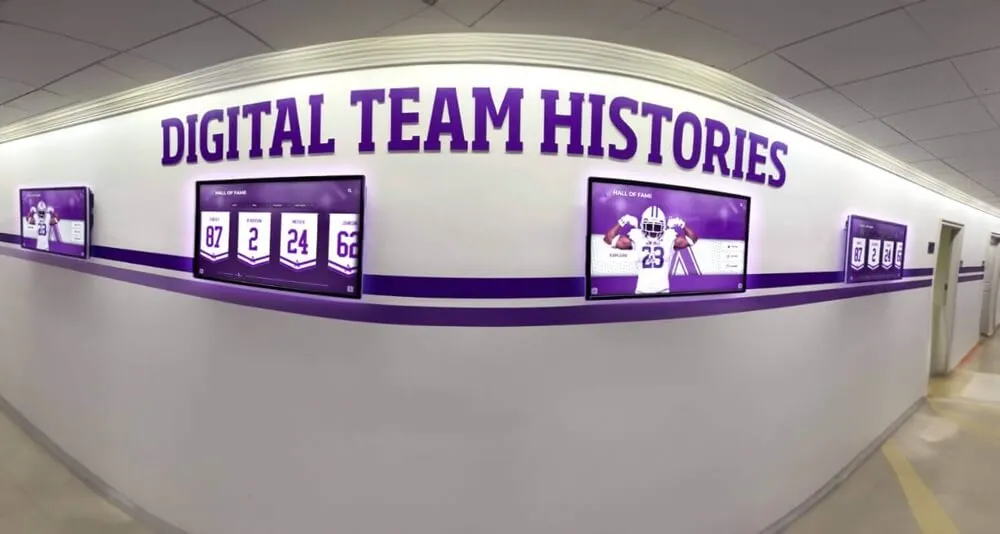
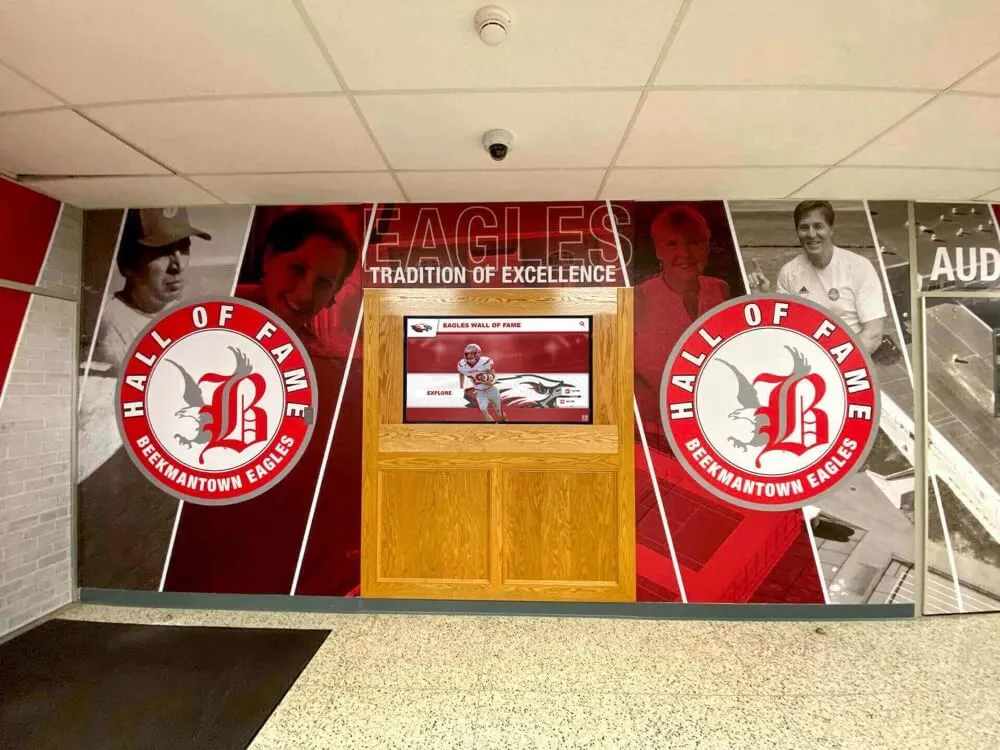
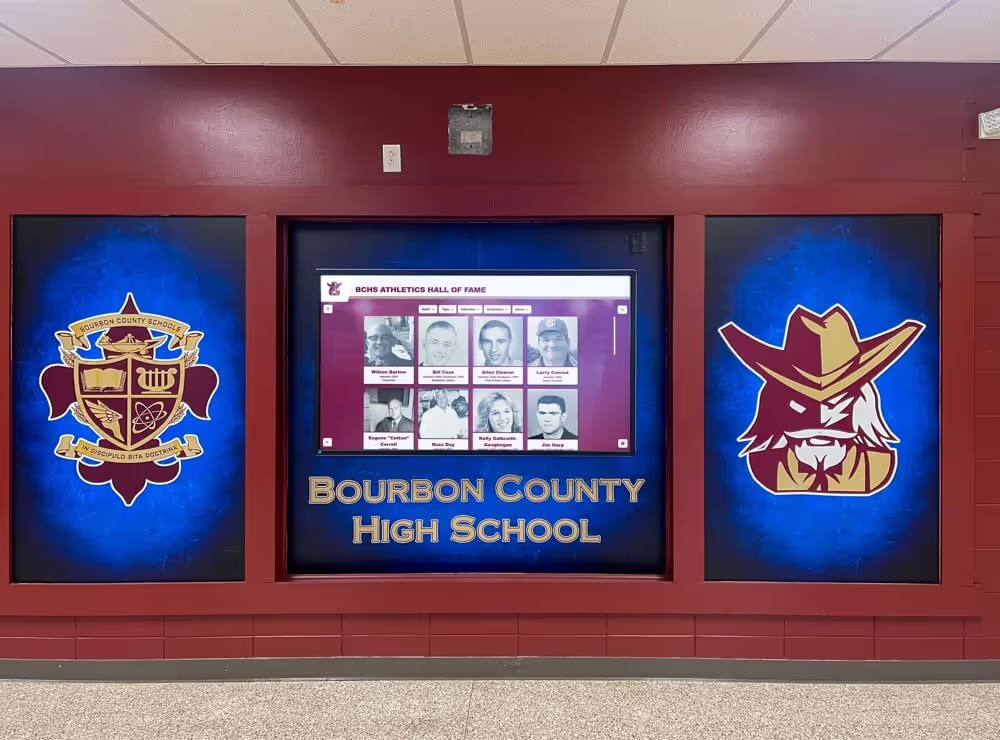
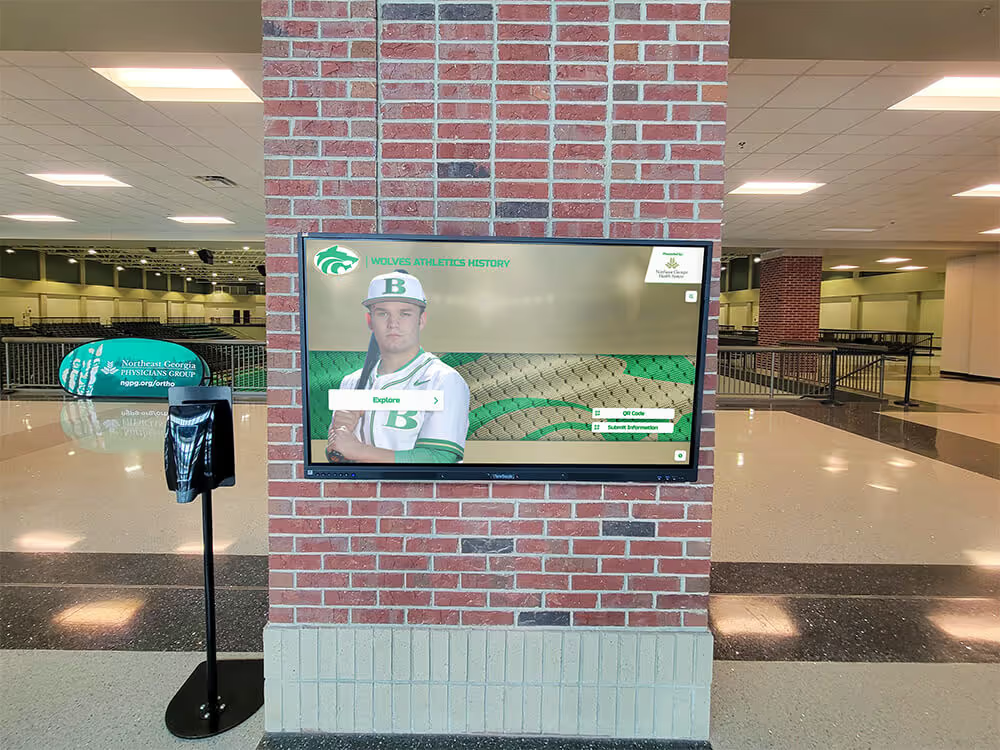
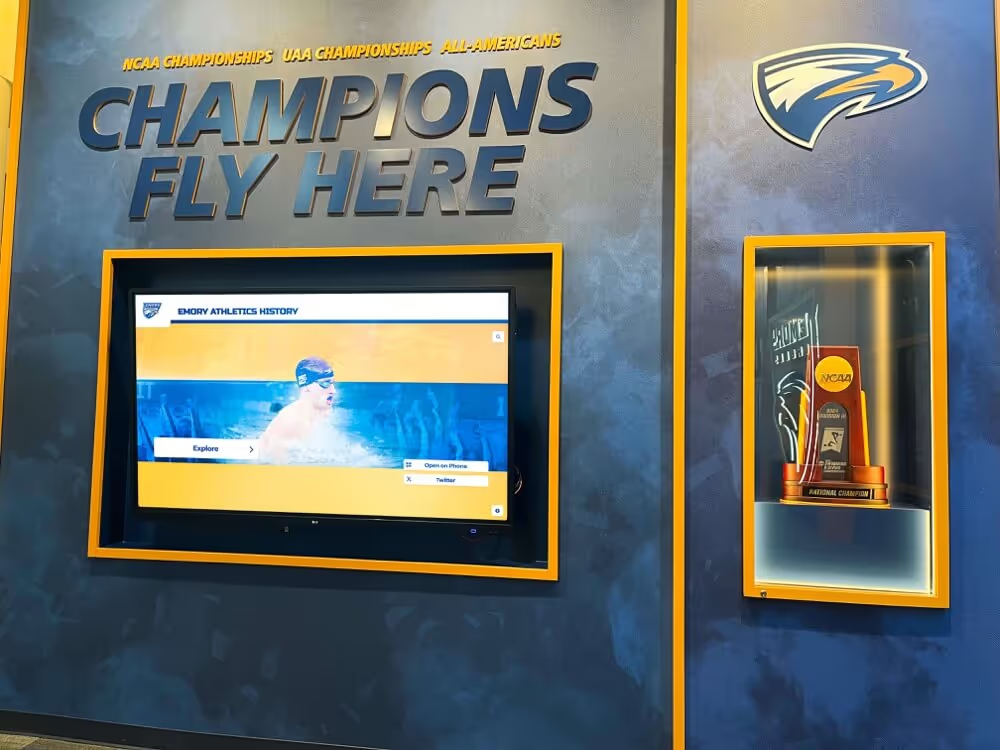
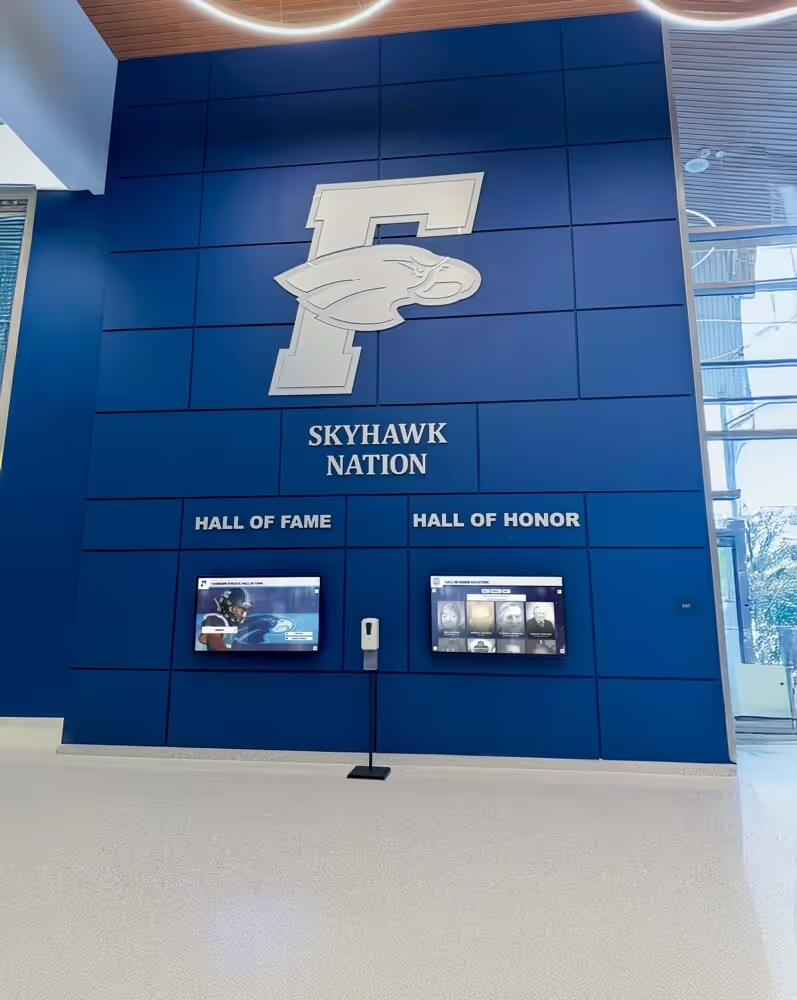
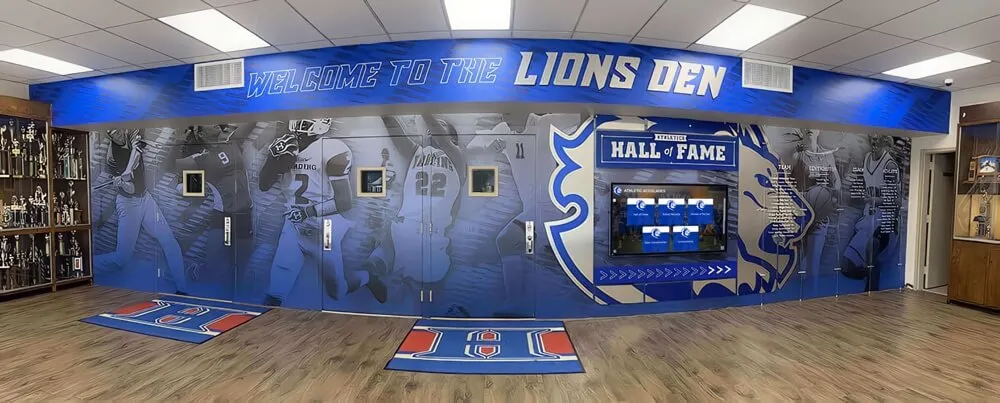
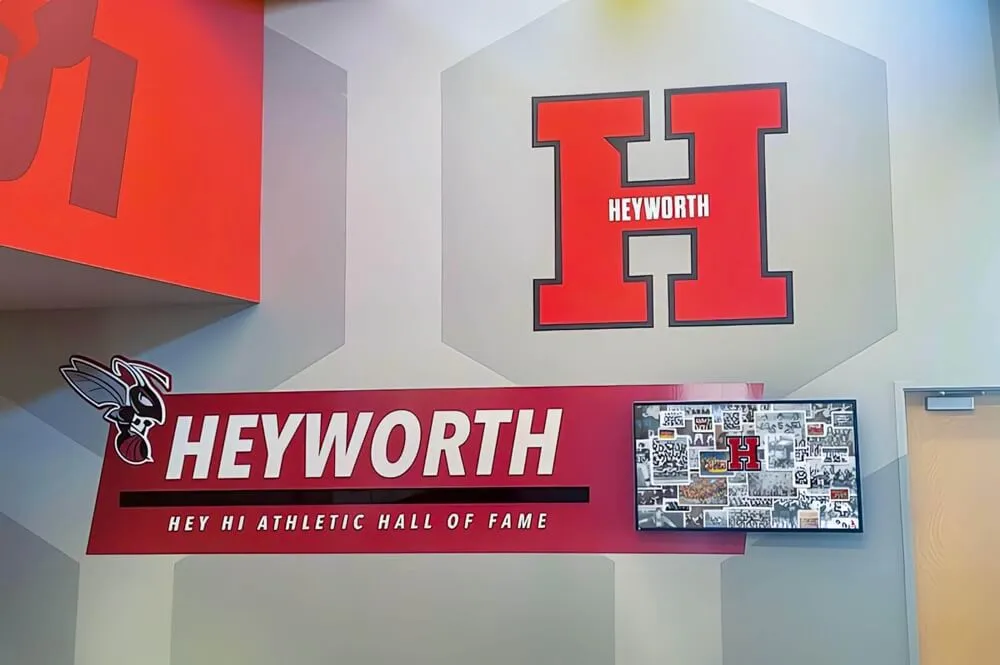
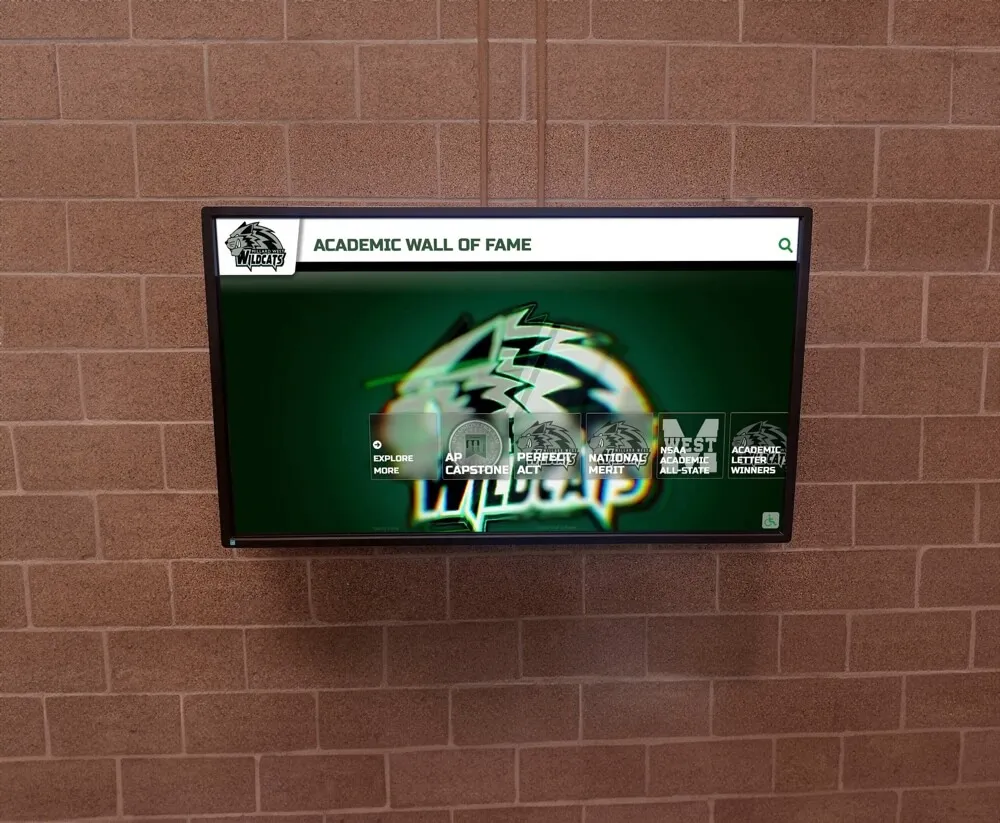
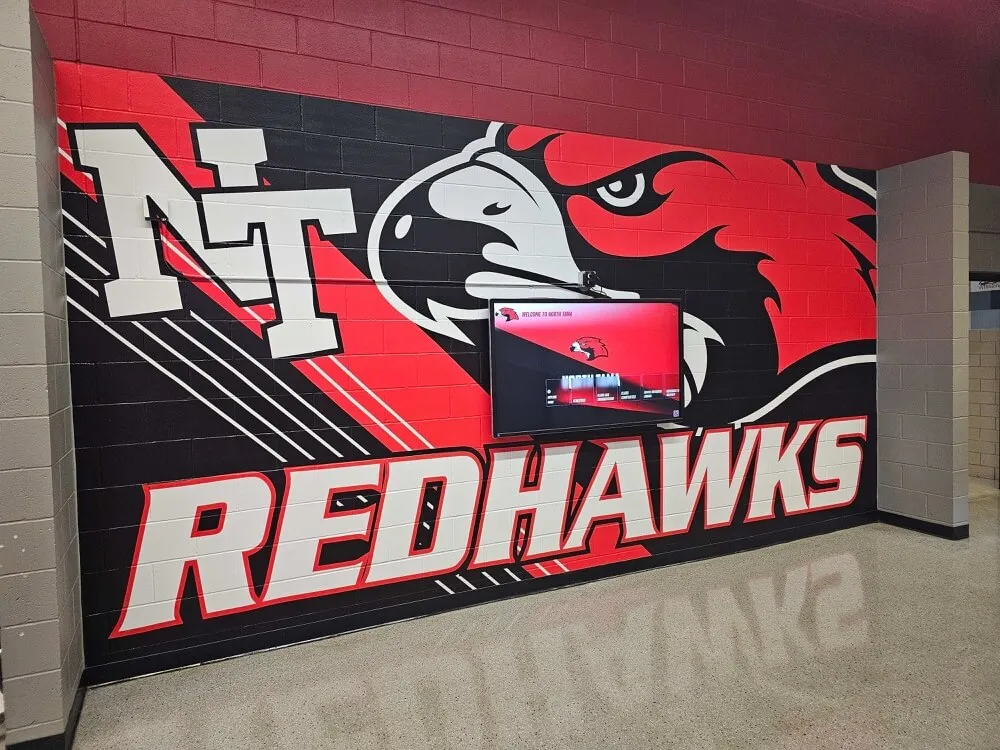
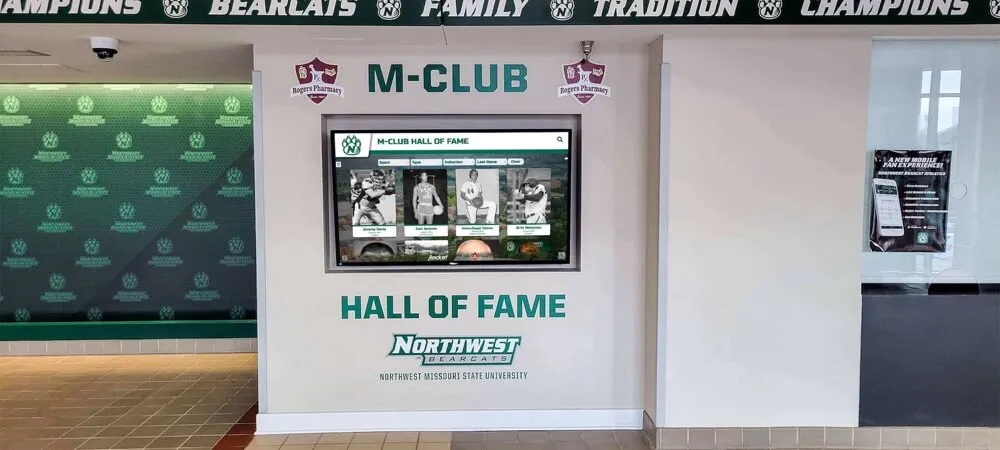
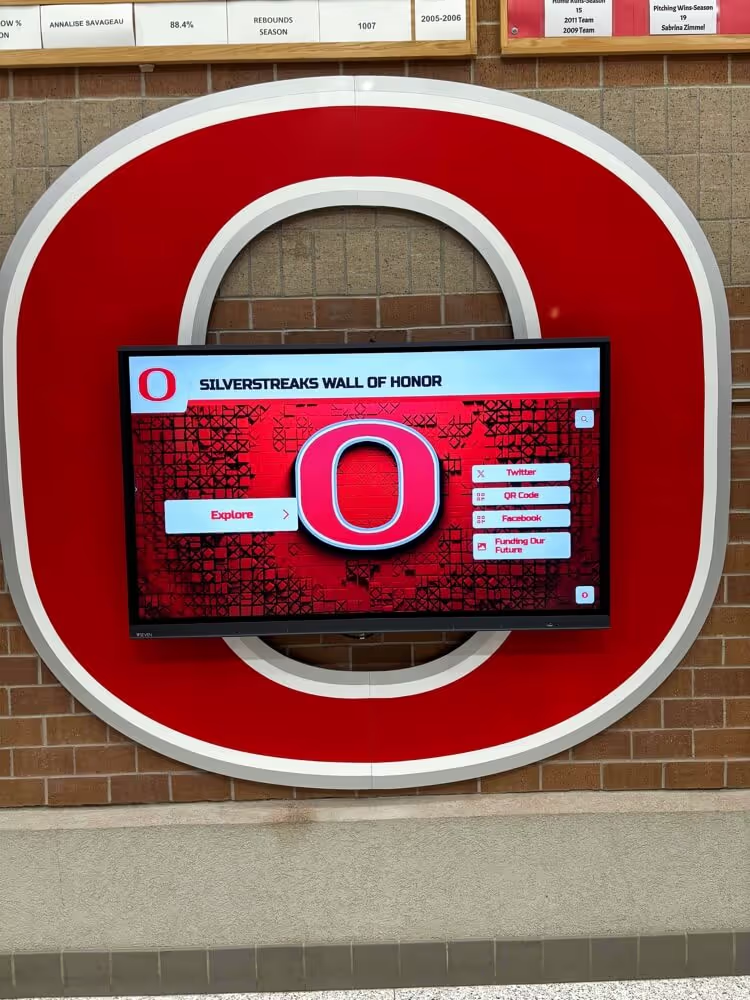
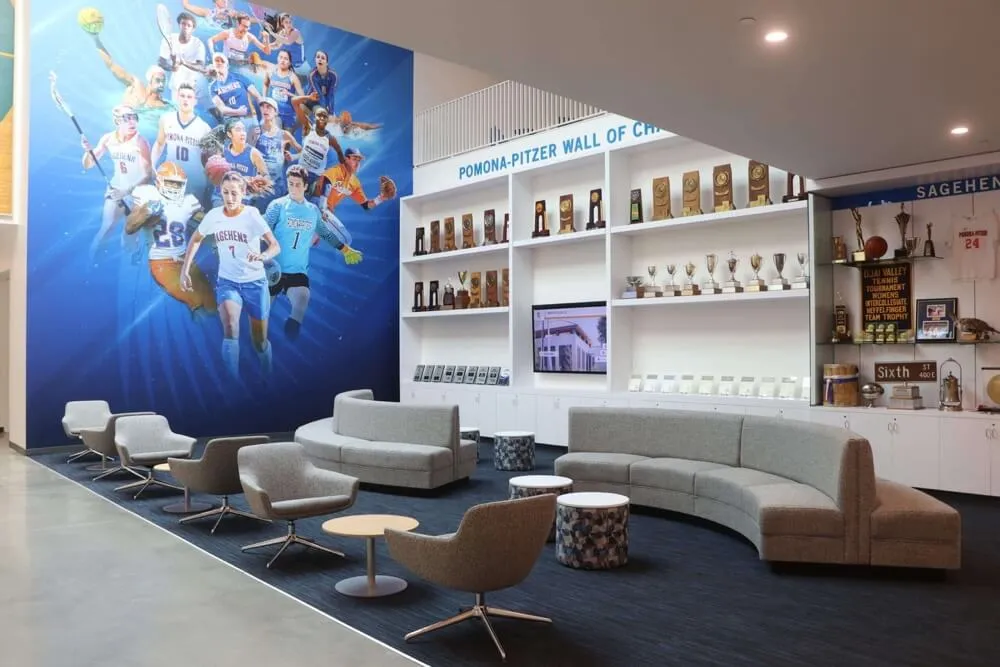
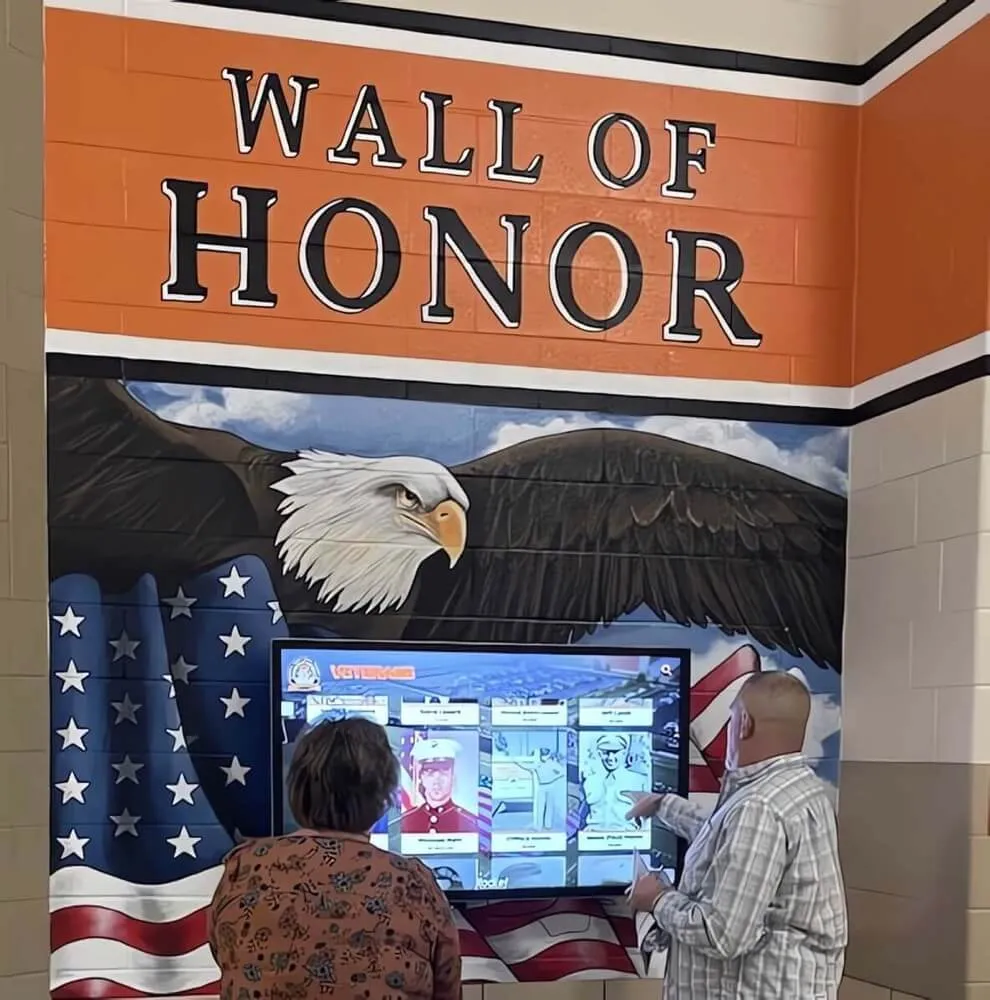
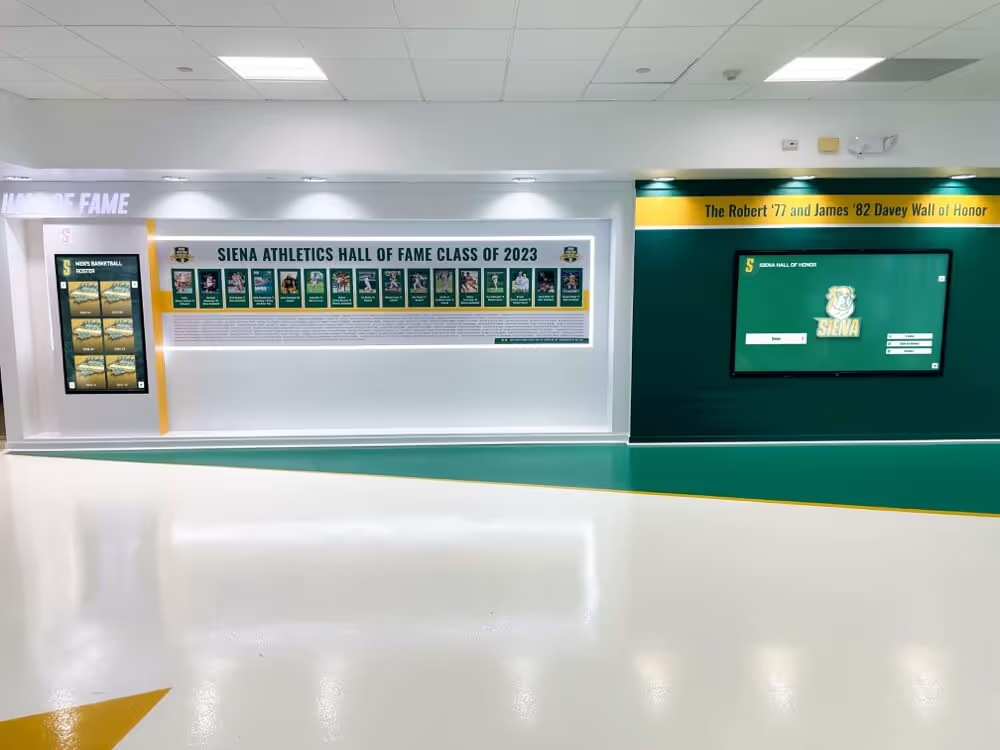
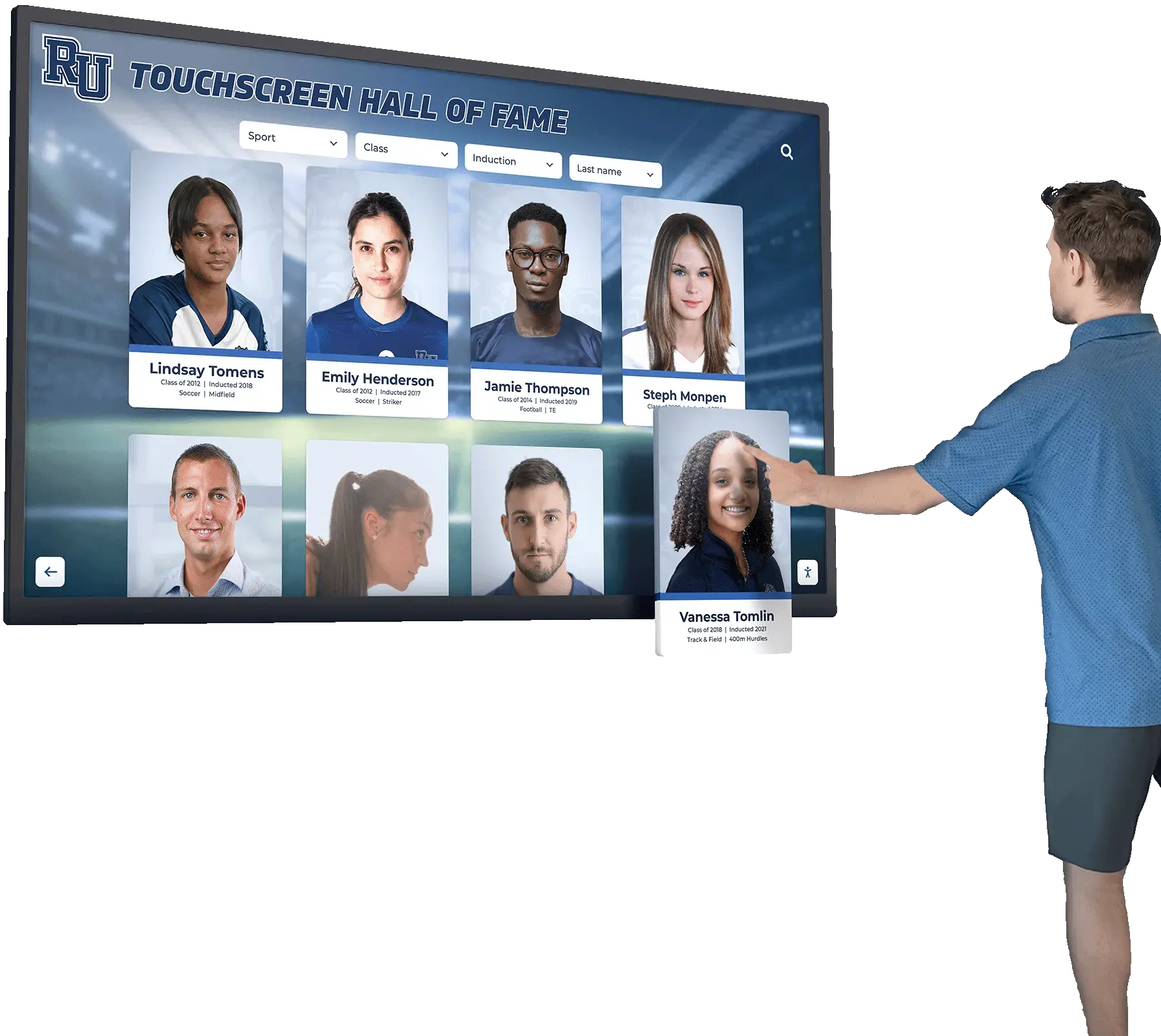
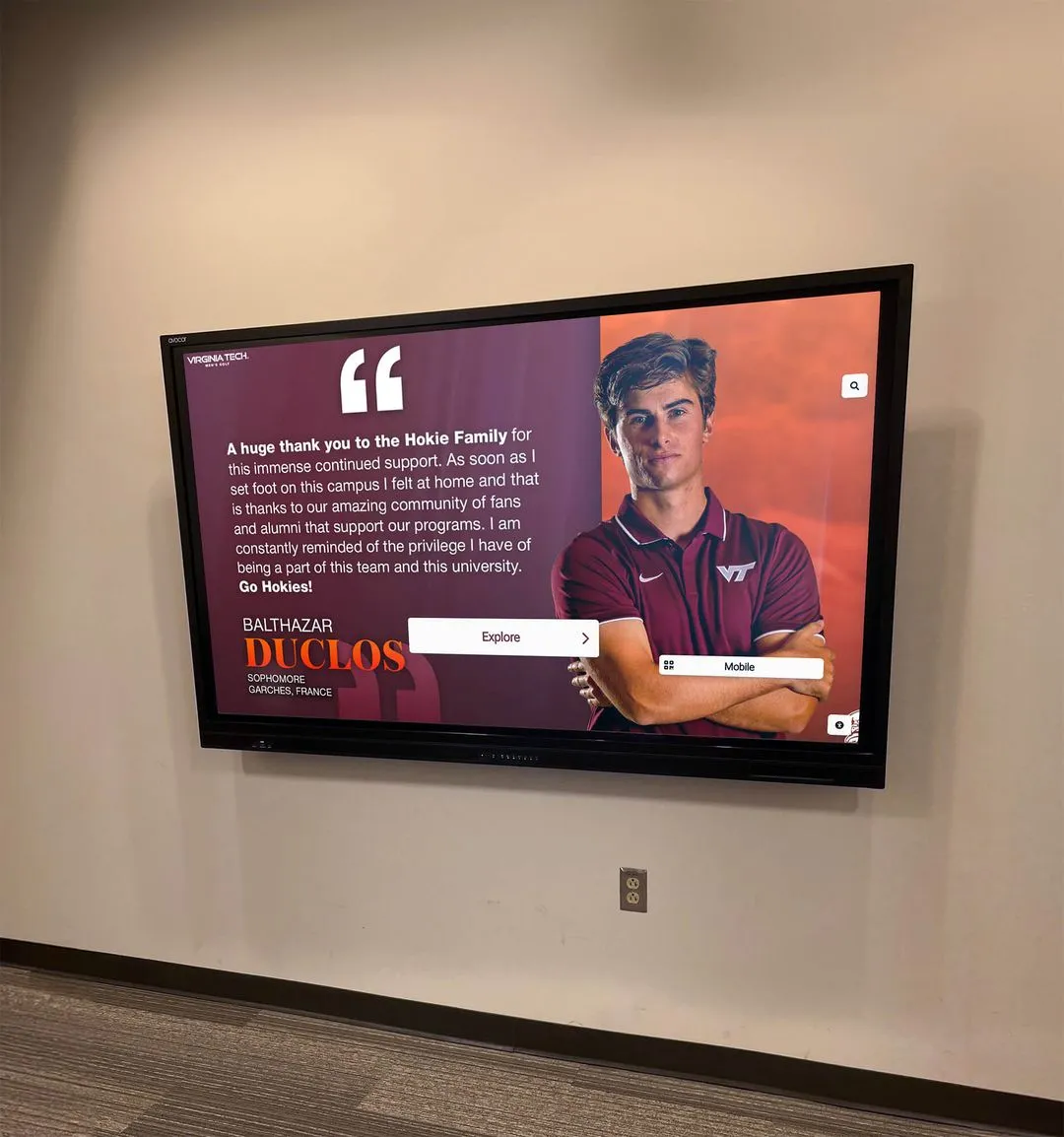
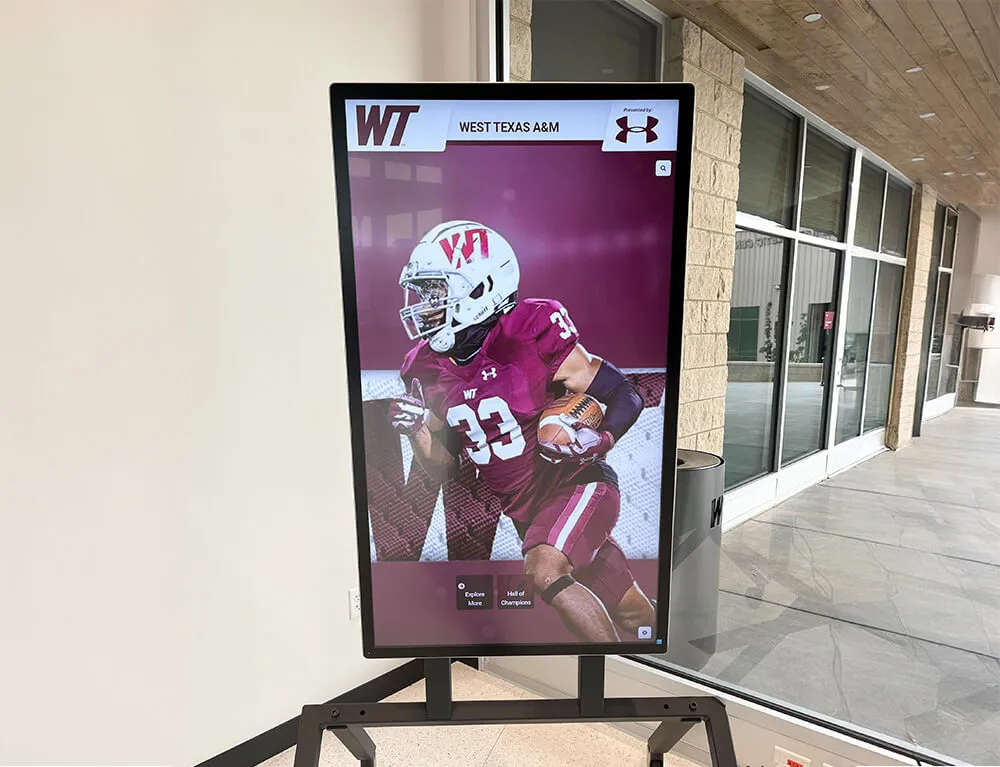
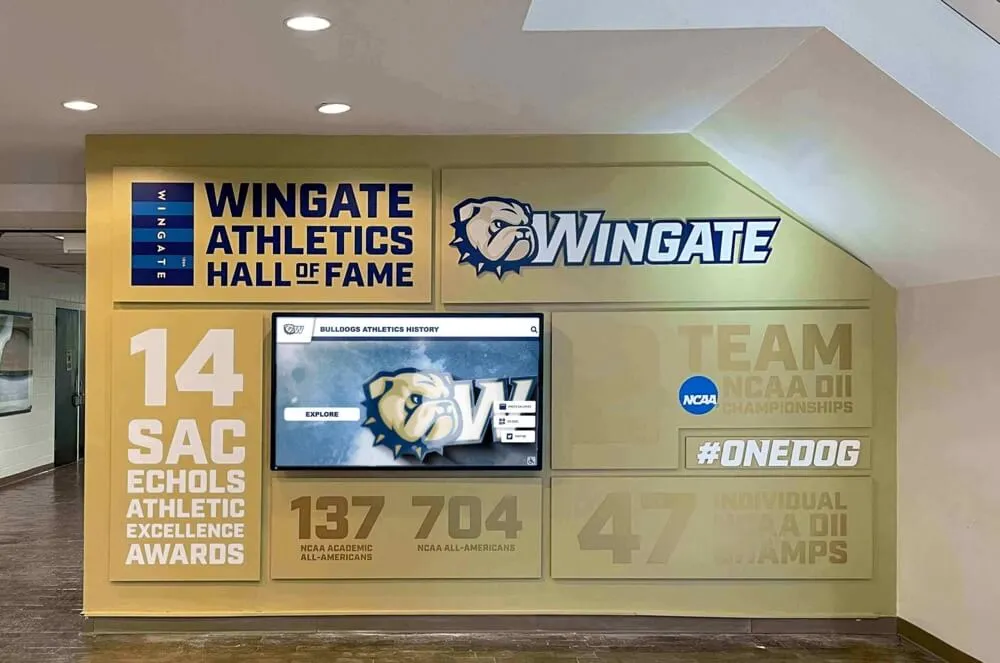
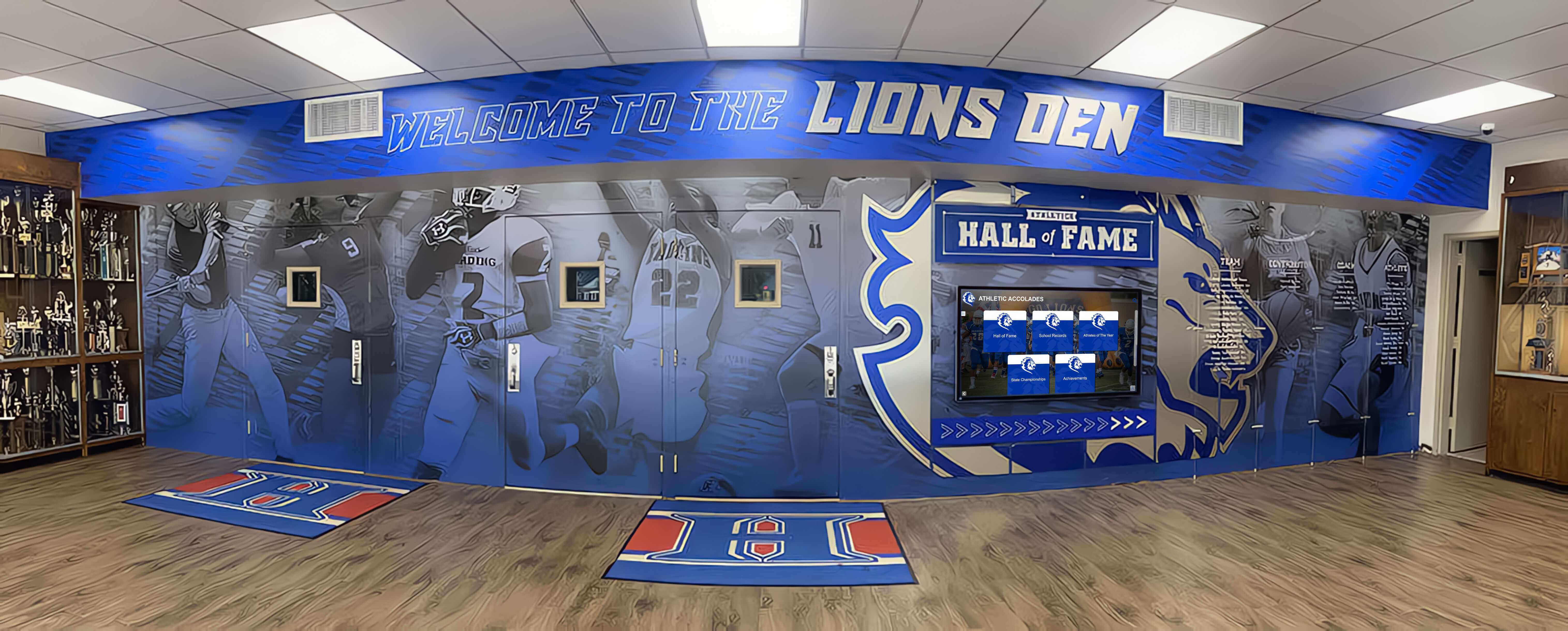
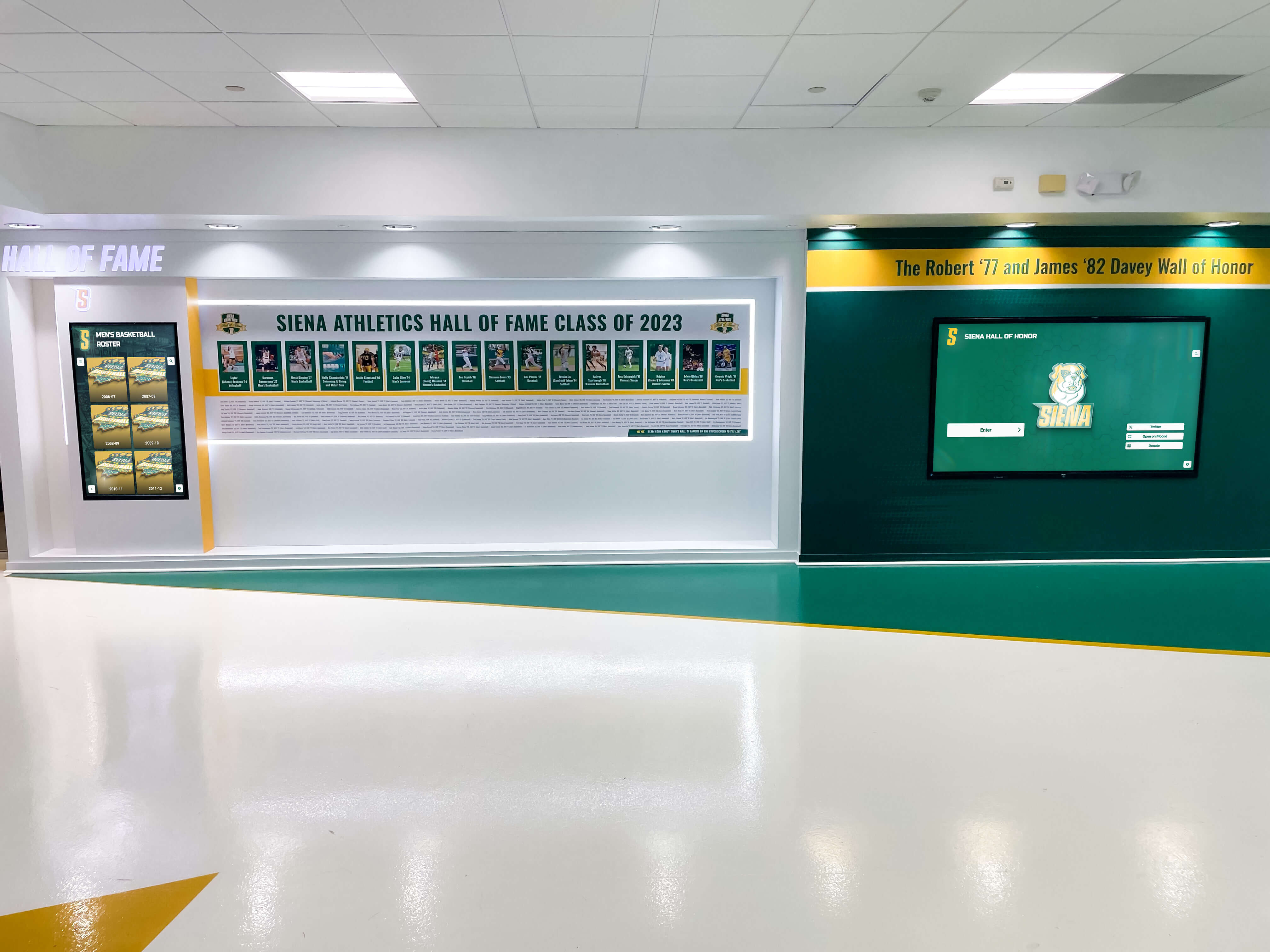
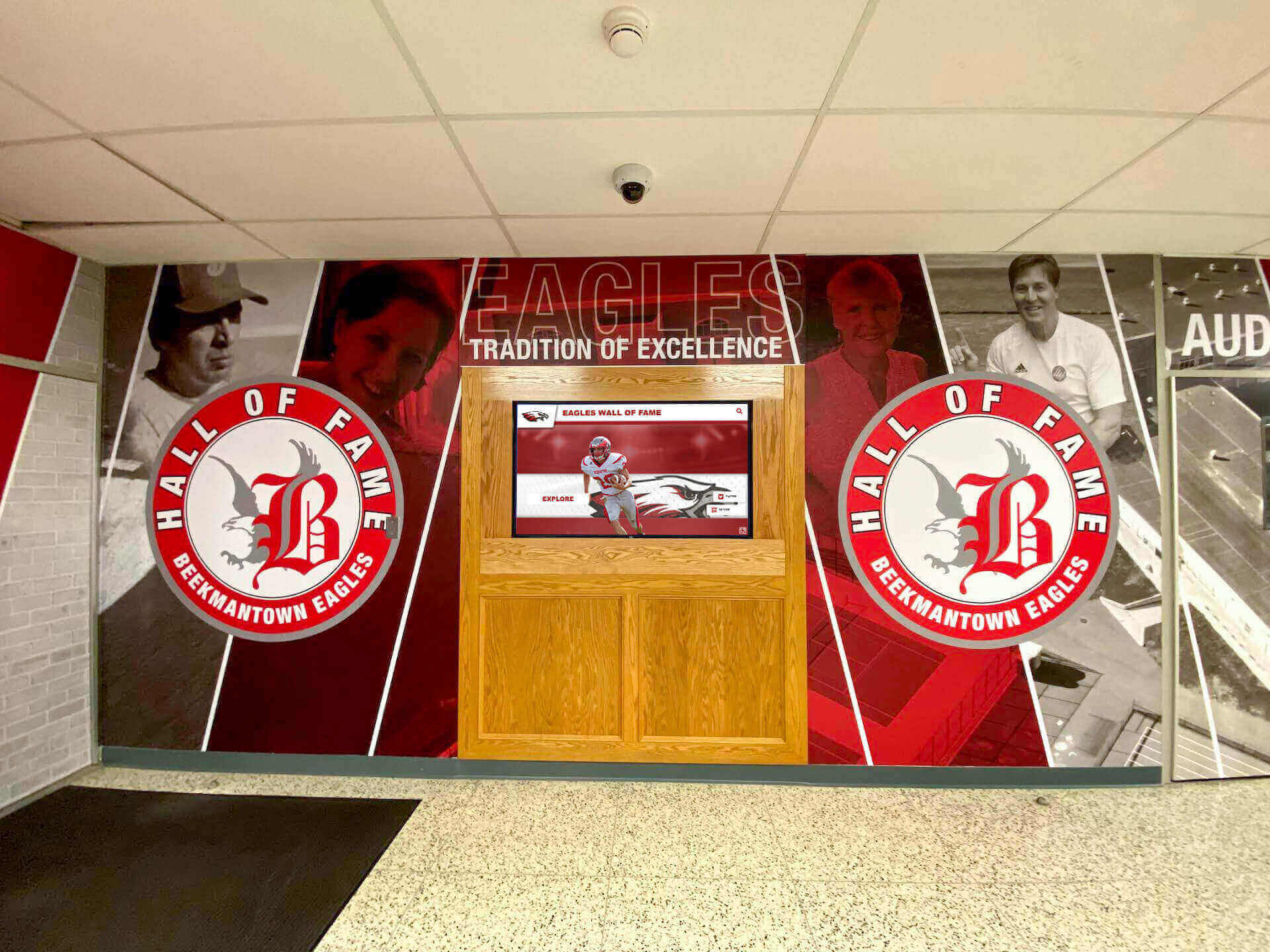
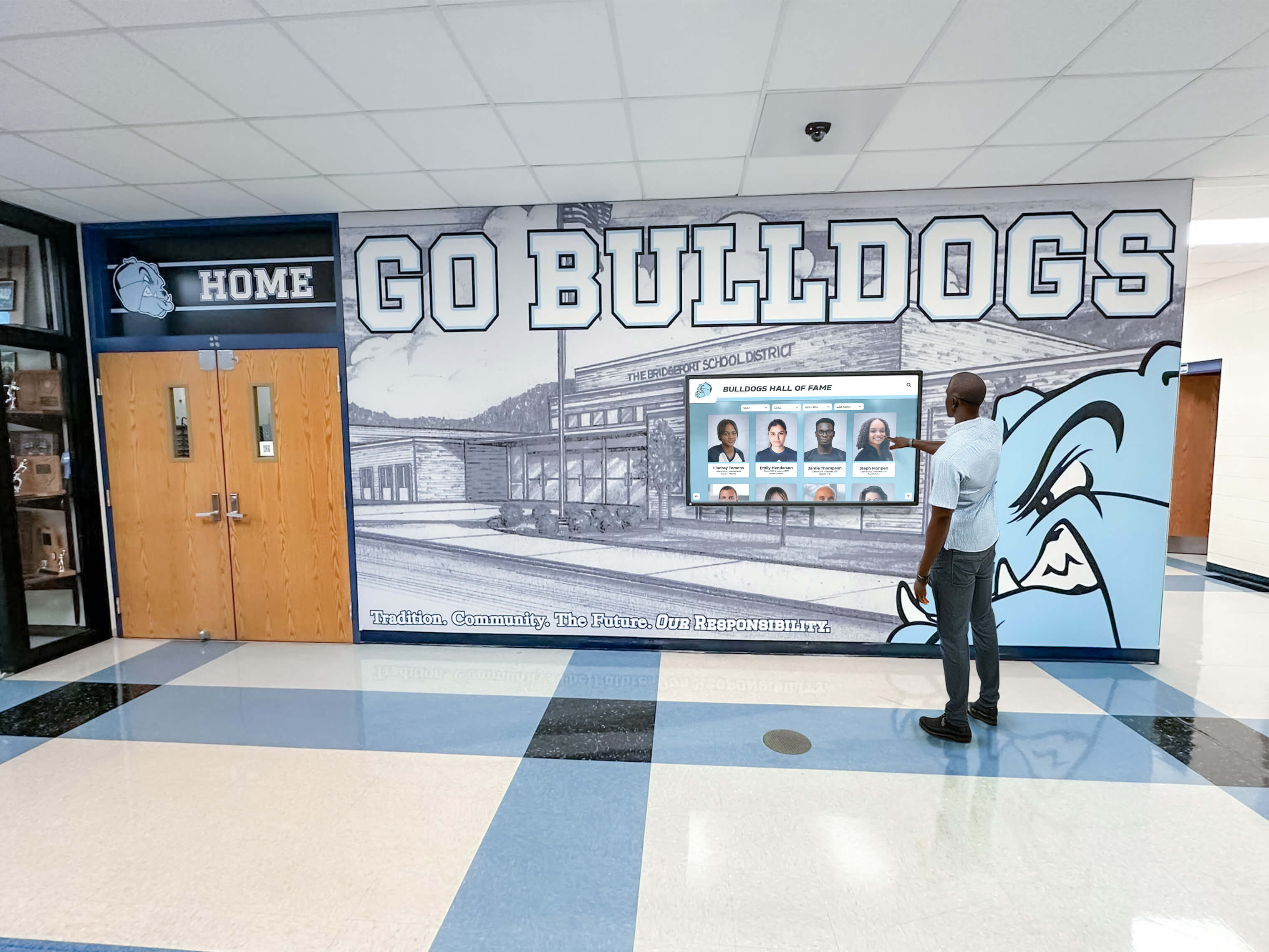
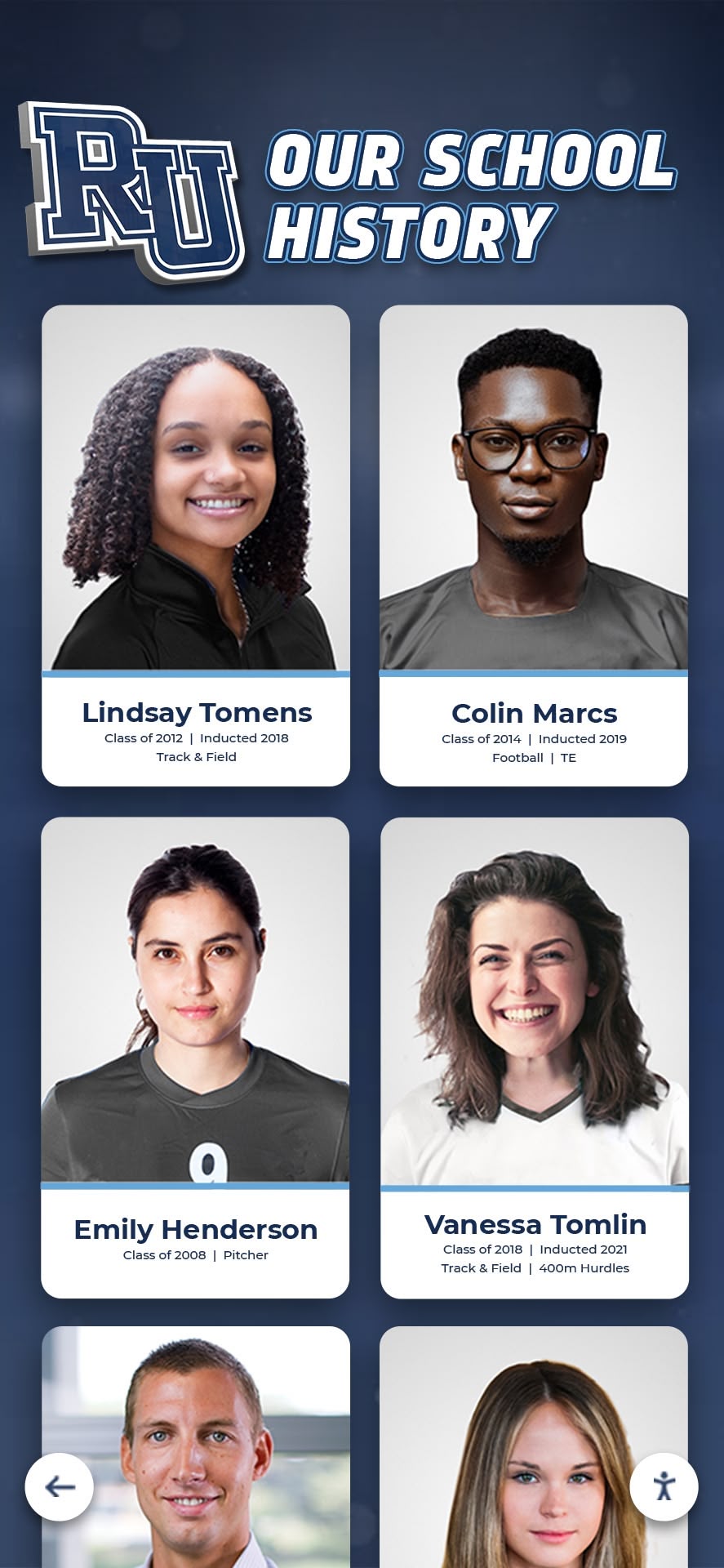
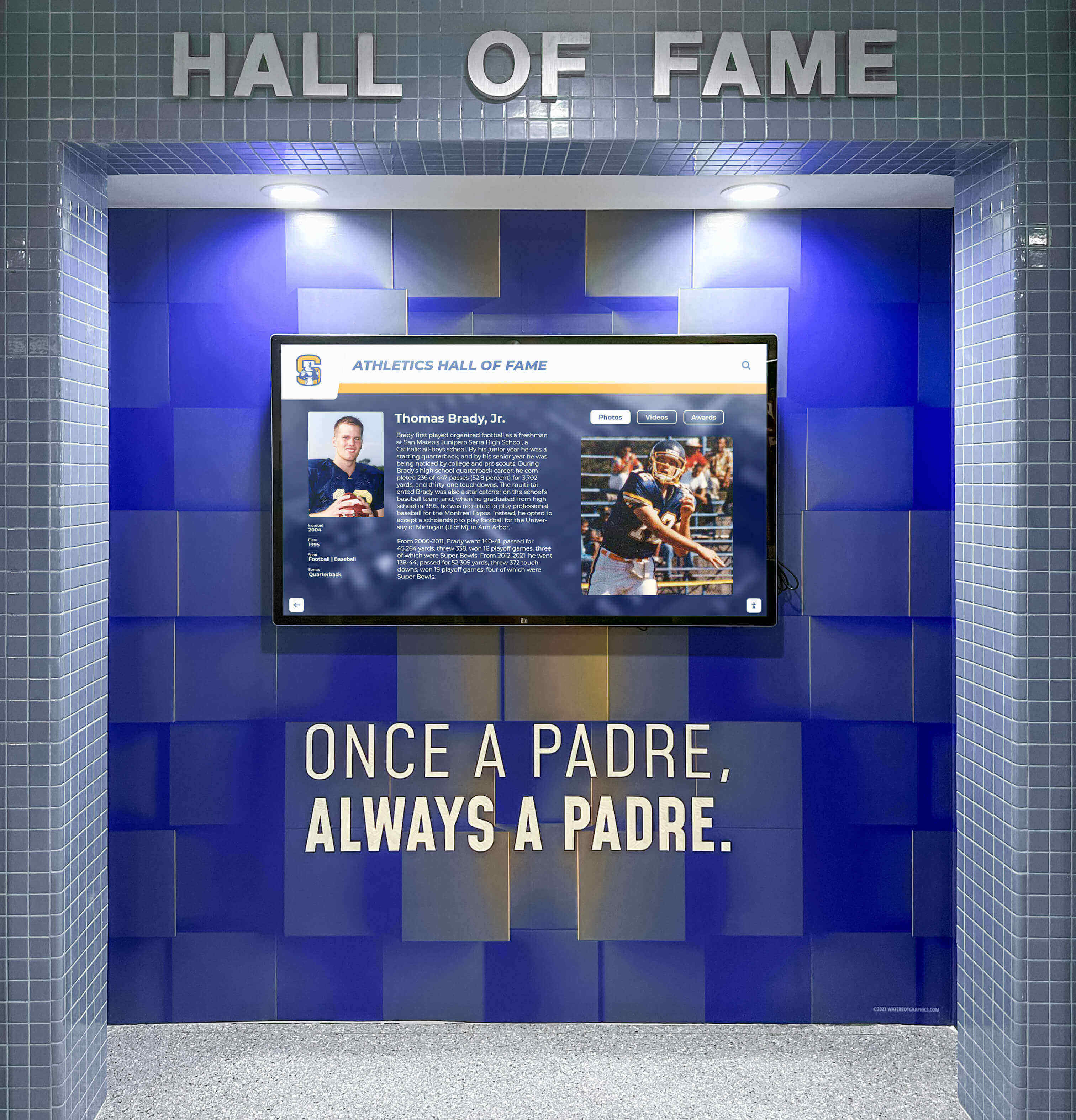
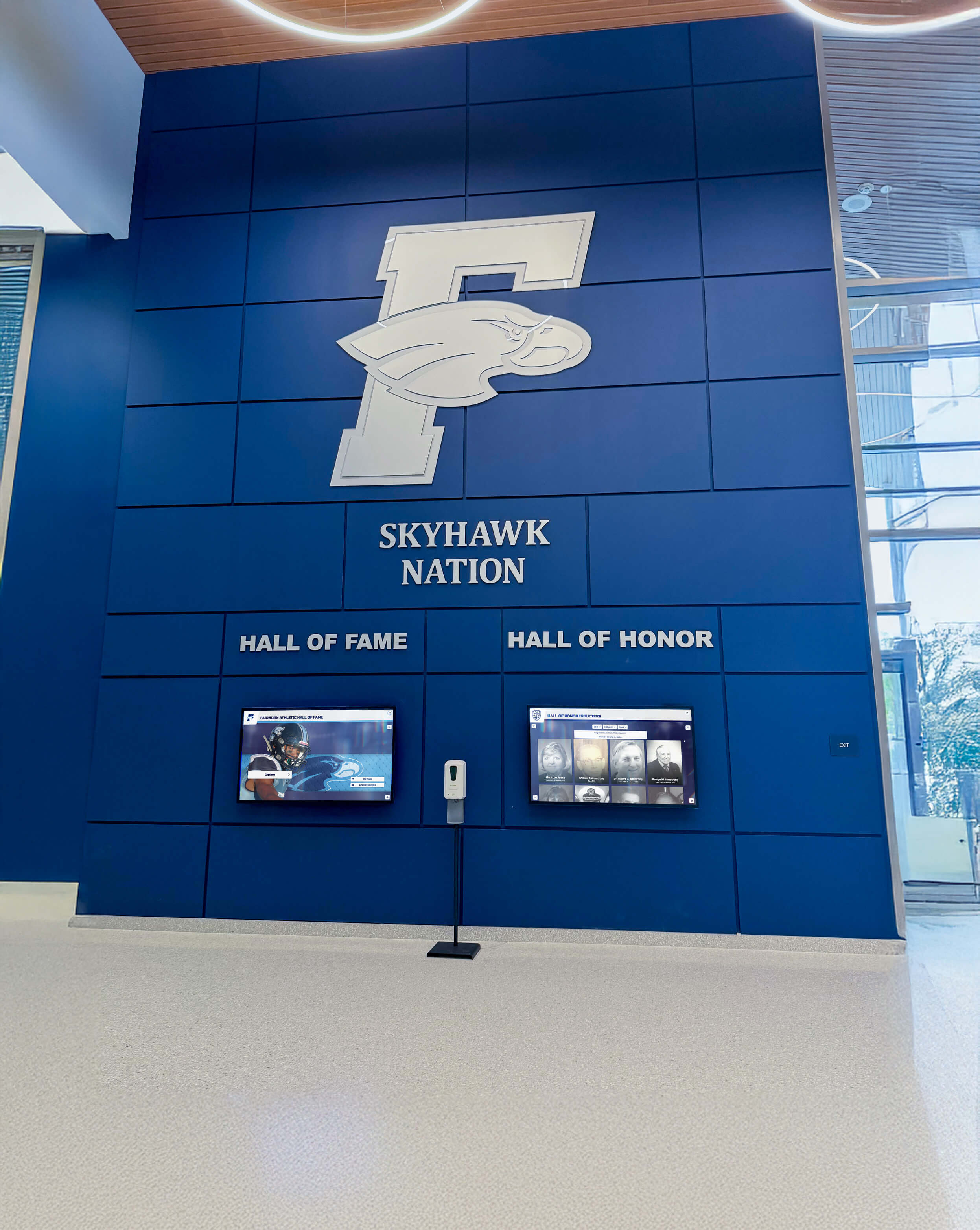
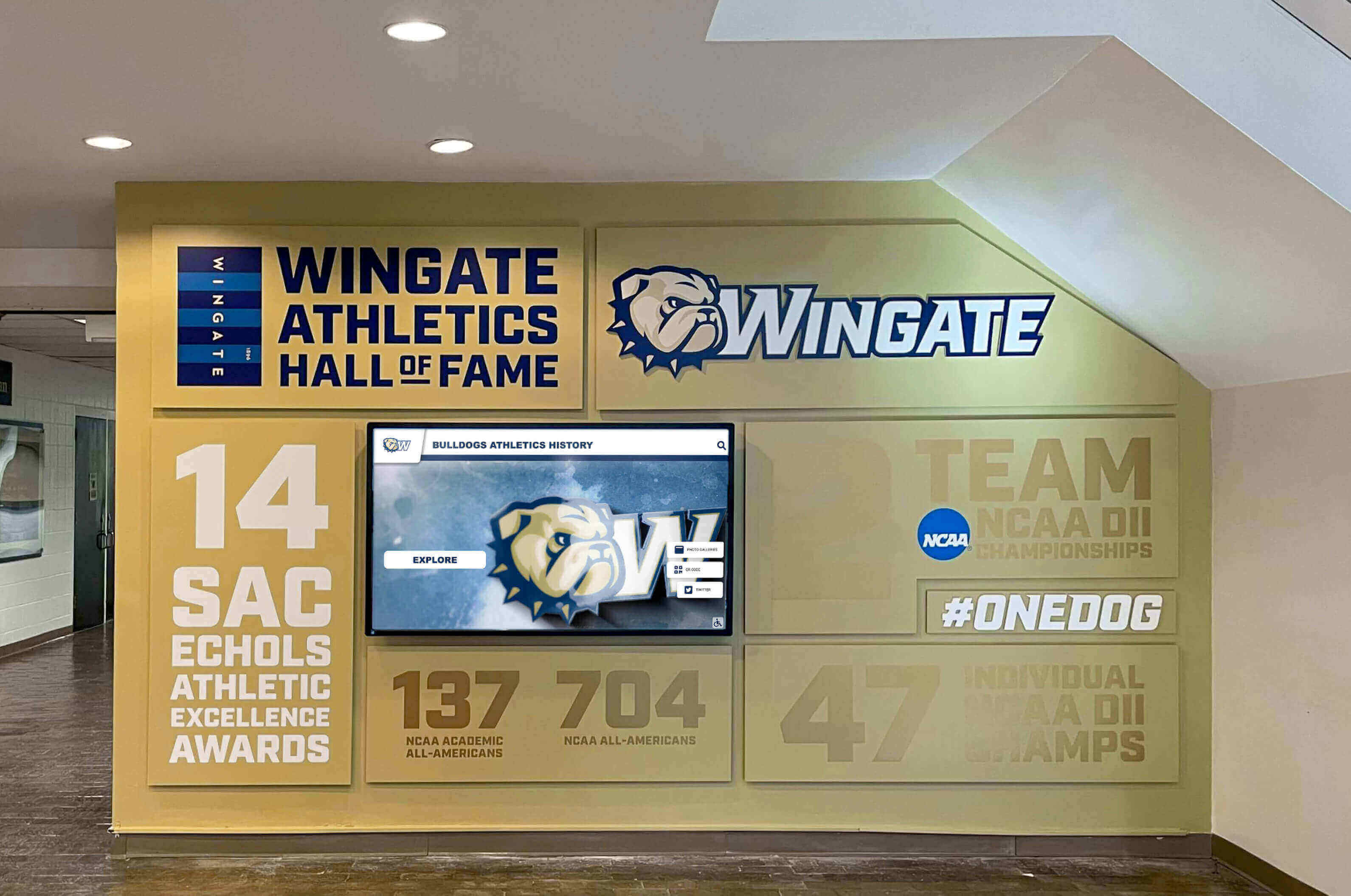
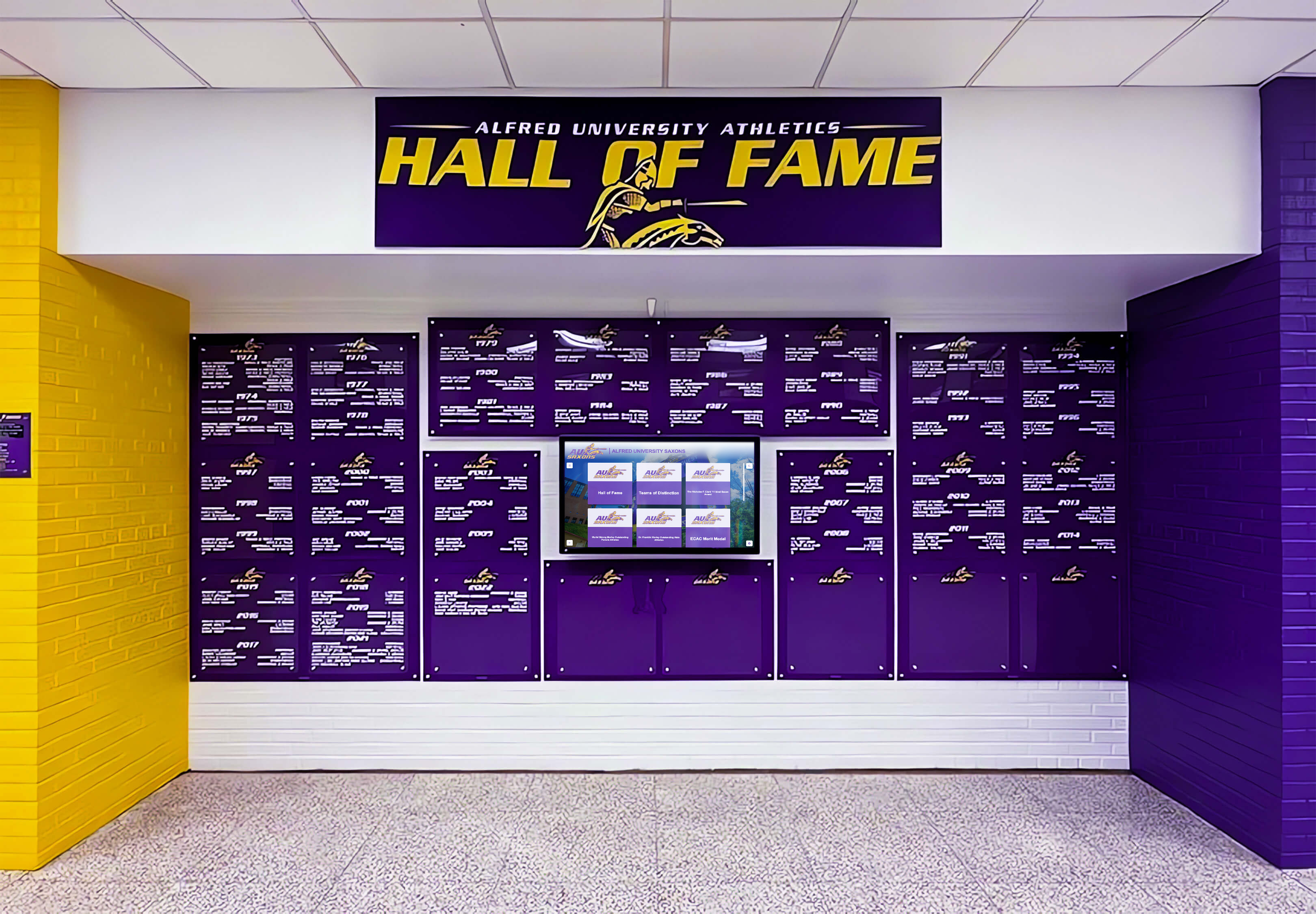
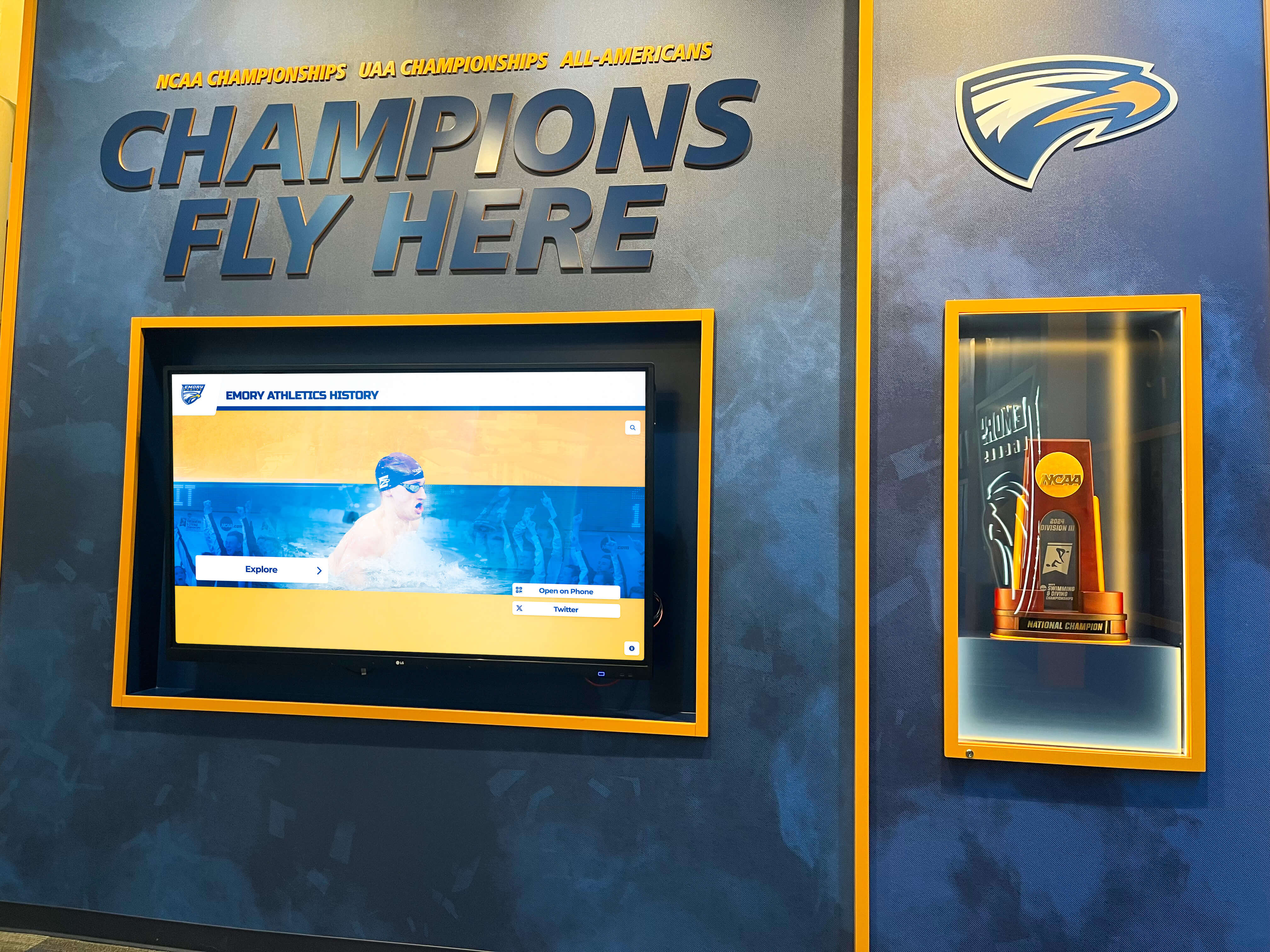
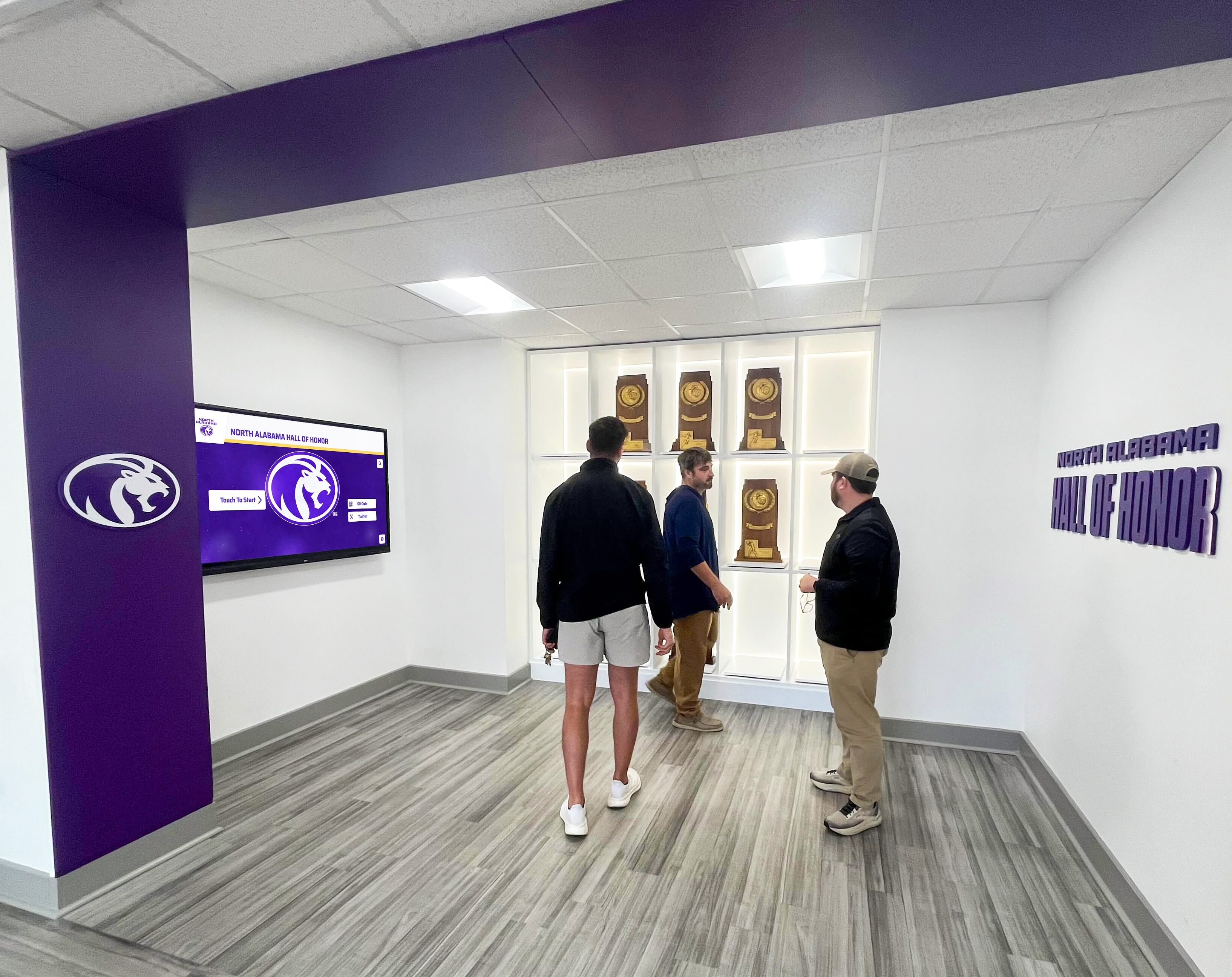
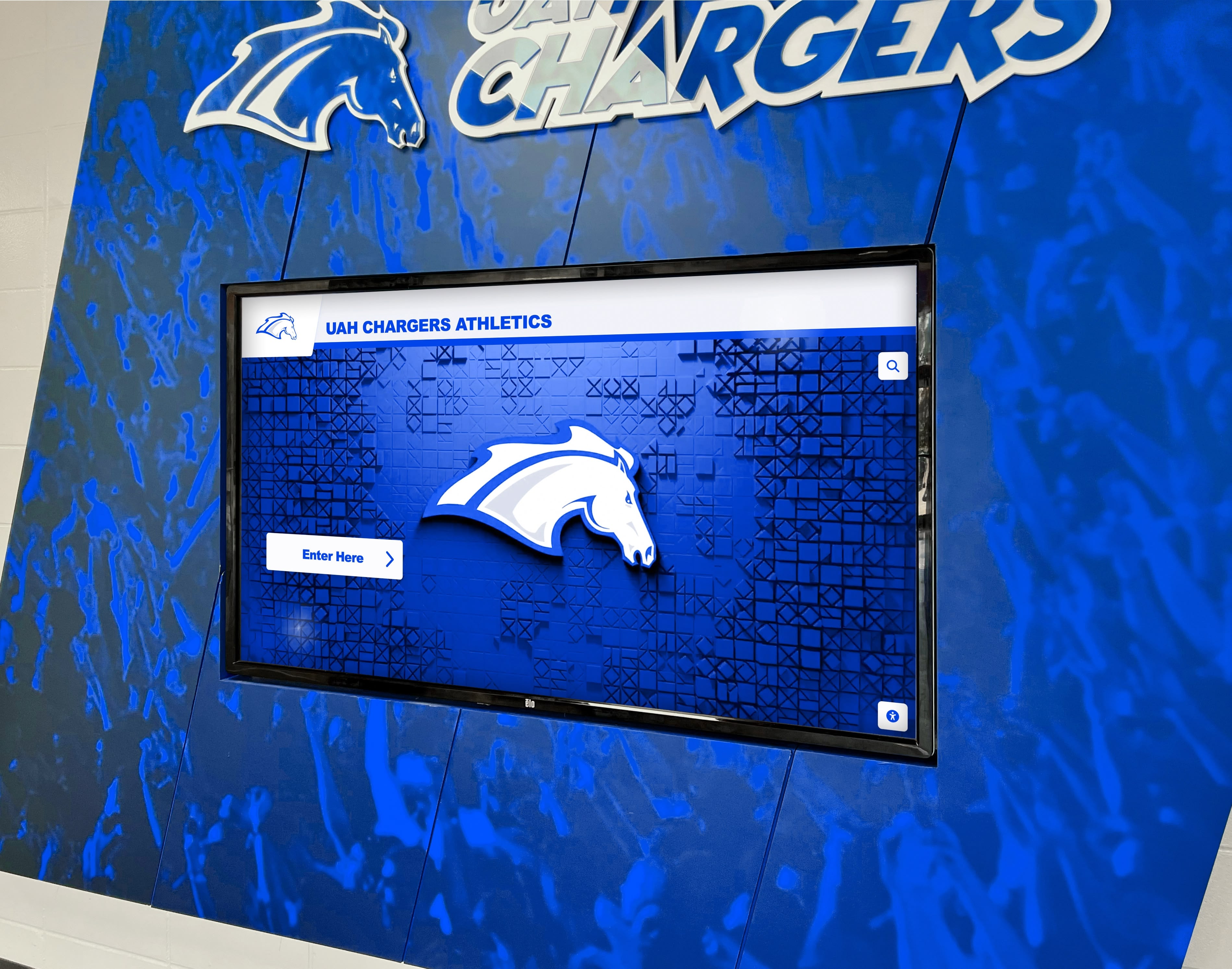
Modern digital recognition systems create opportunities for transformative major gifts while providing lasting visibility that justifies substantial contributions. Unlike traditional plaques with limited capacity, digital recognition platforms like Rocket Alumni Solutions offer unlimited capacity to honor donors at various levels while celebrating athletic achievements and program history.
Booster clubs can structure digital recognition campaigns around facility improvements or equipment needs, offering naming opportunities for recognition components ($5,000-25,000 level gifts), permanent donor recognition in digital halls of fame ($1,000-5,000 level), athlete or team sponsorships with season-long digital recognition ($500-2,000 level), and memorial giving opportunities honoring deceased community members.

Digital recognition proves particularly appealing to potential major donors because contributions create visible, lasting impact extending decades rather than consumable expenses providing only short-term benefit. A $10,000 gift toward digital recognition displays provides permanent visibility, whereas the same contribution toward uniforms produces value for only 2-3 seasons before replacement.
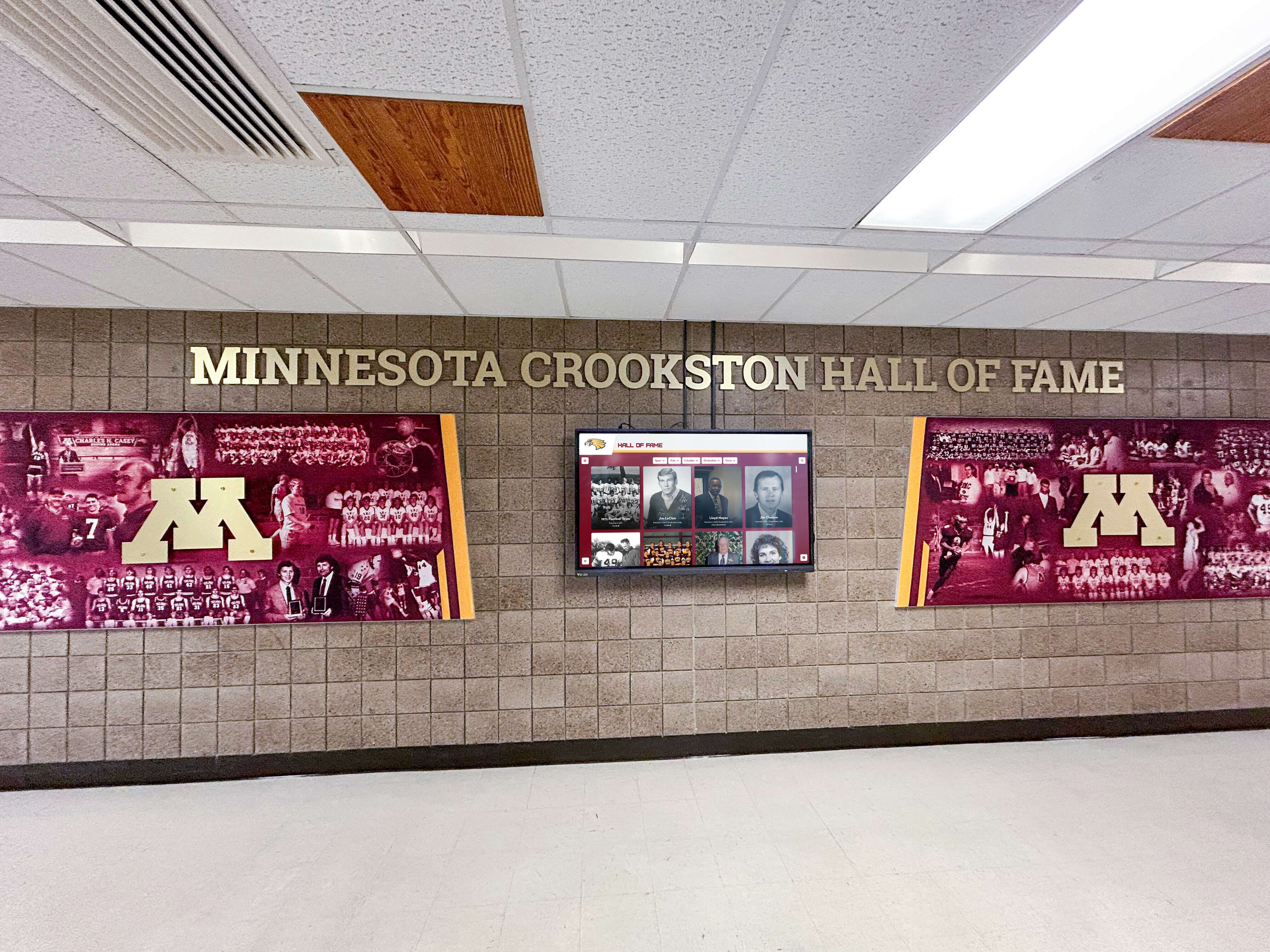
These systems also enable booster clubs to recognize donors alongside athlete achievements, creating natural connection between community support and student success that inspires continued giving. When alumni and community members see their contributions honored in the same displays celebrating athletic excellence, emotional connection to programs strengthens, translating into sustained support. For comprehensive discussion of effective donor recognition strategies for nonprofits and schools, explore modern approaches combining traditional and digital elements.
Ongoing Sale Programs Requiring Minimal Volunteer Time
Several fundraising approaches generate passive income through programs requiring little ongoing volunteer involvement once established.
Spirit Wear and Apparel Programs provide continuous revenue through online stores selling team-branded clothing and accessories. Modern print-on-demand services eliminate inventory risk and upfront costs while enabling year-round sales. Partner with specialized vendors like SquadLocker, BSN Sports, or local screen printing companies offering online store platforms.
These programs generate profit margins of $5-15 per item sold while requiring virtually no volunteer time beyond initial design approval and occasional promotion. Families naturally purchase spirit wear for students, siblings, and themselves throughout the year, particularly before major games, senior night celebrations, and playoff competitions.
Discount Card Programs sell wallet-sized cards featuring discounts from local businesses. Partner with restaurants, retailers, service providers, and entertainment venues offering 10-20% discounts or buy-one-get-one offers. Sell cards for $15-25 with $10-15 profit per card.
Success requires recruiting sufficient business participation creating strong perceived value, effective promotion communicating savings opportunities, and student or team sales efforts. Once businesses commit, cards typically remain valid for full academic years, enabling sales throughout extended periods. Many programs find success with pre-season sales where team members sell cards to extended family, neighbors, and community networks.
Concession Stand Operations generate steady income during home athletic events, band competitions, and other school gatherings. Beyond traditional candy and snacks, successful concession operations offer hot food like nachos, hot dogs, and pizza slices commanding higher prices and better margins, specialty items unique to your program creating differentiation, and seasonal offerings like hot chocolate during cold weather or lemonade during warm months.
Concession success depends on volunteer coordination ensuring adequate staffing for all events, inventory management balancing availability with minimizing waste, and strategic pricing maximizing revenue while remaining reasonable. Most concessions generate $500-2,000 per well-attended event, creating significant cumulative annual revenue requiring primarily volunteer coordination rather than financial investment.
Digital and Online Fundraising Strategies
Technology enables fundraising approaches impossible in previous decades, creating opportunities to reach broader audiences with less volunteer intensity while providing convenient giving mechanisms for modern donors.
Crowdfunding Campaigns for Specific Projects
Online crowdfunding platforms like GoFundMe, DonorChoose, and Facebook Fundraisers enable targeted campaigns for specific needs, making donor impact tangible and immediate.
Equipment and Uniform Campaigns present clear, visualizable needs with specific funding goals. Rather than general operating support feeling abstract, campaigns for new football helmets ($25,000 goal), basketball uniforms ($8,000 goal), or band instruments ($15,000 goal) show donors exactly what contributions purchase.
Successful campaigns include compelling narratives explaining why needs matter, photo and video content showing current conditions and desired improvements, transparent budget breakdowns demonstrating funding allocation, regular updates celebrating progress and thanking donors, and specific giving levels with tangible impact descriptions ($50 provides one game jersey, $250 provides complete uniform set).
Share campaigns through email, social media, school websites, and direct appeals to extended networks. The convenience of online giving—clicking a link and donating immediately rather than writing checks or making cash contributions—significantly improves participation rates, particularly among younger alumni and community members who strongly prefer digital transactions.
Matching Gift Challenges amplify fundraising impact through committed matching donors. Secure one or several major donors willing to match all contributions up to specific amounts ($5,000-20,000), creating urgency and leverage motivating additional donors. When contributors know their $100 donation becomes $200 through matching, giving becomes more compelling.
Promote matching challenges intensively during contained time periods (48 hours, one week) creating urgency and concentration. Provide real-time progress updates showing amounts raised and matching dollars activated. Celebrate success publicly, recognizing both matching sponsors and community members whose participation unlocked matching funds.
Social Media Fundraising and Peer-to-Peer Campaigns
Social platforms have transformed fundraising reach and peer-to-peer solicitation dynamics, enabling booster clubs to leverage networks extending far beyond immediate parent communities.
Facebook Fundraisers allow individuals to create birthday fundraisers benefiting booster clubs, encouraging friends to donate rather than give birthday gifts. This approach feels less like traditional solicitation and more like celebration participation, improving response rates. Provide team members, parents, and supporters with simple instructions for creating fundraisers and sample language they can customize.
Peer-to-Peer Team Fundraising mobilizes athletes themselves as fundraisers, each building personal fundraising pages supporting team goals. Platforms like Snap! Raise, 99Pledges, and Fundly specialize in youth sports peer-to-peer fundraising, providing mobile-optimized donation pages, social sharing tools, team leaderboards, and achievement tracking.
Teams set collective goals while individuals seek donations from extended family, family friends, neighbors, and social networks. This approach distributes fundraising across dozens of solicitors rather than exhausting the same small volunteer group, dramatically expanding reach while teaching students valuable lessons about communication, goal-setting, and community support.
Instagram and TikTok Content Campaigns leverage visual platforms popular with students and younger community members. Create compelling content showcasing athletes in training, behind-the-scenes team experiences, achievement celebrations, and program needs. Include donation links in bios and strategic posts.
Video content proving particularly effective includes athlete testimonials discussing program impact, coach explanations of specific needs, day-in-the-life content showing commitment required, and celebration of milestones achieved through community support. Authentic, student-created content often resonates more powerfully than polished professional productions, creating genuine connection that inspires giving.
Giving Days and Concentrated Campaigns
Rather than continuous low-level fundraising creating donor fatigue, concentrated campaigns generate urgency and focus energy into compressed timeframes producing stronger results.
Annual “Day of Giving” Events designate single 24-hour periods for intensive fundraising pushes. Promote dates extensively in advance, establish ambitious goals, create hourly giving challenges with matching opportunities or prizes, and provide constant social media updates celebrating progress.
The time constraint creates urgency motivating immediate action rather than “I’ll donate later” intentions that never materialize. Concentrated campaigns also allow volunteer teams to focus energy intensively for defined periods rather than maintaining constant fundraising effort indefinitely.
End-of-Year Tax-Deductible Giving Campaigns leverage timing when donors seek charitable deductions for tax purposes. Promote campaigns from mid-November through December 31st, emphasizing tax benefits of year-end giving, highlighting specific needs requiring funding by new year, and making online donation as simple as possible.
Coordinate with your school or district on 501(c)(3) status ensuring donors can deduct contributions. If your booster club operates independently, maintain proper nonprofit status documentation. If you function under school district tax-exempt status, clarify donation processing to ensure deductibility.
Building Donor Relationships for Sustainable Support
One-time donations help short-term budgets, but cultivating genuine donor relationships creates sustainable fundraising foundations producing growing support over years and decades. The most successful booster clubs implement systematic donor stewardship creating emotional connections that inspire continued generosity.
Tiered Recognition Programs Honoring All Support Levels
Recognizing donors appropriately for contribution levels demonstrates appreciation while creating aspirational giving tiers encouraging increased support over time.
Giving Level Structures typically include entry levels ($100-250) making participation accessible, mid-level recognition ($250-1,000) attracting committed supporters, major donor levels ($1,000-5,000) honoring significant annual commitment, and legacy levels ($5,000+) celebrating transformational giving.
Name each level creatively connecting to your school (Bronze Booster, Silver Supporter, Gold Guardian, Platinum Patron) or team identity (Freshman Friend, Varsity Supporter, All-Star Sponsor, Hall of Fame Hero). Creative naming creates identity around giving levels while avoiding purely transactional language.
Recognition Benefits by Level should increase with contribution amounts while remaining cost-effective. Consider benefits like named recognition in programs and at facilities, social media acknowledgment, exclusive updates on program developments, invitations to special events or recognition gatherings, commemorative items like pins, plaques, or certificates, and priority access to special opportunities like playoff tickets.
Modern digital donor recognition walls enable permanent, prominent recognition for major donors while accommodating unlimited contributors at various levels. Unlike physical donor walls with fixed capacity forcing eventual choices about which names to remove when space fills, digital systems preserve all donor recognition indefinitely while allowing continuous additions as new supporters emerge.
Systematic Communication Demonstrating Impact
Donors want assurance that contributions create meaningful impact rather than disappearing into undefined general budgets. Regular, specific impact communication strengthens relationships and inspires continued support.
Impact Reports shared quarterly or biannually should highlight specific achievements enabled by donor support, including equipment purchased and its effect on training or safety, tournament participation supported by travel funding, facility improvements completed, and scholarship awards or student recognition programs funded.
Use photos and stories making impact tangible. Rather than simply stating “Your donations purchased new uniforms,” show athletes wearing uniforms with quotes discussing how professional appearance affects team confidence and community pride. Specific, visual storytelling creates emotional connection abstract reports cannot achieve.
Donor Appreciation Events provide personal recognition opportunities beyond written communications. Host simple receptions before major games, organize behind-the-scenes facility tours, invite donors to special team activities like team banquets or award ceremonies, or create exclusive opportunities to meet coaches and athletes.
These events need not be elaborate or expensive—their value lies in personal connection and genuine appreciation expression. Simple gatherings where coaches thank donors directly and students share how support affected their experiences create powerful emotional moments inspiring continued generosity far exceeding any monetary value of refreshments or printed programs provided.
Personalized Thank-You Communications remain foundational to donor stewardship. Every contribution should trigger prompt, personal acknowledgment—ideally handwritten notes for significant gifts, at minimum personalized emails for all donations.
Assign volunteer responsibility for thank-you coordination ensuring systematic follow-through rather than haphazard acknowledgment depending on whoever remembers. Create templates providing starting points volunteers can personalize while ensuring consistent, professional tone. Include student voices when possible—thank-you notes from athletes directly benefiting from support create compelling connection unavailable through administrative communications alone.
Legacy Giving and Endowment Programs
Beyond annual fundraising, forward-thinking booster clubs develop legacy giving programs creating perpetual funding sources that support programs indefinitely through invested principal generating annual returns.
Memorial Giving Opportunities enable community members to honor deceased loved ones through contributions supporting programs meaningful to those remembered. Promote memorial giving particularly when community members with strong school connections pass away, making bereaved families aware of opportunities to direct memorial contributions toward booster clubs.
Recognize memorial gifts through dedicated digital displays celebrating those honored, annual recognition at events, and lasting tributes connecting honored individuals to programs they valued. The permanence of memorial recognition justifies significant contributions from families seeking meaningful ways to honor loved ones’ legacies.
Named Scholarship Funds allow donors to establish permanent scholarship endowments supporting student-athletes or program participants annually. Minimum endowment levels of $25,000-50,000 enable annual scholarship distributions of $1,000-2,000 through investment returns while preserving principal perpetually.
These endowments prove particularly appealing to affluent alumni, successful former athletes, or community members without direct heirs seeking meaningful legacy opportunities. Annual scholarship presentations publicly recognize endowment founders while demonstrating lasting impact, inspiring additional legacy gifts from others seeking similar recognition.
Capital Campaign Strategies for major facility improvements or equipment needs require concentrated multi-year fundraising campaigns. Successful capital campaigns establish specific, compelling goals ($250,000 for stadium renovation, $100,000 for strength facility equipment), identify lead donors capable of major commitments before public launch, create giving level opportunities from entry contributions to transformational gifts, and provide naming opportunities for significant donors.
Capital campaigns benefit from professional guidance or committee members with fundraising expertise ensuring realistic goal-setting, strategic donor cultivation, and effective campaign execution. These intensive efforts should occur periodically rather than continuously—typically every 5-10 years for major needs rather than constant capital solicitation competing with annual operating fundraising.
Fundraising Compliance and Best Practices
Effective fundraising requires attention to legal compliance, financial transparency, and ethical practices protecting booster club integrity while ensuring donor confidence.
Maintaining Proper Nonprofit Status
Most booster clubs operate as 501(c)(3) nonprofit organizations enabling tax-deductible contributions or function under school district tax-exempt status. Maintaining proper status requires understanding relevant regulations and consistent compliance.
IRS Compliance Requirements include annual information returns (Form 990 series) filed by deadline even if no tax owed, proper documentation of all contributions and expenditures, expenditure policies ensuring funds support exempt purposes (educational and charitable activities), and avoiding prohibited political activities or excessive lobbying.
Smaller booster clubs (under $50,000 annual revenue) can file simplified Form 990-N, while larger organizations require more detailed returns. Failing to file for three consecutive years results in automatic loss of tax-exempt status, so establish reliable filing systems ensuring deadline compliance regardless of volunteer turnover.
State Registration Requirements vary by location but may include charitable solicitation registration, annual state nonprofit filings, sales tax exemption maintenance, and compliance with state fundraising regulations.
Consult with school district business offices, local attorneys familiar with nonprofit law, or state nonprofit associations providing compliance guidance specific to your jurisdiction. Proactive compliance proves far easier than remedying problems after violations occur.
Financial Transparency and Accountability
Donors trust booster clubs with contributions intended for student benefit. Transparent financial management honors this trust while protecting volunteer leaders from potential liability or criticism.
Budget Development and Communication should occur annually with board approval, clearly allocating anticipated revenue across program needs, designating reserves for unexpected expenses or opportunities, and sharing with stakeholder constituencies demonstrating thoughtful planning.
Make budgets available to donors and community members upon request, demonstrating transparency and accountability. While detailed line-item distribution need not be broadly publicized, donors appreciate knowing general allocation across major categories—how much supports equipment versus travel versus facility improvements versus scholarships.
Financial Controls protect organizations and volunteers through separation of duties where different individuals collect funds, deposit funds, and authorize expenditures, multiple-signature requirements for checks above certain thresholds, monthly bank reconciliation by someone not handling deposits, annual independent financial review or audit depending on organizational size, and detailed documentation of all revenue and expenses.
These controls need not be onerous bureaucracy—simple systems appropriate to organization scale suffice. The purpose is preventing both actual misappropriation and false accusations that could damage reputations even when unfounded.
Regular Financial Reporting to boards, school administrators, and donor constituencies demonstrates accountability through quarterly financial statements showing revenue, expenses, and current balances, annual reports summarizing complete fiscal year activities, and impact reporting connecting finances to tangible program benefits.
Transparency builds confidence that increases donor willingness to give and give generously. When community members trust booster club financial management, fundraising becomes easier as supporters feel assured contributions will be used effectively.
Ethical Fundraising Practices
Beyond legal compliance, ethical practices ensure booster club fundraising maintains community respect and trust.
Equity Considerations prevent fundraising from creating or exacerbating disparities between students. Ensure that participation in programs doesn’t depend on family fundraising capacity, provide alternatives for families unable to participate in sales campaigns, and use fundraising revenue to support all program participants equitably rather than primarily benefiting students of most active fundraising families.
Some booster clubs establish policies ensuring every team member receives certain baseline support (uniform, basic equipment) regardless of family fundraising participation, while additional perks (warm-up suits, bags, etc.) depend on team collective fundraising success rather than individual family contributions. This approach motivates participation while avoiding situations where students feel disadvantaged by family circumstances beyond their control.
Honest Representation requires that fundraising communications accurately represent needs, impacts, and fund usage, avoid overstating urgency or exaggerating situations, clearly designate restricted funds when donors specify intended purposes, and honor donor intent for designated contributions.

Booster club credibility depends on community confidence that communications are truthful and funds are used as represented. One instance of misleading communication or misapplied funds can damage reputation requiring years to rebuild, so prioritize honesty even when it makes fundraising more challenging.
Respectful Solicitation means avoiding excessive pressure or manipulation tactics, respecting “no thank you” responses without pressure, limiting solicitation frequency to prevent donor fatigue, and maintaining professional, courteous communication even when responses disappoint.
The most sustainable fundraising builds genuine relationships where donors give because they want to support programs, not because they feel pressured or guilty. Short-term gains from aggressive tactics ultimately harm long-term relationship building, so prioritize respectful engagement that honors donor autonomy and generosity.
Measuring Fundraising Success and Continuous Improvement
Effective fundraising programs evolve through systematic evaluation identifying successful strategies worth expanding and less effective approaches requiring adjustment or elimination.
Key Metrics for Fundraising Evaluation
Beyond simply total dollars raised, several metrics provide insight into fundraising health and effectiveness:
Net Revenue Per Event or Campaign measures efficiency by comparing gross revenue to direct expenses and volunteer time investment. An event raising $10,000 but requiring $4,000 in expenses and 200 volunteer hours produces different value than one raising $8,000 with $500 expenses and 40 volunteer hours.
Calculate net revenue after all direct costs, then estimate volunteer hour requirements. This analysis helps identify highest-return activities deserving continued or increased investment versus lower-efficiency efforts consuming disproportionate resources relative to net contribution.
Donor Retention Rates track what percentage of previous year’s donors contribute again. Healthy retention typically ranges from 60-80%, while rates below 50% suggest stewardship problems requiring attention.
Retention proves more cost-effective than acquisition since existing donors require less convincing than new prospects. Focus significant effort on maintaining relationships with proven supporters rather than exclusively pursuing new donors while neglecting previous contributors.
Average Gift Size indicates both donor capacity and engagement level. Track average gifts overall and by campaign or event, watching for trends. Increasing averages suggest growing donor investment and confidence, while declining averages may indicate donor fatigue or declining perceived value.
Volunteer Satisfaction and Burnout Indicators measure sustainability through volunteer retention, feedback about workload and support, and ability to recruit new volunteers. Fundraising programs that exhaust volunteers prove unsustainable regardless of revenue generated.
Survey volunteers annually about experiences, workload manageability, and suggestions for improvement. Prioritize volunteer wellbeing alongside financial results since volunteer capacity ultimately limits organizational effectiveness regardless of theoretical fundraising potential.
Strategic Planning for Fundraising Growth
Annual strategic planning helps booster clubs identify priorities, allocate limited volunteer capacity effectively, and pursue growth opportunities systematically rather than reactively.
Annual Fundraising Calendars map all planned activities across twelve months, avoiding excessive clustering that overwhelms volunteers or donors, identifying gaps where additional opportunities could fit, coordinating with school academic calendars and athletic seasons, and allowing sufficient planning time for major events.
Create calendars collaboratively with boards and volunteer committees, ensuring broad buy-in and realistic assessment of capacity before committing to ambitious plans that stretch resources excessively.
Diversification Strategies prevent over-reliance on single fundraising approaches by maintaining balance across events, sponsorships, ongoing programs, and major gifts, building multiple revenue streams reducing vulnerability to any single approach failing, and appealing to diverse donor motivations (some prefer events, others sponsorships, others simply writing checks).
Review revenue source distribution annually. If 80% of revenue derives from one event, consider expanding other approaches creating greater stability even if that major event underperforms in future years.
Innovation and Experimentation within reasonable risk parameters enables discovery of new successful approaches. Dedicate small portions of fundraising capacity (10-15%) to testing new ideas—perhaps crowdfunding campaigns, novel events, or digital strategies—while maintaining core proven programs.
Not every experiment succeeds, but controlled risk-taking sometimes identifies approaches becoming major future revenue sources. Evaluate experiments objectively, quickly abandoning clear failures while scaling obvious successes to larger initiatives.
Conclusion: Building Sustainable Booster Club Fundraising Programs
High school booster clubs fulfill essential roles supporting student programs that develop skills, character, and memories lasting lifetimes. Yet this vital work depends entirely on effective fundraising generating resources school budgets alone cannot provide. The pressure to produce ever-increasing revenue while managing limited volunteer capacity and avoiding donor fatigue creates genuine challenges requiring strategic, sophisticated approaches.
Successful booster club fundraising combines diverse strategies spanning high-impact events, ongoing revenue programs, digital campaigns, corporate partnerships, and major gift cultivation. No single approach suffices—sustainable programs diversify revenue sources, appeal to different donor motivations and capacities, and balance volunteer intensity across multiple initiatives rather than depending on few exhausted leaders managing everything.
Beyond mechanics of specific fundraising tactics, the most successful booster clubs recognize that fundraising ultimately depends on relationships. People give to causes they believe in, organizations they trust, and communities they feel connected to. Therefore, the foundation of effective fundraising isn’t sophisticated campaign design or clever event planning—it’s authentic community building, transparent communication, genuine appreciation, and clear demonstration of impact.
When donors see contributions directly benefiting students through new equipment, improved facilities, expanded opportunities, or meaningful recognition, they feel satisfaction justifying continued support. When volunteer leaders demonstrate integrity through financial transparency, ethical practices, and respectful solicitation, community trust grows. When booster clubs recognize all contributions meaningfully—whether through digital recognition displays that preserve donor names permanently or simple handwritten thank-you notes expressing genuine gratitude—donors feel valued beyond purely transactional interactions.
As you plan your booster club’s fundraising strategy, remember that sustainability matters more than short-term revenue maximization. The goal isn’t extracting maximum possible dollars immediately regardless of consequences, but rather building ongoing community relationships that support programs consistently for decades. This long-term perspective prioritizes donor stewardship alongside acquisition, values volunteer wellbeing as much as dollar goals, and invests in recognition infrastructure that celebrates support while inspiring future giving.
Modern recognition technology has transformed possibilities for honoring donors while celebrating athletic achievement and program tradition. Digital platforms enable permanent, comprehensive recognition that traditional plaques and trophy cases cannot match, creating compelling opportunities for major gifts that provide lasting visibility justifying significant contributions. When potential donors see opportunities to be recognized permanently alongside the athletes and programs they support, emotional connections deepen and giving increases.
Whether your booster club currently raises $10,000 or $100,000 annually, the strategies outlined in this guide provide pathways for expanding impact while building stronger community connections. Start where you are, implement ideas matching your current capacity, evaluate results objectively, and evolve your approach based on what works best for your unique community. Most importantly, remember that behind every successful fundraising campaign stands a community of supporters who care deeply about students and believe in the transformative power of high school programs. Your role as booster club leaders is facilitating and honoring that generosity while ensuring every dollar raised genuinely benefits the students whose development and opportunities justify all the planning, effort, and dedication that effective fundraising requires.
Transform Donor Recognition for Your Booster Club
Create lasting recognition that inspires major gifts and celebrates community support for generations. Discover how Rocket Alumni Solutions' digital recognition platforms help booster clubs honor donors alongside athletic achievements—building permanent tributes that strengthen fundraising while preserving your program's complete history of excellence and community support.