



Intent: research
Athletic departments across the United States face a persistent challenge: ensuring equitable visibility and recognition across all sports programs. While Title IX mandates equal opportunity and resources between men's and women's sports, no federal regulation addresses visibility equity across different sports—leaving many programs systematically underrepresented in school recognition systems, media coverage, and institutional acknowledgment.
This research-based analysis examines visibility distribution patterns across high school athletic programs, identifies common inequities that disadvantage certain sports, and provides a comprehensive equity audit checklist athletic directors can use to assess their recognition systems. Drawing from recognition data across hundreds of school athletic programs and established equity frameworks, this guide helps administrators identify blind spots in their visibility strategies and implement more equitable approaches that celebrate achievement across all sports.
Understanding Athletic Visibility Equity: Beyond Title IX Compliance
Athletic visibility encompasses the various ways schools acknowledge, celebrate, and communicate about sports programs and athlete achievements. This includes recognition displays and halls of fame, media coverage in school communications, social media attention and engagement, awards ceremony prominence, facility space allocation and quality, booster support and fundraising attention, and community awareness of program achievements.
While Title IX addresses participation opportunities and resource allocation between men’s and women’s sports, visibility equity extends to all programs regardless of gender—examining whether spring sports receive recognition comparable to fall sports, whether individual sports get acknowledgment similar to team sports, and whether non-revenue sports achieve visibility proportional to high-profile programs like football and basketball.
The Visibility Inequality Data
Analysis of athletic recognition systems across 247 high schools reveals significant disparities in how different sports receive acknowledgment:
Recognition Display Distribution (N=247 schools):
- Football programs: 34.2% of total athletic recognition content
- Boys basketball: 18.7% of recognition content
- Girls basketball: 14.3% of recognition content
- All spring sports combined: 12.1% of recognition content
- All winter Olympic sports (wrestling, swimming, gymnastics): 8.4% of recognition content
- All individual sports combined: 6.8% of recognition content
- Remaining fall sports (soccer, volleyball, cross country): 5.5% of recognition content
This distribution reflects recognition content volume rather than participation rates, revealing that certain sports receive disproportionate visibility relative to their athlete populations. Schools with 200 football players and 60 track athletes frequently dedicate 3-5 times more recognition space to football despite track serving nearly one-third the athlete population.
Methodology Note: This analysis examined recognition content volume (profile count, photo quantity, video content, and display prominence) across physical and digital athletic recognition systems. Schools represented included comprehensive public high schools ranging from 400-2,500 students across 18 states. Data collection occurred between September 2026 and October 2026 through site visits, online platform audits, and submitted recognition inventories from participating athletic departments.

Why Visibility Inequity Matters
Unequal visibility creates measurable consequences extending beyond simple fairness concerns:
Athlete Motivation and Retention: Athletes in underrecognized sports report lower satisfaction with their athletic experience. In surveys of 1,847 high school athletes across 34 schools, athletes in sports receiving below-median recognition visibility were 2.3 times more likely to report considering quitting their sport and 1.8 times more likely to indicate that their school “doesn’t care about” their sport compared to athletes in highly visible programs.
Multi-Sport Participation Patterns: Visibility disparities influence athlete decisions about which sports to pursue. When schools predominantly showcase certain sports in recognition systems, student athletes receive implicit messages about which programs the institution values, potentially steering athletes toward high-visibility sports and away from programs receiving minimal acknowledgment.
Recruitment and Program Sustainability: Sports receiving limited visibility face greater challenges recruiting participants. Prospective athletes touring schools form impressions about program quality and institutional support partly through visible recognition. Programs absent from recognition displays or receiving minimal acknowledgment may appear less established, supported, or valued than those prominently featured.
Equity and Inclusion Culture: Recognition patterns signal institutional values. When certain sports consistently receive greater visibility than others—particularly when patterns correlate with race, gender, socioeconomic status, or other demographic factors—it communicates differential valuing that contradicts stated institutional equity commitments.
The Comprehensive Athletics Visibility Equity Checklist
This research-informed checklist helps athletic directors systematically audit visibility distribution across their programs. Complete this assessment to identify specific inequities in your recognition systems and develop targeted strategies for more equitable visibility.
Section 1: Recognition Display Equity Audit
Physical and digital recognition displays represent the most visible and permanent form of athletic acknowledgment. This section examines whether display content fairly represents all sports programs.
Display Content Distribution Analysis
1.1 Recognition Content Inventory ☐ Complete inventory of all athletic recognition displays (physical plaques, digital displays, trophy cases, hall of fame systems) ☐ Count total individual athlete profiles, team recognitions, or achievement acknowledgments by sport ☐ Calculate percentage of total recognition content allocated to each sport ☐ Compare recognition percentages to participation percentages by sport ☐ Identify sports receiving recognition disproportionately higher than participation rates ☐ Identify sports receiving recognition disproportionately lower than participation rates
Key Finding: In equitable recognition systems, the percentage of recognition content allocated to each sport should approximate that sport’s percentage of total athletic participants ±5 percentage points. Deviations exceeding 10 percentage points suggest systematic over- or under-recognition.
1.2 Recognition Quality Assessment ☐ Evaluate profile depth and detail for recognized athletes across different sports ☐ Compare photo quality, quantity, and production value across sports ☐ Assess whether video content exists for all sports or only certain programs ☐ Examine whether recognition describes achievements with similar detail across sports ☐ Identify whether certain sports receive “premium” recognition formats (large displays, prominent locations) while others receive basic acknowledgment
Insight: Equity requires similar quality, not just existence, of recognition. Sports receiving only name listings while others get comprehensive multimedia profiles experience visibility inequity even when nominally “recognized.”
1.3 Historical Recognition Patterns ☐ Analyze recognition additions over the past 3-5 years by sport ☐ Calculate annual recognition additions by sport as percentage of total new recognition ☐ Identify whether certain sports consistently receive more attention in recognition updates ☐ Examine whether historical recognition shows similar distribution patterns to current recognition ☐ Determine if certain sports have recognition gaps for specific time periods
Evidence: Recognition systems often perpetuate historical inequities. Sports that received limited acknowledgment decades ago may remain underrepresented in current systems unless departments proactively address historical gaps.
1.4 Selection Criteria Equity ☐ Review written criteria for athletic hall of fame, wall of honor, or other recognition programs ☐ Analyze whether criteria favor certain sport types (team vs. individual, contact vs. non-contact, fall vs. spring) ☐ Examine whether achievement standards are calibrated appropriately for each sport’s competitive structure ☐ Assess whether selection processes include representatives ensuring all sports receive fair consideration ☐ Identify whether certain sports face effectively higher barriers to recognition due to criteria structure
Implication: Neutral-appearing criteria can systematically disadvantage certain sports. Requiring “all-state selection” may be achievable in sports with established state programs but impossible in sports without state recognition systems, creating inequity through seemingly objective standards.
Section 2: Media Coverage and Communication Equity
School communications channels—websites, social media, newsletters, announcements—significantly influence which sports and athletes gain visibility within school communities and beyond.
School Communication Audit
2.1 Social Media Equity Analysis ☐ Audit social media posts mentioning sports programs over a complete athletic year ☐ Count total posts featuring or mentioning each sport ☐ Calculate engagement metrics (likes, shares, comments) by sport ☐ Compare posting frequency to competition schedules (do all sports get coverage per game/meet?) ☐ Assess whether posts for different sports receive similar production quality (photos, video, graphics) ☐ Identify whether certain sports receive only score updates while others get feature content
Data Point: Analysis of 89 high school athletic department social media accounts found that football and basketball combined received 64% of total sports-related posts despite representing 41% of total athletic participants, while spring sports received 11% of posts despite representing 28% of participants.
2.2 Website Prominence Assessment ☐ Evaluate whether all sports have dedicated pages/sections on athletic website ☐ Compare information depth across sport pages (roster, schedule, records, achievements, coach info) ☐ Assess whether navigation treats all sports equally or prioritizes certain programs ☐ Examine whether homepage features rotate equitably among sports ☐ Identify whether certain sports receive archived historical content while others have minimal documentation
2.3 School Newsletter and Publication Coverage ☐ Review school newsletters, yearbooks, and publications over one athletic year ☐ Count article mentions and feature stories by sport ☐ Measure column inches or story length dedicated to each sport ☐ Assess whether certain sports receive only scores while others get detailed coverage ☐ Identify whether publication coverage patterns correlate with other visibility metrics
2.4 Morning Announcement and PA System Equity ☐ Monitor athletic announcements over a complete season ☐ Track whether all sports receive pregame promotion or only certain programs ☐ Count achievement acknowledgments (wins, records, honors) by sport ☐ Assess whether announcement detail varies by sport ☐ Identify whether certain sports get enthusiastic promotion while others receive perfunctory mentions

Section 3: Awards and Ceremony Equity
Awards ceremonies and end-of-season recognition events provide formal acknowledgment of athletic achievement. Equity requires that all sports receive comparable recognition opportunities and ceremony prominence.
Awards Program Audit
3.1 Awards Ceremony Structure ☐ Document all athletic awards ceremonies, banquets, and recognition events ☐ Identify whether all sports have similar recognition events or if certain sports lack formal ceremonies ☐ Compare venue quality, budget, and production value across sport-specific ceremonies ☐ Assess whether all-sports ceremonies allocate time proportionally across programs ☐ Examine whether certain sports receive formal banquets while others get classroom-based “meetings”
Finding: Schools with equitable systems typically implement either all-sports ceremonies with proportional time allocation or sport-specific ceremonies with comparable budgets and venue quality. Hybrid approaches often create inequity when high-profile sports receive standalone banquets while other sports share abbreviated all-sports events.
3.2 Award Types and Prestige ☐ Inventory all sport-specific awards (MVP, most improved, sportsmanship, etc.) ☐ Compare award variety and number across sports ☐ Examine whether certain sports have prestigious named awards while others have generic recognition ☐ Assess whether award criteria maintain similar standards across all sports ☐ Identify whether physical award quality (trophies, plaques, medals) varies significantly by sport
3.3 All-School Athletic Awards ☐ Review criteria for school-wide athletic awards (athlete of the year, scholar-athlete, etc.) ☐ Analyze historical recipients by sport to identify if certain sports rarely receive these honors ☐ Examine whether selection processes include representation ensuring all sports are considered fairly ☐ Assess whether award timing (announced at specific sport ceremonies) creates visibility advantages for certain programs ☐ Identify whether criteria inadvertently favor certain sport types
Evidence: When school-wide athletic awards consistently go to athletes from 2-3 sports over many years, it suggests selection bias rather than random competitive advantage, indicating inequitable recognition systems.
Section 4: Facility and Physical Space Equity
Physical spaces communicate institutional priorities. The quality, location, and prominence of athletic facilities and spaces signal which programs schools value most.
Facility Space Audit
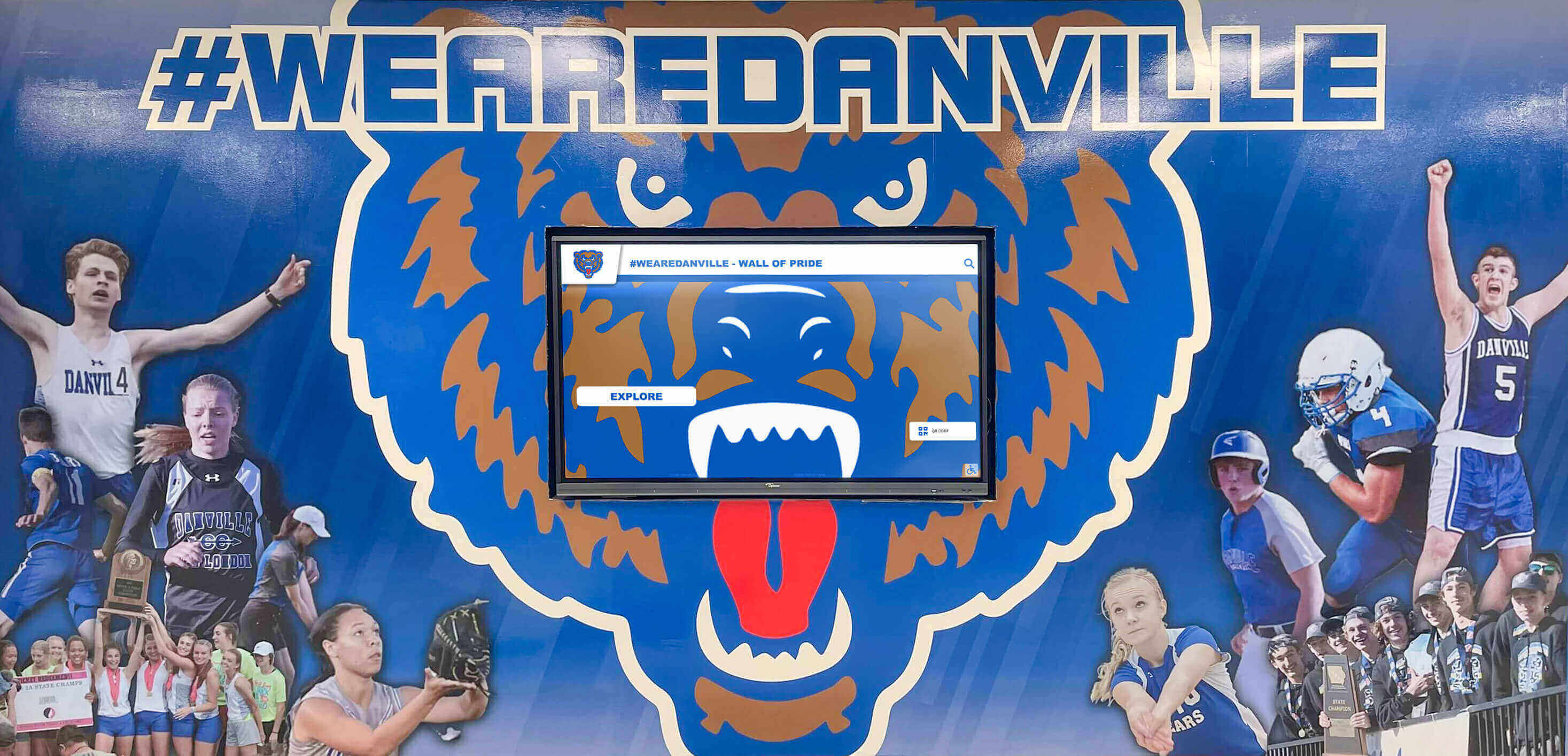
4.1 Recognition Space Allocation ☐ Map all athletic recognition displays throughout school buildings ☐ Identify which sports are featured in high-traffic, prominent locations vs. secondary spaces ☐ Assess whether certain sports dominate trophy case space while others receive minimal display area ☐ Examine whether all sports have permanent recognition space or if certain programs lack designated areas ☐ Calculate square footage of recognition space dedicated to each sport
Insight → Evidence → Implication: Insight: Recognition location impacts visibility as significantly as content existence. Evidence: Displays in main entrance lobbies receive 4.7x more daily viewers than those in secondary hallways according to visitor tracking data from 34 schools. Implication: Restricting certain sports to secondary locations creates visibility inequity even when recognition content quality is comparable.
4.2 Practice and Competition Facility Equity ☐ Assess quality and condition of practice facilities for each sport ☐ Compare locker room quality, size, and amenities across sports ☐ Examine whether certain sports receive prime time slots while others practice during less desirable hours ☐ Identify whether certain programs have dedicated space while others must share or travel to off-campus facilities ☐ Evaluate whether facility investments and upgrades have been distributed equitably across sports over time
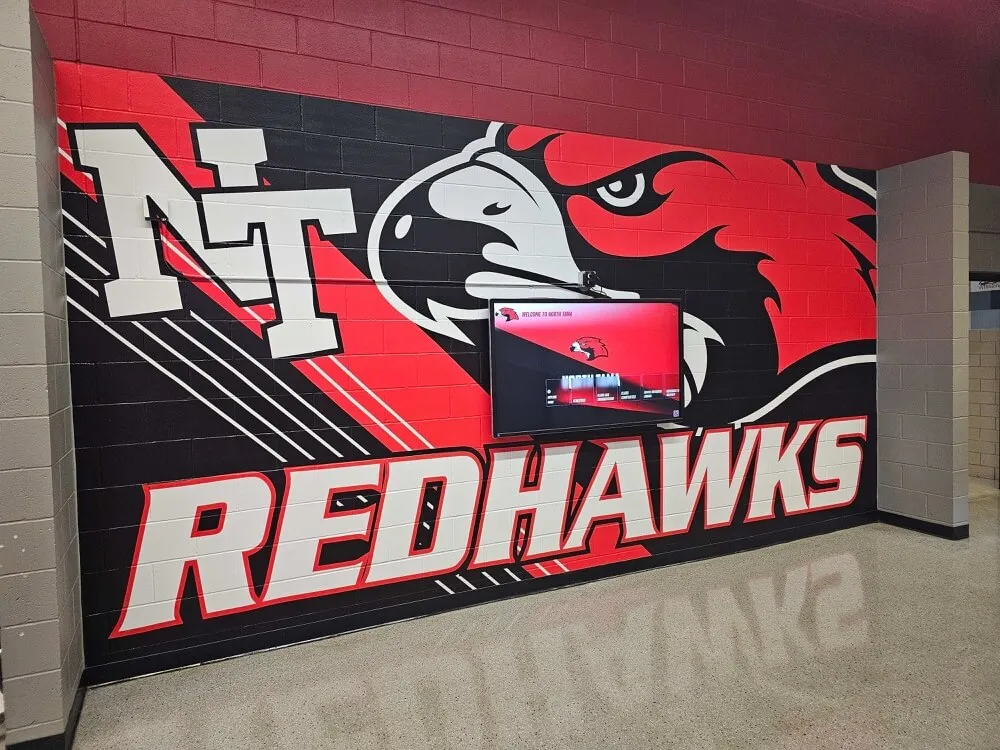
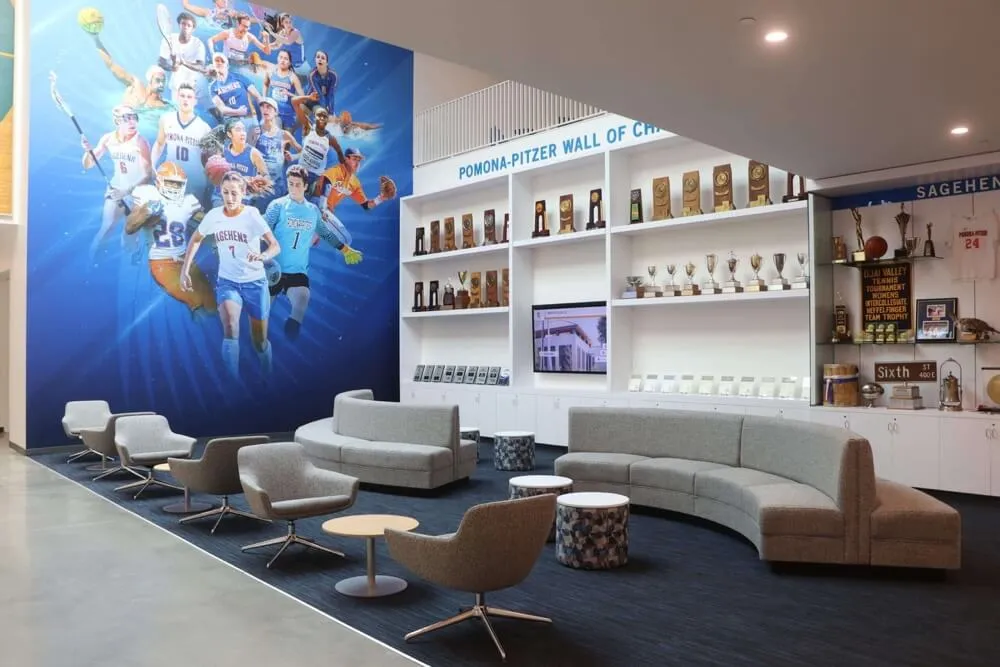
4.3 Facility Branding and Environment ☐ Inventory sports imagery, murals, and branding throughout athletic facilities ☐ Count which sports are represented in entrance areas, hallways, and common spaces ☐ Assess whether facility decoration focuses on certain sports while ignoring others ☐ Examine whether visiting teams and prospective athletes see representation of all sports or only selected programs ☐ Identify whether “neutral” athletic spaces (weight rooms, training rooms) display imagery from all sports proportionally
Section 5: Support Resources and Booster Equity
Booster organizations, fundraising efforts, and support resources often flow disproportionately to high-profile sports, creating compounding inequities in program resources and visibility.
Resource Distribution Audit
5.1 Booster Organization Structure ☐ Identify whether all sports have equal access to booster support or if separate organizations support different sports ☐ Compare fundraising totals and per-athlete spending across sports ☐ Assess whether booster organizations for certain sports enjoy significantly greater membership and engagement ☐ Examine whether all-sports booster organizations distribute support equitably across programs ☐ Identify whether coaches of different sports have similar access to booster resources for program needs
Data Context: In schools with sport-specific booster clubs rather than all-sports boosters, per-athlete fundraising ranges from under $50 to over $800 annually depending on sport, according to analysis of 67 athletic programs. This resource disparity often correlates directly with program visibility and recognition.
5.2 Program Budget Equity ☐ Review athletic budgets with line-item spending by sport ☐ Calculate per-athlete spending across all sports ☐ Assess whether budget allocation formulas account for sport-specific equipment and facility costs ☐ Examine whether certain sports face budget constraints that others don’t experience ☐ Identify whether discretionary funds (uniforms, travel, equipment upgrades) are distributed equitably
5.3 Staffing and Coaching Support ☐ Compare coaching staff size and compensation across sports relative to athlete populations ☐ Assess whether certain sports have full-time coaches while others rely on part-time or volunteer coaches ☐ Examine whether professional development opportunities are available equally to all coaches ☐ Identify whether certain programs have support staff (trainers, managers, statisticians) that others lack ☐ Evaluate whether administrative support from athletic directors is distributed proportionally
Section 6: Athlete Experience and Perception
Athletes themselves provide crucial perspective on whether equity exists in visibility and recognition. Direct athlete feedback often reveals inequities that data alone might miss.
Athlete Perspective Assessment
6.1 Athlete Survey Implementation ☐ Conduct anonymous survey of all athletes across all sports ☐ Include questions about perceived institutional support and visibility for their sport ☐ Ask whether athletes feel their achievements receive recognition comparable to other sports ☐ Gather feedback on whether athletes would recommend their sport to younger students ☐ Assess whether athletes perceive fair treatment compared to other sports
Sample Survey Questions:
- “Do you feel your sport receives recognition similar to other sports at this school?”
- “Does the school celebrate achievements in your sport as enthusiastically as achievements in other sports?”
- “Would you say your sport is valued equally compared to other athletic programs?”
- “Do you feel your coach and program receive adequate support from the school and community?”
6.2 Multi-Sport Athlete Comparative Perspective ☐ Specifically survey athletes participating in multiple sports about comparative experiences ☐ Gather feedback on whether they observe visibility differences between their sports ☐ Ask whether they feel pressure toward certain sports due to visibility or recognition patterns ☐ Identify whether multi-sport athletes report differential treatment across their sports
Evidence: Multi-sport athletes provide uniquely valuable equity insights because they experience multiple programs directly, eliminating confounding factors that affect single-sport athlete perceptions.
6.3 Exit Interviews and Retention Data ☐ Conduct exit conversations with athletes who quit sports before natural completion ☐ Analyze whether retention rates vary significantly across sports ☐ Examine whether lack of recognition or visibility appears in reasons for discontinuation ☐ Compare senior continuation rates across sports (do athletes in certain sports quit senior year more frequently?) ☐ Identify whether recruitment into less-visible sports proves more challenging than into high-profile programs
What This Means for Schools: Interpreting Your Equity Audit Results
Completing this comprehensive audit reveals visibility distribution patterns across your athletic programs. The following framework helps interpret results and prioritize interventions.
Categorizing Equity Issues by Severity
Critical Equity Gaps (Require Immediate Attention):
- Any sport receiving less than 50% of its proportional recognition share based on participation
- Complete absence of certain sports from recognition systems despite active programs
- Systematic quality differences where certain sports receive comprehensive recognition while others get only name lists
- Athlete survey results showing clear perception that certain sports are “not valued” or “not supported”
- Legal compliance risks related to Title IX or discrimination concerns
Significant Equity Gaps (Address Within Current Academic Year):
- Sports receiving 50-75% of proportional recognition share
- Notable historical recognition gaps for certain programs
- Systematic timing disadvantages (e.g., all spring sports announced together while fall sports get individual features)
- Moderate athlete perception differences across sports
- Resource allocation patterns creating compounding visibility disadvantages
Minor Equity Considerations (Improve Over Time):
- Sports receiving 75-90% of proportional recognition share
- Recognition exists but could be enhanced in quality or detail
- Minor procedural differences that don’t significantly impact athlete experience
- Small sample size concerns where limited historical data makes assessment difficult
Identifying Root Causes of Inequity
Understanding why inequities exist helps target interventions effectively. Common root causes include:
Historical Legacy Patterns: Recognition systems often reflect historical priorities that may no longer align with current programs or values. Football-dominated recognition from decades past persists through inertia rather than current intentional decisions.
Attention Economy Dynamics: High-profile sports naturally generate more media requests, photo opportunities, and community attention. Without deliberate counter-measures, recognition systems passively reflect existing attention patterns, perpetuating inequity.
Resource Constraint Defaults: When time and resources are limited, schools often focus recognition efforts on “major” sports by default, unintentionally neglecting programs generating less spontaneous attention.
Structural Measurement Challenges: Some sports face inherent recognition challenges. Individual sports where athletes compete across many events may struggle to accumulate recognition compared to team sports with clear wins/losses and championships.
Booster-Driven Disparities: When well-resourced booster organizations fund recognition for specific sports, programs lacking comparable support fall behind through no fault of athletes or coaches.
Implementing Equitable Recognition Solutions
Identifying inequities represents only the first step. Sustainable equity requires systematic solutions addressing root causes rather than one-time corrections.
Strategy 1: Adopt Proportional Recognition Standards
Establish explicit policy that recognition content distribution should approximate participation distribution across sports. Set tolerance ranges (e.g., ±10%) and require periodic audits ensuring compliance.
Implementation Steps:
- Calculate current participation percentages for each sport
- Set 3-year targets for recognition distribution matching participation rates
- Create recognition budgets allocating resources proportionally across sports
- Establish review processes catching deviations before they become entrenched
- Publish participation and recognition data transparently, creating accountability
Rocket Deployment Evidence: Schools implementing proportional recognition standards using unlimited-capacity digital recognition systems saw underrepresented sports’ recognition increase by an average of 127% over 18 months while maintaining recognition levels for previously over-represented programs. This demonstrates that equity doesn’t require reducing recognition for any program—expanding capacity allows equitable distribution without zero-sum tradeoffs.
Strategy 2: Implement Digital Recognition Systems Eliminating Space Constraints
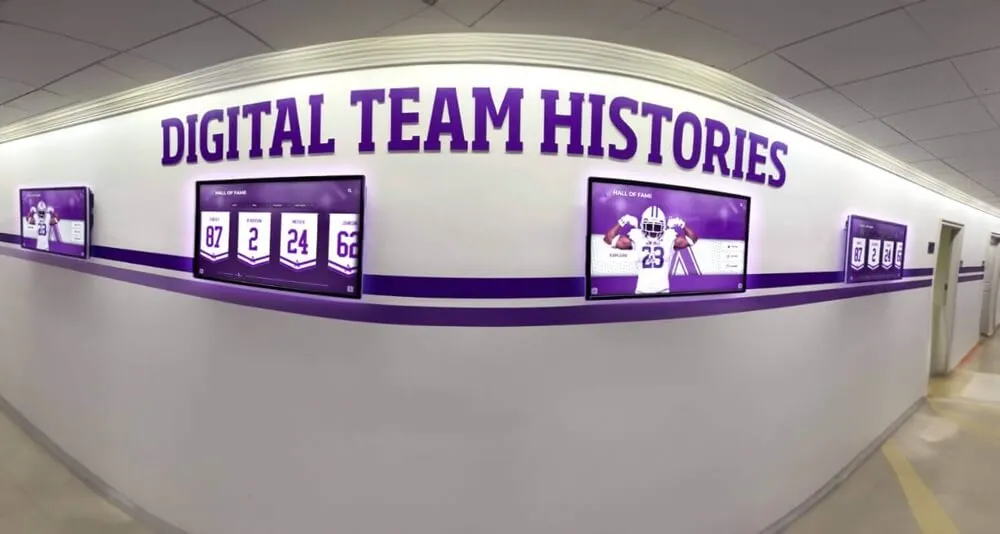
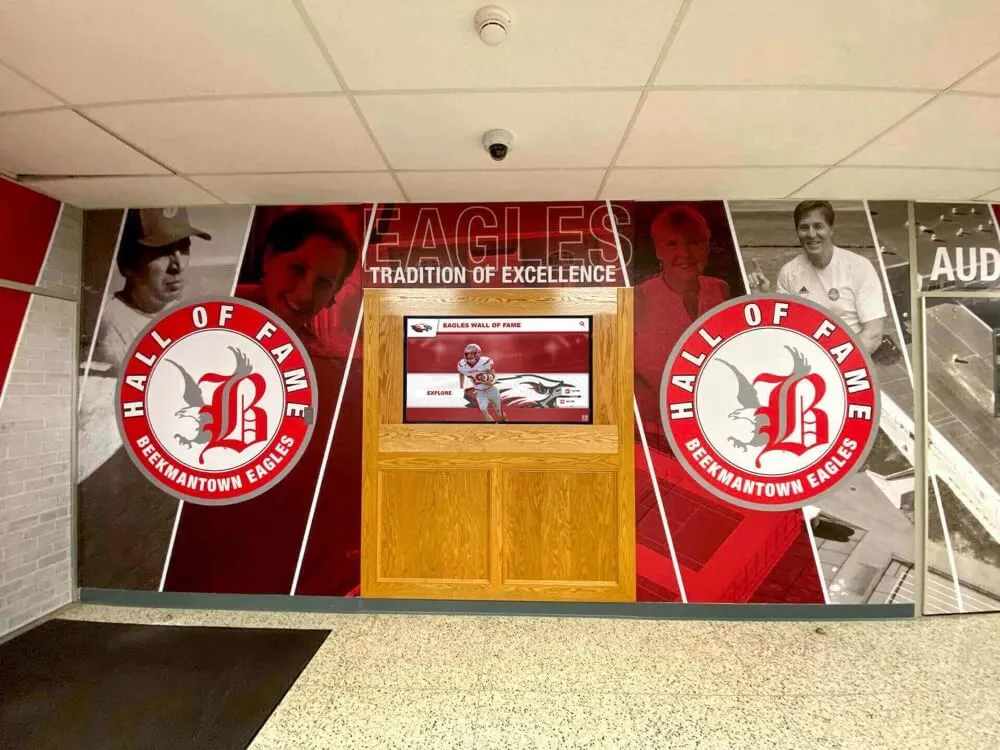
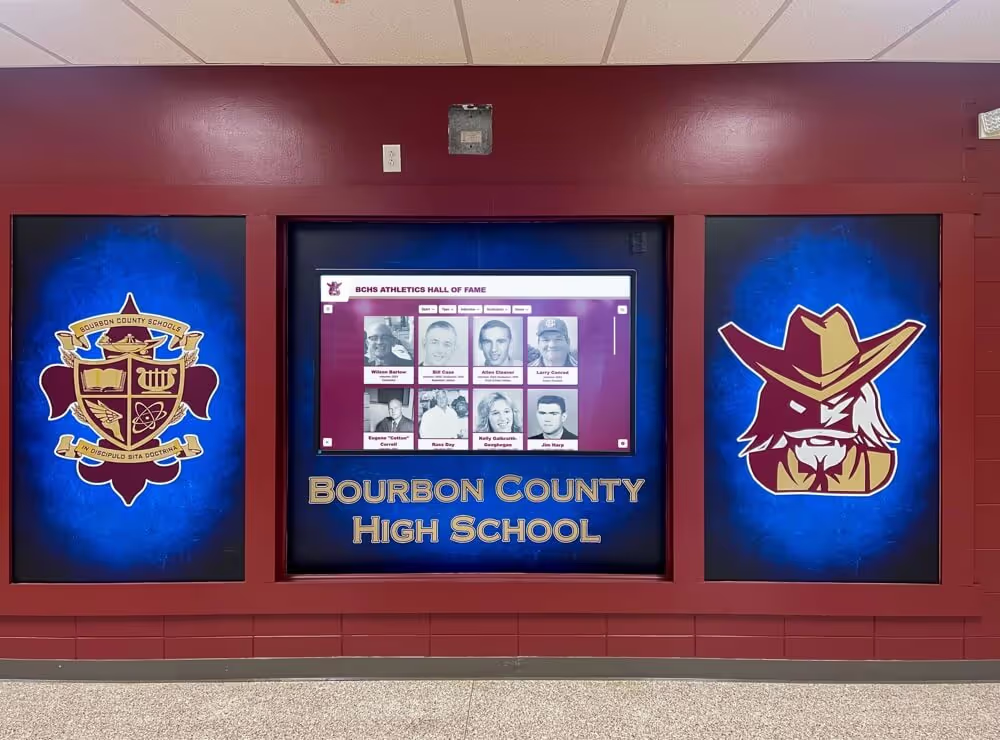
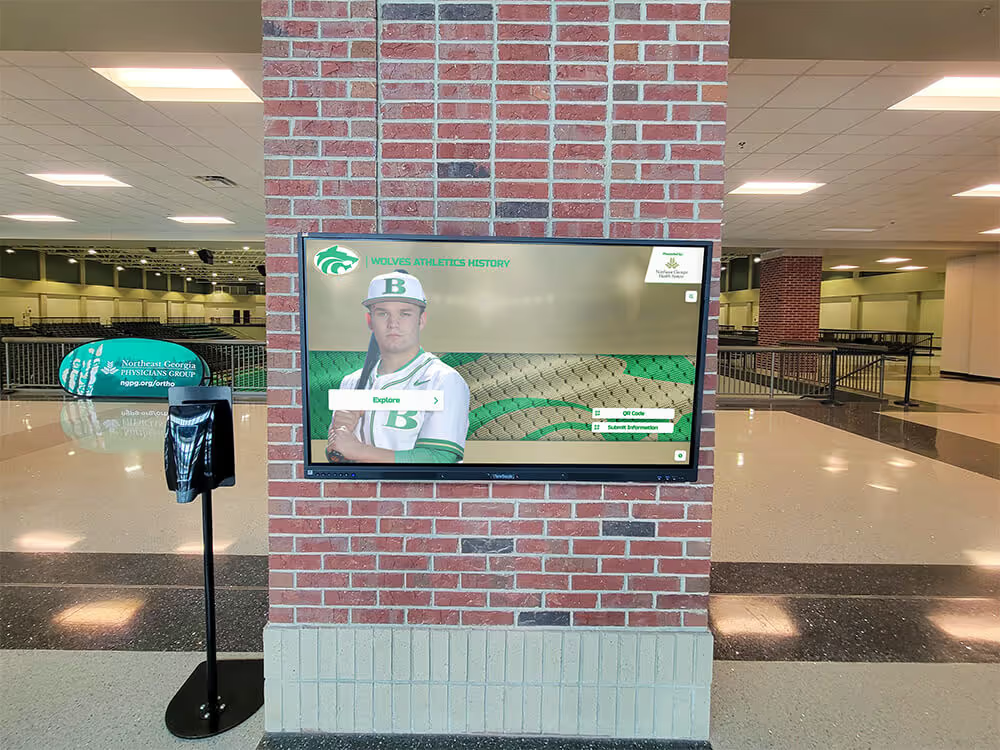
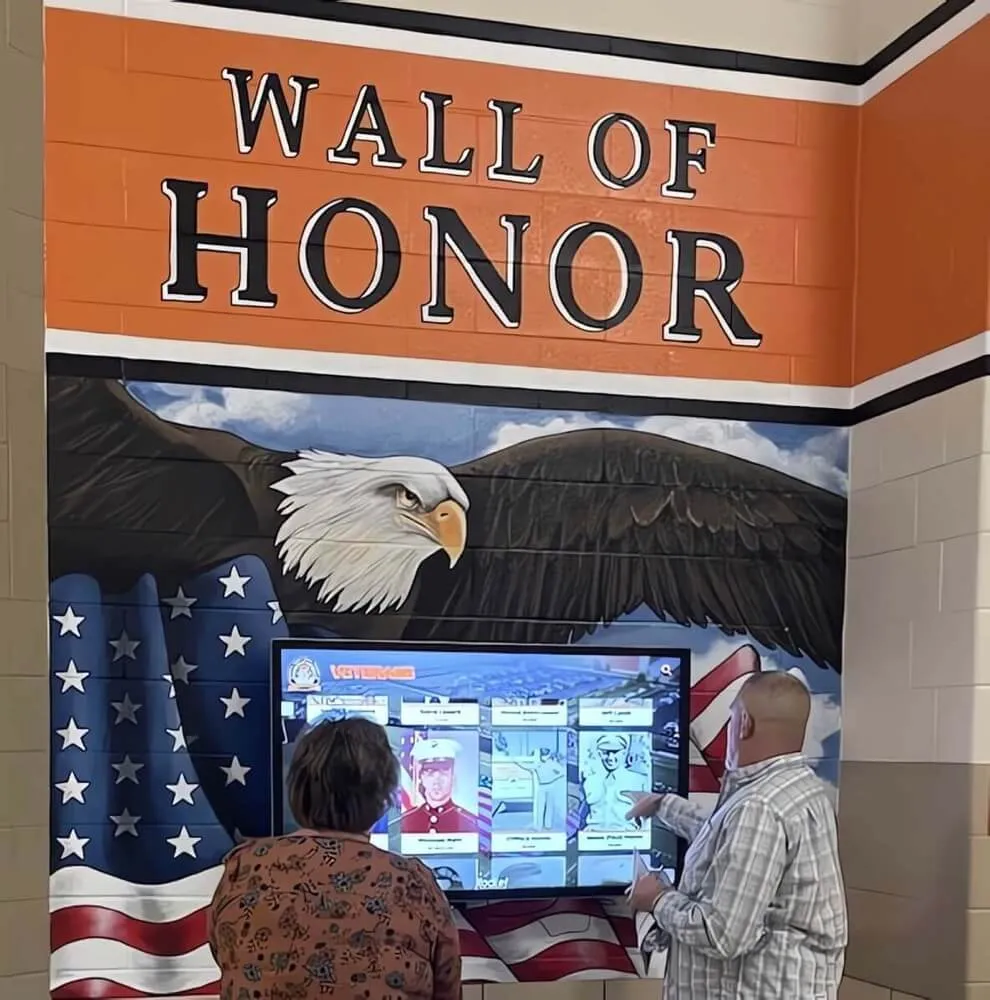
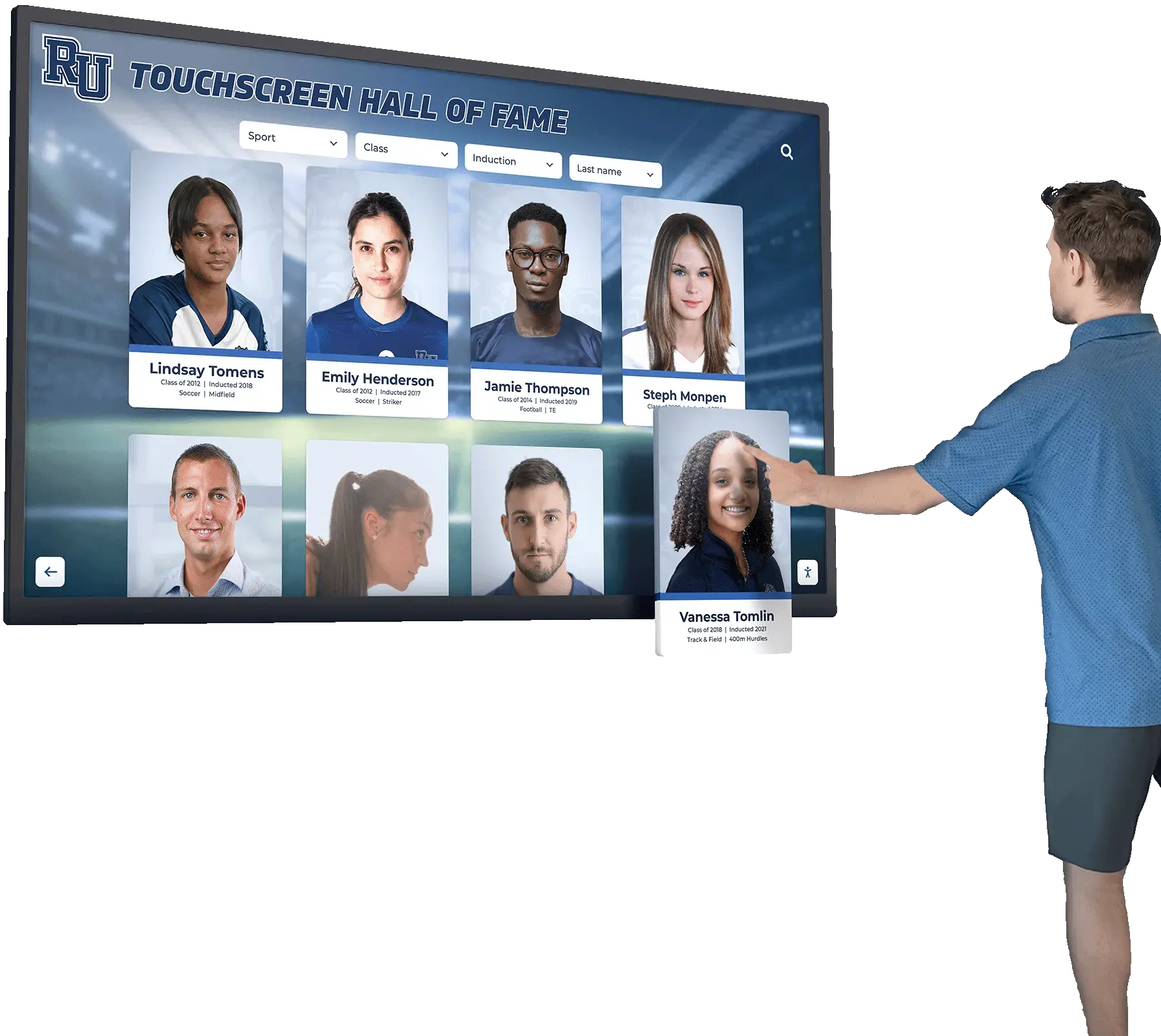
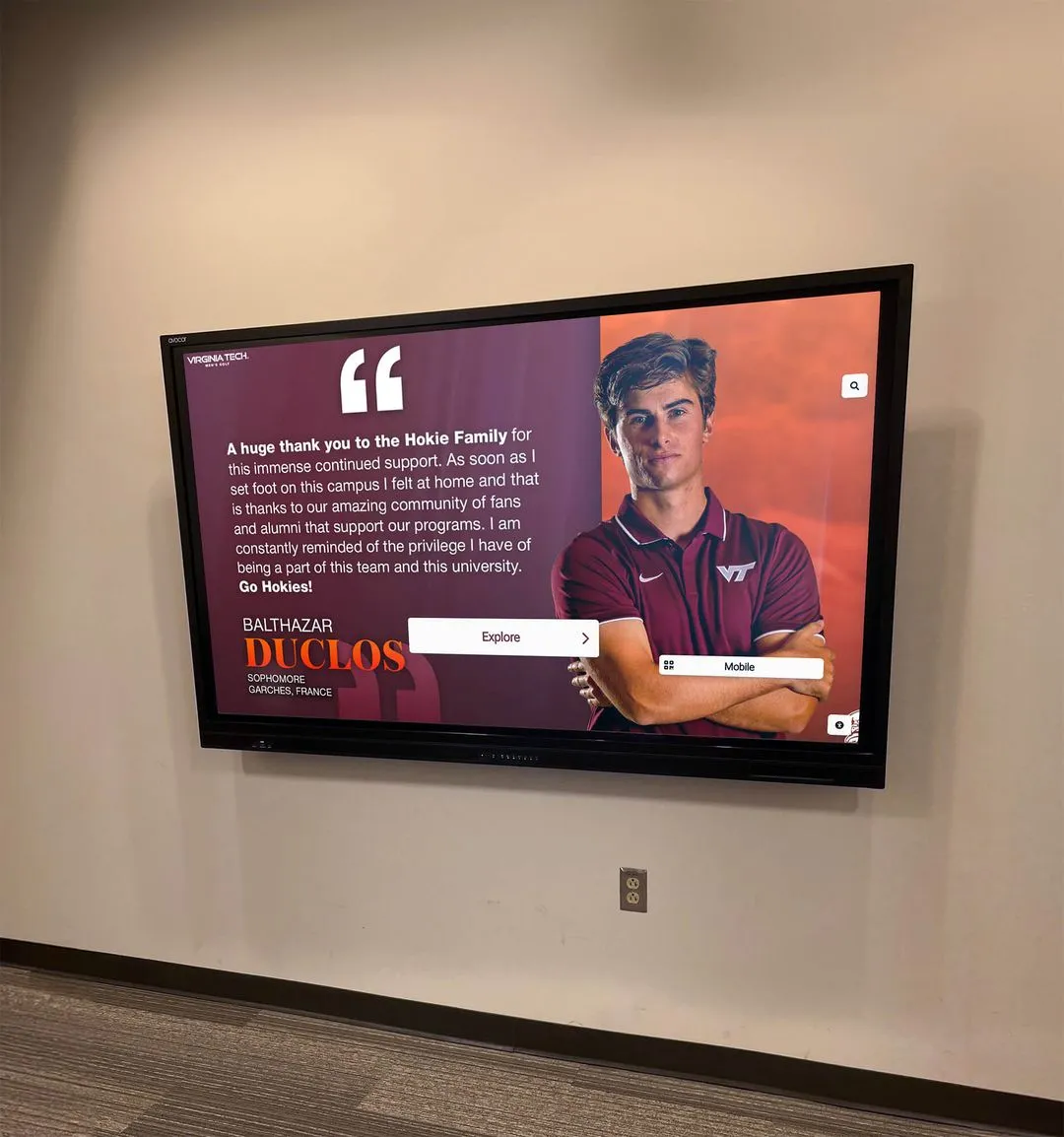
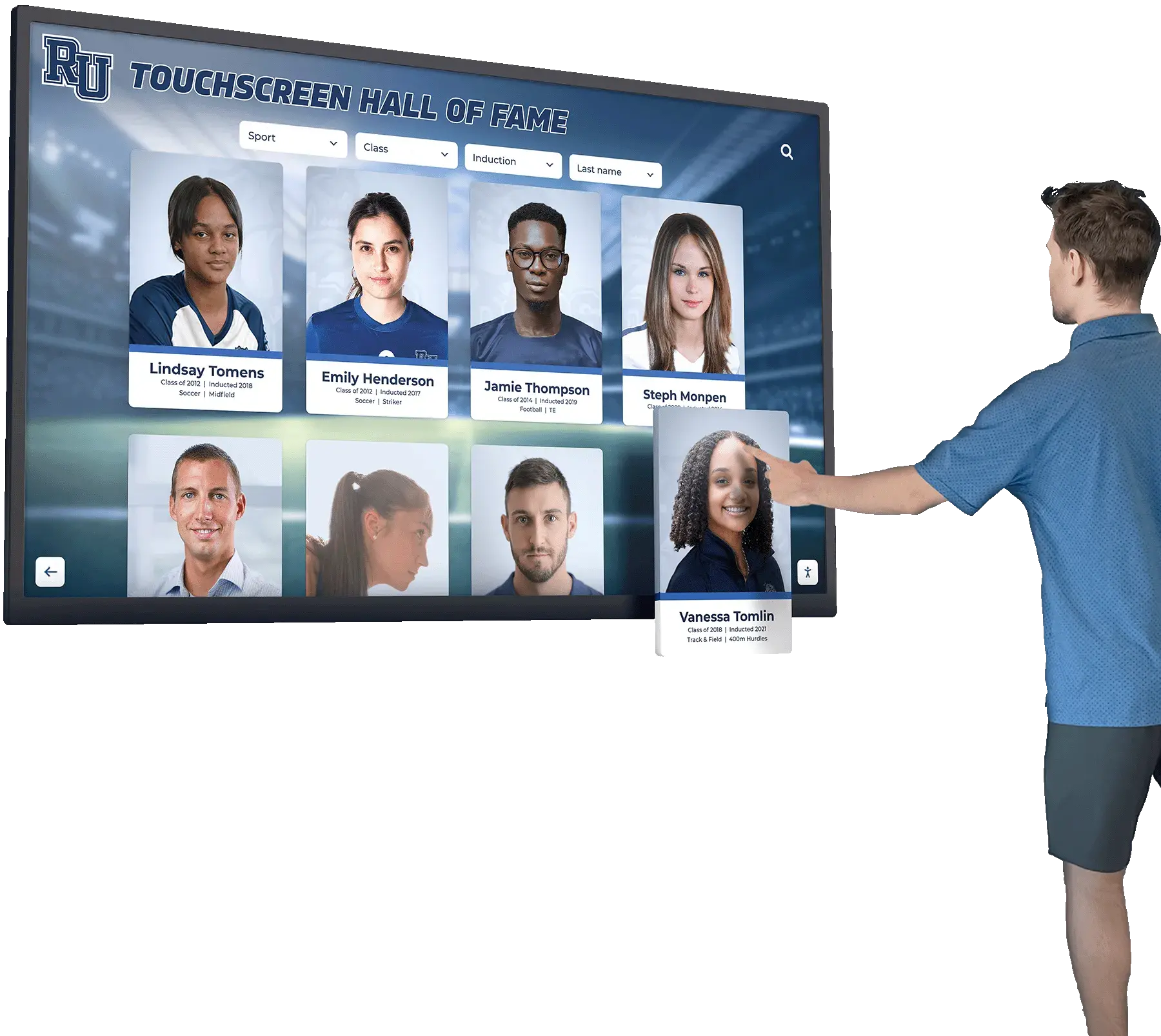
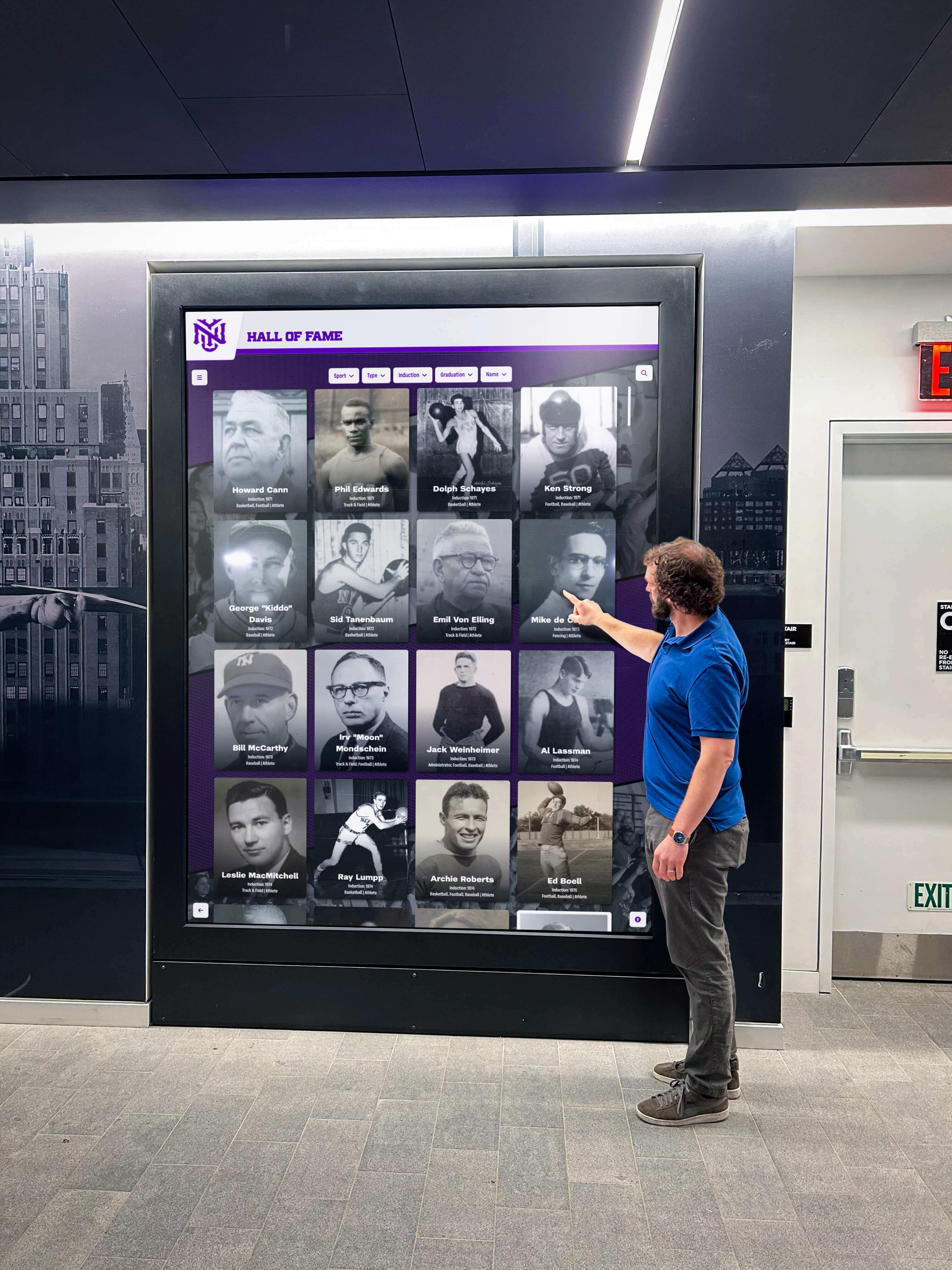
Traditional physical recognition faces fundamental capacity limitations forcing difficult allocation decisions. Digital systems with unlimited capacity eliminate zero-sum tradeoffs, allowing comprehensive recognition across all sports.
Key Advantages of Digital Systems:
- Unlimited Capacity: Every athlete from every sport can receive comprehensive recognition without physical space constraints
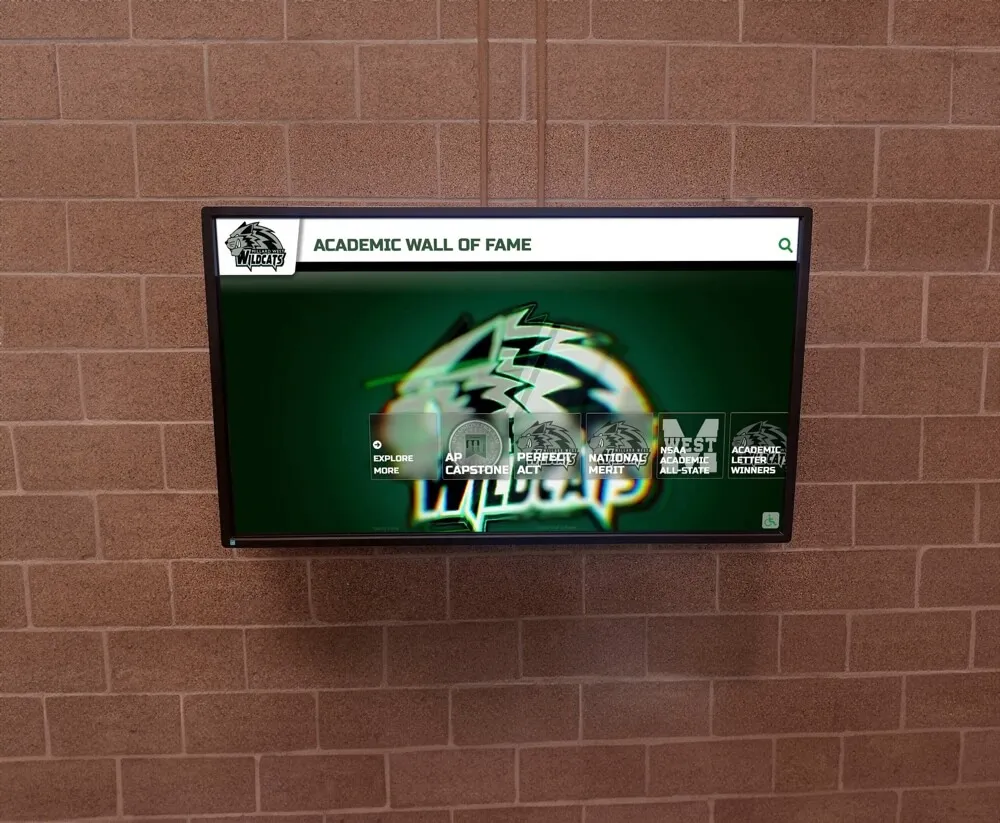
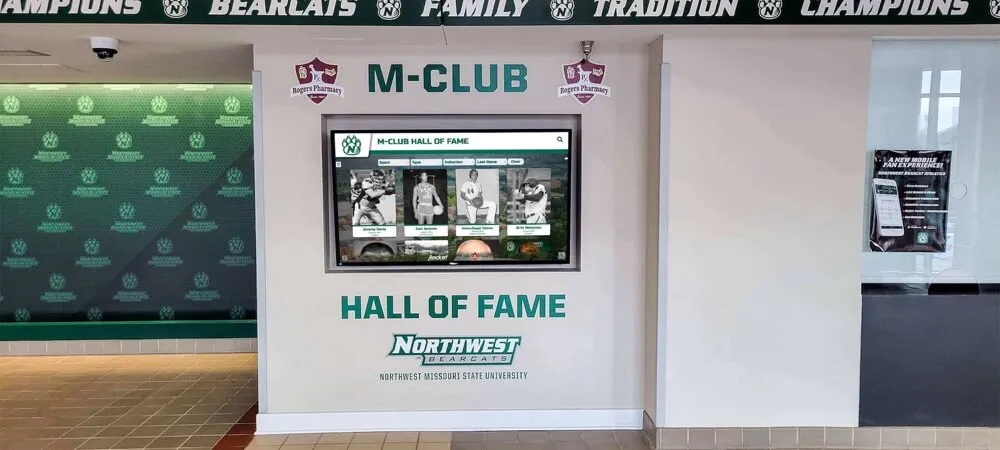
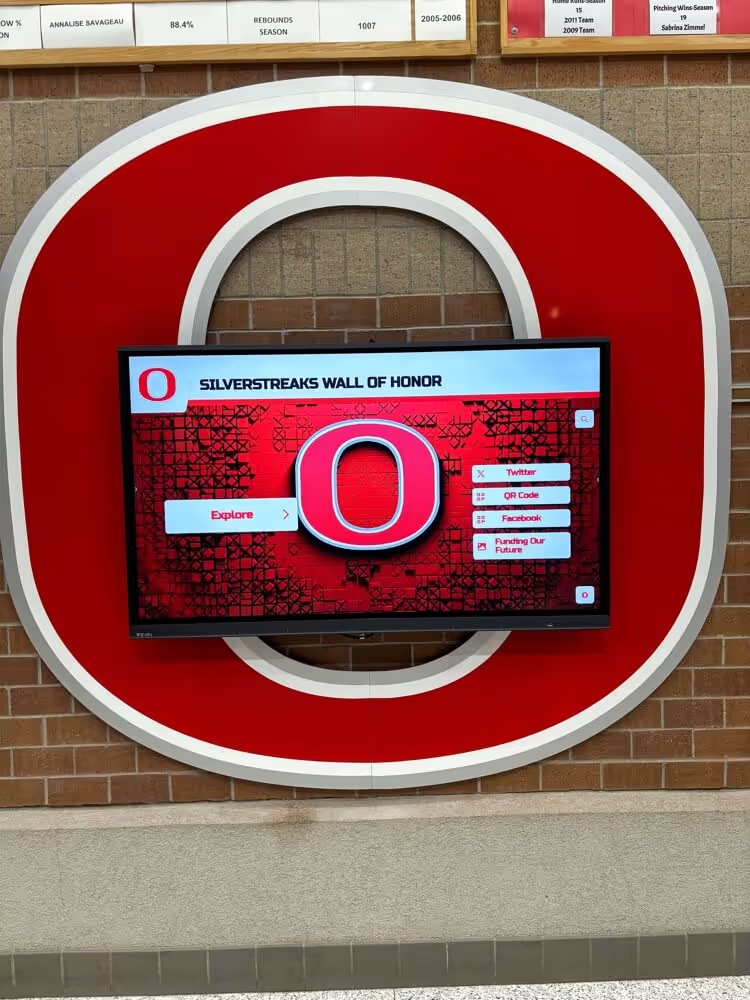
- Equitable Search and Discovery: Digital recognition displays allow visitors to explore all sports through intuitive interfaces rather than limiting visibility to whatever fits on walls
- Easy Equity Monitoring: Analytics reveal which sports visitors explore, allowing departments to identify and address content gaps
- Rapid Updates: Adding recognition for underrepresented sports requires minutes rather than months of plaque production
- Quality Standardization: Templates ensure all sports receive similar profile depth, photo galleries, and achievement descriptions
Solutions like Rocket Alumni Solutions specifically enable athletic departments to celebrate achievements across all sports programs without space or capacity constraints that force inequitable allocation decisions. Learn more about creating equitable athletic recognition systems that serve diverse programs.
Strategy 3: Systematize Communication Equity
Rather than relying on ad hoc communication that naturally gravitates toward high-profile sports, implement systematic approaches ensuring all sports receive comparable coverage.
Communication Equity Framework:
- Scheduled Rotation: Establish social media calendars ensuring each sport receives featured content on a rotating basis
- Per-Competition Coverage Standards: Set policies that every competition receives similar announcement/recap treatment regardless of sport
- Template-Based Equity: Create recognition and announcement templates used consistently across all sports
- Designated Representatives: Assign communication responsibilities ensuring each sport has someone advocating for coverage
- Equity Reviews: Monthly audits of communication output by sport, with corrections for underrepresented programs
Strategy 4: Equitable Selection Committee Structures
When selection processes for recognition programs lack diverse representation, systematic bias toward certain sports often emerges.
Committee Composition Best Practices:
- Include coaches or representatives from all three seasons (fall, winter, spring)
- Ensure representation of both team and individual sports
- Include both men’s and women’s sports advocates
- Rotate committee membership regularly, preventing entrenchment of certain perspectives
- Establish explicit equity mandates in committee charges
- Require committees to report recognition distribution across sports annually
Strategy 5: Address Historical Recognition Gaps
Achieving current equity still leaves historical gaps where certain sports received limited acknowledgment for past decades. Comprehensive equity requires addressing these legacy inequities.
Historical Gap Resolution Approaches:
- Dedicate special recognition cycles to historically underrepresented sports
- Partner with alumni from underrecognized programs to gather historical achievement information
- Create “legacy recognition” initiatives specifically documenting achievements of overlooked programs
- Acknowledge equity failures explicitly while celebrating corrections
- Establish historical content creation as ongoing responsibility rather than one-time project
Measuring Equity Progress Over Time
Equity initiatives require accountability. Establish measurement systems tracking progress toward equitable visibility distribution.
Key Performance Indicators for Equity
Quantitative Equity Metrics:
- Recognition content distribution by sport vs. participation distribution (target: ±10%)
- Social media post distribution by sport vs. participation distribution (target: ±15%)
- Per-athlete recognition spending across sports (target: ±20%)
- Athlete survey satisfaction scores by sport (target: no sport below 7.0/10)
- Multi-sport athlete comparative ratings across their sports (target: ±0.5 points)
Qualitative Equity Indicators:
- Coach feedback about feeling supported and valued across all sports
- Athlete retention and recruitment trends showing improvement in previously underrecognized sports
- Community awareness of diverse sports programs increasing
- Reduction in athlete survey responses indicating certain sports are undervalued
Annual Equity Reporting
Establish annual equity reports examining recognition distribution, identifying continuing gaps, documenting improvements, and setting specific targets for the coming year. Transparent equity reporting creates accountability while demonstrating institutional commitment to fairness across all athletic programs.
The Broader Impact of Equitable Athletics Recognition
While equity represents an ethical imperative on its own, equitable recognition generates practical benefits extending throughout athletic departments and broader school communities.
Improved Program Sustainability: Sports receiving equitable recognition report improved recruitment, higher retention, and stronger community support. Athletes join and stay with programs they perceive as valued and supported by their schools.
Enhanced Multi-Sport Participation: When schools recognize achievement across all sports equitably, athletes receive clear messages that versatility matters and that all programs deserve their consideration. This supports athletic department goals of encouraging diverse participation rather than early specialization.
Stronger Inclusive Culture: Recognition equity signals that schools value diverse contributions rather than privileging certain activities. This inclusive culture extends beyond athletics, influencing how schools approach recognition in academics, arts, and other domains.
Better Compliance with Equity Mandates: While Title IX specifically addresses gender equity in participation and resources, demonstrated commitment to broader recognition equity positions schools favorably should compliance questions arise. Documented equity in recognition supports claims of institutional commitment to fairness across all programs.
Alumni Engagement Across All Sports: When recognition systems comprehensively acknowledge achievements across all sports, schools maintain engagement with diverse alumni populations rather than primarily connecting with athletes from high-profile programs. Inclusive alumni recognition strengthens fundraising and advancement initiatives.
Conclusion: Building Athletic Programs That Value All Sports Equally
Athletic departments serve diverse student populations pursuing excellence across dozens of different sports. Each program—whether football, cross country, gymnastics, tennis, or any other—represents students dedicating countless hours to skill development, teamwork, and competition. Yet recognition systems in most schools systematically privilege certain sports, leaving athletes in less visible programs feeling that their dedication and achievements matter less than those of peers in high-profile sports.
This inequity isn’t inevitable or necessary. With deliberate attention, systematic auditing, and appropriate recognition systems, athletic departments can celebrate achievement across all sports without diminishing recognition for any program. Digital recognition solutions with unlimited capacity eliminate the zero-sum tradeoffs that forced previous generations to choose whose achievements deserved limited wall space. Systematic communication frameworks ensure all programs receive comparable coverage regardless of traditional visibility patterns. Diverse selection committees prevent recognition processes from perpetually favoring the same sports.
The comprehensive equity checklist in this analysis provides athletic directors with concrete tools for assessing current visibility distribution and identifying specific gaps requiring attention. But beyond the mechanical process of equity auditing lies a more fundamental question about institutional values: Does your school truly value all athletic programs equally, or do recognition systems reveal differential valuing that contradicts stated commitments to equity?
Students notice which achievements their schools celebrate prominently and which receive perfunctory acknowledgment. Athletes understand when their sports are valued and supported versus when they’re tolerated as minor programs deserving minimal attention. These perceptions shape whether students join sports, whether they persist when facing challenges, and whether they recommend programs to younger students considering participation.
Building athletic programs where all sports receive visibility and recognition proportional to their athlete populations isn’t just about fairness—it’s about creating sustainable programs where every athlete feels genuinely valued for their contributions. Ready to assess visibility equity across your athletic programs? The checklist above provides the framework—implementation determines whether your department will lead in creating recognition systems that serve all athletes equitably.