



Establishing fair, credible hall of fame criteria represents one of the most challenging decisions school administrators face when creating recognition programs. The selection standards you develop will determine who receives induction for decades, shape how your community perceives institutional values, and either strengthen or undermine your hall of fame’s legitimacy among students, alumni, and supporters.
Selection criteria must balance competing priorities: recognizing exceptional achievement while remaining inclusive enough to honor worthy candidates across different eras and sports, maintaining high standards without creating impossibly narrow requirements that exclude deserving honorees, establishing objective metrics while acknowledging that character and leadership matter beyond statistics, and creating processes perceived as fair and transparent by all stakeholders.
This comprehensive guide provides school administrators, athletic directors, and hall of fame committees with proven frameworks for developing selection criteria that serve institutions effectively across generations. Whether you’re establishing your first hall of fame or refining existing processes, these strategies will help you create induction standards that balance excellence, fairness, and institutional values.
Core Components of Effective Hall of Fame Criteria
Well-designed selection standards typically incorporate:
- Eligibility Requirements: Waiting periods, graduation status, and basic qualification thresholds
- Achievement Metrics: Quantifiable accomplishments including records, championships, and honors
- Character Standards: Sportsmanship, leadership, and representation of institutional values
- Post-Graduation Consideration: Weight given to collegiate, professional, or career achievements
- Selection Committee Structure: Who evaluates candidates and how decisions get made
- Documentation Requirements: Evidence needed to support nominations and verify accomplishments
Establishing Basic Eligibility Requirements
Before addressing achievement thresholds, schools must define who qualifies for hall of fame consideration and when.

Graduation and Attendance Requirements
Most schools require candidates to have graduated from the institution, though definitions of “graduation” vary. Traditional four-year high schools typically require diploma completion. Schools must decide whether transfer students who attended for only one or two years qualify, or whether multi-year enrollment represents a minimum standard.
Some programs create separate categories for non-graduates who made significant contributions—coaches, administrators, contributors, and boosters who shaped athletic programs without being students themselves. These categories require distinct criteria reflecting different types of contributions.
Waiting Period Standards
Nearly all credible halls of fame impose waiting periods between graduation and induction eligibility. Common timeframes include:
Five-Year Waiting Periods: Shorter waiting periods work well for schools emphasizing high school achievement primarily, with less weight on post-graduation accomplishments. Five years allows enough time for immediate post-graduation bias to fade while keeping induction timelines relatively recent. This approach proves popular with newer programs seeking to build momentum and younger institutions with limited athletic history.
Ten-Year Waiting Periods: Ten years represents perhaps the most common standard, balancing several competing concerns effectively. This timeframe allows collegiate athletic careers to conclude and early professional success to emerge, provides emotional distance for more objective evaluation, and creates enough separation that recent graduates don’t dominate selection discussions. Schools weighting both high school and post-graduation achievement often adopt ten-year standards.
Twenty-Five-Year Waiting Periods: Longer waiting periods emphasize lifetime achievement and legacy evaluation. Twenty-five years allows complete career assessment including professional athletics, post-athletic career success, and long-term contributions back to school communities. However, extended timelines mean inductees may be more difficult to locate, less connected to current school communities, and less likely to attend induction ceremonies. Very established programs with long histories and comprehensive recognition of recent achievements through other channels can afford longer waiting periods.
The appropriate waiting period reflects how much weight your selection criteria place on post-graduation accomplishment versus high school achievement specifically, as noted in guides about choosing digital hall of fame systems that can accommodate evolving recognition needs.
Category Definitions
Clear category definitions prevent confusion and ensure nominees get evaluated against appropriate peers.
Individual Athletes: Most halls of fame maintain athlete categories recognizing individual excellence. Schools must decide whether to subdivide athletes by sport, era, or achievement type, or maintain single athlete categories evaluated together. Sport-specific criteria acknowledge different competitive landscapes—what constitutes exceptional achievement in football differs from swimming or golf.
Teams: Championship teams and historically significant squads often receive separate recognition. Team criteria typically emphasize championship victories, undefeated seasons, record-breaking performances, or cultural significance transcending wins and losses. Schools should establish whether teams qualify independently or whether team induction serves as an additional honor for exceptional individual athletes.
Coaches and Contributors: Coaching and contributor categories honor individuals who shaped programs without competing as athletes. Coaching criteria emphasize career longevity, championship success, coaching tree influence, program building, and athlete development. Contributor recognition acknowledges boosters, administrators, trainers, and others whose support enabled program excellence, similar to recognition frameworks detailed in college athletics hall of fame guides.

Developing Achievement-Based Selection Criteria
Quantifiable accomplishments provide objective foundations for selection decisions, though schools must calibrate standards to their specific competitive context.
Athletic Achievement Metrics
Statistical Excellence and School Records: Career statistical achievements offer clear, measurable criteria. Schools might require candidates to hold school records, rank in top-10 all-time statistical categories, or achieve specific statistical thresholds reflecting elite performance. Record-based criteria work well for sports with comprehensive statistical tracking—basketball scoring, baseball pitching records, track and field times—but prove more challenging for sports like soccer, lacrosse, or wrestling where statistical capture varies.
Championship Success: Team championship participation provides another objective measure. Criteria might include state championship team membership, multiple conference championship seasons, undefeated season participation, or tournament MVP recognition. Championship criteria favor athletes competing during successful team eras while potentially disadvantaging equally talented athletes whose team contexts limited championship opportunities.
Individual Honors and Recognition: All-conference, all-state, all-region, and all-American selections offer third-party validation of excellence. Selection to elite teams demonstrates peer and coach recognition beyond internal school assessment. Academic all-American honors combine athletic and academic achievement, acknowledging well-rounded excellence.
Multi-Sport Participation: Some schools value multi-sport athletes, awarding selection preference for athletes excelling across multiple programs. Multi-sport criteria recognize versatility, year-round commitment, and broader contributions to school athletic culture. However, modern athletic specialization means this standard may increasingly disadvantage contemporary athletes compared to historical candidates when multi-sport participation was more common.
Balancing Objective and Subjective Criteria
Pure statistical thresholds risk overlooking athletes whose contributions transcended measurable accomplishments—team captains who elevated teammates, athletes who excelled despite challenging circumstances, or competitors who exemplified sportsmanship and character even without championship success.
Effective criteria combine objective achievement thresholds establishing baseline excellence with subjective evaluation of leadership, character, and impact. Clear documentation requirements for subjective claims—coach recommendations, teammate testimonials, contemporaneous news coverage, academic records—prevent subjective criteria from becoming arbitrary popularity contests.
Post-Graduation Achievement Weight
Schools disagree fundamentally about how heavily to weight post-high-school achievement, and this decision shapes entire selection philosophies.
High School Achievement Primary: Some halls of fame focus exclusively on high school accomplishments, arguing that post-graduation success, while admirable, represents different institutional contributions. This approach simplifies evaluation, eliminates need to track alumni careers indefinitely, and ensures hall of fame specifically honors high school excellence rather than general athletic achievement.
Post-Graduation Achievement Emphasized: Other programs prioritize collegiate, professional, Olympic, or other post-graduation success, viewing high school years as developmental stages leading to peak achievement later. This philosophy treats halls of fame as celebrations of all achievement connected to the institution regardless of timing. Successful professional athletes bring prestige to high schools they attended, and their induction attracts alumni attention and supports fundraising.
Hybrid Approaches: Many schools adopt middle-ground positions where exceptional high school performance alone qualifies athletes for induction, while post-graduation achievement provides alternative pathways. An athlete might qualify through purely high school criteria—say, three-time all-state selection and school record holder—or through post-graduation success—collegiate all-American or professional career—even with less dominant high school résumé. Hybrid approaches maximize flexibility while maintaining high standards through multiple pathways.
The decision reflects fundamental questions about institutional purpose and community values, much like planning processes described in frameworks for sport-specific hall of fame recognition.

Character and Values-Based Selection Standards
Athletic achievement alone rarely captures complete hall of fame worthiness. Most programs incorporate character requirements ensuring inductees exemplify institutional values.
Defining Character Criteria
Character standards typically address several dimensions of conduct and contribution:
Sportsmanship and Competition Conduct: Inductees should have competed with integrity, respecting officials, opponents, and the spirit of competition. Sportsmanship evaluation examines discipline records, ejections, suspensions, and reputation among coaches and opponents. Schools must decide whether character failures during high school careers permanently disqualify candidates or whether growth and redemption over time can overcome past missteps.
Leadership and Team Contribution: Leadership extends beyond captaincy to include mentoring younger athletes, positive influence on team culture, work ethic setting examples for teammates, and willingness to sacrifice individual recognition for team success. Leadership assessment requires testimony from coaches and teammates who witnessed daily contributions beyond game statistics.
Academic Achievement and Citizenship: Many programs require minimum academic standards—GPA thresholds, graduation standing, or academic honor recognition—ensuring inductees balanced athletic and academic responsibilities. Citizenship criteria might address community service, school involvement beyond athletics, and representation of institutional values in all contexts.
Post-Graduation Conduct and Reputation: Some schools maintain character standards extending beyond graduation, reserving right to rescind inductions or deny candidates whose post-high-school conduct contradicts institutional values. This approach proves controversial—should criminal convictions, professional scandals, or personal failures decades after graduation affect hall of fame status earned during high school? Clear policies established in advance prevent reactive decisions during emotionally charged situations.
Documentation and Evidence Standards
Character criteria require supporting evidence beyond nominator assertions. Effective documentation might include:
- Coach recommendation letters addressing character dimensions specifically
- Academic transcripts and GPA verification
- Discipline records from athletic participation
- Contemporaneous news articles describing conduct and leadership
- Teammate testimonials from peers who competed alongside candidates
- Community service records and school involvement documentation

Selection Committee Structure and Decision-Making Processes
Committee composition and voting procedures directly impact hall of fame credibility, as detailed in resources about transparent selection processes for school recognition programs.
Committee Composition
Stakeholder Representation: Effective committees include diverse perspectives representing key constituencies. Common membership includes athletic directors or department chairs providing institutional knowledge, former coaches familiar with program history and achievement context, alumni representatives ensuring historical perspective, current coaches understanding contemporary competitive standards, school administrators maintaining alignment with institutional values, and community members offering external perspective.
Committee size typically ranges from 7-15 members. Smaller committees enable easier coordination and decision-making, while larger groups incorporate more diverse perspectives and distribute individual influence more broadly.
Term Limits and Rotation: Rotating committee membership prevents insularity while preserving institutional knowledge. Staggered terms—perhaps three-year appointments with one-third of committee rotating annually—balance continuity with fresh perspectives. Former inductees might serve limited terms after their own induction, though schools should consider whether their participation creates conflicts when evaluating contemporary athletes competing in their former sports.
Nomination and Evaluation Procedures
Open vs. Committee-Driven Nominations: Some schools accept nominations from any community member—students, alumni, parents, fans—creating inclusive processes where anyone can propose candidates. Open nomination generates community engagement but requires more committee work evaluating potentially unqualified nominees.
Other programs restrict nominations to committee members themselves or designated nominators like current coaches and athletic staff. Limited nomination focuses committee time on seriously qualified candidates but may overlook worthy honorees without vocal advocates.
Hybrid approaches accepting open nominations while requiring nominators to submit detailed supporting documentation balance inclusivity with workload management.
Evaluation and Voting Procedures: Clear voting procedures prevent tied decisions and ensure consistency. Common approaches include:
- Simple majority votes where candidates receiving 50%+ committee support gain induction
- Supermajority requirements (60%, 67%, 75%) creating higher bars and stronger consensus
- Point-scoring systems where committee members rate candidates across multiple criteria with top scorers inducted
- Ranked-choice voting allowing committee members to express preferences across multiple qualified candidates
- Secret ballots preventing influence and social pressure versus open discussion builds consensus
Most effective processes combine deliberative discussion allowing committee members to advocate for candidates with secret ballot voting enabling members to vote conscience without peer pressure, similar to approaches used in selection frameworks for tournament and championship recognition.
Annual Induction Limits
Schools must decide how many inductees to add annually. Considerations include:
Fixed Annual Limits: Many programs induct consistent numbers annually—perhaps 3-5 athletes, 1 team, and 1 coach/contributor each year. Fixed limits create predictable recognition rhythms, prevent individual years from feeling more or less prestigious based on class size, and maintain exclusivity emphasizing that induction represents rare distinction.
Variable Standards-Based Induction: Other programs induct all candidates meeting established criteria regardless of number, meaning some years might see larger or smaller classes. Standards-based approaches avoid the uncomfortable position of inducting less qualified candidates simply to meet numerical quotas, but risk widely varying class sizes that complicate event planning and may create perceptions of inconsistent standards.
Catch-Up Provisions for New Programs: Newly established halls of fame often induct larger initial classes honoring historical excellence before settling into smaller annual cohorts. These “charter” or “foundational” classes might include dozens of inductees across multiple years, systematically working through decades of worthy candidates before transitioning to steady-state annual selections.

Addressing Common Selection Challenges and Special Circumstances
Even well-designed criteria encounter difficult edge cases requiring policy clarity.
Multi-School Careers and Transfer Athletes
Athletes transferring between schools midway through high school careers create ambiguity. Should transfer athletes qualify for induction at schools where they competed for only one or two seasons, especially if their most significant achievements occurred elsewhere?
Some schools require minimum attendance—perhaps three years enrollment or graduation specifically from the institution. Others evaluate transfers case-by-case based on achievement and contribution during their tenure regardless of duration. Clear advance policies prevent reactive decisions when prominent transfer athletes become eligible.
Deceased Candidates and Posthumous Induction
Tragic circumstances sometimes claim promising athletes before careers conclude. Posthumous induction policies should address whether deceased candidates qualify despite incomplete careers, what evidence supports their induction worthiness, and whether character requirements apply identically to athletes whose full lives can’t be evaluated.
Some schools create special recognition categories honoring fallen athletes separately from standard induction. Others apply identical criteria, inducting deceased candidates only when actual achievements meet established standards regardless of potential unfulfilled.
Controversial Candidates with Mixed Legacies
Athletes whose careers combined exceptional performance with serious character failures—criminal convictions, ethical violations, or conduct contradicting institutional values—test selection committee resolve. Clear advance policies addressing whether character failures create permanent disqualification, whether time and redemption matter, and what evidence of rehabilitation suffices prevent inconsistent reactive decisions.
Some schools maintain that hall of fame honors high school achievement specifically, meaning post-graduation conduct—however troubling—shouldn’t retroactively disqualify earned recognition. Others argue inductees represent institutional values perpetually, requiring exemplary conduct throughout life. Neither position is universally correct; what matters is clear, consistently applied policy established before specific controversial cases arise, as emphasized in planning resources about ceremonial recognition and institutional values.
Sport-Specific vs. Universal Standards
Schools fielding 15-30 different sports face challenging questions about whether selection criteria should apply identically across all programs or whether sport-specific standards acknowledge different competitive contexts.
Universal standards—say, “three-time all-state selection”—apply equally across sports, preventing accusations of favoritism. However, they may disadvantage athletes in sports where all-state selection proves more difficult due to limited roster spots or where state-level competition doesn’t exist for all sports.
Sport-specific criteria allow calibration to each sport’s competitive landscape, acknowledging that exceptional achievement looks different in football versus swimming versus golf. However, they require more complex criteria documentation and create perception risks that certain sports receive preferential treatment.
Balanced approaches might establish universal baseline requirements applicable to all sports while allowing sport-specific evaluation of additional context and accomplishment when nominees exceed baseline thresholds.
Transparency, Communication, and Criteria Evolution
Selection criteria mean nothing if stakeholders don’t understand and trust them, drawing from principles outlined in building school culture through recognition.
Public Documentation and Accessibility
Publish complete selection criteria including eligibility requirements, achievement metrics and thresholds, character standards and documentation, committee composition, nomination procedures and deadlines, and voting processes and induction limits on school websites and in athletic facilities. Transparency builds confidence that selection proceeds fairly according to established standards rather than favoritism or politics.
Modern digital displays can showcase criteria alongside inductee profiles, helping current students understand exactly what achievements warrant recognition and how they might pursue similar honors, much like interactive systems described in interactive recognition board implementations.
Periodic Criteria Review and Adjustment
Athletic programs evolve. Sports add and drop. Competitive landscapes shift. Achievement standards that felt appropriate when halls of fame launched may require adjustment as contexts change.
Establish regular criteria review—perhaps every five years—evaluating whether current standards serve institutional needs effectively. Review processes should assess whether criteria produce appropriate numbers of qualified candidates annually, whether all sports receive fair representation, whether character standards reflect contemporary institutional values, and whether post-graduation achievement weight aligns with current philosophy.
Criteria changes should apply only to future candidates, never retroactively to previously inducted members, and should be communicated clearly explaining rationale for adjustments.
Appeals and Reconsideration Policies
Even with excellent criteria and thoughtful committees, mistakes happen and circumstances change. Clear appeals procedures allow reconsideration when significant new information emerges, when procedural errors affected earlier decisions, or when criteria changes create situations where previously rejected candidates now clearly qualify under updated standards.
Appeals policies should define who can initiate appeals, what new evidence or circumstances justify reconsideration, what timeframes limit appeals, and whether appeals go to the original committee or independent review body.
Implementing Modern Recognition Technology
While selection criteria determine who receives induction, how schools display and share that recognition matters tremendously for maximizing hall of fame impact and engagement, following approaches detailed in digital trophy and recognition wall guides.
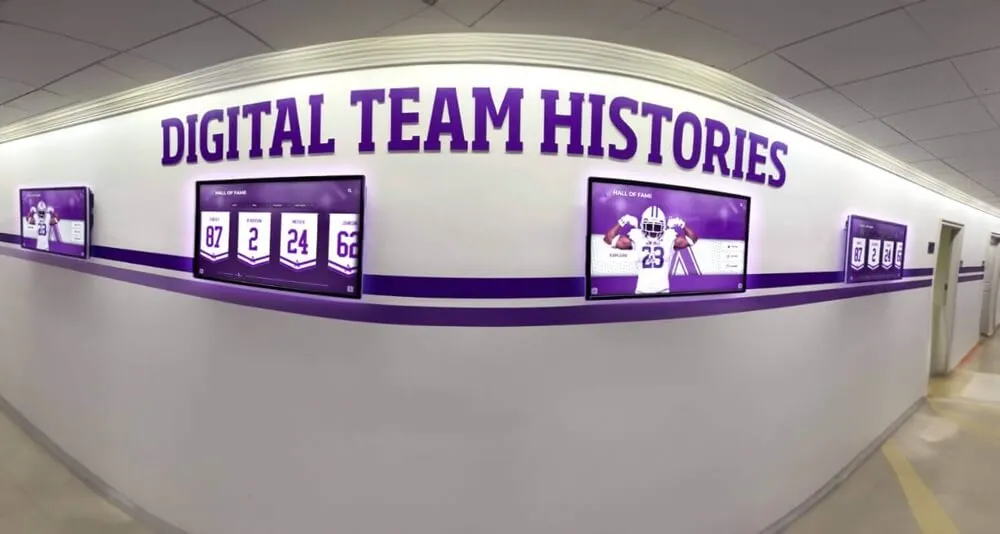
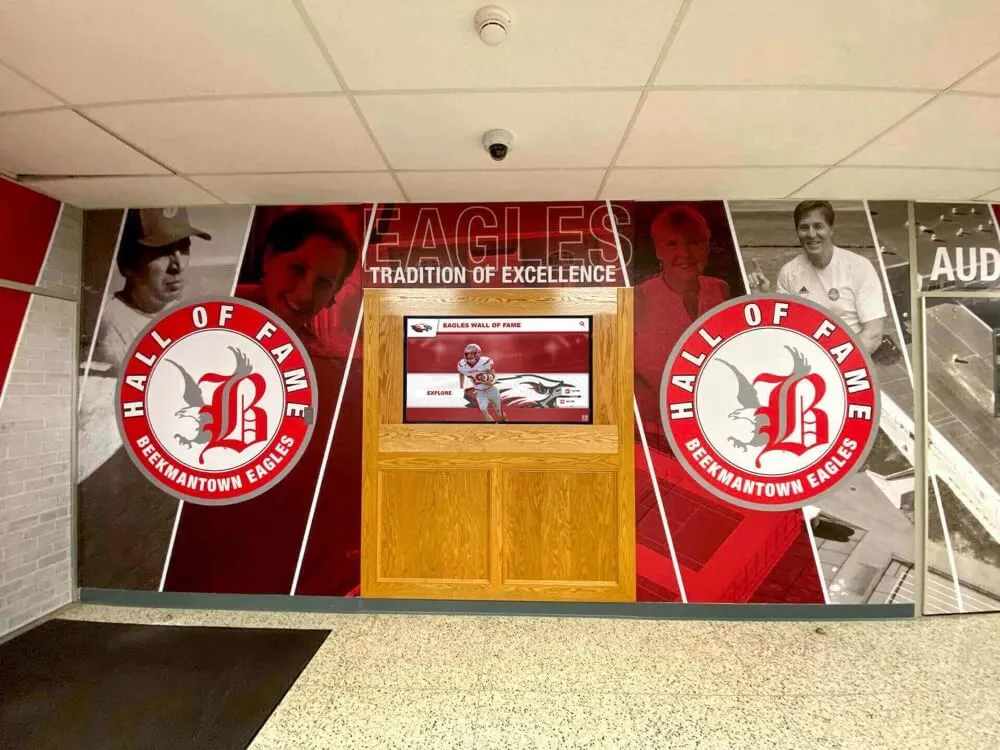
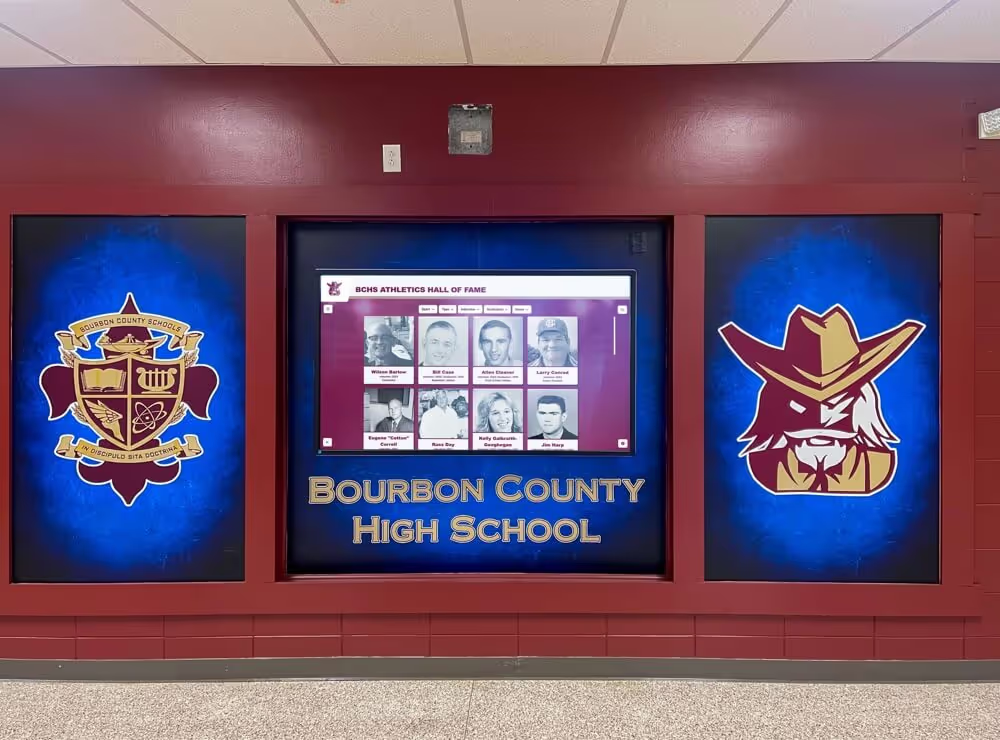
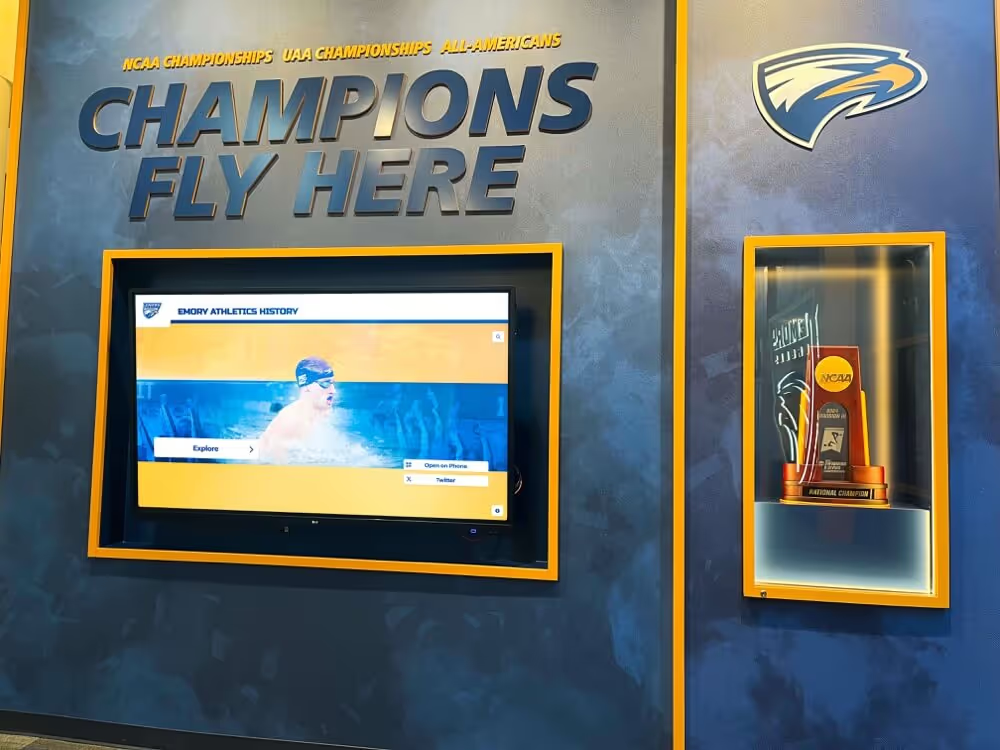
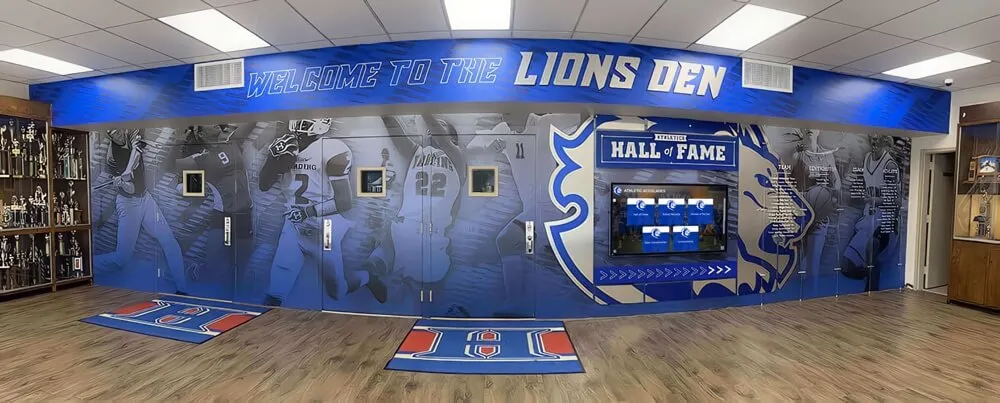
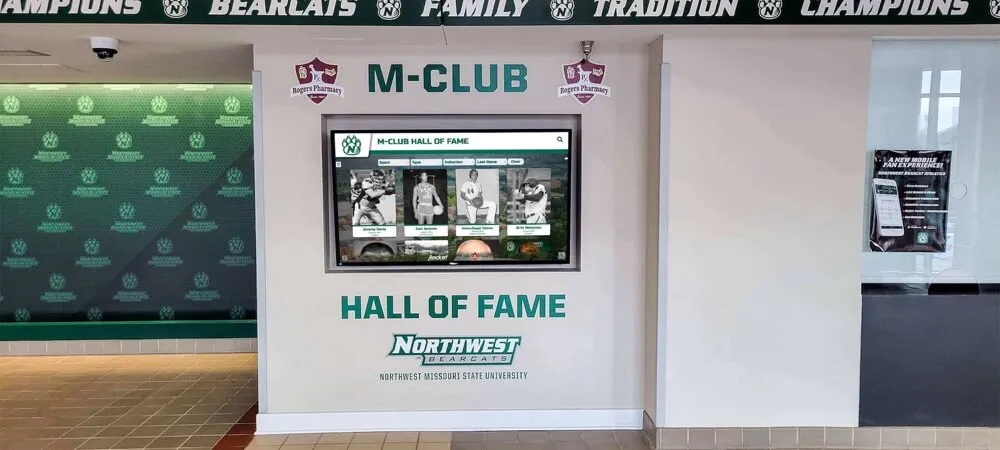
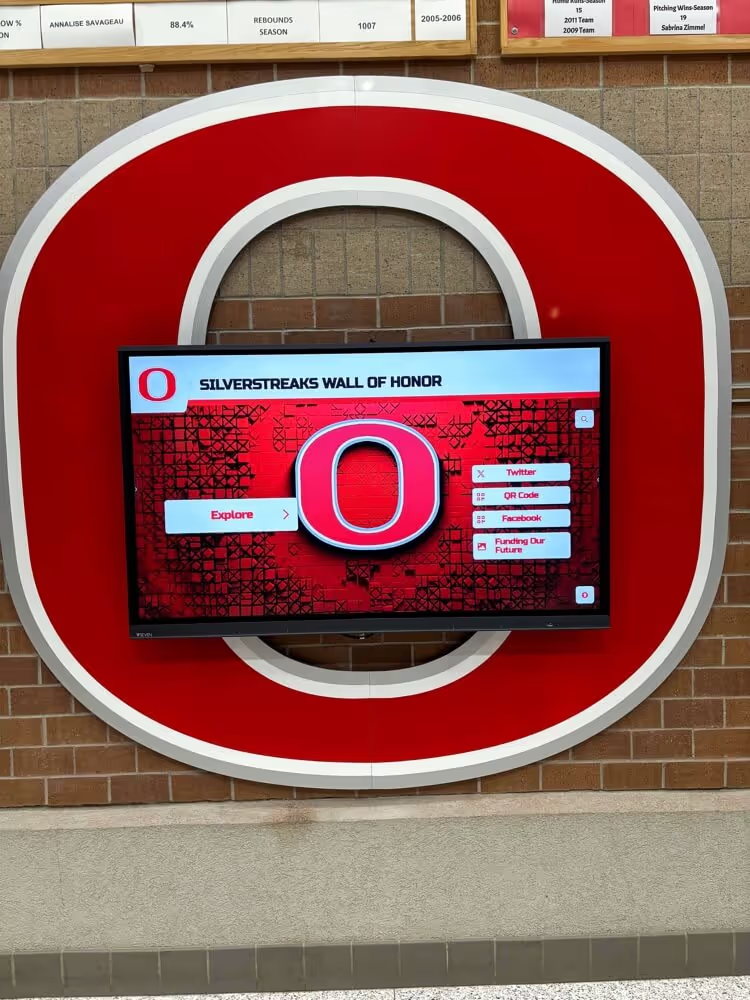
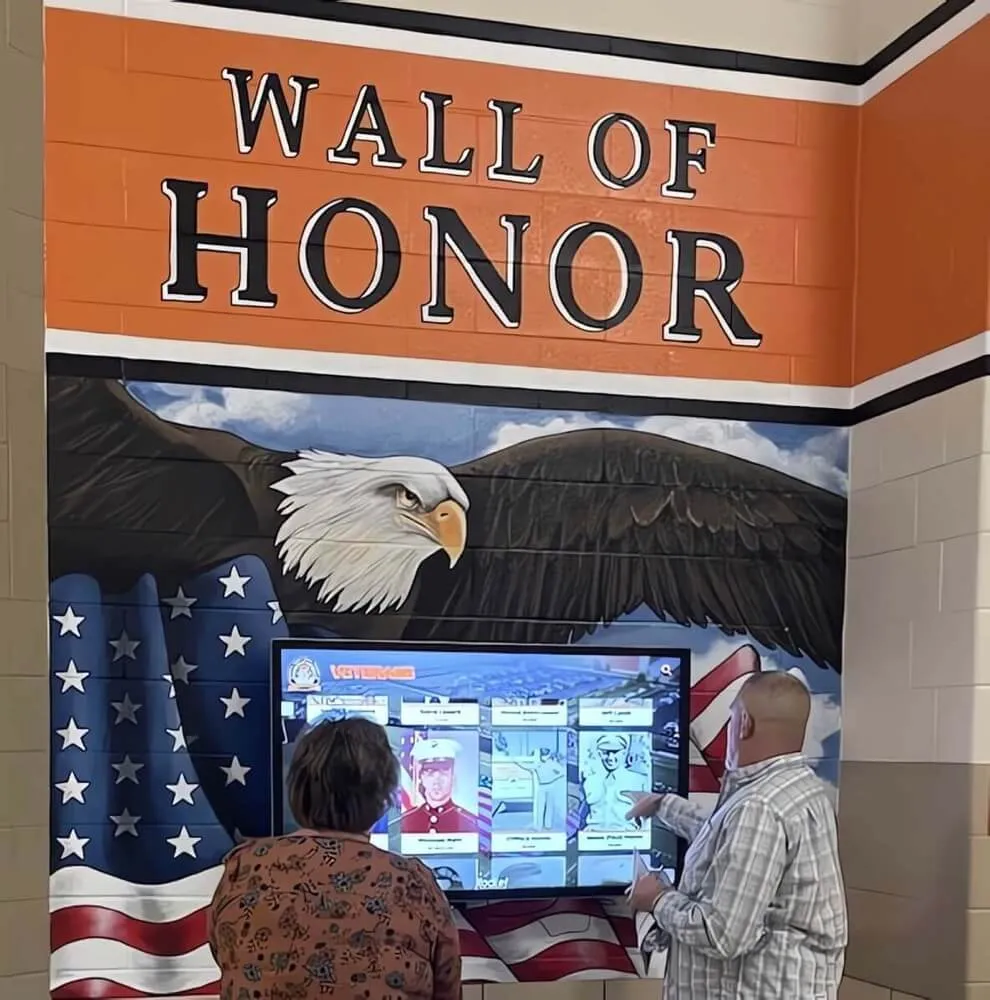
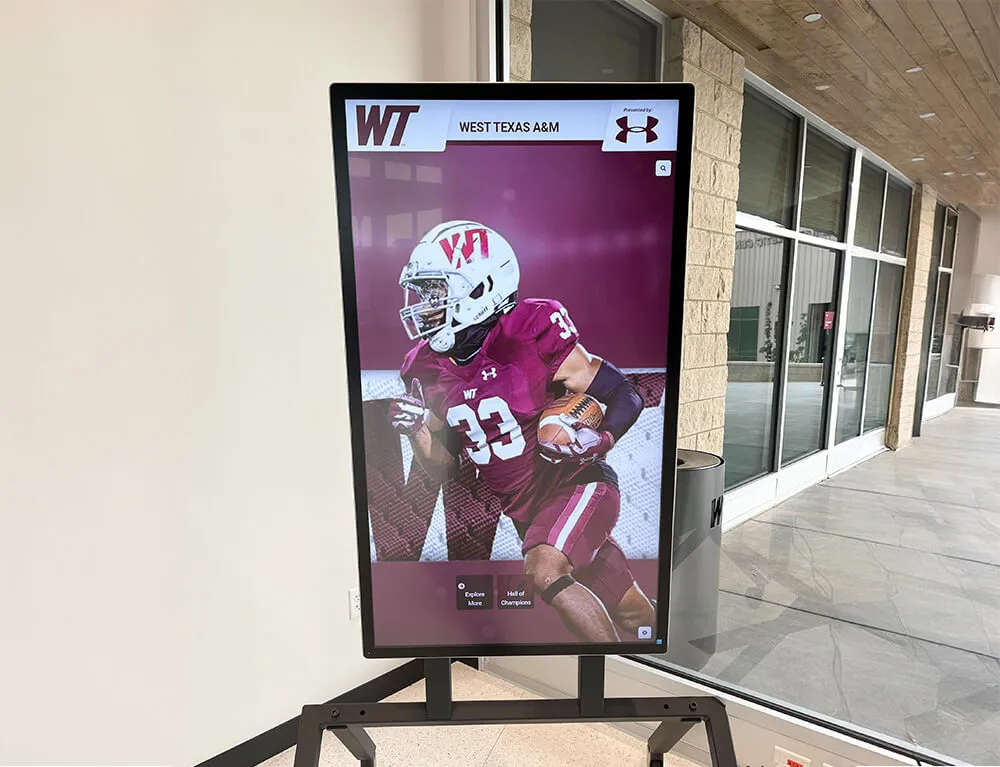
Traditional plaques and wall displays limit how much information schools can share about inductees and their achievements. Modern digital recognition systems enable comprehensive inductee profiles including detailed statistics and accomplishments, career highlights and memorable performances, photos and videos from competitive careers, post-graduation updates and achievements, and searchable databases allowing easy exploration.
Digital platforms also solve the perpetual space limitation challenge. Physical wall space fills completely, forcing difficult decisions about removing older inductees or limiting future inductions. Digital displays accommodate unlimited growth, ensuring every deserving candidate receives permanent recognition regardless of when criteria changes or program expansion occur.
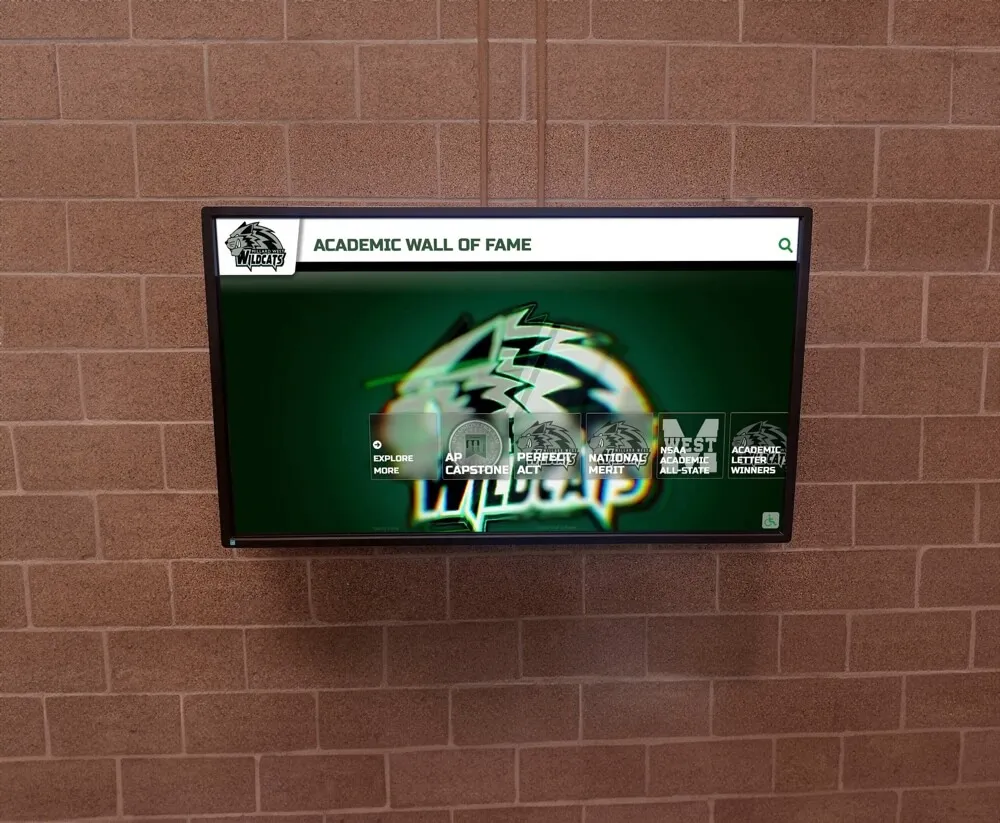
Interactive touchscreen systems allow visitors to explore inductees by sport, decade, achievement type, or personal connection, creating engaging experiences that static plaques cannot match. Students researching school history, alumni revisiting their eras, and prospective families exploring athletic program excellence all benefit from comprehensive, easily accessible recognition.
Digital hall of fame solutions from Rocket Alumni Solutions provide schools with platforms specifically designed for athletic recognition, supporting comprehensive inductee profiles, unlimited capacity growth, easy content updates as criteria evolve, and interactive exploration matching how contemporary audiences engage with information.
Launching Your Hall of Fame with Credible Selection Standards
Establishing hall of fame selection criteria represents one of your most consequential decisions, determining who receives recognition for decades while shaping how your community perceives institutional values and athletic excellence. The frameworks outlined in this guide provide starting points adaptable to your specific institutional context, competitive landscape, and recognition philosophy.
Remember that perfect criteria don’t exist—every approach involves tradeoffs between competing priorities. What matters most is developing standards that stakeholders perceive as fair, applying them consistently over time, communicating them transparently, and reviewing them periodically as contexts evolve. When selection processes earn trust through transparency and consistency, your hall of fame becomes a source of pride strengthening school culture and honoring achievement authentically.
If you’re ready to implement a hall of fame recognition system that grows with your program while honoring your selection standards comprehensively, explore how Rocket Alumni Solutions’ digital platforms support athletic recognition programs at schools nationwide. Our interactive touchscreen systems showcase inductees, communicate selection criteria, and create engaging recognition experiences that celebrate excellence while building lasting school pride.