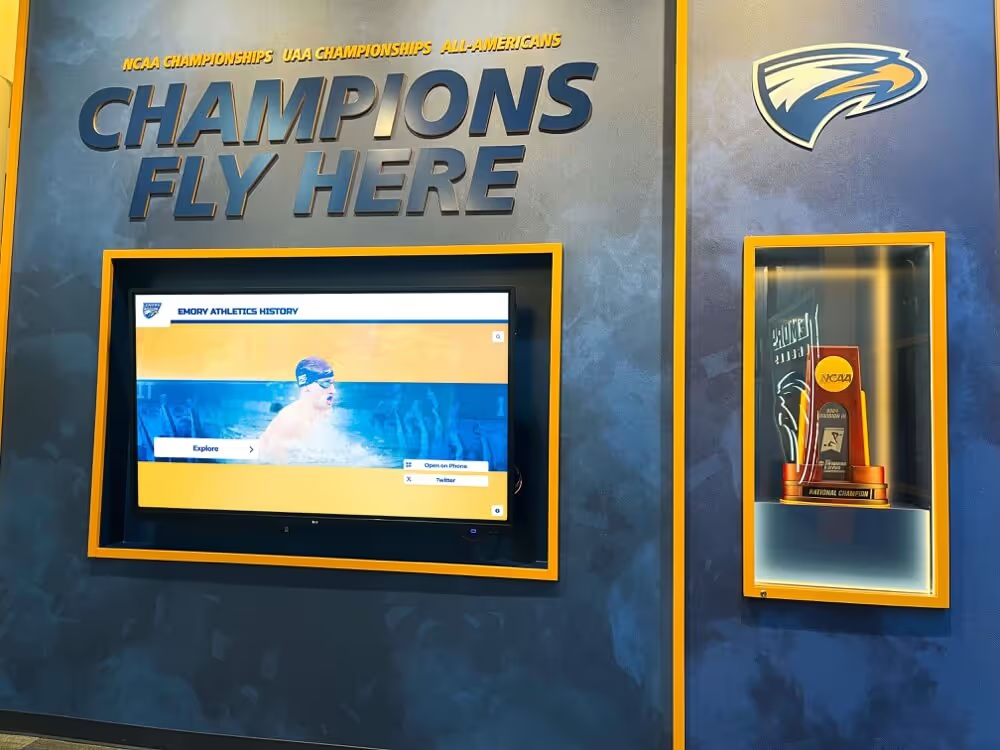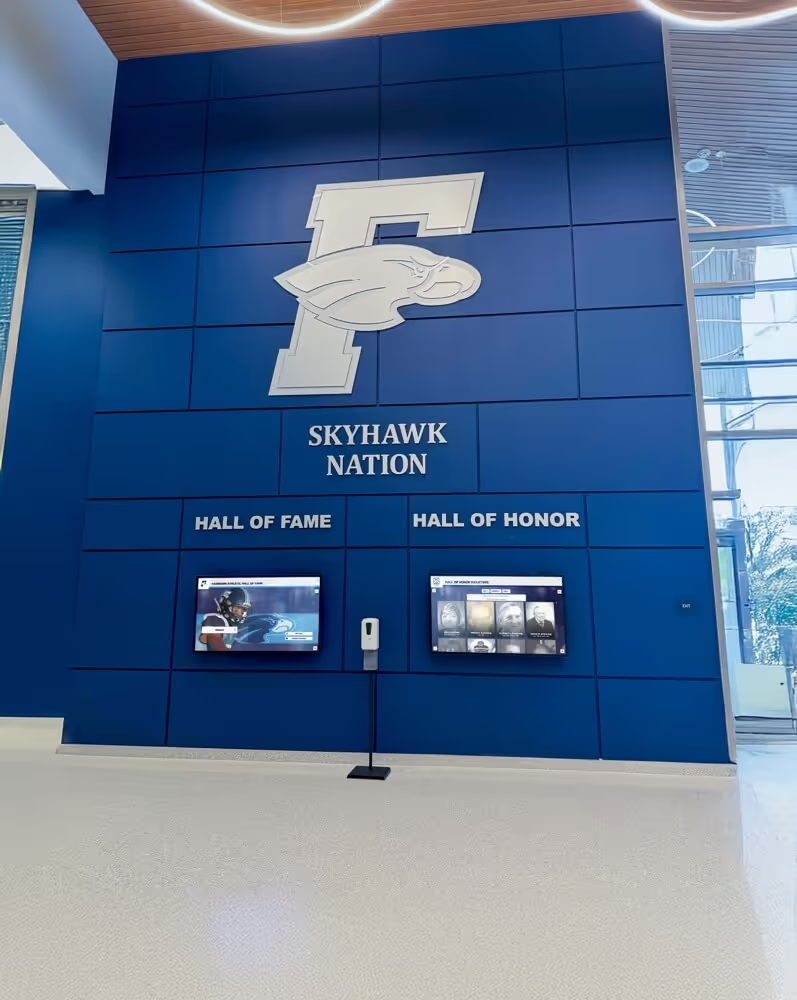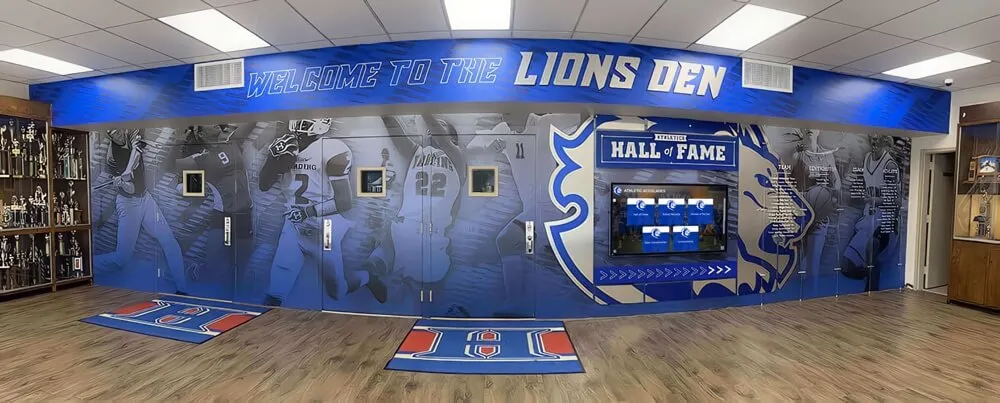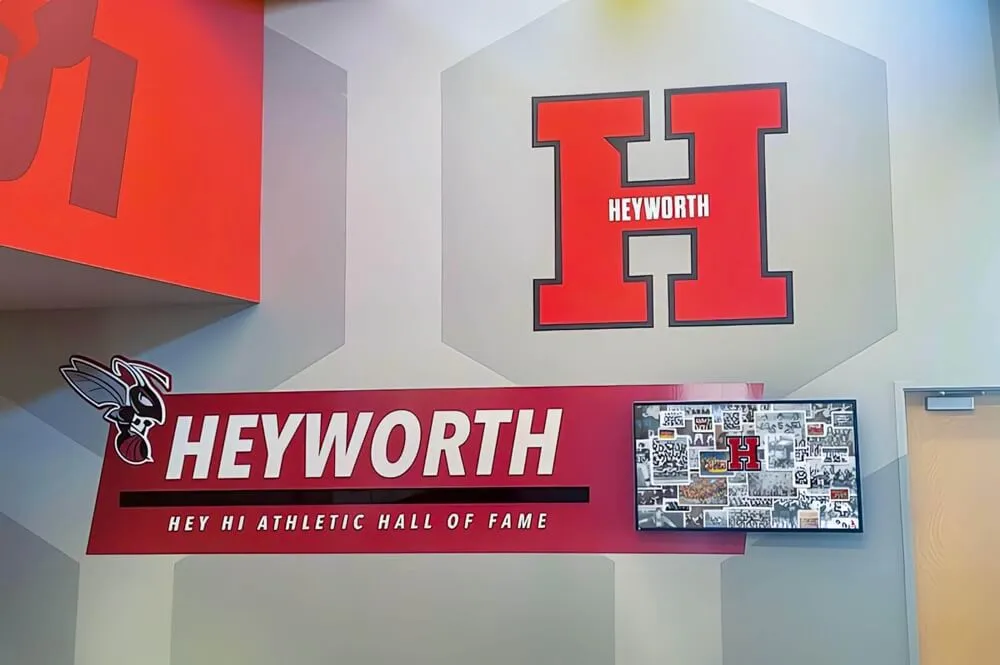
School athletic programs across the country face a common challenge: how to meaningfully honor legendary athletes, championship coaches, and extraordinary contributors in ways that inspire current student-athletes while preserving program heritage for generations. Traditional hall of fame plaques have served this purpose for decades, displaying names and achievements on gymnasium walls, trophy cases, and facility lobbies. Yet as programs mature and achievement lists grow, schools discover that conventional plaque approaches present limitations—from restricted wall space to high fabrication costs to difficulty updating displays when recognition needs evolve.
Whether you’re an athletic director planning hall of fame inductions, a facilities coordinator researching recognition options, or a booster club member working to celebrate program legends, this guide provides actionable strategies for creating hall of fame plaque displays that honor achievement appropriately while fitting budgets and spaces.

Understanding Traditional Hall of Fame Plaque Options
Athletic programs have numerous plaque design options, each offering distinct aesthetic qualities, durability characteristics, and cost considerations that influence long-term satisfaction.
Bronze Plaques: Classic Permanence
Cast bronze plaques represent the traditional standard for hall of fame recognition, offering timeless appearance and exceptional durability that can last generations with minimal maintenance.
Bronze plaques typically feature raised lettering and borders created through casting processes, with text and designs that stand out from the background surface. Finishes range from polished bronze creating bright, reflective surfaces, to oxidized patinas developing darker, antique appearances, to custom color applications matching school colors through selective painting or chemical treatments.
The weight and substance of bronze creates impressive physical presence appropriate to significant recognition. A typical individual bronze plaque measuring 12 inches by 18 inches might weigh 8-12 pounds, communicating permanent installation and institutional commitment to honoring excellence.
Bronze plaques excel in outdoor applications where weather resistance matters. The material naturally resists corrosion, making bronze suitable for exterior stadium walls, facility entrances, and other exposed locations. Indoor bronze plaques maintain appearance indefinitely without fading, discoloration, or deterioration common to lighter materials.
Cost represents the primary limitation for bronze recognition. Individual plaques typically range from $300-$800 depending on size, detail level, and quantity ordered. For programs honoring dozens or hundreds of individuals, bronze costs can become prohibitive. Production timelines often extend 4-8 weeks from design approval to installation, making rapid additions impractical.
Aluminum and Metal Alternatives
Aluminum plaques offer appearance similar to bronze at significantly lower cost, making metal recognition accessible for programs with limited budgets.
Modern aluminum plaques utilize photo-etching, laser engraving, or raised casting to create text and graphics. Anodized finishes provide color options matching school branding while protecting against corrosion and wear. Some manufacturers apply metallic coatings creating bronze, silver, or gold appearances on aluminum substrates at fraction of solid metal costs.
Quality aluminum plaques typically range $75-$200 depending on size and finishing processes—substantially less than comparable bronze. Production timelines often run 2-4 weeks, providing faster implementation than cast bronze.
Aluminum works well for indoor applications where weight savings and cost efficiency matter more than outdoor durability. While properly finished aluminum resists indoor corrosion, the material generally doesn’t match bronze’s extreme longevity in harsh outdoor environments.
Acrylic and Glass Recognition
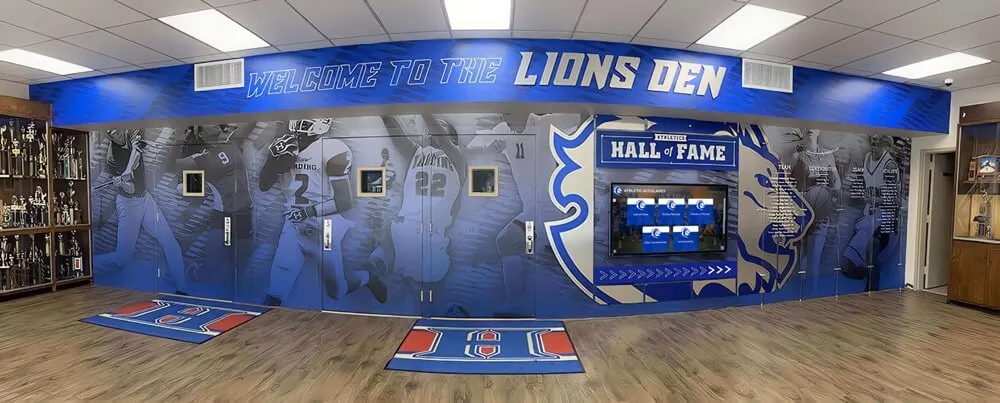
Acrylic and glass plaques create contemporary aesthetic distinct from traditional metal, appealing to schools seeking modern recognition styles.
Acrylic plaques utilize clear, frosted, or colored materials with text created through laser engraving, digital printing behind clear layers, or vinyl graphics application. Standoff mounting creates floating appearance with depth and shadow effects impossible with flat-mounted metal plaques.
Glass plaques, particularly when edge-lit with LED lighting, create striking visual effects where engraved text appears illuminated against clear or frosted backgrounds. This modern aesthetic particularly suits renovated facilities with contemporary design sensibilities.
Acrylic and glass plaques typically cost $50-$250 depending on size, thickness, printing quality, and mounting hardware. The materials offer design flexibility including full-color printing, photographic reproduction, and intricate graphics difficult or impossible with metal plaques.
Durability limitations require consideration. Acrylic scratches more easily than metal, though proper mounting typically keeps plaques beyond casual contact. Glass can break under impact, making placement away from high-traffic athletic activity important. Both materials work best in controlled indoor environments rather than exposed outdoor locations.
Wood-Mounted Plaques
Wood plaques combine traditional craftsmanship with warmth and character particularly appropriate for legacy programs emphasizing heritage and tradition.
Typical wood plaque construction features hardwood backing (walnut, cherry, oak, or maple) with metal, acrylic, or engraved wood nameplates displaying honoree information. Natural wood grain creates individual character making each plaque unique. Stained finishes can coordinate with facility woodwork, creating integrated appearance with gym floors, wall paneling, or trophy cases.
Wood plaques excel at creating coordinated recognition walls where uniform materials and consistent mounting create organized, professional appearance. The material naturally complements traditional gymnasium aesthetics better than contemporary acrylic or glass.
Costs typically range $75-$300 depending on wood type, size, and nameplate materials. Hardwood plaques represent middle ground between budget aluminum and premium bronze both aesthetically and financially.
Wood requires proper environment to maintain appearance. Controlled indoor temperature and humidity prevent warping, cracking, or finish deterioration. Like acrylic, wood works best in indoor settings rather than exterior exposure.
Plaque Wording: Content That Honors Appropriately
The text on hall of fame plaques carries meaning beyond mere information—wording choices communicate respect, celebrate achievement, and preserve legacy for future generations who never witnessed honorees’ accomplishments.
Essential Information Components
Effective hall of fame plaques balance comprehensive information with readable text sizing and clean visual organization.
Core biographical elements typically include full name as preferred by honoree, years of attendance or competition, sport or position when applicable, and jersey number for athletes particularly when schools retire numbers.
Achievement summaries highlight career distinctions including conference championships won, statistical achievements like school records, major awards and All-Conference selections, coaching records for inductee coaches, and professional career highlights when relevant.
Induction details document the recognition itself through induction class year, hall of fame category if programs divide recognition by sport or achievement type, and sometimes selection committee acknowledgment.
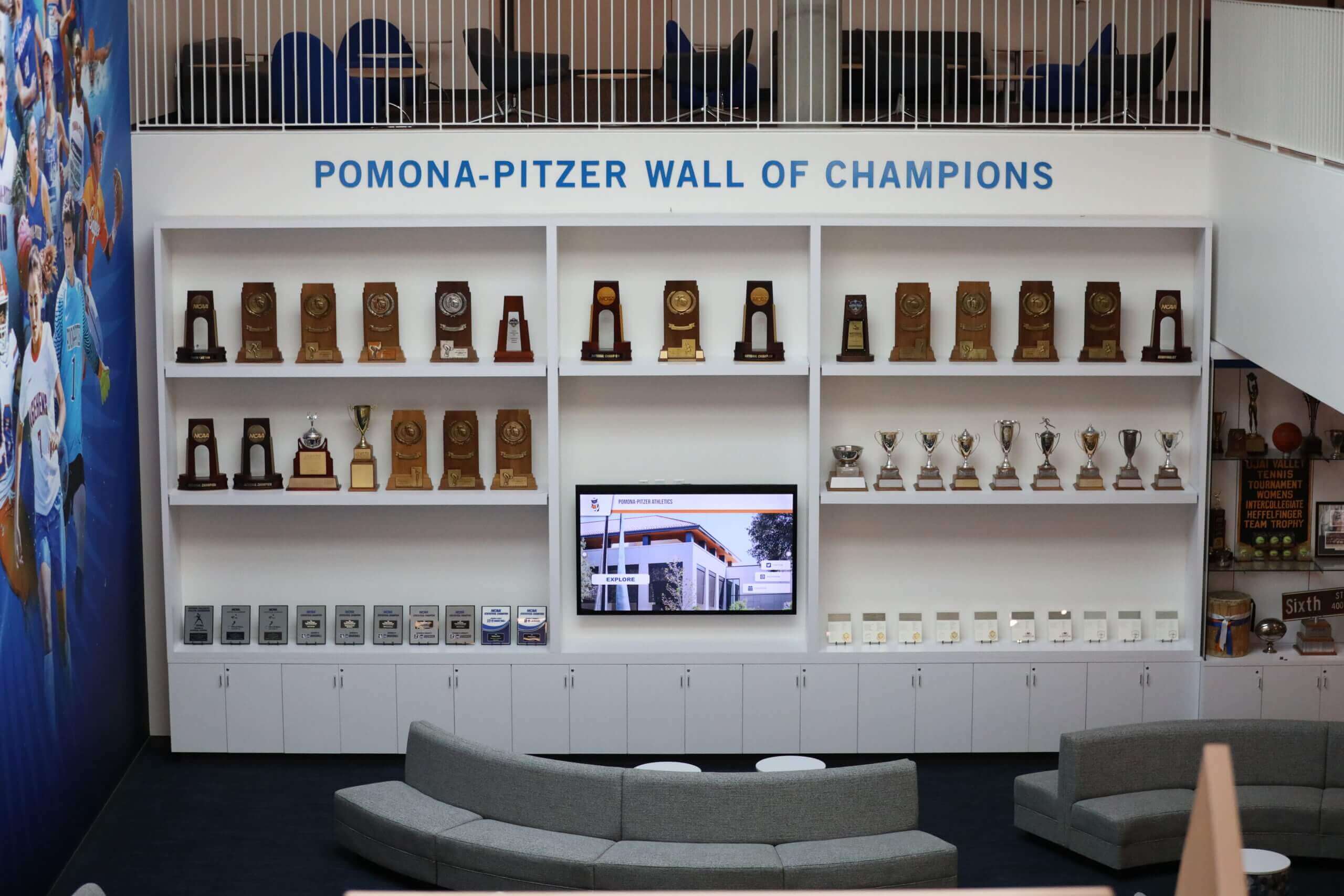
For a standard 12x18 inch plaque with good text legibility, aim for 75-150 words maximum. Larger plaques accommodate more content, but excessive text reduces readability from viewing distances typical in hallways and lobbies.
Sample Plaque Wording Templates
Adapt these templates to your program’s specific needs and honoree achievements:
Athlete Recognition Template:
SARAH MARTINEZ Class of 2019 Girls Basketball | #23
Two-time State Champion (2018, 2019) All-State Selection (2018, 2019) 1,847 career points—school record Conference Player of the Year (2019) Division I scholarship recipient
Inducted 2024
Coach Recognition Template:
COACH MICHAEL THOMPSON Head Football Coach 1985-2015
247-89-12 career record 8 Conference Championships 3 State Championships (1992, 2003, 2011) 42 athletes earned college scholarships Conference Coach of the Year (6×)
Inducted 2016
Team Achievement Template:
2015 BOYS SOCCER TEAM State Champions—Undefeated Season
24-0-0 record 87 goals scored, 12 allowed First state championship in program history 7 players earned All-State recognition Coach: David Rodriguez
Inducted 2020
Contributor Recognition Template:
DR. PATRICIA WILLIAMS Team Physician 1990-2020
Provided medical care to thousands of student-athletes Established athletic training protocols adopted district-wide Volunteer service exceeding 30 years Instrumental in facility safety improvements
Inducted 2021
When crafting wording, consider reading the text aloud. If it sounds conversational and flows naturally, it typically translates well to plaque format. Overly formal or stilted language often appears awkward when viewed repeatedly over years.
Resources like memorial plaque wording guides provide additional inspiration for language that honors appropriately while maintaining readability.
Balancing Statistics with Storytelling
Pure statistics document achievement but often fail to capture character, leadership, or intangible qualities that made individuals hall-of-fame worthy beyond numbers.
Consider supplementing statistical achievements with brief character recognition: “Known for exceptional sportsmanship and team leadership,” “Mentored countless younger athletes,” or “Exemplified dedication on and off the field.”
This balanced approach acknowledges that athletic excellence encompasses more than measurable performance—it includes the complete person and their broader impact on programs and communities.
Maintaining Consistency Across Eras
Programs inducting honorees across multiple decades face challenges maintaining consistency when recognition criteria, achievement contexts, and available information vary significantly.
Establish standard templates ensuring all honorees receive comparable recognition regardless of era. Modern athletes might have extensive digital statistics and photography, while historical figures require research to document equivalent information from decades past.
When historical documentation proves limited, acknowledge this honestly: “Among the program’s pioneer athletes in the 1950s” conveys appropriate recognition when specific statistics weren’t recorded during that era.
Display Strategies: Placement and Organization
Even beautifully designed plaques fail to achieve full potential when poorly positioned or disorganized. Strategic display planning maximizes visibility, accessibility, and impact.
Optimal Location Selection
Successful hall of fame plaque displays occupy high-visibility locations where athletes, visitors, and community members regularly encounter recognition.
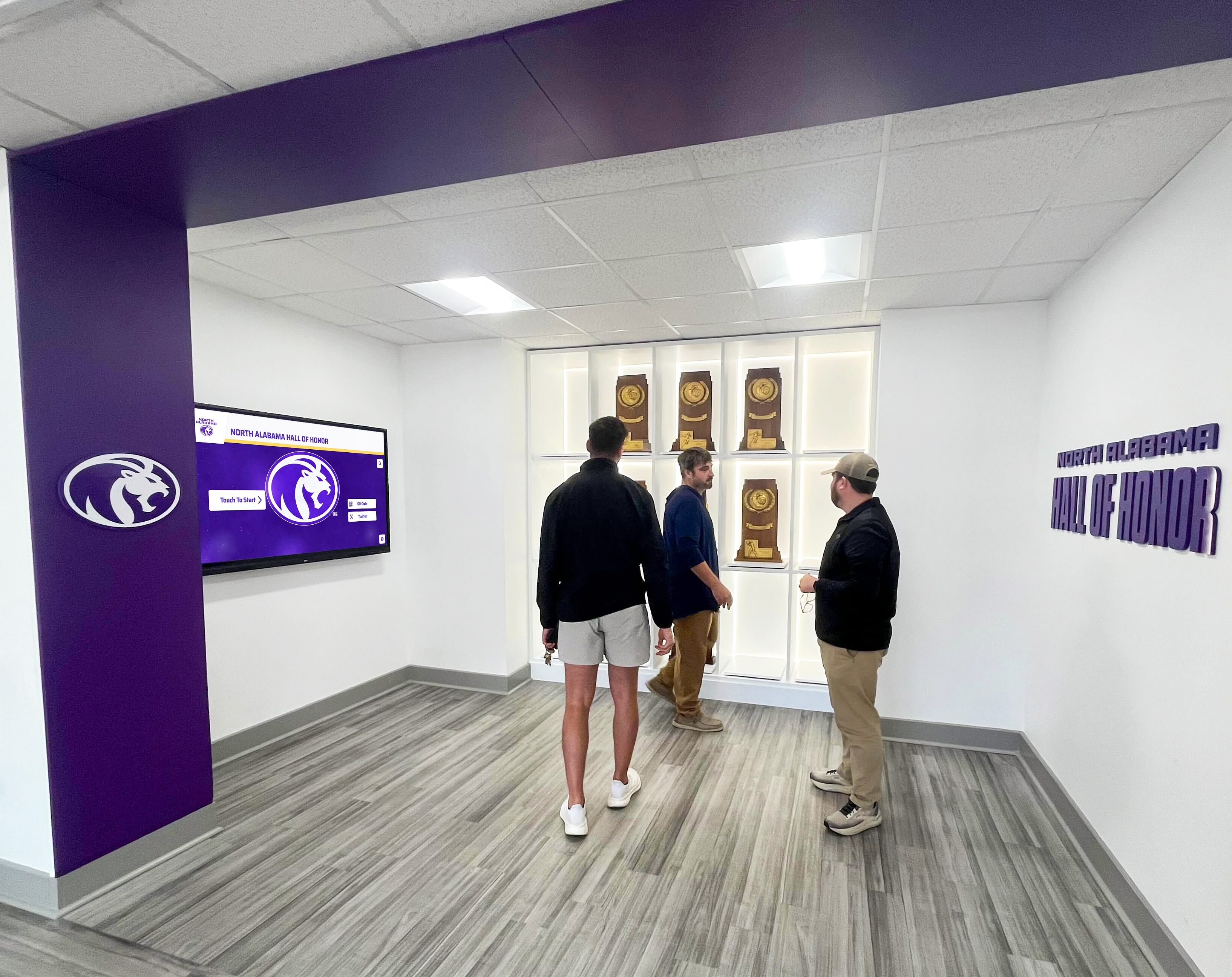
Gymnasium lobbies and entrances create first-impression impact for visitors while ensuring athletes see recognition daily. These locations often provide adequate wall space for extensive displays while maintaining climate control protecting plaque materials.
Athletic corridor hallways connecting locker rooms, practice facilities, and competition spaces ensure current athletes encounter program legends regularly. Daily exposure reinforces tradition and excellence standards.
Trophy case adjacency allows complementary recognition where plaques honor individuals while nearby cases display championship trophies, creating comprehensive achievement documentation in concentrated areas.
Cafeteria and commons areas with high traffic from entire student bodies (not just athletes) broaden recognition awareness, strengthening whole-school appreciation for athletic achievement.
Avoid locations with direct sunlight exposure that can fade materials over time, areas with temperature/humidity extremes affecting plaque integrity, positions behind doors or furniture blocking visibility, and spaces requiring special access limiting who can view recognition.
Organizational Approaches
How plaques are organized significantly affects visitor experience and ease of finding specific honorees.
Chronological arrangement orders plaques by induction year, making newest additions easily identifiable while creating visual timeline of program evolution. This approach works well when regular annual inductions create predictable growth patterns.
Alphabetical organization by last name simplifies finding specific individuals, particularly valuable when displays grow large with dozens or hundreds of honorees. However, this approach requires reserved space for future additions—leaving gaps for surnames not yet represented.
Sport-specific grouping dedicates sections to basketball, football, volleyball, and other programs, allowing sport-focused browsing while highlighting achievement across all athletics. Multi-sport athletes might appear in multiple sections or designated multi-sport areas.
Category divisions separate players, coaches, teams, and contributors into distinct recognition types. This organization acknowledges different achievement forms while preventing comparisons between inherently different contributions.
Achievement level tiers distinguish between inductees, though many programs avoid this approach because it creates perceived hierarchy among honorees all deemed hall-of-fame worthy by selection criteria.
Consider hybrid approaches: grouping by sport, then organizing alphabetically or chronologically within each sport. This combines logical categorization with easy navigation.
Creating Visual Cohesion
Professional appearance requires consistent plaque sizing, mounting heights, spacing, and materials throughout displays.
Establish standards before beginning installation: Will all plaques measure identically? How much spacing between plaques horizontally and vertically? At what height from the floor should the bottom row mount? Will plaques align in straight rows or staggered patterns?
Document these standards to ensure future additions match existing displays. Inconsistent sizing or random spacing creates cluttered, unprofessional appearance diminishing recognition impact.
Consider retention of master templates and specifications with facilities departments so maintenance staff can replicate mounting decades later when different personnel manage additions.
Modern Alternatives: Digital Hall of Fame Solutions
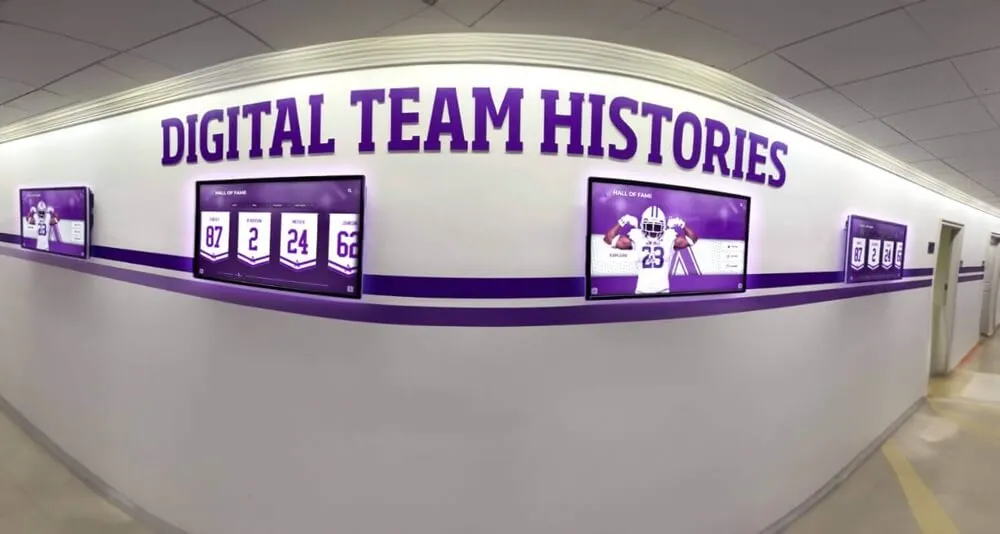
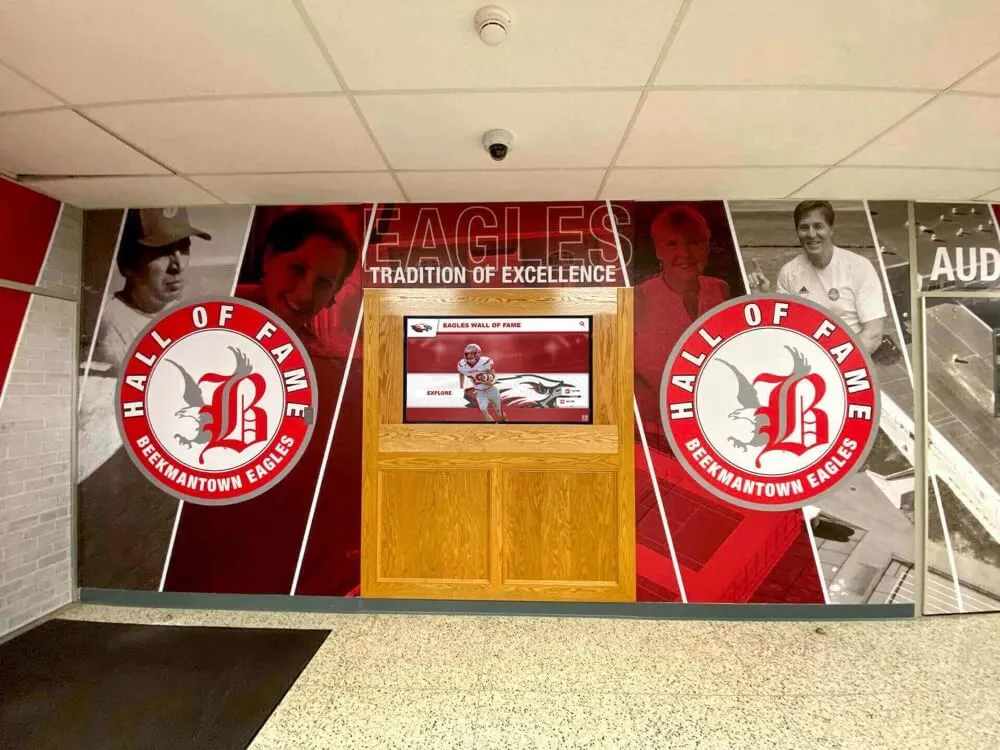
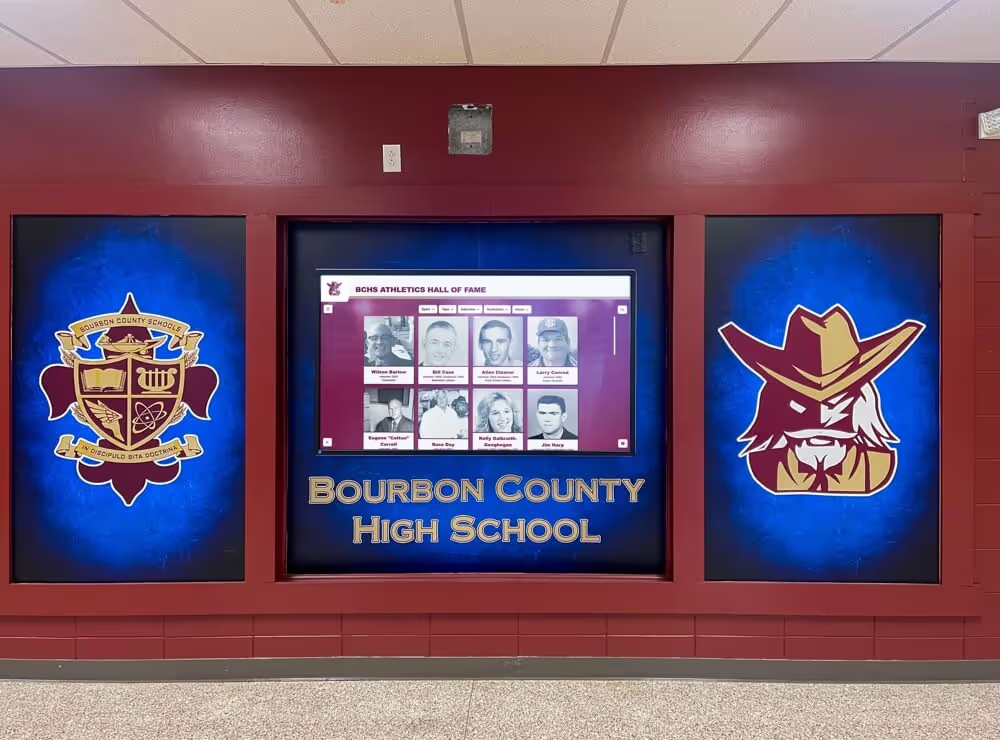
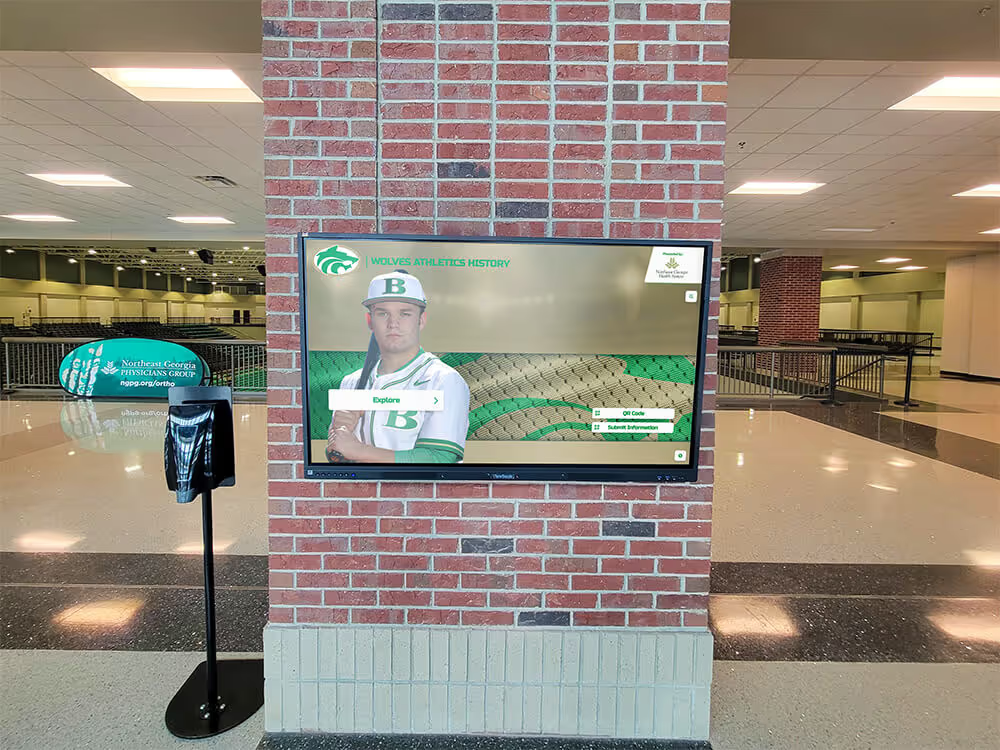
While traditional plaques offer tangible permanence, digital recognition technology addresses every limitation of physical plaques while creating capabilities impossible with conventional approaches.
The Space Problem: Unlimited Digital Capacity
The most obvious physical plaque limitation involves finite wall space. Athletic programs with decades of history eventually exhaust available mounting areas, forcing difficult decisions about which achievements fit limited space.
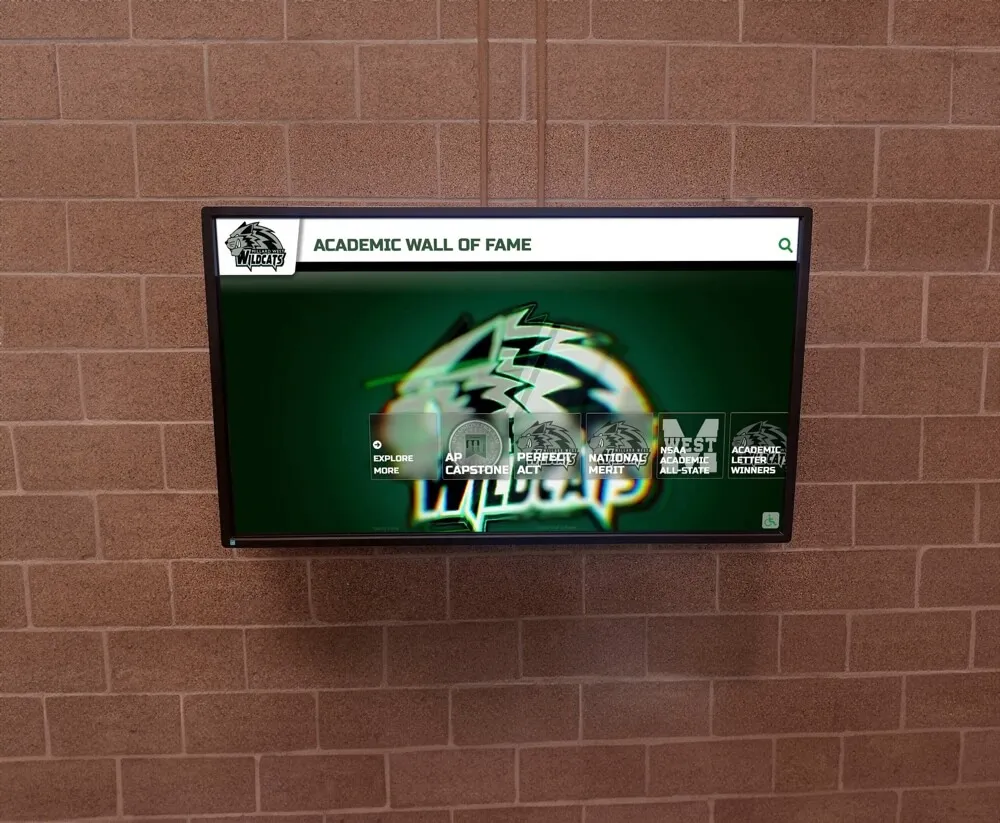
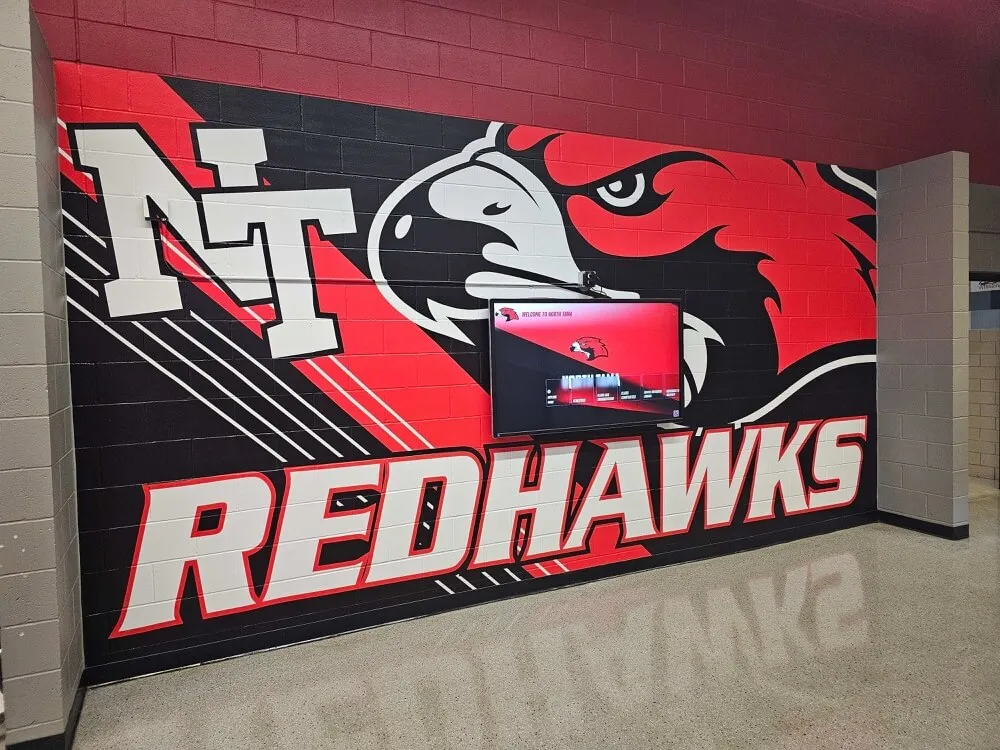
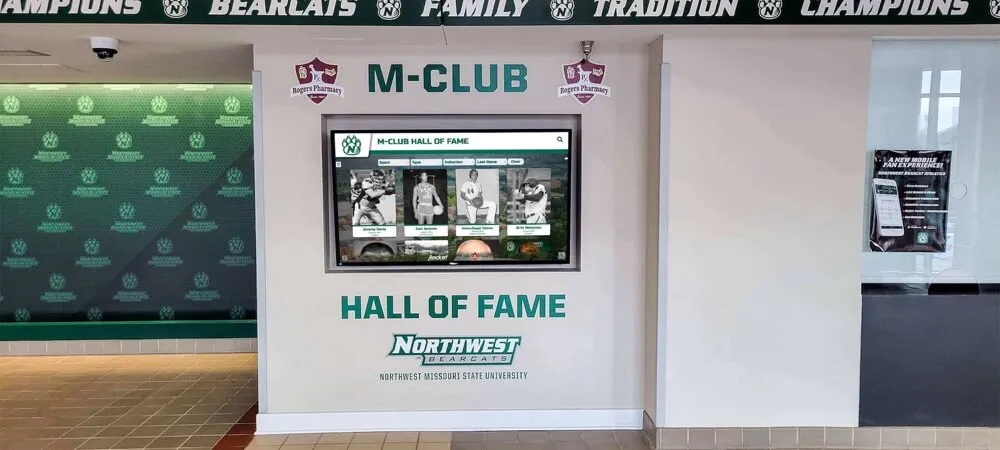
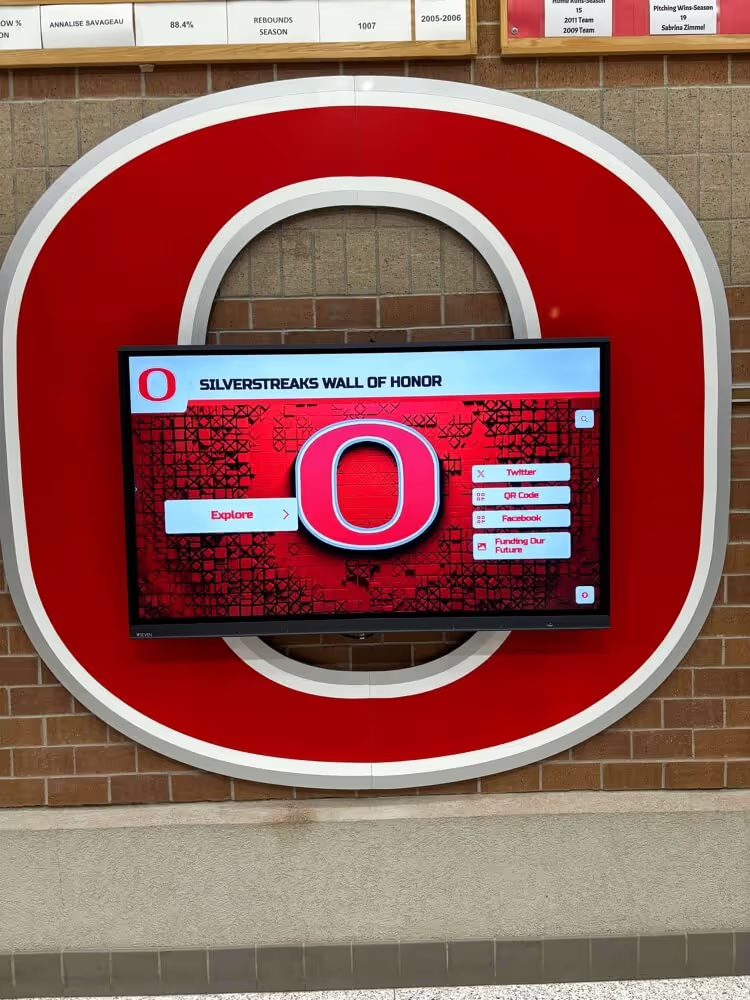
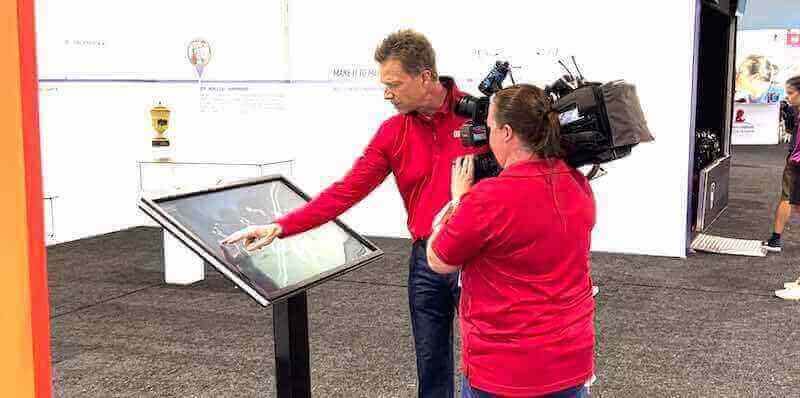
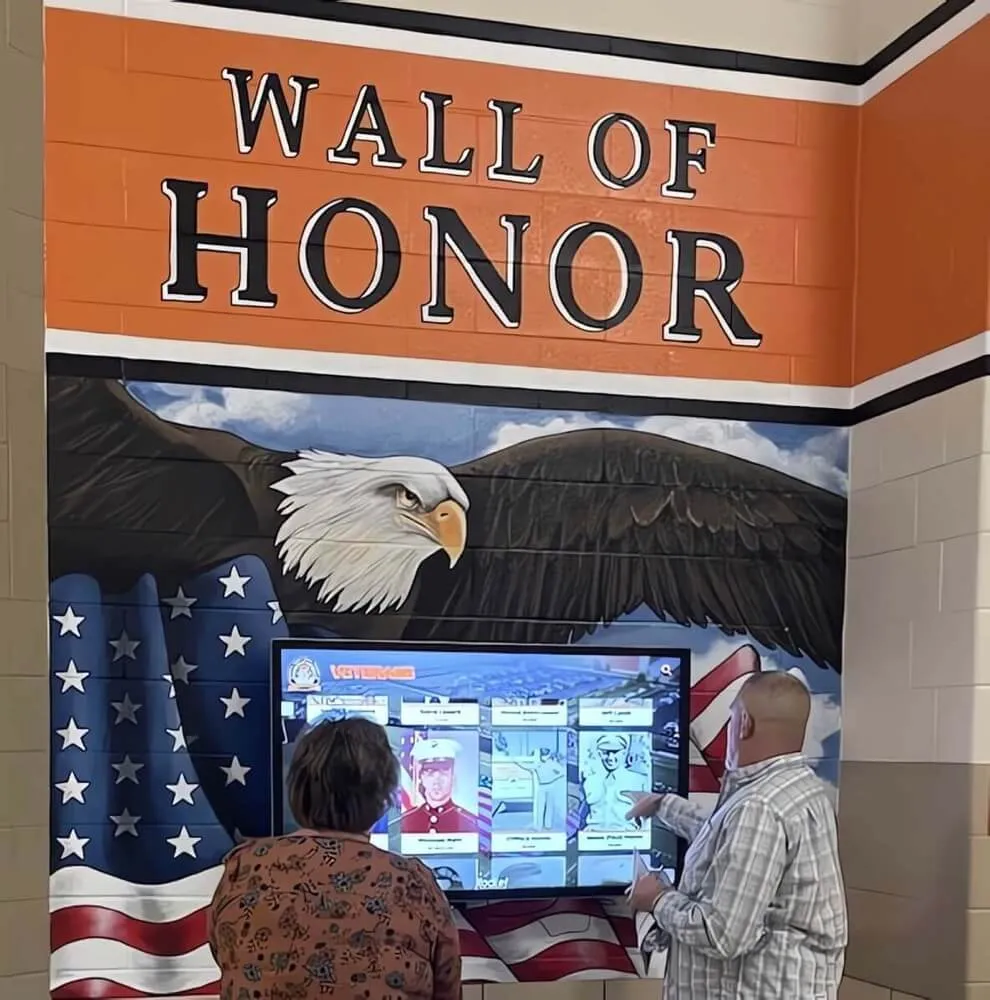
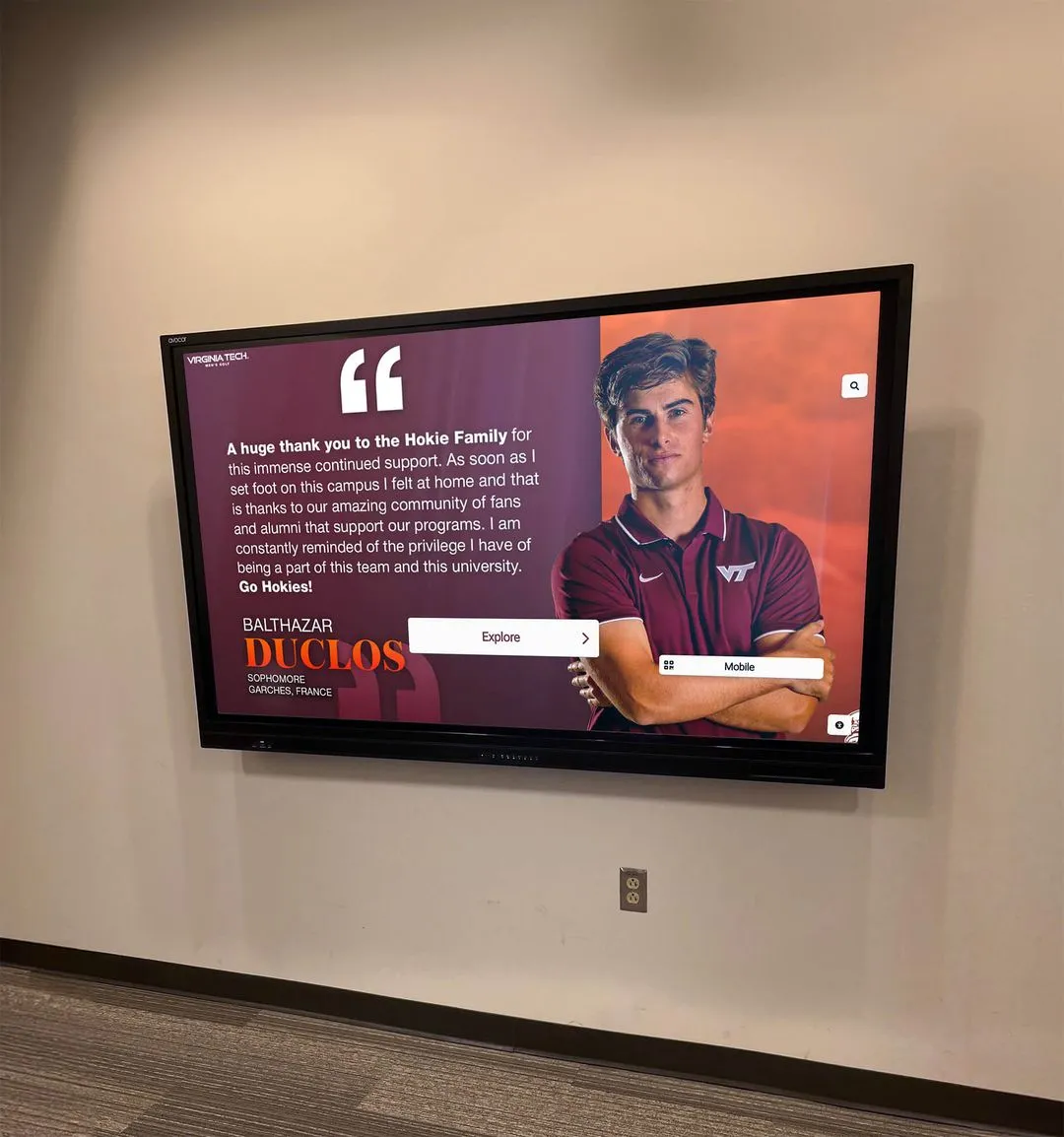
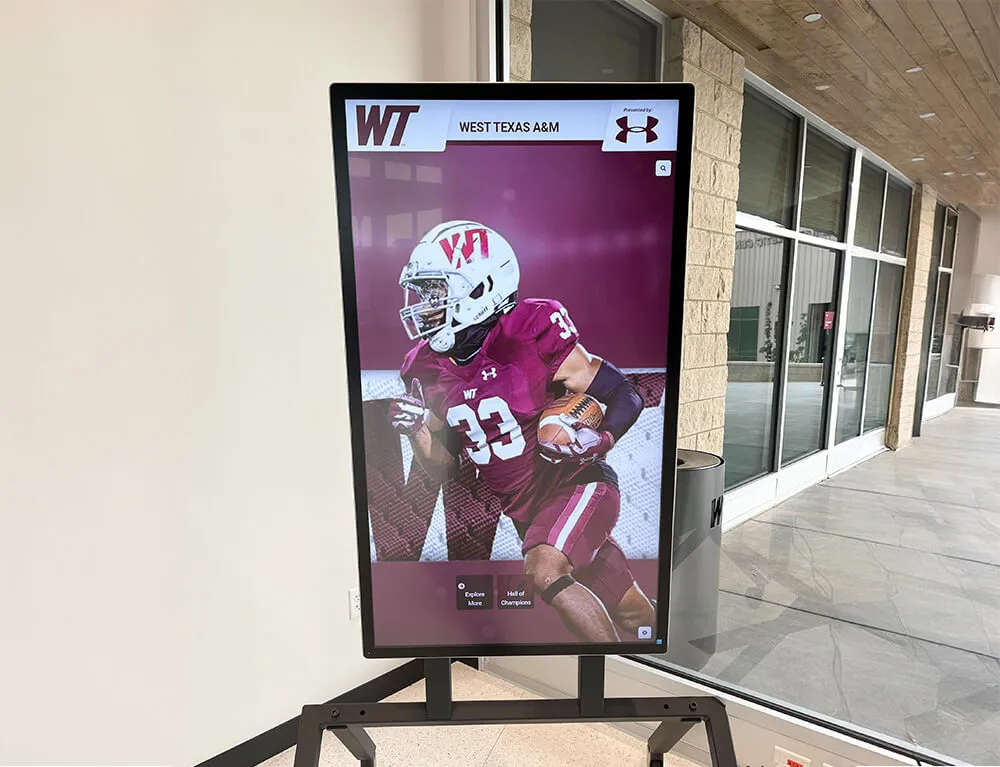
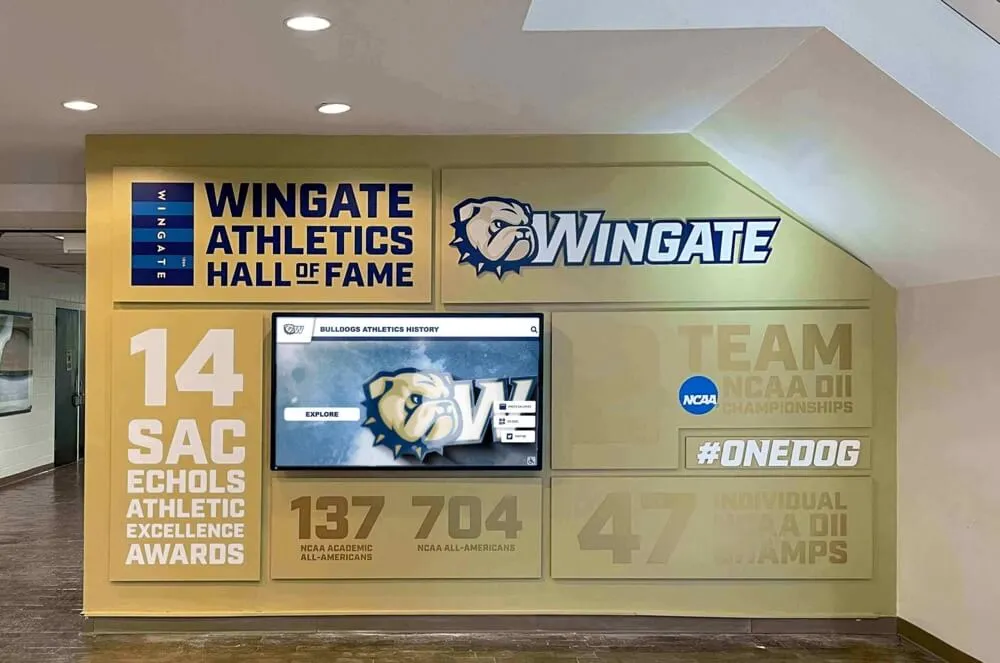
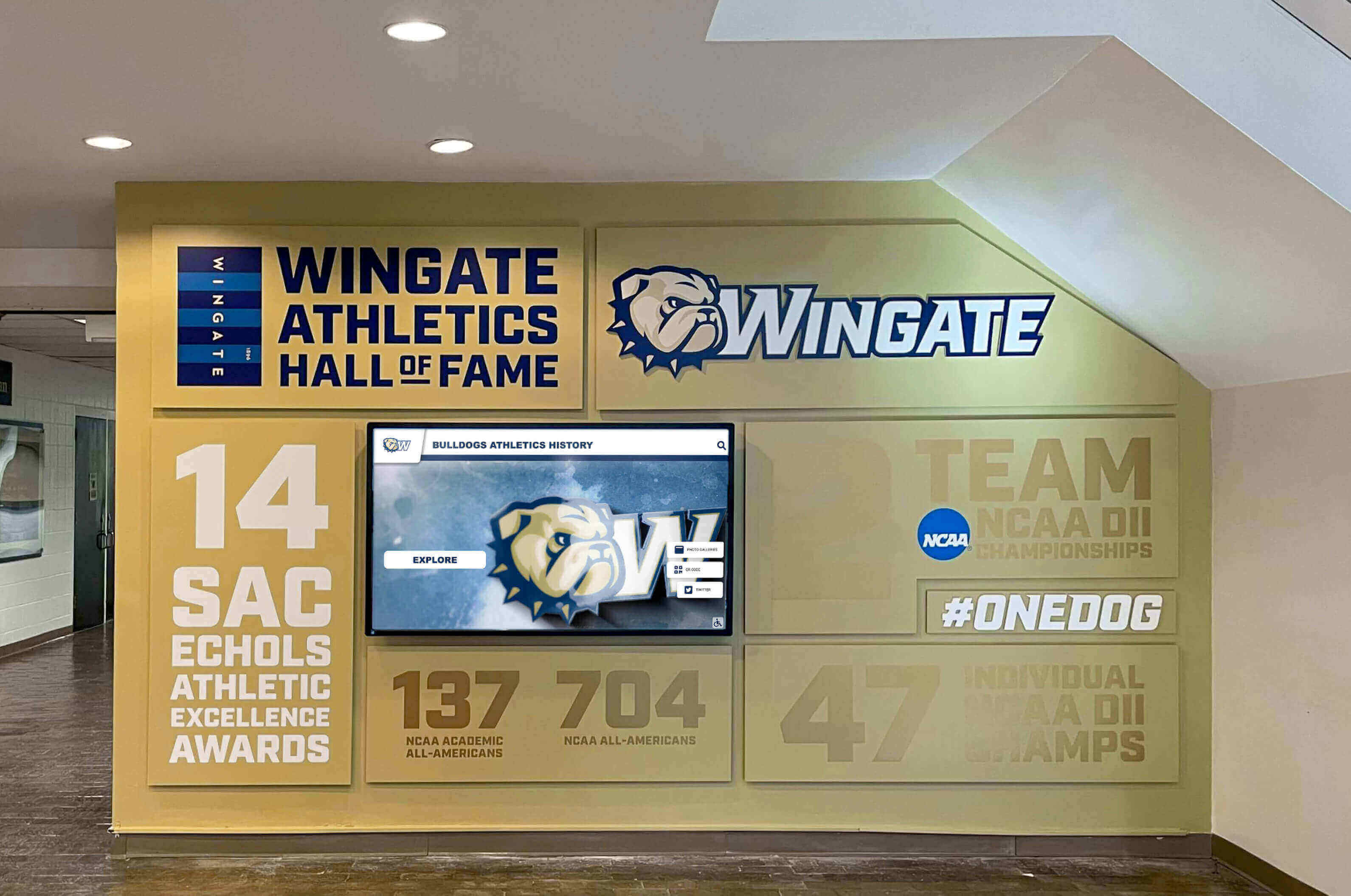
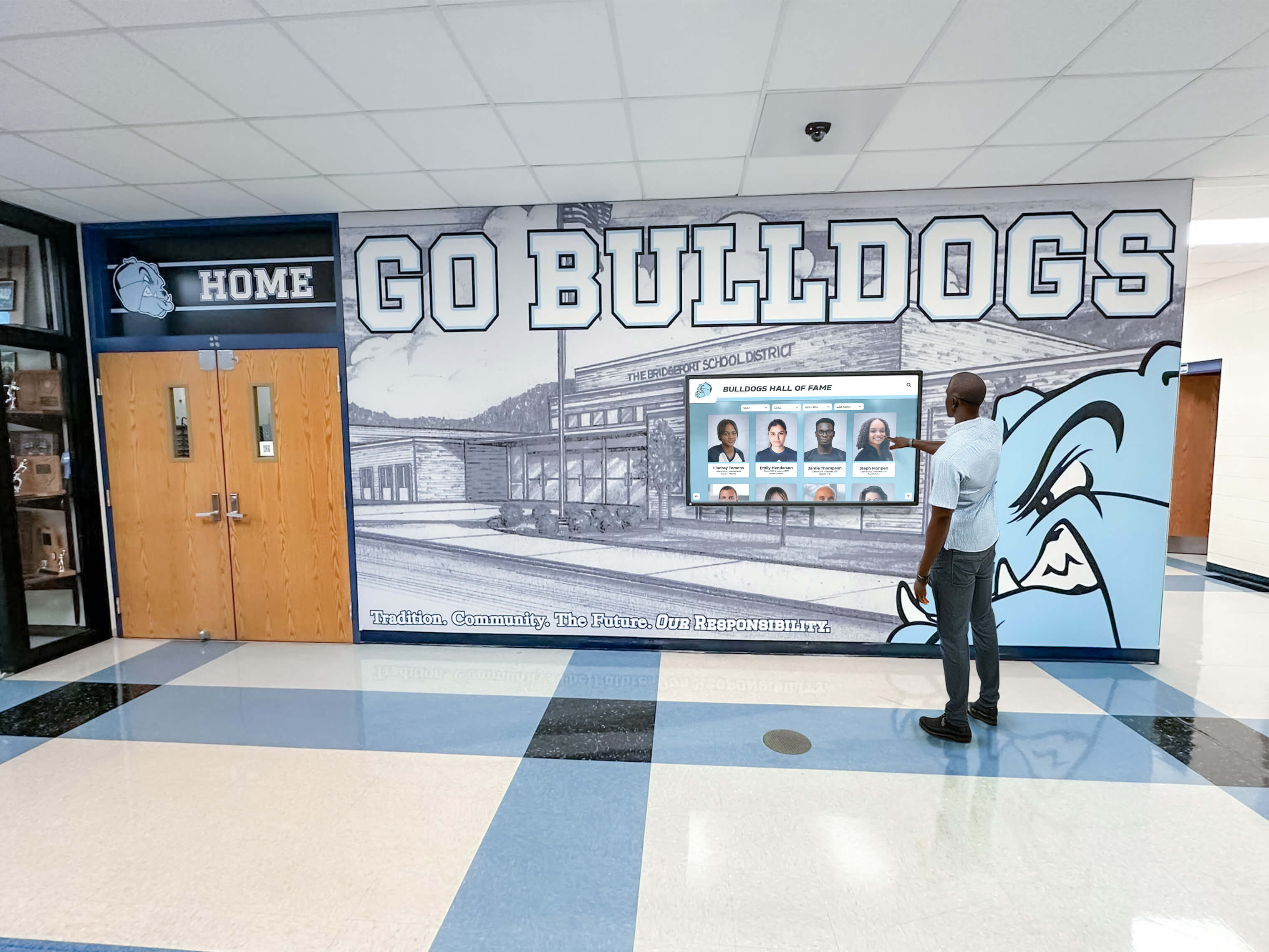
Digital hall of fame displays eliminate capacity constraints entirely. A single touchscreen installation provides access to unlimited recognition—hundreds or thousands of individual profiles without requiring additional wall space. Programs never face decisions about removing plaques to accommodate new inductees.
This unlimited capacity proves particularly valuable for comprehensive programs recognizing athletes across all sports, both genders, plus coaches, teams, and contributors. While physical space might accommodate 50-100 plaques maximum before walls fill completely, digital systems easily handle 10 times that volume.
The Update Problem: Instant Content Modifications
Adding new honorees to traditional plaque walls requires fabricating new plaques (4-8 week lead time), scheduling installation, and paying fabrication costs for each addition—typically $200-$800 per plaque.
Digital recognition enables instant updates through cloud-based content management. After induction ceremonies, administrators upload new profiles within minutes, making recognition live immediately. This real-time capability eliminates lag between induction and visibility.
Updating existing content proves equally simple. When honored athletes achieve new milestones after induction—professional sports success, coaching achievements, community leadership—their profiles update instantly without physical modification costs.
This flexibility extends to comprehensive corrections. If traditional plaques contain errors, correction requires fabricating and installing replacement plaques at full cost. Digital content corrects with simple text edits taking seconds.
The Content Problem: Rich Multimedia Storytelling
Physical plaques communicate through brief text limited by readable font sizes and available space. A typical plaque might contain 75-150 words maximum—barely enough for basic biographical facts and achievement highlights.
Digital recognition transforms storytelling through multimedia content including professional photography from playing careers and ceremonies, video highlights of championship performances, audio interviews with honorees sharing memories, comprehensive statistics beyond what fits plaques, news coverage and media features, detailed biographical narratives, and related content connections linking teammates and coaches.
A physical plaque might state “1,847 career points—school record.” The equivalent digital profile could include complete season-by-season statistics, video of the record-breaking basket, photographs from throughout the player’s career, interview audio discussing memorable games, and links to championship team profiles.
This depth creates emotional engagement impossible with static text. Visitors don’t just read about achievements—they experience them through actual footage and hear directly from honorees about what those moments meant.
The Discovery Problem: Intelligent Search and Navigation
Finding specific honorees on physical plaque walls requires visually scanning dozens or hundreds of nameplates—frustrating for visitors seeking particular individuals.
Digital systems provide instant search by name, allowing visitors to find specific honorees in seconds. Advanced filtering enables discovery by graduation year, sport, position, achievement type, hometown, or any other documented attribute.
This powerful navigation proves valuable during recruiting visits when coaching staffs want to quickly show prospects athletes from their hometowns or high schools who succeeded in programs, or during alumni events when returning graduates seek former teammates.
Interactive recognition solutions for schools create engaging experiences where visitors actively explore rather than passively reading static displays.
The Access Problem: Web-Based Global Reach
Physical plaques exist in single locations accessible only to those physically present. Alumni living across the country or internationally never experience recognition without visiting campuses.
Digital recognition extends through web-based companion platforms accessible globally. Honored athletes living anywhere can view their profiles, share recognition with families on social media, and feel connected to programs despite geographic distance.
This broad accessibility particularly benefits recruiting, allowing prospects to research program traditions remotely during evaluation processes, and advancement efforts, helping development staff demonstrate how schools honor excellence when soliciting support from distant alumni.
Cost Considerations: Digital vs. Traditional
Initial digital recognition investments typically range $15,000-$35,000 for complete touchscreen systems including commercial-grade hardware, purpose-built recognition software, initial content development, and installation.
Compare this to traditional plaque programs honoring 50-100 individuals at $200-$800 per plaque ($10,000-$80,000 total) plus ongoing costs for annual additions. Digital systems eliminate per-inductee fabrication costs—all future additions involve content updates requiring hours rather than weeks and essentially zero marginal cost beyond staff time.
For programs planning comprehensive recognition over decades, digital approaches often prove more economical long-term despite higher initial investment. The unlimited capacity, instant updates, and multimedia capabilities create value impossible to achieve at any price with traditional plaques alone.
Hybrid Approaches: Combining Physical and Digital Recognition
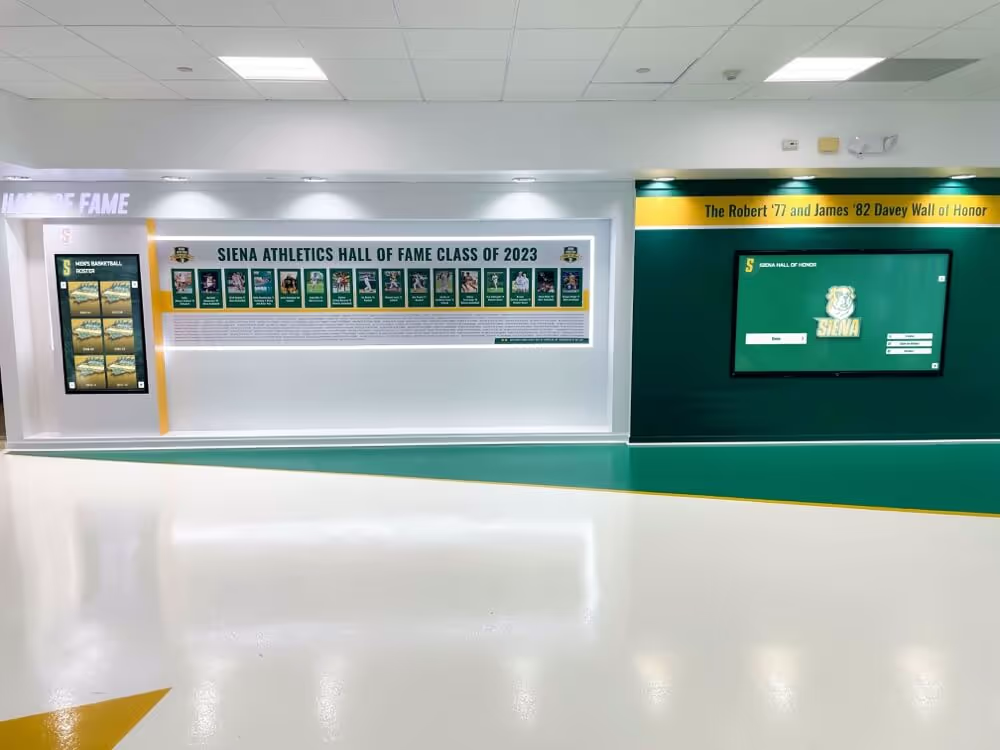
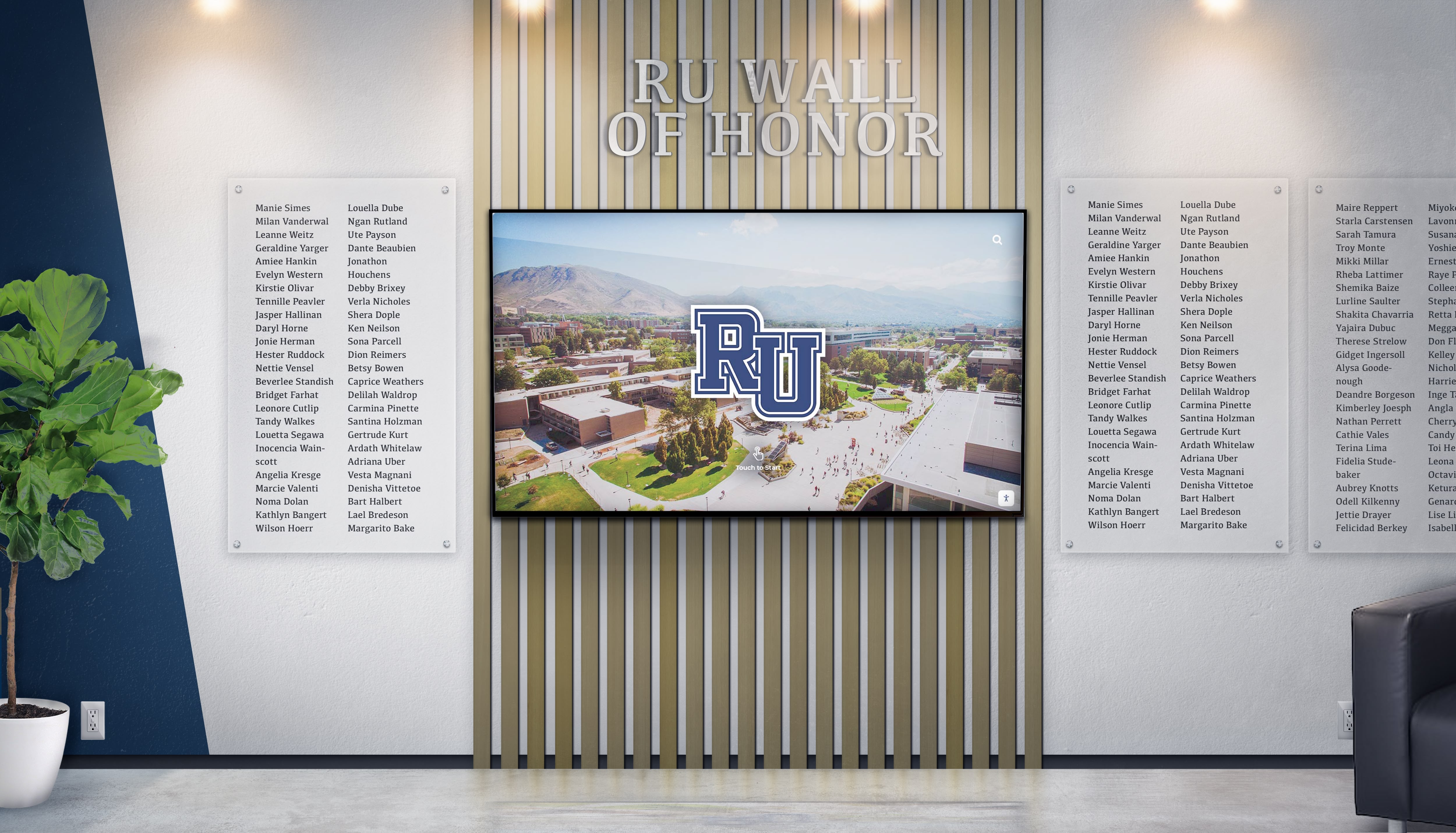
Many schools implement hybrid recognition combining physical plaques honoring select legends with digital systems providing comprehensive coverage of all deserving honorees.
Tiered Recognition Strategies
Hybrid approaches might feature premium physical bronze plaques for highest honor tier—perhaps “Legends Circle” recognizing 15-20 most iconic figures, with comprehensive digital recognition for all hall of fame inductees including Legends Circle members plus hundreds of additional deserving athletes, coaches, and contributors.
This strategy provides prestigious physical recognition for truly extraordinary individuals while ensuring everyone receives appropriate digital acknowledgment. The approach addresses space limitations practically—walls accommodate most significant honorees while digital unlimited capacity serves comprehensive program.
Physical Plaque Directories to Digital Content
Another hybrid approach uses physical plaque walls as directories linking to detailed digital profiles. Traditional plaques provide names and basic information with added QR codes visitors scan with smartphones to access comprehensive digital content.
This integration maintains traditional aesthetic and physical permanence while extending storytelling through digital multimedia. Visitors appreciate tangible plaques while optionally exploring deeper content matching their interest levels.
Annual Physical Recognition with Digital Archives
Some programs continue annual physical plaque additions honoring new induction classes while maintaining digital archives of all historical honorees. This approach provides ceremonial significance of physical plaque unveiling events while solving capacity limitations through digital systems accommodating decades of prior recognition.
New inductees receive traditional plaque presentation experiences, ensuring ceremonies maintain familiar traditions. Simultaneously, digital systems make entire hall of fame accessible comprehensively.
Implementation Planning: From Concept to Installation
Successful hall of fame recognition requires systematic planning addressing selection criteria, budget allocation, timeline management, and stakeholder engagement.
Establishing Selection Committees and Criteria
Begin by forming diverse selection committees representing athletic administration, coaching staff, community members, and ideally former athletes or coaches. Diverse perspectives ensure fair evaluation while building stakeholder buy-in.
Document clear selection criteria in writing, addressing achievement standards, character considerations, eligibility timing, and nomination procedures. Written criteria ensure consistent application across all candidates regardless of era, sport, or personal relationships with committee members.
Consider categories: Will programs recognize only athletes, or also coaches, teams, and contributors? Should criteria differ by category acknowledging different achievement types?
Establish sustainable nomination and evaluation processes allowing annual induction classes while preventing backlog overwhelming selection committees. Many programs target 3-10 inductees annually, balancing recognition frequency with selectivity maintaining hall of fame prestige.
Budget Development and Funding
Comprehensive cost analysis should account for initial plaque fabrication or digital system purchase, installation labor and materials, ongoing annual addition costs, maintenance and potential replacement over time, and ceremony expenses for induction events.
Traditional plaque programs might budget $5,000-$15,000 annually for new inductees depending on class size and plaque costs. Digital systems require larger upfront investment ($15,000-$35,000) but minimal ongoing costs.
Many schools fund recognition through booster club support, alumni donations designated for hall of fame purposes, facility renovation budgets including recognition components, corporate sponsorships from local businesses, or memorial gifts honoring deceased athletes and coaches.
Connecting recognition funding to advancement initiatives can offset costs. Development offices often find donors enthusiastic about supporting hall of fame programs celebrating achievement and tradition—causes providing clear, tangible outcomes donors appreciate seeing.
Timeline and Phased Implementation
Ambitious recognition programs spanning decades of athletic history require phased approaches preventing overwhelming initial implementation.
Phase One might focus on establishing criteria and selection processes, recognizing most recent 10-20 years of inductees, creating core display infrastructure (whether physical or digital), and launching with ceremony celebrating initial induction class.
Phase Two systematically expands historical coverage by adding earlier decades, incorporating legacy figures from program founding through established cutoff years, researching historical documentation for athletes whose careers preceded modern record-keeping.
Phase Three transitions to sustainable ongoing recognition through annual selection cycles, regular ceremony scheduling, perpetual maintenance and updates, and periodic assessment of whether programs achieve intended purposes.
Phased approaches maintain momentum through visible progress while preventing paralyzing attempts at comprehensive completion before launching. Programs can celebrate achievements at each phase rather than waiting years for complete historical documentation.
Stakeholder Communication and Engagement
Successful implementation requires clear communication with athletes who may expect recognition, alumni interested in program traditions, booster clubs often funding recognition, facilities staff managing installations, and broader school communities.
Transparency about selection criteria, nomination processes, and implementation timelines prevents misunderstandings. When stakeholders understand how decisions occur and when recognition happens, they support programs rather than questioning perceived exclusions.
Regular updates about progress—announcing induction classes, celebrating installation milestones, sharing engagement metrics—build enthusiasm and demonstrate that recognition programs actively serve communities rather than becoming stagnant archives.
Maintenance and Long-Term Management
Recognition programs require ongoing stewardship ensuring displays remain current, accurate, and impressive decades after initial installation.
Physical Plaque Maintenance
Traditional plaques need periodic attention maintaining appearance. Bronze plaques benefit from occasional cleaning removing dust and fingerprints, with specialized metal cleaners restoring luster when oxidation dulls finishes. Wood plaques require dusting and potentially refinishing as wood ages, while acrylic and glass may need scratch removal or replacement if damaged.
Mounting hardware deserves inspection ensuring plaques remain secure. Wall anchors can loosen over years, particularly in high-traffic areas subject to vibration or accidental contact.
Consider professional cleaning and maintenance contracts for premium installations, particularly bronze plaques in prominent locations where appearance directly reflects institutional quality.
Digital System Updates and Evolution
Digital recognition systems require different maintenance focused on content currency and technology evolution.
Cloud-based platforms typically include automatic software updates maintaining security and functionality without requiring local IT involvement. However, physical touchscreen hardware eventually requires replacement—commercial displays typically last 5-7 years of intensive use before screens or electronics fail.
Budget for hardware replacement cycles ensuring systems maintain contemporary appearance and reliability. Outdated screens with visible wear create poor impressions undermining recognition impact.
Content management should establish regular audit schedules confirming information accuracy, adding new achievements for living honorees, updating photographs or media when higher-quality assets become available, and linking related content as recognition expands.
Addressing Controversies and Removals
Occasionally, programs face difficult decisions about whether honorees whose post-induction actions contradict institutional values deserve continued recognition.
Establish policies before controversies arise, documenting under what circumstances recognition might be reconsidered. Clear written policies prevent ad-hoc decisions influenced by media pressure or emotional reactions.
Most programs set extremely high bars for removal—typically requiring criminal convictions for serious offenses or clear evidence of values violations, rather than responding to every controversy. Hall of fame recognition honors past athletic achievement during specific time periods; it doesn’t endorse entire life trajectories.
Physical plaque removal creates obvious gaps on walls, while digital content removal occurs invisibly. Neither approach easily solves underlying recognition questions when honorees’ later actions disappoint.
Prevention through character-focused selection criteria proves more effective than reactive removal policies. Programs emphasizing sportsmanship, ethical conduct, and values alignment during selection reduce likelihood of future controversies requiring removal consideration.
Additional Recognition Ideas Beyond Standard Plaques
Creative recognition approaches supplement or replace traditional plaques while celebrating achievement meaningfully.
Photo Recognition Walls
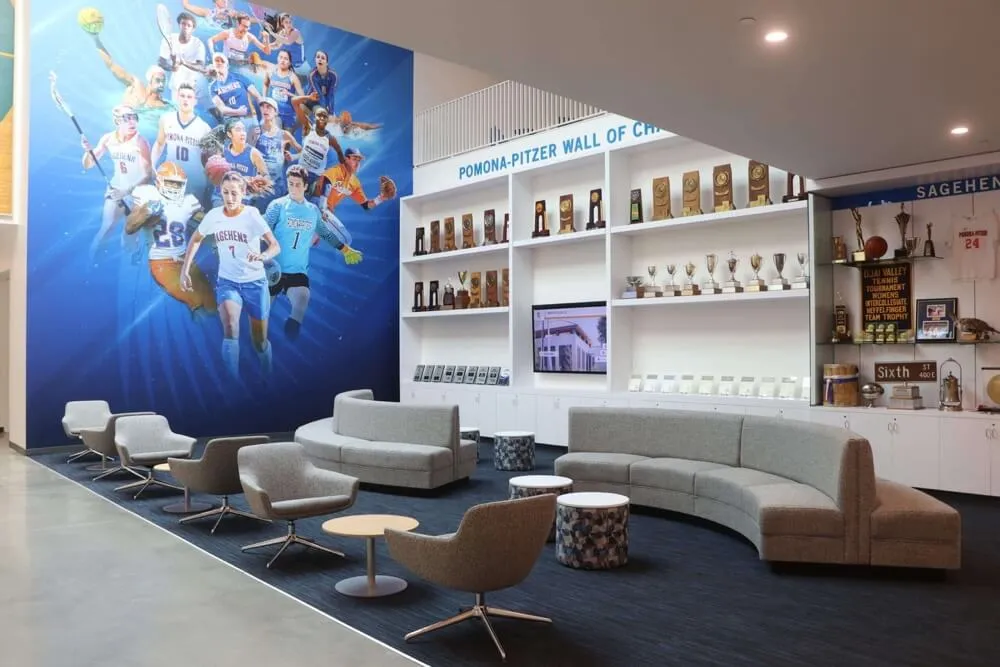
Large-format photography creates visual impact beyond text-focused plaques. Schools might install composite photos displaying entire induction classes annually, action photography from championship seasons, or portrait galleries showing honorees from playing days alongside current photographs demonstrating lifelong program connection.
Photography particularly suits lobby and corridor locations where visual interest attracts attention from distances where text proves unreadable. Visitors drawn to images then approach closely enough to read accompanying identification and achievement summaries.
Donor and Recognition Walls
Programs seeking funding for recognition might create donor recognition components where supporters receive acknowledgment alongside honored athletes. This donor wall approach generates revenue supporting hall of fame programs while thanking contributors making recognition possible.
Careful design distinguishes donor recognition from athlete hall of fame sections, preventing confusion about recognition meanings while appropriately acknowledging financial support.
Retired Jersey Displays
For exceptionally distinguished athletes, jersey retirement offers additional recognition beyond hall of fame induction. Varsity letter and jersey display ideas help schools create impressive presentations of authentic uniforms worn during championship performances.
Shadow boxes preserving actual game-worn jerseys create powerful tangible connections to athletic history. Combined with nearby plaques or digital profiles providing context, jersey displays offer multi-dimensional recognition engaging visitors beyond text alone.
Championship Team Displays
Rather than individual athlete plaques exclusively, programs might dedicate sections to championship teams through group photographs, complete roster listings, season statistics and highlights, and game-by-game results documenting championship runs.
Team recognition honors collective achievement while including role players and bench contributors who may not qualify for individual hall of fame induction but meaningfully contributed to championship success.
Interactive Timeline Installations
Visual timelines documenting program evolution create engaging historical narratives. Large wall graphics might display decades across horizontal axis with notable achievements, legendary figures, and championship seasons marked chronologically.
Timeline approaches help visitors understand program development and achievement context within specific eras. They demonstrate that excellence emerged from continuous effort across generations rather than isolated individual performances.
Conclusion: Creating Recognition That Honors Excellence and Inspires Future Champions
Hall of fame plaques serve purposes far beyond decorating gymnasium walls. Effective recognition preserves athletic heritage ensuring extraordinary achievements remain visible to generations who never witnessed original performances. It inspires current student-athletes by providing concrete examples of excellence they can aspire to match or exceed. Recognition strengthens alumni connections by demonstrating that programs value contributions and maintain pride in those who represented schools with distinction. It supports recruiting by evidencing program tradition and culture of excellence to prospective athletes evaluating where they might compete. And recognition enhances community pride by celebrating achievements and honoring individuals whose athletic accomplishments reflected positively on schools and communities.
Whether implementing traditional bronze plaques offering classic permanence, contemporary acrylic designs creating modern aesthetic, wood-mounted recognition emphasizing heritage and tradition, or comprehensive digital systems providing unlimited capacity with multimedia storytelling, successful recognition programs share common characteristics. They establish clear selection criteria ensuring worthy candidates receive appropriate recognition through fair, consistent evaluation. They create compelling content whether brief plaque text or detailed digital profiles that tell complete achievement stories authentically and respectfully. They position displays strategically in high-visibility locations where athletes, visitors, and communities regularly encounter recognition. They plan sustainable funding and maintenance ensuring recognition remains current and impressive decades after initial installation. And they engage stakeholders throughout processes, building support while managing expectations.
The evolution from space-constrained physical plaques to unlimited-capacity digital platforms fundamentally transforms recognition possibilities. Schools no longer face impossible choices about which achievements fit limited wall space or which deserving individuals must wait for available mounting areas. Modern digital recognition accommodates comprehensive program histories while creating engaging multimedia experiences impossible with static plaques regardless of material quality or design excellence.
For athletic programs seeking to honor legendary athletes, championship coaches, and extraordinary contributors while inspiring future excellence, comprehensive recognition planning creates lasting value justifying investment. From understanding recognition plaque fundamentals to implementing sophisticated digital systems transforming how schools celebrate achievement, effective hall of fame programs demonstrate institutional commitment to honoring those who represent athletics with excellence.
Ready to create a hall of fame recognition program celebrating your athletic program’s legends while inspiring current student-athletes? Whether exploring traditional plaque options or modern digital alternatives offering unlimited capacity and multimedia content, Rocket Alumni Solutions provides specialized support from planning through implementation and ongoing management. Discover how purpose-built recognition technology can preserve your program’s heritage while creating engaging experiences that serve athletic communities for generations—honoring excellence appropriately while building traditions that inspire future champions.