Standing before an audience to deliver a hall of fame induction speech represents one of the highest honors in athletics and alumni recognition. Yet many inductees, presenters, and program administrators struggle to craft speeches that authentically celebrate achievement without falling into clichés, running too long, or missing the emotional core that makes these moments meaningful. The difference between a forgettable speech and one that resonates for years often comes down to preparation, structure, and understanding what these ceremonies truly accomplish.
This comprehensive guide explores strategies for creating hall of fame induction speeches worthy of the athletes, coaches, and alumni they honor. Whether you’re an inductee preparing acceptance remarks, a presenter introducing an honoree, or an administrator establishing ceremony protocols, these principles help create meaningful recognition moments that strengthen institutional pride while celebrating individual excellence.
Understanding the Purpose of Hall of Fame Induction Speeches
Before drafting remarks, understanding what induction speeches accomplish helps speakers focus on elements that truly matter rather than defaulting to generic templates that fail to capture what makes each honoree unique.
Speeches as Institutional Storytelling
Hall of fame induction speeches function as oral history, preserving stories and context that plaques and statistics cannot capture. When a coach recalls how a quarterback learned to read defenses during early-morning film sessions, or when an inductee describes the teacher who pushed them toward academic excellence, these narratives document institutional culture in ways that matter deeply to communities.
The most effective induction speeches balance individual achievement with institutional context. Rather than reciting accomplishments attendees already know from programs or displays, compelling speeches explain how achievement happened within specific program cultures, coaching philosophies, or community contexts. A three-time state champion becomes more meaningful when audiences understand the training philosophy, team culture, or personal challenges that shaped that success.
Modern institutions increasingly recognize the connection between recognition ceremonies and ongoing engagement programs. Just as thoughtful community engagement strategies build lasting connections with alumni and supporters, well-crafted induction speeches create emotional touchpoints that keep graduates connected to their alma mater long after ceremony conclusions.
Creating Aspirational Standards Through Recognition
Induction speeches establish benchmarks showing current students and athletes what excellence looks like within specific institutional contexts. When a speaker describes the work ethic, discipline, or character that distinguished an inductee’s career, they’re implicitly communicating values the institution celebrates and expects from current participants.
This aspirational function works best when speakers avoid vague praise in favor of specific examples. Rather than calling someone “dedicated,” effective speakers describe the inductee arriving an hour before practice started, staying late to mentor younger players, or maintaining academic standards despite athletic demands. Specificity makes excellence tangible and achievable rather than abstract.
The connection between recognition ceremonies and broader athletic culture appears in programs focused on comprehensive athlete development. Many institutions now integrate recognition into year-round programming, similar to approaches seen in athletic banquet planning that celebrates achievement while building team culture throughout the season.
Strengthening Alumni and Community Bonds
Induction ceremonies bring alumni back to campus, reconnecting them with institutions, teammates, and communities they may not have engaged with for years. Speeches that authentically capture shared experiences and institutional traditions strengthen these bonds, often leading to increased alumni support, mentorship relationships, and financial contributions.
The most effective speeches reference touchstones that resonate across generations: legendary coaches, rivalry games, campus traditions, or program-defining moments that alumni immediately recognize. These references create shared identity among attendees from different eras, reinforcing that despite decades separating their time on campus, they share fundamental connections through common experiences.
Structuring an Effective Hall of Fame Induction Speech
Strong speeches follow recognizable structures that guide audiences through narratives while maintaining interest and emotional engagement. While every speech should feel unique to its honoree, proven frameworks help speakers organize content effectively.
The Classic Three-Act Structure
The most reliable induction speech structure follows a three-part framework: opening that establishes context and captures attention, body that develops the inductee’s story through specific examples and achievements, and conclusion that connects individual accomplishment to broader meaning and institutional values.
Opening Strategies That Work
Effective openings avoid clichéd statements like “It’s an honor to be here” in favor of approaches that immediately establish the inductee’s significance. Strong opening strategies include beginning with a defining moment from the inductee’s career that encapsulates their character or achievement, sharing a lesser-known story that reveals something meaningful about the honoree, or opening with a compelling statistic or accomplishment that immediately establishes excellence.
The opening should be brief—no more than 60 to 90 seconds—before transitioning to the speech body. Speakers who spend too long on preliminaries risk losing audience attention before reaching substantive content.

Body Content: The Journey and Achievement
The speech body should trace the inductee’s journey through specific stories and examples that illustrate character, achievement, and impact. Rather than chronologically listing accomplishments, effective speakers organize content thematically around qualities that defined the honoree’s success: work ethic demonstrated through specific training stories, leadership shown through relationships with teammates or students, perseverance illustrated through challenges overcome, or character revealed through behavior during pressure situations.
Each theme should include specific examples rather than general assertions. Instead of saying someone was a great leader, describe how they helped a struggling teammate, took responsibility during difficult moments, or set standards others followed.
Many institutions recognize achievement across multiple domains, from athletics to academics. Programs celebrating comprehensive excellence often draw inspiration from scholar-athlete recognition programs that honor students excelling both in competition and the classroom.
Conclusions That Resonate
Strong conclusions elevate individual achievement to institutional meaning, explaining how the inductee embodies values the institution celebrates and expects from current and future participants. Effective conclusions articulate what the inductee’s story teaches current students and athletes, connect individual achievement to broader institutional traditions and values, acknowledge the relationships and support systems that enabled success, and end with language that feels definitive and memorable rather than trailing off.
The conclusion should feel emotionally resonant without becoming overly sentimental. The goal is to leave audiences understanding not just what the inductee accomplished, but why it matters to the institution and community.
Content Elements That Make Speeches Memorable
Beyond structural frameworks, specific content choices distinguish memorable speeches from forgettable ones. Understanding which elements resonate helps speakers craft remarks that audiences remember long after ceremonies conclude.
The Power of Specific Details and Stories
Generic praise fails to create emotional connection or memorable moments. Speeches become powerful when speakers share specific stories that reveal character, determination, or defining moments in the inductee’s journey.
Effective stories typically include sensory details that help audiences visualize scenes: the sound of the gym at 6 AM when the inductee arrived for extra shooting practice, the feeling of mud on uniforms during a championship game played in pouring rain, or the look on a coach’s face when an athlete achieved something they’d worked toward for years.
These details transform abstract concepts like “dedication” or “perseverance” into tangible experiences audiences can understand emotionally. A story about an athlete returning from injury becomes more powerful when speakers describe rehabilitation sessions, setbacks overcome, or the moment doctors cleared them to compete again.
Balancing Achievement With Humility
Hall of fame induction speeches must celebrate exceptional achievement while maintaining authentic humility. Speakers who over-inflate accomplishments or ignore the support systems that enabled success risk alienating audiences or creating speeches that feel self-serving rather than genuinely honoring excellence.
The most effective speeches acknowledge accomplishment directly—inductees deserve clear recognition of what they achieved—while also recognizing coaches, teammates, family members, teachers, and others who contributed to success. This balance shows maturity and character while making speeches more relatable to audiences.
When presenters introduce inductees, they should be generous with praise while letting specific achievements speak for themselves rather than relying on hyperbole. When inductees deliver acceptance remarks, they should accept recognition graciously while sharing credit appropriately.
Humor, Emotion, and Authenticity
The best induction speeches include moments of humor, emotional resonance, and authentic vulnerability that reveal the human beings behind impressive statistics.
Appropriate humor typically comes from shared experiences that inductees, presenters, and audiences remember fondly: harmless mistakes during crucial moments, quirky coaching habits, team traditions, or self-deprecating stories that show the inductee doesn’t take themselves too seriously despite significant achievements.
Emotional moments often emerge when speakers reference relationships, sacrifice, challenges overcome, or the significance of recognition. It’s perfectly appropriate for speakers to show emotion when discussing mentors who passed away, family sacrifices that enabled athletic participation, or the personal meaning of induction. These authentic moments create connection and make ceremonies meaningful.
The key is ensuring humor and emotion serve the speech’s larger purpose rather than feeling forced or manipulative. Both should emerge organically from genuine experiences and relationships.
Practical Speech Preparation and Delivery Strategies
Even well-structured speeches with compelling content can fall flat if delivery feels stilted, unprepared, or disconnected from audiences. Effective preparation and delivery strategies ensure speeches land as intended.
Preparation Approaches for Different Speaker Types
Different roles require different preparation approaches:
For Inductees Delivering Acceptance Speeches
Inductees should begin preparing weeks before ceremonies, not days. Start by listing people to acknowledge—coaches, family members, teammates, teachers, mentors—ensuring no one crucial gets forgotten in the emotional moment. Draft remarks in written form first, then revise to remove unnecessary content, strengthen weak sections, and ensure appropriate length.
Practice delivering speeches multiple times, ideally in front of trusted friends or family who can provide feedback. Time yourself to ensure remarks fit ceremony schedules. Most acceptance speeches should run five to seven minutes—long enough to feel substantive but short enough to maintain audience attention, especially during ceremonies with multiple inductees.
For Presenters Introducing Inductees
Presenters introducing inductees should research thoroughly, gathering information from multiple sources: biographical materials, conversations with people who know the inductee well, career statistics and achievements, and institutional records or archives documenting the inductee’s time at the institution.
The best presenter introductions include at least one story or detail that audiences don’t already know from programs or publicity materials. This requires digging beyond surface-level research to find unique insights that reveal something meaningful about the honoree.
Presenters should coordinate with inductees ahead of time, confirming pronunciation of names, verifying key details and dates, and understanding if there are topics or stories the inductee prefers to avoid. This coordination prevents embarrassing errors and ensures presenters respect inductees’ preferences.
For Administrators Establishing Ceremony Protocols
Administrators overseeing induction ceremonies should establish clear expectations for speakers, including time limits, content guidelines, and submission deadlines for written remarks to be included in programs. Providing speakers with examples of effective past speeches helps set standards without being overly prescriptive.
Consider creating ceremony run-of-show documents that clearly indicate when each speaker presents, how long they have, and technical requirements (microphone placement, multimedia needs, etc.). Clear communication prevents confusion and keeps ceremonies running smoothly.
Delivery Techniques That Enhance Impact
How speakers deliver content matters as much as what they say. Several delivery techniques consistently enhance speech impact:
Speaking From Notes Rather Than Reading Scripts
Speakers reading verbatim from scripts rarely connect effectively with audiences. Speaking from notes or outlines while maintaining eye contact and natural pacing creates more engaging delivery. Prepare thorough notes covering all key points and stories, but don’t write out every word. This forces you to speak more conversationally while ensuring you don’t forget crucial content.
If you must work from a full script due to nerves or preference, practice extensively until delivery feels natural despite reading. Look up frequently to maintain audience connection.
Managing Pacing and Pauses
Nervous speakers often rush through content, leaving audiences struggling to absorb information or connect emotionally. Intentional pacing—speaking slowly enough for clear comprehension and pausing between major sections—allows audiences to process content and gives emotional moments space to resonate.
Pauses also serve strategic purposes: after saying something funny, pausing allows audience laughter without speaking over it; before delivering a crucial point, pausing creates anticipation; and after emotional moments, pausing lets significance sink in before moving forward.
Handling Emotion Authentically
Many speakers worry about becoming emotional during induction speeches. Rather than viewing emotion as problematic, embrace it as evidence of authentic feeling and meaningful relationships. If you need to pause to compose yourself, that’s perfectly acceptable—audiences appreciate genuine emotion.
Prepare for moments that might trigger emotion by practicing those sections repeatedly. Having tissues nearby and knowing it’s okay to take a moment helps speakers manage emotion without derailing speeches entirely.
Common Pitfalls to Avoid in Induction Speeches
Understanding what doesn’t work helps speakers avoid mistakes that diminish otherwise solid speeches.
Running Too Long
The most common speech mistake is excessive length. Even fascinating speakers struggle to maintain attention beyond 10 to 12 minutes, yet many inductees and presenters deliver 15- to 20-minute speeches that lose audiences and extend ceremonies unreasonably, especially during events with multiple inductees.
Strictly time your speech during practice. If it runs long, cut content ruthlessly. Prioritize quality over quantity—a tight seven-minute speech makes more impact than a rambling 15-minute speech covering the same territory less effectively.
Excessive Inside Jokes or Obscure References
While some inside references to shared experiences work well, speakers who fill speeches with jokes or references only a handful of people understand alienate broader audiences. Induction ceremonies should feel inclusive, welcoming all attendees regardless of how well they know the inductee.
Test references by asking whether most people in the room will understand them. If not, either explain the reference briefly or cut it in favor of more accessible content.
Failing to Acknowledge Key Contributors
Forgetting to thank crucial people—coaches, parents, teammates, teachers—represents a significant mistake that can strain relationships and make inductees appear ungrateful. Create comprehensive lists of people to acknowledge during preparation, then ensure your speech includes appropriate recognition.
You don’t need to list every person who ever influenced you, but major contributors deserve acknowledgment. If the list becomes unwieldy, consider categorizing (“my coaches throughout my career,” “teammates who pushed me to improve”) rather than naming everyone individually.
Generic Clichés Instead of Specific Examples
Speeches filled with generic statements like “they gave 110 percent” or “they were a great leader” fail to distinguish inductees or create memorable moments. Every assertion should be backed by specific examples that prove the point while revealing something meaningful about the honoree.
Replace each cliché or generic statement with a specific story or example. Instead of “they were dedicated,” describe what dedication looked like in practice: arriving early, studying film, working with younger players, or maintaining excellence despite challenges.
Connecting Induction Ceremonies to Ongoing Recognition
While induction speeches represent important moments, they exist within broader recognition ecosystems that celebrate achievement throughout the year and across different formats.
From Ceremony to Permanent Display
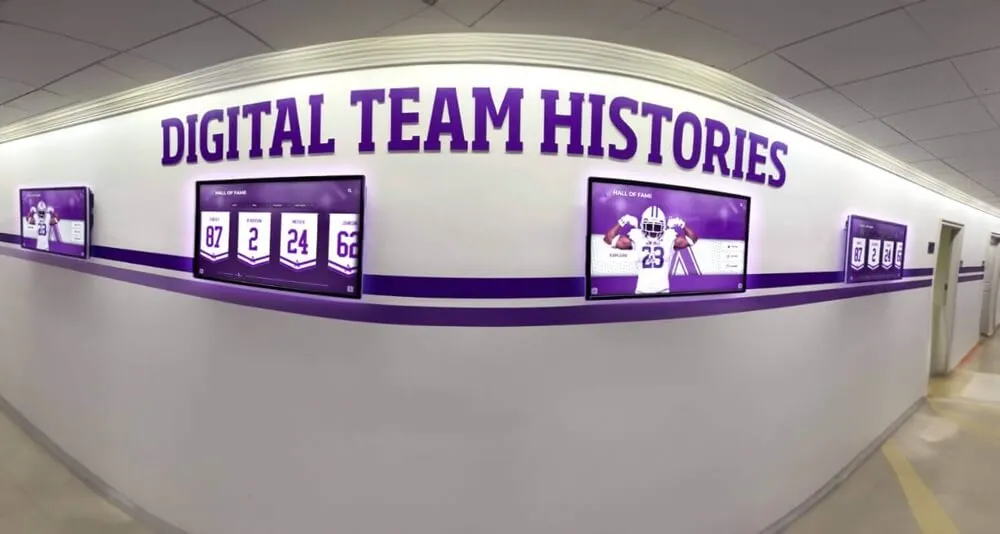
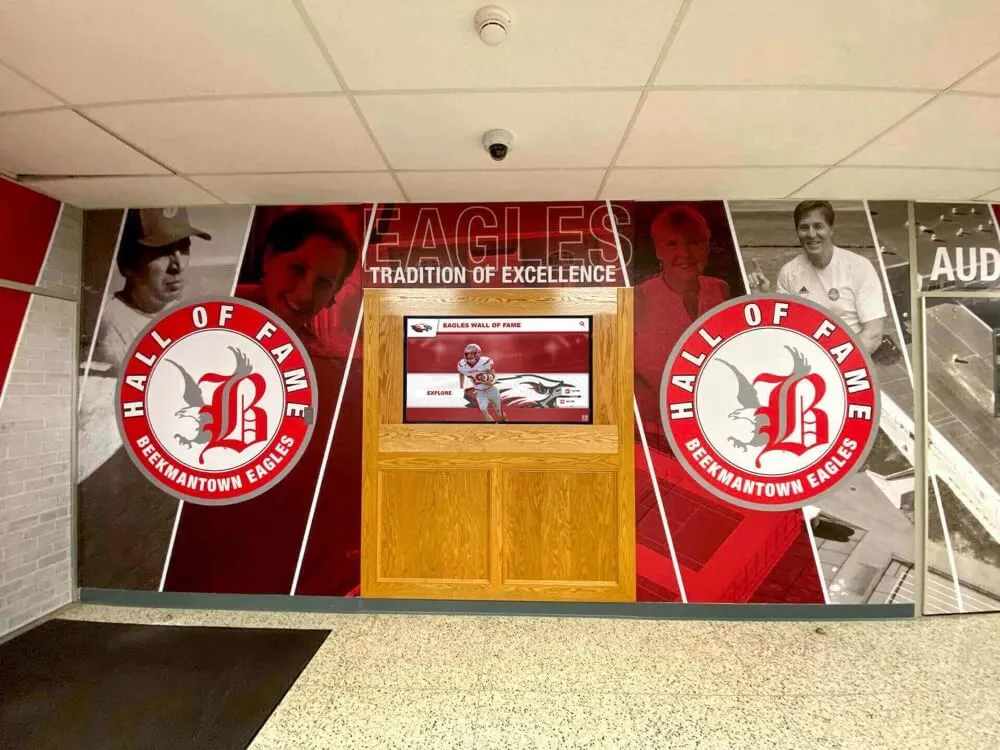
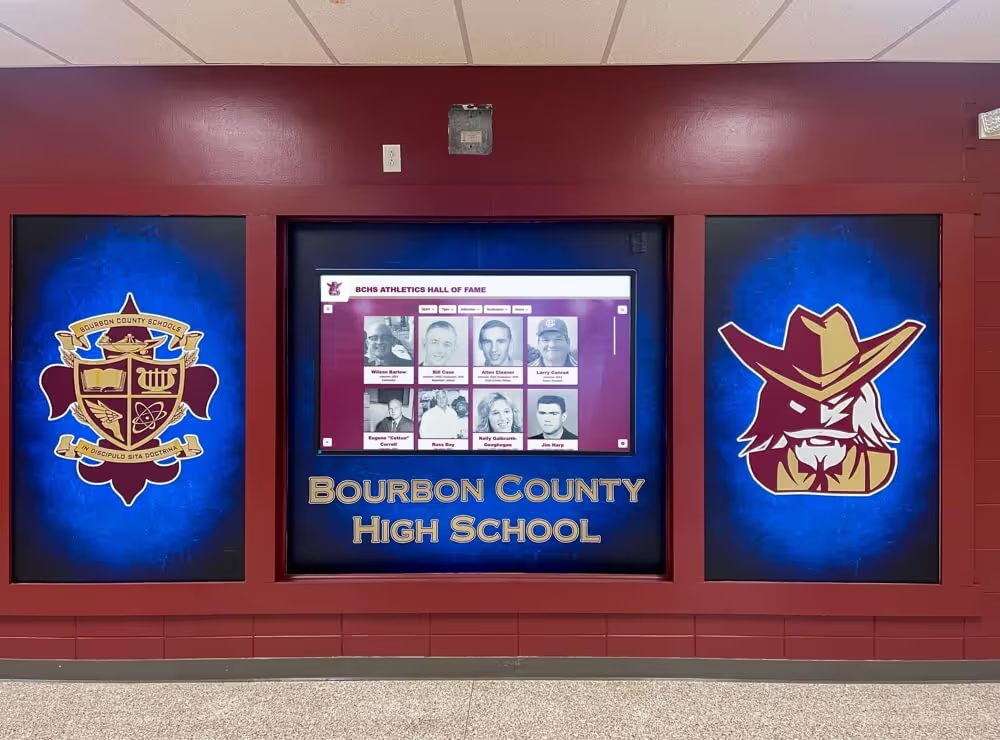
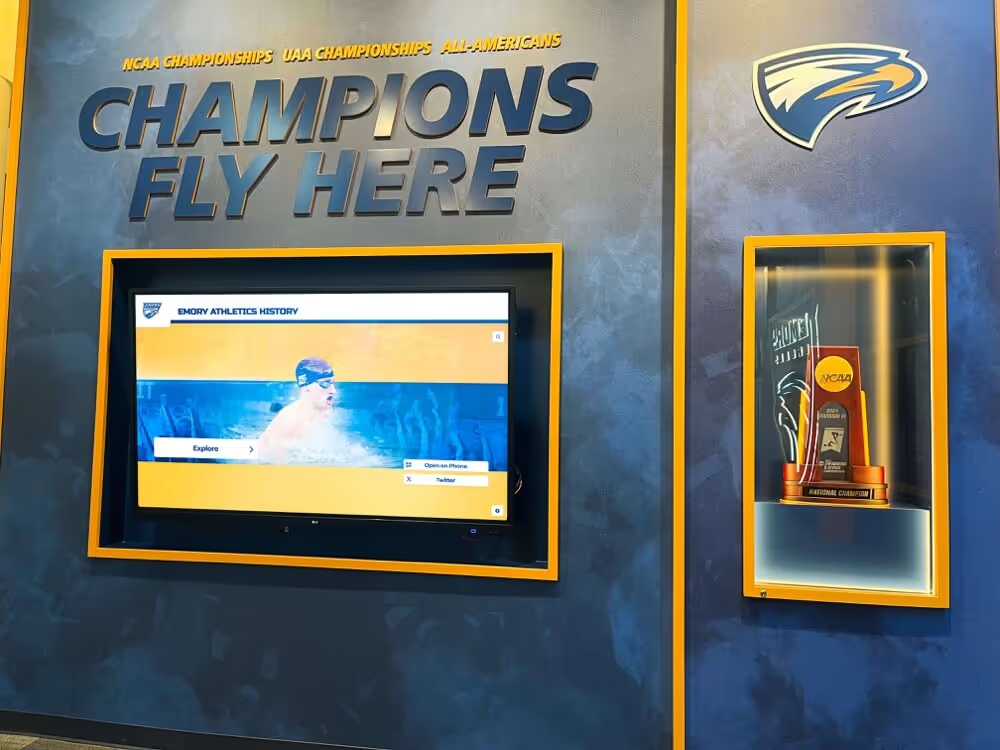
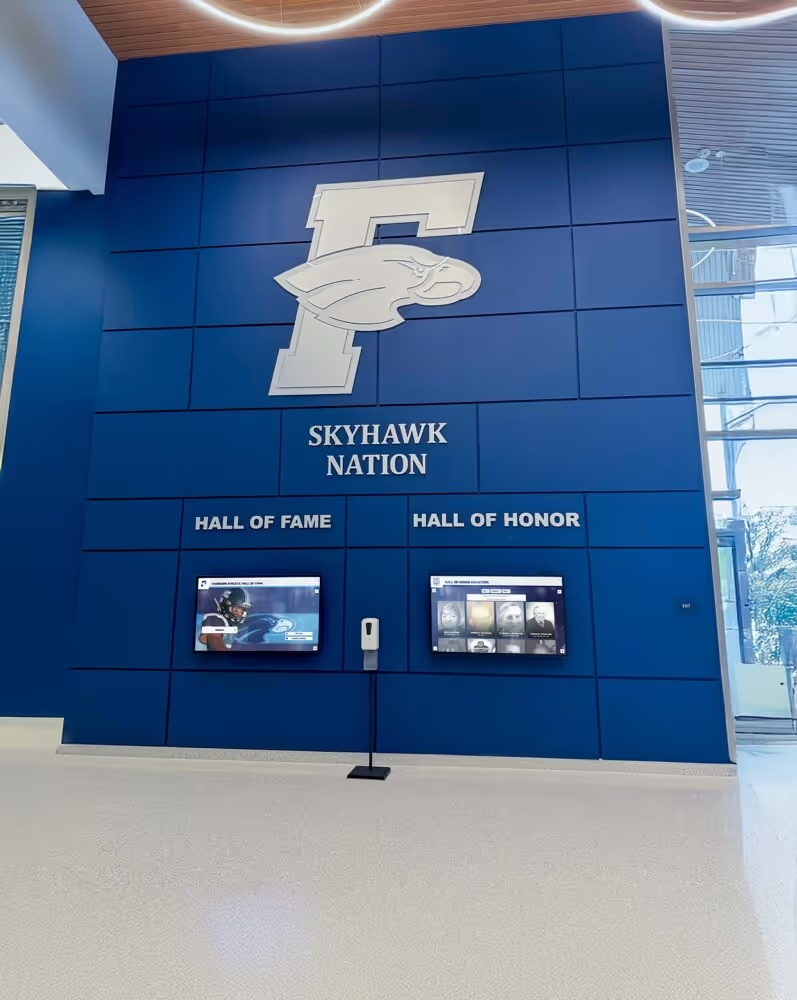
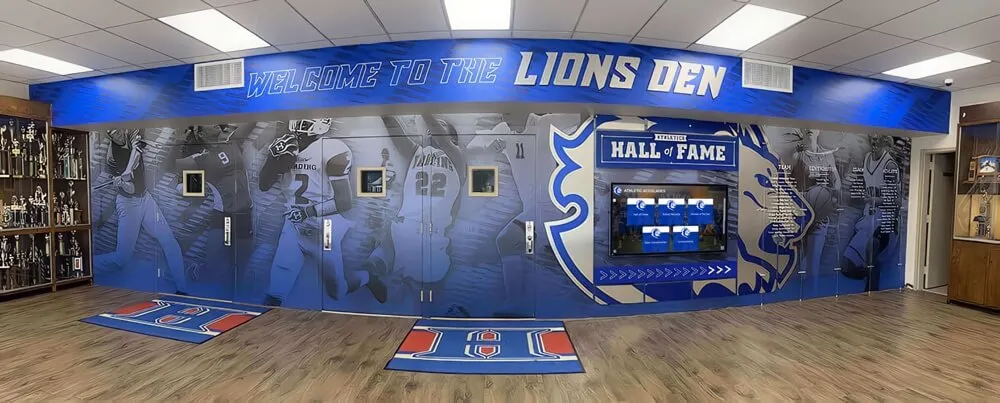
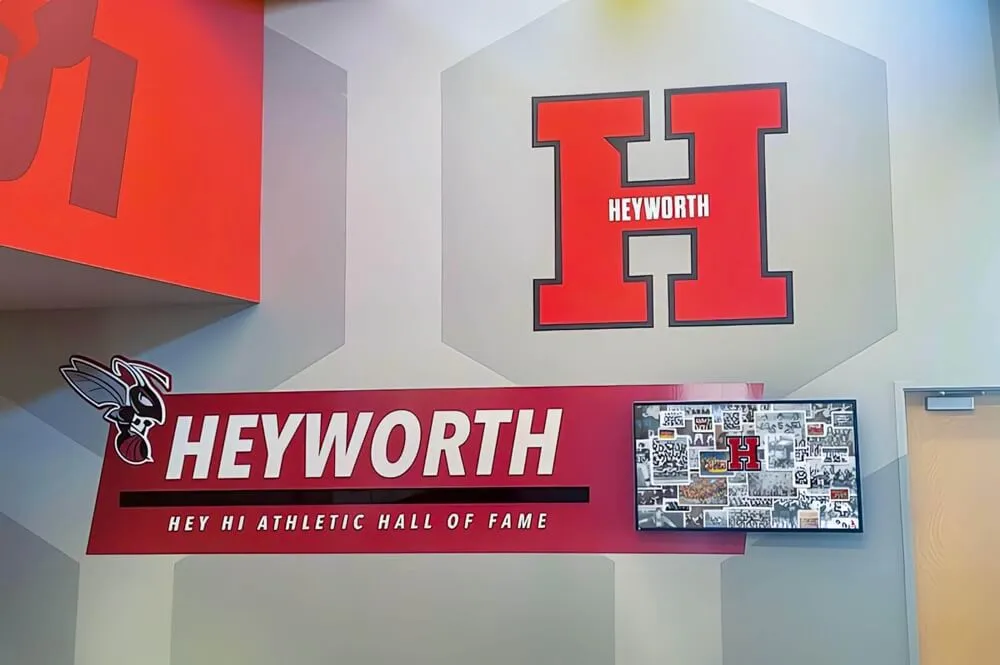
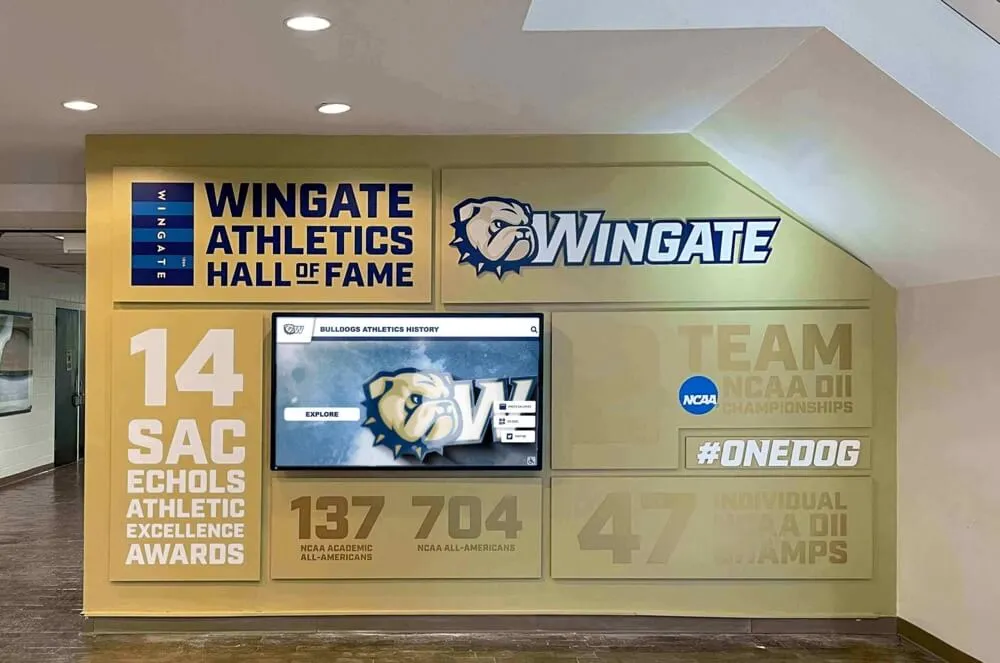
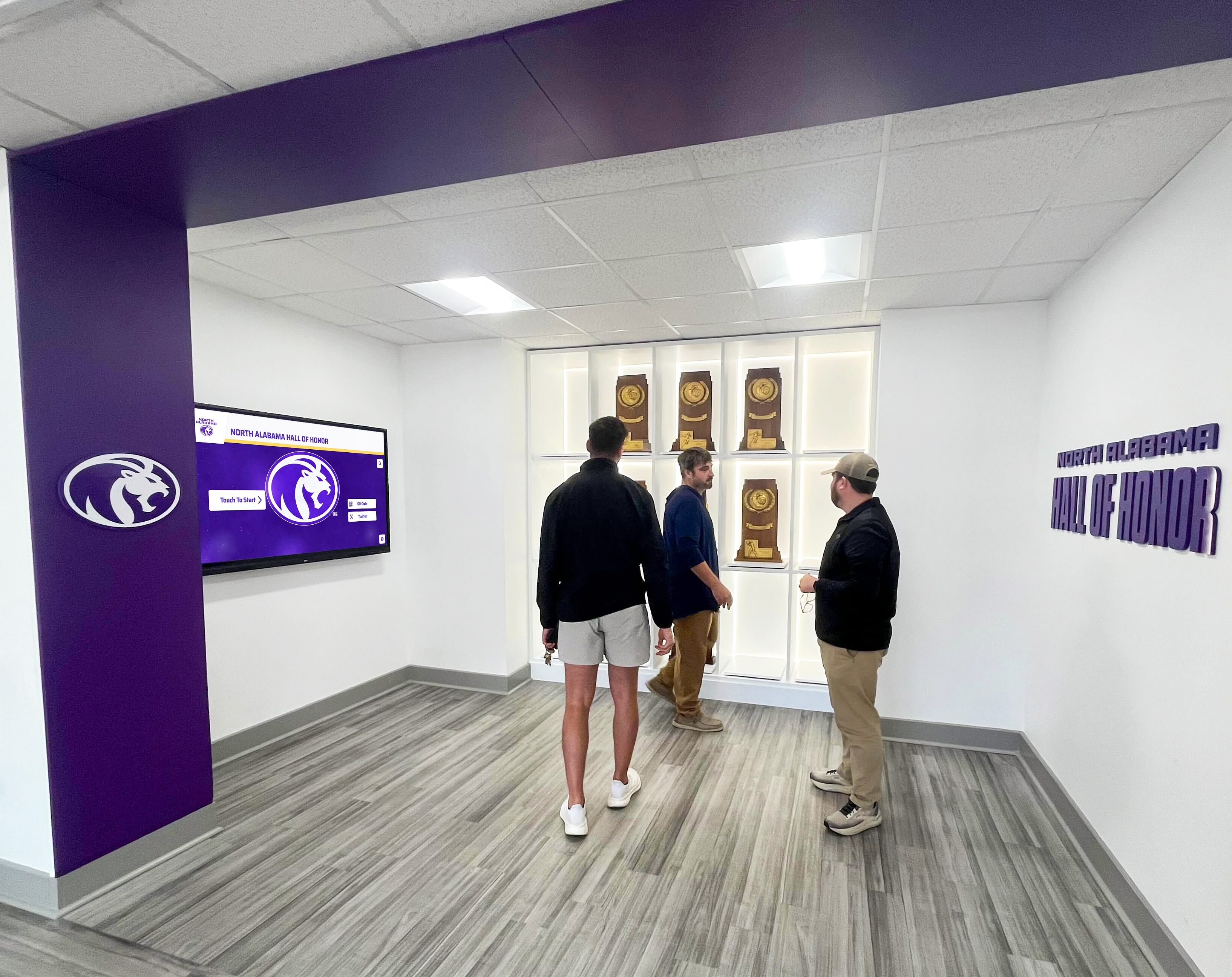
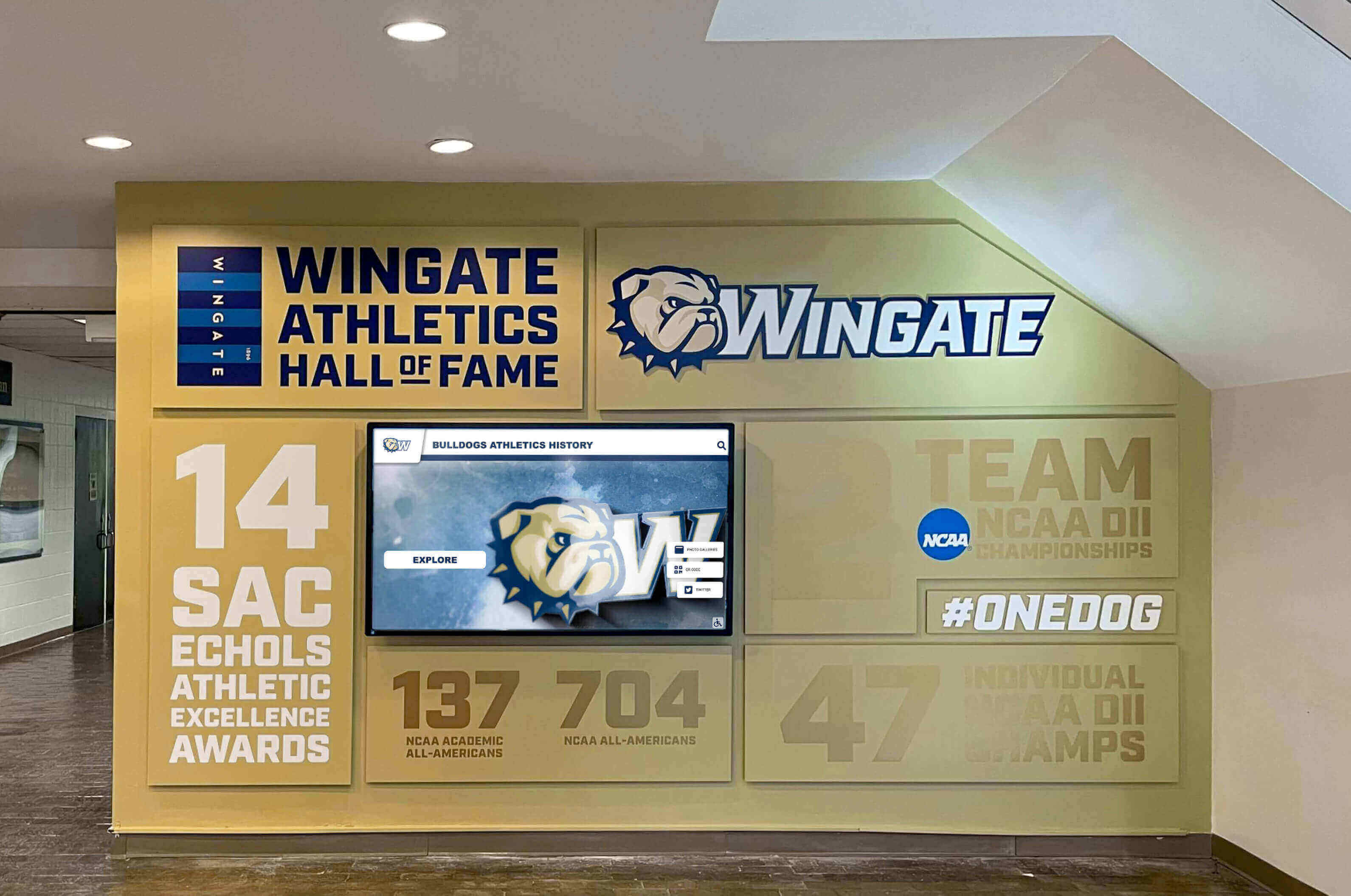
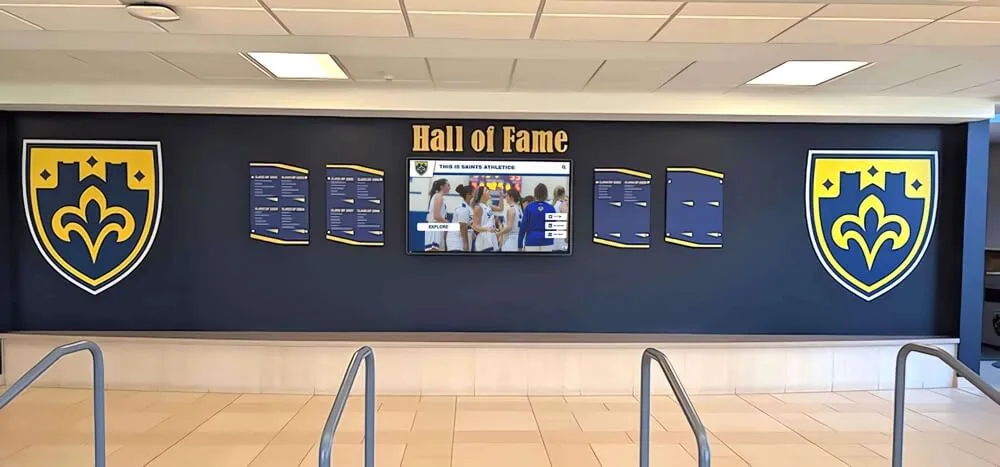
The most effective recognition programs connect induction ceremonies to permanent displays that keep honorees visible to current students, athletes, and visitors long after ceremony conclusions. Modern digital recognition systems allow institutions to showcase comprehensive inductee profiles, career highlights, and achievement stories in engaging formats that static plaques cannot match.
These permanent installations serve multiple purposes: inspiring current participants by showcasing what excellence looks like, engaging alumni through visible recognition of their achievements, educating visitors about institutional history and traditions, and preserving institutional memory for future generations.
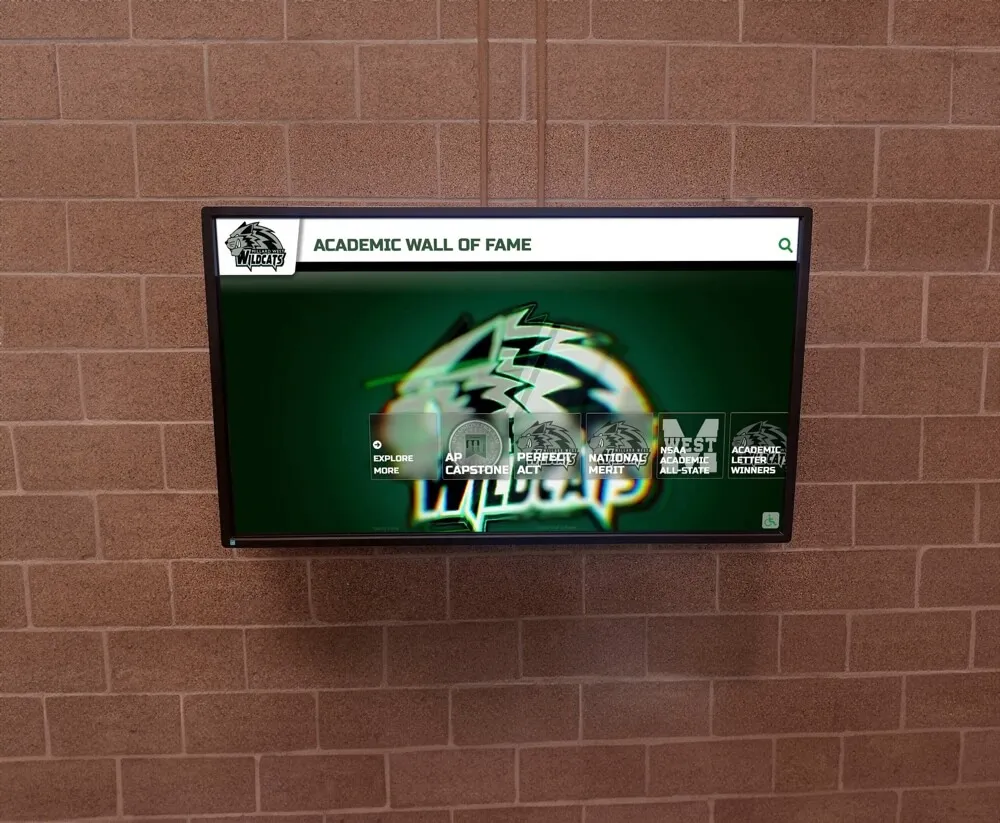
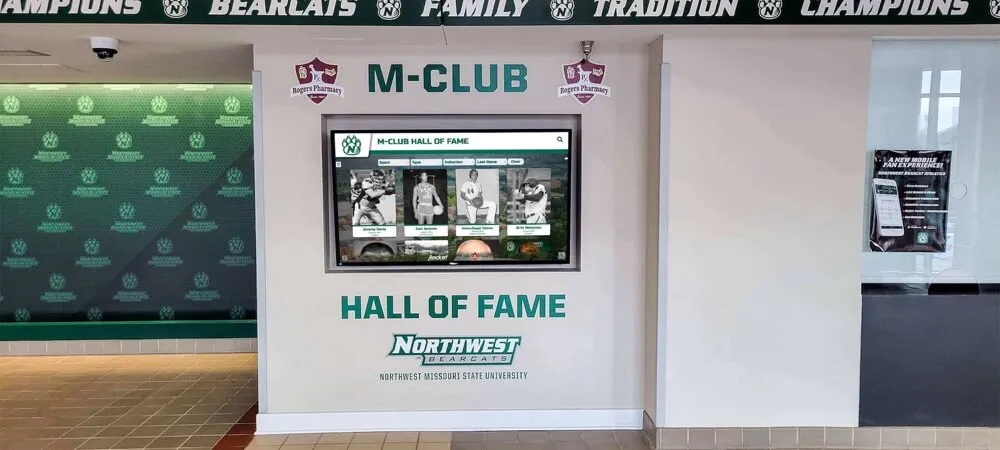
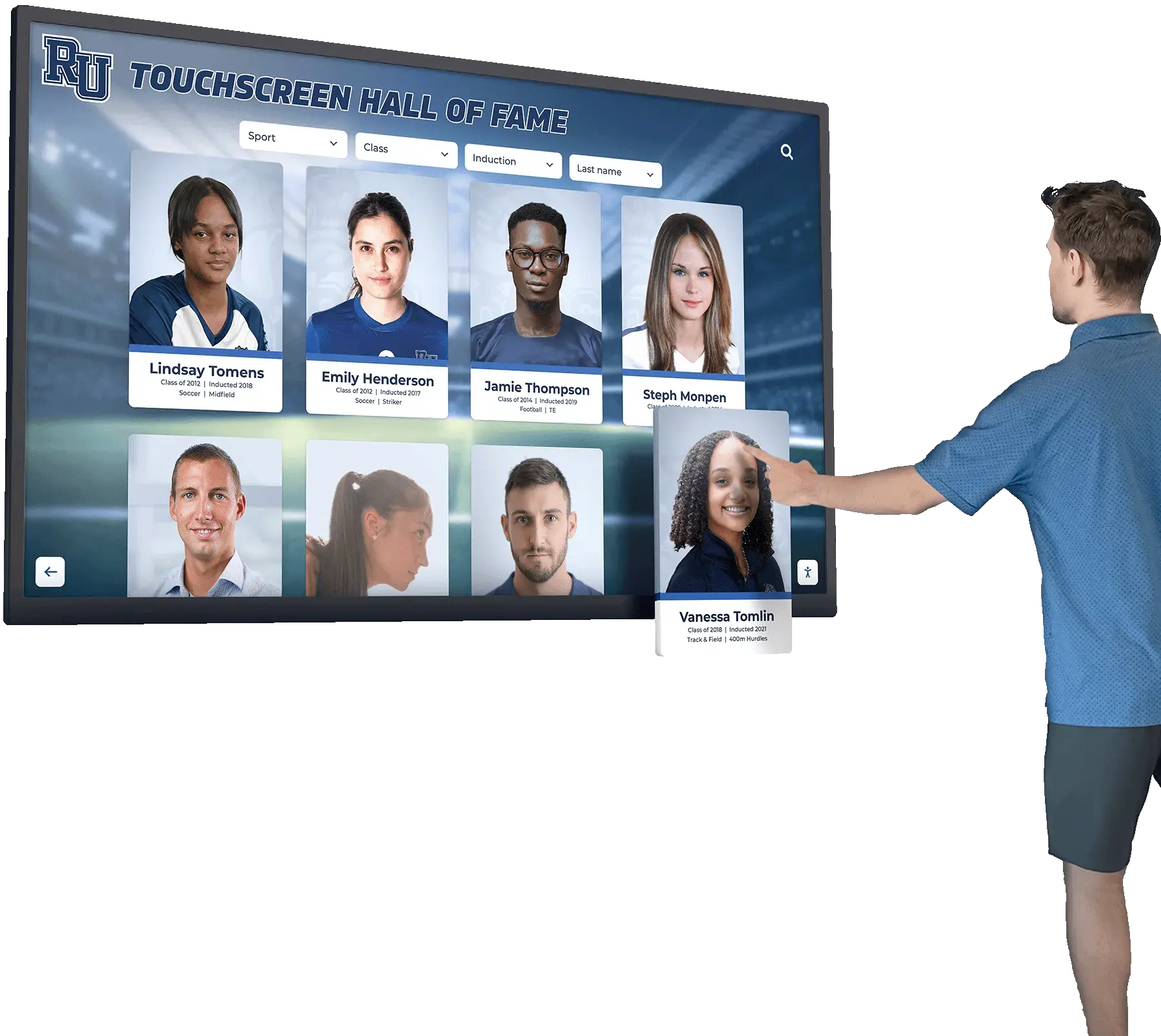
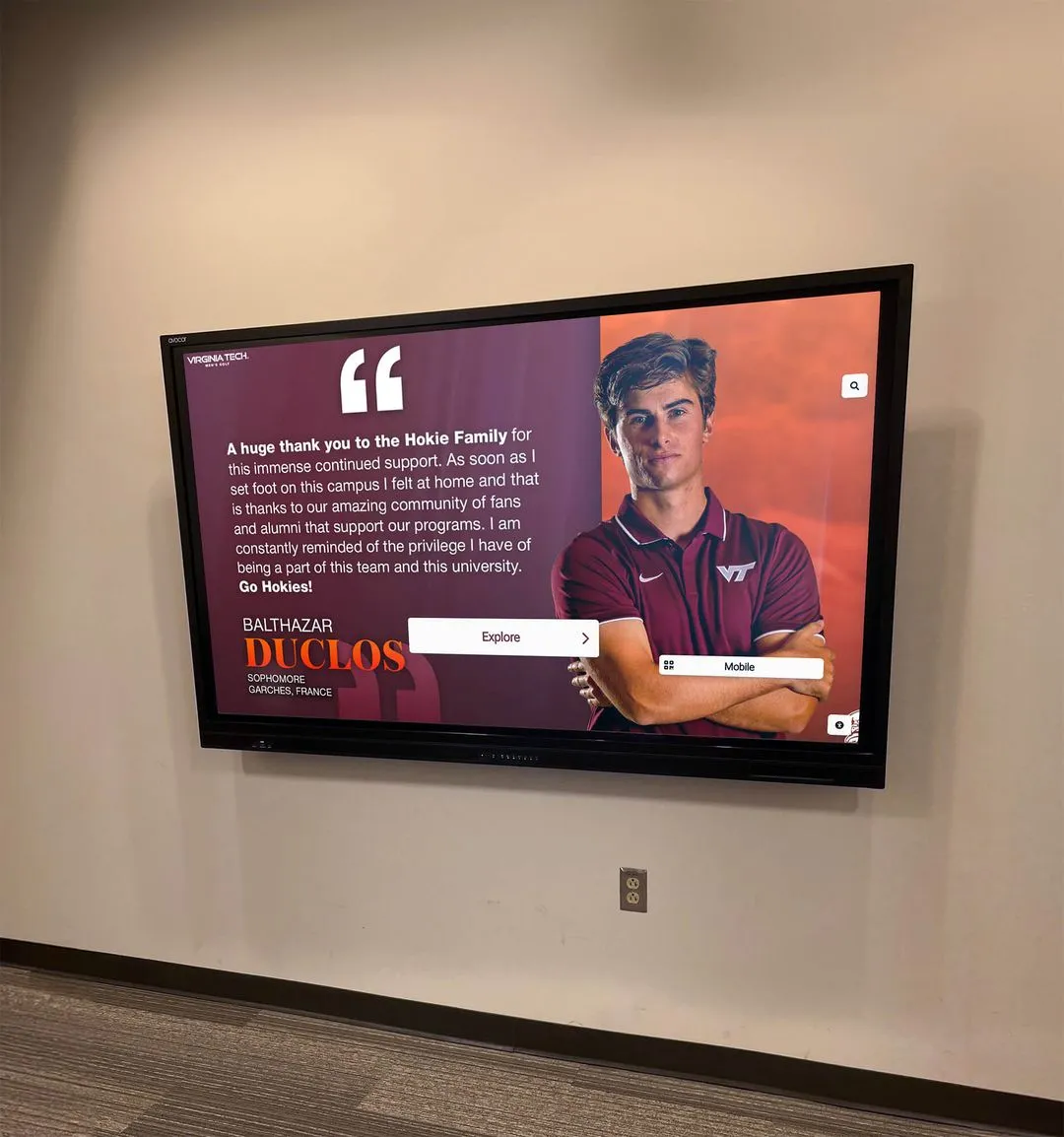
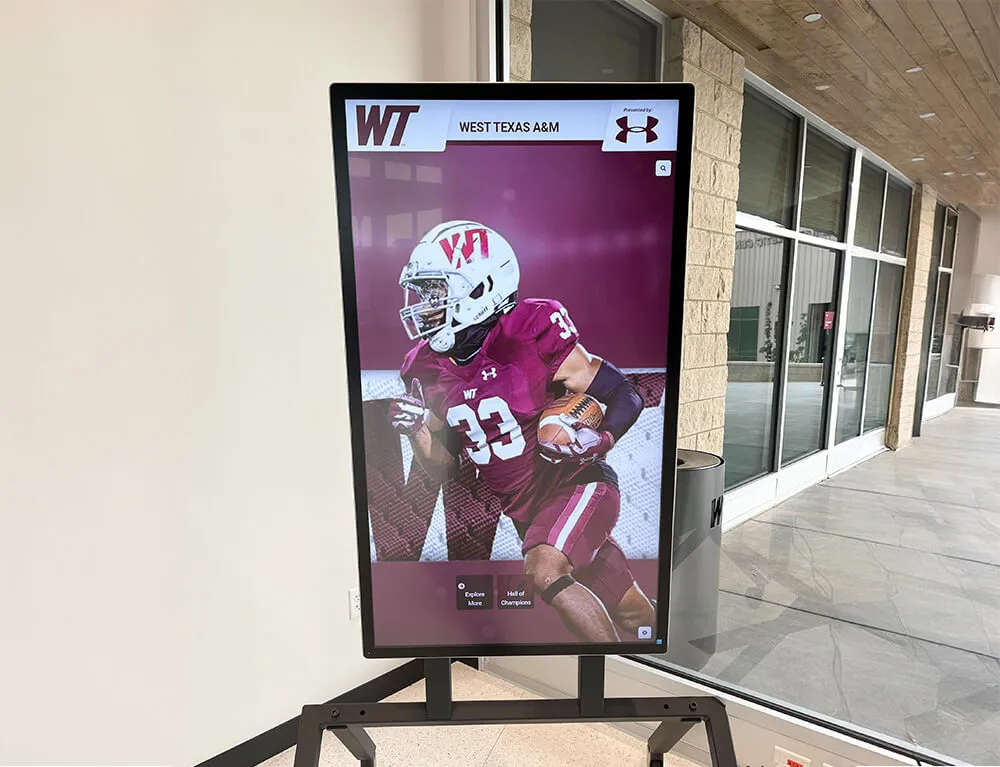
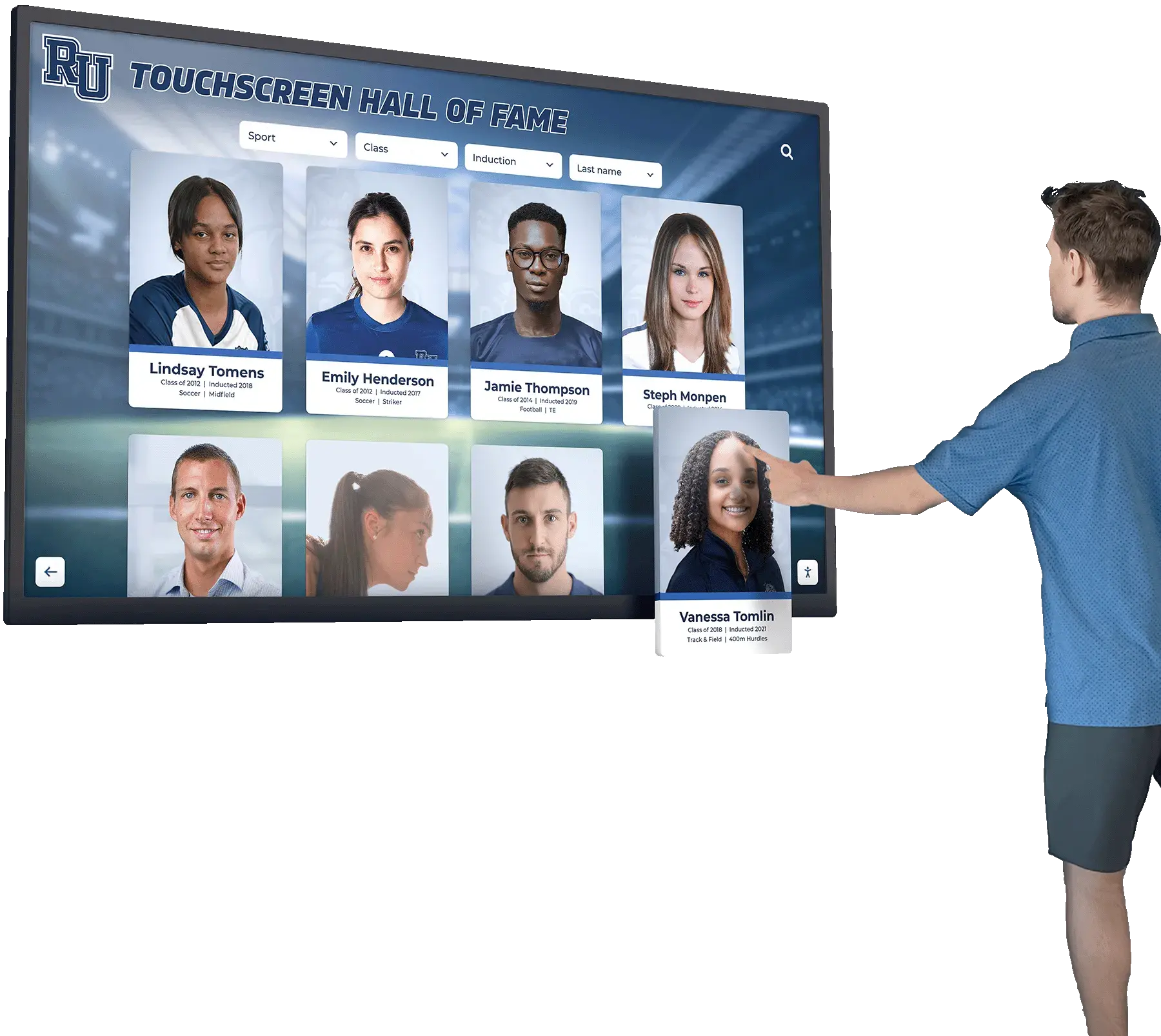
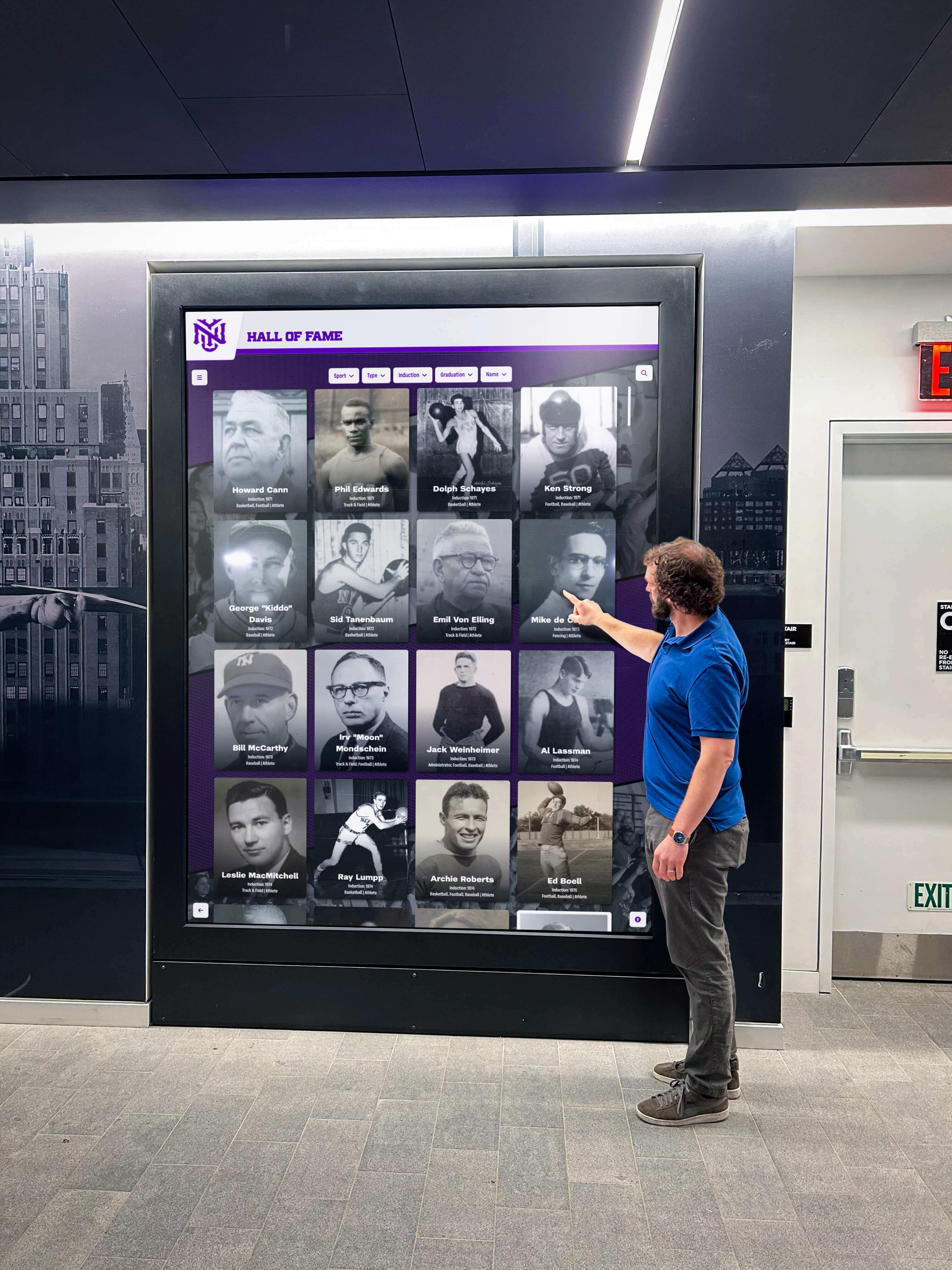
Many schools and universities now implement touchscreen displays that allow visitors to explore inductee profiles, watch highlight videos, view career statistics, and understand the contexts that shaped different eras of athletic or academic achievement. These systems complement traditional plaques and physical displays while offering engagement opportunities that static recognition cannot provide.
Just as healthcare institutions recognize donors through modern touchscreen recognition systems, schools can honor athletic and academic achievement through digital platforms that celebrate accomplishment while maintaining institutional connections.
Year-Round Recognition Culture
Induction ceremonies represent peak recognition moments, but effective programs create year-round recognition cultures that celebrate achievement at multiple levels and stages. This broader approach includes current student and athlete recognition through honor rolls, athlete of the month programs, and achievement boards; milestone recognition celebrating career accomplishments, records broken, or significant contributions; and alumni engagement initiatives that keep graduates connected to institutions through reunions, networking events, and ongoing communication.
This comprehensive approach to recognition creates cultures where excellence receives consistent celebration rather than acknowledgment only during annual ceremonies. Current participants see that achievement gets recognized at all levels, not just after careers conclude.
Programs focused on comprehensive recognition often draw inspiration from diverse award categories, similar to approaches seen in most improved award programs that celebrate growth and development alongside ultimate achievement.
Leveraging Technology for Enhanced Storytelling
Modern technology enables institutions to preserve and share induction speeches and ceremony moments in ways that extend their impact beyond attendees present during events. Video recording speeches and making them accessible through institutional websites or recognition displays allows alumni, family members, and future students to experience ceremonies they couldn’t attend in person.
Digital platforms also enable richer storytelling than physical displays alone permit. Institutions can complement induction speeches with photo galleries, career highlight videos, statistical breakdowns, and interviews that provide comprehensive perspectives on each inductee’s achievements and impact.
These digital extensions of induction ceremonies create permanent resources that serve ongoing engagement, education, and inspiration purposes. A current athlete researching program history can watch induction speeches from legendary coaches, hear directly from record holders about their experiences, or understand how past champions approached challenges similar to those they face today.
Building Recognition Programs That Honor Legacy
While individual induction speeches matter tremendously, they function within larger recognition programs that shape institutional culture and values. Administrators and program leaders should consider how speeches fit into comprehensive approaches to celebrating achievement.
Establishing Selection and Induction Processes
Clear, transparent selection criteria and processes ensure recognition maintains credibility and fairness. Effective programs typically include published criteria specifying achievement thresholds for induction consideration, selection committees representing diverse institutional constituencies (administrators, coaches, alumni, community members), and nomination processes allowing stakeholders to recommend candidates for consideration.
Regular induction cycles—annual ceremonies or biennial events—create predictability and tradition while preventing recognition from becoming sporadic or reactive. Clear timelines for nominations, selection, and ceremony planning help maintain consistency and quality.
Programs should also establish policies addressing sensitive situations: what happens if an inductee’s post-career conduct contradicts institutional values, how the program handles controversial candidates, or whether posthumous inductions are permitted and under what circumstances.
Balancing Tradition and Innovation
Long-established recognition programs often struggle with balancing tradition and innovation. Traditional elements—specific ceremony locations, established rituals, familiar formats—create continuity connecting current ceremonies to institutional history. Innovation—new recognition categories, modern display technologies, evolved selection criteria—ensures programs remain relevant and engaging for contemporary audiences.
The key is understanding which traditional elements truly matter to stakeholders versus which exist simply because “we’ve always done it that way.” Preserve traditions that carry genuine meaning while remaining open to innovations that enhance program effectiveness.
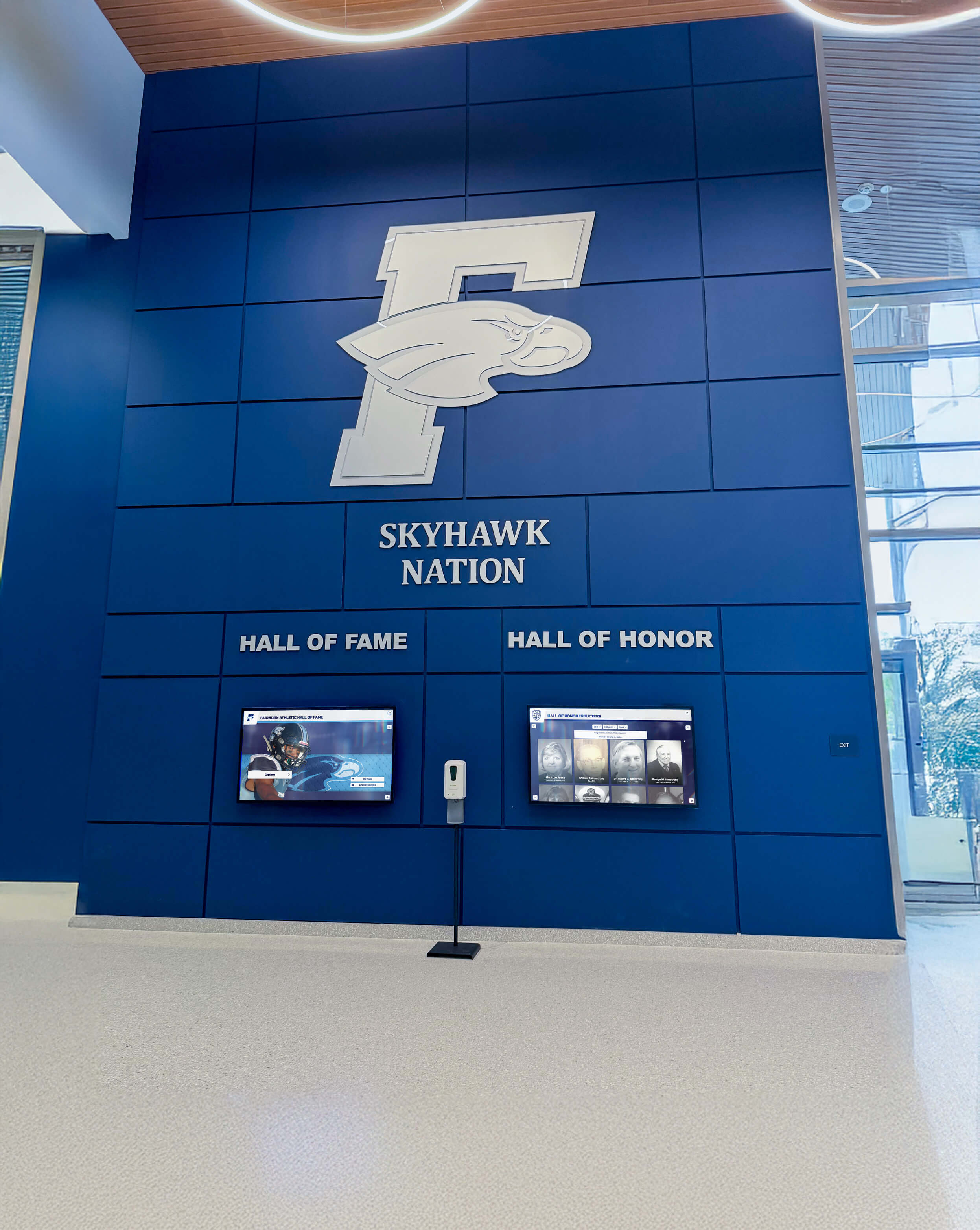
Many institutions now integrate traditional recognition with modern display technologies, creating what some describe as digital donor wall approaches that honor contributors while leveraging contemporary engagement tools.
Creating Inclusive Recognition Frameworks
Contemporary recognition programs increasingly emphasize inclusion, ensuring that diverse achievements and contributors receive appropriate celebration. This includes recognizing excellence across multiple sports and activities rather than focusing exclusively on high-profile programs, honoring women’s achievements with equal prominence to men’s accomplishments, celebrating contributor categories beyond athletes and coaches (administrators, supporters, community partners), and ensuring selection processes include diverse perspectives and avoid implicit bias.
Inclusive frameworks create stronger institutions by demonstrating that excellence takes many forms and that all contributions receive genuine appreciation. They also broaden stakeholder engagement, bringing more alumni and community members into recognition cultures.
Programs recognizing diverse achievement often incorporate elements seen in comprehensive recognition systems, similar to approaches used for academic honors recognition that celebrate scholastic achievement alongside athletic excellence.
Making Recognition Meaningful and Lasting
The ultimate measure of successful induction speeches and ceremonies isn’t immediate applause or emotional responses—though both matter—but rather whether recognition creates lasting impact on inductees, institutions, and communities.
Recognition That Inspires Current Participants
Effective recognition doesn’t just honor the past; it actively shapes the present and future by establishing standards current participants aspire to reach. When current athletes see comprehensive displays celebrating hall of fame inductees or watch ceremony videos showcasing past achievements, they gain concrete understanding of what excellence looks like within their institutional context.
This inspirational function works best when recognition systems make achievement feel attainable, not impossibly distant. Alongside displays honoring legendary champions, effective programs celebrate incremental achievement, improvement, and character qualities that all participants can demonstrate regardless of ultimate competitive success.
Just as championship teams often benefit from understanding the journey to championship success, current students and athletes gain motivation from understanding the paths that led past honorees to hall of fame recognition.
Strengthening Institutional Identity and Pride
Recognition programs function as powerful tools for building and maintaining institutional identity. Through induction speeches and related recognition systems, institutions communicate values they celebrate, establish continuity connecting current participants to institutional history, create shared identity among stakeholders from different eras, and demonstrate commitment to honoring those who contributed to institutional excellence.
These identity functions extend beyond individual honorees to shape how institutions understand themselves and present themselves to external audiences. A school with a visible, well-maintained hall of fame communicates that it values excellence, honors tradition, and maintains connections with its history.
Maintaining Alumni Engagement
Perhaps the most tangible benefit of effective recognition programs lies in sustained alumni engagement. Inductees who receive meaningful recognition often become more active institutional supporters, contributing financially, serving as mentors, attending events, and advocating for institutions within their professional and personal networks.
Recognition ceremonies also create regular touchpoints bringing alumni back to campus, renewing relationships with institutions and classmates. These periodic returns often reignite engagement that had lapsed as alumni focused on careers and families.
The connection between recognition and sustained engagement appears across various contexts. Just as organizations benefit from understanding principles of meaningful appreciation, educational institutions strengthen alumni bonds through authentic recognition that honors contributions while maintaining ongoing connections.
Preserving Institutional Memory
Finally, induction speeches and related recognition programs serve crucial archival functions, preserving institutional history and memory for future generations. Without systematic recognition and documentation, institutional memory fades as people retire, archives become disorganized, and contemporary participants lose connection to past achievements and traditions.
Well-maintained hall of fame programs prevent this memory loss by systematically documenting achievement, preserving stories and context surrounding accomplishments, maintaining accessible records that future researchers can explore, and creating traditions that carry forward across generations.
This preservation function grows increasingly important as institutions age and alumni from earlier eras pass away. Recognition programs that capture stories and preserve memories while people can still share them firsthand create invaluable resources that benefit institutions indefinitely.
Bringing It All Together: Recognition That Matters
Creating meaningful hall of fame induction speeches requires understanding that these moments serve purposes far beyond checking ceremonial boxes or fulfilling recognition obligations. The best speeches honor individual achievement while strengthening institutional culture, inspiring current and future participants, preserving history and tradition, and maintaining connections with alumni and communities.
Whether you’re preparing to deliver an acceptance speech, introduce an inductee, or establish recognition programs for your institution, the principles outlined in this guide help create moments that resonate authentically and create lasting impact. Focus on specific stories over generic praise, acknowledge the relationships and support systems that enabled success, connect individual achievement to institutional values and traditions, and maintain appropriate length and pacing that respects audience attention.
Recognition represents one of the most powerful tools institutions possess for building culture, maintaining tradition, and inspiring excellence. When approached thoughtfully, induction speeches and related recognition programs create benefits extending far beyond individual honorees to strengthen entire institutions and communities.
Modern recognition programs increasingly leverage technology to extend the impact of induction ceremonies beyond single events, creating year-round engagement opportunities through digital displays, interactive platforms, and comprehensive storytelling systems. These approaches complement traditional ceremonies while ensuring recognition remains visible and accessible to current students, prospective families, and returning alumni throughout the year.
If your institution is exploring ways to enhance hall of fame recognition and create more engaging ways to celebrate achievement, Rocket Alumni Solutions offers modern touchscreen displays and digital recognition platforms designed specifically for schools, universities, and athletic programs. These systems showcase inductee profiles, preserve ceremony moments, and create interactive experiences that inspire current participants while honoring those who built institutional traditions worth celebrating.