



A hall of fame induction ceremony represents more than just an event on your institutional calendar—it’s a defining moment when your organization formally recognizes exceptional achievement, inspires current members, strengthens community bonds, and preserves legacy for future generations. Whether honoring athletic legends, distinguished alumni, industry pioneers, or organizational contributors, a well-executed induction ceremony elevates both honorees and your institution itself.
Yet many organizations approach their first induction ceremony without a clear roadmap, leading to logistical challenges, missed opportunities for impact, and experiences that fail to match the significance of the honor being bestowed. The difference between a forgettable ceremony and one that becomes an anticipated annual tradition lies in thoughtful planning that addresses every detail from nominee selection through post-event follow-up.
From establishing selection criteria and forming nomination committees through ceremony logistics, program design, recognition displays, and ongoing engagement strategies, this guide walks through each phase of creating induction ceremonies that truly honor your legends while strengthening institutional community and pride.

Understanding the Purpose of Your Induction Ceremony
Before diving into logistical planning, clearly define what you want your induction ceremony to accomplish and who it serves.
Primary Ceremony Objectives
Effective induction ceremonies balance multiple purposes that extend beyond simply announcing new honorees:
Honoring Individual Achievement
The ceremony’s central purpose is recognizing exceptional accomplishment in ways that make honorees and their families feel genuinely valued. This means creating moments that acknowledge not just achievements themselves, but the character, dedication, and impact that distinguish inductees from peers. Ceremonies should feel personal rather than formulaic, with specific details about each honoree’s unique contributions rather than generic praise that could apply to anyone.
Inspiring Current Members
When students, employees, or organizational members witness induction ceremonies, they see tangible examples of what excellence looks like within your specific context. Effective recognition programs create powerful role models by demonstrating that sustained achievement earns lasting institutional honor. Current members begin envisioning their own paths toward potential recognition, elevating aspirations and strengthening commitment to organizational values.
Building Community and Culture
Induction ceremonies bring together diverse constituencies—current members, alumni, families, donors, community partners, and leadership—creating rare opportunities for cross-generational connection. These gatherings reinforce shared identity, celebrate common values, and demonstrate institutional commitment to honoring excellence. Over time, annual induction ceremonies become anticipated traditions that strengthen organizational culture and community bonds.
Preserving Institutional Legacy
Formal induction processes document achievements and create historical records that preserve organizational memory for future generations. Without systematic recognition, institutional knowledge fades as people retire, move away, or pass on. Comprehensive recognition displays ensure that stories of exceptional achievement remain accessible decades after ceremonies conclude.
Defining Your Hall of Fame Identity
Organizations create halls of fame for different purposes, and ceremony design should reflect your specific focus:
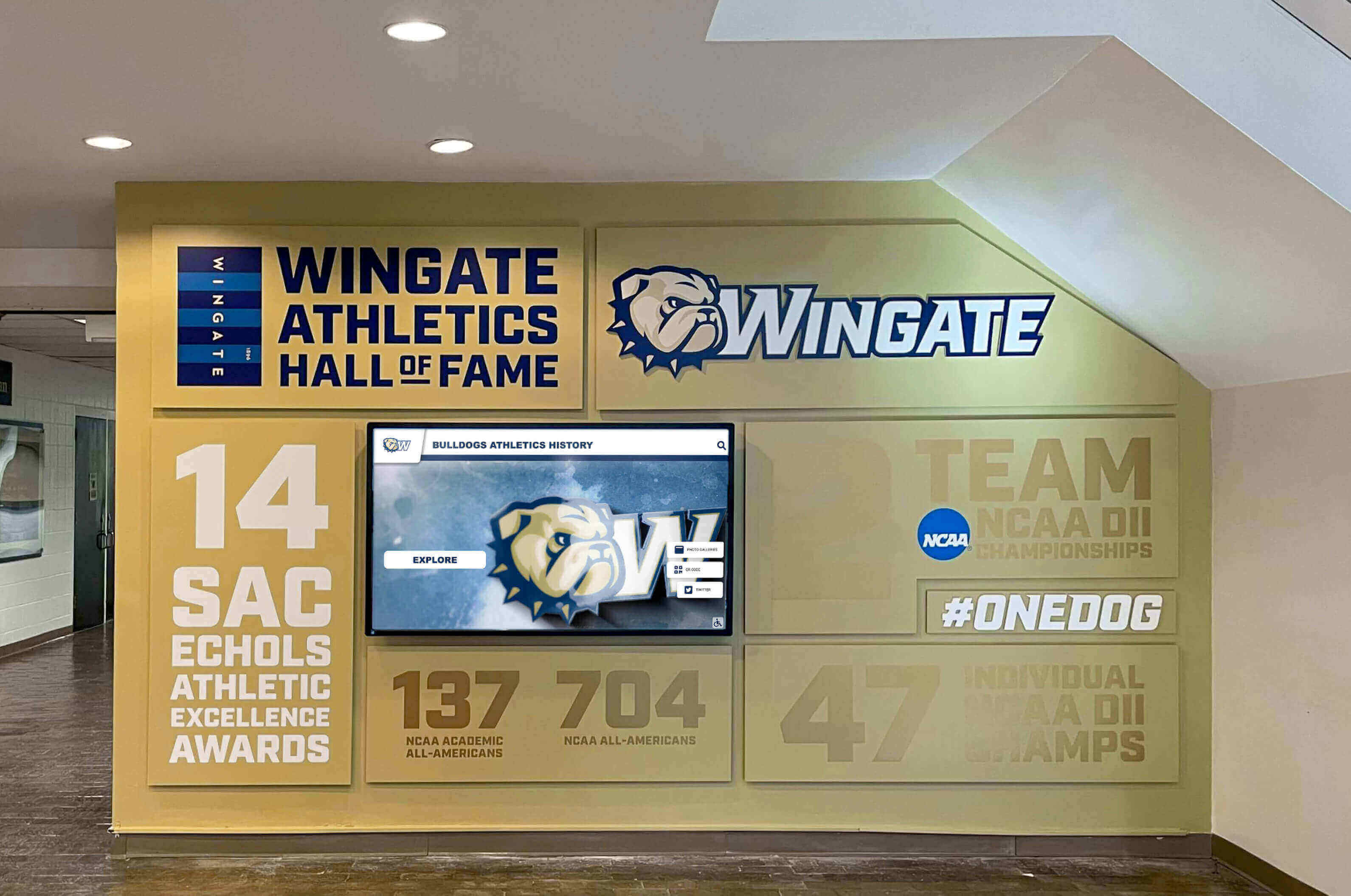
Athletic Halls of Fame
Sports-focused recognition typically celebrates competitive achievement—championship teams, record holders, exceptional coaches, and athletes who achieved distinction at higher competitive levels. Athletic induction ceremonies often coincide with major sporting events like homecoming football games or rivalry competitions, leveraging existing audiences and heightening ceremonial atmosphere. Basketball hall of fame recognition and other sport-specific approaches provide models for athletic-focused programs.
Alumni Halls of Fame
Broader alumni recognition honors distinguished careers, community impact, entrepreneurial success, artistic achievement, public service, or sustained institutional support. Alumni hall of fame ceremonies typically connect to reunion weekends or homecoming events, maximizing attendance from graduates across multiple decades. These programs celebrate diverse pathways to distinction rather than single achievement domains.
Professional and Industry Recognition
Organizations recognizing industry pioneers, trade association leaders, or professional excellence create halls of fame that honor career contributions within specific fields. Ceremonies might coincide with annual conferences, industry gatherings, or professional development events where peers can celebrate honorees’ achievements and learn from their experiences.
Service and Leadership Recognition
Some halls of fame specifically honor volunteer service, organizational leadership, philanthropic generosity, or community contribution rather than career success. These recognition programs celebrate different forms of excellence—sustained commitment, transformative impact, or values demonstration—requiring ceremony designs that appropriately honor these distinctive achievements.
Phase 1: Establishing Selection Processes
Credible hall of fame programs begin with transparent, defensible selection criteria and processes that maintain community confidence.
Developing Clear Selection Criteria
Achievement-Based Standards
Define specific accomplishments that merit induction consideration. For athletic halls of fame, criteria might include All-State, All-American, or All-Conference selections, championship team membership, individual records or statistical thresholds, professional or Olympic competition, or coaching achievements including win totals and championships. For alumni recognition, standards might encompass career distinction within professions, entrepreneurial success, significant research or scholarly contributions, artistic recognition, or documented community impact.
Academic recognition programs demonstrate how institutions can establish clear standards for non-athletic achievement, creating balanced recognition across multiple excellence domains.
Character and Values Alignment
Beyond achievement metrics, most organizations require honorees to exemplify institutional values through ethical conduct, character demonstration, and positive representation throughout careers and personal lives. This ensures recognition celebrates not just what honorees accomplished, but how they achieved success and what they represent to future generations.
Eligibility Requirements
Establish clear eligibility parameters including minimum time elapsed since graduation or separation from organization (typically 3-10 years), documented evidence verifying claimed achievements, and for some programs, ongoing engagement with the institution or good standing within the community. These requirements prevent premature inductions while ensuring sufficient career development to evaluate long-term impact.
Category and Diversity Considerations
Many programs establish different recognition categories ensuring diverse achievement types receive appropriate honor. Categories might distinguish between athlete inductees and coaches, create young alumni recognition for recent graduates showing exceptional early-career success, or establish special categories for team championships, distinguished service, or lifetime achievement. This categorical approach enables more nuanced recognition than single eligibility standards allow.
Forming Selection Committees
Committee Composition
Assemble diverse committees representing multiple constituencies and perspectives. Effective committees typically include administrative representatives ensuring alignment with institutional priorities, program directors or department heads with domain expertise, alumni association leaders representing graduate perspectives, current program participants providing emerging generation viewpoints, and community members offering external validation and broader perspective.
Committee size typically ranges from 5-11 members—large enough for diverse perspectives, small enough for efficient deliberation. Odd numbers prevent tied votes requiring additional procedures to break.
Term Structure and Rotation
Implement staggered multi-year terms (typically 3-4 years) ensuring continuity through overlapping membership while regularly refreshing committee composition with new perspectives. Staggered terms prevent complete committee turnover that would lose institutional knowledge and established processes. Term limits prevent entrenchment while encouraging broader community participation over time.
Chair Selection and Leadership
Designate committee chairs with responsibility for convening meetings, guiding deliberations, ensuring adherence to established criteria and processes, communicating decisions, and serving as primary liaison between committee and institutional leadership. Effective chairs balance advocacy for worthy candidates with commitment to fair processes that maintain program credibility.
Managing Nomination Processes
Nomination Windows and Communication
Establish annual nomination periods with clear start and end dates, typically opening 6-8 months before induction ceremonies to allow adequate evaluation time. Communicate nomination opportunities through multiple channels—email announcements, website notices, social media posts, organizational publications, and targeted outreach to likely nominators including alumni association leaders, athletic department personnel, and community organizations.
Nomination Form Design
Create comprehensive submission forms requesting detailed information that enables thorough evaluation including nominee biographical data, specific achievement descriptions with supporting evidence, character references who can verify accomplishments and speak to values alignment, and narrative statements explaining why nominees merit recognition according to established criteria. Balance thoroughness with accessibility—overly burdensome forms discourage nominations while insufficient detail prevents adequate evaluation.
Anonymous vs. Attributed Nominations
Decide whether nominators remain anonymous or are identified to selection committees. Anonymous nominations may encourage submissions about controversial or politically sensitive candidates, while attributed nominations enable follow-up questions and establish nominator credibility. Many programs accept both, allowing nominators to choose their preferred approach.
Phase 2: Evaluating Candidates and Selecting Inductees
Once nominations close, committees must evaluate candidates fairly and systematically.
Structured Evaluation Methods
Initial Screening
Conduct preliminary review verifying nominees meet basic eligibility requirements, submitted materials provide sufficient information for evaluation, and claimed achievements can be documented through available evidence. This screening identifies incomplete nominations requiring additional information and eliminates clearly ineligible candidates before full committee review.
Detailed Assessment
Committee members independently evaluate eligible nominees against established criteria, often using standardized scoring rubrics that ensure consistent evaluation across candidates and reviewers. Rubrics might assess multiple dimensions—achievement level, career longevity, institutional impact, character demonstration, and community service—with defined scoring scales for each criterion.
Committee Deliberation
Schedule dedicated meetings for candidate discussion, allowing members to share perspectives, debate relative merits, ask clarifying questions, and develop collective judgments. Effective deliberations balance advocacy for worthy candidates with critical assessment ensuring only truly distinguished nominees receive induction. Discussion helps committees reach consensus while documentation of deliberations supports decision transparency.
Selection Methods
Most committees use voting procedures after deliberation concludes. Common approaches include majority vote requirements (50% + 1 member), supermajority thresholds (typically two-thirds) requiring stronger consensus, or ranking systems where members order candidates by preference and top-ranked nominees receive induction. Clear voting procedures established before deliberations begin prevent disputes about selection validity.
Determining Class Size
Fixed vs. Variable Induction Numbers
Organizations take different approaches to how many inductees comprise each class. Fixed annual numbers (e.g., “induct exactly 5 individuals annually”) create consistency and prestige through selectivity, but may exclude worthy candidates when strong nominee pools exceed predetermined limits or force inadequate classes when nomination quality disappoints. Variable approaches (“induct as many as meet standards, typically 3-8 annually”) ensure only truly distinguished candidates receive recognition, but may create unpredictable ceremony planning needs and perceptions that inconsistent class sizes reflect arbitrary standards.
Balancing Representation
When programs recognize multiple achievement categories—perhaps both athletes and coaches, or career achievement alongside community service—committee deliberations often consider representation balance. While merit should drive selection, committees might ensure inaugural classes or early years include diverse achievement examples demonstrating the breadth of accomplishment your program honors. This balanced approach helps all constituencies see themselves reflected in recognized achievement, strengthening program credibility across diverse communities.
Communicating Decisions
Notifying Selected Inductees
Contact inductees personally before public announcement, ideally through phone calls from committee chairs or senior institutional leaders. Personal notification demonstrates respect for honorees while providing opportunities to discuss ceremony expectations, gather biographical information, and answer questions. Confirm inductee willingness to attend ceremonies and participate in recognition activities—occasionally honorees decline for personal or professional reasons, requiring committee decisions about whether to announce declined inductions or hold positions for potential future acceptance.
Managing Unsuccessful Nominations
Handle non-selected nominees with sensitivity. Many programs send personal communications acknowledging nomination submission, expressing appreciation for nominators’ engagement, and when appropriate, noting that nominees remain eligible for future consideration. Some committees provide limited feedback to nominators, though detailed rejection explanations can create challenges when subjective judgments or competitive comparisons drive decisions.
Public Announcements
Once inductees confirm participation, announce new hall of fame classes through press releases, social media campaigns, organizational publications, and website features. Announcements should celebrate honorees with specific achievement details rather than simple name lists. Staggered announcement strategies—perhaps revealing one inductee weekly building toward ceremony dates—can extend publicity value while building anticipation for formal induction events.
Phase 3: Planning Ceremony Logistics
With inductees selected, focus shifts to creating memorable experiences that appropriately honor their achievements.
Selecting Date and Venue
Timing Considerations
Schedule induction ceremonies during periods maximizing attendance from inductees, their families, organizational members, and broader communities. Popular timing includes homecoming weekends leveraging existing gatherings, major competitive events like rivalry games or championships, reunion weekends bringing alumni to campus, or dedicated recognition days focused exclusively on hall of fame ceremonies.
Consider seasonal factors affecting travel—winter weather may complicate attendance for northern institutions, while summer ceremonies might offer better weather but lower student presence. Balance competing priorities based on your specific organizational culture and constituent preferences.
Venue Selection
Choose locations appropriate for expected attendance with adequate seating capacity, audio/visual capabilities supporting multimedia presentations, accessibility for guests with mobility limitations, parking and transportation infrastructure, and atmospheric qualities befitting the honor’s significance. Common venue options include campus auditoriums, athletic facilities creating contextual connections to honored achievements, hotel ballrooms offering formal elegance, campus dining facilities supporting simultaneous reception functions, or outdoor spaces (weather-dependent) providing unique ceremonial settings.
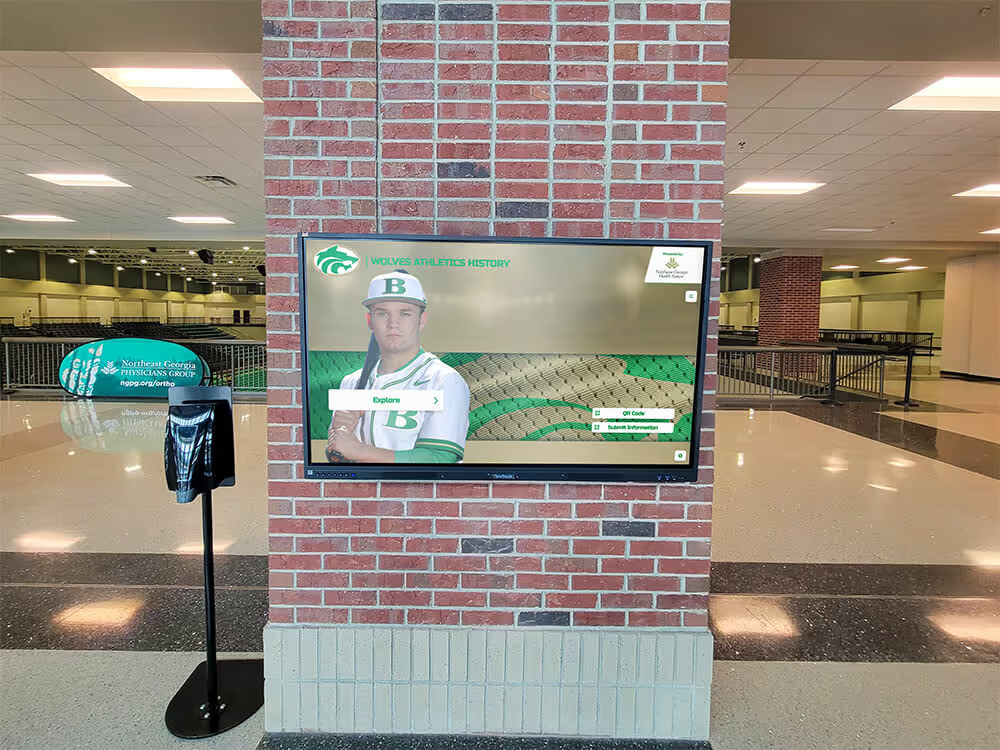
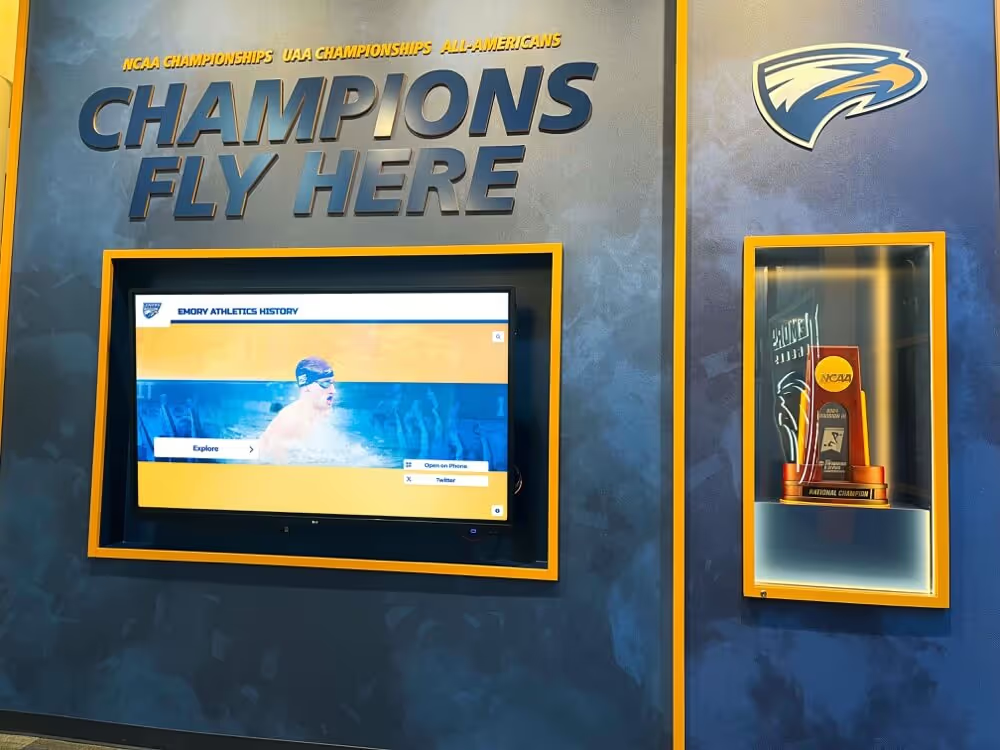
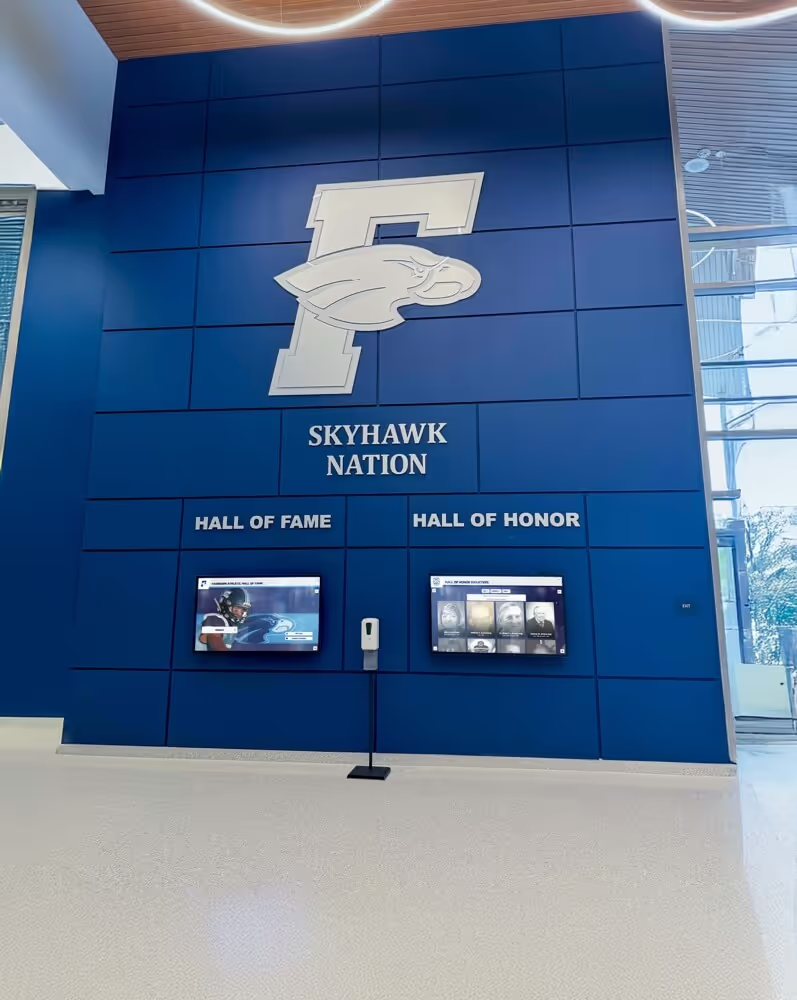
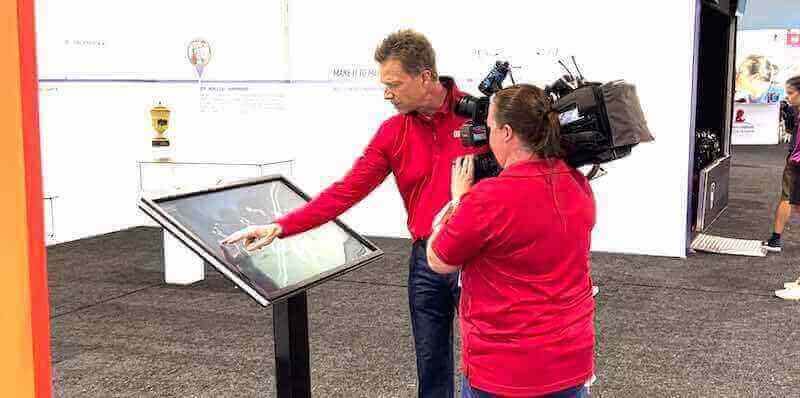
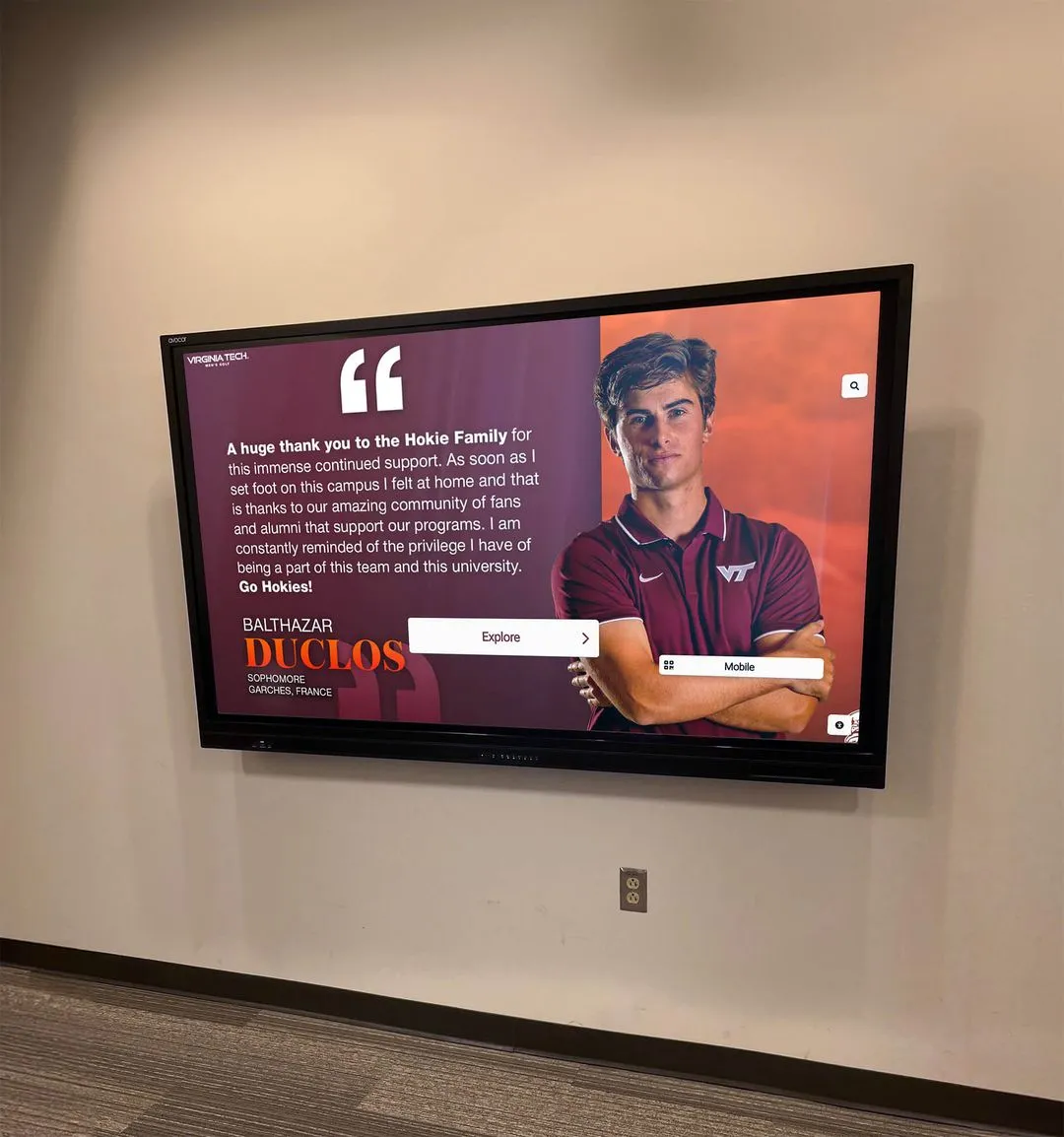
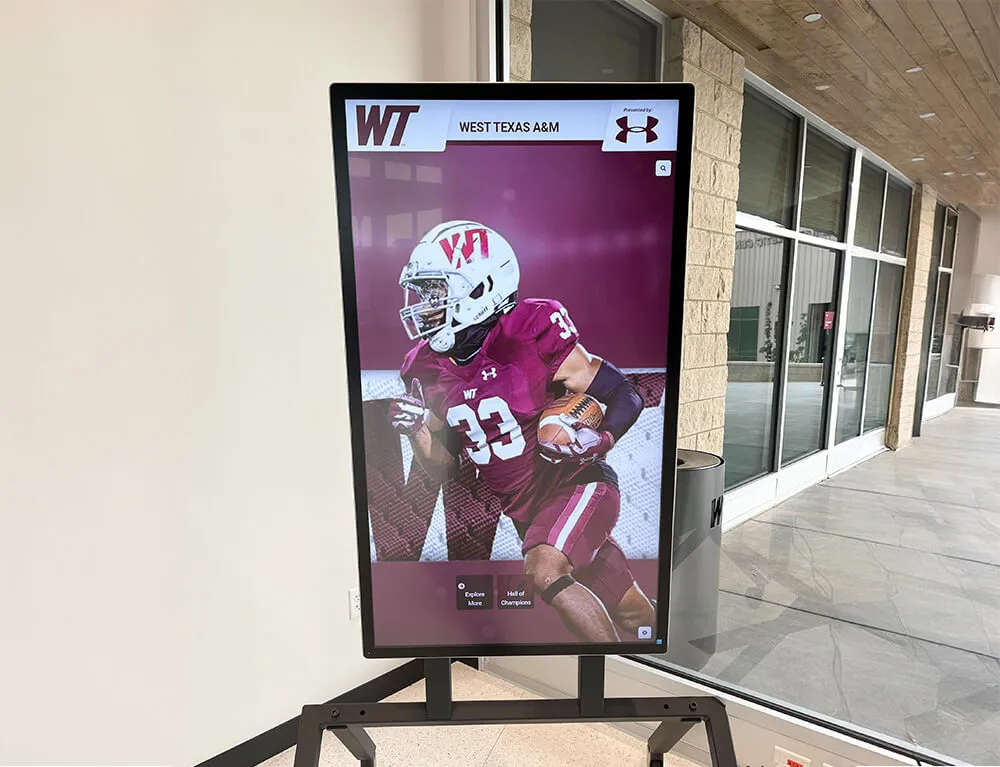
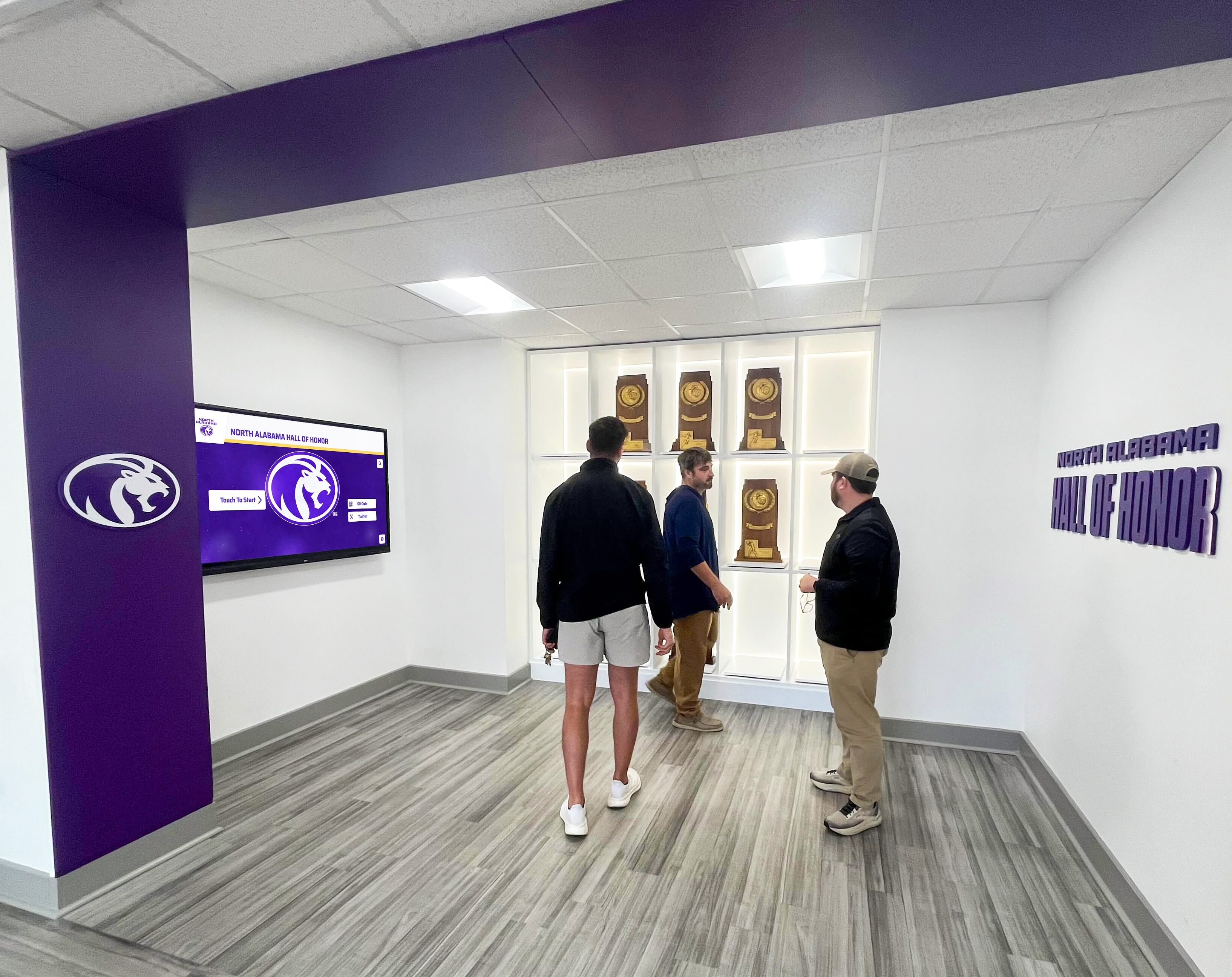
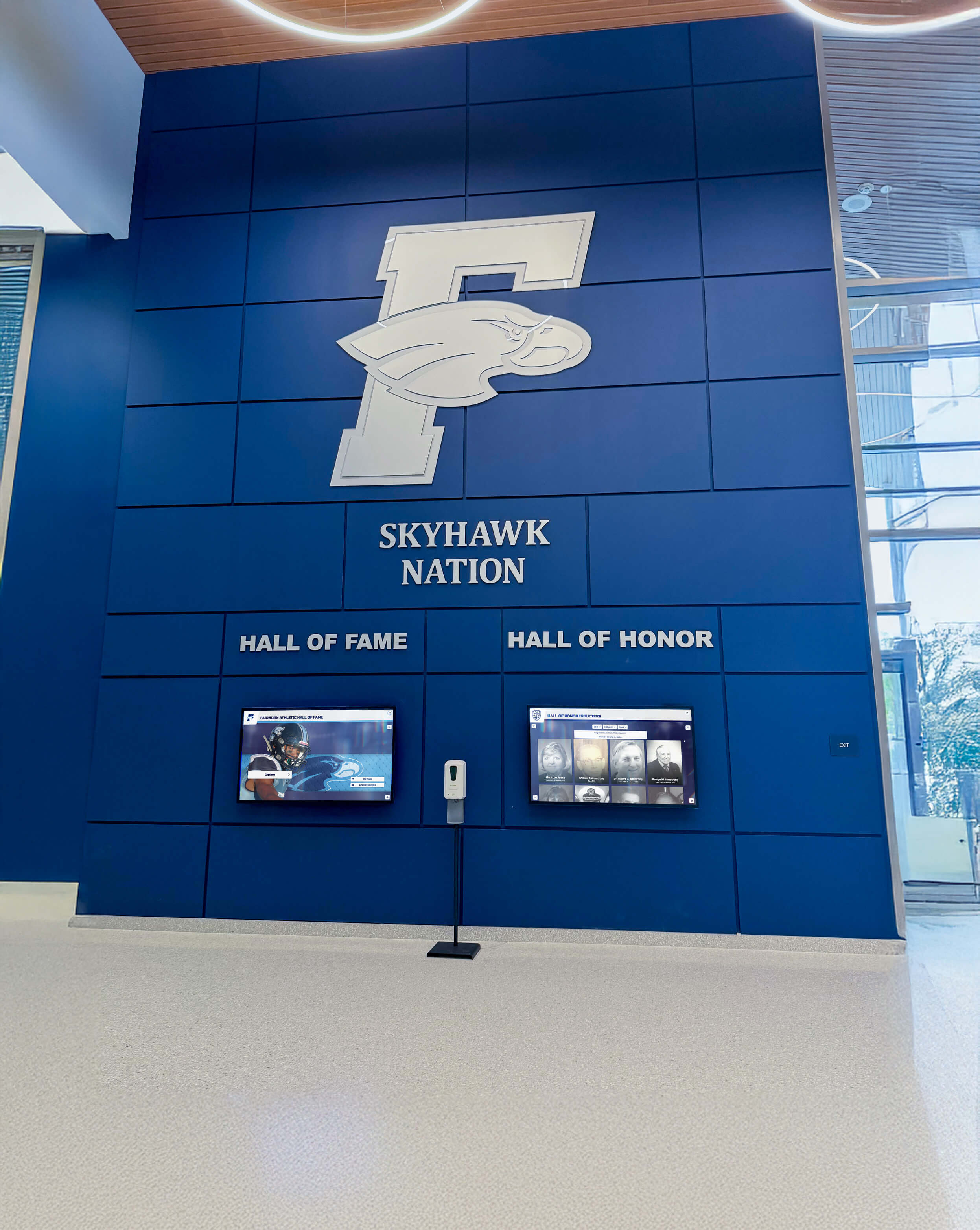
Interactive touchscreen displays work particularly well in ceremony venues, allowing attendees to explore inductee profiles before and after formal programs.
Backup Planning
Always develop contingency plans for potential disruptions—inclement weather affecting outdoor venues or travel, lower-than-expected attendance requiring venue downsizing, honoree illness requiring program adjustments, or technical difficulties affecting presentations. Advance preparation for likely challenges prevents last-minute scrambling that compromises ceremony quality.

Developing Ceremony Programs
Program Structure and Flow
Effective ceremonies balance formality appropriate to the honor with engagement that maintains audience attention. Typical 90-120 minute programs might include welcome remarks from senior leadership, invocation or opening ceremony appropriate to organizational culture, introduction of previous inductees present, individual inductee recognition segments, acceptance speeches or remarks, presentation of induction mementos, closing remarks, and reception immediately following.
Inductee Presentation Elements
Each honoree deserves individual recognition through biographical video presentations (typically 3-5 minutes) highlighting career achievements with photos, video clips, and interviews, formal introductions by colleagues or former coaches sharing personal perspectives and anecdotes, recognition of family members present to acknowledge support systems behind achievement, presentation of plaques, rings, or other physical symbols of induction, and opportunities for acceptance remarks expressing gratitude and sharing wisdom with current members.
Multimedia Production
High-quality video presentations significantly enhance ceremonial impact. Effective videos combine archival photos from honoree eras, contemporary interviews with inductees, commentary from colleagues and peers, relevant footage showcasing competitive excellence or professional achievement, and production values reflecting ceremony significance. Begin video production 3-4 months before ceremonies allowing adequate time for research, interviews, editing, and revision.
Program Materials
Printed programs provide ceremony keepsakes while guiding attendees through proceedings. Include inductee biographies and photos, ceremony agendas, welcome messages from leadership, information about hall of fame criteria and selection processes, lists of previous inductees, recognition of sponsors supporting programs, and contact information for organizational advancement offices. Professional design and quality printing reflect appropriate ceremony dignity.
Managing Event Registration and Communications
Attendee Management
Implement registration systems tracking who plans to attend, identifying dietary restrictions and accessibility needs, managing seating assignments for VIP attendees, communicating logistical details to registrants, and supporting post-event follow-up. Online registration platforms simplify administration while providing attendance data for venue planning and catering contracts.
Honoree Family Coordination
Work closely with inductee families to ensure they feel welcomed and appropriately honored. Reserve dedicated seating for family groups, arrange complimentary tickets or subsidized attendance, facilitate hotel accommodations when families travel significant distances, coordinate special recognition moments during ceremonies, and gather family photographs and biographical information enriching inductee profiles. Highlighting famous alumni demonstrates approaches for comprehensive honoree recognition.
Communications Timeline
Develop systematic communication schedules ensuring all constituents receive timely information through save-the-date announcements (3-4 months advance), formal invitations with registration details (6-8 weeks advance), reminder communications (2-3 weeks advance), final logistical details including parking and schedule (one week advance), and day-of communications with any last-minute changes or updates.
Phase 4: Creating Lasting Recognition Beyond Ceremonies
Induction ceremonies represent single moments in ongoing recognition that should continue long after formal events conclude.
Physical Recognition Displays
Traditional Plaque Installations
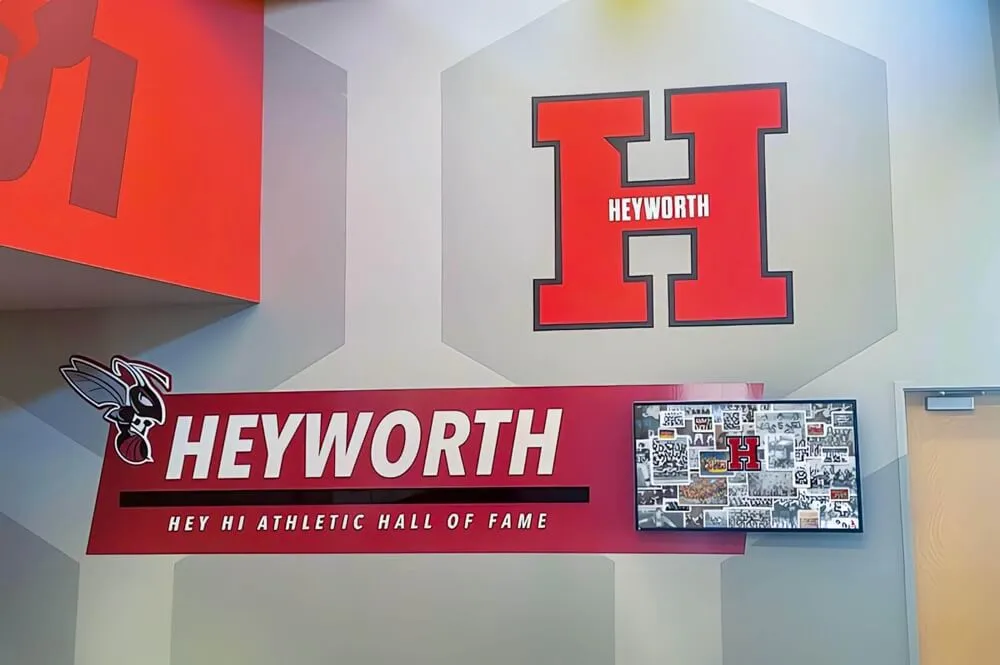
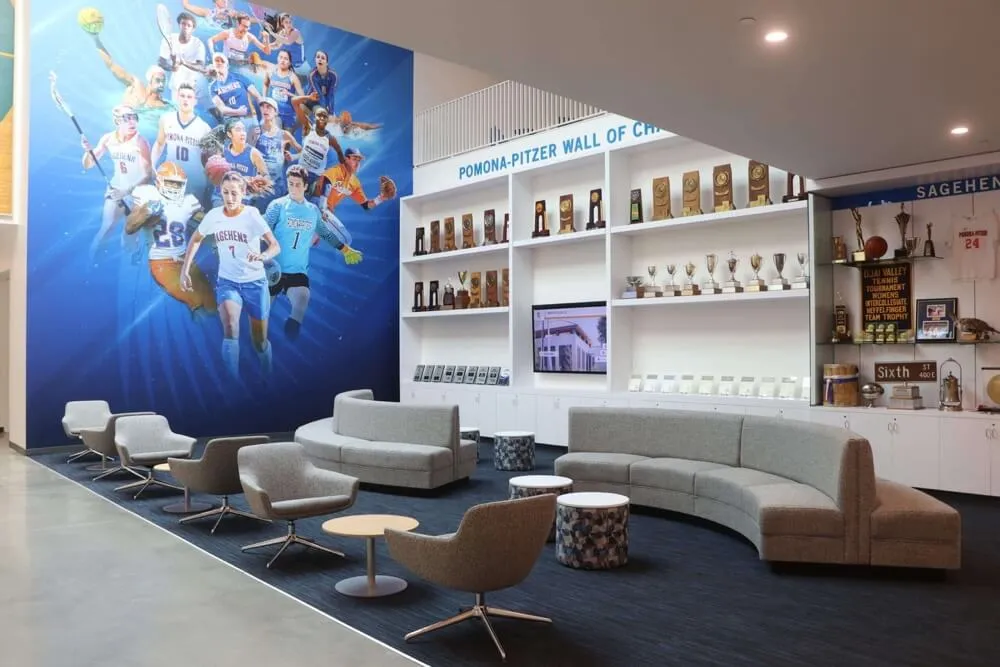
Classic approaches to permanent recognition include dedicated hall of fame walls with engraved nameplates organized by induction year, individual plaques featuring photos and biographical information, trophy cases displaying induction rings or awards alongside achievement memorabilia, and entrance displays identifying inductees for all facility visitors. These permanent installations ensure year-round visibility and ongoing honor.
Digital Recognition Systems
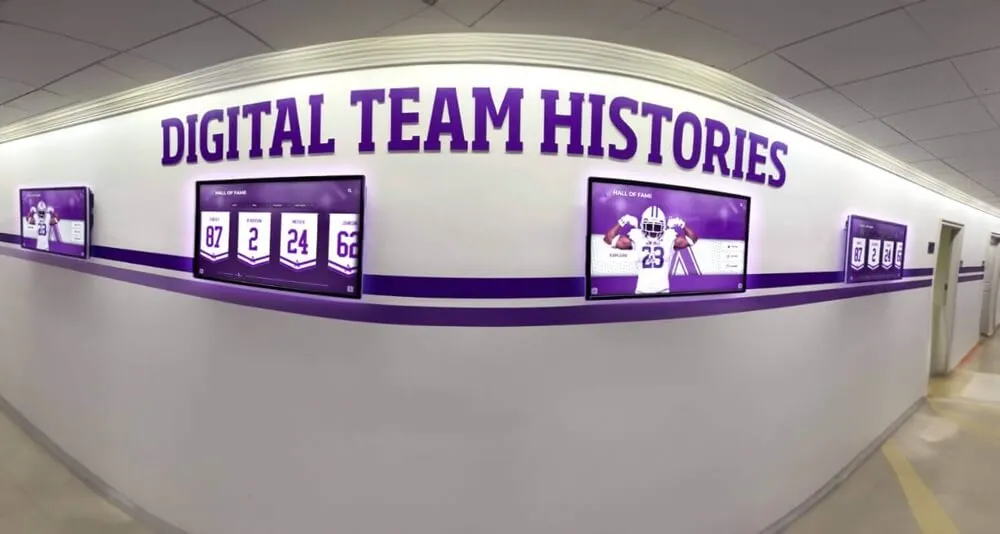
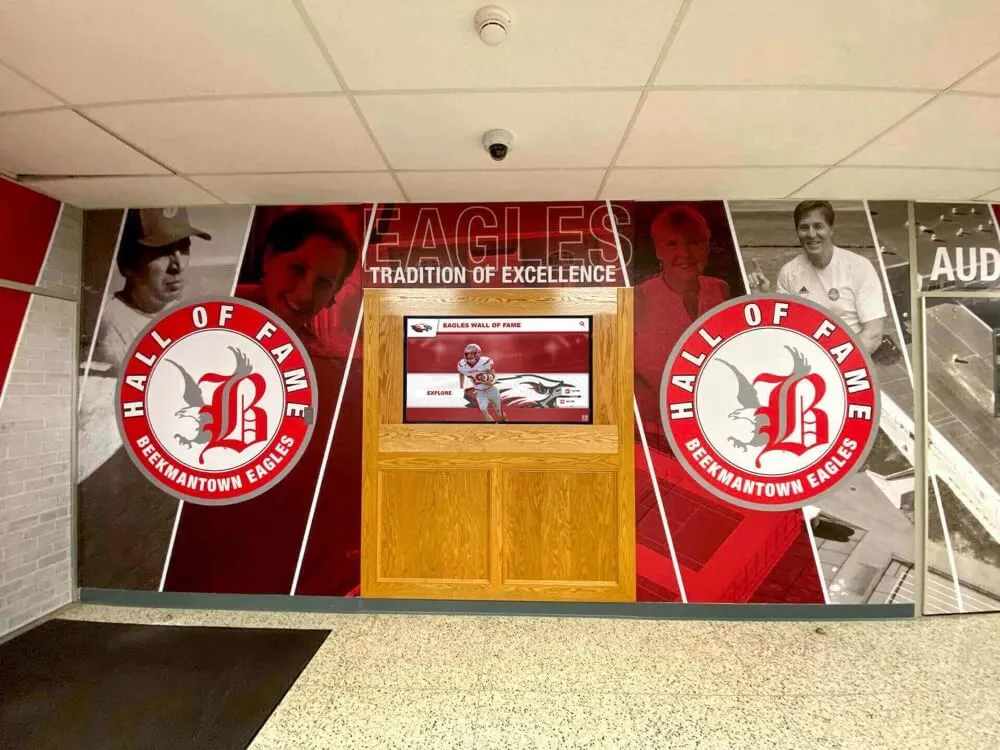
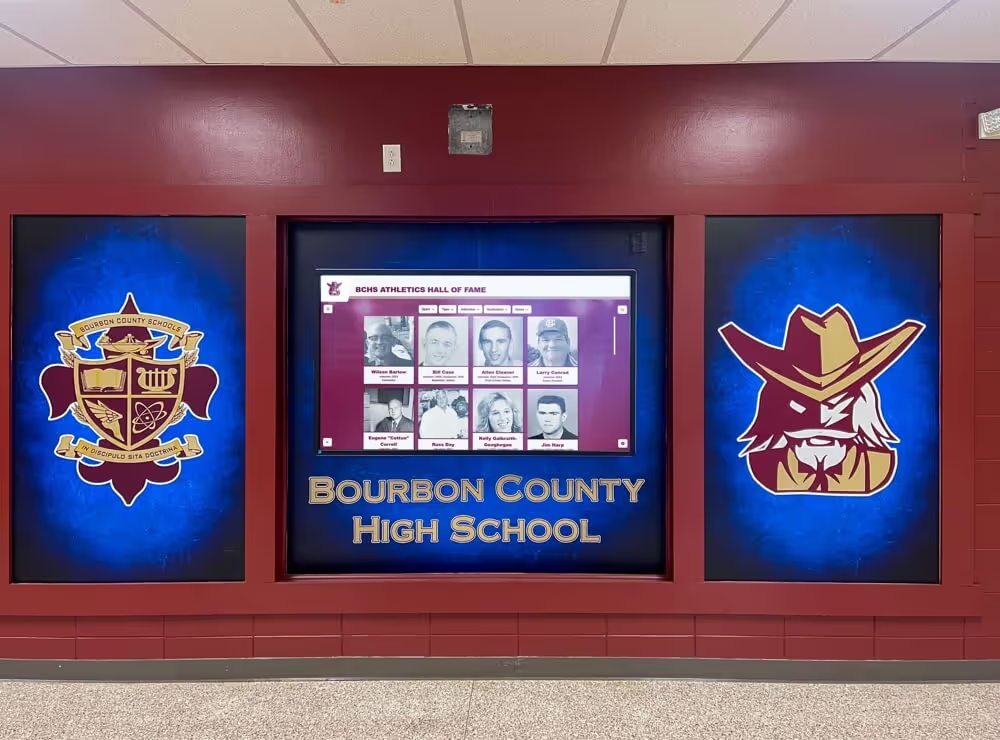
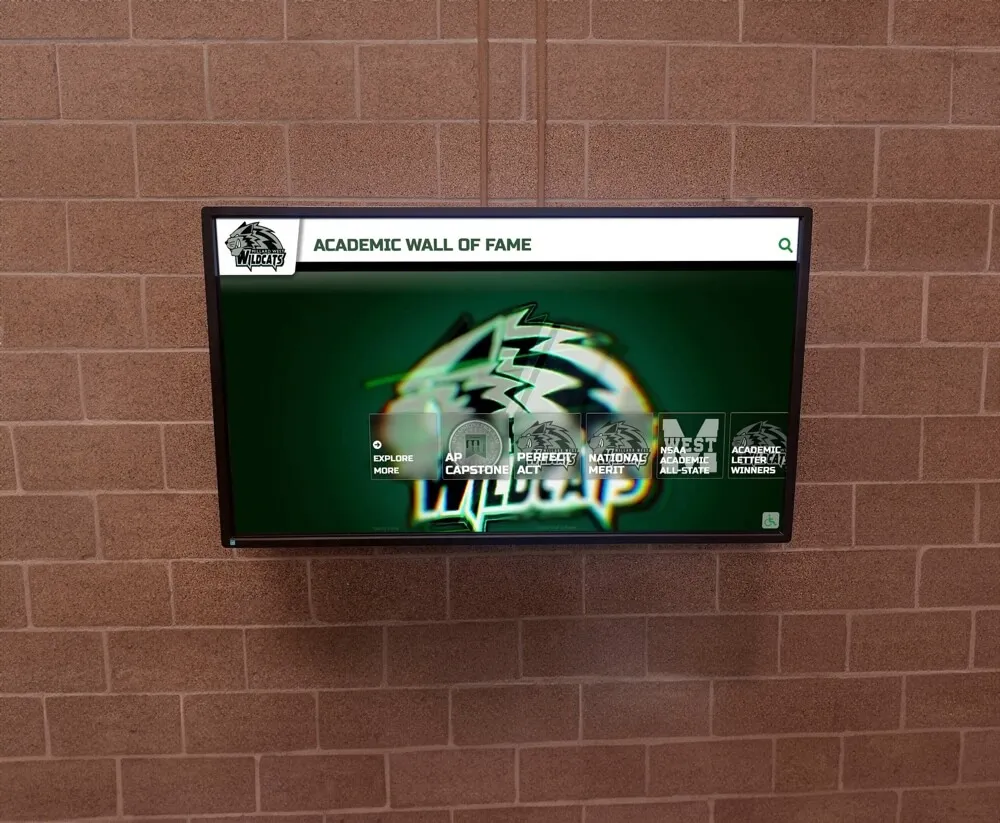
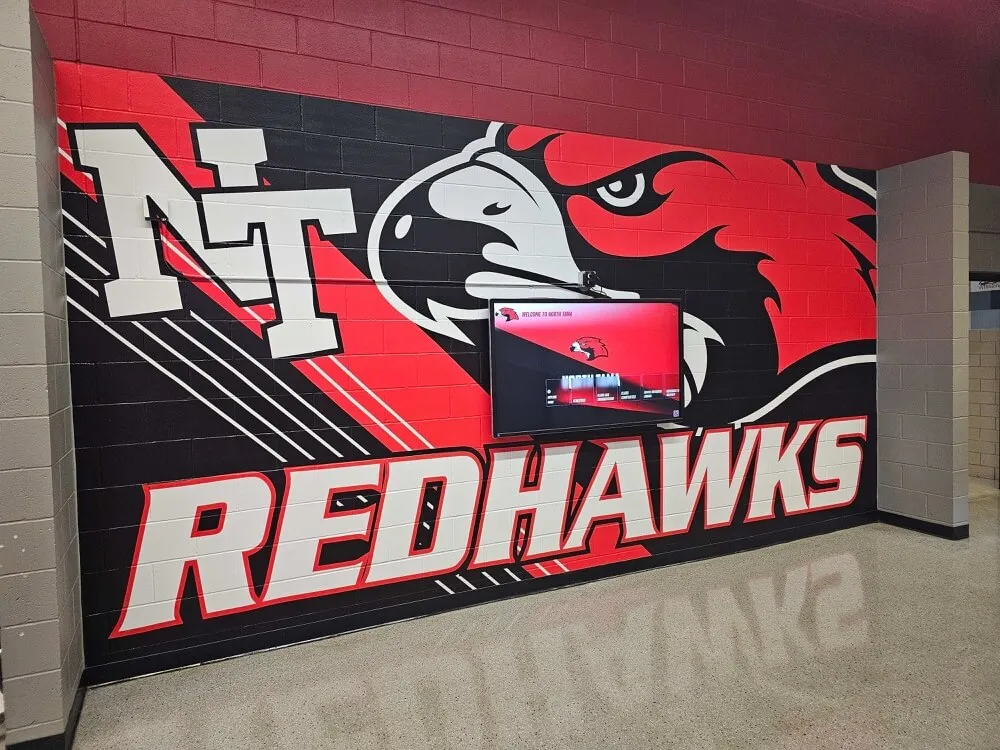
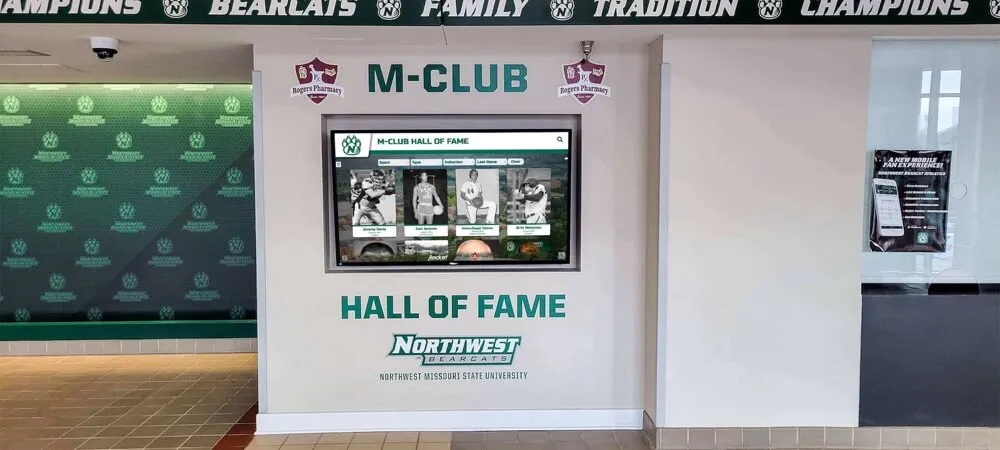
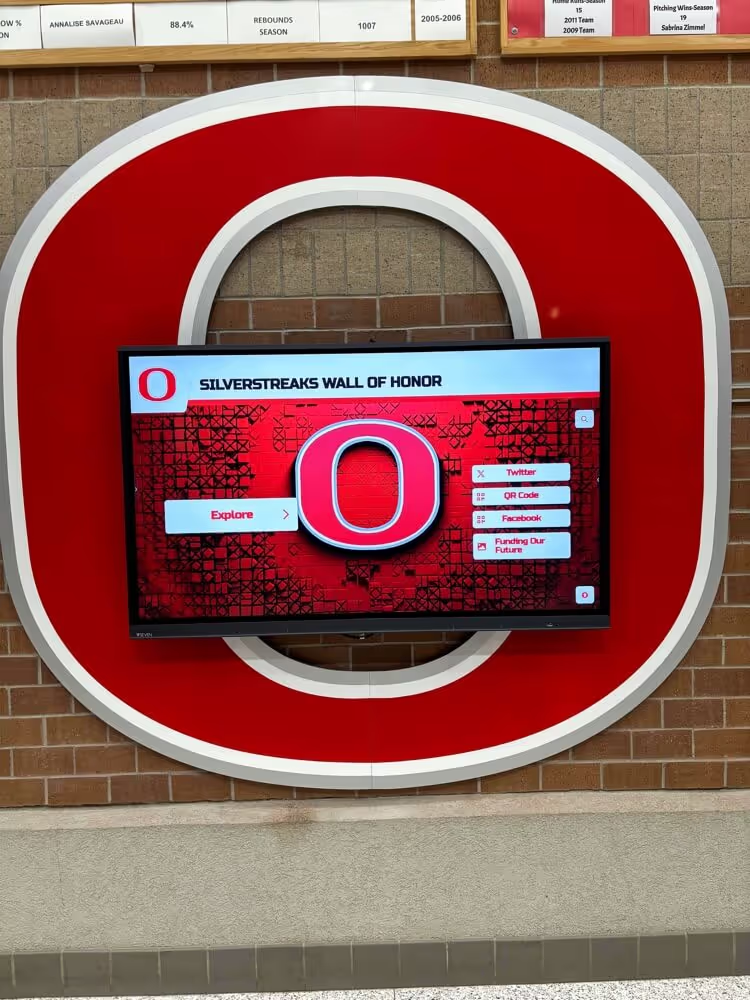
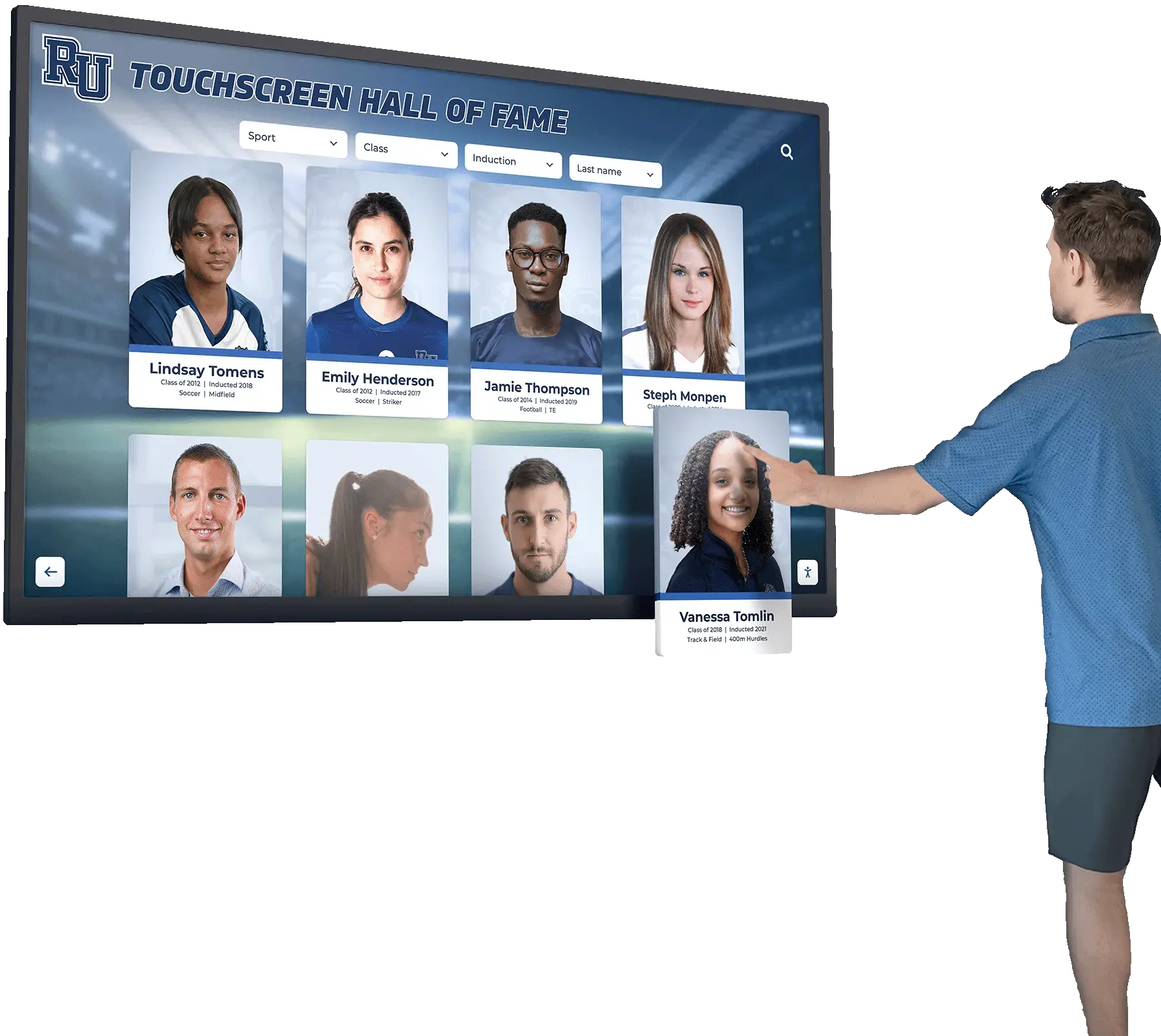
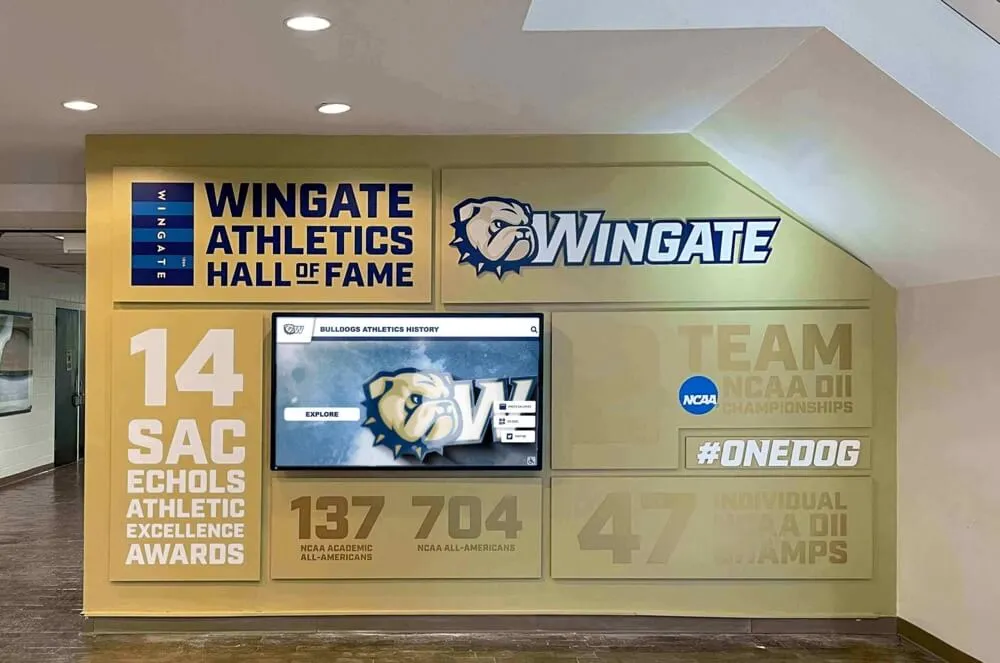
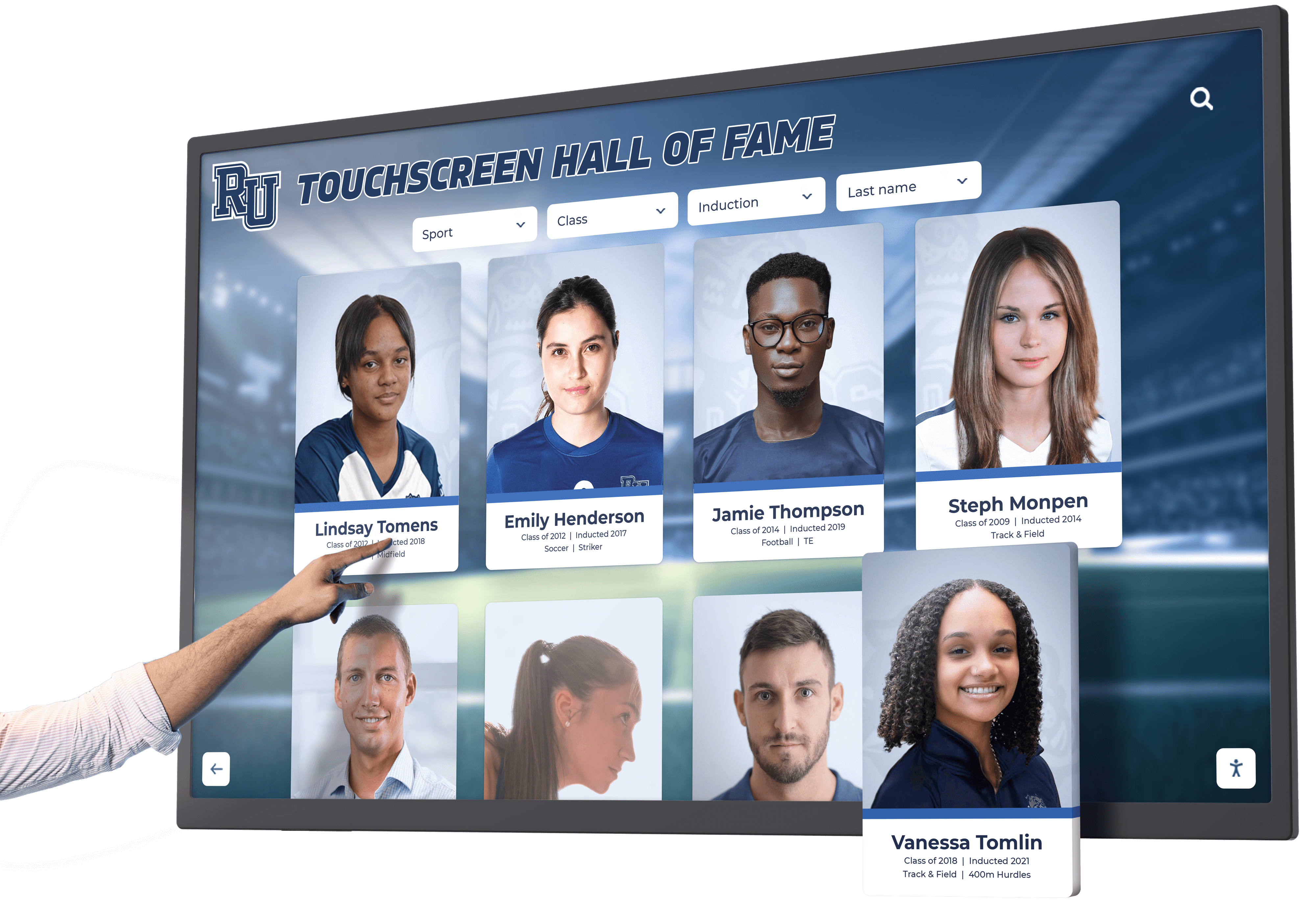
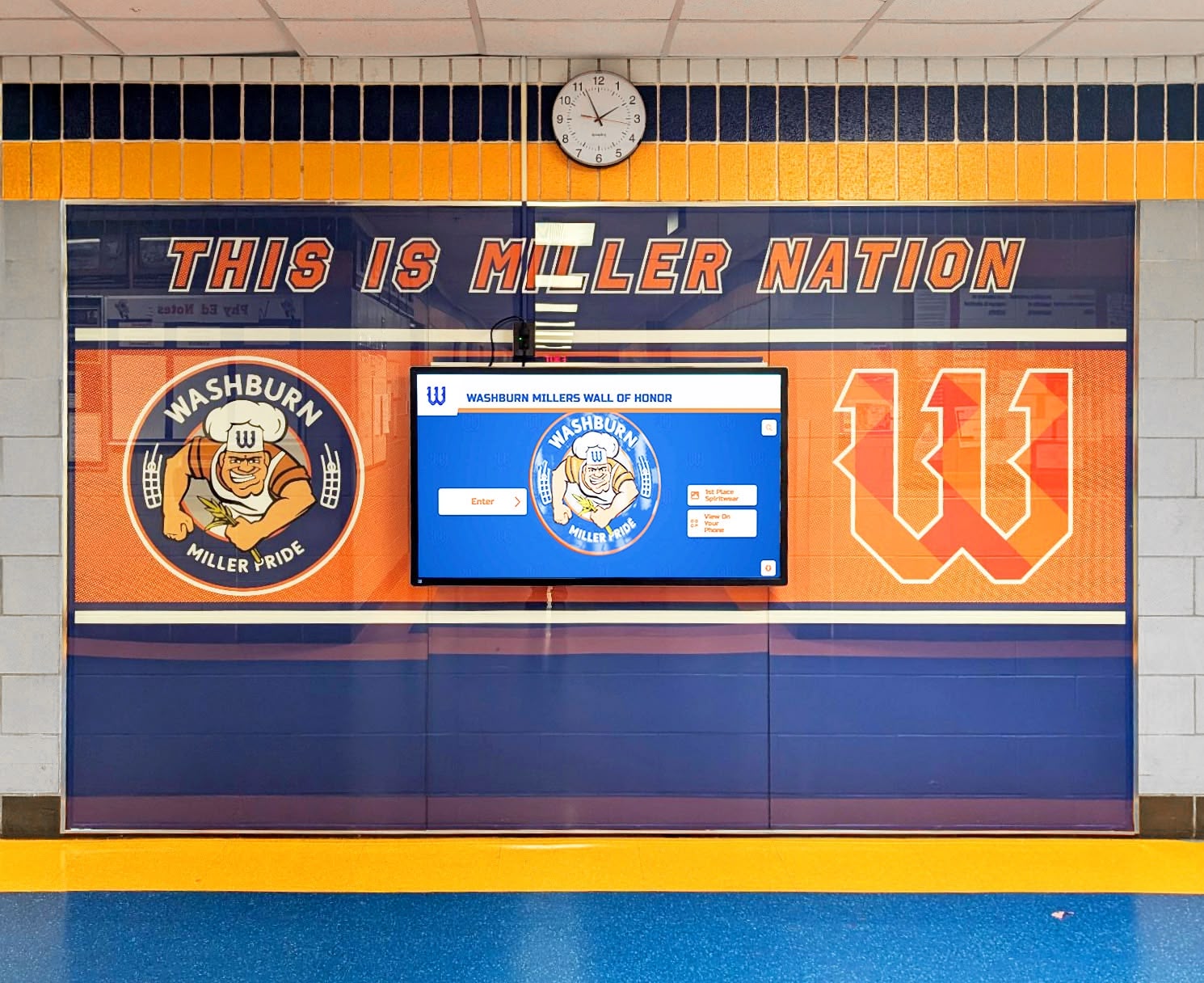
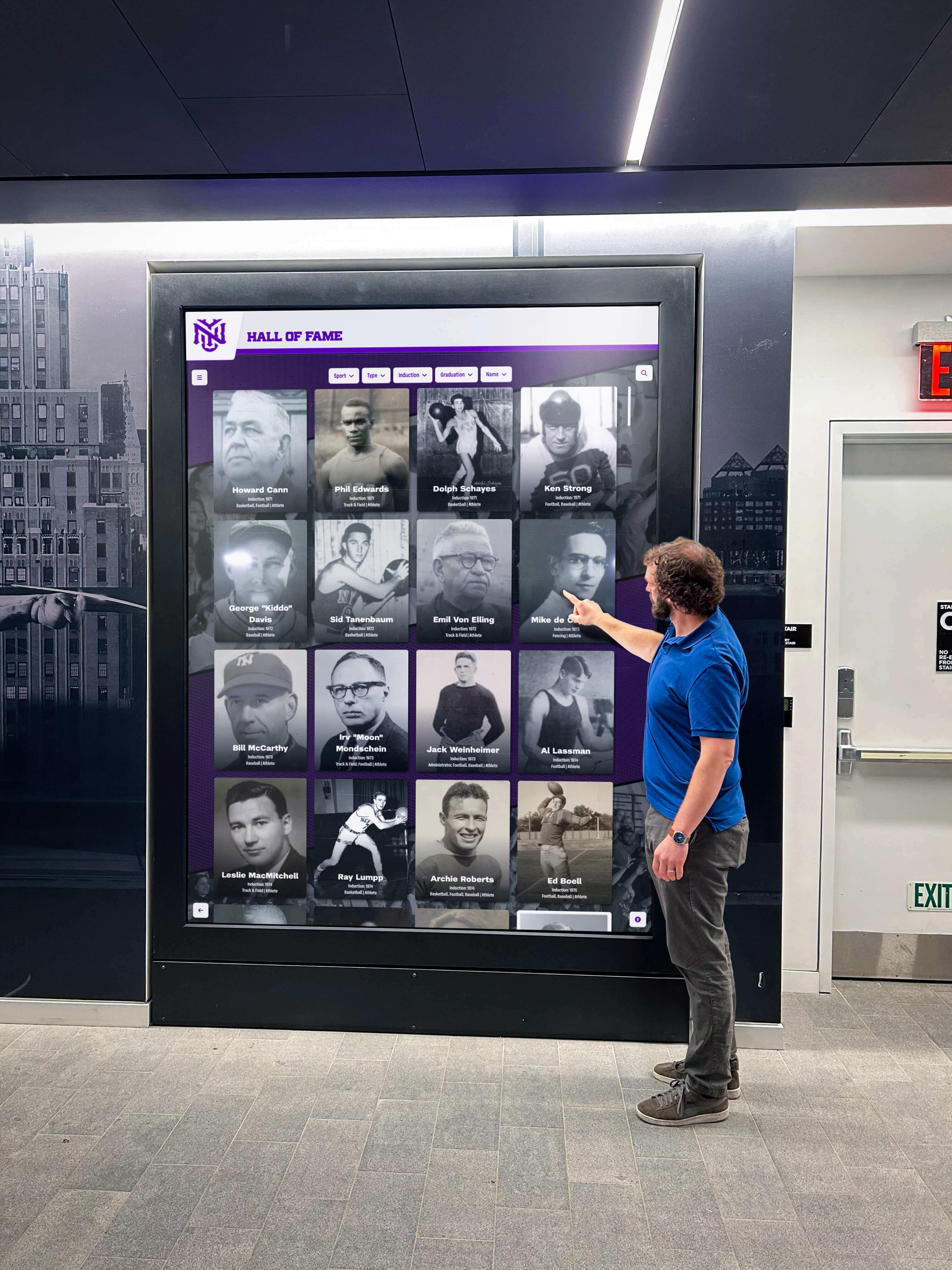
Modern interactive digital displays transform what’s possible in hall of fame recognition through unlimited capacity accommodating growing programs without physical space constraints, rich multimedia profiles including photos, videos, documents, and interactive elements, searchable databases enabling visitors to find specific inductees or filter by achievement type, easy content updates adding new inductees or enhancing existing profiles without physical modifications, and analytics tracking engagement revealing which inductees generate most interest.
Solutions like Rocket Alumni Solutions provide comprehensive platforms combining intuitive touchscreen hardware with powerful content management systems designed specifically for institutional recognition programs. These systems can showcase thousands of inductees with detailed profiles that would be impossible through traditional approaches constrained by wall space and budget limitations.
Hybrid Recognition Approaches
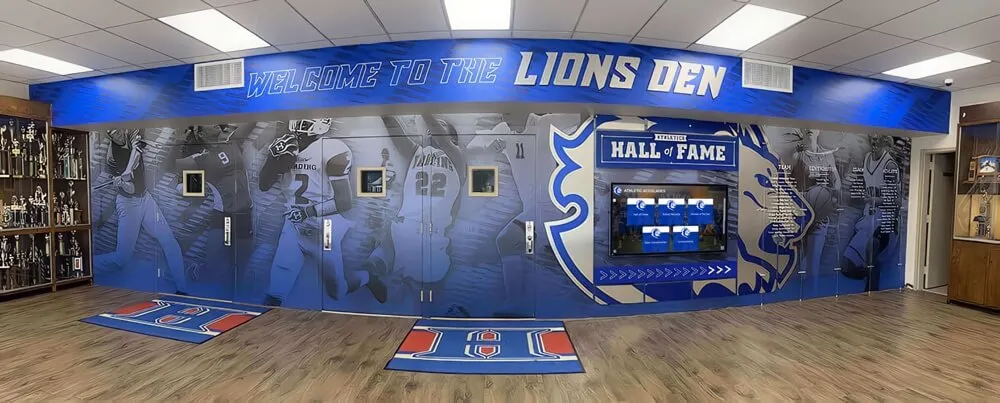
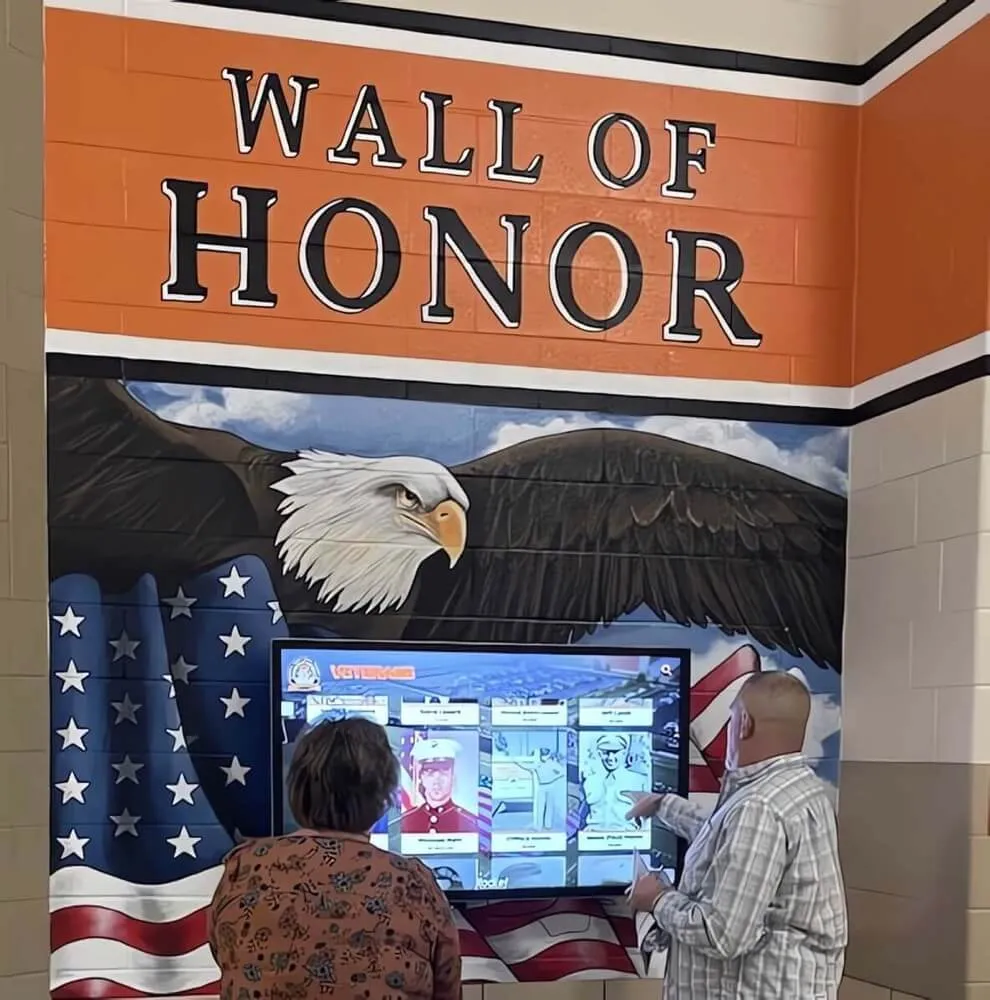
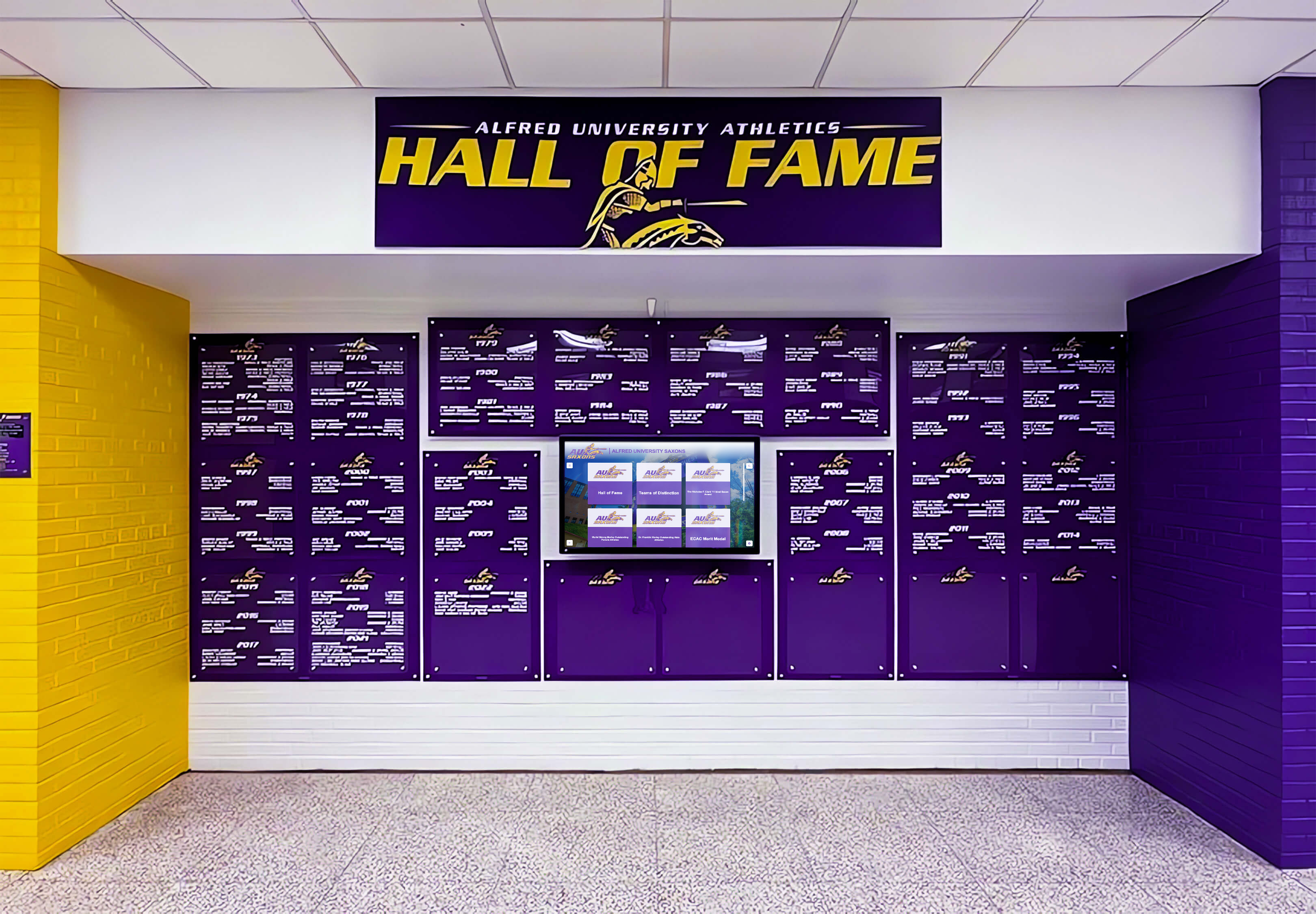
Many institutions implement combined strategies preserving traditional elements while adding digital capabilities. A hybrid approach might include a traditional engraved wall listing all inductees, complemented by adjacent interactive displays offering detailed profiles, video content, and searchable features. This combination delivers permanence and gravitas that traditional installations provide while enabling engagement and storytelling that only digital platforms support.
Online Recognition Platforms
Dedicated Hall of Fame Websites
Web-based platforms extend recognition globally, allowing alumni, supporters, and interested parties anywhere to explore inductee profiles, watch ceremony videos, nominate future candidates, and share content through social networks. Effective hall of fame websites include searchable inductee databases, induction year archives, nomination submission portals, ceremony photo galleries and videos, news and announcements about hall of fame activities, and integration with broader organizational websites.
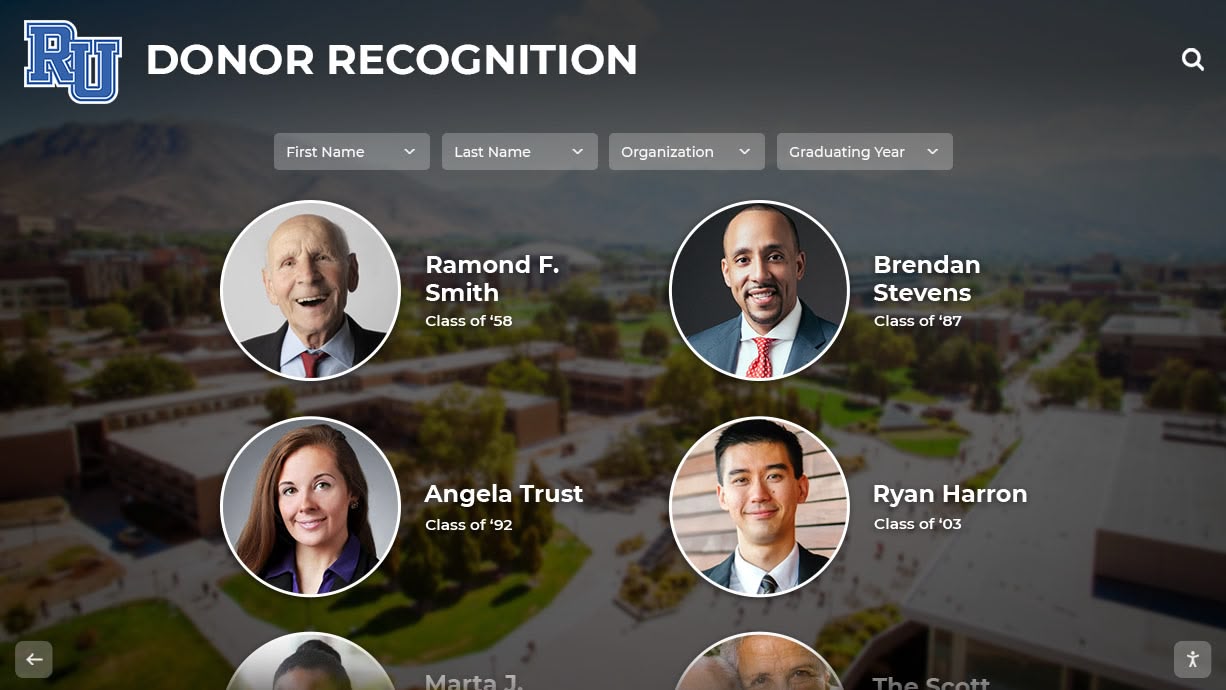
Donor recognition screens demonstrate similar approaches applicable to hall of fame contexts, showing how digital platforms can showcase achievement while supporting ongoing engagement and stewardship.
Social Media Integration
Leverage social platforms for ongoing recognition through inductee spotlight features highlighting specific honorees on anniversaries or significant dates, ceremony promotion and live coverage, archival content sharing historical photos and stories, engagement campaigns encouraging alumni to share memories and nominate candidates, and cross-promotion with other institutional communications strengthening integrated messaging.
Ongoing Inductee Engagement
Annual Reunions and Events
Create opportunities for previous inductees to reconnect through hall of fame receptions during homecoming or major events, special luncheons or gatherings exclusively for inductees, recognition ceremonies where new inductees meet previous honorees, and milestone celebrations at program anniversaries. These gatherings reinforce the exclusive community that induction creates while providing networking opportunities among distinguished achievers.
Mentorship and Speaking Opportunities
Engage inductees as institutional ambassadors through mentorship programs connecting current students with successful alumni, guest speaking engagements in classes or at organizational events, career panels showcasing diverse professional pathways, fundraising support lending credible voices to advancement campaigns, and advisory roles providing strategic guidance based on extensive experience.
Lifetime Recognition Benefits
Consider exclusive benefits reinforcing inductee status such as lifetime VIP tickets to athletic events or organizational gatherings, dedicated parking spaces or facility access, branded merchandise reserved for hall of fame members, invitations to leadership briefings and exclusive events, and listing in ongoing communications and publications ensuring continued visibility.
Phase 5: Financial Planning and Fundraising
Sustainable hall of fame programs require realistic budgeting and potentially dedicated fundraising.
Budget Components
Initial Program Establishment
Launching new hall of fame programs requires upfront investment including selection criteria development and committee formation, inaugural inductee research and selection, initial recognition display creation (traditional or digital), first ceremony planning and execution, marketing and communications development, and establishment of ongoing operational procedures.
Initial costs typically range from $25,000-$100,000 depending on display type, ceremony scale, and multimedia production quality. Digital recognition systems generally require higher initial investment ($30,000-$75,000) compared to traditional plaques ($10,000-$30,000 for inaugural installations), but digital approaches prove more economical long-term as programs grow.
Annual Operating Expenses
Ongoing hall of fame programs generate recurring costs including annual ceremony expenses (venue, catering, production), recognition display updates adding new inductees, multimedia production for inductee videos and presentations, communications and marketing materials, committee administration and coordination, website maintenance and online platform fees, and inductee mementos such as plaques, rings, or jackets.
Budget $15,000-$50,000 annually for established programs depending on ceremony scale, inductee class size, and recognition display approach. End of year awards for students shows similar recognition program approaches with scalable budget options.
Cost Variables
Several factors significantly impact hall of fame program costs including ceremony venue selection and whether it requires rental fees, attendance scale with larger gatherings requiring extensive catering and production, multimedia production quality and professional versus volunteer creation, physical display materials and installation approaches, and recognition mementos given to inductees with options ranging from simple certificates to custom championship rings.
Funding Sources
Institutional Budget Allocation
Many organizations fund hall of fame programs through regular operating budgets, recognizing them as valuable initiatives supporting mission accomplishment, community building, and advancement priorities. Make the case for institutional funding by demonstrating how recognition programs inspire current members, strengthen alumni engagement, support fundraising efforts, preserve institutional history, generate positive publicity, and enhance organizational reputation and culture.
Sponsorship Opportunities
Corporate or individual sponsorships can offset ceremony costs while providing recognition for supporters. Sponsorship levels might include title sponsors receiving prominent ceremony recognition and multi-year commitments, inductee sponsors “adopting” specific honorees and supporting their recognition, program sponsors supporting specific ceremony elements like video production or reception catering, and annual sponsors receiving recognition across multiple ceremonies.
Ensure sponsorship arrangements feel appropriate rather than commercial, with recognition that honors supporters without overshadowing inductee celebration.
Endowment Development
For long-term sustainability, consider establishing hall of fame endowments generating annual income supporting ceremonies, displays, and operations in perpetuity. Donor recognition approaches demonstrate strategies for cultivating endowment gifts that create lasting program support while appropriately honoring philanthropic leadership.
Fundraising Events and Campaigns
Special fundraising initiatives can support hall of fame programs including ceremony tickets sold at premium levels with proceeds supporting program costs, auction items related to inductees or organizational history, commemorative publications with advertising and sales revenue, crowdfunding campaigns for specific projects like display upgrades, and legacy campaigns inviting inductee families to contribute to permanent recognition.
Phase 6: Promoting Your Ceremony
Strategic communications maximize ceremony attendance, extend recognition impact, and build program visibility.
Pre-Event Promotion
Media Relations
Engage local and relevant media through press releases announcing inductee classes with achievement highlights, media advisories inviting coverage of ceremonies, press kits with inductee photos and biographical information, interview opportunities with honorees and organizational leadership, and follow-up thank you communications to journalists providing coverage.
Strong media relations extend recognition reach far beyond ceremony attendees while generating positive institutional publicity and community awareness.
Digital Marketing
Leverage online channels including website banners and dedicated ceremony landing pages, email campaigns to alumni databases and organizational lists, social media countdowns revealing inductees and building anticipation, paid social advertising targeting alumni and community audiences, video teasers featuring ceremony highlights or inductee interviews, and digital invitations with streamlined registration processes.
Alumni Network Activation
Engage alumni associations and chapters through chapter communications requesting local promotion, class agent outreach targeting specific graduation years, reunion integration coordinating with simultaneous reunion events, regional event connections for distant alumni communities, and peer-to-peer invitation campaigns where alumni personally invite classmates.
Alumni networks often drive higher ceremony attendance than institutional communications alone, particularly for older graduates more responsive to peer invitations than official announcements.
During-Event Coverage
Live Streaming and Virtual Attendance
Technology enables participation beyond physical attendance through live video streaming allowing global viewing, social media updates sharing moments as they happen, virtual guest book features collecting congratulations from distant well-wishers, and chat functions enabling virtual attendees to interact during ceremonies.
Virtual attendance options prove particularly valuable for ceremonies honoring distinguished individuals whose classmates, colleagues, and family members may be geographically dispersed and unable to travel.
Photography and Videography
Professional documentation preserves ceremony memories while creating content for ongoing communications through ceremony videos suitable for websites and future promotion, professional photography capturing key moments and attendee interactions, individual inductee portrait sessions creating official hall of fame images, family photo opportunities for inductees with their guests, and social media content shared during and after events.
Budget adequately for professional services rather than relying solely on volunteer photography—the quality difference significantly impacts both immediate ceremony experience and long-term content usability.
Post-Event Communications
Thank You and Follow-Up
Prompt post-ceremony communications maintain momentum including thank you notes to attendees, sponsors, speakers, and volunteers, ceremony highlight videos or photo galleries shared online, inductee profile publications in organizational magazines or websites, social media recap content celebrating ceremony success, and feedback surveys gathering input for future improvement.
Content Distribution
Maximize content lifespan by repurposing ceremony materials through video archives on YouTube or institutional platforms, podcast episodes featuring inductee interviews or ceremony audio, blog posts profiling individual honorees with stories beyond formal bios, social media series extending recognition across weeks rather than single day, and print publications in alumni magazines or community newspapers.
Ongoing Recognition
Extend recognition beyond ceremony moment through inductee spotlight features on regular rotation, anniversary recognition marking induction milestones, update features when inductees achieve new milestones or recognition, historical retrospectives examining hall of fame evolution and impact, and integration with broader alumni engagement programs creating sustained connection beyond single events.
Common Ceremony Planning Challenges
Anticipate typical obstacles and implement proven solutions.
Challenge: Low Attendance Despite Strong Inductee Classes
Even distinguished honorees sometimes draw disappointing attendance affecting ceremony atmosphere and honoree experience.
Solutions:
- Schedule ceremonies during high-attendance periods like homecoming or major sporting events
- Offer compelling program elements beyond inductee recognition such as notable speakers or entertainment
- Implement aggressive promotion across multiple communication channels over extended timeframes
- Create reception or social opportunities encouraging attendance for social connection beyond formal ceremony
- Consider hybrid formats combining live ceremonies with virtual attendance options
- Leverage inductee networks to drive attendance from their personal and professional circles
- Offer attendance incentives such as complimentary receptions or special access opportunities
Challenge: Balancing Multiple Constituencies and Preferences
Different stakeholder groups may have conflicting preferences about ceremony timing, format, and focus requiring diplomatic navigation.
Solutions:
- Establish clear program objectives guiding decisions when preferences conflict
- Rotate ceremony timing across years serving different constituencies alternately
- Survey stakeholders gathering input on preferences before finalizing plans
- Create advisory committees representing diverse perspectives in planning processes
- Communicate decision rationale transparently when choosing among competing options
- Offer multiple engagement opportunities allowing different participation formats
- Focus on inductee experience as primary consideration when conflicts arise
Challenge: Managing Inductee Expectations and Participation
Honorees may have varying expectations about ceremony involvement, recognition details, or accommodation that require careful management.
Solutions:
- Communicate clearly about ceremony format, expectations, and limitations early in planning
- Provide detailed information guides explaining logistics, timelines, and participation opportunities
- Assign dedicated staff liaisons supporting individual inductees through planning and coordination
- Remain flexible accommodating reasonable requests while maintaining program integrity
- Set clear boundaries about participation limits preventing individual honorees from dominating ceremonies
- Offer options for inductee involvement respecting different comfort levels with public speaking or recognition
- Follow up promptly with inductee questions demonstrating respect and responsiveness
Challenge: Technical Difficulties During Multimedia Presentations
Video or audio technical problems can disrupt ceremony flow and diminish professional quality.
Solutions:
- Schedule comprehensive technical rehearsals testing all equipment and media files well before ceremonies
- Maintain backup equipment including laptops, projectors, and audio systems ready for immediate deployment
- Save all media files in multiple formats and locations preventing last-minute unavailability
- Hire professional audio-visual technicians rather than relying solely on volunteer or staff support
- Create contingency program adjustments that work if technical elements fail completely
- Position technical support personnel strategically for rapid problem response
- Start programs with simpler elements building to complex multimedia allowing time to address issues
Measuring Ceremony Success and Impact
Evaluate whether ceremonies accomplish intended objectives through meaningful assessment.
Quantitative Metrics
Track concrete measures revealing program performance including attendance numbers and year-over-year trends, media coverage volume and reach, social media engagement with ceremony content, website traffic to hall of fame pages, nomination quantities and quality for subsequent years, fundraising results from ceremony-related solicitations, and survey response rates and satisfaction scores.
Qualitative Assessment
Gather subjective feedback capturing impact beyond numbers through inductee testimonials about ceremony experience, attendee feedback about program quality and emotional impact, staff and volunteer reflections on planning and execution, media coverage tone and messaging themes, anecdotal reports of inspiration or connection, and long-term relationship quality with honored individuals.
Continuous Improvement
Use assessment data for ongoing enhancement by identifying program elements generating strongest positive response, addressing recurring challenges or complaints systematically, benchmarking against similar programs at peer institutions, gathering best practice ideas from other recognition programs, experimenting with new approaches in limited ways before full implementation, and documenting lessons learned for future planning committees.
Conclusion: Creating Ceremonies That Honor Legacies
Planning a hall of fame induction ceremony that truly honors your legends requires attention to countless details while never losing sight of fundamental purpose—recognizing exceptional achievement in ways that inspire current members, strengthen community, and preserve legacy for future generations.
The most successful ceremonies balance formality with warmth, tradition with innovation, and individual recognition with collective celebration. They make inductees feel genuinely valued while inspiring attendees to pursue their own paths toward potential future recognition. They strengthen organizational culture and community bonds while generating positive visibility that enhances institutional reputation.
Whether planning your inaugural ceremony or your fiftieth anniversary celebration, success stems from thoughtful preparation addressing selection processes, logistical planning, meaningful recognition, strategic promotion, and ongoing engagement that extends far beyond single event moments.
For organizations ready to implement comprehensive recognition systems supporting induction ceremonies and ongoing hall of fame programs, solutions like Rocket Alumni Solutions provide purpose-built platforms combining intuitive content management with impressive touchscreen displays that honor distinguished achievers year-round. These systems complement induction ceremonies with permanent recognition that keeps your legends visible and celebrated long after formal events conclude.
Ceremony Success Factors
- Clear selection criteria and transparent processes
- Adequate planning time (minimum 6 months)
- Strong promotional campaign across multiple channels
- High-quality multimedia productions
- Appropriate venue and professional execution
- Personal touches honoring individual inductees
- Strategic timing maximizing attendance
- Ongoing recognition beyond single ceremonies
Common Ceremony Pitfalls
- Rushed planning with insufficient preparation time
- Generic recognition lacking personal details
- Poor promotional efforts limiting attendance
- Technical difficulties disrupting program flow
- Overly long programs testing audience patience
- Inadequate inductee communication and support
- Failure to capture professional documentation
- One-time recognition without sustained follow-up
Your distinguished alumni, exceptional athletes, organizational legends, and community contributors deserve recognition equal to their achievement. Thoughtful ceremony planning investments yield returns through strengthened relationships, enhanced giving, increased pride, elevated reputation, and preserved legacy that compound across generations—creating traditions that honor the past while inspiring future excellence.