



Graduation ceremonies represent one of education’s most significant moments—culminating years of academic dedication, personal growth, and community contribution into single ceremonial events that honor student achievement while marking major life transitions. Yet despite their importance, many schools struggle to create graduation ceremony programs that feel genuinely meaningful rather than obligatory rituals graduates and families endure. The difference between forgettable ceremonies and truly memorable celebrations lies not in elaborate staging or famous speakers but in thoughtful program design that places graduates and their accomplishments at the center of every decision.
Effective graduation ceremony programs accomplish multiple essential purposes simultaneously. They provide formal recognition of academic achievement through diploma conferral and honor graduate acknowledgment. They create emotionally resonant moments that celebrate not just degree completion but the transformative journeys students experienced. They offer families opportunities to witness and celebrate their graduates in dignified ceremonial settings. They strengthen graduates’ positive associations with their institutions, laying groundwork for lifelong alumni engagement. And they demonstrate to broader communities—prospective students, donors, stakeholders—the quality of graduates institutions produce.
The Stakes of Graduation Planning: Graduation represents most graduates' most vivid institutional memory. Unlike individual classes or specific events, graduation ceremonies create lasting impressions that shape how alumni remember their educational experiences for decades. Well-designed ceremonies strengthen lifelong connections between graduates and institutions while celebrating achievement appropriately. Poor ceremonies—rushed, impersonal, or disorganized—can diminish rather than amplify accomplishment, making thoughtful planning essential rather than optional.
This comprehensive guide explores everything educational institutions need to know about planning effective graduation ceremony programs in 2026. From understanding core principles that make graduation ceremonies meaningful through detailed execution strategies covering program structure, recognition integration, technology applications, and post-ceremony follow-up, you’ll discover practical approaches that help your institution create graduation celebrations worthy of the achievements they honor.
Understanding Graduation Ceremony Fundamentals
Before diving into specific program elements and logistics, successful ceremony planners must clarify what they want graduation celebrations to accomplish and for whom.
Defining Your Ceremony’s Primary Purposes
Different institutions emphasize different objectives when hosting graduation ceremonies, and these priorities fundamentally shape every planning decision that follows.
Honoring Individual Graduate Achievement
Some ceremonies focus primarily on celebrating individual graduates, ensuring each student receives meaningful acknowledgment of their specific accomplishments. These graduate-focused events emphasize adequate recognition time ensuring no one feels rushed through processionals, comprehensive achievement descriptions providing context about honors and distinctions, personal touches demonstrating genuine knowledge of graduates rather than generic acknowledgment, and intimate scales allowing authentic connection between presenters, graduates, and attending families.
When honoring individuals represents the primary goal, planners resist the temptation to rush through large graduating classes. Better to extend ceremony duration appropriately than compress recognition in ways that make individual graduates feel like assembly-line products receiving mechanical processing rather than meaningful celebration.
Celebrating Collective Class Achievement and Culture
Culture-focused ceremonies emphasize the graduating class as a whole—their collective journey, shared experiences, and communal identity developed across years together. These events include class-specific traditions and inside references resonating with graduates, student speaker opportunities giving graduates voice in their own ceremonies, classmate recognition opportunities allowing peer acknowledgment and celebration, and emphasis on shared experiences that united the class despite individual differences.
Schools pursuing this objective might incorporate elements like student-led recognition programs allowing graduates themselves to reflect on their collective journey and honor classmates who made their shared experience meaningful.
Supporting Family Celebration and Recognition
Family-oriented ceremonies acknowledge that graduation represents significant achievements not just for graduates but also for families who supported, encouraged, and often sacrificed for their students’ educational success. These family-focused events include strategic seating ensuring families have excellent views of their graduates, photography opportunities allowing families to document ceremonial moments, reception components providing social celebration alongside formal ceremony, and explicit family acknowledgment recognizing parental and family contributions to graduate success.
Institutions pursuing family engagement objectives carefully consider logistics from family perspectives—parking accessibility, seating comfort for extended ceremonies, climate control for all-season graduations, and reception amenities that make attending graduation genuinely pleasant rather than endurance tests.
Creating Institutional Pride and Alumni Connection
For institutions with strong alumni cultures, graduations serve institutional advancement goals by creating positive final memories that strengthen graduates’ emotional bonds with their schools. Advancement-oriented events feature impressive venues and professional production demonstrating institutional quality, distinguished speakers connecting graduates to broader institutional legacy, alumni presence showing current graduates they’re joining extended communities, and explicit framing positioning graduates as newest members of proud alumni traditions.
Many institutions strategically schedule graduation ceremonies in ways that facilitate alumni engagement opportunities, such as reunion weekend alignment allowing returning alumni to witness current graduates joining their ranks.
Most effective ceremonies serve multiple objectives simultaneously, but clarifying priorities helps when planning trade-offs require choosing between competing goals.
Key Success Factors for Graduation Ceremonies
Several fundamental considerations shape whether graduation ceremonies deliver meaningful long-term value or feel like forgettable obligations everyone dutifully attends.
Appropriate Dignity and Celebration Balance
The single most important ceremony element is tonal balance—events must feel appropriately dignified to honor graduation’s significance while remaining celebratory enough to feel like joyful achievements rather than solemn obligations. Effective ceremonies establish ceremonial gravitas through traditional processionals and formal structure, incorporate celebration and joy through applause, music, and permitted enthusiasm, allow appropriate informal moments without sacrificing overall dignity, and conclude with genuine celebration as graduates officially become alumni.
When ceremonies feel too rigid, graduates and families feel constrained rather than celebrated. When events feel too casual, they fail to communicate appropriate significance for major life milestones.
Individual Recognition Within Large-Scale Events
Graduation planning’s central challenge is providing meaningful individual recognition despite potentially hundreds of graduates participating in single ceremonies. Effective approaches include name reading with appropriate cadence ensuring clarity and dignity, strategic honorary recognition for achievement levels like cum laude distinctions, visual displays showing individual graduate photos and information during processionals, and reception components enabling informal individual celebration supplementing formal ceremony.
The goal is ensuring every graduate feels individually seen and celebrated even within necessarily large-scale communal events.
Professional Execution Reflecting Achievement Significance
Production quality communicates how much institutions value graduates and educational achievement itself. Professional ceremonies demonstrate respect through well-designed printed programs providing comprehensive graduation information, quality audio ensuring all attendees hear clearly throughout large venues, appropriate lighting creating atmosphere while maintaining visibility, smooth transitions between program elements avoiding awkward gaps, and polished presentations from all speakers and administrators.
Institutions don’t need theatrical production budgets, but attention to execution details separates ceremonies that honor achievement appropriately from those that accidentally communicate that graduation isn’t important enough to execute well.
Memorable Moments Creating Lasting Impact
The most effective ceremonies create specific moments that attendees remember years later—emotional peaks that transcend diploma distribution mechanics. Memorable moments might include inspirational commencement addresses connecting graduation to life beyond school, graduate testimonials sharing personal educational journeys and transformations, symbolic traditions unique to your institution creating distinctive experiences, multimedia presentations bringing graduating class story to life through images and video, or surprise recognitions honoring unexpected individuals like beloved staff members.
These peak moments transform ceremonies from administrative requirements into genuinely meaningful events that strengthen lasting connections between graduates and institutions.
Graduation Ceremony Program Structure and Design
Strategic program design determines whether graduation ceremonies maintain engagement and significance throughout or devolve into endurance tests that diminish rather than celebrate achievement.
Traditional Graduation Ceremony Elements
Most graduation ceremonies incorporate foundational elements that audiences expect and that provide necessary ceremonial structure.
Academic Processional
Ceremonies typically begin with formal processionals establishing ceremonial tone while building anticipation. Effective processionals include traditional processional music (often “Pomp and Circumstance” or institutional songs), organized entrance of faculty and administrators showing institutional leadership, deliberate graduate entrance maintaining dignity and order, family seating providing excellent views of the processional, and strategic processional order whether alphabetical, random, or by achievement level.
The processional represents ceremony’s first visual impression, so attention to organization, music selection, and execution quality sets tone for everything following.
Welcome and Opening Remarks
After processionals conclude, opening remarks establish context and expectations. Effective openings accomplish several purposes through formal welcome acknowledging attendees and graduates, contextual framing explaining ceremony significance and structure, recognition of special guests and dignitaries, and logistical information about program flow, photography policies, and audience participation expectations.
Opening remarks should be brief (5-7 minutes maximum) while establishing graduation’s importance and creating positive anticipation for recognition that follows.
Student Speakers and Addresses
Most graduation ceremonies include student speakers representing graduating class perspectives. Common formats include valedictorian addresses from highest-achieving graduates reflecting on class experiences, salutatorian remarks offering additional graduate perspective, class president speeches representing broader student body, and student-selected speakers chosen by classmates for particularly meaningful voices.
Effective student speeches balance personal reflection with universal themes, humor with appropriate gravity, and specificity about shared experiences with messages resonating beyond intimate class references. Working with distinguished graduates on speech development ensures quality addresses that enhance rather than detract from ceremony flow.
Commencement Address
The featured commencement address typically represents ceremony’s centerpiece—invited speakers sharing wisdom, inspiration, and perspective with graduates preparing to leave educational contexts. Effective commencement speakers might be distinguished alumni who exemplify successful post-graduation paths, industry leaders connecting education to career opportunities, inspirational figures sharing relevant personal journeys, community leaders acknowledging graduates’ potential contributions, or beloved educators familiar to graduates providing mentor perspective.
The best speakers connect messages specifically to graduates and their institutional experiences rather than delivering generic motivational talks divorced from ceremony context. Focused remarks (15-20 minutes) work better than extended speeches that feel disconnected from core graduation purpose.
Recognition of Academic Honors and Distinctions
Before or during diploma conferral, ceremonies typically acknowledge special academic achievement. Recognition approaches include cumulative honor graduate acknowledgment (cum laude, magna cum laude, summa cum laude), special program completion recognition for honors programs or distinctive curricula, departmental award presentation for subject-specific excellence, scholarship recipient acknowledgment when appropriate to institutional culture, and academic achievement milestones like perfect attendance or exceptional growth.
Strategic honor recognition validates exceptional achievement while inspiring younger students witnessing peers recognized for academic excellence.
Diploma Conferral and Graduate Recognition
The ceremony’s essential element—formal diploma conferral marking official graduation. While specific formats vary, effective approaches include individual name reading with appropriate pronunciation and cadence, strategic graduate organization whether alphabetical or by academic program, dignified handshake or acknowledgment from institutional leadership, photography opportunities as graduates cross stages, and family applause opportunities celebrating individual graduates.
Some institutions innovate diploma conferral through multimedia displays showing graduate photos during name reading, brief achievement captions highlighting notable accomplishments, or strategic pausing allowing particularly significant moments to register fully.
Symbolic Traditions and Ceremonial Elements
Many institutions incorporate distinctive traditions creating memorable moments unique to their communities. Traditional elements might include tassel turning symbolizing transition from candidate to graduate, class gift presentation from graduating class to institution, candle lighting or other symbolic ceremonies representing knowledge transfer, musical performances by graduating students showcasing talents, or institutional songs and alma mater performances connecting graduates to tradition.
These traditional elements create continuity across graduating classes and strengthen sense that current graduates connect to something larger than themselves.
Closing Remarks and Recessional
Ceremonies conclude with formal closing acknowledging completion and celebrating new graduates. Effective closings include brief congratulatory remarks synthesizing ceremony themes, formal graduation declaration officially conferring degrees, introduction of newly graduated class to attendees, and organized recessional allowing graduate exit with dignity and celebration.
The recessional provides final ceremonial image, so attention to organization and celebratory tone creates positive lasting impressions as graduates officially become alumni.
Innovative Graduation Program Elements
Beyond traditional components, contemporary institutions incorporate innovative elements enhancing engagement and meaning.
Multimedia Presentations and Visual Storytelling
Technology enables graduation presentations impossible through verbal communication alone. Effective multimedia includes graduating class retrospective videos showing class journey across years, graduate photo montages ensuring all graduates receive visual recognition, achievement highlight reels celebrating class accomplishments, time-lapse presentations showing institutional change across graduate tenure, and family acknowledgment displays recognizing graduate support systems.
Quality multimedia production requires significant lead time but creates engaging presentations that maintain attention while celebrating graduates comprehensively.
Interactive Technology Integration
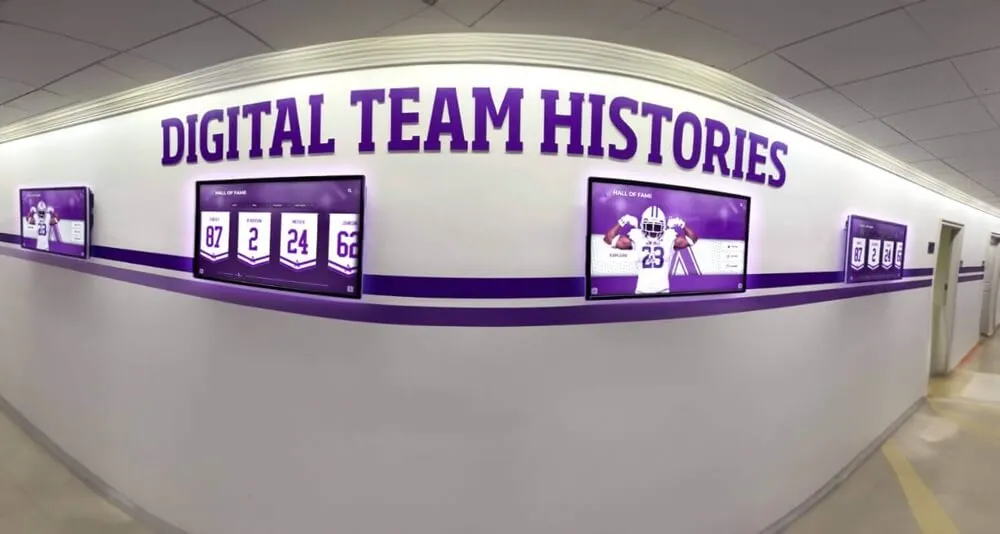
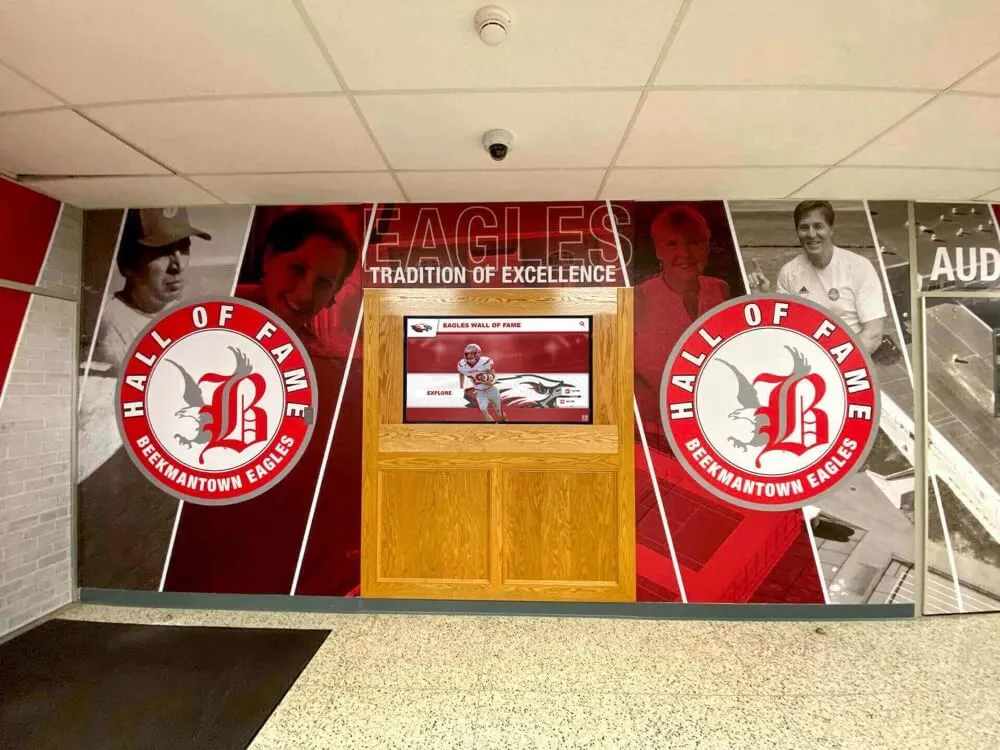
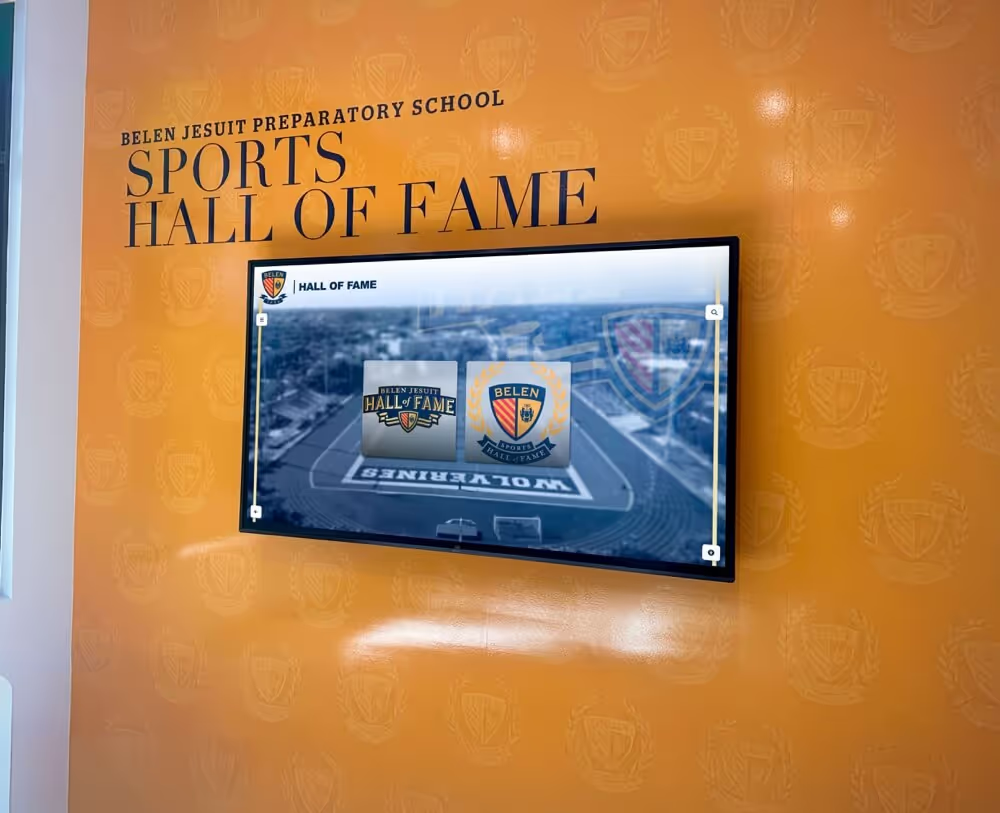
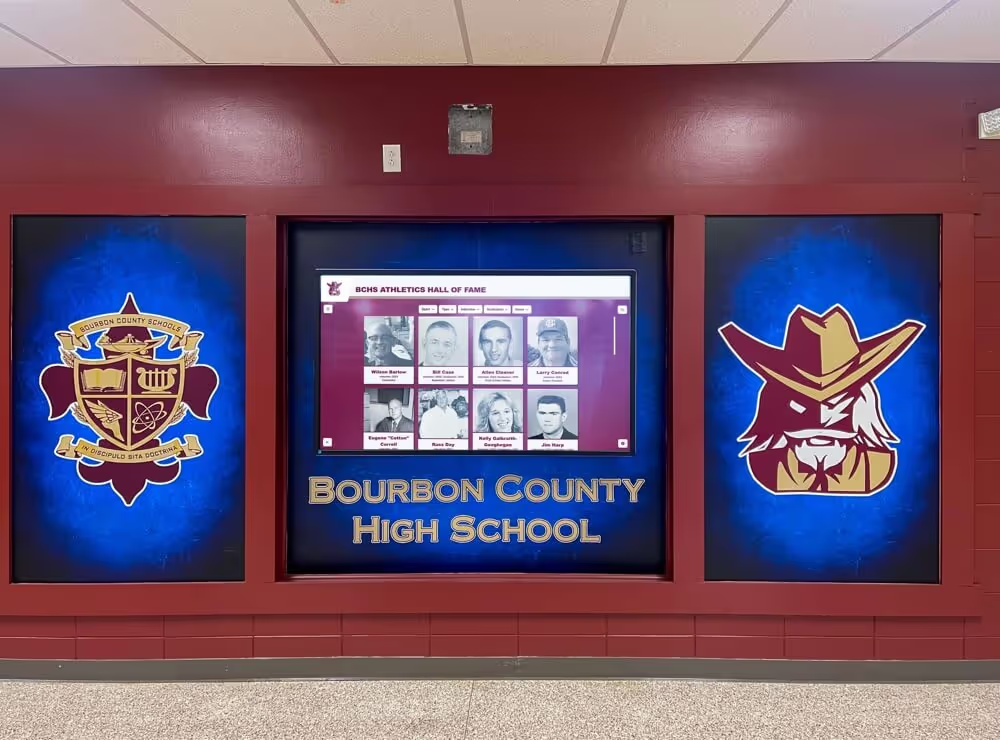
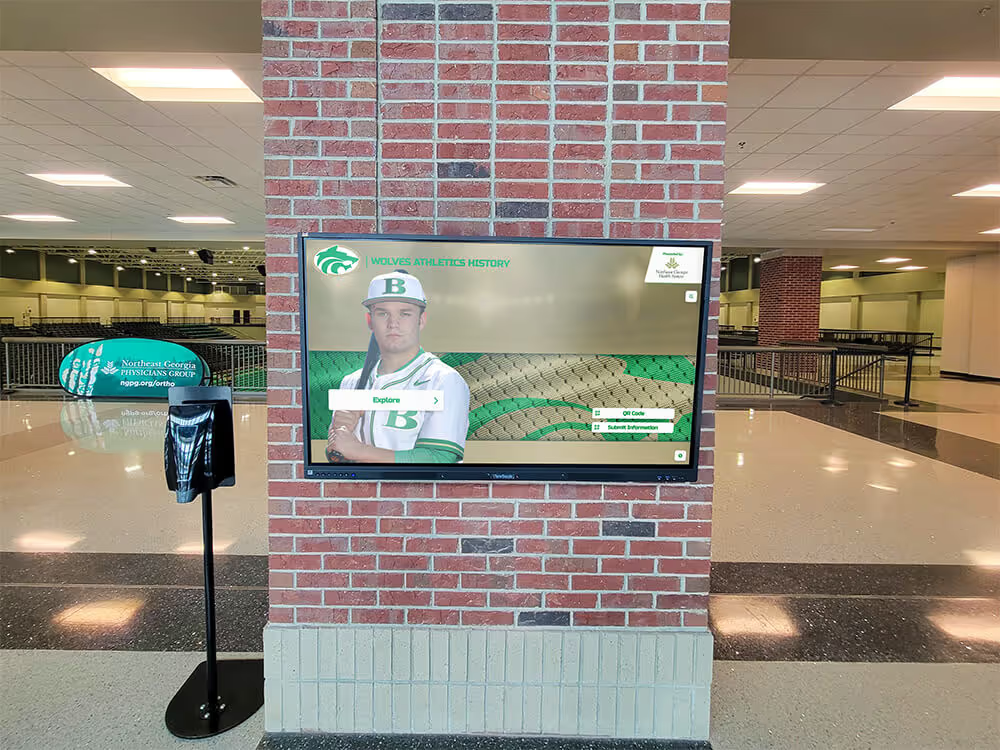
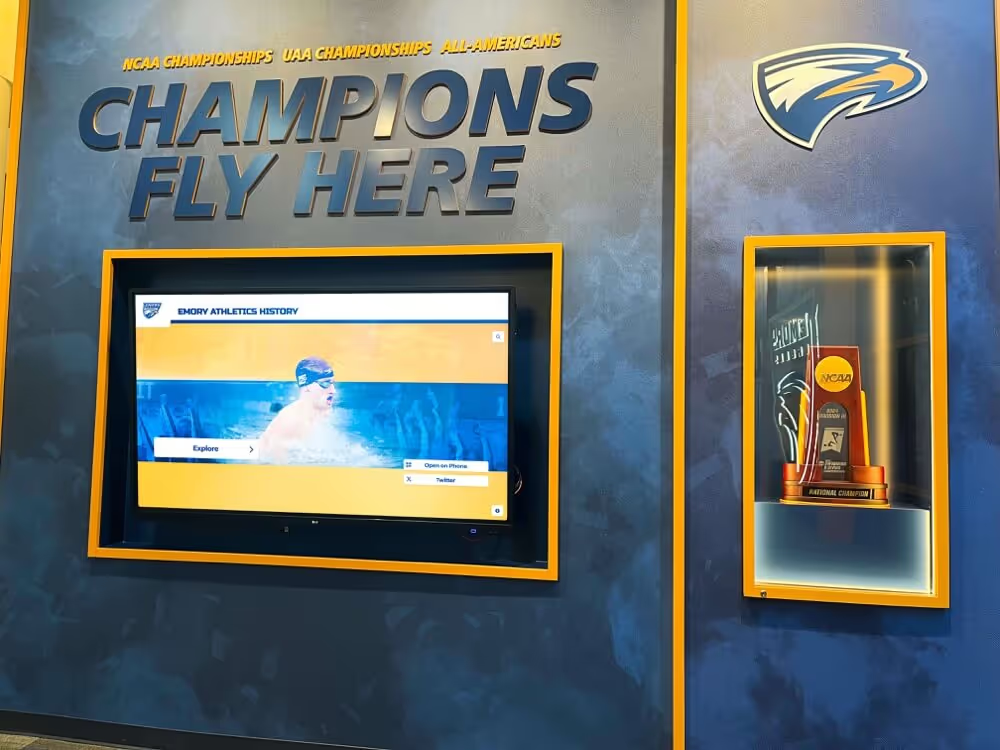
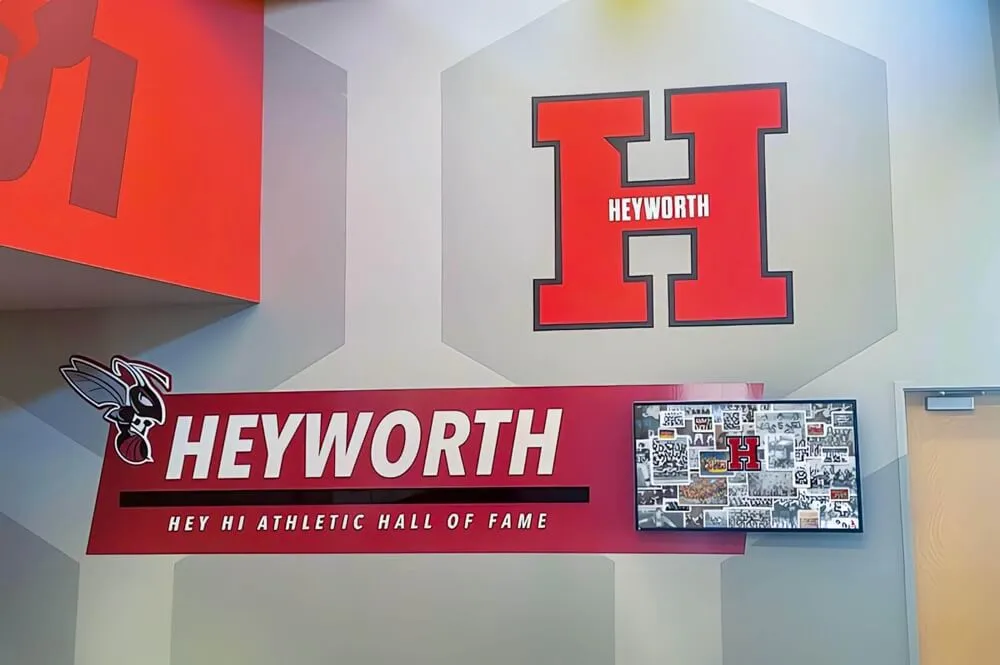
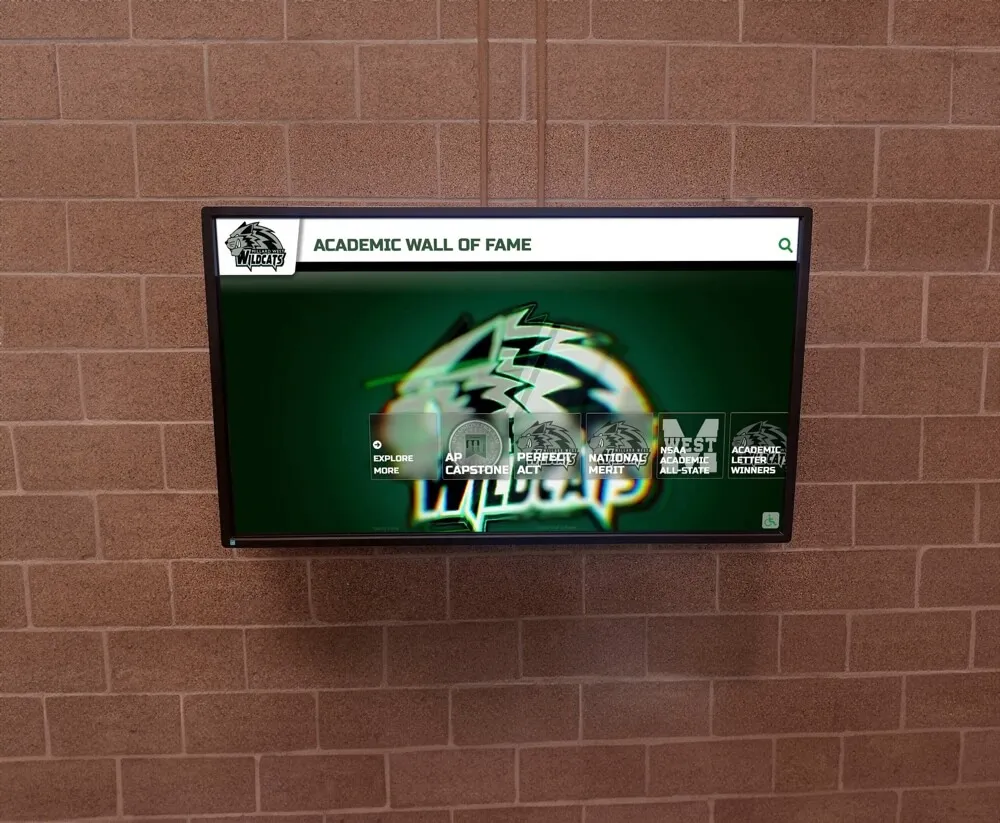
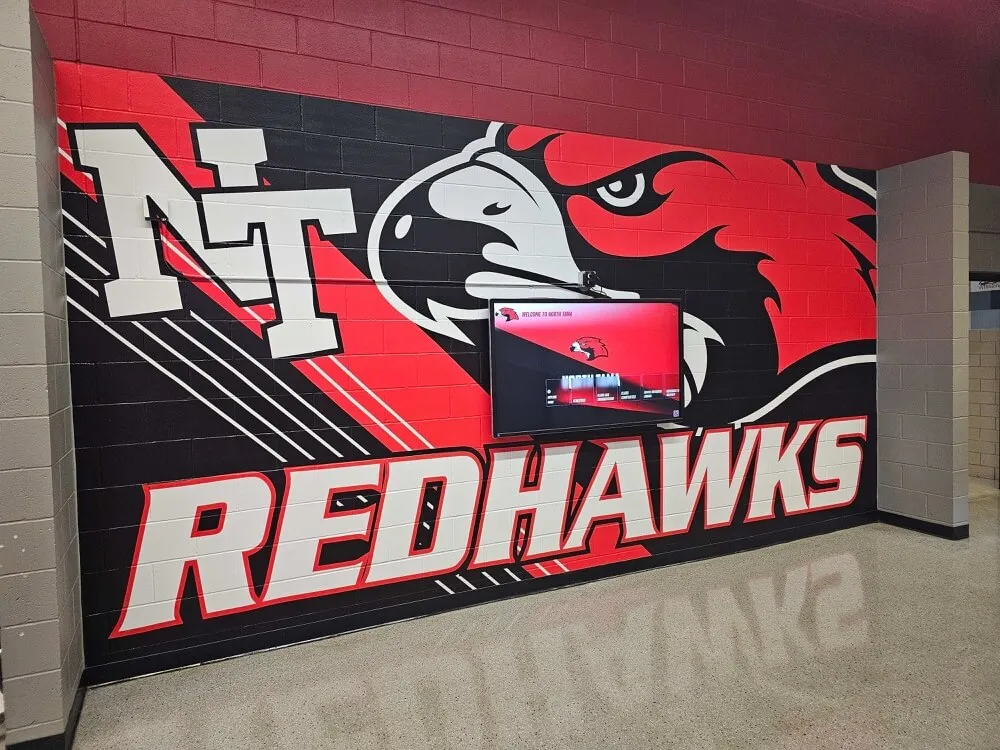
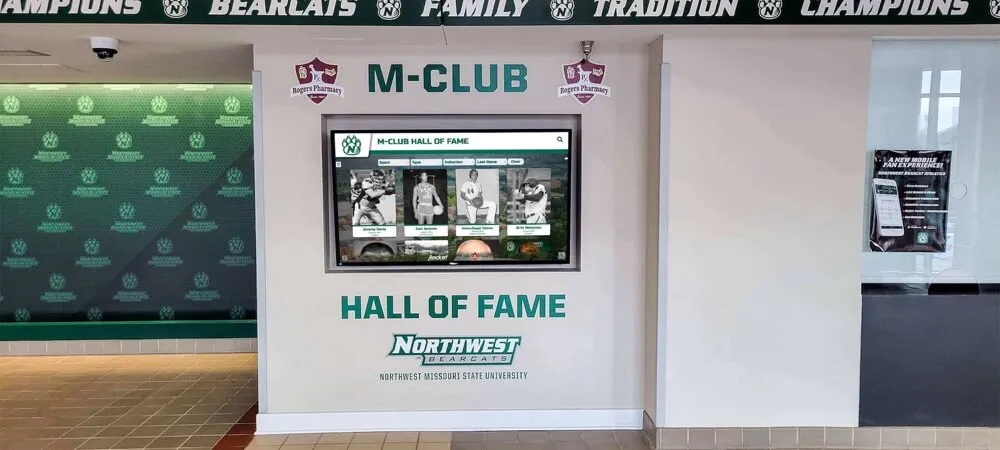
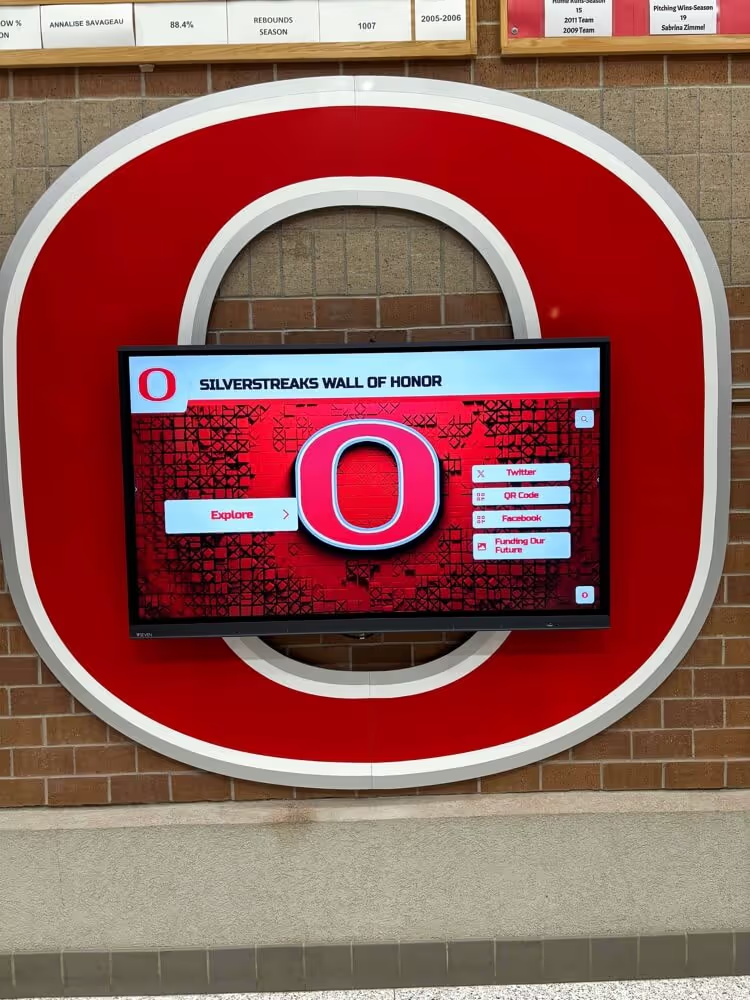
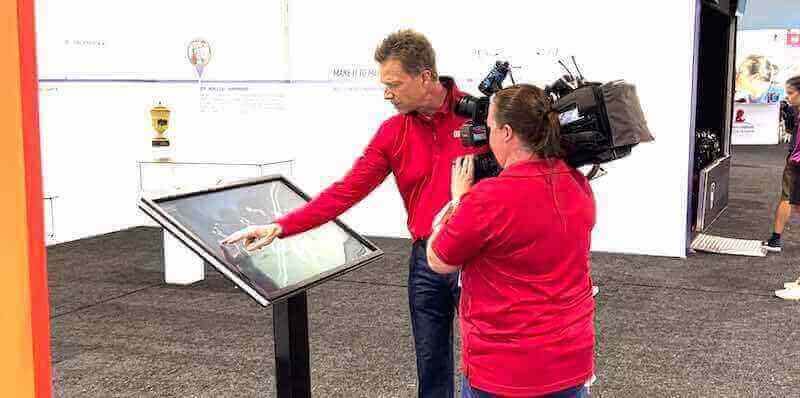
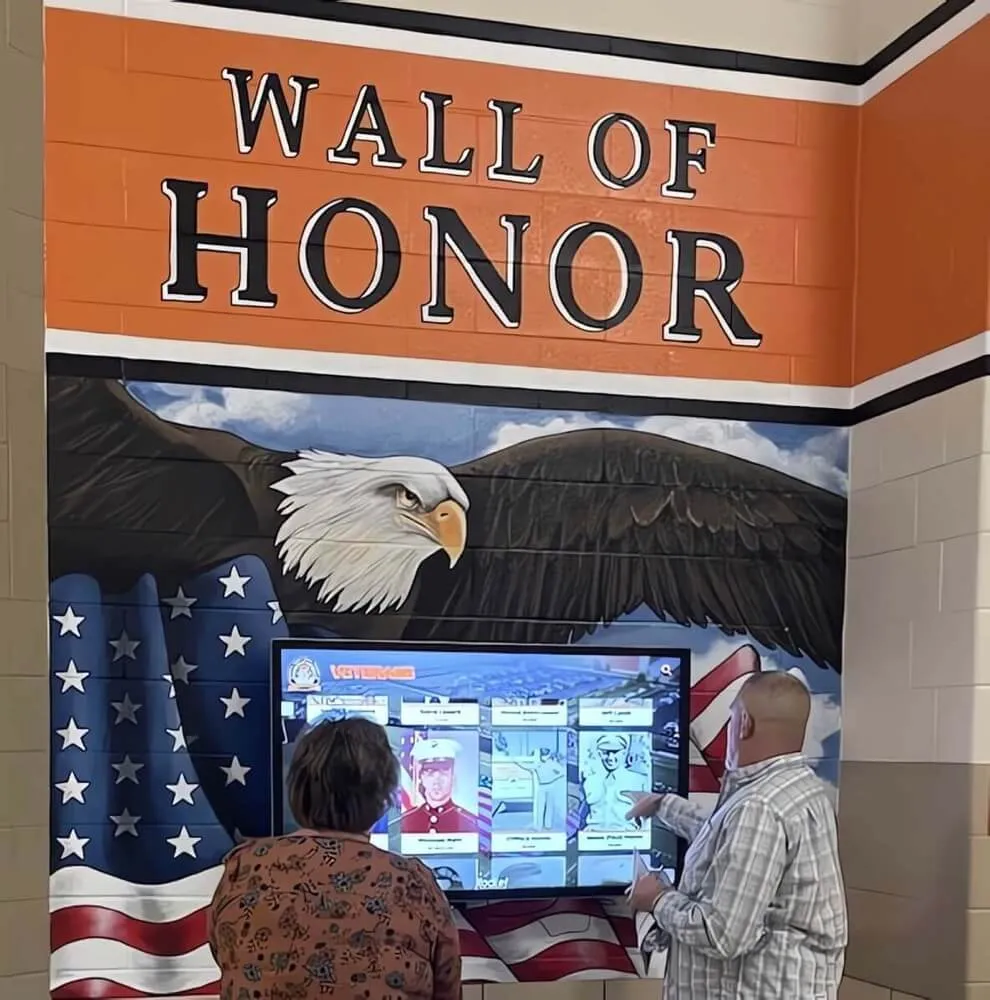
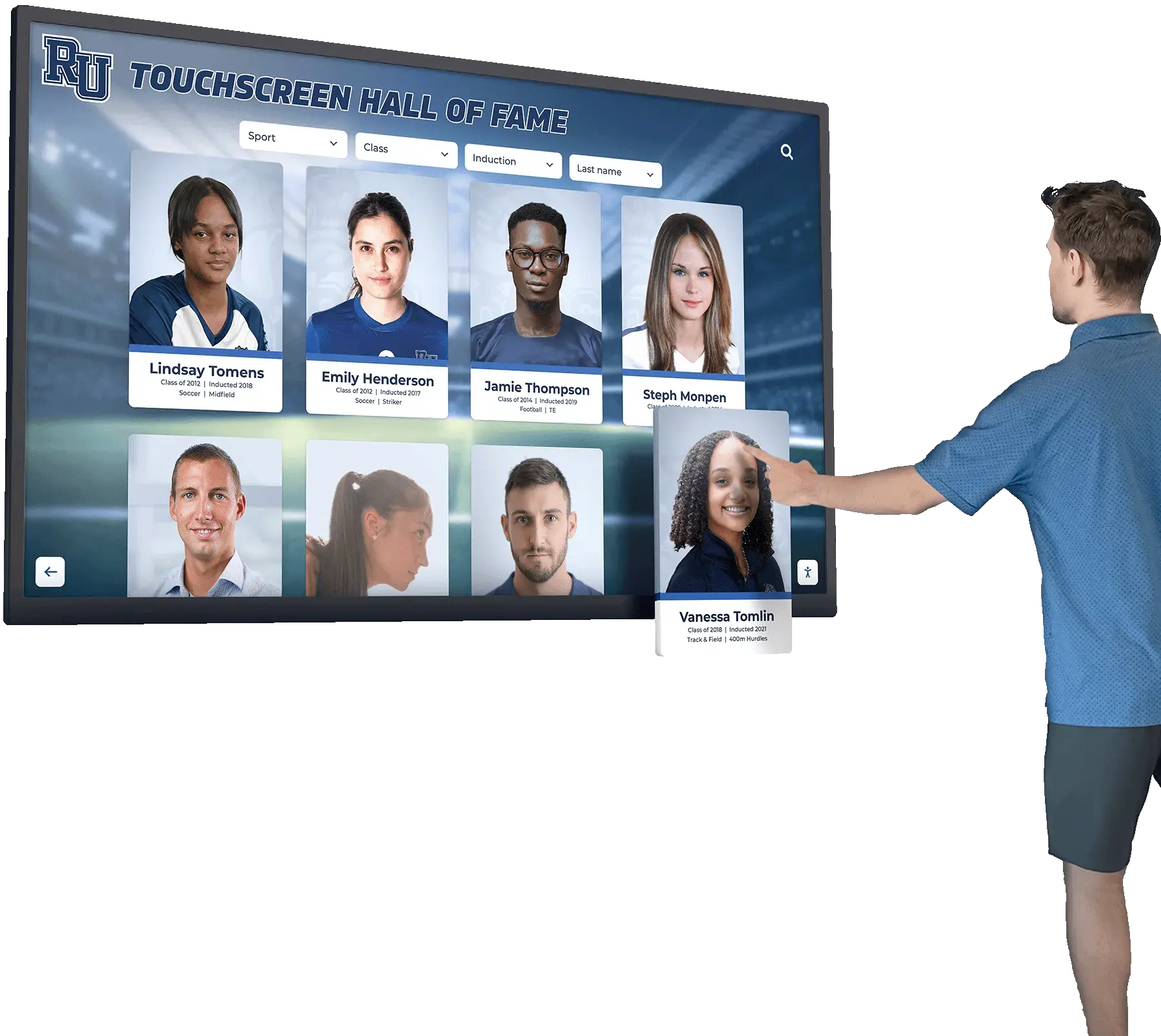
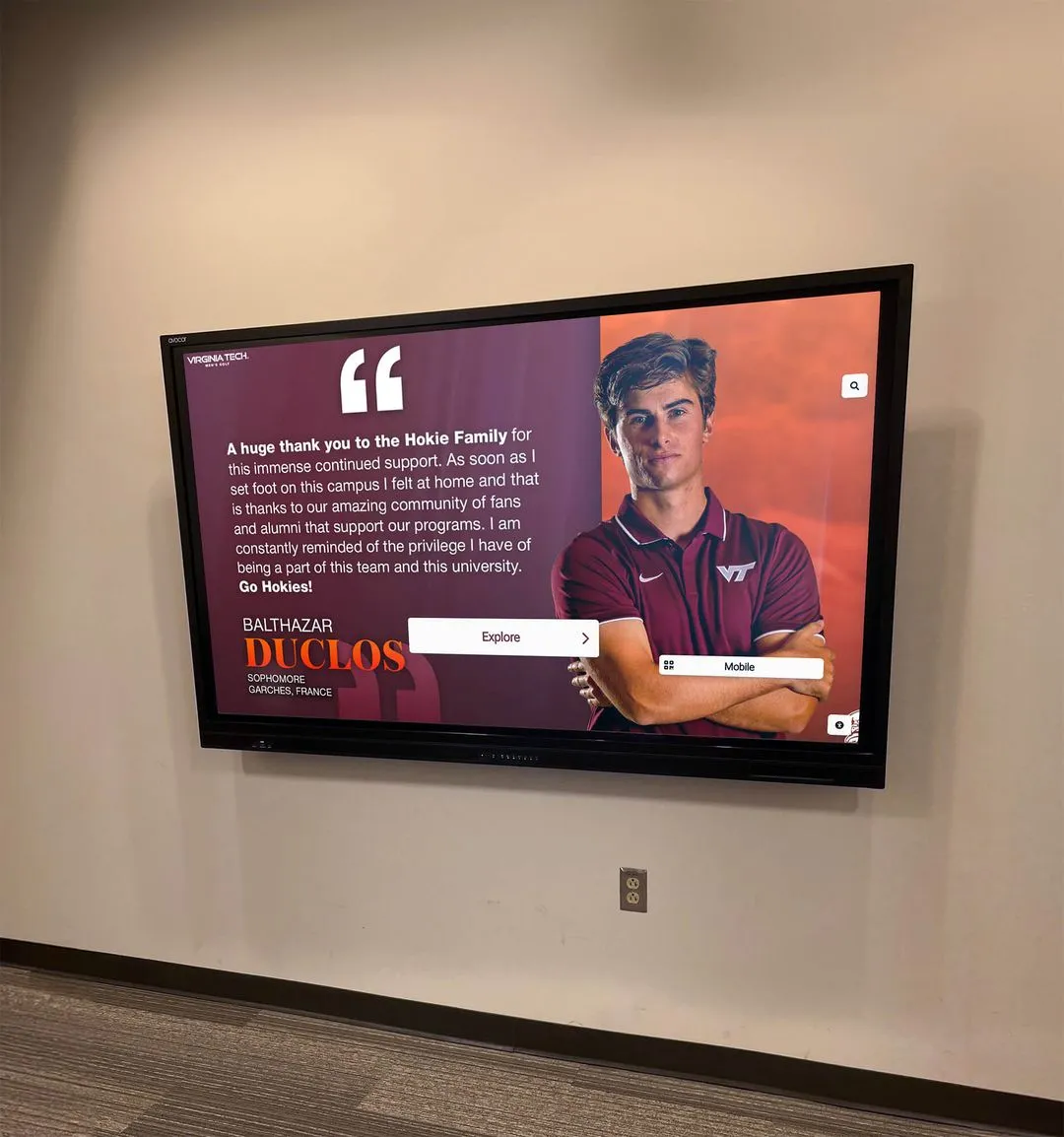
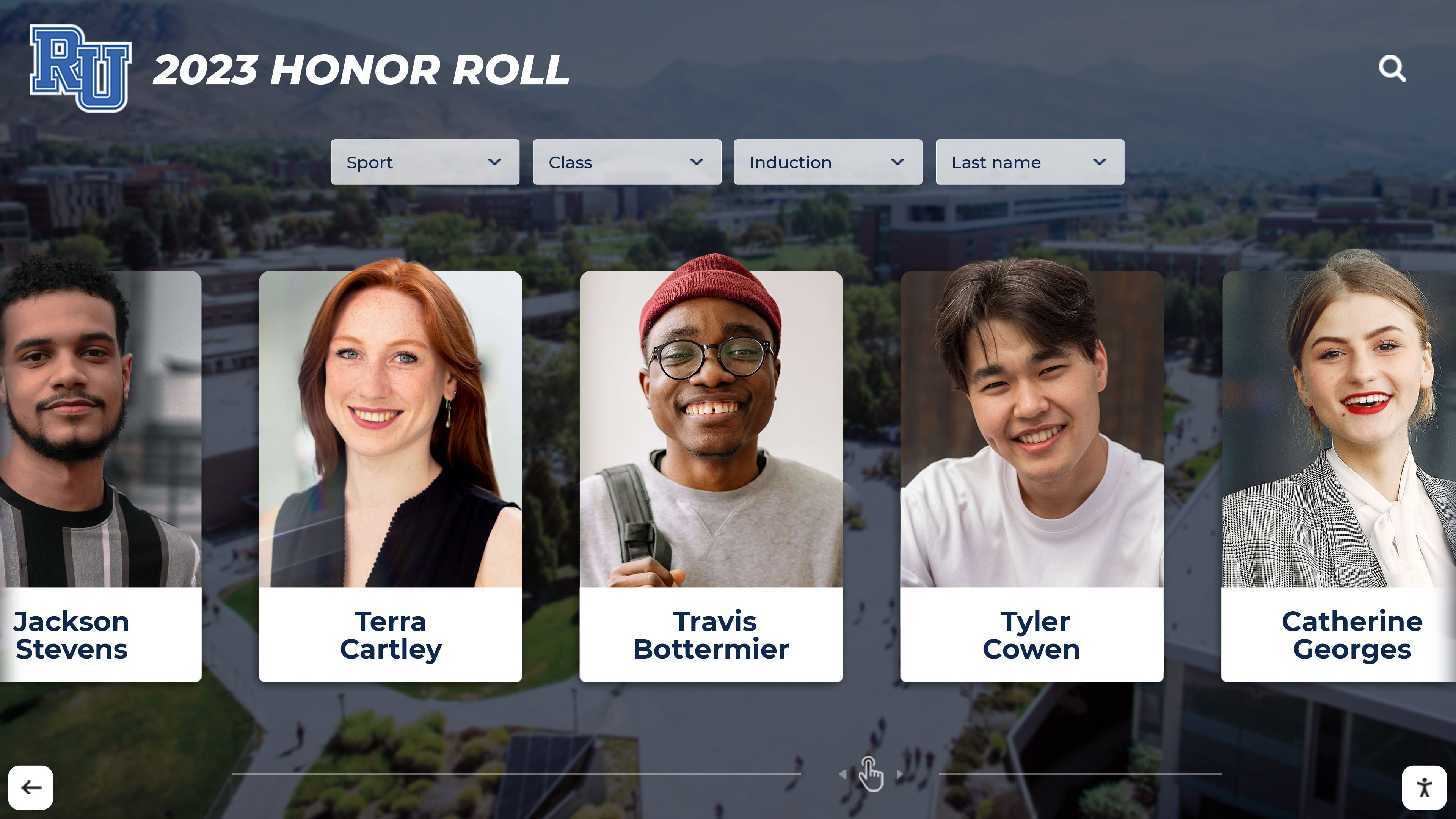
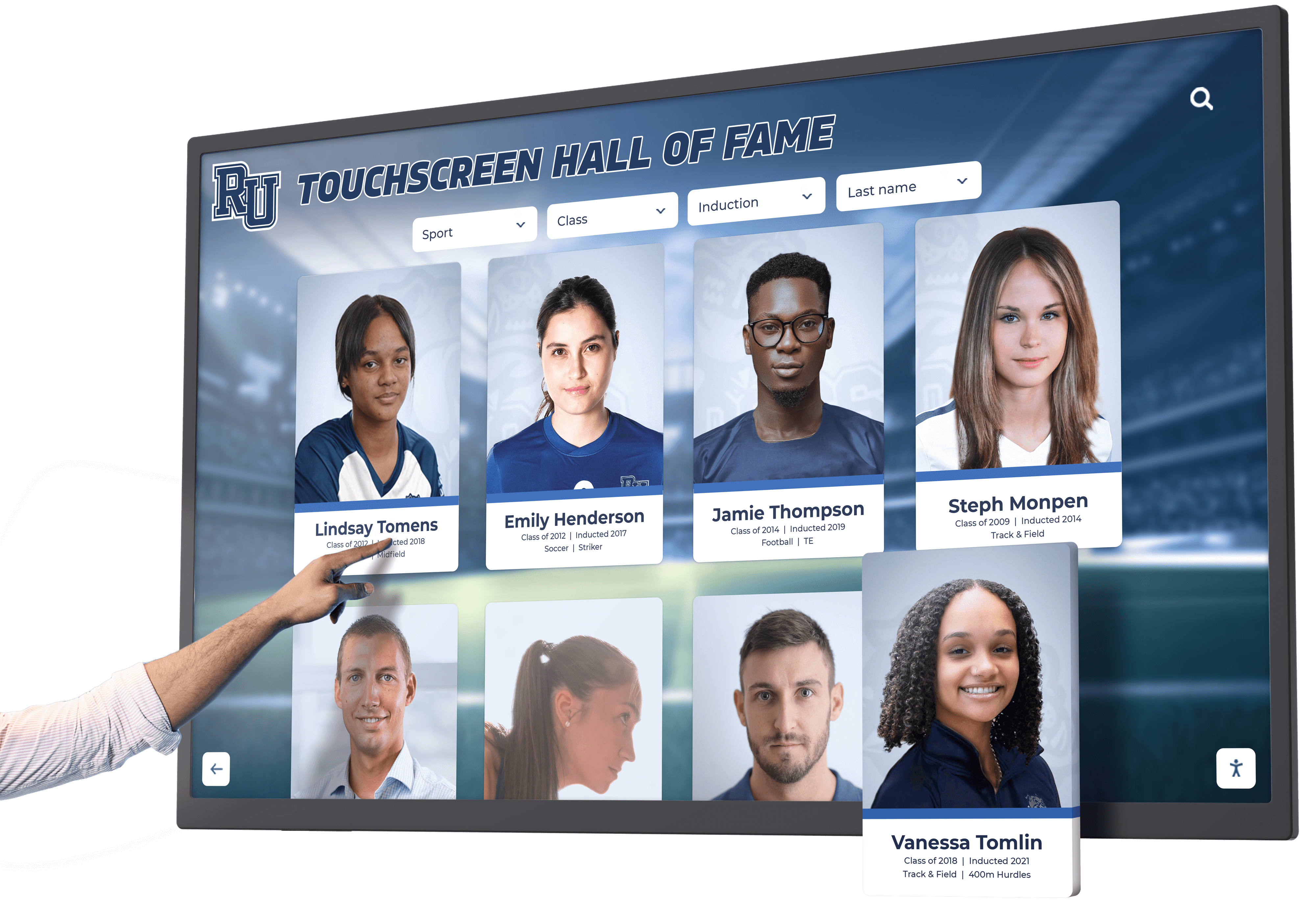
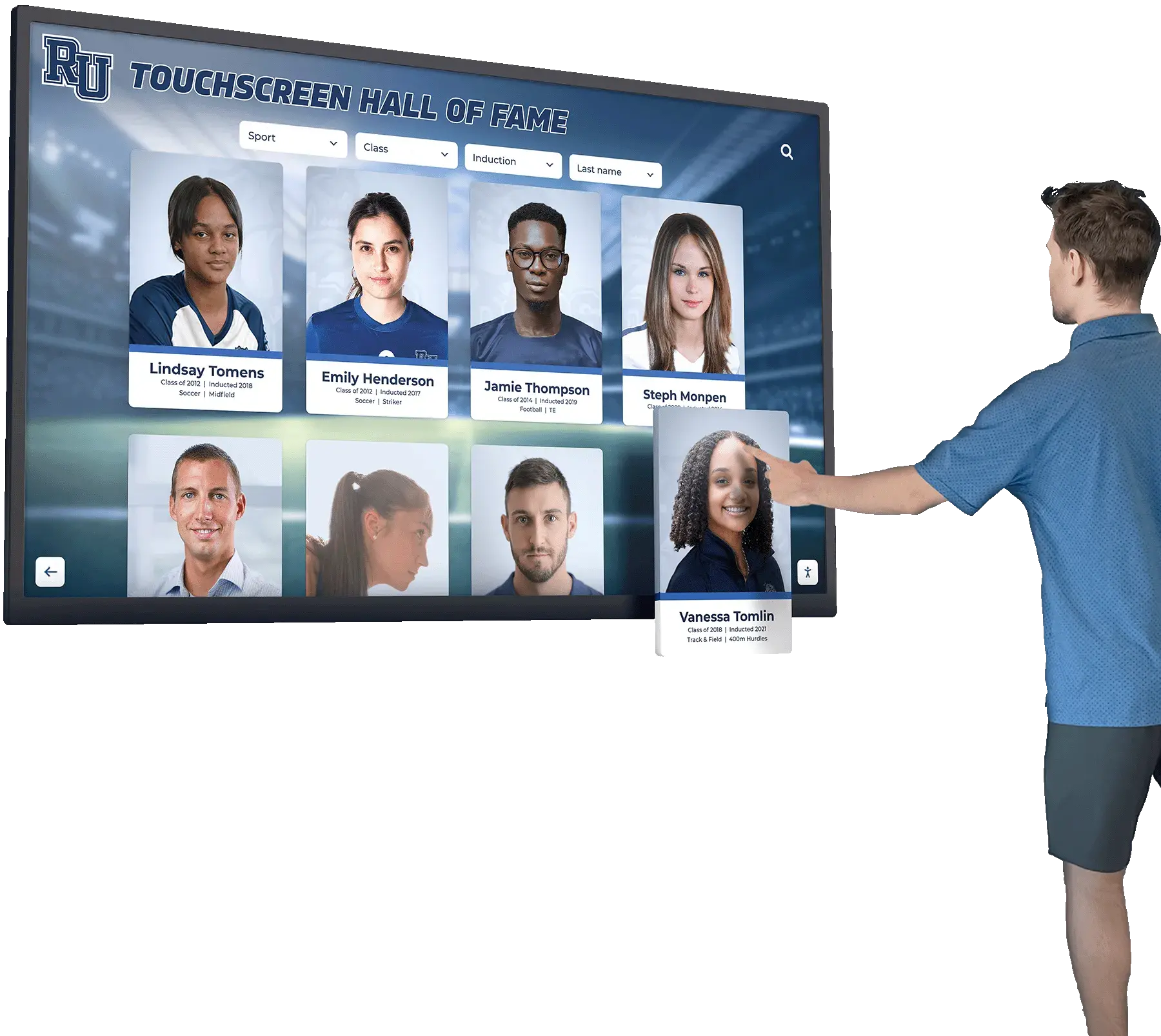
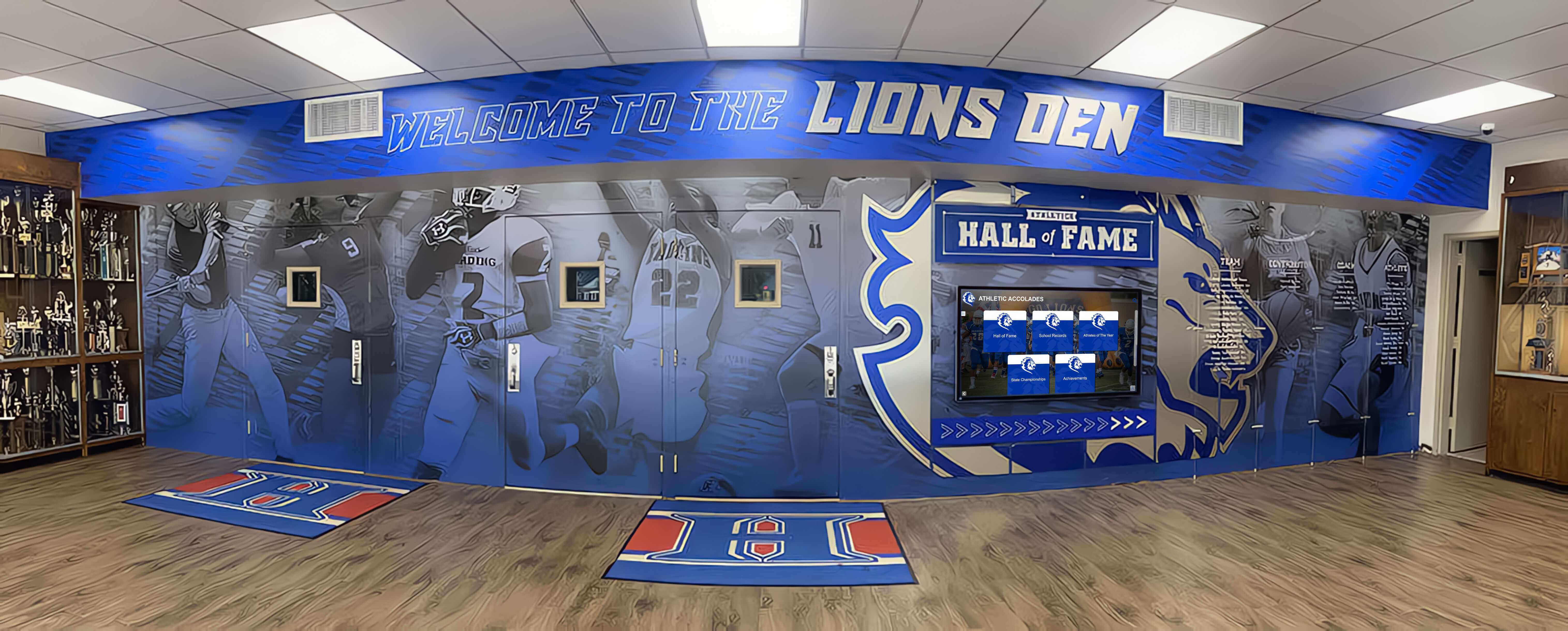
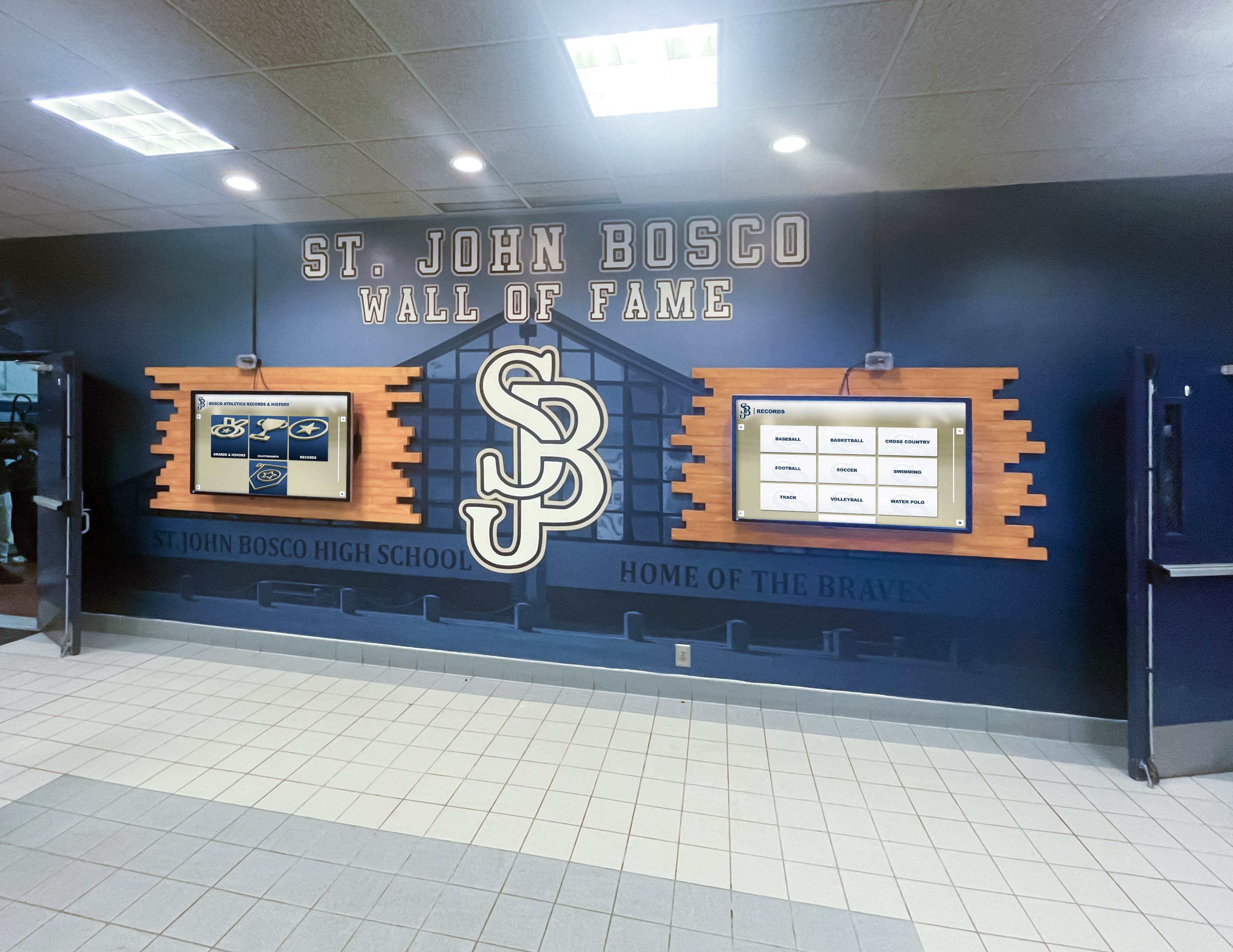
For larger graduating classes or ceremonies with pre-ceremony reception time, interactive displays allow attendees to explore comprehensive graduate information impossible to cover during programs. Solutions like Rocket Alumni Solutions enable families to browse individual graduate profiles with detailed biographical information, view photos and accomplishments providing rich context, search for specific graduates by name or academic program, and discover connections between graduates sharing interests or achievements.
These displays serve dual purposes—enhancing graduation day experiences while creating permanent recognition extending far beyond single ceremonies.
Social Media Integration and Live Streaming
Contemporary technology extends ceremony reach to stakeholders unable to attend physically. Effective digital extension strategies include live streaming ceremonies for remote viewing by extended families or distant friends, designated event hashtags aggregating social media sharing and conversation, real-time professional photography shared throughout ceremonies, recorded video publication following events for permanent access, and graduate recognition graphics highlighting individual students for family sharing.
This extended digital reach amplifies ceremony impact exponentially beyond physical attendance while creating permanent records preserving graduation memories.
Personalized Graduate Recognition Moments
Some institutions create brief personalized acknowledgment opportunities beyond standard name reading. Personalization approaches might include graduate-submitted fun facts read during diploma conferral, brief achievement descriptions highlighting notable accomplishments, post-graduation plan announcements sharing what graduates will do next, or family shout-out opportunities allowing graduate recognition of supporters.
These personal touches make ceremonies feel more intimate and meaningful despite large scale, though they require careful time management to prevent excessive duration.

Creating Inclusive and Accessible Graduation Ceremonies
Thoughtful planning ensures all graduates and families can participate fully regardless of abilities, backgrounds, or circumstances.
Physical Accessibility Considerations
Legal requirements and ethical obligations demand ceremonies accommodate all participants and attendees.
Venue Accessibility Requirements
Essential accessibility features include wheelchair-accessible entrances and pathways throughout facilities, accessible seating distributed throughout venues not isolated to specific sections, accessible restrooms with appropriate fixtures and space, designated parking located near accessible entrances, ramps or elevators eliminating stairs as only access routes, and accessible stage access for graduates using mobility devices.
Federal law requires accessibility compliance, but beyond legal minimums, accessible design demonstrates that institutions genuinely welcome all community members and value every graduate’s participation.
Communication Access and Assistive Technology
Accessibility extends beyond physical access to ensuring all attendees can fully engage with ceremony content. Communication accommodations include assistive listening systems for attendees with hearing impairments, sign language interpretation positioned where deaf and hard-of-hearing attendees can view both interpreters and ceremony action, real-time captioning for spoken content benefiting hearing-impaired attendees and non-native speakers, large-print programs for attendees with vision impairments, and audio description services for visual ceremony elements when requested.
Advanced accommodation requests enable appropriate preparation while demonstrating institutional commitment to inclusion.
Cultural Competence and Representation
Inclusive ceremonies acknowledge diverse backgrounds and ensure all graduates feel welcomed and appropriately honored.
Name Pronunciation and Cultural Respect
Nothing undermines graduate recognition more than mispronounced names during diploma conferral. Effective name management includes advance pronunciation recording allowing graduates to submit audio files with correct pronunciation, phonetic spelling guidance for announcers reading names, graduate consultation opportunities for complex or culturally significant names, and appropriate pacing ensuring announcers articulate names clearly rather than rushing through lists.
This attention to pronunciation communicates fundamental respect for graduates’ identities and cultural backgrounds.
Multicultural Ceremony Elements
Thoughtful cultural incorporation enriches ceremonies while demonstrating respect for diverse traditions. Appropriate multicultural elements include multilingual programs or interpretation when graduate populations include significant non-English speakers, cultural performances or music reflecting community diversity, inclusive invocations or opening remarks respecting varied belief systems, and acknowledgment of cultural traditions when timing aligns with significant cultural observances.
These elements must feel authentic to communities rather than performative tokenism, requiring genuine understanding of and respect for represented cultures.
Honoring Diverse Graduate Pathways
Graduation recognition should celebrate varied paths to completion acknowledging that graduates arrive at graduation through different journeys. Inclusive recognition acknowledges non-traditional graduates including adult learners, military veterans, first-generation students, and others following distinctive paths, transfer student contributions recognizing graduates who joined institutions mid-career, part-time student dedication honoring graduates who balanced education with work or family, and re-entry graduate persistence celebrating those who returned after interruptions.
Making diverse pathways visible communicates that excellence manifests through many routes and that all graduates merit equal celebration regardless of how directly their paths led to graduation.
Economic and Social Accessibility
Financial and social barriers should never prevent graduate participation in their own ceremonies.
Eliminating Financial Participation Barriers
Graduation participation should never require financial capacity. Ensure accessibility through free admission without ticketing requirements creating participation barriers, complimentary guest accommodations allowing graduates to bring families without cost, inclusive regalia policies ensuring graduates can participate regardless of ability to purchase caps and gowns, professional photography provided to all graduates avoiding situations where only some can afford documentation, and fee-free graduation participation ensuring no cost association with basic ceremony involvement.
When institutions include fundraising components or donor recognition, these elements should feel separate from core graduate celebration rather than creating tiered experiences based on financial capacity.
Format Accommodations and Flexibility
Ceremony timing and format significantly affect who can participate. Inclusive planning considers weekend or evening scheduling for ceremonies accommodating working families, multiple ceremony options for large institutions preventing overcrowding while maintaining intimacy, virtual attendance capabilities for geographically distant or homebound families, reasonable duration respecting attendees with limited endurance or dependent care responsibilities, and flexible regalia requirements accommodating religious or cultural dress alongside traditional caps and gowns.
This flexibility communicates that institutions value all graduates enough to structure recognition around their needs rather than requiring graduates to adjust to institutional convenience.
Technology Applications Enhancing Graduation Ceremonies
Contemporary technology enables ceremony experiences and extended recognition impossible with traditional approaches alone.
Presentation and Display Technology
Modern ceremonies typically incorporate significant digital presentation elements enhancing communication and engagement.
Large-Screen Visual Displays
Projection or large displays create visual focus while sharing content impossible to communicate verbally alone. Effective multimedia presentations include graduate photo slideshows providing visual recognition during name reading, achievement highlight videos bringing graduating class accomplishments to life, live graphics displaying graduate names and honors during conferral, institutional history montages connecting current graduates to institutional legacy, and family acknowledgment displays recognizing graduate support systems.
Quality presentation systems require adequate brightness for varied venue lighting, sufficient size for rear seating visibility, and reliable operation through testing and backup equipment availability.
Real-Time Social Media Integration
Technology amplifies graduate celebration across digital networks. Effective social media strategies include dedicated graduation hashtags enabling content aggregation, live tweet displays showing real-time graduate and family social sharing, Instagram-worthy photo opportunities with branded backdrops and signage, official social media content highlighting individual graduates throughout ceremonies, and post-ceremony content sharing extending recognition beyond physical events.
This digital extension multiplies ceremony reach while creating participatory opportunities for tech-savvy graduates and families.
Photography and Video Documentation
Professional documentation preserves graduation memories permanently. Essential documentation includes professional photography capturing processionals, diploma conferral, and key ceremony moments, comprehensive video recording of entire ceremonies for graduates and absent families, livestream broadcasting enabling remote viewing by those unable to attend physically, highlight video editing creating shareable ceremony summaries, and individual graduate photos documenting each person’s graduation moment.
Quality documentation requires professional videography during events and skilled editing afterward, but creates valuable assets serving multiple purposes long after ceremonies conclude.
Post-Ceremony Recognition Extensions
Technology extends graduation ceremony value beyond single events through ongoing recognition and content preservation.
Permanent Digital Recognition Integration
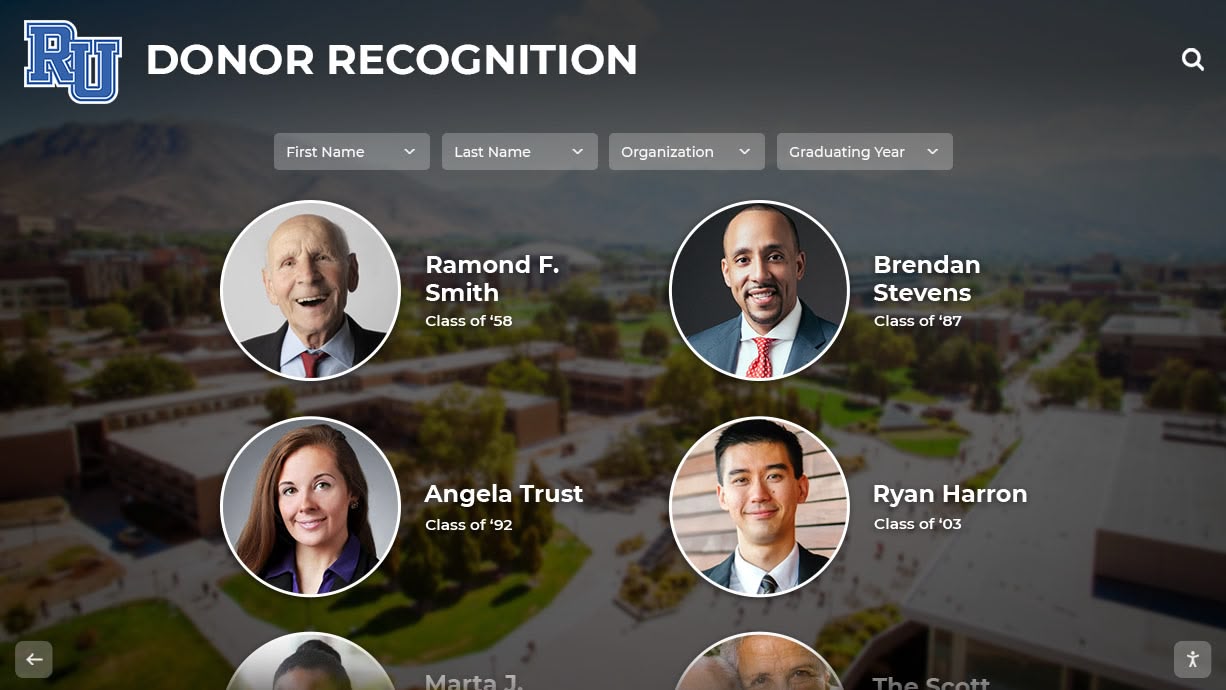
Graduation honorees should receive ongoing visibility through permanent recognition systems beyond diplomas alone. Integration approaches include adding graduates to interactive digital displays positioned in institutional locations, creating searchable online graduate databases preserving comprehensive information, incorporating graduates into institutional publications and marketing materials, and maintaining graduation ceremony archives accessible for historical research.
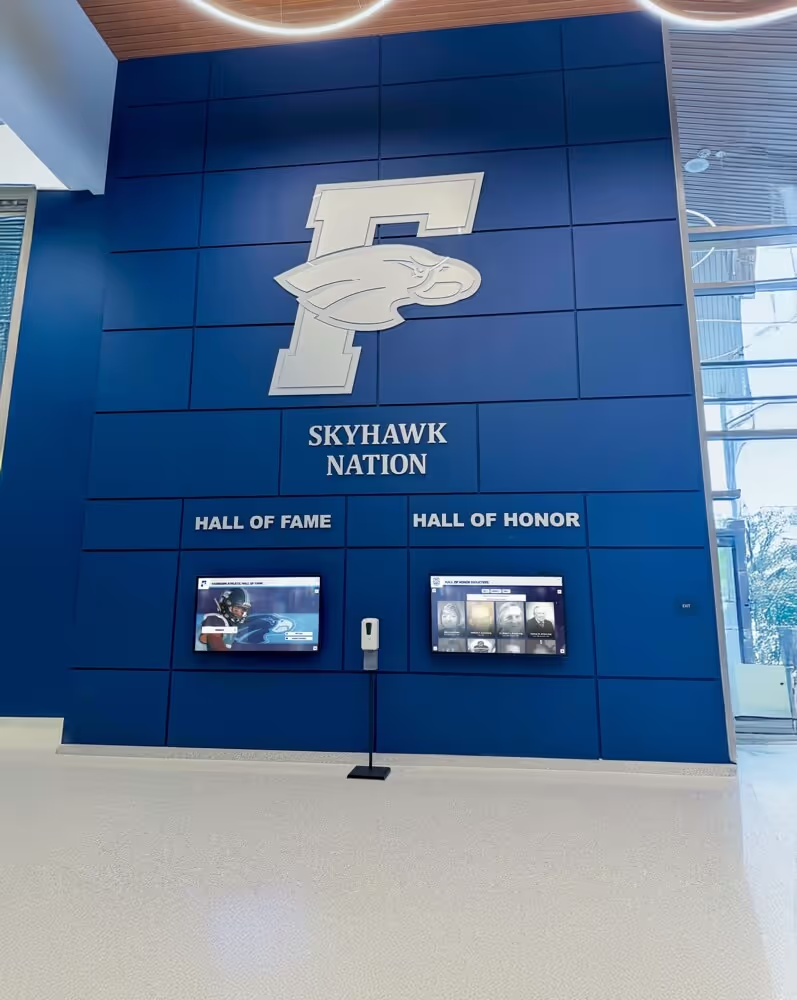
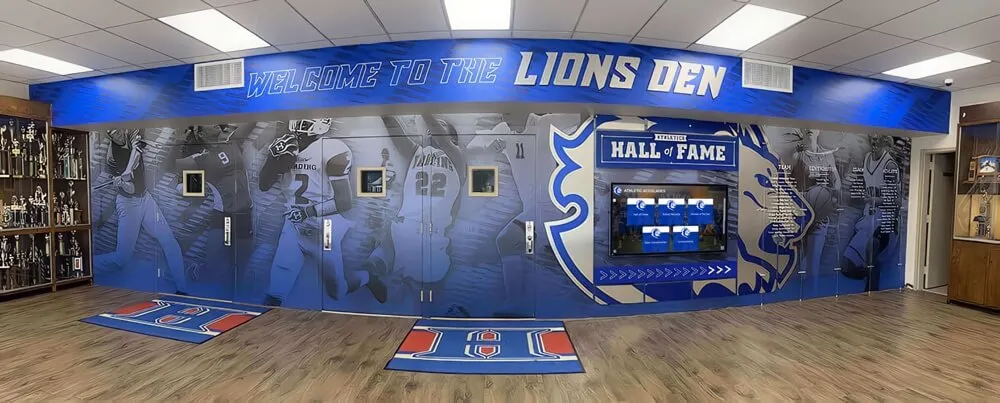
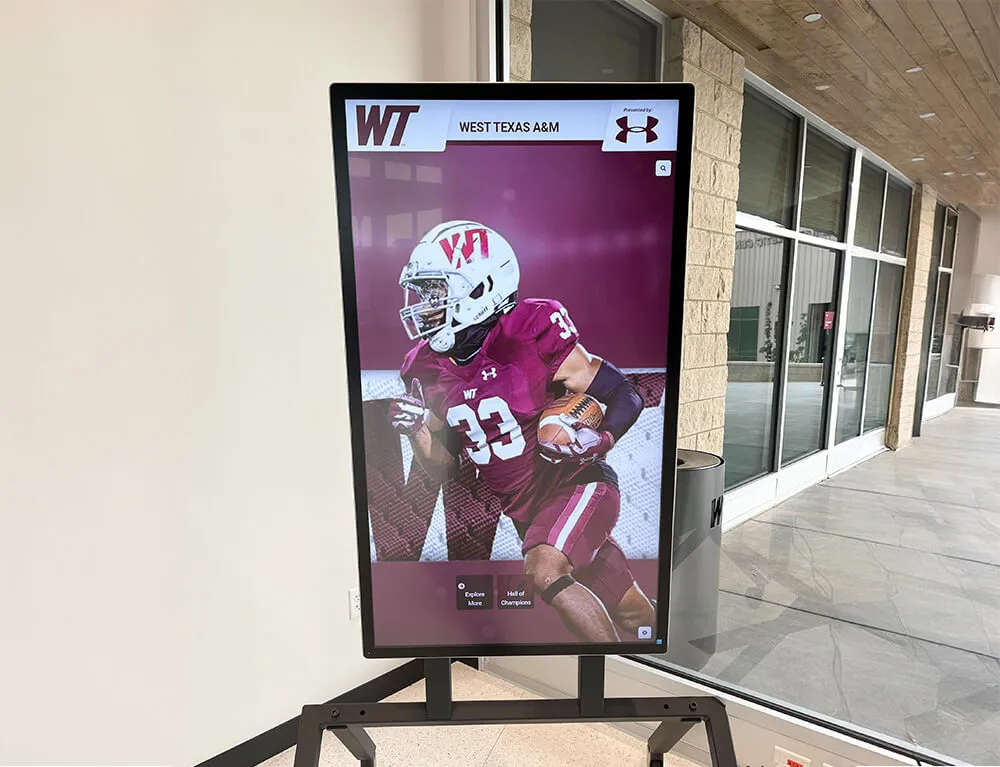
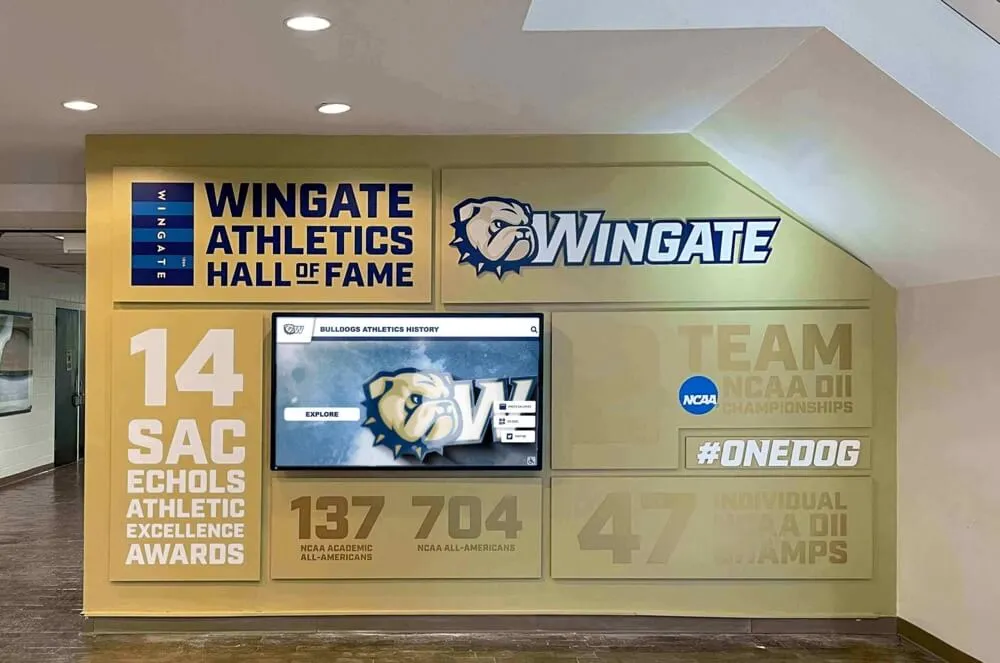
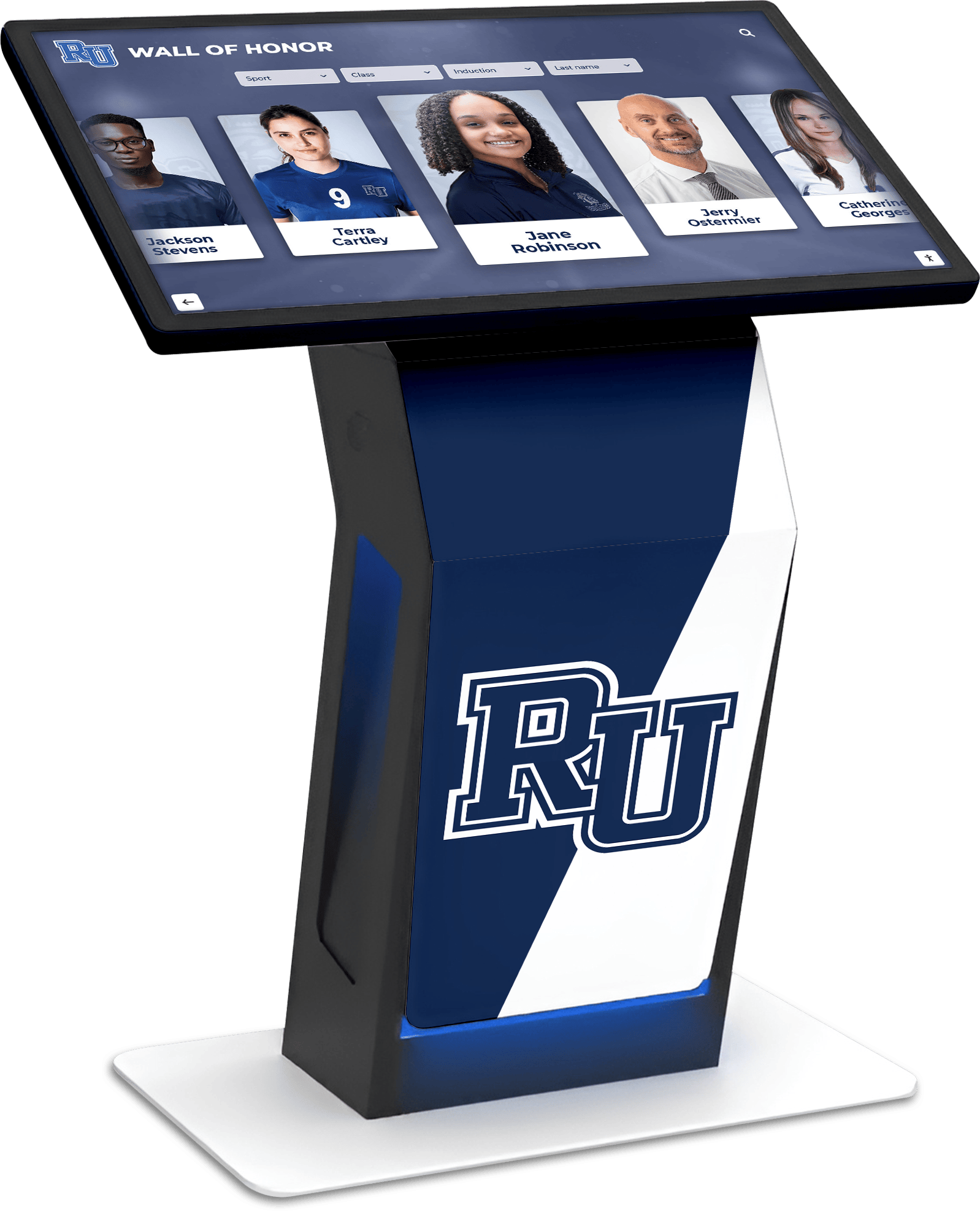
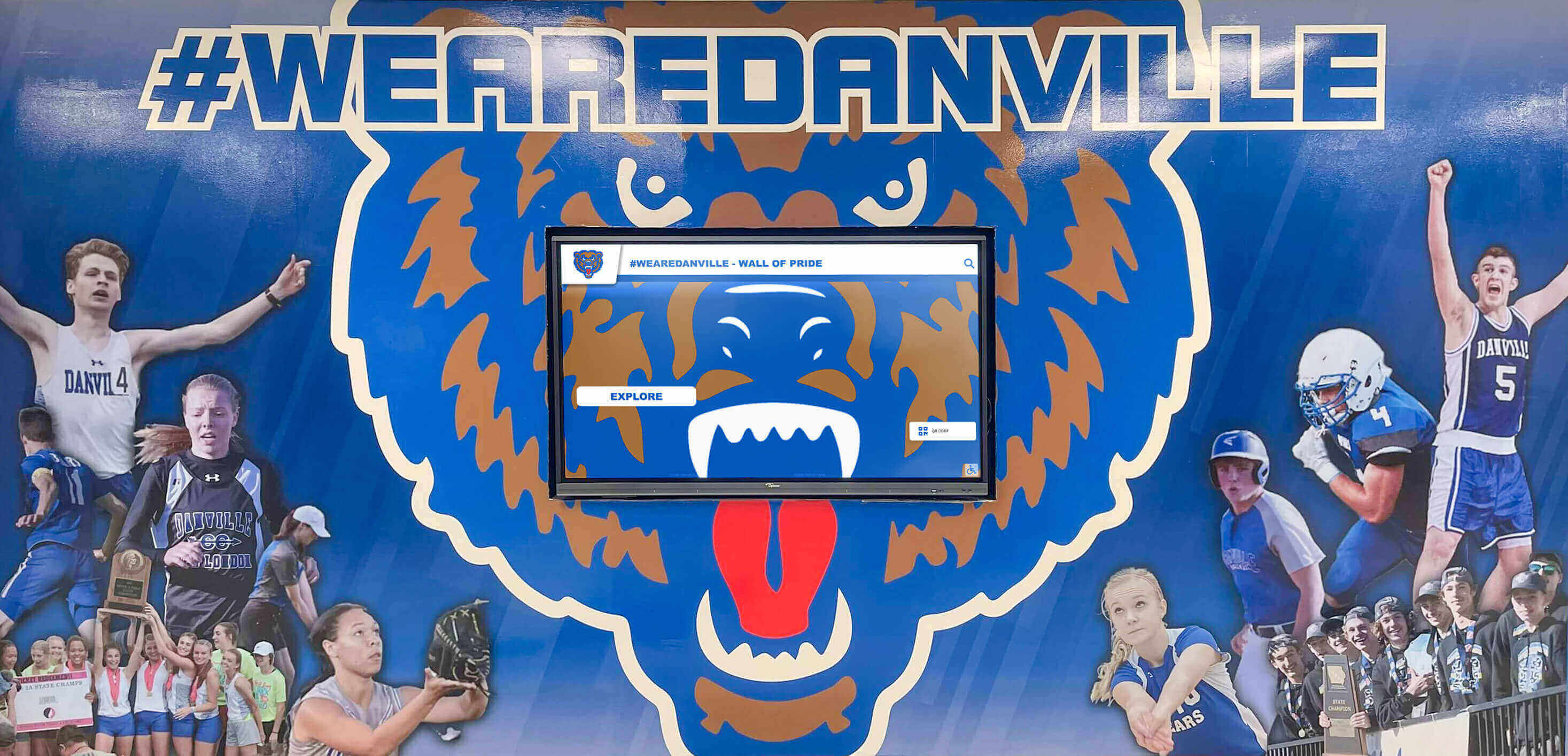
Modern digital recognition solutions like Rocket Alumni Solutions seamlessly integrate graduates into permanent interactive displays positioned in high-traffic institutional locations, ensuring recognition extends far beyond commencement ceremonies while requiring minimal ongoing administrative effort. Schools implementing comprehensive digital recognition systems find they become gathering points where community members regularly engage with graduate celebration years after graduation dates.
Video Editing and Content Repurposing
Professional video production creates enduring records and promotional content. Valuable video outputs include complete ceremony recordings for graduates and stakeholders, edited highlight videos showcasing key moments and overall ceremony quality, individual graduate segment editing allowing personalized video sharing, promotional video content for recruiting and advancement purposes, and archival documentation preserving institutional history.
Quality video production creates assets serving multiple institutional purposes—from prospective student recruitment to development outreach—long after ceremonies conclude.
Graduate Communication and Alumni Engagement
Technology enables sustained connection with new graduates transitioning to alumni status. Post-graduation communication strategies include automated welcome communications introducing alumni resources and opportunities, digital alumni directories connecting graduates with one another, career networking platforms facilitating professional connections, continuing education information about additional learning opportunities, and giving participation invitations integrating new graduates into advancement programs.
These communications recognize graduation as the beginning rather than end of institutional relationships.
Planning Timeline and Logistics Management
Successful graduation ceremonies require substantial advance planning. Rushing preparation produces suboptimal events while creating unnecessary stress for planning teams.
6-8 Months Before: Foundation Setting
Initial planning establishes fundamental elements guiding all subsequent decisions.
Date and Venue Selection
Secure graduation date and location well in advance. Consider academic calendar alignment ensuring graduation timing makes educational sense, venue availability since popular locations book far ahead, seasonal weather for outdoor or partially outdoor venues, and conflicts with other major institutional or community events.
Early venue commitment prevents being forced into suboptimal spaces while thoughtful date selection maximizes graduate and family attendance.
Budget Development and Resource Allocation
Establish realistic budgets covering all ceremony elements. Typical categories include venue rental and technical support, audio/visual equipment and presentation systems, printed programs and diplomas, professional photography and videography, graduate regalia if institutionally provided, reception catering if ceremonies include receptions, and decorative elements and signage.
Comprehensive budgeting prevents mid-planning funding crises requiring either compromise on important elements or emergency fundraising.
3-5 Months Before: Program Design
Mid-timeline focus shifts to designing specific program elements.
Speaker Selection and Confirmation
Identify and confirm all ceremony speakers including commencement speakers, student speakers, and institutional leaders. Early speaker commitment allows adequate preparation time while preventing last-minute scrambling for replacement speakers when preferred individuals decline or become unavailable.
Work with confirmed speakers on content development, particularly student speakers who may need guidance crafting effective addresses. Resources about effective graduation speeches can help speakers understand what makes commencement addresses resonate.
Graduate Information Collection
Gather all information required for accurate programs and diploma conferral including verified graduate names with pronunciation guidance, honors and distinction designations, degree or diploma types, post-graduation plans if sharing during ceremonies, and any special accommodation needs.
Early information collection provides time to verify accuracy and resolve discrepancies rather than discovering errors during ceremonies themselves.
Program Structure Finalization
Design detailed ceremony flow specifying all program elements, sequencing, and timing. Create comprehensive run-of-show documents ensuring all participants understand their roles and responsibilities while providing technical crews with necessary execution information.
6-8 Weeks Before: Production and Coordination
As ceremonies approach, attention shifts to producing all ceremony materials and coordinating participant preparation.
Printed Program Design and Production
Develop and produce ceremony programs including comprehensive graduate lists with honors designations, program order and timing, speaker biographies, and institutional messages. Allow adequate production time ensuring quality printing while building in review cycles catching errors before final production.
Programs serve as important keepsakes, so quality design and accurate information matter significantly.
Multimedia Content Development
Create all digital content for ceremony presentations including graduate photo slideshows, video presentations, and live graphics. Quality multimedia production requires substantial development time, particularly when incorporating content from multiple sources.
Rehearsal Planning and Execution
Conduct graduation rehearsals ensuring all participants understand ceremony procedures. Effective rehearsals include processional practice establishing entrance flow and seating arrangements, diploma conferral practice so graduates understand stage procedures, technical run-through testing all audio-visual elements, timing confirmation ensuring realistic duration estimates, and contingency planning for common issues like absent graduates or technical problems.
Rehearsals identify and resolve issues before actual ceremonies when corrections become impossible.
Final Weeks: Refinement and Confirmation
Final preparation involves confirming all details and addressing remaining gaps.
Final Graduate List Verification
Confirm final graduate lists accounting for last-minute changes from students not completing requirements or unexpected completions. Verify all names, honors designations, and special needs to ensure accurate ceremony execution.
Participant Communication
Distribute final information to all ceremony participants including detailed logistics about arrival times, parking, and check-in procedures, regalia requirements and instructions, photography policies and expectations, reception information if applicable, and contact information for day-of questions.
Clear communication prevents confusion disrupting ceremonies or creating stress for participants.
Technical Final Checks
Conduct final technical verification in actual ceremony venues ensuring all equipment functions properly, audio reaches all seating areas clearly, visual displays provide adequate visibility, and backup systems stand ready for potential failures.
Post-Ceremony Follow-Up and Alumni Integration
Ceremony work doesn’t end when recessionals conclude. Strategic follow-up extends ceremony impact while beginning graduate transitions to active alumni.
Immediate Post-Ceremony Actions
Several time-sensitive actions maximize ceremony value in days immediately following events.
Graduate and Family Communication
Prompt communications maintain positive momentum. Essential outreach includes graduate congratulations acknowledging their accomplishments, family appreciation recognizing their support and attendance, speaker and participant gratitude, and information about diploma mailing if not distributed during ceremonies.
Personalized communications feel more meaningful than generic templates, though templates ensure consistent outreach when individualizing hundreds of messages proves impractical.
Content Publication and Sharing
Timely content sharing extends ceremony reach. Priority publications include social media photo albums showing ceremony highlights, press release distribution to local media, website updates with ceremony recaps and graduate information, video publication of recorded ceremonies, and internal communications celebrating graduation success.
Quick publication capitalizes on immediate interest while content remains timely.
Ongoing Alumni Engagement and Recognition
The most effective graduation ceremonies feed into sustained alumni relationships rather than ending institutional connections.
Alumni Program Integration
New graduates should seamlessly transition into alumni programs. Integration approaches include automatic alumni association enrollment, welcome communications introducing alumni resources, networking event invitations connecting graduates to established alumni, career support information about professional development services, and continued education opportunities for lifelong learning.
Early alumni integration establishes patterns of engagement that often persist throughout alumni lifetimes.
Permanent Recognition Display Integration
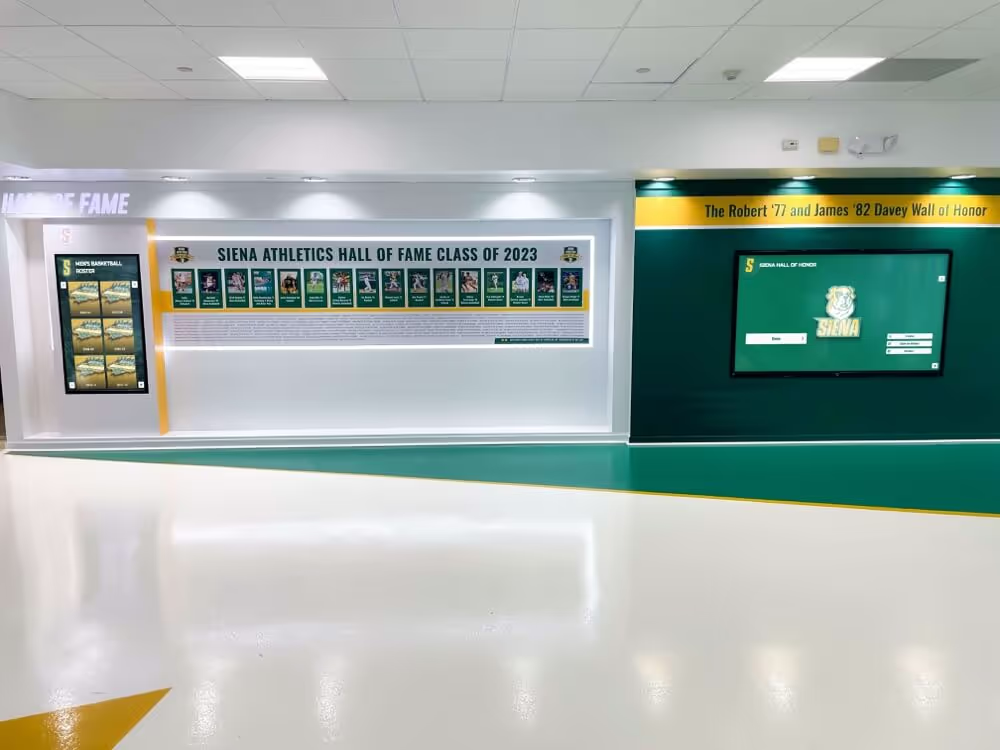
Graduates deserve ongoing recognition beyond commencement ceremonies. Permanent recognition approaches include adding graduates to digital hall of fame displays in institutional locations, maintaining online searchable graduate databases, incorporating distinguished graduates into institutional marketing, and celebrating graduate achievements as they progress in careers and life.
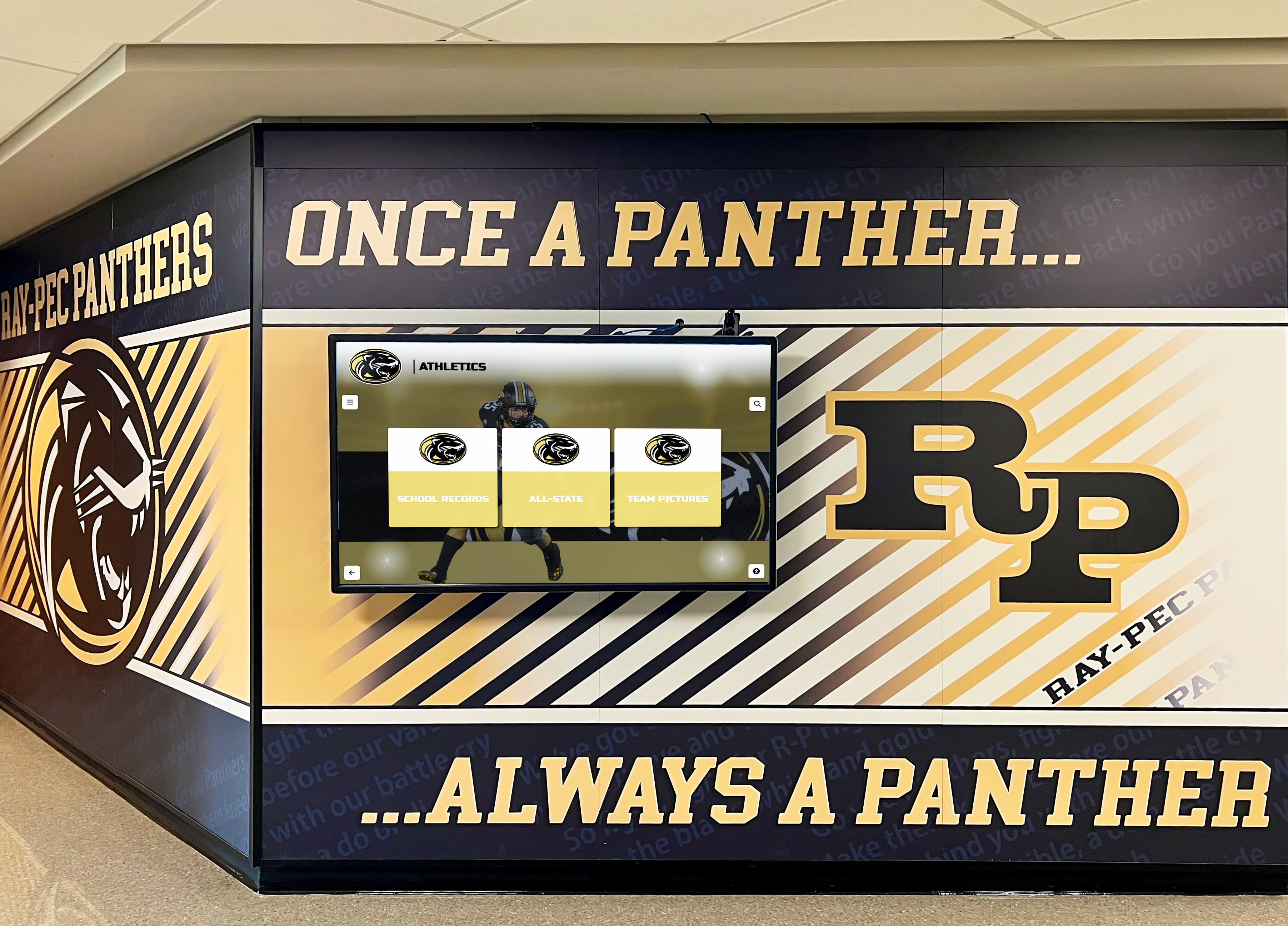
Contemporary digital recognition platforms enable institutions to celebrate graduates continuously with minimal administrative burden while creating interactive experiences that engage returning alumni, current students, and prospective families discovering institutional history.
Graduation Ceremony Archives
Ceremonies represent important institutional history warranting careful preservation. Archival approaches include comprehensive photography and video documentation, printed program preservation in institutional archives, graduate information database maintenance, and historical timeline integration connecting each graduating class to institutional story.
These archives serve research purposes, nostalgic reconnection for alumni returning to campuses, and institutional storytelling demonstrating legacy and continuity.
Common Graduation Ceremony Challenges and Solutions
Even well-planned ceremonies encounter predictable obstacles. Preparation for common challenges enables effective navigation when problems arise.
Managing Large Graduating Classes
The Challenge
Institutions with hundreds or thousands of graduates struggle to provide meaningful individual recognition without creating marathon ceremonies exceeding audience attention spans.
Effective Solutions
Rather than choosing between thorough recognition and manageable duration, implement strategies balancing both needs. Approaches include multiple smaller ceremonies organized by academic program or alphabetically, strategic program compression maintaining individual name reading while streamlining other elements, multimedia supplementation providing comprehensive graduate information through visual displays during efficient name reading, and reception components enabling informal individual celebration supplementing necessarily abbreviated formal ceremonies.
Some institutions successfully split graduation across multiple days, creating more intimate ceremonies while honoring all graduates appropriately.
Balancing Tradition with Contemporary Relevance
The Challenge
Graduation traditions provide meaningful continuity but can feel dated or irrelevant to contemporary graduates if not thoughtfully maintained.
Effective Solutions
Optimal balance honors tradition while remaining relevant through selective tradition preservation maintaining most meaningful ceremonial elements, contemporary element integration bringing fresh energy without abandoning proven approaches, graduate input collection ensuring programs resonate with current students, and periodic program evaluation identifying what works versus what continues simply through inertia.
The goal is ceremonies that feel connected to institutional heritage while remaining engaging and meaningful for current graduates.
Weather and Environmental Contingencies
The Challenge
Outdoor graduation ceremonies face weather uncertainty potentially disrupting carefully planned events.
Effective Solutions
Proactive planning minimizes weather disruption through realistic weather assessment considering historical patterns for ceremony dates, backup venue arrangements secured before needed, clear contingency decision deadlines and communication plans, partial outdoor options like covered stages with outdoor seating, and flexible ceremony design adapting to various weather scenarios.
Even with perfect preparation, weather sometimes forces changes. What distinguishes professional management is calm contingency execution preventing panic that amplifies disruption.
Conclusion: Creating Graduation Celebrations Worth Remembering
Graduation ceremonies represent significant institutional investments requiring substantial planning time, financial resources, and staff effort. When executed thoughtfully, they deliver remarkable value compounding across years and decades—honoring achievement appropriately, creating memories graduates treasure throughout their lives, strengthening institutional culture, and establishing positive final impressions that shape lifelong alumni relationships.
The most effective graduation ceremony programs share common characteristics regardless of institutional size, graduate demographics, or available resources. They honor graduates authentically through genuine recognition demonstrating actual knowledge of individuals rather than generic acknowledgment. They maintain appropriate dignity balancing ceremonial gravitas with celebration and joy. They execute professionally through attention to technical, logistical, and presentation details reflecting achievement significance. They create memorable moments transcending diploma distribution mechanics through compelling storytelling, emotional authenticity, and distinctive traditions. And they extend beyond single events through permanent recognition systems and sustained alumni relationships.
Contemporary recognition technologies enable ceremony experiences and ongoing graduate celebration impossible with traditional approaches alone. Interactive digital displays allow pre-ceremony exploration of graduate information while providing permanent recognition visible year-round. Professional videography preserves ceremony memories permanently. Live streaming extends participation to distant families. Social media integration amplifies recognition across networks. Purpose-built platforms designed specifically for educational recognition make sophisticated digital programs accessible even for institutions with limited technical resources.
Yet technology merely enables recognition—the substance lies in the achievements honored and the genuine appreciation ceremonies express. Whether your institution hosts its first formal graduation ceremony or enhances generations-old traditions, success lies in implementing programs that authentically celebrate graduate achievement, remain manageable within realistic resource constraints, engage all stakeholders meaningfully throughout planning and execution, and create recognition experiences serving your institution’s unique needs and values.
The graduates who invested themselves in your institution deserve recognition matching their dedication and achievements. Thoughtful ceremony planning guided by clear objectives, realistic assessment of capabilities and constraints, and genuine commitment to honoring excellence ensures your graduation celebrations deliver that honor for generations to come.
Ready to extend your graduation recognition beyond single ceremonies into year-round celebration? Discover how Rocket Alumni Solutions helps educational institutions create comprehensive recognition programs that honor graduates continuously while strengthening connections between all members of your institutional community—making it easier than ever to celebrate achievement in ways that resonate long after commencement ceremonies conclude.