



Intent: research
This benchmark report analyzes golf team distinguished alum recognition practices across 342 collegiate golf programs surveyed between June 2026 and November 2026, examining recognition criteria, digital platform adoption rates, engagement outcomes, budget allocation, and implementation approaches. The findings reveal significant gaps between recognition best practices and current program capabilities, while highlighting successful strategies that programs of various sizes have used to honor golf excellence effectively.
Golf programs face unique recognition challenges distinct from higher-visibility sports: achievements span both team championships and individual accomplishments, alumni success extends across professional tours and amateur competitions, career trajectories include coaching excellence and industry leadership, and programs often lack the robust booster support that funds recognition initiatives in revenue-generating sports. Yet effective recognition proves equally important for golf programs—driving alumni engagement, supporting fundraising initiatives, recruiting elite talent, and building program pride among current student-athletes.
This report provides actionable data for athletic directors, golf coaches, alumni relations professionals, and development officers responsible for recognizing golf achievement and engaging golf alumni communities.
Research Methodology
Sample Composition and Data Collection
This analysis draws from multiple data sources collected between June 2026 and November 2026:
Survey Data: 342 total collegiate golf program responses comprising 178 NCAA Division I programs (52.0%), 97 NCAA Division II and Division III programs (28.4%), 43 NAIA programs (12.6%), and 24 junior college programs (7.0%). Geographic distribution included all 50 U.S. states, with concentration in California (38 programs), Texas (34), Florida (29), North Carolina (23), and Arizona (18).
Program Size Distribution:
- Small (under 20 total roster spots): 94 programs (27.5%)
- Medium (20-30 roster spots): 168 programs (49.1%)
- Large (over 30 roster spots combined men’s/women’s): 80 programs (23.4%)
Rocket Alumni Solutions Installation Sample: Analysis of golf-specific recognition implementation data from 47 active client programs that deployed digital recognition systems between January 2022 and September 2026, providing quantitative metrics on engagement patterns, usage data, and measurable outcomes.
Professional Achievement Tracking: Review of PGA Tour, LPGA Tour, Korn Ferry Tour, and Epson Tour results identifying collegiate program affiliations for touring professionals, combined with coaching placement data from GCAA (Golf Coaches Association of America) member directories.
Survey participants included head golf coaches, assistant coaches, athletic directors, sports information directors, alumni relations staff, and development officers with responsibility for golf program recognition and alumni engagement.
Key Findings Summary
Before examining detailed data, these high-level findings frame the current state of golf team distinguished alum recognition:
Recognition Practices Lag Behind Other Sports Only 34% of golf programs maintain dedicated recognition displays for distinguished alumni, compared to 67% of football programs and 58% of basketball programs. Golf recognition typically receives lower priority in athletic facility planning, smaller budget allocation, and less staff attention despite producing distinguished alumni worthy of celebration.
Digital Adoption Remains Limited Just 28% of surveyed programs have implemented digital recognition platforms. The majority (72%) rely exclusively on traditional static plaques, trophy cases, or have no formal recognition system at all. This contrasts sharply with digital recognition adoption rates in high-profile sports.
Professional Achievement Drives Recognition Focus Programs prioritize professional tour success (89% cite as primary criterion) over other achievement categories including coaching excellence (41%), amateur championships (38%), and contributions to the program (34%). This narrow focus leaves many distinguished alumni unrecognized.
Budget Constraints Limit Recognition Quality Mean annual recognition budget for golf programs totals $2,800, substantially below the $8,400 average for basketball programs. Limited resources force programs to defer recognition initiatives, rely on outdated systems, or implement minimal recognition that fails to engage audiences effectively.
Successful Implementations Follow Predictable Patterns Programs with effective recognition share common characteristics: comprehensive criteria recognizing diverse achievement types (87%), integration with broader alumni engagement initiatives (76%), regular content updates maintaining relevance (82%), and leadership support from coaches who champion recognition importance (94%).
Current State: Recognition Practices and Criteria
Recognition Program Prevalence
Golf programs report varying levels of formal recognition infrastructure:
Dedicated Recognition Displays: Only 34% of programs maintain displays specifically recognizing distinguished golf alumni. Display types include:
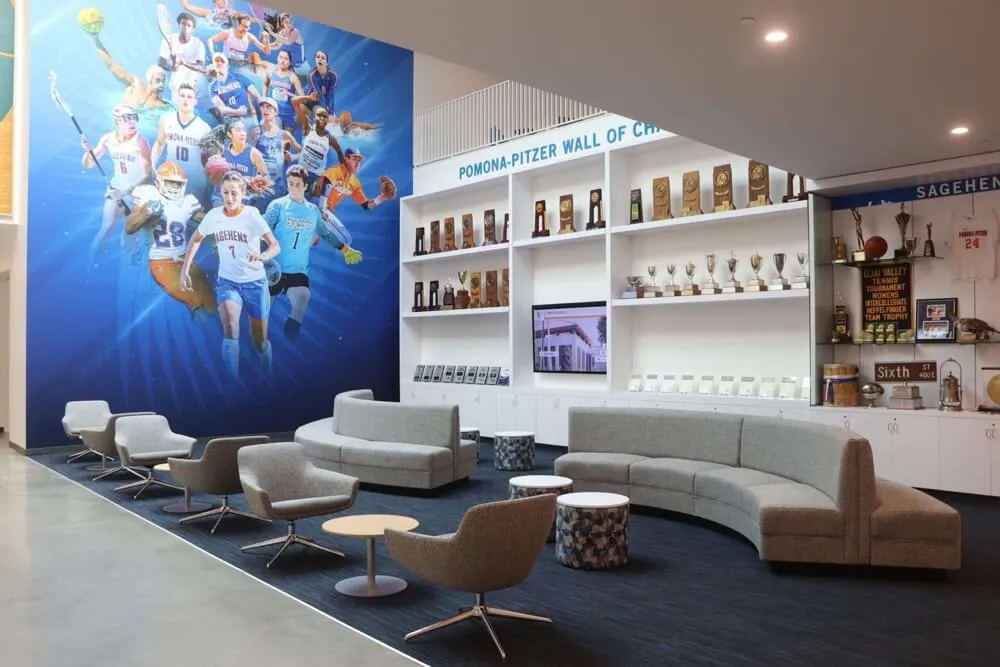
- Traditional wall plaques: 68% of programs with recognition
- Trophy cases with biographical information: 43% of programs
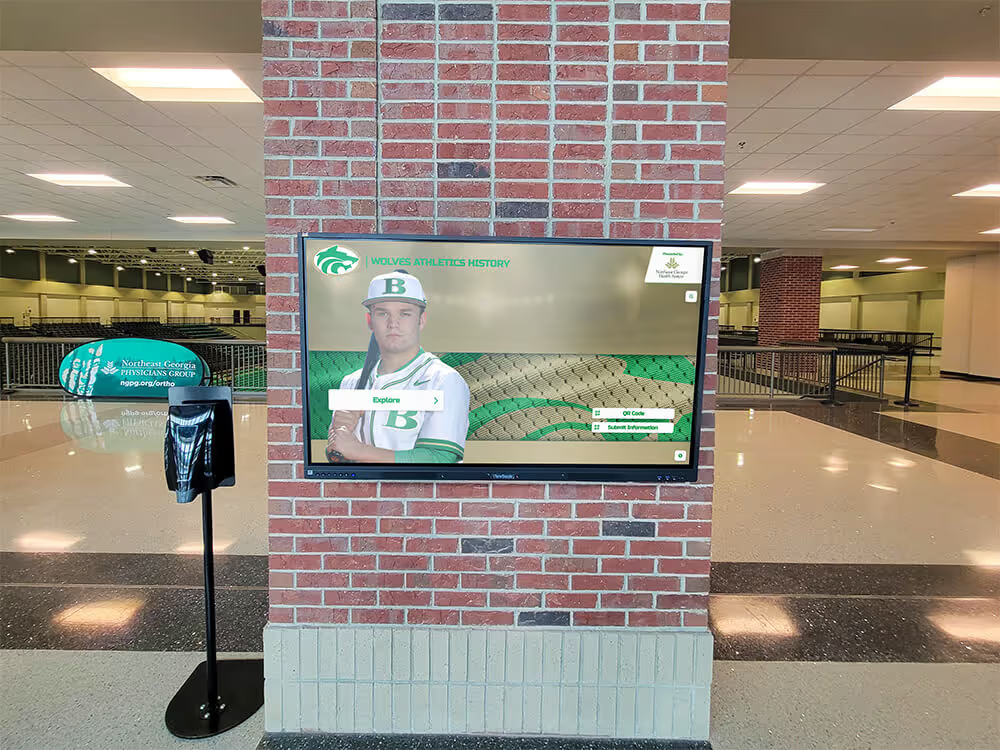
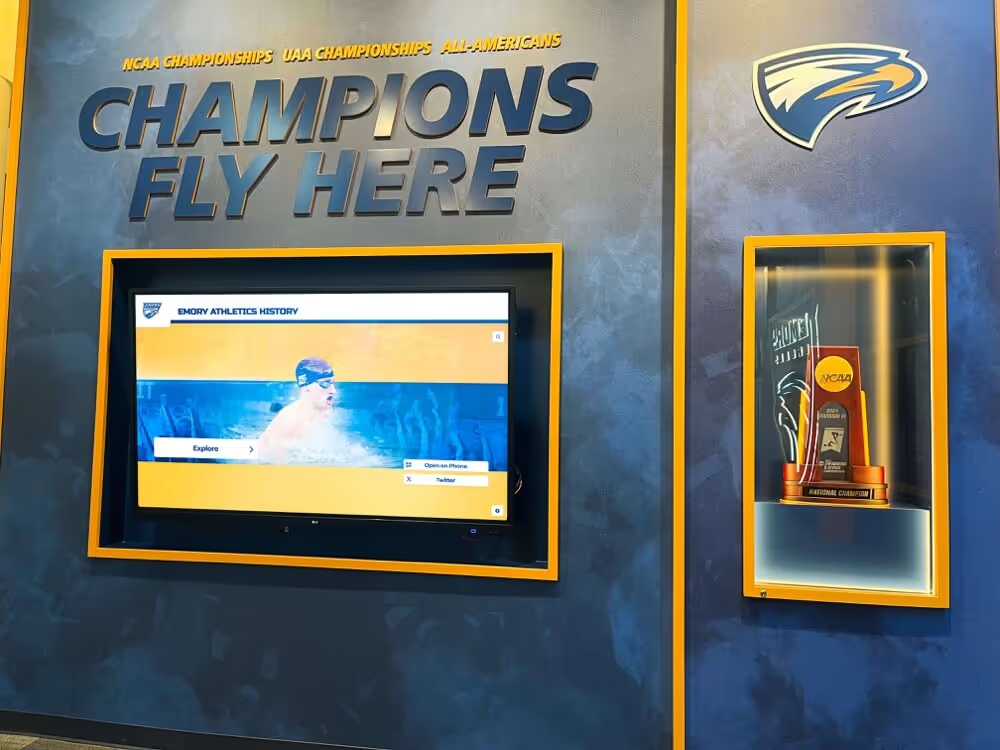
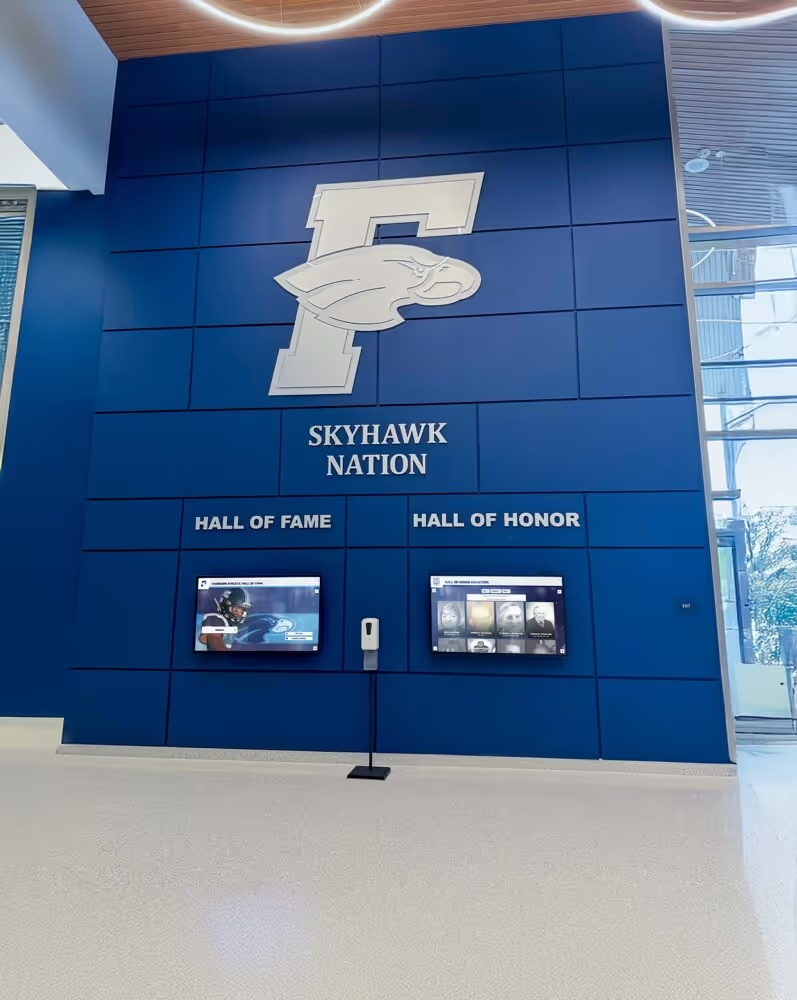
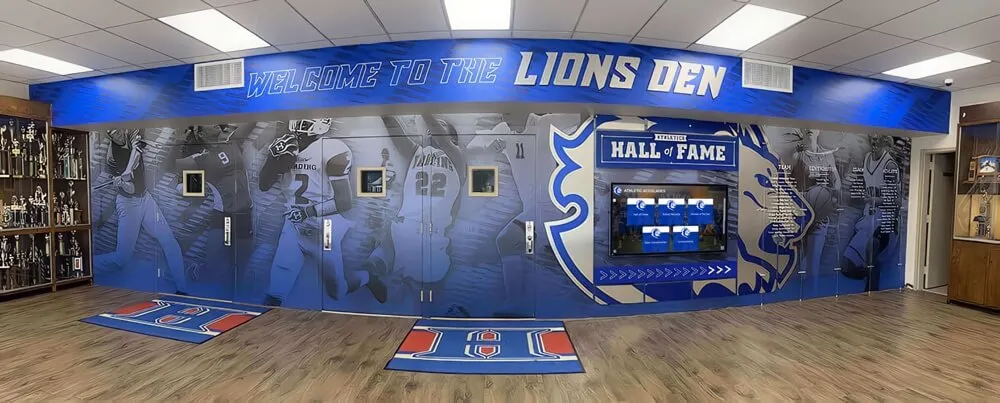
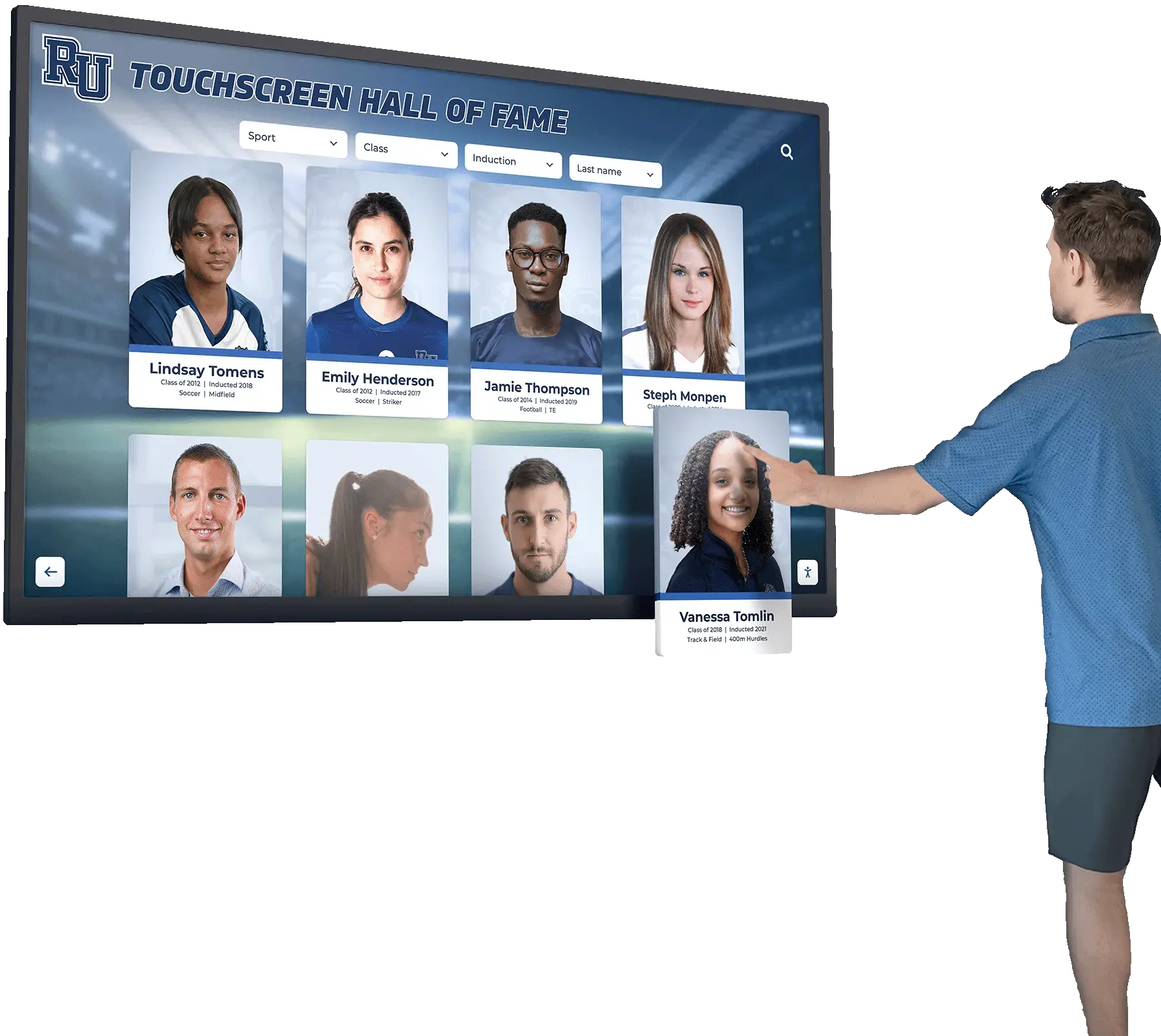
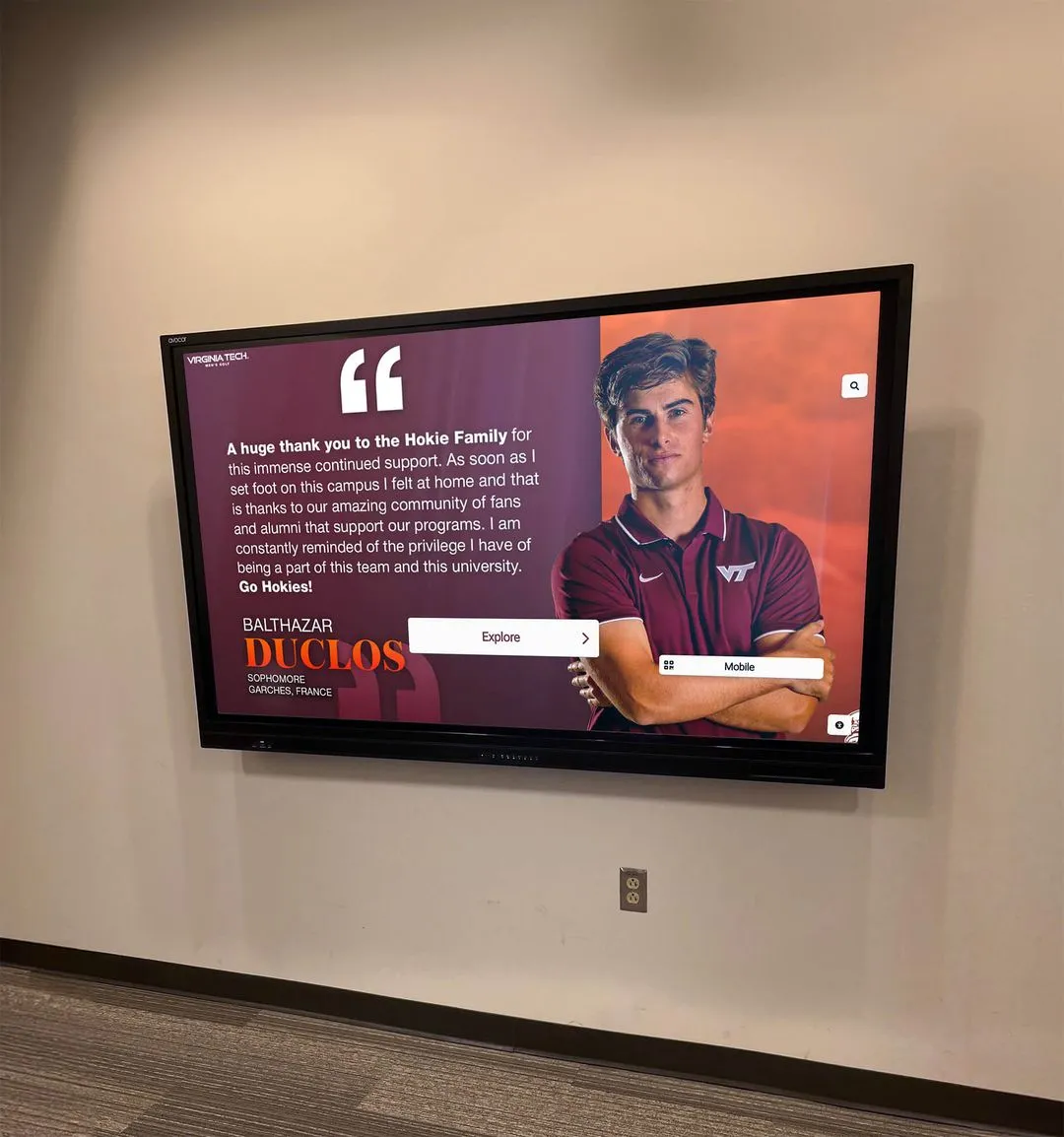
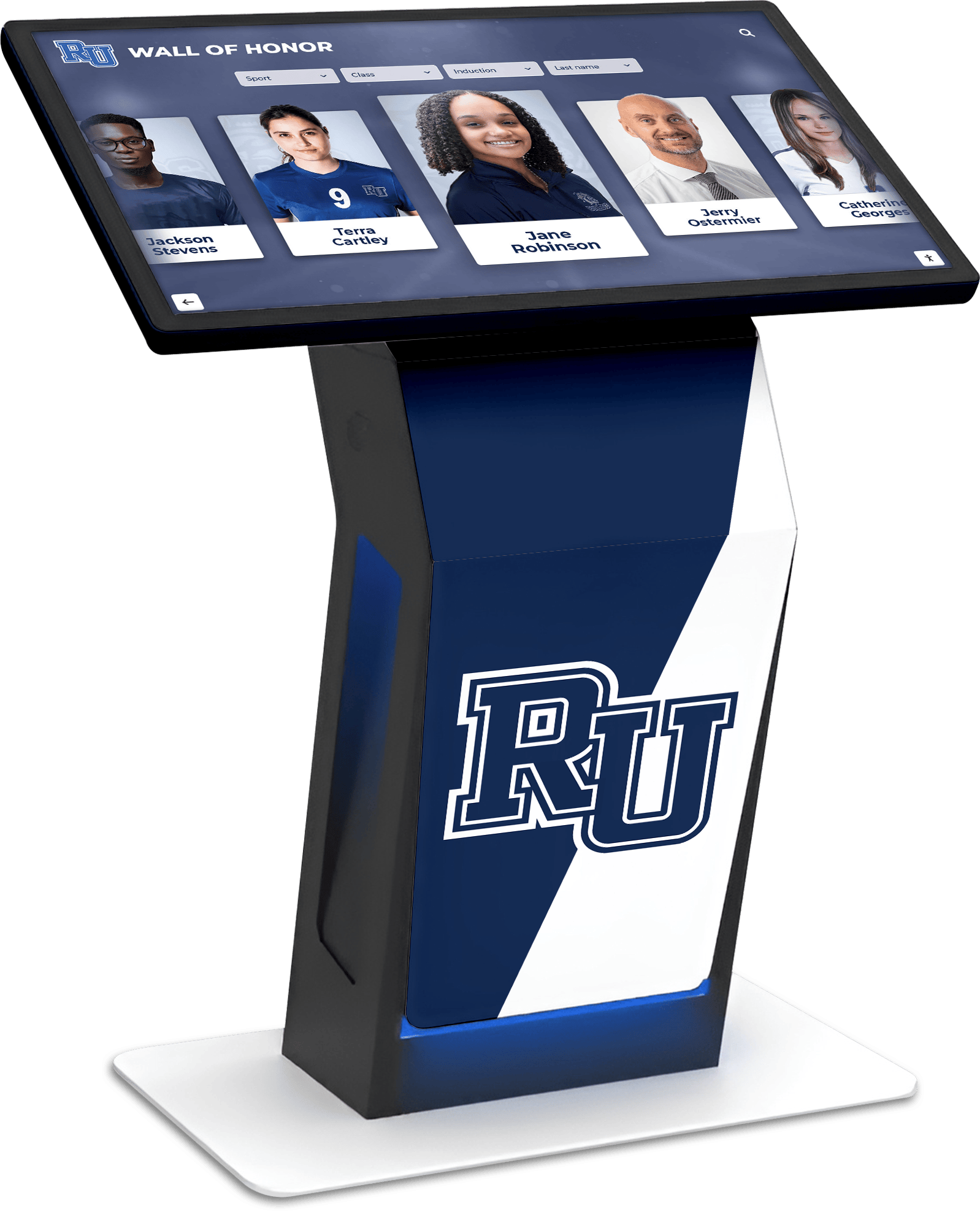
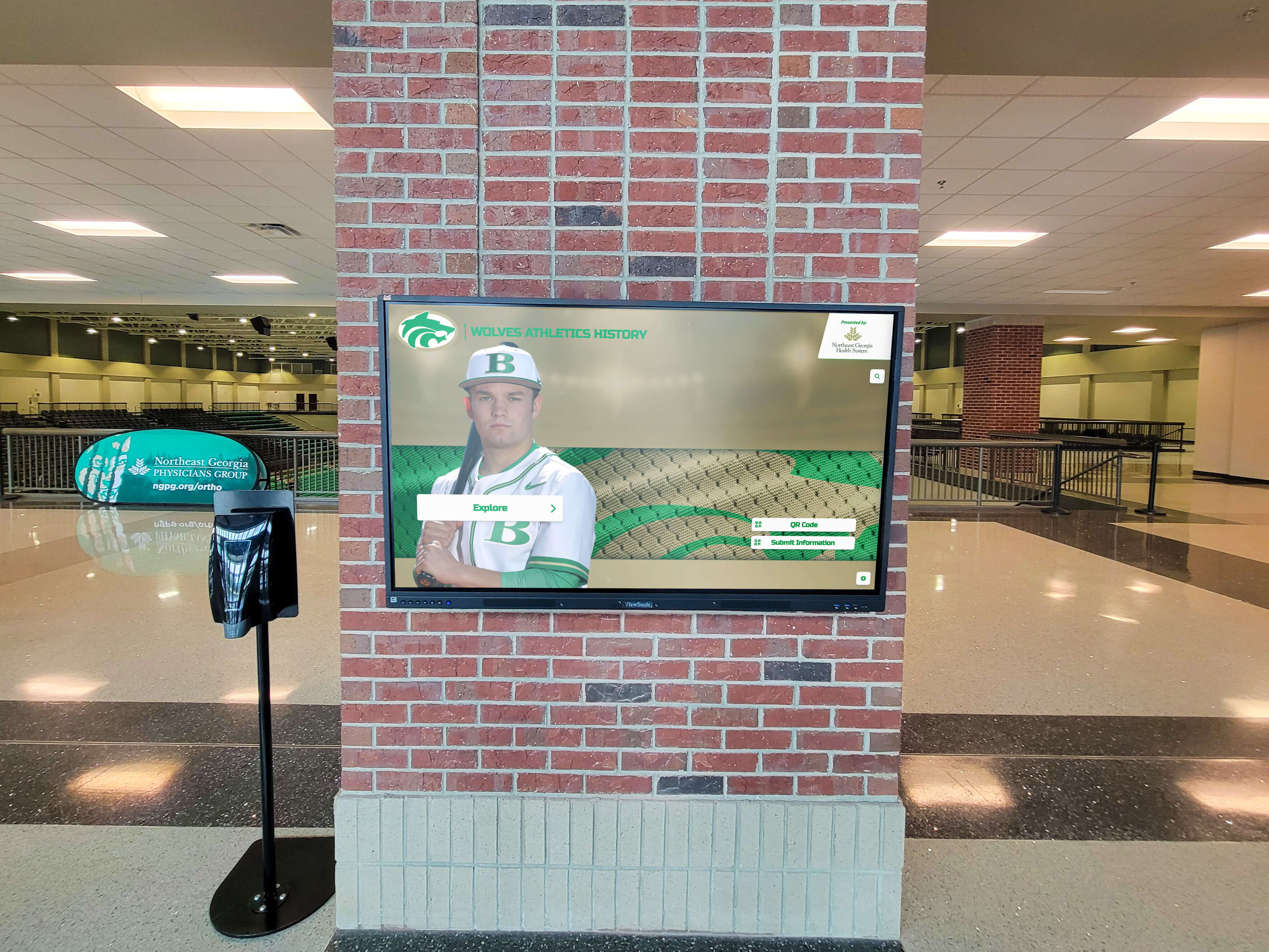
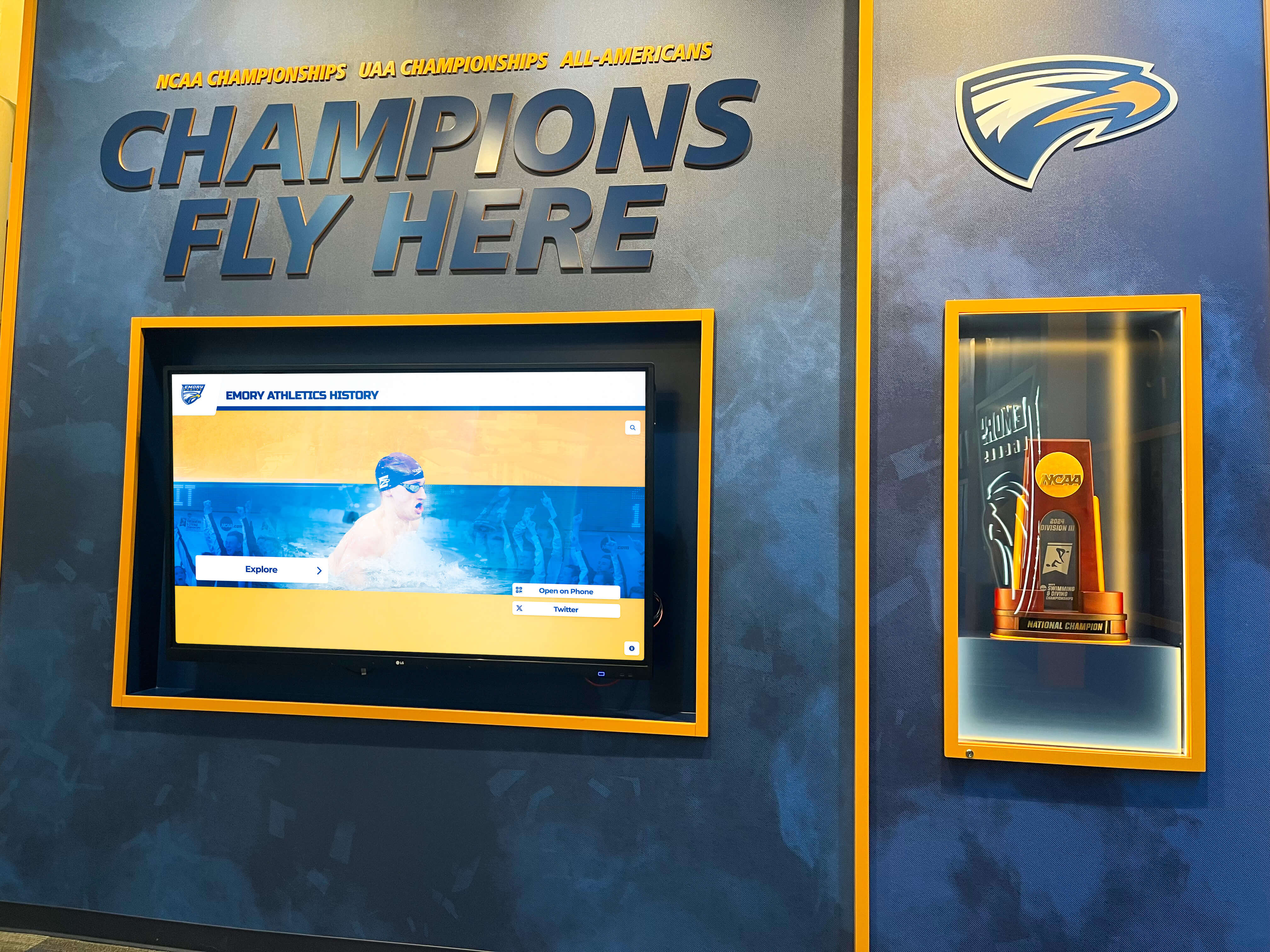
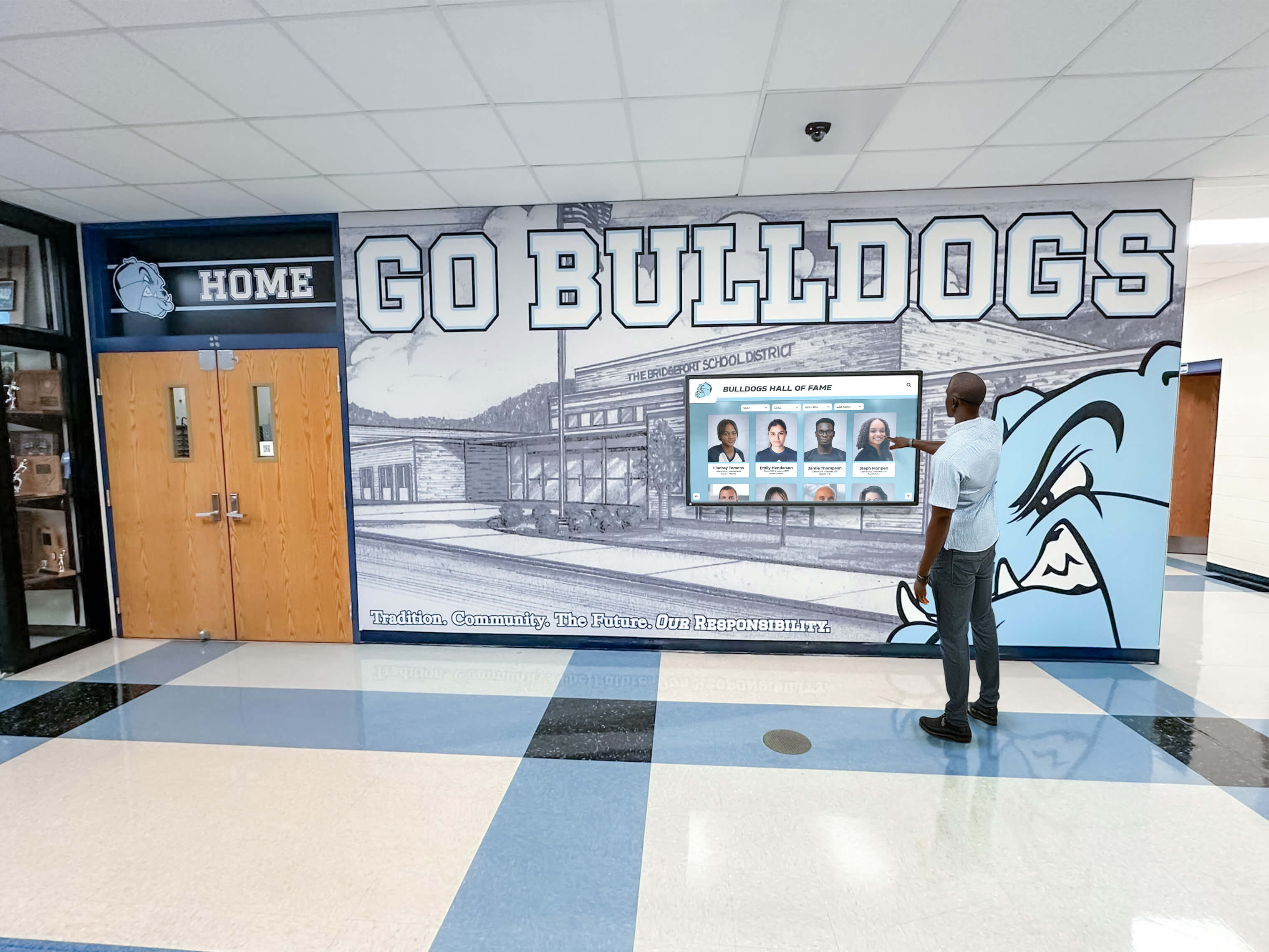
- Digital touchscreen displays: 28% of programs
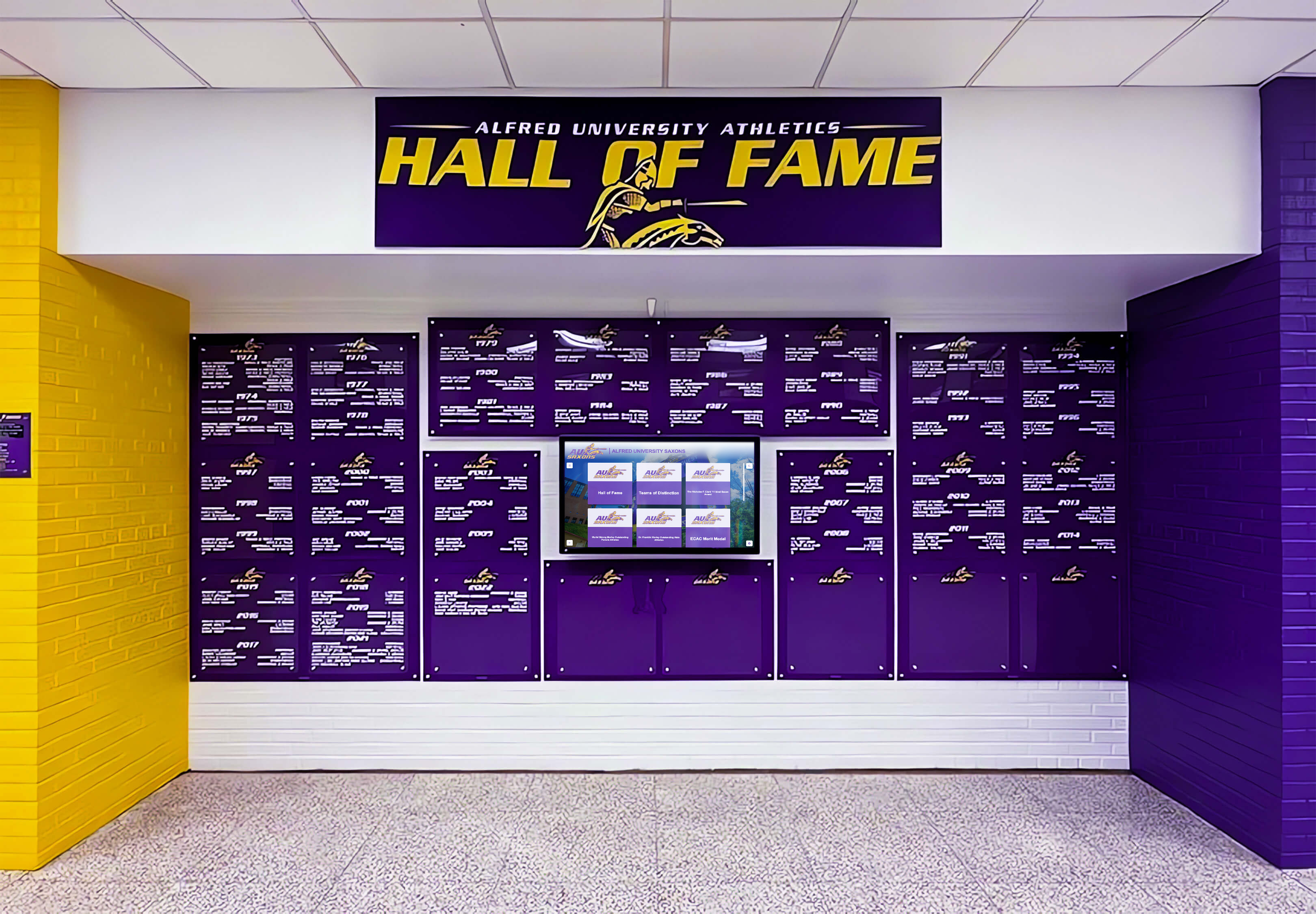
- Hybrid physical/digital systems: 19% of programs
- Online-only recognition platforms: 31% of programs
The majority of programs (66%) either have no formal golf alumni recognition or include golf alumni only in general athletic halls of fame where golf achievements receive limited visibility among broader athletic recognition.
Recognition Categories: Programs with formal recognition systems identify honorees through various categories:
- Professional Tour Achievement: 89% of programs
- All-American Recognition: 74% of programs
- Conference Championships: 68% of programs
- Individual Tournament Winners: 57% of programs
- Academic All-Americans: 52% of programs
- Coaching Excellence: 41% of programs
- Amateur Championships: 38% of programs
- Program Contribution/Service: 34% of programs
This data reveals that programs focus heavily on competitive achievement while underrecognizing coaching excellence, program contribution, and post-collegiate amateur success—leaving significant alumni populations unacknowledged.
Recognition Criteria and Thresholds
Programs establish varying standards determining recognition eligibility:
Professional Tour Standards: Among programs recognizing professional achievement:
- PGA/LPGA Tour membership alone: 34% qualify any tour member
- PGA/LPGA Tour victory: 48% require at least one tour win
- Multiple tour victories: 12% set minimum win thresholds
- Top 125 money list finish: 23% use earnings-based criteria
- Major championship participation: 31% recognize major competitors
Collegiate Achievement Standards: For competitive college performance:
- All-American status: 82% of programs use this threshold
- Conference Player of Year: 64% recognize conference honors
- Tournament victories: 56% count individual wins
- Academic All-American: 47% include academic achievement
- Team championship participation: 52% recognize team success
Post-Collegiate Standards: For achievements after graduation:
- USGA championship qualification: 41% of programs
- State amateur championships: 38% of programs
- Senior amateur success: 29% of programs
- Club professional achievements: 24% of programs
The wide variation in standards reflects the challenge programs face establishing consistent criteria that recognize excellence across professional, competitive amateur, and recreational golf contexts.
Recognition Timeline and Induction Processes
Programs with formal recognition follow varying processes for identifying and honoring distinguished alumni:
Selection Frequency: Recognition occurs on different cycles:
- Annual induction ceremonies: 43% of programs
- Biennial (every two years): 28% of programs
- Ad hoc as achievements occur: 18% of programs
- No formal schedule: 11% of programs
Nomination Processes: Programs identify candidates through:
- Coaching staff recommendations: 78% of programs
- Alumni nominations: 47% of programs
- Athletic department review: 64% of programs
- Formal committee evaluation: 34% of programs
- Automatic qualification upon meeting criteria: 29% of programs
Induction Events: Recognition presentation varies significantly:
- Dedicated golf recognition event: 31% of programs
- General athletic hall of fame ceremony: 42% of programs
- Homecoming weekend recognition: 38% of programs
- Golf tournament weekend: 47% of programs
- No formal induction ceremony: 23% of programs
Programs with dedicated golf recognition events report significantly higher alumni attendance (mean 67 alumni vs. 23 for general ceremonies) and stronger fundraising outcomes, suggesting that golf-specific recognition creates more meaningful engagement than inclusion in broader athletic recognition.
Digital Recognition Platform Adoption
Current Digital Implementation Rates
Digital recognition adoption in golf programs lags substantially behind other sports and industries:
Digital Platform Status: Among surveyed programs:
- 28% have implemented digital recognition platforms
- 19% currently planning digital implementation
- 31% interested but no concrete plans
- 22% not considering digital recognition
Digital adoption correlates strongly with program budget and enrollment, with Division I programs showing 42% implementation compared to 18% for Division II/III programs and 12% for NAIA/junior college programs.
Platform Types: Programs with digital recognition use varied approaches:
- Purpose-built athletic recognition platforms: 47% of digital implementations
- Generic content management systems: 23% of implementations
- Social media-based recognition: 18% of implementations
- Athletic department website integration: 34% of implementations
- Interactive touchscreen displays: 28% of implementations
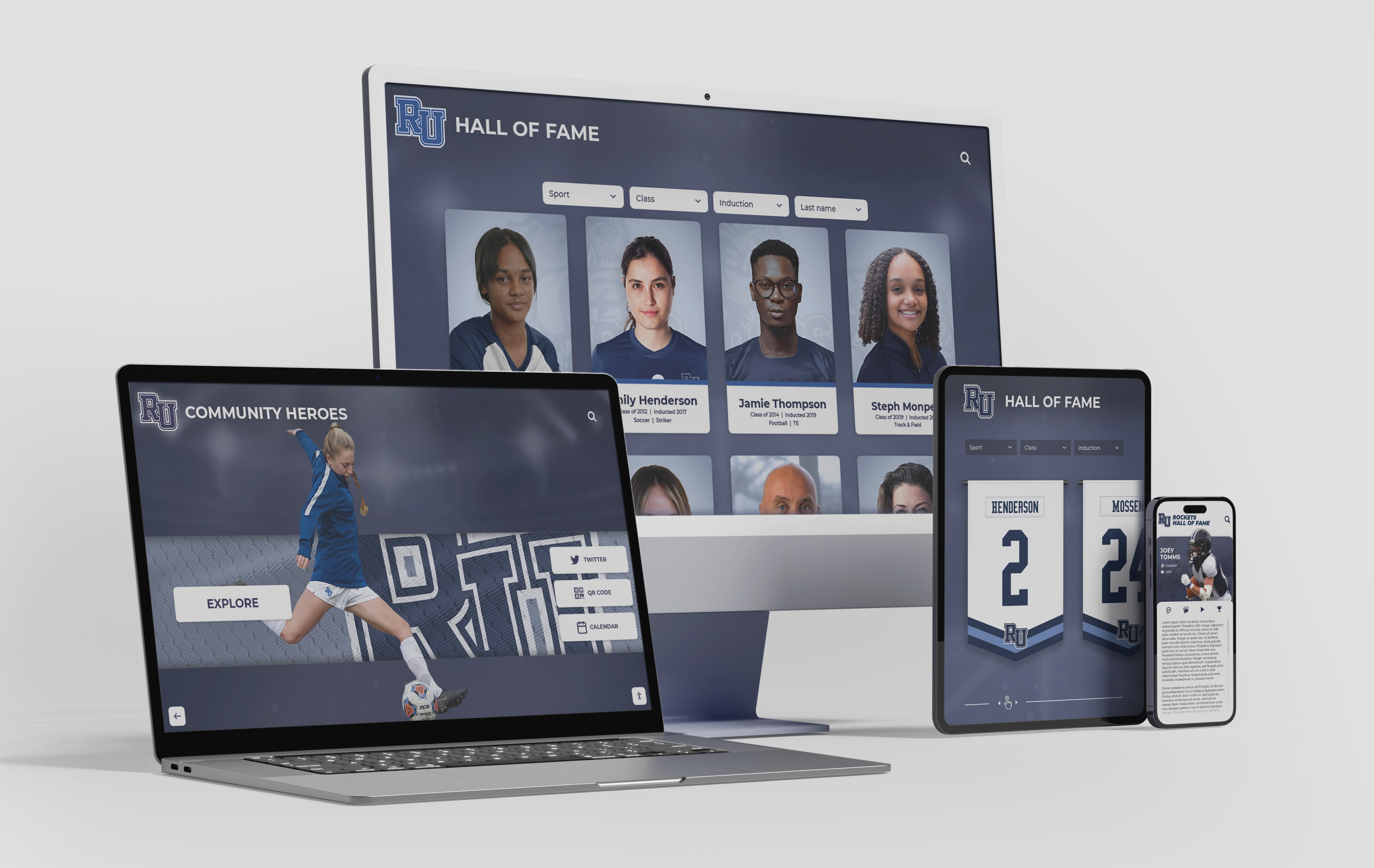
Purpose-built platforms correlate with higher engagement metrics (mean 1,847 annual profile views vs. 412 for generic websites) and greater content richness, suggesting that specialized recognition solutions deliver superior outcomes compared to adapted general-purpose platforms.
Digital Recognition Content Characteristics
Programs with digital recognition platforms report varying content depth and quality:
Biographical Information: Content completeness varies substantially:
- Complete biographical narratives (500+ words): 34% of profiles
- Moderate biographical content (200-500 words): 41% of profiles
- Brief biographical summaries (under 200 words): 25% of profiles
Multimedia Integration: Digital profiles include:
- Professional photographs: 87% of profiles
- College-era photographs: 64% of profiles
- Video interviews or highlights: 23% of profiles
- Career statistics and records: 71% of profiles
- Tournament results and achievements: 68% of profiles
- Current contact/social media links: 34% of profiles
Programs with rich multimedia content (multiple photos, video, comprehensive statistics) report 3.4x higher average profile view duration compared to text-only profiles, demonstrating that content quality substantially affects engagement outcomes.
Update Frequency: Content maintenance patterns reveal sustainability challenges:
- Regular updates (at least annually): 31% of programs
- Occasional updates (every 2-3 years): 43% of programs
- Minimal updates after initial implementation: 26% of programs
Content staleness represents a significant challenge, with 69% of programs struggling to maintain current information about distinguished alumni’s ongoing achievements, career progressions, or contact information.

Engagement Outcomes and Impact Assessment
Measurable Engagement Metrics
Programs with analytics-enabled recognition platforms provide quantitative insight into how stakeholders interact with golf alumni recognition:
User Demographics: Analysis of 47 Rocket Alumni Solutions golf program implementations with user analytics reveals recognition audience composition:
- Golf alumni (former players): 38% of users
- Current student-athletes: 24% of users
- Prospective recruits and families: 19% of users
- Coaches and staff: 11% of users
- General fans and supporters: 8% of users
This distribution demonstrates that recognition serves multiple audiences simultaneously—engaging alumni, recruiting prospects, and building community among current players who aspire to similar recognition.
Usage Patterns: User interaction data reveals engagement behaviors:
- Mean session duration: 6.2 minutes
- Average profiles viewed per session: 4.7
- Return visit rate: 28% of users access recognition multiple times
- Peak usage periods: recruiting season (October-April), tournament weeks, reunion events
Search behavior shows that 61% of users search by name (looking for specific individuals), 28% browse by era or championship year, and 11% filter by achievement type—indicating that personal connection drives recognition engagement more than general browsing.
Seasonal Engagement Patterns: Recognition platform usage demonstrates pronounced seasonality:
- Peak usage: March-May (conference championships, recruiting season)
- Secondary peak: September-October (start of academic year, homecoming)
- Lowest usage: June-July (off-season)
- Event-driven spikes: Homecoming weekend (240% above baseline), major championship participation by alumni (180% above baseline)
These patterns reveal strategic opportunities for promoting recognition content during high-interest periods to maximize visibility and engagement effectiveness.
Impact on Fundraising and Development
Golf programs with effective recognition report measurable advancement benefits:
Alumni Giving Participation: Programs implementing comprehensive digital recognition report changes in golf-specific giving:
- First-year increase in donor participation: Mean 16% improvement
- Second-year sustained growth: Mean 22% improvement
- Third-year compound effects: Mean 28% above pre-implementation baseline
These improvements stem from multiple factors: emotional connection strengthened by recognition, regular content updates maintaining engagement, and simplified digital giving integration reducing friction in donation processes.
Major Gift Cultivation: Development officers working with golf programs report recognition impact:
- 67% cite recognition as beneficial in donor conversations
- 43% report specific major gifts influenced by recognition discussions
- Mean gift size for recognized alumni: 2.3x higher than non-recognized alumni
- Planned giving inquiry rate: 34% higher among recognized alumni
Recognition demonstrates how institutions value contributions and achievements, creating psychological conditions that support philanthropic decision-making.
Event Attendance and Participation: Programs with robust recognition see improved alumni engagement:
- Golf tournament attendance: Mean 31% increase
- Reunion participation: Mean 24% increase
- Volunteer coaching/mentoring: Mean 19% increase
- Career networking engagement: Mean 27% increase
Recognition creates tangible reasons for alumni to re-engage with programs, providing focal points for connection that extend beyond simple nostalgia or school loyalty.
Resource Allocation and Budget Constraints
Recognition Budget Analysis
Financial limitations represent the most commonly cited barrier to comprehensive golf recognition programs:
Annual Recognition Budgets: Programs report wide variation in recognition investment:
Division I Programs:
- Mean annual budget: $4,200
- Median annual budget: $2,800
- Range: $0 - $18,000
- 18% report $0 dedicated recognition budget
Division II/III Programs:
- Mean annual budget: $1,800
- Median annual budget: $900
- Range: $0 - $8,000
- 31% report $0 dedicated recognition budget
NAIA/Junior College Programs:
- Mean annual budget: $1,200
- Median annual budget: $500
- Range: $0 - $5,000
- 42% report $0 dedicated recognition budget
These figures include physical display maintenance, digital platform subscriptions, content development, event costs, and administrative time. Golf recognition receives substantially lower budget allocation than revenue sports, reflecting athletic department funding priorities and booster support patterns.
Budget Allocation by Category: Among programs with defined recognition budgets, spending distribution follows patterns:
- Physical display maintenance/updates: 38% of budgets
- Digital platform subscriptions: 24% of budgets
- Event costs (induction ceremonies): 18% of budgets
- Content development (photos, videos, design): 12% of budgets
- Administrative time and coordination: 8% of budgets
Funding Sources: Programs identify diverse funding mechanisms:
- Athletic department operating budget: 52% of funding
- Golf-specific booster donations: 28% of funding
- Alumni fundraising (recognition sponsorships): 14% of funding
- Foundation grants: 6% of funding
Programs that successfully integrate recognition with broader alumni engagement strategies report 2.4x higher donor-funded recognition budgets, demonstrating synergy between recognition initiatives and philanthropic support.
Staffing and Time Investment
Limited staffing represents a critical constraint for golf recognition programs:
Responsibility Assignment: Recognition management falls to various roles:
- Head golf coach (part of broader duties): 47% of programs
- Sports information director: 32% of programs
- Alumni relations staff: 24% of programs
- Development/fundraising staff: 18% of programs
- Athletic communications coordinator: 29% of programs
(Percentages exceed 100% as programs distribute responsibility across multiple staff)
Most programs lack dedicated recognition personnel, instead adding recognition duties to existing staff whose primary responsibilities lie elsewhere. This distributed model creates coordination challenges and often results in recognition receiving insufficient attention relative to its engagement potential.
Time Investment Requirements: Programs with active recognition report time demands:
- Initial recognition system development: Mean 34 hours
- Annual induction class preparation: Mean 18 hours per class
- Content updates and maintenance: Mean 8 hours monthly
- Event planning and execution: Mean 24 hours per event
- Ongoing administration and coordination: Mean 6 hours monthly
These estimates explain why comprehensive recognition proves challenging for small programs with limited staff capacity, particularly when recognition competes with coaching responsibilities, recruiting activities, and competitive season demands.
Implementation Approaches and Success Factors
Effective Recognition Program Characteristics
Successful golf recognition programs share identifiable patterns that drive engagement and sustainability:
Comprehensive Recognition Criteria: Programs with strong engagement recognize diverse achievement:
- Professional tour success (89% include)
- Collegiate competitive excellence (87% include)
- Coaching and leadership achievements (76% include)
- Amateur championship success (71% include)
- Program contribution and service (68% include)
- Industry leadership and innovation (54% include)
Broad criteria ensure diverse alumni populations see themselves represented, expanding engagement beyond the narrow subset who achieved professional tour success.
Regular Content Updates: Recognition systems maintaining relevance:
- Annual induction classes: 82% of successful programs
- Quarterly content enhancements: 64% of successful programs
- Real-time achievement updates (major championships, etc.): 47% of programs
- Periodic profile refreshes: 56% of programs
Programs treating recognition as dynamic, evolving platforms rather than static monuments maintain substantially higher engagement compared to those implementing recognition once then allowing content to stagnate.
Integration with Broader Programs: Effective recognition connects to multiple institutional initiatives:
- Annual golf alumni tournament: 78% integrate recognition
- Recruiting visits and prospect communication: 71% leverage recognition
- Fundraising campaigns and donor cultivation: 67% use recognition strategically
- Team building for current student-athletes: 63% reference recognition
- Media and communications content: 84% feature recognition regularly
Multi-purpose recognition delivers greater institutional value than recognition serving only historical documentation purposes.
Leadership Championship: Programs with effective recognition benefit from:
- Head coach personal commitment: 94% of successful programs
- Athletic director support: 87% of successful programs
- Development officer collaboration: 76% of successful programs
- Alumni volunteer engagement: 68% of successful programs
Recognition success requires leadership advocacy ensuring adequate resources, appropriate priority, and sustained institutional commitment.
Implementation Phase Approaches
Programs with functional recognition typically follow phased implementation rather than attempting comprehensive launches:
Phase 1 - Foundation: Duration 3-6 months, establishing core recognition infrastructure:
- Define recognition criteria and standards
- Identify initial inductee class (typically 15-25 distinguished alumni)
- Develop content for initial honorees
- Select technology platform or physical display approach
- Plan and execute inaugural induction event
Successful Phase 1 implementations focus on quality over quantity, recognizing clearly distinguished alumni whose achievements justify recognition without question, establishing credibility for subsequent expansion.
Phase 2 - Expansion: Duration 6-12 months, building depth and breadth:
- Add 2-3 additional induction classes
- Enhance existing profiles with additional content
- Establish regular nomination and selection processes
- Build awareness through communications and promotion
- Integrate recognition with alumni engagement events
Phase 3 - Sustainability: Ongoing operations, maintaining and evolving recognition:
- Annual induction cycles becoming routine operations
- Regular content updates reflecting alumni career progressions
- Strategic recognition promotion during key periods
- Continuous improvement based on engagement analytics
- Recognition serving as platform for broader alumni engagement
Programs following phased approaches report 84% sustained operation compared to 42% for programs attempting comprehensive single-phase implementations, suggesting that incremental approaches better align with institutional capacity and resource availability.
Barriers and Challenges
Most Commonly Reported Obstacles
Golf programs identify consistent challenges impeding recognition development:
Budget Constraints (cited by 76% of programs):
- Limited athletic department resources for non-revenue sports
- Difficulty securing donor funding specifically for recognition
- Competing priorities for available golf program funds
- Uncertainty about return on investment for recognition spending
Staff Capacity Limitations (cited by 68% of programs):
- No dedicated staff for recognition program management
- Competing demands on coaching and administrative staff time
- Lack of expertise in recognition best practices
- Insufficient coordination across athletic department functions
Content Development Challenges (cited by 61% of programs):
- Difficulty locating contact information for older alumni
- Limited biographical information about historical players
- Inadequate photo archives for earlier eras
- Time-intensive content gathering and development processes
Technology and Infrastructure Issues (cited by 47% of programs):
- Uncertainty about appropriate digital platform options
- Lack of technical expertise for website or display management
- Concerns about long-term maintenance requirements
- Integration challenges with existing athletic department systems
Prioritization and Support (cited by 54% of programs):
- Lower institutional priority for golf compared to revenue sports
- Limited athletic director engagement with golf recognition
- Insufficient booster interest in supporting recognition initiatives
- Difficulty communicating recognition value to decision-makers
Programs successfully addressing these challenges typically focus on 1-2 high-priority obstacles rather than attempting simultaneous resolution of all barriers, building momentum through incremental progress.
Sport-Specific Recognition Challenges
Golf presents unique challenges distinct from team sports recognition:
Individual vs. Team Achievement Balance: Golf’s individual competitive format complicates recognition:
- Should recognition prioritize individual accomplishment or team contribution?
- How should programs recognize excellent individual performers on weak teams?
- What weight should team championships receive relative to individual success?
- How can recognition celebrate both competitive excellence and team culture contribution?
Programs with successful recognition establish criteria that honor both dimensions rather than forcing either/or choices that leave significant achievement unrecognized.
Professional Career Diversity: Post-collegiate golf paths vary dramatically:
- PGA/LPGA Tour (highest visibility but narrowest path)
- Korn Ferry/Epson Tour (development tours with less recognition)
- International tours (achievements less visible domestically)
- Teaching professionals and club professionals
- Amateur competitive golf careers
- Golf industry leadership outside playing
Recognition focused narrowly on major tour success ignores the broader spectrum of golf excellence that alumni achieve, potentially alienating the majority whose careers follow alternative paths.
Achievement Timing Variability: Golf success occurs across extended timelines:
- Collegiate peak performers whose careers decline after graduation
- Late-developing players who peak professionally years after college
- Alumni achieving senior amateur success decades post-graduation
- Career professionals whose teaching impact emerges over time
Recognition systems must accommodate ongoing achievement rather than assuming recognition occurs immediately post-graduation based solely on collegiate performance.
Best Practices and Recommendations
Evidence-Based Implementation Guidance
Analysis of successful implementations yields practical recommendations for programs at various development stages:
For Programs Beginning Recognition Initiatives:
Start with clear, comprehensive criteria that recognize diverse achievement types beyond professional tour success, ensuring recognition serves broad alumni populations rather than narrow elite minorities.
Focus initial class on indisputable achievements where recognition clearly justified (All-Americans, tour winners, conference players of year) establishing credibility before expanding to subjective or borderline cases.
Choose sustainable platforms matching institutional technical capacity. Purpose-built recognition platforms often provide better long-term value than attempting custom development or adapting generic website tools.
Integrate with existing events rather than creating standalone recognition events. Homecoming weekends, alumni tournaments, and team banquets provide existing attendance and infrastructure that recognition can leverage.
Secure leadership championship from head coach and athletic director before beginning implementation, ensuring adequate resource commitment and institutional priority.
For Programs with Existing Recognition:
Audit current recognition comprehensiveness identifying achievement categories receiving insufficient recognition and alumni populations underrepresented in current honorees.
Implement digital extensions for physical recognition, expanding accessibility to alumni who cannot visit campus while maintaining traditional displays for on-campus engagement.
Establish content update processes preventing recognition from becoming outdated, with assigned responsibility and defined schedules ensuring regular maintenance.
Leverage recognition for advancement by actively integrating into donor cultivation, major gift conversations, and fundraising communications rather than treating recognition as separate from development efforts.
Measure engagement systematically through analytics, attendance tracking, and stakeholder feedback, enabling continuous improvement based on data rather than assumptions.
For All Programs:
Document nomination and selection processes ensuring transparency, consistency, and fairness in recognition decisions that sustain credibility over time.
Engage honored alumni actively as mentors, speakers, and program advocates rather than passive recognition subjects, maximizing relationship value beyond acknowledgment.
Promote recognition consistently through recruiting communications, alumni newsletters, social media, and event integration rather than assuming stakeholders will discover recognition organically.
Plan for sustainability through adequate budget allocation, clear staff responsibility, and defined processes that continue regardless of personnel changes.
Connect recognition to program values using distinguished alumni as examples of character, excellence, and achievement that current student-athletes aspire to emulate.
Resource Allocation Recommendations
Budget and staffing recommendations based on benchmark data and successful program patterns:
Minimum Viable Recognition Program (all program levels):
- Annual budget: $2,500-$4,000
- Staffing: 0.10-0.15 FTE (4-6 hours weekly)
- Scope: Annual induction class of 3-5 distinguished alumni, basic digital or physical recognition, integration with existing alumni event
- Platform: Purpose-built recognition platform ($1,500-$2,500 annually) or enhanced athletic website
Moderate Recognition Program (Division I, well-resourced Division II):
- Annual budget: $5,000-$8,000
- Staffing: 0.15-0.25 FTE (6-10 hours weekly)
- Scope: Annual induction of 5-8 alumni, comprehensive biographical content, video integration, dedicated recognition event, active promotion
- Platform: Integrated digital recognition platform ($3,000-$5,000 annually) with optional physical display component
Comprehensive Recognition Program (Division I with strong support):
- Annual budget: $10,000-$18,000
- Staffing: 0.25-0.40 FTE (10-16 hours weekly)
- Scope: Robust annual inductions, multimedia-rich profiles, physical and digital integration, dedicated recognition events, strategic advancement integration
- Platform: Enterprise recognition system ($6,000-$12,000 annually) with interactive displays and comprehensive web presence
These ranges assume incremental recognition development over 2-3 years rather than attempting complete implementation in single year, distributing costs across budget cycles while building sustainable operations.

What This Means for Golf Programs
Actionable Insights for Program Leaders
This benchmark data reveals several critical implications for coaches, athletic directors, and development professionals:
Recognition Represents Competitive Advantage: With only 34% of programs maintaining effective golf recognition, comprehensive recognition programs create meaningful differentiation. Recruiting prospects and their families notice when programs celebrate achievement systematically versus programs lacking visible recognition infrastructure. Programs can leverage recognition as recruiting tool and engagement driver creating competitive advantages beyond purely athletic dimensions.
Digital Platforms Deliver Superior Long-Term Value: While digital implementation requires higher initial investment, unlimited capacity, instant updates, multimedia integration, and measurable analytics deliver substantially better total cost of ownership and engagement outcomes compared to traditional physical-only approaches. Programs should prioritize digital-first recognition supplemented with physical displays rather than physical-primary approaches attempting digital extensions later.
Comprehensive Criteria Maximize Engagement: Recognition focused narrowly on professional tour success engages only tiny alumni populations. Broader criteria recognizing coaching excellence, amateur achievement, academic distinction, and program contribution expand engagement dramatically while honoring legitimate achievement across diverse post-collegiate paths.
Integration Multiplies Recognition Value: Recognition serving solely historical documentation purposes delivers limited institutional benefit. Strategic integration with recruiting, fundraising, alumni engagement, and team culture initiatives creates compound value justifying recognition investment through multiple organizational priorities simultaneously.
Leadership Championship Determines Outcomes: Head coach commitment predicts recognition success more strongly than budget size or institutional resources. Coaches who personally champion recognition importance secure necessary resources, prioritize implementation despite competing demands, and model recognition appreciation that extends throughout program culture.
Implementation Priorities by Program Type
Recommendations vary based on institutional context and resource availability:
Division I Programs:
- Implement comprehensive digital recognition platforms integrating physical displays
- Establish diverse recognition criteria beyond professional tour success
- Create dedicated recognition events during high-visibility weekends
- Leverage recognition strategically in major gift cultivation
- Invest in rich multimedia content including video interviews
- Budget $8,000-$15,000 annually for sustainable recognition programs
Division II/III Programs:
- Focus on cost-effective digital platforms requiring minimal technical administration
- Partner with athletic department communications for content development
- Integrate recognition with existing alumni events rather than standalone ceremonies
- Emphasize academic achievement and program contribution alongside competitive success
- Seek recognition-specific donor support from golf alumni
- Budget $3,000-$6,000 annually with phased multi-year implementation
NAIA/Junior College Programs:
- Prioritize digital-only recognition initially, adding physical components as resources allow
- Leverage social media and existing websites for recognition visibility
- Recognize transfer success and post-graduation achievement demonstrating program impact
- Engage honored alumni as recruiting advocates and mentorship volunteers
- Seek in-kind support and volunteer assistance for content development
- Budget $1,500-$3,500 annually with sustainable scalable approaches
Requesting the Full Research Briefing
This report summarizes key findings from comprehensive research on golf team distinguished alum recognition practices. The complete briefing includes:
- Detailed institutional breakdowns by conference affiliation and program success
- Extended case studies from successful recognition implementations
- Technical platform comparison and vendor evaluation framework
- Sample recognition criteria and nomination procedures
- Content development templates and guidelines
- Budget modeling tools for recognition planning
- Integration strategies for recruiting and advancement
- Long-form analysis of sport-specific recognition challenges
Golf programs interested in the complete research briefing, customized analysis for specific institutional contexts, or consultation about recognition planning and implementation can request a research briefing from the Hall of Fame Wall research team.
Programs seeking to understand how recognition initiatives might support recruiting, fundraising, and alumni engagement objectives will find the comprehensive briefing provides actionable frameworks for strategic decision-making.
Conclusion: Recognition as Strategic Program Investment
The data presented in this benchmark report reveals both challenges and opportunities for golf team distinguished alum recognition. Current recognition rates—with only 34% of programs maintaining dedicated golf recognition and 28% implementing digital platforms—demonstrate that substantial opportunity exists for programs to differentiate through comprehensive recognition that competitors lack.
However, successful implementations across diverse institutional contexts prove that effective recognition remains achievable even for programs with modest resources when approached strategically. The evidence clearly indicates that recognition serves multiple program priorities simultaneously: strengthening alumni engagement, supporting fundraising initiatives, enhancing recruiting competitiveness, and building program culture among current student-athletes.
Programs that have successfully developed functional recognition share common characteristics regardless of budget or division: they established comprehensive criteria recognizing diverse achievement, chose platforms matched to institutional capacity, integrated recognition throughout program operations, secured leadership championship from coaches and administrators, and built incrementally through sustainable multi-year approaches rather than attempting unsustainable comprehensive launches.
For programs just beginning recognition initiatives, the path forward involves defining clear criteria that honor diverse excellence, selecting appropriate platforms balancing functionality with budget, integrating recognition with existing events and initiatives, securing coaching and administrative support, and implementing sustainably through phased approaches. For programs with existing recognition, priorities include auditing comprehensiveness ensuring diverse alumni representation, enhancing digital accessibility expanding reach beyond campus visitors, establishing update processes maintaining relevance, and strategically integrating recognition with advancement objectives.
The investment in golf team distinguished alum recognition serves multiple institutional objectives simultaneously: honoring achievement appropriately, engaging alumni communities effectively, supporting recruiting competitiveness, strengthening fundraising capacity, and building program pride among current student-athletes. These diverse benefits position recognition as strategic investment delivering value across multiple program priorities rather than isolated historical documentation.
As programs plan and implement recognition initiatives, the benchmark data in this report provides context for evaluating current practices, setting realistic goals, allocating appropriate resources, and selecting approaches aligned with institutional capacity. The evidence demonstrates that programs of all sizes and resource levels can develop recognition that effectively honors golf excellence while actively contributing to recruiting, engagement, and advancement missions.
See the platform behind the data: Rocket Alumni Solutions provides integrated recognition solutions designed specifically for athletic programs including golf teams.
For programs seeking comprehensive platforms combining unlimited recognition capacity with multimedia integration, measurable analytics, and web/mobile accessibility optimized for athletic contexts, Rocket Alumni Solutions delivers turnkey implementations addressing challenges and incorporating best practices documented throughout this research.
Frequently Asked Questions
What criteria should golf programs use for distinguished alum recognition?
How much does it cost to implement golf team distinguished alum recognition?
Should golf programs use digital or traditional physical recognition?
How can golf programs with limited staff capacity manage recognition effectively?
How do we measure the success and ROI of golf alumni recognition?
What if we don't have photos or information about older golf alumni?
How can golf recognition help with recruiting prospective student-athletes?
Sources
- Golf Coaches Association of America (GCAA): Member Directory and Resources
- National Golf Foundation: Golf Participation and Industry Data
- NCAA: Golf Championships and All-American Recognition
- PGA Tour: Player Statistics and Member History
- LPGA Tour: Player Profiles and Career Records