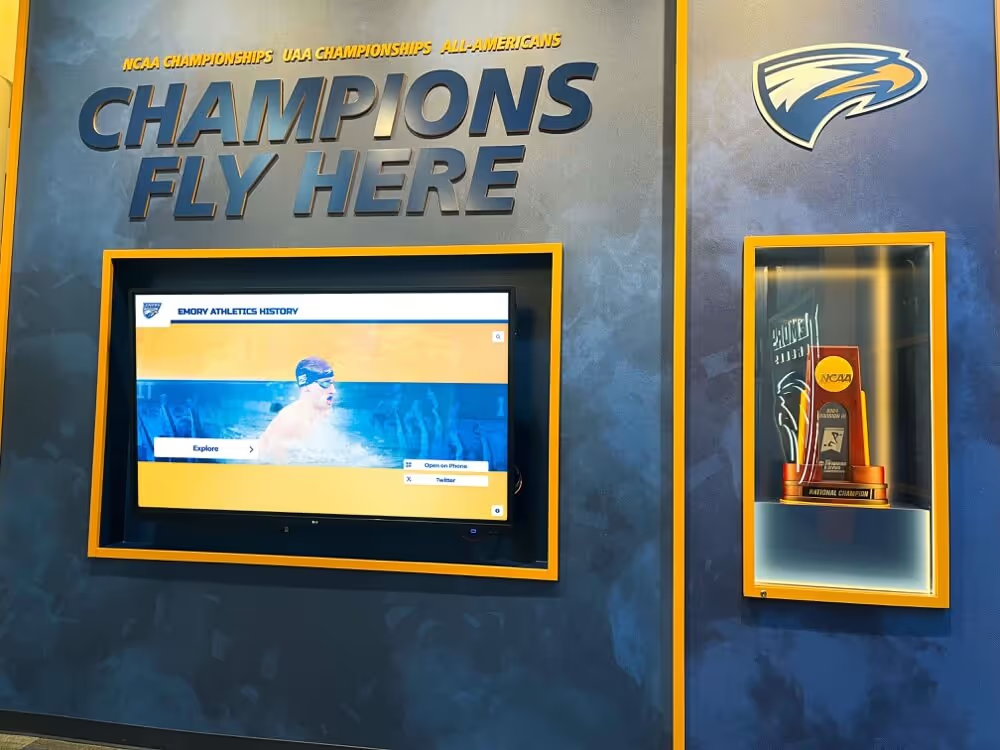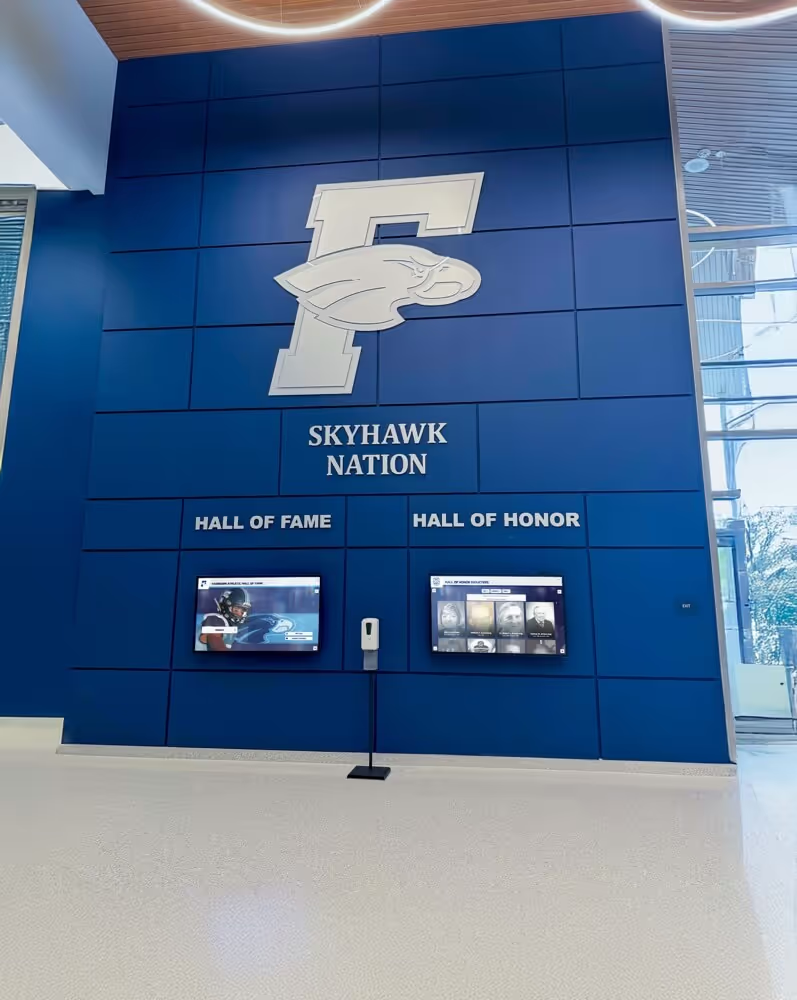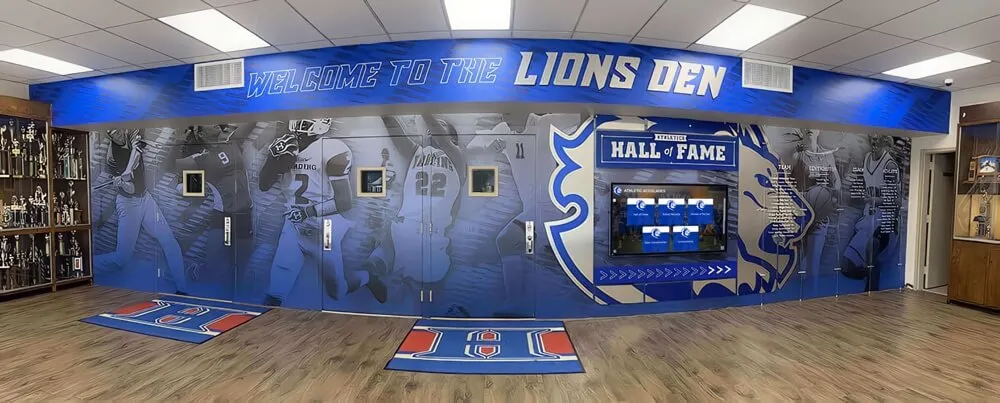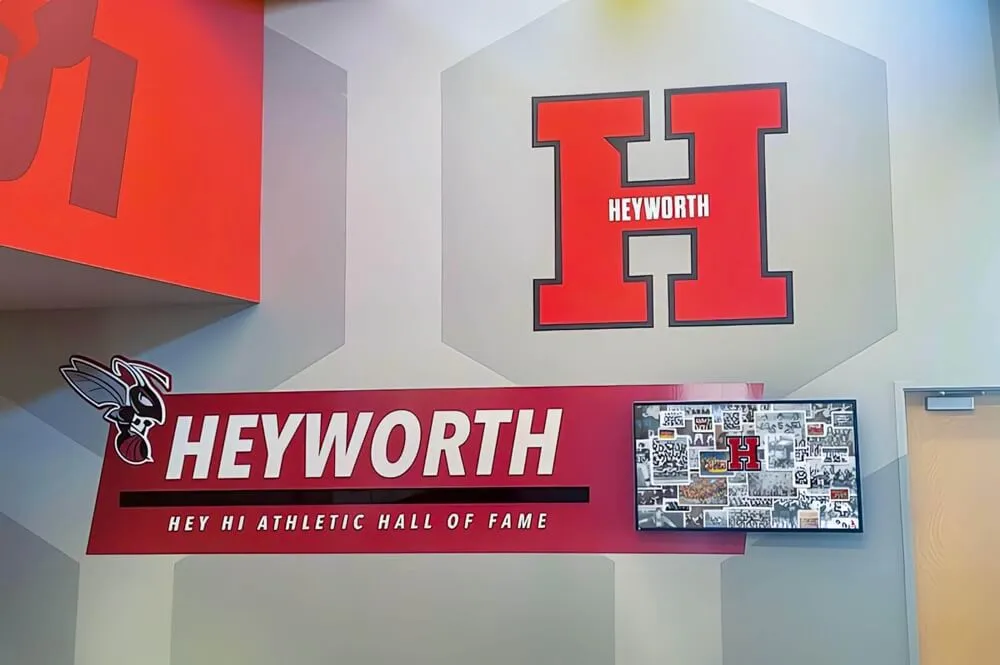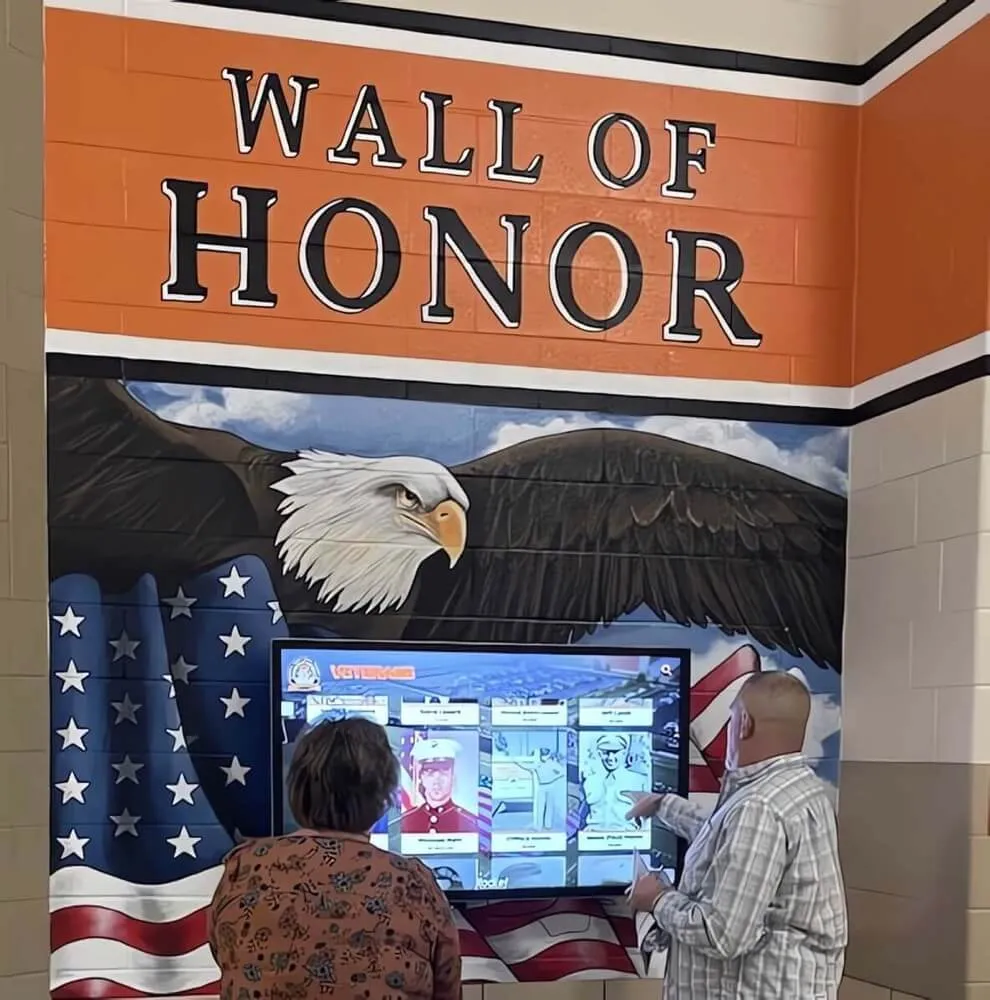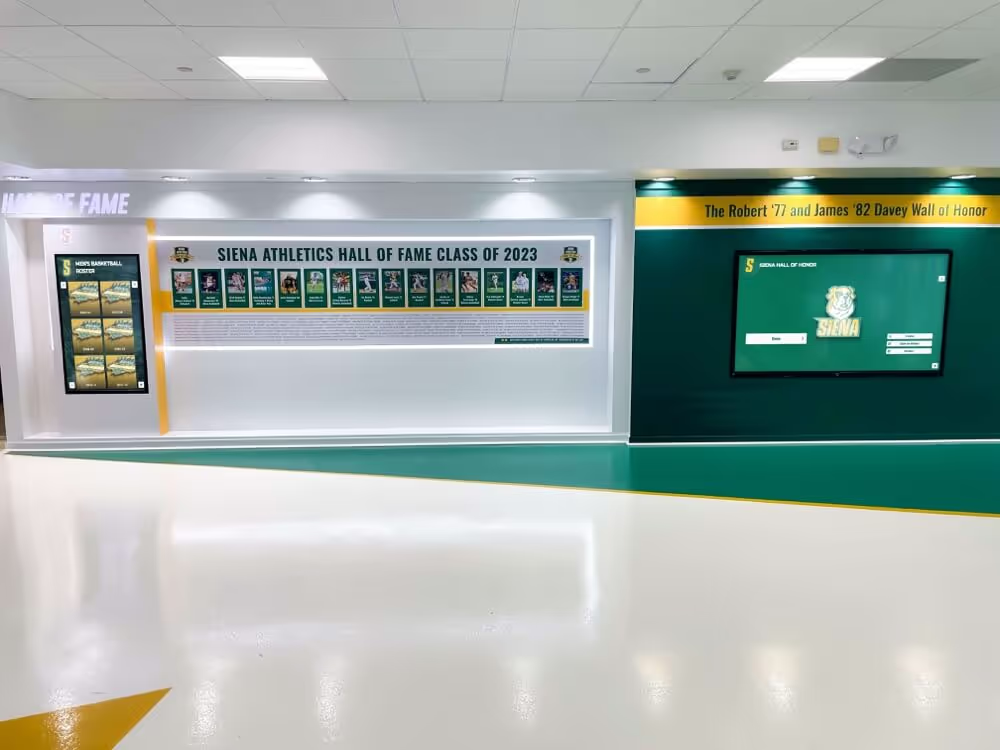




Giving Tuesday represents one of the most powerful fundraising opportunities for schools, colleges, universities, and nonprofits worldwide. This global day of generosity mobilizes millions of donors, but many organizations fail to capitalize on the momentum it creates. The challenge extends beyond securing one-time gifts—it involves building lasting relationships with new donors while deepening engagement with existing supporters.
Digital donor recognition displays offer a strategic solution that addresses both immediate campaign needs and long-term fundraising objectives. These interactive platforms create visible, engaging recognition experiences that honor current donors while inspiring others to give. When integrated with donation pages and advancement systems, they transform passive recognition into active fundraising tools that drive contributions during Giving Tuesday campaigns and throughout the entire year.
Understanding Digital Donor Recognition for Giving Tuesday
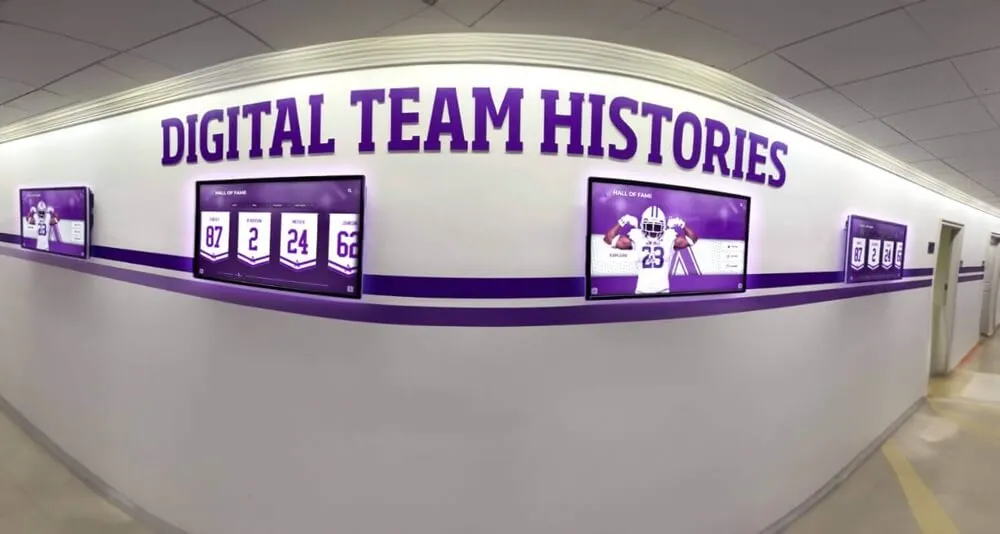
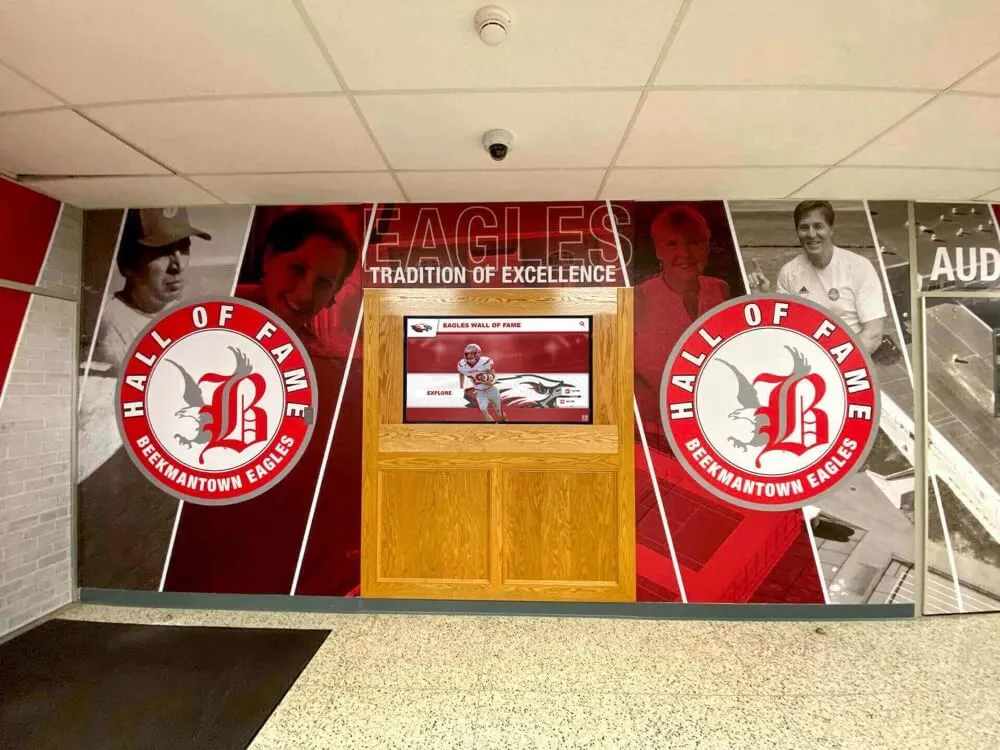
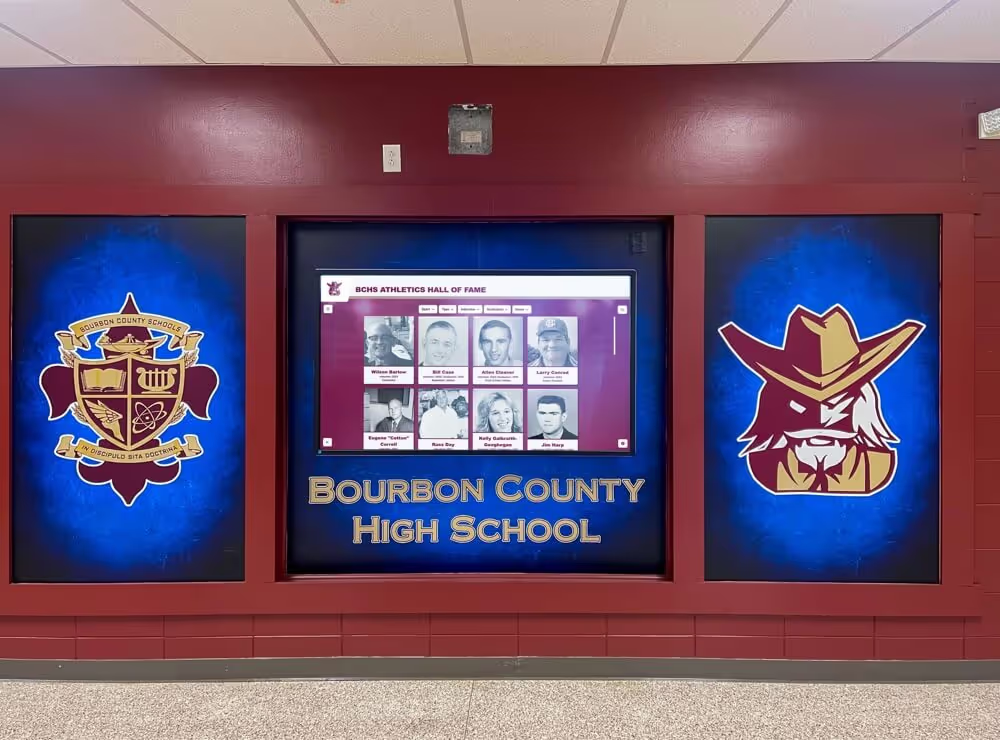
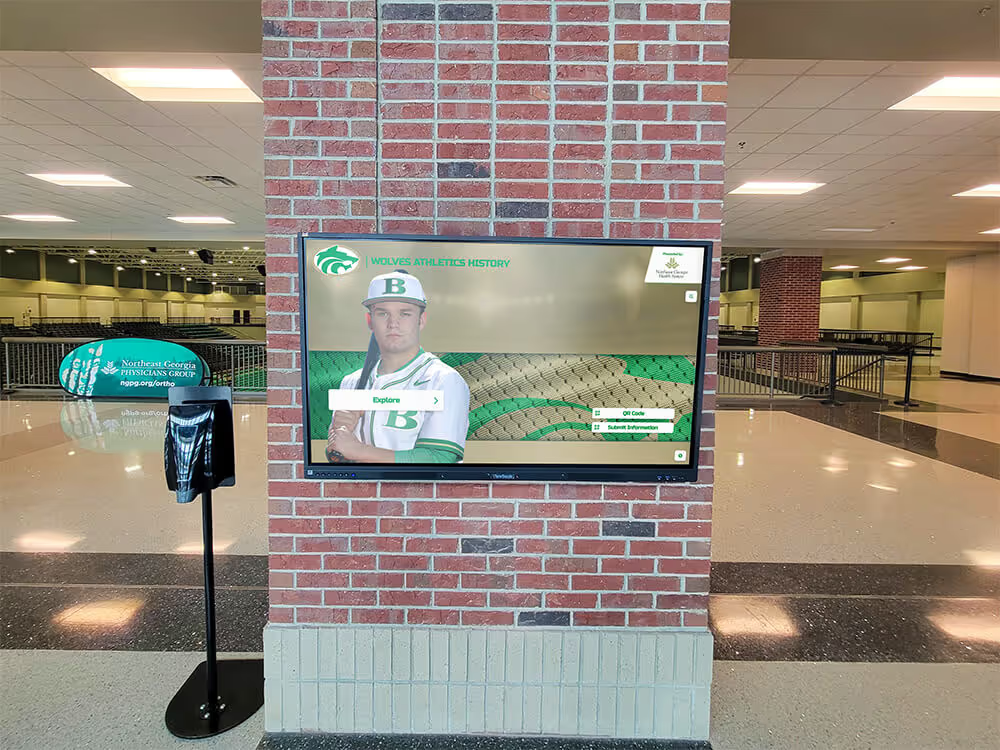
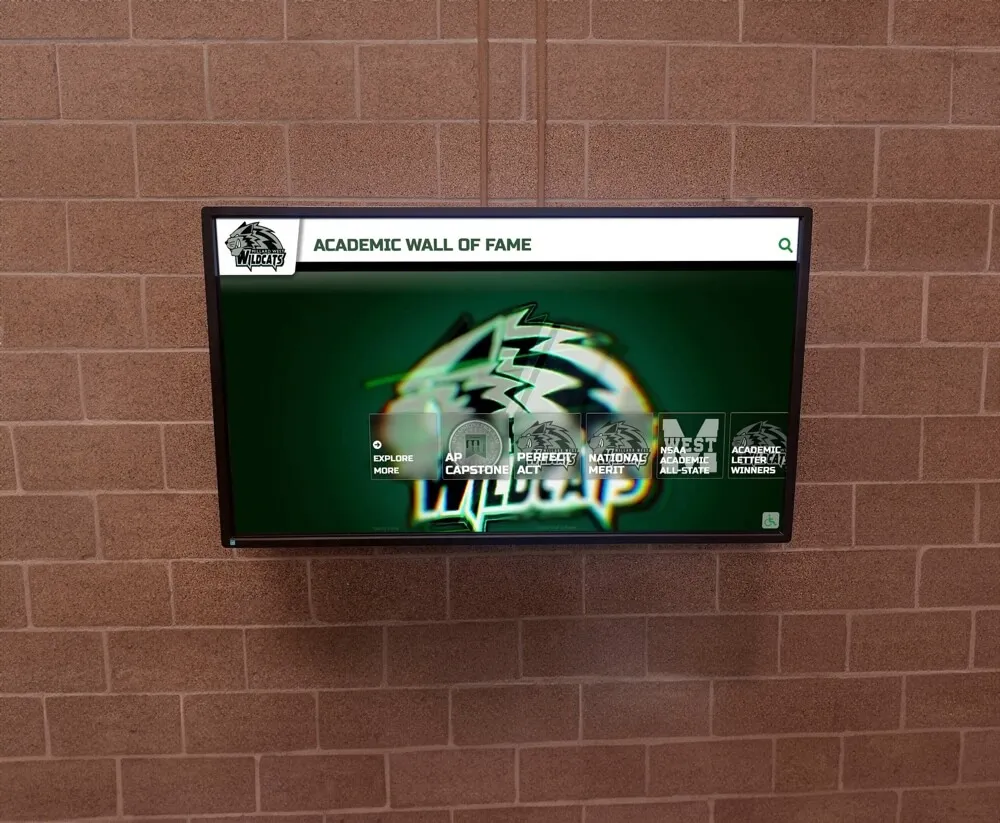
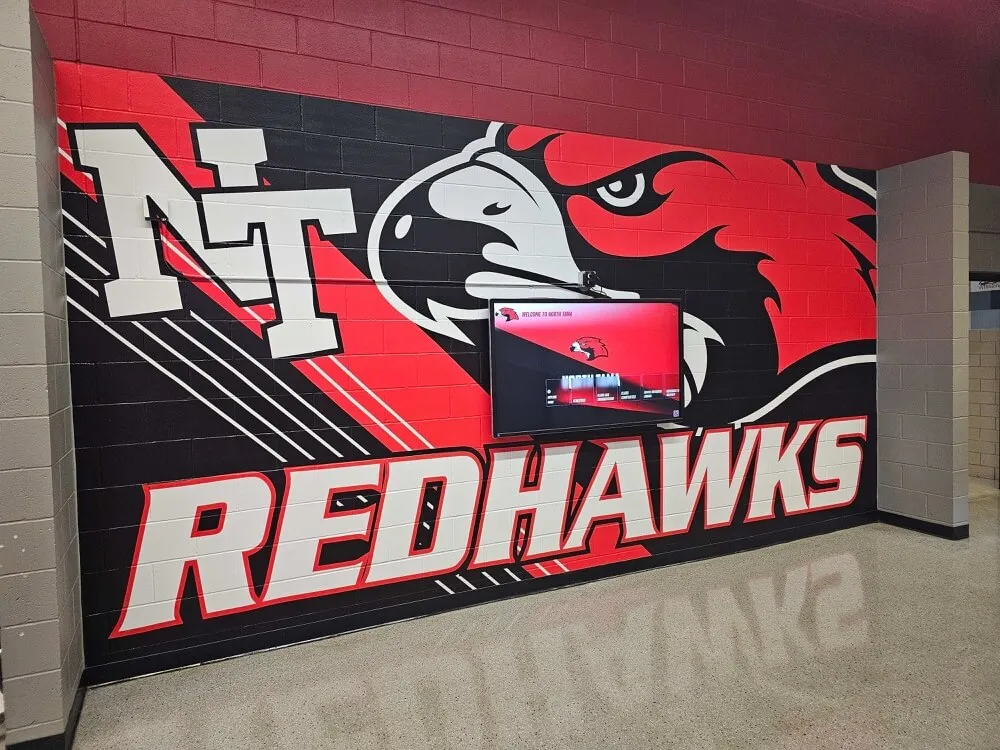
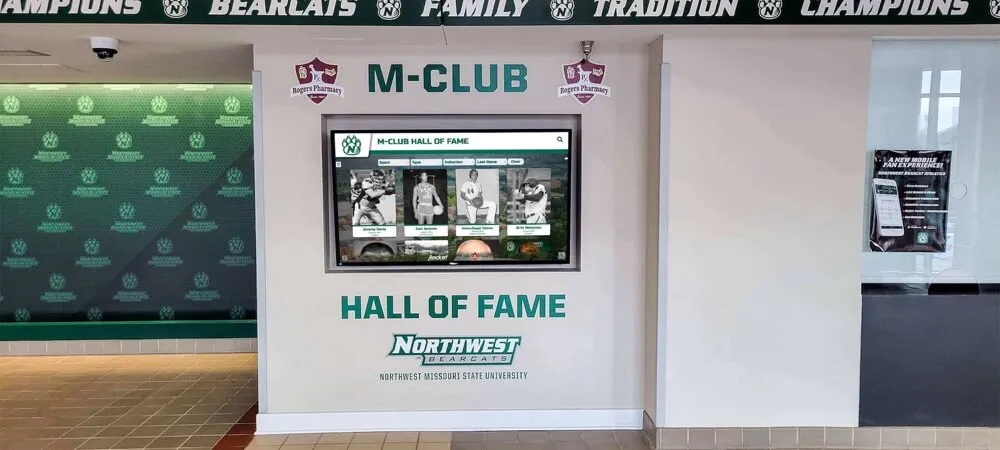
Digital donor recognition displays represent sophisticated platforms specifically designed to celebrate philanthropic support while encouraging ongoing engagement. Unlike static plaques limited by physical space and expensive updates, these dynamic systems provide unlimited capacity for honoring donors at all giving levels while seamlessly connecting recognition to donation opportunities.
What Makes Digital Recognition Different
Traditional donor walls face inherent limitations that constrain their effectiveness for modern fundraising campaigns. Physical space restrictions force organizations to recognize only top-tier donors, leaving mid-level and annual fund supporters unacknowledged. Updates require costly re-engraving and reinstallation processes that delay recognition for months after gifts are received. Static displays offer no mechanism for visitors to immediately respond with their own contributions, missing critical conversion opportunities when donor motivation peaks.
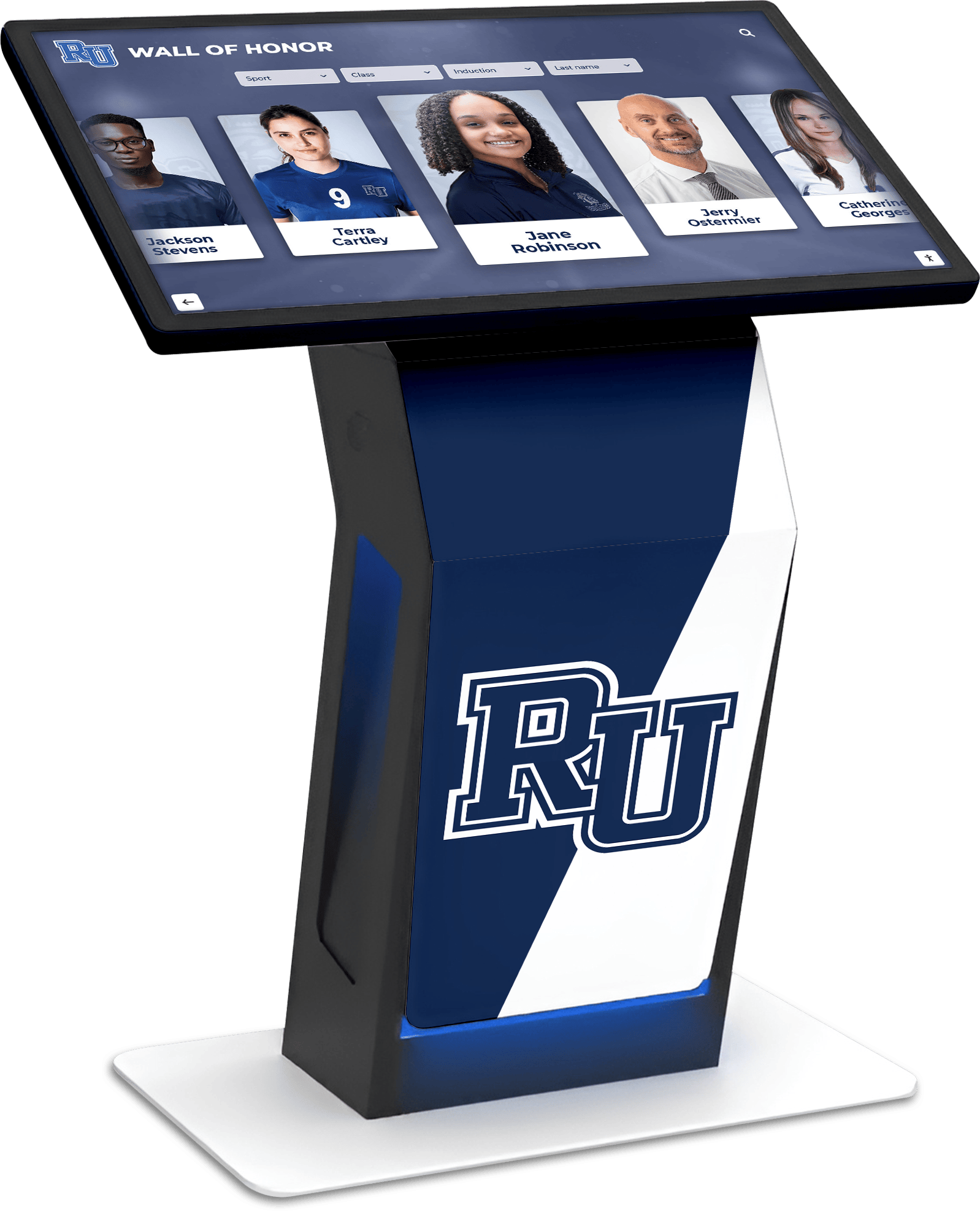
Digital recognition platforms eliminate these constraints through several key capabilities. Cloud-based content management enables real-time updates, allowing organizations to add new Giving Tuesday donors within minutes of gift confirmation rather than waiting months for physical installations. Unlimited digital capacity accommodates recognition for donors at all levels—from major benefactors to $25 Giving Tuesday contributors—ensuring every supporter receives appropriate acknowledgment. Integrated donation links allow visitors exploring the recognition display to immediately contribute themselves, creating seamless conversion pathways from inspiration to action.
Advanced integration capabilities distinguish purpose-built donor recognition platforms from generic digital signage. Modern digital donor wall systems connect directly to fundraising databases and online giving platforms, automatically updating donor lists, providing real-time campaign progress tracking, and offering one-click donation functionality that capitalizes on the emotional resonance created by seeing community giving participation.
Core Components of Effective Recognition Displays
Successful digital donor recognition systems integrate several essential elements that work together to drive engagement and inspire giving. The recognition interface showcases donor names organized by giving level or campaign designation, with professional presentation that honors supporter generosity while remaining accessible and inviting rather than exclusive or intimidating. Real-time campaign progress displays show current totals toward Giving Tuesday or annual fund goals, creating urgency and demonstrating momentum that encourages additional participation.
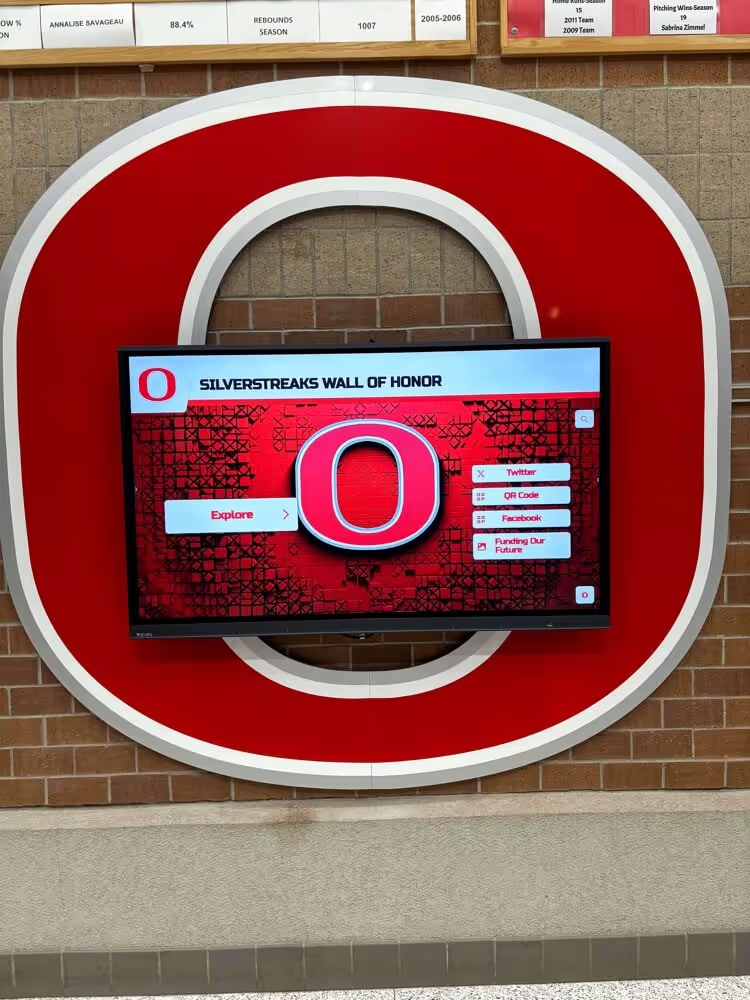
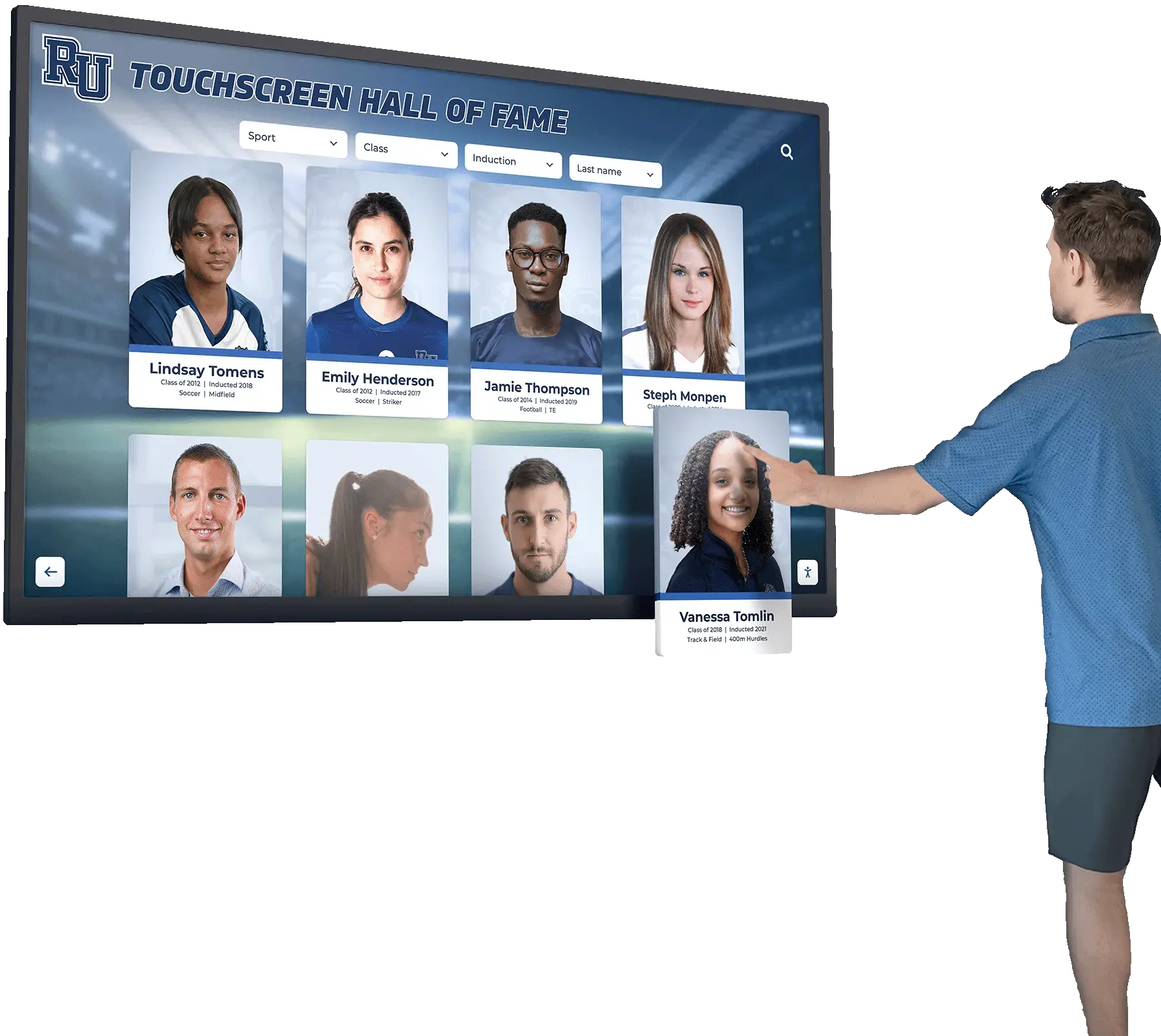
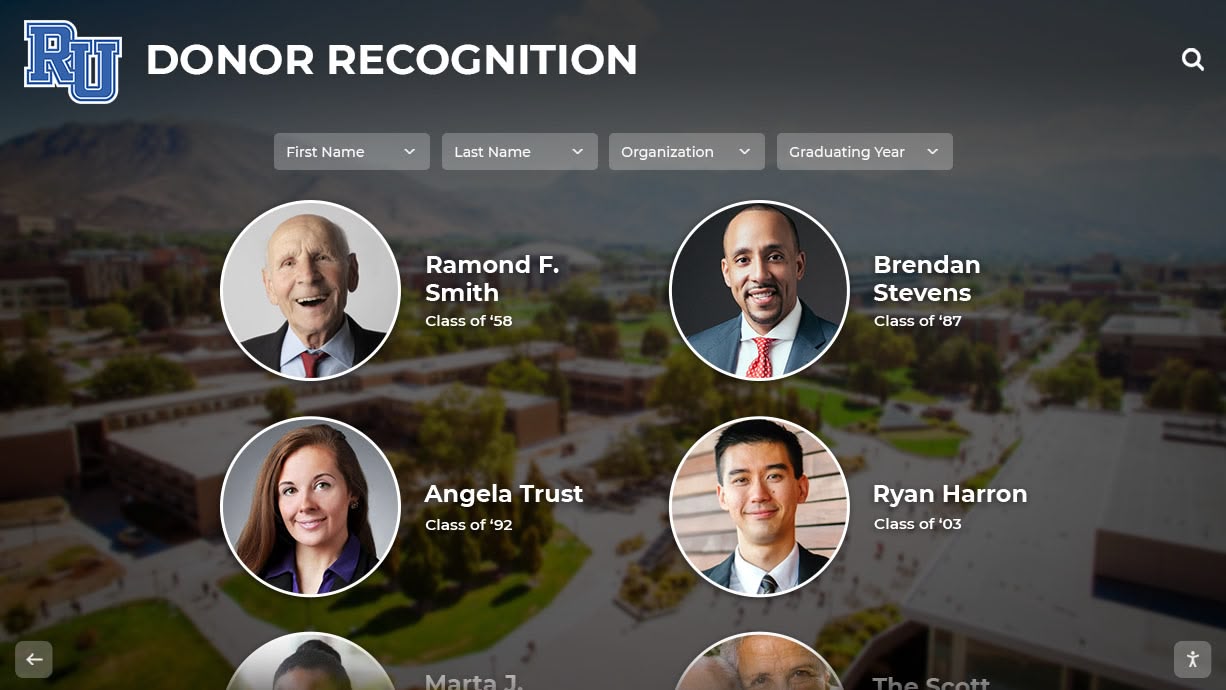
Interactive touchscreen functionality enables visitors to explore donor communities by searching for names, filtering by class year or affiliation, and discovering stories behind major gifts. This engagement transforms passive viewing into active exploration that deepens emotional connection to the donor community. Prominent donation calls-to-action position strategically throughout the display invite immediate giving through QR codes linking to mobile-optimized donation pages, touchscreen buttons launching giving forms, and clear messaging connecting recognition benefits to contribution levels.
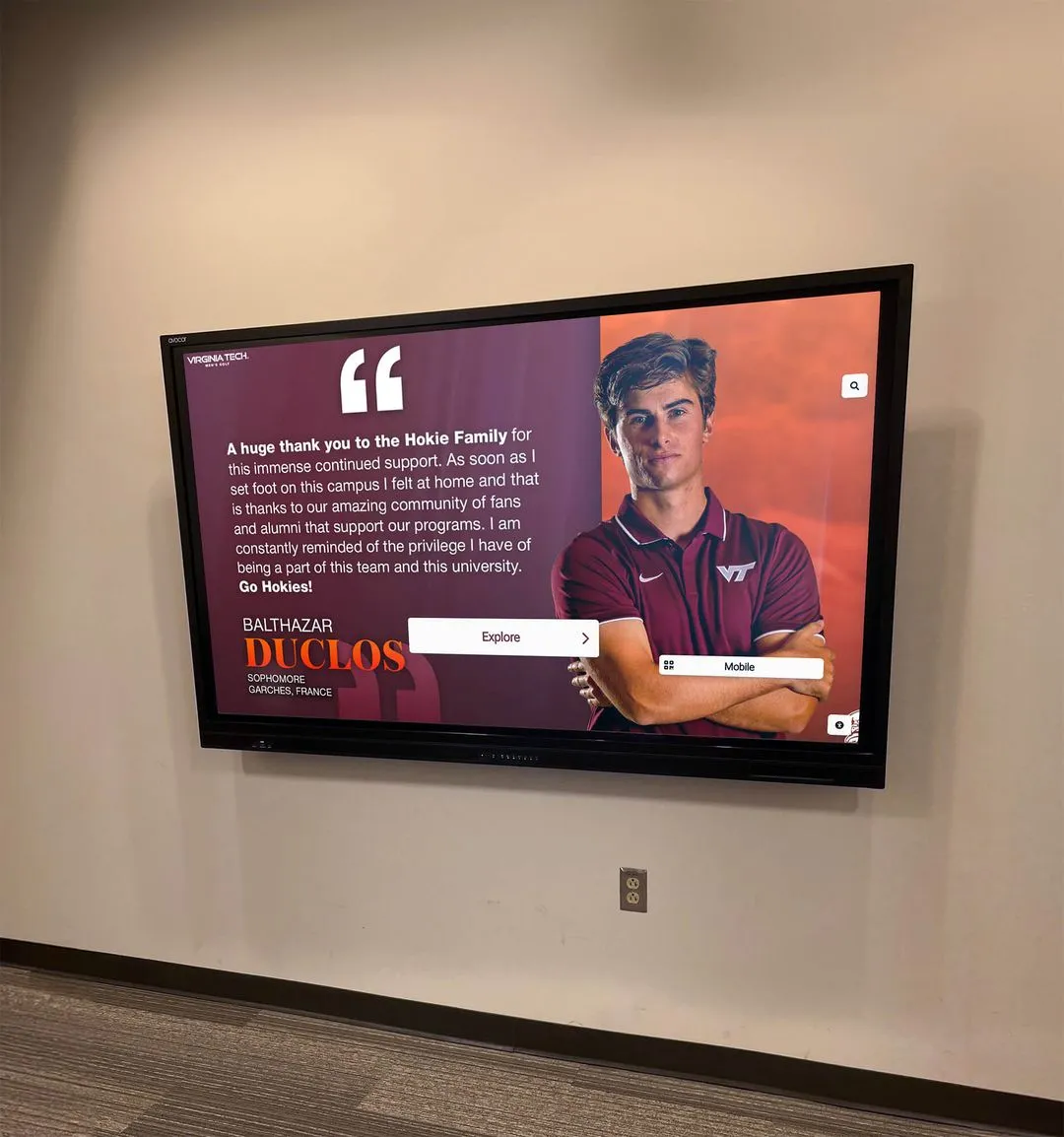
Multimedia storytelling capabilities elevate recognition beyond simple name lists to compelling narratives. Video testimonials from donors explaining why they give create authentic peer influence far more powerful than institutional messaging. Impact statements demonstrate how donations translate into tangible outcomes like scholarships awarded, programs funded, or facilities improved. Historical context shows multi-year giving trends and celebrates milestone achievements, reinforcing that contributions participate in something larger than isolated transactions.
Strategic Applications for Giving Tuesday Campaigns
Organizations implementing digital recognition displays gain versatile tools supporting multiple campaign objectives before, during, and after Giving Tuesday itself.
Pre-Campaign Preparation and Goal Visualization
Effective Giving Tuesday campaigns begin weeks before the actual event with strategic preparation that builds anticipation and establishes clear objectives. Digital displays play crucial roles in this foundation phase by showcasing previous year’s success through recognition of past Giving Tuesday donors, highlighting total funds raised and impact achieved, and building excitement for the upcoming campaign. Visual goal thermometers or progress bars set campaign targets and create accountability mechanisms that drive participation.
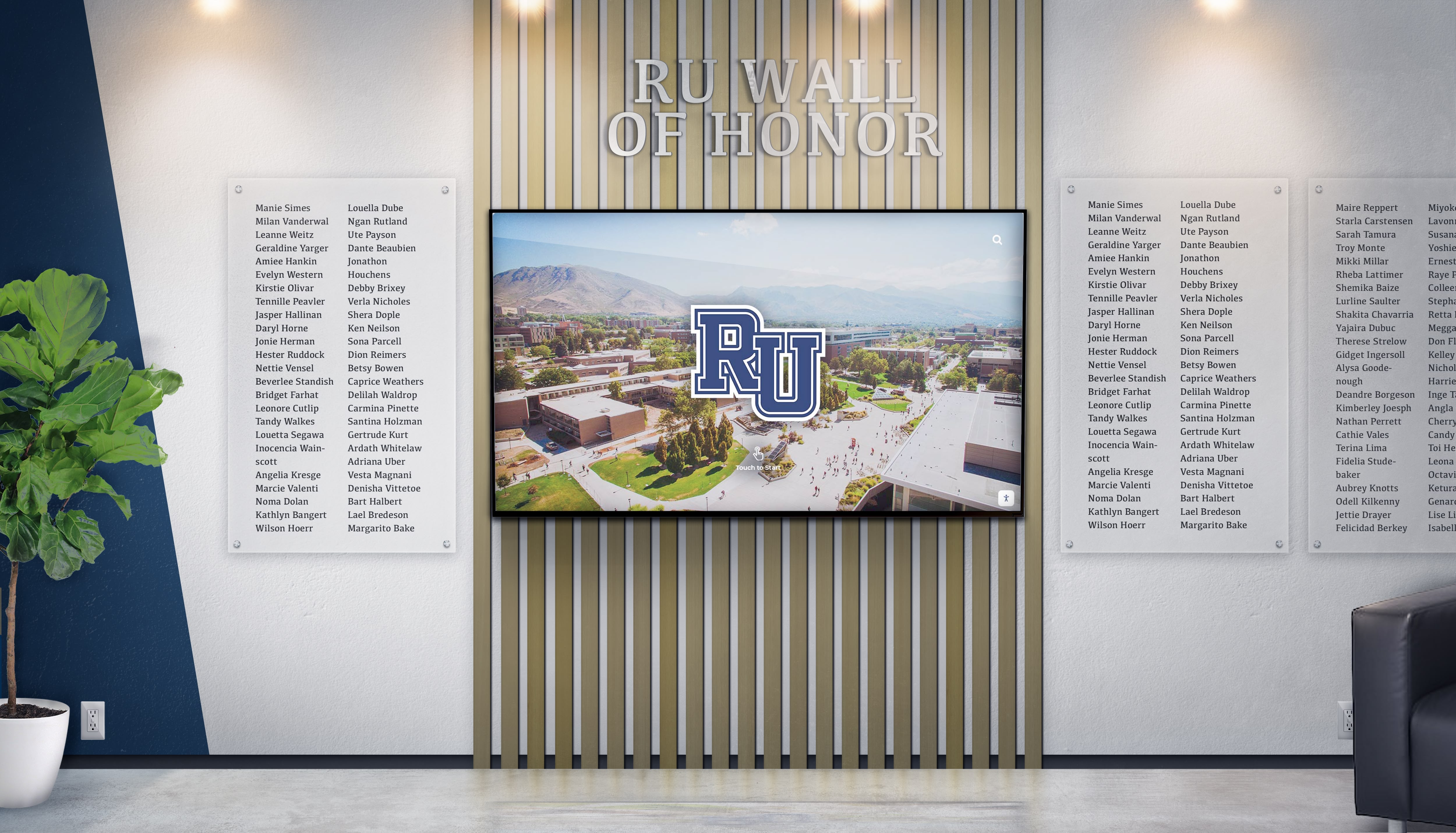
Early donor recognition strategies leverage displays to celebrate leadership gifts secured during the “quiet phase” before public launch. Featuring founding donors or matching gift sponsors prominently demonstrates momentum and validates the campaign’s credibility. Recognition in high-visibility locations like president’s offices or main lobbies signals institutional commitment while encouraging others to join the growing donor community.
Challenge gift visualization proves particularly effective for motivating participation. When major donors offer matching gifts contingent on securing a certain number of individual contributions, digital displays track progress toward unlocking these matches in real-time. The combination of recognition for those who’ve given with clear visualization of the remaining match potential creates powerful incentive for undecided prospects to contribute before the opportunity expires.
Real-Time Campaign Day Recognition
During Giving Tuesday itself, digital recognition transforms from static honor rolls into dynamic campaign dashboards that amplify excitement and drive urgency. Real-time donor additions acknowledge new contributors within minutes of gift confirmation, providing immediate gratification that enhances donor satisfaction. Seeing their names appear on prominent displays creates shareable moments that donors photograph and post to social media, organically expanding campaign reach to their personal networks.
Live progress tracking displays constantly updated campaign totals toward established goals, creating mounting excitement as targets approach. Countdown timers showing hours remaining in the day emphasize urgency, motivating procrastinators to act before the campaign concludes. Leaderboard elements highlight participation rates by class year, academic department, or athletic team, tapping into friendly competition that drives group mobilization.
Social media integration amplifies campaign impact by displaying live feeds of donor testimonials, success stories, and celebration messages alongside recognition. This integration creates feedback loops where digital display content inspires social posts, which then appear on the display, which generate additional posts in an upward spiral of engagement and visibility.
Strategic placement decisions maximize campaign day impact. Positioning displays at fundraising events where donors gather creates community celebration around collective achievement. Installation in high-traffic campus locations like student centers ensures broad visibility among potential donors throughout the critical 24-hour campaign window.
Post-Campaign Stewardship and Year-Round Engagement
The true value of digital donor recognition extends far beyond Giving Tuesday itself into the crucial stewardship and retention work that determines long-term fundraising success. Comprehensive final recognition honors all campaign participants with complete donor rolls organized by giving level, preserving permanent records of the year’s generosity. Thank-you messaging displays gratitude while reinforcing the impact achieved through collective contributions.

Ongoing recognition throughout the year maintains engagement momentum by rotating featured donor spotlights that share deeper stories, acknowledging giving anniversaries and cumulative milestones, and celebrating impact outcomes made possible through donor support. This sustained visibility prevents the “out of sight, out of mind” phenomenon that contributes to donor lapse after single-event campaigns.
Year-round donation accessibility ensures organizations capture giving impulses whenever they arise rather than only during designated campaign periods. Donors who missed Giving Tuesday but later feel motivated to contribute can act immediately when they encounter the recognition display, rather than waiting months for the next campaign solicitation. The continuous presence of donation opportunities supported by inspiring recognition transforms fundraising from episodic events into persistent organizational culture.
Research from the Association of Donor Relations Professionals indicates that organizations implementing comprehensive donor recognition programs see 40% higher donor retention rates compared to those relying solely on standard acknowledgment letters. This retention improvement compounds over time, as the increased likelihood that current donors give again next year dramatically improves long-term fundraising sustainability.
Implementation Strategies for Maximum Impact
Successfully deploying donor recognition displays requires thoughtful planning across technology selection, content strategy, and organizational integration.
Technology Platform Selection
Choosing appropriate recognition technology significantly influences both implementation success and long-term operational effectiveness. Organizations should evaluate platforms against several critical criteria that determine functional capability and administrative feasibility.
Content management ease determines whether displays remain current or quickly become outdated. Intuitive administrative interfaces enable development staff to add new donors, update giving levels, and modify campaign messaging without requiring constant IT support or vendor assistance. Cloud-based platforms eliminate the need for on-site servers while enabling remote content updates from any location. Purpose-built touchscreen digital signage software designed specifically for donor recognition provides pre-configured templates and workflows that streamline operations compared to generic content management systems requiring extensive customization.
Integration capabilities ensure recognition systems connect seamlessly with existing advancement technology ecosystems. API connections to fundraising databases enable automated donor list synchronization, eliminating manual data entry and associated errors. Links to online giving platforms create one-click donation pathways from recognition displays directly to contribution forms. Compatibility with existing campus systems for authentication and access control prevents security vulnerabilities while maintaining convenient administrative workflows.
Scalability and flexibility accommodate evolving organizational needs over time. Platforms should support multiple display locations with centralized content management, enable different content presentations for various audiences or contexts, and provide upgrade pathways as institutional recognition programs expand. The total cost of ownership includes not only initial licensing and hardware expenses but ongoing subscription fees, content development resources, and technical support requirements.
Solutions like Rocket Alumni Solutions provide specialized platforms designed specifically for institutional recognition needs, offering turnkey systems that balance sophisticated functionality with administrative simplicity. These purpose-built tools typically deliver better outcomes than attempting to adapt generic technologies never intended for donor recognition applications.
Content Development Best Practices
Compelling content transforms recognition technology from mere name lists into engaging experiences that inspire action. Effective content strategies balance several competing priorities while maintaining focus on core fundraising objectives.
Donor information presentation requires careful consideration of privacy preferences and recognition preferences. Clear giving level categories create aspiration by showing progression pathways from annual fund participation to leadership giving societies. Inclusive recognition that honors contributions at all levels validates every donor’s importance while building broad-based support culture. Opt-in mechanisms respect privacy preferences by ensuring donors choose whether to appear in public recognition, with appropriate “Anonymous” designations for those preferring discretion.
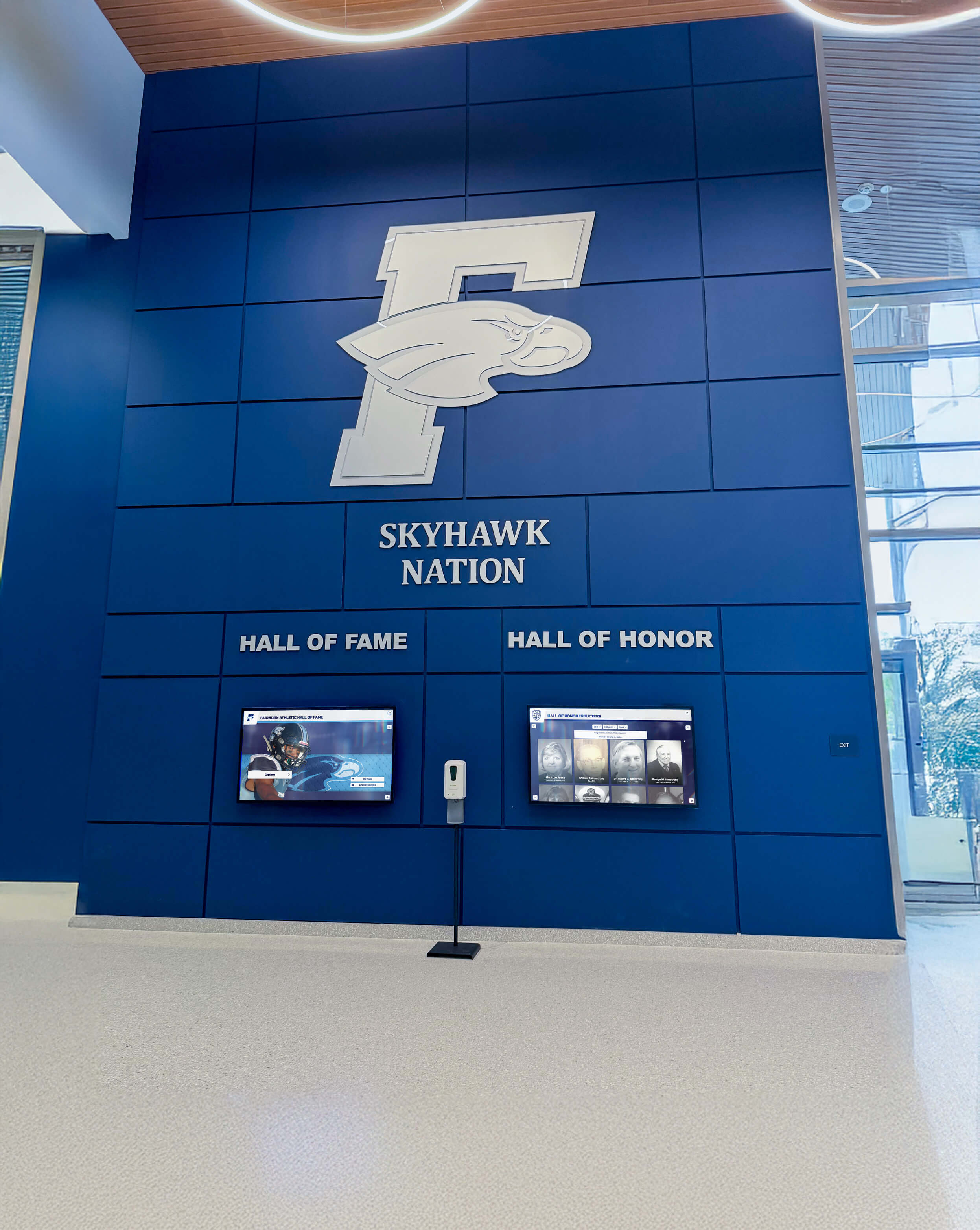
Impact storytelling elevates recognition beyond transactional acknowledgment to mission-driven narrative. Specific examples demonstrate how donations translate into outcomes—scholarships supporting individual students, research advancing specific discoveries, or facilities enabling new programming. Quantified results provide concrete data about collective donor community impact through aggregate metrics like total students supported or programs funded. Effective donation honor walls connect individual generosity to institutional mission in ways that validate giving decisions and inspire continued support.
Visual design and user experience principles ensure displays attract attention and facilitate exploration rather than overwhelming visitors with information overload. Clear information hierarchy guides attention from headline campaign messages to detailed donor lists to donation calls-to-action. Consistent institutional branding maintains visual connection to broader organizational identity while establishing recognition platform as official institutional communication. Accessibility compliance ensures displays serve audiences with varying abilities through appropriate text sizing, color contrast, touch target dimensions, and alternative text descriptions.
Regular content refreshes maintain relevance and encourage return engagement. Rotating donor spotlights prevent displays from feeling static by regularly featuring different contributors with deeper stories. Seasonal messaging aligns recognition with institutional rhythms—showcasing scholarship donors during commencement, athletic donors during homecoming, or annual fund donors during fiscal year-end campaigns. Campaign-specific content transforms displays into versatile communication vehicles supporting diverse advancement priorities throughout the year.
Integration with Broader Fundraising Infrastructure
Digital recognition achieves maximum impact when thoughtfully integrated into comprehensive advancement strategies rather than implemented as isolated initiatives.
Development team workflow integration ensures recognition supports rather than burdens staff capacity. Automated data flows from fundraising databases to recognition displays eliminate manual entry work and associated delays. Clear protocols define responsibilities for content updates, display maintenance, and donor communication follow-up. Training programs equip gift officers to leverage recognition displays during donor cultivation conversations by using recognition features to demonstrate stewardship practices and discuss recognition benefits with major gift prospects.
Physical placement strategy determines visibility and engagement frequency. High-traffic institutional locations like main building lobbies maximize exposure to diverse campus visitors. Alumni gathering areas position recognition where returning graduates naturally congregate during events. Development office spaces enable displays to support cultivation conversations with prospective donors visiting for meetings. Multiple display locations create redundant visibility touchpoints that reinforce messaging through repeated exposure across campus.
Online extension multiplies recognition reach beyond physical campus boundaries to engage remote alumni and supporters who rarely visit in person. Companion websites showcase complete donor rolls with search and filtering capabilities. Virtual recognition platforms provide 24/7 global access unbound by physical location constraints. Social media integration amplifies individual donor stories to broader networks through shareable content and peer-to-peer recognition.
Event programming integration leverages recognition displays as focal points for fundraising gatherings. Giving Tuesday watch parties celebrate campaign progress around recognition displays showing real-time donor additions. Reunion weekend programming features class-specific recognition highlighting alumni participation rates. Donor appreciation events position displays prominently as conversation catalysts while providing photo opportunities that create memorable experiences and shareable content.
Measuring Success and Continuous Improvement
Data-driven assessment enables organizations to quantify recognition program impact while identifying optimization opportunities.
Key Performance Indicators
Comprehensive measurement frameworks combine multiple metrics revealing different dimensions of recognition effectiveness. Donor acquisition metrics track new donor counts from Giving Tuesday campaigns, conversion rates from display interaction to donation completion, and average gift sizes from display-prompted contributions. Donor retention indicators measure year-over-year retention rates for recognized donors versus non-recognized supporters, multi-year consecutive giving streaks, and upgrade rates to higher giving levels following recognition.
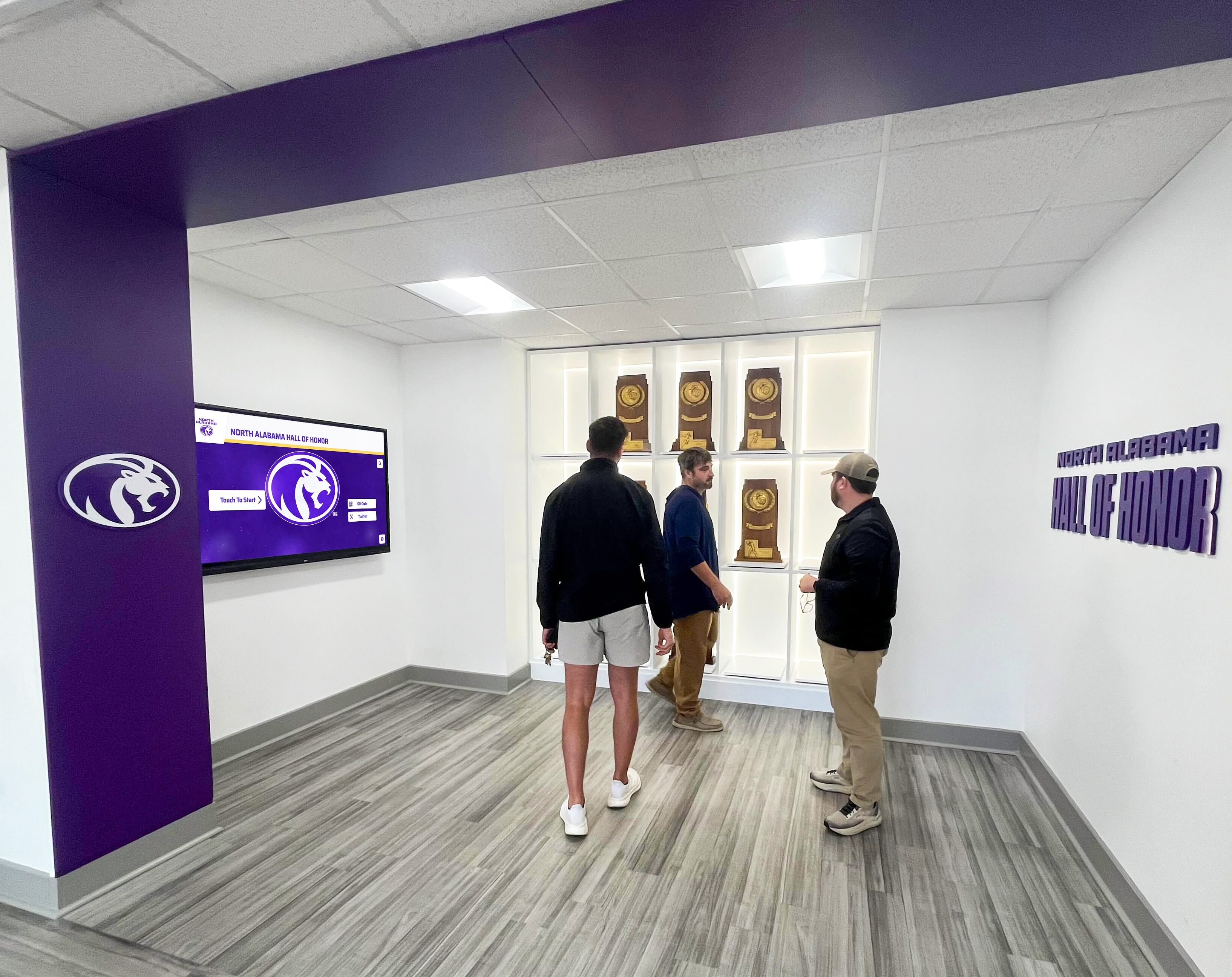
Engagement analytics available through digital platforms provide granular interaction data impossible with traditional recognition approaches. Session duration reveals how long visitors engage with recognition content, indicating depth of interest and content effectiveness. Most-viewed content identifies which donor stories, impact statements, or campaign messages resonate most powerfully with audiences. Search patterns show what information visitors actively seek, revealing content gaps or navigation challenges. Donation link click-through rates measure how effectively recognition inspires giving action by tracking the percentage of display interactions that proceed to contribution forms.
Campaign-specific metrics assess Giving Tuesday performance improvements attributable to recognition strategies. Year-over-year campaign comparisons evaluate growth in donor participation, total funds raised, and average gift amounts. Real-time giving velocity during campaign days shows whether live recognition and progress tracking accelerate contribution pacing. Social media amplification measures organic content sharing by donors and campaign supporters, quantifying recognition’s role in expanding reach beyond direct institutional communications.
Benchmarking against sector standards contextualizes performance relative to peer institutions. According to CASE (Council for Advancement and Support of Education) data, the median Giving Tuesday campaign participation rate for educational institutions is approximately 2.5% of alumni. Organizations implementing comprehensive digital recognition strategies report participation rates 35-50% above sector medians, demonstrating measurable returns on recognition investment.
Optimization Through Testing and Iteration
Continuous improvement requires systematic experimentation and willingness to adapt strategies based on evidence. A/B testing methodologies enable organizations to compare recognition approach variations and objectively assess which performs better. Content experiments might test donor story formats, campaign messaging variations, or call-to-action phrasing. Design tests evaluate different layout configurations, color schemes, or information hierarchies. Placement comparisons assess whether recognition displays drive more engagement in lobbies versus student centers or other high-traffic locations.
Donor feedback collection provides qualitative insights complementing quantitative analytics. Brief surveys embedded in digital displays ask visitors about their recognition experience, content interests, and likelihood of giving. Post-gift follow-up communications with new Giving Tuesday donors inquire whether recognition influenced their decision to contribute and what factors most motivated their participation. Focus groups with various stakeholder segments explore attitudes toward recognition, preferences for different approaches, and suggestions for program enhancements.
Competitive analysis reveals innovations and best practices worth adapting to local context. Reviewing peer institution recognition programs identifies compelling storytelling techniques, effective design approaches, or integration strategies that might translate to different organizational environments. Professional development through advancement associations exposes staff to emerging trends and proven methodologies from leading programs. Vendor partnerships with recognition platform providers offer ongoing consultation and access to evolving capabilities developed through cross-client learning.
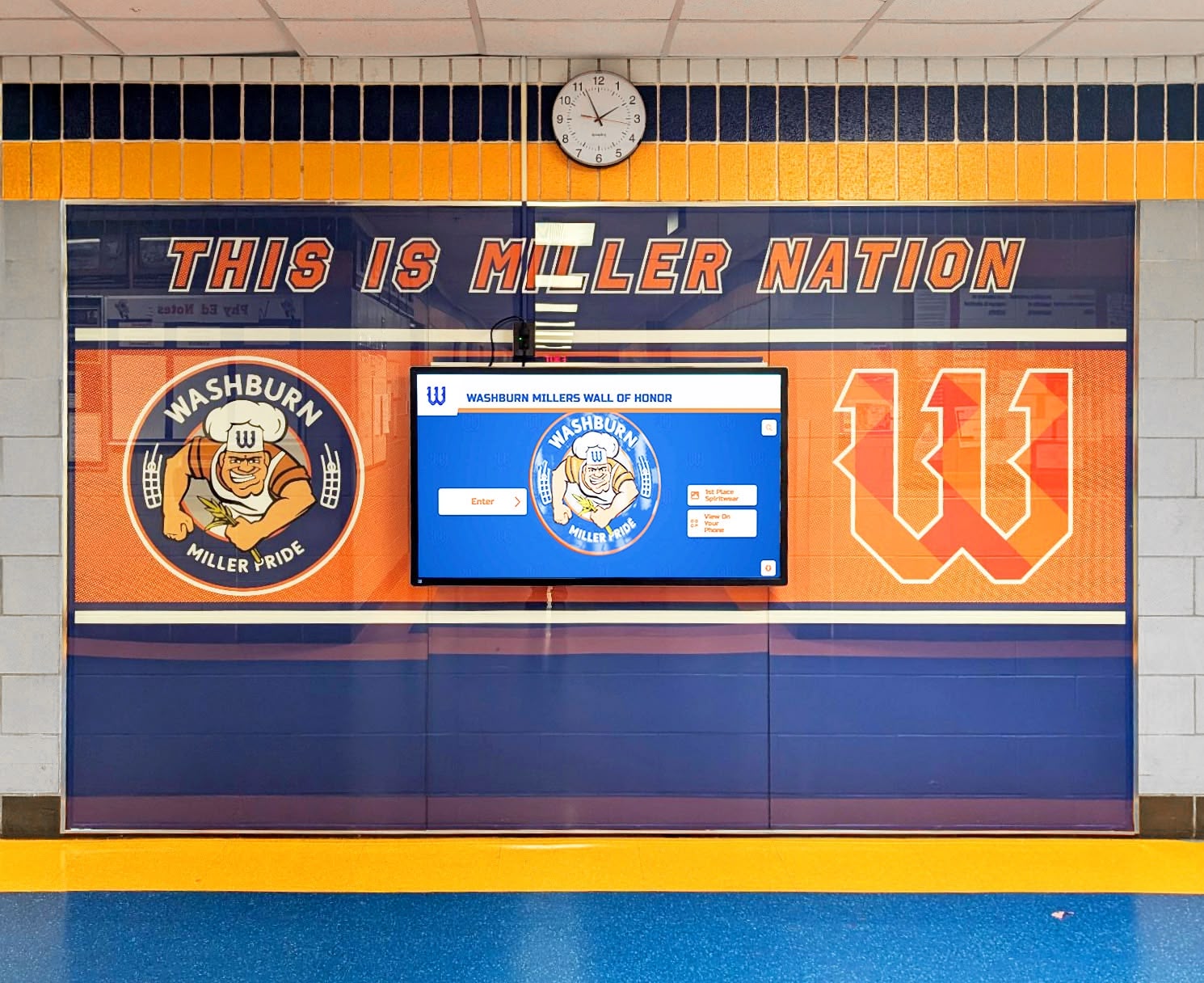
Implementation refinement applies learning to progressively improve recognition effectiveness. Content updates incorporate high-performing storytelling approaches while retiring underperforming elements. User experience enhancements address navigation pain points or information architecture issues revealed through usage analytics and feedback. Technology upgrades adopt new capabilities as platforms evolve, ensuring organizations benefit from ongoing innovation rather than allowing systems to stagnate with outdated functionality.
Best Practices from Leading Programs
Educational institutions and nonprofits successfully leveraging digital donor recognition for Giving Tuesday campaigns share several common approaches that drive their results.
Creating Urgency and Momentum
Successful campaigns harness psychological principles that motivate immediate action rather than indefinite procrastination. Time-limited matching gift opportunities create artificial scarcity driving urgency—“Your gift will be doubled if we reach 500 donors by midnight.” Real-time progress visualization toward specific milestones builds momentum through social proof—“We’re only 43 donors away from unlocking a $25,000 match!” Countdown timers emphasize temporal boundaries, triggering loss aversion among prospects not wanting to miss deadline-bound opportunities.
Participation-based goals prove particularly effective for Giving Tuesday campaigns where the objective centers on donor engagement rather than purely revenue targets. Challenges like “500 Donors in 24 Hours” or “100% Class of 1995 Participation” create achievable goals that feel within reach through collective action. Interactive announcement feeds displaying each new donor contribution create visible momentum that inspires others to join the growing movement.
Competition elements tap into natural rivalry dynamics that drive engagement. Class year leaderboards showing participation rates by graduation decade motivate alumni to ensure their class ranks competitively. Academic department or athletic team challenges encourage internal mobilization to claim recognition as most engaged unit. These competitive frameworks work best when celebrating participation broadly rather than only acknowledging top financial contributors, ensuring donors at all capacity levels feel their gifts meaningfully impact standings.
Balancing Recognition Tiers
Inclusive recognition philosophies validate contributions at all levels while maintaining appropriate distinction for leadership generosity. Entry-level thresholds ensure modest Giving Tuesday gifts of $25-50 earn public recognition, signaling that every contribution matters and building broad-based donor culture. Mid-tier categories create aspiration and natural upgrade pathways—donors giving $100 this year might target $250 next year to reach the next recognition level. Leadership societies honor major gifts in ways that acknowledge extraordinary generosity while avoiding ostentatious displays that might alienate supporters of more modest means.
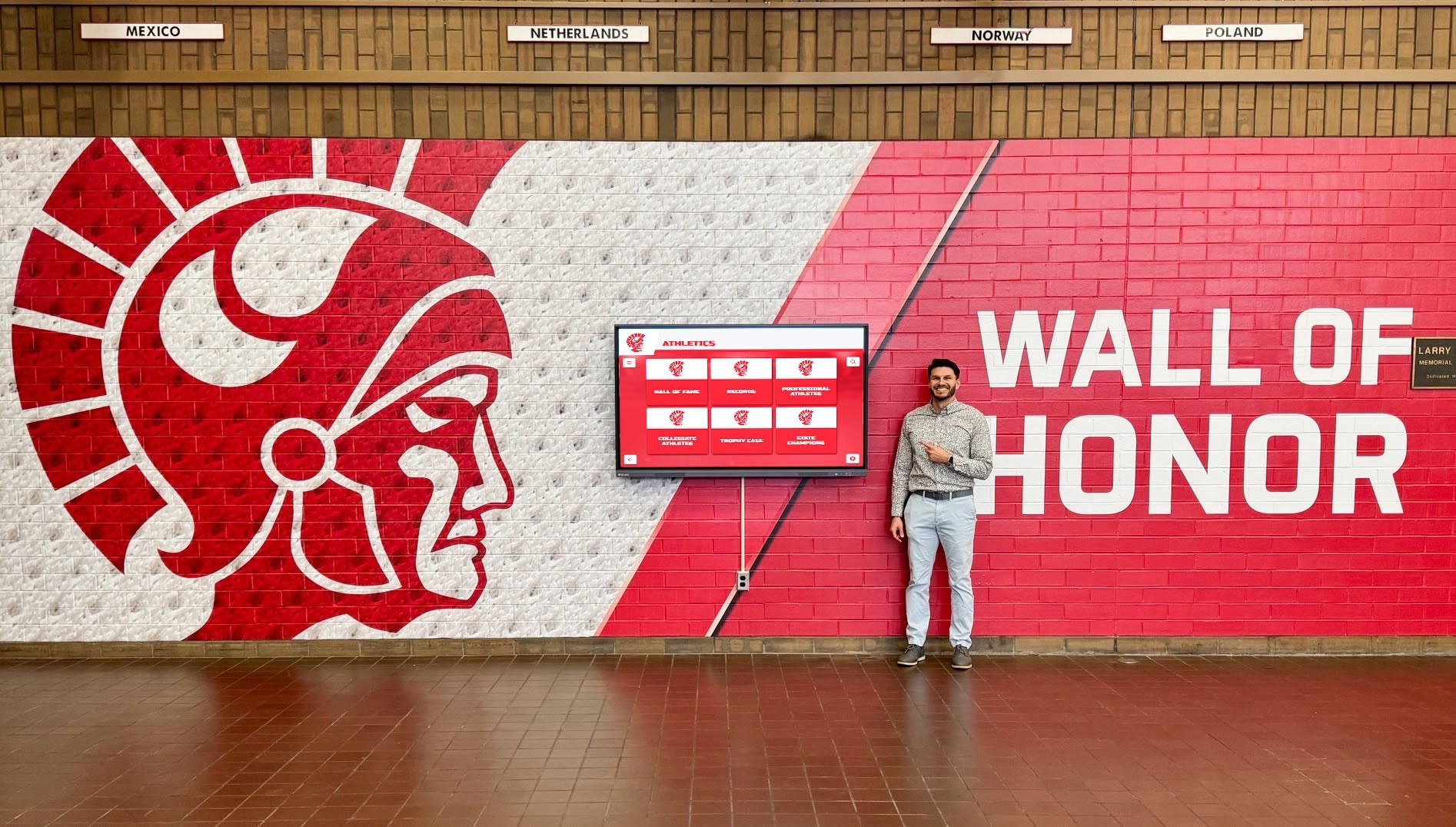
Anonymous donor accommodation respects diverse privacy preferences within donor communities. Clear opt-out mechanisms ensure contributors uncomfortable with public recognition can decline listing while still receiving appropriate private stewardship. “Anonymous” or “Anonymous (2)” designations maintain recognition completeness without violating privacy preferences. Cumulative giving recognition balances annual Giving Tuesday participation with sustained multi-year support, preventing exclusive focus on single-event contributions at the expense of loyal longtime supporters who may not be able to give large amounts in any single campaign.
Special recognition categories honor diverse contribution types beyond straightforward financial gifts. Volunteer recognition celebrates time and talent contributions supporting campaign execution. Legacy society inclusion highlights planned giving commitments that may not represent immediate cash flow but ensure long-term institutional sustainability. First-time donor acknowledgment validates new supporters and celebrates donor base expansion beyond recurring contributors.
Connecting Recognition to Impact
The most compelling recognition transcends name lists to tell stories connecting generosity to meaningful outcomes. Specific impact examples demonstrate how donations translate into tangible results—“Your gifts funded 47 scholarships enabling first-generation students to graduate debt-free” proves more powerful than generic “supporting student success” messaging. Beneficiary testimonials featuring students, faculty, or program participants thanking donors create emotional resonance and authentic connection between supporters and mission outcomes.
Longitudinal impact tracking shows cumulative effect of sustained giving over multiple years. Multi-year dashboards visualize how growing Giving Tuesday participation compounds to enable progressively larger institutional initiatives. Historical context demonstrates evolution from modest campaign beginnings to substantial movements engaging thousands of donors and generating millions in support. This temporal perspective validates long-term investment while inspiring continued participation as part of something larger than isolated annual events.
Transparent financial stewardship assures donors that contributions achieve intended purposes. Specific fund allocation information shows how money divides across scholarships, facilities, programming, or other designated uses. Administrative cost transparency addresses common donor concerns about organizational efficiency. Impact return-on-investment calculations quantify outcomes per dollar contributed—“Every $1,000 donated provides 100 hours of tutoring for at-risk students”—helping donors understand the tangible difference their support creates.
Overcoming Common Challenges
Organizations implementing digital donor recognition for Giving Tuesday campaigns frequently encounter several predictable obstacles that thoughtful planning can address proactively.
Privacy and Data Security Concerns
Donor recognition inherently involves public display of personal information, raising legitimate privacy and security considerations. Comprehensive privacy policies clearly communicate what information appears in recognition displays, how data is collected and protected, and what options donors have for controlling their visibility. Explicit opt-in or opt-out mechanisms empower donors to choose recognition participation rather than assuming consent. Secure data handling protocols ensure donor information receives appropriate protection during collection, storage, transmission, and display.
Regulatory compliance requirements vary by jurisdiction and organization type. Educational institutions must navigate FERPA regulations governing student information disclosure. Nonprofits face state-specific charitable solicitation laws that may impose recognition-related requirements or restrictions. International organizations must address GDPR and similar data protection frameworks governing European and other jurisdictions. Legal counsel review of recognition policies and practices helps ensure compliance while minimizing organizational liability.
Anonymity accommodation balances public recognition benefits with individual privacy preferences. Default opt-in approaches with clear opt-out options work for most contexts, but major gift donors may warrant individual consultation about recognition preferences before any public listing. Cultural sensitivity recognizes that privacy norms vary across demographics, with some communities embracing public acknowledgment while others consider charity a deeply private matter. Flexible systems accommodating diverse preferences serve broad donor populations better than one-size-fits-all approaches.
Budget and Resource Constraints
Financial limitations represent real barriers for many organizations considering digital recognition investments. However, various strategies make recognition accessible across different resource contexts. Phased implementation approaches begin with smaller-scale deployments like web-based recognition platforms before expanding to physical display installations once fundraising returns demonstrate value and generate reinvestment capacity. Focusing initial efforts on high-impact locations maximizes visibility and engagement return on limited initial investment rather than attempting comprehensive multi-location deployments beyond organizational capacity.
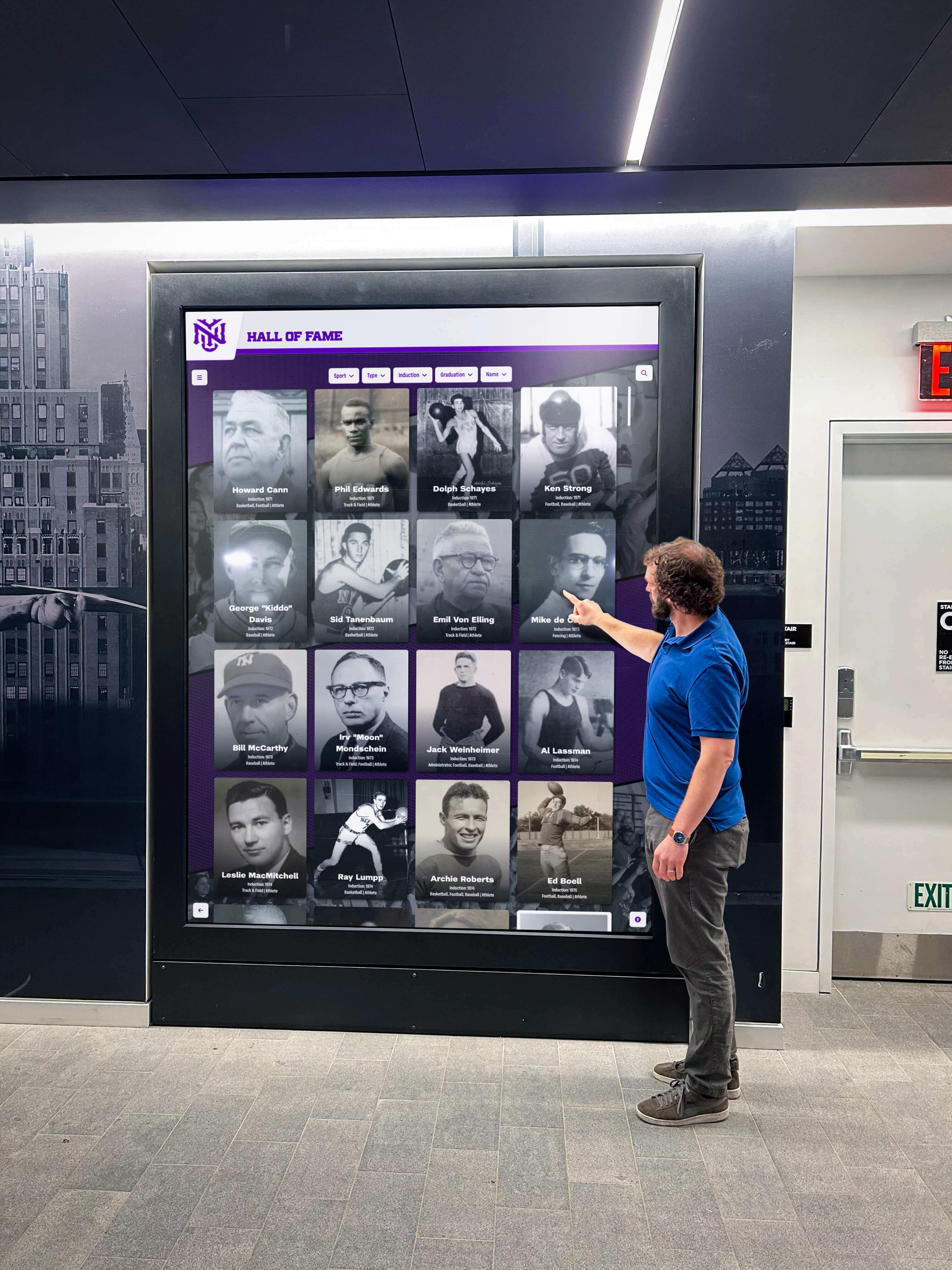
Hardware cost management leverages various financing and procurement strategies. Commercial-grade touchscreen displays range from $2,000-8,000 depending on size and specifications, with larger screens and premium features commanding higher prices. Leasing or subscription models spread costs across multiple years rather than requiring large upfront capital investments. Educational discounts and nonprofit pricing programs offered by many technology vendors reduce acquisition costs for qualifying organizations.
Ongoing operational expenses require sustainable funding beyond initial implementation budgets. Software subscription fees typically range $2,000-6,000 annually for purpose-built recognition platforms. Content development and maintenance demand either dedicated staff time or contracted services for photography, writing, design, and technical administration. Planned refresh cycles replace display hardware every 5-7 years as equipment ages and new technologies emerge. Some organizations establish endowed recognition funds where investment returns generate perpetual operational support for donor stewardship programs.
Alternative funding sources can offset general operating budget impacts. Capital campaign allocations specifically budget for recognition infrastructure as legitimate campaign expenses. Donor-funded recognition initiatives invite supporters to sponsor the recognition program itself, with appropriate meta-recognition acknowledging those whose gifts enabled the broader stewardship system. Vendor partnerships or sponsorship arrangements might secure in-kind technology donations or reduced-cost services in exchange for appropriate acknowledgment.
Technical Complexity and Support
Technology implementation requires capabilities many organizations lack internally, creating dependency on external vendors or consultants. Vendor selection carefully evaluates not only product features but ongoing support quality, training comprehensiveness, and long-term viability. Established providers with substantial client bases and multi-year track records offer greater assurance of sustained support compared to startup vendors who may not maintain long-term operations.
Training investments ensure internal staff can effectively operate systems without constant external assistance. Administrator training covers content management operations, troubleshooting common issues, and navigating platform features. End-user documentation provides reference resources for occasional administrative tasks. Video tutorials offer on-demand learning resources accommodating different learning styles and schedules. Ongoing education updates staff as platforms evolve with new capabilities and interface changes.
Contingency planning addresses inevitable technical issues that arise despite quality systems and competent support. Clear escalation procedures define when internal troubleshooting transitions to vendor support engagement. Backup content and failover systems prevent total recognition program interruption during technical problems. Communication protocols keep stakeholders informed about outages and resolution timelines, managing expectations during disruptions. Regular system testing validates functionality before critical periods like Giving Tuesday campaign days when technical failures would prove particularly costly.
Conclusion: Building Sustainable Fundraising Through Recognition
Giving Tuesday represents extraordinary opportunity for organizations to engage new donors, deepen existing relationships, and showcase institutional missions to global audiences. Digital donor recognition displays transform this annual campaign from isolated event into foundation for year-round fundraising success by creating visible celebration of donor communities that inspires ongoing participation, providing centralized hubs connecting recognition to seamless giving opportunities, and demonstrating organizational appreciation in ways that build lasting loyalty and sustained support.
The most successful programs recognize that effective donor recognition serves multiple strategic objectives simultaneously. It honors generosity in ways that validate donor decisions and reinforce contribution value. It inspires prospective donors through social proof demonstrating that peers support the organization and find giving worthwhile. It maintains engagement momentum beyond single campaigns through ongoing visibility and connection. It provides fundraising teams with cultivation tools demonstrating stewardship practices to major gift prospects. When thoughtfully implemented and strategically integrated into comprehensive advancement programs, digital recognition delivers measurable returns far exceeding implementation investments.
Organizations ready to enhance their Giving Tuesday campaigns and broader fundraising effectiveness through digital donor recognition should begin with clear objective setting that connects recognition to specific fundraising goals, comprehensive stakeholder engagement ensuring advancement staff, institutional leadership, and IT departments align around recognition strategy and implementation plans, and thorough vendor evaluation assessing recognition platform capabilities, support quality, and long-term partnership potential.
The future of donor recognition combines the emotional power of celebrating generosity with sophisticated technology enabling unprecedented personalization, interactivity, and integration with broader fundraising systems. As platforms continue evolving with artificial intelligence, augmented reality, and advanced data analytics capabilities, organizations that establish strong digital recognition foundations today position themselves to capitalize on innovation tomorrow while building donor relationships that sustain institutional missions for decades to come.
Your Giving Tuesday donors have chosen to invest in your mission because they believe in the impact you create and the communities you serve. They deserve recognition that authentically honors their generosity while demonstrating how their contributions advance institutional priorities. By implementing comprehensive digital donor recognition strategies, you create experiences that strengthen relationships, inspire continued giving, and build philanthropic communities sustaining your mission far beyond any single campaign day.