



Every March, Georgia high school basketball courts transform into championship stages where student-athletes compete for the honor of advancing through GHSA playoff brackets toward state tournament glory. From Class A to Class 7A, these playoff moments represent months of preparation, strategic execution, and exceptional teamwork that define basketball excellence across the Peach State. Schools that effectively celebrate playoff achievements through comprehensive recognition programs create lasting traditions, inspire future generations, and build championship cultures that extend far beyond single seasons.
The lights burn brightest during Georgia playoff basketball. Across seven classifications spanning the state’s diverse communities—from metropolitan Atlanta’s suburban programs to rural schools where entire towns rally behind their teams—playoff games create defining moments in athletic careers and school histories. Yet many Georgia schools struggle to adequately preserve and celebrate these exceptional playoff achievements.
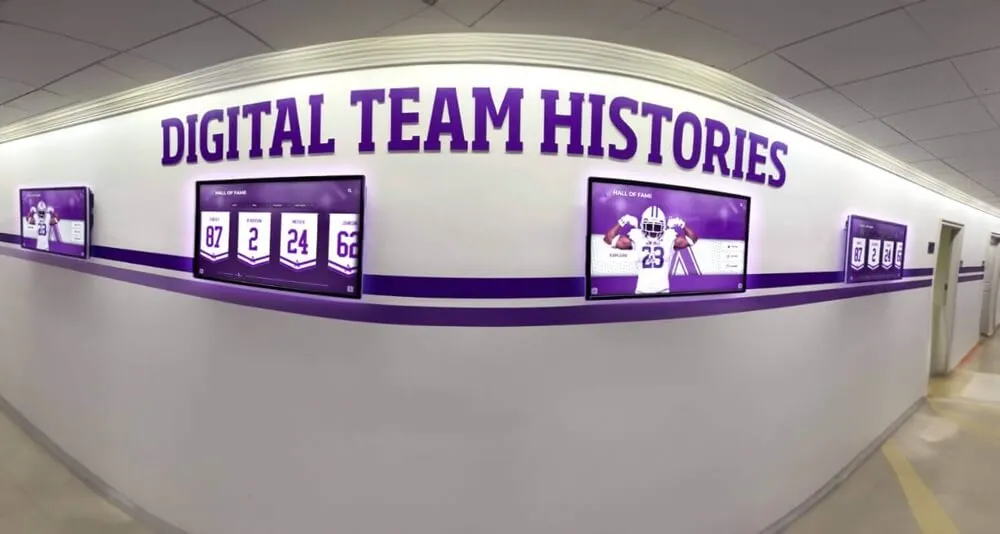
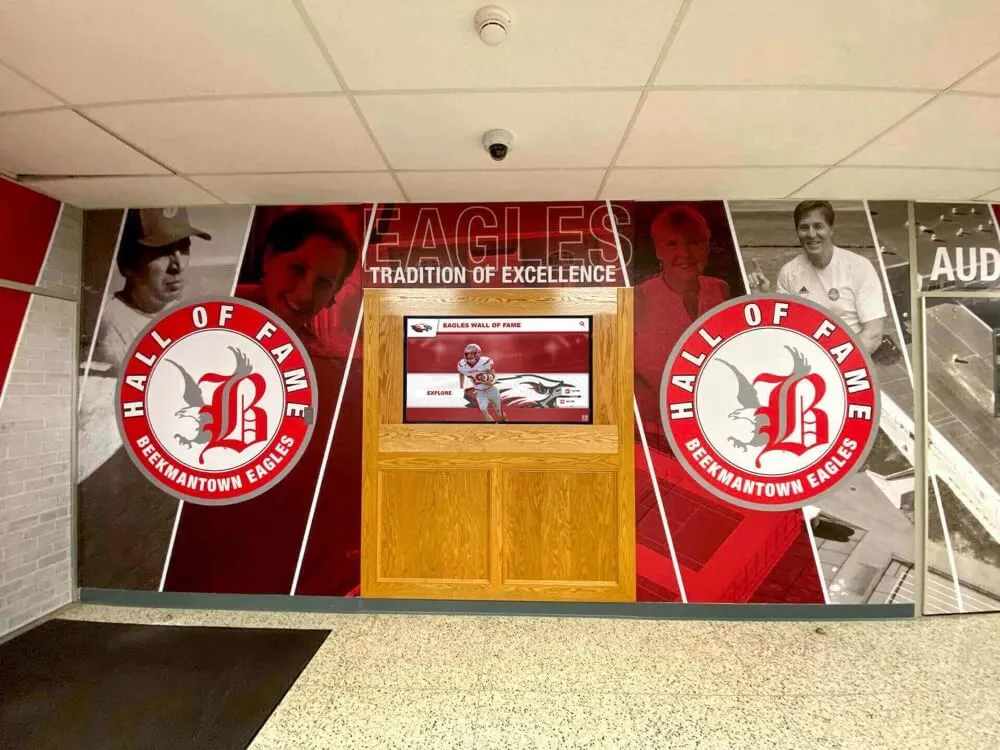
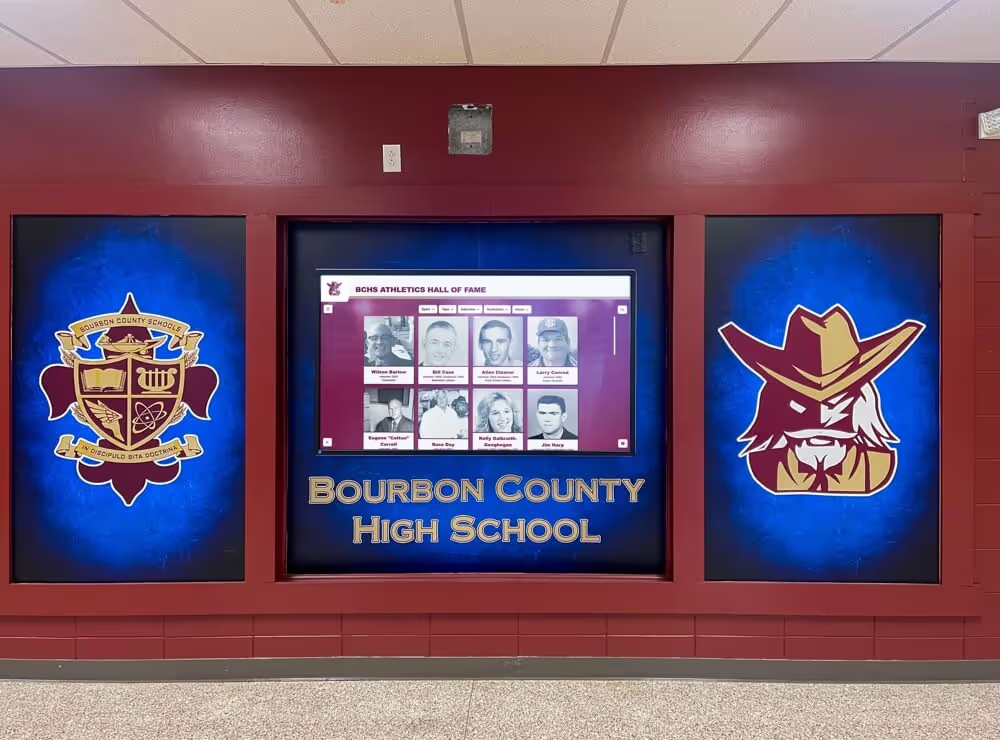
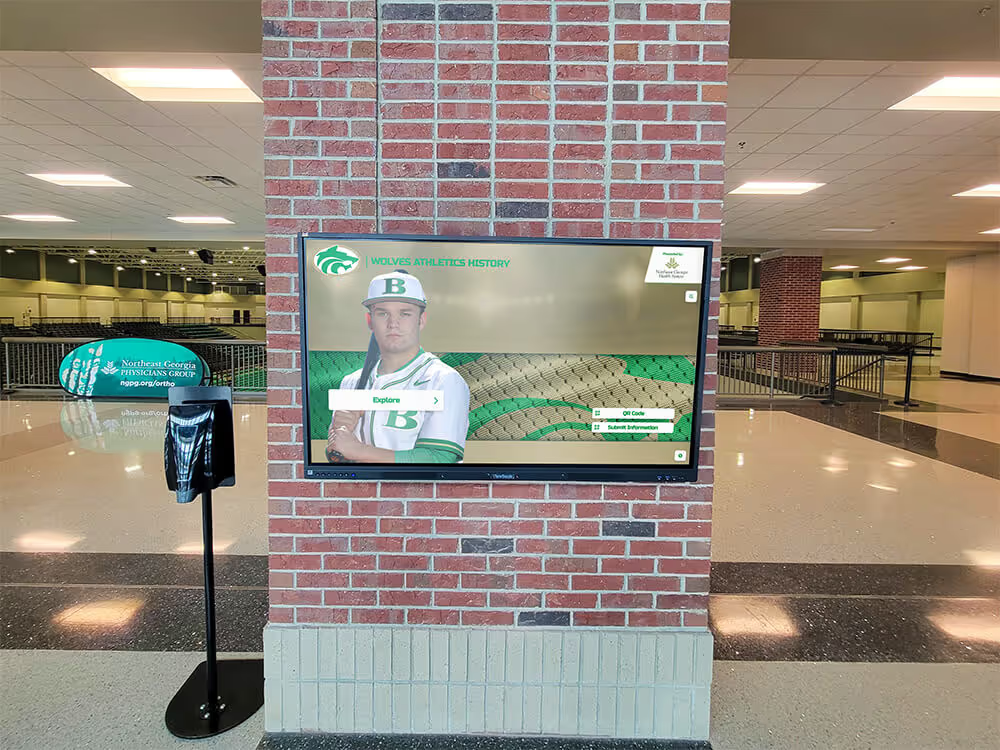
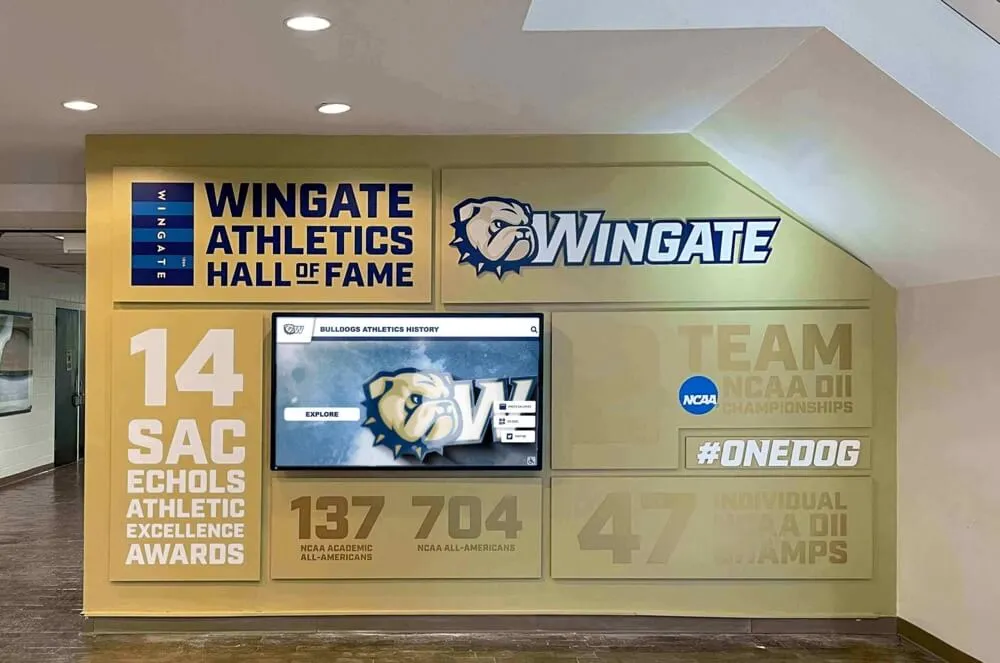
Traditional trophy cases overflow with championship hardware, forcing difficult decisions about which accomplishments receive prominent display. Static plaques become outdated as new playoff runs add to program legacies. Championship banners fade over decades, failing to tell complete stories about the athletes who delivered clutch performances when stakes reached their highest. Modern digital recognition solutions transform how Georgia schools celebrate basketball playoff excellence, providing unlimited capacity for documenting every region championship, playoff victory, and Final Four appearance while creating engaging experiences that honor athletes appropriately and inspire current teams pursuing their own playoff glory.
Understanding Georgia High School Basketball Playoff Structure
The Georgia High School Association (GHSA) has operated basketball championships since the organization’s founding, creating a comprehensive playoff system that has evolved to accommodate Georgia’s growing population and diverse school sizes while maintaining competitive integrity.
GHSA Classification System and Tournament Structure
GHSA divides basketball programs into seven classifications based on school enrollment, creating competitive balance that gives schools realistic championship opportunities regardless of institutional size. This classification system undergoes periodic adjustment as Georgia’s population shifts and new schools open, particularly in rapidly growing suburban corridors around Atlanta, Savannah, and other metropolitan areas.
Class 7A: Georgia’s 64 largest schools compete in Class 7A, typically including metropolitan Atlanta suburbs and the state’s largest city schools. These programs often feature extensive resources, deep rosters, and high-profile competitive schedules that produce Division I college prospects regularly.
Class 6A: The next tier of large schools competes in Class 6A, representing many suburban Atlanta programs, regional centers, and established city schools with significant basketball traditions and competitive histories.
Class 5A: Schools in the mid-to-upper enrollment range compete in Class 5A, including many suburban programs outside metro Atlanta, mid-sized city schools, and larger consolidated county systems throughout Georgia.
Class 4A: Mid-sized schools throughout Georgia compete in Class 4A, representing many county seat schools, smaller suburban programs, and regional schools serving multiple communities.
Class 3A: Smaller city schools and consolidated rural programs compete in Class 3A, often featuring tight-knit communities where basketball provides significant civic identity and school pride.
Class 2A: Smaller rural schools and traditional community high schools compete in Class 2A, where entire counties often rally behind their teams and basketball games serve as major community gatherings.
Class A: Georgia’s smallest schools compete across three divisions within Class A—Division I (Public), Division II (Public), and Division III (Private). This structure ensures that very small public schools compete separately from small private schools, addressing competitive balance concerns while maintaining championship opportunities for all institutions.
Region Tournaments and State Qualification
Georgia’s playoff structure begins with region tournaments that determine state tournament qualification and seeding. Each classification divides into regions based on geography, with region tournament performance directly impacting state playoff positioning.
Regular Season (November-February): Teams compete in region schedules and non-region games, with region contests determining standings for region tournament seeding. Strong region performance provides advantageous positioning heading into the critical region tournament.
Region Tournaments (Late February): Each region conducts tournaments where teams compete for region championships and state tournament berths. Region tournament formats vary by classification and region size, but typically include all region teams competing in bracket-style tournaments. Region tournament results determine which teams qualify for state playoffs and their seeding in state brackets.
State Tournament Qualification: The top teams from each region tournament earn state tournament berths, with exact qualification numbers varying by classification. Region champions typically receive favorable state bracket positioning, while region runners-up and additional qualifiers fill remaining state bracket positions based on region tournament performance.
This region-based qualification system creates intense local competitions where schools face familiar opponents with state tournament berths at stake. Region rivalries intensify during February tournaments as teams battle for opportunities to extend seasons into state playoffs, creating the competitive drama that makes Georgia high school basketball compelling across all classifications.
State Tournament Progression and Championship Finals
Teams qualifying through region tournaments advance to single-elimination state playoff brackets, with each round bringing programs closer to Final Four appearances and championship aspirations.
First Round and Sweet Sixteen: State brackets begin with first-round matchups featuring qualifiers from different regions, with higher seeds typically hosting or receiving favorable neutral site assignments. Winners advance to Sweet Sixteen rounds where fields narrow to the classification’s top sixteen teams.
Elite Eight and Final Four: Sweet Sixteen winners progress to Elite Eight rounds, typically held at neutral sites that create championship atmosphere. Elite Eight victors earn coveted Final Four berths—the pinnacle achievement for most programs even when ultimate championships prove elusive.
State Championship Games: Final Four survivors compete in state semifinals and championship games, typically held at neutral venues capable of accommodating large crowds and providing championship-worthy settings. GHSA has utilized various championship venues throughout history including college facilities and dedicated tournament sites, with locations evolving as Georgia’s population and basketball profile have grown.
State championship games represent the ultimate achievement in Georgia high school basketball, determining classification champions who earn permanent places in state basketball history while bringing home the hardware and recognition that programs and communities celebrate for generations.
Georgia High School Basketball Championship History and Tradition
Georgia high school basketball boasts a rich championship tradition spanning decades, producing legendary programs, memorable championship runs, and exceptional athletes who advanced to collegiate and professional success.
Historic Championship Programs and Dynasty Eras
Several Georgia programs have built sustained championship excellence, creating dynasties that set standards for basketball success across classifications. These traditional powerhouses demonstrate what consistent excellence looks like, providing aspirational models for programs seeking to build championship cultures.
While specific championship counts fluctuate as classifications realign and new champions emerge, certain programs stand out for sustained competitive excellence. Metropolitan Atlanta area programs have historically dominated larger classifications, benefiting from population density that produces deep talent pools and competitive regular season schedules that prepare teams for playoff intensity. Rural programs in smaller classifications have built impressive championship traditions demonstrating that sustained success depends more on program culture and coaching consistency than simply enrollment size or resource advantages.
Championship traditions create program identities that transcend individual seasons. When schools consistently compete for region and state championships across decades, they develop reputations that attract talent, motivate athletes, and create self-fulfilling expectations where championship performance becomes standard rather than exceptional. These dynasty programs demonstrate the power of sustained excellence in building lasting basketball traditions.
Evolution of Tournament Structure and Competitive Balance
Georgia’s basketball playoff structure has evolved significantly since GHSA’s founding, reflecting changes in state demographics, enrollment patterns, and competitive balance philosophies.
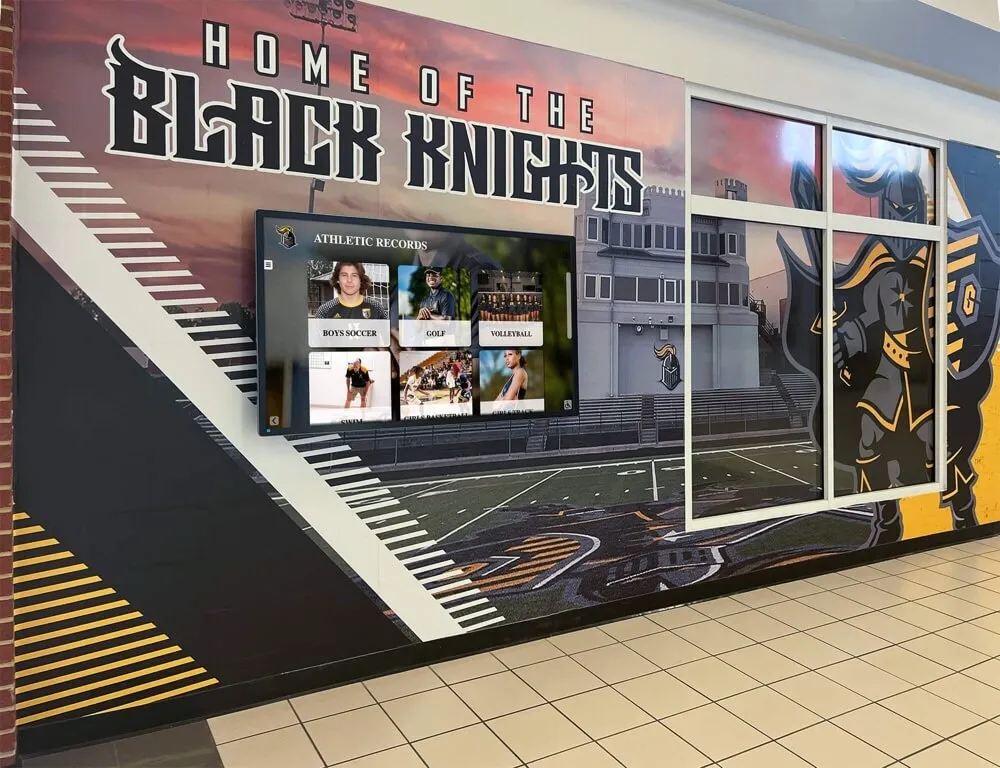
Early GHSA basketball tournaments featured fewer classifications and simpler structures appropriate for Georgia’s smaller population and fewer schools. As Georgia grew—particularly during post-World War II suburban expansion and ongoing 21st-century population growth—GHSA added classifications ensuring that schools competed against institutions of similar size rather than smaller schools facing impossible matchups against much larger programs.
The expansion from single-class tournaments to current seven-classification structure (including Class A’s three divisions) reflects GHSA’s commitment to competitive balance and championship access. While this structure means more teams can claim classification championships, it ensures that schools of all sizes experience realistic championship opportunities rather than reserving success exclusively for the state’s largest schools.
Region alignment undergoes periodic adjustment as enrollment shifts, new schools open, and existing schools grow or decline. GHSA typically conducts reclassification every two years, reviewing enrollment data and adjusting region assignments to maintain competitive balance while minimizing travel burdens. These regular adjustments ensure that competitive contexts remain appropriate even as Georgia’s educational landscape evolves.
Notable Championship Moments and Legendary Performances
Georgia playoff basketball history features countless memorable moments—buzzer-beaters, upset victories, dominant championship runs, and individual performances that entered state basketball lore. While comprehensive documentation of every historic moment proves challenging, preserving these stories matters tremendously for program traditions and state basketball heritage.
Championship game performances that determined state titles through clutch free throws, game-winning shots, or defensive stands create stories that communities retell for generations. Upset victories where underdog programs defeated heavily favored opponents demonstrate that championship opportunities exist for all teams bringing proper preparation and execution. Dominant championship runs where elite teams swept through playoffs without close games showcase the exceptional talent and preparation that define truly elite seasons.
Individual performances—40-point championship game performances, triple-doubles in Final Four competition, defensive showcases that shut down all-state opponents—deserve preservation alongside team championships. These exceptional individual achievements within team contexts create complete program narratives showing how personal excellence contributes to collective success.
Digital recognition platforms enable systematic preservation of these historic moments through multimedia storytelling that brings championship history to life for current generations. Video highlights, newspaper accounts, statistical documentation, and participant reflections recorded decades later create rich historical archives ensuring that Georgia basketball heritage remains accessible rather than fading as memories dim and original witnesses pass away.
The Importance of Championship Recognition in Georgia Basketball Programs
Playoff achievements represent program pinnacles deserving recognition that extends beyond brief post-season celebrations to create lasting traditions that shape program identities across generations.
Building Championship Culture Through Visible Excellence
Programs that comprehensively celebrate playoff achievements develop cultures where championship-level performance becomes expected rather than exceptional. When current athletes see decades of playoff success documented prominently throughout facilities, they understand they’re part of traditions demanding sustained excellence.
Visible playoff recognition creates multiple cultural impacts including clear performance standards demonstrating what championship teams accomplish, inspiration for younger athletes who envision themselves contributing to future playoff runs, validation for coaching approaches that consistently produce playoff success, and continuity across coaching changes by preserving institutional knowledge about successful program standards.

Programs implementing comprehensive recognition consistently report measurable increases in athlete motivation, practice intensity, and competitive focus compared to schools with minimal achievement celebration. When athletes understand their playoff contributions will be permanently documented and celebrated, investment in preparation and performance intensifies naturally.
Building school pride through recognition programs extends beyond athletic benefits to create broader institutional pride that benefits entire school communities.
Preserving Program Heritage and Community Memory
Playoff games create the most memorable moments in high school athletics. The buzzer-beater three-pointer that won a region tournament, the defensive stop that preserved a one-point Final Four victory, the upset win over the top-seeded opponent—these moments define program histories and create stories that communities share for generations.
Comprehensive recognition preserves these moments through detailed game accounts and performance documentation, player profiles highlighting individual contributions to team success, statistical documentation of exceptional playoff performances, photographic evidence capturing emotional celebrations and competitive intensity, video highlights that bring historic moments back to life decades later, and contextual information about playoff circumstances and opponent quality.
Without systematic preservation, these precious moments fade from institutional memory as players graduate, coaches retire, and years pass. Establishing systematic documentation processes ensures that playoff excellence receives permanent recognition honoring athletes appropriately while preserving program history for future generations who deserve to understand and appreciate their school’s basketball heritage.
Recruiting Competitive Advantages
Visible playoff success provides powerful recruiting advantages for programs seeking to attract talented athletes from youth programs and transfer opportunities. When prospective athletes visit facilities and encounter comprehensive displays documenting consistent playoff achievement, they immediately recognize they’re evaluating programs with proven track records of competitive success.
Playoff recognition influences recruiting through objective evidence of coaching effectiveness and program quality, demonstration of pathways from youth participation to playoff success, visible proof that previous athletes achieved their competitive goals through your program, and creation of aspirational environments that attract athletes seeking championship opportunities.
College coaches evaluating Georgia high school athletes also notice which programs consistently reach playoffs and compete for region and state championships. Programs known for playoff success gain reputational advantages that help their athletes receive enhanced recruiting attention from college programs seeking competitors accustomed to high-stakes, pressure-filled playoff atmospheres.
Categories of Playoff Achievements Deserving Recognition
Comprehensive playoff recognition extends beyond simply documenting wins and championships to celebrating diverse achievement types that reflect the multifaceted excellence required for playoff success.
Region Tournament Championships
Region tournament titles represent significant accomplishments deserving prominent celebration regardless of how teams fare in subsequent state playoff rounds. Earning region championships validates season-long excellence within local competitive contexts while securing favorable state bracket positioning.
Region championship recognition should include complete team rosters documenting every athlete who contributed to championships, coaching staff recognition honoring leadership and preparation, season records and regular-season achievements providing championship context, tournament game summaries describing journeys to region titles, and individual performance highlights from athletes who delivered exceptional tournament performances.
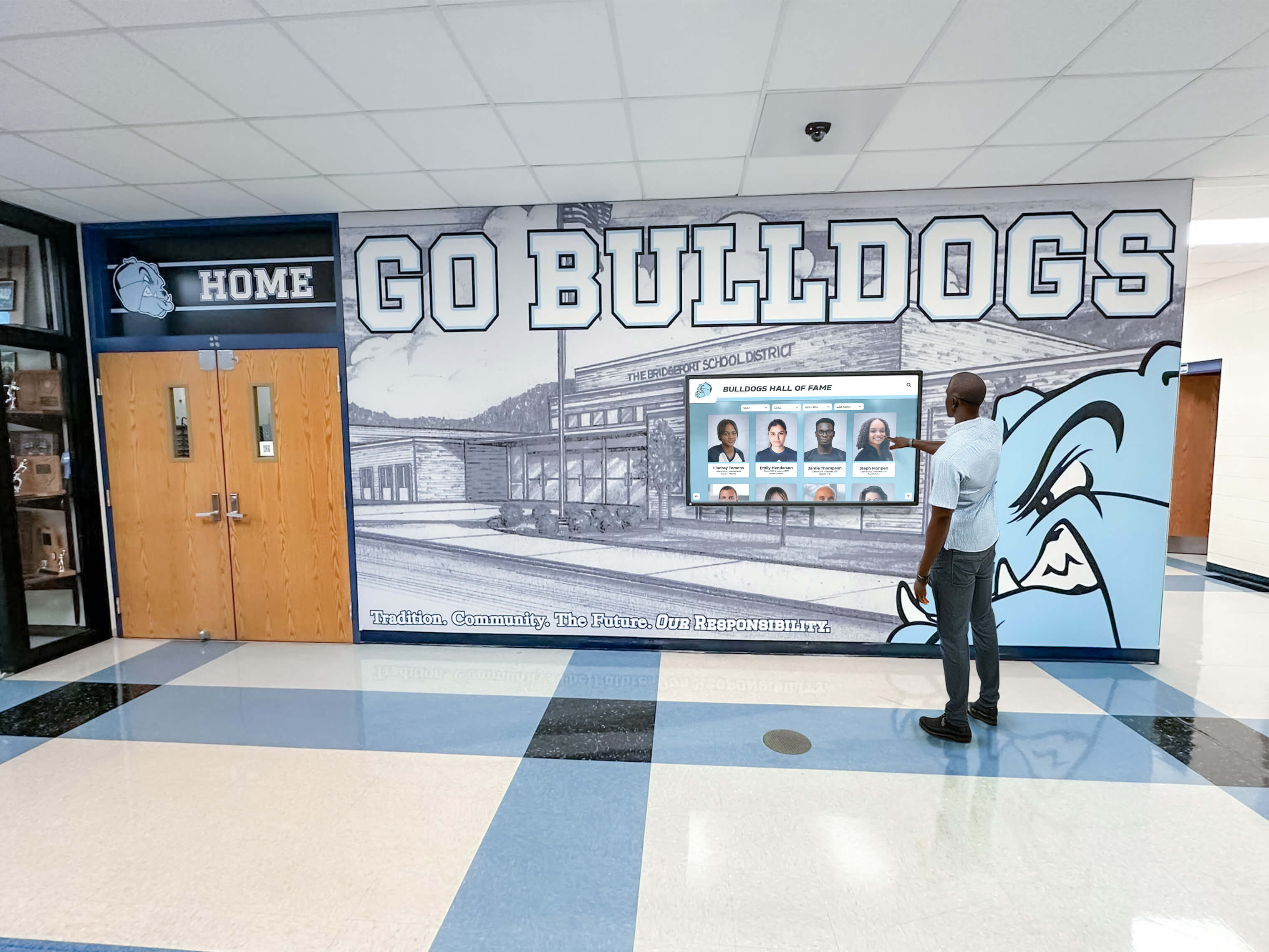
Many Georgia schools maintain separate recognition for region championships versus state championships, ensuring that teams winning region tournaments receive appropriate celebration even when state championship runs end in subsequent rounds. This comprehensive approach honors all playoff success rather than reserving recognition exclusively for rare state title seasons.
State Tournament Advancement and Final Four Appearances
Advancing deep into state tournaments represents exceptional achievement worthy of prominent recognition. Sweet Sixteen appearances, Elite Eight runs, and particularly Final Four berths deserve celebration as remarkable accomplishments that most programs never achieve.
State tournament advancement recognition documents playoff bracket progression showing how teams navigated matchups, game-by-game summaries describing victories and notable performances, statistical leaders and exceptional individual contributions, photographic and video documentation of tournament games and celebrations, and context about opponents faced and competitive circumstances.
Final Four appearances merit particularly comprehensive recognition given their rarity and significance. Most Georgia basketball programs never reach classification Final Fours, making these achievements truly elite accomplishments deserving extensive documentation and prominent celebration that distinguishes them from earlier-round playoff success.
Individual Playoff Performance Excellence
While basketball remains fundamentally a team sport, exceptional individual performances during playoff competitions deserve recognition alongside team achievements. Playoff pressure amplifies the significance of standout performances, making them particularly worthy of celebration.
Individual playoff recognition categories might include single-game scoring, rebounding, or assists in region or state tournament games, defensive performances including steals, blocks, and defensive stops in championship contexts, consecutive playoff games with significant statistical production, career playoff statistics accumulated across multiple seasons, and clutch performances in critical moments that determined playoff outcomes.
Celebrating individual playoff excellence demonstrates that programs recognize how personal contributions combine to create team success while providing current athletes with specific performance benchmarks they can pursue during their own playoff journeys. Senior night recognition programs create natural opportunities to celebrate individual playoff contributions as athletes conclude their careers.
State Championship Documentation
State championships represent the ultimate team accomplishment in Georgia high school basketball, deserving the most comprehensive and prominent recognition within athletic programs.
State championship recognition should document complete championship season narratives including regular season records and signature victories, region tournament progression and championship performances, state tournament advancement detailing bracket navigation, championship game accounts with detailed play-by-play documentation, complete rosters with individual player contributions noted, coaching staff recognition and strategic approaches, statistical leaders and exceptional individual performances, photographic and video documentation of championship celebrations, and community impact and support that contributed to championship success.
Many programs create dedicated displays for each state championship season, treating these rare accomplishments as crown jewels of program histories. Digital recognition platforms enable unlimited capacity for comprehensive championship documentation without space constraints that force difficult decisions about which state titles receive most prominent display when multiple championships accumulate across program histories.
Traditional Championship Recognition Approaches
Understanding traditional recognition methods provides context for evaluating modern alternatives that address limitations inherent in conventional approaches while preserving the dignity and significance these achievements deserve.
Championship Trophy Cases
Physical trophies from region and state championships represent tangible symbols of team success that many programs display in dedicated trophy cases located in gymnasiums, athletic department lobbies, or school entrances.

Trophy cases offer several advantages including visible, permanent physical presence creating immediate visual impact, tangible artifacts that athletes can view and touch, traditional aesthetic that many stakeholders expect and value, and flexibility for displaying diverse hardware types beyond just trophies including championship basketballs, commemorative plaques, and team photos.
However, trophy cases face significant limitations including finite physical capacity that eventually fills as programs accumulate achievements, inability to provide comprehensive context beyond basic labeling, maintenance challenges as cases age and hardware requires cleaning, security concerns about valuable items in accessible locations, and static presentation that cannot incorporate multimedia content or interactive exploration.
Many programs discover that trophy cases become so full after decades of success that significant achievements must be removed from display or relegated to storage, creating disappointing situations where important historical accomplishments lose visibility simply due to space constraints. Modern trophy display alternatives address these capacity limitations while preserving championship recognition dignity.
Championship Banners and Wall Displays
Hanging championship banners from gymnasium ceilings represents another traditional recognition approach, particularly for programs with extensive championship histories requiring visible celebration.
Championship banners provide high-visibility recognition in athletic venues where teams practice and compete, cost-effective production compared to custom trophies or extensive construction, flexibility for adding new banners without removing existing recognition, and tradition-rich aesthetic that creates impressive visual impact in facilities.
Banner limitations include deterioration over time due to gymnasium environmental conditions, limited information capacity restricting content to basic championship details, difficulty reading from floor level in facilities with high ceilings, and eventual space exhaustion as ceiling areas fill with accumulated championship recognition across decades.
Additionally, banners typically recognize only championship seasons, leaving no practical way to celebrate individual playoff performances, region runner-up seasons, or other significant accomplishments falling short of ultimate championships.
Printed Media Guides and Yearbooks
Traditional printed materials like basketball media guides and school yearbooks have long served as primary vehicles for documenting seasonal achievements including playoff success.
Print media provides portable documentation that athletes and families can keep permanently, comprehensive capacity for detailed statistics and narratives, archival value as historical documents, and familiar formats that many stakeholders expect and appreciate.
However, printed media faces multiple challenges including production costs for annual publications, limited distribution reaching only those who obtain copies, storage challenges for maintaining complete historical collections, and accessibility limitations preventing easy reference or research into historical achievements.
Most significantly, printed materials offer no practical way for current students and community members to access historical playoff documentation years after publication, limiting their value for inspiring future athletes through exposure to program traditions.
Modern Digital Recognition Solutions for Georgia Playoff Excellence
Digital recognition technology transforms playoff celebration by addressing traditional approach limitations while creating engaging experiences that honor achievements appropriately and inspire continued excellence.
Unlimited Recognition Capacity
Digital platforms eliminate space constraints that force impossible decisions about which playoff achievements receive prominent recognition and which must be minimized due to physical limitations.

Comprehensive digital systems can document every region tournament appearance across program history, preserve complete records from all state championship seasons regardless of when they occurred, celebrate individual playoff performances without displacing team recognition, maintain detailed statistical databases documenting playoff excellence across positions and eras, and incorporate multimedia content including photos, videos, and extended narratives impossible with physical displays.
This unlimited capacity proves particularly valuable for Georgia programs with deep playoff traditions spanning decades. Schools need never worry that celebrating new playoff success requires removing recognition from historical achievements, ensuring that complete program histories remain accessible and visible to current generations.
Rich Multimedia Storytelling
Digital recognition enables playoff celebration depth impossible with traditional static approaches, transforming simple championship documentation into compelling narratives that bring playoff moments back to life.
Multimedia playoff recognition incorporates professional photography from championship games and celebrations, video highlights of game-defining plays and performances, audio recordings from radio broadcasts or post-game interviews, newspaper coverage and media accounts from championship seasons, statistical visualizations showing how playoff performances compared to regular season excellence, and athlete reflections recorded years later about playoff memories and lasting impacts.
This rich storytelling creates emotional connections that inspire current athletes far more effectively than basic championship lists or trophy displays. When students can watch video of a buzzer-beating three-pointer from a region championship ten years earlier while reading the shooter’s reflections about that moment, playoff history becomes tangible rather than abstract.
Interactive Exploration and Discovery
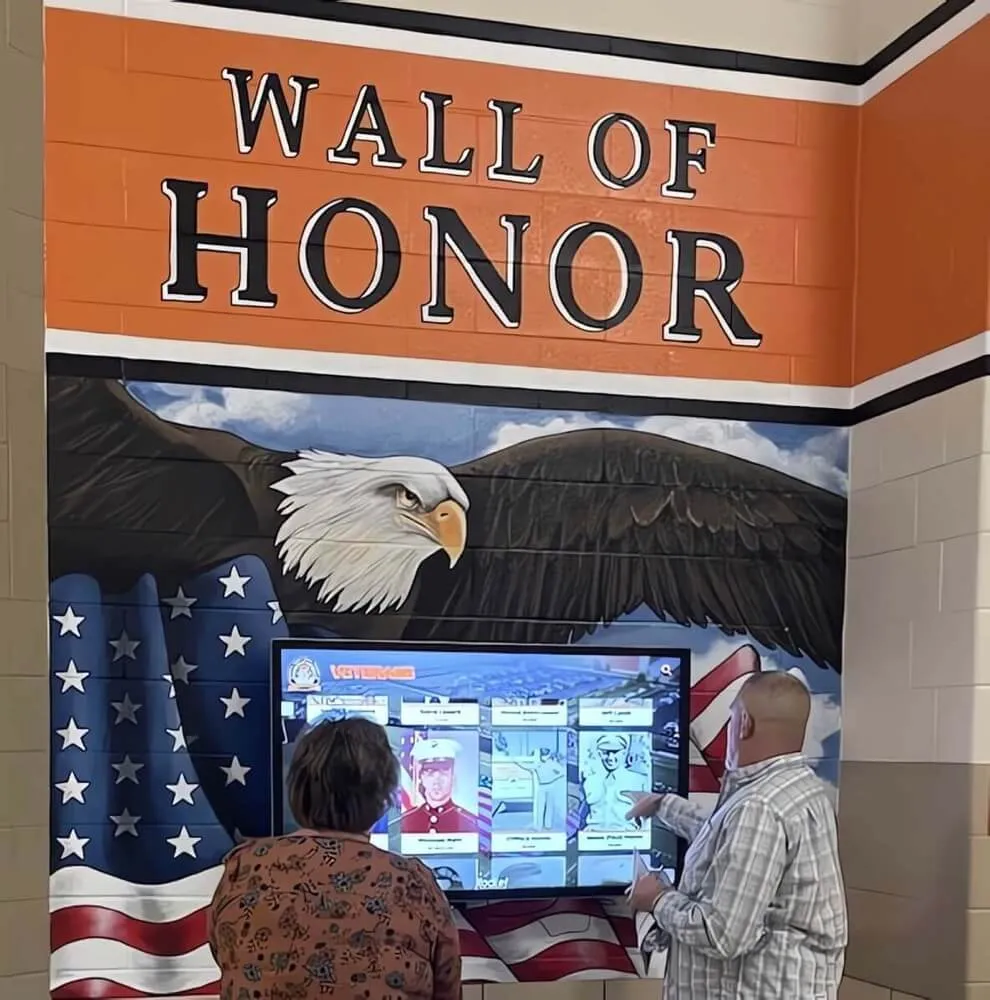
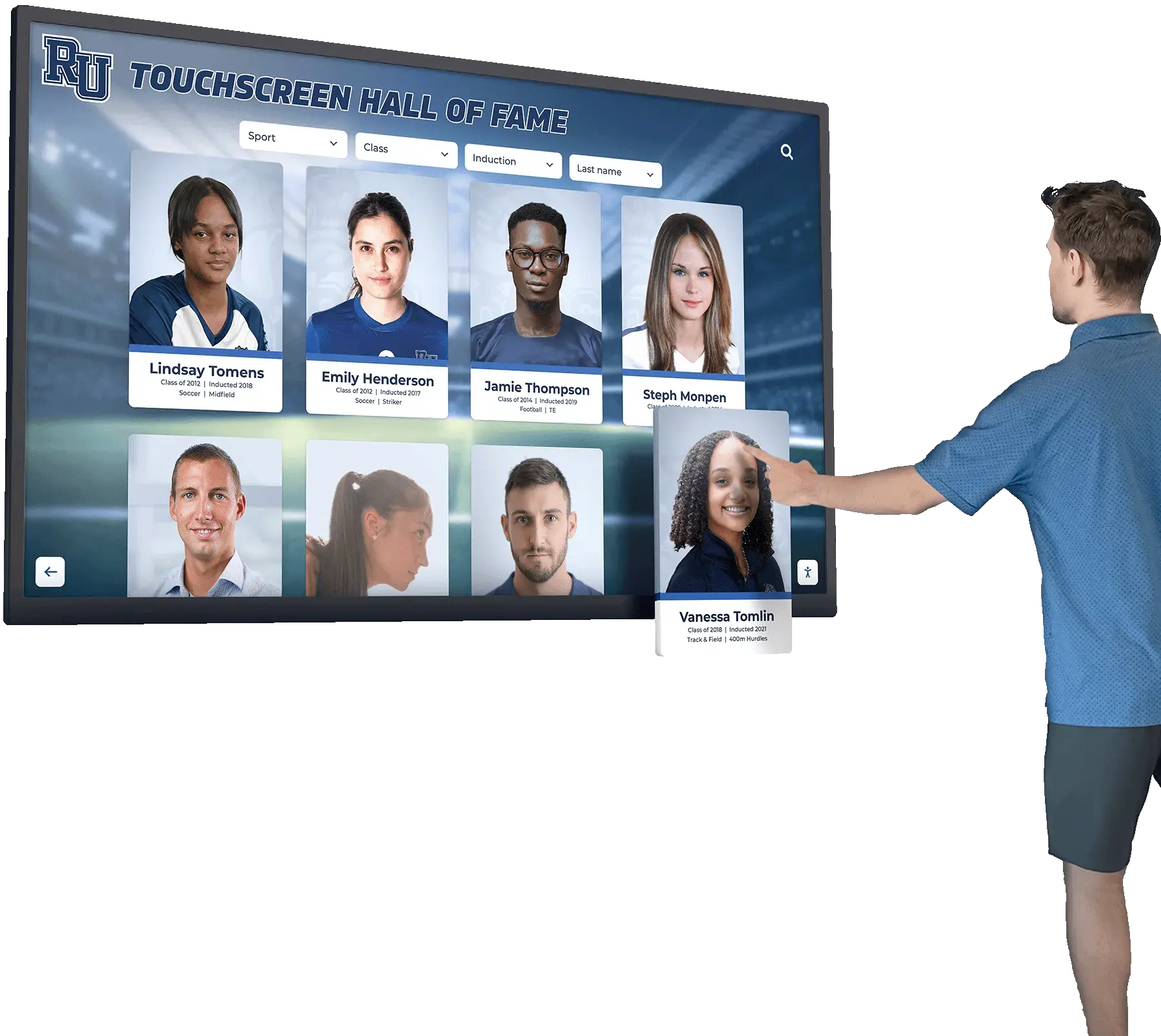
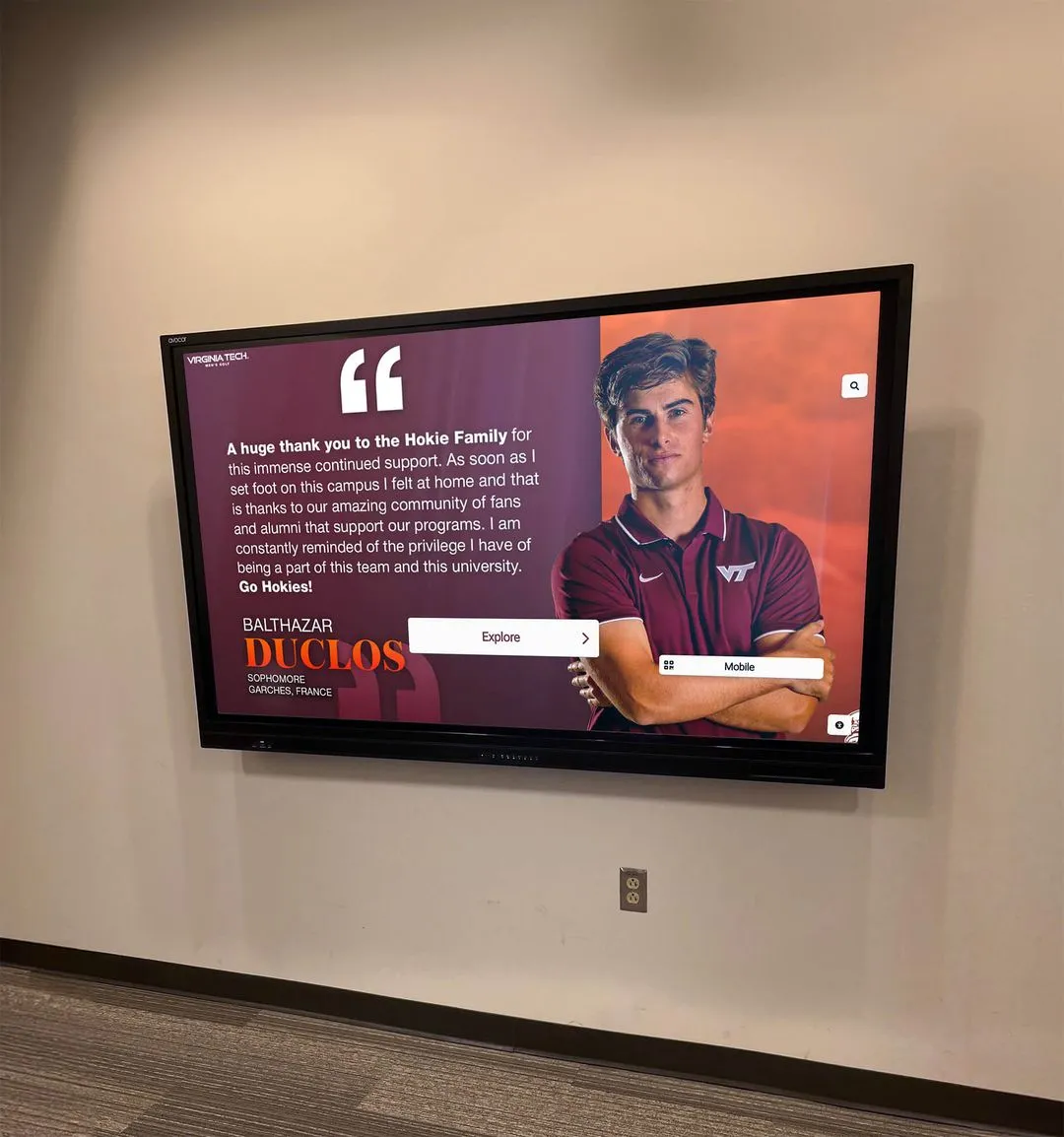
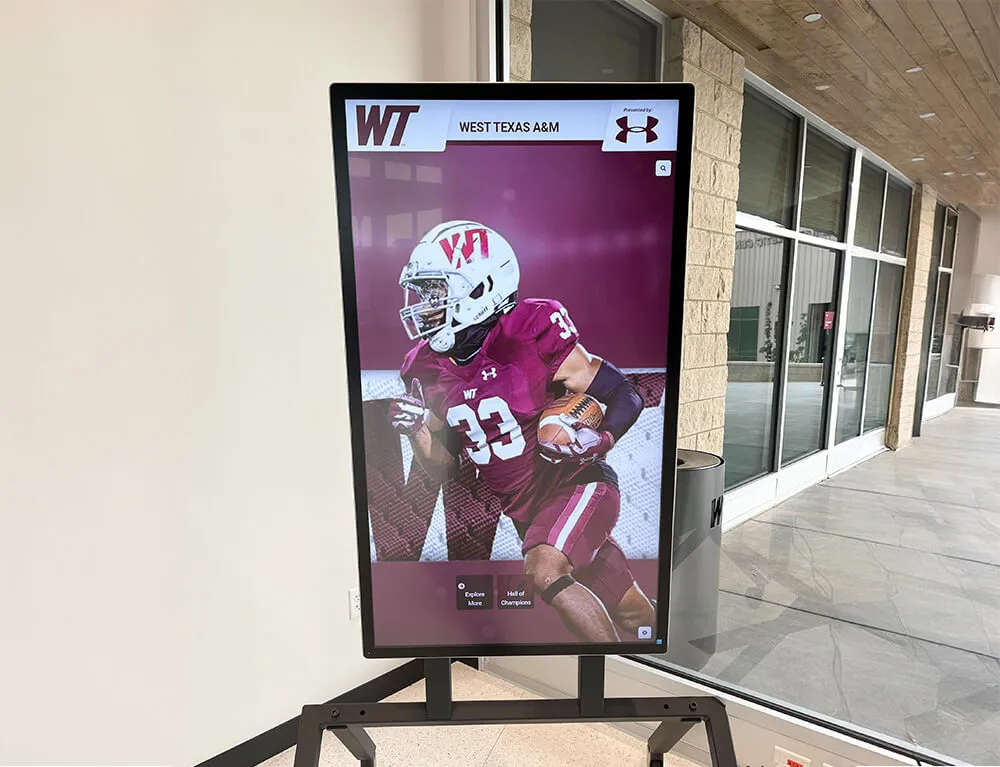
Modern touchscreen recognition systems transform passive viewing into active engagement where visitors explore playoff history through intuitive interfaces designed for natural discovery.
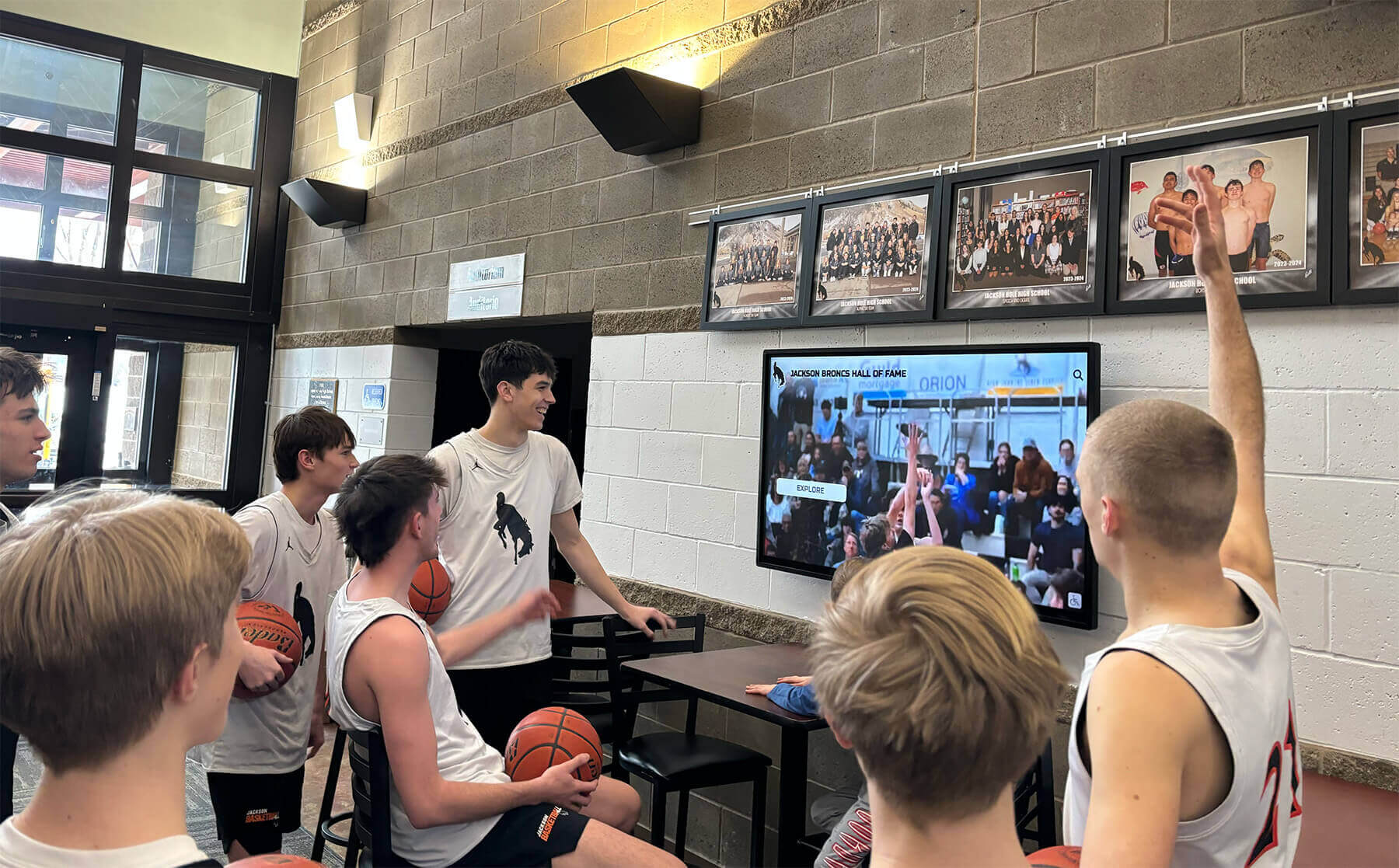
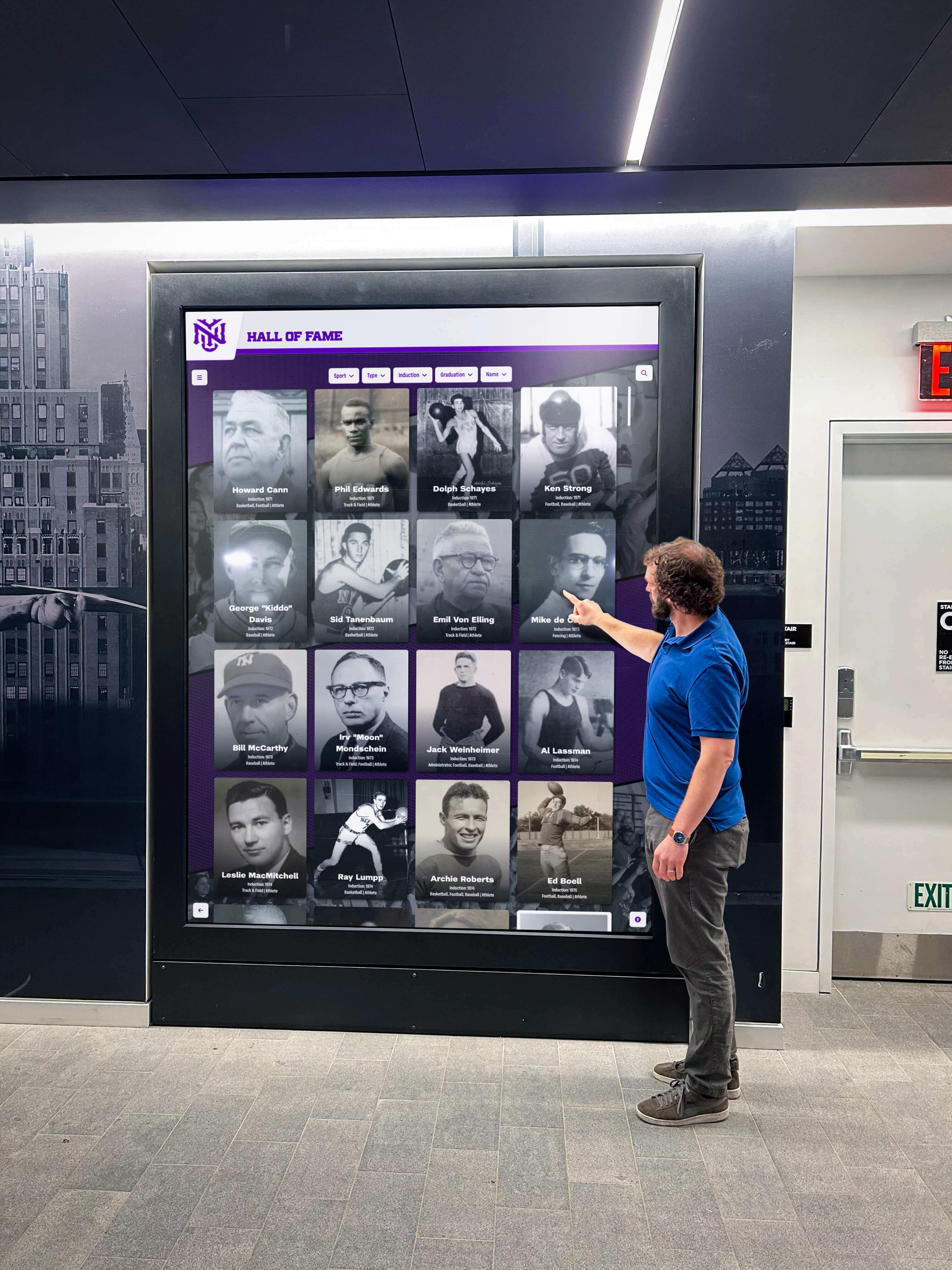
Interactive features enable users to search for specific players, seasons, or opponents, filter content by classification, region, or championship type, compare statistics across different playoff seasons and eras, view complete playoff brackets showing how teams progressed through tournaments, and discover connections between players, coaches, and championship teams through relationship mapping.
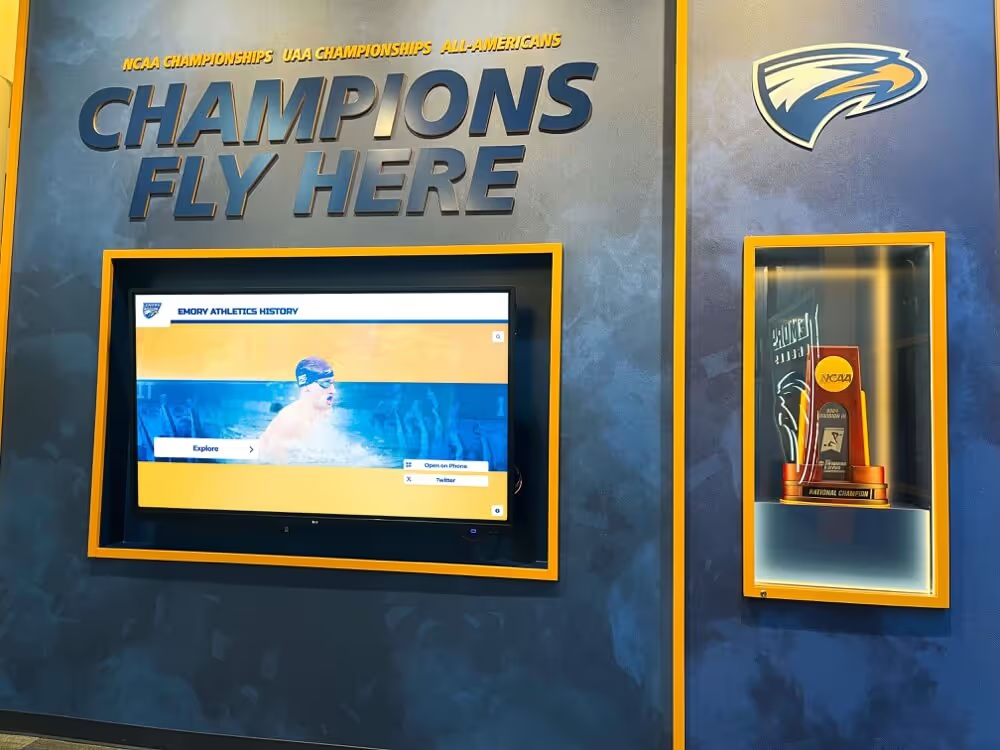
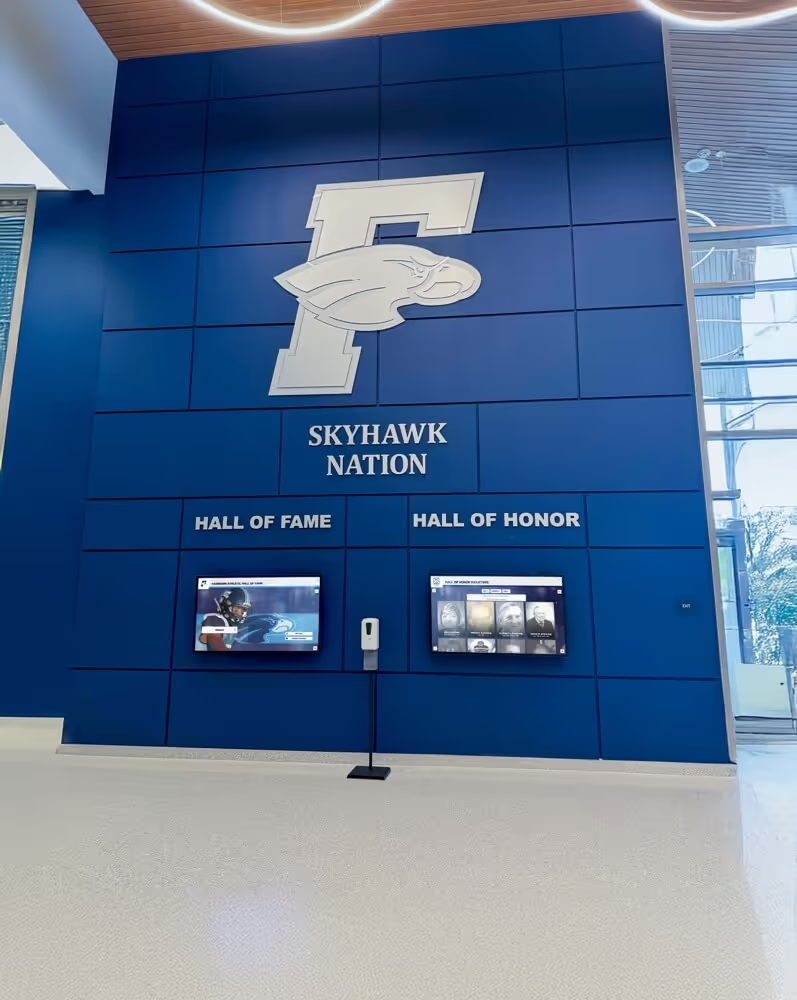
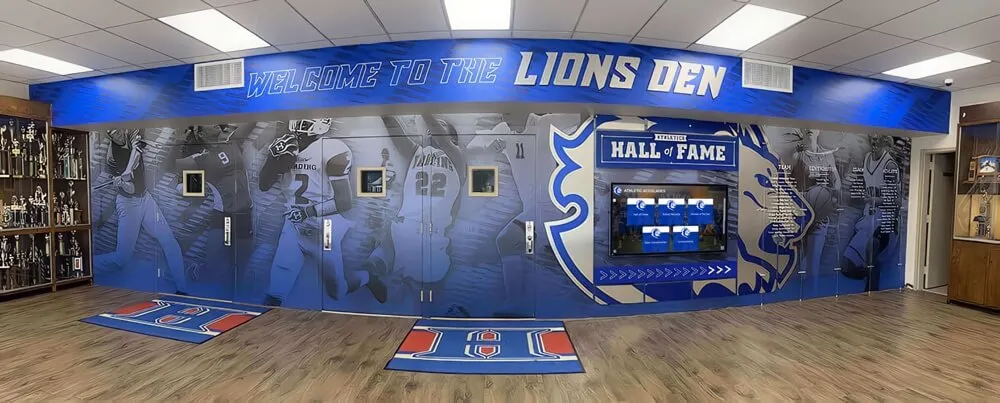
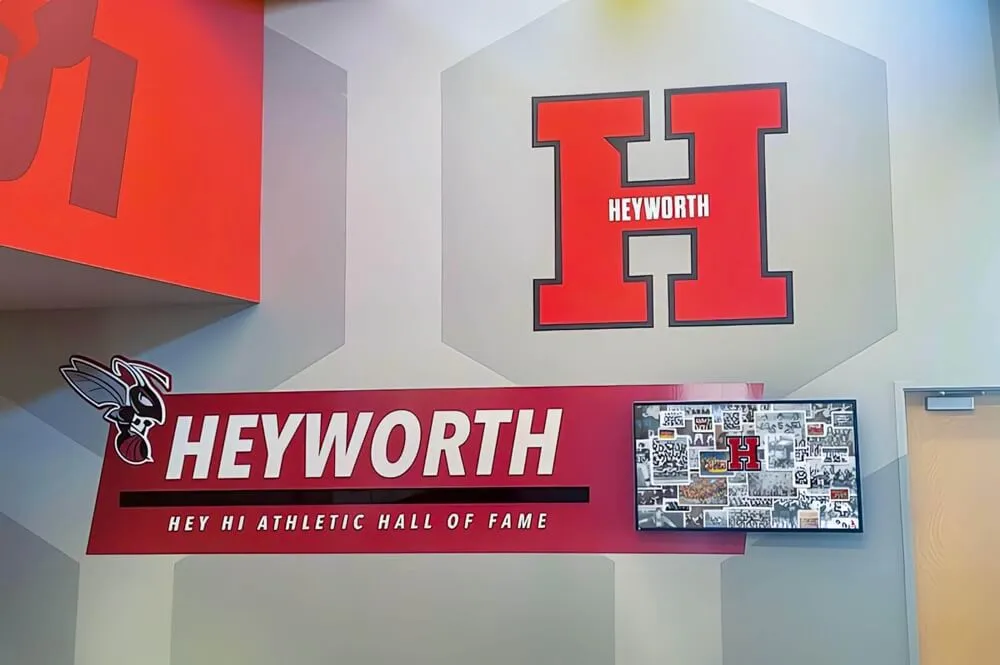
Analytics from schools implementing interactive playoff recognition consistently show that visitors spend significantly longer engaging with digital displays compared to traditional trophy cases or banner displays, creating deeper learning about program history and traditions. Solutions like digital championship bracket displays provide purpose-built platforms specifically designed for playoff achievement celebration.
Real-Time Updates and Accessibility
Digital systems enable immediate recognition updates as playoff achievements occur, eliminating weeks or months of delays between accomplishments and celebration common with traditional physical recognition requiring custom fabrication and installation.
When teams win region championships on Friday nights, staff can update digital displays by Saturday morning, ensuring timely recognition while excitement remains fresh in community awareness. This responsiveness demonstrates institutional commitment to celebrating achievement promptly rather than treating recognition as an afterthought requiring eventual attention when convenient.

Cloud-based platforms extend recognition beyond physical campus locations through mobile-optimized websites enabling alumni and families to explore playoff history from anywhere, social media integration facilitating easy sharing of championship content, and remote accessibility ensuring that geographic distance doesn’t prevent community members from celebrating playoff success.
Implementing Championship Recognition Programs in Georgia Schools
Successfully implementing comprehensive playoff recognition requires systematic planning addressing content development, display location, technology selection, and ongoing maintenance ensuring programs remain current and engaging across seasons.
Defining Recognition Scope and Standards
Clear determination of which playoff achievements merit recognition prevents confusion and ensures consistent application of standards across seasons and coaching changes.
Consider these scope questions: Will recognition include all region tournament appearances or only championships and state qualifiers? Should individual playoff performances receive equal prominence to team achievements? How will playoff excellence integrate with regular season recognition and career achievement celebration? What minimum performance standards warrant individual playoff recognition? How will recognition distinguish between various classification levels and championship types?
Documented recognition standards create fairness by ensuring that all teams and athletes receive consistent evaluation regardless of sport prominence, coaching relationships, or when achievements occurred. Standards should be reviewed periodically to confirm they remain appropriate as programs evolve and competitive contexts change.
Content Development and Historical Research
Comprehensive playoff recognition requires gathering extensive information about past and present achievements, often necessitating significant research into historical seasons where documentation may be incomplete.
Content development tasks include verifying playoff records and achievement facts through multiple sources, collecting high-quality photographs from playoff games and championship celebrations, gathering video footage from critical games and memorable moments, conducting interviews with coaches and athletes about playoff memories, researching newspaper archives for contemporary accounts of playoff games, and compiling statistical data documenting individual and team playoff performances.
For Georgia programs with playoff traditions extending decades, historical research may require substantial time investment. However, this effort creates foundational content ensuring complete program documentation while identifying institutional knowledge that risks being lost as time passes and memories fade. Finding and preserving school sports records provides critical foundations for comprehensive recognition programs.
Strategic Display Placement
Playoff recognition achieves maximum impact when positioned in locations ensuring visibility to diverse audiences including current athletes, prospective families, community members, and visiting teams.
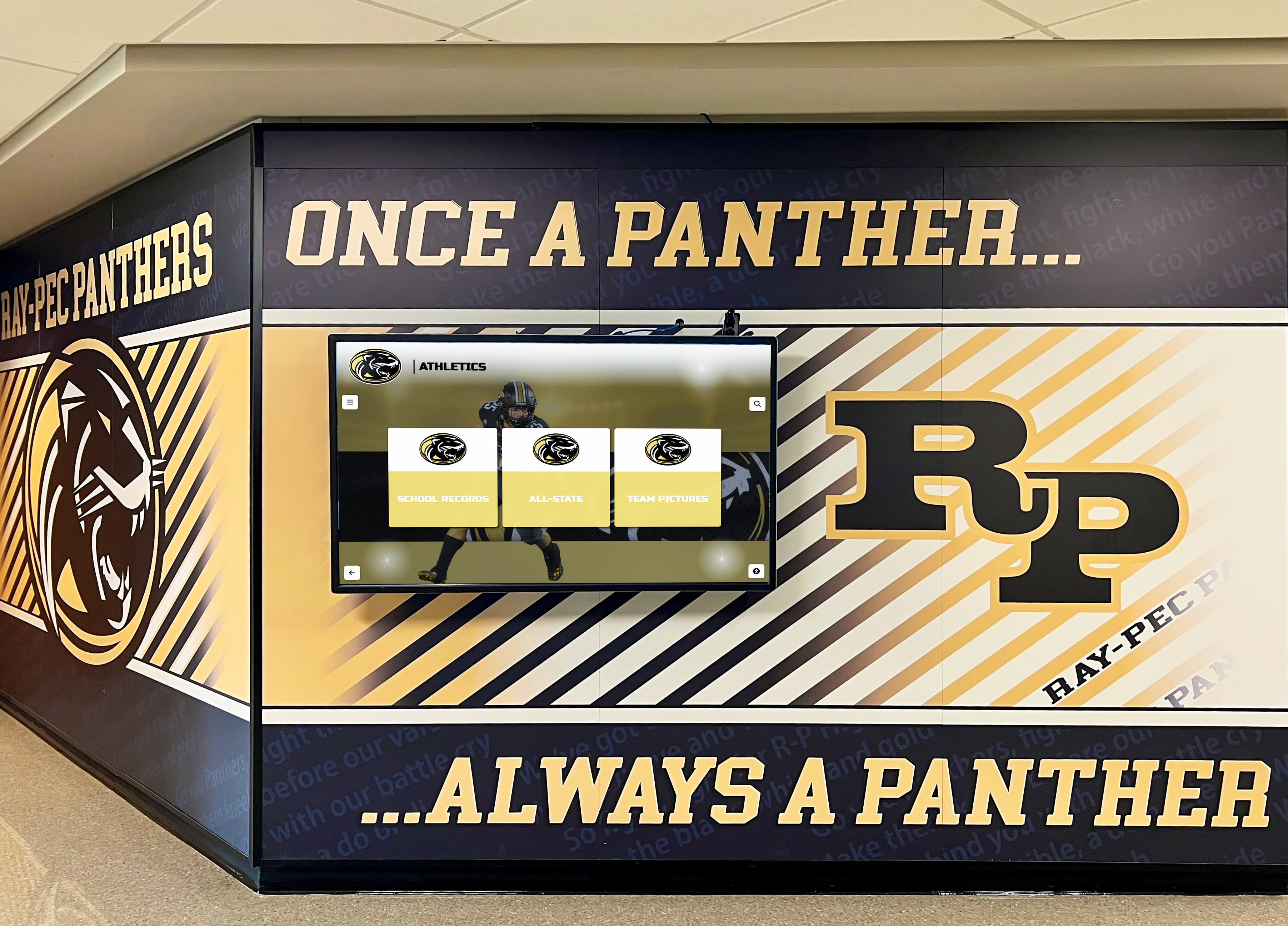
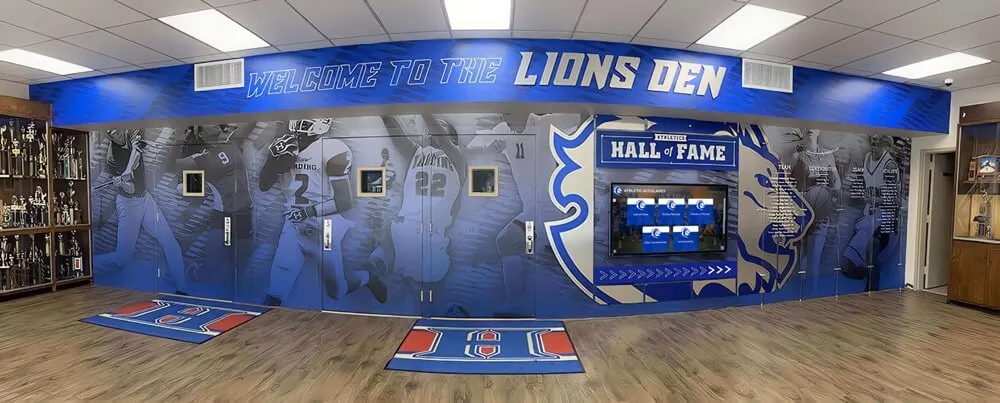
Optimal playoff recognition locations include main gymnasium entrances where all event attendees encounter displays, athletic department lobbies serving as gathering spaces before and after practices, locker room areas where daily exposure motivates current athletes, school main entrances demonstrating playoff success to entire school communities, and arena concourses where game-day crowds view recognition during events.
For schools implementing digital displays, ensure locations provide necessary infrastructure including reliable electrical power, network connectivity for content updates, appropriate lighting conditions preventing screen glare, and secure mounting surfaces or floor space.
Technology Platform Selection
Schools choosing digital playoff recognition systems should evaluate options based on specific needs, technical capabilities, and long-term maintenance requirements.
Key technology considerations include display hardware quality and commercial durability, content management system ease of use for non-technical staff, multimedia capabilities supporting photos, videos, and interactive content, cloud-based operation eliminating local server requirements, mobile and web accessibility extending recognition beyond physical displays, analytics capabilities revealing engagement patterns, vendor support quality and responsiveness, and integration possibilities with existing school systems and platforms.
Purpose-built athletic recognition platforms typically prove superior to general digital signage solutions lacking sport-specific features and workflows. Comprehensive solutions like those from Rocket Alumni Solutions provide complete systems designed specifically for schools, addressing unique requirements of educational athletic recognition while offering user-friendly management that doesn’t require IT expertise.
Best Practices for Georgia Basketball Playoff Recognition
Programs implementing playoff recognition benefit from proven approaches that maximize effectiveness while avoiding common pitfalls that undermine recognition quality and sustainability.
Balance Championship and Effort Recognition
While championships deserve prominent celebration, comprehensive programs also recognize teams that reached playoffs despite falling short of ultimate goals, acknowledging the dedication and competitive excellence required simply to qualify for region and state tournaments.
Balanced recognition includes prominent championship season documentation, celebration of region runner-up seasons demonstrating sustained competitiveness, recognition of state tournament game performances even in seasons ending without championships, documentation of competitive playoff games that showcased program quality despite losses, and acknowledgment of improvement trajectories showing program development toward championship contention.
This balanced approach prevents recognition from feeling exclusive to rare championship seasons, demonstrating that programs value all playoff success and competitive excellence rather than reserving celebration solely for ultimate achievements. Comprehensive athletic hall of fame programs incorporate multiple achievement levels creating inclusive celebration environments.
Maintain Historical Accuracy and Context
Playoff recognition credibility depends on factual accuracy and appropriate historical context that helps audiences understand achievement significance.
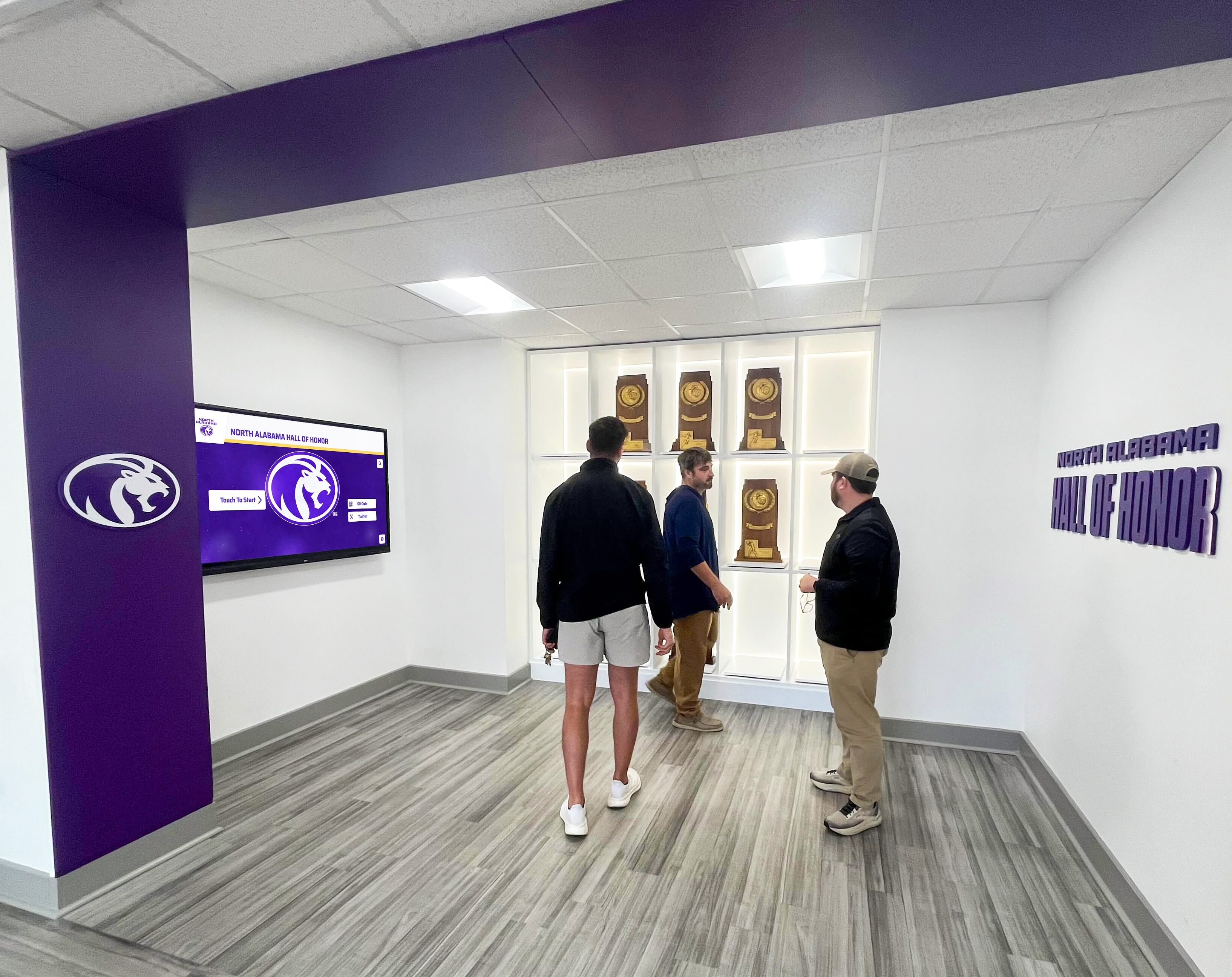
Accuracy practices include verifying playoff results through multiple sources before publication, confirming opponent names and scores through official records, correctly identifying classification levels and championship types, properly attributing individual performances to correct athletes, and providing context about rule changes, classification adjustments, or other factors affecting historical comparisons.
Errors in playoff recognition undermine program credibility and dishonor the athletes whose achievements are misrepresented. Establish verification protocols ensuring accuracy before publishing recognition content, and maintain processes for correcting discovered errors promptly when they occur.
Engage Alumni Through Playoff Memories
Playoff recognition creates natural opportunities for alumni engagement by inviting former players and coaches to share memories, attend recognition events, and maintain connections with programs.
Alumni engagement strategies include inviting former championship team members to playoff game events, featuring alumni reflections and current-day perspectives in recognition content, organizing reunion events around playoff anniversary celebrations, creating mentorship connections between championship alumni and current athletes, and soliciting alumni contributions of historical photos, memorabilia, and memories.
These engagement activities strengthen alumni relationships while enriching recognition content through authentic voices and personal perspectives that formal institutional documentation cannot capture.
Integrate Playoff Recognition with Broader Programs
Playoff celebration achieves maximum impact when integrated within comprehensive athletic recognition addressing all achievement types rather than existing as isolated playoff-only displays.
Integration approaches include combining playoff recognition with broader student achievement celebration, linking individual playoff performances to career statistics and season records, connecting championship teams to coaching legacies and program development, and demonstrating how playoff success builds on regular season excellence and athlete development.
Comprehensive integration creates complete program narratives showing how various achievement types contribute to sustained success rather than treating playoff championships as disconnected isolated events.
Measuring Playoff Recognition Impact
Evaluating recognition program effectiveness helps justify continued investment while identifying improvement opportunities that enhance value delivery.
Quantitative Engagement Metrics
Digital recognition systems provide objective data about display usage and content engagement that traditional static recognition cannot measure.
Key metrics include visitor session counts showing total engagement frequency, average interaction duration indicating content appeal, most-viewed content revealing which achievements resonate most strongly, search patterns showing what information visitors seek most often, and return visitor rates demonstrating sustained interest beyond initial exposure.
Growing engagement over time validates recognition investment while declining metrics suggest needs for content refreshment or presentation adjustments.
Qualitative Impact Assessment
Beyond quantitative metrics, playoff recognition creates qualitative value that stakeholders recognize through direct feedback.

Qualitative assessment methods include surveying current athletes about how playoff recognition influences motivation and goal-setting, gathering family feedback about recognition quality and meaningfulness, collecting coach perspectives on cultural impact within programs, monitoring community responses through social media engagement and event attendance, and soliciting alumni feedback about maintained connections and pride in program traditions.
Consistent positive feedback validates that recognition delivers intended value even when precise quantitative measurement proves difficult.
Return on Investment Considerations
While perfect ROI calculations prove elusive for recognition programs, multiple value dimensions justify investment in comprehensive playoff celebration.
Value considerations include recruiting advantages attracting athletes to programs with visible playoff traditions, retention improvements as athletes remain committed to programs celebrating achievement comprehensively, community engagement strengthening booster support and fundraising effectiveness, alumni connections generating ongoing support and institutional loyalty, and cultural impact creating championship mentalities and competitive standards.
Schools implementing professional playoff recognition consistently report that benefits across these dimensions far exceed initial investment costs, particularly when systems serve programs for many years while requiring minimal ongoing expense beyond basic content management.
Celebrating Georgia’s 2026-26 Playoff Success
As Georgia high school basketball teams compete through the 2026-26 playoff season, forward-thinking programs are already planning how to celebrate and preserve this year’s achievements through comprehensive recognition that honors athletes appropriately while inspiring future teams.
Whether your program pursues first-time region championships, extends consecutive playoff appearance streaks, or competes for coveted state titles, the achievements student-athletes accomplish during February and March playoff basketball deserve recognition matching their significance—permanent displays that celebrate excellence for generations, engaging experiences that inspire current athletes to pursue their own playoff glory, and professional presentation that validates the dedication and sacrifice championship-level competition demands.
Modern recognition technology makes comprehensive playoff celebration practical and affordable for Georgia programs at all classification levels, eliminating the space constraints, maintenance burdens, and limited capabilities that prevented traditional approaches from adequately honoring playoff excellence. As playoff excitement builds toward Final Four weekends and championship games, ensure your program has systems ready to capture and preserve these precious moments for lifetimes of celebration and inspiration.
Conclusion: Building Championship Traditions Through Comprehensive Recognition
Georgia high school basketball playoffs create the moments that define programs and inspire communities. From first-round region tournament games where seasons hang in balance to championship celebrations under gymnasium lights, these winter competitions represent the pinnacle of high school athletic achievement in the Peach State.
Programs that comprehensively celebrate playoff success—documenting every region title, preserving championship season memories, recognizing individual playoff excellence, and maintaining complete historical records—build cultures where championship performance becomes tradition rather than exception. Visible playoff recognition creates aspirational standards, validates coaching approaches, strengthens community pride, and maintains alumni connections that sustain programs across generations.
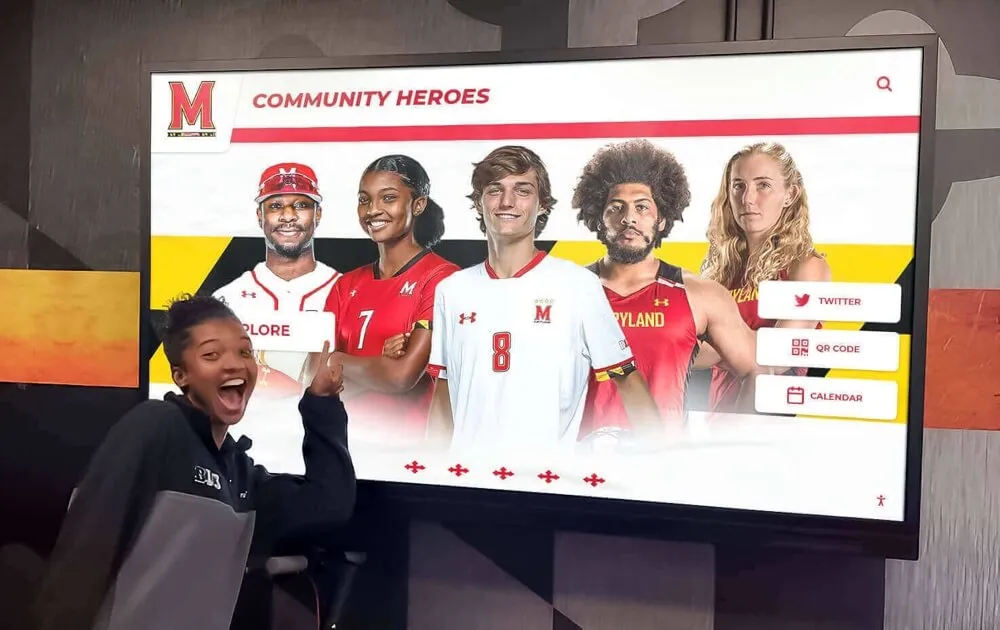
The transition from limited traditional recognition to unlimited digital celebration has transformed what’s possible in playoff recognition. Georgia schools no longer face impossible choices about which achievements receive prominent display or which must be minimized due to space constraints. Modern platforms enable comprehensive documentation of complete playoff histories while creating interactive experiences that engage digital-native students through interfaces feeling natural and compelling.
For Georgia high school basketball programs committed to building championship traditions while appropriately honoring the student-athletes who deliver playoff excellence, comprehensive digital recognition represents essential investment delivering returns across recruiting, culture development, community engagement, and alumni relations. Every playoff victory, every region championship, and every championship season deserves celebration matching the significance of these achievements—recognition that inspires current teams while preserving program legacies for generations to come.
As the 2026-26 playoffs unfold across Georgia’s seven classifications, ensure your program has the systems and strategies needed to capture and celebrate playoff moments effectively, building the championship traditions that define elite Georgia high school basketball.
Ready to transform how your program celebrates basketball playoff excellence? Modern digital recognition solutions like Rocket Alumni Solutions provide comprehensive platforms specifically designed for schools seeking to honor athletic achievement through engaging, unlimited-capacity recognition systems. Discover how purpose-built technology can help your program preserve championship moments, inspire future athletes, and build lasting traditions that serve your basketball community for generations.