Football teams invest thousands of hours throughout seasons developing skills, building chemistry, and competing together. Thoughtful team photography documents these experiences while creating visual narratives that strengthen team identity and preserve memories that fade without photographic records.
Yet capturing compelling football team photos presents unique challenges compared to other sports photography. Football’s protective equipment obscures faces and body language, making traditional portraits difficult. Large roster sizes complicate group compositions. Field conditions, lighting limitations, and scheduling constraints during practice and game days restrict photography windows. Weather variability adds unpredictability. And safety considerations around active drills and contact practices limit photographer access to certain moments.
Despite these obstacles, creative approaches to football team photography yield powerful results that justify planning investments. Teams implementing diverse photo sessions—combining traditional team photos with candid practice moments, individual senior spotlights, position group portraits, and creative posed shots—create comprehensive visual records celebrating both team and individual achievements while documenting the full spectrum of football experiences.

Traditional Team Photo Setups
Traditional team photos remain essential foundation elements in football photography programs, providing formal records of complete rosters while establishing visual consistency year-over-year that allows programs to track their evolution across decades.
Standard Team Formation Photography
The classic team photo arranges players in tiered rows—typically three to five rows depending on roster size—ensuring every face remains visible while presenting organized group composition. Front rows kneel or sit, middle rows stand, and back rows stand on risers or bleachers when available.
Setup Considerations: Schedule team photos during optimal lighting conditions, ideally golden hour or overcast days minimizing harsh shadows and squinting. Position the team with sun behind the photographer to illuminate faces evenly. For large rosters exceeding 60 players, consider five-row formations with front row lying prone holding helmets, second row kneeling, third row standing, fourth row on first-level risers, and fifth row on elevated risers ensuring back row visibility.
Jersey and Equipment Decisions: Determine whether players wear helmets or hold them, as helmets obscure faces but create more authentic football aesthetic. Many programs compromise by having front rows hold helmets while back rows wear them, maximizing face visibility while maintaining equipment presence. Consider whether to photograph in game jerseys, practice jerseys, or mix of starters in game uniforms with reserves in practice gear.
Position Group Photography
Position group photos capture offensive lines, defensive backs, linebackers, receivers, running backs, and quarterbacks as distinct units, celebrating specialized roles while creating more intimate group shots where individual faces appear larger and relationships among position teammates become visible.
Creative Variations: Position groups offer flexibility for creative staging. Offensive linemen can arrange in three-point stances forming protective wall. Defensive backs can stage in coverage formations. Receivers can pose mid-route. These action-oriented formations create more dynamic compositions than static rows while highlighting the specific skills each position group contributes.
Equipment and Props: Position groups can incorporate position-specific equipment—receivers with balls, linemen with blocking sleds, defensive players with tackling dummies. These props add visual interest while reinforcing position identity and creating more memorable compositions than faces-only shots.
Coaching Staff and Leadership Photos
Documenting coaching staff separately from players provides important archival records while recognizing the vital roles coaches play in program success. Similarly, team captain photos celebrate leadership responsibilities and create separate recognition opportunities for athletes fulfilling these roles.
Staff Composition Options: Photograph entire coaching staff together including head coach, coordinators, position coaches, strength coaches, and support staff. Consider separate photos for offensive staff, defensive staff, and special teams coordinators when rosters justify these divisions.
Captain Recognition Photography: Team captains merit individual portraits beyond standard team photos, acknowledging their leadership roles. Consider stadium settings, field backdrops, or locker room environments that reinforce their authority while creating images suitable for senior night celebrations and program recognition displays.
Action and Game Day Photography
Action photography captures the intensity, athleticism, and competitive moments that define football experiences—creating dramatic images showcasing the sport’s physical nature while documenting players performing skills they’ve developed through countless practice hours.
Game Action Shots
Game photography presents unique challenges requiring fast shutter speeds, continuous autofocus, and positioning allowing clear sightlines to crucial action. Successful game photographers anticipate plays rather than react, positioning themselves where action will occur rather than following completed plays.
Essential Game Moments to Capture: Quarterback dropbacks and releases, running backs hitting holes, receivers making catches, defensive tackles and sacks, celebrations after touchdowns and big plays, sideline reactions, and crowd energy during crucial moments. Capture both successful and challenging moments, as struggle and adversity photos often resonate more deeply than only triumph images.
Technical Settings and Equipment: Use shutter speeds minimum 1/500 second for stopping motion, ideally 1/1000 or faster for freezing dynamic action cleanly. Shoot in continuous high-speed mode capturing multiple frames per second, increasing odds of capturing peak action moments. Use telephoto lenses (200-400mm) allowing shooting from sidelines without interfering with play. Shoot in RAW format preserving maximum editing flexibility for exposure and color correction.
Practice Photography
Practice sessions offer valuable photography opportunities with fewer constraints than games—photographers can position anywhere on field, lighting can be controlled or scheduled optimally, and multiple attempts allow capturing specific drills or moments without game pressure.
Drill-Specific Photography: Document position-specific drills showcasing skill development. Offensive line working on pass protection, receivers running routes, defensive backs in coverage drills, special teams executing kicks and returns. These images illustrate training processes while creating visual variety beyond game action.
Team Building Moments: Capture team huddles, coach instruction, players encouraging teammates, water breaks, and stretching sessions. These candid moments often reveal team chemistry and personality more authentically than posed shots, showing the daily experiences that build championship cultures.
Pre-Game and Warm-Up Photography
The energy and focus during pre-game warm-ups creates compelling visual narratives documenting preparation rituals and building intensity before kickoff. These transitional moments between preparation and competition capture unique emotional states worth preserving.
Locker Room Access: If permitted, pre-game locker room moments—players getting taped, putting on equipment, coach final speeches, team prayers or rituals—provide intimate glimpses into sacred team spaces. These images require sensitivity and often remain internal to programs rather than public distribution, but they create powerful documentation of team culture and pre-game traditions.
Field Entry and Tunnel Shots: Teams entering stadiums through tunnels or breaking through banners creates dramatic imagery combining anticipation, team unity, and ceremonial tradition. Shoot from low angles emphasizing scale and drama while capturing facial expressions and body language revealing focus and determination.
Creative Posed Football Team Photo Ideas
Creative posed photos move beyond standard formations, incorporating props, locations, and staging that showcase team personality while creating visually striking images that stand out in yearbooks, social media, and program materials.
Helmet Line and Equipment Shots
Arranging team helmets in rows, circles, or formations creates striking geometric compositions while symbolizing team unity and the protective equipment defining football culture. Shoot from directly overhead for symmetrical impact.
Creative Variations: Place helmets spelling team name or initials, arrange in number formations (graduating class year, championship years won), or create gradient patterns with different jersey numbers visible. Add gloves, cleats, or footballs as additional elements enhancing visual complexity.
Individual Helmet Portraits: Photograph each player holding their helmet at chest level, creating consistent individual portraits suitable for roster cards, programs, and interactive digital displays that many programs use to showcase athlete profiles.
Silhouette and Backlit Photography
Shooting players against bright skies or stadium lights during golden hour creates dramatic silhouettes emphasizing athletic forms and football-specific postures while minimizing equipment details that sometimes clutter traditional football photos.
Setup Requirements: Position players between camera and bright light source—setting sun, stadium lights, or artificial lighting. Expose for highlights rather than shadows, creating dark silhouetted figures against bright backgrounds. Works particularly well for action poses—quarterbacks in throwing motion, receivers jumping for catches, linemen in stances.
Group Silhouettes: Arrange entire team or position groups in action-ready stances creating dynamic team silhouette showing varied positions and athletic forms. These images work exceptionally well for program covers, posters, and social media graphics due to high visual impact and dramatic aesthetic.

Senior Night and Class Recognition Photography
Senior football players deserve special recognition during their final seasons, with dedicated photography celebrating their contributions while creating keepsakes families treasure. Senior Night presents ideal opportunities for formal individual and family portraits.
Individual Senior Portraits: Create consistent senior portraits using identical backgrounds, lighting, and poses for each graduating player. Include jersey number, position, and years played. Consider both serious portraits and personality-revealing shots showing individual character. These images serve dual purposes—Senior Night displays and program historical records documenting every player who completed their football careers.
Family Recognition Photos: Senior Night typically includes parents and family members in on-field recognition ceremonies. Photograph each senior with their parents/guardians creating family keepsakes while documenting support systems behind athletic achievements. These emotionally resonant images mean more to families than any action shot, preserving cross-generational connections and honoring family sacrifices supporting athletic participation.
Senior Class Group Photos: Photograph all seniors together separately from the full team, creating class-specific records while allowing graduating players to celebrate their shared journey. Consider both formal posed shots and candid emotional moments as teammates reflect on their final season together.
Behind-the-Scenes and Candid Moments
Some of the most treasured football photos capture unscripted moments between plays, during practices, or in locker rooms—authentic glimpses into team relationships and individual personalities that posed shots rarely reveal.
Locker Room Culture: Document pre-game rituals, post-game celebrations, team meetings, and quiet moments of individual preparation. These spaces represent sacred team environments where bonds form and traditions develop. Respectful photography in these settings creates powerful documentation of team culture while honoring the privacy and vulnerability these spaces require.
Sideline Emotions: Capture players’ reactions during games—excitement after big plays, frustration after mistakes, focus during crucial drives, encouragement among teammates. These unguarded emotional moments create compelling narratives beyond action shots, showing the mental and emotional dimensions of competition.
Post-Game Moments: Photograph teams after victories and defeats, capturing genuine emotions that define competitive experiences. Handshakes with opponents, coach debriefs, equipment removal, and quiet reflection all contribute to complete football narratives worth preserving.

Technical Photography Tips for Football Teams
Successful football photography requires understanding technical considerations specific to football environments—field lighting, fast-moving action, equipment reflections, and variable weather conditions all affect image quality and require adjustments from standard photography approaches.
Lighting and Exposure Considerations
Football presents challenging lighting scenarios ranging from harsh midday sun creating unflattering shadows to dim stadium lights producing grainy underexposed images. Understanding these limitations allows working within constraints while maximizing quality.
Natural Light Optimization: Schedule posed team photos during golden hour—the hour after sunrise or before sunset—when warm, soft, directional light creates flattering illumination minimizing harsh shadows. Overcast days provide diffused lighting eliminating squinting and reducing contrast, though colors may appear less vibrant.
Stadium Lighting Challenges: Friday night games under stadium lights require high ISO settings (1600-6400) accepting grain as necessary tradeoff for proper exposure. Use wide apertures (f/2.8-f/4) maximizing light gathering while maintaining adequate depth of field keeping players in focus. Shoot RAW files preserving maximum shadow and highlight detail for post-processing recovery.
Flash and Artificial Lighting: Flash photography works well for posed team and individual portraits, filling shadows and creating consistent exposure across large groups. However, on-field flash during games typically proves impractical due to distance limitations and potential distraction to players and officials.
Camera Settings for Action Photography
Capturing football action requires fast shutter speeds, continuous autofocus, and burst shooting modes maximizing chances of freezing peak moments during split-second plays.
Shutter Speed Requirements: Use minimum 1/500 second for stopping motion during plays, preferably 1/1000 or faster for completely freezing fast-moving players without blur. Lower shutter speeds (1/250-1/320) can create intentional motion blur in backgrounds while keeping main subjects reasonably sharp, adding dynamic energy to images, though this requires practice achieving desired effects consistently.
Autofocus and Tracking: Enable continuous autofocus (AI Servo on Canon, AF-C on Nikon/Sony) allowing camera to track moving subjects maintaining focus as players move toward or away from camera. Use expanded or zone autofocus covering larger frame areas rather than single-point focus, helping maintain focus on unpredictable player movements.
Burst Mode Shooting: Set camera to high-speed continuous shooting (5-20 frames per second depending on camera capabilities) capturing multiple images during each play. Peak moments—ball leaving quarterback’s hand, receiver at apex of jump, running back breaking tackles—last milliseconds, and burst shooting dramatically increases odds of capturing these decisive instants.
Composition and Framing Strategies
Strong composition elevates football photos from documentary records to compelling images through intentional framing, perspective choices, and visual storytelling techniques.
Rule of Thirds Application: Position key subjects—player faces, footballs, primary action—along rule-of-thirds gridlines rather than dead center, creating more dynamic and visually interesting compositions. Many cameras display rule-of-thirds grids in viewfinders assisting composition during shooting.
Perspective and Angle Variety: Shoot from varied perspectives beyond standing eye-level—shoot from ground level emphasizing player size and power, shoot from elevated positions showing field patterns and spatial relationships, shoot from behind players showing their field perspective. Variety in perspectives creates visual interest across photo collections while showing different dimensions of football experiences.
Environmental Context: Include stadium elements, crowds, scoreboards, and field markings providing environmental context situating football moments in their competitive settings. These contextual elements enhance storytelling while distinguishing images from sterile studio portraits, creating authentic sense of place.
Organizing and Displaying Football Team Photos
Capturing excellent football photos represents only half the challenge—organizing, preserving, and displaying these images ensures they serve their intended purposes rather than remaining forgotten on memory cards or buried in file systems.
Digital Organization and Archiving
Systematic organization prevents photos from becoming inaccessible while enabling quick retrieval when needed for programs, social media, yearbooks, or digital recognition displays that many schools now implement.
Folder Structure and Naming: Create hierarchical folder systems organizing by year, then event type (games, practices, team photos, senior night), then specific dates. Use consistent file naming conventions including date, event, and subject (e.g., “2026-09-15_Game_Varsity_vs_Central_Action-01.jpg”) enabling sorting and searching without opening files.
Metadata and Tagging: Add metadata tags identifying players, events, and contexts using photo management software (Adobe Lightroom, Apple Photos, Google Photos). Proper tagging allows finding all photos of specific players across seasons, retrieving images from particular games, or filtering by photo type, dramatically reducing time spent searching archives.
Backup and Preservation: Maintain multiple backups using 3-2-1 rule—three copies of important files, stored on two different storage types (hard drives and cloud storage), with one copy off-site. Football photos document irreplaceable moments; proper backup prevents devastating losses from drive failures or disasters.
Creating Player Photo Boards and Displays
Physical and digital photo displays serve multiple purposes—they recognize player achievements, create welcoming environments showcasing program pride, engage recruits and visitors, and preserve institutional memory across coaching changes and graduating classes.
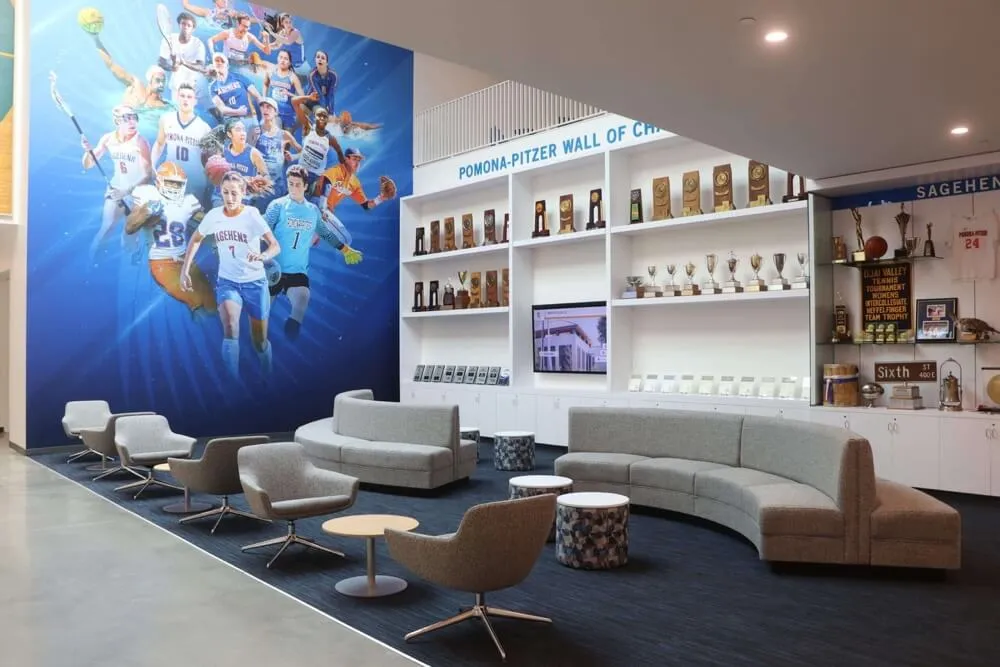
Traditional Photo Boards: Print and mount team photos, individual senior portraits, and championship documentation in trophy cases, hallways, and locker rooms. Frame photos professionally using archival-quality materials preventing fading and deterioration. Update displays annually adding current teams while maintaining historical sections showing program evolution.
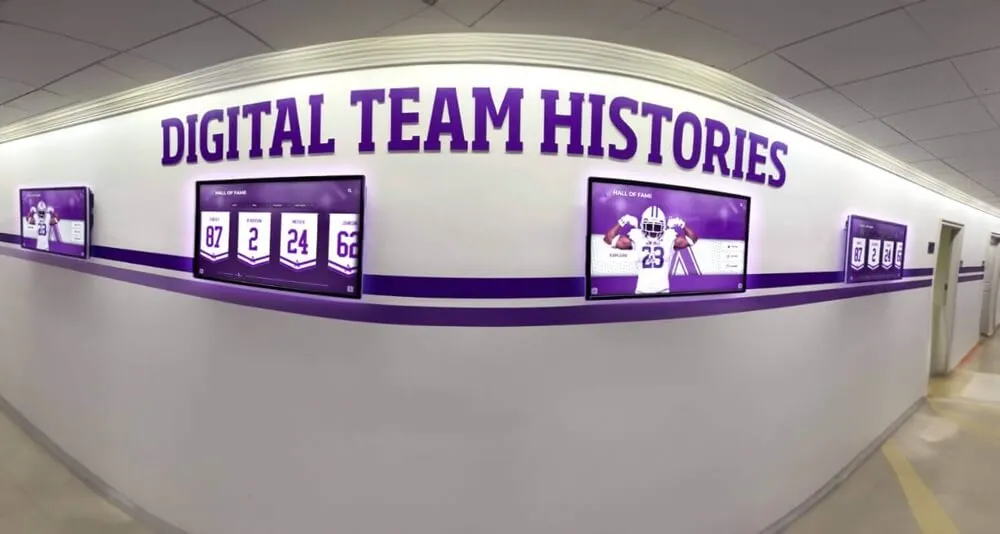
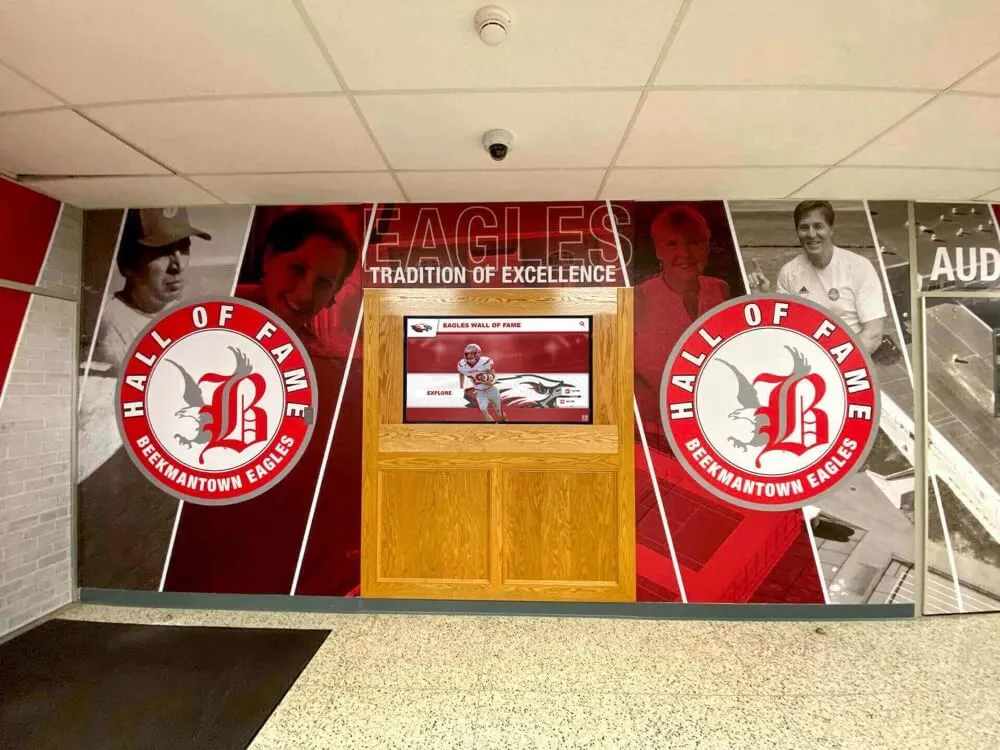
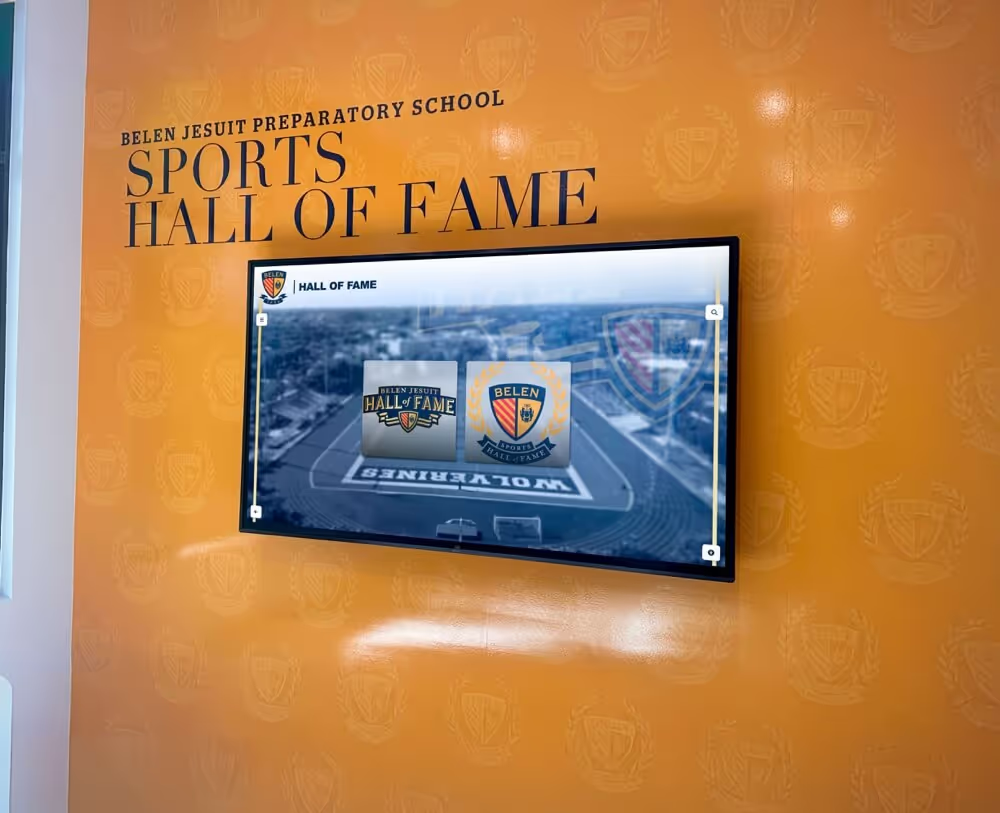
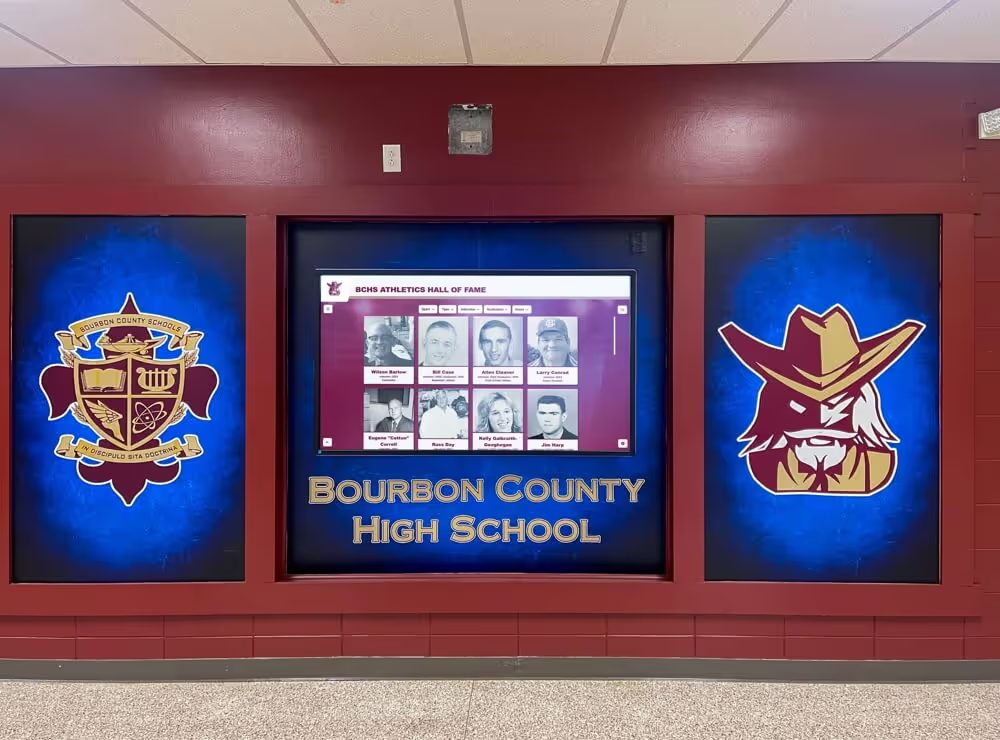
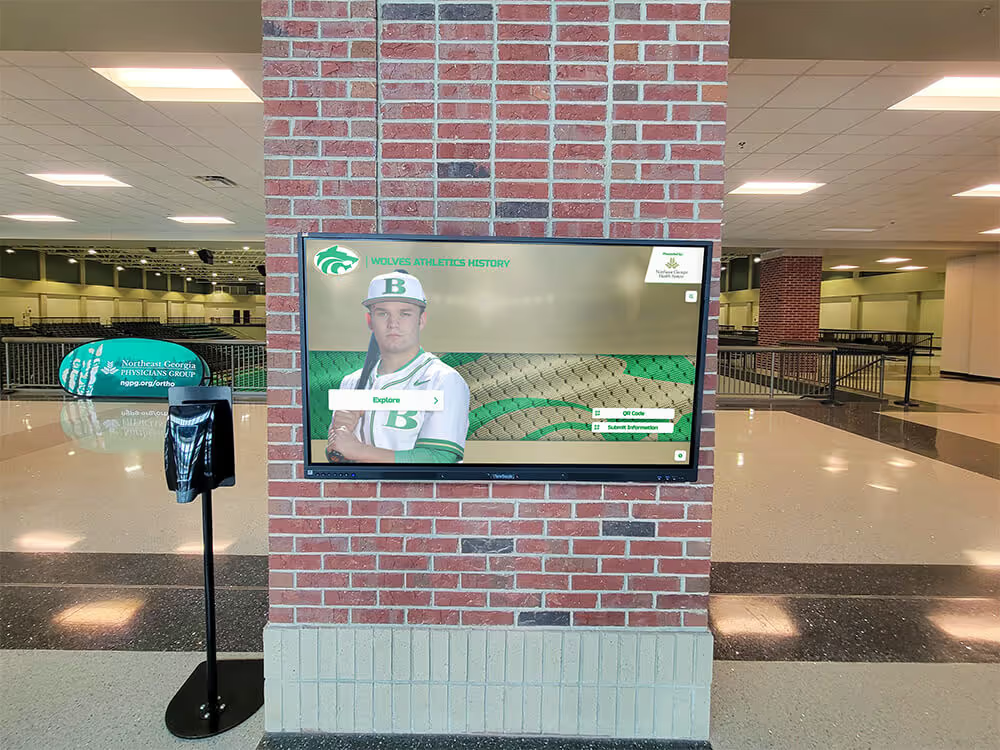
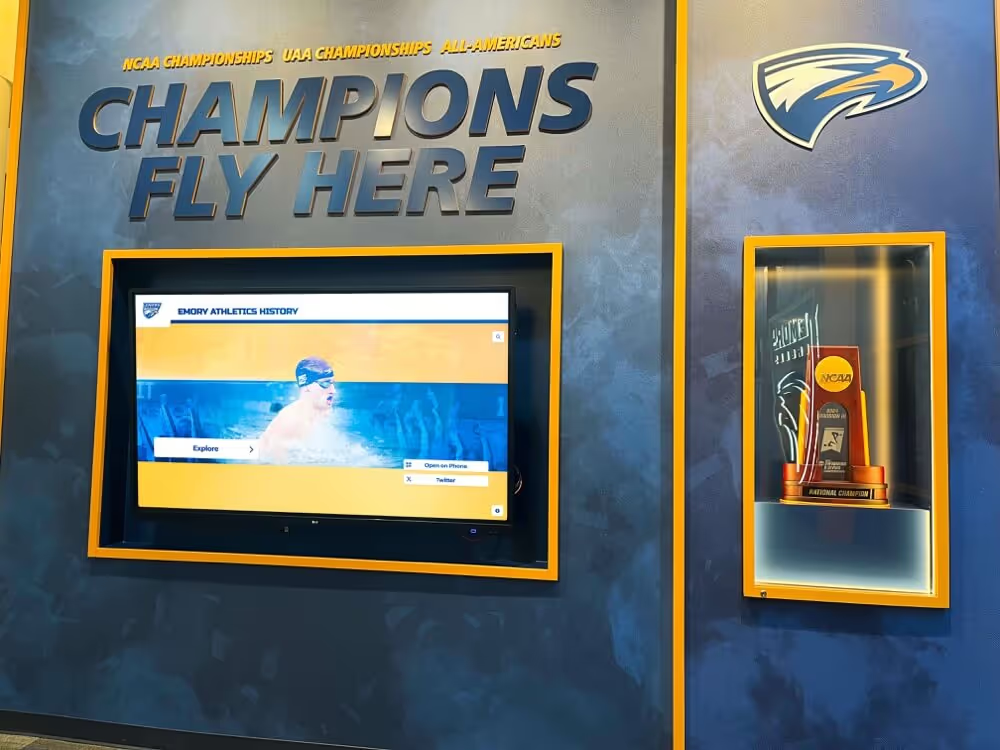
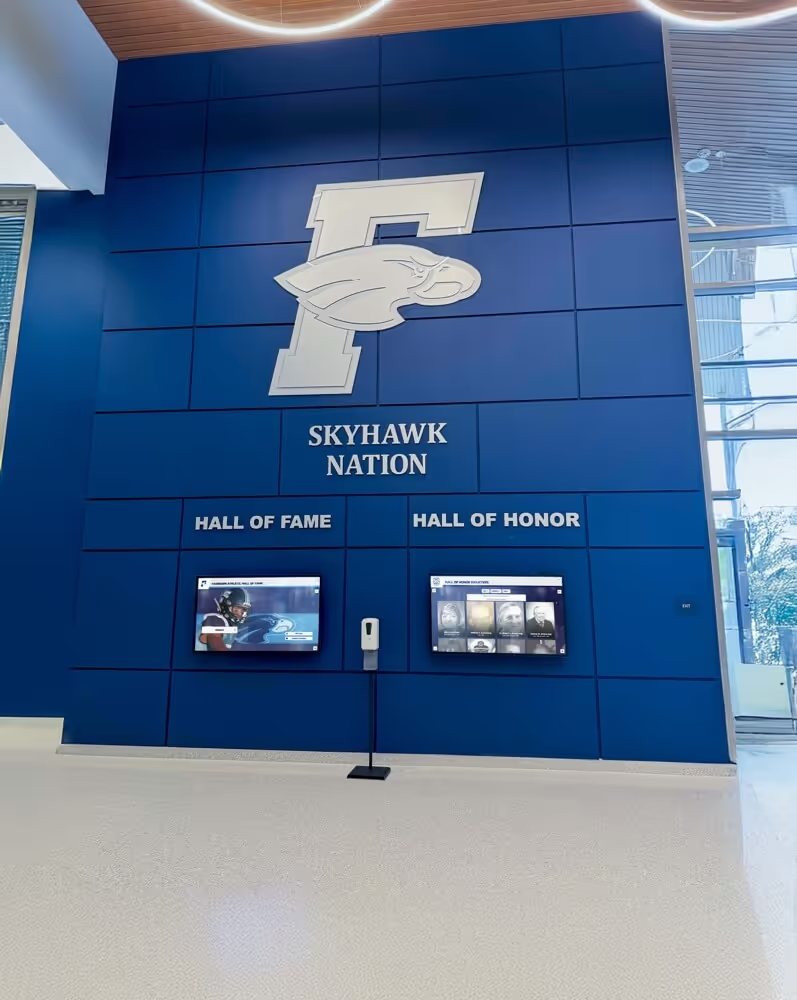
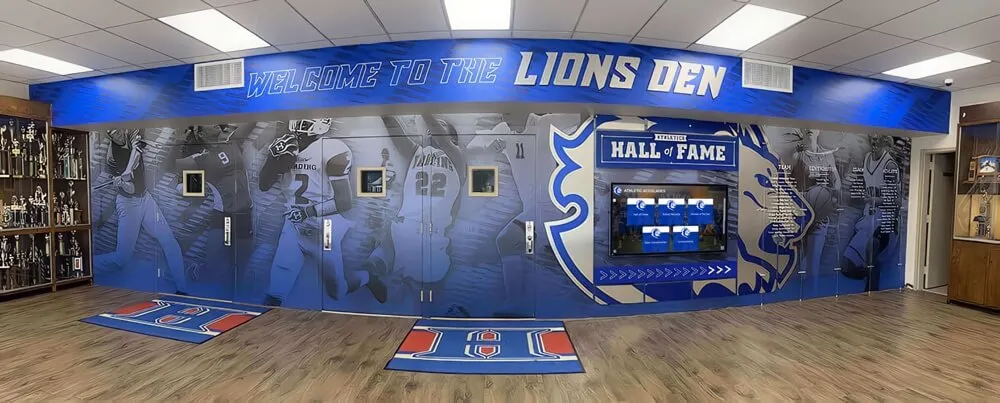
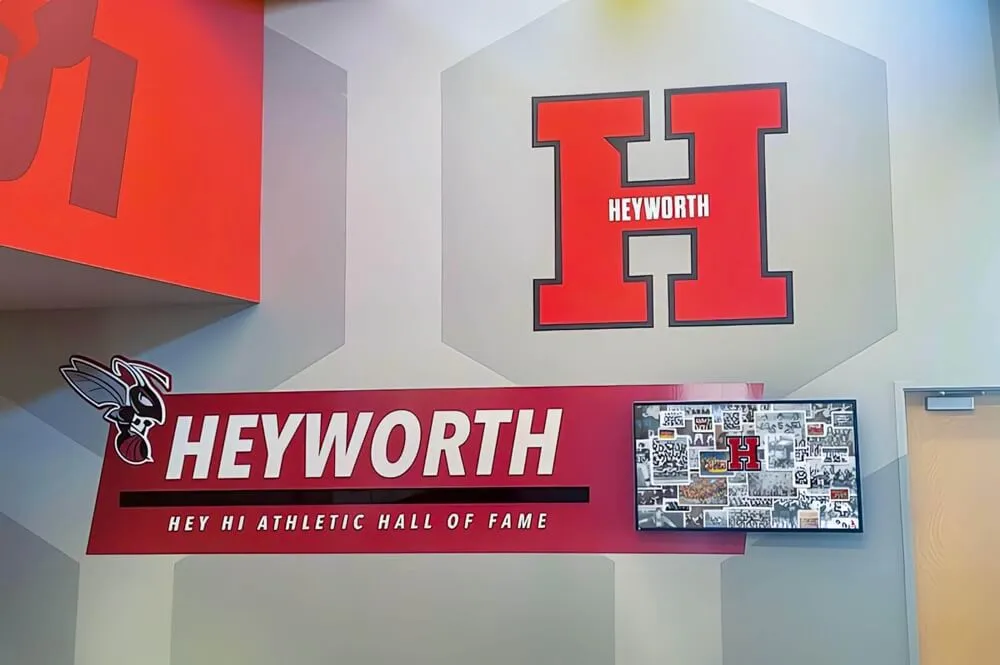
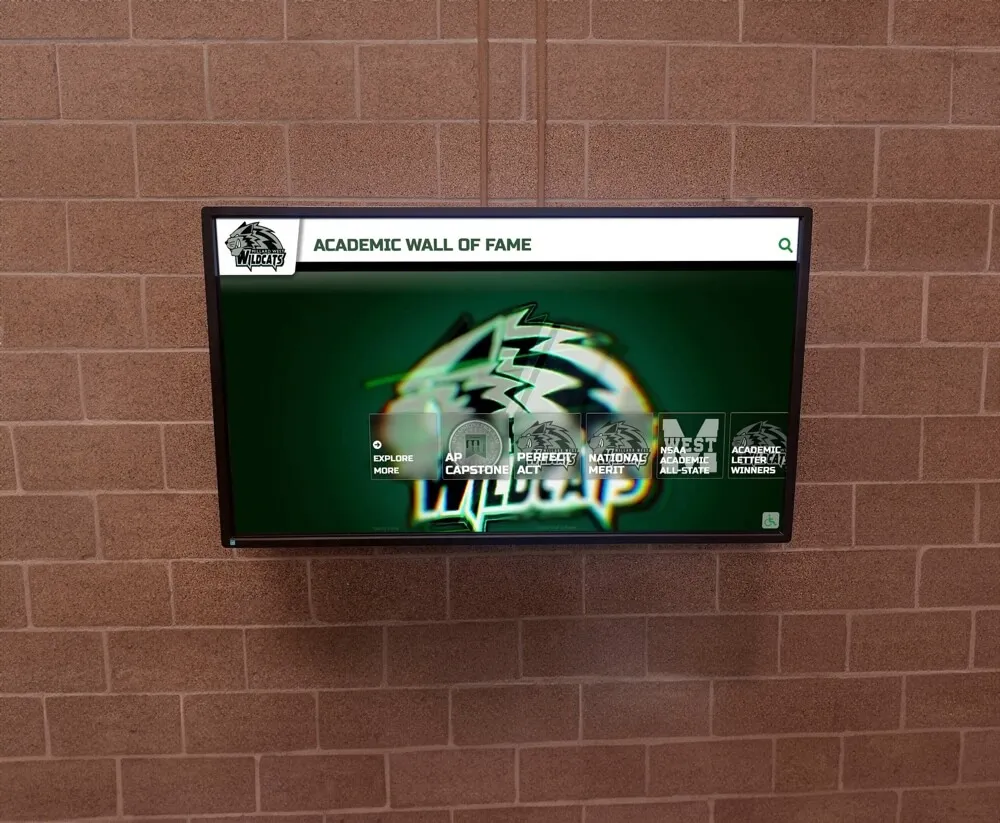
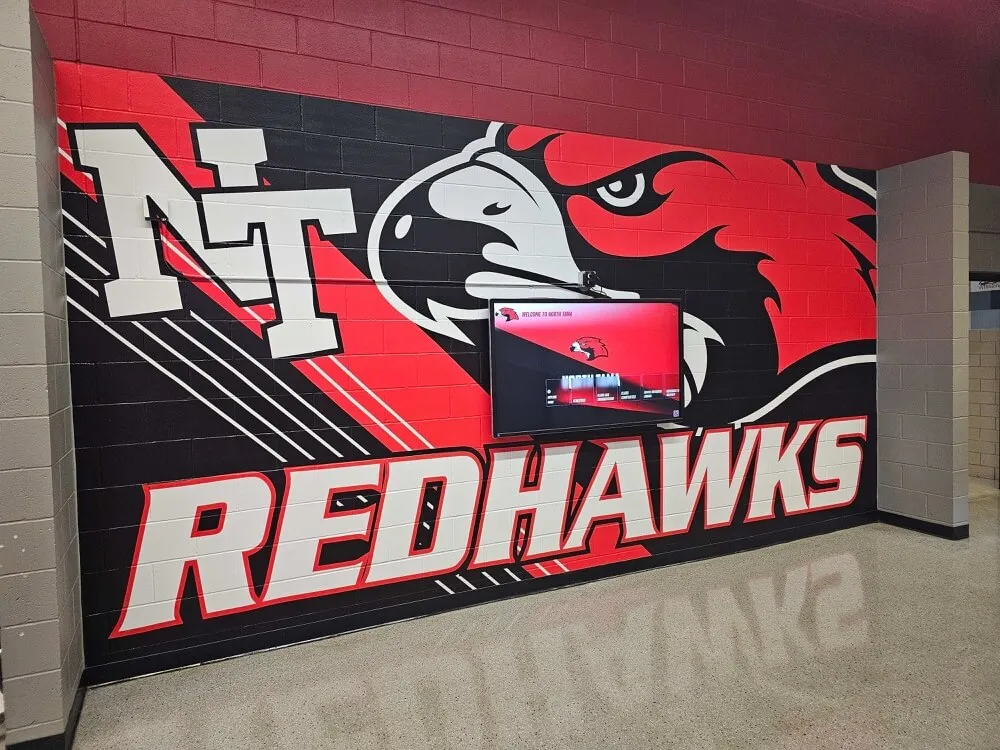
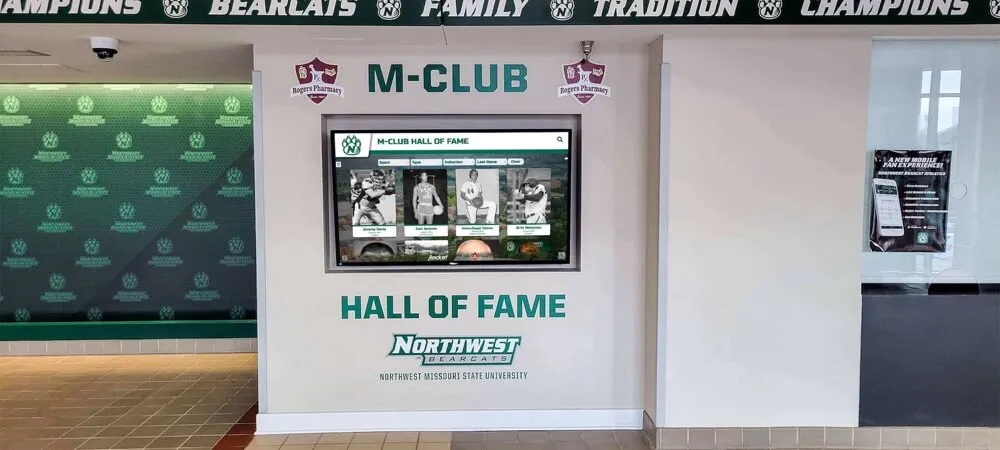
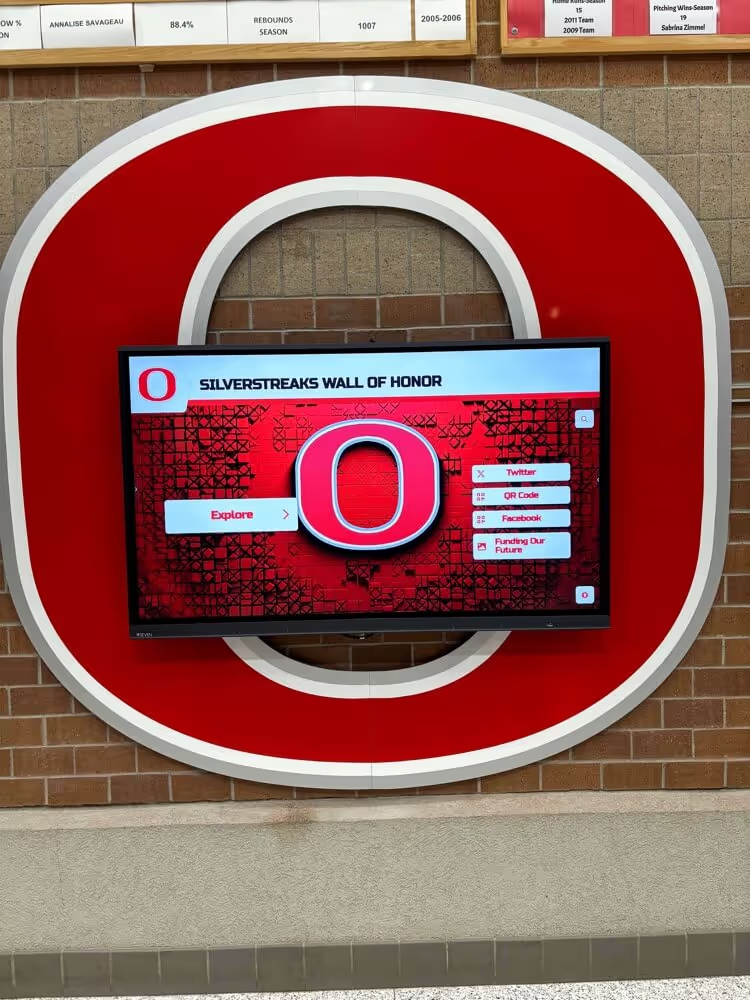
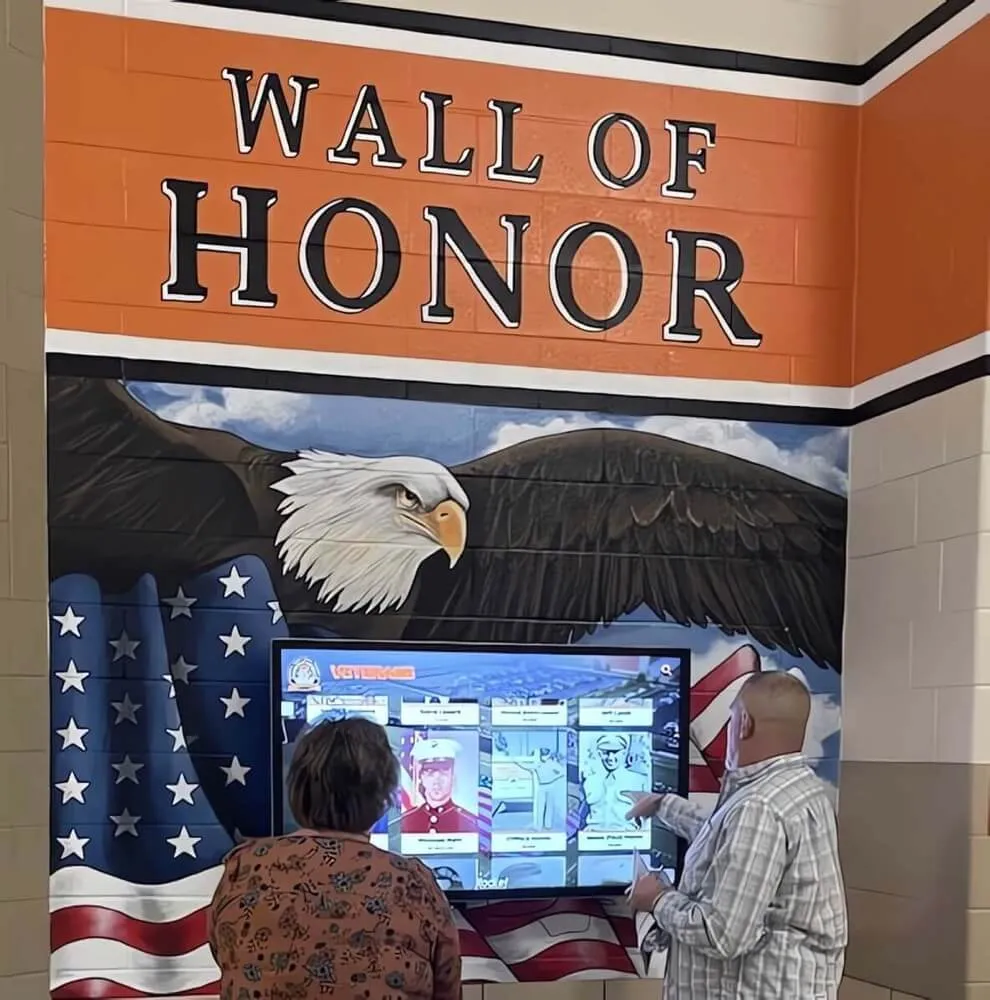
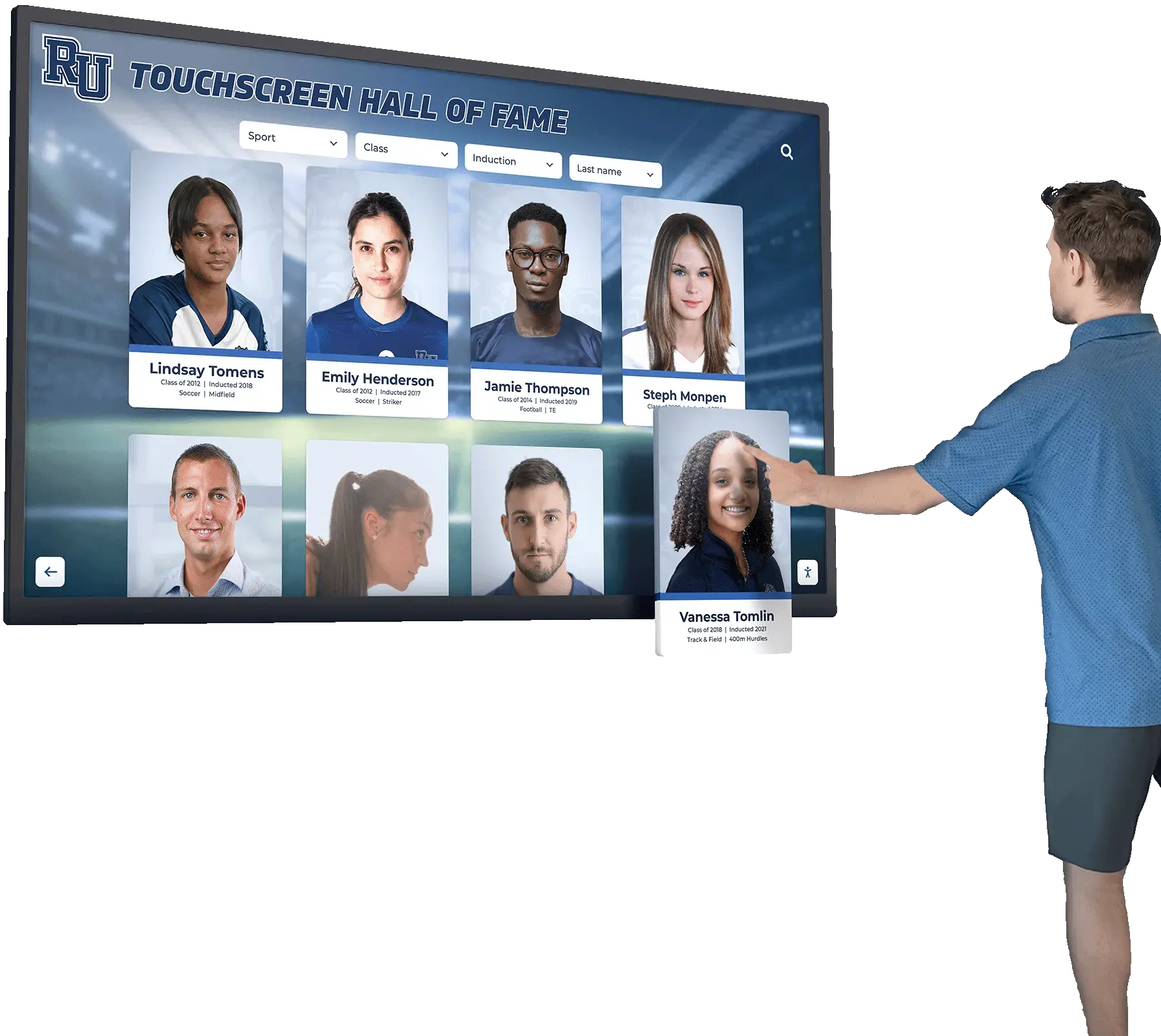
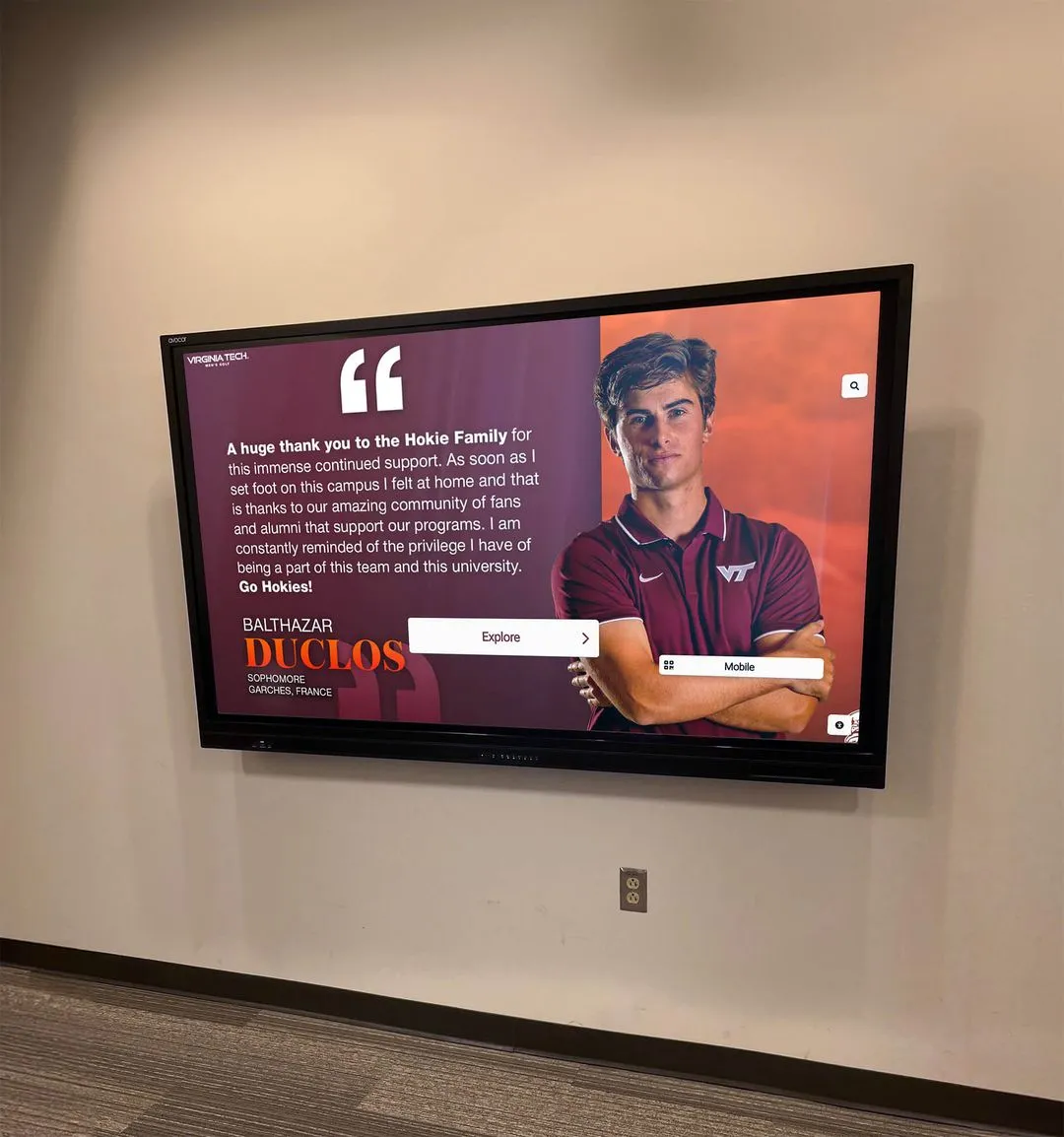
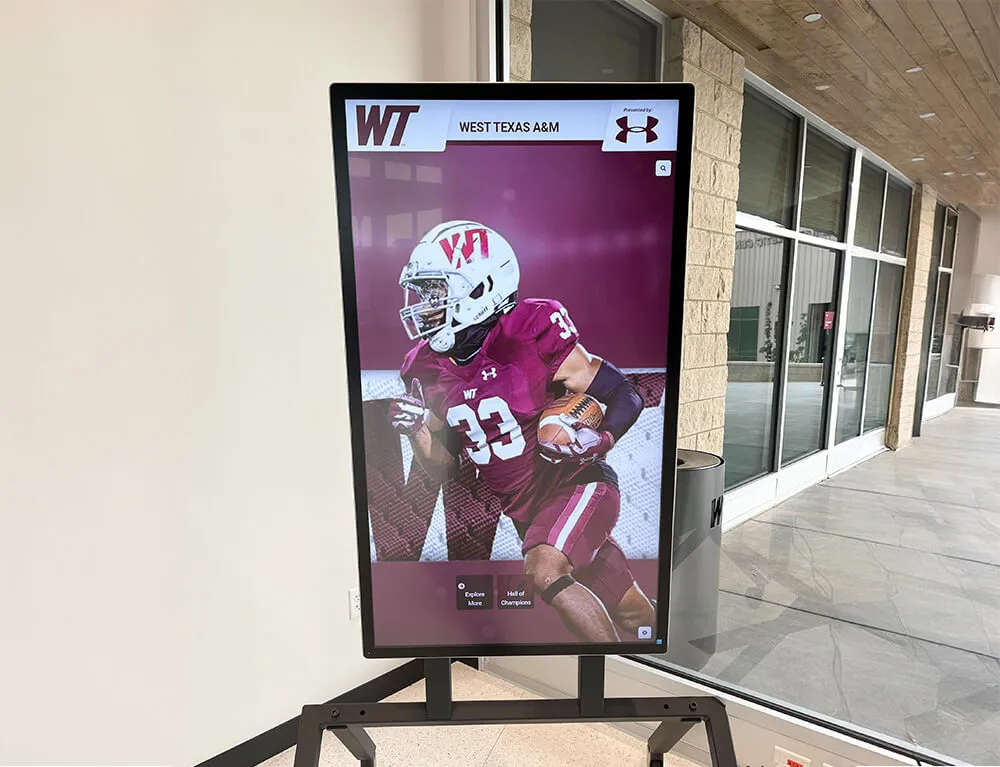
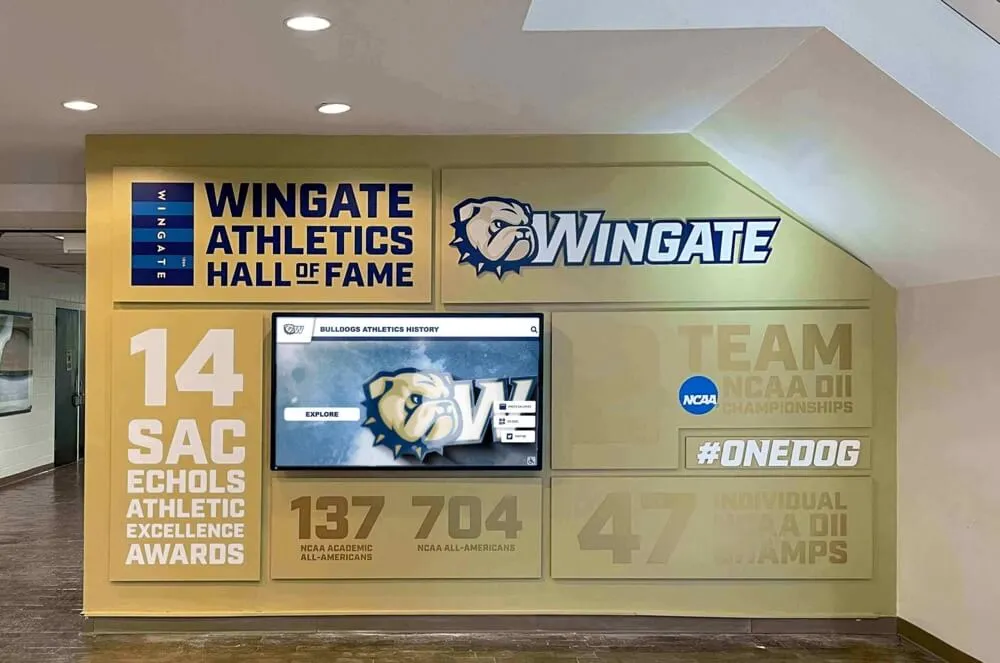
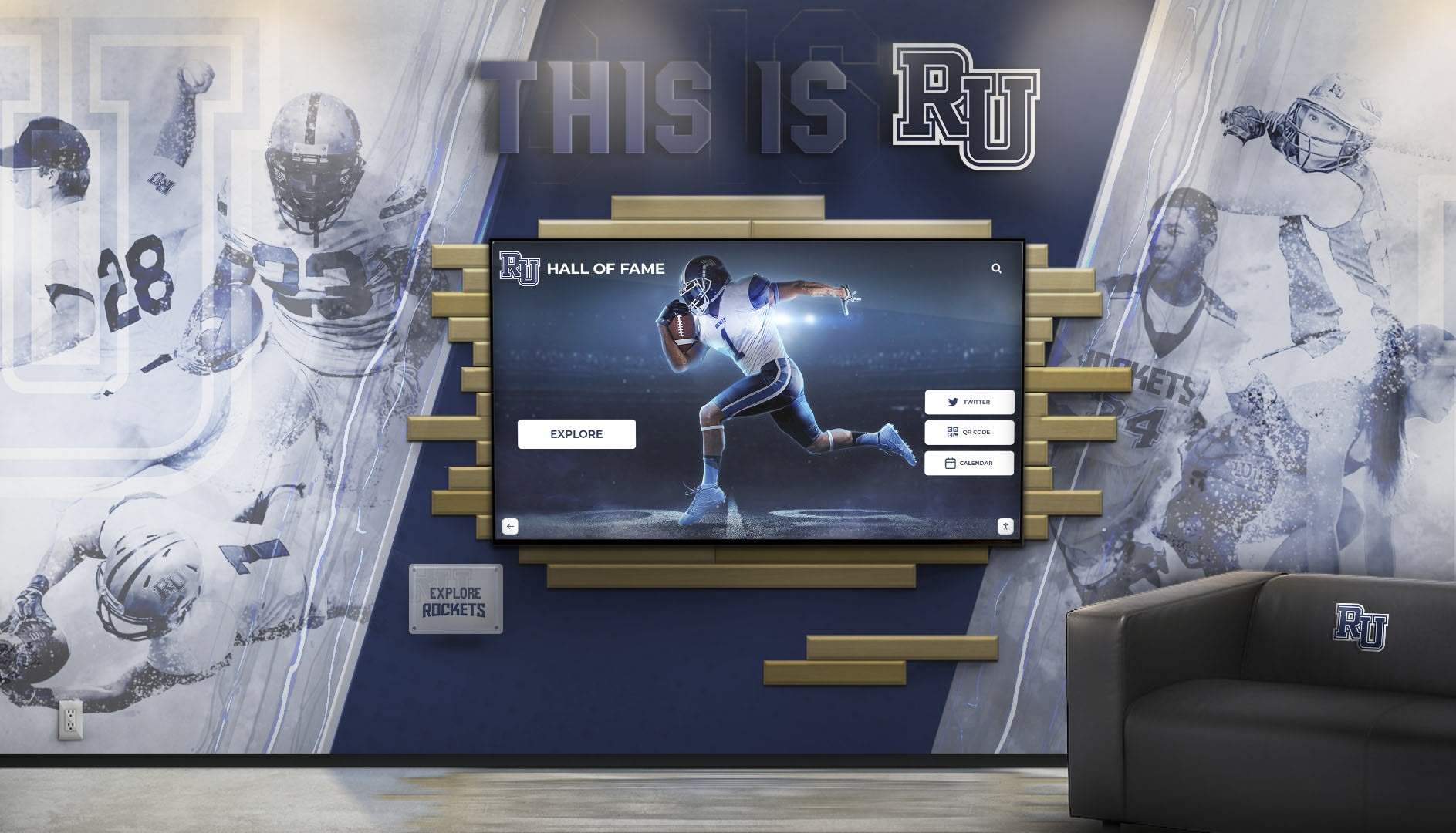
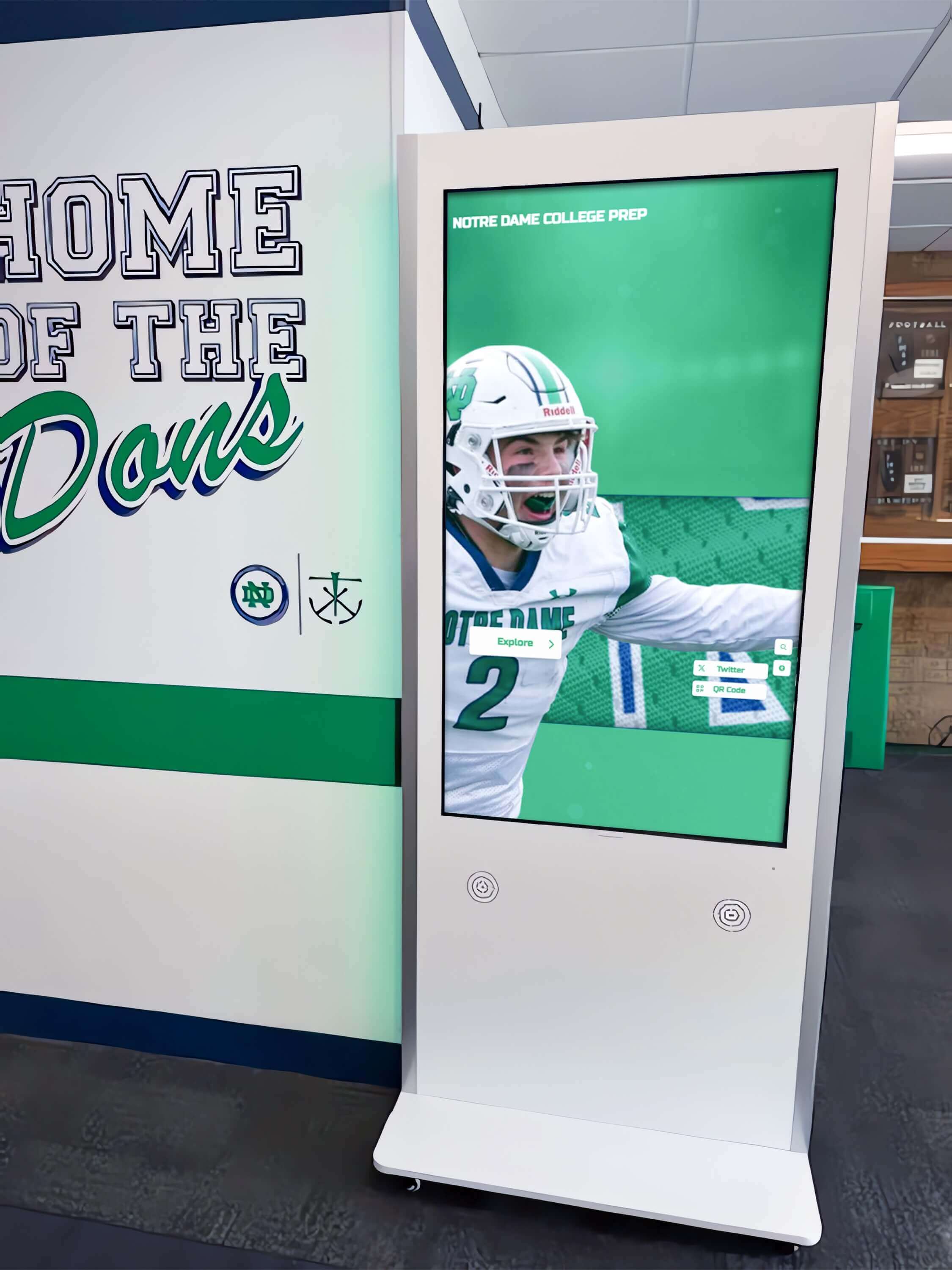
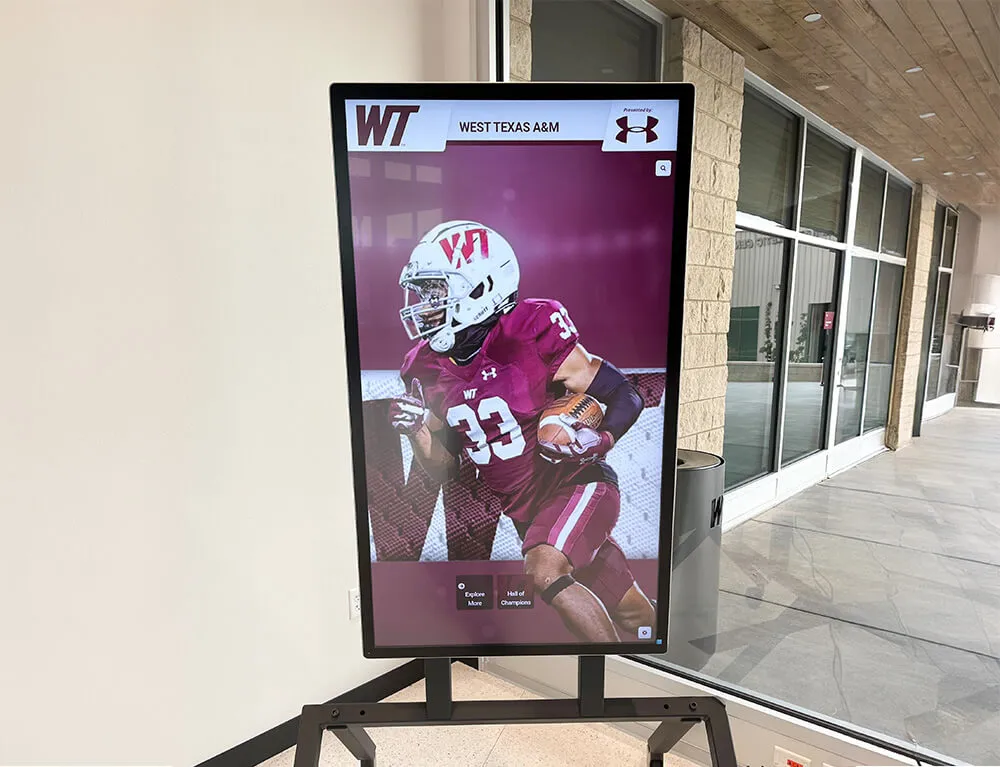
Digital Recognition Systems: Many programs now implement interactive touchscreen displays showcasing athlete profiles, season highlights, historical achievements, and scrolling photo galleries. These systems accommodate unlimited photos without space constraints while enabling easy updates and providing engaging interactive experiences for visitors and recruits.
Social Media Sharing: Share team photos across program social media channels celebrating achievements, recognizing individual players, and building community engagement. Tag players allowing them to share images to their personal accounts, extending reach while giving athletes content celebrating their accomplishments. Time social media posts strategically—Senior Night photos immediately after games, throwback photos during off-season, championship photos during playoffs.
Yearbook and Program Publication
Team photos serve crucial roles in yearbooks and athletic programs, providing lasting printed records while communicating program quality and professionalism to broader school communities.
Photo Selection for Publications: Choose diverse photos representing season scope—team photos establishing roster, action shots showcasing competition, candid moments revealing team chemistry, senior portraits honoring graduating players. Balance star athlete visibility with including all team members, ensuring every player appears in published materials.
Layout and Design Considerations: Work with yearbook editors and designers ensuring adequate space for photo showcases rather than squeezing images into tiny spaces diminishing impact. Consider full-page or spread layouts for championship teams or significant seasons warranting expanded coverage.
Historical Comparison Features: Create visual timelines showing team evolution across years, comparing current season photos with teams from 10, 25, or 50 years prior. These comparison features provide historical context while engaging alumni and connecting current teams with program traditions.
Planning Your Football Team Photo Session
Successful football team photography requires advance planning—coordinating schedules, preparing equipment, communicating expectations, and organizing logistics ensuring efficient sessions producing desired results.
Scheduling and Timing
Schedule photo sessions at times optimizing lighting conditions, player availability, equipment readiness, and photographer access while minimizing disruption to practice time and academic schedules.
Season Timeline Planning: Schedule formal team photos early in season (first 2-3 weeks) when rosters finalize, players possess clean equipment, and enthusiasm runs high. Early scheduling also ensures photos available for programs, sports banquets, and promotional materials throughout season rather than waiting until season’s end when time pressures intensify.
Time of Day Optimization: Schedule outdoor photo sessions during golden hour or overcast conditions when possible. For programs with limited scheduling flexibility, early morning before practice or late afternoon after school typically offer better lighting than midday sessions. Indoor photos provide lighting consistency regardless of time but may lack outdoor authenticity some programs prefer.
Practice Schedule Integration: Coordinate with coaches integrating photo sessions into practice plans minimizing lost practice time. Consider photographing position groups during position-specific practice segments rather than pulling entire team, allowing photo rotations while maintaining practice productivity.
Equipment and Jersey Preparation
Clean, well-maintained equipment and jerseys dramatically improve photo quality while reflecting program professionalism and attention to detail.
Jersey and Uniform Standards: Specify whether players wear game jerseys, practice jerseys, or combinations. Ensure jerseys are clean, properly sized, and tucked consistently. Check that helmets are polished, face masks straight, and chinstraps functional. Small details—properly worn socks, clean cleats, uniform pant lengths—contribute to polished appearance separating amateur from professional-quality team photos.
Equipment Checks: Verify all players possess required equipment before photo sessions avoiding delays while scrambling to find missing items. For helmet photos, ensure every player’s helmet is present and properly maintained. For action shots requiring footballs, have adequate supply of properly inflated game balls rather than worn practice balls showing visible wear.
Communication and Expectations
Clear communication with players, parents, photographers, and coaches ensures everyone understands requirements, schedules, and expectations preventing confusion and missed opportunities.
Player Communication: Notify players days in advance about photo sessions including specific requirements (jersey types, equipment needed, arrival times). Remind players about grooming standards if relevant to program expectations. Explain photo purposes and where images will be used, increasing buy-in and cooperation during sessions.
Parent Notification: For senior recognition photos including families, notify parents well in advance providing specific information about timing, dress expectations, field access procedures, and photo session flow. Parents often coordinate their work schedules around Senior Night, so early notice prevents conflicts while allowing adequate planning time.
Photographer Briefing: Provide photographers with shot lists specifying required photos (full team, position groups, individual seniors, specific formations) ensuring nothing gets missed. Share field access information, timing schedules, and any special requests or program-specific traditions worth documenting. Good photography briefs produce more comprehensive results while preventing disappointing gaps in coverage.
Preserving Your Football Team Legacy
Football photos serve purposes extending far beyond current season documentation—they preserve institutional memory, connect current players with program history, engage alumni, and create visual narratives that define program identities across decades.
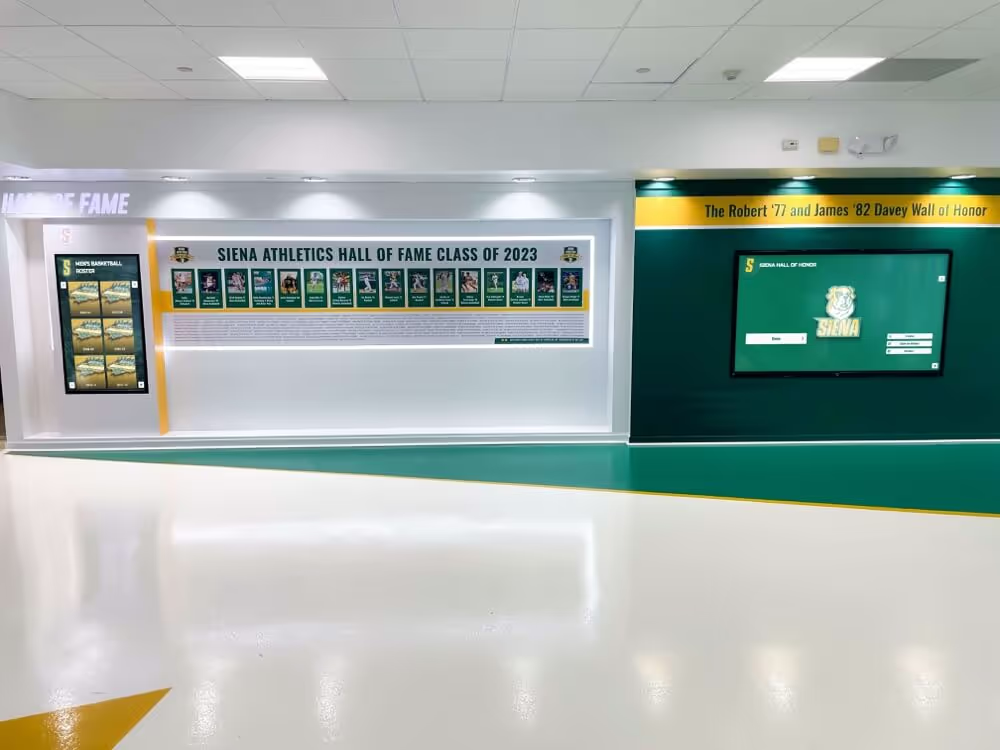
Modern digital displays and interactive systems allow programs to showcase comprehensive photo archives including current teams, historical championship squads, all-time statistical leaders, and notable alumni. These systems make decades of football history accessible while celebrating the countless players and coaches who built program traditions.
Whether you’re a head coach planning team photos for the upcoming season, an athletic director developing comprehensive documentation systems, a parent volunteer coordinating Senior Night photography, or a professional photographer working with football programs, thoughtful approaches to team photography create lasting value extending far beyond individual seasons.
Great football team photos accomplish multiple simultaneous objectives—they document current rosters for historical records, celebrate individual player achievements, showcase team chemistry and culture, market programs to recruits and communities, and create treasured keepsakes that players and families display proudly for decades. By implementing diverse photography approaches combining traditional team formations with creative compositions, action shots, candid moments, and senior recognition, programs create comprehensive visual narratives honoring both team and individual accomplishments while preserving memories that define football experiences for everyone involved.
Ready to Showcase Your Football Team Photos?
Transform your football team photography into lasting recognition displays that celebrate your players and preserve your program’s legacy. Rocket Alumni Solutions specializes in interactive digital displays that bring team photos to life—creating engaging touchscreen experiences where players, families, and visitors can explore athlete profiles, season highlights, and historical achievements. Our turnkey systems make it easy to update content, add new photos throughout the season, and build comprehensive recognition programs that honor every player’s contribution to your football tradition.