Every Friday night under stadium lights, defensive players demonstrate the tackling fundamentals their coaches drill repeatedly throughout practice weeks. The perfectly executed form tackle—head up, eyes on target, arms wrapping securely—represents hundreds of repetitions performed correctly, building muscle memory that translates from controlled drills to full-speed game situations. Yet the journey from basic tackling introduction to championship-level defensive performance requires systematic coaching progressions that develop technique before intensity, emphasize safety alongside effectiveness, and build confident tacklers who execute fundamentals instinctively under competitive pressure.
The evolution of tackling instruction has accelerated dramatically over recent years. Where previous coaching generations emphasized “hit hard” philosophies with limited attention to technique specifics, modern evidence-based approaches prioritize biomechanically sound fundamentals that reduce injury risk while improving defensive effectiveness. Research demonstrates that proper tackling technique actually produces better defensive outcomes than reckless collision approaches—well-executed form tackles result in fewer missed assignments, reduced yards after contact, and significantly lower concussion rates compared to poorly controlled impacts.

However, implementing effective tackling instruction presents challenges for many programs. Youth coaches often lack formal training in proper progressions and safety protocols. High school staffs struggle balancing necessary contact work against practice time limitations and injury concerns. Varsity programs face pressure to maximize defensive performance while protecting players from accumulated contact exposure across long seasons. Successful programs navigate these challenges through structured practice plans that progress systematically, regular technique reinforcement preventing regression to bad habits, creative drill designs providing quality repetitions with controlled contact levels, and comprehensive safety cultures extending beyond just tackling to all physical aspects of football.
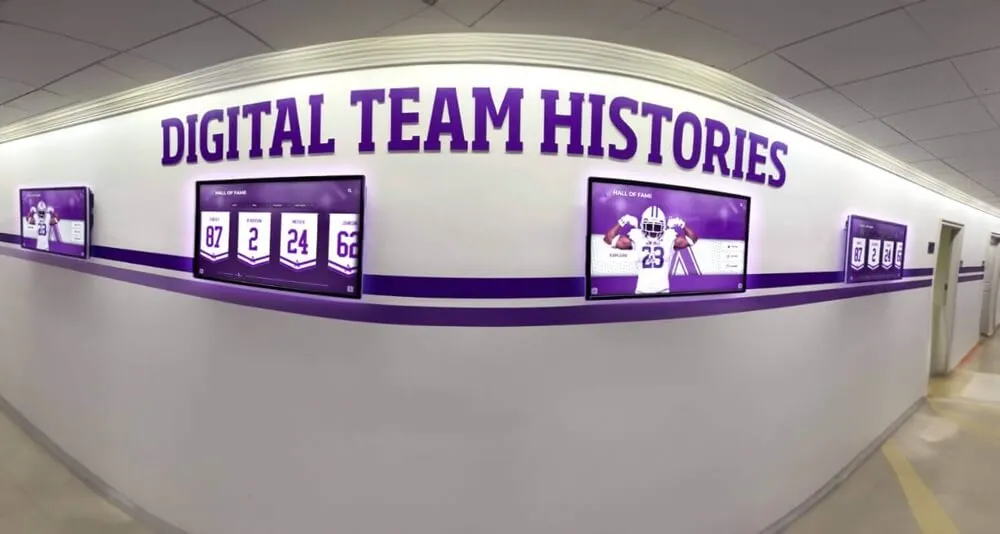
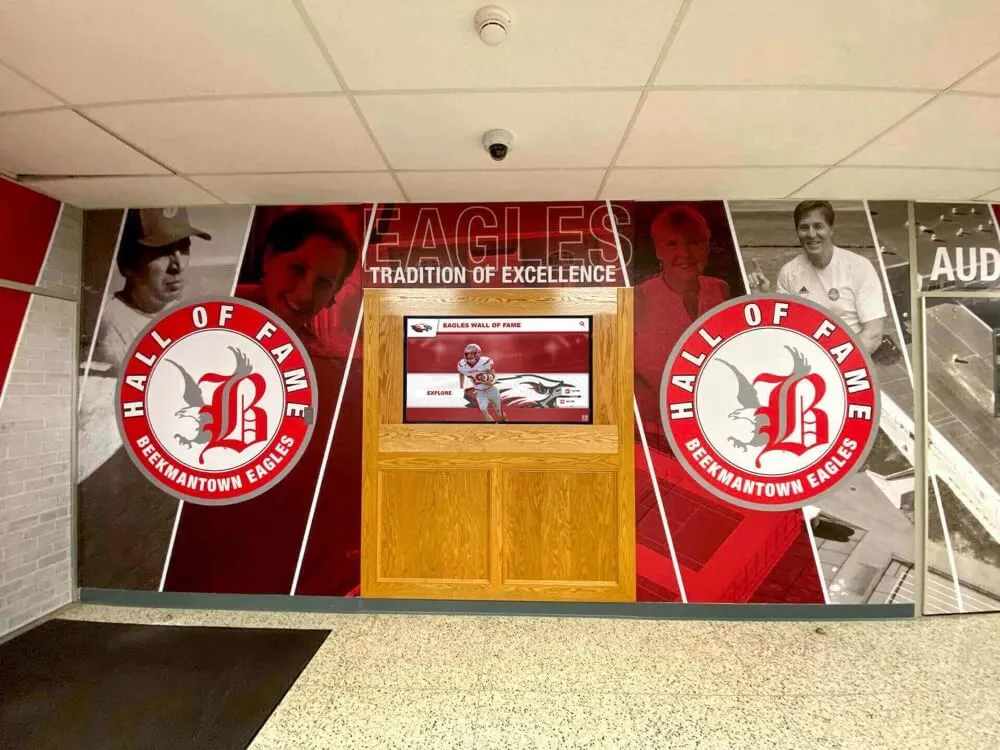
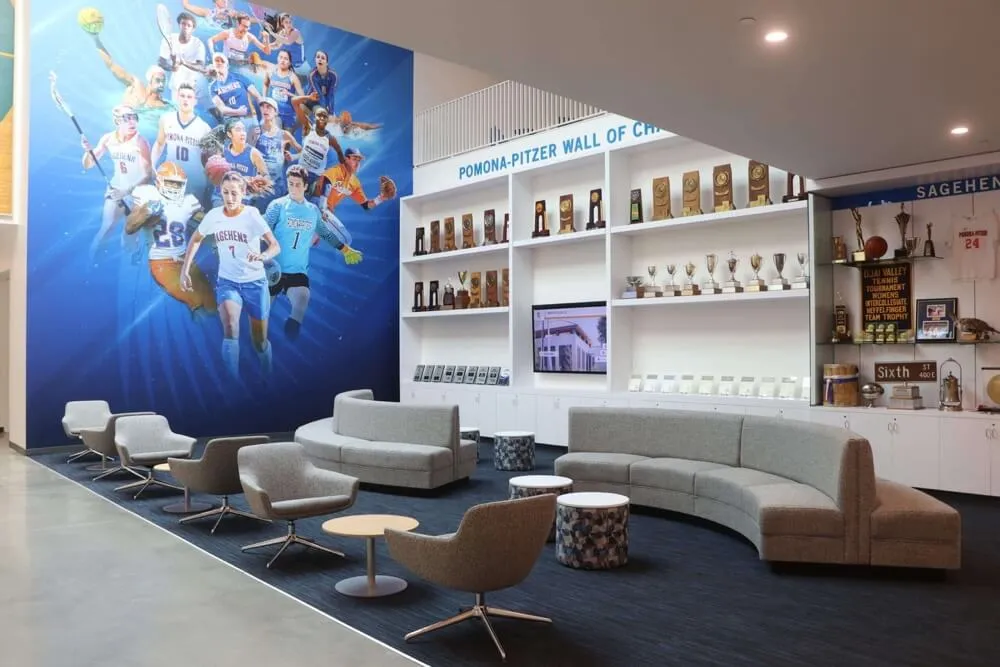
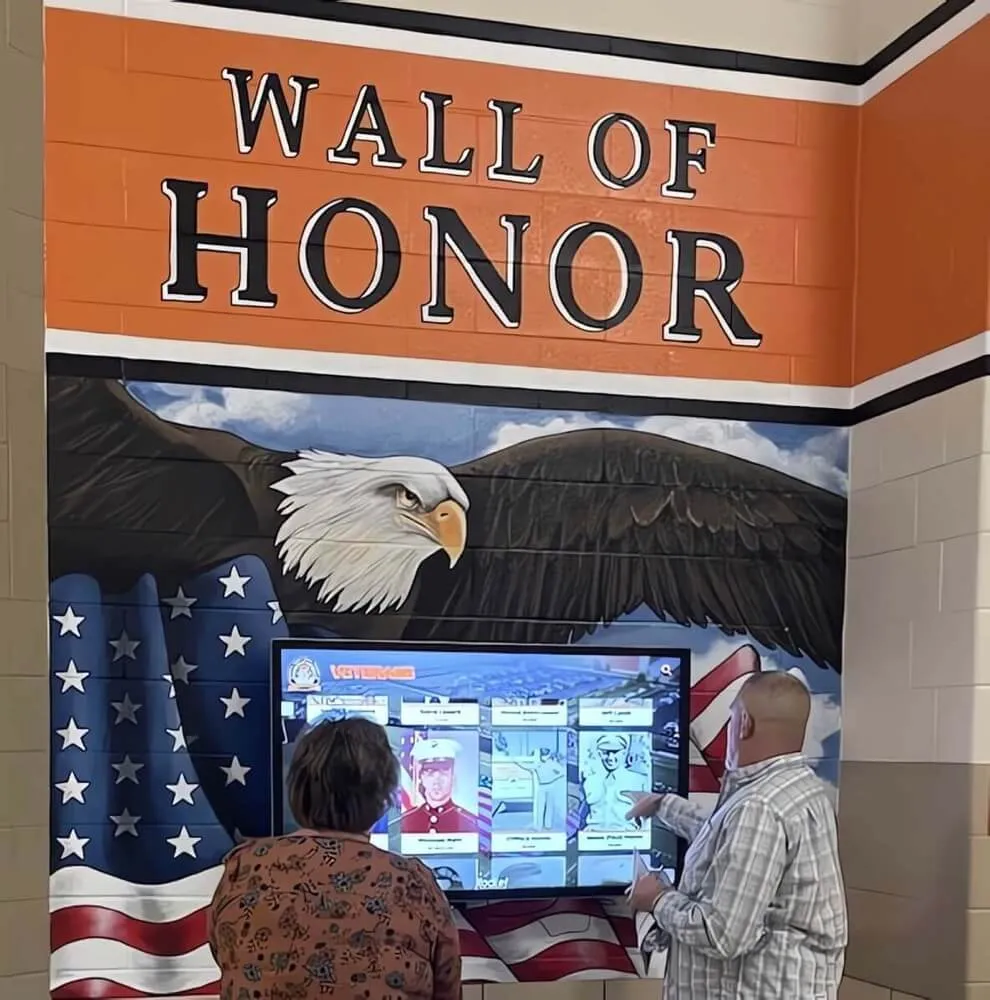
Modern recognition systems play surprising yet significant roles in building these defensive cultures. When programs systematically honor defensive excellence—documenting all-state selections, celebrating defensive statistical leaders, and preserving championship team achievements—they create visible standards motivating current players to master the fundamentals earning similar recognition while reinforcing that championship defense requires technique discipline, not just physical aggression.
Understanding Modern Tackling Philosophy and Safety Principles
Contemporary tackling instruction reflects evolved understanding of both injury mechanisms and defensive effectiveness, resulting in coaching philosophies substantially different from traditional approaches.
The Shift from “Hit Hard” to “Hit Smart”
Traditional football culture often celebrated violent collisions and intimidating hits as markers of toughness and defensive prowess. Modern evidence reveals this approach produces poor outcomes across multiple dimensions including higher injury rates particularly concussions and orthopedic trauma, less effective tackling with ball carriers frequently escaping poorly controlled impacts, increased penalty risk from targeting and unnecessary roughness calls, and reduced career longevity as accumulated trauma shortens playing careers at all levels.
Biomechanically Sound Fundamentals: Evidence-based tackling emphasizes technique fundamentals that work with body mechanics rather than against them. Key principles include maintaining head position up and eyes on target throughout contact, using leg drive and core strength rather than just upper body collision, wrapping arms securely around ball carriers to control rather than merely collide, and driving through tackles with proper body positioning maintaining balance and leverage.
These fundamentals produce superior defensive results—secure tackles with minimal yards after contact, reduced injury risk for both tackler and ball carrier, consistent execution regardless of size mismatches, and technique sustainability enabling effective tackling throughout entire games and seasons as fatigue increases.
Head Safety and Concussion Prevention: The most critical evolution in modern tackling centers on head and neck safety. Research definitively demonstrates that leading with the crown of the helmet substantially increases concussion risk for both tacklers and ball carriers. Progressive programs implement strict “eyes to sky” and “see what you hit” coaching emphasizing keeping head up with eyes on target throughout tackles, never initiating contact with helmet crown, tracking ball carrier’s chest or jersey numbers maintaining proper head position, and using shoulder as primary contact point with head to the side.
Many programs adopt “Hawk Tackling” or similar branded systems developed by rugby coaches and adapted for American football, emphasizing leverage and body positioning over collision force. These approaches teach tacklers to get lower than ball carriers, drive through hips and legs, wrap and roll controlling descent, and maintain head safety throughout contact sequences.
Age-Appropriate Contact Levels and Progression
Effective tackling instruction varies substantially across age groups, with appropriate contact levels and teaching emphases differing significantly between youth, high school, and varsity programs.
Youth Football (Ages 6-12): Youth programs should minimize live tackling contact while establishing fundamental technique patterns. Best practices include extensive use of bags, shields, and other equipment substituting for live contact, form tackling emphasis with no live ball carrier contact at younger ages (6-8), limited controlled tackling against live runners at older youth levels (10-12) only after demonstrated technique proficiency, and maximum repetitions focused on footwork, body positioning, and approach angles rather than contact force.
USA Football’s “Heads Up Football” program provides excellent youth-specific tackling progressions emphasizing safety fundamentals before introducing any live contact. Youth coaches should recognize that developing proper movement patterns and technique understanding matters far more than contact tolerance at these developmental stages—players with excellent fundamental foundations advance more successfully to competitive levels than those exposed to excessive contact prematurely.
High School (Ages 13-18): High school programs balance technique development with necessary preparation for Friday night competition. Appropriate progressions include daily form tackling work maintaining technique standards, controlled live tackling at reduced speeds building confidence, full-speed tackling in limited doses providing game-realistic preparation, and thud or wrap-up tempo during most practice periods limiting full-contact exposure.
Many successful programs implement “Tackle Tuesday” or similar weekly structures where controlled live tackling occurs on designated days only, preventing excessive accumulation while ensuring necessary competitive preparation. Other practice days emphasize form work, pursuit angles, and wrap technique without full live contact.
Varsity/College Preparation: Advanced programs serving college-bound players require higher contact volumes preparing athletes for next-level competition while still prioritizing long-term health. Appropriate balancing includes more frequent live tackling periods than younger levels, competitive installation work replicating opponent tendencies, individual tackling circuits with position-specific techniques, and strategic planning limiting full contact during heavy competition weeks.
Elite programs increasingly adopt “virtual reality tackling” and other technology-assisted training reducing physical contact repetitions while maintaining mental rehearsal and decision-making development. Similar to strength training where smart programming prevents overtraining, modern coaches recognize that maximal tackling contact doesn’t produce optimal development—strategic dosing maximizes benefit while minimizing accumulated risk.
Legal and Liability Considerations
Coaches and programs bear significant legal responsibility for player safety, making documented safety protocols and proper instruction essential beyond just moral obligations.
Duty of Care and Standard Practices: Courts consistently hold coaches to professional standards requiring knowledge of current safety best practices, implementation of age-appropriate instruction and contact levels, proper equipment fitting and maintenance oversight, and documented emergency action plans for serious injuries.
Programs can substantially reduce liability exposure through documented safety protocols including written practice plans showing systematic progression, coach training certifications demonstrating safety competency, equipment inspection logs and maintenance records, and incident documentation when injuries occur showing appropriate response.
Targeting Rules and Ejection Standards: Both high school (NFHS) and college (NCAA) rules now mandate automatic ejections for targeting violations—using helmet crown to initiate contact or launching into defenseless opponents. These rules create coaching obligations to teach legal tackling techniques avoiding targeting criteria, regularly review video identifying and correcting problematic technique, and establish team cultures where clean tackling represents defensive standard.
Programs failing to address targeting issues face not just individual game ejections but potential season-long patterns that draw regulatory scrutiny, community criticism, and increased liability exposure when preventable injuries occur. Conversely, programs known for clean, technically sound tackling gain competitive advantages through avoided penalties, maintained roster availability, and enhanced reputations attracting safety-conscious families.
Progressive Tackling Drill Sequences: From Fundamentals to Game Speed
Effective tackling development follows systematic progressions where each drill builds upon previous skills, gradually increasing complexity and contact intensity as players demonstrate technique proficiency.
Phase 1: Fundamental Form and Body Positioning
The foundation of all tackling instruction involves isolating and perfecting individual technique components before combining them into complete tackles. These introductory drills require no live contact, allowing unlimited repetitions without injury risk or physical fatigue limiting practice volume.
Tackling Stance and Approach Position
Proper tackling begins with correct body positioning before contact even occurs. Coaches should drill stance fundamentals including feet shoulder-width apart with slight stagger, knees bent with weight on balls of feet ready to explode, back straight with slight forward lean, head up with eyes forward, and arms loose and ready to wrap.
Drill: Mirror Drill Players pair up facing each other at five yards distance. One player moves laterally while partner mirrors movements maintaining proper tackling stance and positioning. Emphasize staying low with balanced footwork, keeping shoulders square to opponent, and maintaining visual focus on chest/numbers. Rotate offense/defense roles every 30 seconds for 3-4 minutes total. This drill builds essential footwork and body positioning without any contact.
Form Tackle Breakdown: The Six-Step Progression
Breaking complete tackles into discrete steps allows focused instruction on each component. The standard progression includes:
- Breakdown Position: Approach ball carrier and stop in proper body position—low center of gravity, head up, eyes on target, feet active and ready to drive
- Shoot Position: Explosively extend from breakdown position, driving through hips and legs, maintaining head-up position, and preparing arm placement
- Contact Position: Make shoulder contact with head to side (never crown), eyes still tracking target, arms beginning wrapping motion
- Wrap: Secure arms around ball carrier’s torso, bringing hands together if possible, maintaining secure grip
- Drive: Continue leg drive through contact, maintaining balance and forward momentum, working to control ball carrier’s movement
- Finish: Complete tackle by safely bringing ball carrier to ground while maintaining control and protecting both players from dangerous falls
Drill: Six-Step Form Tackle Progression Using large blocking shields or stand-up dummies, players execute each tackle phase individually before combining steps. Coach stands beside demonstrating each component. Players perform 5-10 repetitions of each isolated step, then combine steps progressively (steps 1-2, then 1-3, then 1-4, etc.) until executing complete form tackles against stationary equipment. This drill typically requires 15-20 minutes and should occur daily early in seasons before transitioning to more advanced variations.
Leverage and Hip Explosion
Effective tackling requires explosive power from legs and hips rather than just arm strength or upper body collision. Developing this fundamental leg drive separates effective tacklers from those who arm-tackle ineffectively.
Drill: Sled Drive Tackling Using blocking sleds or heavy bags, players execute form tackle approaches focusing exclusively on leg drive and hip explosion. Emphasize getting pad level lower than contact point, exploding through hips driving sled forward, and maintaining leg drive for full 3-5 seconds. Perform 5-8 repetitions per player. This drill builds the explosive lower-body power essential for effective tackling while involving zero injury risk since contact is against equipment only.
Phase 2: Controlled Live Repetitions at Reduced Speed
Once players demonstrate consistent form against stationary targets, introduce live ball carriers at controlled speeds allowing technique execution against moving targets while limiting collision force.
Wrap-Up Tackling at Walking/Jogging Speed
The critical transition from equipment to live ball carriers should occur at substantially reduced speeds preventing dangerous collisions while allowing technique refinement.
Drill: Cone Progression Wrap Tackling Set up cones creating a narrow alley (3 yards wide, 10 yards long). Ball carrier begins at walk/jog speed moving through alley. Tackler approaches from front executing proper form tackle but at significantly reduced speed—contact should be firm but controlled, more emphasis on wrapping and securing than driving through. Progress speed gradually across multiple practice sessions as technique improves. Perform 10-15 repetitions per player alternating offense/defense roles.
Angle Tackling and Pursuit Paths
Game tackles rarely occur head-on—most involve pursuit angles requiring different approach and contact techniques. Angle tackling drills introduce these realistic scenarios at controlled speeds.
Drill: Angle Tackle Circuit Set up multiple stations with cones creating various pursuit angles (45-degree, 90-degree, pursuit from behind). Ball carriers move at half-speed while tacklers approach from designated angles executing form tackles. Emphasize taking proper pursuit paths cutting off ball carrier rather than chasing from behind, adjusting body position to deliver shoulder to ball carrier’s near hip, and wrapping through ball carrier’s body not reaching from behind.
Rotate players through all angle stations performing 5 reps at each angle. Similar to how programs recognize all-state athletes who master these fundamentals, tracking individual player progress through tackle circuits provides accountability and motivation for technique improvement.
Thud Tempo Team Periods
“Thud” represents practice intensity where contact occurs but tacklers wrap rather than drive ball carriers to ground. This tempo provides realistic repetitions while substantially reducing injury risk compared to full live contact.
Drill: Thud Team Periods Run standard offensive plays against base defensive schemes at thud tempo. Offensive plays execute at full speed through mesh point, then reduce to 75% speed as ball carriers reach defensive level. Defenders execute full-speed pursuit and proper tackle form including contact and wrap, but whistle blows at wrap completion rather than tackle finish—ball carriers don’t go to ground. This allows high volume of realistic tackling repetitions (20-30 per practice period) with minimal injury risk. Many elite programs conduct majority of practice periods at thud tempo, reserving full live contact for limited specific periods.
Phase 3: Full-Speed Game-Realistic Tackling
After establishing technique foundations through controlled progressions, programs need limited full-speed contact providing authentic game preparation and building player confidence executing under competitive conditions.
Open-Field Tackling Scenarios
The most challenging tackles occur in space where ball carriers have room to maneuver and tacklers must close distance while maintaining leverage and body control.
Drill: Open-Field 1-on-1 In 10x10 yard grid, ball carrier begins at one end while tackler starts 7-8 yards away. On whistle, ball carrier attacks grid attempting to reach opposite end line while tackler pursues and executes open-field tackle. This drill develops critical skills including closing distance while maintaining body control, breaking down at proper distance without overrunning, staying square to ball carrier preventing cutback lanes, and executing form tackles against full-speed elusive targets.
Perform 8-10 repetitions total (4-5 per player if alternating roles) once or twice weekly maximum—this represents high-intensity live contact that should occur in limited doses. Video these repetitions for technique review, identifying and correcting form breakdowns.
Gang Tackling and Finish Drills
Championship defense requires multiple defenders finishing tackles and creating negative plays rather than relying on individual tacklers.
Drill: Swarm Tackling Ball carrier receives handoff and attacks designated running lane. First defender executes primary tackle with proper form while second and third defenders arrive within 1-2 seconds adding to pile and driving backward. Emphasize first defender securing wrap and controlling ball carrier while help defenders strike through ball carrier maintaining forward momentum, arrive under control avoiding friendly-fire collisions, and actively attempt to strip ball creating turnover opportunities.
This drill builds essential team defensive concepts while distributing contact across multiple players rather than isolated individuals absorbing repeated full-speed impacts. Perform 10-12 repetitions total per practice session.
Live Team Periods
Full-speed team periods provide most authentic game preparation but should occur strategically rather than daily to manage accumulated contact exposure.
Drill: Live Team Periods Run standard offensive plays against defensive schemes at full game speed with complete tackling to ground. Limit these periods to specific days (many programs designate Tuesday as primary live contact day) and control total repetitions (12-20 plays maximum per session). Prioritize quality over quantity—review every play identifying technique successes and corrections needed.
Consider implementing “get-down rules” where ball carriers go down immediately upon secure wrap rather than fighting for extra yards, reducing unnecessary additional contact after tackle is secured. Many college programs use this approach maintaining game-speed authenticity while reducing accumulated impact exposure.
Position-Specific Tackling Techniques and Drills
While fundamental tackling principles apply universally, different positions require specialized techniques matching their specific defensive responsibilities and typical tackle scenarios.
Defensive Line: Engaging and Shedding Blockers
Defensive linemen rarely execute clean tackles—they typically must disengage from blockers before reaching ball carriers, requiring specialized techniques combining block destruction with tackling fundamentals.
Shed and Tackle Progression
Defensive linemen must violently separate from blockers while maintaining body control and vision allowing immediate transition to tackling ball carrier.
Drill: Bag Shed to Tackle Coach or manager holds blocking shield simulating offensive lineman. Defensive player executes appropriate block-defeat technique (rip, swim, push-pull), sheds blocker, locates ball carrier (held by second coach/player 3-4 yards beyond blocker), and executes form tackle. Emphasize violent hands disengaging from blocker, immediate eyes to ball carrier after separation, quick footwork closing distance, and maintaining leverage and pad level through shed and tackle sequence.
Perform 8-10 repetitions per player focusing on quick transitions from block defeat to tackle execution. This position-specific skill separates productive defensive linemen from those who get stuck on blocks.
Tackle for Loss and Backfield Penetration
Defensive linemen create negative plays by penetrating backfield and tackling ball carriers behind line of scrimmage, requiring quick reactions and ability to tackle in confined spaces with blockers still engaged.
Drill: Penetration Pursuit Tackling Set up drill simulating backfield with offensive linemen on bags/shields. Defensive linemen penetrate designated gaps, identify ball carrier direction, and pursue for tackle behind line of scrimmage. Emphasize explosive first step gaining immediate penetration, reading backfield action while engaging blocker, quick disengagement when ball declares, and aggressive pursuit for negative-yardage tackle.
This drill develops the instincts and techniques that produce tackles for loss—the statistical category many programs feature on digital recognition displays honoring defensive playmakers who consistently create backfield disruption.
Linebackers: Filling Gaps and Sideline-to-Sideline Pursuit
Linebackers serve as defensive quarterbacks responsible for run fits, blitz execution, and sideline-to-sideline pursuit requiring versatile tackling skills across diverse scenarios.
Downhill Gap Tackling
Linebackers frequently fill designated gaps attacking downhill to stop inside running plays, requiring explosive triggers and violent contact delivering knock-back tackles.
Drill: Fire-Through Gap Tackling Set up offensive line simulation with shields/bags creating running lanes. On snap simulation, linebackers fire through assigned gap attacking ball carrier immediately upon handoff. Emphasize aggressive downhill attack with no false steps, maintaining gap integrity not reaching outside assignment, delivering blow with leg drive stopping forward progress, and secure wrap preventing cutback or second effort.
Perform 10-12 repetitions per linebacker rotating through different gap assignments. This drill builds the decisive attacking mentality championship linebackers display.
Scrape and Fill Techniques
When offensive plays flow away from original alignment, linebackers must scrape laterally across formation filling new gaps, requiring dynamic footwork maintaining leverage while pursuing across field.
Drill: Scrape Tackle Circuit Linebackers align in base position. On movement key (coach point or ball carrier first step), linebackers scrape laterally 5-7 yards while maintaining proper depth and leverage, then attack downhill executing tackle as ball carrier crosses line of scrimmage. Emphasize maintaining outside leverage preventing cutback, efficient lateral movement without false steps or crossing feet, and transitioning from lateral scrape to downhill attack without losing momentum.
This drill develops the flowing pursuit and space coverage that allows elite linebackers to make tackles sideline to sideline throughout entire games.
Defensive Backs: Open-Field Tackling and Pursuit
Defensive backs face the most difficult tackling scenarios—one-on-one in space against elusive ball carriers with room to operate. Defensive back tackling technique emphasizes body control, leverage maintenance, and certain tackling despite size disadvantages.
Break-Down and Tracking Technique
Defensive backs must close distance rapidly then break down in control maintaining leverage and preventing explosive plays, requiring precise footwork and body control.
Drill: Close and Break Tackling Defensive back begins 12-15 yards from ball carrier. On command, defensive back closes distance at full sprint, breaks down in control at 2-3 yards maintaining proper leverage and body position, then mirrors ball carrier maintaining square relationship, and executes form tackle when ball carrier commits direction. Emphasize full-speed close maintaining sprint speed as long as possible, quick break-down with choppy feet and bent knees, patience reading ball carrier without lunging prematurely, and explosive finish when opportunity presents.
Perform 10-15 repetitions per defensive back. This critical skill determines whether defensive backs consistently make tackles or allow explosive plays when isolated in space—the difference between good defensive backs and those earning senior night recognition and all-state honors.
Sideline Force and Boundary Tackling
Defensive backs often serve as force players using sideline as additional defender, requiring specialized angle-tackling technique.
Drill: Sideline Force Tackling Ball carrier begins on hash with path toward sideline. Defensive back approaches from inside forcing ball carrier toward boundary, executing tackle using sideline to limit escape options. Emphasize maintaining inside leverage preventing cutback, using proper pursuit angle cutting off sideline escape, and delivering contact that drives ball carrier out of bounds or completes tackle near boundary.
This drill teaches defensive backs to use field geometry as tactical advantage, making one-on-one tackles more certain despite size or speed mismatches.
Creating Safe and Effective Practice Plans
Individual drill excellence means little without strategic practice planning that sequences activities appropriately, manages contact volume, and maintains technique emphasis throughout entire practice sessions.
Daily Practice Structure for Tackling Development
Effective practices follow consistent structures helping players mentally prepare for upcoming activities while ensuring proper warm-up and technique progression.
Recommended Practice Sequence
Championship programs typically structure practice periods as follows:
Dynamic Warm-Up (10 minutes): Movement-based warm-up preparing bodies for physical demands including jogging, high knees, butt kicks, carioca, backpedal, and targeted mobility for hips, shoulders, and neck. Avoid static stretching before activity—dynamic movement better prepares athletes for practice demands.
Individual Form Tackling (10-15 minutes): Daily form tackling work maintaining technique standards. Even advanced programs benefit from beginning each practice with fundamental form tackle repetitions against bags or shields preventing regression to poor habits. Emphasize perfect technique over speed or intensity during this period—establish quality standard before progressing to more competitive drills.
Position-Specific Drills (15-20 minutes): Targeted technique work for position groups addressing specific tackling scenarios each position encounters. Defensive line works shed techniques, linebackers focus on gap fills, defensive backs practice open-field scenarios.
Team Periods (20-30 minutes): Full-team work integrating tackling into scheme context. Majority should occur at thud tempo with limited full-speed periods (5-10 plays maximum) strategically scheduled weekly rather than daily.
Conditioning and Cool-Down (10-15 minutes): Football-specific conditioning maintaining game-shape fitness, followed by static stretching and recovery protocols supporting next-day preparation.
Weekly Planning: Balancing Contact and Recovery
Strategic weekly planning manages accumulated contact exposure while ensuring necessary game preparation and technique maintenance.
Sample High School Weekly Tackling Plan
Monday (Recovery/Technique): Form tackling emphasis with zero live contact. Individual technique work, video review of previous game identifying tackling successes and needed corrections. Install upcoming opponent-specific schemes using bags and shields rather than live ball carriers.
Tuesday (Primary Contact Day): Most physical practice of week including full-speed team periods with complete live tackling. Limited to 15-20 full-speed plays with tackles to ground. Position-specific live tackling drills (open-field 1-on-1s, gap-fill drills, etc.).
Wednesday (Controlled Contact): Thud tempo team periods providing high-volume repetitions without tackles to ground. Angle tackling and pursuit drills at 75-80% speed. Emphasis on scheme execution and assignment correctness.
Thursday (Pre-Game Preparation): Minimal contact—walk-through tempo reviewing game plan and assignments. Form tackling reminders against bags only. Mental preparation and strategy emphasis rather than physical work.
Friday (Game Day): Competition applying all week’s preparation.
Saturday/Sunday: Recovery and treatment for athletes needing attention.
This structure provides necessary contact preparation while limiting accumulated exposure—single heavy contact day rather than daily wear producing fatigue and injury risk.
Managing Practice Contact Volume: Tracking and Limiting
Progressive programs implement systems tracking overall contact exposure ensuring players don’t accumulate excessive impacts increasing injury risk.
Contact Counting Systems
Some programs adopt formal systems counting contact exposures including full-speed collisions (tackles to ground), thud contacts (contact with wrap but no takedown), competitive periods (live team work even if individual player doesn’t make tackles), and cumulative weekly totals per player.
Establishing maximum weekly thresholds (example: 25 full-speed tackles maximum per player per week including games) creates objective limits preventing excessive exposure. Tracking systems identify players approaching limits allowing coaches to remove them from additional contact drills that week.
While this level of detail exceeds what many programs implement, even informal awareness of contact volume helps coaches make better decisions about when additional live work benefits preparation versus when it merely adds unnecessary risk.
Video Review and Continuous Technique Improvement
Modern technology enables sophisticated video analysis that accelerates technique improvement and provides objective evaluation tools beyond coaching observation alone.
Using Video to Reinforce Proper Technique
Video provides undeniable evidence showing players exactly what they’re doing versus what coaches are teaching, making it invaluable for technique correction.
Individual Technique Breakdown Sessions
Film individual players executing tackles during practice or games, then review video highlighting specific technique elements. Effective video sessions include showing proper executions identifying exactly what player did correctly, showing technique breakdowns identifying specific errors and their consequences, comparing player’s technique against elite examples providing visual model, and having player verbally explain what corrections they need to make ensuring conceptual understanding not just observation.

Brief focused sessions (5-10 minutes per player) prove more effective than long unfocused film study. Schedule weekly individual meetings with each defender reviewing 5-8 tackle attempts from practice and games.
Team Tackling Analysis and Recognition
Beyond individual correction, team-wide video review celebrates excellent technique while identifying common errors multiple players share. Create weekly highlight compilations showing best tackles executed by team members, demonstrating specific technique elements coaches emphasize. Public recognition of excellent technique through video reinforces desired behaviors—when teammates see certain players consistently featured in “Tackle of the Week” compilations, it motivates similar technique discipline.
Many programs incorporate this video recognition into broader athletic recognition systems, displaying defensive highlights on lobby screens and digital platforms celebrating individual and team defensive excellence.
Identifying and Correcting Common Technique Errors
Certain tackling mistakes appear consistently across programs and age levels. Systematic video review helps identify and address these recurring problems.
Leading with Helmet Crown: Most dangerous and unfortunately common error involves dropping head and making initial contact with helmet crown. Video clearly shows head position at contact moment, making this error undeniable when reviewed. Correction requires constant reinforcement of “eyes to sky” and “see what you hit” coaching cues, immediate practice stoppage and correction when observed during drills, and potential reduction of drill intensity when players cannot maintain proper head position—returning to slower controlled tempo until technique improves.
Arm Tackling and Failed Wraps: Many missed tackles result from inadequate wrap technique—defenders leading with shoulder but failing to secure arms around ball carrier. Video review shows arms extending past ball carrier or minimal grip strength allowing ball carriers to spin free. Corrections include dedicated wrap emphasis drills focusing exclusively on arm placement and grip, strength training improving grip and upper body pulling strength, and reducing drill speeds until players consistently demonstrate secure wraps before progressing to full speed.
Breaking Down Too Early or Too Late: Proper break-down distance separates effective open-field tacklers from those who miss. Too early allows ball carriers time to set up moves; too late results in overrunning tackle attempts. Video provides objective measurement of break-down distance allowing precise feedback. Establish optimal break-down distance for each player based on their speed and body control (typically 2-4 yards from ball carrier) and review video measuring actual distances against optimal targets.
Building Defensive Culture Through Recognition and Accountability
Technical instruction alone doesn’t build championship defense—programs must create cultures valuing defensive excellence, celebrating tackle technique, and holding players accountable to safety and execution standards.
Establishing Defensive Standards and Expectations
Clear standards communicated explicitly prevent ambiguity about what coaches expect and value.
Tackle Quality Metrics
Define and track specific tackle quality metrics rather than just counting total tackles. Useful metrics include missed tackle percentage (successful tackles vs. attempts), yards after contact allowed per tackle, tackles for loss/negative yardage tackles, forced fumbles through aggressive ball security attacks, and targeting/unnecessary roughness penalties (zero tolerance standard).
Track these metrics individually allowing identification of players consistently executing high-quality tackles versus those with quantity but poor quality. Recognition should emphasize quality over quantity—the player with 30 tackles and 2 misses demonstrates better technique than one with 50 tackles but 12 misses.
Film Grade Accountability
Implement systematic film grading where coaches evaluate every player on every play assigning objective grades. Defensive grade should include specific tackling evaluation separate from coverage or assignment execution. Publish grade results holding players accountable to performance standards and creating competitive motivation to improve grades week to week.
Many programs post weekly defensive grades in locker rooms or include them in digital recognition systems displayed publicly, creating peer accountability and recognition for consistent execution.
Celebrating Defensive Excellence and Safe Tackling
What programs celebrate communicates what they value. Intentionally recognizing safe, technically sound tackling reinforces desired behaviors.
Weekly Defensive Awards and Recognition
Implement formal recognition programs celebrating defensive achievement including “Tackle of the Week” for best-executed individual tackle, “Defensive Effort Award” for hustle and pursuit consistency, “Form Tackle Champion” for player with highest percentage of proper-technique tackles, and “Big Play Award” for tackles for loss, forced fumbles, or critical third-down stops.
Present these awards publicly at team meetings with video highlights showing specific plays earning recognition. This positive reinforcement proves more effective at driving behavior than only addressing mistakes and errors.
Season-Long Recognition and Hall of Fame Documentation
Track defensive statistics and achievements throughout seasons creating permanent documentation of individual and team excellence. Career defensive leaders should receive recognition equivalent to offensive statistical champions—programs that celebrate only offensive achievements while ignoring defensive excellence send clear messages about what they value, inevitably affecting defensive motivation and culture.
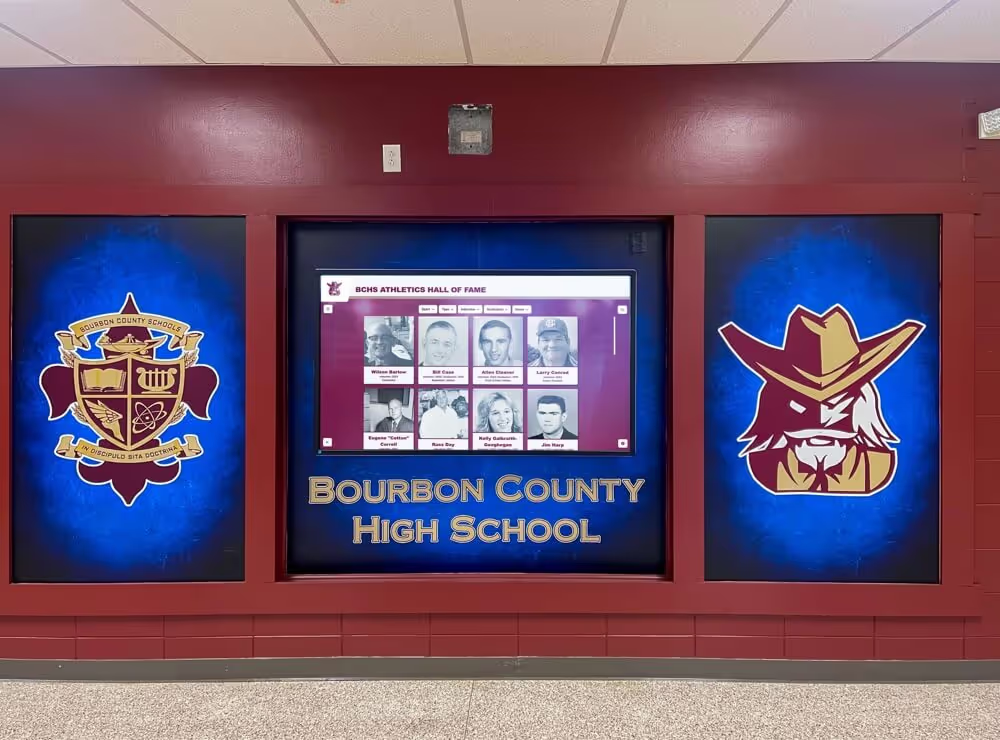
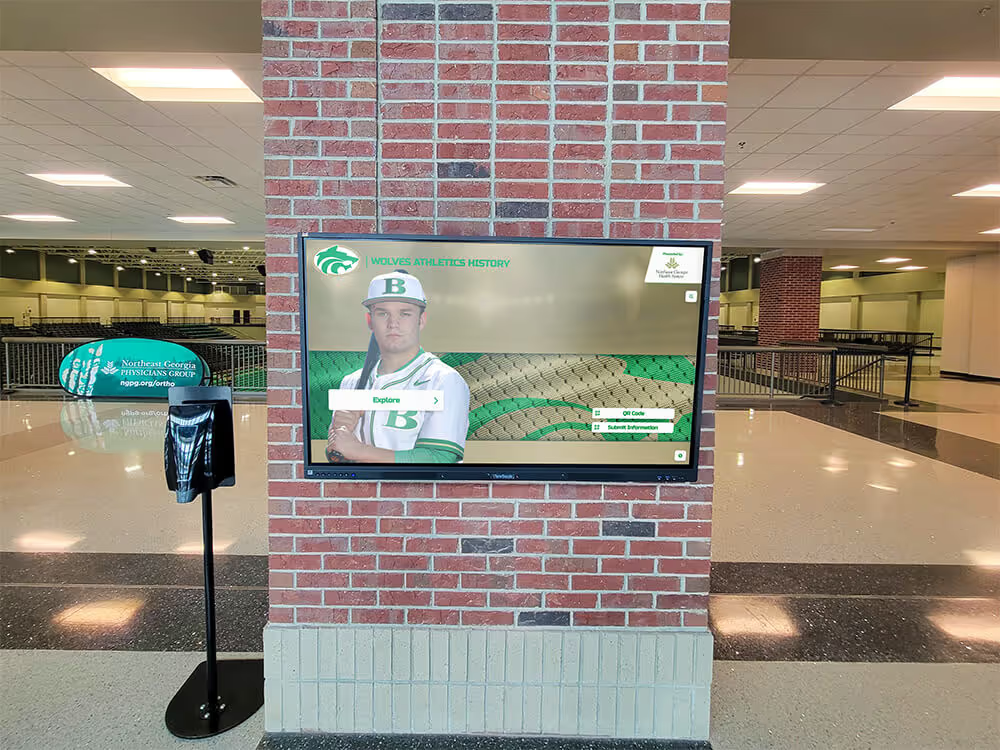
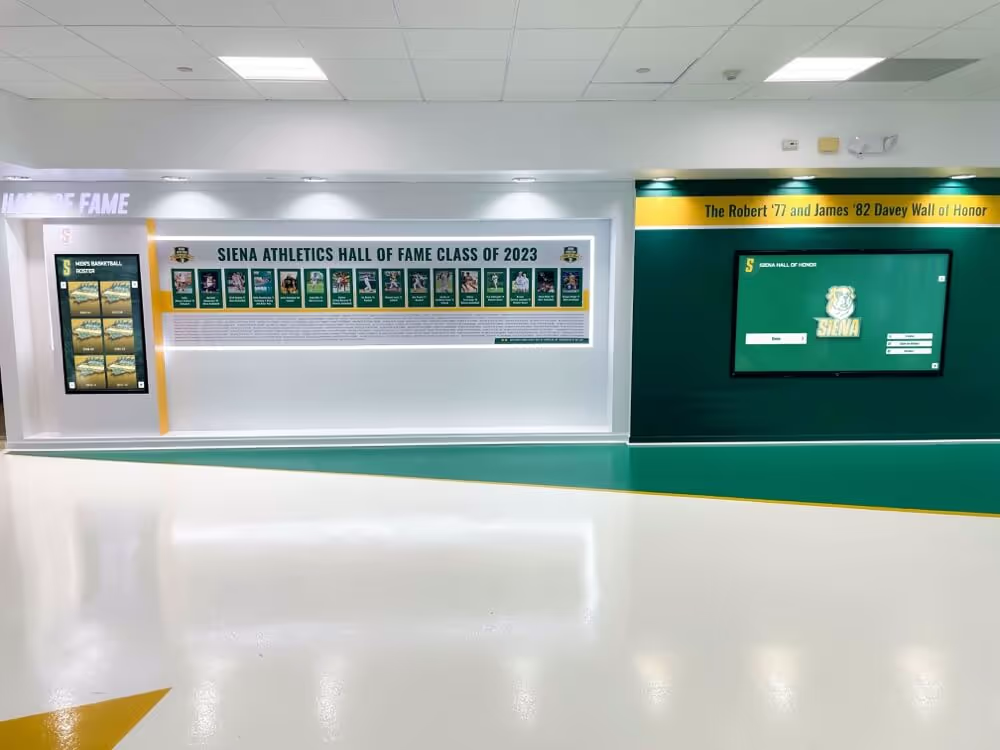
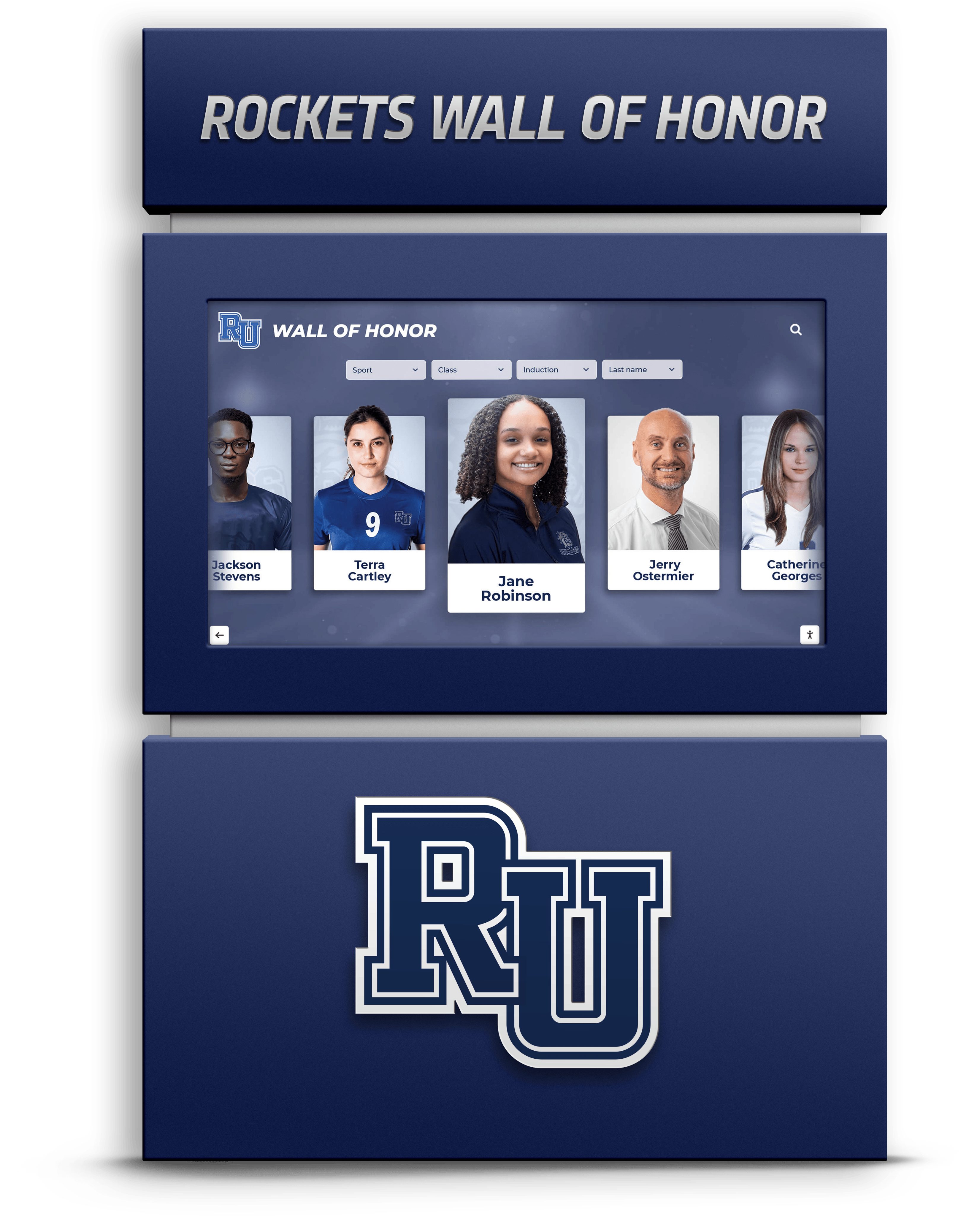
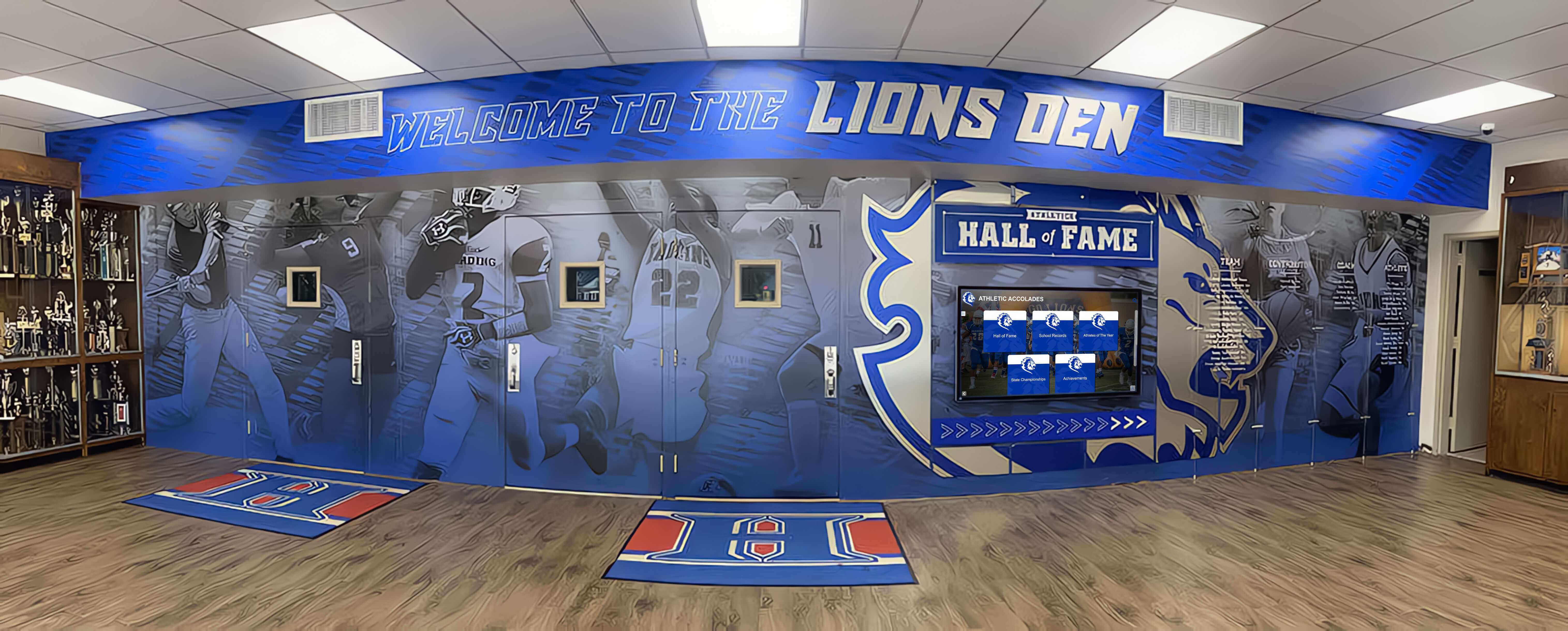

Programs implementing comprehensive digital recognition systems can showcase defensive statistical leaders, all-state defensive selections, championship team defenses, and career tackle leaders creating visible aspirational targets for current defenders and honoring those who previously built defensive excellence.
When young players see previous defenders’ names displayed prominently in school lobbies and athletic facilities—recognizing their all-conference selections, their career tackle totals, their role on championship defenses—it creates tangible goals they can pursue through technique mastery and consistent effort.
Tackling Drills for Specific Game Situations
Game-realistic preparation requires drilling specific situations players encounter during competition, not just generic tackling scenarios.
Goal-Line and Short-Yardage Defense
Goal-line situations create unique tackling demands—compressed spaces, power running schemes, and critical importance of every yard.
Drill: Goal-Line Stuff Tackling Set up condensed offensive formation at 3-yard line. Defense aligns in goal-line package with tight spacing. On snap, offense runs power scheme while defense executes gap responsibility and tackles ball carrier with minimal yardage gain. Emphasize low pad level winning leverage battle, violent hands defeating blocks, and gang tackling with multiple defenders finishing.
Perform 8-10 repetitions at thud tempo with 2-3 full-speed reps weekly. Goal-line defense creates some of football’s most physical moments—proper technique prevents injuries while building defensive identity around stopping opponents when it matters most.
Tackling Mobile Quarterbacks and Option Plays
Modern offenses increasingly feature mobile quarterbacks and option schemes requiring specific tackling approaches from edge defenders and perimeter players.
Drill: Quarterback Contain and Tackle Simulate option play with quarterback making read on edge defender. Defender maintains outside leverage forcing quarterback to pull ball and run, then executes open-field tackle preventing quarterback from reaching edge. Emphasize patience reading quarterback’s intention before committing, maintaining leverage and forcing inside where help exists, and controlled tackling technique recognizing quarterbacks often lack ball security of running backs.
Many programs implement modified contact rules for quarterbacks during practice—touch tackling or thud only—protecting critical position players from unnecessary contact. Develop edge defenders’ technique against non-quarterbacks then translate those skills to game situations.
Tackle-Breaking Drills for Offensive Skill Players
While this guide emphasizes defensive tackling instruction, offensive skill position players benefit from technical instruction in tackle-breaking creating more complete player development.
Drill: Ball Security Through Contact Running backs and receivers practice maintaining ball security through contact. Defenders execute form tackles while ball carriers focus on securing ball with both arms, maintaining forward lean and leg drive, and protecting ball from strip attempts. This provides valuable tackling repetitions for defenders while developing offensive ball security—addressing both sides of tackle situation simultaneously.
Special Considerations for Youth Football Coaches
Youth coaches face unique challenges and responsibilities teaching tackling fundamentals to developing athletes with limited experience and higher injury vulnerability.
Age-Appropriate Expectations and Progressions
Youth coaches must resist pressure to implement high school or college-level contact drills inappropriate for developmental athletes.
Ages 6-8: Introduction to Contact Concepts
Youngest players should receive minimal to zero live tackling contact. Focus instead on fundamental movement patterns including proper running and change-of-direction technique, understanding defensive concepts like pursuit angles, body positioning and balance through non-contact drills, and introduction to tackling form using stationary equipment only.
USA Football’s “Rookie Tackle” and flag football alternatives provide excellent developmental frameworks emphasizing skill and understanding without premature contact exposure. Research increasingly demonstrates that delaying contact while developing fundamental movement skills produces better long-term athletic development and injury prevention.
Ages 9-10: Controlled Tackling Introduction
As players mature physically and mentally, carefully introduce controlled tackling at walking/jogging speeds. Maximum emphasis on perfect technique with every repetition—stop drill immediately when technique breaks down rather than allowing continued poor-form repetitions. Limited full-speed contact even at this age level—form development matters more than contact tolerance.
Ages 11-12: Progressive Skill Development
Older youth players can handle increased contact volume but still require careful progression and adult supervision. Implement mixture of form work, controlled-speed tackling, and limited full-speed situations. Never exceed 5-8 full-speed tackle repetitions per practice per player—quality and technique matter far more than quantity.
Many youth programs successfully implement “limited contact” models where practices feature minimal live tackling while games proceed with normal contact—this approach maintains competitive football experience while reducing accumulated weekly contact exposure by 60-70% compared to traditional daily full-contact practice models.

Coaching Education and Certification Requirements
Youth coaches bear significant responsibility requiring proper training beyond just football knowledge.
Required Certifications
Most youth leagues now mandate specific coach certifications including USA Football Heads Up certification teaching tackling progressions and safety protocols, concussion recognition and response training, first aid and CPR certification for emergency response, and background checks and safeguarding training protecting youth participants.
These requirements aren’t bureaucratic obstacles—they provide essential knowledge protecting young athletes and reducing coach and league liability exposure. Uncertified coaches lacking current safety training create unacceptable risk to participants and organizations.
Parent Communication About Safety
Youth coaches should proactively communicate with parents about tackling instruction and safety protocols including explanation of progressive teaching methods used, description of limited contact volumes and safety equipment requirements, concussion protocols and return-to-play procedures, and invitation for parents to observe practices seeing instruction methods firsthand.
Transparent communication builds parent confidence and prevents misunderstandings about program safety priorities. When parents understand that programs take safety seriously and implement evidence-based progressions, they support program philosophies and trust coaches with their children’s development and wellbeing.
Equipment Considerations and Safety Gear
Proper equipment significantly affects both tackle safety and technique development, making equipment selection and maintenance critical program responsibilities.
Helmet Selection and Fitting
Helmets represent the most important protective equipment, yet many programs tolerate poor fits compromising protection.
Modern Helmet Technology
Helmet technology has advanced substantially with newer models providing significantly better impact protection than older designs. Programs should regularly evaluate and upgrade helmet inventory prioritizing latest safety certifications and technology. Research indicates helmets more than 10 years old provide substantially reduced protection—replacement schedules should reflect this lifespan limitation.
Modern helmets feature improved impact absorption materials, position-specific designs optimizing protection for typical impact patterns, better retention systems improving fit stability during contact, and independent safety ratings from Virginia Tech and other testing organizations providing objective quality comparisons.
Proper Fitting Procedures
Even excellent helmets provide inadequate protection when poorly fitted. Proper fitting requires certified personnel using systematic protocols including accurate head measurements determining appropriate shell size, proper pad positioning creating snug uniform pressure, chin strap adjustment preventing helmet rotation during impact, and regular refit checks throughout season accounting for pad compression and player growth.
Many programs benefit from professional fitting services during pre-season equipment distribution ensuring every player receives properly fitted equipment before first contact occurs. This investment substantially reduces concussion risk while also improving player comfort and performance.
Tackling-Specific Training Equipment
Beyond protective gear, specialized training equipment enhances tackling instruction while reducing injury risk during practice repetitions.
Padded Training Dummies and Shields
High-quality dummies and shields allow unlimited tackling repetitions without injury risk to ball carriers. Modern equipment options include stand-up dummies simulating realistic heights and body shapes, hand-held shields providing mobile tackling targets, hanging/suspended bags allowing practice of low-to-high tackle techniques, and rolling/mobile dummies requiring pursuit and angle tackling.
Quality training equipment represents worthwhile investment—purchasing 8-10 dummies and shields costs $2,000-4,000 but enables thousands of safe repetitions annually. Programs without adequate training equipment resort to excessive live contact creating unnecessary injury risk.
Soft-Shell Helmets and Guardian Caps
Soft-shell helmet covers and Guardian Caps reduce impact forces during practice contact by 10-20% according to research studies. Many programs now require these covers during all contact practices, removing them only for games. This simple, inexpensive intervention ($30-60 per cap) meaningfully reduces accumulated practice contact forces without changing drill structures or reducing practice quality.
Rugby-Style Tackle Training Equipment
Some programs adopt rugby tackle training equipment including tackle suits providing padding without helmets, low-profile tackle bags emphasizing body positioning, and specialized training tools teaching “cheek-to-cheek” head positioning. These rugby-influenced approaches teach leverage-based tackling reducing reliance on helmet protection and encouraging safer body positioning.
Addressing Tackling Challenges and Problem-Solving
Even well-designed programs encounter challenges requiring problem-solving and adjusted approaches.
When Players Struggle With Confidence and Hesitation
Some players demonstrate good technique in drill settings but become hesitant in live situations, leading to tentative tackling and missed assignments.
Building Confidence Through Progressive Success
Address confidence issues through systematic progression ensuring success at each level before advancing difficulty. Return struggling players to slower controlled-contact drills where they can execute successfully, gradually increasing speed and intensity only after demonstrated competence. Confidence builds through repeated successful experiences—struggling players need more controlled positive repetitions rather than continued exposure to full-speed situations where they experience failures reinforcing hesitation.
Public recognition of incremental improvement also builds confidence—when coaches acknowledge and celebrate technique improvement even if player isn’t yet starting-caliber tackler, it reinforces that growth matters and continued effort produces results. Many programs feature defensive improvement awards specifically honoring players showing greatest technique advancement regardless of current absolute skill level.
Managing Size Mismatches and Physical Development Differences
Particularly at youth and early high school levels, dramatic physical development differences create size mismatches affecting both tackle safety and effectiveness.
Pairing Players Appropriately During Drills
During practice, intentionally pair players of similar size and physical maturity for live tackling drills rather than random assignment. This reduces injury risk from large size differentials while also providing appropriate challenge levels—smaller players develop better technique when not overwhelmed by much larger opponents, while larger players benefit from tackling similarly-sized ball carriers rather than developing bad habits against much smaller players.
Full-team periods naturally create various matchups, but controlled drill work should emphasize appropriate pairing supporting safety and development for all participants.
Preventing and Addressing Targeting and Dangerous Technique
Despite best instruction, some players persistently demonstrate dangerous technique including leading with helmet crown or launching into contact.
Immediate Intervention and Consequence
Dangerous technique requires immediate intervention without exception. Stop practice immediately when dangerous contact occurs, address entire team explaining specific danger and why technique is unacceptable, remove player from contact drills for remainder of practice, require video review session with player showing dangerous play and discussing correction, and implement progressive consequences including practice suspension for repeated violations.
This zero-tolerance approach communicates absolute priority on safety. Players must understand that playing time and participation privileges depend on technique discipline—those unwilling or unable to execute safely cannot participate in contact activities regardless of athletic talent or competitive value.
Integrating Tackling Excellence Into Complete Defensive Development
While tackling represents essential defensive skill, complete defensive development requires integration with scheme understanding, pursuit angles, communication, and mental preparation.
Tackling Within Scheme Context
Even perfect individual tackle technique proves insufficient if players are out of position or unclear about defensive responsibilities.
Teaching Gap Integrity and Assignment Discipline
Effective team defense requires every defender maintaining gap responsibility, preventing offensive play design from creating undefended running lanes. Practice planning should progress from individual tackling technique to unit coordination to complete team defense ensuring players understand how individual tackles fit within broader scheme contexts.
Defensive breakdowns often result not from poor tackling technique but from assignment errors leaving ball carriers undefended. Film review should distinguish between missed tackles (proper position, execution failure) versus assignment errors (wrong gap, scheme misunderstanding). These require different coaching interventions—missed tackles need technique work, while assignment errors need scheme instruction and mental preparation.
Pursuit Angles and Effort-Based Defense
Championship defense requires all eleven defenders pursuing ball carrier from snap until whistle regardless of individual assignment or initial scheme responsibility.
Drill: Pursuit to Ball Drill Run various offensive plays at thud tempo. Rather than focusing primarily on assigned tackler, evaluate and track all eleven defenders’ pursuit paths and effort getting to ball carrier. Chart “loafs”—players who stop running once play appears defended by others. Championship defenses feature zero loafs with all defenders sprinting to ball every play creating gang tackles and preventing explosive plays when primary tacklers miss.
Creating defensive cultures where effort and pursuit are non-negotiable standards requires holding players accountable through film review, playing time decisions based partly on effort grades, and recognition systems celebrating pursuit and effort as much as statistical production. Programs tracking and displaying athletic achievement should include effort-based metrics alongside statistical categories.
Mental Preparation and Pre-Snap Reads
Effective tackling begins before the snap with proper pre-snap alignment, recognition of offensive formation strengths and weaknesses, and mental preparation to execute assignment with proper technique.
Film Study and Opponent Preparation
Advanced programs incorporate systematic opponent film study where defenders learn to recognize offensive formation tendencies, predict likely plays based on down-distance-field position, identify key pre-snap indicators revealing play direction, and mentally rehearse proper responses and tackle points for expected plays.
This mental preparation accelerates reaction time and improves positioning—defenders who recognize plays quickly get to proper tackle points faster with better body positioning than those reacting only after offensive action begins. The fastest way to “improve speed” often isn’t physical training but mental preparation allowing earlier recognition and reactions.
Measuring Tackling Improvement and Program Success
Systematic measurement enables objective evaluation of teaching effectiveness and identifies areas requiring additional emphasis or different instructional approaches.
Individual Player Assessment Tools
Tracking individual player development provides accountability and identifies specific intervention needs for struggling players.
Tackle Quality Scorecards
Develop scoring rubric evaluating tackle technique across multiple dimensions including head position (up and eyes on target = 2 points, slight drop = 1, crown contact = 0), contact point (shoulder with head to side = 2, shoulder with head placement unclear = 1, helmet-initiated = 0), wrap technique (secure two-arm wrap = 2, one-arm or weak wrap = 1, no wrap/arm tackle = 0), finish and drive (drives through tackle completing to ground = 2, contact without drive = 1, bounces off = 0), and result (stops forward progress or negative yards = 2, minimal yards after contact = 1, significant yards after contact or miss = 0).
Grade 5-10 tackle attempts per player weekly from practice and game film. Track scores over time identifying improvement trends or persistent weaknesses requiring targeted intervention. Share scores with players providing objective feedback about technique quality beyond subjective coaching observation.
Pre/Post-Season Technique Evaluation
Conduct standardized tackling assessments at season start and end measuring technique improvement across full team. Video same drill sequence (form tackling against stationary dummy, angle tackling at controlled speed, open-field 1-on-1) with each player pre-season and post-season. Grade videos using consistent rubric demonstrating quantifiable improvement attributable to seasonal instruction.
This data provides objective program evaluation—if average tackle quality scores improve 25-40% across full roster season-to-season, it validates instructional approach effectiveness. Lack of measurable improvement suggests need to modify teaching methods or increase practice emphasis on tackling fundamentals.
Team-Level Defensive Metrics
Beyond individual assessment, team-level statistics indicate whether tackling instruction translates to collective defensive success.
Key Team Tackling Statistics
Track season-long team metrics including total missed tackles per game, yards after contact allowed per tackle, tackles for loss per game, forced fumbles through aggressive tackling, and targeting/unnecessary roughness penalties.
Compare these metrics across seasons evaluating trends—championship-caliber defenses typically achieve less than 6-8 missed tackles per game, 2-3 yards after contact per tackle, 8-12 tackles for loss per game, and zero to minimal targeting violations. Programs not achieving these benchmarks should evaluate whether tackling instruction needs modification or increased practice emphasis.
Comparative Analysis Against Opponents
Analyze tackling performance in wins versus losses identifying correlations. Most programs discover strong relationships between tackle quality and game outcomes—games with low missed tackle percentages and high tackles-for-loss totals correlate strongly with victories, while games with poor tackling metrics correlate with defeats.
This analysis demonstrates to players that tackling excellence directly influences competitive success, motivating technique discipline and practice focus when players understand how specific defensive fundamentals determine whether they win or lose games.
Honoring Defensive Excellence Through Comprehensive Recognition
Programs that build championship defensive cultures recognize that celebrating defensive achievement matters equally to honoring offensive production, and implement recognition systems ensuring defensive players receive appropriate acknowledgment for their contributions to team success.
Individual Defensive Awards and Season Recognition
End-of-season awards programs should feature substantial defensive recognition including most valuable defensive player, defensive tackle leader (with quality metrics not just quantity), student-athlete awards celebrating academic achievement alongside athletic success, most improved defensive player, defensive effort and pursuit award, and position-specific recognition (defensive lineman, linebacker, defensive back of the year).
Present these awards publicly at athletic banquets with video highlights demonstrating specific achievements earning recognition. This formalization communicates that defensive excellence receives equal institutional value as offensive production.
Career Achievement Recognition and Hall of Fame Documentation
Track career defensive statistics enabling recognition of all-time program leaders including career tackles, career tackles for loss, career forced fumbles, single-season tackle records, and all-state/all-conference selections.
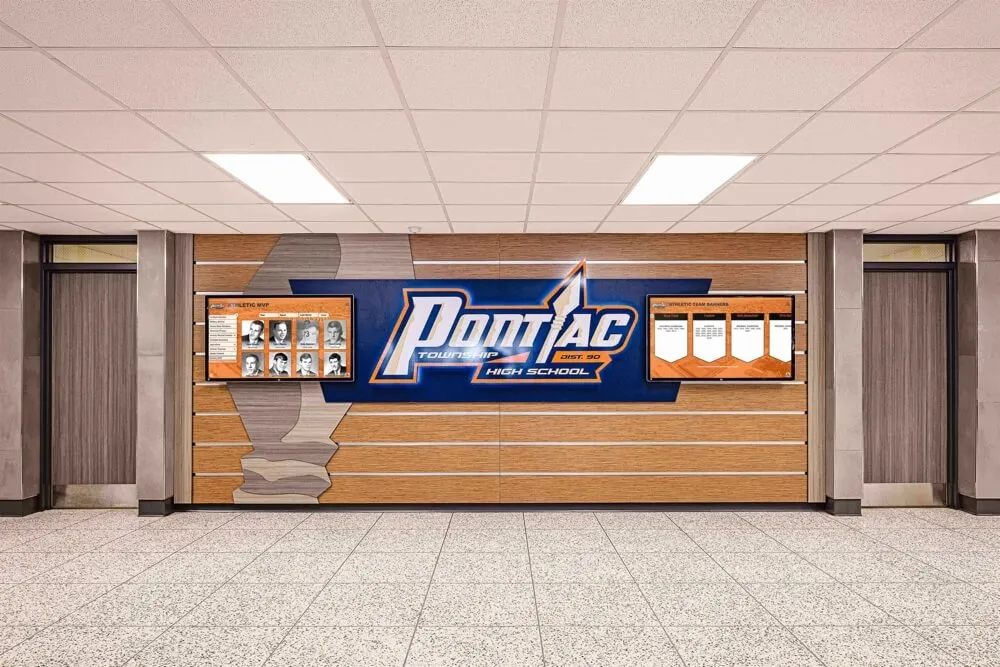
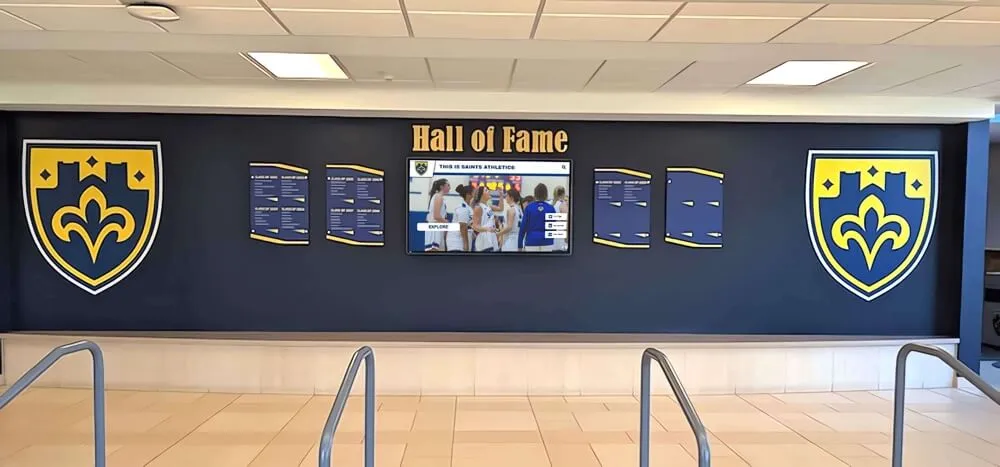
Programs implementing comprehensive digital recognition platforms can showcase these career achievements alongside offensive statistical leaders, championship team rosters, and individual award recipients. When young defensive players see previous program defenders’ names and accomplishments displayed prominently in school athletic facilities, it creates aspirational targets they can pursue through technique mastery and consistent effort—the defensive recognition that motivates current athletes to dedicate themselves to tackling excellence and defensive fundamentals.
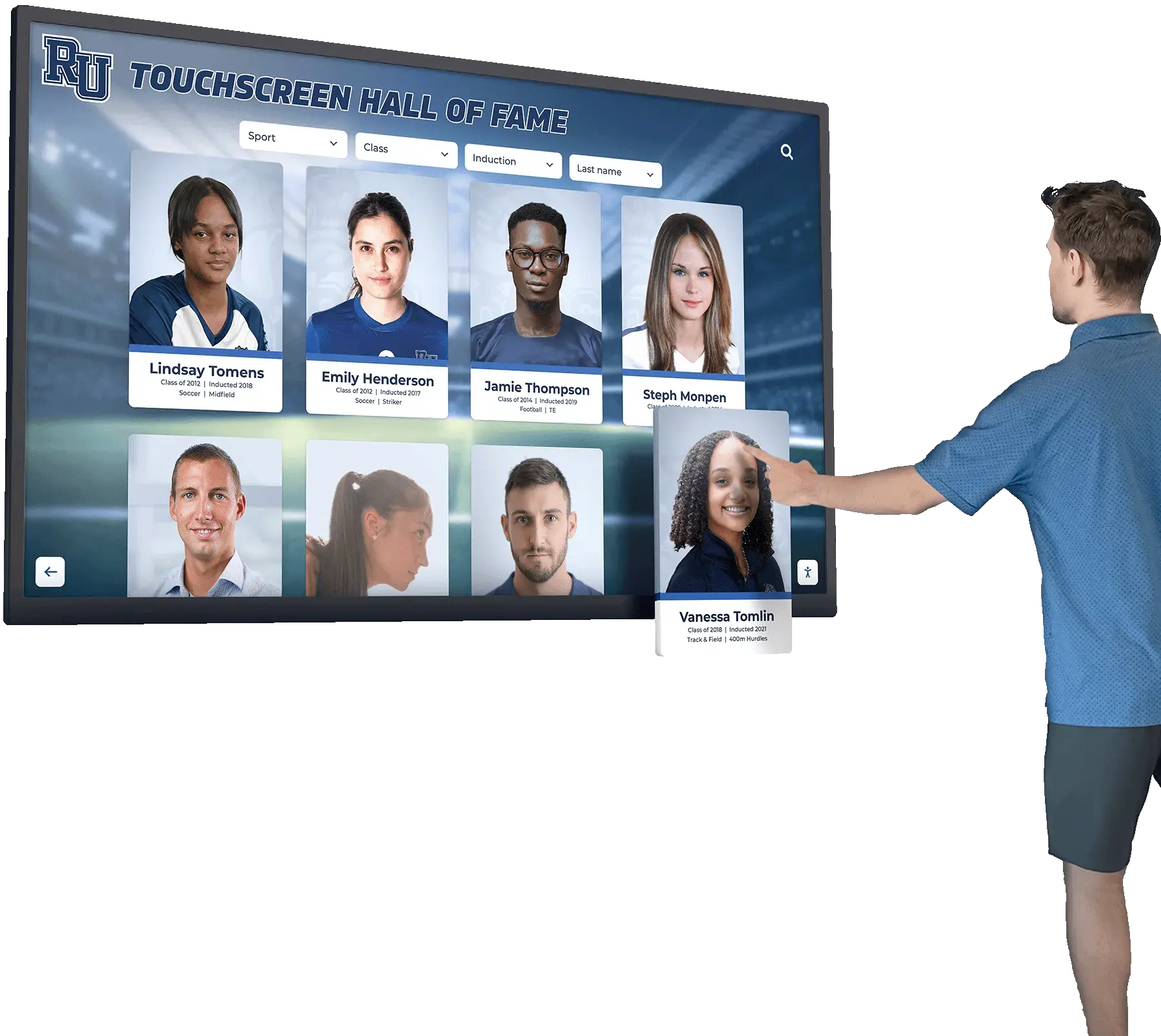
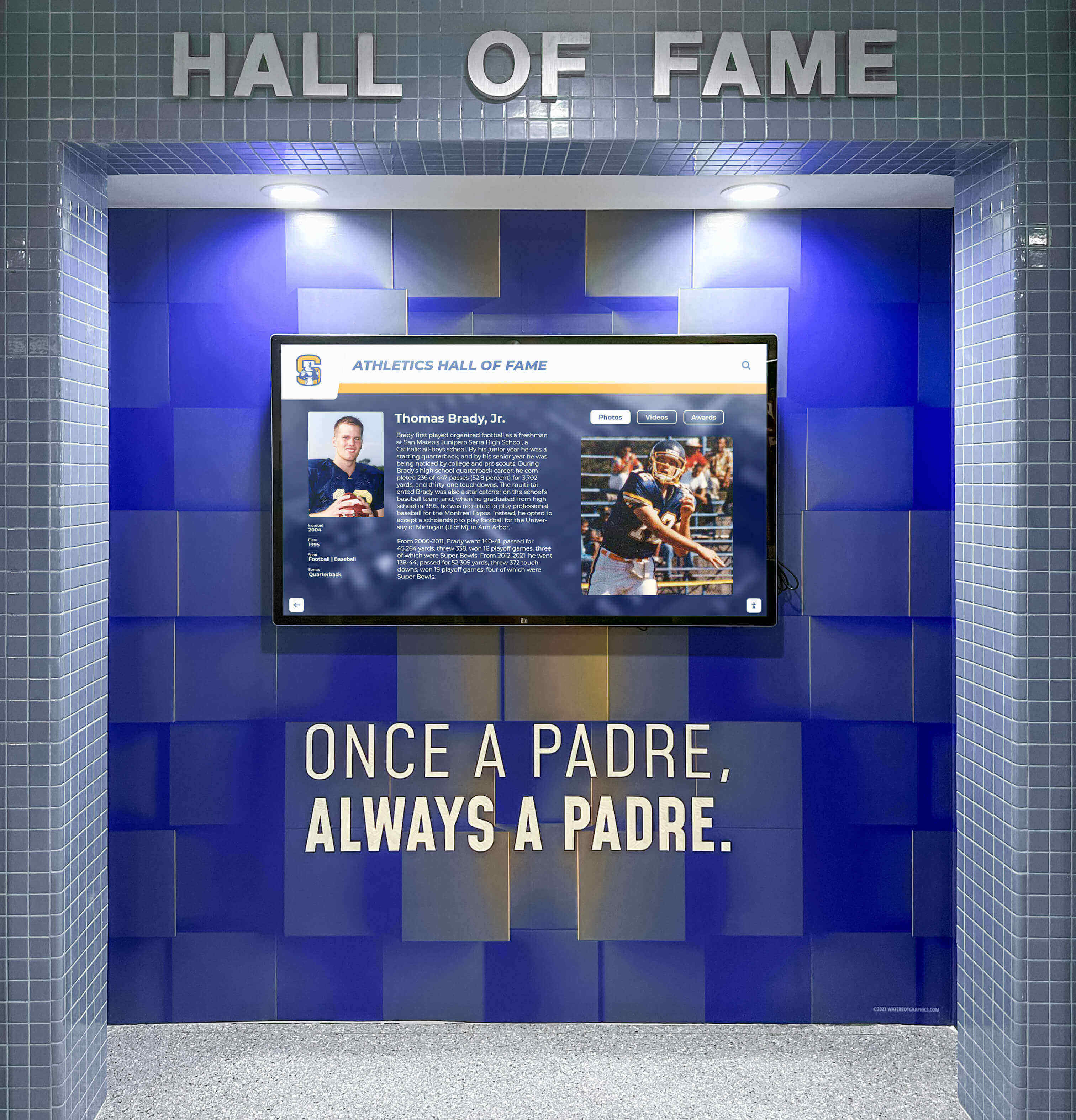
Digital platforms enable rich content including defensive player profiles with career statistics and achievements, video highlights showing signature tackles and defensive plays, all-state and all-conference selection documentation, and championship defensive unit recognition celebrating complete teams not just individual standouts.
This comprehensive recognition transforms defensive excellence from abstract coaching encouragement into concrete documented achievement that earns lasting institutional honor—the visible proof that mastering safe tackling fundamentals and building defensive excellence creates legacy recognition equivalent to offensive achievements.
Building Championship Defense Through Safe Tackling Fundamentals
Football tackling represents the defensive foundation upon which championship programs build sustainable success. The evolution from “hit hard” collision philosophies to modern evidence-based approaches emphasizing biomechanically sound technique has produced better defensive outcomes across all measures—fewer injuries, more effective tackles, reduced penalties, and improved player development from youth through varsity levels.
Coaches at every level share the critical responsibility of teaching tackling progressions that protect player health while building defensive competence. Youth coaches introducing fundamental body positioning and movement patterns without excessive contact exposure. High school coaches balancing necessary game preparation against accumulated contact management. Varsity coaches preparing athletes for next-level competition while preserving long-term health. Each level requires appropriate contact volumes, systematic technique progression, and unwavering commitment to safety protocols that sometimes conflict with traditional football culture but ultimately produce better athletes, safer competition, and more sustainable programs.
The most successful programs recognize that building championship defense extends beyond just practice field instruction. Strategic practice planning that manages contact volume while maintaining quality repetitions. Video analysis providing objective feedback accelerating technique improvement. Equipment investment in quality training tools enabling safe high-volume practice. Clear standards and accountability systems ensuring technique discipline. And comprehensive recognition honoring defensive excellence creating visible aspirational targets motivating current athletes while celebrating those who previously built defensive tradition.
When defensive players see their program systematically honor tackle leaders, celebrate all-state defensive selections, preserve championship defensive unit achievements, and maintain career statistical leaderboards featuring defensive categories equally with offensive production, it communicates institutional values that defense matters. That technique discipline earns recognition. That safe tackling fundamentals create pathway to championship success and lasting legacy within program tradition.
Ready to build comprehensive recognition honoring your program’s defensive excellence and tackling tradition? Rocket Alumni Solutions provides digital recognition platforms designed specifically for athletic programs, enabling showcase of defensive statistical leaders, all-state selections, championship teams, and career achievement records. Create engaging interactive displays celebrating the defensive players whose mastery of safe tackling fundamentals builds championship programs and earns lasting recognition inspiring future generations to pursue similar excellence through technique discipline and defensive pride.