Every dominant defense features players who execute technically sound tackles—wrapping up ball carriers, driving through contact, and bringing opponents to the ground safely while minimizing injury risk to both tackler and runner. Elite tacklers aren’t simply the biggest or fastest athletes; they’re players who’ve mastered proper technique through progressive, systematic practice that builds from fundamental body positioning through full-speed live situations. The difference between programs that develop consistent, safe tacklers and those that struggle with missed tackles and unnecessary injuries lies in how deliberately coaches structure tackling instruction and drill progressions.
Modern football coaching has evolved significantly regarding tackling instruction, with safety protocols and technique emphasis replacing outdated “hit harder” approaches that created unnecessary injury risk. Programs that implement progressive tackling curricula—teaching proper form, emphasizing specific contact points, and advancing methodically through controlled progressions—develop defenders who tackle more effectively while sustaining fewer injuries than athletes taught through unstructured live tackling from day one.
The drills detailed below address tackling development across three skill tiers: youth foundations focusing on safe body positioning and basic wrap technique, high school progressions adding speed and live situations while maintaining technical discipline, and varsity refinements addressing advanced scenarios like tackling in space, shed-and-tackle sequences, and pursuit angles. Each section includes specific safety protocols, coaching points highlighting technique details that separate effective tackles from dangerous attempts, and clear progression criteria defining when athletes are ready to advance to more challenging drills.
Understanding Modern Tackling Fundamentals
Before implementing specific drills, coaches must understand the core technical principles governing safe, effective tackling. Modern technique emphasizes specific fundamentals that both improve tackle success rates and significantly reduce injury risk compared to traditional head-first approaches.
The Five Pillars of Safe Tackling Technique
Elite tackling builds on five interconnected technical elements, each requiring dedicated practice before combining into full-speed execution:
Proper Body Position and Leverage: Effective tackles begin with correct pre-contact positioning—hips low, back straight (not rounded), knees bent with weight on balls of feet, and eyes up tracking the ball carrier’s core. This athletic position creates leverage advantages allowing smaller defenders to stop larger ball carriers while maintaining body control that prevents dangerous head-down contact.
Low pad level proves critical for both effectiveness and safety. Defenders who rise up before contact lose leverage, miss tackles as ball carriers run through high shoulder attempts, and expose themselves to knee and lower leg injuries from awkward collisions. Coaching emphasis on maintaining low hips throughout the tackle sequence addresses the most common technical breakdown in tackling fundamentals.
Eyes and Head Placement: Perhaps the most important safety element in modern tackling is proper head placement. Coaches must drill “See what you hit” principles—keeping eyes open, head up, and face clear of direct contact. The head should never be the first point of contact or positioned directly between the tackler’s body and the ball carrier.
Proper technique places the head to the side of the ball carrier (preferably the side opposite the ball to force fumbles), with contact made through the shoulder and chest while the face remains clear. This “cheek-to-ball carrier’s number” positioning protects both athletes’ heads and necks while maintaining the visual contact necessary for effective wrap and drive.
Shoulder and Pad Placement: Initial contact should occur through the shoulder pad and chest, never the crown of the helmet. Proper shoulder placement targets the ball carrier’s core (chest to thigh region), driving through the opponent’s center of mass rather than making glancing contact at extremities.
Athletes often struggle with aiming point discipline, attempting to tackle ankles, knees, or shoulders rather than the core body mass. Emphasize that the ball carrier’s chest and hips provide the most reliable aiming points—these body parts can’t be pulled away quickly like arms or legs, ensuring consistent contact even when runners attempt evasive moves.
Wrap and Secure: Contact initiation is only the beginning—wrapping arms around the ball carrier and securing the tackle completes the sequence. Proper wrapping technique involves keeping hands “live” (not clasped together behind the runner), circling arms completely around the opponent, and gripping cloth or pads to prevent the ball carrier from spinning or breaking free.
The “buzz” or “drive” component follows initial wrap—short, powerful steps driving through the ball carrier while maintaining wrapped arms. This extension through contact, rather than stopping at initial collision, distinguishes successful tackles from arm-tackle attempts that allow additional yardage or complete breakaways.
Finish and Control: Safe tackling completes with controlled return to ground, bringing the ball carrier down without creating dangerous positions for either athlete. Proper finish technique involves continuing leg drive through contact until the ball carrier’s forward momentum stops, then using wrapped arms to control descent and avoid landing awkwardly on runners or teammates.
Tackling Safety Protocols Every Coach Must Follow
Regardless of skill level, all tackling practice must incorporate non-negotiable safety standards:
Progressive Intensity Schedules: Never advance to full-speed live tackling without mastering technique at slower speeds. Proper progression follows this sequence: walkthrough form work (no contact), thud pace (contact without taking to ground), controlled live (moderate speed, full tackle), and finally full-speed live situations. Athletes who can’t execute proper technique at slower speeds will revert to dangerous form under game-speed pressure.
Mandatory Equipment Standards: All tackling drills must occur with athletes wearing proper equipment—helmets, shoulder pads, and mouthguards at minimum. Helmet quality matters significantly; programs should inspect helmets regularly and recondition them according to manufacturer specifications. Never allow “helmet-less” tackling drills that some coaches mistakenly believe teach “safer” form—the absence of helmets simply exposes athletes to different but equally serious injury risks.
Proper Supervision and Spotting: Contact drills require active coach supervision with appropriate coach-to-player ratios (no more than 10-12 athletes per coach for live tackling work). Coaches must position themselves where they can observe head placement and contact points, intervening immediately when athletes demonstrate dangerous technique. For youth levels, consider using parent volunteers as “spotters” who watch for safety violations even if they can’t provide technical coaching.
Environmental Factors: Tackling practice requires appropriate surface conditions. Avoid live tackling on excessively hard fields, concrete, or surfaces with dangerous irregularities. Weather considerations include limiting contact intensity during extreme heat (fatigue increases injury risk) and avoiding frozen or excessively muddy conditions that create unpredictable footing.
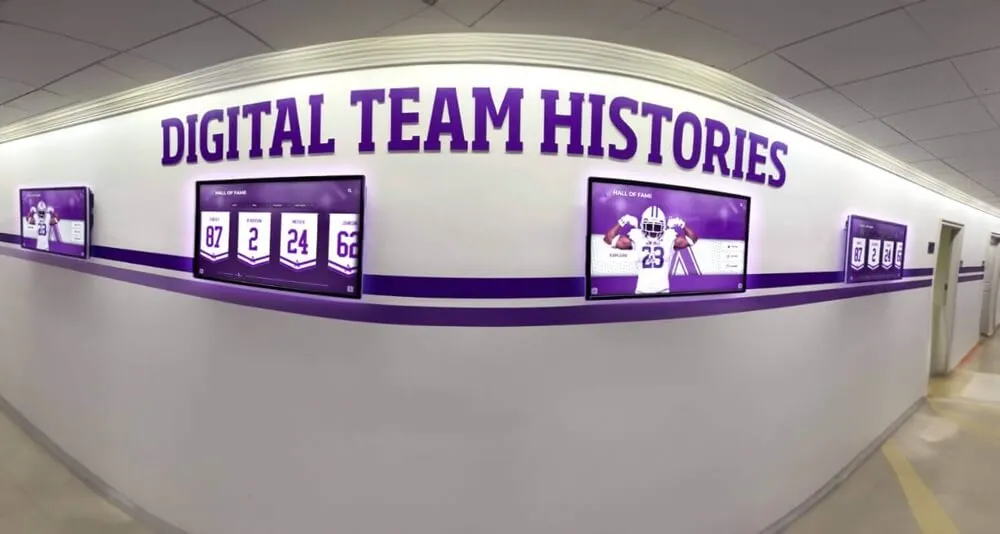
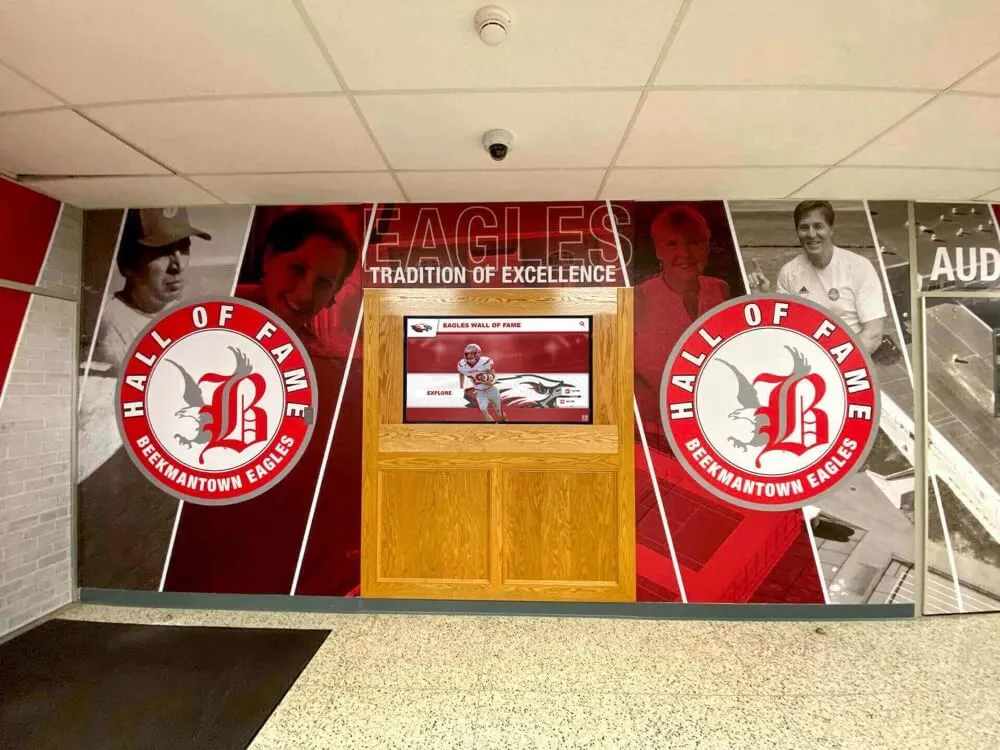
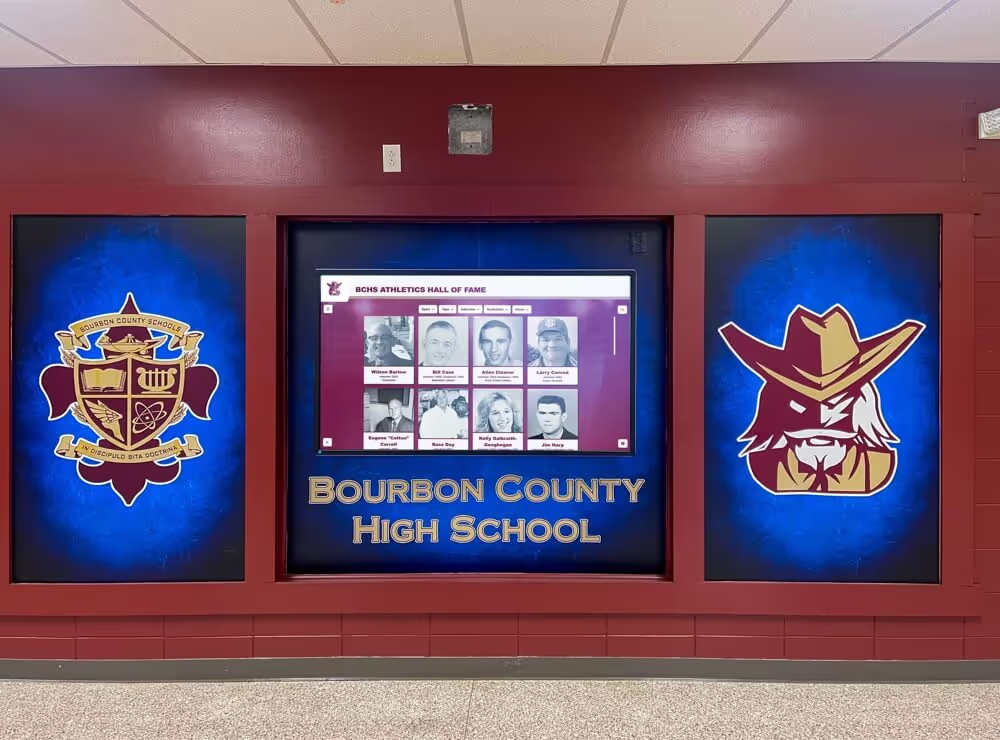
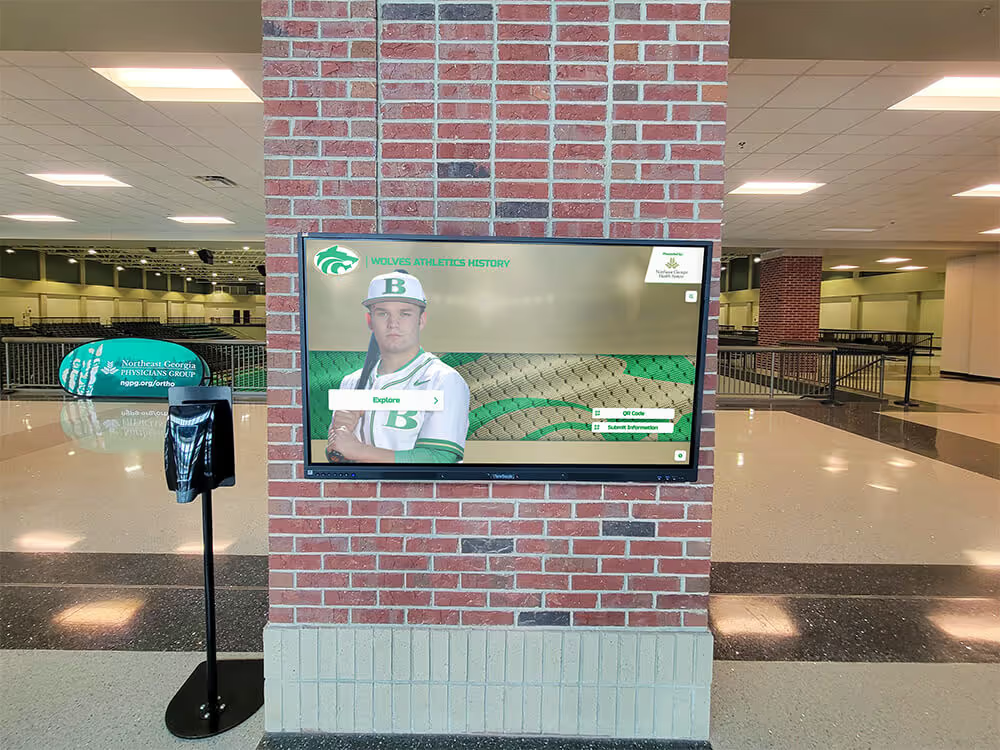
Many programs that develop consistent, safe tacklers recognize defensive excellence through permanent recognition systems that honor all-conference and all-state defenders whose fundamentally sound technique earned them individual accolades while helping their teams succeed.
Youth Football Tackling Drills (Ages 8-12)
Youth football tackling instruction focuses on building proper technical foundations without the contact intensity that creates injury risk for developing athletes. These progressions emphasize body positioning, visual tracking, and controlled movement before introducing any live tackling situations.
Drill 1: Form Tackle Shadows (No Contact)
Purpose: Teach fundamental tackling body position, footwork, and sequencing without any contact, allowing players to master proper form through repetition.
Setup: Athletes pair up on designated yard lines, standing 3-4 yards apart facing each other. One partner designated as “runner,” other as “tackler.”
Execution: On coach’s whistle, runner begins jogging slowly forward. Tackler moves forward to meet runner, executing proper form tackle motion in slow motion: breaking down with short choppy steps, dropping hips, placing shoulder pad on runner’s chest (with head to side), wrapping arms, and simulating drive steps—but never making contact or taking runner to ground. Athletes “freeze” in proper finish position for coach inspection, then reset and repeat.
Safety Protocol: Zero contact in this drill. Athletes should stop motion with 6-12 inches separating them at closest point. Any contact indicates athletes are moving too aggressively for this developmental stage.
Coaching Points: Watch for these critical technical elements:
- Eyes up throughout approach (not looking at ground)
- Hips dropping lower than shoulders on breakdown
- Head positioned clearly to one side, never directly between bodies
- Shoulder pad making contact point, not helmet or arms
- Elbows bent with hands “shooting” around runner’s torso in wrapping motion
- Short, powerful simulated drive steps maintaining low pad level
Common Mistakes: Standing too tall on approach (losing leverage), leading with head down, wrapping with arms before making shoulder contact, stopping all movement at contact point instead of simulating drive through.
Equipment: Regular practice gear, no additional equipment needed.
Recommended Volume: 10-12 repetitions per player, 2-3 times per week during pre-season, weekly during season. Alternate runners and tacklers each repetition.
Drill 2: Tracking and Breakdown
Purpose: Develop proper pursuit angles and breakdown footwork that position tacklers for successful contact.
Execution: Set up cones creating a curved path 10-12 yards long. Ball carrier jogs through path at 50% speed. Tackler pursues from different starting positions (straight ahead, from the side, from an angle), working on approaching under control, tracking ball carrier’s core with eyes, breaking down (transition from running to short, choppy “buzz” steps) at appropriate distance (3-4 yards away), and maintaining balanced, low position throughout approach.
Coach emphasizes that breakdown must occur early enough to allow controlled, low approach to contact. Athletes who run full speed until contact can’t maintain proper pad level or head placement, creating dangerous collision scenarios.
Coaching Points: Breakdown should create a balanced, athletic position—weight on balls of feet, knees bent, hips low, arms ready, and eyes locked on ball carrier’s numbers. Think of breakdown as shifting from covering ground quickly to maintaining control and leverage for the tackle itself.
Common Mistakes: Breaking down too far away (allowing ball carrier to cut back), waiting too long to break down (running full speed into contact), rising up during breakdown (losing leverage), and taking eyes off ball carrier to check foot positioning.
Equipment: Cones for marking paths, regular practice gear.
Recommended Volume: 12-15 repetitions per player focusing on different pursuit angles.
Progression: Start with straight-ahead pursuits, advance to angle pursuits from 45 degrees, then progress to sideline-to-sideline pursuits requiring the most difficult angle calculations.
Drill 3: Wrap Technique Development
Purpose: Master proper arm wrapping and securing technique that completes tackles.
Setup: Athletes pair up. Each pair receives a tackle dummy or blocking shield.
Execution: Partner holds dummy vertically at chest height. Tackler approaches from athletic position 2-3 yards away, executes proper approach and breakdown, makes shoulder contact with dummy (head to side), and focuses exclusively on proper wrap technique: shooting hands around dummy with fingers spread and elbows bent, completely circling arms around dummy, gripping dummy firmly with hands (not clasping hands together), and maintaining squeeze while executing short drive steps.
Safety Protocol: Dummy work removes collision variables, allowing athletes to focus purely on wrap technique without worrying about contact timing or runner movement.
Coaching Points: Proper wraps feature “active hands”—fingers spread wide, gripping the dummy or opponent’s jersey/pads rather than clasping together behind their back. Clasped hands create weak grips that ball carriers easily break through a quick spin or power move. Emphasize wrapping high (around chest and upper arms) to control the ball carrier’s torso and prevent arm extension.
Common Mistakes: Wrapping too low (around legs allows runners to keep churning), clasping hands together, wrapping with arms straight rather than bent elbows, and failing to maintain squeeze after initial wrap.
Equipment: Tackle dummies or blocking shields (one per 2-3 players), regular practice gear.
Recommended Volume: 15-20 repetitions per player.
Progression: After mastering stationary dummy wraps, progress to wrapping while dummy holder creates moderate lateral movement, simulating ball carriers attempting to avoid tackles.
Drill 4: Thud Tackling (Controlled Contact)
Purpose: Introduce actual player-to-player contact at controlled intensity, combining all technical elements learned in previous progression drills.
Setup: Athletes pair up based on similar size and weight (critical for safety at youth levels). Designate small area (5x5 yard box) as tackling zone.
Execution: Ball carrier starts at one end of box, tackler at other end 5 yards away. On whistle, ball carrier advances at 50% speed (jogging pace). Tackler approaches using proper pursuit and breakdown technique, then executes tackle with contact made through shoulder and chest, proper head placement to side, arms wrapping around carrier, and short drive steps—but tackler does NOT take carrier to ground. Instead, whistle blows when proper wrap is secured and coach determines good form was demonstrated.
Safety Protocol: “Thud” intensity means contact occurs but neither athlete attempts to finish through to ground. Ball carrier should remain on feet throughout. Any attempts to complete tackle to ground result in immediate drill stoppage and reinforcement of thud-only expectations.
Pair athletes by size and ability. Never allow significant size mismatches in live contact drills at youth levels—injury risk increases dramatically when 85-pound athletes practice against 130-pound teammates.
Coaching Points: This represents the first drill combining all elements: pursuit, breakdown, contact, head placement, and wrap. Watch carefully for athletes reverting to poor habits under even this modest contact pressure. Common regressions include head dropping down, rising up before contact, and leading with arms rather than shoulders.
Provide immediate feedback after each repetition. Don’t allow multiple poor-technique reps—stop and correct technical breakdowns immediately before they become ingrained habits.
Common Mistakes: Increasing speed beyond 50% (coach must control pace strictly), taking runner to ground despite thud-only instructions, and abandoning proper form learned in earlier progressions once contact is introduced.
Equipment: Regular practice gear including helmets, shoulder pads, and mouthguards (non-negotiable for any contact drills).
Recommended Volume: 8-10 repetitions per player, 1-2 times per week during season. This relatively low volume prevents fatigue that compromises technique and creates injury risk.
Progression Criteria: Athletes must demonstrate consistent proper technique at thud pace before advancing to controlled live tackling. Specific criteria include: 80% of attempts showing proper head placement, successful wraps on 75% of attempts, and maintaining low pad level throughout approach.
Elite youth programs understand that defensive fundamentals taught properly at young ages create the foundation for high school success, often celebrating players whose technique and dedication earn them spots on all-conference and all-state teams by the time they reach varsity competition.
High School Football Tackling Drills (JV and Varsity)
High school players with proper youth foundations are ready for increased contact intensity and more complex tackling scenarios. However, even at this level, safety protocols and technique emphasis remain paramount—high school athletes still face injury risk from poor tackling form, and bad habits developed at this stage persist into college for athletes continuing their careers.
Drill 5: Angle Tackling Progression
Purpose: Develop proper pursuit angles and tackle technique for the most common game scenario—tackling ball carriers running laterally along the line of scrimmage or toward sidelines.
Setup: Set up a running lane 10 yards wide using cones. Ball carrier starts at one end, tackler starts 5 yards upfield and 10 yards to the side (creating an angle pursuit situation).
Execution: On whistle, ball carrier runs at three-quarter speed toward sideline. Tackler must take proper pursuit angle (aiming at point where paths will intersect, not directly at ball carrier’s current position), break down approaching contact, and execute proper tackle. Begin at thud pace for initial repetitions, progress to controlled live (finishing tackle to ground but at moderate speed), and eventually full-speed live repetitions.
Safety Protocol: Even at high school levels, progress through intensity stages. Don’t begin with full-speed live tackling—build through thud and controlled live first, ensuring technique remains sound before adding maximum speed and intensity.
Angle tackles create higher injury risk than straight-ahead tackles due to collision forces coming from the side. Emphasize that proper angle selection reduces impact forces by allowing tacklers to align their approach with the ball carrier’s momentum direction rather than creating perpendicular collisions.
Coaching Points: Proper angle pursuit is both art and science. Teach athletes to aim at a point 2-3 yards ahead of the ball carrier’s current position, adjusting based on relative speeds. Faster ball carriers require more “lead” in pursuit angles; slower ball carriers require less.
The contact itself should occur with the tackler’s shoulder placed on ball carrier’s near hip/thigh region, head behind the ball carrier (never in front), and momentum directed slightly upward through the carrier’s torso. This “roll” technique uses the ball carrier’s own momentum to assist in taking them to ground rather than trying to stop momentum directly.
Common Mistakes: Taking too shallow an angle (allowing carrier to run past), taking too aggressive an angle (overrunning and missing tackle), leading with head across ball carrier’s body (dangerous for both athletes), and standing straight up trying to arm-tackle rather than maintaining low pad level through contact.
Equipment: Cones, regular practice gear.
Recommended Volume: 10-12 repetitions per player at thud pace, 6-8 at controlled live, 4-6 at full speed.
Progression: Begin with predetermined ball carrier path (straight line toward sideline), advance to carrier having choice of two paths (creating decision element for tackler), then progress to open-field scenarios with minimal restrictions.
Drill 6: Shed and Tackle Sequence
Purpose: Develop ability to defeat blocker then execute tackle—the most common scenario defensive players face.
Setup: Three-player drill: blocker, ball carrier, and tackler. Mark area 5x5 yards. Blocker starts at one end, tackler at other end 5 yards away, ball carrier stands behind blocker.
Execution: On whistle, blocker engages tackler with blocking technique (specific technique varies by position—linemen use different blocks than running backs). Tackler must defeat block using appropriate shed technique: getting hands inside blocker’s chest, extending arms to create separation, ripping or swimming past blocker, then locating and pursuing ball carrier to execute proper tackle.
Begin at walk-through pace focusing on shed techniques, progress to thud intensity where tackles aren’t finished to ground, then advance to controlled live where full tackles complete the sequence.
Safety Protocol: Shed-and-tackle drills combine multiple collision opportunities (blocker contact plus tackle contact), increasing injury risk and fatigue accumulation. Limit repetitions appropriately and ensure adequate rest between reps.
Coaching Points: The shed must occur quickly—tackles can’t spend 3-4 seconds fighting blocks while ball carriers gain 8 yards. Teach immediate, violent hand placement (attacking blocker’s chest with hands inside their frame), quick arm extension creating separation, then explosive rip or swim move to disengage completely.
Common mistake is trying to run around blocks rather than through them. This creates pursuit angles that allow blockers to re-engage and sustain blocks longer. Emphasize defeating blocks at the point of contact, then pursuing from position of strength.
After shedding, tacklers must quickly locate ball carrier (don’t assume carrier went where expected), break down, and execute proper tackle. Fatigue from fighting the block often causes technique regression on the tackle itself—watch for this and limit reps before form deteriorates.
Equipment: Regular practice gear.
Recommended Volume: 8-10 repetitions per player (alternating between different defensive positions matching realistic game scenarios).
Position-Specific Variations:
- Linebackers practice shedding running back and fullback blocks
- Defensive linemen practice defeating offensive line blocks
- Defensive backs practice shedding wide receiver stalk blocks
Drill 7: Open-Field Tackling
Purpose: Master the most difficult tackling situation—stopping ball carriers in space without help from sidelines or nearby teammates.
Setup: Use 15x15 yard grid. Ball carrier starts at one end, tackler at other end.
Execution: Ball carrier has freedom to use any moves (jukes, cuts, spins) to avoid tackler within grid. Tackler must maintain proper leverage (staying between carrier and goal line), break down under control (not lunging), track carrier’s hips/core (not fakes with shoulders or head), and execute proper tackle technique even when carrier attempts evasive moves.
Begin with carrier at 50% speed, progress to three-quarter speed, then full-speed.
Safety Protocol: Open-field tackles create awkward collision angles and missed tackle attempts that expose athletes to injury. Emphasize technique discipline even more strictly than in other drills—desperate lunging and diving attempts cause injuries while rarely succeeding in stopping ball carriers.
Coaching Points: Patience and leverage are critical in open-field situations. Tacklers who rush at ball carriers get easily juked; those who maintain proper depth (staying 3-4 yards away while closing distance) and keep body between carrier and goal line force carriers into limited options.
Track the ball carrier’s hips and belt buckle—these body parts indicate true direction much more reliably than head fakes or shoulder movements. Ball carriers can move shoulders and heads deceptively, but their hips show where they’re actually going.
Break down earlier than seems necessary. The tackle doesn’t happen until contact occurs, so having to shuffle laterally in breakdown position for 2-3 seconds is preferable to lunging from too far away and missing completely.
Common Mistakes: Lunging from too far away (missing tackle), focusing on ball carrier’s shoulders/head rather than hips, stopping feet at breakdown (must keep feet moving with short, choppy steps), and sacrificing technique for desperation diving attempts.
Equipment: Cones to mark grid, regular practice gear.
Recommended Volume: 6-8 repetitions per player. This drill is physically and mentally demanding—limit reps to maintain quality execution.
Progression: Start with limited space (smaller grid forces tackler to succeed quickly), progress to larger grids allowing more carrier movement, then remove grid entirely for completely open-field situations.
Drill 8: Gang Tackling and Pursuit
Purpose: Develop team pursuit and multiple-tackler situations that create fumbles and prevent additional yardage.
Setup: Full field width. Ball carrier starts at one hash mark, 3-4 defenders start at various positions (different depths and angles from the ball carrier).
Execution: On whistle, ball carrier runs toward opposite hash mark or sideline at game speed. All defenders pursue from their starting positions, taking proper angles, breaking down, and executing tackles. First defender makes initial tackle using proper technique, subsequent defenders arrive and wrap up as well (gang tackling), creating multiple contact points that stop forward progress and potentially create fumbles.
Safety Protocol: Gang tackling creates multiple-player collision scenarios with higher injury risk. Emphasize that late-arriving tacklers must use proper wrap technique (not launching at pile), avoid helmet contact with anyone, and never make head-first contact with players already engaged in tackle.
“Cleaning up” tackles (late arrivers adding to existing tackles) must emphasize wrapping and securing rather than additional hits. Dangerous “earhole shots” on defenseless carriers already being tackled have no place in practice or games.
Coaching Points: First tackler focuses on proper individual technique. Second and third tacklers arrive and immediately wrap up, squeezing and driving backwards to stop forward progress. Additional players arriving should focus on stripping the ball (raking at ball with hand while wrapping with other arm).
Pursuit angles should create tacklers arriving from different directions—one from head-on, one from angle, one from behind. This surrounding effect makes it nearly impossible for ball carriers to escape and creates fumble opportunities as multiple hands attack the ball.
Common Mistakes: Late arrivers launching rather than wrapping, defenders giving up pursuit assuming teammate will make tackle, and poor angle selection causing multiple defenders to arrive simultaneously from same direction (wasting defensive pursuit).
Equipment: Regular practice gear, football.
Recommended Volume: 5-6 repetitions showing various pursuit scenarios.
Successful high school programs recognize defensive excellence through various channels, including year-end awards ceremonies that honor players whose tackling fundamentals and production earned all-league recognition and team defensive MVP awards.
Varsity-Level Advanced Tackling Scenarios
Elite varsity programs dedicate practice time to advanced tackling situations that require refined technique and split-second decision-making. These drills prepare defenders for the complex scenarios they’ll face against the best offensive players in their conferences and state playoffs.
Drill 9: Tackling in Traffic
Purpose: Develop ability to execute proper tackles in crowded areas where blockers, teammates, and multiple ball carriers create visual clutter and collision hazards.
Setup: Use 10x10 yard box. Position 2-3 blockers, 1-2 ball carriers, and 2-3 defenders within the space.
Execution: On whistle, ball carrier(s) attempt to cross opposite end line while blockers engage defenders. Defenders must identify correct ball carrier (when multiple options present), navigate through traffic while avoiding own teammates, defeat or avoid blockers, and execute proper tackle despite limited space and visual obstacles.
Begin at walk-through pace to teach concepts, progress to thud, then controlled live.
Safety Protocol: Crowded drills increase collision frequency and unpredictable contact situations. Strictly control intensity—full-speed execution in tight spaces creates unnecessary injury risk. Maintain thud or controlled live intensity maximum.
Coaching Points: Vision and quick processing are as important as physical technique in this drill. Defenders must quickly identify which player has the ball (in situations with multiple potential carriers), locate the most efficient path through traffic (not always the most direct route), and maintain proper tackle technique despite distractions.
Keep eyes up and scanning—looking down or fixating on one element causes collisions with teammates or allows ball carriers to slip past unnoticed. Process information rapidly: where’s the ball, where are blockers, what’s my best approach angle?
Common Mistakes: Targeting wrong player, colliding with teammates due to poor awareness, abandoning technique in crowded situations, and hesitating (indecision allows blockers to engage and ball carriers to escape).
Equipment: Regular practice gear, 3-4 different colored practice jerseys to distinguish ball carriers from blockers.
Recommended Volume: 6-8 repetitions.
Drill 10: Tackling After Interception/Fumble Recovery
Purpose: Practice transition from offensive possession to defensive tackle situation—common scenario after turnovers.
Setup: Defender starts in coverage position. Coach throws pass for interception or places ball on ground for fumble recovery scenario.
Execution: Defender intercepts pass or recovers fumble, begins return. Designated offensive player (formerly ball carrier, now defender) pursues and must execute proper tackle despite role reversal and the awkwardness of transitioning from offensive mindset to defensive technique.
Safety Protocol: Turnovers create chaotic situations where athletes aren’t mentally prepared for contact. Emphasize that proper tackling technique applies regardless of which jersey color currently has possession—no launching, proper head placement, and controlled approach all remain essential.
Coaching Points: This drill addresses common game situations where offensive players must make tackles—after interceptions are returned, fumbles recovered by defense, or special teams situations. These athletes often lack tackling practice repetitions, making technique emphasis critical.
The pursuing tackler faces unique challenges: adrenaline from turnover can cause overpursuit and poor angle selection, excitement about scoring makes athletes abandon proper breakdown, and unfamiliarity with defensive technique creates dangerous form mistakes.
Common Mistakes: Diving at ball carrier from too far away, poor angle selection (trying to catch returner from behind rather than taking cutoff angle), and dangerous high shoulder or head-first contact attempts.
Equipment: Regular practice gear, football.
Recommended Volume: 4-6 repetitions, giving offensive players (who typically don’t practice tackling regularly) controlled opportunities to develop this essential skill.
Drill 11: Tackling Larger Ball Carriers
Purpose: Develop techniques for smaller defenders to successfully tackle bigger, powerful ball carriers who can break arm tackles and run through poor technique.
Setup: Pair smaller defenders with significantly larger ball carriers (size differential of 30+ pounds if possible).
Execution: Ball carrier runs between designated cones at three-quarter speed. Smaller defender must execute perfect technique: get lower than ball carrier (critical—leverage compensates for size disadvantage), drive shoulder through carrier’s thighs (target lower than usual), wrap and squeeze tightly, and continue powerful leg drive to stop forward momentum.
Safety Protocol: Size-mismatch tackling requires perfect technique—any form breakdown creates injury risk for smaller defender. Begin at thud pace, advance to controlled live only after consistent proper technique demonstrated. Consider limiting full-speed reps or avoiding them entirely for extreme size mismatches.
Coaching Points: Size disadvantages are overcome through superior technique and effort, not trying to match power. Smaller defenders must be lower than ball carriers—if pad levels are even, the bigger athlete wins. Getting underneath creates leverage that multiplies the defender’s effective strength.
Target the ball carrier’s thighs and hips rather than chest/shoulders. Lower aiming point helps maintain low pad level and attacks the ball carrier’s center of gravity more effectively.
Leg drive becomes absolutely critical—after contact, smaller defenders must keep feet churning, taking short powerful steps that maintain forward momentum. Stopping leg drive allows bigger ball carriers to simply power through the tackle attempt.
Common Mistakes: Trying to match strength rather than using leverage and technique, standing too tall on approach, stopping leg drive after contact, and attempting arm tackles rather than full wraps.
Equipment: Regular practice gear.
Recommended Volume: 6-8 repetitions (smaller defenders fatigue quickly against larger opponents—manage volume accordingly).
Application: Particularly relevant for defensive backs tackling tight ends and running backs, linebackers tackling fullbacks and pulling guards, and any defender facing larger opponents.

Drill 12: Sideline Tackling and Boundary Recognition
Purpose: Master tackling technique near sidelines where ball carriers attempt to stay inbounds while defenders use boundary as extra defender.
Setup: Mark area 5 yards wide representing distance from sideline. Ball carrier starts at one end, defender at other end.
Execution: Ball carrier runs toward end zone staying in bounds near sideline. Defender pursues, using sideline as leverage (forcing carrier toward boundary), breaking down to prevent carrier from cutting back to field, and executing tackle that ideally pushes carrier out of bounds or down before additional yardage gained.
Safety Protocol: Sideline tackles can send athletes into benches, equipment, or out-of-bounds obstacles. Ensure adequate clearance from hazards. Practice on field sidelines with proper safety buffer zones, never on sidelines near permanent obstacles.
Coaching Points: The sideline acts as an additional defender—ball carriers running near boundaries have limited escape options. Defenders should use this advantage by taking pursuit angles that force carriers closer to sideline (not away from it toward middle of field).
Proper technique near sidelines requires maintaining body control—don’t let aggressive pursuit cause overpursuit that sends both athletes flying out of bounds dangerously. Break down and tackle under control, using carrier’s limited space as advantage rather than launching recklessly.
Common Mistakes: Taking angles that push carrier away from sideline (giving them more room), diving at carrier and missing (now out of play while carrier has open field), and dangerous out-of-bounds contact that risks injury.
Equipment: Regular practice gear, boundary markers (cones or lines).
Recommended Volume: 6-8 repetitions practicing both left and right sidelines (angles differ based on sideline side).
Championship programs understand that defensive excellence—built through systematic technique development, safe practice progressions, and recognition of players who master fundamentals—creates the foundation for team success. Many programs celebrate defensive achievements through comprehensive recognition systems that honor all-state defenders, conference defensive players of the year, and those whose tackling fundamentals helped deliver championships.
Position-Specific Tackling Emphasis
While all defenders need comprehensive tackling skills, each defensive position faces unique tackling situations requiring specialized practice emphasis.
Defensive Line Tackling Priorities
Primary Scenarios: Tackling inside the tackle box at or near line of scrimmage, tackling while engaged with blockers, stopping ball carriers attacking downhill with momentum.
Technique Emphasis: Low pad level throughout (already engaged low with blockers, maintain this into tackle), powerful leg drive (overcoming ball carrier forward momentum), and shed-to-tackle transitions (defeating blocker then immediately executing tackle).
Key Drills: Shed-and-tackle sequences (Drill 6), tackling larger ball carriers (Drill 11), tackling in traffic (Drill 9).
Common Mistakes: Rising up after shedding block (losing leverage on tackle), arm-tackling rather than full wraps (insufficient to stop downhill runners), and pursuing too far outside instead of maintaining gap integrity.
Linebacker Tackling Priorities
Primary Scenarios: Tackling in all situations (most versatile tacklers), filling gaps against run plays, tackling after short pass receptions, pursuit from various angles.
Technique Emphasis: Reading and diagnosing quickly (identifying correct gap or coverage responsibility), breaking down under control from various approaches (straight-ahead, angle, sideline), and gang tackling (often second or third defender arriving to finish tackles).
Key Drills: Angle tackling (Drill 5), shed-and-tackle (Drill 6), gang tackling (Drill 8), tackling in traffic (Drill 9).
Common Mistakes: Over-pursuing to wrong gap, breaking down too far from ball carrier (allowing cuts and evasion), and taking poor pursuit angles on sideline plays.
Defensive Back Tackling Priorities
Primary Scenarios: Open-field tackling in space, tackling after pass completions, preventing additional yardage on perimeter plays, tackling much larger tight ends and running backs.
Technique Emphasis: Maintaining leverage and forcing ball carriers back inside (toward help), breaking down under control (avoiding jukes and evasion), and perfect technique when size-disadvantaged (sound form compensates for smaller size).
Key Drills: Open-field tackling (Drill 7), angle tackling (Drill 5), tackling larger ball carriers (Drill 11), sideline tackling (Drill 12).
Common Mistakes: Playing too aggressively and allowing big plays (must balance aggressiveness with maintaining leverage), arm-tackling instead of wrapping completely, and poor angle selection on perimeter runs.
Understanding position-specific tackling priorities allows coaches to allocate practice time efficiently—giving defensive backs extra open-field tackling reps while linebackers practice more shed-and-tackle situations aligns drill volume with game-situation frequency.
Creating a Season-Long Tackling Development Plan
Effective tackling development requires systematic planning across the entire season, not just isolated drill sessions. This progression framework ensures athletes develop and maintain proper technique from preseason through playoffs.
Pre-Season (Summer Training and Camp)
Focus: Building technical foundations without the fatigue and time pressure of regular season.
Drill Emphasis: Form tackling shadows (Drill 1), tracking and breakdown (Drill 2), wrap technique development (Drill 3). High repetitions at low intensity establishing muscle memory for proper form.
Volume: 20-25 minutes per practice, 3-4 practices per week. Extensive form work without significant live contact allows high volume without injury risk.
Intensity Progression: Weeks 1-2 exclusively form work (no contact), Week 3 introduce thud tackling (Drill 4), Week 4 begin controlled live situations at moderate speed.
Early Season (First 3-4 Games)
Focus: Maintaining technique while introducing game-speed situations and position-specific scenarios.
Drill Emphasis: Angle tackling (Drill 5), shed-and-tackle (Drill 6), position-specific drills matching upcoming opponents’ offensive tendencies.
Volume: 15-20 minutes per practice. Balance between maintaining technique and managing player health for Friday games.
Intensity: Mix of thud (60% of reps) and controlled live (40% of reps). Limit full-speed live tackling to 1-2 times per week maximum, typically early week (Tuesday) to allow recovery before games.
Mid-Season (Games 5-8)
Focus: Refinement and addressing technique regression identified in game film.
Drill Emphasis: Correcting specific mistakes shown in game film (if missing tackles in space, emphasize Drill 7; if struggling with blocks, emphasize Drill 6). Maintain technique fundamentals through regular form work.
Volume: 10-15 minutes per practice. Player fatigue accumulates mid-season—reduce contact volume while maintaining technique emphasis.
Intensity: Predominantly thud (75% of reps), limited controlled live (25%), minimal full-speed. Preserving player health becomes increasingly important as season progresses and minor injuries accumulate.
Late Season and Playoffs
Focus: Mental preparation and maintaining fundamentals without adding unnecessary contact that risks injury.
Drill Emphasis: Form work and thud-pace drills maintaining technique sharpness without physical toll. Walk-through situational scenarios expected against specific playoff opponents.
Volume: 8-12 minutes per practice. Short, focused sessions maintaining technique without physical wear.
Intensity: Predominantly form work (60%) and thud (35%), extremely limited controlled live (5%), no full-speed. Every player needs to be healthy for playoff games—eliminate unnecessary contact while maintaining technical sharpness through lower-intensity perfect reps.
Off-Season
Focus: Identifying and correcting technique flaws before next season, strength and conditioning supporting tackling effectiveness.
Activities: Individual film review sessions where players watch their own tackles identifying good technique and mistakes, strength training emphasizing leg drive and core stability (foundations of effective tackling), and position-specific meetings discussing tackling principles and decision-making.
This periodized approach develops tacklers systematically while managing injury risk—high-volume technique work when players are fresh, moderate volume during season balancing development with health preservation, and minimal volume late when every healthy body matters for championship pursuits.
Elite programs that develop consistently excellent defenders often celebrate those achievements through permanent athletic recognition displays honoring all-conference defenders, school record holders in tackles and sacks, and those defensive units whose fundamentally sound play delivered championships.
Evaluating and Correcting Common Tackling Mistakes
Even well-coached athletes periodically demonstrate technique breakdowns requiring immediate correction. Recognizing these common mistakes and implementing appropriate corrections prevents bad habits from becoming ingrained.
Head-Down Tackling (Most Dangerous Mistake)
What It Looks Like: Athlete lowers head, looking at ground rather than ball carrier, making crown of helmet first point of contact or exposing back of neck to impact.
Why It Happens: Fear of contact causing athlete to look away, poor habits from youth coaching emphasizing “getting low” without proper head-up instruction, or fatigue causing technical regression.
Correction Protocol: Immediate drill stoppage. Never allow even single head-down rep to continue. Physically guide athlete’s head into proper position (hands on facemask, lifting until eyes can see forward). Return to form tackling without contact until proper head position restored, then gradually rebuild to thud pace. Consider using colored tape on ball carrier’s jersey as focal point (“eyes on the numbers” coaching cue).
Prevention: Constant “eyes up, see what you hit” verbal cuing, form work emphasis before every practice, and zero tolerance for head-down technique in any drill regardless of intensity.
High Pad Level (Losing Leverage)
What It Looks Like: Athlete approaches tackle standing too tall, hips higher than shoulders, making contact through arms and shoulders rather than driving through with shoulder pads and chest.
Why It Happens: Running at full speed then trying to tackle without proper breakdown, fatigue causing lazy technique, or fear of contact causing tentative approach.
Correction Protocol: Return to breakdown drill (Drill 2) emphasizing proper pad level throughout approach. Use visual cue—coach holds blocking dummy or hand at specific height, athlete must keep shoulders below this mark throughout tackle approach. Practice at walk-through pace until proper pad level becomes automatic, then gradually rebuild speed.
Prevention: Regular form work maintaining muscle memory for low pad position, strength training developing leg strength needed to maintain low position, and constant coaching cue “hips down.”
Arm Tackling (Failure to Wrap)
What It Looks Like: Athlete makes shoulder contact but fails to wrap arms completely around ball carrier, allowing runner to bounce off or spin through tackle attempt.
Why It Happens: Approaching too fast without proper breakdown (no time to wrap), fatigue limiting arm strength needed to maintain wraps, or poor habits from overemphasis on “hit” rather than complete tackle.
Correction Protocol: Return to wrap technique drill (Drill 3) emphasizing complete arm circles and squeezing to maintain contact. Use verbal cue “wrap and squeeze” as tackle occurs. Consider temporarily removing athlete from live situations until wrap habit is reestablished—allowing continued arm-tackle attempts reinforces bad habits.
Prevention: Wrap technique emphasis in all drills including form work (simulate wrapping even without contact), evaluating tackles based on wrap completion rather than impact force, and celebrating “boring” sound-technique tackles that may lack highlight-worthy hits.
Poor Pursuit Angles
What It Looks Like: Athlete runs directly at ball carrier’s current position rather than taking angle to where carrier will be, resulting in chasing from behind or completely missing runner who cuts back.
Why It Happens: Insufficient practice reading ball carrier speed and direction, poor spatial awareness and geometry understanding, or panic causing reactive rather than calculated pursuit.
Correction Protocol: Return to tracking and breakdown drill (Drill 2) with emphasis on reading ball carrier direction and taking appropriate angle. Use walk-through pace where athlete must verbally identify “I’m aiming at the spot 3 yards ahead of him toward the sideline” before pursuing. Build mental processing before adding speed.
Prevention: Regular pursuit angle practice including various scenarios (fast ball carrier, slow ball carrier, carrier running toward sideline vs. cutting back), film study showing proper and improper angles, and coaching cues about aiming points.
Successful defensive coordinators understand that technique correction requires immediate intervention—allowing athletes to practice poor form creates habits that persist despite later coaching attempts. Stop bad reps immediately, correct on the spot, then resume practice with proper form.

Equipment Considerations for Safe Tackling Practice
Proper equipment selection and maintenance significantly impacts tackling safety and skill development. Coaches should carefully consider equipment options and implement appropriate maintenance protocols.
Helmet Selection and Maintenance
Modern helmet technology provides significantly improved impact protection compared to older models. Programs should:
- Replace helmets on manufacturer-recommended schedules (typically 10 years maximum lifespan, often shorter for heavily used helmets)
- Recondition helmets annually through certified reconditioning facilities that inspect, clean, sanitize, and replace worn components
- Fit helmets properly using manufacturer fitting guidelines (improper fit dramatically reduces protection)
- Inspect helmets regularly checking for cracks, loose padding, broken clips, and other damage requiring immediate removal from use
Never allow athletes to practice tackling without helmets. Some programs mistakenly believe “helmetless tackling” teaches better form—in reality, it simply exposes athletes to different but equally serious injury risks including facial injuries and skull impacts.
Shoulder Pad Considerations
Shoulder pads protect the shoulder girdle, upper chest, and upper back during tackles. Quality pads that fit properly reduce injury risk significantly:
- Position-specific designs provide appropriate protection (linemen need different protection than defensive backs)
- Proper fit is critical—pads too large shift during contact, pads too small don’t protect adequately
- Replace pads showing significant wear, cracks, or compression of padding material
- Modern lightweight materials provide protection without the mobility restrictions of older heavy pads
Practice Aids and Training Equipment
Various training aids can enhance tackling development while managing injury risk:
Tackle Dummies: Useful for form work and wrap technique development without player-to-player contact. Various styles (standing dummies, hanging dummies, pop-up dummies) address different drill needs.
Blocking Shields: Allow controlled contact practice with coach controlling resistance level. Particularly useful for shed-and-tackle sequences where coaches can adjust shield resistance to match athlete ability.
Tackle Wheels and Sleds: Rolling cylinders that simulate ball carrier movement, allowing tackle practice without live contact. Help develop proper pursuit angles and wrap technique.
Ring Tackling Systems: Suspended rings creating aiming point for proper head placement (head through ring, shoulder making contact). Useful visual teaching aid for proper head-to-side positioning.
Equipment purchases should prioritize safety and skill development rather than appearance. The latest high-tech dummy doesn’t improve technique if coaches don’t implement proper progression-based drill sequences.
Measuring Tackling Success and Player Development
Effective coaching requires measuring whether tackling instruction translates to improved game performance. These metrics help evaluate both individual player development and overall defensive improvement:
Individual Tackling Statistics
Tackles Made: Raw number of successful tackles (solo tackles plus assisted tackles). Provides basic production measurement but doesn’t indicate technique quality.
Missed Tackles: Perhaps more important than tackles made—tracks how often athlete attempts tackle but fails to complete it. High missed-tackle rates indicate technique problems, poor pursuit angles, or attempting tackles in situations beyond athlete’s current ability.
Missed Tackle Percentage: Missed tackles divided by total tackle attempts (successful tackles plus misses). Provides context for missed tackles—5 missed tackles looks different for athlete with 80 total attempts (6.25% miss rate, excellent) versus athlete with 20 attempts (25% miss rate, concerning).
Tackles for Loss: Tackles made behind line of scrimmage. Indicates aggressive, effective pursuit and good technique (successfully bringing down ball carrier despite offensive blocking and initial momentum).
Forced Fumbles: Tackles resulting in fumbles. Suggests proper technique (attacking ball while maintaining wrap) and maximum effort (violent contact and continuous effort through tackle completion).
Team Defensive Metrics Related to Tackling
Yards After Contact: Measures how far ball carriers advance after initial defensive contact. High YAC allowed suggests poor wrap technique, insufficient leg drive, or arm-tackling attempts. Elite tackling teams minimize YAC through proper form and gang tackling.
Explosive Plays Allowed: Runs over 10 yards indicate missed tackles, poor pursuit angles, or technique breakdowns allowing ball carriers to break initial tackle attempts.
Third Down Conversion Percentage Allowed: While not purely tackling-related, successful tackling on third-and-short situations (making stops at or near line of scrimmage) significantly impacts this metric.
Film Study Evaluation
Statistics don’t reveal technique quality—film study provides this critical information:
- Proper head placement percentage: Track how often athletes demonstrate correct head-to-side positioning versus dangerous head-first contact
- Wrap completion rate: Percentage of tackle attempts where athlete successfully wraps arms completely around ball carrier
- Proper breakdown execution: Whether athletes consistently break down at appropriate distance with proper pad level before initiating tackles
- Pursuit angle quality: Subjective evaluation of whether athletes take efficient angles or waste steps through poor geometry
Film evaluation should occur weekly, with individual meetings where athletes watch their tackles identifying their own technique successes and breakdowns. This self-evaluation builds athlete ownership of technique development.
Championship programs often celebrate defensive excellence through comprehensive recognition systems that honor career tackle leaders, single-season tackle record holders, and those defensive units whose fundamentally sound play delivered conference championships and playoff success.
Building a Culture of Physical, Disciplined Defense
Elite tackling develops not just from drill repetitions but from program culture emphasizing defensive excellence, physical play, and accountability to technique standards.
Celebrating Defensive Excellence
Offensive statistics dominate traditional football recognition—passing yards, rushing touchdowns, all-purpose yards. Programs that develop exceptional defensive play deliberately celebrate tackles, stops, and defensive achievements:
- Weekly defensive awards: Recognize top tackler, most forced fumbles, best technique execution, and most improved tackling form
- Defensive statistics visibility: Post defensive stats as prominently as offensive numbers—tackles leaders, tackles-for-loss leaders, forced fumbles
- Film session celebrations: Show and celebrate great tackles in team meetings with same enthusiasm given to touchdown highlights
- Permanent recognition: Honor all-state defenders, career tackle leaders, and championship defensive units through hall of fame displays that ensure their contributions remain part of program history
Culture that celebrates defensive accomplishments produces athletes who take pride in tackling excellence rather than viewing defensive play as less prestigious than offensive positions.
Accountability to Technique Standards
Championship defensive cultures maintain non-negotiable standards for tackling technique:
- Bench players demonstrating dangerous form: Coaches must be willing to remove athletes from games when they repeatedly demonstrate head-down tackling or other dangerous techniques, regardless of talent level. Player safety outweighs winning individual games.
- Require perfect form in practice: Don’t accept “close enough” technique in drills. Stop and correct until athletes can execute proper form consistently, even if this means less total reps.
- Player-led technique accountability: Empower defensive leaders to correct teammate technique mistakes, creating peer accountability that reinforces coaching emphasis.
Programs with cultures of technique accountability develop consistent, safe tacklers while those accepting substandard form in practice see dangerous, ineffective tackling in games.
Mental Approach and Aggressiveness
Effective tackling requires aggressive mindset balanced with technical discipline:
- Controlled aggression: Teach athletes to play violently but under control—maximum effort with proper form, not reckless abandon
- Confidence through preparation: Athletes who’ve practiced thousands of proper-technique reps trust their form under game pressure rather than reverting to panic reactions
- Short-term memory: Great tacklers forget missed tackles quickly, maintaining aggressive approach on next opportunity rather than becoming tentative after mistakes
Defensive culture combining technical discipline, celebration of defensive excellence, and aggressive mindset produces units that consistently tackle well while protecting athlete safety—the foundation of championship defenses.
Connecting Tackling Excellence to Program Success and Recognition
The programs that develop consistently excellent tacklers through systematic instruction, progressive practice design, and unwavering commitment to proper technique create defensive units capable of championship-level play. These defenders—from all-state linebackers whose pursuit and form tackle production earned them college scholarships to unheralded defensive linemen whose gap discipline and fundamentally sound tackling stopped crucial third-down conversions—deserve recognition for the contributions they made to their teams’ success.
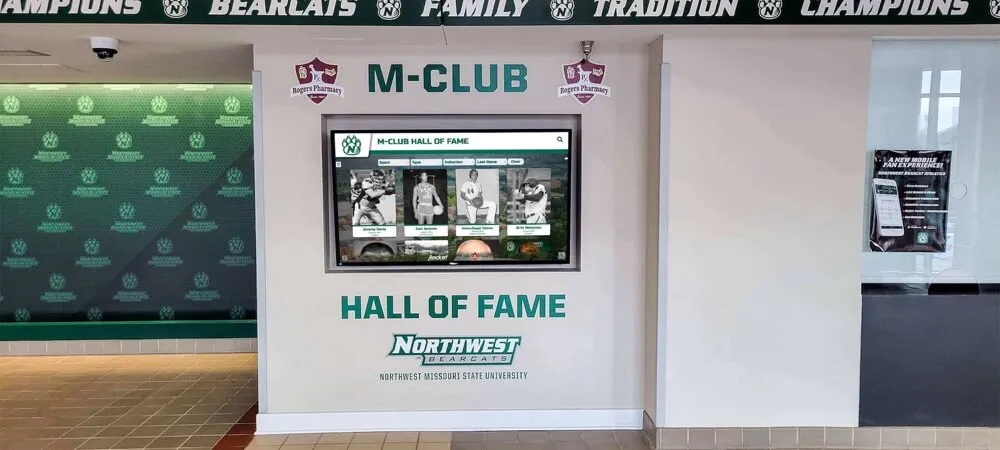
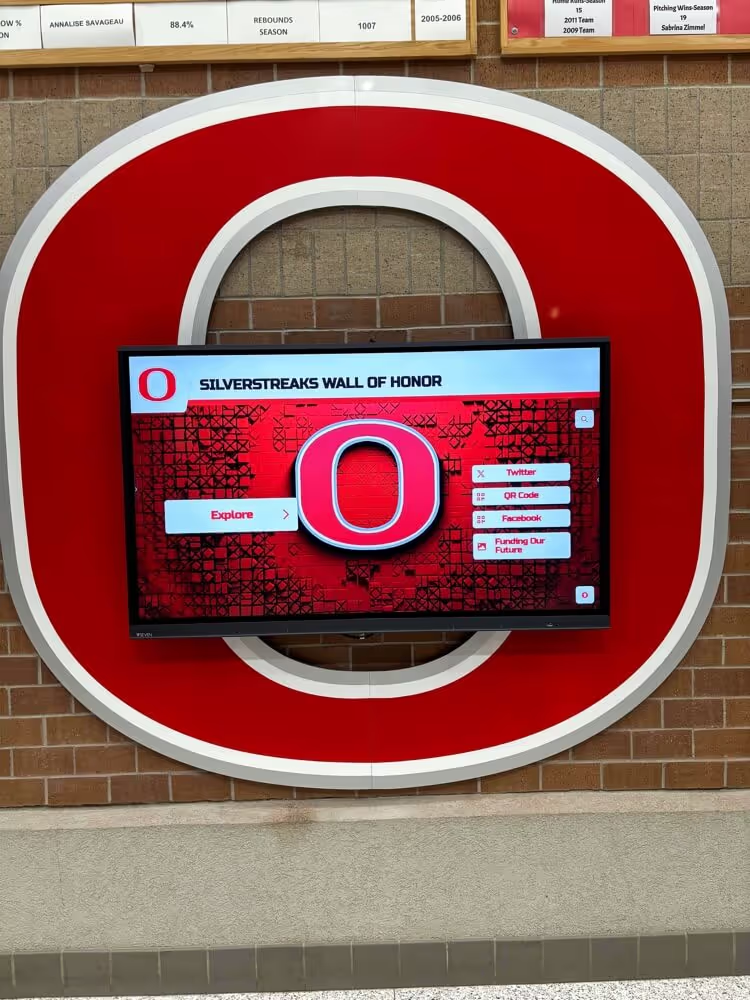
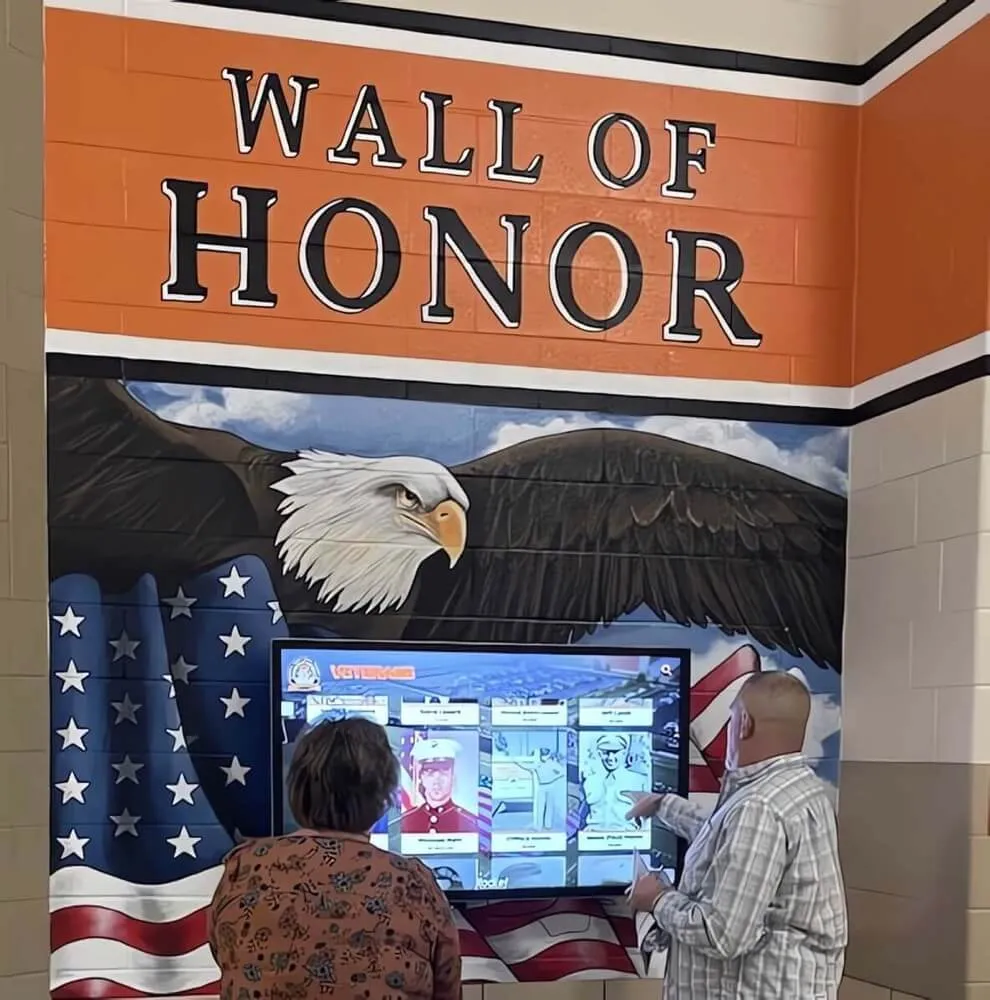
Modern digital recognition systems allow programs to celebrate defensive excellence comprehensively, honoring career tackle leaders, defensive players of the year, and championship defensive units whose fundamentally sound play shut down opponents when championships were decided. These permanent displays inspire current players to master the technique, embrace the physical demands, and maintain the discipline required for defensive excellence—understanding that their own achievements may one day be celebrated alongside the program’s defensive legends.
Whether you’re coaching youth players taking their first proper-form tackles, developing high school athletes into all-conference defenders, or refining varsity stars preparing for college competition, systematic tackling instruction built on progressive drill sequences, unwavering safety protocols, and consistent technique emphasis creates the defensive excellence that wins championships while protecting the athletes you’ve been entrusted to develop.
Ready to celebrate your program’s defensive legends and inspire the next generation of championship-caliber tacklers? Discover how modern recognition systems create lasting tributes to the defenders whose fundamentally sound tackling helped deliver your program’s greatest achievements.