Fourth-quarter dominance starts with summer conditioning programs. Every championship run includes moments when superior fitness becomes the difference between victory and defeat—the defensive stand that holds when exhausted opponents expect collapse, the sustained drive that grinds down tired defenders in the final minutes, the special teams play that breaks through because conditioning created one-step advantages throughout extended plays.
Football conditioning drills must address the sport’s unique physical demands: explosive power for individual plays, sustained effort across drives lasting several minutes, recovery capacity between plays and series, mental toughness to maintain focus despite physical exhaustion, and injury resilience through strength and flexibility that protects against common football trauma. Generic fitness programs cannot replicate these sport-specific demands—football conditioning requires targeted drills addressing the exact physical challenges players face during competitive games.

Yet many programs approach conditioning haphazardly, implementing workouts that build general fitness without addressing football’s specific physical requirements. Players who can run miles steadily may still struggle with the explosive bursts and rapid recovery intervals football demands. Athletes who excel at weightlifting may lack the cardiovascular endurance to maintain performance through extended drives. Effective football conditioning integrates multiple training modalities into comprehensive programs that prepare athletes for every physical demand they’ll encounter on game day.
This guide details 12 essential football conditioning drills that build the speed, strength, and stamina championship programs require. From explosive power development to endurance capacity and recovery optimization, these workouts create complete conditioning programs transforming athletic potential into on-field dominance.
Understanding Football-Specific Conditioning Requirements
Football’s unique physical demands require conditioning programs that address specific performance requirements rather than general fitness development.
The Energy Systems Football Uses
Football players must excel across multiple energy systems activated during different game situations and play durations.
Explosive Power and The Phosphagen System
Individual football plays typically last 4-7 seconds, activating the phosphagen energy system that fuels maximum-intensity short-duration efforts. Every snap demands explosive power—linemen firing off the ball, receivers accelerating through routes, running backs hitting holes with maximum speed, defenders closing gaps and making tackles. This energy system replenishes quickly between plays, but training it requires specific high-intensity intervals that replicate game conditions.
Conditioning drills targeting explosive power should emphasize maximum effort for 5-10 second intervals with adequate rest between repetitions, allowing full energy system recovery before subsequent efforts. This rest-to-work ratio ensures quality repetitions that build true explosive capacity rather than degraded efforts that train endurance at the expense of power development.
Sustained Drives and Glycolytic Capacity
Extended drives lasting several minutes activate glycolytic energy systems that fuel moderate-to-high intensity efforts lasting up to two minutes. Offensive drives may include 10-15 plays spanning several minutes, requiring sustained effort across multiple explosive intervals without complete recovery between plays. Defensive stands demand similar capacity—pursuing ball carriers, fighting through blocks, sprinting to coverage responsibilities across consecutive plays.
Training glycolytic capacity requires conditioning drills that sustain high-intensity effort across 60-120 second intervals with incomplete recovery, simulating the cumulative fatigue athletes experience during extended game drives. These workouts feel uncomfortable because they deliberately stress the exact energy systems players rely on during crucial game situations.

Game-Long Endurance and Aerobic Foundations
While individual plays require explosive power, complete games demand aerobic fitness supporting recovery between plays and sustained performance across four quarters. Players with superior aerobic conditioning recover more quickly between plays, maintain focus despite fatigue, and perform at higher levels late in games when less-conditioned opponents deteriorate.
Aerobic conditioning provides the foundation allowing athletes to perform explosive efforts repeatedly throughout games without significant performance degradation. Programs neglecting aerobic development produce athletes who excel early in games but struggle in crucial fourth-quarter moments when championship opportunities often materialize.
Position-Specific Conditioning Demands
Different position groups face distinct physical demands requiring specialized conditioning emphasis within comprehensive programs.
Skill Position Requirements
Receivers, running backs, defensive backs, and other skill positions prioritize speed, agility, and explosive acceleration requiring conditioning programs emphasizing sprint mechanics, change-of-direction capacity, acceleration development, sustained speed across longer distances, and recovery between maximum-effort plays. These athletes must reach top speed quickly, maintain it throughout plays, and repeat elite-level efforts throughout games.
Linemen and Power Position Needs
Offensive and defensive linemen face different conditioning challenges including explosive strength through initial contact, sustained power across 4-7 second plays, recovery capacity between consecutive plays, core stability during physical battles, and ability to repeat maximum efforts across 60-70 plays per game. Linemen conditioning must build explosive power while maintaining the work capacity required for extended play counts.
Programs should design conditioning workouts addressing position-specific demands while maintaining team-wide standards ensuring all players meet baseline fitness requirements. Comprehensive athletic recognition programs celebrate athletes who excel in position-specific performance areas, motivating conditioning commitment across all position groups.
Speed Development Drills
Speed separates elite football players from average competitors, making sprint development essential for championship-level conditioning programs.
Drill 1: 10-Yard Acceleration Sprints
Football rewards explosive acceleration more than top-end speed—most meaningful plays occur within 10-15 yards requiring rapid acceleration from static or moving starts.
Setup and Execution
Mark a starting line and 10-yard finish line. Players begin from three-point stances, two-point stances, or sport-specific positions (linebacker stance, receiver set, etc.). On command, athletes explode forward, reaching maximum acceleration by the 10-yard marker while maintaining proper sprint mechanics—powerful arm drive, forward lean, complete leg extension, and controlled breathing.
Programming Guidelines
Perform 8-12 repetitions with full recovery (60-90 seconds) between sprints, allowing complete phosphagen system restoration. Quality matters more than volume—degraded sprint mechanics due to insufficient recovery undermines acceleration development. Group athletes by position for stance-specific work that transfers directly to game situations.
Coaching Points
Emphasize explosive first steps, powerful arm action driving legs, forward body lean creating acceleration angles, and complete hip extension through each stride. Video analysis helps athletes see mechanical flaws that limit acceleration potential, particularly common issues like insufficient arm drive, premature upright positioning, or incomplete leg extension.
Drill 2: Flying 20-Yard Sprints
After accelerating to top speed, maintaining maximum velocity requires specific training that flying sprints provide.
Setup and Execution
Athletes accelerate through a 10-15 yard “build-up zone” before entering a 20-yard marked sprint section where they maintain top speed. The build-up allows reaching maximum velocity before the timed section begins, isolating maximum-speed maintenance from acceleration development. Focus on relaxed mechanics at top speed—tense muscles slow athletes despite maximum effort.
Programming Guidelines
Perform 5-8 repetitions with 2-3 minutes rest between sprints. Maximum-speed training demands near-complete recovery to maintain quality that drives adaptation. Insufficient rest produces tempo runs rather than true speed development.
Performance Tracking
Time the 20-yard sprint section separately from build-up phases. Track improvements throughout training cycles, documenting progress that demonstrates conditioning program effectiveness. Schools that recognize athletic achievement create motivation for athletes to pursue measurable performance gains across conditioning metrics.
Drill 3: Position-Specific Agility Patterns
Football speed includes change-of-direction capacity that standard sprint training doesn’t adequately develop.
Setup and Execution
Design agility patterns replicating position-specific movement—receivers running route trees, defensive backs working coverage breaks, running backs executing cut patterns, linemen performing lateral shuffle sequences. Use cones, markers, or teammates to create realistic directional changes requiring deceleration, cutting, and re-acceleration.
Programming Guidelines
Perform 6-10 repetitions of each pattern with 45-60 seconds recovery. Focus on explosive cuts, maintaining low center of gravity through direction changes, and rapid re-acceleration after cuts. Quality movement patterns matter more than speed—athletes must master mechanics before increasing tempo.
Progression Strategies
Begin with controlled tempos emphasizing proper mechanics, then gradually increase speed as athletes demonstrate technical mastery. Add reactive elements—coaches pointing directions, teammates providing visual cues—that replicate game situations requiring rapid decision-making during high-speed movements.
Drill 4: Resisted Sprint Training
Adding resistance to sprint training builds explosive power and acceleration strength that transfers to faster game-speed performance.
Setup and Execution
Use sled pushes, partner resistance (harness), or resistance bands to add load during 10-20 yard sprints. Resistance should allow athletes to maintain proper sprint mechanics while requiring increased force production—typically 10-15% of body weight provides optimal resistance for most athletes.
Programming Guidelines
Perform 6-8 repetitions with 90-120 seconds recovery. Resisted sprints tax both muscular and nervous systems, requiring adequate recovery for quality repetitions. Alternate resisted and unassisted sprints—resisted efforts build power, unassisted sprints reinforce fast motor patterns.
Safety Considerations
Monitor sprint mechanics closely. Excessive resistance compromises proper form, teaching movement patterns that undermine speed development. If athletes cannot maintain forward lean, powerful arm drive, and complete leg extension, reduce resistance until technical standards are met.
Strength and Power Development Drills
Football demands explosive strength applied through powerful movements—strength training must translate to on-field power application.
Drill 5: Explosive Med Ball Slams
Med ball slams develop total-body explosive power through integrated movements requiring coordinated force production.
Setup and Execution
Athletes hold medicine balls (10-20 lbs depending on strength level) overhead with arms extended. They explosively slam balls into ground while simultaneously dropping hips and engaging core, creating maximum downward force. Catch balls on bounce and immediately repeat for continuous power production.
Programming Guidelines
Perform 4-5 sets of 8-10 repetitions with 60-90 seconds rest between sets. Focus on maximum effort each repetition rather than pacing for higher volume. Explosive power development requires maximum-intensity efforts that neural adaptations driving increased force production capacity.

Variation Options
Include rotational slams (twisting torso during slam), side slams (slamming to left or right), and partner chest passes (explosive throws to partners) that address different force production angles athletes encounter during games.
Drill 6: Depth Jumps for Reactive Strength
Depth jumps build reactive strength—the ability to rapidly absorb and redirect force that football demands during cutting, jumping, and contact situations.
Setup and Execution
Athletes step off boxes (12-24 inches depending on training level), absorb landing by dropping into quarter-squat position, and immediately explode upward into maximum vertical jump. The landing-to-jump transition should occur in less than 0.2 seconds, developing elastic rebound capacity that powers explosive movements.
Programming Guidelines
Perform 4-6 sets of 4-6 repetitions with 2-3 minutes rest between sets. Depth jumps create significant nervous system stress requiring substantial recovery. Quality matters dramatically—degraded jump height or ground contact time indicates insufficient recovery.
Progression Framework
Begin with lower box heights (12 inches), progressing to higher boxes only after athletes demonstrate proper landing mechanics and explosive rebound capacity. Higher boxes aren’t inherently better—optimal height allows maximum rebound performance, which varies by athlete.
Drill 7: Complex Training Pairs
Complex training combines strength movements with explosive exercises, potentiating nervous system activation that enhances power output.
Setup and Execution
Pair heavy resistance exercises with explosive movements targeting similar muscle groups. Examples include back squats followed by vertical jumps, deadlifts followed by broad jumps, or bench press followed by med ball chest passes. The heavy lift primes nervous system, enhancing subsequent explosive performance.
Programming Guidelines
Perform 4-5 complex pairs. Execute 3-5 repetitions of heavy lift (85-90% 1RM), rest 30-60 seconds, then perform 4-6 repetitions of explosive exercise. Rest 3-4 minutes between pairs, allowing recovery before subsequent complexes.
Implementation Strategy
Complex training suits experienced athletes with solid strength foundations and proper lifting technique. Novice athletes should build basic strength before implementing complex protocols requiring heavy loading and advanced programming.
Drill 8: Olympic Lift Variations
Olympic lifts—cleans, snatches, jerks—develop explosive power through total-body movements requiring coordinated force production.
Setup and Execution
Power cleans and hang cleans provide accessible Olympic lift variations for football programs. Athletes explosively extend hips, knees, and ankles while shrugging shoulders and pulling bars upward, then rapidly dropping under bars to receive weight in front rack positions. The explosive triple extension (hips, knees, ankles) directly transfers to football movements like blocking, tackling, and jumping.
Programming Guidelines
Perform 4-6 sets of 2-4 repetitions with 2-3 minutes rest. Olympic lifts require maximum neural activation—multiple low-rep sets maintain intensity better than fewer high-rep sets. Focus on bar speed and explosive extension rather than maximum weight, particularly during early technical development.
Technical Mastery Requirements
Olympic lifts demand proper coaching and technical progression. Athletes must master movement patterns through PVC pipes and empty bars before adding significant weight. Poor technique creates injury risk while undermining power development—quality coaching proves essential for safe, effective implementation.
Stamina and Conditioning Capacity Drills
Football-specific stamina means maintaining explosive performance throughout four-quarter competitions despite accumulating fatigue.
Drill 9: Tempo Runs
Tempo runs build aerobic capacity supporting recovery between plays and sustained performance across complete games.
Setup and Execution
Athletes run 100-200 yard intervals at 70-75% maximum effort—fast enough to elevate heart rate into aerobic training zones but sustainable for multiple repetitions without significant performance degradation. Rest intervals (30-60 seconds) remain incomplete, maintaining elevated heart rates across full workout sessions.
Programming Guidelines
Perform 8-12 repetitions of 100-yard tempo runs or 6-10 repetitions of 200-yard runs. Total volume should reach 1,000-1,500 yards. Tempo runs shouldn’t feel like maximum-effort sprints—athletes should finish workouts feeling challenged but capable of additional quality repetitions.
Position-Specific Modifications
Linemen may perform shorter intervals (50-75 yards) with slightly longer rest, while skill positions handle longer distances. All athletes should complete sufficient volume to stress aerobic systems regardless of interval length variations.
Drill 10: Position-Specific Conditioning Circuits
Circuits combining football movements with conditioning demands create sport-specific work capacity.
Setup and Execution
Design circuits including movement patterns athletes perform during games—backpedaling, shuffling, sprinting, change of direction, position-specific techniques. Examples include defensive back circuits (backpedal 10 yards, break on ball, sprint 20 yards, shuffle 10 yards), linebacker circuits (shuffle 5 yards each direction, sprint to depth, tackle dummy contact), and receiver circuits (release against resistance, sprint 15 yards, comeback cut, sprint back).
Programming Guidelines
Perform 4-6 circuits with 2-3 minutes rest between rounds. Each circuit should last 45-90 seconds, replicating extended drive demands. Monitor work quality—significant performance degradation indicates excessive volume or insufficient recovery.
Coaching Integration
Building collegiate-level training experiences for high school athletes creates engagement and commitment. Position-specific circuits that replicate college-level training intensify athlete buy-in while developing game-ready conditioning.
Drill 11: Four-Corner Conditioning
Four-corner drills simulate game-realistic work-rest ratios while building capacity to repeat explosive efforts.
Setup and Execution
Set up four cones in 10-15 yard square patterns. Athletes perform different movements between each cone—sprint to cone 1, shuffle to cone 2, backpedal to cone 3, sprint to cone 4—creating continuous movement for 30-45 seconds followed by 15-30 seconds rest before repeating.
Programming Guidelines
Perform 8-12 rounds. Work-to-rest ratios should approximate game demands—roughly 2:1 (30 seconds work, 15 seconds rest) for skill positions, 1:1 (30 seconds work, 30 seconds rest) for linemen and power positions. Total workout volume should reach 8-12 minutes of actual work time.
Variation Strategies
Change movement patterns between sets—incorporate shuffles, cariocas, bear crawls, or position-specific movements. Variety prevents mental staleness while addressing multiple movement capacities within single conditioning sessions.
Drill 12: Playoff Simulation Conditioning
Championship-ready conditioning requires preparing for playoff scenarios where stakes intensify and fatigue management becomes crucial.
Setup and Execution
Structure conditioning sessions simulating complete game scenarios. Example: Perform series of explosive efforts (5-7 second max sprints) followed by 25-35 seconds rest, repeated 8-10 times (replicating offensive drive). Rest 3-4 minutes (simulating between-series recovery), then repeat for 4-6 total series (simulating game-long demands). Final series should include extended efforts testing athlete capacity when fatigued.
Programming Guidelines
Implement playoff simulation conditioning 1-2 times weekly during late off-season and pre-season periods. These demanding sessions require 48-72 hours recovery before subsequent high-intensity training. Programs attempting playoff simulations too frequently risk overtraining rather than enhanced conditioning.
Mental Toughness Development
Playoff conditioning builds psychological resilience alongside physical capacity. Athletes learn to maintain effort despite discomfort, push through fatigue when critical moments demand, and trust conditioning preparation when games reach decisive moments. The mental toughness developed through demanding conditioning directly transfers to competitive situations.
Athletic booster clubs supporting comprehensive conditioning programs invest in championship-level preparation. Proper equipment, training facilities, and recovery resources enable coaches to implement demanding conditioning protocols safely and effectively.
Implementing Comprehensive Conditioning Programs
Individual drills build specific capacities—comprehensive programming integrates multiple training modalities into cohesive development plans.
Periodization and Training Cycles
Effective conditioning programs vary intensity, volume, and focus across training cycles addressing different preparation phases.
Off-Season Foundation Building
Off-season conditioning (January-May) emphasizes building aerobic foundations, developing maximum strength, establishing proper movement mechanics, and creating work capacity supporting subsequent training intensification. Off-season training volume remains high while intensity stays moderate, allowing athletes to accumulate substantial training without excessive fatigue or injury risk.
Pre-Season Intensification
Pre-season training (June-August) increases intensity while reducing volume, shifting from general conditioning toward football-specific preparation. Sprint work intensifies, resistance training emphasizes explosive power over maximum strength, conditioning intervals shorten with increased intensity, and position-specific training increases as athletes prepare for competitive demands.
In-Season Maintenance
In-season conditioning maintains fitness without adding fatigue that compromises game performance. Training volume and intensity both decrease significantly—one or two moderate conditioning sessions weekly prevent deconditioning while allowing recovery for competitive performance. In-season conditioning should feel refreshing rather than exhausting.
Recovery and Adaptation Management
Conditioning programs only improve performance when recovery allows adaptation—training stress without adequate recovery creates breakdown rather than development.
Recovery Modalities
Implement structured recovery including adequate sleep (8-10 hours for adolescent athletes), proper nutrition supporting training demands, active recovery sessions (light movement, stretching), and planned rest days allowing complete physical and mental restoration. Supporting student-athlete wellbeing creates sustainable high-performance environments rather than short-term intensity that produces burnout.
Monitoring Training Load
Track athlete wellness through subjective ratings (sleep quality, muscle soreness, motivation levels) and objective measures (sprint times, jump heights, training volume). Declining performance or increased soreness despite consistent training suggests insufficient recovery requiring program adjustments.
Individual Variation
Athletes adapt to conditioning stress at different rates. Smaller athletes may require more recovery than larger athletes, younger athletes need different programming than older athletes, and individuals with different training histories respond differently to identical programs. Effective coaches adjust training based on individual response rather than applying identical protocols to all athletes regardless of individual variation.
Integration With Technical and Tactical Training
Conditioning exists to enhance football performance, not as separate fitness pursuit—integration with technical and tactical training ensures transfer to competitive situations.
Sport-Specific Conditioning
Whenever possible, embed conditioning within football-specific activities. Position drills performed at game tempo build conditioning while reinforcing technical skills. Seven-on-seven sessions at high intensity develop both tactical understanding and cardiovascular fitness. Team periods with condensed rest intervals create conditioning stress within actual football contexts.
Balancing Physical and Mental Load
Total training stress includes both physical conditioning and mental demands from learning schemes, practicing techniques, and competing. Programs adding excessive conditioning on top of demanding football practice create overtraining rather than enhanced preparation. Comprehensive athletic programs balance multiple training demands within sustainable total load.
Testing and Standards
Establish conditioning standards ensuring all athletes meet baseline fitness requirements. Common testing includes 40-yard dash times, vertical jump heights, broad jump distances, pro agility (5-10-5) shuttle times, and position-specific endurance benchmarks. Regular testing documents progress while identifying athletes requiring additional conditioning focus.
Safety Considerations and Injury Prevention
Demanding conditioning programs create adaptation when implemented safely—poor programming or execution creates injury risk undermining rather than enhancing performance.
Heat Safety Protocols
Heat-related illness represents the most serious risk during intense football conditioning, particularly in hot, humid environments common during summer training.
Acclimatization Requirements
Athletes require gradual heat exposure allowing physiological adaptations before intense training in hot conditions. Acclimatization typically requires 10-14 days of progressive activity in heat, with initial sessions involving shorter duration and lower intensity. Programs conducting intense conditioning immediately when athletes return from extended breaks create significant heat illness risk.
Hydration and Rest
Ensure unlimited water access during all conditioning sessions. Schedule regular water breaks preventing significant dehydration—athletes should drink before feeling thirsty, as thirst indicates already-present dehydration. Monitor urine color as simple hydration indicator—pale yellow indicates proper hydration, while dark urine suggests inadequate fluid intake. Structure adequate rest between high-intensity intervals, particularly in hot conditions where recovery demands increase.
Environmental Monitoring
Use wet bulb globe temperature (WBGT) measurements accounting for temperature, humidity, sun exposure, and wind to assess heat stress risk. Modify training when WBGT reaches concerning levels—reduce intensity, increase rest, shorten sessions, or move training to cooler times of day. Many heat-related tragedies occur when programs push through dangerous conditions rather than adjusting training appropriately.
Progressive Overload and Volume Management
Conditioning adaptations require progressive challenges, but excessive increases create injury rather than improvement.
The 10% Rule
Avoid increasing training volume by more than 10% week-over-week. Gradual progression allows musculoskeletal adaptations keeping pace with conditioning demands. Athletes returning from extended breaks should begin well below previous training volumes, progressively building back toward peak loads over several weeks.
Individual Readiness
Respect individual variation in training readiness. Athletes with injury history, limited training experience, or current wellness concerns may require more conservative progression than teammates with extensive training backgrounds and no injury history. Pushing all athletes through identical progression regardless of individual circumstances creates preventable injuries.
Technique and Movement Quality
Poor movement mechanics during conditioning create injury patterns while limiting performance development.
Coaching Supervision
All conditioning sessions should include qualified supervision ensuring proper technique, monitoring signs of excessive fatigue, and maintaining safety standards. Unsupervised conditioning allows technical degradation, inappropriate competition between athletes, and dangerous practices that coached sessions would prevent.
Fatigue Management
Conditioning sessions should challenge athletes without creating movement breakdown. When fatigue significantly compromises technique—stride length decreasing dramatically, knee valgus during landing, inability to maintain proper postures—additional repetitions create injury risk rather than training benefit. Smart programs end sessions before technique breakdown occurs.
Recognizing and Celebrating Conditioning Excellence
Championship-level conditioning requires sustained commitment across months of demanding training. Programs that recognize conditioning achievement create motivation supporting long-term dedication.
Documenting Conditioning Progress
Track individual and team progress across conditioning metrics throughout training cycles. Document improvements in sprint times, strength measurements, conditioning test results, and work capacity markers. Visible progress creates motivation while demonstrating that demanding training produces tangible results justifying the effort invested.
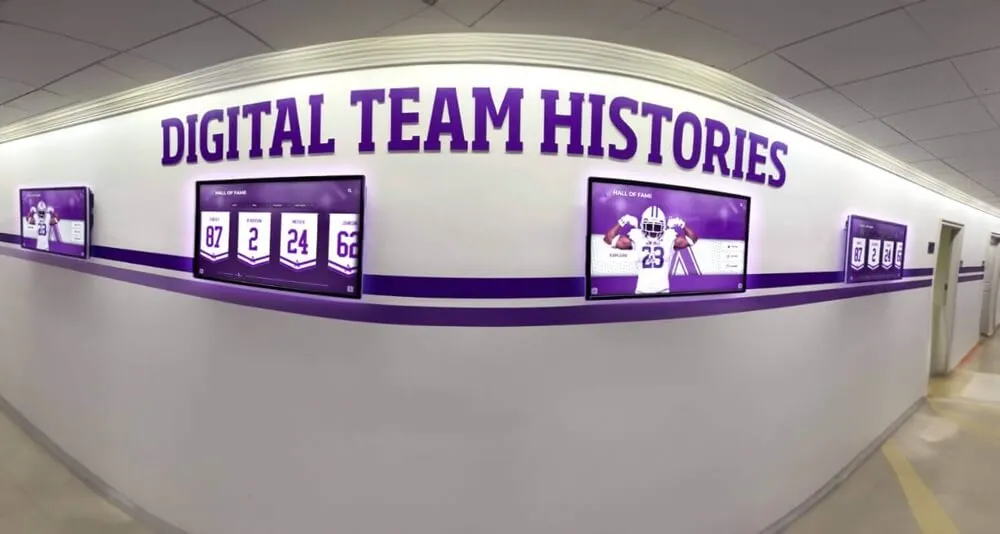
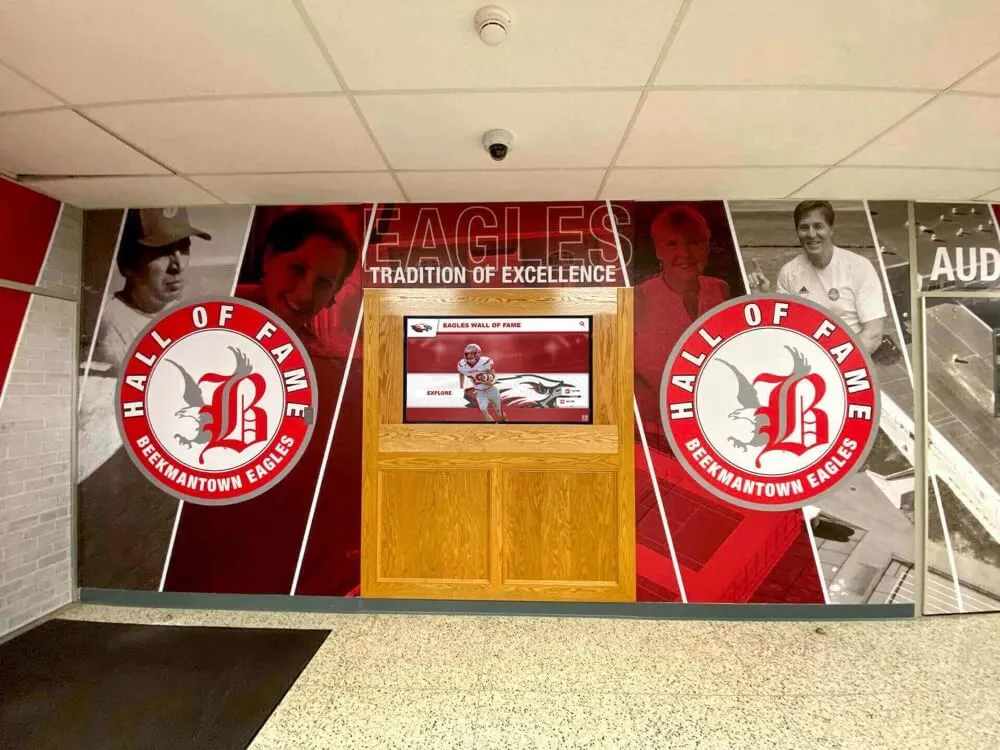
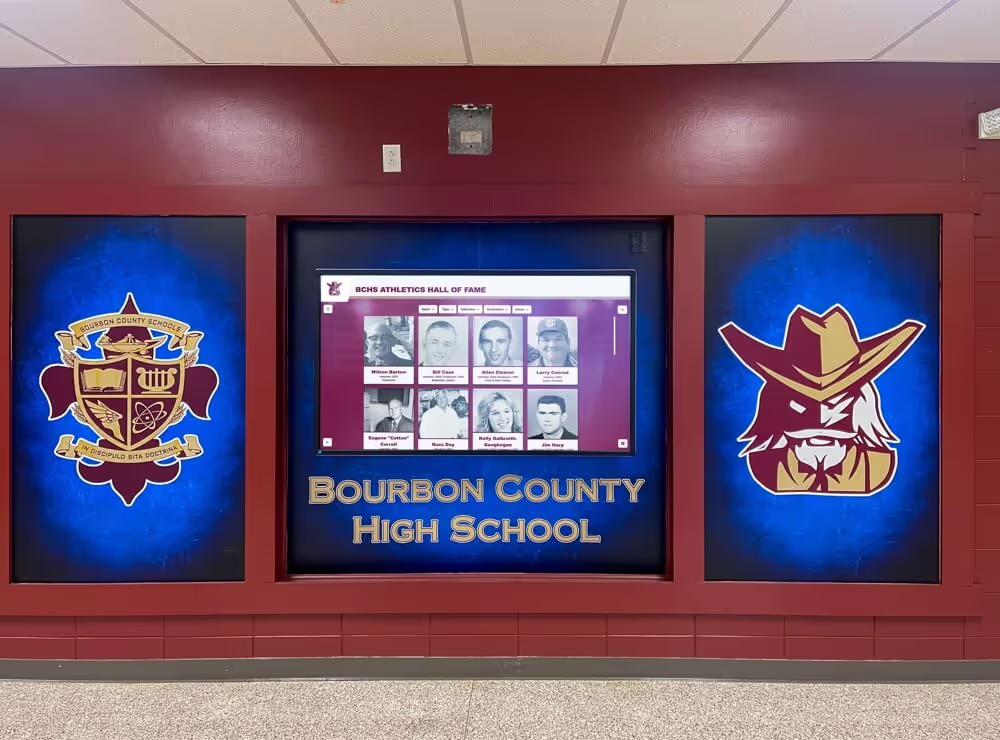
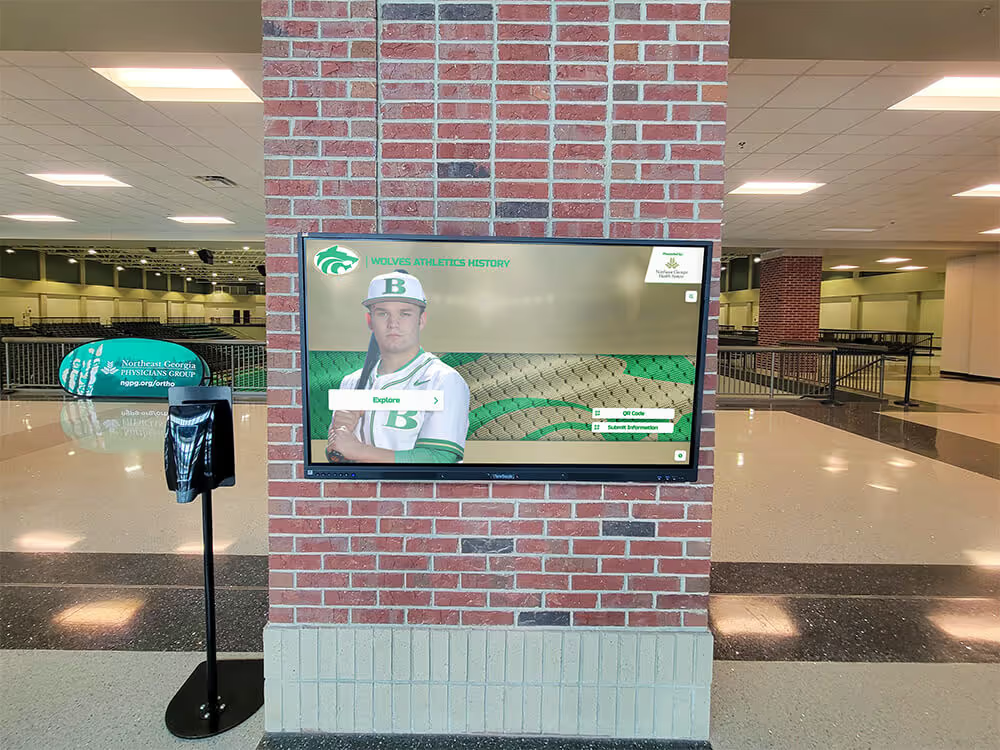
Athletic recognition displays can feature conditioning achievements alongside competitive accomplishments, communicating that preparation work matters as much as game performance. Highlighting athletes who demonstrate exceptional work ethic, significant improvement, or elite conditioning standards creates aspirational examples motivating program-wide commitment.
Creating Conditioning Culture
Championship programs establish cultures where conditioning excellence represents fundamental expectations rather than optional extras. When team leaders model commitment to conditioning, when athletes take pride in fitness levels, and when programs celebrate conditioning achievement, individual commitment becomes collective identity.
Coach appreciation initiatives should acknowledge coaches who design and implement demanding but effective conditioning programs that develop athletes while maintaining safety. Great conditioning coaches balance intensity with recovery, push athletes toward excellence while respecting individual limitations, and create programs athletes look back on years later recognizing as foundational to their development.
Building Championship Traditions
Demanding conditioning programs become part of championship traditions when alumni share stories of legendary conditioning sessions, current athletes embrace challenges previous generations overcame, and communities recognize that championship success starts with conditioning commitment during off-season months when no one watches.
Celebrating athletic traditions including demanding conditioning programs creates continuity across generations. When current athletes understand they’re continuing legacies of conditioning excellence established by previous championship teams, the work takes on meaning beyond individual fitness development.
Conclusion: Conditioning Builds Championship Foundations
Football conditioning drills create the physical foundations championship performance requires. Speed without stamina fades by halftime. Strength without conditioning capacity cannot repeat through four quarters. Explosive power without recovery ability loses effectiveness across extended drives. Comprehensive conditioning programs integrating speed, strength, and stamina development prepare athletes for every physical demand competitive football presents.
The 12 conditioning drills detailed in this guide address the complete spectrum of football fitness requirements—from explosive acceleration through sustained work capacity and game-long endurance. Programs implementing these workouts within properly periodized training plans, respecting recovery needs, and maintaining safety standards create measurable performance improvements that transfer directly to competitive advantage on game day.
Championship programs understand that superior conditioning creates decisive edges during critical moments when games hang in balance. The defensive stand in the fourth quarter, the sustained drive grinding down tired opponents, the special teams play requiring sustained effort—these championship-defining moments favor teams whose conditioning preparation exceeds competitors who cut corners or approached training casually.
Yet conditioning excellence requires more than just implementing demanding drills. It demands coaching expertise designing appropriate programs for specific athletes and training phases, organizational commitment providing resources supporting proper conditioning, safety consciousness preventing injury while pursuing improvement, and cultural values celebrating preparation work alongside competitive achievement.
Transform Your Athletic Recognition and Build Lasting Program Legacies
Championship conditioning programs deserve recognition matching the effort athletes invest and results programs achieve. Modern athletic recognition technology allows schools to document conditioning achievements, celebrate improvement across training cycles, showcase program standards that define excellence, and inspire future athletes by highlighting the preparation foundations championship traditions require.
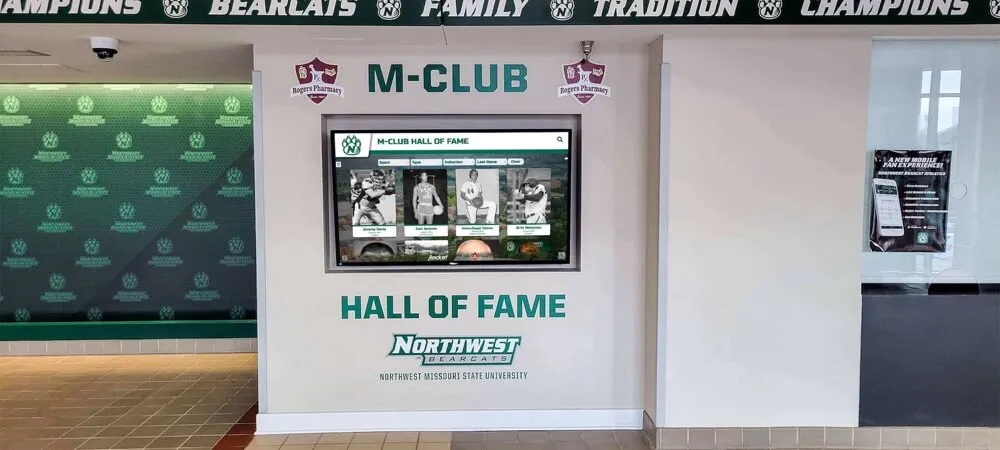
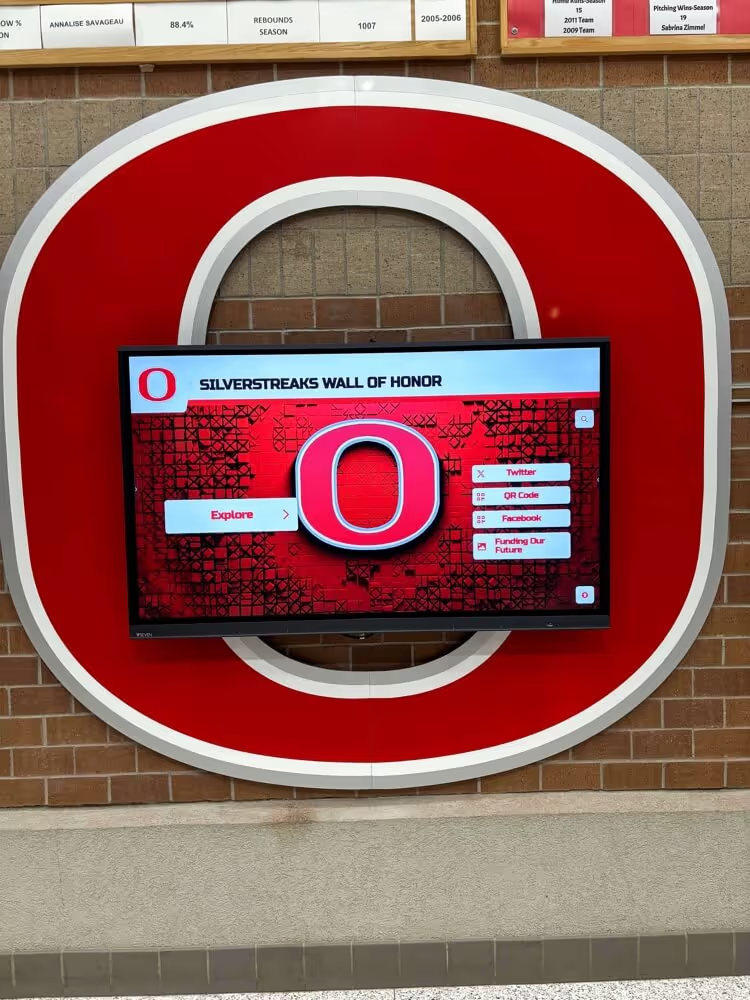
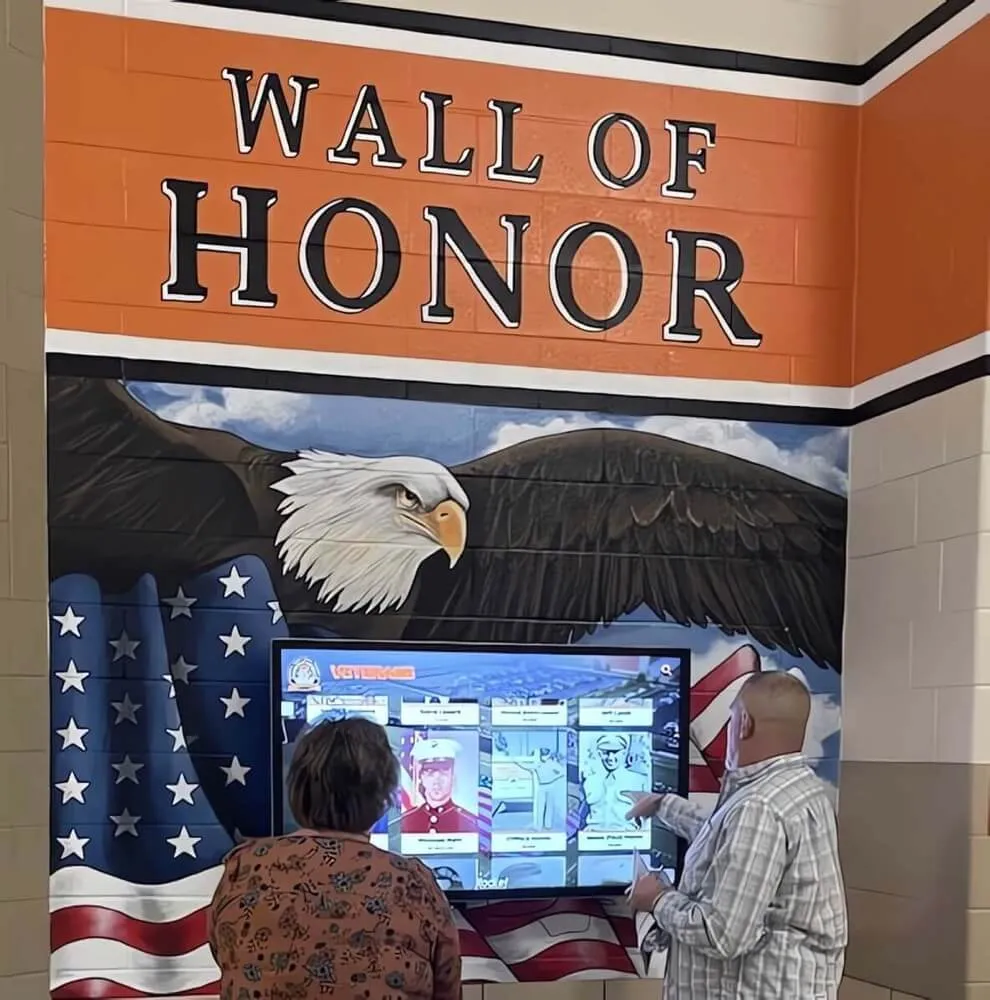
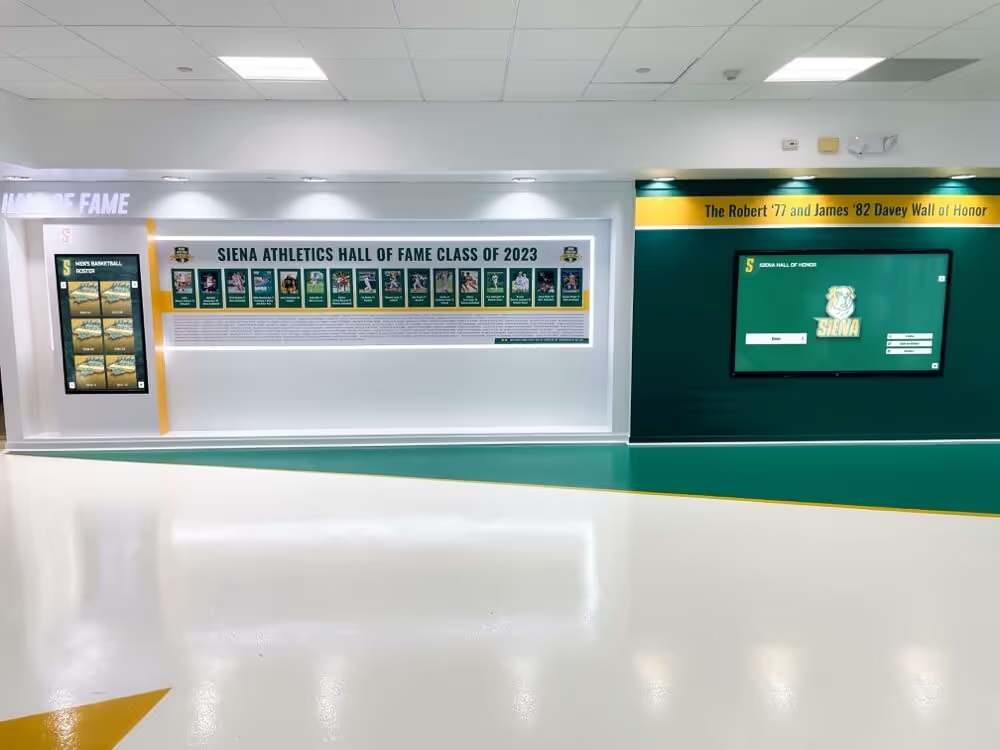
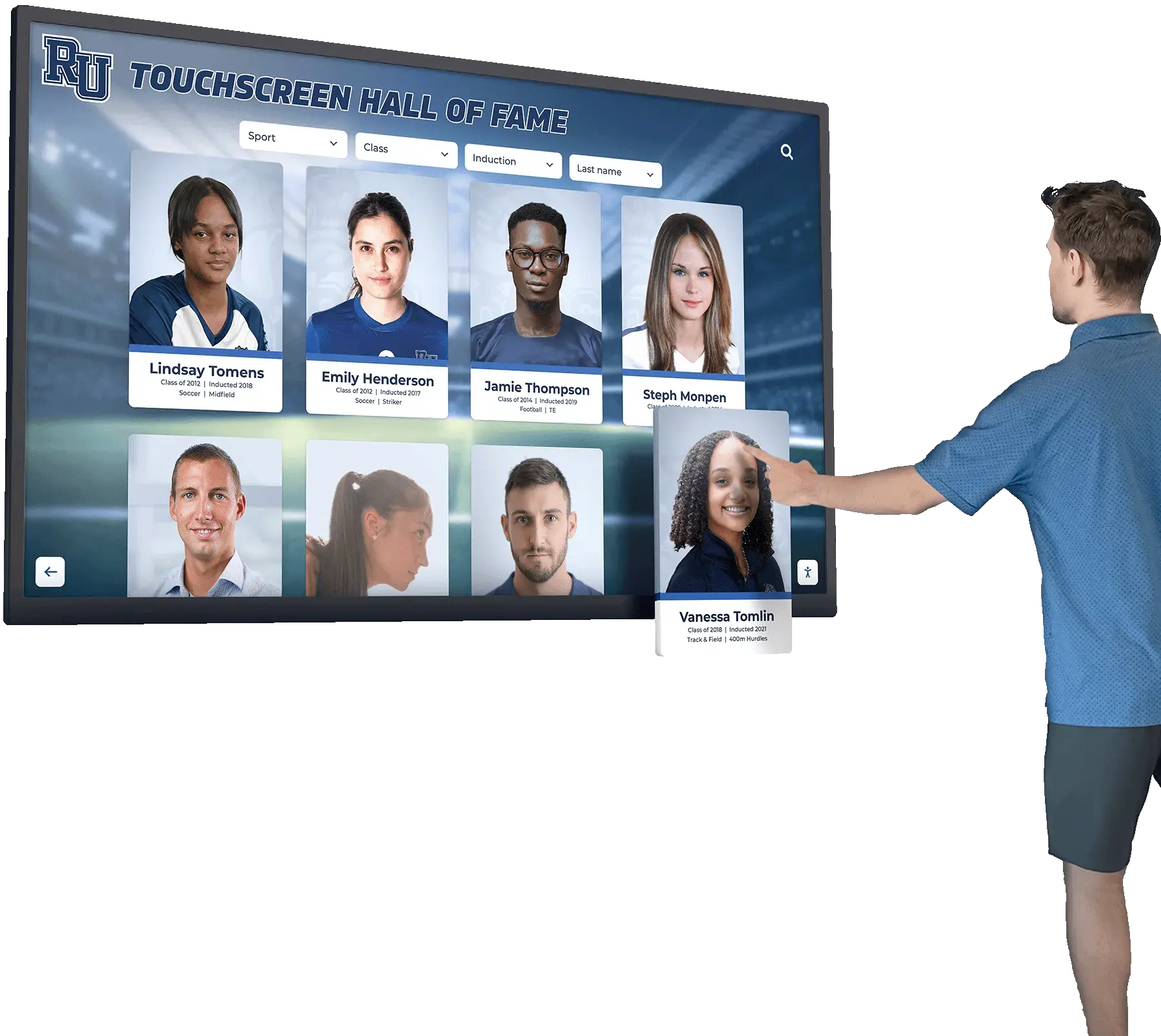
Rocket Alumni Solutions provides comprehensive digital recognition systems that transform how schools celebrate athletic achievement—including the often-invisible conditioning work that separates championship programs from average competitors. Our touchscreen displays allow programs to feature conditioning excellence alongside competitive accomplishments, recognize athletes who demonstrate exceptional work ethic and improvement, document program evolution across training philosophies and standards, and create interactive experiences where current athletes explore the conditioning traditions previous generations established.
Whether showcasing record sprint times, highlighting athletes who achieved dramatic conditioning improvements, or documenting the evolution of program training standards across decades, digital recognition technology ensures conditioning excellence receives visibility matching its importance to competitive success.
Ready to build recognition systems that celebrate your complete athletic program—from conditioning rooms to championship fields? Discover how Rocket Alumni Solutions creates customized recognition experiences that honor every aspect of athletic excellence, inspire sustained commitment to demanding preparation, and build championship traditions lasting across generations.