



Florida high school football represents one of the nation's most competitive and celebrated prep football landscapes. The Florida High School Athletic Association (FHSAA) oversees a playoff system that determines state champions across multiple classifications, culminating in championship games that showcase the state's exceptional athletic talent. Understanding Florida's playoff structure, bracket format, and path to championships proves essential for athletic directors, coaches, players, and communities invested in their programs' success.
This comprehensive guide examines every dimension of Florida high school football playoffs—from classification systems and district competition through regional brackets and state championship games. Whether you're tracking your local team's playoff journey, planning recognition for playoff achievements, or simply seeking to understand Florida's unique playoff structure, this resource provides the complete framework for navigating the state's premier high school football competition.
Friday nights in Florida transform into community celebrations as high school football teams take the field. From the Panhandle to South Florida, football stadiums fill with passionate fans supporting programs that have shaped their communities for generations. The state’s warm climate enables year-round training that produces elite talent, while diverse population centers create competitive environments where programs constantly push each other toward excellence.
This intensity culminates each fall in the FHSAA playoff system, where hundreds of teams across multiple classifications compete for the ultimate prize: a state championship trophy. The playoff journey represents the pinnacle of high school football achievement in Florida, testing teams through district rivalries, regional matchups, and semifinal pressure before determining which programs earn the right to compete for state titles at neutral-site championship venues.
Athletic directors and coaches understand that playoff success creates lasting impacts extending far beyond trophy cases. Playoff runs generate community pride, strengthen school culture, attract future talent, and create memories that alumni carry for decades. Yet maximizing these benefits requires understanding not just how to reach the playoffs, but how to celebrate and preserve these achievements in ways that honor the athletes, coaches, and communities who made them possible.

Understanding the FHSAA Classification System
Before examining playoff brackets and championship paths, understanding Florida’s classification structure provides essential context for how teams qualify and compete.
Current Classification Framework
The FHSAA organizes high school football into multiple classifications based on school enrollment, creating competitive equity while ensuring schools compete against similarly sized institutions.
Classification Structure: Florida currently operates football playoffs across several classifications, each serving schools within specific enrollment ranges. The largest schools compete in the highest classification, while smaller schools participate in classifications aligned with their enrollment numbers. This tiered approach prevents small rural schools from facing large urban programs with vastly greater resources and student populations to draw from.
Metro and Suburban Classifications: Some classifications distinguish between metro and suburban schools, acknowledging that schools with similar enrollments but different geographic contexts may face different competitive environments. Metro schools typically represent urban programs with concentrated populations, while suburban classifications include schools serving less densely populated areas. This nuanced approach recognizes that enrollment alone doesn’t fully capture program context and competitive equity considerations.
Independent vs. Metro/Suburban Divisions: Certain classifications operate with independent, metro, and suburban divisions creating separate playoff brackets within the same classification level. This structure ensures schools compete against programs facing similar circumstances while maintaining classification integrity based on enrollment.
Classification Determination: Schools’ classifications are determined by enrollment counts submitted to the FHSAA, typically reflecting the previous school year’s numbers. Classifications may adjust as school populations change, potentially moving programs up or down across classification boundaries. Athletic directors closely monitor enrollment trends understanding that classification changes significantly impact competitive expectations and playoff qualification challenges.
District Alignment and Regular Season Structure
Florida’s district system shapes both regular season competition and playoff qualification pathways.
District Membership: The FHSAA assigns schools to districts based on classification, geographic proximity, and historical alignments. Districts typically contain 4-8 schools creating round-robin regular season competition where teams face each district opponent. District membership directly impacts playoff qualification since district performance determines which teams advance to regional brackets.
Regular Season Scheduling: Teams typically play 10 regular season games combining district competition with non-district games. District games carry heightened importance since district records determine playoff seeding and qualification. Non-district games provide opportunities for quality competition outside district boundaries while building program reputation and preparing for playoff intensity.
District Standings and Tiebreakers: District standings determine which teams advance to playoffs and their seeding for regional brackets. When teams tie in district records, tiebreaker procedures including head-to-head results, point differentials, and other criteria determine final standings. Understanding tiebreaker systems becomes crucial when multiple teams compete for limited playoff spots.

Playoff Qualification and Bracket Structure
Understanding how teams qualify for playoffs and how brackets are structured illuminates the path from district competition to state championships.
Playoff Qualification Criteria
Not every Florida high school football team advances to the postseason. Qualification requirements ensure that playoff participants have demonstrated competitive merit during regular season play.
District-Based Qualification: In most classifications, the top teams from each district earn automatic playoff berths. Typically, the top two or three finishers in each district advance, though exact numbers may vary by classification and year. This district-based qualification rewards consistent performance against geographic rivals while providing clear qualification pathways.
Wild Card and At-Large Selections: Beyond automatic district qualifiers, some classifications include wild card or at-large berths for teams that performed strongly but didn’t finish high enough in competitive districts. These selections consider overall records, strength of schedule, head-to-head results against common opponents, and point differentials. Wild card systems enable exceptional teams from deep districts to continue competing rather than being eliminated despite strong seasons.
Regular Season Performance Requirements: Teams must meet minimum standards during regular seasons to qualify for playoff consideration. This typically includes winning thresholds or competitive performance requirements preventing teams with severely losing records from advancing. These standards maintain playoff competitiveness and ensure postseason participants have demonstrated genuine capability.
District Championship Implications: Winning district championships provides advantages beyond simple playoff qualification. District champions typically earn higher playoff seedings, potentially face less challenging first-round matchups, and gain home-field advantage in early playoff rounds. The race for district titles creates intense late-season competition as teams position themselves for optimal playoff paths.
Regional Bracket Configuration
Once playoff qualifiers are determined, the FHSAA organizes regional brackets that determine which teams advance toward state championships.
Regional Divisions: Florida’s geographic expanse necessitates regional playoff brackets within classifications. Regions typically divide the state into northern and southern sections, occasionally with additional regional subdivisions in classifications with large numbers of qualifying teams. This regional structure manages travel requirements while creating geographically coherent brackets.
Seeding Procedures: Teams are seeded within regional brackets based on district finish, overall record, and strength of schedule considerations. Higher seeds typically host early-round playoff games, creating significant home-field advantages. Seeding procedures aim to reward regular season excellence while creating balanced brackets that pit the best teams against each other as playoffs progress.
Bracket Format and Structure: Most regional brackets operate as single-elimination tournaments where one loss ends a team’s season. Brackets typically include 8, 16, or 32 teams depending on classification and region. Teams advance through bracket rounds until regional championships determine which two teams from each classification reach state championship games.
Home Field Advantage Determination: Higher-seeded teams generally host playoff games through regional semifinals, with regional championship games sometimes held at neutral sites or determined by seeding. Home field advantage proves significant in Florida high school football, where familiar facilities, supportive crowds, and elimination of travel challenges benefit host teams substantially.
The Road to State Championships
Advancing through regional brackets leads to the ultimate goal: competing for FHSAA state championships. Understanding the championship structure and venues where these games occur provides context for football’s most prestigious achievement in Florida high schools.
State Semifinal Competition
The state semifinal round represents the penultimate step toward championship glory, where only four teams in each classification remain competing.
Regional Championship Winners: State semifinal matchups typically pit regional championship winners against each other. In classifications with two regions, semifinal games may occur at the regional championship level, with regional winners advancing directly to state championship games. In classifications with four regional brackets, semifinal rounds pair regional champions from different parts of the state.
Neutral Site Considerations: As playoffs progress toward state championships, games increasingly occur at neutral sites rather than higher seeds’ home fields. This creates equitable competition while allowing championship-level facilities to host the state’s most significant games. Neutral sites are selected based on facility quality, geographic accessibility for competing schools, and historical championship venue relationships.
Week-by-Week Playoff Progression: Florida’s playoff schedule typically spans late October through early December, with regional playoffs beginning after regular season completion. Teams advancing deep into playoffs may compete for 4-5 consecutive weeks beyond regular season finales, requiring exceptional depth, injury management, and sustained competitive intensity. Programs reaching semifinals have navigated multiple elimination games demonstrating consistent excellence.
State Championship Games
State championship games represent the culmination of Florida’s high school football season, where all the preparation, district battles, and playoff victories lead to one final winner-take-all contest.
Championship Weekend Format: The FHSAA typically schedules state championship games across multiple days at selected championship venues. Multiple classification champions are crowned over a championship weekend or series of championship dates, creating a festival atmosphere celebrating Florida’s best high school football. This concentrated schedule allows families, alumni, and supporters to attend multiple championship games while generating statewide attention.
Championship Venues: State championship games rotate among premier Florida venues capable of hosting large crowds and providing championship-caliber facilities. Historic championship venues have included locations in central Florida providing reasonable geographic access for teams from across the state. These venues feature professional-quality playing surfaces, excellent spectator facilities, and the infrastructure necessary for televised or streamed broadcasts that extend championship reach beyond attendees.
Championship Week Preparation: Teams reaching state championship games receive a bye week or extended preparation period before championship contests. This additional time enables thorough opponent preparation, injury recovery, and logistical planning for neutral-site competition. Coaches balance intensive film study and practice work with managing the emotional and mental preparation required for championship-level performance.
Trophy Presentation and Recognition: Championship games conclude with trophy presentations to winning teams and individual awards recognizing outstanding performances. State championship trophies represent the most prestigious prize in Florida high school football, symbolizing sustained excellence across an entire season. Many schools create lasting displays featuring championship trophies alongside documentation of championship runs, ensuring these achievements remain visible for generations.
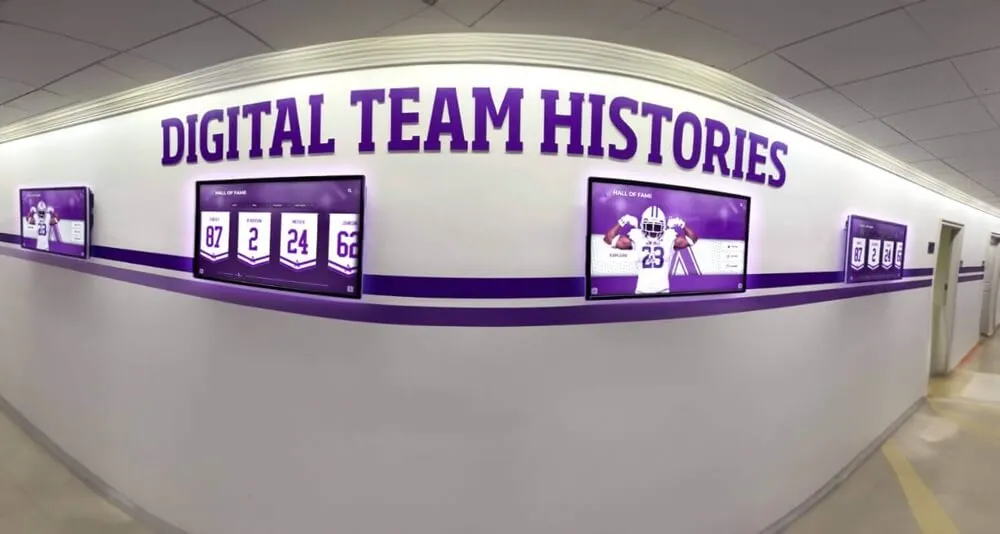
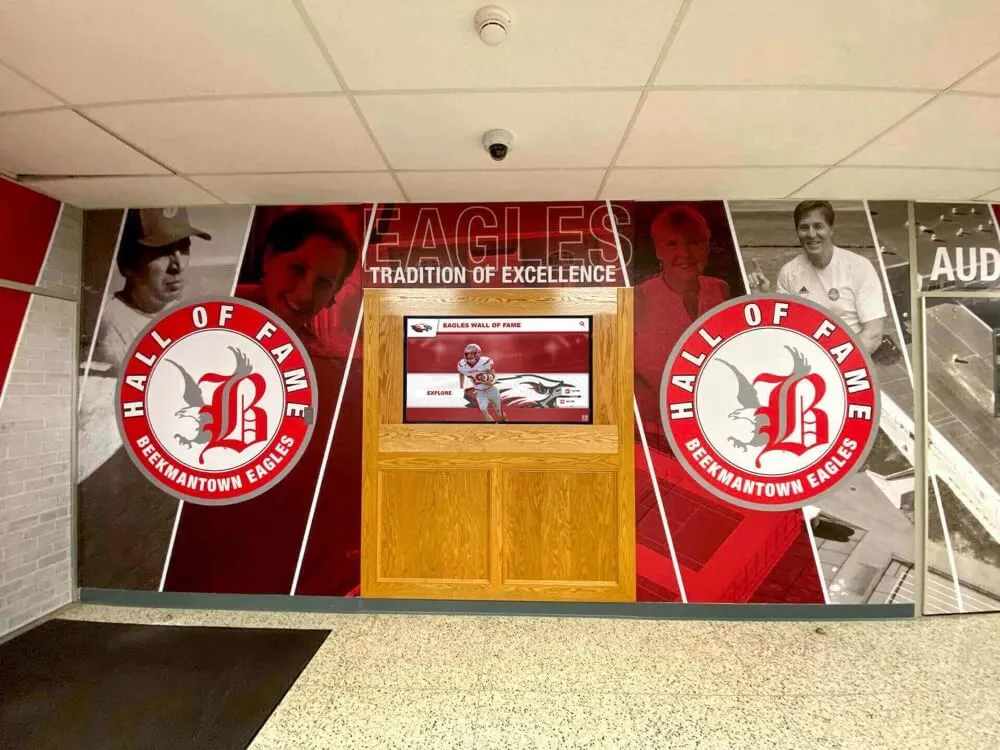
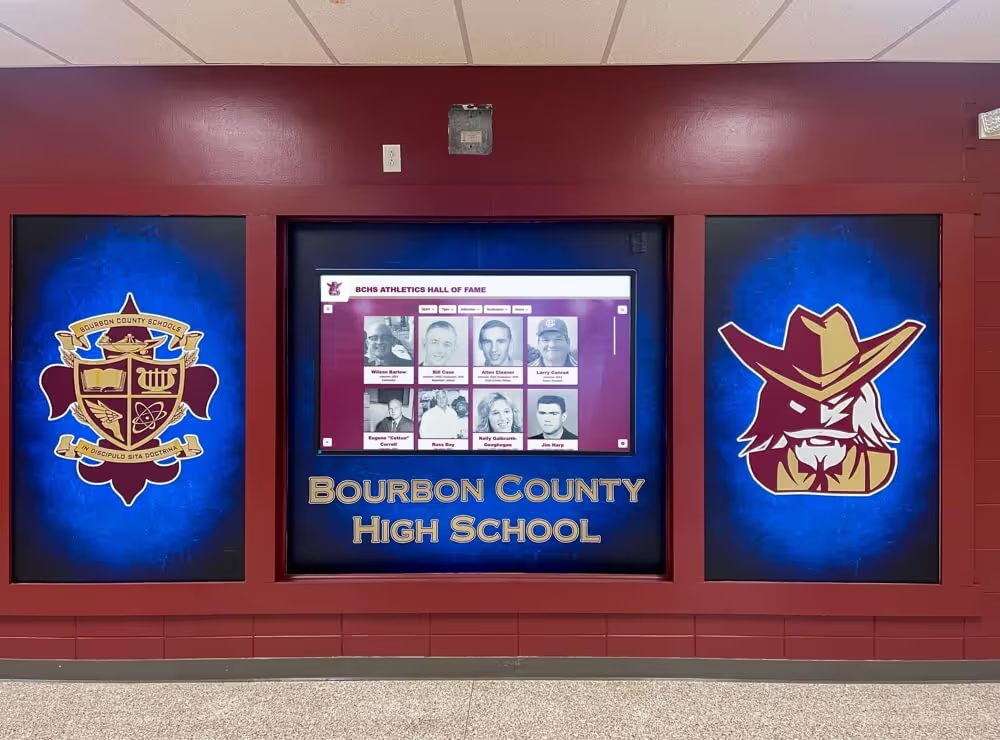
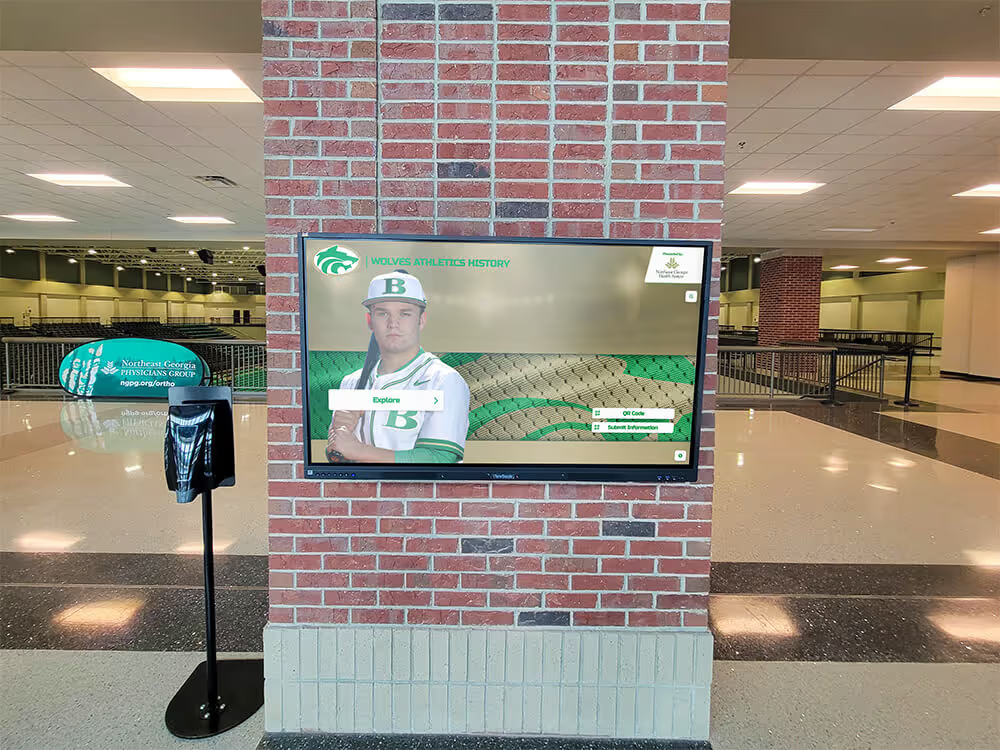
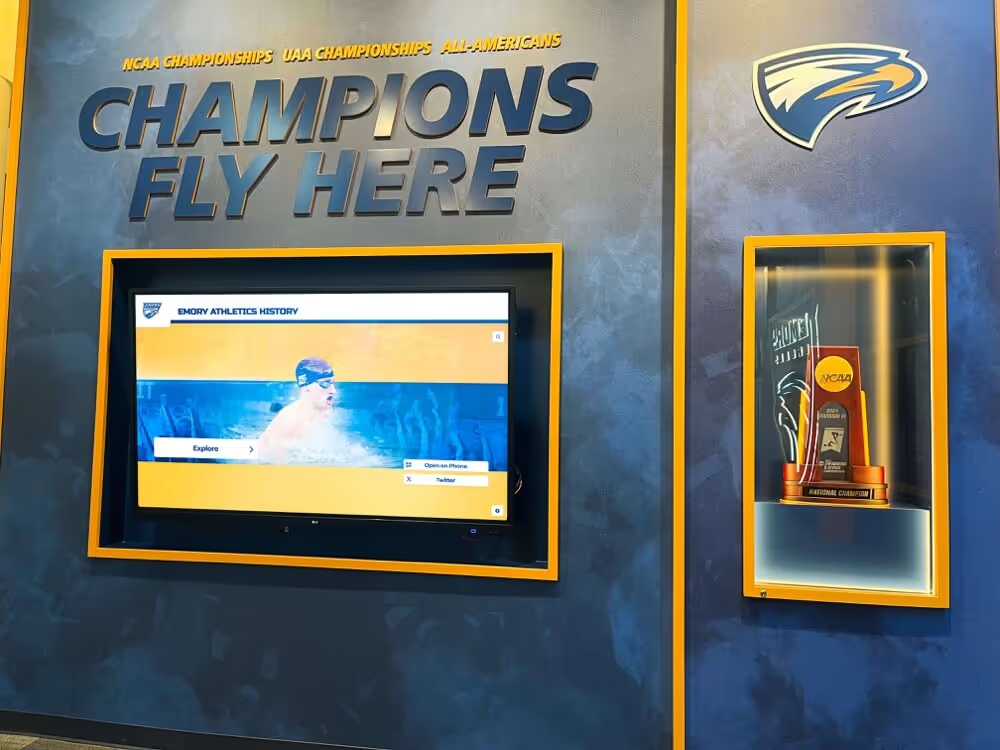
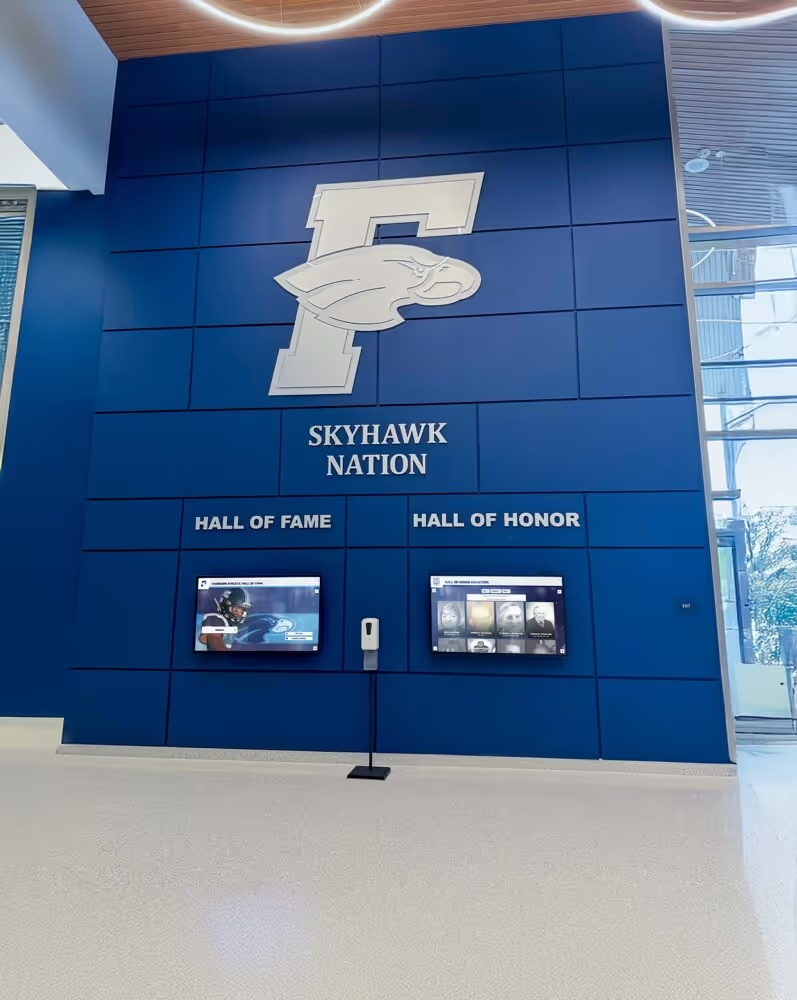
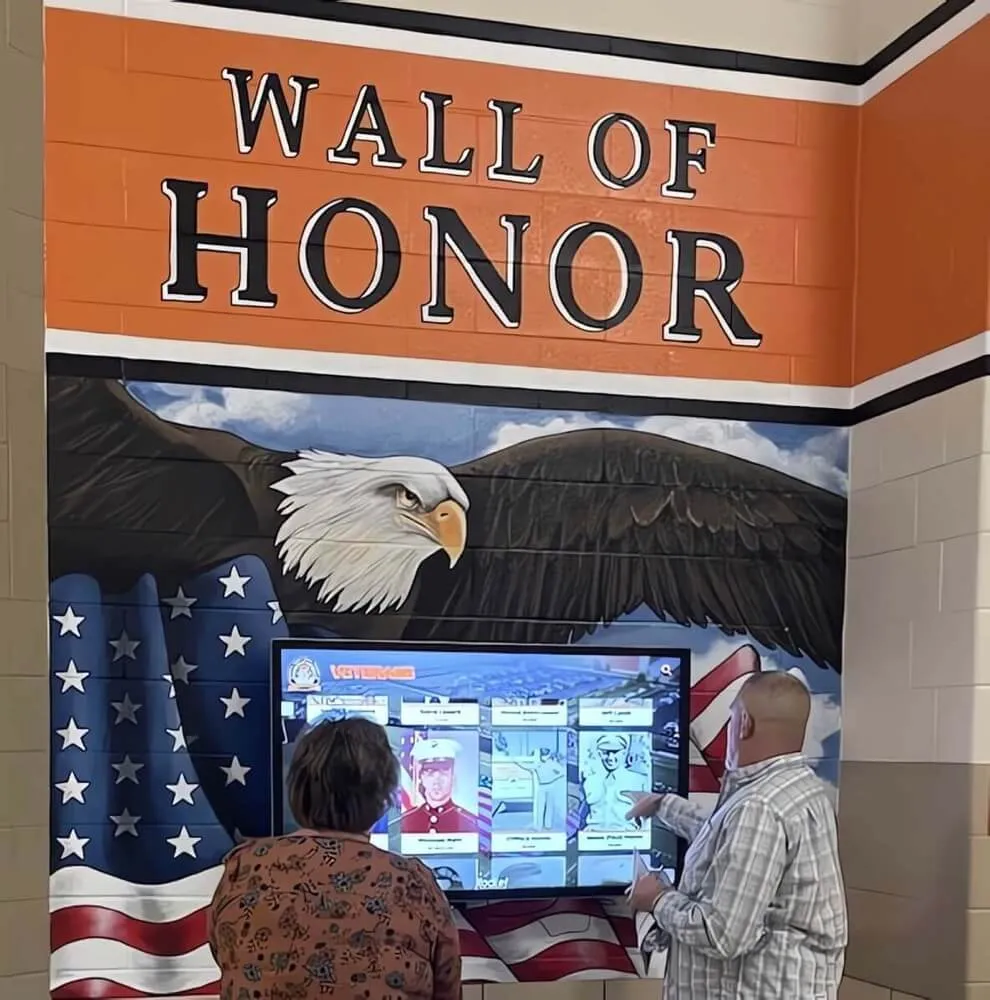
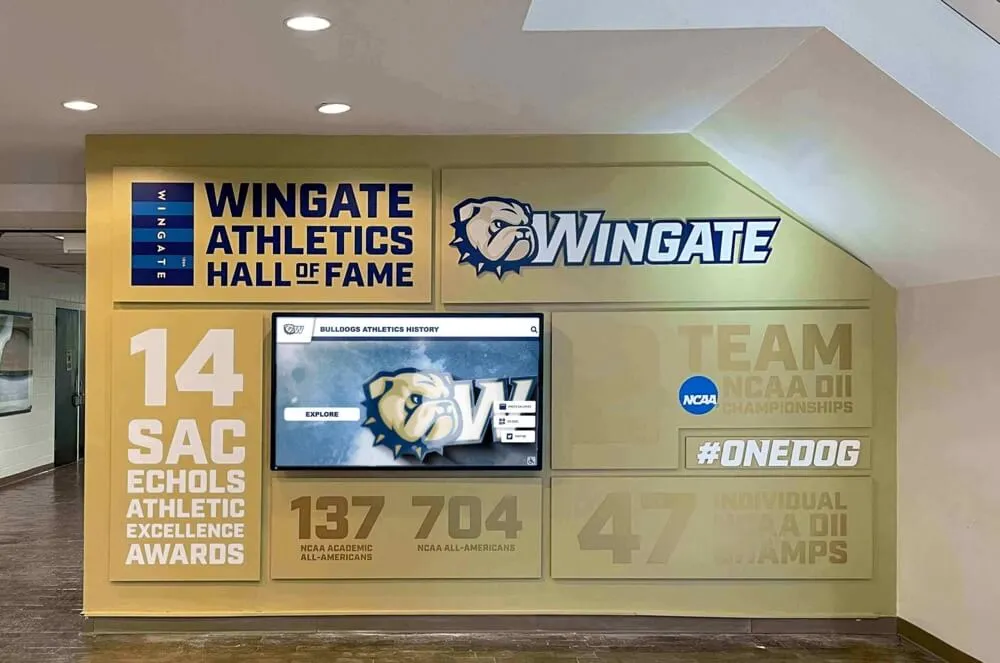
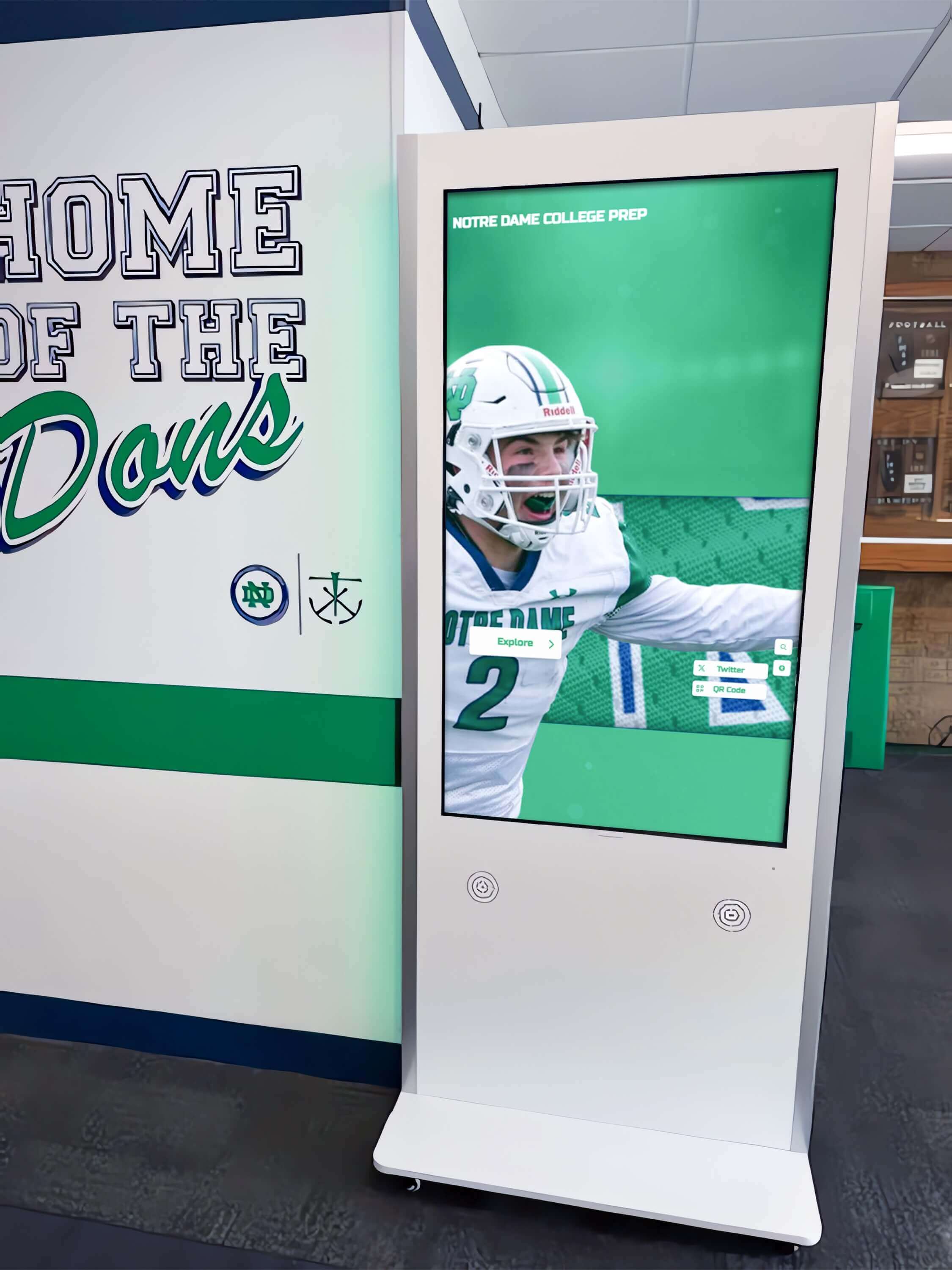
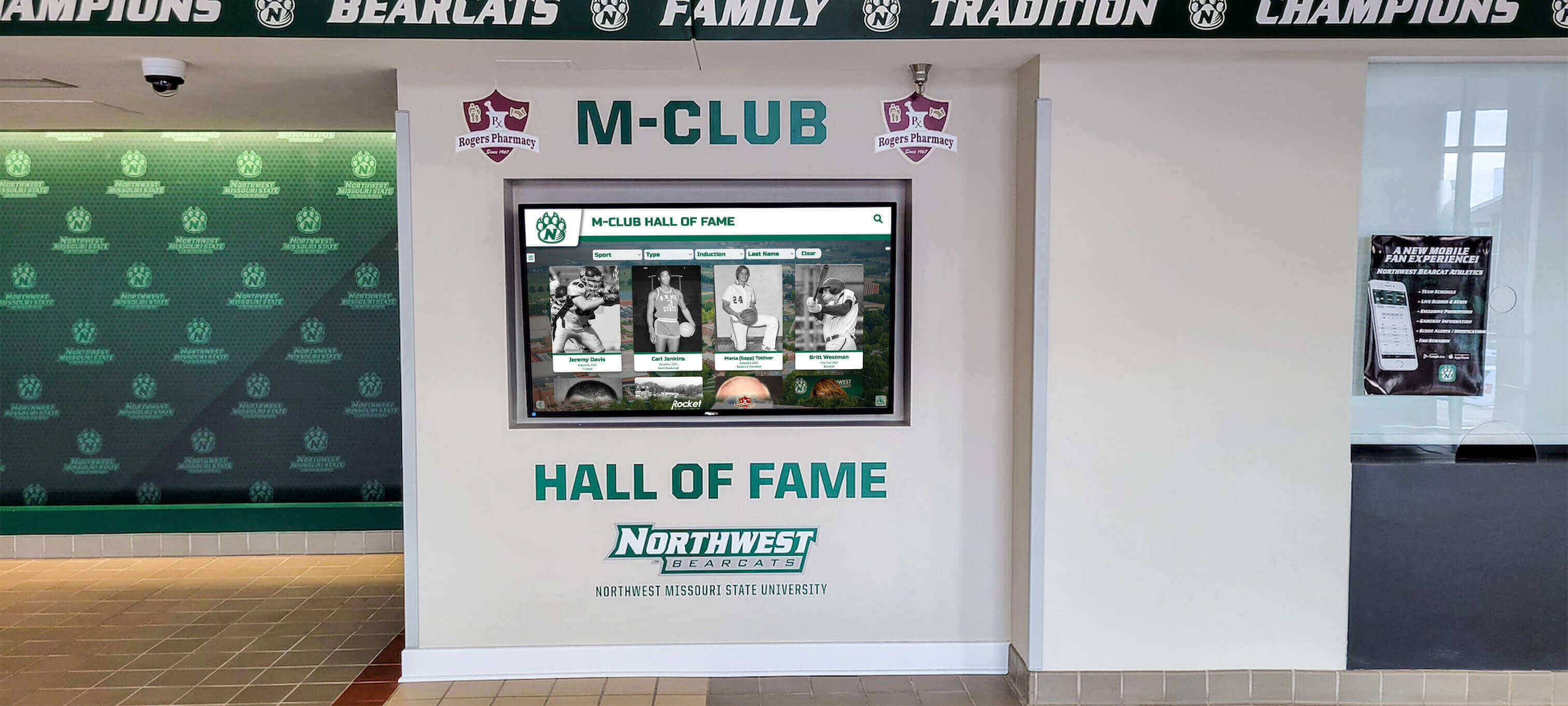
Schools increasingly recognize that digital recognition displays preserve championship memories more comprehensively than traditional trophy cases, allowing detailed documentation of playoff journeys through photos, statistics, and multimedia that bring championship seasons to life.
Notable Aspects of Florida’s Playoff System
Florida’s playoff structure includes distinctive elements that differentiate it from other states’ high school football postseasons.
Geographic and Competitive Diversity
Florida’s unique geography and population distribution create playoff dynamics unlike any other state.
Panhandle to Keys Competition: Florida’s north-south expanse spanning over 400 miles creates distinct football cultures across regions. Panhandle programs share more commonality with Alabama and Georgia football traditions, while South Florida football reflects Caribbean influences and different demographic compositions. This diversity produces varied playing styles, coaching philosophies, and program structures that converge during state playoffs.
Urban vs. Rural Program Dynamics: Florida contains massive urban centers like Miami, Tampa, Jacksonville, and Orlando alongside rural communities scattered throughout the state’s interior and coastal areas. Urban programs draw from dense populations creating depth and specialization, while rural programs often feature multi-sport athletes playing multiple positions. Classification and district systems attempt to balance these differences, but playoff matchups regularly pit dramatically different program types against each other.
Climate Advantages and Training Culture: Florida’s year-round warm weather enables training schedules impossible in northern states. Many programs conduct off-season training almost immediately after seasons conclude, maintain outdoor conditioning through winters, and build strength and conditioning programs around extended outdoor access. This climate advantage contributes to Florida’s reputation as a talent-producing powerhouse sending players to major college programs and professional football.
Talent Pipeline and College Recruitment
Florida high school football serves as a crucial talent pipeline for college programs nationally, making playoff performance increasingly visible to recruiters.
College Scouting Presence: Florida playoff games attract extensive college recruiting attention from programs across the country. Scouts from Power Five conferences, Group of Five schools, and FCS programs regularly attend playoff games evaluating talent. Playoff performances under pressure provide recruiters with crucial evaluation data about how prospects perform in high-stakes competition. Athletes understand that playoff success can significantly impact recruiting profiles and scholarship opportunities.
NFL Pipeline Origins: Many NFL players trace their football origins to Florida high school programs. Championship teams often feature multiple players who advance to major college programs before professional careers. This track record reinforces Florida’s status as elite talent source while raising competitive expectations across all programs striving to develop the next generation of college and professional prospects.
Exposure and Recognition Opportunities: Deep playoff runs generate media coverage extending athletes’ exposure beyond local communities. State championship games receive television and streaming coverage reaching statewide audiences. This visibility benefits not only immediate recruitment but also builds program reputations attracting future talent and strengthening community support. Athletic directors recognize that playoff success creates promotional value extending far beyond the season itself.
Understanding approaches to recognizing athletic hall of fame achievements helps programs preserve these accomplishments and maintain connections with athletes who advanced to collegiate and professional levels.
Preparing Teams for Playoff Competition
Advancing to Florida’s football playoffs requires more than regular season success. Coaches must prepare teams for the heightened intensity, strategic adjustments, and mental challenges that postseason competition demands.
Strategic and Tactical Adjustments
Playoff football differs fundamentally from regular season competition, requiring adjustments across multiple dimensions.
Opponent Preparation Intensity: Regular season preparation typically spans one week per opponent with varying preparation depths depending on opponent strength and game importance. Playoff preparation intensifies substantially—every game represents potential season elimination demanding exhaustive film study, detailed game planning, and thorough understanding of opponent tendencies. Coaching staffs spend additional hours breaking down opponents while simplifying game plans enabling players to execute confidently under pressure.
Special Teams Emphasis: Close playoff games often turn on special teams execution. Field position battles through punting, explosive kick returns, successful field goals, and avoiding critical special teams mistakes frequently determine outcomes. Playoff preparation includes enhanced special teams practice time, situational work covering critical scenarios, and mental preparation for high-pressure kicking situations. Programs with consistent special teams excellence gain significant advantages as playoffs progress.
Red Zone Efficiency: Playoff games rarely feature blow-out scoring. Capitalizing on red zone opportunities—converting offensive chances into touchdowns rather than field goals while defensively holding opponents to field goals rather than touchdowns—often determines winners and losers. Playoff preparation emphasizes red zone efficiency through dedicated practice segments, play call refinement, and situational awareness ensuring teams maximize scoring opportunities while minimizing opponent success.
Two-Minute Offense and Defense: Championship teams execute flawlessly in critical late-game situations. Playoff preparation includes extensive two-minute drill work developing offense and defensive proficiency in clock-management scenarios. Teams practice hurry-up offenses, late-game defensive strategies, and timeout management preparing for inevitable pressure moments deciding playoff outcomes.
Mental Preparation and Team Psychology
The mental and emotional dimensions of playoff football rival physical preparation in importance.
Handling Elimination Pressure: Unlike regular seasons where losses are disappointing but not fatal, playoff losses end seasons immediately. Players must learn to perform optimally while managing awareness that mistakes could end their season and potentially their high school careers for seniors. Coaches help athletes channel pressure into focused intensity rather than anxiety through mental preparation, positive visualization, and confidence-building based on preparation quality.
Senior Leadership and Legacy: Playoff runs represent seniors’ final opportunities to write their high school football stories. Senior leadership becomes crucial as these athletes set competitive standards, model preparation intensity, and provide emotional stability during pressure moments. Programs reaching championships typically feature exceptional senior classes that refuse to let seasons end, elevating entire teams through their determination and example.
Adversity Response Training: Playoff games inevitably include adverse moments—opponent scores, turnovers, injuries, or referee calls that shift momentum. Teams that respond productively to adversity advance, while those who fracture under pressure see seasons end. Smart coaches create adversity during practice through deficit scenarios, difficult conditioning demands, and simulated pressure situations building resilience needed for playoff survival.
Community Support and Expectation Management: Deep playoff runs generate increasing community attention and support. While this energy can lift teams, it also creates external pressure that young athletes must manage. Coaches help players appreciate community support while maintaining focus on controllable factors—preparation, execution, and effort—rather than outcome expectations or external noise.
Effective recognition programs for athletic achievements celebrate not just playoff success but also the preparation and character demonstrated throughout championship runs.

Celebrating and Preserving Playoff Success
Playoff runs—whether they end in district championships, regional finals, or state titles—create memories and achievements deserving lasting recognition. How schools celebrate and preserve these accomplishments impacts program culture, community pride, and connections with future generations.
Immediate Celebration and Recognition
The period immediately following significant playoff achievements provides opportunities for acknowledgment that strengthens bonds between teams, schools, and communities.
Post-Game Celebrations: Significant playoff victories deserve immediate celebration. Championship teams typically conduct trophy presentations on the field surrounded by players, coaches, families, and fans. These moments of shared joy create lasting memories while acknowledging the effort and sacrifice that enabled success. Schools document these celebrations through photos and videos preserving emotional reactions and community togetherness.
School and Community Recognition Events: Following championship runs, many schools organize celebration events bringing communities together to honor teams. Pep rallies, parades, school assemblies, or community gatherings provide forums for acknowledging achievement while expressing appreciation for the work behind success. These events demonstrate institutional pride while reinforcing that athletic excellence matters to entire school communities.
Media Coverage and Documentation: Playoff success generates media attention schools should leverage. Local newspapers, television stations, and digital media outlets cover championship runs extensively. Athletic departments should facilitate media access, coordinate interviews with coaches and players, and preserve all coverage documenting how achievement was reported and celebrated. This documentation becomes historically valuable as time passes.
Long-Term Recognition and Display
Beyond immediate celebrations, lasting recognition systems ensure playoff achievements remain visible to current and future students, inspiring the next generation while honoring those who came before.
Traditional Recognition Elements: Championship trophies deserve prominent display in trophy cases where students, visitors, and community members regularly see them. Many schools create dedicated sections for championship seasons including trophies, team photos, game balls, and championship rings or medals. These physical displays provide tangible evidence of program excellence while creating visible aspirations for current athletes.
Championship Team Documentation: Complete championship team documentation should preserve rosters identifying every player and coach, season statistics and records, playoff bracket progression showing the path to championships, game scores and notable performances, and season narratives capturing what made championship runs special. This comprehensive documentation ensures that decades later, community members can fully appreciate what was accomplished.
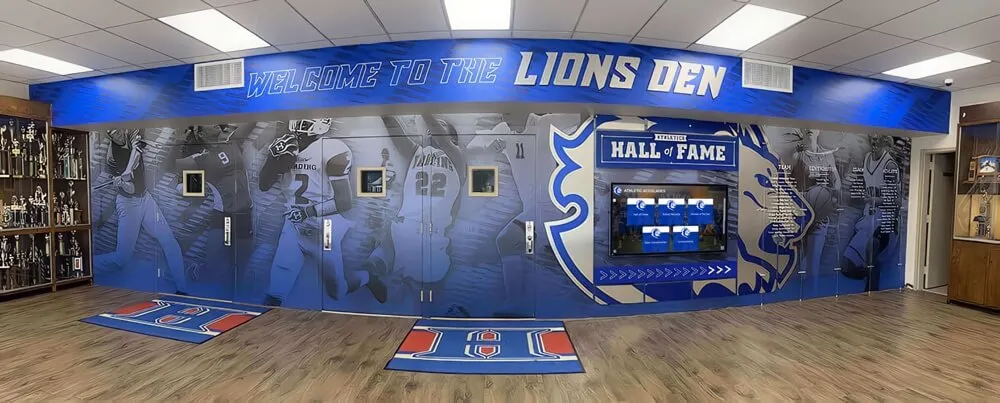
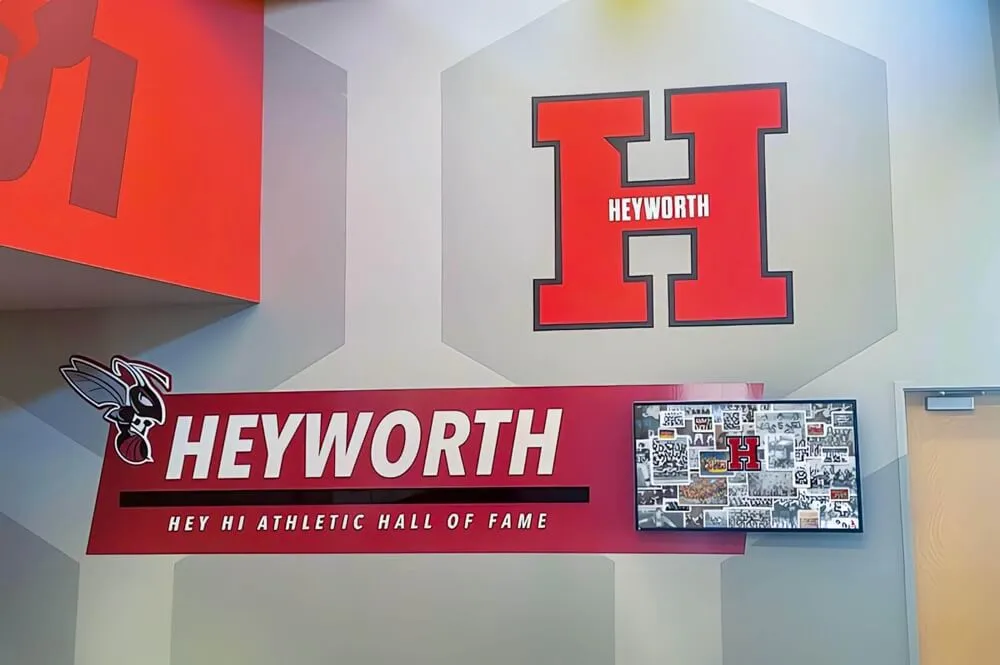
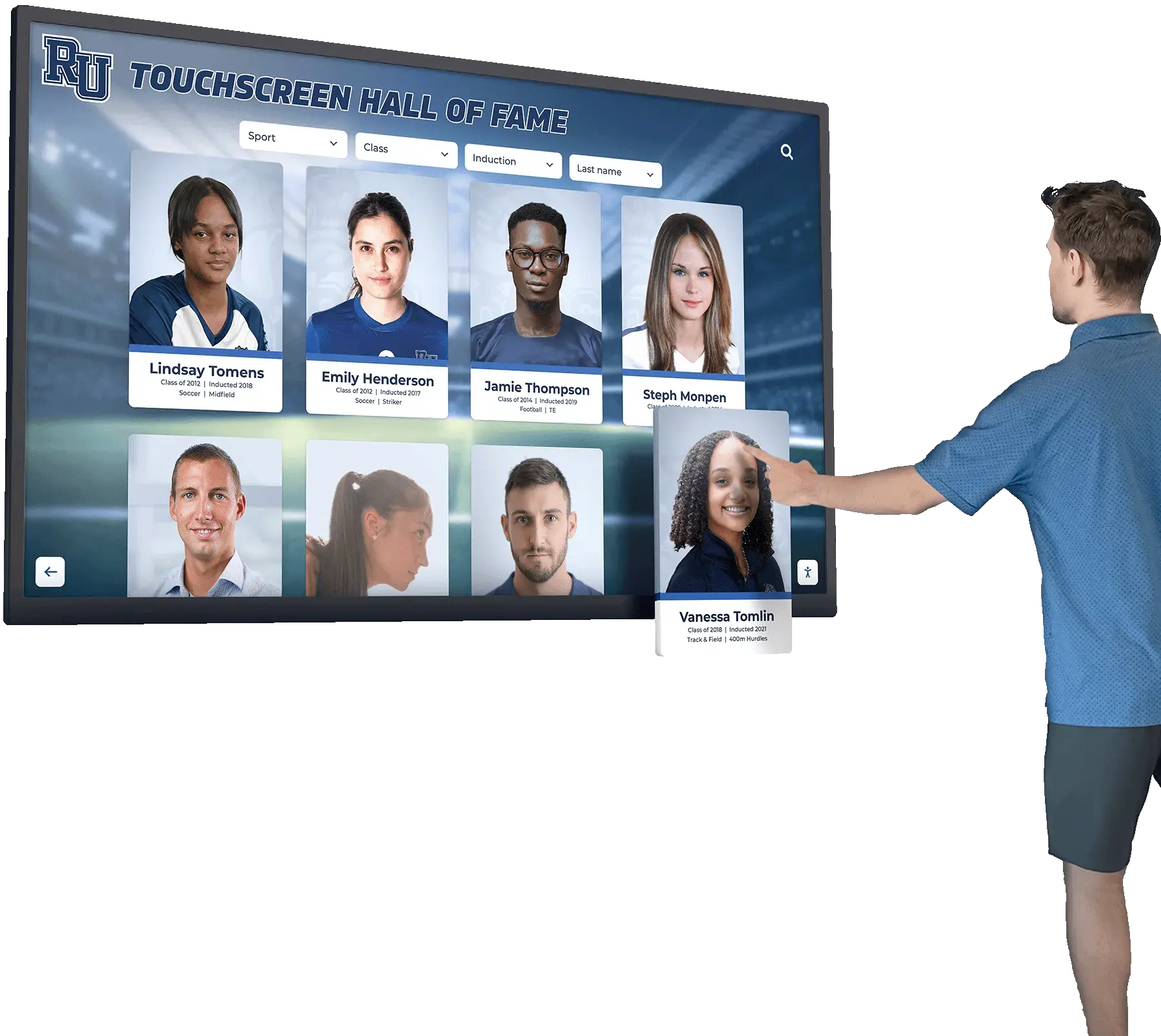
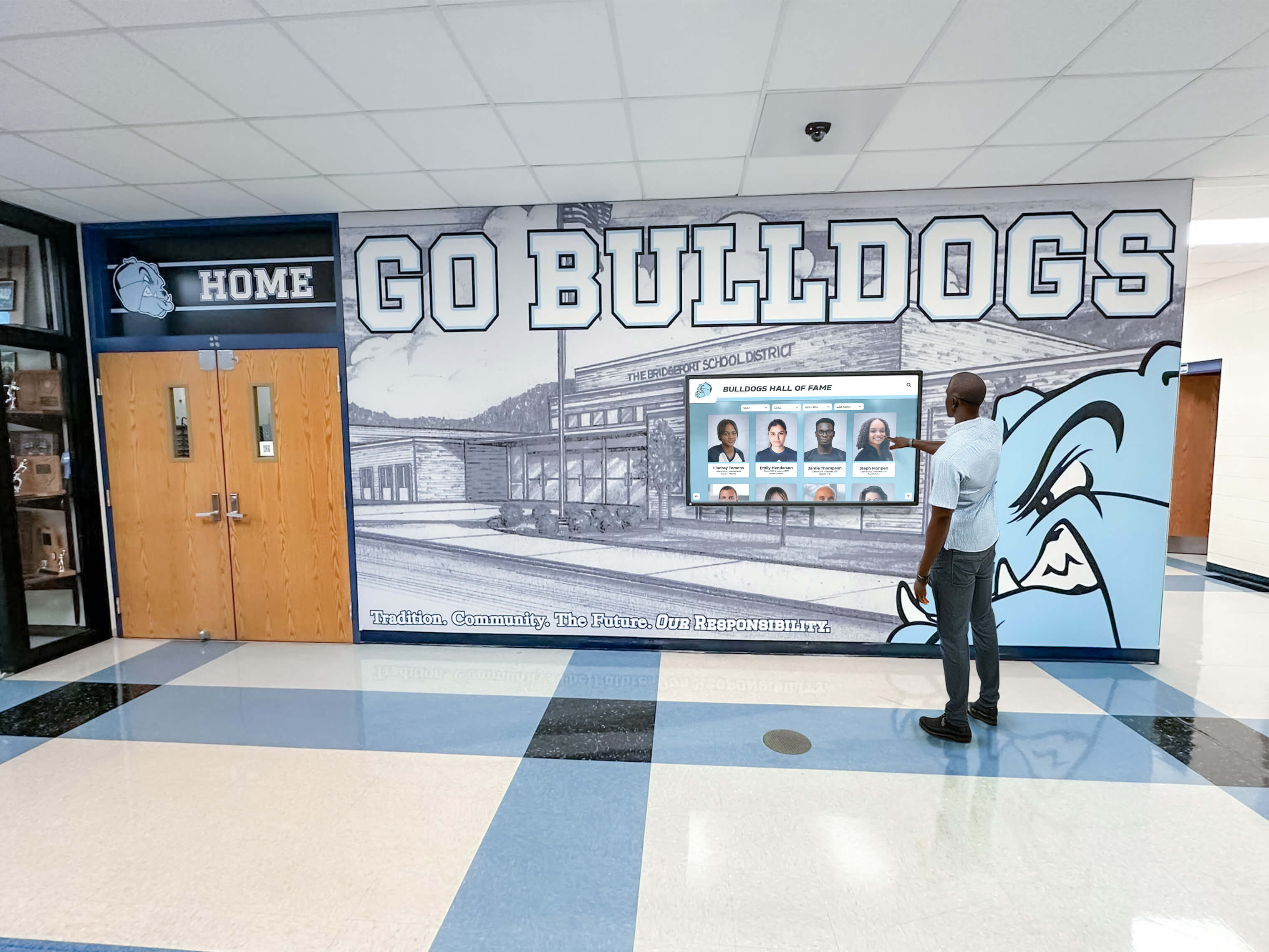
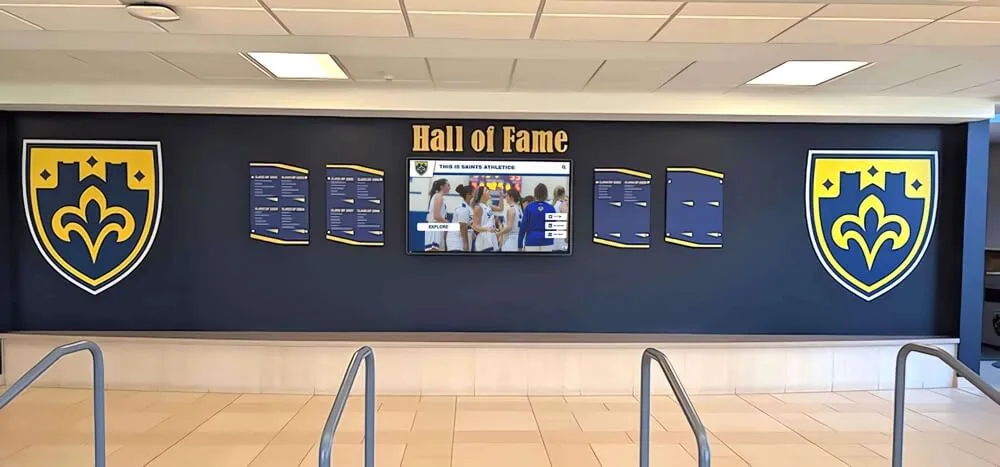
Digital Recognition Advantages: While traditional trophy cases have value, physical space constraints limit how comprehensively programs can document playoff success. Digital recognition platforms enable unlimited documentation including unlimited photo galleries from throughout seasons, video highlights from critical games and moments, detailed player and coach profiles, interactive playoff brackets showing game-by-game progression, statistical databases tracking individual and team achievements, and multimedia storytelling bringing championship seasons to life.
Solutions like Rocket Alumni Solutions specifically address athletic recognition needs through sport-specific templates, playoff bracket displays, and multimedia capabilities that preserve championship memories more comprehensively than traditional methods allow. These platforms enable interactive exploration where alumni can search for specific seasons, players, and achievements, while current students encounter championship history as living inspiration rather than static plaques.
Integration with Athletic History: Playoff achievements should integrate into broader athletic program histories. Digital platforms enable connections across eras—viewing all championship teams chronologically, exploring how programs evolved through decades, comparing statistical achievements across different championship seasons, and maintaining complete records ensuring no accomplishment is forgotten. This historical perspective reinforces program tradition while providing context for current competitive expectations.
Understanding comprehensive approaches to showcasing athletic achievements helps schools maximize the lasting impact of playoff success while creating systems that serve programs for generations.
The Impact of Playoff Success on School Culture
Deep playoff runs create impacts extending far beyond trophy cases, fundamentally shaping school culture, community identity, and program trajectories for years following championship seasons.
Building Program Tradition and Expectations
Playoff success—particularly championships—establishes competitive standards that shape programs long after championship teams graduate.
Expectation Setting: Programs that reach playoffs consistently or win championships create expectations that subsequent teams inherit. While pressure can burden some programs, healthy competitive cultures view tradition as inspiration rather than burden. Past success demonstrates what’s possible, providing blueprints current teams can follow while pursuing their own achievements. Athletic directors and coaches should frame tradition as empowering legacy rather than intimidating shadow.
Attracting Future Talent: Championship programs attract athletes. Youth players in communities see what high school programs achieve and aspire to contribute to continued success. Some families specifically seek schools with strong football traditions when making enrollment decisions. This talent attraction creates positive cycles where success breeds future success as program depth and quality compound over time.
Coaching Stability and Quality: Successful programs typically retain quality coaches who have demonstrated ability to build championship-caliber teams. Alternatively, championship success can position coaches for advancement to larger programs or college opportunities. Either way, playoff achievement raises program profiles attracting quality coaching candidates if openings occur. Coaching quality directly impacts program trajectories, making sustained success more likely.
Community Identity and Pride
In many Florida communities, high school football serves as central cultural touchstones bringing diverse populations together around shared support for local teams.
Friday Night Tradition: Playoff games amplify the Friday night lights tradition that defines fall in countless communities. Deeper playoff runs mean extended seasons where communities gather weekly supporting their teams. These gatherings strengthen social bonds, create shared experiences across demographic differences, and provide positive outlets for community expression. The social capital generated through these traditions has value extending well beyond football itself.
Shared Success and Collective Identity: Championship runs create shared experiences that entire communities celebrate together. These collective achievements become part of community identity and historical narrative—residents remember where they were during championship games, recall exciting plays and remarkable performances, and share stories with new community members and younger generations. This shared history strengthens community cohesion while creating positive associations with local schools.
Economic and Civic Impact: Successful football programs generate economic activity through home playoff games that bring visiting teams and supporters to communities. Local businesses benefit from increased traffic during playoff runs. Additionally, athletic success reflects positively on communities in ways that can influence civic pride, property values, and community reputation beyond the athletic domain.
Inspiring Current Students and Future Generations
Perhaps the most significant long-term impact of playoff success involves how achievement inspires students who witness or learn about championship seasons.
Aspirational Models: Current students watching their peers achieve playoff success gain concrete evidence that excellence is possible. Championship teams provide role models demonstrating the work, dedication, and character required for significant achievement. These models prove particularly powerful when successful athletes are accessible peers rather than distant professional athletes.
Broader Student Engagement: Playoff runs engage student bodies far beyond football team rosters. Students attend games in larger numbers, school spirit increases, and collective school pride strengthens. This heightened engagement often extends beyond athletics into academics, arts, and other programs as overall school culture elevates. Athletic directors note that championship seasons frequently correlate with improvements across multiple school engagement metrics.
Alumni Connection and Support: Alumni maintain stronger connections with schools where they witnessed or participated in significant athletic achievements. Playoff success creates nostalgia and positive memories that translate into long-term alumni engagement, attendance at school events, and financial support for athletic programs and broader institutional needs. Preserving playoff achievements through lasting recognition systems maintains these connections across decades.
Recognition systems that document playoff achievements thoroughly ensure current students encounter this history regularly while future generations understand their school’s athletic tradition. Digital platforms make this historical access simple and engaging through searchable databases, multimedia storytelling, and interactive features that bring past achievements to life.
Resources for Athletic Directors and Coaches
Successfully navigating Florida’s playoff system and maximizing the benefits of playoff achievement requires access to resources supporting preparation, competition, and recognition.
FHSAA Resources and Support
The Florida High School Athletic Association provides extensive resources supporting member schools through playoff seasons.
Playoff Brackets and Schedules: The FHSAA publishes official playoff brackets for all classifications immediately after district play concludes. These brackets, available through the FHSAA website, show complete playoff structures, game schedules, and venue information. Athletic directors and coaches should monitor these resources as playoffs progress, particularly regarding any schedule adjustments or updates.
Rules and Regulations: The FHSAA maintains comprehensive rules governing playoff eligibility, game administration, and championship procedures. Athletic directors must ensure complete understanding of these regulations to avoid violations that could impact playoff participation. Rules address player eligibility, transfer restrictions, practice limitations, and numerous other governance areas.
Championship Event Information: For teams advancing to state championship games, the FHSAA provides detailed information about championship venues, ticket allocation, practice schedules, hotel recommendations, and logistical support. This information helps schools plan thoroughly for championship week ensuring teams can focus on preparation rather than logistical uncertainties.
Training and Development Resources
Preparing teams for playoff success requires access to quality coaching education and tactical resources.
Coaching Clinics and Education: Various organizations including the Florida Athletic Coaches Association provide coaching education specific to playoff preparation, advanced tactics, and championship-level program development. These professional development opportunities help coaches refine their craft while learning from peers who have achieved sustained playoff success.
Film Exchange and Scouting Networks: Many coaches participate in informal networks sharing game film and scouting reports on potential playoff opponents. These collaborative relationships help programs prepare more effectively while building professional relationships across the coaching community. Some districts or regions coordinate film exchange systems formalizing this cooperation.
Strength and Conditioning Resources: Physical preparation forms the foundation for playoff success. Strength and conditioning associations provide resources helping programs develop training regimens that prepare athletes for the sustained intensity of playoff competition. These resources cover periodization strategies, injury prevention protocols, and sport-specific conditioning tailored to football demands.
Recognition Technology and Platforms
As schools seek to celebrate and preserve playoff achievements, access to quality recognition platforms becomes increasingly important.
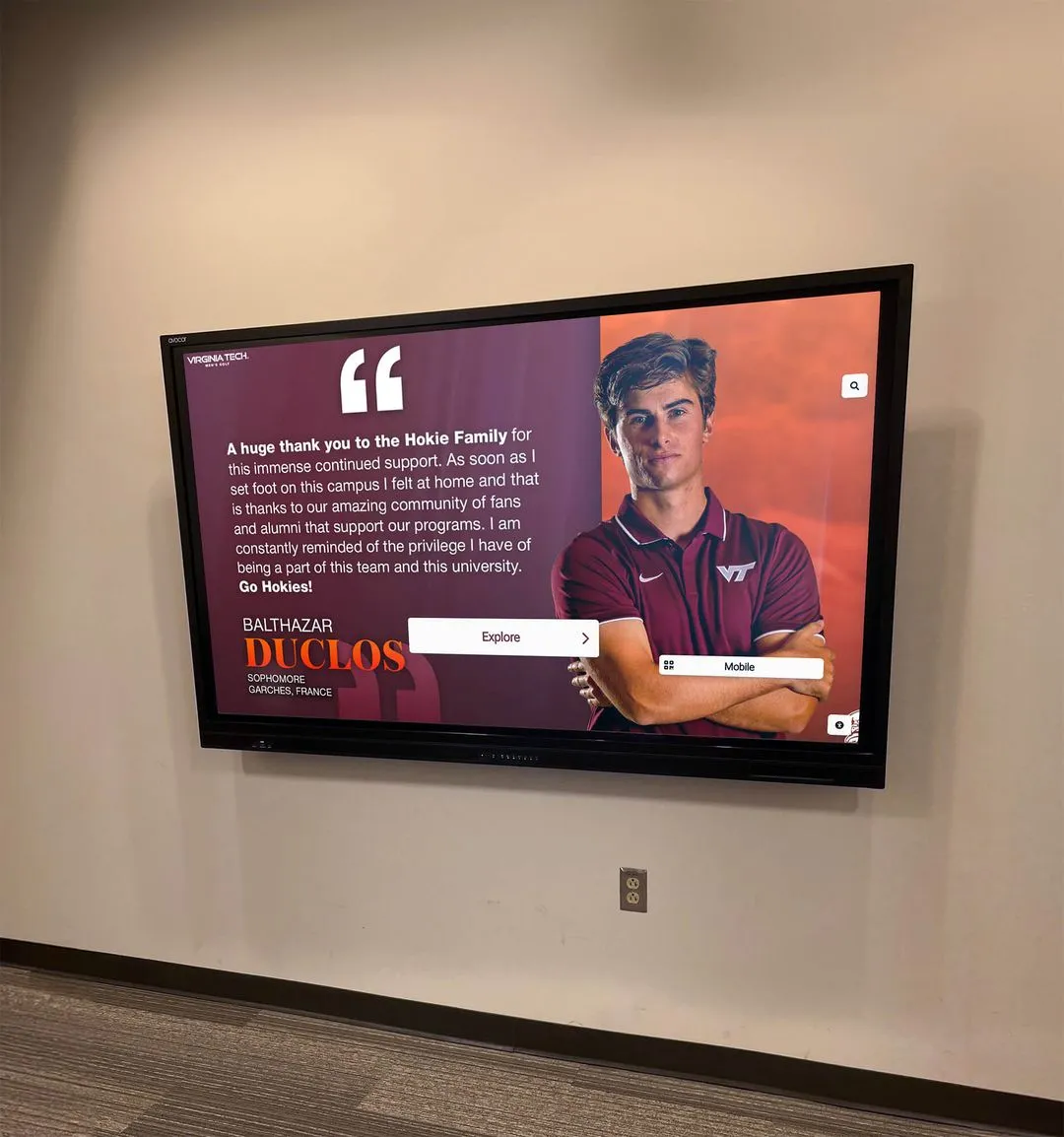
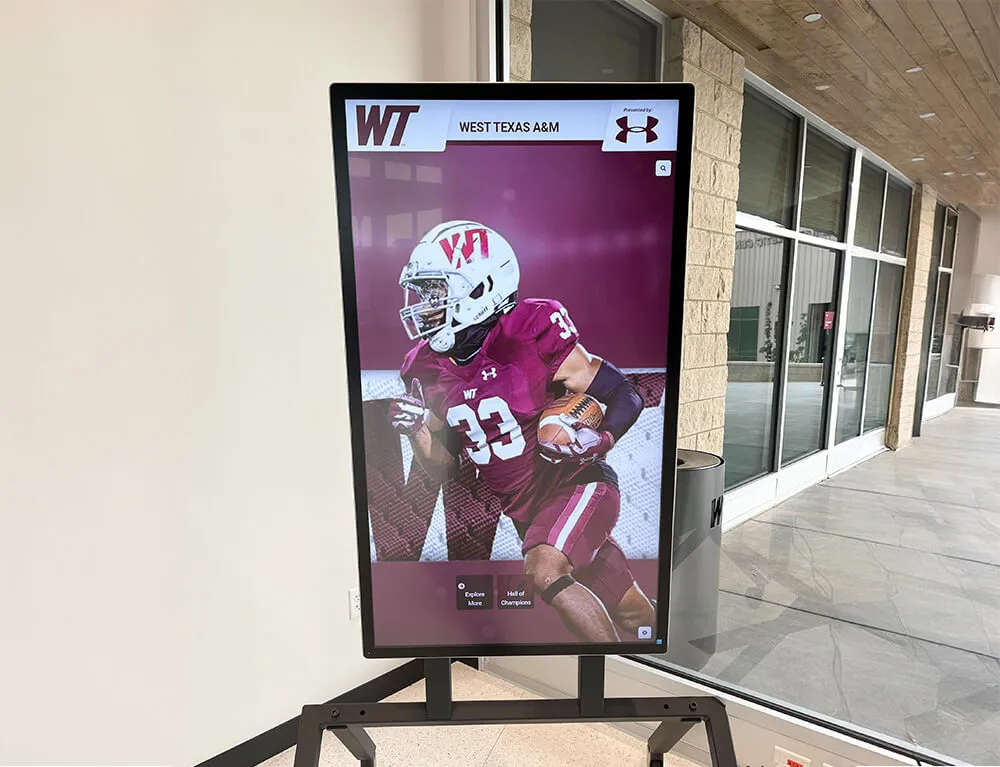
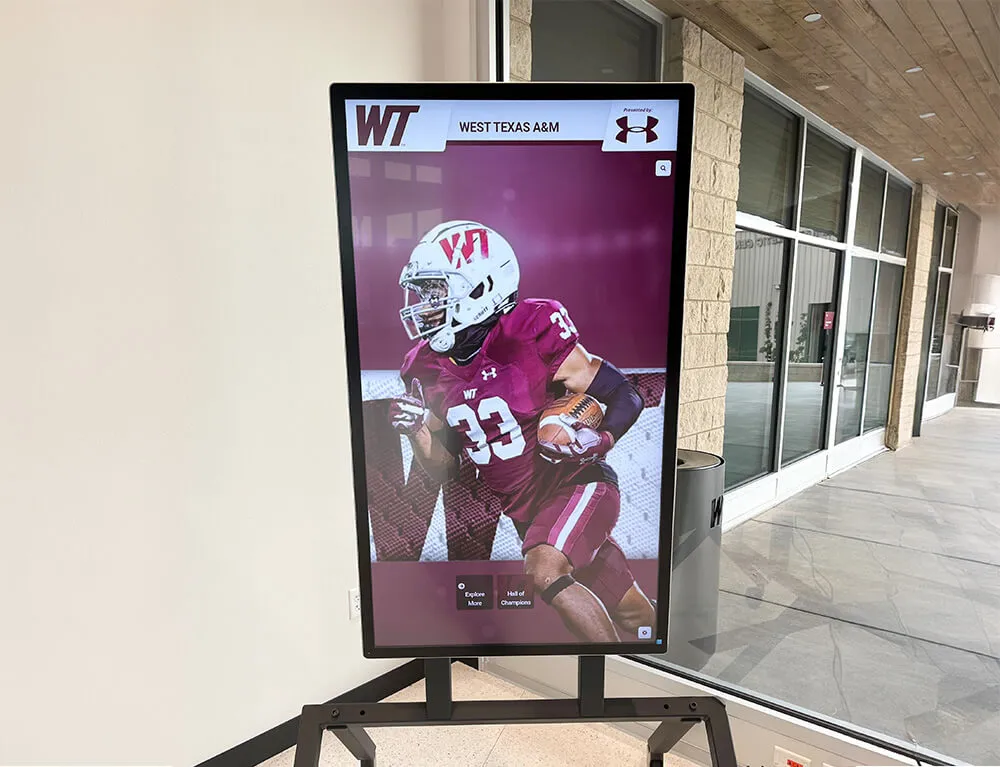
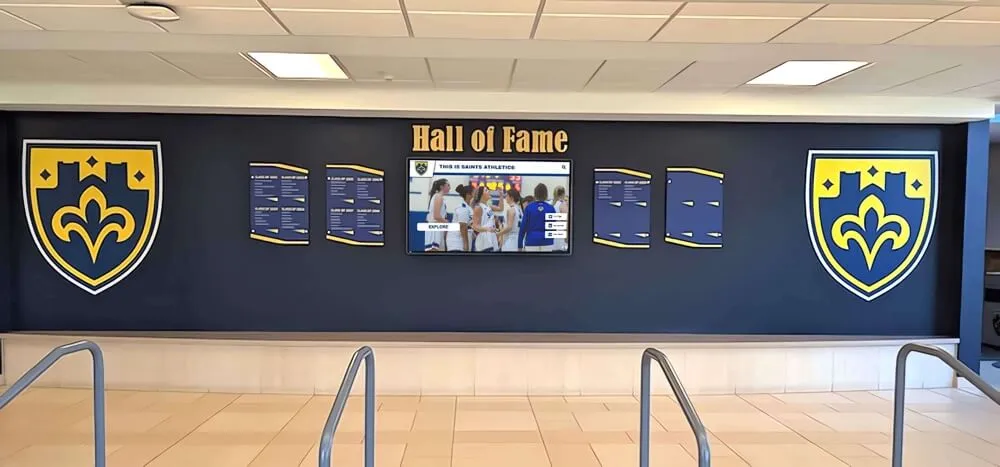
Digital Display Solutions: Modern recognition technology enables schools to document playoff achievements far more comprehensively than traditional trophy cases allow. Interactive touchscreen displays can showcase complete championship team rosters, statistical achievements, photo galleries, and video highlights in engaging formats that capture student and visitor attention.
Content Management Platforms: The best recognition systems include user-friendly content management enabling athletic administrators to update displays easily without technical expertise. Cloud-based platforms allow remote updates, ensuring information remains current while enabling quick additions as new achievements occur.
Integration with Existing Systems: Recognition platforms should integrate smoothly with schools’ existing websites, social media presence, and communication systems. This integration ensures consistent messaging while maximizing the reach of recognition content across all platforms where schools engage with students, alumni, and communities.
Schools exploring these technologies should consider solutions like Rocket Alumni Solutions that specifically address athletic recognition needs through football-specific templates, playoff bracket visualizations, and comprehensive multimedia capabilities that honor achievements appropriately.

Looking Ahead: The Future of Florida High School Football Playoffs
Florida’s high school football landscape continues evolving as classification systems adjust, competitive dynamics shift, and technology changes how achievements are documented and celebrated.
Potential System Adjustments
The FHSAA periodically reviews playoff structures ensuring systems serve member schools effectively while maintaining competitive equity.
Classification Changes: As school populations shift across Florida, the FHSAA may adjust classification boundaries or create additional classifications ensuring appropriate competitive groupings. These adjustments impact which schools compete against each other and how playoff brackets are structured. Athletic directors should participate in feedback processes when classification systems are reviewed, advocating for structures that best serve their programs and conferences.
Playoff Expansion Discussions: Ongoing debates address whether playoff fields should expand, allowing more teams postseason opportunities, or remain selective, ensuring only genuinely competitive teams advance. These discussions balance inclusivity and participation opportunity against maintaining playoff prestige and avoiding excessive season extension. Whatever directions these debates take, schools benefit from understanding arguments on all sides while advocating for their communities’ interests.
Technology Integration: Championship games increasingly feature sophisticated broadcasting, streaming technology, and digital engagement tools. Future playoff systems may incorporate enhanced digital access, interactive viewing experiences, or data analytics providing deeper insights into playoff competition. These technology integrations could change how communities experience playoffs while creating additional documentation of championship runs.
Emerging Recognition Trends
How schools recognize and celebrate playoff achievements continues evolving as technology advances and cultural values shift.
Enhanced Multimedia Documentation: Modern recognition increasingly emphasizes multimedia storytelling over static text and photos. Video highlights, audio interviews with coaches and players, and interactive timelines bring championship seasons to life in ways previous generations never experienced. Schools embracing these approaches create richer historical records while engaging audiences more effectively.
Social Media Integration: Recognition systems increasingly integrate with social media enabling easy sharing of achievements across platforms where schools engage with alumni and communities. This integration extends recognition reach while maintaining connections with alumni who may never physically visit campus displays.
Alumni Engagement Features: Advanced recognition platforms incorporate features enabling alumni to contribute memories, photos, and updates to their championship team profiles. This collaborative approach transforms recognition from one-way institutional communication into dynamic community resource that grows richer over time.
Data Analytics and Historical Comparisons: Digital platforms enable sophisticated historical analysis comparing achievements across eras, tracking program evolution, and identifying trends in playoff success. These analytical capabilities provide insights impossible with traditional recognition while creating engaging content for audiences interested in program history.
Understanding comprehensive approaches to building athletic halls of fame positions schools to implement recognition systems that serve programs effectively for decades while adapting to evolving technology and expectations.
Conclusion: Maximizing the Value of Playoff Achievement
Florida high school football playoffs represent the culmination of year-round preparation, dedication, and commitment from athletes, coaches, and entire school communities. Understanding the playoff system—from classification structures and district competition through regional brackets and state championships—enables schools to navigate postseason competition effectively while positioning teams for success.
Yet reaching playoffs or winning championships represents only part of the story. How schools celebrate, document, and preserve these achievements determines whether playoff success delivers lasting benefits or fades into forgotten history. Traditional recognition methods provide value, but contemporary digital platforms enable documentation and engagement impossible through trophy cases and plaques alone.
Athletic directors and coaches should view playoff achievement as opportunity—to strengthen school culture, build program tradition, engage alumni, and inspire future generations. Systematic approaches to celebration and recognition maximize these opportunities while honoring the athletes and coaches who dedicated themselves to excellence.
Florida’s competitive football landscape will continue producing remarkable playoff runs and championship teams. Schools that combine effective playoff preparation with thoughtful recognition systems position themselves to benefit fully from these achievements for generations to come. The playoff journey challenges teams intensely, but the memories, lessons, and community bonds created through pursuit of championships deliver value extending far beyond Friday night scoreboards.
Frequently Asked Questions
How many teams from each district qualify for the Florida high school football playoffs?
District playoff qualification varies by classification, but typically the top two or three teams from each district earn automatic playoff berths. Some classifications also include wild card spots for teams with strong overall records that didn’t finish high enough in their districts. The exact qualification structure is determined annually by the FHSAA based on the number of teams in each classification and competitive balance considerations. Athletic directors should consult current FHSAA playoff regulations for their specific classification to understand exact qualification criteria, tiebreaker procedures, and seeding protocols.
When do Florida high school football playoffs typically begin and end?
Florida high school football playoffs typically begin in late October or early November following the completion of regular season district play. Playoff rounds progress weekly through November, with regional championships determining state semifinal matchups. State championship games are usually held in early to mid-December at neutral site venues. The exact playoff calendar varies slightly year to year based on how the calendar falls and how many weeks the regular season encompasses. Teams advancing to state championships may compete for 4-5 weeks beyond regular season finales, requiring sustained excellence and roster depth throughout extended playoff runs.
What is the difference between metro and suburban classifications in Florida high school football?
Some Florida football classifications distinguish between metro and suburban schools despite similar enrollment numbers. Metro classifications typically include schools from densely populated urban areas with concentrated student populations, while suburban classifications encompass schools serving less densely populated suburban or rural areas. This distinction acknowledges that schools with similar enrollment may face different competitive circumstances based on geographic context, student population concentration, and community characteristics. The metro/suburban division creates separate playoff brackets within the same classification level, ensuring schools compete against programs facing similar contextual factors while maintaining competitive equity.
How are state championship game venues selected in Florida?
The FHSAA selects state championship venues based on multiple factors including facility quality and capacity, geographic accessibility for schools from across Florida, availability during championship weekend, prior relationship with championship event hosting, and venue amenities supporting teams, spectators, and media coverage. Championship venues have historically included sites in central Florida providing reasonable travel distances for teams from all regions. Venues must offer professional-quality playing surfaces, excellent spectator facilities, adequate parking and infrastructure, and capabilities for broadcast or streaming that extends championship reach beyond attendees. The FHSAA may rotate championship venues or establish longer-term venue relationships depending on facility quality and hosting success.
What happens if teams are tied in district standings at the end of the regular season?
When teams finish district play with identical records, the FHSAA applies tiebreaker procedures to determine final district standings and playoff qualification. Tiebreakers typically follow a hierarchy: first considering head-to-head results between tied teams, then examining point differentials in district games, followed by additional criteria if ties persist. Specific tiebreaker procedures are detailed in FHSAA regulations and may vary slightly by classification. In rare cases where all tiebreakers fail to separate teams, the FHSAA may implement additional procedures or selection committee decisions. Coaches and athletic directors should thoroughly understand tiebreaker systems since late-season outcomes often determine whether teams advance to playoffs or see seasons end.
How can schools best preserve and celebrate playoff championship achievements?
Schools should implement multi-faceted approaches combining immediate celebration with lasting recognition. Immediately following championship wins, conduct on-field trophy presentations, organize school and community celebration events, and document achievements through photos and videos. For long-term recognition, display championship trophies prominently in trophy cases, create detailed documentation of championship team rosters, statistics, and season narratives, and implement digital recognition platforms enabling comprehensive multimedia preservation of playoff runs. Modern digital display systems allow unlimited documentation through photo galleries, video highlights, interactive playoff brackets, and detailed player profiles that traditional trophy cases cannot accommodate. These comprehensive approaches ensure playoff achievements inspire current students while maintaining alumni connections and preserving institutional history for future generations.
Ready to create lasting recognition for your program’s playoff achievements? Explore how Rocket Alumni Solutions can help your school celebrate Florida high school football excellence through dynamic digital displays that honor championship teams, document playoff runs, and inspire the next generation of athletes to write their own playoff success stories.