Field hockey’s eleven-player format creates a tactical complexity that separates it from many other sports. Unlike sports with simpler positional structures, field hockey demands specialized roles across defense, midfield, and attack—each requiring unique skill sets while functioning interdependently. A forward’s success depends on quality midfield service, defenders rely on goalkeeper communication, and midfielders need both attacking support ahead and defensive coverage behind them.
Understanding field hockey positions accomplishes several crucial objectives: it helps players develop position-specific skills and tactical awareness required for excellence, enables coaches to place athletes in roles maximizing their natural strengths and athletic profiles, allows teams to implement strategic formations leveraging personnel effectively, and provides parents and spectators with deeper appreciation for the game’s tactical sophistication and individual contributions that statistics don’t always capture.
The position you play in field hockey shapes your entire athletic experience—the skills you develop, the stats you accumulate, the recognition you receive, and even your enjoyment of the sport. Centers who love facilitating goals thrive in midfield roles creating opportunities for teammates, while athletes with exceptional reflexes and competitive fire excel as goalkeepers. Natural speed and finishing ability suit forwards, while defensive awareness and disciplined positioning benefit defenders. Matching players to appropriate positions maximizes both individual development and team success.
Field Hockey Position Overview: The 11-Player System
Standard field hockey features eleven players per team positioned strategically across the field’s length and width. While formations vary—teams commonly employ 4-3-3, 3-4-3, 4-4-2, or 5-3-2 alignments depending on tactical approach—every system includes four basic position categories: one goalkeeper, multiple defenders, several midfielders, and attacking forwards.
Basic Positional Structure
Goalkeeper (1 player): The last line of defense, positioned in front of the goal with specialized protective equipment and unique rules governing their play. Goalkeepers use their entire bodies and equipment to prevent scoring while directing defensive organization.
Defenders (3-5 players): Positioned in the defensive third, defenders prevent opponent attacks from reaching dangerous scoring areas. This group includes fullbacks on the outside, center backs in central areas, sweepers playing deepest, and occasionally wingbacks combining defensive and attacking responsibilities.
Midfielders (3-5 players): The link between defense and attack, midfielders operate primarily in the middle third while supporting both defensive and offensive phases. This versatile group includes center midfielders controlling tempo, wing midfielders providing width, and defensive midfielders shielding the back line.
Forwards (2-4 players): Positioned highest up the field, forwards focus primarily on creating and finishing scoring opportunities. This attacking group includes center forwards leading the line, wing forwards attacking from wide positions, and occasionally inside forwards operating between wide and central areas.
The exact distribution between these categories depends on tactical formation—more defensive teams deploy additional defenders while attack-minded systems load up with extra forwards or attacking midfielders. Understanding your team’s formation helps clarify your specific positional responsibilities within the broader system.
Goalkeeper Position: Last Line of Defense
The goalkeeper occupies the most specialized position in field hockey, serving as the final barrier preventing opponent goals while organizing defensive shape and initiating attacks through distribution. Goalkeepers wear extensive protective equipment including helmets, leg guards, kickers, and gloves, and they alone can use their feet to play the ball within the shooting circle.
Core Goalkeeper Responsibilities
Shot Stopping: The goalkeeper’s primary responsibility involves preventing opponents from scoring through saves made with stick, equipment, or body positioning. Elite goalkeepers combine exceptional reflexes with tactical positioning that reduces shooting angles and forces difficult attempts.
Defensive Organization: Goalkeepers direct defensive positioning through constant communication—calling out opponent positioning, directing defenders to mark dangerous attackers, organizing wall formations on penalty corners, and alerting teammates to tactical adjustments needed based on their unique field perspective.
Distribution and Transition: After making saves or gaining possession, goalkeepers initiate attacking transitions through quick, accurate distribution—clearing balls safely away from danger, launching counterattacks with long passes to breaking forwards, or maintaining possession through short passes to open defenders.
Essential Goalkeeper Skills
Successful goalkeepers develop several critical capabilities distinguishing elite performers from adequate ones. These include exceptional hand-eye coordination enabling quick-reaction saves, brave positioning willing to put body between ball and goal despite physical risk, vocal leadership directing defensive organization confidently, and athletic mobility allowing rapid movement across the goal despite heavy protective equipment.
Positioning and Angles: Great goalkeepers master positioning that reduces available shooting angles—stepping out from the goal line to cut down angles on breakaways, staying balanced on feet to react in any direction, and reading opponent body language to anticipate shot direction before release.
Penalty Corner Specialization: Modern field hockey features numerous penalty corner opportunities where offensive teams execute set plays against defensive formations. Goalkeepers develop specialized techniques for these situations including rushing shooters to block drag flicks, positioning behind rushing defenders, and communicating defensive assignments clearly despite high-pressure circumstances.
Goalkeeper Stats and Recognition
Field hockey programs track several goalkeeper-specific statistics that measure performance and provide recognition for excellence. These include save percentage (saves divided by shots faced), goals against average (goals allowed per game), shutouts (games without allowing goals), and penalty corner save percentage.
Elite high school goalkeepers typically maintain save percentages above 70%, with championship-level performers often exceeding 75-80%. Maintaining goals against averages below 2.0 per game represents strong performance, while shutout accumulation demonstrates both individual excellence and defensive team strength. Programs often recognize defensive excellence through specialized awards celebrating goalkeepers who anchor championship defenses.
Defender Positions: Protecting the Defensive Third
Defenders form the protective shield in front of goalkeepers, preventing opponent attacks from reaching dangerous scoring positions while initiating team possession and transition play. Field hockey defensive positions include fullbacks, center backs, sweepers, and wingbacks—each with distinct responsibilities within overall defensive structure.
Fullback / Center Back Positions
Fullbacks (also called center backs in some systems) operate as primary defenders in central areas, marking opponent forwards and protecting the space directly in front of the goal. These players combine physical presence with tactical discipline, rarely pushing forward except in specific attacking situations.
Primary Responsibilities: Fullbacks mark opponent forwards tightly, preventing dangerous touches in scoring areas. They win tackles and interceptions disrupting attacks, head or stick clear dangerous crosses and passes, communicate with goalkeeper about defensive positioning, and organize defensive line to maintain proper spacing and depth.
Essential Skills: Strong fullbacks possess excellent tackling technique enabling clean dispossessions without fouling, aerial ability winning high balls and clearances, positional discipline maintaining defensive shape, physical strength competing with powerful forwards, and composure under pressure making smart decisions despite opponent proximity.
Sweeper Position
The sweeper operates as the deepest defender, positioned behind other defensive players as a safety valve covering mistakes and providing additional protection. While some modern formations eliminate dedicated sweepers in favor of flat defensive lines, many teams still deploy sweepers for added security.
Sweeper Responsibilities: Playing deepest, sweepers cover teammates who get beaten by attackers, intercept through balls played behind the defensive line, communicate defensive organization from their deep vantage point, and step forward to win balls when safe while maintaining coverage depth.
Why Sweepers Matter: The sweeper position suits intelligent, positionally-aware players who read the game exceptionally well. Rather than aggressively challenging for every ball, sweepers maintain disciplined positioning ensuring attackers never receive dangerous balls behind defenders—preventing the most threatening scoring opportunities.
Wingback Position
Wingbacks represent hybrid defender-midfielder roles operating on the flanks with both defensive and attacking responsibilities. Modern formations increasingly employ wingbacks who push forward during attacks while tracking back defensively.
Dual Responsibilities: Defensively, wingbacks mark opponent wingers preventing crosses and cutting inside opportunities. Offensively, they overlap with midfielders providing width, deliver crosses into attacking areas, and occasionally cut inside creating numerical advantages in central areas.
Athletic Requirements: Successful wingbacks require exceptional stamina covering enormous distances, speed matching quick opponent wingers, crossing ability delivering dangerous service, and tactical intelligence knowing when to attack versus when defensive positioning takes priority.
Defender Stats and Recognition
Defensive statistics often receive less attention than attacking numbers, yet programs increasingly track metrics recognizing defensive excellence. These include tackles won, interceptions made, clearances completed, aerial duels won, and defensive errors leading to scoring chances.
Advanced programs also monitor opponent goals allowed when specific defenders play versus team averages, providing objective measurement of defensive impact. Recognition for defensive excellence through specialized athletic awards validates players whose contributions don’t appear in offensive statistics but prove equally essential to championship success.
Midfielder Positions: Linking Defense and Attack
Midfielders serve as the connective tissue between defensive and attacking units, operating primarily in the middle third while contributing to both phases of play. Field hockey midfielder positions include center midfielders, wing midfielders, and defensive midfielders—each balancing defensive and offensive responsibilities differently based on role specialization.
Center Midfielder Position
Center midfielders operate in the heart of the field, orchestrating team play through distribution, positioning, and tactical awareness. Often considered the quarterback of field hockey, center mids control game tempo and facilitate both defensive stability and attacking creativity.
Primary Responsibilities: Center midfielders dictate possession through accurate passing, support defenders by providing outlet options during build-up play, advance attacks by carrying the ball forward or threading passes to forwards, win midfield battles for loose balls and 50-50 challenges, and provide defensive coverage dropping between defenders when needed.
Essential Skills: Elite center midfielders possess exceptional passing range and accuracy, tireless work rate covering defensive and attacking thirds, tactical vision reading game flow and anticipating opportunities, technical skill maintaining possession under pressure, and leadership qualities organizing teammates verbally and through positioning.
Recognition and Stats: Programs track various center midfielder statistics including passes completed, assists, tackles won, interceptions, and distance covered. The best center midfielders often lead teams in these versatile categories while rarely topping pure scoring or pure defensive charts—their comprehensive contributions spanning both ends of the field.
Wing Midfielder Position
Wing midfielders operate on the flanks, providing width to attacking play while tracking back to support defensive shape. These positions suit quick, skillful players who excel in one-on-one situations and crossing.
Dual Responsibilities: Offensively, wing midfielders beat defenders in wide areas, deliver crosses to forwards in dangerous positions, cut inside creating shooting opportunities, and stretch opponent defenses horizontally creating space for teammates. Defensively, they track opponent fullbacks preventing overlapping runs, pressure opponent distribution limiting time and space, and recover defensively maintaining team shape.
Speed and Skill Requirements: Successful wing midfielders combine exceptional speed beating defenders on outside, technical dribbling skill navigating tight spaces, crossing accuracy finding forwards in crowded areas, and defensive commitment tracking back despite offensive focus.

Defensive Midfielder Position
Defensive midfielders position themselves in front of the defensive line, providing additional protection while still contributing to possession and build-up play. This position suits tactically disciplined players who prioritize team defense over personal statistics.
Shielding the Defense: Defensive midfielders intercept passes intended for opponent forwards, win tackles disrupting attacking transitions, provide defensive cover allowing fullbacks to mark tightly, and communicate with defenders organizing overall defensive shape from their position between midfield and defense.
Distribution Role: While defensively focused, strong defensive midfielders also initiate attacks through accurate distribution—playing simple possession passes maintaining team control, launching counterattacks with quick forward passes, and switching play to the opposite flank creating attacking opportunities.
Forward Positions: Creating and Finishing Scoring Opportunities
Forwards operate highest up the field with primary responsibility for creating and converting scoring chances. Field hockey forward positions include center forwards, wing forwards, and occasionally inside forwards—each approaching goal-scoring from different angles and tactical approaches.
Center Forward Position
The center forward leads the attacking line, operating centrally as the primary goal-scoring threat and focal point for attacking play. Often the team’s most prolific scorer, center forwards combine finishing ability with physical presence and tactical movement.
Primary Responsibilities: Center forwards finish scoring chances in and around the circle, hold up play bringing teammates into attacks, make intelligent runs pulling defenders out of position, apply pressure on opponent defenders during their possession, and attack rebounds and loose balls in dangerous areas.
Elite Scoring Skills: Top center forwards possess clinical finishing technique converting chances efficiently, positional intelligence finding dangerous spaces, physical strength holding off defenders, heading ability (though less common in field hockey than soccer), and composure in high-pressure scoring situations.
Goal-Scoring Recognition: Forward statistics focus heavily on goals scored and shooting accuracy—metrics that receive prominent recognition in team record displays and athletic achievement celebrations. Programs track goals per game, shooting percentage, multi-goal games, and game-winning goals to recognize offensive excellence.
Wing Forward Position
Wing forwards attack from wide positions, using speed and skill to beat defenders on the flanks before crossing or cutting inside to shoot. These positions suit quick, skillful players who excel in one-on-one situations.
Wide Attacking Play: Wing forwards stretch defenses horizontally creating space, beat fullbacks with speed and dribbling skill, deliver crosses to center forwards, cut inside onto stronger foot creating shooting angles, and track back supporting defensive transitions when possession is lost.
Speed and Technical Requirements: Successful wing forwards require exceptional pace beating defenders on the outside, dribbling technique navigating tight spaces at speed, crossing accuracy from wide positions, and finishing ability when cutting inside to shoot.
Inside Forward Position
Some formations employ inside forwards who operate between wing and center positions, creating numerical advantages in attacking areas through intelligent movement. These hybrid attackers suit creative, versatile players who combine scoring with playmaking.
Versatile Attacking: Inside forwards drift between wide and central positions finding space, create overloads in attacking areas through clever movement, combine with center forwards and midfielders through quick passing, and finish from various angles having approached from different positions than pure center forwards.
Field Hockey Formations: Organizing Positions Strategically
While individual positions have defined roles, formations organize these positions strategically across the field. Understanding common field hockey formations helps players recognize their responsibilities within different tactical systems.
4-3-3 Formation
The 4-3-3 employs four defenders, three midfielders, and three forwards—providing defensive stability while maintaining attacking threat through wide forwards stretching defenses.
Positional Breakdown: Four defenders typically include two fullbacks and two wingbacks or a sweeper with three across. Three midfielders often feature one defensive mid and two center/attacking mids. Three forwards include a center forward flanked by two wing forwards.
Strategic Strengths: This formation balances defensive solidity with attacking width, suits teams with strong wingers who can create one-on-one, provides good defensive coverage across the back line, and maintains presence in all field areas without overcommitting to either attack or defense.
3-4-3 Formation
The 3-4-3 sacrifices one defender for an additional midfielder, creating midfield dominance while still maintaining three-forward attacking threat.
Positional Breakdown: Three defenders typically play as one sweeper with two fullbacks. Four midfielders might include two center mids with two wing mids, or one defensive mid with three more attacking-minded midfielders. Three forwards mirror the 4-3-3 forward line.
Strategic Advantages: This formation controls midfield battles through numerical advantage, suits teams with technically skilled midfielders, requires defensively responsible midfielders covering for reduced defensive numbers, and creates opportunities through superior possession and passing angles.
4-4-2 Formation
The traditional 4-4-2 employs four defenders, four midfielders, and two forwards—the most balanced formation prioritizing neither attack nor defense exclusively.
Positional Structure: Four defenders provide solid back line coverage, four midfielders include two center mids with two wing mids creating flat midfield line, and two forwards typically feature a target forward with a second striker or support forward.
When It Works Best: The 4-4-2 suits teams without dominant individual attackers, provides excellent defensive shape, creates midfield partnerships, and offers flexibility allowing midfielders to push forward or drop back depending on game state.
5-3-2 Formation
Defensive-minded teams sometimes employ five defenders, three midfielders, and two forwards—prioritizing defensive organization while sacrificing attacking numbers.
Defensive Emphasis: Five defenders might include three center backs with two wingbacks, or a sweeper with four across. Three midfielders must work exceptionally hard covering large areas. Two forwards often play as one target forward with one support striker.
Strategic Use Cases: This formation suits teams protecting narrow leads late in games, facing offensively superior opponents, rebuilding programs prioritizing defensive organization, or teams lacking attacking talent but possessing defensive strengths.
Position-Specific Development and Recognition
Different positions develop distinct skill sets and accumulate varying statistics, requiring position-appropriate recognition systems that celebrate diverse contributions rather than only rewarding goals scored.
Training for Your Position
Position specialization begins at competitive youth levels and intensifies through high school and college. Players benefit from position-specific training including goalkeeper-specific sessions developing reflexes and positioning, defender sessions emphasizing tackling technique and aerial ability, midfielder training focusing on passing range and stamina, and forward training emphasizing finishing and movement.
Position-appropriate strength and conditioning also matters—goalkeepers develop explosive power for quick movements, defenders build strength competing physically with forwards, midfielders prioritize cardiovascular endurance, and forwards combine speed development with finishing practice.
Recognizing Position-Specific Excellence
Comprehensive athletic recognition systems celebrate position-specific achievements rather than only recognizing leading scorers. Effective programs implement creative athletic awards categories including defensive player awards for outstanding fullbacks and sweepers, goalkeeper excellence recognition for save percentage and shutout leaders, midfield general awards for center mids orchestrating play, and playmaker recognition for assist leaders who create opportunities.
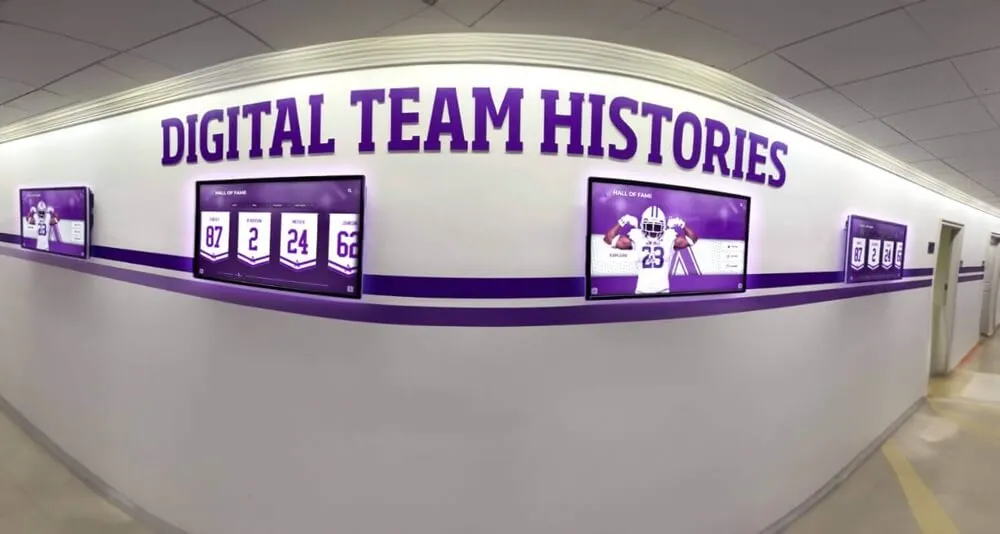
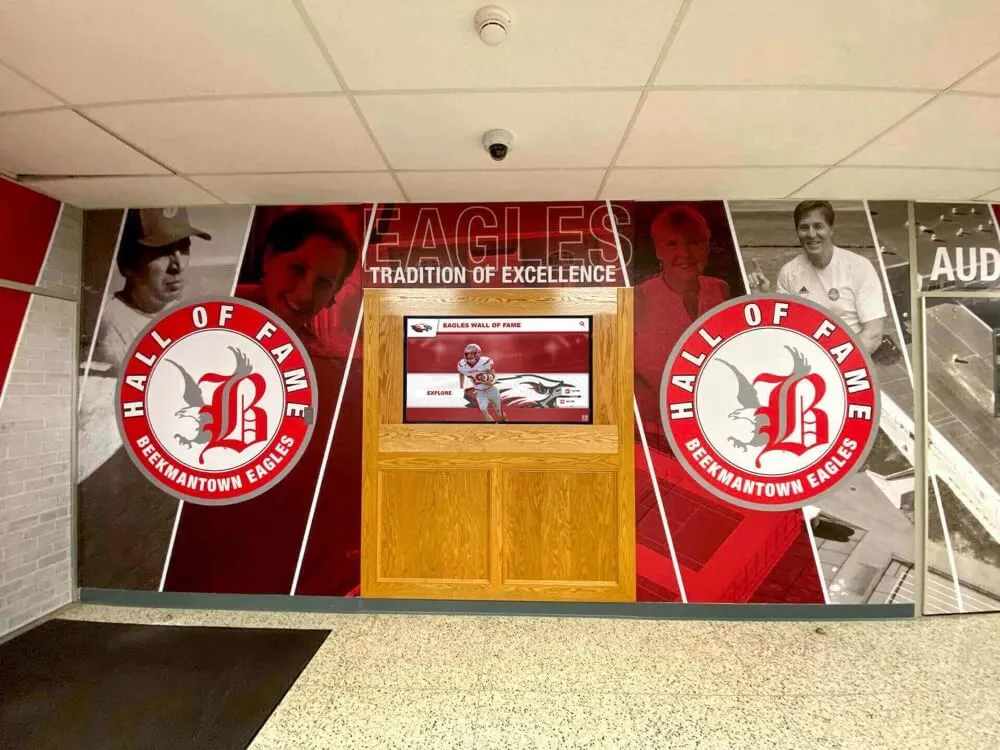
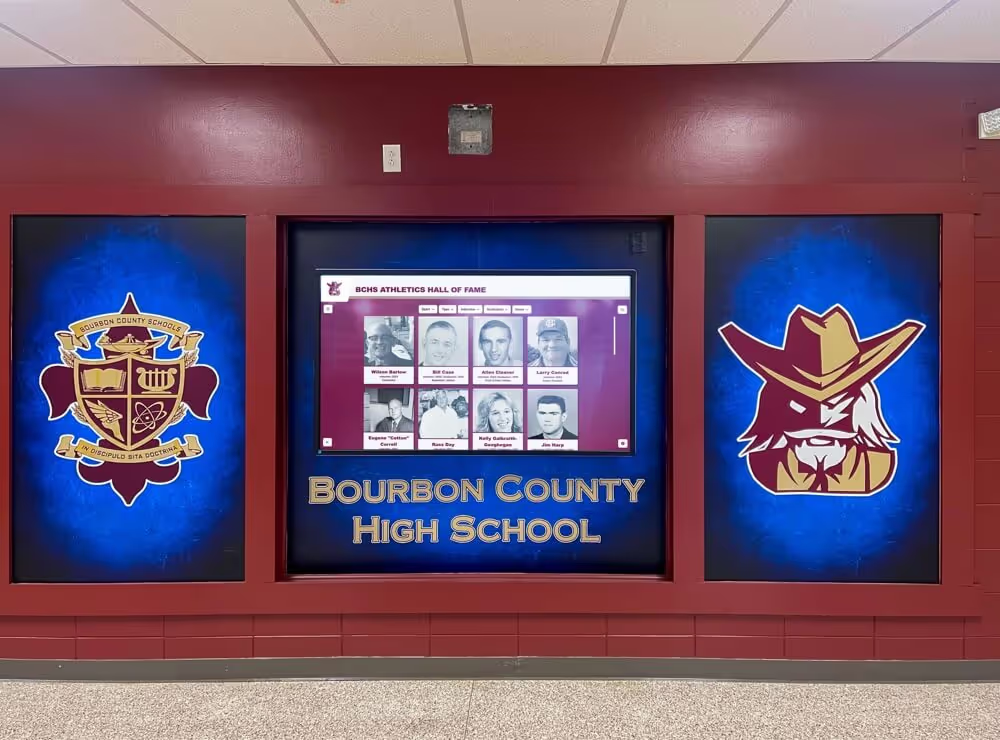
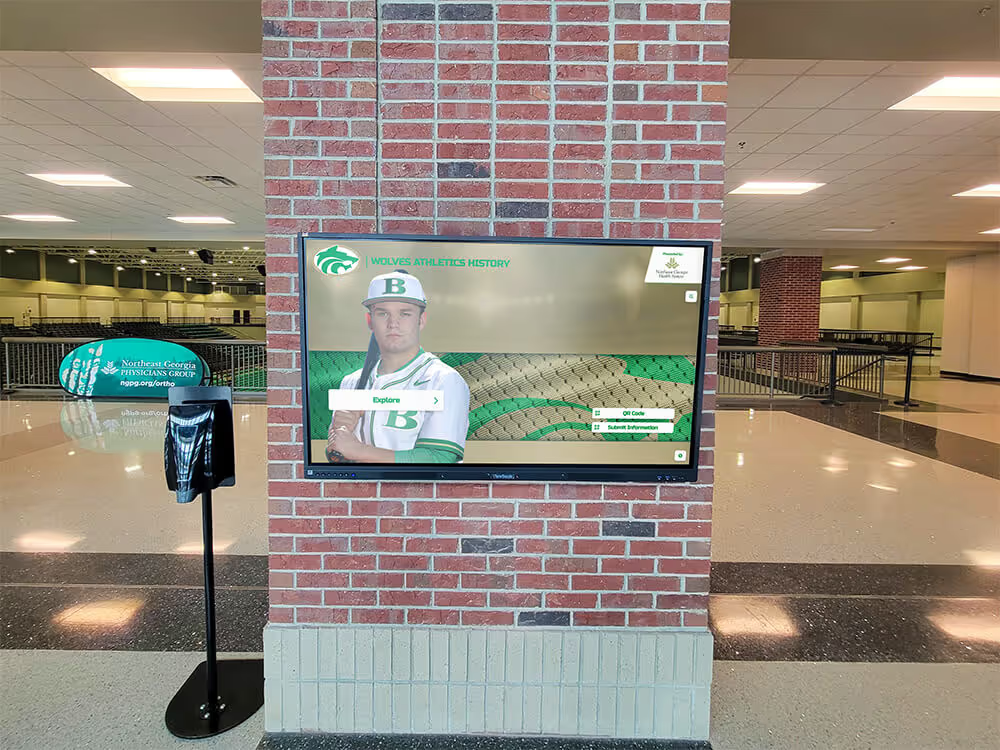
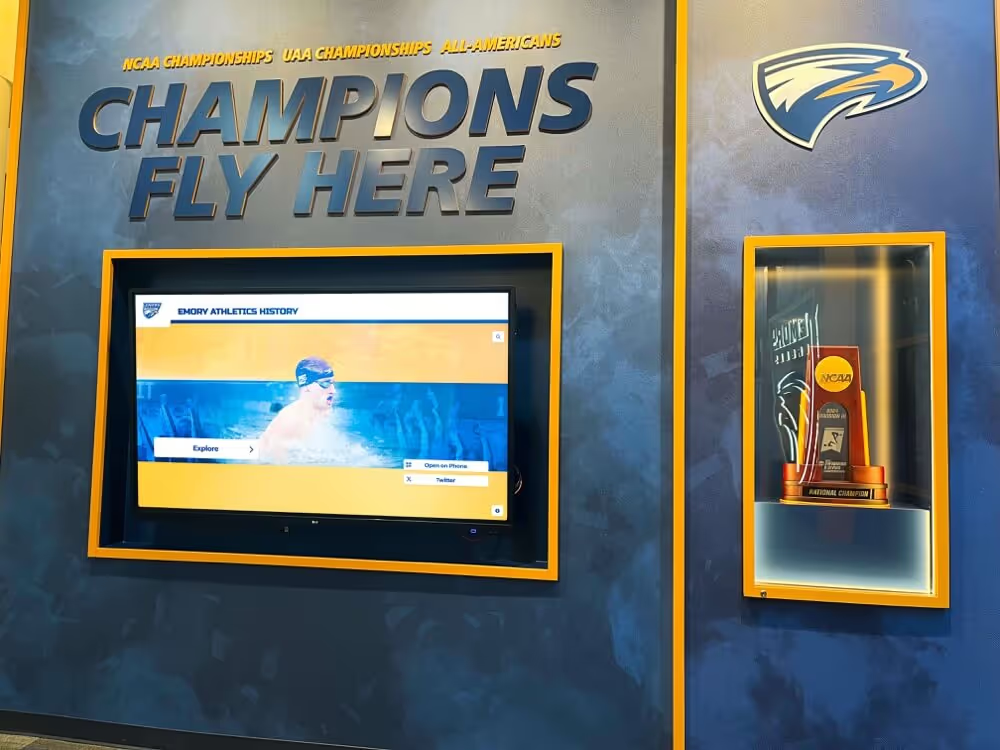
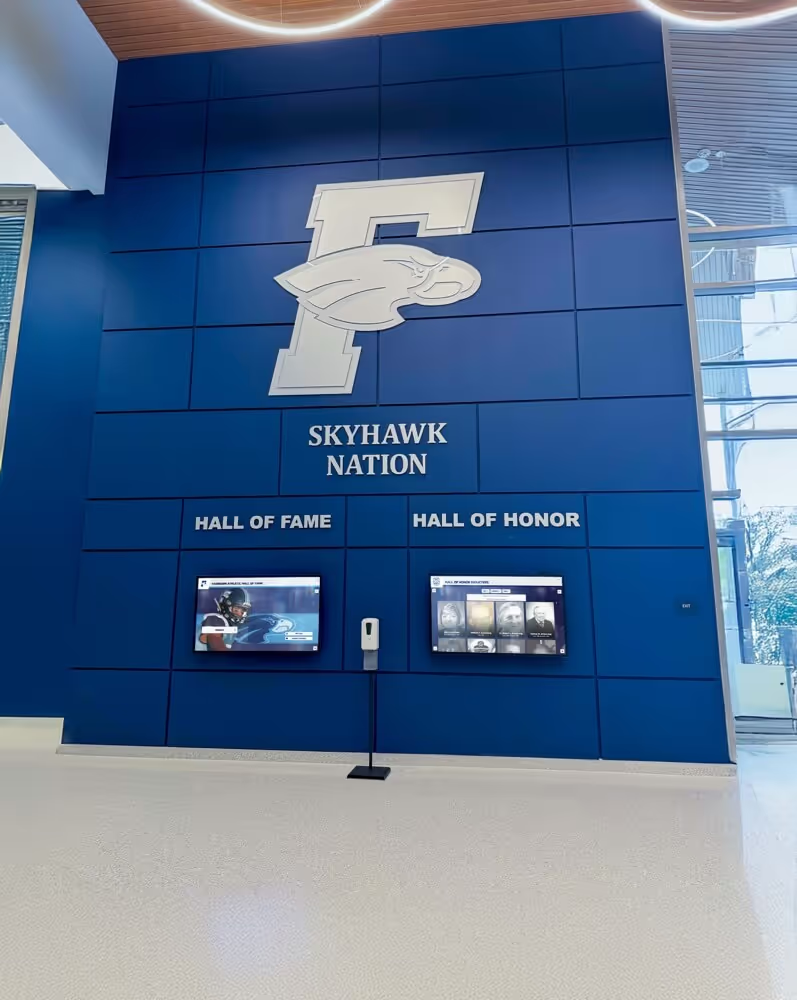
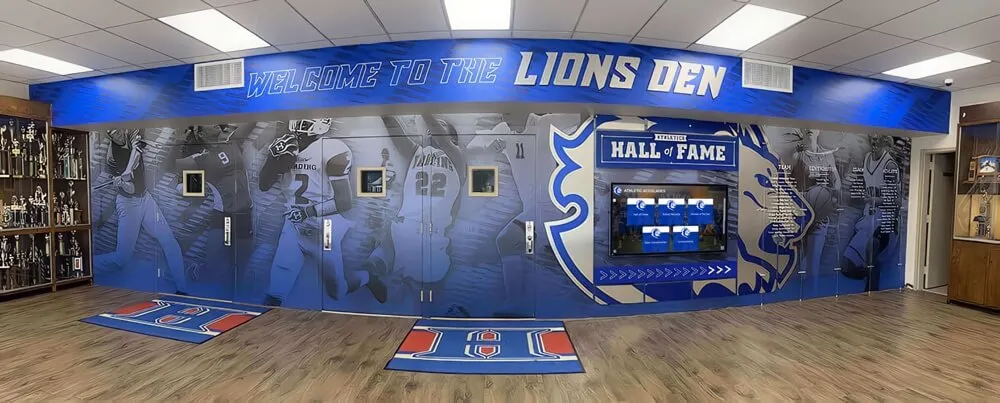
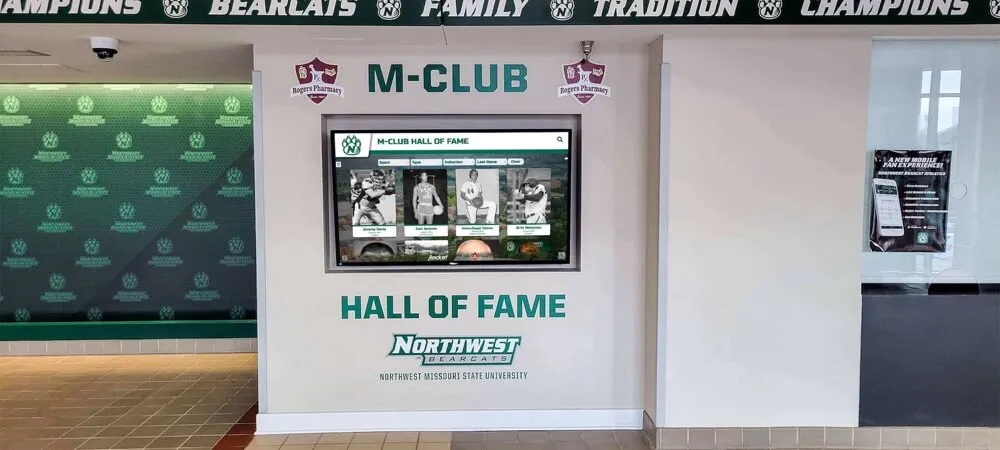
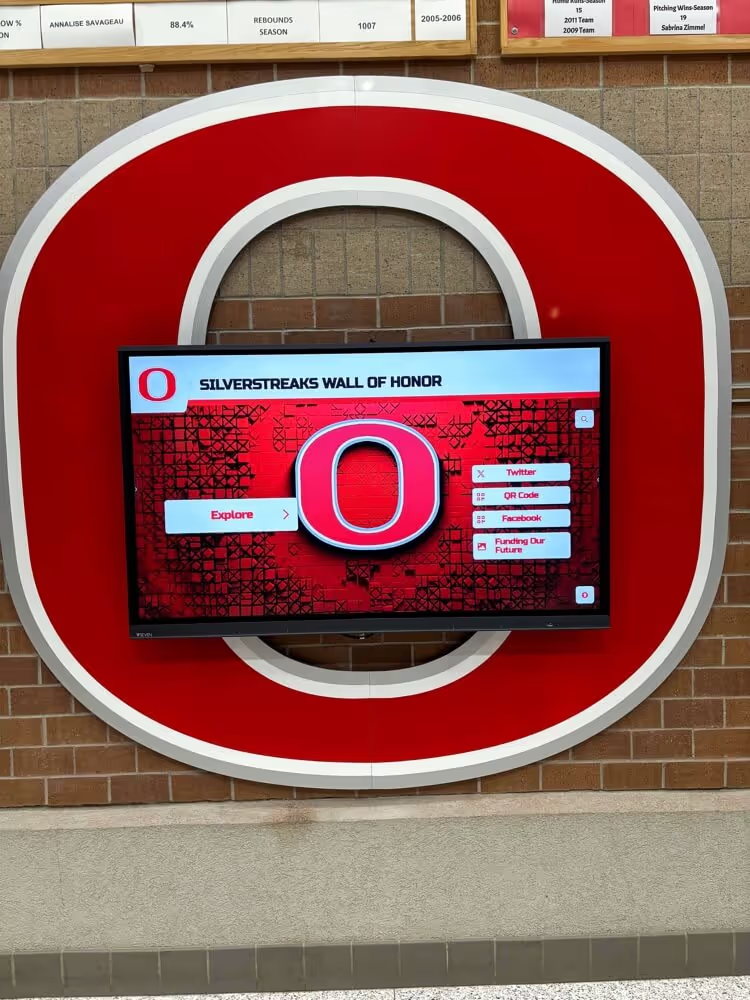
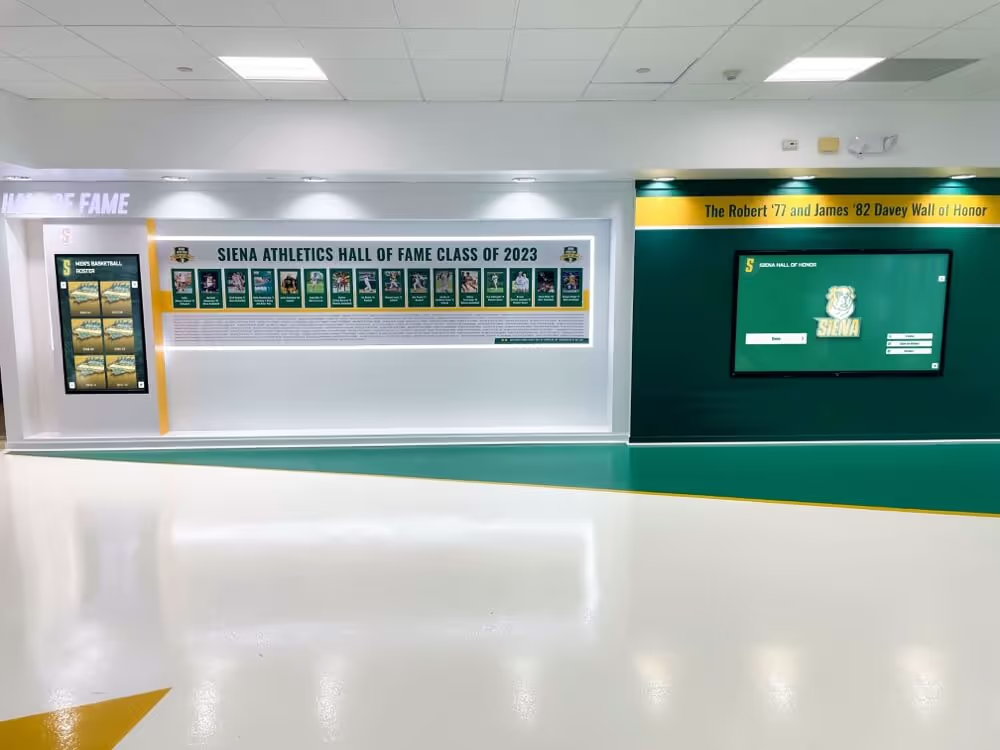
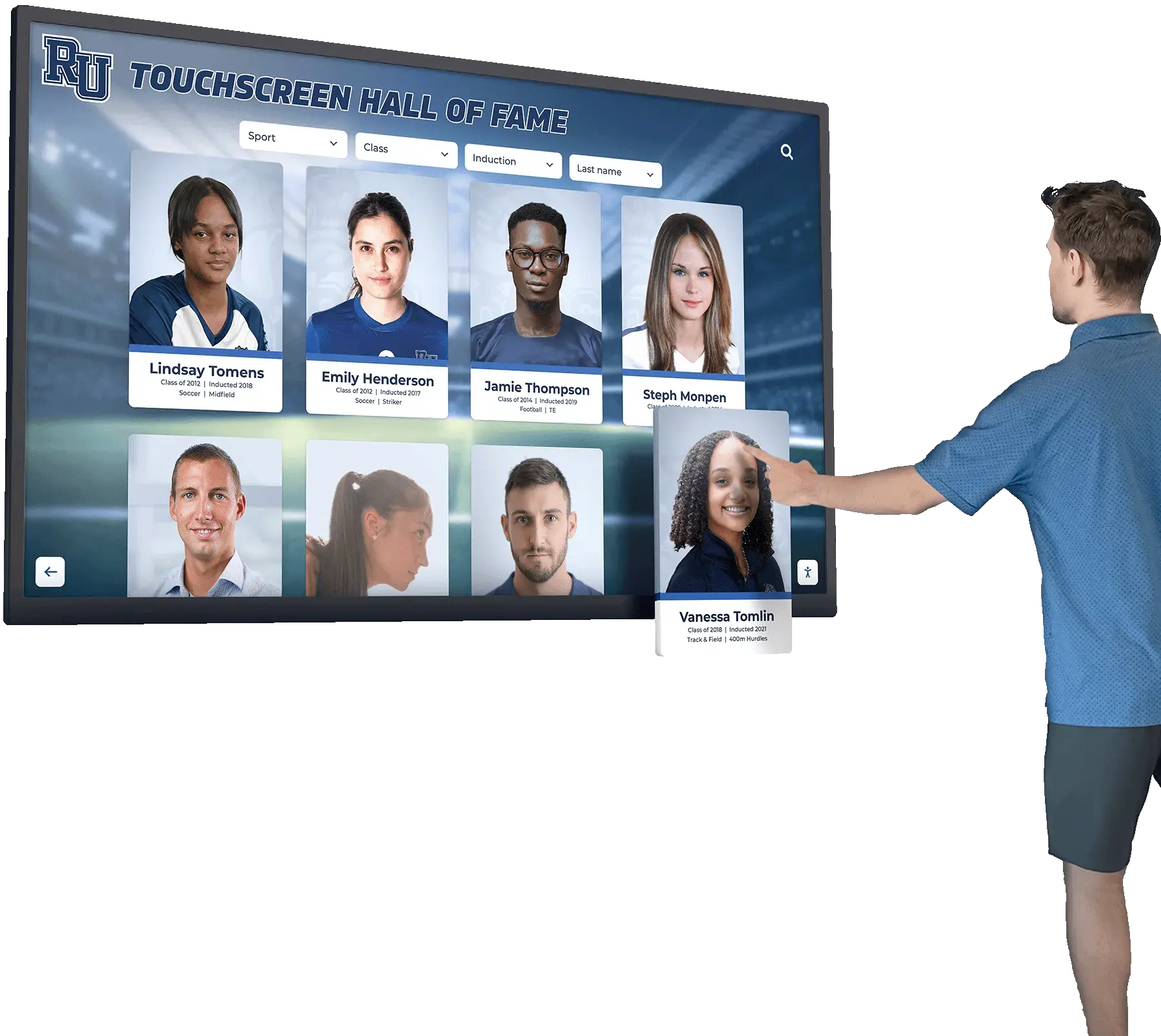
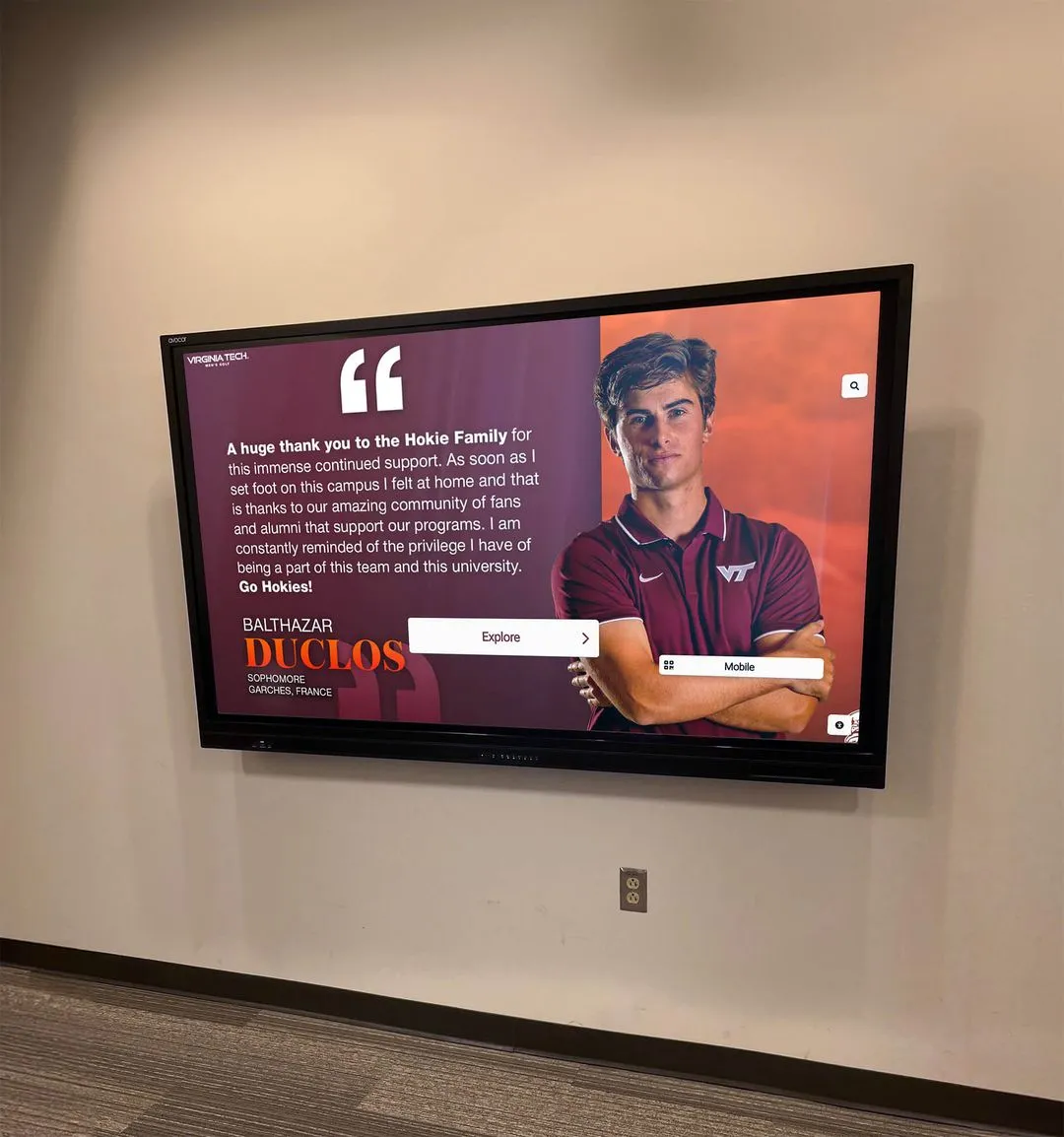
Beyond end-of-season awards, modern programs increasingly implement year-round recognition through digital displays celebrating achievements across all positions. These systems showcase statistical leaders by position, highlight defensive excellence alongside offensive production, document position-specific records and milestones, and connect current players with position-specific program history.
Celebrating Field Hockey Excellence Across All Positions
Field hockey’s positional diversity creates rich opportunities for comprehensive recognition systems that celebrate contributions from goalkeepers saving penalty corners to forwards finishing breakthrough goals, from sweepers organizing defensive shape to midfielders controlling possession through 80-minute efforts.
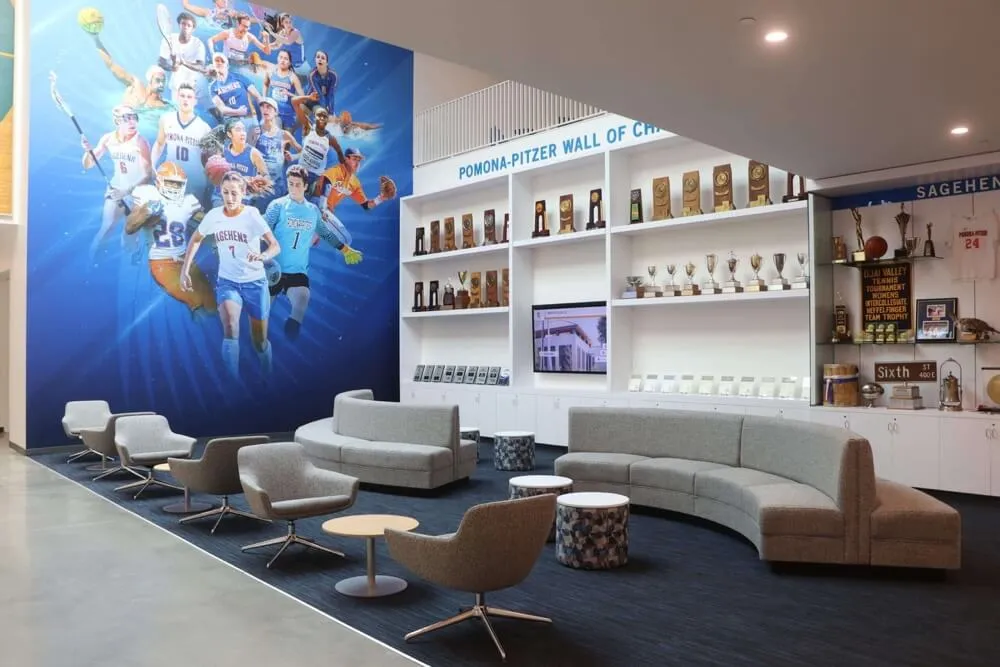
Traditional trophy cases often emphasize offensive statistics—goals scored, points accumulated, attacking player of the year awards—while defensive and midfield excellence receives insufficient recognition despite proving equally essential to championship success. This imbalance sends problematic messages about relative value of different positions and contributions.
Modern digital recognition platforms solve this challenge by providing unlimited capacity for celebrating achievements across all positions and statistical categories. These systems showcase goalkeeper save percentage leaders alongside goal scorers, recognize defensive excellence through tackles and interceptions data, celebrate midfielder versatility through comprehensive statistics spanning both ends of field, and document position-specific records providing appropriate recognition for diverse excellence.
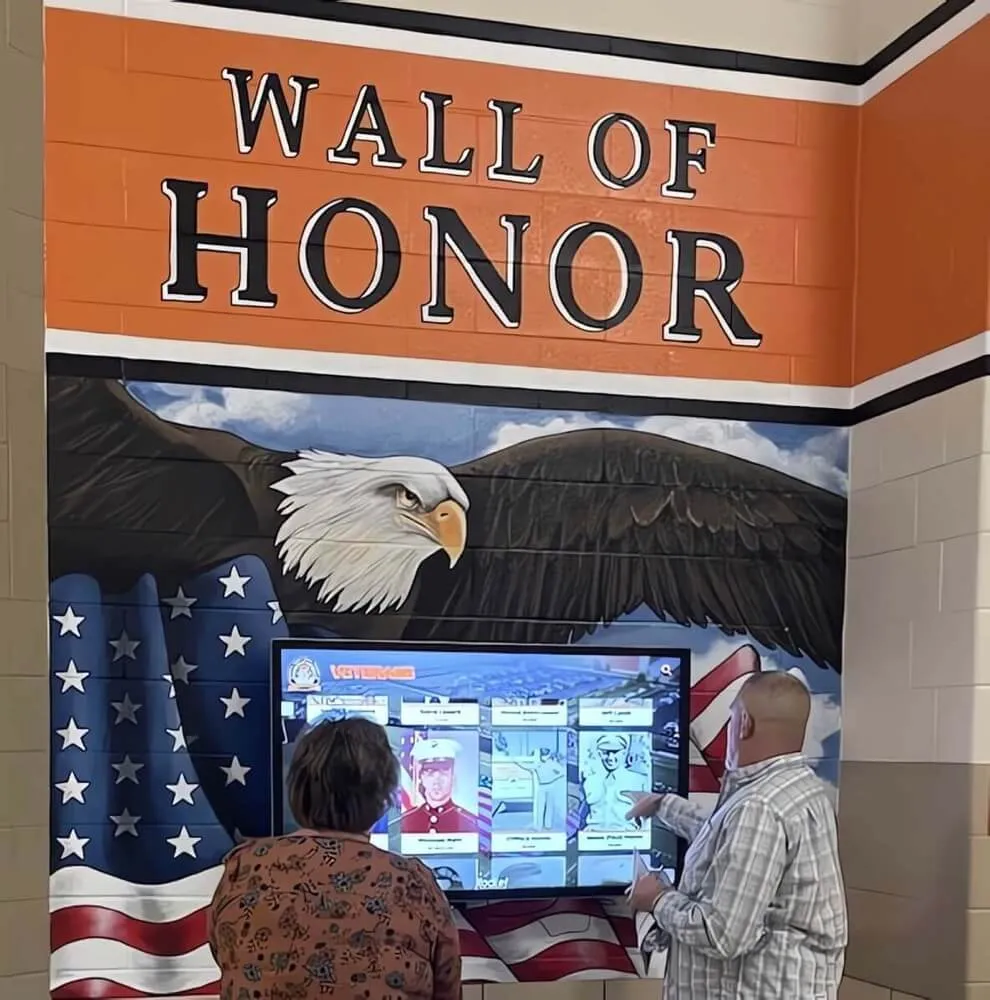
Digital displays also enhance understanding of position-specific contributions among parents, fans, and younger players. Detailed player profiles can explain position responsibilities, showcase relevant statistics for each role, include coach commentary about position-specific excellence, and connect individual achievements with team success—educating communities about field hockey’s tactical sophistication while recognizing diverse contributions appropriately.

Solutions like Rocket Alumni Solutions enable field hockey programs to create comprehensive recognition systems celebrating every position through interactive touchscreen displays in gymnasiums and athletic facilities. These platforms showcase complete team rosters with position-specific profiles, display statistical leaders across all relevant categories, document championship teams and individual award winners, maintain searchable archives connecting current players with program history, and provide engaging multimedia presentations that bring field hockey excellence to life for players, families, and communities.
Strategic Understanding for Championship Field Hockey
Mastering field hockey positions—understanding each role’s responsibilities, recognizing how positions interconnect within formations, and appreciating the diverse skills required across goalkeeper, defender, midfielder, and forward roles—provides the foundation for both individual excellence and team success.
Players who deeply understand their position’s responsibilities make smarter tactical decisions, develop appropriate skills efficiently, and contribute more effectively to team systems. Coaches who grasp positional nuances place athletes in roles maximizing their strengths while implementing formations leveraging available personnel. And parents and fans who appreciate positional complexity gain deeper enjoyment watching games while recognizing contributions that basic statistics don’t capture.
Field hockey’s beauty lies partly in its positional sophistication—the way eleven specialized roles combine into cohesive tactical systems, the diverse athletic and technical skills required across positions, and the strategic depth that formations and position-specific tactics create. Whether you’re a goalkeeper organizing defensive shape, a sweeper providing last-line coverage, a center midfielder orchestrating possession, or a forward finishing scoring chances, understanding your position deeply and executing its responsibilities excellently separates championship teams from ordinary ones.
By recognizing and celebrating excellence across all field hockey positions—not just goal scorers but goalkeepers, defenders, and midfielders whose contributions prove equally essential—programs build inclusive cultures where every player feels valued, strengthen tactical understanding across entire rosters, and create comprehensive recognition systems that honor field hockey’s beautiful complexity.
Elevate Your Field Hockey Recognition Program
Ready to celebrate field hockey excellence across all positions—goalkeepers, defenders, midfielders, and forwards? Rocket Alumni Solutions provides comprehensive digital recognition platforms showcasing position-specific achievements, statistical leaders across all categories, championship teams, and program history through interactive displays that engage communities year-round. Discover how modern recognition technology can help your field hockey program celebrate diverse contributions while building lasting traditions that inspire players in every position to pursue excellence.