



Intent: research
Future Business Leaders of America (FBLA) awards and recognition programs represent critical infrastructure for celebrating student achievement in business education while motivating continued excellence in leadership development, competitive performance, and professional skill acquisition. When chapters implement comprehensive recognition systems that acknowledge diverse achievements—from competitive event success to community service contributions—schools report measurable improvements in member engagement, program retention, and skill development outcomes that extend well beyond high school graduation.
Yet many FBLA chapters struggle to move beyond minimal recognition approaches—occasional certificates that get filed away, competitive event placements announced once and forgotten, or achievement celebrations limited to those who attend conferences. The most successful chapters implement strategic recognition systems that celebrate achievement visibly throughout school years, leverage both traditional and digital display technology, and create ongoing visibility that reinforces business education culture and member motivation across multiple academic terms.
This guide presents research on FBLA recognition best practices across organizational levels, combining official program documentation with implementation insights from successful chapters nationwide, providing current guidance for chapter advisers and school administrators seeking to maximize recognition program effectiveness.
Understanding FBLA Awards and Recognition Framework
The Future Business Leaders of America organization maintains comprehensive award and recognition structures spanning individual achievements, team accomplishments, and chapter-level excellence. Understanding this complete framework helps chapters design recognition strategies that acknowledge diverse contributions while aligning with national standards and competitive event structures.
Organizational Overview and Scale
FBLA represents one of the largest career and technical student organizations serving business education, with significant national presence that creates meaningful context for recognition programs.
Membership Scope
According to organizational data, FBLA contains more than 250,000 members across four divisions, with FBLA High School representing the largest division with over 209,000 members. This substantial membership base creates competitive environments where recognition carries significant weight—national competitive event placements represent achievement among tens of thousands of peers, not merely local or regional cohorts.
The organization’s scale also means that recognition systems must balance accessibility with meaningful achievement standards. Chapters compete within this larger ecosystem where state and national recognition signifies genuine distinction rather than participation acknowledgment.
Conference Structure and Recognition Opportunities
FBLA operates a tiered conference system creating multiple recognition opportunities throughout membership years:
- Local Chapter Meetings and Events: Regular opportunities for chapter-level recognition and member acknowledgment
- Regional Leadership Conferences: Some states organize regional competitions and recognition events
- State Leadership Conferences: Annual state competitions where members compete for advancement to nationals
- National Leadership Conference: Summer event where top state competitors vie for national recognition
This multi-level structure creates natural recognition milestones throughout FBLA careers, allowing chapters to celebrate both state achievements and progression toward national competition. According to the FBLA Business Achievement Awards program, recognition occurs at multiple levels throughout the school year, culminating at the National Leadership Conference.
Competitive Events: The Core Recognition Pathway
Competitive events represent FBLA’s primary recognition vehicle, testing business knowledge and skills across diverse disciplines while providing clear achievement measurement and comparison.
Event Categories and Scope
FBLA offers more than 70 competitive events spanning business disciplines and skill areas, organized into major categories:
- Individual Events: Testing specific business knowledge areas (accounting, economics, business law, marketing, management)
- Team Events: Requiring collaborative performance (business plan, partnership with business, community service project)
- Presentation Events: Evaluating communication and analytical skills (public speaking, job interview, impromptu speaking)
- Production Events: Assessing technical business skills (website design, desktop publishing, digital video production)
- Chapter Events: Recognizing overall chapter achievement and management excellence
This diversity ensures members with varied interests and strengths can find competitive pathways aligned with their business education focus and career aspirations. Some students excel in analytical events like accounting competitions, while others demonstrate strength in communication-focused presentation events or creative production categories.
Recognition Levels Within Competitive Events
State Leadership Conferences typically recognize placement levels in each event category:
- Top 10 finalists advance to presentation/testing at state conferences
- Places 1-3 typically receive trophies and state recognition
- Top state performers (usually 1st and 2nd place) advance to National Leadership Conference
- National competition recognizes top 10 finalists nationally, with places 1-3 receiving special distinction
This tiered recognition creates multiple achievement milestones—making state finals represents significant accomplishment, placing in top 3 at state earns advancement opportunity, and earning national placement positions students among elite performers nationwide. Chapters should recognize all these milestones, not merely national placements.
The competitive events structure prepares students for successful careers in business by providing opportunities to apply classroom concepts in workforce-simulated competitive environments, according to Institute of Competition Sciences analysis of FBLA competitive events.
Business Achievement Awards: Individual Recognition Program
Beyond competitive events, FBLA offers the Business Achievement Awards (BAA) program providing structured individual recognition for comprehensive FBLA participation and contribution.
BAA Program Structure
The Business Achievement Awards represent an individual achievement award program for active, paid FBLA High School members. Participating students enhance leadership skills, expand business knowledge, contribute to local communities, and earn recognition by immersing themselves in school and community activities.
The program includes four progressive achievement levels, each requiring increasing involvement and contribution:
- Future Business Leader Award: Entry-level recognition for beginning active participation
- Business Achievement Award: Intermediate recognition demonstrating sustained engagement
- National Business Achievement Award: Advanced recognition for comprehensive involvement
- National Business Achievement Award with Honors: Highest recognition tier for exceptional contribution
Members document their activities across multiple categories including competitive event participation, leadership positions, community service contributions, professional development activities, and chapter project involvement. This comprehensive approach recognizes well-rounded business education engagement rather than single-dimension achievement.
BAA Submission and Recognition Process
Interested members submit documented projects for competitive review at the National Leadership Conference, with recognition occurring June 1, 2026, according to FBLA Learning Center BAA program information. This timeline allows students to accumulate activities throughout school years before formal submission and evaluation.
Chapters should celebrate BAA achievement prominently alongside competitive event recognition, as these awards demonstrate sustained commitment and comprehensive skill development that complement event-specific performance excellence. Academic recognition programs across educational contexts demonstrate that acknowledging diverse achievement types strengthens overall program engagement beyond single competitive dimensions.
Chapter-Level Recognition Programs
FBLA maintains multiple programs recognizing chapter excellence, celebrating collective achievement and effective program management alongside individual member success.
Champion Chapter Program (High School)
The High School Champion Chapter program establishes membership recruitment and engagement-focused challenges that chapters may complete for national recognition. Recognition includes ribbons, banners, and digital certificates based on accumulated points across multiple activity categories.
All eligible Champion Chapters earn banners for advisers’ classrooms, meeting spaces, or school award cases, with chapters requiring minimum 600 points in each program section plus necessary total points for challenge recognition. This structure incentivizes balanced chapter programming across recruitment, member engagement, competitive participation, and community involvement rather than narrow focus on single program dimensions.
Gold Seal Chapter Award of Merit
The Hollis and Kitty Guy Gold Seal Chapter of Merit Award recognizes outstanding local chapters that have actively participated in projects and programs aligned with FBLA goals. State leaders or designees nominate active local chapters, which must have paid dues by March 1 of the current school year.
Each state can select either two chapters or up to 15 percent of total active local chapters, whichever is greater, for this recognition. This selectivity makes Gold Seal status significant distinction—chapters earning this recognition demonstrate comprehensive excellence across multiple program dimensions.
Recent data from Technical College System of Georgia demonstrates chapter recognition impact, noting that three of ten top national chapters in 2025-2026 were Georgia chapters, with Georgia FBLA Collegiate winning second place for largest membership increase—quantifying how recognition visibility can drive program growth.
State-Specific Chapter Recognition
Individual states often implement additional chapter recognition programs complementing national awards. For example, Missouri FBLA’s Chapter of the Year program awards points for activities across local, state, and national participation levels, with chapters achieving specified point thresholds receiving prizes and recognition at State Leadership Conferences.
These state programs create additional recognition opportunities for chapters demonstrating excellence in contexts where they may face significant competition for national-level awards, ensuring more chapters can celebrate meaningful achievement while pursuing premier national distinctions.
Individual Member Recognition Programs
Beyond competitive events and BAA, FBLA offers several programs recognizing exceptional individual contribution and leadership.
Who’s Who in FBLA
This award honors exemplary members in high school and collegiate divisions who have made outstanding contributions to the association at local, state, and national levels. Selection criteria include:
- Years of participation in FBLA activities
- Extent of participation in state and national conferences
- Contributions to local, state, and national projects
- Leadership positions held and impact demonstrated
- Overall embodiment of FBLA mission and values
Who’s Who recognition represents peer and adviser acknowledgment of comprehensive excellence and sustained contribution beyond single-year achievement, making it particularly meaningful recognition for senior members approaching graduation.
Community Service Recognition
Many state FBLA associations implement specific community service recognition programs acknowledging members’ contributions beyond business education contexts. These programs typically award ribbons, lapel pins, medals, and stage recognition at State Leadership Conferences based on documented service hours and project impact.
Community service recognition demonstrates FBLA’s emphasis on civic responsibility and professional ethics alongside business skill development, acknowledging that effective business leaders contribute meaningfully to communities they serve.
Officer Recognition
Chapter officers, state officers, and national officers receive recognition for leadership positions held and contributions made during terms of service. This recognition acknowledges the substantial time commitment and responsibility these positions require while celebrating leadership skill development these roles provide.
Officer recognition should extend beyond simple title acknowledgment to highlight specific accomplishments, initiatives led, and impact achieved during leadership tenures—making the recognition meaningful celebration of contribution rather than perfunctory position listing.
Implementing Effective FBLA Chapter Recognition Systems
Understanding FBLA’s recognition framework represents the foundation. Maximizing recognition impact on member motivation, chapter culture, and program outcomes requires thoughtful implementation strategies that make achievement visible, meaningful, and inspiring throughout school years.
Creating Visible Recognition Throughout School Years
The most effective chapter recognition strategies maintain consistent visibility rather than limiting acknowledgment to annual award ceremonies or conference presentations that only reach members physically present.
Multi-Channel Recognition Communication
Comprehensive recognition reaches members, families, school communities, and prospective members through diverse communication channels:
- School morning announcements: Brief recognition highlights during daily announcements reaching entire student body
- School newsletters and websites: Featured recognition stories providing detail and context for broader audiences
- Social media platforms: Instagram, Facebook, and Twitter posts celebrating recent achievements with photos and member quotes
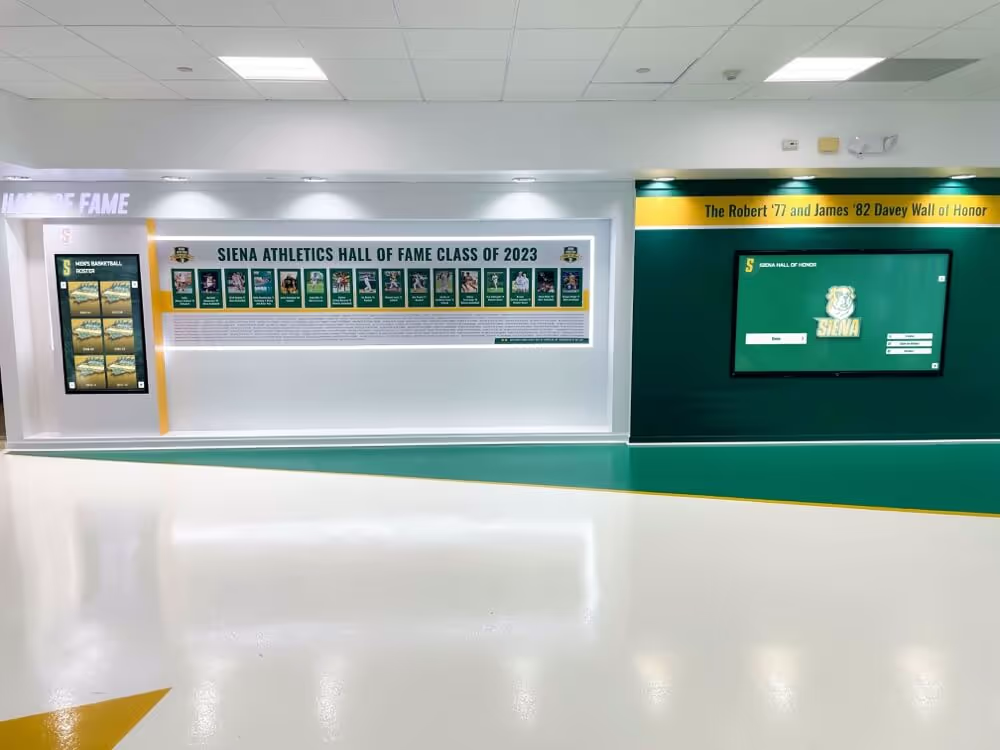
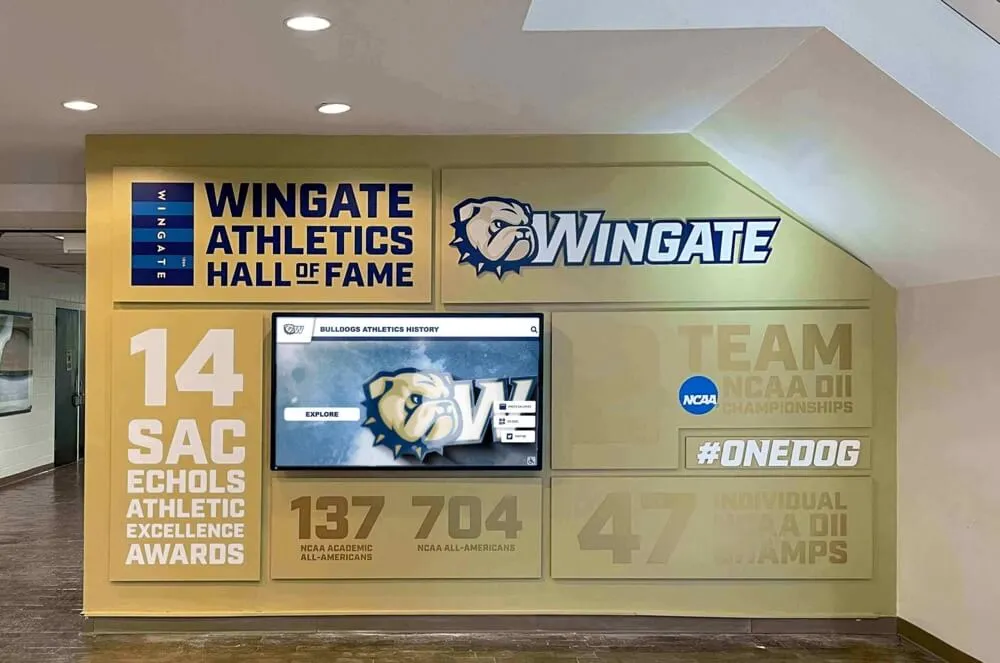
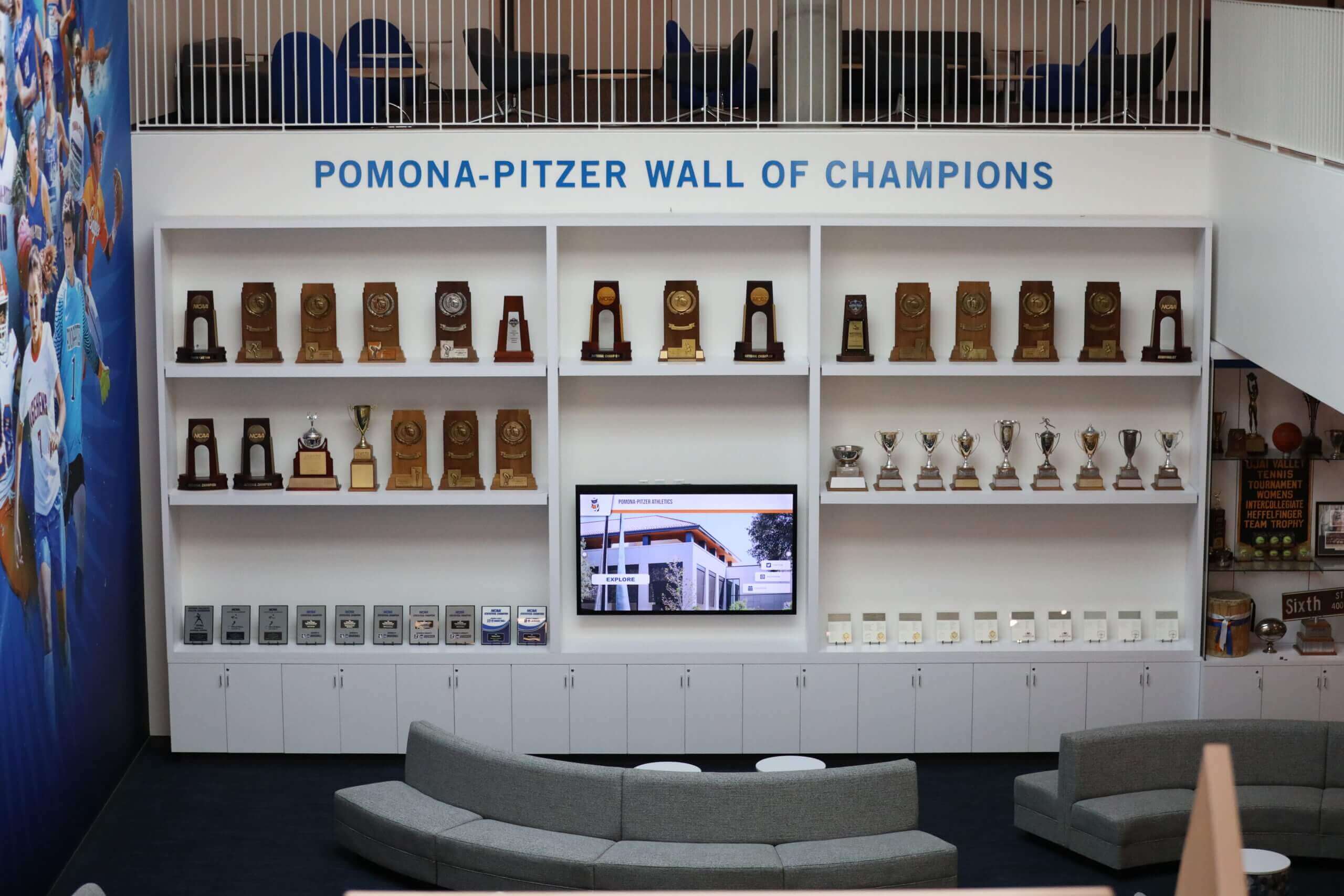
- Physical recognition displays: Bulletin boards, trophy cases, or display areas in classrooms and hallways
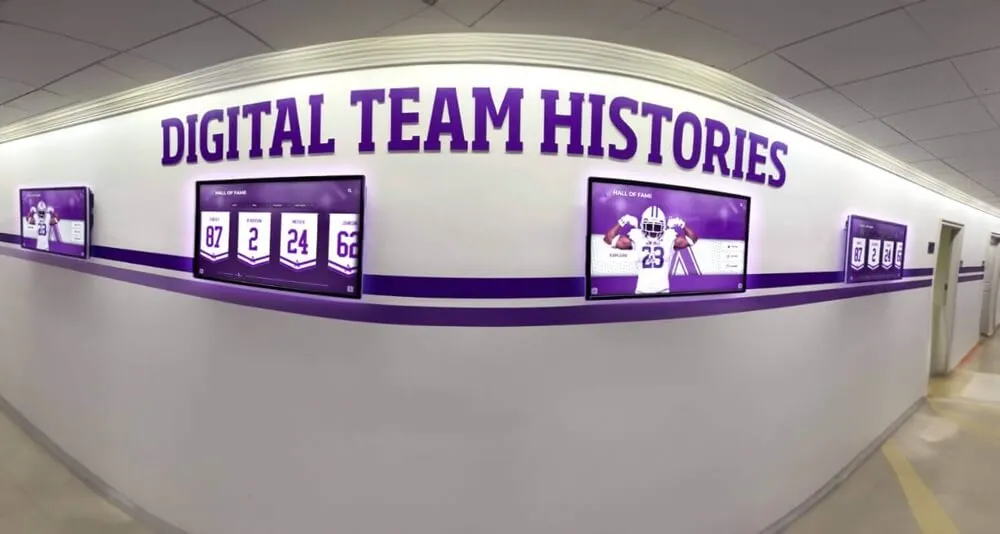
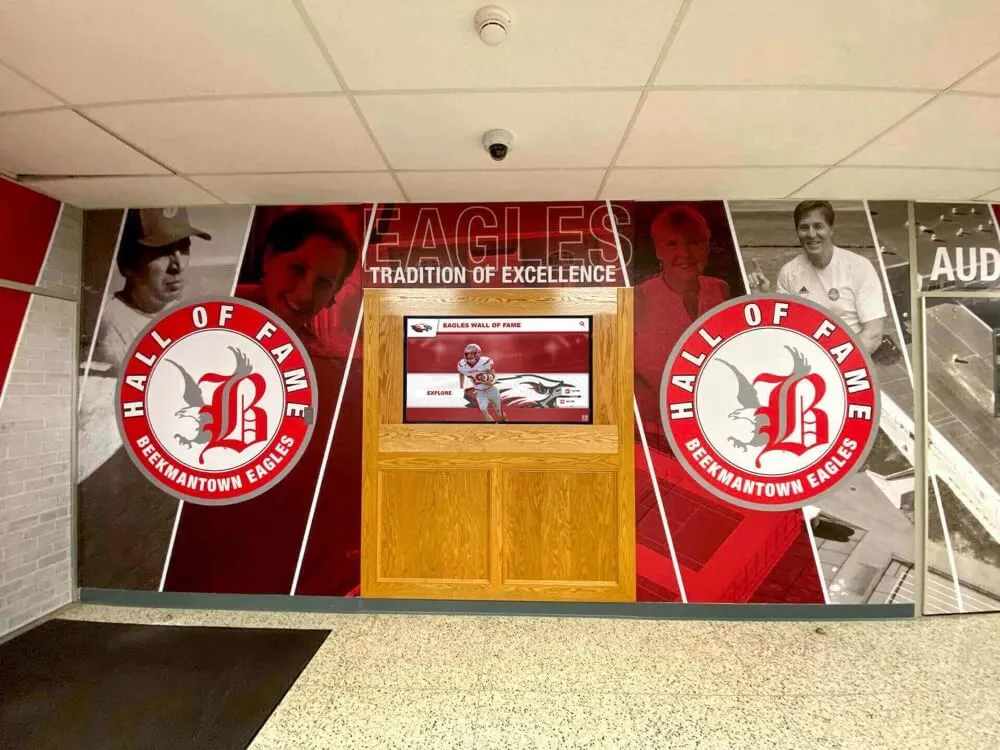
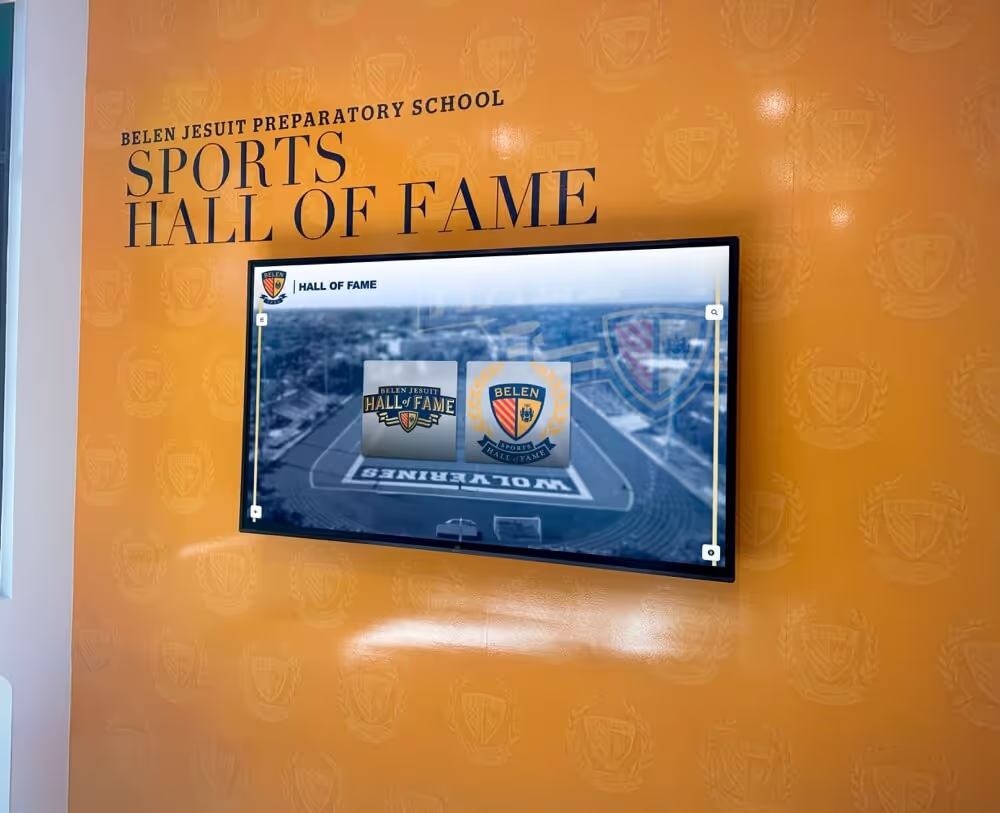
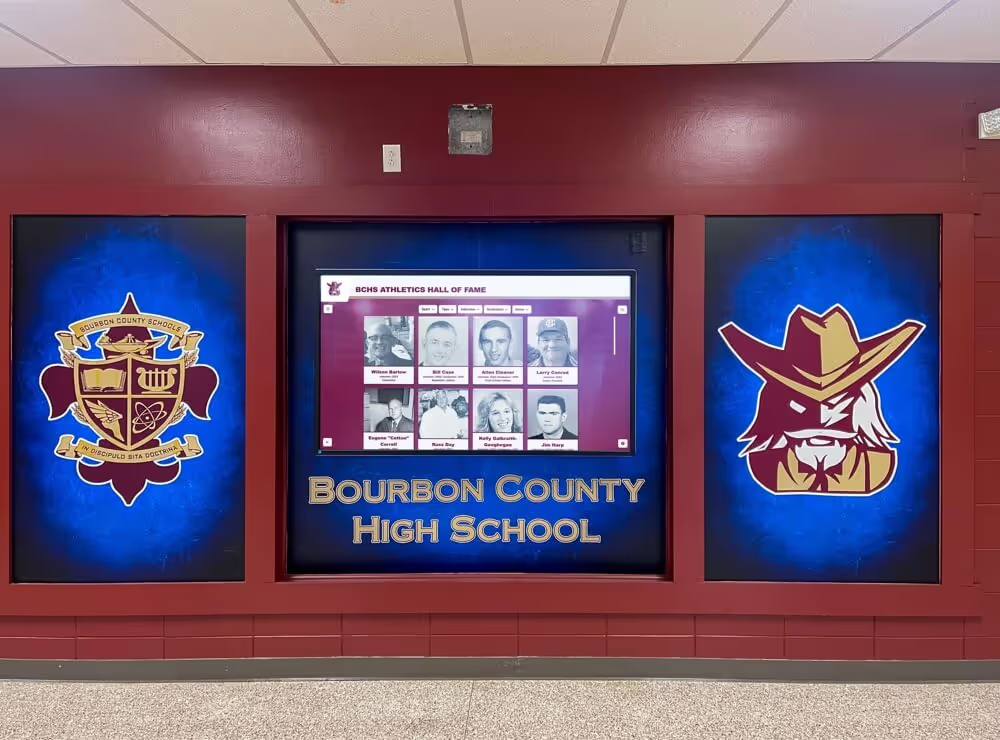
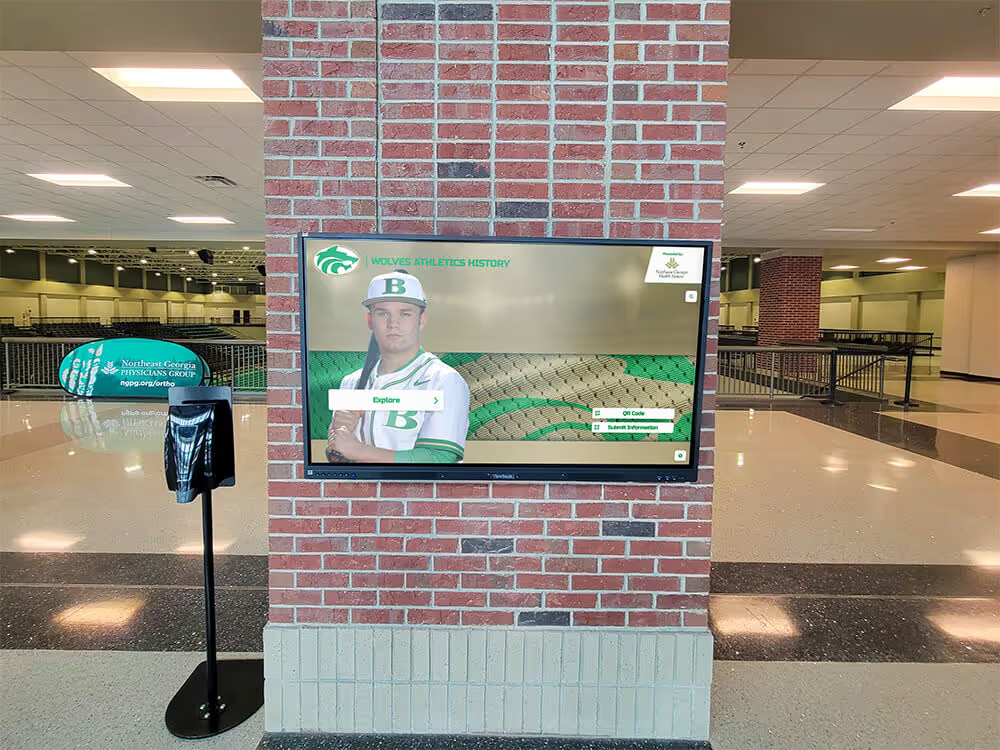
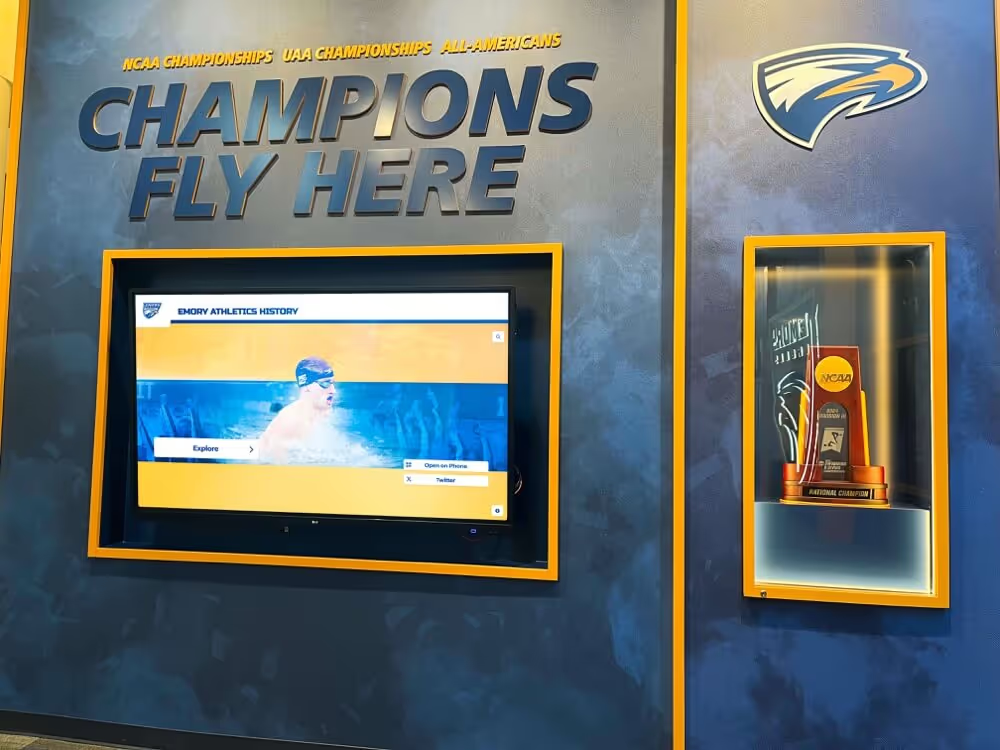
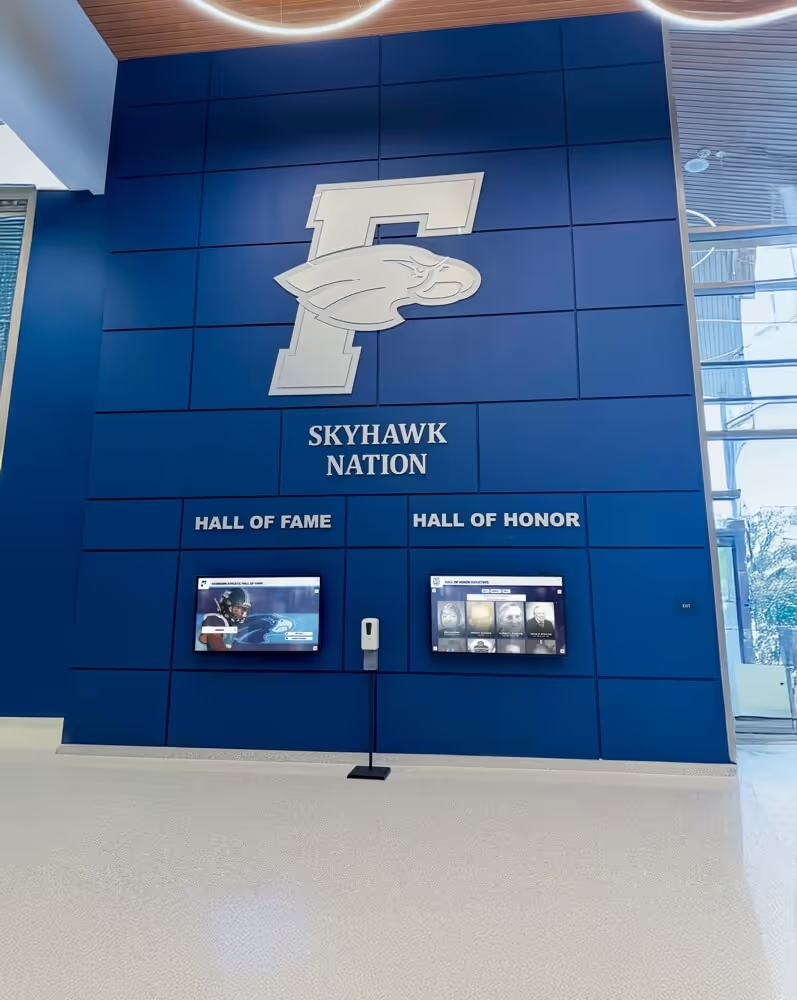
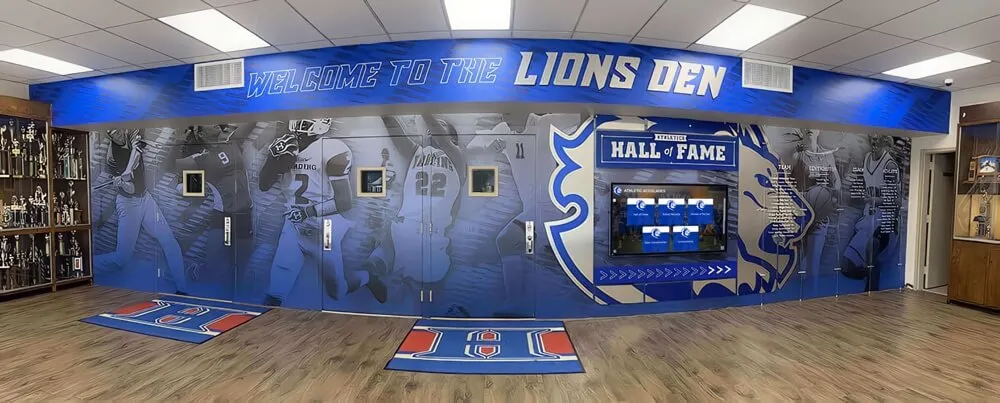
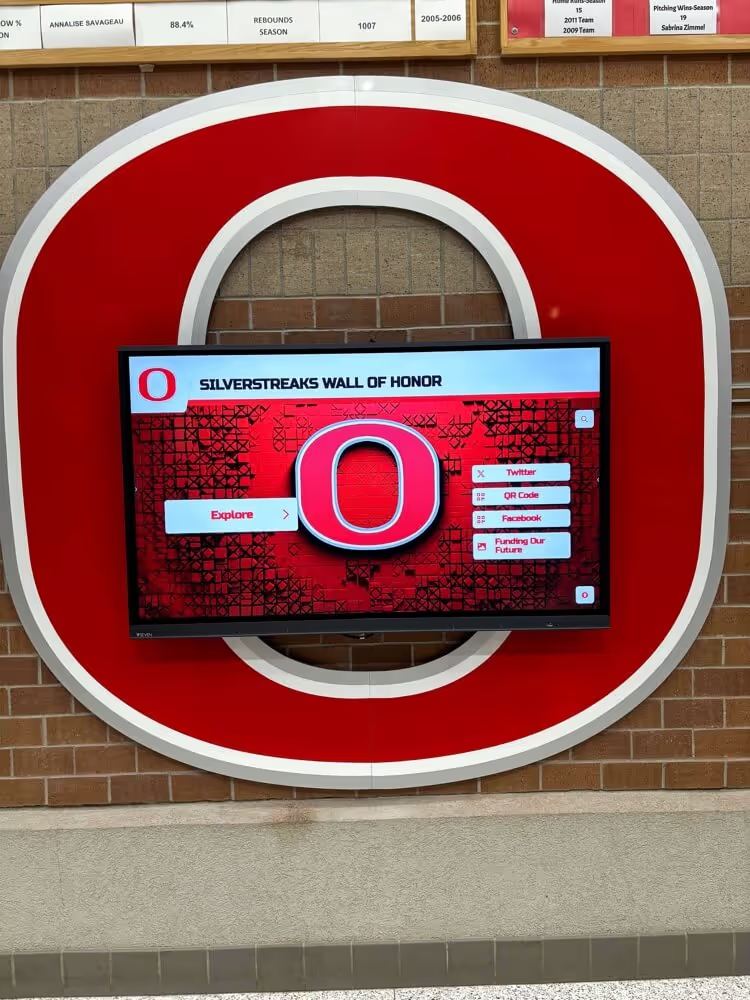
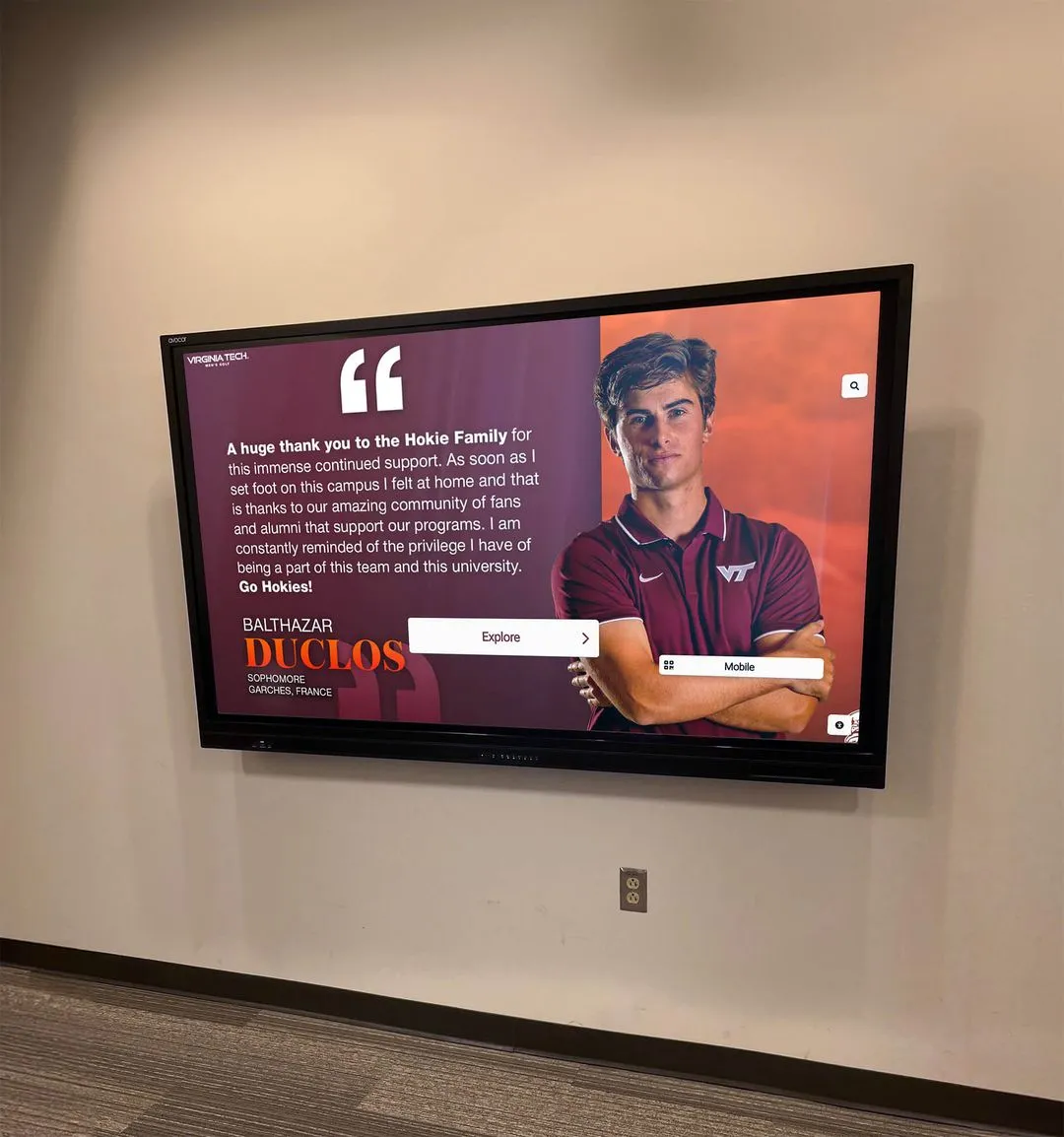
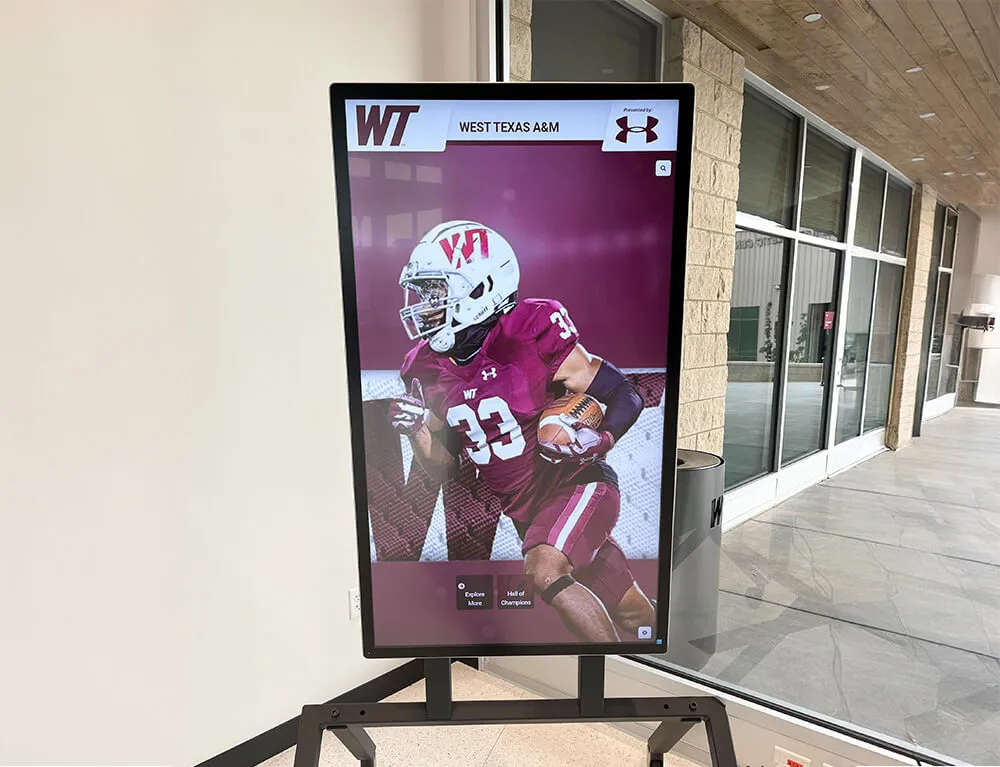
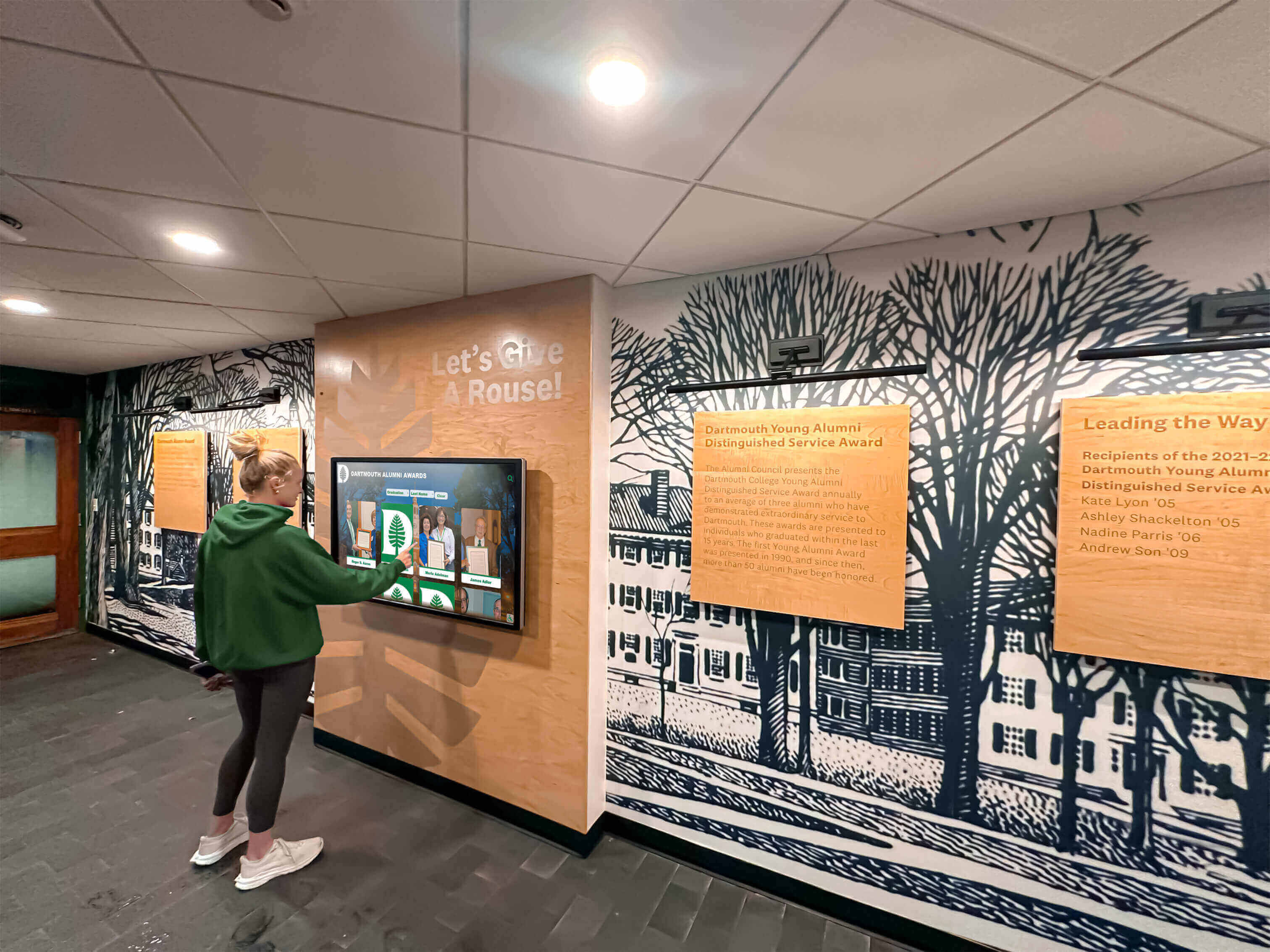
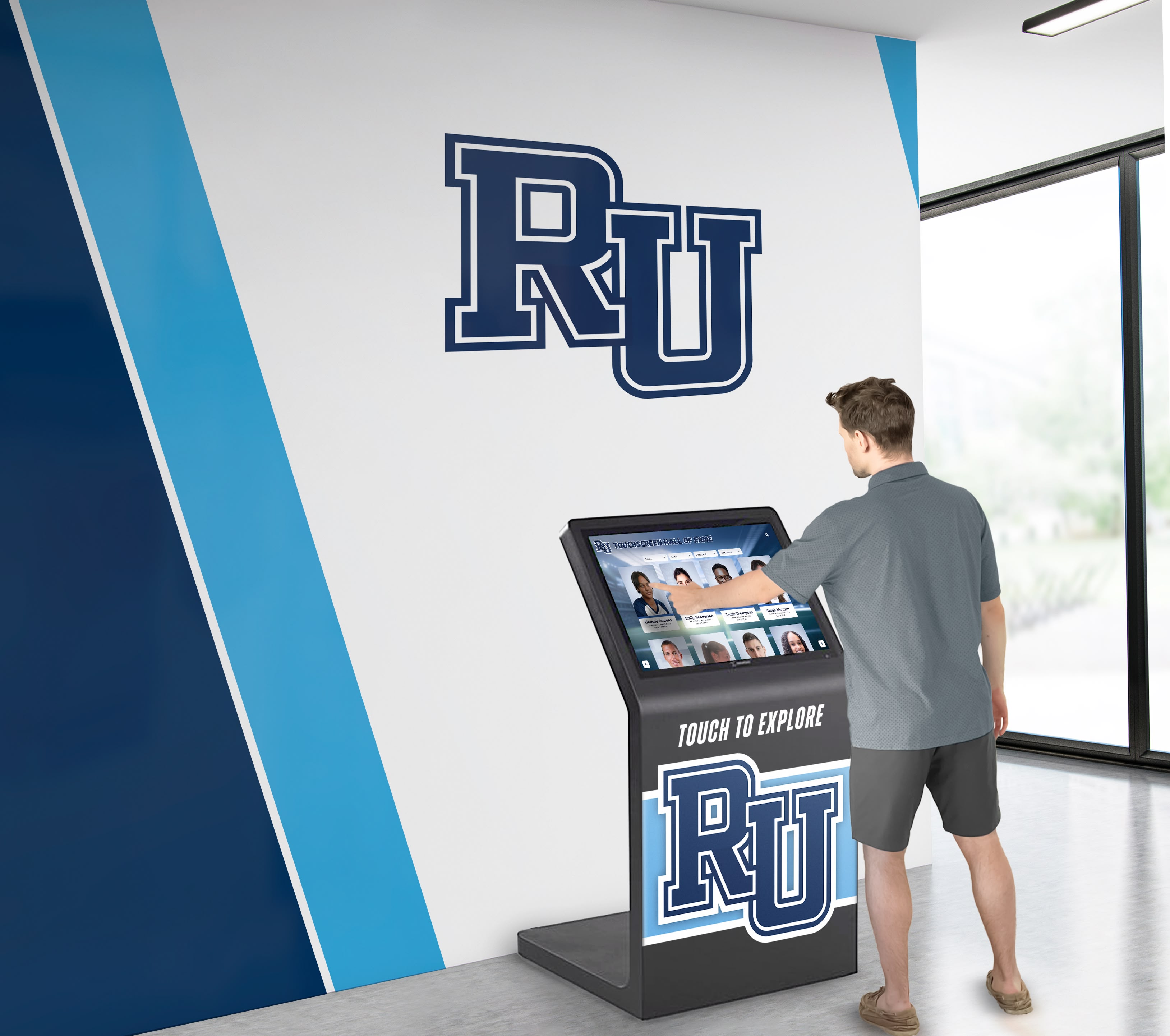
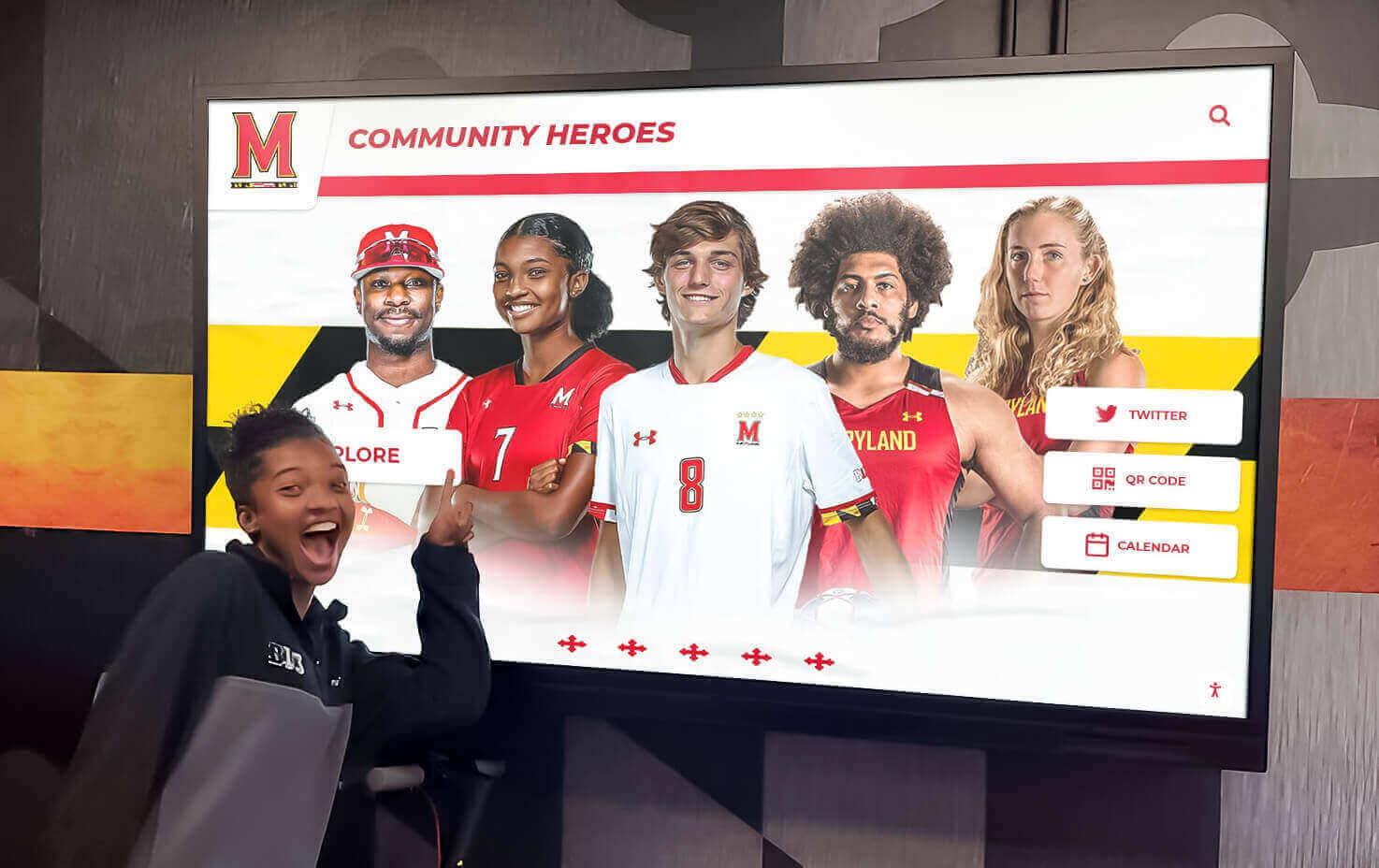
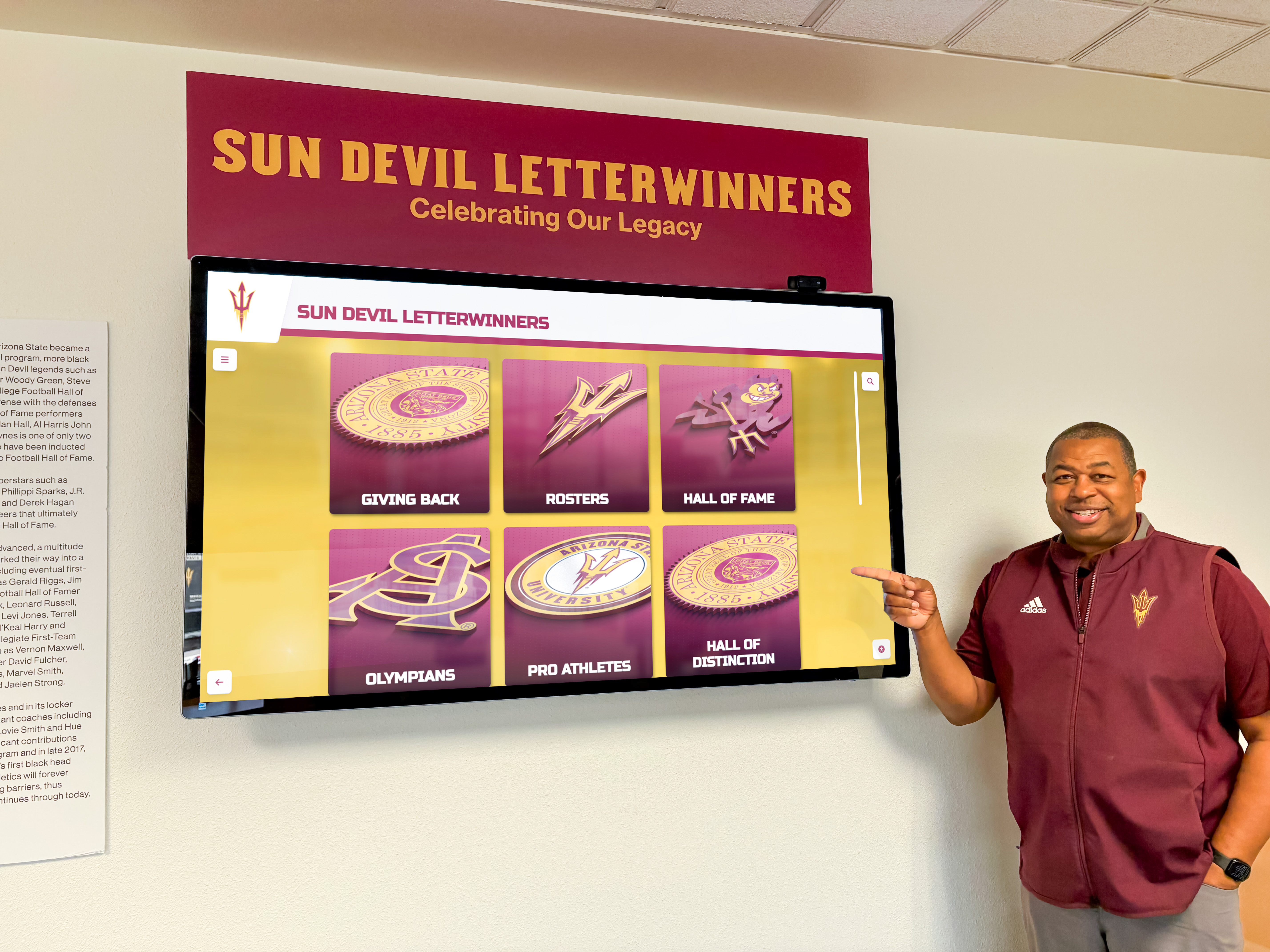
- Digital recognition displays: Interactive touchscreen systems in high-traffic school locations
- Chapter newsletters: Detailed recognition features distributed to members and families
- Local media outreach: Press releases to local newspapers for significant state and national achievements
This multi-channel approach ensures recognition reaches all stakeholder groups—members themselves receive acknowledgment, families take pride in their students’ accomplishments, school communities understand FBLA program value, and prospective members see visible success that attracts participation.
Research on student recognition programs across educational contexts demonstrates that recognition frequency and visibility correlate strongly with program engagement and member motivation, making consistent multi-channel communication essential rather than optional.
Immediate Recognition for Time-Sensitive Achievements
Recognition loses motivational power when significantly delayed. Chapters should establish systems enabling prompt acknowledgment of achievements as they occur:
- Announce competitive event results within days of state conference conclusion
- Post social media recognition while traveling home from conferences
- Update digital displays remotely immediately after receiving results
- Send congratulatory emails to recognized members and families within 24-48 hours
- Prepare recognition certificates for distribution at next chapter meeting
This immediacy maximizes the reinforcing effect of recognition, connecting acknowledgment closely to achievement rather than allowing weeks or months to pass before celebration.
Recognizing Diverse Achievement Levels and Types
Effective chapter recognition programs acknowledge multiple types and levels of contribution, ensuring diverse members with varied strengths all see realistic pathways to recognition rather than systems that celebrate only state champions and national qualifiers.
Tiered Competitive Event Recognition
Not all recognition should focus exclusively on top state placers and national qualifiers. Comprehensive recognition celebrates:
- State Conference Qualification: Making the trip to state conference represents achievement worthy of acknowledgment
- State Finals/Top 10: Earning finals placement demonstrates strength among all state competitors
- State Top 5: Placing in top 5 signifies elite state performance regardless of national advancement
- State Placement (1-3): Traditional top recognition plus national advancement for top 2
- National Qualification: Advancing to National Leadership Conference regardless of final placement
- National Finals/Top 10: Earning national finals represents achievement among best nationwide
- National Placement (1-3): Premier recognition for national championship performance
By celebrating all these milestones rather than only top placements, chapters create recognition opportunities for broader membership while maintaining appropriate distinction between achievement levels.
Non-Competitive Achievement Recognition
Beyond competitive events, chapters should recognize diverse contributions:
- Officer positions held and leadership contributions made
- Committee participation and project completion
- Meeting attendance consistency and active participation
- Community service hours contributed and projects led
- Business Achievement Awards level completion
- Mentorship of newer members
- Recruitment of new chapter members
- Professional development activities attended
This comprehensive approach ensures members pursuing diverse involvement pathways all receive acknowledgment, preventing recognition systems from feeling exclusive to naturally high-achieving competitors. Similar strategies work effectively in peer leadership recognition programs that celebrate diverse contribution types.
Progressive Recognition Throughout FBLA Careers
Multi-year members should receive cumulative recognition acknowledging sustained participation:
- First-year member achievement highlights
- Second-year member milestone recognition
- Multi-year competitive event participation acknowledgment
- Leadership progression tracking (member → officer positions)
- Cumulative achievement summaries for graduating seniors
This longitudinal perspective creates recognition narratives showing growth and development over time rather than isolated annual snapshots, helping members appreciate their own progression while inspiring younger members to envision their potential FBLA trajectories.
Designing Formal Recognition Events and Ceremonies
While ongoing recognition throughout school years maintains visibility and motivation, formal recognition events create special celebration moments that honor achievement ceremonially and create lasting memories for recognized members and their families.
End-of-Year FBLA Awards Banquet
Many successful chapters host annual awards banquets or recognition dinners celebrating the year’s achievements. These events typically include:
- Formal program with advisers and officers presenting awards
- Recognition for all competitive event participants and placers
- Business Achievement Awards acknowledgment
- Officer recognition and transition ceremonies
- Special recognition for graduating seniors
- Keynote speaker from local business community
- Dinner or refreshments creating social celebration atmosphere
- Family attendance encouraged to share in members’ achievements
While organizing formal events requires significant effort, the impact justifies the investment—these celebrations create milestone memories that members reference years later while demonstrating chapter value to families and communities.
Integration with School-Wide Recognition
Chapters should also pursue opportunities to integrate FBLA recognition into broader school recognition events:
- Include FBLA achievements in school academic awards nights
- Request time during school assemblies to acknowledge state and national qualifiers
- Coordinate with school communications teams to highlight FBLA recognition in school-wide newsletters
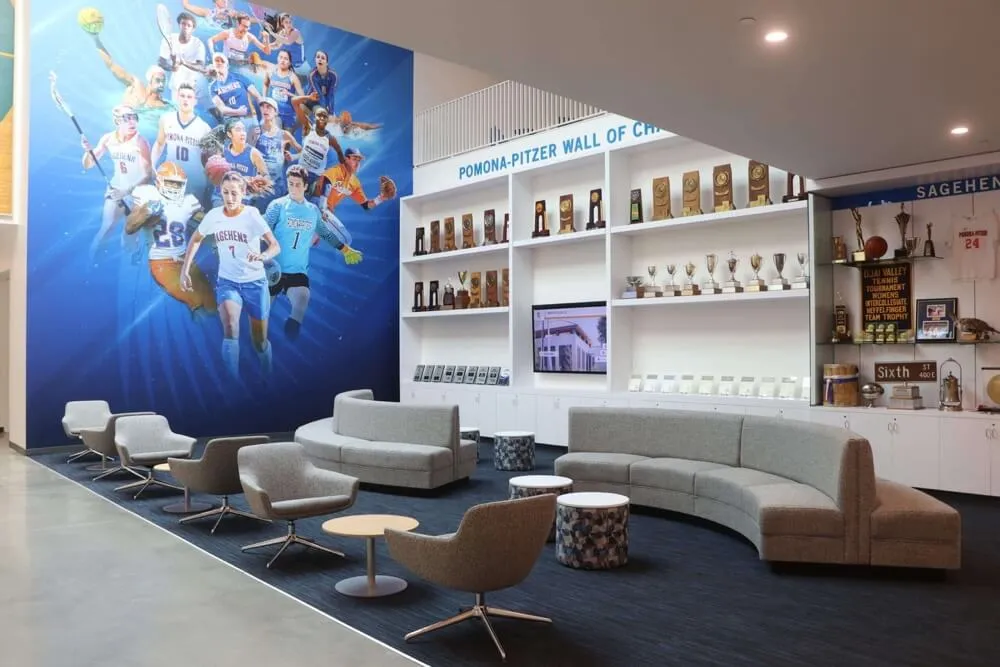
- Collaborate with administration to display FBLA trophies and awards prominently in school trophy cases
This integration ensures FBLA achievements receive recognition comparable to athletic accomplishments and other extracurricular successes, elevating business education visibility within broader school culture.
State Conference Recognition Celebrations
State Leadership Conferences provide formal recognition during awards programs, but chapters can enhance this recognition through their own celebration:
- Host pre-conference send-off celebrations for all attendees
- Organize viewing parties if state results are streamed or posted online
- Create post-conference celebration meeting highlighting all participants
- Document conference experience through photos and video for chapter archives
- Share conference highlights via social media during and after events
These chapter-initiated celebrations extend conference recognition beyond the formal awards ceremony, ensuring all participants feel celebrated by their home chapter regardless of placement results.
Digital Recognition Solutions for FBLA Chapters
Traditional recognition approaches—printed certificates, bulletin board postings, trophy cases—serve chapters adequately but face significant limitations in contemporary educational environments. Digital recognition systems address these constraints while creating new opportunities for celebrating achievement dynamically and engaging current and prospective members more effectively.
Challenges with Traditional FBLA Recognition Methods
Before exploring digital solutions, understanding traditional recognition limitations helps clarify why many successful chapters are adopting technology-enhanced approaches.
Space Constraints and Capacity Limitations
Physical recognition elements consume finite space. Trophy cases fill after several years of competitive success. Bulletin boards accommodate limited honorees before becoming cluttered and illegible. Wall-mounted plaques eventually exhaust available display area, forcing chapters to choose which achievements warrant permanent recognition and which get relegated to storage or discarded entirely.
This space limitation prevents chapters from acknowledging all deserving members and achievements, creating unfortunate decisions about whose accomplishments receive lasting visibility versus whose get temporarily recognized then forgotten.
Update Burden and Maintenance Challenges
Maintaining current traditional recognition requires substantial ongoing effort. Updating printed bulletin boards means designing new layouts, printing materials, posting new information, and removing outdated content—a process consuming hours of adviser or officer time each recognition cycle.
Trophy cases require physical access, careful arrangement, and regular cleaning. Certificates must be designed, printed, signed, and distributed individually. This maintenance burden often leads to recognition delays or inconsistent updates where displays become outdated and lose relevance.
Limited Storytelling and Context
Printed recognition lists document names and achievements but rarely tell stories or provide context. A posted list of state qualifiers confirms who competed but shares nothing about their preparation, the significance of their achievements, or what they gained from the experience. A trophy in a case shows chapter success but offers no information about the team members who earned it, the project they completed, or the skills they developed.
This limited narrative capacity means traditional recognition often fails to create the emotional connection and inspirational impact that rich storytelling could provide.
Restricted Access and Narrow Reach
Physical recognition serves only those present in specific school locations during limited timeframes. Alumni cannot easily revisit their FBLA achievements after graduation. Family members unable to visit school rarely see their students’ recognition. Prospective members touring schools may never encounter FBLA displays in classrooms or less-traveled building areas.
This restricted access limits recognition’s motivational and recruitment value—the achievements chapters invest significant effort celebrating reach only small fractions of potentially interested audiences.
Digital Recognition Display Capabilities for Business Education Programs
Modern digital recognition systems specifically address traditional limitations while introducing capabilities that enhance how chapters celebrate achievement, engage members, and demonstrate program value to school communities.
Unlimited Recognition Capacity Without Space Constraints
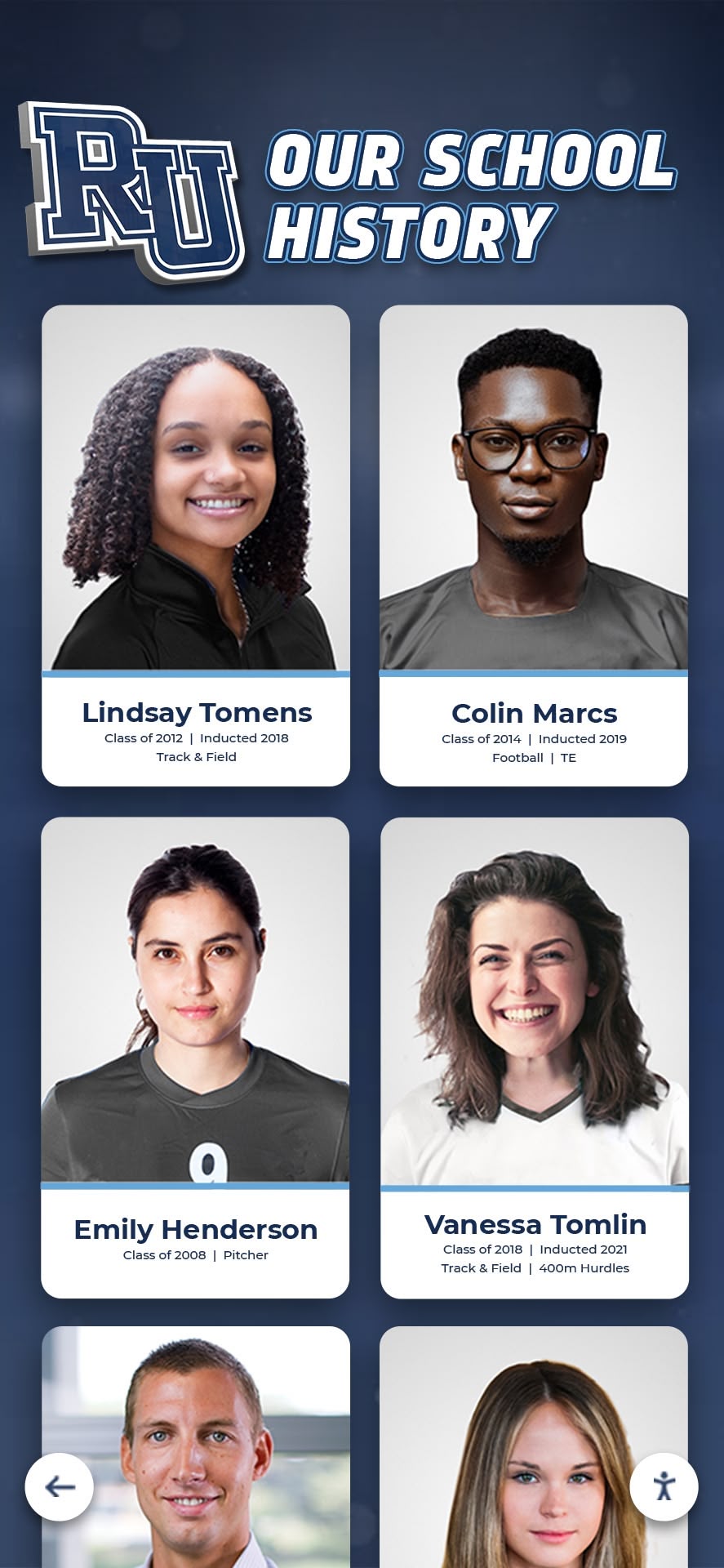
Digital platforms accommodate unlimited honorees without physical space limitations. Every competitive event participant can be recognized. Every officer across multiple years receives acknowledgment. Every Business Achievement Award recipient gets celebrated. Every community service contribution can be documented—without choosing who to exclude based on limited display area.
This unlimited capacity enables truly comprehensive recognition programs that celebrate diverse achievements across the full membership rather than limiting visibility to only premier accomplishments or most recent honorees.
Multimedia Integration and Rich Storytelling
Digital recognition combines text, photos, videos, and interactive elements creating engaging profiles that tell achievement stories comprehensively. Rather than simply listing competitive event placers, digital displays can showcase:
- Individual member profiles with photos showing them at competitions and chapter events
- Competitive event descriptions explaining what specific competitions tested and their significance
- Video clips from presentations or interviews about members’ preparation and experiences
- Photo galleries from state and national conferences documenting the full experience
- Achievement timelines showing members’ progression throughout FBLA careers
- Embedded social media content extending recognition reach
This multimedia capability transforms recognition from administrative documentation into compelling storytelling that engages viewers emotionally and creates aspirational models inspiring other members. Similar approaches prove effective in debate team achievement recognition where multimedia storytelling enhances motivational impact.

Cloud-Based Management and Easy Updates
Modern recognition platforms feature cloud-based content management systems allowing chapters to update displays in minutes from any device with internet access. Adding new competitive event results requires uploading information and publishing. Recognizing conference achievements means adding photos and descriptions Monday morning after weekend events. No physical access to displays needed, no technical expertise required, no significant time investment—just simple content updates through intuitive web interfaces.
This ease of maintenance dramatically reduces the administrative burden that makes comprehensive traditional recognition unsustainable, enabling chapters to keep recognition current and relevant throughout school years without consuming excessive adviser or officer time.
Web Access Extending Recognition Beyond School Walls
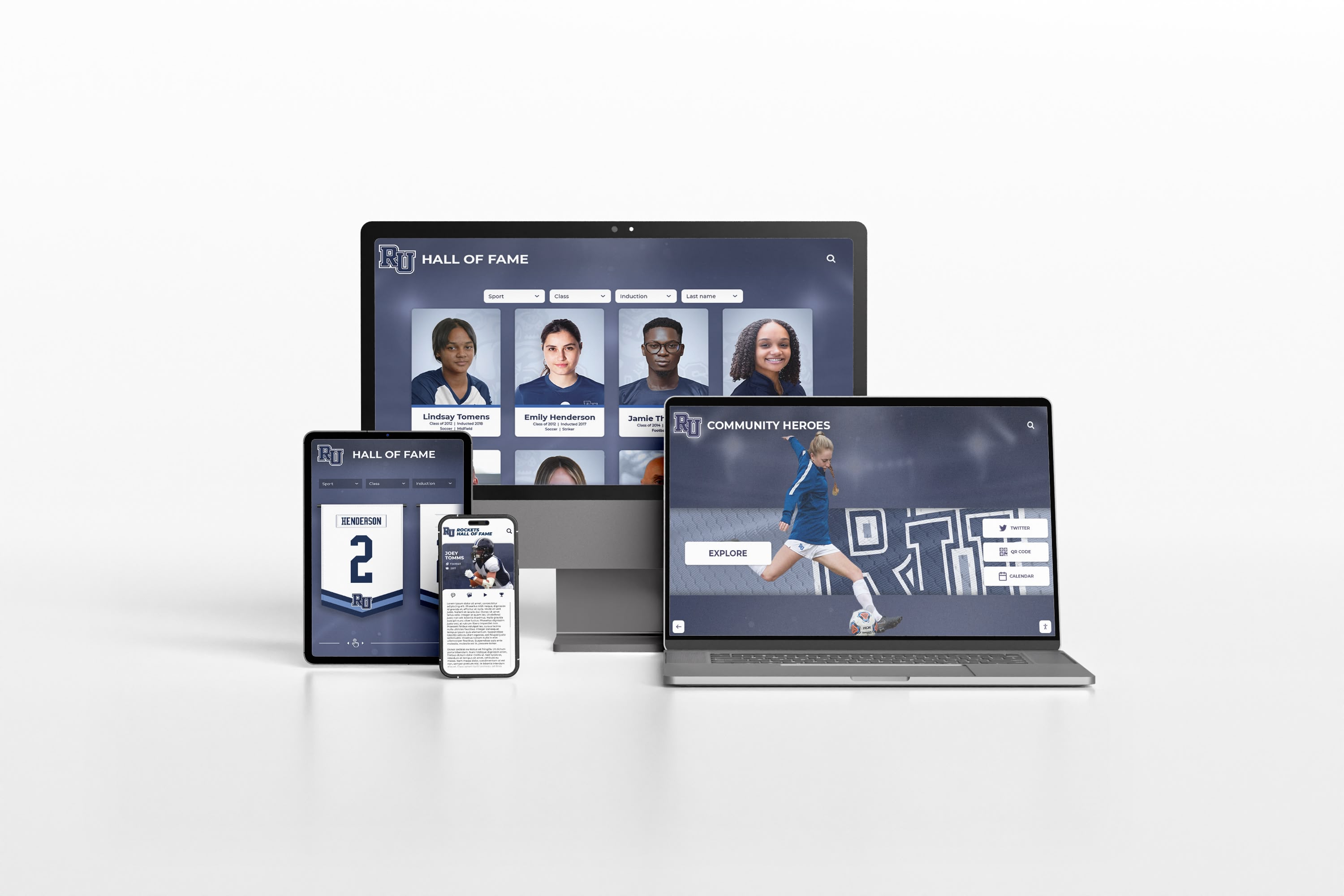
Digital recognition platforms extend beyond physical displays in school buildings through web-based access enabling:
- Students to share their recognition with family members anywhere via simple links
- Alumni to return years after graduation to explore their FBLA achievements and reminisce about chapter experiences
- Prospective members to understand chapter culture and success before joining
- Family members unable to attend school events to see their students’ recognition remotely
- College admissions officers and scholarship committees to verify documented FBLA achievements
- Community business partners to understand chapter accomplishments and program value
This extended reach multiplies recognition’s impact and utility far beyond what traditional physical displays limited to school locations can provide. Effective digital hall of fame implementations demonstrate how web accessibility enhances recognition program value.
Interactive Exploration and Discovery Features
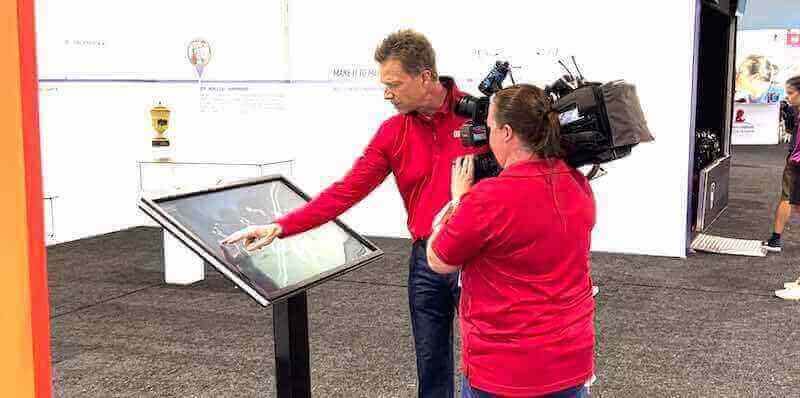
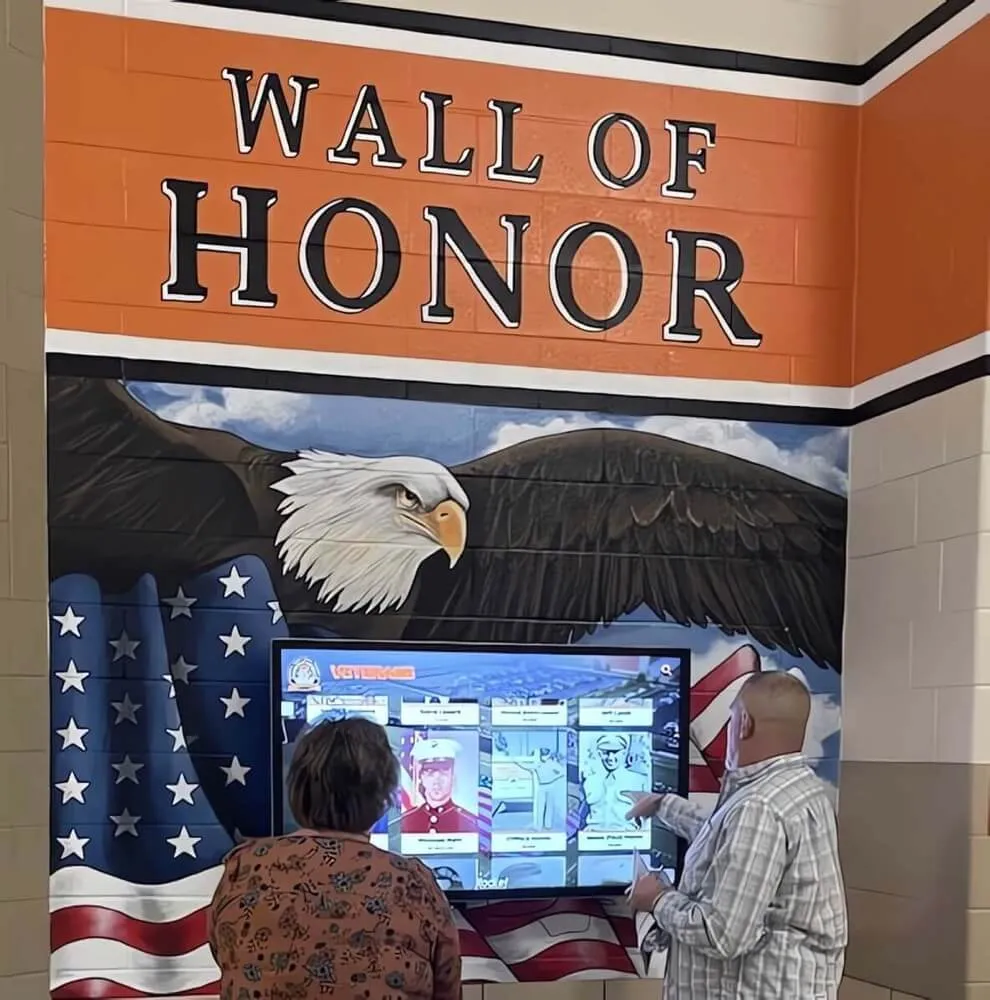
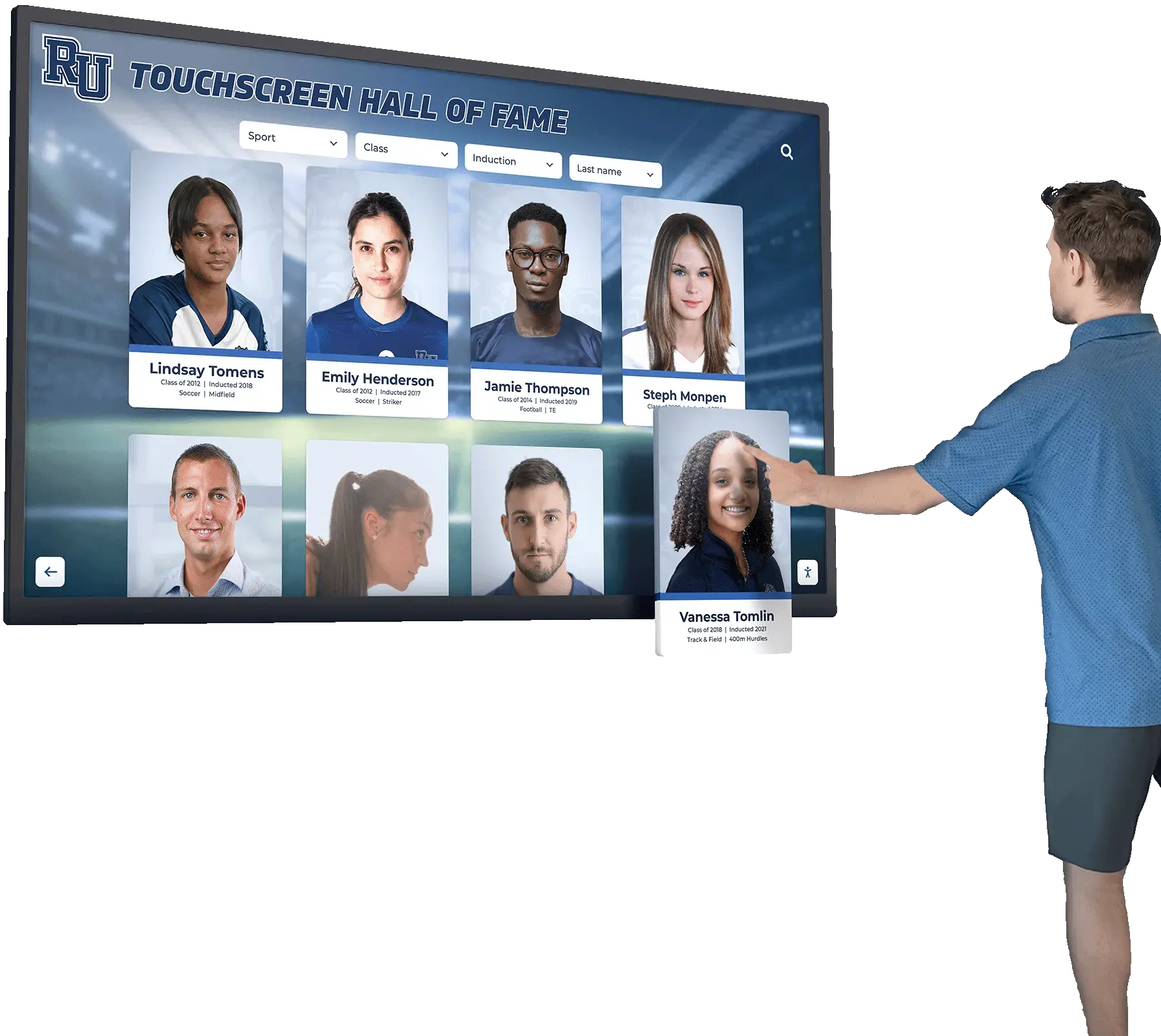
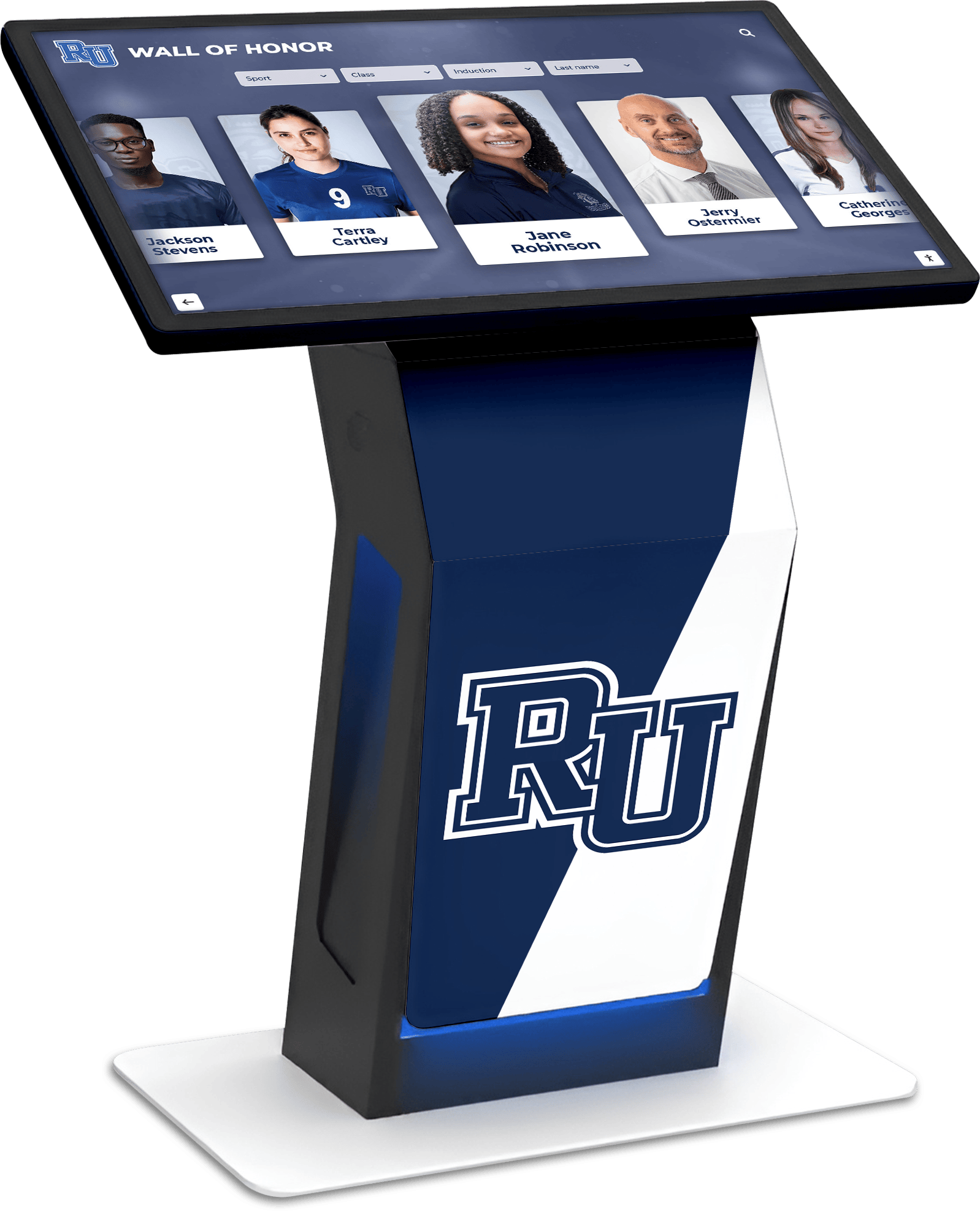
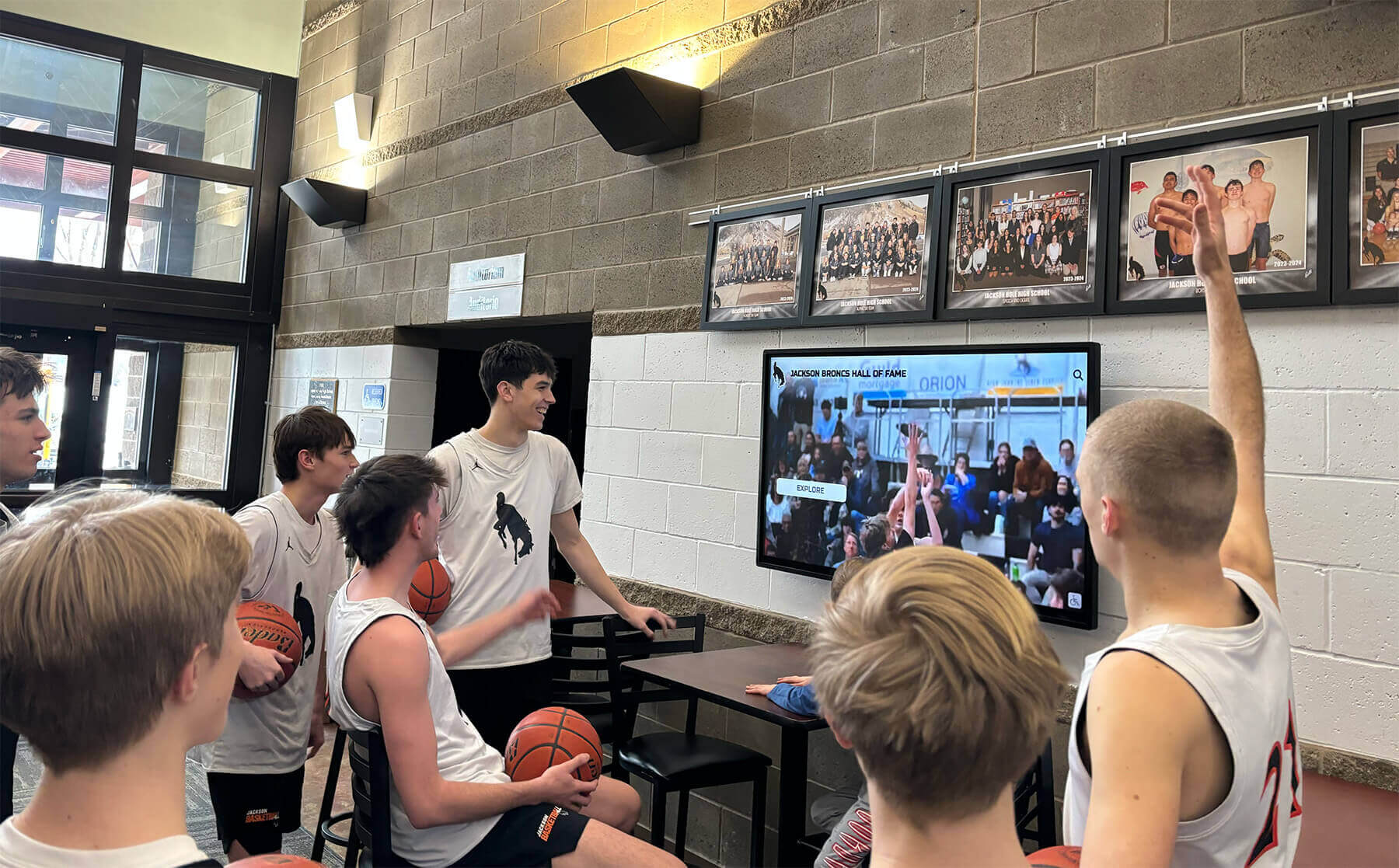
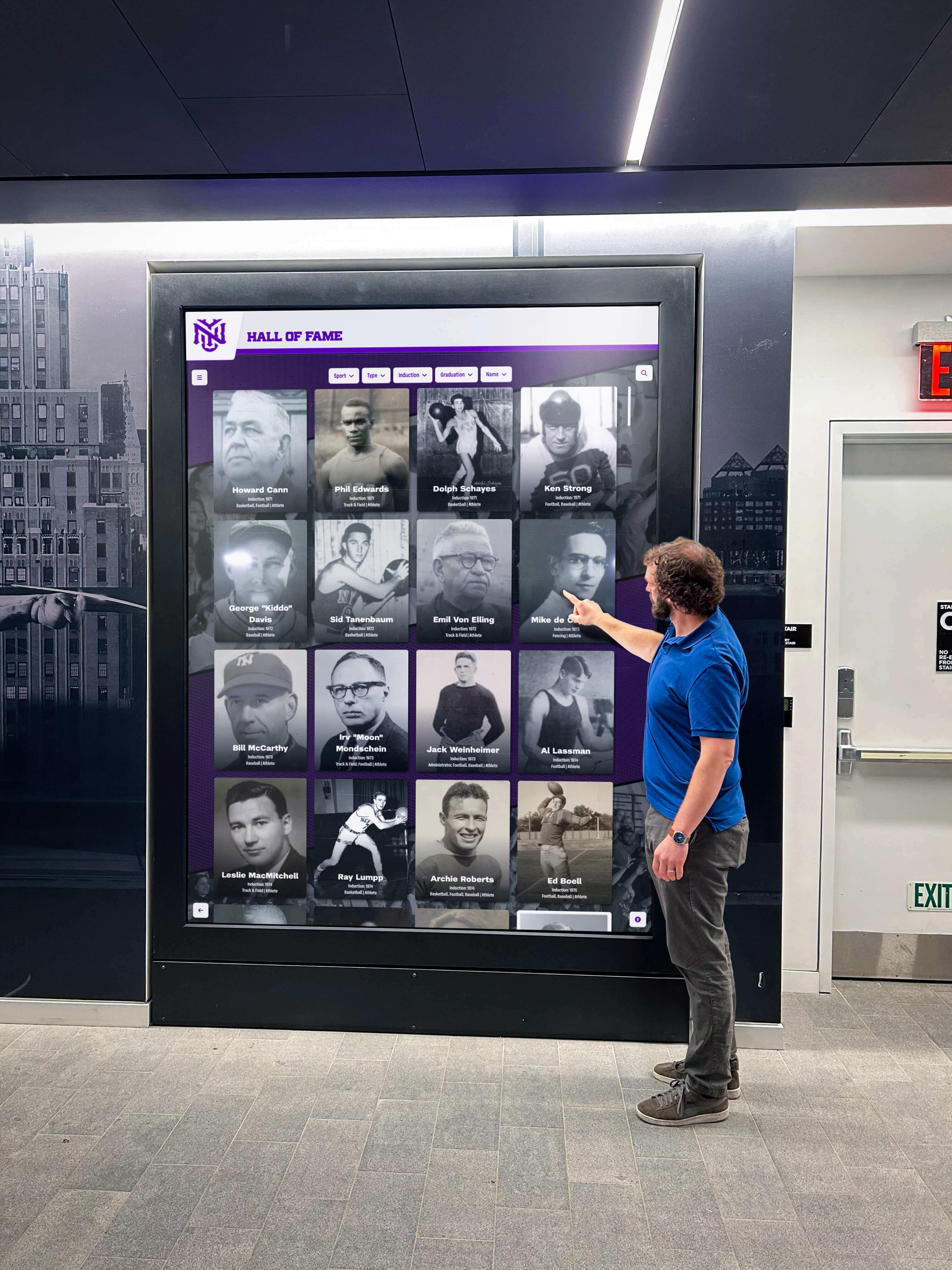
Today’s students expect interactive, exploratory digital experiences rather than passive information consumption. Touchscreen recognition displays enable active engagement through:
- Search functionality instantly finding specific members by name
- Category filtering browsing by event type, achievement level, or graduation year
- Timeline exploration examining chapter history across multiple years
- Interactive maps showing where members have competed or progressed to careers
- Related content linking connecting members to teammates, events, and milestones
- Social sharing features enabling members to post their recognition to personal platforms
This interactivity transforms recognition from passive viewing into active exploration, particularly appealing during unstructured times like passing periods, lunch, and before/after school when students naturally gravitate toward engaging digital content.
Purpose-Built Recognition Solutions for Career and Technical Organizations
While generic digital signage software can display announcements and slides, purpose-built recognition platforms designed specifically for educational achievement provide capabilities particularly valuable for FBLA chapters and similar career and technical student organizations.
Comprehensive Achievement Profile Systems
Solutions like Rocket Alumni Solutions enable chapters to create rich profiles for every recognized member including:
- Biographical information and business education interests
- Detailed descriptions of competitive events entered with context and results
- Multiple photos showing members at conferences, competitions, and chapter activities
- Video content including presentation clips, conference highlights, and interviews
- Documentation of officer positions, committee roles, and leadership contributions
- Business Achievement Awards progress and completion documentation
- Community service projects and contributions
- Professional development activities and certifications earned
- Post-graduation updates tracking college and career progression
The system intelligently links related content—viewing a competitive event shows all members who competed in that category, selecting an individual member reveals their complete FBLA achievement history, browsing by graduation year displays all recognition earned by that class cohort.
This comprehensive profile approach creates recognition far more meaningful and engaging than simple lists of names and placements, telling the full story of members’ FBLA journeys and skill development.
Intuitive Search and Discovery Interfaces
Recognition platforms designed for educational contexts provide multiple pathways for finding relevant content, ensuring all visitors—members searching for themselves, prospective members exploring casually, families seeking their students’ achievements—can quickly locate desired information:
- Direct search: Text search instantly finding specific members by name
- Category browsing: Exploring by competitive event type, award program, or achievement category
- Year filtering: Viewing specific graduating classes or competition years
- Achievement level filtering: Focusing on state qualifiers, national finalists, or specific placement levels
- Featured content: Highlighting recent additions or currently relevant achievements
- Random discovery: “Explore” features revealing interesting profiles visitors might not specifically seek
These diverse access pathways accommodate different user intentions and browsing styles, maximizing engagement across varied audience types.
Strategic Placement in High-Impact School Locations
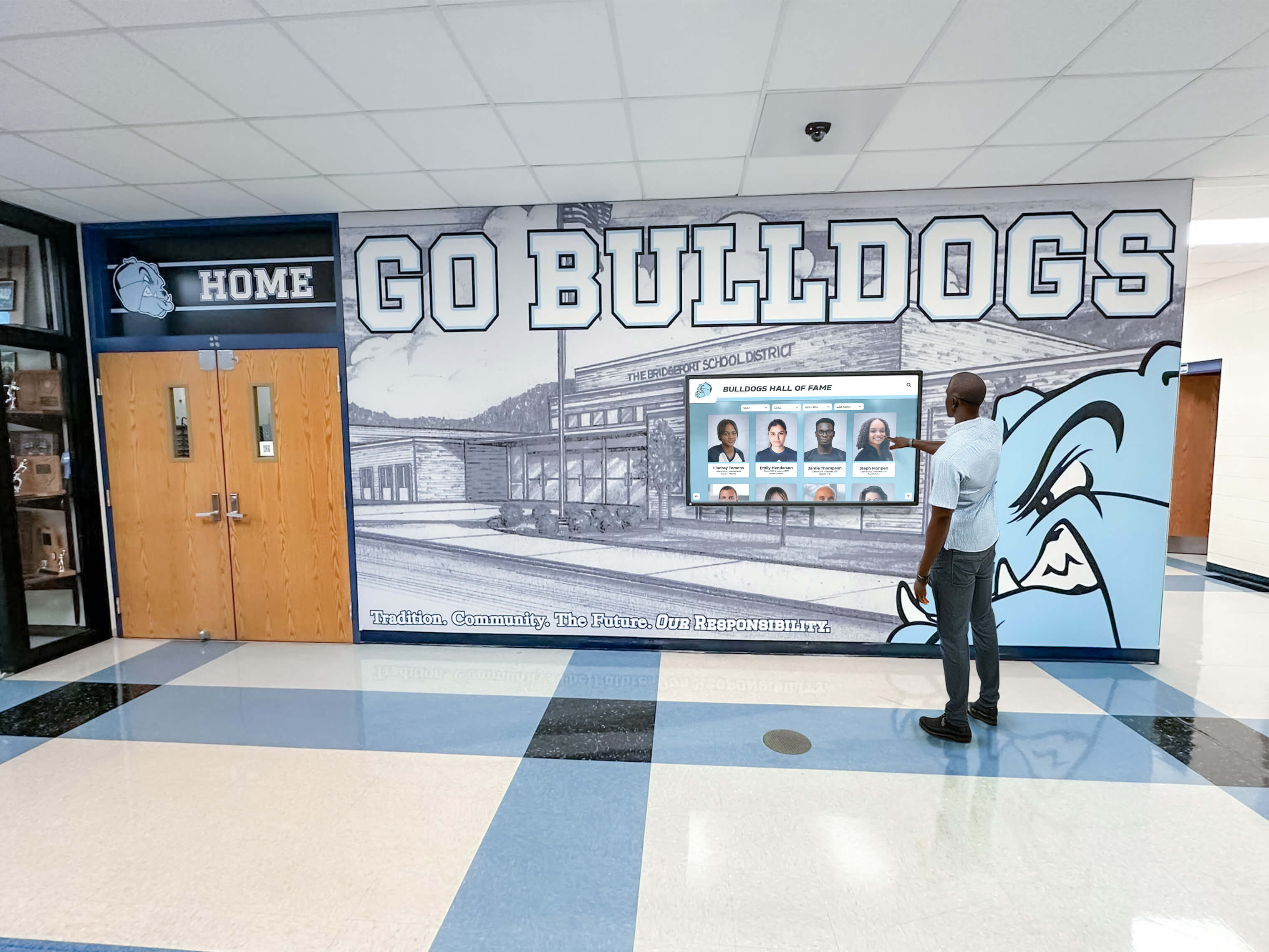
Digital recognition displays transform underutilized school spaces into engagement hubs celebrating achievement. Optimal placement locations for FBLA recognition include:
- Business education classroom or hallway: Primary location where FBLA members and prospective members naturally congregate
- School main entrance or lobby: High-traffic area reaching entire student body and all visitors
- Career center or guidance office: Location where students exploring business education and career pathways already visit
- School library or commons: Central areas where students spend unstructured time
- Near business education labs: Computer labs, accounting rooms, or other spaces where business courses occur
The interactive nature means students naturally engage during passing periods, before school, and lunch—building chapter pride through continuous exposure to achievement celebration while simultaneously attracting prospective members who see visible success and engaged community. Similar placement strategies prove effective for CTE program recognition displays across career and technical education contexts.
Analytics and Engagement Tracking
Understanding how students interact with recognition displays helps chapters demonstrate program value and optimize content strategy. Advanced recognition platforms provide analytics tracking:
- Session duration and interaction depth revealing engagement levels
- Most-viewed profiles and achievement categories showing what interests audiences most
- Search terms indicating what information visitors seek
- Peak usage times informing optimal content update scheduling
- Social sharing activity quantifying extended recognition reach
- Demographic patterns if displays include login features
These insights help chapters refine recognition strategies, understand what content resonates most powerfully with their communities, and demonstrate concrete engagement metrics when justifying chapter resources or recruiting new members.
Best Practices for Maximizing FBLA Recognition Impact
Implementing recognition programs—whether traditional or digital—represents just the starting point. Maximizing their impact on member motivation, chapter culture, and program outcomes requires attention to design principles and consistent execution demonstrating genuine celebration rather than perfunctory acknowledgment.
Making Recognition Feel Meaningful and Personal
Generic, template-based recognition lacks emotional impact. Members want to feel individually seen and valued for their specific contributions and achievements.
Personalization Beyond Names and Titles
Enhanced recognition meaningfulness through:
- Personal achievement descriptions: Specific details about what each member accomplished, not generic event titles
- Recognition of preparation and effort: Acknowledging the work behind achievements, not just results
- Connection to member goals and interests: Relating recognition to students’ stated business education objectives and career aspirations
- Individual congratulations from advisers: Personal messages from advisers highlighting what makes each achievement noteworthy
- Peer recognition integration: Opportunities for members to congratulate and acknowledge each other
- Family involvement: Communications enabling families to celebrate achievements at home
Even small personal touches—an adviser mentioning specific preparation they observed during individual recognition, a handwritten note on certificates, or brief personal comments during announcement—dramatically increase recognition impact compared to simply reading names from lists.
Contextualizing Achievement Significance
Many audiences don’t automatically understand what various FBLA achievements represent. Enhanced recognition includes context helping everyone appreciate significance:
- Explaining competitive event requirements and what they test
- Quantifying competitive context (placing 2nd among 150 state competitors in accounting)
- Describing national qualification significance and elite performance it represents
- Sharing statistics about participation rates and achievement difficulty
- Connecting FBLA achievements to real-world business skills and career preparation
- Highlighting how recognition strengthens college applications and scholarship eligibility
This contextual information helps school communities, families, and even members themselves fully appreciate the magnitude of achievements being celebrated, increasing recognition’s motivational power and cultural impact.
Balancing Individual and Chapter-Level Recognition
Effective FBLA recognition programs celebrate both individual achievements and collective chapter success, creating balanced emphasis that honors personal excellence while building community identity and pride.
Highlighting Individual Excellence
Individual competitive event success, Business Achievement Awards completion, officer leadership, and personal contribution deserve specific recognition:
- Named recognition in all communication channels
- Individual profiles on digital recognition platforms
- Personal certificates and awards presentation
- Social media posts featuring specific members
- Opportunity for recognized members to share their experiences with chapter
This individual focus validates personal effort and achievement, providing the specific acknowledgment that motivates continued excellence.
Celebrating Collective Chapter Achievement
Simultaneously, chapters should emphasize team success and community accomplishment:
- Overall chapter competitive event performance statistics (total qualifiers, national representatives, collective placements)
- Chapter-level awards like Champion Chapter or Gold Seal recognition
- Community service project impact and collective volunteer hours
- Chapter membership growth and engagement metrics
- Team event success highlighting collaborative achievement
- Chapter officer accomplishments benefiting all members
This collective recognition builds chapter identity and community pride, helping members see themselves as part of something larger than individual achievement while preventing recognition programs from feeling like individual competition without collaborative emphasis.
Similar balance proves effective in college intramural sports recognition where celebrating both individual performers and team success strengthens program culture.
Maintaining Recognition Freshness and Engagement Over Time
Recognition programs can lose impact if they feel stale or repetitive. Maintaining engagement requires thoughtful content strategy ensuring recognition remains interesting and relevant throughout school years.
Content Rotation and Variety
Prevent recognition displays from feeling static through:
- Rotating featured members: Highlighting different recognized members regularly rather than always featuring same individuals
- Seasonal content emphasis: Emphasizing conference-related recognition during competition season, transitioning to year-end cumulative recognition later
- Historical context integration: Periodic features on chapter history and legacy achievements alongside current recognition
- Thematic organization: Organizing recognition by themes (leadership recognition month, competition success highlights, community service focus)
- Anniversary recognition: Celebrating milestones like “10 years since our first national champion” or chapter founding anniversaries
This variety maintains visual interest and provides multiple reasons for members to regularly check recognition displays rather than assuming content remains unchanged.
Integration with Current Events and Milestones
Connect recognition to relevant current events and milestones:
- Feature recognition of members competing in upcoming events as conference approaches
- Highlight graduating seniors’ cumulative FBLA achievements during spring
- Recognize officer transitions during election seasons
- Connect to business education week or career and technical education month observances
- Align with school-wide recognition events and celebrations
This integration keeps recognition feeling timely and relevant rather than disconnected from current chapter activity and school calendar.
Extending Recognition Beyond Chapter Membership
While recognition primarily serves current members, extending its reach to broader audiences amplifies impact and serves additional strategic purposes for chapter development and sustainability.
Alumni Engagement Through Recognition Archives
Maintaining accessible recognition archives enables:
- Alumni to revisit their FBLA achievements years after graduation
- Current members to see role models and chapter legacy
- Advisers to demonstrate chapter history and sustained success
- Development of multi-generational chapter culture and tradition
Digital platforms particularly enable this archival function, with web accessibility allowing alumni anywhere to explore recognition and reconnect with chapter identity. This alumni engagement can translate to mentorship, career networking for current members, and chapter financial or programmatic support from successful graduates who maintain connection to their FBLA roots.
Prospective Member Recruitment
Visible recognition serves powerful recruitment purposes:
- Prospective members see concrete examples of opportunities FBLA provides
- Achievement visibility demonstrates chapter quality and engagement
- Recognition displays in high-traffic areas reach students not yet considering business education
- Social media recognition extends chapter visibility beyond school walls
Chapters should strategically leverage recognition for recruitment, ensuring displays are accessible when prospective members tour schools, highlighting recognition during recruitment presentations, and featuring diverse achievement types showing pathways for members with varied interests.
Similar recruitment benefits emerge in academic excellence programs where visible achievement recognition attracts high-performing students to programs.
Family and Community Engagement
Recognition creates natural touchpoints for family involvement:
- Direct family notification of student recognition
- Family attendance at recognition events and ceremonies
- Social media content families can easily share with extended family
- Web-accessible recognition families can explore and discuss with students
This family engagement strengthens home-school connections while building community awareness of business education program value and FBLA chapter success—potentially translating to enhanced school and community support for business education resources and programming.
Measuring FBLA Recognition Program Effectiveness
Like any significant chapter initiative, recognition programs warrant evaluation ensuring they achieve intended goals and justify the resources they consume in adviser time, chapter budgets, and member attention.
Defining Recognition Program Goals and Metrics
Effective evaluation begins with clear articulation of what recognition programs aim to accomplish. Common goals and corresponding measurable outcomes include:
Increased Member Engagement and Retention
- Semester-to-semester member retention rates
- Meeting attendance patterns and participation levels
- Competitive event participation rates year-over-year
- Officer candidate pools and leadership position interest
- Business Achievement Awards program participation
- Member survey responses about motivation and engagement
Enhanced Chapter Culture and Identity
- Member survey questions about chapter pride and belonging
- New member recruitment numbers and quality
- School-wide awareness of FBLA measured through surveys
- Family satisfaction with chapter communication and recognition
- Adviser observations about member interactions and community
Improved Competitive Performance
- State conference qualification rates trending over time
- National conference advancement numbers year-over-year
- Breadth of competitive events entered and member participation
- Competitive event placement results and success rates
- Comparison to similar chapters in state or region
Strengthened School and Community Support
- School administrator awareness and support for chapter
- Business community partnership development
- Local media coverage of chapter achievements
- School budget allocation and resource support for business education
- Integration of FBLA recognition in school-wide celebrations
Identifying 3-5 specific metrics aligned with chapter recognition program goals before implementation creates baseline data enabling meaningful assessment of program impact over time.
Gathering Stakeholder Feedback on Recognition Programs
Quantitative metrics reveal part of the story, but qualitative feedback from those experiencing recognition provides crucial insights numbers cannot capture.
Member Perspectives
Current members can articulate whether recognition feels meaningful and influences their FBLA engagement:
- Anonymous surveys asking whether recognition motivates continued participation
- Focus group discussions exploring what recognition types members value most
- Officer input on recognition program design and implementation
- Informal conversations during chapter meetings revealing member sentiment
- Exit interviews with graduating seniors about their recognition experiences
Questions should explore both whether members value recognition and whether they understand how to earn it, ensuring programs are both motivating and accessible to diverse members.
Adviser Observations
Chapter advisers observe recognition programs’ effects on member motivation, chapter culture, and competitive performance:
- Informal assessment of member engagement changes following recognition implementation
- Observations about which recognition types generate most member excitement
- Feedback on administrative burden and sustainability of recognition approaches
- Identification of gaps where deserving achievements lack adequate recognition
- Comparison to previous years or similar chapters regarding recognition effectiveness
Advisers provide longitudinal perspective across multiple member cohorts, helping identify patterns and trends that single-year data might miss.
Family and School Community Feedback
Parents, school administrators, and broader school community can report recognition programs’ impact on perceptions and support:
- Family survey questions about whether they discuss recognition with students
- Administrator feedback about FBLA visibility and perceived program value
- Community business partner awareness of chapter achievements
- Prospective member responses during recruitment about recognition visibility
- Comparison of FBLA recognition to other school programs and activities
External perspectives help chapters understand whether recognition reaches beyond chapter membership to build broader awareness and support crucial for sustained program success.
Iterating and Improving Recognition Over Time
No recognition program emerges perfect from initial implementation. The most effective chapters treat recognition as iterative, continuously refining based on evidence and feedback.
Regular Review Cycles
Establish scheduled program reviews—perhaps annually—to comprehensively assess recognition programs:
- Analyze quantitative metrics tracking program goals
- Review qualitative feedback from all stakeholder groups
- Compare program outcomes to implementation effort and cost
- Identify specific improvements for coming year
- Document successful practices worth maintaining and expanding
This structured review prevents recognition programs from ossifying into unchanging traditions that no longer serve current members effectively while ensuring continuous improvement aligned with chapter goals and member needs.
Pilot Testing New Recognition Approaches
When considering significant changes to recognition programs, pilot testing reduces risk and provides evidence before full implementation:
- Test new recognition categories for one semester before permanent adoption
- Implement alternative display approaches in limited locations before broader rollout
- Trial new digital recognition platforms with small member groups before chapter-wide deployment
- Gather focused feedback from pilot participants before making final decisions
Pilots allow chapters to refine approaches based on real experience before committing to large-scale changes affecting all members and potentially consuming significant resources.
Implementation Guidance for Chapters at Different Stages
Chapters exist at different development stages with varied resources, histories, and circumstances. Practical recognition implementation guidance must acknowledge these differences rather than prescribing one-size-fits-all approaches.
Establishing Recognition in New or Rebuilding Chapters
Chapters without established recognition traditions can build sustainable systems from the ground up rather than trying to reform entrenched but ineffective practices.
Start with Core Recognition Foundation
New chapters should implement fundamental recognition before pursuing comprehensive systems:
- Competitive event recognition: Acknowledge all participants, celebrate state qualifiers and placers, prominently recognize national qualifiers
- Officer recognition: Honor chapter officers and committee leaders for their service and contributions
- Meeting participation: Simple recognition for consistent attendance and engagement
- Basic communication channels: Announcements, social media posts, and simple bulletin board displays
This focused approach creates sustainable recognition foundation without overwhelming new advisers or chapters with limited resources and established systems.
Leverage Low-Cost Recognition Approaches
Chapters with limited budgets can implement meaningful recognition through affordable methods:
- Certificate templates requiring only printing and adviser signature
- Social media recognition requiring only smartphone photos and brief descriptions
- Bulletin board displays using basic materials and member-created content
- Recognition during regular chapter meetings requiring no additional events
- Integration with existing school recognition programs and channels
Effective recognition requires commitment and consistency more than significant budgets, making comprehensive programs accessible even to chapters with minimal financial resources.
Document Recognition Systematically From the Start
Even new chapters should maintain organized recognition records:
- Spreadsheets tracking competitive event participation and results
- Photo libraries documenting members at conferences and activities
- Written descriptions of achievements for future reference
- Digital copies of certificates and awards distributed
Systematic documentation from the beginning creates archives enabling historical recognition and alumni engagement as chapters mature while preventing loss of institutional memory when advisers transition or members graduate.
Enhancing Recognition in Established Chapters
Chapters with existing recognition traditions face different challenges—often needing to reform outdated approaches or expand limited programs rather than starting from scratch.
Audit Current Recognition Landscape
Begin enhancement efforts with honest assessment of existing recognition:
- What achievements currently receive recognition, and what’s overlooked?
- Who receives recognition, and are there patterns suggesting gaps?
- How visible and engaging is current recognition to members and school community?
- What do members and families say about current recognition practices?
- How much adviser and officer time does current recognition consume?
- How does current recognition support chapter goals for culture and competitive success?
This audit creates baseline understanding and identifies specific improvements that enhanced recognition should provide.
Prioritize High-Impact Enhancements
Rather than attempting comprehensive recognition overhaul simultaneously, focus on changes providing maximum impact relative to implementation effort:
- If competitive event recognition is strong but non-competitive contribution goes unacknowledged, add Business Achievement Awards and service recognition
- If recognition exists but lacks visibility, enhance communication channels and display locations
- If recognition is timely but boring, add multimedia content and storytelling elements
- If recognition reaches members but not broader communities, extend through social media and web platforms
Prioritization prevents enhancement initiatives from becoming overwhelming while delivering meaningful improvements that chapters can sustain and build upon incrementally.
Consider Strategic Technology Investment
Established chapters often have resources to invest in recognition technology that new chapters cannot immediately afford. Digital recognition platforms provide particular value when:
- Chapters have substantial recognition history worth preserving and showcasing
- Competitive success and chapter achievements warrant more sophisticated display
- School facilities include appropriate locations for interactive displays
- Adviser time constraints limit ability to maintain traditional recognition consistently
- Chapter seeks to differentiate itself and demonstrate program quality for recruitment
While digital solutions require initial investment, they often reduce ongoing administrative burden while dramatically enhancing recognition visibility and engagement—potentially justifying costs through improved recruitment, retention, and competitive performance benefits they facilitate.
Recognition in Resource-Constrained Environments
Many chapters operate with limited budgets, minimal adviser time, and constrained access to school facilities and resources. Recognition remains achievable even in challenging circumstances through resourceful approaches.
Leverage Free Digital Tools
Free platforms and tools enable sophisticated recognition without budget requirements:
- Social media platforms (Instagram, Facebook, Twitter) for photo-based recognition
- Google Sites or free website builders for simple recognition web pages
- Free graphic design tools (Canva) for certificate and social media post creation
- School learning management systems for recognition communication to members
- Email newsletters using free email services for family communication
These tools require time investment but minimal financial resources, making comprehensive communication accessible to all chapters regardless of budget constraints. Similar approaches work effectively for FFA award recognition on limited budgets.
Partner with Other School Programs
Collaborate with other school entities to share recognition resources:
- Work with school communications teams to include FBLA recognition in school-wide channels
- Partner with yearbook to document and archive chapter achievements
- Collaborate with school technology or media classes to create recognition content
- Coordinate with administration to share trophy cases and display spaces
- Connect with school social media accounts to amplify recognition reach
These partnerships extend chapter capacity beyond what advisers and members alone could provide while simultaneously increasing FBLA visibility throughout school communities.
Engage Members in Recognition Efforts
Member involvement reduces adviser burden while developing leadership skills:
- Assign officer responsibility for recognition communication and documentation
- Create recognition committee managing displays and social media
- Have members interview each other about achievements for recognition stories
- Engage members in photography and video documentation at events
- Involve members in design and maintenance of physical displays
This distributed approach makes comprehensive recognition manageable while providing leadership development opportunities for members managing these responsibilities.
The Future of FBLA Recognition: Emerging Trends and Innovations
FBLA recognition continues evolving as technology advances and educational practices shift. Forward-thinking chapters are exploring next-generation approaches that will likely become mainstream in coming years.
Digital Credentials and Verifiable Achievement Records
Education is moving toward comprehensive learner records and digital credentials that students control and carry throughout their lives. FBLA recognition will increasingly integrate with these broader systems:
- Competitive event placements automatically generating digital badges students add to credential portfolios
- Business Achievement Awards transforming into stackable micro-credentials
- Chapter leadership positions creating verifiable records employable by colleges and employers
- Blockchain-based achievement verification preventing credential fraud
- Integration with professional platforms like LinkedIn for lifelong recognition access
This evolution gives FBLA recognition lasting utility beyond momentary acknowledgment, creating permanent records with real value in college applications, scholarship competitions, and career development.
Artificial Intelligence-Enhanced Recognition Systems
Artificial intelligence will play growing roles in recognition through:
- Automated achievement detection identifying recognition opportunities from chapter activity data
- Natural language generation creating personalized recognition messages at scale
- Predictive analytics identifying members at risk of disengagement for targeted recognition
- Intelligent content recommendation connecting members to relevant recognition and role models
- Computer vision automatically organizing and tagging recognition photos from events
These AI applications can make comprehensive recognition more manageable for busy advisers while potentially increasing personalization and timeliness beyond what manual processes can achieve.
Extended Reality Recognition Experiences
Some forward-thinking educational programs are exploring augmented and virtual reality applications for recognition. FBLA implementations might include:
- Virtual award ceremonies members attend from anywhere
- Augmented reality displays overlaying recognition information on physical school spaces viewed through mobile devices
- Immersive chapter history explorations allowing members to experience legacy achievements
- Virtual recognition displays accessible in metaverse environments
While still emerging, these technologies hint at how recognition might evolve as extended reality becomes more prevalent in educational contexts.
Integration with Professional Networks and Career Pathways
Future recognition systems will likely connect more directly to professional development and career pathways:
- Direct integration with business mentorship networks matching recognized students with industry professionals
- Career opportunity platforms highlighting FBLA achievements to potential employers
- Scholarship and internship programs automatically identifying eligible students based on recognition records
- Alumni networks connecting current members with graduates based on shared achievement areas
- Professional organization partnerships recognizing FBLA achievement as members transition to careers
These integrations position FBLA recognition as foundation for lifelong professional networks and opportunities rather than recognition that ends at high school graduation.
Taking Action: Next Steps for Enhancing Chapter Recognition
For chapters ready to establish new recognition programs or enhance existing initiatives, the path forward combines practical planning with vision for the chapter culture you want to create.
Assess Your Current Recognition Approach
Begin with honest evaluation of existing recognition practices:
- What achievements currently receive recognition, and what’s overlooked?
- How visible and engaging is recognition to members, families, and school community?
- What do members say about whether recognition feels meaningful and motivating?
- How much adviser and officer time does current recognition require?
- How does recognition support chapter goals for member engagement and competitive success?
This assessment creates baseline understanding and helps identify specific improvements new or enhanced recognition programs should provide.
Define Recognition Philosophy and Goals
Effective recognition programs reflect deliberate choices about what chapters value:
- Will you emphasize competitive achievement, comprehensive participation, or balanced recognition?
- How will you acknowledge diverse contribution types beyond event placements?
- Should recognition celebrate only top performers or create pathways for broader membership?
- What role should individual versus chapter-level recognition play?
- How will recognition support chapter mission and member development objectives?
Articulating clear philosophy helps ensure recognition programs remain aligned with broader chapter goals rather than existing as disconnected reward systems.
Start with Core Programs and Expand Thoughtfully
Rather than attempting comprehensive recognition immediately, consider phased implementation:
Phase 1: Foundation Recognition
- Establish competitive event recognition for all participants and placers
- Implement basic officer and leadership recognition
- Create simple communication channels (social media, announcements)
Phase 2: Expanded Recognition
- Add Business Achievement Awards and community service recognition
- Enhance storytelling and multimedia content in recognition
- Increase visibility through multiple communication channels
Phase 3: Advanced Implementation
- Deploy digital recognition displays in high-traffic school locations
- Extend recognition through web platforms accessible beyond school
- Integrate comprehensive analytics and continuous improvement processes
This phased approach allows chapters to build sustainable programs incrementally rather than implementing complex systems that become overwhelming and get abandoned. Similar phased strategies prove effective in National Honor Society digital recognition implementations across diverse school contexts.
Explore Purpose-Built Recognition Solutions
While chapters can implement recognition using basic tools, specialized platforms designed for educational achievement often provide significantly better experiences with less administrative burden. Purpose-built solutions like Rocket Alumni Solutions offer:
- Intuitive content management requiring minimal training and technical expertise
- Comprehensive profile systems telling achievement stories beyond simple lists
- Web-based access extending recognition beyond school walls
- Interactive features engaging contemporary students
- Analytics demonstrating program impact and return on investment
- Ongoing support from teams understanding chapter contexts and adviser constraints
These specialized solutions prove particularly valuable for established chapters seeking to modernize recognition while managing adviser time constraints and chapter resources effectively.
Conclusion: Building Cultures of Business Leadership Excellence Through Recognition
FBLA awards recognition programs represent far more than administrative tasks checking boxes for acknowledging competitive event placements. When thoughtfully designed and authentically implemented, recognition becomes a powerful tool for shaping chapter culture, motivating members, and celebrating the business leadership development that students and advisers create together throughout school years.
The most effective recognition programs share common characteristics regardless of specific implementation approaches. They acknowledge diverse types and levels of achievement—competitive success, leadership contributions, community service, and comprehensive participation—ensuring members across the engagement spectrum see realistic pathways to recognition. They communicate recognition prominently through multiple channels, making celebration visible throughout school communities rather than limited to members attending conferences. They connect recognition to effort, preparation, and skill development rather than innate ability, reinforcing growth mindset principles. They leverage efficient systems and technology making comprehensive recognition sustainable rather than burdensome for busy advisers. They evolve based on evidence and feedback rather than remaining static traditions.
As chapters approach 2025-2026 program planning, the opportunities for innovative recognition have never been richer. Digital technologies like interactive displays, web-based recognition platforms, and social media integration allow chapters to celebrate achievement more dynamically, more visibly, and more engagingly than traditional methods ever enabled. Purpose-built solutions designed specifically for educational recognition make sophisticated programs accessible even for chapters with limited technical expertise or adviser capacity.
Yet technology represents only an enabler, not the essence of effective recognition. At its core, recognition succeeds when it authentically communicates what chapters and advisers already know: that students accomplish remarkable things through dedication and hard work, that business education achievement deserves celebration, and that every member has potential for excellence worthy of acknowledgment.
Whether establishing first formal recognition programs or enhancing long-standing traditions, the key lies in implementing systems that genuinely celebrate achievement, remain manageable for busy chapters, and create cultures of business leadership excellence where all members can thrive. The members who experience authentic recognition today become the engaged alumni, successful business professionals, and community leaders of tomorrow—making recognition programs investments that pay dividends long after students graduate from high school.
Frequently Asked Questions About FBLA Recognition Programs
What are the most important FBLA awards to recognize in our chapter?
The most comprehensive chapter recognition programs acknowledge multiple achievement types rather than focusing exclusively on competitive event placements. Essential recognition categories include competitive event participation and results (all participants, state qualifiers, state placers, national qualifiers, national finalists), Business Achievement Awards at all four completion levels, chapter officer positions and leadership contributions, chapter-level awards like Champion Chapter or Gold Seal status, community service projects and volunteer contributions, and “Who’s Who” or other individual distinction awards. This multi-category approach ensures members pursuing diverse involvement pathways all receive acknowledgment while maintaining appropriate distinction between achievement levels.
How can small chapters with limited resources implement effective recognition?
Effective recognition requires commitment and consistency more than substantial budgets. Resource-constrained chapters can implement meaningful programs through free social media platforms (Instagram, Facebook) for photo-based recognition, certificate templates requiring only printing and signatures, basic bulletin board displays using affordable materials, recognition during regular chapter meetings requiring no additional events, integration with existing school communication channels and recognition programs, and member involvement in recognition content creation and distribution reducing adviser burden. Start with core competitive event and officer recognition, then expand incrementally as capacity allows, ensuring sustainable implementation rather than ambitious programs that get abandoned when they become overwhelming.
Should we recognize all competitive event participants or only placers?
The most effective recognition programs acknowledge all participants while creating appropriate distinction between participation and placement achievement. Recognize every member who competes at state conferences—simply qualifying and attending represents accomplishment worthy of acknowledgment. Then provide enhanced recognition for state finalists/top 10, special celebration for state placers (top 3), prominent acknowledgment of national qualifiers, and premier recognition for national finalists and placers. This tiered approach ensures all members feel their participation matters while maintaining meaningful differentiation that honors higher achievement levels. Members who don’t place this year may place next year if they see their participation valued and feel motivated to continue improving.
How often should chapters update recognition displays and communication?
Recognition loses motivational power when significantly delayed. Chapters should update recognition as promptly as possible after achievements occur—ideally within days for time-sensitive recognition like competitive event results. Post social media recognition while traveling home from state conferences. Update digital displays remotely immediately after receiving results. Distribute certificates at the next chapter meeting following achievement. For ongoing recognition visibility, chapters should refresh recognition content at least monthly to prevent displays from feeling stale, with more frequent updates during active competition seasons. Digital platforms make this frequent updating manageable, while traditional displays may require less frequent but still regular refresh cycles to maintain relevance and engagement.
What about members who don’t receive competitive awards—how do we recognize them?
Comprehensive recognition programs extend well beyond competitive event placements. Recognize diverse contributions including consistent meeting attendance and active participation, committee involvement and project completion, officer positions at any level (chapter, state, regional), Business Achievement Awards progress and completion, community service hours and project leadership, mentoring newer members and supporting chapter culture, recruitment of new members, and improvement in business knowledge and skills regardless of competitive results. Additionally, implement improvement-based recognition acknowledging members making substantial progress, and consider subject-area recognition for members demonstrating strength in specific business disciplines even if they don’t earn top competitive placements. This inclusive approach ensures all engaged members receive acknowledgment while maintaining meaningful standards for various achievement types.
How can we measure whether our recognition program is working?
Effective evaluation combines quantitative metrics and qualitative feedback. Track member retention rates semester-to-semester and year-over-year, competitive event participation rates and breadth of events entered, Business Achievement Awards program participation levels, meeting attendance patterns, and officer candidate interest as quantitative indicators. Supplement with anonymous member surveys about recognition impact on motivation and engagement, adviser observations about chapter culture and member enthusiasm, family feedback about whether they discuss recognition at home, and comparison to previous years regarding competitive performance and chapter vitality. Regular assessment every 1-2 years ensures programs continue serving intended purposes effectively, with specific metrics defined before implementation creating meaningful baseline for measuring improvement and impact over time.
Should we use digital displays or stick with traditional recognition methods?
The choice depends on chapter circumstances, resources, and goals. Traditional approaches (bulletin boards, certificates, trophy cases) work adequately for chapters with limited budgets, smaller membership that physical displays can accommodate, consistent adviser time for manual updates, and school cultures less oriented toward technology. Digital solutions provide particular value for established chapters with substantial recognition history worth showcasing, competitive success warranting more sophisticated display, school facilities including appropriate locations for interactive displays, adviser time constraints limiting ability to maintain traditional recognition, and recruitment goals where technology demonstration enhances chapter appeal. Many successful chapters implement hybrid approaches—maintaining some traditional elements while adding digital components that address traditional limitations. Start with methods you can sustain consistently, then enhance over time as resources allow and needs emerge.
Request Additional Implementation Guidance
This guide presents comprehensive analysis of FBLA awards recognition program structures, implementation strategies, and best practices across chapter contexts. Chapters interested in receiving customized guidance for their specific circumstances, exploring digital recognition platform options, or discussing recognition program enhancement strategies should contact recognition solutions specialists to request a consultation.
For chapters ready to explore purpose-built educational recognition platforms, Rocket Alumni Solutions offers comprehensive systems specifically designed for career and technical education organizations, combining proven technology with implementation support based on the best practices documented throughout this guide.
About This Guide: This comprehensive analysis synthesizes official FBLA program documentation with implementation insights from successful chapters nationwide. Recognition approaches and specific program details continue evolving—chapters should verify current program requirements and guidelines through official FBLA resources when making implementation decisions.
Sources:
This research incorporated information from official FBLA resources and educational recognition best practices documentation:
- Business Achievement Awards - FBLA
- Future Business Leaders of America (FBLA) Competitive Events – Institute of Competition Sciences
- FBLA - Wikipedia
- Recognition | California FBLA
- Awards/Recognition - Missouri FBLA
- TCSG Students Win 18 Trophies at Future Business Leaders of America National Leadership Conference