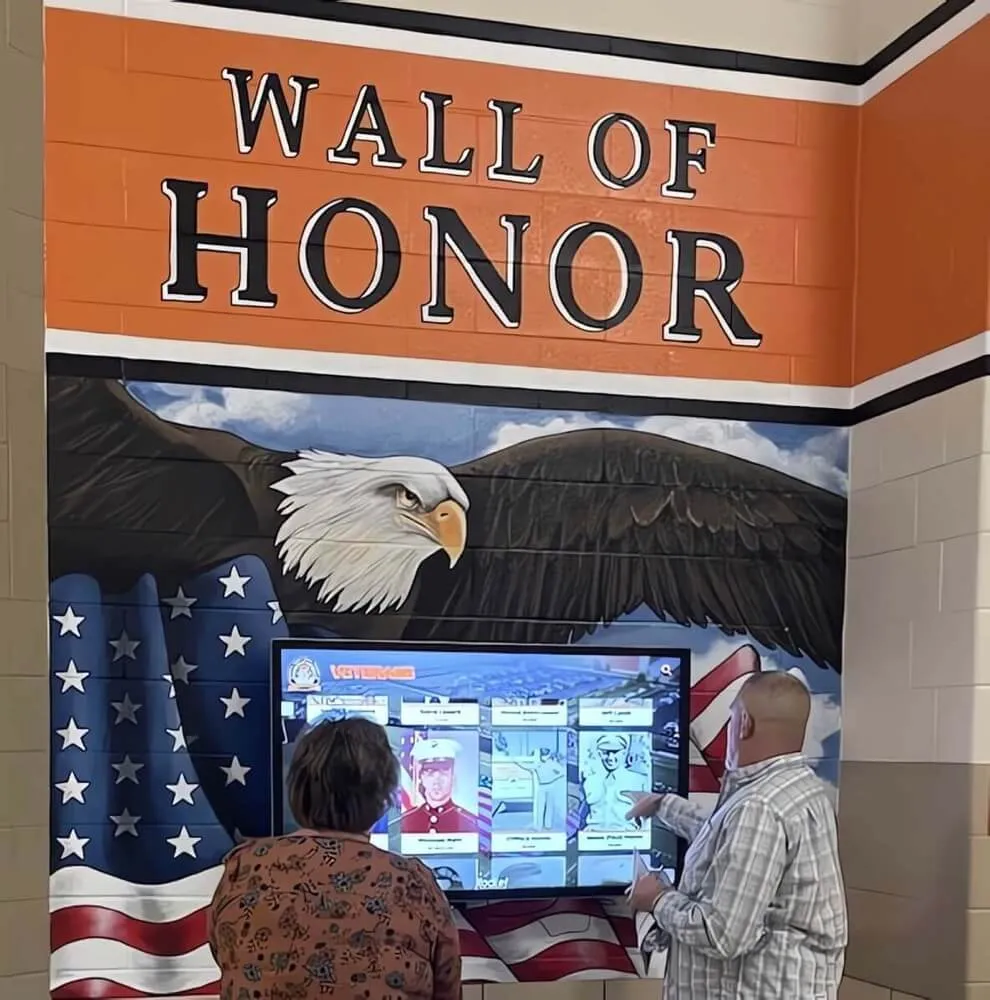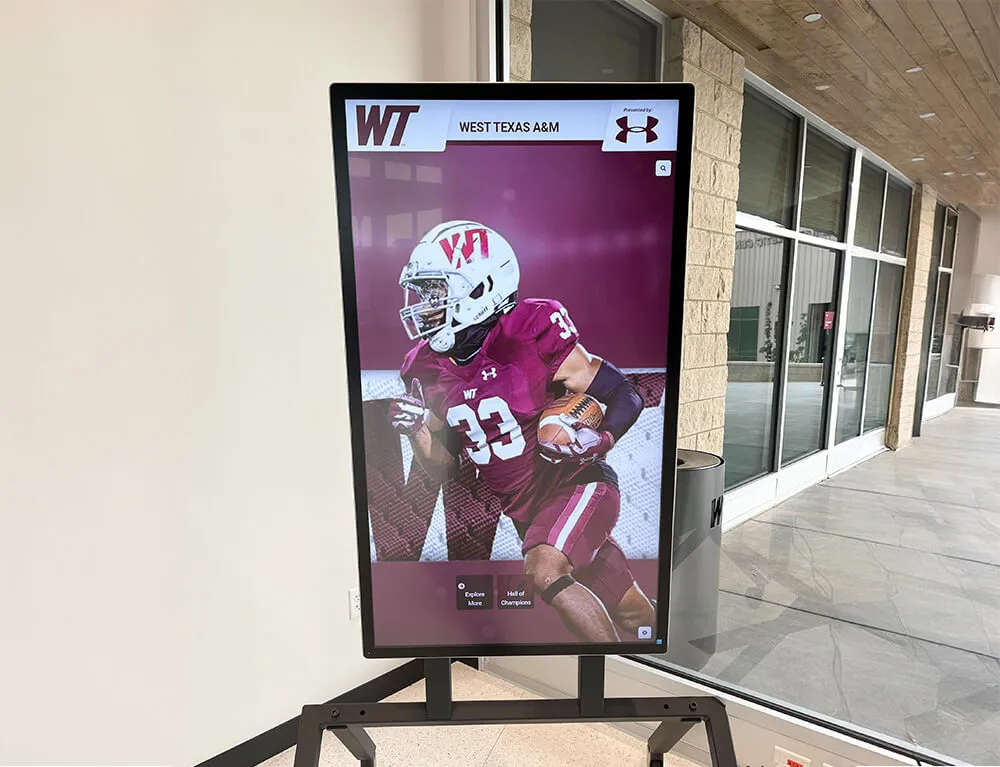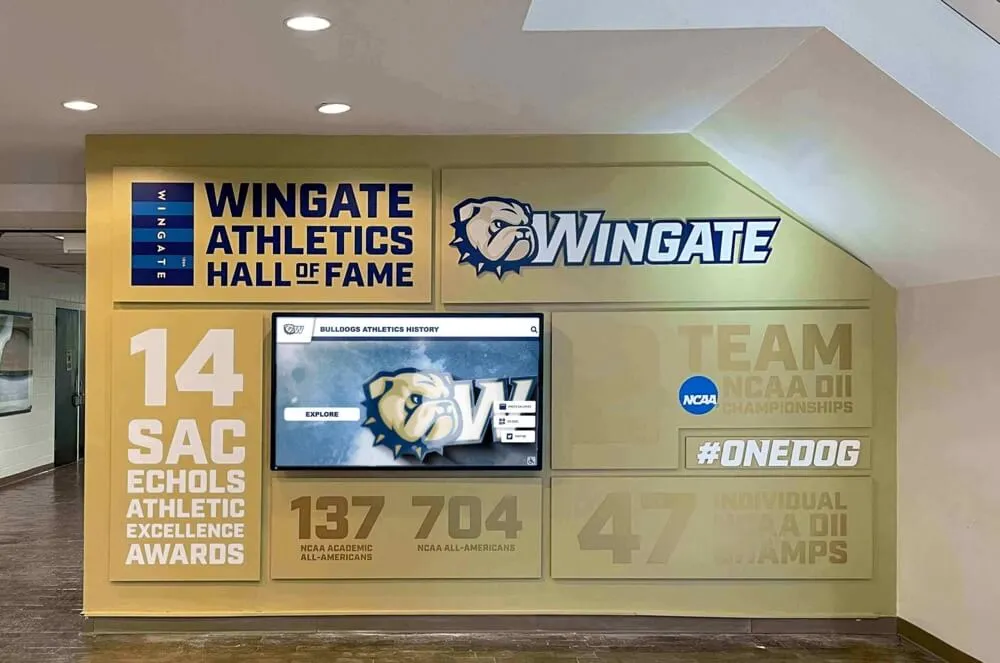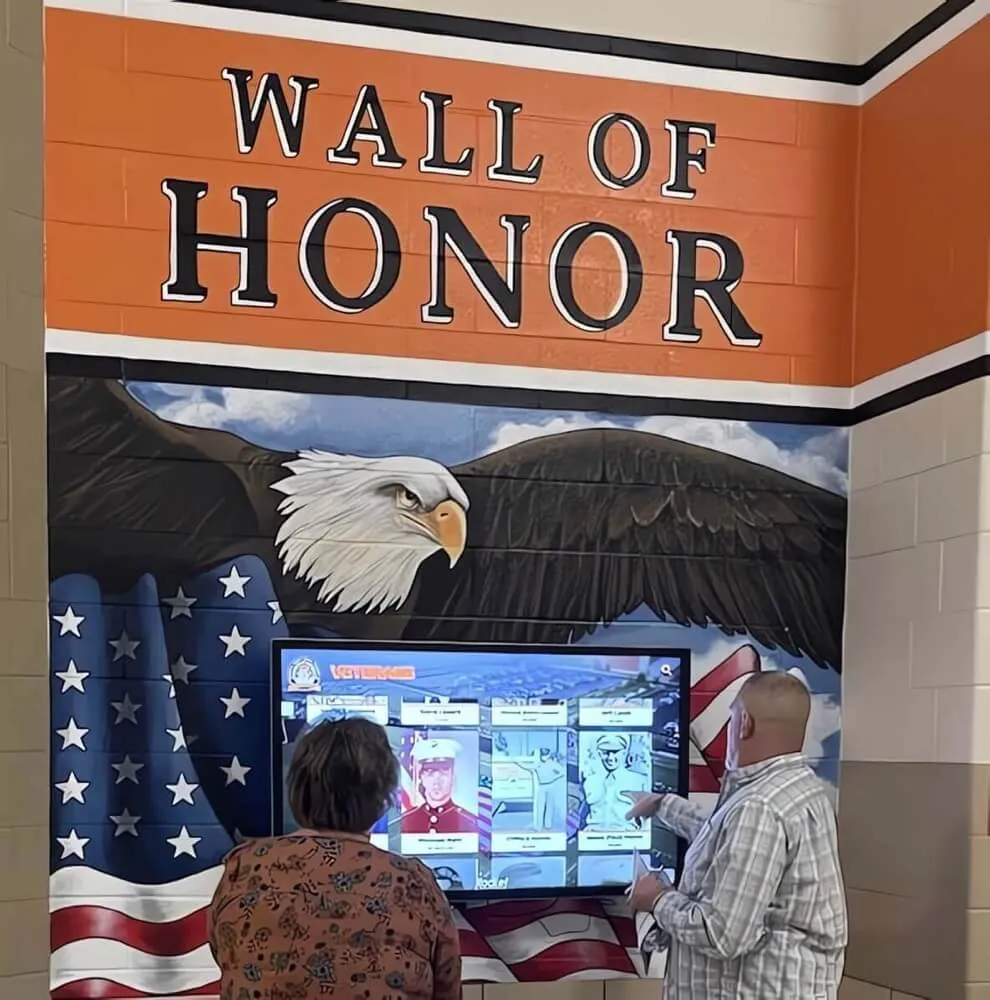




Honoring fallen heroes—military service members, law enforcement officers, and firefighters who made the ultimate sacrifice—requires memorial displays that match the magnitude of their service and sacrifice. Communities, municipalities, schools, fire stations, police departments, and military installations face the ongoing challenge of preserving and presenting these stories in ways that educate current generations while ensuring permanent remembrance for future generations.
Traditional memorial approaches—bronze plaques, static monuments, and printed honor rolls—face inherent limitations including space constraints that restrict the number of individuals honored, limited information capacity preventing rich biographical storytelling, costly updates requiring professional engraving or fabrication for additions, static presentation that fails to engage younger generations accustomed to interactive experiences, and deterioration over time from weather exposure and physical wear.
This comprehensive guide explores how touchscreen displays transform fallen heroes memorials into dynamic, engaging recognition experiences that preserve complete life stories, accommodate unlimited growth, facilitate easy updates, and create meaningful connections between past sacrifice and present communities. We'll examine implementation strategies, essential features, content best practices, and how solutions like Rocket Alumni Solutions provide the technology infrastructure supporting communities committed to permanent, dignified remembrance of their fallen heroes.
The Evolution of Fallen Heroes Memorials
Understanding the progression from traditional monuments to interactive digital displays illuminates why modern communities increasingly embrace technology-enhanced memorial recognition.
Traditional Memorial Limitations
Physical memorials have served communities honorably for centuries, yet they face practical constraints that become more apparent as time passes and the number of honored individuals grows.
Space Constraints and Scalability Issues
Bronze plaques, granite monuments, and memorial walls occupy fixed physical space. Initial installations may accommodate several dozen names, but as years pass and more heroes make the ultimate sacrifice, existing memorials fill to capacity. Expansion requires expensive construction, architectural modifications, or separate memorial locations that fragment recognition and diminish impact.
Fire departments with memorial walls honoring line-of-duty deaths, police departments maintaining fallen officer memorials, and military installations recognizing deceased service members all face these eventual capacity challenges. Planning for indefinite expansion proves nearly impossible with traditional approaches.
Limited Biographical Information
Physical memorials typically display names, ranks, and dates of service or death. While respectful, this minimal information fails to capture the complete person—their background, personality, family, accomplishments, and the specific circumstances of their service and sacrifice that provide context and meaning to their ultimate contribution.
Visitors encounter lists of names without understanding who these individuals were beyond their final act. The human stories that inspire, educate, and create emotional connections remain untold, reducing powerful personal narratives to basic biographical data.
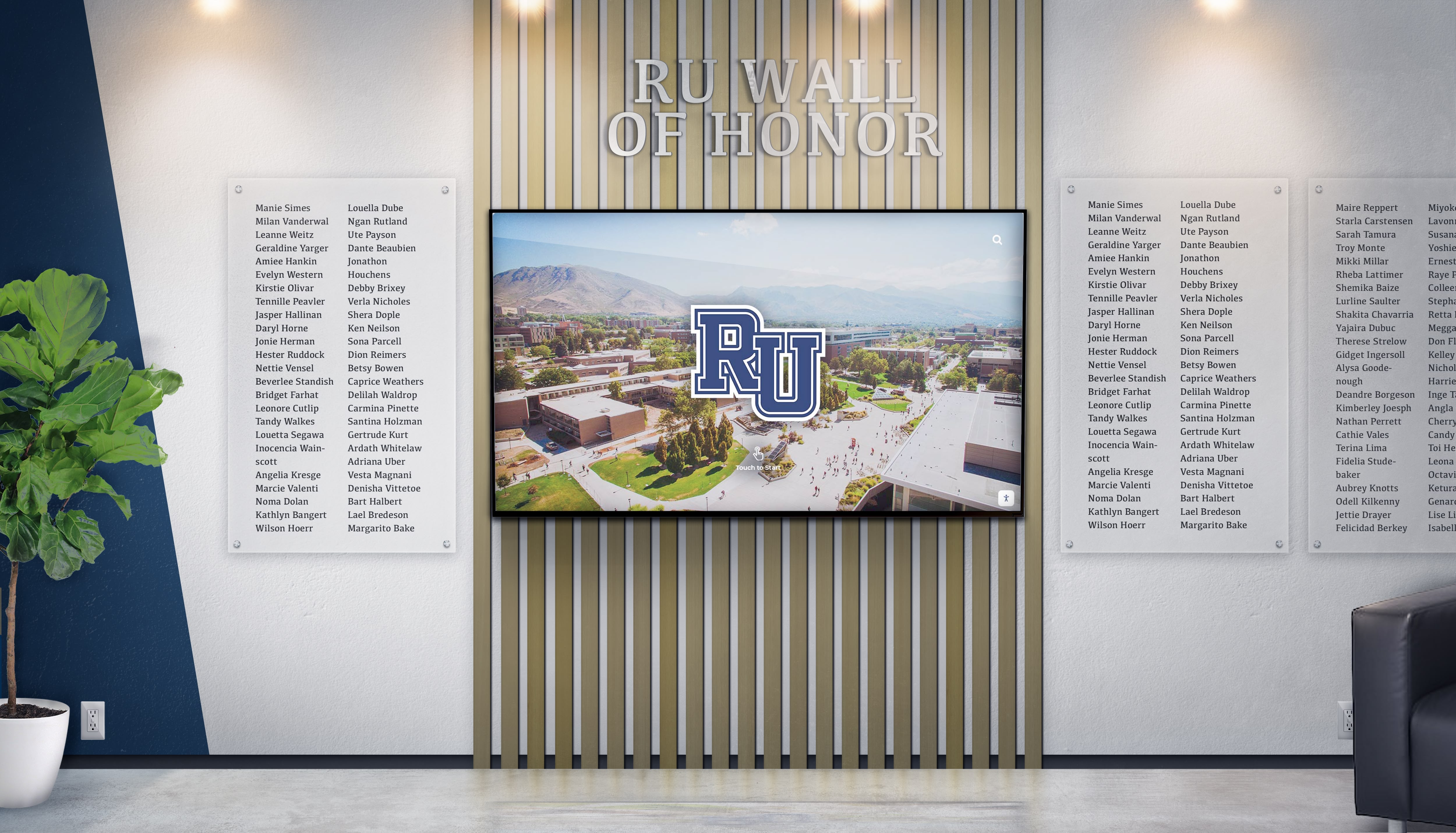
Maintenance and Weather Deterioration
Outdoor memorials face constant environmental challenges. Metal plaques corrode. Stone deteriorates. Painted surfaces fade. Weather exposure, temperature fluctuations, and physical wear gradually degrade even the highest-quality materials, requiring ongoing maintenance, periodic restoration, and eventual replacement.
Indoor memorials avoid weather exposure but still accumulate dust, experience lighting changes that fade colors and photographs, and require regular cleaning to maintain dignity appropriate for memorial purposes.
Update Complexity and Costs
Adding names to bronze plaques requires professional engraving services costing hundreds of dollars per addition. Stone memorials need specialized fabrication. Even simple additions involve coordinating with manufacturers, waiting for production, and arranging professional installation—processes taking months from the time a fallen hero is lost until their name appears on official memorials.
These barriers sometimes result in unfortunate delays where heroes wait months or even years for permanent recognition while temporary solutions serve as inadequate substitutes.
The Digital Memorial Transformation
Interactive touchscreen displays address every limitation of traditional memorials while introducing capabilities impossible with physical approaches.
Unlimited Recognition Capacity
A single touchscreen display—occupying minimal wall space—can honor unlimited individuals. Whether recognizing 10 fallen heroes or 10,000, the display footprint remains constant. Communities never face capacity decisions, never need expensive expansions, and never must choose between maintaining memorial dignity and accommodating additional honorees.
This unlimited capacity proves particularly valuable for communities with long histories or large populations serving in military, law enforcement, and fire service roles where the number of fallen heroes steadily grows across generations.
Rich Multimedia Storytelling
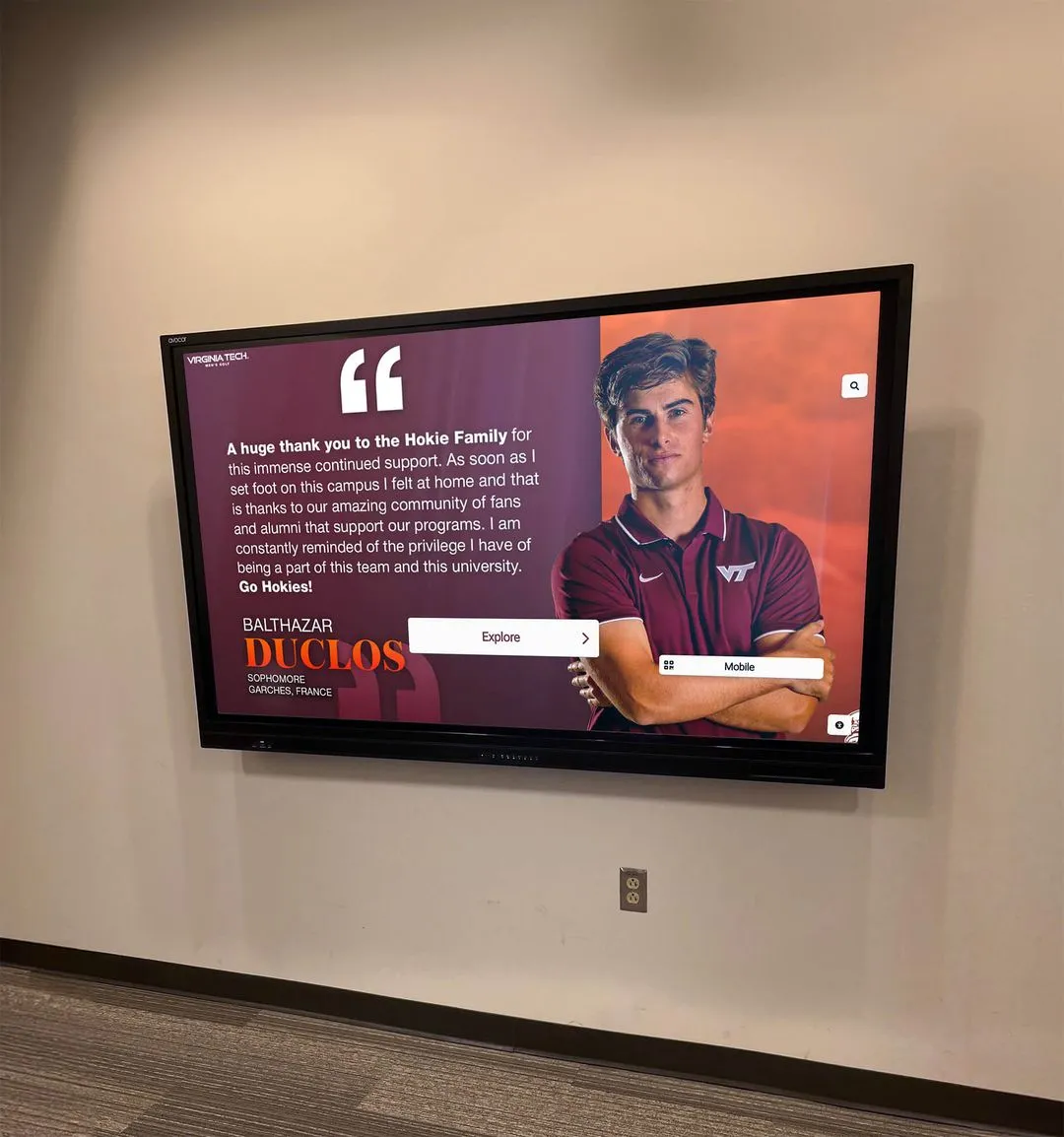
Digital platforms enable comprehensive biographical profiles that bring fallen heroes to life for visitors who never knew them personally. Each profile can include multiple photographs showing the individual throughout their career and life, complete biographical information including birthplace, family, education, and career progression, service history with assignments, deployments, and accomplishments, circumstances of death providing context for their ultimate sacrifice, personal reflections from family, colleagues, and community members, video tributes and memorial service footage, and audio recordings of the individual when available.
This rich content transforms memorial visits from reading names into encountering real people, understanding their contributions, and appreciating the full context of their sacrifice—creating emotional connections that static plaques cannot achieve.
Immediate Updates and Additions
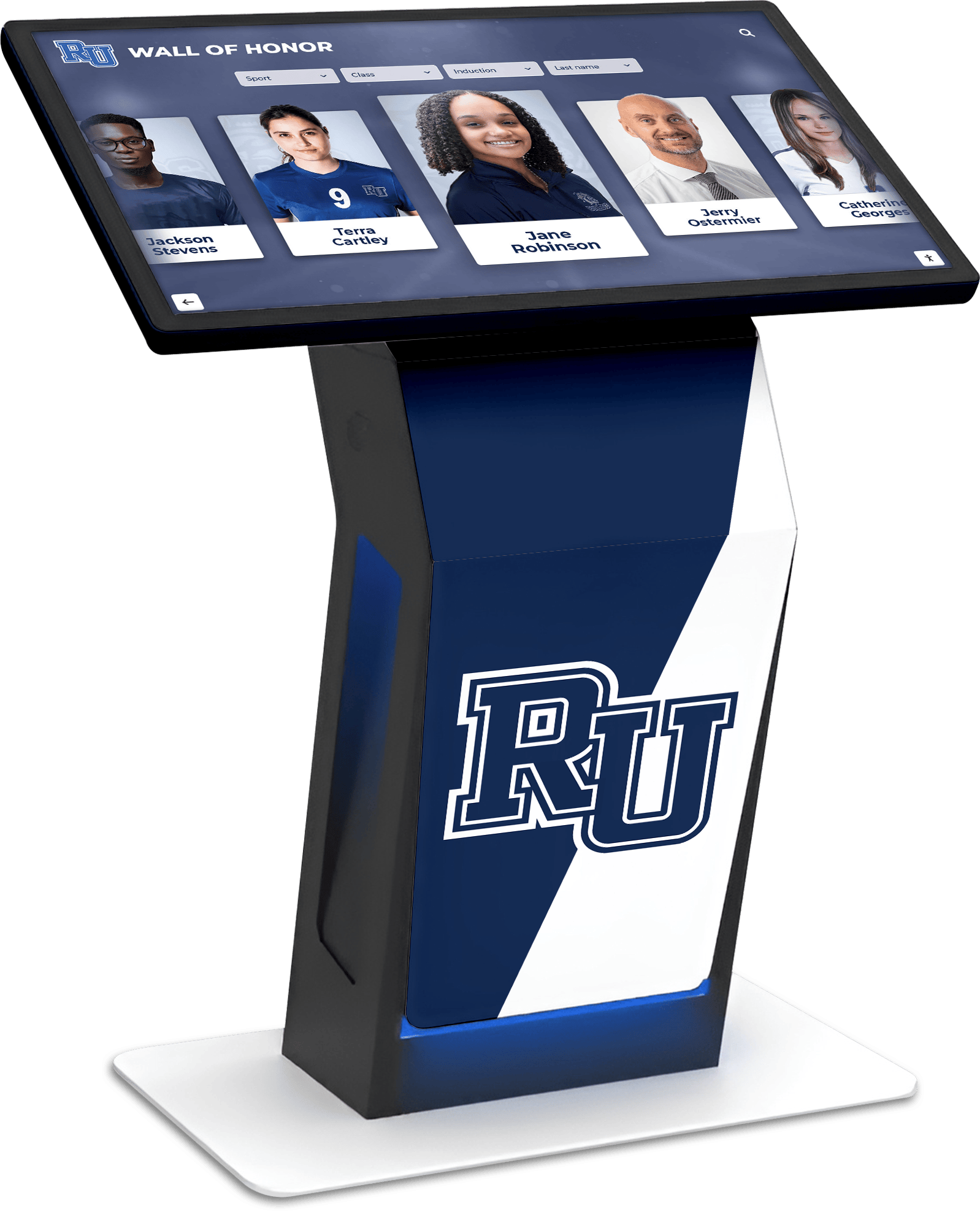
When a hero falls, their community deserves the ability to honor them immediately. Cloud-based content management systems allow memorial administrators to add new profiles within hours rather than months, ensuring timely recognition that acknowledges sacrifice promptly while supporting grieving processes for families and communities.
Updates require no specialized equipment, no technical expertise, and no professional services—just internet access and the biographical information and photos that families and colleagues eagerly provide. New content publishes instantly, appearing on displays immediately after submission.
Weather-Proof and Maintenance-Free
Indoor touchscreen installations eliminate weather exposure entirely. Commercial-grade displays require only periodic screen cleaning—no restoration, no repainting, no re-engraving, no structural repairs. Content never fades, never corrodes, never deteriorates. Digital photographs maintain perfect clarity indefinitely while physical photos yellow and degrade.
Even outdoor installations using weatherized enclosures and high-brightness displays face minimal maintenance compared to traditional monuments, with digital content remaining pristine regardless of environmental conditions.
Essential Features of Effective Fallen Heroes Displays
Successful memorial displays incorporate specific capabilities that ensure dignity, accessibility, engagement, and ease of management appropriate for honoring the fallen.
Intuitive User Interface Design
Memorial displays must be instantly understandable to visitors of all ages and technical abilities, requiring no instructions or assistance to explore content respectfully and thoroughly.
Simple Navigation Structures
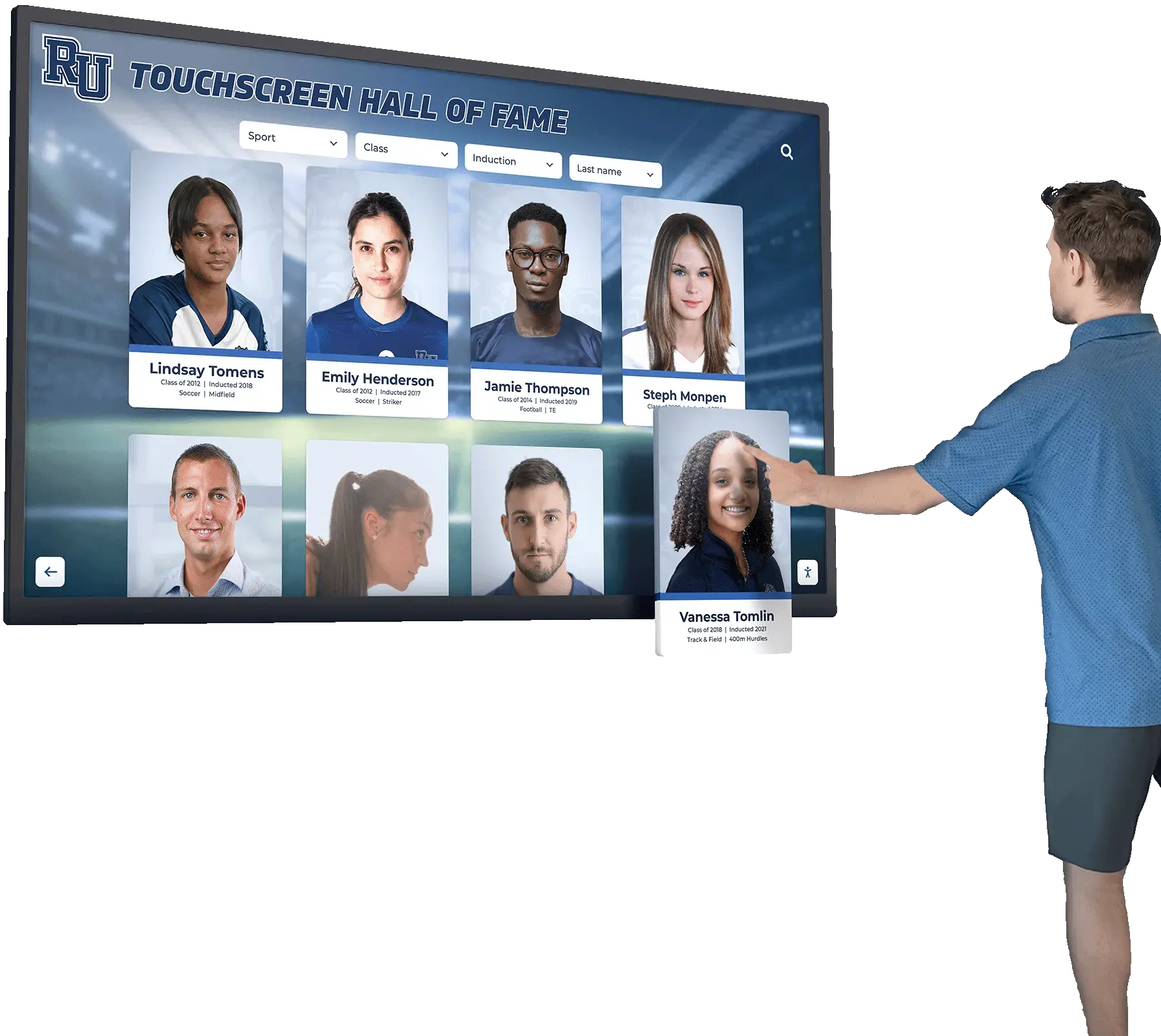
Clear visual hierarchies guide visitors through content logically. Home screens present organizational options—browse by name, browse by service branch, browse by year, browse by location, or search directly. Each option leads to intuitive next steps requiring minimal cognitive load and no technical knowledge.
Large touch targets accommodate visitors with limited dexterity or visual impairments. Clear text labels rather than ambiguous icons ensure understanding. Consistent navigation patterns throughout the interface prevent confusion as visitors explore different sections.
Powerful Search Capabilities
Visitors seeking specific individuals should locate them instantly. Robust search functionality enables lookup by full name, partial name, nickname, service number, unit assignment, time period, location, or any other identifying information families and colleagues might remember.
Auto-complete suggestions help visitors with uncertain spelling. Search results highlight matching terms. If multiple individuals share similar names, clear disambiguation information helps visitors identify the correct person.
Comprehensive Filtering and Browsing
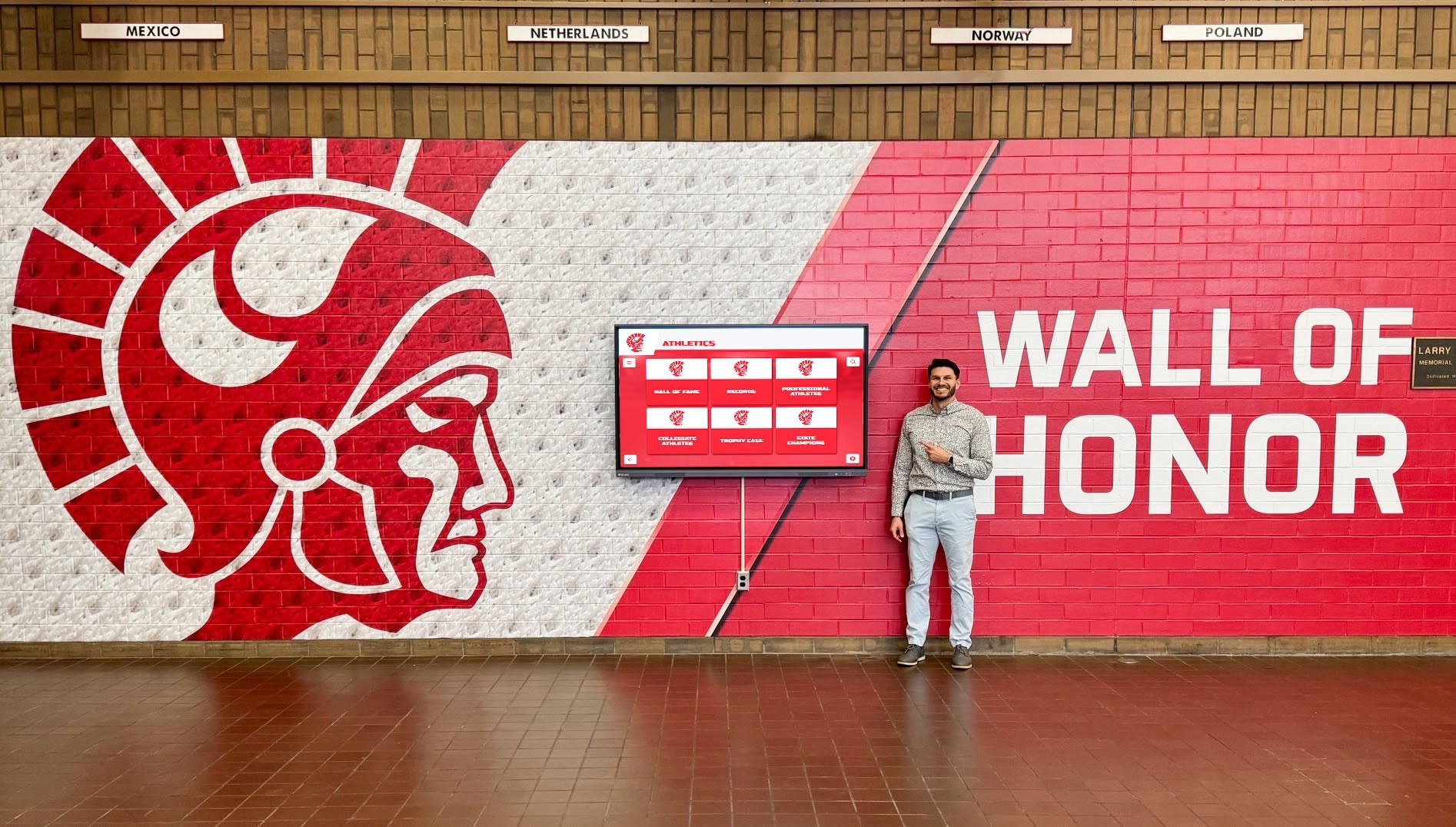
Beyond search, visitors want to browse and discover. Filtering options allow exploration by service branch (Army, Navy, Air Force, Marines, Coast Guard, National Guard, law enforcement, fire service), time period (decade, year, or conflict), unit or department, location of death, and type of incident.
These browsing capabilities support both directed searches and open exploration, accommodating visitors with specific individuals in mind and those learning about the full scope of sacrifice their community has experienced.
Comprehensive Profile Content
Each fallen hero deserves a complete profile that tells their story with dignity, accuracy, and sufficient detail to create meaningful understanding.
Biographical Information Framework
Standardized profile structures ensure consistency while allowing flexibility for unique circumstances. Essential biographical elements include full name (including maiden names or nicknames), birth date and location, family information (parents, spouse, children), education background, service entry date and circumstances, complete service history including assignments and deployments, ranks and promotions throughout career, awards, decorations, and special recognition, date and location of death, and circumstances of death with appropriate detail.
This comprehensive approach transforms names into people—individuals with families, dreams, accomplishments, and communities who loved them and continue to honor their memory.
Multimedia Integration Capabilities
Text alone cannot capture the full person. Effective profiles integrate multiple media types that complement written information and create emotional connections.
Photograph galleries should include uniform portraits showing official service photos, casual photographs revealing personality, family photos providing personal context, action shots from training or operations, and memorial service images documenting community recognition. Video content can incorporate memorial service footage, tribute videos created by units or departments, interviews with colleagues sharing memories, and family reflections when appropriate and authorized.
Audio elements might include radio transmissions or recordings (when appropriate), tribute speeches from memorial services, and oral history interviews conducted before death for veterans or long-serving personnel.
Accessibility and Inclusive Design
Memorial displays must serve all community members regardless of physical abilities, ensuring everyone can honor fallen heroes appropriately.
Physical Accessibility Compliance
Installations must meet ADA requirements including maximum 48-inch reach height for touchscreen controls accommodating wheelchair users, 30x48 inch clear floor space enabling wheelchair approach, tilted screens optimizing viewing angles for seated visitors, and mounting heights placing primary content within comfortable viewing range for both standing and seated visitors.
Religious worship touchscreen displays and other public memorial installations demonstrate how proper accessibility planning creates inclusive experiences serving diverse communities effectively.
Visual Accessibility Features
High contrast display modes assist visitors with low vision, ensuring text remains legible against backgrounds. Adjustable text sizes allow visitors to increase font sizes throughout the interface. Screen reader compatibility enables blind visitors to access content through assistive technologies, though this typically requires companion web-based versions since touchscreen screen readers face technical limitations.
Color-blind friendly palettes ensure color is never the sole means of conveying information, with text labels, icons, or patterns providing redundant information communication.
Multilingual Content Support
Communities with diverse populations benefit from multilingual content presentation. Effective systems support interface translation allowing visitors to select preferred languages for navigation and instructions, while profile content translation provides key biographical information in multiple languages serving non-English speaking visitors.
Priority languages typically include Spanish, given large Hispanic populations serving in military and first responder roles, plus other languages reflecting specific community demographics.
Content Management and Administration
Behind every effective memorial display lies an intuitive content management system enabling administrators to maintain and expand content without technical expertise.
Cloud-Based Management Platforms
Modern memorial systems operate entirely through cloud-based administration, eliminating the need for physical access to displays or specialized software installation. Administrators manage content from any internet-connected device—office computers, personal laptops, tablets, or smartphones—providing maximum flexibility for busy staff with limited time and varying technical capabilities.
Cloud platforms automatically synchronize content across multiple displays, ensuring consistency when organizations maintain memorials at multiple locations. Updates publish instantly to all displays simultaneously without manual distribution or installation processes.
Intuitive Content Creation Workflows
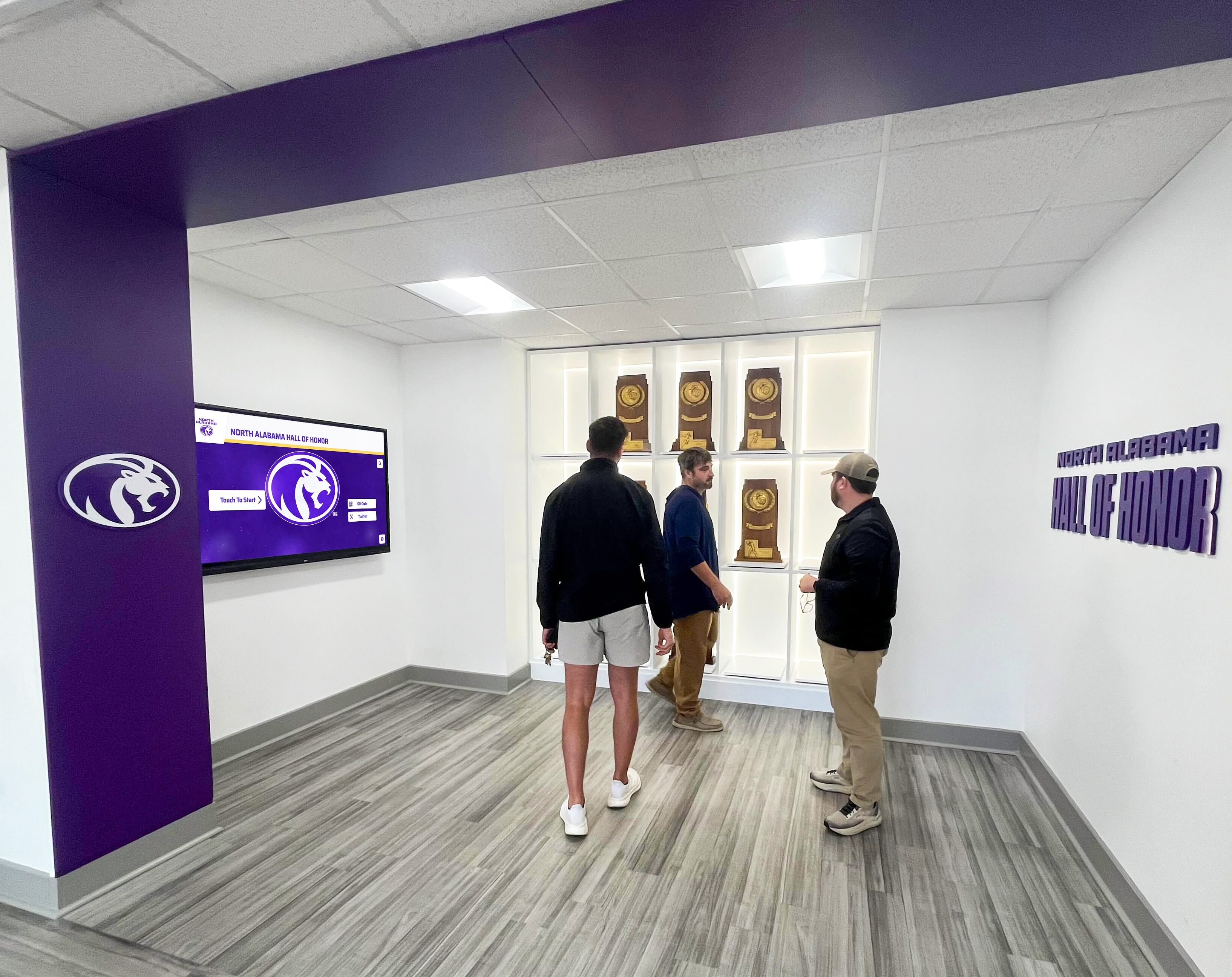
Adding new profiles should require minimal time and no technical knowledge. Effective systems provide form-based interfaces where administrators simply fill in biographical fields, upload photographs, add video links, and publish content through straightforward workflows designed for non-technical users.
Template systems standardize profile structures while allowing customization for unique circumstances. Draft and review capabilities support multi-person workflows where content creators draft profiles while senior staff review and approve before publication, ensuring accuracy and appropriateness.
Bulk Import and Migration Tools
Organizations with existing memorial databases need efficient migration paths. Quality systems support bulk import from spreadsheets or databases, accelerating initial setup and enabling rapid deployment without manual re-entry of hundreds or thousands of existing records.
Import tools should include validation checking to identify incomplete records, duplicate entries, or formatting issues before final import, preventing data quality problems that would require time-consuming correction after publication.
Security and Content Integrity
Memorial displays require robust security ensuring only authorized individuals can modify content while preventing vandalism, unauthorized alterations, or inappropriate content insertion.
Role-Based Access Controls
Sophisticated systems implement role-based permissions where different users receive different capabilities. Administrator roles have full content management capabilities. Editor roles can create and modify content but cannot delete records or change system settings. Viewer roles can access the management system to review content but cannot make changes.
This granular control prevents accidental deletions, ensures proper oversight, and accommodates organizational structures where multiple people assist with content management at different responsibility levels.
Audit Trails and Change Tracking
Complete audit logs record every content change—who made the change, when it occurred, and what specifically was modified. This accountability prevents disputes, enables investigation if inappropriate changes occur, and provides historical records of memorial evolution over time.
Version history allows restoration of previous content versions if errors occur or inappropriate changes need reversal, providing safety nets for organizations concerned about content integrity over long time horizons.
Physical Tampering Prevention
Display hardware requires tamper-resistant mounting, locked enclosures preventing physical access to connections, and kiosk designs that resist vandalism through commercial-grade construction and protective glass. These physical security measures complement digital security, ensuring memorial displays maintain dignity and operational integrity in public spaces.
Implementation Strategies for Different Organizations
Various organization types face unique circumstances requiring tailored approaches to fallen heroes memorial displays.
Municipal and Community Memorials
Cities and counties often maintain comprehensive memorials honoring all military, law enforcement, and fire service personnel from their communities who made the ultimate sacrifice.
Central Memorial Locations
Prime installation sites include city halls showcasing community government recognition, main public libraries providing educational contexts, community centers ensuring accessibility for all residents, and municipal buildings offering high-visibility locations with controlled access.
These central locations position memorials where diverse community members encounter them naturally rather than requiring specific trips to specialized facilities.
Content Scope Considerations
Municipal memorials typically honor all fallen heroes with local connections, regardless of where they served. Inclusion criteria might encompass individuals who were born in the community, graduated from local schools, resided in the community when they entered service, were serving the community at time of death (local police and fire), or maintained local family connections throughout service.
Broad inclusion ensures comprehensive recognition while creating potential challenges around research and biographical documentation for individuals from earlier historical periods where records remain sparse.
Partnerships and Funding
Municipal memorials often result from partnerships between government entities and community organizations. Veterans groups, fraternal organizations, historical societies, and family member advocates frequently drive memorial initiatives, with municipal governments providing locations, technical infrastructure, and ongoing operational support.
Fundraising for digital recognition displays requires engaging multiple community stakeholders who collectively champion the project and sustain it long-term through both financial support and content development assistance.
Law Enforcement Memorials
Police departments and sheriff’s offices maintain fallen officer memorials honoring line-of-duty deaths within their organizations.
Department Headquarters Installations
Police facility lobbies provide natural memorial locations where officers encounter tributes daily—reinforcing organizational culture around sacrifice and service—while visiting community members gain appreciation for risks officers face.
Some departments install displays in training facilities where new recruits learn about their organization’s history and the officers whose ultimate sacrifices established the department’s values and traditions. This educational context helps new officers understand the weight of their chosen profession.
Officer Profile Content
Law enforcement memorials typically include comprehensive biographical information covering background and career progression, detailed incident information explaining circumstances of death, photos from career and personal life, information about surviving family when appropriate, funeral and memorial service details, and department response and policy changes resulting from the death when applicable.
This content serves multiple purposes—honoring the fallen, educating current officers, informing the public, and preserving institutional memory about significant events in department history.
Support for Officer Families
Memorial displays provide lasting recognition that comforts grieving families. Unlike temporary tributes that eventually disappear, permanent digital memorials ensure fallen officers remain part of organizational consciousness indefinitely. Many departments involve families in profile development, allowing them to contribute photographs, suggest biographical details, and review content before publication—providing control over how their loved ones are remembered while supporting healing processes.
Fire Service Memorials
Fire departments honor firefighters who died in the line of duty through memorials installed in fire stations, training facilities, and department headquarters.
Station-Level and Department-Wide Approaches
Larger departments with multiple stations face decisions about memorial scope and distribution. Department-wide memorials at headquarters honor all fallen firefighters across the organization’s history, while individual station memorials might recognize firefighters who specifically served at particular locations—creating both comprehensive organizational recognition and localized remembrance at the stations where deceased firefighters worked daily.
Some departments implement networked systems where centrally managed content displays across multiple locations, ensuring consistency while maintaining local memorial presence at individual stations.
Firefighter Memorial Content
Fire service memorials typically emphasize the circumstances and context of line-of-duty deaths. Profiles include information about the specific incident—fire type, location, conditions, and response details—that help visitors understand the circumstances firefighters faced. Career highlights including notable rescues, commendations, and service milestones celebrate accomplishments beyond their final incident.
Personal information about family, hobbies, and personality helps colleagues and community members remember the complete person rather than only their professional identity.
Memorial Ceremonies Integration
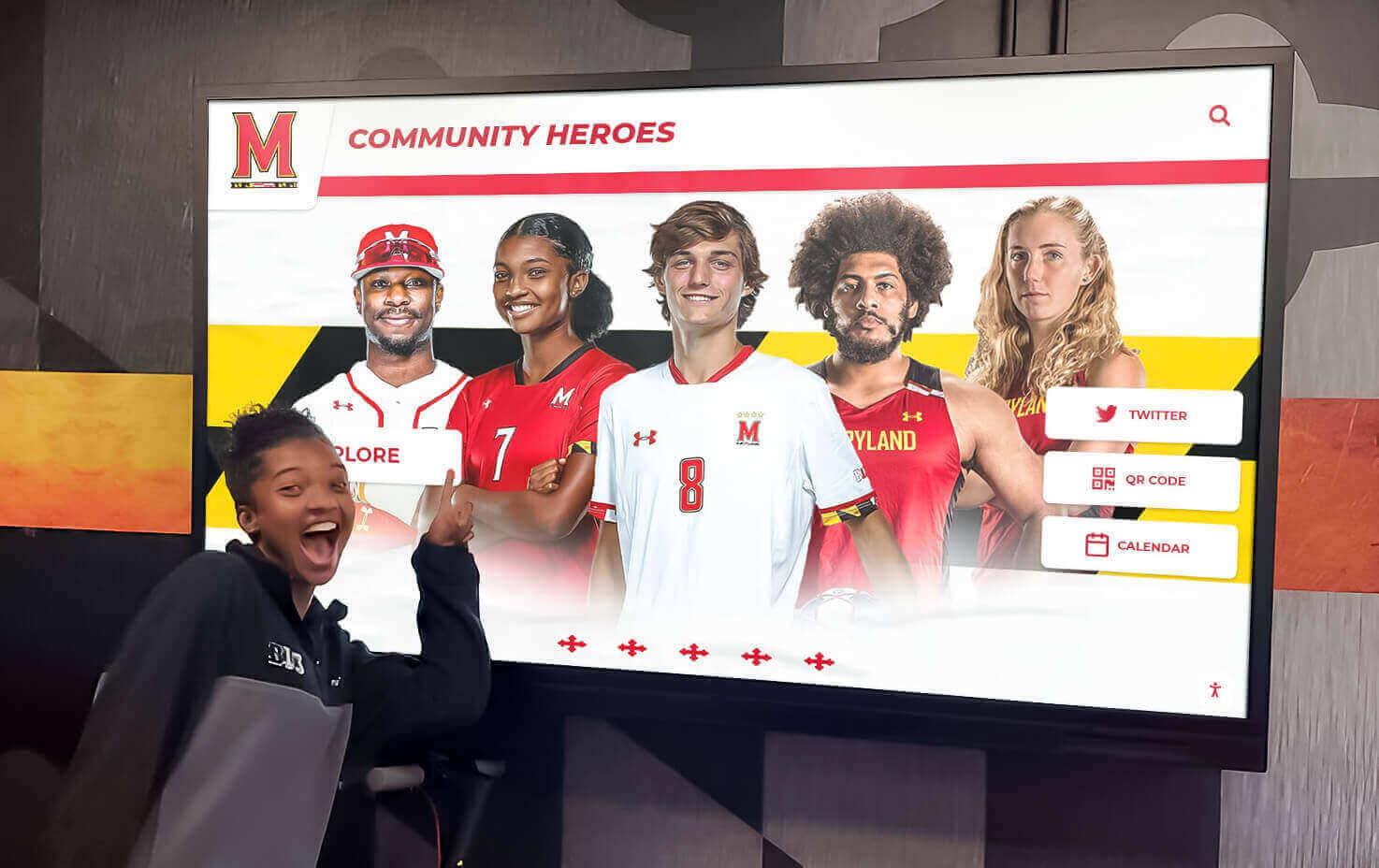
Many fire departments conduct annual memorial ceremonies remembering fallen firefighters. Digital memorial displays support these ceremonies by providing content for presentations, serving as focal points during events, and offering year-round recognition between annual observances—ensuring fallen firefighters remain present in department consciousness daily rather than only during formal memorial occasions.
Military Installation Memorials
Military bases honor service members who died during service through comprehensive memorial displays in prominent locations accessed by military personnel, family members, and authorized visitors.
Installation-Wide Recognition
Base memorials typically honor all personnel assigned to the installation who died during service, whether in combat, training accidents, or other circumstances. Large installations with decades of history might honor hundreds or thousands of fallen service members, requiring robust database capabilities and sophisticated browsing tools helping visitors navigate extensive content effectively.
Unit-Specific Memorials
Beyond installation-wide recognition, individual units often maintain memorials honoring members of specific battalions, squadrons, ships, or other organizational elements. These unit-focused memorials create strong identity connections for current members who understand organizational lineage and the specific individuals who served in their unit previously.
Military recognition displays at military installations serve both memorial and educational purposes, helping current service members understand their unit’s history and the sacrifices previous members made in service of their mission.
Integration with National Databases
Military memorials increasingly connect with national databases and resources, including references to the National Cemetery Administration for burial locations, links to the Vietnam Veterans Memorial database for Vietnam War casualties, connections to Killed in Action databases for combat deaths, and integration with unit historical records providing mission context for combat losses.
These connections provide visitors with pathways to additional information beyond what local memorials contain, supporting research and extended learning about fallen service members.
Educational Institution Memorials
Schools and universities honor alumni and community members who died in military service or as first responders.
Campus Memorial Locations
Educational institutions typically install memorial displays in high-traffic areas including main administration buildings, student unions, libraries, or dedicated memorial spaces. These locations ensure current students, faculty, and staff encounter memorials naturally while alumni visiting campus can easily access recognition honoring their classmates who made ultimate sacrifices.
Alumni-Focused Content
School memorials emphasize educational connections in profiles. Content includes graduation year and degree information, activities and achievements during time at the institution, subsequent career trajectory after graduation, and military service or first responder career details that followed education.
This framing helps current students understand that the names they see represent people who walked the same campus, studied in the same buildings, and participated in the same traditions—creating powerful connections between past and present while illustrating the life paths that education enabled.
Integration with Alumni Programs
Memorial displays connect to broader alumni recognition initiatives that celebrate distinguished alumni achievements across many categories. Fallen heroes represent one category among many—those who pursued military or public service careers and made ultimate sacrifices, honored alongside alumni with distinguished careers in business, medicine, education, arts, and other fields.
This integration positions military and first responder service as one of many paths alumni pursue, avoiding separation while ensuring appropriate prominence for the ultimate sacrifice.
Content Development and Management Best Practices
Creating and maintaining effective memorial content requires attention to accuracy, sensitivity, consistency, and long-term sustainability.
Profile Development Standards
Establishing clear content standards ensures consistency across hundreds or thousands of profiles while respecting unique circumstances and family preferences.
Information Research and Verification
Accuracy matters profoundly in memorial contexts. Incorrect information disrespects the fallen and distresses families. Comprehensive research processes include verifying basic biographical information through official records, confirming service details through military or employment records, interviewing family members when possible and appropriate, consulting with colleagues who served with the individual, and reviewing local news archives for contemporary accounts of deaths.
When information conflicts—which often happens with older records—clear documentation of uncertainty and source citations maintains honesty rather than presenting uncertain information as fact.
Family Involvement and Approval
Whenever possible, involving fallen heroes’ families in profile development ensures accuracy, appropriateness, and family comfort with public presentation. Some families eagerly participate, providing photographs, biographical details, and personal reflections. Other families prefer privacy or find the process emotionally difficult.
Flexible processes accommodate both preferences—actively engaging families who wish to participate while developing respectful profiles using publicly available information for families who prefer not to be involved. Final approval processes allow families to review content before publication when they choose to participate in that way.
Sensitive Handling of Death Circumstances
How memorials describe death circumstances requires careful judgment balancing appropriate detail, family preferences, operational security, and respect for the deceased and their colleagues.
Combat deaths typically receive relatively detailed information about operations, enemy action, and circumstances while respecting operational security. Training accidents and other non-combat military deaths require sensitivity about circumstances that might suggest negligence or preventable causes. Law enforcement line-of-duty deaths need careful handling when deaths involved controversial circumstances. Fire service line-of-duty deaths typically receive detailed operational information about fire conditions and response circumstances.
These judgment calls benefit from standard editorial guidelines developed with input from organization leadership and family representatives, providing frameworks for consistent decisions across many profiles.
Photograph Selection and Presentation
Images create emotional connections and help visitors envision fallen heroes as real people. Effective memorial displays incorporate multiple photographs carefully selected and presented.
Photograph Types and Priorities
Comprehensive profiles include multiple photograph categories. Official portraits in uniform provide formal, dignified primary images. Career action shots show individuals performing their duties—training, operations, or daily work. Personal photographs reveal personality and life beyond professional identity, including family, hobbies, and casual moments. Memorial service images document community recognition and grief. Historical context photographs show eras, equipment, and circumstances of service for older memorials.
Variety in photograph types creates richer profiles that present multidimensional portrayals rather than single official portraits that reveal little about the complete person.
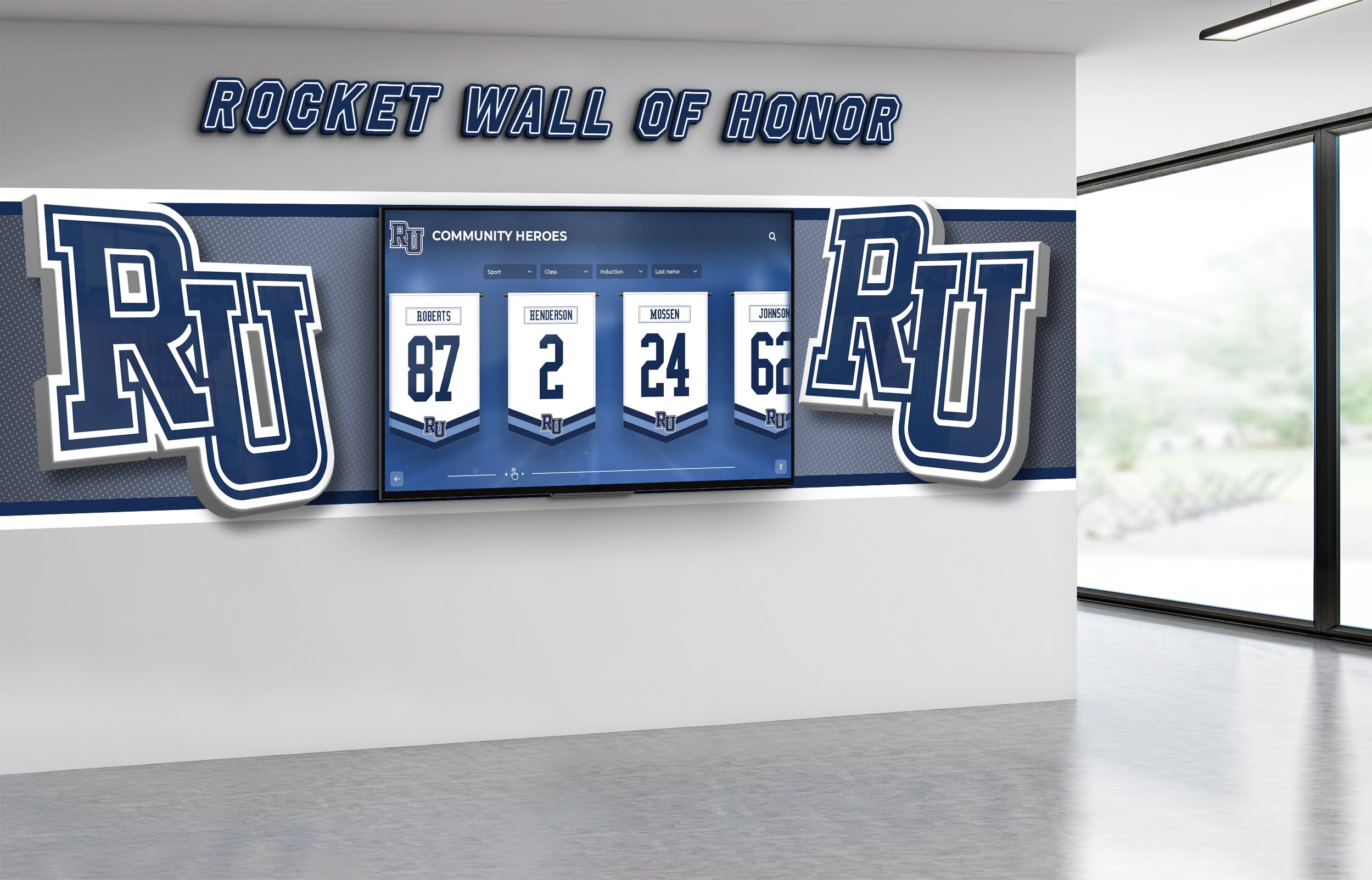
Image Quality and Enhancement
Family-provided photographs often require enhancement to display well on large screens. Professional photo editing improves scanned images from older eras, color corrects for accurate reproduction, crops and sizes for optimal display proportions, and removes damage or degradation from original photos.
These enhancements maintain photographic accuracy while ensuring professional presentation appropriate for memorial contexts, respecting both the subject and visitors viewing their images.
Ongoing Content Expansion and Updates
Memorial displays remain living tributes requiring continuous development rather than static installations completed at launch.
Systematic Historical Research
Organizations often possess incomplete records of fallen heroes from earlier eras. Ongoing research initiatives gradually expand historical recognition through local newspaper archives, military and department records, family outreach through genealogical communities, historical society partnerships, and cemetery records research.
These efforts typically uncover previously unrecognized individuals who died in service but were never formally memorialized, finally receiving the recognition their sacrifice deserves decades after their deaths.
Regular Content Audits
Periodic review of existing profiles identifies opportunities for enhancement—additional photographs discovered since initial publication, expanded biographical information from subsequent research, updated family information as circumstances change, or corrections to errors identified after publication.
These audits ensure content quality improves continuously rather than degrading through benign neglect as organizational priorities shift and original content creators move on.
Anniversary and Commemoration Highlighting
Many organizations feature specific fallen heroes on death anniversaries, creating annual remembrance moments that keep individuals present in organizational consciousness. Digital displays can automatically rotate featured profiles, highlighting individuals on significant dates without requiring manual updates—supporting ongoing remembrance through automated systems that reduce administrative burden.
Technical Considerations and Hardware Selection
Successful memorial displays require appropriate hardware, software, and technical infrastructure supporting reliable long-term operation in various environments.
Display Hardware Requirements
Commercial-grade touchscreen displays designed for continuous operation provide essential reliability for memorial applications where downtime disrespects the fallen and disappoints visitors.
Commercial vs. Consumer Displays
Consumer televisions and consumer-grade touchscreens fail quickly under continuous operation, typically lasting 2-3 years versus 5-7 years for commercial-grade equipment. Commercial displays feature enhanced cooling systems preventing overheating, industrial-grade components withstanding constant use, higher brightness (500-700 nits) ensuring visibility in various lighting, and comprehensive warranties typically spanning 3-5 years versus 1 year for consumer products.
For memorial applications where reliability and longevity matter profoundly, commercial-grade displays represent essential investments rather than optional upgrades. Hardware selection for digital recognition displays explores these considerations comprehensively.
Screen Size and Viewing Distance
Proper screen sizing ensures comfortable viewing for visitors at typical distances. Common memorial installations use 55-65 inch displays for standard indoor locations with 4-8 foot viewing distances, 75-86 inch displays for large lobbies or spaces with greater viewing distances, and 43-50 inch displays for smaller spaces or secondary locations with limited wall space.
The viewing distance formula (Screen Height = Viewing Distance ÷ 3) guides optimal sizing, ensuring text remains legible and photographs display clearly without requiring visitors to stand uncomfortably close.
Orientation Considerations
Portrait orientation works well for individual profiles with vertical photographs and biographical text. Landscape orientation better accommodates group photographs, timeline presentations, and multiple simultaneous profiles. Most memorial applications favor portrait orientation, though the decision depends on specific content types and installation space configurations.
Software Platform Requirements
Behind the hardware lies software powering content management, display presentation, and visitor interaction—requiring robust capabilities and intuitive interfaces.
Content Management System Features
Effective platforms provide cloud-based management accessible from any device, role-based security controlling who can modify content, intuitive content editors requiring no technical skills, multimedia support for photographs, video, and audio, search and filtering configuration for visitor navigation, template systems ensuring consistent profile structures, and bulk import tools accelerating initial deployment and ongoing additions.
These capabilities distinguish professional memorial platforms from generic digital signage systems that lack the specialized features memorial applications require.
Display Application Requirements
The software running on touchscreen displays must deliver attractive presentations, responsive touch interactions, reliable continuous operation, offline capability maintaining function during network outages, automatic content synchronization when cloud platforms distribute updates, and remote management enabling administrators to restart, update, or reconfigure displays without physical access.
Quality memorial systems integrate these capabilities seamlessly, with content management platforms and display applications designed together rather than cobbled from separate systems requiring custom integration.
Integration Capabilities
Advanced memorial systems connect with other organizational databases and platforms—existing veteran databases or personnel records, memorial donation systems tracking contributions made in fallen heroes’ names, social media platforms for sharing content beyond physical displays, and website integration ensuring online and physical memorial consistency.
These integrations expand memorial reach beyond physical installations while reducing duplicate data entry across multiple systems.
Installation and Environmental Factors
Physical installation requires attention to location, mounting, networking, and environmental conditions affecting long-term operation.
Location Selection Criteria
Effective memorial locations balance multiple factors including high foot traffic ensuring visibility, appropriate dignity avoiding placement near recreational areas or other inappropriate adjacencies, adequate space for visitors to gather without blocking corridors, appropriate lighting avoiding glare on screens, accessibility compliance for wheelchair users and visitors with disabilities, and security appropriate for expensive equipment and sensitive memorial purposes.
Digital recognition display implementation planning addresses these location considerations comprehensively.
Network Infrastructure Requirements
Cloud-based memorial systems require reliable internet connectivity supporting content updates, remote management, and potential visitor mobile interactions. Wired Ethernet connections provide superior reliability compared to WiFi, ensuring consistent operation without wireless interference or authentication issues.
Adequate bandwidth (minimum 10 Mbps recommended) supports multimedia content synchronization without extended download times when administrators publish new video-enhanced profiles.
Power and Backup Considerations
Dedicated electrical circuits prevent circuit overload situations where other equipment triggers breakers and shuts down memorial displays. Uninterruptible power supplies (UPS) protect against brief power outages and provide clean power preventing electronic damage from voltage fluctuations.
For critical installations where continuous operation matters profoundly, generator backup systems ensure operation even during extended power outages affecting broader facilities.
Rocket Alumni Solutions for Fallen Heroes Memorials
Digital recognition platforms purpose-built for memorial applications provide significant advantages over generic digital signage systems or custom-developed solutions.
Comprehensive Memorial Platform
Rocket Alumni Solutions offers complete memorial display systems designed specifically for honoring fallen heroes, combining intuitive content management, engaging touchscreen experiences, and robust technical infrastructure supporting reliable long-term operation across diverse organizational contexts.
Proven Track Record
Organizations nationwide rely on Rocket Alumni Solutions for military and first responder recognition, including municipal memorial installations, law enforcement departments, fire departments, military installations, and educational institutions. This extensive deployment experience informs continuous platform refinement addressing real-world requirements and challenges.
Turnkey Implementation
Comprehensive implementation services include hardware specification and procurement, professional installation with proper mounting and wiring, network configuration and testing, content management training for staff, initial content development assistance, and ongoing technical support ensuring reliable operation.
These turnkey services eliminate the burden of coordinating multiple vendors or developing in-house expertise, allowing organizations to focus on content development and memorial programming rather than technical implementation details.
Scalable Solutions
Whether implementing a single memorial display or networked systems spanning multiple buildings or even multiple locations, Rocket Alumni Solutions platforms scale seamlessly. Centralized content management maintains consistency across installations while optional local customization accommodates site-specific requirements.
Organizations can start with single installations and expand over time as budgets allow or new memorial initiatives emerge, with all displays sharing common management platforms and consistent visitor experiences.
Mobile and Web Accessibility
Physical touchscreen displays serve on-site visitors, but comprehensive memorial recognition extends access to remote audiences through complementary web and mobile platforms.
Online Memorial Access
Web-based memorial portals mirror touchscreen content, allowing anyone worldwide to explore fallen heroes profiles through standard web browsers. This online access serves family members living far from memorial physical locations, researchers studying military or first responder history, students completing educational assignments, and community members unable to visit physical memorials due to distance, mobility limitations, or other constraints.
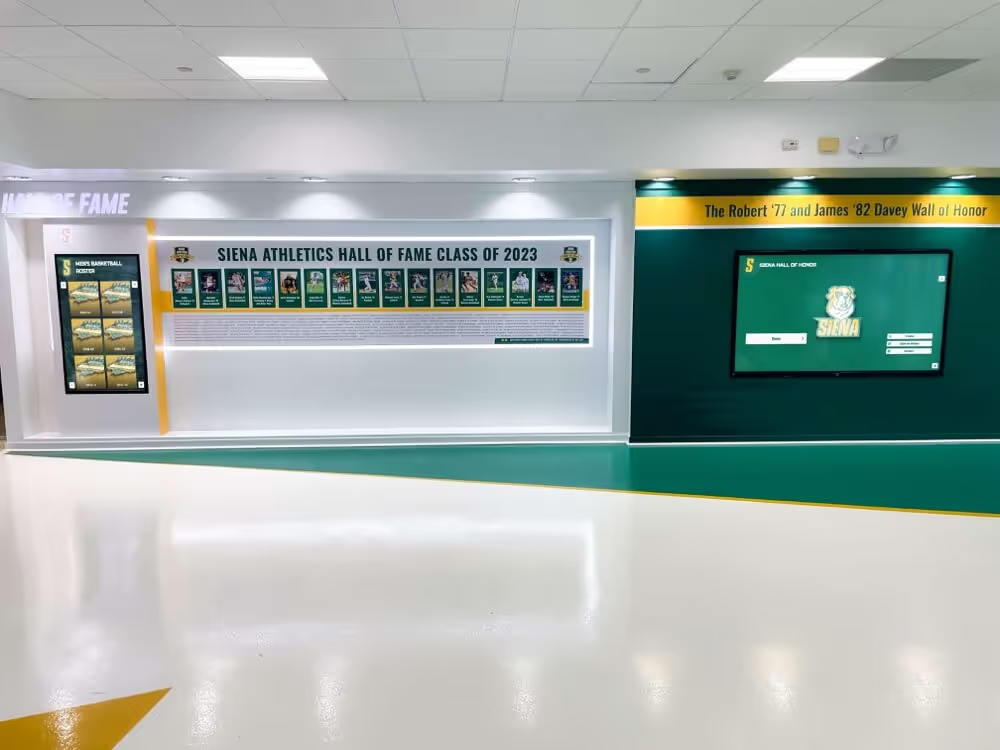
Digital hall of fame platforms demonstrate how online and physical recognition complement each other, each serving distinct audiences while presenting consistent content drawn from shared databases.
Social Media Sharing
One-touch sharing functionality allows visitors to post fallen heroes profiles to social media platforms, extending recognition far beyond physical memorial visitors. Family members share loved ones’ profiles on Facebook or Instagram. Veterans organizations share fallen comrades’ profiles with member networks. Educational institutions share alumni profiles on alumni network platforms.
This organic social sharing exponentially amplifies memorial reach, introducing fallen heroes’ stories to audiences who might never encounter physical memorials while creating connection opportunities among those who knew the individual personally.
QR Code Integration
QR codes positioned near physical memorials provide instant bridges between physical and digital experiences. Visitors scan codes with smartphones to access extended online content, save profiles for later review, share profiles with others, or contribute additional information and photographs when appropriate.
These QR connections enhance physical memorial experiences while capturing visitor contact information for ongoing memorial communications when individuals voluntarily provide that information through registration processes.
Funding and Sustainability Planning
Memorial displays represent significant investments requiring careful financial planning for both initial implementation and ongoing operational sustainability.
Initial Implementation Costs
Complete memorial display systems typically require budget allocations spanning hardware, software, installation, and content development.
Hardware Investment
Commercial-grade touchscreen display systems range from $3,000-$8,000 depending on screen size and features. Additional hardware including media players or computers ($800-$1,500), mounting systems ($300-$800), and audio systems when desired ($200-$1,000) contribute to total hardware investment.
Complete initial hardware packages typically range $5,000-$12,000 for single displays, with larger installations featuring multiple displays increasing proportionally while benefiting from volume purchasing advantages.
Software and Platform Licensing
Cloud-based memorial platforms typically charge annual licensing fees ranging $2,000-$5,000 annually depending on number of displays, volume of content, and support level. These recurring costs cover platform hosting, ongoing development and improvements, technical support, and content backup and security.
Installation and Setup
Professional installation including proper mounting, electrical work, network configuration, and system testing typically costs $1,000-$3,000 depending on site complexity and local labor rates. Organizations with in-house facilities staff might perform basic installation themselves, though professional installation ensures proper execution and often proves necessary for warranty coverage.
Initial Content Development
Creating initial memorial content represents significant effort. Organizations typically invest $2,000-$8,000 for historical research, photograph scanning and enhancement, profile writing and editing, and family outreach and approval processes when engaging professional content development services.
Organizations handling content development internally save these direct costs but invest significant staff time achieving the same results—time that represents real costs through diverted capacity from other responsibilities.
Funding Sources and Strategies
Memorial projects access diverse funding streams combining public budgets, private donations, and grant programs.
Government Budget Allocations
Municipal governments, law enforcement departments, fire departments, and military installations typically fund memorials through regular capital improvement budgets. Memorial displays represent permanent infrastructure investments appropriate for capital budgeting rather than operating expense funding.
Multi-year budget planning helps organizations spread costs across fiscal years, avoiding single-year budget impacts that might prove prohibitive while accomplishing implementation through phased approaches.
Private Donations and Fundraising
Community fundraising campaigns engage diverse supporters. Veterans organizations, fraternal groups, business sponsors, and individual community members often contribute to memorial projects that honor shared community values and specific individuals with personal connections to donors.
Digital recognition display fundraising campaigns typically emphasize the memorial’s permanence, its service to families of the fallen, and its educational value for current and future generations—compelling value propositions resonating with diverse donor motivations.
Memorial Naming and Dedication Opportunities
Organizations sometimes offer naming opportunities for memorial displays themselves or for content sections, galleries, or specific features. These naming opportunities recognize major donors while defraying implementation costs through significant contributions offsetting public budget requirements.
Grant Programs
Various grant programs support memorial and veteran recognition projects, including veteran service organization grants, state and federal memorial programs, historical preservation funding, and community foundation grants supporting projects of broad public benefit.
Grant writing requires time investment but accesses funding sources beyond what organizational budgets or local fundraising can typically achieve, making professional grant writing assistance a worthwhile investment for major memorial initiatives.
Long-Term Operational Sustainability
Initial implementation represents only the first phase of memorial lifecycle. Sustainable operations require planning for ongoing costs and eventual hardware replacement.
Annual Operating Budget Requirements
Beyond initial investment, memorial displays require annual budget allocations for software platform licensing ($2,000-$5,000), basic content updates and management ($1,000-$3,000 if using professional services), routine maintenance and cleaning ($300-$800), electricity ($100-$200), and technical support and troubleshooting ($500-$2,000 depending on service level agreements).
Annual operational costs typically total $4,000-$11,000, though organizations with in-house technical capabilities and staff managing content internally may reduce these figures significantly.
Technology Refresh Planning
Commercial-grade displays typically last 5-7 years under continuous operation. Organizations should plan for eventual replacement through annual reserve allocations (approximately 15-20% of initial hardware costs annually) building funds gradually for eventual replacement needs.
This proactive planning prevents future funding crises when displays reach end-of-life and ensures continuous memorial operation rather than extended downtime while organizations scramble to identify replacement funding.
Measuring Memorial Impact and Success
Effective memorials achieve multiple objectives beyond simply displaying information. Assessing memorial success requires examining various impact dimensions and collecting relevant data.
Visitor Engagement Metrics
Modern touchscreen displays capture usage data revealing how visitors interact with memorial content, providing insights about engagement levels, popular content, and usage patterns.
Interaction Volume Tracking
Basic analytics track total display interactions counting how many times visitors touch screens and begin exploration, session duration measuring how long visitors engage with content, pages viewed per session indicating exploration depth, and search queries revealing what visitors seek.
These basic metrics establish engagement baselines and reveal trends over time—increasing engagement indicates growing memorial awareness and effectiveness, while declining engagement might suggest the need for content refresh or promotional efforts.
Content Popularity Analysis
Detailed analytics reveal which profiles receive most attention, which search terms visitors use most frequently, what browsing paths visitors follow through content, and what time periods or service branches generate greatest interest.
These insights inform content development priorities—profiles generating high engagement might suggest templates for other profiles, while rarely viewed content might require enhancement or better navigation placement ensuring visibility.
Demographic Insights
Advanced systems capture optional demographic information when visitors willingly provide it, revealing visitor age ranges, connections to fallen heroes (family, colleague, community member), geographic origins for memorial visitors, and time of day and day of week usage patterns.
These demographics help organizations understand memorial audiences and tailor content, programming, and promotional efforts to serve actual visitors effectively.
Family and Community Feedback
Beyond quantitative data, qualitative feedback from families, veterans organizations, and community members provides essential insights about memorial effectiveness and impact.
Family Satisfaction
Families of fallen heroes represent the primary constituency for memorials. Regular outreach soliciting feedback ensures memorials serve families appropriately and respectfully. Key feedback dimensions include satisfaction with profile content accuracy and completeness, appreciation for ongoing maintenance and additions, comfort with public presentation of loved ones, and suggestions for enhancements or additions.
Many organizations discover that memorial displays provide profound comfort to families—permanent recognition assuring them that their loved ones remain remembered and honored perpetually rather than fading from institutional memory as years pass and personnel turn over.
Educational Impact
For memorials in schools, training facilities, or public buildings serving educational purposes, assessing learning outcomes provides important success indicators. Informal surveys can assess whether visitors gain greater understanding of sacrifice, demonstrate increased respect for military and first responders, feel stronger connections to community history and values, and engage in additional research or learning beyond memorial content.
These educational impacts often represent primary justification for memorial investments in institutional contexts where budget authorities require demonstrated public value beyond simple recognition.
Conclusion: Technology Serving Timeless Honor
Honoring fallen heroes—those who gave their lives in military service or as first responders protecting communities—represents one of our most sacred societal obligations. The methods we use to fulfill this obligation have evolved from stone monuments to bronze plaques to today’s interactive touchscreen displays, but the fundamental purpose remains constant: ensuring that sacrifice is remembered, that service is honored, and that the fallen remain present in community consciousness across generations.
Touchscreen displays do not replace traditional memorials but rather complement and enhance them, overcoming the practical limitations of physical monuments while introducing capabilities impossible with static approaches. Unlimited recognition capacity ensures no hero ever goes unhonored due to space constraints. Rich multimedia profiles preserve complete life stories rather than just names and dates. Immediate updates ensure timely recognition supporting grieving communities. Weather-proof digital content maintains perfect preservation indefinitely.
Organizations implementing fallen heroes touchscreen displays honor the past while embracing the future—using contemporary technology to preserve timeless stories and ensure that heroes from previous generations remain accessible to current and future generations who never knew them personally but benefit from their sacrifice.
Whether planning municipal memorials honoring all community heroes, departmental recognition for law enforcement and fire service personnel, military installation tributes to fallen service members, or educational institution memorials honoring alumni, touchscreen displays provide the technology infrastructure supporting comprehensive, engaging, sustainable recognition that serves families, educates communities, and preserves memory permanently.
Ready to implement a fallen heroes touchscreen display that honors sacrifice with the dignity, comprehensiveness, and permanence it deserves? Contact Rocket Alumni Solutions to discuss your memorial vision and discover how their specialized platform and comprehensive implementation services can transform your recognition goals into an exceptional memorial serving your community for generations to come.