



End of year awards for students represent one of the most powerful opportunities schools have to recognize achievement, celebrate growth, and build cultures of excellence that extend far beyond final report cards. As academic years draw to close, thoughtful recognition programs validate student effort, inspire continued excellence, and create memorable moments that students and families treasure for years. Yet many schools struggle to design award programs that feel meaningful rather than perfunctory, inclusive while maintaining standards, and manageable within limited budgets and planning time.
This comprehensive guide explores everything educators need to know about end of year awards for students—from understanding why year-end recognition matters and exploring diverse award categories that honor various achievements to implementing programs that leverage modern technology, create genuine celebration, and build school cultures where all students have opportunities to be recognized for their contributions and growth throughout the academic year.
Why End of Year Awards for Students Matter More Than Ever
End of year recognition serves multiple essential purposes in educational communities, creating value that extends well beyond the ceremonies and assemblies where awards are presented. Understanding these purposes helps schools design more effective recognition programs aligned with broader educational goals.
The Psychology of Year-End Recognition
Recognition at year’s end carries unique psychological weight that differs from mid-year acknowledgment. Students experience year-end awards as culminating celebrations validating an entire year’s effort, creating powerful positive associations with achievement and school community.
Closure and Validation
End of year awards provide psychological closure to academic years, marking definitive endings to chapters while validating effort invested throughout extended periods. Students who work consistently for nine or ten months experience recognition as earned reward for sustained commitment rather than brief accomplishment. This validation proves particularly powerful for students whose daily efforts may go unnoticed despite genuine dedication—year-end recognition ensures their commitment receives acknowledgment.
Summer Memory and Motivation
Recognition received at year’s end remains fresh throughout summer months, creating positive associations students carry forward. Students who conclude years with celebration and acknowledgment return to school in fall with renewed motivation and positive momentum. The awards and recognition they receive become stories they share with families, friends, and new teachers, reinforcing identity as recognized students and strengthening commitment to continued excellence.
Peer Witness and Aspiration
When students witness peers receiving year-end recognition, particularly underclassmen observing older students, they develop clear aspirations for their own futures. Seeing slightly older students celebrated for specific achievements makes similar recognition feel attainable rather than abstract. This aspirational effect proves most powerful when recognition honors diverse achievement types, ensuring students with varying strengths see pathways to recognition matching their capabilities and interests.
Benefits Across the School Community
Effective end of year awards create value that extends throughout educational communities, touching students, families, educators, and broader school cultures in meaningful ways.
For Students:
- Validation of year-long effort and achievement across academic, artistic, athletic, and character domains
- Increased motivation to continue excellence and pursue new challenges in coming years
- Enhanced self-confidence through public recognition of their contributions and accomplishments
- Tangible achievements they can cite on college applications and scholarship submissions
- Memorable experiences creating positive associations with school and learning
- Clear understanding of what schools value and how to achieve recognition
- Sense of belonging to communities that notice and celebrate their contributions
For Families:
- Pride in children’s documented achievements and schools’ investment in celebrating them
- Tangible evidence of school quality and commitment to student development
- Memorable moments celebrating together during award ceremonies and recognition events
- Concrete conversation starters for discussing achievement and goal-setting at home
- Validation that their support and encouragement of students’ efforts matter and produce results
For Educators:
- Opportunity to celebrate students’ growth and achievement publicly
- Visible evidence of program effectiveness and educational impact
- Strengthened relationships with students through recognition conversations
- Improved school culture emphasizing excellence and positive contribution
- Material for recruitment showcasing school commitment to student recognition
For Schools:
- Enhanced reputation within communities as institutions valuing student achievement
- Strengthened school culture celebrating diverse forms of excellence
- Documented evidence of student success useful for accreditation and reporting
- Increased student engagement and motivation improving overall academic climate
- Positive publicity through families sharing recognition on social media and within communities
Essential Categories for End of Year Awards for Students
Comprehensive recognition programs honor diverse achievements ensuring students with various strengths, starting points, and circumstances have realistic pathways to recognition. The most effective schools implement multiple award categories rather than limiting recognition to traditional academic honors alone.
Academic Achievement Awards
Academic recognition remains central to most year-end programs, acknowledging intellectual accomplishment and academic dedication that represent core educational missions.
Honor Roll and High Honor Roll
Traditional honor roll recognition acknowledges students meeting specified GPA thresholds throughout academic years. Most schools implement tiered systems creating multiple recognition levels—high honor roll typically requires 4.0 or all A grades while regular honor roll acknowledges 3.5-3.9 GPA performance. Consider recognizing honor roll achievement both semester-by-semester and for full-year consistency, celebrating students who maintain excellence throughout entire academic years.
Subject-Specific Excellence Awards
Departmental awards recognize top performers in individual academic disciplines, ensuring students who excel in particular areas receive acknowledgment even if overall GPAs don’t qualify for honor roll. Mathematics excellence awards might honor top algebra, geometry, or calculus students. English department recognition could celebrate exceptional writing, literature analysis, or creative composition. Science awards might distinguish achievement in biology, chemistry, physics, or research projects. Social studies recognition could honor excellence in history, geography, economics, or civics coursework.
Subject-specific awards prove particularly valuable for students whose passionate engagement with specific disciplines deserves celebration despite less stellar performance in unrelated subjects. The student struggling with mathematics who produces exceptional historical research deserves recognition for that genuine strength.
Most Improved Academic Performance
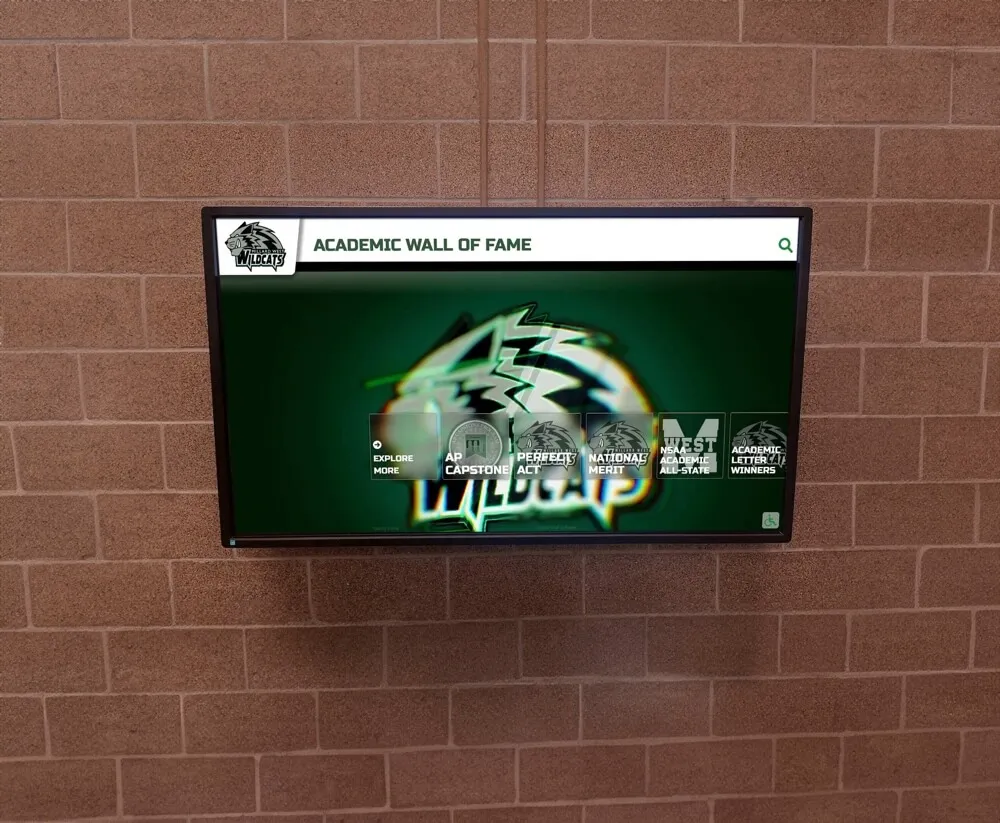
Improvement awards recognize students who demonstrate substantial growth regardless of absolute achievement levels. Students raising GPAs by full points or more, dramatically improving specific subject performance, or overcoming academic challenges deserve celebration equal to students maintaining consistent excellence. Growth recognition sends crucial messages that schools value effort and development alongside absolute performance, creating recognition pathways for students at all ability levels.
Calculate improvement recognition using semester-to-semester GPA changes, year-over-year performance comparisons, or dramatic single-subject improvement. Consider creating multiple improvement recognition levels—most improved student, most improved in each subject area, or most improved in specific grade levels—ensuring more students receive acknowledgment for genuine growth.
Advanced Placement and Honors Course Recognition
Students who challenge themselves with rigorous coursework merit specific recognition beyond grade-based awards. Consider recognizing students who complete specified numbers of AP or honors courses, earn qualifying scores on AP examinations, or demonstrate commitment to academic rigor through challenging course selection. This recognition validates students who undertake difficult coursework even when that challenge may slightly lower overall GPAs compared to easier course loads.
Perfect Attendance Academic Achievement
Some schools create recognition specifically for students who combine academic excellence with perfect or near-perfect attendance, acknowledging that consistent presence represents commitment to learning. This combined recognition honors students who demonstrate both intellectual capability and daily dedication to being present and engaged.
Character and Citizenship Awards
Character recognition complements academic awards by celebrating qualities essential to both educational success and life achievement beyond classrooms.
Outstanding Citizenship Awards
Citizenship recognition honors students who demonstrate respect, responsibility, positive contribution to school community, and exemplary behavior setting standards for peers. Consider grade-level citizenship awards ensuring each class has representatives, or school-wide recognition identifying students whose citizenship proves exceptional across entire student bodies.
Define citizenship criteria clearly—consistent respect for peers and adults, adherence to school policies, positive participation in school activities, helpful attitudes toward classmates, and contributions to positive school climate. Clear criteria ensure recognition feels earned through concrete behaviors rather than subjective popularity.
Leadership Recognition
Leadership awards celebrate students who take initiative, positively influence peers, and contribute to school improvement through formal and informal leadership roles. This recognition might honor student government officers, club presidents, team captains, peer mentors, or students who demonstrate informal leadership by inspiring and supporting classmates without formal titles.
Effective leadership recognition acknowledges both positional leadership and organic influence, ensuring students who lead through example and encouragement receive celebration alongside those holding formal positions. This inclusive approach validates diverse leadership styles and creates broader recognition opportunities.
Perseverance and Resilience Awards
Some of the most meaningful recognition celebrates students who overcome significant obstacles—learning challenges, personal difficulties, health issues, or adverse circumstances—while maintaining commitment to education. Perseverance awards acknowledge that success isn’t always measured by absolute achievement levels but sometimes by sustained effort despite challenging circumstances that would discourage many.
These awards require sensitivity and thoughtful nomination processes respecting student privacy while ensuring genuine resilience receives acknowledgment. Work with counselors, teachers, and support staff who understand students’ full contexts when identifying perseverance recognition recipients.
Kindness and Compassion Recognition
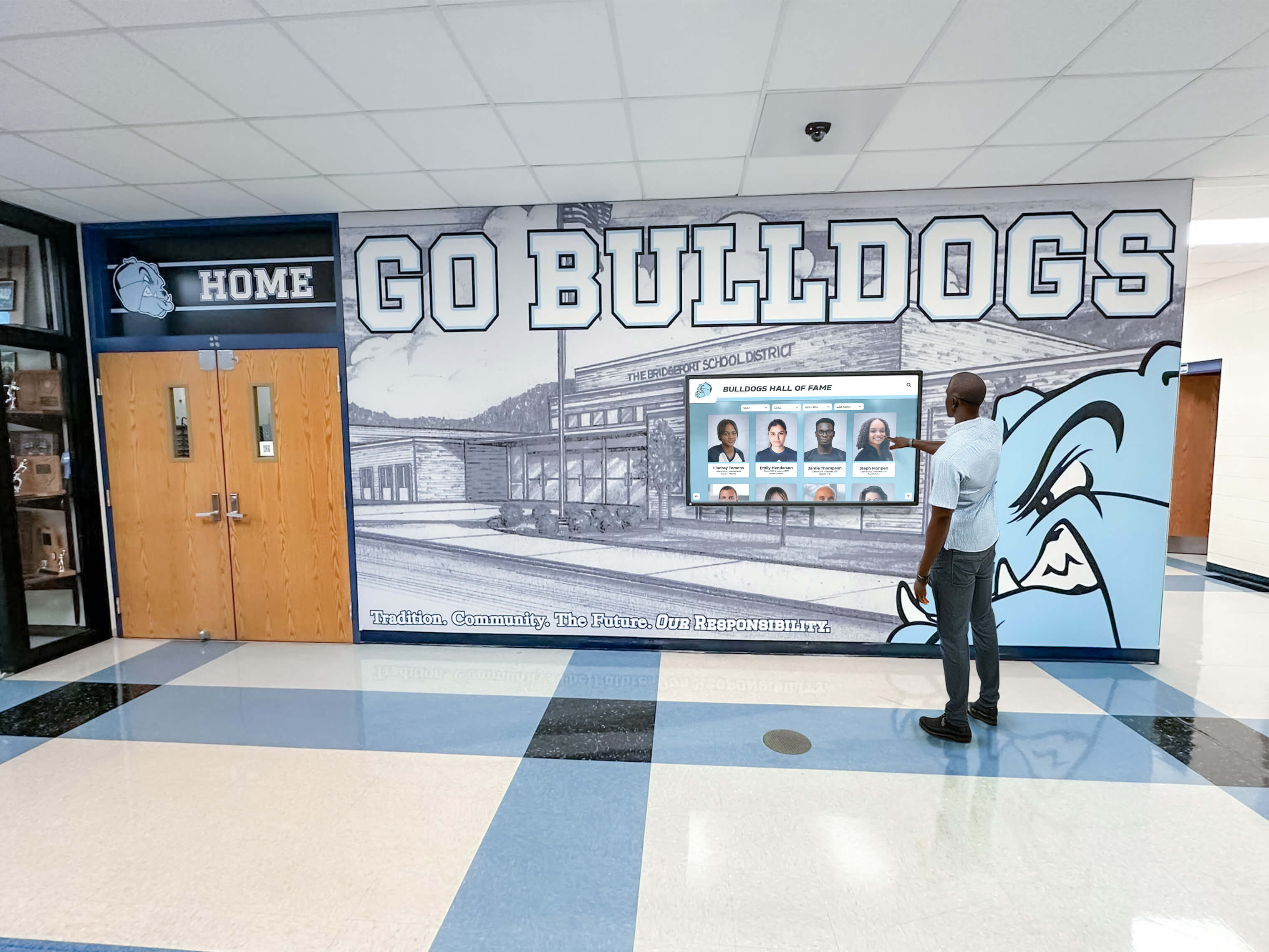
Consider implementing recognition specifically for students who demonstrate exceptional kindness, empathy, and support for peers. Peer-nominated kindness awards prove particularly powerful, allowing students to acknowledge classmates who made their years better through friendship, encouragement, or support during difficult times. These awards send important messages that schools value interpersonal qualities alongside individual achievement.
Extracurricular and Enrichment Awards
Recognition extending beyond academics and character to honor extracurricular contribution ensures comprehensive celebration of diverse student engagement.
Fine Arts Excellence Recognition
Arts programs deserve recognition equal to academic and athletic achievements. Consider awards for exceptional achievement in visual arts, musical performance, theatrical participation, creative writing, dance, or other artistic disciplines. Fine arts recognition might acknowledge technical excellence, creative innovation, dedicated practice, or contribution to school arts culture through performance and exhibition.
Ensure arts recognition receives equal prominence to academic awards during ceremonies, validating these achievements as equally important to school communities and student development. Many students whose greatest talents lie in arts deserve celebration highlighting how artistic excellence requires discipline, dedication, and skill comparable to academic or athletic achievement.
Athletics and Physical Education Recognition
Athletic awards celebrate both competitive excellence and participation embodying sportsmanship and dedication. Beyond traditional team MVP or championship recognition, consider awards for most improved athlete, outstanding sportsmanship, dedication and practice commitment, versatile multi-sport participation, and physical fitness achievement for students demonstrating substantial personal improvement in physical education contexts.
Athletic recognition should extend beyond top varsity performers to include dedicated JV players, managers contributing to team success, and physical education students demonstrating exceptional effort or improvement regardless of natural athletic ability. Inclusive athletic recognition validates that contribution and growth matter alongside competitive success.
Community Service Recognition
Students dedicating substantial time to community service merit specific recognition celebrating their commitment to helping others and contributing beyond school boundaries. Service awards might require specified volunteer hour thresholds, acknowledge particularly impactful service projects, or celebrate students who initiated community service opportunities benefiting others.
Clear documentation requirements ensure service recognition remains legitimate—students should provide verification of hours and activities through service organization confirmation. This documentation requirement maintains recognition credibility while teaching valuable lessons about accountability and record-keeping for future college applications.
Club and Organization Participation
Recognize students who actively participate in school clubs, organizations, and activities contributing to school culture and pursuing interests beyond required coursework. Participation recognition might acknowledge students involved in specified numbers of activities, students demonstrating leadership within organizations, or students founding new clubs addressing unmet student interests.
This recognition validates that well-rounded development includes pursuing passions and engaging in school community beyond academic requirements, encouraging broader participation that strengthens school culture for everyone.
Special Recognition Categories
Beyond standard categories, consider specialized awards acknowledging unique contributions or circumstances deserving celebration.
Newcomer Excellence Awards
Students who join schools mid-year or late in academic careers face unique challenges adapting to new environments while maintaining academic and social success. Newcomer awards specifically recognize students who successfully integrated into school communities while achieving academically and socially despite late arrival challenges.
Technology and Innovation Recognition
In increasingly digital educational environments, consider recognizing students who demonstrate exceptional technology skills, coding and computer science achievement, innovative problem-solving using technology, or contribution to school technology initiatives. This recognition validates 21st-century skills essential to future success.
National Honor Society and Honor Society Induction
Formal induction into National Honor Society or subject-specific honor societies represents significant achievement meriting prominent year-end recognition. Even though these organizations hold separate induction ceremonies, integrating this recognition into comprehensive year-end celebrations ensures broader school community awareness and celebration of these prestigious achievements.
Educator-Nominated Special Recognition
Allow teachers to nominate students for special recognition in their specific classes or subject areas, acknowledging students who made particular impacts through engagement, improvement, assistance to classmates, or exemplary representation of course values. Teacher-nominated awards prove especially meaningful because they reflect authentic recognition from educators who witnessed students’ daily efforts throughout entire years.
Planning and Implementing Effective Year-End Recognition Programs
Successful recognition programs require thoughtful planning addressing both immediate celebration needs and long-term sustainability ensuring programs remain meaningful and manageable across years and leadership transitions.
Establishing Clear Award Criteria and Selection Processes
Transparent criteria and fair selection processes prove essential for recognition program credibility and student motivation.
Defining Measurable Standards
For quantifiable awards like honor roll or perfect attendance, establish explicit numerical criteria that students can understand and track throughout years. Honor roll recognition might require specific GPAs calculated using defined formulas. Improvement awards might require minimum GPA increases. Service recognition might mandate verified volunteer hour thresholds. Clear numerical standards eliminate ambiguity about qualification, allowing students to set concrete goals and monitor progress toward recognition.
Creating Rubrics for Subjective Awards
Awards involving judgment—citizenship, leadership, arts excellence, or teacher-nominated recognition—benefit from rubrics defining evaluation criteria even when final selections require discretion. Citizenship rubrics might specify behavioral expectations, positive contribution indicators, and consistency requirements. Arts excellence rubrics might define technical skill, creative innovation, and dedication elements. Rubrics ensure consistent evaluation while providing transparency about what recognition requires.
Nomination and Selection Committees
For awards requiring nomination and selection, establish committees representing diverse school community perspectives—teachers from various departments, administrators, counselors, and potentially student representatives for certain categories. Committee diversity ensures fair consideration of students across different programs, achievement areas, and demographic groups rather than recognition inadvertently favoring students most visible to narrow decision-maker populations.
Avoiding Recognition Concentration
Many schools implement policies preventing individual students from receiving excessive recognition concentrations while other deserving students receive nothing. Consider limiting each student to a specified maximum number of major awards, ensuring recognition distribution across broader student populations. This approach maintains recognition meaning while creating more celebration opportunities across diverse student bodies.
Some schools address this by distinguishing between major recognition (significant awards presented during ceremonies) and minor acknowledgments (certificates or brief mentions), allowing accomplished students to receive appropriate comprehensive recognition without monopolizing major awards.
Timing and Ceremony Planning Considerations
When and how schools present recognition significantly impacts program effectiveness and meaning.
Scheduling Recognition Events
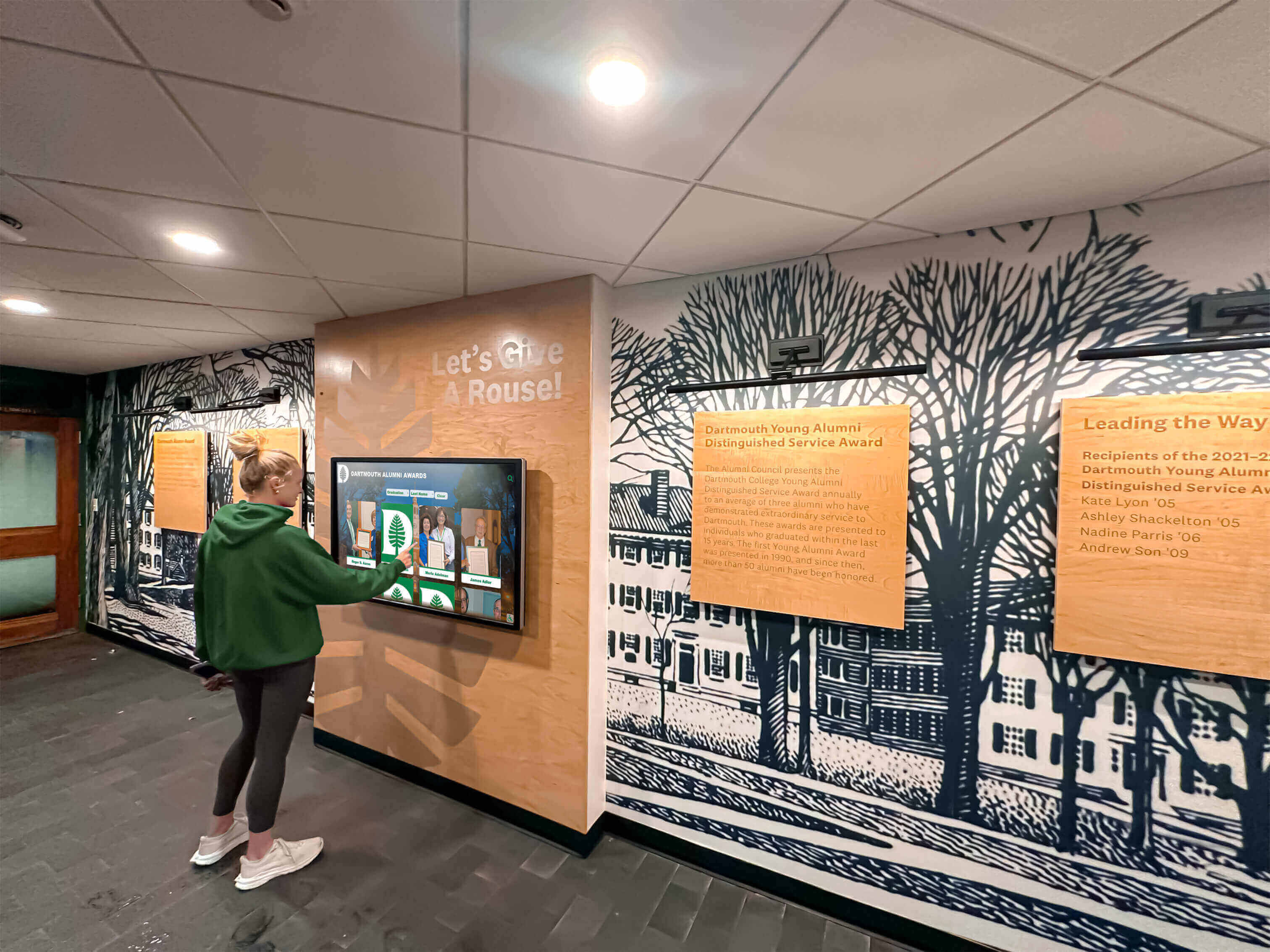
Most schools schedule major recognition ceremonies during final weeks of academic years, typically 1-2 weeks before conclusion. This timing allows inclusion of final grade calculations and year-end achievements while maintaining student attendance before widespread early checkout and vacation departures.
Consider whether recognition works best as standalone events or integration into existing end-of-year assemblies, award nights, or graduation ceremonies. Standalone recognition events provide focused celebration and family attendance opportunities but require additional planning and scheduling. Integration into existing events proves more efficient but may dilute recognition impact if ceremonies become overwhelming with excessive length or competing purposes.
Balancing Formality and Accessibility
Recognition events should feel special enough to honor achievement meaningfully while remaining accessible to all families regardless of economic circumstances. Formal evening ceremonies at external venues create memorable experiences but may exclude families lacking transportation, evening availability, or formal attire. Consider alternative approaches like recognition receptions during school hours allowing parent attendance during workday breaks, afternoon ceremonies providing easier access than evening events, or multiple smaller grade-level celebrations feeling more intimate than massive all-school events.
Student Involvement in Planning
Engaging student representatives in recognition planning increases buy-in and ensures ceremonies feel meaningful to students rather than adult-designed obligations they endure passively. Student input might shape award categories ensuring relevant recognition, ceremony format preferences reflecting what feels meaningful to them, music and entertainment elements creating engaging atmospheres, or recognition presentation approaches maximizing impact while minimizing tedium.
Creating Memorable Ceremony Experiences
Thoughtful ceremony details transform recognition from perfunctory obligations into memorable celebrations students treasure. Consider incorporating student performances by school arts programs, video montages featuring highlights from the academic year, guest speakers such as distinguished alumni or community members, interactive elements like peer tribute opportunities, and refreshments and social time allowing families to celebrate together after formal programs conclude.
Communication and Promotion Strategies
Effective communication ensures recognition reaches appropriate audiences while maintaining appropriate privacy boundaries.
Advance Notification to Recipients
Notify students and families of recognition several days before public announcement, allowing them to plan ceremony attendance while preventing recognition surprise that may embarrass students uncomfortable with public attention. Advance notification also provides opportunities for students to invite extended family members, enabling broader celebration of achievements.
Multi-Channel Recognition Communication
Extend recognition beyond ceremony announcements through comprehensive communication across multiple channels reaching diverse audiences:
- School websites featuring dedicated recognition sections with photos and achievement descriptions
- Social media highlighting recognized students with their photos and accomplishment summaries
- Email newsletters to families providing detailed recognition information and ceremony highlights
- Local media press releases celebrating school achievement and individual student success
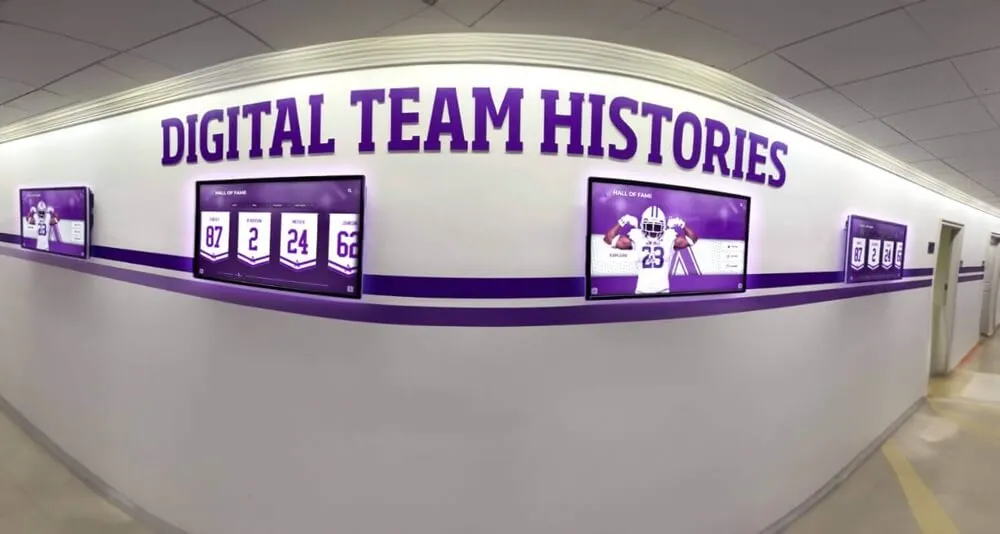
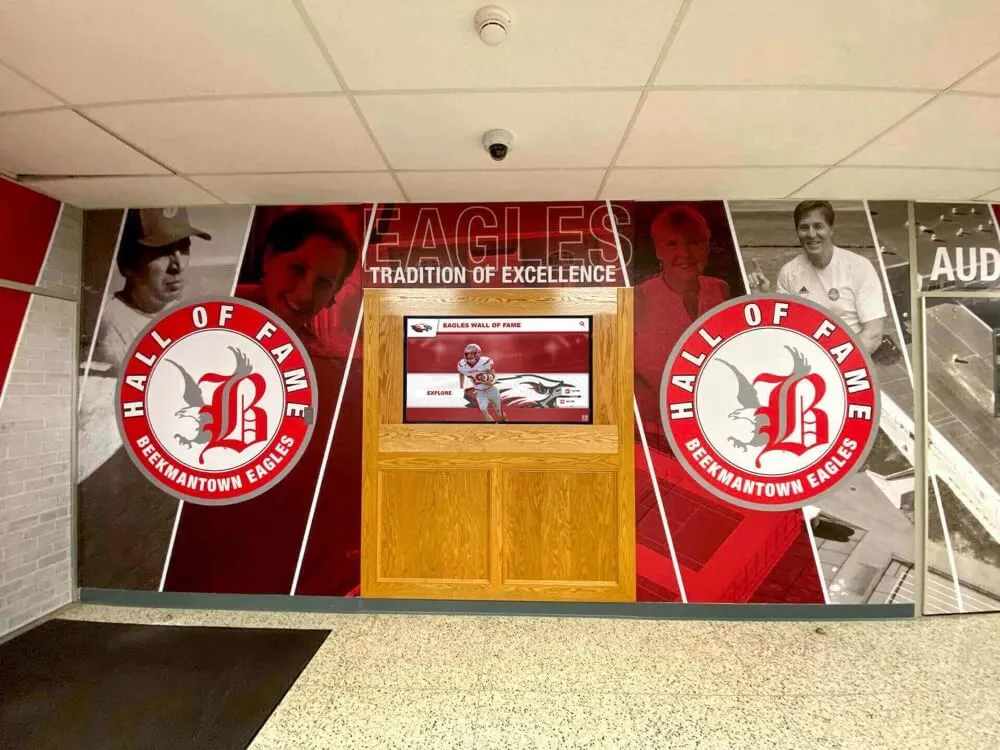
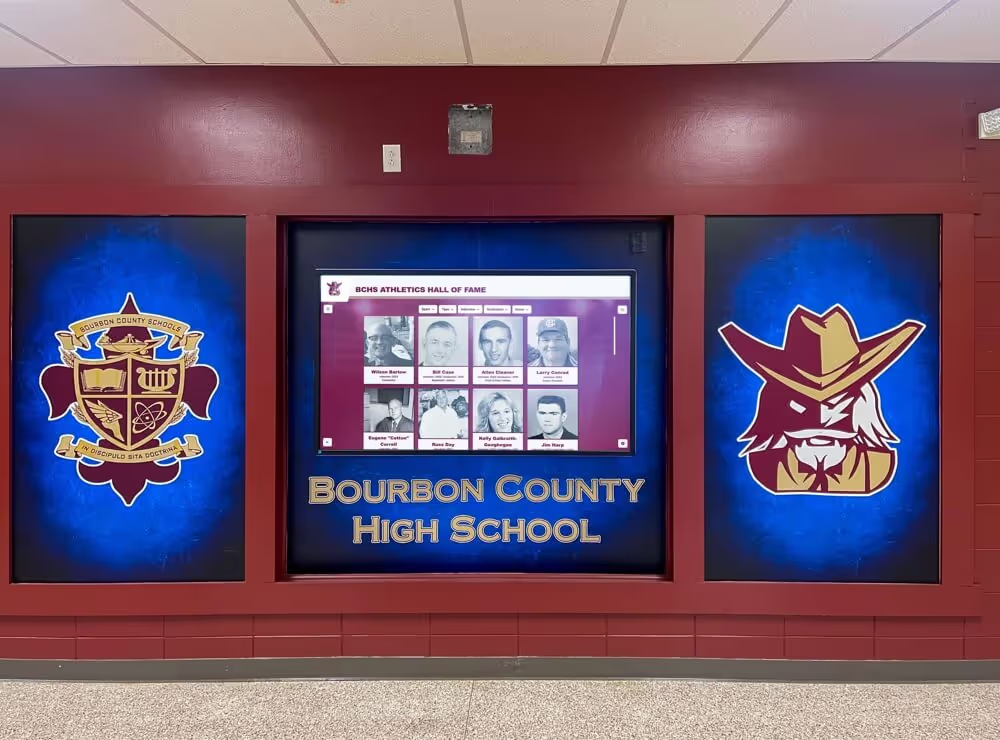
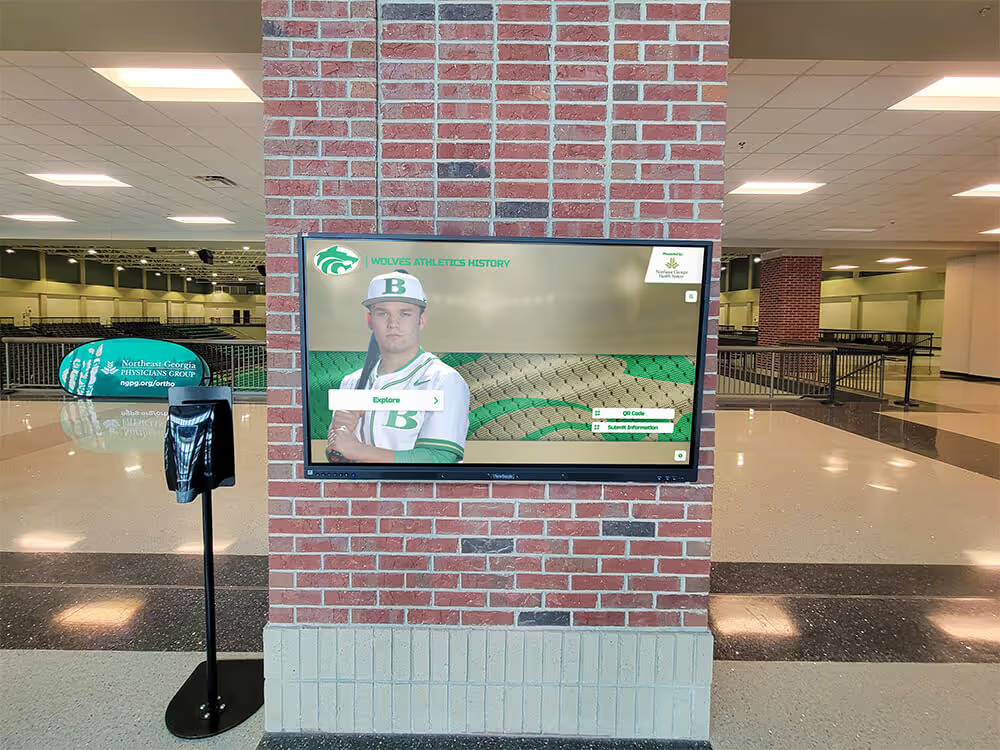
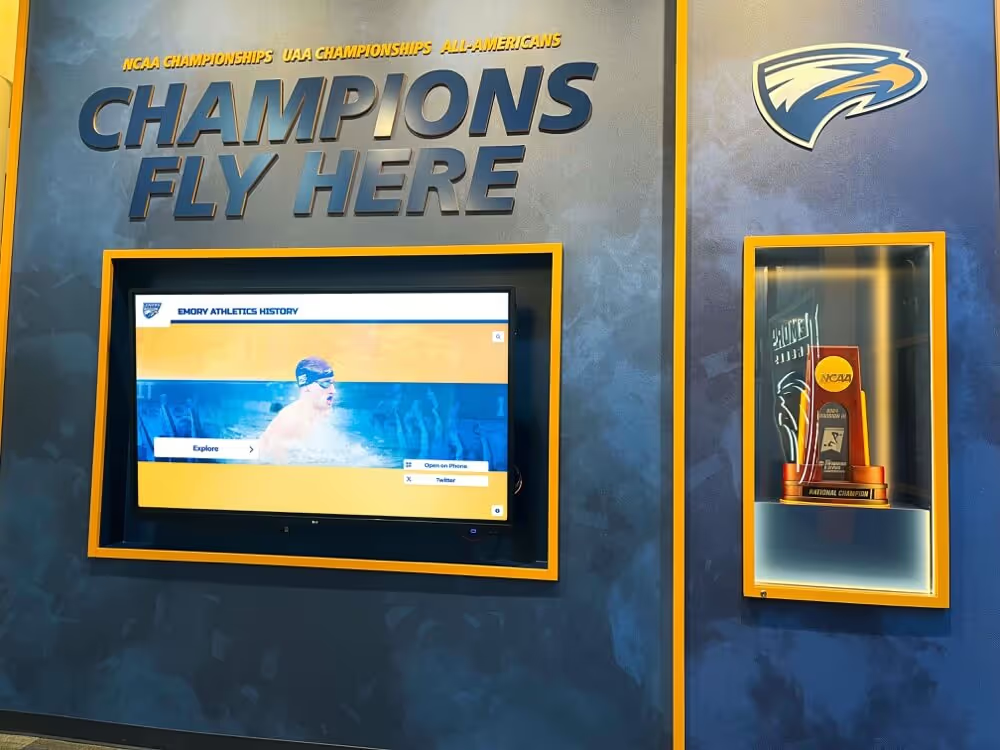
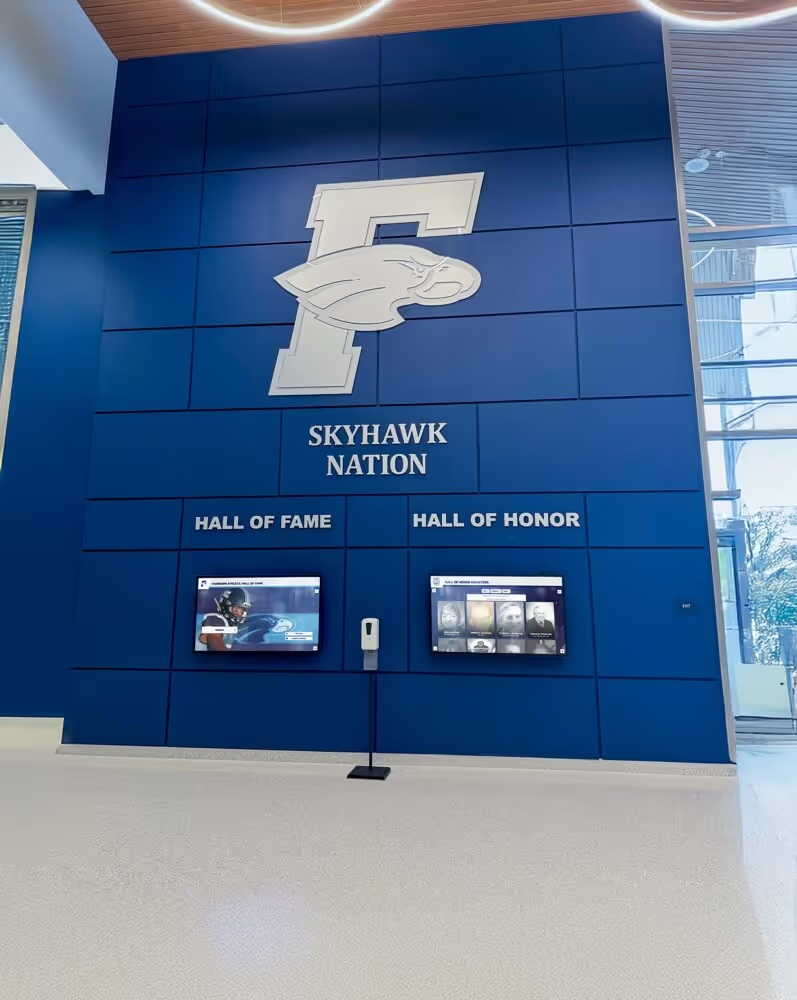
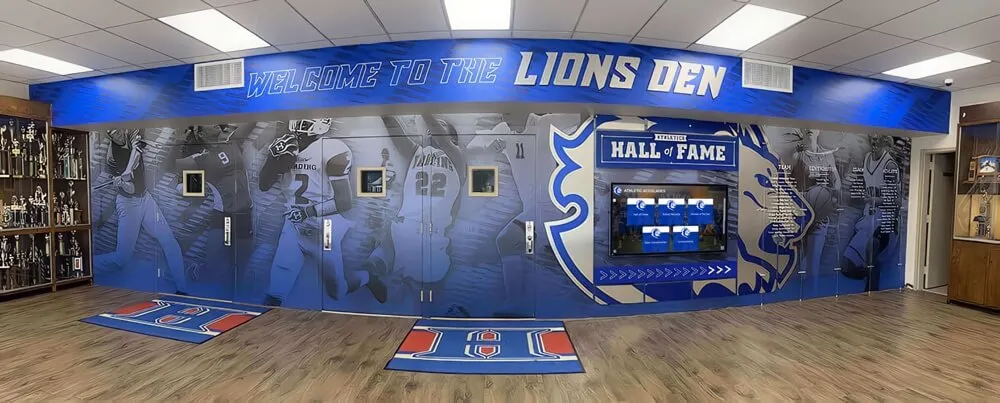
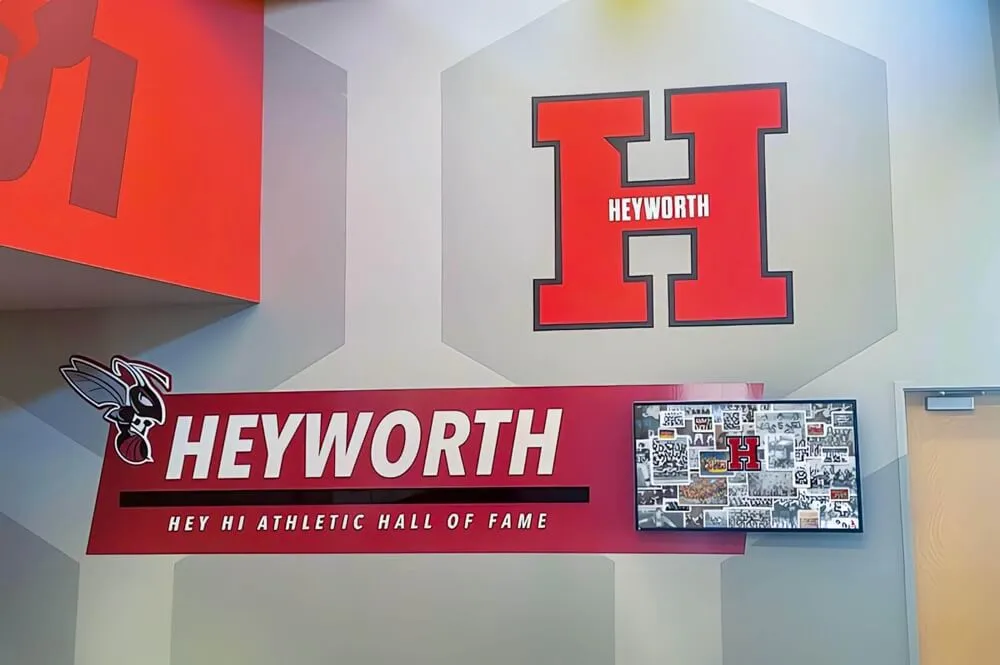
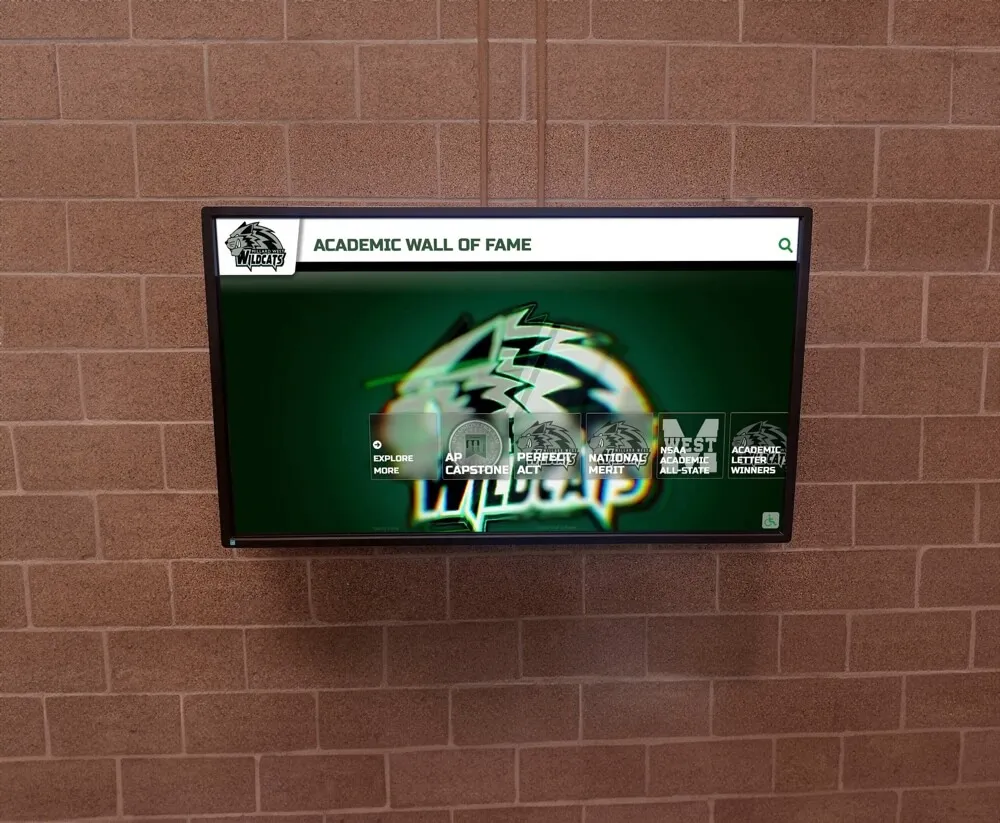
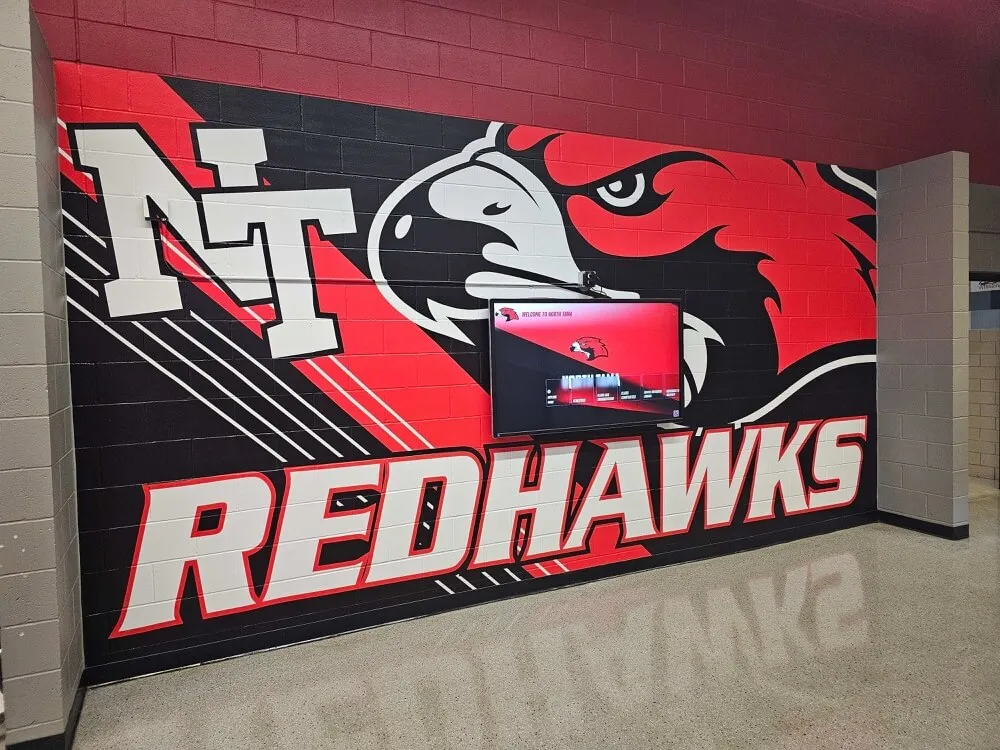
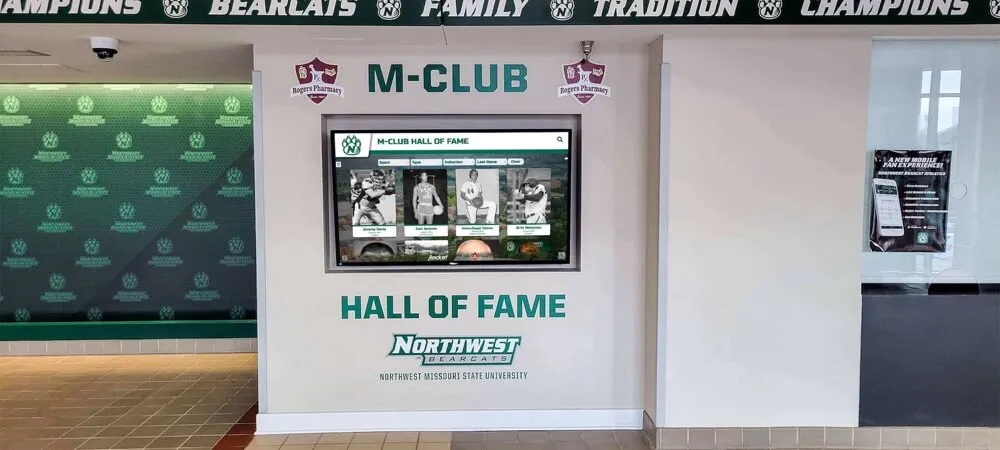
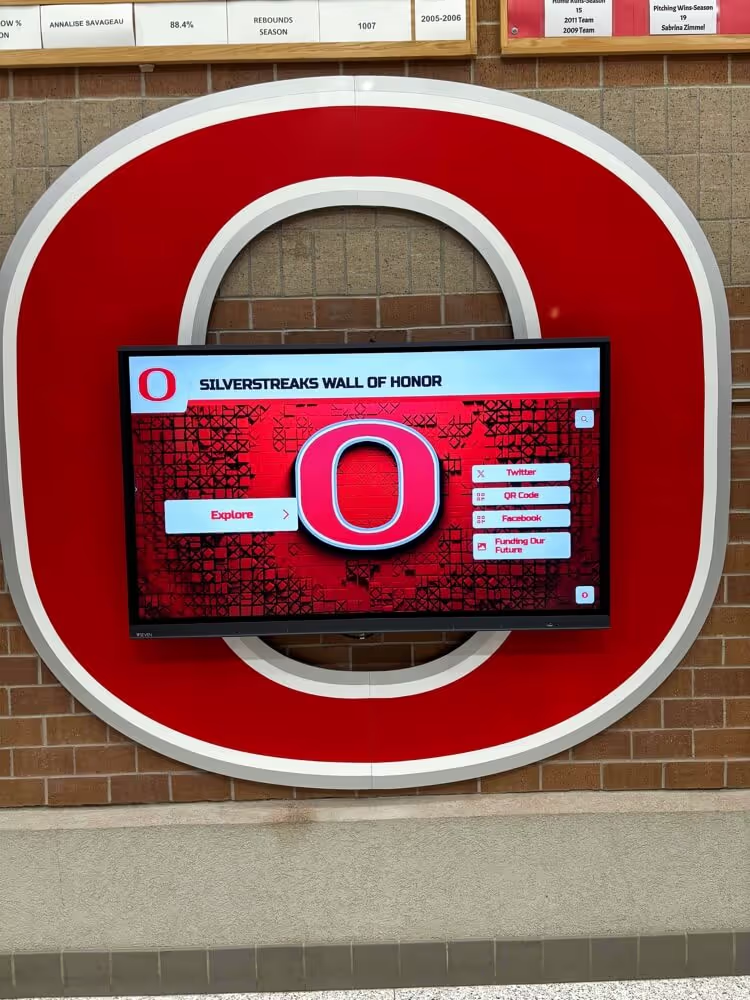
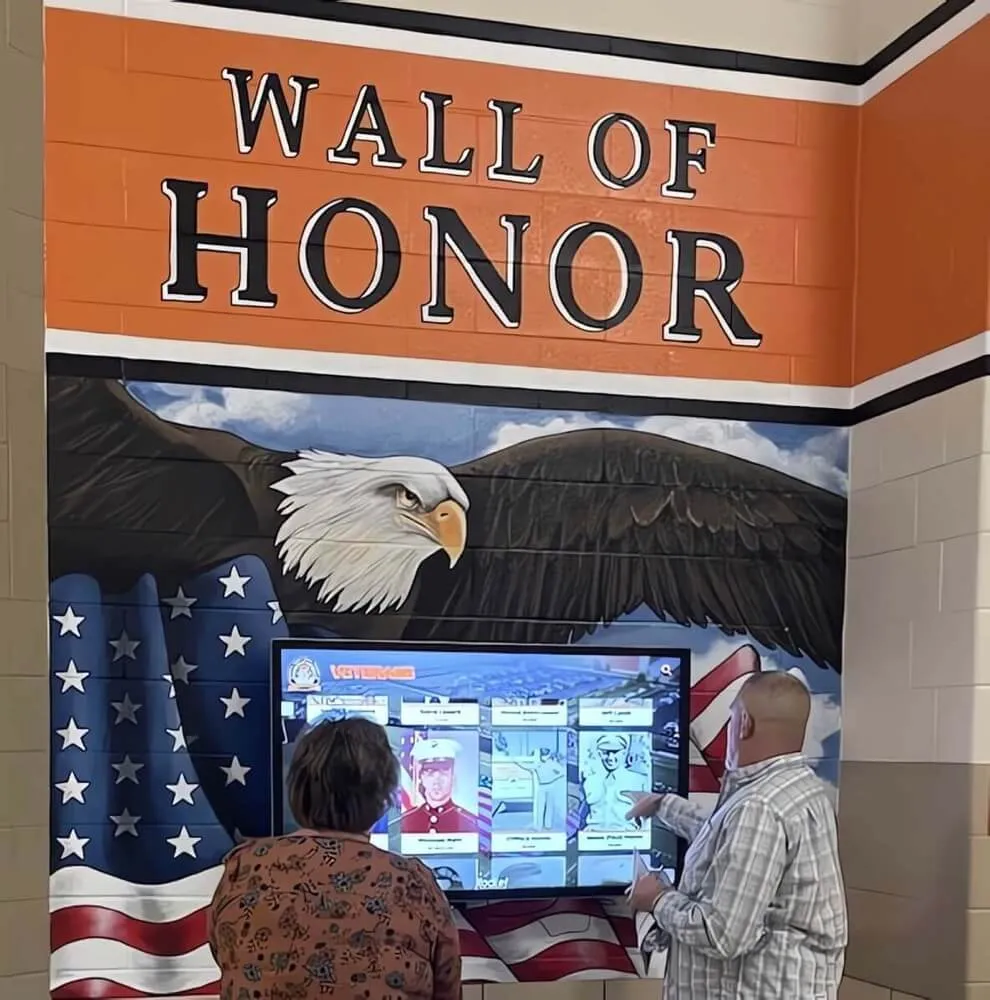
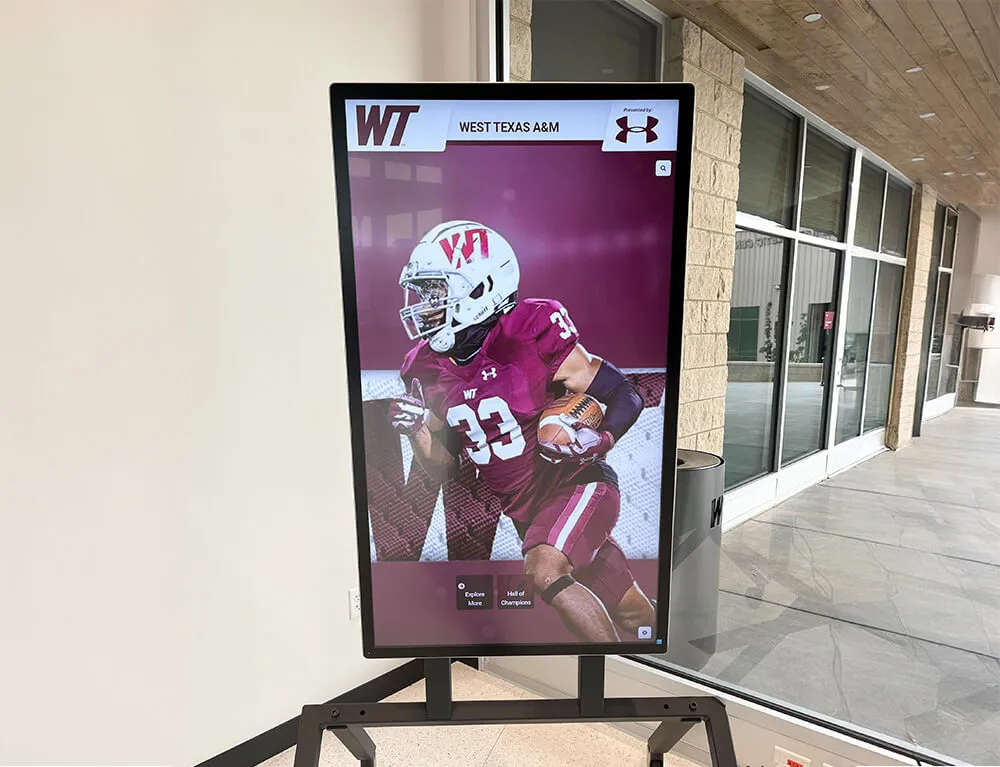
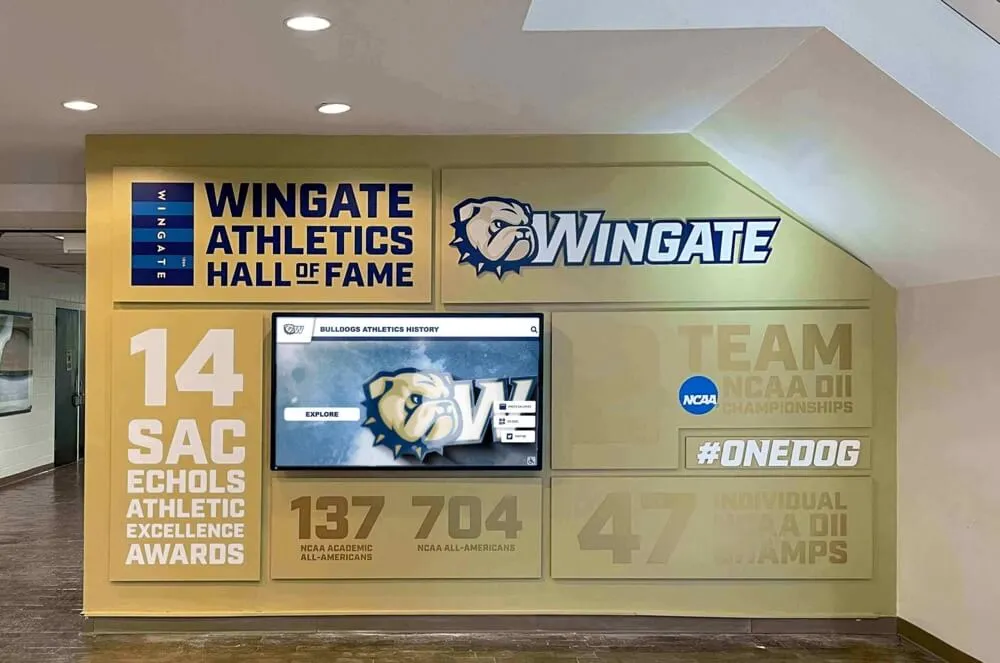
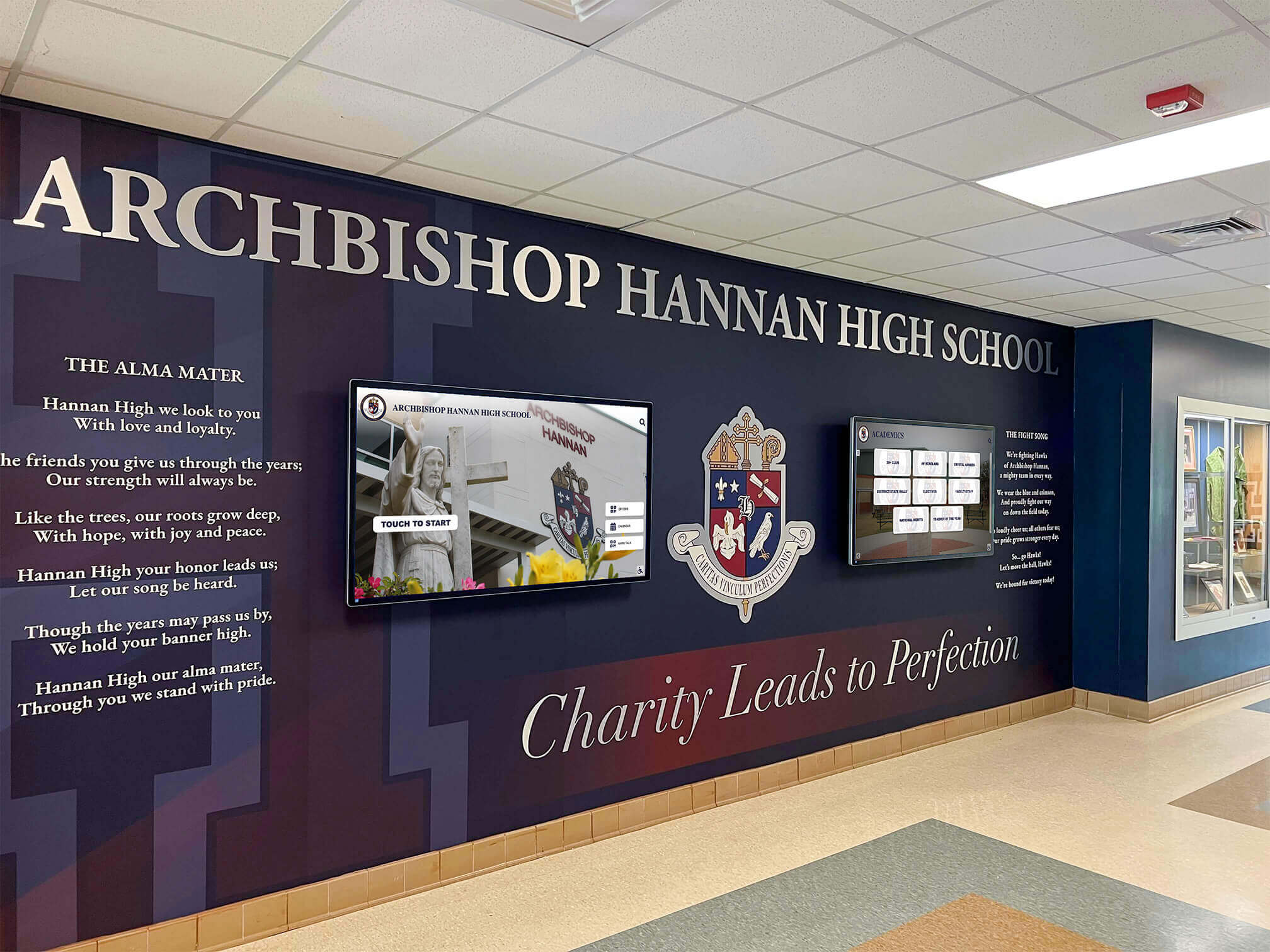
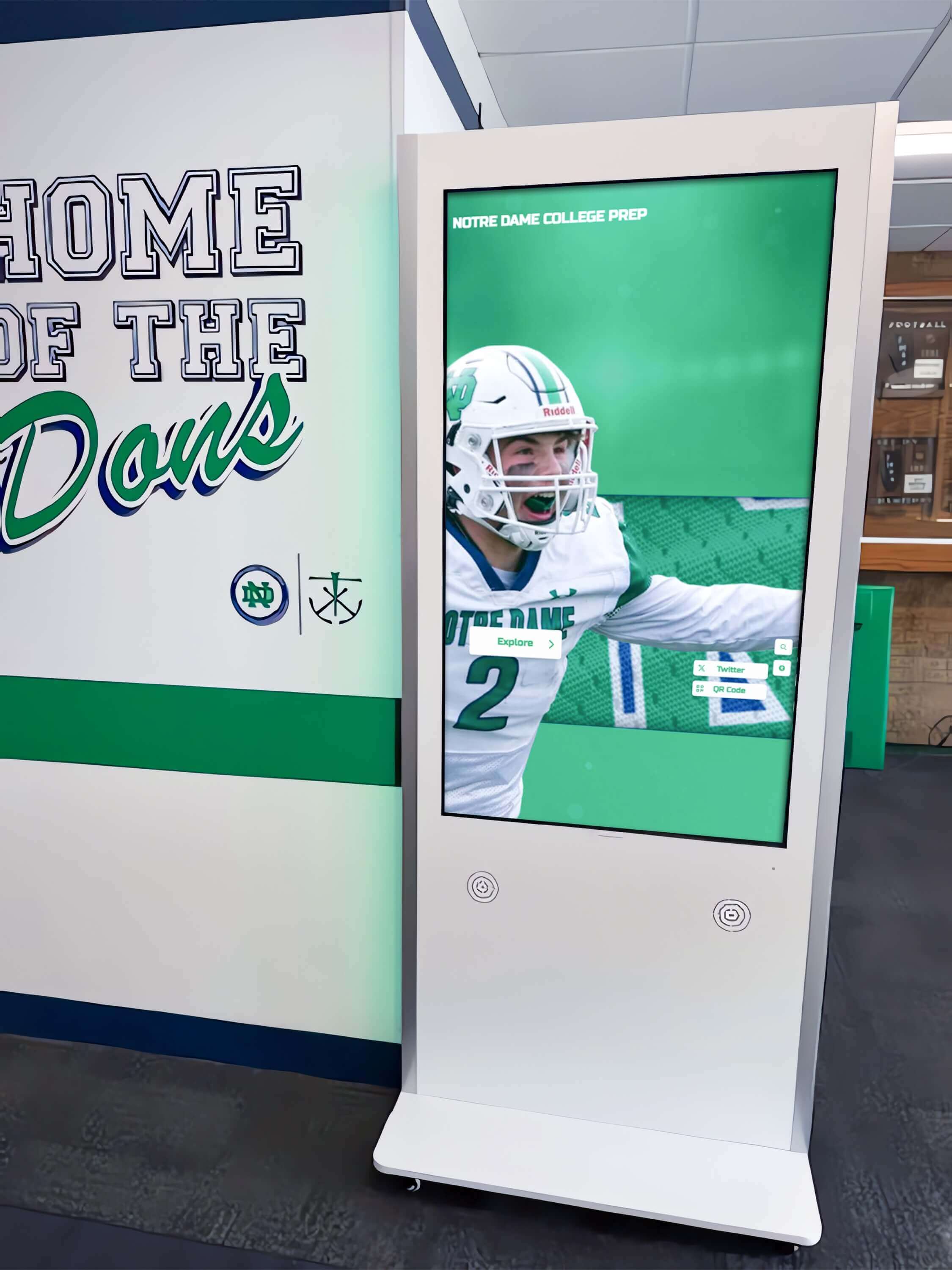
- Digital displays in school buildings showcasing recognized students year-round rather than only during ceremony weeks
- Physical certificates or plaques providing tangible recognition students can keep and display
This multi-channel approach ensures recognition reaches all stakeholders while accommodating different information consumption preferences and creating lasting visibility extending well beyond single ceremony dates.
Privacy and Consent Considerations
Balance public recognition benefits with student privacy rights and family preferences. Include directory information permission forms at enrollment clearly indicating that declining consent affects public recognition. Offer alternative private recognition for students whose families opt out of public announcements while ensuring their achievements receive appropriate acknowledgment. Avoid publishing sensitive information like specific grades, disciplinary records, or personal circumstances even when celebrating growth or perseverance.
Modern Solutions: Digital Recognition Displays for End of Year Awards
Technology transforms how schools celebrate end of year awards, extending recognition far beyond single-day ceremonies into year-round celebration creating ongoing inspiration and institutional memory.
Limitations of Traditional Recognition Methods
Traditional approaches to year-end recognition face significant constraints limiting their effectiveness and sustainability.
Ephemeral Ceremony Recognition
Award ceremonies create memorable moments for recognized students but prove ephemeral—after events conclude and families depart, little tangible evidence remains beyond stored certificates. Next year’s students miss seeing previous years’ recognition, losing aspirational value that could inspire their own achievement. Schools essentially restart recognition from zero each year rather than building cumulative celebration of ongoing excellence.
Physical Display Space Constraints
Schools attempting to create permanent recognition through physical displays quickly exhaust available wall space. Once bulletin boards fill and trophy cases overflow, schools face difficult decisions about whose recognition to remove, creating unfortunate situations where student achievements are literally erased to accommodate new recognition. Space limitations force prioritization that feels unfair and prevents comprehensive recognition honoring all deserving students.
Update and Maintenance Burden
Maintaining physical recognition displays requires substantial ongoing effort—printing photos, creating layout designs, mounting materials, and periodically refreshing worn displays. This work burden often falls on already overwhelmed staff who struggle to find time for updates, resulting in dated displays undermining rather than supporting recognition program credibility.
Limited Storytelling Capability
Physical recognition displays typically accommodate only basic information—names, photos, and brief achievement descriptions. Complex achievement stories, student reflections, advice for younger students, and contextual information making recognition meaningful often get excluded due to space constraints, reducing recognition to simple name listings lacking emotional impact or inspirational value.
Digital Recognition Display Advantages
Modern digital displays address traditional limitations while creating powerful new recognition capabilities that schools increasingly leverage for year-end awards.
Permanent, Cumulative Recognition Archives
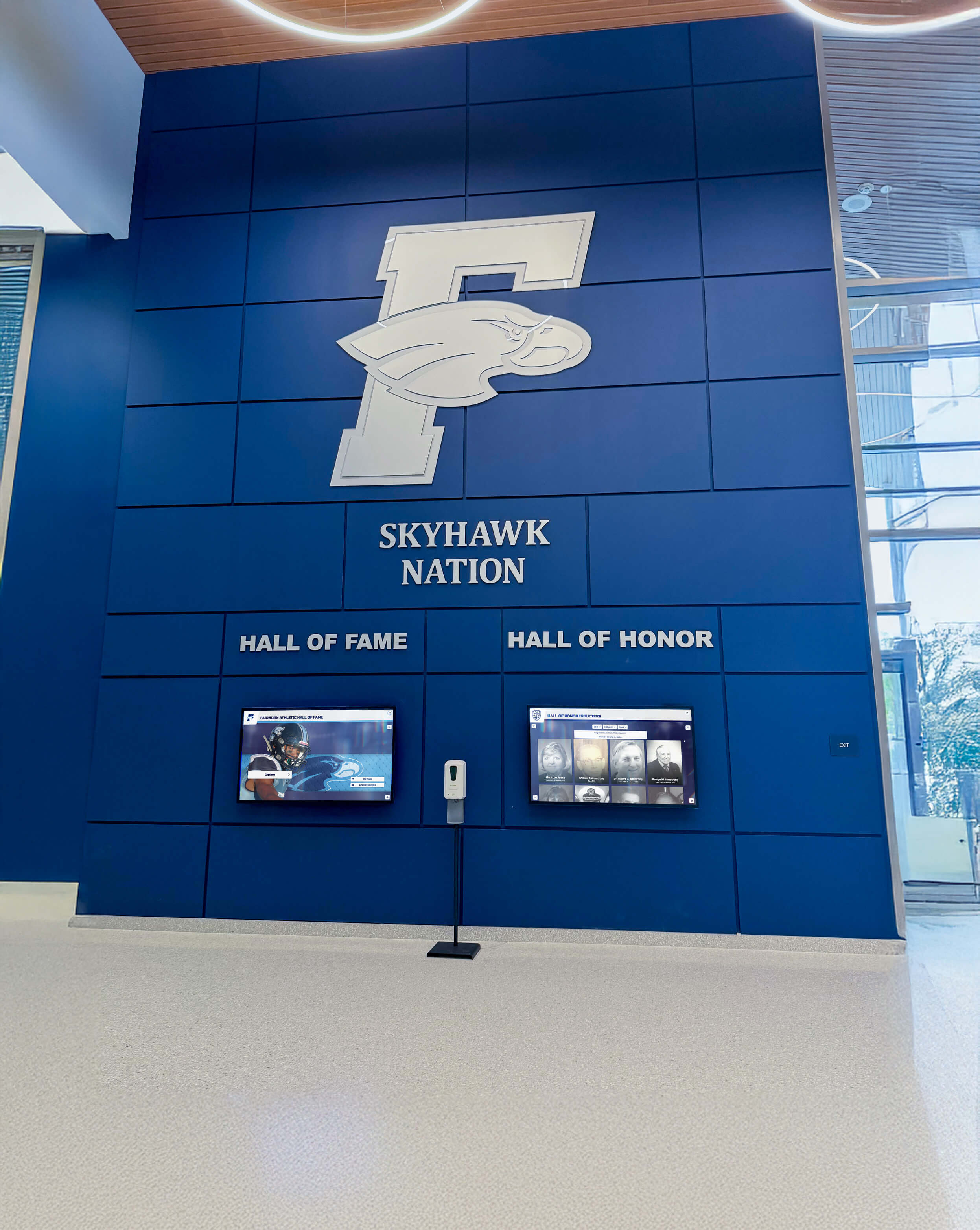
Digital platforms accommodate unlimited student profiles without space constraints, allowing schools to build comprehensive recognition archives spanning multiple years and even decades. Rather than removing old recognition to accommodate new awards, digital systems accumulate recognition creating rich institutional histories. Current students can explore recognition from previous years, seeing how their older siblings, parents, or role models were celebrated when they attended, creating powerful connections across generations.
Rich Multimedia Storytelling
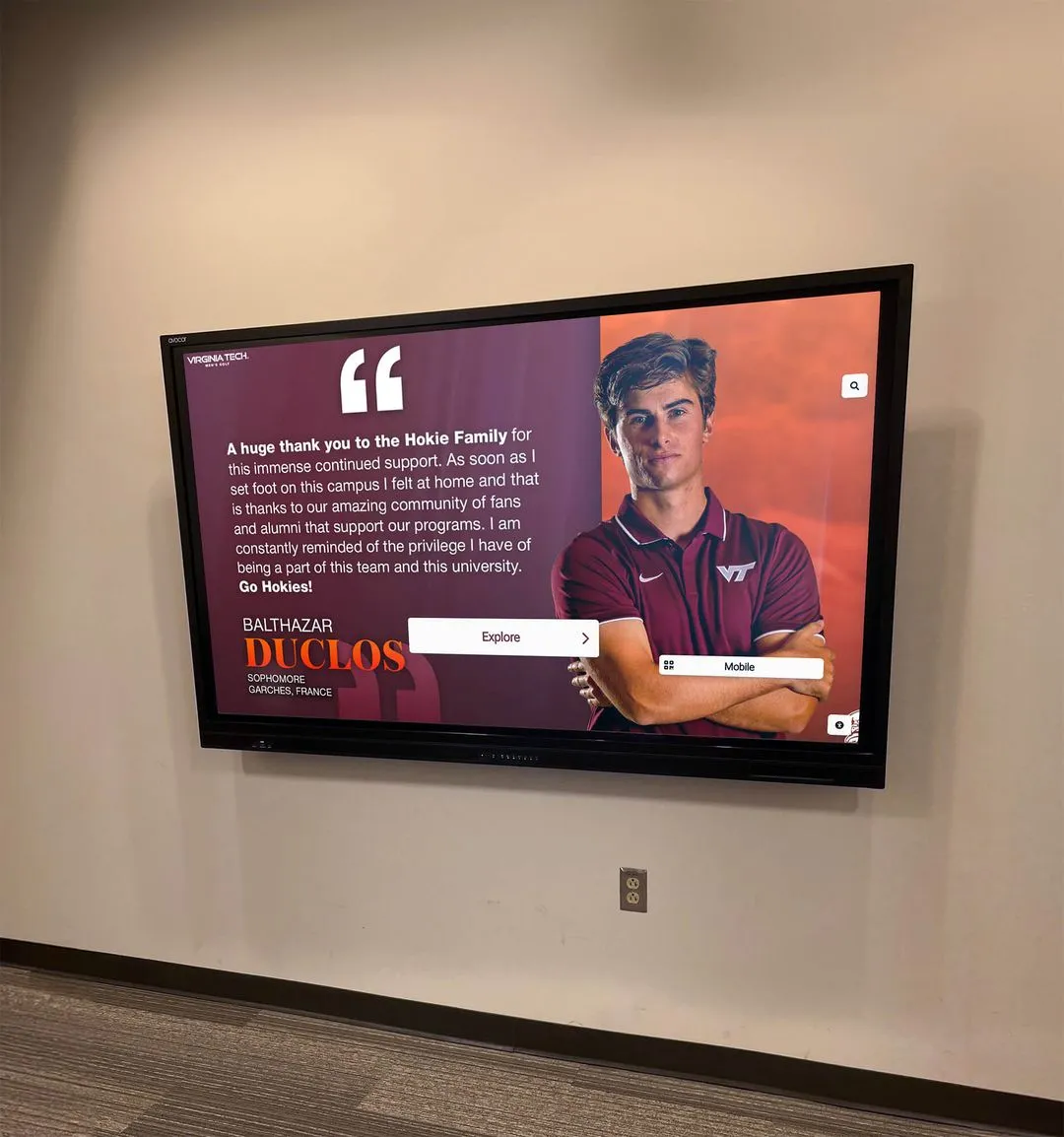
Digital profiles combine text, photos, video, and interactive elements telling complete achievement stories. Rather than listing “Sarah Johnson—Most Improved Student,” digital recognition might include professional photos from ceremony presentations, video clips of Sarah discussing her growth journey and study strategies, written reflections on overcoming challenges and advice for struggling students, connections to teachers who supported her improvement, and comprehensive achievement timelines showing her progression throughout the year.
This rich storytelling transforms recognition from administrative documentation into inspiring narratives that resonate emotionally with viewers and create genuine understanding of what achievements represent.
Interactive Exploration and Discovery
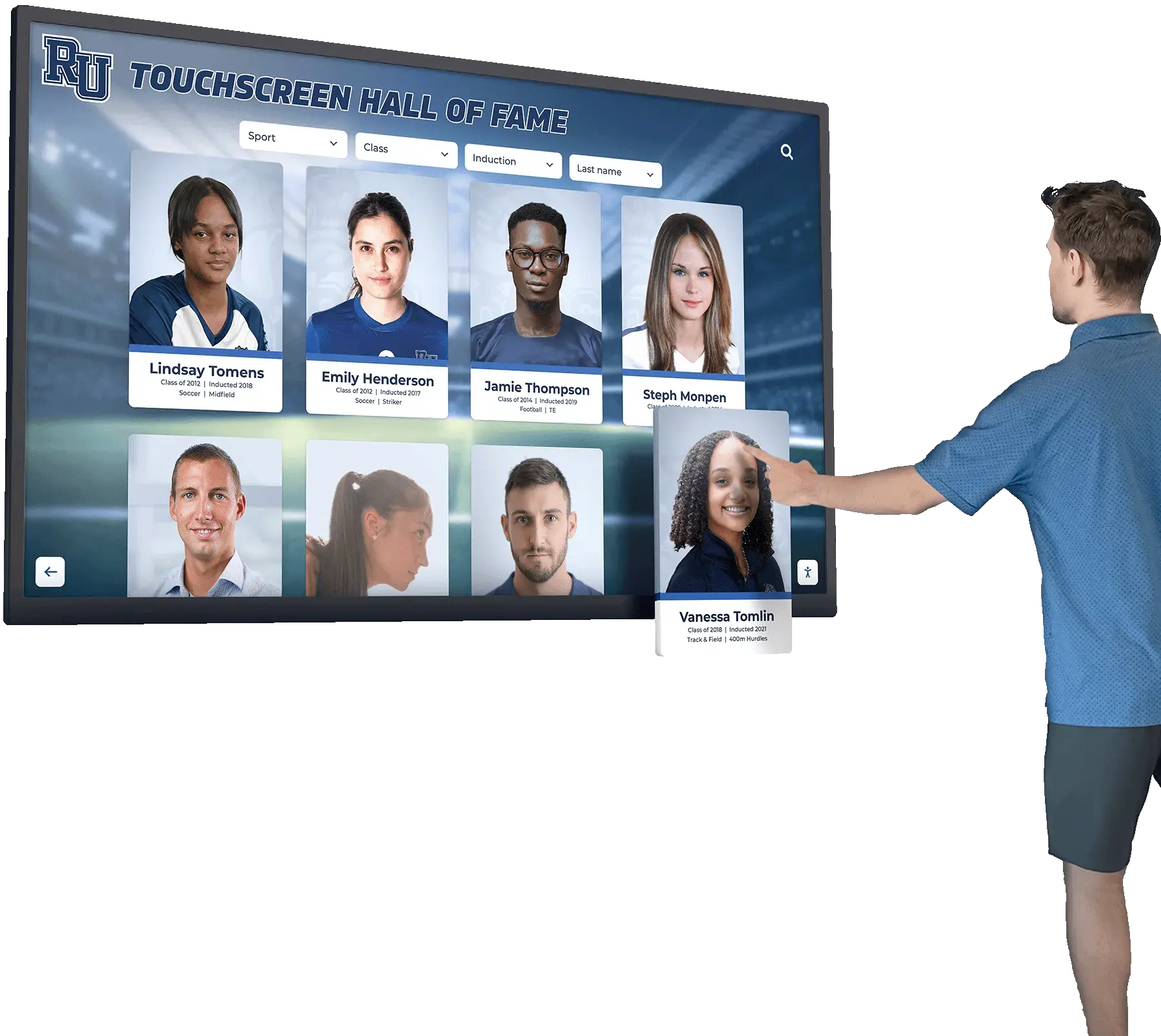
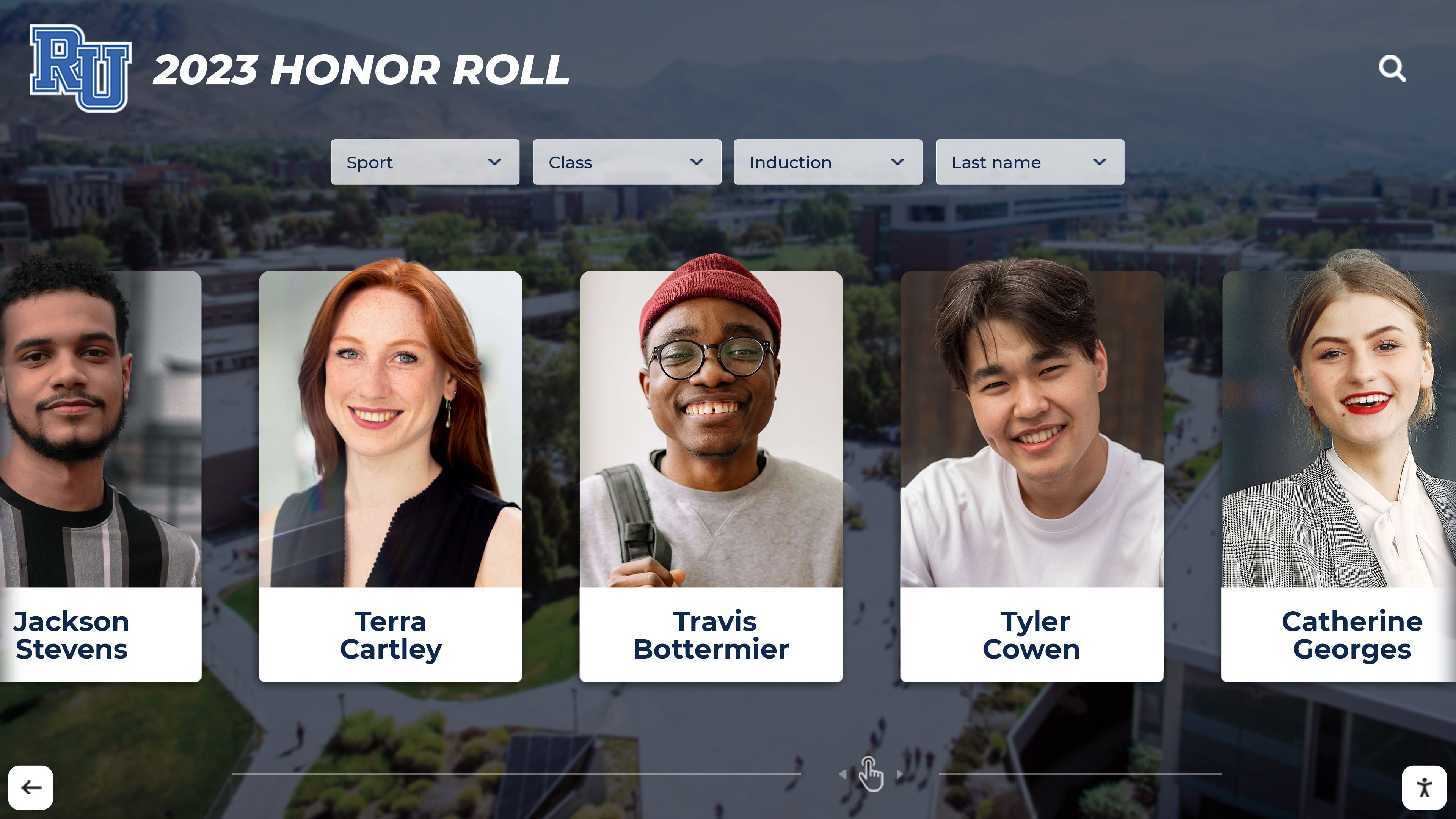
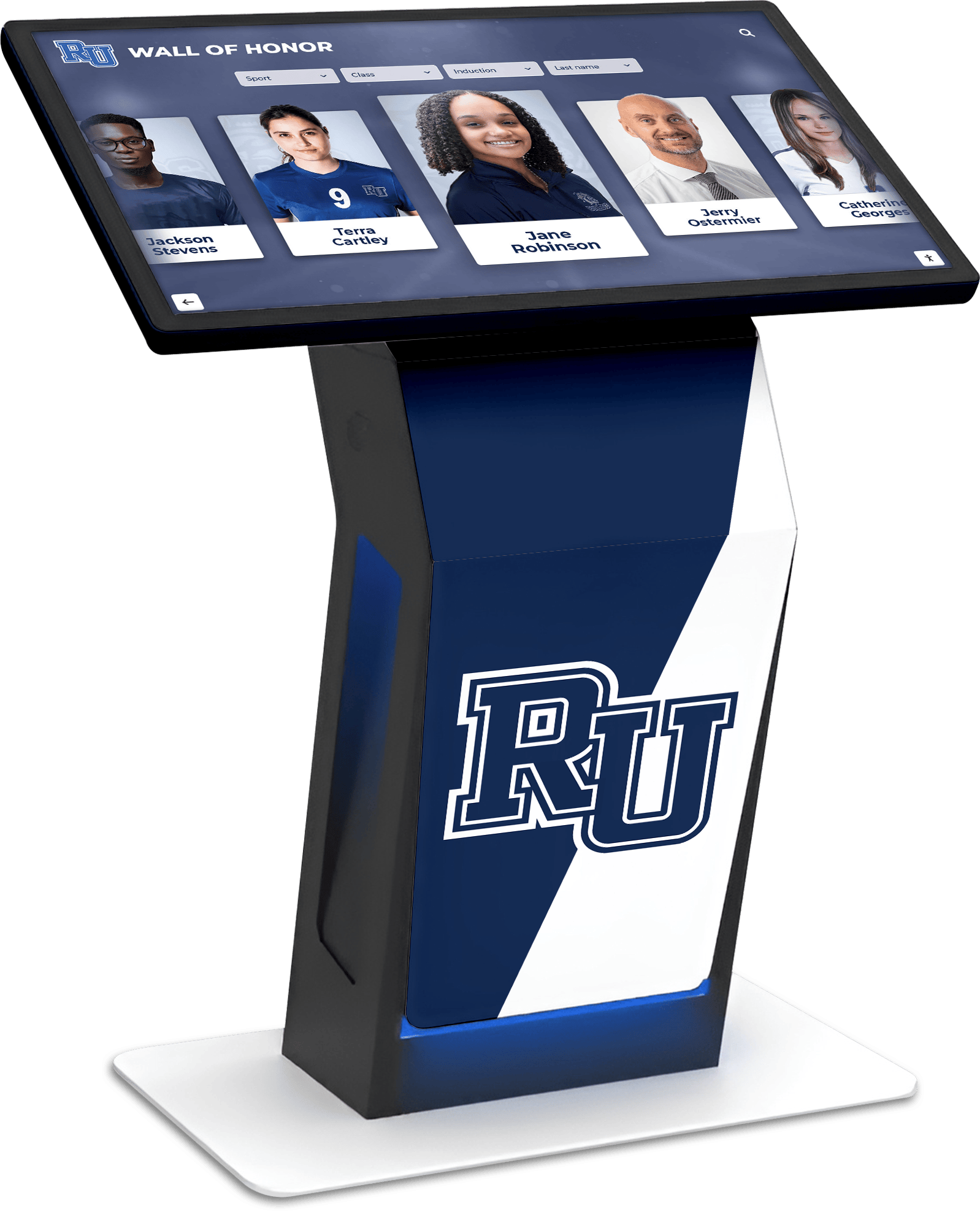
Touchscreen interfaces allow students, families, and visitors to explore recognition interactively through intuitive search, filtering, and browsing interfaces. Users might search for specific students by name, filter recognition by award category or graduation year, browse featured content highlighting recent additions, explore related achievements through intelligent linking, or discover students with similar interests or accomplishments creating personal connections.
This interactive exploration proves particularly engaging for students during unstructured times like passing periods, lunch, and before school—recognition displays become natural gathering points where students congregate to explore achievements and share discoveries with friends.
Easy Updates and Real-Time Recognition
Cloud-based management systems allow authorized staff to add recognition immediately after awards are determined, updating displays within minutes from any internet-connected device. No physical printing, mounting, or display modification required—simply upload photos and information through intuitive interfaces and publish updates appearing immediately on all display endpoints.
This ease enables real-time recognition throughout years rather than only at year-end. Schools might add monthly student-of-the-month recognition, highlight weekly achievement updates, feature seasonal accomplishments, or recognize time-sensitive achievements immediately after they occur, maintaining recognition freshness and relevance.
Extended Reach Through Web Access
Web-based recognition platforms extend celebration beyond school buildings to anywhere students and families access internet. Alumni return years later to find their own recognition preserved and accessible. Distant family members unable to attend ceremonies can explore recognition remotely and share pride in students’ achievements. Prospective families researching schools gain concrete evidence of achievement culture and recognition commitment rather than relying on abstract claims about school quality.
Solutions like Rocket Alumni Solutions provide purpose-built platforms designed specifically for educational recognition, offering intuitive management interfaces, engaging user experiences, and proven approaches that transform how schools celebrate student achievement permanently.
Analytics and Engagement Insights
Digital recognition platforms with analytics capabilities provide valuable insights about community engagement with recognition content—which profiles receive the most views, what search terms users employ, when peak usage occurs, and how visitors interact with different features. These insights help schools understand what recognition resonates most strongly, demonstrate program value through quantitative engagement data, and refine content strategies maximizing recognition impact.
Implementing Hybrid Recognition Approaches
Many schools find that combining traditional ceremonies with digital recognition creates optimal experiences honoring ceremony tradition while leveraging technology advantages.
Ceremony Plus Digital Unveiling
Host traditional award ceremonies with physical certificate presentations and family attendance, then simultaneously unveil new digital recognition profiles as part of ceremony programs. Students receive certificates they can display at home while their achievements simultaneously join permanent digital archives ensuring lasting recognition extending far beyond ceremony dates.
Physical and Digital Integration
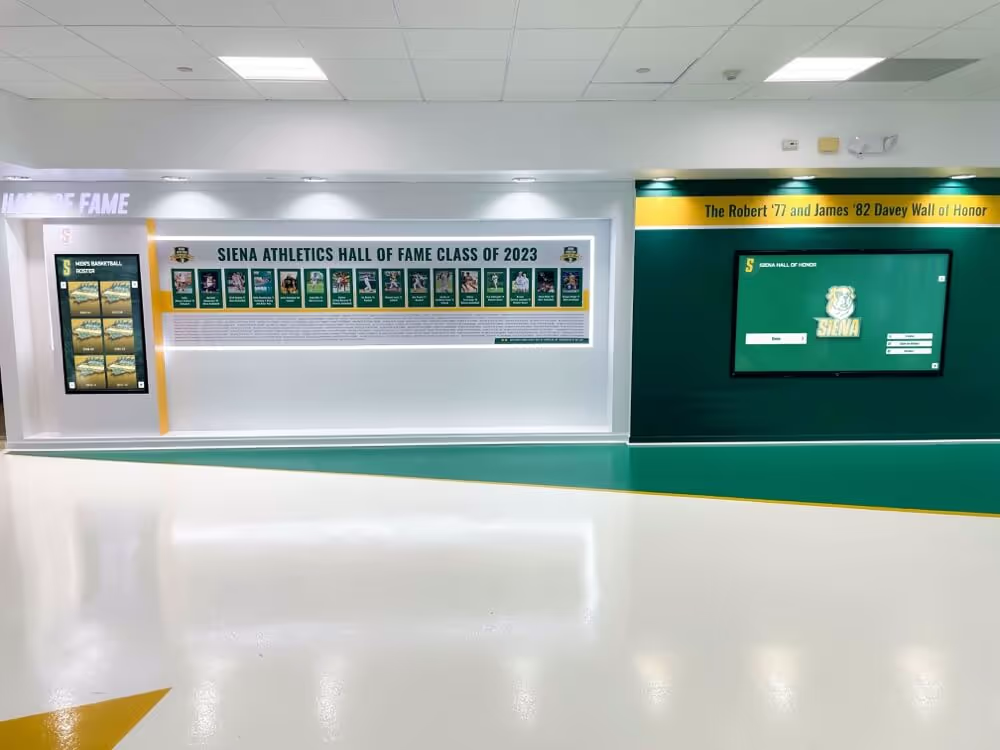
Install digital recognition displays near related physical elements creating complementary experiences. A traditional recognition wall listing all award recipients by year might be supplemented by adjacent touchscreen displays providing detailed profiles for anyone wanting to learn more. Trophy cases displaying physical awards might integrate digital components showing achievement contexts, game highlights, or winner interviews impossible to convey through static trophies alone.
Social Media Amplification
Use digital recognition as source material for social media celebration extending recognition reach beyond those physically accessing displays or websites. Share featured profiles on school social media with links to full digital recognition platforms, creating organic recognition amplification through family and student sharing while driving traffic to comprehensive recognition archives where visitors can explore related content.
Creative Award Ideas That Inspire Student Motivation
Beyond traditional recognition categories, creative awards capture student imagination and inspire achievement through unique celebration of contributions that standard awards may overlook.
Fun and Memorable Superlative Awards
Lighthearted superlative awards acknowledge student personality and contributions in ways that feel fun while remaining appropriate and inclusive.
Examples of Engaging Superlatives:
- “Most Likely to Brighten Your Day” recognizing students whose positivity lifts others
- “Best Study Buddy” acknowledging students who generously help classmates understand material
- “Renaissance Student” celebrating students who excel across multiple unrelated domains
- “Most Creative Problem Solver” honoring innovative thinking and unique approaches
- “Class Historian” recognizing students with remarkable memory for events and details
- “Future CEO” acknowledging natural leadership and entrepreneurial thinking
- “Most Improved Handwriting” for younger grades celebrating concrete skill development
- “Technology Guru” recognizing students who help peers and teachers with technical challenges
Ensure superlatives remain positive, avoid physical appearance references, and celebrate genuine student qualities rather than creating awards that might embarrass or stereotype recipients.
Peer-Recognition Awards
Student-nominated awards prove particularly meaningful because they reflect authentic peer appreciation rather than only adult judgment about achievement and contribution.
Peer Choice Awards
Allow students to nominate classmates for recognition in various categories through confidential voting or nomination processes. Categories might include best friend to all, most helpful classmate, inspirational peer, funniest classmate (in appropriate, non-hurtful ways), or most talented in various domains.
Implement safeguards ensuring peer recognition remains positive—screen nominations for appropriateness, require nomination statements explaining why classmates deserve recognition, ensure diverse recognition across different student groups rather than popularity contests, and limit individual students’ recognition to prevent excessive concentration.
Collaborative Achievement Recognition
Some of the most meaningful work students accomplish involves collaboration and teamwork. Consider awards specifically honoring successful group projects, collaborative research achievements, team problem-solving excellence, or students who exemplify exceptional teamwork consistently across different contexts and group compositions.
These awards send important messages that schools value cooperation and collective success alongside individual achievement, preparing students for workplace realities where collaboration determines success more than isolated individual performance.
Grade-Specific and Developmentally Appropriate Awards
Recognition should reflect developmental stages and achievement capacities appropriate to different grade levels.
Elementary Awards
Younger students benefit from frequent, specific recognition celebrating concrete observable behaviors and accomplishments:
- Learning milestone achievements like reading level advances or math fact mastery
- Consistent homework completion and organizational skill development
- Growth in social skills and friendship building
- Artistic creation and creative expression
- Physical education skill development and effort
- Technology and computer skill acquisition
- Reading challenge completions and book consumption
- Perfect attendance and punctuality
Elementary recognition should feel celebratory and positive for all students, with schools often ensuring every student receives some form of recognition acknowledging their growth and contribution.
Middle School Awards
Middle school recognition acknowledges increasing academic sophistication while remaining developmentally appropriate for adolescents developing identity and social consciousness:
- Academic achievement with increasing subject specialization
- Leadership development in clubs and activities
- Community service initiative and completion
- Arts and athletics achievement showing dedicated practice
- Technology and digital literacy skills
- Positive peer relationships and social contribution
- Academic improvement and growth mindset demonstration
- Responsible device and social media usage
Middle school awards should acknowledge emerging strengths and interests while remaining inclusive enough that diverse students see recognition pathways matching their developmental trajectories.
High School Awards
High school recognition can reflect increasing sophistication and preparation for post-secondary transitions:
- Advanced academic achievement including AP and honors recognition
- College admission achievements and scholarship awards
- Career and technical education program completions
- Significant community service and social contribution
- Advanced arts and athletic accomplishment
- Leadership in complex organizations and initiatives
- Entrepreneurial and innovative project development
- Mentorship of younger students and peer leadership
High school awards increasingly acknowledge achievements with relevance beyond school walls—college preparation, workforce readiness, community contribution, and leadership development—reflecting students’ imminent transitions to adult roles.
Innovative Recognition Tied to School Values
Align recognition categories explicitly with school mission statements and core values, ensuring awards reinforce institutional priorities.
Mission-Aligned Awards
If school mission emphasizes:
- Global citizenship: Recognize cultural awareness, language achievement, or international engagement
- Innovation: Celebrate creative problem-solving, entrepreneurial thinking, or novel approaches
- Service: Honor significant volunteer contributions or compassionate support for others
- Integrity: Acknowledge honesty, ethical behavior, or moral courage in difficult situations
- Curiosity: Recognize questioning minds, independent research, or intellectual exploration
Mission-aligned awards demonstrate that recognition reflects authentic institutional values rather than generic awards disconnected from school identity and educational philosophy.
Maximizing Recognition Impact Through Best Practices
Implementing recognition programs represents only the beginning—maximizing their impact requires attention to design details and consistent execution demonstrating genuine celebration rather than perfunctory obligation.
Making Recognition Feel Personal and Meaningful
Students distinguish between authentic celebration and checkbox recognition immediately. Generic, minimal acknowledgment fails to generate motivational benefits recognition should provide.
Personalized Recognition Messages
Generic certificates with name-only customization feel impersonal. Enhance recognition meaning through personalized letters referencing specific achievements and growth demonstrated, individual congratulations from principals or counselors mentioning particular contributions, handwritten notes from teachers on certificates acknowledging effort and progress, inclusion of achievement context explaining significance for audiences unfamiliar with requirements, and connection to students’ individual goals and future aspirations when known.
Even small personal touches—a principal stopping students in hallways to specifically congratulate them before formal ceremonies, teachers’ handwritten additions to printed certificates, or counselors’ phone calls to families—dramatically increase recognition impact compared to simply printing names on standard certificates.
Public Celebration With Appropriate Sensitivity
Recognition generates maximum motivational value when visible throughout school communities, but implementation requires sensitivity to individual student preferences and circumstances. Most students appreciate public recognition through social media posts with photos and achievement descriptions, school newsletter features profiling recognized students, morning announcements acknowledging recent achievements, digital displays in high-traffic areas, recognition receptions bringing honored students together, and integration into school assemblies and ceremonies.
However, some students feel uncomfortable with extensive public attention. Provide opt-out options for students preferring private recognition while defaulting to public celebration that benefits most students and creates inspirational examples for peers.
Ensuring Inclusive Recognition Opportunities
The most effective recognition programs ensure all students see realistic pathways to acknowledgment rather than systems recognizing only elite performers in narrow domains.
Multiple Recognition Pathways
Diverse students excel in different ways and start from different baselines. Recognition systems should honor various achievement types and levels:
- Absolute achievement through traditional academic honors and competitive excellence
- Growth and improvement for students making substantial progress regardless of current performance
- Effort and consistency acknowledging sustained work even when results don’t match elite standards
- Character and contribution celebrating positive influence and community building
- Specialized excellence in specific domains from arts to technology to athletics
- Service and compassion recognizing students who support others and strengthen communities
This diversity ensures students with different strengths, backgrounds, and circumstances can all achieve recognition, preventing programs from feeling exclusive to naturally high-achieving students from advantaged circumstances.
Clear Pathways and Progress Communication
Students cannot pursue recognition they don’t understand or that seems impossibly distant. Effective programs communicate clear expectations for every recognition level, explain exactly what students must do to qualify, provide periodic progress information showing where students stand, celebrate milestone progress toward major recognition, and offer support resources helping students develop achievement strategies.
When students understand exactly what recognition requires and believe they can reach standards through effort and strategy, recognition becomes motivating. When criteria seem mysterious or achievement feels unattainable, recognition programs discourage rather than inspire.
Avoiding Comparisons That Undermine Community
While recognition inherently involves some comparison, thoughtfully designed programs minimize negative competitive dynamics that undermine school culture. Focus communication on what students achieved rather than whom they surpassed, emphasize personal growth alongside comparative standing, celebrate community-wide excellence rather than individual superiority, avoid public ranking beyond broad recognition levels, and frame recognition as celebration of collective achievement where individual success reflects positively on entire school communities.
Creating Sustainable Administrative Systems
Recognition programs create administrative workload that threatens sustainability without efficient processes. Schools implementing comprehensive recognition without corresponding systems often abandon or dramatically scale back programs within years as burden becomes unsustainable.
Leveraging Technology for Efficiency
Digital tools dramatically reduce recognition program workload while often improving program quality:
- Student information systems automatically generating honor roll lists based on configured criteria
- Certificate and letter templates requiring only data import rather than individual customization
- Digital recognition displays with cloud management updating within minutes rather than hours of physical work
- Automated communication systems distributing recognition announcements across multiple channels simultaneously
- Photography and media management platforms organizing recognition imagery efficiently
Upfront investment in system configuration and template creation pays dividends through dramatically reduced ongoing work, making comprehensive recognition sustainable even with limited administrative capacity.
Clear Role Assignments and Workflows
Diffused responsibility often results in recognition tasks falling through cracks or consuming disproportionate time for individuals who take ownership by default. Establish clear assignments for generating recognition lists and calculating awards, collecting student information and permissions, writing award descriptions and context, managing photography and media collection, preparing certificates and physical materials, coordinating ceremony logistics and communications, and updating digital recognition platforms.
Clear assignments with specified deadlines prevent last-minute scrambles and ensure recognition work distributes equitably across appropriate staff members rather than overwhelming single individuals.
Documentation for Continuity
Recognition program knowledge often resides only in memory of long-tenured staff members who established programs, creating continuity crises when those individuals retire or change positions. Document recognition processes through written procedures explaining criteria and selection methods, timeline checklists showing when various tasks must complete, template repositories and resource locations, contact information for vendors and technical support, and criteria evolution history explaining why current standards exist and when changes occurred.
Documentation enables smooth leadership transitions and allows multiple staff members to support recognition programs rather than depending on single individuals holding all knowledge.
Common Challenges and Practical Solutions
Even thoughtfully designed recognition programs encounter predictable challenges. Preparation for common obstacles helps schools navigate them successfully.
Managing Program Scope and Workload
The Challenge
Comprehensive recognition celebrating diverse achievements creates substantial workload that schools with limited staff capacity struggle to sustain. Without sustainable approaches, programs either never launch fully or get scaled back dramatically after initial implementation as burden proves overwhelming.
Effective Solutions
Start with focused programs celebrating core achievements well rather than attempting comprehensive recognition poorly. Begin with academic awards and citizenship recognition—areas where criteria are clearest and selection processes most straightforward. Add categories incrementally in subsequent years as systems mature and capacity grows.
Leverage technology aggressively to reduce manual work. Digital recognition platforms that update quickly, automated certificate generation, and communication templates dramatically reduce hours required for program maintenance. The efficiency gains often justify technology investment through staff time savings alone, even before considering program quality improvements.
Engage broader teams in recognition work. Rather than expecting single counselors or administrators to manage entire programs, distribute work across appropriate departments—academic departments handle subject-specific awards, activities directors manage extracurricular recognition, and counselors coordinate citizenship and character awards.
Balancing Inclusive Recognition With Meaningful Standards
The Challenge
Schools struggle to balance making recognition achievable for many students while maintaining standards representing genuine accomplishment. Set standards too high and recognition becomes exclusive, demoralizing students who work hard but lack backgrounds or aptitudes to achieve top performance. Set standards too low and recognition loses meaning, failing to differentiate achievement or motivate excellence.
Effective Solutions
Implement multiple recognition tiers and types rather than seeking single perfect standard. Maintain traditional honor roll with relatively high standards (3.5+ GPA) representing genuine academic excellence. Add honorable mention levels (3.0-3.49 GPA) acknowledging solid performance. Create improvement-based recognition with personalized standards reflecting individual growth. Establish subject-specific recognition allowing students to excel in strength areas. Recognize effort and character separately from achievement.
This multi-tiered approach allows schools to maintain meaningful high-level recognition while creating achievement pathways for students at various performance levels and with different strengths. Students can pursue recognition matching their current capabilities while aspiring toward higher tiers as they develop and grow.
Maintaining Program Freshness and Student Engagement
The Challenge
Recognition programs implemented with enthusiasm initially often become stale traditions that students view as boring obligations rather than meaningful celebrations. As years pass without evolution, programs lose impact and fail to resonate with changing student populations and cultural contexts.
Effective Solutions
Establish regular program review cycles—every 2-3 years—comprehensively assessing recognition programs through quantitative metrics tracking participation and outcomes, qualitative feedback from students, families, and staff, comparison of current programs to initial goals and purposes, and identification of specific improvements for coming years.
Involve students in recognition program design and evolution. Student advisory committees can provide authentic input about which recognition feels meaningful versus perfunctory, suggest new award categories reflecting current student interests and values, recommend ceremony format changes improving engagement, and pilot test new recognition approaches before broader implementation.
Rotate recognition responsibilities among staff members rather than allowing single individuals to own programs indefinitely. Fresh perspectives prevent ossification and ensure programs evolve rather than becoming unchanging traditions reflecting outdated assumptions about what students value.

Measuring Recognition Program Success and Impact
Like any significant school initiative, end of year recognition programs warrant evaluation ensuring they achieve intended goals and justify resources they consume.
Defining Success Metrics
Effective evaluation begins with clear definition of what recognition programs aim to accomplish and corresponding metrics showing whether goals are being achieved.
Student Motivation and Engagement Indicators
If recognition aims to motivate achievement, track honor roll percentage trends showing whether more students achieve recognition standards over time, advanced course enrollment patterns indicating whether recognition inspires challenging coursework, extracurricular participation rates demonstrating engagement with recognized activities, and student survey responses about whether recognition influences their effort and goal-setting.
School Culture Enhancement Measures
If recognition intends to build positive culture, assess student survey responses about school pride and belonging, family satisfaction including recognition program questions, behavioral incident and attendance patterns potentially reflecting improved culture, and staff perceptions of school climate and student engagement.
Community Connection Metrics
If recognition aims to strengthen community relationships, track ceremony attendance trends showing family engagement, social media engagement with recognition content, alumni interaction with digital recognition platforms, and community feedback and perception surveys including questions about school quality and achievement culture.
Select 3-5 specific metrics aligned with your recognition program goals, establish baselines before or during initial implementation, and track metrics annually showing program impact over time rather than expecting immediate dramatic changes after single years.
Gathering Stakeholder Feedback
Quantitative metrics tell important stories, but qualitative feedback from those experiencing recognition programs provides crucial insights numbers cannot fully capture.
Student Perspectives
Students can articulate whether recognition feels meaningful, what types of recognition they value most, whether they understand how to earn recognition, which award categories feel relevant versus arbitrary, whether recognition influences their motivation and goal-setting, and what changes might improve program impact and meaning.
Gather student feedback through anonymous surveys allowing honest input without social pressure, focus groups discussing recognition experiences in depth, student advisory council structured input sessions, and informal conversations during lunch or hallway interactions revealing authentic student perspectives.
Family Input
Families provide perspectives on whether recognition reaches home conversations and influences student motivation beyond school walls. Gather family feedback through parent surveys including recognition program questions, attendance and engagement at recognition ceremonies as proxy measures, suggestions for recognition categories or communication approaches, and testimonials from families whose students received recognition describing impact on family conversations and student pride.
Staff Observations
Educators observe recognition effects on student motivation and school culture daily. Teacher surveys including recognition impact questions, department chair feedback about subject-specific recognition, staff suggestions for new recognition categories or approaches, and informal observations about which students recognition reaches and motivates provide valuable insights informing program refinement.
Looking Forward: Future Trends in Student Recognition
End of year recognition continues evolving as technology advances and educational priorities shift. Forward-thinking schools are already exploring next-generation approaches likely to become mainstream in coming years.
Personalized Recognition Experiences
Emerging systems leverage data to create personalized recognition experiences tailored to individual students rather than one-size-fits-all programs. These adaptive approaches might automatically suggest recognition pathways most realistic for each student given current performance, create personalized goal-tracking showing progress toward recognition criteria, generate individualized recognition portfolios combining achievements across multiple domains, and provide real-time feedback about recognition qualification status rather than waiting for year-end announcements.
This personalization ensures recognition remains motivating for students across full achievement spectrum rather than primarily benefiting those already performing at high levels.
Digital Credentials and Portfolio Integration
As education moves toward comprehensive learner records and digital credentials, recognition increasingly integrates with these broader systems. Students’ year-end awards automatically populate digital portfolios they control and carry throughout life, transform into micro-credentials and digital badges shareable with colleges and employers, connect to competency frameworks documenting specific skills and knowledge demonstrated, and create permanent records with utility in college applications and career development rather than being merely celebratory acknowledgments.
This integration gives recognition lasting value beyond momentary acknowledgment, creating tangible credentials that benefit students in concrete ways.
Enhanced Family and Alumni Engagement
Modern recognition platforms create opportunities for enhanced family and alumni engagement that strengthen school communities and relationships. Recognition systems might invite alumni to share advice and mentorship for current award recipients, create networking opportunities connecting recognized students with alumni who earned similar recognition, enable family members to contribute congratulations messages and memories, and facilitate recognition-based fundraising where alumni support current student awards through donations.
These features transform recognition from one-directional announcement into community-building tools that strengthen relationships across generations and create ongoing engagement extending far beyond graduation.
Taking Action: Implementing Enhanced Year-End Recognition
For schools ready to establish new recognition programs or enhance existing initiatives, practical steps forward combine thoughtful planning with clear vision for cultures you want to create.
Start With Assessment
Begin with honest evaluation of current recognition practices identifying what achievements currently receive recognition and what goes overlooked, who receives recognition and whether demographic or performance patterns suggest inequity, how visible and engaging current recognition feels to students and families, what stakeholders say about current programs through informal feedback, how much staff time recognition consumes and whether workload proves sustainable, and how recognition supports broader school culture and achievement goals.
This assessment creates baseline understanding and identifies specific improvements new or enhanced programs should provide.
Define Recognition Philosophy
Effective programs reflect deliberate philosophical choices about what schools value and want to cultivate. Consider whether you will prioritize absolute achievement, growth, or balanced emphasis, how to balance academic recognition with character and citizenship acknowledgment, whether recognition should celebrate only top performers or create pathways for broader populations, what role competition versus personal goal achievement should play, and how recognition supports stated school missions and core values.
Articulated philosophy helps ensure recognition programs remain aligned with broader educational goals rather than existing as disconnected reward systems.
Implement Incrementally
Rather than attempting comprehensive systems immediately, consider phased implementation building sustainable programs:
Phase 1: Core Recognition
- Establish or refine honor roll and academic awards with clear criteria
- Implement basic citizenship and character recognition
- Create efficient processes for award calculation and communication
- Launch simple recognition displays or enhance existing approaches
Phase 2: Expanded Categories
- Add improvement and growth-based recognition
- Implement extracurricular and enrichment awards
- Establish specialized recognition for unique contributions
- Enhance recognition visibility through additional communication channels
Phase 3: Advanced Implementation
- Deploy interactive digital recognition displays in high-traffic locations
- Extend recognition through web platforms and social media
- Create recognition archives spanning multiple years
- Integrate recognition with broader alumni engagement and advancement efforts
This phased approach allows sustainable program building without overwhelming implementation creating systems that get abandoned as unsustainable.
Conclusion: Building Excellence Through End of Year Recognition
End of year awards for students represent far more than ceremonial acknowledgment of past achievement or perfunctory completion of annual obligations. When schools implement comprehensive, meaningful, well-executed recognition programs, they create cultures where diverse excellence receives consistent celebration, students develop clear aspirations based on visible success models, families feel confident their students’ achievements are genuinely valued, educators take justified pride in facilitating student success, and communities understand schools’ commitment to developing accomplished young people through concrete evidence rather than abstract claims.
Effective recognition programs share common characteristics regardless of specific approaches: They acknowledge diverse achievement types ensuring students with varying strengths see recognition pathways. They communicate recognition prominently through multiple channels creating broad visibility. They leverage efficient systems making comprehensive programs sustainable across years. They feel personal and authentic rather than generic and perfunctory. They evolve based on feedback rather than remaining static traditions. They integrate with broader school culture rather than existing as isolated initiatives. They inspire future achievement while celebrating past accomplishment.
As schools plan end of year recognition for 2026 and beyond, opportunities for innovative approaches have never been richer. Digital technologies like interactive displays, web-based platforms, and social media integration allow celebration more dynamically and visibly than ever possible. Purpose-built solutions designed specifically for educational recognition make sophisticated programs accessible even for schools with limited resources or administrative capacity.
Yet technology represents only enabler, not essence of effective recognition. At core, end of year awards succeed when they authentically communicate what schools and educators know: students accomplish remarkable things through dedication and effort, achievement deserves genuine celebration proportional to significance, and every student has potential for excellence worthy of acknowledgment and support.
Whether establishing first formal recognition programs or enhancing long-standing traditions, success lies in implementing systems that genuinely celebrate achievement, remain manageable for busy schools, and create cultures of excellence where all students can develop and thrive. The students who experience authentic recognition today become engaged alumni, supportive community members, and accomplished professionals of tomorrow—making recognition programs investments paying dividends long after students graduate and move forward into their futures.
Ready to transform how your school celebrates student achievement? Modern solutions like Rocket Alumni Solutions provide comprehensive platforms designed specifically for educational recognition, offering intuitive content management, engaging interactive displays, unlimited recognition capacity, and proven approaches helping schools build recognition cultures their students deserve.
Frequently Asked Questions About End of Year Awards for Students
What types of awards should schools include in end of year recognition programs?
Comprehensive programs typically include multiple award categories ensuring diverse students have recognition opportunities: academic achievement awards like honor roll and subject-specific excellence; character and citizenship recognition celebrating positive contribution and exemplary behavior; improvement awards acknowledging substantial growth regardless of absolute performance levels; extracurricular achievement in arts, athletics, and activities; service and community contribution recognition; and special recognition for unique accomplishments or circumstances. The most effective programs balance achievement recognition with character acknowledgment, absolute performance with growth, and competitive excellence with participation and effort. Consider your school values and student population when selecting specific categories, ensuring recognition aligns with institutional mission while honoring diverse pathways to excellence and contribution.
How can schools make end of year recognition feel meaningful rather than perfunctory?
Meaningful recognition requires personalization and authentic celebration rather than generic acknowledgment. Include personalized messages referencing specific achievements and growth rather than name-only certificates. Provide context explaining achievement significance for audiences unfamiliar with requirements. Share student voices through reflections, advice, or testimonials making recognition relatable. Create memorable ceremony experiences with thoughtful details beyond simple name-reading. Communicate recognition through multiple channels ensuring visibility beyond single-day ceremonies. Use quality materials and professional presentation demonstrating genuine institutional investment. Most importantly, implement recognition consistently and enthusiastically year after year, demonstrating enduring commitment rather than sporadic attention. Students distinguish authentic celebration from checkbox obligations immediately—meaningful programs require sustained effort and genuine enthusiasm from school leadership and staff.
When should schools schedule year-end award ceremonies?
Most schools schedule major recognition ceremonies during final weeks of academic years, typically 1-2 weeks before conclusion. This timing allows inclusion of final grade calculations and year-end achievements while maintaining strong student attendance before widespread early departure and vacation travel. Consider whether standalone evening ceremonies work best for your community or if integration into existing end-of-year assemblies, award nights, or graduation ceremonies proves more practical. Evening events maximize family attendance but may exclude families lacking transportation or evening availability. Daytime ceremonies or afternoon events provide better access but may limit working family participation. Some schools implement multiple smaller recognition events for different grade levels rather than single massive all-school ceremonies, creating more intimate celebrations feeling more personal and less overwhelming while distributing attendance across multiple dates accommodating more family schedules.
How can schools balance public recognition with student privacy concerns?
Balance celebration benefits with privacy rights by establishing clear consent policies typically requiring explicit opt-out rather than opt-in ensuring maximum participation while respecting preferences. Include directory information permission forms at enrollment clearly indicating declining consent affects public recognition. Offer alternative private recognition for students whose families opt out—personal letters, principal meetings, or confidential acknowledgment—ensuring achievements receive appropriate celebration even without public announcement. Avoid publishing sensitive information like specific grades, disciplinary records, or personal circumstances even when celebrating growth. Consider whether students uncomfortable with full public recognition might accept abbreviated acknowledgment including only names and award types without photos or detailed descriptions. Most families consent to positive recognition when understanding that refusal means students won’t receive public celebration, but providing clear opt-out mechanisms respects autonomy while satisfying legal requirements.
Should end of year recognition programs ensure every student receives some award?
Philosophy about universal recognition varies by school level and culture. Elementary schools often ensure every student receives recognition acknowledging growth in some area, reflecting developmental appropriateness where all young students benefit from celebration and public acknowledgment. Middle and high schools more commonly implement selective recognition where awards represent genuine distinction requiring specific achievement or growth rather than participation alone. However, even selective programs benefit from multiple recognition categories creating opportunities for students with diverse strengths. Rather than ensuring identical recognition for everyone, create sufficient category diversity that most students can realistically pursue some recognition through effort and growth. The goal is inclusive opportunity where diverse students see pathways to recognition matching their capabilities while maintaining meaningful standards preventing participation trophy problems where recognition loses motivational value through excessive distribution.
How do digital recognition displays compare cost-effectively to traditional approaches?
Digital displays require higher initial investment—typically $3,000-8,000 per display location plus $1,500-5,000 annually for software platforms—but often prove more cost-effective long-term. Traditional approaches involve ongoing costs for certificate printing and framing, bulletin board materials and updates, photography, and substantial staff time for manual updates typically totaling $1,000-2,000 annually plus 20-40 staff hours. Digital platforms dramatically reduce ongoing labor requirements to 5-10 annual hours while eliminating per-student material costs. Over 5-10 years, many schools find digital solutions provide better value while offering superior capabilities including unlimited recognition capacity, multimedia integration, easy updates, and web accessibility extending recognition far beyond physical school locations. Additionally, digital displays often serve multiple recognition purposes—academic, athletic, arts, alumni engagement—rather than requiring separate investments for each program, further improving cost-effectiveness through consolidation. Consider total cost of ownership including staff time, not just material expenses, when evaluating approach economics.
How can schools collect information for recognition profiles efficiently without overwhelming staff?
Efficient information collection requires systematic approaches minimizing burden. Use digital forms students complete online rather than paper collection requiring manual data entry. Create templates with specific questions gathering consistent information across all recipients. Establish clear deadlines and communicate expectations explicitly to students and families. Assign specific staff members responsibility for particular recognition categories rather than diffusing accountability. Leverage existing data from student information systems rather than requesting information schools already possess. For digital recognition platforms, consider basic profiles initially—names, photos, and awards—adding enhanced content incrementally as capacity allows rather than attempting comprehensive profiles immediately. Simplify photography by scheduling dedicated photo sessions rather than collecting images individually. Most importantly, maintain information collection templates and processes from year to year, refining based on experience rather than recreating systems annually. Well-designed systems require substantial upfront investment but dramatically reduce ongoing effort once established.