



The final weeks of the school year bring a flurry of activity—final exams, field trips, yearbook signings, and the anticipation of summer break. Amid this excitement lies a powerful opportunity to celebrate students in ways that shape their self-perception, motivation, and connection to school: end-of-year awards ceremonies. These recognition moments can either become forgettable formalities or transformative experiences that students remember for years.
When schools thoughtfully design end-of-year recognition programs, they accomplish far more than distributing certificates and trophies. Meaningful student awards validate the diverse ways young people contribute to school communities, inspire continued growth and achievement, communicate institutional values by celebrating what schools genuinely prioritize, create positive associations with academic environments that support retention and engagement, and provide tangible evidence that effort, character, and progress matter as much as innate talent.
Yet many schools struggle to design recognition systems that balance these objectives. Traditional approaches often focus narrowly on academic excellence or athletic achievement, leaving students with different strengths feeling invisible. Conversely, attempts at inclusion sometimes create “participation trophy” perceptions that diminish recognition’s meaning. Finding the balance between celebrating exceptional achievement and ensuring comprehensive recognition requires intentional design grounded in clear principles and age-appropriate implementation.
This guide explores everything schools need to know about creating effective end-of-year student awards programs—from understanding recognition principles and designing balanced award categories through selecting recipients fairly, presenting awards meaningfully, and leveraging modern technology that extends recognition beyond single ceremony moments.
Understanding the Purpose and Impact of Student Awards
Before designing specific awards, schools benefit from clarifying what they want recognition programs to accomplish and how awards influence student development and school culture.
Why End-of-Year Awards Matter
Validating Diverse Forms of Excellence
Students excel in remarkably different ways. Some shine academically, earning exceptional grades through intellectual dedication. Others demonstrate leadership, bringing out the best in classmates and strengthening community. Still others show dramatic growth, transforming from struggling learners into confident students through determination and effort. And many contribute through character—kindness, integrity, perseverance, or service that enriches everyone around them.
Schools that recognize only narrow achievement dimensions communicate—whether intentionally or not—that certain contributions matter while others don’t. When only academic honor rolls and athletic MVPs receive formal recognition, students whose strengths lie elsewhere correctly interpret that their contributions carry less institutional value. Comprehensive award programs address this by celebrating the full spectrum of ways students contribute to and succeed within school communities.
Motivating Continued Growth and Engagement
Recognition provides powerful motivation, particularly when students perceive awards as achievable through effort rather than requiring innate advantages. Awards celebrating improvement, character development, or sustained effort create goals students can pursue through dedication and strategic choices, while pure ability-based recognition may motivate naturally talented students but discourage those who struggle despite significant effort.
End-of-year awards create annual milestones that break long academic journeys into manageable segments with clear recognition opportunities. Students who see upperclassmen receiving awards they might earn develop concrete aspirations beyond abstract encouragements to “do well in school.”
Building School Culture and Shared Values
Every organization has values it claims to prioritize. End-of-year awards reveal what schools actually value through the achievements they celebrate publicly and substantively. Schools claiming to value character but only recognizing academic performance send contradictory messages. Conversely, recognition systems celebrating academic excellence, character development, improvement, leadership, and service demonstrate genuine commitment to comprehensive student development.
These recognition patterns shape school culture by establishing expectations about what matters and who belongs. When students from diverse backgrounds, with varied strengths, and pursuing different pathways all see themselves represented in recognition systems, they understand that schools value their contributions and provide realistic pathways to success.
Key Principles for Effective Recognition Programs
Several foundational principles separate meaningful recognition from ineffective or potentially harmful award systems.
Authenticity Over Formulaic Distribution
Students—even young children—possess sophisticated social intelligence allowing them to distinguish genuine recognition from perfunctory acknowledgment. Awards mean something when they celebrate real achievement, observable qualities, or meaningful growth. They ring hollow when distributed mechanically to ensure everyone receives something regardless of whether recognition reflects genuine accomplishment.
This doesn’t mean only exceptional students should receive awards. Rather, recognition should acknowledge real contributions, growth, or qualities students actually demonstrated. An improvement award honors genuine progress, not just participation. A kindness award recognizes students who consistently demonstrated empathy and support, not rotation through classmates until everyone received recognition.
Balance Between Inclusion and Significance
Effective programs navigate the tension between ensuring all students feel valued while maintaining awards that celebrate genuinely exceptional achievement. This balance typically requires multi-tiered recognition systems including:
- Universal participation acknowledgment ensuring all students receive basic recognition for completing the year and contributing to school community
- Broader recognition categories accessible to students demonstrating specific qualities, improvements, or contributions without being among the very top performers
- Exceptional achievement awards celebrating truly outstanding accomplishment deserving special distinction
This tiered approach prevents situations where either most students feel invisible or awards become so common they lose meaning.
Age-Appropriate Recognition Strategies
Recognition needs vary dramatically across developmental stages. Elementary students require different approaches than middle schoolers, who differ significantly from high school students.
Elementary (K-5): Focus on building confidence, creating positive school associations, celebrating growth, and introducing concepts like effort and kindness. Most elementary students should receive some form of individual recognition. Competitive awards distinguishing “winners” from peers should be minimal or absent, as young children’s self-concepts remain fragile and social comparison can harm developmental trajectories.
Middle School (6-8): Balance celebrating achievement with recognizing that students develop at vastly different rates during adolescence. Awards should acknowledge diverse strengths while introducing more competitive recognition as students mature. Character and improvement recognition remain particularly valuable during these volatile developmental years when students question their identities and abilities.
High School (9-12): Students understand that not everyone can be valedictorian or MVP. Recognition can appropriately celebrate exceptional achievement while comprehensive programs still ensure diverse contribution types receive acknowledgment. Senior recognition should honor sustained four-year contributions beyond just final-year performance.
Common Pitfalls to Avoid
Understanding what doesn’t work helps schools avoid recognition mistakes that diminish rather than enhance student experiences.
The “Everyone Gets a Trophy” Trap
Participation recognition serves valuable purposes, particularly for young children. Problems emerge when participation acknowledgment and genuine achievement recognition become indistinguishable—when the student who worked extraordinarily hard receives identical recognition to classmates who met only minimum expectations.
The solution isn’t eliminating inclusion but creating clear differentiation. Participation certificates for all students provide universal acknowledgment. Special awards presented with distinct ceremony attention celebrate exceptional contributions. The format, presentation, and framing create distinction maintaining award significance while ensuring baseline inclusion.
Arbitrary or Opaque Selection Criteria
Awards lose credibility when students perceive selection as random, favoritistic, or based on unclear criteria. Character awards that seem to rotate through the classroom regardless of who actually demonstrated positive qualities feel hollow. Academic awards with shifting or unexplained standards frustrate students who thought they understood requirements.
Transparent criteria, consistently applied, maintain recognition integrity. When students understand what awards celebrate and believe selection followed stated standards fairly, they value recognition received while accepting awards they didn’t earn.
Narrow Recognition Focusing Only on Traditional Achievement
Programs recognizing only academic honor roll students and athletic stars neglect students whose strengths lie in arts, service, leadership, character, or non-traditional academic areas. These students—often forming majorities of student populations—correctly conclude that their schools don’t value their contributions enough to acknowledge them formally.
Comprehensive recognition requires intentionally designing award categories celebrating diverse talents and contribution types rather than defaulting to traditional academic and athletic recognition exclusively.
Designing Balanced Award Categories
Effective recognition programs include diverse award categories that, collectively, ensure students with varied strengths and contribution styles all experience meaningful acknowledgment. The following framework provides comprehensive coverage across achievement dimensions.
Academic Excellence Awards
These traditional awards celebrate intellectual achievement and scholarly dedication. While important, they should comprise only one component of comprehensive recognition systems rather than dominating programs.
Academic Honor Roll Recognition
Most schools maintain honor roll systems acknowledging students meeting GPA thresholds. End-of-year recognition might distinguish:
- Principal’s List / Highest Honors (typically 4.0 or equivalent)
- Honor Roll (typically 3.5+ or equivalent)
- Sustained Achievement (honor roll for consecutive semesters)
These objective, criteria-based awards provide clear recognition for academic performance while remaining accessible to students willing to invest significant effort in their studies.
Subject-Specific Excellence
Department awards recognize students demonstrating exceptional achievement or growth in particular academic areas:
- Mathematics Achievement
- English/Language Arts Excellence
- Science Achievement
- Social Studies Excellence
- World Language Proficiency
- Fine Arts Recognition (Visual Arts, Music, Theater)
- Technology and Engineering Achievement
- Physical Education and Health
Subject-specific awards enable recognition for students whose strengths lie in particular areas even if comprehensive academic performance doesn’t reach honor roll levels. These awards celebrate depth over breadth, honoring students passionate about specific disciplines.
Advanced Placement and Academic Rigor Recognition
For high schools, recognizing students who challenge themselves with rigorous coursework acknowledges that course difficulty matters beyond just grades earned:
- AP Scholar Recognition
- Honors Program Achievement
- Dual Enrollment Excellence
- Most Challenging Course Load
This recognition values students who pursue intellectual challenge even when it might lower GPAs compared to less demanding schedules—sending important messages about growth mindsets and academic courage.
Academic Competition Achievement
Students excelling in academic competitions deserve recognition for representing schools and demonstrating excellence in competitive environments:
- Quiz Bowl / Academic Team Achievement
- Science Olympiad Recognition
- Math Competition Excellence
- Debate and Forensics Achievement
- Geography Bee Recognition
- Spelling Bee Achievement
These awards celebrate students who may shine in competitive rather than traditional classroom environments, ensuring diverse academic talent expressions receive acknowledgment. Learn more about student achievement certificates for academic recognition.
Character and Citizenship Awards
Character recognition celebrates qualities essential to positive school culture and student development that extend far beyond academic ability.
Core Character Awards
These foundational awards recognize students consistently demonstrating essential character qualities:
Integrity Award: Honors students who consistently demonstrate honesty, ethical behavior, and moral courage. Recipients make right choices even when difficult, admit mistakes rather than deflecting blame, and maintain principles despite peer pressure.
Respect Award: Recognizes students showing consistent respect toward teachers, staff, peers, and school property. These students model courtesy, demonstrate active listening, value diverse perspectives, and treat everyone with dignity.
Responsibility Award: Celebrates students who consistently meet obligations, complete assignments reliably, take ownership of their actions, and contribute dependably to classroom and school community.
Perseverance Award: Honors students who demonstrate resilience through challenges, maintain effort despite setbacks, and show determination overcoming obstacles. Particularly meaningful for students who struggled but refused to quit.
Kindness and Compassion Award: Recognizes students who consistently demonstrate empathy, support struggling classmates, perform acts of kindness, and contribute to positive emotional climate.
Service and Citizenship Awards
These awards celebrate students who contribute to school and broader communities through service:
Community Service Award: Recognizes exceptional volunteer work and service contributions beyond school requirements. Honors students dedicating significant time to helping others.
School Spirit Award: Celebrates students who actively support school activities, attend events, promote positive school culture, and demonstrate genuine pride in their school community.
Peer Helper Award: Recognizes students who support classmates’ academic or social success through tutoring, mentoring, or friendship to students who might otherwise feel isolated.
Environmental Steward Award: For students leading or significantly contributing to environmental and sustainability initiatives within schools or communities.
Leadership Recognition
Leadership awards honor students who positively influence peers and contribute to organizational success:
Student Leadership Award: Recognizes exceptional leadership in student government, clubs, or formal leadership positions. Celebrates students who plan events, represent classmates, and drive positive change.
Servant Leadership Award: Honors students who lead through serving others, empowering peers, and elevating those around them rather than seeking personal recognition.
Emerging Leader Award: For younger students showing leadership potential and beginning to demonstrate influence despite limited formal leadership experience.
Improvement and Growth Awards
Recognizing improvement proves particularly powerful because it acknowledges effort and progress regardless of absolute performance levels—celebrating qualities entirely within students’ control.
Most Improved Student Awards
These awards can be implemented school-wide or by subject area, recognizing students making the most dramatic positive progress:
- Overall Academic Improvement
- Subject-Specific Improvement (Math, Reading, Science, etc.)
- Behavioral/Social Growth
- Attendance Improvement
Effective improvement recognition requires objective documentation of starting and ending points, ensuring awards celebrate genuine transformation rather than arbitrary selection.
Growth Mindset Award
Honors students who best exemplify belief in development through effort—those who view challenges as opportunities, embrace feedback rather than deflecting it, persist through difficulty, and inspire peers through positive attitude toward learning.
Comeback Student Award
Recognizes students who returned from significant challenges—extended absences, personal difficulties, academic struggles—to achieve meaningful success through determination and resilience.
Special Recognition Categories
Additional award categories ensure comprehensive coverage of ways students contribute to school communities.
Perfect Attendance
While attendance results partly from factors beyond student control, recognizing students who never miss school acknowledges reliability and commitment while encouraging attendance school-wide.
Artistic Achievement
Beyond academic arts courses, recognize exceptional achievement in:
- Visual Arts Excellence
- Musical Achievement (Vocal, Instrumental)
- Theater and Drama Recognition
- Creative Writing Achievement
- Dance and Movement
Athletic and Physical Achievement
Coordinate with athletic department recognition while ensuring non-athletes receive equivalent attention:
- Athletic Excellence and MVP Recognition
- Sportsmanship in Athletics
- Physical Fitness Achievement
- Intramural Participation and Leadership
Technology and Innovation
Recognize students excelling with technology and innovative thinking:
- Technology Excellence
- Innovation and Creativity Award
- Coding and Computer Science Achievement
- Digital Media and Design Recognition
Specialized Program Recognition
Acknowledge excellence in specialized programs:
- Career and Technical Education Excellence
- STEM Program Achievement
- International Baccalaureate Recognition
- Special Education Achievement
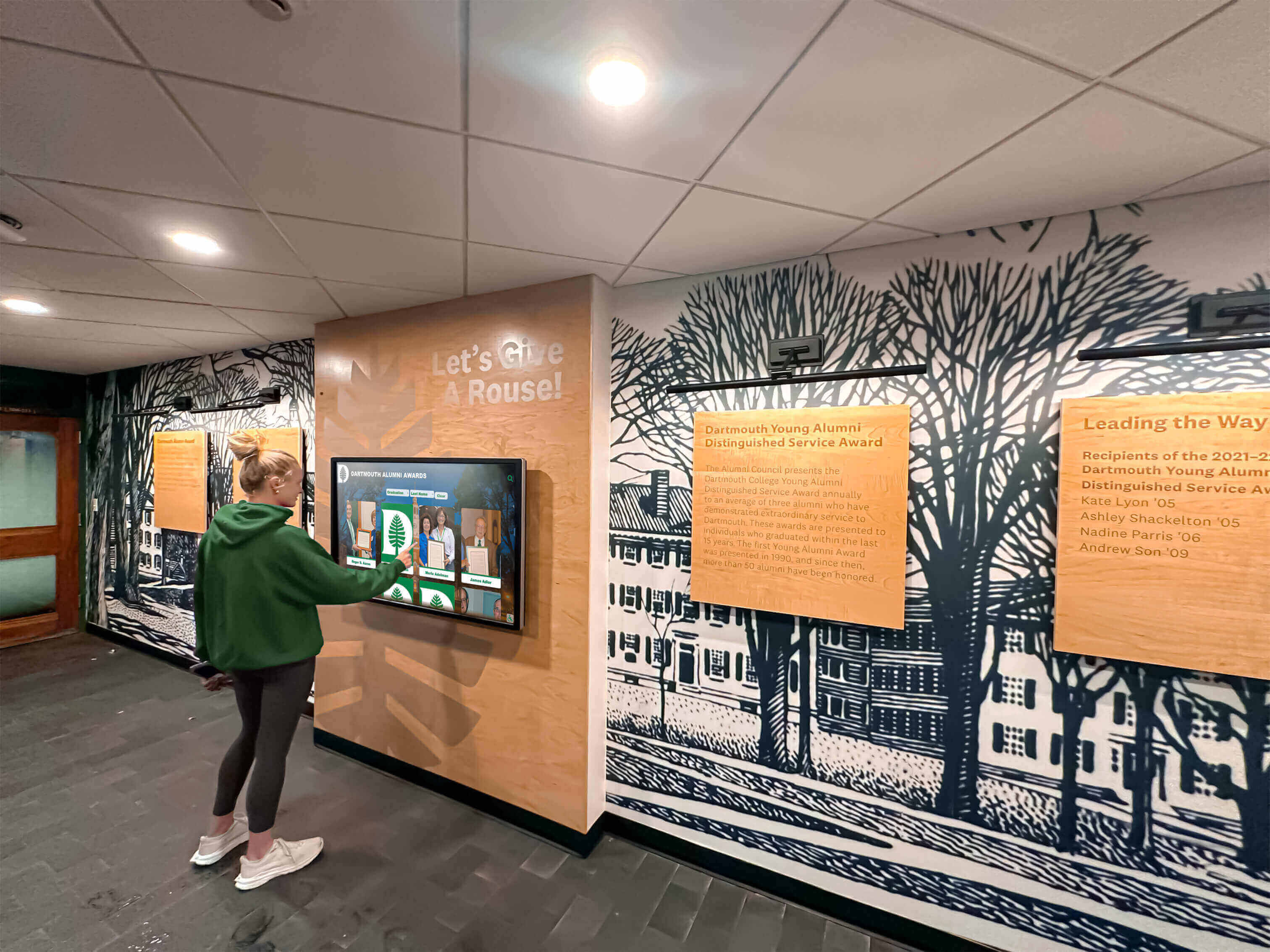
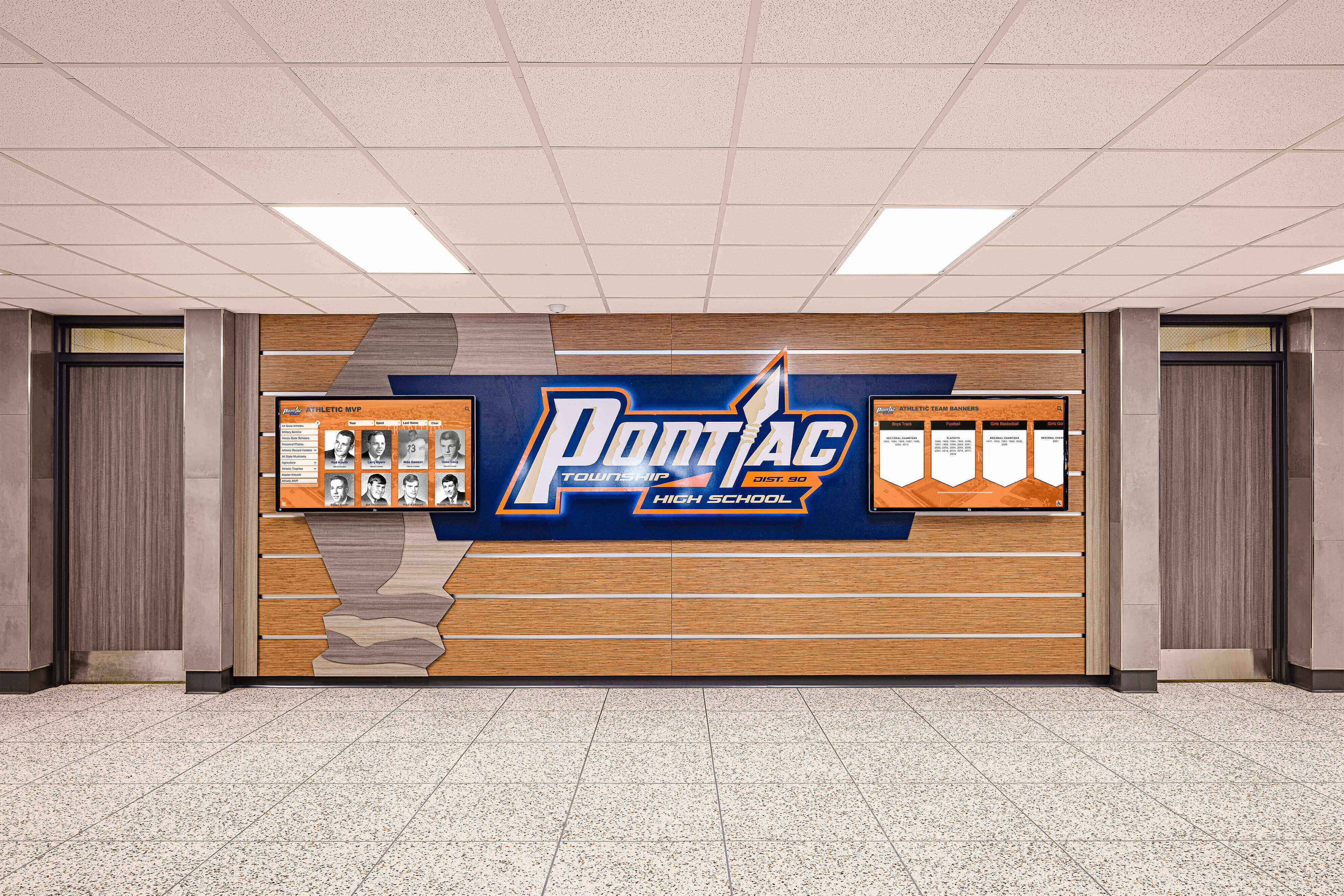
Schools implementing honor roll digital recognition can showcase these diverse award categories prominently throughout facilities.
Implementing Fair and Transparent Selection Processes
Award credibility depends entirely on selection fairness and transparency. Even well-designed award categories lose meaning if students perceive selection as arbitrary or biased.
Establishing Clear Selection Criteria
Objective vs. Subjective Awards
Recognize the difference between awards with clear objective criteria and those requiring subjective judgment:
Objective Awards (Honor Roll, Perfect Attendance, Statistical Recognition): These should use clear numerical thresholds everyone can verify. Students either met the criteria or didn’t, eliminating selection judgment.
Subjective Awards (Character, Leadership, Improvement): These require judgment but benefit from structured evaluation frameworks. Develop rubrics considering multiple factors:
- Consistency of demonstrated behavior throughout year
- Specific observable examples supporting recognition
- Multiple staff member observations
- Peer recognition when appropriate
- Documented growth or contribution evidence
Communicate Criteria in Advance
Students perform better and value recognition more when understanding what awards celebrate. Consider sharing at year’s beginning that the school will recognize academic achievement, character qualities like kindness and perseverance, improvement across various dimensions, and leadership contributions.
This transparency motivates targeted behavior while preventing perceptions that awards were invented post-hoc to recognize predetermined recipients.
Involving Multiple Perspectives
Staff Collaboration
Multiple teachers observe students in different contexts. Collaborative selection through staff meetings or structured nomination processes surfaces observations individual teachers might miss while preventing single-teacher biases from dominating selections.
For character and leadership awards, invite teachers, counselors, support staff, and administrators to nominate students with specific examples justifying nominations. Discussion reveals consensus candidates demonstrating qualities consistently across contexts.
Peer Input for Appropriate Awards
Student perspectives prove valuable for certain awards, particularly those recognizing peer relationships:
- Best Classmate / Peer Appreciation
- Most Helpful Student
- Friendship and Inclusion Recognition
Use anonymous voting or nomination systems enabling honest input. Combine peer perspectives with staff observation ensuring both relational qualities students observe and behaviors staff witness inform selections.
Parent and Community Input (Selectively)
For service awards or community contribution recognition, consider input from community partners, volunteer coordinators, or parents who observe students in non-school contexts. External perspectives complement staff observations.
Documentation and Justification
Maintain Selection Records
Document reasoning behind award selections through notes explaining why recipients were chosen, specific examples illustrating qualities or achievements being recognized, and data supporting improvement or achievement claims.
This documentation serves multiple purposes: ensuring consistent application of criteria, providing justification if selections are questioned, and creating institutional memory helping future selection committees understand precedents.
Addressing Disappointment and Questions
Despite best efforts, some students or families may question why specific awards weren’t received. Prepared responses grounded in documented selection reasoning demonstrate fairness while maintaining appropriate boundaries:
“The kindness award recognized students who teachers consistently observed supporting struggling classmates and creating inclusive environments. While [student] certainly demonstrated kindness, the recipients were selected based on particularly significant and consistent patterns throughout the entire year.”
This approach validates the questioner’s perspective while explaining selection reasoning without disparaging non-recipients.
Planning Meaningful Recognition Ceremonies
How awards are presented dramatically impacts their meaning and memorability. Thoughtful ceremony planning transforms recognition from administrative obligation into significant experiences students remember.
Ceremony Format and Structure
Dedicated Recognition Events vs. Integration
Schools typically choose between dedicated end-of-year awards assemblies focusing exclusively on student recognition or integrating awards into existing events like graduations, field days, or class parties.
Dedicated Ceremonies: Create focused attention on achievement and allow adequate time for comprehensive recognition. Work well when schools want to emphasize recognition’s importance through dedicated events. Require careful planning ensuring programs remain engaging rather than tedious.
Integrated Recognition: Fits recognition into existing gatherings, reducing separate event logistics. Works well for elementary schools where extended formal ceremonies challenge young attention spans. Risks awards feeling rushed or secondary to other activities.
Hybrid Approaches: Some schools combine approaches—major awards in formal ceremonies with additional recognition integrated into classroom celebrations or grade-level events.
Age-Appropriate Ceremony Design
Elementary (K-5) Ceremonies
Young children have limited attention spans requiring shorter, more engaging programs:
- Duration: 30-45 minutes maximum
- Format: Energetic, celebratory tone with music and movement
- Recognition Style: Every student receives at least participation certificate; special awards for specific achievements
- Presentation: Group recognition by category with individual naming
- Family Involvement: Strong parent attendance emphasis creating memorable moments
Consider classroom-level recognition celebrations allowing more personal attention than large assemblies where individual students receive only seconds of recognition.
Middle School (6-8) Ceremonies
Middle schoolers can handle longer programs but require engagement through varied formats:
- Duration: 45-60 minutes
- Format: Balance formal recognition with lighter moments; incorporate student performances
- Recognition Style: More selective special awards complemented by honor roll and participation recognition
- Presentation: Individual recognition for major awards; efficient group recognition for broader categories
- Student Involvement: Student speakers or award presenters add peer perspective
High School (9-12) Ceremonies
High school students appreciate more formal, sophisticated recognition:
- Duration: 60-90 minutes
- Format: More formal tone appropriate for mature audiences
- Recognition Style: Comprehensive recognition across academic, character, athletic, and extracurricular achievements
- Presentation: Individual recognition with brief descriptions of achievements
- Senior Focus: Special emphasis on graduating seniors’ cumulative achievements
Many high schools schedule sports banquets separately from academic awards, allowing appropriate focus for each recognition type.
Presentation Best Practices
Personalized Recognition
Generic presentations diminish award meaning. Prepare specific remarks about each recipient rather than simply reading names. Brief descriptions of what students did to earn recognition create memorable moments:
“The Perseverance Award goes to Maria Rodriguez, who began the year struggling with algebra but spent lunch periods working with peer tutors, attended every extra help session, and never gave up despite difficulty. Maria’s final grade reflected not just improvement but the growth mindset and determination she demonstrated throughout the year.”
This personalization creates authentic recognition that recipients and audiences remember.
Student Voice and Stories
When appropriate, incorporate student perspectives through brief remarks from recipients about what awards mean to them, peer testimonials about character award recipients, or student video profiles for major recognitions.
These student voices add authenticity and emotional resonance beyond adult-driven presentations.
Professional Presentation Quality
While elaborate productions aren’t necessary, attention to presentation details demonstrates respect for achievement:
- Quality sound ensuring all attendees hear clearly
- Prepared programs listing all recipients
- Professional certificates or awards rather than hastily printed materials
- Appropriate ceremony atmosphere through simple decoration
- Smooth transitions between program elements
Even modest-budget ceremonies benefit dramatically from thoughtful execution communicating that recognition matters enough to present well.
Extending Recognition Beyond Single Moments
Documentation and Memories
Photograph recipients receiving awards, creating lasting documentation and memories. Share photos through school communications, social media, and digital platforms. Video record ceremonies for absent families or archival purposes.
Permanent Recognition Displays
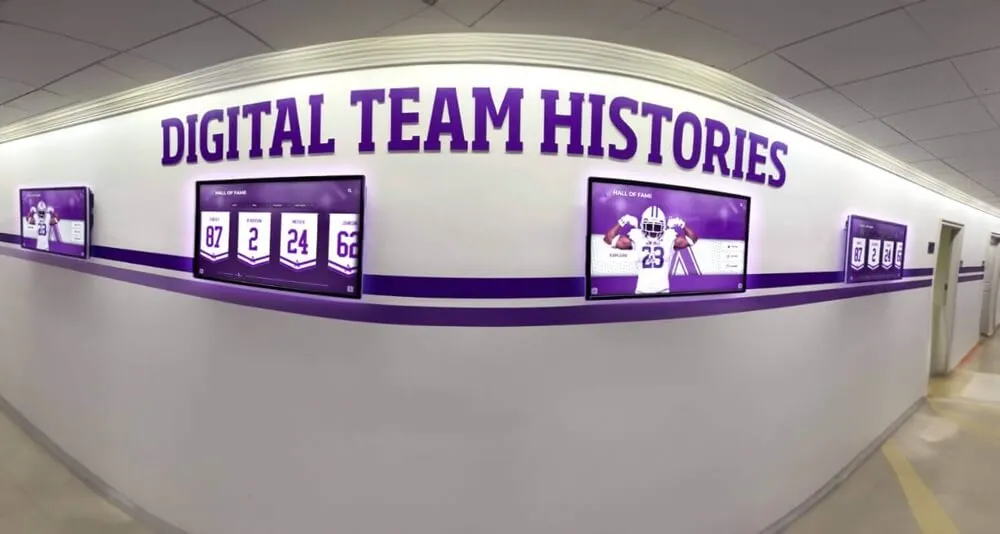
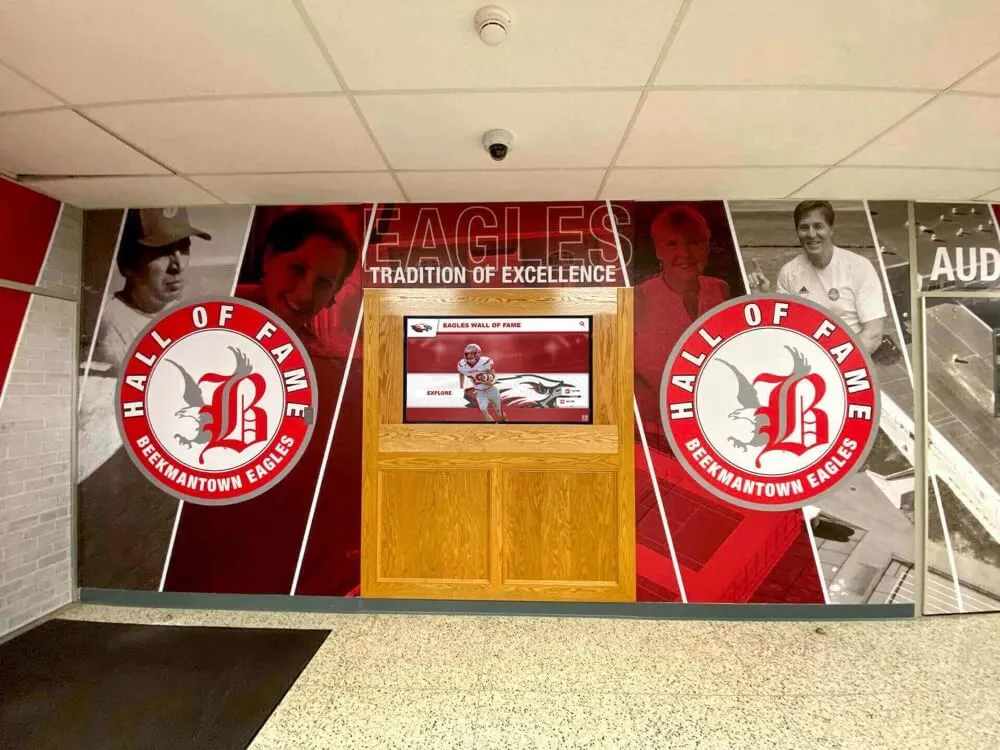
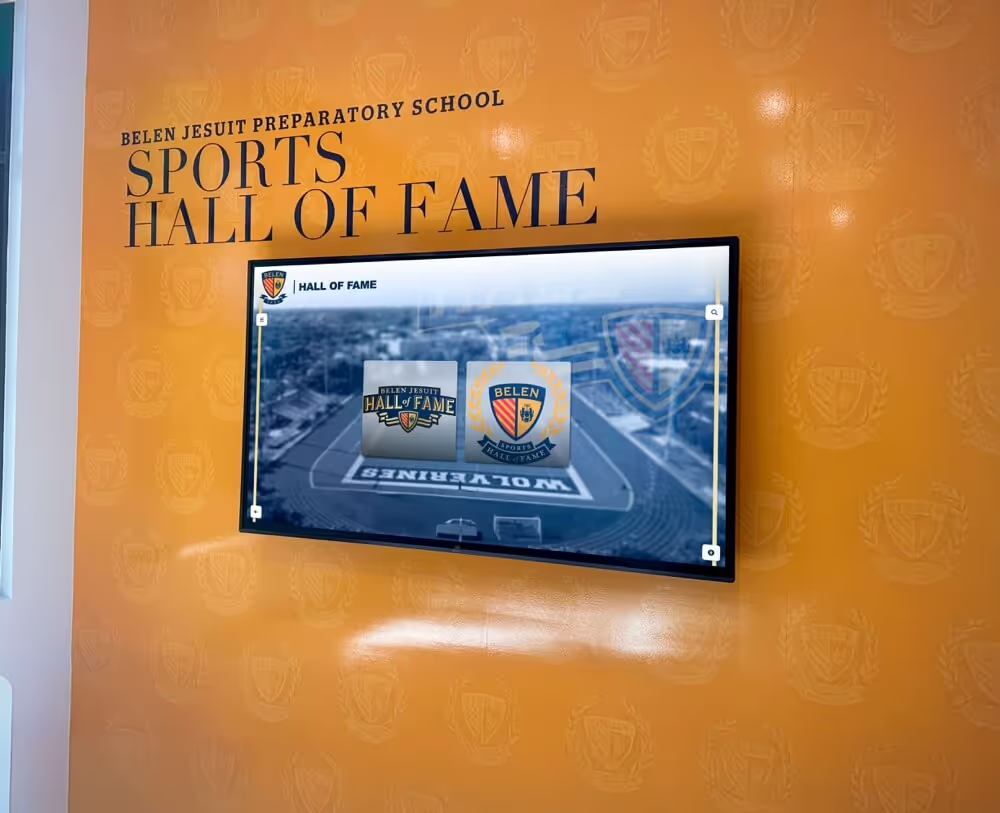
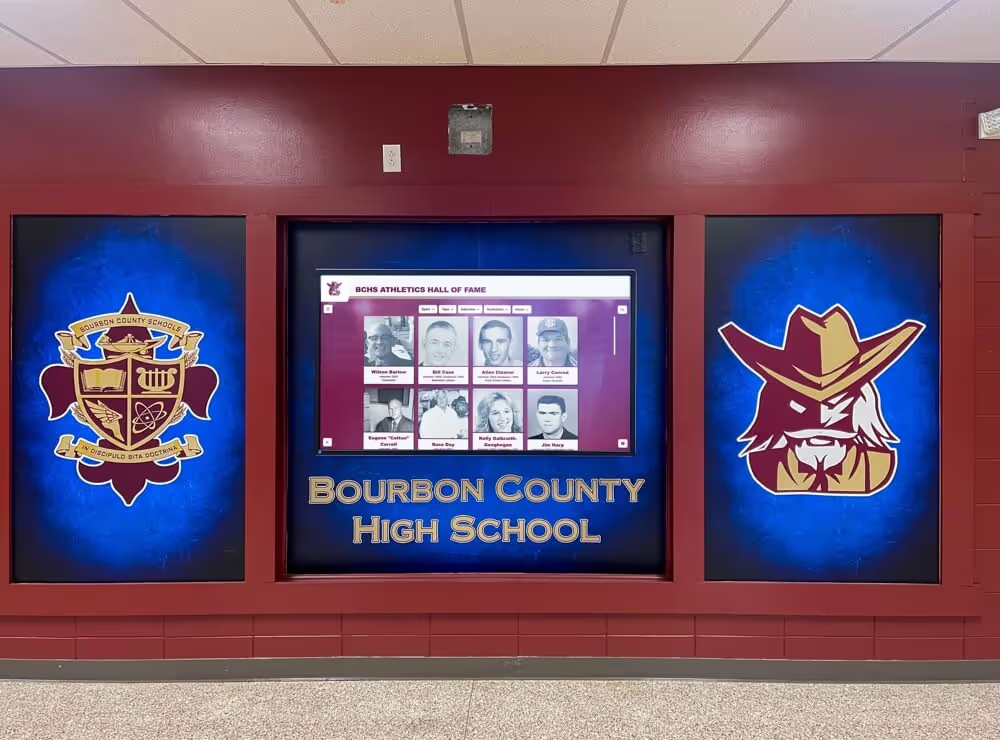
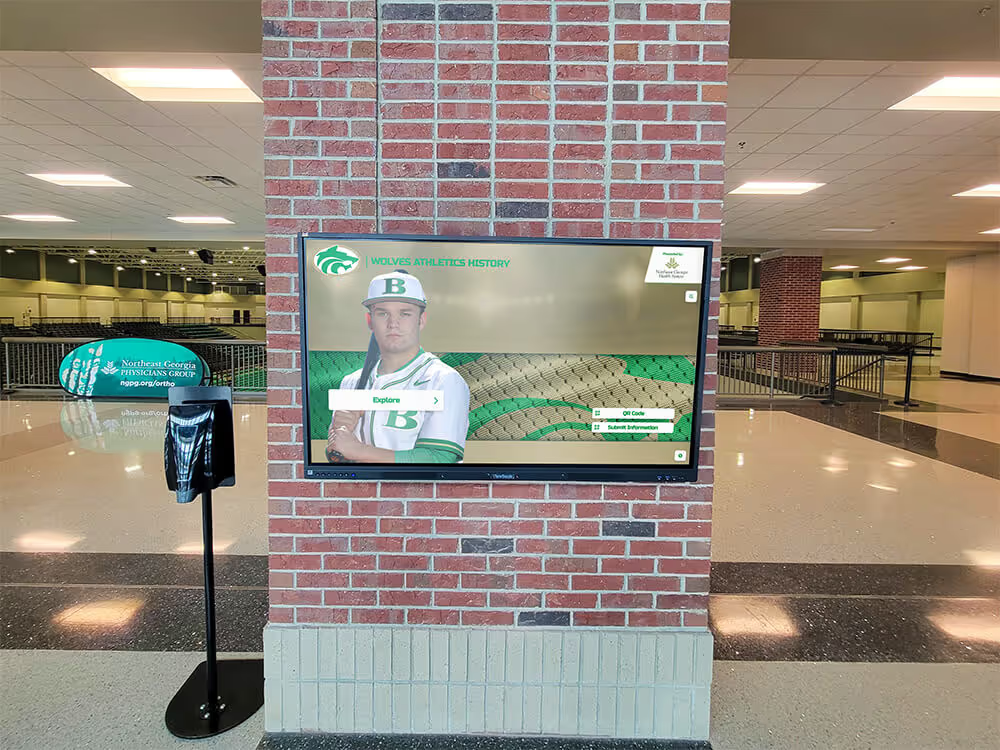
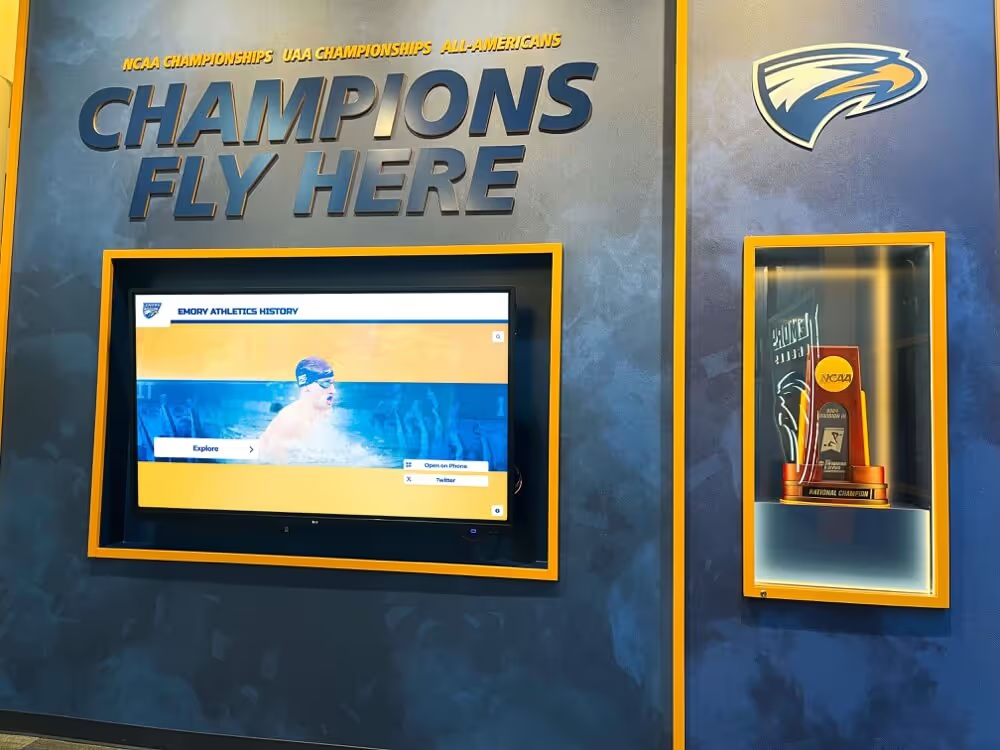
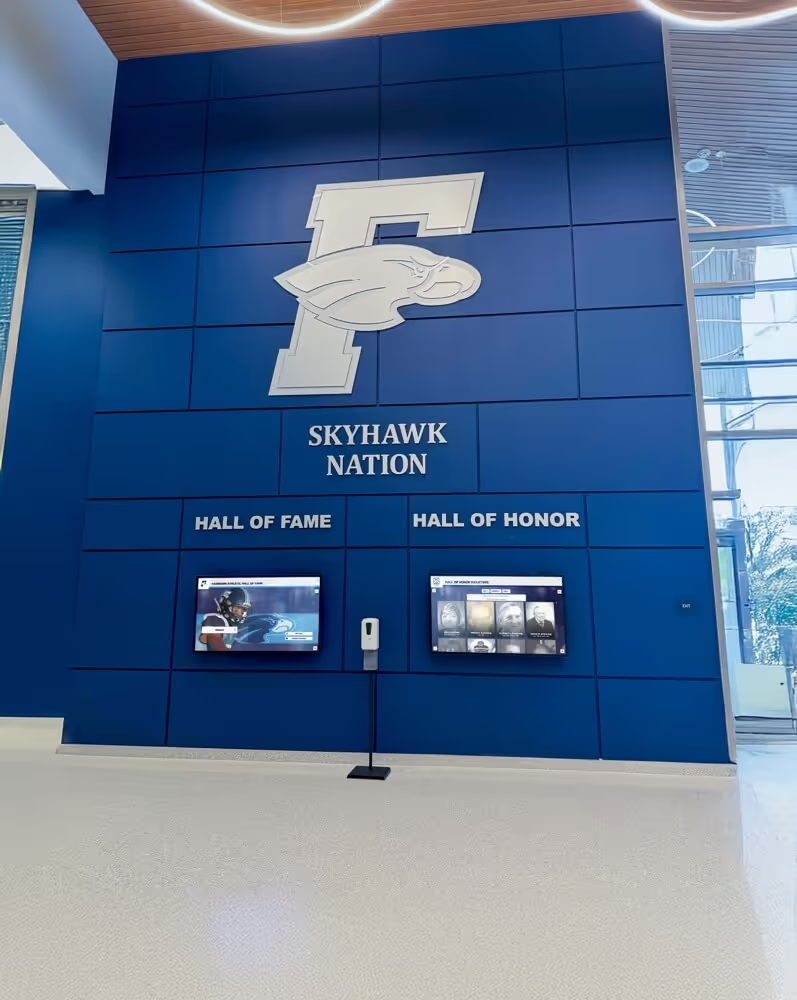
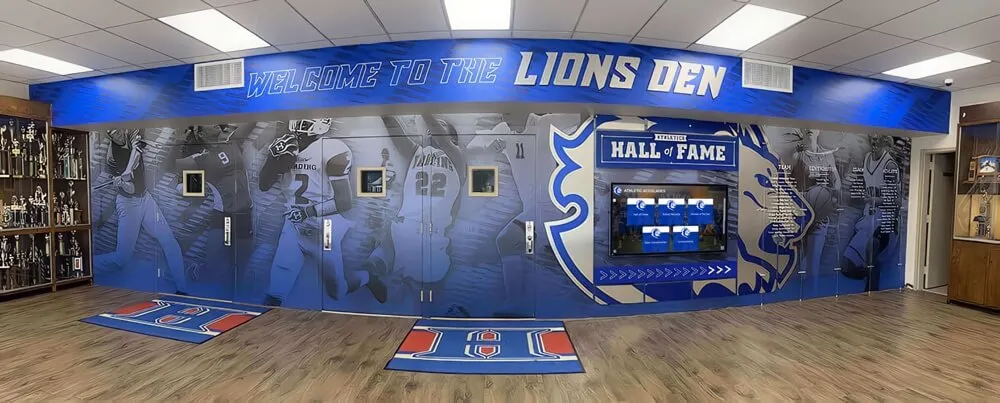
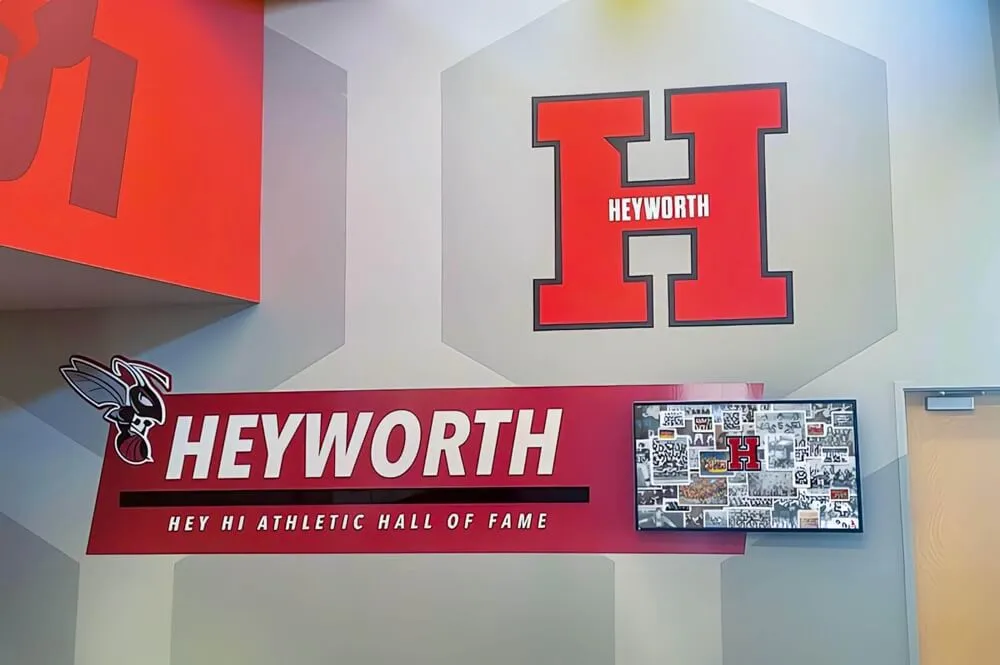
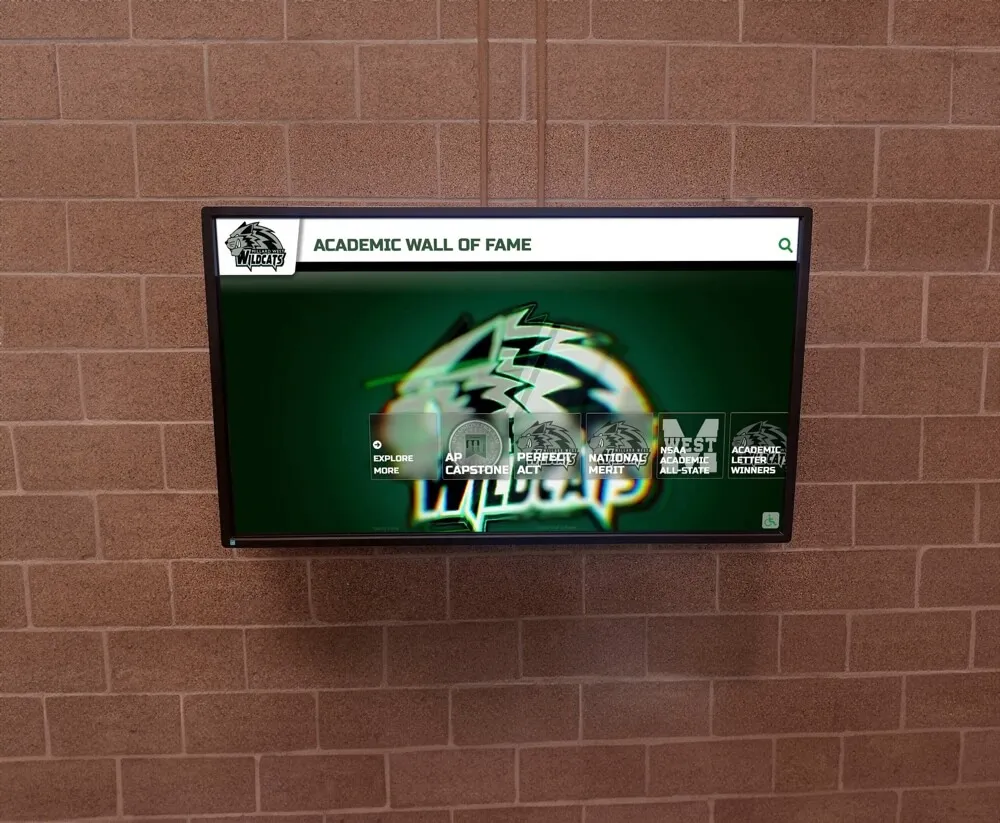
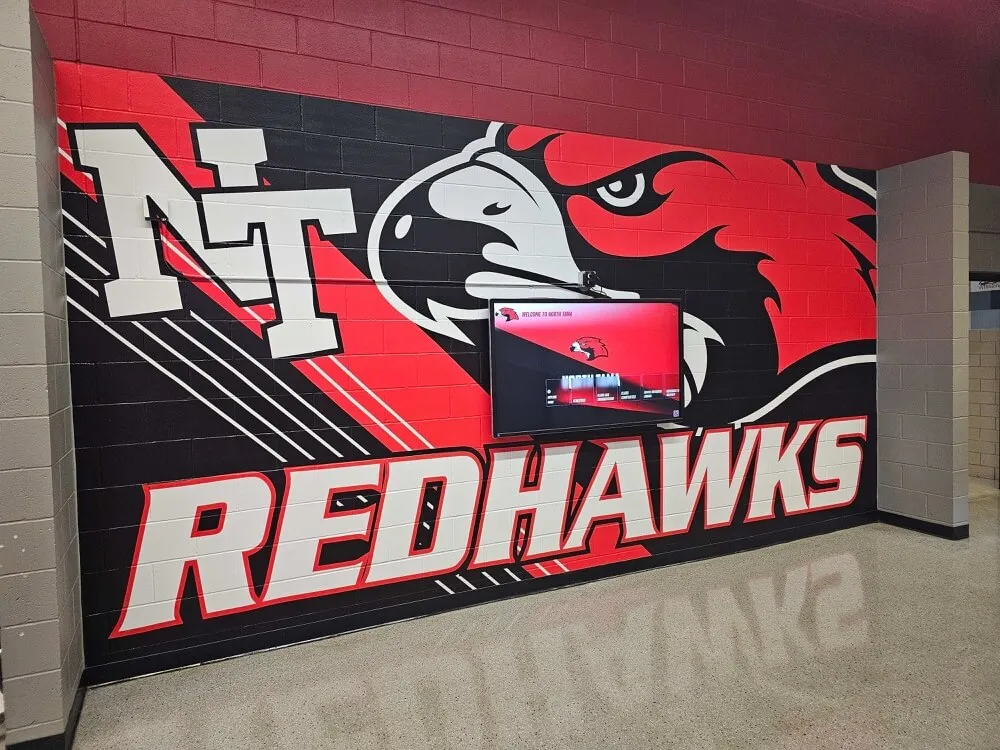
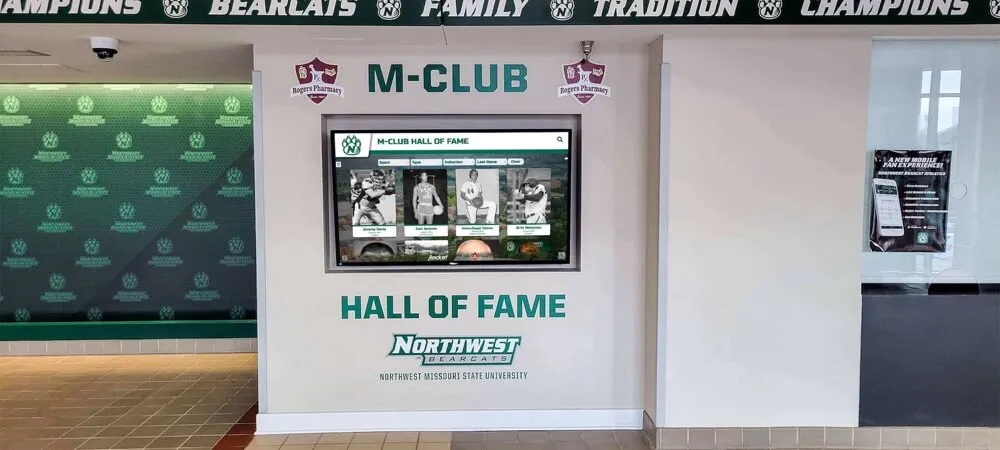
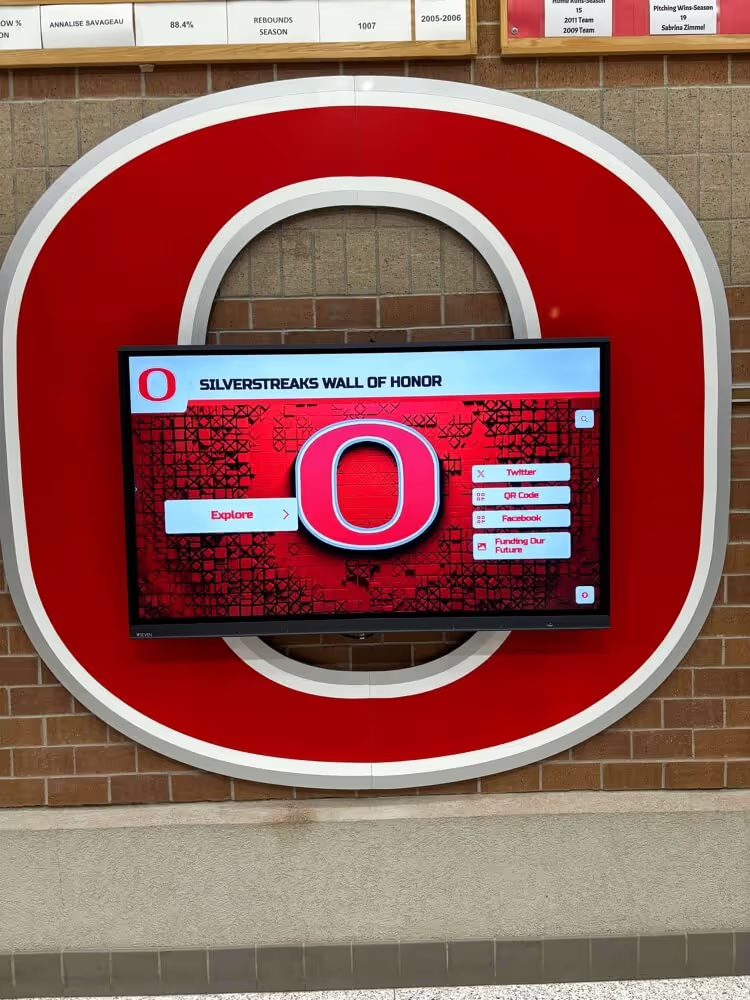
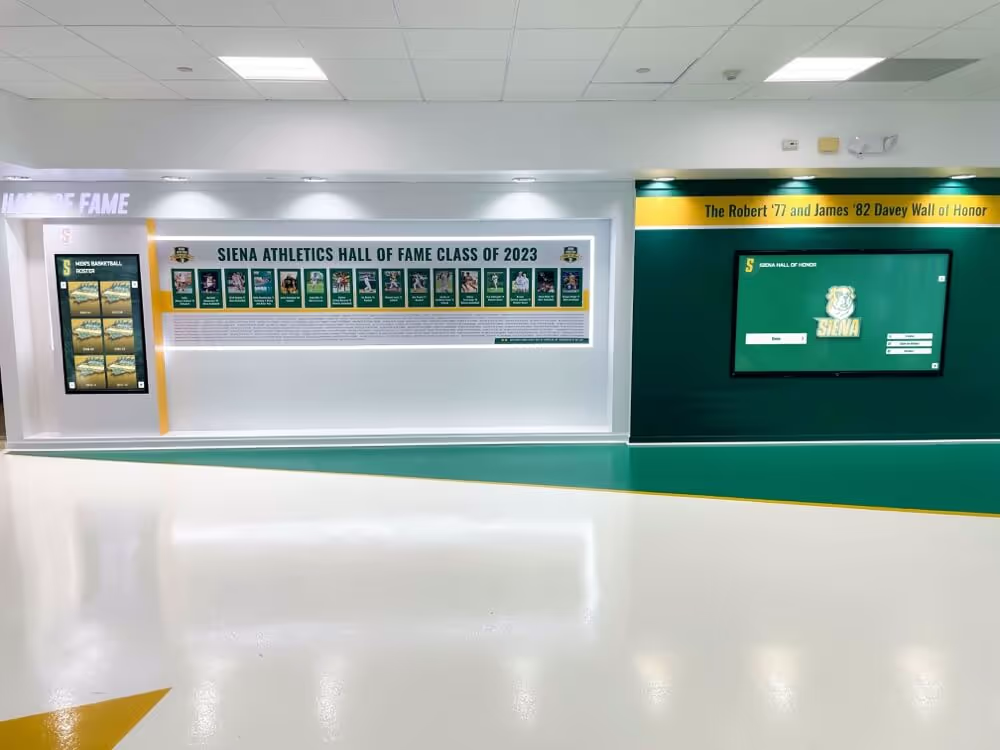
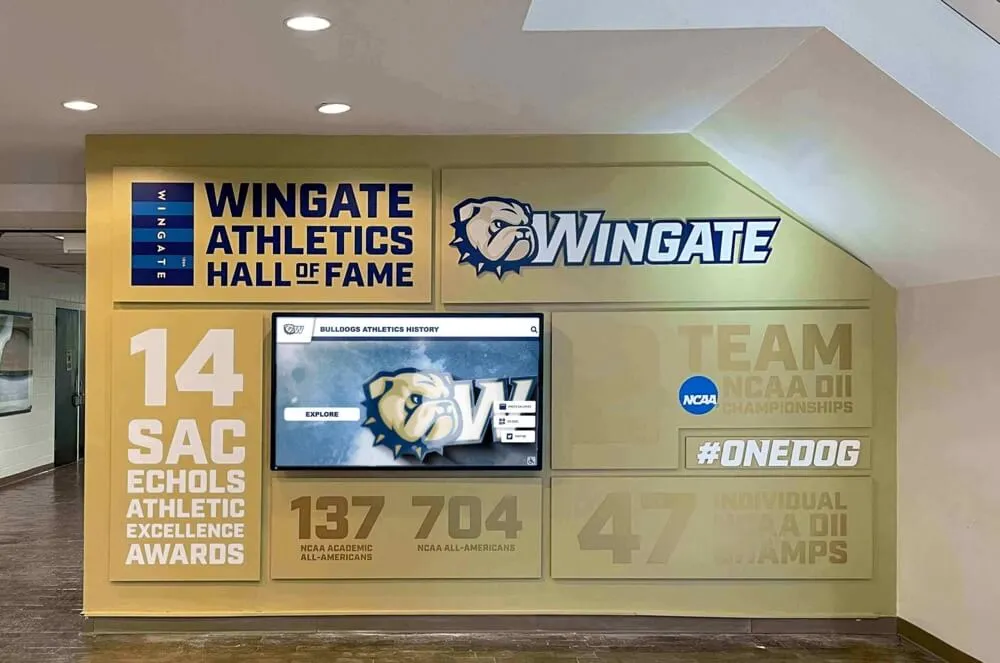
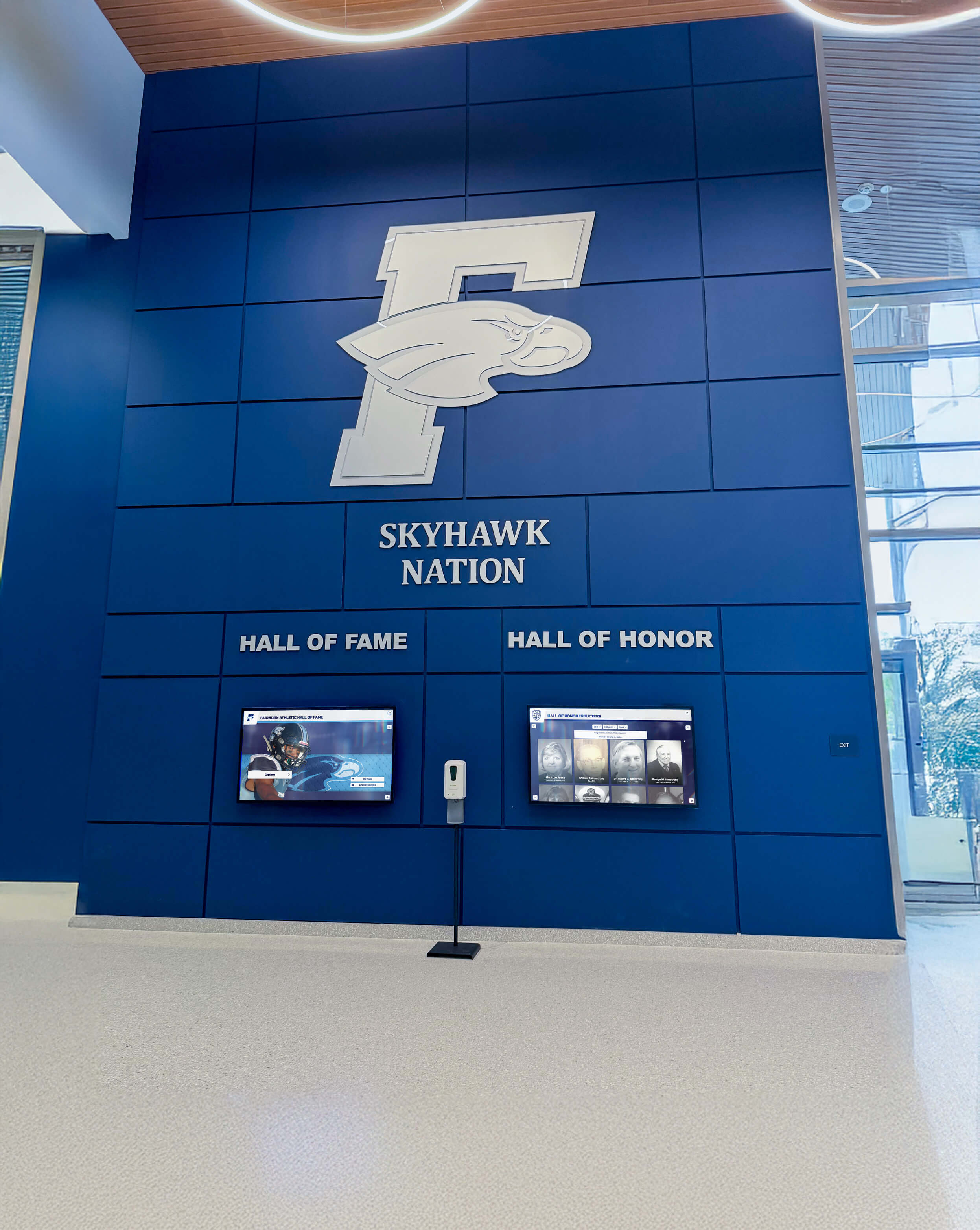
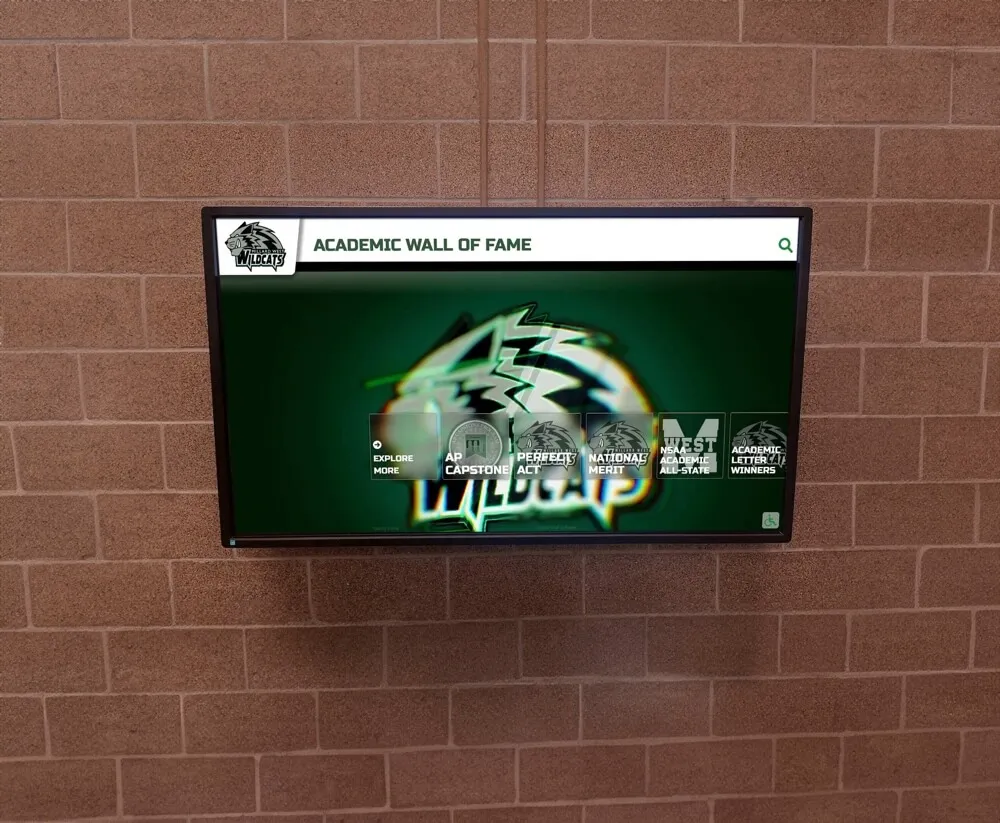
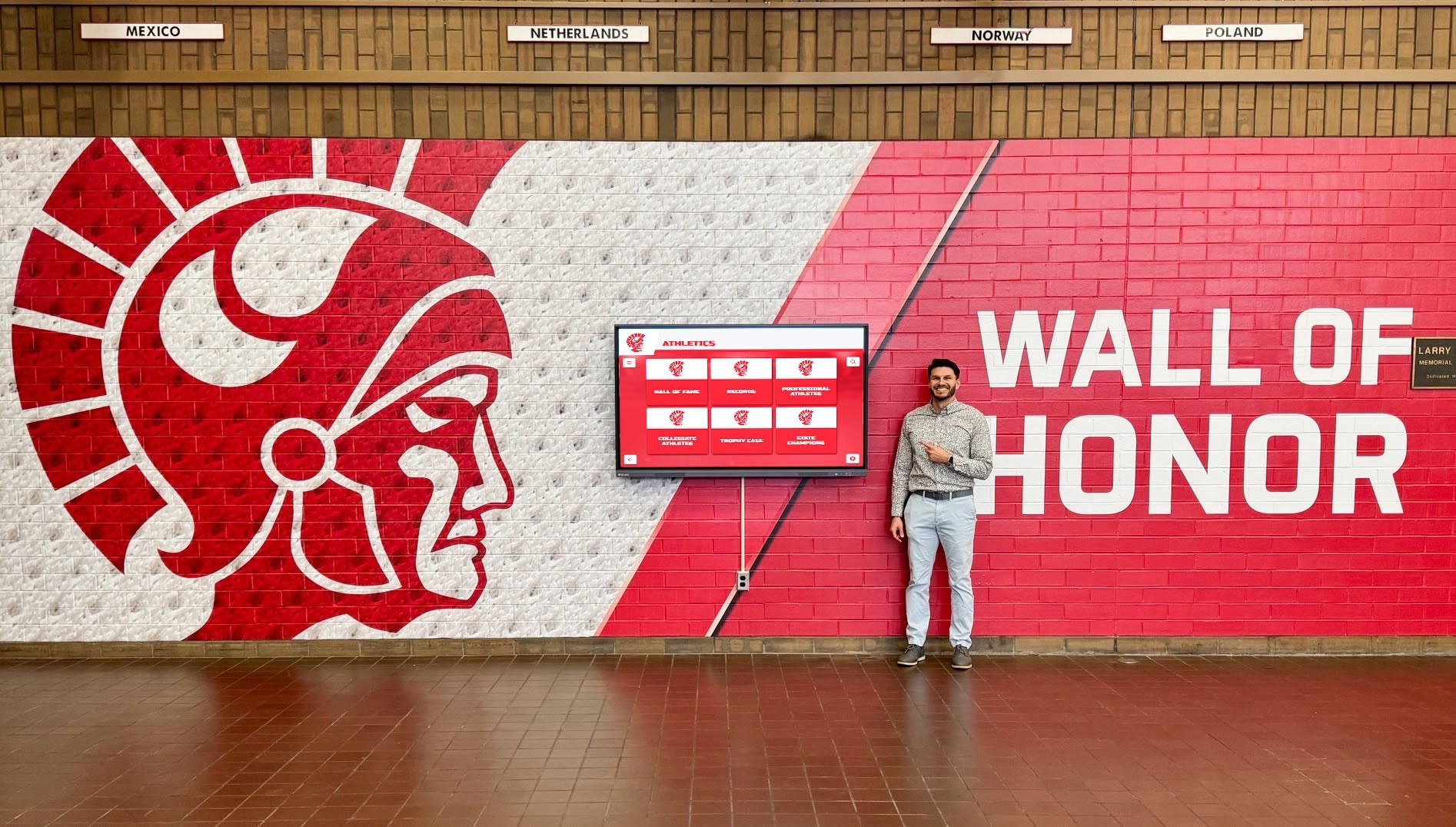
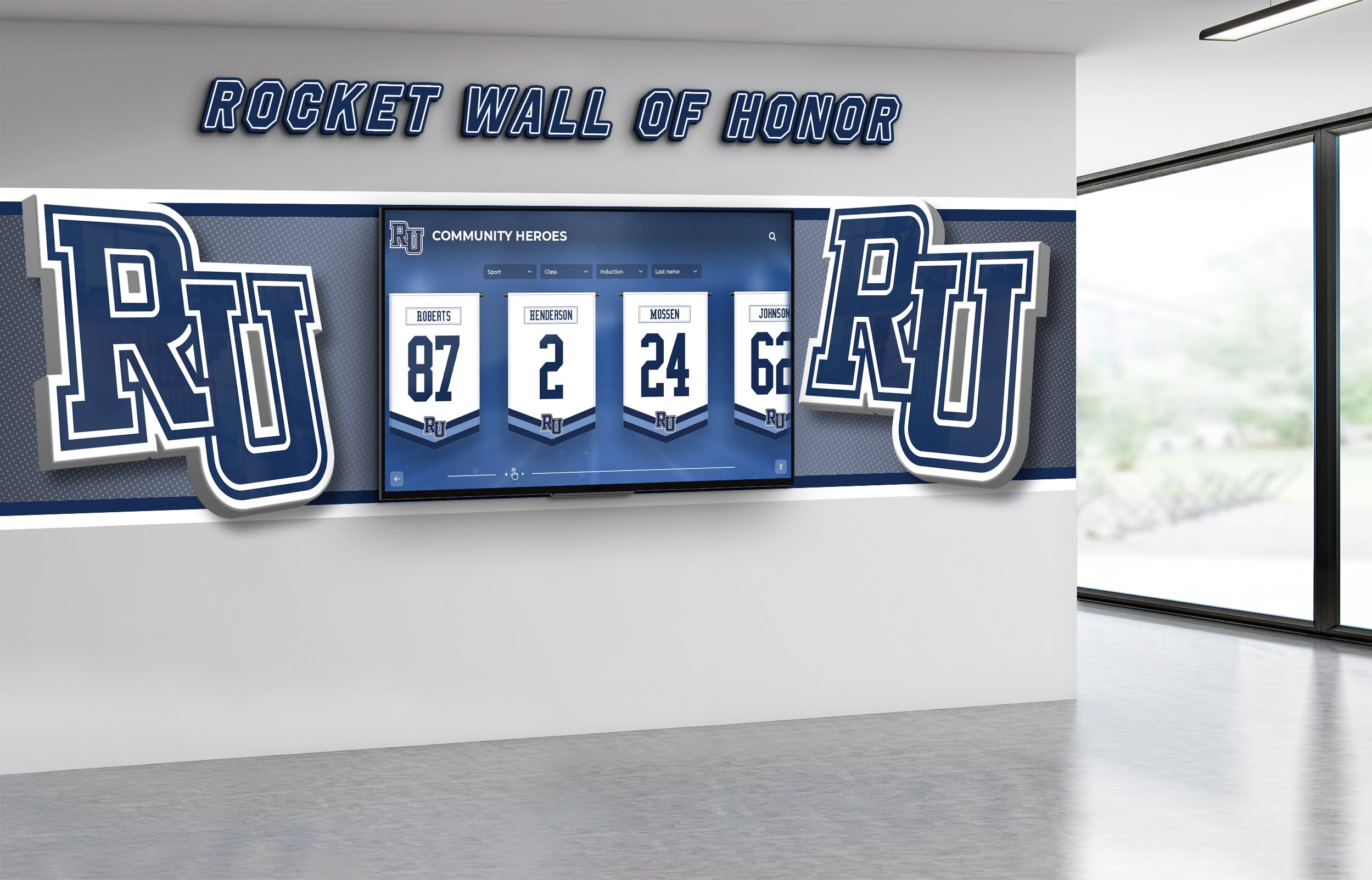
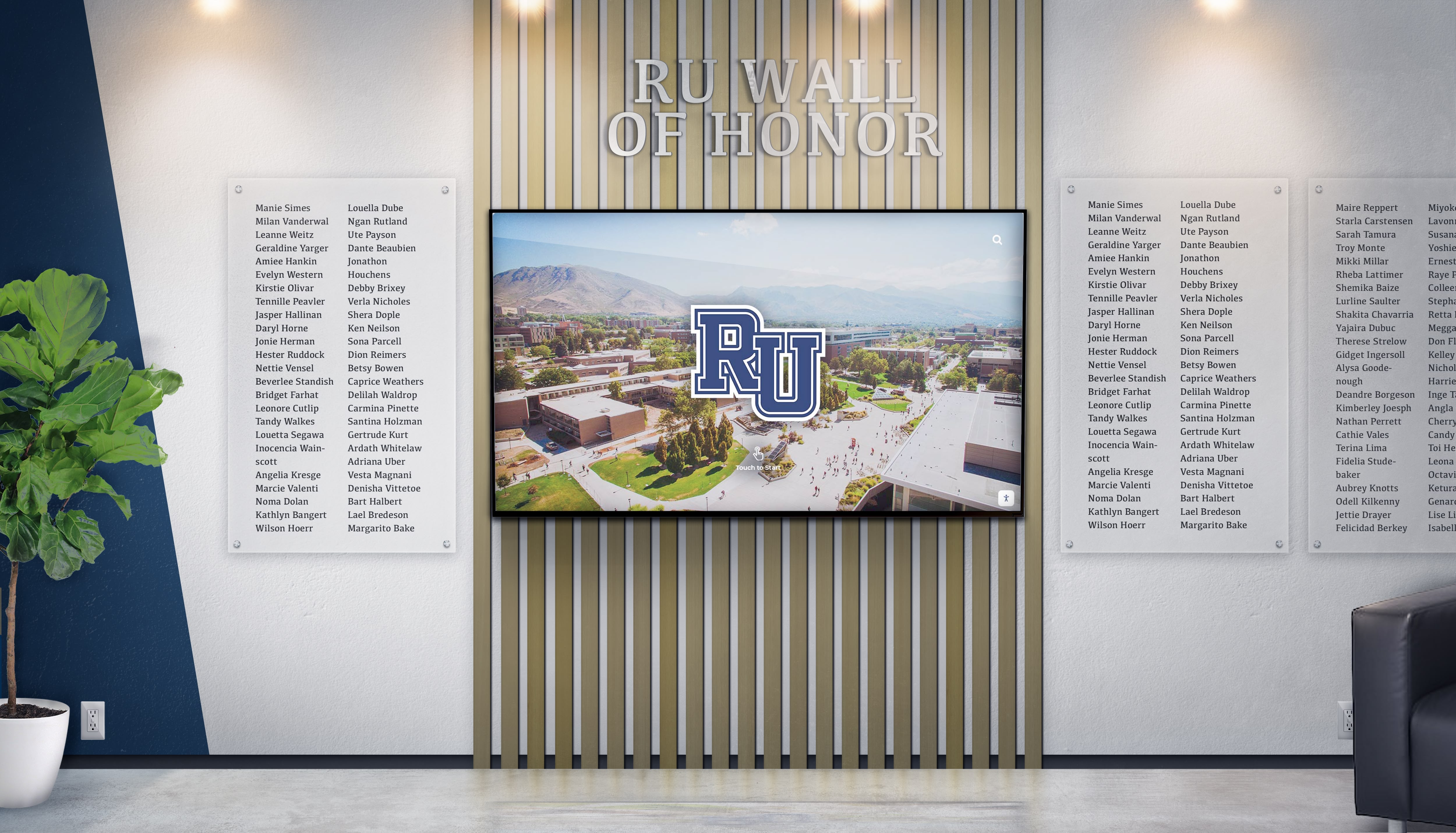
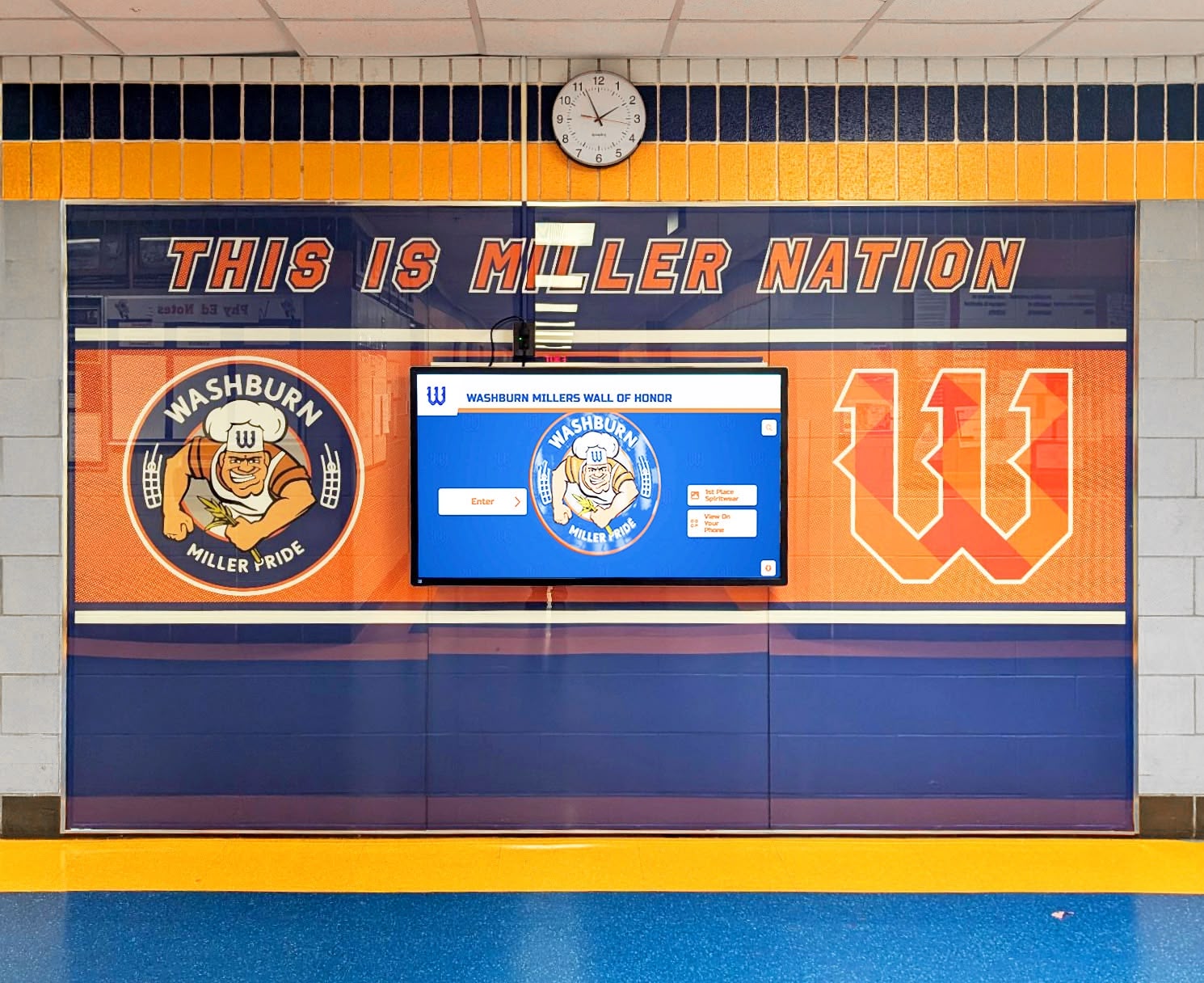
Single-moment recognition, however meaningful during ceremonies, fades quickly without ongoing visibility. Modern schools increasingly implement digital recognition displays in high-traffic areas ensuring year-round visibility for student achievements.
These digital systems provide unlimited recognition capacity without physical space constraints, enable rich multimedia content beyond simple name listings, allow easy annual updates adding new recipients, create searchable databases families can access remotely, and demonstrate institutional commitment to celebrating achievement through prominent permanent installations.
Solutions like Rocket Alumni Solutions provide purpose-built platforms designed specifically for educational recognition, ensuring schools can implement professional systems without requiring technical expertise.
Communication to Stakeholders
Extend recognition reach through social media highlights featuring individual recipients, school newsletter features celebrating award winners, local media press releases sharing community achievement, and website updates with comprehensive recipient lists and photos.
This multi-channel approach amplifies recognition impact far beyond ceremony attendees while building school pride and community connection.
Leveraging Technology for Enhanced Recognition
Contemporary technology enables recognition experiences and ongoing visibility impossible with traditional approaches, while reducing administrative burden and enhancing equity.
Digital Recognition Display Benefits
Traditional trophy cases and bulletin boards face inherent limitations—finite physical space, manual update requirements, static presentation formats, and limited accessibility. Digital recognition platforms overcome these constraints while introducing powerful capabilities.
Unlimited Recognition Capacity
Digital systems accommodate unlimited students across multiple years without space constraints. Schools never face difficult decisions about removing older recognition to create space for new recipients. Every achievement receives permanent commemoration visible to school communities.
Rich Multimedia Student Profiles
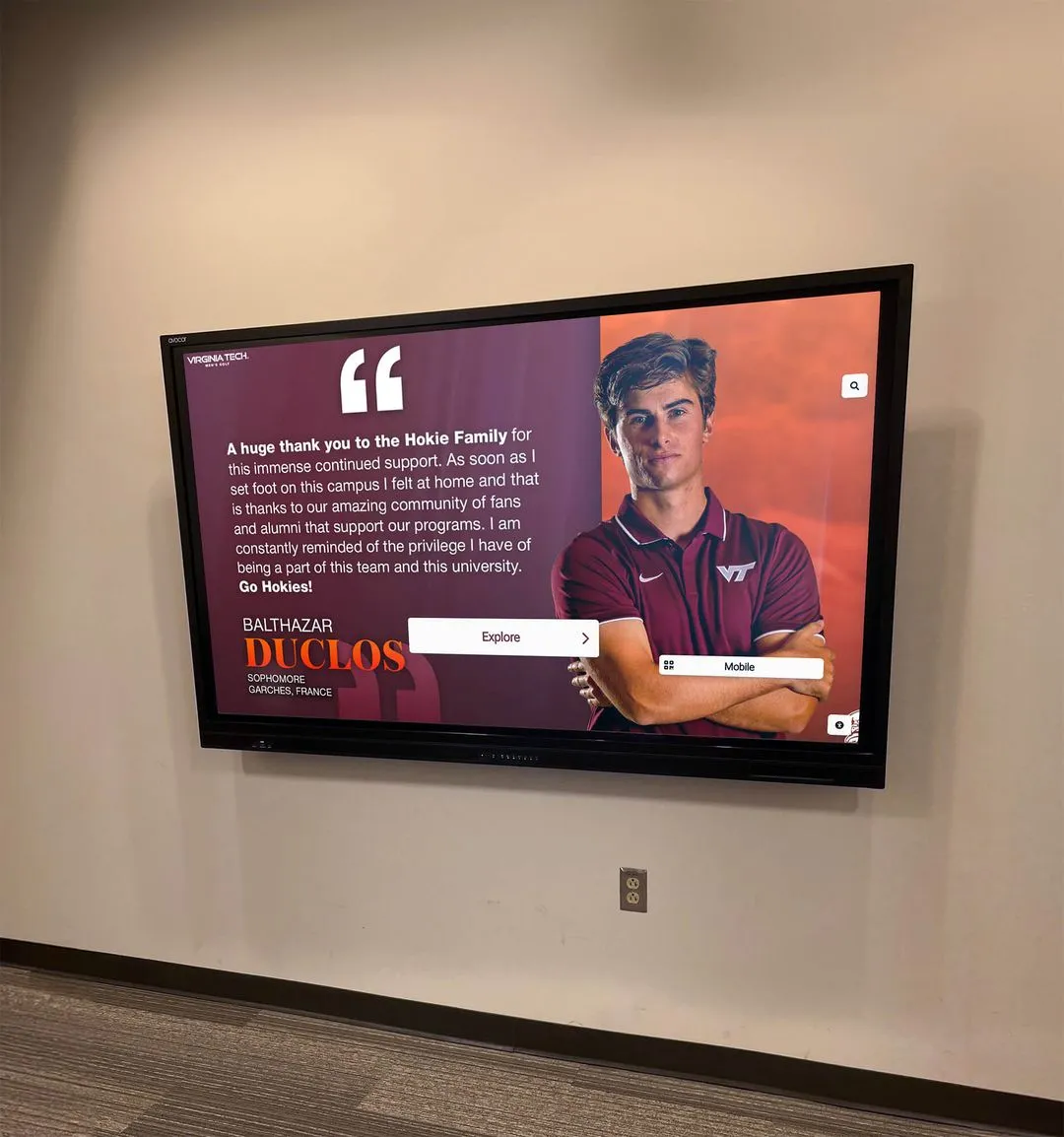
Beyond names and awards, digital recognition enables comprehensive profiles including professional photographs showing students engaged in activities, detailed achievement narratives explaining accomplishments and contributions, advice for younger students from award recipients, complete lists of honors and activities, and college or career information connecting achievement to outcomes.
This profile depth creates engaging recognition that static plaques cannot match, transforming basic acknowledgment into inspiring stories.
Interactive Exploration Features
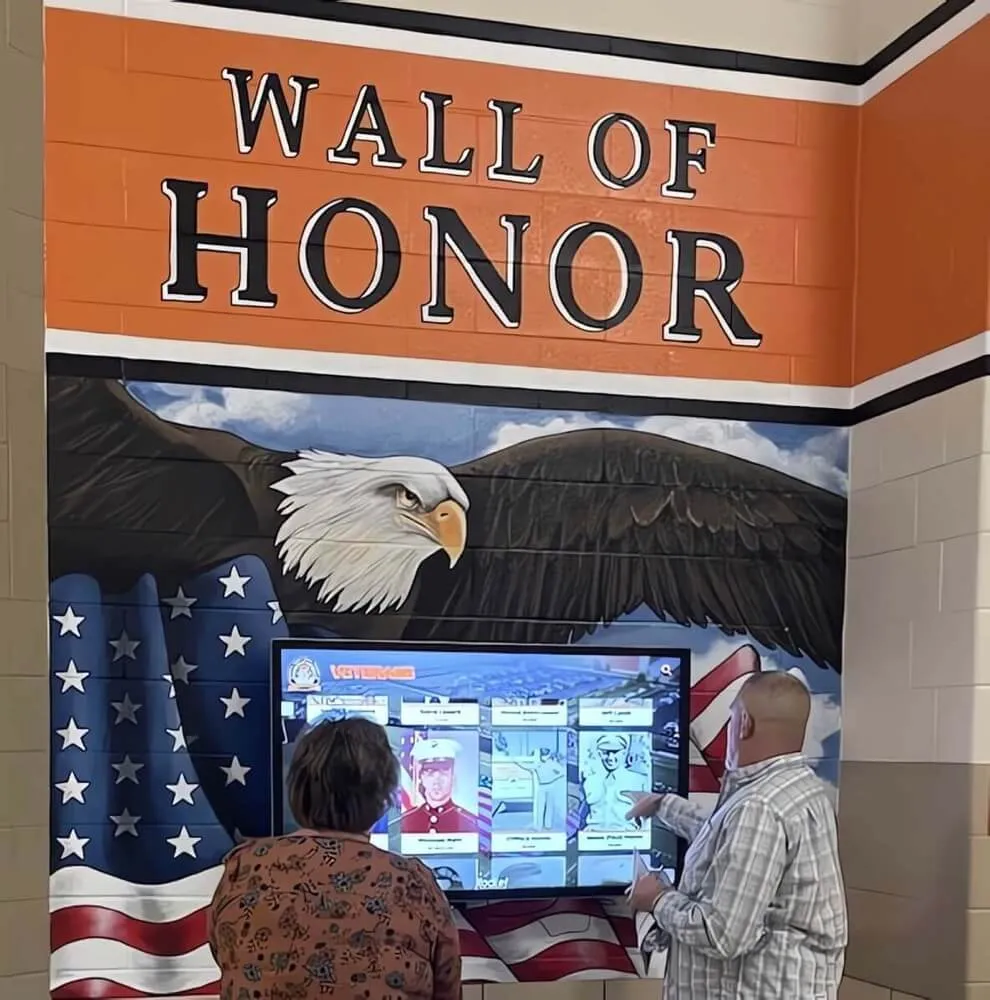
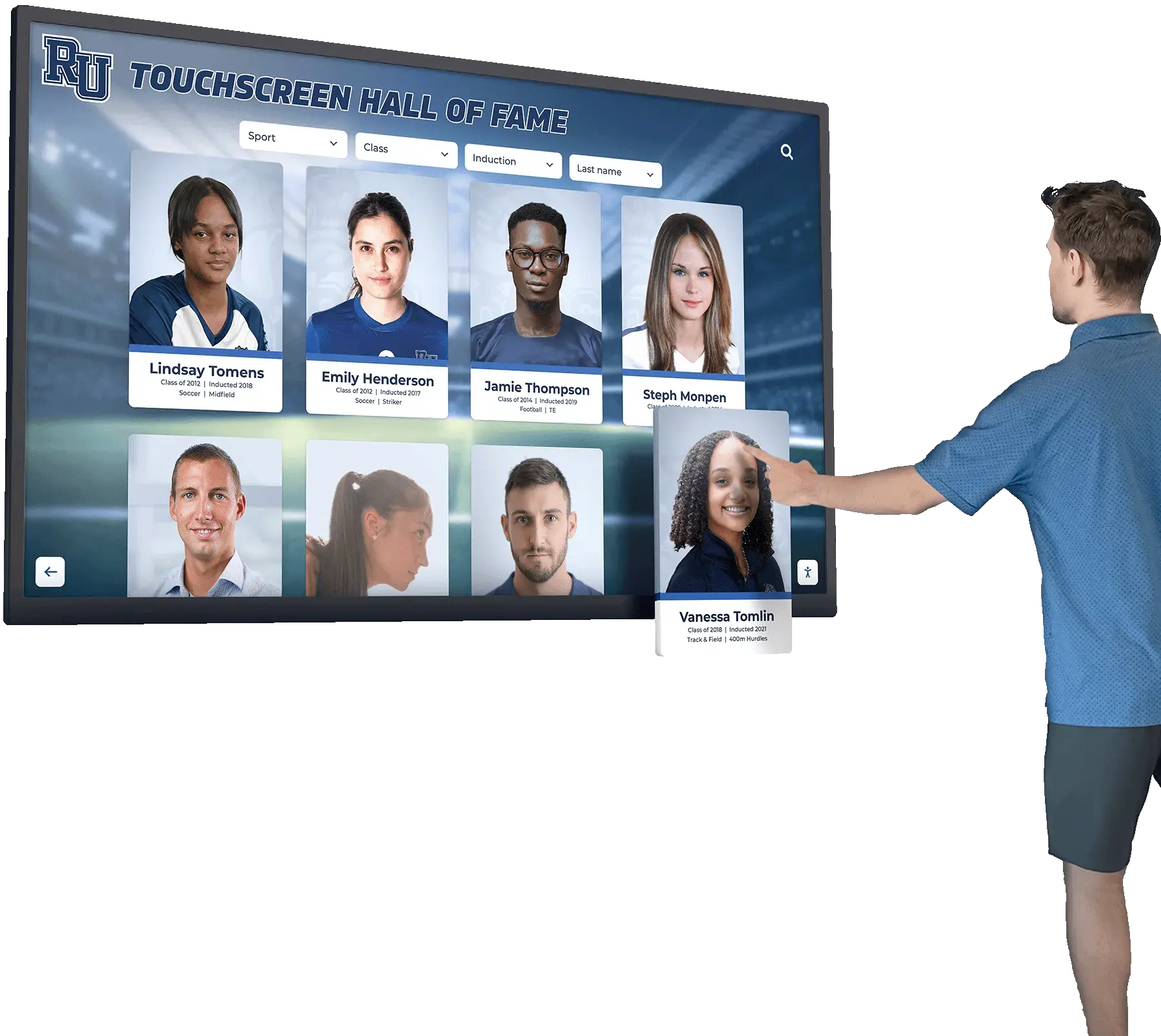
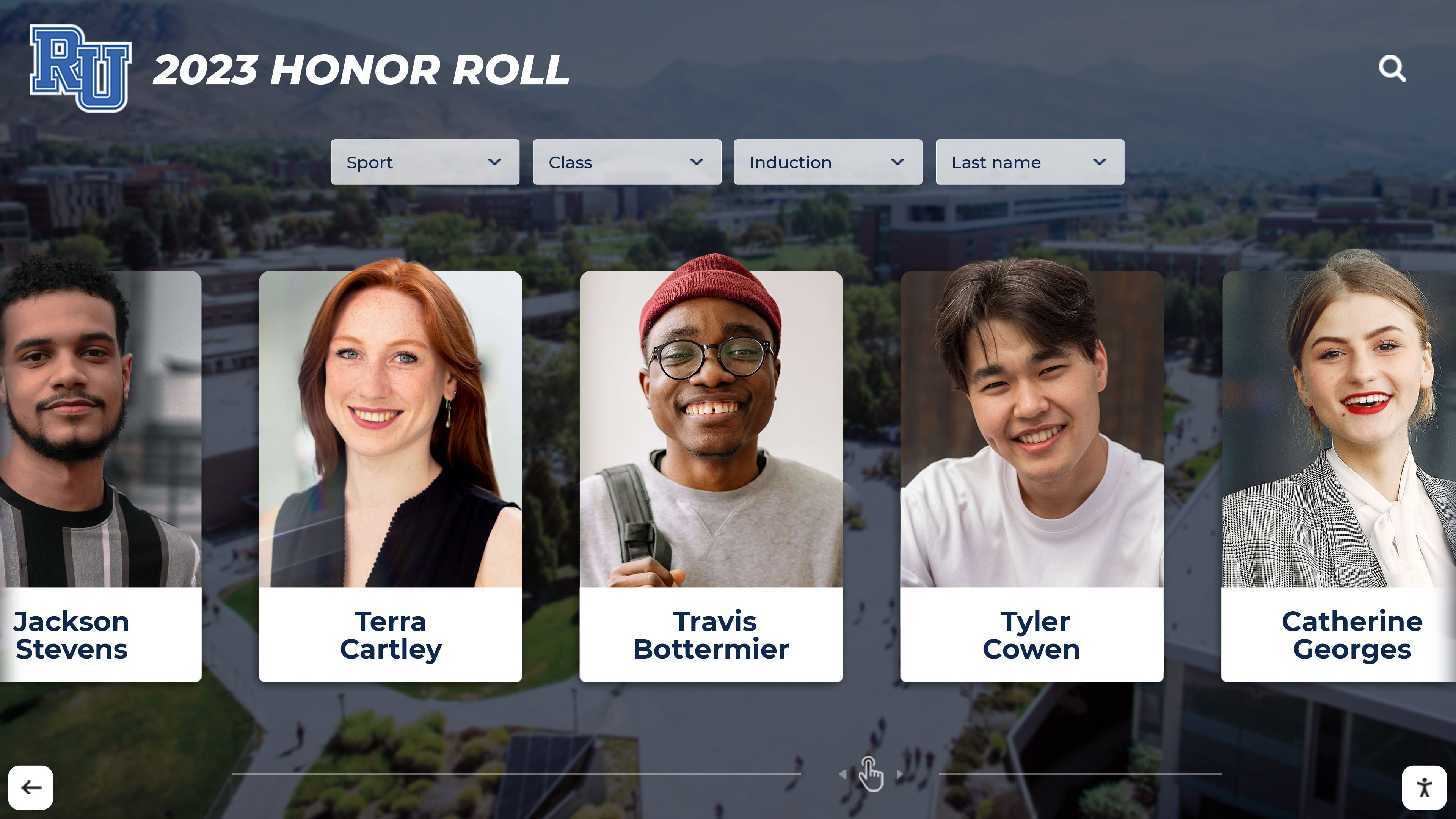
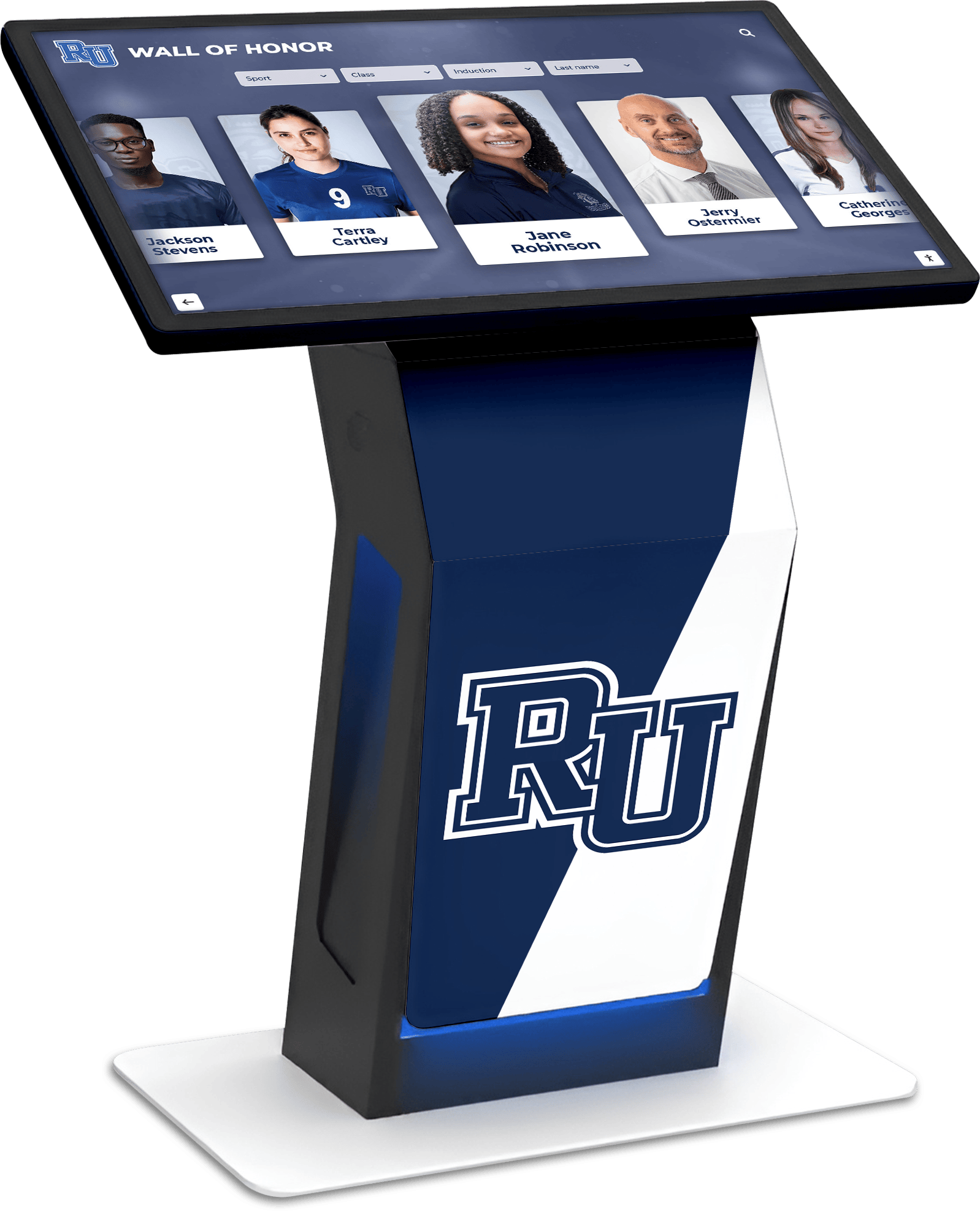
Touchscreen interfaces enable active exploration rather than passive viewing. Visitors can search for specific students by name, browse by graduating class or award category, filter by achievement type, and discover connections between students and programs.
This interactivity increases engagement time dramatically—students typically spend several minutes exploring well-designed digital recognition compared to brief glances at static displays.
Equitable Visibility Across Achievement Types
Traditional recognition often creates hierarchies through physical placement—athletic trophies in prominent lobby cases while academic recognition occupies side hallways. Digital platforms allow truly balanced recognition where academic, artistic, character, and athletic achievements receive equivalent presentation quality and visibility.
When students exploring recognition displays encounter comprehensive achievement types with identical prominence, they understand schools genuinely value diverse contributions equally.
Implementation Considerations
Hardware Selection and Placement
Effective digital recognition requires strategic placement in locations where students, families, and visitors naturally gather:
- Main entrance lobbies creating immediate impressions about school culture
- Media centers or libraries where students gather for academic work
- Cafeterias providing high-traffic viewing opportunities during meals
- Outside counseling offices where students wait for appointments
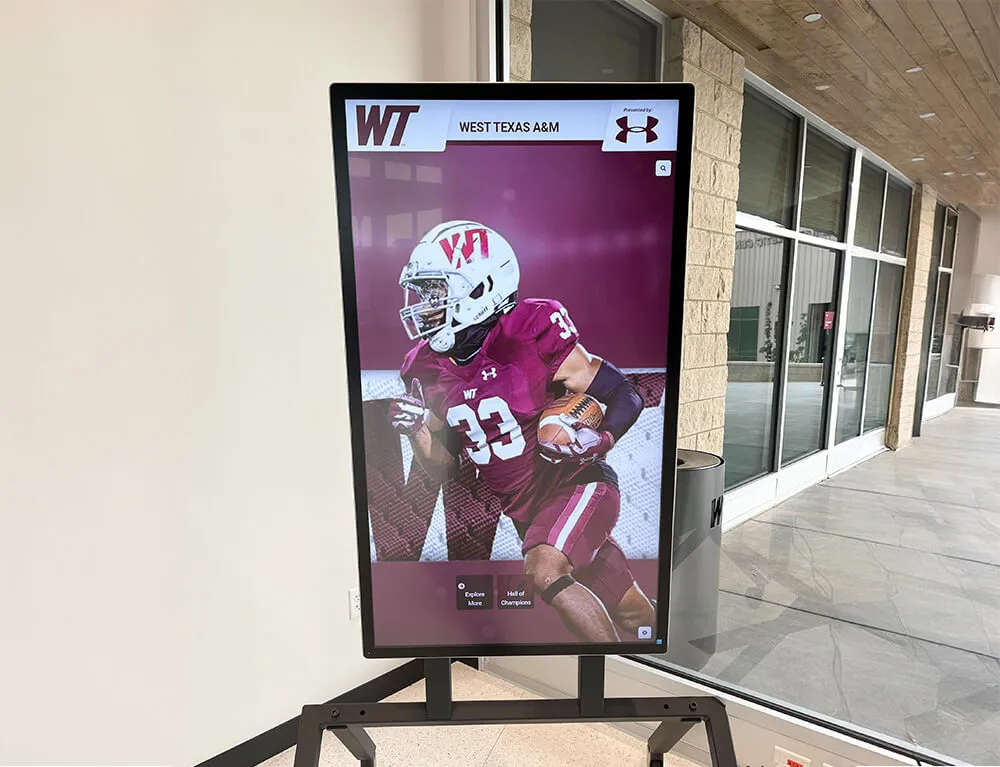
Commercial-grade touchscreen displays designed for educational environments provide reliability consumer-grade equipment cannot match. Screen sizes typically range from 43 to 75 inches depending on location and viewing distance.
Software Platform Selection
Purpose-built recognition platforms designed for schools provide significantly better experiences than generic digital signage software adapted for recognition:
- Intuitive content management requiring no technical expertise
- Template systems designed specifically for student achievement
- Searchable databases with filtering capabilities
- Mobile-responsive web access extending reach beyond physical displays
- Analytics showing engagement patterns and popular content
Organizations like Rocket Alumni Solutions provide comprehensive platforms combining proven technology with dedicated support specifically for educational recognition.
Content Management Workflow
Sustainable digital recognition requires efficient content workflows:
- Designate specific staff responsible for updates
- Develop standard photo and information collection processes
- Create templates ensuring consistent, professional presentation
- Establish annual update schedules adding new recipients promptly
- Maintain quality standards ensuring all content remains appropriate
Well-designed platforms make content updates straightforward, requiring only minutes to add new recipients rather than demanding extensive technical work.
Integrating Digital with Traditional Recognition
Digital and physical recognition complement rather than replace each other:
- Present physical certificates or trophies during ceremonies creating tangible keepsakes
- Add recipients to permanent digital displays providing year-round visibility
- Photograph presentations for inclusion in digital profiles
- Reference digital displays during ceremonies encouraging exploration
This integrated approach provides both the tangible recognition students can display at home and the permanent visibility digital platforms enable throughout school facilities.
Budget Considerations and Creative Alternatives
Meaningful recognition doesn’t require large budgets. Understanding options at different price points enables schools to celebrate students appropriately within financial constraints.
Minimal Budget Options ($0-$200)
DIY Certificates and Recognition
Computer-designed certificates printed on quality paper or cardstock provide formal recognition at $0.25-$1.00 per certificate. Free templates exist online, and results look professional when printed on quality materials.
Personalized Recognition Letters
Formal letters to students and families documenting achievements and acknowledging contributions create treasured keepsakes requiring only printing costs. Handwritten notes from teachers add personal touch that students value enormously.
Digital-Only Recognition
Social media highlights, school website features, and digital displays require no physical award costs while providing broader visibility than certificates stored in drawers.
Volunteer-Created Awards
Recruit artistically talented parents, students, or community members to design custom certificates, create digital graphics, or craft unique recognition items using donated materials.
Mid-Range Budget ($200-$1,000)
Professional Certificate Printing
Print services produce premium certificates with foil seals, embossing, or special paper creating more impressive presentations than home printing. Typically $2-5 per certificate.
Modest Trophies and Plaques
Basic engraved plaques or small trophies from awards companies provide traditional recognition at $10-30 per item for major awards.
Recognition Frames
Quality frames for certificates transform them into display-worthy recognition students proudly hang at home. Bulk-purchased frames cost $5-10 each.
Ceremony Enhancement
Invest in quality programs, decorations, or reception refreshments creating memorable ceremony experiences rather than expensive physical awards.
Premium Budget ($1,000+)
Custom Engraved Awards
Personalized crystal, metal, or wooden awards with detailed engraving provide premium recognition for major achievements. $30-100+ per award.
Digital Recognition Display Investment
While initial costs run higher ($3,000-8,000 per location including hardware and software), digital systems provide multi-year value recognizing thousands of students over system lifespan—often resulting in lower per-student costs than traditional approaches.
Professional Photography and Videography
Document ceremonies through professional photography or videography creating lasting memories and content for digital recognition platforms.
Many schools find that digital trophy case solutions provide excellent long-term value despite higher upfront investment.
Common Challenges and Solutions
Even well-designed recognition programs encounter predictable obstacles. Understanding common challenges enables proactive planning.
Challenge: Balancing Inclusion with Significance
The Problem: Schools struggle with ensuring all students feel valued while maintaining awards that celebrate genuinely exceptional achievement. Too inclusive and awards lose meaning; too selective and most students feel invisible.
Solution: Implement multi-tiered recognition where universal acknowledgment (participation certificates, classroom recognition) ensures baseline inclusion, broader recognition categories celebrate specific achievements or qualities accessible through effort, and exceptional achievement awards distinguish truly outstanding accomplishment deserving special distinction.
Clear differentiation in presentation format and ceremony attention creates distinction—participation certificates distributed efficiently while major awards receive individual presentation with personalized remarks.
Challenge: Perceived Favoritism or Bias
The Problem: Subjective awards like character and leadership recognition can appear biased toward staff favorites, undermining program credibility.
Solution: Establish clear evaluation criteria documented in advance, involve multiple staff perspectives in selections, incorporate peer input for relationship-based awards, maintain documentation explaining selection reasoning, and communicate selection processes transparently to school community.
When questioned, reference specific observable behaviors and documented examples supporting selections rather than defending based on personal opinions.
Challenge: Time and Resource Constraints
The Problem: Comprehensive recognition requires significant staff time for selection, preparation, and ceremony execution that already-busy schools struggle to provide.
Solution: Establish clear annual calendars with deadlines preventing last-minute crisis planning. Create templates and processes enabling efficient work. Leverage technology reducing manual work through digital systems. Involve parent volunteers supporting logistics and event execution.
Remember that recognition investment pays dividends through improved motivation, climate, and culture—benefits justifying resource allocation.
Challenge: Senior or Graduating Student Burnout
The Problem: Students who have received awards for years may feel recognition ceremonies become repetitive or meaningless by the time they’re seniors.
Solution: Create special senior recognition acknowledging cumulative contributions and growth rather than just final-year performance. Include senior reflections or testimonials adding their voices. Design senior-specific awards recognizing maturity, leadership, and readiness for next chapters that younger students can’t yet earn.
For schools struggling with year-end engagement, consider exploring how building positive school culture through comprehensive recognition addresses these issues.
Creating Sustainable Recognition Systems
One-time excellent recognition ceremonies provide value, but sustainable systems delivering consistent quality across years and leadership transitions require intentional design.
Documentation and Institutional Memory
Create Comprehensive Playbooks
Document all aspects of recognition programs in detailed guides including award categories with selection criteria, timeline calendars for nominations, selection, and ceremonies, ceremony planning checklists and run-of-show documents, vendor contacts and ordering information for awards, budget templates with historical cost data, and lessons learned from previous years.
This documentation enables smooth transitions when staff members change roles while preventing rediscovery of solutions to previously-solved problems.
Annual Evaluation and Refinement
Gather Systematic Feedback
Survey students, families, and staff about recognition experiences through anonymous feedback forms. Track ceremony attendance trends. Monitor engagement with digital recognition displays through analytics. Review award distribution patterns ensuring diverse student representation.
Use this data to identify successful elements warranting continuation and problem areas requiring attention or modification.
Implement Gradual Improvements
Rather than completely overhauling programs suddenly, make incremental improvements addressing specific issues while maintaining successful elements. Explain changes to school community, demonstrating thoughtfulness rather than arbitrary modifications.
Building Recognition into School Culture
Recognition shouldn’t feel like isolated annual events but rather natural extensions of everyday school culture that consistently values achievement, character, growth, and contribution:
- Reference award criteria throughout the year motivating target behaviors
- Spotlight past recipients during school year creating ongoing visibility
- Incorporate recognition into classroom practices beyond formal programs
- Connect daily acknowledgments to formal end-of-year celebrations
This integration makes year-end recognition feel like natural culminations of continuous recognition cultures rather than isolated ceremonies.
Conclusion: Recognition That Transforms School Communities
End-of-year student awards represent far more than distributing certificates and trophies during final-week assemblies. Thoughtfully designed recognition programs shape student self-perception and motivation, communicate institutional values through celebrating what schools genuinely prioritize, strengthen school culture by creating inclusive communities where diverse contributions receive validation, inspire younger students by showcasing achievable pathways to recognition, and create lasting memories that students carry throughout their lives.
The difference between transformative recognition and forgettable ceremonies lies not in budget size but in intentional design grounded in clear principles: Celebrate genuine achievement and growth rather than distributing recognition mechanically. Balance inclusion with significance through multi-tiered systems ensuring all students feel valued while exceptional accomplishment receives special distinction. Implement fair, transparent selection using clear criteria consistently applied across all students. Design age-appropriate recognition matching developmental stages and student needs. Present meaningfully through personalized remarks and professional ceremony quality. Extend beyond single moments through permanent displays and ongoing visibility.
Schools implementing these principles create recognition cultures where students understand their contributions matter, diverse pathways to success receive equivalent validation, effort and character count as much as innate ability, and everyone belongs to communities celebrating their growth and achievement.
Contemporary technology enables recognition experiences impossible with traditional approaches. Digital platforms provide unlimited capacity accommodating comprehensive student recognition without space constraints, rich multimedia content creating engaging profiles beyond simple names, year-round visibility ensuring achievements remain visible far beyond ceremony moments, and equitable presentation giving all achievement types equivalent prominence.
Yet technology merely enables recognition—the substance lies in what schools choose to celebrate and the genuine appreciation ceremonies express. Whether implementing recognition programs for the first time or enhancing long-standing traditions, success comes from designing systems that authentically celebrate students, remain sustainable within realistic resource constraints, engage all stakeholders meaningfully, and reflect school values and priorities.
The students walking your hallways invested themselves in learning, growth, and community contribution throughout the school year. They deserve recognition matching their dedication—systems thoughtfully designed to honor genuine achievement while ensuring every student experiences meaningful acknowledgment. When schools get recognition right, they create transformative experiences students remember for decades, shaping not just individual lives but entire school cultures built on celebration, inclusion, and genuine appreciation for the diverse ways young people contribute to their communities.
Ready to transform how your school celebrates student achievement beyond single-ceremony moments? Discover how Rocket Alumni Solutions combines intuitive technology with proven best practices, making it easier than ever to create comprehensive recognition programs that honor students year-round while strengthening connections across your entire school community. Your students deserve recognition systems as exceptional as their achievements—digital solutions make that vision achievable for schools of any size or budget.