



End-of-year awards ceremonies represent one of the most meaningful opportunities schools have to celebrate student achievement, recognize growth, and honor the diverse talents that make each graduating class unique. As another school year draws to a close, educators face the challenge of creating recognition programs that feel fresh, inclusive, and genuinely meaningful to students who have experienced traditional awards year after year. The most memorable end-of-year recognition goes beyond predictable categories like "Perfect Attendance" and "Highest GPA" to celebrate the full spectrum of student accomplishment—from academic excellence and athletic achievement to creative breakthroughs, character development, and unexpected moments of brilliance.
This comprehensive guide explores creative end-of-year award ideas for students in 2026, offering innovative approaches that honor diverse achievements while maintaining the dignity and significance these celebrations deserve. Whether you're planning a traditional awards ceremony, designing a recognition program from scratch, or seeking ways to modernize existing traditions, these proven strategies help schools create end-of-year celebrations that students remember long after they graduate.
Why End-of-Year Recognition Matters More Than Ever
End-of-year awards serve purposes far beyond simply acknowledging academic standings or athletic victories. When thoughtfully designed and authentically delivered, these recognition programs create lasting impact on students, families, and entire school communities.
The Psychology of Year-End Recognition
Timing matters tremendously in recognition programs. End-of-year awards carry unique psychological weight because they represent culmination rather than interim acknowledgment. Students experience closure on a significant life chapter, validation of an entire year’s worth of effort and growth, perspective on their progress and development across time, and motivation for continued excellence in future years.
Research consistently demonstrates that students who receive meaningful end-of-year recognition show increased self-efficacy, stronger school connection, enhanced motivation for continued achievement, improved attitudes toward learning and education, and greater likelihood of pursuing similar accomplishments in subsequent years.
Building School Culture Through Year-End Celebration
Recognition ceremonies create shared experiences that bind school communities together. These events communicate institutional values through which achievements receive celebration, demonstrate commitment to acknowledging diverse student talents, create aspirational models showing peers what’s possible, and establish traditions connecting graduating classes across generations.
Schools that invest in thoughtful end-of-year recognition programs cultivate cultures where achievement matters, effort receives validation, diverse talents find celebration, and every student feels valued for their genuine contributions and growth.
Moving Beyond Traditional Award Categories
While classic awards like valedictorian, perfect attendance, and subject-area excellence remain valuable, truly memorable recognition programs supplement traditional categories with innovative awards that capture the full spectrum of student achievement and character.
Academic Excellence Awards (With a Twist)
Traditional academic awards can be reimagined to feel more personal and meaningful:
Most Improved Scholar Award Rather than only recognizing absolute achievement, honor students who demonstrated the greatest academic growth across the year. This inclusive approach validates effort and strategy while acknowledging that improvement matters as much as endpoint performance.
Subject-Specific Innovation Awards Move beyond “Highest Grade in Math” to recognize students who approached subjects creatively: the student who developed an unexpected solution to a math problem, wrote an exceptionally creative essay, or designed an innovative science experiment. These awards celebrate intellectual curiosity alongside achievement.
Academic Resilience Recognition Honor students who persevered through challenging coursework despite obstacles, maintained commitment to learning during difficult circumstances, or demonstrated exceptional determination in overcoming academic challenges. This recognition validates the reality that meaningful achievement often requires overcoming significant barriers.
Intellectual Curiosity Awards Celebrate students whose questions deepened class discussions, who pursued learning beyond requirements, or who consistently sought deeper understanding rather than simply completing assignments. These awards communicate that schools value genuine intellectual engagement, not just grade accumulation.
Character and Citizenship Recognition
Character-based awards often resonate most deeply with students because they honor who they are rather than simply what they accomplished:
Kindness Ambassador Award Recognize students consistently demonstrating compassion, including those who welcomed new students, supported peers through difficult times, or regularly performed small acts of kindness that strengthened community.
Positive Change Agent Recognition Honor students who took initiative to improve their school community through leadership in sustainability projects, organizing service initiatives, advocating for positive changes, or launching programs benefiting others.
Peer Support Excellence Celebrate students who consistently helped classmates succeed as tutors, study partners, mentors, or simply supportive friends who made school better for everyone around them.
Integrity in Action Award Recognize students who consistently demonstrated honesty, took responsibility when things went wrong, stood up for what was right even when difficult, or modeled ethical behavior that inspired peers.
Schools implementing comprehensive student recognition programs find that character awards often mean as much to recipients as traditional academic honors.
Creative and Unique Award Categories
The most memorable awards often celebrate achievements that fall outside traditional categories:
Renaissance Student Award Honor well-rounded students who excelled across multiple domains—the student-athlete who also excelled academically and participated in theater, or the scholar who also contributed to athletics and community service.
Growth Mindset Champion Recognize students who consistently embraced challenges, learned from failures, supported peers in developing resilience, or demonstrated that intelligence and talent can be developed through effort.
Innovation and Creativity Recognition Celebrate students who thought outside the box through unique problem-solving approaches, original creative projects, unexpected connections between disciplines, or novel ideas that enriched learning experiences.
School Spirit Award Honor students whose enthusiasm and positivity elevated school culture through consistent attendance at events, visible pride in school community, support for diverse activities and teams, or infectious optimism that lifted others.
Hidden Hero Recognition Acknowledge students whose contributions often went unnoticed—the student who quietly helped maintain classroom organization, the peer who consistently assisted teachers without seeking recognition, or the community member who strengthened school culture through countless small actions.
Class-Specific and Fun Superlative Awards
While maintaining dignity, lighthearted superlative awards add warmth and personality to recognition ceremonies when done thoughtfully:
Most Likely to Brighten Your Day Recognize the student whose positive energy consistently improved everyone’s mood, who could be counted on for a smile and encouragement, or whose optimism proved contagious.
Future Entrepreneur Award Honor the student already demonstrating business acumen through school fundraisers, creative solutions to problems, innovative ideas, or early entrepreneurial ventures.
Technology Wizard Recognition Celebrate the student everyone turned to for tech support, who helped teachers and peers troubleshoot issues, or who leveraged technology in innovative ways to enhance learning.
Question Asker Extraordinaire Recognize the student whose curiosity drove deeper classroom discussions, who wasn’t afraid to seek understanding, or whose questions helped everyone learn more.
Best Comeback Line Award Honor the student with quick wit that kept discussions lively, provided comic relief during stressful moments, or brought levity to situations while remaining respectful.
When implementing fun awards, ensure they remain positive and celebrate genuine student qualities rather than potentially embarrassing characteristics.
Planning Memorable End-of-Year Award Ceremonies
The ceremony itself—how awards are presented and celebrated—matters as much as which awards schools choose to give. Thoughtful planning creates experiences students and families remember positively for years.
Ceremony Format and Structure
Effective award ceremonies balance formality and engagement while maintaining focus on honorees:
Traditional Full-School Ceremonies Comprehensive events recognizing major annual awards work best when they include professional program design with clear structure, musical performances or entertainment elements, multimedia presentations bringing achievements to life, student speakers sharing perspectives and experiences, and appropriate length respecting audience attention spans (typically 60-90 minutes maximum).
Grade-Level or Division-Specific Events Smaller recognition events allow more personal acknowledgment and can feel more intimate. Consider separate elementary, middle school, and high school recognition programs; division-specific ceremonies recognizing each graduating class; or subject-area events like academic awards nights, athletic banquets, and arts showcases.
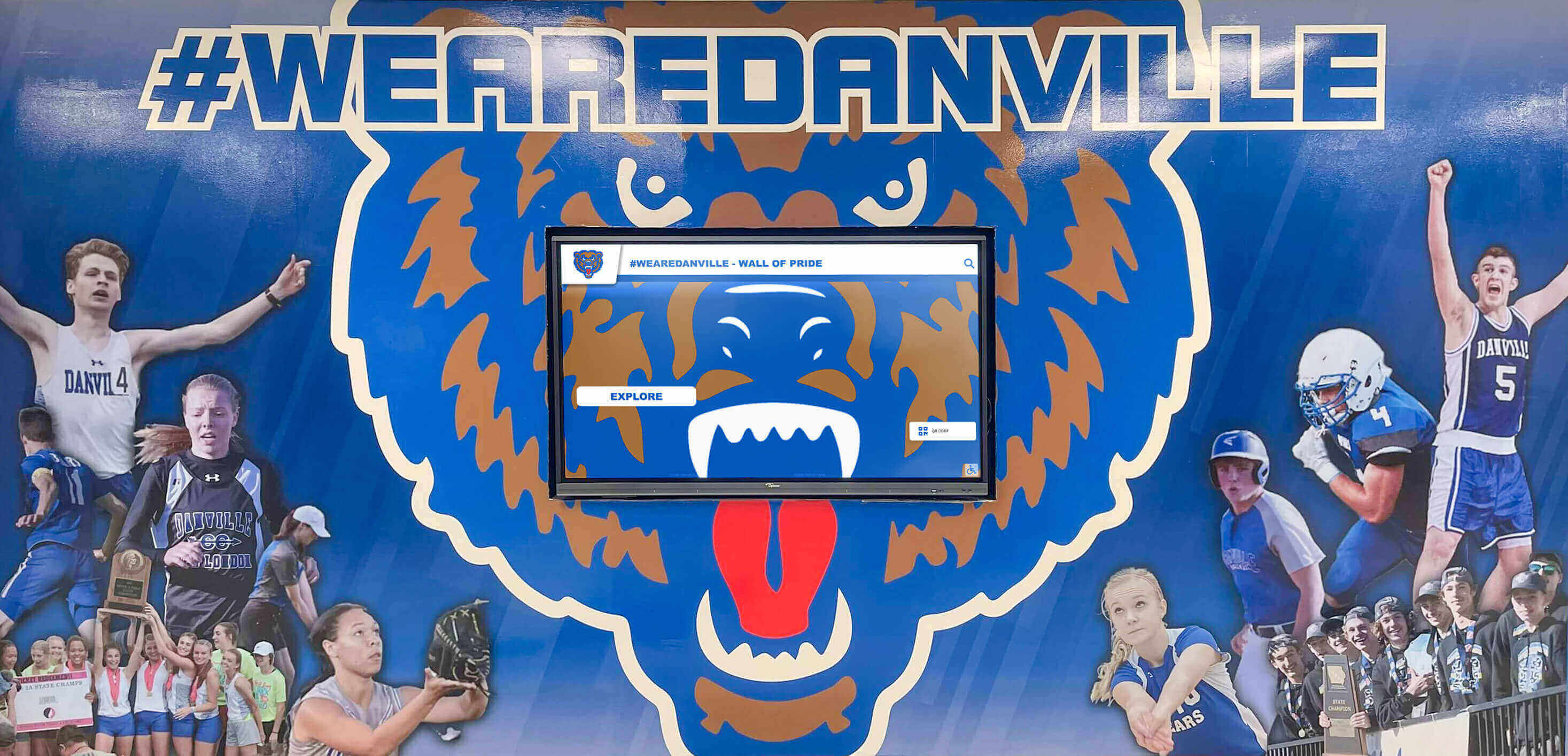
Hybrid Recognition Approaches Combining multiple recognition opportunities ensures comprehensive celebration: major ceremony recognizing school-wide awards, classroom celebrations acknowledging all students, digital recognition displays maintaining year-round visibility, and social media highlights extending celebration beyond those attending ceremonies.
Creating Inclusive Recognition Programs
The most effective end-of-year recognition ensures all students—regardless of background, ability, or circumstance—experience appropriate acknowledgment for their genuine efforts and accomplishments.
Multiple Recognition Pathways Design award programs offering diverse recognition opportunities so students with different strengths, starting points, and circumstances can all achieve acknowledgment. Include absolute achievement recognition through traditional honors, growth-based awards celebrating substantial progress, effort and participation recognition regardless of outcomes, character and citizenship acknowledgment, and unique talent celebration across varied domains.
Equitable Selection Processes Prevent recognition from concentrating on narrow student groups through proactive nomination solicitation from diverse staff members, consideration of students across demographic groups, consultation with counselors aware of student circumstances and challenges, student self-nomination opportunities encouraging self-advocacy, and systematic monitoring of recognition distribution patterns.
Representation in Ceremony Design Ensure ceremonies themselves reflect diverse school communities through student speakers representing various backgrounds and perspectives, entertainment and performances reflecting cultural diversity, acknowledgment of varied achievement types and traditions, and accessible formats accommodating all families and attendees.
Making Awards Feel Personal and Meaningful
Generic recognition lacks emotional impact. Students want to feel individually seen and valued through their end-of-year acknowledgment.
Detailed Award Descriptions Move beyond simply reading names by including specific examples of why students earned recognition, descriptions of achievements or qualities being honored, context about the significance of the award, and acknowledgment of the effort or character demonstrated.
Personal Testimonials Enhance award presentations with brief teacher remarks about individual recipients, student testimonials from peers or teammates, video clips showing awarded achievements or moments, or letters from parents, alumni, or community members read during presentation.
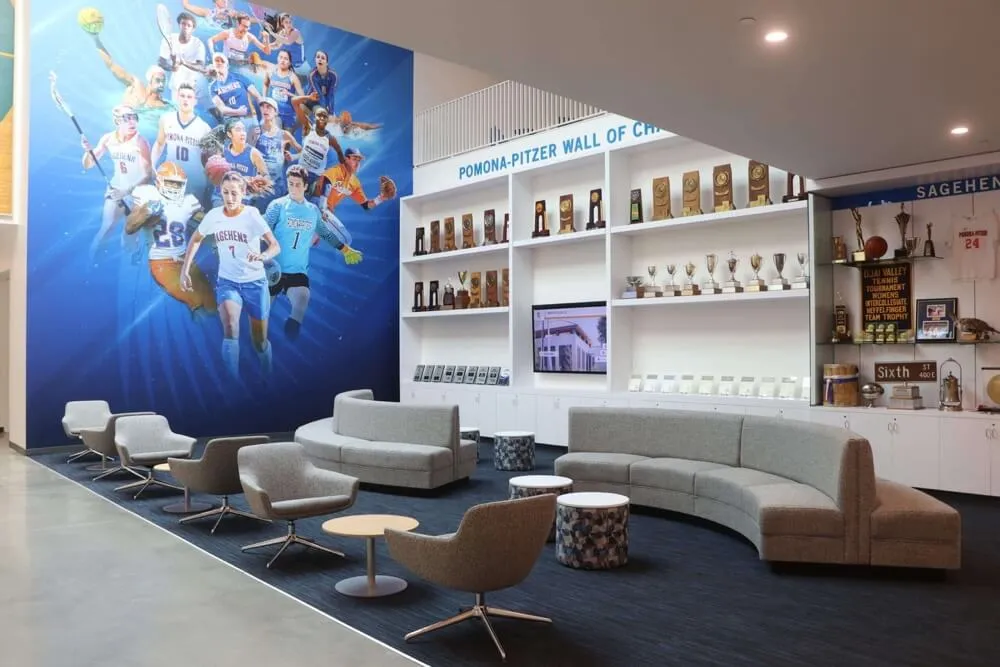
Memorable Award Tokens Physical awards themselves become keepsakes students treasure through quality certificates suitable for framing, personalized plaques or trophies with engraved names, custom medals or pins students can wear proudly, and award books containing photos, descriptions, and signatures.
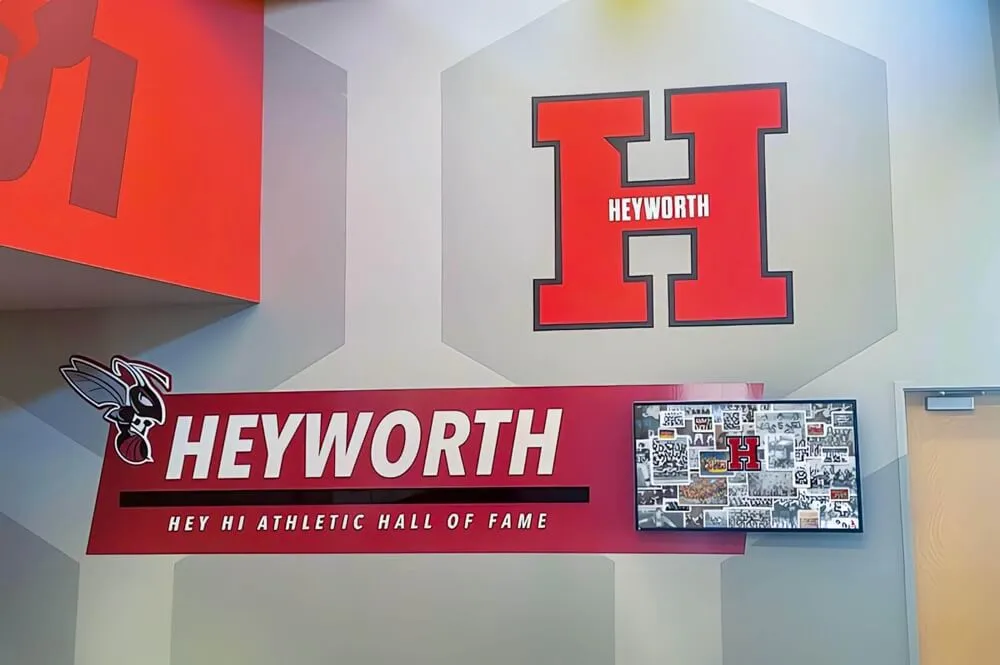
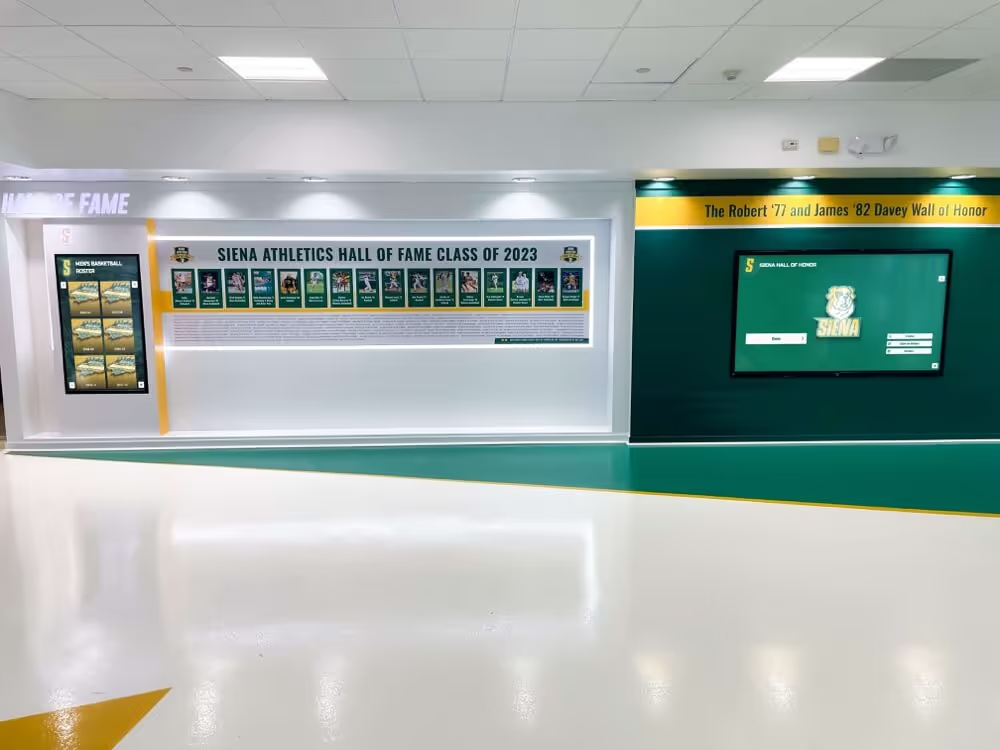
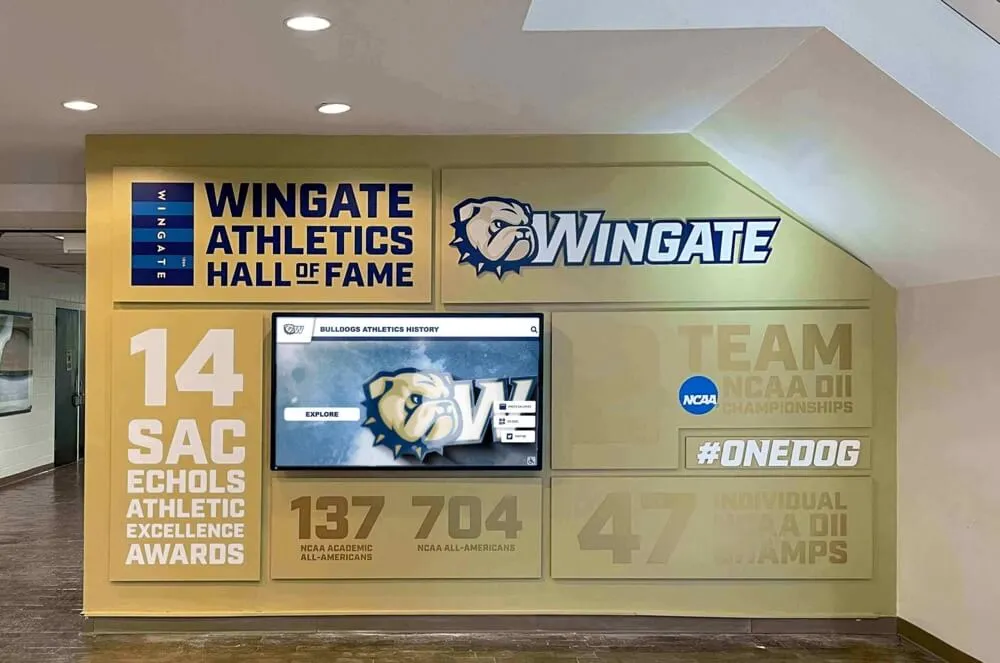
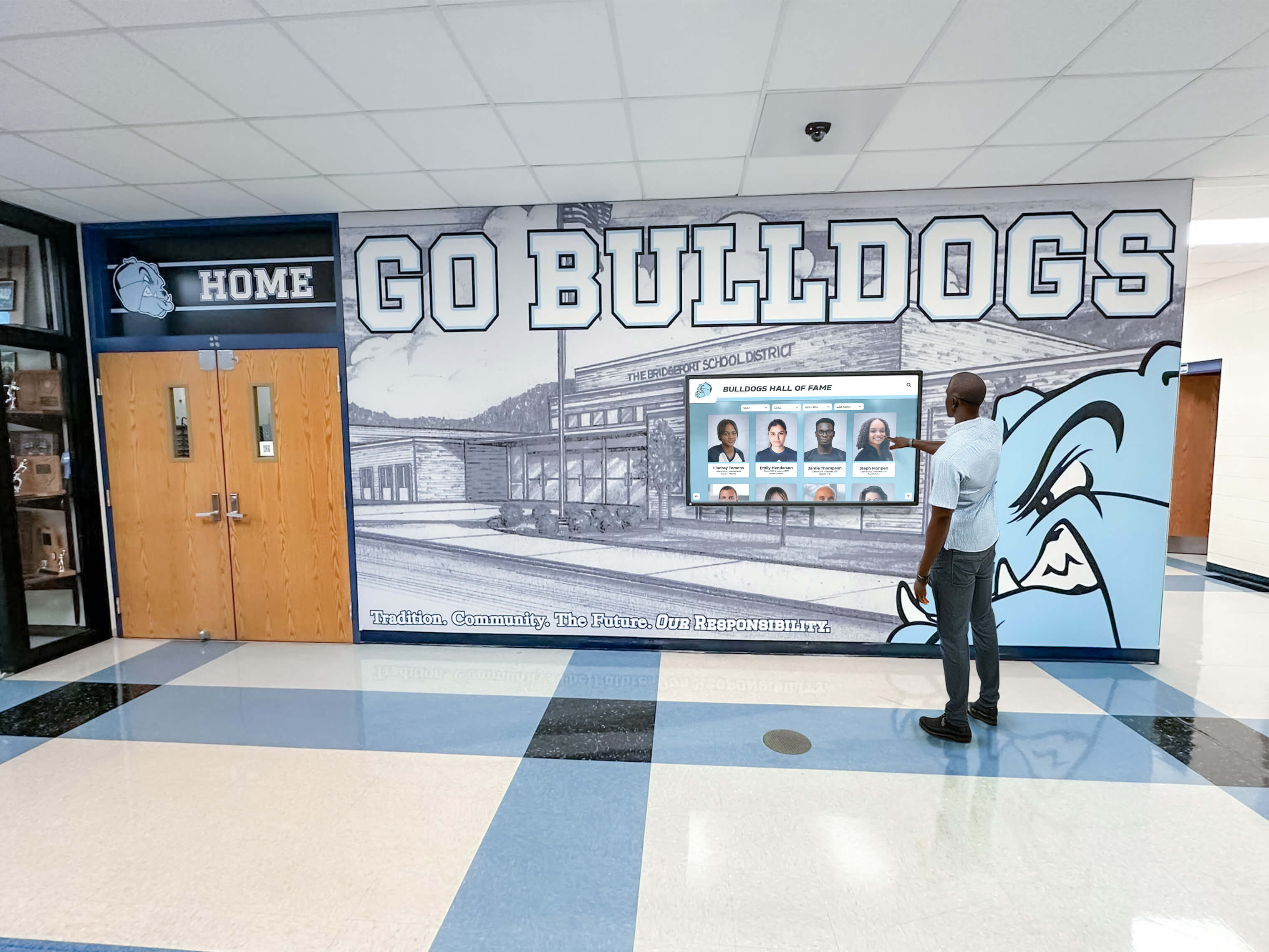
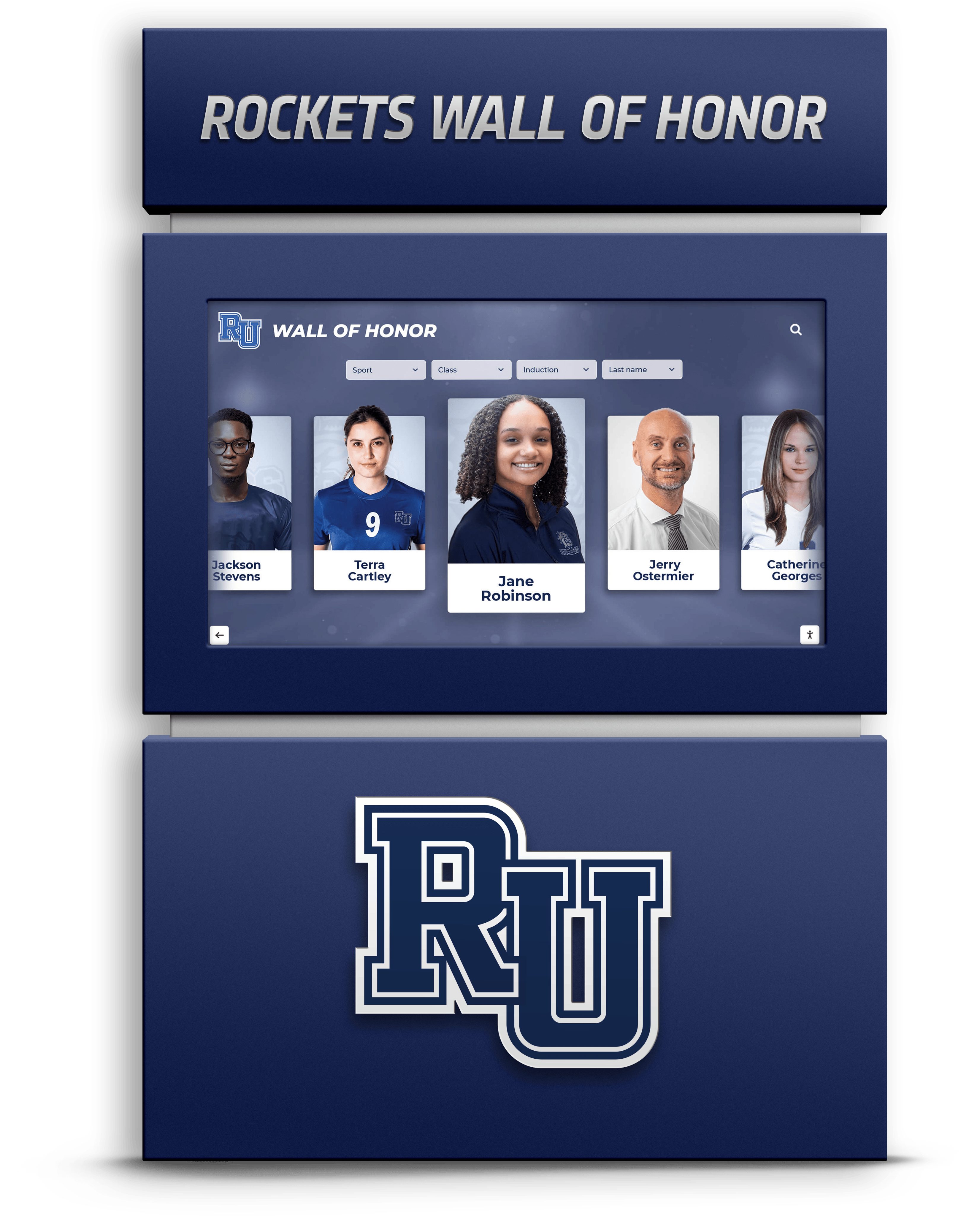
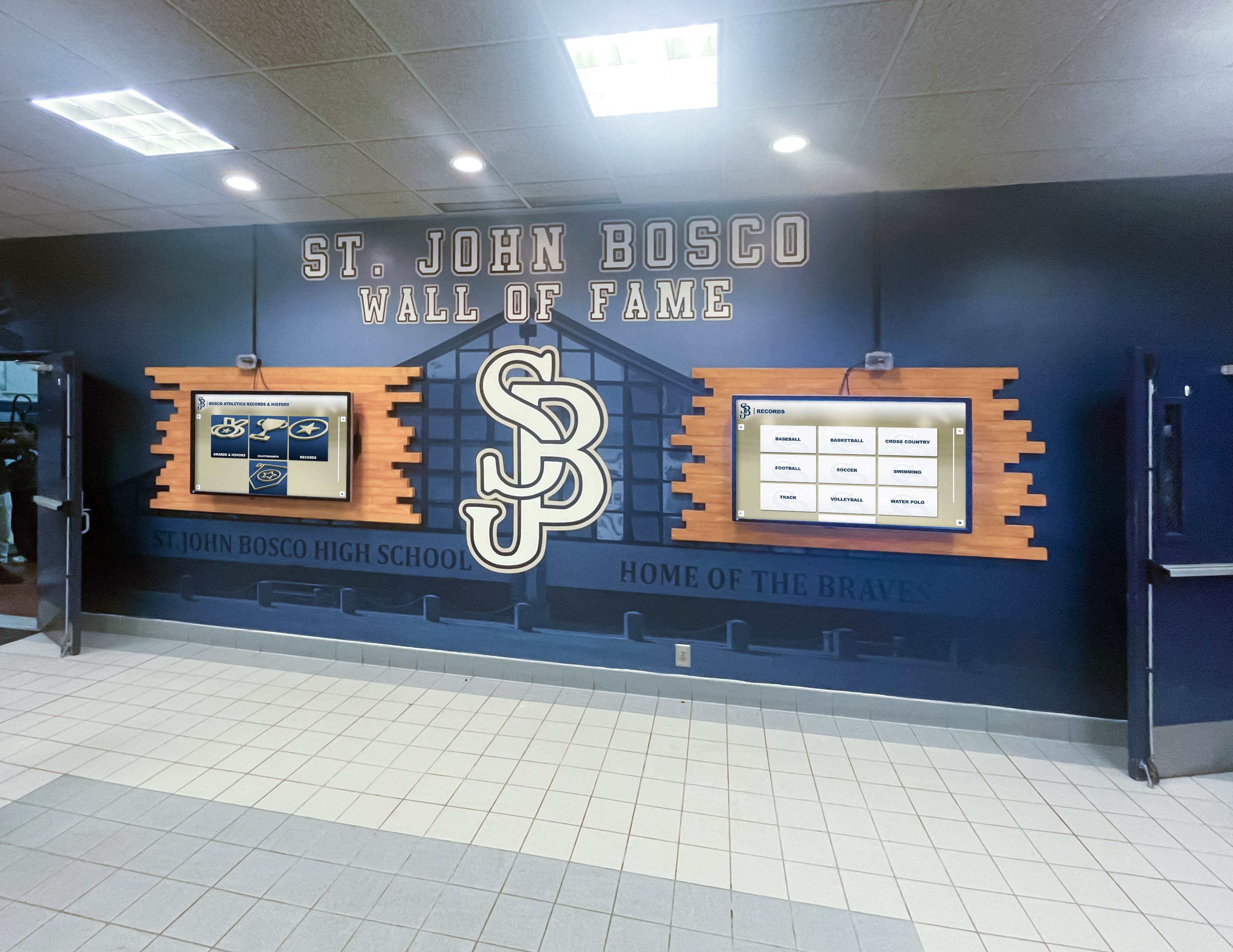
Schools implementing comprehensive recognition often discover that solutions like Rocket Alumni Solutions provide platforms where end-of-year award winners can be permanently celebrated through interactive digital displays that allow students, families, and alumni to explore achievements long after ceremonies conclude.
Leveraging Technology for Modern Recognition
Digital tools and platforms enable end-of-year recognition that extends beyond single ceremony moments to create lasting celebration accessible to entire school communities.
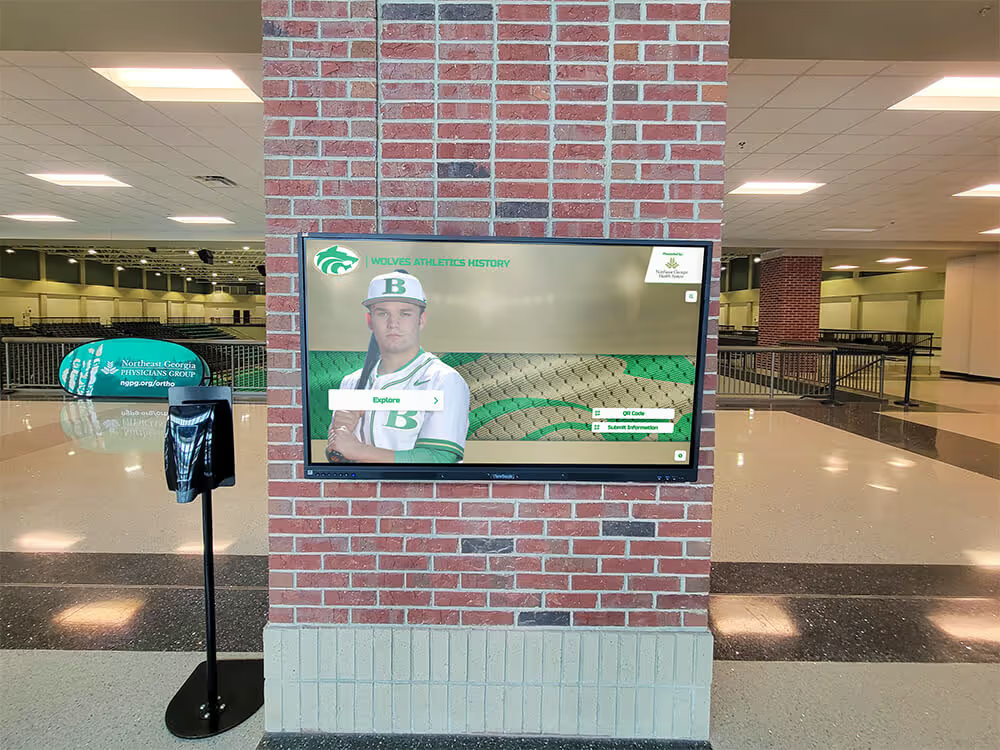
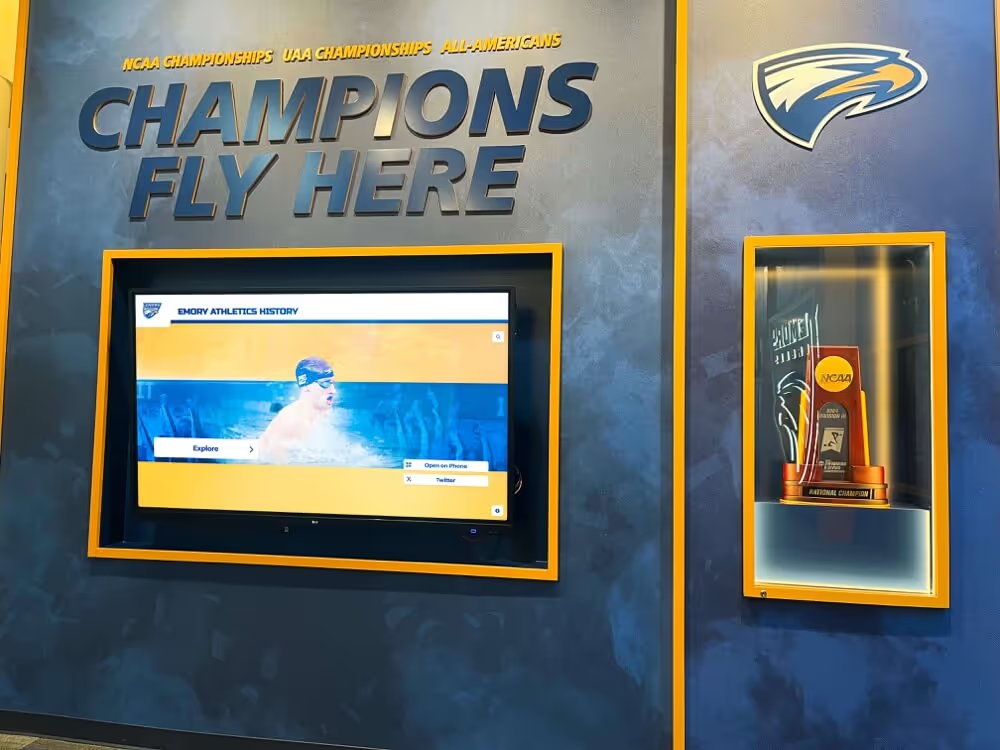
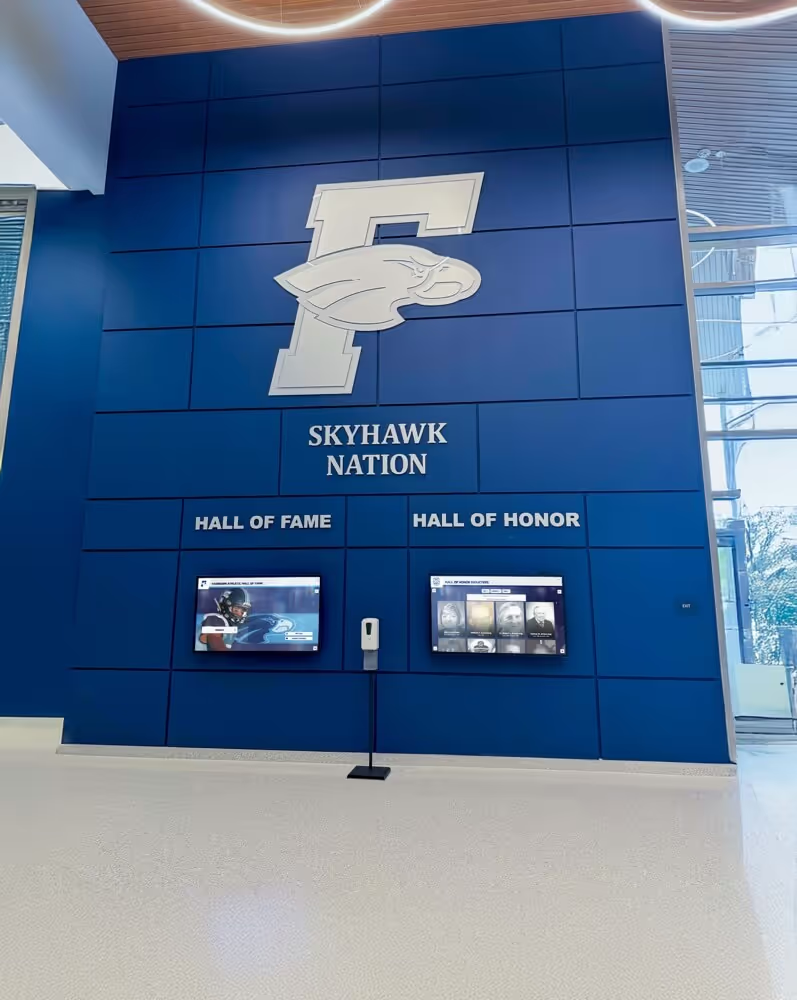
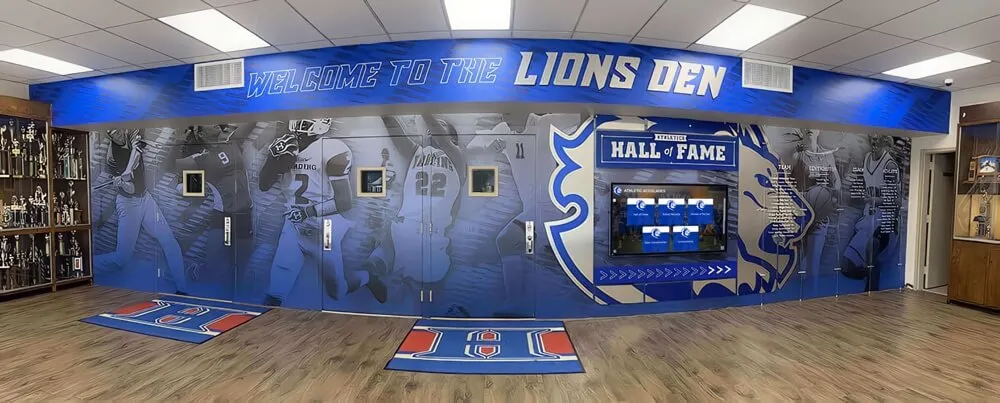
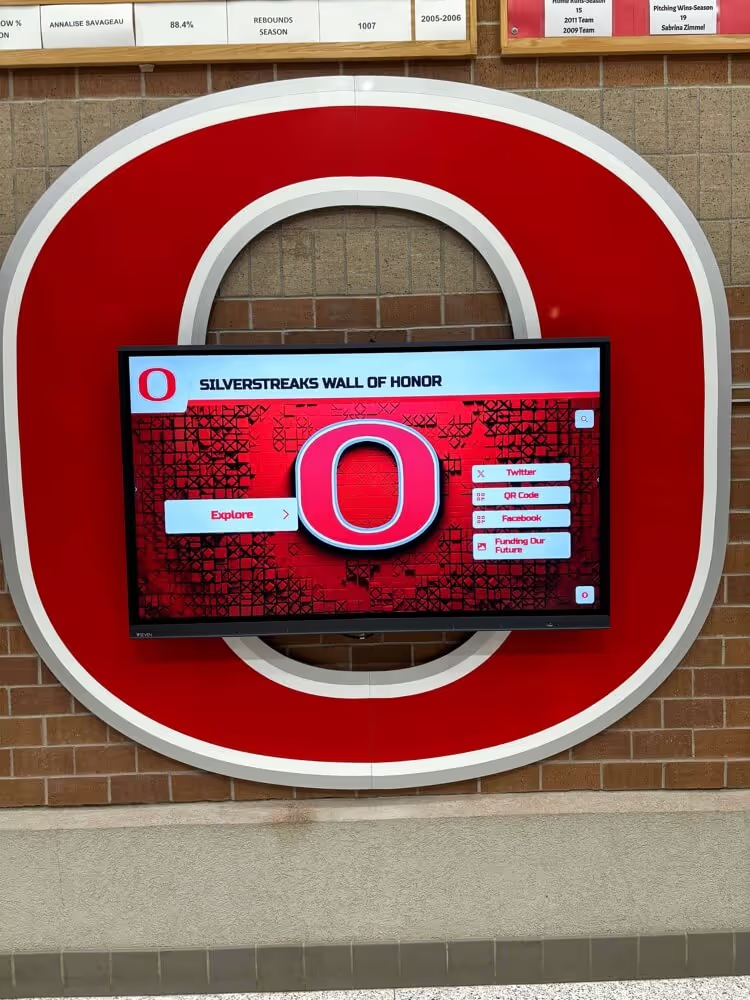
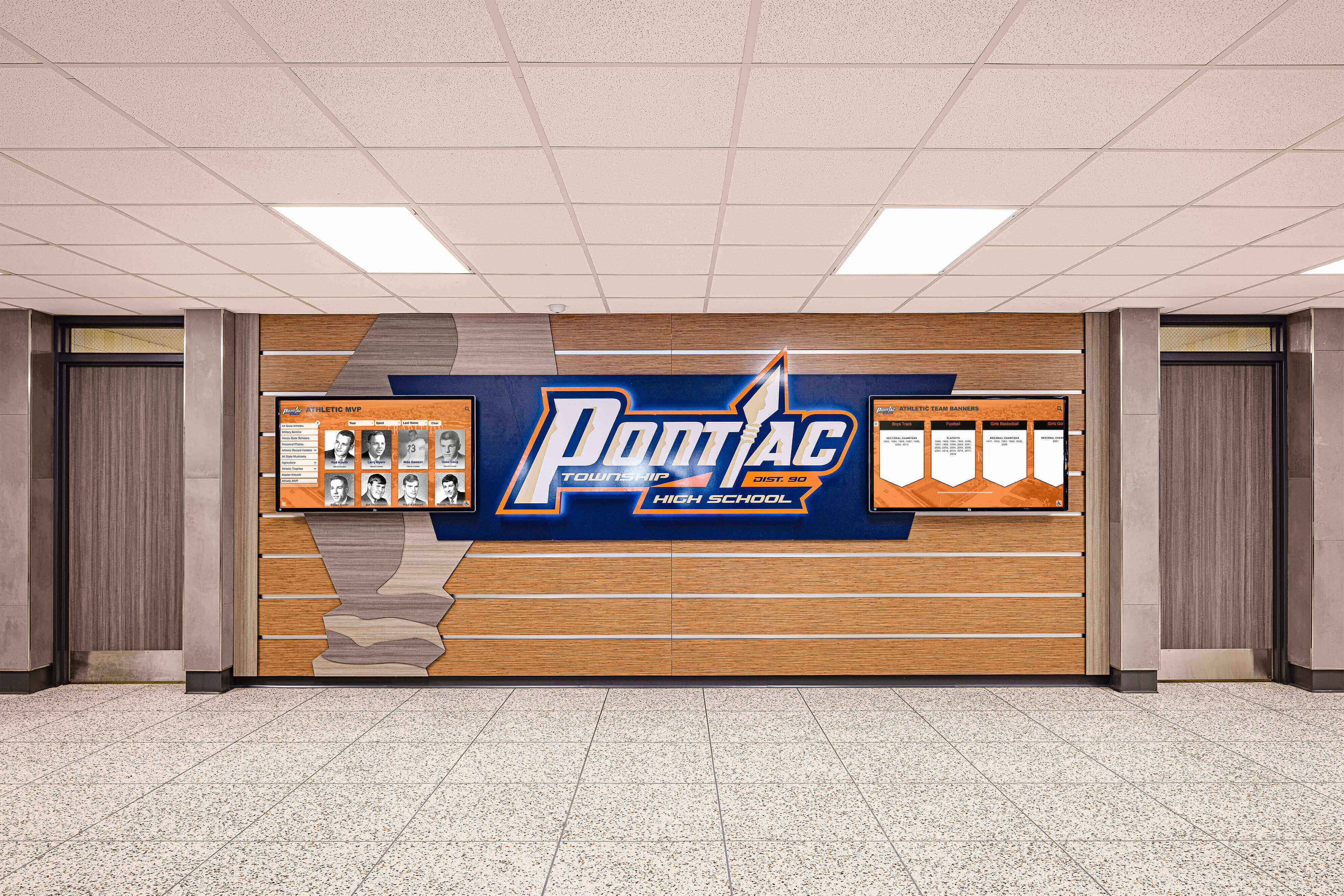
Interactive Digital Recognition Displays
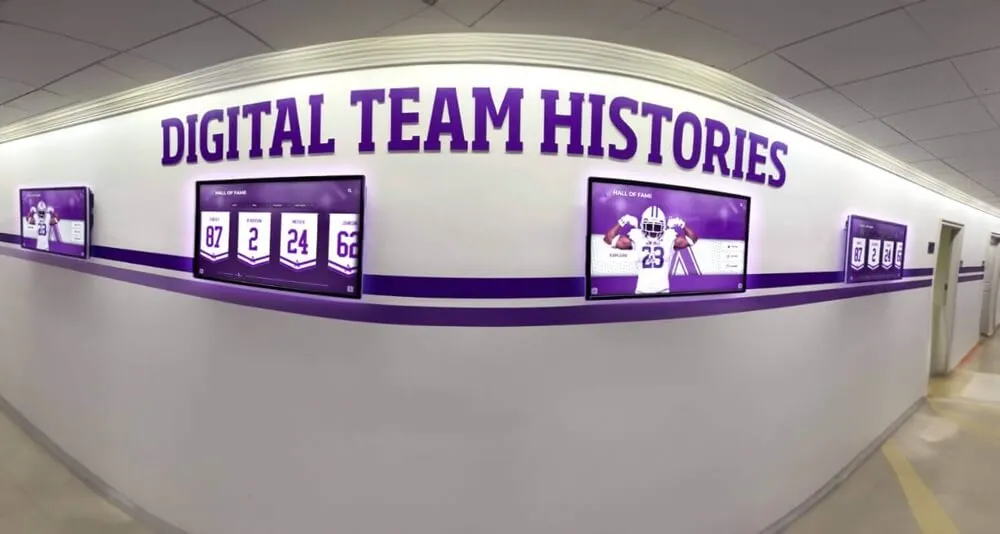
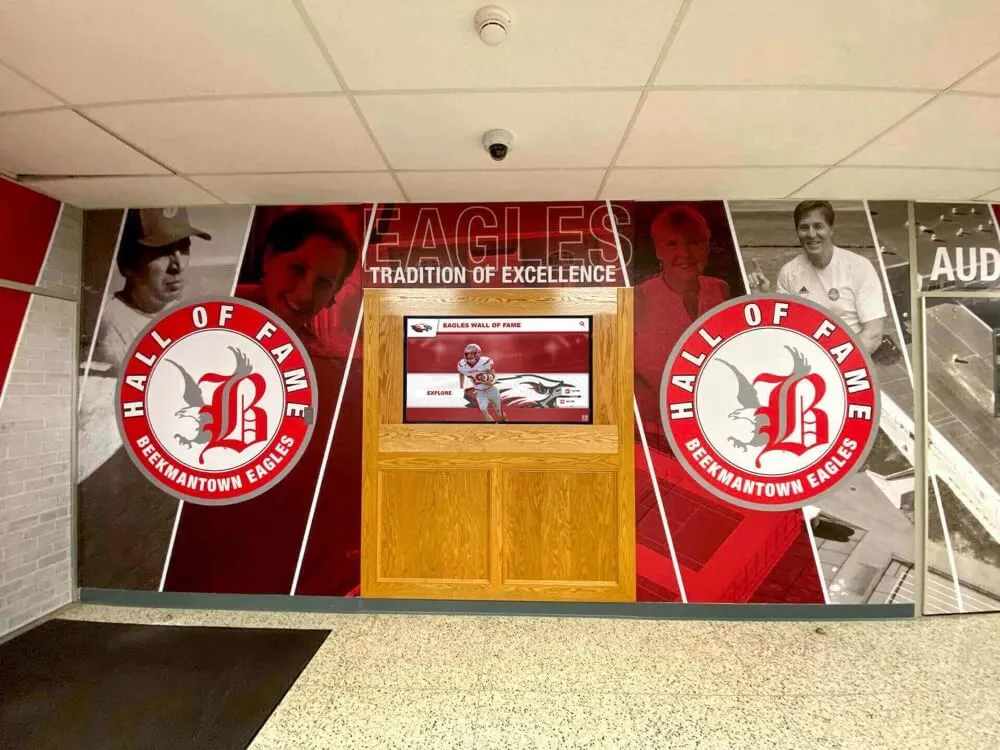
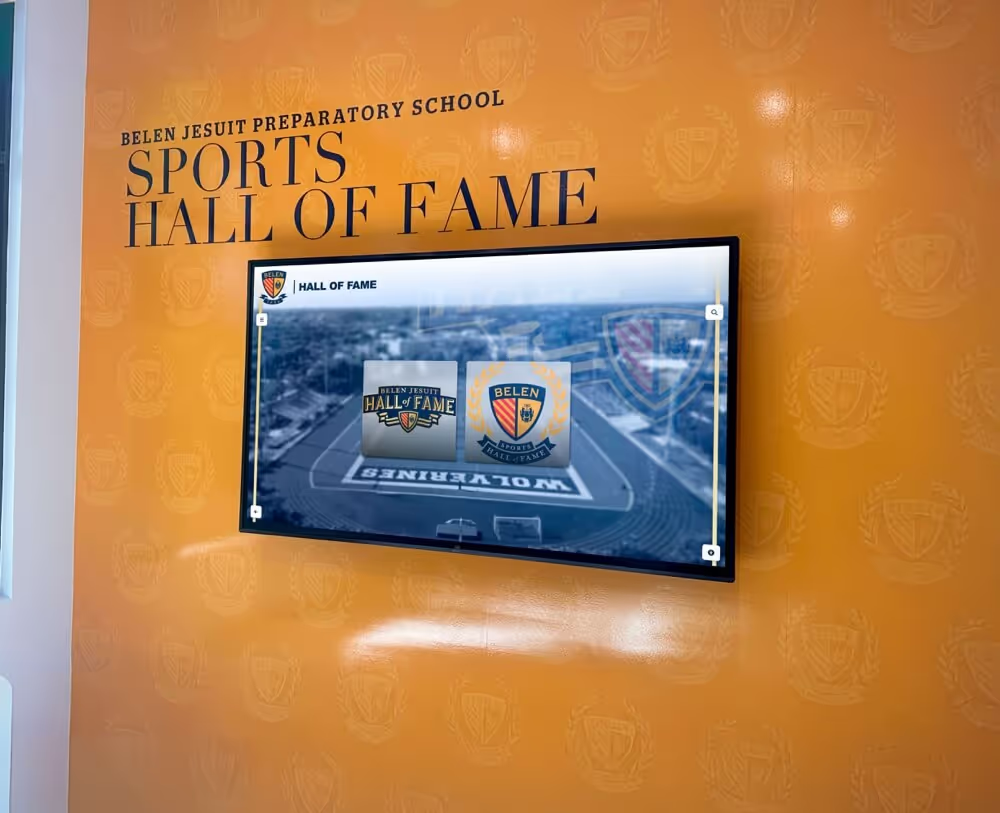
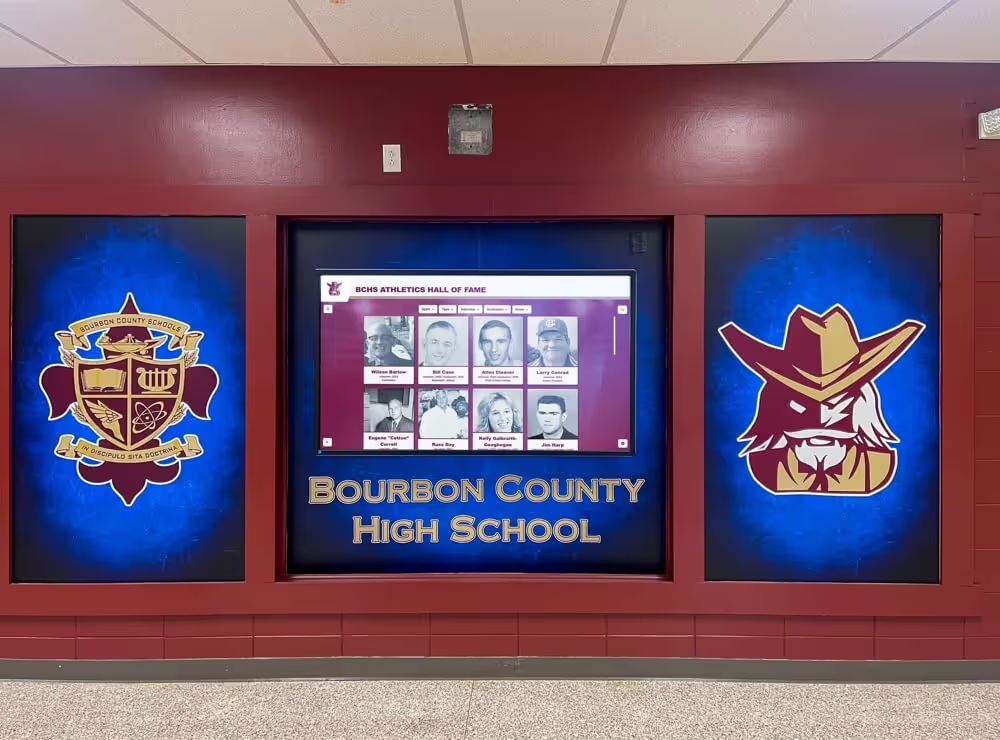
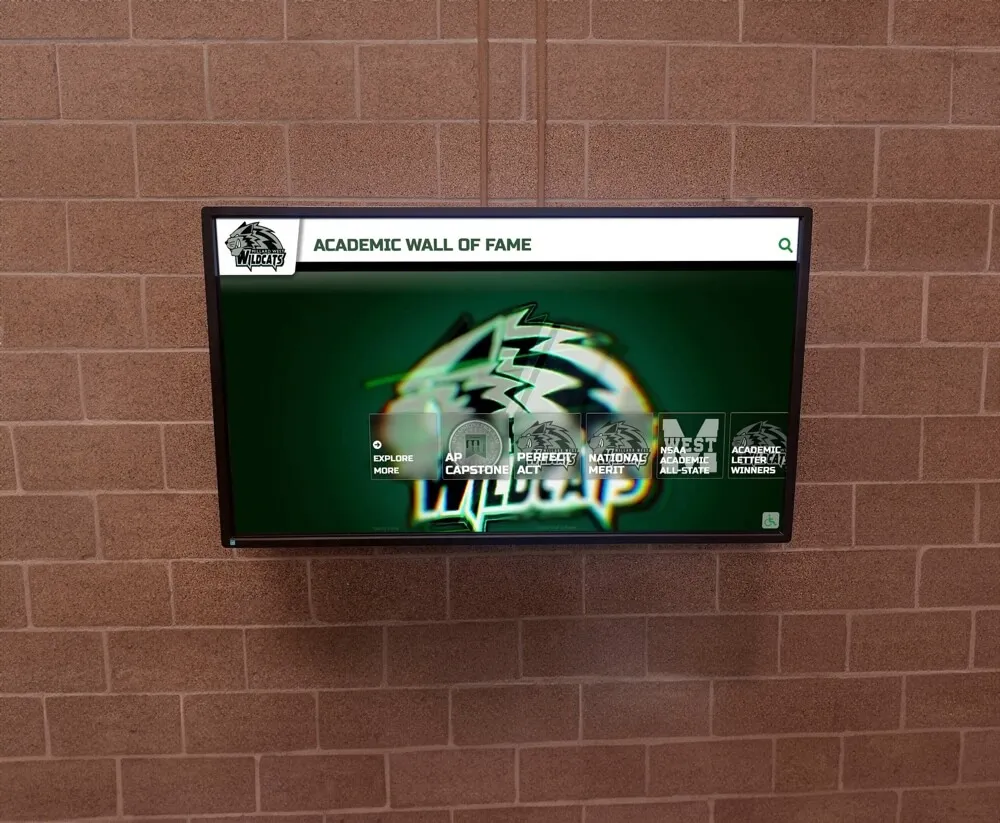
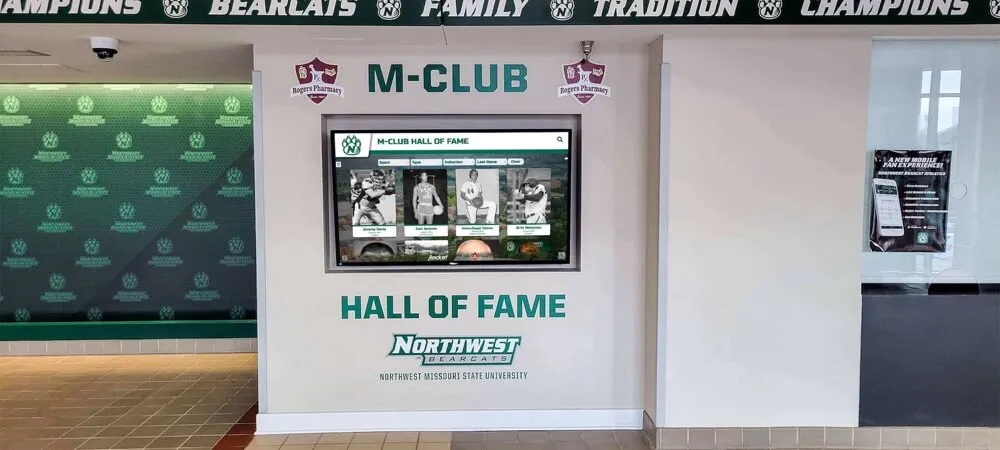
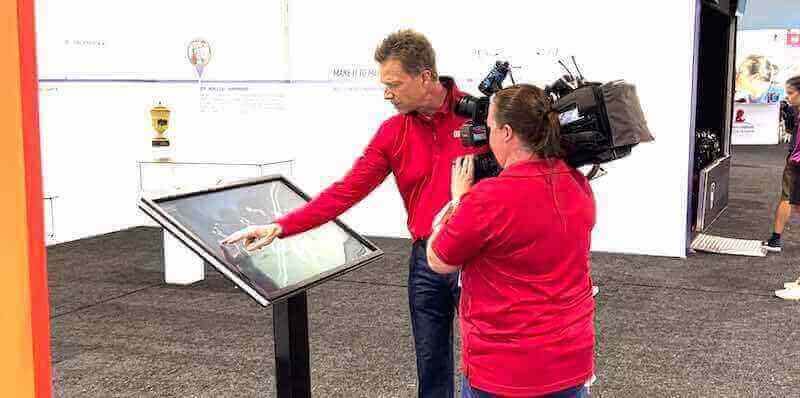
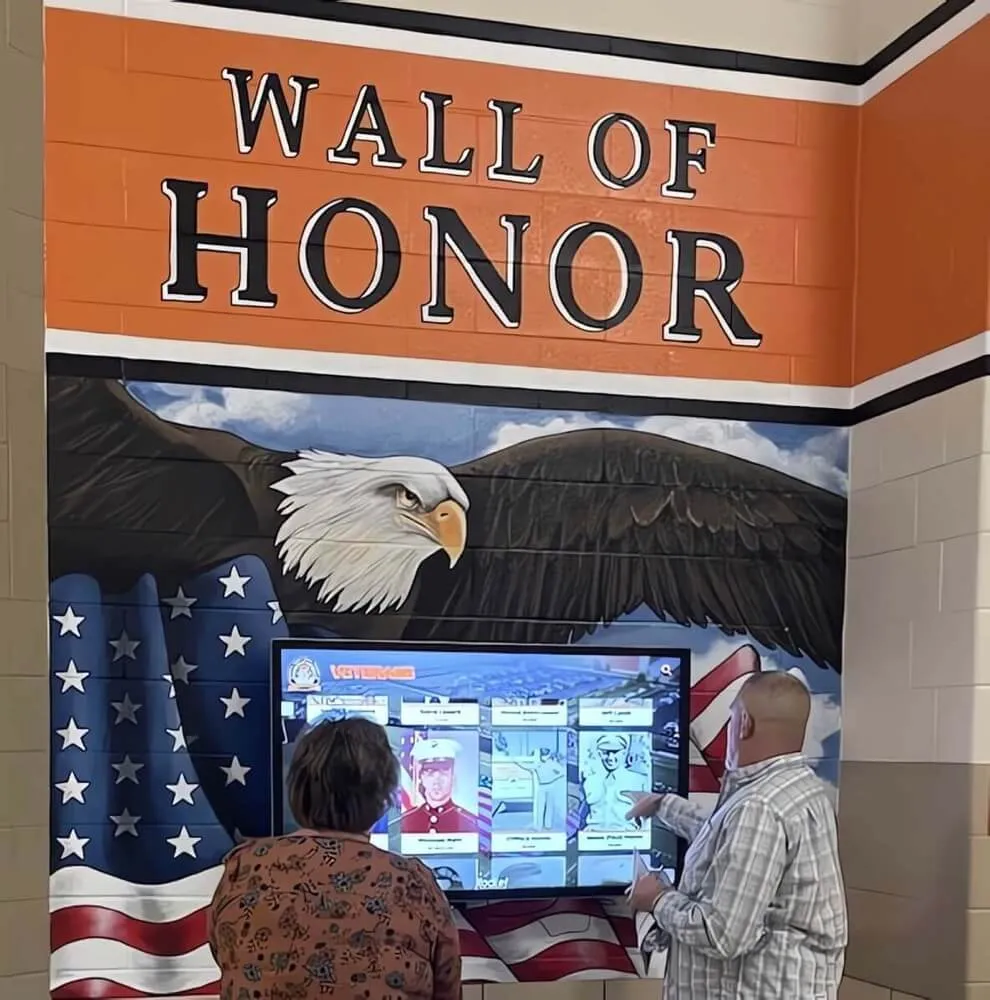
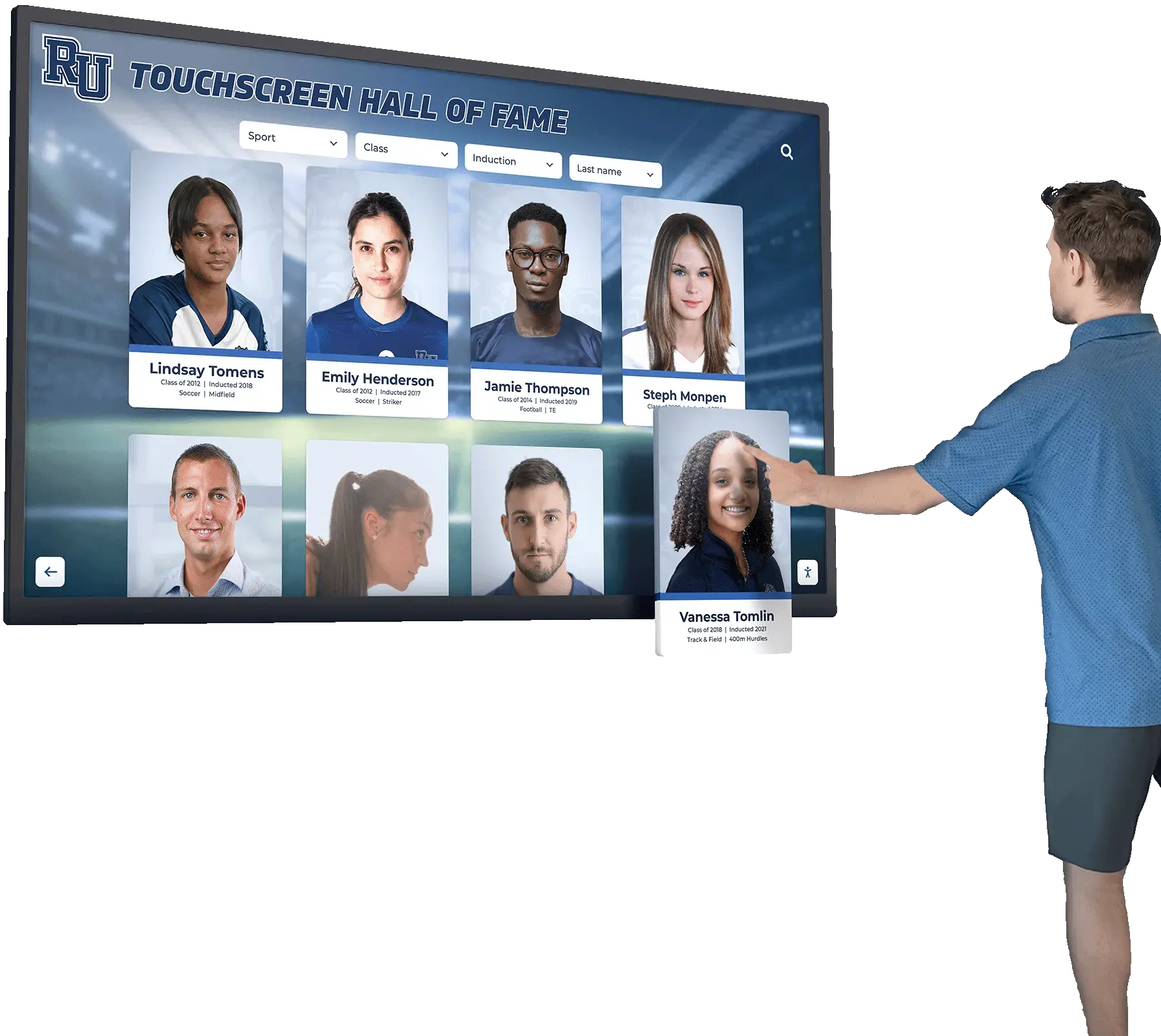
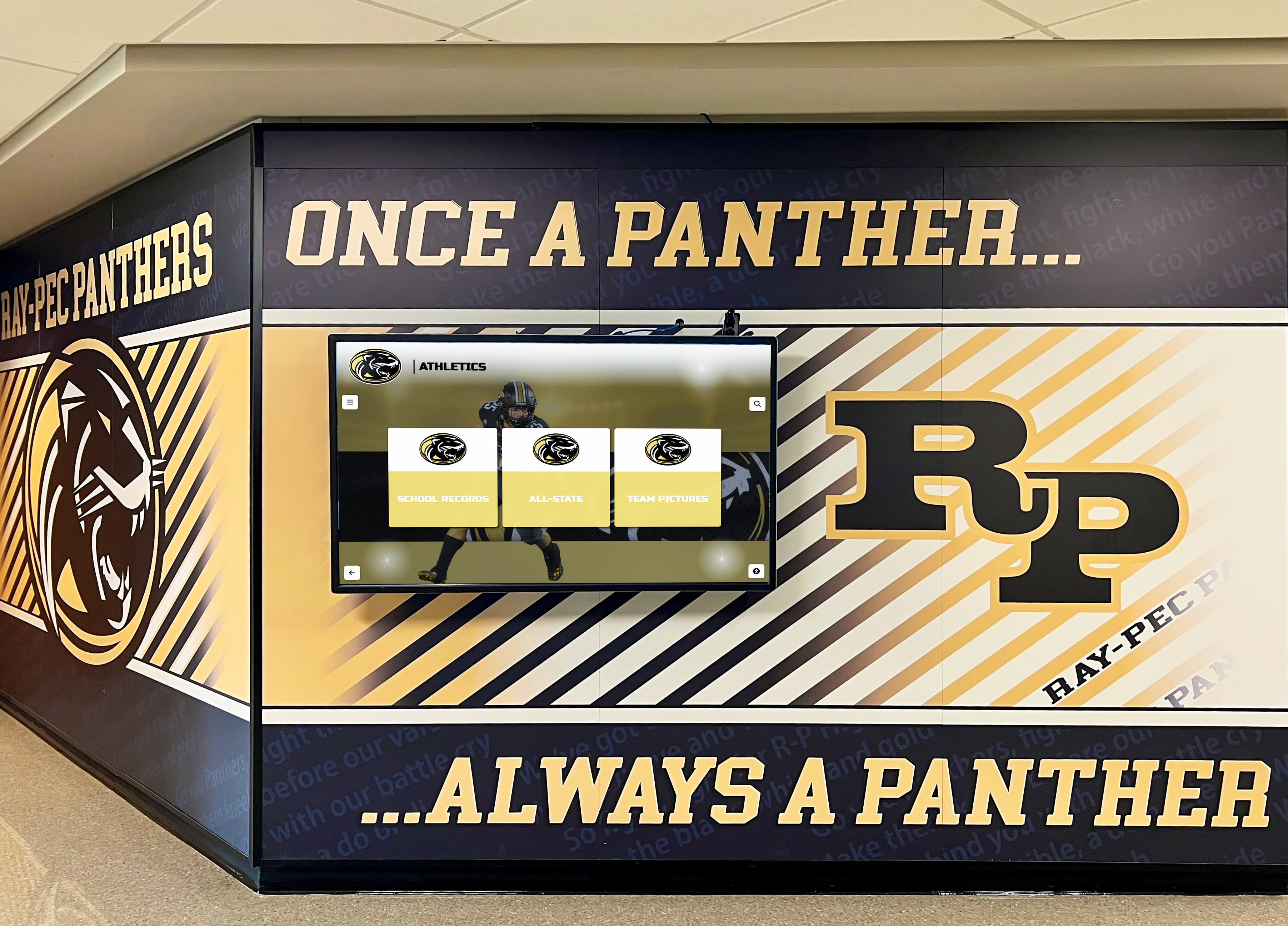
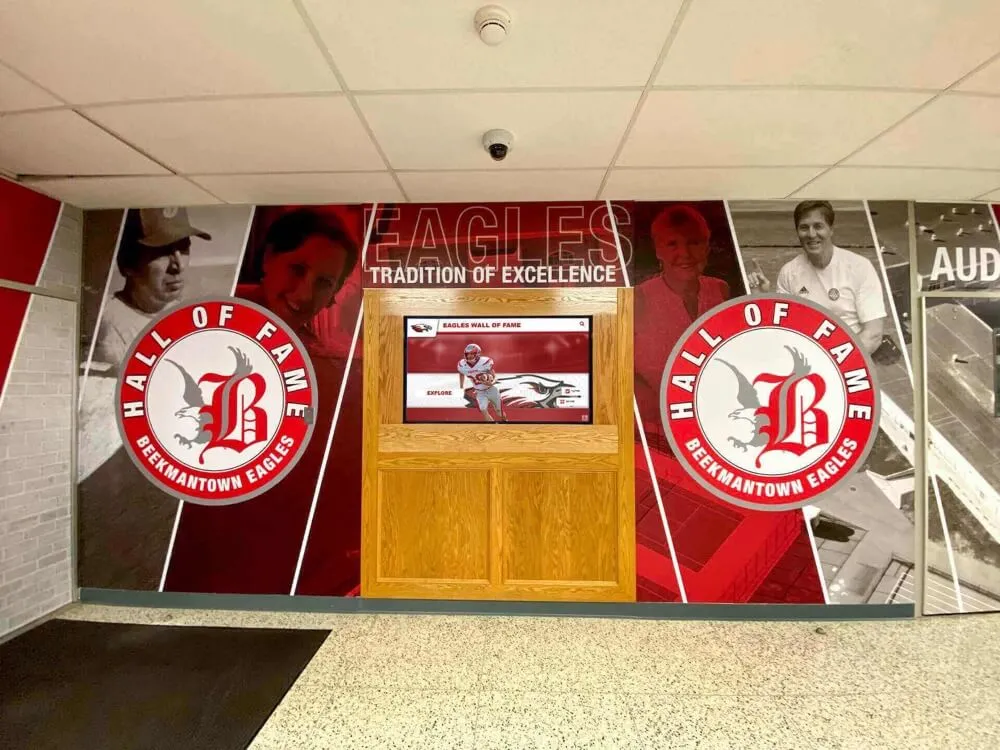
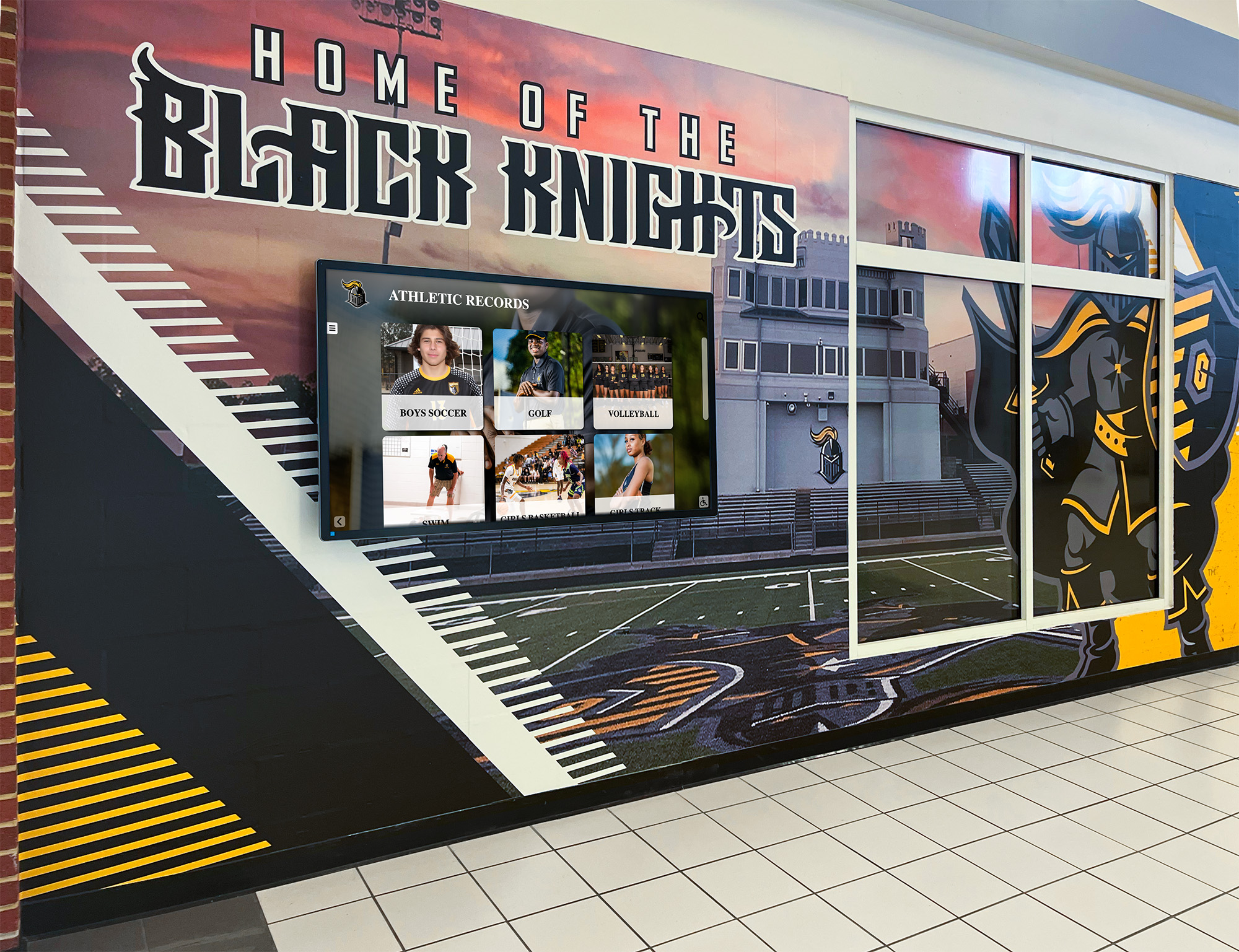
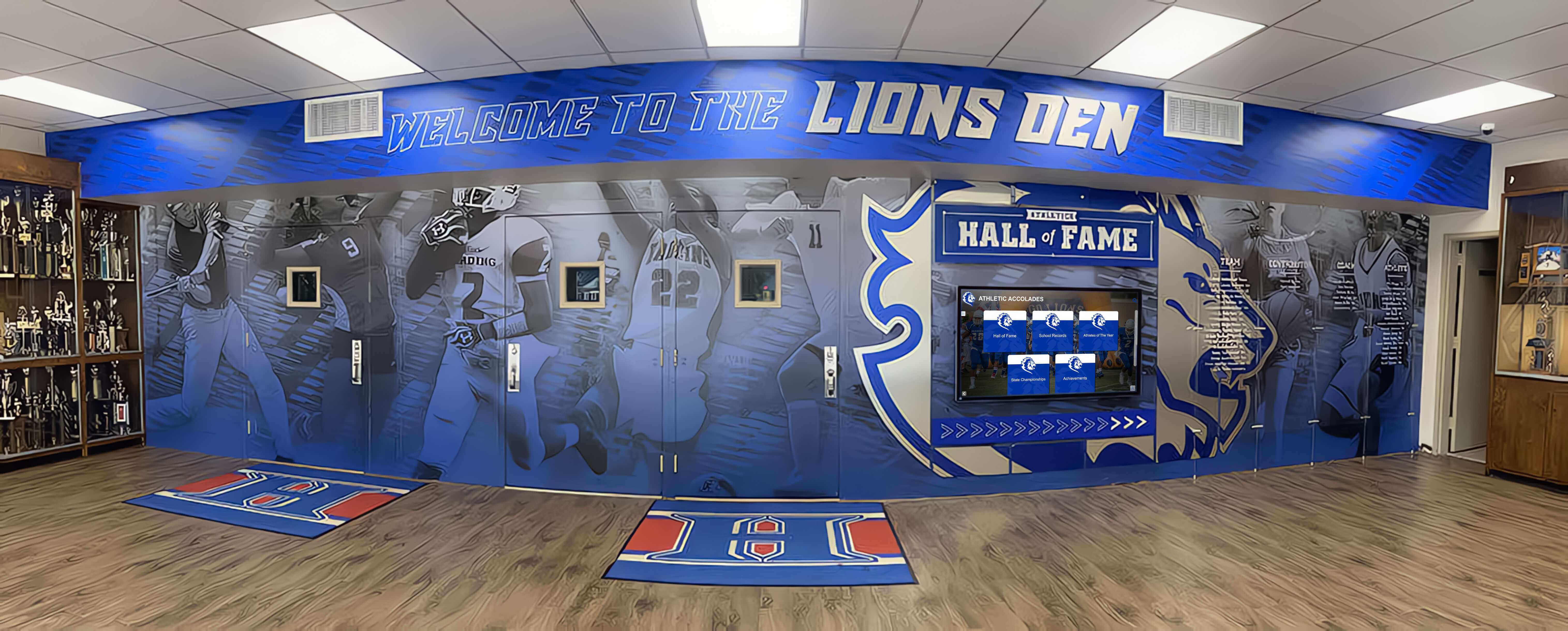
Touchscreen recognition systems transform traditional trophy cases and award walls into engaging exploration experiences that students actively use throughout years:
Permanent Achievement Documentation Digital platforms provide unlimited capacity recognizing every award winner without physical space constraints, rich multimedia profiles including photos and achievement descriptions, easy content updates adding new recognition annually, searchable databases enabling quick finding of specific students, and perpetual accessibility allowing alumni to revisit their achievements decades later.
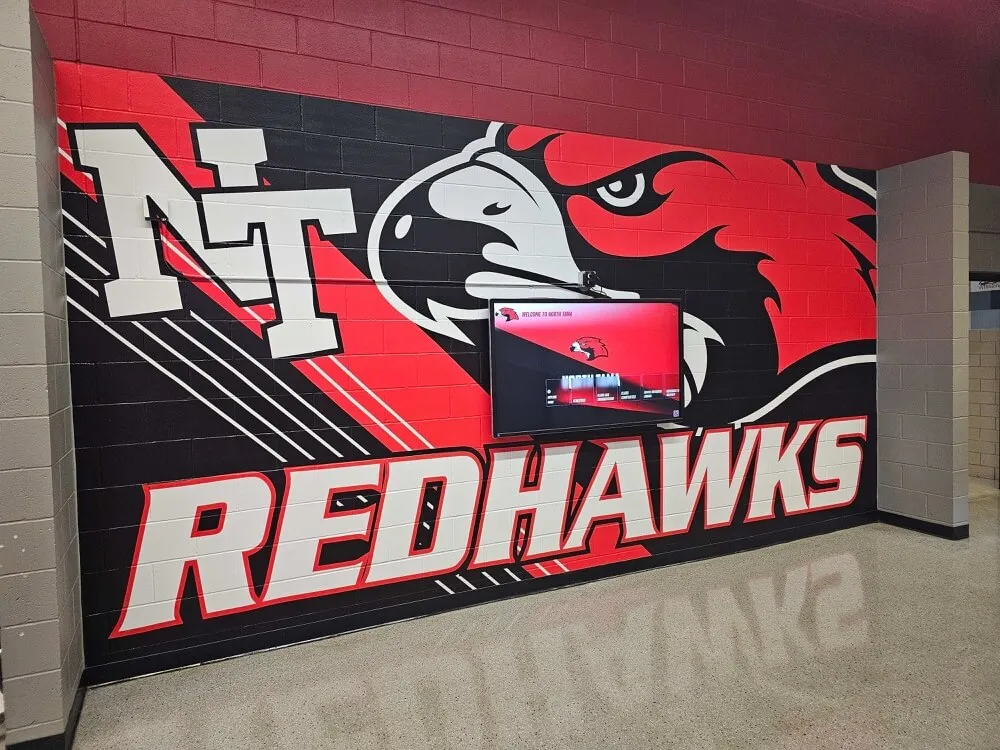
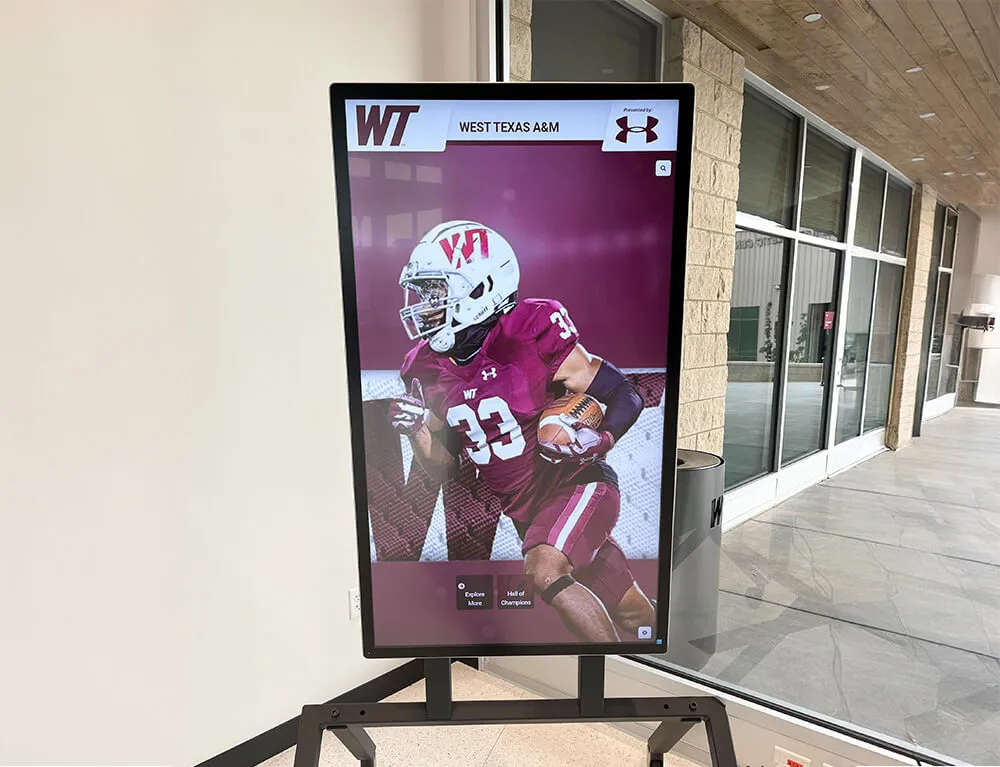
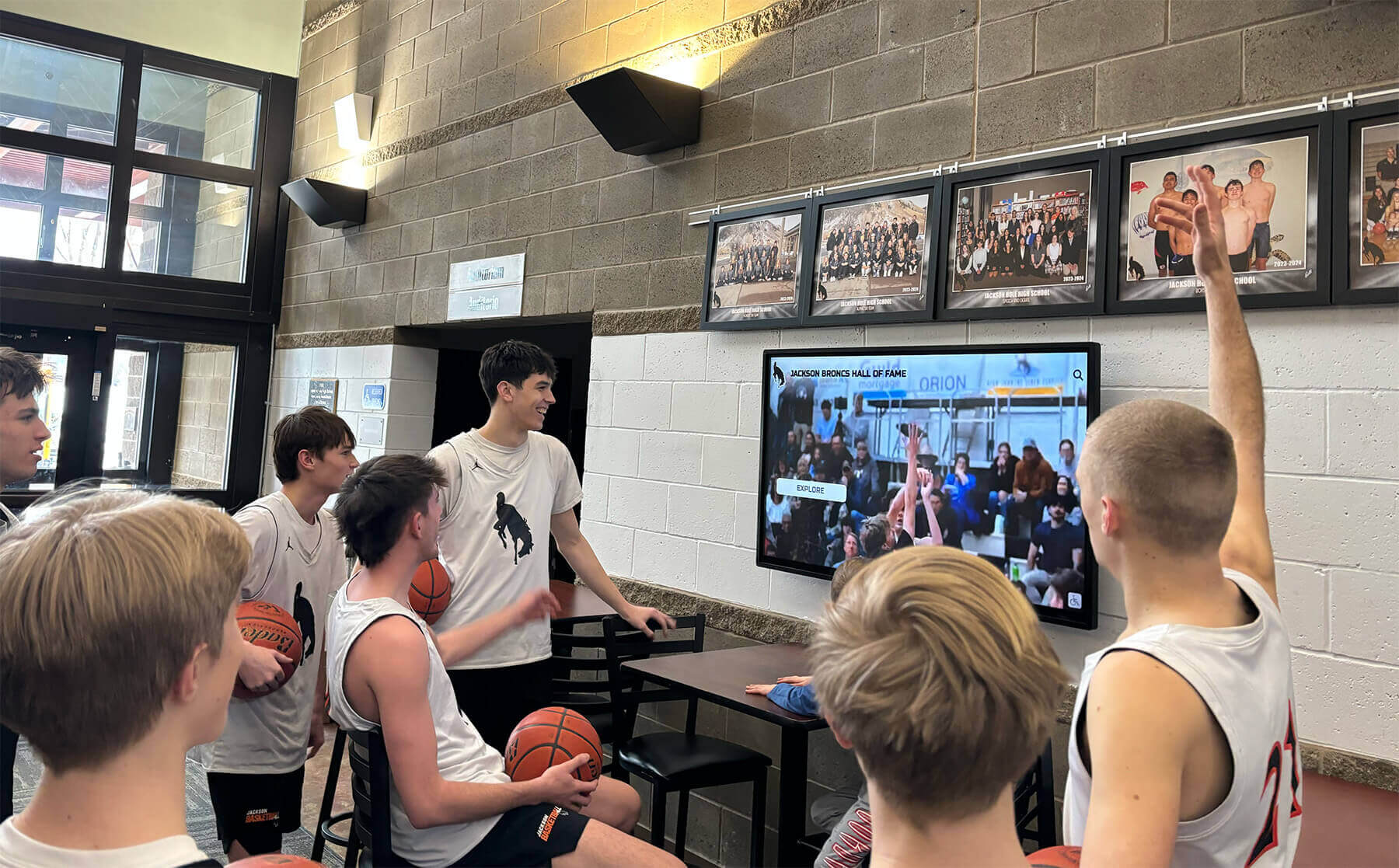
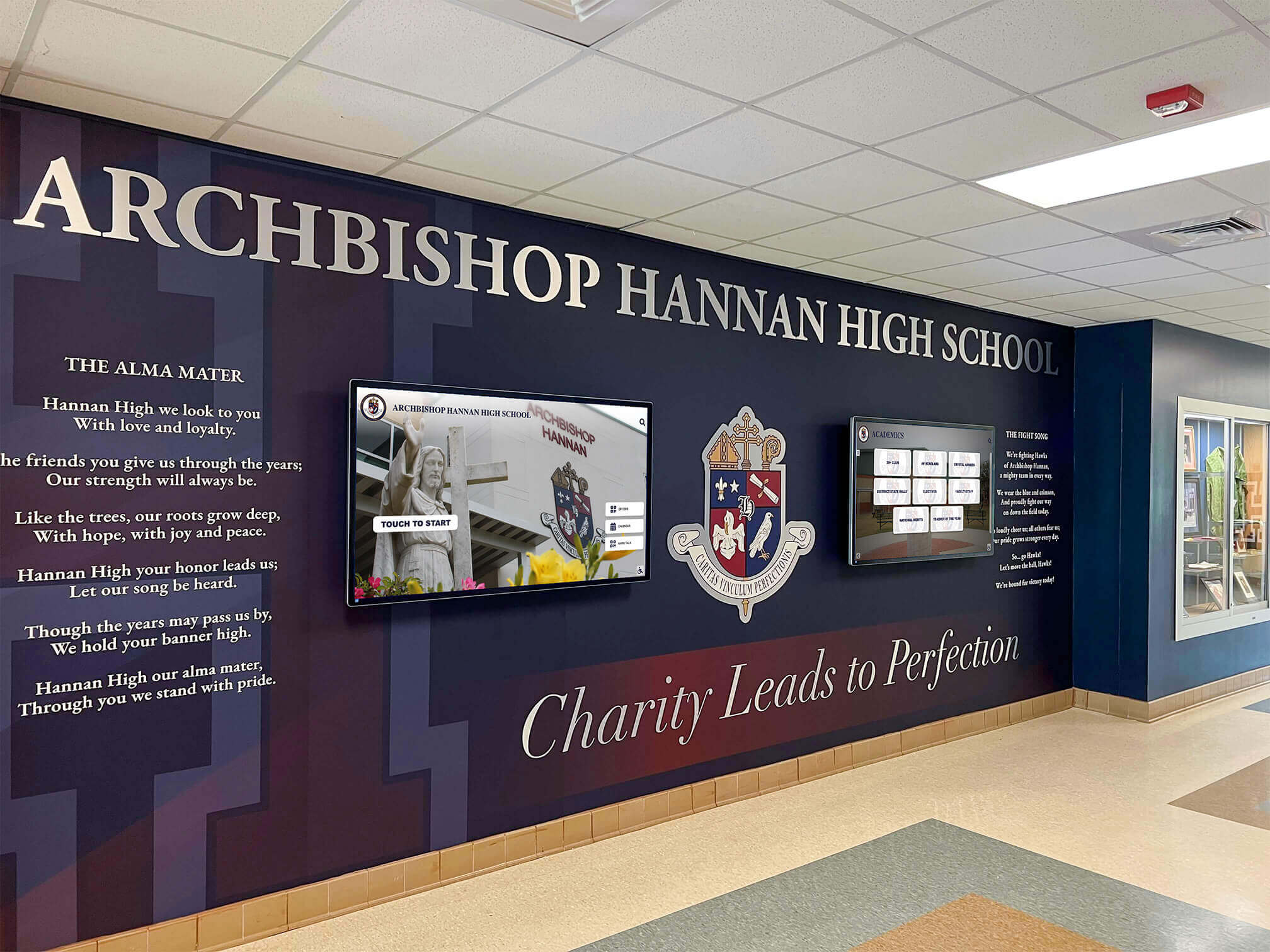
Interactive displays positioned in main entrance lobbies, cafeterias and student commons, hallways connecting classrooms, guidance and counseling areas, and library media centers ensure maximum visibility for end-of-year recognition while creating engagement opportunities during unstructured time.
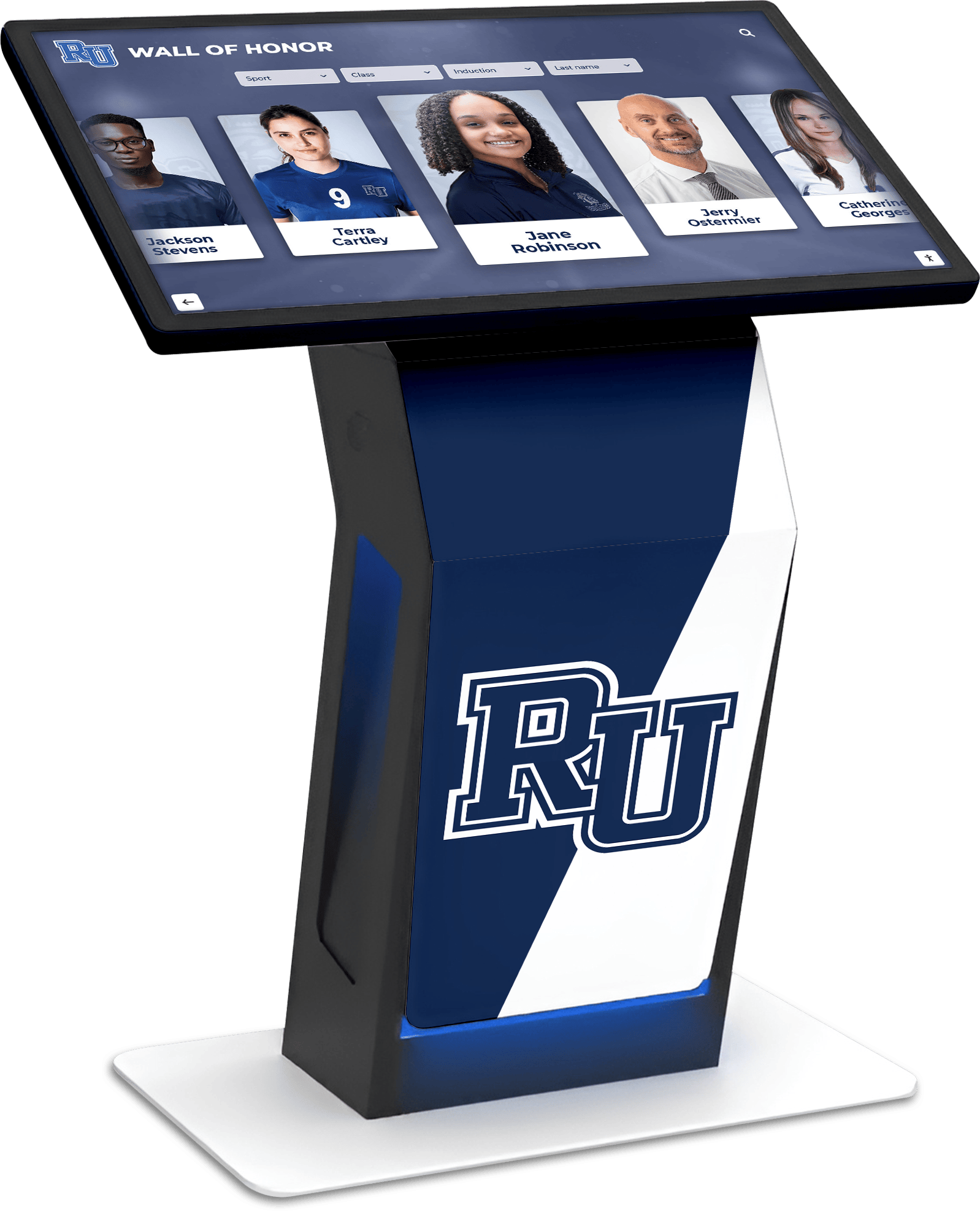
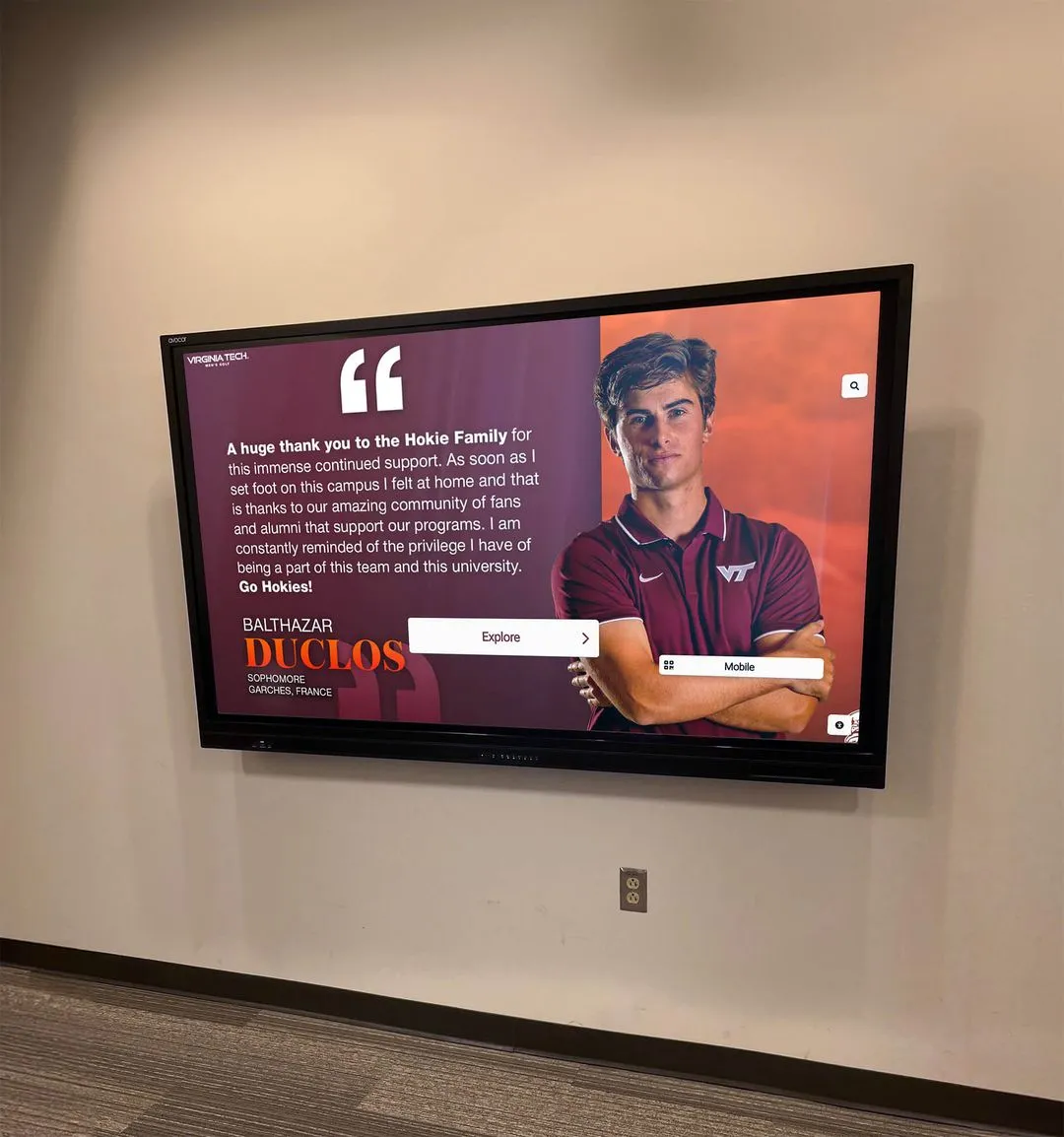
Engaging Multimedia Content Modern recognition combines text, images, and video creating compelling stories rather than simple name lists. End-of-year award profiles can include professional photography of award recipients, video clips from ceremony acceptance speeches, interview content where students reflect on achievements, teacher testimonials explaining award significance, and achievement timelines showing progression across years.
Schools implementing interactive boards for student achievement discover that digital recognition creates ongoing engagement rather than single ceremony moments, with students regularly exploring displays to discover peer achievements and revisit their own recognition.
Online Recognition Platforms
Web-based recognition extends acknowledgment beyond those who can physically attend ceremonies or visit school facilities, reaching families, alumni, and community members worldwide.
Virtual Award Showcases Dedicated online platforms enable comprehensive end-of-year recognition through searchable award databases listing all recipients, filtered browsing by award category or year, individual recipient profiles with photos and descriptions, virtual ceremony videos for those unable to attend in person, and social sharing capabilities allowing achievement celebration across networks.
Comprehensive online hall of fame systems complement physical ceremonies while extending recognition reach to dispersed school communities.
Social Media Celebration Strategic social media use amplifies end-of-year recognition while connecting school communities through shared celebration. Effective approaches include daily award recipient spotlights during the weeks leading to ceremonies, countdown posts building anticipation for recognition events, ceremony live-streaming for families unable to attend, photo galleries from recognition celebrations, video highlights capturing memorable ceremony moments, and recipient features with stories behind achievements.
Ceremony Enhancement Technology
Technology can elevate ceremony experiences themselves, making presentations more engaging and memorable:
Multimedia Presentations Professional presentations bring recognition to life through photo slideshows showing recipients during awarded activities, video montages highlighting achievement moments throughout the year, animation and graphics making award descriptions visually engaging, music integration setting appropriate tone and pacing, and real-time social media feeds encouraging audience engagement.
Virtual Attendance Options Hybrid ceremony approaches ensure all families can participate through live-streaming for remote family members, recorded ceremonies available for later viewing, virtual recognition rooms enabling distance attendance, and multi-location synchronization for district-wide events.
Grade-Level Specific Award Ideas
Different age groups respond to different recognition approaches. Tailoring awards to developmental stages ensures maximum meaning and impact.
Elementary School End-of-Year Awards
Younger students benefit from recognition emphasizing effort, character, and growth rather than competitive achievement:
Character Development Awards Kindness champion recognizing compassionate actions, responsibility star honoring consistent follow-through, respect award celebrating consideration for others, cooperation excellence for collaborative skills, and honesty honor acknowledging truthfulness and integrity.
Academic Effort Recognition Most improved reader celebrating literacy growth, math perseverance for determination with numbers, science curiosity for exploratory questions and interest, writing progress for developing composition skills, and homework hero for consistent assignment completion.
Classroom Community Awards Best helper recognizing students who assist peers and teachers, class cheerleader for supportive attitude and encouragement, organization expert for maintaining orderly spaces and materials, line leader award for exemplary hallway behavior, and transition master for smooth movement between activities.
Middle School Recognition Ideas
Adolescent students respond to recognition validating both achievement and emerging identity:
Academic Achievement Awards Honor roll recognition celebrating GPA excellence, subject-specific awards for individual discipline strength, academic improvement honoring substantial grade increases, perfect attendance acknowledging consistent commitment, and academic challenge participant for rigorous coursework enrollment.
Social and Emotional Growth Leadership potential for students demonstrating emerging leadership qualities, conflict resolution for peers helping mediate disputes, inclusive friend for welcoming diverse classmates, emotional maturity recognizing appropriate emotional regulation, and positive attitude for maintaining optimism through challenges.
Extracurricular Excellence Club commitment awards for sustained participation, athletic improvement for skill development regardless of team standing, performance arts recognition for theater, music, or dance involvement, service learning awards for community contribution, and spirit participation for attendance at school events.
High School Awards Tailored to Seniors
End-of-year recognition for graduating seniors carries particular significance as final institutional acknowledgment before students move to next life chapters:
Academic Honors Valedictorian and salutatorian recognizing highest academic achievement, National Honor Society acknowledging scholarship and character, subject departmental awards celebrating discipline excellence, AP Scholar recognition for advanced placement achievement, and college scholarship winners celebrating earned funding.
Senior Superlatives Class president and student government leaders, most likely to succeed celebrating potential and ambition, best all-around student for well-rounded excellence, most school spirit for visible pride and enthusiasm, and class clown honoring appropriate humor and levity (when done respectfully).
Post-Graduation Recognition College commitment celebrations honoring continued education plans, military service recognition for students entering armed forces, career pathway awards celebrating vocational and technical pursuits, entrepreneurship recognition for students launching businesses, and gap year adventurer for students pursuing alternative paths.
Special Recognition Categories for Diverse Talents
Comprehensive end-of-year recognition honors the full spectrum of student talent and contribution rather than focusing narrowly on traditional academic and athletic categories.
Athletic Achievement Beyond Championships
While championship teams deserve celebration, comprehensive athletic recognition extends to broader achievement:
Individual Athletic Excellence Most valuable player awards for outstanding contribution, most improved athlete for dramatic skill development, coach’s award for leadership and character, all-state recognition for regional excellence, sportsmanship award for exemplary conduct, team captain acknowledgment for peer-selected leadership, and milestone achievements like 1,000-point scorers or record breakers.
Team Contribution Awards Sixth player award recognizing contributions beyond starting positions, practice player recognition for elevating team preparation, team spirit for positive attitude and encouragement, iron athlete for durability and consistent availability, and comeback athlete for returning successfully from injury.
Athletic recognition displays should complement academic acknowledgment, as explored in guides about spring sports recognition programs that celebrate end-of-year athletic achievements.
Arts and Creative Excellence
Creative achievements across visual arts, performing arts, creative writing, and other artistic domains deserve celebration equal to academic and athletic accomplishment:
Visual Arts Recognition Best in show awards for exceptional artwork, medium-specific excellence in drawing, painting, sculpture, or photography, student art exhibition features, portfolio development recognition for sustained creative production, and competition award winners at regional or national levels.
Performing Arts Achievement Theater production recognition for cast and crew contributions, musical performance soloists and ensemble honors, dance recital participants and choreographers, district and state festival qualifiers, technical theater excellence in lighting, sound, and stage management, and artistic leadership for student directors and production managers.
Creative Writing and Journalism Writing contest winners celebrating literary excellence, literary magazine editors and contributors, journalism recognition for school newspaper staff, poetry competition honorees, creative nonfiction awards, and publication achievements in external venues.

STEM and Academic Competition Recognition
Students extending learning beyond classroom requirements through competitions and enrichment deserve prominent acknowledgment:
Competition Excellence Science Olympiad achievements at regional or state levels, math league recognition for problem-solving competitions, robotics team participation and awards, STEM project showcases for engineering and innovation, debate and forensics tournament success, academic bowl or quiz competition achievements, and spelling bee or geography bee recognition.
Research and Innovation Science fair winners and participants, independent research project completion, innovation competition participation, invention and design challenge awards, and summer enrichment program acknowledgment.
Service and Community Impact Awards
Students who contribute time and effort serving others strengthen entire communities and deserve prominent recognition:
Community Service Recognition Volunteer hour milestones celebrating accumulated service, service project leadership for students organizing initiatives, community partnership awards for students working with local organizations, environmental stewardship for sustainability efforts, and social justice advocacy recognizing students promoting equity and inclusion.
School Service Awards Student ambassador recognition for school representation, peer tutoring and mentoring acknowledgment, library or technology assistance awards, office aide appreciation, and safety patrol or hall monitor recognition for younger students.
Service recognition connects to broader programs explored in resources about volunteer service recognition displays that honor community contribution.
Communication and Promotion Strategies
Even excellently planned recognition programs fail to achieve full impact without strategic communication ensuring awareness, participation, and engagement.
Building Anticipation for Year-End Recognition
Creating excitement before ceremonies enhances attendance and engagement:
Pre-Event Promotion Email announcements to families with ceremony details and schedules, social media countdown posts building anticipation, morning announcement reminders for students, physical posters and signage throughout school facilities, website features with ceremony information and award categories, and direct invitation letters to families of honored students.
Nominee Announcements When appropriate, announcing nominees before ceremonies (for certain award categories) can build interest while honoring more students. Consider sharing academic honor roll lists in advance, posting student of the month finalists, highlighting athletic award nominees, featuring creative work from arts award candidates, and previewing special recognition categories and criteria.
During-Ceremony Engagement
Maintaining audience attention and engagement throughout recognition events requires thoughtful ceremony design:
Interactive Elements Student performance intermissions providing breaks and entertainment, video presentations bringing achievements to life visually, audience recognition moments acknowledging attending families, social media integration encouraging live posting with event hashtags, and participatory traditions like school song performance or class cheers.
Professional Production Quality presentation elements including professional programs with recipient names and award descriptions, clear audio systems ensuring everyone hears announcements, appropriate lighting highlighting award recipients, photographer and videographer documentation, and organized award distribution preventing confusion and delays.
Post-Ceremony Follow-Up
Recognition impact extends beyond ceremony moments through strategic follow-up communication:
Documentation and Sharing Professional ceremony photos shared via school website and social media, video recordings available for families who couldn’t attend, press releases to local media highlighting major awards and achievements, newsletter features profiling award recipients with extended stories, and digital recognition displays updated with current year’s recipients.
Permanent Recognition Physical displays like updated trophy cases and award walls, digital platforms adding recipients to searchable databases, transcript notations documenting awards for college applications, certificate framing services or resources for families, and alumni recognition connecting award winners to alumni recognition programs as they graduate.
Best Practices for Fair and Meaningful Recognition
Effective end-of-year award programs maintain credibility and impact through consistent attention to fairness, inclusivity, and genuine meaning.
Establishing Clear Award Criteria
Recognition programs succeed or fail based on the clarity and fairness of their foundational criteria:
Transparent Standards Published criteria for each award category, specific qualification requirements clearly communicated, explanation of selection processes and decision-makers, and documented procedures available for stakeholder review.
Consistent Application Standardized evaluation approaches across similar awards, multiple evaluator input reducing individual bias, documentation of selection rationale, regular equity analysis identifying and addressing imbalances, and appeals processes allowing concerns to be raised appropriately.
Preventing Recognition Fatigue
When schools give too many awards or recognition feels formulaic, acknowledgment loses impact:
Strategic Award Limitation Selective recognition maintaining significance and specialness, balance between inclusivity and meaning, variety across achievement types rather than repetitive categories, and quality over quantity in award design and presentation.
Authentic vs. Participation Recognition Distinguish between genuine achievement awards recognizing exceptional accomplishment and participation acknowledgment valuing engagement regardless of outcome. Both matter, but clarity about distinction maintains recognition program credibility.
Ensuring Diverse Representation
Monitoring recognition patterns ensures acknowledgment reaches all student populations:
Demographic Analysis Regular review of award recipients across gender, race/ethnicity, socioeconomic status, special education status, English language learner populations, and grade levels to ensure representative distribution.
Proactive Outreach Active solicitation of nominations from diverse staff members who see students in various contexts, partnership with counselors aware of student circumstances and challenges, consultation with community organizations knowing student contributions outside school, student self-nomination opportunities, and targeted recognition campaigns celebrating underrepresented achievement types.
Measuring Recognition Program Success
Systematic assessment ensures end-of-year recognition programs achieve intended purposes while identifying improvement opportunities.
Quantitative Success Metrics
Data-driven evaluation provides objective measures of recognition reach and impact:
Participation Tracking Total students recognized across all award categories, percentage of student body receiving acknowledgment, recognition distribution across achievement types, demographic representation ensuring equitable reach, year-over-year comparison showing trends, and ceremony attendance rates indicating family engagement.
Engagement Indicators For digital recognition platforms, track total views and interactions with award recipient profiles, unique visitors versus returning users exploring past awards, search patterns revealing interests, and social sharing frequency extending recognition reach.
Qualitative Impact Assessment
Beyond numbers, qualitative evidence reveals recognition’s true effects:
Stakeholder Feedback Student surveys about recognition fairness, meaningfulness, and motivational impact; family feedback about ceremony experience and communication effectiveness; staff input on program sustainability and improvement opportunities; and recipient interviews exploring personal experiences with acknowledgment.
Cultural Indicators Observable school culture effects including student pride and engagement patterns, peer celebration dynamics, family involvement in school activities, community perception of school excellence, and prospective student interest during recruitment.
Schools looking to enhance year-end recognition often discover that purpose-built platforms provide capabilities generic approaches cannot match, as discussed in resources about the best digital hall of fame software for schools.
Overcoming Common Recognition Challenges
Understanding predictable obstacles helps schools navigate them effectively while maintaining recognition program quality.
Budget Constraints and Resource Limitations
Recognition programs require investment that budget-limited schools struggle to allocate:
Cost-Effective Approaches Simple certificate programs with quality design templates requiring minimal printing costs, student-created awards leveraging art classes or clubs, digital recognition displays eliminating ongoing physical production expenses, community partnerships providing sponsorship or awards, volunteer engagement reducing staffing needs, and repurposed existing events combining recognition with other celebrations.
Strategic Investment Priorities Focus limited resources on highest-impact recognition elements including quality programs that families keep as mementos, professional photography documenting recipients and ceremonies, digital platforms providing long-term value through permanent recognition, and meaningful physical awards for major distinctions.
Time and Planning Constraints
End-of-year schedules already overflow with activities, making recognition planning challenging:
Efficient Planning Processes Year-long recognition committees meeting periodically rather than last-minute cramming, standardized award categories and criteria reducing annual decisions, automated selection processes for quantitative awards like honor roll, delegation across multiple staff members distributing workload, and multi-year ceremony formats requiring minimal annual adjustment.
Technology Efficiency Cloud-based recognition management requiring minimal time investment, automated nomination and selection workflows, digital communication reducing physical material production, and integrated platforms combining multiple recognition functions.
Balancing Tradition and Innovation
Schools often struggle between maintaining beloved traditions and implementing innovative recognition approaches:
Evolutionary Approaches Preserve core traditional awards maintaining institutional continuity while gradually adding innovative categories expanding recognition reach. Supplement traditional physical ceremonies with modern digital recognition extending beyond single events. Maintain classic award types while updating presentation formats and communication approaches. Honor historical recognition practices while ensuring current approaches remain relevant to contemporary students.
Future Trends in Student Recognition
Understanding emerging trends helps schools make forward-looking recognition investments:
Personalized Recognition Experiences
Technology enables customized recognition journeys tailored to individual students:
Adaptive Recognition Systems Individualized achievement goals aligned with student aspirations, customized recognition feeds showing most relevant achievements, personal achievement timelines visualizing progress across years, and recommendation engines suggesting achievable next-level goals based on demonstrated interests.
Digital Credentials and Portable Recognition
Recognition increasingly connects to credentials students carry throughout education and careers:
Blockchain-Verified Achievement Digital badges documenting end-of-year awards, comprehensive portfolios demonstrating competency mastery, shareable professional credentials for college applications, micro-credential accumulation building toward larger recognition, and employer-valued certifications connecting school awards to career opportunities.
Enhanced Community Connection
Modern recognition extends beyond school walls to engage broader communities:
Extended Recognition Networks Alumni platforms connecting current award winners with graduate predecessors, community member involvement in recognition selection and ceremonies, local business partnerships providing awards and sponsorship, social media reach extending celebration throughout communities, and virtual attendance enabling distant family participation.
Creating Your End-of-Year Recognition Plan
Schools ready to enhance end-of-year recognition should follow systematic approaches ensuring effective implementation:
Phase 1: Assessment and Goal Setting
Begin by evaluating current recognition practices and defining improvement objectives:
Current State Analysis What awards currently exist and which students receive recognition? How do stakeholders perceive current programs? What gaps exist in recognition coverage? Which traditions should be preserved? Where do improvement opportunities lie?
Recognition Philosophy Development What values should recognition programs communicate? How will schools balance achievement and effort recognition? What role should competition versus personal growth play? How can recognition ensure inclusive participation?
Phase 2: Award Category Selection
Design comprehensive award structures honoring diverse achievement:
Core Academic Recognition Traditional honors like valedictorian, honor roll, and subject awards; improvement and growth-based acknowledgment; subject-specific innovation and creativity awards; and academic resilience and perseverance recognition.
Character and Citizenship Awards Kindness and compassion acknowledgment, positive change agent recognition, peer support excellence, integrity and honesty awards, and leadership development honors.
Specialized Achievement Categories Athletic excellence beyond championships, creative and artistic achievement, STEM and competition recognition, service and community impact awards, and unique talents and contributions.
Phase 3: Implementation Planning
Develop operational plans ensuring smooth execution:
Ceremony Logistics Event format and structure decisions, venue selection and setup, program design and printing, technology needs including audio/visual equipment, invitation and communication plans, and contingency planning for potential issues.
Selection Processes Nomination procedures and timelines, evaluation criteria and rubrics, selection committee composition, documentation requirements, notification procedures for recipients, and appeals processes if needed.
Phase 4: Technology Integration
Leverage digital solutions extending recognition beyond single ceremonies:
Digital Recognition Platforms Evaluation of solutions like Rocket Alumni Solutions providing comprehensive recognition capabilities, content development creating recipient profiles and achievement descriptions, display placement in high-traffic school locations, web platform integration extending access beyond physical displays, and ongoing content management sustaining current recognition.
Social Media Strategy Platform selection based on target audience preferences, content calendar scheduling recognition announcements, multimedia asset creation including photos and videos, engagement tactics encouraging community interaction, and metrics tracking demonstrating reach and impact.
Conclusion: Recognition That Celebrates Every Student’s Journey
The most effective end-of-year awards for students extend far beyond perfunctory acknowledgment or obligatory ceremonies. Truly impactful recognition creates experiences where achievements feel genuinely celebrated, diverse talents receive equal honor, effort and character matter alongside outcomes, and every student feels valued for their authentic contributions and growth throughout the year.
When thoughtfully designed end-of-year recognition programs combine traditional academic and athletic honors with innovative awards celebrating character, creativity, and unique contributions—and when schools leverage both time-tested ceremonies and modern digital platforms—they create celebration experiences students and families remember long after graduation. These comprehensive recognition programs transform end-of-year celebration from administrative obligation into genuine community moments honoring what makes each graduating class special.
Core Principles for Effective End-of-Year Recognition:
- Honor diverse achievement types ensuring all students see recognition pathways
- Balance traditional awards with innovative categories celebrating unique contributions
- Maintain meaningful standards while creating inclusive recognition opportunities
- Deliver recognition authentically with personal details and genuine appreciation
- Leverage technology extending celebration beyond single ceremony moments
- Ensure fair and equitable selection processes maintaining program credibility
- Create memorable ceremonies engaging students, families, and communities
- Provide permanent recognition through digital platforms and lasting displays
- Communicate extensively before, during, and after recognition events
- Continuously evaluate and improve programs based on stakeholder feedback
Ready to transform how your school celebrates end-of-year achievements? Modern recognition solutions provide comprehensive platforms combining unlimited recognition capacity, engaging multimedia storytelling, permanent achievement documentation, and intuitive management helping schools create recognition traditions that genuinely honor every student’s journey while inspiring continued excellence in years to come.
The students who experience meaningful end-of-year recognition today become the confident, accomplished adults of tomorrow—making these programs investments in student development that extend far beyond final school ceremonies.