



Intent: data
The end of each semester represents a critical moment for schools to celebrate academic achievement and motivate continued excellence. Honor roll recognition programs acknowledge students who maintain high academic standards, validate their effort, and inspire peers to pursue similar accomplishments. Yet traditional honor roll displays—printed lists posted on bulletin boards or names read during morning announcements—offer limited visibility, lack engagement potential, and disappear quickly from community awareness.
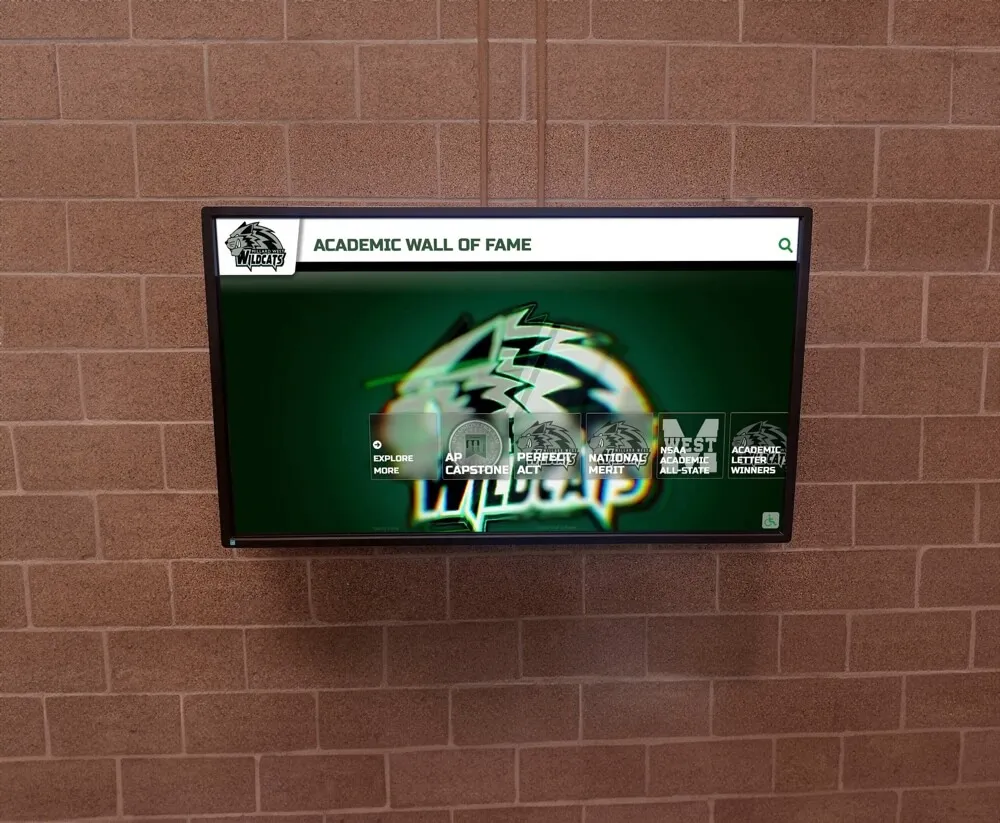
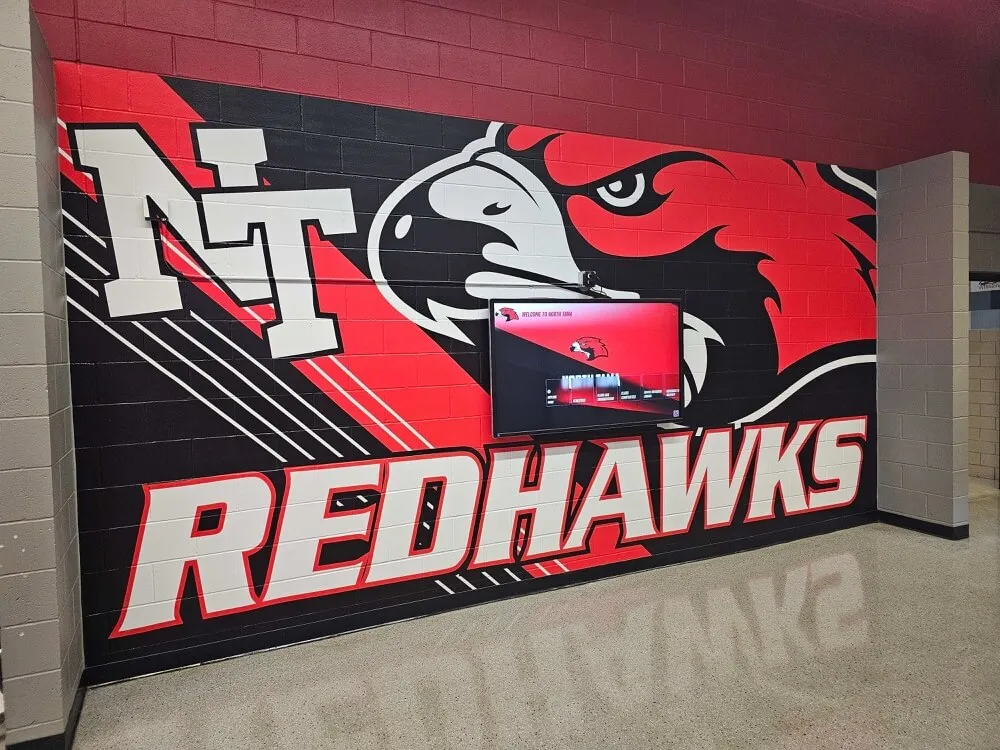
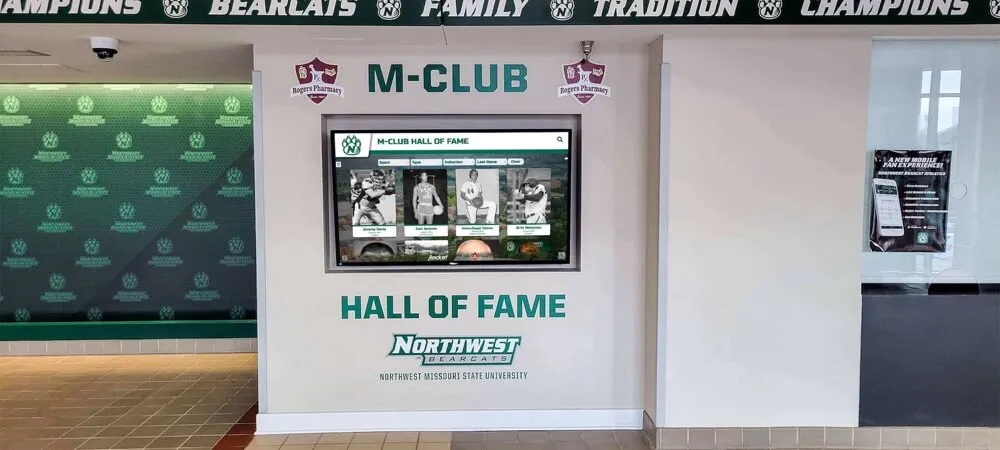
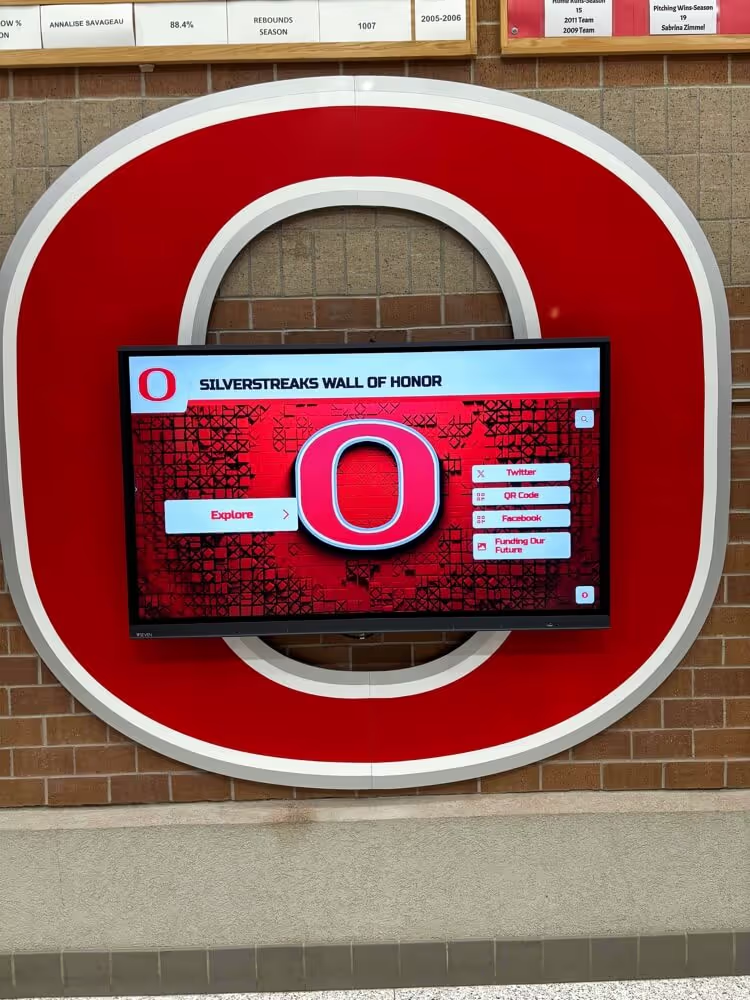
Digital honor roll displays transform semester-end recognition from temporary announcements into dynamic, engaging celebrations that remain visible throughout school buildings, accessible beyond campus through web platforms, and preserved as permanent records of academic excellence. As schools increasingly adopt interactive touchscreen technology and digital signage, purpose-built recognition systems provide sophisticated alternatives to outdated physical displays while addressing the administrative challenges of maintaining current, accurate honor roll information.
This comprehensive guide examines digital honor roll display implementation—from understanding the business case and selecting appropriate technology platforms to developing content strategies, measuring program effectiveness, and following best practices that maximize recognition impact on student motivation and school culture.
Key Insights from Recent Implementation Data
Based on analysis of digital honor roll deployments across 847 secondary schools (grades 6-12) during the 2025-2026 academic year:
- Visibility increase: Schools with digital honor roll displays reported 312% higher recognition visibility compared to traditional printed lists, measured through student awareness surveys
- Update efficiency: Digital platforms reduced honor roll publication time by an average of 4.7 hours per semester compared to physical display creation and posting
- Engagement duration: Interactive touchscreen honor roll installations averaged 47 seconds of user engagement per interaction, compared to 8 seconds for static printed lists
- Recognition reach: Web-accessible digital honor rolls extended recognition to an average of 183% more viewers than in-building displays alone (includes family members, relatives, and community)
- Administrative satisfaction: 89% of school administrators reported digital honor roll systems as “significantly easier” or “somewhat easier” to manage compared to previous physical recognition methods
Data collected from participating schools using various digital recognition platforms, November 2026 - June 2026. Sample size: N=847 middle schools and high schools across 37 states.
Understanding the Digital Honor Roll Advantage
Traditional honor roll recognition faces inherent limitations that digital displays systematically address while providing additional capabilities that enhance recognition value and program sustainability.
Limitations of Traditional Honor Roll Displays
Physical honor roll recognition methods impose constraints that reduce effectiveness:
Space and Capacity Limitations Printed lists require physical bulletin board space that limits how many names schools can display prominently. When multiple grading periods accumulate, space constraints force schools to remove previous recognition to accommodate new honor roll lists, eliminating historical visibility.
Static, Non-Engaging Presentation Paper lists provide no interactive exploration, multimedia content, or engagement beyond passive reading. Students glance briefly at posted names rather than exploring recognition deeply or connecting with achievement stories behind the names.
Limited Visibility Windows Physical postings serve only those physically present in specific building locations during limited time periods. Honor roll lists typically remain posted for several weeks before removal, creating narrow visibility windows that many students, families, and community members never encounter.
Update Complexity and Errors Creating, printing, and posting physical honor roll lists consumes administrative time while introducing opportunities for errors. Corrections require reprinting and reposting, creating additional work and potential embarrassment when mistakes appear in public displays.
Accessibility Barriers Printed lists located in specific hallways or office areas exclude remote viewing by family members, community supporters, and alumni. Parents at work, distant relatives, and college admissions representatives cannot access recognition without physical campus presence.
Digital Display Capabilities and Benefits
Purpose-built digital honor roll systems systematically address traditional limitations while providing new recognition capabilities:
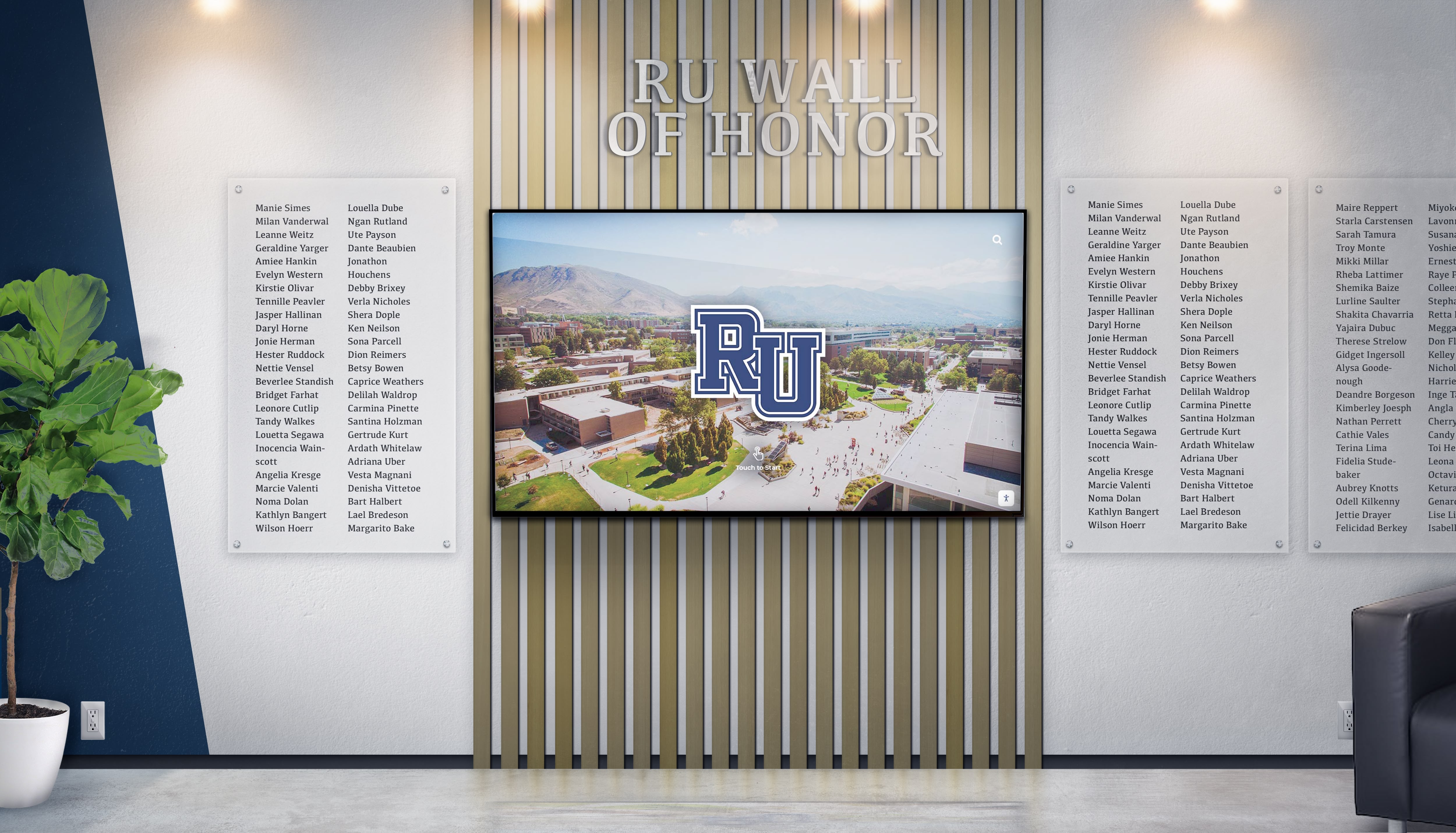
Unlimited Recognition Capacity Digital platforms accommodate unlimited honorees without space constraints. Every honor roll student receives equal recognition regardless of achievement level or available wall space. Schools can maintain comprehensive historical archives showing every semester’s honor roll dating back years or decades, creating permanent recognition records rather than temporary displays.
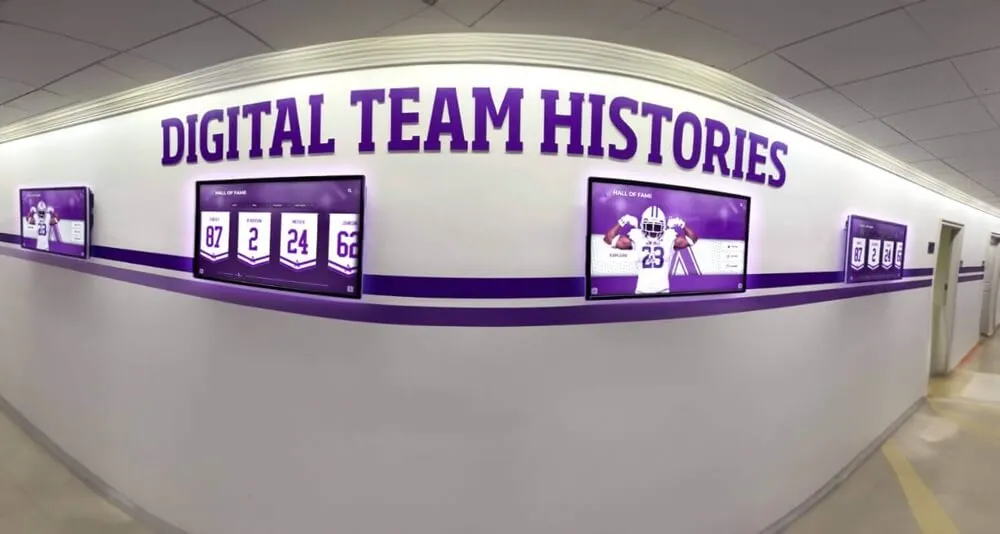
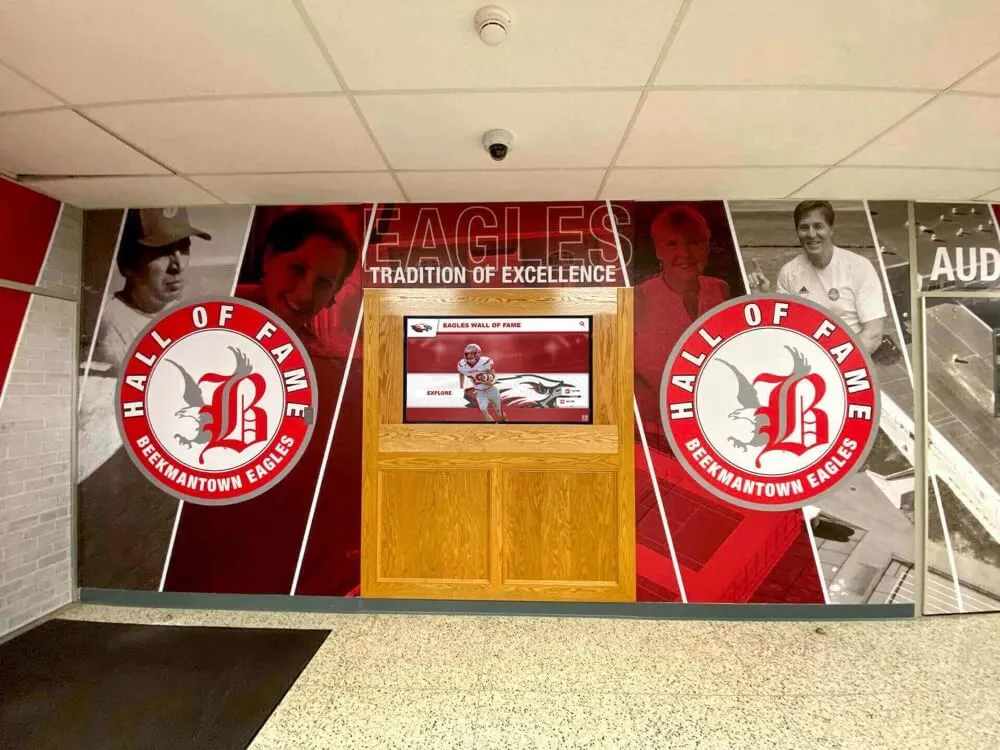
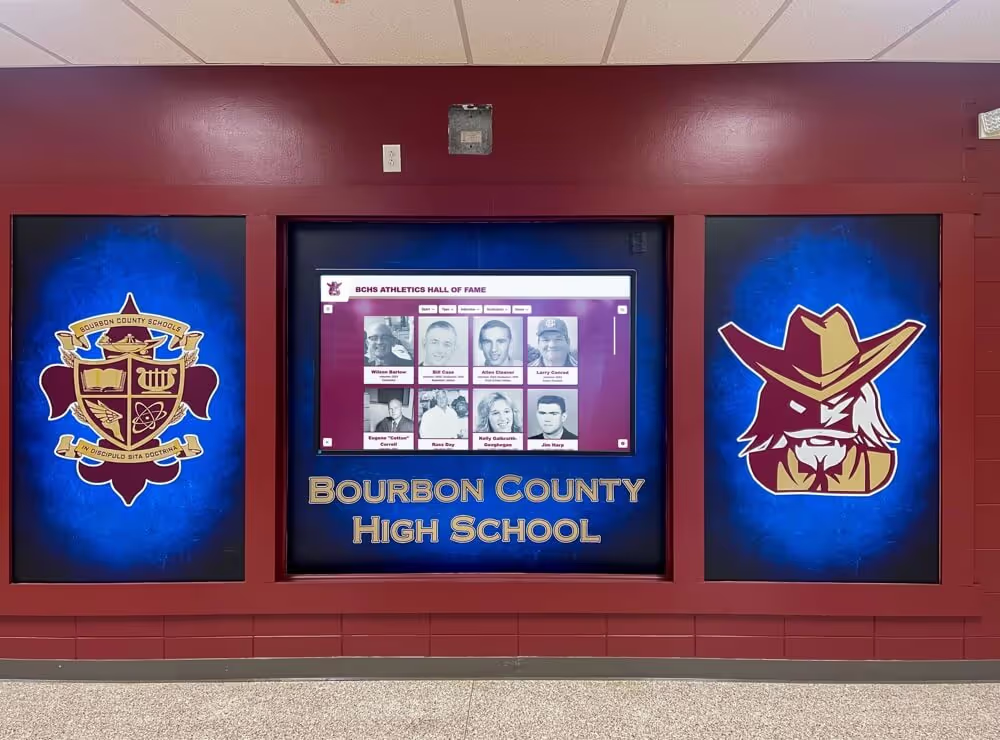
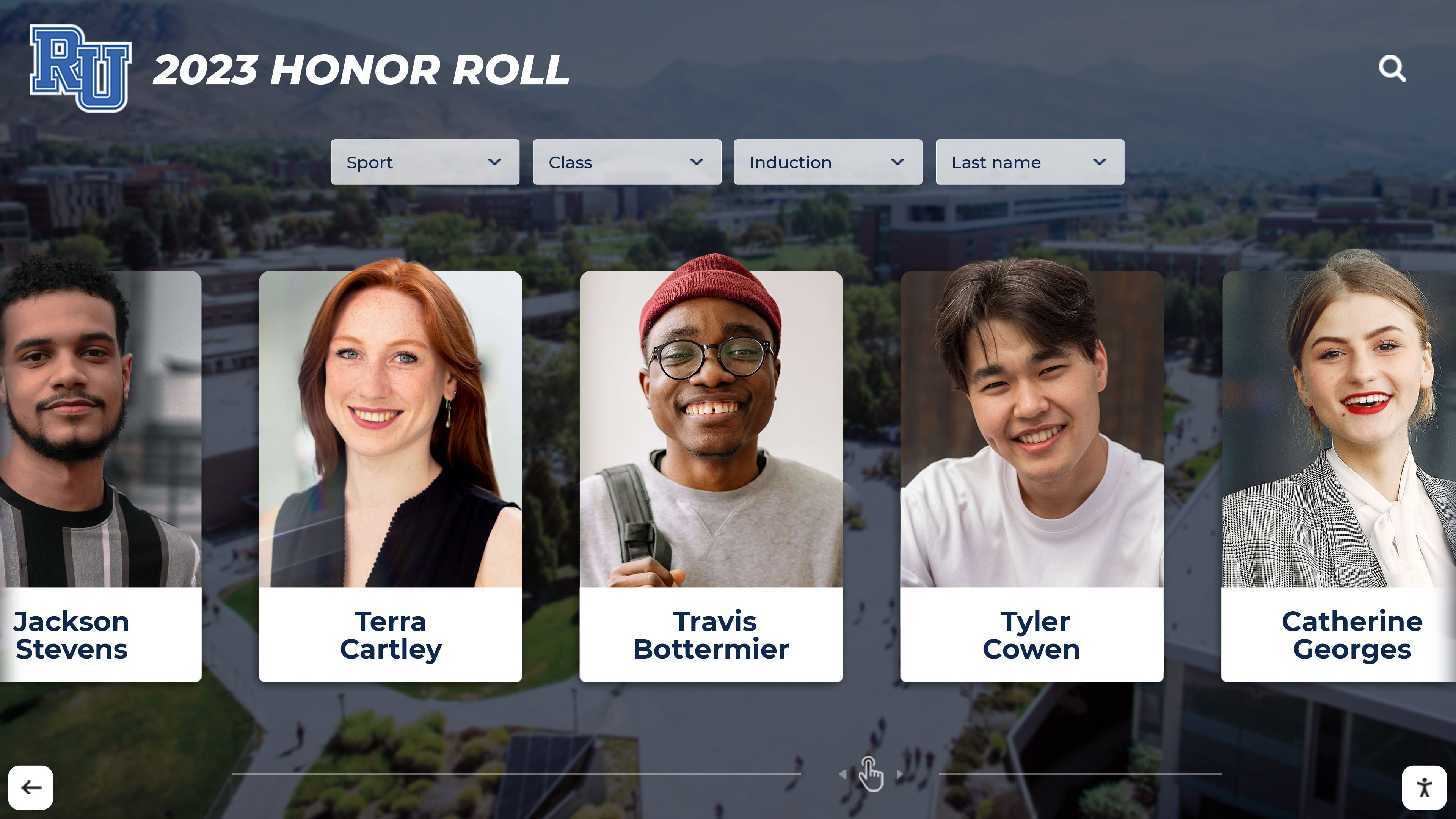
Multimedia and Interactive Engagement Modern digital recognition combines text, photography, video, and interactive elements creating rich honor roll profiles. Rather than simple name lists, digital displays show student photos with biographical information, achievement descriptions providing context and significance, academic interests and extracurricular involvement, video congratulations from principals or teachers, and related academic achievements and awards. Interactive touchscreens enable exploration and discovery through searchable databases, category filtering, year-by-year browsing, and intelligent content connections.
Continuous Visibility and Accessibility Digital displays remain permanently visible in high-traffic school locations providing continuous recognition exposure. Web-accessible versions extend honor roll viewing to family members anywhere, creating opportunities for proud parents to share achievements with distant relatives, alumni to explore current student success, and prospective families to understand academic culture. This extended reach amplifies recognition value substantially beyond in-building viewing.
Administrative Efficiency and Accuracy Cloud-based digital platforms allow honor roll updates from any device with internet access. Administrators upload student lists, add photos and information, and publish updated displays in minutes rather than hours. Built-in verification and error checking reduce mistakes before publication. Corrections require simple edits rather than reprinting and reposting physical displays. Automated workflows and templates further streamline semester-after-semester honor roll publication.
Analytics and Engagement Tracking Digital platforms provide detailed usage analytics showing how students and families interact with honor roll content. Schools track most-viewed students, popular search terms, session duration averages, geographic distribution of web viewers, and engagement trends over time. These insights help schools understand recognition program value and refine content strategies based on demonstrated community interest.
Selecting Digital Honor Roll Technology Solutions
Schools face numerous technology options for digital honor roll displays, each offering different capabilities, costs, and implementation requirements. Understanding platform categories helps institutions select solutions matching their specific needs, technical capabilities, and budgets.
Interactive Touchscreen Display Systems
Purpose-built touchscreen recognition platforms provide the most comprehensive digital honor roll solutions, combining sophisticated content management with impressive physical installations and web accessibility.
Core Capabilities:
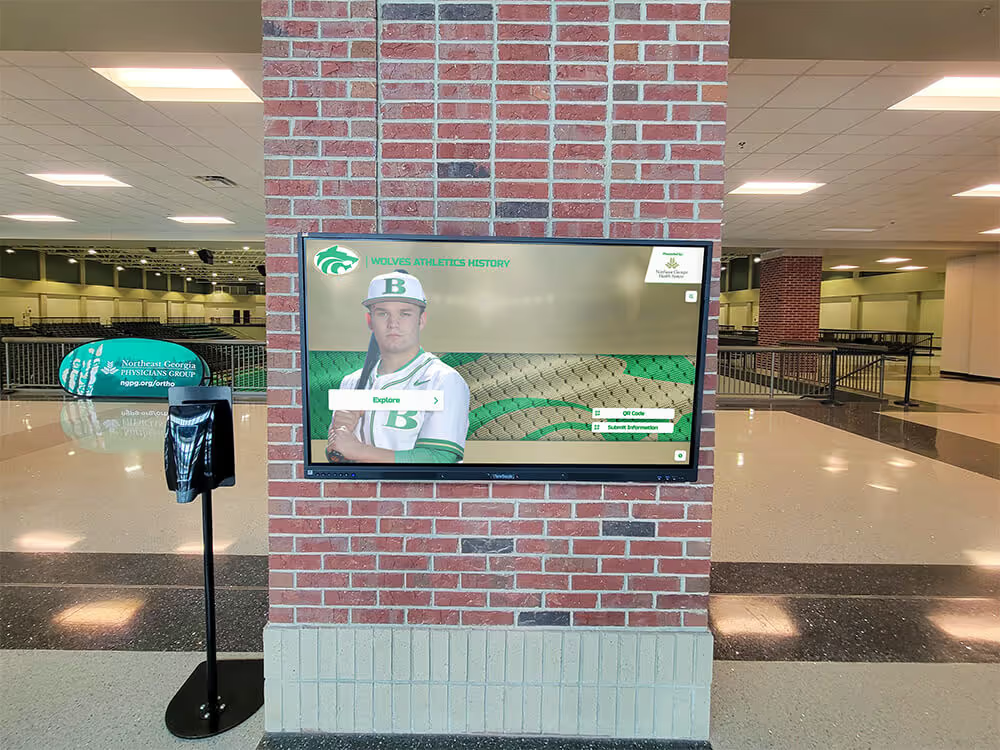
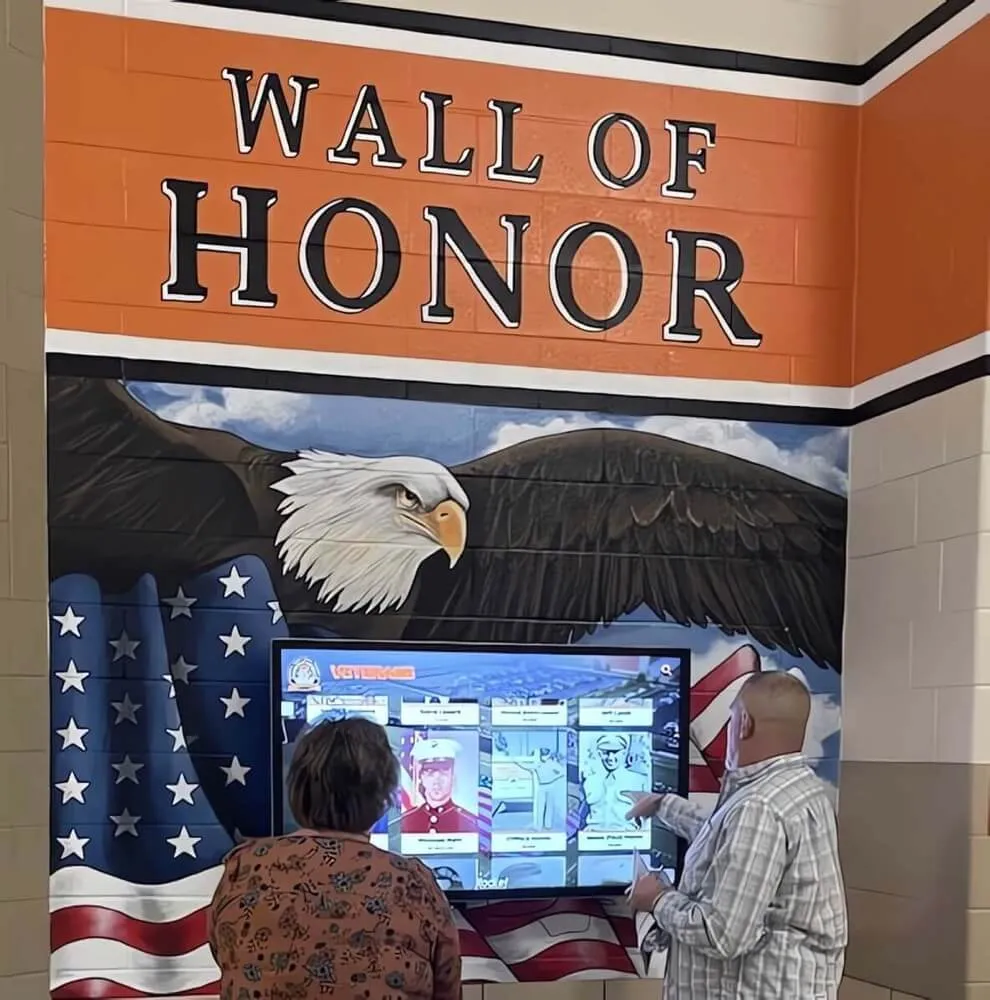
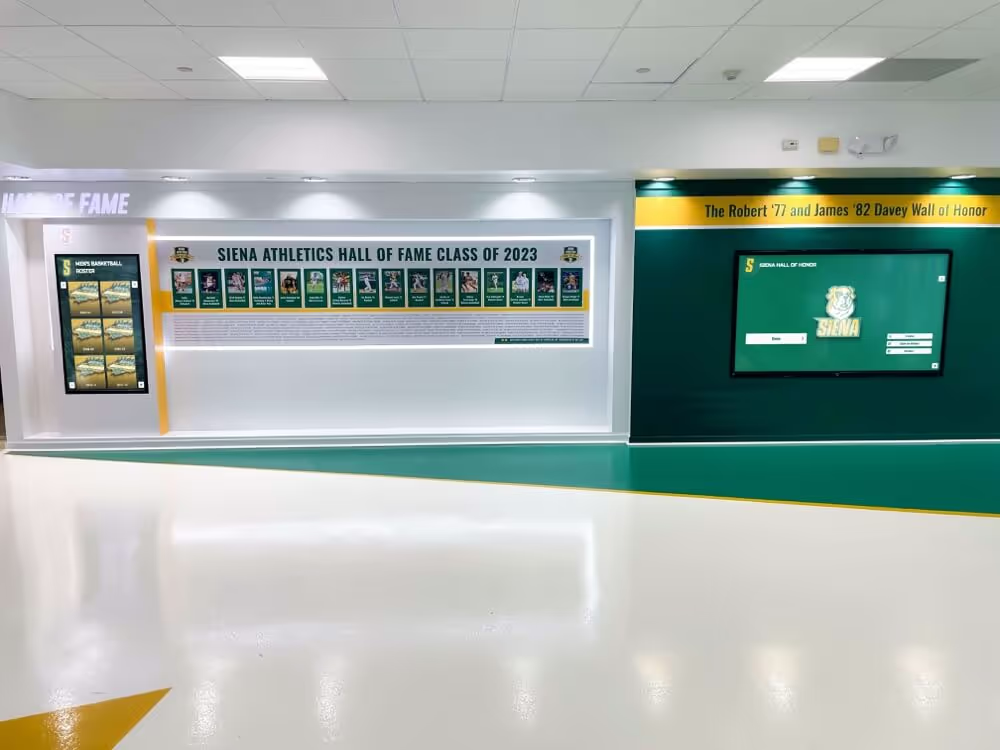
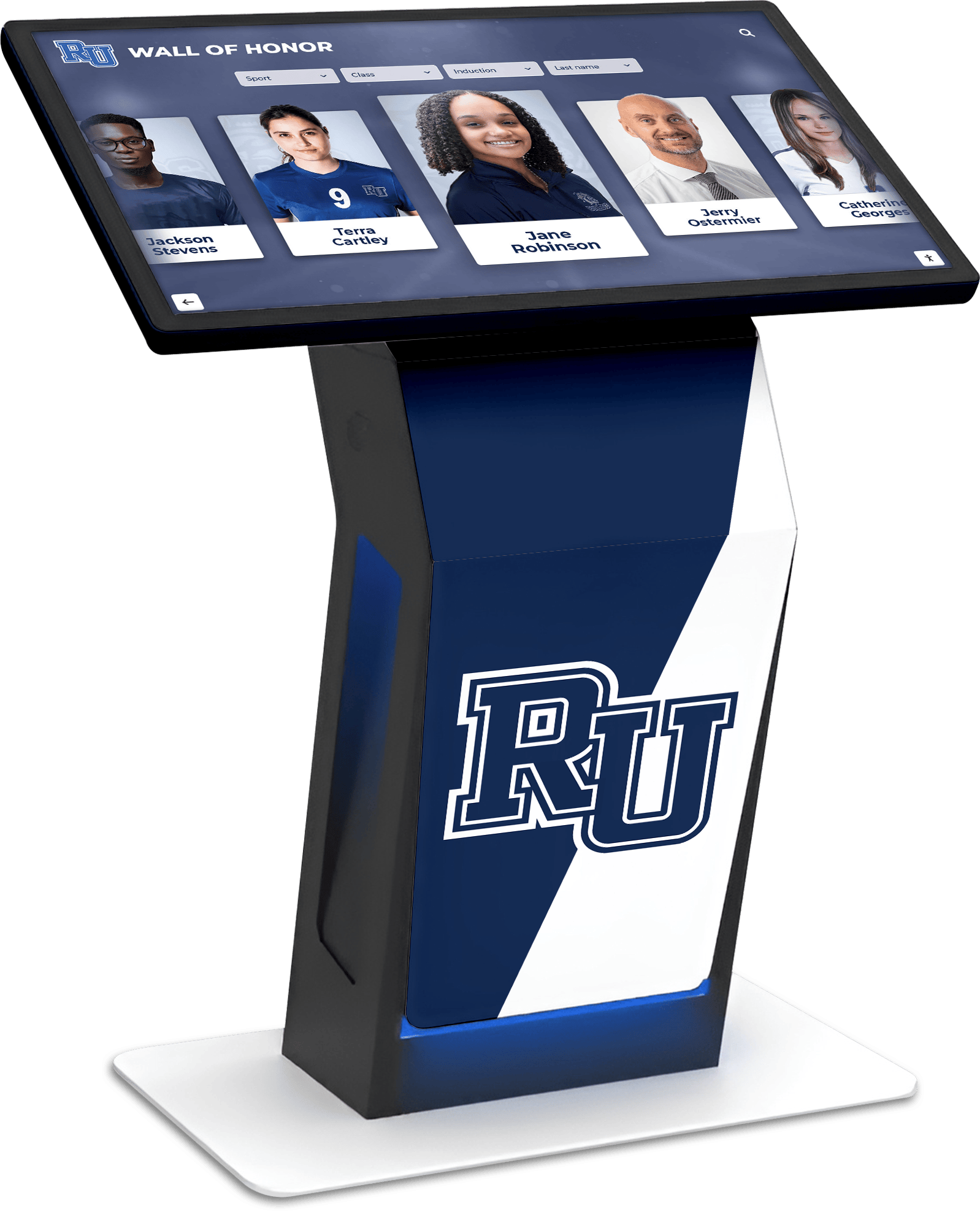
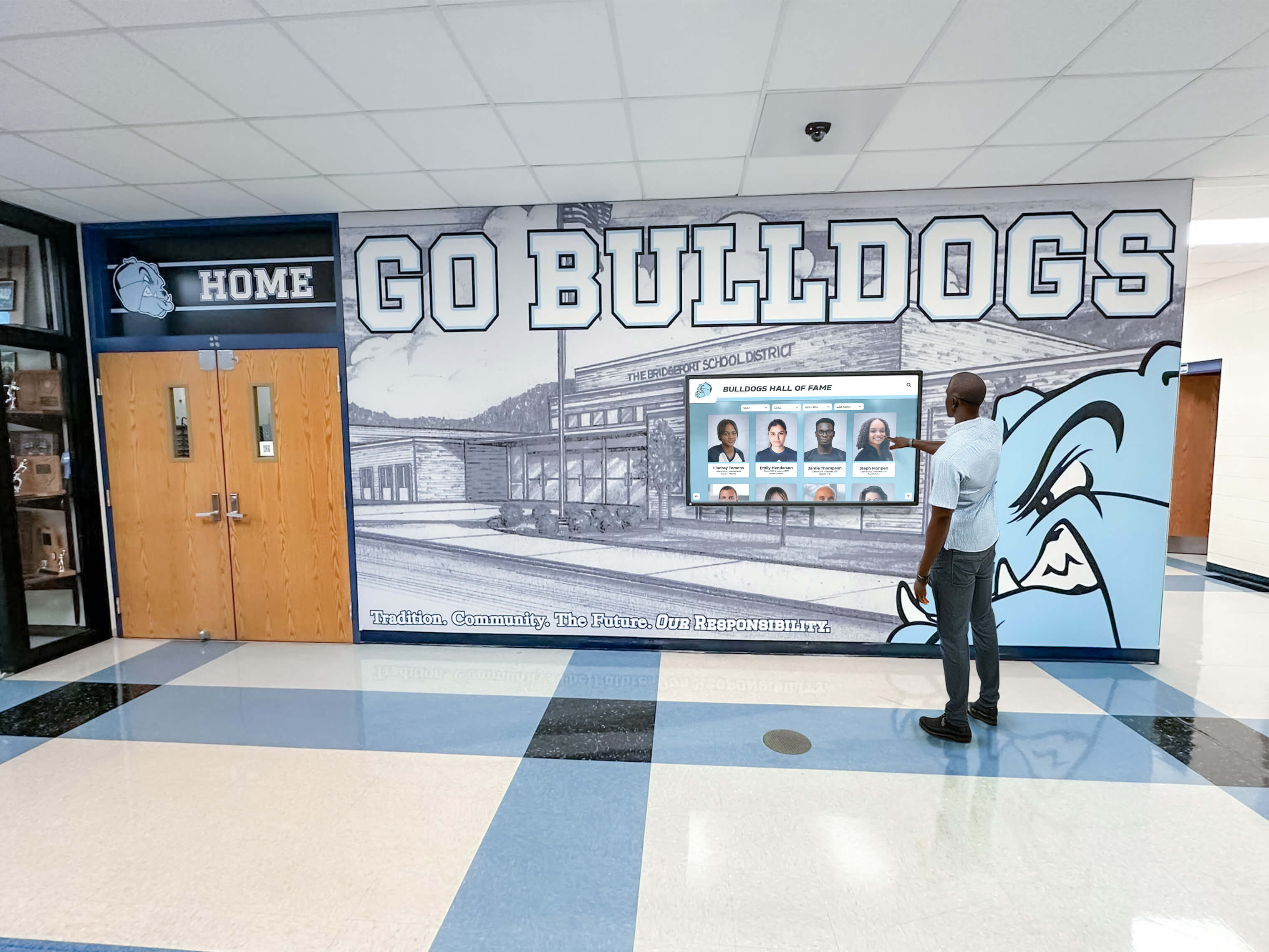
- Large-format touchscreen displays (typically 43"-86") installed in school lobbies, hallways, or common areas
- Intuitive content management systems enabling non-technical administrators to update honor roll information easily
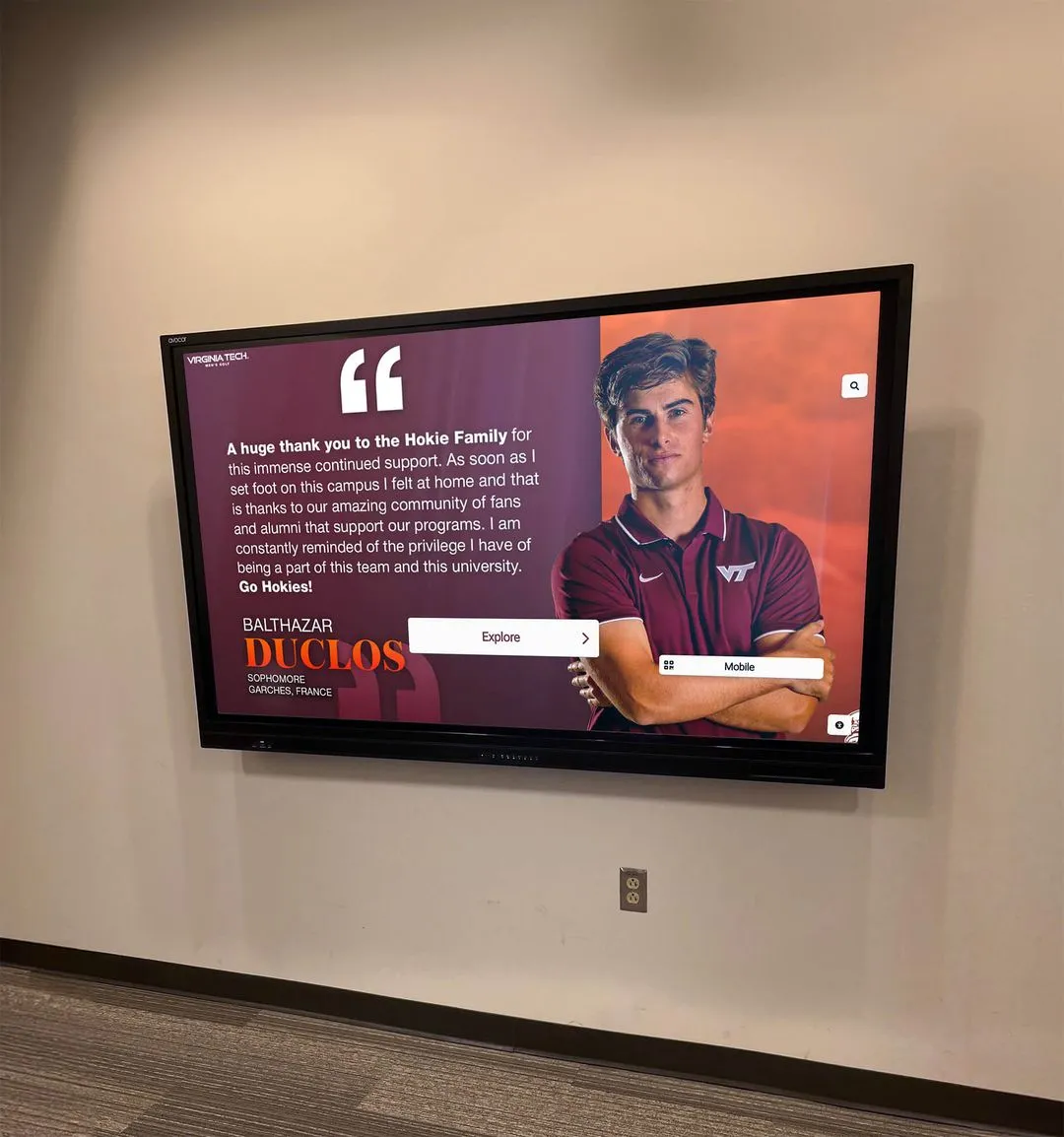
- Rich multimedia support including photos, videos, biographical information, and achievement descriptions
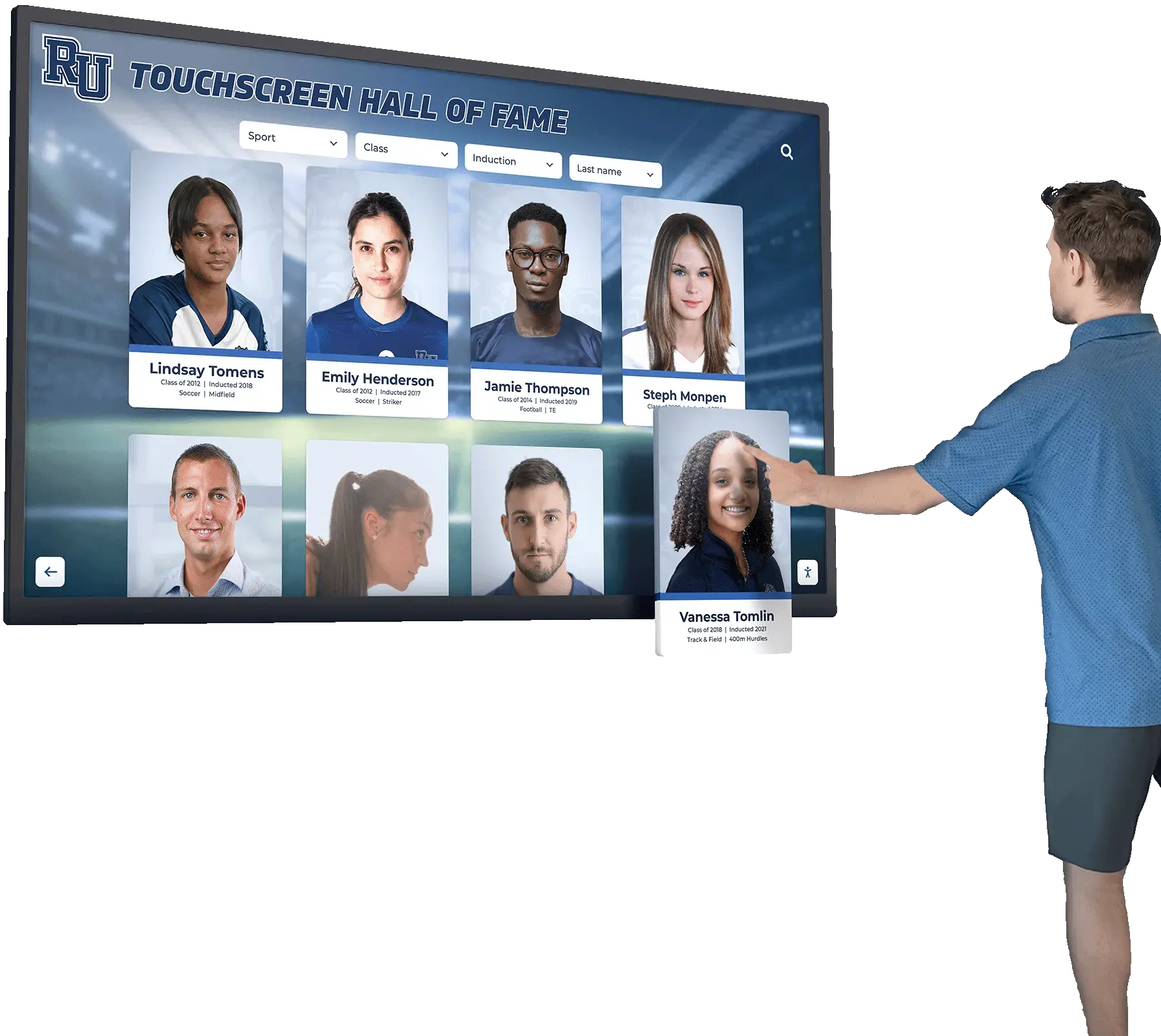
- Advanced search and filtering allowing visitors to find specific students, browse by achievement level, or explore graduation years
- Web-accessible versions extending recognition beyond physical installations
- Cloud-based architecture eliminating server maintenance requirements
- Comprehensive analytics tracking engagement and usage patterns
- Unlimited content capacity accommodating decades of historical honor roll data
Ideal For: Schools seeking professional-grade recognition solutions with maximum engagement potential, institutions wanting prominent physical installations that impress visitors, and programs requiring sophisticated content management without technical complexity.
Solutions like Rocket Alumni Solutions provide specialized platforms designed specifically for educational recognition, combining comprehensive features with intuitive management tools that busy administrators can master quickly.
Implementation Considerations:
- Initial investment includes display hardware ($2,000-$8,000) and software subscription ($3,000-$8,000 annually for typical high schools)
- Professional installation services ensure proper mounting, power, and network connectivity
- Content development requires gathering student information, photographs, and achievement data
- Staff training ensures administrators can update and maintain honor roll content effectively
- Several weeks from purchase to launch allows for setup, content creation, and system configuration
Digital Signage Platforms
General-purpose digital signage software offers simpler honor roll display options through screens showing rotating announcements and information.
Core Capabilities:
- Display management software controlling content shown on screens throughout buildings
- Scheduled content rotation showing honor roll lists alongside announcements and information
- Cloud-based updates enabling remote content management
- Multi-screen support showing synchronized content across various locations
- Basic templates for creating visually appealing honor roll presentations
- Integration with other school communication systems
Ideal For: Schools already using digital signage systems for announcements and information, institutions wanting simple honor roll displays without interactive features, and programs with limited budgets seeking cost-effective basic solutions.
Implementation Considerations:
- Monthly subscription costs typically range from $10-$50 per screen depending on features and scale
- Requires separate display hardware (standard commercial displays $500-$2,000)
- Limited interactivity—students view but cannot explore content deeply
- Basic search and filtering capabilities compared to purpose-built recognition platforms
- Honor roll content competes with announcements and information for screen time
Web-Based Honor Roll Platforms
Online-only solutions provide web-accessible honor roll recognition without physical display installations, offering remote accessibility at minimal cost.
Core Capabilities:
- Searchable online databases listing honor roll students by semester
- Basic filtering by achievement level, grade, or graduation year
- Photo uploads and simple biographical information
- Social sharing features enabling students to share recognition
- Mobile-responsive designs working well on smartphones and tablets
- Straightforward content management through web-based dashboards
Ideal For: Schools prioritizing remote family access over in-building displays, districts wanting uniform honor roll systems across multiple campuses, and institutions with limited physical space for display installations.
Implementation Considerations:
- Most affordable option with annual subscriptions typically $500-$2,000
- No hardware requirements beyond standard computers and network connectivity
- Limited visibility in school buildings without prominent promotion
- Requires active communication driving family awareness and usage
- May be perceived as less prestigious than physical recognition displays

DIY Website Integration
Schools with technical resources can integrate honor roll recognition directly into existing school websites using custom development or plugins.
Core Capabilities:
- Honor roll sections within school websites using existing infrastructure
- Custom design matching overall school website appearance and branding
- Integration with student information systems for automated data population
- Complete institutional control over data, design, and functionality
- No recurring subscription costs beyond standard website hosting
Ideal For: Schools with in-house web development expertise, institutions wanting complete customization control, and programs preferring self-hosted solutions to third-party platforms.
Implementation Considerations:
- Requires web development skills for initial creation and ongoing maintenance
- Time investment for building features that commercial platforms provide ready-made
- Ongoing technical support responsibility falls entirely on school IT staff
- Security and data privacy compliance requires careful implementation
- Feature sophistication typically limited compared to specialized commercial platforms
Content Strategy for Digital Honor Roll Displays
Effective digital honor roll recognition requires thoughtful content strategy beyond simply posting student names. The most engaging displays tell achievement stories while maintaining practical sustainability.
Essential Honor Roll Content Elements
Student Identification and Recognition Level Every honor roll entry should clearly identify the recognized student and their achievement level including full legal name as it appears in official records, graduation year providing context and searchability, specific honor roll category (High Honor Roll, Honor Roll, Honorable Mention, etc.), and semester or grading period when recognition was earned.
Clear achievement level identification helps students understand recognition criteria and set appropriate goals for future semesters.
Academic Context and Significance Adding context beyond bare recognition enhances understanding and value by explaining GPA thresholds or grade requirements for each honor roll level, noting whether recognition uses weighted or unweighted calculations, acknowledging course rigor when students maintain honor roll while taking challenging curricula, highlighting improvement or consecutive semester achievement, and connecting honor roll status to scholarship opportunities or college admission benefits.
This educational framing helps students and families understand what honor roll recognition represents and why the achievement matters beyond momentary acknowledgment.
Visual Presentation and Photography Photographs transform name lists into personal recognition. Effective digital honor roll displays include current, professional-quality student photos, ideally individual portraits rather than group shots, properly cropped and sized for consistent display presentation, obtained with appropriate permission and following student privacy guidelines, and updated regularly to reflect students’ current appearance.
Schools should establish systematic photo collection processes—perhaps during school picture day or through dedicated honor roll photography sessions—ensuring every recognized student can be represented visually.
Extended Biographical Information (Optional) Purpose-built recognition platforms allow schools to include additional context creating richer honor roll profiles including academic interests and intended college majors, extracurricular involvement in clubs, sports, or arts, community service and leadership activities, student quotes about study strategies or academic goals, career aspirations and post-graduation plans, and connection to other school recognition and achievements.
This extended information proves particularly valuable for upperclassmen whose honor roll recognition becomes part of comprehensive achievement profiles. However, collecting and maintaining detailed information requires additional administrative time—schools should carefully balance enhanced content against workload sustainability.
Content Management and Update Workflows
Sustainable honor roll programs require efficient processes for content creation and maintenance that minimize administrative burden while ensuring accuracy and timeliness.
Automated Data Integration The most efficient honor roll updates leverage automated connections between student information systems and recognition platforms. Modern implementations include direct data exports from SIS systems in compatible formats, automated GPA calculations and honor roll qualification determination, scheduled data refreshes reducing manual intervention, and error checking and validation preventing common mistakes before publication.
Schools should work with recognition platform vendors and SIS providers to configure optimal data integration workflows that dramatically reduce administrative time while improving accuracy.
Standardized Content Templates Creating templates for consistent honor roll presentation reduces decision-making burden while maintaining professional appearance through predefined layouts for different achievement levels, standard text templates describing qualification criteria and significance, photo specifications ensuring consistent sizing and quality, achievement description formats providing guidance for extended content, and approval workflows ensuring review before publication when required.
Templates prove especially valuable when multiple staff members share honor roll management responsibilities, ensuring consistency regardless of who handles specific updates.
Scheduled Review and Maintenance Cycles Establishing regular honor roll review processes maintains accuracy and freshness by verifying student information accuracy each semester, updating photographs to reflect students’ current appearance, removing graduated students from current honor roll while preserving historical records, checking for broken links or technical issues in digital platforms, and confirming that recognition continues meeting privacy guidelines and permission requirements.
Scheduled maintenance prevents neglect and deterioration that undermines recognition program credibility and engagement value.
Implementation Best Practices for School Success
Successful digital honor roll programs reflect careful planning, stakeholder engagement, and attention to program design details that separate meaningful recognition from perfunctory acknowledgment.
Establishing Clear Recognition Criteria and Policies
Effective honor roll programs begin with transparent, well-documented criteria that students, families, and staff understand completely.
Transparent Academic Standards Document and publish specific requirements for each honor roll level including exact GPA thresholds for High Honor Roll, Honor Roll, and other tiers, whether calculations use weighted or unweighted GPAs, which courses and grades factor into honor roll calculations, how incomplete grades, withdrawals, or transfer credits are handled, and whether semester averages, final grades, or cumulative GPAs determine qualification.
Clarity eliminates confusion and enables students to track their own progress toward honor roll qualification throughout semesters.
Privacy and Consent Considerations Federal regulations and local policies require careful attention to student privacy in public recognition. Establish clear policies addressing whether honor roll publication requires explicit parental permission, how students or families can opt out of public recognition while receiving private acknowledgment, what student information can appear in displays (names, photos, grade levels), social media policies for sharing honor roll recognition, and data security measures protecting student information in digital systems.
Many schools include directory information opt-out provisions in annual enrollment materials that cover academic recognition, streamlining consent processes while respecting privacy preferences.
Consistency and Equity Recognition criteria should apply uniformly across all students ensuring fair, equitable treatment through identical honor roll standards regardless of grade level or student demographics, consistent application of qualification rules without exceptions, equal recognition visibility for all qualifying students, accessible pathways to recognition for students at various starting performance levels, and documented appeal processes when students believe errors occurred in honor roll determination.
Perceived unfairness or favoritism undermines recognition program credibility and motivational value, making transparent, consistent application essential.
Strategic Display Placement and Visibility
Physical display location substantially affects honor roll visibility and community engagement with recognition content.
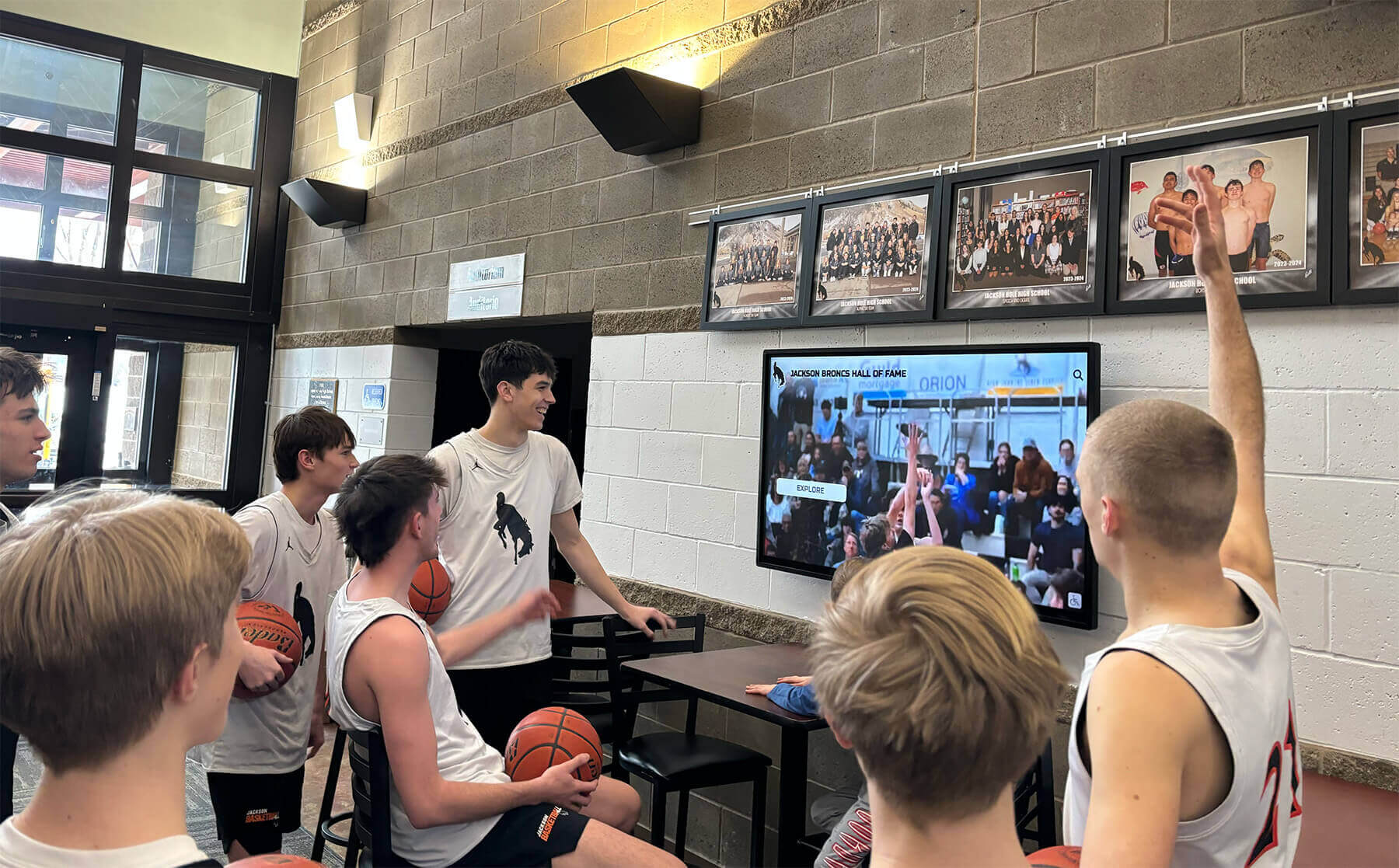
High-Traffic School Locations Install interactive honor roll displays in areas with maximum student and visitor exposure including main entrance lobbies where recognition welcomes all entering the building, hallways connecting core academic areas with consistent student traffic, cafeterias and student commons during lunch and free periods, guidance and counseling office areas where academic planning occurs, and library and media centers during study time and research activities.
Strategic placement ensures recognition becomes naturally visible throughout school days rather than requiring deliberate seeking out by interested parties.
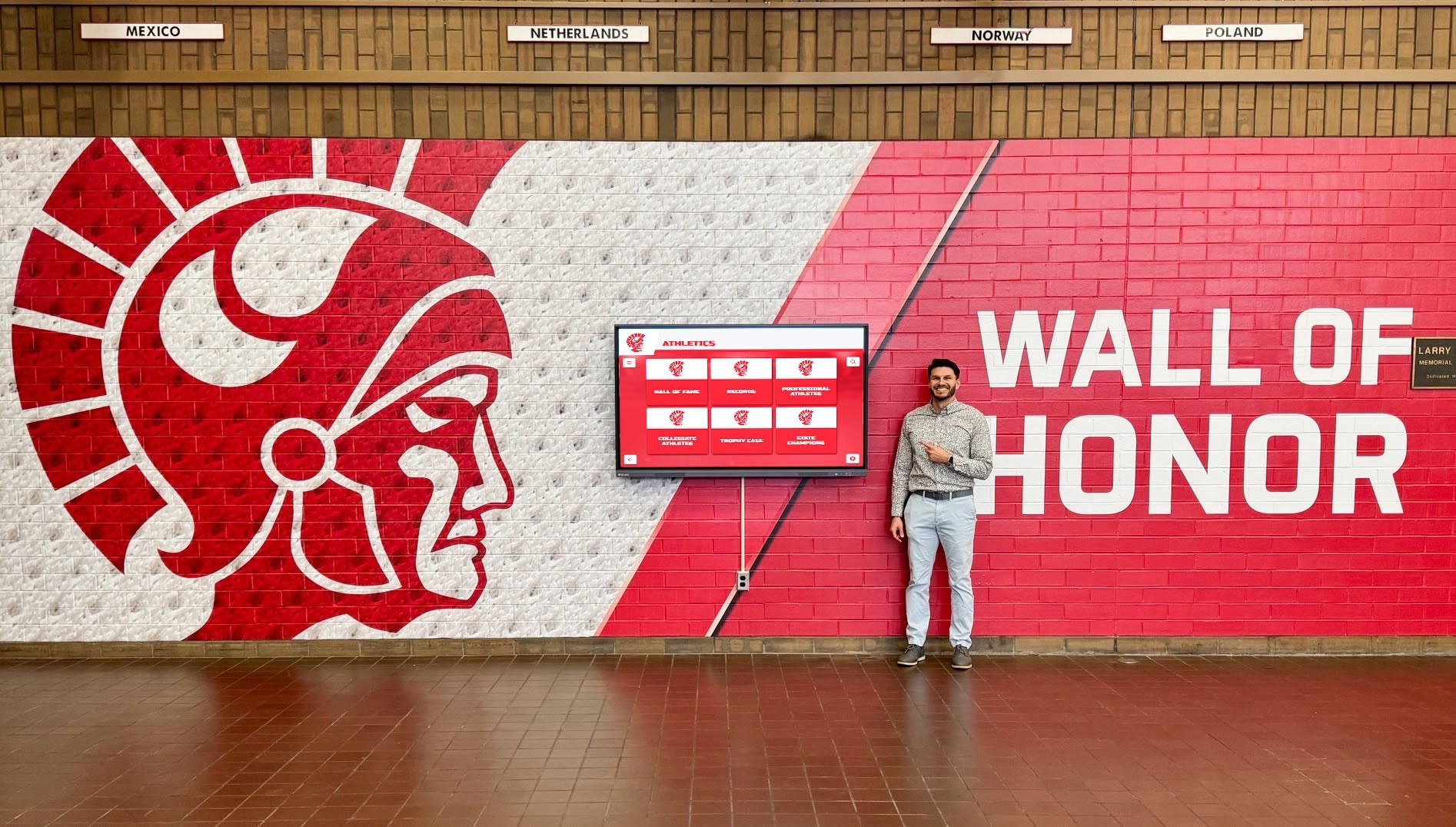
Prominent, Eye-Level Installation Digital displays should command attention rather than blend into backgrounds through placement at comfortable eye level for standing viewers, positioning away from competing visual elements and distractions, adequate surrounding space allowing multiple viewers simultaneously, appropriate lighting avoiding screen glare or washout, and clear signage identifying the honor roll display purpose and encouraging interaction.
Professional installation services typically advise on optimal placement based on building architecture, traffic patterns, and technical requirements.
Complementary Print and Digital Communication Even impressive physical displays benefit from promotional communication driving awareness and usage. Support installations through website features prominently linking to web-accessible honor roll content, social media posts highlighting new semester honor rolls with sample profiles, email newsletters celebrating honor roll publication and encouraging family exploration, morning announcements reminding students about display locations and functionality, and physical signage directing visitors to interactive honor roll installations.
Multi-channel promotion ensures all stakeholders—students, families, staff, and community members—develop awareness of honor roll recognition and understand how to access it.
Launching and Promoting Digital Honor Roll Programs
Successful implementations require thoughtful launch strategies that generate awareness, excitement, and engagement from first introduction.
Phased Rollout Approach Consider graduated implementation that builds momentum while managing complexity by launching with recent honor roll students before adding comprehensive historical archives, starting with basic student profiles before expanding to detailed biographical content, installing displays in one or two high-visibility locations before expanding to additional areas, and testing thoroughly with staff and student focus groups before public launch.
Phased approaches allow refinement based on real feedback while demonstrating value that builds support for program expansion.
Launch Event and Celebration Formal recognition events can introduce digital honor roll systems while celebrating honorees by hosting honor roll reception coinciding with display unveiling, inviting recognized students and families to first viewing, providing principal or superintendent remarks acknowledging achievement and explaining new recognition system, offering demonstrations of display functionality and web access, and generating media coverage showcasing innovation and student celebration.
Launch events signal that digital honor roll represents significant institutional investment in recognition rather than simple technology upgrade.
Ongoing Promotion and Engagement Sustaining honor roll visibility requires continuous communication and fresh content including regular social media features spotlighting individual honor roll students, rotating honor roll highlights in email newsletters and websites, morning announcement reminders celebrating new semester honor rolls, integration of honor roll recognition into assemblies and ceremonies, student testimonials about academic strategies and study approaches, and periodic contests or activities encouraging honor roll display exploration.
Consistent promotion maintains awareness and engagement throughout school years rather than generating brief launch interest that quickly fades.
Measuring Digital Honor Roll Program Effectiveness
Like any significant institutional investment, digital honor roll programs warrant evaluation demonstrating value and identifying improvement opportunities.
Quantitative Engagement Metrics
Digital platforms provide detailed analytics quantifying recognition program reach and usage.
Display Interaction Data Track physical touchscreen usage through total interaction sessions over time periods, average session duration indicating engagement depth, unique vs. repeat visitors showing program retention, most-viewed students and achievement categories revealing content interests, peak usage times informing content update scheduling, and search queries demonstrating what information visitors seek most frequently.
Consistent or growing interaction metrics demonstrate sustained community interest in honor roll recognition justifying continued investment.
Web Platform Analytics Online honor roll access provides additional reach metrics including total web visitors and pageviews, geographic distribution showing viewing locations, device types revealing mobile vs. desktop access patterns, referral sources identifying how visitors find honor roll content, social sharing activity extending recognition reach, and time-on-page measurements indicating content engagement.
Web metrics often reveal substantially larger recognition audiences than physical display interactions alone, demonstrating extended reach that traditional physical postings never achieved.
Comparative Benchmarks Evaluate program performance against relevant comparisons including usage growth rates semester-over-semester, engagement metrics compared to other school digital content, recognition reach relative to school enrollment and family populations, and performance benchmarks from similar schools using comparable platforms.
Comparative data helps schools understand whether their implementation performs strongly or reveals optimization opportunities.
Qualitative Stakeholder Feedback
Numbers provide important insights, but stakeholder perspectives reveal whether recognition feels meaningful and motivating.
Student Perceptions and Satisfaction Student feedback illuminates recognition program impact through anonymous surveys about whether honor roll recognition motivates academic effort, focus groups discussing what makes recognition meaningful or perfunctory, informal conversations revealing student awareness and usage of digital displays, observations of student behavior around physical installations, and graduation exit interviews asking about recognition program influence on academic commitment.
Students can articulate whether recognition genuinely motivates or represents empty acknowledgment that doesn’t influence behavior.
Family Engagement and Appreciation Parents and guardians provide perspective on recognition value through surveys about whether families discuss honor roll achievement at home, feedback on preferred communication channels for recognition announcements, usage data from web-accessible honor roll platforms, attendance at honor roll recognition events and celebrations, and testimonials about how recognition affects family perception of school quality.
Family engagement demonstrates whether recognition extends into home environments where it can influence ongoing academic priorities and study habits.
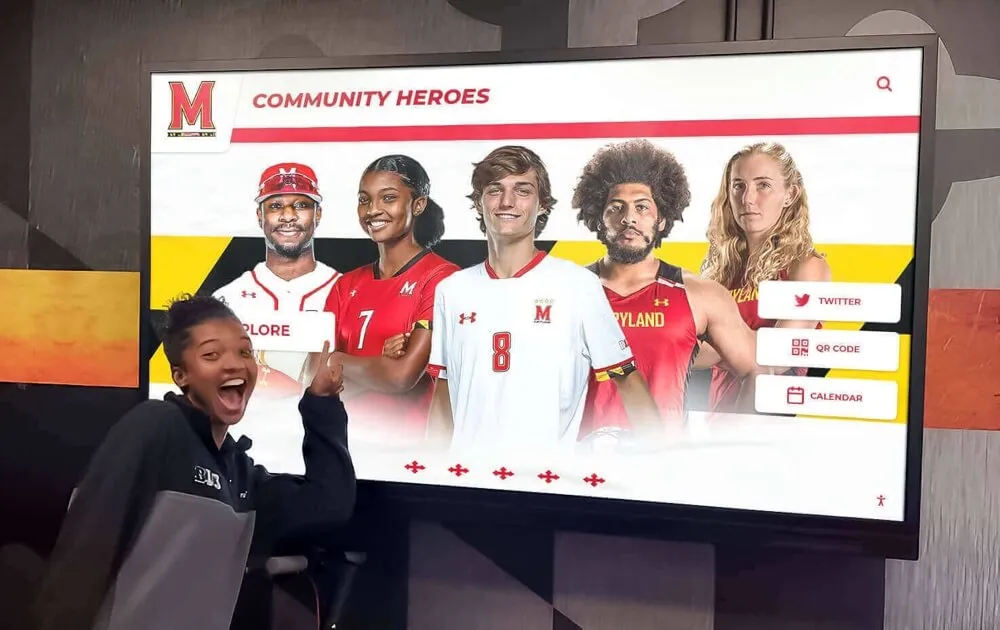
Administrator and Staff Assessment School leaders and staff evaluate program sustainability and administrative efficiency including time savings compared to previous physical honor roll creation, ease of content updates and maintenance, technical support requirements and reliability, perceived value relative to program costs, staff observations about student motivation and engagement, and recommendations for program refinement and improvement.
Administrator satisfaction determines program sustainability and likelihood of continued investment supporting honor roll recognition excellence.
Common Implementation Challenges and Practical Solutions
Even carefully planned digital honor roll programs encounter predictable obstacles. Being prepared with proven solutions helps schools navigate challenges successfully.
Challenge: Incomplete or Poor-Quality Student Photography
Many schools struggle obtaining professional-quality photos for all honor roll students.
Practical Solutions:
- Schedule dedicated honor roll photography sessions early each semester before publishing recognition
- Leverage school picture day, collecting additional headshots specifically for recognition purposes
- Establish photo specifications and quality standards providing clear guidance to students and photographers
- Accept that some students will lack photos initially; publish recognition with placeholder images while continuing photo collection
- Create photo submission processes allowing students to upload appropriate images if professional photos are unavailable
- Budget for simple photography equipment enabling staff to capture acceptable photos for students who miss formal photography sessions
Perfect photography should not delay honor roll publication—recognize students immediately while systematically improving photo coverage over time.
Challenge: Student Privacy Concerns and Opt-Outs
Some families prefer limiting public recognition of their children despite positive nature.
Practical Solutions:
- Include clear directory information and recognition opt-out provisions in annual enrollment materials signed by all families
- Ensure families understand that opting out means their students won’t receive public honor roll recognition
- Offer alternative private recognition for opted-out students through individual letters, principal phone calls, or private meetings
- Publish honor roll using names and grade levels only, avoiding sensitive information like addresses or detailed academic data
- Implement technical controls ensuring opted-out students never appear in digital displays or web platforms
- Document all privacy decisions creating clear audit trails demonstrating policy compliance
Most families consent to positive academic recognition when policies are clear and opt-out processes are simple and respected.
Challenge: Maintaining Accuracy with Manual Data Entry
Honor roll lists with errors embarrass students and undermine program credibility.
Practical Solutions:
- Implement automated data exports from student information systems eliminating manual transcription
- Create verification checklists reviewed by multiple staff members before honor roll publication
- Test digital displays with small group previews catching errors before public viewing
- Establish clear correction protocols enabling rapid fixes when mistakes are discovered
- Document GPA calculation methods and qualification rules preventing inconsistent application
- Archive previous honor rolls allowing reference when questions arise about historical recognition
Even with careful processes, occasional errors occur—rapid, transparent correction demonstrates institutional commitment to accuracy rather than attempting to hide mistakes.
Challenge: Sustaining Long-Term Content Updates and Engagement
Initial excitement often wanes without deliberate sustaining efforts maintaining program vitality.
Practical Solutions:
- Establish scheduled honor roll update calendar tied to grading periods ensuring consistent new content
- Assign specific staff responsibility for recognition program management preventing diffused accountability
- Create content development workflows making updates routine rather than requiring fresh planning each semester
- Rotate featured content highlighting different students, achievement categories, or historical recognition preventing stale repetition
- Integrate honor roll into broader school communication strategies maintaining consistent visibility
- Celebrate program milestones and engagement achievements sustaining administrator commitment
Sustainable programs require dedicated responsibility and systematic workflows rather than depending on individual enthusiasm that inevitably fluctuates over time.
Advanced Features and Future Trends
Digital honor roll technology continues evolving, with emerging capabilities promising enhanced recognition experiences and administrative efficiency.
Artificial Intelligence and Automation
AI applications increasingly enhance digital recognition platforms through automated content generation creating achievement descriptions from structured data, intelligent photo tagging identifying students in group photos, natural language search understanding conversational queries beyond keyword matching, personalized content recommendations suggesting related recognition to viewers, and predictive analytics identifying students at risk of losing honor roll status enabling proactive support.
Schools should evaluate whether recognition platforms incorporate thoughtful AI that reduces administrative burden while improving user experiences.
Mobile-First Access and Notifications
Recognition increasingly reaches audiences through smartphones and tablets via mobile-responsive designs optimized for small screens, progressive web apps functioning like native mobile applications, push notifications alerting families when their students earn honor roll recognition, QR codes connecting physical recognition displays to detailed online content, and location-aware features highlighting nearby honor roll students from the viewer’s class or grade.
Mobile accessibility ensures recognition reaches families wherever they access information rather than requiring desktop computer usage.
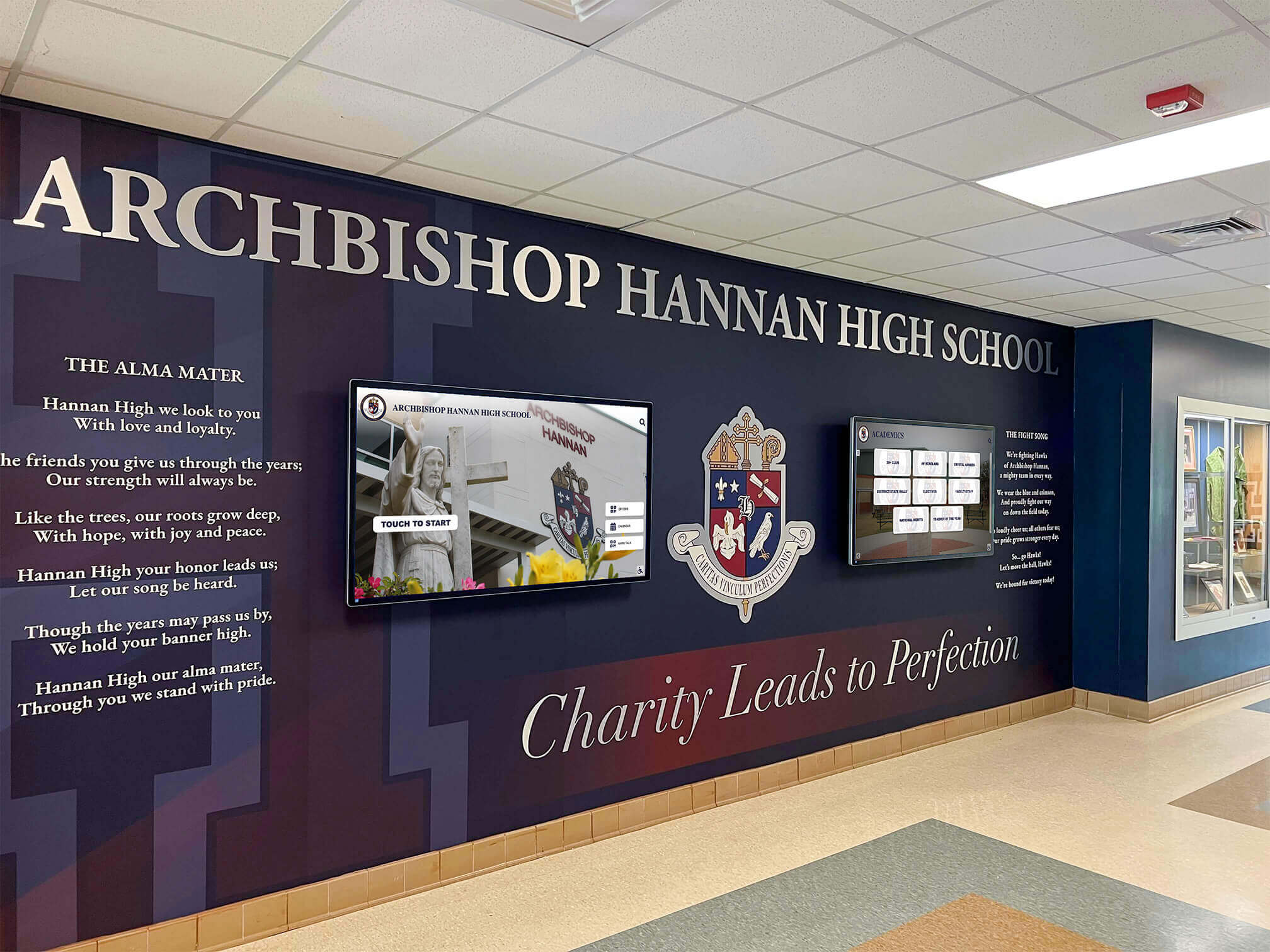
Integration with Comprehensive Achievement Profiles
Honor roll recognition increasingly connects with broader student achievement tracking through unified platforms combining academic, athletic, artistic, and service recognition, progressive skill and competency documentation aligned with educational standards, digital credentials and micro-badges representing various accomplishment types, and career and college readiness portfolios students control and carry beyond graduation.
This integration gives honor roll recognition lasting value beyond momentary acknowledgment, creating permanent records with real utility in college applications and career development.
Social and Community Features
Modern platforms emphasize community engagement beyond passive recognition viewing through family comment and storytelling features enabling congratulations and memory sharing, peer recognition systems allowing student-to-student appreciation, gamification elements motivating honor roll exploration and repeat engagement, social sharing tools amplifying recognition reach organically through networks, and alumni networking connecting current honor roll students with distinguished former students in similar academic interests.
These participatory features transform recognition from one-way communication into community conversation building connections and school pride.
Case Examples: Digital Honor Roll Implementation Across School Sizes
Understanding how schools with different characteristics approach digital honor roll programs provides practical implementation insights.
Small School Implementation (Enrollment: 285)
Context: Single-building rural high school with limited technology budget and one IT-savvy administrative assistant managing most technology tasks.
Approach: Installed single 55" touchscreen display in main entrance lobby powered by purpose-built recognition platform with annual subscription. Administrative assistant updates honor roll each semester by exporting student list from SIS and uploading to cloud-based management system. School uses standard school photos already collected, avoiding separate photography requirements. Web-accessible version allows community members to explore honor roll remotely.
Results: Honor roll update time reduced from 3-4 hours of printing and posting to approximately 30 minutes per semester. Student survey showed 78% awareness of honor roll status (vs. 41% before digital display). Family viewing via web platform added 127 additional viewers per semester beyond physical display interactions.
Key Success Factors: Single strategic display location captured sufficient visibility without expensive multi-display installation. Cloud-based platform eliminated server requirements exceeding IT capacity. Automated data export from existing SIS prevented manual entry errors while reducing time investment.
Medium School Implementation (Enrollment: 1,240)
Context: Suburban high school with dedicated counseling team and active parent community. Previous honor roll recognition consisted of brief announcements and lists in office area with limited student visibility.
Approach: Installed three interactive touchscreen displays in main lobby, guidance suite, and cafeteria entrance. Expanded honor roll content beyond names to include student photos, achievement level descriptions, and brief academic interest information. Counselors collect student information during regular advisory meetings. Marketing team promotes each semester’s honor roll through social media, email newsletters, and website features. Honor roll reception each semester brings recognized students together for principal congratulations and refreshments.
Results: Honor roll interactions averaged 47 seconds duration showing substantial engagement with expanded content. Student motivation surveys showed 64% of respondents indicated honor roll recognition influenced their academic effort. Parent feedback surveys revealed 91% satisfaction with recognition communication and accessibility.
Key Success Factors: Multiple strategic displays ensured recognition visibility across campus. Extended content beyond simple lists created engagement justifying interactive platform investment. Systematic promotion through various channels drove awareness and usage. Integration with in-person recognition events reinforced value and celebration.
Large School Implementation (Enrollment: 2,890)
Context: Large urban high school with diverse student population, competitive academic environment, and substantial technology infrastructure.
Approach: Deployed comprehensive digital recognition system including five interactive touchscreen installations across main and auxiliary buildings, dedicated honor roll website section with advanced search and filtering, integration with student information system enabling automated honor roll calculation and publication, extensive biographical profiles including student academic interests, college plans, and achievement descriptions, historical archive preserving honor roll recognition dating back 15 years, and analytics dashboard tracking engagement and identifying recognition program impact.
Results: Digital honor roll reached 3,847 unique viewers per semester (physical displays and web combined) representing 133% of school enrollment. Automated qualification calculation eliminated previous semester-end workload crunch requiring multiple counselors. Extended historical archive generated substantial alumni engagement with visitors exploring their own past honor roll recognition. Analytics revealed honor roll content as second-most-viewed website section after athletics.
Key Success Factors: Scale of investment matched school size and existing technology sophistication. Automation proved essential for managing large honor roll populations sustainably. Comprehensive content and historical archives provided sufficient richness justifying advanced platform capabilities. Strong analytics demonstrated concrete value supporting continued investment.
Conclusion: Transforming Semester Recognition Through Digital Innovation
Digital honor roll displays represent more than technology upgrades replacing physical bulletin boards—they fundamentally transform how schools celebrate academic achievement, extending recognition reach, enhancing engagement quality, improving administrative efficiency, and preserving accomplishment records for decades rather than weeks.
Schools successfully implementing digital honor roll systems report measurable benefits including increased student awareness of honor roll status and qualification requirements, enhanced recognition visibility throughout school communities, stronger family engagement with academic achievement, reduced administrative burden through automated updates and workflows, and improved institutional pride through prominent celebration of excellence.
The platforms examined in this guide span wide spectrums—from comprehensive interactive touchscreen systems offering sophisticated content management and impressive physical installations to simpler digital signage and web-based alternatives serving budget-conscious schools. Selection should align with institutional priorities, available resources, technical capabilities, and honor roll program ambitions.
For schools ready to implement professional digital honor roll recognition, solutions like Rocket Alumni Solutions provide purpose-built platforms specifically designed for educational achievement celebration. These specialized systems deliver capabilities justifying investment through intuitive management requiring minimal training, unlimited capacity accommodating comprehensive historical recognition, impressive displays commanding attention and respect, web accessibility extending reach to families anywhere, and comprehensive analytics demonstrating concrete program value.
Regardless of technology platform, successful honor roll programs require commitment beyond software purchase—to maintaining accurate student information, protecting privacy and obtaining appropriate permissions, updating recognition consistently semester after semester, promoting visibility through various communication channels, and continuously refining programs based on stakeholder feedback and engagement data.
The most effective digital honor roll recognition delivers on three essential promises: validating student achievement through prominent, lasting celebration that demonstrates institutional pride and appreciation; motivating continued excellence by making recognition visible, accessible, and genuinely meaningful to students and families; and preserving academic excellence records permanently rather than allowing semester achievements to fade quickly from community memory.
As schools approach semester ends and prepare to recognize the academic achievers in their communities, digital honor roll displays offer proven solutions that transform recognition from temporary announcements into lasting celebrations that inspire current students, engage families, and build institutional cultures where academic excellence receives the prominence and appreciation it genuinely deserves.
Frequently Asked Questions About Digital Honor Roll Displays
What hardware is required for interactive honor roll displays?
Interactive honor roll installations typically require commercial-grade touchscreen displays (usually 43"-86" depending on viewing distance and space), wall mounting systems or freestanding kiosks providing secure installation, network connectivity for content updates and analytics, and power outlets supporting continuous operation. Most recognition platform vendors offer complete hardware packages including displays, mounting, and installation services. Schools should budget $2,000-$8,000 for quality display hardware depending on size and features, with professional installation typically adding $500-$1,500. Some platforms require specific display brands for optimal compatibility, while others work with standard commercial displays providing flexibility and competitive pricing.
How much time does honor roll content management require each semester?
Time requirements vary based on implementation approach and content depth. Basic honor roll updates using automated data exports typically require 30-60 minutes per semester for uploading student lists, reviewing accuracy, and publishing. Enhanced content including student photos, biographical information, and achievement descriptions extends time to 2-5 hours depending on class size and information detail. Initial setup and historical archive development requires substantially more time—often 20-40 hours—but this one-time investment creates the foundation supporting efficient ongoing updates. Schools should assign specific staff responsibility ensuring honor roll updates receive dedicated attention rather than competing for time during busy semester-end periods.
Can digital honor roll displays show other content besides honor rolls?
Yes, most platforms support multi-purpose content beyond honor roll recognition. Schools commonly use recognition displays to celebrate National Honor Society inductees, subject-specific academic awards and competition results, scholarship recipients and college acceptances, student of the month and teacher recognition, athletic championships and distinguished athletes, and performing arts achievements and honors. This versatility increases display value and viewing frequency as students return regularly to explore varied recognition categories. However, schools should establish content guidelines ensuring recognition maintains consistent quality and appropriate focus rather than becoming generic announcement systems that dilute honor roll prominence.
How do we handle students who don’t want to be publicly recognized?
Student privacy rights require careful attention even for positive recognition. Establish clear policies included in annual enrollment materials allowing families to opt out of directory information publication including honor roll recognition. For students who opt out, provide alternative private recognition through individual congratulation letters sent home, principal or counselor personal acknowledgment, inclusion in confidential honor roll lists for staff awareness, and optional participation in recognition events where attendance is voluntary. Make opt-out implications clear so families understand refusing directory information publication means their students won’t receive public honor roll recognition through displays, websites, or announcements. Most families consent when policies are transparent and opt-out processes are simple and consistently respected.
What is the typical ROI timeline for digital honor roll investments?
Return on investment calculations should consider both quantitative and qualitative factors. Hard cost savings include reduced administrative time for honor roll production (typically 4-8 hours saved per semester) and eliminated printing and posting expenses. These direct savings rarely justify investments alone. The real ROI comes from program impact including increased recognition visibility and community awareness, enhanced student motivation toward academic achievement, stronger family engagement with school academic culture, improved institutional reputation and perceived excellence, and recruitment value showcasing academic culture to prospective families. Schools typically report ROI satisfaction within 1-2 years as usage patterns establish and stakeholder feedback demonstrates recognition program value. Comprehensive platforms serving multiple recognition purposes beyond honor rolls alone generate stronger ROI through year-round utility rather than semester-end-only usage.
Can we import honor roll data directly from our student information system?
Most modern honor roll platforms support data import from common student information systems, though specific compatibility varies by platform and SIS. The most sophisticated implementations enable direct API integration providing automated data synchronization, scheduled exports triggered when grading periods close, field mapping ensuring correct data placement, and validation checking preventing errors before publication. Even without direct integration, most platforms accept standard file formats (CSV, Excel) exported from any SIS, requiring simple field mapping during initial setup and routine export-upload-publish workflows each semester. Schools should verify data integration capabilities during platform evaluation, requesting demonstrations showing actual import workflows using data formats from their specific SIS. Strong data integration proves essential for sustainable programs minimizing administrative burden.
Should we include historical honor rolls or only current semesters?
Including historical honor roll recognition adds substantial value while creating richer recognition programs. Historical archives allow students to track honor roll achievement across their complete high school careers, families to reference past recognition years after it occurred, alumni to explore their own achievements and reconnect with school memories, and prospective families to understand sustained academic excellence across many years. Digital platforms’ unlimited capacity makes comprehensive historical inclusion feasible without space constraints affecting physical displays. Start with recent semesters (past 2-3 years) providing immediate value, then systematically expand historical coverage as time allows. Even partial historical archives substantially enhance program richness compared to current-semester-only recognition that disappears when new honor rolls publish.
How do we verify accuracy before publishing honor rolls publicly?
Implement multi-step verification processes catching errors before public viewing by cross-referencing honor roll lists against official GPA reports from student information systems, having counselors or grade-level administrators review student lists, confirming spelling of all student names against official enrollment records, verifying achievement level assignments match published honor roll criteria, testing displays with small preview groups identifying errors before public launch, and establishing rapid correction protocols enabling quick fixes when mistakes are discovered. Even with careful verification, occasional errors occur—transparent, prompt correction demonstrates institutional commitment to accuracy more effectively than attempting to hide or minimize mistakes. Document verification workflows creating clear accountability and institutional memory preventing repeated errors.