



Employee recognition drives workplace performance, yet many organizations struggle with the same outdated challenge: static employee of the month plaques that quickly run out of space, become outdated, or fail to engage employees beyond the initial recognition moment. Traditional brass plaques with engraved names served their purpose for decades, but modern workplaces need recognition solutions that adapt to contemporary environments, reflect ongoing achievements, and maintain visibility without consuming valuable wall space.
This comprehensive guide explores everything from traditional employee of the month plaque options to cutting-edge digital recognition displays that transform how organizations celebrate achievement. Whether you're implementing your first recognition program or modernizing an existing system, you'll discover practical ideas, design considerations, and innovative solutions that make employee recognition more impactful, sustainable, and engaging.
Why Employee of the Month Recognition Still Matters
Despite evolving workplace cultures and recognition trends, employee of the month programs remain powerful tools for driving performance, building morale, and reinforcing organizational values. The key lies not in whether to recognize employees, but how to do it in ways that resonate with contemporary workforces.
The Business Case for Consistent Recognition
Organizations with robust recognition programs consistently outperform those without them. Recognized employees demonstrate higher engagement levels, increased productivity, stronger retention rates, and more positive attitudes toward their work and employers. Employee of the month programs, when executed thoughtfully, provide structured opportunities for regular recognition that keeps achievement visible throughout the year.
The monthly cadence proves particularly effective—frequent enough that employees see realistic opportunities for recognition, yet substantial enough that earning the honor feels meaningful. This balance creates sustained motivation as employees witness peers being celebrated regularly and understand the behaviors and contributions that lead to recognition.
Recognition Visibility and Workplace Culture
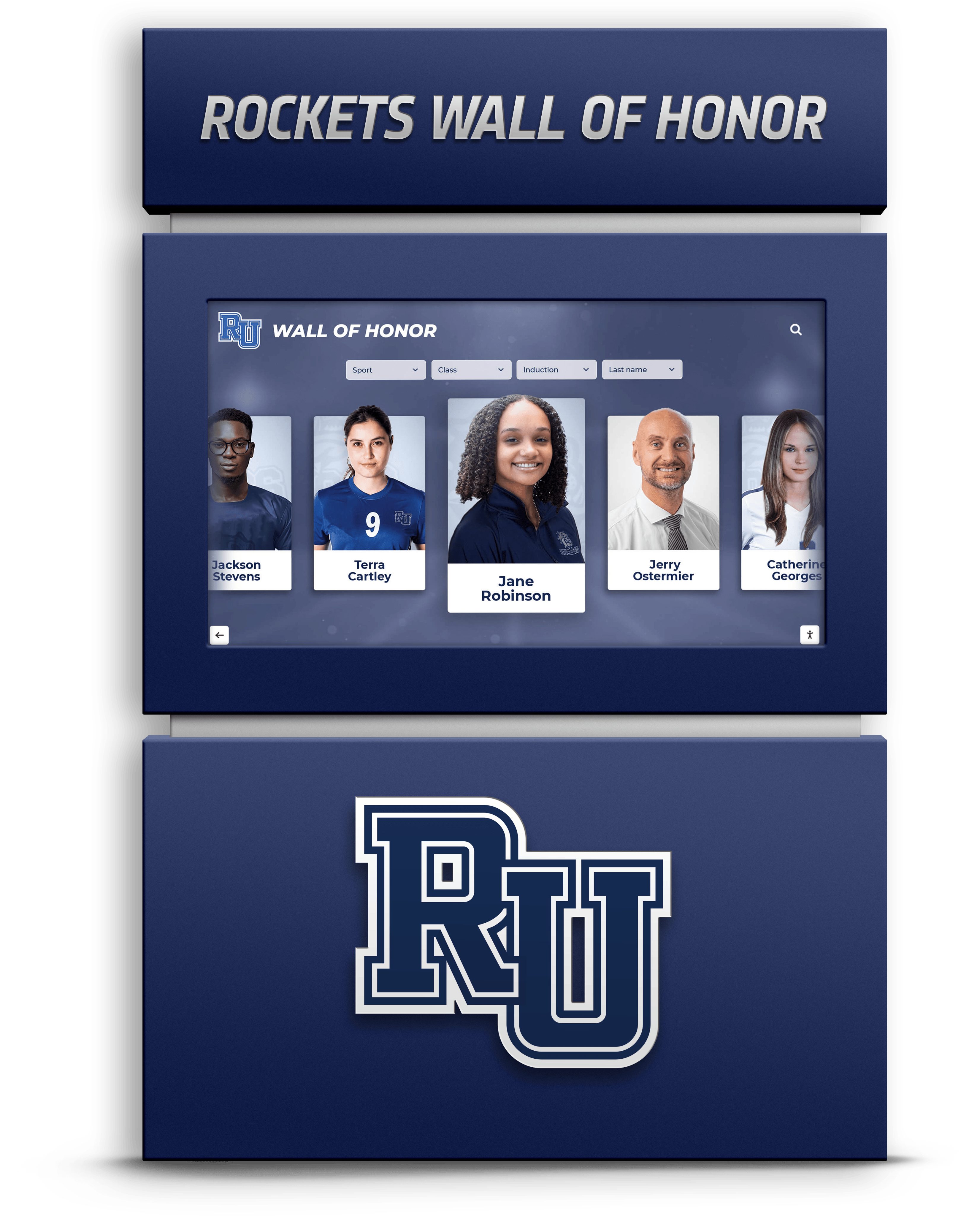
The physical display of employee recognition serves purposes beyond honoring individual recipients. Visible recognition creates cultural reinforcement, demonstrating organizational values through real examples rather than abstract mission statements. When employees and visitors see recognition displays, they observe what the organization genuinely values, creating accountability to stated priorities.
Recognition displays also serve as conversation starters and connection points. Employees stop to read about colleagues’ achievements, sparking discussions about projects, departments, and contributions across the organization. This cross-functional awareness strengthens organizational cohesion and helps employees understand how different roles contribute to shared success. Similar to how academic recognition programs build school culture, workplace recognition shapes company identity.
The Challenge with Traditional Plaque Systems
Traditional employee of the month plaques face predictable limitations that eventually undermine their effectiveness. The most obvious problem involves space constraints—once the plaque fills with names, organizations must decide whether to purchase additional plaques, remove older names, or abandon the program entirely.
Beyond space issues, static plaques offer no storytelling capability. A name and month provide minimal context about what the employee accomplished or why they earned recognition. This lack of detail reduces inspirational value and fails to create role models for other employees to emulate.
Maintenance and updates present additional challenges. Adding names to engraved plaques requires ordering services, waiting for completion, and physically mounting updated plates—a process that often delays recognition timing and diminishes immediacy. The result: many organizations eventually allow their recognition displays to become outdated, with months passing between updates until the display no longer serves its intended purpose.
Traditional Employee of the Month Plaque Options
Before exploring digital alternatives, understanding traditional plaque options helps organizations make informed decisions about recognition displays that best fit their culture, budget, and space.
Classic Perpetual Plaque Designs
Perpetual plaques represent the most common traditional approach. These wall-mounted displays feature a central header identifying the award, surrounded by individual plates where employee names and recognition months are engraved.
Standard Materials and Finishes
Most perpetual plaques use one of several material combinations:
- Wood and brass: Cherry or walnut wood backing with brass header plates and individual brass name plates creates classic, professional aesthetics suitable for executive offices and formal reception areas
- Acrylic and metal: Clear or colored acrylic backboards with metal plates offer contemporary styling that works well in modern office environments
- All-metal designs: Aluminum or stainless steel construction provides durability and sleek aesthetics for industrial or tech-focused organizations
The choice between materials should reflect your organizational culture and the environment where the plaque will hang. Traditional industries often prefer wood and brass for its professional gravitas, while tech companies might select modern acrylic designs that align with contemporary office aesthetics.
Capacity Planning Considerations
Perpetual plaques typically accommodate 12, 24, 36, or 48 individual name plates. The capacity you choose should consider both immediate needs and long-term planning:
- 12-plate plaques work for small teams or organizations planning to rotate to new plaques annually, creating historical archives
- 24-plate plaques provide two years of monthly recognition, offering good balance between manageable size and reasonable longevity
- 36-48 plate plaques accommodate three to four years of recognition but can become visually overwhelming and space-intensive
Remember that larger isn’t always better. Oversized plaques in prominent locations can dominate wall space, while plaques sized appropriately for their display location feel more intentional and professional.

Rotating Display Plaques
An alternative to perpetual plaques involves rotating displays that highlight only the current month’s recipient rather than maintaining a cumulative record.
Spotlight-Style Recognition
These displays feature a single prominent frame or mounting system designed to showcase the current employee of the month. The display might include the employee’s photo, name, department, and brief description of achievements. Each month, staff updates the display with new information about the latest recipient.
Advantages include focused attention on the current honoree, easier updates without permanent engraving, flexibility to include more detailed information about achievements, and ability to incorporate photos and longer descriptions. The primary disadvantage is that historical recognition becomes invisible once the month passes, unless organizations maintain separate archives.
Photo Display Systems
Photo-based recognition systems dedicate wall space to larger format displays combining professional employee photos with achievement descriptions and recognition details. These create more personal connections than name-only plaques by showing faces alongside accomplishments.
Photo systems work particularly well in customer-facing areas where clients interact with the same employees regularly. Seeing familiar faces recognized for excellence reinforces quality service messages and helps customers understand organizational values.
Traditional Plaque Costs and Timeline
Budget planning for traditional plaques requires understanding both initial investment and ongoing costs:
Initial Purchase Costs
- Basic perpetual plaques (12-24 plates): $150-400
- Premium wood and brass plaques (24-48 plates): $300-800
- Custom-designed plaques with company logos: $400-1,200
- Photo display systems with frames: $200-600
Ongoing Engraving Costs
- Individual name plate engraving: $8-20 per plate
- Rush services for expedited turnaround: Additional $15-30
- Annual engraving costs (12 months): $96-240
Time Considerations
Standard engraving services typically require 1-2 weeks from order to delivery. This timeline means organizations must maintain disciplined processes to ensure recognition remains timely. Many organizations struggle with this requirement, leading to multi-month backlogs where current employees wait weeks for their recognition to appear on the plaque.
Modern Digital Recognition Display Solutions
Digital technology has transformed employee recognition, moving beyond static plaques to dynamic displays that solve traditional limitations while creating new engagement opportunities.
The Evolution to Digital Recognition
Digital recognition displays address virtually every limitation of traditional plaques while introducing capabilities impossible with physical engraving. Space constraints disappear—digital systems accommodate unlimited employees without requiring additional wall space. Updates happen instantly through cloud-based management systems accessible from any device. Storytelling becomes rich and detailed through multimedia content including photos, videos, and comprehensive achievement descriptions.
The shift to digital recognition parallels broader workplace digitization. Organizations that have embraced digital communication, collaboration tools, and information systems naturally extend that approach to recognition displays. Digital recognition aligns with contemporary employee expectations shaped by consumer technology experiences.
Interactive Touchscreen Recognition Displays
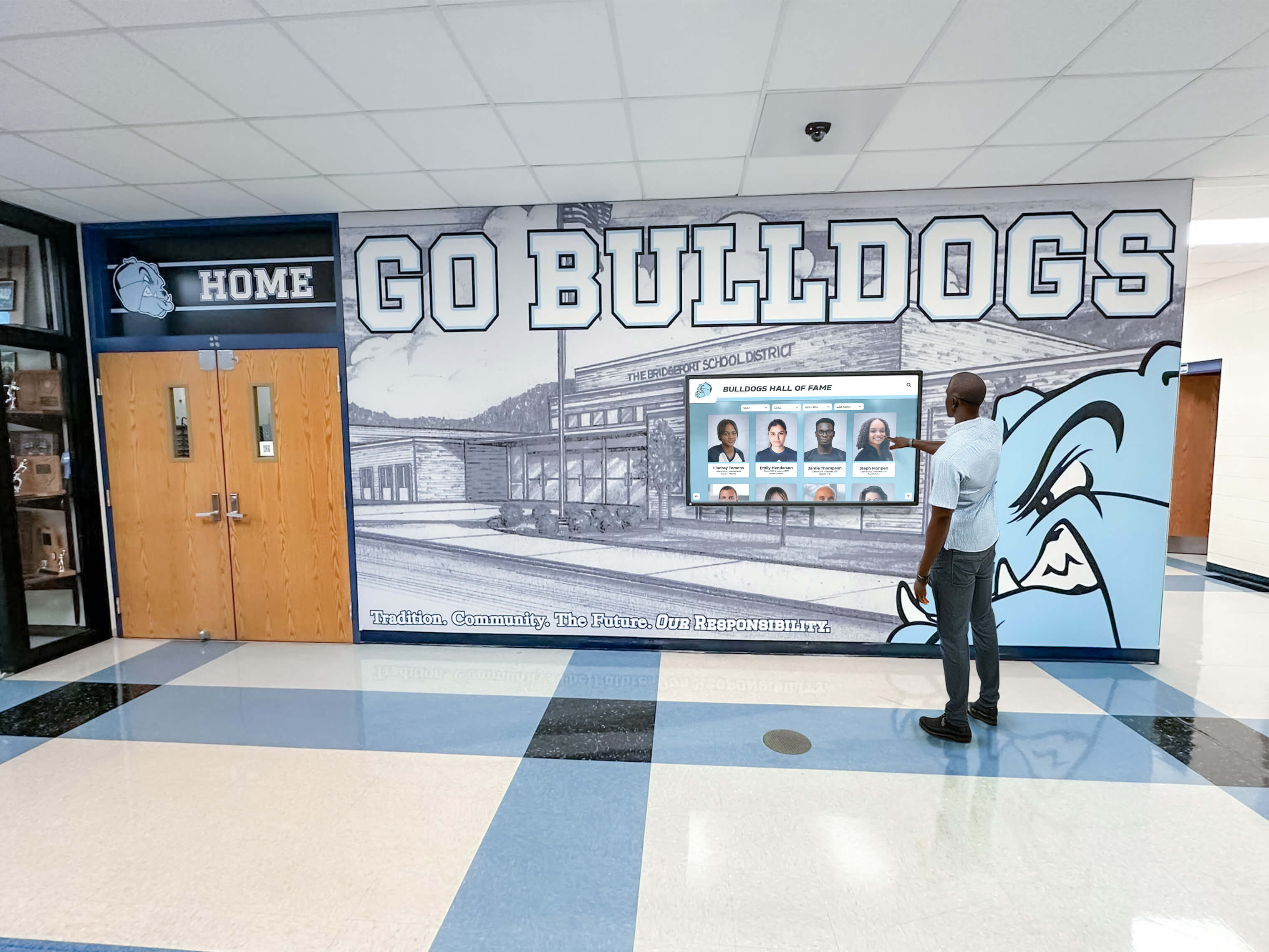
The most sophisticated digital recognition solutions use interactive touchscreen displays that transform passive viewing into active engagement.
How Touchscreen Recognition Works
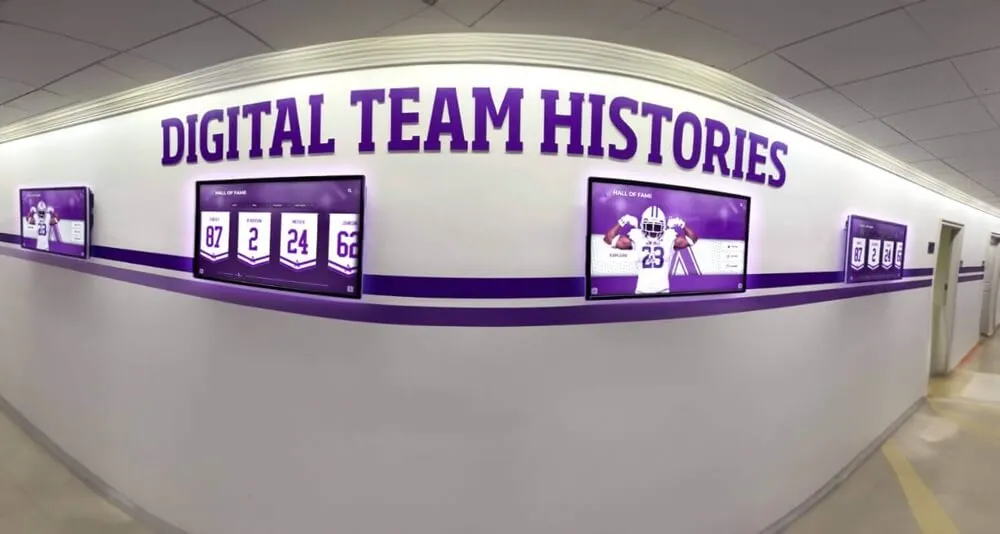
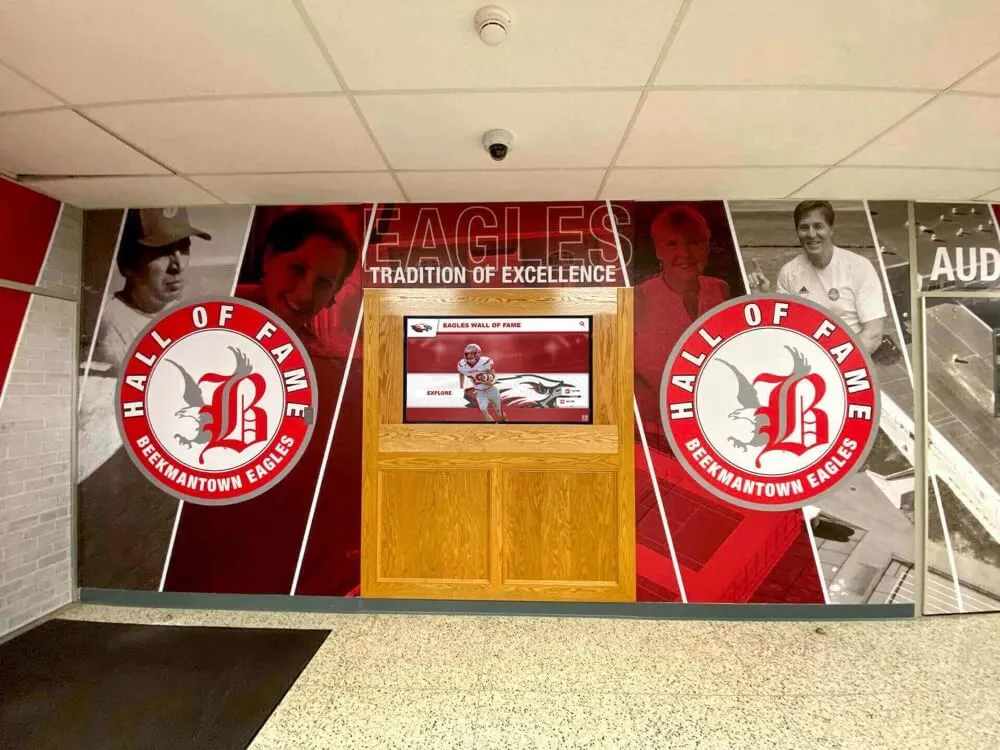
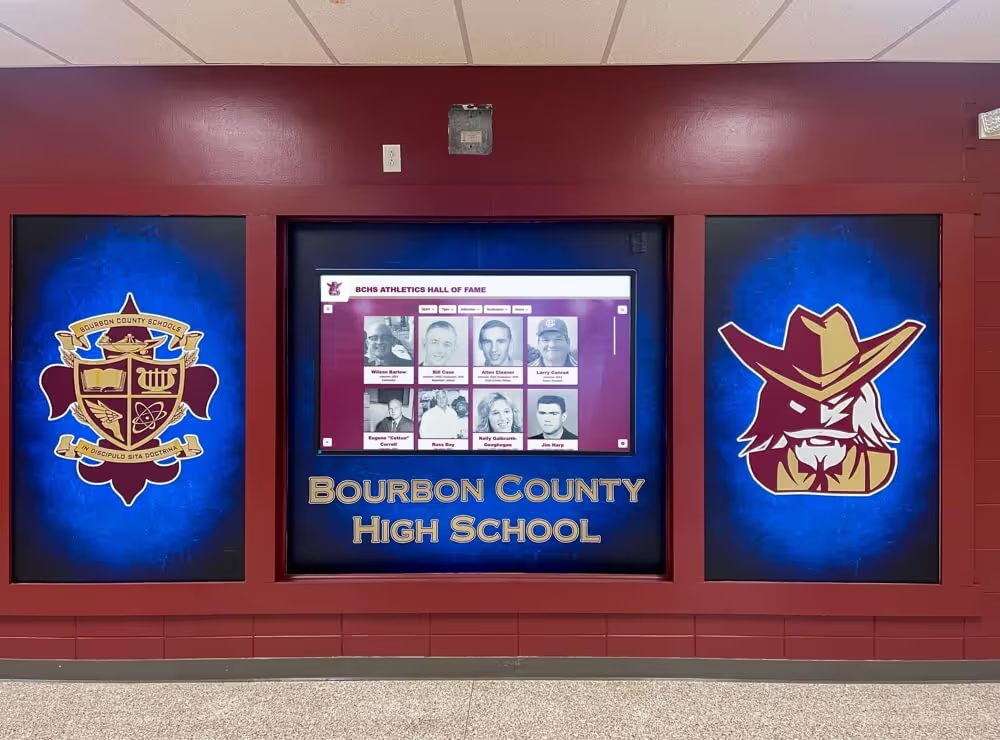
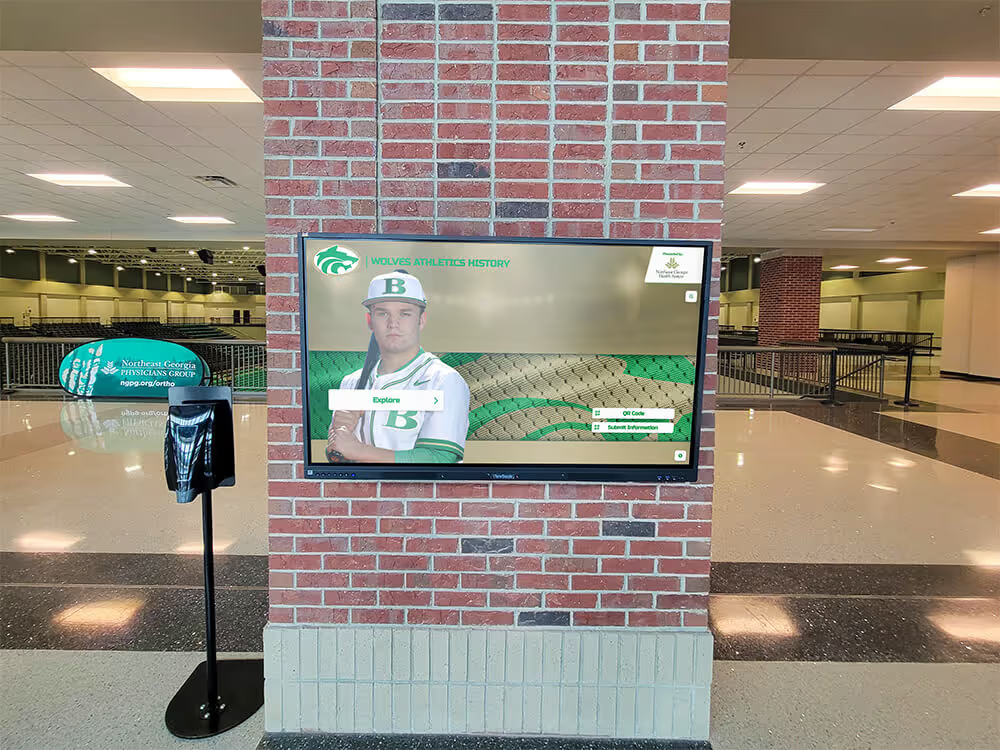
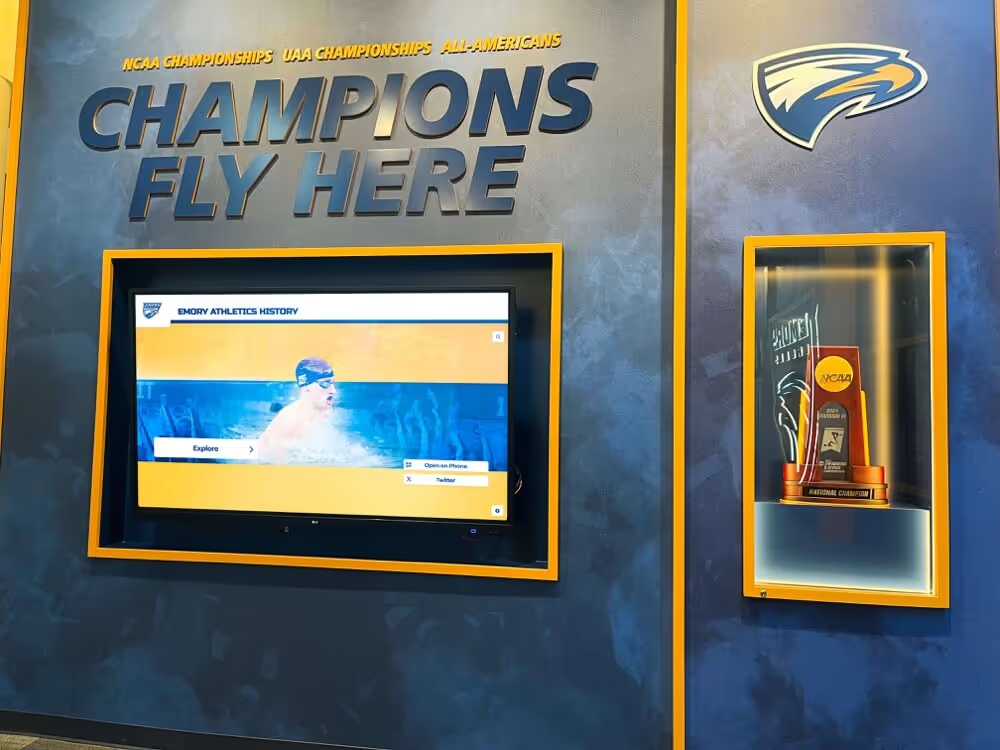
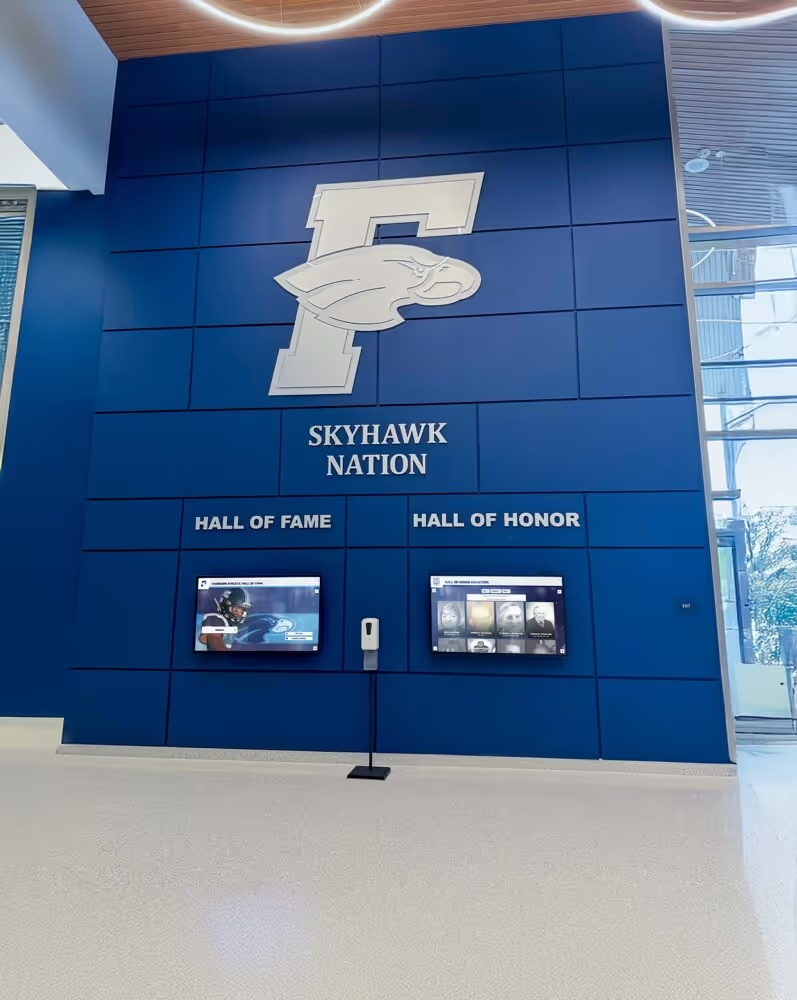
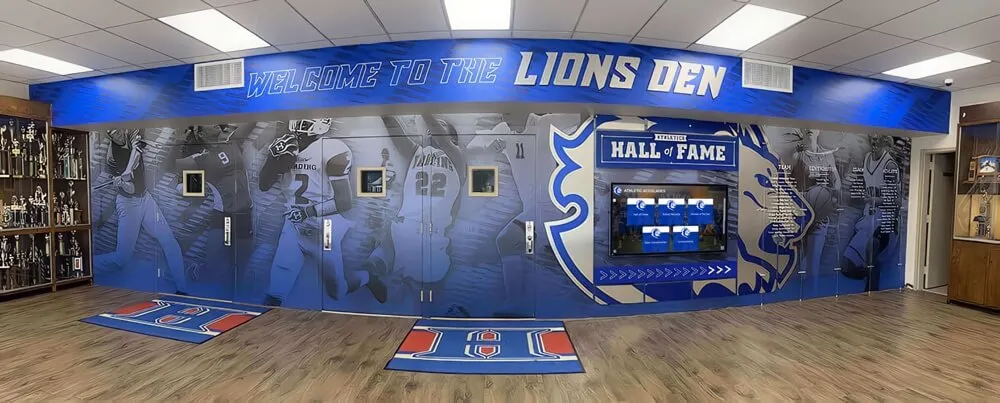
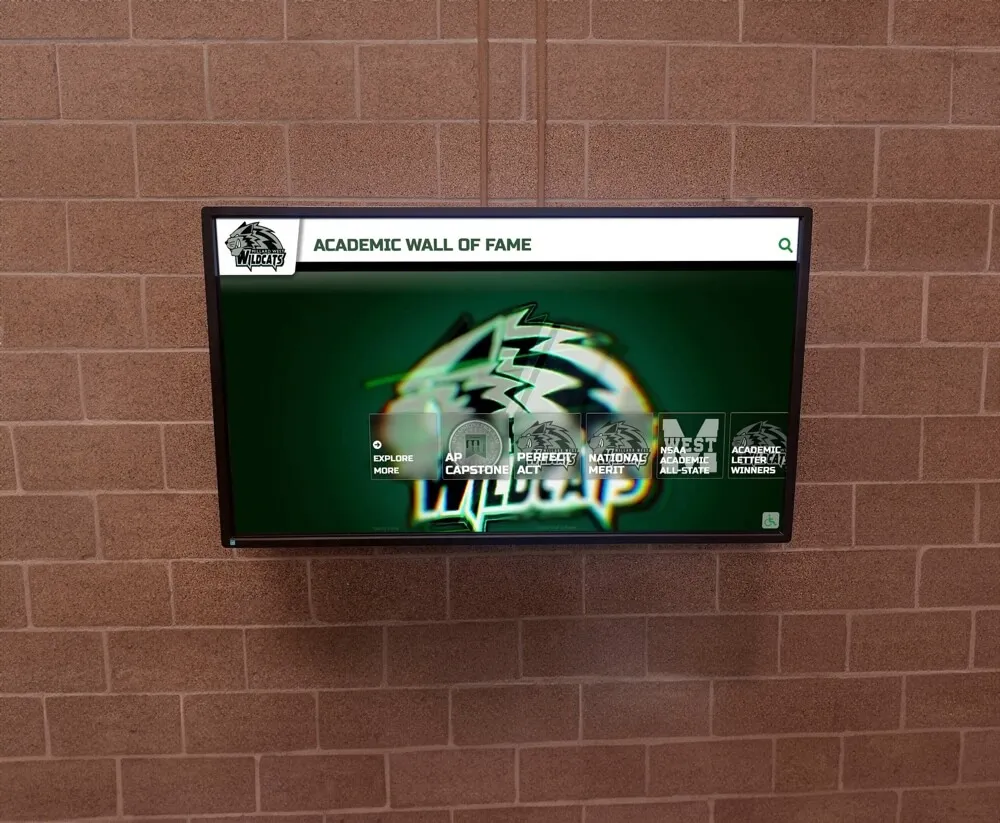
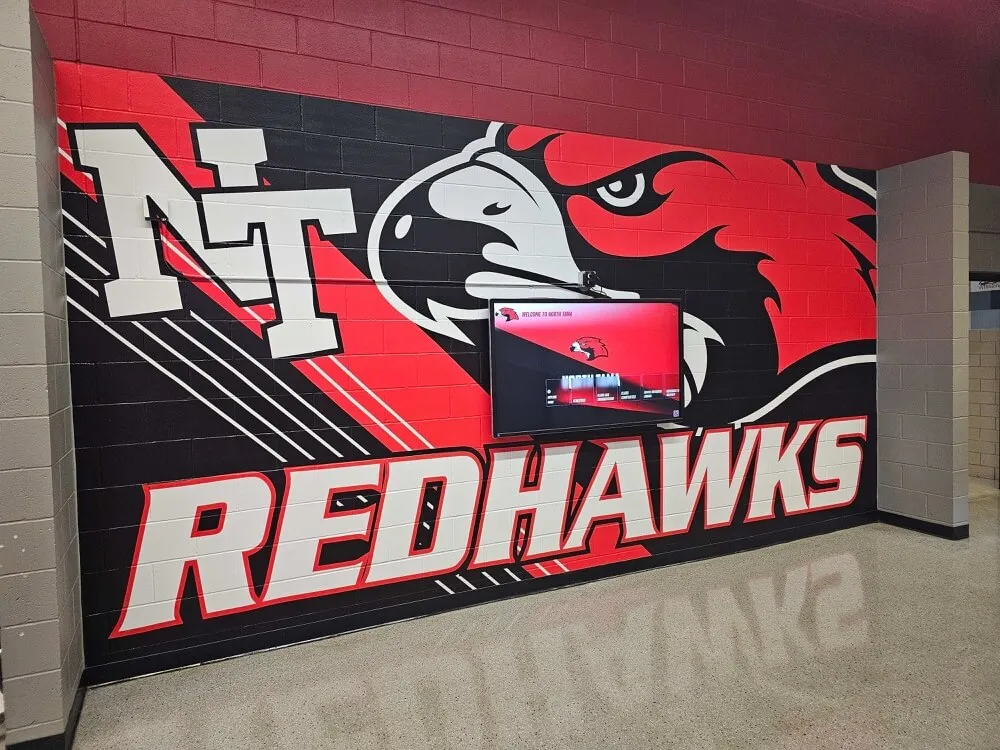
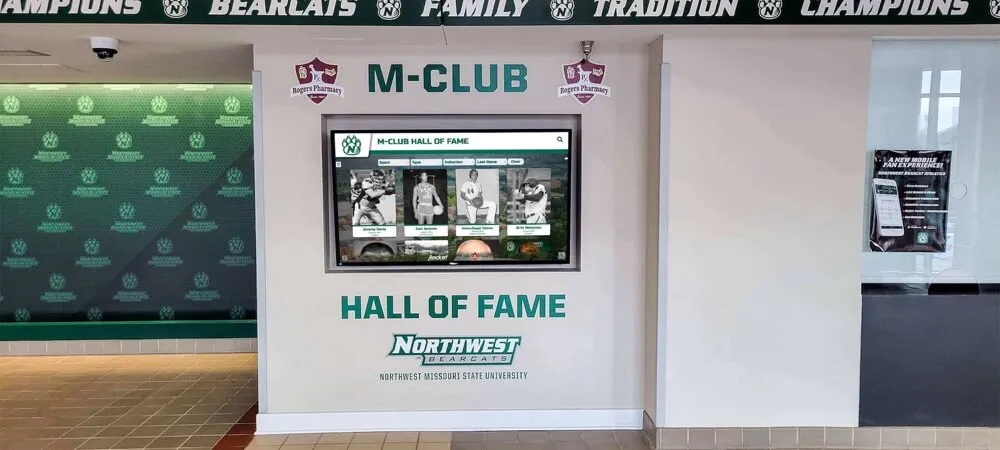
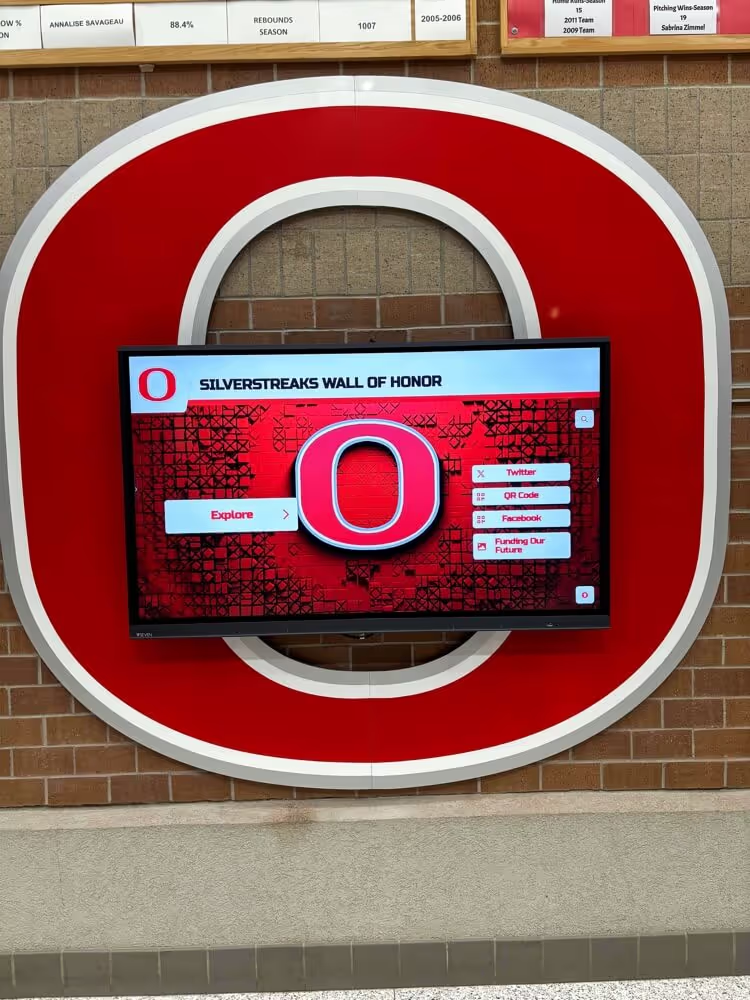
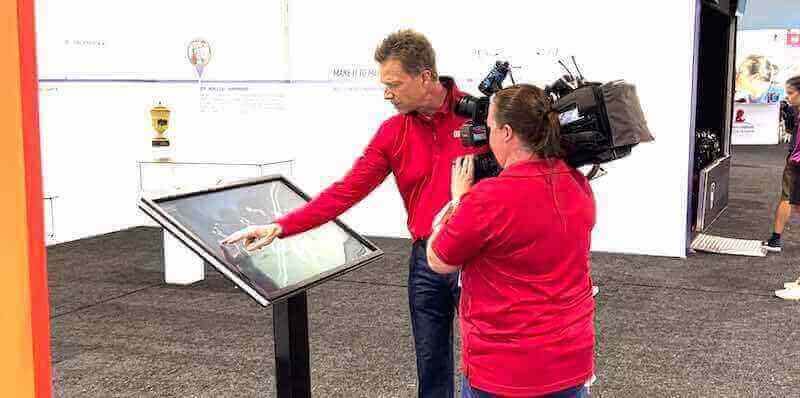
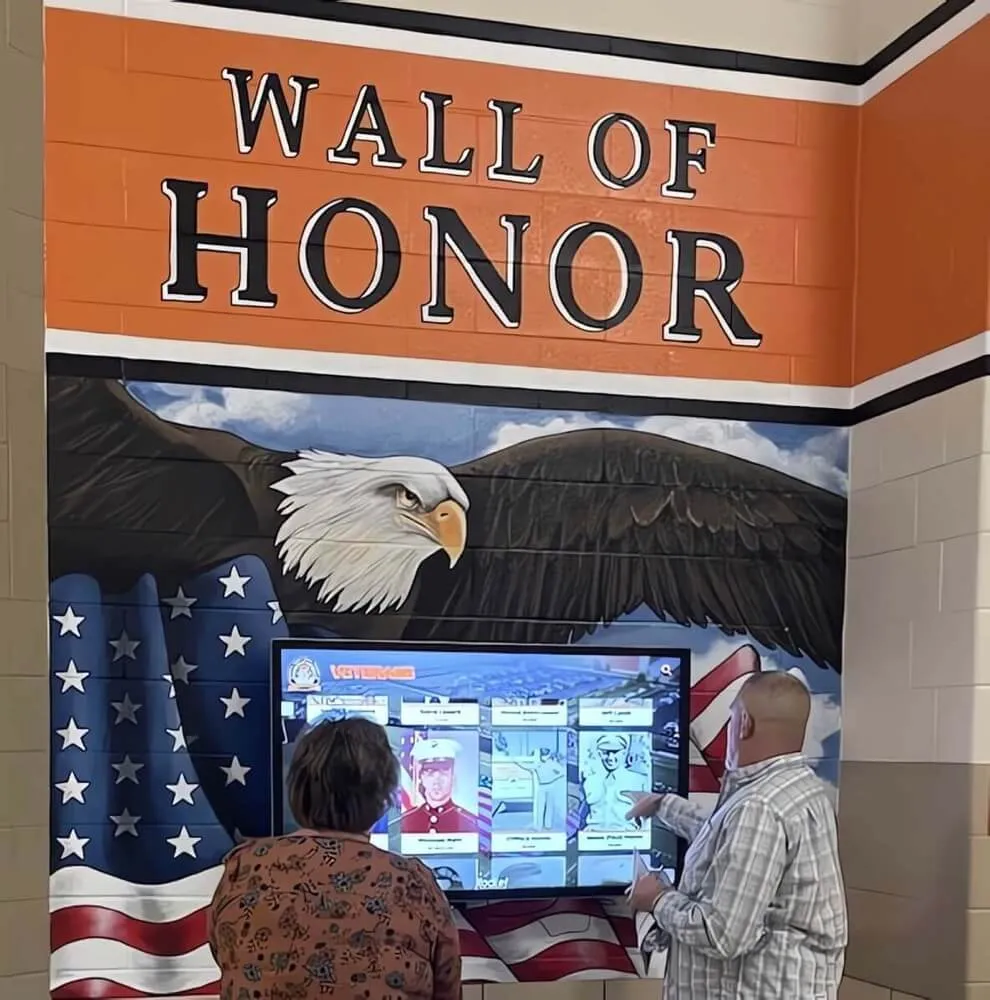
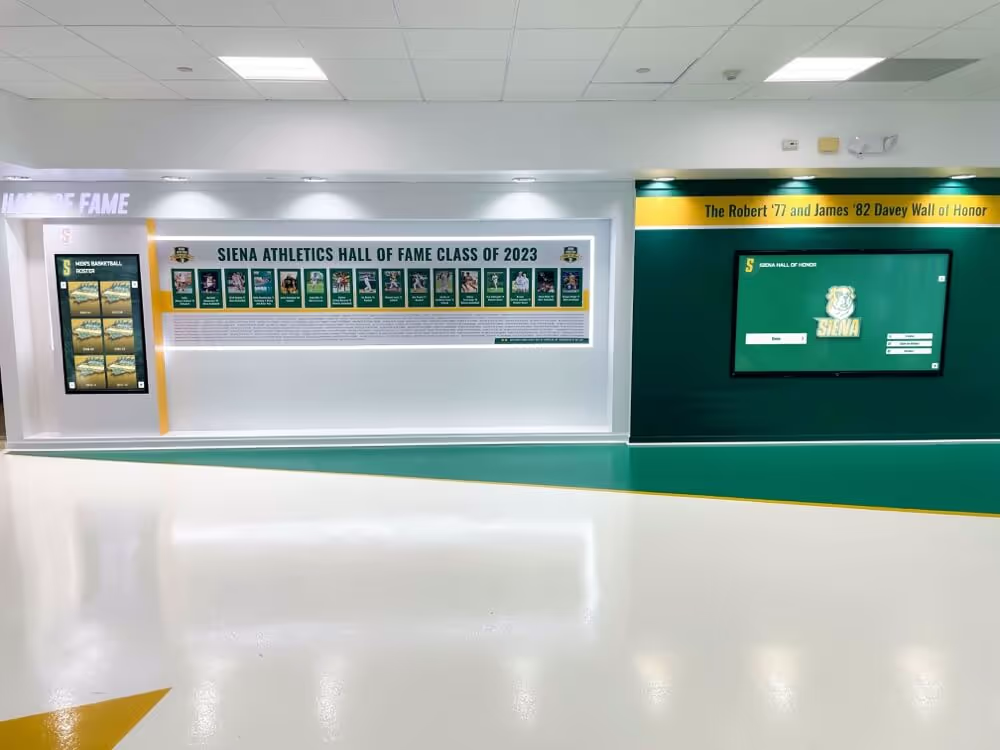
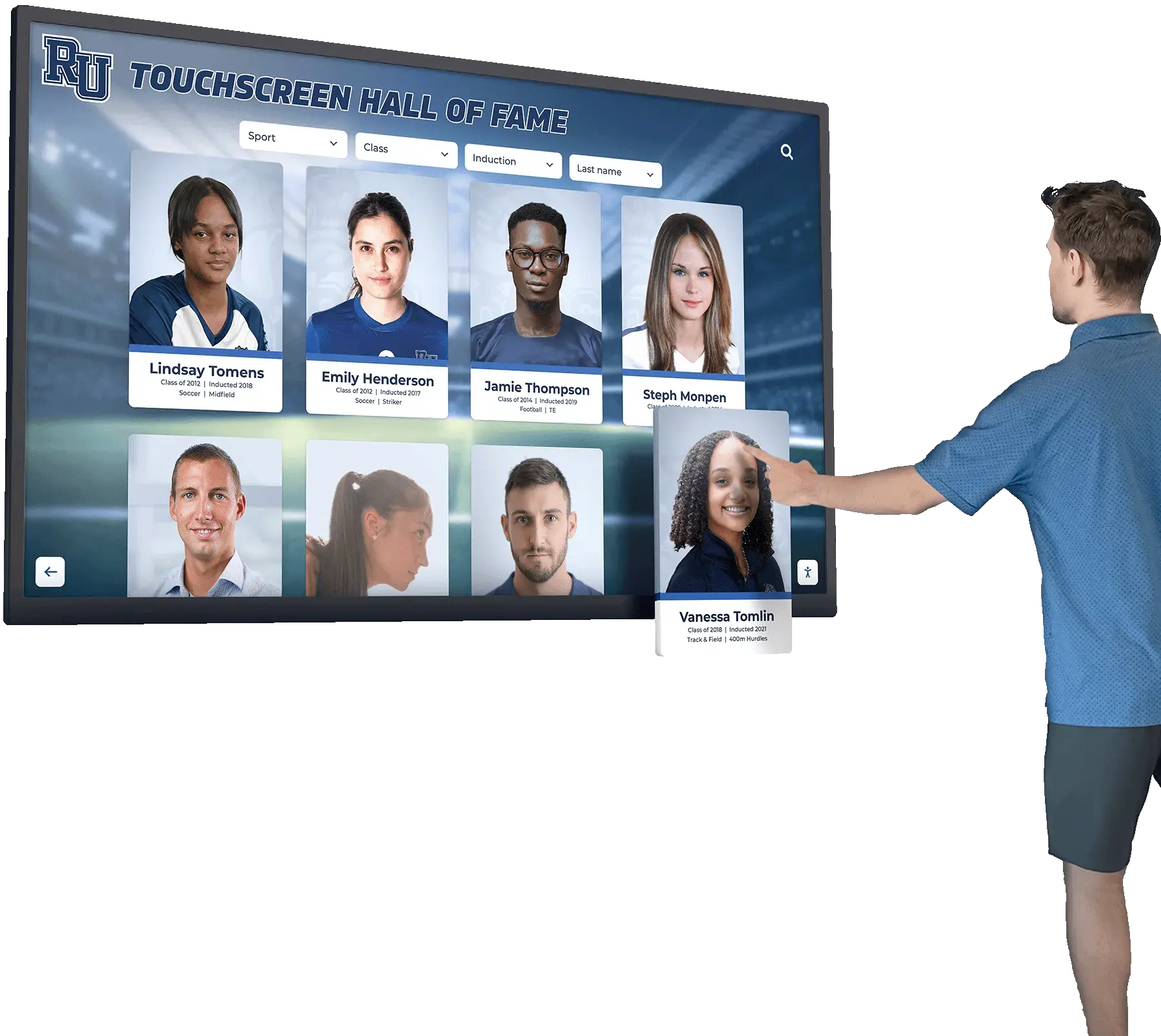
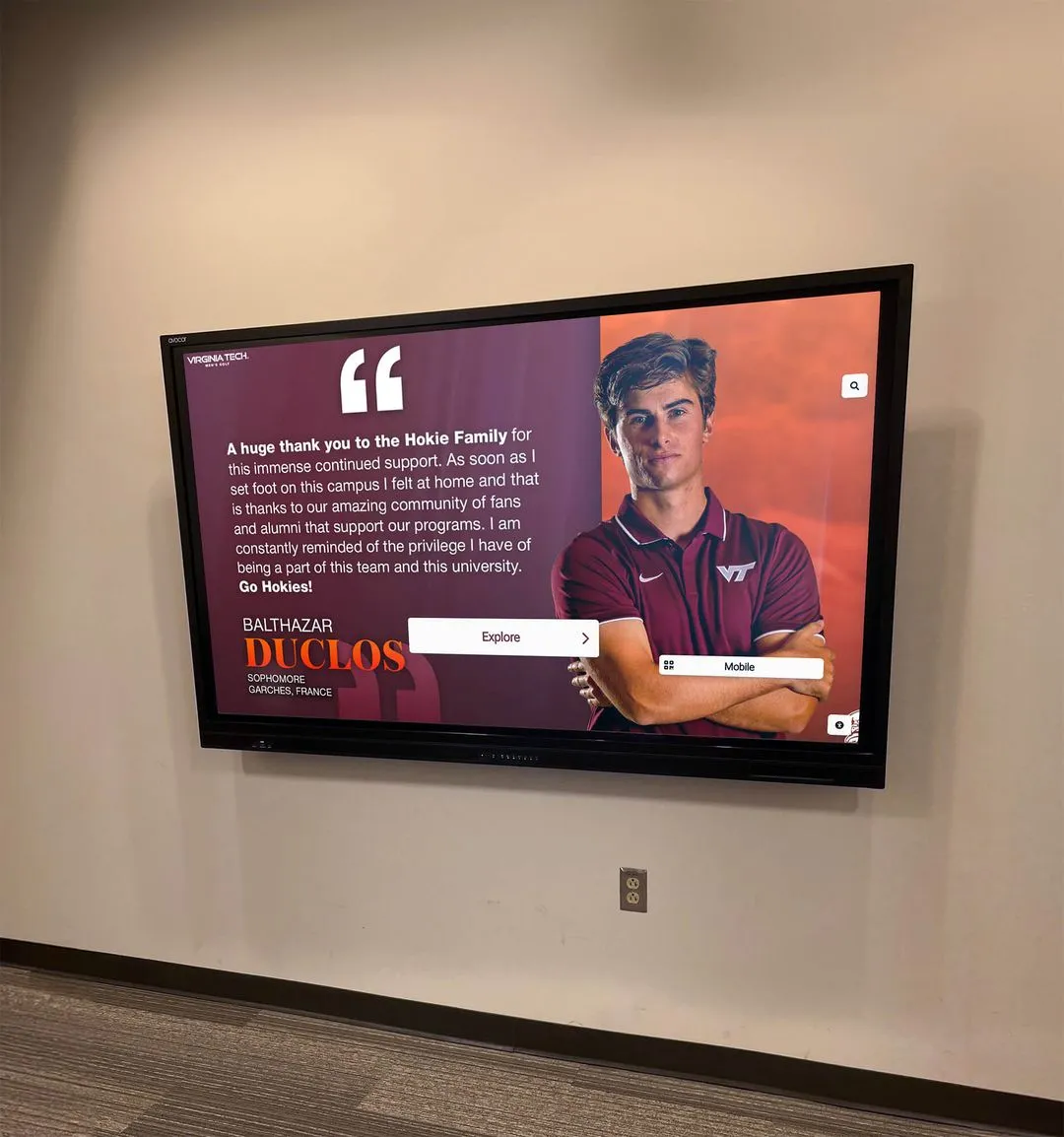
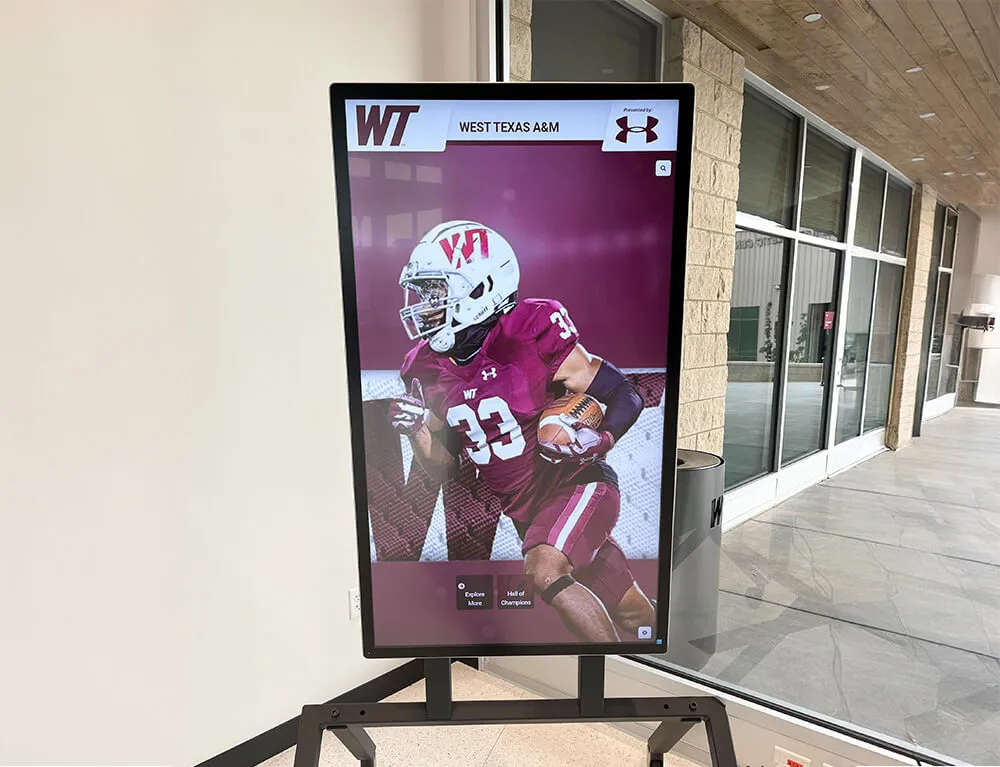
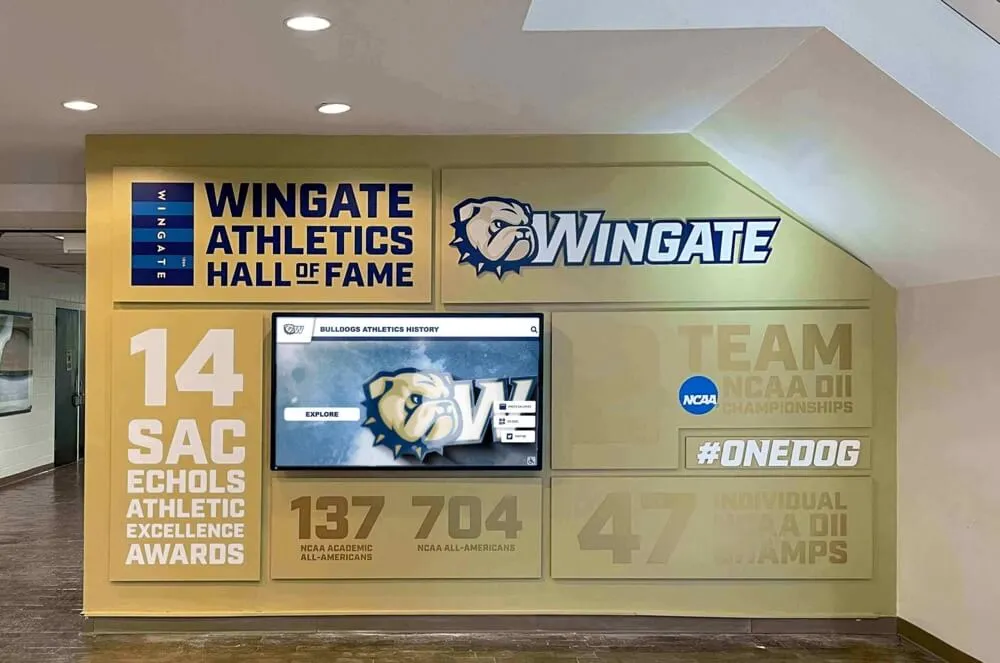
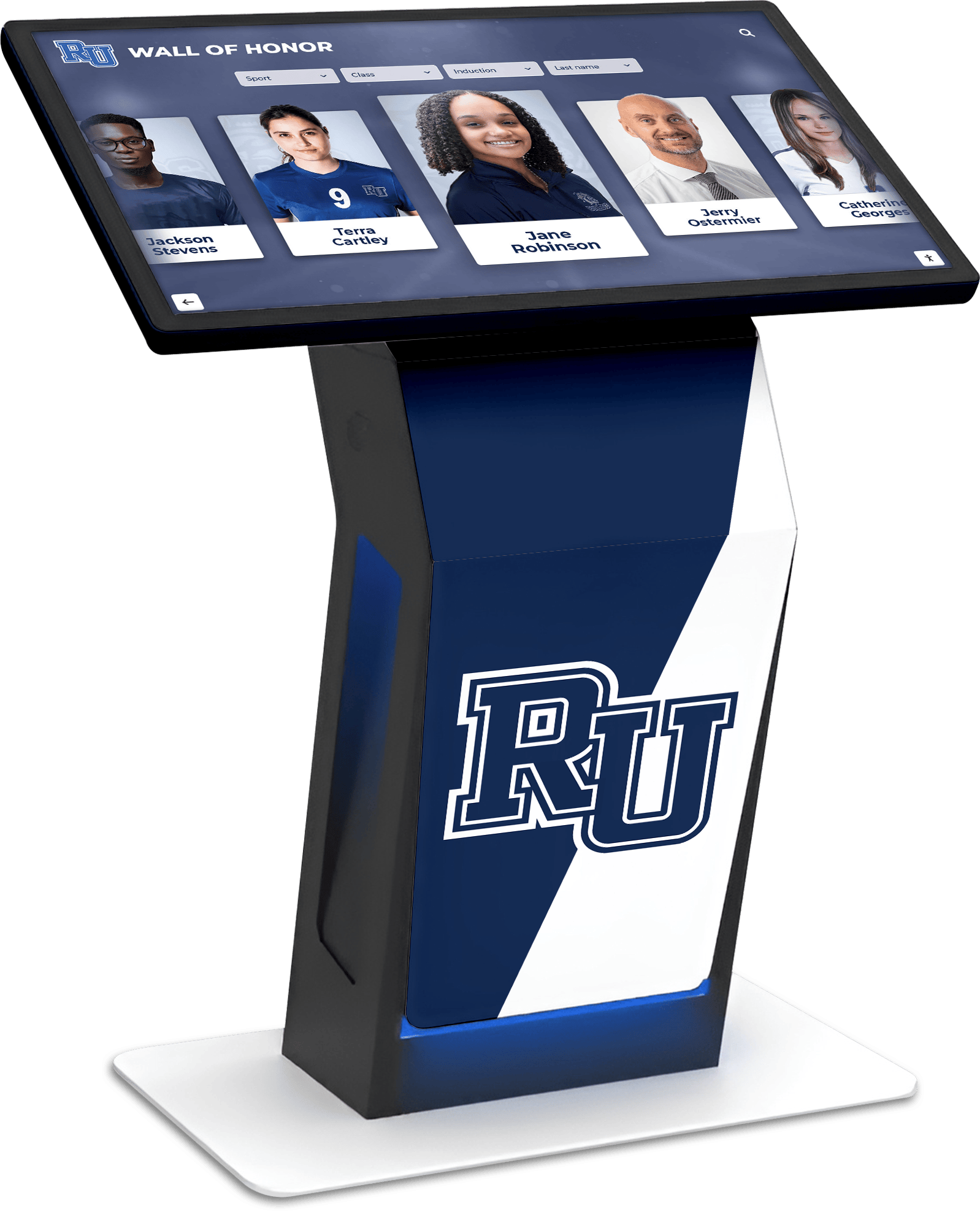
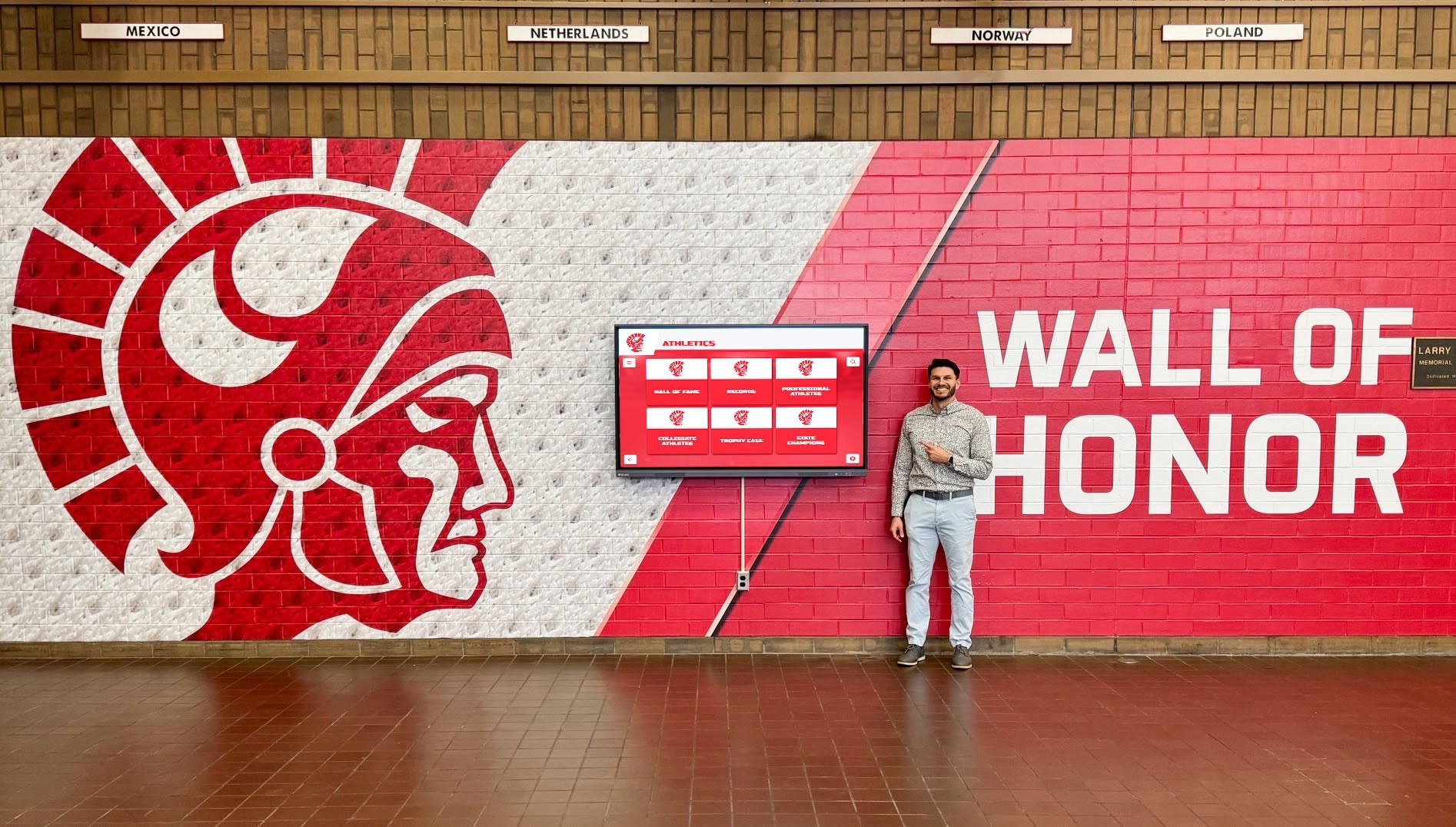
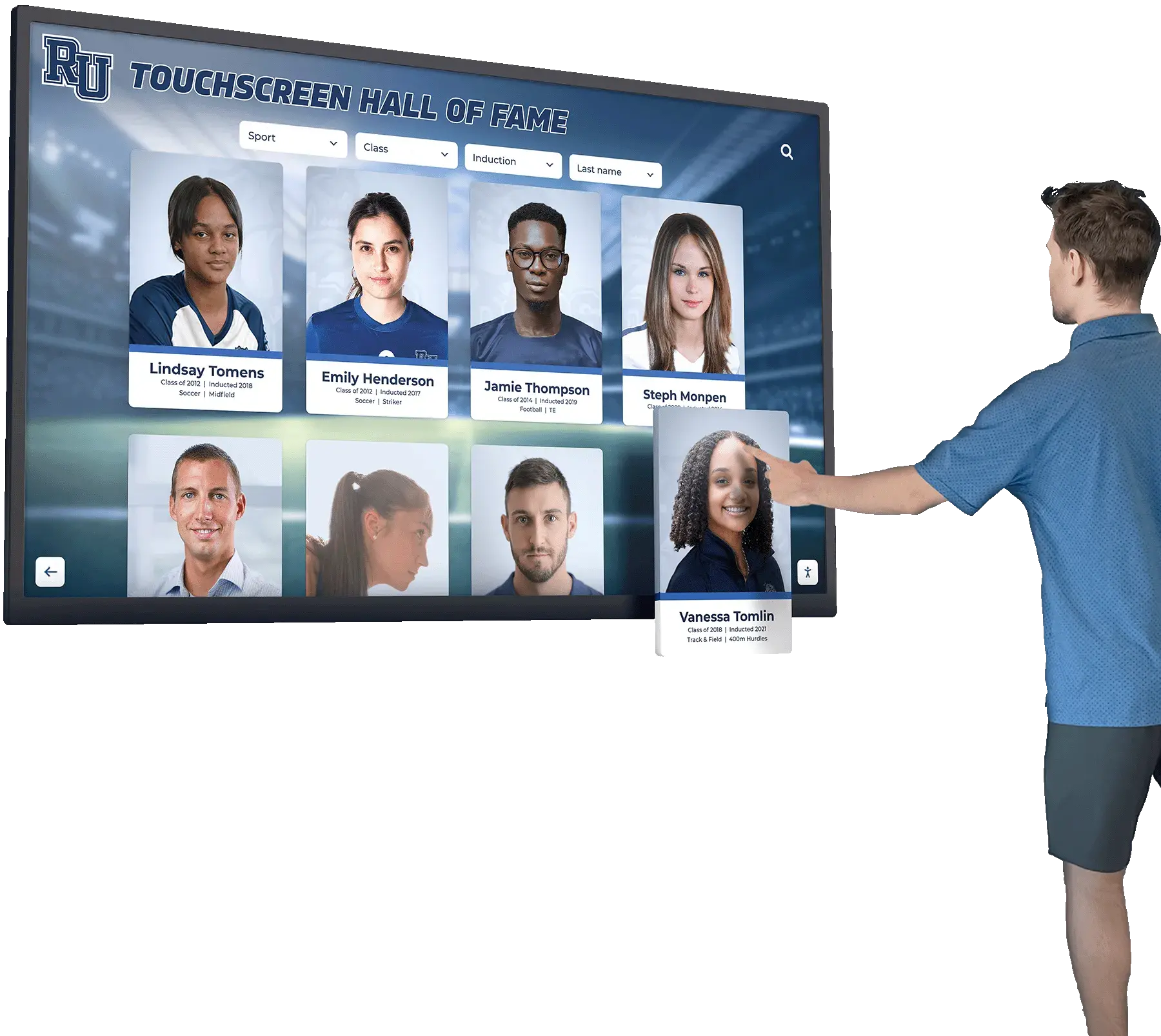
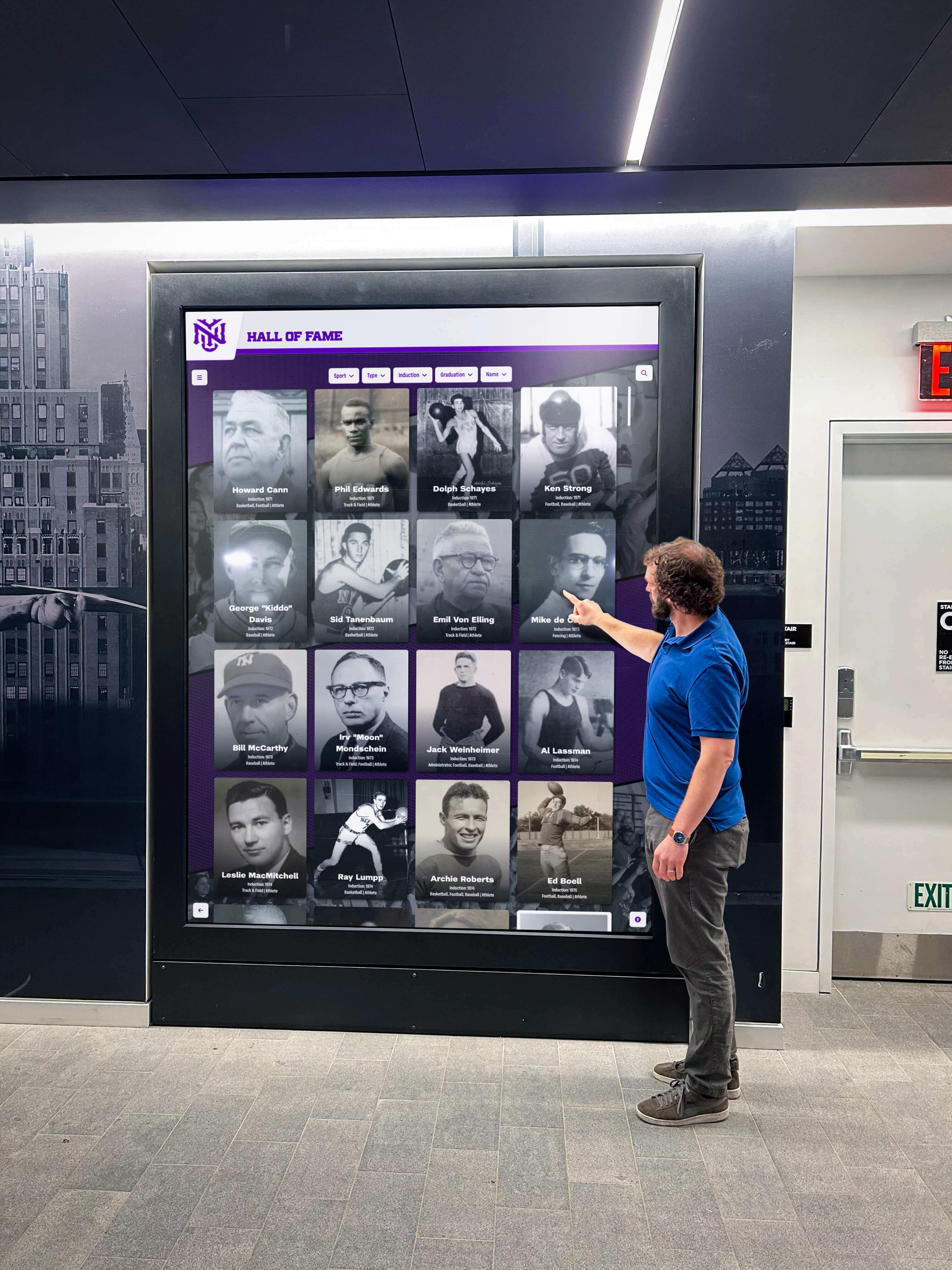
Interactive displays typically consist of wall-mounted touchscreen monitors connected to cloud-based content management systems. Staff updates recognition information through web-based administrative interfaces, and changes appear on the display within moments. Employees, visitors, and team members can interact with the display by browsing current and historical employee of the month honorees, viewing detailed achievement profiles with photos and descriptions, exploring by department, time period, or recognition category, and discovering related content and organizational history.
This interactivity creates engagement that static plaques cannot achieve. Employees naturally gravitate toward touchscreen displays during breaks, before meetings, or while waiting in common areas, transforming recognition into ongoing conversation and inspiration rather than one-time acknowledgment.
Content Richness and Storytelling
Digital platforms enable comprehensive recognition profiles that tell compelling stories about employee achievements. Instead of just seeing “Jane Smith - March 2026,” viewers might explore a detailed profile including professional headshot and candid work photos, description of specific projects and achievements that earned recognition, quotes from supervisors or colleagues about the employee’s contributions, video clips of the employee discussing their work or approach, career timeline showing growth within the organization, and connections to company values and strategic priorities.
This depth transforms recognition from administrative checkbox into genuine celebration and inspiration. New employees exploring the display discover role models and understand what excellence looks like across different functions. Long-term employees see their organizational history reflected and feel their contributions remembered beyond their recognition month. Just as teacher appreciation displays honor educators comprehensively, workplace recognition can celebrate employees fully.
Placement and Installation Considerations
Interactive touchscreen displays work best in high-traffic, accessible locations where employees naturally gather. Ideal placement locations include:
- Main reception and lobby areas where employees and visitors pass daily
- Break rooms and cafeterias offering engagement opportunities during downtime
- Hallways connecting major office areas capturing traffic between departments
- Conference room corridors providing engagement before and after meetings
- Elevator lobbies utilizing waiting time for recognition engagement
Technical installation requires power outlets and network connectivity (either hardwired ethernet or strong WiFi). Most modern displays mount similarly to large televisions, using standard wall brackets suitable for drywall or concrete walls.
Digital Signage and Display Screens
Organizations not ready for interactive touchscreen systems can implement more basic digital displays using standard monitors or digital signage screens with rotating content.
Slideshow-Style Recognition
This approach uses digital screens to cycle through employee recognition content in slideshow format. Content rotates automatically, showing current employee of the month profiles, historical recognition highlights, upcoming recognition events and opportunities, and messages reinforcing the recognition program’s connection to organizational values.
Digital signage offers significant advantages over static plaques: easy monthly updates through content management software, ability to include photos and achievement descriptions, no space constraints limiting recognition capacity, and professional presentation that aligns with modern workplace aesthetics.
However, compared to interactive touchscreens, basic digital signage provides limited engagement. Viewers cannot control what they see or when, browse historical recognition, or explore related content. The experience remains passive viewing rather than active exploration.
Hybrid Approaches
Some organizations implement hybrid strategies combining traditional plaques for formal permanent recognition with digital displays providing dynamic monthly updates. A brass plaque might list annual employee of the year recipients, while digital screens highlight monthly recipients with detailed profiles.
This approach satisfies stakeholders who value traditional recognition permanence while gaining digital display benefits for more frequent, detailed recognition. The combination works particularly well in organizations with strong traditions around physical recognition artifacts.
Rocket Alumni Solutions for Employee Recognition
While generic digital signage can display employee recognition content, purpose-built solutions designed specifically for recognition deliver significantly better experiences with less administrative complexity.
Why Purpose-Built Recognition Platforms Matter
Generic digital signage software requires organizations to design layouts, create content templates, manage media assets, schedule content rotation, and troubleshoot technical issues—capabilities that few HR teams possess. Purpose-built recognition platforms like Rocket Alumni Solutions provide complete systems designed specifically for celebrating employee achievement with minimal technical requirements.
Comprehensive Employee Profile Capabilities
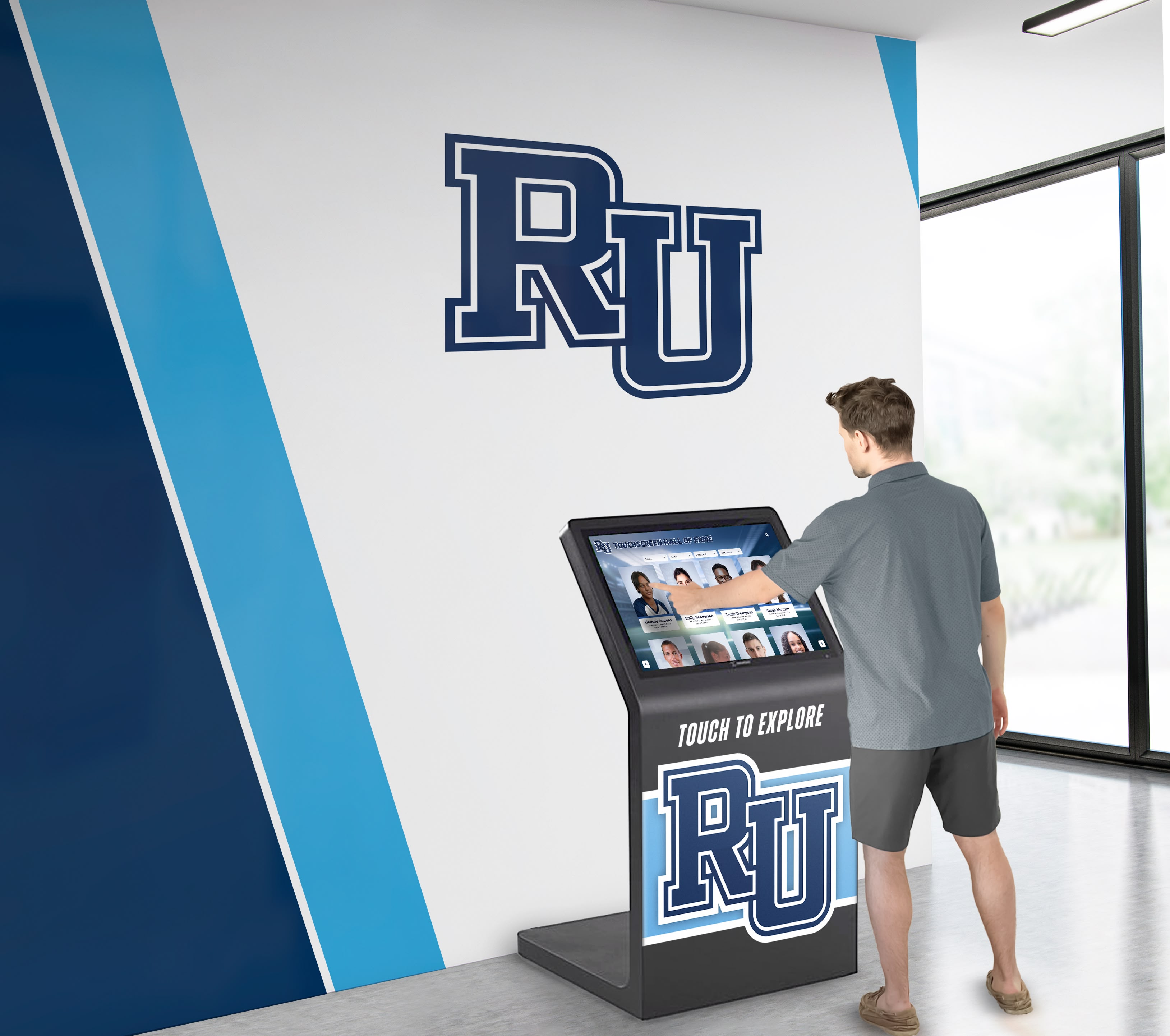
Rocket Alumni Solutions enables organizations to create rich profiles for every recognized employee, including professional photos showing employees in their work environment, detailed achievement descriptions explaining specific contributions, department and role context helping viewers understand each employee’s function, video content with employee interviews or work highlights, career timeline showing progression within the organization, and connection to company values demonstrating how achievements align with priorities.
The system intelligently links related content—viewing one department’s employees shows all recognized staff from that team, exploring a specific month reveals that period’s recipient with full context, and browsing by achievement type highlights employees recognized for similar contributions.
Intuitive Content Management
One of the most significant advantages of purpose-built platforms involves simplified content management. Administrative staff can update recognition displays through intuitive web interfaces requiring no technical training. Monthly updates involve filling simple forms with employee information and uploading photos—a process taking 10-15 minutes rather than hours of design work or weeks waiting for engraving services.
Cloud-based management means authorized staff can update recognition displays from anywhere—office desktops, remote work locations, or mobile devices. This flexibility ensures timely recognition even when key staff members are traveling or working remotely.
Scalability Across Locations
Organizations with multiple locations face particular challenges with traditional plaques. Each site needs its own physical display, creating inconsistent recognition experiences and multiplied costs. Digital recognition platforms scale elegantly across multiple locations—corporate headquarters can manage recognition content centrally while local managers submit recognition nominations, individual locations can display site-specific recognition alongside company-wide honorees, and all sites access the same comprehensive recognition database showing achievement across the entire organization.
This scalability proves particularly valuable for distributed organizations where employees rarely visit other locations. Digital recognition ensures employees see colleagues’ achievements company-wide, building organizational cohesion despite geographic separation. Much like campus directory displays serve educational institutions, workplace recognition connects distributed teams.
Analytics and Engagement Tracking
Purpose-built recognition platforms provide insights impossible with traditional plaques. Rocket’s analytics capabilities track how many employees interact with recognition displays, which profiles generate the most engagement, peak usage times revealing when employees browse recognition content, and search patterns showing what information employees seek.
These insights help organizations refine recognition programs, understand what resonates with their workforce, and demonstrate the value of recognition investments to leadership and stakeholders.
Creative Employee of the Month Display Ideas
Beyond the display mechanism itself, thoughtful design and placement decisions significantly impact recognition program effectiveness.
Strategic Placement Considerations
Recognition displays generate impact through visibility and accessibility. Displays hidden in rarely-traveled corridors or executive-only areas fail to reinforce culture or inspire employees broadly. Strategic placement thinking considers traffic patterns and natural gathering locations, visibility to employees versus visitors, proximity to the employees being recognized, symbolic value of the location, and integration with existing workplace design and branding.
High-Impact Locations
The single most important placement decision involves ensuring all employees regularly encounter the recognition display during normal work patterns. Locations that achieve this include main entrance areas employees pass when arriving and departing, central break rooms or cafeterias where employees gather during downtime, elevator lobbies in multi-floor offices, main hallways connecting major work areas, and reception areas visible to both employees and visitors.
Avoid placing recognition displays in executive-only corridors, tucked beside rarely-used conference rooms, or buried in departmental areas accessed only by specific teams. Recognition works best when it’s impossible to miss.
Multi-Location Recognition Strategies
Organizations with distributed workforces face unique challenges ensuring recognition reaches all employees regardless of location. Several approaches address this challenge effectively:
Hub-and-Spoke Model
Place primary comprehensive recognition displays at headquarters or main regional offices, while satellite locations receive smaller displays highlighting their site-specific recognition plus access to company-wide recognition through web-based platforms. This approach balances investment across locations while ensuring no site feels forgotten.
Consistent Display Network
Deploy identical recognition displays across all major locations, creating consistent experience regardless of which office employees visit. Cloud-based content management enables headquarters to push recognition content to all locations simultaneously, ensuring every site remains current with the same information.
Web-Based Accessibility
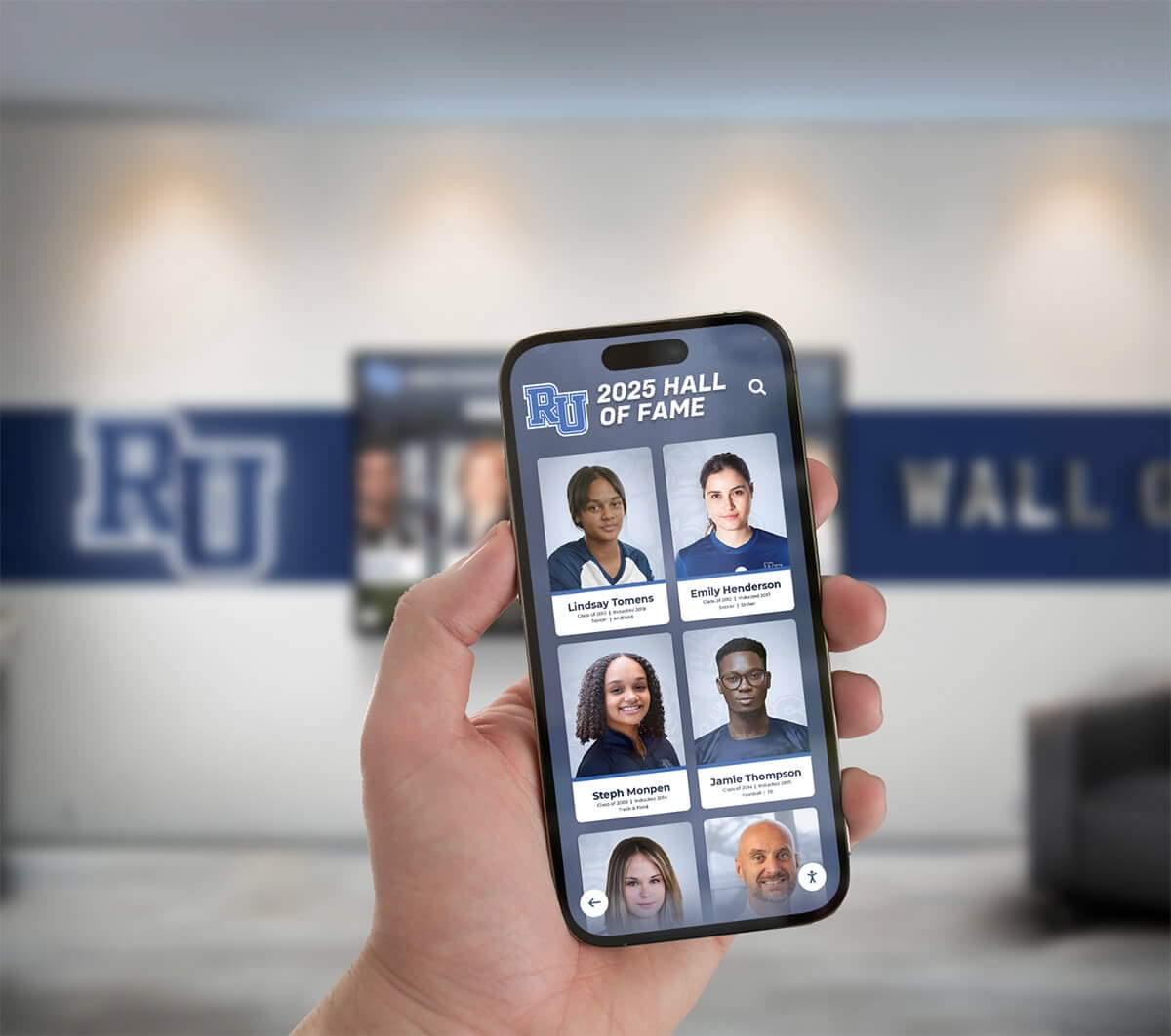
Complement physical displays with web-based recognition platforms employees can access from any location. Digital platforms like Rocket Alumni Solutions include web access allowing remote employees, distributed team members, and clients to explore recognition content without visiting physical offices.
This web extension proves particularly important for organizations with significant remote workforces. Recognition limited to physical displays in offices excludes remote employees from the culture-building benefits of seeing colleague achievements celebrated.
Integration with Other Recognition Programs
Employee of the month programs work best as part of comprehensive recognition ecosystems rather than isolated initiatives. Thoughtful integration connects monthly recognition with annual awards highlighting the year’s monthly recipients as a pool for employee of the year consideration, quarterly recognition providing stepping stones toward monthly honors, peer nomination systems allowing colleagues to flag contributions worthy of recognition, and service milestone celebrations acknowledging tenure alongside performance.
Digital recognition platforms excel at integrating multiple recognition dimensions. Instead of separate plaques for different programs, a single display showcases achievement across categories through different browsing paths and filters. Similar to how high school award programs celebrate diverse accomplishments, workplace recognition should honor various contributions.
Designing an Effective Employee of the Month Program
The display mechanism represents only one element of effective recognition programs. The underlying program design determines whether recognition drives meaningful impact or becomes perfunctory exercise that employees ignore.
Establishing Clear Recognition Criteria
Meaningful recognition requires transparent criteria helping employees understand what behaviors and contributions earn acknowledgment. Vague standards like “outstanding performance” provide no actionable guidance and can breed resentment when selection feels arbitrary.
Criteria Development Process
Effective criteria development involves articulating organizational values and strategic priorities, identifying specific behaviors and contributions that demonstrate those values, creating rubrics or guidelines making abstract values concrete, gathering input from employees across levels and departments, and testing criteria against recent examples to ensure clarity and fairness.
Sample Criteria Categories
Well-designed employee of the month criteria typically address multiple dimensions:
- Performance excellence: Exceeding goals, solving significant problems, improving processes, or delivering exceptional customer outcomes
- Collaboration and teamwork: Supporting colleagues, facilitating cross-functional projects, mentoring others, or building team effectiveness
- Living company values: Demonstrating core values through daily actions and decisions in ways others observe and can describe
- Innovation and improvement: Suggesting and implementing new approaches, identifying efficiency opportunities, or advancing organizational capabilities
- Customer impact: Creating exceptional customer experiences, resolving difficult situations, or generating meaningful customer feedback
Rather than requiring excellence across all dimensions, criteria might specify that recognition can flow from outstanding achievement in any category, ensuring diverse contributions receive acknowledgment.
Nomination and Selection Processes
The mechanics of how employees earn recognition significantly impacts program credibility and participation.
Nomination Approaches
Organizations typically choose from several nomination models:
- Manager nominations: Department leaders nominate employees from their teams, providing knowledgeable assessment of contributions but potentially overlooking less-visible employees
- Peer nominations: Employees nominate colleagues, creating inclusive opportunity for recognition but requiring guidance to prevent popularity contests
- Hybrid approaches: Combining peer and manager nominations, perhaps requiring both a colleague endorsement and manager approval
- Self-nomination with validation: Allowing employees to submit their own achievements with manager confirmation, ensuring contributions don’t go unrecognized due to modest personalities
The choice should reflect organizational culture, with collaborative cultures favoring peer involvement and more hierarchical organizations relying on management assessment.
Selection Committee or Individual Decision
Organizations also must determine who makes final recognition decisions. Options include:
- Single decision maker: HR leader or senior executive makes final selections, ensuring consistency but potentially creating bottleneck and narrow perspective
- Rotating committee: Small group from different departments reviews nominations and selects recipients, distributing workload and bringing diverse perspectives
- Department-based recognition: Each department recognizes its own monthly honoree, ensuring all areas receive recognition but potentially creating quality inconsistency
Whichever approach you choose, document the process and communicate it clearly so employees understand how selection works and trust the system’s fairness.
Recognition Timing and Communication
How and when organizations announce recognition affects program impact and employee engagement.
Announcement Timing
Most organizations announce employee of the month recipients at the beginning of each month, providing the full month for celebration and visibility. Some alternatives include:
- Mid-month announcements: Recognizing the previous month’s achievement after performance data is complete, though this delays gratification
- Bi-monthly recognition: Honoring two recipients monthly if organization size warrants more frequent recognition opportunities
- Rolling recognition: Announcing new recipients at regular intervals regardless of calendar month, maintaining flexibility while ensuring consistent recognition cadence
Whatever timing you choose, consistency matters tremendously. Irregular recognition erodes program credibility and employee trust.
Multi-Channel Communication
Recognition generates maximum impact when communicated through multiple channels ensuring broad awareness:
- All-hands meetings or company assemblies: Public announcement creating moment of celebration and visibility
- Email announcements: Company-wide messages with employee photos and achievement descriptions
- Intranet features: Dedicated recognition section on company intranet or collaboration platforms
- Social media: External recognition through company social channels (with employee permission)
- Physical displays: Updated recognition displays in common areas maintaining ongoing visibility
This multi-channel approach ensures recognition reaches all employees regardless of their information consumption preferences while creating multiple opportunities for the honored employee to experience acknowledgment.
Tangible Recognition Beyond Displays
While visible recognition displays serve important cultural purposes, most organizations supplement display recognition with additional tangible benefits making the honor more meaningful to recipients.
Common Recognition Additions
- Monetary rewards: Gift cards, bonuses, or additional paid time off providing concrete value
- Premium parking: Reserved parking space for the recognition month
- Professional development: Conference attendance, course enrollment, or training opportunities
- Executive visibility: Lunch with CEO or senior leadership creating connection and recognition at the highest levels
- Charitable contributions: Donation to recipient’s chosen charity in their name
- Recognition items: Personalized certificates, plaques, or awards the employee can display personally
The specific benefits should align with organizational culture and what employees genuinely value. Surveying staff about recognition preferences helps ensure added benefits feel meaningful rather than token gestures.
Overcoming Common Recognition Program Challenges
Even well-designed recognition programs encounter predictable obstacles. Anticipating these challenges and implementing solutions proactively helps maintain program effectiveness and credibility.
Avoiding Recognition Fatigue and Predictability
When the same employees or departments repeatedly earn recognition, programs lose motivational power as others conclude they have no realistic path to acknowledgment.
Ensuring Recognition Diversity
Several strategies help distribute recognition more broadly:
- Rotating focus: Some months emphasize specific departments, roles, or contribution types ensuring all areas receive attention
- Multiple recognition levels: Creating different tiers of recognition (weekly, monthly, quarterly, annual) so more employees receive acknowledgment at appropriate levels
- Team recognition: Occasionally recognizing entire teams rather than only individuals, acknowledging collaborative achievements
- Specific contribution categories: Rotating recognition focus among innovation, customer service, collaboration, and other dimensions rather than generic “best employee”
These approaches ensure recognition remains accessible to employees across the organization rather than becoming the exclusive province of high-visibility roles or naturally high-performing individuals.
Maintaining Program Momentum
Many recognition programs launch with enthusiasm but gradually fade as administrative burden accumulates, leadership attention wanes, or program novelty wears off.
Sustainability Strategies
Sustaining recognition programs long-term requires:
- Simplified administration: Using tools and systems making recognition easy to manage with minimal ongoing effort—a key advantage of digital recognition platforms versus manual plaque updates
- Designated ownership: Assigning specific staff responsibility for the recognition program with clear expectations and sufficient time allocation
- Leadership modeling: Ensuring executives and senior leaders regularly reference recognition, attend announcements, and demonstrate that the program matters
- Regular program review: Annually assessing program effectiveness, gathering employee feedback, and making refinements keeping the program relevant
- Integration with core processes: Connecting recognition to performance reviews, compensation decisions, and career development conversations rather than treating it as separate initiative
Organizations that successfully sustain recognition programs treat them as ongoing cultural elements rather than temporary campaigns, investing in systems and processes making long-term management feasible.
Addressing Perceived Unfairness
Recognition programs inevitably generate some employee concerns about fairness, favoritism, or inconsistent standards. Transparent processes and responsive leadership help address these concerns before they undermine program credibility.
Building Trust Through Transparency
Clear communication about recognition criteria, nomination processes, selection methods, and decision-making authority reduces concerns about arbitrary or biased recognition. When employees understand how recognition works and can see criteria applied consistently, trust in the program grows even among those not personally recognized.
Feedback Mechanisms
Creating channels for employees to provide input, ask questions, or express concerns about recognition demonstrates organizational commitment to fairness. These mechanisms might include anonymous surveys about recognition program perceptions, HR point of contact for recognition questions or concerns, periodic focus groups discussing program effectiveness, and explicit invitation for improvement suggestions.
Addressing concerns promptly and transparently—even when the concern doesn’t lead to program changes—demonstrates that leadership takes recognition seriously and values employee perspective.
Costs and Return on Investment
Recognition programs require investment of time, money, and attention. Understanding costs and expected returns helps organizations make informed decisions and secure appropriate resources.
Traditional Plaque Investment
Basic employee of the month plaque programs require:
Initial Costs
- Quality perpetual plaque: $300-800
- Installation hardware: $20-50
- Initial engraving setup: $50-100
Annual Ongoing Costs
- Monthly engraving (12 plates): $150-300
- Replacement plaques every 3-4 years: $300-800
- Administrative time managing engraving orders: ~10-15 hours
Total first-year investment: $500-1,200 Ongoing annual costs: $150-500
Digital Recognition Platform Investment
Purpose-built digital recognition systems require higher initial investment but often prove more cost-effective long-term while delivering significantly enhanced capabilities:
Initial Investment
- Touchscreen display hardware (55-65"): $3,000-6,000
- Purpose-built recognition software (Rocket Alumni Solutions): $2,000-4,000 setup
- Professional installation: $500-1,500
- Content development and photography: $1,000-3,000
Annual Ongoing Costs
- Software licensing and support: $1,200-2,400
- Periodic content updates and enhancements: $500-1,500
- Minimal administrative time (cloud-based updates): ~5-8 hours annually
Total first-year investment: $8,200-17,900 Ongoing annual costs: $1,700-3,900
While digital systems require substantially higher upfront investment, they eliminate ongoing engraving costs, dramatically reduce administrative burden, accommodate unlimited recognition without additional hardware, enable rich multimedia content impossible with plaques, and serve multiple recognition programs beyond just employee of the month.
Calculating Recognition ROI
The true return on recognition investment extends beyond direct costs to impact on employee engagement, retention, and performance. Research consistently demonstrates that recognized employees show 63% higher engagement scores compared to unrecognized colleagues, 31% lower voluntary turnover rates, 14% higher productivity metrics, and increased discretionary effort and advocacy for the organization.
When calculating whether recognition programs justify their costs, consider the value of retention and recruitment impact alone. Replacing an employee typically costs 50-200% of annual salary depending on role and seniority. If a recognition program costing $5,000 annually contributes to retaining even one employee earning $50,000, the program paid for itself many times over—before accounting for productivity and engagement benefits.
Future of Employee Recognition Displays
Recognition technology and practices continue evolving rapidly, with several emerging trends reshaping how organizations celebrate employee achievement.
Mobile and Web-Based Recognition Access
Physical displays in offices serve important purposes, but modern workforces increasingly need recognition access beyond traditional workplace walls. Web-based recognition platforms extend recognition reach to remote employees working from home or distributed locations, employees traveling for work or serving client sites, family members employees want to share achievements with, and prospective candidates researching organizational culture during recruitment.
This extended access transforms recognition from office-only experience into organizational asset accessible whenever and wherever employees want to engage with it. Solutions like digital recognition platforms increasingly integrate physical displays with web and mobile access creating comprehensive recognition ecosystems.
AI-Enhanced Recognition Systems
Artificial intelligence will increasingly support recognition programs through automated achievement detection analyzing performance data and work outputs to identify recognition-worthy contributions, natural language generation creating personalized recognition messages and achievement descriptions, predictive analytics identifying employees at retention risk who might benefit from targeted recognition, and sentiment analysis evaluating employee response to recognition programs and suggesting improvements.
These AI applications don’t replace human judgment in recognition decisions but augment human capabilities, making comprehensive recognition more manageable for organizations while potentially increasing personalization and relevance.
Integration with Digital Credentials
As professional development shifts toward competency-based models and digital credentials, employee recognition will increasingly integrate with these broader systems. Recognition for specific achievements might generate digital badges or micro-credentials, employee recognition portfolios connect to professional development plans and career pathing, achievement recognition automatically populates resume platforms and professional networks, and recognition data informs succession planning and talent development strategies.
This integration gives recognition lasting utility beyond momentary acknowledgment, creating permanent records with value throughout employee careers.
Virtual and Augmented Reality Applications
Some forward-thinking organizations are exploring virtual and augmented reality for employee recognition experiences. These might include virtual recognition ceremonies employees attend from anywhere regardless of location, augmented reality overlays providing additional context when viewing physical recognition displays through mobile devices, and immersive recognition galleries allowing employees to explore organizational achievement history in engaging ways.
While still emerging, these technologies suggest how recognition might evolve as extended reality becomes more prevalent in professional contexts.
Making the Right Recognition Choice for Your Organization
With numerous recognition display options available—from traditional plaques to sophisticated digital platforms—organizations must evaluate options against their specific needs, culture, and resources.
Assessment Framework
Begin by honestly evaluating several key factors:
Organizational Size and Growth Small organizations (under 50 employees) might find traditional plaques sufficient initially, though considering growth plans helps avoid needing to replace displays quickly. Medium organizations (50-250 employees) often benefit significantly from digital displays accommodating growth without additional investment. Large organizations (250+ employees) typically require digital solutions managing scale and complexity effectively.
Budget Considerations Organizations with limited recognition budgets might start with quality traditional plaques, upgrading to digital displays as budget allows. Organizations able to invest more substantially initially should strongly consider digital platforms delivering better long-term value despite higher upfront costs. Consider total cost of ownership over 5-7 years rather than just initial purchase price.
Technical Capabilities Organizations with limited IT support should prioritize solutions requiring minimal technical administration. Purpose-built platforms like Rocket Alumni Solutions specifically address this need through cloud-based management requiring no specialized technical skills. Avoid solutions requiring ongoing technical support unless your organization has capacity to provide it.
Cultural Factors Traditional industries or organizations with strong history around physical recognition artifacts might choose hybrid approaches maintaining some traditional elements while adding digital capabilities. Progressive organizations embracing digital transformation typically prefer fully digital solutions aligning with broader workplace modernization. The key is ensuring recognition display choices reflect and reinforce organizational identity rather than contradicting cultural messages.
Implementation Roadmap
Rather than attempting comprehensive recognition transformation immediately, consider phased implementation:
Phase 1: Program Foundation (Months 1-3)
- Establish or refine recognition criteria and processes
- Implement basic recognition display (traditional or digital)
- Communicate program launch and build awareness
- Recognize first several months of honorees and gather feedback
Phase 2: Program Optimization (Months 4-9)
- Refine criteria and processes based on initial experience
- Enhance content quality and storytelling
- Increase communication and visibility
- Integrate recognition with other HR programs
Phase 3: Technology Enhancement (Months 10-18)
- Upgrade to digital displays if starting with traditional plaques
- Implement advanced features like web access or mobile integration
- Develop multimedia content library
- Expand recognition program scope based on success
This phased approach allows organizations to build sustainable programs incrementally, learning and refining as you progress rather than implementing complex systems that become overwhelming.
Getting Started with Digital Recognition
For organizations ready to implement or upgrade to digital recognition displays, the process typically follows these steps:
Discovery and Planning
- Define recognition program goals and requirements
- Assess available spaces and placement options
- Determine content and multimedia needs
- Establish budget and timeline
- Engage stakeholders across the organization
Solution Selection
- Evaluate recognition platforms against needs
- Request demonstrations from providers like Rocket Alumni Solutions
- Verify technical requirements and support offerings
- Compare total cost of ownership across options
- Check references from similar organizations
Implementation and Launch
- Finalize placement and installation plans
- Develop initial recognition content
- Train administrative staff on content management
- Create communication plan for launch
- Soft launch with feedback collection before broad rollout
Ongoing Management
- Establish monthly recognition update routine
- Monitor engagement and gather employee feedback
- Continuously enhance content quality
- Expand recognition scope as capacity allows
- Celebrate program success and impact
Frequently Asked Questions About Employee of the Month Plaques
What size employee of the month plaque do I need?
Plaque size should accommodate your expected recognition timeline before needing replacement or addition. For most organizations, plaques holding 24-36 name plates (representing 2-3 years of monthly recognition) offer good balance between reasonable wall space and adequate longevity. Very small organizations might choose 12-plate plaques planning to rotate to new plaques annually, creating historical collection. Larger organizations often find digital displays more practical than increasingly large perpetual plaques.
How much does it cost to engrave employee names on a plaque?
Individual name plate engraving typically costs $8-20 per plate depending on plaque supplier and your location. Rush services for expedited turnaround add $15-30 additional per plate. Annual engraving costs for monthly recognition run approximately $96-240 for twelve months. Many organizations reduce per-plate costs by ordering engraving in quarterly batches rather than individually each month, though this delays recognition visibility.
Where should I hang an employee of the month plaque?
Position recognition displays where all employees regularly see them during normal work patterns. Ideal locations include main entrance areas employees pass when arriving and departing, central break rooms or cafeterias, elevator lobbies in multi-floor offices, main hallways connecting work areas, and reception areas visible to both employees and visitors. Avoid executive-only corridors, rarely-used conference room areas, or departmental spaces accessed only by specific teams.
Are digital recognition displays better than traditional plaques?
Digital recognition displays offer significant advantages including unlimited capacity without additional wall space, instant updates through cloud-based management, rich multimedia content with photos and detailed descriptions, lower long-term costs despite higher initial investment, and ability to serve multiple recognition programs simultaneously. Traditional plaques offer advantages in initial affordability, no technical requirements, and alignment with traditional workplace aesthetics. The right choice depends on your organization’s size, budget, technical capabilities, and cultural preferences. Many organizations find digital displays deliver substantially better long-term value despite higher upfront costs.
How often should we update our recognition display?
Employee of the month recognition should be added to displays within one week of announcement to maintain program credibility and ensure timely acknowledgment. Traditional engraved plaques typically require 1-2 weeks for engraving services, forcing organizations to plan ahead. Digital displays can be updated within minutes through cloud-based management systems, enabling immediate recognition. Regardless of display type, consistent monthly updates demonstrate organizational commitment to the recognition program.
Can small companies afford digital recognition displays?
While digital recognition displays require higher initial investment ($8,000-18,000 for complete systems) than traditional plaques ($300-800), they prove cost-effective long-term through eliminated engraving costs, reduced administrative time, and enhanced capabilities. Small organizations might start with traditional plaques initially, upgrading to digital displays as budget allows. However, some small organizations prioritize digital displays from the start, recognizing their value in attracting and retaining talent increasingly expects modern workplace technology. Consider total cost of ownership over 5-7 years rather than just initial purchase price when evaluating options.
What information should be included on employee recognition displays?
At minimum, recognition displays should show employee name, recognition month/date, and department or role. Enhanced recognition includes professional photo, specific achievements earning recognition, supervisor or colleague quotes, connection to company values, career tenure and progression, and links to related recognition or achievements. Digital displays accommodate comprehensive information while traditional plaques limit content to names and dates. The more context provided about why someone earned recognition, the more inspirational and meaningful the acknowledgment becomes for both the recipient and observers.
Creating Recognition That Truly Matters
Employee of the month plaques and recognition displays represent visible manifestations of organizational values and cultural priorities. Done well, recognition displays become daily reminders that achievement matters, contributions are noticed, and excellence is celebrated. Done poorly, they become outdated artifacts that employees ignore, undermining rather than reinforcing culture.
The shift from traditional plaques to digital recognition platforms parallels broader workplace evolution toward more dynamic, engaging, and inclusive environments. Organizations embracing digital recognition aren’t abandoning tradition—they’re honoring the timeless importance of recognition through methods that resonate with contemporary workforces while solving practical limitations of traditional approaches.
Whether you choose traditional plaques, sophisticated digital displays, or hybrid approaches combining both, the underlying program design matters most. Recognition displays serve as vessels for organizational culture, but the quality and authenticity of recognition itself determines program impact. Clear criteria, transparent processes, timely acknowledgment, and genuine celebration transform recognition from administrative checkbox into cultural cornerstone.
Solutions like Rocket Alumni Solutions provide technological foundations making sophisticated recognition accessible even for organizations with limited technical capabilities or administrative resources. Purpose-built recognition platforms eliminate the complexity and ongoing burden that often cause recognition programs to fade, ensuring your investment in employee recognition delivers sustained impact.
The employees you recognize today become the engaged workforce, loyal alumni, and organizational advocates of tomorrow. Recognition programs that truly honor achievement—through whatever display methods best fit your organization—represent investments that pay dividends long after the recognition month ends. Make choices that reflect your authentic commitment to celebrating excellence, and your recognition displays will become sources of pride and inspiration rather than overlooked wall decorations.
Ready to transform your employee recognition program with modern digital displays? Contact Rocket Alumni Solutions to explore how purpose-built recognition platforms can help you celebrate employee achievement more effectively, efficiently, and engagingly than traditional plaques allow.