



Employee recognition programs serve as powerful tools for building organizational culture, increasing engagement, and celebrating the contributions that make schools, institutions, and businesses successful. While "Employee of the Month" programs represent one of the most recognized workplace traditions, many organizations struggle to implement recognition that feels meaningful rather than perfunctory, authentic rather than obligatory, and inspiring rather than divisive.
This comprehensive guide explores proven employee of the month ideas and recognition strategies applicable across organizational contexts—from K-12 schools and universities to corporate offices and nonprofit institutions. Whether you're launching your first recognition program, revitalizing an outdated system, or exploring modern solutions that overcome traditional limitations, these frameworks provide actionable approaches for creating recognition that delivers lasting value.
Recognition matters. When employees—whether teachers, administrators, support staff, or corporate team members—see their contributions acknowledged meaningfully, engagement increases, retention improves, and organizational culture strengthens. Yet research from Gallup indicates that only one in three workers strongly agree they received recognition for good work in the past seven days, representing a substantial missed opportunity for organizations to leverage recognition’s motivational power.
The most effective recognition programs extend beyond simple monthly awards to create comprehensive systems celebrating diverse contributions, fostering peer appreciation, and building cultures where acknowledgment becomes embedded in daily operations rather than isolated to formal ceremonies. Schools implementing robust staff recognition report higher teacher retention rates and improved morale. Businesses with strong recognition cultures experience lower turnover costs and higher employee satisfaction scores.
This guide addresses every dimension of employee recognition program development—from establishing selection criteria and implementing award systems to leveraging digital recognition technology that transforms how organizations celebrate their people. Whether you work in education, healthcare, corporate environments, or nonprofit settings, these strategies provide frameworks for recognition that inspires excellence while strengthening the bonds connecting teams.
Understanding Effective Employee Recognition
Before exploring specific employee of the month ideas, understanding what makes recognition effective helps organizations design programs that achieve desired outcomes rather than implementing systems that become empty rituals.
Core Principles of Meaningful Recognition
Specificity and Authenticity: Generic recognition like “great job” carries minimal impact compared to specific acknowledgment describing exactly what someone accomplished and why it mattered. Recognition that says “Your innovative approach to the parent engagement initiative increased participation by 40% and created stronger home-school connections” resonates far more powerfully than “You’re doing great work.” Specificity demonstrates that leadership genuinely understands contributions rather than offering superficial praise.
Timeliness and Frequency: Recognition delivered soon after achievements occurs proves more effective than delayed acknowledgment. While formal monthly or quarterly programs serve important purposes, the most effective recognition systems supplement structured programs with frequent informal appreciation. Organizations that recognize contributions weekly or even daily create cultures where acknowledgment feels natural rather than exceptional.
Variety and Inclusiveness: Different employees value different recognition forms. Some appreciate public celebration, while others prefer private acknowledgment. Effective programs offer multiple recognition pathways honoring diverse contributions across all organizational levels and roles. Employee recognition strategies that acknowledge both frontline and support positions create inclusive cultures where everyone feels valued.
Peer Recognition Opportunities: Top-down recognition from leadership carries weight, but peer appreciation often resonates more powerfully. Teachers value recognition from fellow educators who understand classroom challenges. Colleagues who witness daily contributions can provide authentic appreciation that supervisors may miss. Programs incorporating peer nomination and recognition components build stronger team connections than leader-only systems.
Alignment with Values and Goals: Recognition programs should reinforce what organizations genuinely value rather than generic achievement criteria. Schools prioritizing innovation should recognize creative teaching approaches. Organizations emphasizing collaboration should celebrate teamwork examples. Clear alignment between recognition criteria and institutional values communicates priorities while modeling desired behaviors.
Common Recognition Program Pitfalls
Understanding what undermines recognition programs helps organizations avoid mistakes that reduce effectiveness or create unintended negative consequences.
Favoritism Perceptions: Recognition programs lacking clear criteria or transparent processes risk appearing biased toward specific individuals or departments. When employees perceive recognition as predetermined or politically motivated, programs damage rather than strengthen culture. Establishing objective criteria and diverse selection committees helps prevent favoritism concerns while maintaining program credibility.
Competitive Dynamics: Monthly recognition programs selecting single winners from eligible populations can inadvertently create competitive rather than collaborative environments. When only one person receives recognition while dozens performed excellently, programs risk demotivating those not selected. Balancing individual recognition with team celebrations and expanding recognition capacity helps mitigate competitive dynamics.
Insufficient Recognition Scope: Programs focusing exclusively on specific role types—recognizing only teachers while ignoring support staff, or celebrating sales teams while overlooking operations—create hierarchies suggesting certain contributions matter more than others. Comprehensive recognition honoring diverse roles builds inclusive cultures where all employees feel valued.
Token or Meaningless Recognition: Recognition that feels obligatory, insincere, or disconnected from genuine appreciation undermines trust rather than building engagement. Monthly awards selected primarily to ensure everyone eventually receives recognition regardless of actual performance become meaningless participation trophies. Quality and authenticity matter more than frequency when recognition lacks genuine meaning.
Lack of Follow-Through: Organizations launching recognition programs with enthusiasm but allowing them to fade through inconsistent implementation send messages that recognition isn’t genuinely valued. Programs require ongoing commitment, regular refresh, and sustained energy to remain effective long-term.
Traditional Employee of the Month Program Ideas
Traditional recognition programs continue serving organizations effectively when thoughtfully designed and consistently implemented. These approaches provide frameworks adaptable to various organizational contexts.
Selection Criteria and Nomination Processes
Defining Recognition Criteria: Clear criteria prevent ambiguity about what merits recognition while communicating organizational values. Common criteria include excellence in core job responsibilities demonstrating exceptional performance, innovation and problem-solving showing creative approaches to challenges, collaboration and teamwork supporting colleagues and organizational goals, customer service or stakeholder engagement creating positive experiences, and living organizational values through daily actions and decisions.
Many organizations find that combining multiple criteria works better than single-factor selection. A teacher might earn recognition for innovative curriculum development combined with exceptional student engagement. An administrative staff member might be honored for process improvements that increased efficiency while maintaining excellent customer service.
Nomination and Selection Procedures: Transparent processes maintain program credibility and fairness. Consider these approaches:
Open Nomination Systems allow anyone within the organization to nominate colleagues, creating peer-driven recognition supplementing leadership perspectives. Nomination forms requesting specific examples of recognition-worthy contributions ensure submissions include sufficient detail for evaluation committees. Some schools enable students or parents to nominate staff members, incorporating stakeholder perspectives into recognition decisions.
Departmental Rotation ensures recognition flows across all organizational areas rather than concentrating in high-visibility departments. Schools might rotate monthly recognition among academic departments, athletic programs, student services, and facilities teams. This approach guarantees comprehensive organizational coverage while preventing perceptions that certain areas receive disproportionate recognition.
Committee-Based Selection involving diverse organizational representation provides multiple perspectives during evaluation. Committees might include administrators, peer representatives from various departments, and rotating members ensuring fresh viewpoints. Structured rubrics scoring nominees against established criteria help committees make consistent, defensible decisions.
Recognition Ceremony and Presentation Ideas
Monthly Recognition Events: Formal presentations during staff meetings, all-hands gatherings, or dedicated ceremony events create special moments celebrating honorees. Presentations should include specific achievement descriptions explaining why recipients earned recognition, opportunities for honorees to share reflections or advice, symbolic awards such as plaques, certificates, or trophies, and photography capturing recognition moments for ongoing display and communication.
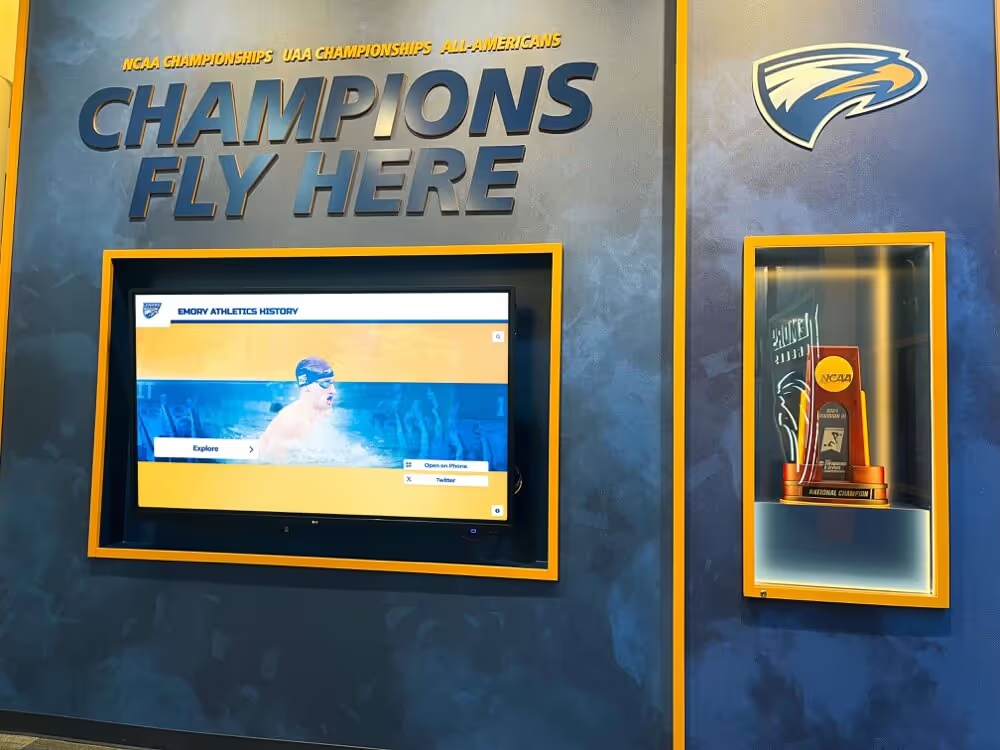
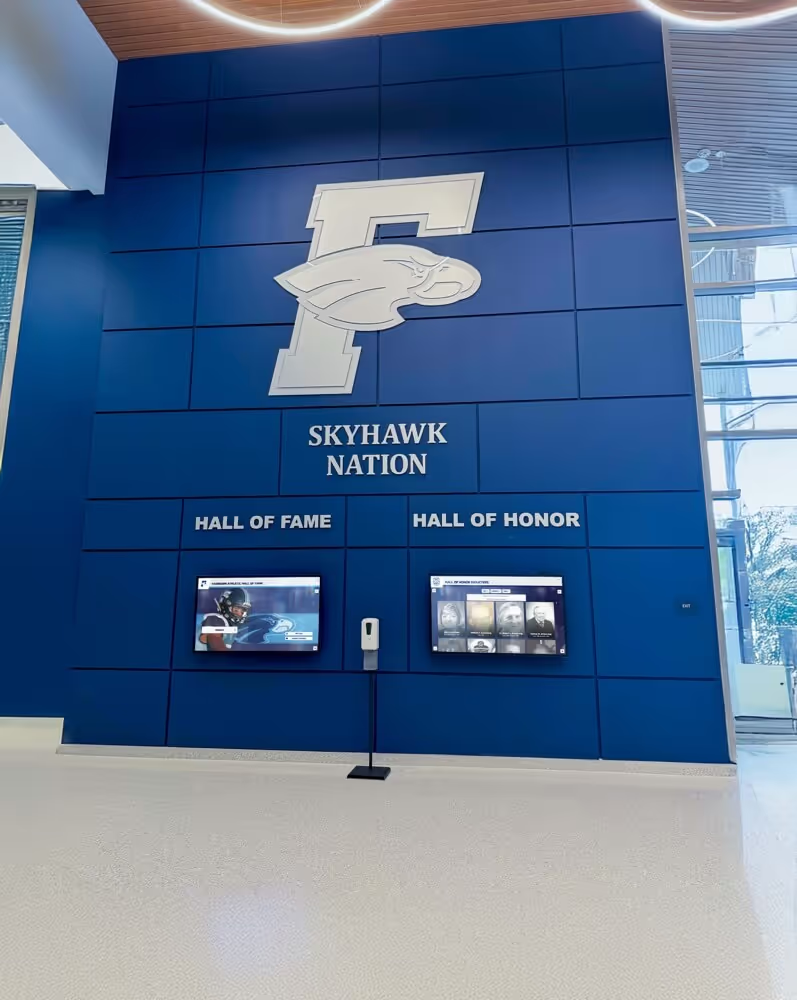
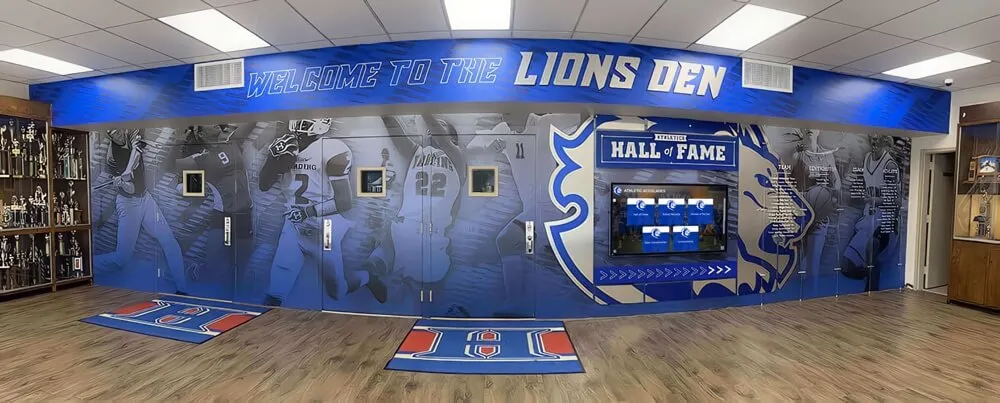
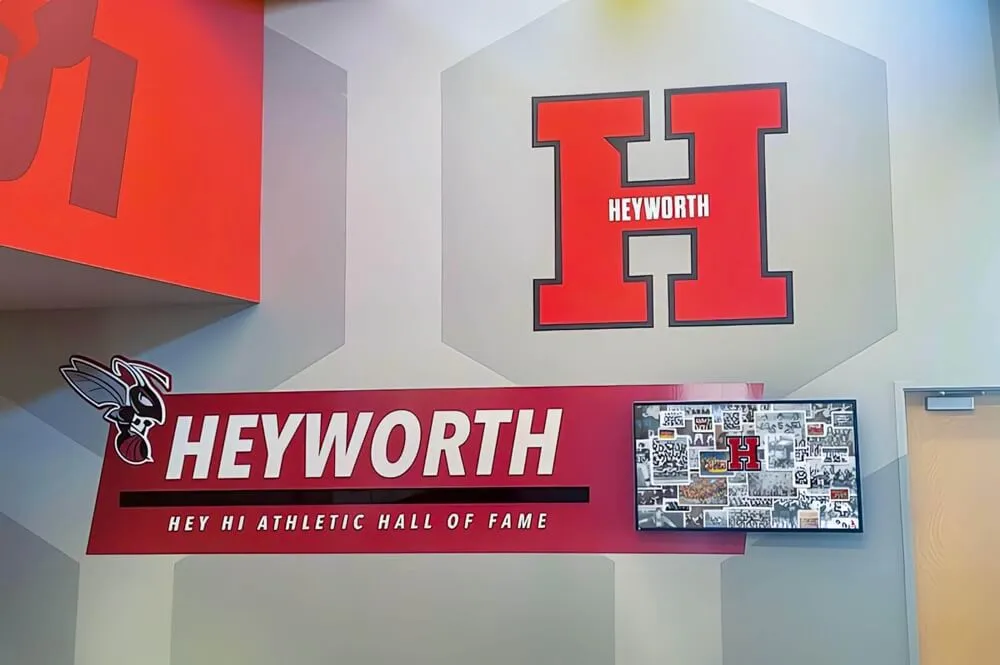
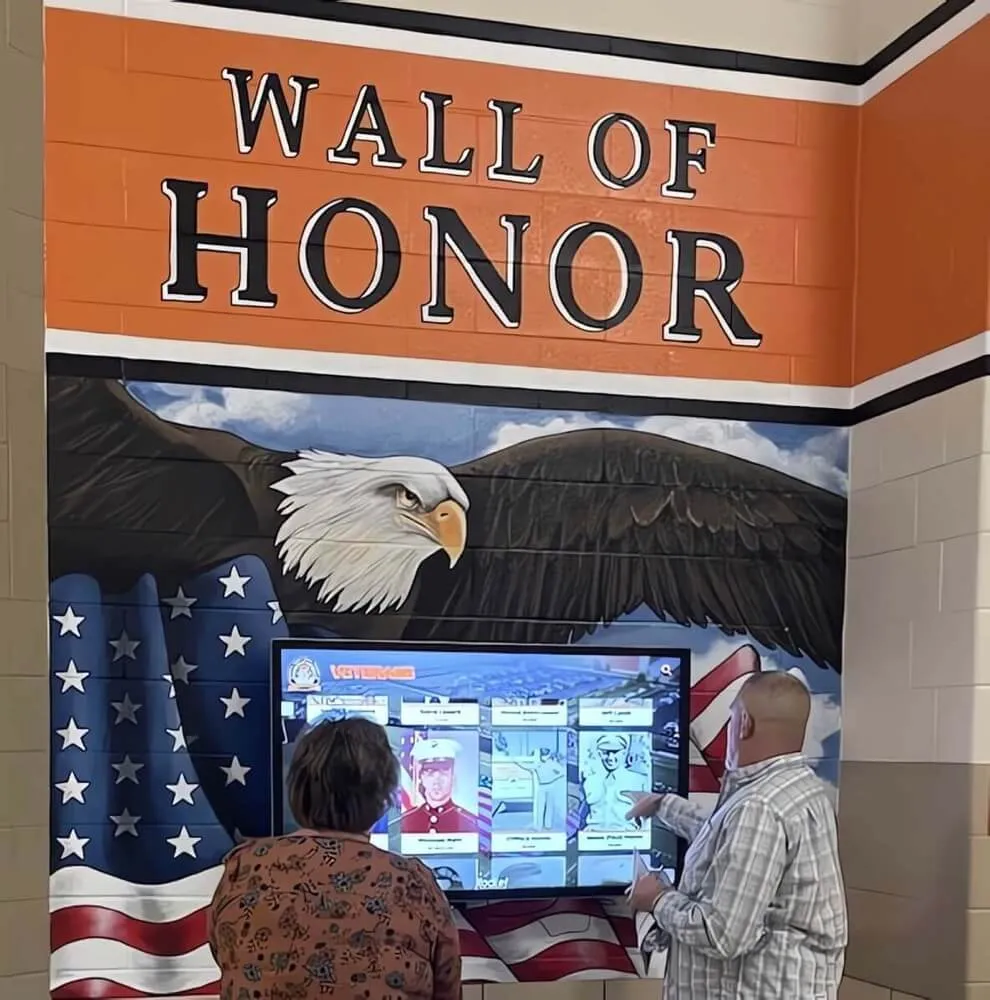
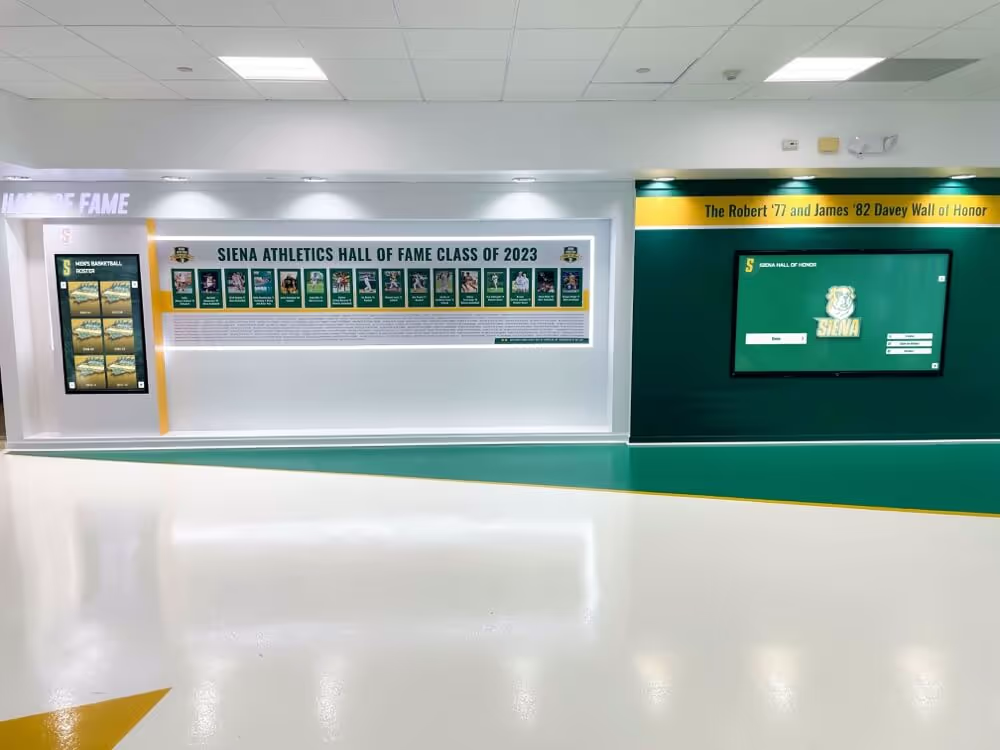
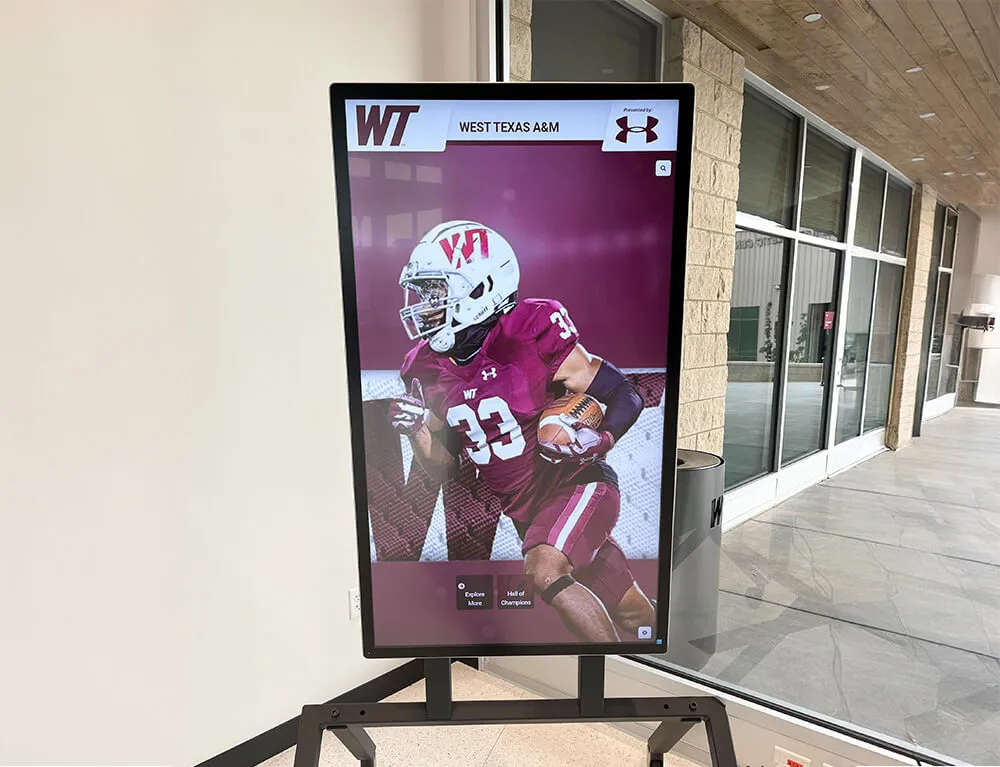
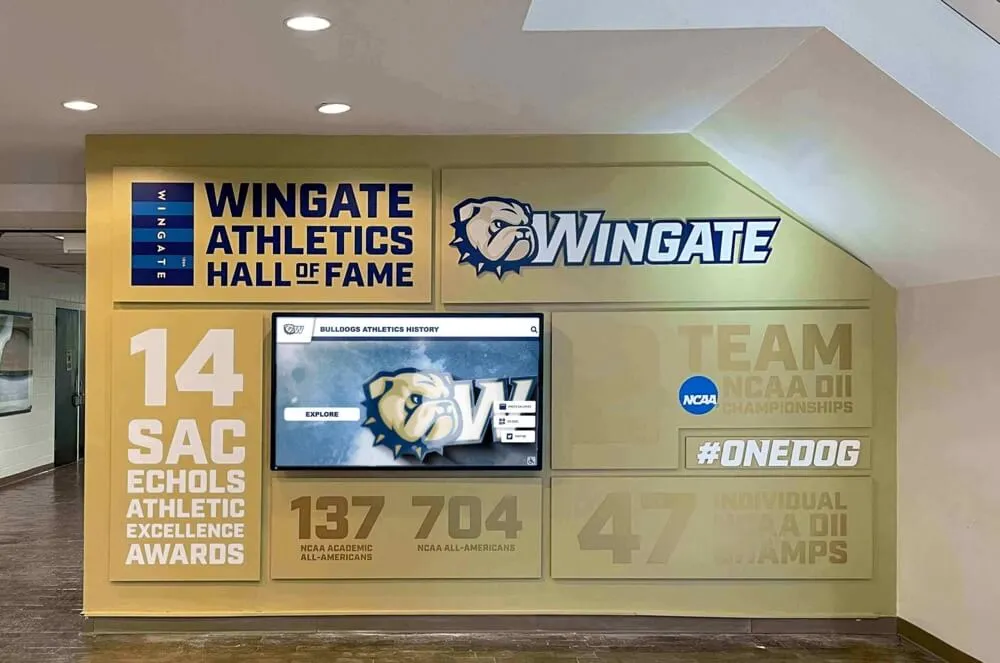
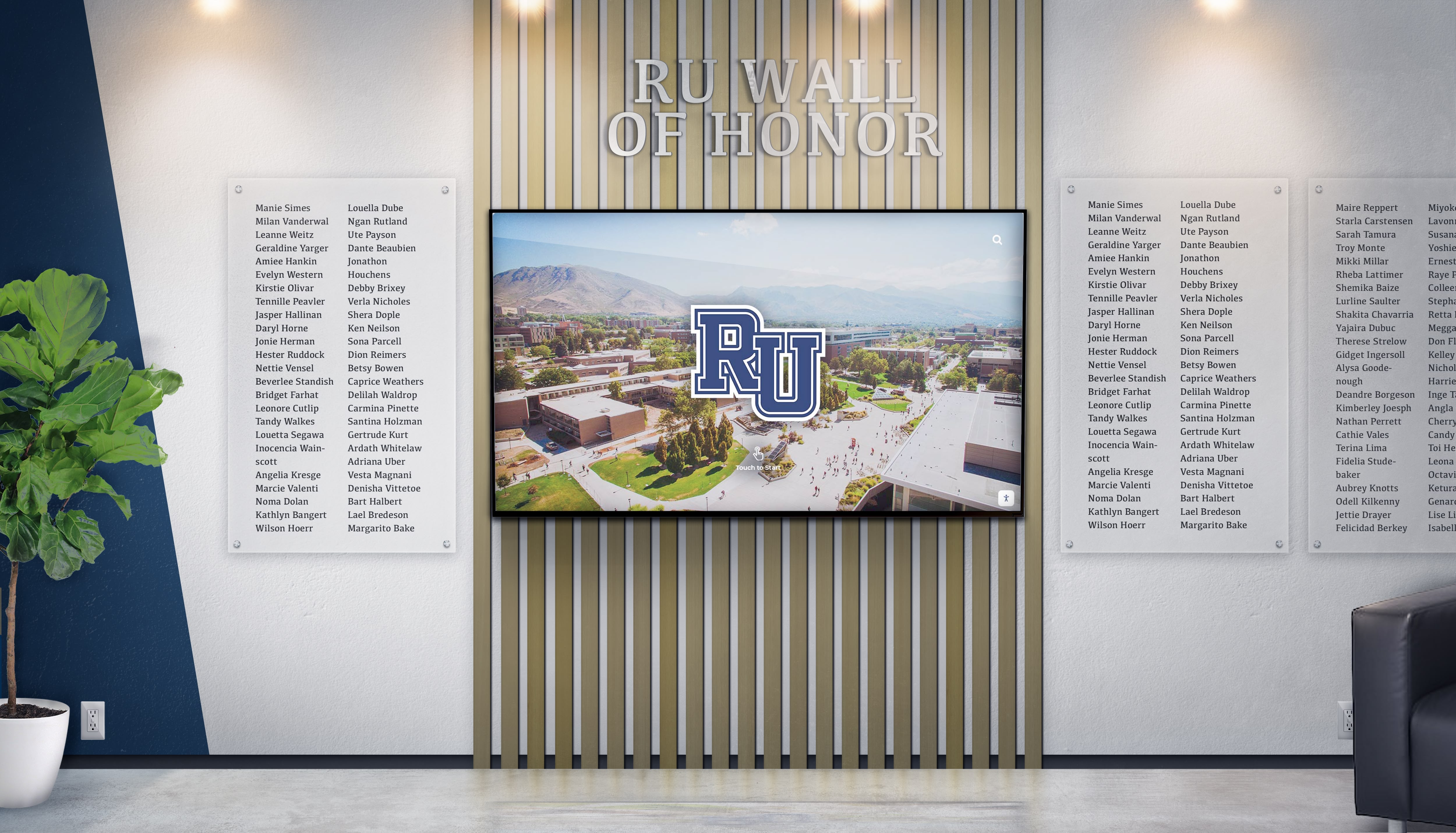
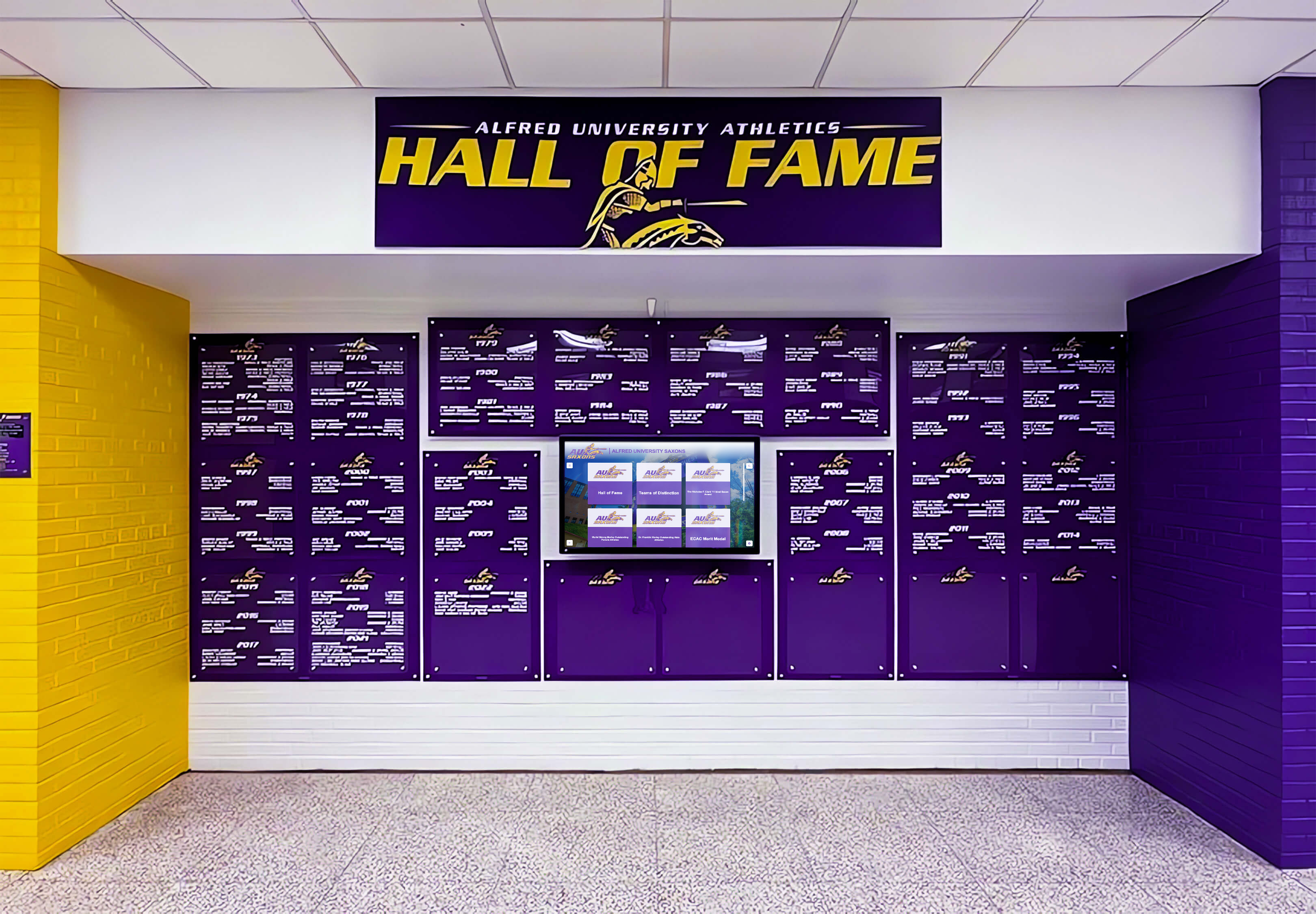
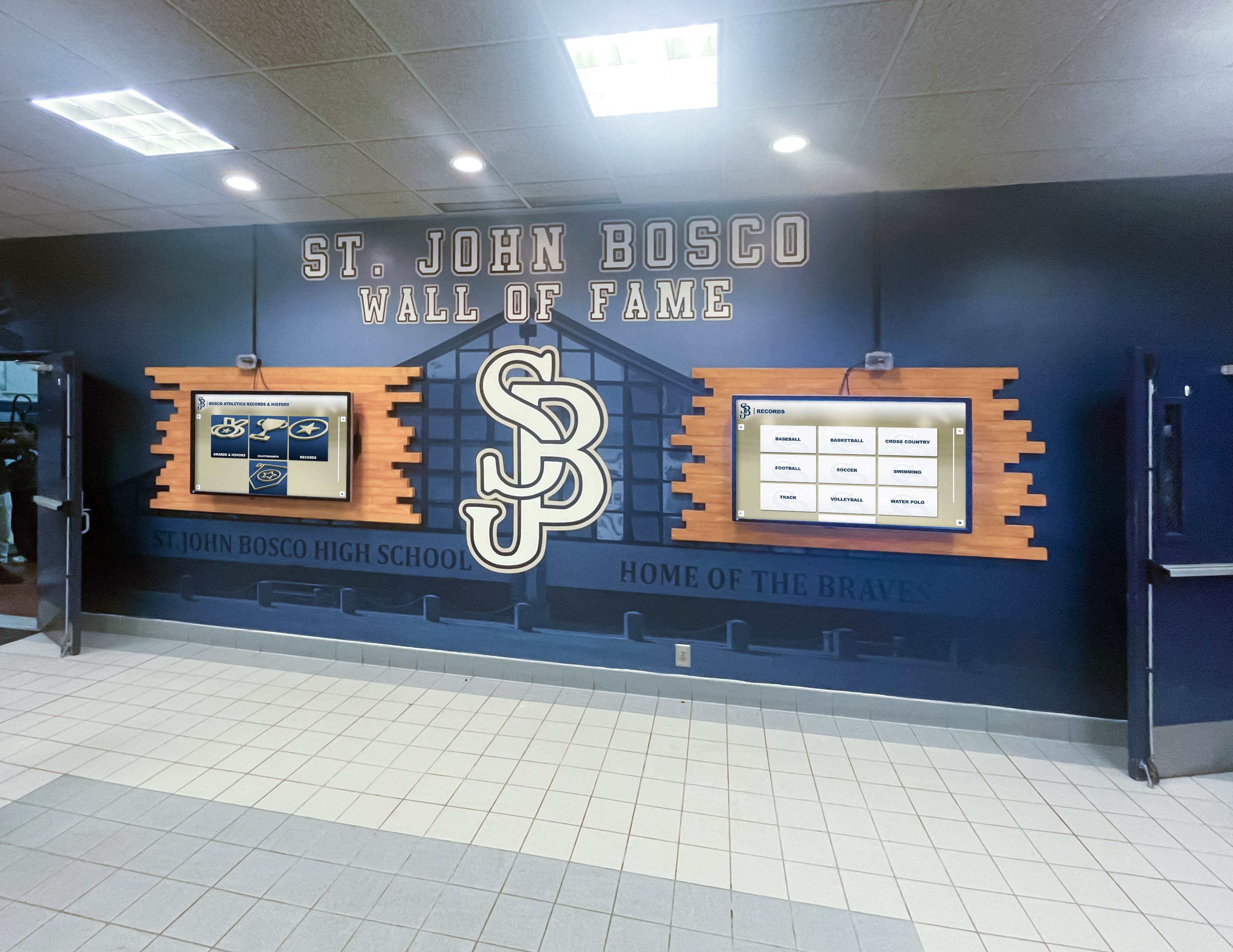
Public Recognition Displays: Traditional recognition walls displaying employee of the month winners create visible celebration that reminds entire organizations of valued contributions. Display approaches include photo boards with professional portraits and achievement descriptions, plaque walls listing honorees with dates and brief accomplishment summaries, trophy case sections featuring awards and recognition artifacts, and rotating displays highlighting current honorees prominently while maintaining historical recognition archives.
Schools implementing recognition displays for staff achievements find that visible celebration not only honors recipients but also inspires colleagues while communicating organizational values to students, families, and visitors.
Rewards and Benefits: Beyond symbolic recognition, many programs include tangible rewards such as preferred parking spaces for the recognition period, gift cards or modest monetary awards, extra personal or professional development time, special lunch or dinner celebrations, or feature profiles in organizational newsletters and communications. Rewards should feel meaningful without becoming the primary motivation, maintaining focus on genuine appreciation rather than transactional incentive systems.
Program Variations and Adaptations
Quarterly or Annual Recognition: Some organizations find less frequent recognition enables more substantial evaluation periods and reduces pressure to select recipients monthly regardless of whether exceptional contributions occurred. Quarterly programs might select multiple honorees across different categories, while annual recognition programs can celebrate year-long sustained excellence. These timelines work particularly well for smaller organizations where monthly recognition feels forced.
Category-Based Recognition: Instead of single employee of the month selections, some programs recognize multiple individuals across different contribution categories such as innovation and creativity, customer service excellence, teamwork and collaboration, leadership and mentorship, and operational excellence and efficiency. Category approaches enable broader recognition while celebrating diverse strength areas rather than comparing fundamentally different contribution types.
Team Recognition Programs: Beyond individual honors, team recognition celebrates collective achievement through project completion excellence, departmental performance goals exceeded, cross-functional collaboration success, or culture and morale contributions. Team recognition acknowledges that most organizational success requires collaboration rather than solely individual effort, building collective pride and shared accomplishment.
Modern Digital Recognition Solutions
Digital recognition technology has transformed what’s possible in employee celebration, addressing virtually every limitation of traditional approaches while introducing powerful capabilities that physical displays cannot match.
Interactive Digital Recognition Displays
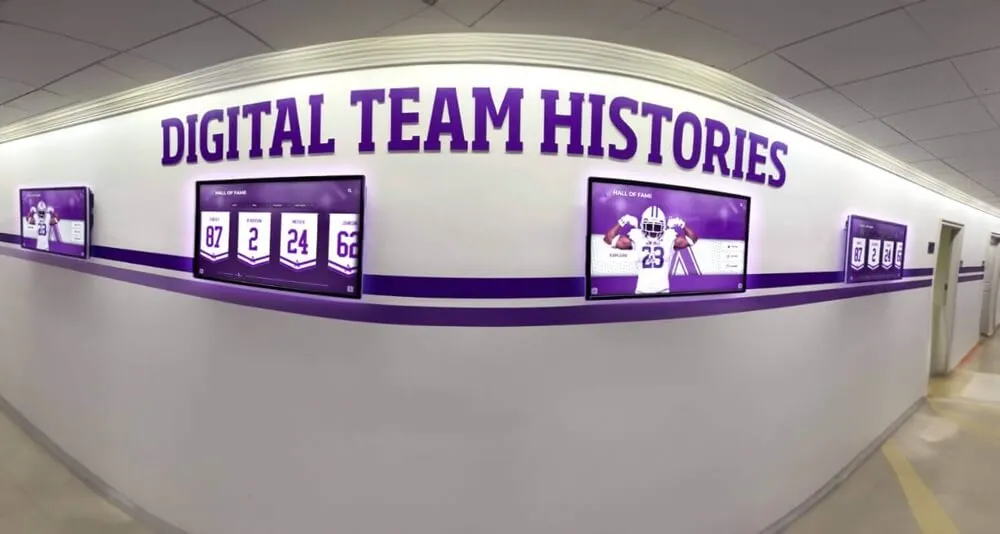
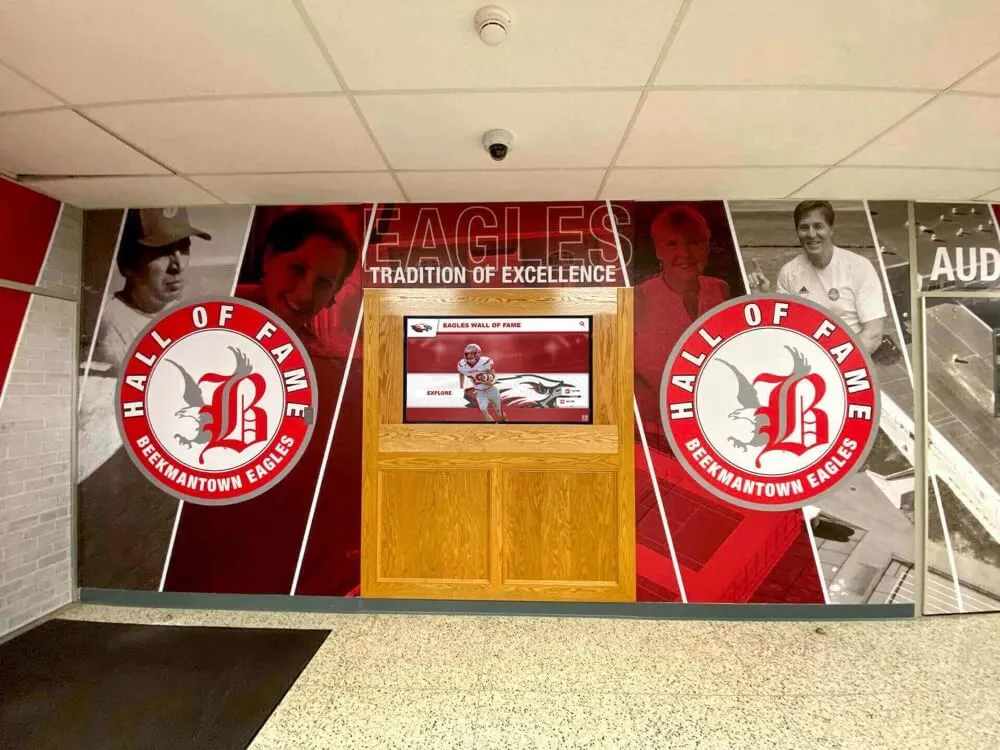
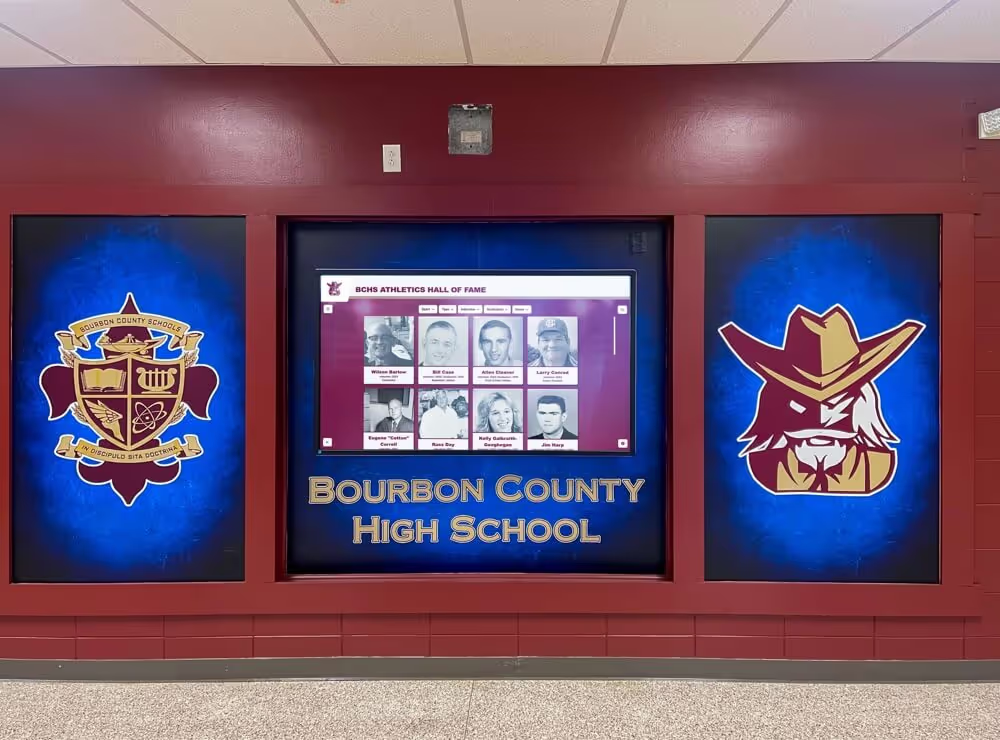
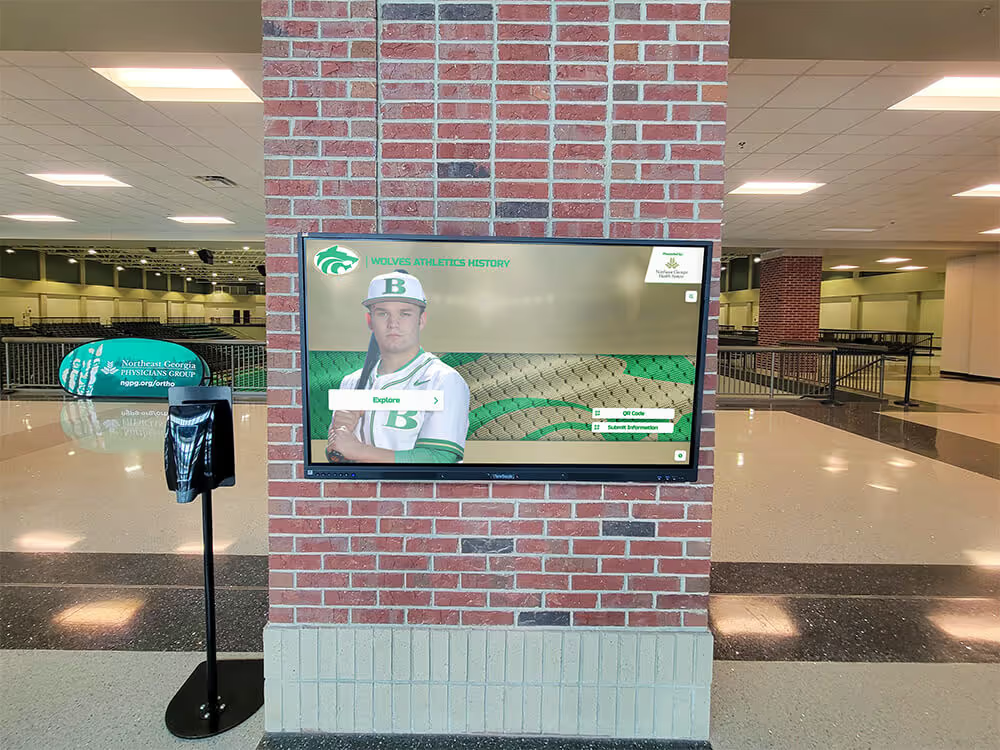
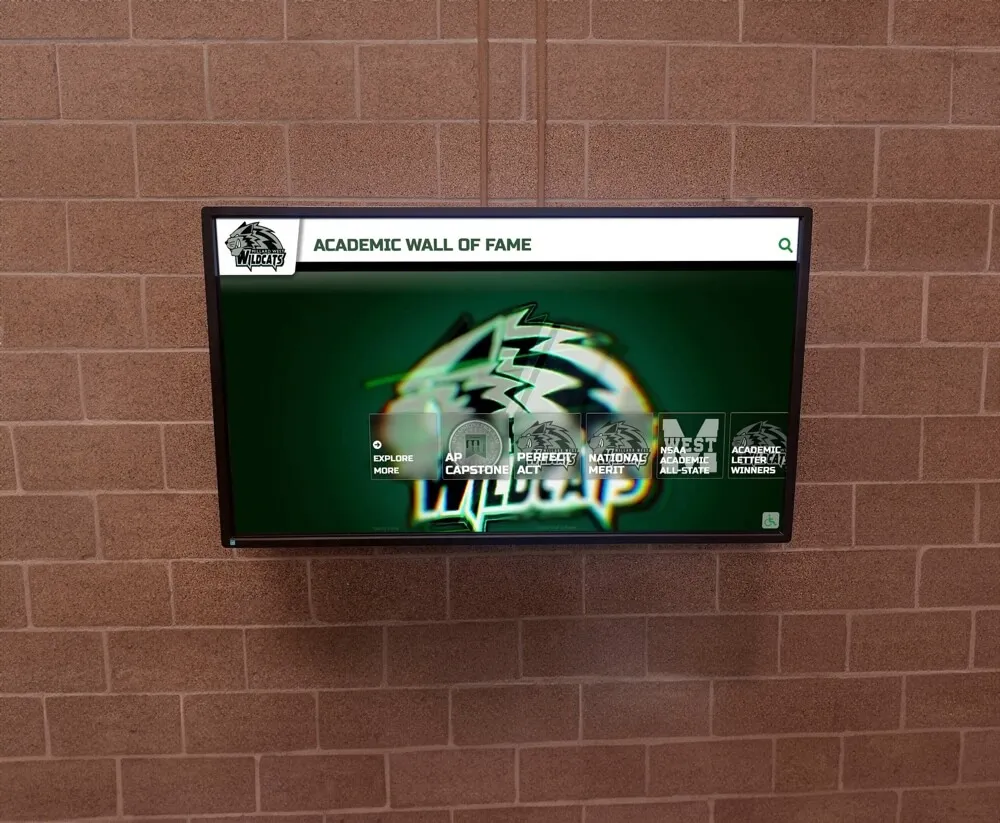
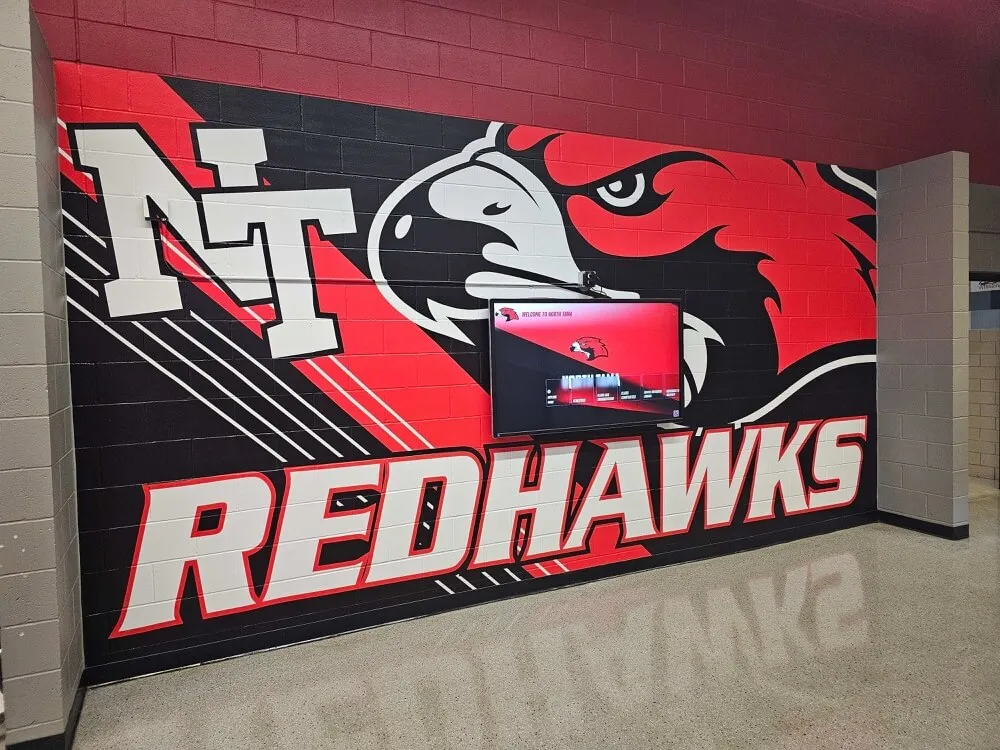
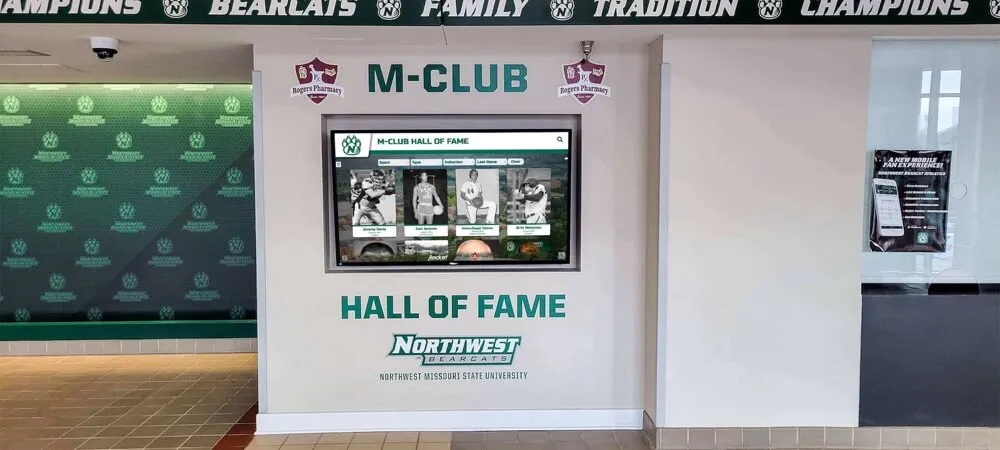
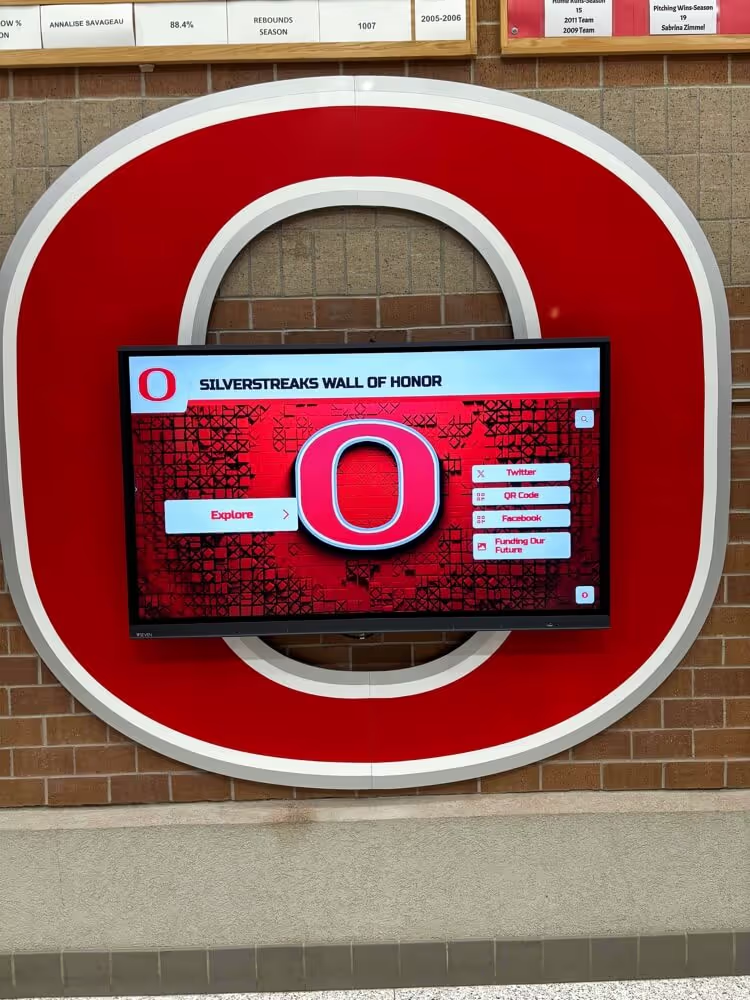
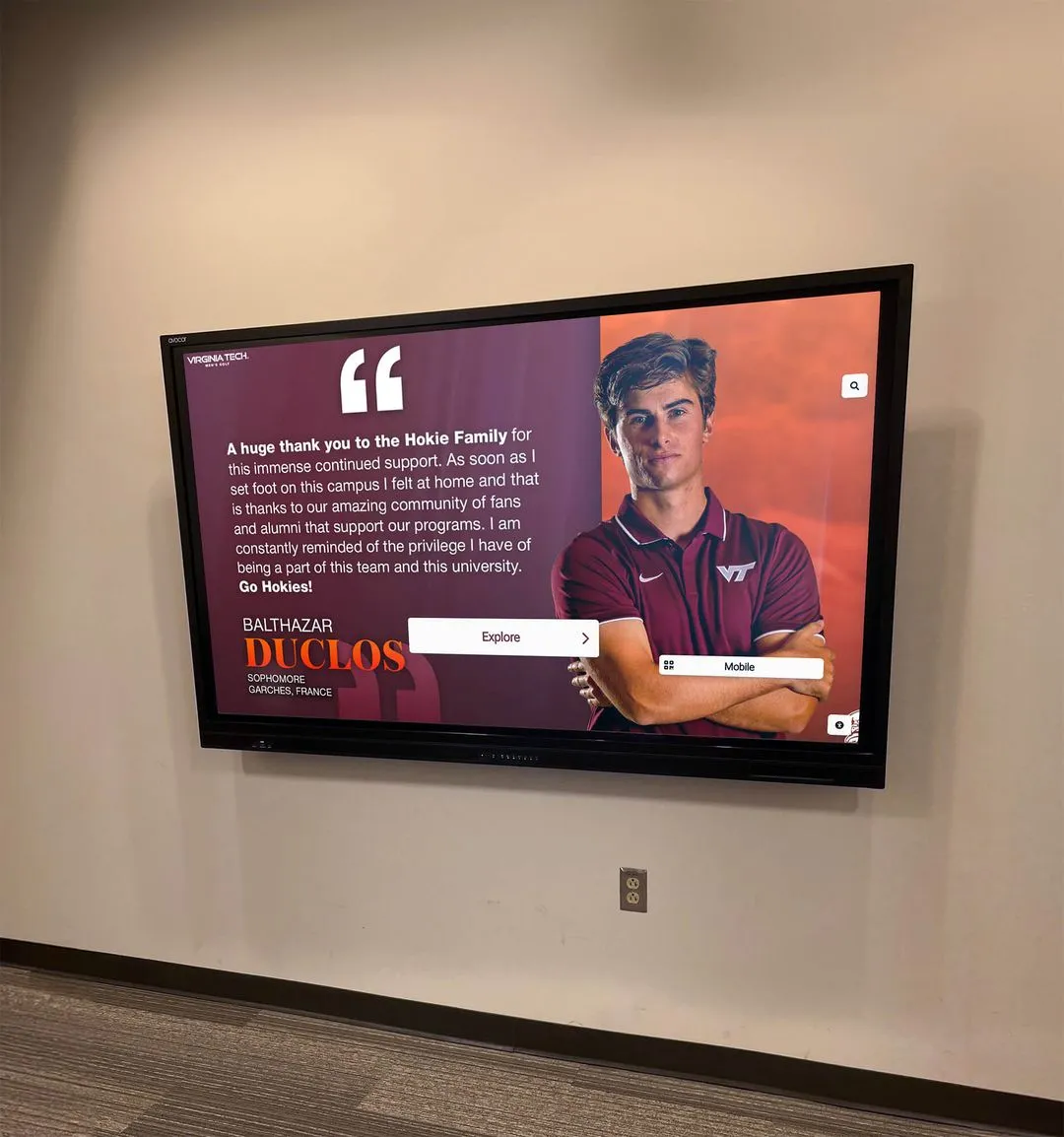
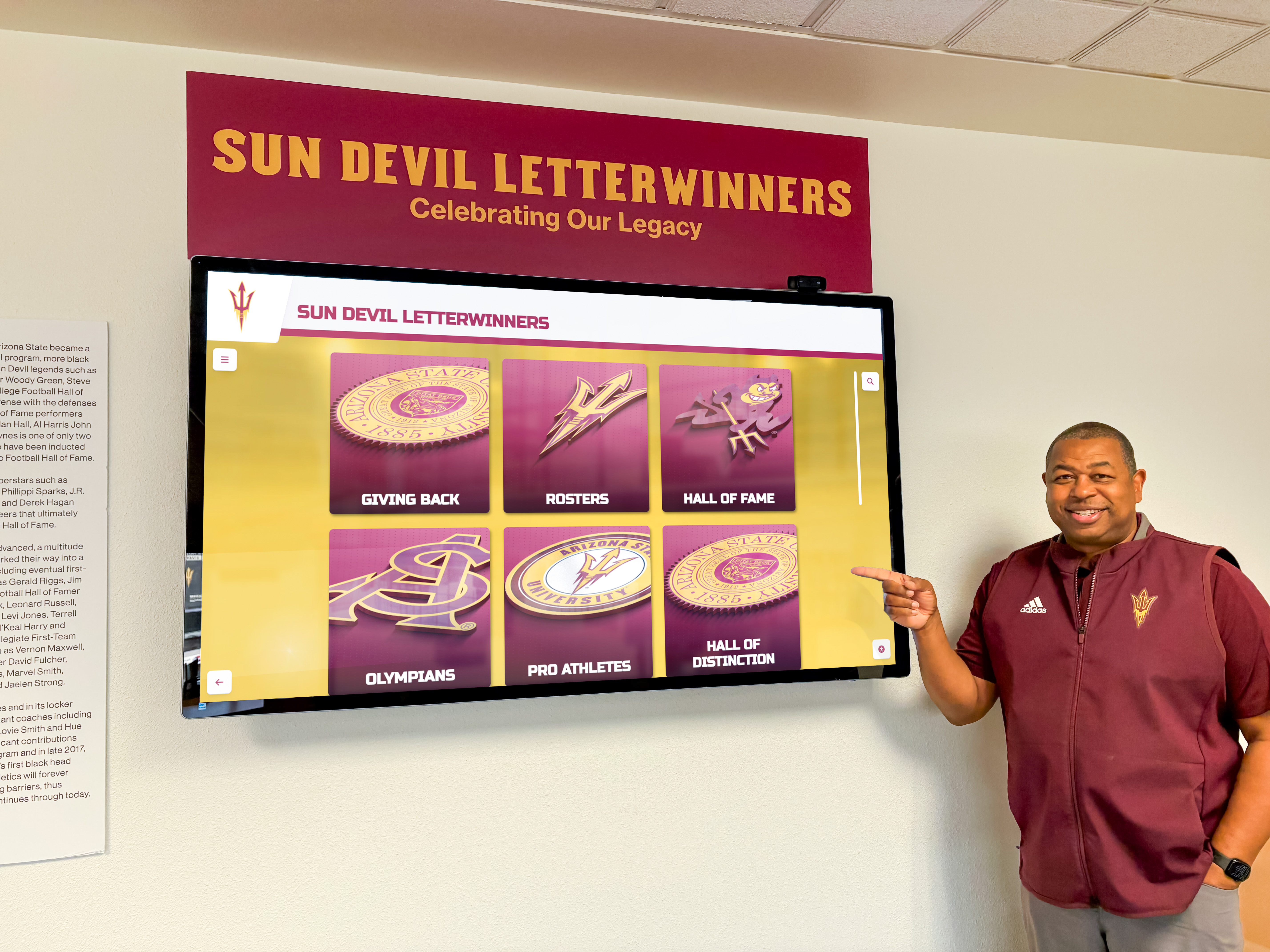
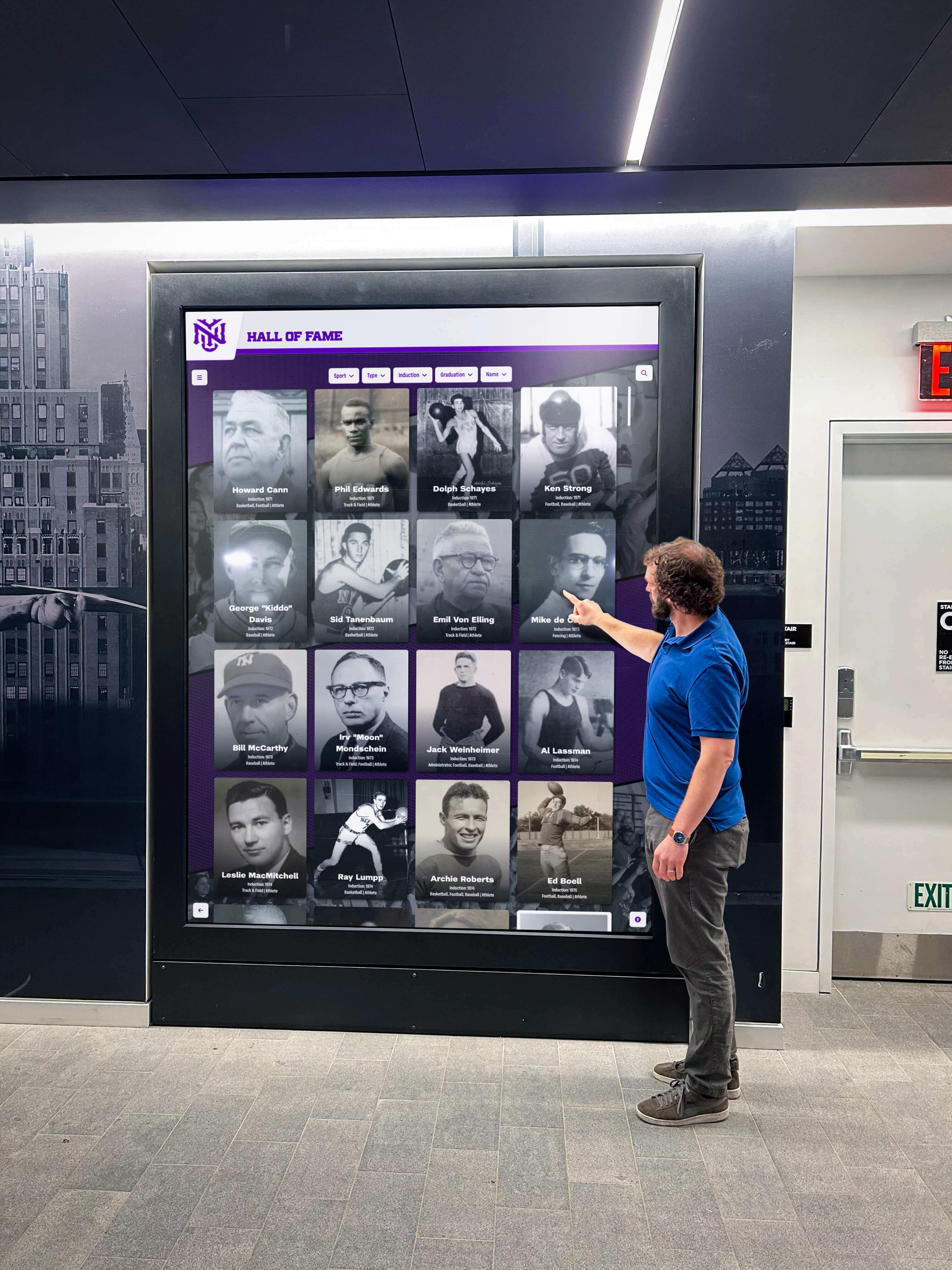
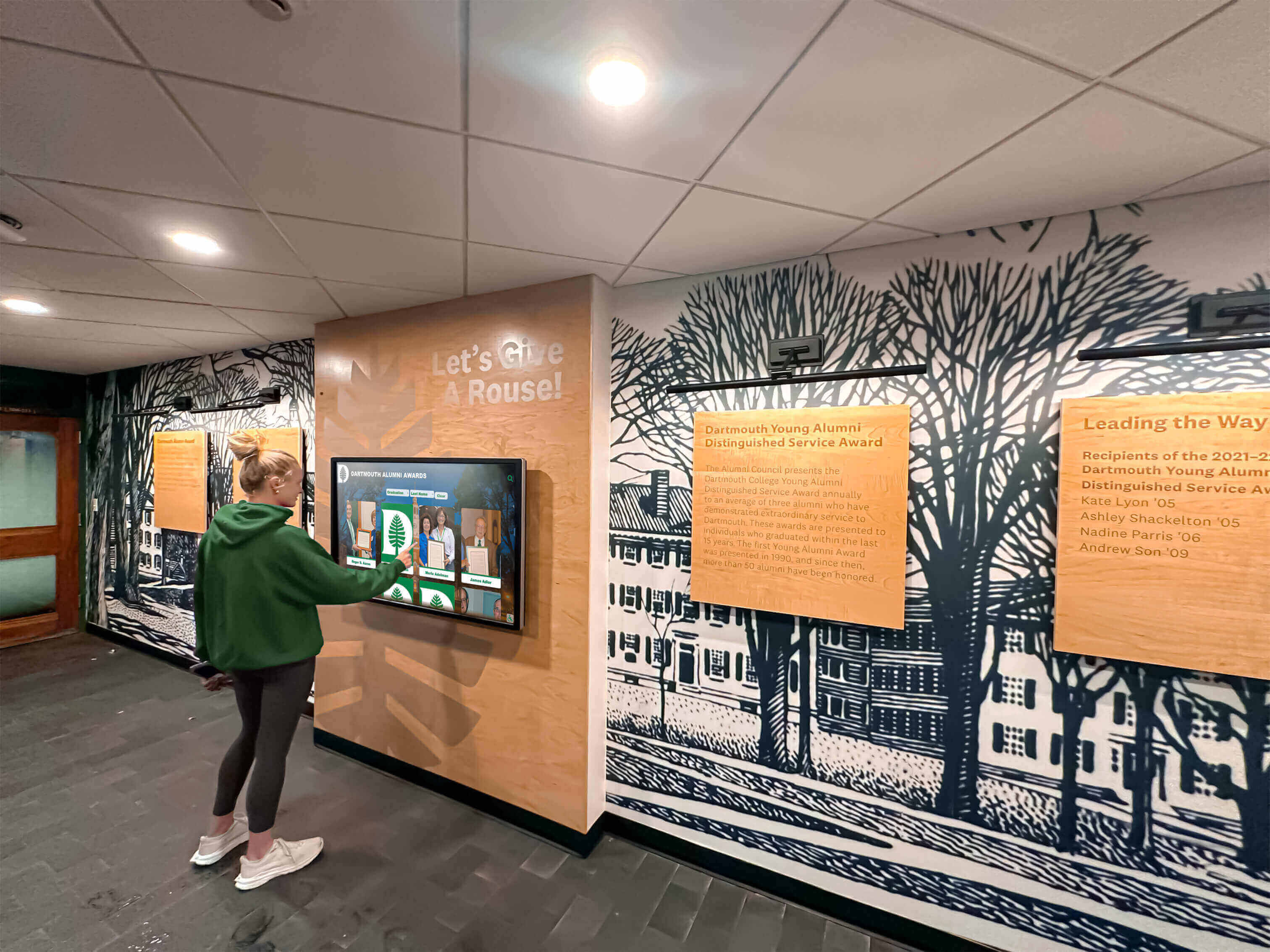
Modern digital recognition systems deployed in lobbies, break rooms, and common areas create engaging experiences celebrating both current recognition recipients and historical honorees. These solutions overcome traditional display limitations while providing rich storytelling capabilities.
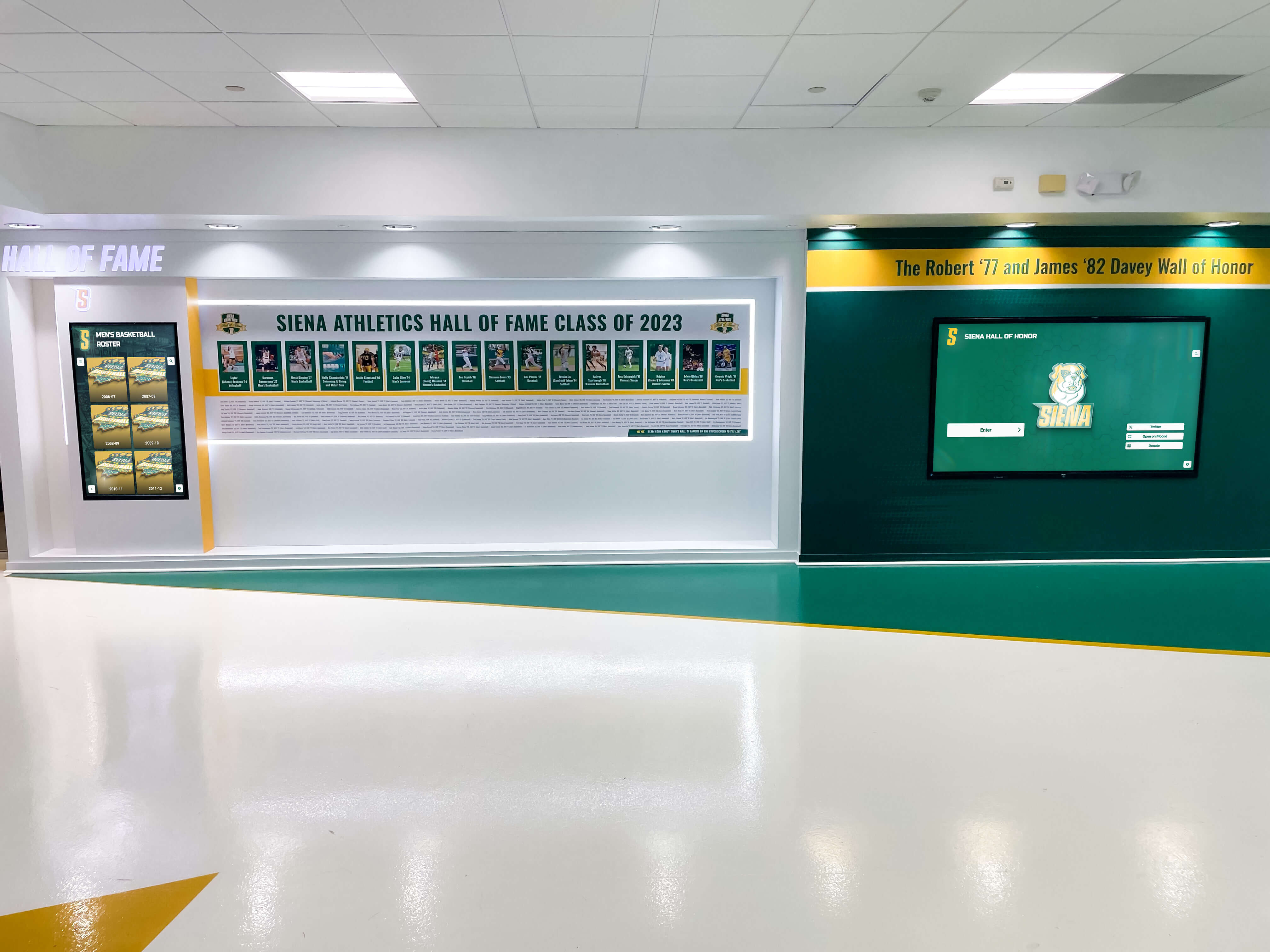
Unlimited Recognition Capacity: Digital displays accommodate hundreds or thousands of employee profiles without additional physical space requirements. Whether recognizing 50 staff members annually or maintaining decades of recognition history, digital systems scale indefinitely. Schools can showcase every employee of the month recipient since program inception rather than limiting displays to recent years due to physical constraints.
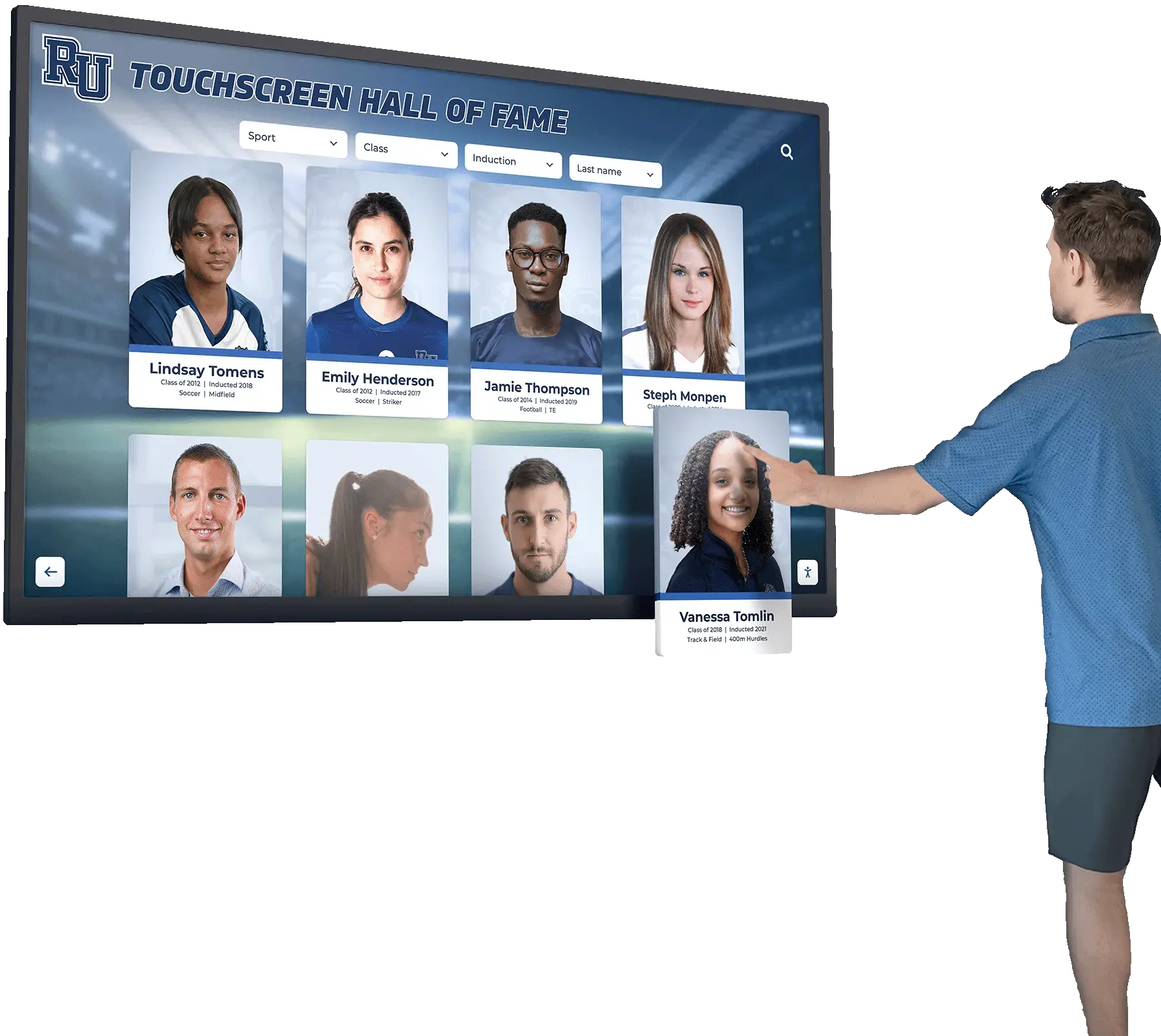
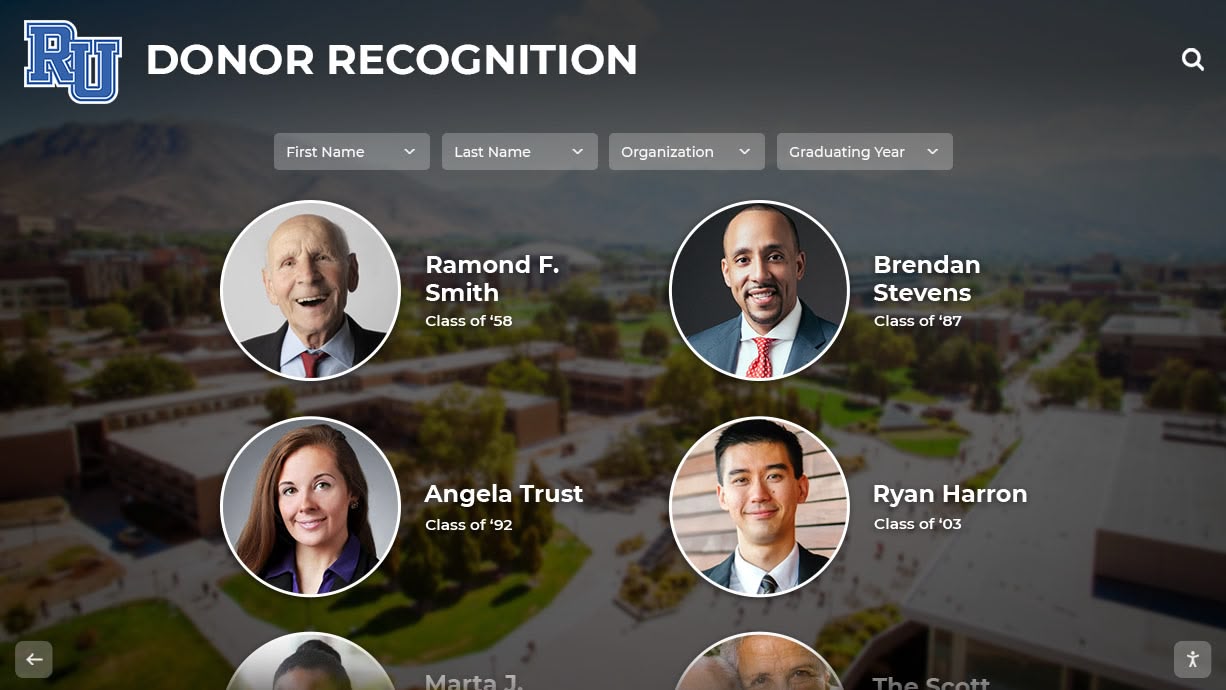
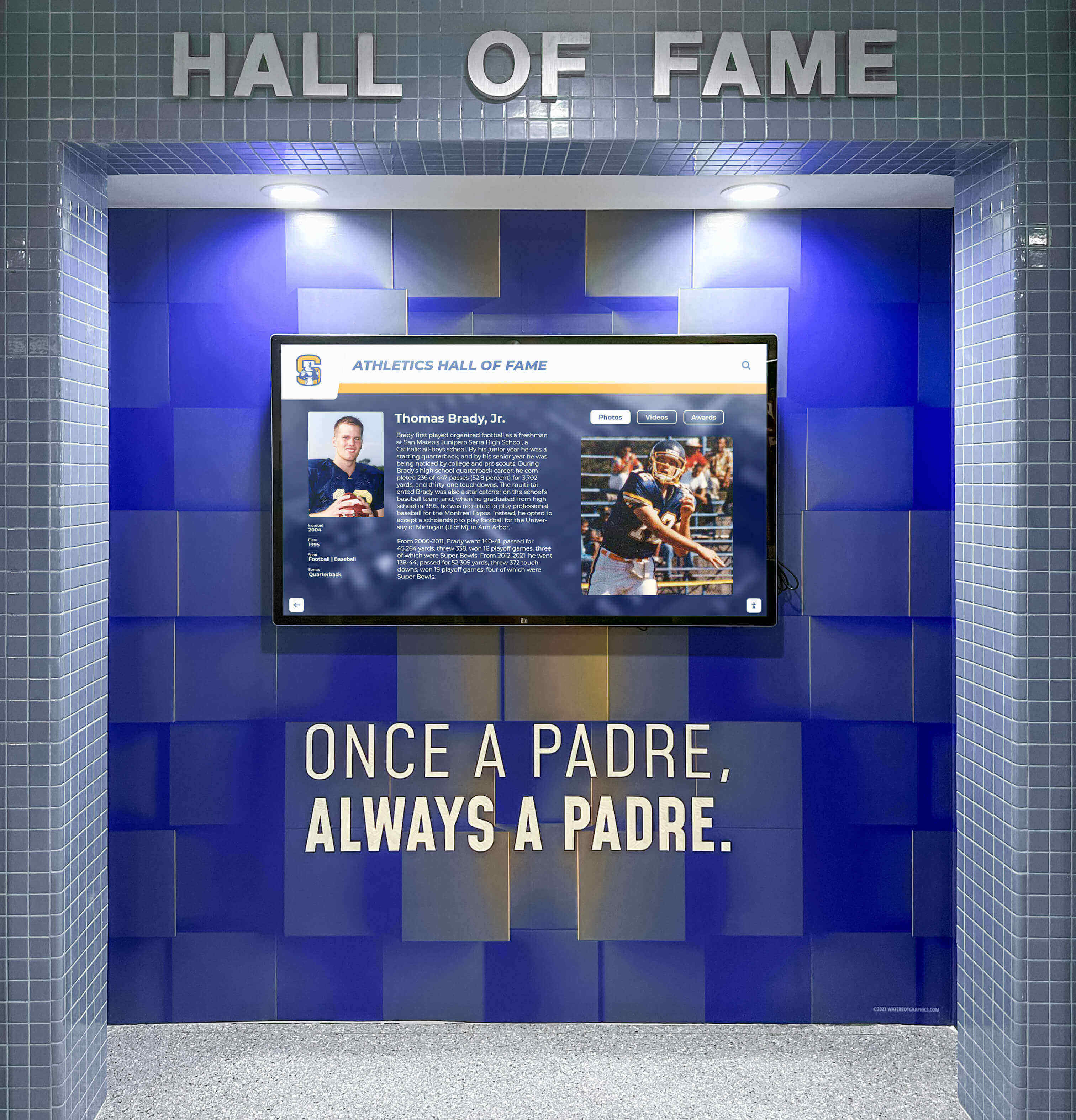
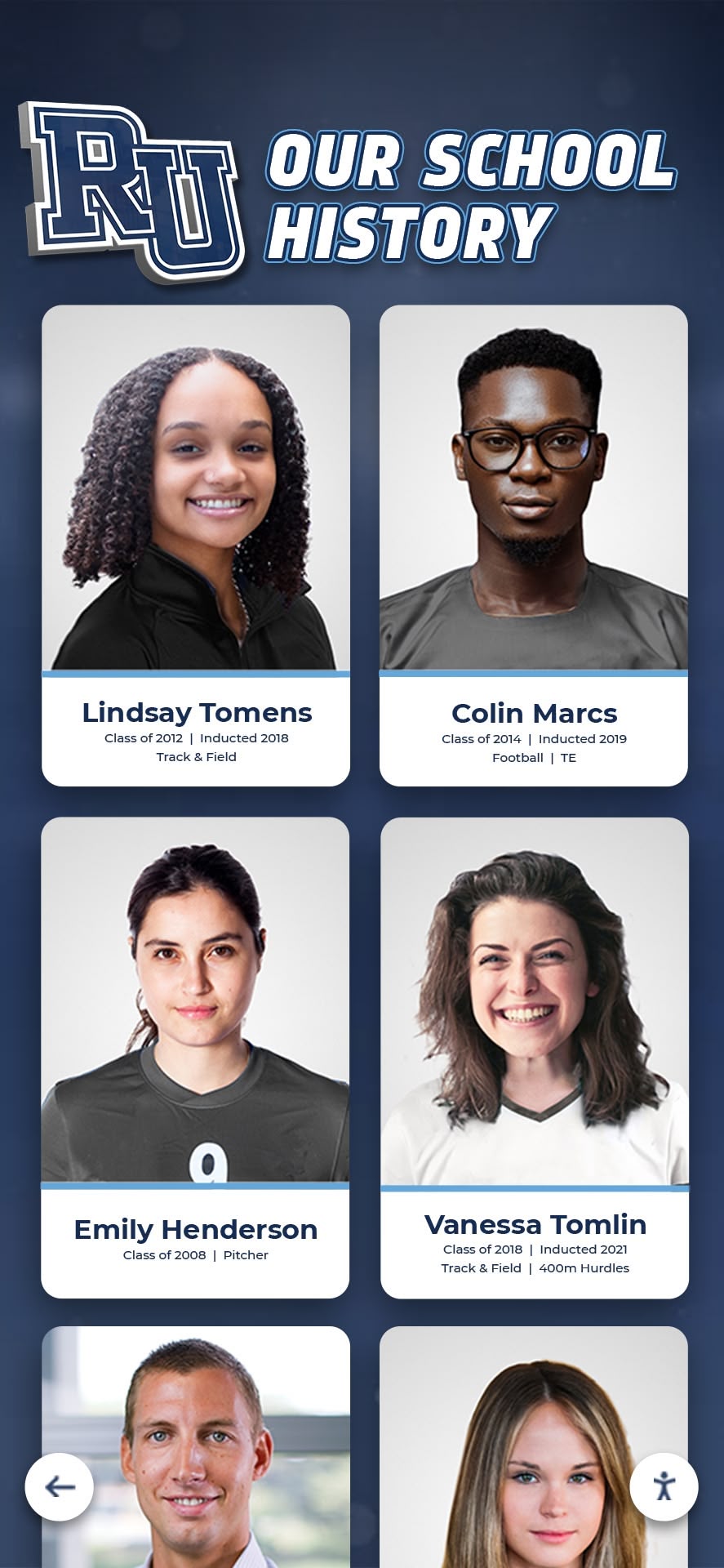

Rich Multimedia Profiles: Digital recognition enables content impossible in traditional formats including professional photographs and candid workplace images, video interviews where honorees share advice or reflect on contributions, career timeline visualizations showing professional progression, achievement galleries documenting specific accomplishments, and scanned certificates, awards, or recognition documents. This multimedia richness creates emotional connections that static plaques cannot achieve.
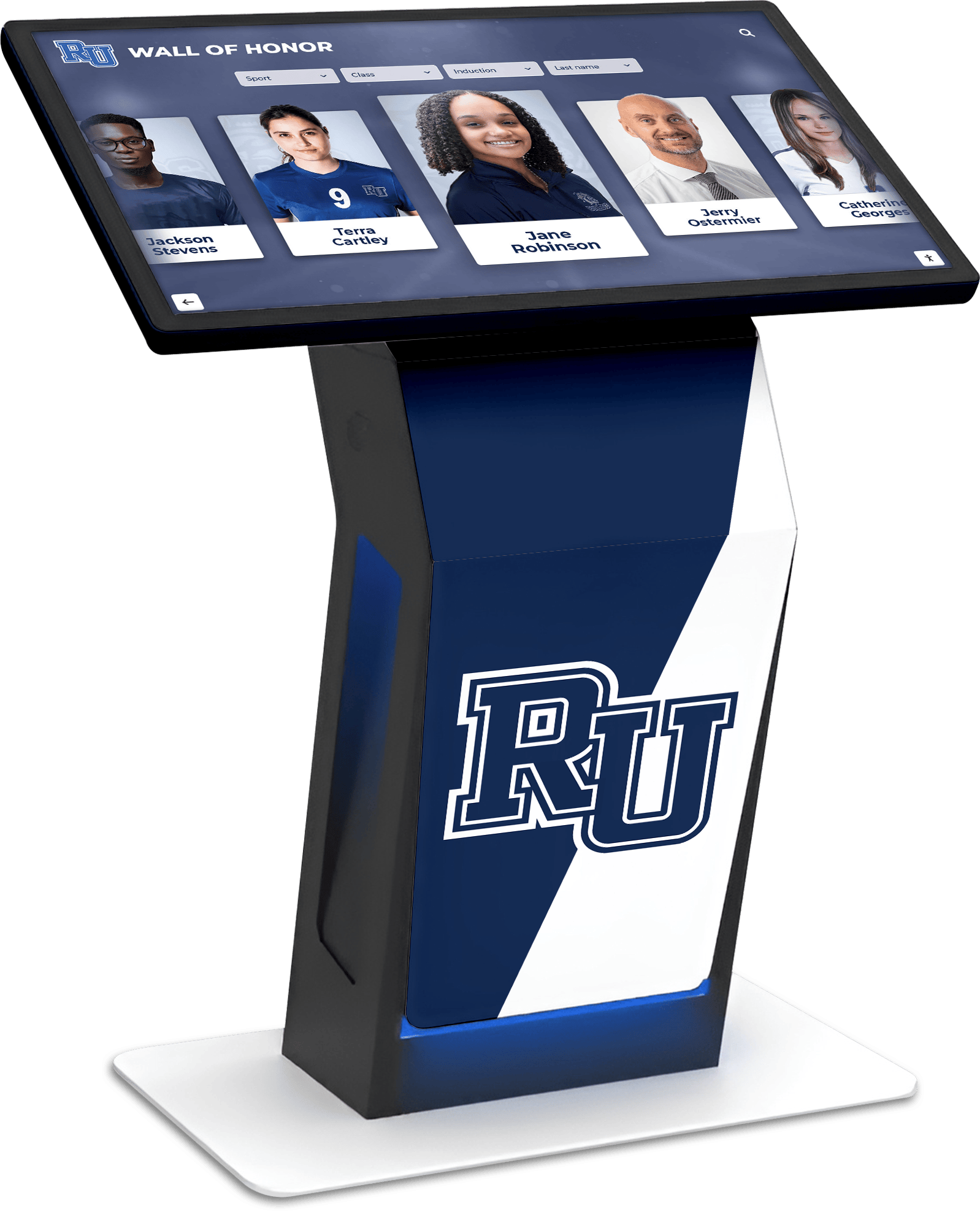
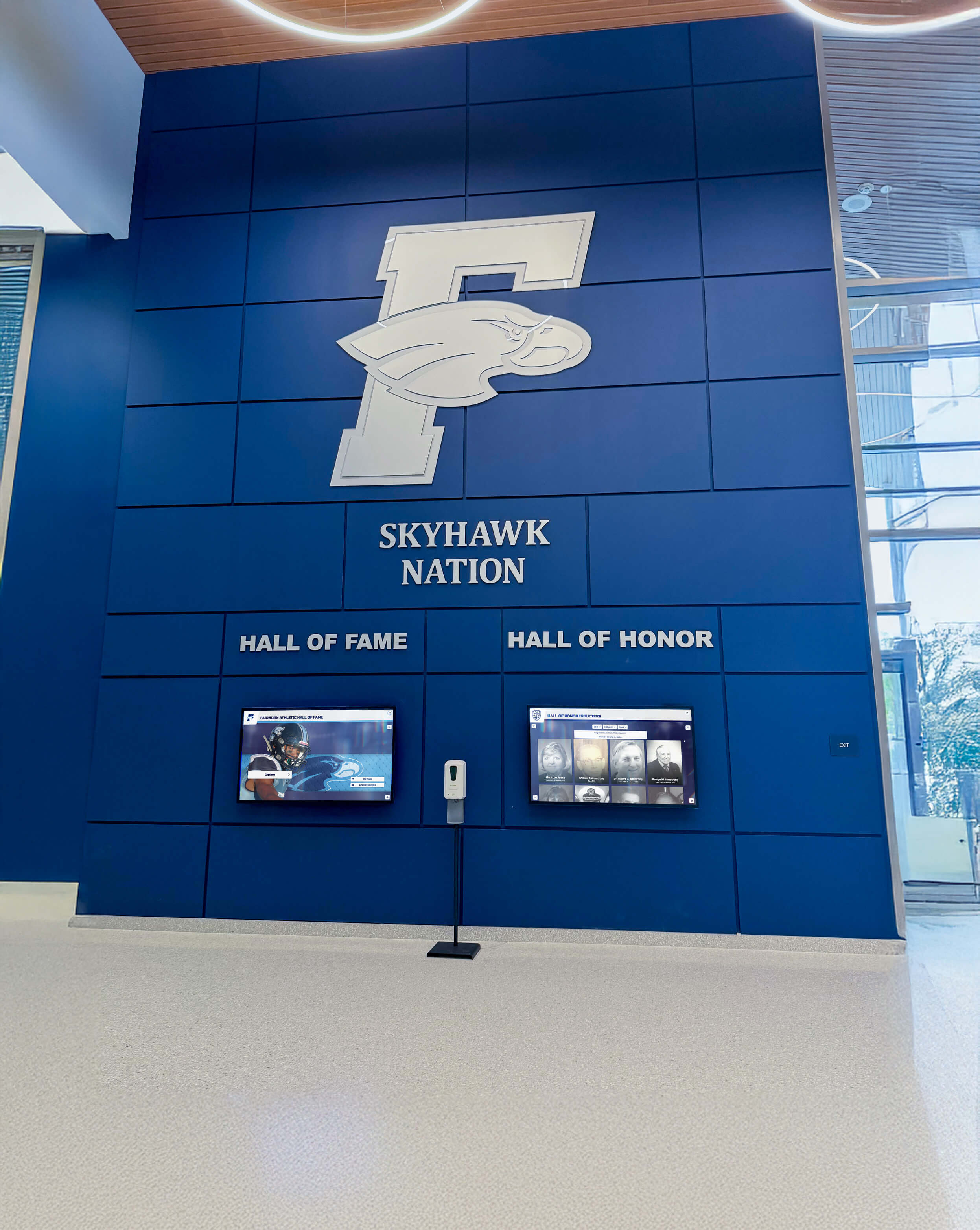
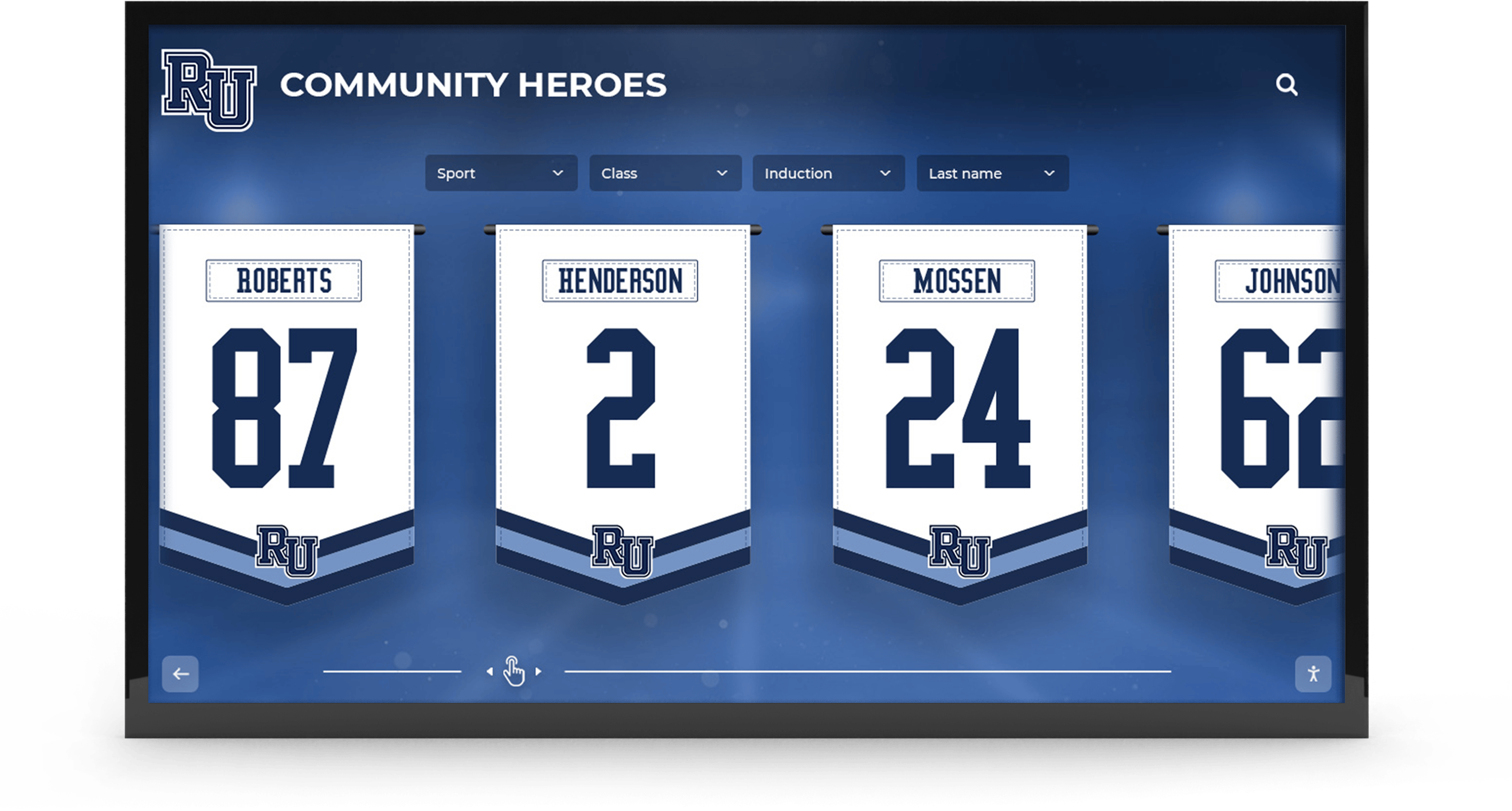
Interactive Exploration Features: Touchscreen interfaces enable visitors to search by name or department, filter by recognition period or award category, browse through chronological timelines, discover connections among colleagues, and share profiles via social media or email. Interactivity transforms passive viewing into engaging exploration, increasing time spent with recognition content while enabling deeper connections with honoree stories.
Instant Content Updates: Adding new monthly honorees or updating existing profiles happens through intuitive web-based content management systems accessible from any internet-connected device. No manufacturing delays, installation costs, or physical modifications required—content updates appear instantly across all display locations when organizations manage multiple recognition points.
Analytics and Insights: Modern recognition platforms track engagement metrics including daily interactions, most-viewed profiles, popular search terms, average session duration, and peak usage times. These analytics demonstrate program impact through concrete data while helping organizations understand what resonates most with audiences.
Web-Based Recognition Platforms
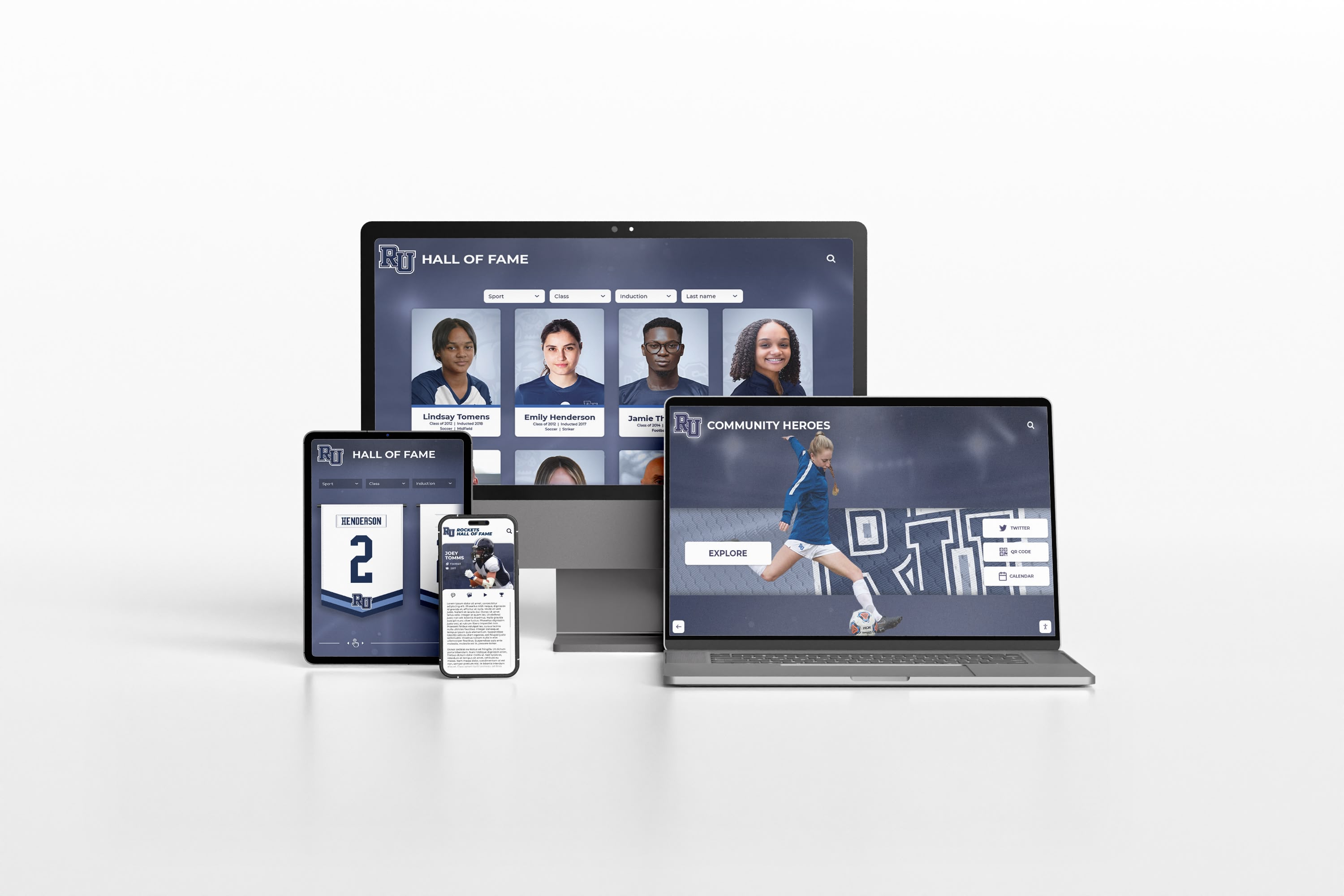
Online recognition portals extend celebration beyond physical locations, enabling remote employees, distributed teams, and alumni to explore achievement histories while facilitating ongoing engagement.
Global Accessibility: Web platforms make recognition accessible anywhere, particularly valuable for organizations with multiple locations, remote workers, or geographically distributed teams. Employees can explore colleague achievements from home, share recognition profiles with family and professional networks, and stay connected with organizational culture regardless of physical location.
Social Integration and Sharing: One-click sharing to LinkedIn, Facebook, Twitter, and other platforms exponentially extends recognition reach. When employees share their recognition profiles or celebrate colleagues’ achievements with their networks, organizational visibility expands dramatically while facilitating connections among team members who may not interact daily in large organizations.
Mobile Accessibility: Responsive design ensures recognition platforms function seamlessly across desktop computers, tablets, and smartphones. Mobile access enables spontaneous exploration and sharing, increasing engagement opportunities beyond planned display interactions.
Historical Archives: Digital platforms preserve complete recognition history creating searchable databases documenting decades of employee excellence. These archives become organizational memory celebrating legacy while providing context about culture evolution and consistent value demonstration across generations of leadership and staff.
Social Recognition and Peer Appreciation Platforms
Beyond formal recognition programs, modern social recognition tools enable continuous peer appreciation creating cultures where acknowledgment happens daily rather than exclusively during scheduled recognition events.
Real-Time Recognition Feeds: Social recognition platforms allow employees to give immediate thanks or appreciation to colleagues, creating public recognition streams visible to entire organizations. These systems typically include points or badges accumulating over time, public acknowledgment walls displaying recent recognition, and integration with communication platforms like Slack or Microsoft Teams.
Spot Bonuses and Micro-Rewards: Some platforms enable small monetary recognition or gift rewards that managers or peers can award immediately following noteworthy contributions. Spot recognition combined with modest rewards creates powerful reinforcement for desired behaviors while demonstrating that contributions are noticed and valued in the moment rather than weeks later during formal review cycles.
Recognition Analytics and Reporting: Social platforms track recognition patterns revealing which departments give and receive recognition frequently, identifying potentially isolated employees receiving insufficient acknowledgment, measuring recognition frequency and consistency across teams, and highlighting recognition champions modeling appreciation culture. These insights help leadership understand culture health while identifying areas needing intervention.
School-Specific Employee Recognition Ideas
Educational institutions face unique recognition challenges and opportunities given diverse staff roles, student interactions, and community visibility. These school-specific approaches address K-12 and higher education contexts.
Recognizing Teachers and Faculty
Classroom Innovation Awards: Celebrate teachers implementing creative instructional approaches, leveraging technology effectively, or developing novel curriculum materials. Recognition might highlight project-based learning initiatives, flipped classroom experiments, or culturally responsive teaching practices. Specific examples showing how innovation improved student learning make recognition meaningful while providing models other educators can adapt.
Student Impact Recognition: Some of the most powerful teacher recognition comes from students themselves. Programs enabling students to nominate teachers who made significant differences in their lives create heartfelt appreciation. Student-written nomination letters describing how teachers inspired them, supported them through challenges, or ignited passion for learning often become treasured recognition artifacts that teachers value more than any trophy.
Mentorship Excellence: Veteran teachers supporting new colleagues, department chairs fostering professional growth, or master teachers coaching student teachers make crucial contributions deserving recognition. Celebrating mentorship and leadership reinforces that helping colleagues develop represents valued contribution beyond individual classroom excellence.
Professional Development Leadership: Teachers who lead professional learning communities, present at conferences, publish educational research, or develop resources benefiting colleagues beyond their own classrooms demonstrate leadership meriting recognition. These contributions strengthen entire organizations while modeling continuous professional growth.
Support Staff and Administrative Recognition
Behind-the-Scenes Excellence: Custodians, cafeteria workers, bus drivers, secretaries, and maintenance staff make schools function but often receive insufficient recognition compared to instructional staff. Dedicated recognition categories or rotation systems ensuring support staff receive appropriate acknowledgment demonstrate that all contributions matter to school success.
Problem-Solving and Initiative: Administrative and support staff who identify and solve operational challenges, improve processes increasing efficiency, respond excellently to emergencies or unexpected situations, or go substantially beyond job descriptions deserve recognition celebrating their initiative and dedication.
Student Connection and Care: Support staff who build positive relationships with students, learn names and show genuine interest, provide encouragement and support, or create welcoming environments contribute to school culture as significantly as classroom teachers. Recognition honoring these relational contributions communicates that how staff interact with students matters tremendously.
Multi-Constituency Recognition Programs
Principal and Leadership Recognition: While principals typically lead recognition efforts, they also deserve appreciation for their contributions. Consider programs where teachers, staff, parents, or students nominate school leaders, creating opportunities to acknowledge administrative excellence, visionary leadership, and supportive management. Principal appreciation initiatives recognize that effective leadership enables others’ success.
Parent and Community Volunteer Recognition: Expanding recognition beyond employees to celebrate volunteer contributions creates appreciation for those supporting school missions. Monthly volunteer recognition might honor room parents, athletic boosters, library volunteers, or community partners donating time and expertise.
Student Recognition Integration: Schools implementing comprehensive recognition ecosystems celebrate students, staff, and community contributors through coordinated programs. Digital recognition displays can showcase all recognition categories in unified systems, creating culture where appreciation permeates all school dimensions.
Corporate and Business Recognition Approaches
Business environments present different recognition dynamics than educational settings, requiring approaches aligned with corporate culture, performance metrics, and organizational objectives.
Aligning Recognition with Business Goals
Sales and Revenue Recognition: Sales-driven organizations naturally recognize revenue generation, but effective programs celebrate effort and improvement alongside outcomes. Recognition might honor largest deals closed, highest percentage growth year-over-year, most new accounts acquired, or exceptional customer retention. Balancing individual achievement with team contributions prevents recognition from undermining collaboration.
Customer Service Excellence: Customer-facing roles deserve recognition for satisfaction scores, positive feedback and testimonials, problem resolution creativity, or going beyond standard service expectations. Sharing specific customer stories during recognition creates emotional connection while modeling desired service behaviors.
Innovation and Process Improvement: Recognition programs celebrating employees who suggest efficiency improvements, develop creative solutions to persistent challenges, successfully implement new technologies or systems, or generate cost savings encourage continuous improvement mindset. These programs should welcome suggestions from all organizational levels, demonstrating that innovation isn’t exclusive to leadership or specific departments.
Safety and Quality Achievement: Organizations prioritizing safety or quality metrics should recognize individuals and teams maintaining excellent safety records, identifying and correcting safety hazards, or achieving quality milestones. Recognition reinforces that these priorities matter genuinely rather than existing solely in policy documents.
Department and Team-Based Recognition
Monthly Department Spotlights: Instead of or in addition to individual recognition, some organizations spotlight entire departments monthly. Features might include department achievement highlights, individual team member profiles, behind-the-scenes looks at daily operations, and appreciation for departmental contributions to organizational success. This approach educates other departments about colleagues’ work while creating team pride.
Cross-Functional Collaboration Awards: Modern work increasingly requires collaboration across traditional departmental boundaries. Recognition celebrating successful cross-functional projects, exceptional inter-departmental support, or effective matrix team performance reinforces collaborative culture while acknowledging that individual heroics matter less than collective achievement.
Values-Based Recognition: Many organizations articulate core values like integrity, innovation, customer focus, or teamwork. Recognition programs explicitly tied to specific values demonstrate authentic commitment to stated principles. Each recognition period might focus on a different value, with honorees selected for exemplifying that particular principle through their actions and decisions.
Implementing Your Recognition Program Successfully
Successful recognition programs require thoughtful planning, clear communication, and ongoing commitment to maintain effectiveness and cultural impact.
Program Launch and Communication
Building Buy-In and Support: Recognition programs succeed when supported by leadership and embraced by participants. Before launching, communicate program purposes and goals explaining how recognition strengthens culture and engagement, present selection criteria and processes demonstrating transparency and fairness, solicit input and feedback from potential participants and honorees, and secure visible leadership commitment through participation and promotion.
Clear Process Documentation: Transparent processes maintain credibility and trust. Document and communicate nomination procedures and deadlines, selection committee composition and decision processes, recognition criteria and evaluation methods, award presentation and celebration plans, and appeals or feedback mechanisms if concerns arise. Documentation prevents confusion while providing reference when questions emerge.
Kickoff and Awareness Building: Launch recognition programs with visibility and enthusiasm through kickoff events or presentations introducing programs, promotional materials including posters, emails, and intranet content, stories or examples illustrating recognition-worthy contributions, and early nomination encouragement building participation momentum.
Sustaining Program Energy and Relevance
Consistent Implementation: Recognition programs lose effectiveness when implemented inconsistently. Establish operational rhythms including regular nomination periods and deadlines, scheduled selection committee meetings, consistent recognition event timing, and reliable communication channels announcing honorees and celebrating achievements. Consistency signals genuine commitment rather than fleeting initiative.
Regular Refresh and Evolution: Programs remaining static eventually feel stale or outdated. Periodically refresh recognition by soliciting participant feedback about program effectiveness, updating criteria ensuring alignment with evolving organizational priorities, varying recognition formats preventing predictability, and celebrating program milestones and anniversaries. Evolution demonstrates that recognition adapts to changing organizational needs rather than becoming rigid tradition resistant to improvement.
Measuring and Communicating Impact: Track and share recognition program outcomes including participation rates in nomination processes, engagement metrics for digital recognition platforms, employee satisfaction survey results related to appreciation and recognition, retention data for recognized employees versus overall populations, and anecdotal feedback and stories demonstrating recognition impact. Demonstrating value justifies continued investment while building support for program enhancement.
Integrating Recognition with Broader Culture Initiatives
Connection to Performance Management: While recognition shouldn’t become transactional, thoughtful integration with performance evaluation systems ensures acknowledged contributions align with formal assessment criteria. Recognition data might inform performance reviews, exceptional recognition frequency could correlate with promotion decisions, and recognition patterns help identify high performers deserving development opportunities.
Professional Development Links: Recognition can identify employees demonstrating leadership potential, interest in specific development areas, or readiness for increased responsibility. Honorees might receive professional development opportunities as recognition rewards, or recognition criteria might celebrate completion of challenging learning initiatives.
Retention and Recruitment Benefits: Strong recognition cultures aid recruitment and retention efforts through employer brand enhancement as recognized workplace, retention improvement through increased engagement and satisfaction, recruitment marketing featuring recognition stories and culture, and employee advocacy when satisfied employees become organizational ambassadors. Organizations effectively communicating recognition culture attract talent valuing appreciation and acknowledgment.
Creative Recognition Ideas Beyond Traditional Programs
Beyond structured monthly recognition, creative appreciation approaches supplement formal programs while building recognition-rich cultures.
Spontaneous and Informal Recognition
Handwritten Thank-You Notes: In digital communication environments, handwritten notes from leaders feel special and personal. Taking time to write specific appreciation demonstrates genuine care rather than automated acknowledgment.
Surprise Appreciation Moments: Unexpected recognition creates delight and impact. Ideas include surprise morning announcements celebrating individuals or teams, unexpected treat deliveries like coffee, breakfast, or snacks with appreciation notes, impromptu team celebrations recognizing milestone achievements, or surprise afternoon-off rewards for exceptional recent contributions.
Recognition Boards and Kudos Walls: Physical or digital spaces where colleagues post appreciation for each other create ongoing recognition streams. Simple bulletin boards where staff share gratitude notes, digital displays cycling through peer appreciation messages, or online platforms where recognition accumulates visibly all build recognition culture beyond formal programs.
Recognition Through Development Opportunities
Conference or Training Sponsorship: Sending high-performing employees to desired conferences, workshops, or training programs provides development value while recognizing excellence. This recognition type invests in employee growth while demonstrating organizational commitment to their professional advancement.
Stretch Assignments and Special Projects: Offering involvement in high-visibility initiatives, leadership opportunities in important projects, or participation in strategic planning processes recognizes capability while developing skills. These opportunities signal confidence and trust while providing meaningful professional experiences.
Mentorship or Leadership Roles: Asking recognized employees to mentor colleagues, lead professional development sessions, or participate in hiring or evaluation committees honors their expertise while leveraging strengths to benefit organizations.
Community and Social Recognition
Local Media Features: Sharing employee recognition through local newspapers, community newsletters, or regional publications extends appreciation beyond organizational walls while building community reputation. Schools particularly benefit from public recognition of exceptional teachers and staff members who serve community children.
Social Media Celebration: Organizations with social media presence can feature recognized employees through profile spotlights, video interviews, achievement announcements, or recognition ceremony photos. Social recognition extends appreciation reach while showcasing organizational culture to external audiences.
Partner and Customer Recognition: Inviting key partners, stakeholders, or customers to recognition events demonstrates that exceptional employee contributions impact beyond internal operations. Customer testimonials or partner appreciation presented during recognition ceremonies add powerful external validation to internal acknowledgment.
Technology Implementation and Platform Selection
Organizations choosing digital recognition solutions benefit from understanding selection criteria, implementation processes, and ongoing management requirements.
Evaluating Recognition Technology Options
Feature Assessment: Consider capabilities including intuitive user interfaces requiring minimal training, robust content management enabling easy updates, multimedia support for photos, videos, and documents, search and browse functionality allowing content discovery, mobile responsiveness ensuring cross-device accessibility, social sharing features extending recognition reach, analytics and reporting demonstrating engagement and impact, and integration capabilities with existing systems like HRIS or communication platforms.
Vendor Evaluation Criteria: Select technology partners based on educational or organizational sector experience, customer support quality and responsiveness, implementation assistance and training offerings, content development support services, system reliability and uptime guarantees, security and data privacy standards, pricing transparency and total cost clarity, and references from similar organizations using platforms successfully.
Solutions like Rocket Alumni Solutions provide comprehensive platforms designed specifically for educational institutions and organizations requiring sophisticated recognition capabilities, combining intuitive technology with professional support enabling successful implementation and ongoing program management.
Implementation Process and Timeline
Phase 1: Planning and Design (4-6 weeks) involves defining recognition program objectives and scope, selecting physical locations for display installations considering visibility and traffic, establishing budget and securing funding approval, choosing technology platforms and vendors, and developing selection criteria and nomination procedures.
Phase 2: Content Development (6-12 weeks) includes identifying inaugural or historical recognition recipients, gathering biographical information through research and outreach, conducting interviews and collecting photography, writing engaging profiles maintaining quality consistency, and developing multimedia content enriching narratives. Content development often requires more time than anticipated—beginning early prevents launch delays.
Phase 3: Installation and Configuration (2-4 weeks) encompasses hardware installation with professional mounting, software configuration including branding customization, content import and organization ensuring quality presentation, comprehensive testing verifying all functionality, and staff training on content management and system operation.
Phase 4: Launch and Ongoing Management includes soft launch allowing limited testing, gathering feedback and making refinements, formal launch event or announcement, promotional communication strategy, and establishment of ongoing content addition and update workflows.
Most organizations complete full implementation within 3-5 months from initial planning through formal launch, with digital recognition systems requiring similar timelines as traditional installations once committee processes and content development conclude.
Measuring Recognition Program Success
Effective recognition programs track meaningful metrics demonstrating value while identifying improvement opportunities.
Quantitative Success Indicators
Participation Metrics include nomination submission volume indicating engagement, percentage of employees nominating colleagues showing culture penetration, selection committee participation and diversity, and recognition event attendance levels.
Engagement Measurements for digital platforms track daily interactions with recognition content, average session duration and pages viewed, most-viewed profiles revealing compelling content, and social sharing frequency extending recognition reach.
Organizational Outcomes examine employee retention rates for recognized versus non-recognized staff, satisfaction survey scores related to appreciation and recognition, recruitment metrics including time-to-hire and offer acceptance rates, and absenteeism patterns potentially correlating with recognition and engagement.
Qualitative Assessment Methods
Employee Feedback gathered through annual recognition program surveys, focus groups discussing program effectiveness, informal conversations and anecdotal feedback, and exit interview insights about recognition experiences provides understanding of how recognition affects employee experience.
Cultural Observations monitor informal peer recognition frequency outside formal programs, leadership modeling of appreciation behaviors, recognition language and vocabulary adoption across communications, and spontaneous celebration of team and individual achievements.
Story Collection documents specific examples where recognition influenced retention decisions, changed employee engagement or performance, inspired others through role modeling, or strengthened organizational culture and identity. These narratives provide powerful qualitative evidence complementing quantitative metrics.
Special Considerations for Different Sectors
Recognition programs adapt to sector-specific contexts, addressing unique organizational cultures and operational environments.
K-12 Schools and Districts
School recognition must balance professional acknowledgment with appropriate visibility to students and families. Schools benefit from recognition that students witness, teaching by example that achievement deserves celebration, recognition coordinated across multiple school sites in districts, and parent and community visibility demonstrating excellence in education and school operations.
District-level recognition programs might celebrate teachers and staff from multiple schools, create healthy competition encouraging program excellence, and enable resource sharing across schools with varying capacities.
Higher Education Institutions
Universities and colleges face scale challenges with potentially thousands of faculty and staff across multiple colleges, departments, and satellite campuses. Recognition approaches might include college or departmental programs supplementing institution-wide initiatives, faculty recognition separate from staff programs reflecting different contribution types, research and publication celebration highlighting scholarly achievement, and teaching excellence awards honoring instructional innovation and student impact.
Healthcare Organizations
Healthcare recognition faces unique challenges through 24/7 operations across multiple shifts, diverse role types from physicians to support staff, high-stress environments where appreciation matters tremendously, and regulatory and accreditation standards affecting some recognition forms. Programs might include shift-specific recognition ensuring all work periods receive equal attention, patient satisfaction and outcome-based recognition, safety and quality achievement celebration, and compassionate care acknowledgment honoring emotional support beyond clinical excellence.
Nonprofit Organizations
Nonprofit recognition often operates within constrained budgets requiring cost-effective approaches while mission-driven cultures typically embrace recognition aligning with organizational values. Programs might emphasize mission impact over financial metrics, celebrate volunteer contributions alongside employee recognition, recognize fundraising and development success, and honor advocacy and policy change achievements.
Common Recognition Challenges and Solutions
Organizations implementing recognition programs encounter predictable challenges requiring proactive strategies.
Budget Constraints
Recognition programs needn’t be expensive to be meaningful. Cost-effective approaches include focusing investment on program design and consistency rather than expensive awards, leveraging digital solutions providing better long-term value than repeated physical award purchases, soliciting sponsor support from vendors or community partners, and emphasizing authentic verbal and written recognition requiring no financial investment.
Time and Resource Limitations
Busy organizations struggle finding time for recognition administration. Solutions include streamlining nomination and selection processes, leveraging technology automating routine program elements, distributing responsibilities across recognition committees, integrating recognition into existing meetings rather than adding separate events, and starting with simple programs expanding as capacity allows.
Selection Controversy and Disagreement
When multiple deserving candidates compete for limited recognition slots, disappointment occurs. Address this through clear, documented selection criteria applied consistently, diverse selection committees representing multiple perspectives, transparent processes building trust even among those not selected, expanded recognition categories enabling more honorees, and recognition tier systems acknowledging different achievement levels.
Recognition Fatigue and Declining Engagement
Programs initially embraced enthusiastically sometimes lose energy over time. Maintain engagement through regular program evaluation and evolution, varying recognition formats and surprise elements, celebrating program milestones and anniversaries, sharing recognition impact stories and evidence, and ensuring leadership maintains visible commitment and participation.
Geographic and Remote Worker Challenges
Distributed organizations struggle creating shared recognition experiences. Solutions include hybrid virtual and in-person recognition events, robust online recognition platforms accessible anywhere, consistent recognition across all locations, special consideration ensuring remote workers receive equal recognition visibility, and leveraging video technology for personal recognition delivery.
Future Trends in Employee Recognition
Recognition practices and technologies continue evolving, bringing new approaches that will shape future programs.
Artificial Intelligence and Personalization
Emerging recognition platforms leverage AI to identify recognition opportunities automatically by analyzing performance data, communication patterns, and achievement indicators. Personalization engines recommend recognition approaches aligned with individual preferences, while natural language processing helps draft recognition messages and generates achievement summaries from performance data.
Blockchain and Verified Digital Credentials
Some organizations explore blockchain-verified recognition creating permanent, portable, verifiable credentials that employees can share across professional networks. These digital badges or certificates complement traditional recognition while providing functionality valuable in increasingly digital professional environments.
Continuous Recognition and Real-Time Feedback
Traditional periodic recognition programs are supplementing with continuous recognition systems enabling real-time appreciation. Modern platforms facilitate instant acknowledgment, micro-rewards and points systems gamifying recognition, and integration with communication tools embedding appreciation in daily workflow.
Virtual and Augmented Reality Recognition Experiences
Immersive technologies create novel recognition experiences including virtual awards ceremonies enabling global participation, augmented reality recognition displays overlaying digital content on physical environments, and immersive storytelling sharing honoree backgrounds and achievements through engaging formats.
Integration with Wellness and Engagement Platforms
Recognition increasingly integrates with comprehensive employee experience platforms connecting appreciation with wellness initiatives, professional development systems, engagement surveys and feedback, and performance management tools. This integration creates holistic employee support ecosystems where recognition represents one element of comprehensive engagement strategy.
Conclusion: Building Recognition Cultures That Last
Employee of the month ideas represent starting points for comprehensive recognition cultures that celebrate contributions, strengthen engagement, and demonstrate that people matter to organizational success. While specific program designs vary across schools, businesses, nonprofit organizations, and institutions, fundamental principles remain constant: recognition must be authentic, specific, timely, and aligned with genuine organizational values.
The most successful approaches balance tradition with innovation, establishing clear criteria and transparent processes while leveraging technology to expand what’s possible in celebration and storytelling. Whether implementing traditional plaque displays, cutting-edge digital recognition systems, or hybrid approaches combining both elements, success depends on sustained commitment rather than one-time implementation.
Recognition programs require ongoing attention, periodic refresh, and continuous adaptation to changing organizational needs and employee preferences. Programs that evolve while maintaining core integrity remain relevant and impactful across years and decades, surviving leadership transitions and organizational changes because they become embedded in culture rather than existing as isolated initiatives.
Organizations ready to honor employee contributions have more options than ever before. Solutions like Rocket Alumni Solutions provide comprehensive digital platforms combining intuitive technology with professional support, making it easier than ever to create recognition programs that deliver lasting value. Whether celebrating teachers, administrative staff, corporate team members, or nonprofit contributors, thoughtful recognition investments yield returns through strengthened culture, enhanced engagement, and improved retention that compound across time.
Your employees’ contributions deserve celebration equal to their effort and dedication. Recognition programs represent not expenses but strategic investments in human capital—the people who ultimately determine organizational success. When employees feel genuinely appreciated for their work, they bring discretionary effort, innovative thinking, and sustained commitment that no amount of policy or procedure can mandate.
Start where you are with resources available, focus on authenticity over expense, maintain consistency over perfection, and build recognition cultures one appreciated contribution at a time. The organizations that master recognition culture create workplaces where people thrive, stay, recommend, and perform at their best—creating competitive advantages that rivals cannot easily replicate.
Keys to Successful Recognition Programs
- Establish clear, objective selection criteria
- Ensure transparency in nomination and selection
- Balance individual and team recognition
- Celebrate diverse contributions and achievements
- Leverage technology overcoming traditional limits
- Maintain consistent implementation long-term
- Integrate recognition with broader culture
- Measure impact and refine continuously
Recognition Program Pitfalls to Avoid
- Favoritism perceptions from unclear processes
- Competitive dynamics undermining collaboration
- Insufficient recognition across all roles
- Generic or insincere acknowledgment
- Inconsistent program implementation
- Lack of visible leadership commitment
- Technology without adequate support
- Static programs resistant to evolution
Ready to transform how your organization recognizes employee excellence? Whether starting from scratch, revitalizing existing programs, or exploring modern digital solutions, comprehensive recognition platforms designed specifically for schools and institutions offer powerful capabilities for celebrating contributions while building cultures where appreciation becomes embedded in daily operations rather than isolated to formal events.
Your people make your organization successful. Recognition programs that honor their contributions authentically and meaningfully represent some of the highest-return investments organizational leaders can make—paying dividends through engagement, retention, and performance that sustain excellence across generations of employees and leadership.