Drama clubs represent some of the most transformative extracurricular programs schools can offer. Beyond developing acting skills and theatrical knowledge, strong theater programs build confidence, enhance communication abilities, foster collaboration, and create inclusive communities where diverse students find belonging and creative expression. Yet many schools struggle to build drama programs that attract sustained student interest, secure adequate resources, and achieve the visibility that athletics typically receive.
This comprehensive guide provides practical drama club ideas covering everything from production planning and engaging activities to fundraising strategies and recognition displays that celebrate performing arts achievements. Whether you're a drama teacher launching a new program, a club advisor looking to revitalize an existing group, or an administrator wanting to strengthen arts programming, these strategies will help you build a thriving theater program that enriches your entire school community.
Understanding What Makes Drama Clubs Valuable
Before diving into specific implementation strategies, it’s important to understand the unique value drama clubs provide and why investing in strong theater programs benefits students, schools, and communities.
The Educational Benefits of Theater Participation
Drama participation delivers benefits that extend far beyond the stage, developing skills and qualities that serve students throughout their educational journeys and professional lives.
Communication and Public Speaking Excellence Theater training systematically develops verbal communication skills that benefit students in all academic and professional contexts. Through rehearsals and performances, students learn to project their voices effectively, articulate clearly, modulate tone and pacing for emphasis, interpret and convey emotional subtext, and adapt communication style for different audiences and contexts.
These communication skills prove invaluable in classroom presentations, job interviews, leadership roles, and professional settings. Students who might freeze during academic presentations often find confidence through theatrical training where performance becomes natural rather than terrifying.
Confidence and Self-Esteem Development Drama programs create supportive environments where students take creative risks, overcome stage fright, develop comfort with being visible, receive constructive feedback gracefully, and celebrate accomplishments publicly.
The confidence built through performing extends into other areas of student life. Research consistently shows that drama participants demonstrate higher self-esteem, greater willingness to take academic risks, and stronger sense of personal capability compared to peers without theater experience.
Collaboration and Teamwork Skills Unlike individual pursuits, theater requires deep collaboration where every role—from lead actors to backstage crew—contributes essentially to collective success. Drama students learn to depend on teammates and meet commitments, accept direction while contributing creatively, support fellow performers emotionally and practically, adapt when unexpected problems arise, and prioritize group success over individual recognition.
These collaboration skills prove fundamental in professional environments increasingly organized around team-based project work. Theater experience teaches students how effective groups actually function beyond theoretical discussions about teamwork.
Empathy and Emotional Intelligence Drama training requires students to inhabit different perspectives, understand characters’ motivations and emotions, recognize how context shapes behavior and choices, and communicate effectively across differences.
This perspective-taking ability enhances empathy and emotional intelligence, helping students navigate interpersonal relationships more effectively both during school years and throughout life. Theater naturally develops the “soft skills” that employers consistently identify as critical yet often underdeveloped in young professionals.
Building Inclusive School Communities
Drama clubs create uniquely inclusive spaces where diverse students find belonging regardless of athletic ability, academic standing, or social status.
Opportunities for Diverse Talents Theater programs need students with varied strengths—actors, singers, dancers, set builders, costume designers, makeup artists, lighting technicians, sound operators, stage managers, publicity coordinators, and many other specialized roles. This diversity of needed skills ensures that students with different interests and abilities can all contribute meaningfully and find roles where they excel.
Unlike activities that primarily reward specific talents like athletic ability or mathematical aptitude, drama programs deliberately create space for varied contributions, ensuring more students can participate successfully.
Creating Safe Spaces for Self-Expression Many students—particularly those exploring identity, processing difficult experiences, or feeling marginalized—find theater programs provide safe spaces for authentic self-expression and experimentation. Drama clubs often develop reputations as welcoming communities where difference is celebrated rather than stigmatized, creativity is valued over conformity, and students can explore aspects of themselves they might hide in other contexts.
This inclusive culture benefits not just individual students but entire school communities by modeling acceptance and celebrating diversity.
Connecting Students Across Social Boundaries Drama productions bring together students who might otherwise never interact, creating relationships that cross typical social boundaries of grade level, academic track, or social group. These cross-cutting connections strengthen overall school culture by building bridges between communities that might otherwise remain isolated from each other.
Essential Drama Club Activities Throughout the Year
Successful drama programs balance major productions with diverse activities that maintain engagement, develop skills, and build community throughout the school year.
Fall Semester: Building Foundation and Community
The fall semester focuses on establishing program culture, developing fundamental skills, and building ensemble cohesion that will support later productions.
Theater Games and Improvisational Exercises Begin the year with low-pressure activities that build comfort and trust among members. Effective introductory activities include improvisation games developing spontaneity and creative thinking, movement exercises building physical expression and stage presence, voice and articulation drills strengthening projection and clarity, character development exercises exploring emotional range, and trust-building activities strengthening ensemble cohesion.
These foundational exercises create supportive environments where students develop comfort with performance before facing the higher stakes of actual productions.
Script Reading and Analysis Sessions Introduce students to theatrical literature through group reading sessions. Read plays aloud with students taking different roles, discuss themes, character motivations, and dramatic structure, explore historical and cultural contexts, compare different theatrical genres and styles, and identify technical elements like lighting and set design choices.
These analytical sessions develop theatrical literacy while helping students understand drama as literature worthy of serious study, elevating the intellectual dimension of theater participation.
One-Act Play Festival or Showcase Many programs present a fall showcase featuring short one-act plays or scenes. This lower-stakes production allows new members to experience performance without the intensity of a full production, gives more students opportunities for substantial roles, requires less extensive rehearsal time than full-length shows, and builds excitement and momentum for later productions.
One-act festivals also provide opportunities for student directors to develop leadership skills by staging short pieces under faculty mentorship.
Winter Production: The Main Event
Most drama programs center their year around a major winter production—typically a full-length play or musical performed over multiple nights.
Production Selection Considerations Choosing the right production profoundly impacts program success. Key selection criteria include cast size matching your participant numbers, technical complexity fitting your resources and capabilities, content appropriateness for your school community and student age range, licensing costs fitting your budget, themes resonating with student interests and experiences, and balance of challenging roles for experienced performers with accessible parts for newer members.
Many programs alternate between musicals requiring significant technical resources and straight plays allowing focus on acting and dramatic elements, providing variety while managing resource demands across years.
Audition and Casting Processes Transparent, fair audition processes set positive tones for productions. Best practices include clear information about audition requirements published well in advance, structured audition formats that give all students fair opportunities to demonstrate ability, double-casting considerations for popular roles to involve more students, explicit recognition that all roles matter and that ensemble members are essential, and prompt casting decisions followed by individual conversations explaining decisions and acknowledging disappointment when students don’t receive desired roles.
Some programs implement policies ensuring that students who attend all rehearsals and contribute fully will participate in at least one production role over a two-year period, guaranteeing that commitment translates to opportunity even if specific casting decisions disappoint.
Rehearsal Structure and Management Efficient, well-organized rehearsals respect student time while building strong productions. Effective rehearsal practices include published rehearsal schedules so students know when they’re needed, focused work where called students are actively engaged rather than waiting around, structured feedback that balances correction with encouragement, clear expectations about preparation between rehearsals, and regular check-ins about student wellbeing since intense rehearsal periods can create stress.
Strong stage management and assistant direction allow faculty advisors to maintain artistic vision while delegating logistical coordination to student leaders, developing valuable organizational and leadership skills.
Spring Semester: Advanced Opportunities and Reflection
Spring programming often features more student-led opportunities and reflection on the year’s accomplishments.
Student-Directed One-Acts or Scenes Provide leadership opportunities by allowing interested students to direct short pieces. Student direction develops different skill sets than performance, gives students insights into directorial choices, creates opportunities for students who might not excel as performers but have strong creative vision, and allows exploration of diverse theatrical styles and genres beyond what full productions can accommodate.
Faculty mentorship supporting student directors helps them develop organizational and leadership capabilities while maintaining production quality.
Competition and Festival Participation Many regions offer drama competitions where schools present scenes or one-acts for adjudication. Competition participation builds motivation through external recognition, exposes students to work from other schools, provides expert feedback from adjudicators, creates memorable shared experiences and traditions, and offers recognition opportunities for both individual performers and overall ensembles.
Even schools that don’t prioritize competition can benefit from festival participation that allows students to see peer work and receive feedback from theater professionals.
Technical Theater Workshops Dedicate time to developing technical theater skills that often receive less attention during production crunch periods. Workshop topics might include advanced lighting design and programming, sound design and audio mixing, set construction and painting techniques, costume design and construction, makeup and hair design, stage management and production coordination, and publicity and program design.
These workshops recognize that technical theater requires sophisticated skills worthy of dedicated instruction rather than treating tech crew as simply supporting performers. Many students discover passions for technical theater through these workshops, leading to college majors and careers in theatrical design and production.
End-of-Year Showcase and Celebration Conclude the year with events celebrating accomplishments and recognizing contributions. Effective culminating events include showcase performances featuring scenes or songs from the year’s productions, awards recognizing various contributions beyond just lead performers, video montages documenting the year’s activities and growth, reflective discussions about favorite memories and learning moments, and social events strengthening community bonds before summer break.
These celebrations reinforce that drama programs value all contributions and build traditions that create continuity across years as current members prepare to welcome next year’s participants.
Fundraising Strategies for Drama Programs
Theater requires financial resources for scripts, royalties, costumes, sets, and technical equipment. Sustainable drama programs develop diverse revenue streams beyond school budgets.
Traditional Fundraising Approaches
Classic fundraising tactics remain effective when executed thoughtfully.
Production Ticket Sales Gate receipts represent primary revenue for many programs. Maximize ticket revenue through dynamic pricing with discounts for students, seniors, and groups while charging premium for opening night or weekend performances, pre-sale campaigns creating urgency and advance revenue, reserved seating tiers offering better seats at higher prices, season subscription packages encouraging patrons to support multiple productions, and family nights or special discount performances increasing accessibility while building audiences.
Balance maximizing revenue with ensuring affordability so financial barriers don’t prevent community members from attending.
Concessions and Merchandise Complement ticket sales with ancillary revenue. Effective options include concession stands selling snacks and beverages during intermissions, program books featuring cast information, director notes, and advertising from local businesses, show-specific merchandise like t-shirts or posters commemorating productions, and cast recordings or videos of performances for family purchase.
These supplementary sales increase per-person revenue while creating memorabilia that maintains connections to productions after shows close.
Direct Donation Campaigns Explicitly ask for financial support from families and community members. Effective donation strategies include annual giving campaigns preceding major productions, donor recognition in programs and on lobby displays acknowledging contributors, restricted giving opportunities allowing donors to fund specific needs like new lighting equipment or costume purchases, memorial giving options honoring departed community members through lasting contributions, and challenge grants where leadership donors match contributions to motivate additional giving.
Many community members willing to support youth programs never contribute simply because they’re not asked directly. Clear requests often generate surprising generosity.
Creative Alternative Revenue Sources
Innovative fundraising approaches diversify income while engaging community support creatively.
Dinner Theater Events Combine performances with meals, charging higher ticket prices for the complete experience. Partner with school culinary programs or parent volunteers for food preparation, offer the dinner theater as a premium option alongside regular performances, price to account for food costs while generating margin, and market as special date night or group outing experiences.
Dinner theater creates memorable events that command higher prices than standard performances while requiring manageable additional coordination.
Theater Workshops and Classes Leverage expertise by offering paid instruction to elementary students, homeschool groups, or community members. Workshop opportunities include summer theater camps for younger students, weekend workshops on specific skills like improvisation or stage combat, after-school enrichment classes taught by drama students, and adult community theater classes.
These programs generate revenue while serving community needs, building relationships with elementary families whose students may eventually join your program, and providing leadership opportunities for experienced drama students to teach younger learners.
Corporate and Community Sponsorships Secure business sponsorship through formal programs offering visibility and recognition. Effective sponsorship packages include program book advertising at tiered price points, lobby displays or banners recognizing major sponsors, social media recognition thanking sponsors and encouraging patron support, season sponsorships covering production series rather than individual shows, and in-kind donations of materials, services, or venues reducing direct costs.
Approach businesses whose customers match your audience demographics and emphasize marketing value alongside community goodwill.
Grant Writing and Foundation Support Research grant opportunities from arts councils, educational foundations, and community organizations. Grant seeking requires identifying funders whose priorities align with theater education, preparing compelling proposals documenting program impact and need, maintaining detailed records enabling impact reporting, building relationships with program officers at relevant foundations, and developing reusable proposal components expediting future applications.
While grant writing demands time investment, successful applications can fund major equipment purchases or program enhancements that would otherwise remain unaffordable.
Production Planning: From Concept to Curtain Call
Successful productions require careful planning addressing creative, logistical, and interpersonal dimensions of theatrical work.
Pre-Production Planning Timeline
Organized advance planning prevents crisis management and ensures quality results.
6-9 Months Before Opening: Selection and Rights Begin production planning far in advance by selecting the show based on criteria discussed earlier, securing performance rights through licensing companies, confirming performance dates with school administration and facilities staff, and beginning preliminary production team recruitment for key roles like student directors, stage managers, and technical directors.
Early planning provides time to address problems before they become crises and ensures rights availability for your preferred production.
4-6 Months Before: Design and Casting Production planning accelerates several months out with design discussions about set, costume, lighting, and sound concepts, audition preparation including audition materials and scheduling, advance publicity generating interest and attendance, and detailed budget planning accounting for all anticipated expenses.
Early design conversations ensure cohesive aesthetic vision and identify resource needs before construction begins, while advance promotion builds audience excitement.
2-3 Months Before: Rehearsal and Construction Intensive work begins in final months through rehearsal schedule finalization and communication to all participants, set construction and painting in scene shop or allocated spaces, costume creation or sourcing from inventory and vendors, and technical element programming including lighting and sound design implementation.
Parallel tracks of rehearsal and technical construction require coordination ensuring everything converges on opening night.
Final Month: Technical Rehearsals and Opening The final push includes intensive rehearsals moving from blocking to performance readiness, technical rehearsals integrating lights, sound, and set changes, dress rehearsals in full costume with complete technical elements, publicity intensification through posters, social media, announcements, and media coverage, and house management planning for ticketing, ushering, and audience flow.
This final period often feels chaotic, making earlier planning investments pay dividends in manageability.
Managing Technical Production Elements
Strong technical theater transforms productions from adequate to memorable. While many schools face resource constraints, thoughtful approaches maximize impact within limitations.
Set Design and Construction Create visual environments supporting storytelling without requiring unlimited resources. Cost-effective set approaches include modular unit sets reconfigurable for different scenes, painted backdrops creating illusion of elaborate settings, strategic furniture placement suggesting larger spaces, creative lighting defining areas rather than physical structures, and borrowing or renting specialty pieces rather than building everything.
Many effective sets rely more on creative design and careful execution than expensive materials. Engage art departments and technical education programs to bring additional expertise and resources.
Costume Design and Sourcing Dress performers appropriately without breaking budgets through costume inventory maintenance allowing reuse across productions, thrift store shopping finding period-appropriate items inexpensively, parent volunteer sewing for custom pieces, rental for specialty items like historical costumes or fantasy elements, and character-defining signature pieces complemented by students’ own clothing.
Prioritize costume budget for principal characters whose appearances matter most while finding creative solutions for ensemble members.
Lighting and Sound Design Technical elements dramatically impact production quality. Even schools without sophisticated equipment can improve through basic lighting systems with colored gels creating mood and atmosphere, strategic placement maximizing impact of available instruments, sound systems adequate for vocal reinforcement and effects playback, student-created soundscapes using digital audio workstations, and creative use of practical lighting like lanterns, candles (flame effects), or handheld lights.
As programs grow, prioritize technical equipment investments that serve multiple productions across years rather than show-specific purchases.
Student Leadership Development Through Production Roles
Productions provide numerous leadership opportunities beyond faculty direction.
Stage Management Excellence Stage managers serve as organizational anchors, coordinating rehearsals, maintaining prompt books tracking blocking and technical cues, calling shows during performances, managing backstage communication, and problem-solving when unexpected issues arise.
Strong stage managers develop exceptional organizational skills, attention to detail, and calm under pressure—qualities that serve them throughout academic and professional lives. Many successful professionals credit stage management experience with teaching skills they use daily.
Assistant Directors and Choreographers Experienced students can assist with direction or choreography, working with ensemble members on blocking and scenes, teaching choreography and drill formations, providing constructive feedback to peers, and gaining perspective on directorial choices and artistic vision.
These assistant roles prepare interested students for future directing opportunities while teaching that effective leadership requires clear communication, patience, and respect.
Technical Crew Chiefs Student technical leaders oversee specific areas: set construction chiefs managing build crews and maintaining safety, lighting designers creating plots and programming cues, sound designers building soundscapes and managing audio equipment, costume supervisors coordinating fittings and quick changes, and props masters tracking and maintaining production properties.
These specialized technical leadership roles allow students to develop deep expertise in areas that might become college majors or professional careers.
Recognition and Visibility for Drama Programs
Theater programs often lack the visibility that athletic programs enjoy, despite providing comparable benefits and requiring similar dedication. Intentional recognition strategies elevate program status while celebrating student achievement.
Creating Traditions and Awards
Formal recognition programs acknowledge contributions and build program culture.
Annual Drama Awards and Honors Establish award categories recognizing diverse contributions including best actor and actress in leading roles, best supporting actor and actress, outstanding technical theater contribution, most improved performer, most valuable ensemble member, and director’s award for exceptional dedication or growth.
Consider how digital theatre playbills can showcase these honorees and create lasting recognition that extends beyond the awards ceremony itself. Present awards during formal ceremonies inviting families and community members, celebrate not just obvious performers but also backstage contributions, rotate award categories ensuring diverse students receive recognition across years, and maintain permanent records of award recipients building program history.
Recognition programs demonstrate that contributions matter and incentivize continued excellence and participation.
Induction into Drama Society or Hall of Fame Many successful programs create selective honor societies recognizing sustained excellence and contribution. Criteria might include participation across multiple productions in various roles, demonstrated technical or performance excellence, positive community contribution and peer support, and leadership through formal roles or informal example.
Induction ceremonies, special recognition items like honor cords or pins, and visible honor society displays all emphasize that dramatic achievement merits comparable recognition to academic or athletic accomplishment.
Digital Recognition Displays
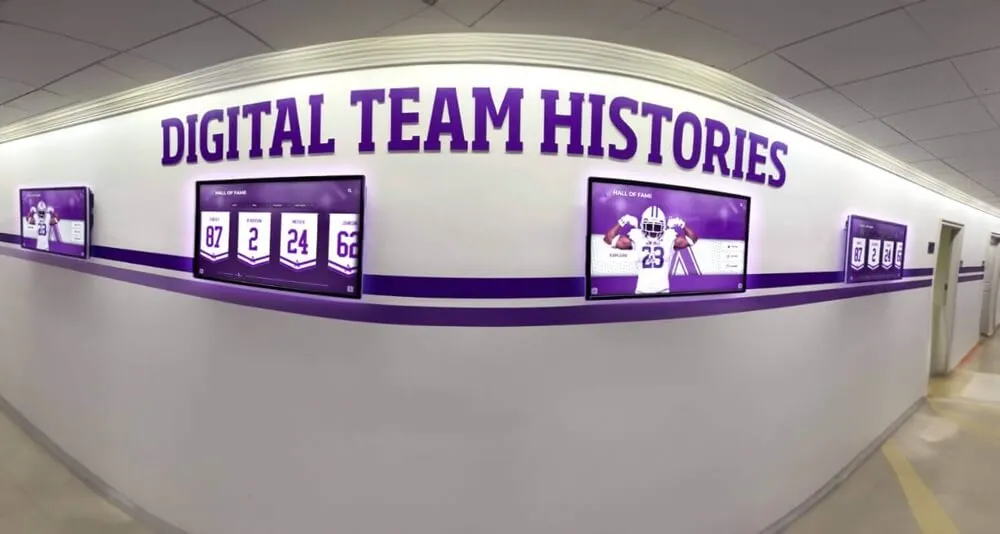
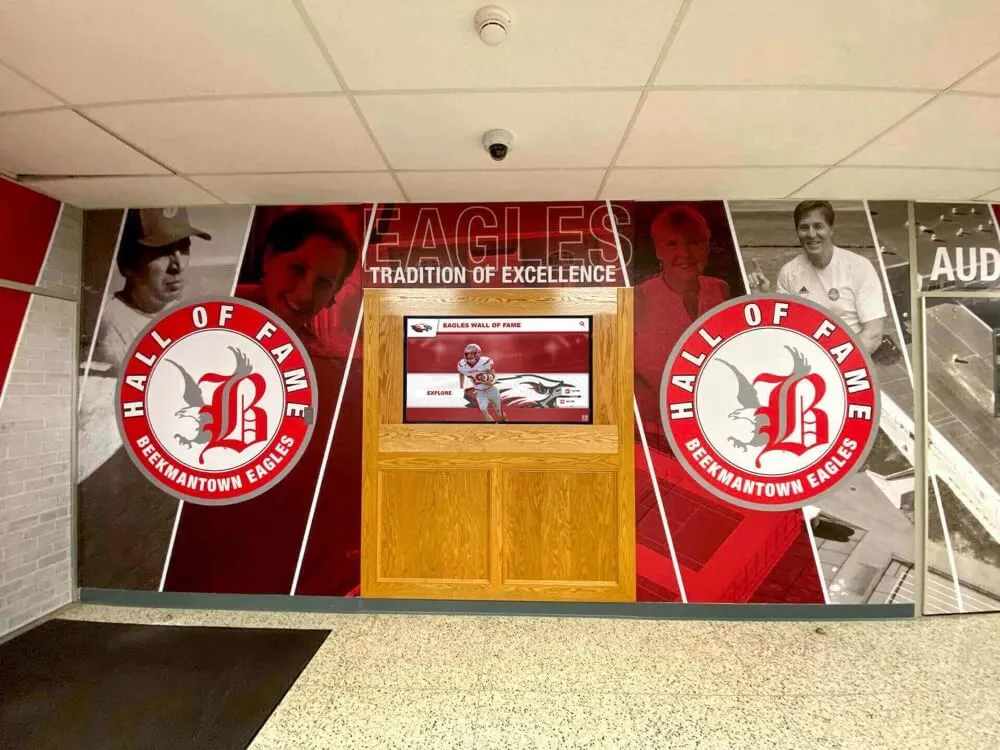
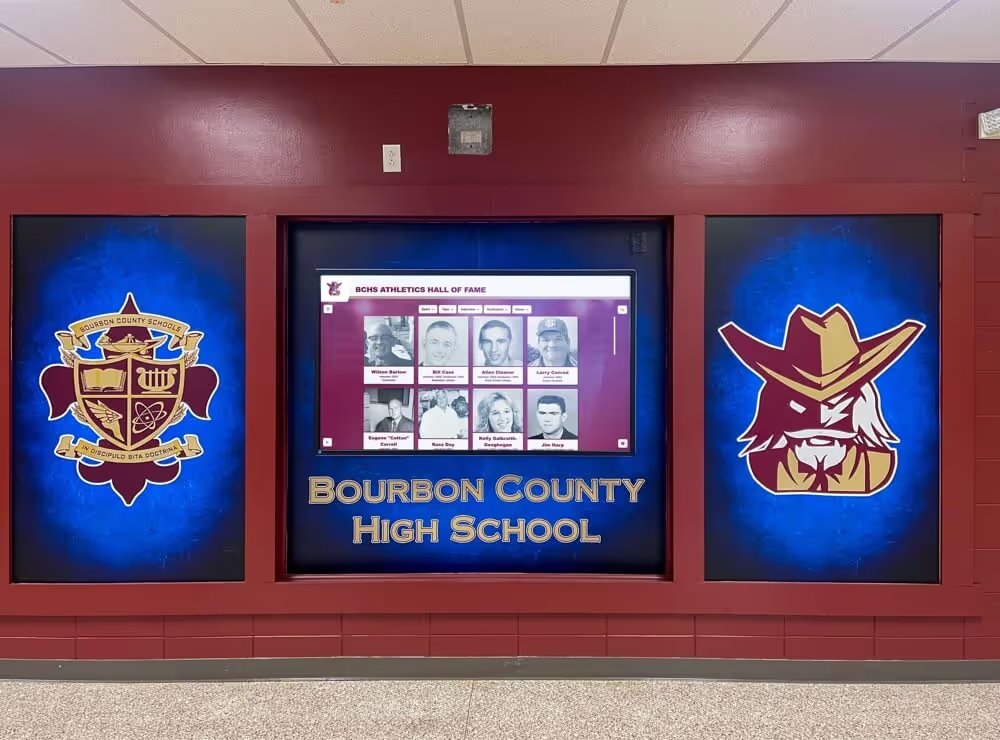
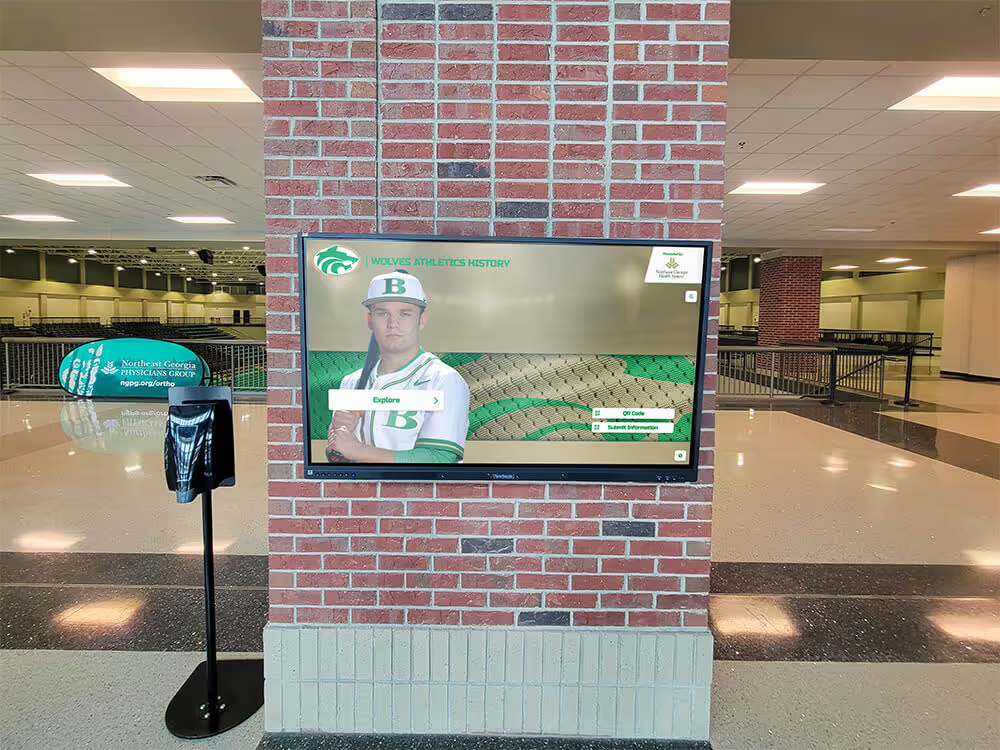
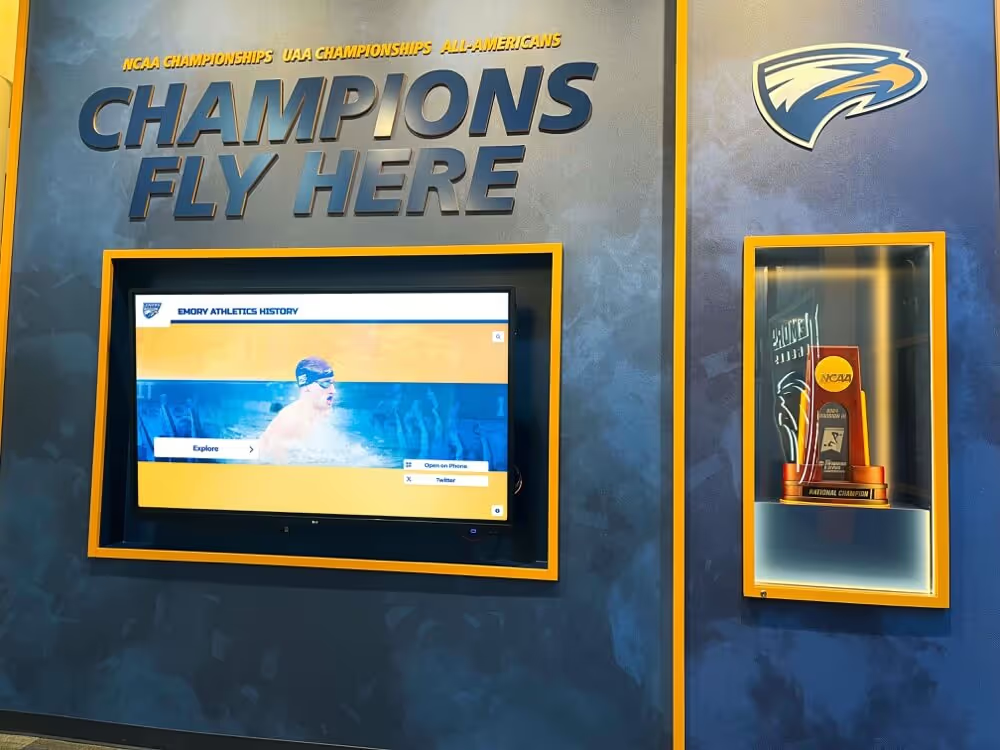
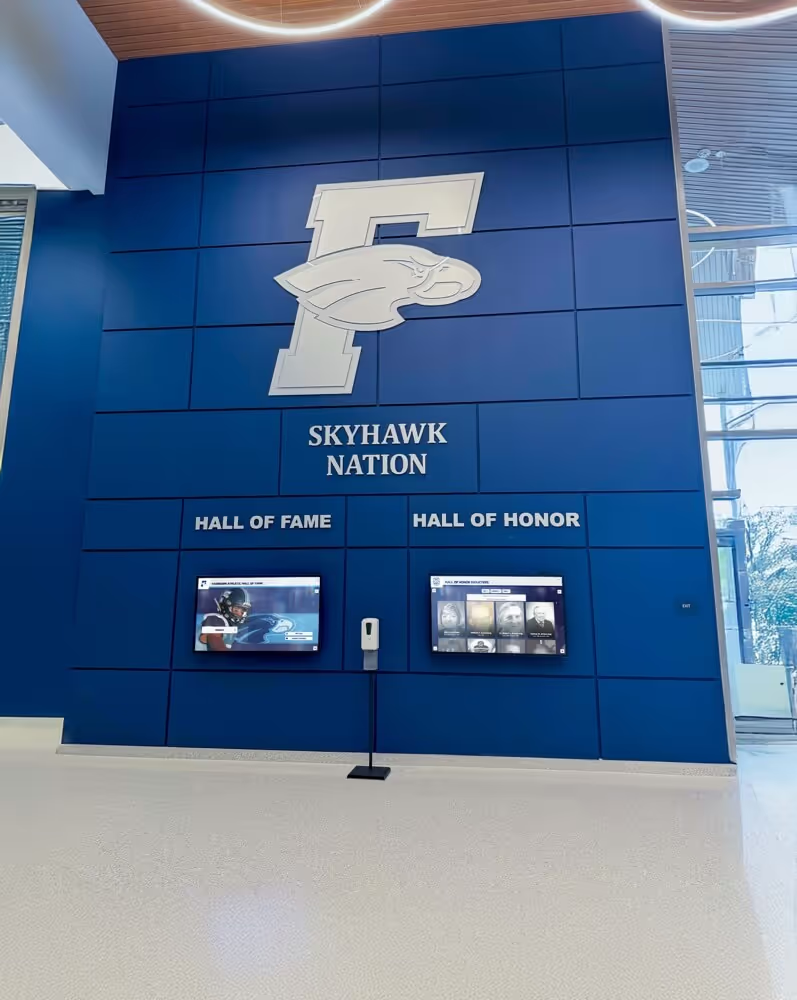
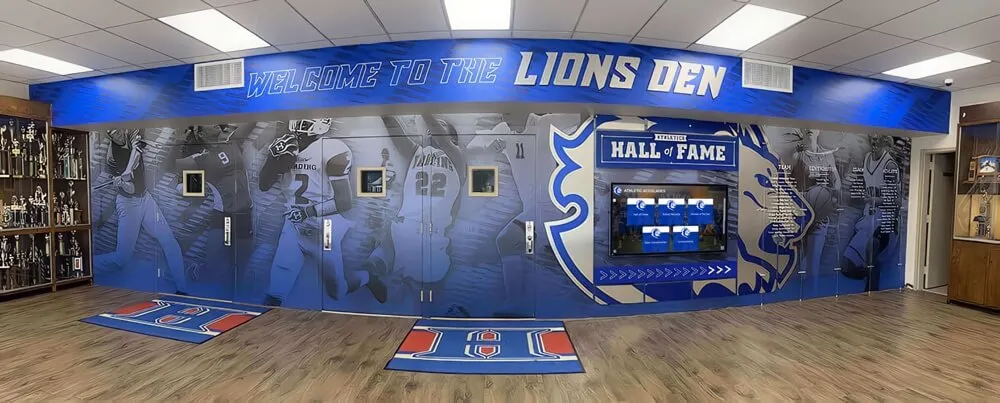
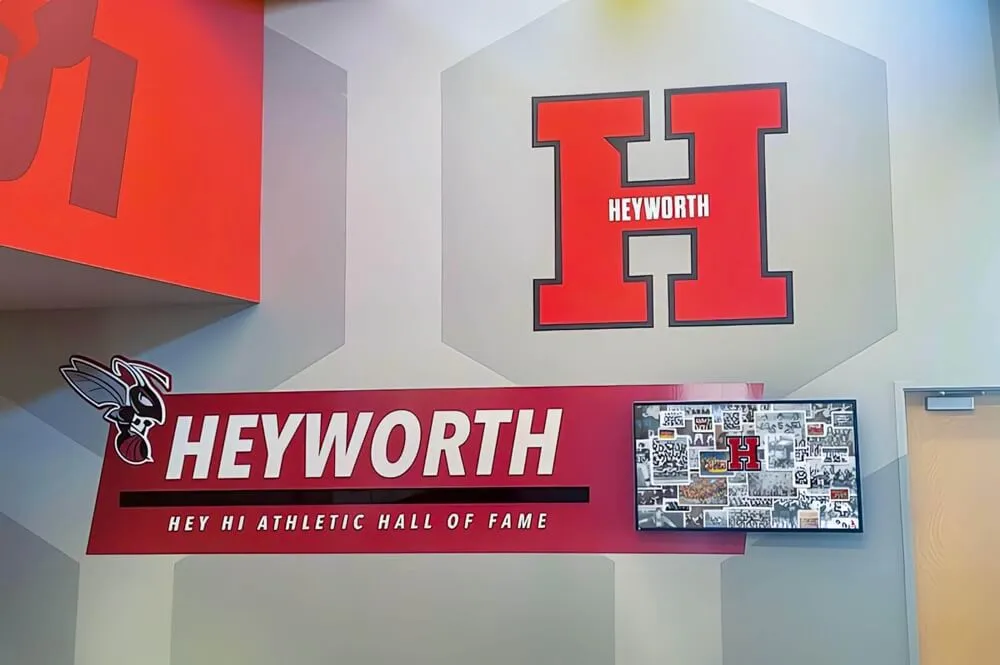
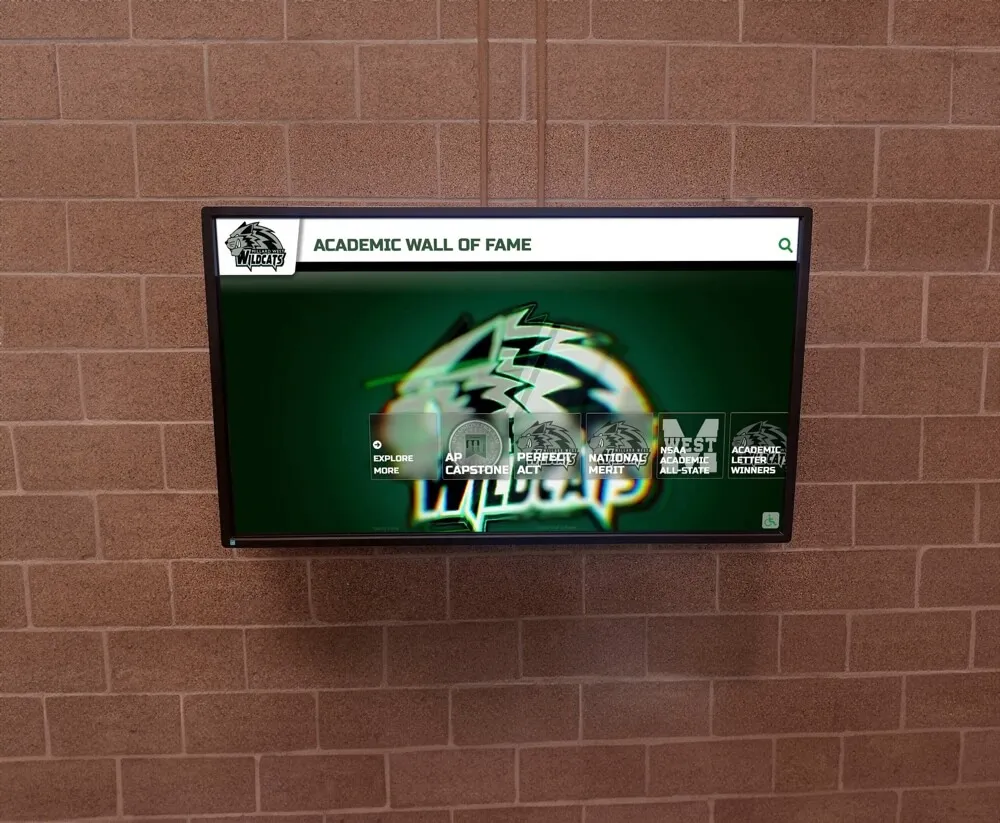
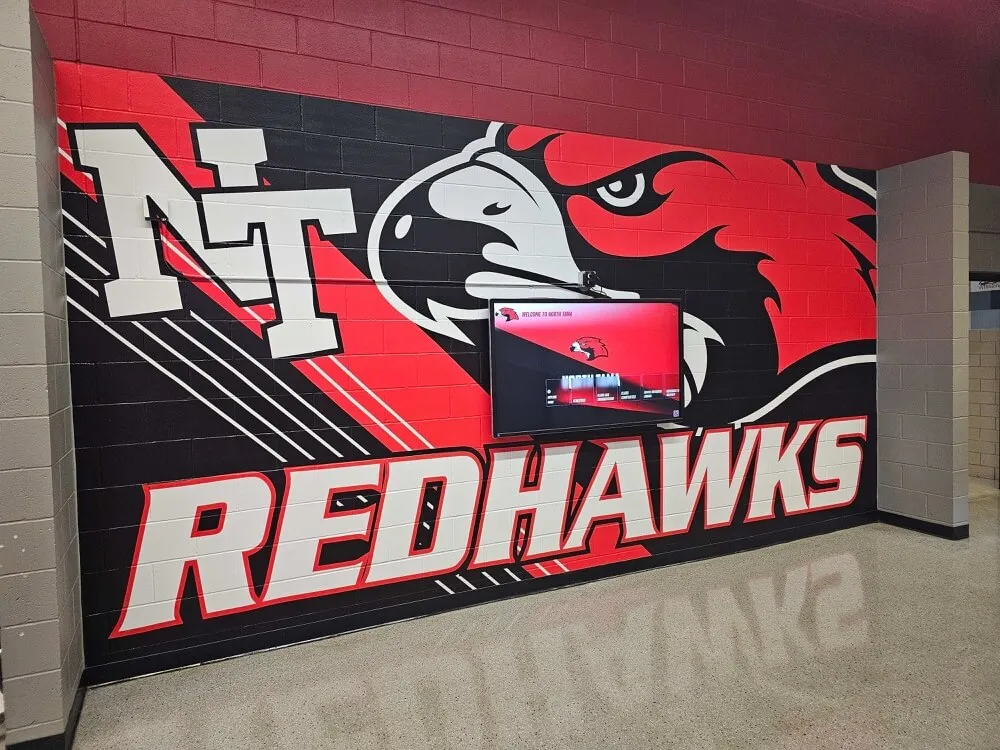
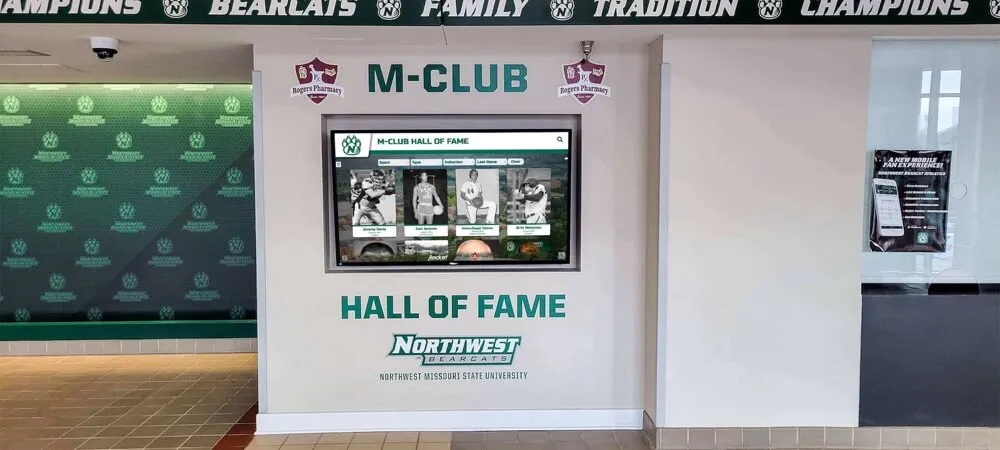
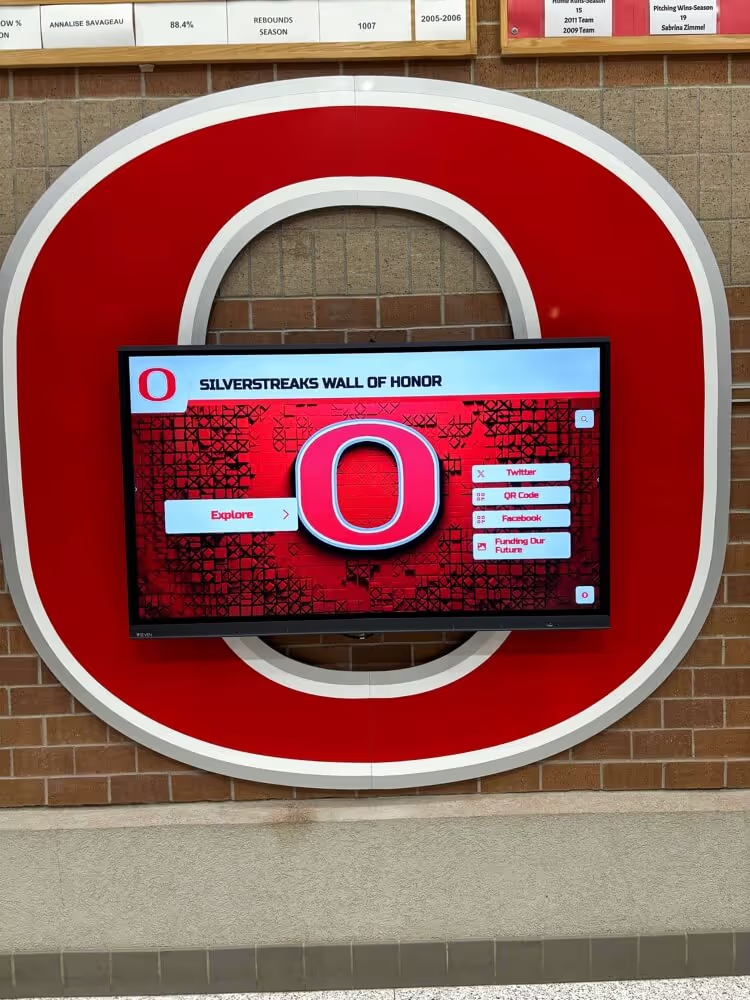
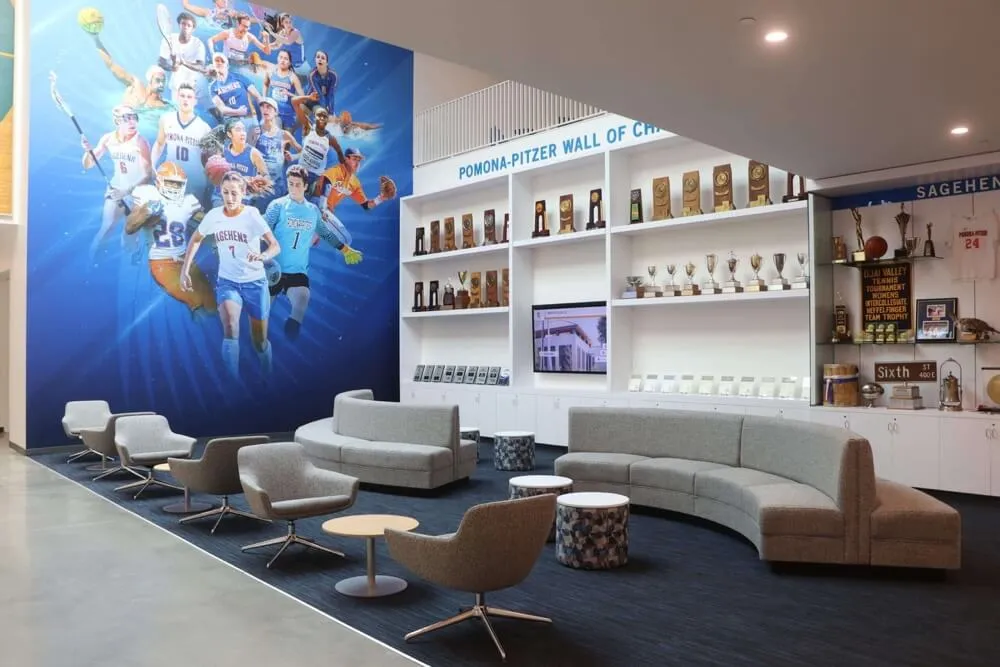
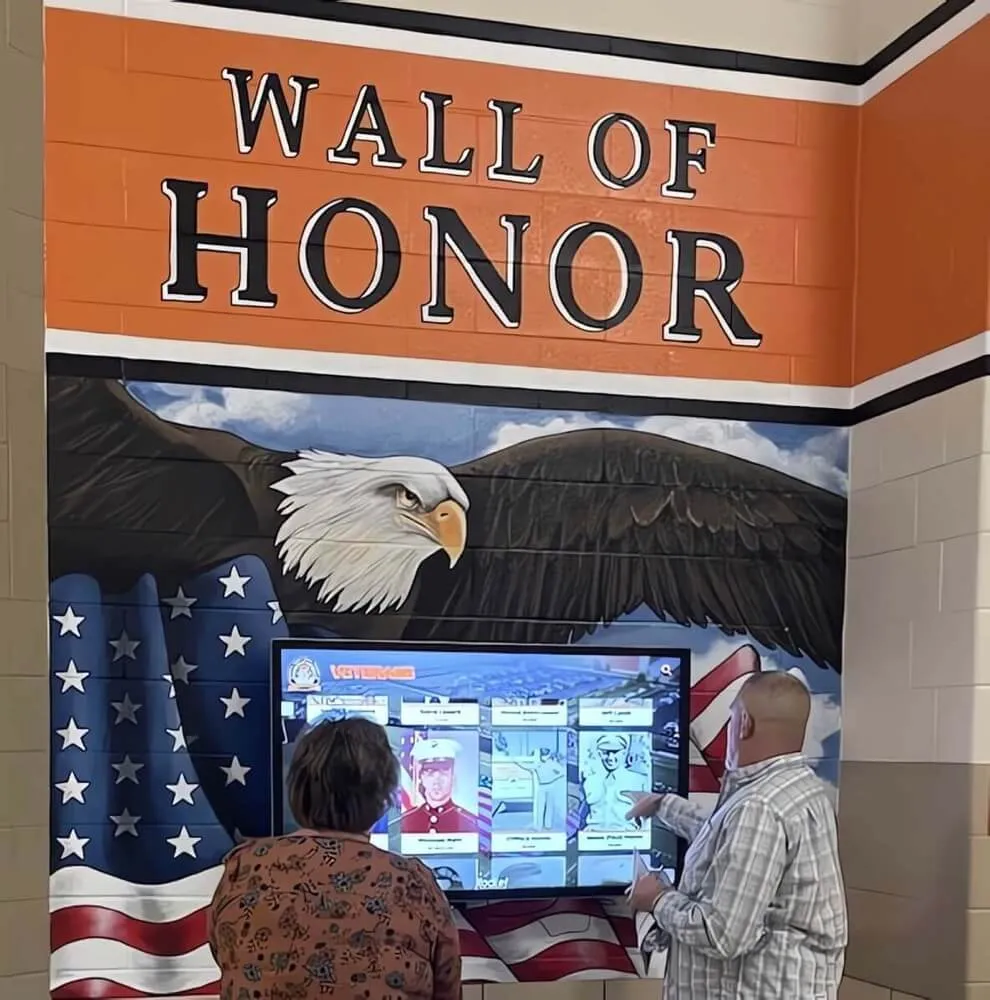
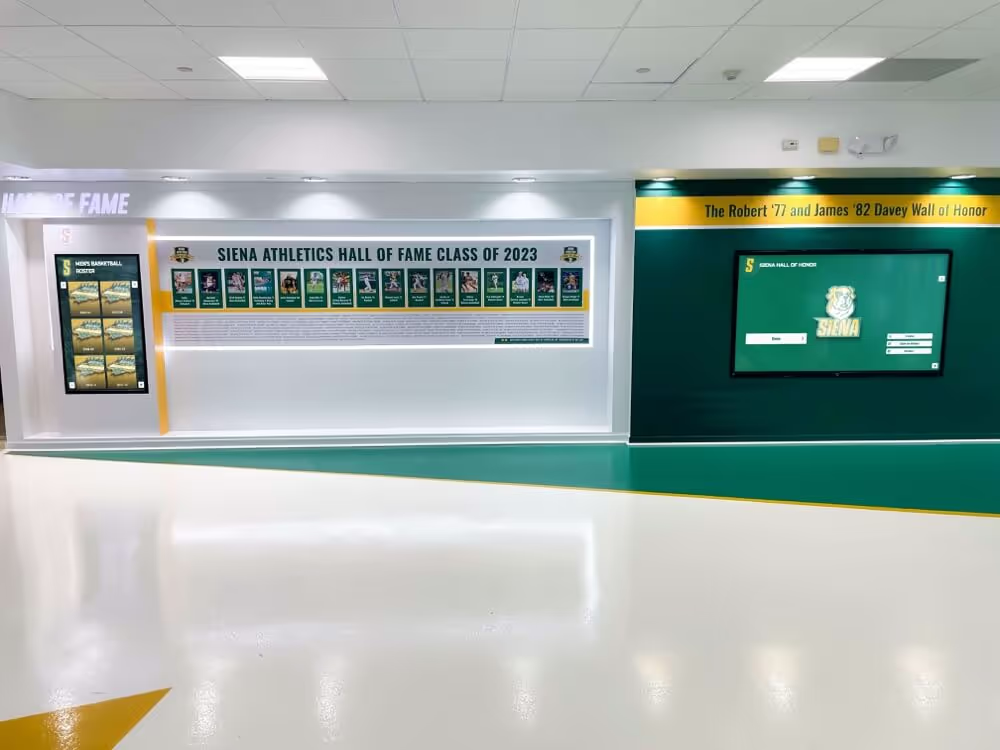
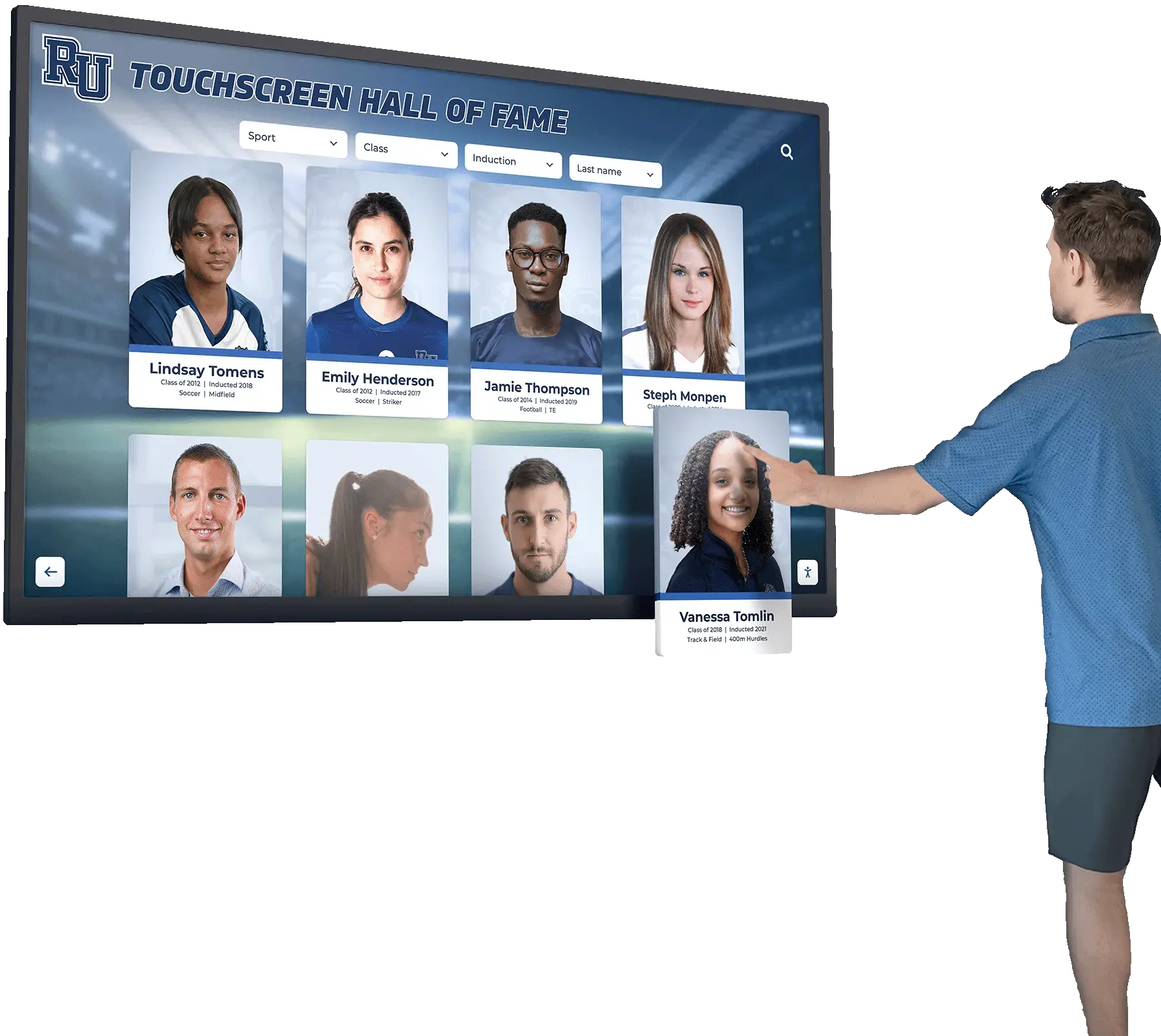
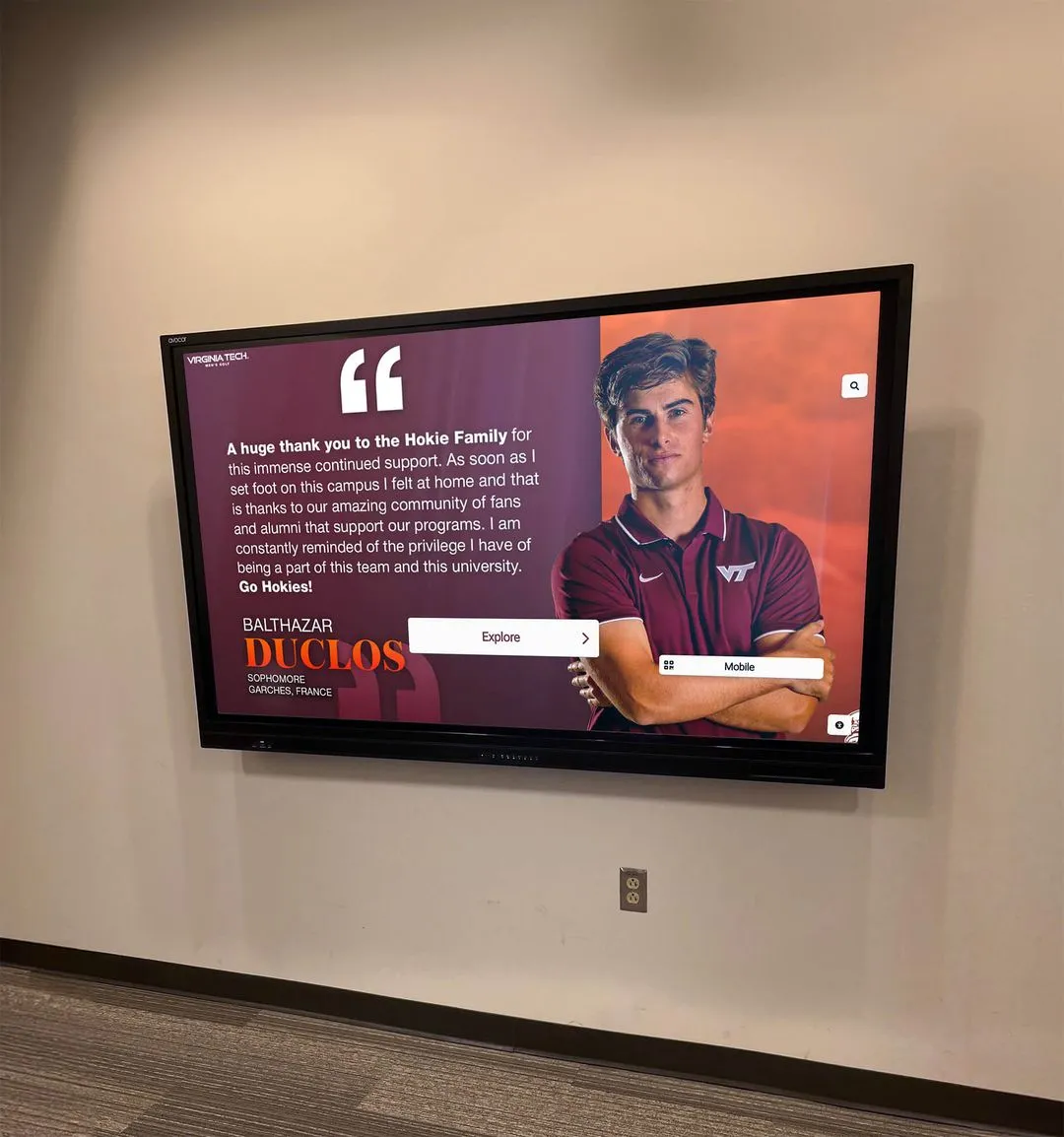
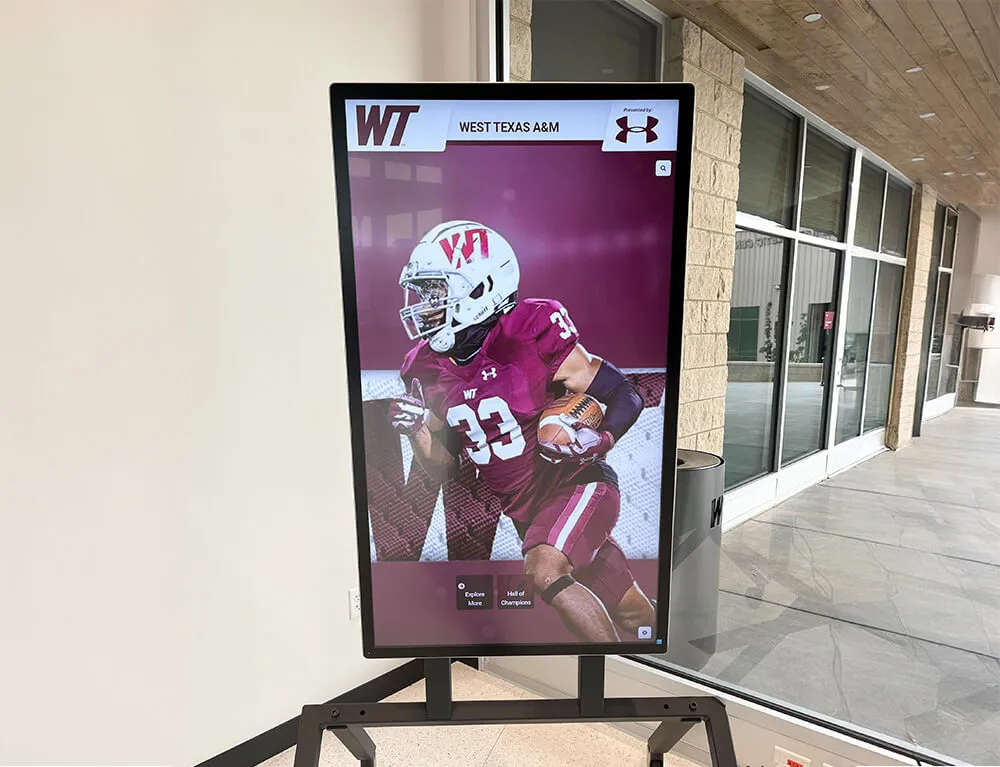
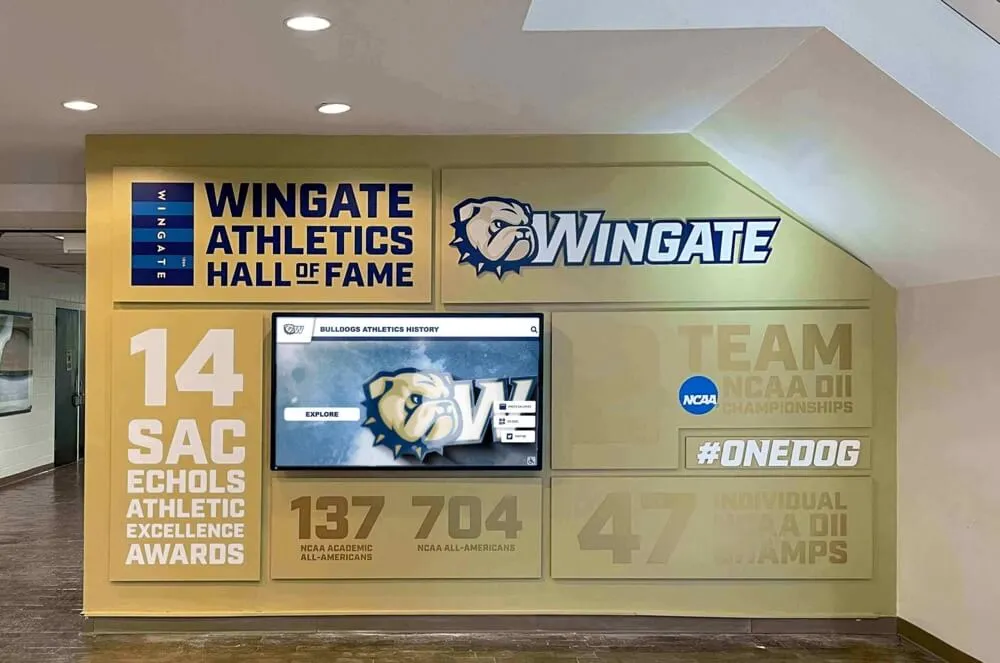
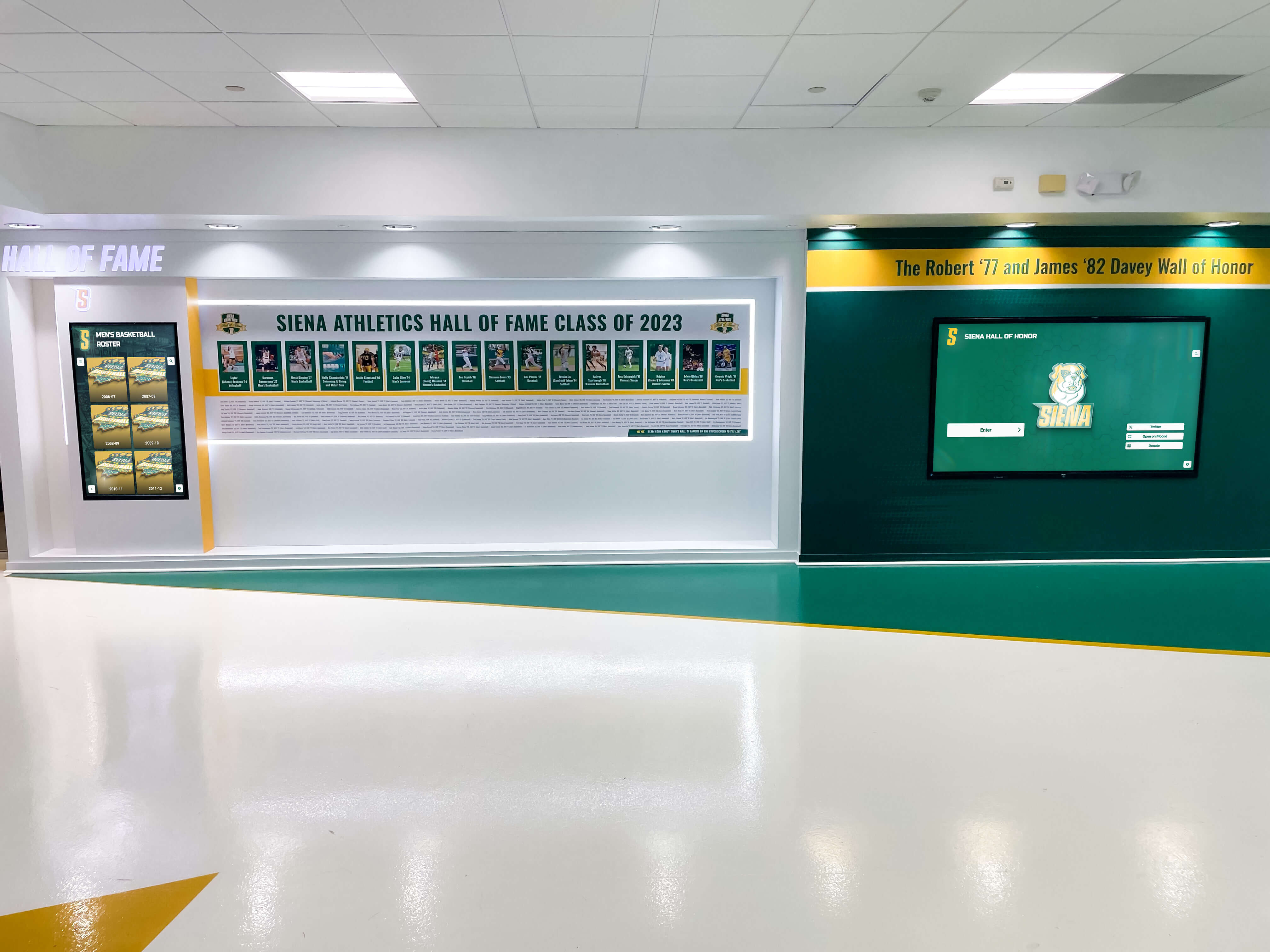
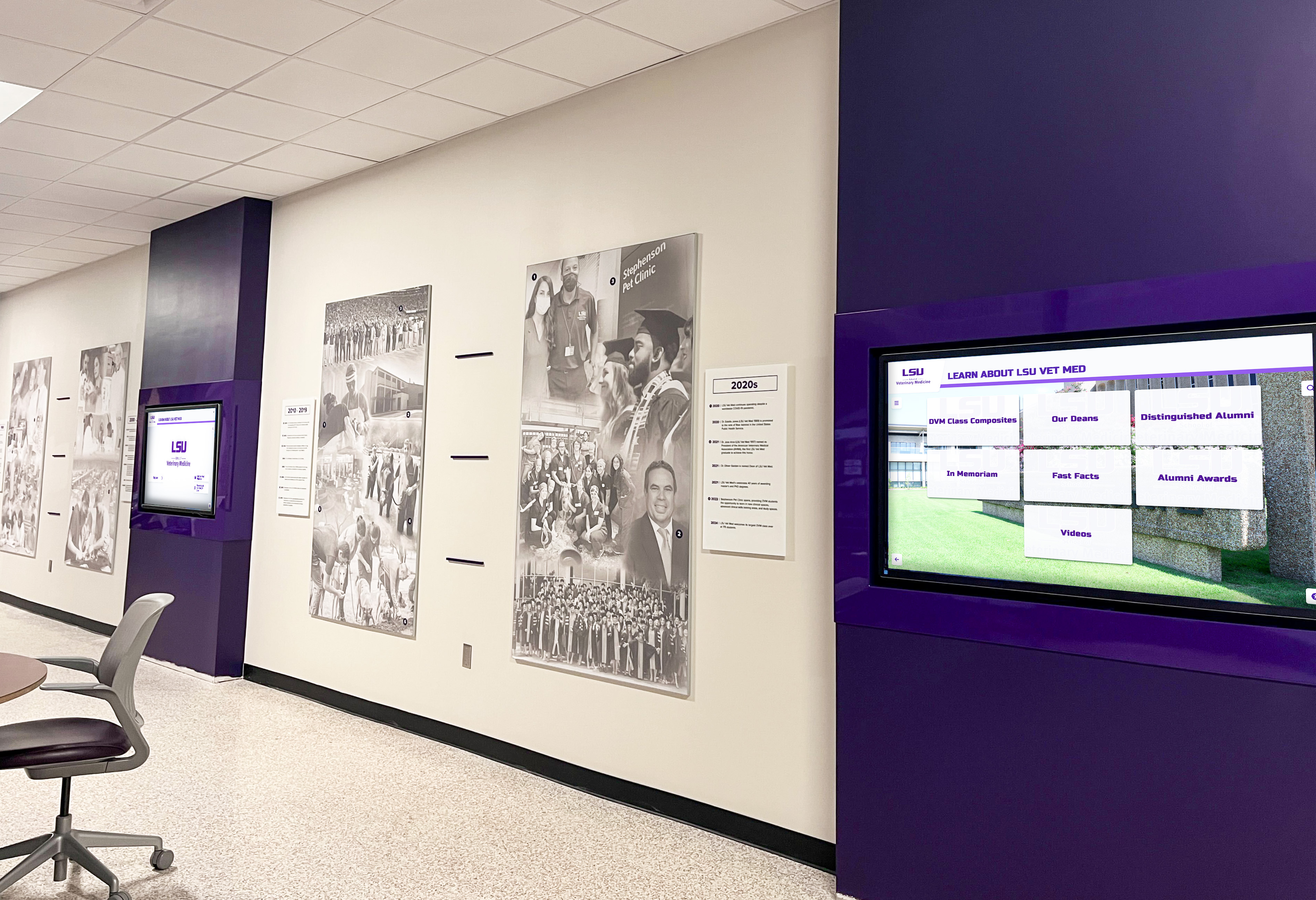
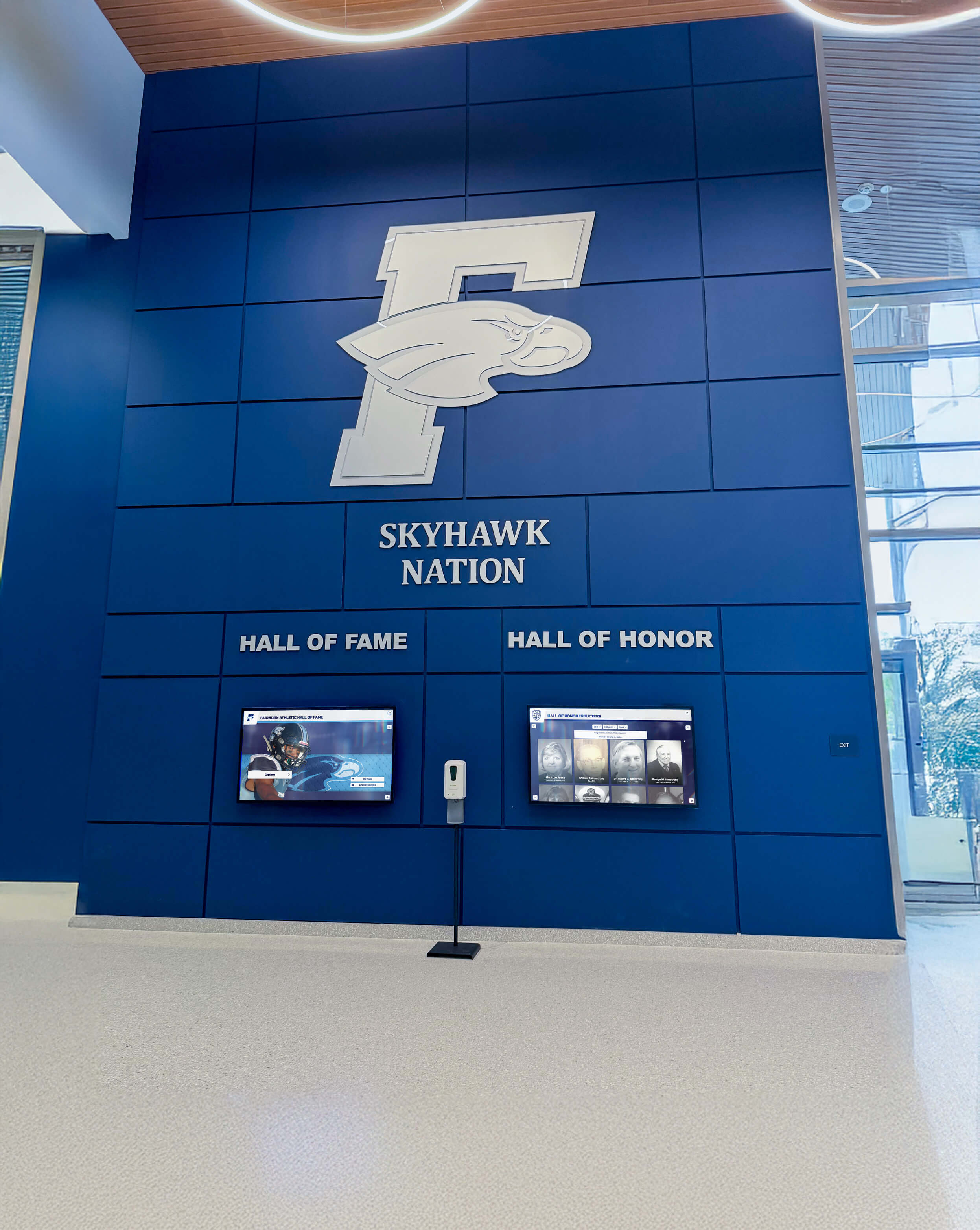
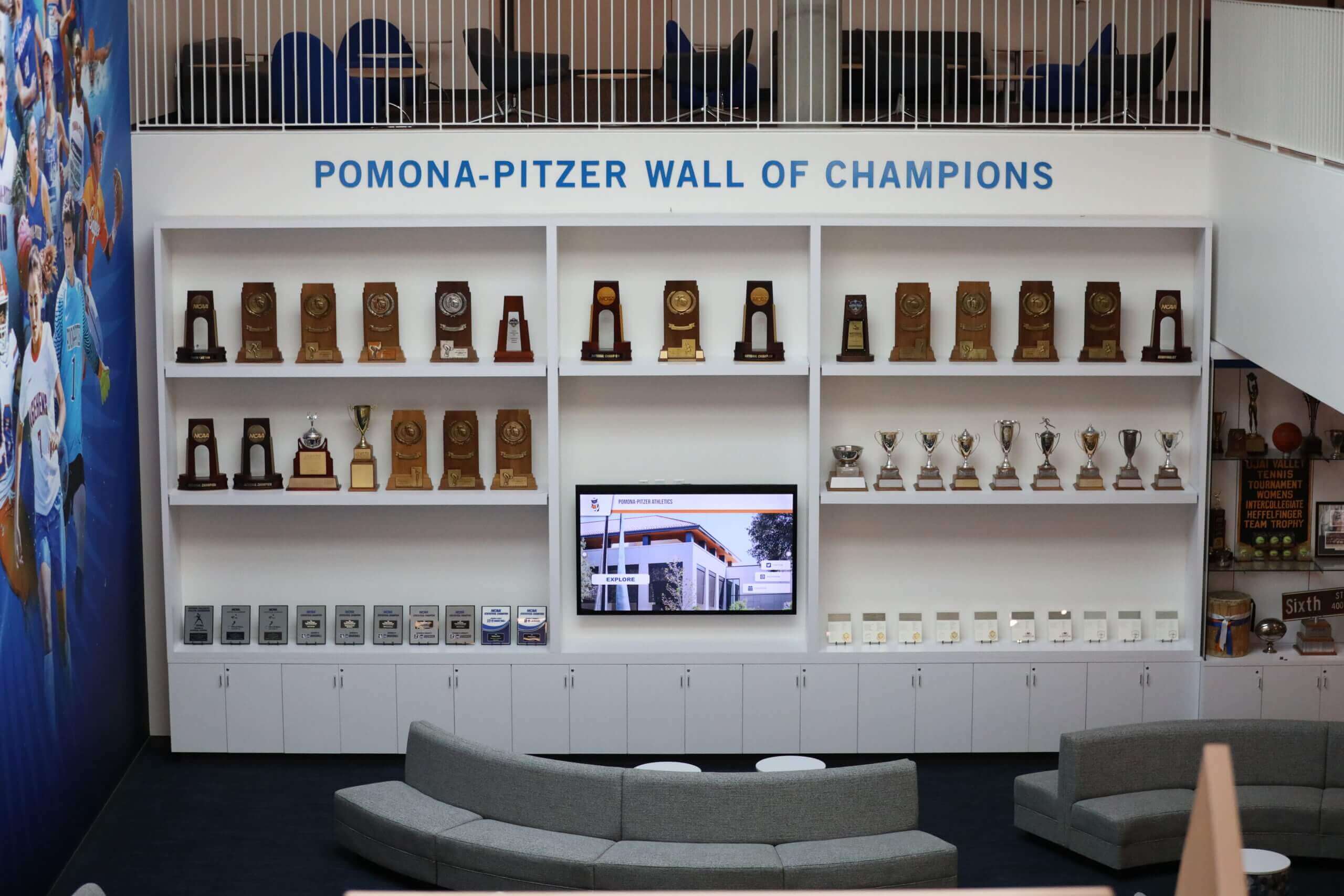
Modern technology enables recognition that extends beyond traditional plaques and bulletin boards. Solutions like those from Rocket Alumni Solutions transform how schools celebrate performing arts achievements through interactive touchscreen displays in high-traffic locations, comprehensive performer profiles including photos, videos, and production history, searchable databases allowing students and visitors to explore program history, and integration with broader school recognition systems.
These digital platforms provide several advantages over traditional recognition—they accommodate unlimited honorees without physical space constraints, enable rich storytelling through multimedia including performance video clips, allow easy updates as new productions occur and new students earn recognition, extend access through web platforms allowing family members to explore recognition remotely, and demonstrate that performing arts merit the same sophisticated recognition infrastructure as athletics.
Schools successfully implementing digital recognition displays report increased program prestige, improved recruitment as prospective students see visible celebration of theater achievement, and stronger alumni connection as graduates return to explore their documented performance history. Learn more about creating comprehensive recognition walls that celebrate diverse student accomplishments including performing arts excellence.
Showcasing Productions and Achievements
Beyond formal recognition programs, consistent visibility through multiple channels raises program profile.
Social Media Documentation Active social media presence maintains visibility and engagement. Effective content includes rehearsal behind-the-scenes photos and videos, cast member features highlighting individuals throughout production runs, production announcements and ticket information, opening night celebration and review highlights, and throwback content from past productions.
Tag students and encourage sharing to extend reach through their personal networks, organically building audience and community support.
Local Media Coverage Cultivate relationships with community newspapers, school newspapers, and local television stations. Provide production announcements with compelling angles that interest journalists, invite reviewers to performances, submit follow-up pieces about awards or special recognition, feature student profiles about theatrical achievement and future plans, and document major program milestones or anniversaries.
Media coverage elevates program stature while validating student work through external recognition beyond school communities.
Display Production Memorabilia Throughout School Physical displays maintain visibility between productions through poster galleries featuring artwork from past productions, costume displays in library or hallway cases, prop collections representing memorable productions, photo montages capturing performance highlights, and production programs bound and displayed like yearbooks.
These visible reminders communicate that theater is integral to school culture rather than occasional activity occurring invisibly in the auditorium.
Building Sustainable Drama Programs
Long-term program success requires attention to sustainability factors that enable growth across years and leadership transitions.
Recruitment and Retention Strategies
Sustaining programs requires both attracting new participants and retaining existing members across years.
Targeted Recruitment of Diverse Students Actively recruit beyond traditional theater participants through presentations during English classes emphasizing literary and analytical connections, announcements at other club meetings highlighting transferable skills, personal invitations to individual students whose talents might translate to theater, emphasis on technical theater opportunities for students interested in building, technology, or design, and welcoming environments making clear that experience isn’t required for participation.
Combat misperceptions that drama is only for “theater people” by showcasing diversity of needed skills and celebrating that everyone brings valuable capabilities.
Retention Through Meaningful Participation Keep students engaged across years by ensuring all participants receive meaningful roles matching their abilities, providing visible growth pathways from newcomer to experienced member to leader, maintaining inclusive communities where students feel valued beyond specific talents, celebrating contributions regardless of role visibility or prestige, and creating social connections and traditions that make drama club a community rather than just an activity.
Students continue participating in programs where they feel essential to collective success and connected to peers through genuine relationships.
Program Budget and Resource Management
Financial sustainability requires strategic resource management and diverse revenue streams.
Building Production Inventory Systematic inventory development reduces costs over time through costume collections organized by historical period or style, set unit collections with modular pieces usable across productions, prop storage maintaining frequently-needed items, technical equipment like lighting instruments and sound gear, and production materials like lumber, paint, and hardware.
While building inventory requires initial investment, savings compound as productions draw from existing resources rather than starting from scratch.
Strategic Scheduling and Resource Allocation Plan production calendars accounting for resource availability by alternating between elaborate shows requiring significant investment and simpler productions allowing budget recovery, scheduling technical-intensive shows when technical theater students are available for crews, selecting shows whose costumes and sets can draw from or add to inventory, and coordinating with other school programs to share resources like borrowed lighting equipment for concerts or shared costume pieces.
This strategic planning maximizes production value while maintaining financial sustainability.
Grant Funding and Partnership Development Pursue external funding systematically through local arts councils and foundations, state arts education grants, corporate community giving programs, alumni donations specifically for arts programs, and partnerships with community theaters or universities.
Document program impact with participation numbers, student testimonials, academic performance of participants, and post-graduation theatrical involvement to create compelling cases for external support.
Program Leadership and Succession Planning
Strong programs survive leadership transitions through systematic knowledge transfer and documentation.
Documentation and Institutional Memory Maintain comprehensive records including production archives with scripts, prompt books, and design plans, contact information for local vendors and rental companies, technical equipment manuals and maintenance schedules, annual calendars documenting planning timelines and deadlines, and budget templates and financial tracking systems.
This documentation enables new advisors to build on predecessors’ work rather than reinventing everything.
Student Leadership Pipeline Develop student leaders who can provide continuity by establishing clear leadership roles with defined responsibilities, mentoring underclassmen in technical and leadership skills, involving students in production selection and planning decisions, and creating opportunities for students to teach workshops or lead activities.
Strong student leadership cultures maintain program momentum even when adult advisors change.
Faculty Support and Professional Development Schools supporting sustained drama programs invest in faculty through professional development opportunities at theater education conferences, subscriptions to theater education journals and resources, participation in regional theater networks, adequate planning time during contract hours, and appropriate compensation for evening and weekend commitments.
Faculty advisors balancing teaching loads with intensive production demands need institutional support acknowledging extraordinary time commitments.
Integrating Drama Across School Culture
The strongest drama programs connect to broader school priorities rather than existing as isolated activities.
Academic Integration and Learning Connections
Theater naturally complements academic objectives across disciplines.
English and Literature Connections Drama and English departments can collaborate through studying plays as literature in English classes, performing scenes from works studied in class, playwright studies connecting theatrical and literary traditions, creative writing focusing on dramatic structure and dialogue, and public speaking units incorporating theatrical techniques.
These connections position theater as academically rigorous rather than purely recreational while enriching both drama and English instruction.
History and Social Studies Integration Historical productions create opportunities for interdisciplinary learning by researching historical periods depicted in productions, analyzing plays as historical documents revealing social values, comparing historical events to their theatrical representations, and exploring how theater itself has evolved across cultures and eras.
Productions like historical dramas or political plays naturally connect to social studies curriculum, allowing students to explore academic content through performance.
Cross-Disciplinary Collaboration Theater intersects with numerous disciplines including art departments contributing to set and poster design, music departments collaborating on musicals and sound design, technical education classes building sets and stage machinery, business classes managing budgets and marketing, and computer science classes programming lighting or creating digital effects.
These partnerships distribute workload while demonstrating that theater requires diverse expertise beyond acting ability.
Community Engagement and Service
Drama programs can serve broader communities while building program support.
Elementary and Middle School Outreach Engage younger students through touring productions visiting elementary schools, theater workshops taught by drama students, summer camps introducing younger students to theater, and invitations to high school productions building future audiences.
This outreach serves younger students while building recruitment pipelines as elementary participants become high school drama members.
Senior Living and Community Theater Extend theatrical service beyond school through performances at senior living facilities, community theater partnerships allowing shared resources, public performances at libraries or community centers, and drama students volunteering with community youth programs.
Community engagement builds public support and good will while demonstrating that drama programs contribute beyond school boundaries.
Fundraising for Charitable Causes Some programs dedicate specific productions to charitable fundraising, donating portions of ticket sales to selected causes, performing benefit shows for community organizations, or highlighting social issues through play selection and post-show discussions.
Charitable connections demonstrate theater’s power for social good while building character and civic responsibility.
Common Challenges and Solutions
Even strong drama programs encounter predictable obstacles. Recognizing common challenges helps schools address them proactively.
Challenge: Limited Budget and Resources
Many schools struggle to fund drama programs adequately.
Solutions Implement diversified fundraising as discussed earlier including ticket sales, donations, grants, and creative revenue sources. Build production inventory systematically reducing long-term costs. Select productions strategically matching available resources. Partner with community organizations for equipment loans or shared resources. Engage parent and community volunteers contributing labor reducing paid costs. For schools looking to demonstrate their commitment to arts recognition despite budget constraints, affordable solutions like comprehensive recognition programs show students that performing arts achievements matter as much as athletics.
Challenge: Scheduling Conflicts and Student Availability
Students balance multiple commitments creating scheduling difficulties.
Solutions Publish rehearsal schedules far in advance allowing students to plan around other obligations. Implement focused rehearsal approaches calling only needed students rather than entire casts. Consider rotating cast or double-casting popular roles accommodating students with significant other commitments. Schedule intensively during dedicated periods like weeks preceding performances rather than spreading thinly across months. Communicate with coaches and other activity advisors to coordinate major commitment periods and avoid conflicts when possible.
Challenge: Limited Performance Space and Facilities
Not all schools have well-equipped auditoriums or dedicated theater spaces.
Solutions Adapt productions to available spaces including black box staging in gymnasiums or cafeterias, readers theater requiring minimal technical elements, touring productions designed for portability, outdoor performances utilizing natural settings, and partnerships with community theaters providing facility access.
Creative staging often produces memorable productions despite—or even because of—facility limitations.
Challenge: Unequal Recognition Compared to Athletics
Theater programs often receive less recognition and resources than athletic programs despite comparable time commitment and skill development.
Solutions Systematically document program impact through participation numbers, academic performance, college acceptances, and student testimonials. Advocate explicitly with administration for parity in resources, recognition, and facility access. Implement professional recognition displays using solutions like Rocket Alumni Solutions that provide sophisticated celebration of performing arts achievements comparable to athletic recognition. Engage supportive parents and community members in advocacy efforts. Highlight how theater develops workforce-ready skills like communication and collaboration that employers consistently prioritize. Learn more about creating equitable recognition through comprehensive arts awards programs that celebrate diverse talents beyond athletics.
Measuring Drama Program Success
Effective programs track metrics demonstrating impact and justifying continued investment.
Quantitative Success Indicators
Numbers tell part of the program impact story including participation rates tracking total unique participants, retention rates measuring how many students participate across multiple years, production attendance and ticket revenue, award and recognition earned at competitions or festivals, college acceptance to theater programs or performing arts schools, and academic performance of drama participants compared to overall student body.
These metrics demonstrate program reach and impact while building cases for resource allocation.
Qualitative Impact Assessment
Beyond numbers, qualitative evidence matters including student testimonials about program impact on confidence, skills, and belonging, parent feedback about observed growth and development, faculty observations about improved communication and collaboration, alumni reports about how drama experience influenced college and careers, and community perception of program quality and value.
Collect these qualitative indicators systematically through surveys, interviews, and documentation rather than relying on anecdotal memory.
Long-Term Program Health Indicators
Sustainable programs demonstrate consistency over time including stable or growing participation across years, diverse student involvement across demographics and social groups, consistent production quality meeting community expectations, financial sustainability without chronic deficits, student leadership pipeline ensuring continuity, and alumni engagement and support from former participants.
These indicators reveal whether programs thrive sustainably or rely on temporary factors like exceptional advisor charisma that might not persist through transitions.
Looking Forward: The Future of School Drama Programs
Drama programs continue evolving with educational priorities and technological capabilities. Forward-thinking programs are exploring innovative approaches that will likely become mainstream.
Digital Performance and Streaming
Recent events accelerated adoption of digital performance approaches including live-streamed productions reaching geographically distant audiences, recorded productions providing access beyond live performance schedules, hybrid performances combining in-person and virtual attendance, and collaborative digital projects connecting student performers across different schools or even countries.
These digital approaches expand access while creating archives documenting program history and individual student growth across years.
Devised and Original Student Work
Some programs increasingly balance produced plays with devised theater where students create original works through collaborative processes involving students in playwriting and script development, documentaries exploring real community stories, interdisciplinary projects combining theater with other art forms, and social justice theater addressing issues students care about.
Student-devised work develops additional creative and leadership skills while increasing student ownership and investment.
Integration of Multimedia and Technology
Contemporary theater increasingly incorporates digital elements including projection design creating dynamic visual environments, integrated video components, sound design using digital audio workstations, and interactive elements involving audience participation through technology.
Programs introducing students to these contemporary theatrical approaches better prepare them for current professional theater practices while appealing to digital-native students.
Conclusion: Building Drama Programs That Transform Lives
Strong drama programs provide transformative experiences that shape students’ academic trajectories, personal development, and lifelong capabilities. The investment required—of time, resources, and sustained commitment—pays dividends that extend far beyond any single production or school year.
Successful drama programs share common characteristics regardless of school size or resource levels. They create inclusive communities where diverse students find belonging and opportunity. They maintain visible presence through consistent productions, active communication, and professional recognition of student achievement. They develop student leadership systematically, ensuring continuity across years. They build community support through engagement, quality productions, and demonstrated impact. They celebrate achievement as seriously as schools celebrate athletic or academic accomplishment.
Whether you’re launching a new drama club, revitalizing an existing program, or strengthening an already successful theater program, the strategies outlined here provide practical pathways forward. Start with sustainable core activities, build systematically toward more ambitious goals, celebrate accomplishments publicly, and maintain unwavering commitment to the principle that every student deserves opportunities for creative expression and the transformative power of live theater.
The students who discover confidence on stage, who learn collaboration through ensemble work, who develop voice through theatrical training, and who find community in drama programs carry those experiences throughout their lives. They become more effective communicators, more empathetic colleagues, more creative problem-solvers, and more confident leaders. The drama programs we build today shape the professionals, citizens, and community members of tomorrow—making theater education investments that yield returns far exceeding what any immediate metric can capture.
Ready to provide your drama program with the recognition it deserves? Explore how solutions like Rocket Alumni Solutions help schools celebrate performing arts achievements through interactive recognition displays, comprehensive performer profiles, and digital platforms that demonstrate drama programs merit recognition equal to athletics. Strong theater programs begin with committed advisors and passionate students—but they thrive when schools celebrate their achievements with the visibility and professionalism they deserve.
Frequently Asked Questions About Drama Club Programs
How do you start a drama club at a school that’s never had one?
Starting a drama club from scratch requires strategic planning and realistic expectations. Begin by gauging interest through informal surveys or sign-up sheets to confirm sufficient student interest before committing resources. Secure administrative approval by presenting clear plans addressing meeting times, faculty advisor compensation, budget needs, and facility requirements. Start small with manageable activities like drama games, improvisation workshops, and script readings before attempting full productions. Consider simple first productions such as readers theater requiring minimal staging and technical elements, one-act play showcases allowing multiple short pieces, or scenes programs where students perform excerpts from various plays. Build community through social activities and field trips to professional productions. Partner with existing programs by collaborating with English departments, music programs for musicals, or art departments for set design. Celebrate early successes publicly through performances at school assemblies, social media documentation, and recognition programs. As the program demonstrates value and attracts participants, expand gradually to more ambitious productions and activities. Many thriving drama programs started with just a dozen interested students and a single modest production before growing into major school activities over several years.
What are good drama club activities besides full productions?
Diverse activities maintain engagement throughout the year while developing various theatrical skills. Effective options include improvisation workshops building spontaneity, creativity, and ensemble trust through theater games and exercises. Scene study sessions where students rehearse and present scenes from various plays allow exploration of different styles and periods. Playwriting workshops where students create original short scripts developing creative writing skills. Technical theater sessions teaching lighting design, sound engineering, set construction, costume design, or stage management. Theater history studies exploring how drama evolved across cultures and eras. Field trips to professional or community theater productions followed by post-show discussions. Guest artist workshops with professional actors, directors, or designers sharing expertise. Competition preparation for state drama competitions or theater festivals. Film analysis comparing theatrical productions to film adaptations. Monologue and audition preparation helping students develop pieces for college auditions or competitions. These varied activities ensure drama club appeals to students with different interests while building comprehensive theatrical knowledge beyond just performance skills.
How can drama clubs fundraise effectively?
Successful drama fundraising employs multiple revenue streams rather than depending on single sources. Primary fundraising approaches include ticket sales from productions with strategic pricing including premium seats, pre-sales, and season subscriptions. Concession stands during performances selling snacks and beverages. Program book advertising from local businesses supporting youth programs. Direct donation campaigns explicitly asking families and community members for financial support with recognition in programs and on displays. Dinner theater events combining performances with meals at premium prices. Drama workshops or summer camps charging tuition for instruction. Corporate sponsorships offering businesses visibility and community goodwill. Grants from local arts councils, educational foundations, and community organizations. Merchandise sales including show-specific t-shirts, posters, or cast recordings. Annual fundraising events like talent shows, murder mystery dinners, or comedy nights. The most successful programs combine multiple approaches creating diverse revenue streams. Start by maximizing ticket sales through effective marketing, then add complementary revenue sources like concessions and program advertising before pursuing more complex approaches like grants or sponsorships. Learn about donor recognition strategies that help schools thank supporters and encourage continued giving.
What makes a good drama club production choice?
Selecting productions requires balancing multiple competing considerations. Essential criteria include cast size matching your participant numbers—shows requiring exactly 12 actors problematic when you have 30 interested students or only 8 committed members. Technical complexity must fit your resources and capabilities regarding sets, costumes, lights, and special effects. Content appropriateness matters for student age ranges and community values—be realistic about what your community will support. Licensing costs and availability affect feasibility since popular recent productions may have restricted rights or expensive royalty fees. Role balance ideally provides challenging featured roles for experienced performers while including substantial ensemble roles for newer members. Thematic relevance considers whether the show addresses issues or themes resonating with student interests and experiences. Production timing accounts for calendar constraints—elaborate musicals require longer rehearsal periods than straight plays. Past production history in your area avoids shows recently performed by nearby schools. Personal expertise of directors influences feasibility—directing musicals requires different skills than straight plays. Student input on production selection builds investment and excitement. The “perfect” production doesn’t exist—successful selection weighs these factors to find shows matching your specific context and capabilities. Alternating between musicals and plays across years provides variety while managing technical demands.
How do you give drama students recognition equal to athletes?
Creating recognition parity requires systematic approaches addressing visibility and institutional support. Effective strategies include parallel recognition structures with drama awards ceremonies, induction into theater honor societies, and senior night celebrations comparable to athletic traditions. Display equivalency through professional recognition installations using solutions like digital displays that showcase drama achievements with the same sophistication as athletic recognition. School announcements regularly celebrating drama accomplishments during morning announcements, newsletters, and social media with frequency and prominence matching athletic updates. Visibility of participant commitment through drama letter jackets, honor cords, or other wearable recognition similar to athletic letters. Administrative support including comparable facility access, budget allocation, and schedule accommodation demonstrating institutional value. Media coverage through local newspaper stories, school publications, and community recognition matching attention given to athletic achievements. College recruitment support where counselors advocate for drama students’ achievements in recommendation letters and college applications. Some schools implement comprehensive recognition displays celebrating achievements across all activities—athletics, arts, academics, and service—ensuring equitable celebration. The key lies in making drama accomplishments as visible and celebrated as athletic achievements rather than treating theater as a secondary extracurricular activity. When schools invest in professional recognition infrastructure for performing arts achievements, they communicate that diverse talents merit equal celebration.
How many students do you need for a drama club?
Drama clubs can function with a wide range of participation levels—the key is matching activities to your numbers. Minimum viable programs can operate with as few as 8-12 committed students by selecting plays with small casts, implementing double-casting strategies where multiple actors share roles for different performances, focusing on technical theater skills where even small groups can produce shows, using ensemble-based productions without traditional lead roles, and collaborating with other schools for joint productions when your program is too small alone. Mid-size programs of 20-40 students represent ideal ranges for most schools, providing enough participants for substantial productions while remaining manageable for single faculty advisors. These programs can produce plays or musicals with appropriate cast sizes, maintain both performance and technical crews, and offer diverse roles ensuring most interested students participate meaningfully. Larger programs exceeding 50 students face different challenges requiring multiple concurrent productions using one-act festivals or student-directed pieces, ensemble or chorus roles accommodating extra performers, rotating participation across fall and spring shows, specialized technical crews with defined responsibilities, and potentially multiple faculty advisors to manage large groups. Program quality depends more on student commitment and advisor organization than absolute numbers. A dedicated group of 15 students can produce remarkable work while programs of 50+ unfocused students may struggle. Start by building committed core groups valuing quality participation over maximum numbers.
Should drama clubs focus on musicals or straight plays?
Most successful programs present both musicals and plays across years, recognizing each format offers distinct benefits and challenges. Musicals provide exciting spectacle and broad appeal, attracting students interested in singing and dancing alongside acting, generating higher ticket sales and community excitement, developing diverse performance skills, and creating elaborate productions showcasing technical capabilities. However, musicals require significantly larger budgets for royalties and orchestra, specialized skills in choreography and music direction, longer rehearsal periods teaching music and choreography alongside blocking, and larger casts accommodating singers, dancers, and actors. Straight plays allow focus on acting and dramatic storytelling, require smaller budgets enabling feasibility for resource-constrained programs, need shorter rehearsal periods since no music or choreography instruction, and provide opportunities for serious dramatic work not requiring music. However, plays may generate less audience excitement than musicals, potentially draw smaller audiences affecting ticket revenue, and offer fewer roles for students interested primarily in singing or dancing. Many programs alternate between musicals and plays across years, producing major musical one year and straight play the next. This approach provides variety, manages budget and workload by alternating intense and moderate resource demands, appeals to students with different interests, and prevents burnout from attempting elaborate musicals annually. Some schools produce both formats annually with fall straight play and spring musical or vice versa when resources permit.
How can drama clubs with limited budgets still produce quality shows?
Resource constraints need not prevent excellent theater—creativity often compensates for financial limitations. Cost-effective approaches include strategic play selection choosing shows with minimal technical requirements, contemporary settings using modern clothing instead of period costumes, unit sets where basic platforms and furniture represent multiple locations, and small casts reducing costume and makeup costs. Resourceful sourcing through thrift store shopping for costume pieces, borrowed furniture and props from families and community, student artwork for backdrops and posters, and parent volunteer labor for sewing and construction reduces direct costs. Technical creativity includes painted backdrops creating visual interest inexpensively, strategic lighting using colored gels and focused instruments to define spaces, student-created sound effects and music using digital tools, and minimalist staging where strong performances carry shows without elaborate scenery. Inventory building systematically saves common items like black clothing, basic furniture pieces, and frequently-used props for reuse across productions. Partnership approaches through sharing resources with music departments, borrowing equipment from community theaters, collaborating with other schools to split costs, and seeking in-kind donations from local businesses. Focus investments where they matter most—typically costumes and lighting have greatest visual impact. Some of the most memorable productions use minimal technical elements while showcasing strong performances, creative staging, and thoughtful interpretation. Budget constraints require creativity but needn’t compromise artistic vision or production quality.