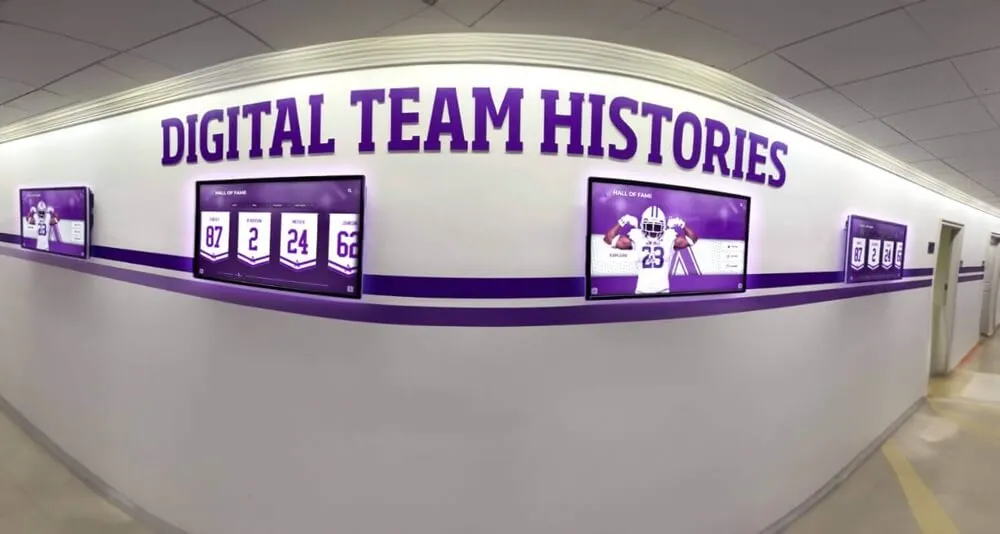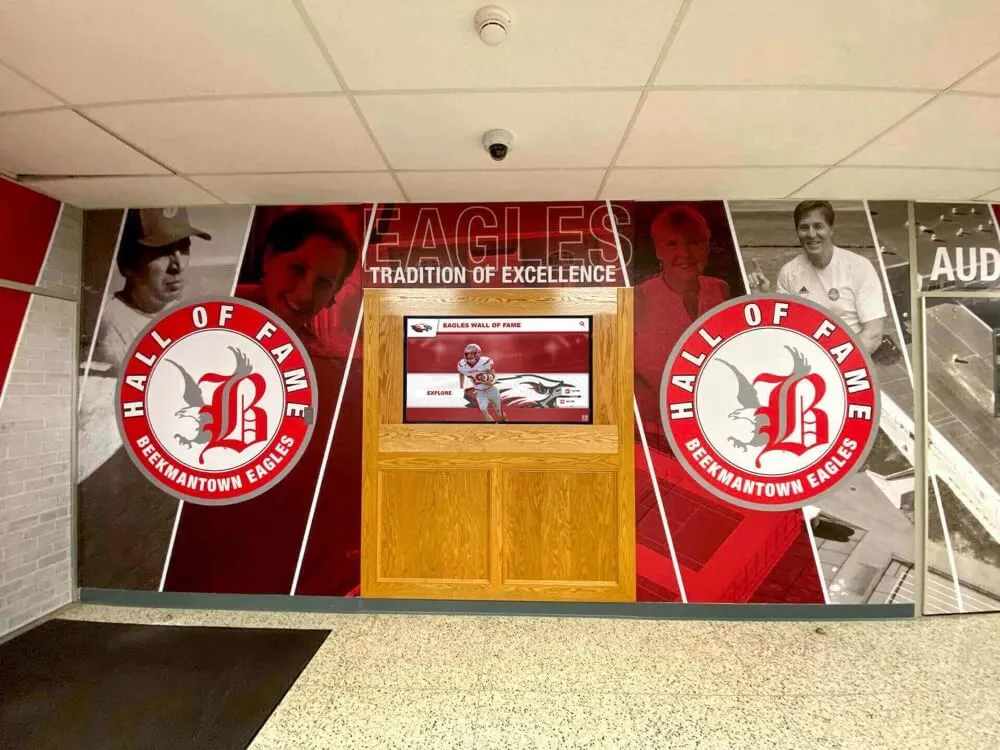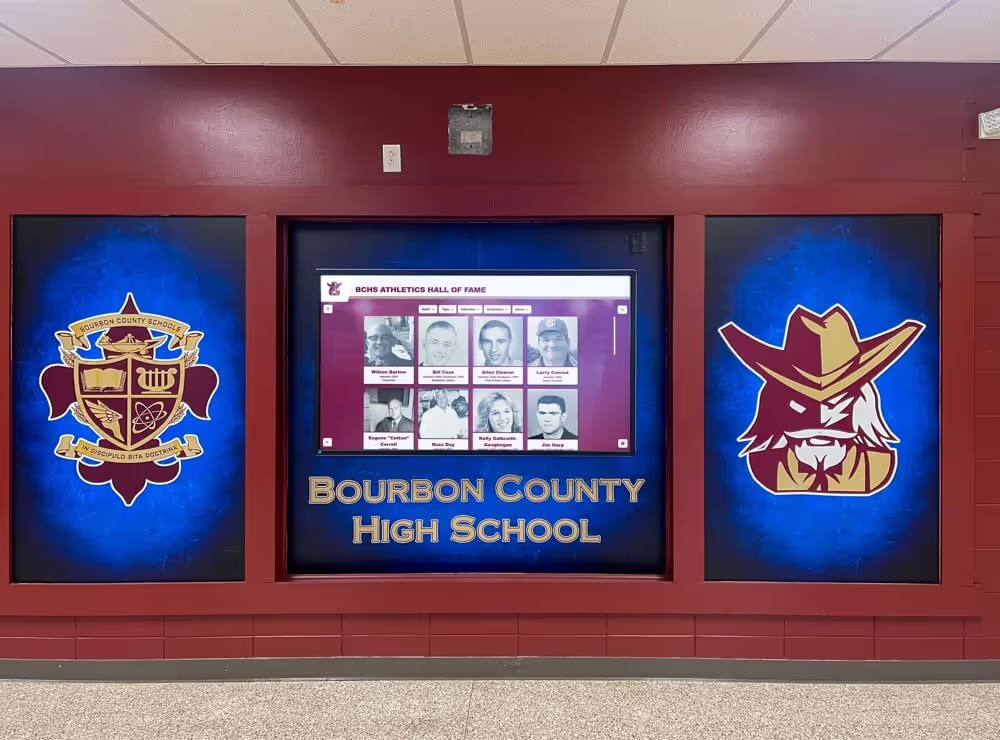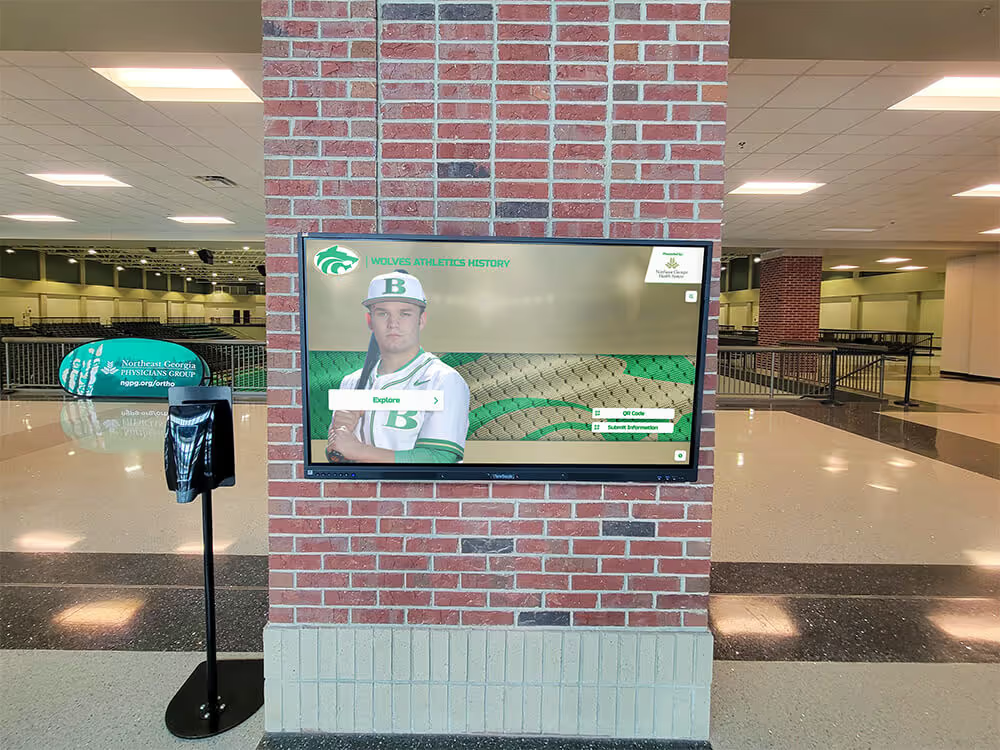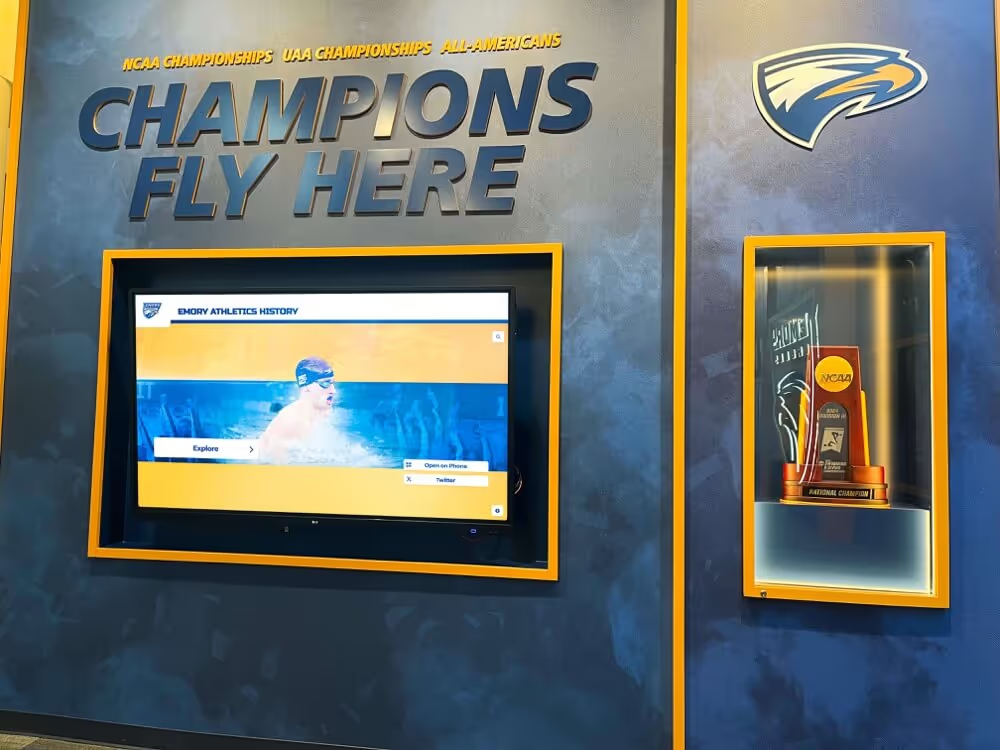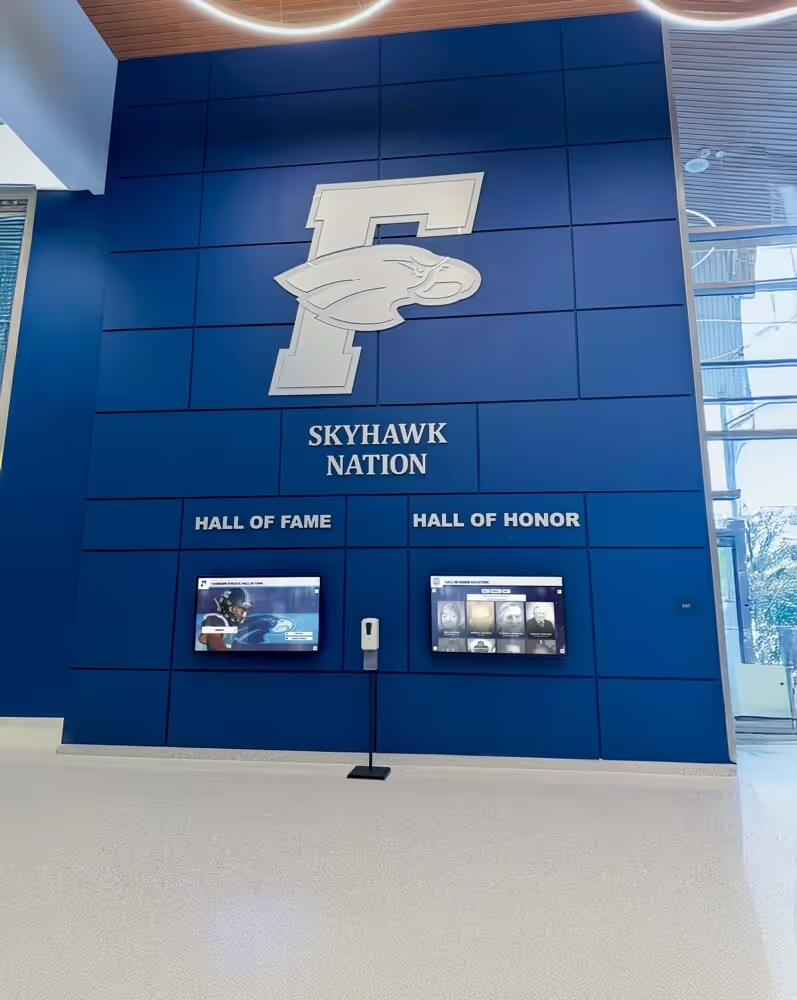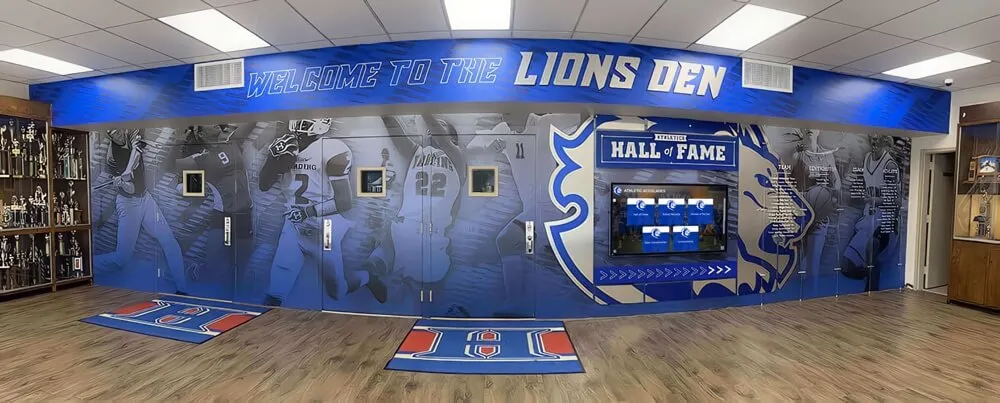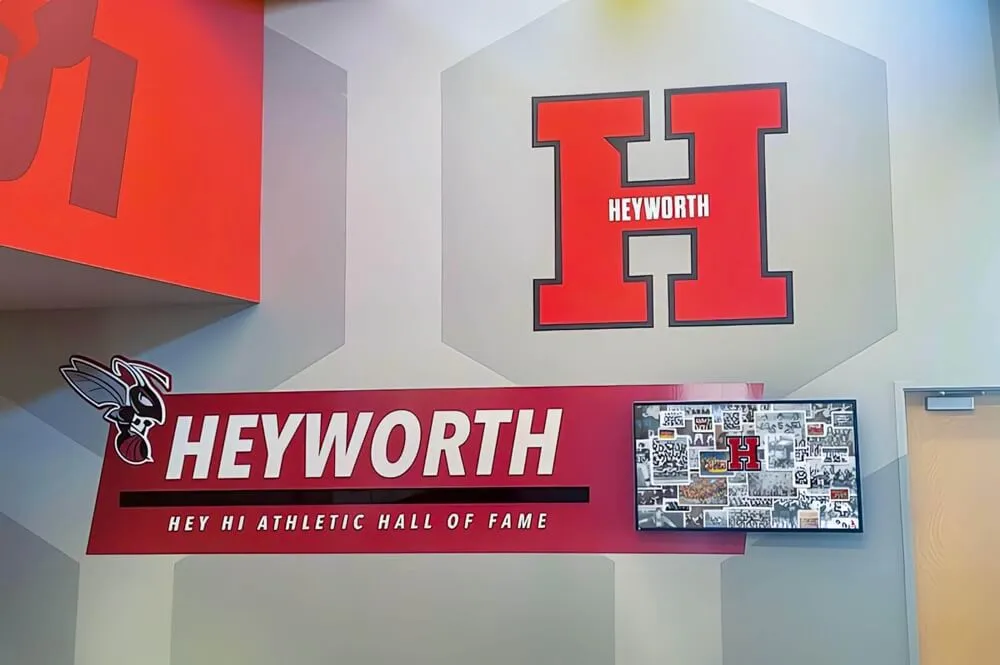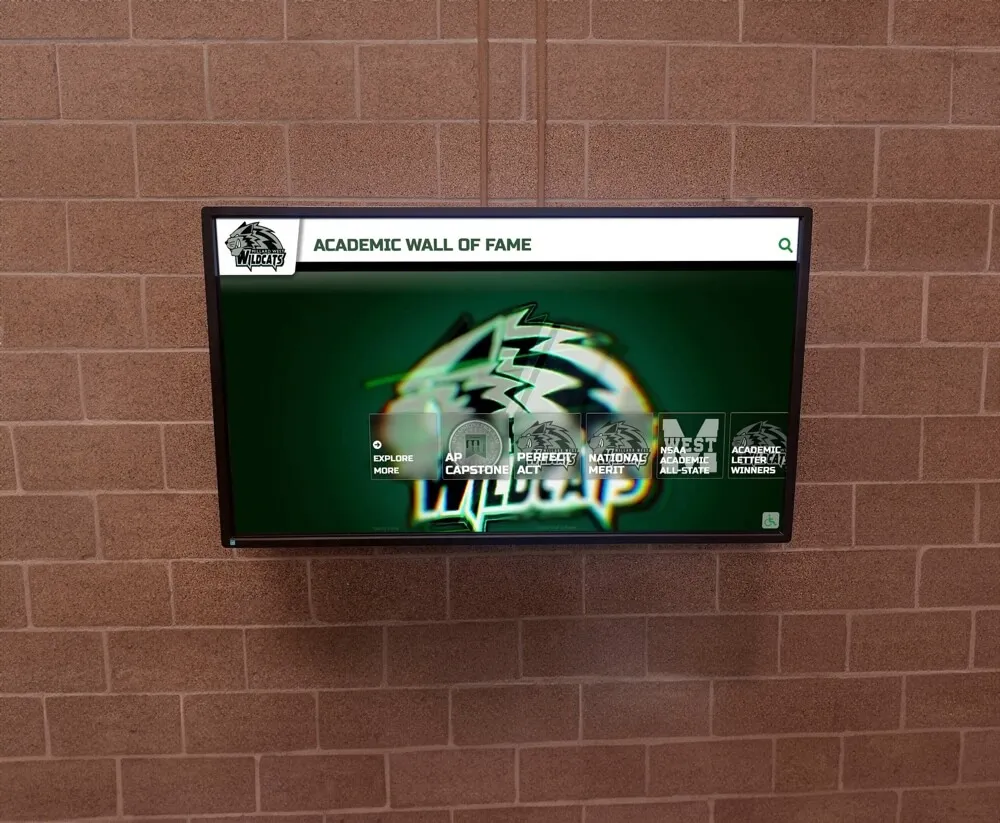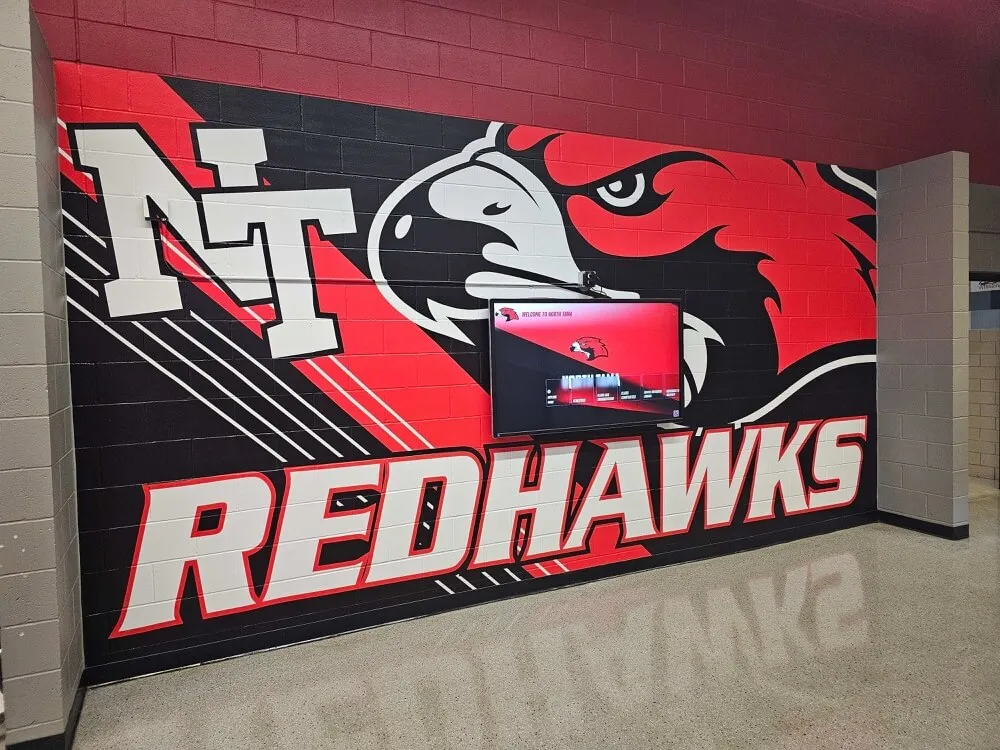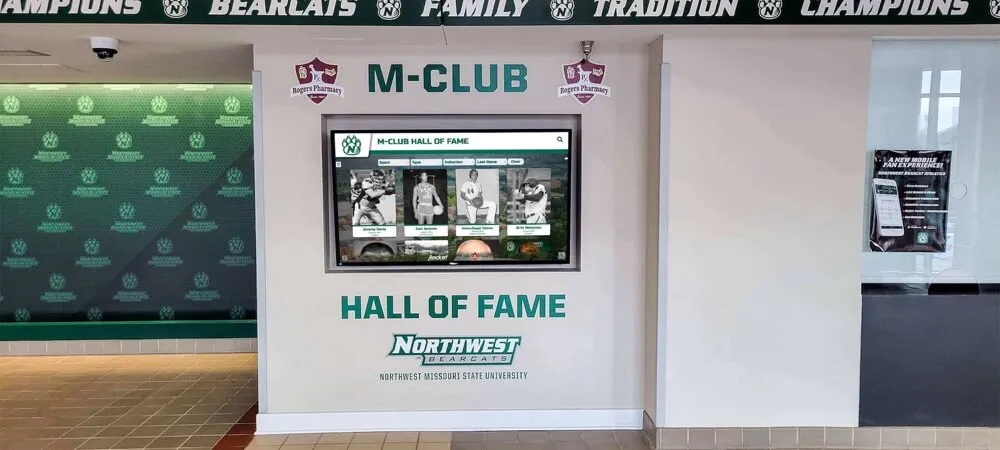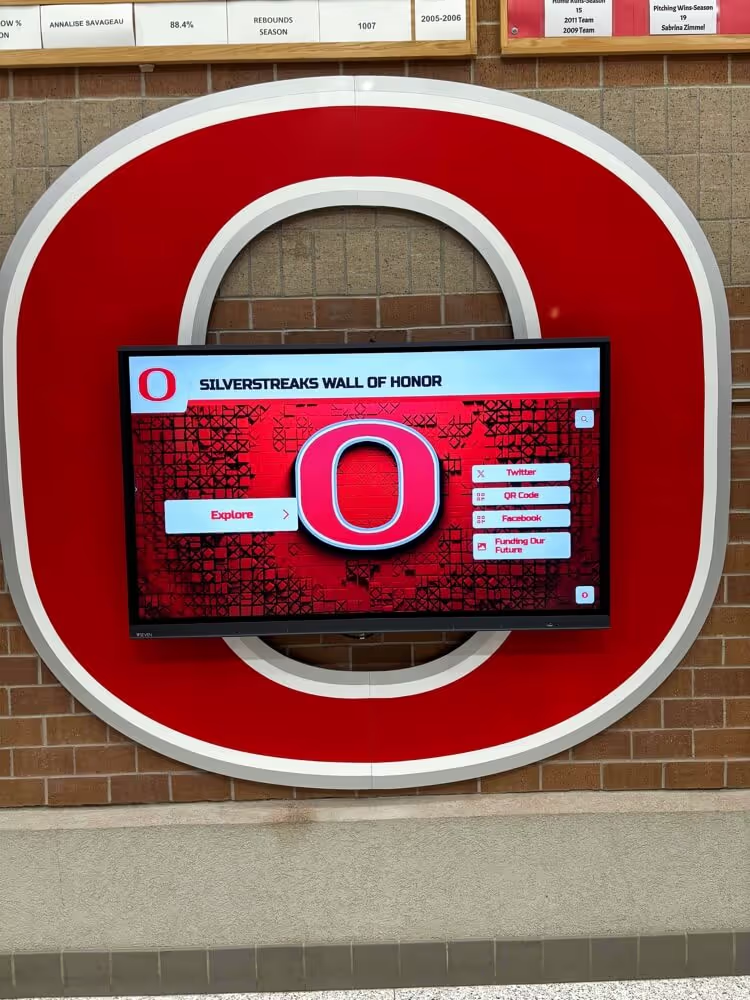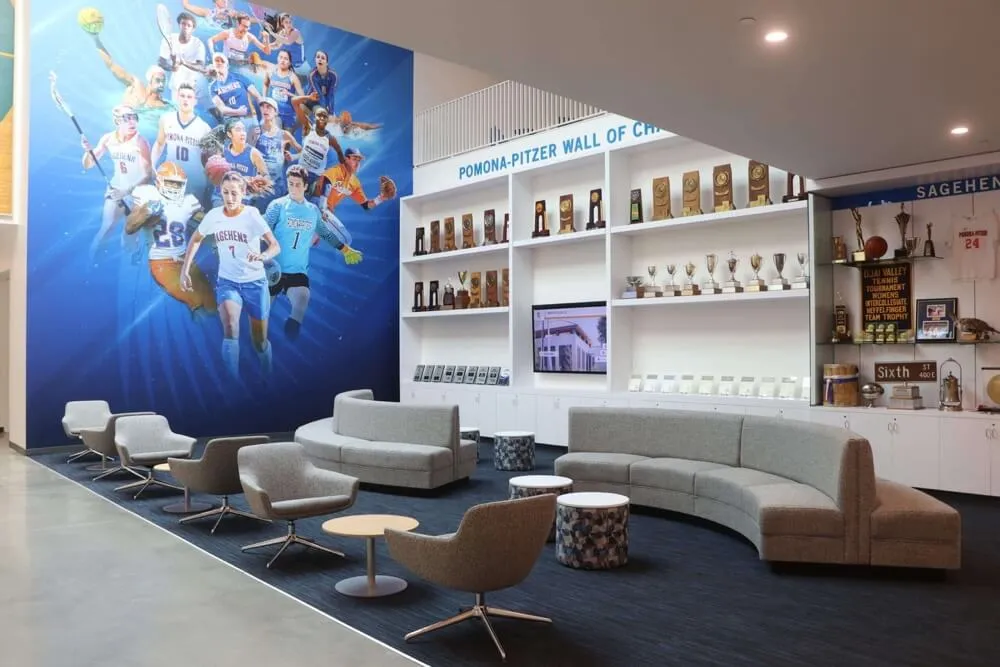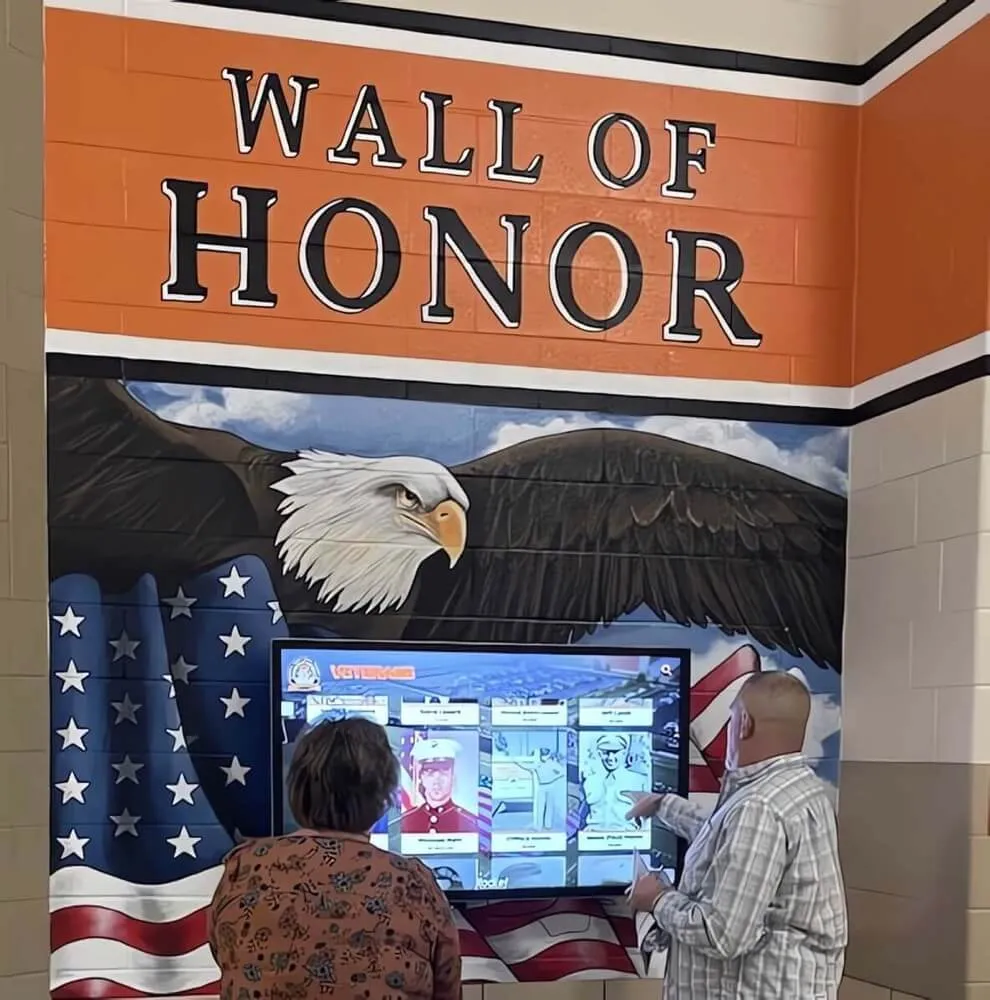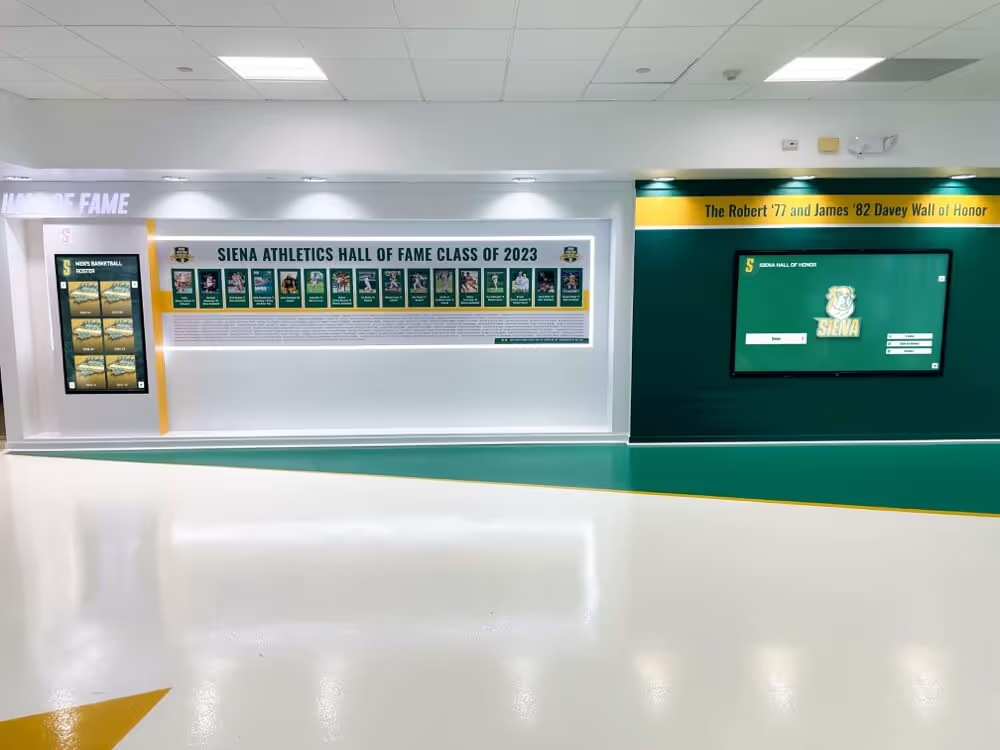




Donor walls serve as the physical manifestation of gratitude, transforming philanthropic contributions into lasting recognition that strengthens relationships while inspiring future support. For nonprofits, educational institutions, hospitals, and charitable organizations navigating increasingly competitive fundraising environments, donor walls represent strategic infrastructure investments that deliver measurable returns through improved retention rates, increased gift sizes, and enhanced donor lifetime value.
Donor recognition approaches have changed substantially in recent years. What once consisted primarily of brass plaques mounted on lobby walls now encompasses sophisticated digital displays, interactive touchscreen systems, hybrid recognition approaches, and web-accessible platforms that extend appreciation far beyond physical locations. Organizations implementing modern donor wall strategies report retention rate improvements of 15-25 percentage points, average gift increases of 20-30%, and positive return on investment within 18-24 months through enhanced giving patterns alone.
This comprehensive guide examines donor wall options, implementation strategies, cost structures, technology considerations, content development approaches, and measurement frameworks that enable organizations to design recognition programs aligned with institutional needs, budget constraints, and donor preferences. Whether you’re planning your first donor wall, modernizing existing recognition, or evaluating digital alternatives to traditional plaques, this guide provides evidence-based frameworks for decisions that maximize both donor satisfaction and fundraising outcomes.
Understanding the Strategic Value of Donor Recognition
Before examining specific donor wall approaches, understanding the broader strategic context helps ensure recognition investments align with organizational priorities and deliver measurable returns.
The Retention Economics Driving Recognition Investment
Donor retention represents the most critical metric in sustainable fundraising. Organizations successfully retaining supporters year-over-year build predictable revenue streams while avoiding the substantial costs of continuously replacing lapsed donors.
According to longitudinal data from the Fundraising Effectiveness Project, average first-time donor retention rates across the nonprofit sector remain approximately 19%—meaning more than four out of five new supporters never make second gifts. This persistent “leaky bucket” problem forces organizations into perpetual acquisition mode, constantly seeking new donors to replace those who lapse rather than cultivating deepening relationships with existing supporters who could significantly increase giving over time.
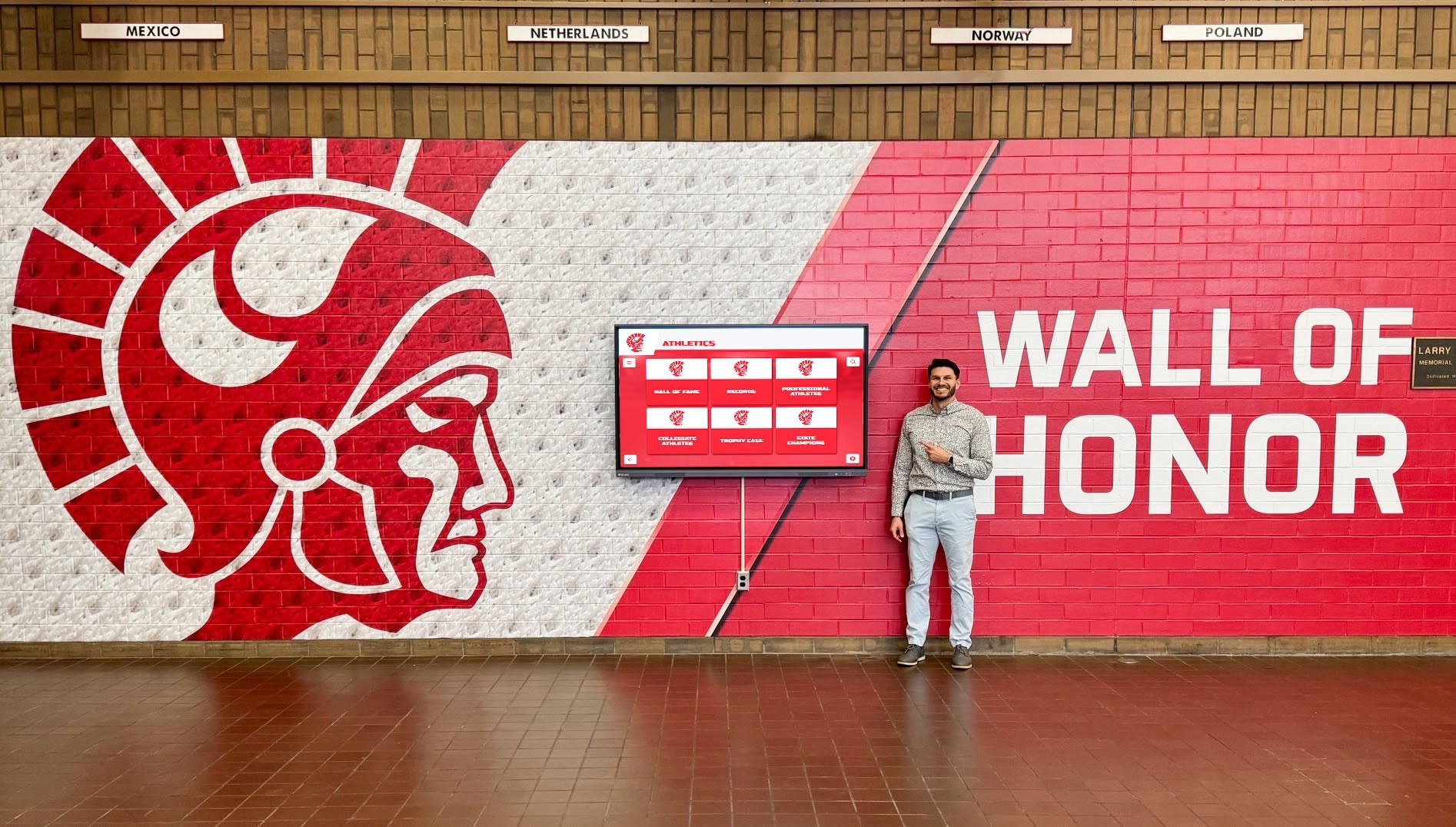
Comprehensive donor recognition directly addresses this retention challenge through multiple mechanisms. Organizations implementing well-designed recognition programs report retention improvements of 15-25 percentage points. While this may appear modest in isolation, the compound effects prove substantial. A nonprofit retaining 45% of donors year-over-year instead of 30% will see donor base size double within five years from identical acquisition efforts. Over ten years, the cumulative revenue difference exceeds 400%—demonstrating that small retention improvements create enormous long-term financial impact.
The mathematics become even more compelling when considering lifetime donor value. Average donor lifetime value equals annual gift size multiplied by years of active giving. A 20-percentage-point retention improvement often doubles average donor lifespan, effectively doubling lifetime value before accounting for gift size increases that frequently accompany deepening relationships. Organizations implementing comprehensive recognition consistently report 3-5x improvements in average lifetime donor value within three to five years following implementation.
Social Proof Dynamics and Peer Influence Patterns
Visible donor recognition creates powerful social proof that influences giving decisions through community dynamics and behavioral norms. Research in donor psychology consistently demonstrates that recognition visibility significantly impacts both the likelihood and size of contributions from prospective supporters.
When potential donors see respected community members acknowledged for contributions, giving becomes established as expected social behavior rather than unusual or exceptional action. Recognition displays demonstrate participation levels, creating mental frameworks for appropriate contribution amounts while validating philanthropic decisions that might otherwise feel uncertain or uncomfortable.
Recognition tiers create particularly strong anchoring effects. Prospective donors seeing colleagues or peers contribute at specific levels establish those amounts as meaningful benchmarks rather than arbitrary figures. Analysis of giving patterns shows supporters frequently contribute at higher levels when they see visible acknowledgment opportunities compared to organizations lacking clear recognition structures. Organizations implementing tiered donor walls report 18-25% higher average gifts at each tier compared to suggested giving levels without corresponding recognition.
Reciprocity effects also matter substantially. Community members benefiting from services, programs, or facilities funded by past donors feel motivated to contribute so future participants can enjoy similar benefits. This connection between honoring previous generosity and funding future opportunities creates sustainable giving cycles that strengthen organizations across generations. Analysis of multi-generational giving patterns shows families with visible recognition give at 3x the rate and 4x the lifetime value of families without public acknowledgment.
Cultivation Tool Integration Throughout Development Cycles
Beyond honoring existing donors, recognition walls serve as cultivation tools throughout major gift development processes. Development professionals report that donor wall integration significantly improves prospect conversion rates and average gift sizes during major gift conversations.
Prospect tours routinely incorporate recognition displays, showing exactly how organizations celebrate significant contributions and demonstrating the visibility donors receive. This tangible demonstration helps prospects envision their own legacy and understand the institutional impact of transformational gifts. Rather than abstract discussions about recognition possibilities, physical or digital displays provide concrete examples of how the organization honors supporters.
Research from major gift programs shows prospects exposed to recognition during cultivation give at 25-35% higher rates compared to control groups without recognition exposure. Average gift sizes from recognition-exposed prospects run 30-40% higher than comparable prospects who don’t view existing recognition. These correlations demonstrate direct connections between visible, meaningful recognition and major gift commitments, with prospects gaining confidence that organizations will honor their contributions appropriately while making mission impact visible to broader communities.
Traditional Physical Donor Walls: Advantages and Limitations
Traditional donor walls feature permanent installations using materials like wood, metal, glass, or acrylic to display donor names, typically organized by giving levels or campaign designations.
The Case for Traditional Recognition Approaches
Traditional walls provide tangible permanence signaling enduring organizational commitment to honoring generosity across generations. Quality materials and professional design convey that institutions value donors enough to invest in meaningful recognition. Physical installations in prominent locations ensure high visibility among facility visitors, event attendees, and community members.
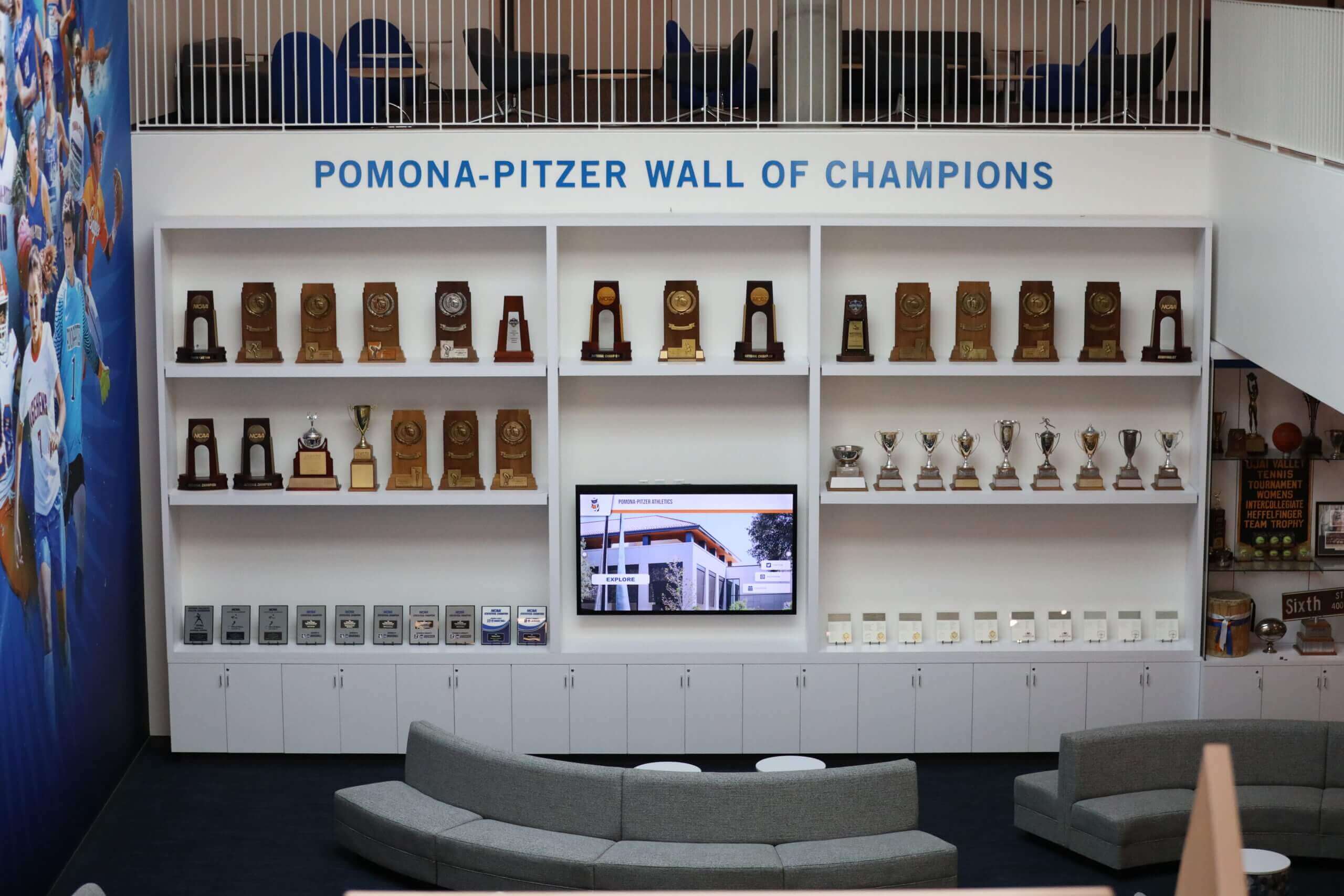
For organizations with relatively stable donor bases and sufficient wall space, traditional recognition serves effectively for decades with minimal maintenance beyond occasional cleaning. Traditional donor walls work particularly well for capital campaigns, major facility projects, and endowment initiatives where recognition honors transformational gifts meriting permanent acknowledgment.
Demographic research shows many donors—particularly those over age 60—appreciate tangible plaques they can touch and photograph, creating satisfying recognition experiences. For these supporters, physical permanence carries psychological weight that digital alternatives may not fully replicate. Organizations serving donor bases skewing older often find traditional approaches align better with supporter preferences and expectations.
Material Options and Cost Structures
Traditional donor wall costs vary substantially based on materials, design complexity, and scale:
Wood Recognition Walls ($8,000-$35,000): Hardwood walls with engraved or routed individual plaques offer warm, classic aesthetics appropriate for many institutional settings. Costs include base panel fabrication, individual plaque production ($150-300 per donor), mounting hardware, and professional installation. Wood requires climate control to prevent warping and periodic refinishing to maintain appearance.
Metal and Acrylic Systems ($12,000-$50,000): Contemporary designs using brushed aluminum, stainless steel, or acrylic panels create modern aesthetics appropriate for updated facilities. Individual donor plaques mount to architectural backing panels. Metal systems resist environmental degradation better than wood but cost more initially. Acrylic offers design flexibility through varied colors and thicknesses.
Glass and Stone Installations ($25,000-$100,000+): Premium materials including etched glass, granite, or marble convey prestige appropriate for major gift recognition. These approaches suit lobby focal walls and campaign-specific recognition where design impact justifies substantial investment. Costs include material procurement, custom fabrication, substantial structural support, and specialized installation.
Modular Recognition Systems ($10,000-$40,000): Pre-designed modular frameworks allow phased implementation and easier expansion. Organizations purchase base architectural elements initially, adding individual donor plaques as fundraising progresses. Modular approaches reduce initial investment while planning for future growth.
All traditional approaches require ongoing update costs averaging $150-300 per new donor plaque plus periodic installation fees, creating annual operating expenses typically ranging $3,000-$12,000 depending on donor volume and update frequency.
Capacity Planning and Long-Term Constraints
The most significant limitation facing traditional donor walls involves finite physical capacity. Organizations must carefully plan for future growth, accounting for anticipated donors over 10-20 year horizons. Inadequate capacity planning creates awkward situations where walls fill completely within months or years of installation, forcing expensive expansions or difficult decisions about which donors to include.
Conservative capacity planning suggests allocating space for 2-3x current donor population to accommodate growth from successful fundraising. However, this approach leaves substantial blank wall space initially, creating less impactful first impressions that may disappoint early supporters expecting more robust recognition environments.
Alternative strategies include designing modular systems enabling expansion into adjacent wall areas, implementing tiered recognition where only top donors receive physical plaques while others receive digital or publication acknowledgment, or planning phased installations where initial recognition occupies prominent primary space with subsequent expansion into secondary locations as donor volume grows.
Digital Donor Recognition Displays: Capabilities and Implementation
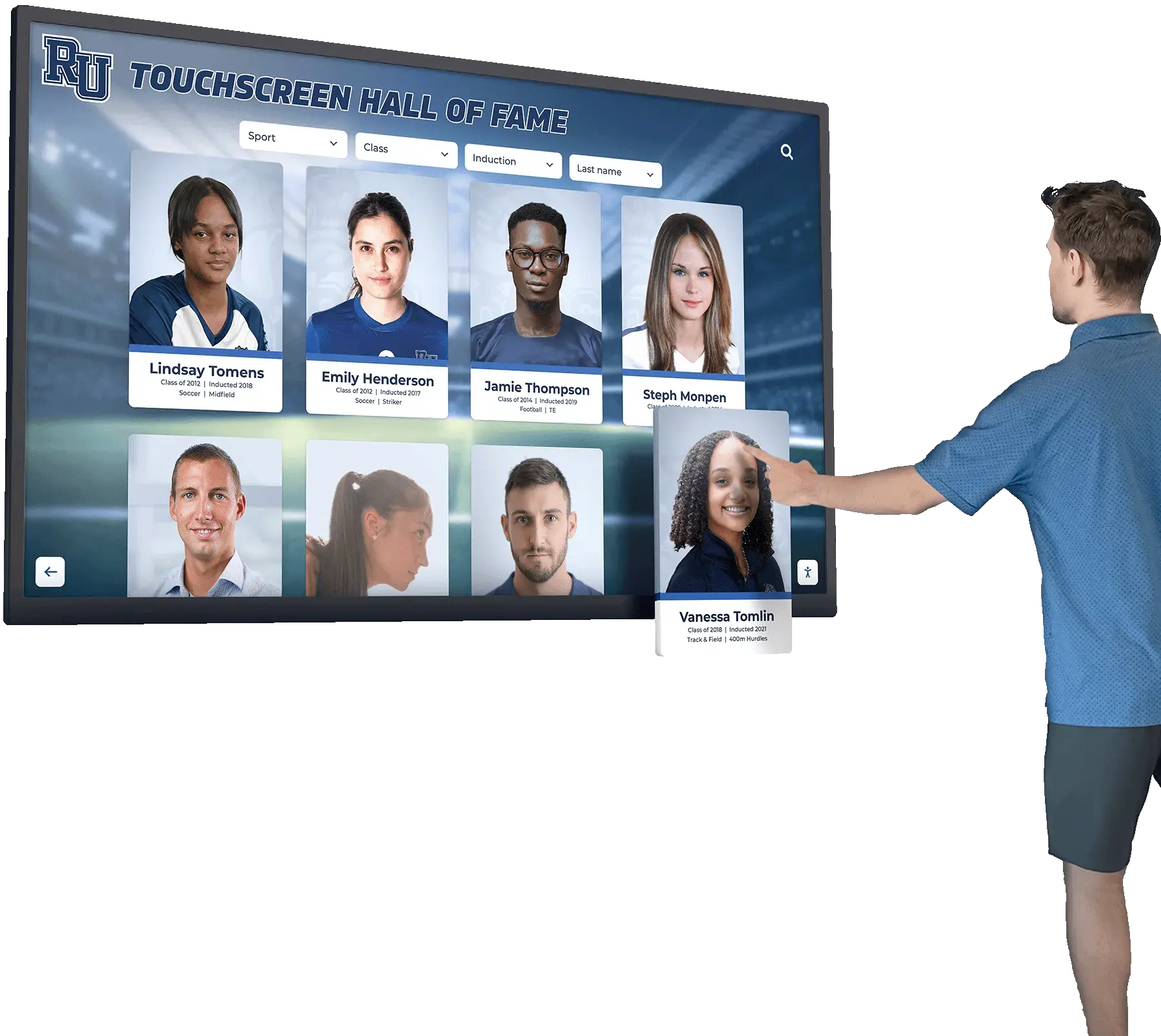
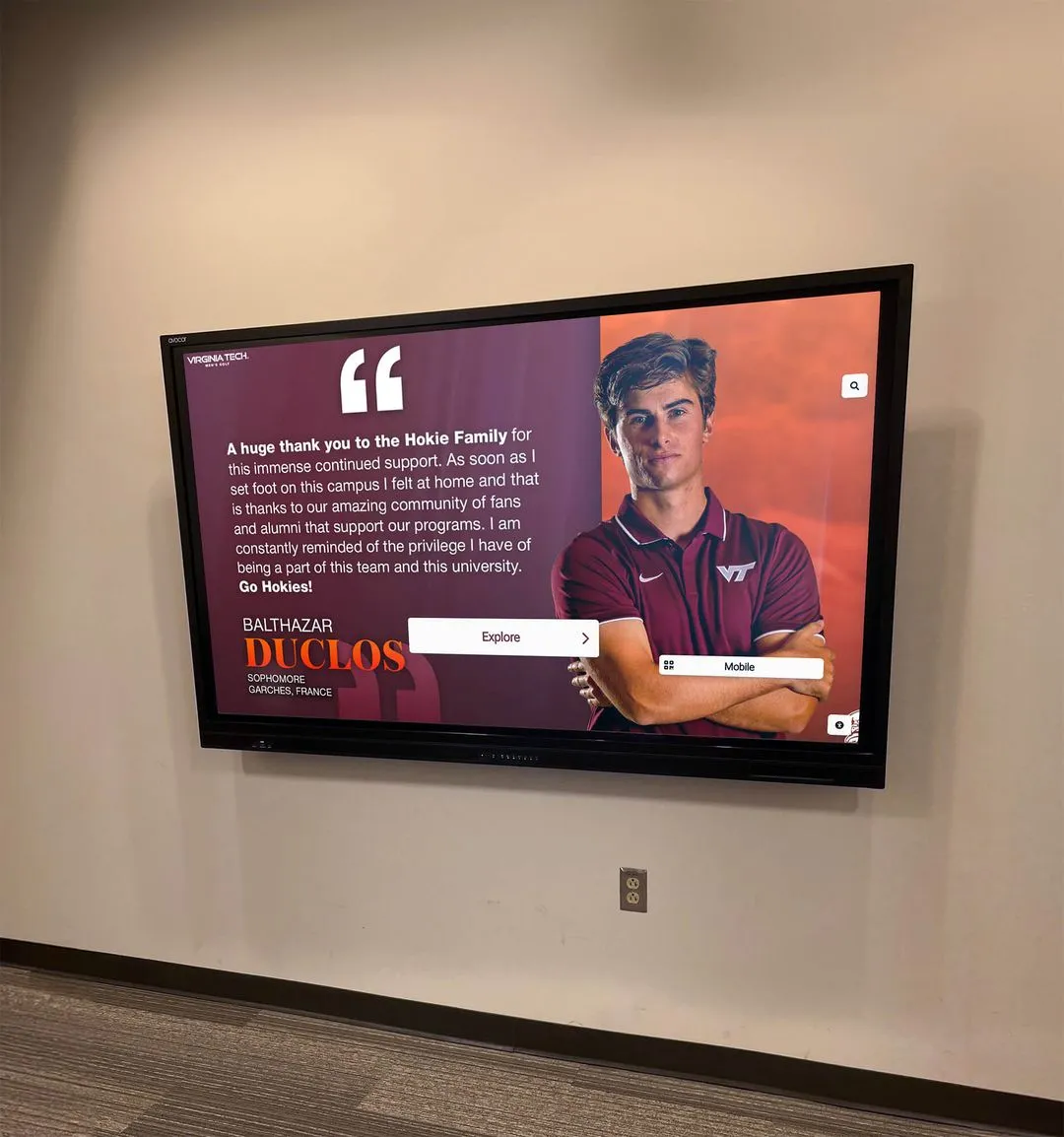
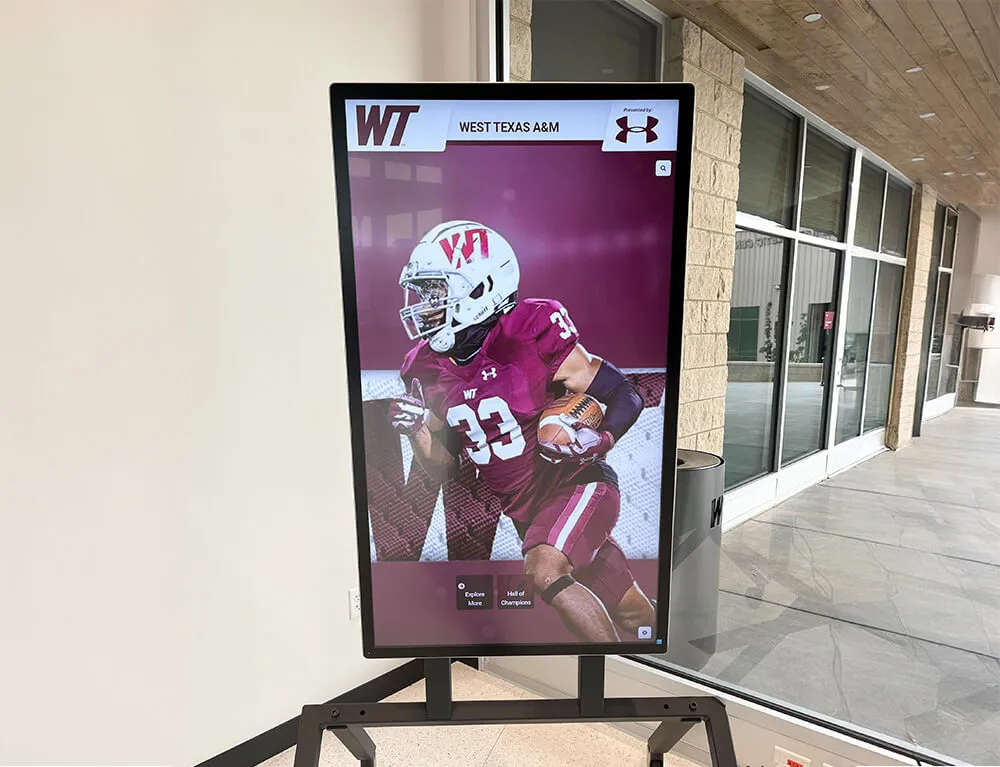
Digital donor walls use touchscreen technology, display screens, or web-based platforms to showcase donors through interactive multimedia experiences that update instantly and accommodate unlimited recognition capacity.
Core Technology Components and Capabilities
Digital recognition platforms combine several technologies creating effective donor acknowledgment experiences:
Commercial-Grade Display Hardware: Professional touchscreen displays ranging from 43 to 86 inches provide intuitive interaction supporting multi-touch gestures, pinch-to-zoom navigation, and responsive feedback. Unlike consumer displays, commercial panels feature durability ratings for continuous operation, panel lifespans exceeding 60,000 hours, tempered glass protection, and thermal management systems preventing overheating.
Screen size selection depends on viewing distance and space constraints. Locations with 4-6 foot viewing distances suit 43-55 inch displays. Medium-distance viewing (6-10 feet) requires 55-65 inch screens. Larger spaces with distant viewing need 75-86 inch displays for appropriate visibility and impact.
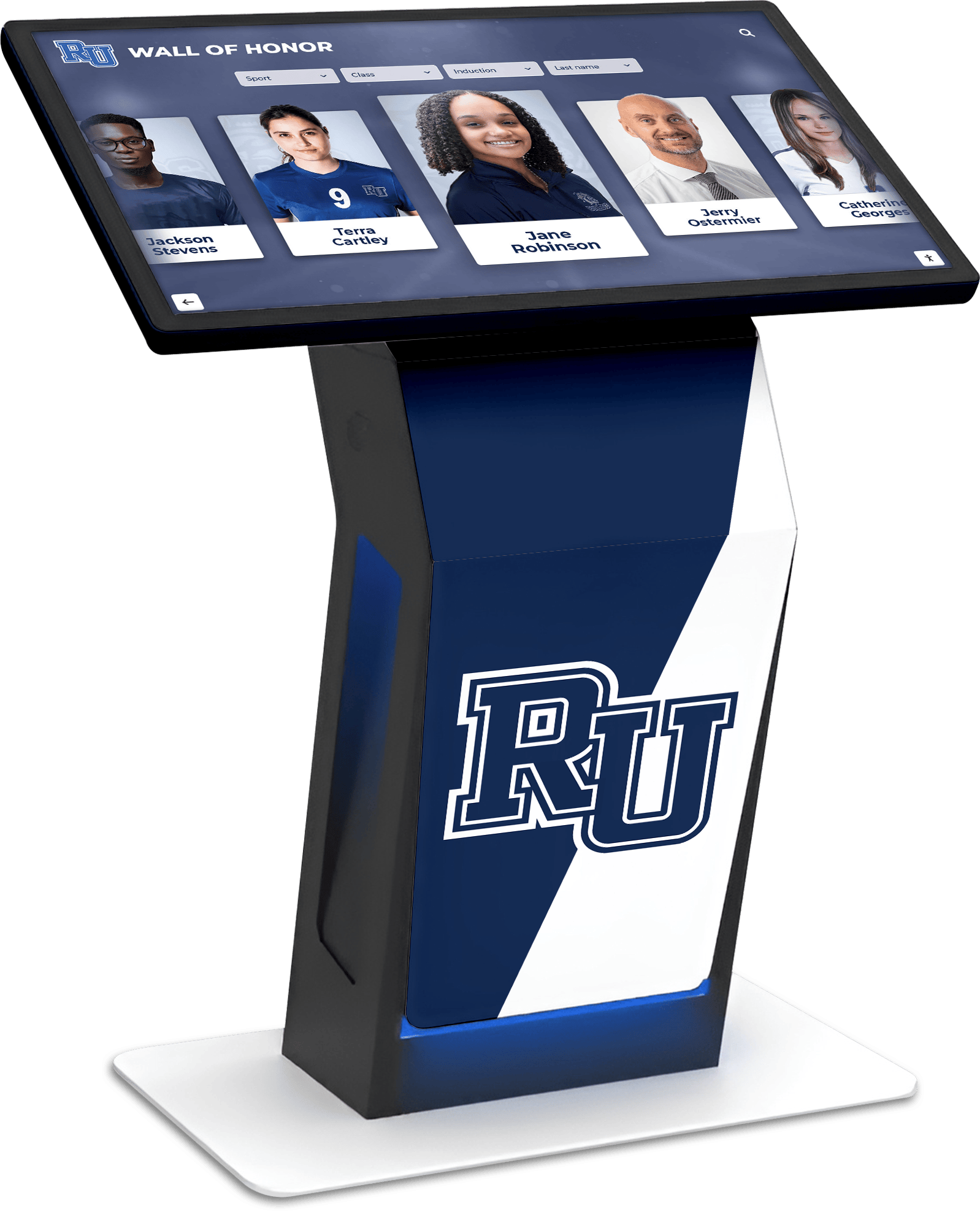
Cloud-Based Content Management Systems: Backend platforms enable development staff to manage recognition content without technical expertise. Intuitive web interfaces support adding and updating donor profiles, flexible templates matching organizational branding, scheduled content rotations highlighting different donors, permission management across multiple staff members, and automatic synchronization across all displays and online platforms.
Purpose-built recognition platforms like Rocket Alumni Solutions provide donor-specific features including giving level management, campaign attribution, impact story integration, donor privacy controls, and fundraising analytics. This specialization ensures necessary functionality exists by design rather than through complex customization of generic content management systems.
Multimedia Integration and Storytelling: Digital platforms support rich content types creating emotional connections that static plaques cannot achieve. High-resolution photos showcase donors and impact, video interviews bring stories to life through donors’ own voices, impact visualizations demonstrate how contributions create change, document galleries display news coverage or recognition certificates, and social media integration extends engagement beyond physical displays.
This multimedia approach transforms recognition from simple acknowledgment into storytelling that strengthens donor relationships while inspiring prospective contributors who see the meaningful recognition others receive.
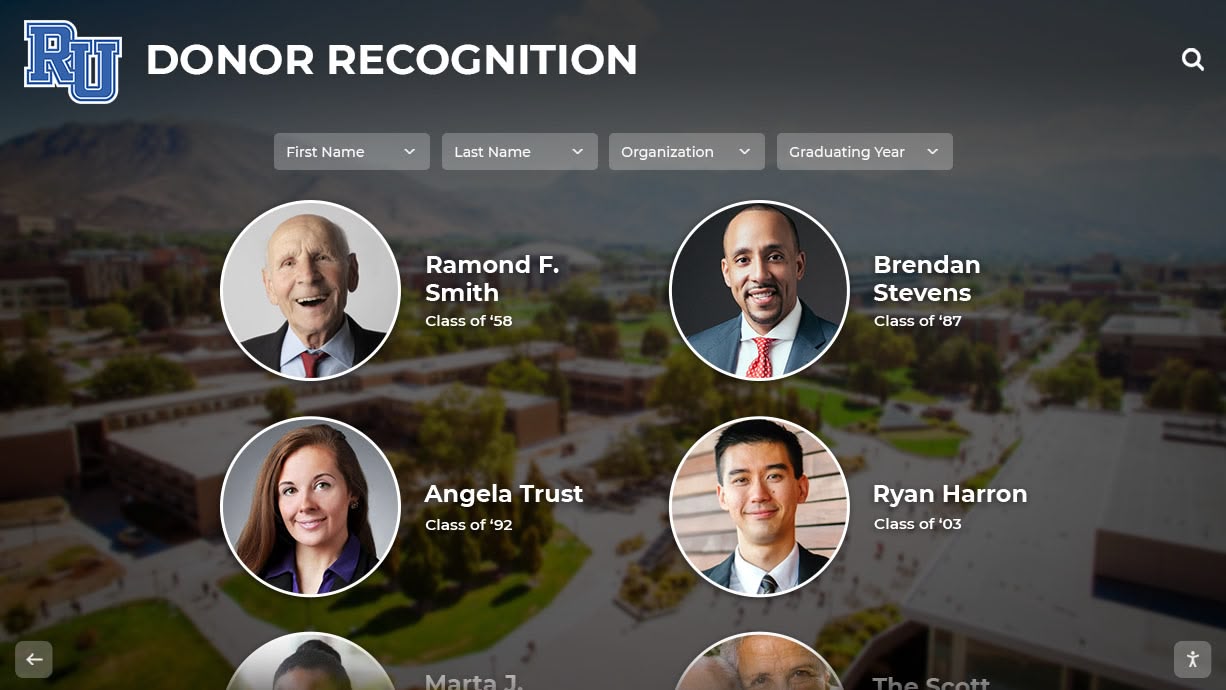
Search, Discovery, and Analytics Features: Powerful search functionality helps visitors explore recognition content through full-text search across donor information, advanced filtering by giving level or campaign, auto-complete suggestions accelerating searches, related content recommendations, and engagement analytics tracking what content resonates most powerfully.
Analytics capabilities distinguish digital from traditional approaches. Organizations gain insights into average interaction duration revealing engagement depth, most-viewed profiles indicating what resonates, search patterns showing how visitors explore content, peak usage times informing promotion, and return visitor rates demonstrating sustained interest. These insights enable continuous improvement based on actual user behavior rather than assumptions about what engages donor audiences.
Implementation Costs and Total Ownership Analysis
Digital donor recognition implementations typically range $25,000-$65,000 for comprehensive installations including:
- Commercial-grade touchscreen hardware: $8,000-$25,000 depending on screen size and specifications
- Purpose-built recognition software and setup: $5,000-$15,000 including platform licenses, configuration, and integration
- Content development and migration: $5,000-$15,000 covering profile creation, photography, videography, and archive digitization
- Installation and infrastructure: $2,000-$5,000 for mounting, cabling, network connectivity, and physical integration
- Training and support: $1,000-$3,000 for administrator training and implementation services
Annual operating costs typically range $3,000-$8,000 covering platform subscriptions ($1,500-$4,000), hosting and support services ($800-$2,000), content management staff time ($1,000-$3,000), and periodic hardware maintenance ($200-$1,000).
While initial investments exceed traditional plaque costs for small donor populations, digital systems achieve cost parity within 3-5 years when accounting for ongoing traditional update expenses. For organizations with 100+ donors, digital approaches often prove more cost-effective even in initial implementation phases. More importantly, digital recognition consistently delivers superior engagement and fundraising outcomes that provide measurable return on investment through improved retention and increased giving.
Addressing Common Digital Implementation Concerns
Organizations considering digital recognition sometimes express concerns about technology complexity, maintenance requirements, or donor preferences. Research from hundreds of implementations provides data addressing these considerations:
Technology Complexity: Modern platforms are designed for non-technical users, making content management comparable to updating social media pages. Development staff comfortable with email and web browsing typically manage recognition content effectively after brief training. Monthly content management for organizations adding 5-10 donors requires 5-15 hours, with additional time during major campaigns or annual updates.
Hardware Reliability: Commercial-grade displays rated for continuous operation prove highly reliable, with average failure rates below 2% annually. When issues occur, remote diagnostics and support resolve most problems without on-site visits. Hardware warranties typically cover 3-5 years with optional service agreements extending coverage.
Donor Age and Technology Preferences: While assumptions suggest older donors prefer traditional recognition, survey data shows broad appreciation for digital approaches across age groups. Donors over 60 report satisfaction rates above 85% with digital recognition, citing ease of finding their profiles, ability to share recognition with family, and appreciation for comprehensive storytelling impossible with brief plaques. The key factor proves content quality and ease of use rather than format preference.
Hybrid Recognition Strategies: Combining Traditional and Digital Elements
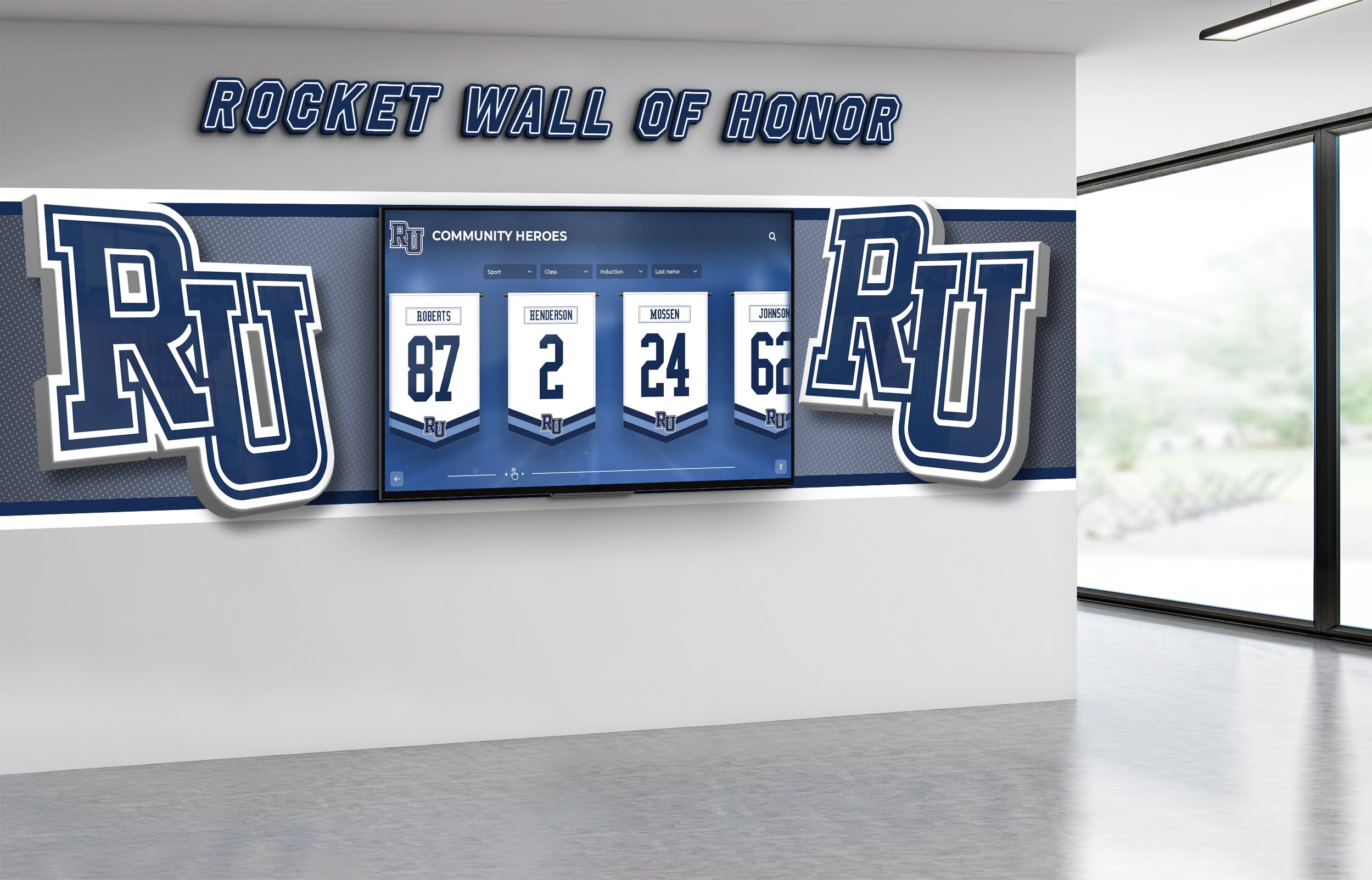
Many organizations find that integrated recognition combining traditional and digital elements delivers optimal results by respecting donor preferences for permanent tributes while gaining digital platforms’ flexibility and engagement advantages.
Hybrid Approach Design Patterns
Successful hybrid strategies feature several common patterns that balance traditional permanence with digital capabilities:
Tiered Recognition Architecture: Premier donor levels (typically $25,000+) receive permanent physical plaques in prominent locations, providing the tangible recognition major donors value. Broader donor communities receive comprehensive digital recognition accommodating unlimited supporters without physical space constraints. This tiered approach honors major contributors through traditional permanence while celebrating all supporters through inclusive digital platforms.
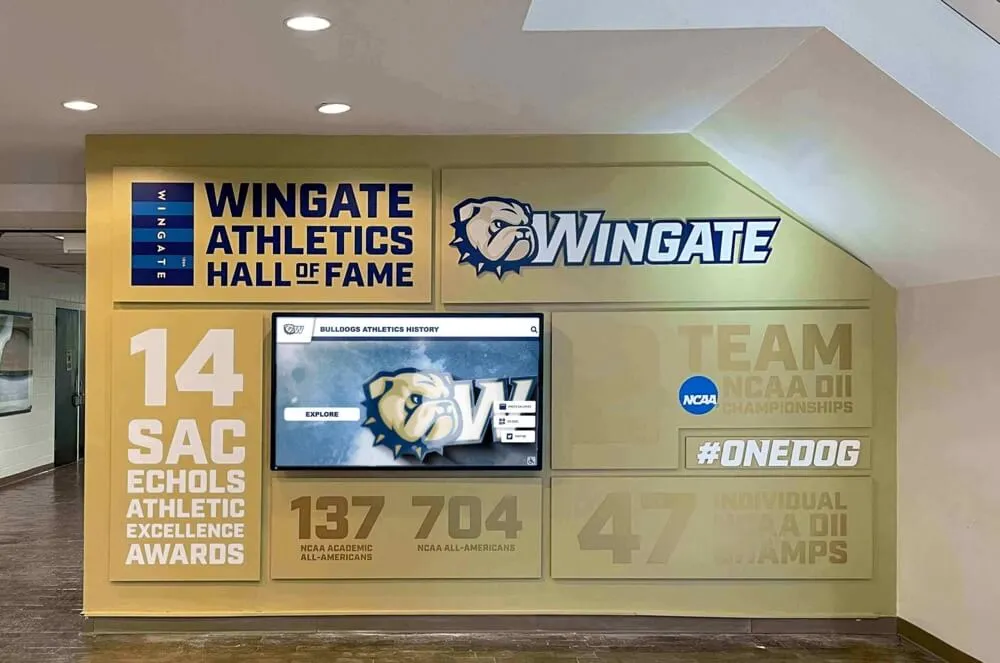
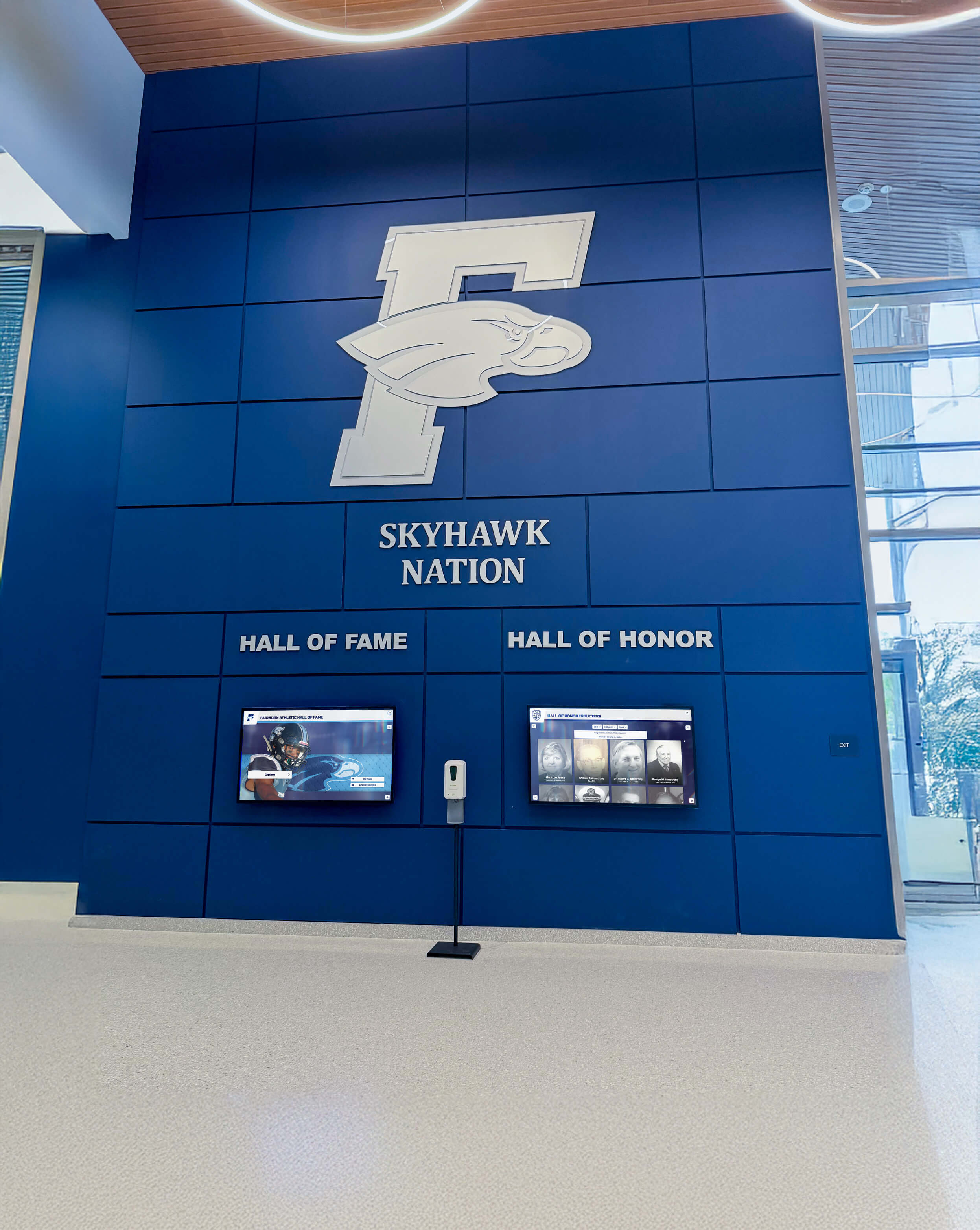
Campaign-Specific Blended Recognition: Capital campaigns feature physical architectural elements—elegant frames, quality materials, institutional branding—providing permanent aesthetic anchors that honor campaign significance. Digital displays integrated within these traditional spaces offer dynamic content capabilities showcasing all campaign supporters, impact stories, beneficiary testimonials, and progress metrics that static installations cannot accommodate.
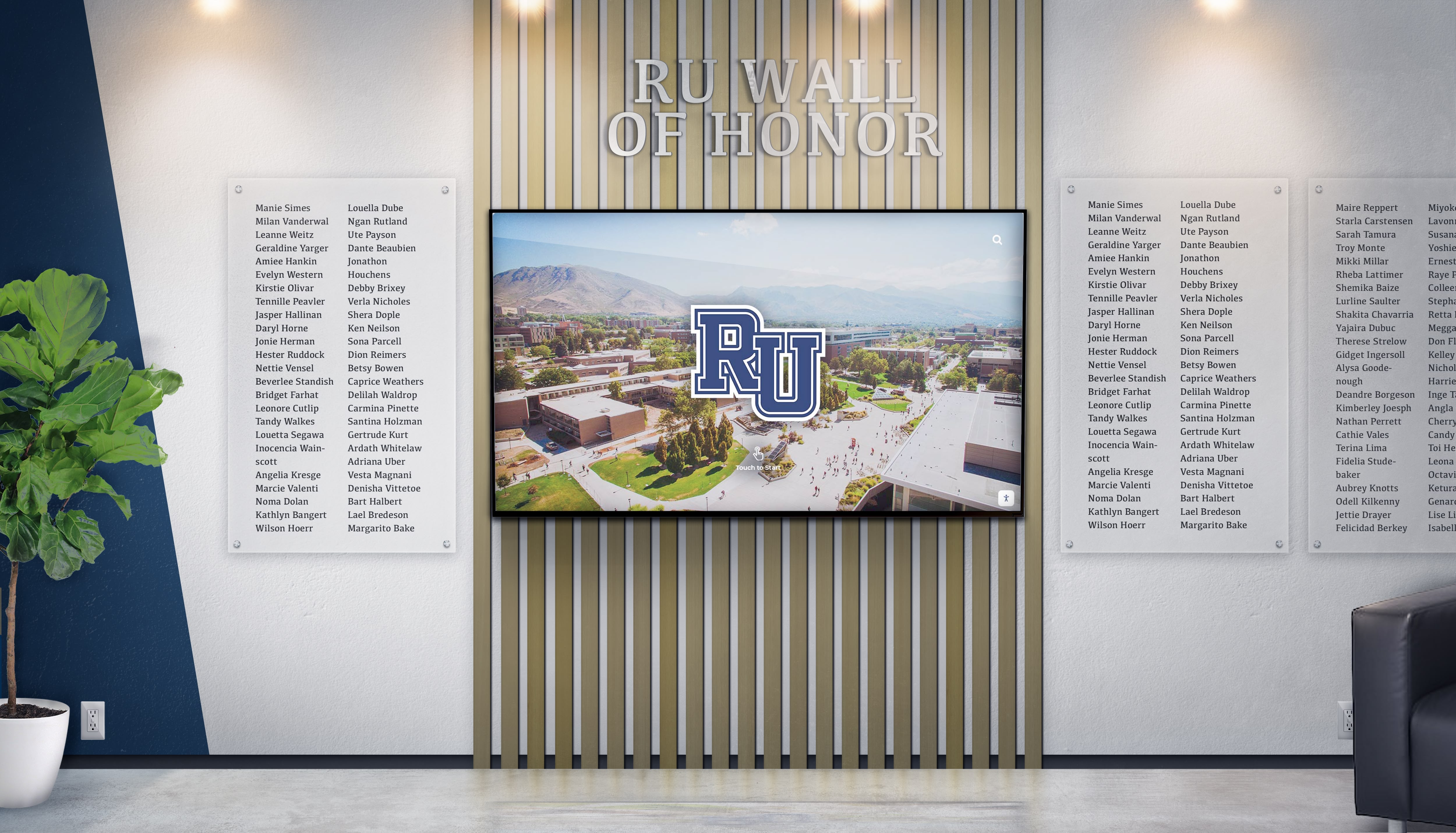
Historical Traditional + Contemporary Digital: Organizations preserve existing traditional donor walls honoring historical contributions while implementing adjacent digital displays for current and future recognition. This approach respects institutional tradition and existing donor expectations while embracing modern capabilities that serve contemporary fundraising needs more effectively.
Implementation Considerations for Hybrid Systems
Hybrid approaches require careful planning ensuring visual cohesion between physical and digital elements through coordinated design, consistent branding, and professional installation creating unified recognition environments rather than disconnected components that feel hastily assembled.
Design integration proves particularly important. Hybrid systems should feature complementary materials, coordinated color palettes, unified typography and branding, proportional scaling between physical and digital elements, and architectural harmony creating single recognition environments rather than competing displays.
Organizations implementing hybrid recognition should establish clear policies defining which donors receive physical versus digital acknowledgment. Transparent criteria prevent perceptions of unfairness or arbitrary distinctions that might damage relationships with supporters receiving “lesser” recognition. Common approaches include giving level thresholds ($25,000+ for physical plaques), campaign-specific designation (capital campaign donors receive physical, annual fund supporters receive digital), or temporal distinctions (historical donors on physical walls, current supporters on digital platforms).
Content Development: Creating Recognition That Resonates
Effective donor recognition requires compelling content that honors supporters meaningfully while inspiring continued engagement from recognized donors and prospective contributors viewing displays.
Establishing Recognition Criteria and Policies
Clear, consistent criteria ensure recognition programs maintain credibility and fairness while serving strategic priorities:
Eligibility Requirements: Define which donors receive recognition, what giving levels qualify for enhanced acknowledgment, how cumulative versus single-gift giving is recognized, and what contribution types beyond cash (in-kind gifts, volunteer leadership, planned giving commitments) merit inclusion. Document policies in writing accessible to development staff, board members, and when appropriate, donors themselves.
Timing Considerations: Address when new donors appear on recognition (immediately, annually, specific campaign periods), how long recognition remains (permanent, donor lifetime, specified terms), and procedures for updating information as giving levels change or donors pass away.
Privacy and Anonymity Options: Always honor supporter wishes regarding recognition. Offer explicit options including full public recognition with biographical details, name-only acknowledgment without details, anonymous recognition indicating contribution without identification, or no public recognition for donors valuing complete privacy. Document preferences systematically and respect consistently across all recognition channels.
Recognition Tier Structure: Develop clearly defined giving levels with distinct recognition benefits at each tier. Balance accessibility enabling broad participation against aspiration creating meaningful distinctions between levels. Name tiers reflecting organizational identity—mission elements, founder honors, institutional traditions—rather than generic labels like “gold” or “silver.”
Common tier counts range from 4-7 levels. Too few tiers create large gaps between recognition levels that may discourage donors close to but not quite reaching next thresholds. Too many tiers create complexity and administrative burden while diminishing meaningful distinctions between adjacent levels.
Content Collection and Development Approaches
Gathering rich, engaging content requires systematic approaches combining multiple collection methods:
Direct Donor Outreach: Contact recognized donors requesting updated biographical information, reflections on institutional impact, high-resolution photos, and optional video testimonial participation. Personalized outreach from development officers or organizational leadership achieves higher response rates than generic email requests. Offer clear timelines, simple submission processes, and examples of effective recognition content helping donors understand what you’re seeking.
Archival Research and Institutional Records: Mine existing databases, publications, event programs, and historical records for donor information. Many organizations possess substantial biographical content from past campaigns, event programs, or historical publications that can be repurposed for recognition displays. Archive research proves particularly valuable for deceased donors or supporters who may not respond to direct outreach.
Family Collaboration: When recognizing deceased donors or establishing memorial recognition, collaborate with family members who often provide rich biographical details, personal photos, and meaningful context about motivations for support. Family involvement in content development creates additional engagement touchpoints strengthening multi-generational relationships.
Professional Content Creation: Budget for professional photography, videography, writing, and editing services that elevate content quality beyond amateur production. While not every donor profile requires full video production, featured donors and major contributors merit investment in professional storytelling that creates compelling recognition experiences reflecting their significance to the institution.
Quality Standards and Consistency
Establishing standards ensures all content meets minimum thresholds for professional presentation:
Photo Standards: Require high-resolution images (300 DPI at display size or 2000+ pixels wide) with good lighting, proper framing, and appropriate backgrounds. Avoid small, low-resolution, or poorly lit photos that reproduce poorly on large displays or print materials.
Biographical Narrative Guidelines: Develop length guidelines (typically 300-800 words) providing sufficient substance without overwhelming readers. Establish consistent voice and tone reflecting institutional culture. Include standard elements such as biographical background, institutional connections, motivations for support, and when appropriate, impact achieved through contributions.
Video Production Standards: If incorporating video testimonials, maintain consistent production quality through HD resolution, professional lighting and audio, appropriate interview environments, standard intro/outro elements maintaining brand consistency, and editing that creates 1-3 minute compelling stories rather than lengthy, unfocused recordings.
Fact-Checking and Accuracy: Implement review processes ensuring accuracy of donor names, class years, gift amounts, campaign attributions, and biographical details. Errors damage credibility and frustrate donors whose information appears incorrect. Multiple review cycles catch mistakes before recognition goes public.
Strategic Placement, Promotion, and Sustained Engagement
Even excellent donor recognition engages poorly if positioned in low-traffic areas or inadequately promoted to target audiences. Strategic placement and consistent promotion prove essential for maximizing recognition value.
Optimal Location Selection and Installation Considerations
Strategic placement maximizes visibility and engagement through careful site selection addressing both traffic patterns and target audience concentration:
High-Value Locations: Main building lobbies where visitors naturally congregate and high foot traffic ensures consistent exposure. Development offices where donors visit for meetings create natural recognition touchpoints during cultivation conversations. Event spaces hosting fundraising gatherings ensure recognition visibility during stewardship activities. Spaces with donor-specific purposes like alumni centers or volunteer rooms. Areas near or within funded spaces creating direct connections between donor generosity and mission outcomes (scholarship walls in student centers, renovation recognition in updated facilities).
Traffic Quality vs. Quantity: Locations with modest total traffic but high donor concentration often outperform higher-traffic areas where few visitors are donors or prospects. A development office with 100 weekly visitors (80% donors or prospects) provides more valuable exposure than a cafeteria with 1,000 weekly visitors (5% donors or prospects).
Physical Installation Quality: Professional installation ensures displays appear properly mounted at comfortable viewing heights (40-48 inches to screen center for standing viewers, lower for seated areas), securely fastened with professional cable management, adequately lit without screen glare for digital displays, finished with quality materials matching institutional aesthetics, and accessible to all visitors including wheelchair users.
Poor installation undermines even excellent recognition content. Amateurish mounting, visible cables, inadequate lighting, or inappropriate positioning creates negative impressions that diminish donor satisfaction and organizational credibility.
Launch Campaigns and Sustained Promotion Strategies
Building awareness drives engagement following implementation through coordinated promotion:
Launch Campaign Elements: Donor email announcements with personalized links to individual profiles create immediate awareness among recognized supporters. Social media campaigns featuring highlighted honorees generate broader community exposure while enabling sharing that extends reach. Press releases to relevant media (alumni publications, local newspapers, trade journals) leverage external channels. Dedication events celebrating new recognition provide memorable experiences for major supporters. Virtual tours enable remote supporters unable to attend events to explore recognition. Website landing pages explain recognition programs and provide access to online versions.
Sustained Visibility Initiatives: Initial launch excitement generates strong first-month engagement that predictably declines without consistent promotion. Maintain ongoing awareness through monthly featured donor spotlights in communications, event integration referencing recognition programs, quarterly update announcements when adding donor cohorts, annual rededication ceremonies when major milestones occur, and regular inclusion in donor stewardship communications reminding supporters that recognition remains active and valued.
Organizations implementing sustained promotion strategies report 3-5x higher long-term engagement rates compared to those relying exclusively on launch campaigns without ongoing visibility efforts.
Measuring Recognition Program Success and Return on Investment
Understanding recognition program impact requires tracking specific metrics connecting investments to fundraising outcomes and demonstrating value to organizational leadership.
Quantitative Engagement and Performance Metrics
For digital recognition platforms, detailed analytics provide insights impossible with traditional approaches:
Usage and Interaction Metrics: Unique visitor counts revealing overall reach and program awareness. Session duration indicating engagement depth (organizations typically see 6-8 minute average interaction times for digital displays versus 30-60 seconds for traditional plaques). Pages per session showing exploration breadth and content interest. Return visitor rates demonstrating sustained engagement beyond initial curiosity. Peak usage patterns informing promotional timing and event integration.
Content Performance Analytics: Most-viewed profiles revealing what content resonates with audiences. Category popularity showing which giving levels or campaigns attract most exploration. Search query analysis identifying content gaps or discovery challenges. Video completion rates indicating whether multimedia maintains viewer attention. Social sharing frequency measuring organic promotion reach.
Donor Behavior Correlation: Compare retention rates for recognized versus non-recognized donors (typical improvement: 15-25 percentage points). Track average gift size trends for donors receiving recognition versus control groups (benchmark: 15-20% increases). Measure upgrade conversion rates showing donors moving to higher recognition tiers (goal: 8-12% annually). Monitor time-to-next-gift for recognized supporters versus non-recognized. Analyze major gift proposal success rates for prospects exposed to displays during cultivation (benchmark: 20-35% improvements).
Fundraising Outcome Indicators and ROI Calculation
Ultimate recognition program success appears in broader institutional metrics beyond display usage:
Key Performance Indicators: Donor retention rate changes following implementation (target: 15-25 point improvements). Average gift size trends year-over-year (benchmark: 15-20% increases). Major gift success rates for prospects viewing recognition during cultivation (goal: 20-35% improvements in gifts over $25,000). Planned giving inquiry correlations with recognition visibility. First-time donor acquisition rates among recently recognized supporters.
Return on Investment Calculation Framework:
Annual ROI = (Incremental Revenue from Improved Retention + Incremental Revenue from Gift Size Increases - Annual Operating Costs) / Total Recognition Investment
Example calculation: Organization implementing $45,000 digital recognition system with 500 active donors averaging $2,000 annual gifts:
- Retention improvement: 20 percentage points (40% to 60%) generates $200,000 additional lifetime revenue over 5 years
- Average gift increase: 18% generates $180,000 additional revenue over 5 years
- Annual operating costs: $5,000
- Net 5-year value: $380,000 - $70,000 (investment + 5 years operating) = $310,000
- ROI: 443% over 5 years, or 88% annually
Most organizations implementing comprehensive programs report recognition systems paying for themselves within 18-24 months through enhanced giving patterns alone before accounting for operational efficiencies and stewardship benefits.
Qualitative Assessment and Stakeholder Feedback
Supplement quantitative metrics with qualitative feedback through post-gift donor satisfaction surveys measuring recognition satisfaction, focus groups exploring recognition experiences and preferences, development staff input about recognition effectiveness in cultivation and stewardship, board member perspectives on program value and institutional positioning, and beneficiary viewpoints about whether recognition appropriately connects philanthropy to mission outcomes.
Systematic feedback collection prevents over-reliance on numbers that might miss important experiential dimensions influencing donor satisfaction and long-term relationships. Combine quantitative data with authentic stakeholder perspectives for comprehensive program evaluation.
Common Implementation Mistakes and How to Avoid Them
Learning from frequent missteps helps organizations implement more effective programs while avoiding predictable pitfalls that diminish recognition value and fundraising impact.
Design and Planning Failures
Inadequate Capacity Planning: Traditional donor walls filling completely within months or years of installation force expensive expansions or difficult decisions about which donors to remove. Plan for 2-3x current donor population over 10-20 year horizons, design modular systems accommodating additions, or implement digital platforms with unlimited capacity.
Poor Location Choices: Recognition positioned in remote hallways, basement locations, or other low-traffic areas receives minimal visibility that undermines investment value. Strategic placement in high-traffic spaces with strong donor concentration proves essential for maximizing engagement and demonstrating appreciation value that donors notice and appreciate.
Insufficient Budget Allocation: Under-investing in professional design, quality materials, or content development creates recognition that appears cheap or poorly executed, paradoxically insulting donors rather than honoring them. Adequate investment in quality implementation signals appropriate valuation of donor contributions and institutional commitment to meaningful recognition.

Content and Messaging Mistakes
Generic, Impersonal Recognition: Simply listing donor names and amounts without stories or context misses opportunities to create emotional connections inspiring continued support. Effective recognition tells complete stories about donors’ motivations, values, institutional connections, and the impact their gifts enable through rich multimedia content that static name lists cannot achieve.
Inconsistent or Outdated Content: Recognition becoming outdated because new donors wait months for acknowledgment, information grows stale, or content never refreshes creates negative impressions. Establish clear processes ensuring timely updates, regular content enhancement, and systematic quality control maintaining professional standards over time.
Ignoring Donor Preferences: Implementing recognition without offering anonymity options or privacy controls disrespects donor wishes and may discourage significant gifts from supporters valuing privacy. Always provide explicit opt-in/opt-out mechanisms and honor preferences consistently across all recognition channels.
Strategic Program Oversights
Treating Recognition as One-Time Project: Organizations viewing recognition as one-time installation rather than ongoing program requiring sustained attention, regular updates, consistent promotion, and continuous improvement fail to achieve potential value. Recognition functions best as an evolving program rather than static monument requiring minimal management after launch.
Launching Without Promotion: Installing excellent recognition without promoting it to target audiences wastes investment when potential supporters don’t know programs exist. Comprehensive launch campaigns and sustained visibility efforts prove essential for maximizing recognition awareness, engagement, and fundraising impact.
Failing to Integrate with Advancement Strategy: Treating recognition programs as isolated initiatives rather than core fundraising components integrated throughout cultivation, solicitation, stewardship, and campaign strategies fails to achieve maximum financial returns. Full integration ensures recognition supports all advancement activities rather than serving as separate project disconnected from broader development work.
Specialized Donor Wall Applications and Contexts
Different organizational types and recognition purposes require tailored approaches addressing specific institutional needs and donor populations.
Educational Institution Donor Walls
Schools, colleges, and universities represent the largest donor wall implementation sector, with recognition supporting annual giving programs, capital campaigns, endowment initiatives, and alumni engagement.
Academic Recognition Considerations: Balance donor recognition with student/faculty achievement celebration avoiding perception that institutional values prioritize wealth over academic excellence. Integrate donor walls into broader recognition environments celebrating intellectual accomplishment, research impact, and educational mission. Consider creative donor wall designs that honor philanthropic support while maintaining academic focus.
Alumni Engagement Integration: Design recognition supporting alumni relations objectives beyond fundraising including career networking, mentorship programs, class reunion attendance, and volunteer recruitment. Digital platforms enable recognition features supporting these broader goals through alumni profiles showcasing professional accomplishments, career advice content, and volunteer opportunity matching that serve engagement missions while honoring philanthropic support.
Campus Location Strategy: Educational institutions typically maintain multiple recognition locations serving different purposes—development office displays for major gift cultivation, student union installations for broad community visibility, athletic facilities for sports-related giving, library recognition for intellectual philanthropy, and academic building displays for department-specific support. Coordinate installations creating comprehensive recognition environments rather than competing displays with inconsistent messages or quality standards.
Healthcare Organization Donor Recognition
Hospitals, medical centers, and healthcare systems require recognition approaches addressing unique patient care contexts, privacy sensitivities, and clinical environments.
Clinical Environment Appropriateness: Recognition in patient care areas must avoid appearing ostentatious or suggesting that quality care depends on philanthropy rather than representing standard institutional commitment. Balance donor acknowledgment with messaging emphasizing universal care regardless of payment source. Consider quieter recognition approaches in clinical spaces with prominent celebration in administrative areas, education centers, or dedicated donor lounges.
Patient Privacy Considerations: Healthcare recognition often honors grateful patient giving, memorial contributions following patient deaths, or tribute gifts celebrating care received. Exercise particular care with patient donor recognition respecting HIPAA privacy requirements, obtaining explicit permission before public acknowledgment, and offering sensitive tribute options for memorial giving that honor deceased without inappropriate cheerfulness.
Medical Staff Engagement: Healthcare donor recognition should acknowledge physician and nursing philanthropic support alongside grateful patient giving. Clinical staff contributions merit celebration demonstrating institutional commitment from those providing care, creating powerful cultivation examples for patient prospects who value care provider endorsement.
Religious and Faith-Based Institution Recognition
Churches, synagogues, mosques, and faith-based nonprofits require recognition approaches respecting religious values, avoiding excessive materialism, and aligning with spiritual missions.
Theological Alignment: Ensure recognition approaches align with theological traditions addressing wealth, generosity, and public acknowledgment. Some faith traditions embrace public recognition as positive modeling of stewardship values. Others emphasize anonymous giving and humility, viewing public recognition as conflicting with religious values. Consult religious leadership ensuring recognition programs honor rather than contradict faith principles. For inspiration, review nonprofit donor wall approaches adaptable to faith contexts.
Material Simplicity Considerations: Religious contexts often benefit from recognition designs emphasizing simplicity, meaningful symbolism, and spiritual significance over expensive materials or ostentatious displays. Consider approaches using modest physical materials with rich spiritual meaning, Biblical or scriptural integration connecting generosity to faith teachings, and symbolic elements resonating with religious tradition more than contemporary commercial aesthetics.
Mission Focus Balance: Religious donor recognition should maintain primary emphasis on spiritual mission, ministry impact, and faith community rather than allowing recognition to overshadow theological purpose. Integrate donor acknowledgment with mission storytelling, beneficiary testimonials, and spiritual impact narratives ensuring recognition celebrates kingdom advancement rather than material contribution.
Future Trends and Emerging Recognition Technologies
Understanding emerging trends helps organizations implement recognition platforms remaining relevant and valuable as technology and donor expectations evolve through the next 5-10 years.
Artificial Intelligence and Personalization Enhancement
AI capabilities increasingly enable sophisticated recognition customization through several applications:
Personalized Content Recommendations: Machine learning algorithms analyze visitor behavior patterns, personalizing content suggestions matching individual interests to relevant donor profiles. AI systems identify correlations between viewer characteristics and profile engagement, presenting recommendations maximizing relevance and engagement time.
Natural Language Search: Advanced search accepting conversational queries (“show me donors from Texas who supported scholarships”) rather than requiring precise keyword matching. Natural language processing interprets intent from informal phrasing, dramatically improving discovery for casual users unfamiliar with formal search syntax.
Automated Content Enhancement: AI assists content development through automated photo tagging and categorization, suggested profile connections identifying relationship patterns, writing assistance generating biographical narrative drafts from structured data, and content gap identification highlighting incomplete profiles requiring enhancement.
Predictive Upgrade Analytics: Machine learning models predict which recognized donors show highest probability of increasing giving levels based on engagement patterns, profile viewing frequency, social sharing behavior, and interaction depth. Development teams prioritize cultivation outreach to prospects showing strongest upgrade signals.
Enhanced Data Integration and Ecosystem Connectivity
Recognition platforms increasingly connect with advancement technology creating efficient data flows:
CRM Synchronization: Bi-directional data integration automatically updates recognition profiles when donor databases change, eliminates duplicate data entry, maintains consistent information across systems, and triggers recognition updates following gift processing without manual intervention.
Giving Platform Integration: Direct donation capabilities embedded in recognition displays enable inspired prospects to contribute immediately without leaving recognition experiences. Real-time gift processing adds new donors to recognition within hours, providing instant gratification and acknowledgment that strengthens relationships from first contributions.
Marketing Automation Triggers: Recognition engagement events trigger automated stewardship workflows—viewing your own profile generates personalized thank-you communications, sharing recognition on social media initiates engagement sequences, and repeated profile visits alert development officers to heightened interest warranting cultivation outreach.
Unified Analytics: Unified reporting combines recognition engagement metrics with broader advancement data including donation history, event attendance, volunteer participation, and communication preferences. Comprehensive donor views inform holistic relationship strategies rather than siloed recognition analysis disconnected from other advancement activities.
Immersive and Extended Reality Applications
Augmented reality and virtual reality technologies create novel recognition experiences:
Augmented Reality Enhancements: Mobile apps unlock additional digital content layers when viewing physical displays through smartphone cameras. Point devices at traditional plaques to access video testimonials, impact stories, or photo galleries extending static recognition with rich multimedia without replacing existing installations. AR approaches bridge traditional and digital recognition, respecting existing investments while adding digital capabilities.
Virtual Reality Environments: Immersive VR creates three-dimensional recognition spaces enabling remote supporters unable to visit facilities to explore donor communities through virtual reality headsets or desktop VR experiences. Particularly valuable for geographically distributed alumni communities, VR recognition provides compelling experiences without travel requirements.
Holographic Displays: Emerging holographic projection technologies create three-dimensional donor recognition without requiring special viewing equipment. While currently expensive, costs declining over time may enable holographic recognition installations creating dramatic focal points in prominent institutional spaces.
Conclusion: Donor Walls as Strategic Fundraising Infrastructure
Effective donor walls represent strategic fundraising infrastructure creating experiences that strengthen donor relationships, generating insights informing advancement strategy, supporting cultivation through demonstrated recognition practices, and building institutional pride benefiting entire communities.
Research from 200+ implementations demonstrates organizations implementing comprehensive donor recognition consistently report measurable financial returns exceeding recognition costs including retention rate improvements of 15-25 percentage points, average gift increases of 20-30%, measurable ROI within 18-24 months, and enhanced donor satisfaction scores strengthening long-term relationships that support sustainable revenue growth.
The optimal donor wall approach depends on multiple factors including organizational budget constraints, physical space availability, donor population size and demographics, technical capacity and support availability, fundraising priorities and campaign timing, and institutional culture and aesthetic preferences.
Decision Framework Summary:
Traditional physical donor walls suit organizations with limited donor populations (under 100), stable fundraising environments without rapid growth, adequate physical wall space for 10-20 year growth, donor populations preferring tangible permanence, and sufficient ongoing budgets for periodic updates and additions.
Digital donor recognition displays serve organizations with growing donor populations (100+), aggressive fundraising growth objectives, limited physical space for traditional installation, technology-comfortable donor demographics, and desire for detailed engagement analytics informing advancement strategy.
Hybrid approaches combining traditional and digital elements benefit organizations with diverse donor preferences, tiered recognition strategies celebrating major gifts distinctly, desire for physical architectural focal points with digital flexibility, and budgets supporting comprehensive recognition investments.
Keys to Donor Wall Success:
- Establish clear recognition criteria and policies ensuring consistent, fair acknowledgment
- Invest appropriately in quality design, materials, and professional implementation
- Develop compelling content telling meaningful stories rather than listing facts
- Position recognition strategically in high-visibility, high-value locations
- Promote programs consistently through launch campaigns and sustained visibility efforts
- Measure engagement and outcomes systematically enabling continuous improvement
- Integrate recognition throughout advancement programming rather than treating as standalone initiative
- Plan for sustainability through adequate budget, staffing, and maintenance processes
Your donors have invested resources and trust in your mission. They deserve recognition that authentically celebrates their generosity while demonstrating that contributions genuinely created meaningful impact. By implementing donor walls combining strategic planning, compelling content, appropriate technology, and genuine appreciation, you create recognition programs strengthening fundraising effectiveness while building philanthropic communities sustaining missions across generations.
Ready to transform your donor recognition and fundraising outcomes? Explore how solutions like Rocket Alumni Solutions provide comprehensive donor recognition platforms, professional implementation services, and ongoing support ensuring recognition success without requiring extensive technical expertise or internal resources.