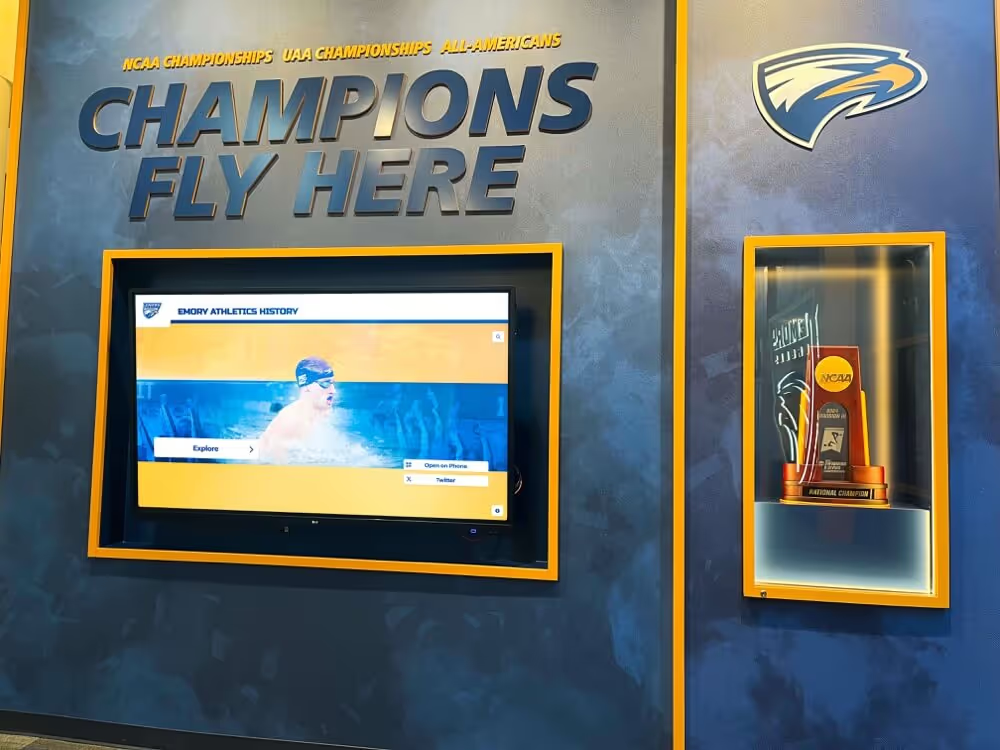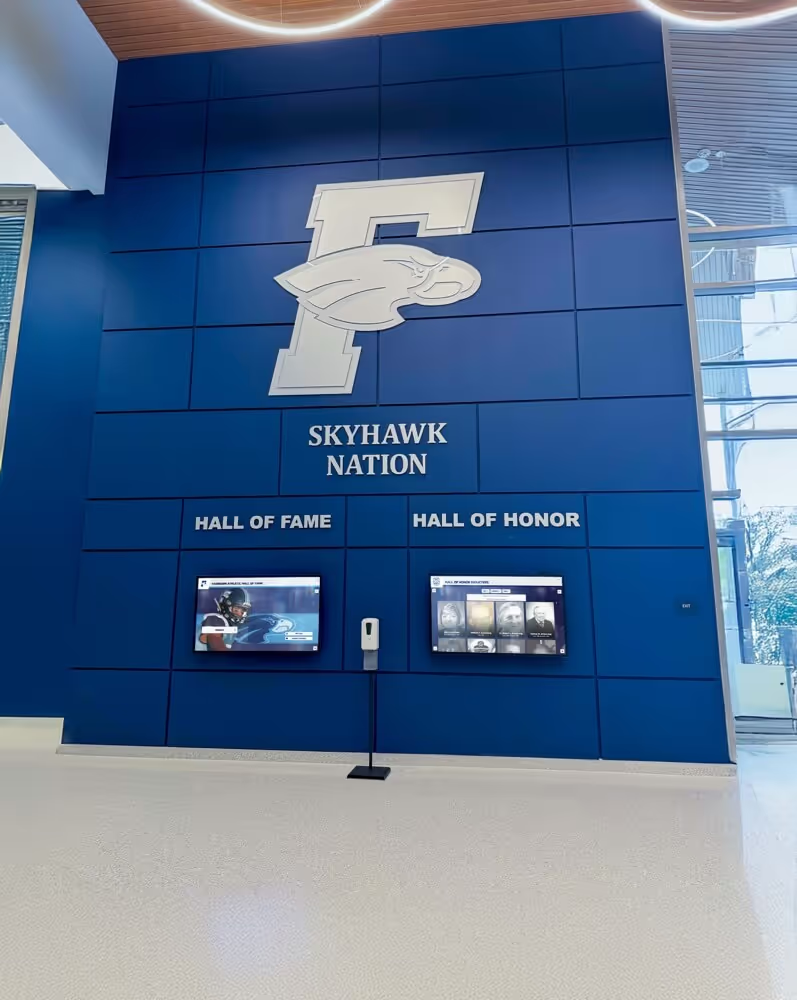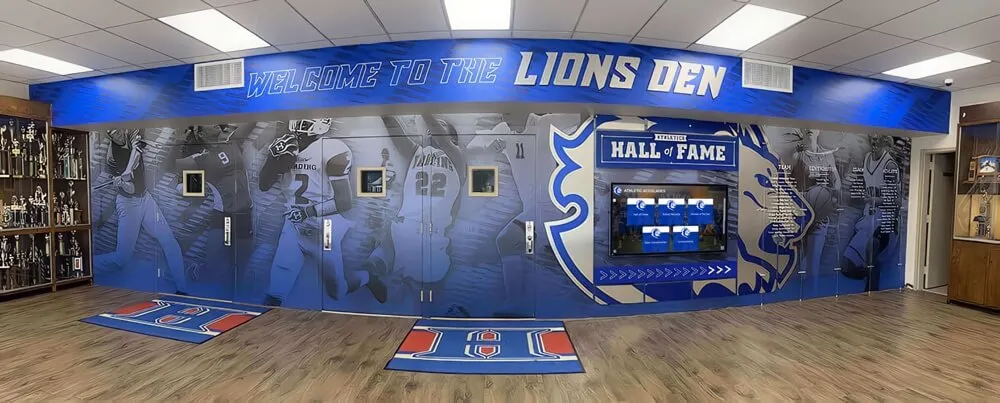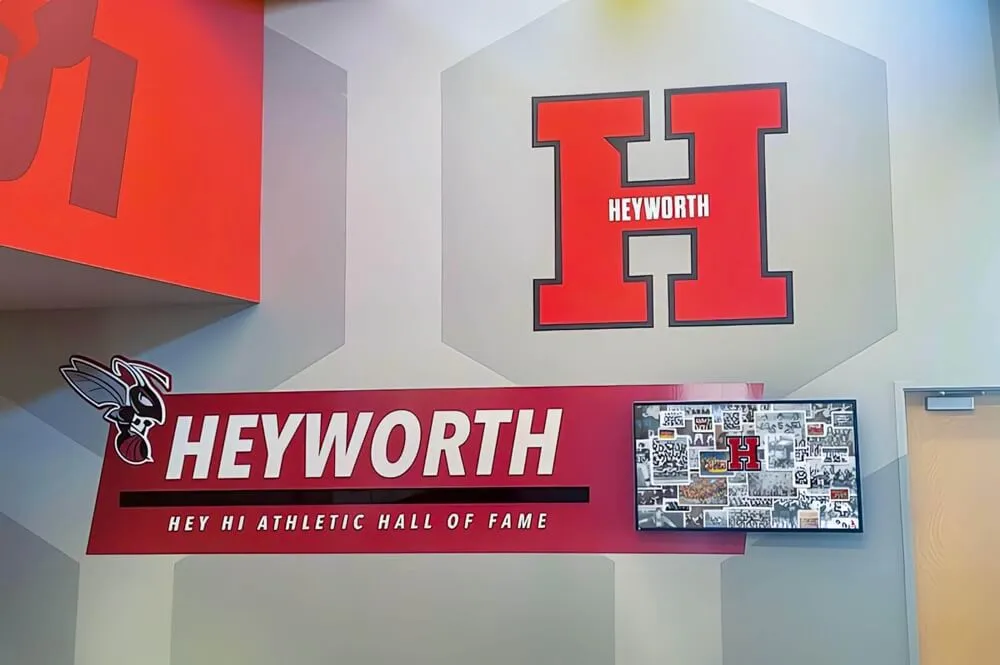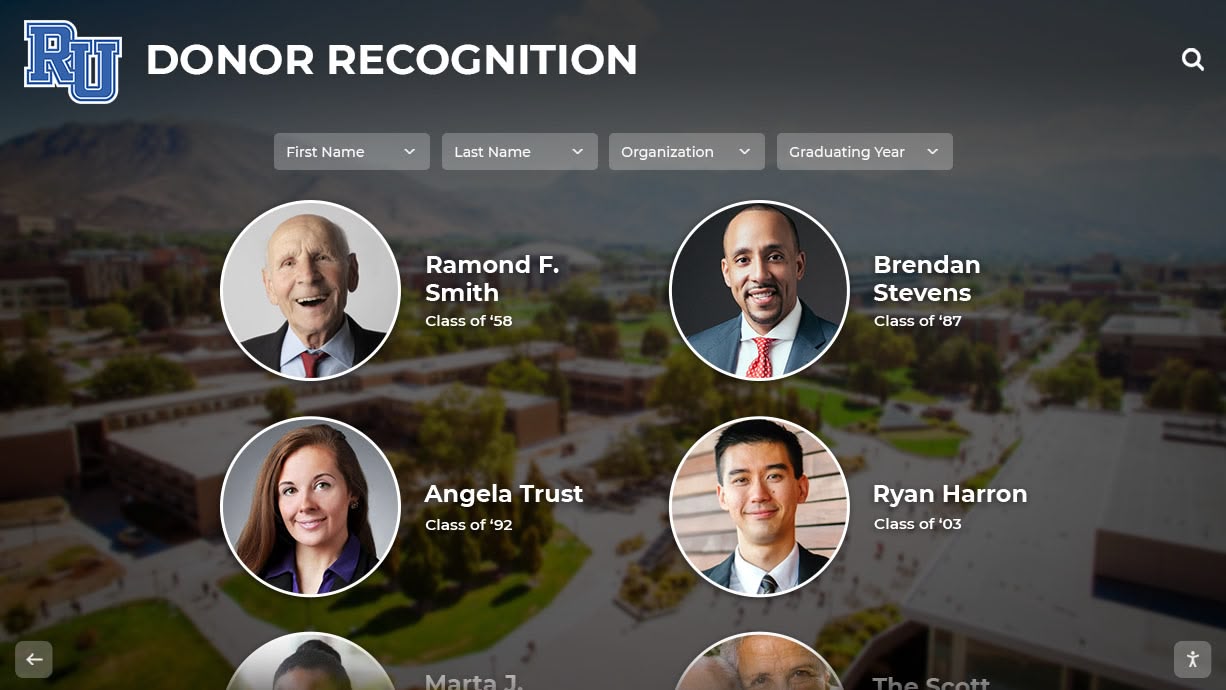




Donor walls serve as visible testaments to generosity, transforming philanthropic support into lasting recognition that honors contributors while inspiring future giving. For nonprofits navigating competitive fundraising environments, effective donor recognition walls represent strategic investments that strengthen relationships, improve retention rates, and create compelling cultivation tools for prospective supporters.
The nonprofit fundraising landscape has evolved significantly beyond traditional brass plaques mounted in forgotten hallways. Modern donor walls combine thoughtful design, strategic placement, and often digital technology to create engaging recognition experiences that serve multiple institutional priorities simultaneously—honoring existing supporters authentically, demonstrating impact to potential donors, building community around shared mission commitment, and providing measurable return on investment through improved fundraising outcomes.
This guide provides nonprofit leaders, development professionals, and board members with practical frameworks for understanding donor wall options, evaluating approaches matching organizational needs and budgets, implementing recognition programs that honor generosity meaningfully, and measuring impact to demonstrate value. Whether you’re considering your first donor recognition installation or revitalizing existing approaches, these proven strategies will help you create recognition experiences that strengthen fundraising effectiveness while authentically celebrating the supporters making your mission possible.
Why Donor Walls Matter for Nonprofit Fundraising
Before exploring specific donor wall ideas, understanding the strategic value of recognition helps ensure investments align with organizational priorities and deliver measurable returns.
The Retention Economics of Donor Recognition
Donor retention represents the most critical metric in sustainable fundraising. Organizations retaining supporters year-over-year build predictable revenue streams while avoiding the substantial costs of continuously replacing lapsed donors.
According to research from the Fundraising Effectiveness Project, first-time donor retention rates average only 19% across the nonprofit sector—meaning more than four out of five new supporters never make second gifts. This “leaky bucket” problem forces organizations into perpetual acquisition mode, constantly seeking new donors to replace those who lapse rather than cultivating deepening relationships with existing supporters who could significantly increase giving over time.
Effective donor recognition directly addresses this challenge. Organizations implementing comprehensive recognition programs report retention improvements of 15-25 percentage points. While this may seem modest in isolation, the compound effects prove substantial. A nonprofit retaining 45% of donors year-over-year instead of 30% will see donor base size double within five years from identical acquisition efforts. Over ten years, the cumulative revenue difference exceeds 400%—demonstrating that small retention improvements create enormous long-term financial impact.
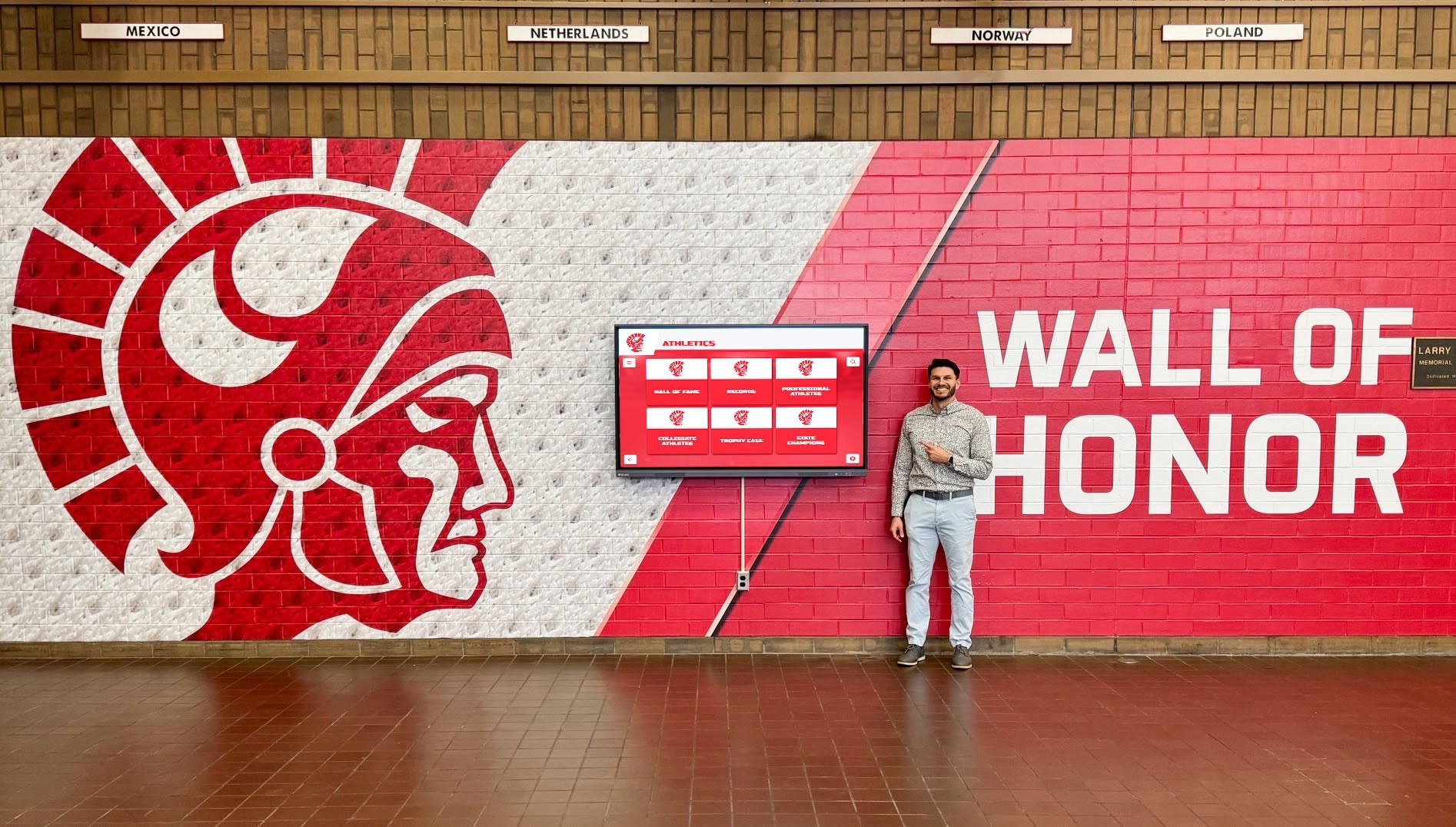
Donor walls contribute to retention through multiple mechanisms. They provide visible acknowledgment satisfying supporters’ natural desires for appreciation and validation. They create ongoing engagement touchpoints as donors visit to see their recognition or share it with networks. They demonstrate organizational commitment to honoring generosity, building confidence that future contributions will receive appropriate appreciation. And they inspire continued support by showcasing mission impact alongside donor acknowledgment, connecting gifts to tangible outcomes.
Social Proof and Peer Influence Dynamics
Visible donor recognition creates powerful social proof influencing giving decisions through community dynamics and behavioral norms.
When potential supporters see respected community members acknowledged for contributions, giving becomes established as expected social behavior rather than unusual or exceptional action. Recognition displays demonstrate participation levels, creating mental frameworks for appropriate contribution amounts while validating philanthropic decisions that might otherwise feel uncertain or uncomfortable.
Recognition tiers create particularly effective anchoring effects. Prospective donors seeing colleagues or peers contribute at specific levels establish those amounts as meaningful benchmarks rather than arbitrary figures. Organizations using tiered donor walls report supporters frequently giving at higher levels when they see visible acknowledgment opportunities compared to organizations lacking clear recognition structures.
The reciprocity dynamics prove equally significant. Community members benefiting from services, programs, or facilities funded by past donors feel motivated to contribute so future participants can enjoy similar benefits. This connection between honoring previous generosity and funding future opportunities creates sustainable giving cycles that strengthen organizations across generations.
Creating Cultivation and Stewardship Tools
Beyond honoring existing donors, recognition walls serve as powerful cultivation tools throughout major gift development processes.
Development officers integrate donor walls into prospect tours, showing exactly how organizations celebrate significant contributions and demonstrating the visibility donors receive. This tangible demonstration helps prospects envision their own legacy and understand the institutional impact of transformational gifts.
Prospect research consistently demonstrates that seeing others’ recognition increases giving likelihood and average gift sizes. Interactive donor walls showcasing major contributors provide concrete models for transformational philanthropy, helping prospects understand that significant gifts represent normal, celebrated behavior within supporter communities rather than extraordinary acts beyond typical engagement.
Organizations implementing donor walls as cultivation tools report 20-35% increases in gifts over $25,000 within three years following program launches. This correlation demonstrates direct connections between visible, meaningful recognition and major gift commitments, with prospects gaining confidence that organizations will honor their contributions appropriately while making mission impact visible to broader communities.
Understanding Donor Wall Options and Approaches
Nonprofits can choose from several donor wall approaches, each offering distinct advantages matching different organizational needs, budgets, and contexts.
Traditional Physical Donor Walls
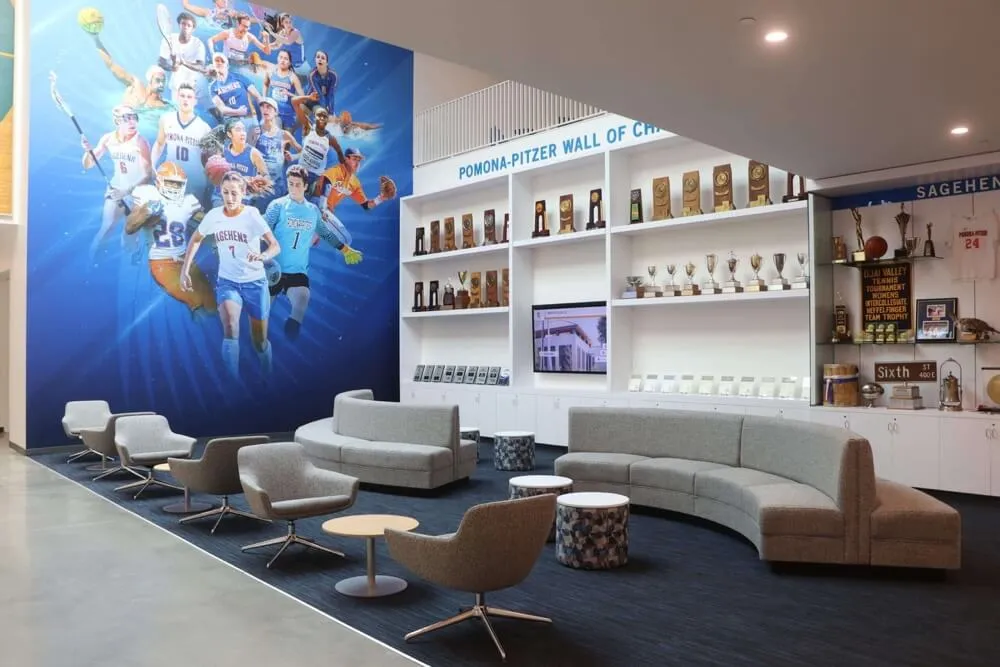
Traditional donor walls feature permanent installations using materials like wood, metal, glass, or acrylic to display donor names, often organized by giving levels or campaigns.
Advantages of Traditional Approaches:
Traditional walls provide tangible permanence signaling enduring organizational commitment to honoring generosity across generations. Quality materials and professional design convey that nonprofits value donors enough to invest in meaningful recognition. Physical installations in prominent locations ensure high visibility among facility visitors, event attendees, and community members. For organizations with relatively stable donor bases and sufficient wall space, traditional recognition serves effectively for decades with minimal maintenance beyond occasional cleaning.
Traditional donor walls work particularly well for capital campaigns, major facility projects, and endowment initiatives where recognition honors transformational gifts meriting permanent acknowledgment. Many donors—particularly older generations—appreciate tangible plaques they can touch and photograph, creating satisfying recognition experiences that digital alternatives may not fully replicate.
Limitations of Physical Recognition:
However, traditional donor walls face significant constraints. Physical space limitations inevitably restrict capacity—walls eventually fill, requiring expensive expansions or difficult decisions about which donors to include. Adding new donors requires manufacturing plaques ($150-300 each), coordinating installation logistics, and potentially reconfiguring entire layouts—processes taking months and costing thousands. Static presentation limits engagement to brief glances at engraved names without opportunities for storytelling, impact demonstration, or multimedia content. And once installed, corrections or updates require complete replacement rather than simple edits.
Organizations selecting traditional approaches should plan for future capacity needs, budget for ongoing updates, and consider hybrid strategies combining permanent recognition for major donors with digital displays accommodating broader communities.
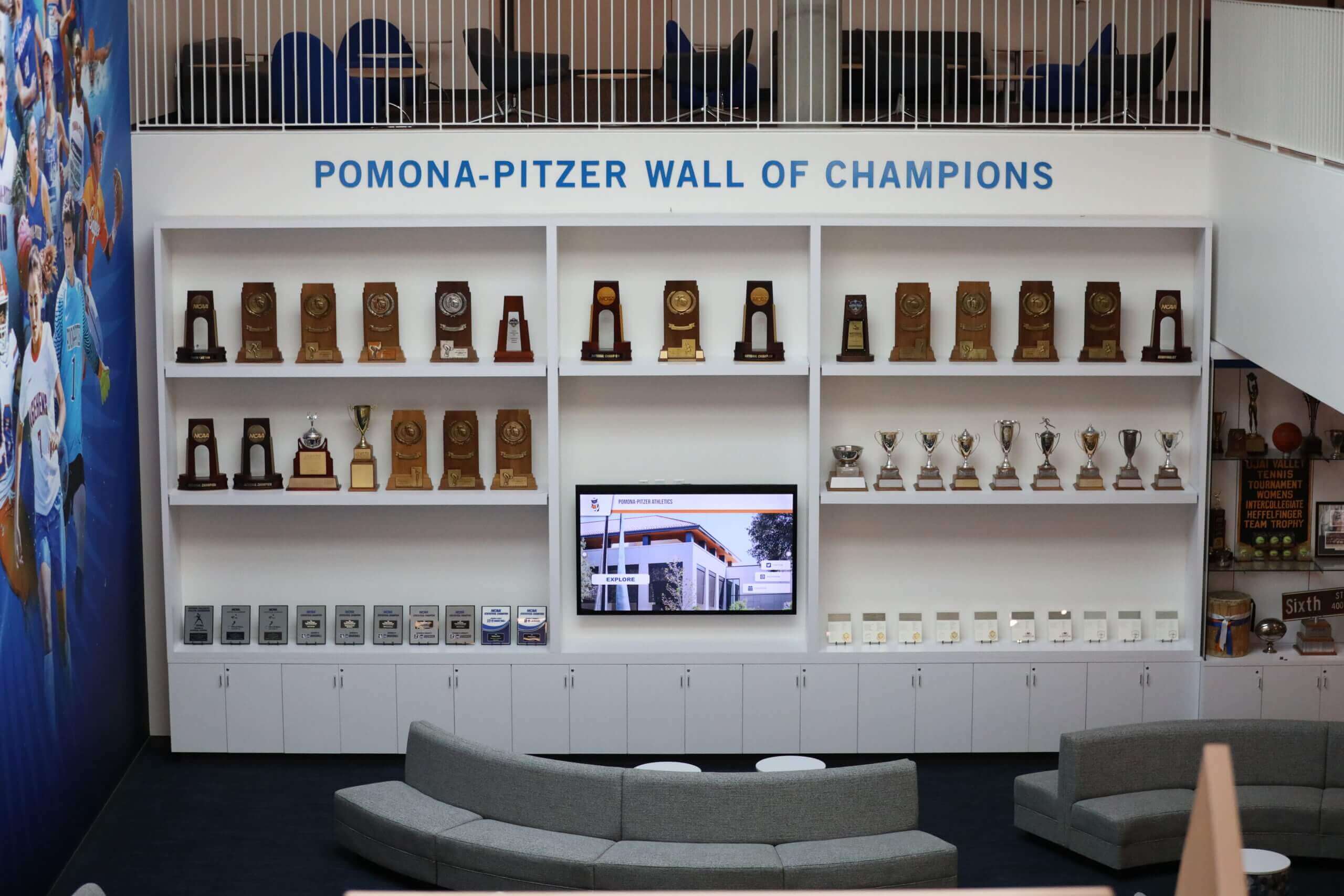
Digital Donor Recognition Displays
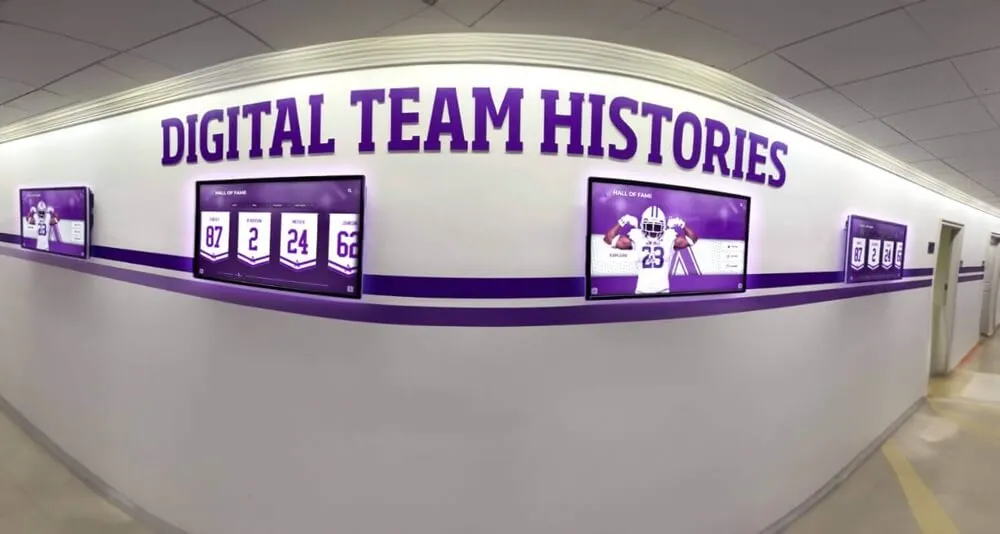
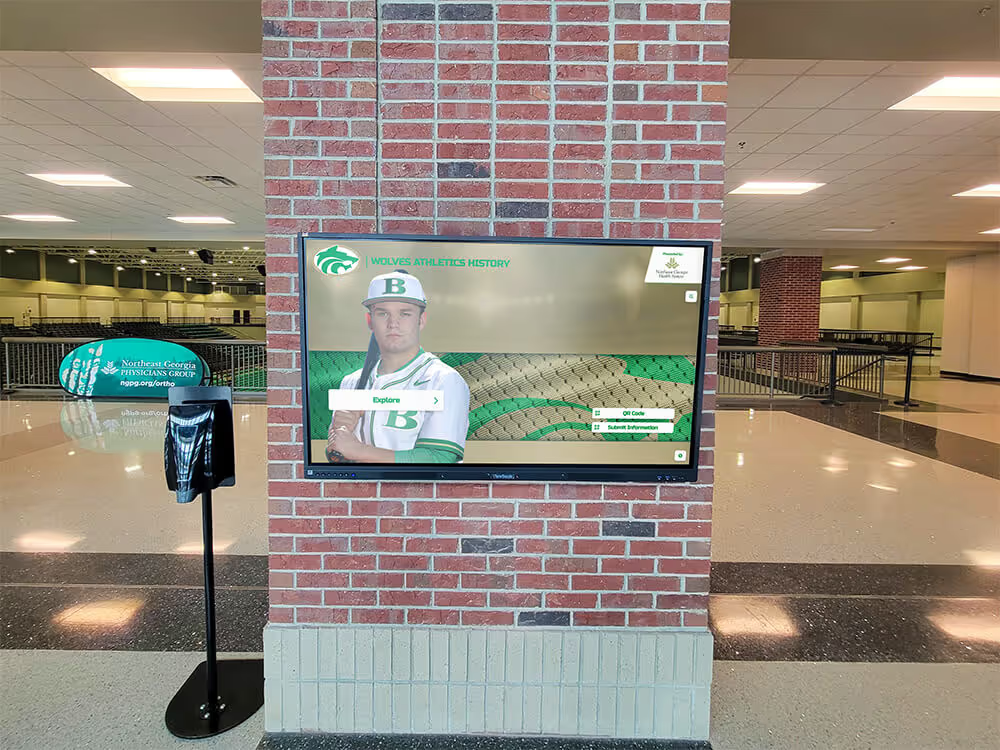
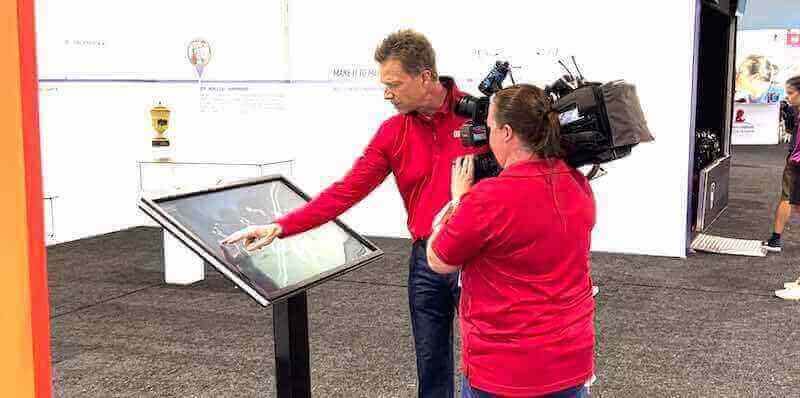
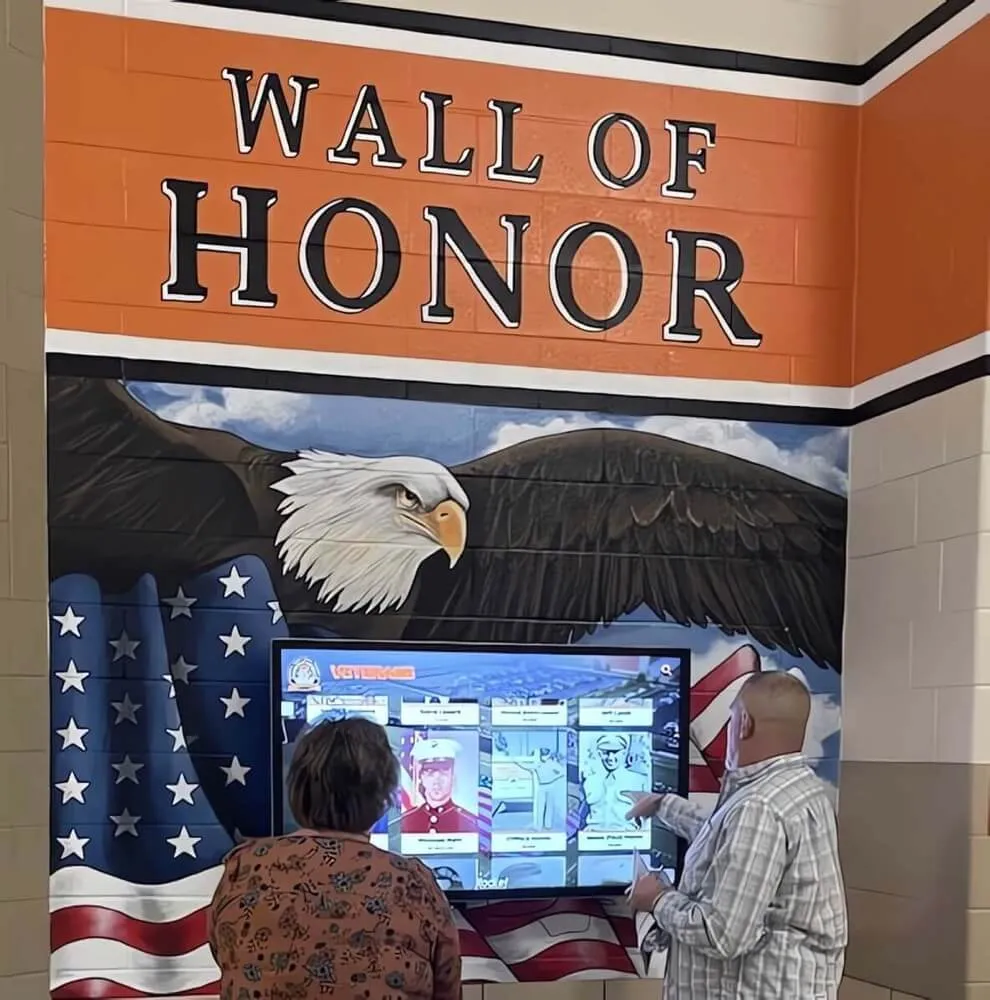
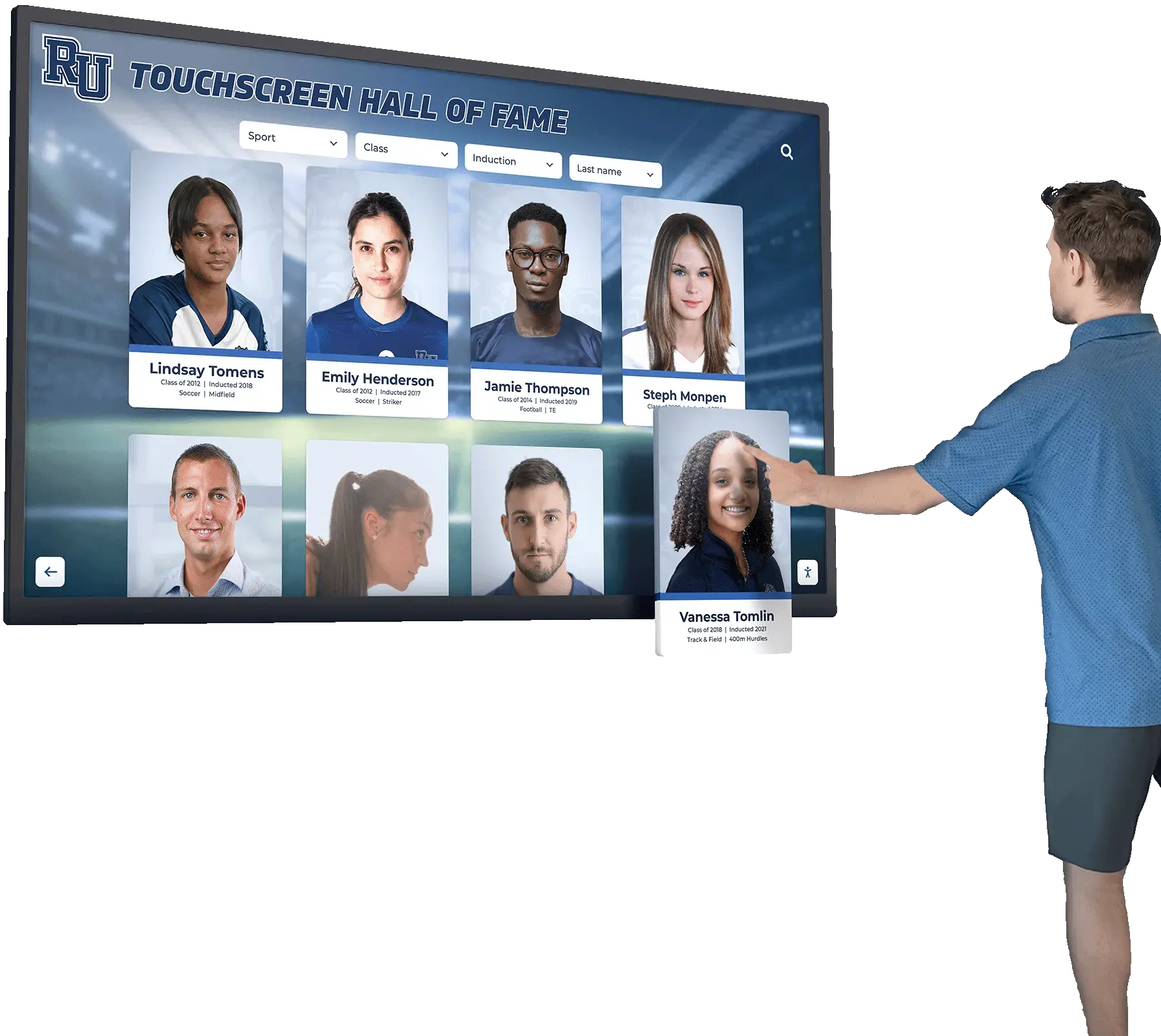
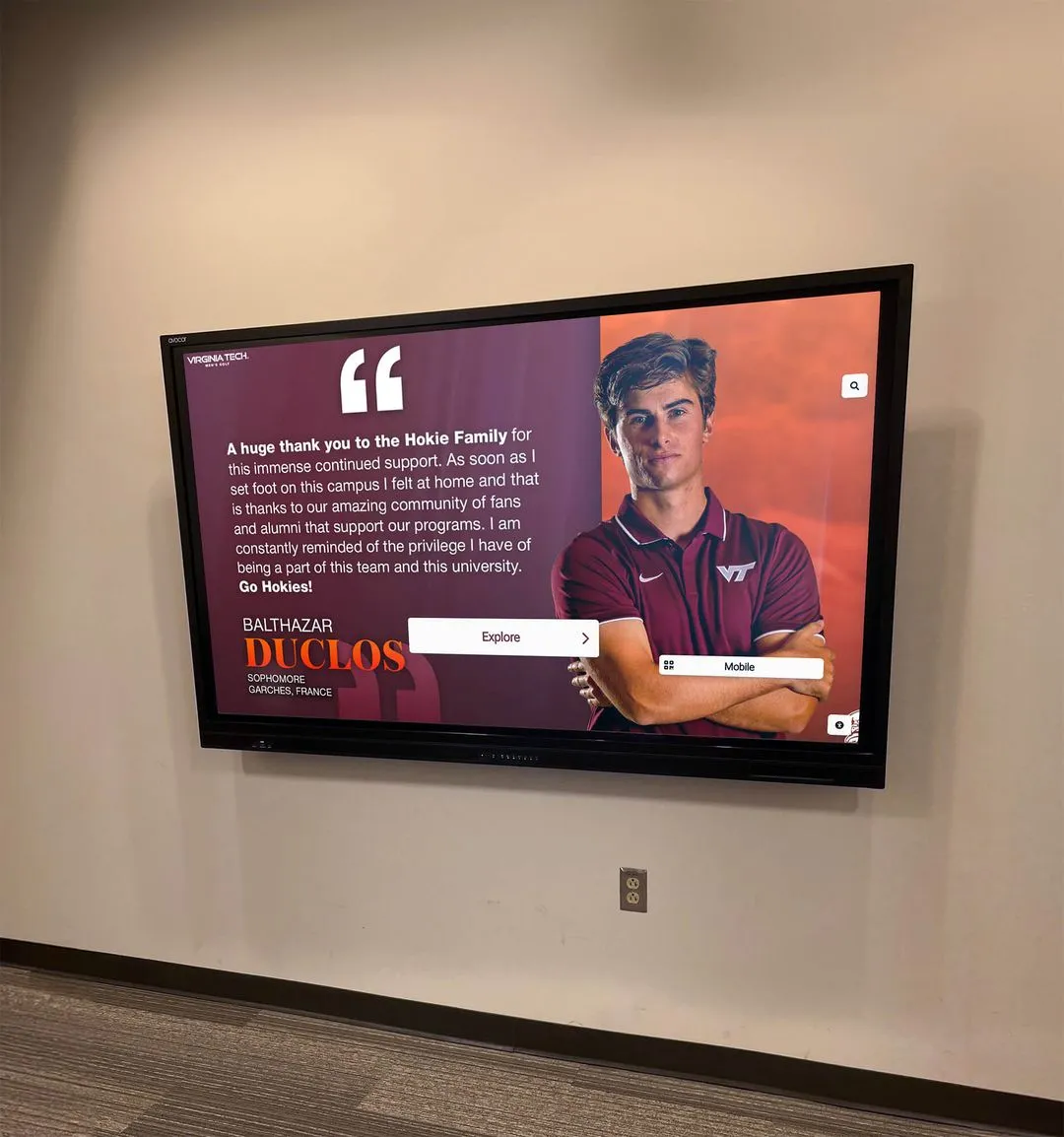
Digital donor walls use touchscreen technology to showcase unlimited donors through interactive multimedia experiences that update instantly and provide detailed analytics.
Digital Display Advantages:
Digital platforms solve many traditional limitations while offering capabilities impossible with physical plaques. Unlimited capacity accommodates hundreds or thousands of donors without spatial constraints, enabling comprehensive recognition across all giving levels rather than selective acknowledgment. Instant cloud-based updates add new donors within hours through simple web interfaces, eliminating manufacturing delays and ensuring timely recognition that strengthens relationships. Multimedia storytelling through photos, videos, and detailed narratives creates emotional connections static plaques cannot achieve. Search and filter features help visitors easily explore extensive donor communities. And detailed analytics reveal what content resonates most, enabling continuous improvement based on actual engagement patterns.
Implementation costs for digital displays typically range $25,000-$65,000 including commercial-grade touchscreen hardware ($8,000-$25,000), purpose-built recognition software and setup ($5,000-$15,000), content development ($5,000-$15,000), and installation with infrastructure ($2,000-$5,000). Annual operating costs of $3,000-$8,000 cover platform subscriptions, hosting, support, and content management time.
While initial investments exceed traditional plaque costs, digital systems achieve cost parity within 3-5 years when accounting for ongoing traditional update expenses. More importantly, digital recognition consistently delivers superior engagement and fundraising outcomes that provide measurable return on investment through improved retention and increased giving.
Implementation Considerations:
Digital systems require reliable network connectivity, occasional hardware maintenance, and ongoing content management. Organizations should evaluate technical capacity, identify staff responsible for updates, and select platforms with intuitive interfaces requiring no coding expertise. Solutions like Rocket Alumni Solutions provide purpose-built donor recognition systems designed specifically for nonprofit needs, combining professional hardware with user-friendly software and comprehensive support that enables organizations to focus on donor relationships rather than technology management.
Hybrid Recognition Approaches
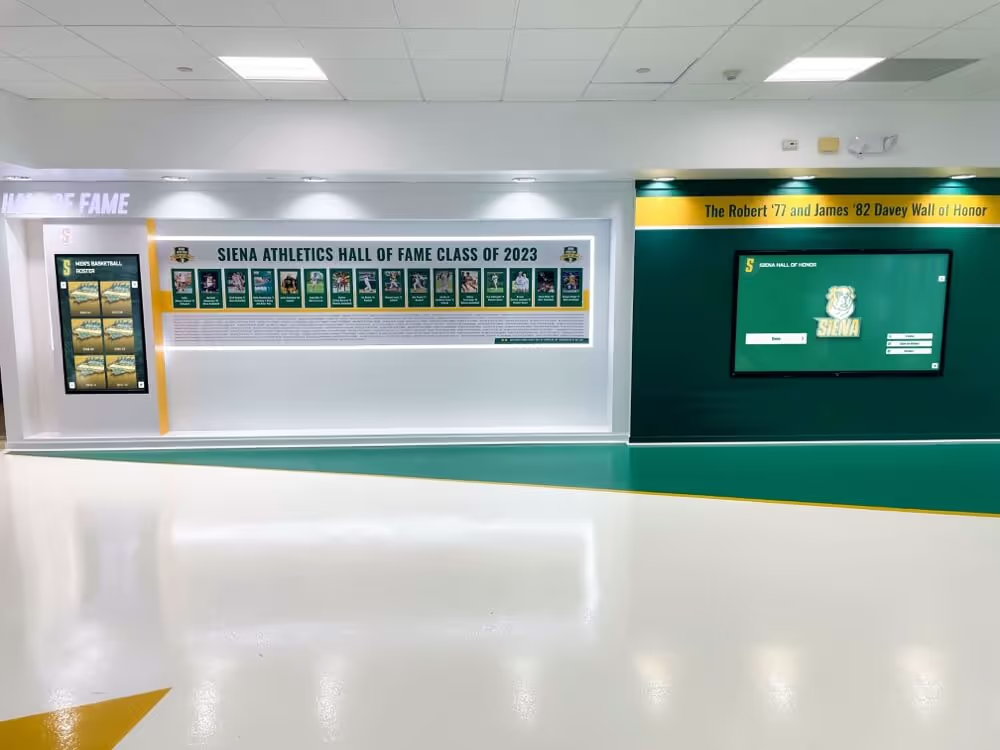
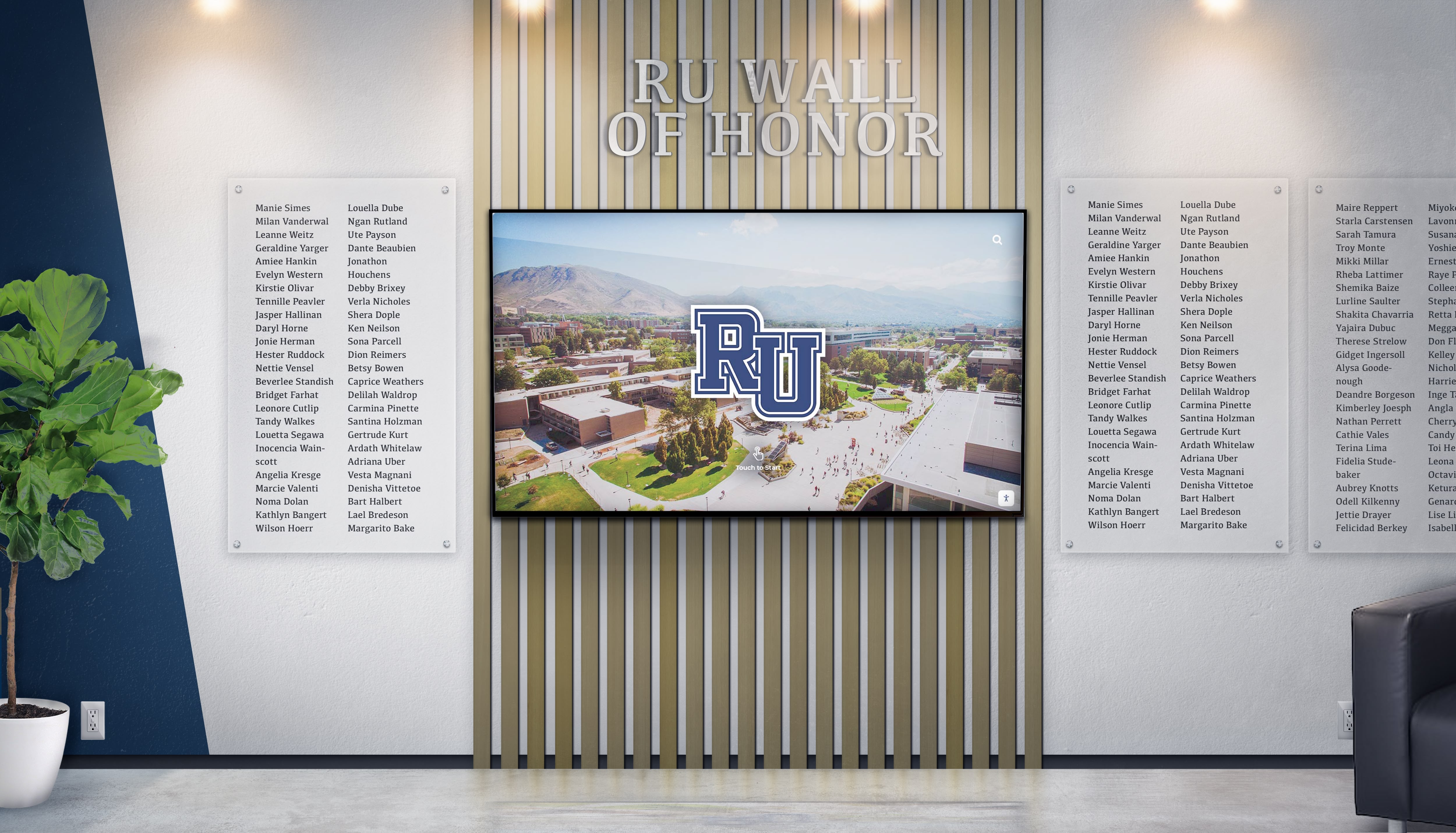
Many nonprofits find that integrated recognition combining traditional and digital elements delivers optimal results by respecting donor preferences for permanent tributes while gaining digital platforms’ flexibility and engagement advantages.
Hybrid Strategy Benefits:
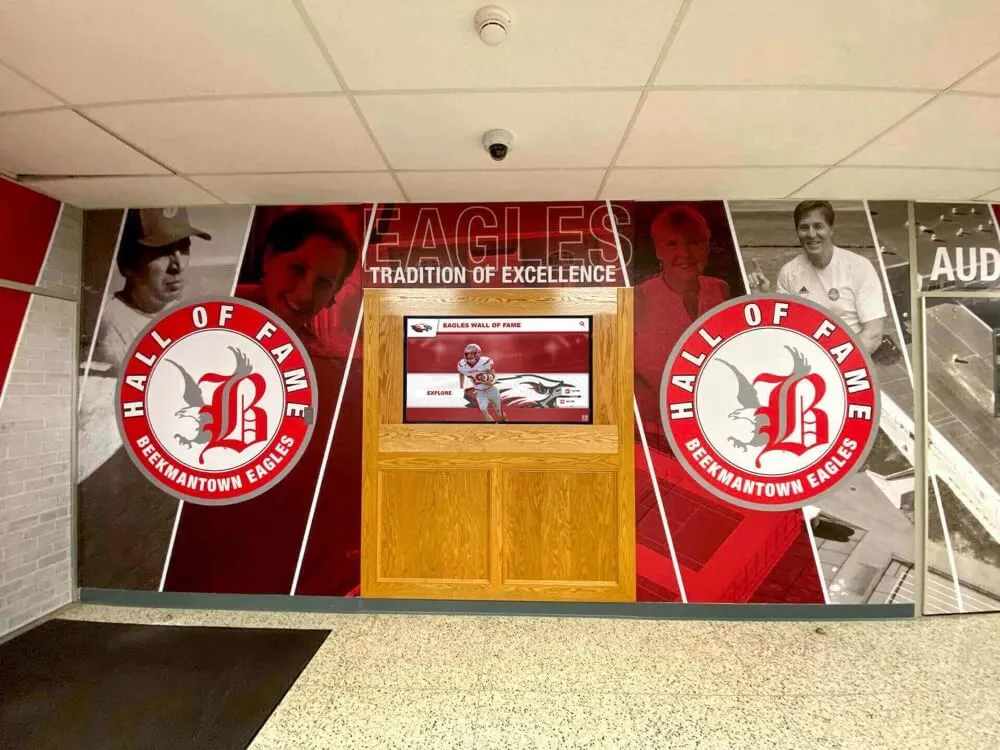
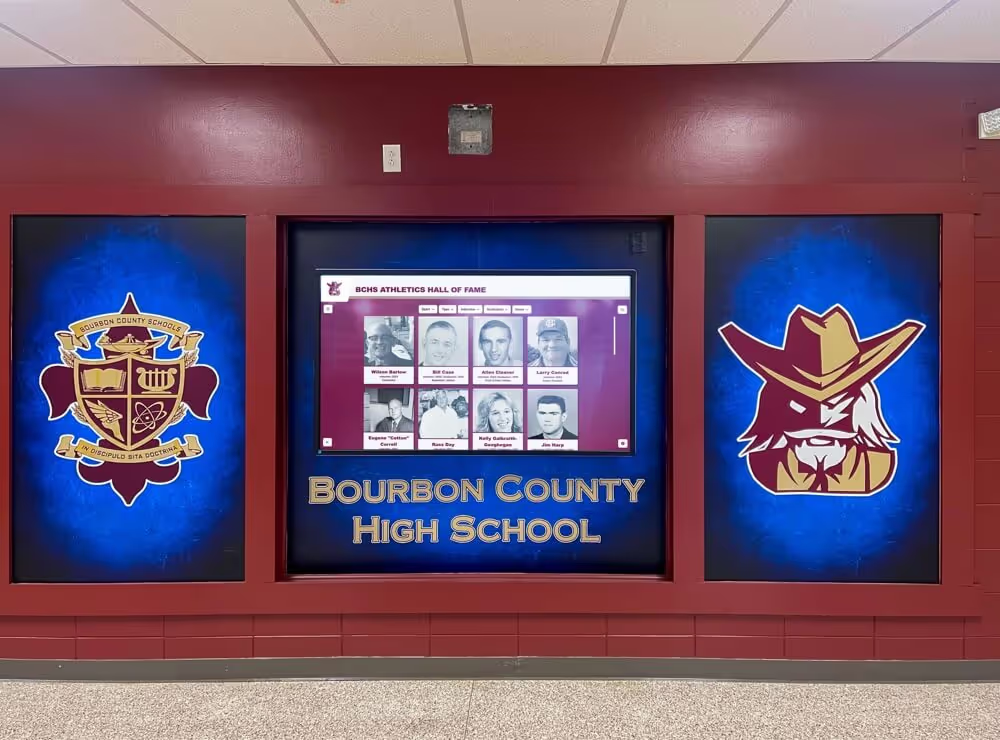
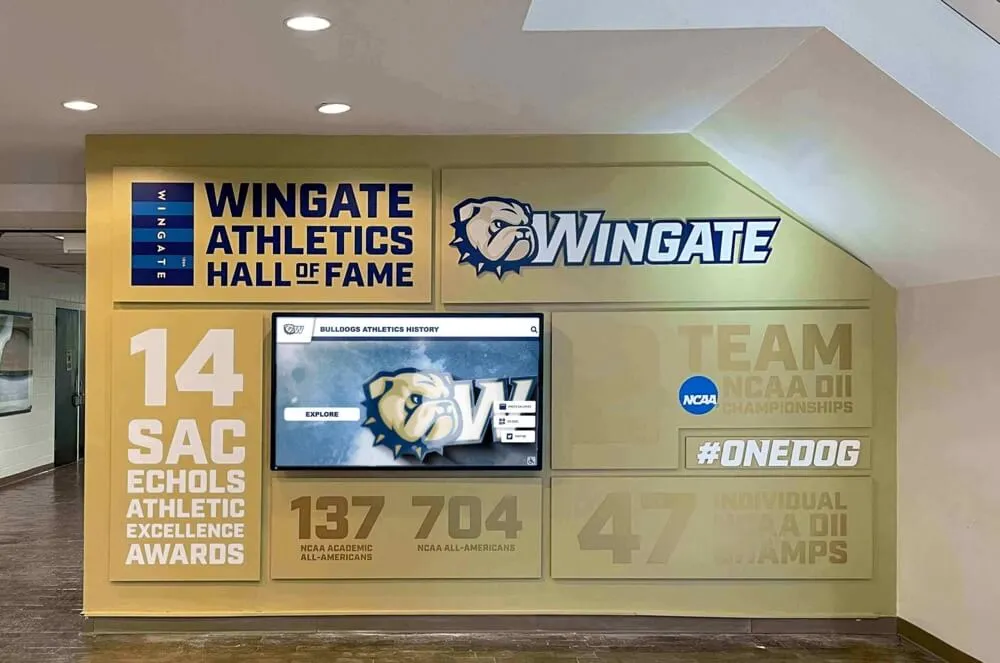
Hybrid approaches might feature beautiful physical architectural elements—elegant frames, quality materials, institutional branding—providing permanent aesthetic anchors that honor organizational tradition. Digital displays integrated within these traditional spaces offer dynamic content capabilities while maintaining classic recognition values. Tiered recognition strategies might feature top donors on permanent physical installations while celebrating broader communities through adjacent digital displays accommodating unlimited supporters.
This both/and philosophy respects diverse donor preferences. Major contributors often value permanent plaques they can visit and photograph. Broader donor communities appreciate seeing themselves recognized without requiring prohibitively expensive physical installations. Younger donors comfortable with technology appreciate interactive multimedia experiences. Traditional donors value tangible permanence. Hybrid systems serve all constituencies effectively rather than forcing organizations to choose approaches that inevitably disappoint some supporters.
Organizations implementing hybrid recognition should ensure visual cohesion between physical and digital elements through coordinated design, consistent branding, and professional installation creating unified recognition environments rather than disconnected components that feel hastily assembled.
10 Top Donor Wall Ideas for Nonprofits in 2026
Based on proven results from hundreds of successful installations, these donor wall ideas represent the most effective approaches nonprofits are implementing in 2026.
1. Interactive Touchscreen Donor Walls with Multimedia Profiles
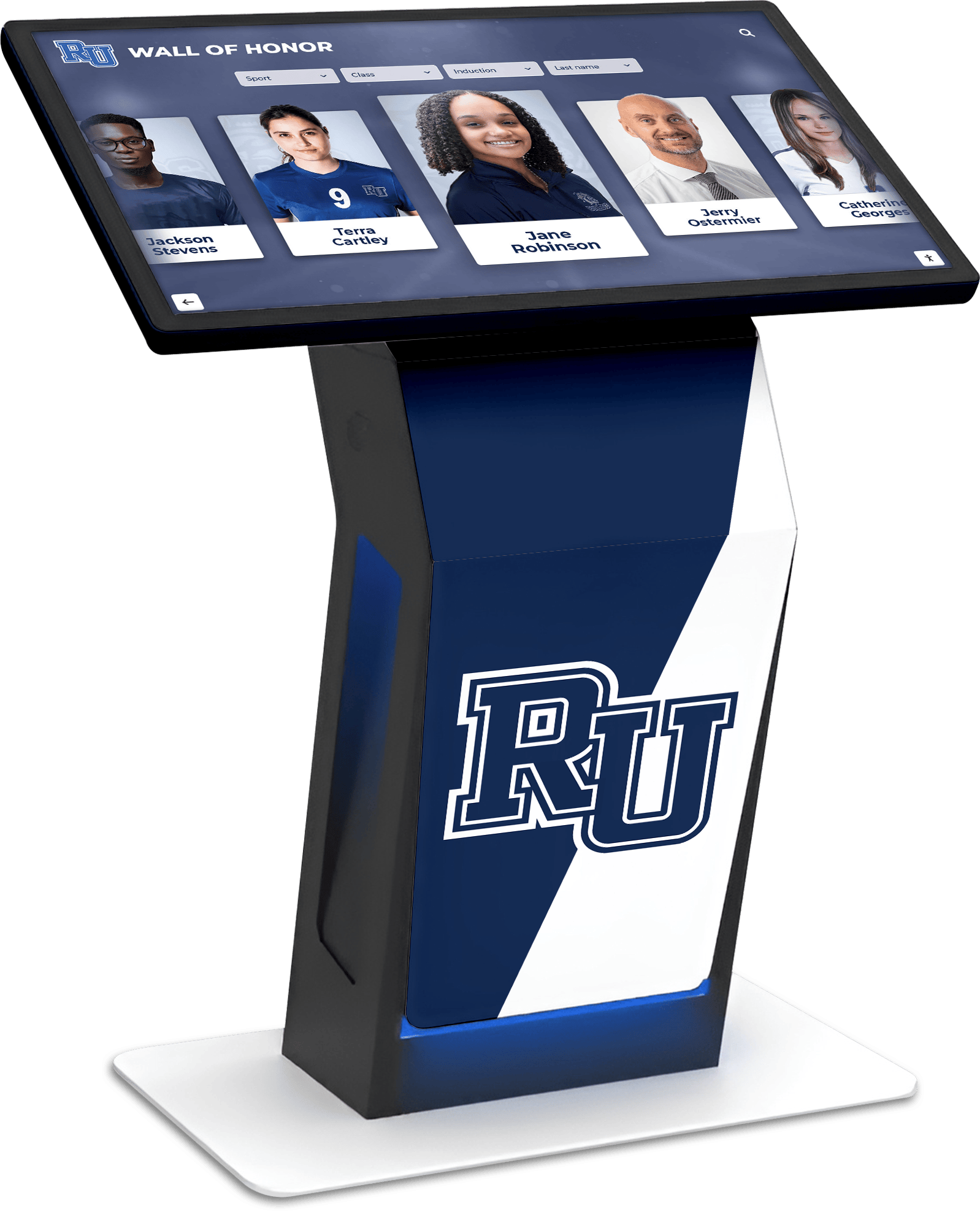
Interactive touchscreen displays represent the most sophisticated donor recognition approach, combining unlimited capacity with engaging multimedia experiences that honor supporters comprehensively while providing measurable analytics.
Implementation Approach:
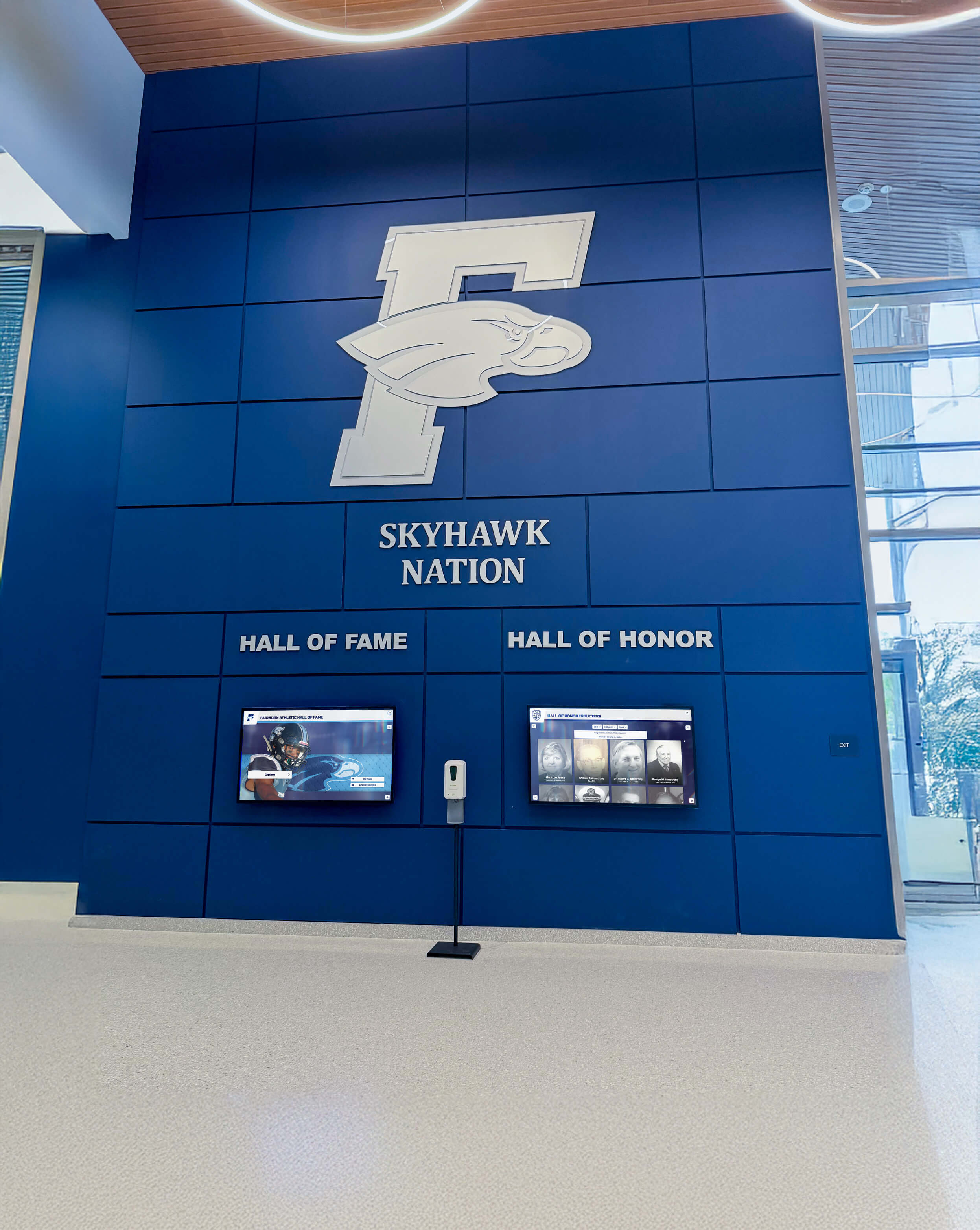
Commercial-grade touchscreen displays (43-86 inches depending on viewing distance and space) showcase donor profiles organized by giving level, campaign, or designation. Each profile includes biographical narratives (300-800 words), multiple high-resolution photos, optional video interviews, gift history and impact information, and links to related content. Intuitive navigation enables visitors to search by name, browse categories, filter by giving level, and explore featured donors through rotating highlights.
Cloud-based content management allows development staff to add donors, update profiles, upload media, and schedule featured content through simple web interfaces requiring no technical expertise. Integration with donor databases enables automated updates as giving levels change or new contributions arrive.
Why This Works:
Interactive walls solve capacity limitations while creating engagement that static displays cannot match. Organizations report average interaction times of 6-8 minutes compared to 30-60 seconds for traditional plaques, demonstrating dramatically higher engagement. The ability to tell complete stories through multimedia transforms recognition from simple acknowledgment into powerful cultivation and stewardship tools. And analytics revealing which content attracts most attention inform both recognition strategy and broader fundraising communications.
Success metrics include 40-60% retention rate improvements, 25-35% average gift increases, and positive ROI within 18-24 months through enhanced giving patterns alone before accounting for operational efficiencies.
2. Tiered Recognition Walls with Progressive Levels
Recognition walls organized by clearly defined giving tiers create aspiration while ensuring all supporters receive meaningful acknowledgment appropriate to contribution levels.
Implementation Approach:
Design recognition structures featuring 4-7 distinct tiers with progressively enhanced acknowledgment at each level. Common structures include Benefactor ($25,000+), Patron ($10,000-$24,999), Champion ($5,000-$9,999), Leader ($2,500-$4,999), Partner ($1,000-$2,499), and Friend ($500-$999) levels, with naming and thresholds adjusted to match organizational giving patterns.
Each tier receives distinct visual treatment through size, placement, materials, or (in digital systems) profile depth and feature frequency. Premier tiers might include prominent positioning, larger format recognition, biographical profiles, and photos, while entry tiers provide quality acknowledgment through name listings organized attractively rather than relegated to fine print.
Why This Works:
Tiered recognition creates multiple benefits. It provides clear upgrade pathways encouraging donors to increase giving to achieve next recognition level. It demonstrates that organizations value all supporters rather than exclusively celebrating major gifts. It creates social proof at multiple capacity levels, helping prospective donors find comfortable entry points. And it enables recognition programs to honor comprehensive donor communities within finite budgets or space.
Organizations implementing tiered recognition report upgrade rates of 8-12% annually as supporters progress through levels, generating substantial revenue growth from existing donor bases without acquisition costs.
3. Campaign-Specific Recognition Walls
Donor walls dedicated to specific campaigns, initiatives, or projects create focused recognition directly connecting contributions to tangible outcomes while providing natural stewardship opportunities.
Implementation Approach:
Create recognition displays specifically for capital campaigns, major initiatives, or transformational projects. Walls feature campaign narratives explaining goals and impact, before/after imagery showing what contributions achieved, donor recognition organized by giving level, beneficiary testimonials when appropriate, and campaign metrics demonstrating collective community impact.
Campaign walls work particularly well in or adjacent to funded facilities—renovation donor walls in updated spaces, scholarship recognition in student centers, research recognition in laboratories, program support acknowledgment in service facilities—creating direct visual connections between generosity and mission outcomes.
Why This Works:
Campaign-specific recognition satisfies donors’ desires to understand exactly what their contributions accomplished rather than disappearing into general operating budgets. Direct visibility of funded outcomes provides ongoing satisfaction and pride. And campaign walls serve as powerful cultivation tools for future initiatives by demonstrating organizational capacity to complete transformational projects while honoring supporters appropriately.
Organizations using campaign-specific recognition report 30-45% higher campaign participation rates and 20-25% larger average gifts compared to campaigns lacking dedicated recognition strategies.
4. Legacy and Planned Giving Recognition Societies
Dedicated recognition for planned giving commitments and legacy supporters creates exclusive communities while providing powerful cultivation tools for estate giving programs.
Implementation Approach:
Establish named legacy societies honoring supporters who include organizations in estate plans, establish charitable trusts, or make other planned gifts. Recognition might feature dedicated physical spaces, special sections within broader donor walls, annual society events, exclusive communications, and permanent acknowledgment.
Legacy society recognition typically celebrates commitment rather than gift amounts, since many planned gifts remain unrealized during donors’ lifetimes. Recognition might include names with class years or affiliations, optional biographical profiles sharing motivations, and when appropriate, information about designations or intended impact.
Why This Works:
Legacy giving represents the most transformational philanthropic support many organizations receive, yet planned gifts often lack immediate tangible acknowledgment. Dedicated recognition provides satisfaction and validation for supporters making future commitments while modeling planned giving as celebrated, normal behavior rather than extraordinary acts beyond typical engagement.
Organizations implementing legacy recognition report 40-60% increases in planned giving inquiries within 18 months of program launches. The visibility of other planned donors provides crucial social proof, helping prospects understand that including nonprofits in estate plans represents meaningful legacy opportunities embraced by others they respect.
5. Donor Impact Story Walls
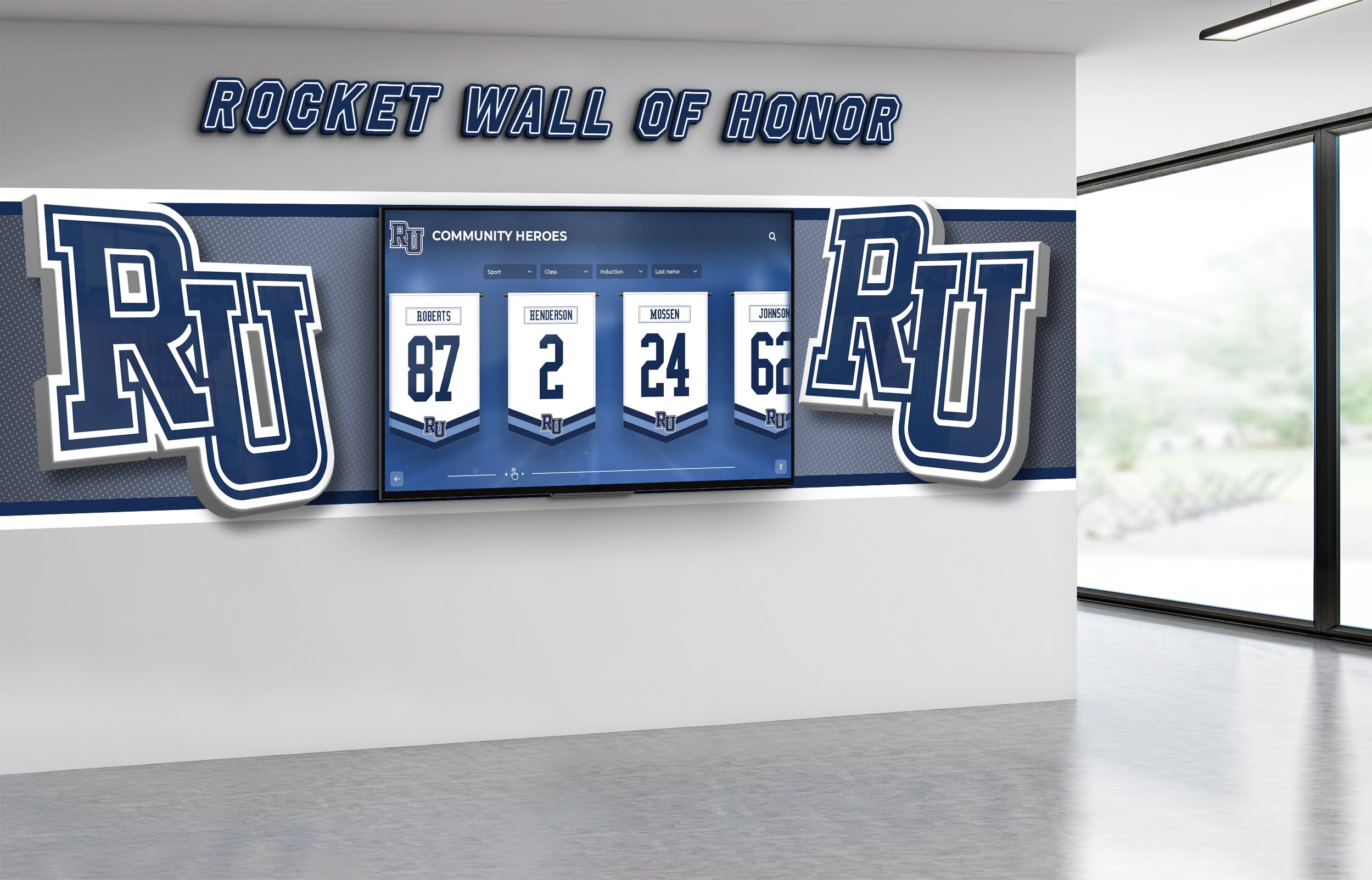
Recognition walls emphasizing impact stories alongside donor acknowledgment demonstrate concrete outcomes contributions enable, satisfying supporters’ desires to understand what their philanthropy accomplished.
Implementation Approach:
Design recognition integrating donor acknowledgment with detailed impact narratives, beneficiary testimonials, program outcomes, and success metrics. Rather than simple name listings, profiles feature 200-500 word impact stories explaining exactly what donations achieved—scholarships awarded with recipient outcomes, facilities built with utilization data, programs launched with participation numbers, research supported with discovery summaries.
Impact walls might include video testimonials from beneficiaries thanking donors, photos showing programs in action, infographics visualizing collective community impact, and regular updates as funded initiatives achieve new milestones.
Why This Works:
Modern donors—particularly younger generations—increasingly prioritize understanding mission impact over traditional recognition status. Impact-focused walls satisfy these motivations while providing compelling cultivation content for prospects evaluating giving opportunities. Connecting specific donations to concrete outcomes creates emotional resonance and satisfaction that name-only acknowledgment cannot achieve.
Organizations emphasizing impact alongside recognition report 35-40% longer average engagement times with donor walls and significantly higher donor satisfaction scores in post-gift surveys. The approach particularly resonates with donors under 50, who value transparency and outcome demonstration.
6. Digital Donor Walls with Social Media Integration
Recognition systems integrating with social media enable supporters to share acknowledgment with networks, exponentially expanding reach while creating additional engagement touchpoints.
Implementation Approach:
Implement digital donor recognition platforms offering social sharing features that allow visitors to share profiles to Facebook, LinkedIn, Twitter, or Instagram directly from displays. Generate unique URLs for each donor profile enabling easy sharing. Create shareable graphics featuring donor photos and quotes optimized for social platforms. Encourage supporters to tag organizations when sharing recognition, creating organic promotion reaching extended networks.
Social integration works best when donors opt into public sharing rather than requiring it. Provide clear controls allowing supporters to make profiles public, share with networks, or keep recognition private according to preferences.
Why This Works:
Social media amplification extends recognition reach far beyond those physically visiting display locations. When donors share their own recognition with networks, organizations gain access to extended circles of potential supporters who might never visit facilities or attend events. This peer-to-peer promotion carries more credibility than organizational marketing, as recommendations from trusted connections influence giving decisions more powerfully than institutional appeals.
Organizations enabling social sharing report 3-5x recognition exposure compared to physical displays alone, with shared content generating measurable increases in donation page traffic, event attendance, and new donor inquiries.
7. Donor Walls with Search and Discovery Features
Recognition systems with powerful search functionality ensure visitors can easily explore extensive donor communities, creating satisfying user experiences even with thousands of profiles.
Implementation Approach:
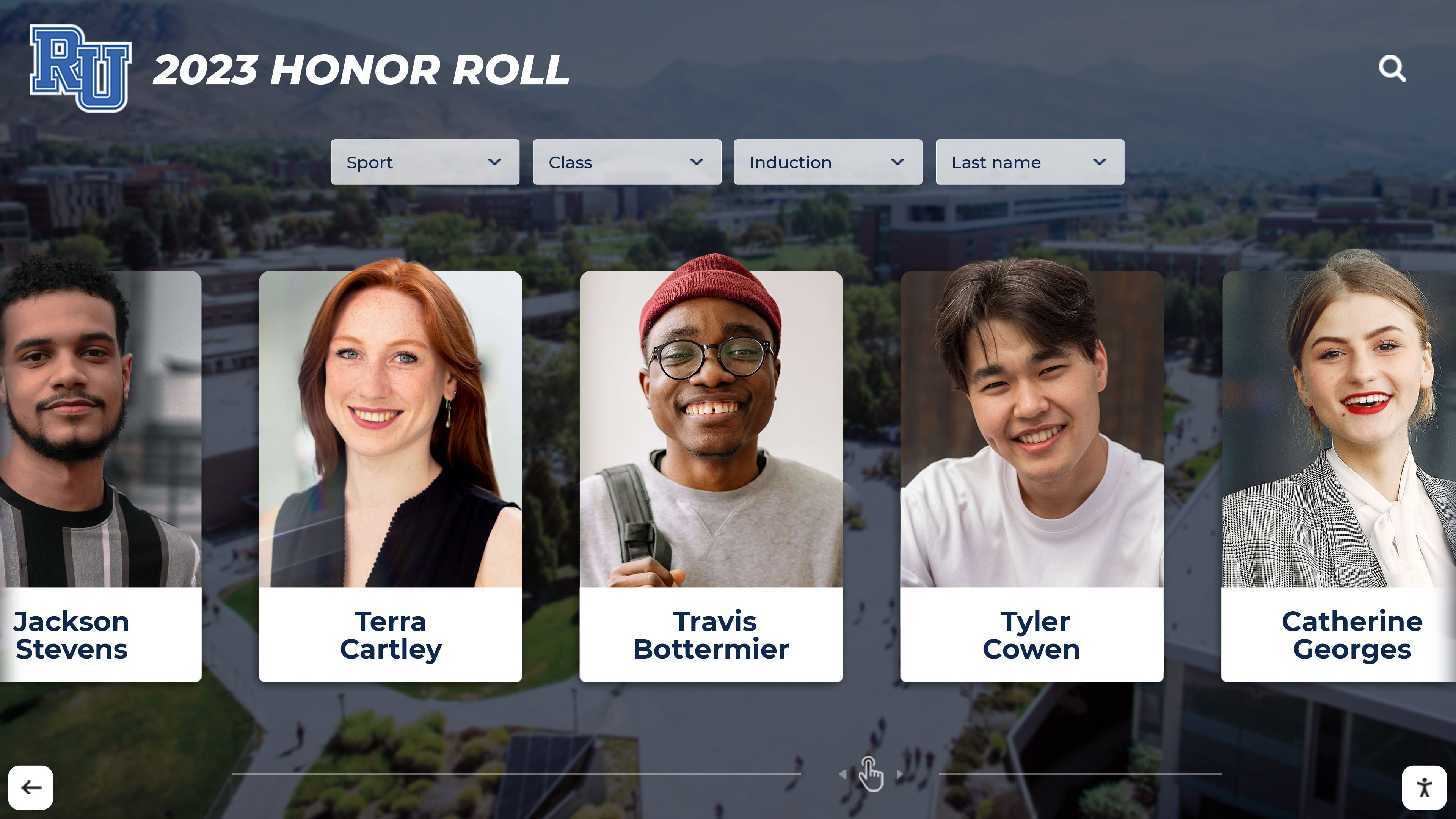
Implement intuitive search enabling visitors to find donors by name, location, class year, giving level, campaign supported, or other relevant criteria. Include auto-complete suggestions accelerating searches. Provide advanced filters combining multiple criteria simultaneously. Create “related donors” features connecting supporters with shared interests, locations, or affiliations. Offer curated collections highlighting specific communities—reunion years, geographic regions, campaign participants, giving societies.
Search proves particularly valuable for digital displays accommodating hundreds or thousands of donors, where browsing alone would overwhelm visitors. Effective search transforms potentially unwieldy content volumes into easily navigable experiences.
Why This Works:
Easy content discovery creates positive user experiences that encourage exploration and extended engagement. Visitors can quickly locate their own profiles, search for friends or family members, and discover others with shared connections. This exploration builds community around philanthropic support while keeping visitors engaged significantly longer than static displays where finding specific individuals requires scanning endless lists.
Organizations implementing sophisticated search report 45-60% of visitors using search features rather than browsing alone, with search users spending 40% more time exploring recognition content compared to browse-only interactions.
8. Perpetual Recognition Walls with Rolling Updates
Recognition systems designed for continuous updates rather than static installations create dynamic environments that remain current and engaging while accommodating unlimited future growth.
Implementation Approach:
Design recognition programs with ongoing induction processes rather than one-time installation approaches. Establish predictable cycles—annual induction ceremonies, quarterly updates, monthly featured donor rotations—that create anticipation and give supporters reasons to return. Promote regular updates through email campaigns, social media content, and event integration ensuring community awareness.
Perpetual recognition particularly suits digital platforms where updates require no manufacturing or physical installation. However, even traditional walls can implement perpetual approaches through modular designs accommodating additional plaques or periodic expansion plans built into initial installations.
Why This Works:
Static recognition inevitably grows stale as initial content becomes dated and new donors wait extended periods for acknowledgment. Perpetual approaches maintain freshness through regular additions, keeping recognition top-of-mind while demonstrating ongoing organizational commitment to honoring generosity. Regular induction cycles create recurring recognition events that strengthen donor engagement and provide natural cultivation opportunities for prospective supporters.
Organizations implementing perpetual recognition report sustained engagement that avoids the predictable decline seen with one-time installations, maintaining higher average interaction rates years after initial launches compared to static alternatives.
9. Virtual Donor Walls Accessible Online
Web-accessible donor recognition extends appreciation beyond those who can physically visit facilities, providing 24/7 global access while creating shareable content for digital-first supporters.
Implementation Approach:
Create dedicated donor recognition websites or sections within existing organizational sites showcasing supporter profiles with same richness as physical displays. Ensure mobile responsiveness providing quality experiences across devices. Implement robust search and filtering matching physical display capabilities. Include social sharing features encouraging distribution. Track analytics revealing which donors and content attract most attention.
Virtual walls complement rather than replace physical installations, providing additional access channels serving diverse preferences. Some organizations feature identical content across physical touchscreens and web platforms through unified cloud-based systems. Others create distinct physical and virtual experiences optimized for different contexts.
Why This Works:
Many supporters cannot regularly visit organizational facilities due to distance, mobility limitations, or time constraints. Virtual recognition ensures all donors receive meaningful acknowledgment regardless of physical location. Geographic reach proves particularly valuable for nonprofits serving broad constituencies, alumni scattered nationally or internationally, or major donors who may live far from organizational headquarters.
Organizations implementing virtual donor walls report 5-10x more recognition views compared to physical displays alone, with web access enabling supporters to share profiles with networks, explore content at leisure, and engage repeatedly without travel requirements.
10. Donor Walls Integrated with Digital Giving Platforms
Recognition systems connecting directly to online giving platforms create seamless experiences where seeing others’ contributions leads immediately to opportunities for joining donor communities.
Implementation Approach:
Integrate donor wall technology with online giving platforms through embedded donation links, QR codes enabling mobile giving, or touchscreen displays incorporating direct donation capabilities. When visitors explore recognition content and feel inspired to contribute, provide immediate giving opportunities without requiring them to leave recognition experiences to find separate donation pages.
Feature real-time updates showing recent contributions appearing within hours or days, creating excitement and urgency. Promote giving opportunities during peak engagement moments—events, campaigns, end-of-year giving periods—when recognition exposure coincides with solicitation activities.
Why This Works:
Reducing friction between inspiration and action increases conversion rates. When prospects view compelling recognition and feel motivated to give, immediate opportunities capitalize on that motivation before they leave displays or close browsers. Real-time recognition provides instant gratification, acknowledging new donors within hours rather than months and satisfying desires for prompt appreciation.
Organizations integrating recognition with giving platforms report 20-30% increases in donation conversions from recognition-exposed audiences compared to those requiring separate navigation to donation pages. The seamless experience creates favorable associations between giving and recognition that strengthen both initial contributions and long-term engagement.
Implementing Your Nonprofit Donor Wall: Strategic Planning and Execution
Successfully deploying donor recognition requires thoughtful planning addressing both program design and operational considerations that influence long-term success.
Establishing Recognition Criteria and Policies
Clear, consistent policies ensure recognition programs maintain credibility while serving strategic priorities.
Defining Eligibility Requirements:
Establish explicit criteria determining which donors receive recognition, what giving levels qualify for enhanced acknowledgment, how cumulative versus single-gift giving is recognized, and what contribution types beyond cash (in-kind gifts, volunteer leadership, planned giving commitments) merit inclusion. Document policies in writing accessible to development staff, board members, and when appropriate, donors themselves.
Address timing considerations—when new donors appear on recognition (immediately, annually, specific campaign periods), how long recognition remains (permanent, donor lifetime, specified terms), and procedures for updating information as giving levels change or donors pass away.
Creating Recognition Tiers:
Develop clearly defined giving levels with distinct recognition benefits at each tier. Balance accessibility enabling broad participation against aspiration creating meaningful distinctions between levels. Name tiers reflecting organizational identity—mission elements, founder honors, institutional traditions—rather than generic labels.
Common tier counts range from 4-7 levels. Too few tiers create large gaps between recognition levels that may discourage donors close to but not quite reaching next thresholds. Too many tiers create complexity and administrative burden while diminishing meaningful distinctions between adjacent levels.
Respecting Donor Preferences:
Always honor supporter wishes regarding recognition. Offer explicit options including full public recognition, name-only acknowledgment without details, anonymous recognition indicating contribution without identification, or no public recognition for donors valuing complete privacy. Document preferences systematically and respect consistently across all recognition channels—physical displays, online platforms, publications, events.
Budgeting for Recognition Investments
Comprehensive recognition requires appropriate resource allocation across planning, implementation, and maintenance phases.
Initial Development Costs:
Recognition program launches involve several investment categories. Traditional donor walls cost $15,000-$75,000+ depending on materials, size, and design complexity. Digital recognition systems range $25,000-$65,000 including commercial hardware, purpose-built software, content development, and professional installation. Content development—photography, videography, writing, research—adds $5,000-$20,000 depending on initial donor volume and multimedia scope. Design and consulting services contribute $3,000-$15,000 for organizations requiring external expertise.
These initial investments feel substantial, but calculating return on investment through retention improvements and increased giving typically demonstrates strong financial returns. A nonprofit improving retention 15 percentage points through recognition investments will recoup implementation costs within 18-24 months through enhanced lifetime donor value alone.
Ongoing Operational Expenses:
Sustained recognition requires continued funding for annual content updates adding new donors and refreshing existing profiles ($2,000-$8,000 annually depending on volume), technology maintenance including software subscriptions and hardware support ($1,500-$5,000 annually for digital systems), event expenses for recognition ceremonies or donor appreciation gatherings ($3,000-$15,000 annually based on scope), and staff time coordinating recognition activities and managing content (0.25-1.0 FTE equivalent depending on organization size).
Organizations sometimes fund recognition through campaign percentages (typically 2-5% of campaign goals), designated recognition gifts from donors specifically supporting appreciation programs, or endowed funds ensuring sustainable financing rather than competing with program budgets for limited operating resources.
Creative Funding Sources:
Recognition investments don’t always require general operating allocations. Explore designated recognition gifts from donors who value appreciation as mission-supporting activity. Seek corporate sponsors underwriting recognition technology in exchange for appropriate acknowledgment. Build recognition costs into campaign budgets as legitimate campaign expenses. Consider in-kind contributions from vendors, alumni, or supporters providing professional services or materials at reduced costs.
Technology Selection for Digital Recognition
Organizations implementing digital systems should evaluate solutions against institutional needs, capabilities, and long-term requirements.
Essential Platform Capabilities:
Effective recognition platforms provide intuitive content management requiring no coding expertise, robust search and filtering enabling easy content discovery, multimedia support handling photos and videos seamlessly, mobile responsiveness ensuring quality experiences across devices, cloud-based hosting eliminating server requirements, analytics revealing engagement patterns, and integration capabilities connecting with donor databases when feasible.
Purpose-built recognition platforms like Rocket Alumni Solutions’ donor recognition systems deliver these capabilities by design, while generic content management systems require extensive customization and ongoing technical maintenance typically proving more expensive and less satisfactory long-term.
Hardware Considerations:
Commercial-grade touchscreen displays rated for continuous operation prove essential. Consumer equipment fails rapidly under institutional use, creating poor impressions when displays malfunction during donor visits. Specify capacitive touch technology providing responsive interaction, panel lifespans exceeding 60,000 hours, brightness levels appropriate for ambient lighting, and tempered glass protection preventing damage in public spaces.
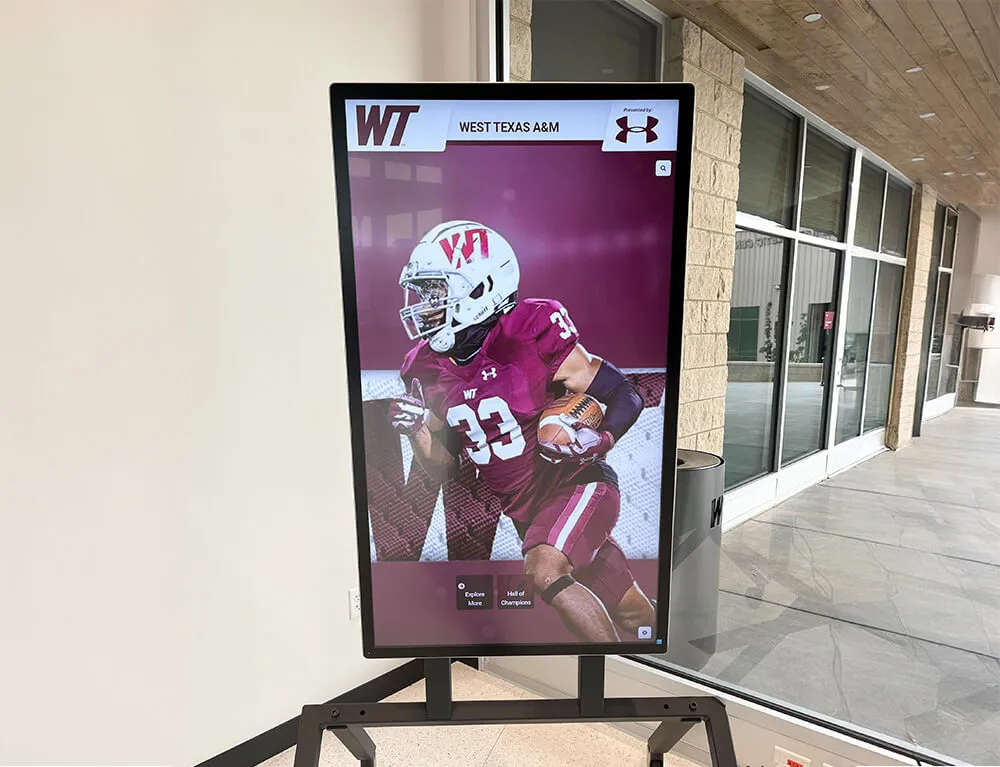
Screen sizing depends on viewing distance—43-55 inch displays suit 4-6 foot viewing distances, 55-65 inch screens accommodate 6-10 foot distances, and 75-86 inch displays serve spaces with distant viewing. Consult specialists ensuring hardware selections match specific environmental conditions rather than relying on generic specifications.
Vendor Selection and Support:
Evaluate recognition vendors based on nonprofit-specific experience, client references, platform capabilities, hardware quality, training provided, ongoing support responsiveness, and total cost of ownership. Request demonstrations with actual nonprofit content rather than generic examples. Speak with current clients about satisfaction, challenges encountered, and vendor responsiveness. Conduct pilot testing before full deployment when possible.
Organizations lacking internal technical expertise particularly benefit from vendors providing comprehensive support including installation, training, content assistance, and responsive troubleshooting rather than self-service platforms requiring substantial institutional capacity.
Strategic Placement and Promotion
Even excellent donor walls engage poorly if positioned in low-traffic areas or inadequately promoted to target audiences.
Optimal Location Selection:
Position recognition in high-traffic institutional spaces including main building lobbies where visitors naturally congregate, development offices where donors meet with staff, event spaces hosting fundraising gatherings, and areas with donor-specific purposes. Consider both traffic quantity and quality—locations with modest total visitors but high donor concentration often outperform higher-traffic spaces where few visitors represent prospects or supporters.
Evaluate lighting conditions ensuring screens remain visible without glare, adequate space allowing comfortable viewing and multiple simultaneous users, prominent sight lines ensuring visitors notice displays from primary circulation paths, and accessibility for all visitors including wheelchair users.
Physical Installation Quality:
Professional installation ensures displays are properly mounted at comfortable viewing heights (40-48 inches to screen center for standing viewers), securely fastened with clean cable management, adequately lit without screen glare, and finished with quality materials matching institutional aesthetics rather than appearing hastily assembled.
Poor installation undermines even excellent recognition content. Amateurish mounting, visible cables, inadequate lighting, or inappropriate positioning creates negative impressions that diminish donor satisfaction and organizational credibility.
Launch and Sustained Promotion:
Build awareness through coordinated launch campaigns including donor email announcements, social media promotion featuring highlighted honorees, press releases to relevant media, dedication events celebrating new recognition, virtual tours for remote supporters, and website landing pages explaining programs.
Sustained visibility proves essential beyond initial launch excitement. Maintain awareness through monthly featured donor spotlights in communications, event integration referencing recognition programs, periodic rededication ceremonies when major milestones occur, and annual reports highlighting recognition engagement metrics demonstrating program value.
Measuring Donor Wall Success and ROI
Understanding recognition program impact requires tracking specific metrics connecting investments to fundraising outcomes.
Quantitative Engagement Metrics
For digital recognition platforms, detailed analytics provide insights impossible with traditional approaches.
Usage and Interaction Metrics:
Track unique visitor counts revealing overall reach, session duration indicating engagement depth (6-8 minute averages indicate strong engagement), pages per session showing exploration breadth, return visitor rates demonstrating sustained interest, and peak usage patterns informing promotional timing and staffing needs.
Monitor most-viewed profiles revealing what content resonates, search query patterns showing how visitors explore content, video completion rates indicating whether multimedia maintains attention, and social sharing frequency measuring organic promotion reach.
Donor Behavior Correlation:
Connect recognition exposure to giving behavior by comparing retention rates for recognized versus non-recognized donors (typically 15-25 percentage point improvements), tracking average gift size trends for donors receiving recognition (benchmark: 15-20% increases), measuring upgrade conversion rates showing donors moving to higher recognition tiers (goal: 8-12% annually), monitoring time-to-next-gift for recognized supporters, and analyzing major gift proposal success rates for prospects exposed to displays during cultivation.
Fundraising Outcome Indicators
Ultimate recognition success appears in broader advancement metrics demonstrating financial impact.
Key Performance Indicators:
Monitor donor retention rate changes following implementation (target: 15-25 point improvements), average gift size trends year-over-year (benchmark: 15-20% increases), major gift success rates for prospects viewing recognition during cultivation (goal: 20-35% improvements in gifts over $25,000), planned giving inquiry correlations with recognition visibility, and first-time donor acquisition rates among recently recognized supporters.
Calculate return on investment comparing recognition program costs to incremental revenue from improved retention and increased giving. Most organizations implementing comprehensive programs report recognition systems paying for themselves within 18-24 months through enhanced giving patterns, with long-term returns proving substantially higher as retention improvements compound over multiple giving cycles.
Qualitative Assessment:
Supplement quantitative metrics with qualitative feedback through post-gift donor satisfaction surveys, focus groups exploring recognition experiences and preferences, development staff input about recognition effectiveness, board member perspectives on program value, and beneficiary viewpoints about whether recognition appropriately connects philanthropy to mission outcomes.
Systematic feedback collection prevents over-reliance on numbers that might miss important experiential dimensions influencing donor satisfaction and long-term relationships. Combine quantitative data with authentic stakeholder perspectives for comprehensive program evaluation.
Common Donor Wall Mistakes to Avoid
Learning from frequent missteps helps nonprofits implement more effective programs while avoiding predictable pitfalls.
Design and Implementation Failures
Inadequate Capacity Planning:
Traditional donor walls that fill completely within months or years of installation force expensive expansions or difficult decisions about which donors to remove. Planning for future growth—leaving blank space, designing modular systems accommodating additions, or implementing digital platforms with unlimited capacity—prevents awkward situations that damage donor relationships.
Poor Location Choices:
Recognition positioned in remote hallways, basement locations, or other low-traffic areas receives minimal visibility that undermines investment value. Strategic placement in high-traffic spaces with strong donor concentration proves essential for maximizing engagement and demonstrating appreciation value that donors notice and appreciate.
Inconsistent or Outdated Content:
Recognition becoming outdated because new donors wait months for acknowledgment, information grows stale, or content never refreshes creates negative impressions. Establish clear processes ensuring timely updates, regular content enhancement, and systematic quality control maintaining professional standards over time.
Strategic Program Oversights
Treating Recognition as One-Time Project:
Organizations viewing recognition as one-time installation rather than ongoing program requiring sustained attention, regular updates, consistent promotion, and continuous improvement fail to achieve potential value. Recognition functions best as dynamic, evolving program rather than static monument requiring minimal management after launch.
Neglecting Promotion and Awareness:
Installing excellent recognition without promoting it to target audiences wastes investment when potential supporters don’t know programs exist. Comprehensive launch campaigns and sustained visibility efforts prove essential for maximizing recognition awareness, engagement, and fundraising impact.
Focusing Exclusively on Major Donors:
Recognition programs celebrating only top-tier contributors while ignoring modest but meaningful gifts from supporters with limited capacity create perception that organizations value only wealth rather than genuine generosity. Comprehensive recognition honoring supporters at all levels builds inclusive philanthropic communities and broader engagement supporting sustainable fundraising.
The Future of Nonprofit Donor Recognition
Understanding emerging trends helps organizations implement recognition programs remaining relevant and valuable as technology and expectations evolve.
Enhanced Personalization and AI Integration
Artificial intelligence increasingly enables sophisticated recognition customization through content recommendations matching visitor interests to relevant profiles, natural language search accepting conversational queries, automated enhancement assisting with writing and multimedia tagging, and predictive analytics identifying donors most likely to upgrade giving based on engagement patterns.
Integrated Digital Ecosystems
Recognition platforms increasingly connect with comprehensive advancement technology through CRM synchronization keeping profiles automatically current, giving platform integration enabling direct donations from recognition displays, marketing automation triggered by recognition engagement, and consolidated analytics combining recognition data with broader fundraising metrics for holistic performance understanding.
Immersive and Extended Reality
Augmented reality applications allow smartphones to unlock additional digital content layers when viewing physical displays, creating blended experiences combining traditional recognition with digital enhancements. Virtual reality experiences create immersive recognition environments enabling remote supporters unable to visit facilities to explore donor communities through three-dimensional virtual spaces accessible from anywhere.
Conclusion: Donor Walls as Strategic Fundraising Infrastructure
Effective donor walls represent far more than polite acknowledgment—they function as strategic fundraising infrastructure creating experiences that strengthen donor relationships, generating insights informing advancement strategy, supporting cultivation through demonstrated recognition practices, and building institutional pride benefiting entire communities.
Organizations implementing comprehensive donor recognition consistently report measurable financial returns including retention rate improvements of 15-25 percentage points, average gift increases of 20-30%, measurable ROI within 18-24 months, and enhanced donor satisfaction scores that strengthen long-term relationships supporting sustainable revenue growth.
Keys to Donor Wall Success:
- Establish clear recognition criteria and policies ensuring consistent, fair acknowledgment
- Select approaches matching organizational needs, budgets, and donor preferences
- Invest appropriately in quality design, content development, and professional implementation
- Position recognition strategically in high-visibility locations
- Promote programs consistently rather than relying on launch enthusiasm alone
- Measure engagement systematically enabling continuous improvement
- Integrate recognition throughout advancement programming rather than treating as standalone initiative
- Plan for sustainability through adequate budget, staffing, and maintenance processes
Whether implementing traditional approaches, modern digital solutions, or hybrid strategies combining both, the fundamental principles remain constant: honor contributions meaningfully, demonstrate impact clearly, and create experiences that make donors feel valued for their partnership in advancing missions that matter to communities.
Your supporters have invested their resources and trust in your mission. They deserve recognition that authentically celebrates their generosity while demonstrating that contributions genuinely made meaningful differences. By implementing donor walls combining strategic planning, compelling content, appropriate technology, and genuine appreciation, you create recognition programs strengthening fundraising effectiveness while building philanthropic communities sustaining your mission across generations.
Ready to transform your donor recognition and fundraising outcomes? Explore how solutions like Rocket Alumni Solutions provide comprehensive donor recognition platforms, professional implementation services, and ongoing support ensuring recognition success without requiring extensive technical expertise or internal resources.