



Every nonprofit leader, development director, and school administrator knows the feeling: a major donor commits transformational support for your organization, and you want to honor their generosity in a way that matches the magnitude of their gift. The right donor recognition wall does more than thank supporters—it tells your organization’s story, inspires additional giving, and creates a lasting legacy that connects past generosity to future impact.
Whether you’re planning a capital campaign, renovating your facility, or simply wanting to better honor the supporters who make your mission possible, thoughtful donor recognition requires balancing tradition with innovation, permanence with flexibility, and gratitude with strategic fundraising goals.
What Makes Effective Donor Recognition?
The most successful donor recognition walls share key characteristics that maximize both donor satisfaction and fundraising impact:
- Visibility: Located in high-traffic areas where donors, prospects, staff, and beneficiaries regularly see recognition
- Dignity: Professional presentation that reflects the seriousness of donor commitments and institutional quality
- Scalability: Capacity to accommodate future donors as campaigns continue and giving grows
- Storytelling: Context showing how donor support creates tangible impact rather than simple name lists
- Flexibility: Ability to update recognition as giving levels change, campaigns conclude, and new initiatives launch
- Inspiration: Design that motivates additional giving by showcasing community investment and shared values
This guide explores proven donor recognition wall ideas across traditional and digital approaches, helping you select recognition strategies aligned with your organization’s culture, donor preferences, and fundraising objectives.
Traditional Donor Recognition Wall Approaches
While digital solutions offer compelling advantages, many organizations prefer traditional recognition methods that provide tangible permanence and classic aesthetics. Understanding these established approaches helps you evaluate whether traditional, digital, or hybrid recognition best serves your needs.
Engraved Plaques and Name Plates
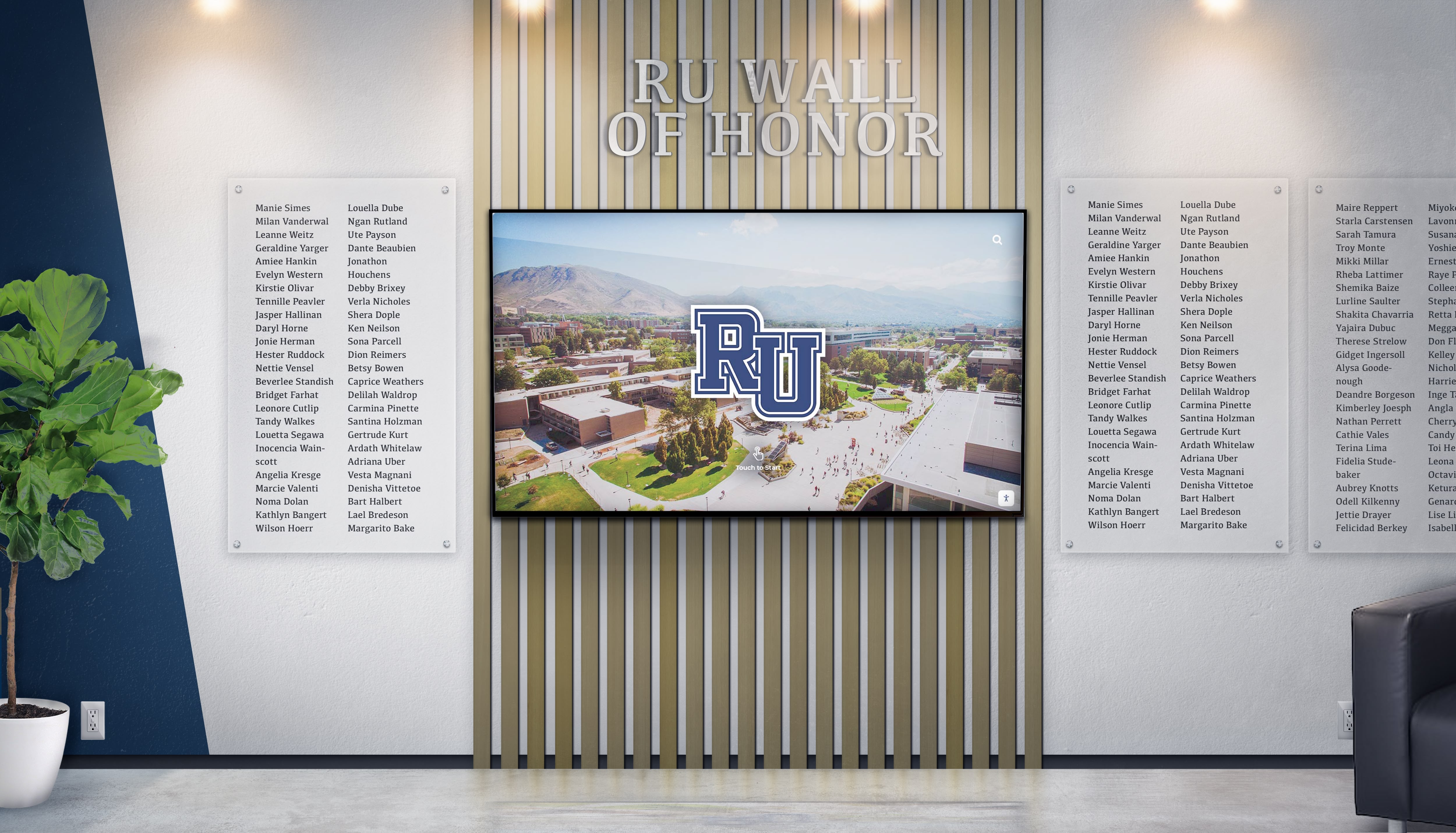
The most common donor recognition approach involves individual plaques or name plates mounted on walls, typically organized by giving levels. These permanent installations communicate lasting gratitude and create visual impact through collective display.
Advantages:
- Perceived permanence reassures donors their recognition will endure
- No technology maintenance or software updates required
- Traditional aesthetic aligns with historic architecture and institutional character
- One-time installation cost without ongoing expenses
Limitations:
- Fixed space constrains future recognition capacity
- Difficult and expensive to update when donors increase giving levels
- Limited information capacity restricts storytelling and impact context
- Static presentation offers no interactivity or multimedia engagement
- Deterioration over time diminishes recognition quality
Best Practices: Plan significantly more capacity than current needs anticipate. Organizations consistently underestimate future giving and quickly exhaust available wall space. Consider modular plaque systems allowing expansion into adjacent wall areas rather than fixed frames with limited capacity.
Donor Walls with Giving Level Tiers
Structured donor walls organize recognition by contribution levels, creating visual hierarchies that acknowledge major gifts while including donors across all giving ranges. Common naming conventions include leadership levels (Founder’s Circle, Benefactor, Patron), monetary ranges ($100,000+, $50,000-$99,999, etc.), or symbolic categories aligned with organizational mission.
Design Considerations:
Visual Hierarchy: Use size, placement, materials, or design elements to differentiate giving levels without creating uncomfortable disparities. Major donors deserve prominent recognition, but lower-level supporters should feel valued rather than relegated to afterthought status.
Naming Flexibility: Select giving level names with growth potential. “Chairman’s Circle” poses problems if your organization’s leadership structure changes. Mission-aligned names (“Scholarship Champions,” “Innovation Partners”) provide greater longevity and meaning.
Threshold Strategy: Set giving level thresholds strategically. Placing too many donors in top categories diminishes exclusivity, while overly ambitious thresholds leave recognition tiers embarrassingly sparse. Analyze your donor base to create achievable yet aspirational recognition levels.
Brick Pavers and Memorial Walkways
For capital projects involving new construction or outdoor spaces, personalized brick pavers create participatory recognition opportunities accessible to donors at modest giving levels. Families, alumni, and community members purchase inscribed bricks installed in walkways, courtyards, or building entrances.
Fundraising Benefits:
- Lower price points ($100-$1,000) enable broader participation than major donor walls
- Tangible, locatable recognition appeals to alumni and families seeking personal connection
- Limited inventory creates urgency encouraging prompt commitments
- Ongoing revenue as new bricks are added over time
Implementation Challenges:
- Weather exposure causes inscription deterioration requiring eventual replacement
- Finding specific bricks among hundreds or thousands proves difficult without directory systems
- Limited inscription space restricts personalization and storytelling
- Future construction or landscape changes may displace brick installations
Many organizations now combine brick walkways with digital directories enabling visitors to search for specific bricks, view photos and stories beyond simple inscriptions, and locate exact brick positions. This hybrid approach preserves traditional brick aesthetics while addressing usability limitations.
Donor Trees and Decorative Recognition
Artistic donor recognition installations transform functional acknowledgment into aesthetic focal points. Donor trees feature leaf-shaped plaques on sculptural tree designs, while other creative approaches incorporate stained glass, mosaics, quilts, or custom artwork specific to organizational identity.
When Decorative Recognition Works Well:
- Organizations with strong artistic identities (performing arts centers, museums, art schools)
- Projects seeking unique, memorable recognition aligned with campaign themes
- Locations where traditional plaques would clash with architectural character
- Campaigns emphasizing community participation and collective achievement over individual major donors
Potential Drawbacks:
- Custom designs require significant upfront investment
- Unusual formats may complicate donor information display
- Artistic approaches sometimes sacrifice clarity for creativity
- Limited capacity constraints future recognition unless carefully designed for expansion
Digital Donor Recognition Wall Ideas
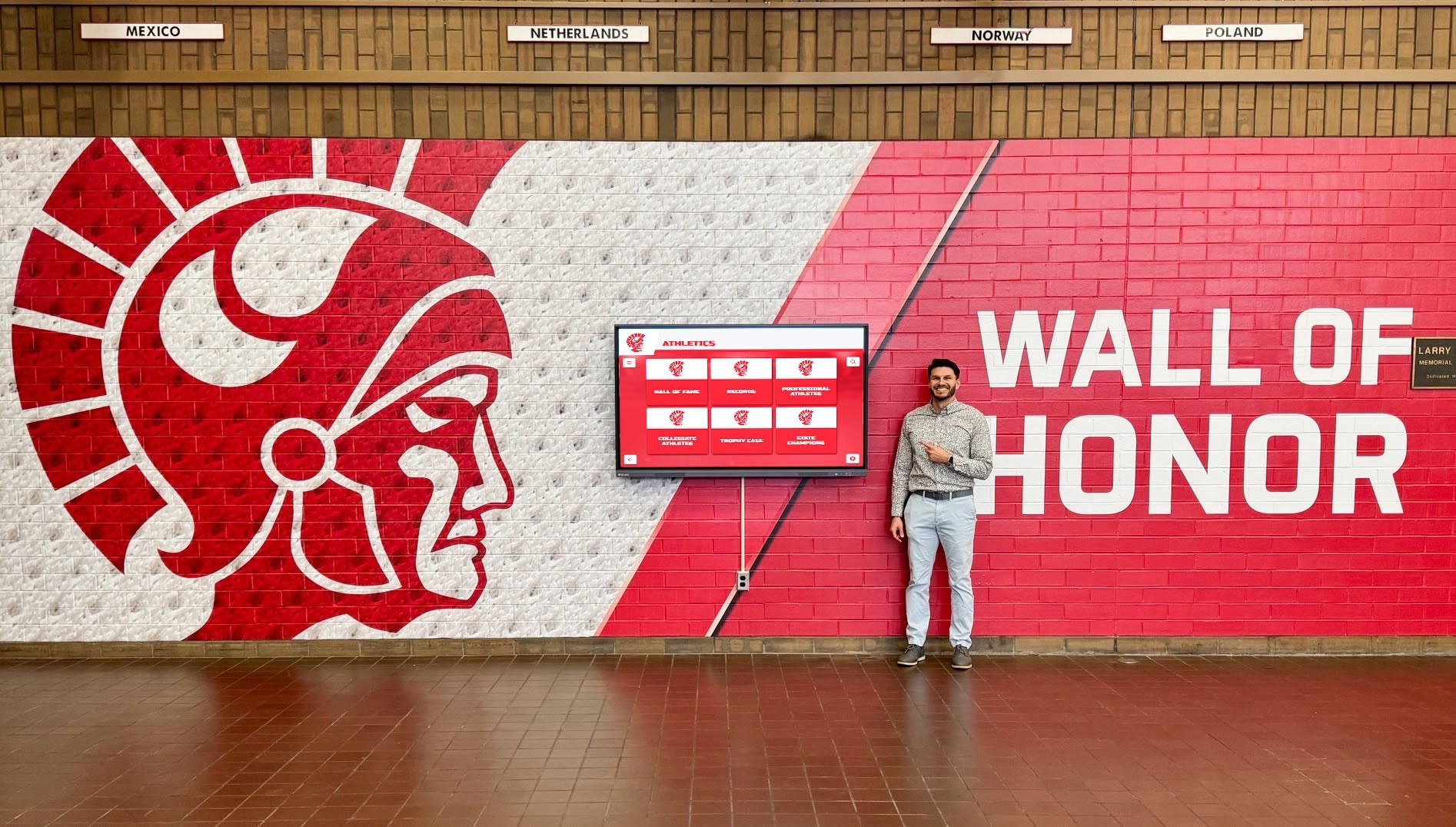
Digital recognition platforms transform donor acknowledgment from static displays into dynamic, storytelling environments that showcase impact, engage visitors, and provide unprecedented flexibility. Modern solutions like Rocket Alumni Solutions specifically designed for donor recognition solve the limitations of traditional approaches while creating elevated experiences that honor supporters appropriately.
Interactive Touchscreen Donor Displays
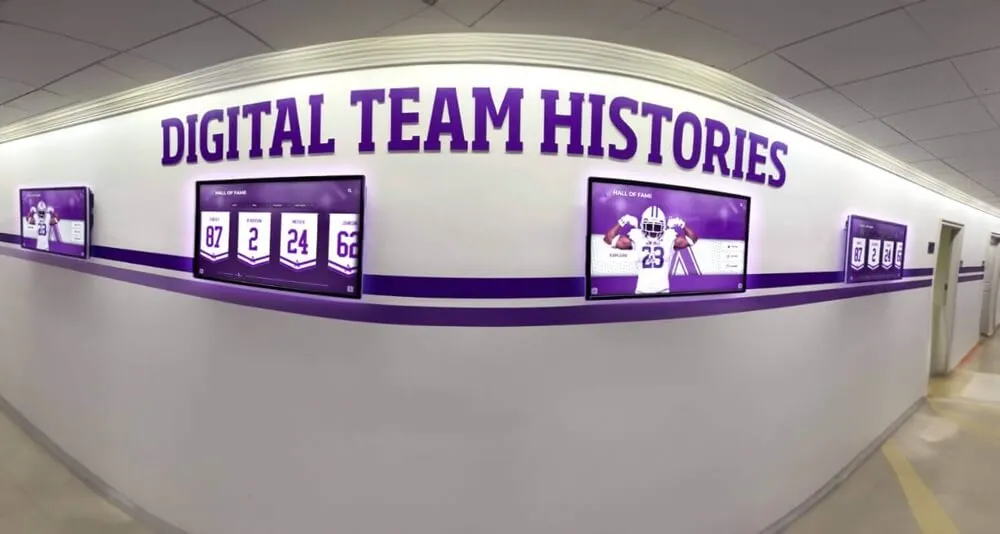
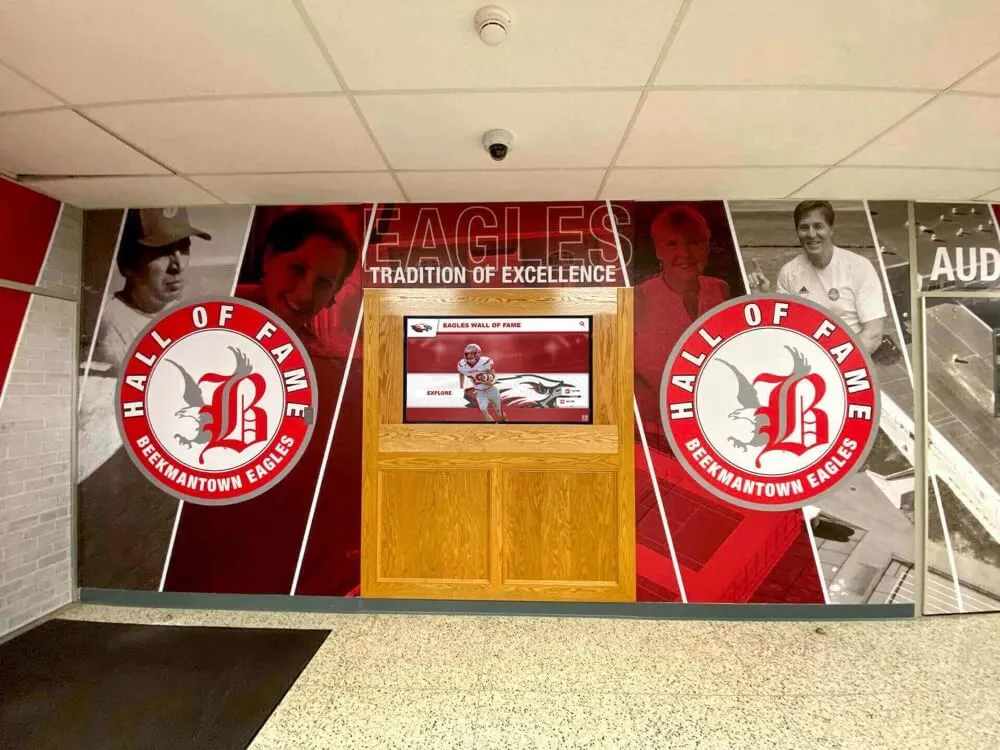
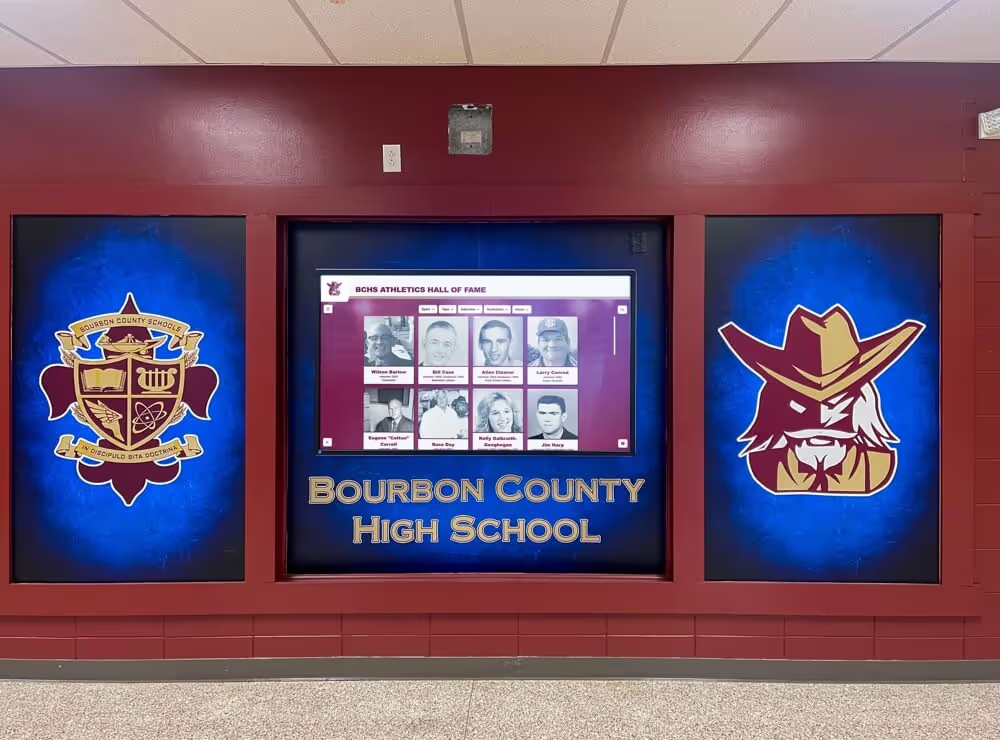
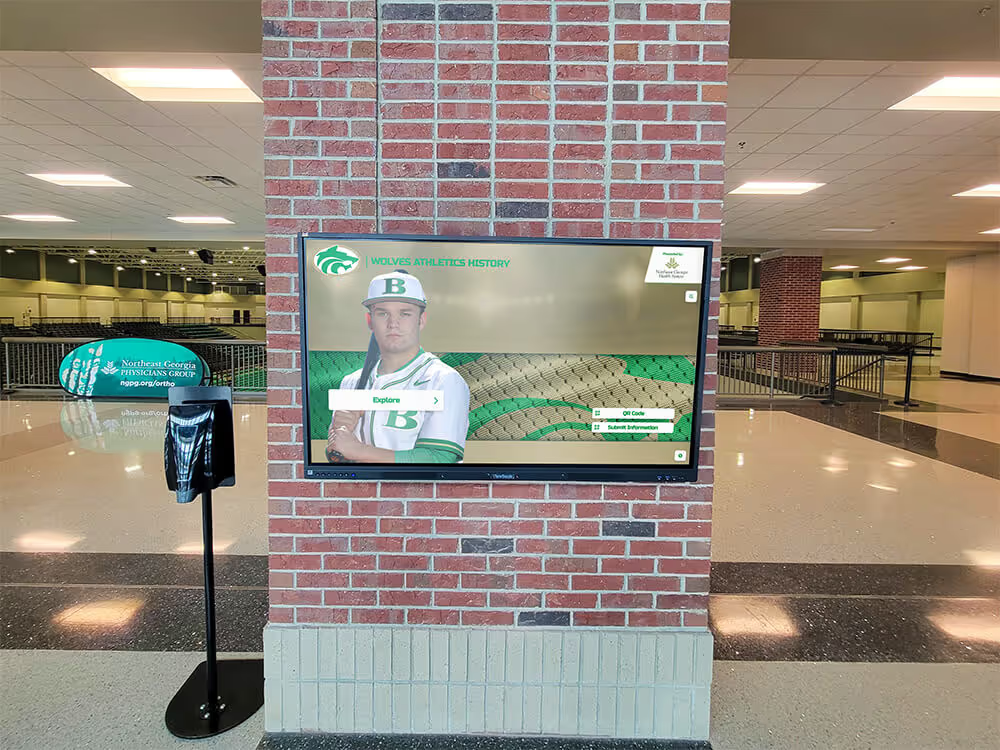
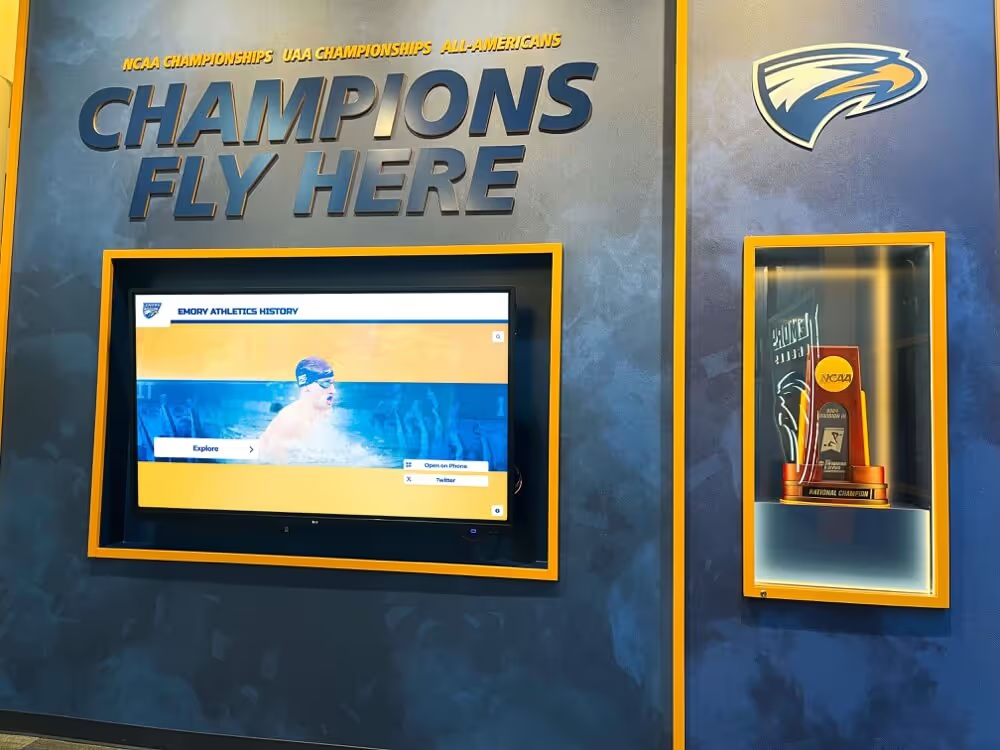
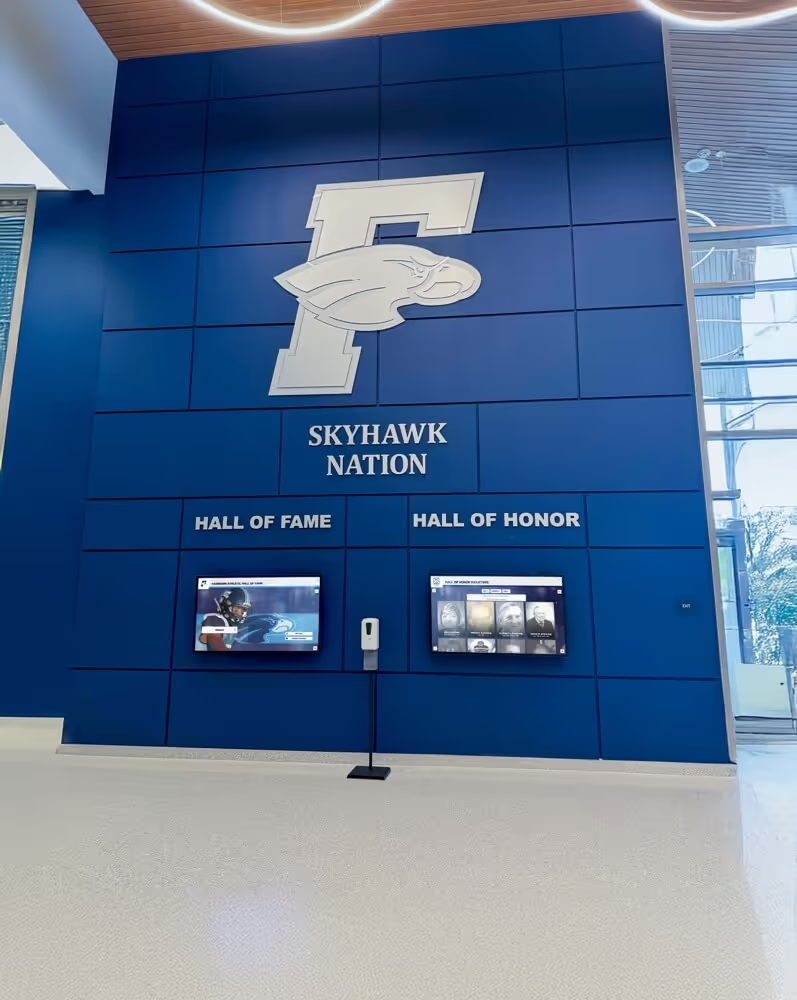
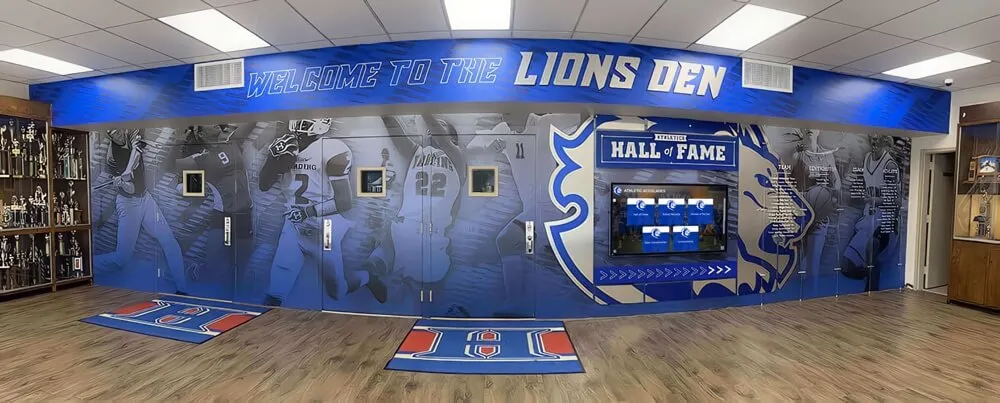
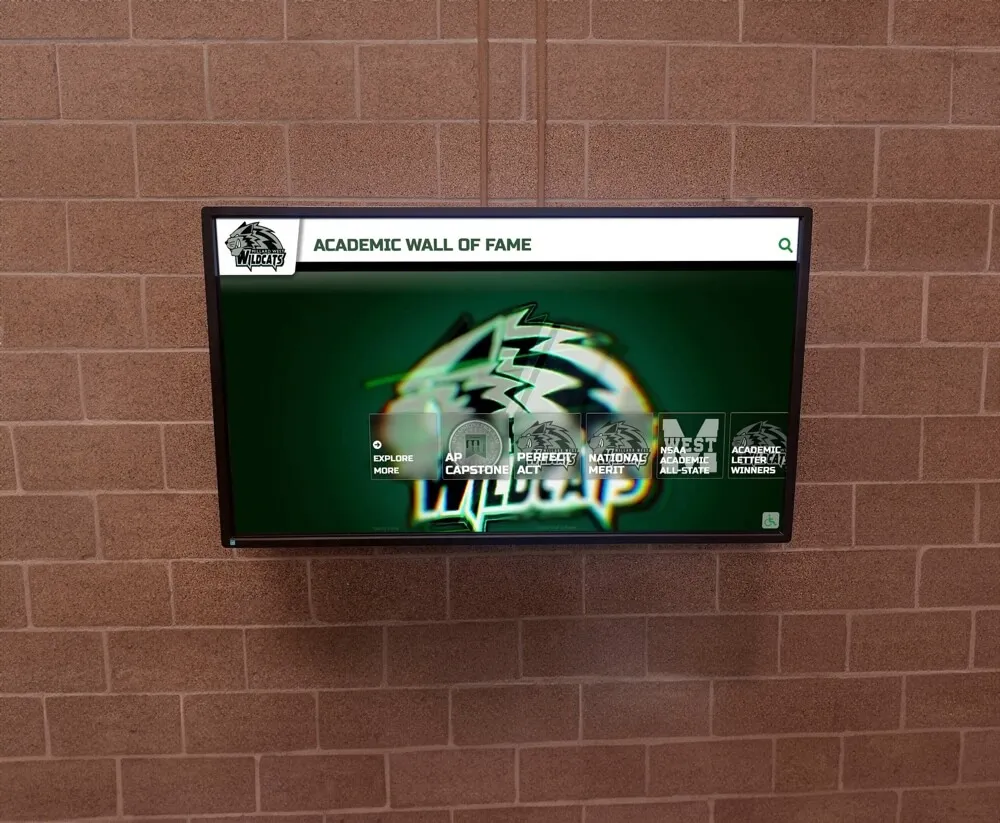
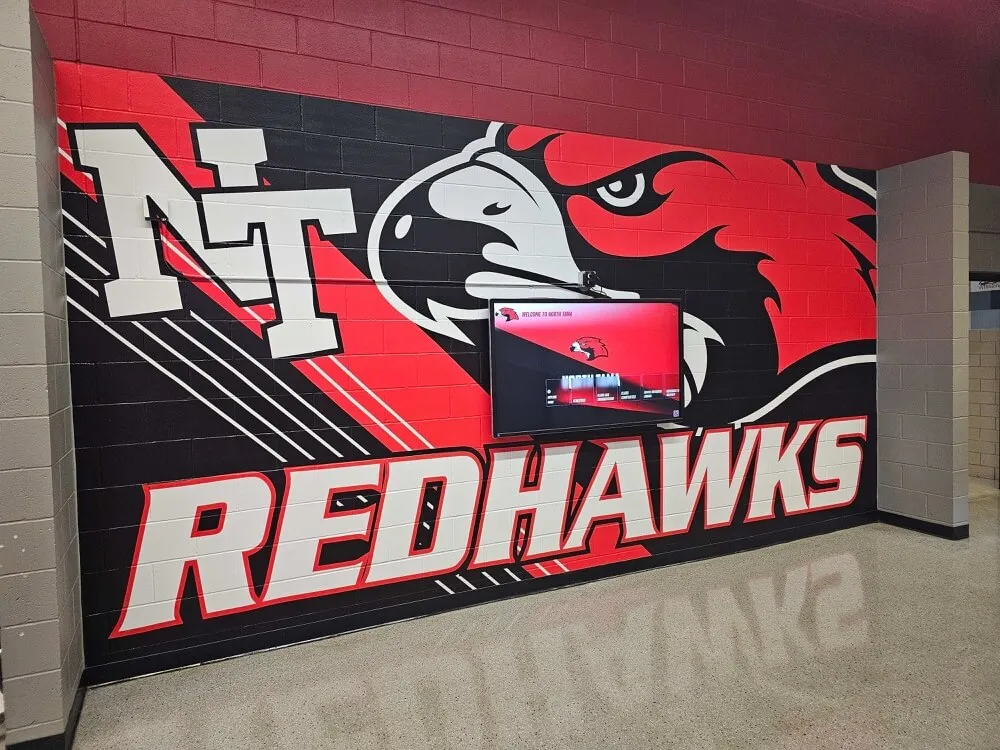
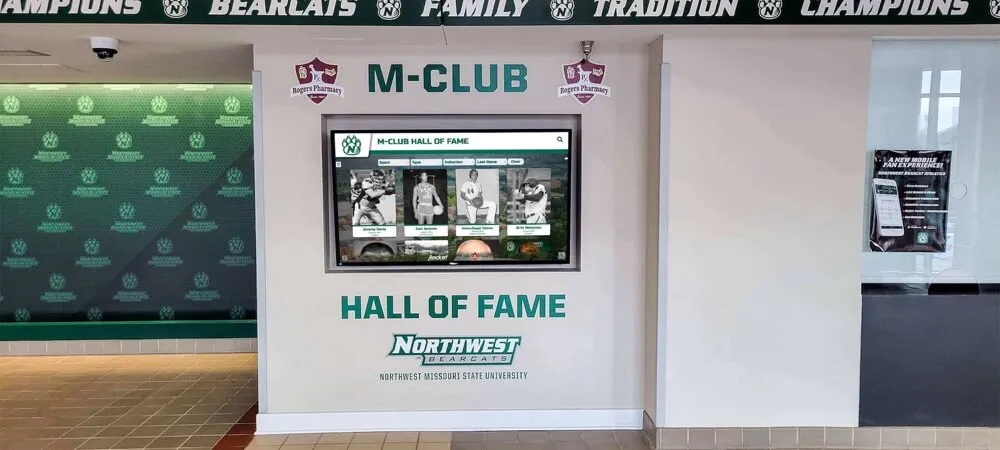
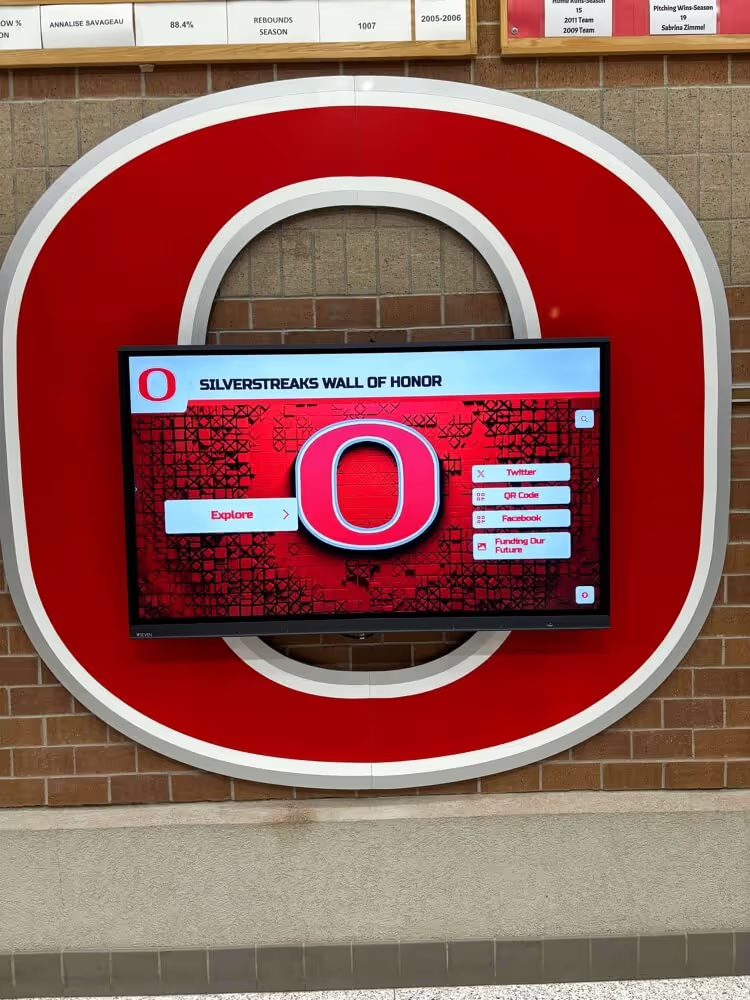
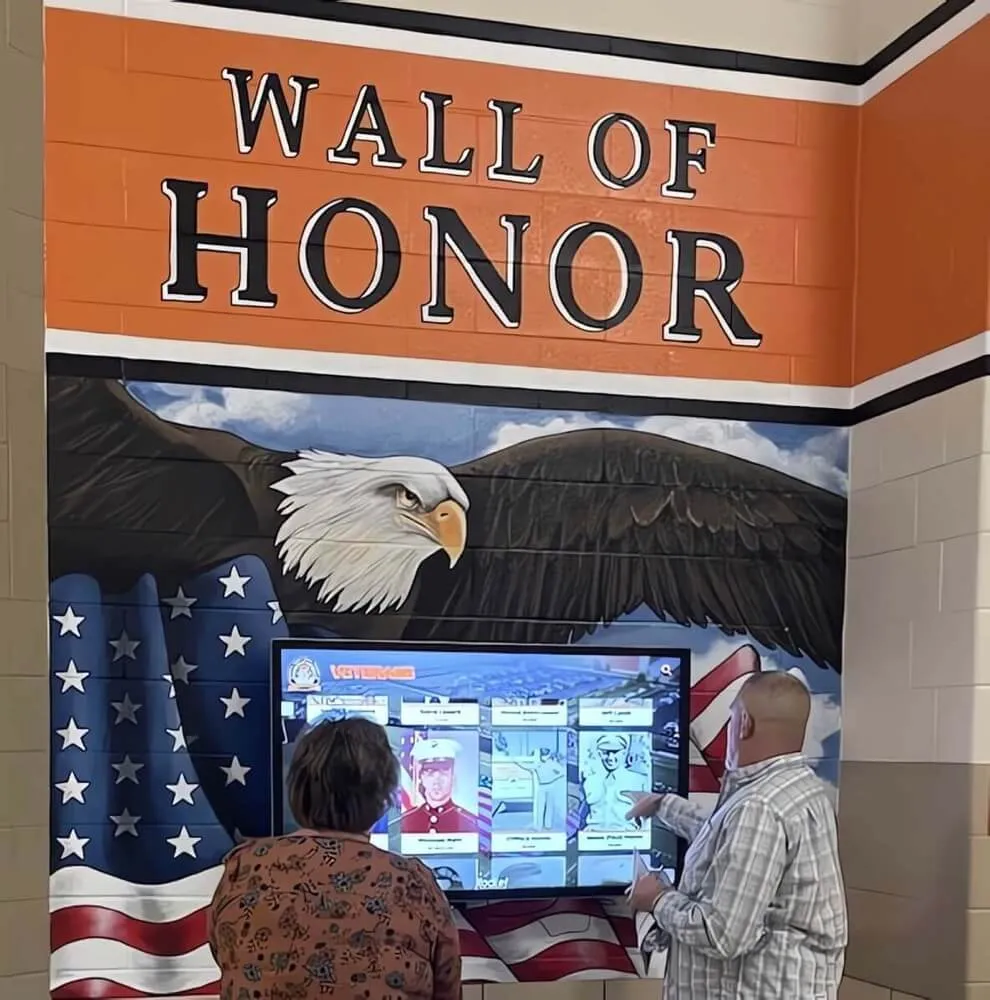
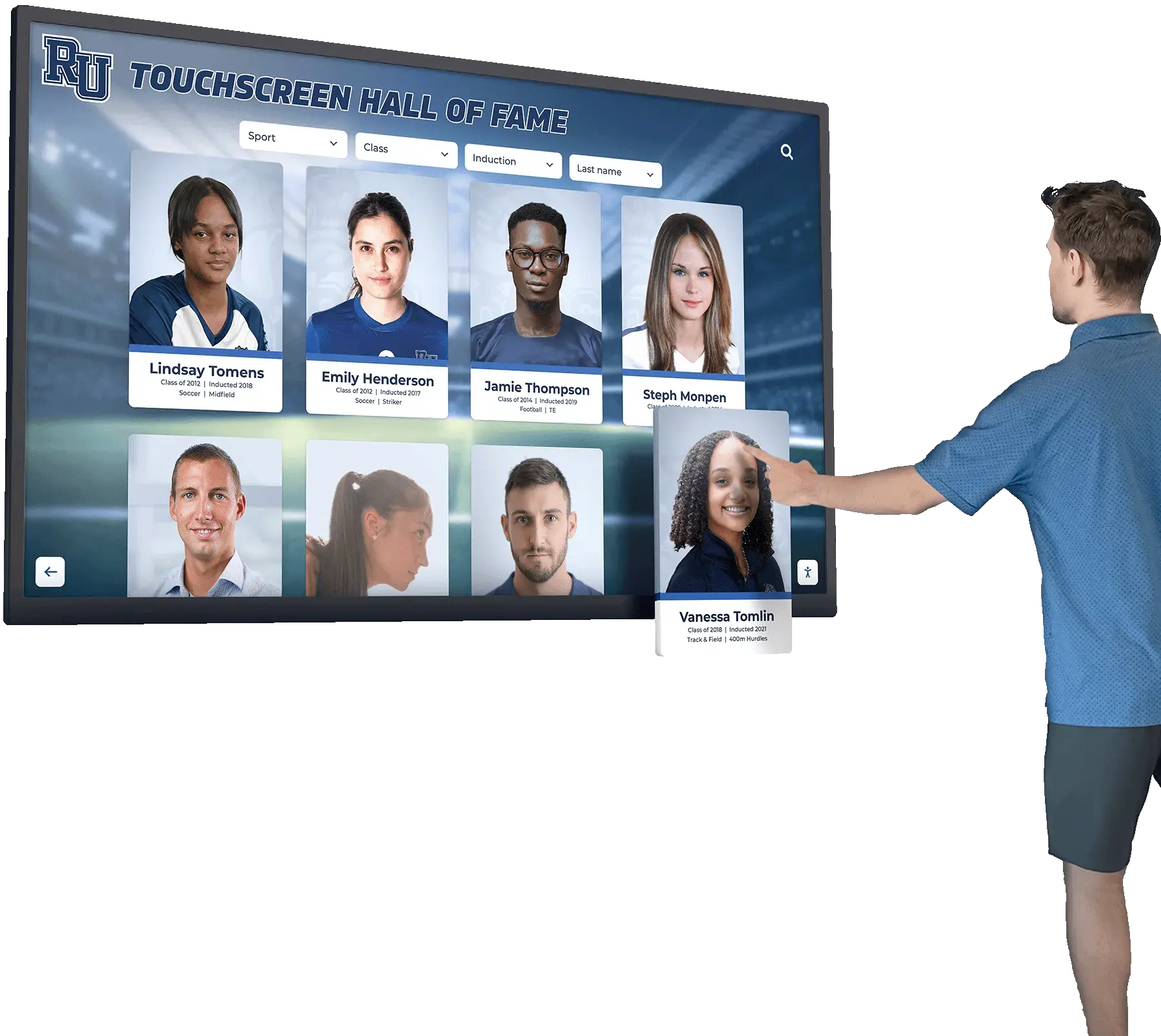
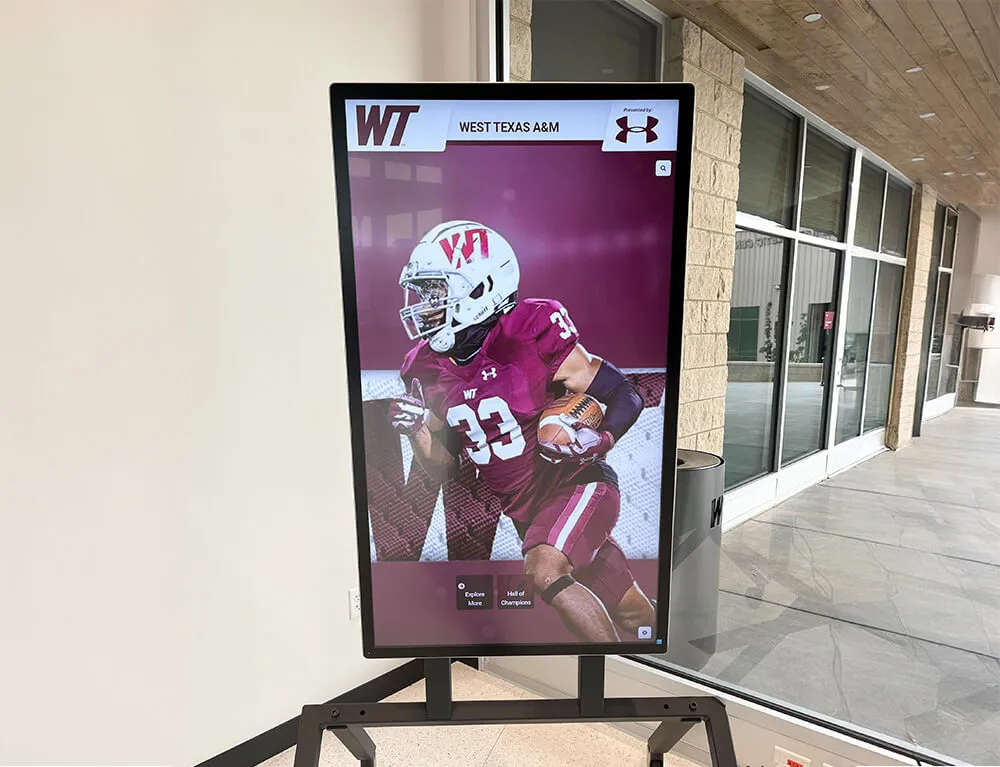
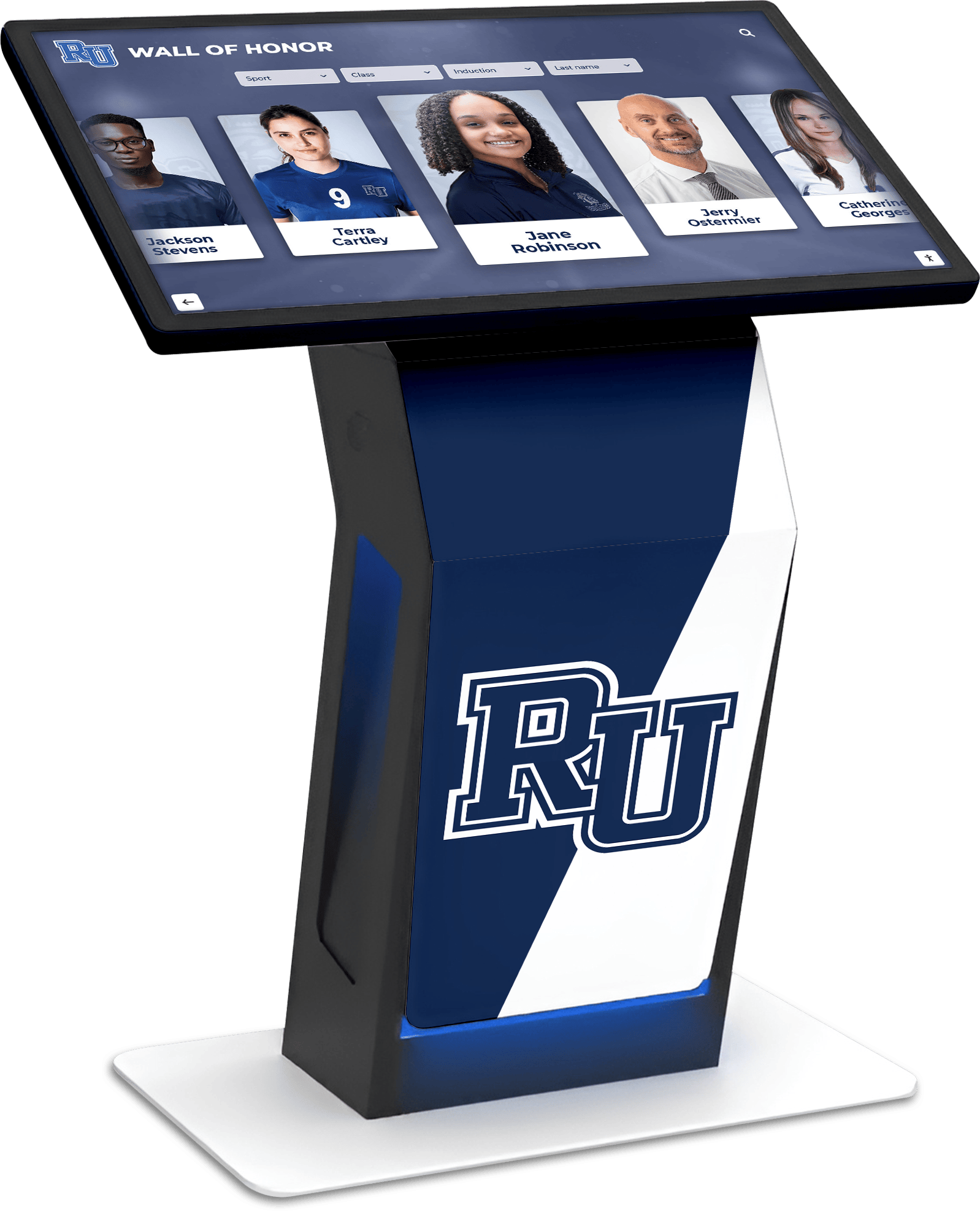
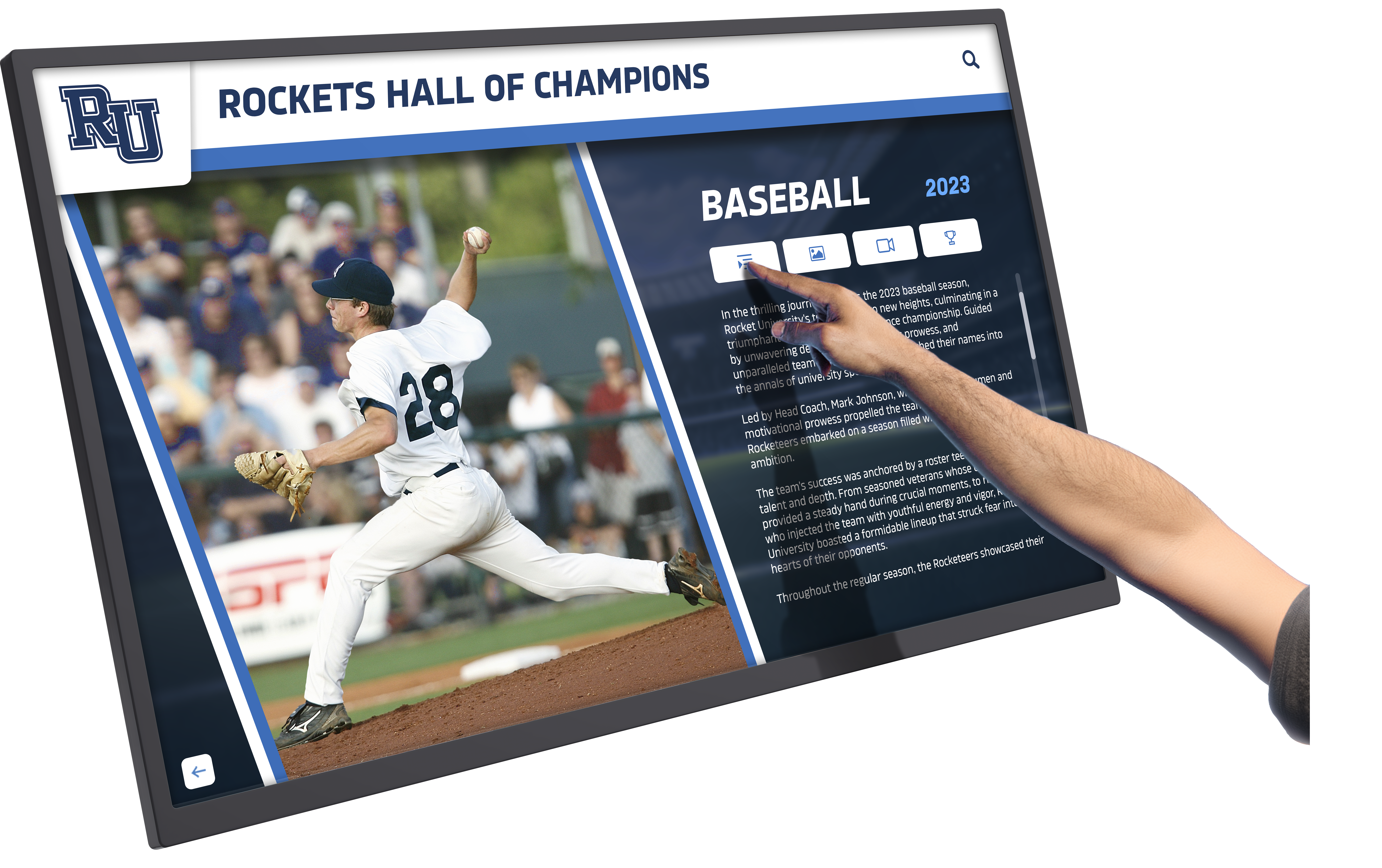
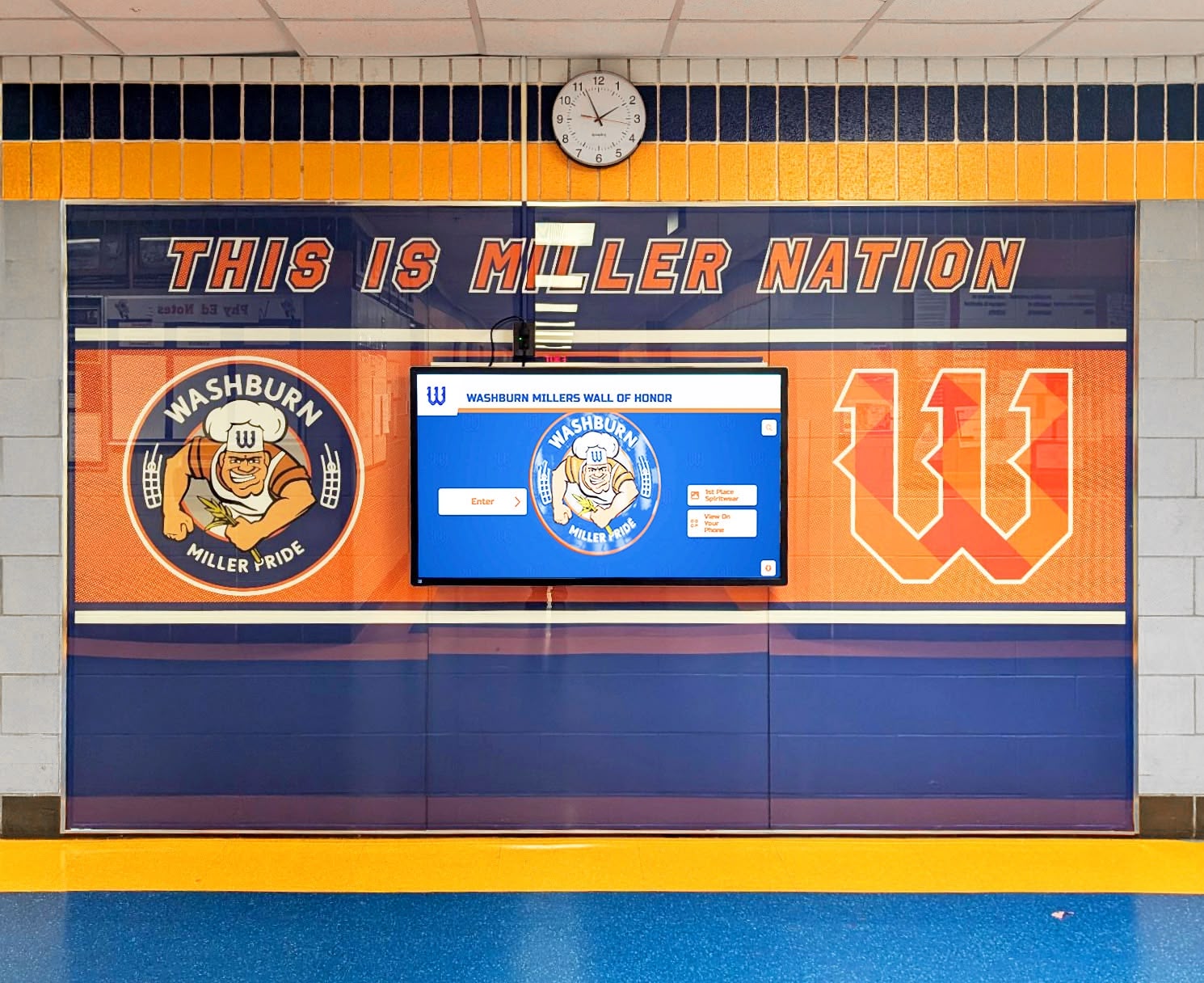
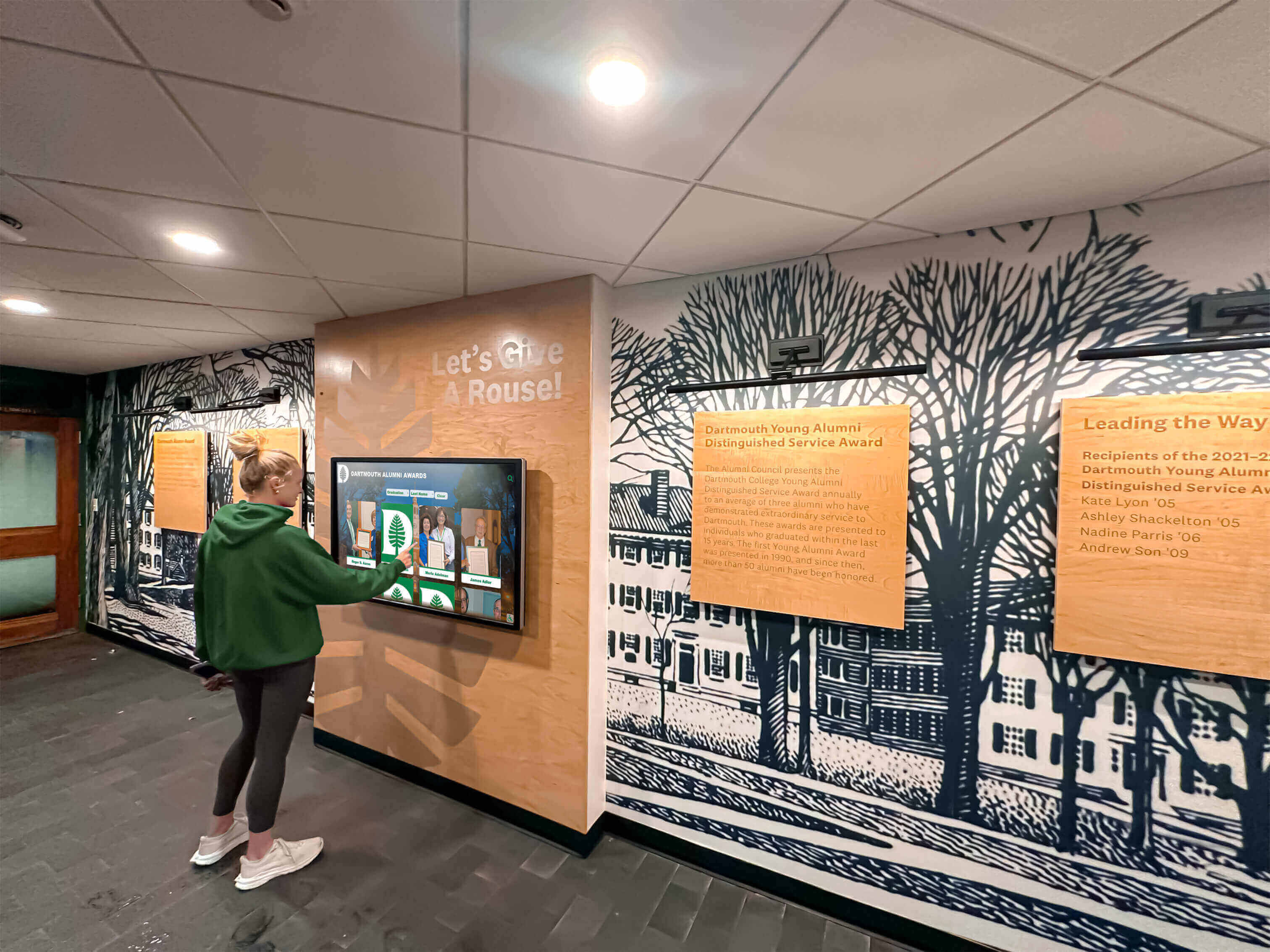
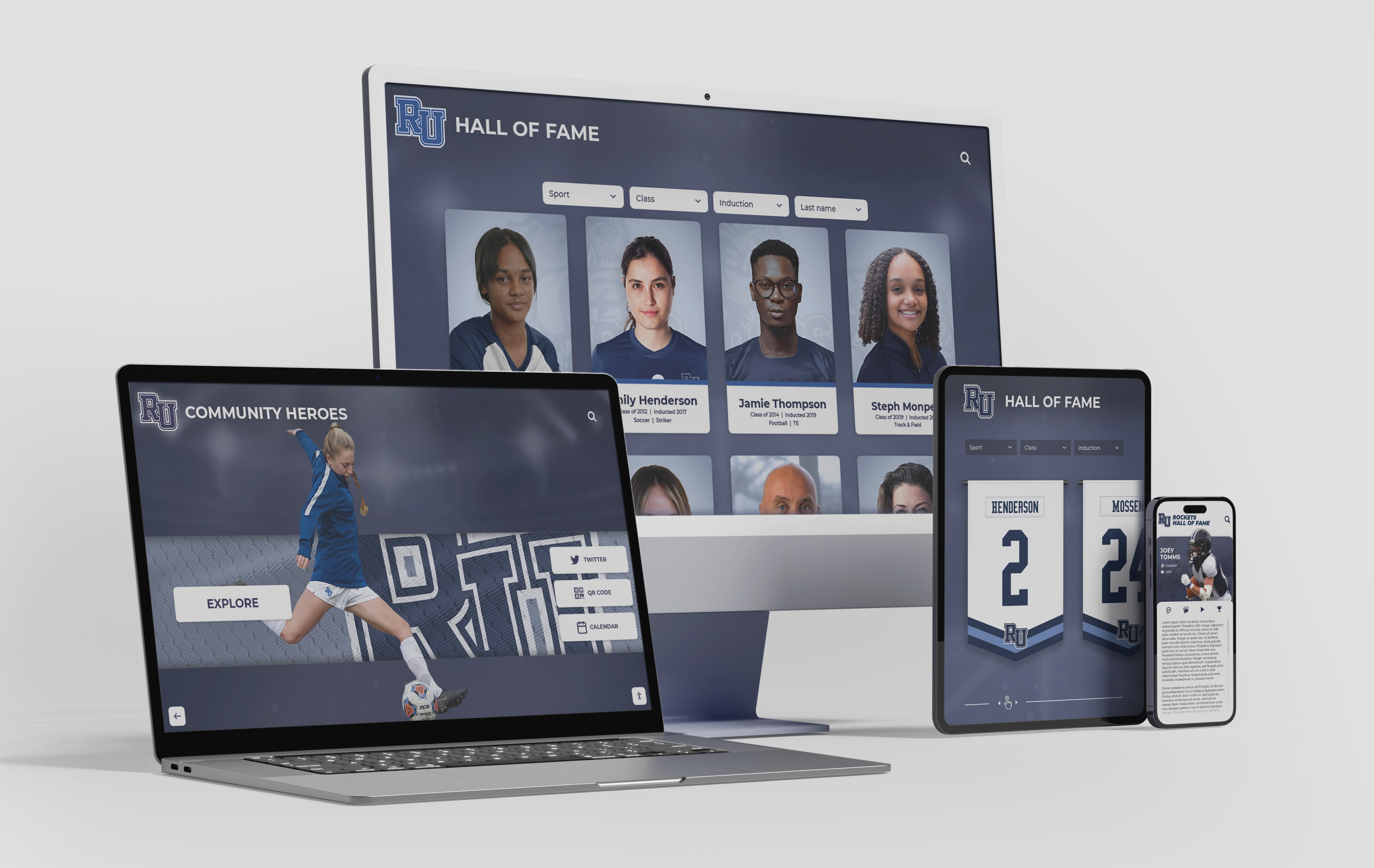
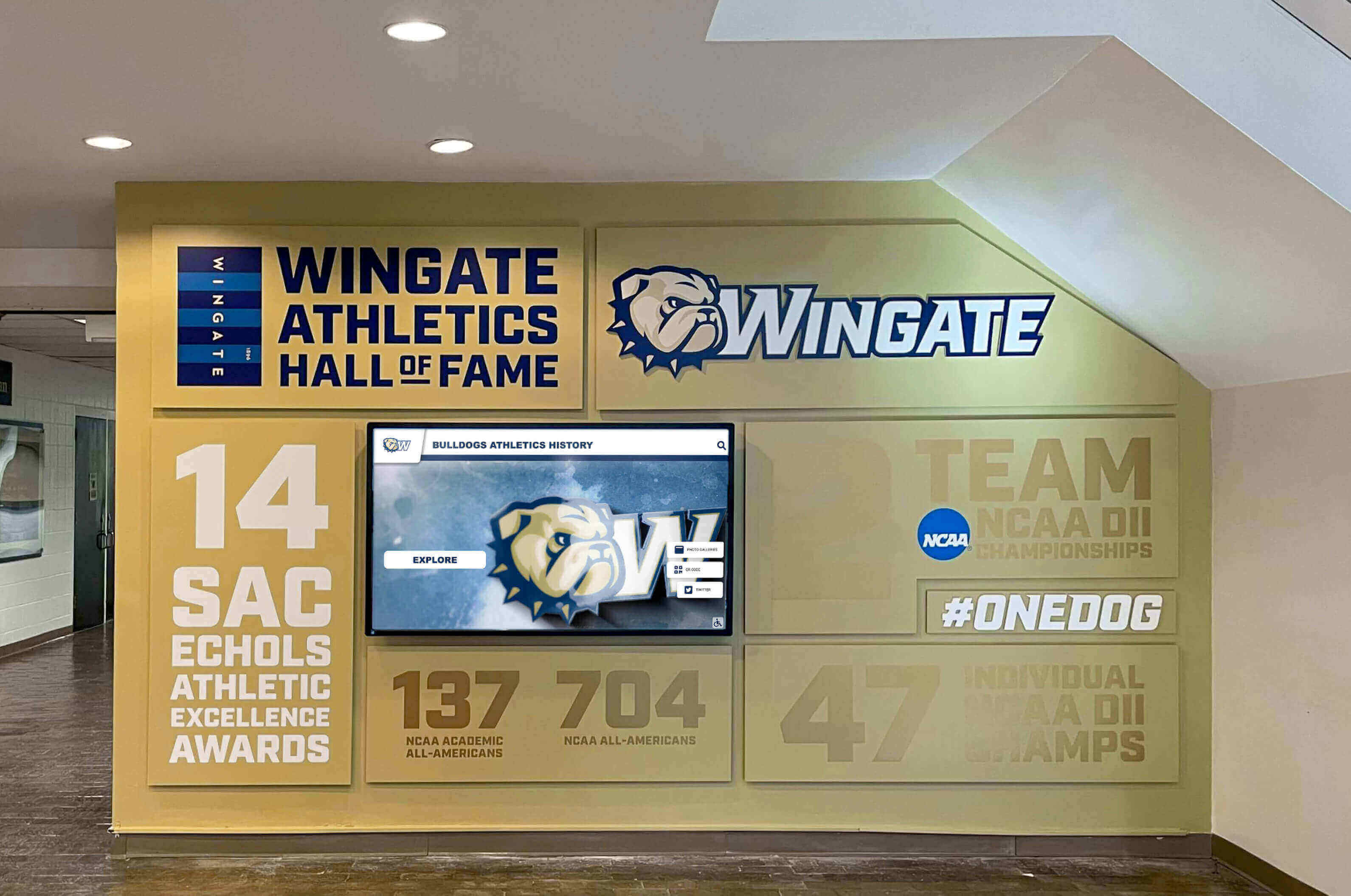
Interactive touchscreen displays represent the most sophisticated digital recognition approach, combining visual impact with rich content and exploration capabilities. Large-format touchscreens (typically 43"-75") installed in lobbies, entrance halls, or donor lounges enable visitors to browse donor information, search for specific supporters, view campaign progress, and explore stories showing how contributions create impact.
Core Capabilities:
Unlimited Capacity: Digital platforms accommodate unlimited donors without physical space constraints. Add hundreds or thousands of supporters to the system without purchasing additional wall space or worrying about exhausting recognition capacity.
Rich Multimedia Profiles: Move beyond names and giving levels to tell complete donor stories. Include photographs, videos, biographical information, quotes about why they support your mission, and specific impacts their contributions enabled. This depth creates emotional connections that inspire additional giving.
Real-Time Updates: Instantly recognize new donors, update existing profiles when supporters increase giving levels, showcase campaign progress, and refresh content as organizational needs evolve. No waiting for plaques to arrive, no installation delays, no expensive revision costs.
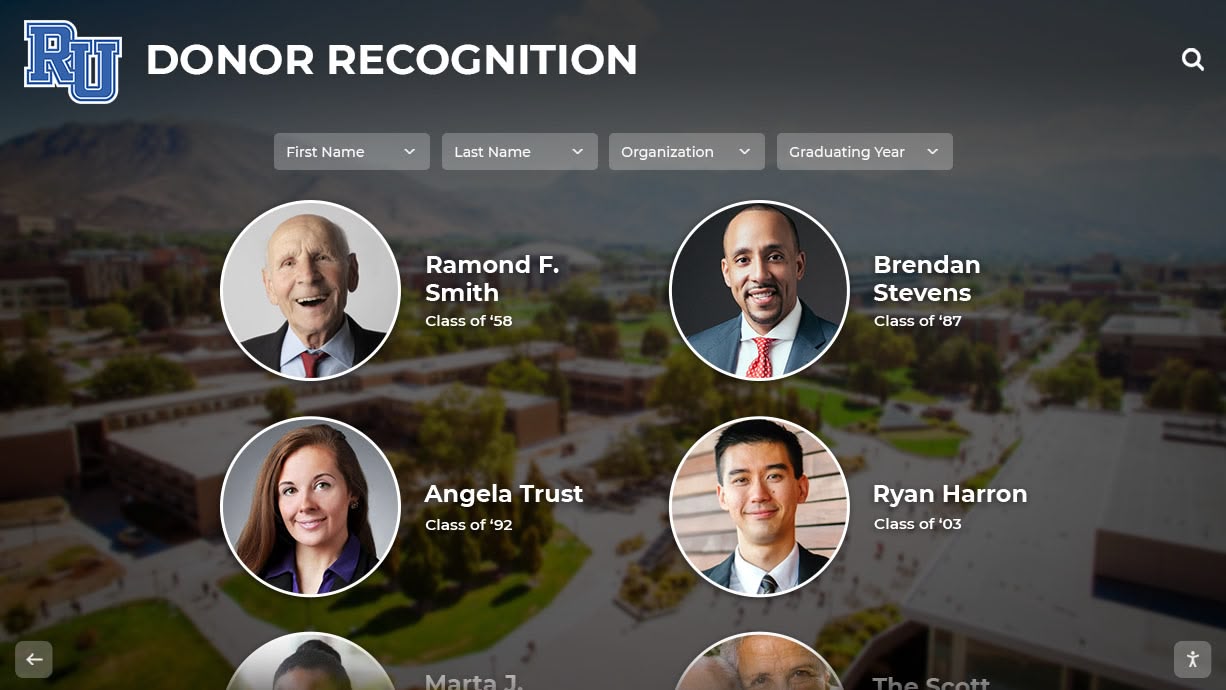
Search and Exploration: Interactive interfaces let visitors find specific donors quickly, browse by giving level or recognition category, filter by class year or affiliation, and discover connections between donors and organizational programs. This functionality particularly benefits organizations with extensive donor lists where locating specific individuals on traditional walls proves challenging.
Analytics and Engagement Tracking: Digital systems provide insights impossible with traditional recognition. Track which donor profiles receive the most views, understand visitor exploration patterns, identify popular content, and measure recognition impact on subsequent giving. These metrics inform future recognition strategies and demonstrate ROI to organizational leadership.
Digital Signage Slideshow Recognition
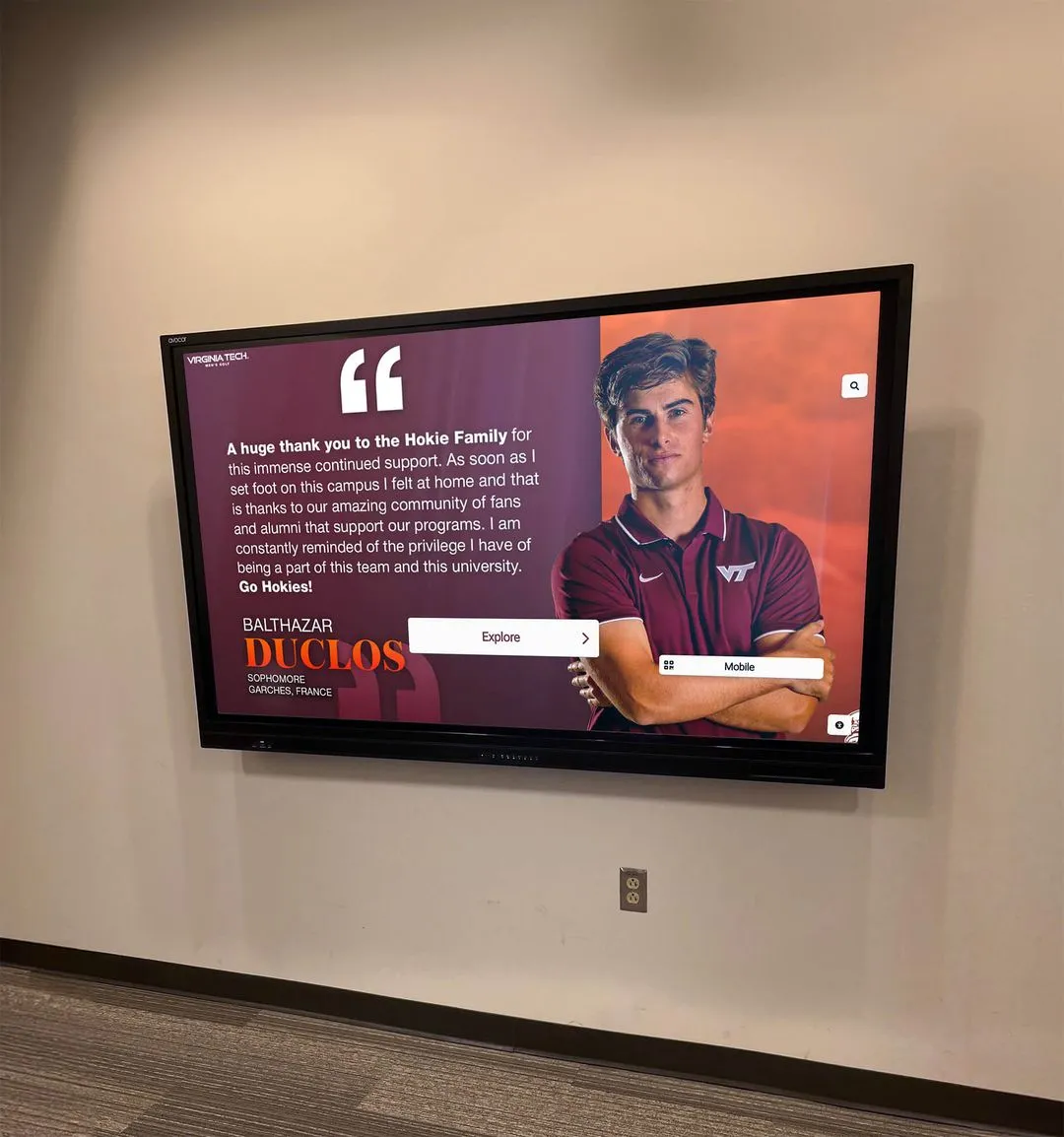
Organizations with limited budgets or simple recognition needs can implement digital signage displays showing rotating donor acknowledgments. Commercial displays or smart TVs installed in visible locations cycle through donor names, quotes, and appreciation messages.
Advantages:
- Lower cost than interactive touchscreen systems
- Simple content management through slideshow software
- Easy updates as new donors are recognized
- Can incorporate campaign progress, impact stories, and calls-to-action
Limitations:
- Passive viewing lacks interactive engagement
- Visitors can’t search for specific donors or explore at their own pace
- Limited content depth compared to interactive platforms
- Less impressive visually than purpose-built recognition systems
This approach works well for smaller organizations, specific campaign recognition during active fundraising periods, or supplemental recognition in locations beyond primary donor walls. Consider pairing digital slideshow recognition in high-traffic areas with more comprehensive recognition (traditional or interactive) in primary locations.
Web-Based Virtual Donor Walls
Digital donor recognition extends beyond physical installations to web-accessible platforms enabling worldwide recognition access. Web-based donor walls serve alumni who can’t regularly visit campus, distributed supporters across geographic regions, and anyone interested in understanding organizational support.
Strategic Benefits:
Extended Reach: Virtual recognition reaches donors and prospects far beyond physical location visits. Alumni across the country can see their recognition, share with family and friends, and feel connected to institutional community despite physical distance.
Social Sharing: Web-based recognition enables donors to share their profiles on social media, amplifying recognition impact and potentially inspiring peer giving. This viral potential multiplies recognition value beyond traditional walls seen only by on-site visitors.
Recruitment and Marketing: Public-facing donor walls demonstrate institutional health and community support to prospective students, families evaluating schools, potential employees, and community members. Robust donor recognition signals organizational stability and mission alignment.
Evergreen Campaign Tools: Virtual donor walls serve as ongoing fundraising infrastructure beyond specific campaigns. Link recognition directly to online giving forms, showcase immediate recognition for new contributors, and create clear pathways from inspiration to action.
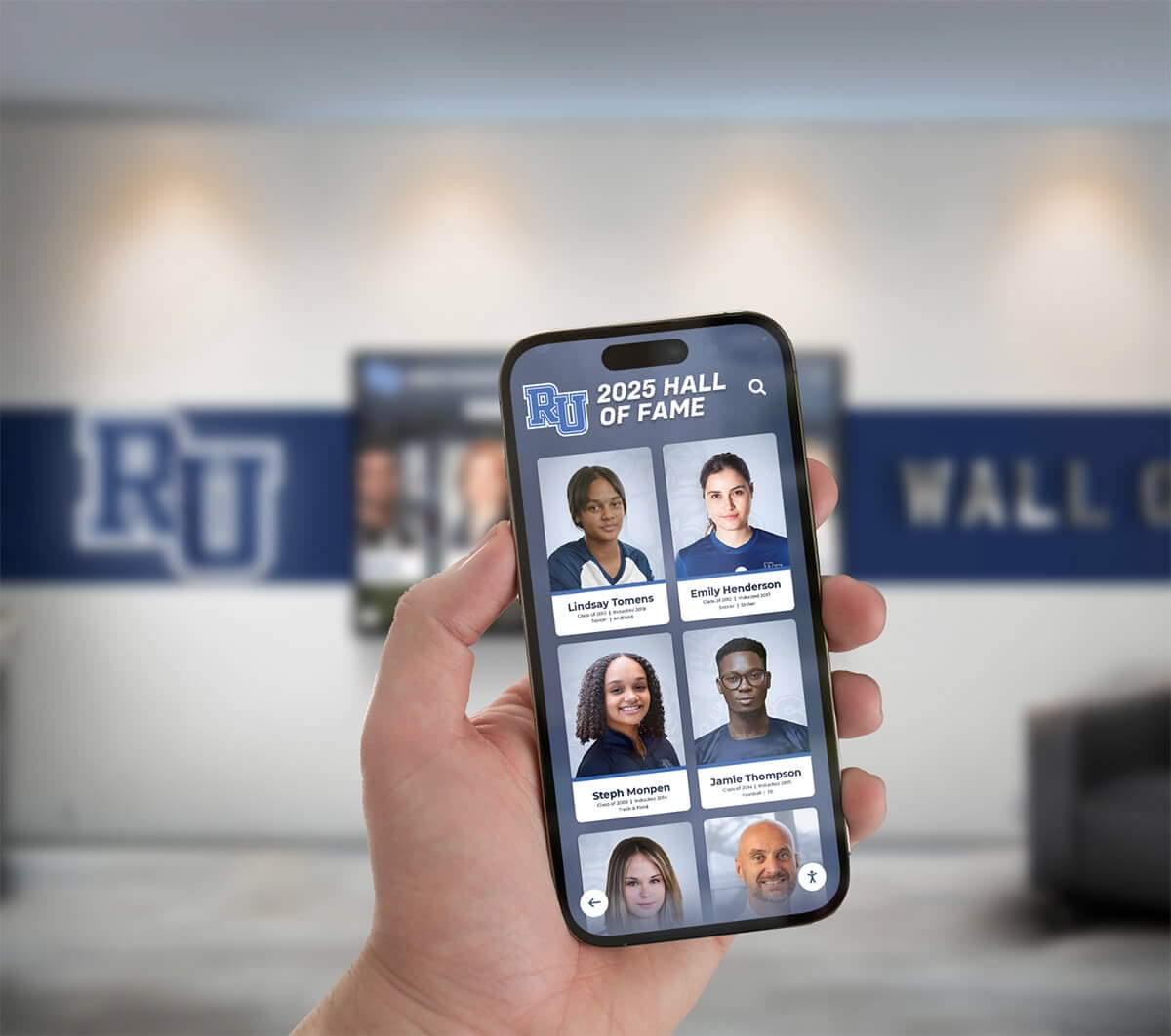
The most effective approaches combine physical and virtual recognition through synchronized platforms. Content administrators update donor information once, with changes appearing simultaneously on physical touchscreen displays and web-accessible virtual walls. This unified approach maximizes efficiency while ensuring consistent recognition across all touchpoints.
Hybrid Recognition Approaches
Many organizations find that combining traditional and digital recognition elements creates optimal solutions balancing donor preferences, aesthetic considerations, and practical functionality. Hybrid approaches leverage the perceived permanence and traditional character of physical elements with the flexibility and storytelling capacity of digital platforms.
Digital Displays with Permanent Name Plaques
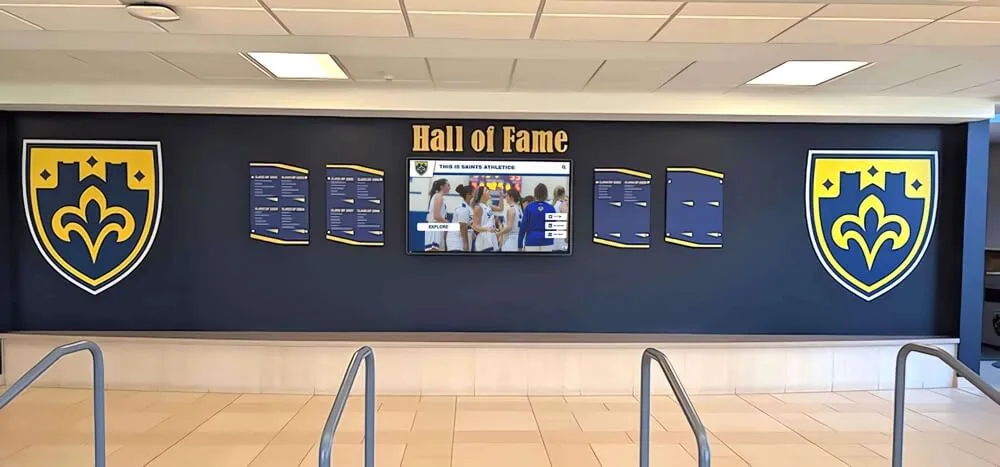
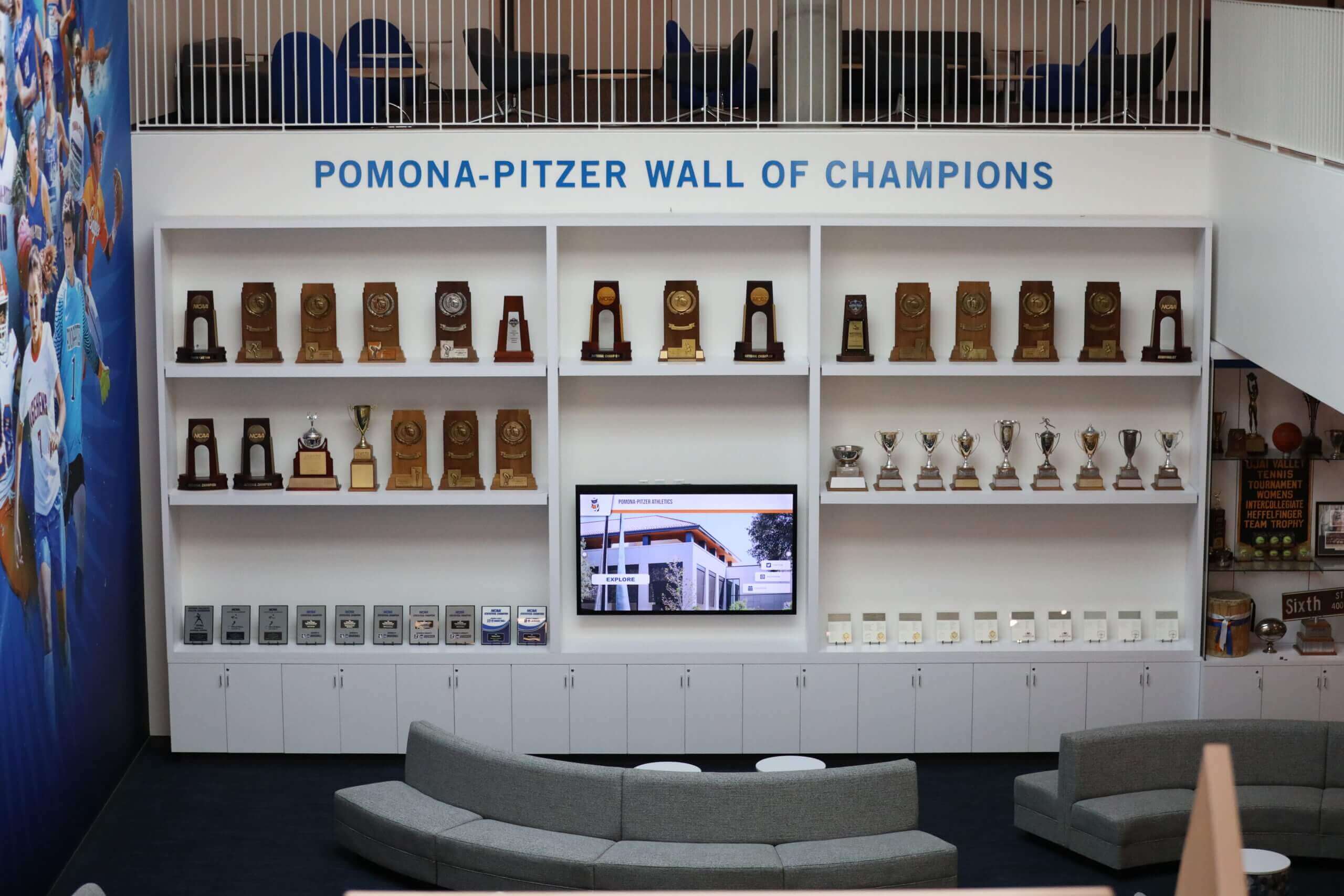
Install digital touchscreen displays showing detailed donor stories, campaign impact, and multimedia content alongside traditional engraved plaques providing permanent name recognition. This combination satisfies donors who value tangible permanence while enabling rich storytelling impossible on static plaques.
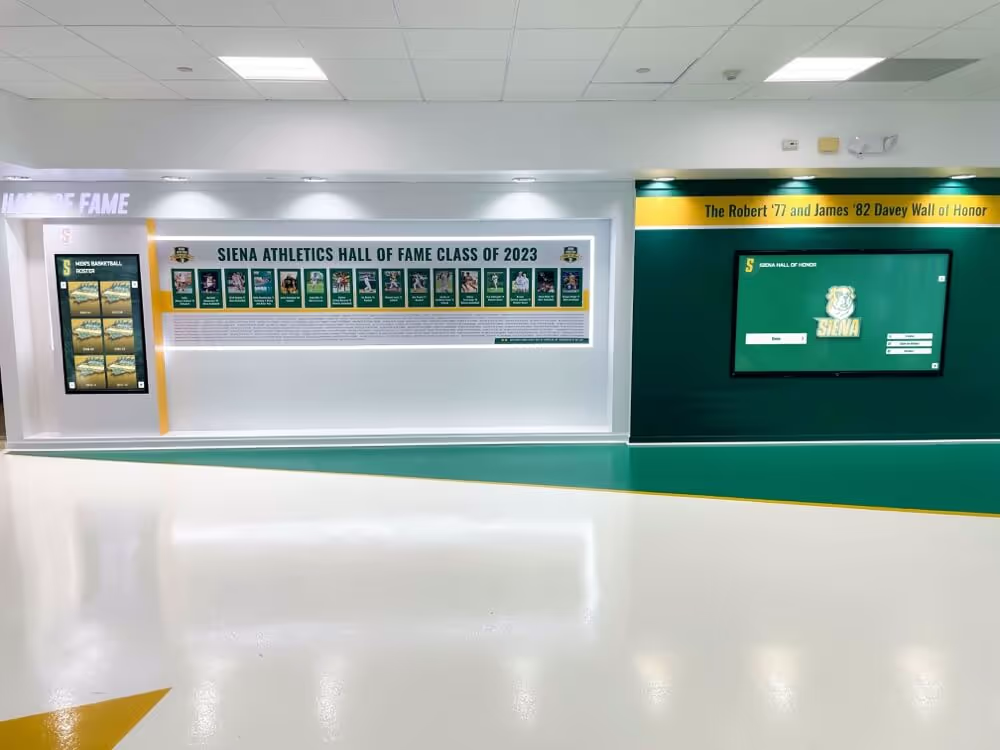
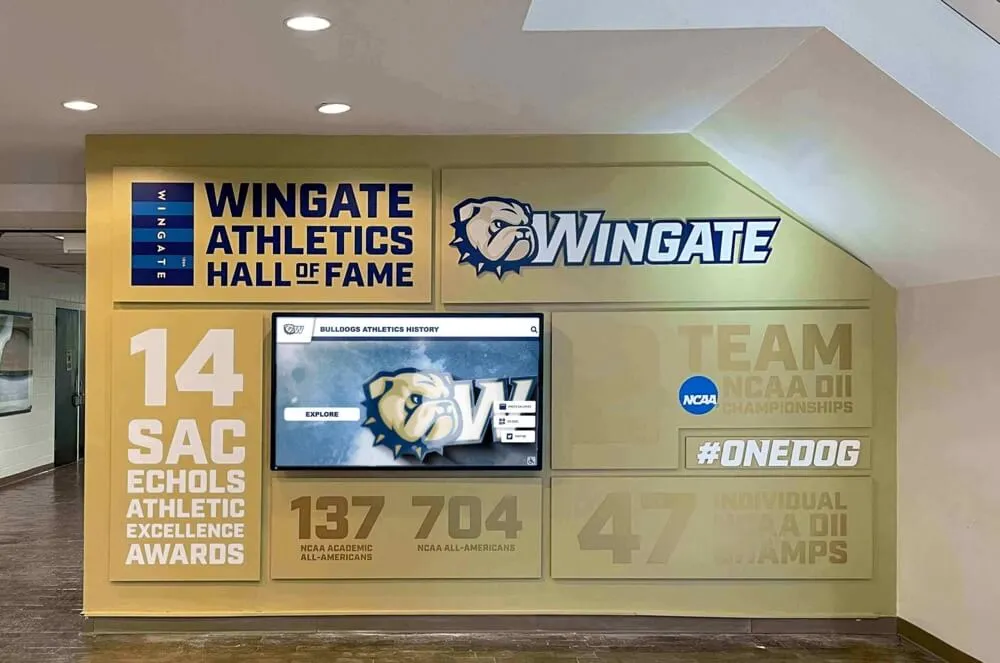
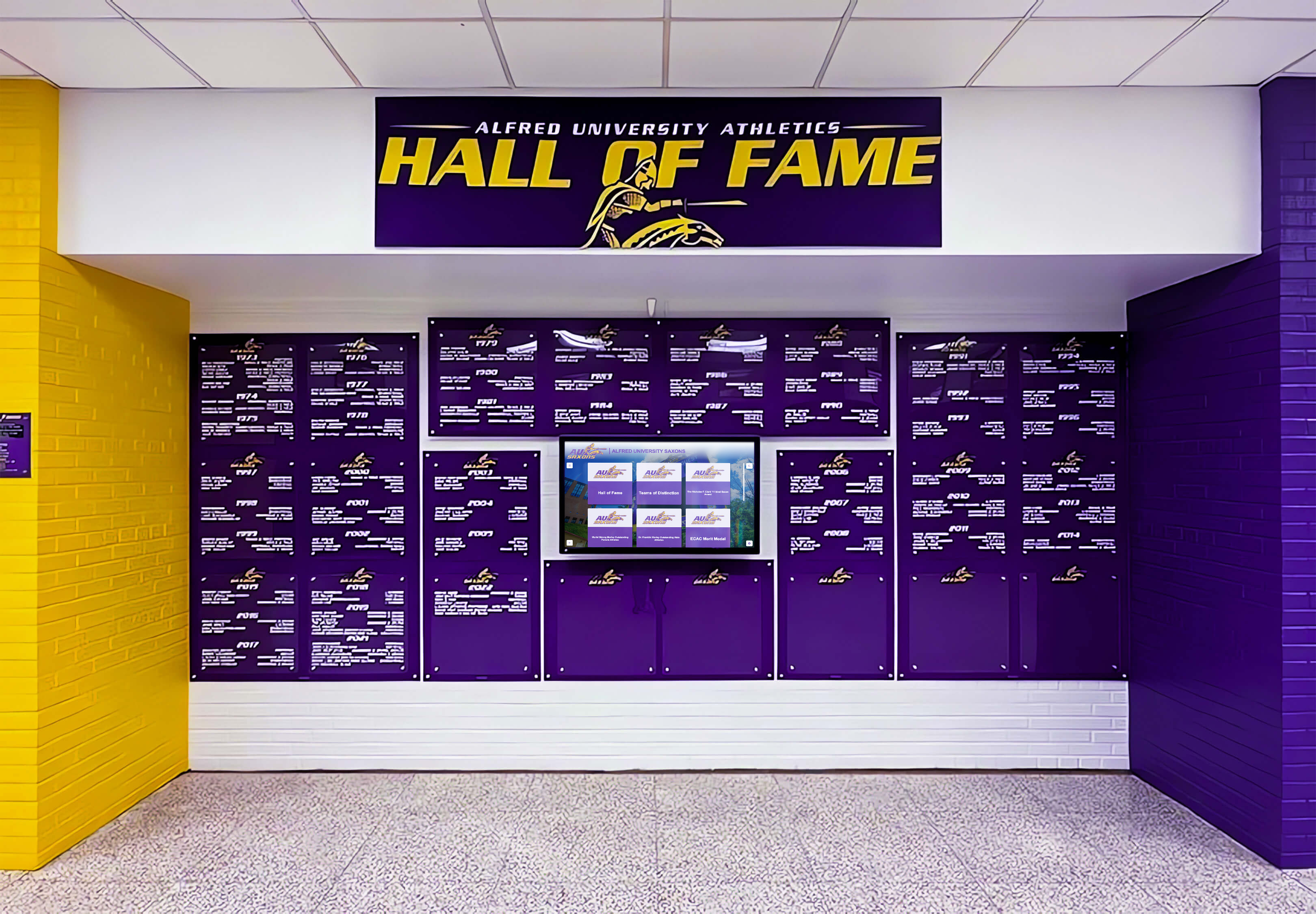
Implementation Example: A university renovation campaign features a prominent donor wall in the lobby with permanent bronze plaques for major supporters at all giving levels. Adjacent to the traditional wall, a large touchscreen display showcases donor profiles, project updates, building history, and impact stories. Visitors can browse names on permanent plaques, then explore deeper stories on the interactive display.
Rotating Digital Recognition of Permanent Donors
Use digital displays to feature detailed spotlights on specific donors while maintaining permanent comprehensive recognition elsewhere. Monthly or seasonal donor spotlights rotate through supporter profiles, celebrating individual stories in depth while acknowledging all contributors through traditional methods.
This approach works particularly well for organizations with extensive donor lists. Rather than overwhelming visitors with hundreds or thousands of names displayed simultaneously, focus attention on specific supporters through rotating features while ensuring everyone receives baseline recognition.
QR Codes Linking Physical and Digital Recognition
Bridge physical installations and digital content through QR codes placed near traditional donor plaques or printed in campaign materials. Supporters and visitors scan codes to access extended profiles, videos, impact reports, and giving opportunities that complement physical recognition.
Advantages:
- Maintains traditional aesthetics without forcing digital elements into classic designs
- Provides enhanced content without requiring expensive interactive hardware
- Enables easy updates to digital content while physical elements remain unchanged
- Engages younger, tech-savvy audiences while respecting traditional donor preferences
Best Practices: Place QR codes prominently with clear instructions about content available through scanning. Test codes regularly to ensure links remain active. Design landing pages specifically for mobile viewing since most visitors will access content on smartphones.
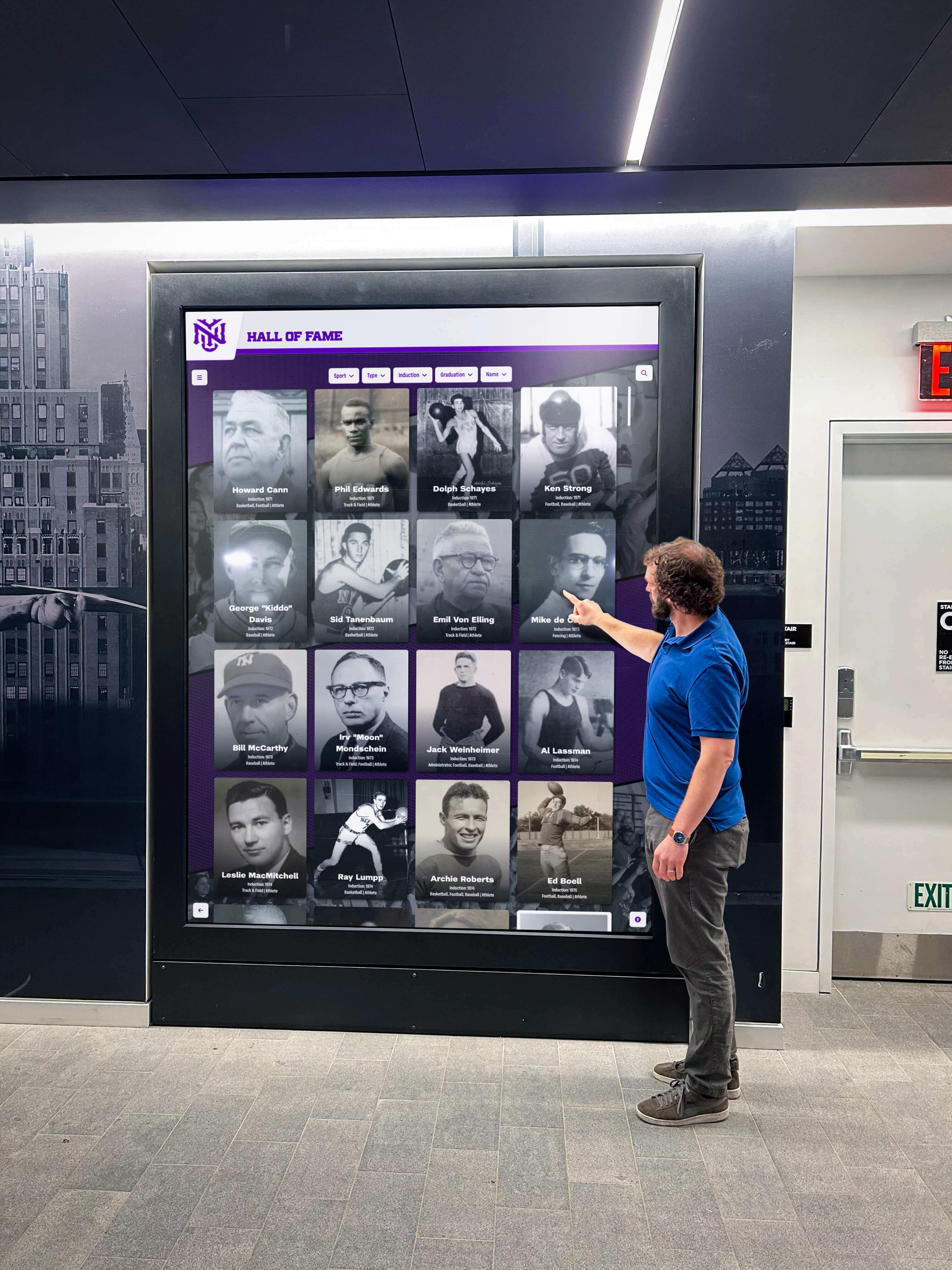
Location Strategy for Maximum Impact
Where you place donor recognition dramatically affects both donor satisfaction and fundraising effectiveness. Strategic location selection considers visibility, foot traffic, donor expectations, aesthetic integration, and advancement objectives.
High-Traffic Gathering Spaces
The most effective donor recognition occupies prominent positions in locations where people naturally gather, wait, and socialize. These spaces provide opportunity for recognition engagement while signaling to prospects that donors receive appropriate acknowledgment.
Ideal Locations:
Main Lobbies and Entrance Halls: First impression spaces ensure maximum visibility for all building visitors. Prominent recognition in entrance areas demonstrates institutional gratitude while showcasing community support to prospective donors, students, employees, and general visitors.
Cafeterias and Student Unions: High daily traffic in these informal gathering spaces exposes recognition to regular building occupants rather than only occasional visitors. Students, faculty, and staff repeatedly encounter donor recognition, building familiarity and appreciation for philanthropic support.
Performing Arts Center Lobbies: Pre-show gathering and intermission periods provide captive audiences naturally positioned to explore donor recognition. Cultural venue donors particularly appreciate recognition in spaces where their support directly enables programming.
Athletic Facility Entrances: Stadium and arena lobbies attract event attendance plus daily athletic program traffic. Donor recognition in sports facilities works particularly well for athletic program supporters and capital campaigns funding facility construction or renovation.
Spaces Named for Major Donors
Buildings, wings, or rooms named for principal donors should include recognition displays explaining the donor’s connection to the space and their support story. This contextualized recognition helps visitors understand why the space bears a particular name while honoring donor generosity appropriately.
Place recognition displays near room entrances or in interior spaces where occupants will repeatedly see acknowledgment. Consider both formal plaques for permanent recognition and digital displays providing deeper donor stories and impact context.
Donor-Exclusive Spaces
Some organizations create donor lounges, society rooms, or exclusive gathering spaces specifically for supporters meeting certain giving thresholds. These private or semi-private areas provide elevated recognition environments while offering tangible benefits that incentivize major giving.
Recognition Opportunities:
- Prominent individual recognition for society members
- Historical displays showing giving society evolution
- Exclusive event hosting in donor spaces
- Premium recognition in appreciation events
The key is making donor spaces genuinely valuable rather than empty rooms with name plaques. Successful donor lounges offer superior amenities, preferred event access, networking opportunities, or other benefits that justify exclusive status.
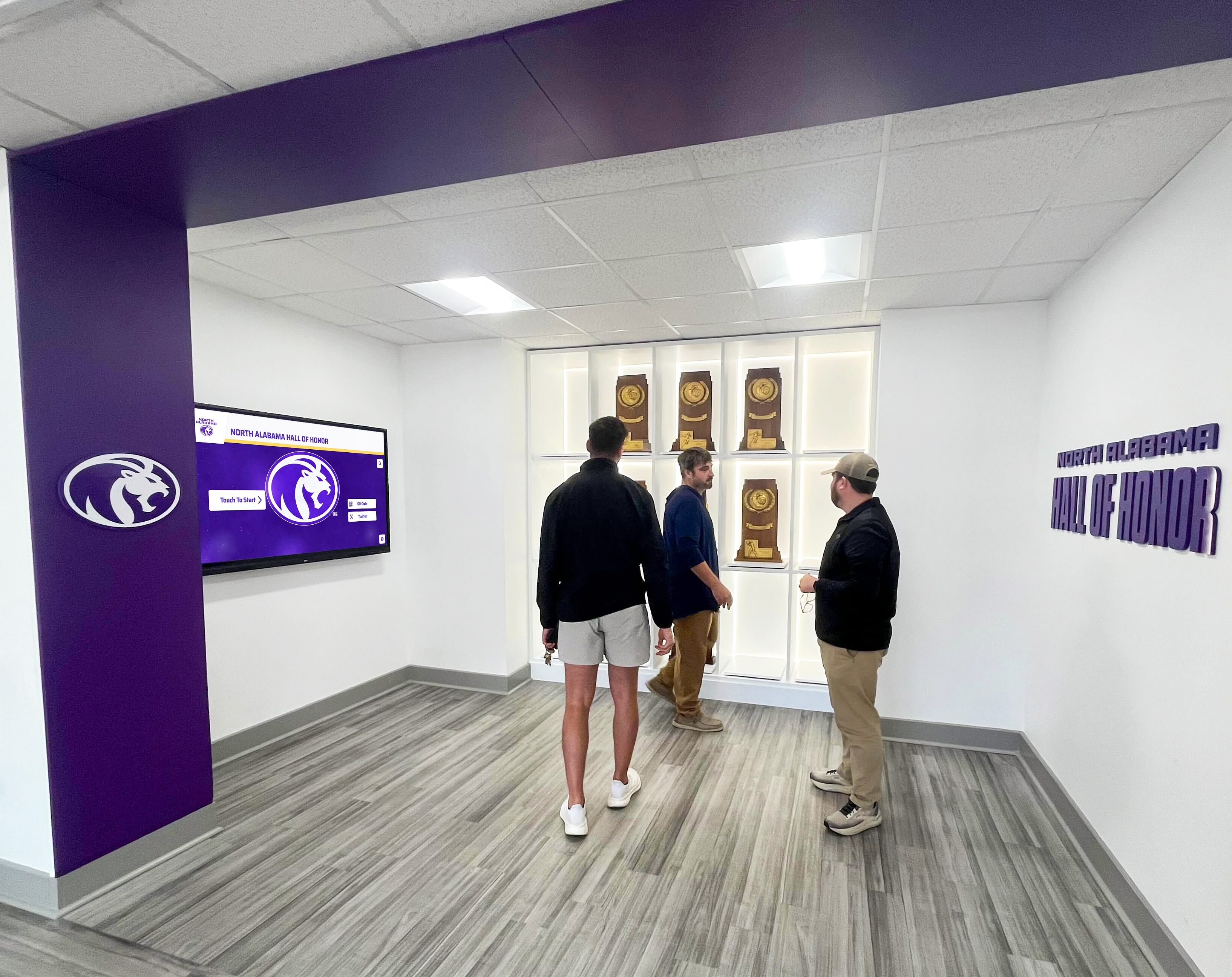
Creative Donor Recognition Themes and Categories
Moving beyond simple giving level tiers, creative recognition themes align donor acknowledgment with organizational identity, campaign objectives, or institutional values. Thematic organization makes recognition more meaningful while creating narrative frameworks that inspire giving.
Mission-Aligned Recognition Categories
Organize donors by program areas their contributions support rather than solely by dollar amounts. Schools might recognize scholarship supporters separately from athletic donors, facility improvement contributors, and academic program investors. Nonprofits could categorize donors by service areas (housing support, food security, youth programs, etc.).
Fundraising Benefits:
- Allows donors to see direct connection between their support and specific outcomes
- Creates multiple “top tier” recognition opportunities across different categories
- Enables smaller gifts to receive prominent recognition within niche areas
- Tells clearer impact stories than generic giving level tiers
Example Structure: A performing arts center organizes donor recognition by program support: Music Education Patrons, Theatre Restoration Supporters, Season Programming Champions, Youth Arts Benefactors, and Facility Excellence Partners. Each category features dedicated recognition areas highlighting specific impacts rather than generic acknowledgment walls.
Legacy and Named Opportunity Recognition
Recognize donors who establish named scholarships, endowed positions, named facilities, or other legacy gifts differently than annual donors. These transformational commitments deserve distinct recognition reflecting permanence and lasting impact.
Recognition Approaches:
- Dedicated legacy donor displays separate from annual giving recognition
- Detailed profiles explaining named opportunities and donor motivations
- Impact reporting showing how named gifts create ongoing benefits
- Stewardship content tracking named gift recipients and outcomes
Many academic recognition programs specifically highlight donors who enable educational excellence through endowed scholarships and academic support.
Generational and Family Recognition
Highlight multi-generational giving families or legacy donors with long support histories. This recognition strategy strengthens family connections to institutions while modeling sustained engagement for newer supporters.
Content Ideas:
- Family giving timelines showing decades of support
- Multi-generational donor profiles featuring parents, children, and grandchildren
- Legacy society recognition for supporters with sustained giving records
- Historical context showing how family support enabled institutional evolution
This approach works particularly well for educational institutions with strong alumni cultures, religious organizations with multi-generational congregations, and community nonprofits with deep local roots.
Tribute and Memorial Recognition
Many supporters give in honor or memory of loved ones. Creating dedicated recognition areas for tribute gifts provides meaningful acknowledgment while offering giving opportunities to supporters who might not otherwise donate at major levels.
Sensitive Implementation:
- Use dignified, respectful design appropriate for memorial purposes
- Include space for brief tributes or remembrances beyond basic names
- Allow donors to share relationships and commemoration context
- Consider anniversary recognition for memorial gifts on significant dates
Nonprofit donor walls often incorporate special tribute sections acknowledging donors who give in honor of others.
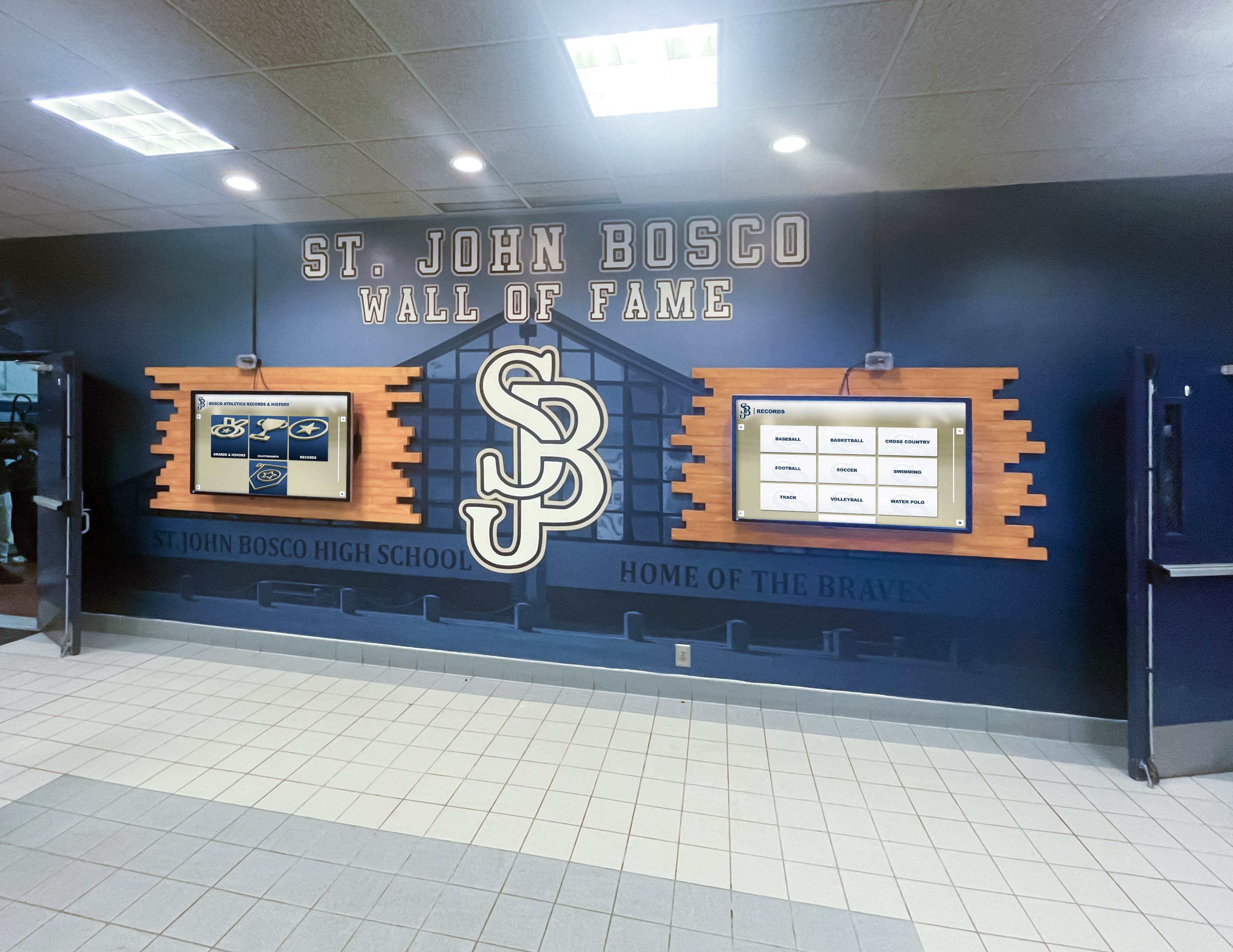
Fundraising Strategies Through Recognition Design
Thoughtful donor recognition isn’t just acknowledgment—it’s strategic fundraising infrastructure that inspires additional giving, upgrades donor commitments, and creates culture celebrating philanthropic support. Design recognition systems intentionally to maximize fundraising impact.
Visible Campaign Progress Tracking
Incorporate real-time campaign progress visualization into donor recognition displays. Show fundraising goals, dollars raised, donor participation rates, and progress toward objectives. This transparency demonstrates momentum while creating urgency for prospects to join successful campaigns.
Effective Progress Displays:
- Visual thermometers or progress bars showing percentage toward goals
- Donor participation counts demonstrating broad community support
- Countdown timers for time-limited campaign phases
- Impact metrics showing outcomes enabled by contributions
Digital recognition platforms make progress tracking particularly effective since updates occur instantly as gifts arrive rather than requiring physical sign changes that quickly become outdated during active campaigns.
Aspirational Recognition Tiers
Create giving level names and recognition presentations that inspire donors to stretch commitments. Position recognition not just as acknowledgment for past gifts but as aspirational identity that donors want to claim through increased support.
Naming Strategy: Use recognition tier names that donors aspire to join: Founders Circle, Visionaries, Champions, Benefactors. These identity-forward labels create emotional appeal beyond transactional giving levels. Donors increasingly give to claim aspirational recognition identities rather than simply clearing monetary thresholds.
Visual Hierarchy: Design recognition displays where higher giving tiers receive noticeably superior placement, size, or treatment without diminishing lower-level supporters. The goal is making major donor recognition aspirational while maintaining dignity for all supporters.
Upgrade Pathway Clarity
Make donor upgrade pathways explicit through recognition design. Show current donors what additional recognition they would receive by increasing giving levels, how close they are to next tiers, and what enhanced recognition looks like.
Digital Platform Advantages: Interactive systems can personalize upgrade messaging when donors view their own profiles. “Thank you for your Patron-level support. Consider increasing to Benefactor status for enhanced recognition and exclusive benefits.” This targeted stewardship occurs naturally through recognition exploration without requiring separate advancement communications.
Peer Influence and Social Proof
Donor recognition creates powerful peer influence by making support visible to social and professional networks. Prospective donors see colleagues, friends, and community leaders recognized, creating social pressure and modeling appropriate giving levels.
Maximizing Peer Influence:
- Organize recognition by natural peer groups (class years, professional affiliations, neighborhoods)
- Show participation rates within specific cohorts (“45% of Class of 1995 have contributed”)
- Enable donors to see which friends and connections have given
- Create friendly competition through class giving challenges with recognition for winning years
This peer influence effect makes donor recognition particularly valuable in alumni fundraising, membership organizations, and community-based nonprofits where social networks drive philanthropic participation.
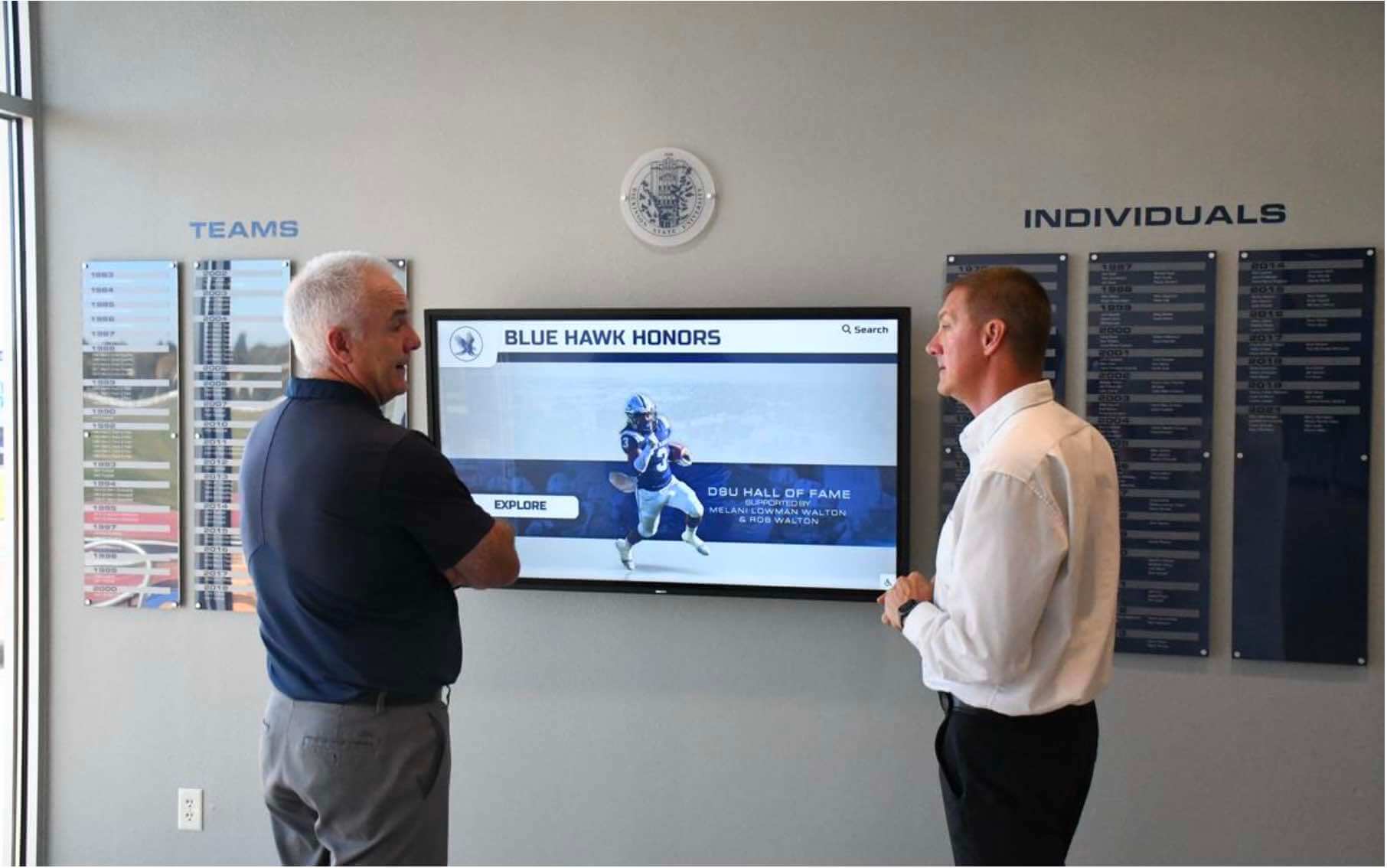
Budget Considerations and Cost Factors
Donor recognition investments range from modest projects accessible to small organizations to major installations costing hundreds of thousands. Understanding cost factors helps organizations budget appropriately while maximizing value within available resources.
Traditional Recognition Costs
Individual Plaques:
- Basic engraved nameplates: $50-$150 per plaque
- Premium materials (bronze, brass): $200-$500 per plaque
- Custom plaques with logos or designs: $300-$800 per plaque
- Installation labor: $50-$150 per plaque
Complete Donor Walls:
- Basic modular plaque systems: $5,000-$15,000 for 50-100 donors
- Custom-designed donor walls: $20,000-$75,000 depending on materials and complexity
- Premium installations with architectural integration: $75,000-$250,000+ for major projects
- Brick paver systems: $25-$75 per brick plus installation infrastructure
Long-Term Costs: Traditional recognition requires minimal ongoing costs but becomes expensive when updates are needed. Adding new plaques, reorganizing to accommodate growth, or refreshing deteriorating recognition can cost thousands or tens of thousands depending on project scope.
Digital Recognition Platform Costs
Interactive Touchscreen Systems:
- Entry-level systems (43" display, basic software): $8,000-$15,000
- Mid-range solutions (55" display, professional software, installation): $15,000-$35,000
- Premium installations (large-format displays, custom design, comprehensive features): $35,000-$75,000
- Multiple-display networks: $50,000-$150,000+ depending on scale
Ongoing Expenses:
- Annual software subscriptions: $1,500-$6,000
- Hosting and maintenance: $500-$2,000 annually
- Content updates and management: $0-$3,000 annually depending on internal capacity vs. vendor services
Total Cost of Ownership: While digital solutions require higher upfront investment, the ongoing flexibility, unlimited capacity, and ease of updates often create better long-term value than traditional recognition requiring expensive renovations as programs grow.
Value Optimization Strategies
Phased Implementation: Begin with focused recognition for major donors or specific campaigns, expanding to comprehensive displays as budgets allow. This phased approach makes premium recognition accessible while demonstrating value that justifies future investment.
Hardware Flexibility: Consider software platforms that work with various display hardware rather than proprietary systems requiring specific equipment. This flexibility allows starting with more modest displays, upgrading hardware over time, or integrating with existing infrastructure.
Hybrid Approaches: Combine premium recognition for major donors with more budget-friendly approaches for broader supporter acknowledgment. Digital displays for primary recognition plus printed materials, web-based virtual walls, or rotating slideshow recognition create comprehensive acknowledgment within constrained budgets.
Recognition as Fundraising Investment: Frame donor recognition as fundraising infrastructure rather than pure expense. Effective recognition drives additional giving, upgrades existing donor commitments, and supports capital campaigns. Calculate recognition ROI based on incremental donations it inspires rather than simply installation costs.
Design Best Practices Across Recognition Types
Regardless of specific approaches selected, certain design principles consistently produce recognition that effectively honors donors while supporting advancement objectives.
Professional Presentation Quality
Donor recognition reflects institutional quality and professionalism. Amateurish design, poor materials, or sloppy execution suggests similar carelessness in organizational operations. Invest in professional design and quality materials appropriate to your context—donors deserve recognition that reflects the seriousness of their commitments.
Quality Markers:
- Professional graphic design with institutional branding consistency
- Premium materials appropriate to location and use context
- Careful typography and layout without errors or awkward spacing
- Quality installation without visible damage, poor alignment, or construction deficiencies
- Regular maintenance keeping recognition clean, functional, and presentable
Budget-constrained organizations should do smaller-scale recognition well rather than extensive poor-quality acknowledgment. Better to recognize 50 major donors professionally than 500 supporters poorly.
Clear Information Hierarchy
Organize recognition to guide viewer attention logically. Use size, placement, color, or spacing to create clear hierarchy without confusing layouts or overwhelming visual complexity.
Hierarchy Principles:
- Most important information (major donors, campaign totals, key messages) receives prominent placement
- Consistent organization helps visitors navigate recognition easily
- Grouping related information creates logical sections
- White space prevents overcrowded, cluttered appearance
- Progressive disclosure (general to specific) enables efficient exploration
Digital platforms particularly benefit from clear hierarchy since interactive navigation depends on intuitive information organization.
Accessibility Considerations
Design recognition accessible to all visitors including those with visual, mobility, hearing, or cognitive disabilities. Accessibility benefits everyone while ensuring legal compliance and demonstrating inclusive values.
Accessibility Requirements:
- Readable text sizes and high contrast for visual accessibility
- Touchscreen interface elements large enough for users with limited dexterity
- Screen reader compatibility for vision-impaired users accessing digital content
- Mounting heights accommodating wheelchair users and children
- Audio options for visitors who can’t read printed content
- Simple, intuitive navigation for users with cognitive differences
Organizations implementing digital recognition should reference WCAG (Web Content Accessibility Guidelines) standards ensuring platforms serve all users effectively. Interactive touchscreen solutions increasingly incorporate universal design principles supporting diverse users.
Storytelling Through Impact Context
Move beyond simple name lists to contextualize donor support through impact stories. Show what donations enabled: scholarships awarded, facilities built, programs created, lives changed. This narrative approach makes recognition meaningful while reinforcing the connection between philanthropy and mission advancement.
Story Elements:
- Specific outcomes donor support created
- Beneficiary testimonials and stories
- Before/after comparisons showing transformation
- Quantified impacts (students served, meals provided, research discoveries)
- Visual storytelling through photos and videos
The most compelling donor recognition balances appropriate acknowledgment with mission storytelling that keeps focus on organizational purpose rather than donor ego. Recognition should answer “why did they give?” and “what did their support accomplish?” as much as “who gave how much?”
Donor Recognition for Different Organization Types
While core recognition principles remain consistent, specific organization types face unique considerations requiring tailored approaches.
Educational Institutions
Schools, colleges, and universities balance multiple donor constituencies requiring recognition: annual fund supporters, major gift donors, alumni giving societies, scholarship creators, facility namers, and more. Educational donor recognition often emphasizes legacy, tradition, and multi-generational family giving.
Key Considerations:
- Alumni-focused recognition highlighting class years and student experiences
- Academic program recognition showing donor support across disciplines
- Athletic and arts program donors requiring specialized acknowledgment
- Scholarship donor recognition connecting to recipient outcomes
- Building and facility recognition for capital campaign supporters
Educational institutions benefit from dual environments providing both on-campus physical recognition and web-accessible virtual walls enabling worldwide alumni engagement. Alumni event planning often incorporates donor recognition displays as focal points for gatherings celebrating philanthropic support.
Nonprofit Organizations
Nonprofits across healthcare, social services, arts, environment, and community development face distinct recognition challenges balancing donor acknowledgment with mission focus. Nonprofit recognition should emphasize impact and beneficiary outcomes rather than institutional glory.
Effective Approaches:
- Program-specific recognition showing support by service area
- Impact storytelling featuring beneficiary success stories
- Community donor recognition building local ownership
- Corporate and foundation recognition alongside individual donors
- Volunteer recognition integrated with financial supporter acknowledgment
Many nonprofits implement recognition during annual gala events where supporters gather to celebrate organizational impact and philanthropic community.
Religious Organizations
Churches, synagogues, mosques, and other religious institutions balance recognition with theological concerns about pride, modesty, and appropriate acknowledgment. Some traditions resist prominent donor recognition as contradicting religious values emphasizing anonymous giving and humble service.
Culturally Appropriate Recognition:
- Emphasize collective achievement over individual prominence
- Use terminology aligned with religious language and values
- Focus recognition on ministry outcomes rather than donors themselves
- Consider memorial and tribute giving as primary recognition forms
- Implement recognition that honors without conflicting with modesty values
Religious organizations should consult denominational guidelines and congregational preferences before implementing donor recognition, ensuring approaches align with theological convictions and community culture.
Healthcare and Medical Facilities
Hospitals, clinics, and medical research institutions recognize donors supporting facility construction, equipment acquisition, program expansion, and research funding. Healthcare recognition often emphasizes healing, hope, and medical advancement.
Healthcare-Specific Approaches:
- Equipment and technology recognition showing donor-funded medical capabilities
- Research funding recognition highlighting scientific discoveries and medical breakthroughs
- Patient care facility recognition in welcoming, healing environments
- Memorial recognition honoring loved ones while maintaining appropriate clinical environments
- Physician and staff recognition integrated with philanthropic acknowledgment
Healthcare environments require particularly careful attention to professional presentation, healing aesthetics, and recognition placement that acknowledges donors without compromising clinical function or patient experience.
Implementation Timeline and Process
Successful donor recognition requires thoughtful planning, stakeholder engagement, and careful execution. Understanding typical implementation timelines helps organizations plan appropriately while avoiding rushed decisions or unrealistic expectations.
Planning Phase (2-4 Months)
Stakeholder Engagement: Begin by convening key stakeholders including development leadership, major donors or donor representatives, facility managers, communications staff, and organizational leadership. Gather input on recognition priorities, preferences, constraints, and success criteria.
Needs Assessment: Evaluate current recognition approaches, donor satisfaction with existing acknowledgment, advancement goals, budget parameters, and technical requirements. Document gaps between current reality and desired recognition outcomes.
Approach Selection: Research recognition options across traditional, digital, and hybrid approaches. Visit installations at peer organizations, review vendor proposals, and evaluate approaches against established criteria. Select general direction (traditional plaques, interactive digital, hybrid, etc.) before detailed planning.
Donor Input: Directly consult major donors about recognition preferences. Some strongly prefer traditional permanence while others embrace digital innovation. Understanding donor expectations early prevents expensive mid-project changes or dissatisfaction with completed recognition.
Design and Development (2-6 Months)
Vendor Selection: For organizations outsourcing design and implementation, evaluate vendors on experience with similar projects, design capabilities, technical competence, support offerings, and value. Request detailed proposals including timelines, costs, and deliverables. Check references thoroughly with organizations implementing comparable recognition.
Content Development: Gather donor information including names, giving levels, contribution dates, biographical details, photographs, quotes, and impact stories. This content collection often proves more time-consuming than anticipated—start early and involve donor relations teams familiar with supporter histories.
Design Refinement: Work iteratively through recognition design including layout, color schemes, typography, materials, and content organization. Present concepts to stakeholders and representative donors for feedback before finalizing approaches. Budget extra time for revisions and refinement.
Technical Planning: For digital recognition, address technical requirements including network connectivity, electrical installation, mounting and installation logistics, content management training, and ongoing maintenance protocols. Coordinate with IT and facilities teams early in planning.
Installation and Launch (1-3 Months)
Construction and Installation: Traditional recognition installation may require several days to weeks depending on project scope. Digital systems typically install faster but require technical configuration and content loading. Schedule installation during low-traffic periods to minimize disruption.
Testing and Quality Assurance: Before public launch, thoroughly test all recognition functionality. Verify every donor name for accuracy, test all interactive features, ensure accessibility compliance, confirm visual quality, and validate that recognition meets original specifications. Donor name errors create embarrassment and relationship damage—prevention is essential.
Launch Event: Consider hosting formal recognition unveiling events that celebrate supporters, demonstrate organizational gratitude, and create publicity for philanthropic culture. Launch events provide opportunities for major donor appreciation, media coverage, and inspiring additional giving.
Training: Train staff responsible for recognition management including adding new donors, updating information, addressing technical issues, and leveraging recognition in advancement activities. Comprehensive training prevents recognition from becoming outdated or poorly maintained after installation.
Ongoing Management and Stewardship
Recognition implementation is just the beginning—long-term success requires active management, regular updates, and strategic integration with advancement programs.
Regular Content Updates
Immediate Recognition: Establish processes for promptly recognizing new donors. Digital systems enable same-day or next-day recognition—leverage this capability to demonstrate responsiveness and gratitude. Delayed recognition diminishes impact and suggests donor support isn’t truly valued.
Giving Level Updates: When donors increase commitments and move to higher giving tiers, update recognition promptly. These upgrade moments represent key stewardship opportunities where immediate recognition reinforces positive feelings about increased support.
Impact Story Refreshes: Regularly update impact content showing how donor support creates ongoing outcomes. Annual refreshes featuring new beneficiary stories, program accomplishments, and organizational progress keep recognition current while demonstrating that past donations continue generating results.
Campaign Progress: During active campaigns, update progress metrics at least weekly. Visible momentum encourages additional giving while stale numbers suggest campaign stagnation.
Technical Maintenance
Digital System Upkeep:
- Software updates and security patches
- Hardware cleaning and basic maintenance
- Network connectivity monitoring
- Touchscreen calibration and functionality testing
- Display brightness and image quality verification
Traditional Recognition Maintenance:
- Regular cleaning and polishing
- Plaque and inscription condition monitoring
- Repair or replacement of damaged elements
- Protective measures against deterioration
Establish maintenance schedules and assign clear responsibility to prevent recognition from falling into disrepair through neglect.
Recognition Integration with Advancement Activities
Donor Visit Programming: Feature recognition prominently in prospect tours, donor appreciation events, and advancement program activities. Train staff and volunteers to reference recognition when stewarding donors and soliciting prospects.
Marketing and Communications: Incorporate recognition imagery in advancement communications, annual reports, campaign materials, and institutional marketing. Recognition visualization demonstrates philanthropic culture and community support.
Giving Day and Campaign Promotion: Use recognition as content for Giving Tuesday promotions, campaign publicity, and donor cultivation. Before/after recognition comparisons showing program growth create compelling campaign content.
Analytics and Evaluation: For digital recognition, regularly review engagement analytics understanding which content resonates, how visitors explore recognition, and what patterns inform future advancement strategy. These insights help optimize both recognition content and broader advancement approaches.
Common Donor Recognition Challenges and Solutions
Organizations frequently encounter predictable challenges implementing and managing donor recognition. Understanding common problems and proven solutions helps avoid costly mistakes.
Challenge: Running Out of Physical Space
Problem: Traditional donor walls fill up faster than anticipated, leaving no room for new donors without expensive renovations or awkward additions.
Solutions:
- Initially install modular systems designed for expansion
- Plan significantly more capacity than current needs suggest (2-3x minimum)
- Implement digital recognition providing unlimited capacity
- Create hybrid approaches with physical recognition for major donors and digital for comprehensive acknowledgment
Challenge: Donor Name Errors
Problem: Misspelled names, incorrect giving levels, or factual errors in donor recognition create embarrassment and relationship damage.
Solutions:
- Implement multi-level verification processes before finalizing recognition
- Have donors personally verify their profile information before installation
- Establish easy correction processes for prompt error resolution
- For digital systems, maintain editable platforms allowing instant corrections
Challenge: Donor Privacy Concerns
Problem: Some donors prefer anonymous or private giving, creating tension with public recognition programs.
Solutions:
- Offer explicit opt-out mechanisms for donors requesting privacy
- Create recognition categories like “Anonymous Donor” maintaining giving level acknowledgment without identification
- Provide private recognition alternatives (personal letters, private events) for donors declining public acknowledgment
- Balance transparency demonstrating broad support with respecting individual privacy preferences
Challenge: Outdated Information
Problem: Recognition becomes stale featuring old campaign information, deceased donors without memorial designations, or long-concluded initiatives.
Solutions:
- Establish regular content review cycles (quarterly or semi-annually)
- Assign clear responsibility for recognition currency
- Implement digital platforms enabling easy updates
- Develop sunset policies for time-limited campaign recognition
Challenge: Budget Overruns
Problem: Recognition projects exceed budgets through scope creep, unforeseen technical requirements, or underestimated complexity.
Solutions:
- Define project scope explicitly before beginning, documenting inclusions and exclusions
- Build 15-20% contingency into budgets for inevitable surprises
- Implement phased approaches spreading costs across fiscal years
- Obtain detailed proposals specifying all costs before starting projects
Measuring Donor Recognition Effectiveness
Sophisticated organizations evaluate recognition impact through metrics demonstrating return on investment and informing continuous improvement.
Donor Satisfaction Metrics
Post-Gift Surveys: Include recognition satisfaction questions in post-donation surveys. Ask whether donors feel appropriately acknowledged, if recognition met expectations, and how recognition influenced their giving decisions.
Retention and Upgrade Rates: Compare donor retention and giving level upgrades before and after recognition improvements. Effective recognition should correlate with improved donor loyalty and increased commitments.
Major Donor Feedback: Systematically gather qualitative feedback from major donors about recognition experiences. These key supporters often have sophisticated perspectives on acknowledgment quality and competitive comparisons.
Engagement Analytics
Physical Display Interaction: For digital recognition with analytics capabilities, track:
- Total visitor interactions and session duration
- Most-viewed donor profiles and content
- Search terms and exploration patterns
- Peak usage times and traffic patterns
- Content effectiveness through engagement metrics
Virtual Recognition Access: For web-based donor walls, monitor:
- Page views and unique visitors
- Time on page and content consumption
- Social sharing and referral traffic
- Mobile vs. desktop access patterns
- Geographic distribution of viewers
Fundraising Impact Metrics
Incremental Giving: Measure giving increases attributable to recognition improvements. Compare campaign performance, annual fund participation, and major gift closing rates before and after recognition enhancements.
Prospect Conversion: Track whether prospects exposed to recognition (through facility tours, virtual walls, or marketing materials) show higher proposal acceptance rates than those without recognition exposure.
Peer Giving Influence: Analyze giving patterns for social connections of recognized donors. Effective recognition should inspire peer giving as network members see friends and colleagues acknowledged.
Campaign Effectiveness: For recognition specifically designed to support campaigns, evaluate whether recognition elements achieve campaign objectives through progress tracking, urgency creation, and participation motivation.
Future Trends in Donor Recognition
Donor recognition continues evolving through technological advancement, changing donor expectations, and organizational innovation. Understanding emerging trends helps organizations plan recognition approaches with longevity.
Personalization and Individualization
Future recognition will increasingly provide personalized experiences based on viewer identity. Alumni accessing recognition through mobile devices might see customized content highlighting class year peers, while major donors receive personalized acknowledgment when interacting with displays. This individualization creates more meaningful experiences than one-size-fits-all recognition.
Augmented Reality Integration
Touchscreen and augmented reality displays enable visitors to point smartphones at physical recognition elements and access enhanced digital content. Scan a donor plaque to see video testimonials, browse photo galleries, or explore detailed impact stories. This AR integration bridges physical and digital recognition seamlessly.
Real-Time Impact Visualization
Advanced recognition platforms will showcase live impact metrics showing exactly how donor support creates ongoing results. See real-time scholarship recipients, current research projects funded by gifts, or live facility usage enabled by capital contributions. This dynamic impact storytelling makes historical recognition more relevant to current organizational mission.
Social Media Integration
Recognition increasingly extends beyond physical installations to social media ecosystems. Digital platforms enable immediate social sharing where donors can post their recognition to personal networks, amplifying acknowledgment reach and inspiring peer giving through viral social proof.
Sustainability Focus
Organizations emphasize sustainable recognition avoiding waste through digital platforms rather than physical materials requiring eventual replacement. This sustainability alignment appeals to environmentally conscious donors while reducing long-term costs and environmental impact.
Taking the Next Steps
Effective donor recognition balances honoring past generosity with inspiring future support. Whether you’re implementing your first formal recognition system or upgrading existing approaches, thoughtful planning that considers donor preferences, organizational culture, advancement objectives, and long-term sustainability creates acknowledgment programs that truly serve both supporters and institutional mission.
The most successful organizations view recognition not as one-time projects but as ongoing advancement infrastructure requiring regular attention, strategic integration with fundraising programs, and continuous refinement based on donor feedback and campaign results.
For organizations ready to explore modern recognition approaches that provide flexibility, storytelling capacity, and unlimited scalability while honoring supporters appropriately, discover how Rocket Alumni Solutions creates comprehensive donor recognition experiences that celebrate philanthropy and inspire continued giving.