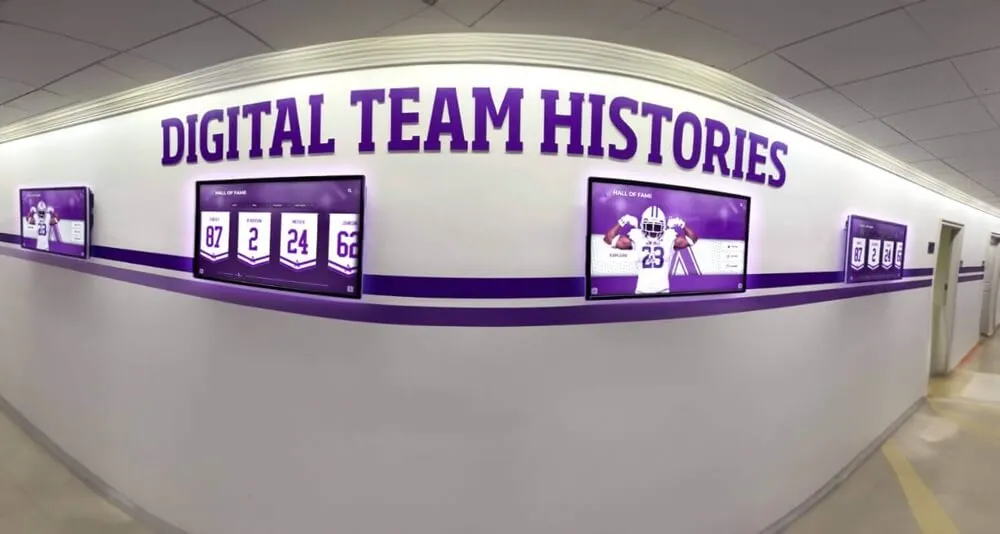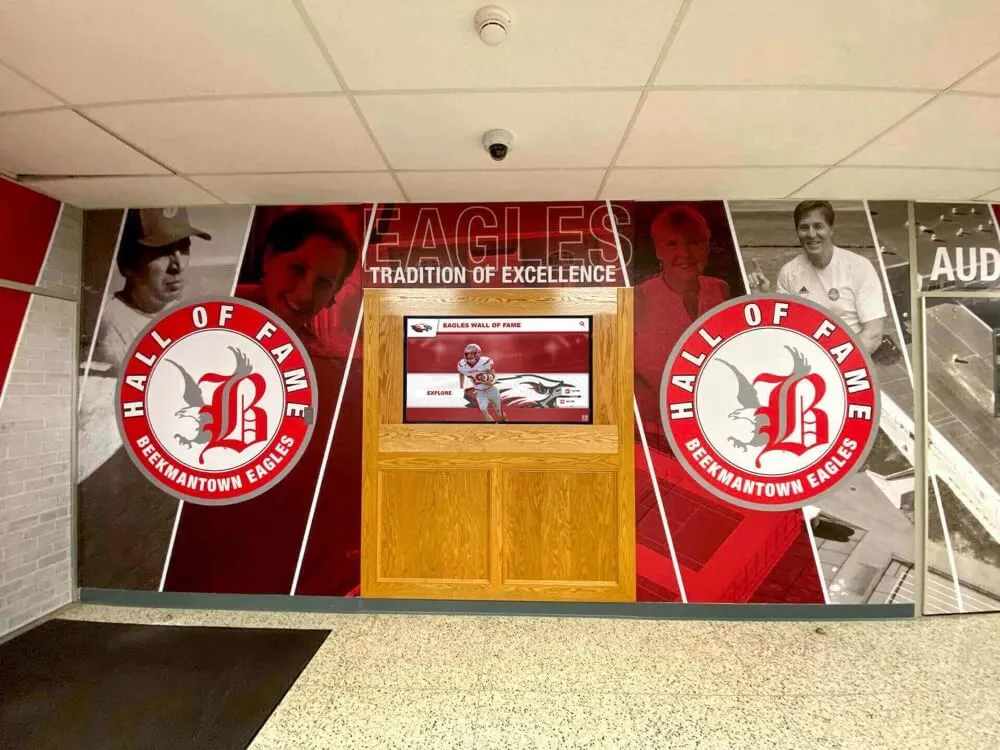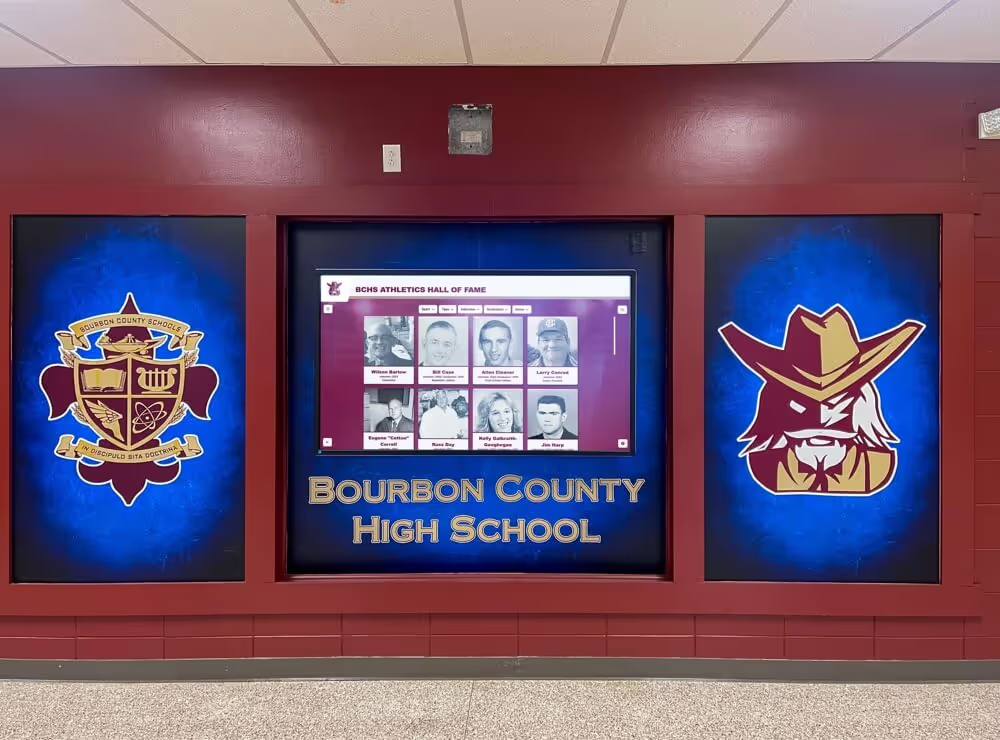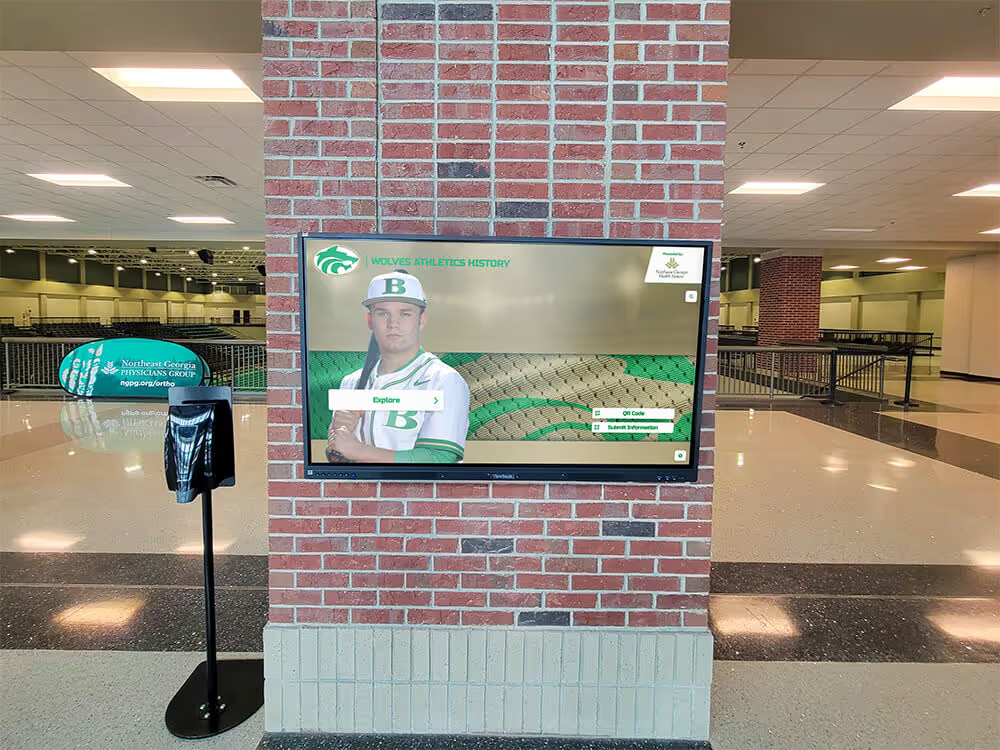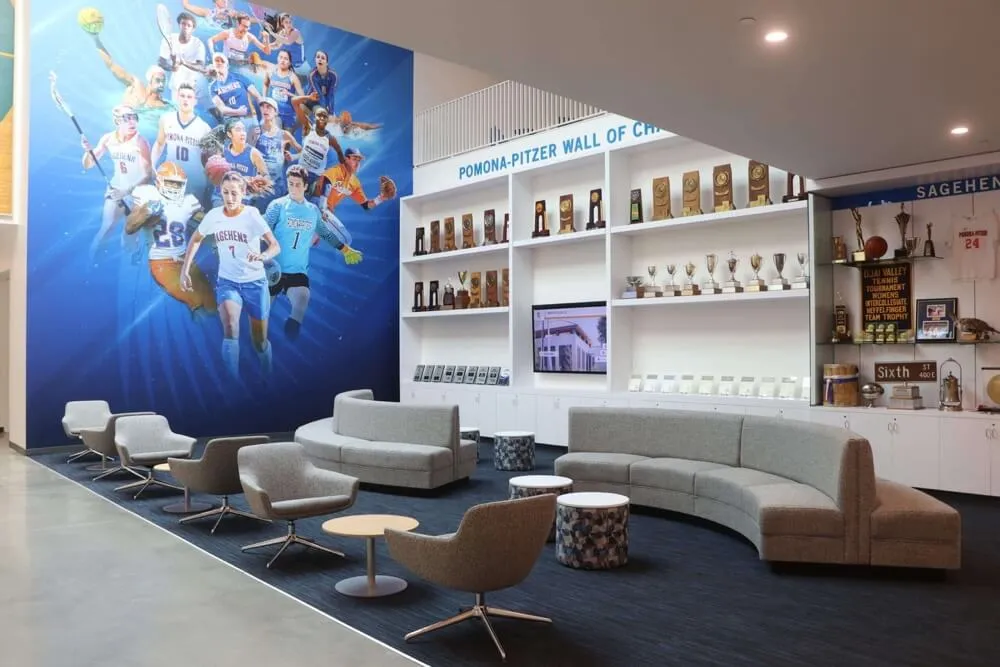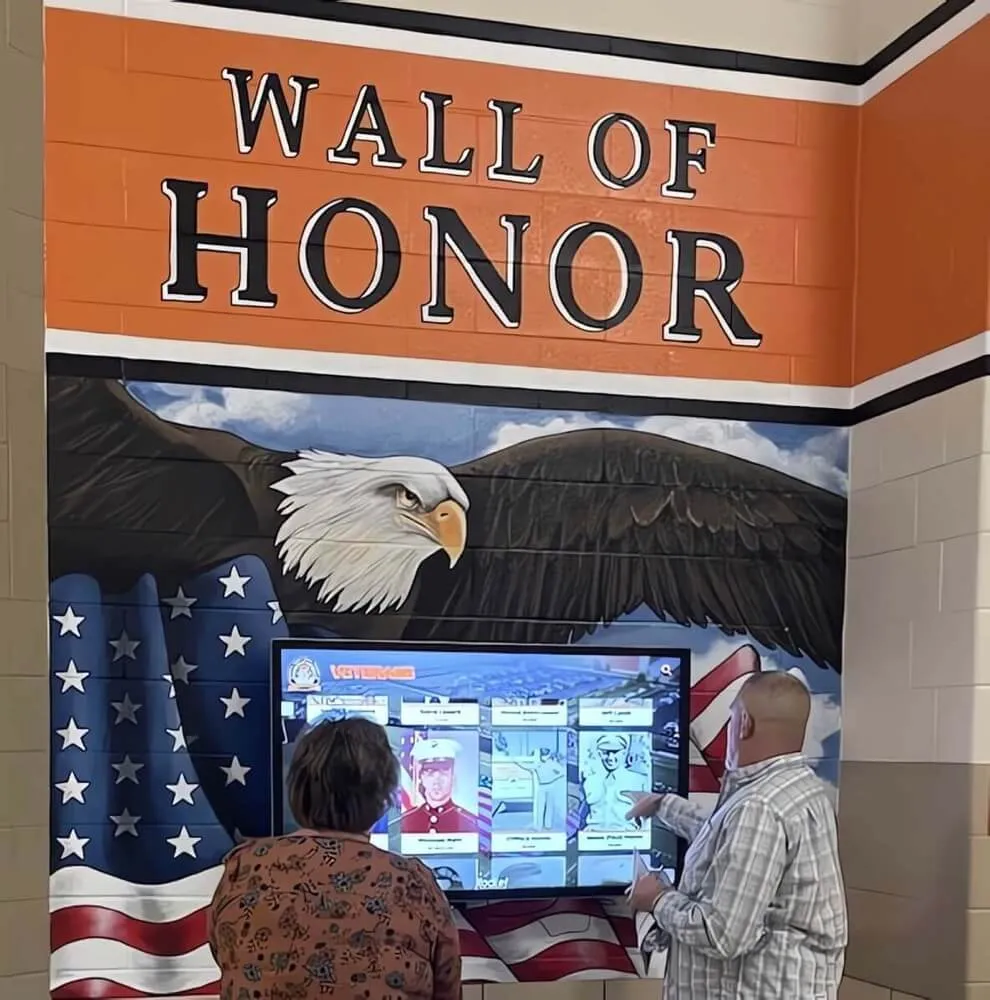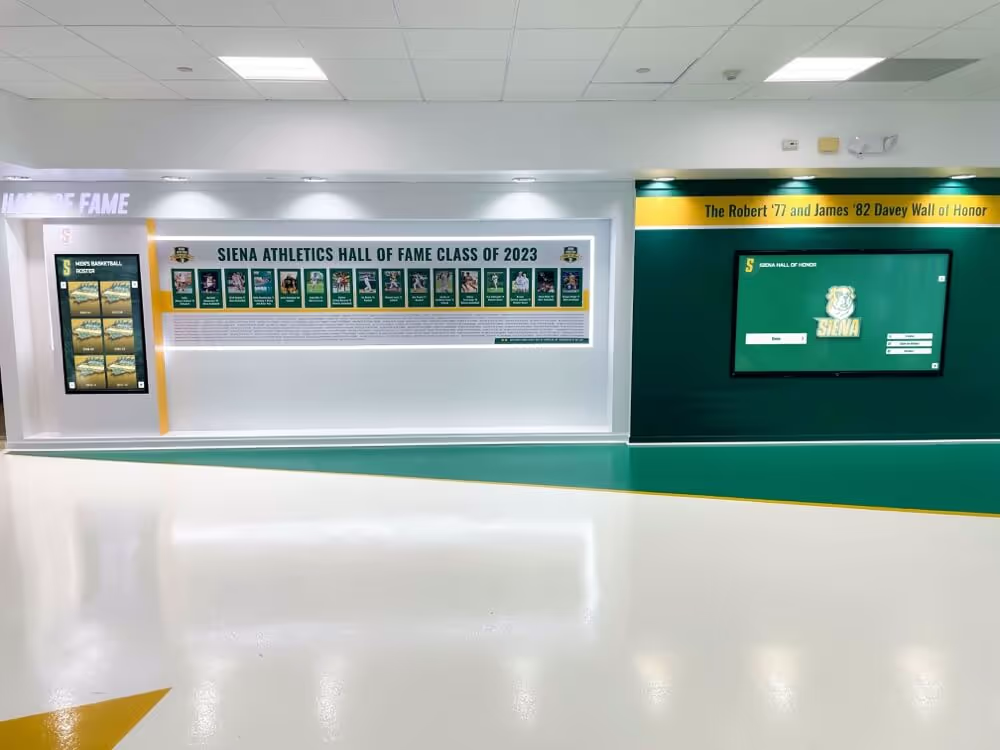




Walk through any school building and you’ll encounter dozens of display surfaces—some thoughtfully designed and regularly maintained, others outdated or neglected. These visual spaces represent valuable real estate for communicating with students, staff, families, and visitors. Yet many schools struggle to maximize display potential, defaulting to basic bulletin boards with fading construction paper or allowing prime wall space to remain empty due to maintenance challenges or lack of creative vision.
The distinction between schools with vibrant, engaging display environments and those with tired, neglected visual spaces often reflects broader differences in school culture, administrative priorities, and community engagement. Schools that invest thought and resources into strategic display planning typically demonstrate stronger school spirit, higher levels of student recognition, better family communication, and more welcoming environments for all stakeholders.
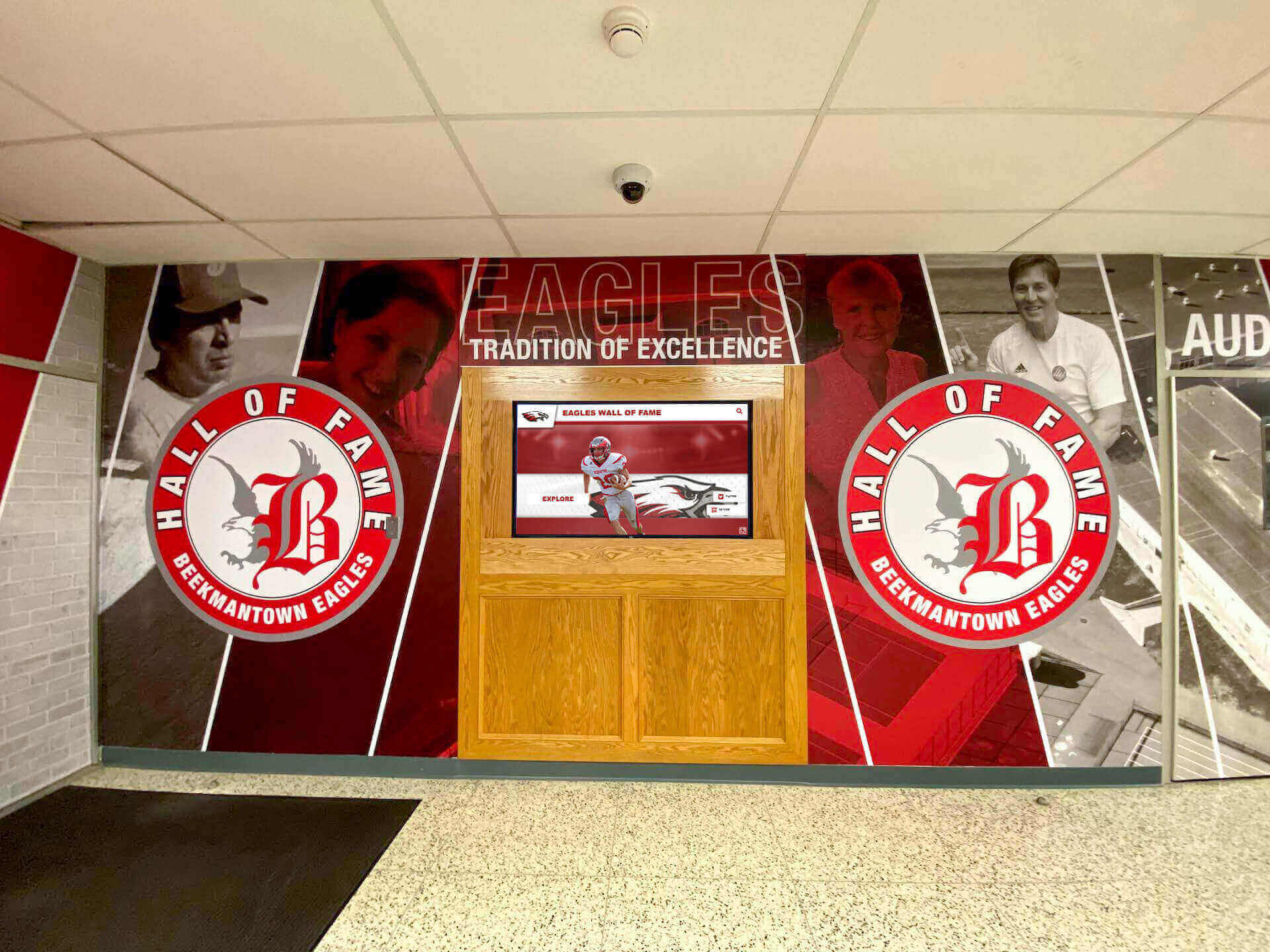
The landscape of school display options has evolved dramatically in recent years. While traditional bulletin boards remain valuable for certain applications, digital display technology now offers capabilities that would have seemed impossible just a decade ago—interactive touchscreens enabling exploration of comprehensive student databases, displays updating automatically throughout the day without manual intervention, multimedia presentations combining photos, videos, and text in engaging formats, and web-connected systems accessible to families and alumni beyond physical school buildings.
This guide examines the full spectrum of display board ideas for schools—understanding when traditional approaches work best, exploring creative bulletin board concepts maximizing impact, discovering digital display solutions transforming school communication, and implementing strategic display planning that aligns visual communication with institutional goals and culture development objectives.
Traditional Bulletin Board Ideas for Schools
Despite technological advances, traditional bulletin boards retain important roles in school display ecosystems. Understanding their appropriate applications and creative implementation strategies ensures schools maximize these familiar tools effectively.
Classroom Learning Displays
Teachers have long used bulletin boards as instructional tools reinforcing curriculum, displaying student work, and creating visually rich learning environments. Effective classroom display boards serve specific educational purposes rather than merely decorating walls.
Student Work Showcases: Displaying exemplary student work provides recognition while establishing quality expectations. Effective approaches include rotating displays ensuring all students receive recognition throughout the year, rubric-aligned examples showing what excellence looks like in different assignment types, progression displays documenting how skills develop across the unit or semester, and peer-selected showcases where students vote on work they found particularly impressive or creative.
Interactive Learning Boards: Some bulletin boards function as hands-on learning tools rather than passive displays. Examples include word walls that build vocabulary throughout units with students adding terms they encounter, question boards where students post questions that peers or teachers address, current events displays connecting classroom learning to real-world happenings, and collaborative projects where entire classes contribute to evolving displays documenting shared inquiry.
Subject-Specific Content Displays: Content-area teachers create displays supporting specific curriculum needs including math formula references students can consult during problem-solving, scientific method posters reminding students of inquiry processes, historical timelines providing chronological context for units, literary device examples supporting writing instruction, and grammar guides serving as quick reference resources.
Hallway and Common Area Displays
Beyond individual classrooms, shared spaces throughout school buildings provide opportunities for displays serving broader community-building and communication functions.
Welcome and Wayfinding Displays: Main entrances and hallway intersections benefit from displays helping visitors navigate buildings while communicating school identity. Effective elements include welcome messages creating positive first impressions, building maps and directional signage especially valuable in large or complex facilities, school history displays sharing institutional heritage with new community members, and mission and values statements reinforcing what schools prioritize.
Monthly Theme Boards: Many schools designate bulletin boards for rotating monthly themes celebrating awareness campaigns, historical commemorations, or seasonal topics. Examples include Black History Month highlighting significant figures and contributions, Women’s History Month celebrating female achievement and progress, STEM celebration months showcasing student projects and career pathways, character education themes reinforcing behavioral expectations, and college and career readiness information supporting student planning.
Student Life and Activities: Hallway displays keep school communities informed about opportunities and celebrate extracurricular involvement including upcoming event calendars and deadlines, club and organization showcases describing groups and recruitment information, athletic team updates sharing schedules and results, performing arts announcements promoting concerts and productions, and community service highlights celebrating student volunteer contributions.
Recognition and Achievement Boards
Celebration of student, staff, and community accomplishments represents one of the most important display functions, motivating continued excellence while building pride and positive culture.
Academic Achievement: Schools can recognize scholarly accomplishments through honor roll displays listing students meeting GPA thresholds each marking period, National Honor Society member recognition celebrating inductees and service contributions, AP Scholar acknowledgment highlighting students achieving these distinctions, perfect attendance recognition encouraging consistent engagement, and academic competition results from events like Science Olympiad or Math League.
Athletic Recognition: Physical displays celebrating athletic achievement include seasonal team photos with rosters and schedules, statistical leaders in various sports and categories, all-conference and all-state selections, championship banners and tournament results, and athlete of the month spotlights rotating recognition across different sports and students.
Character and Citizenship: Beyond academic and athletic achievement, schools should recognize character including student of the month programs highlighting different values each period, kindness award recipients demonstrating compassion and empathy, peer-nominated citizenship recognition, service hour leaders contributing to communities, and attendance excellence celebrating reliable engagement.
Creative Bulletin Board Design Elements
Even traditional cork-and-paper bulletin boards can create strong visual impact when designed thoughtfully with attention to aesthetics, functionality, and engagement.
Visual Design Principles: Effective bulletin boards apply basic design principles including clear focal points drawing attention to primary messages, consistent color schemes creating cohesive visual identities rather than chaotic combinations, appropriate font sizes ensuring readability from typical viewing distances, balanced layouts avoiding overcrowding while filling spaces adequately, and protective coverings extending display life and maintaining professional appearance.
Interactive Elements: Adding interactive components transforms passive displays into engagement opportunities including question prompts encouraging student response, tear-away tabs with event information students can take with them, QR codes linking to extended content beyond what fits on physical displays, suggestion boxes gathering feedback or ideas, and before-and-after flaps revealing answers or additional information.
Three-Dimensional Additions: Displays gain visual interest through dimensional elements including fabric or textured backgrounds adding depth, mounted objects related to themes, pop-out elements creating shadow effects, string or wire connections showing relationships, and framed sections emphasizing particular content.
Limitations of Traditional Bulletin Boards
While bulletin boards serve important functions, understanding their inherent limitations helps schools recognize when alternative approaches might better serve specific communication and recognition needs.
Maintenance and Update Challenges
Traditional bulletin boards require substantial ongoing labor to maintain effectiveness. Content grows outdated quickly but updating displays demands time that busy teachers and administrators often lack, leading to displays becoming stale markers of past events rather than current communication. Physical materials fade, tear, or fall off over time, creating unprofessional appearances. Weather and humidity can damage paper-based displays in certain locations. Vandalism or accidental damage requires repairs and restoration.
Schools depending primarily on traditional bulletin boards often face recurring cycles where displays look fresh immediately after updates but gradually deteriorate until someone finds time for complete refreshes—typically occurring only a few times annually rather than continuously maintaining relevance.
Space Limitations
Physical bulletin boards offer finite display areas forcing difficult choices about what content to include when recognition populations or information needs exceed available space. Adding more bulletin boards requires wall space that may not exist, facilities modifications, and ongoing materials costs. Rotating content to accommodate everyone means some achievements receive visibility while others don’t, potentially creating perceptions of favoritism or inconsistent recognition.
Many schools struggle particularly with athletic recognition space in gymnasiums where championship banners, retired jerseys, and record boards compete for limited wall areas, forcing decisions about which achievements to display prominently and which to exclude or minimize.
Static Presentation Formats
Bulletin boards present information statically without the dynamic capabilities modern audiences increasingly expect. They cannot show videos or animations demonstrating concepts or celebrating achievements, cannot update automatically based on data sources like current standings or upcoming schedules, offer no search or filter capabilities when content volumes exceed comfortable browsing, and provide no way to access additional detail beyond what fits in available space.
This static limitation particularly affects recognition applications where schools want to honor comprehensive achievement histories but cannot display decades of information simultaneously on limited wall areas.
Accessibility Considerations
Traditional bulletin boards present accessibility challenges for individuals with certain disabilities including visual impairments limiting ability to read standard-sized text from typical viewing distances, mobility limitations preventing approach close enough for comfortable viewing, and cognitive processing differences that may benefit from alternative presentation formats including audio components or simplified layouts.
Schools committed to inclusive design increasingly recognize that relying exclusively on traditional bulletin boards may inadvertently exclude some community members from full participation in school communication and recognition systems.
Digital Display Solutions for Modern Schools
Digital display technology addresses many traditional bulletin board limitations while introducing new capabilities that enhance communication, recognition, and engagement in ways physical displays cannot match.
Non-Interactive Digital Signage
The most basic digital display upgrade involves screens showing rotating content like slideshow presentations without user interaction capabilities. These systems offer significant advantages over traditional bulletin boards while remaining relatively simple and affordable to implement.
Digital Signage Applications: Non-interactive screens effectively display announcements and upcoming events rotating throughout the day, daily schedules and bell times always remaining current, lunch menus with nutritional information, emergency alerts and safety communications, inspirational quotes and messages supporting positive culture, and photo slideshows celebrating events and achievements.
Content Management: Modern digital signage platforms enable authorized staff to update content remotely through web-based dashboards without physically accessing displays, schedule content to appear at specific times or dates with automatic rotation, template-based designs ensuring professional, consistent appearance, and content approval workflows maintaining administrative oversight.
Strategic Placement: Digital signage creates maximum impact in high-traffic locations including main entrance lobbies where all visitors pass, cafeterias where students gather during lunch periods, main hallways connecting different building areas, and near administrative offices where families frequently visit.
Interactive Touchscreen Displays
Interactive touchscreens represent the most sophisticated digital display option, enabling users to actively explore content, search for specific information, and engage with material at their own pace rather than passively viewing rotating presentations.
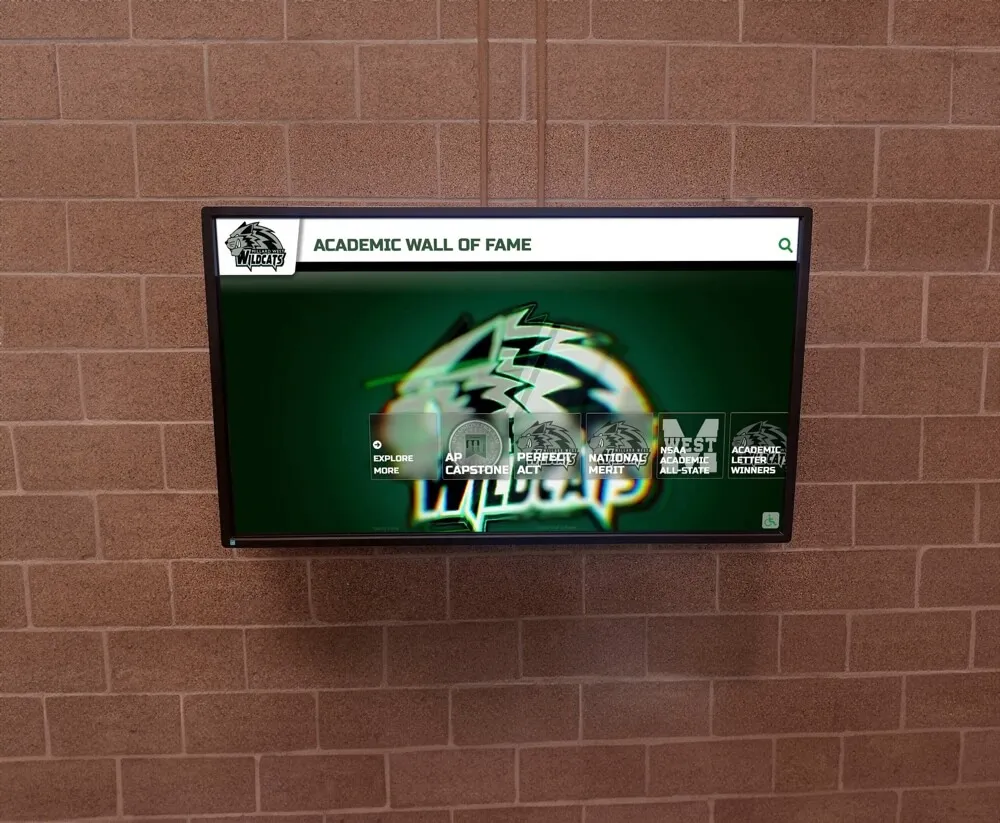
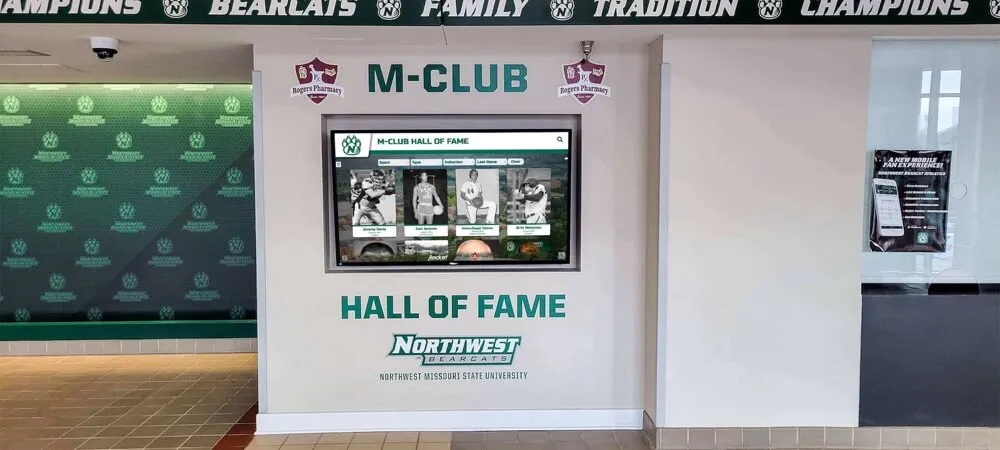
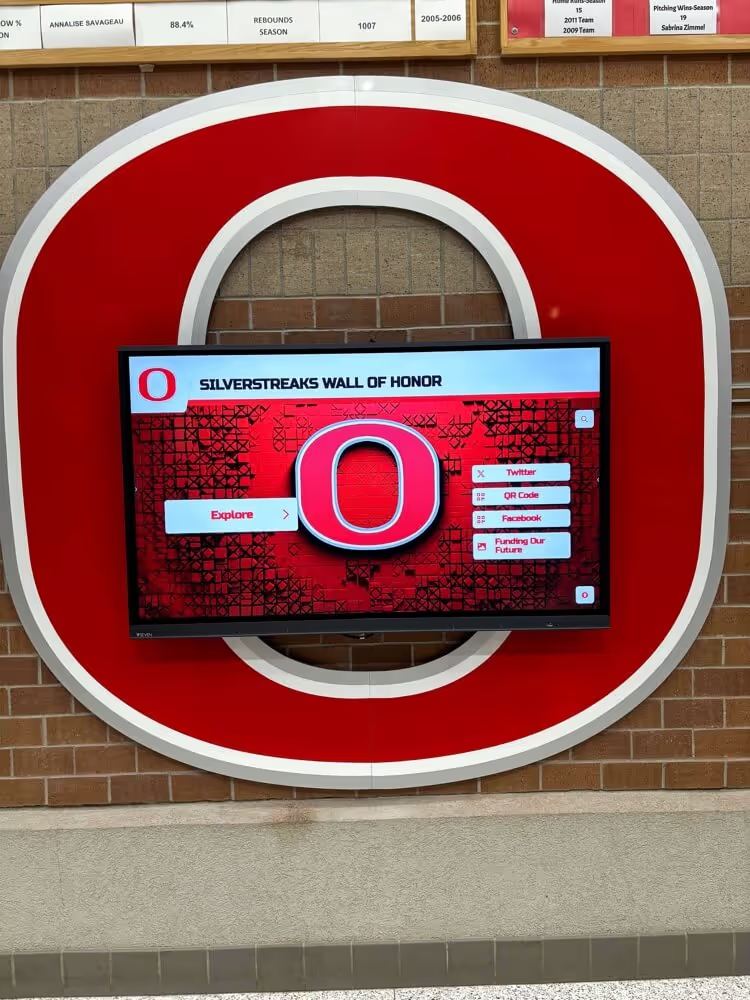
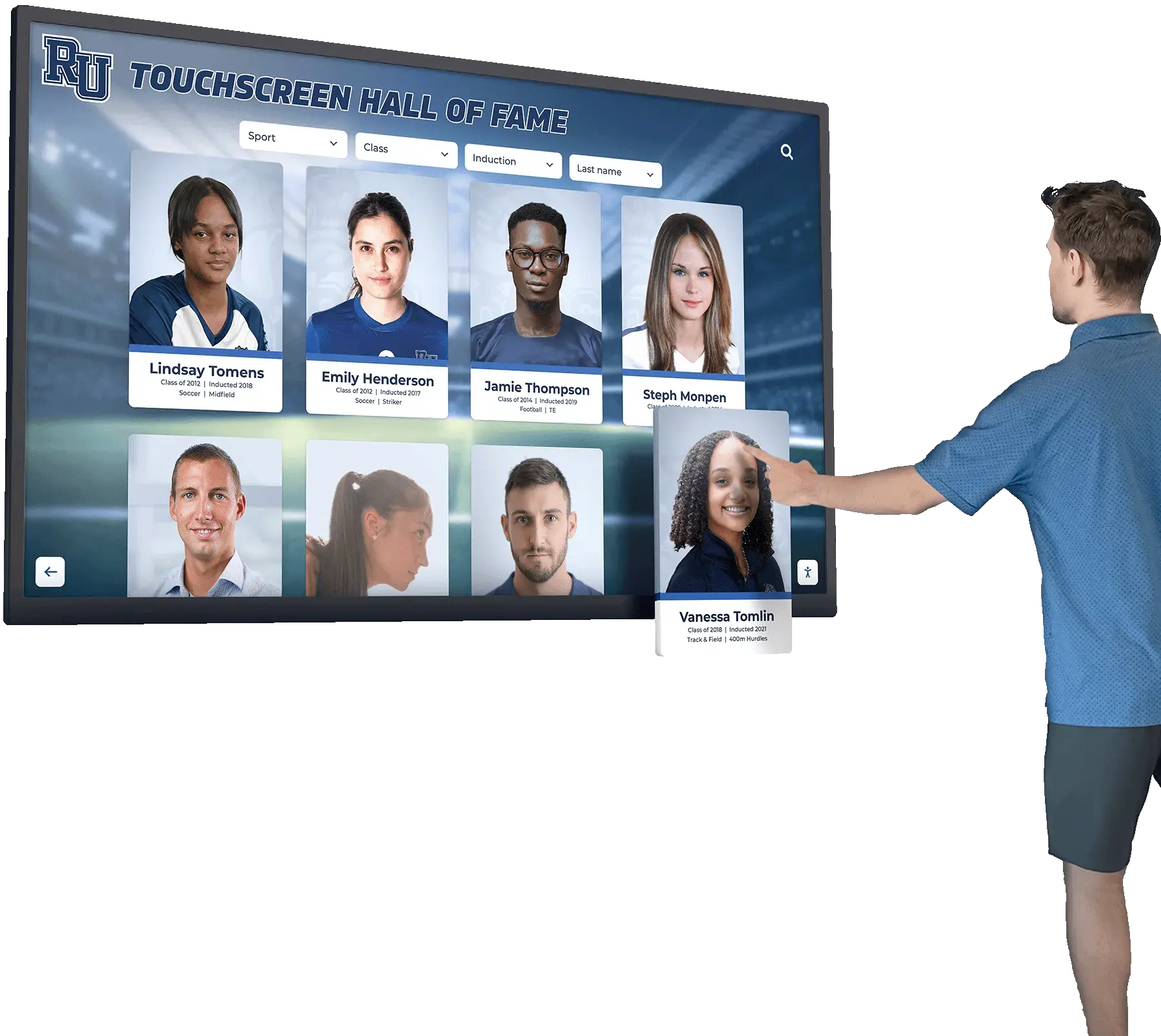
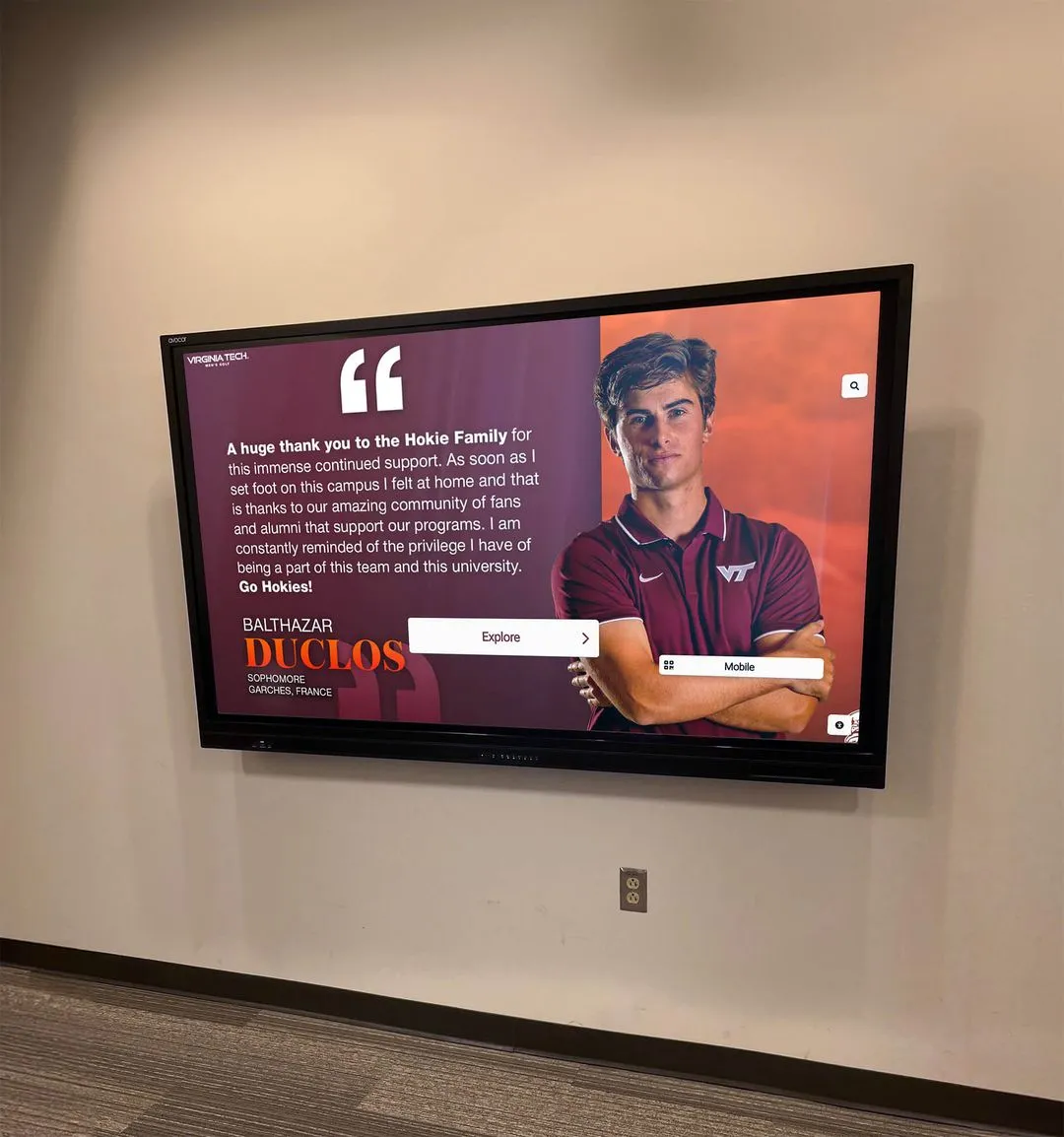
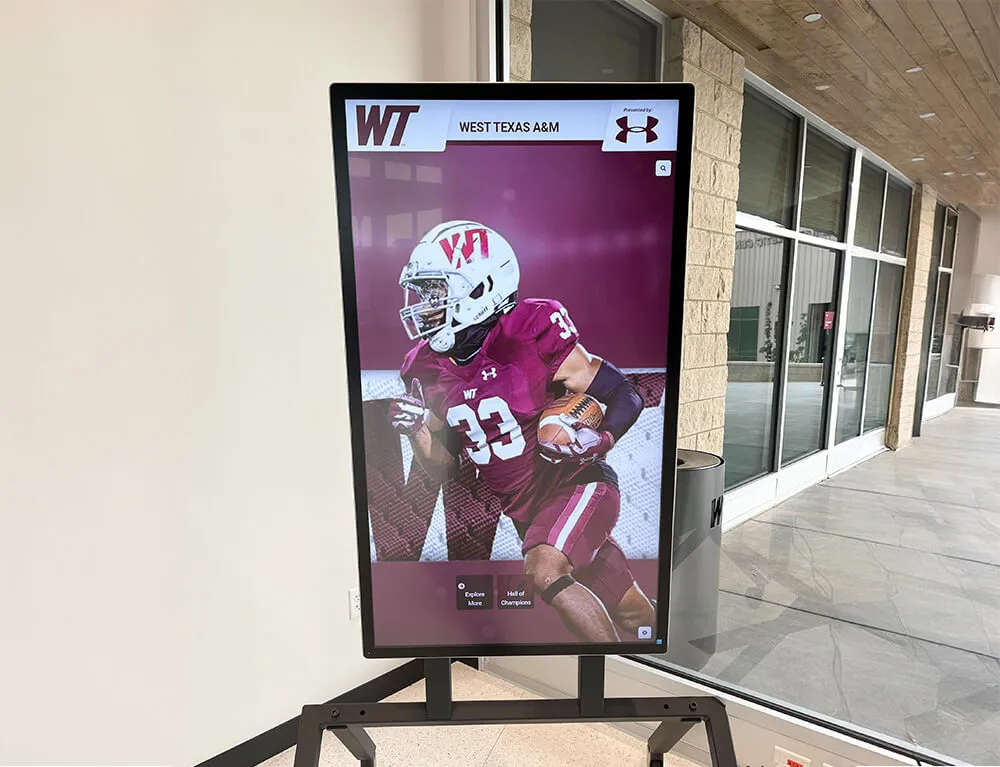
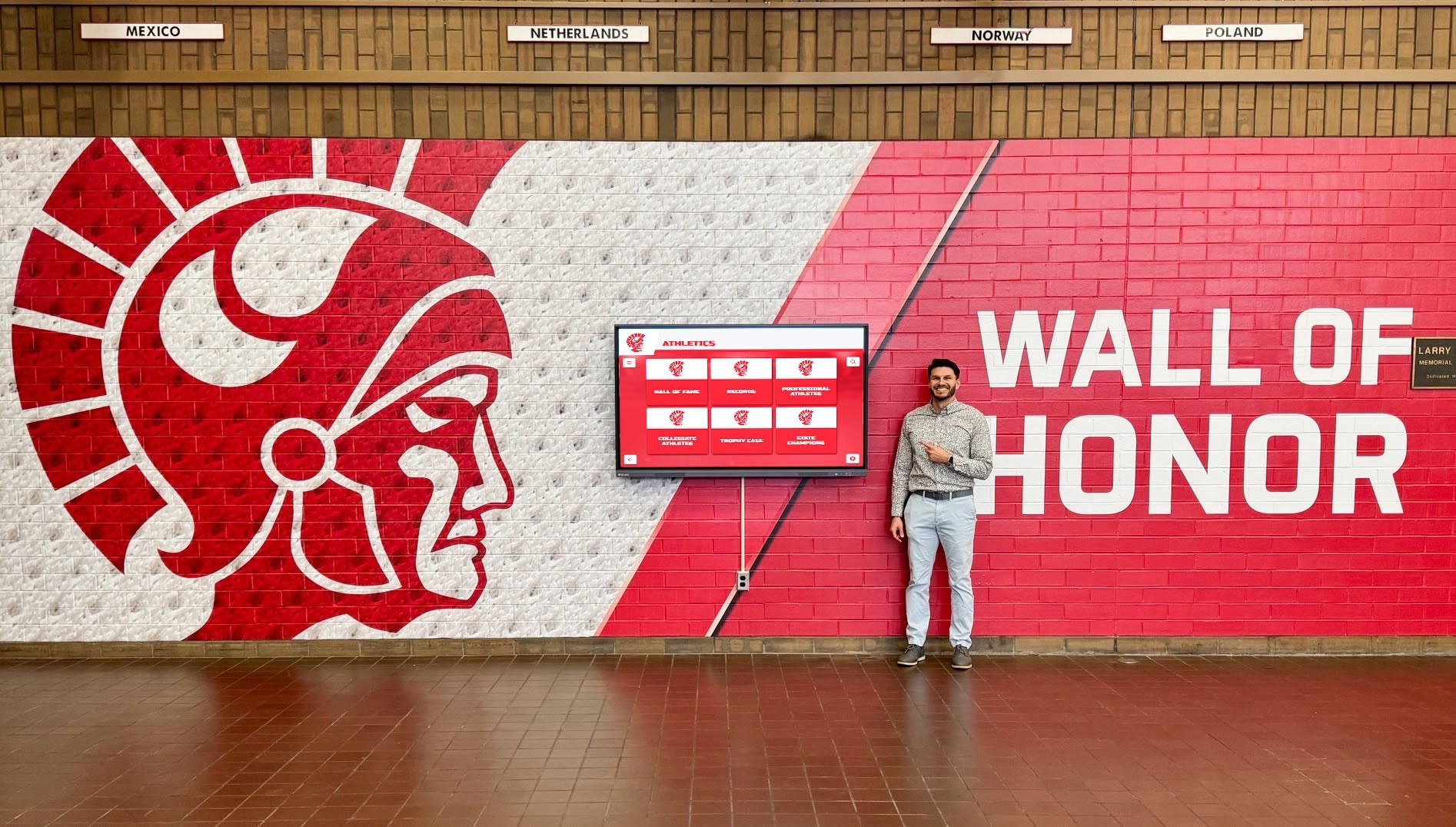
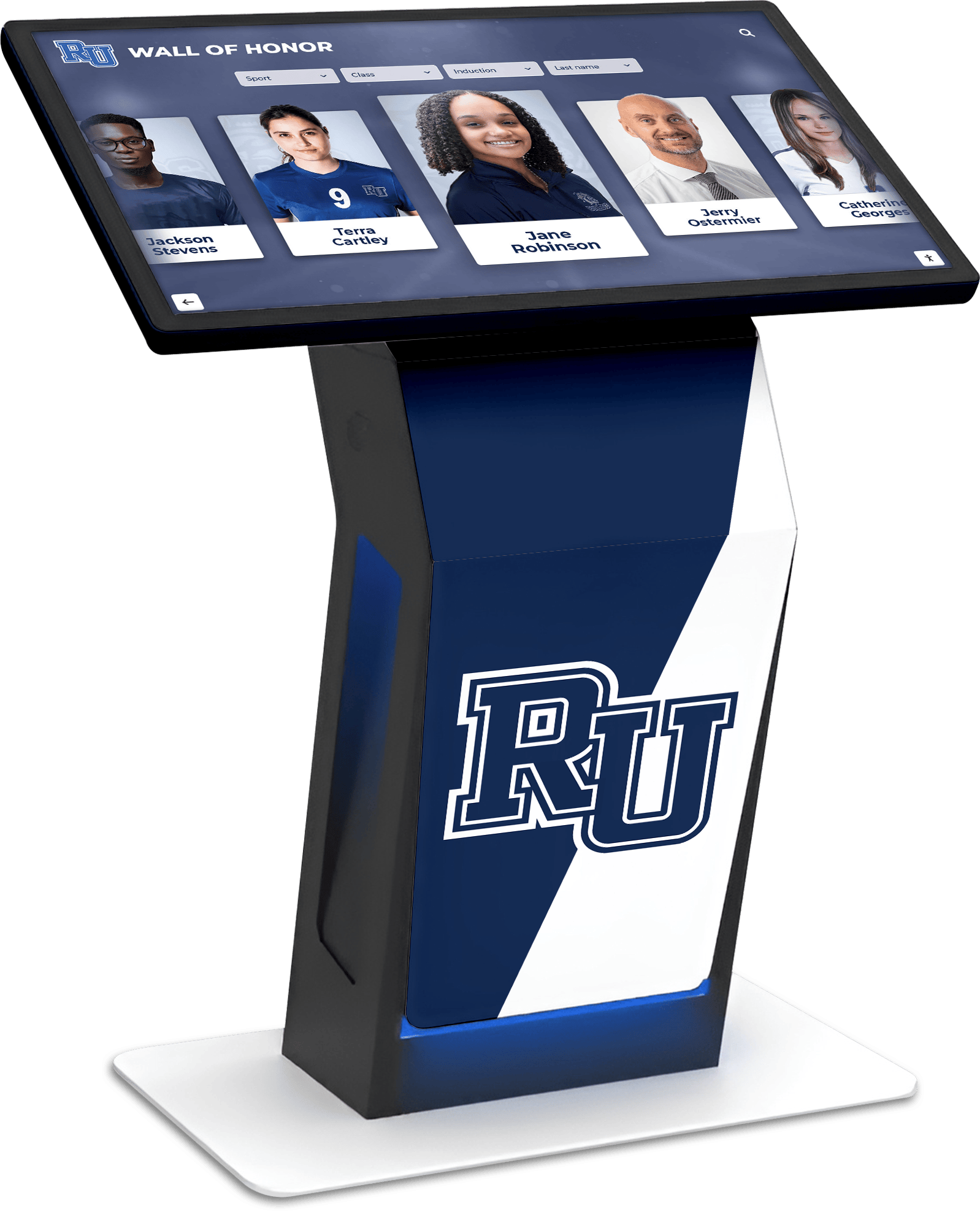
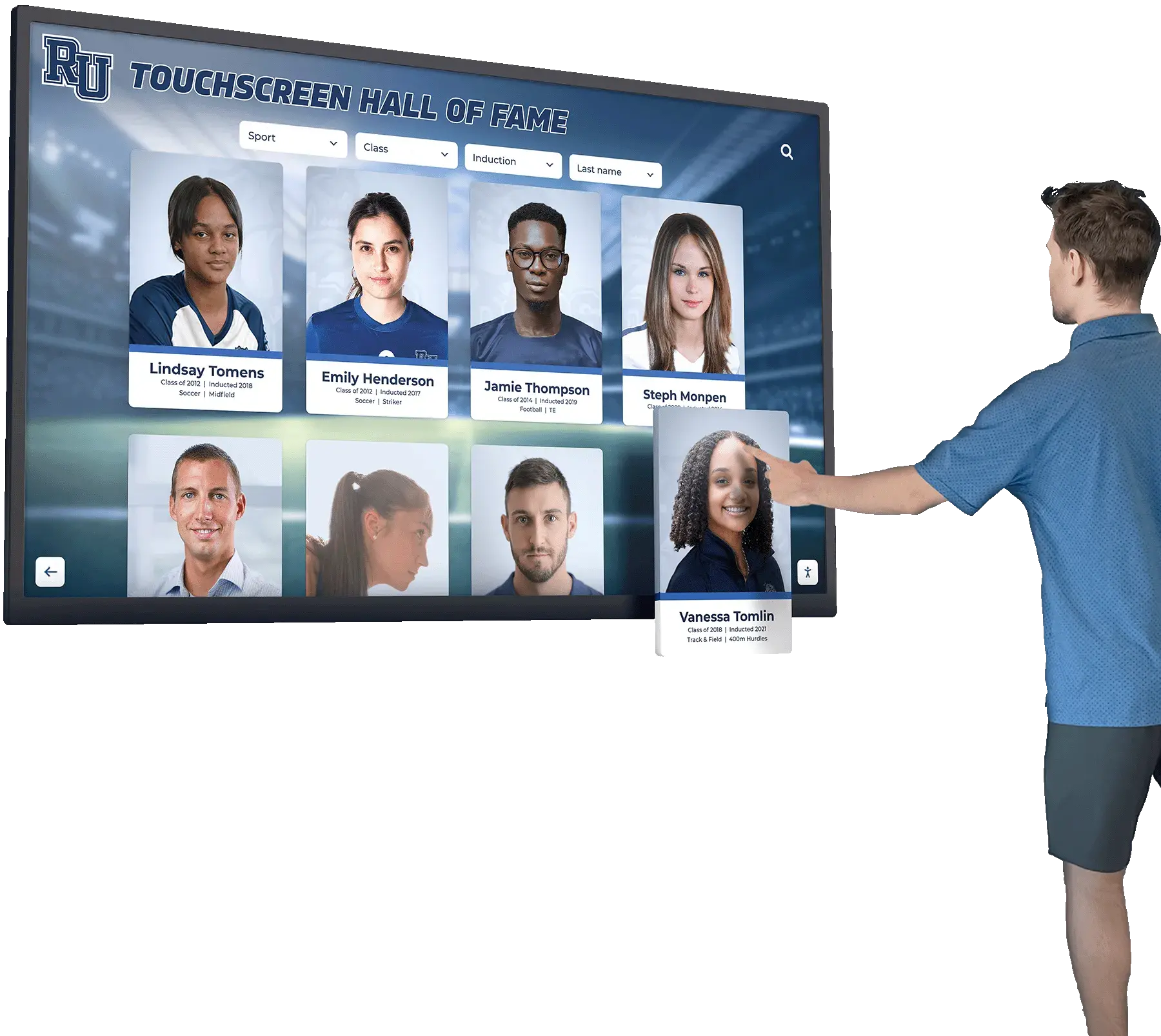
Interactive Display Capabilities: Touchscreen systems provide comprehensive search functionality allowing users to find specific students, teams, or achievements quickly; filter and browse options enabling exploration by year, category, or achievement type; detailed profile pages with photos, accomplishments, statistics, and biographical information; multimedia integration including videos, audio clips, and image galleries; and connections to external resources through embedded links.
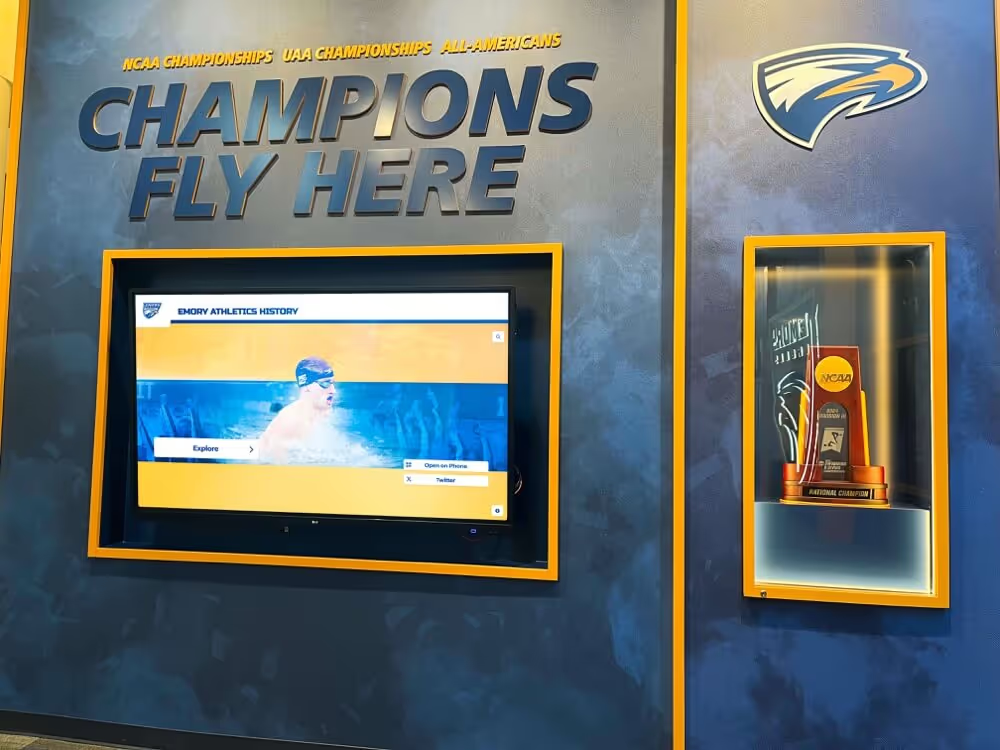
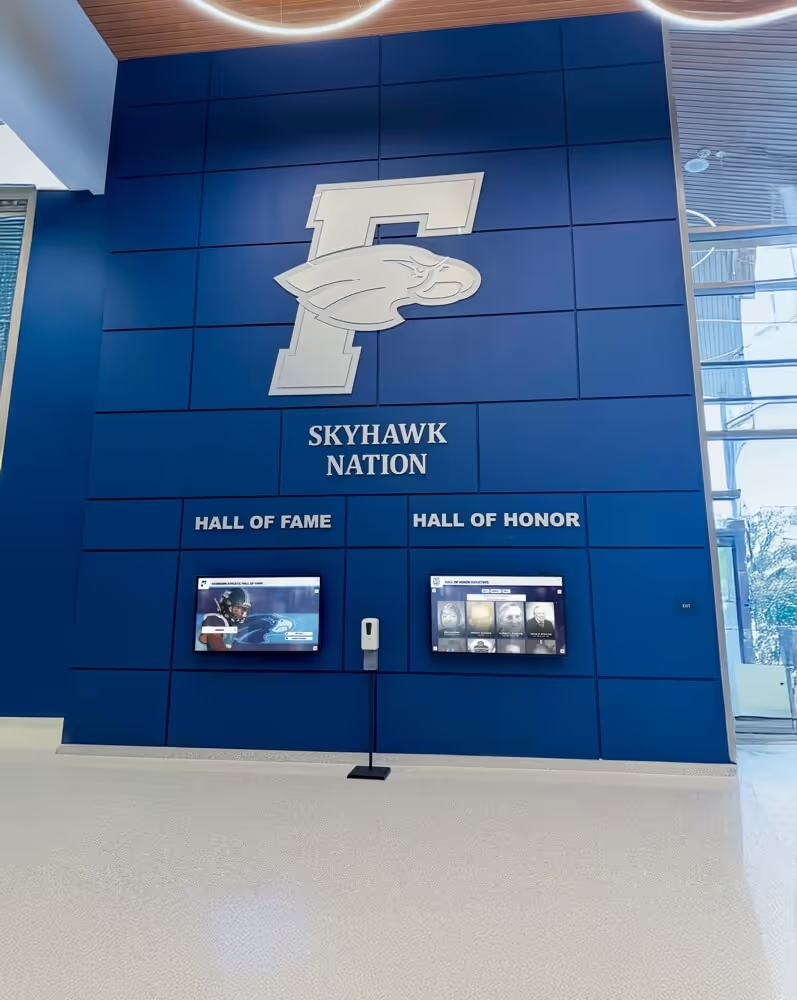
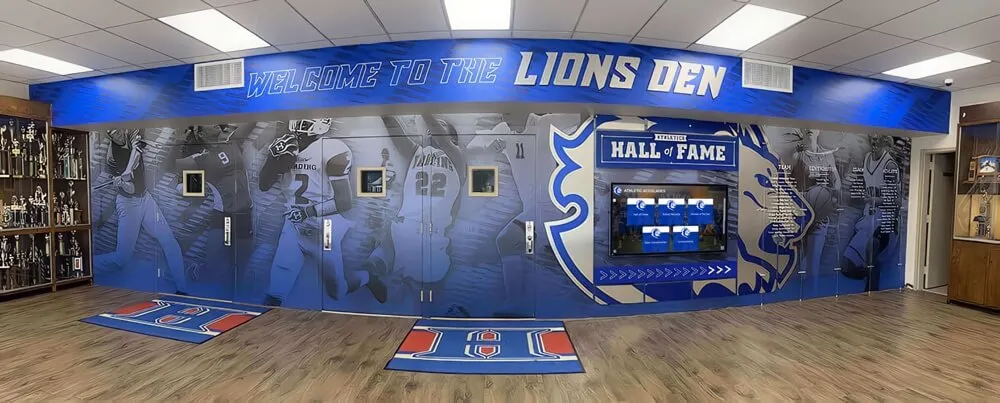
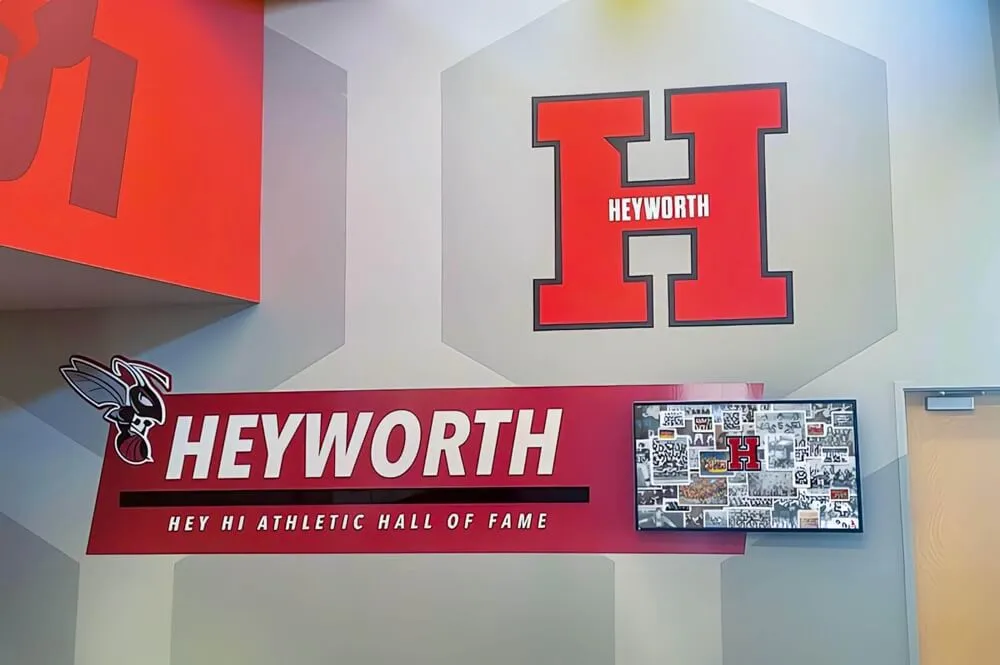
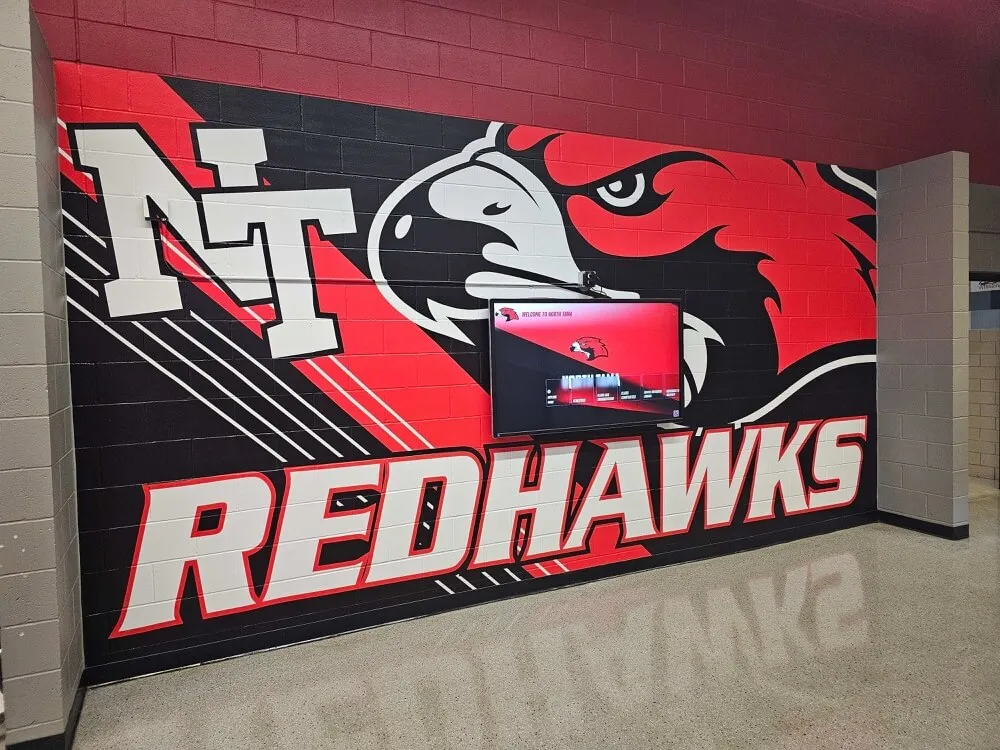
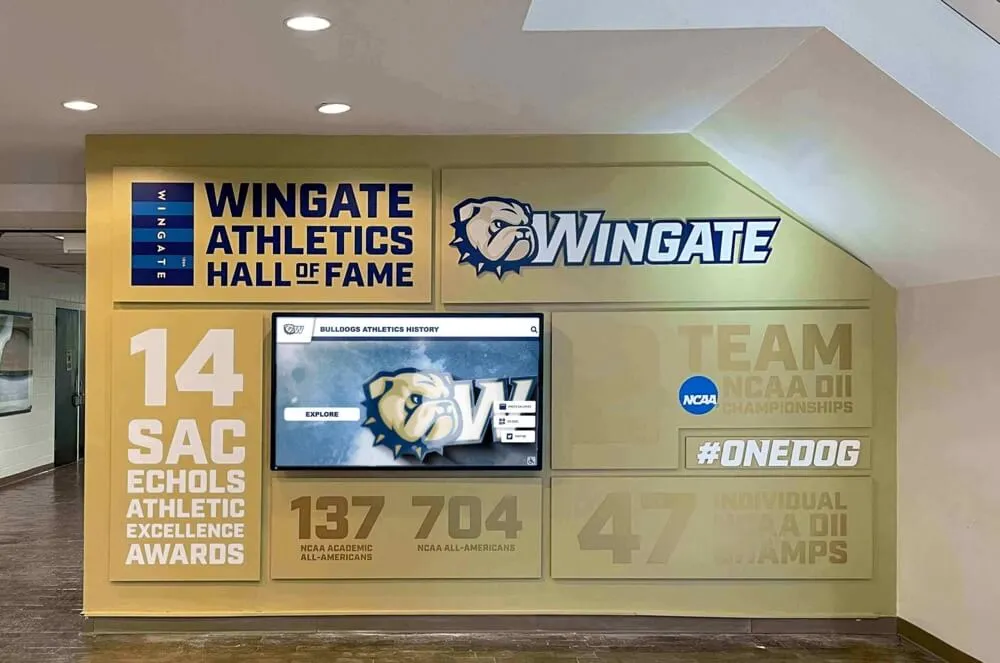
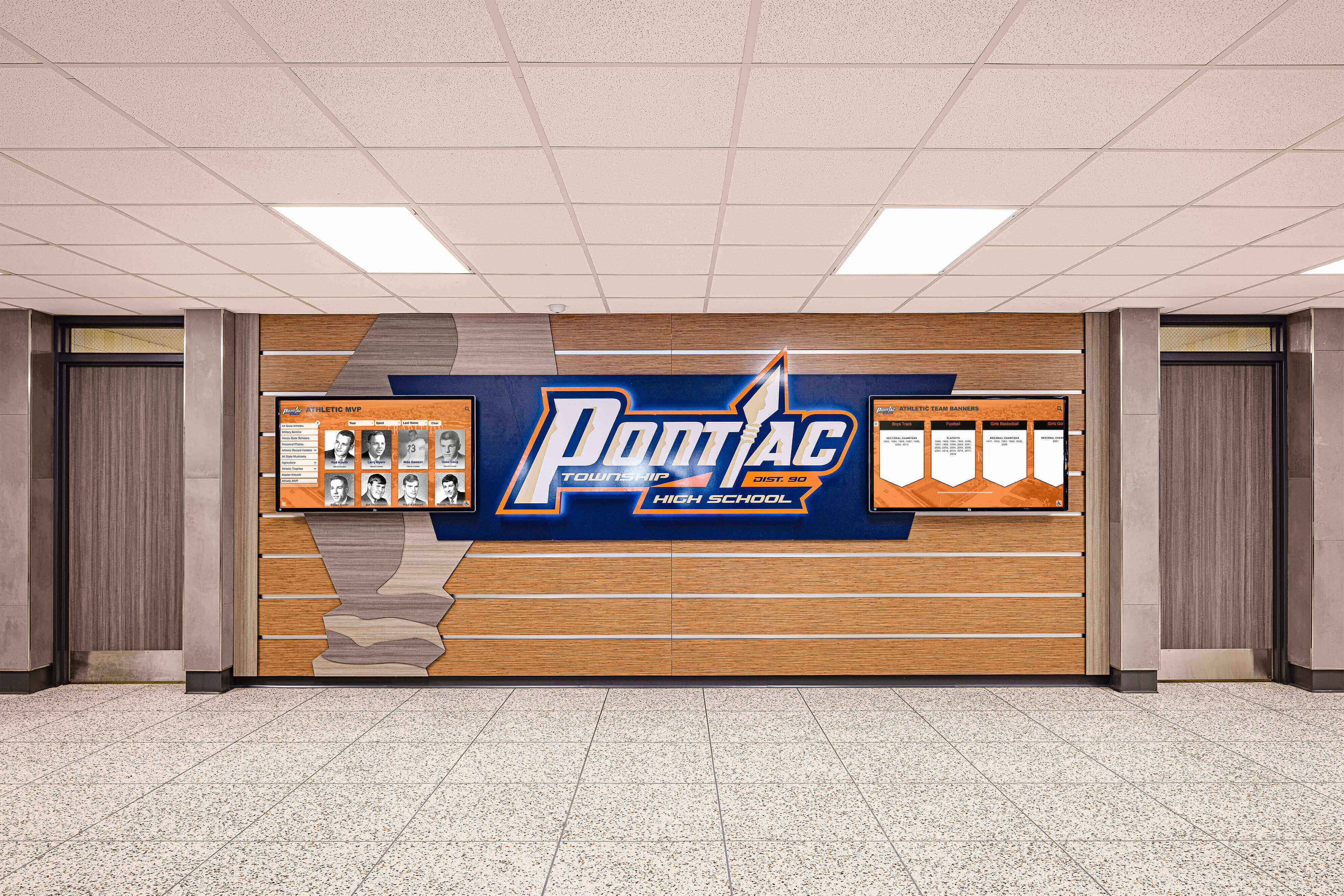
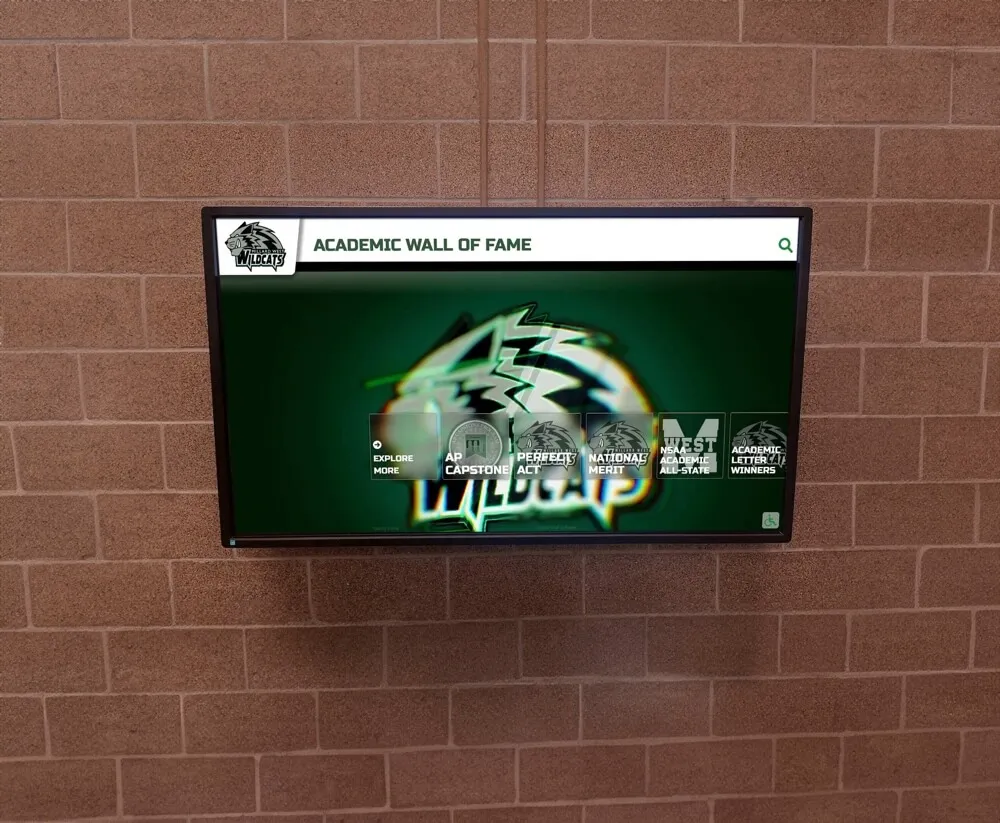
Recognition Applications: Interactive displays excel at comprehensive recognition spanning years or decades including athletic halls of fame showcasing inductees across program history, academic achievement databases celebrating scholarly accomplishments, alumni directories maintaining connections with graduates, school history archives preserving institutional heritage, and team records documenting athletic achievement across all sports.
The unlimited capacity of digital systems means schools can recognize everyone deserving acknowledgment without space constraints forcing difficult exclusion decisions. Whether displaying current honor roll students or documenting championship teams dating back decades, digital platforms accommodate comprehensive recognition that physical displays cannot match.
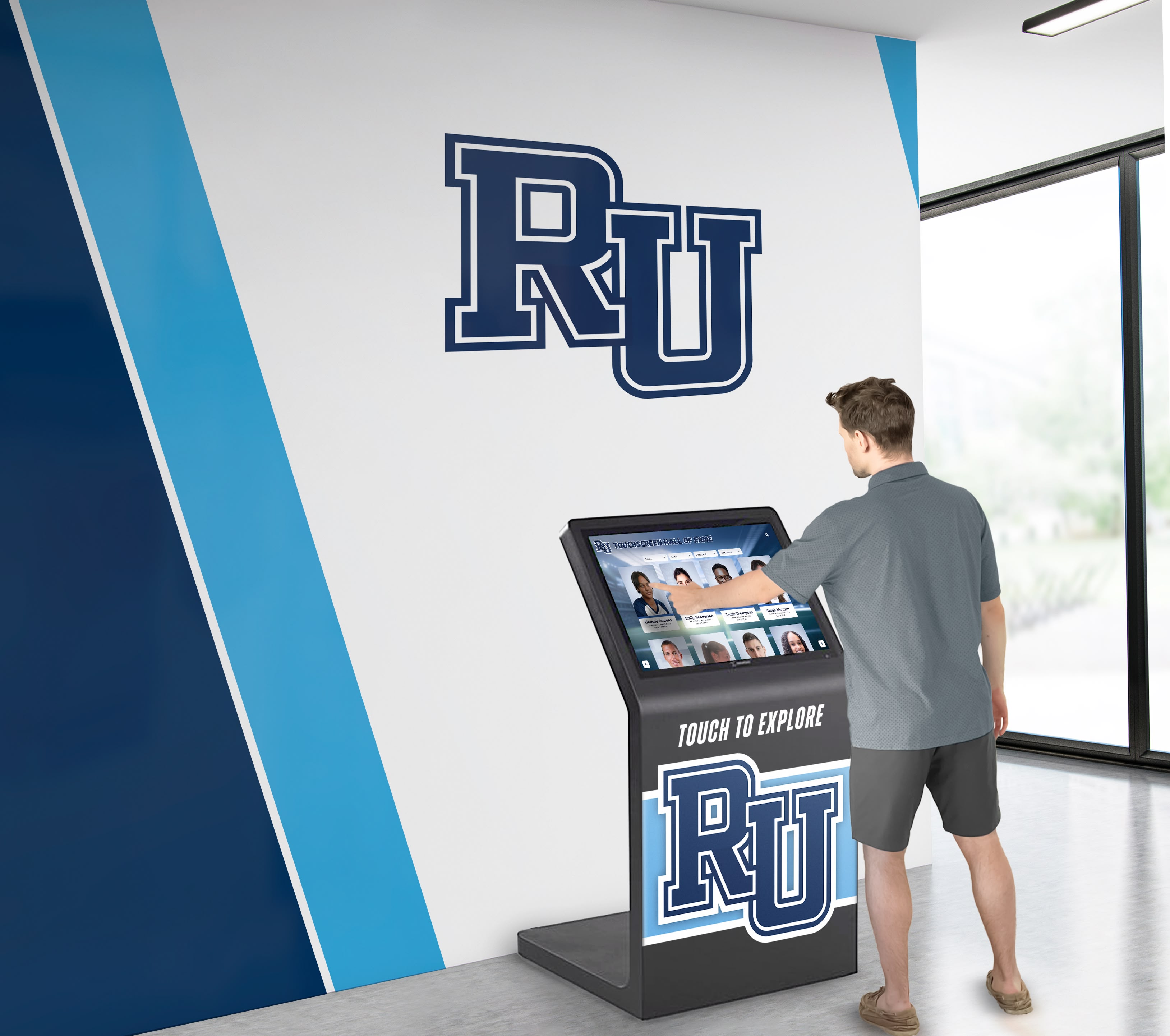
User Experience Design: Effective interactive displays prioritize intuitive interfaces requiring minimal instruction, fast response times preventing frustration during exploration, accessible designs accommodating users with diverse abilities, and attractive visual presentations drawing people to engage rather than walk past.
Many schools position interactive recognition displays in locations where students naturally gather during downtime—near cafeterias, in commons areas, by gymnasium entrances—encouraging spontaneous exploration while families wait before events or students spend time between classes.
Hybrid Approaches: Combining Traditional and Digital
Some schools implement hybrid display strategies leveraging strengths of both traditional bulletin boards and digital displays while mitigating limitations of each approach independently.
Complementary Placements: Schools might use digital displays for high-traffic central locations requiring frequent updates and comprehensive information while maintaining traditional bulletin boards in classrooms and specialty areas where teachers want direct control over content closely tied to specific curriculum. This approach balances administrative efficiency of centralized digital systems with classroom-level customization traditional boards enable.
Print Materials Supporting Digital Systems: Even schools implementing sophisticated digital displays often maintain some physical elements including directional signage pointing visitors toward interactive kiosks, QR codes linking to online recognition databases accessible via personal devices, printed summaries of recent achievements with references to digital systems for complete information, and traditional trophies or plaques providing tangible recognition alongside digital documentation.
Transition Strategies: Schools moving from traditional to digital displays typically phase implementation gradually rather than attempting complete overnight transformations. Common approaches include piloting digital displays in single locations before expanding building-wide, maintaining traditional displays initially while introducing digital alternatives and allowing natural adoption, and gradually transitioning bulletin board content to digital systems as staff become comfortable with new technologies.
Strategic Planning for Effective School Displays
Whether schools primarily utilize traditional bulletin boards, invest in comprehensive digital systems, or implement hybrid approaches, strategic planning ensures display investments maximize communication and recognition effectiveness.
Assessing Display Needs and Priorities
Effective display planning begins with understanding specific needs, audiences, and goals rather than simply purchasing whatever systems seem appealing or affordable.
Stakeholder Input: Include diverse perspectives in display planning through student focus groups identifying what recognition and information students value, teacher surveys understanding classroom and instructional display needs, administrative priorities regarding school communication and culture development, family feedback about information access and recognition visibility, and community member input especially for schools serving as community hubs.
Functional Requirements: Determine what displays must accomplish including recognition capacity needs based on student populations and achievement volumes, update frequency requirements for time-sensitive information, content type considerations including whether displays need to show videos, interactive features enabling exploration versus passive information presentation, and accessibility requirements ensuring all community members can access information.
Budget Realities: Understand total cost of ownership including initial purchase or installation expenses, ongoing maintenance and content management labor, technology refresh cycles for digital systems, materials costs for traditional bulletin boards, and staffing needs for content creation and updates.
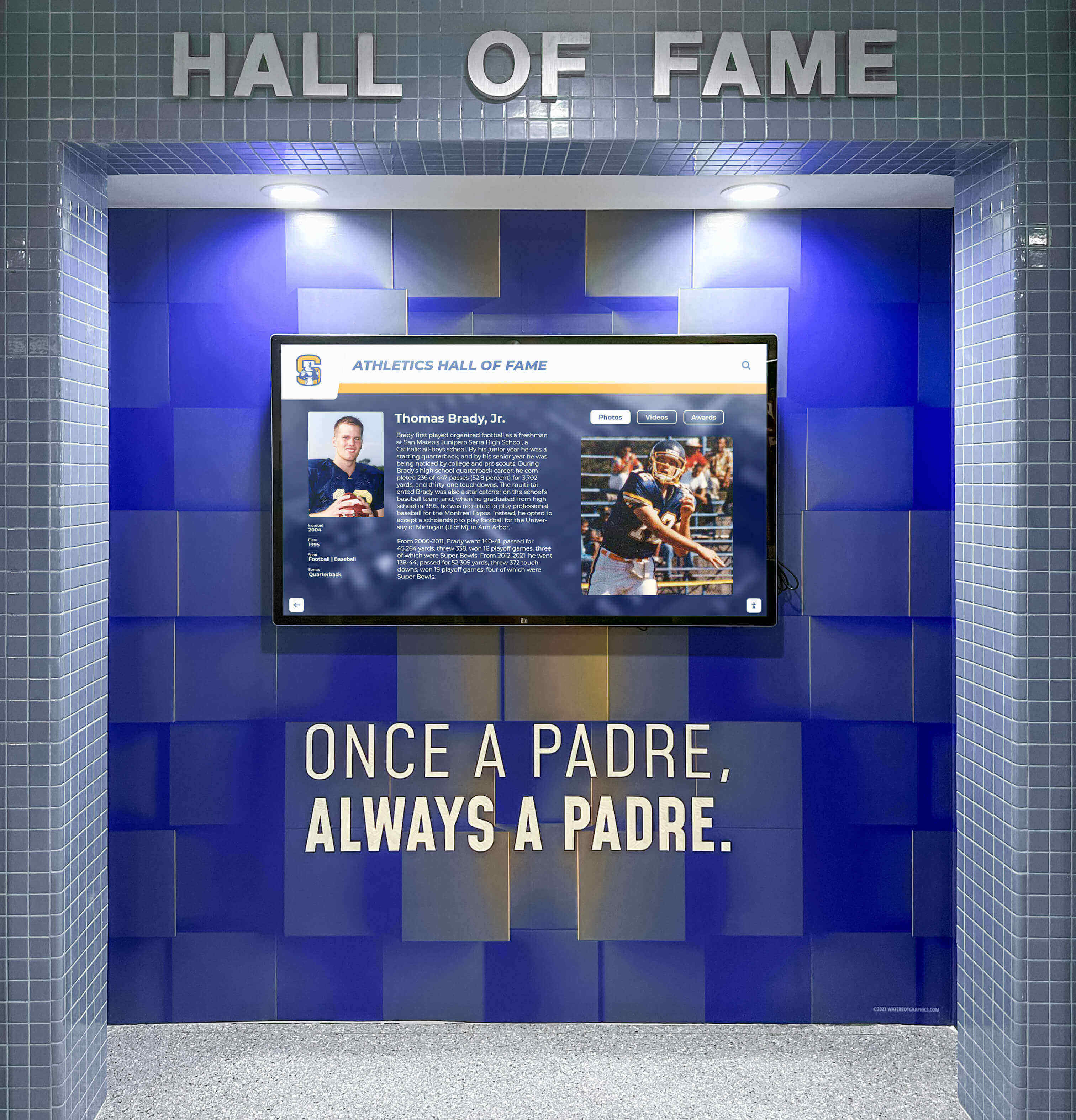
Location Selection and Display Placement
Strategic placement dramatically affects display effectiveness regardless of format. The most sophisticated systems create minimal impact when positioned where few people encounter them, while even simple bulletin boards can significantly influence culture when thoughtfully located.
High-Traffic Locations: Prioritize spaces where people naturally pass or gather including main entrance lobbies creating first impressions for all visitors, cafeterias where students spend significant unstructured time, main hallways connecting different building areas, areas near administrative offices where families frequently visit, and gymnasium lobbies where athletic events draw crowds.
Audience-Specific Placement: Consider who needs to encounter particular content including classroom displays serving students and teachers in specific courses, guidance office areas where college and career information reaches students during planning conversations, faculty lounges where staff recognition and professional communication occur, and parent pickup areas where waiting families can view information.
Visibility and Accessibility: Ensure displays are positioned for maximum effectiveness including clear sight lines without obstructions blocking views, appropriate mounting heights for comfortable viewing without excessive neck strain, adequate lighting ensuring readability throughout all times of day, ADA-compliant positioning enabling access for individuals using wheelchairs, and protected locations minimizing vandalism or accidental damage risks.
Content Strategy and Management
Even the most impressive display hardware creates minimal impact without compelling content regularly updated to maintain relevance and engagement.
Content Planning: Develop systematic approaches to content including editorial calendars scheduling themed displays or rotating recognitions, content guidelines ensuring consistency and professionalism, approval workflows maintaining administrative oversight, archive strategies preserving historical content while keeping current information prominent, and regular audits identifying outdated content requiring updates or removal.
Responsibility Assignment: Clarify who handles various content tasks including display design and creation, content updates and maintenance, quality control and approval, technical administration for digital systems, and overall strategy and coordination. Many schools struggle when everyone assumes someone else is handling displays, resulting in neglected systems undermining their potential value.
Student Involvement: Consider opportunities for student participation including student journalists creating announcement content, art students designing display elements, technology students assisting with digital system management, student government coordinating recognition selections, and class projects incorporating display creation as learning activities.
Recognition Display Philosophy and Implementation
Schools implementing new recognition display systems should develop clear philosophies guiding what achievements to recognize, how to balance various accomplishment types, and what values recognition systems should communicate.
Inclusive Recognition Approaches: Effective recognition celebrates diverse achievements including academic excellence through honor rolls, AP Scholars, and academic competition results; athletic accomplishments across all sports and participation levels; artistic and performance achievements from visual arts through music and theater; character and citizenship demonstrating school values; improvement and growth regardless of absolute achievement levels; and special talents or unique contributions that might not fit traditional categories.
Comprehensive academic recognition programs ensure scholarly achievement receives visibility comparable to athletic accomplishments, communicating that schools value intellectual excellence as highly as physical performance.
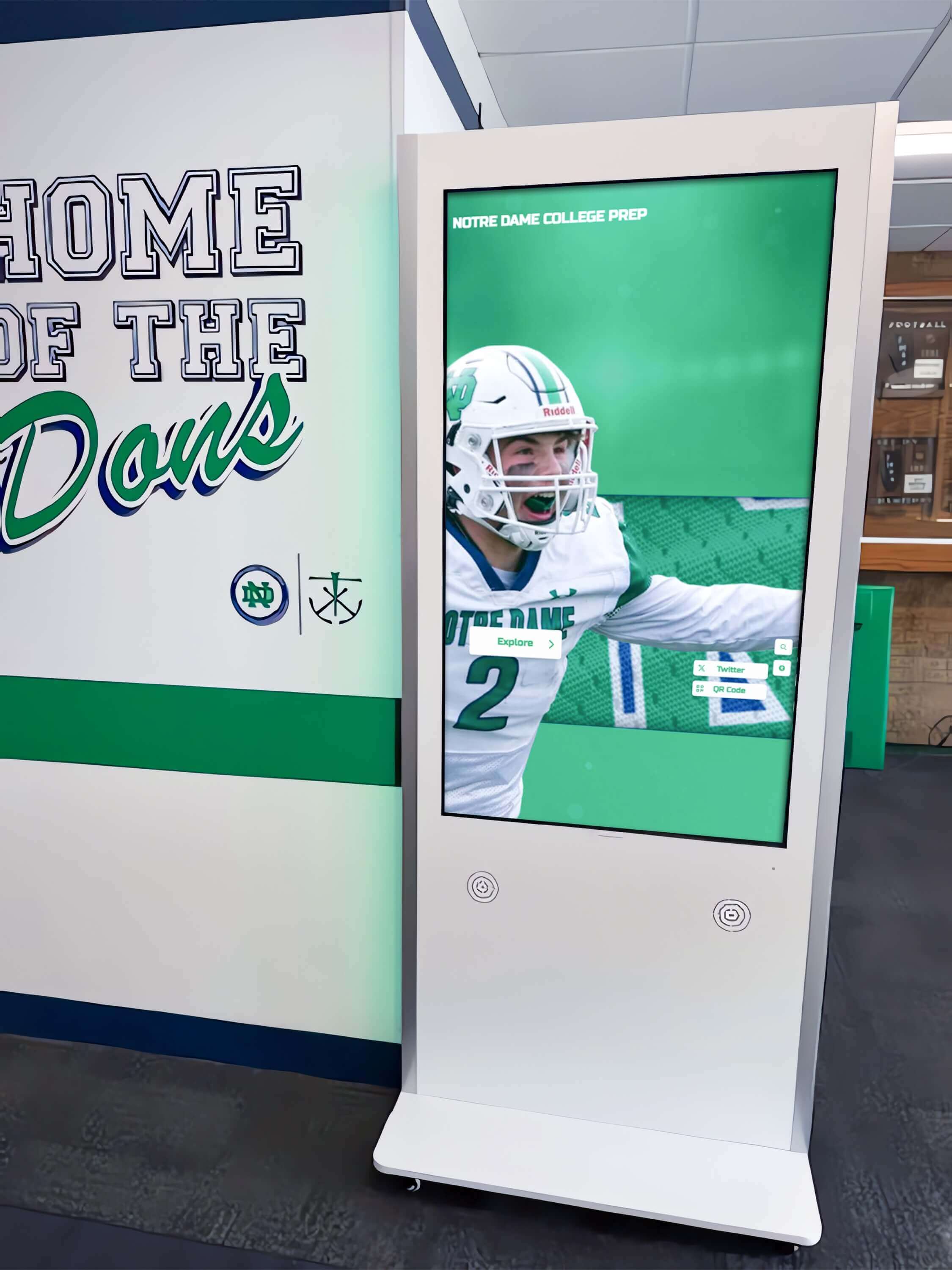
Historical Preservation: Recognition displays can document institutional heritage including school history timelines, notable alumni accomplishments, evolution of facilities and programs, archived yearbook photos and memorabilia, and distinguished graduate profiles maintaining connections across generations.
Digital systems excel at historical preservation because unlimited capacity accommodates decades of content while search capabilities enable finding specific individuals or events from any era rather than limiting visibility to recent years fitting available physical space.
Cultural Reflection: Displays communicate institutional values and culture whether intentionally or not. Schools should consider what messages current displays send including whether academic achievement receives comparable recognition to athletic accomplishments, if diverse student populations see themselves reflected in visible displays, whether displays celebrate only top performers or recognize improvement and effort at all levels, if content reflects inclusive values regarding gender, race, and ability, and whether display quality suggests institutional pride and resource investment.
Many schools discover that analyzing current displays reveals unintentional messages contradicting stated values—such as schools claiming to prioritize academics while athletic recognition receives ten times more visible space, or institutions celebrating diversity while displays predominantly showcase single demographic groups.
Modern Digital Recognition Platform Features
Schools exploring digital display solutions for recognition purposes should understand capabilities that distinguish basic slideshow systems from sophisticated platforms designed specifically for educational recognition applications.
Comprehensive Content Management
Professional recognition platforms provide intuitive systems enabling non-technical school staff to manage content independently without requiring IT expertise or outside vendor involvement for routine updates.
Web-Based Administration: Modern systems operate through web interfaces accessible from any device, allowing authorized staff to add new inductees and achievers, upload photos and biographical information, update statistics and accomplishments, create and modify categories and filters, and manage content visibility and organization from offices or homes without physically accessing display hardware.
Bulk Operations: Quality platforms enable efficient data management through importing multiple records simultaneously from spreadsheets, updating groups of profiles with common changes, organizing content through tags and categories, and archiving historical content while keeping it searchable.
Media Libraries: Integrated asset management systems organize photos, videos, documents, and other media centrally, enabling reuse across multiple profiles and displays while maintaining consistent formatting and professional appearance.
Rich Profile Capabilities
Beyond simple name lists, sophisticated recognition platforms enable detailed profiles telling comprehensive achievement stories through multiple content types and presentation formats.
Biographical Information: Detailed profiles can include personal information such as graduation years, hometowns, majors or fields of study; achievement details documenting specific accomplishments, awards, statistics, and career highlights; photos and multimedia including portraits, action shots, video clips, and audio recordings; narrative descriptions providing context about accomplishments and impact; and connections linking to related profiles such as teammates, classmates, or family members.
Statistical Integration: Athletic recognition particularly benefits from statistical capabilities showing career statistics, single-season and game records, all-time rankings in various categories, comparisons across eras or teams, and interactive leaderboards.
Some advanced platforms can integrate directly with athletic management systems, automatically updating displays as statistics accumulate throughout seasons without requiring manual data entry.
Interactive Exploration Features

The true power of digital recognition systems lies in enabling users to actively explore content according to their interests rather than passively viewing whatever administrators choose to display at particular moments.
Search and Filter: Quality platforms provide robust search finding specific individuals by name; filtering by year, class, or era; browsing by achievement type or category; sorting by various criteria like statistics or chronology; and saved searches for frequently accessed queries.
Browsing Modes: Different users want to explore content differently, so flexible systems support alphabetical browsing of all inductees, chronological timelines showing achievements by year, categorical organization grouping similar accomplishments, and featured content highlighting remarkable stories.
User Engagement Analytics: Advanced platforms track how people interact with displays including which profiles generate most interest, how long users engage with content, what search terms people use most frequently, and which categories or features prove most popular. These insights help schools understand what resonates with audiences and refine content strategies accordingly.
Multi-Display and Web Access
Leading recognition platforms extend beyond single physical displays, enabling content access across multiple contexts and devices.
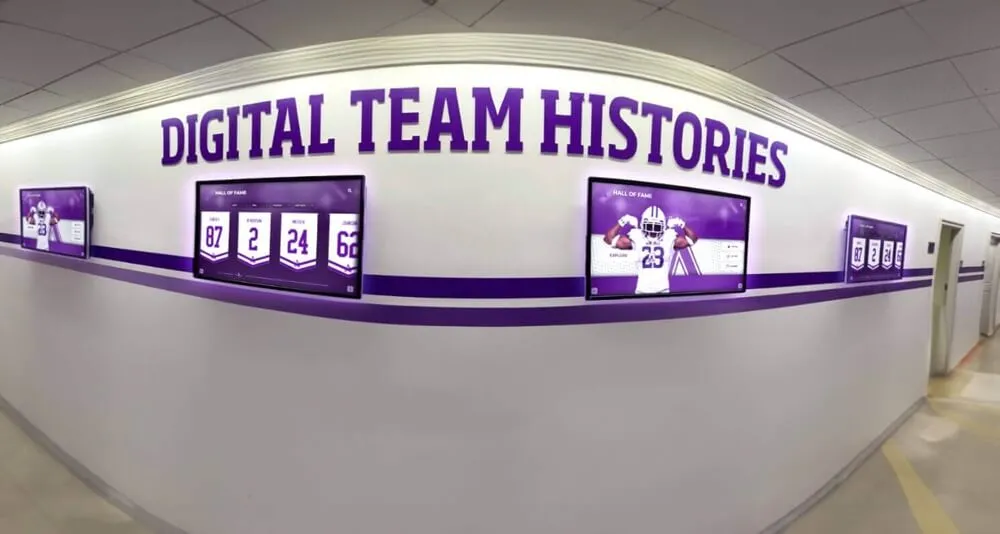
Multiple Display Management: Schools with several recognition locations can manage all displays through single administrative systems while customizing what content appears at each location, whether displays show identical content or specialized subsets appropriate to specific areas like athletic versus academic displays.
Web Accessibility: Many modern platforms provide web-accessible versions of recognition content, enabling families and alumni to explore achievements remotely, students to share accomplishments with distant relatives, graduates to revisit their alma mater’s recognition digitally, and community members to connect with school heritage from anywhere.
Mobile Optimization: With most families accessing online content primarily through phones and tablets, responsive designs ensuring recognition platforms work well on all device sizes prove essential for maximizing engagement beyond physical school buildings.
Professional Design and Customization
Recognition displays reflect institutional quality and professionalism, so platforms should enable attractive presentations aligned with school branding while remaining functional and accessible.
Branded Customization: Schools should be able to incorporate institutional colors and visual identities, school logos and mascots, custom fonts and typography, background images and textures, and layout preferences matching aesthetic sensibilities.
Template-Based Consistency: While enabling customization, quality platforms also provide professional templates ensuring visual consistency, optimal readability, appropriate information hierarchy, and polished appearance even for staff without design expertise.
Accessibility Standards: Displays should meet WCAG accessibility guidelines through adequate color contrast for readability, text sizing options accommodating visual needs, screen reader compatibility for vision-impaired users, and keyboard navigation alternatives to touchscreen interaction.
Implementation Considerations for Digital Display Projects
Schools planning digital display implementations benefit from understanding common challenges and best practices ensuring successful deployments that deliver expected value.
Technical Requirements and Infrastructure
Digital displays require appropriate technical infrastructure including reliable electrical power at display locations, network connectivity for content management and updates, mounting hardware appropriate to wall types and locations, physical security against theft or vandalism, and environmental considerations regarding temperature, humidity, and sunlight exposure.
Schools lacking robust network infrastructure in desired display locations may need to invest in connectivity improvements or consider standalone systems with local content management rather than cloud-based platforms requiring constant connectivity.
Budget and Funding Strategies
Digital display projects involve various costs requiring planning including hardware purchases for screens, mounting equipment, and any necessary computers; software licensing for content management platforms; installation expenses for professional mounting and configuration; content creation including photography, design, and data compilation; ongoing maintenance and support; and eventual technology refresh as hardware ages.
Many schools fund digital displays through diverse sources including capital budgets for facility improvements, booster club contributions from athletic or parent organizations, donor recognition opportunities naming displays after major contributors, grant funding for technology or facility enhancements, and capital campaigns for comprehensive facility renovations.
Change Management and Staff Training
New display systems succeed only when staff understand how to utilize them effectively. Implementation plans should include comprehensive training for content administrators, ongoing support resources and documentation, clear policies and procedures, regular check-ins during initial deployment, and recognition of staff learning curves.
Resistance to new systems often stems from lack of confidence rather than actual opposition. Patient training emphasizing how new tools simplify rather than complicate work helps staff embrace changes rather than avoiding new systems due to discomfort.
Content Development and Launch Planning
Launching displays with comprehensive, high-quality content creates stronger first impressions than deploying systems with minimal initial information and gradually building content over time. Pre-launch planning should include historical data compilation and digitization, photography sessions for current students and staff, content writing and editing, quality review and approval, and soft launches allowing testing before public announcements.
Many schools underestimate time required for initial content development, leading to delays or disappointing launches with sparse information. Starting content work months before planned deployment dates ensures systems launch with substance justifying investment and generating excitement.
Rocket Alumni Solutions: Purpose-Built School Recognition Platforms
Schools seeking comprehensive digital recognition solutions designed specifically for educational environments should consider platforms like Rocket Alumni Solutions that address the unique needs of schools, universities, and educational organizations.
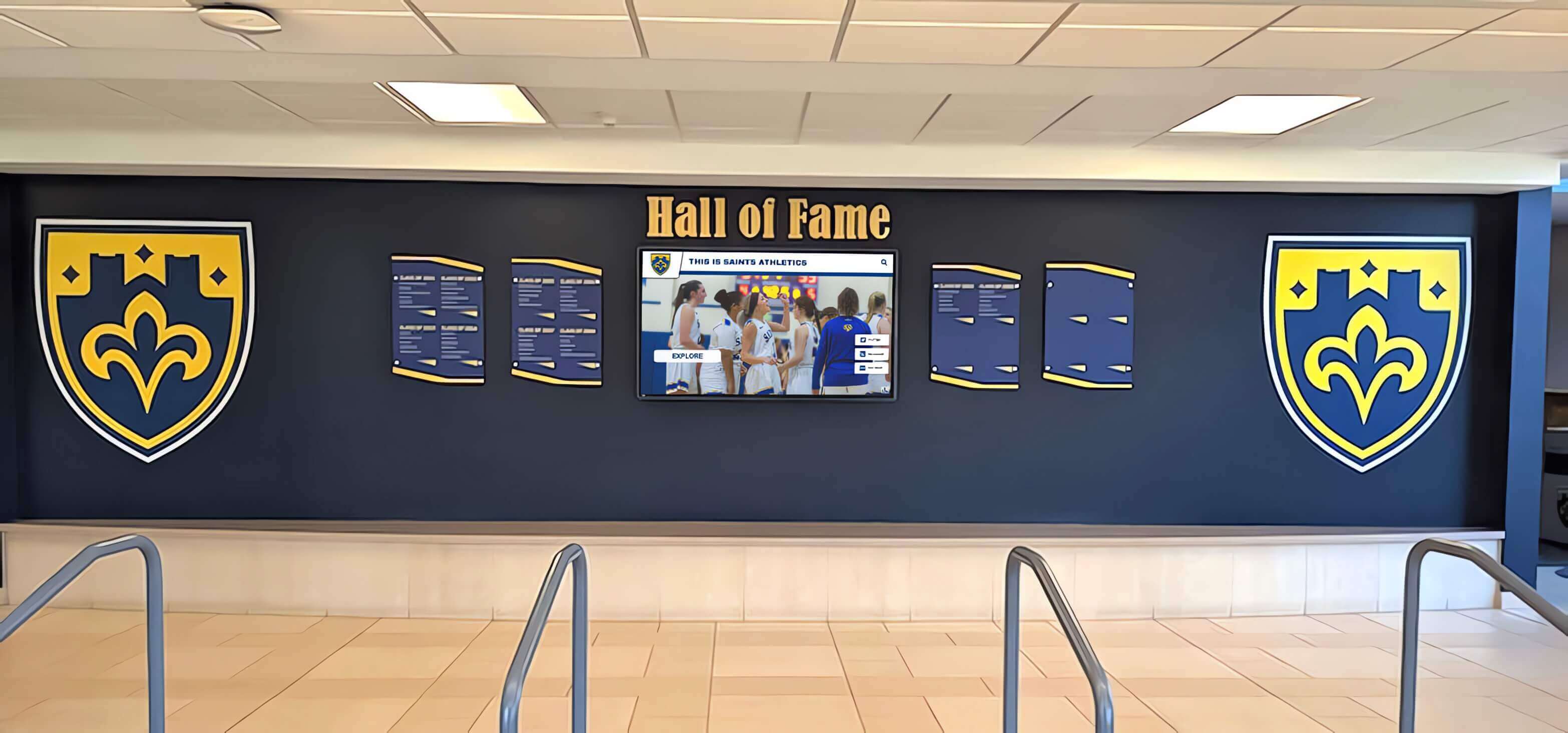
Unlike generic digital signage platforms requiring extensive customization and technical expertise, purpose-built educational recognition systems provide intuitive interfaces designed for school administrators and staff to manage independently. These platforms typically offer unlimited recognition capacity accommodating decades of honorees without space constraints, rich multimedia profiles telling comprehensive achievement stories, interactive exploration capabilities engaging students and families actively, web accessibility extending recognition beyond physical buildings, and professional templates ensuring polished presentation aligned with school branding.
Schools implementing specialized recognition platforms report significant benefits including increased school pride and community engagement, improved recognition equity across academic and athletic achievements, enhanced alumni connections as graduates interact with digital archives, recruitment advantages showcasing institutional excellence, and administrative efficiency as automated systems reduce manual update labor compared to traditional bulletin boards or basic slideshow displays.
When evaluating digital recognition solutions, schools should prioritize platforms specifically designed for educational contexts rather than generic digital signage repurposed for school use. Educational platforms understand unique school needs including academic calendars, appropriate content categories for student achievement, privacy considerations regarding minor students, integration with existing school systems, and pricing models appropriate for educational budgets.
Measuring Display Effectiveness and Impact
Schools investing resources in display systems—whether traditional bulletin boards or sophisticated digital platforms—should periodically assess whether implementations deliver expected value and identify improvement opportunities.
Quantitative Metrics
Some display effectiveness indicators lend themselves to numerical measurement including user interaction counts for digital systems tracking engagement, dwell time measurements showing how long people view displays, website analytics for web-accessible recognition platforms, before-and-after surveys assessing awareness of recognized achievements, and facility rental impacts if displays enhance appeal to outside groups.
Qualitative Assessment
Beyond numbers, schools should gather qualitative feedback through stakeholder focus groups discussing perceptions and suggestions, observation of how people interact with displays naturally, monitoring social media mentions and community conversation, collecting anecdotal reports from staff, students, and families, and comparing display impact against initial goals and expectations.
Continuous Improvement
Assessment should drive refinement through content strategy adjustments based on what generates interest, interface modifications improving usability, placement changes if locations prove suboptimal, expansion to additional locations where displays could add value, and technology upgrades as platforms evolve and improve.
Conclusion: Transforming School Environments Through Strategic Display Design
School display boards—whether traditional cork bulletin boards or cutting-edge interactive touchscreens—represent valuable tools for communication, recognition, and culture building when implemented strategically with clear purposes and ongoing commitment to quality content and maintenance. The schools that maximize display potential share common characteristics including strategic planning aligning display investments with institutional priorities, diverse display portfolio utilizing appropriate formats for different purposes, systematic content management preventing displays from becoming outdated, inclusive recognition celebrating achievements across all student populations, and continuous improvement refining approaches based on results and feedback.
As educational environments continue evolving, display technology will likewise advance with increasing integration of artificial intelligence and personalization, deeper connections with student information systems and databases, enhanced interactivity including gesture control and voice interaction, and augmented reality overlays adding digital elements to physical spaces. Schools establishing strong display foundations today position themselves to incorporate these innovations as they mature and become accessible.
The distinction between schools with vibrant, engaging visual environments and those with neglected, outdated displays reflects deeper differences in institutional values and priorities. Schools investing thought and resources into strategic display planning demonstrate commitment to celebrating achievement, communicating with stakeholders, and creating welcoming environments that inspire pride and belonging among all community members.
Ready to transform your school’s recognition and communication displays? Whether you’re exploring traditional bulletin board improvements, basic digital signage implementation, or comprehensive interactive recognition platforms, solutions like Rocket Alumni Solutions provide purpose-built platforms designed specifically for educational recognition. These specialized systems offer intuitive management, unlimited capacity, engaging interactivity, and proven approaches helping schools build recognition cultures that celebrate excellence, strengthen community, and inspire future achievement.
Your students, staff, and community deserve recognition environments reflecting the excellence they demonstrate daily. Strategic display planning ensures those achievements receive the celebration, visibility, and lasting commemoration that builds pride and motivates continued excellence across your entire school community.