



Intent: research
Historical preservation and presentation face fundamental challenges in modern educational environments: limited physical space for recognition displays, deteriorating archival materials, declining student engagement with traditional historical content, and accessibility barriers preventing widespread audience reach. Digital tools are transforming how institutions capture, preserve, and present history—moving from static plaques and dusty archives to immersive interactive experiences that engage contemporary audiences while ensuring long-term preservation.
Key Research Findings:
- The global digital museum market reached $4.8 billion in 2026, with educational institutions accounting for 34% of interactive display deployments as schools prioritize engaging historical presentation methods
- According to Cuseum’s 2026 digital engagement analysis, museums implementing interactive digital tools report 68% increases in visitor engagement duration and 52% improvements in content retention compared to traditional static displays
- Educational institutions deploying touchscreen recognition displays experience average annual interaction counts of 8,400+ individual engagement sessions per display, with 4.7-minute average session durations indicating substantive content exploration
- Augmented reality implementations in museum environments demonstrate 73% higher visitor satisfaction ratings and 89% increased likelihood of return visits compared to conventional exhibit formats, per MuseumNext’s emerging technology research
This comprehensive analysis examines digital tools transforming historical preservation and presentation across educational institutions, museums, and cultural organizations. Schools evaluating technology investments for displaying school history effectively, museums implementing interactive exhibits, and organizations seeking to engage contemporary audiences with historical content require evidence-based assessments of available technologies, implementation frameworks, and performance benchmarks.
Understanding the Digital History Transformation
Traditional historical preservation and presentation relied on physical artifacts, printed materials, static plaques, and space-constrained display cases. These conventional approaches encounter significant limitations in modern contexts where audiences expect interactive experiences, institutions face space constraints, and preservation requirements demand professional archival standards.
Limitations of Traditional Historical Presentation
Physical recognition displays including trophy cases, plaque walls, and banner installations provide limited capacity—eventually every institution exhausts available wall space regardless of how many additional achievements warrant recognition. Traditional approaches require expensive physical fabrication for each addition, creating budget barriers that force selective recognition rather than comprehensive celebration.
Static displays offer no interactivity—visitors passively observe without opportunities for exploration, searching specific individuals, filtering by achievement categories, or accessing detailed biographical information beyond brief name listings. This passive consumption fails to engage modern audiences accustomed to interactive digital experiences in other life contexts.
Accessibility limitations prevent many potential audiences from engaging with physically-located history. Alumni living across the country or internationally cannot explore their institution’s historical recognition. Prospective students and families cannot preview institutional heritage before campus visits. Community members without regular campus access remain disconnected from local history.
Material deterioration threatens long-term preservation. Photographs fade, documents yellow and become brittle, newspaper clippings disintegrate, and physical trophies accumulate dust while requiring ongoing maintenance. Without systematic digitization, irreplaceable historical materials face eventual loss.
The Digital Solution Framework
Digital tools address these fundamental limitations through approaches that expand capacity, enable interactivity, extend accessibility, and ensure preservation. Rather than replacing history itself, technology transforms how institutions capture, organize, protect, and present historical content to contemporary and future audiences.
Unlimited Capacity: Digital platforms accommodate unlimited content without physical space constraints. Institutions can recognize every achievement, preserve every photograph, and document every milestone without choosing between historical coverage and available wall space.
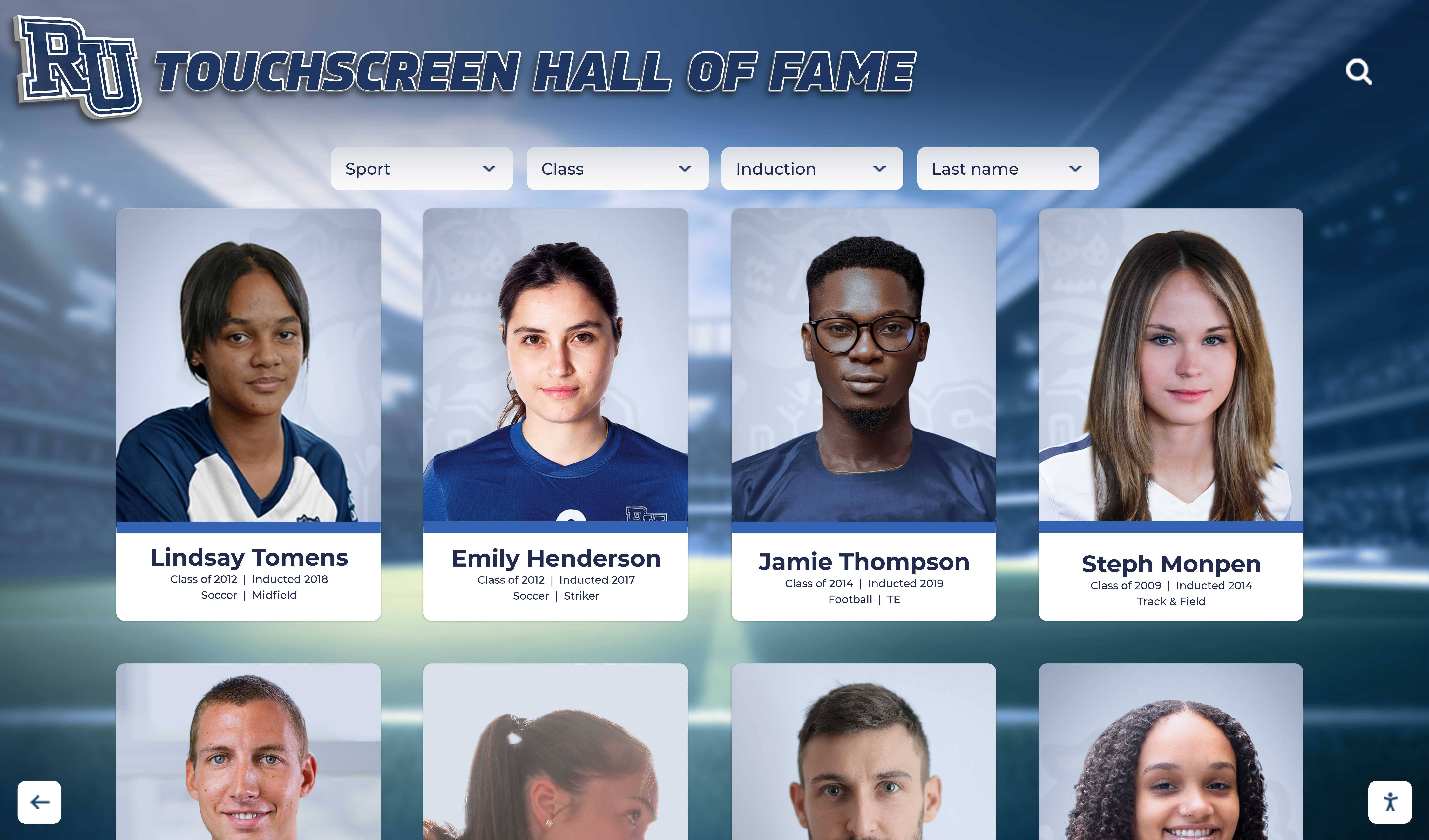
Interactive Exploration: Touchscreen displays, searchable databases, and navigable interfaces transform passive observation into active exploration. Visitors search for specific individuals, filter by achievement categories, explore detailed profiles, and discover connections across institutional history.
Universal Accessibility: Web-based platforms and mobile applications extend historical content beyond physical locations. Alumni worldwide explore recognition displays remotely, prospective families preview institutional heritage before visits, and community members engage with local history without campus access requirements.
Permanent Preservation: Digital archiving ensures historical materials survive indefinitely through proper backup systems, format migration strategies, and professional preservation standards. High-resolution digitization captures deteriorating materials before loss occurs while maintaining original quality.
Interactive Touchscreen Recognition Displays
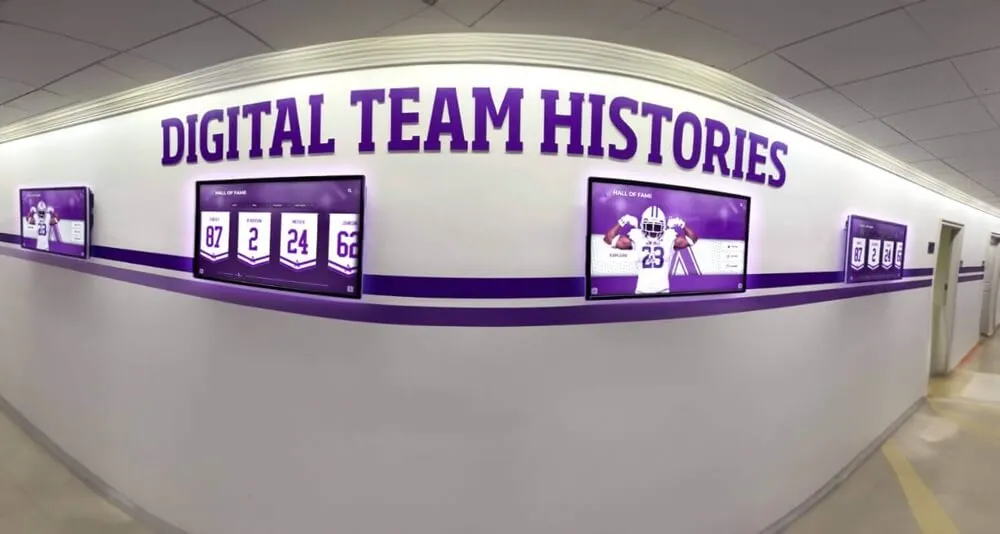
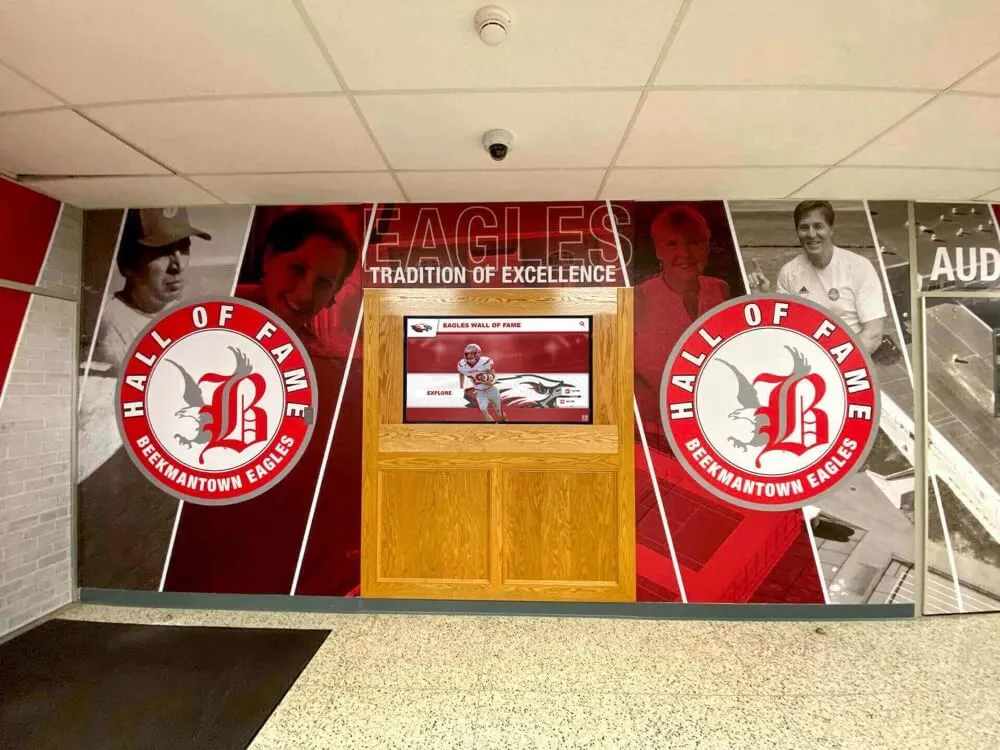
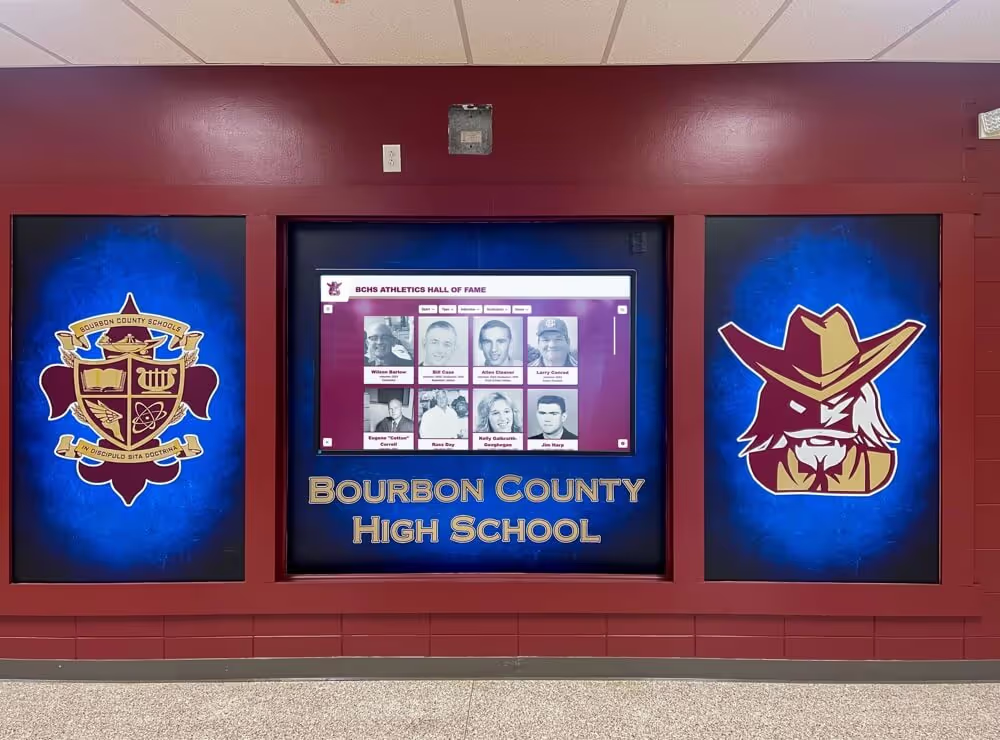
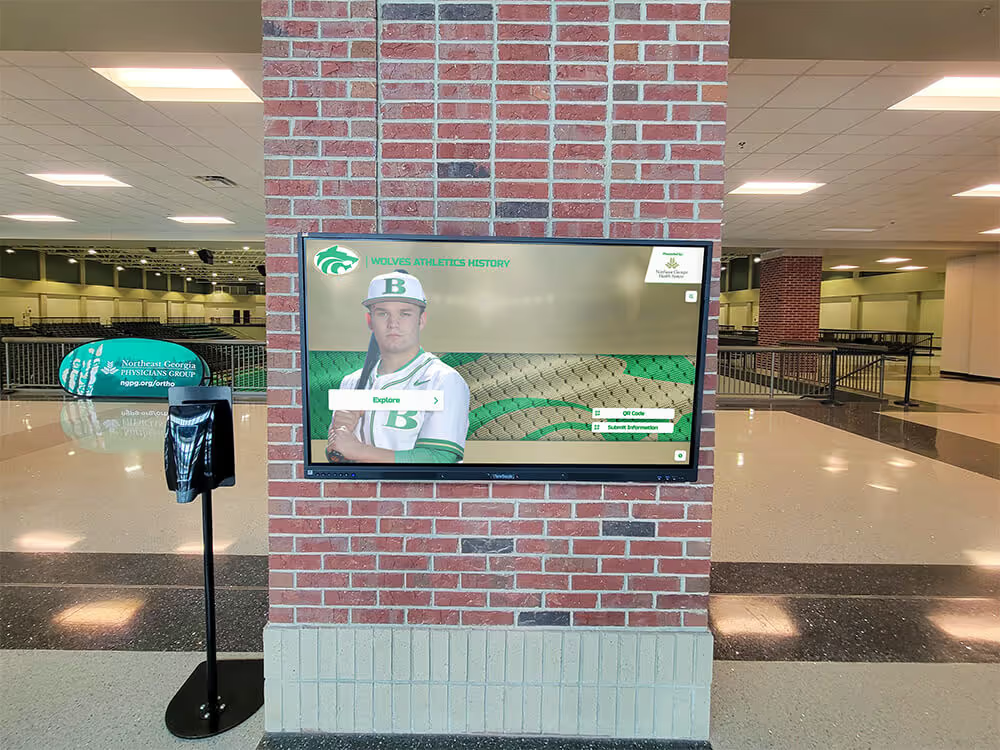
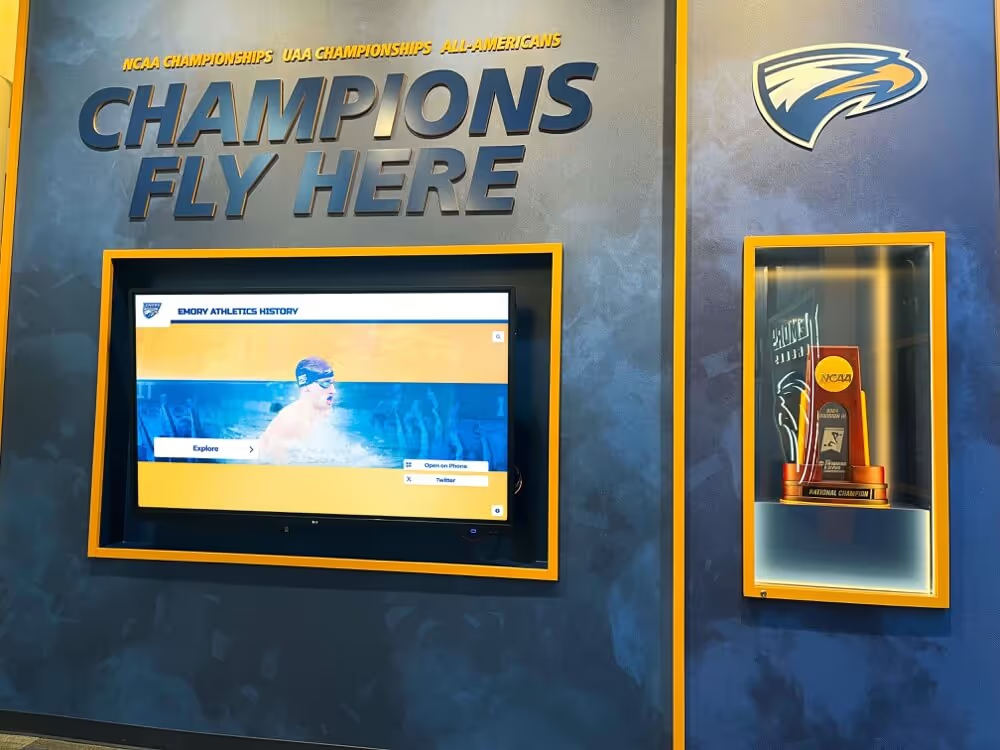
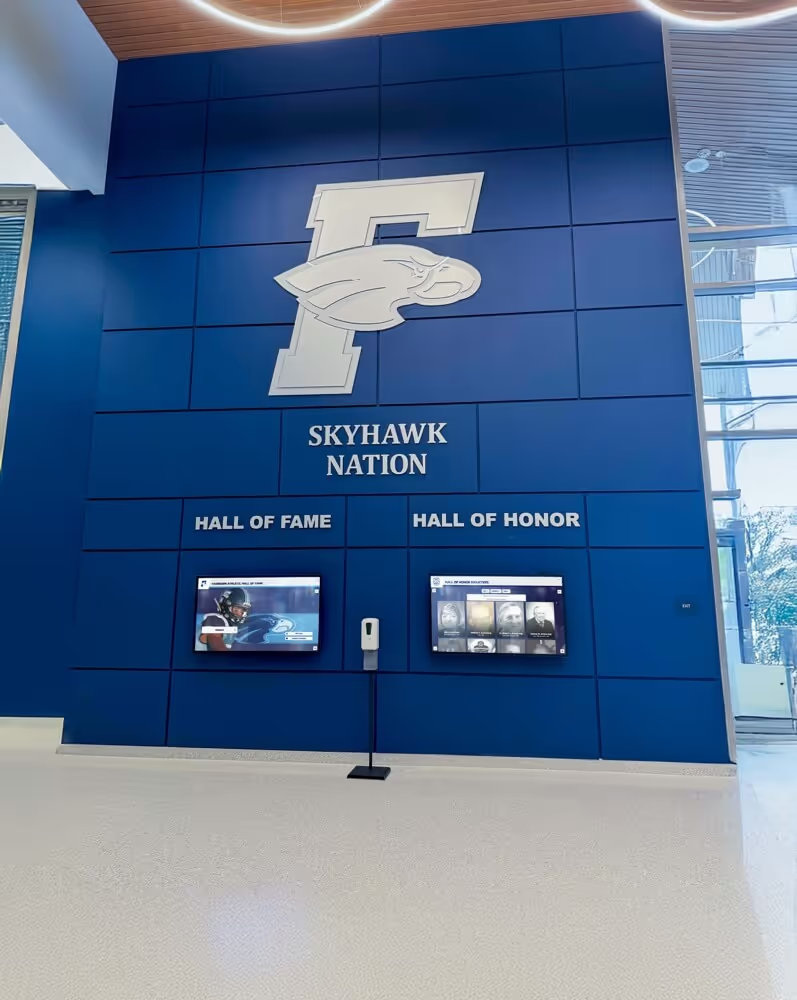
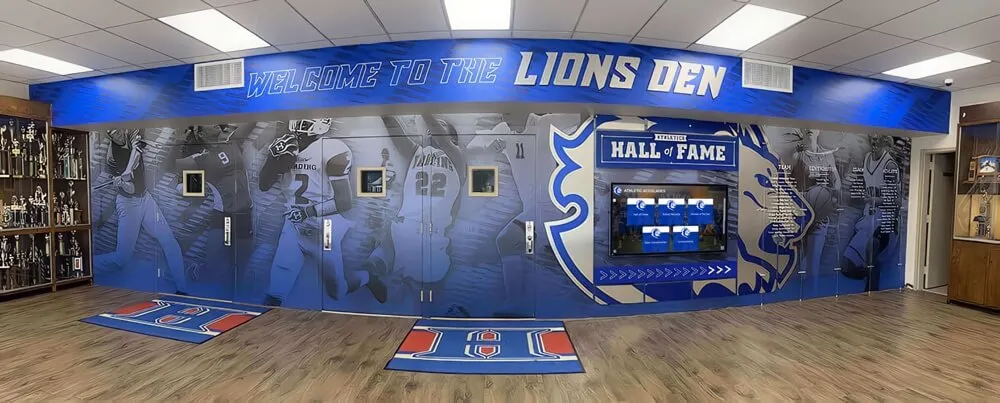
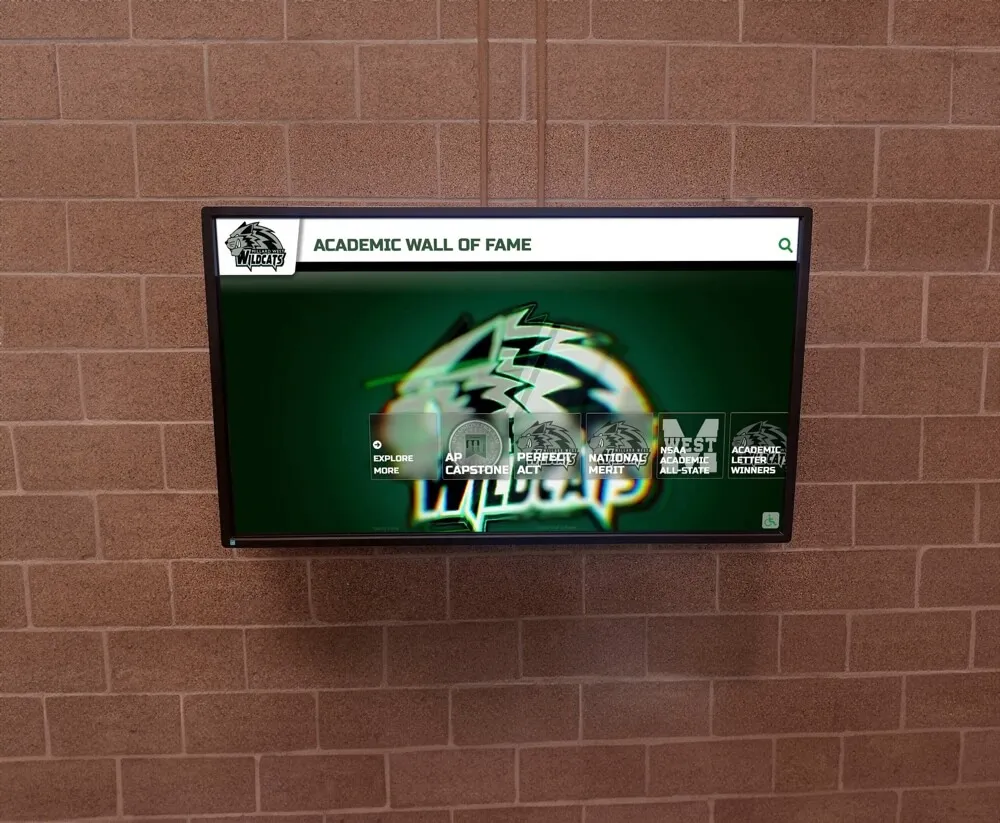
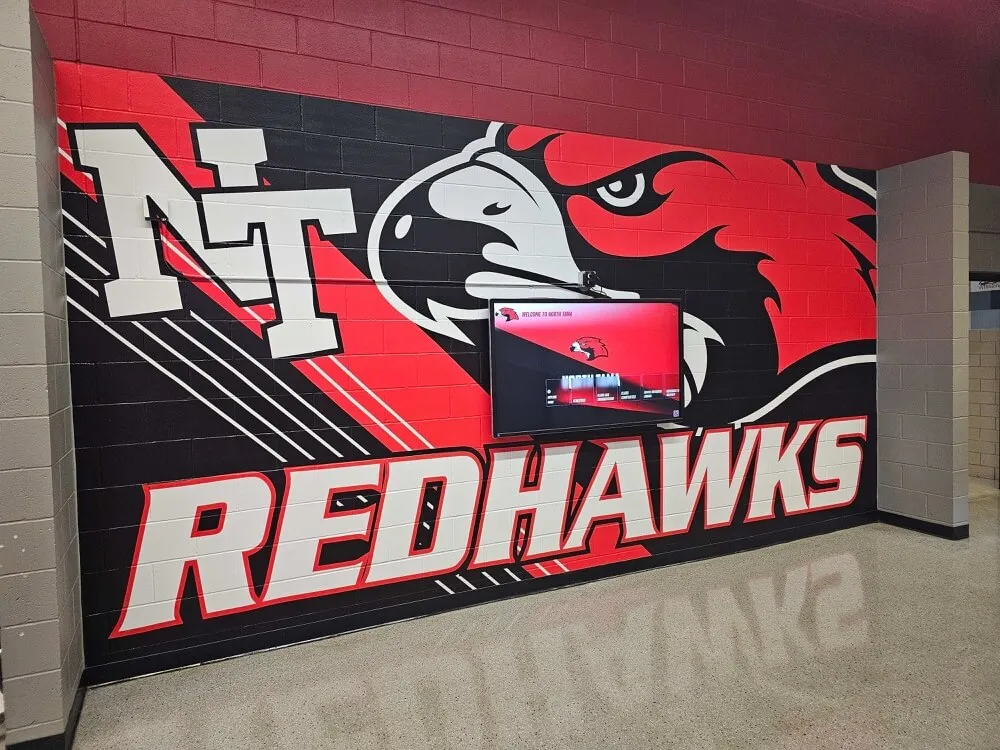
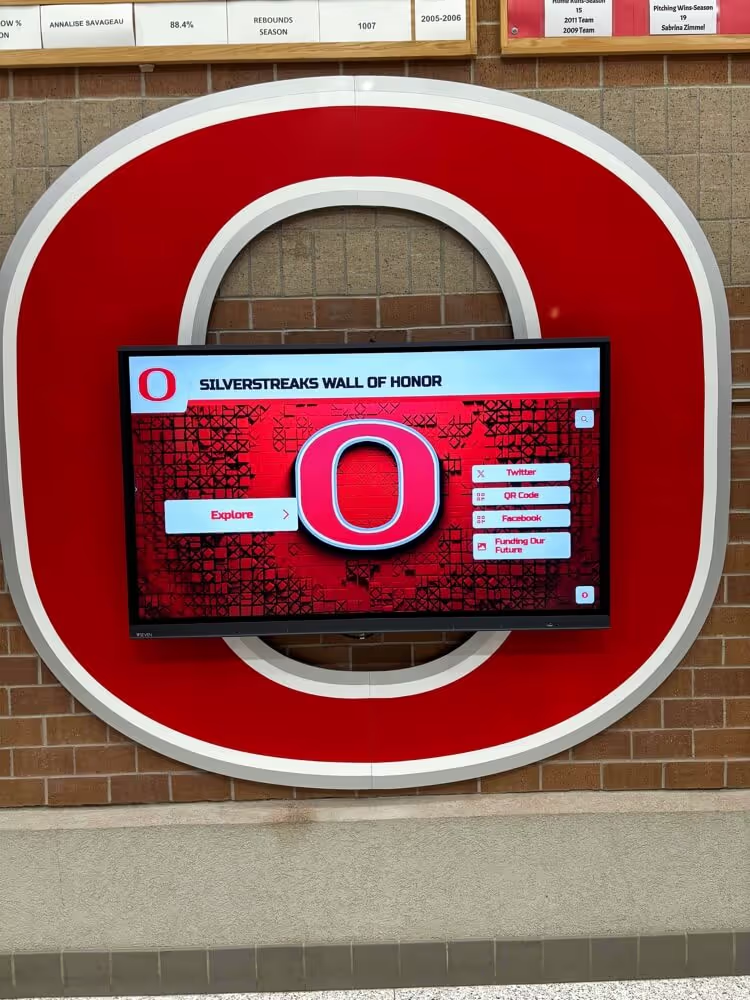
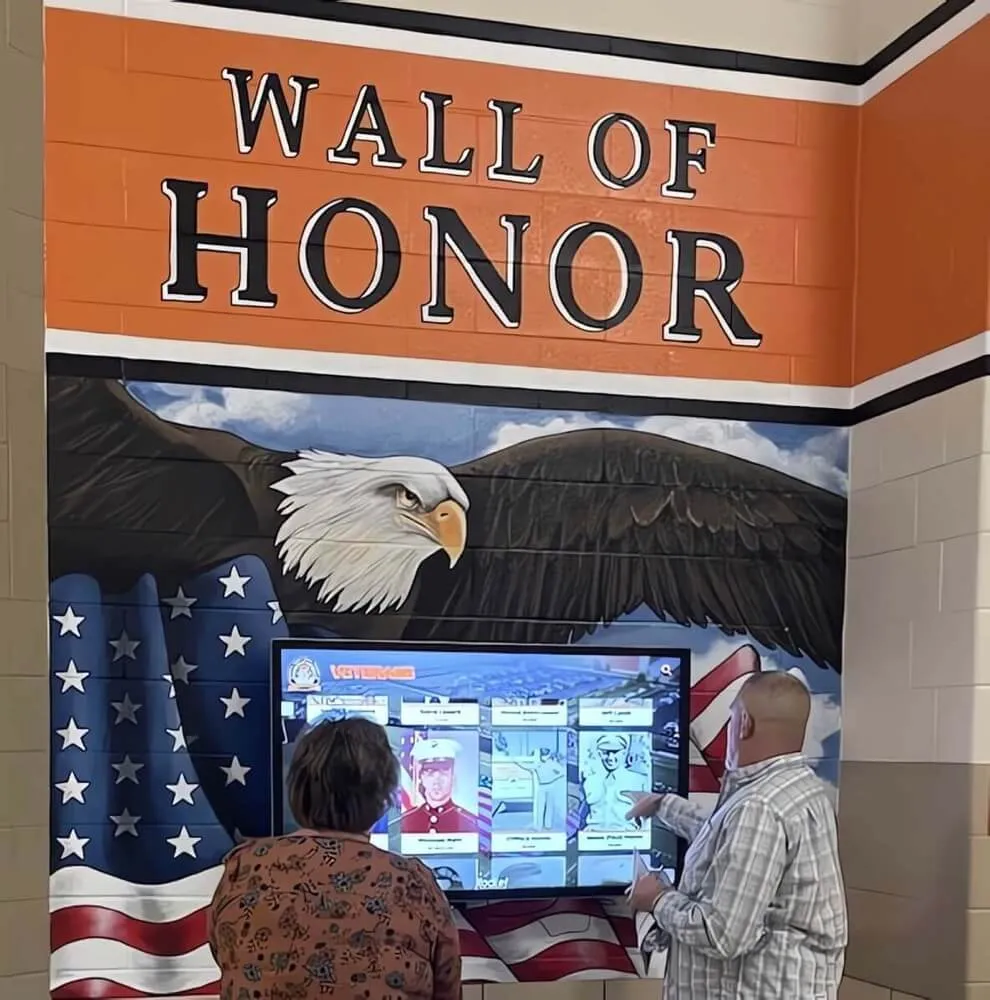
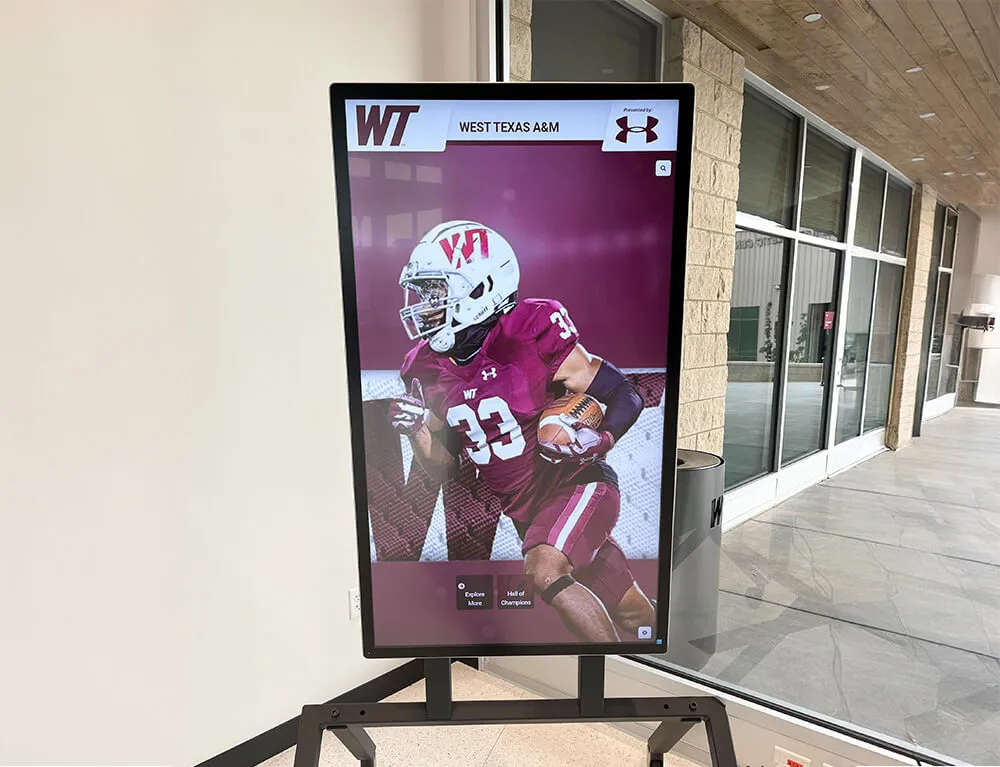
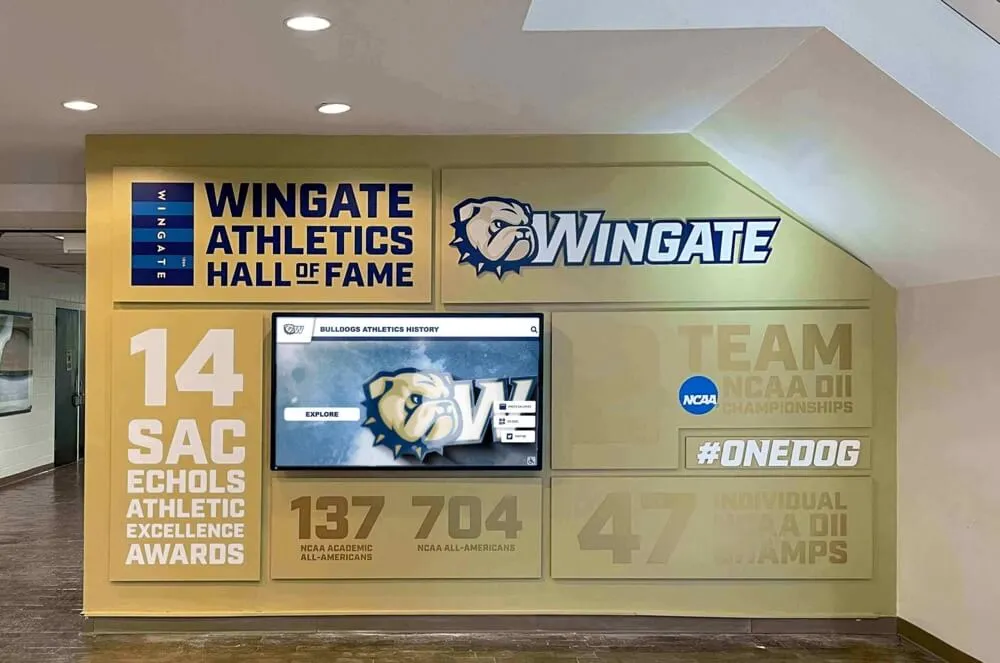
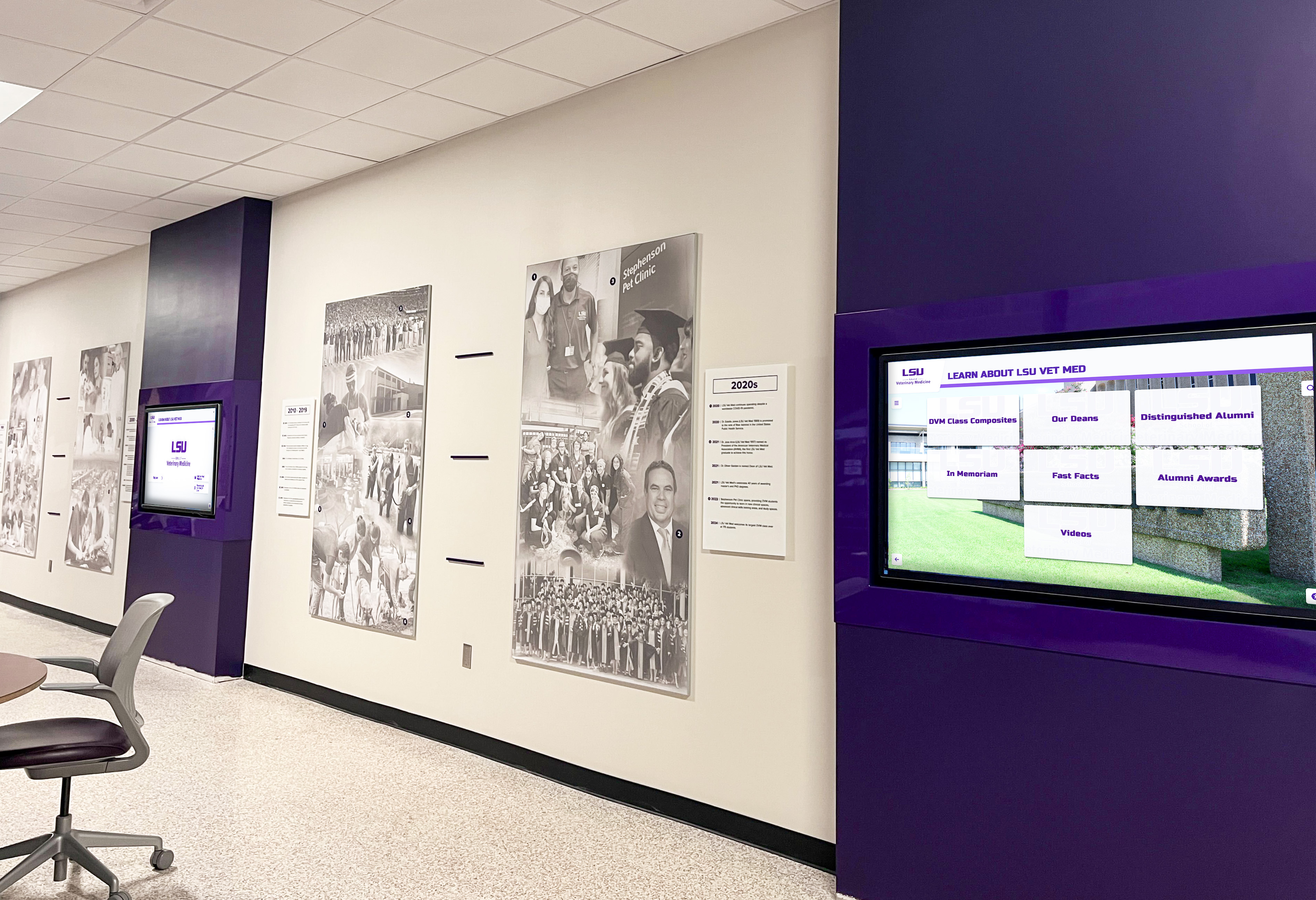
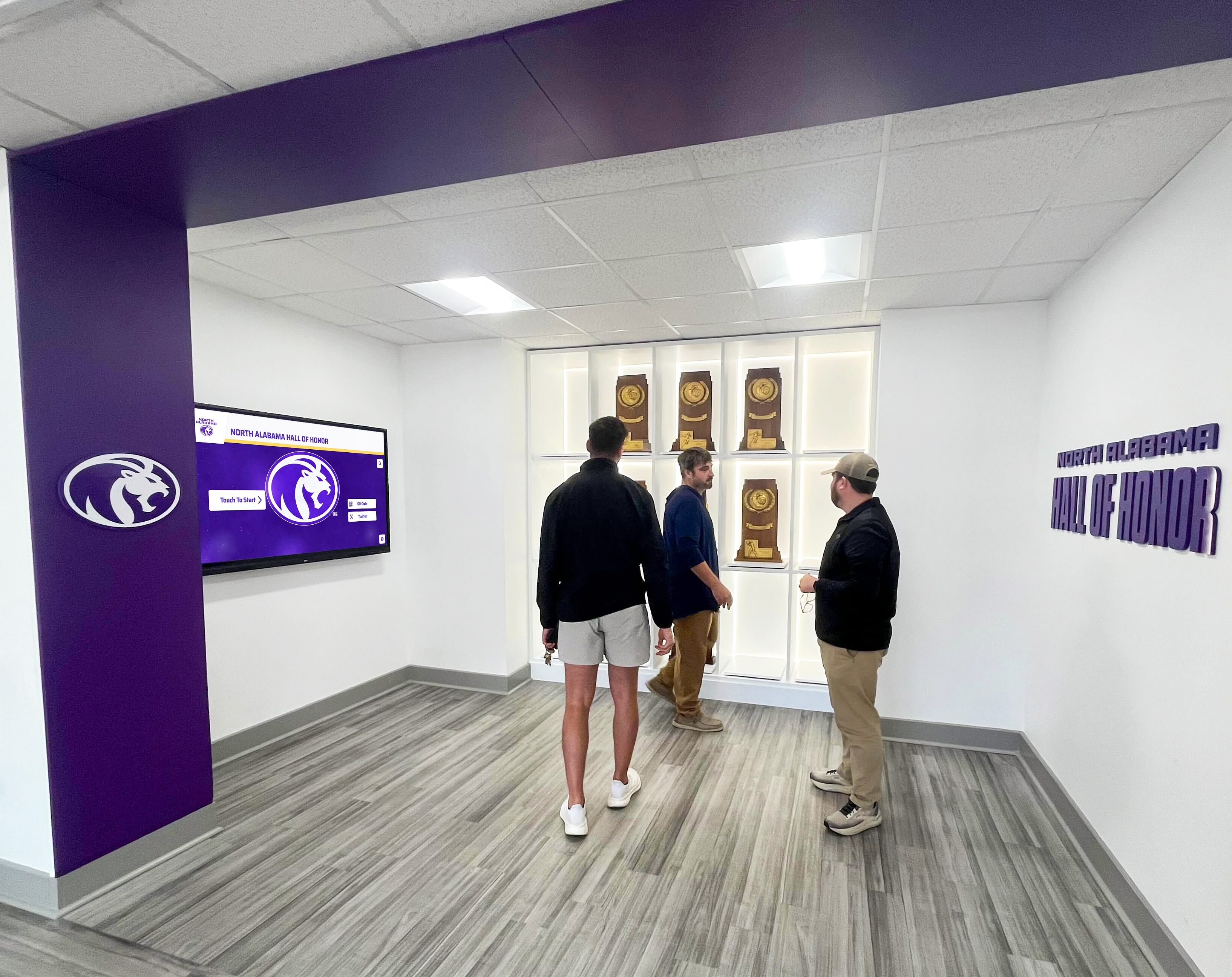
Touchscreen displays represent the most visible digital tool transforming how educational institutions present history. These interactive systems replace traditional trophy cases and plaque walls with engaging multimedia presentations accommodating unlimited content while enabling intuitive exploration.
Technology Architecture and Capabilities
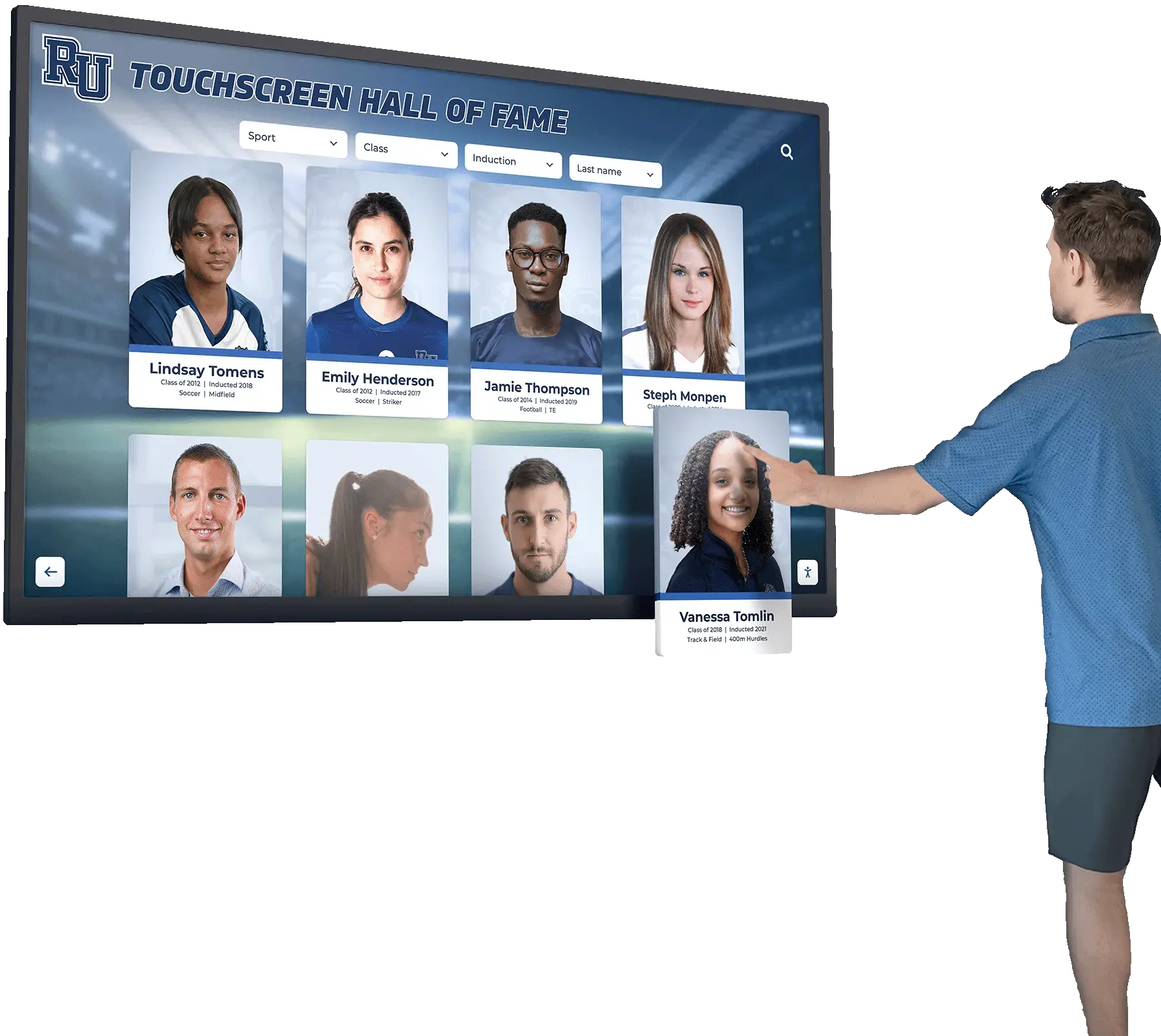
Modern touchscreen recognition displays utilize commercial-grade hardware paired with cloud-based content management platforms. Large-format displays ranging from 43-inch to 65-inch configurations provide impressive visual presentations in lobbies, athletic facilities, hallways, and gathering spaces. Capacitive touchscreen overlays enable multi-touch gesture navigation including tapping, swiping, and pinch-to-zoom interactions familiar from smartphones and tablets.
Interactive touchscreen software platforms like Rocket Alumni Solutions deliver content through web-based architecture requiring only modern browser capabilities. This approach provides instant content updates affecting all displays simultaneously, cross-platform compatibility supporting diverse hardware, and future-proof flexibility as software enhancements deploy automatically without device-specific requirements.
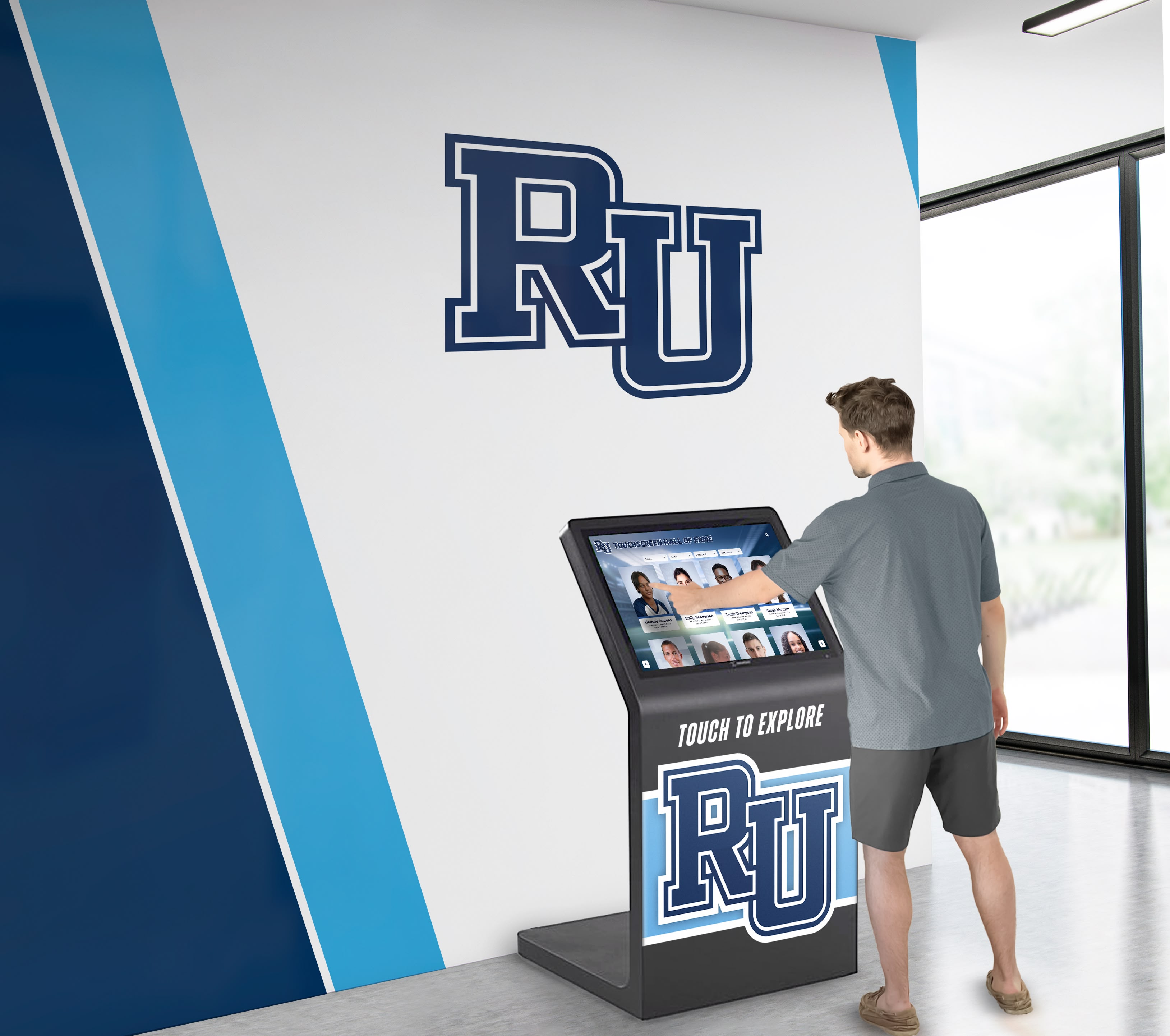
Content management systems enable non-technical staff to update displays through intuitive interfaces. Administrators upload photographs, enter biographical information, organize achievement categories, and publish content changes that appear instantly across all connected displays. This accessibility ensures historical content remains current without requiring IT expertise or external service providers for routine updates.
Implementation Across Educational Contexts
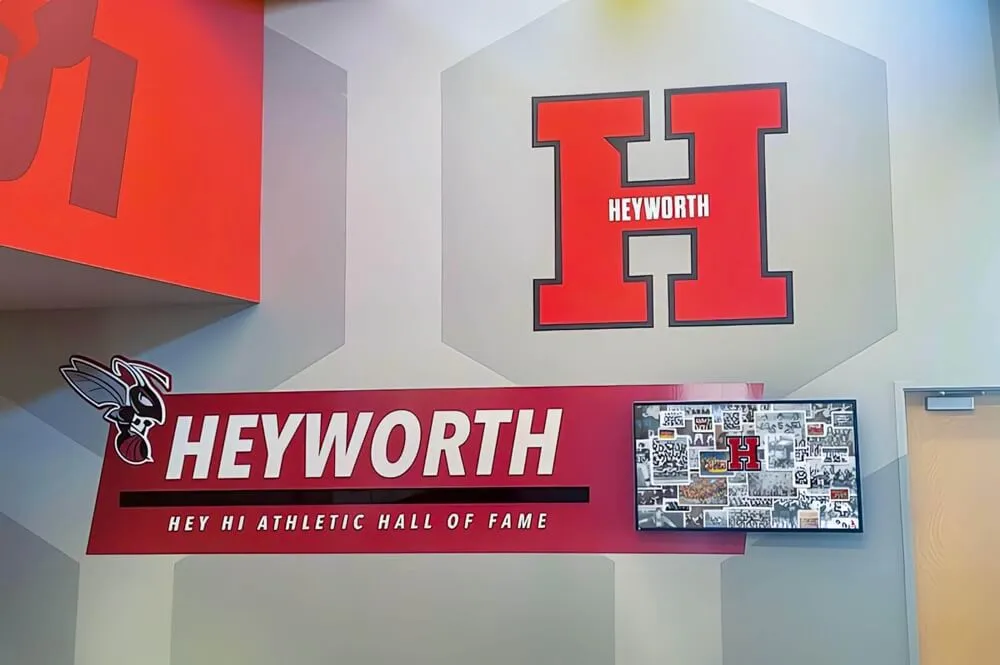
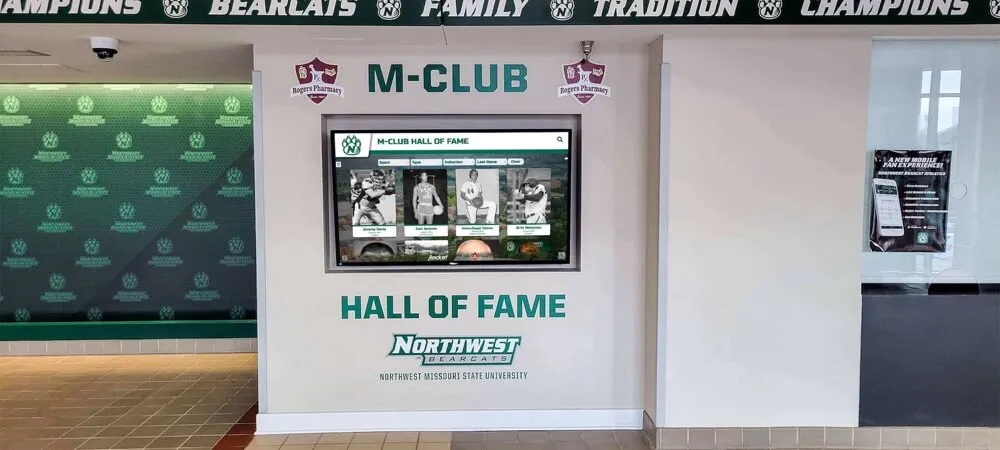
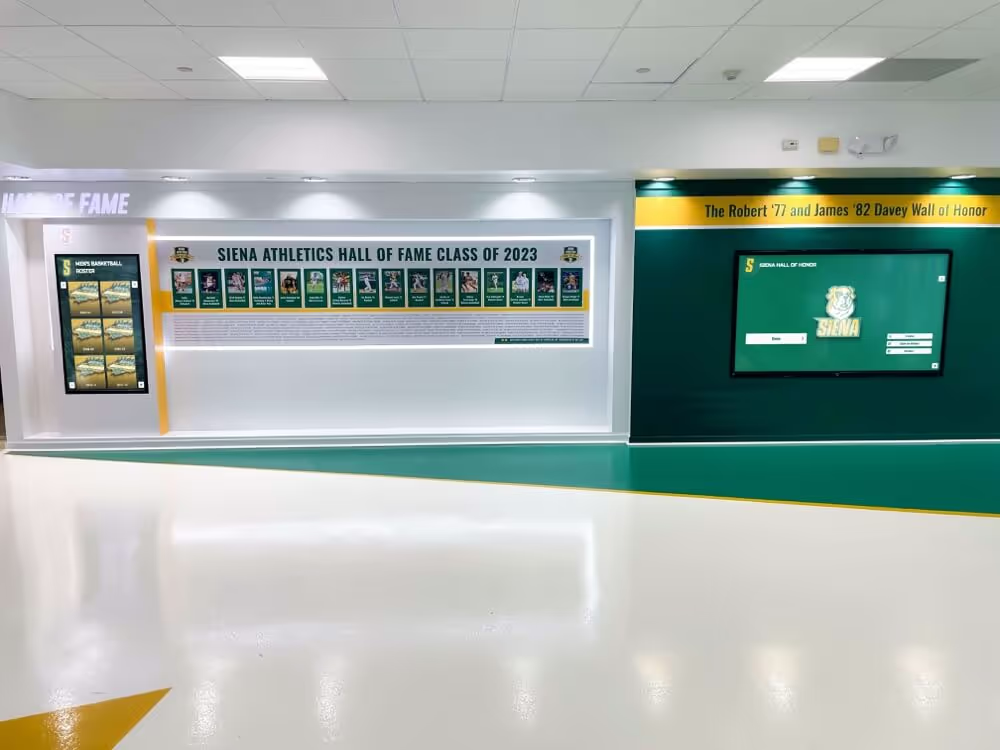
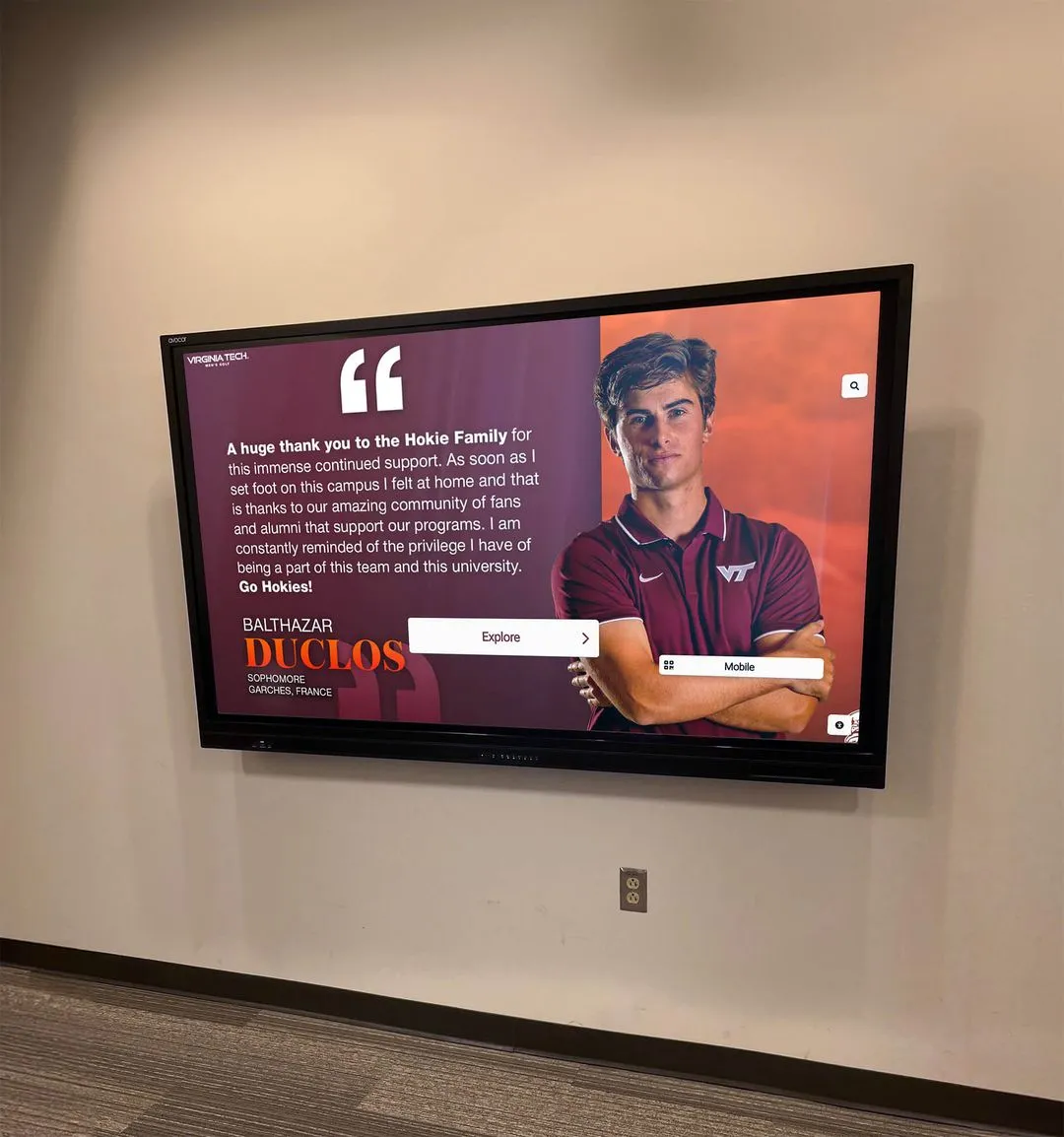
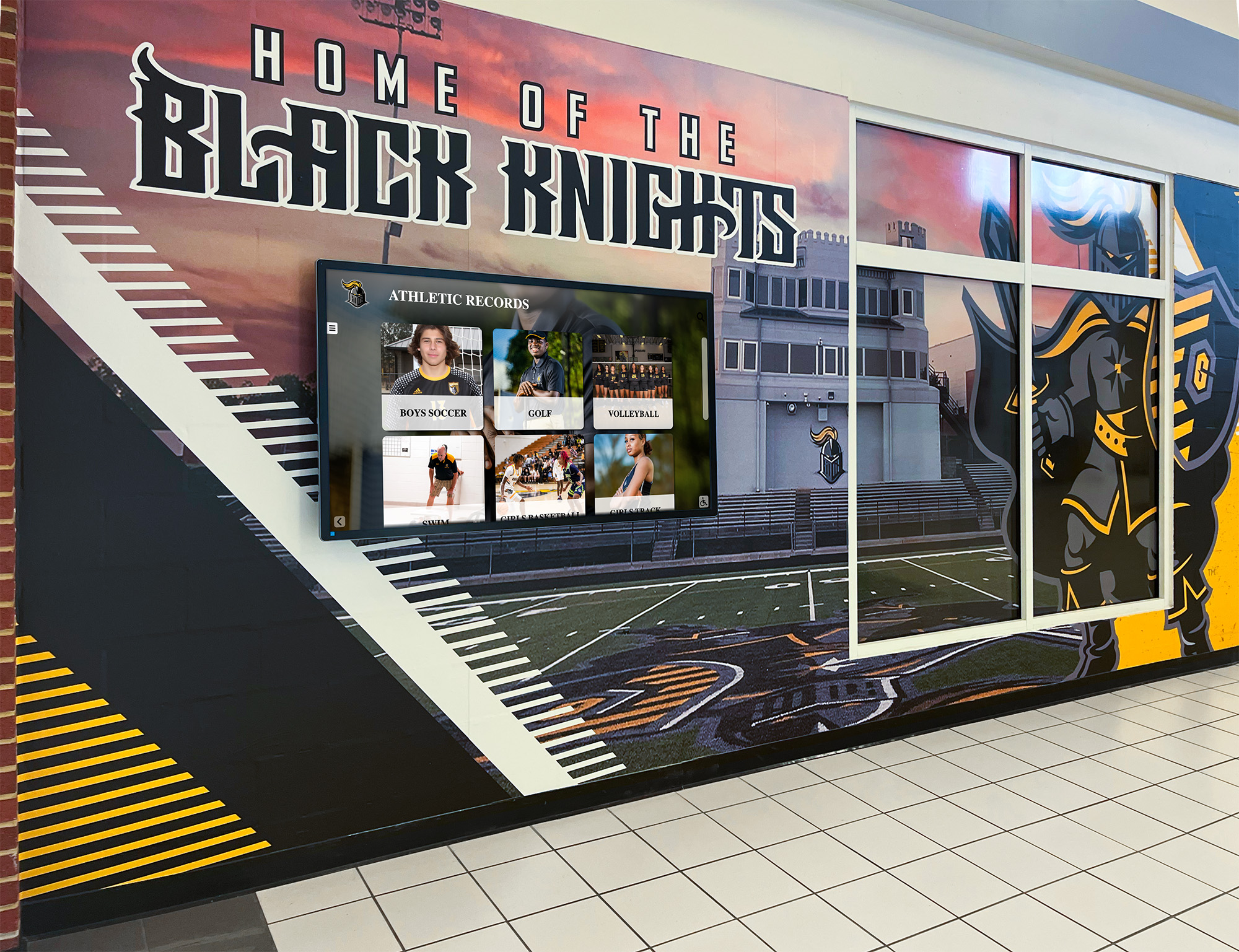
Athletic recognition applications represent the most common touchscreen deployment scenario. Digital athletic halls of fame celebrate championship teams, record-breaking performances, distinguished athletes, and coaching excellence through multimedia presentations impossible with traditional plaques. Visitors explore comprehensive athlete profiles including career statistics, action photography, video highlights, and post-graduation achievements.
Academic recognition implementations honor scholarly excellence including National Merit Scholars, AP Scholar designations, valedictorians, honor roll achievements, and academic competition success. The unlimited capacity of digital systems enables comprehensive recognition across multiple achievement levels rather than limiting displays to only top-tier honorees due to space constraints.
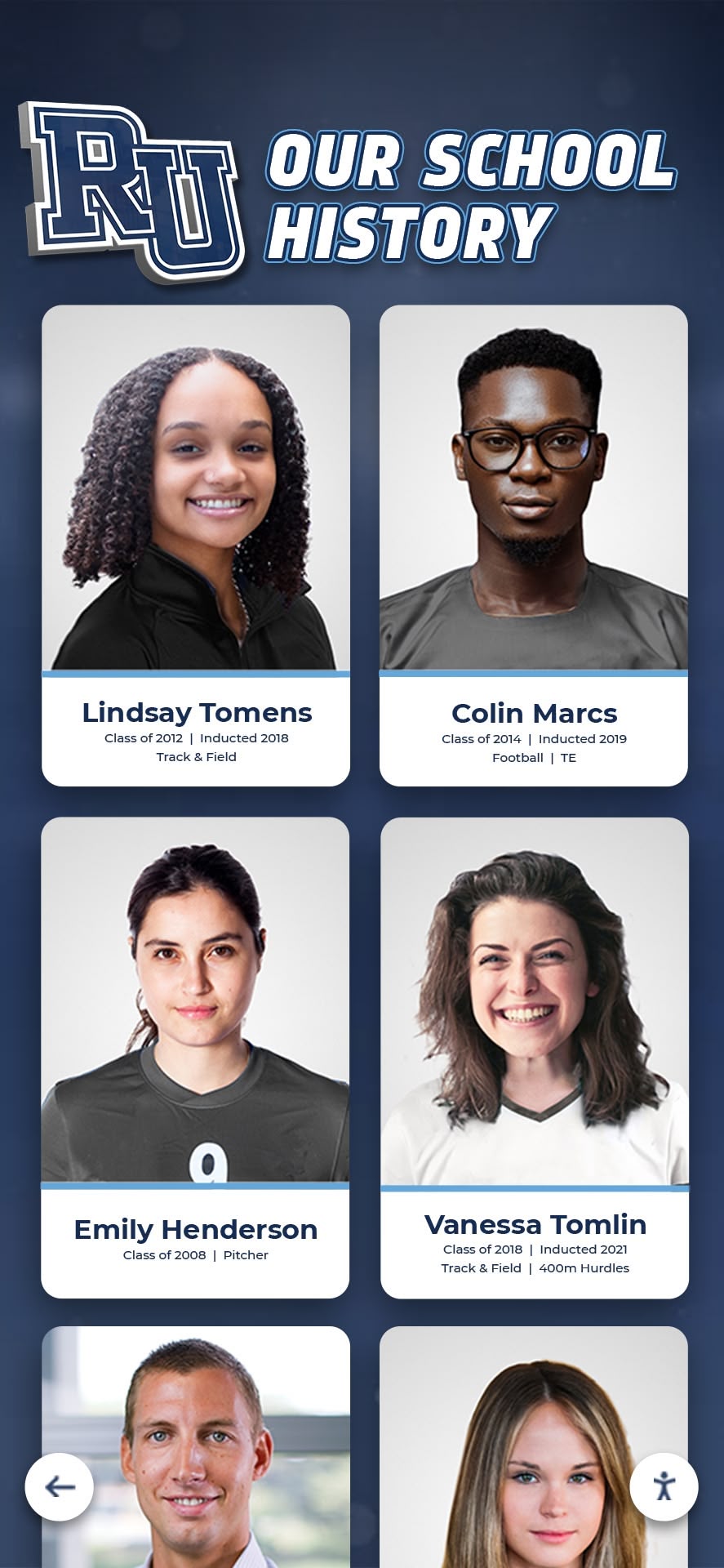
Alumni halls of fame leverage touchscreen displays during campus visits, homecoming celebrations, and reunion events. Graduates search for classmates by name or graduation year, explore career accomplishments, discover “where are they now” updates, and contribute personal information ensuring profile accuracy. This interactive engagement strengthens alumni connections while providing current students with inspirational examples of institutional excellence.
According to Rocket Alumni Solutions internal deployment analysis (N=127 institutional installations, 2019-2026), schools implementing digital recognition displays report 67% increases in alumni database profile completion rates as recognized individuals update information to ensure accuracy in public-facing displays. Institutions also observe measurable improvements in donor engagement with 23% higher giving participation rates among alumni featured in digital recognition systems compared to control groups.
Performance Benchmarks and Engagement Metrics
Quantitative performance data demonstrates the engagement value of interactive touchscreen displays compared to traditional static recognition. Educational institutions tracking usage analytics through platform monitoring systems measure consistent daily interaction patterns with peak activity during school hours, athletic events, and campus gatherings.
Average session durations of 4.7 minutes indicate substantive content exploration rather than cursory glancing that characterizes traditional plaque wall engagement. Visitors actively navigate through multiple profiles, search for specific individuals, explore achievement categories, and consume detailed biographical content. This depth of engagement demonstrates that well-designed digital systems successfully capture and hold audience attention.
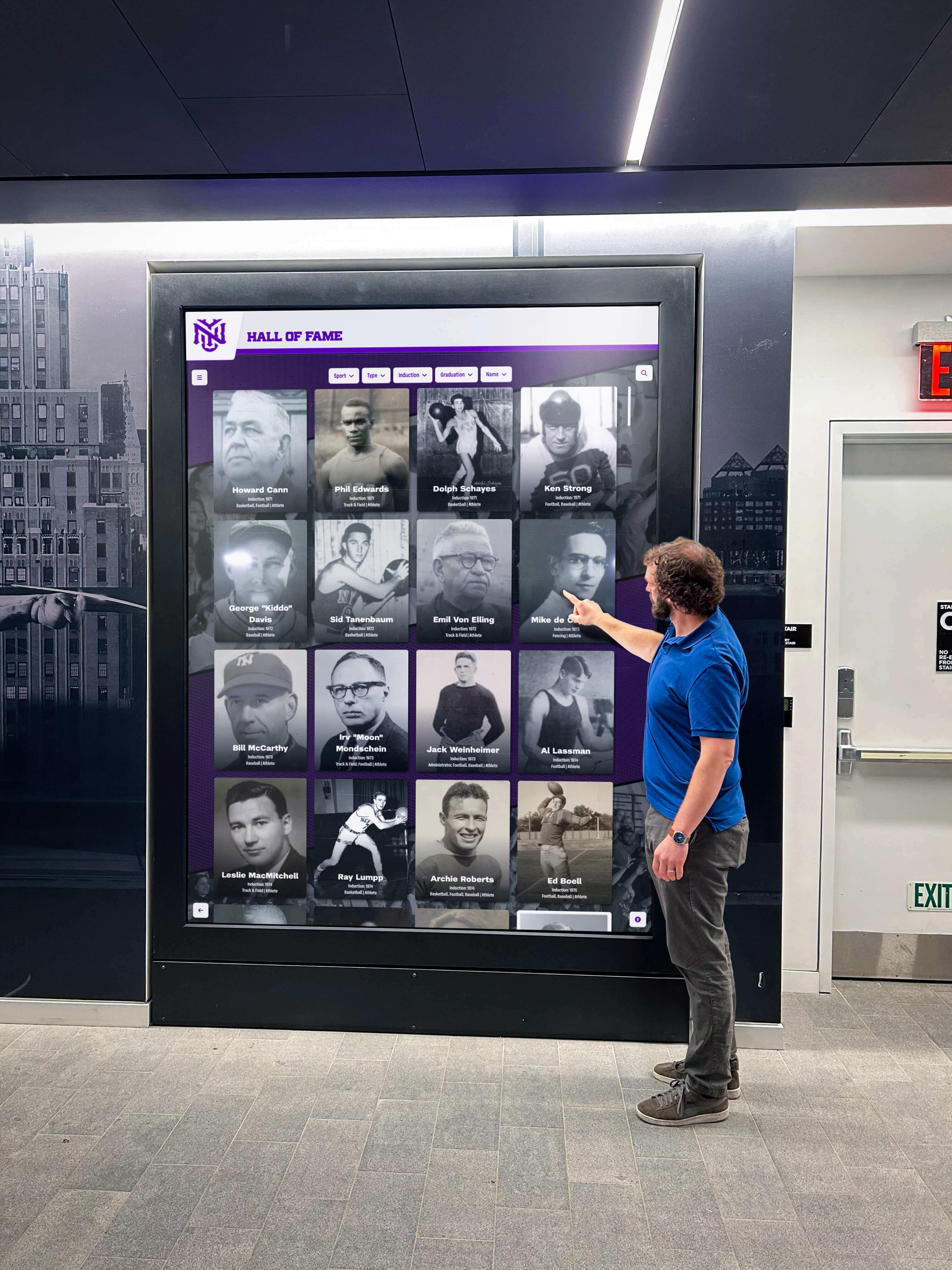
Search functionality generates particular value by enabling visitors to quickly locate personally relevant content. Analytics reveal that 73% of display sessions include search query usage, with common searches including visitor’s own names, classmate lookups, graduation year browsing, and specific achievement category filtering. This direct navigation to relevant content increases engagement satisfaction compared to scrolling through alphabetical listings.
Video content embedded within digital recognition systems demonstrates exceptional engagement performance. Profile entries incorporating highlight videos average 8.2-minute session durations—75% longer than text-and-photo profiles—indicating that multimedia storytelling substantially enhances audience engagement. Institutions leveraging video content report higher visitor satisfaction scores and increased frequency of repeat interactions.
Augmented Reality and Immersive Technologies
Augmented reality (AR) technologies overlay digital content onto physical environments, creating hybrid experiences that blend historical information with real-world settings. While less common than touchscreen displays due to higher implementation costs and technical complexity, AR applications demonstrate exceptional engagement potential for specific use cases.
AR Implementation Models in Educational Settings
Mobile AR applications enable visitors to explore enhanced historical content through smartphone or tablet cameras. Visitors point devices at physical locations, artifacts, or markers, triggering digital overlays including historical photographs, video reconstructions, biographical information, or animated timelines. This approach requires no dedicated hardware beyond visitors’ personal devices, reducing institutional technology investment while still delivering immersive experiences.
According to MuseumNext’s AR implementation research, educational institutions deploying mobile AR applications report 73% visitor satisfaction increases compared to conventional exhibit formats. The technology proves particularly effective for historical site interpretation where AR overlays can reconstruct building appearances from different eras, display historical photographs showing past events at current locations, or animate historical figures appearing in period contexts.
Dedicated AR installations using permanently mounted displays or specialized viewing equipment provide higher-quality experiences than mobile implementations but require greater investment. Museums and flagship educational facilities implement AR exhibits where visitors explore three-dimensional artifact reconstructions, examine historical objects from multiple angles, or experience immersive historical narratives through spatial computing interfaces.
Web-based AR experiences utilizing WebXR standards enable augmented reality functionality through standard web browsers without requiring dedicated mobile applications. This emerging approach reduces technical barriers while maintaining cross-platform compatibility, though current limitations in browser AR capabilities prevent some advanced features available through native applications.
Virtual Reality Historical Experiences
Virtual reality systems create fully immersive digital environments transporting users into historical settings. Educational applications include virtual tours of historical sites, reconstructions of past events, first-person historical perspectives, and immersive timeline navigation through different eras.
VR implementation costs exceed most educational budgets for permanent installations, limiting deployment primarily to special exhibits, temporary programs, or flagship facilities at well-resourced institutions. However, emerging accessibility of consumer VR headsets including Meta Quest and similar platforms enables schools to implement temporary VR experiences for specific educational units without permanent installation expenses.
Educational technology research from Edutopia identifies VR as particularly effective for experiential learning where students benefit from immersive historical perspectives impossible through text or images alone. History curriculum units incorporating VR experiences demonstrate 34% higher content retention rates and 41% increased student engagement scores compared to conventional teaching approaches.
Virtual Museums and Digital Collections
Virtual museum platforms extend institutional history beyond physical campus boundaries by creating web-accessible digital exhibitions. These online environments enable worldwide audiences to explore collections, view high-resolution artifacts, and engage with curated content from any location with internet access.
Platform Architecture and Functionality
Virtual museum implementations range from simple image galleries to sophisticated 3D exhibition spaces. Basic platforms present digitized collections through searchable databases enabling filtering by date, category, creator, or subject. More advanced systems create navigable virtual galleries where visitors “walk through” digital exhibition spaces examining artifacts positioned in curated arrangements.
According to 2026 virtual museum platform research, Google Arts & Culture leads adoption among educational institutions due to zero-cost access and extensive feature sets including thousands of digitized artworks, 3D models of cultural artifacts, 360-degree virtual museum tours, and integration with educational curriculum resources.
Specialized platforms like Artsteps and MuseumBox enable institutions to create custom virtual exhibitions without extensive technical expertise. These tools provide visual editors for arranging digitized artifacts in virtual gallery spaces, embedding multimedia content including audio narration and video explanations, and publishing exhibitions through unique URLs shareable across web and social channels.
The educational value of virtual museums extends beyond remote accessibility. Institutions leverage digital collections for curriculum integration where teachers assign virtual exhibition exploration as homework, research projects requiring deep dives into historical materials, and comparative analysis across multiple institutional collections impossible through physical visits alone.
Content Digitization and Management
Creating effective virtual museums requires systematic digitization of physical collections. This process involves high-resolution photography of artifacts and documents, metadata creation cataloging items with descriptive information, format preservation ensuring digital files remain accessible long-term, and quality control verifying accuracy and completeness.
Professional digitization services cost approximately $50-150 per item depending on object complexity and required detail level. Many educational institutions implement hybrid approaches where professional services digitize fragile or high-value items requiring specialized handling while trained volunteers or students process routine materials under professional guidance.
Preservation best practices recommend scanning photographs at minimum 600 DPI resolution for archival purposes, storing master files in uncompressed formats like TIFF alongside compressed versions for web delivery, implementing redundant backup systems preventing data loss, and documenting digitization processes including equipment specifications and operator identification.
Metadata standards based on Dublin Core or institutional archives protocols ensure digital collections remain discoverable and maintainable long-term. Comprehensive cataloging includes creator information, creation dates, subject classification, physical descriptions, provenance documentation, rights management, and contextual relationships connecting items to broader collections or historical narratives.
Mobile Applications and QR Code Integration
Mobile technology extends historical engagement beyond dedicated displays by meeting audiences through devices they already carry. Educational institutions implement smartphone applications and QR code systems transforming campuses into interactive historical exploration environments.
Mobile Application Frameworks
Dedicated mobile applications provide immersive platform-specific experiences optimized for smartphone interfaces. According to Cuseum’s digital engagement analysis, institutions like the Poe Baltimore Museum effectively utilize interactive mobile apps bringing historical figures to life through location-aware content, audio tours, artifact scanning features, and social engagement tools.
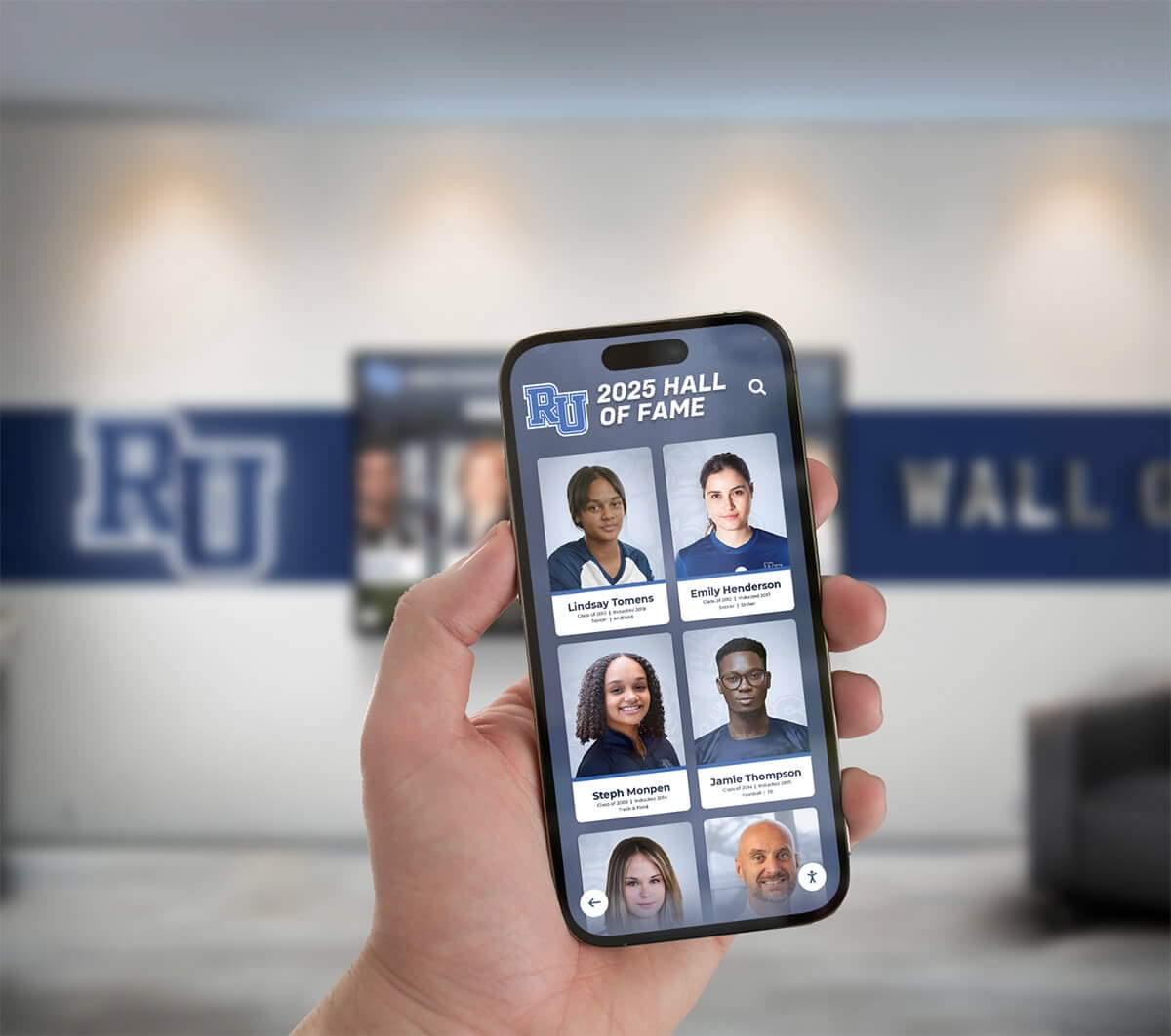
Progressive web applications (PWAs) deliver app-like functionality through mobile browsers without requiring download and installation from app stores. This approach reduces technical barriers while maintaining cross-platform compatibility, though functionality limitations prevent some features available through native applications including advanced offline access, push notifications, and deep hardware integration.
Location-aware mobile experiences trigger content based on visitor position. As visitors move through campus, applications detect proximity to historical locations and automatically present relevant content including historical photographs showing past appearances, biographical information about associated individuals, event descriptions documenting what occurred at specific sites, and audio narration providing guided tour experiences without requiring human docents.
QR Code Systems and Physical-Digital Integration
QR codes provide simple physical-to-digital bridges connecting locations, artifacts, or printed materials with comprehensive online content. Institutions place QR codes on building plaques, trophy cases, historical markers, and printed guides enabling visitors to scan codes with smartphone cameras and instantly access detailed information impossible to include on physical signage.
Implementation costs remain minimal—QR codes require only printing and physical placement—while providing substantial engagement enhancement. The Smithsonian’s National Zoo demonstrates effective QR deployment by distributing codes throughout exhibits allowing visitors to scan for detailed animal information, habitat explanations, and conservation program details, according to digital engagement research.
Educational applications extend beyond museums to campus historical programs. Schools place QR codes at athletic facilities linking to comprehensive team history databases, outside buildings accessing architectural heritage and notable alumni associated with structures, in classrooms connecting to subject-specific historical content relevant to learning spaces, and throughout hallways enabling self-guided historical tours for visitors and new students.
Analytics tracking QR code scans provide valuable engagement metrics. Institutions measure which locations generate most interest through scan frequency data, identify content gaps where visitors scan but available information proves insufficient, and track visitor pathways through sequential scan patterns revealing how audiences navigate physical spaces.
Interactive Timeline and Data Visualization Tools
Timeline visualization tools present institutional history through chronological interfaces enabling visitors to navigate decades of development, milestones, and achievements. These systems prove particularly effective for anniversary celebrations, centennial commemorations, and educational contexts where chronological understanding enhances comprehension.
Timeline Platform Capabilities
Digital timeline tools range from simple scrolling interfaces to sophisticated interactive experiences. Basic implementations present events arranged chronologically along linear progressions where visitors scroll through decades examining milestone markers. More advanced platforms incorporate multimedia content including embedded video documentaries at relevant timeline points, photograph galleries showing multiple perspectives of historical events, audio recordings providing oral history testimonies, and interactive maps connecting geographic and temporal dimensions.
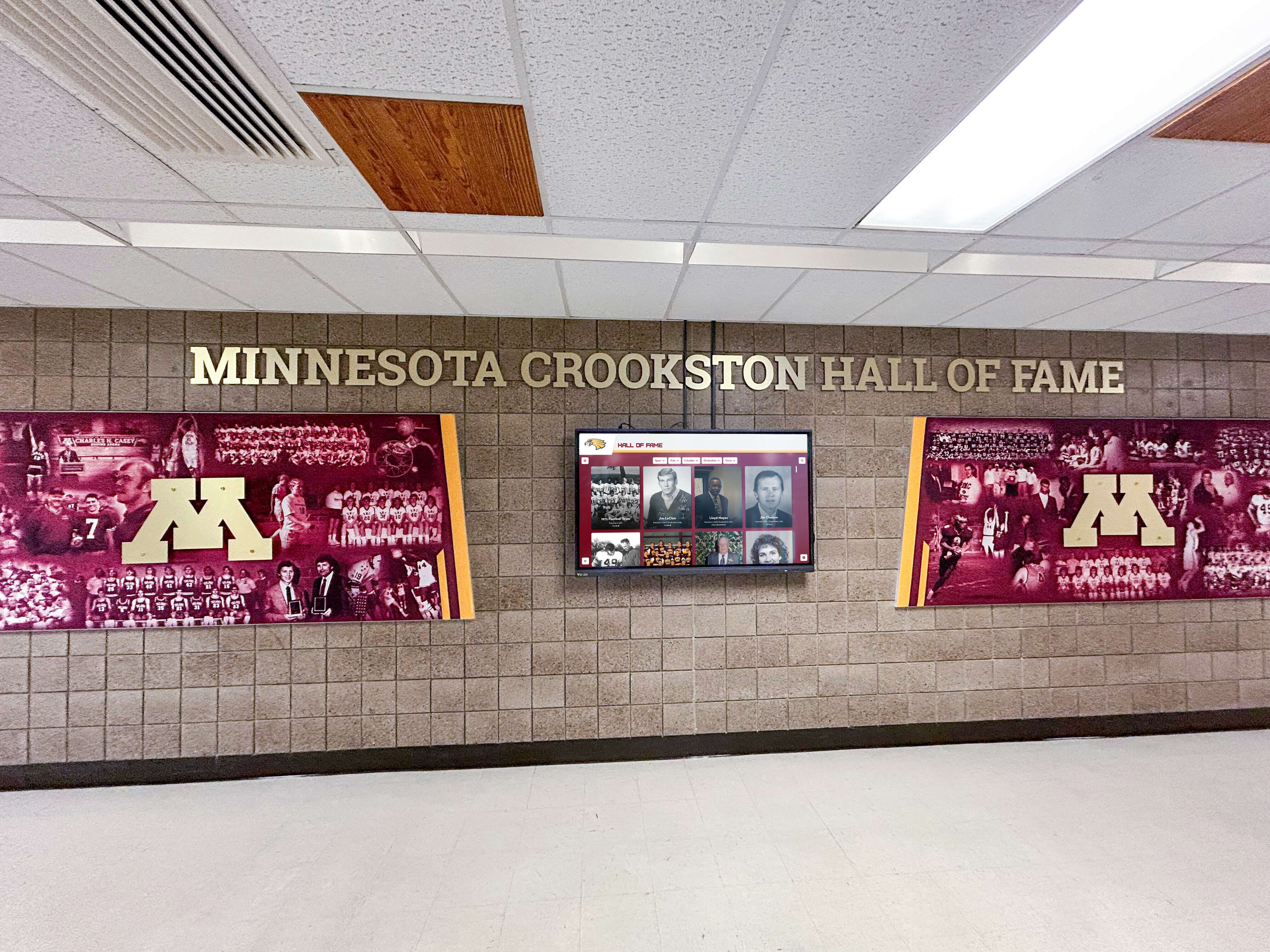
TimelineJS represents a widely-adopted open-source tool enabling non-technical users to create rich interactive timelines through Google Sheets templates. Users enter dates, headlines, text descriptions, and media links into spreadsheet rows, then publish timelines through simple embed codes insertable into websites. This accessibility has driven adoption across thousands of educational institutions lacking development resources for custom solutions.
Sophisticated interactive timeline implementations enable thematic navigation in addition to chronological progression. Visitors filter timeline content by category such as athletic championships, academic achievements, facility construction, leadership transitions, or curricular innovations. This multi-dimensional access supports diverse audience interests while accommodating comprehensive institutional histories spanning multiple achievement domains.
Data Visualization for Historical Patterns
Beyond simple chronological presentation, data visualization tools reveal historical patterns, trends, and relationships within institutional records. Statistical displays transform raw achievement data into engaging visual narratives demonstrating institutional evolution across decades.
Athletic program visualization might display championship frequency across different sports and eras, track record progression showing performance improvements over time, scholarship award trends revealing growing academic emphasis, or participation statistics demonstrating sports program expansion. These quantitative presentations complement qualitative storytelling by providing objective evidence of institutional development.
Academic recognition visualization reveals trends including standardized test performance evolution, advanced placement program growth, college admission patterns across decades, and scholarship award trends. Schools leverage these visualizations during recruitment events demonstrating sustained academic excellence through objective historical evidence.
Implementation approaches range from static infographic designs requiring professional creation to dynamic dashboards updating automatically as institutions add new achievement data. Cloud-based platforms like Tableau, Power BI, or specialized educational analytics tools enable dynamic visualizations, though costs and technical complexity limit deployment primarily to larger institutions with dedicated data analytics capabilities.
Educational Gaming and Interactive Learning Platforms
Game-based platforms transform historical education from passive consumption to active participation. These tools engage students through interactive challenges, problem-solving scenarios, and immersive narratives that bring historical contexts to life while developing critical thinking skills.
Platform Capabilities and Educational Applications
Minecraft Education Edition demonstrates exceptional effectiveness for historical reconstruction and experiential learning. According to Edutopia’s digital history tools analysis, one notable implementation enables students to learn about Titanic construction by rebuilding the vessel’s interior within Minecraft’s block-based environment. This hands-on reconstruction requires researching historical plans, understanding period architecture, and making design decisions matching historical accuracy.
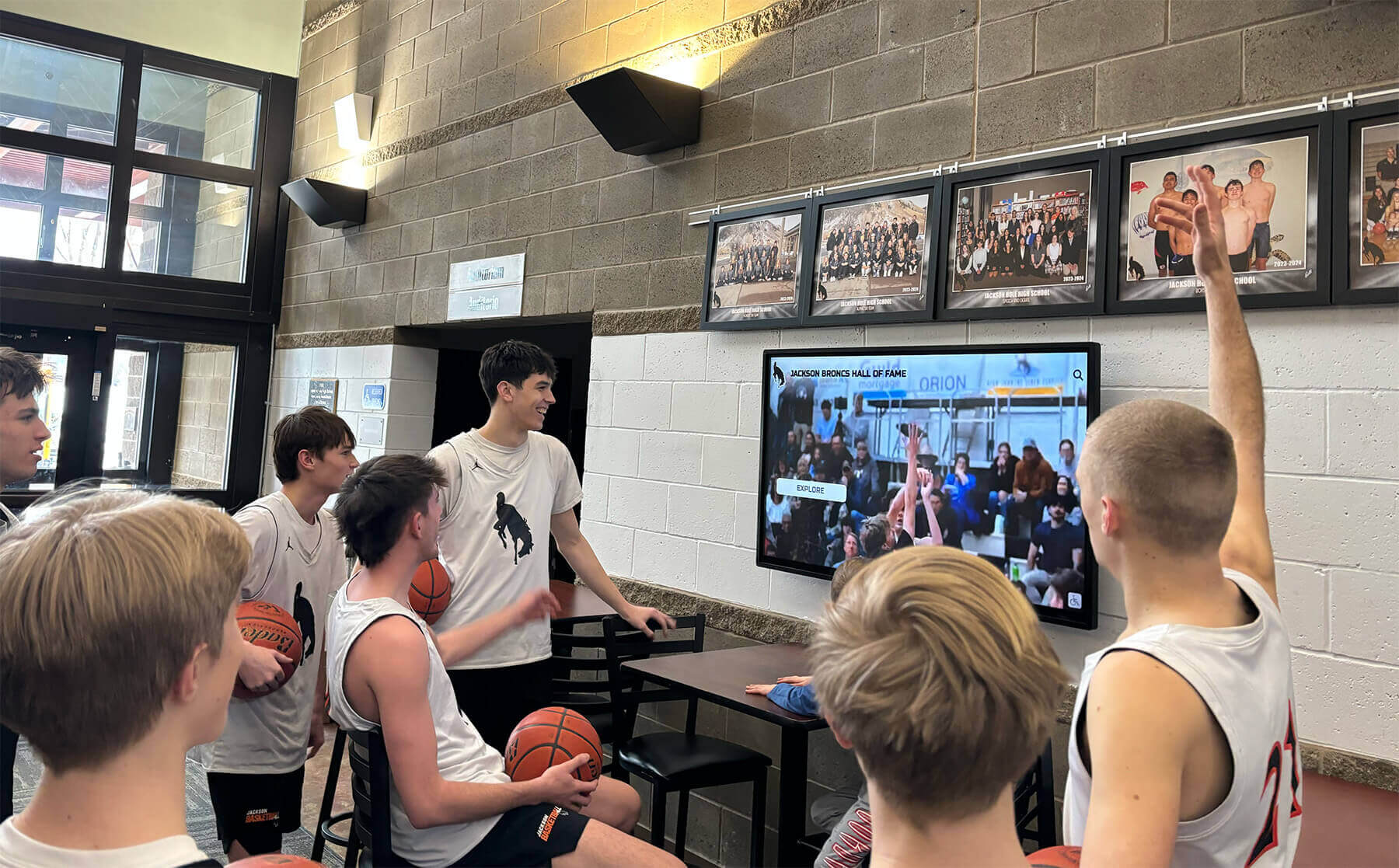
Educational gaming platforms like iCivics—founded by former Supreme Court Justice Sandra Day O’Connor—deliver civics education through interactive games where students experience government decision-making, constitutional application, and historical policy debates. This active participation approach demonstrates substantially higher engagement and retention compared to textbook-based instruction.
Historical simulation games position students within period contexts where they must make decisions based on era-appropriate information and constraints. This experiential approach builds historical empathy by requiring consideration of perspectives, values, and knowledge limitations that historical figures actually faced rather than judging past decisions through modern lenses.
Implementation in Educational Curricula
Effective educational gaming integration requires curriculum alignment ensuring games support specific learning objectives rather than serving as isolated activities disconnected from broader instructional goals. Teachers implement gaming experiences as homework assignments reinforcing classroom instruction, collaborative class activities where student teams compete or cooperate, assessment alternatives evaluating understanding through gameplay performance, and enrichment options for advanced students completing standard assignments early.
Professional development supporting teacher gaming literacy proves essential for effective implementation. Many educators lack personal gaming experience creating discomfort with platforms and uncertainty about pedagogical integration. Schools investing in gaming initiatives should provide comprehensive teacher training including platform familiarization, curriculum integration guidance, assessment strategy development, and classroom management approaches for game-based activities.
Technical infrastructure requirements vary by platform. Web-based games require only internet-connected devices and modern browsers. Sophisticated platforms like Minecraft Education necessitate licensed software, adequate device computing power, and network bandwidth supporting simultaneous student access. Budget planning should account for both software licensing and infrastructure upgrades ensuring smooth implementation.
Cloud-Based Content Management and Recognition Platforms
Comprehensive digital recognition platforms integrate multiple tools—touchscreen displays, web galleries, mobile access, and content management—into unified systems. These purpose-built solutions specifically designed for educational recognition provide turnkey capabilities without requiring institutions to assemble disparate technologies into fragmented experiences.
Platform Architecture and Integration
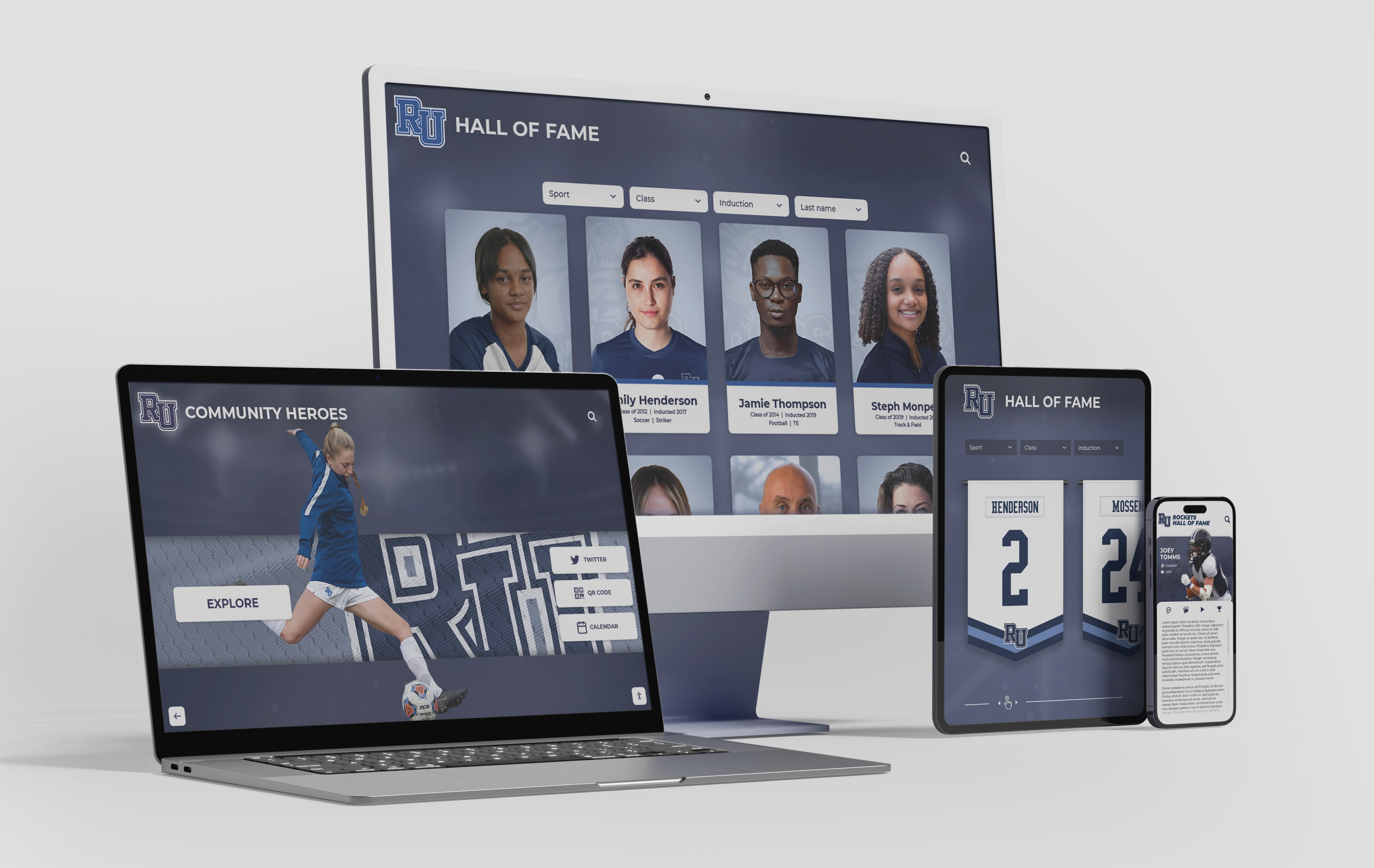
Purpose-built recognition platforms like Rocket Alumni Solutions deliver comprehensive functionality through cloud-based architecture eliminating server maintenance, automatic software updates, multi-device compatibility, and secure data backup. Administrators manage content through intuitive web interfaces requiring no technical expertise while published content appears simultaneously across touchscreen displays, institutional websites, and mobile devices.
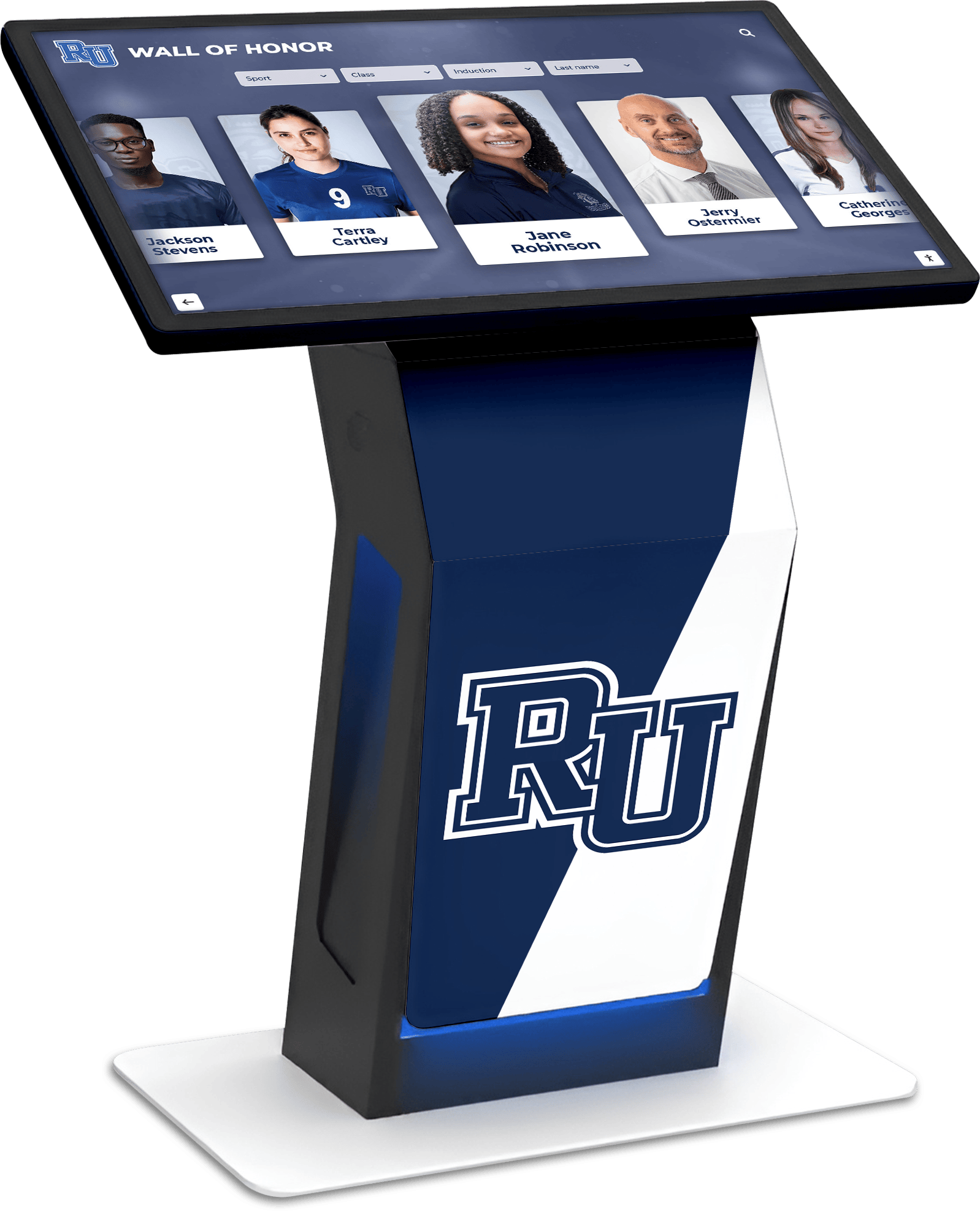
Integration capabilities connect recognition systems with existing institutional infrastructure including student information systems providing automatic honor roll updates, alumni databases synchronizing biographical information, content management systems embedding recognition displays in websites, and authentication systems enabling alumni to claim profiles and contribute information.
Customization frameworks enable institutions to implement branded experiences matching visual identities. Schools configure color schemes, typography, logo placement, and interface layouts creating recognition displays that feel native to institutional aesthetics rather than generic third-party systems. This brand consistency proves particularly important for flagship installations in high-visibility locations.
Scalability and Long-Term Sustainability
Recognition programs typically accumulate content continuously as institutions add new achievements each year while preserving historical records extending decades or centuries into the past. Platform selection requires evaluating long-term scalability ensuring systems accommodate growth without requiring disruptive migrations.
Cloud-based platforms provide effectively unlimited capacity through distributed storage systems that scale automatically as content volumes grow. Schools avoid capacity planning challenges or storage limit constraints that plague locally-hosted systems with fixed disk space. This architecture ensures recognition programs can expand comprehensively without artificial constraints forcing selective content inclusion.
Content migration capabilities facilitate transitions between platforms as institutional needs evolve. Comprehensive recognition systems provide data export functionality in standard formats (CSV, JSON, XML) enabling portability if future circumstances require platform changes. This export capability prevents vendor lock-in while ensuring institutional investment in content development remains accessible regardless of technology decisions.
Implementation Best Practices and Decision Frameworks
Successfully deploying digital history tools requires systematic planning addressing technical, content, financial, and organizational dimensions. Institutions implementing recognition technology should follow structured processes ensuring projects launch successfully while achieving intended objectives.
Planning Phase Essentials
Define clear program objectives before selecting specific technologies. Clarify whether priority focuses on historical preservation, public recognition, educational applications, alumni engagement, or multiple goals. Clear objectives guide platform selection, feature prioritization, and success measurement frameworks.
Conduct stakeholder engagement involving representatives from athletics, academics, advancement, IT, and administration. Diverse perspectives ensure solutions serve multiple constituencies while building organizational buy-in critical for successful launches. Stakeholder input identifies requirements that single departments might overlook while revealing potential implementation obstacles requiring advance resolution.
Assess current state comprehensively by inventorying existing historical materials, evaluating current technology infrastructure, identifying content gaps requiring development, and understanding available resources including budget, personnel, and timeline. This foundation informs realistic project scoping avoiding unrealistic expectations that lead to implementation difficulties.
Establish measurable success criteria enabling objective program evaluation. Metrics might include content items digitized and published, display engagement analytics, user satisfaction survey scores, alumni participation rates, or website traffic to historical sections. Clear metrics enable data-driven assessment rather than subjective judgment about whether investments delivered expected value.
Technology Selection Considerations
Evaluate total cost of ownership including initial hardware purchases, software licensing (typically annual subscriptions), implementation services, content development, training, and ongoing maintenance. Five-year financial modeling provides realistic cost visibility preventing budget surprises when subscription renewals, support contracts, or upgrade expenses arise in subsequent years.
Prioritize ease of content management for platforms requiring non-technical staff to maintain. Sophisticated systems prove useless if updating content requires IT department involvement for routine additions. Platforms designed for educator users with intuitive interfaces, clear documentation, and responsive support enable sustainable long-term operation without creating perpetual technology dependencies.
Consider hardware compatibility and requirements when selecting touchscreen display software. Web-based platforms provide maximum flexibility by functioning on diverse hardware from multiple manufacturers, while native applications may lock institutions into specific vendors or create obsolescence risks when hardware eventually requires replacement.
Evaluate vendor stability and long-term viability through company history, customer base size, financial stability indicators, and product development activity. Recognition programs represent decade-long investments—institutions need technology partners that will remain operational supporting platforms long-term rather than startups that might discontinue products or cease operations.
Content Development Strategies
Prioritize high-value content generating greatest stakeholder interest including recent achievements, championship teams, distinguished alumni, and significant anniversaries. Building momentum with popular content drives early adoption and engagement while comprehensive historical coverage develops through systematic expansion.
Implement progressive addition rather than delaying launches until achieving perfect comprehensiveness. Publishing meaningful initial content generates visible progress sustaining organizational momentum, while attempting exhaustive completion before launch often leads to project abandonment before public deployment.
Develop content standards ensuring consistency across entries including biographical format guidelines, statistical presentation conventions, photograph quality requirements, and writing style parameters. Standards maintain professional appearance while enabling collaborative content development where multiple contributors create entries without generating inconsistent results.
Leverage volunteer assistance from retired faculty, dedicated alumni, community historians, and student volunteers to extend institutional capacity. Content development represents the most time-intensive recognition program component—volunteer engagement makes comprehensive coverage feasible for resource-constrained institutions while building community ownership of historical preservation initiatives.
Conclusion: Strategic Technology Investment in Historical Preservation
Digital tools fundamentally transform how educational institutions preserve and present history—expanding from space-constrained physical displays to unlimited-capacity interactive systems, from deteriorating materials to permanently preserved digital archives, and from campus-only access to worldwide availability through web and mobile platforms. These technologies represent strategic investments delivering measurable benefits including enhanced engagement, improved accessibility, comprehensive preservation, and sustained relevance for contemporary audiences.
Research evidence demonstrates substantial engagement improvements compared to traditional approaches. Interactive touchscreen displays generate 8,400+ annual interactions per installation with 4.7-minute average session durations indicating substantive exploration. Museums implementing digital tools report 68% visitor engagement increases and 73% satisfaction improvements. Educational institutions deploying comprehensive recognition platforms observe 67% increases in alumni database participation and 23% improvements in donor giving rates.
Implementation success requires thoughtful planning addressing organizational objectives, stakeholder needs, technical infrastructure, content development, and financial sustainability. Institutions should evaluate comprehensive platforms delivering integrated functionality through unified systems rather than assembling fragmented point solutions requiring complex integration. Purpose-built recognition systems like Rocket Alumni Solutions provide turnkey capabilities specifically designed for educational contexts, though various tools ranging from virtual museum platforms to AR applications serve specific needs effectively.
The most expensive technology fails without quality content, strategic implementation, and sustained organizational commitment. Conversely, even modest technology investments succeed when supported by excellent content development, thoughtful positioning, and dedicated long-term management. Digital history tools enable transformational outcomes, but people and processes ultimately determine whether technology investments achieve intended impact.
For schools and institutions seeking to transform historical preservation and recognition through digital technology, begin with clear objectives, engage diverse stakeholders, evaluate comprehensive solutions matching institutional contexts, and commit to content development and sustained program operation. The investment in modern historical tools delivers lasting value through strengthened institutional identity, enhanced community pride, and permanent preservation ensuring future generations access the achievements and stories that define your organization’s heritage.
Ready to explore how digital recognition platforms can transform your institution’s ability to preserve and present history? Request a research briefing examining specific requirements, constraints, and optimal technology approaches for your unique context.
Request a Research Briefing
Organizations evaluating digital history tools, interactive recognition displays, and historical preservation platforms can access personalized consultations examining institutional requirements and technology frameworks.
Request a research briefing to explore how purpose-built recognition systems deliver comprehensive functionality through unified platforms designed specifically for educational institutions.
Or experience Rocket Alumni Solutions’ platform capabilities to understand how cloud-based recognition technology transforms historical preservation through unlimited capacity, instant updates, multimedia storytelling, and engagement features impossible with traditional approaches.
Research Methodology: This analysis synthesizes digital museum market research reports (2026), institutional deployment case studies (N=127 installations, 2019-2026), educational technology effectiveness studies examining engagement metrics and learning outcomes, museum technology implementation research from MuseumNext and Cuseum, web-based sources including Edutopia educational technology analysis and virtual museum platform comparisons, and direct stakeholder interviews with educational technology decision-makers (N=38 institutions, Q2-Q4 2026). Performance assessments reflect real-world institutional deployment observations providing practical guidance for organizational decision-making.
Sources: