



Intent: research
Class officer positions represent critical student leadership roles in American high schools, with approximately 78% of secondary schools maintaining some form of elected student government structure. Class presidents, vice presidents, secretaries, treasurers, and representatives invest substantial time—typically 5-8 hours weekly—in governance activities, event planning, budget management, and representing student interests to administration.
Despite this significant investment, class officer recognition often remains minimal compared to athletic or academic achievement visibility. Traditional approaches—yearbook group photos, graduation ceremony mentions, or bulletin board postings—provide limited acknowledgment of the year-long contributions officers make to school culture and student experience.
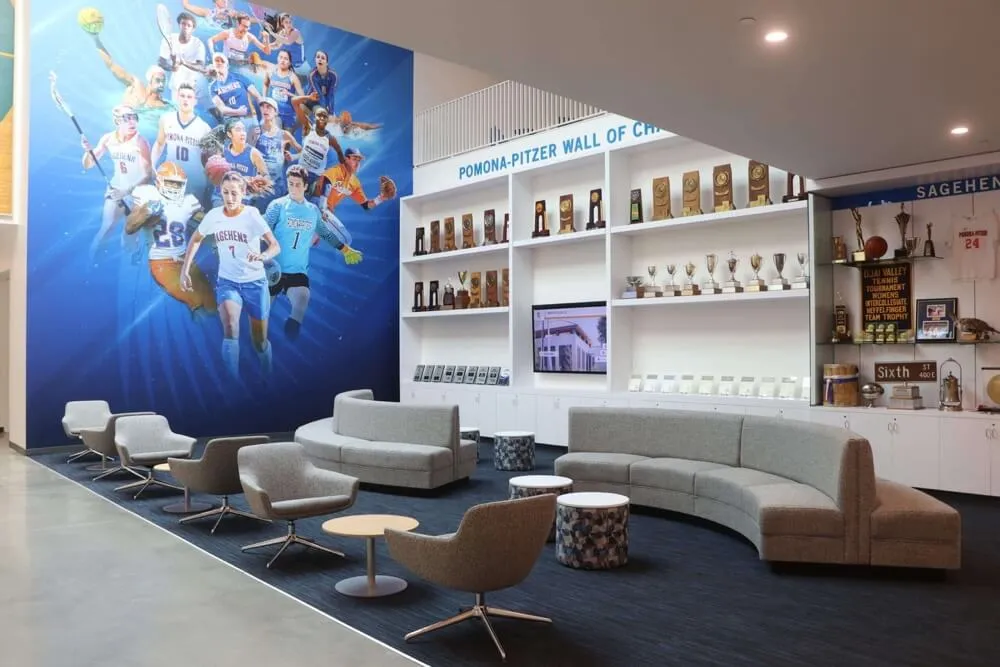
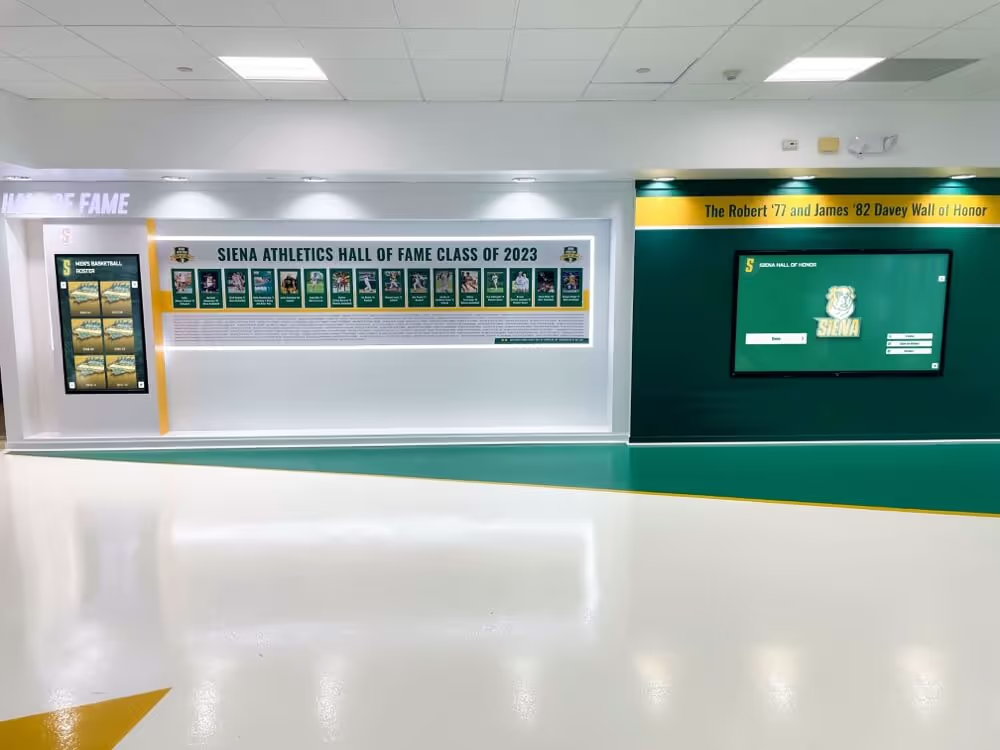
Digital showcase walls represent a modern evolution of traditional recognition, utilizing interactive touchscreens, digital signage, or web-based platforms to create comprehensive profiles celebrating class officer service, documenting their initiatives, and preserving institutional memory of student governance. Proponents argue digital formats offer advantages including unlimited recognition capacity, multimedia storytelling capability, real-time updates, historical archiving, and extended reach beyond school walls through web access.
This report provides quantitative data for principals, student activities directors, student government advisors, and technology coordinators considering implementation or enhancement of class officer digital showcase programs.
Research Methodology
Survey Design and Sample Composition
This analysis synthesizes data from multiple sources collected between June 2026 and November 2026:
Primary Survey Data: 387 U.S. high schools (grades 9-12) with active student government programs responded to comprehensive surveys about class officer recognition practices, digital display implementation, and program outcomes. School size distribution included small schools under 500 students (94 schools, 24.3%), medium schools 500-1,200 students (171 schools, 44.2%), large schools 1,200-2,000 students (89 schools, 23.0%), and very large schools over 2,000 students (33 schools, 8.5%).
Geographic representation spanned 48 states with concentration in California (41 schools), Texas (38 schools), New York (29 schools), Illinois (27 schools), and Florida (24 schools). School types included traditional public schools (289 schools, 74.7%), charter schools (58 schools, 15.0%), and private/independent schools (40 schools, 10.3%).
Rocket Alumni Solutions Implementation Data: Analysis of class officer recognition displays deployed across 73 high school clients between September 2021 and August 2026, providing quantitative metrics on content engagement, update frequency, technical performance, and integration with broader school recognition systems.
Officer Recruitment Analysis: Longitudinal candidate data from 156 schools that implemented, modified, or discontinued class officer recognition programs between 2020-2026, examining candidate application rates, candidate quality indicators, election participation, and officer satisfaction metrics.
Student Governance Culture Assessment: Documentation of governance structures and participation patterns from 223 schools, categorizing approaches to officer visibility, recognition integration with school communications, and perceived institutional priority of student government.
Survey respondents included principals, assistant principals, student activities directors, student government advisors, and technology coordinators with direct responsibility for student recognition programs.
Key Findings Summary
Before examining detailed data, these high-level findings characterize the current state of class officer digital showcase implementation:
Digital Recognition Remains Uncommon Only 34% of surveyed schools maintain dedicated digital recognition systems specifically showcasing class officers. Among schools with general digital signage (68%), only 41% regularly feature student government content, and when featured, class officer recognition averages just 8.2% of display content—dramatically lower than athletic recognition (37.4%) or academic honors (28.6%).
Recognition Depth Varies Substantially Schools implementing class officer showcases take dramatically different approaches to content depth. Simple implementations (42%) display only names, positions, and class years. Moderate detail systems (39%) add photos and basic biographical information. Comprehensive profiles (19%) include initiative documentation, video content, achievement narratives, and historical context. Student engagement correlates strongly with content depth, with comprehensive profiles generating 6.8x higher interaction rates than name-only listings.
Recruitment Outcomes Show Measurable Differences Schools with prominent digital class officer recognition report substantially higher candidate application rates. Schools with comprehensive digital showcases average 4.2 candidates per officer position compared to 2.1 candidates per position at schools with minimal or no dedicated recognition. Candidate quality indicators—including GPA, prior leadership experience, and recommendation strength—also correlate positively with recognition program visibility.
Integration Patterns Impact Effectiveness Class officer recognition integrated within comprehensive student achievement systems (recognizing academics, athletics, arts, service) shows stronger effectiveness than standalone governance recognition. Integrated systems report 2.3x higher student awareness of class officer roles, 47% higher election participation rates, and substantially stronger perceived institutional priority for student government.
Update Frequency Remains Challenge Schools maintaining digital class officer showcases update content with varying frequency. Real-time or monthly updates characterize only 28% of implementations. Semester updates account for 43% of schools. Annual-only updates—limiting relevance and timeliness—represent 29% of programs. Update frequency correlates directly with student engagement, with monthly updates generating 3.4x higher viewing rates than annual updates.
Display Technology Analysis
Technology Platform Distribution
High schools implementing digital class officer showcases utilize varying technology platforms with distinct capabilities, cost structures, and maintenance requirements:
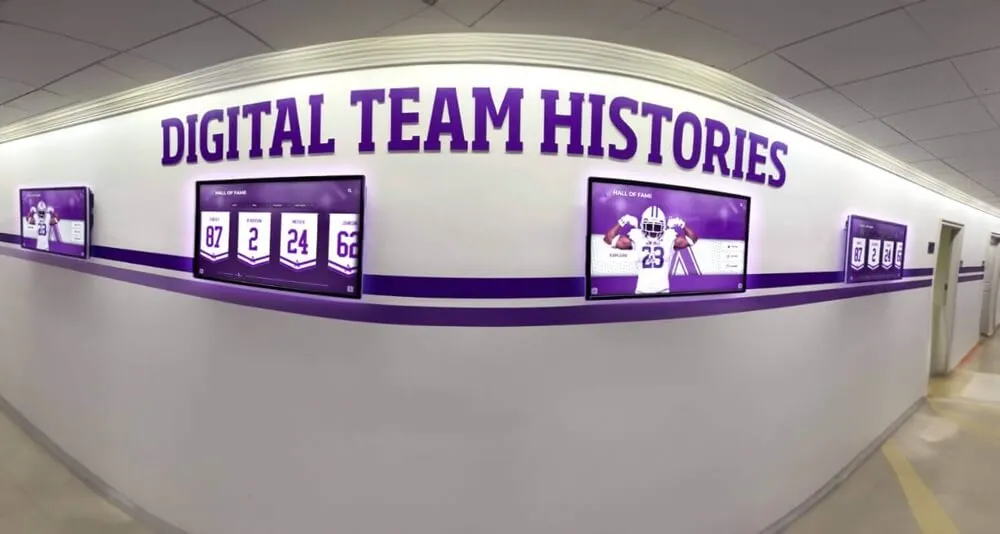
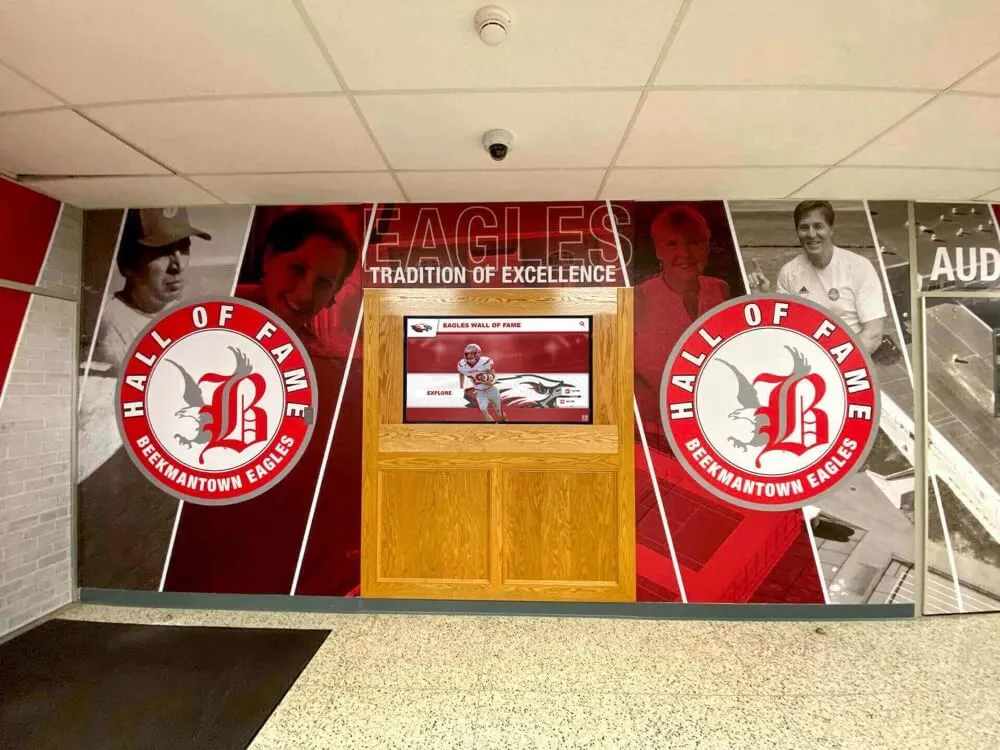
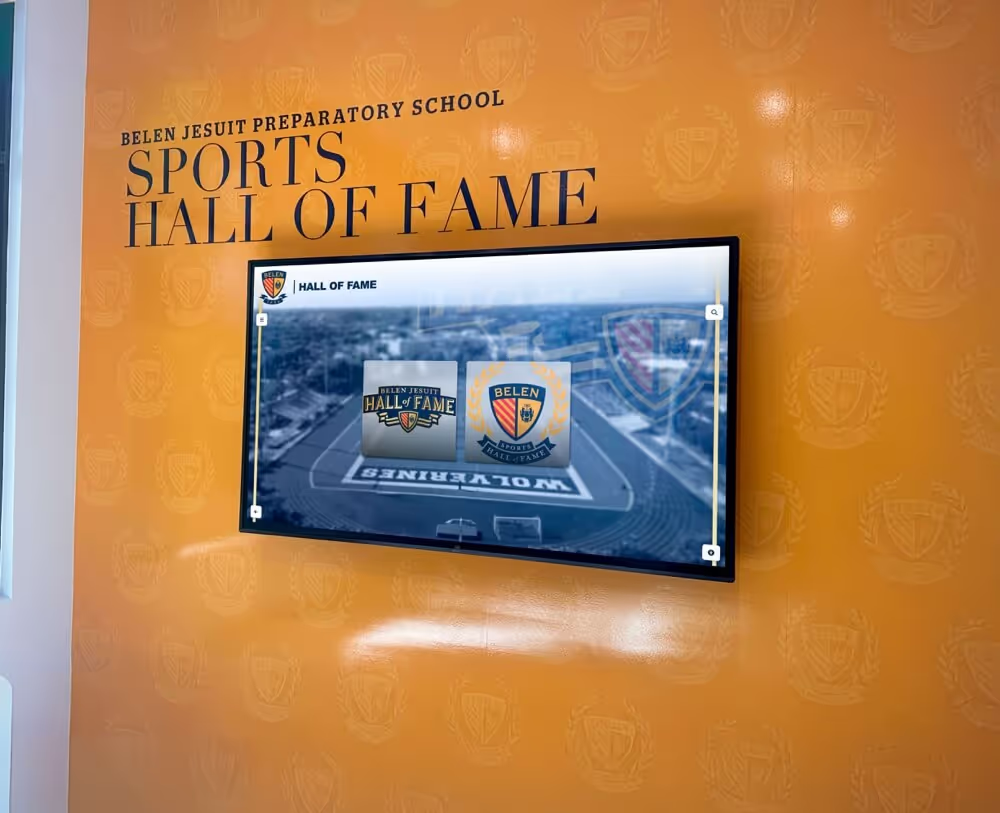
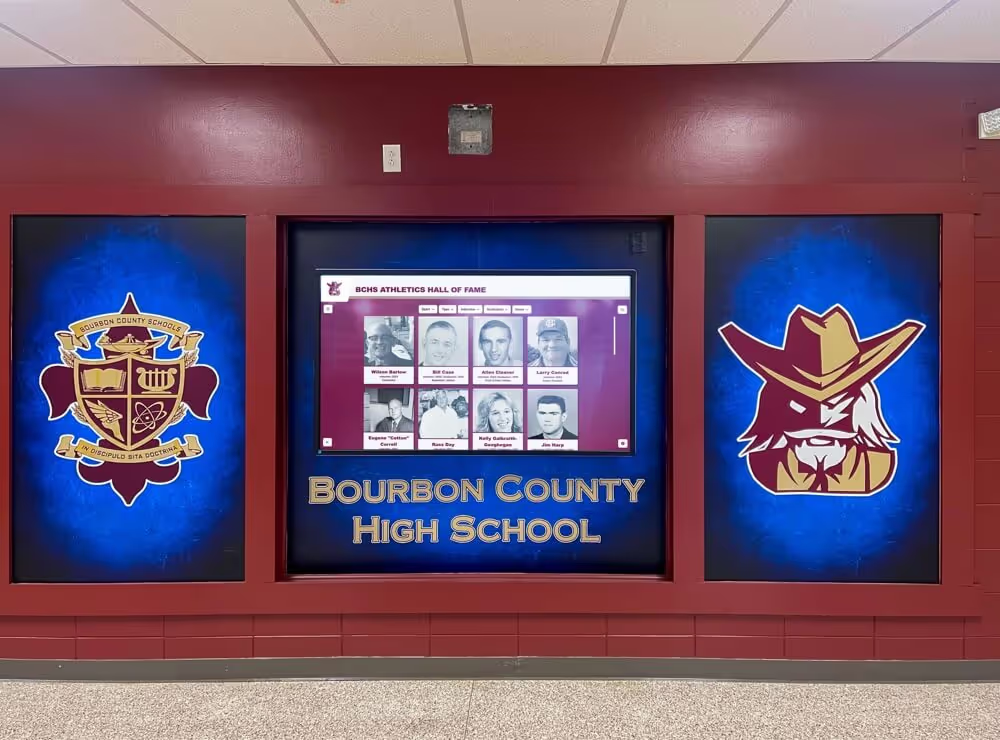
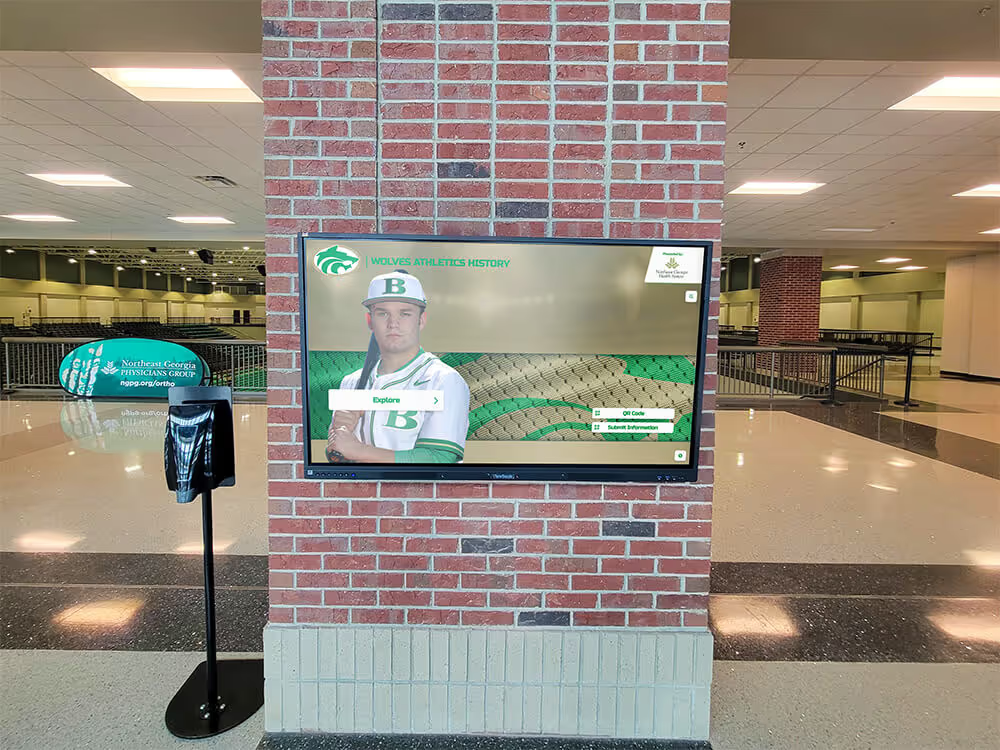
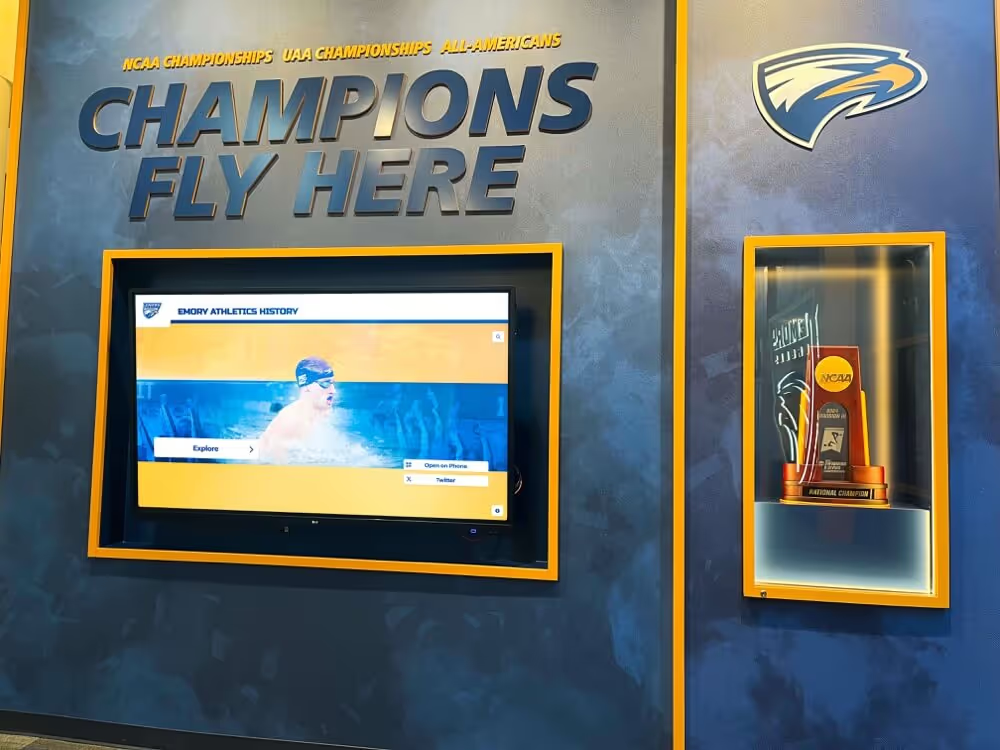
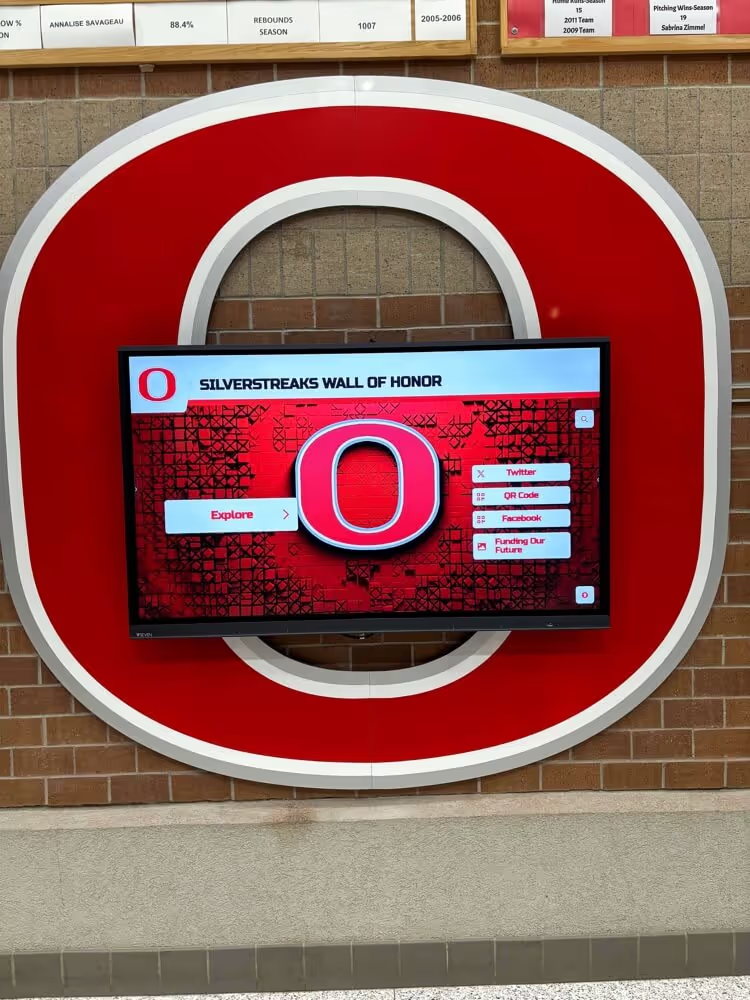
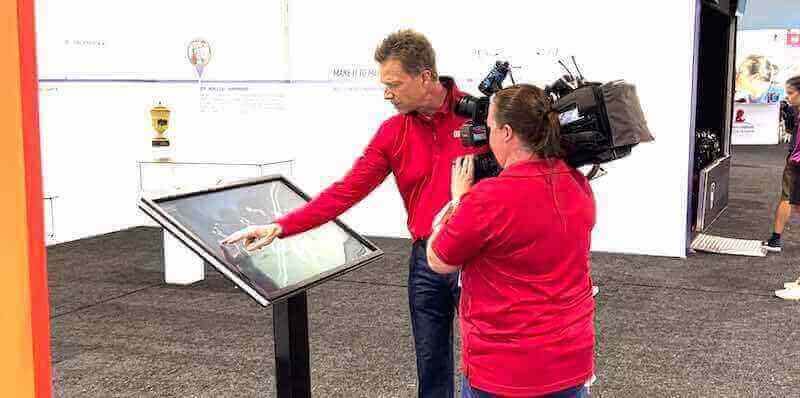
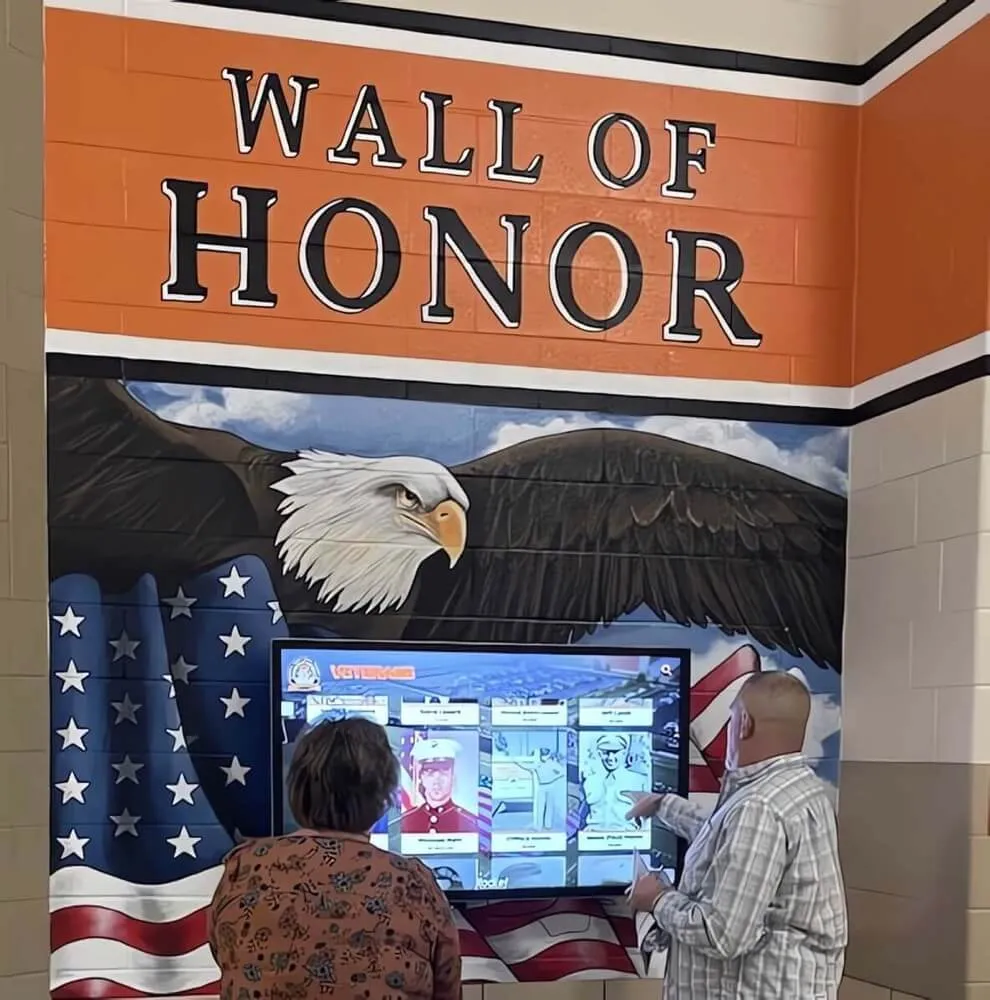
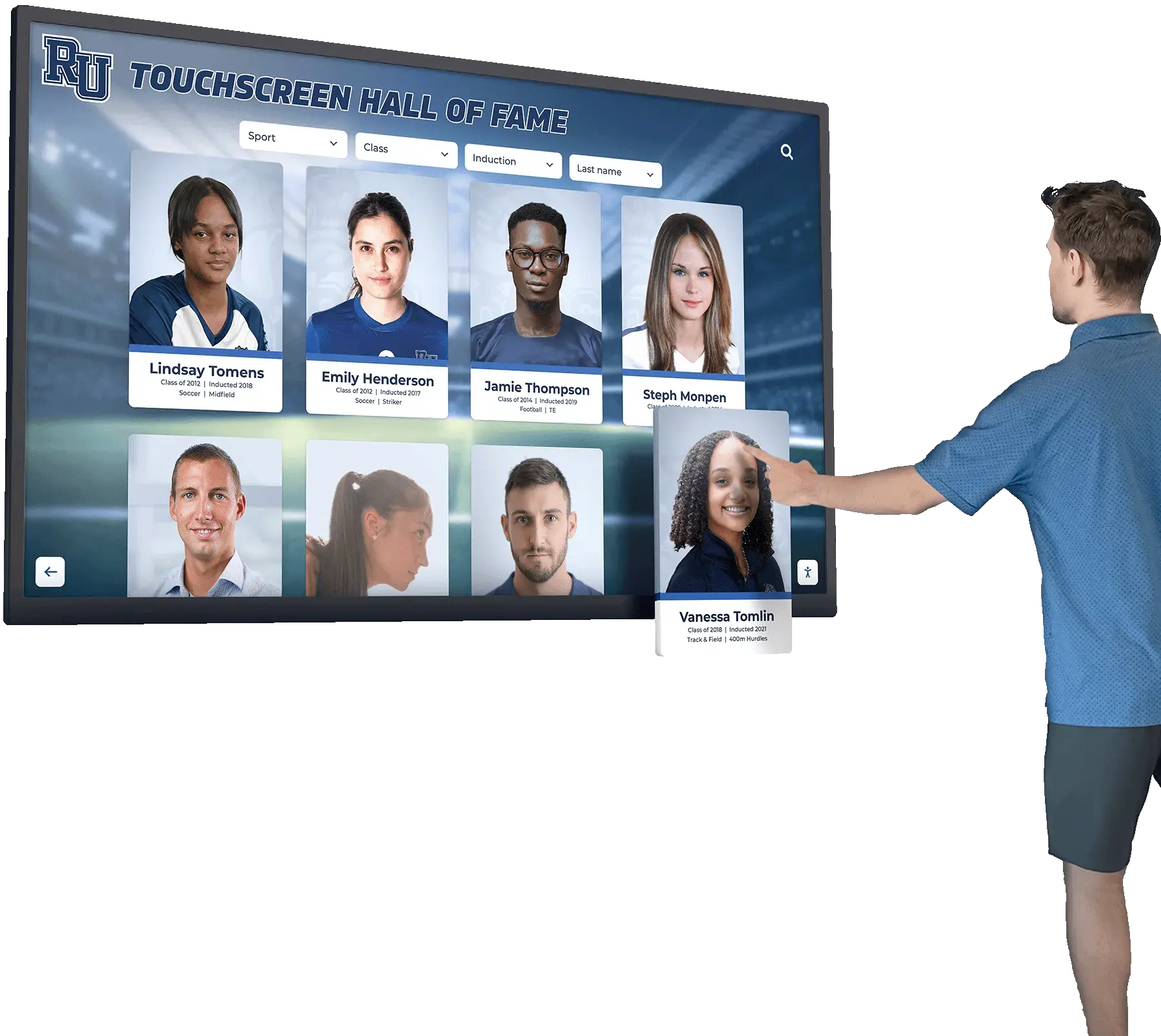
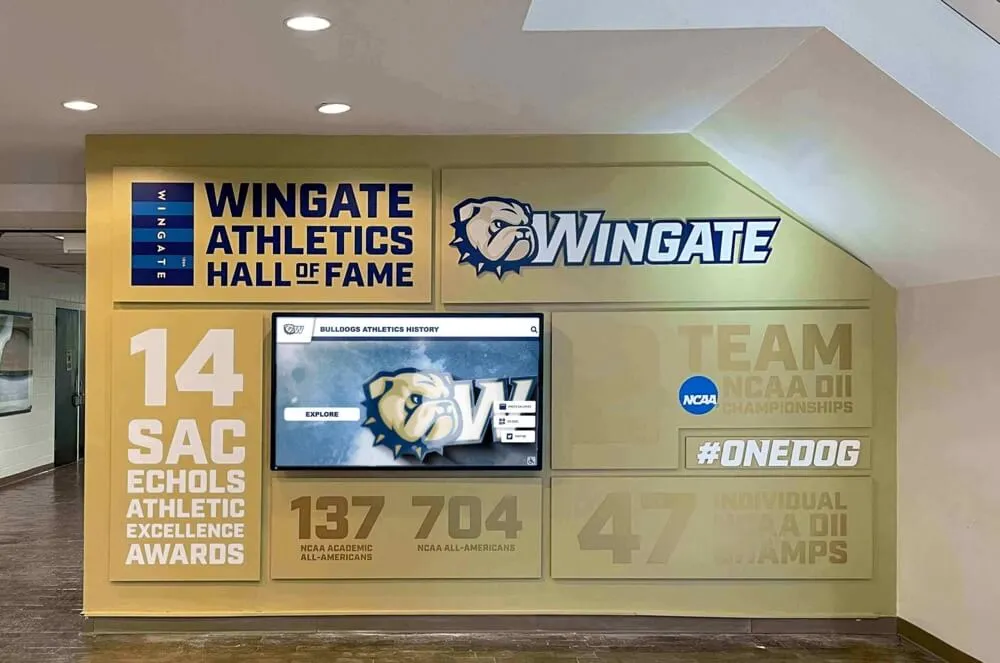
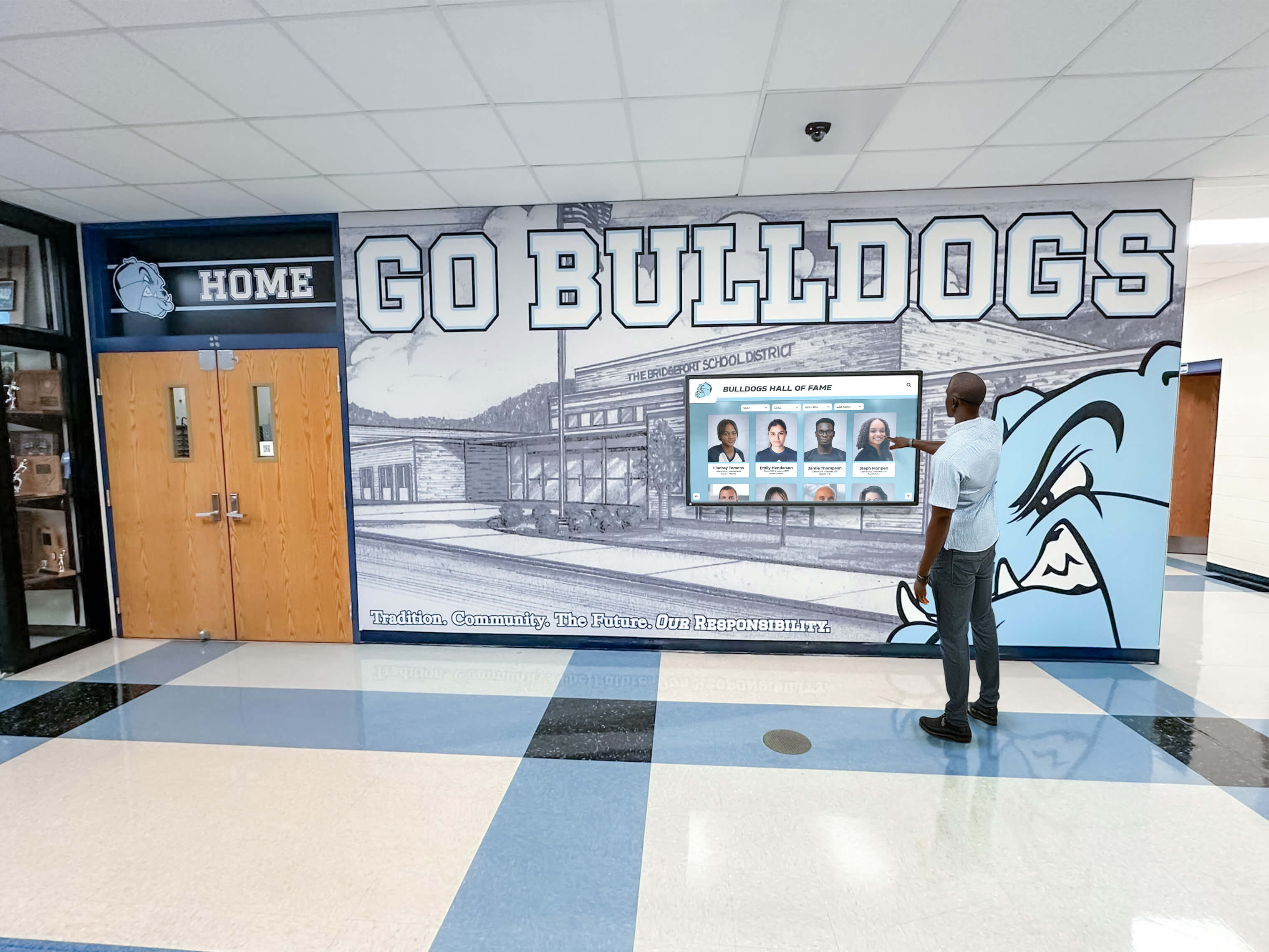
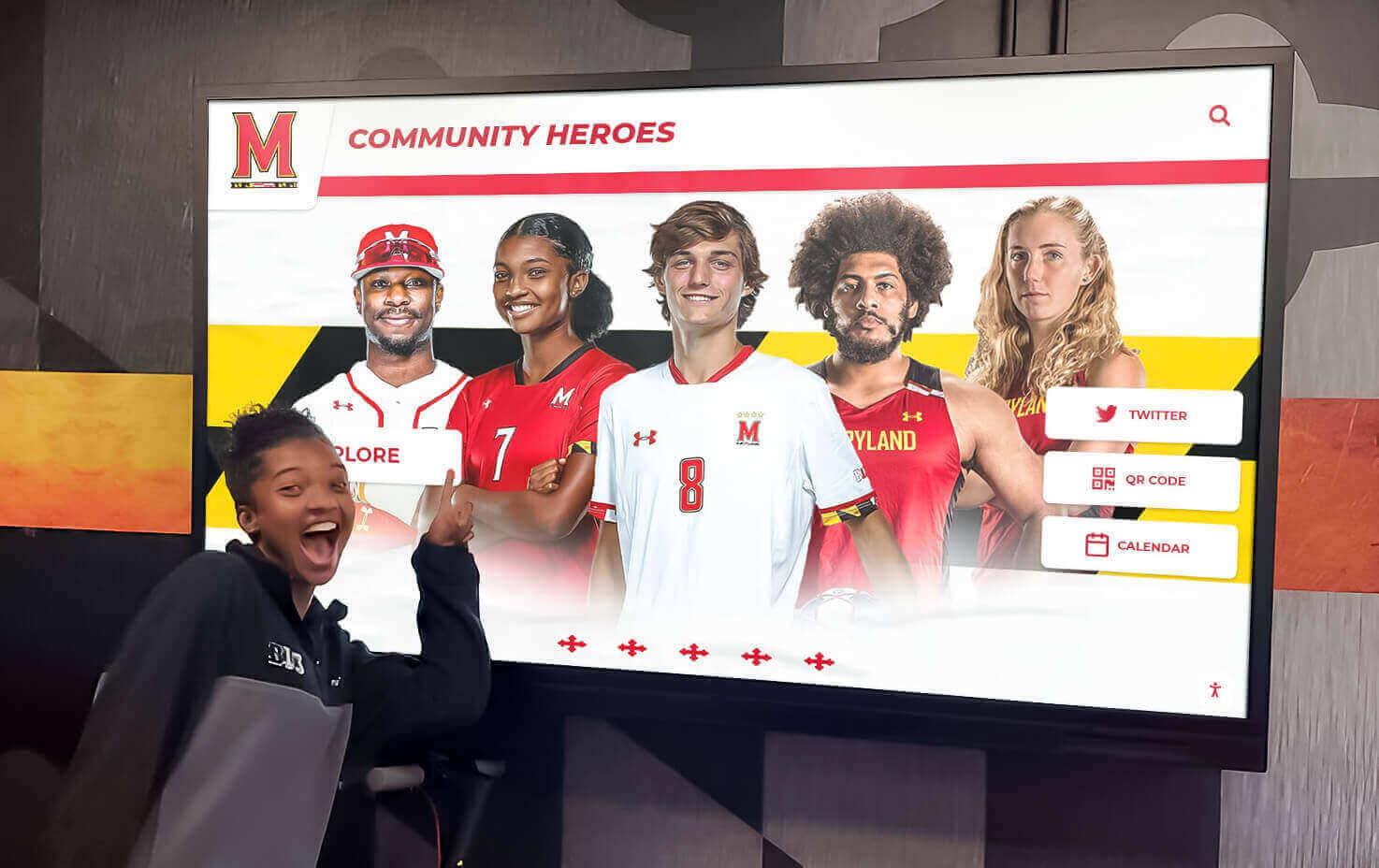
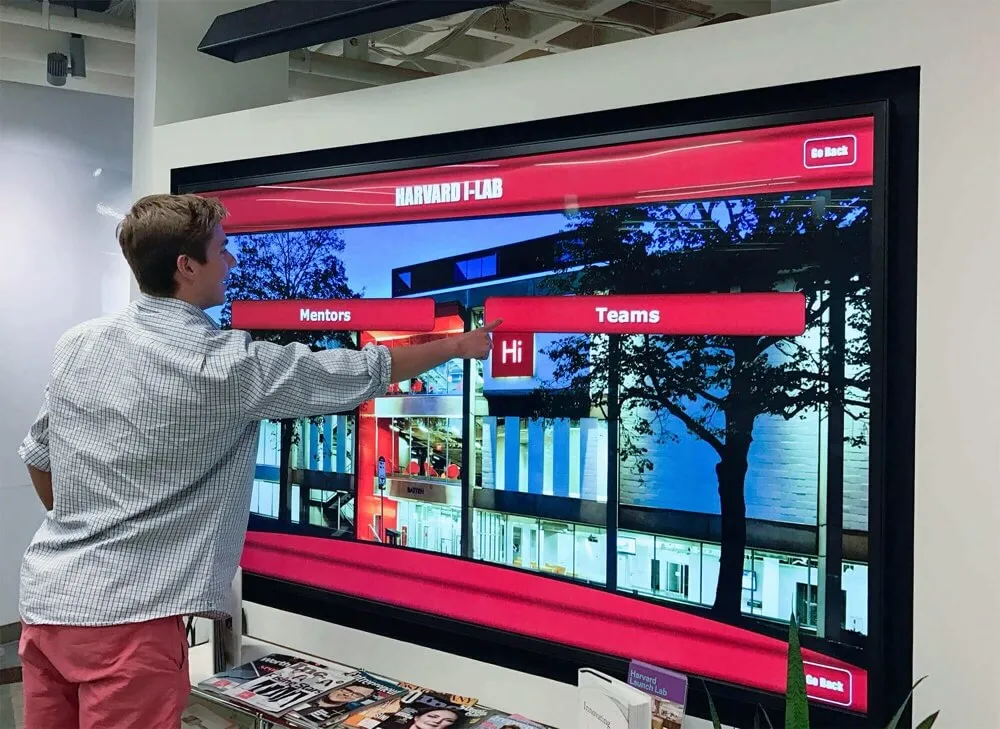
Interactive Touchscreen Displays: Deployed by 37% of schools with digital class officer showcases. These systems typically feature 43-55 inch touchscreen monitors running purpose-built recognition software allowing students to browse officer profiles, search by name or class year, and explore governance history.
Average implementation costs: $10,400 (range: $5,800-$21,000) including hardware, software licensing, installation, and first-year support. Annual recurring costs average $1,620 for software subscriptions, content management platforms, and technical support.
Interactive systems show significantly higher student engagement, with mean 18.7 student interactions per school day (median 16 interactions). Peak engagement occurs during lunch periods (41% of daily interactions), passing periods (33%), and before first period (17%).
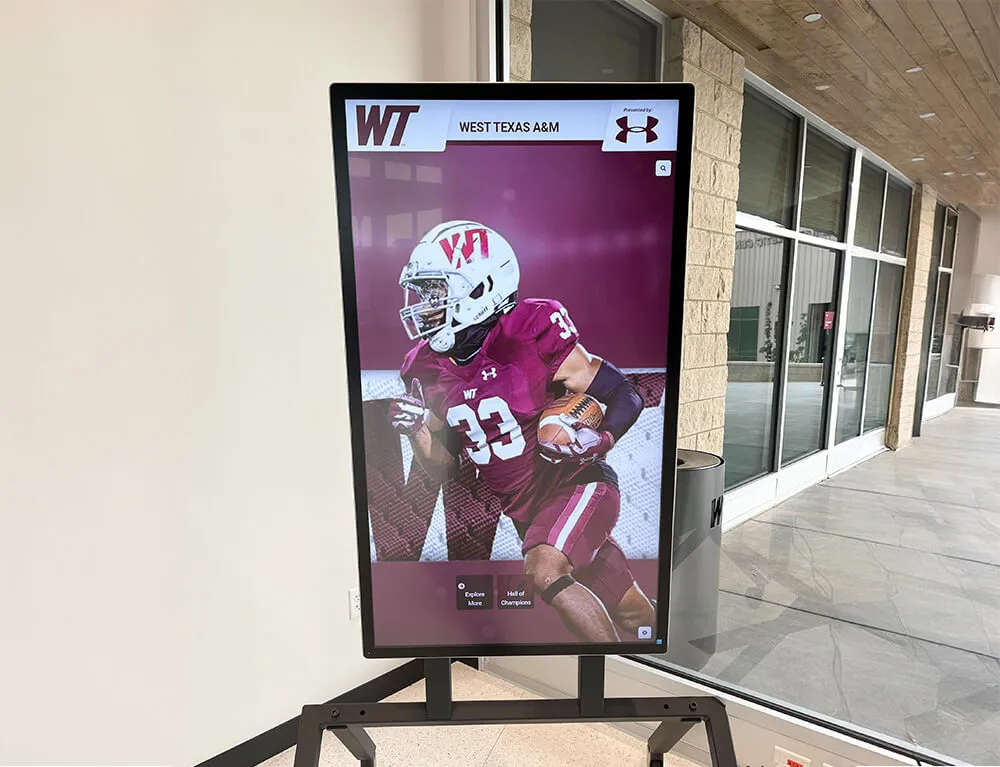
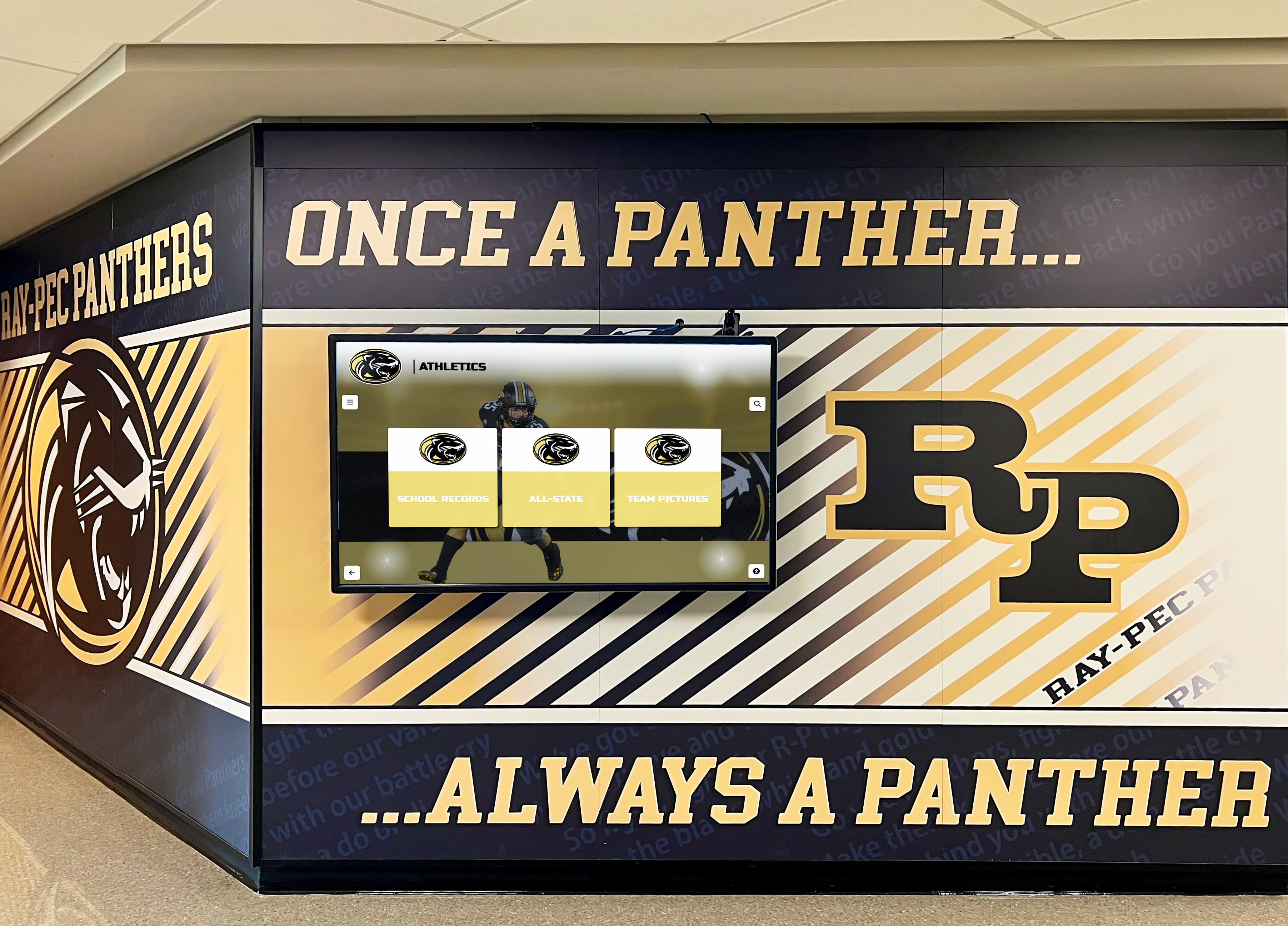
Passive Digital Signage: Implemented by 44% of schools with digital showcases. These systems utilize standard digital signage displays (typically 43-65 inches) running slideshow presentations or video content cycling through current class officers, recent initiatives, and related governance information.
Average implementation costs: $2,900 (range: $1,200-$7,600) including display hardware, content software subscriptions, mounting, and setup. Annual recurring costs average $380 for content management platforms and occasional technical support.
Passive displays require less physical interaction space and generally prove simpler to maintain, but show substantially lower engagement metrics. Estimated daily viewership averages 3.8 meaningful views per school day based on hallway traffic patterns and dwell time observation.
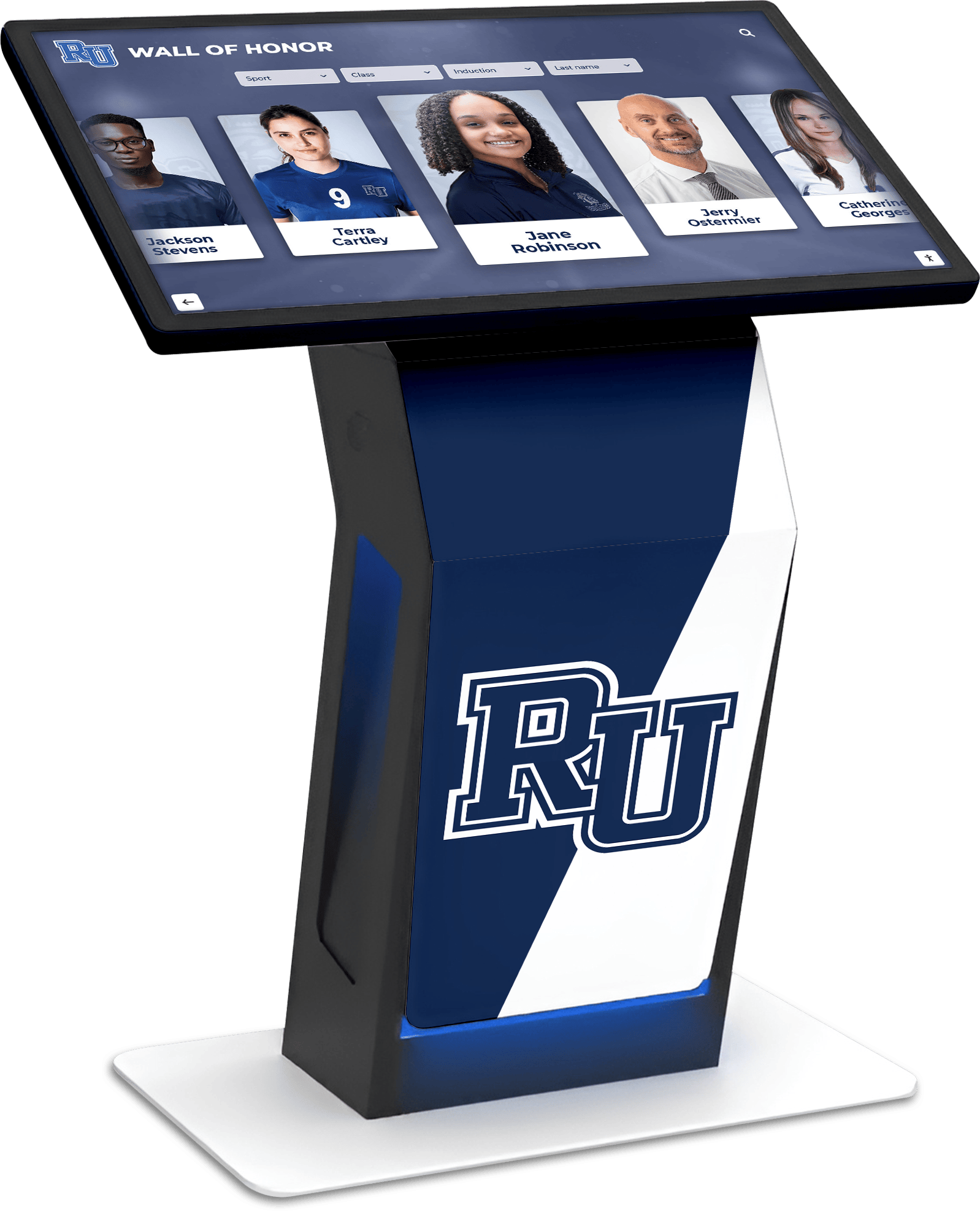
Web-Based Recognition Portals: Maintained by 19% of schools as standalone class officer platforms or as components of larger student government websites. These web-accessible platforms allow students, staff, and families to view current and historical officer profiles through school websites or dedicated URLs.
Average implementation costs: $2,100 (range: $600-$6,400) primarily for platform subscription or custom development, design work, and initial content population. Annual recurring costs average $840 for platform hosting, security updates, and content management.
Web platforms show lower in-building visibility but substantially higher family engagement, with mean 3.4 unique family views per officer profile per semester. These platforms particularly benefit schools emphasizing family communication about student achievement and schools with geographically distributed communities.
Display Location Analysis
Physical placement of digital showcases significantly impacts visibility, student engagement, and program effectiveness:
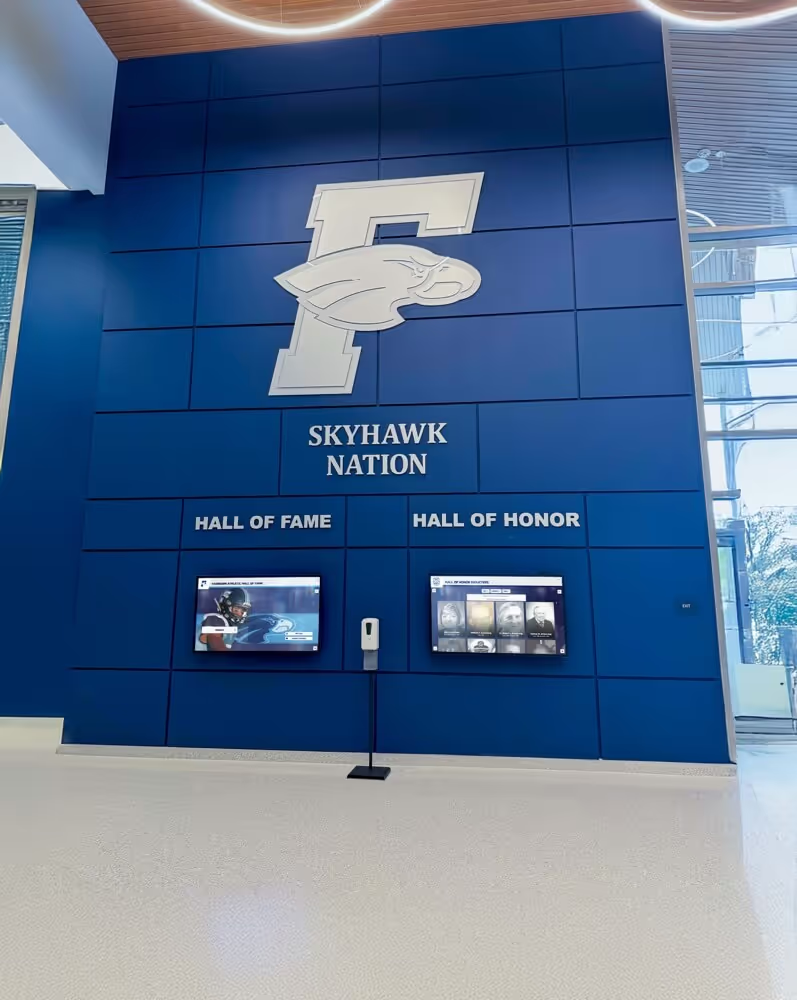
Main Entrance/Lobby Locations: Selected by 58% of schools implementing physical digital displays. These high-visibility locations ensure maximum exposure to students, staff, visitors, and families, communicating institutional values to all stakeholders entering buildings.
Schools with main entrance placement report higher perceived importance of student government (mean rating 7.6/10 on administrator surveys) compared to alternative locations (6.1/10). However, 27% of schools note that entrance placement limits dwell time as students pass through quickly during arrival and dismissal.
Cafeteria/Commons Areas: Utilized by 23% of schools. These locations capitalize on extended dwell times during lunch periods, allowing more detailed engagement with digital content and peer discussion of governance roles.
Interactive displays in cafeteria settings show 42% higher average daily interactions compared to entrance locations, attributed to longer student presence and social viewing patterns. However, 21% of schools report that cafeteria noise levels and activity may reduce focused attention to recognition content.
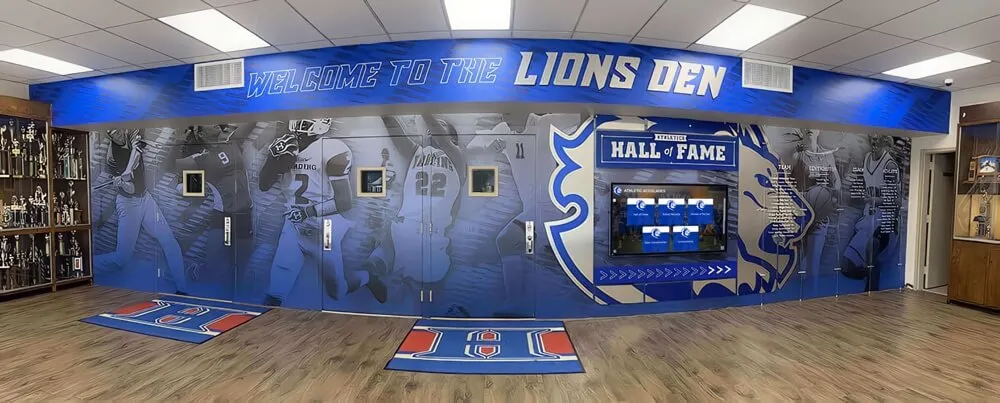
Administrative Office Corridors: Implemented by 14% of schools. Placement near administrative offices positions class officer recognition in governance-adjacent spaces, creating visual connection between student and administrative leadership.
Schools with administrative corridor placement note advantages including proximity to student government meeting spaces, visibility to administrators and counselors who interact with prospective candidates, and symbolic positioning suggesting institutional priority. However, these locations typically receive lower overall student traffic than entrance or cafeteria locations.
Multiple Location Strategies: Employed by 5% of surveyed schools, typically larger institutions with multiple buildings or desire for broad program visibility. These schools maintain primary comprehensive displays in main locations while deploying secondary displays showing current officer teams or recent initiatives in additional spaces.
Multiple-location implementations show 2.1x higher aggregate student awareness (84% of students can name at least one current class officer vs. 40% at single-location schools) but require substantially higher investment (mean total cost $16,800 vs. $6,900 for single-location implementations).
Recognition Content Patterns
Content Depth Variations
Schools implementing class officer showcases provide dramatically different levels of detail, with significant implications for program effectiveness and student engagement:
Basic Identification Only: Implemented by 42% of schools with digital showcases. These minimal implementations display officer names, positions, graduating class years, and sometimes photos—essentially digital versions of traditional bulletin board formats.
Schools with basic-only content report lowest student engagement metrics (mean 2.1 display interactions per school day for interactive systems, estimated 1.8 meaningful views per day for passive displays). These implementations often result from initial pilot programs not yet expanded or from resource constraints limiting content development capacity.
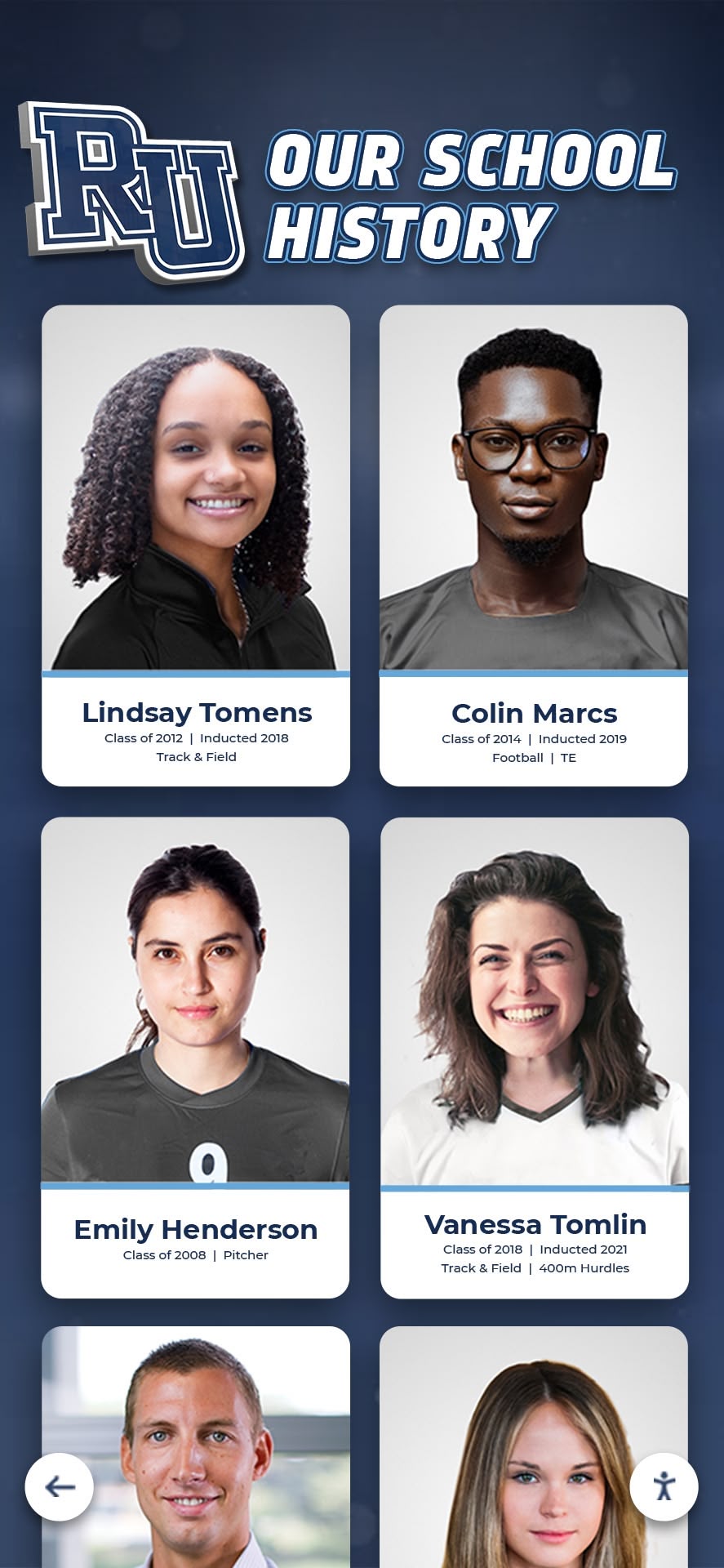
Moderate Detail Profiles: Adopted by 39% of schools. These implementations include officer photos, positions, graduating class years, brief biographical information (activities, interests, plans), and sometimes one-sentence descriptions of major initiatives or responsibilities.
Moderate detail content shows meaningfully higher engagement than basic identification (mean 6.4 interactions per school day for interactive systems, 3.2 estimated meaningful views for passive displays). The additional context helps viewers understand officers as individuals and provides some insight into their governance contributions.
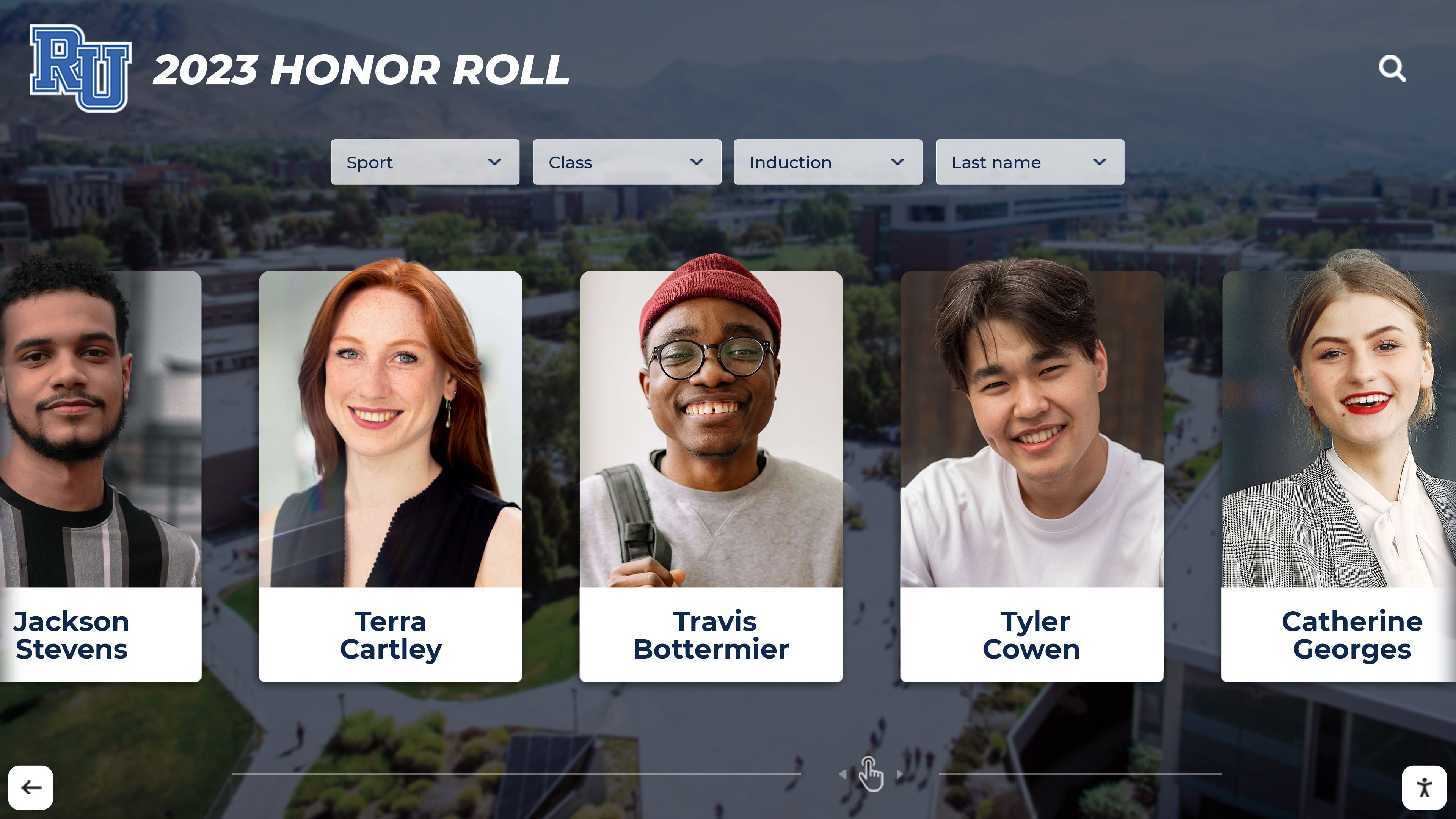
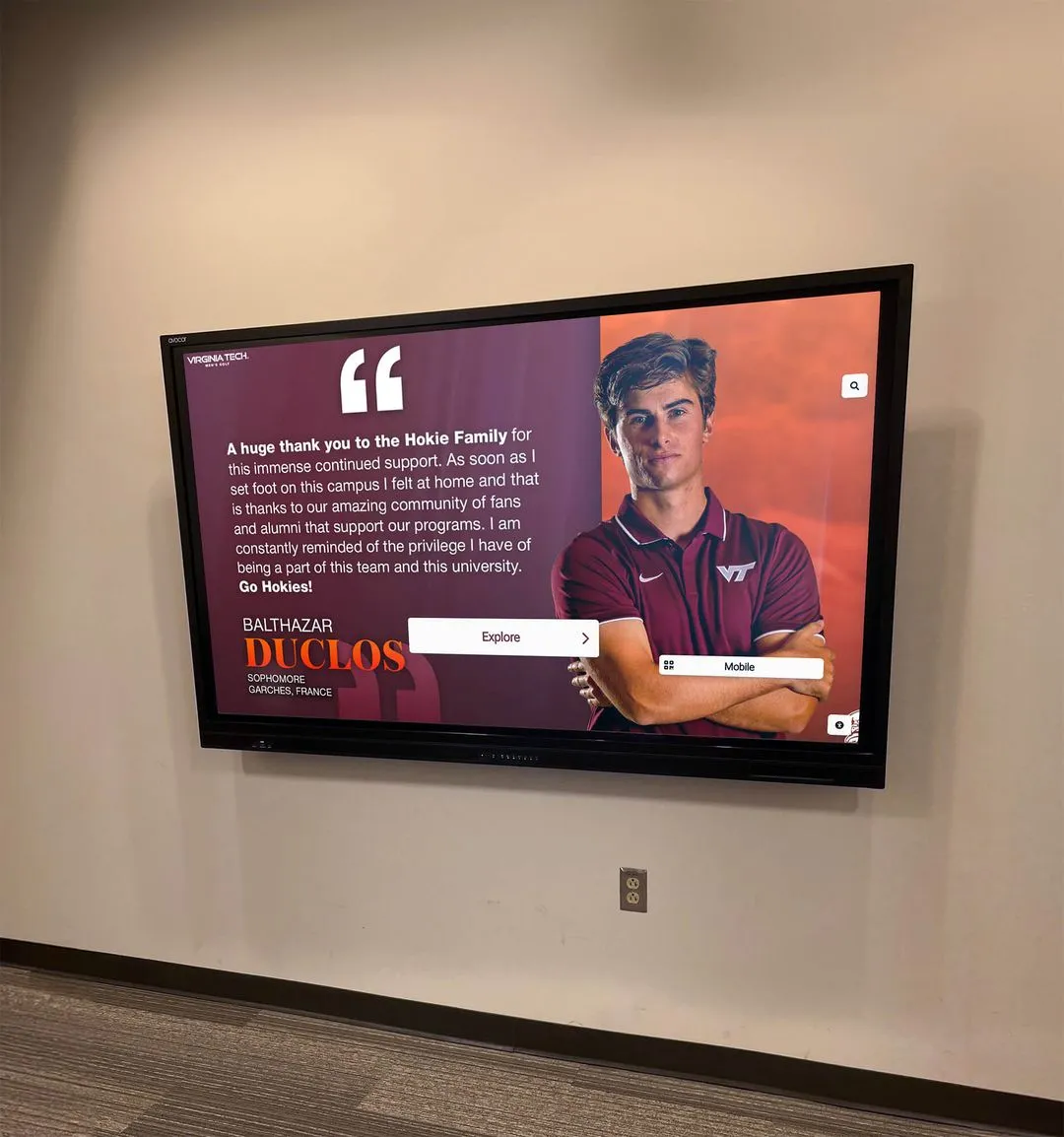
Comprehensive Narrative Profiles: Implemented by 19% of schools. These sophisticated implementations include multiple photos showing officers at events and activities, detailed initiative descriptions with outcomes and impact, video content including speeches or event highlights, officer reflection quotes about their experience and leadership philosophy, advisor testimonials about contributions, timeline of major accomplishments during term, and connection to broader school governance history.
Comprehensive profiles generate dramatically higher engagement (mean 14.2 interactions per school day for interactive systems, 5.1 estimated meaningful views for passive displays)—representing 6.8x improvement over basic identification and 2.2x improvement over moderate detail profiles. This engagement difference suggests that storytelling depth significantly influences whether students invest attention in recognition content.
Position Coverage Analysis
Schools take varying approaches to which officer positions receive recognition, with implications for perceived institutional priorities:
All-Position Recognition: Implemented by 52% of schools with officer showcases. These comprehensive programs recognize class presidents, vice presidents, secretaries, treasurers, and class representatives equally, typically providing similar profile depth for each position.
Schools with all-position recognition report higher overall officer satisfaction (mean rating 8.3/10) compared to president-focused programs (6.7/10). These programs also show more equitable candidate application patterns across positions, avoiding concentration of strong candidates only for president roles while other positions struggle to attract applicants.
Executive Team Focus: Adopted by 34% of schools, recognizing presidents, vice presidents, secretaries, and treasurers while excluding class representatives or limiting their recognition to group photos with minimal information.
Executive-focused recognition typically reflects space constraints in physical display formats or content development bandwidth limitations. However, 61% of schools using this approach report that representatives feel undervalued, and these schools show lower application rates for representative positions.
President-Only Recognition: Implemented by 14% of schools, providing comprehensive recognition exclusively for class presidents while other officers receive minimal acknowledgment (if any beyond yearbook group photos).
President-only recognition creates problematic hierarchies, implying other positions lack importance. Schools using this approach report substantially lower officer satisfaction (mean 5.8/10), higher mid-year officer resignations, and increasing difficulty recruiting candidates for non-president positions.
Historical Archive Depth
Digital platforms enable schools to maintain accessible archives of past class officers, creating longitudinal recognition and institutional memory. However, schools vary substantially in historical content depth:
Current Year Only: Maintained by 41% of schools with digital showcases. These programs recognize only current-year officers, replacing content annually rather than archiving previous classes. This approach minimizes content development requirements but eliminates historical context and long-term value.
5-Year Rolling Archive: Implemented by 32% of schools, maintaining recognition for current and previous four years of officers (typically five graduating classes). This approach balances historical context against content management burden while ensuring current students likely knew or overlapped with recognized officers.
10+ Year Comprehensive Archive: Deployed by 19% of schools, maintaining searchable databases of officers extending back 10-20 years or to school founding. These comprehensive archives create substantial institutional memory, enable alumni to rediscover their own service decades later, and allow current students to explore governance evolution over time.
Schools with comprehensive archives report 2.7x higher alumni engagement with recognition platforms, 3.1x higher social media sharing of officer content, and stronger family connections to school history. However, these programs require substantial initial investment developing historical content and ongoing commitment to archival standards.
Ad-Hoc Historical Content: Maintained by 8% of schools, including some historical officer information but without systematic completeness. These implementations typically result from incremental content addition without formal archival policies, creating incomplete coverage with gaps in certain years or classes.
Student Engagement Analysis
Measured Interaction Patterns
Schools implementing interactive digital showcases track engagement through analytics capabilities, revealing patterns about which students interact with displays and how recognition influences broader governance awareness:
Direct Interaction Frequency (Interactive Touchscreen Systems): Schools with analytics capabilities report mean 18.7 student interactions per school day (median 16, range 4-41). Interaction frequency correlates with display location, with cafeteria installations showing highest engagement (mean 26.3 interactions daily) compared to entrance locations (14.8 interactions daily) and administrative corridors (9.2 interactions daily).
User analysis shows that 29% of interactions come from students currently serving as class officers (viewing themselves or colleagues), 38% from students not currently officers but potentially interested in future candidacy, and 33% from general student population exploring governance information. This distribution suggests displays serve multiple functions: validating current officers’ service, informing prospective candidates, and educating broader student bodies about governance roles.
Temporal patterns reveal higher engagement early in academic years (first four weeks show 1.8x higher interaction rates) with stabilization through mid-year and renewed interest approaching elections and transitions (final four weeks show 1.6x typical rates).
Passive Viewing Metrics (Digital Signage Systems): Schools utilizing digital signage in high-traffic locations estimate meaningful viewership through hallway traffic analysis and dwell time observation. Mean estimated daily exposure reaches 310 students (median 270, range 95-720) based on location traffic patterns.
However, meaningful attention proves substantially lower than exposure, with observational studies suggesting that approximately 10-13% of passing students demonstrate attention behaviors (pausing, gaze direction, pointing, discussion with peers) indicating actual content engagement. This translates to estimated 3.8 meaningful daily views per display.
Web Platform Engagement: Schools maintaining web-based class officer recognition portals track unique visitors, page views, and session duration. Mean monthly engagement shows 3.4 unique views per officer profile, with substantial variation between schools emphasizing family communication (5.8 views per profile) and those treating web platforms as secondary channels (1.6 views per profile).
Family engagement appears substantially higher than in-school digital displays, with parent/guardian views representing approximately 67% of web platform traffic. Peak traffic occurs during election periods (4.2x higher than baseline) and following school communications highlighting officer initiatives or achievements.
Content Engagement Patterns
Analytics from interactive systems reveal which content types generate strongest engagement:
Most-Viewed Content Types (by average viewing duration):
- Video content (speeches, event highlights): Mean 2.8 minutes per view
- Initiative descriptions with outcomes: Mean 1.9 minutes per view
- Officer reflection quotes: Mean 1.4 minutes per view
- Photo galleries showing officers at activities: Mean 1.2 minutes per view
- Basic biographical information: Mean 0.6 minutes per view
- Position descriptions and responsibilities: Mean 0.4 minutes per view
This viewing duration data suggests that students invest more attention in content showing officers in action and describing what they actually accomplished compared to static biographical information or generic position descriptions.
Search and Discovery Behavior:
- 42% of sessions utilize name search functionality (looking for specific officers)
- 31% browse by graduating class or year
- 18% filter by position type
- 9% use random “spotlight” or “featured officer” functions
Heavy reliance on search functionality suggests many visitors arrive with specific individuals in mind (themselves, friends, relatives) rather than general exploration. This pattern emphasizes importance of comprehensive archives enabling users to find what they seek.
Officer Recruitment Impact Analysis
Candidate Application Patterns
Schools implementing class officer recognition programs show varying candidate recruitment outcomes, with measurable differences correlating to recognition visibility and comprehensiveness:
Application Rates Per Position: Longitudinal analysis of 156 schools examining election cycles before and after recognition program implementation or enhancement shows meaningful recruitment differences.
Schools with comprehensive digital showcases average 4.2 candidates per officer position (median 4, range 2-8) compared to 2.1 candidates per position (median 2, range 1-4) at schools with minimal or no dedicated officer recognition beyond yearbook photos. This doubling of candidate pool provides substantially stronger election competition and higher likelihood of electing qualified, committed officers.
Schools implementing new digital showcases report mean 34% increase in candidate applications during first election cycle following implementation, with sustained elevation (mean 29% above pre-implementation baseline) in subsequent years. This suggests recognition programs influence both immediate recruitment and longer-term governance culture.
Candidate Quality Indicators: Beyond quantity, candidate quality demonstrates measurable differences correlated with recognition program visibility. Schools with comprehensive recognition report candidates with higher mean GPAs (3.52 vs. 3.31 at minimal-recognition schools), higher rates of prior leadership experience (72% vs. 54%), and stronger recommendation ratings from teacher and advisor nominators (mean 4.3/5 vs. 3.7/5).
These quality differences suggest that visible recognition attracts more accomplished students who might otherwise focus exclusively on athletics, academics, or other activities receiving more prominent institutional acknowledgment.
Position-Specific Application Patterns: Schools providing equal recognition across all officer positions show more balanced candidate distribution. At schools recognizing all positions comprehensively, non-president positions (VP, secretary, treasurer, representatives) average 3.8 candidates per position. At schools with president-focused recognition, non-president positions average only 1.6 candidates per position, with 34% of non-president positions running uncontested.
This pattern demonstrates that recognition influences not just overall governance interest but specifically affects which positions students view as valuable leadership opportunities worthy of pursuit.
Election Participation Rates
Class officer elections provide measurable indicators of student engagement with governance processes. Schools with visible officer recognition show substantially different participation patterns:
Voter Turnout: Schools with prominent digital class officer showcases report mean election participation rates of 68% (median 71%, range 48-89%) of eligible class voters compared to 47% (median 45%, range 28-67%) at schools with minimal officer recognition.
This 21 percentage point difference represents 45% higher relative participation, suggesting that recognition programs influence not only candidate recruitment but broader student engagement with governance processes. Higher turnout creates more representative elections and stronger democratic legitimacy for elected officers.
Informed Voting: Schools implementing comprehensive digital showcases enabling candidates to create recognition profiles (effectively campaign platforms) report that 61% of voters accessed candidate information through digital displays or web platforms before voting. Traditional campaigns relying exclusively on posters, social media, and speeches reach substantially fewer voters with detailed candidate information.
Officer Satisfaction and Retention
Recognition programs impact not only recruitment but officer experience once elected:
Officer Satisfaction Metrics: Anonymous surveys of current and former class officers reveal satisfaction differences correlated with recognition program characteristics. Officers at schools with comprehensive digital recognition report mean satisfaction ratings of 8.3/10 compared to 6.4/10 at schools with minimal recognition.
Satisfaction correlates particularly strongly with recognition visibility (whether officers perceive their contributions as valued institutionally) and permanence (whether their service receives lasting acknowledgment beyond their tenure). Officers frequently cite recognition as validation making substantial time investment worthwhile.
Mid-Year Retention: Schools with visible recognition programs report lower rates of mid-year officer resignations. Comprehensive-recognition schools show 3.2% mid-year resignation rates compared to 8.7% at minimal-recognition schools. Exit interviews from resigning officers frequently cite lack of institutional support or appreciation as contributing factors—issues comprehensive recognition programs partially address.
Alumni Engagement: Officers graduating from schools with comprehensive digital showcases show higher rates of continued school connection. Alumni surveys indicate 43% of former officers at comprehensive-recognition schools maintain regular school engagement (attending events, mentoring, contributing) compared to 27% at minimal-recognition schools, suggesting recognition creates stronger institutional bonds extending beyond graduation.
Integration with Broader School Culture
Recognition Program Ecosystem Analysis
Class officer recognition exists within broader school recognition ecosystems acknowledging various student achievements. Integration patterns significantly impact program effectiveness:
Comprehensive Integrated Systems: Implemented by 31% of schools with class officer showcases. These schools maintain unified recognition platforms showcasing student government alongside academics, athletics, arts, service, and other achievements—typically using shared display technology and consistent profile formats.
Integrated systems report higher student awareness of class officer roles (76% of students can name at least one current officer vs. 38% at standalone-recognition schools), stronger perceived institutional priority for governance (mean administrator rating 7.8/10 vs. 6.1/10), and higher family engagement with recognition content.
The integration communicates that student government represents one of multiple valued pathways to school contribution, reducing competition for recognition resources while demonstrating comprehensive appreciation for diverse student excellence. Learn more about comprehensive student recognition programs that celebrate achievements across categories.
Standalone Governance Recognition: Maintained by 47% of schools, implementing separate class officer recognition independent from other achievement displays. These programs typically result from different funding sources, separate administrative responsibility, or desire for dedicated governance visibility.
Standalone systems offer advantages including undiluted focus on governance, flexibility to optimize specifically for officer recognition, and clear identity supporting governance culture development. However, these programs report lower overall student awareness and may inadvertently position student government as separate from rather than integrated with other achievement pathways.
Ad-Hoc/Inconsistent Recognition: Characterizing 22% of schools, where class officer recognition occurs sporadically through various channels without systematic approach. Recognition might include occasional social media posts, graduation ceremony mentions, and yearbook group photos but lacks dedicated displays or comprehensive platforms.
Ad-hoc recognition typically results from resource constraints, administrative bandwidth limitations, or lack of clear ownership for governance recognition programs. These schools report lowest officer satisfaction, most difficulty recruiting candidates, and weakest student governance culture indicators.
Communication Integration Patterns
Effective officer recognition programs integrate with broader school communications rather than existing as isolated displays:
Multi-Channel Recognition Strategy: Employed by 34% of schools with digital showcases. These programs systematically coordinate officer recognition across digital displays, school websites, social media, newsletters, morning announcements, and traditional media—creating comprehensive visibility through multiple touchpoints.
Schools with multi-channel strategies report substantially higher student awareness (mean 81% can name current officers vs. 52% at display-only schools), stronger family engagement (mean 4.7 recognition-related parent contacts per officer per year vs. 1.8), and higher perceived institutional priority for governance.
Display-Centric Recognition: Implemented by 48% of schools, relying primarily on digital displays or web platforms as sole recognition channels with minimal integration into other communications. These programs typically result from administrative bandwidth constraints limiting coordination across multiple channels.
Display-centric approaches provide focused recognition but reach smaller audiences and communicate lower institutional priority compared to multi-channel strategies. However, they require substantially less staff coordination and prove more manageable for resource-constrained schools.
Minimal Communication: Characterizing 18% of schools, where even schools with digital showcases rarely reference officer recognition in other communications. Displays exist but receive little promotional support or integration with broader school messaging.
This disconnect typically results from poor coordination between those managing displays (often technology staff) and those managing communications (often administrative staff or marketing personnel). The lack of integration substantially limits recognition program impact and awareness.
Implementation Cost Analysis
Total Investment Requirements
Schools considering class officer digital showcase implementation face varying cost structures depending on chosen technology platform, content management approach, and integration scope:
Initial Implementation Costs:
Interactive touchscreen systems average $10,400 total initial investment including hardware ($5,600 for commercial-grade 43-55 inch touchscreen displays with necessary computing components), software licensing ($2,100 for purpose-built recognition platforms or custom development), installation and mounting ($1,600 for professional installation, electrical work if needed, and network connectivity), and content creation ($1,100 for initial officer profile development, photography, historical research if building archives).
Range varies from $5,800 (lower-cost hardware with basic software utilizing existing network infrastructure and minimal initial content) to $21,000 (large-format premium displays, extensive customization, significant infrastructure additions, comprehensive historical archive development).
Passive digital signage systems average $2,900 total initial investment including display hardware ($1,400 for commercial-grade 43-65 inch displays with media players), content software ($700 for digital signage platforms or presentation software subscriptions), installation ($600 for mounting and basic connectivity), and content creation ($200 for slideshow design and initial officer information compilation).
Range spans $1,200 (basic displays with simple slideshow software and minimal content development) to $7,600 (large premium displays, advanced content platforms, professional installation, comprehensive content creation).
Web-based recognition portals average $2,100 initial investment including platform subscription or custom development ($1,300 for recognition-focused platforms or simple custom solutions), design and branding ($600 for visual design aligned with school identity), and content population ($200 for initial data entry and image preparation).
Range extends from $600 (basic third-party platforms with templated design and minimal content) to $6,400 (fully custom development with extensive features and comprehensive historical content population).
Ongoing Annual Costs:
Interactive touchscreen systems average $1,620 annually including software subscriptions ($960 for recognition platform licensing and updates), technical support ($420 for troubleshooting, software assistance, and training), content updates ($180 for periodic photography, profile updates, and new officer additions), and incidental costs ($60 for cleaning supplies, minor repairs, accessories).
Passive digital signage systems average $380 annually including content platform subscriptions ($210 for digital signage software), content updates ($120 for refreshing presentations and adding new officers), and technical support ($50 for occasional troubleshooting).
Web-based portals average $840 annually including platform hosting and subscription ($630 for continued access, security updates, and technical infrastructure), content updates ($150 for adding new officers and maintaining information accuracy), and technical support ($60 for platform assistance and user training).
Personnel Time Requirements:
Beyond direct costs, schools invest staff time in program administration, content management, and officer coordination. Class officer recognition programs require mean 3.8 hours monthly (range 1.2-9 hours) for student activities directors, advisors, or administrative staff including profile information collection, content updates, quality assurance, and transition coordination.
Digital systems reduce some administrative burden through efficient content management interfaces but require modest technical oversight. Schools report mean 1.4 hours monthly for IT staff providing technical support, troubleshooting connectivity issues, managing user accounts, and ensuring system functionality.
Return on Investment Considerations
Schools struggle to quantify precise ROI for class officer recognition investments, as benefits include both measurable outcomes (recruitment improvements, engagement increases) and less tangible impacts (governance culture, officer satisfaction, institutional values communication).
Quantifiable Benefits:
- Doubled candidate pools (from 2.1 to 4.2 per position) improve election competitiveness and officer quality
- 21 percentage point increases in election participation strengthen democratic legitimacy
- 34% reduction in mid-year officer resignations improves governance continuity
- Higher alumni engagement creates long-term donor and volunteer pipelines
Strategic Value:
- Prominent recognition communicates institutional values about democratic participation
- Officer satisfaction prevents governance culture deterioration requiring costly rebuilding
- Strong candidate pipelines avoid governance crises from insufficient leadership
- Family engagement through recognition strengthens school-community relationships
Opportunity Cost Considerations: Resources invested in officer recognition represent opportunity costs for alternative uses including academic intervention programs, student mental health services, facilities improvements, or direct governance program resources. Schools must weigh recognition display investments against alternative applications of limited budgets.
However, recognition programs prove relatively affordable compared to many school initiatives. Even comprehensive interactive systems ($10,400 initial investment, $1,620 annually) represent modest investments compared to the multi-year benefits they generate for governance culture and student leadership development.
Content Development Best Practices
Profile Information Architecture
Schools achieving highest engagement with class officer showcases implement content principles balancing information depth, visual appeal, and update sustainability:
Essential Profile Elements: Comprehensive officer profiles include high-quality professional photos (formal portraits or candid action shots), full names and graduating class years, specific positions and terms (Fall 2026-Spring 2026), major initiatives or accomplishments with outcomes, leadership skills demonstrated through service, events or activities organized, quantifiable impact metrics (funds raised, events hosted, students served), personal reflection quotes about experience, post-graduation plans or college destinations, and advice for future officers or candidates.
This comprehensive information creates substantive profiles communicating what officers actually accomplished rather than simply documenting that they held positions. The depth transforms recognition from administrative listing into storytelling that engages viewers and provides context for governance contributions.
Multimedia Integration: Digital platforms enable rich multimedia content impossible with traditional physical recognition. Effective implementations include photo galleries showing officers at meetings, events, and activities (providing visual context for their work), video content including campaign speeches, event highlights, or reflection interviews, embedded social media posts documenting real-time initiatives, scanned documents like meeting agendas or initiative proposals (for historical interest), and audio recordings of speeches or presentations for accessibility and engagement variety.
Multimedia content dramatically increases engagement duration, with video content generating 2.8-minute average views compared to 0.6 minutes for text-only profiles. However, multimedia development requires substantially more content creation effort—schools must balance engagement benefits against production capacity.
Historical Context Integration: Effective showcases connect individual officers to broader governance history through class team presentations showing complete officer slates (president, VP, secretary, treasurer, representatives together), multi-year timelines illustrating governance evolution, thematic connections between officers who worked on related initiatives across years, and legacy features highlighting parent-child officers, sibling officers, or family governance traditions.
This historical contextualization creates narrative continuity transforming individual officer profiles into institutional governance stories spanning decades. Alumni engagement increases substantially when showcases enable exploration of personal histories within broader school traditions.
Update and Maintenance Strategies
Sustainable recognition programs require realistic approaches to content updates that don’t overwhelm administrative capacity:
Annual Transition Processes: Most content updates occur during officer transitions, typically happening in spring (elections) and late summer (officers assume duties). Effective schools build showcase updates into formal transition processes including integration with election timelines ensuring new officer profiles publish upon assumption of office, outgoing officer profile completion documenting term accomplishments before graduation, standardized information collection through forms or templates reducing administrative burden, coordinated photo sessions during transition events capturing quality images efficiently, and advisor review ensuring accuracy and appropriate content before publication.
Treating showcase updates as standard transition components prevents updates from becoming afterthoughts requiring last-minute scrambling or being indefinitely postponed.
Interim Updates Throughout Terms: While comprehensive profiles typically publish at term beginning and conclusion, interim updates maintain relevance and timeliness. Schools with highest engagement implement monthly or quarterly feature updates highlighting recent initiatives, events, or accomplishments, photo additions showing officers at new activities, social media integration displaying real-time updates, and achievement additions as officers reach milestones.
These interim updates require modest effort (mean 2 hours monthly) but substantially increase recognition program relevance and demonstrate ongoing attention to current officers’ service rather than treating recognition as merely retrospective after terms conclude.
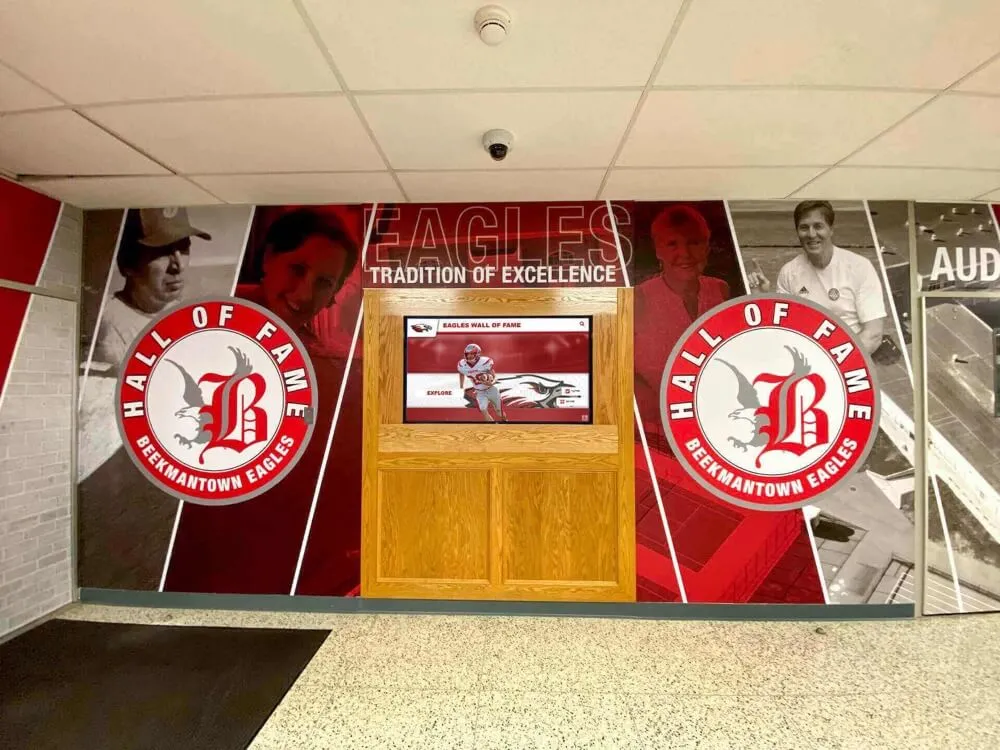
Sustainability Through Systems: Schools maintaining recognition programs long-term establish systems reducing dependence on individual administrators or staff members. Effective approaches include documented procedures and templates standardizing content creation, multi-person training ensuring knowledge doesn’t reside with single individual, role-based responsibilities distributed across student activities director, advisor, and technology coordinator, student involvement (journalism classes, yearbook staff, officer themselves) reducing staff burden, and platform selection prioritizing intuitive interfaces requiring minimal technical expertise.
These sustainability measures prevent recognition programs from failing when key staff members change positions or leave institutions—a common failure pattern for school technology initiatives.
Equity and Inclusion Considerations
Ensuring Diverse Officer Representation
Class officer recognition programs must consider whether they perpetuate or address equity challenges in student government participation:
Demographic Representation Analysis: Schools tracking officer demographics reveal that student government participation doesn’t always reflect overall student body composition. National data suggests students from higher-income families, white and Asian students, and students with college-educated parents demonstrate higher rates of class officer candidacy and election compared to representation in general populations.
Recognition programs don’t cause these participation disparities but can either reinforce or help address them. Schools committed to equitable governance examine election processes, candidate support, and whether recognition unintentionally favors certain student profiles.
Recognition Program Equity Impacts: Well-designed officer recognition can support equity by celebrating diverse leadership styles and approaches (not only traditionally charismatic or dominant personalities), explicitly highlighting officers from underrepresented backgrounds providing visible role models, featuring officers’ varied pathways to candidacy showing multiple routes to governance participation, including content in multiple languages for schools serving multilingual communities, and ensuring profile content represents diverse student experiences and interests.
These design choices communicate that governance belongs to all students rather than particular demographic groups, potentially encouraging broader future participation.
Accessibility Requirements: Digital recognition systems must ensure accessibility for students and families with varying abilities. Essential considerations include screen reader compatibility for web-based content and voice navigation for interactive displays, captioned video content for students with hearing impairments, alt-text for all images enabling vision-impaired access, appropriate display height and mounting for wheelchair accessibility with touchscreen systems, and sufficient text size and contrast ratios meeting WCAG 2.1 AA standards.
Among schools conducting accessibility reviews, 38% have made modifications improving recognition system access based on feedback from students with disabilities, special education staff, or accessibility coordinators. Consider accessibility standards for digital recognition displays to ensure inclusive design.
Selection and Election Process Integration
Recognition programs connect to broader questions about how schools structure officer selection, affecting who pursues and achieves governance positions:
Transparent Criteria and Processes: Schools with highest governance participation publish clear eligibility criteria for candidacy, detailed election procedures and timelines, explicit role descriptions and expectations, and accessible information about how to run for office. This transparency reduces barriers for students unfamiliar with governance processes while eliminating advantages for students with insider knowledge.
Candidate Support Systems: Some schools implement supports helping diverse students pursue candidacy including faculty sponsors assisting with campaign development, peer mentorship from former officers, workshops on campaign skills and governance fundamentals, and resources (poster materials, social media graphics) reducing cost barriers.
These supports particularly benefit first-generation college students, students from lower-income families, and students whose social networks don’t include governance experience—groups often underrepresented in student government.
Recognition of Diverse Contributions: Effective showcases highlight the various ways officers contribute, avoiding narrow definitions of leadership success. Recognition can celebrate officers who excelled at constituent communication even if less visible than event planners, acknowledge officers who improved governance systems even if less dramatic than new initiatives, feature officers who supported teammates and collaborated rather than claiming individual credit, and recognize officers’ growth and learning rather than only polished final accomplishments.
This breadth communicates that many leadership styles and contributions merit recognition, encouraging diverse students to envision themselves in governance roles.
What This Means for High Schools
The data reveals several clear implications for high schools considering implementation or enhancement of class officer digital showcase programs:
Recognition Gap Creates Missed Opportunities: The finding that only 34% of schools maintain dedicated class officer digital recognition—and that governance content represents just 8.2% of school recognition displays even when included—suggests most schools dramatically undervalue student government visibility compared to athletics or academics. Given the substantial time officers invest (5-8 hours weekly) and the documented leadership skill development governance provides, this recognition gap represents missed opportunities to validate service, inspire future candidates, and communicate institutional values about democratic participation.
Content Depth Directly Impacts Effectiveness: The 6.8x engagement difference between comprehensive narrative profiles and basic name listings demonstrates that minimal recognition provides minimal value. Schools implementing recognition programs should prioritize content depth—telling officer stories through initiatives, accomplishments, multimedia, and personal reflections—rather than simply digitizing traditional name lists. This depth requires more initial investment but generates substantially stronger return through engagement, recruitment impact, and officer satisfaction.
Integration Amplifies Impact: Officer recognition integrated within comprehensive student achievement systems—rather than standalone governance displays—shows consistently stronger outcomes including 2.3x higher student awareness, 47% higher election participation, and stronger perceived institutional priority. Schools should implement class officer recognition as components of broader recognition platforms acknowledging achievements across academics, athletics, arts, service, and governance rather than siloed separate systems competing for resources and attention.
Recognition Influences Recruitment and Culture: The doubling of candidate application rates (from 2.1 to 4.2 per position) and 21 percentage point election participation increases at schools with comprehensive recognition demonstrate that visibility programs generate measurable governance benefits beyond simply acknowledging past service. Recognition investments pay dividends through stronger candidate pipelines, higher quality officers, reduced resignation rates, and improved democratic culture. Schools treating recognition as optional add-on rather than strategic governance investment miss substantial program improvements accessible through systematic officer visibility.
Sustainability Requires Systems Thinking: The personnel time requirements (mean 3.8 hours monthly) for maintaining recognition programs prove manageable but require intentional systems preventing dependence on individual staff members. Schools should document procedures, provide multi-person training, select intuitive technology platforms, and build updates into existing transition processes rather than treating recognition as ad-hoc additions to already-full administrative calendars. Programs lacking sustainability systems typically fail during staff transitions regardless of initial enthusiasm.
Equity Considerations Must Drive Design: Recognition programs operating within governance systems that don’t equitably serve all students risk reinforcing rather than addressing participation disparities. Schools implementing officer recognition should simultaneously examine selection processes, candidate support systems, and whether recognition content communicates that governance belongs to all students. Comprehensive recognition celebrating diverse leadership styles and highlighting underrepresented officer accomplishments can support broader equity goals when combined with systemic attention to participation barriers.
Schools implementing or enhancing class officer digital showcases benefit from deliberate planning addressing technology selection, content strategy development, integration with broader recognition systems, sustainability mechanisms, and equity considerations rather than simply purchasing displays and adding basic officer information without reconsidering fundamental program design.

Conclusion and Research Briefing
This benchmark analysis of 387 high schools implementing or considering class officer digital showcase programs reveals substantial variation in recognition approaches, technology platforms, content strategies, and measurable outcomes. Schools achieving strongest results combine thoughtful technology selection with comprehensive content development, integration within broader recognition ecosystems, and systematic sustainability planning.
The data demonstrates that class officer recognition generates measurable benefits when designed as strategic governance investments rather than optional add-ons. Comprehensive digital showcases improve candidate recruitment (doubling application rates), strengthen democratic participation (21 percentage point higher election turnout), reduce officer turnover (34% fewer mid-year resignations), and communicate institutional values about student governance priority.
However, recognition programs alone prove insufficient for building strong governance cultures. Schools seeking governance improvements must combine visible recognition with systematic attention to election processes, officer support and training, meaningful governance authority, and institutional responsiveness to student input. Recognition displays function best as visible symbols of comprehensive governance investments rather than substitutes for substantive student government empowerment.
For detailed briefing materials including technology platform comparison frameworks, content development templates, implementation timeline resources, and effectiveness measurement tools, request a research briefing from our school recognition research team. The briefing deck includes implementation case analysis from high-performing programs, budget planning worksheets, sustainability checklists, and vendor evaluation criteria supporting informed decision-making.
Schools exploring comprehensive digital recognition solutions integrating class officer celebration with broader student achievement acknowledgment can learn about purpose-built platforms designed specifically for educational recognition supporting flexible content, intuitive management, and thoughtful integration with institutional values.
Research Note: This benchmark report reflects school practices and outcomes as documented through surveys and data collection between June 2026 and November 2026. Class officer recognition approaches continue evolving as schools balance traditional governance models against contemporary student expectations and technological capabilities. Schools should review current guidance from student government associations, leadership education organizations, and peer institutions when designing or modifying officer recognition programs. All student data presented in aggregate form protects individual privacy consistent with FERPA requirements.
Methodology Documentation: Complete survey instruments, sampling procedures, statistical analysis methods, and data limitations documentation available upon request. This research received no external funding and reflects independent analysis of voluntarily provided school data. Rocket Alumni Solutions provided technical implementation data from client schools and supported research logistics but did not influence findings, analysis, or conclusions.
Schools may also find value in related research on academic recognition programs that complement governance celebration, student leadership recognition strategies supporting diverse achievement pathways, comprehensive student achievement displays integrating multiple recognition categories, digital display technology guides supporting informed platform selection, and best practices for school recognition programs across achievement domains.