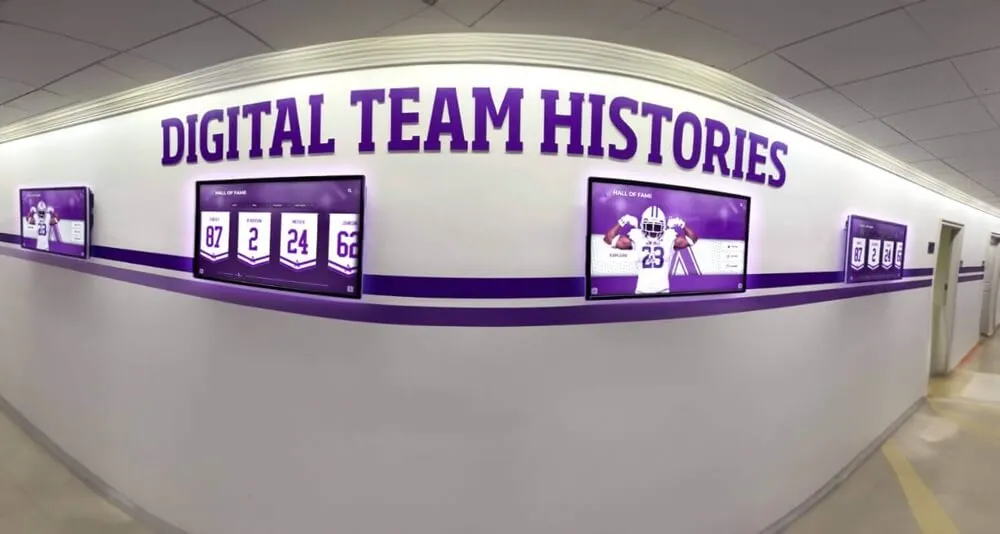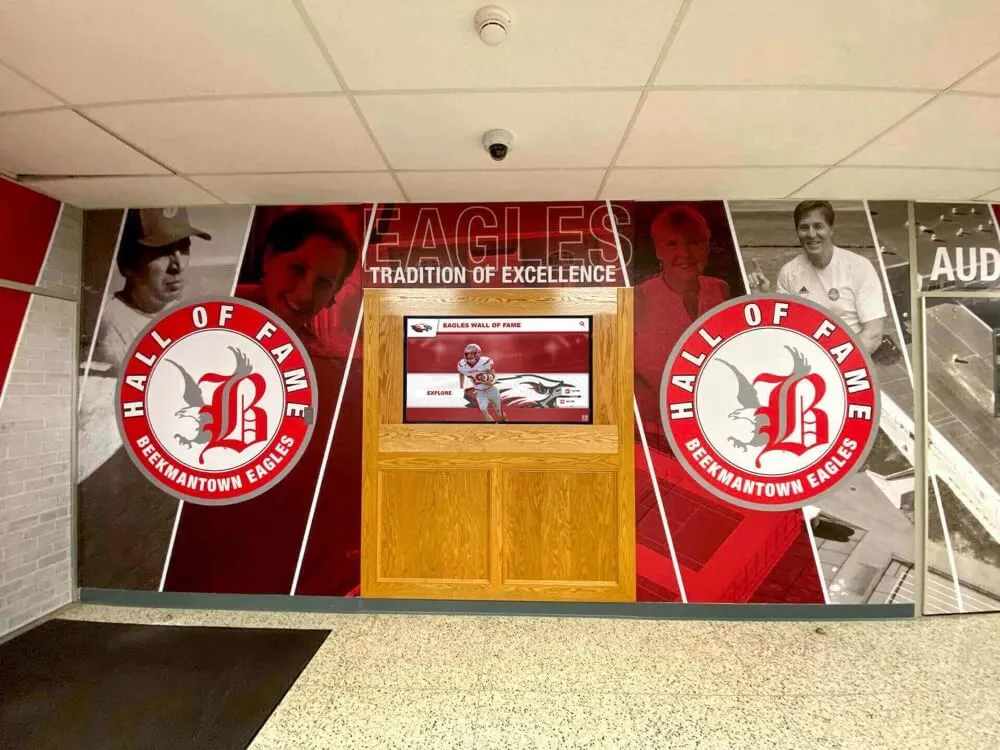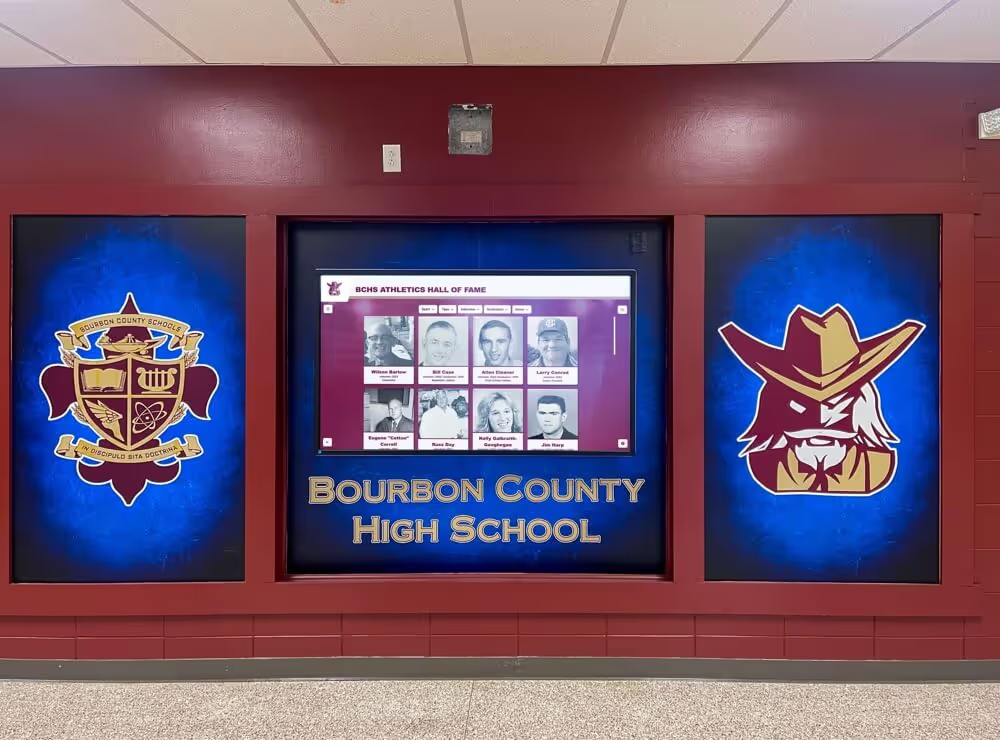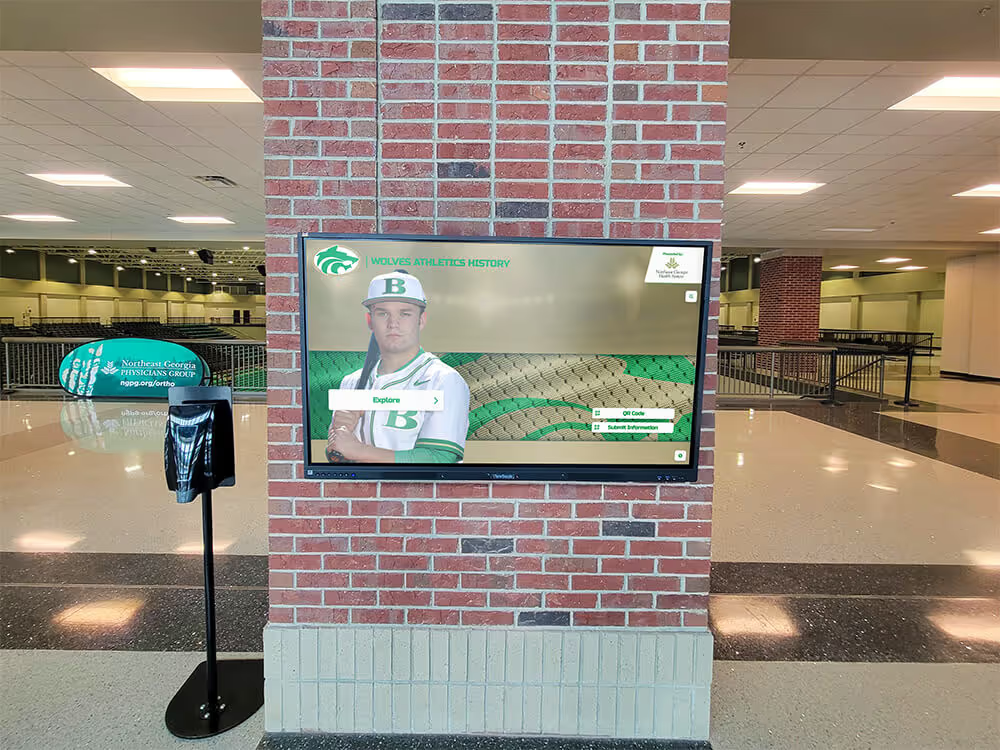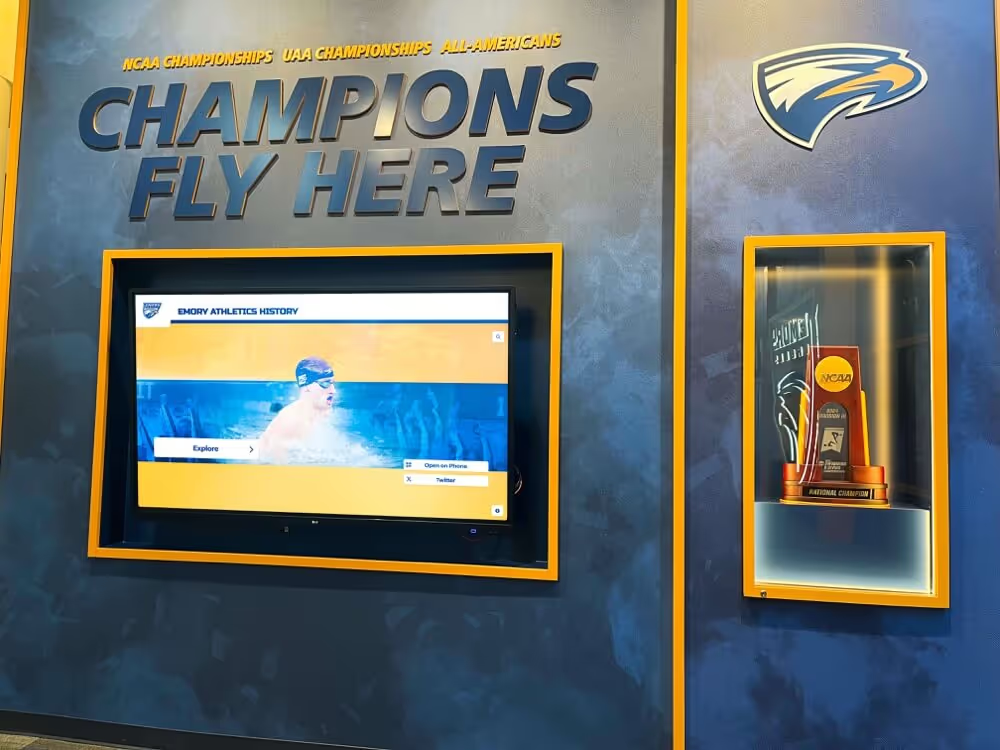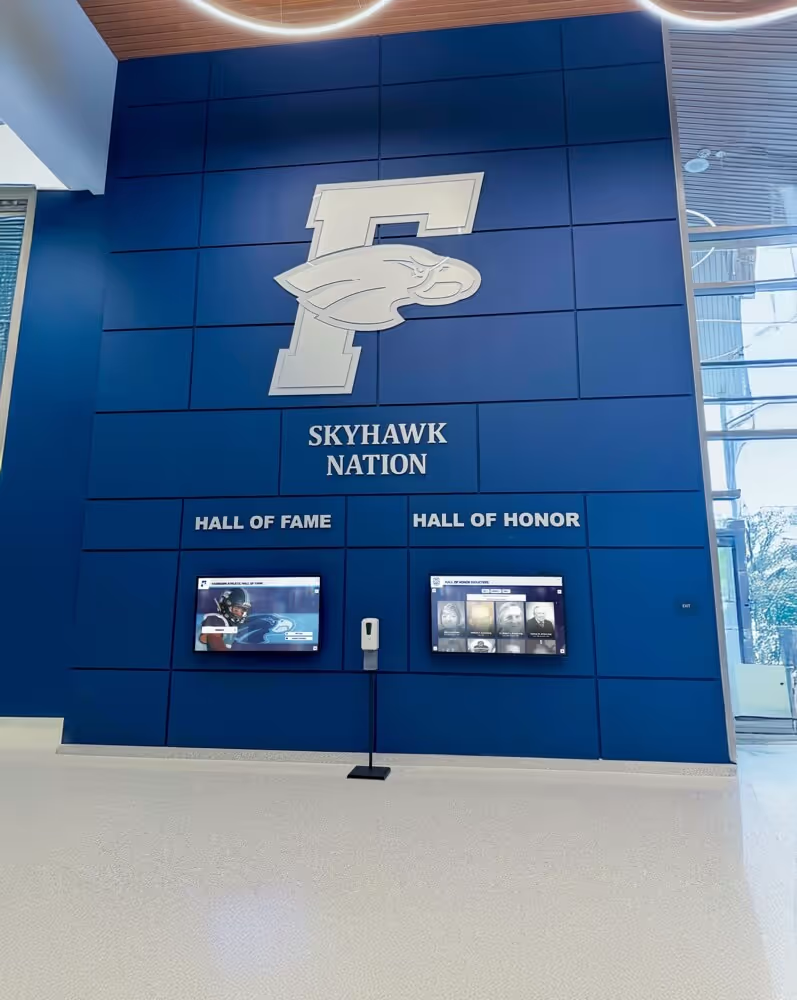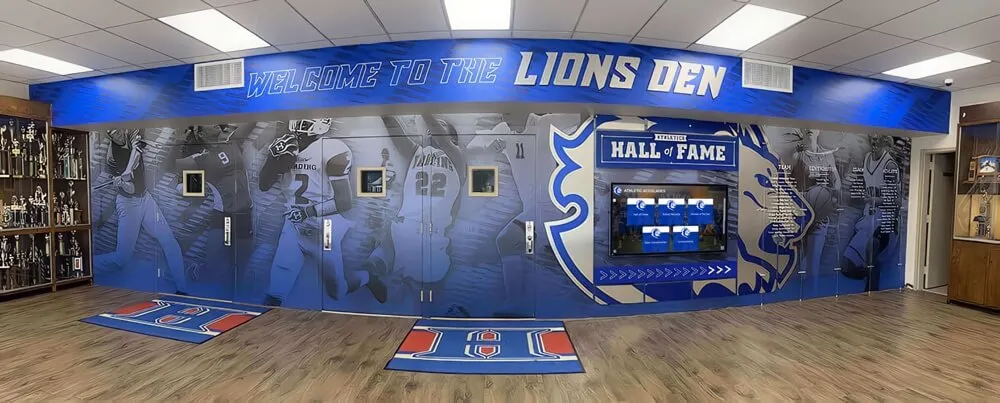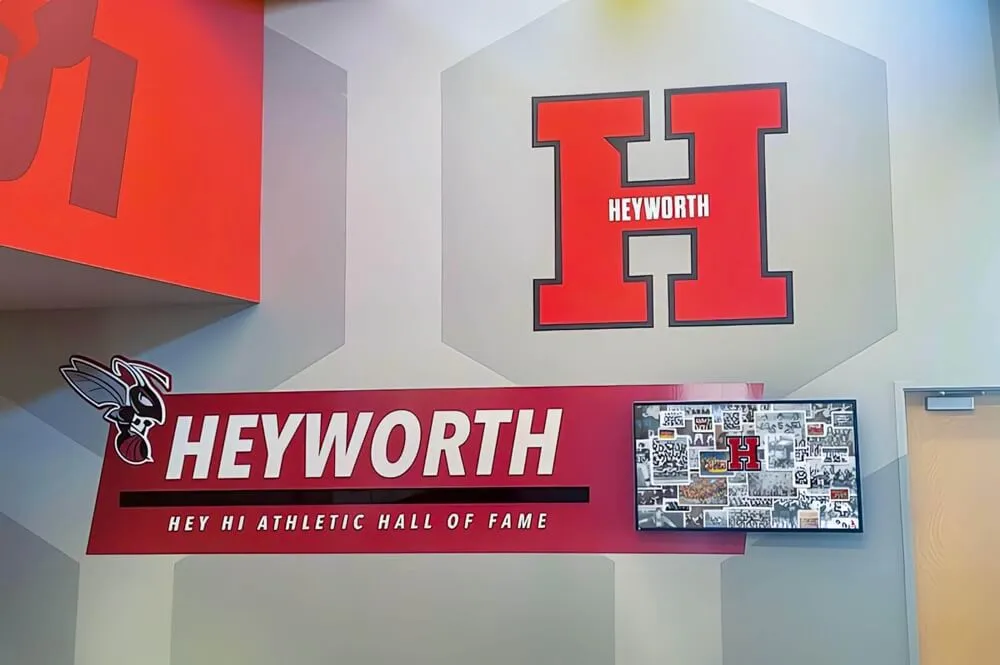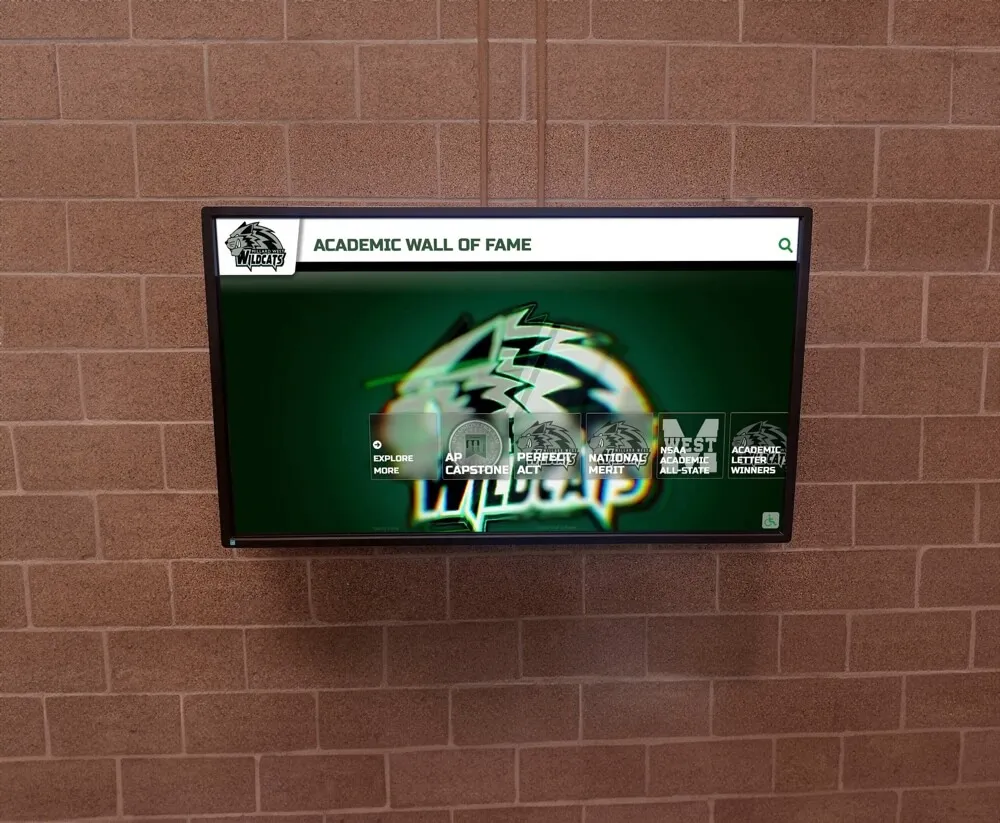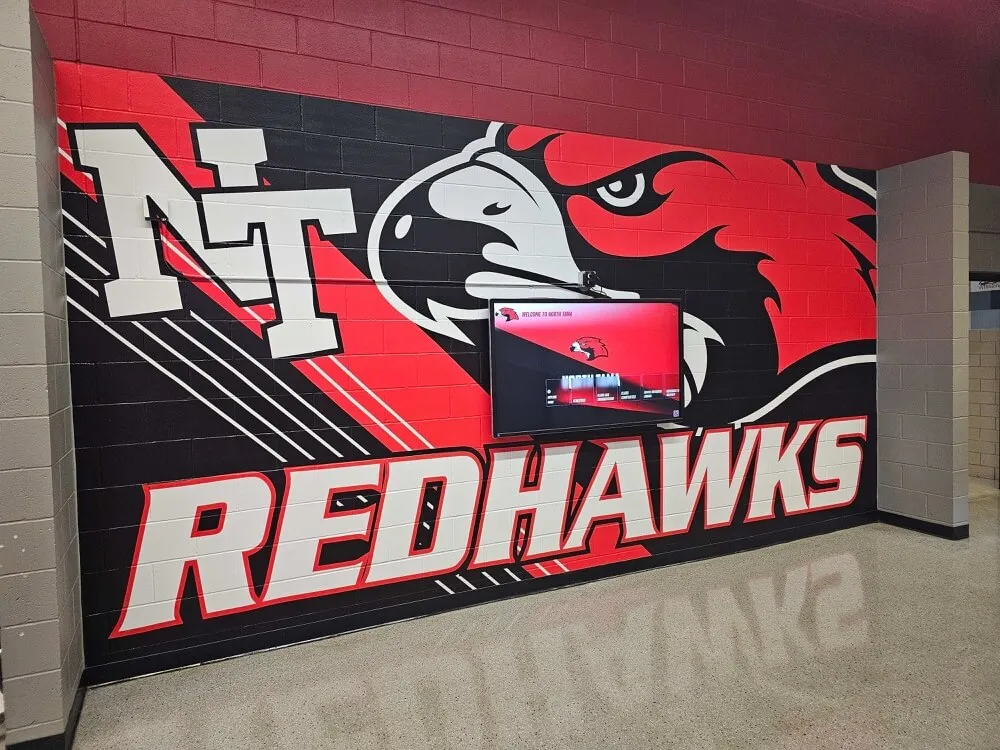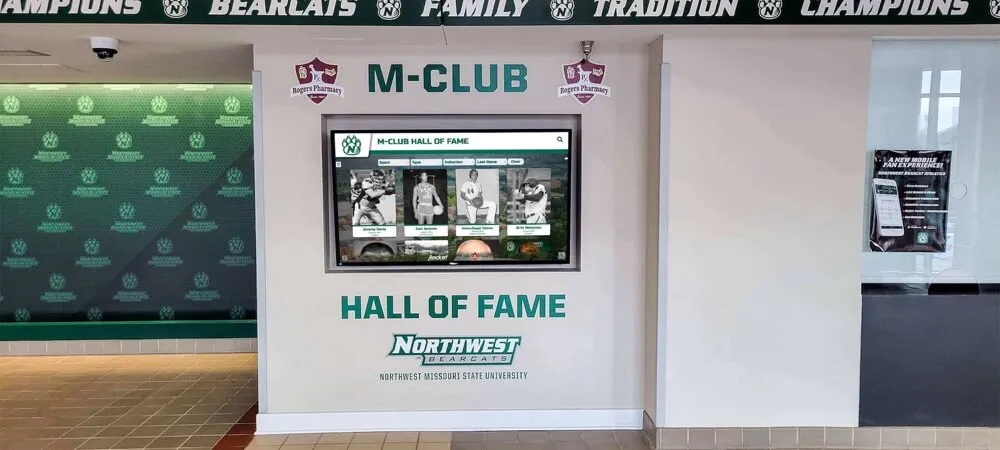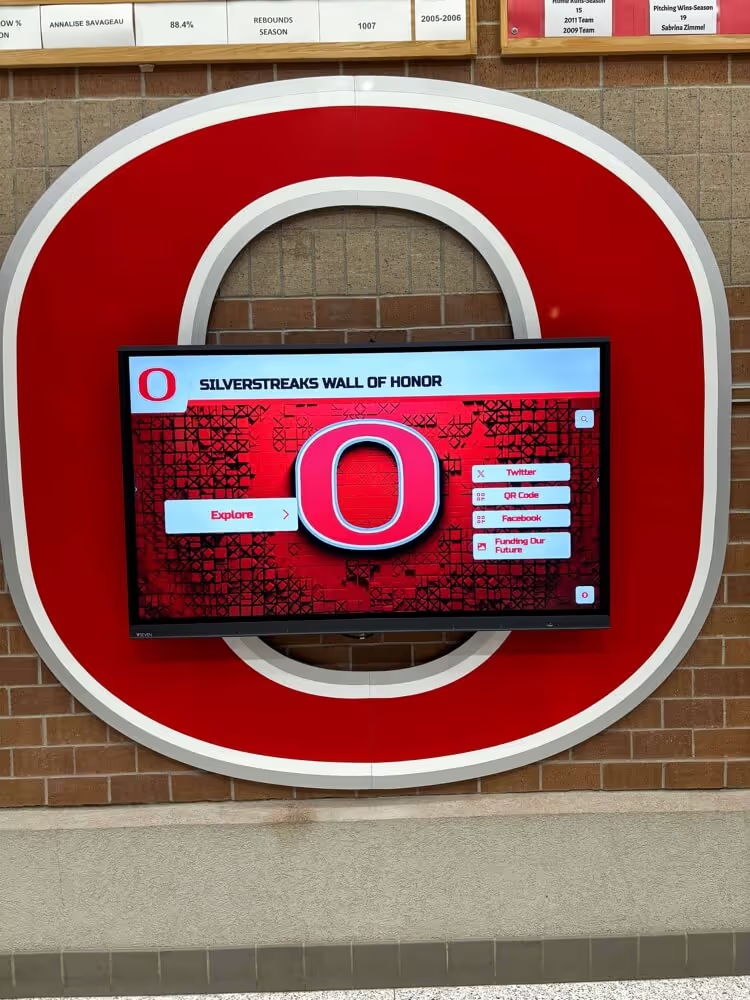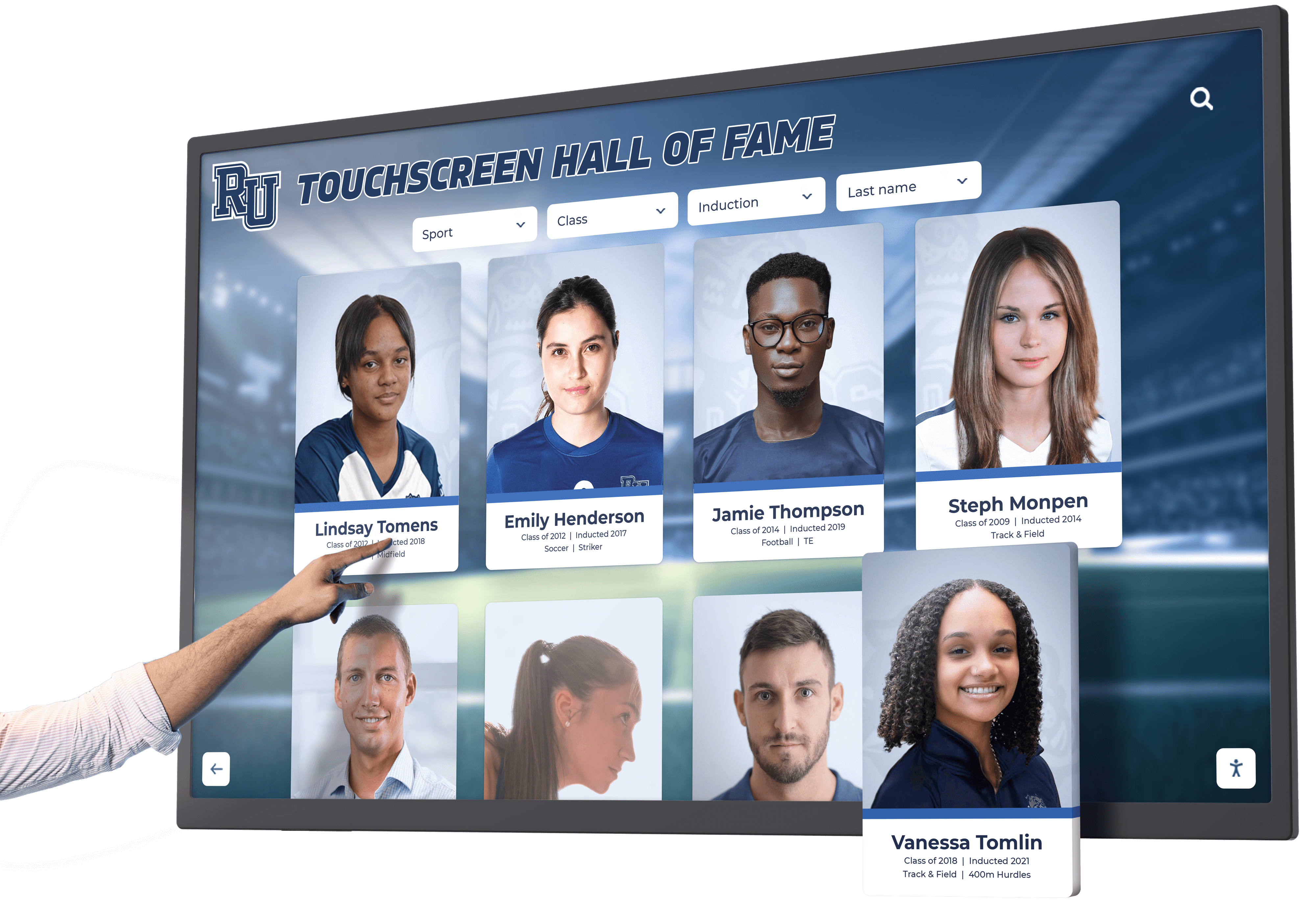




Campus engagement extends far beyond attendance at sporting events or participation in clubs. True engagement means students feel connected to institutional history, see themselves reflected in campus narratives, understand how their contributions fit within larger traditions, and develop genuine pride in being part of something meaningful that extends across generations.
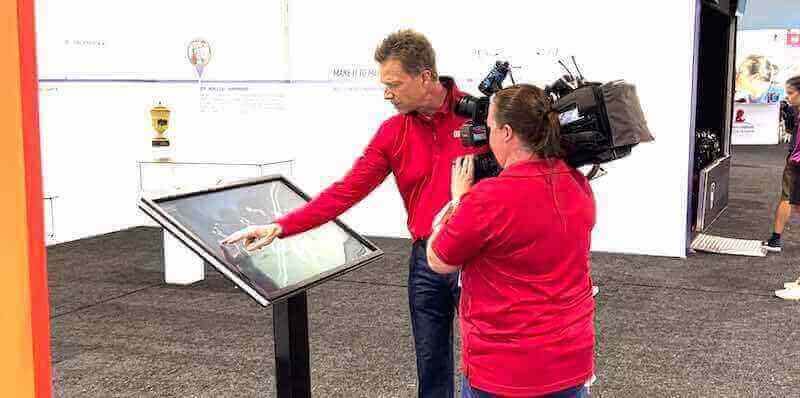
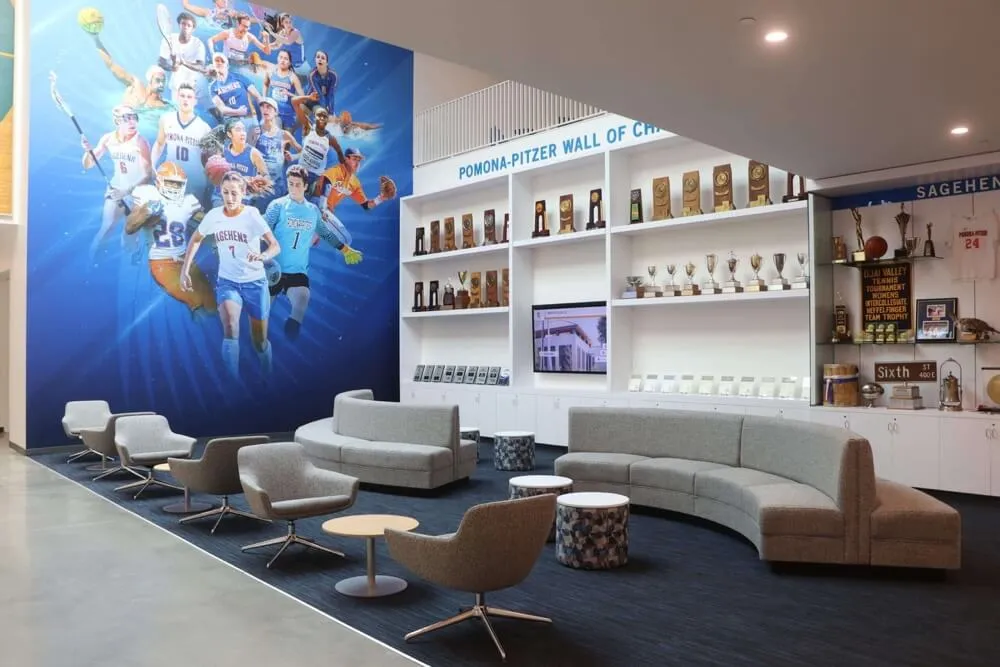
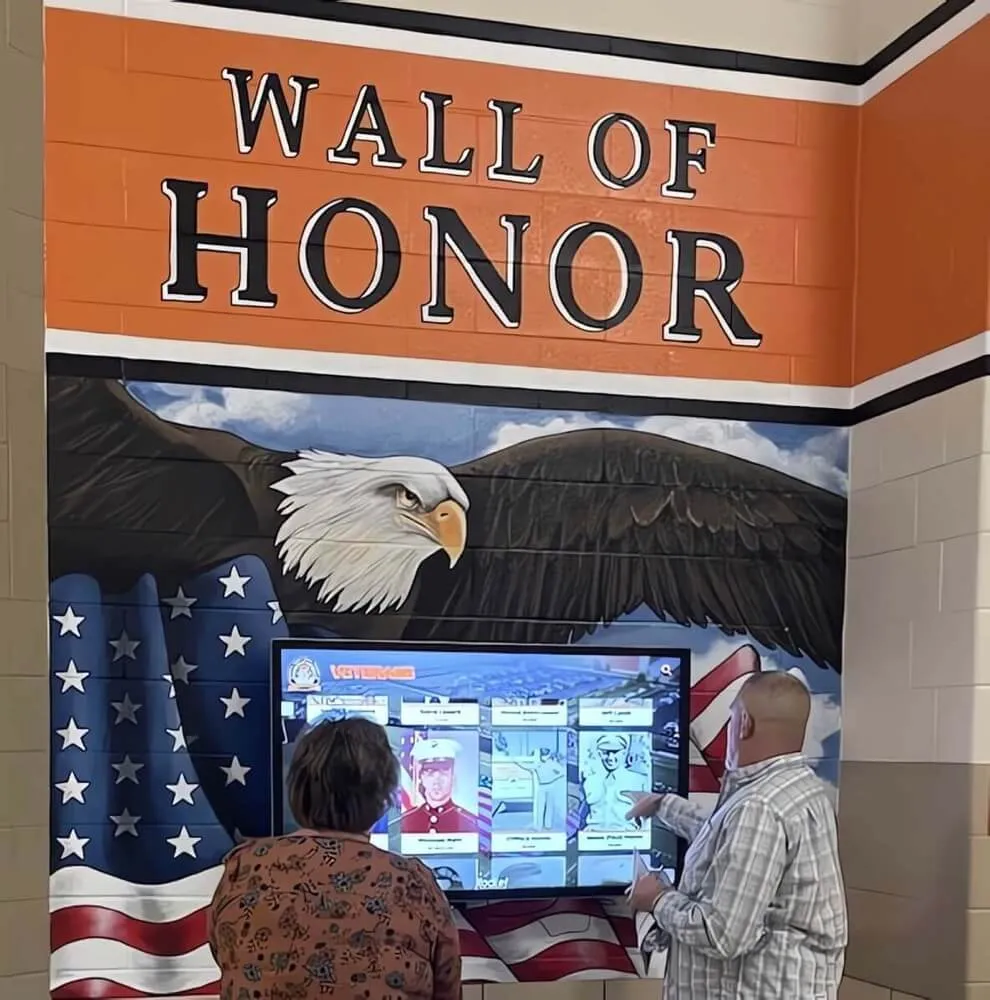
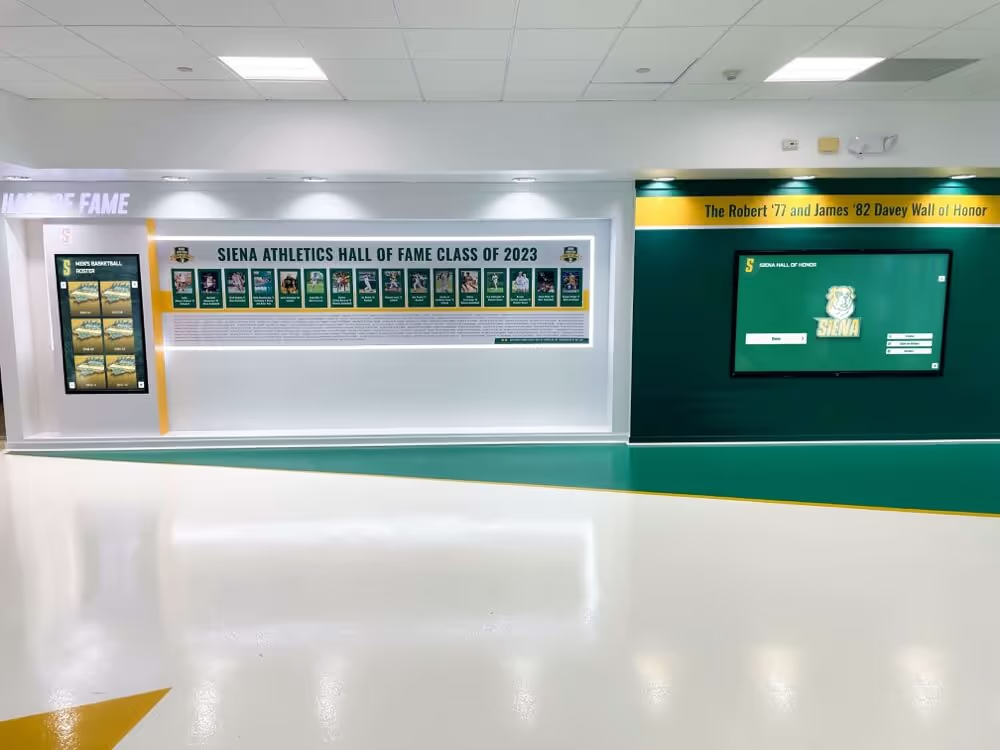
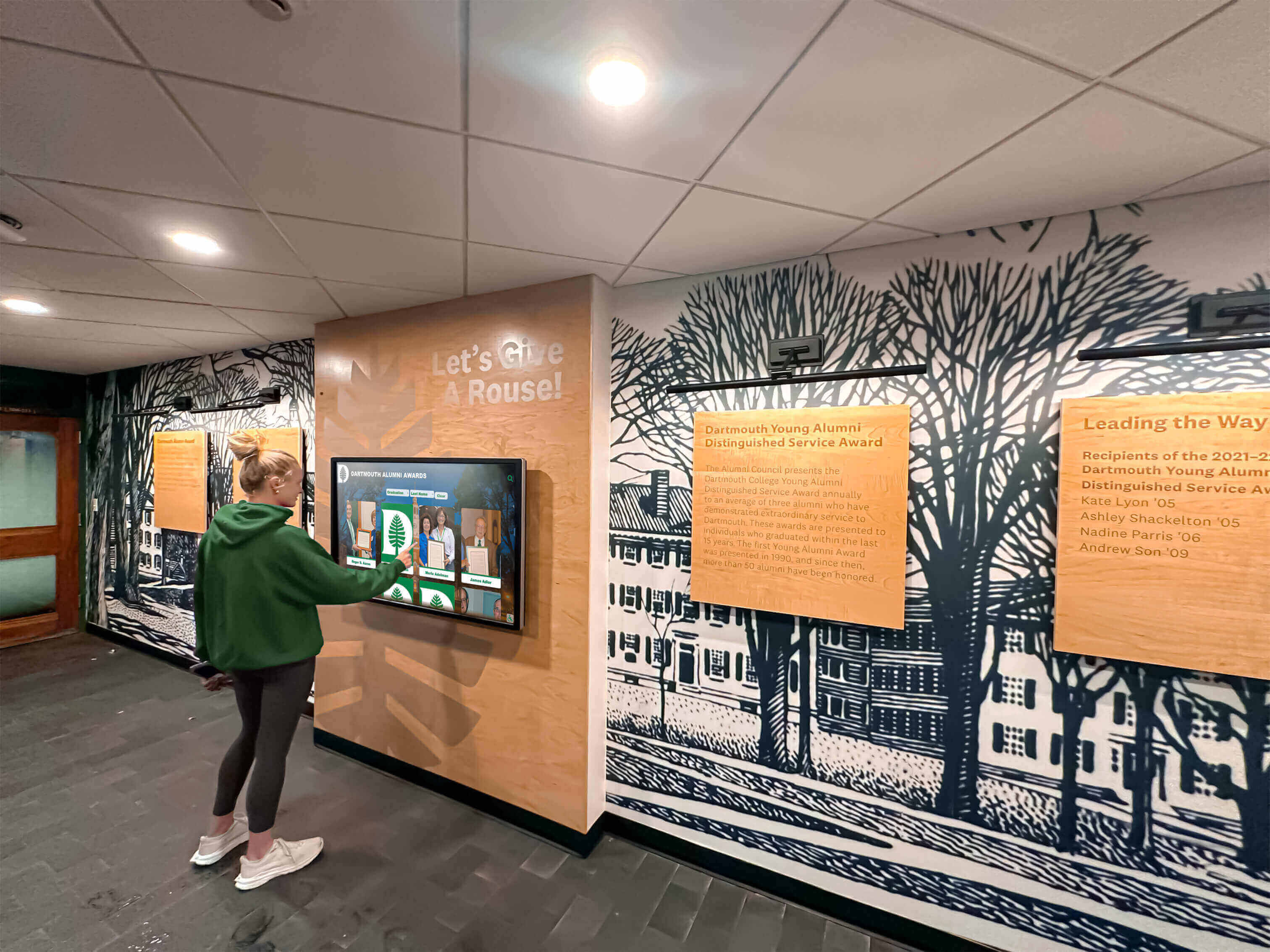
Digital record boards serve as powerful engagement tools precisely because they make abstract concepts—school history, tradition, achievement standards, community values—tangible and accessible. When students walk past displays featuring athletes who set records decades ago, scholars who earned prestigious awards, or community service leaders who made lasting impacts, they encounter concrete evidence that their school values excellence, that their own efforts matter within continuing traditions, and that their achievements might one day inspire future students encountering the same displays.
The difference between digital record boards that generate genuine engagement versus those that become ignored background fixtures comes down to thoughtful implementation. Generic displays showing only athletic statistics or outdated information quickly fade into campus scenery. But displays presenting diverse achievements, updated regularly with current student accomplishments, incorporating multimedia content that brings stories to life, and designed for intuitive interaction create magnetic engagement tools that students, families, and visitors genuinely want to explore.
Athletic Achievement Displays
Athletic records remain the most common digital board content, but implementation approaches vary dramatically in their engagement effectiveness. These ideas transform basic record lists into compelling engagement tools.
1. Current Season Performance Tracking
Rather than displaying only historical records, dedicate sections to current season statistics and leaderboards. Students check displays regularly to see updated team standings, individual statistical leaders, and recent game results. This real-time relevance transforms boards from historical archives into living documents reflecting ongoing campus life.
Update frequency matters significantly—daily or weekly updates during active seasons maintain engagement, while stale information teaches students to ignore displays. Automated data feeds from scoring systems or regular manual updates demonstrate that displays receive ongoing attention and care.
Implementation Approach: Create rotating slides or dedicated sections for each sport season. Include team records, individual leaders in key statistics, upcoming competition schedules, and recent highlights. During championship tournaments, feature bracket progression and tournament updates that students follow closely.
2. All-Time Record Progressions with Historical Context
Present records not as isolated numbers but as evolving stories. Show when each record was set, how long it stood, previous record holders, and context about what made breakthrough performances significant. This storytelling approach creates emotional connection rather than displaying dry statistics.
Include photos of record holders from their competitive eras, quotes about what the achievement meant, and comparisons showing how records have evolved over decades. Students gain appreciation for both current excellence and historical achievement when they understand progression over time.
Engagement Benefit: Students begin recognizing names and faces from campus history, creating connections across generations. Current athletes pursuing records understand they’re chasing specific individuals whose stories they know, adding meaning beyond abstract numbers.
3. Video Highlights of Record-Breaking Performances
Static numbers lack the visceral impact of seeing actual performances. Integrate video clips showing record-breaking moments—the game-winning shot, championship-clinching play, or extraordinary individual performance that set new standards.
Short clips (15-30 seconds) work best for displays viewed while passing in hallways. Longer highlight packages suit dedicated viewing areas where students gather before games or during lunch periods. Include context cards explaining what viewers are watching—the opponent, stakes, and significance.
Technical Consideration: Video integration requires adequate storage and bandwidth. Optimize file sizes for smooth playback without quality degradation. Ensure displays support video formats and can handle playback without freezing or stuttering that frustrates viewers.

4. Multi-Sport Athlete Recognition
Many students compete across multiple sports but receive recognition only within individual team contexts. Create dedicated sections celebrating multi-sport athletes who contribute across seasons, highlighting versatility and year-round commitment that athletic directors particularly value.
Feature profiles showing each athlete’s contributions across their sports, cumulative achievements, and quotes about managing multiple-sport demands. This recognition validates the additional commitment multi-sport athletes make while encouraging younger students to explore multiple athletic opportunities rather than specializing prematurely.
5. Team Championships and Tournament Success
Beyond individual records, feature team achievements through complete championship documentation. Display years, rosters, coaches, season records, playoff progression, and championship game or meet details. Include team photos and celebration images capturing the joy of collective success.
Tournament success deserves particular attention—conference championships, state qualifications, playoff victories, and deep tournament runs all merit permanent documentation. These collective achievements often resonate more broadly than individual records since more students participated and entire communities rallied around team success.
Searchability Feature: Enable filtering by sport, year, or championship type. Alumni visiting campus often want to locate their specific championship teams. Students researching program history benefit from easily navigating decades of achievement across multiple sports.
Academic Excellence Recognition
Academic recognition receives insufficient visibility on many campuses despite being central to educational missions. Digital boards provide platforms for celebrating intellectual achievement as prominently as athletic success.
6. National Merit Scholars and Academic Award Winners
Prominently feature students earning National Merit recognition, AP Scholar awards, National Hispanic Recognition Program honors, and other prestigious academic achievements. Display photos, majors or academic interests, future plans, and quotes about their academic journeys.
Many families prioritize academic achievement above athletics. Featuring scholarly excellence prominently signals that your institution values intellectual accomplishment, resonates with academically-focused families, and provides recognition that matters deeply to students whose primary identities center on academic rather than athletic achievement.
Update Cycle: Refresh annually as new recipients are announced. Include historical archives showing past recipients, creating complete records of scholarly excellence comparable to athletic hall of fame documentation.
7. Honor Roll and Dean’s List Celebrations
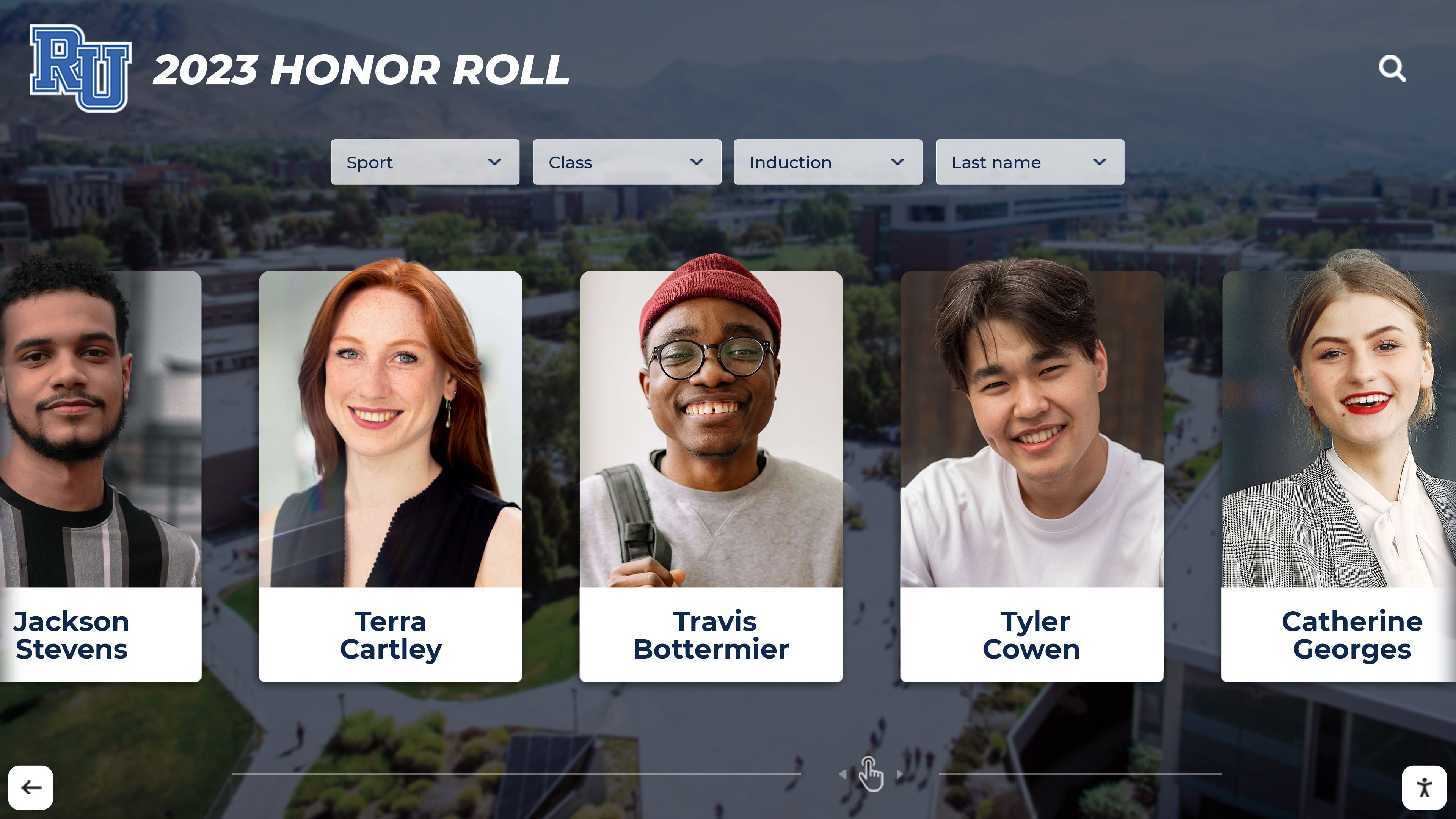
While individual recognition might involve too many students for detailed profiles, honor roll and dean’s list achievements merit prominent celebration. Display names organized by classification level, GPA tiers, or academic departments. Update each grading period to maintain current relevance.
Scrolling lists accommodate large numbers while ensuring every qualifying student receives public recognition. Consider featuring randomly selected honor students in detailed spotlight rotations, giving depth to a representative sample while acknowledging all qualifiers in complete lists.
8. Perfect Attendance and Academic Consistency
Recognize students maintaining perfect attendance records or consistent honor roll status across multiple years. These achievements demonstrate discipline, consistency, and sustained commitment—qualities predicting long-term success regardless of career path.
Multi-year consistency often goes unrecognized despite being harder to achieve than single-semester excellence. Highlighting sustained achievement over time communicates that consistency matters, encouraging long-term commitment rather than short-term performance spikes.
9. College Acceptances and Scholarship Recognition
Create sections celebrating college commitments, scholarship awards, and post-graduation plans. Feature photos, college logos, intended majors, scholarship details, and future aspirations. This forward-looking recognition excites younger students about possibilities while honoring seniors’ achievements.
Scholarship amounts need not be displayed if families prefer privacy, but acknowledging that students earned competitive scholarships validates their efforts. For schools emphasizing college preparation, this recognition demonstrates tangible results from academic programs.
Inspiration Factor: Underclassmen encountering displays of college-bound seniors gain concrete examples of what academic success produces. Seeing peers accepted to prestigious programs or earning significant scholarships motivates similar achievement while making college pathways feel accessible rather than abstract.
10. Academic Competition Team Success
Debate teams, quiz bowl squads, science olympiad participants, math competition teams, and other academic competitors deserve recognition equivalent to athletic teams. Display tournament results, individual achievements, team photos, and competition highlights.
These students invest comparable time and effort to athletes while often receiving less visibility. Academic competition recognition corrects this imbalance, validates intellectual pursuits, and strengthens engagement among academically-focused student populations who might otherwise feel marginalized in athletics-dominated campus cultures.
Arts and Performance Recognition
Performing and visual arts students create campus culture through concerts, plays, art exhibitions, and creative works. Digital boards provide platforms for celebrating artistic achievement and preserving performance memories.
11. Concert and Performance Video Archives
Record concerts, theatrical performances, dance recitals, and other artistic presentations. Feature excerpts on digital displays with information about the performance date, featured students, repertoire, and directors. This preservation ensures artistic achievements receive lasting recognition rather than existing only in moment.
Performance video provides engagement opportunities for parents and relatives who couldn’t attend live events. Students enjoy revisiting their performances, and current participants gain inspiration from seeing previous productions and concerts.
12. All-State and All-District Musicians
Musicians earning all-state, all-district, or all-regional ensemble selections merit recognition equivalent to all-conference athletes. Display photos, instruments, ensemble placements, and audition details. Include audio clips when possible, allowing visitors to hear the student performances that earned selection.
This recognition validates the intensive practice required for competitive music achievement while demonstrating that your institution celebrates excellence across diverse domains rather than privileging athletics exclusively.
13. Student Art Gallery Rotations
Feature high-quality photographs of student artwork with artist names, mediums, inspiration statements, and creation contexts. Rotate featured works regularly, creating opportunities for many student artists to receive spotlight recognition throughout the year.
Digital galleries extend art visibility beyond dedicated art spaces, bringing student creativity to high-traffic areas where broader audiences encounter it. This democratizes art appreciation while honoring student artists whose work might otherwise be seen only by art department visitors.
14. Drama and Theatre Production Highlights
Celebrate theatrical productions through cast photos, performance excerpts, behind-the-scenes images, program covers, and review quotes. Document each production comprehensively, creating permanent archives of theatrical season histories.
Include technical crew recognition alongside performers—lighting designers, stage managers, set builders, and costume creators all contribute to production success but often receive less visibility than actors. Complete recognition acknowledges the collaborative nature of theatrical arts.
Leadership and Service Recognition
Character, leadership, and service contributions often lack tangible recognition despite being central to healthy school communities. Digital boards provide visibility for these crucial but sometimes invisible contributions.
15. Student Government and Leadership Profiles
Feature student council members, class officers, club presidents, and other student leaders. Include photos, leadership positions, initiatives they’ve championed, and reflections on leadership experiences. Update as new leaders assume positions, maintaining current relevance.
Leadership recognition serves multiple purposes—it validates students who invest time in governance and organization, makes leadership positions visible to students considering future involvement, and demonstrates institutional commitment to student voice and participation.
16. Community Service Hours and Impact
Recognize students contributing significant volunteer hours to community organizations, school service projects, or charitable initiatives. Display cumulative hours, organizations served, project descriptions, and impact statements explaining what their service accomplished.
Quantifying service through hours provides concrete achievement metrics while descriptions convey real-world impact. Students motivated by service see their efforts validated publicly, encouraging continued commitment while inspiring peers to engage in similar work.
Implementation Consideration: Partner with community service coordinators or National Honor Society advisors to track and verify service hours. Establish clear documentation requirements ensuring accuracy while not creating burdensome bureaucracy that discourages participation.
17. Student of the Month Features
Rotate detailed spotlight features for students nominated by teachers and staff for outstanding character, improvement, leadership, or contributions. Include photos, nomination statements, interest highlights, and quotes from the honored students about what the recognition means.
Monthly rotation ensures many students receive spotlight recognition throughout the year while keeping content fresh and current. Nomination-based selection allows recognizing students who might not earn traditional achievement awards but demonstrate qualities staff members want to celebrate.
18. Eagle Scouts and Gold Award Recipients
Boy Scouts earning Eagle Scout rank and Girl Scouts achieving Gold Awards complete intensive leadership projects and demonstrate sustained commitment. These accomplishments merit prominent recognition equivalent to significant athletic or academic achievements.
Display project descriptions showing what each scout accomplished, including photos of completed projects when possible. This recognition validates the substantial work required while educating campus communities about scouting achievement levels that many may not fully understand.
Alumni Connection and History
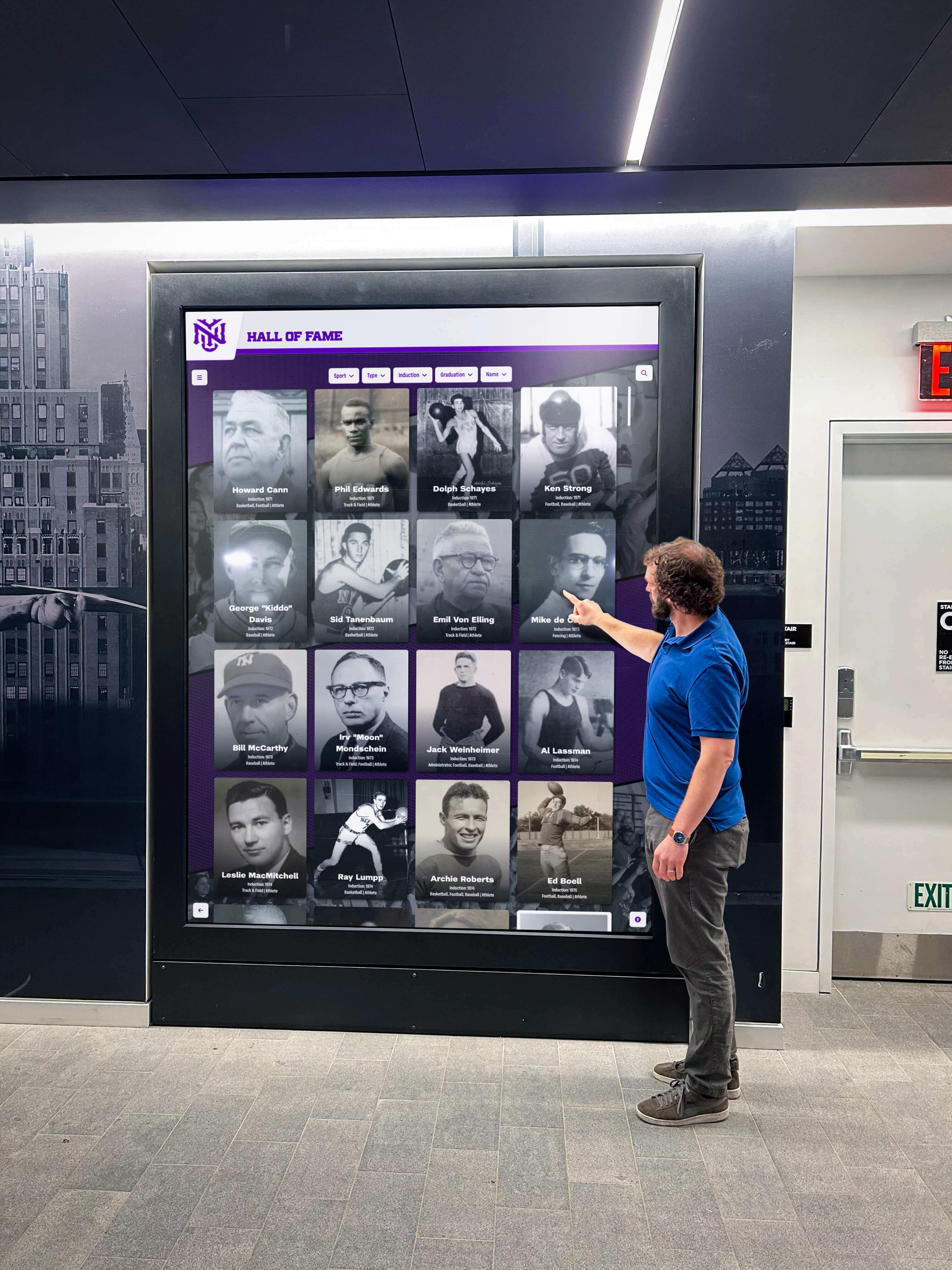
Connecting current students with alumni and institutional history builds understanding of traditions, creates cross-generational connections, and helps students see themselves as parts of continuing narratives rather than isolated cohorts.
19. Distinguished Alumni Spotlights
Feature notable alumni who achieved success in various fields—business, education, public service, arts, athletics, military, and other domains. Include graduation years, accomplishments, career trajectories, and connections between their school experiences and later success.
Alumni spotlights serve multiple purposes: they inspire current students by showing tangible examples of what school experiences can lead to, they strengthen alumni engagement by honoring their achievements publicly, and they build community pride by demonstrating the caliber of graduates your institution has produced.
Profile Depth: Go beyond basic biographical facts. Include quotes about formative school experiences, specific teachers or programs that influenced them, advice for current students, and photos from both their student years and current professional lives. These details create engaging narratives rather than dry résumés.
20. Historical Timeline of School Milestones
Create interactive timelines presenting institutional history—founding dates, building constructions, championship seasons, significant achievements, leadership transitions, and pivotal moments shaping school identity. Include historical photos, newspaper clippings, and artifacts documenting evolution over time.
Timeline presentations help students understand they’re part of something larger than their individual experiences. Seeing how schools evolved, overcame challenges, and built traditions over decades creates appreciation for institutional legacy and motivation to contribute to continuing stories.
Interactive Element: Enable exploring specific eras in depth, filtering by category (academics, athletics, facilities, leadership), and comparing different time periods. This interactivity encourages genuine exploration rather than passive viewing.
Implementing Effective Digital Record Board Engagement
Creating engaging digital record boards requires more than selecting good content ideas—implementation quality determines whether displays become vibrant engagement tools or ignored background fixtures.
Content Management Strategies
Regular Update Schedules Establish consistent content update rhythms matching school calendars. Update current season statistics weekly during active seasons, refresh honor rolls each grading period, add new achievements within days of occurrence, and conduct thorough content reviews during summer breaks.
Consistency matters more than frequency—displays updated weekly at predictable times generate more engagement than sporadic updates at irregular intervals. Students learn when to expect new content, creating anticipation and regular checking behaviors.
Diverse Content Balance Avoid overweighting any single category at expense of others. Schools displaying only athletics alienate non-athlete students, while those showing exclusively academics miss opportunities to engage broader populations. Balanced recognition demonstrates institutional commitment to celebrating diverse excellence.
Track content distribution across categories quarterly. If analytics show particular achievement types dominate screen time disproportionately, consciously develop content filling gaps and balancing recognition across student populations.
Student Voice Integration Involve students in content decisions through advisory committees providing input on what they want featured, feedback on current display effectiveness, and suggestions for new recognition categories or content types. Student perspective ensures displays resonate with intended audiences rather than reflecting only adult assumptions about what students find engaging.
Consider student-created content—interviews they conduct with record holders, feature stories they write about teammates or classmates, or artistic elements they design. This participation increases ownership and engagement while developing valuable skills.
Technical Implementation Considerations
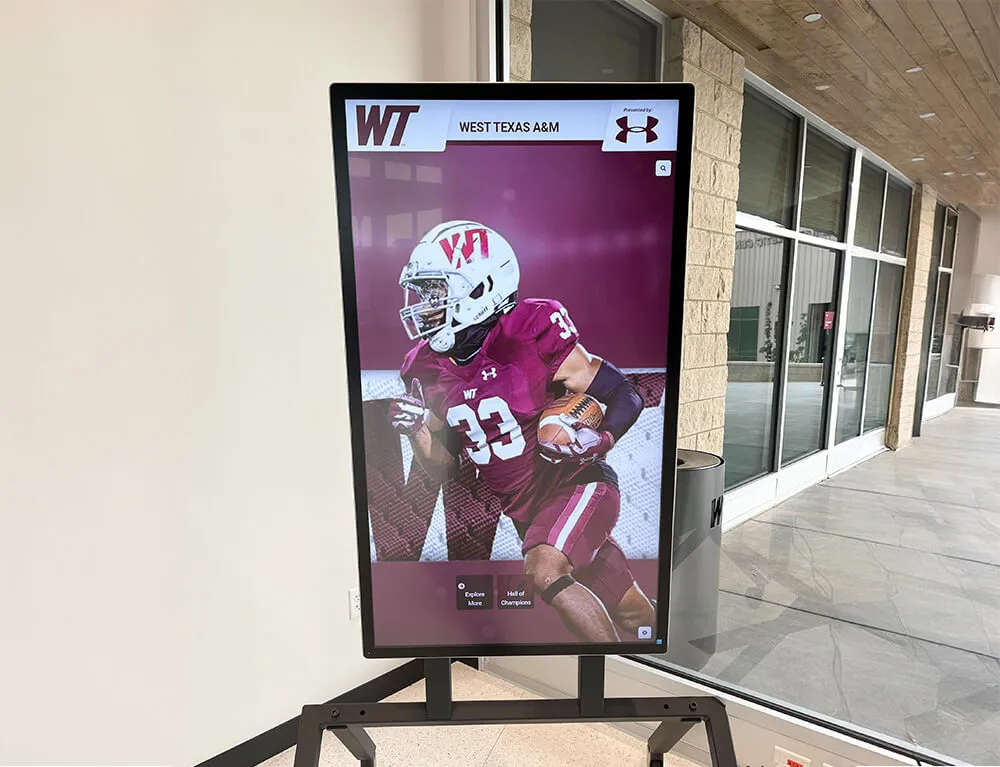
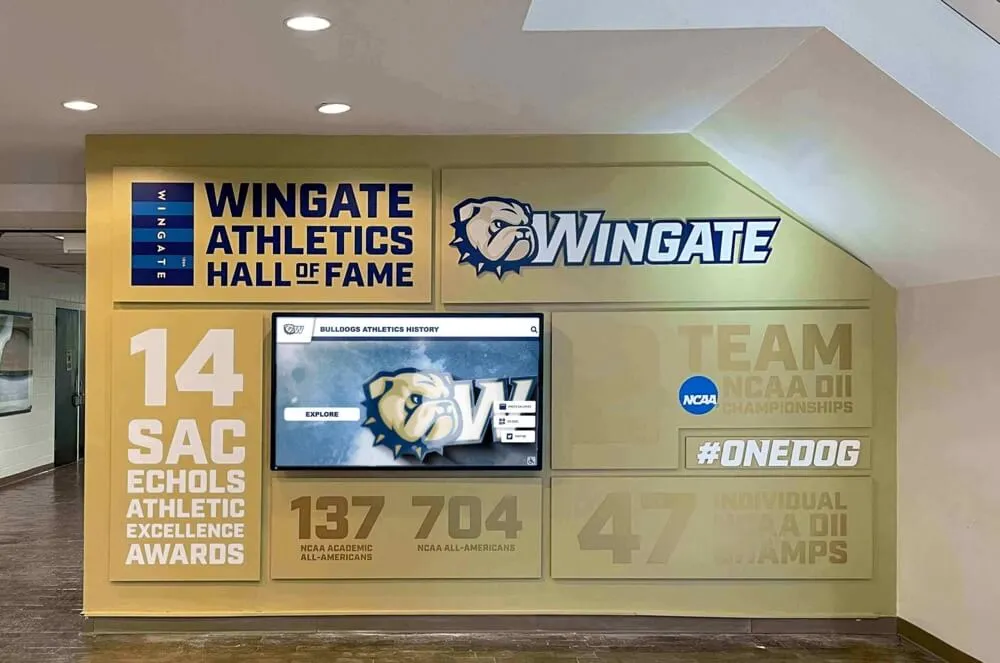
Strategic Display Placement Location determines engagement opportunity. High-traffic areas—main lobbies, cafeteria entrances, gymnasium entries, main hallways—generate maximum views. Isolated locations or low-traffic spaces dramatically reduce engagement regardless of content quality.
Consider multiple displays in different locations rather than single installations. Gymnasiums suit athletic content, academic building lobbies work for scholarly recognition, performing arts spaces display artistic achievement, and main entrances feature broad institutional highlights.
Intuitive Navigation Design Complex navigation systems frustrate users and reduce engagement. Prioritize intuitive organization where desired content appears within 2-3 taps maximum. Use familiar menu structures, clear category labels, obvious search functions, and consistent interface patterns throughout.
Test navigation with actual students before finalizing designs. Watch where they naturally look for information, where confusion occurs, and what features they discover versus those they miss. User testing reveals usability problems designers immersed in systems fail to recognize.
Accessibility Compliance Ensure displays accommodate users with diverse abilities. Sufficient text size for readability from comfortable viewing distances, color contrast meeting WCAG standards, screen height accessible to wheelchair users, and audio descriptions for visual content serve students with various accessibility needs.
Accessibility isn’t merely legal compliance—it’s ensuring all students can engage with recognition content regardless of physical abilities. This inclusivity matters particularly for recognition displays celebrating diverse achievement.
Maintenance and Support Systems Technical problems erode engagement rapidly. Displays with burnt-out screens, unresponsive touch interfaces, outdated content, or error messages teach students to ignore them. Establish clear maintenance responsibilities, regular functionality checks, and rapid response procedures when problems occur.
Assign specific staff members to monitor displays daily, conduct basic troubleshooting, and escalate technical issues requiring specialist attention. This ongoing attention maintains display quality and functionality essential for sustained engagement.
Measuring Engagement Impact
Quantitative Metrics Modern digital board systems track interaction data showing content views, search queries, time spent exploring, popular categories, and usage patterns by time of day. These analytics reveal what content resonates, when students engage most actively, and which features attract attention versus those ignored.
Review analytics monthly, looking for trends indicating engagement increases or decreases, content categories generating disproportionate interest, and usage patterns suggesting optimal update timing. Data-driven content decisions prove more effective than assumptions about what should work.
Qualitative Feedback Numbers reveal what happens but not why. Complement analytics with direct feedback through brief surveys about display content and usability, informal conversations asking students what they find valuable, focus groups exploring engagement patterns in depth, and observation of natural interaction behaviors.
Ask specific questions: What content do they seek regularly? What would they like to see added? When do they typically view displays? What frustrates them about current systems? Detailed feedback informs meaningful improvements.
Behavioral Indicators Beyond direct measurement, observe indirect engagement signals—students gathering around displays discussing content, families photographing screens during campus visits, alumni mentioning displays during return visits, and staff references to display content in announcements or celebrations.
These qualitative indicators suggest displays are achieving engagement goals even when formal metrics prove difficult to capture comprehensively.
Digital Recognition Platforms for Campus Engagement
While basic digital signage systems can display content, purpose-built recognition platforms provide features specifically supporting engagement objectives.
Limitations of Generic Digital Signage
Standard digital signage software presents information passively without interactive exploration. Content cycles automatically without user control, search functionality doesn’t exist, detailed information remains inaccessible beyond what appears on automated slides, and content management requires technical expertise rather than intuitive interfaces school staff can manage confidently.
These limitations restrict engagement potential. Students passing displays see whatever content currently cycles rather than exploring topics of personal interest. The passive viewing experience mirrors traditional trophy cases more than true interactive engagement.
Purpose-Built Recognition Solutions
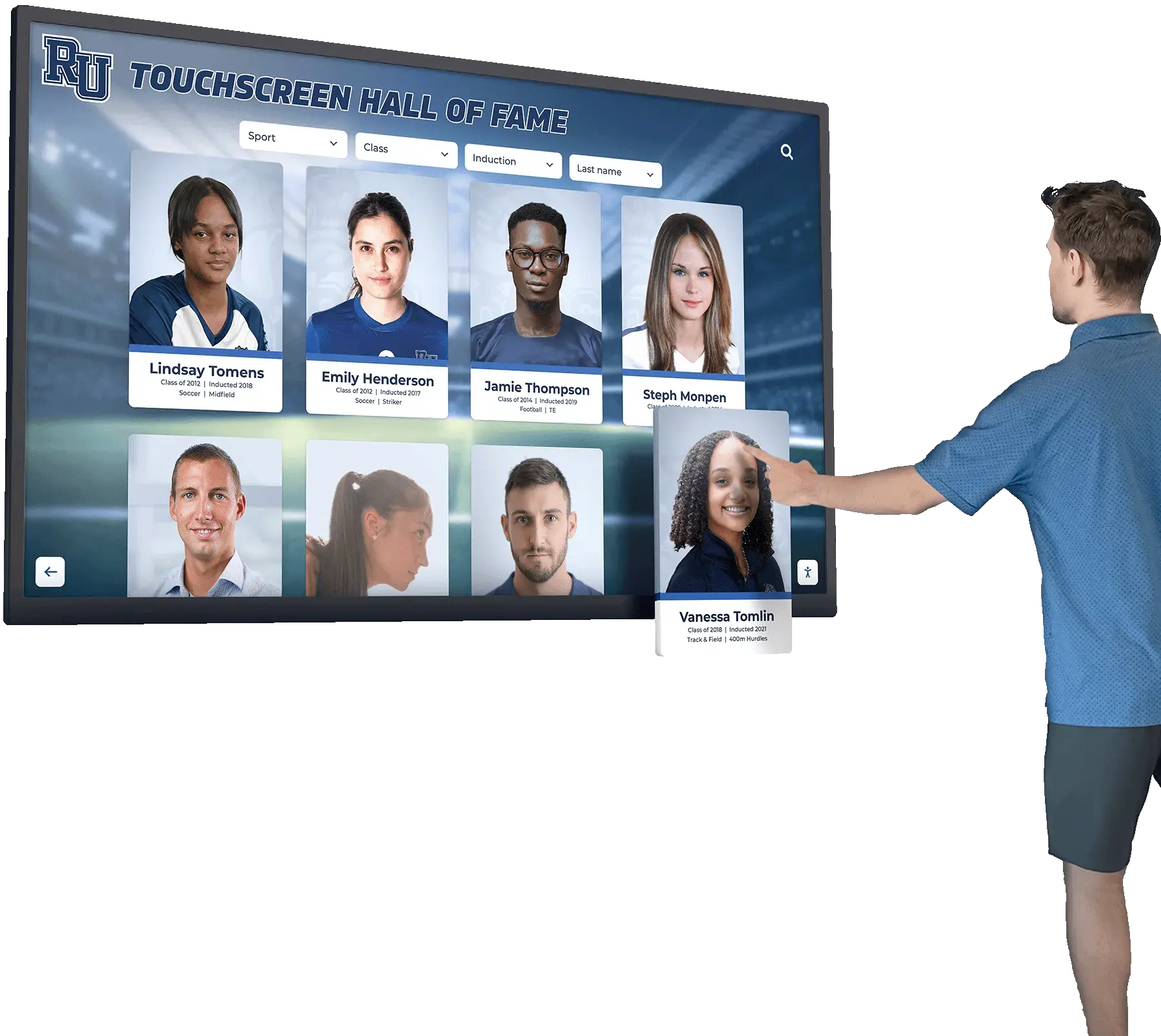
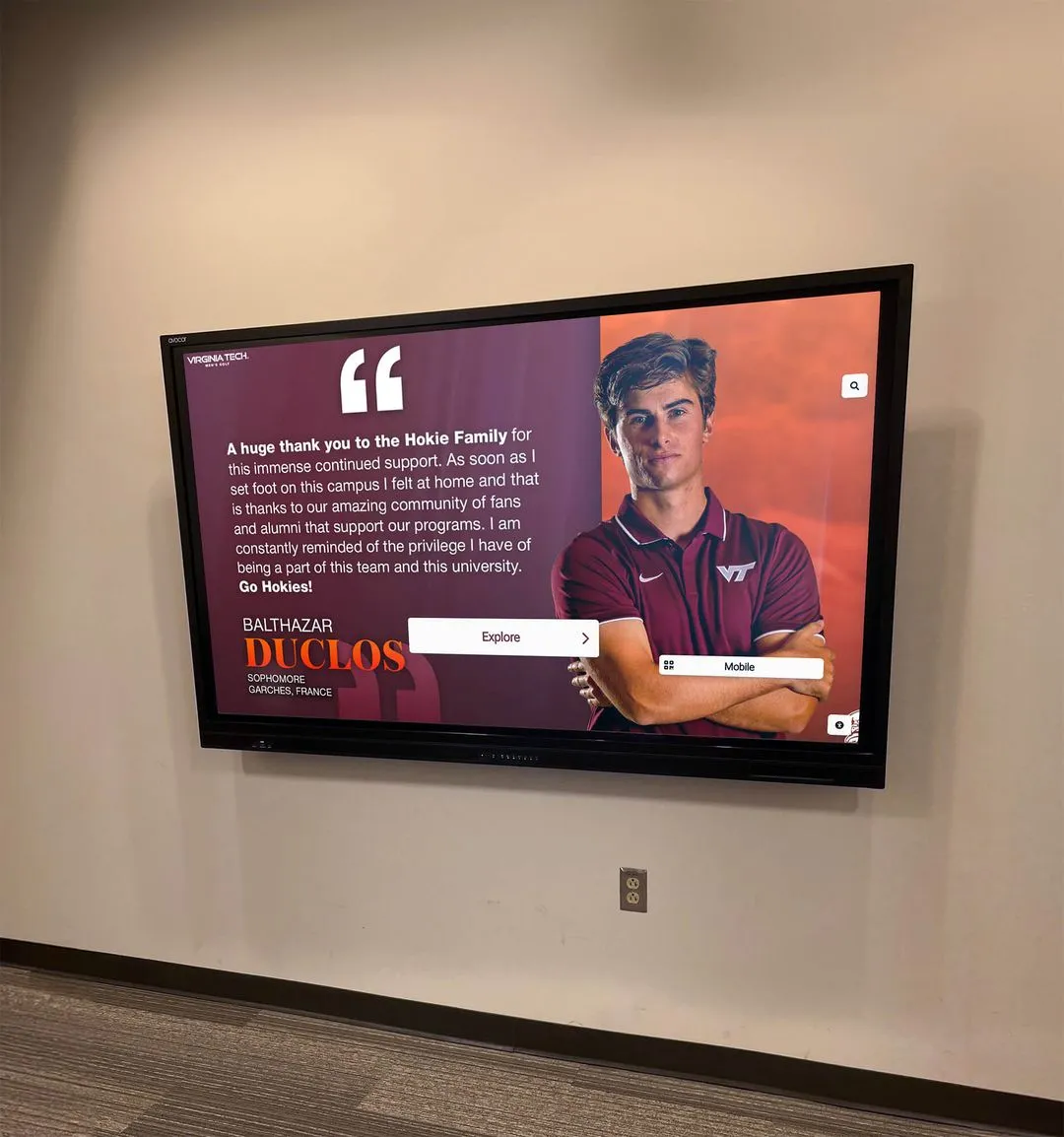
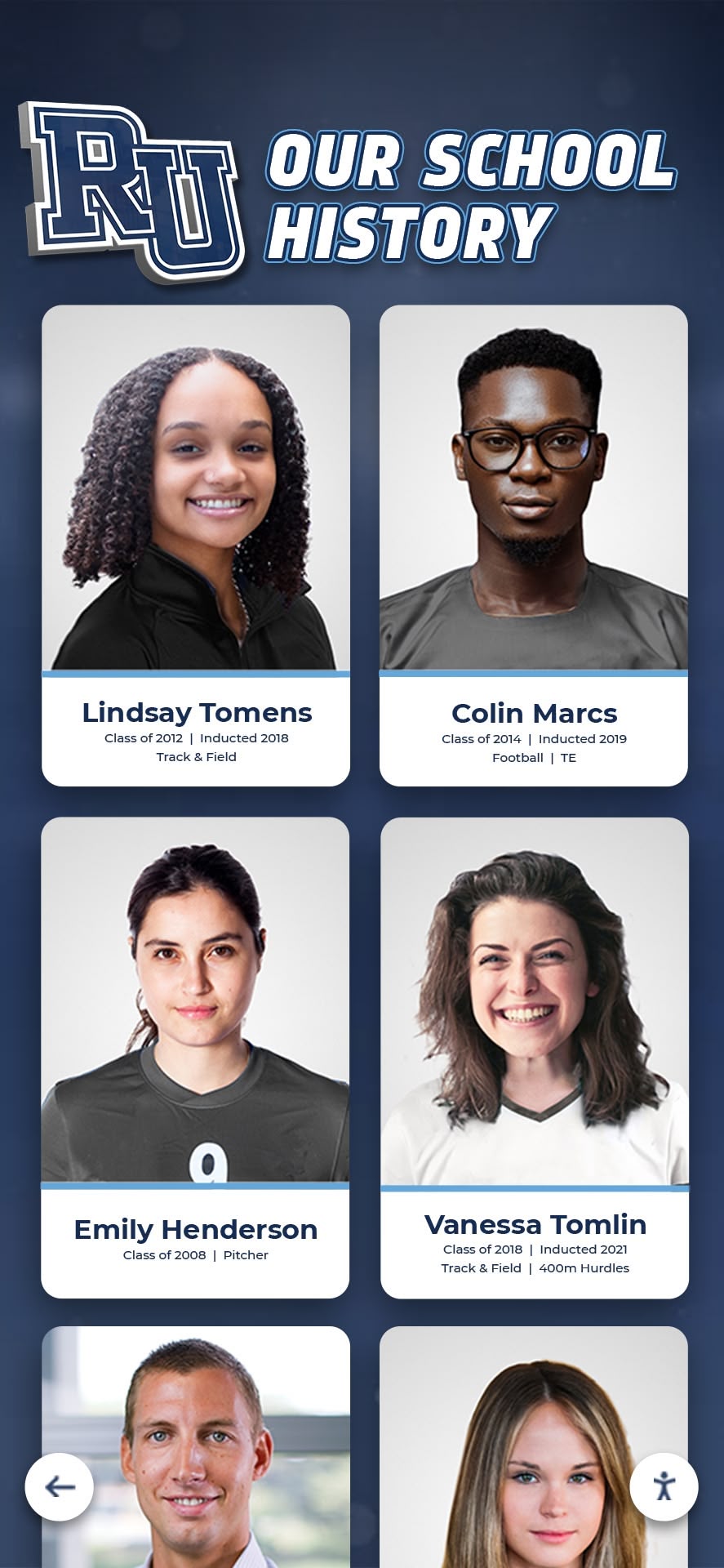

Interactive recognition platforms designed specifically for educational achievement create fundamentally different experiences. Students actively search for teammates, classmates, or alumni, explore achievement categories of personal interest, access detailed information through intuitive navigation, share content via social media or email, and encounter multimedia presentations bringing recognition to life.
This interactivity transforms displays from background fixtures into engagement destinations. Students don’t merely glance at cycling content—they stop, explore, discover, and share what they find meaningful.
Rocket Alumni Solutions: Complete Campus Engagement
Solutions like Rocket Alumni Solutions provide complete platforms specifically designed for educational recognition and engagement. These systems enable schools to display achievements across all categories discussed—athletics, academics, arts, service, and leadership—within unified, consistently-designed interfaces maintaining professional quality while accommodating diverse content types.
Purpose-built features support engagement objectives: searchable databases enabling students to locate specific individuals or achievements quickly, multimedia integration presenting video highlights, photo galleries, and rich content, mobile accessibility extending recognition beyond physical displays to devices students carry constantly, and analytics revealing engagement patterns informing content strategy decisions.
Digital recognition creates continuous engagement rather than annual ceremony acknowledgment. Students encounter recognition daily in hallways and lobbies, maintaining awareness of institutional values and traditions throughout their school experience rather than only during scheduled events.
Building Culture Through Recognition Engagement
Effective campus engagement through digital record boards extends far beyond displaying names and numbers. Thoughtfully implemented systems shape school culture by communicating values through what receives recognition, connecting students with institutional history and traditions, motivating achievement by making standards and expectations visible, validating diverse contributions rather than narrow excellence definitions, and creating shared community narratives bringing together students, staff, alumni, and families.
The 20 ideas presented here provide starting points for transforming basic record displays into complete engagement systems. The most effective implementations don’t merely adopt these ideas wholesale but adapt them to institutional contexts, student populations, community priorities, and unique characteristics making each school distinct.
When students walk past recognition displays and consistently see themselves, their friends, and people like them celebrated for achievements they value, engagement follows naturally. They understand their school notices their efforts, their contributions matter within continuing traditions, and their achievements might one day inspire future students walking the same hallways.
This ongoing recognition creates powerful cultural impact that annual ceremonies alone cannot achieve. The displays become part of daily campus life—touchpoints for conversation, sources of pride, motivation for achievement, and tangible connections between individual efforts and collective community success.
Transform Your Campus Engagement
Ready to implement digital recognition that genuinely engages your campus community? Rocket Alumni Solutions provides complete platforms displaying achievements across athletics, academics, arts, and service through interactive displays designed specifically for educational institutions. Discover how purpose-built recognition technology can help your school celebrate diverse excellence, strengthen campus connections, and create year-round engagement that builds lasting community pride and institutional identity.