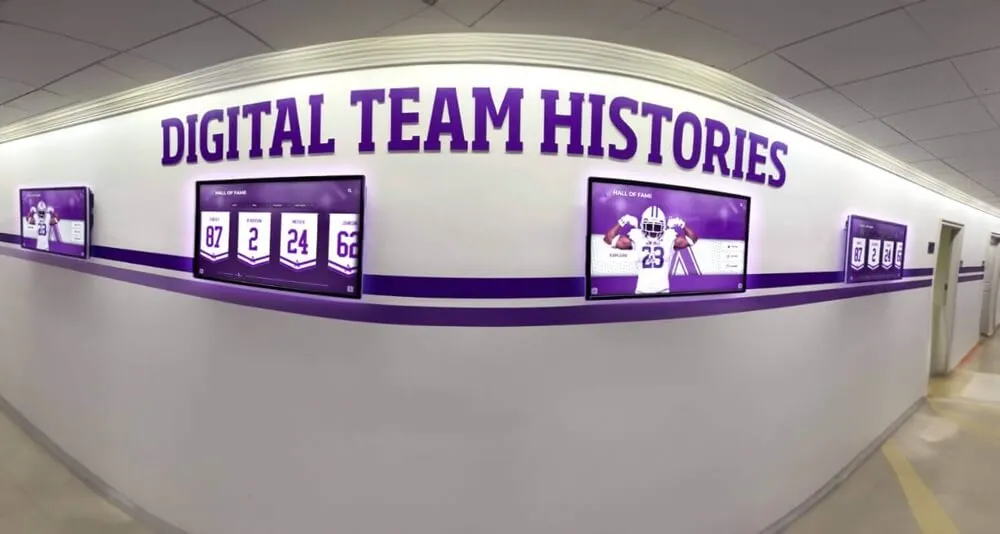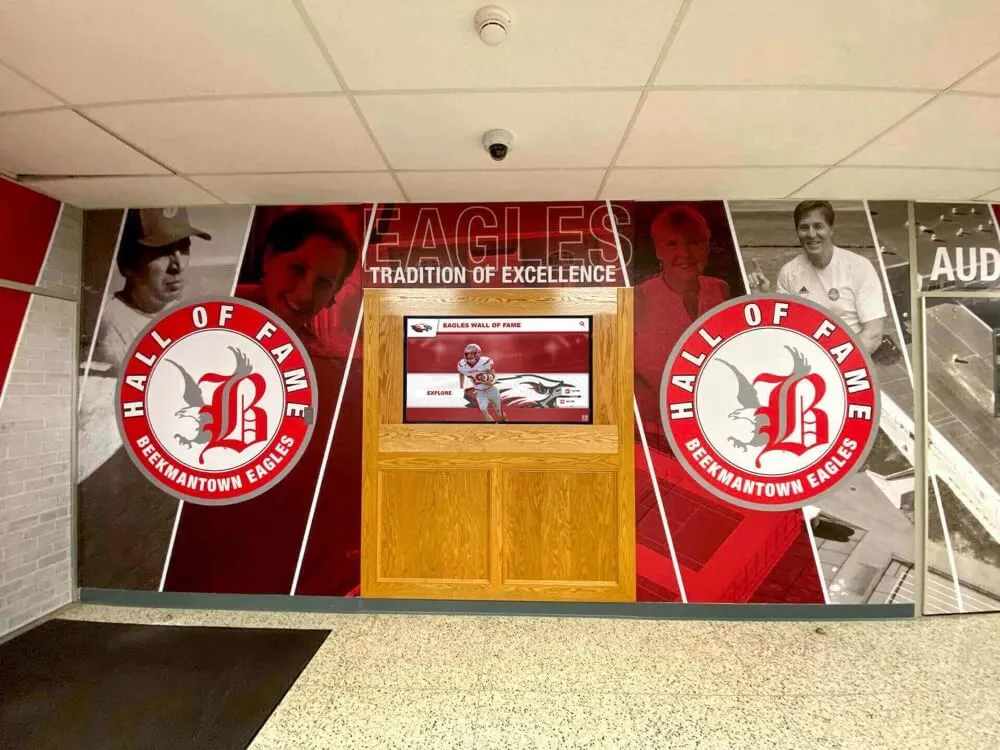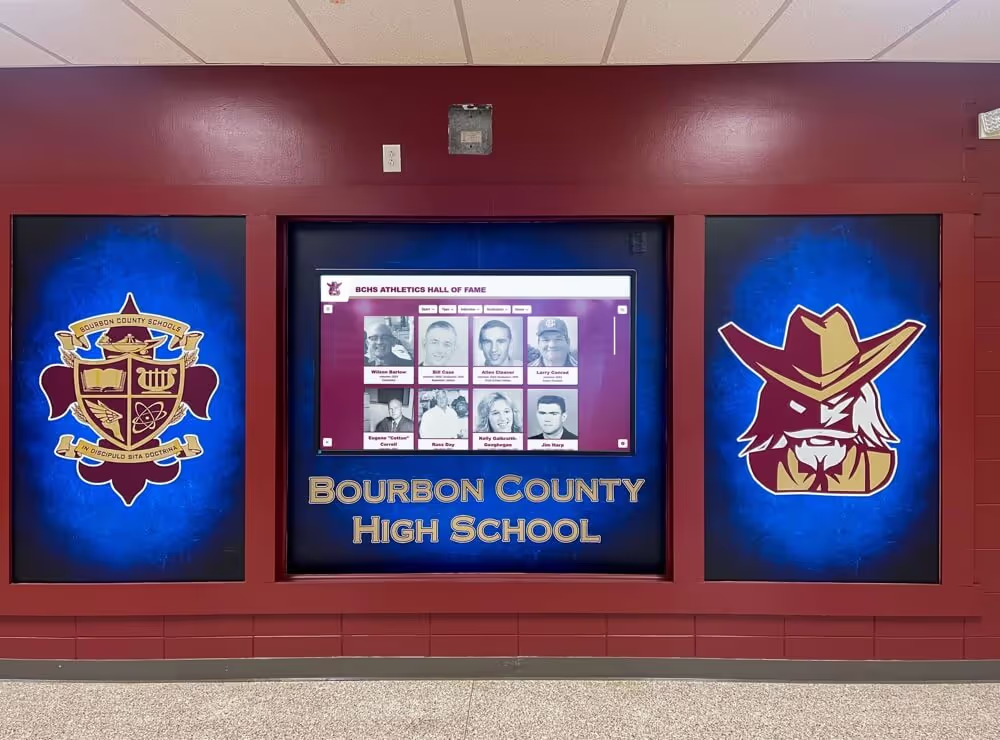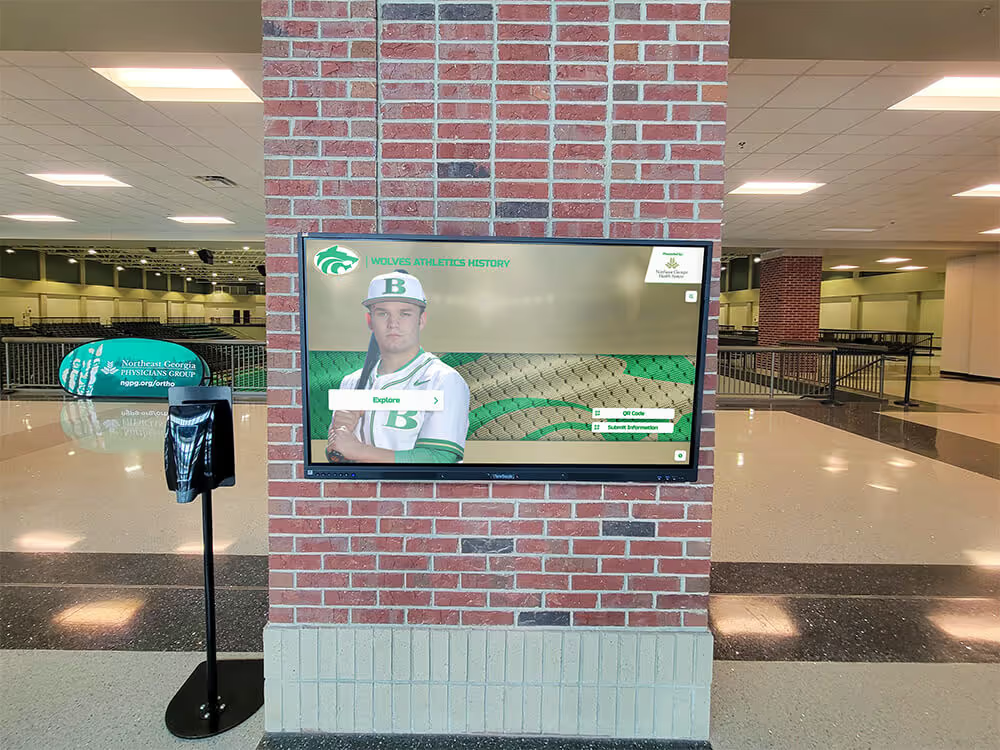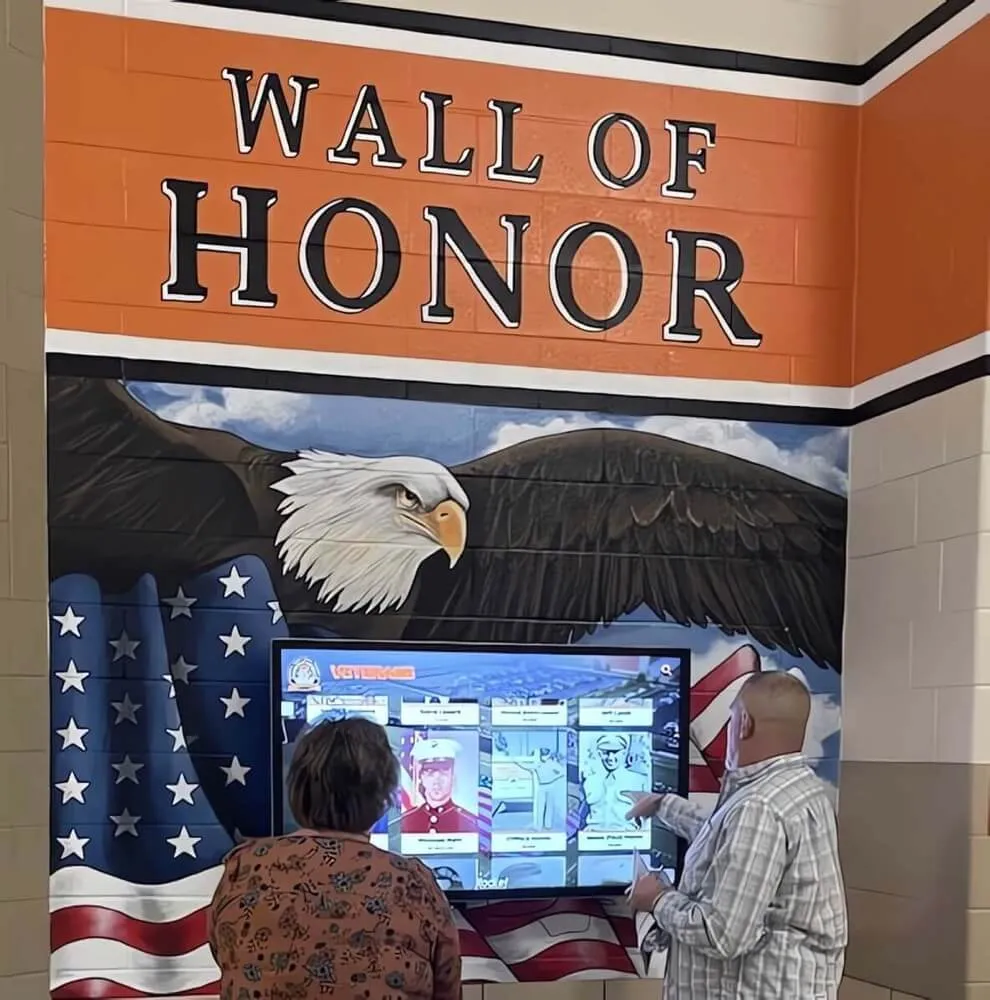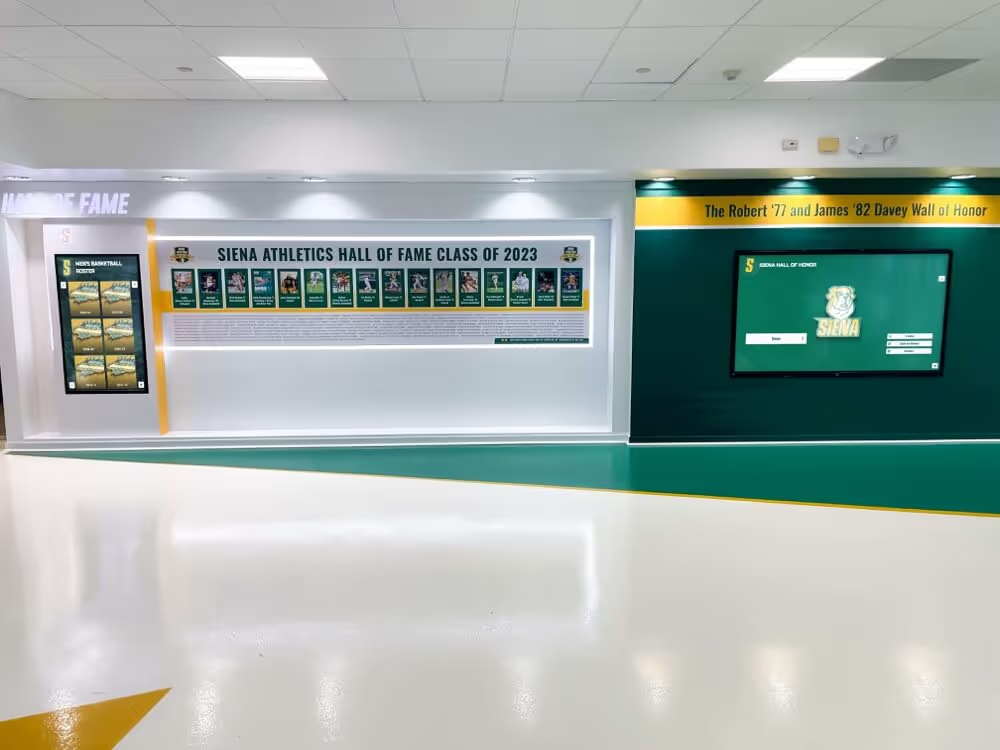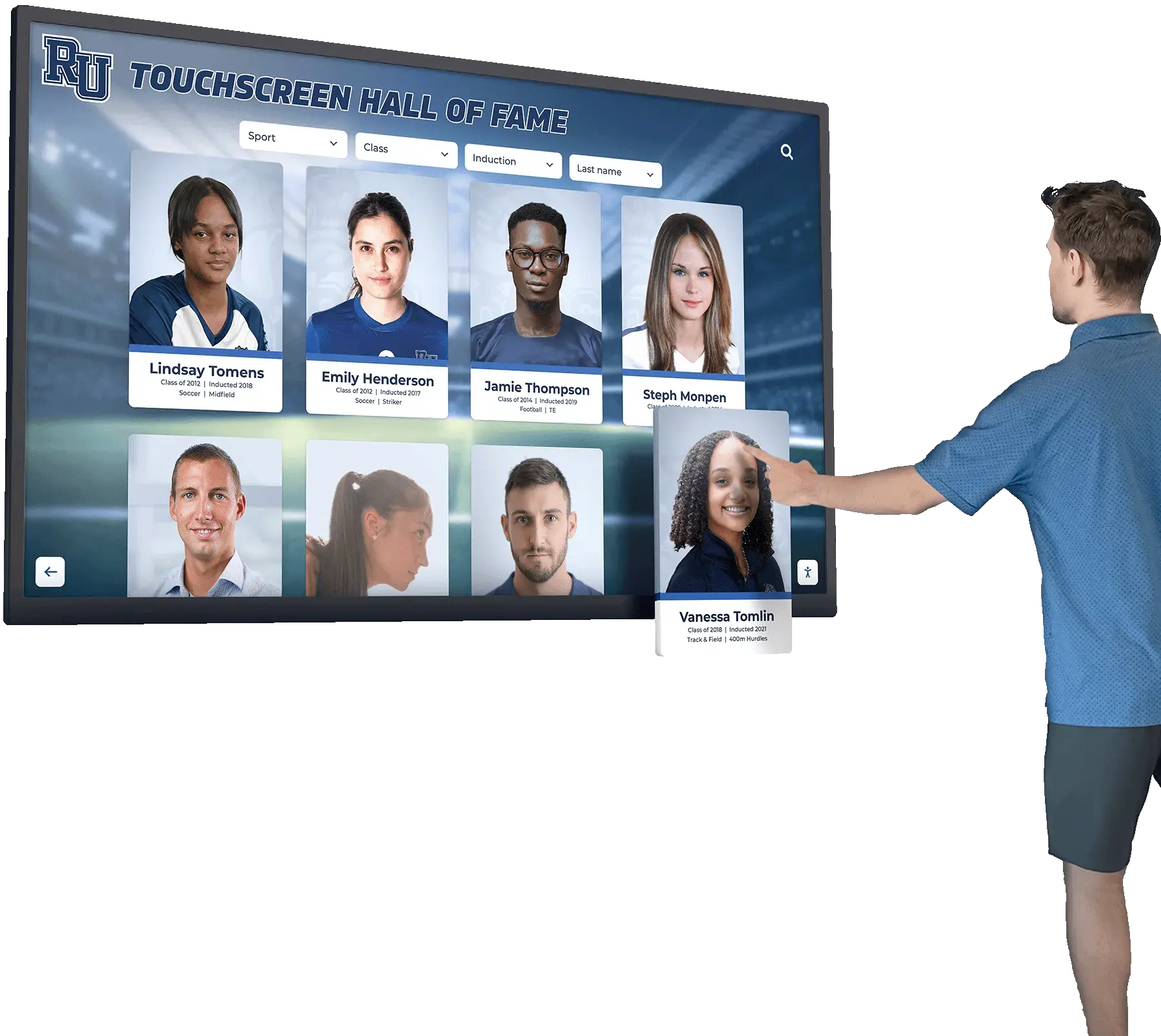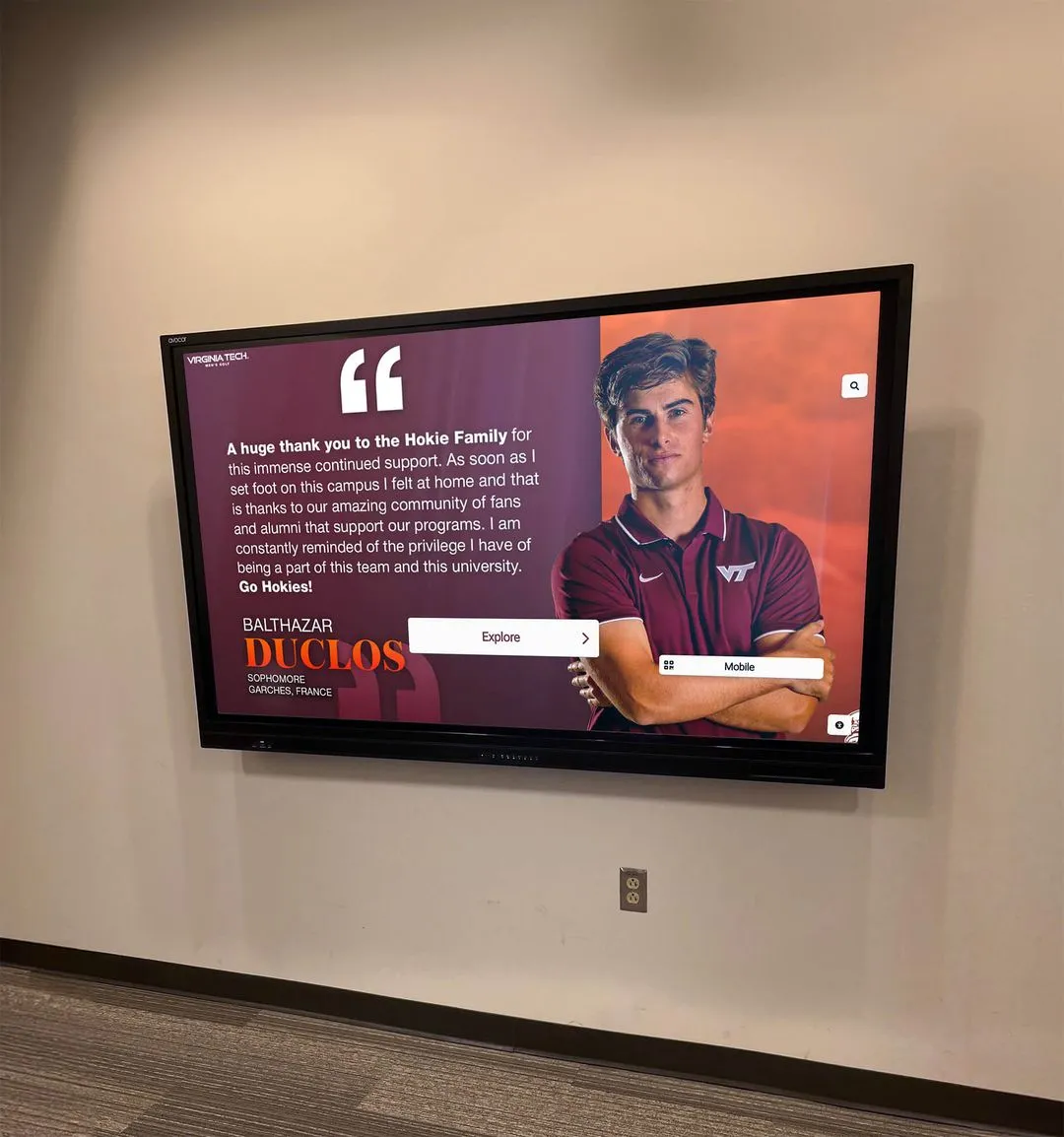




Schools, universities, and nonprofit organizations frequently face a common challenge: limited physical space for recognition displays combined with growing needs to honor both achievement and philanthropy. Administrative teams managing advancement, athletics, and facilities often ask whether digital recognition technology can serve multiple purposes simultaneously—specifically, whether digital hall of fame displays can also function as donor walls while providing appropriate sponsor recognition.
The short answer is yes. Modern digital recognition platforms accommodate dual-purpose and multi-purpose applications within single installations, allowing organizations to celebrate athletic achievements, academic excellence, distinguished alumni, major donors, corporate sponsors, and community supporters through unified systems. This capability addresses space constraints while reducing technology investments compared to separate installations for each recognition category.
This comprehensive analysis examines how digital hall of fame displays function as donor walls, explores sponsor recognition methodologies, reviews technical implementation considerations, and provides evidence-based guidance for organizations evaluating dual-purpose recognition systems.
Key Findings: Dual-Purpose Recognition Systems
Digital recognition platforms designed specifically for educational institutions and nonprofits provide:
- Unlimited capacity for both achievement recognition and donor acknowledgment without physical space constraints
- Flexible categorization allowing separate sections for athletics, academics, donors, sponsors, and other recognition types within unified interfaces
- Tiered recognition structures accommodating multiple giving levels from annual fund donors to major gift commitments
- Real-time updates enabling immediate sponsor addition, donor level changes, and recognition content modifications
- Cost efficiency compared to maintaining separate physical displays for achievements and philanthropy
The Dual-Purpose Recognition Opportunity
Organizations traditionally maintained separate recognition installations: trophy cases and achievement displays in athletic facilities or academic buildings, and donor walls in lobbies or development offices. This separation created several challenges.
Physical Space Limitations
Educational facilities often lack adequate wall space or floor area for multiple large recognition installations. High-traffic lobbies accommodate limited displays, forcing organizations to prioritize one recognition category over others or crowd spaces with competing installations that dilute individual impact.
Budget Constraints
Separate installations for athletic recognition, academic achievement, distinguished alumni, and donor acknowledgment require multiple investments in materials, fabrication, installation, and ongoing maintenance. Budget-conscious organizations face difficult choices about which recognition priorities receive funding.
Update Inflexibility
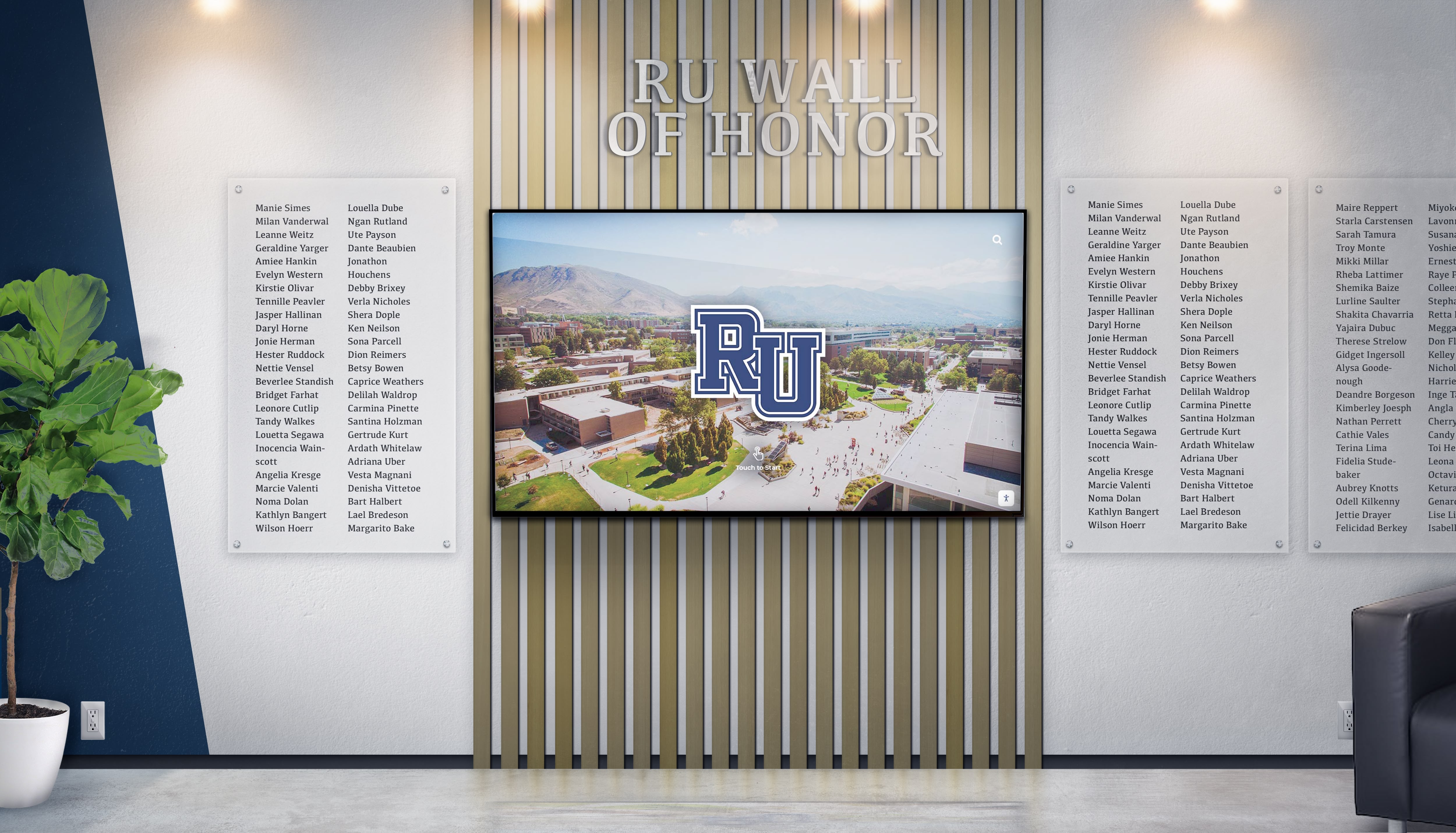
Traditional donor walls face significant challenges when recognition needs change. Donor level upgrades, new contributions, corrected information, or acknowledgment modifications require costly physical alterations. Engraved plaques become permanent regardless of accuracy, and adding new donor names often proves impossible when display space fills completely.
Inconsistent Visitor Experience
When achievement recognition appears in one building and donor recognition occupies different locations, visitors experience fragmented institutional storytelling. The connection between philanthropic support enabling achievement becomes less apparent when physically separated.
Modern digital recognition technology addresses these challenges through unified platforms accommodating multiple recognition categories within single installations.
How Digital Displays Handle Multiple Recognition Categories
Purpose-built recognition platforms provide structured approaches for organizing diverse content types while maintaining appropriate separation and presentation for each category.
Category Organization and Navigation
Sophisticated systems present top-level navigation allowing visitors to select recognition types—hall of fame, donors, sponsors, volunteers, or other categories defined by organizations. This structure provides clear separation ensuring visitors viewing athletic achievements don’t confuse them with donor recognition, while both exist within unified platforms.
Intuitive Interface Design
Home screens display prominent buttons or menu options for each recognition category. A visitor interested in exploring athletic hall of fame inductees selects that option and navigates entirely within athletic content. Another visitor focused on donor recognition explores philanthropic contributions without athletic content appearing unless specifically selected.
Customizable Category Structure
Organizations define category structures matching specific needs. Common configurations include:
- Athletic hall of fame (subdivided by sport or era)
- Academic achievement recognition
- Distinguished alumni
- Major donors (organized by giving level tiers)
- Annual fund supporters
- Corporate sponsors
- Community partners
- Volunteers and service contributors
- Memorial tributes
- Scholarship benefactors
The flexibility accommodates any recognition priority organizations establish, with unlimited capacity within each category.
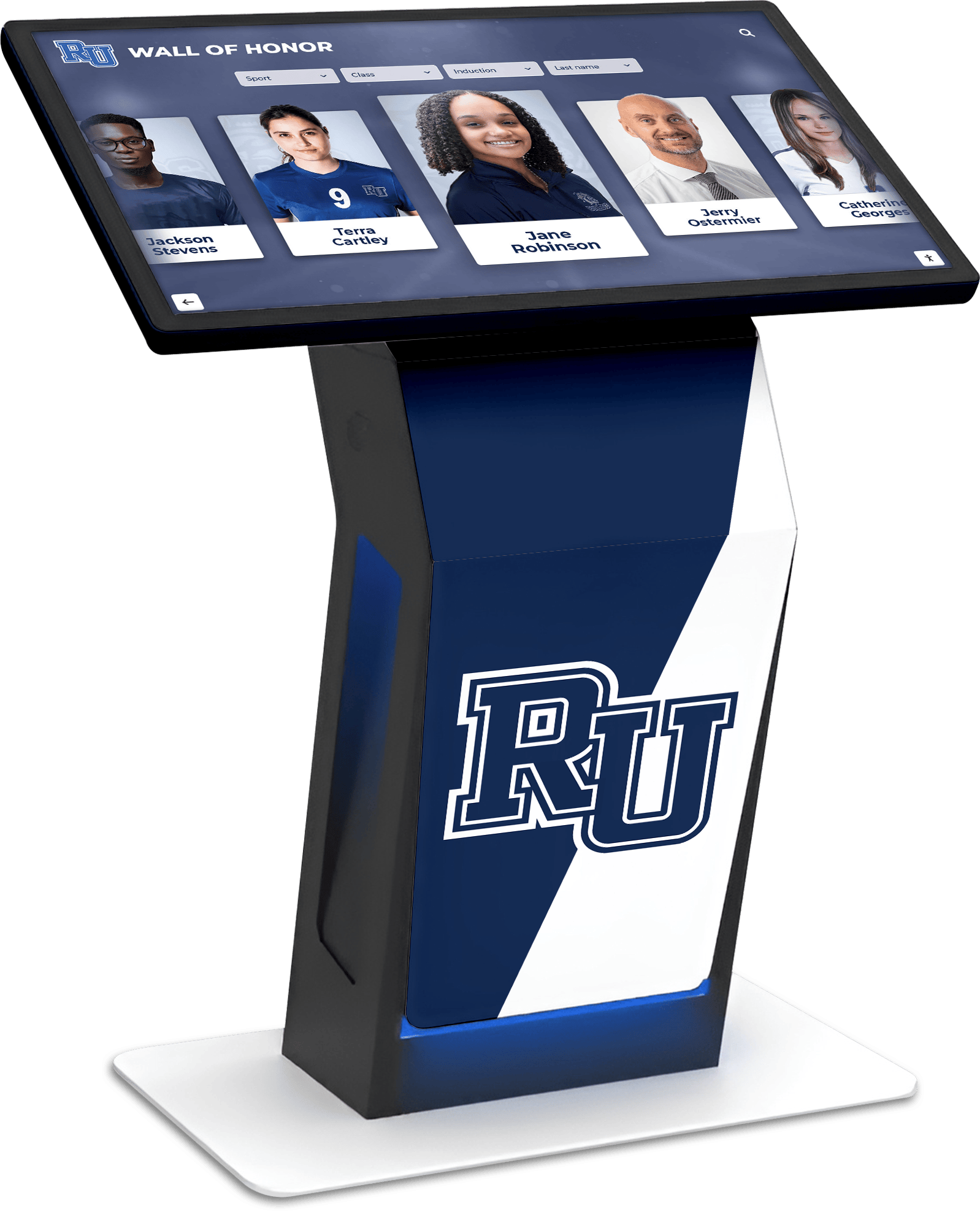
Visual Differentiation by Recognition Type
Well-designed systems provide appropriate visual treatment for different recognition categories, ensuring each receives presentation matching its significance and purpose.
Achievement Recognition Layouts
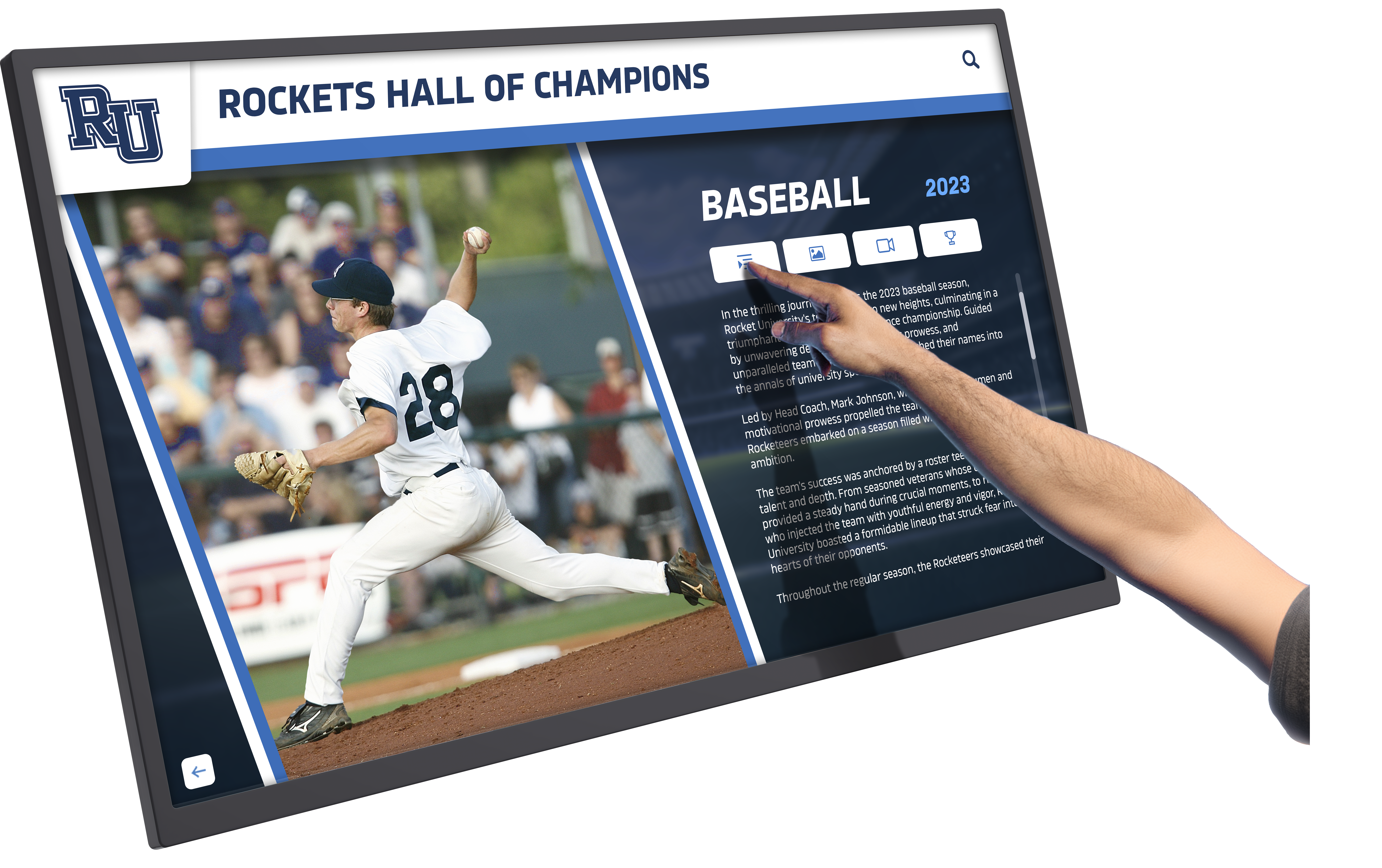
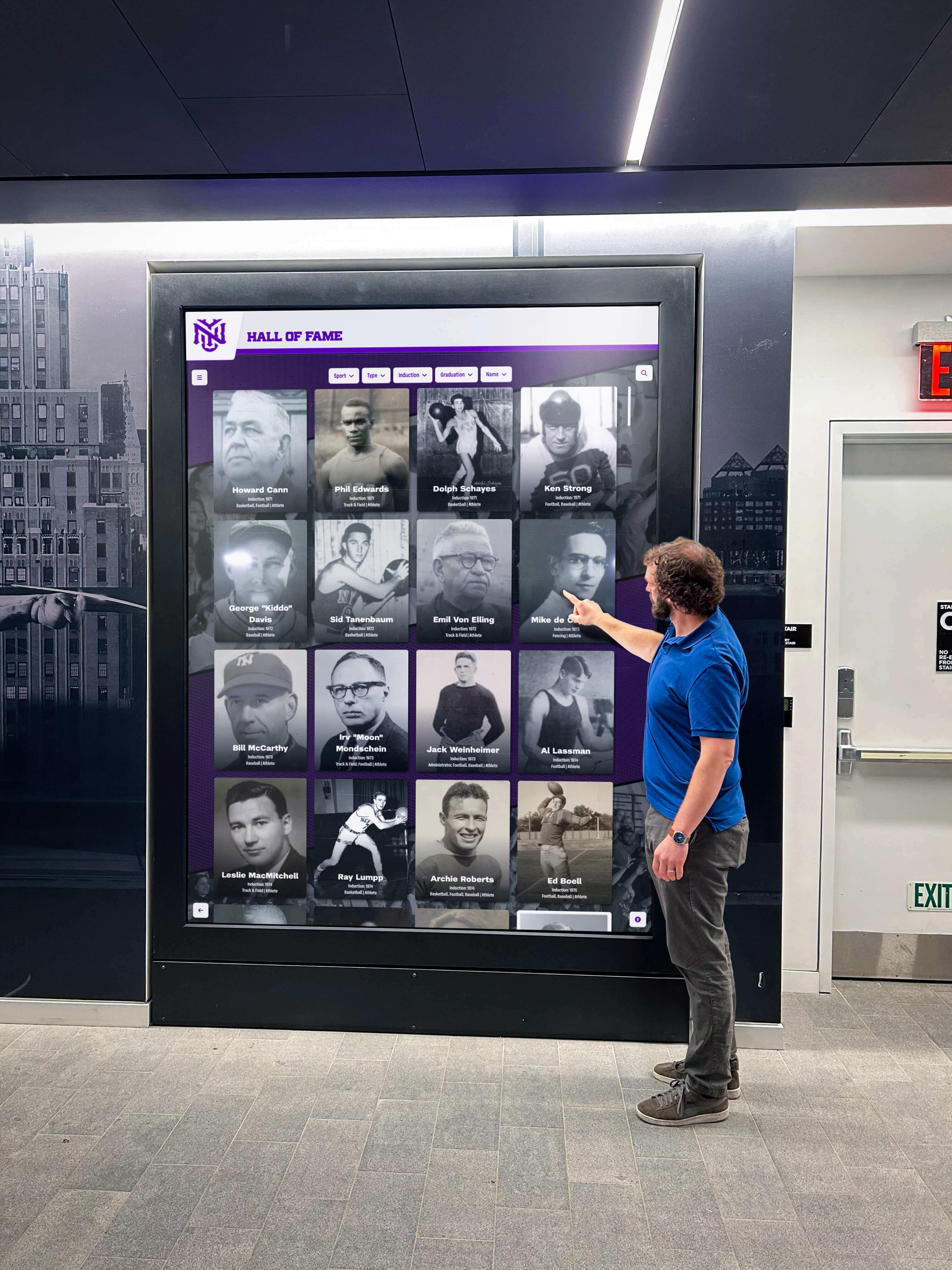
Hall of fame and achievement sections typically emphasize individual profiles with photographs, biographical narratives, accomplishment highlights, career details, and multimedia content. The focus centers on personal stories and specific achievements warranting recognition.
Donor Recognition Layouts
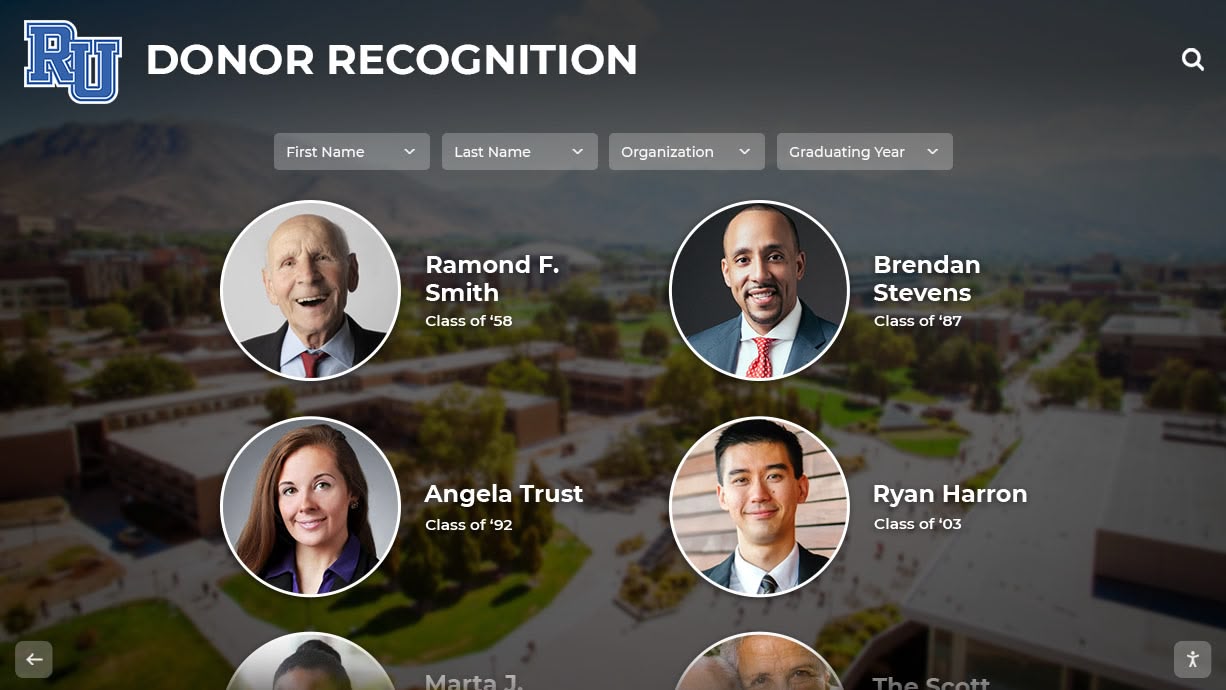
Donor wall presentations emphasize gratitude expression and giving level communication. These sections typically display donor names organized by contribution tiers, campaign totals and progress visualization, naming opportunity acknowledgment, tribute and memorial designations, corporate logo display for business donors, and optional donor statements about giving motivations.
The visual presentation signals “this section celebrates philanthropy” through design elements, color schemes, and content organization distinct from achievement recognition while maintaining overall aesthetic consistency.
Sponsor Recognition Methodologies on Digital Displays
Organizations supporting athletic programs, arts initiatives, or educational programming through corporate partnerships require appropriate sponsor acknowledgment. Digital recognition systems provide multiple approaches for sponsor recognition that range from subtle acknowledgment to prominent featured content, depending on sponsorship levels and organizational policies.
Tiered Sponsor Recognition Structures
Similar to donor walls acknowledging contributions at multiple levels, sponsor recognition typically follows tiered structures correlating visibility and prominence with sponsorship investment.
Presenting Sponsor Recognition
Top-tier sponsors typically receive:
- Prominent logo placement on home screens or category landing pages
- Dedicated profile pages with company information, sponsorship details, and multimedia content
- Logo integration within specific programs or facilities they sponsor
- Recognition in printed materials, event signage, and digital communications
- Custom landing pages accessible via QR codes for promotional activation
Major Sponsor Acknowledgment
Mid-tier sponsors receive:
- Logo display within sponsor gallery sections
- Listing among program supporters with company names and contribution descriptions
- Inclusion in annual sponsor recognition events and materials
- Rotating featured placement in sponsor spotlight sections
Supporting Sponsor Recognition
Entry-level sponsors receive:
- Name listing in comprehensive sponsor directories
- Inclusion in collective sponsor acknowledgment statements
- Digital badges or certificates for sponsor marketing use
This tiered approach provides appropriate recognition matching sponsorship investments while maintaining flexibility for organizations to define level structures aligning with fundraising goals.
Dynamic Sponsor Content Management
Unlike static signage requiring physical replacement when sponsorships expire or new partners join, digital systems enable immediate sponsor recognition updates through content management interfaces.
Sponsorship Lifecycle Management
Organizations add new sponsors instantly when agreements execute, update sponsor information if company names or logos change, modify recognition tiers when sponsorships increase or decrease, remove expired sponsorships when agreements conclude, and maintain historical records of past support without current sponsor clutter.
This flexibility proves particularly valuable for organizations with annual sponsorship renewals where sponsor rosters change regularly. Athletic departments selling naming rights, program sponsorships, or event partnerships benefit significantly from update capability ensuring current accuracy without ongoing physical production costs.
Multi-Year Sponsor Campaigns
Digital platforms accommodate multi-year sponsorship recognition showing campaign progress, cumulative contribution totals, and multi-season support acknowledgment. This capability encourages sustained partnerships by visibly demonstrating long-term commitment value.
Sponsor Recognition Without Compromising Achievement Focus
Organizations often express concern that prominent sponsor recognition might overshadow or commercialize achievement recognition—particularly in educational settings where maintaining focus on student accomplishment remains paramount.
Well-designed systems address this concern through structural separation and appropriate visual hierarchy. Sponsor acknowledgment exists within designated sections rather than cluttering achievement profiles. A student exploring athletic hall of fame inductees encounters focused content about athletic excellence without sponsor logos dominating the experience, while sponsors receive appropriate recognition in dedicated sections accessed through clear navigation.
This balance allows organizations to acknowledge financial partnerships supporting programs while ensuring recognition technology primarily serves its core purpose: celebrating achievement and inspiring excellence.
Technical Implementation: Creating Dual-Purpose Systems
Organizations implementing dual-purpose digital recognition typically follow structured deployment processes addressing both initial setup and ongoing operation.
Platform Selection and Configuration
Recognition-Specific Software
The most successful implementations use platforms designed specifically for recognition applications rather than repurposing general digital signage or content management systems. Purpose-built solutions like Rocket Alumni Solutions understand intrinsically how recognition categories relate, how visitors navigate between content types, and how visual presentation should adapt for achievements versus philanthropy versus sponsorship.
Category Structure Planning
Implementation begins with defining specific recognition categories needed, establishing navigation hierarchy and menu structure, determining which categories subdivide further (sports within athletics, giving levels within donors), and planning for future category additions as recognition needs evolve.
This planning ensures organizational structure matches institutional priorities and visitor expectations while accommodating growth without requiring fundamental system redesign.
Content Development for Multiple Recognition Types
Achievement Content Requirements
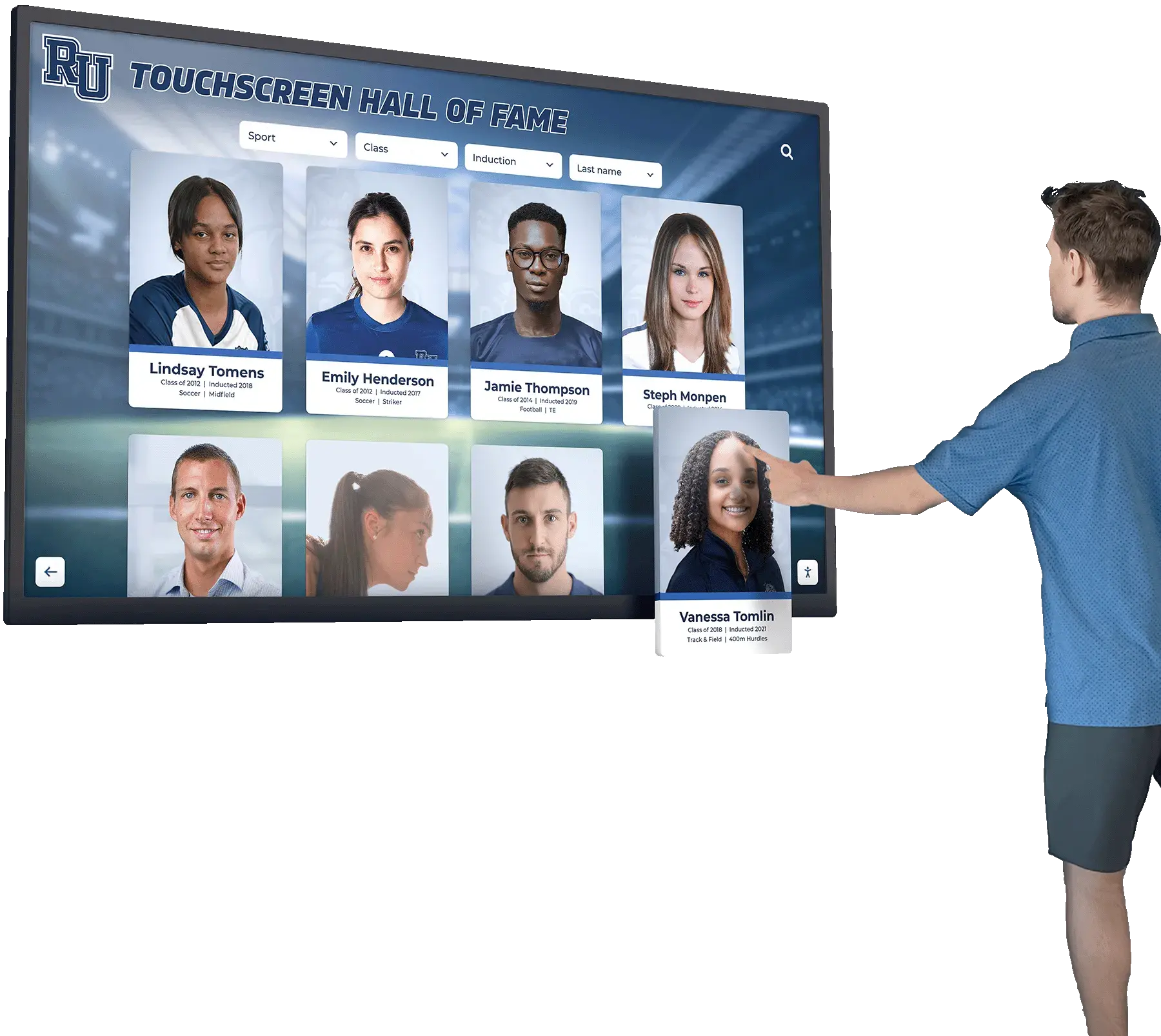
Hall of fame and achievement recognition requires rich biographical content including high-quality photography, detailed accomplishment narratives, career progression information, personal reflections and advice, and multimedia elements when available.
Organizations typically invest substantial time gathering information, conducting interviews, writing profiles, and curating photos and videos for achievement recognition.
Donor and Sponsor Content Requirements
Donor recognition content typically requires less extensive development: accurate names with proper spelling and titles, giving level designations, tribute or memorial information if applicable, optional donor statements about giving motivations, and acknowledgment of anonymity preferences when requested.
Sponsor content includes company logos in appropriate formats and resolutions, sponsorship duration and program details, company descriptions or mission statements when desired, and contact information or promotional content per agreement terms.
The simpler content requirements for donor and sponsor sections mean organizations can populate these categories more quickly than detailed achievement profiles, though maintaining accuracy remains critical for relationship stewardship.
Display Hardware Considerations
Single Display vs. Multiple Screens
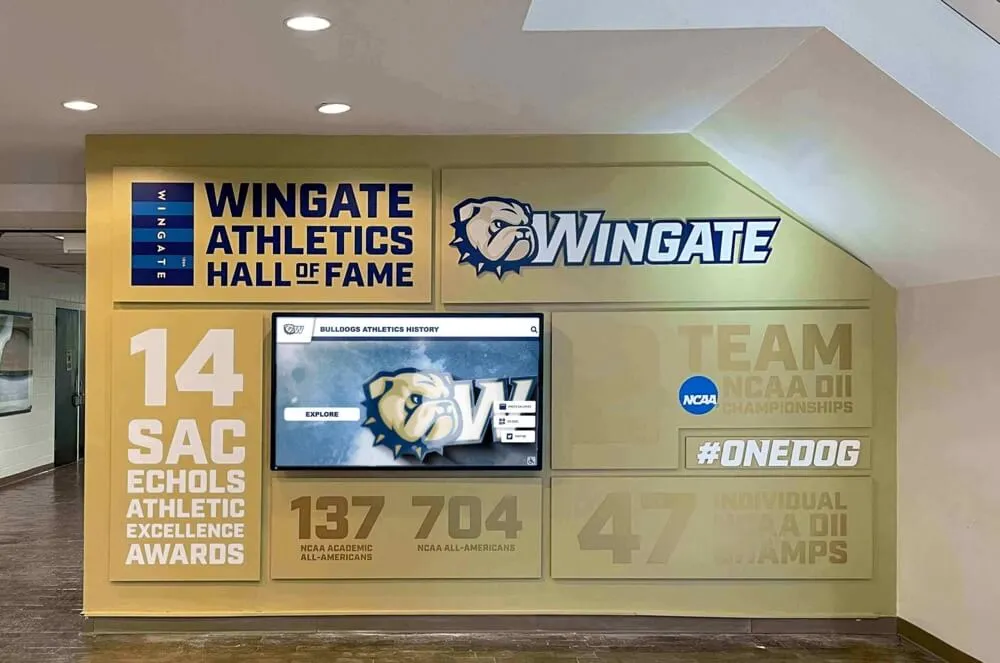
Smaller organizations often deploy single touchscreen displays accommodating all recognition categories through software navigation. Larger institutions might install multiple screens in different locations—one emphasizing athletic achievement in gymnasium lobbies, another highlighting donors in development offices—with synchronized content management ensuring consistency.
Screen Size and Placement
Dual-purpose displays typically require larger screens (55-75 inches diagonal) providing adequate space for comfortable content viewing across multiple categories. Prominent placement in high-traffic areas maximizes visibility for both achievement and philanthropic recognition.
Kiosk Configuration
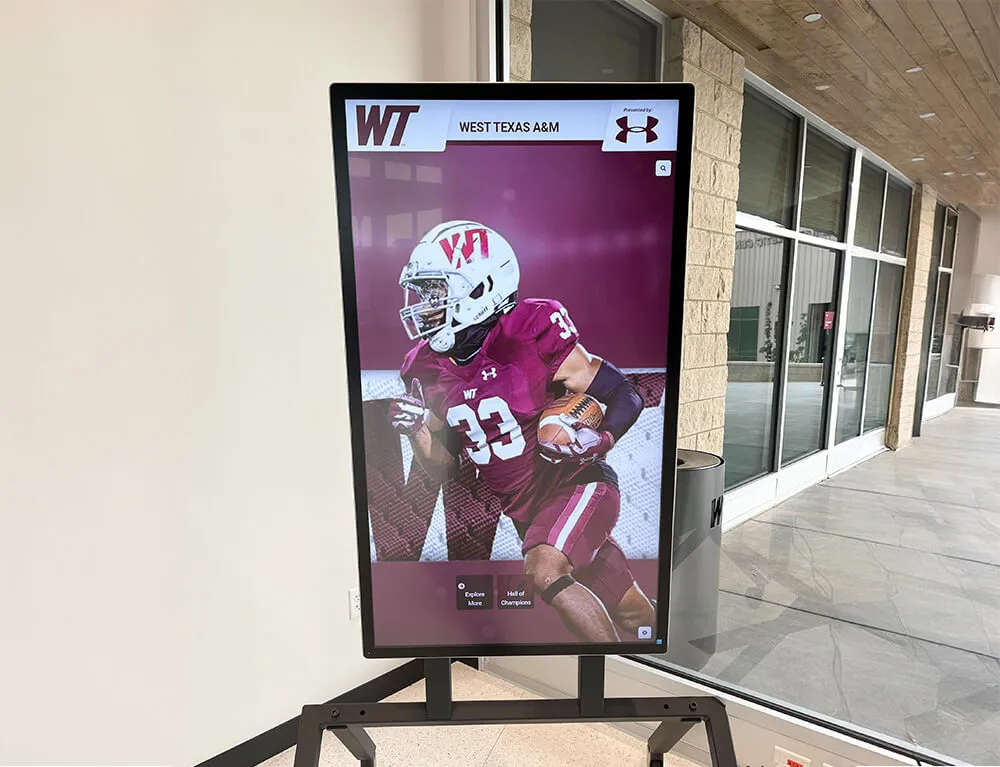
Freestanding kiosks with professional enclosures often suit dual-purpose applications better than wall-mounted displays, particularly when installations serve both recognition and wayfinding purposes. Interactive kiosks command attention while providing accessible interaction for diverse visitor populations.
Real-World Applications: Dual-Purpose Recognition Success Stories
Organizations across various sectors have implemented dual-purpose digital recognition systems demonstrating practical applications and measurable benefits.
High School Athletics and Donor Recognition
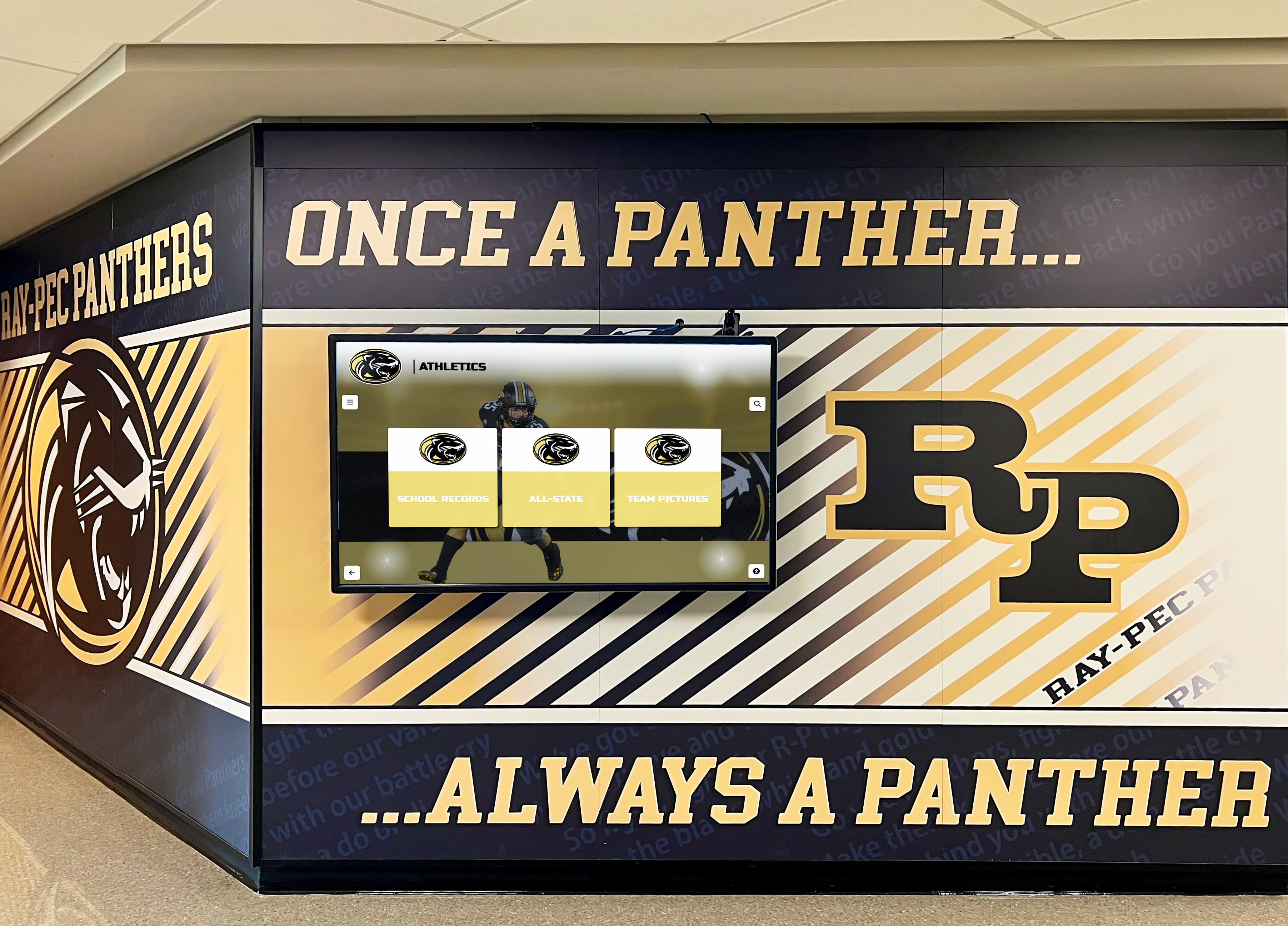
Public high schools with limited hallway space often deploy single digital displays in athletic facility entrances serving multiple purposes: athletic hall of fame inductees organized by sport and era, booster club donor recognition with tiered giving levels, corporate sponsor acknowledgment for athletic programs, memorial tributes for deceased coaches and community supporters, and current season team rosters and achievement highlights.
This unified approach eliminates needs for separate trophy cases, engraved donor plaques, and sponsor banners while providing more comprehensive recognition than traditional approaches allow within limited budgets and space constraints.
University Advancement and Alumni Recognition
University development offices implement digital recognition walls in prominent campus locations celebrating major gift donors, campaign progress and giving totals, distinguished alumni achievements, scholarship benefactors and recipient acknowledgment, facility naming rights and dedications, planned giving society members, and corporate partnership recognition.
These comprehensive installations serve multiple advancement priorities through unified platforms reducing technology investments while increasing recognition reach and engagement compared to scattered traditional displays.
Nonprofit Community Centers
Community-based nonprofit organizations utilize dual-purpose recognition for board member and leadership acknowledgment, major donor recognition with tribute options, corporate sponsor visibility for programs and events, volunteer service milestone recognition, community partner acknowledgment, and program participant achievement celebration.
The flexibility allows resource-constrained nonprofits to maximize limited technology investments while appropriately acknowledging diverse supporter constituencies.
Independent School Development
Private schools managing complex donor relationships implement sophisticated recognition systems tracking annual fund participation, capital campaign major gifts, endowment and planned giving commitments, naming opportunities across campus facilities, parent volunteer recognition, legacy family acknowledgment spanning generations, and alumni achievement celebration.
Digital platforms accommodate this complexity while maintaining distinct presentations appropriate for each recognition category, supporting comprehensive stewardship strategies that strengthen donor relationships and inspire continued giving.
Best Practices for Dual-Purpose Recognition Implementation
Organizations planning dual-purpose digital recognition benefit from following proven implementation approaches addressing both technical execution and stakeholder engagement.
Establish Clear Category Boundaries
Define Recognition Purposes
Clearly articulate what each recognition category celebrates and what criteria govern inclusion. Athletic hall of fame sections honor competitive achievement and records. Donor recognition acknowledges financial contributions at specified levels. Sponsor sections appreciate corporate partnerships supporting programs. This clarity prevents confusion about recognition purposes and maintains appropriate dignity for each category.
Maintain Category Integrity
Avoid mixing achievement and philanthropy recognition inappropriately. An individual might appear in multiple categories—as a hall of fame inductee for athletic achievement and separately as a major donor for financial contributions—but their profiles serve different purposes and communicate distinct messages. Keeping categories separate preserves recognition authenticity.
Balance Recognition Visibility
Proportionate Prominence
Ensure each recognition category receives appropriate visibility relative to its importance to organizational mission. Educational institutions typically prioritize achievement recognition with donor acknowledgment secondary but still prominent. Organizations should avoid allowing sponsor recognition to dominate displays inappropriately, particularly in educational settings where student achievement remains primary focus.
Rotation and Featured Content
Use featured content rotation highlighting different recognition categories at different times. Home screens might rotate between featured hall of fame inductees, highlighted major donors, and spotlighted sponsors ensuring all constituencies receive prominent visibility without any dominating permanently.
Plan for Content Growth
Scalable Category Structures
Design category organization accommodating substantial growth. Initial implementations might include 50 hall of fame inductees, 100 donors, and 20 sponsors, but systems should scale seamlessly to 500 inductees, 1,000 donors, and 100 sponsors without performance degradation or navigation complexity.
Regular Update Protocols
Establish workflows for adding new content in each category. Annual hall of fame inductions, monthly donor recognition updates, and quarterly sponsor roster reviews ensure current accuracy across all recognition types. Assign clear responsibilities for category management preventing content staleness.
Integrate with Broader Recognition Strategies
Digital-Physical Complementarity
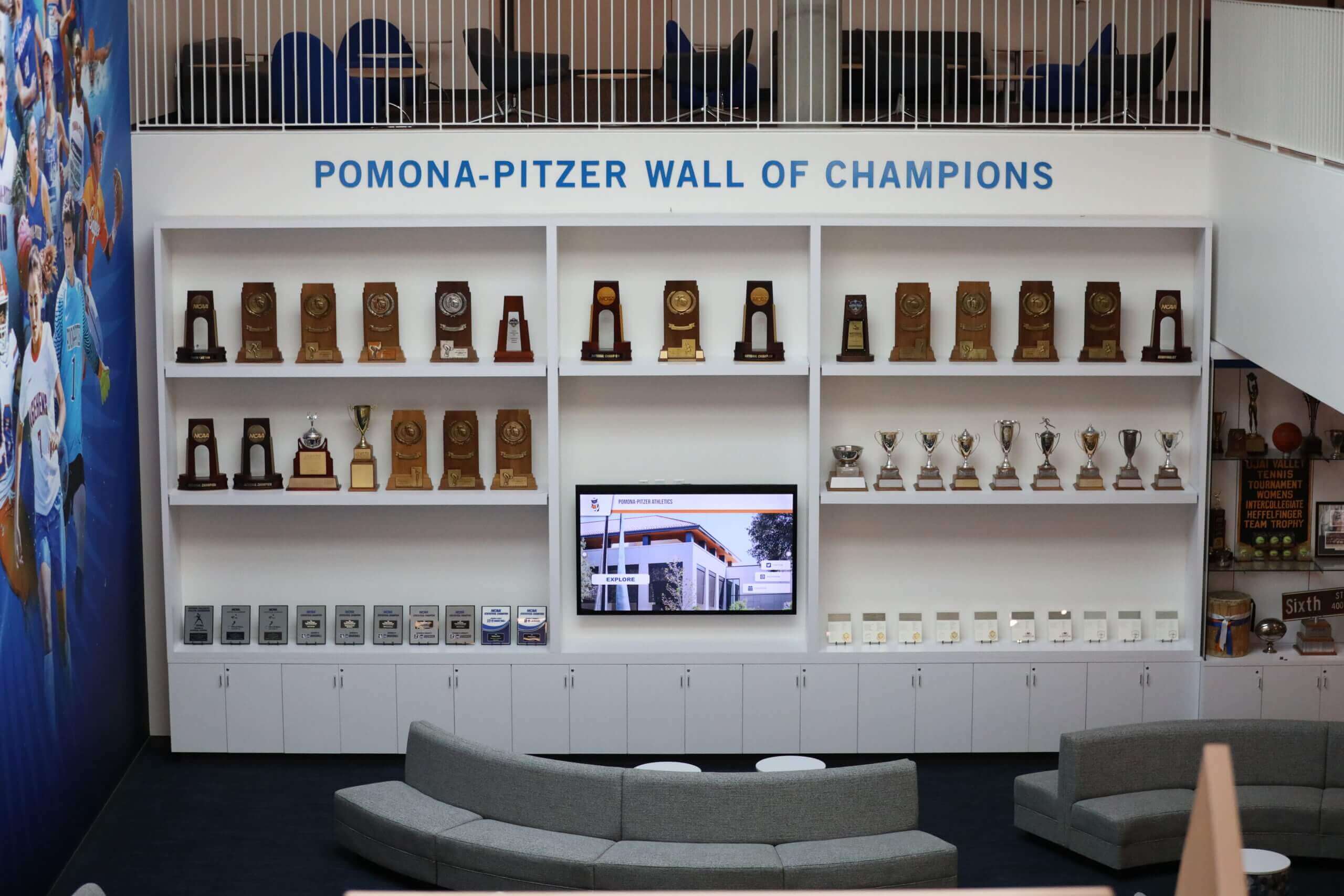
Consider dual-purpose digital displays as components within comprehensive recognition strategies including traditional elements. Some organizations maintain engraved donor plaques listing all contributors while digital displays provide detailed profiles for major donors, or preserve championship banners while digital systems document complete team rosters and individual achievements.
Web Accessibility
Extend dual-purpose recognition beyond physical displays through web-accessible versions allowing worldwide access. Alumni exploring online hall of fame content discover institutional donor recognition, while prospective donors researching giving opportunities encounter achievement recognition demonstrating program impact their philanthropy supports.
Financial Considerations: Cost-Effectiveness of Dual-Purpose Systems
Organizations evaluating dual-purpose digital recognition frequently compare costs against separate recognition installations to assess financial viability.
Initial Investment Analysis
Dual-Purpose System Costs
Complete implementations including professional-grade touchscreen displays (55-75 inches), recognition-specific software platforms, custom design matching institutional branding, content development for initial categories, professional installation and training, and ongoing software support typically require $15,000-$45,000 initial investment depending on complexity, screen count, and content volume.
Comparative Separate Installation Costs
Traditional separate recognition requiring engraved donor wall ($8,000-$25,000), athletic trophy cases and hall of fame plaques ($5,000-$20,000), and sponsor banner printing and installation ($2,000-$8,000) totals $15,000-$53,000 with no flexibility for updates without additional fabrication costs.
The financial analysis often favors digital dual-purpose systems when considering total recognition needs, particularly when factoring ongoing update costs for traditional installations versus free digital content updates.
Ongoing Operational Costs
Digital System Operations
Annual software subscriptions ($1,500-$6,000), periodic content updates and enhancements (staff time or contracted services), minimal hardware maintenance (screen cleaning, occasional repairs), and electricity costs for continuous display operation comprise ongoing expenses.
Traditional Installation Operations
Ongoing costs include new plaque fabrication as donors increase ($100-$500 per plaque), periodic sponsor banner replacement ($200-$800 per banner), physical modifications when display space fills requiring expansion, and cleaning and maintenance of trophy cases and protective glazing.
Digital systems typically prove more cost-effective over 5-10 year periods when accounting for cumulative update expenses, though organizations should calculate scenarios matching their specific recognition volume and update frequency.
Privacy and Donor Stewardship Considerations
Implementing donor recognition within digital systems requires careful attention to privacy preferences and relationship stewardship principles.
Anonymous Giving Accommodation
Some donors prefer anonymous recognition, contributing substantial amounts without public acknowledgment. Digital systems easily accommodate anonymity through several approaches: complete omission from recognition displays per donor request, generic acknowledgment showing contribution level without naming (e.g., “Anonymous Donor - Founder’s Circle”), or tribute recognition honoring others without revealing actual donor identity.
Content management flexibility allows organizations to adjust recognition instantly if donor preferences change, unlike engraved plaques requiring physical replacement to modify or remove donor names.
Recognition Accuracy and Updates
Donor relationship stewardship depends on accurate, respectful recognition. Digital systems support stewardship through immediate corrections when errors are discovered, recognition level updates when giving increases, tribute information changes if circumstances evolve, and consistent formatting maintaining professional presentation dignity.
Deceased Donor Acknowledgment
Memorial tributes and recognition of deceased donors require sensitive presentation distinguishing posthumous recognition from living donor acknowledgment. Well-designed systems provide appropriate indicators, tribute messaging, and family acknowledgment when donors have passed while their recognition remains permanently preserved.
Future Developments in Dual-Purpose Recognition Technology
Ongoing technological advancement continues expanding capabilities and improving user experiences for dual-purpose recognition systems.
AI-Powered Personalization
Emerging systems use artificial intelligence to personalize recognition displays based on visitor characteristics and interests. Prospective students interested in specific academic programs might see relevant distinguished alumni and scholarship benefactors automatically. Alumni from specific graduating classes encounter classmates in hall of fame sections and donors from their eras. This personalization increases engagement while demonstrating recognition relevance to diverse audience segments.
Mobile Integration and Digital Wallets
Future recognition systems will likely integrate with mobile devices more seamlessly, allowing donors to receive digital recognition badges for social media sharing, enabling contactless interaction with displays through personal devices, providing notification when new recognition relevant to users appears, and facilitating direct giving through integrated donation interfaces.
Advanced Analytics for Stewardship
Enhanced analytics capabilities will help advancement teams understand which recognition content generates most engagement, identify patterns in visitor interaction with donor recognition, measure correlation between recognition visibility and subsequent giving, and optimize recognition strategies based on actual behavior data.
Conclusion: Maximizing Recognition Impact Through Unified Platforms
Digital hall of fame displays effectively function as donor walls while providing appropriate sponsor recognition, addressing multiple institutional needs through unified technology platforms. This dual-purpose approach offers compelling advantages over traditional separate installations: unlimited capacity for both achievement and philanthropic recognition, immediate update flexibility accommodating changing needs, significant cost efficiencies compared to multiple physical installations, enhanced visitor experiences through cohesive institutional storytelling, and scalable infrastructure supporting recognition program growth.
Organizations implementing dual-purpose recognition should prioritize purpose-built platforms designed specifically for recognition applications, establish clear category structures maintaining appropriate separation between achievement and philanthropy, develop comprehensive content across all recognition types with consistent quality standards, plan for long-term growth and ongoing content enhancement, and integrate digital recognition within broader stewardship and engagement strategies.
The question “Can digital hall of fame displays work as donor walls?” has a definitive answer: yes, when implemented thoughtfully using appropriate technology and following evidence-based best practices. Organizations gain maximum value from recognition investments by leveraging unified platforms addressing multiple priorities simultaneously.
Ready to explore dual-purpose recognition for your organization? Talk to our team about implementing comprehensive digital recognition systems serving achievement celebration, donor stewardship, and sponsor acknowledgment through unified platforms that strengthen community connections while advancing institutional missions.
Comparative Disclosure: This comparison is based on publicly available information as of February 2026. All product names and trademarks belong to their respective owners. Comparative statements reflect Rocket Alumni Solutions’ interpretation of available data and may change over time. This content was produced by or on behalf of Rocket Alumni Solutions.