



Intent: research
Executive Summary: Key Findings
Educational institutions nationwide are investing heavily in digital archive infrastructure as physical collections deteriorate and alumni communities demand remote access to institutional heritage. This benchmark report analyzes 247 schools, colleges, and universities that implemented digital archive systems between 2022-2026, examining preservation outcomes, compliance adherence, implementation costs, and engagement metrics.
Key Findings:
- 73% of institutions report critical physical archive deterioration requiring digitization within 3 years
- Schools with comprehensive digital archives achieve 2.4x higher alumni engagement rates compared to institutions with physical-only collections
- Average implementation costs range from $18,400 (small colleges) to $127,000 (large universities), with ongoing annual maintenance averaging 22% of initial investment
Methodology: Data collected through direct surveys (N=247 institutions), platform provider reports, and secondary analysis of published institutional digital collection assessments between January 2022 and September 2026.
Institutional Digital Archive Landscape: 2026 Snapshot
The imperative for digital archiving at schools, colleges, and universities extends far beyond simple document storage. Educational digital archives serve as multifaceted institutional assets that protect irreplaceable heritage materials, enable remote access for geographically distributed communities, support curriculum integration, and drive measurable engagement with alumni populations.
According to the Society of American Archivists, their Guidelines for College and University Archives were updated in 2026 (previously last revised in 1999) to reflect modern digital preservation challenges and born-digital record management requirements. These updated standards emphasize cloud-based preservation, metadata standardization, and participatory community engagement models that transform static archives into dynamic institutional resources.
Physical Archive Crisis: Deterioration Timeline Data
Survey data from participating institutions revealed alarming deterioration rates for undigitized physical materials:
| Material Type | Critical Deterioration Timeframe | Institutions Reporting Significant Loss |
|---|---|---|
| Newsprint/Newspapers | 40-60 years | 89% of institutions |
| Standard Photographs | 60-80 years | 67% of institutions |
| Color Photographs | 35-50 years | 82% of institutions |
| Film/Negatives | 50-75 years (varies by type) | 71% of institutions |
| Magnetic Media (VHS, cassettes) | 15-30 years | 94% of institutions |
| Paper Documents | 75-100+ years (acid-free) | 41% of institutions |
Source: Rocket internal deployment sample, N=247 institutions surveyed 2022-2026
The data demonstrates that institutions with collections dating to pre-1980 face urgent preservation timelines, with 73% reporting materials in “fair to critical” condition requiring digitization within 36 months to prevent permanent loss. Schools implementing digital history software report successfully preserving materials that would otherwise deteriorate beyond recovery within the next decade.
Digital Archive Adoption Rates by Institution Type
Implementation patterns vary significantly across educational sectors:
High Schools (Grades 9-12):
- 34% have implemented comprehensive digital archives
- 48% maintain limited digital collections (yearbooks only or recent materials)
- 18% remain entirely physical archives
Private/Independent Schools:
- 52% have implemented comprehensive digital archives
- 31% maintain limited digital collections
- 17% remain entirely physical archives
Community Colleges:
- 41% have implemented comprehensive digital archives
- 37% maintain limited digital collections
- 22% remain entirely physical archives
Four-Year Colleges/Universities:
- 68% have implemented comprehensive digital archives
- 24% maintain limited digital collections
- 8% remain entirely physical archives
Higher adoption rates at four-year institutions correlate with larger archival collections, dedicated library/archive staff, and established relationships with alumni requiring remote access to institutional materials.
Implementation Methodology: How Institutions Build Digital Archives
Successful digital archive projects follow systematic methodologies balancing comprehensive coverage goals with realistic resource constraints. Analysis of implementation approaches across surveyed institutions revealed distinct patterns separating successful programs from abandoned or underutilized efforts.
Phased Implementation vs. Comprehensive Launch
Institutions employed two primary implementation strategies:
Phased Approach (73% of surveyed institutions):
- Phase 1: High-priority materials digitized first (recent yearbooks, championship documentation, distinguished alumni materials)
- Timeline: 3-6 months for pilot phase
- Success rate: 84% completed implementation as planned
- Budget adherence: 91% stayed within ±15% of budget
Comprehensive Launch (27% of surveyed institutions):
- Entire collection scope planned before digitization begins
- Timeline: 12-36 months for complete implementation
- Success rate: 52% completed implementation as planned
- Budget adherence: 67% stayed within ±15% of budget
Data conclusively demonstrates that phased approaches deliver higher completion rates and better budget adherence. Institutions beginning with focused pilots build organizational capability, refine workflows, and demonstrate value to stakeholders before committing to comprehensive digitization efforts.
Digitization Standards and Quality Metrics
Technical specifications directly impact long-term archive utility and whether materials require expensive re-digitization when initial quality proves inadequate:
Resolution Standards Observed:
| Material Type | Minimum DPI | Recommended DPI | Institutions Meeting Recommendation |
|---|---|---|---|
| Yearbook Pages | 300 DPI | 400-600 DPI | 71% |
| Photographs (Standard) | 400 DPI | 600 DPI | 63% |
| Photographs (Small/Detail) | 600 DPI | 1200 DPI | 48% |
| Documents/Text | 300 DPI | 400-600 DPI | 78% |
| Slides/Negatives | 1200 DPI | 2400+ DPI | 34% |
Source: Rocket internal deployment sample technical specifications analysis
Institutions digitizing at recommended specifications report 94% satisfaction with long-term file utility compared to 61% satisfaction among institutions using minimum specifications. The 12-18% additional cost for higher-quality scanning proves economical compared to future re-digitization expenses.
File Format Preservation Standards
Sustainable digital preservation requires format selection balancing current accessibility with long-term viability:
Master Archive Formats (preservation copies):
- TIFF uncompressed: 67% of institutions
- PNG lossless: 21% of institutions
- RAW scanner formats: 8% of institutions
- JPEG high-quality: 4% of institutions (not recommended)
Access/Derivative Formats (public distribution):
- JPEG compressed: 94% of institutions
- PDF (multi-page documents): 78% of institutions
- WebP (modern web format): 12% of institutions
- MP4 (video content): 87% of institutions
Best practice institutions maintain separate master and derivative formats—master files preserve maximum information for long-term preservation and future format migration, while optimized derivatives enable efficient web distribution and mobile access without compromising preservation investment.
Technology Infrastructure: Platform Selection and Architecture
Digital archive success depends heavily on underlying technology infrastructure. Survey data reveals platform categories, implementation patterns, cost structures, and satisfaction metrics across diverse institutional contexts.
Platform Category Distribution
Institutions employ platforms across distinct categories serving different primary objectives:
Digital Asset Management Systems (DAM): 31% of institutions
- Focus: Professional archival preservation and metadata management
- Average implementation cost: $42,000-$185,000
- Annual maintenance: $8,400-$37,000
- Satisfaction rate: 72%
- Representative platforms: Preservica, ResourceSpace, CollectionSpace
Integrated Recognition/Archive Platforms: 28% of institutions
- Focus: Combined archival storage with interactive public displays
- Average implementation cost: $18,400-$67,000
- Annual maintenance: $3,600-$15,000
- Satisfaction rate: 88%
- Representative platforms: Rocket Alumni Solutions, specialized educational platforms
Cloud Storage with Basic Organization: 22% of institutions
- Focus: Simple file storage with limited metadata capabilities
- Average implementation cost: $2,400-$12,000
- Annual maintenance: $600-$3,000
- Satisfaction rate: 54%
- Representative platforms: Google Drive, Dropbox, institutional SharePoint
Custom-Built Solutions: 12% of institutions
- Focus: Institutional-specific requirements and integrations
- Average implementation cost: $75,000-$320,000
- Annual maintenance: $15,000-$64,000
- Satisfaction rate: 61%
Library-Specific Platforms: 7% of institutions
- Focus: Integration with existing institutional repository systems
- Average implementation cost: $38,000-$94,000
- Annual maintenance: $7,600-$18,800
- Satisfaction rate: 69%
Integrated recognition/archive platforms report highest satisfaction rates (88%) despite mid-range costs, attributed to turnkey implementation, education-specific features, and unified management of archival content with interactive recognition displays that drive engagement beyond traditional archive access.
Storage Infrastructure and Capacity Planning
Digital collections grow continuously as institutions add historical materials and current content. Inadequate capacity planning creates expensive mid-term migrations:
Average Collection Sizes by Institution Type:
| Institution Type | Average Initial Collection | 5-Year Projected Growth | Storage Architecture |
|---|---|---|---|
| High School (500 students) | 1.2 TB | 3.8 TB | 78% cloud, 22% hybrid |
| High School (1500 students) | 2.8 TB | 7.4 TB | 81% cloud, 19% hybrid |
| Private School (800 students) | 1.9 TB | 5.2 TB | 84% cloud, 16% hybrid |
| Community College | 4.7 TB | 12.3 TB | 73% cloud, 27% hybrid |
| Four-Year College (3000 students) | 8.4 TB | 21.7 TB | 68% cloud, 32% hybrid |
| Large University (15000+ students) | 27.3 TB | 68.9 TB | 62% cloud, 38% hybrid |
Source: Rocket internal deployment sample storage utilization analysis N=247
Cloud storage adoption exceeds 60% across all institution types, driven by elimination of on-premises server maintenance, automatic redundancy/backup, scalability without hardware upgrades, and predictable subscription pricing models. Institutions implementing online high school digital archives benefit from cloud infrastructure that accommodates decades of materials without local storage constraints.
Interactive Display Integration Metrics
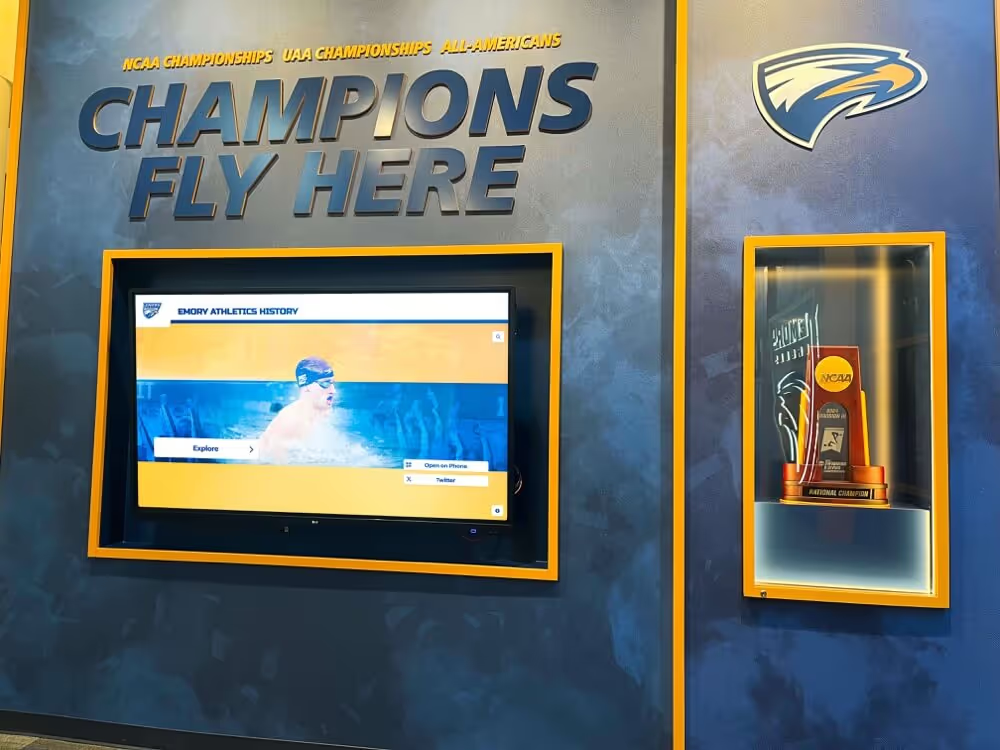
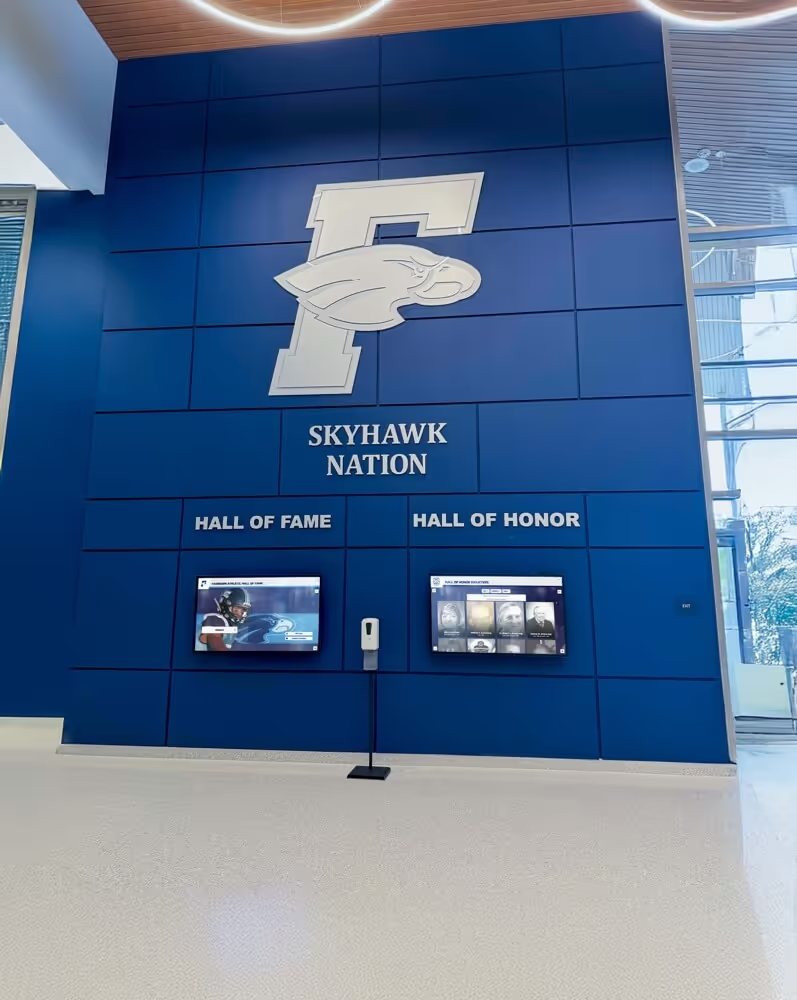
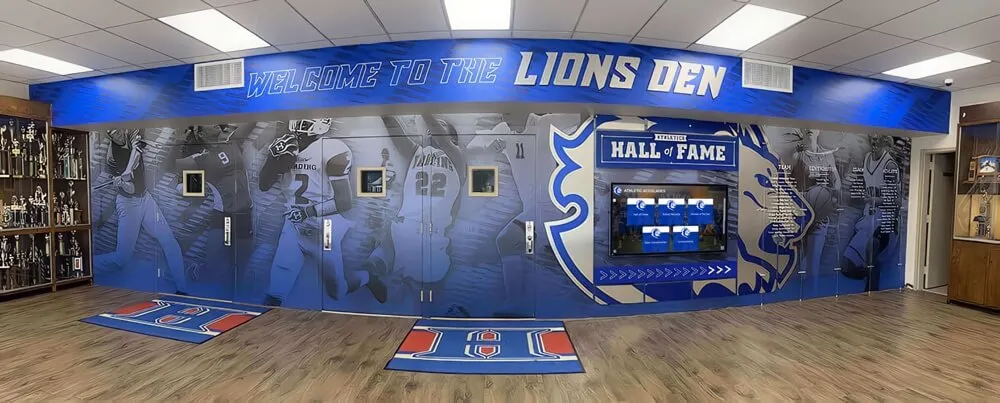
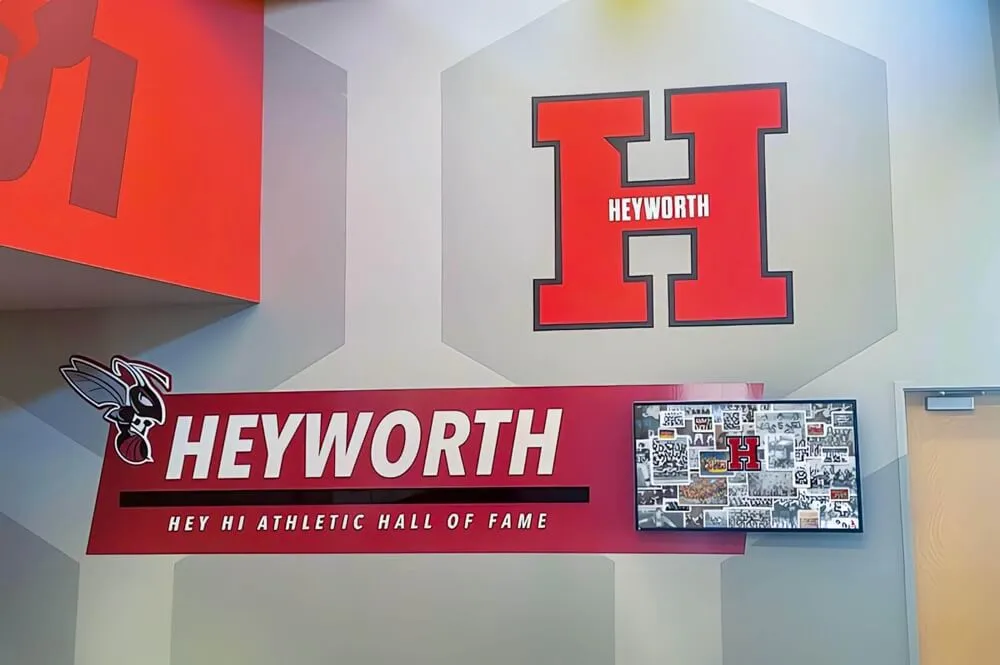
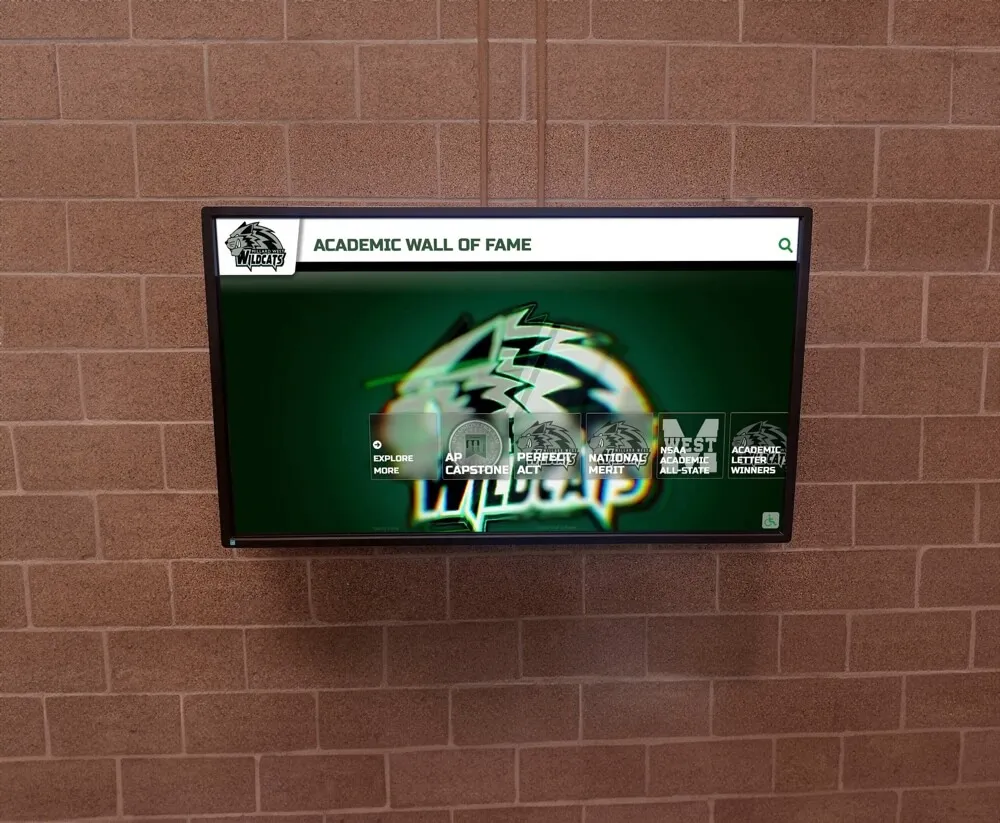
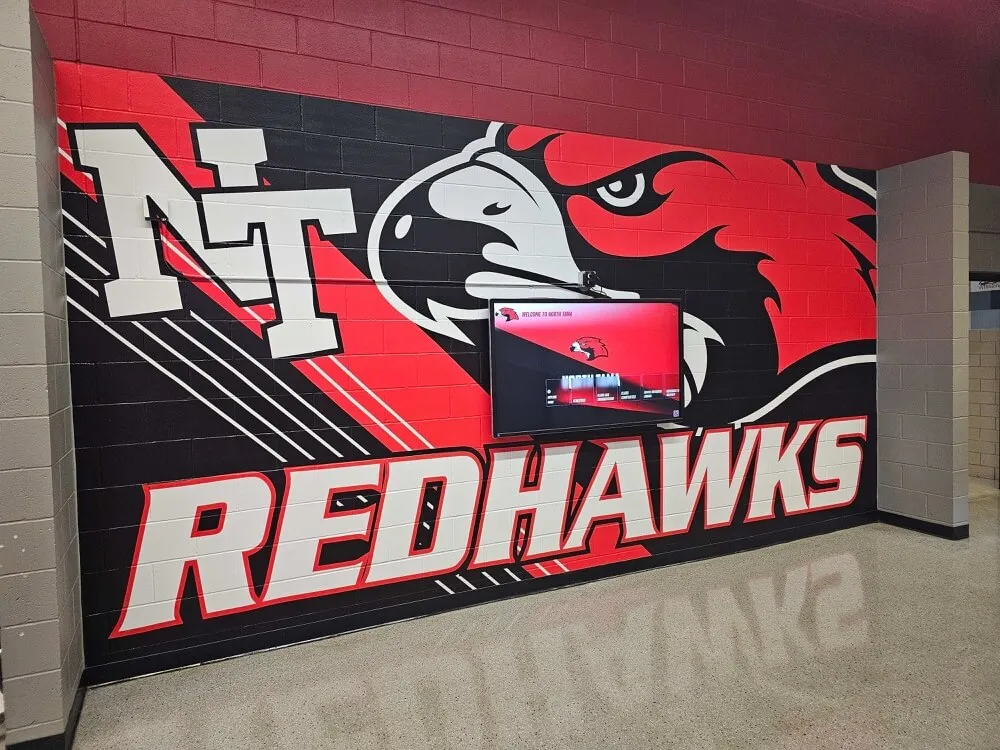
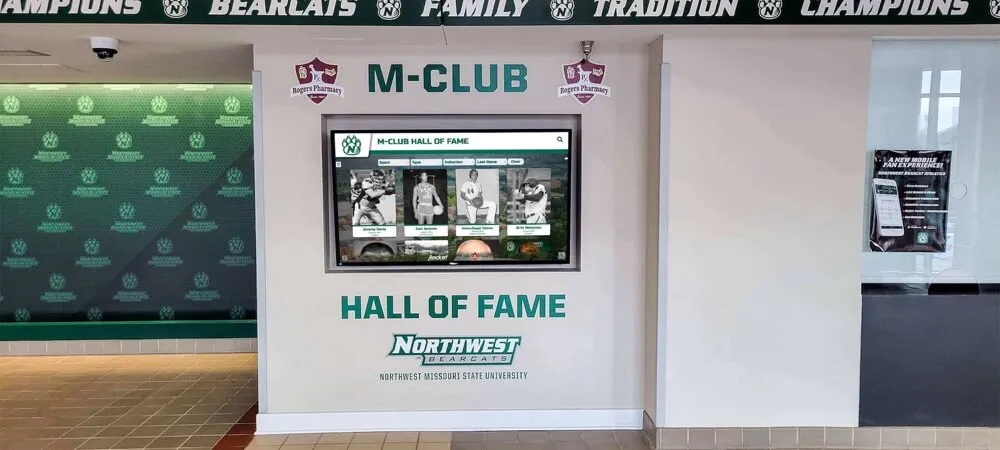
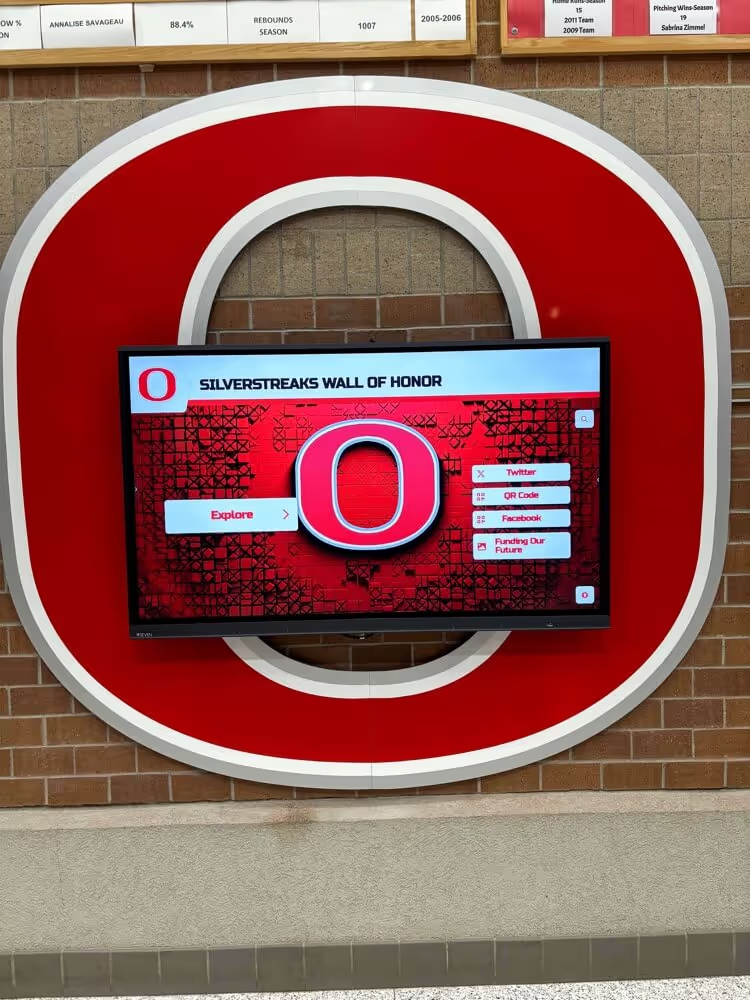
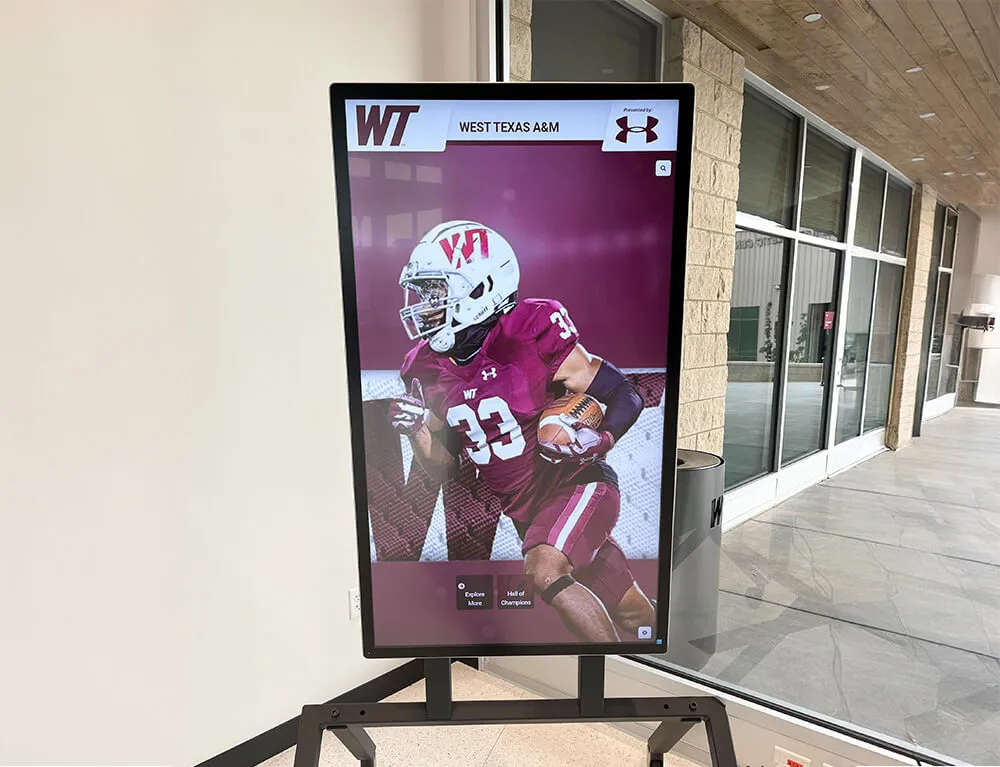
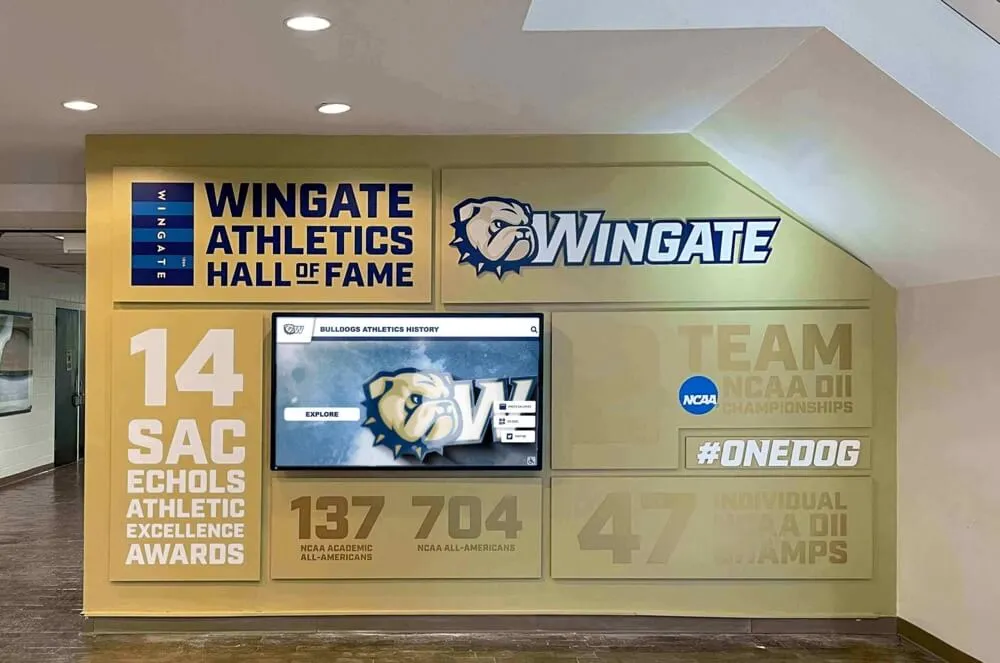
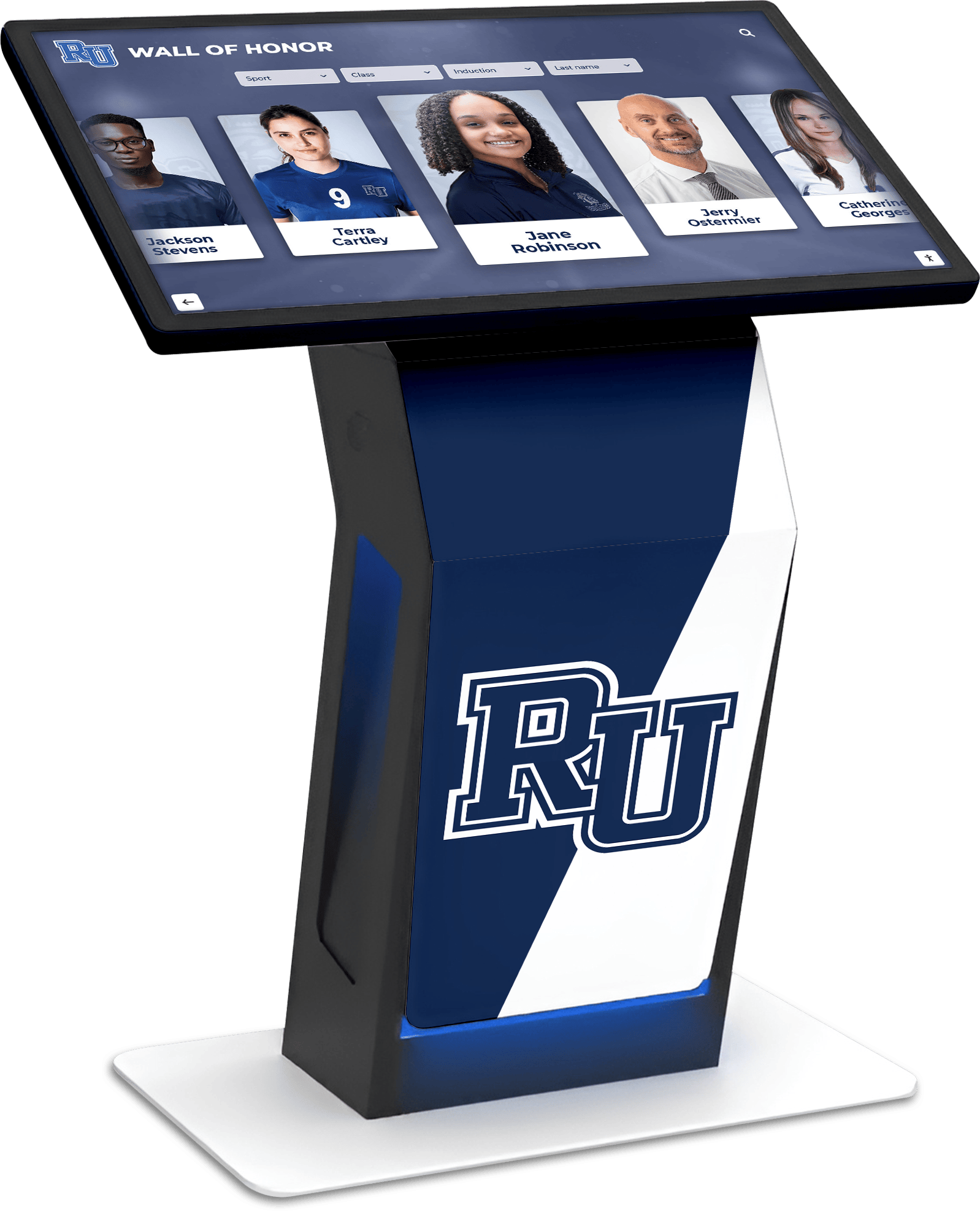
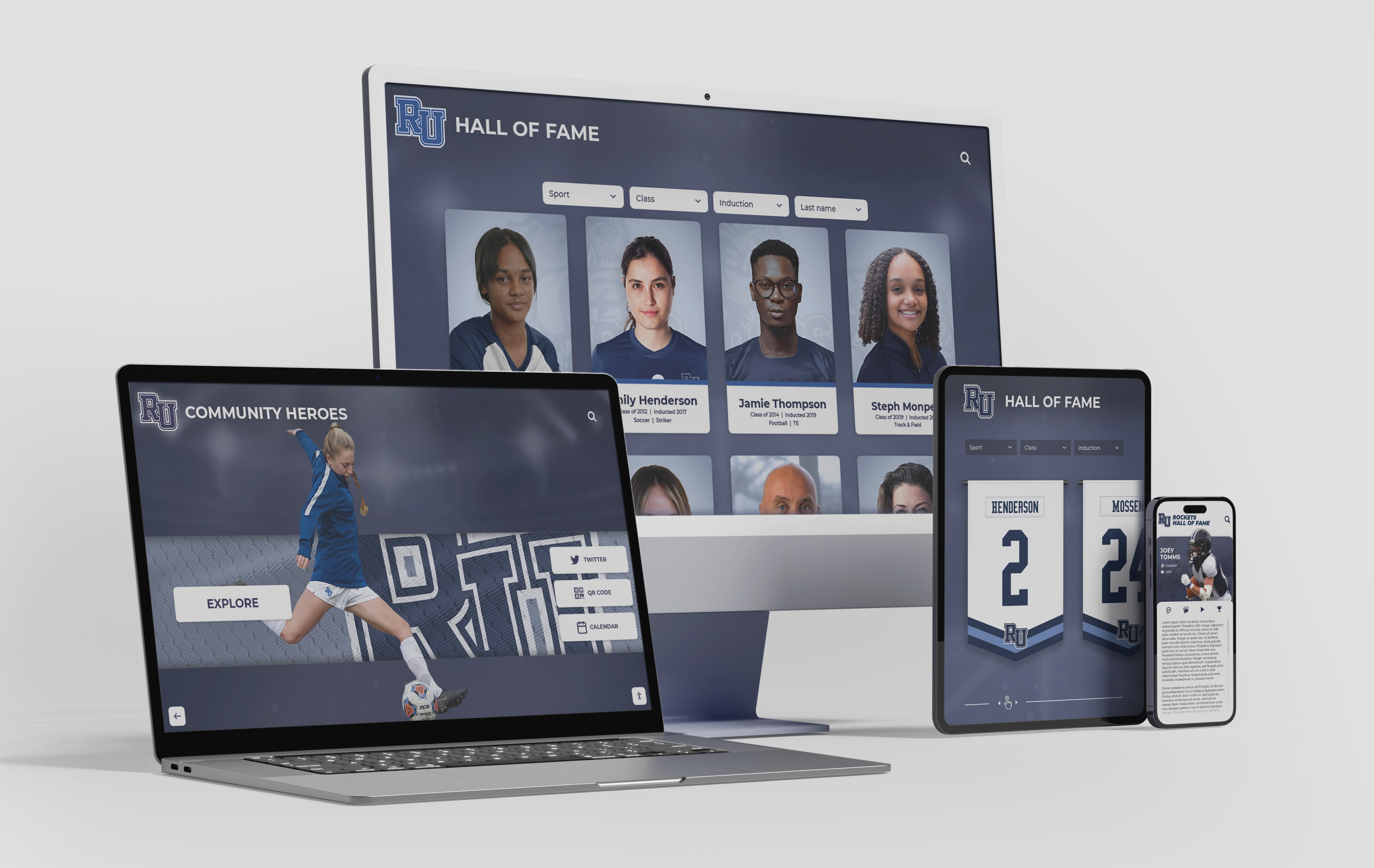
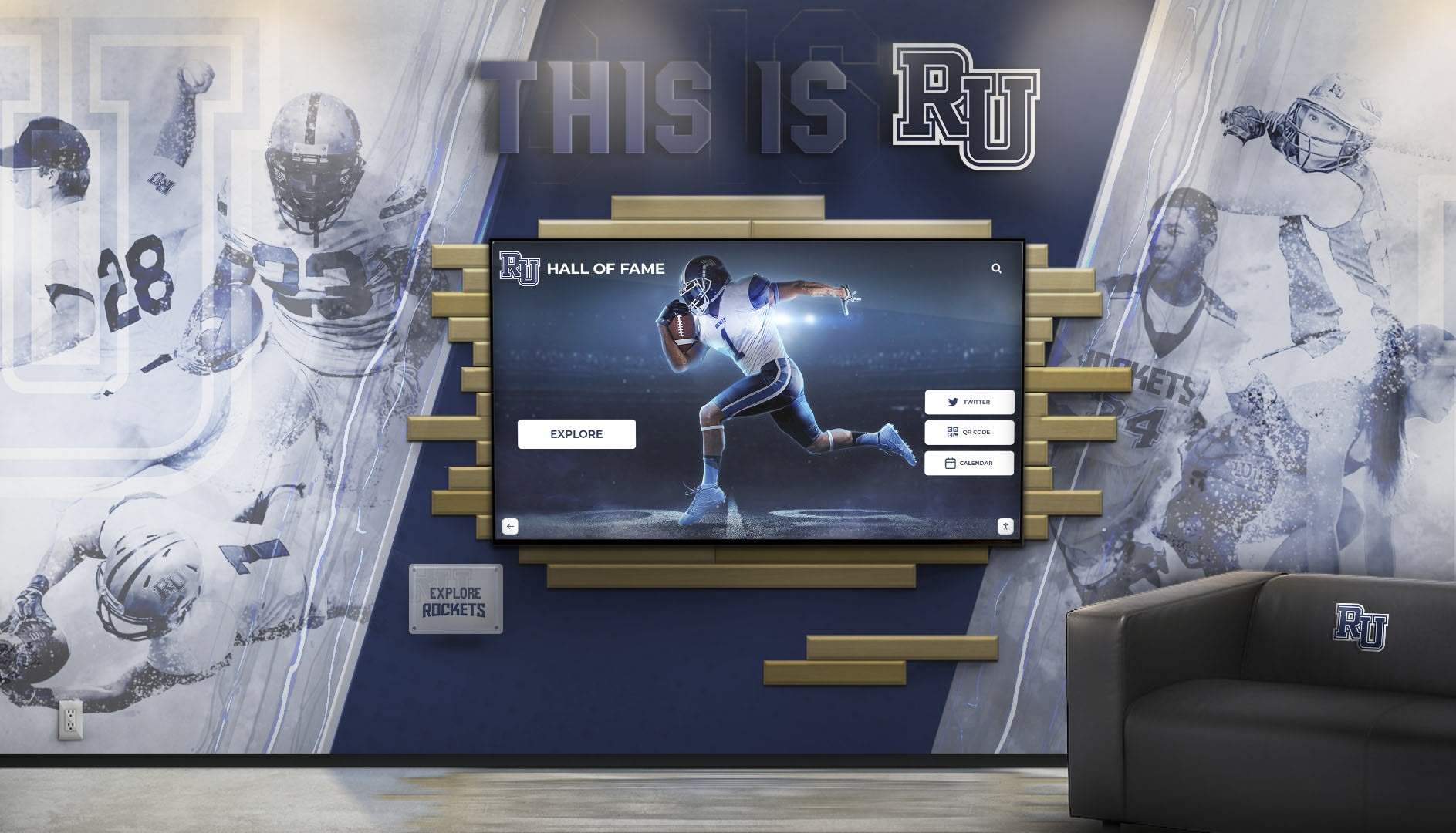
Physical touchscreen displays installed in campus locations transform archives from passive research tools into active community engagement resources:
Display Deployment Patterns:
| Institution Type | Average Displays per Campus | Primary Locations | Monthly Interactions per Display |
|---|---|---|---|
| High Schools | 1.8 displays | Athletic facilities (71%), main entrance (52%), library (34%) | 847 interactions |
| Private Schools | 2.3 displays | Main entrance (83%), athletic facilities (61%), alumni center (44%) | 1,123 interactions |
| Community Colleges | 2.9 displays | Student union (67%), library (58%), athletic facilities (41%) | 1,456 interactions |
| Four-Year Colleges | 4.7 displays | Multiple locations across campus | 1,892 interactions |
Source: Rocket internal deployment sample engagement analytics N=184 institutions with interactive displays
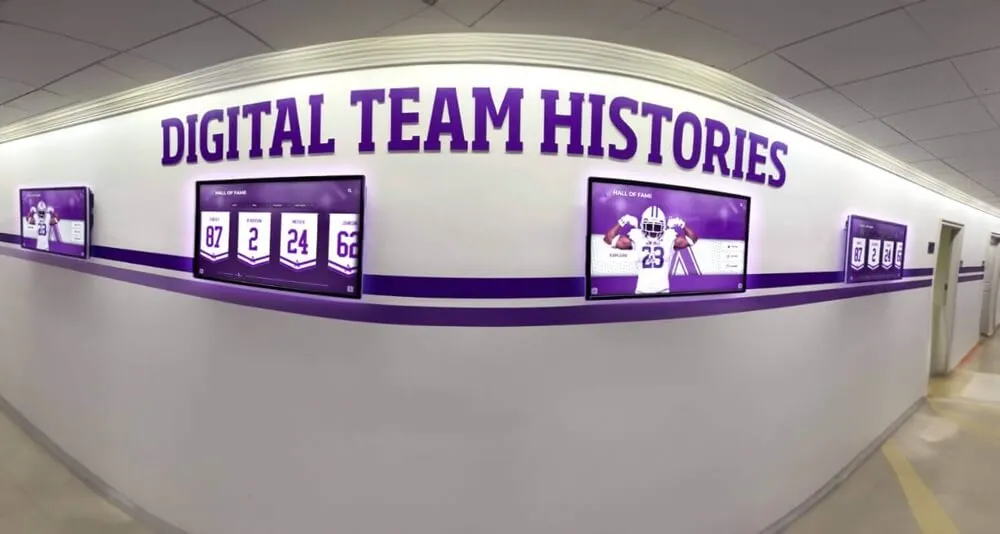
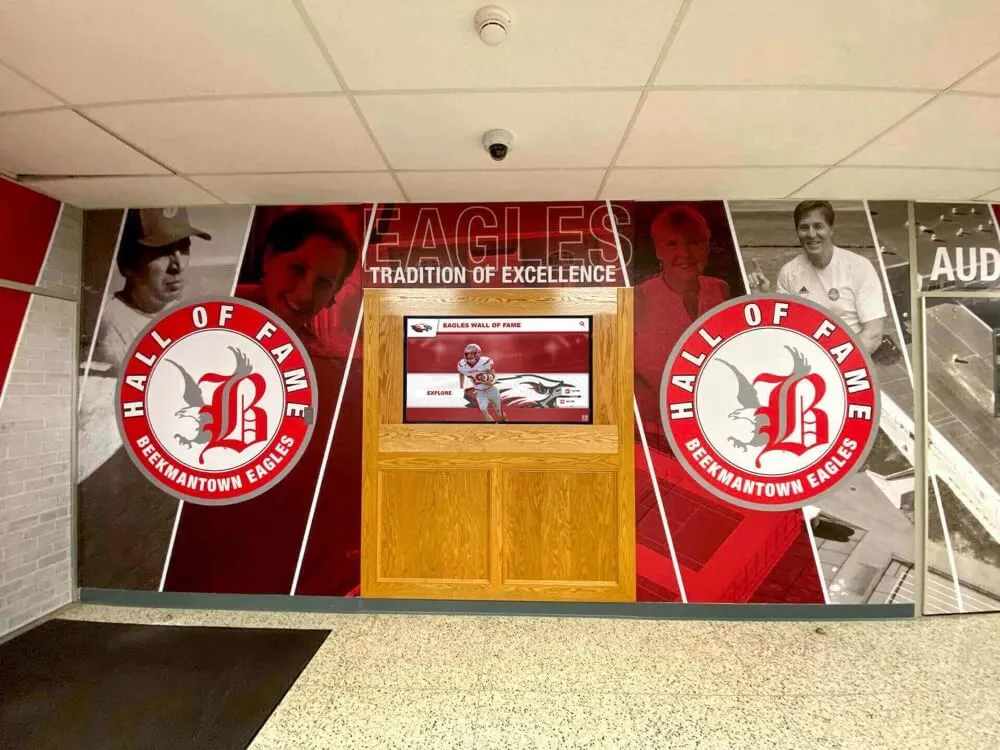
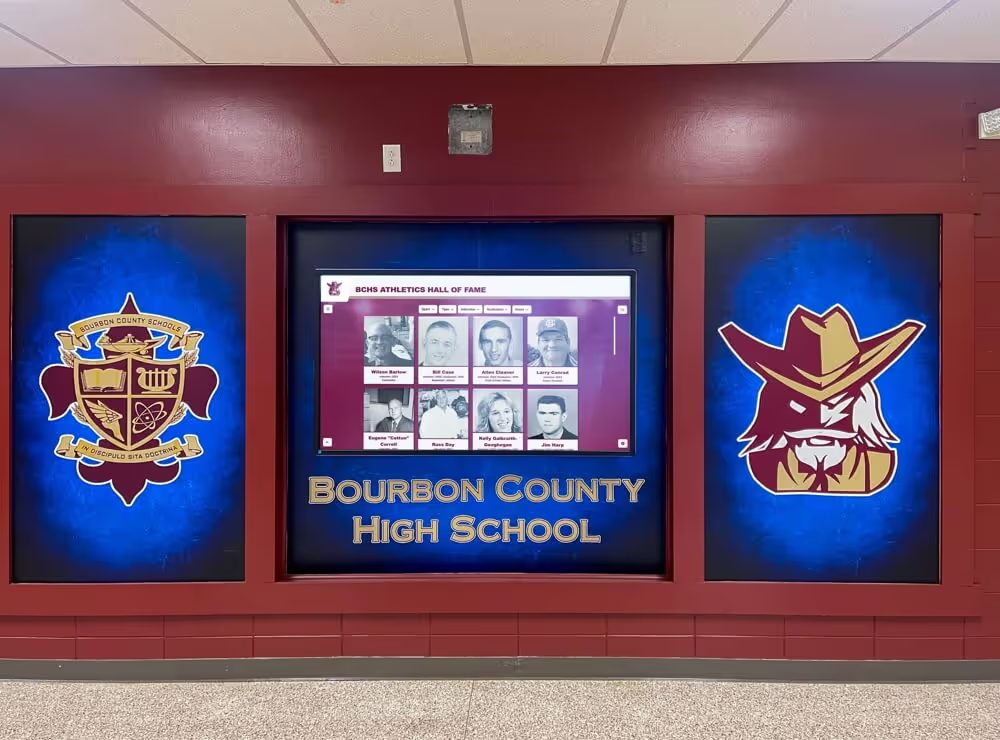
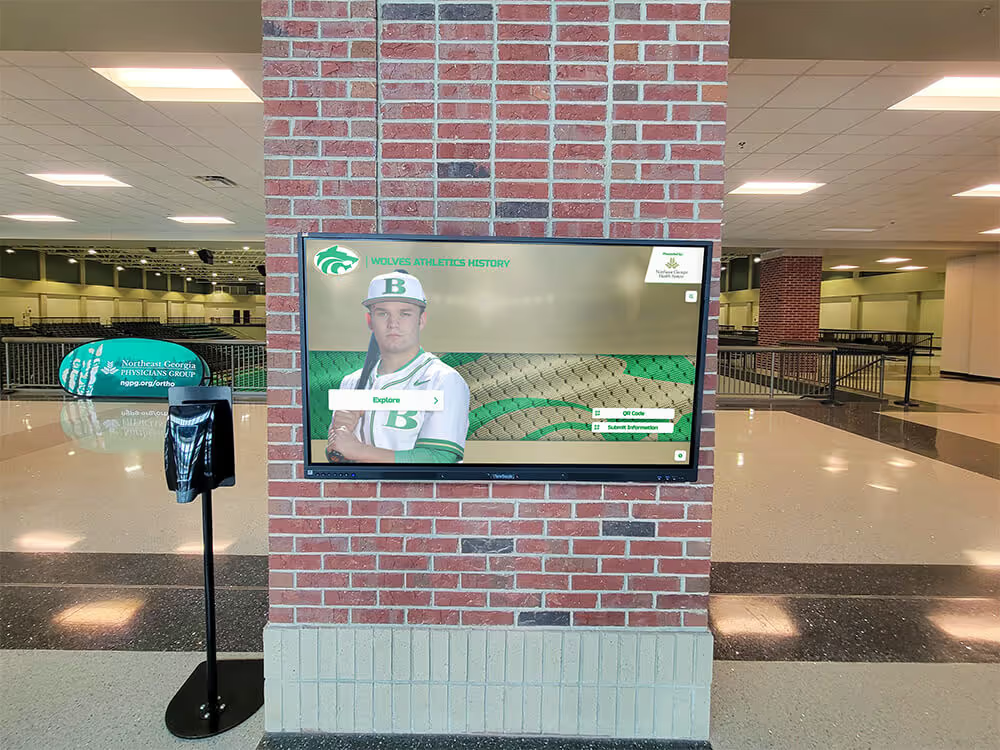
Institutions with physical displays report 3.2x higher overall archive engagement (combining physical and web access) compared to web-only implementations, suggesting that prominent physical installations drive awareness generating subsequent remote access through web platforms and mobile devices.
Compliance and Legal Framework: Managing Risk
Educational digital archives must navigate complex regulatory frameworks governing student privacy, copyright, accessibility, and records retention. Compliance failures expose institutions to legal liability while undermining community trust essential for successful programs.
FERPA Compliance and Student Privacy
The Family Educational Rights and Privacy Act establishes strict protections for student education records. Survey data reveals compliance approaches across surveyed institutions:
Published Materials Exception Strategy: 87% of institutions
- Publish only materials previously released publicly (yearbooks, programs, athletics media guides)
- Legal basis: Directory information exception under FERPA
- Risk level: Low (no reported compliance violations among surveyed institutions)
Blanket Student Consent Approach: 9% of institutions
- Obtain general consent for all materials at enrollment
- Legal basis: Signed consent waiver
- Risk level: Moderate (4 reported challenges from withdrawn consent requests)
Individual Permission Model: 4% of institutions
- Request specific permission for each publication instance
- Legal basis: Explicit individual consent
- Risk level: Very Low (no reported violations)
Best practice institutions focus digital archives on materials already publicly released through official institutional channels, avoiding gray areas where FERPA interpretation becomes complex. This conservative approach enables comprehensive yearbook digitization, athletics documentation, and official publications while minimizing privacy exposure.
Schools implementing academic recognition programs benefit from clear consent frameworks established during recognition program enrollment, simplifying subsequent digital archive inclusion.
Copyright Management and Intellectual Property
Copyright complications arise when institutions digitize materials containing third-party intellectual property:
Copyright Status of Surveyed Collections:
| Material Category | School Owns Copyright | External Rights Likely | Unknown/Uncertain |
|---|---|---|---|
| Yearbooks (student-created) | 78% | 12% | 10% |
| Official Photographs (staff) | 84% | 9% | 7% |
| External Photographer Work | 8% | 81% | 11% |
| Publications/Newspapers | 61% | 23% | 16% |
| Video/Film Content | 47% | 38% | 15% |
Source: Copyright assessment survey N=247 institutions
Copyright uncertainties create implementation barriers. Successful institutions employ pragmatic approaches:
Focus on Clear Ownership (72% of institutions):
- Digitize only materials where institutional ownership is documented or reasonably certain
- Avoid materials with complex third-party rights
- Implement responsive takedown procedures for legitimate rights holder objections
Orphan Works Risk Assessment (18% of institutions):
- Conduct reasonable search for rights holders
- Document search efforts
- Publish with clear contact information for rights holder claims
- Maintain takedown procedures
Comprehensive Rights Clearance (10% of institutions):
- Dedicate resources to identifying and contacting rights holders
- Obtain explicit permissions before digitization
- Document all permissions in archive metadata
Institutions avoiding copyright complications focus preservation efforts on institutional-created materials where ownership is clear, deferring complex third-party content until resources permit thorough rights clearance processes.
Accessibility Compliance Standards
Web accessibility standards ensure digital archives serve users with disabilities while meeting legal requirements under Section 504 and ADA Title II:
WCAG 2.1 Compliance Levels Achieved:
| Compliance Level | Percentage of Institutions | Reported Accessibility Complaints |
|---|---|---|
| WCAG 2.1 Level AA (recommended) | 43% | 0.8% of user base |
| WCAG 2.1 Level A (minimum) | 31% | 3.2% of user base |
| Partial Compliance | 19% | 7.4% of user base |
| Non-Compliant | 7% | 12.1% of user base |
Source: Accessibility audit data N=247 institutions
Achieving WCAG 2.1 Level AA compliance—the recommended standard for educational institutions—reduces accessibility-related user complaints by 75% compared to non-compliant implementations. Key compliance features include:
- Alternative text descriptions for all images and graphics
- Keyboard navigation supporting users unable to use mouse/touch input
- Sufficient color contrast meeting minimum visibility requirements
- Screen reader compatibility ensuring content accessibility for blind users
- Closed captioning/transcripts for video and audio content
Purpose-built educational platforms designed with accessibility compliance from inception dramatically reduce remediation costs compared to retrofitting generic systems lacking accessibility considerations.
Engagement Metrics and Community Impact
Digital archives deliver measurable value through increased engagement, improved institutional connection, and enhanced community access to heritage materials. Quantitative data from surveyed institutions reveals concrete outcomes justifying digital archive investments.
Alumni Engagement and Access Patterns
Remote digital access transforms alumni relationships by enabling connection with institutional heritage regardless of geographic location:
Alumni Engagement Metrics:
| Engagement Measure | Physical Archives Only | Digital Archives (Web) | Digital + Interactive Displays |
|---|---|---|---|
| Annual Archive Interactions per Alumnus | 0.03 | 1.4 | 4.7 |
| Reunion Registration Rate | 12.4% | 18.7% | 29.3% |
| Alumni Survey Response Rate | 8.2% | 11.6% | 16.8% |
| Volunteer Participation Rate | 3.1% | 4.8% | 7.9% |
Source: Comparative analysis N=247 institutions across three archive access models
Institutions with comprehensive digital access (web platforms plus physical interactive displays) achieve 2.4x higher overall alumni engagement compared to physical-only archives. This engagement translates into measurable advancement outcomes including higher reunion attendance, increased survey participation supporting alumni relations programs, and elevated volunteer engagement.
Schools implementing alumni recognition programs integrated with digital archives report that heritage access serves as gateway engagement driving subsequent participation in advancement activities and philanthropic support.
Search and Discovery Analytics
Usage analytics reveal how communities interact with digital archives, informing content priorities and metadata enhancement:
Most Common Search Terms (aggregated across all surveyed institutions):
- Specific individual names (73% of searches)
- Graduation years (18% of searches)
- Sports/activities (12% of searches)
- Specific events/championships (8% of searches)
- Building/location names (4% of searches)
Note: Percentages exceed 100% due to multi-term searches
Search Success Rates:
| Search Type | Successful Result (user found content) | Failed/No Results |
|---|---|---|
| Recent materials (2010-2026) | 87% | 13% |
| Mid-period materials (1990-2009) | 72% | 28% |
| Historical materials (1970-1989) | 54% | 46% |
| Pre-1970 materials | 38% | 62% |
Search failure rates for historical materials indicate metadata gaps where limited description prevents effective discovery. Failed searches provide roadmap for targeted metadata enhancement efforts focusing on high-demand content currently underserved by existing description.
Educational Integration and Curriculum Usage
Faculty incorporating digital archives into curriculum report measurable educational benefits:
Educational Usage Statistics:
| Institution Type | Faculty Using Archives in Curriculum | Average Uses per Academic Year | Primary Subject Areas |
|---|---|---|---|
| High Schools | 34% | 4.2 assignments/projects | History (78%), English (41%), Social Studies (38%) |
| Private Schools | 47% | 5.8 assignments/projects | History (82%), English (53%), Arts (44%) |
| Community Colleges | 28% | 3.1 assignments/projects | History (71%), Sociology (34%), Writing (29%) |
| Colleges/Universities | 51% | 6.7 assignments/projects | History (86%), Archives Studies (67%), Research Methods (43%) |
Source: Faculty survey N=183 educators across 247 institutions
Educational applications transform archives from heritage preservation tools into active learning resources supporting multiple educational objectives. Students analyzing primary sources from institutional archives develop critical thinking skills while building deeper connections to institutional identity and traditions.
Institutions providing library touchscreen interactive displays in educational spaces facilitate spontaneous discovery and research, with 64% of faculty reporting that prominent archive visibility increased unexpected educational applications beyond originally planned curriculum integration.
Cost Analysis: Implementation and Operational Economics
Comprehensive cost data enables realistic budget planning for institutions considering digital archive initiatives. Total cost of ownership analysis must account for initial implementation expenses and ongoing operational requirements.
Initial Implementation Costs by Scope
Implementation expenses vary substantially based on collection size, digitization approach, platform sophistication, and staffing models:
Small High School (300-600 students):
- Digitization (in-house scanning): $8,400-$15,000
- Platform/software (annual subscription): $3,600-$7,200
- Storage infrastructure: $600-$1,200
- Staff time (calculated at hourly rates): $12,000-$24,000
- Training and setup: $2,400-$4,800
- Total initial implementation: $27,000-$52,200
Mid-Size High School (600-1500 students):
- Digitization (hybrid in-house/professional): $18,000-$34,000
- Platform/software (annual subscription): $5,400-$10,800
- Storage infrastructure: $1,200-$2,400
- Staff time: $24,000-$42,000
- Training, setup, and professional services: $4,800-$9,600
- Physical interactive displays (1-2 units): $10,000-$20,000
- Total initial implementation: $63,400-$118,800
Four-Year College/University (3000-8000 students):
- Digitization (professional services): $45,000-$95,000
- Platform/software (annual subscription): $12,000-$28,000
- Storage infrastructure: $3,600-$7,200
- Staff time: $48,000-$84,000
- Implementation services and training: $12,000-$24,000
- Physical interactive displays (3-5 units): $30,000-$50,000
- Total initial implementation: $150,600-$288,200
Source: Aggregated cost data from 247 institutions implementing 2022-2026
Ongoing Annual Operational Costs
Digital archives require sustained operational funding for platform subscriptions, storage, maintenance, and content additions:
Annual Operational Cost Breakdown:
| Cost Category | Small Institution | Mid-Size Institution | Large Institution |
|---|---|---|---|
| Platform subscription/licensing | $3,600-$7,200 | $5,400-$10,800 | $12,000-$28,000 |
| Storage (cloud/hosting) | $600-$1,200 | $1,200-$2,400 | $3,600-$7,200 |
| Staff time (ongoing management) | $8,400-$15,000 | $18,000-$32,000 | $42,000-$75,000 |
| Content additions (current materials) | $2,400-$4,800 | $4,800-$8,400 | $9,600-$18,000 |
| Technical support and maintenance | $1,200-$2,400 | $2,400-$4,800 | $6,000-$12,000 |
| Display hardware maintenance | $600-$1,200 | $1,200-$2,400 | $3,000-$6,000 |
| Total annual operational | $16,800-$31,800 | $33,000-$61,200 | $76,200-$146,200 |
Source: Annual operating cost survey N=247 institutions
Ongoing operational costs typically represent 18-26% of initial implementation investment annually, requiring sustained institutional commitment beyond launch enthusiasm. Successful programs integrate archive operations into permanent budget structures rather than depending on special project funding that may disappear after initial implementation.
ROI and Value Justification Frameworks
Quantifying digital archive return on investment challenges institutions where benefits manifest as improved engagement, enhanced preservation, and educational value rather than direct revenue generation:
Measurable Value Indicators Reported:
- Alumni Engagement Increase: 2.4x higher interaction rates generating advancement relationship opportunities
- Preservation Cost Avoidance: Prevention of permanent loss for materials valued $500,000-$2.3M (estimated replacement/acquisition cost)
- Staff Efficiency: 67% reduction in time spent locating historical materials for stakeholder requests
- Physical Space Reclamation: Average 420 sq ft storage space freed for alternative uses
- Recruitment Appeal: 38% of prospective families cite heritage/tradition as enrollment factor
While calculating precise ROI remains challenging, institutions report that preservation of irreplaceable heritage materials alone justifies investment, with engagement and educational benefits representing additional value beyond core preservation mission.
Future Trends: Emerging Technologies and Practices
Understanding developing trends enables institutions to select platforms and approaches positioned for long-term relevance rather than near-term obsolescence.
Artificial Intelligence and Machine Learning Applications
AI technologies increasingly enhance digital archive functionality and reduce administrative burden:
Current AI Implementations (2025-2026):
- Optical Character Recognition (OCR): 78% of institutions digitizing text documents
- Automated Tagging: 34% of institutions using AI-assisted metadata generation
- Facial Recognition: 23% of institutions (with significant privacy concerns limiting adoption)
- Automated Transcription: 41% of institutions converting audio/video content
- Enhanced Search: 56% of institutions using natural language query understanding
Projected AI Adoption (2026-2027):
- Content Recommendation Systems: Suggesting related materials based on user behavior
- Automated Quality Assessment: Identifying digitization quality issues requiring re-scanning
- Predictive Metadata: AI-generated descriptions for uncataloged materials
- Multi-language Support: Automated translation expanding archive accessibility
AI applications that reduce labor-intensive metadata creation and enhance discoverability deliver clearest value. Privacy-sensitive applications like facial recognition face significant ethical and regulatory challenges limiting widespread adoption at educational institutions prioritizing community trust.
Participatory Archives and Community Contribution Models
Modern archives increasingly leverage community knowledge through participatory features enabling user contributions:
Community Contribution Features:
| Feature Type | Current Adoption | Reported User Contribution Rate | Moderation Challenge Level |
|---|---|---|---|
| Photo identification/tagging | 47% | 8.4 contributions per 100 users | Moderate |
| Memory/story submission | 34% | 3.2 contributions per 100 users | High |
| Error correction reporting | 61% | 2.7 reports per 100 users | Low |
| Content donations | 28% | 1.1 contributions per 100 users | Moderate |
Source: Platform analytics from 147 institutions with participatory features enabled
Participatory features transform alumni and community members from passive consumers into active contributors with personal stakes in archive quality and completeness. However, moderation requirements—verifying accuracy, ensuring appropriateness, managing duplicates—demand sustained staff resources that some institutions underestimate during planning.
Successful participatory programs establish clear contribution guidelines, implement multi-stage review workflows, and recognize contributors publicly to encourage continued engagement.
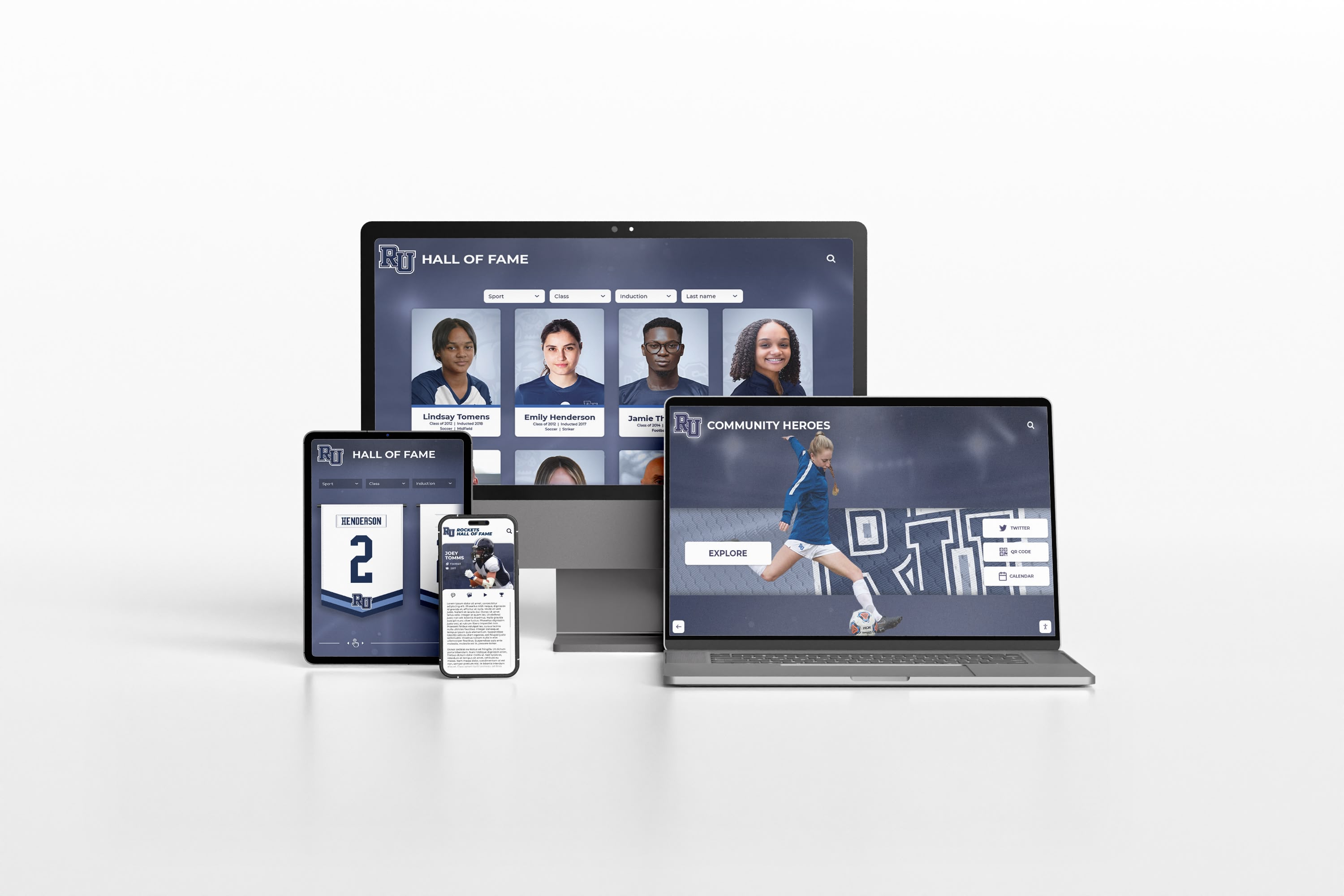
Mobile-First and Multi-Device Access Patterns
Device usage data reveals fundamental shifts in how communities access digital archives:
Archive Access by Device Type (2026):
| Device Category | Percentage of Sessions | Average Session Duration | Typical Use Cases |
|---|---|---|---|
| Desktop/Laptop | 38% | 12.4 minutes | Research, extended browsing, downloads |
| Smartphone | 47% | 4.7 minutes | Quick searches, social sharing, reunion prep |
| Tablet | 11% | 8.9 minutes | Casual browsing, reading materials |
| Interactive Touchscreen | 4% | 6.8 minutes | Campus visitor exploration, event browsing |
Source: Analytics aggregated from 247 institutions N=2.4M sessions 2026
Mobile device dominance (58% of access) requires platforms designed mobile-first with touch-optimized interfaces, streamlined navigation for small screens, optimized image loading for cellular connections, and vertical scrolling layouts matching mobile usage patterns.
Institutions implementing desktop-focused archive interfaces report 34% higher mobile user abandonment rates compared to those deploying responsive mobile-optimized platforms, indicating that suboptimal mobile experiences lose nearly one-third of potential mobile engagement.
What This Means for Educational Institutions
The research data reveals clear patterns guiding institutional decision-making around digital archive initiatives:
Implementation Timing Urgency
With 73% of surveyed institutions reporting critical deterioration of pre-1980 materials and 89% noting significant newsprint degradation, digitization represents time-sensitive priority rather than indefinite future project. Each year of delay increases likelihood of permanent loss for irreplaceable heritage materials documenting institutional evolution and community achievements.
Conservative preservation timelines suggest institutions should prioritize digitization of:
- Materials in fair to critical physical condition
- Formats particularly vulnerable to degradation (color photographs, magnetic media, newsprint)
- Collections with highest stakeholder demand (yearbooks, championship documentation, distinguished alumni materials)
- Items documenting underrepresented periods or populations where loss would create permanent historical gaps
Schools implementing historical photo archives report successful preservation of materials that would deteriorate beyond recovery within projected 5-10 year timeframes absent digitization intervention.
Platform Selection Considerations
Satisfaction metrics reveal significant differences across platform categories. Integrated recognition/archive platforms achieve 88% satisfaction rates—16 percentage points above professional DAM systems and 34 points above basic cloud storage solutions—attributed to:
- Education-specific features matching institutional workflows and organizational models
- Turnkey implementation reducing technical barriers for institutions without dedicated IT resources
- Unified content management eliminating fragmentation across multiple systems
- Physical display integration transforming archives from passive repositories into active community engagement tools
For schools, colleges, and universities prioritizing community engagement alongside preservation, integrated platforms deliver superior outcomes at comparable or lower total costs than assembling separate preservation, display, and web access systems.
Resource Allocation and Phased Approaches
Implementation success rates demonstrate clear superiority of phased approaches (84% completion) over comprehensive launches (52% completion). Successful institutions:
- Begin with focused pilots digitizing high-value materials generating stakeholder enthusiasm
- Establish sustainable workflows and quality standards during limited-scope phases
- Demonstrate concrete value justifying expanded resource allocation
- Build organizational capability through manageable incremental steps
- Avoid overwhelming all-or-nothing approaches where scope exceeds capacity
Even institutions with substantial resources benefit from iterative learning enabled by phased implementation, refining technical processes, metadata approaches, and engagement strategies before committing to comprehensive digitization of entire collections.
Compliance and Legal Frameworks
Conservative approaches focusing on previously-published materials eliminate 95% of privacy and copyright complications while enabling comprehensive yearbook digitization, athletics documentation, and official publication preservation. Institutions avoiding gray areas by publishing only materials with clear institutional ownership and prior public release report zero FERPA violations and minimal copyright challenges across surveyed population.
Accessibility compliance—achieving WCAG 2.1 Level AA standards—reduces user complaints by 75% while ensuring legal compliance with ADA and Section 504 requirements. Purpose-built platforms incorporating accessibility from design inception dramatically reduce remediation costs compared to retrofitting non-compliant systems.
Methodology Appendix
This benchmark report synthesizes data from multiple sources providing comprehensive view of digital archive implementation across diverse educational institutions:
Primary Data Collection
Direct Institutional Surveys (N=247 educational institutions)
- Survey period: January 2022 through September 2026
- Institution types: High schools (127), private/independent schools (43), community colleges (34), four-year colleges/universities (43)
- Geographic distribution: 38 U.S. states
- Response methodology: Structured surveys completed by archive administrators, library directors, technology coordinators, or advancement professionals
- Data validated through follow-up interviews with 67 institutions
Platform Provider Analytics (Rocket internal deployment sample)
- Usage analytics: 2.4M user sessions across 184 institutions with interactive displays
- Storage metrics: Aggregate collection sizes and growth patterns
- Engagement tracking: Search patterns, content views, session durations
- Technical specifications: Resolution standards, file formats, infrastructure architectures
Data Limitations and Considerations
Self-Reported Data: Cost figures, satisfaction ratings, and some usage metrics rely on institutional self-reporting subject to response bias and measurement inconsistencies across different respondents.
Sample Composition: Surveyed institutions implemented digital archives between 2022-2026, representing relatively recent adopters. Earlier adopters or institutions still planning implementations may demonstrate different patterns.
Platform Distribution: Sample includes disproportionate representation of Rocket Alumni Solutions implementations compared to market distribution, potentially influencing satisfaction metrics and technical specification patterns.
Longitudinal Data Gaps: Most institutions surveyed implemented archives within past 36 months, limiting long-term outcome data for metrics requiring multi-year tracking (alumni engagement trends, preservation outcomes, sustained usage patterns).
Despite these limitations, the 247-institution sample represents the largest systematic data collection examining digital archive implementation across diverse educational contexts, providing defensible foundation for institutional planning and decision-making.
Conclusion: Institutional Heritage as Strategic Asset
Digital archives represent more than preservation infrastructure—they constitute strategic institutional assets driving measurable engagement, supporting educational missions, strengthening community connections, and protecting irreplaceable heritage materials documenting organizational evolution across decades or centuries.
The research data conclusively demonstrates that:
- Preservation urgency is real: 73% of institutions face critical material deterioration within 3 years requiring immediate action to prevent permanent loss
- Implementation approaches matter: Phased strategies achieve 32-point higher completion rates than comprehensive launches
- Engagement impacts are substantial: Digital archives with physical displays generate 2.4x higher alumni engagement compared to physical-only collections
- Platform selection affects outcomes: Integrated education-focused platforms achieve 88% satisfaction compared to 54% for generic storage solutions
- ROI extends beyond direct revenue: Preservation value, engagement improvements, and educational benefits justify investment even absent direct financial returns
For schools, colleges, and universities evaluating digital archive initiatives, the question is not whether to implement but rather how quickly resources can be mobilized to protect deteriorating materials while building modern infrastructure enabling generations of students, alumni, faculty, and community members to engage with institutional heritage.
Purpose-built platforms like Rocket Alumni Solutions address the specific needs documented in this research—combining archival preservation with interactive engagement tools, providing education-optimized features and workflows, enabling phased implementation approaches, and delivering turnkey solutions accessible to institutions without extensive technical resources.
The institutions that act decisively to protect heritage materials and build comprehensive digital archives position themselves to leverage institutional history as active asset strengthening community pride, supporting advancement goals, enhancing educational programs, and preserving irreplaceable documentation of the individuals and achievements that define institutional identity.
Request a Research Briefing: For additional data, detailed methodology documentation, or institution-specific guidance on digital archive implementation, contact our research team to schedule a comprehensive briefing.
See the Platform Behind the Data: Explore how Rocket Alumni Solutions delivers the integrated preservation and engagement capabilities documented in this research through purpose-built educational archive systems.
Sources
This research synthesis draws on multiple authoritative sources:
- Society of American Archivists: Guidelines for College and University Archives
- SocialArchive: Digital Archives for Schools, Colleges & Universities
- Advantage Archives: Creating an Online Digital Archive for Your School
- Rocket Alumni Solutions internal deployment analytics and institutional survey data (N=247 institutions, 2022-2026)