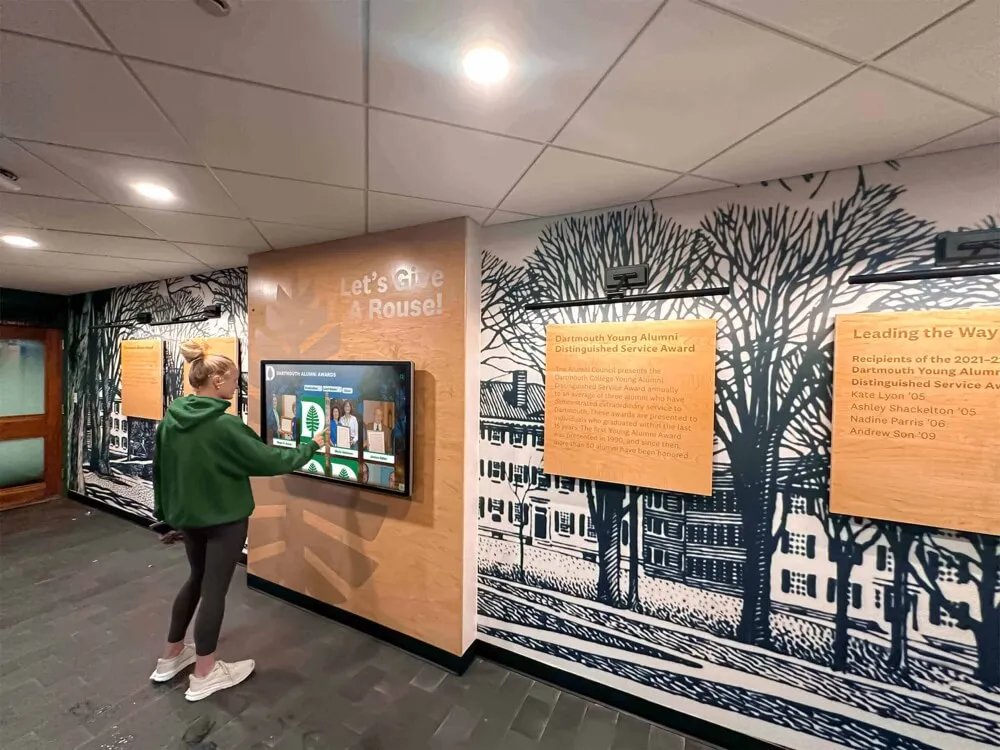




Delta Gamma chapters across the nation possess extraordinary legacies built by generations of remarkable women who embody the fraternity’s founding principles of personal development, service, and sisterhood. Yet many chapters struggle to effectively showcase these inspiring alumni stories, maintain connections with distinguished members across decades, and create recognition experiences that honor both historic contributions and contemporary achievements in ways that resonate with current members while celebrating the women who built strong chapter foundations.
The challenge is familiar to chapter officers, advisors, and alumni association leaders alike—scattered composite photographs stored in basements, limited wall space that forces difficult decisions about which eras to display, outdated bulletin boards that fail to capture the full richness of members’ accomplishments, and disconnected alumni populations who gradually drift away from chapters that meant so much during their college years. Traditional recognition approaches, while meaningful in their time, cannot adequately celebrate the breadth and depth of Delta Gamma excellence spanning founding members through today’s active sisters.
Whether you’re a chapter president seeking to enhance your physical space, an alumni association board member working to reconnect graduates from different eras, a national organization professional supporting chapters with recognition guidance, or a house corporation trustee planning facility renovations that should include heritage recognition, this guide provides practical frameworks for celebrating Delta Gamma excellence in ways that honor tradition while leveraging modern engagement strategies.
The Importance of Alumni Recognition in Delta Gamma Chapters
Before implementing specific display solutions, understanding why alumni recognition matters helps chapters make strategic investments that deliver sustained value beyond immediate aesthetics.
Strengthening Sisterhood Connections Across Generations
Delta Gamma’s emphasis on “Do Good” and lifelong sisterhood extends far beyond undergraduate years—yet maintaining these connections requires intentional effort as members graduate, relocate, and build post-college lives.
Creating Visible Bonds Between Past and Present
Alumni spotlight displays make sisterhood tangible for current members by showing concrete examples of the women who came before them. When active sisters see photographs, read biographies, and discover accomplishments of members from previous decades—learning about career achievements, community service, family legacies, and continued Delta Gamma involvement—they understand their membership as part of something larger than their immediate four-year experience. This expanded perspective strengthens commitment while providing inspiration for members’ own post-graduate paths.
According to research on Greek life engagement from higher education professionals, visual representation of organizational history significantly increases current members’ identification with fraternal values and traditions. When members can point to specific alumni whose stories resonate personally, abstraction becomes concrete and organizational identity deepens.
Facilitating Cross-Generational Relationships
Recognition displays create natural conversation starters between alumni and current members during homecoming events, initiation weekends, and chapter house visits. Rather than awkward introductions with little common ground beyond shared affiliation, displays provide specific references—“I saw your profile on the alumni wall” or “I read about your career in marine biology”—that facilitate meaningful connections supporting mentorship, professional networking, and genuine friendships spanning age differences.
These intergenerational relationships represent one of Greek life’s most valuable but underutilized benefits. Effective recognition infrastructure helps realize this potential by making individual alumni visible, accessible, and interesting to members who never knew them during undergraduate years.
Preserving Chapter History and Institutional Memory
As undergraduate membership turns over completely every four years, organizational memory deteriorates rapidly without systematic preservation efforts. Alumni spotlight displays provide accessible archives protecting chapter heritage.
Documenting Chapter Evolution
Each Delta Gamma chapter possesses unique history shaped by its founding circumstances, campus culture, challenges overcome, and traditions developed across decades. Individual member stories collectively illustrate this institutional narrative—showing how chapters responded to changing campus dynamics, weathered difficult periods, celebrated achievements, and evolved while maintaining core values established at founding.
Recognition displays that comprehensively document membership across eras create visual timelines demonstrating chapter persistence, resilience, and growth. This documentation becomes particularly valuable during milestone anniversaries, when chapters compile institutional histories, or when organizations reopen after closures and need to reconnect with pre-closure identity and traditions.
Protecting Against Memory Loss
Without systematic documentation, chapter history exists primarily in the memories of older alumni who attended during specific eras. As these members age and pass away, their unique knowledge disappears unless captured through deliberate preservation efforts. Delta Gamma’s national digital archives project, which partnered with HistoryIT in 2026 to digitize over 150 years of archival treasures, demonstrates organizational recognition that preserving history requires intentional action rather than passive accumulation of materials.
Chapter-level recognition displays complement national preservation by documenting local histories that national archives may not fully capture—individual chapter traditions, significant local events, relationships among members from specific eras, and campus-specific experiences that shaped chapter identity.
Inspiring Current Members Through Role Model Visibility
Delta Gamma’s emphasis on personal development and leadership development finds practical expression when current members encounter concrete examples of excellence embodied by alumni who traveled similar paths.
Demonstrating Possible Futures
When members explore alumni spotlight displays and discover sisters who became physicians, attorneys, entrepreneurs, educators, nonprofit leaders, elected officials, artists, and successful professionals across every field, they see expanded possibilities for their own futures. Rather than abstract encouragement to “achieve great things,” specific alumni stories provide roadmaps showing how Delta Gamma experiences, values, and networks contributed to post-collegiate success.
This inspiration proves particularly powerful for first-generation college students, members from underrepresented backgrounds, or those uncertain about career directions. Seeing alumni who shared similar circumstances succeed in diverse fields provides both hope and practical insight about pathways from college to accomplished careers.
Reinforcing Values Through Living Examples
Delta Gamma’s founding principles of personal responsibility, intellectual growth, and meaningful contribution to society become more than idealistic abstractions when members encounter alumni who embody these values throughout distinguished lives. Highlighting famous alumni achievements demonstrates organizational values in action rather than merely stating them rhetorically.
Alumni who balance demanding careers with family commitments, maintain active service involvement while building professional success, or demonstrate ethical leadership in challenging environments provide powerful testimonies that Delta Gamma values translate into practical guidance for navigating complex adult lives with integrity and purpose.
Understanding Delta Gamma’s Unique Recognition Context
Effective alumni spotlight displays reflect Delta Gamma’s specific history, symbols, values, and organizational culture rather than applying generic recognition approaches that fail to honor fraternity distinctiveness.
Delta Gamma History and Heritage
Understanding organizational background helps chapters create recognition that authentically reflects Delta Gamma identity and resonates with members across generations.
Founding and Mission
Delta Gamma Fraternity was founded on December 25, 1873, at the Lewis School for Girls in Oxford, Mississippi, by three young women—Anna Boyd Ellington, Eva Webb Dodd, and Mary Comfort Leonard. These founders established an organization emphasizing education, cultural growth, and the development of the highest type of womanhood. This founding mission centered on personal development and lifelong growth continues to define Delta Gamma more than 150 years later.
The Christmas Day founding holds special significance in Delta Gamma tradition, symbolizing rebirth, hope, and the gift of sisterhood. Recognition displays that acknowledge this founding story help current members understand the historical courage required to establish one of the first women’s fraternities during an era when higher education opportunities for women remained severely limited.
Expansion and Growth
From its Mississippi origins, Delta Gamma expanded to become an international organization with over 250,000 initiated members and active collegiate chapters across North America. This growth reflects both the appeal of Delta Gamma’s values and the determination of members who established new chapters, often facing resistance on campuses with limited Greek life or conservative attitudes toward women’s organizations.
Chapter-specific recognition should honor local founding stories—the women who brought Delta Gamma to particular campuses, overcame establishment challenges, and built chapter traditions that persist across generations. These founding mother stories represent particularly compelling recognition content connecting current members to chapters’ specific origins.
Delta Gamma Symbols and Visual Identity
Recognition displays should incorporate Delta Gamma’s distinctive symbols and colors in ways that create immediate visual identification while honoring fraternity traditions.
Official Symbols
The anchor serves as Delta Gamma’s official symbol, representing hope—one of the three theological virtues and a central theme in fraternity philosophy. The anchor appears throughout Delta Gamma iconography, from the official badge to chapter facility décor, symbolizing steadfastness, stability, and the hope that anchors members through life’s challenges and opportunities.
Recognition displays incorporating anchor imagery create immediate visual connections to Delta Gamma identity while symbolically representing alumni as anchors for current members—providing stability, guidance, and hope through their examples and continued involvement.
Colors and Aesthetics
Delta Gamma’s official colors are bronze, pink, and blue. Bronze represents strength, pink symbolizes sincerity, and blue signifies loyalty. Effective recognition displays incorporate these colors in ways that create sophisticated, cohesive aesthetics rather than overwhelming or garish designs.
The cream-colored rose, registered as the Delta Gamma Heritage Rose, serves as the fraternity flower. Visual incorporation of rose imagery in recognition displays—whether through photographic elements, decorative accents, or digital interface designs—creates additional connections to fraternity tradition while adding elegance to overall presentations.
Delta Gamma Values and “Do Good” Philosophy
Recognition content should reflect and celebrate the distinctive values that define Delta Gamma membership and guide members’ personal and professional lives.
Core Values
Delta Gamma’s three founding principles established in 1873—fostering high ideals of friendship, promoting educational and cultural interests, and creating in members a true sense of social responsibility—continue to guide organizational priorities. Alumni spotlight content that demonstrates how members embody these principles throughout distinguished careers and meaningful community involvement reinforces these values for current members while honoring alumni who exemplify Delta Gamma ideals.
“Do Good” Commitment
Delta Gamma’s simple but profound motto, “Do Good,” encapsulates the fraternity’s emphasis on service, ethical living, and positive contribution to communities and society. This commitment extends beyond isolated volunteer activities to represent a comprehensive approach to life characterized by purposeful action, integrity, and concern for others’ wellbeing.
Alumni recognition should highlight diverse ways members “do good” throughout their lives—through careers serving others, volunteer leadership in nonprofit organizations, community activism, mentorship of younger professionals, and countless other contributions large and small that collectively demonstrate Delta Gamma’s commitment to making meaningful differences in the world. For comprehensive approaches to recognizing service and achievement, explore strategies for preserving fraternity and sorority history that honor both individual members and organizational values.
Types of Delta Gamma Alumni Spotlight Display Solutions
Chapters can choose from multiple recognition approaches, each with distinct advantages depending on chapter size, budget, available space, and engagement objectives.
Traditional Physical Recognition Displays
Conventional recognition approaches remain relevant for chapters preferring tangible, permanent installations that don’t require technology infrastructure.
Composite Photograph Walls
Annual composite photographs represent the most traditional form of Greek life recognition, documenting each year’s membership through formal group portraits. When properly displayed in chapter houses or dedicated heritage rooms, composites create visual timelines showing chapter evolution across decades.
However, traditional composite displays face significant challenges. Physical wall space limits how many years can be displayed simultaneously, forcing difficult decisions about which eras remain visible and which move to storage. Composites deteriorate over time through fading, warping, and physical damage. Individual members within group photographs remain unidentified unless viewers possess prior knowledge, limiting these displays’ ability to tell individual stories or facilitate specific alumni connections.
Individual Plaque Recognition
Mounted plaques honoring specific alumni—chapter founders, officers, award recipients, or distinguished members—provide more individualized recognition than group composites. Well-designed plaque programs allow adding new honorees annually while maintaining consistent aesthetic presentation.
Limitations include significant per-person costs (typically $200-500 per custom plaque), space constraints as recognition accumulates across years, inflexibility once plaques are manufactured and mounted, and inability to include detailed biographical information, photographs, or multimedia content that brings alumni stories to life.
Heritage Display Cases
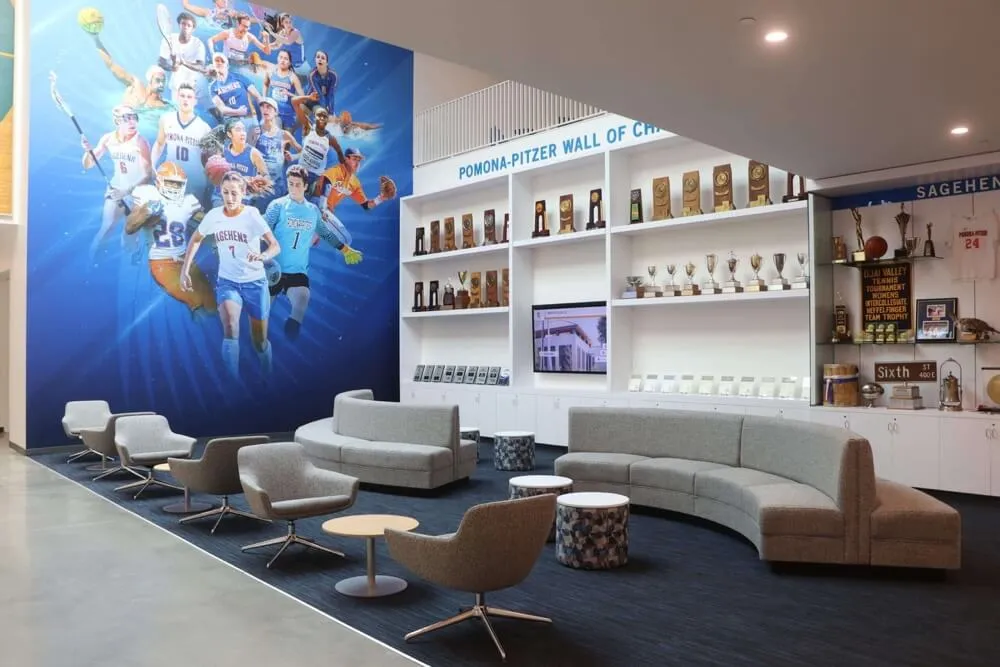
Physical display cases showcasing chapter memorabilia—founding documents, historical photographs, awards, significant artifacts, and documents—create museum-style heritage presentations. These displays work particularly well for chapters with significant historical collections or during milestone anniversary celebrations.
Effective heritage cases require professional curation ensuring appropriate archival preservation while creating engaging presentations. They work best as complements to rather than substitutes for comprehensive member recognition, providing context about organizational history while other approaches celebrate individual alumni.
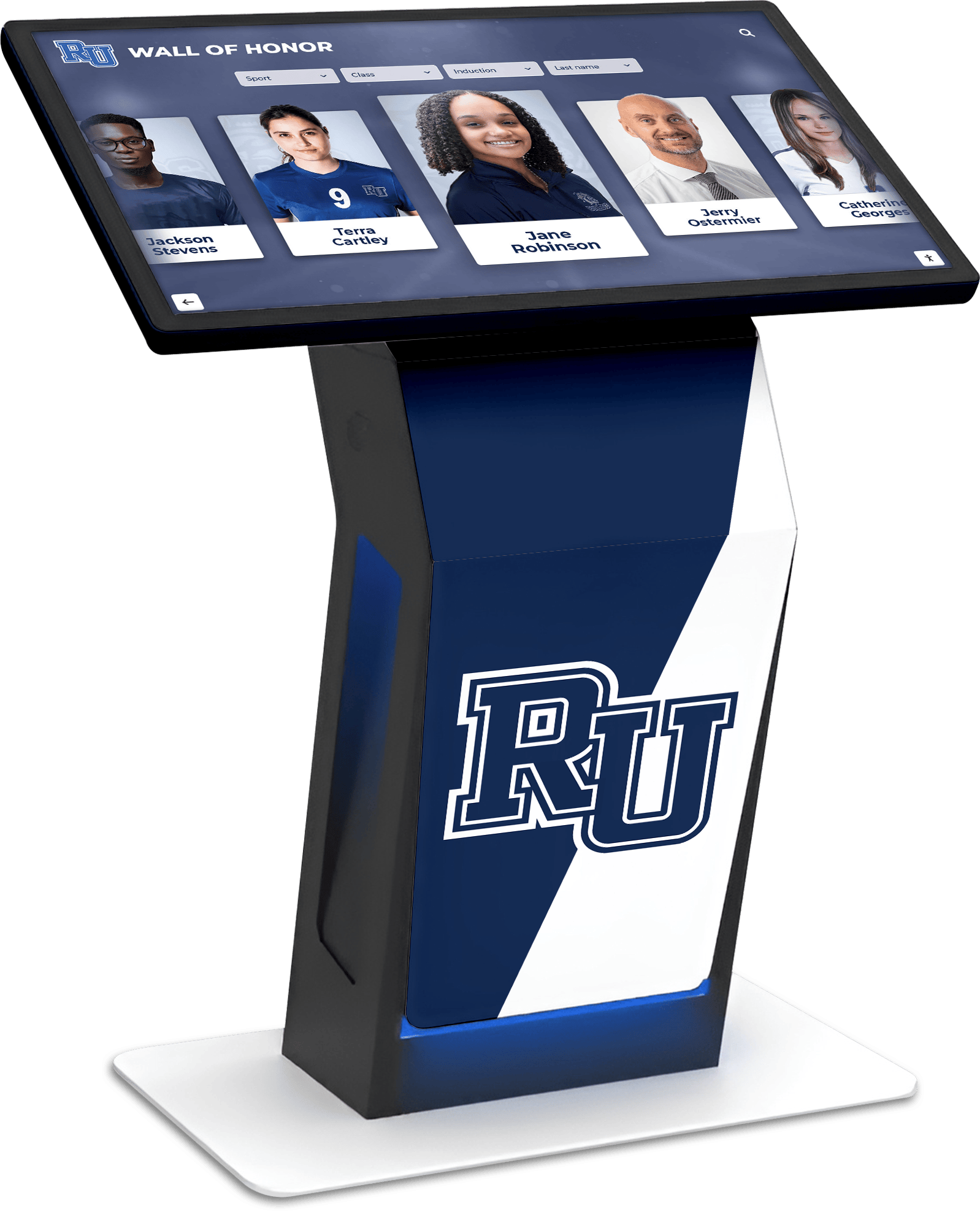
Digital Touchscreen Recognition Systems
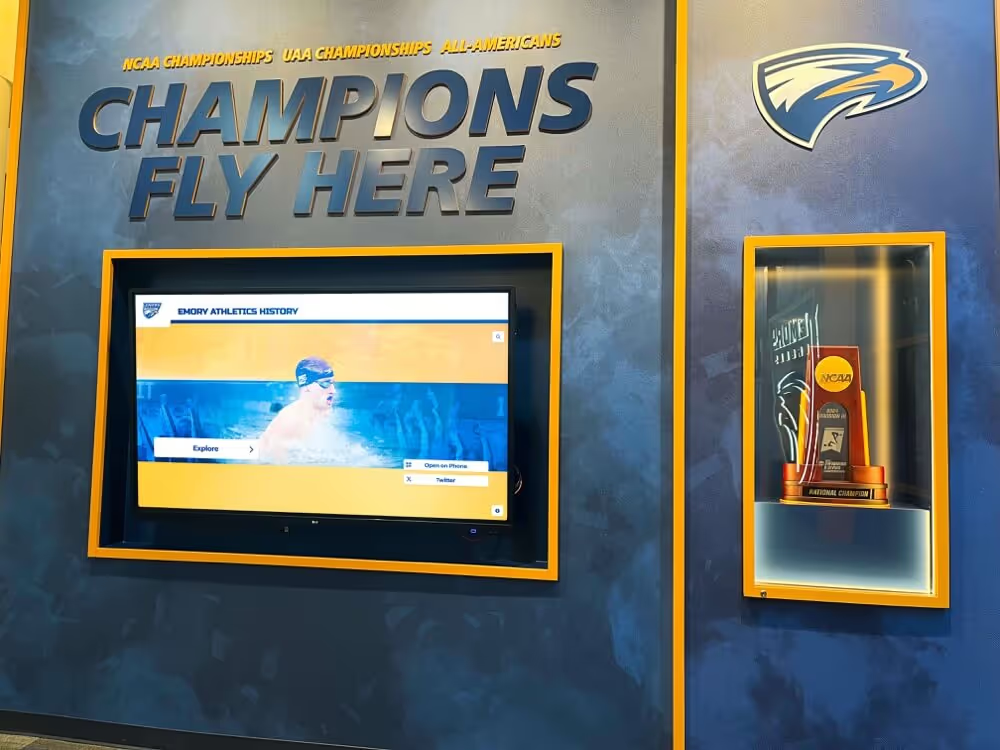
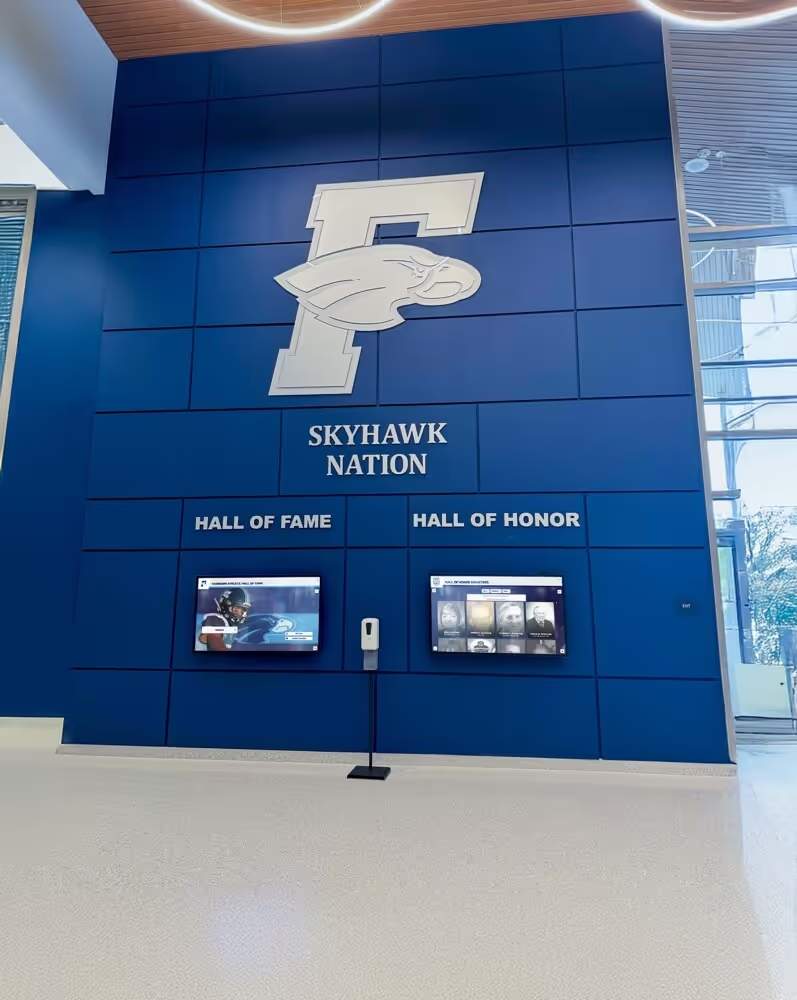
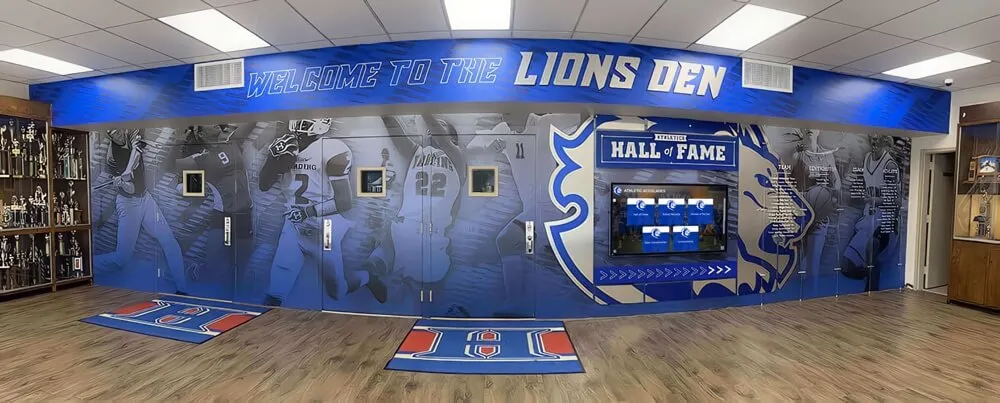
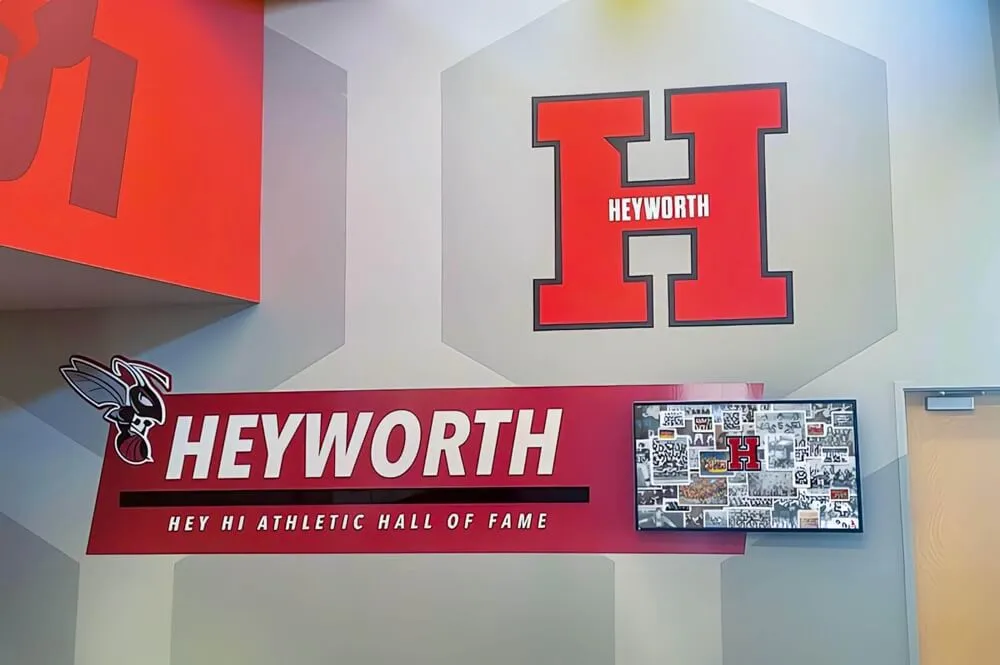
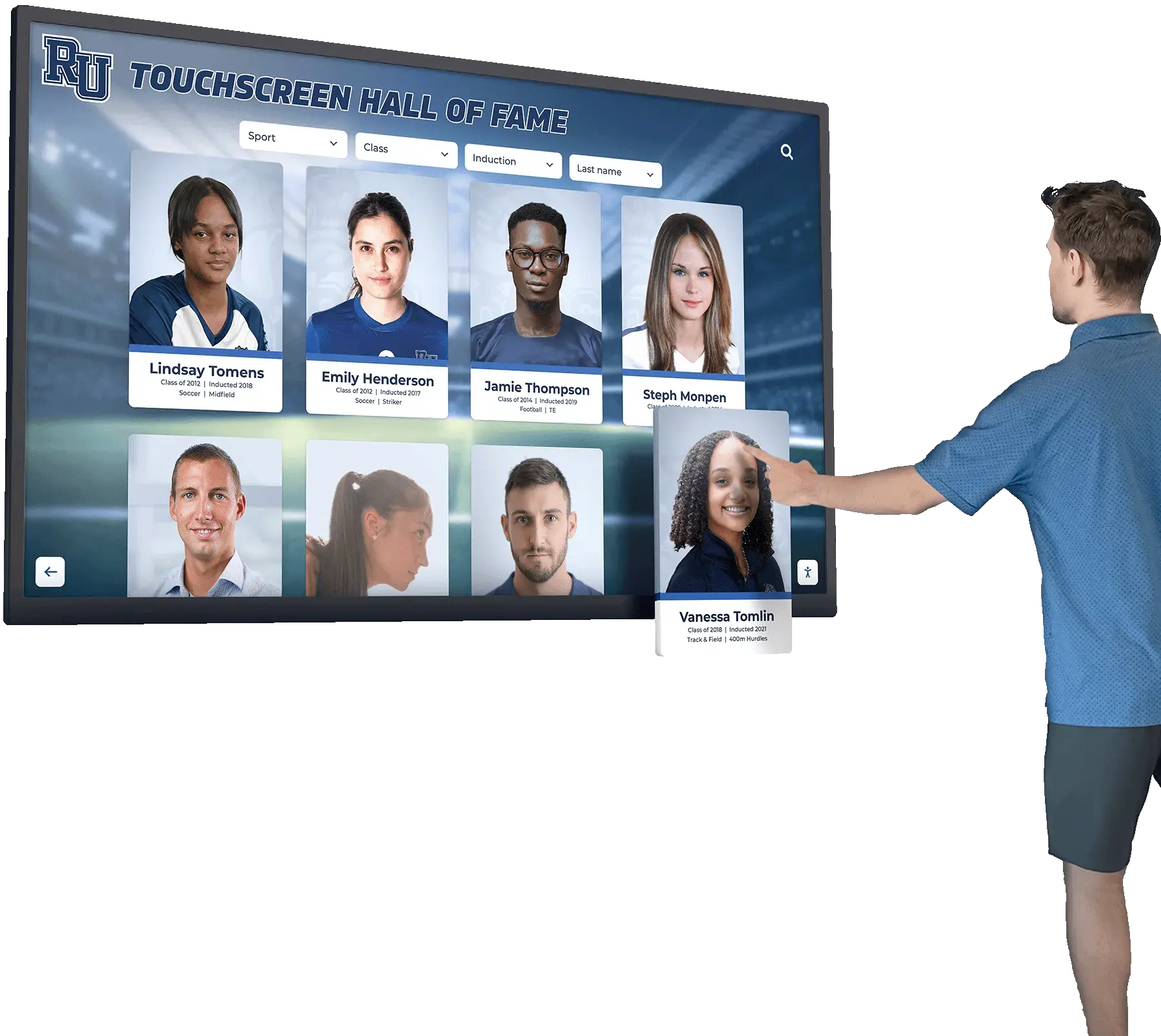
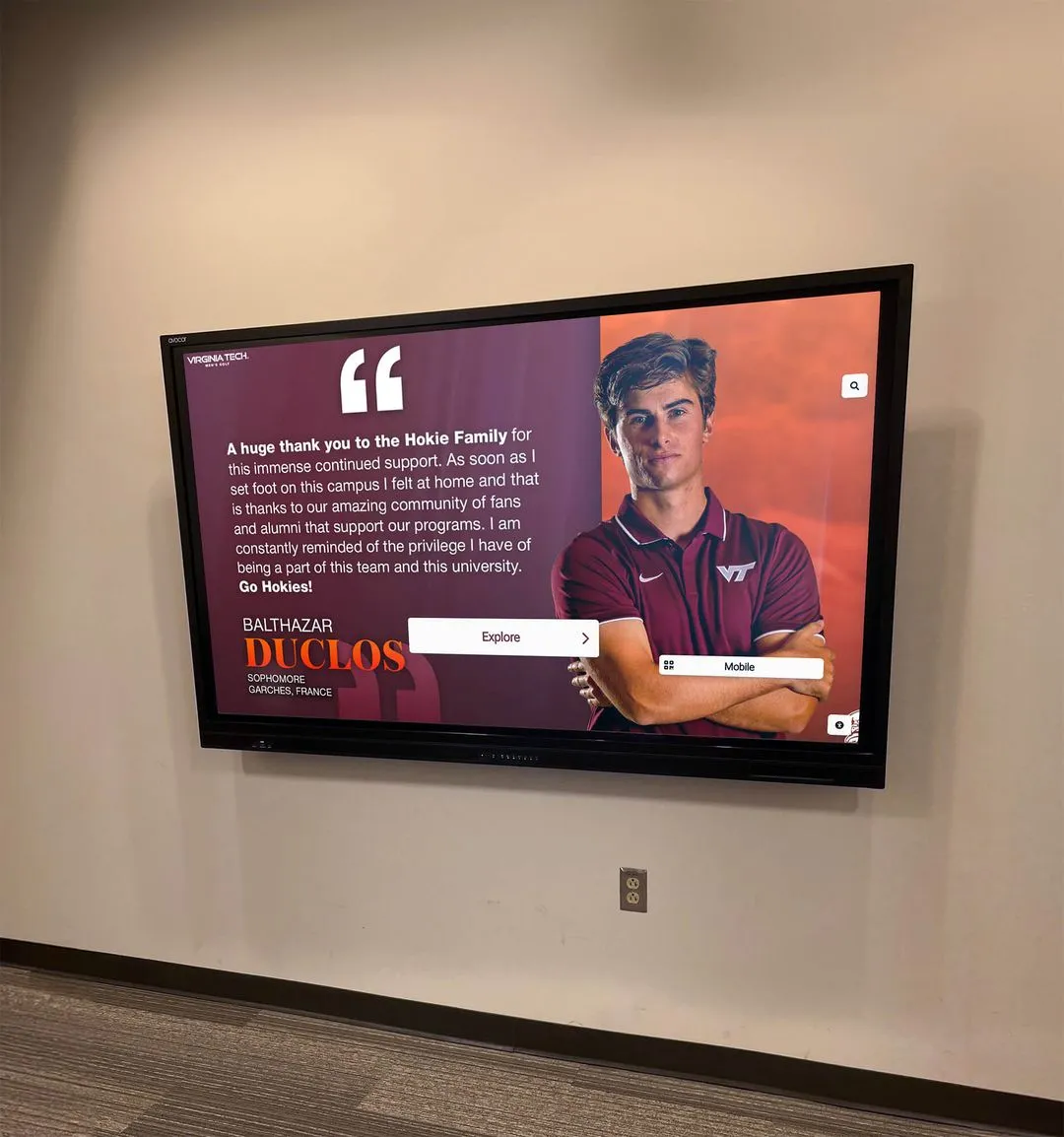
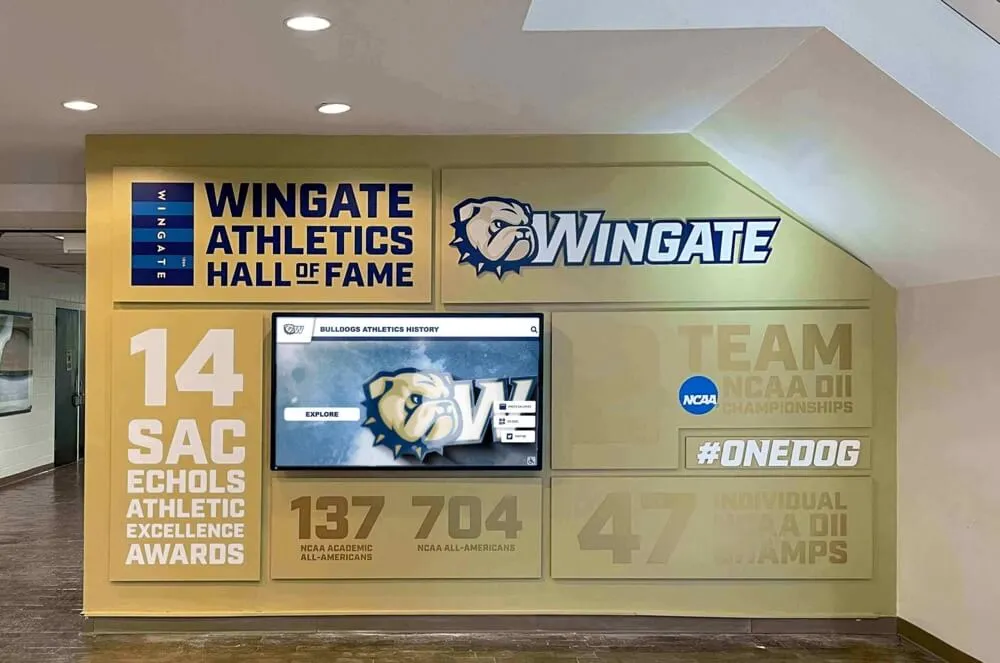
Interactive digital displays represent the most comprehensive solution for chapters seeking unlimited recognition capacity, rich multimedia storytelling, and engagement capabilities impossible with physical plaques or composites.
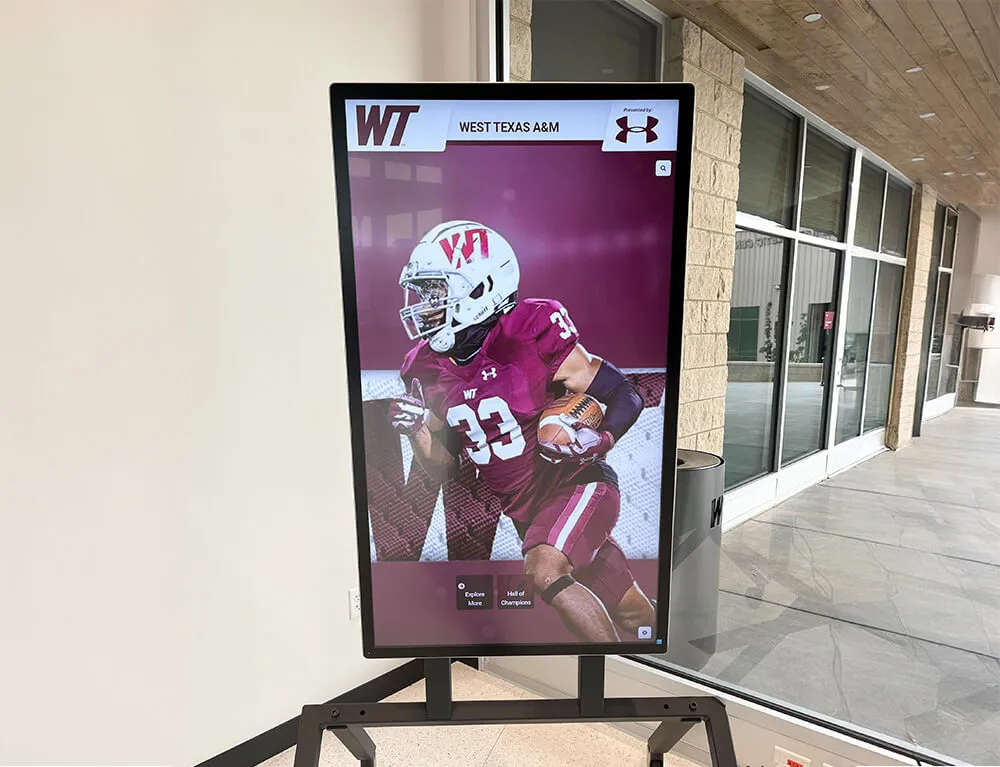
Freestanding Kiosk Installations
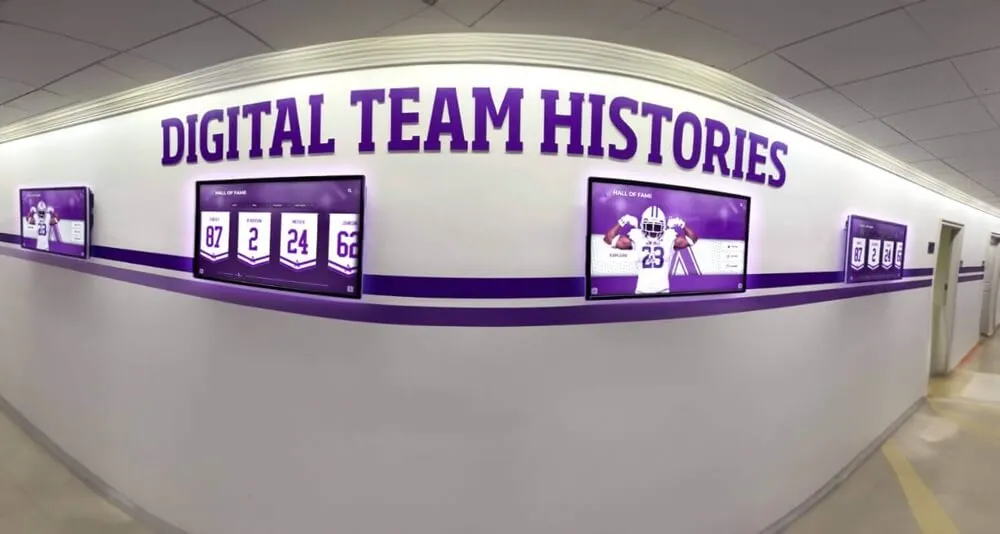
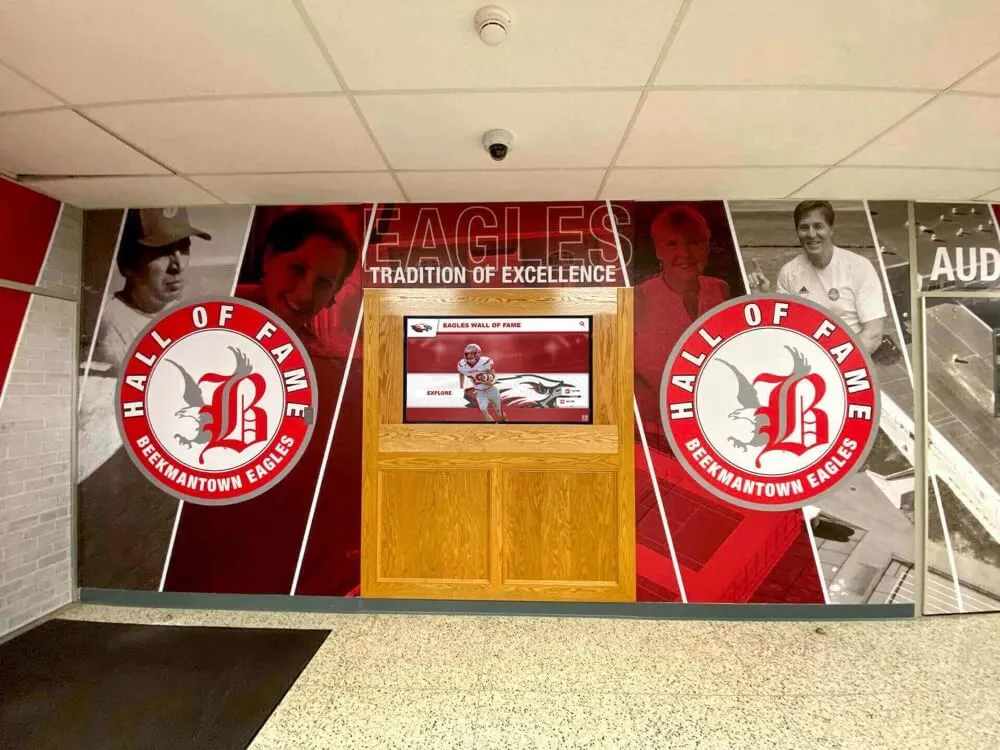
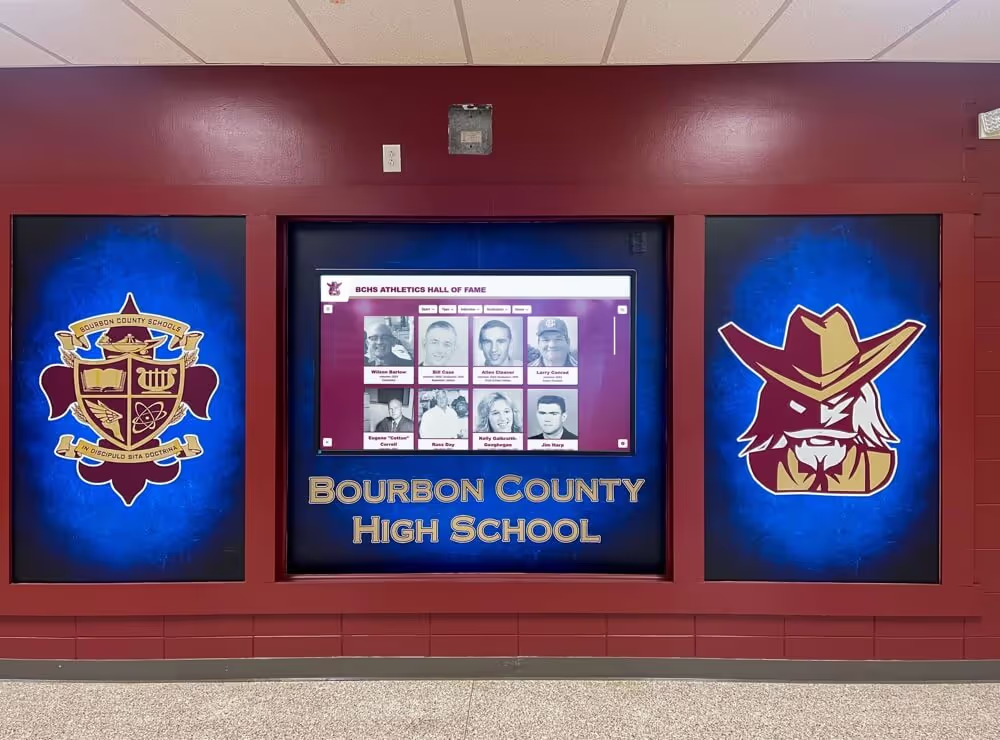
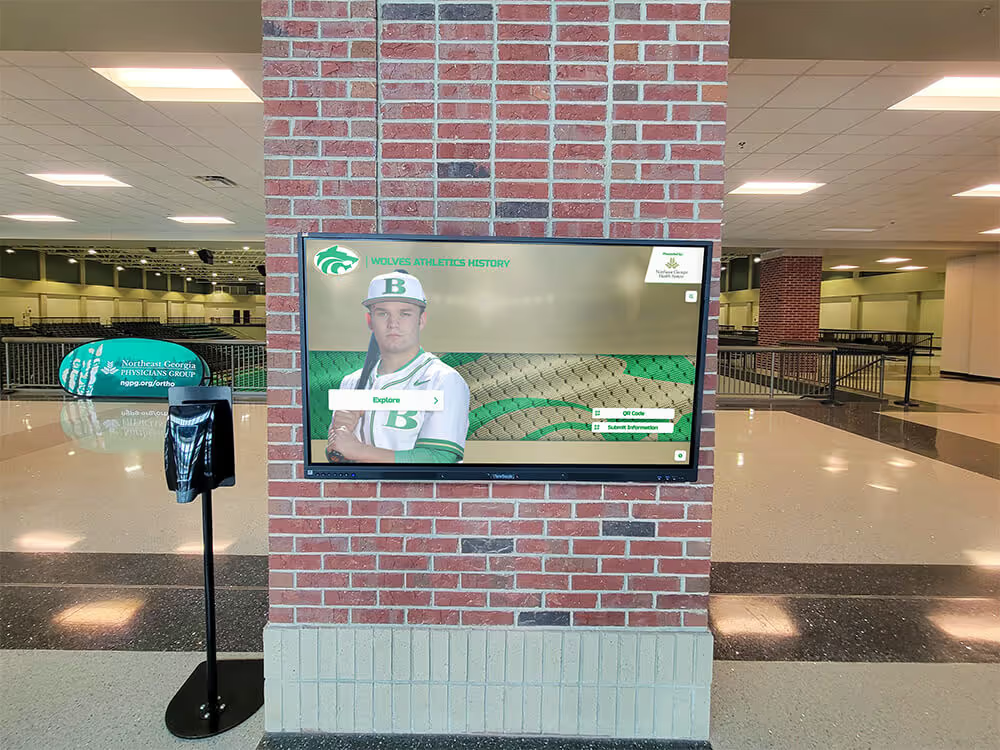
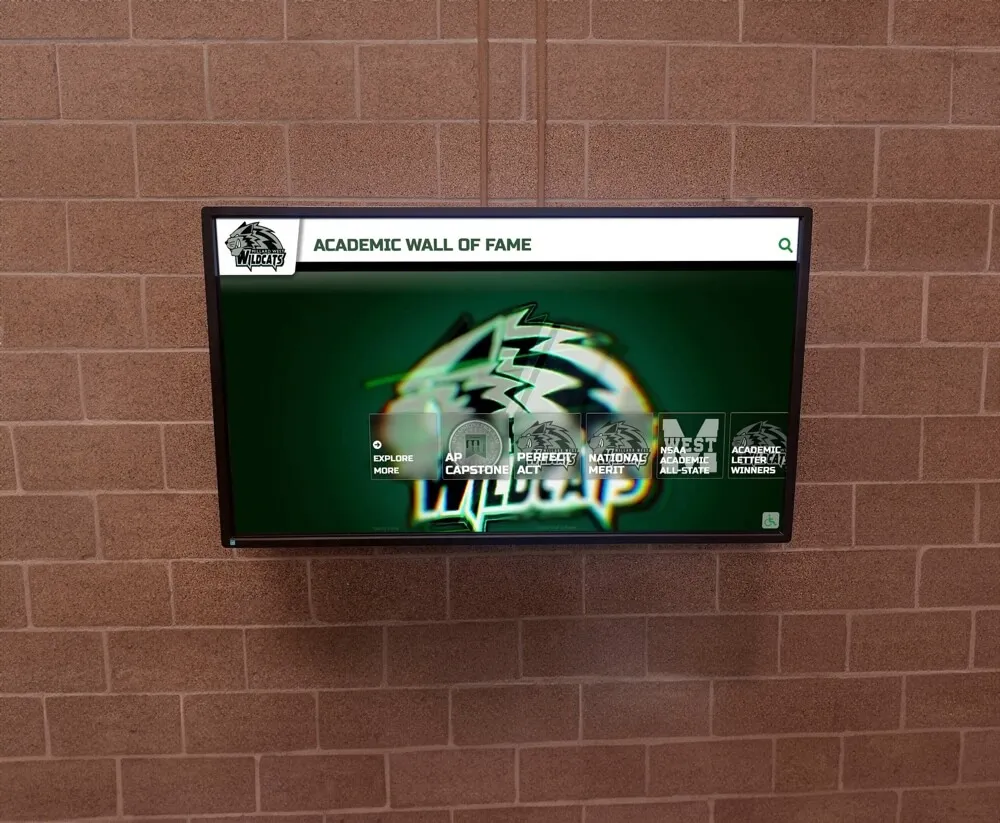
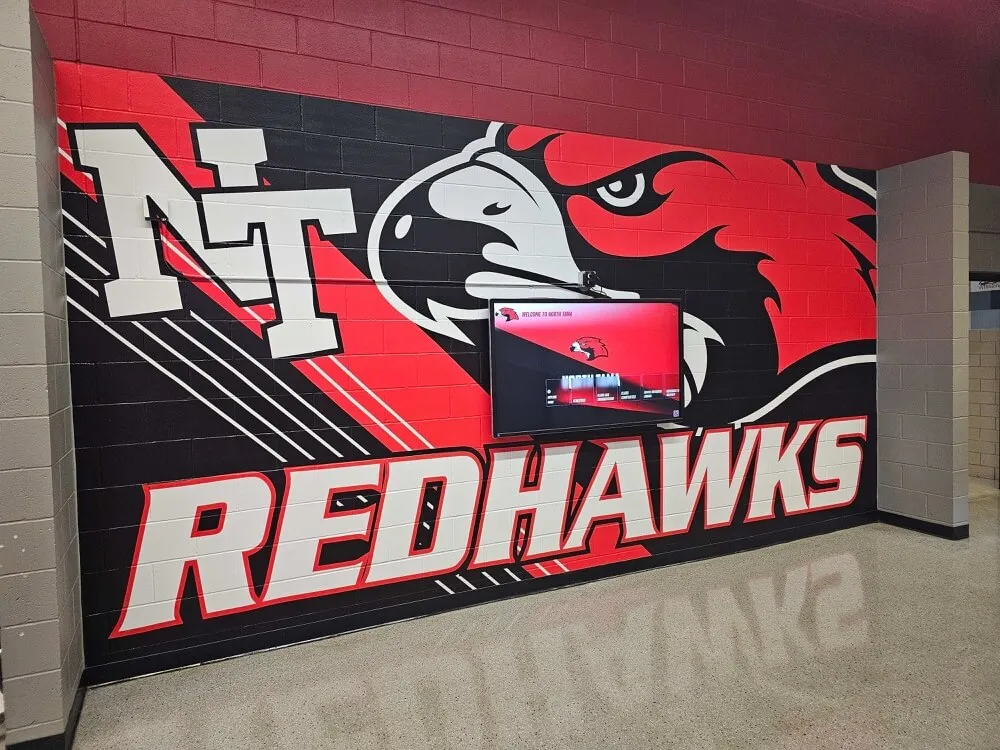
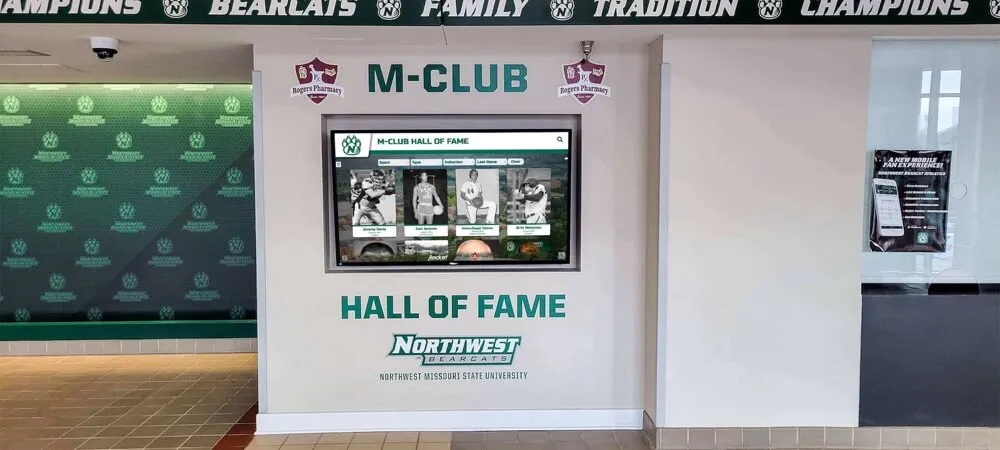
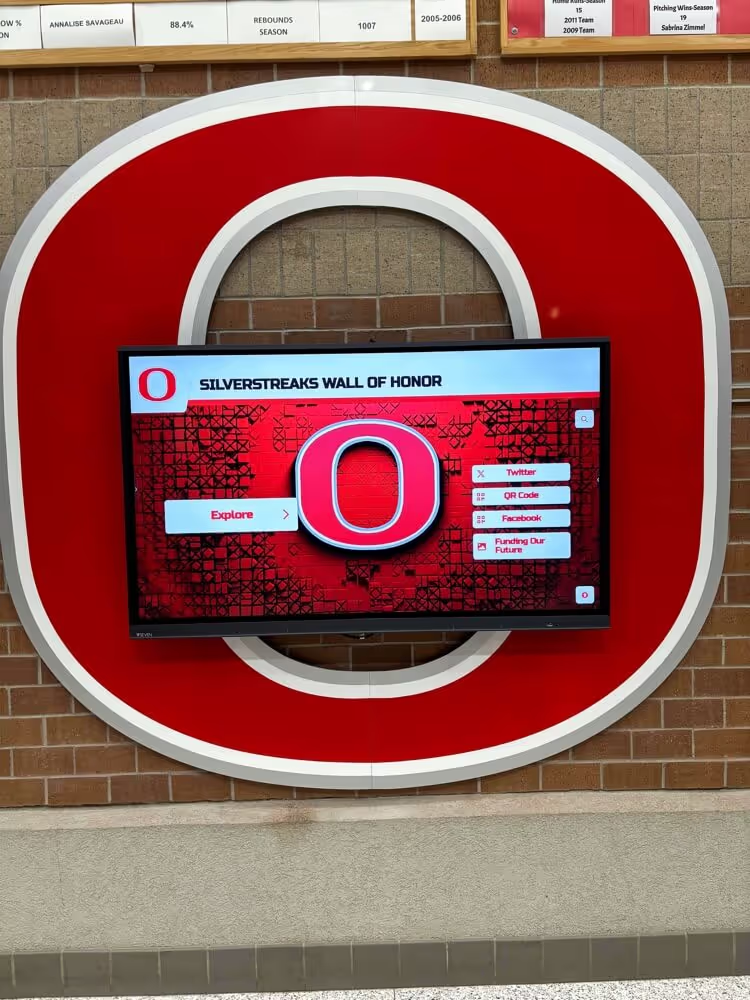
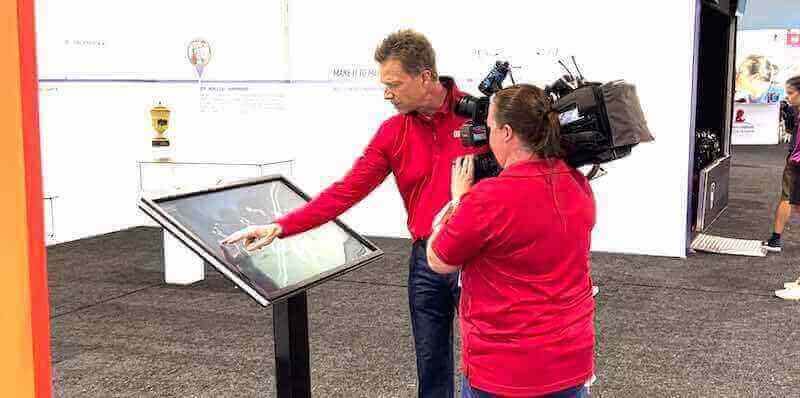
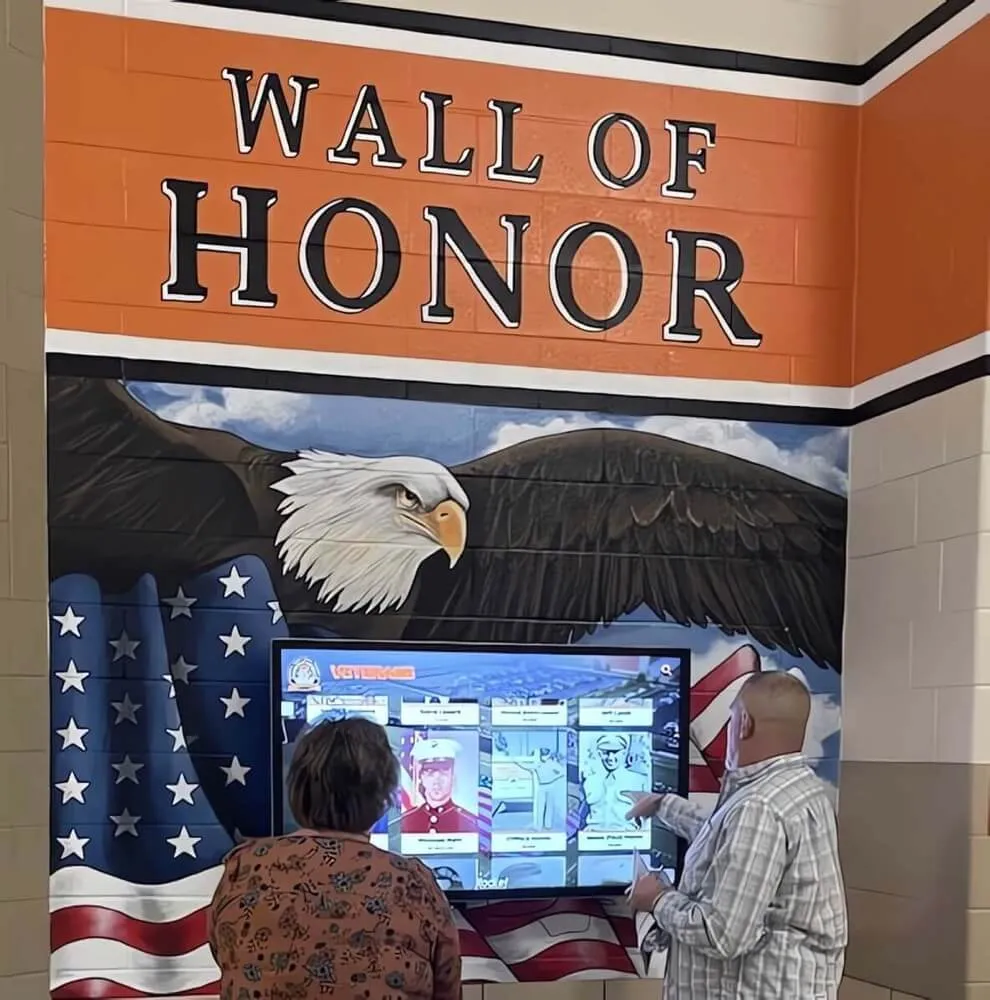
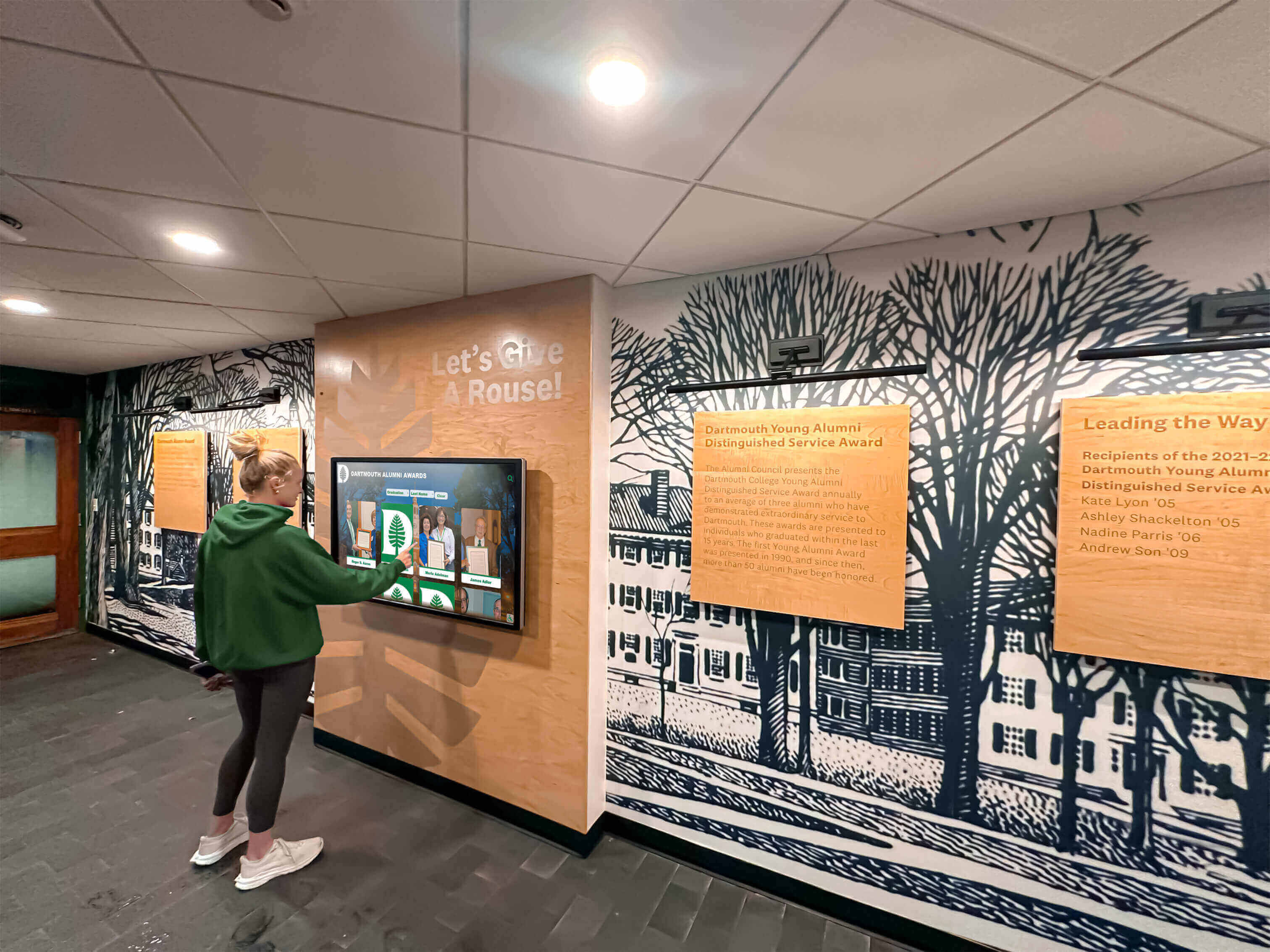
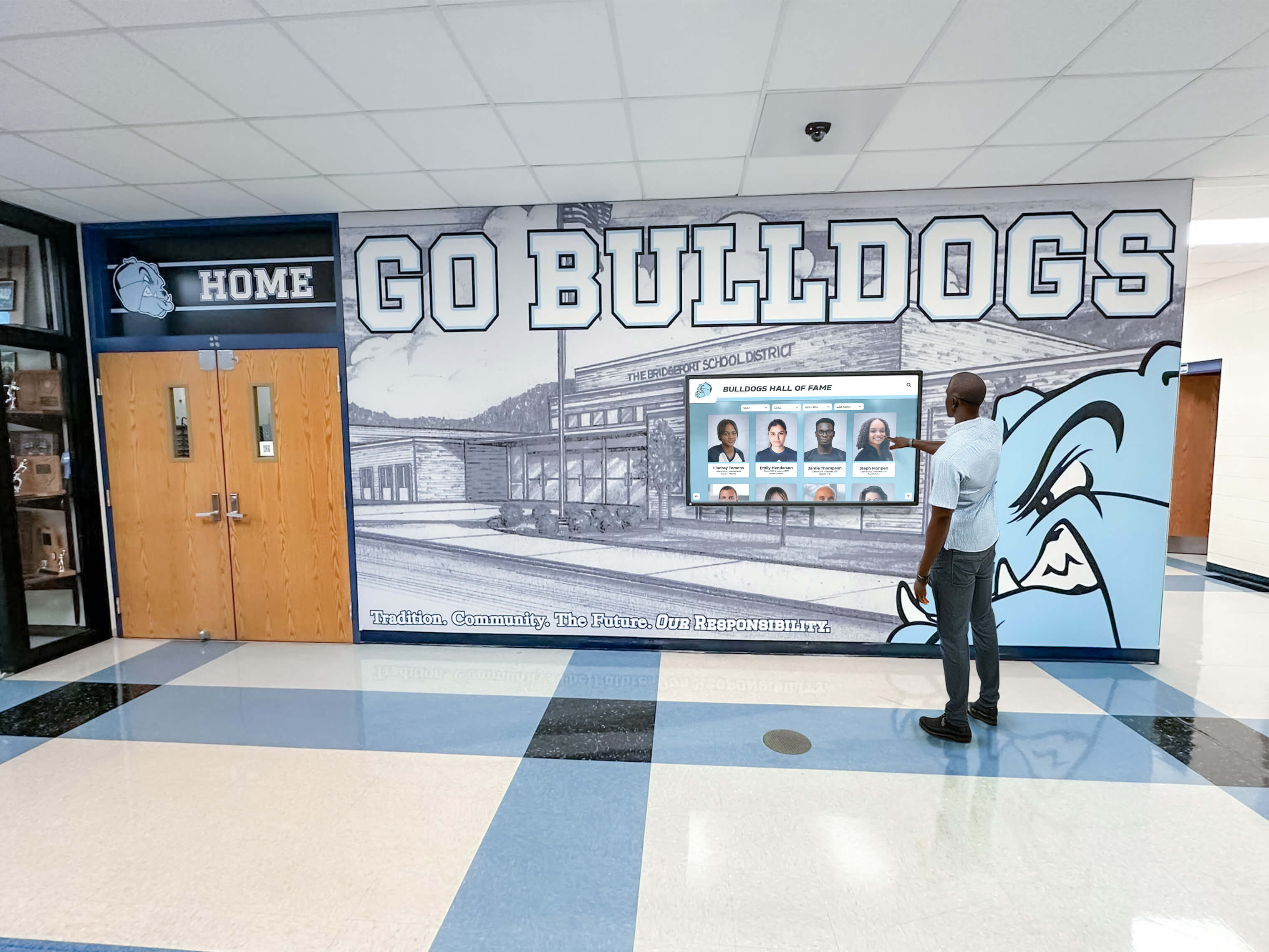
Purpose-built digital recognition kiosks combine commercial-grade touchscreen displays (typically 32-55 inches) with intuitive software enabling interactive exploration of member databases, historical content, and chapter information. These self-contained systems include all necessary hardware, mounting structures, and software in professional packages designed for public spaces in chapter houses, Greek life facilities, or alumni centers.
Key Advantages
Digital kiosks provide several compelling benefits:
- Unlimited Recognition Capacity: Display thousands of member profiles without requiring additional physical space—whether showcasing 50 years or 150 years of membership, the footprint remains constant
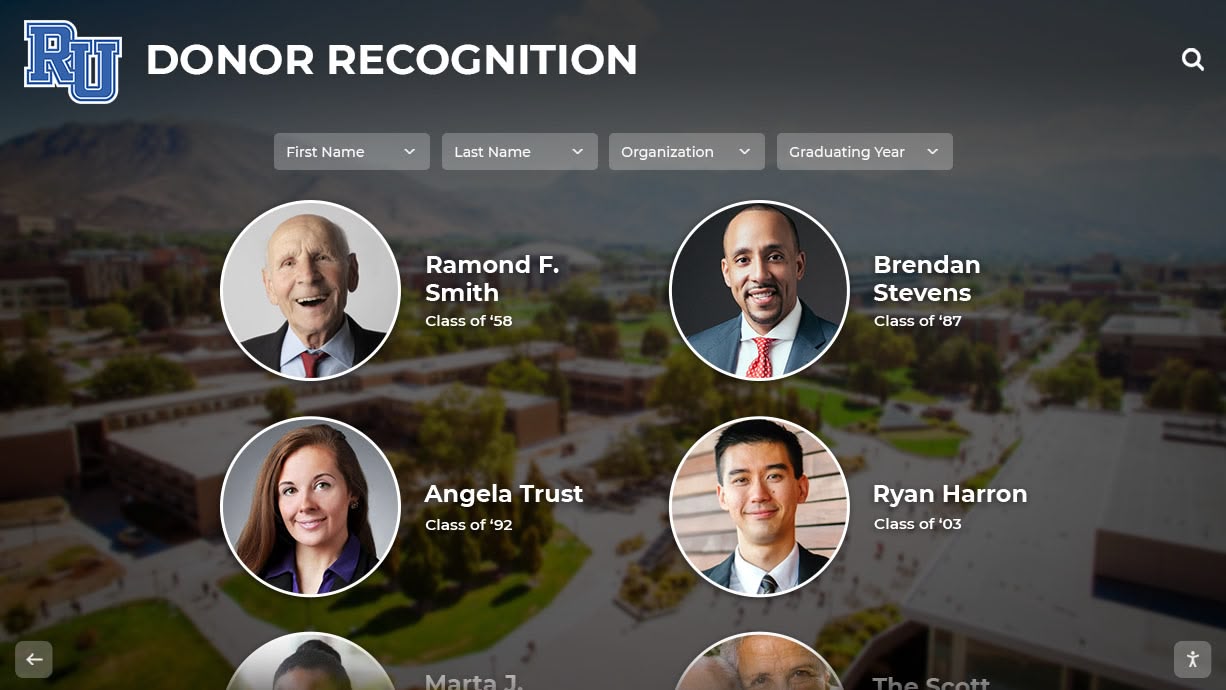
- Rich Multimedia Content: Incorporate photographs, biographical narratives, video content, career information, and links to professional profiles creating comprehensive member presentations impossible with physical plaques
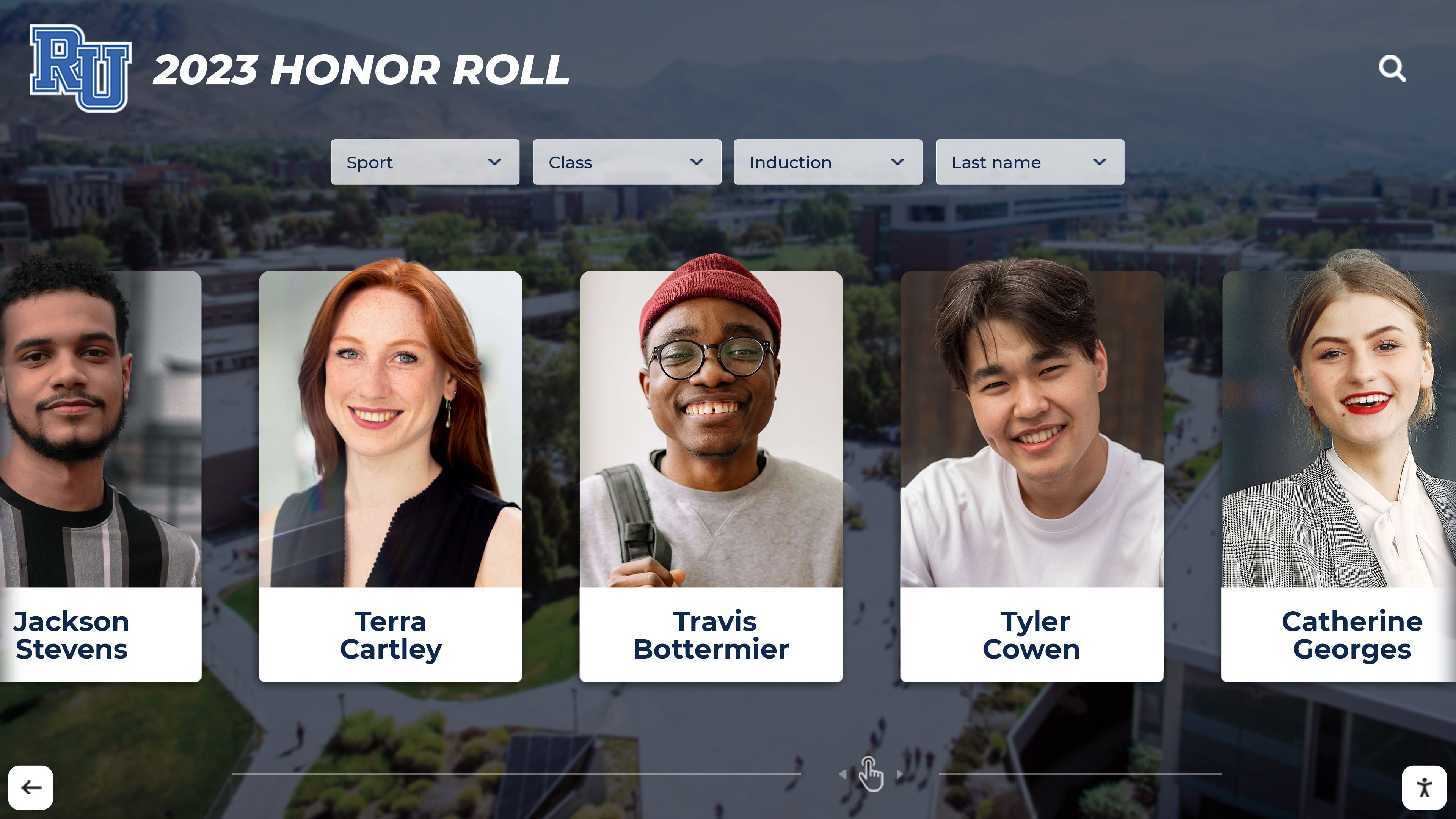
- Interactive Searching: Enable visitors to search by name, graduation year, major, career field, geographic location, or leadership positions—facilitating specific alumni discovery rather than requiring browsing hundreds of static plaques
- Easy Content Updates: Add new members, update alumni information, correct errors, and enhance existing profiles through administrative interfaces without physical modifications or manufacturing delays
- Engagement Analytics: Track which members receive most views, what content generates highest engagement, and how visitors interact with displays—providing data about recognition effectiveness impossible with traditional approaches
Implementation Considerations
Successful digital kiosk implementations require attention to location selection (high-traffic areas where members naturally gather), network connectivity (reliable internet for content updates and analytics), content development (comprehensive databases with member information and photographs), and ongoing administration (designated individuals responsible for maintaining current, accurate content).
Solutions like Rocket Alumni Solutions provide purpose-built platforms specifically designed for Greek life organizations, combining intuitive member databases with sophisticated search capabilities, customizable visual designs incorporating chapter colors and symbols, and comprehensive support services ensuring successful implementation and sustained use.
Web-Based Alumni Directories and Recognition Portals
Online platforms complement physical recognition by extending access to chapter history and member profiles beyond facility locations, serving geographically distributed alumni populations.
Public-Facing Recognition Websites
Dedicated websites showcase chapter history, member achievements, and organizational information accessible to current members, alumni, prospective members, and the broader public. Well-designed recognition websites function as digital museums celebrating chapter heritage while supporting recruitment, fundraising, and alumni engagement objectives.
Effective alumni recognition websites include searchable member directories with profiles, photographs, and biographical information; historical timelines documenting chapter evolution and significant milestones; composite galleries preserving annual photographs with member identification; and featured alumni spotlights highlighting particularly distinguished or interesting members with detailed stories.
Member-Only Alumni Platforms
Private online communities accessible only to initiated members provide more intimate spaces for alumni networking, chapter updates, and internal recognition that may include information inappropriate for public websites. These platforms support ongoing relationships among alumni while connecting graduates with current undergraduates for mentorship and networking.
Integration between public recognition websites and private alumni platforms creates comprehensive ecosystems serving multiple engagement needs through coordinated approaches rather than disconnected, redundant systems requiring separate administration.
Mobile Application Integration
Smartphone apps extend alumni recognition and engagement into members’ daily digital lives, enabling convenient access to chapter information, member directories, event calendars, and communication channels. Mobile-optimized recognition content ensures accessibility regardless of device or location, important for serving alumni populations that primarily interact with digital content through phones rather than desktop computers.
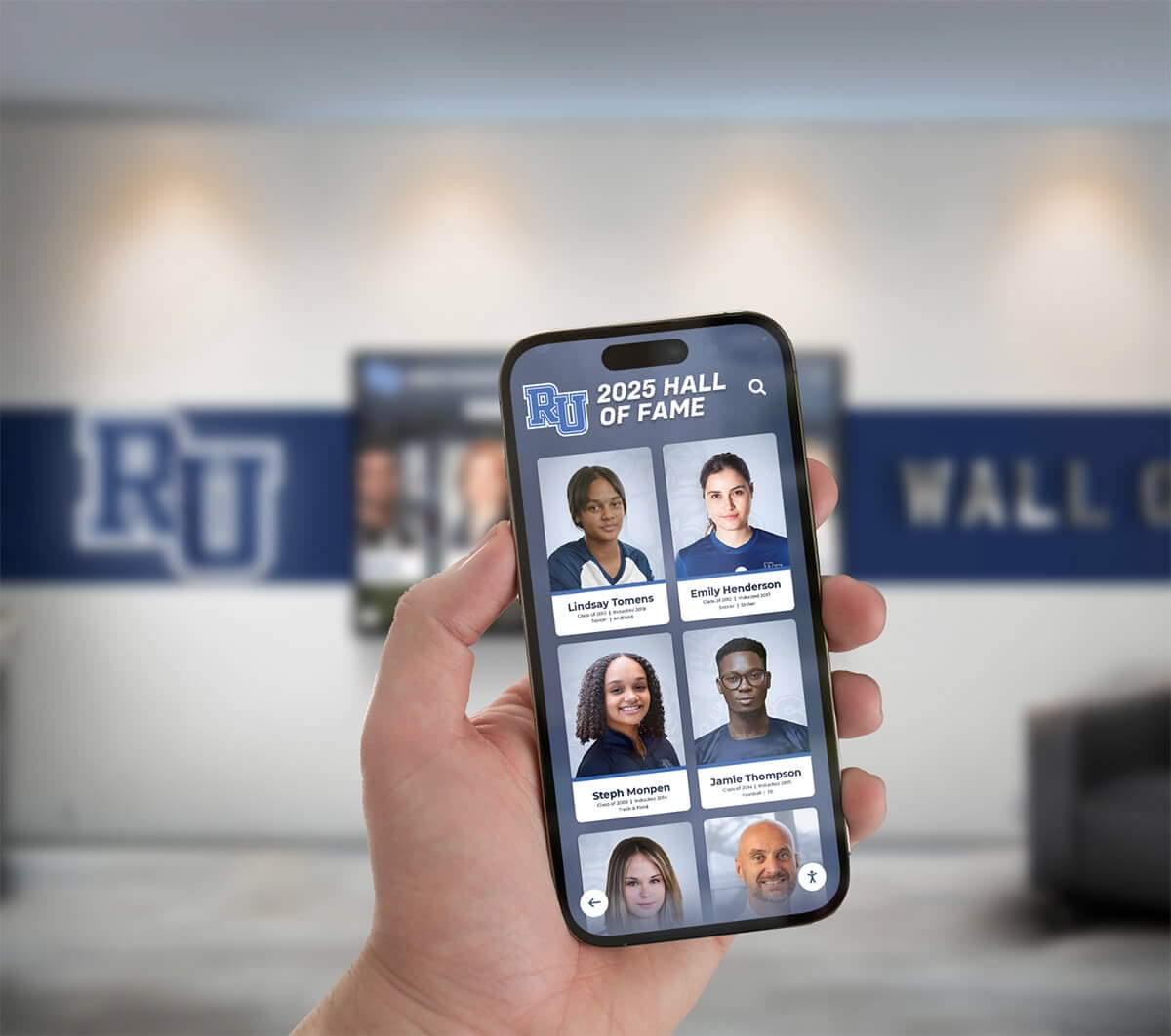
Hybrid Approaches Combining Multiple Recognition Methods
The most sophisticated recognition strategies leverage multiple complementary approaches rather than relying exclusively on single solutions.
Physical and Digital Integration
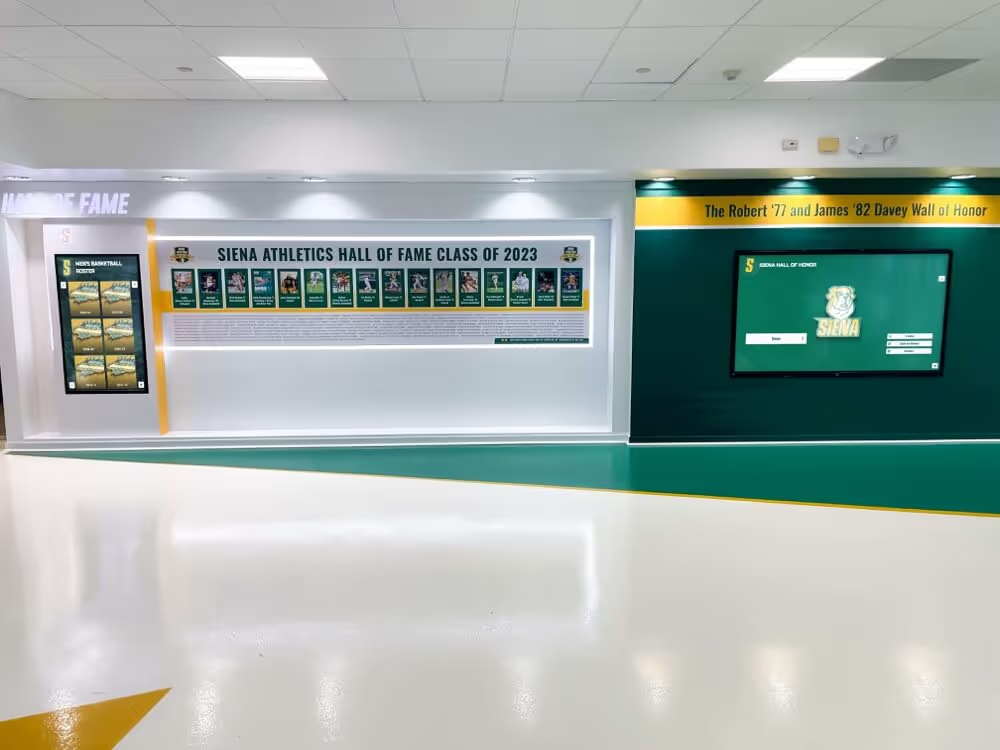
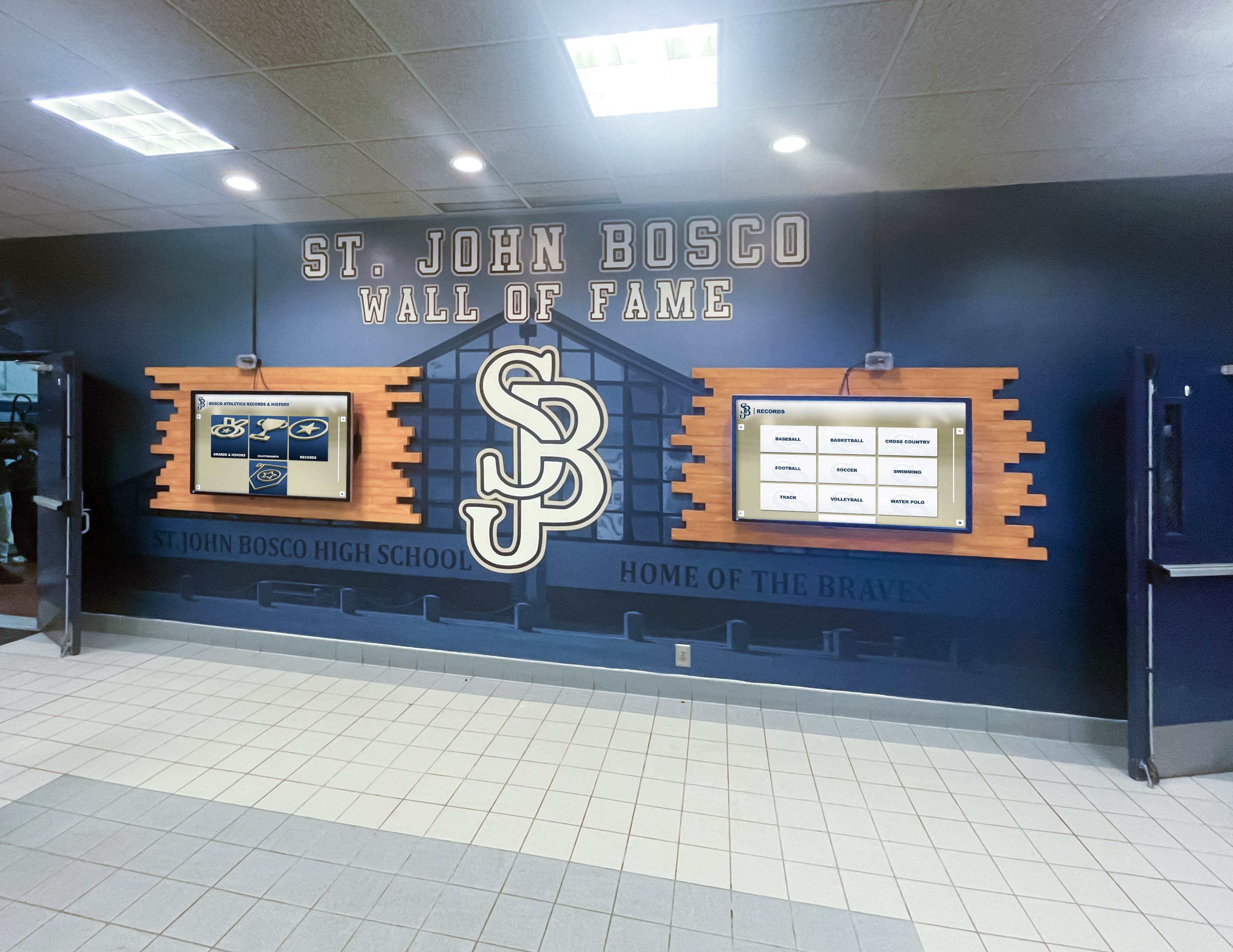
Chapters might combine prominent digital touchscreen kiosks for comprehensive, searchable recognition with selected physical plaques honoring chapter founders, major donors, or award recipients receiving special designation. This integration provides both the capacity advantages of digital systems and the tangible permanence of physical recognition for members receiving highest honors.
Chapter Facility and Web Platform Coordination
Synchronized content between in-house digital displays and public websites ensures consistency while extending recognition beyond physical locations. Alumni visiting chapter houses encounter the same comprehensive information available to those accessing websites from distant locations, creating seamless recognition experiences regardless of how members choose to engage.
Composite Digitization and Interactive Display
Many chapters possess decades of historical composites representing valuable heritage but facing deterioration in storage or display. Professional digitization transforms these physical artifacts into permanent digital archives that can be displayed through interactive systems allowing searching for specific members, viewing high-resolution images impossible when composites hang on walls, and accessing historical photographs from anywhere via web platforms. This approach preserves heritage while dramatically expanding accessibility and usability compared to physical composites alone.
For guidance on comprehensive digitization approaches, explore resources about creating searchable digital composite libraries that transform scattered physical collections into accessible, engaging digital archives.
Developing Compelling Alumni Spotlight Content
Technology infrastructure alone doesn’t create effective recognition—compelling content that tells authentic member stories determines whether displays inspire engagement or become ignored installations gathering digital dust.
Identifying Alumni for Featured Recognition
Strategic selection ensures spotlight features represent diverse experiences, time periods, and achievement types while highlighting members whose stories resonate with current undergraduate populations.
Recognition Categories
Develop balanced recognition encompassing multiple dimensions of Delta Gamma excellence:
- Professional Achievement: Alumni who achieved distinguished careers in business, medicine, law, education, public service, arts, sciences, or other fields demonstrating professional excellence and leadership
- Service and Philanthropy: Members whose volunteer leadership, nonprofit work, community activism, or philanthropic contributions exemplify Delta Gamma’s “Do Good” commitment and service values
- Delta Gamma Leadership: Alumni who served in significant national, provincial, or chapter leadership roles contributing to organizational strength and development
- Lifetime Achievement: Members whose distinguished lives spanning many decades demonstrate sustained excellence, integrity, and contribution across multiple domains
- Rising Stars: Younger alumni early in promising careers who inspire current members with recent, relatable examples of post-collegiate success and Delta Gamma values in action
Diversity and Representation
Ensure featured alumni represent the full breadth of Delta Gamma membership:
- Generational Balance: Include members from various decades showing that Delta Gamma produces exceptional women across all eras, not just distant history or very recent graduates
- Career Diversity: Showcase varied professional paths demonstrating that Delta Gamma prepares members for success in virtually any field rather than privileging particular career types
- Geographic Distribution: When chapters draw members from diverse regions, recognition should reflect this geographic breadth rather than overrepresenting particular areas
- Demographic Representation: As Delta Gamma chapters become more diverse in terms of race, ethnicity, socioeconomic background, and other dimensions, recognition should authentically reflect this evolving composition
Soliciting Nominations
Engage current members and alumni in identifying compelling recognition candidates through:
- Open Nomination Processes: Allow any member to submit alumni they believe merit spotlight recognition, often surfacing lesser-known members with remarkable stories who wouldn’t appear through leadership identification alone
- Alumni Association Coordination: Work with alumnae boards and class committees who maintain knowledge about members from their eras
- Milestone Anniversary Outreach: Contact significant graduation year classes during reunion years requesting nominations and encouraging honorees to provide detailed information for profiles
- Current Member Research: Assign active sisters to research notable alumni from specific decades, creating learning opportunities while developing recognition content
Creating Rich Member Profiles and Biographies
Individual profiles form the foundation of effective alumni spotlight displays, requiring sufficient detail to tell compelling stories while remaining concise enough for typical visitor attention spans.
Essential Profile Elements
Comprehensive member profiles should include:
- Full Name and Initiation Details: Include maiden and married names when applicable, initiation date, and chapter designation
- Graduation Information: Degree, major, graduation year, and relevant academic achievements or honors
- Undergraduate Leadership: Chapter offices held, committee involvement, campus activities, and leadership roles during college years
- Professional Career Summary: Career trajectory overview highlighting significant positions, companies or organizations, professional accomplishments, and current or recent professional role
- Service and Community Involvement: Volunteer leadership positions, nonprofit board service, community activism, and philanthropic contributions
- Delta Gamma Continued Involvement: Post-graduation engagement including alumni leadership roles, mentorship activities, chapter support, or national service
- Personal Information: Family details, current location, hobbies, or other humanizing information appropriate to share when members consent
- Photographs: High-quality images showing members during undergraduate years and at various life stages when available
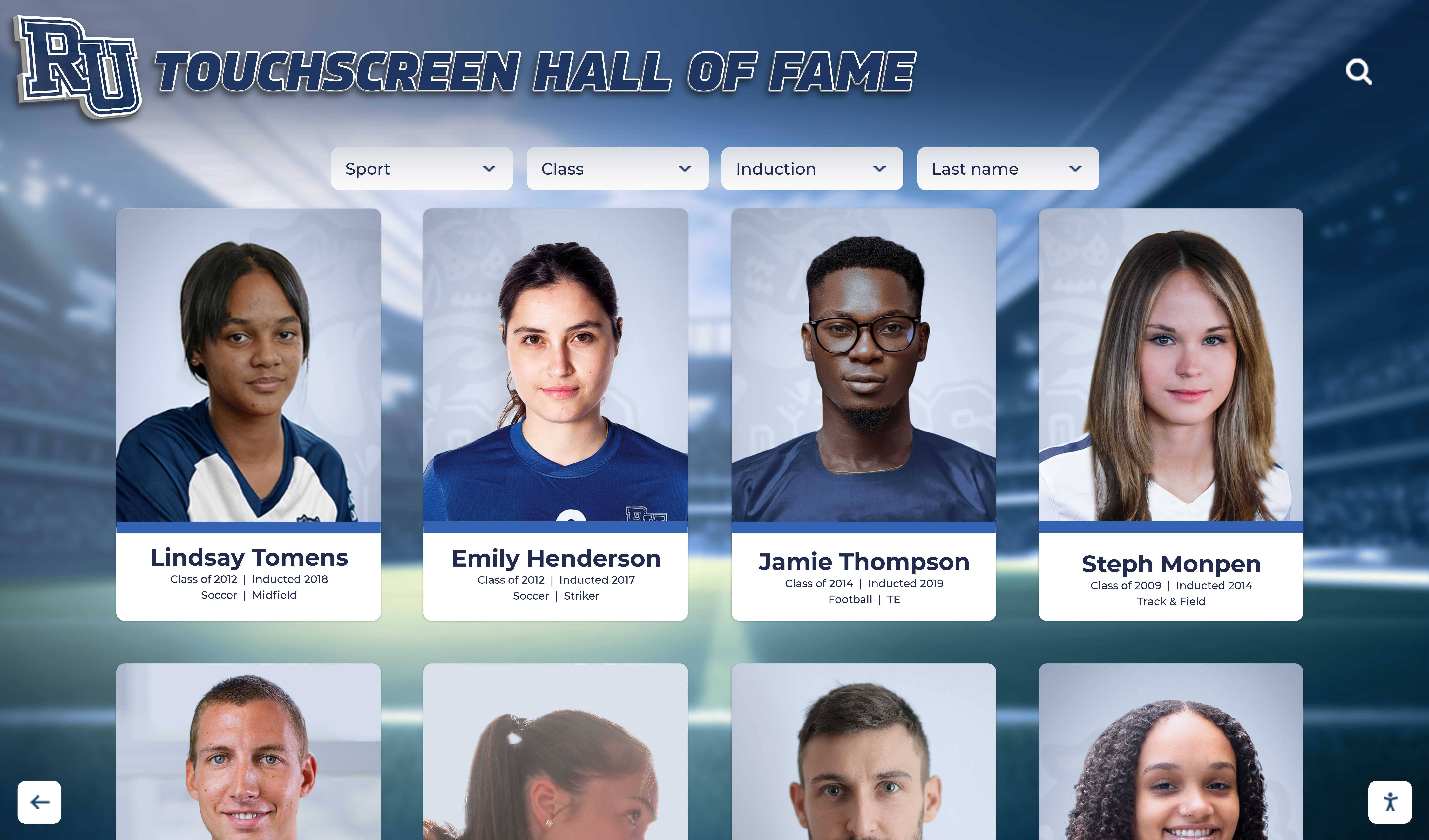
Writing Engaging Biographies
Transform factual information into compelling narratives:
- Open with Strong Leads: Begin profiles with the most interesting or impressive information rather than chronological recitations starting with birthplace and education
- Emphasize Achievement and Impact: Focus on what members accomplished and contributed rather than merely listing positions held—outcomes and influence matter more than titles alone
- Include Specific Examples: Concrete details make stories memorable and credible—specific projects led, amounts raised, organizations founded, or people helped rather than vague claims about “making differences”
- Connect to Delta Gamma Values: Explicitly link member stories to fraternity principles, showing how Delta Gamma experiences shaped career choices, instilled values, or provided networks supporting success
- Maintain Appropriate Tone: Professional but warm writing style that celebrates achievement without excessive hyperbole or promotional language that diminishes credibility
Gathering Information and Securing Consent
Effective content development requires systematic approaches to collecting member information:
- Direct Outreach: Contact alumni directly requesting biographical information, photographs, and permission to feature them in recognition displays
- Profile Questionnaires: Provide structured forms guiding alumni through the information needed for comprehensive profiles while making submission easy
- Public Information Research: Supplement member submissions with information from LinkedIn profiles, professional websites, news articles, or published biographies (while verifying accuracy and appropriateness)
- Privacy Protections: Obtain explicit consent before including personal information beyond basic directory data, respecting members’ preferences about what information appears in public-facing recognition
Incorporating Multimedia and Interactive Elements
Digital recognition platforms enable rich multimedia presentations that traditional plaques cannot match, creating more engaging and memorable recognition experiences.
Professional Photography
High-quality photographs dramatically improve profile presentation:
- Composite Photograph Extraction: Digital composites allow extracting individual member portraits for profile illustrations
- Professional Headshots: Current professional photographs show members as they appear today, creating contemporary relevance
- Candid and Event Photos: Images showing members engaged in professional work, volunteer activities, or Delta Gamma events provide visual interest and authentic context
- Historical Photographs: Vintage images of chapter events, facilities, or activities from different eras illustrate organizational evolution and evoke nostalgia
Video Content
Short video profiles create powerful personal connections:
- Alumni Interview Segments: Brief recorded interviews where members share memories, career advice, reflections on Delta Gamma experiences, or thoughts about chapter evolution create intimate, authentic content
- Message to Current Members: Alumni recording short videos addressing current undergraduates—offering encouragement, sharing wisdom, or expressing appreciation for sisterhood—provide emotional resonance that text alone cannot achieve
- Career or Service Showcases: Video showing alumni in professional or volunteer contexts demonstrates their work and impact while making profiles more dynamic and interesting
Social Media Integration
Connect recognition displays to alumni’s professional and social media presence:
- LinkedIn Profile Links: Direct connections to professional profiles enable current members exploring potential career paths to learn more about alumni’s work and potentially initiate networking conversations
- Social Media Handles: Including appropriate social media connections (when alumni consent) facilitates direct interaction between current members and alumni, supporting mentorship and relationship building
- Shareable Content: Design profile presentations that alumni can easily share via social media, extending recognition visibility beyond those who physically encounter displays while creating positive chapter publicity
For comprehensive guidance on developing engaging content, explore strategies for alumni where are they now spotlight programs that transform basic directory information into compelling recognition stories.
Implementation Planning for Delta Gamma Chapter Displays
Successful recognition displays require thoughtful planning addressing practical, financial, and organizational considerations rather than impulsive decisions driven primarily by aesthetics or enthusiasm.
Securing Chapter Buy-In and Leadership Support
Recognition initiatives succeed when they receive genuine support from key stakeholders rather than being driven solely by individual officers’ interests without broader organizational commitment.
Presenting Value Propositions
Different constituencies care about different benefits—tailor recognition proposals to stakeholder priorities:
- Current Undergraduate Chapter: Emphasize how recognition strengthens recruitment by showcasing impressive alumni, creates mentorship connections supporting members’ career development, and makes chapter houses more attractive spaces members feel proud to inhabit and show visitors
- Alumni Associations and Boards: Highlight how recognition drives alumni engagement through meaningful acknowledgment, facilitates networking among graduates from different eras, and supports fundraising by strengthening emotional connections to chapters and demonstrating good stewardship of alumni support
- House Corporations: Focus on how recognition enhances facility value, creates permanent installations worthy of capital investment, and improves houses’ competitive positions in campus Greek life communities
- University Greek Life Offices: Emphasize alignment with institutional priorities around alumni engagement, heritage preservation, and exemplifying best practices that reflect well on campus Greek life communities
Addressing Implementation Concerns
Anticipate and respond to predictable objections:
- “This seems expensive for uncertain value”: Provide clear implementation cost estimates, articulate measurable objectives enabling evaluation, and compare costs to alternative expenditures of similar magnitude showing relative value
- “We don’t have expertise to implement this successfully”: Identify professional service providers offering turnkey solutions, propose forming committees including alumni with relevant professional expertise, or develop phased approaches starting with manageable pilot projects building toward comprehensive systems
- “This will take time away from other chapter priorities”: Present realistic timelines showing that implementation occurs across extended periods rather than requiring intensive immediate effort, identify specific individuals willing to lead projects rather than assuming existing officers absorb additional responsibilities, and demonstrate how recognition supports other priorities like recruitment and fundraising rather than competing with them
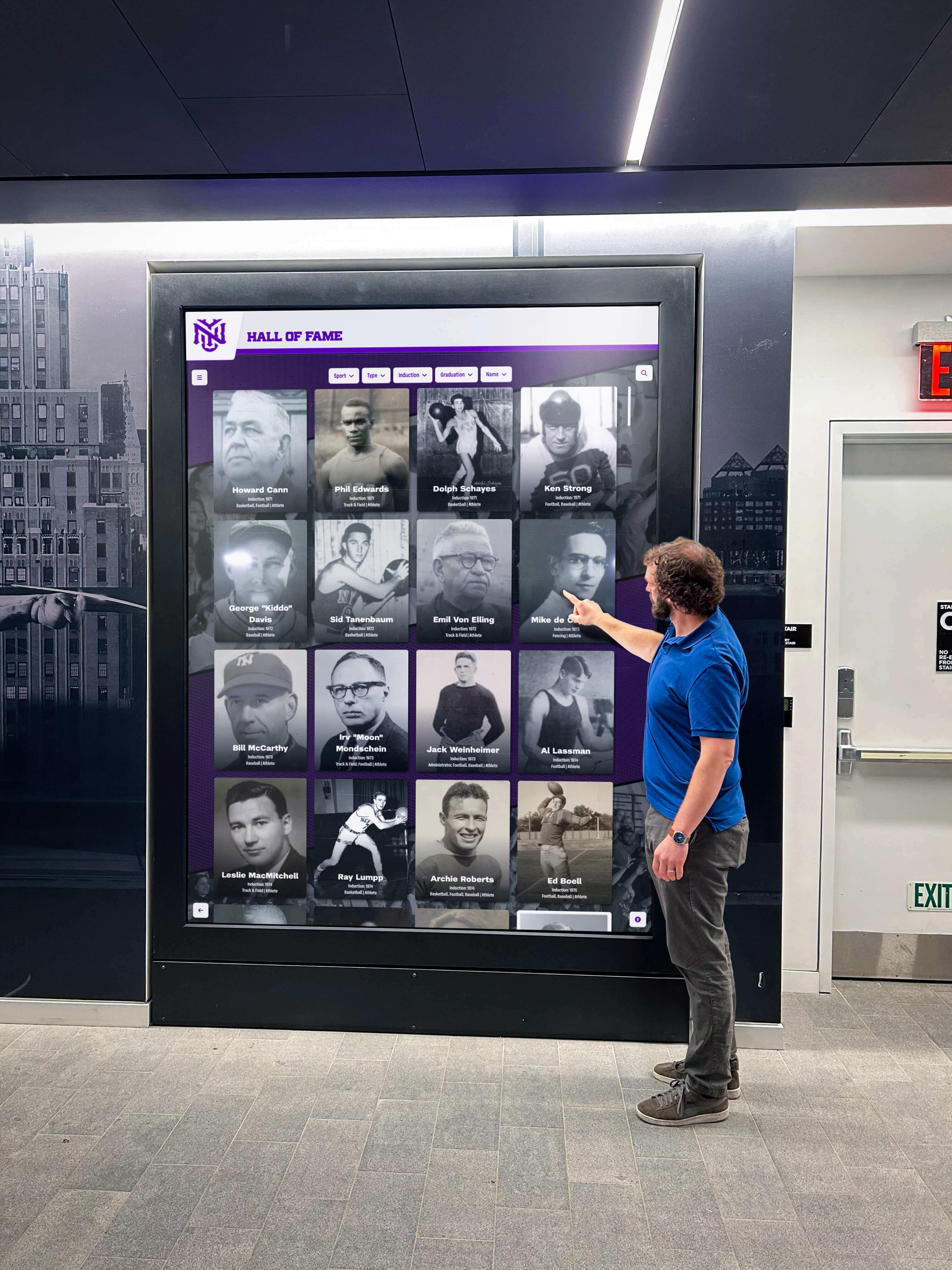
Budgeting and Fundraising for Recognition Projects
Understanding comprehensive costs and identifying funding sources prevents projects from stalling mid-implementation due to unanticipated expenses or funding shortfalls.
Comprehensive Cost Assessment
Develop complete budgets accounting for all implementation expenses:
Digital Touchscreen Systems
- Hardware (touchscreen display, mounting system, media player): $8,000-25,000 depending on screen size and installation complexity
- Software platform (licensing and content management system): $2,000-5,000 annually or included in comprehensive solutions
- Content development (member profiles, photographs, biographical research): $3,000-10,000 depending on scope and whether work is volunteer or professional
- Installation (electrical work, network connectivity, professional mounting): $1,000-3,000
- Ongoing maintenance and updates: $500-2,000 annually
Web-Based Recognition Platforms
- Platform development or subscription: $2,000-8,000 initially, then $500-2,000 annually
- Content development: $2,000-5,000
- Professional photography and design: $1,000-3,000
- Ongoing content updates and administration: volunteer effort or $1,000-2,000 annually
Traditional Physical Recognition
- Custom plaques: $200-500 each
- Display cases: $2,000-5,000
- Professional composite framing: $300-800 per composite
- Dedication plaques and signage: $500-1,500
Funding Source Identification
Recognition projects offer compelling fundraising opportunities because they provide tangible, visible results alumni can support:
- Capital Campaigns: Include recognition as component of major facility renovation or construction projects where infrastructure costs are distributed across broader fundraising efforts
- Dedicated Recognition Fundraising: Launch campaigns specifically for recognition displays, emphasizing heritage preservation and honoring distinguished members
- Anniversary Campaigns: Milestone chapter anniversaries create natural opportunities for major recognition investments commemorating significant dates
- Individual Sponsor Recognition: Allow major donors to sponsor recognition systems in exchange for appropriate acknowledgment—naming opportunities, legacy plaques, or featured profile placement
- Class Reunion Giving: Target significant reunion years (25th, 40th, 50th anniversaries) with appeals for recognition support from classes celebrating milestones
- House Corporation Investment: For chapters with house corporations, propose recognition as permanent facility improvement enhancing property value and member experience
For comprehensive fundraising guidance specifically for Greek life organizations, explore strategies for highlighting fraternities and sororities through digital recognition that demonstrate recognition’s role in advancement initiatives.
Location Selection and Installation Planning
Strategic placement determines whether recognition displays become regularly used resources shaping chapter culture or ignored installations that fail to generate expected engagement.
High-Visibility Location Options
Position displays where members, alumni, and visitors naturally congregate:
Chapter House Entry Foyers
- First impression location ensuring all visitors encounter recognition
- Natural stopping point before and after chapter meetings and events
- Appropriate for showcasing chapter pride and excellence to guests
- Requires aesthetic quality worthy of prominent placement
Living Rooms and Social Spaces
- Areas where members gather informally for studying, socializing, or relaxing
- Extended dwell time enabling deeper engagement with recognition content
- Creates ambient awareness of chapter history and alumni excellence
- Needs durable installations withstanding active use
Hallways and Circulation Spaces
- Captive audience locations where members pass regularly
- Multiple smaller displays throughout facilities rather than single large installation
- Opportunity to organize content thematically by location—founders near main entrance, recent classes near undergraduate bedrooms, distinguished alumni in formal spaces
- Requires careful design ensuring displays don’t create hallway obstructions or appear cluttered
Dedicated Heritage or Recognition Rooms
- Formal spaces specifically designed for showcasing chapter history and member achievement
- Appropriate for housing multiple recognition approaches—digital displays, physical composites, artifact cases, and archive access
- Creates destination location for tours, recruitment events, and special occasions
- Requires sufficient space to justify dedicating rooms exclusively to recognition rather than operational needs
Greek Life Facility Locations
- For chapters without houses, recognition displays in campus Greek life offices, student union Greek areas, or dedicated Greek life facilities
- Serves multiple chapters while ensuring centralized visibility
- May require coordinated approaches with other organizations sharing facilities
Installation Considerations
Professional implementation addresses both functionality and aesthetics:
- Electrical Access: Reliable power connections without visible cord runs detracting from presentation quality
- Network Connectivity: Strong WiFi signals or hardwired internet enabling content updates and analytics for digital displays
- Mounting Security: Proper anchoring preventing tipping, theft, or damage from active chapter environments
- Lighting Design: Appropriate illumination ensuring screen visibility without glare while highlighting physical displays effectively
- Aesthetic Integration: Colors, materials, and designs complementing existing architecture and décor rather than appearing incongruous or temporary
Content Development Workflows and Timelines
Comprehensive member databases require sustained effort over extended periods rather than expecting completion through short-term intensive projects.
Phased Implementation Approach
Develop recognition content gradually through manageable phases:
Phase 1: Foundation (Months 1-3)
- Create database structure and profile templates
- Identify and prioritize initial members for spotlight recognition
- Develop basic profiles for chapter founders and most distinguished alumni
- Launch display with initial content, emphasizing that this represents starting point rather than complete database
Phase 2: Expansion (Months 4-12)
- Add profiles systematically by decade, working backward from recent classes or forward from founding
- Reach out to alumni associations and class representatives requesting member information
- Incorporate existing composite photographs and chapter records
- Aim for basic profiles (name, graduation year, major, brief biography) for majority of members
Phase 3: Enhancement (Year 2+)
- Enrich existing basic profiles with photographs, detailed biographies, video content, and multimedia
- Fill gaps identified during initial development
- Update profiles as alumni provide new information or achieve additional milestones
- Develop featured content for significant anniversaries, awards, or special recognition
Ongoing Maintenance (Continuous)
- Add new graduates annually
- Update alumni information as members share career changes, honors, or life events
- Correct errors discovered through member feedback
- Archive deceased members appropriately while preserving their recognition
Committee Structure and Responsibilities
Distribute work across multiple individuals rather than relying on single officers:
- Content Coordinator: Overall project leadership, timeline management, and ensuring consistent progress
- Research Team: Gathering member information from various sources and conducting biographical research
- Writing Team: Transforming raw information into engaging profile content
- Photography Coordinator: Collecting, organizing, and preparing photographs for display
- Technical Administrator: Managing digital platform, uploading content, and handling technical issues
- Alumni Liaison: Coordinating with alumni associations and reaching out to graduates for information and consent
Involving both undergraduate members and alumni in content development creates cross-generational collaboration that itself strengthens sisterhood connections while building organizational capacity through skill development and shared ownership of recognition outcomes.
Measuring Recognition Impact and Success
Evaluating recognition effectiveness helps demonstrate value to stakeholders while identifying improvement opportunities ensuring displays deliver sustained benefits rather than becoming neglected installations.
Quantitative Engagement Metrics
Trackable measures reveal actual usage patterns and engagement levels:
Digital Display Analytics
Modern recognition systems provide comprehensive usage data:
- Daily Interaction Counts: How many times visitors engage with displays
- Session Duration: Average time spent exploring recognition content
- Most-Viewed Profiles: Which members receive most attention, revealing what types of stories resonate
- Search Patterns: What terms visitors use when searching, showing how people discover content
- Feature Usage: Which interactive elements (video, photos, biographies) generate most engagement
Website Recognition Portal Analytics
Web-based platforms provide additional quantitative data:
- Unique Visitors: How many individuals access online recognition
- Page Views: Total content consumed
- Geographic Distribution: Where visitors access content, showing global alumni reach
- Traffic Sources: How visitors discover recognition portals—social media, chapter websites, search engines
- Conversion Rates: Percentage of visitors who take desired actions like updating profiles, making donations, or registering for events
Alumni Engagement Indicators
Broader organizational metrics may reflect recognition impact:
- Event Attendance: Homecoming, reunions, and chapter events attendance following recognition implementation
- Directory Update Rates: Alumni providing current contact information and biographical updates
- Mentorship Participation: Members volunteering for formal mentorship programs or responding to student outreach
- Giving Rates: Donor participation percentages and average gift amounts before and after recognition implementation
Qualitative Success Assessment
Subjective measures capture recognition’s cultural influence and emotional resonance beyond what numbers alone reveal:
Member Testimonials and Feedback
Gather systematic input from various constituencies:
- Current Member Surveys: Ask undergraduates whether recognition influences their understanding of chapter heritage, shapes their Delta Gamma identity, or inspires their personal aspirations
- Alumni Responses: Collect reactions from graduates encountering recognition during visits or online—do they feel appropriately honored, moved by seeing classmates represented, or motivated to strengthen chapter connections?
- Visitor Impressions: During recruitment events, homecoming weekends, or facility tours, observe how non-members react to recognition displays and what messages they absorb about chapter quality and values
Cultural Impact Observations
Watch for subtle indicators that recognition shapes organizational culture:
- Conversation Content: Do members reference specific alumni stories in discussions about values, career paths, or Delta Gamma identity?
- Recruitment Talking Points: Do current members spontaneously highlight impressive alumni during recruitment conversations with prospective members?
- Cross-Generational Interactions: Are there observable increases in meaningful conversations between alumni and undergraduates during events, facilitated by recognition providing specific reference points?
- Historical Consciousness: Do members demonstrate deeper knowledge about chapter history and appreciation for organizational heritage?
Media and External Recognition
Track whether recognition generates positive publicity:
- Campus Media Coverage: Articles in campus newspapers or Greek life publications highlighting chapter recognition initiatives
- Social Media Amplification: Alumni sharing their featured profiles or recognition displays on personal social media, extending visibility
- National Organization Recognition: Delta Gamma national headquarters acknowledging chapter recognition as exemplary practice worthy of broader replication
- Professional Media Features: Coverage in higher education publications, Greek life industry media, or local community outlets interested in recognition as innovative practice
Special Recognition Opportunities Within Delta Gamma
Beyond general alumni spotlights, Delta Gamma chapters can create specialized recognition programs celebrating specific types of achievement or contribution aligned with fraternity values and priorities.
Recognizing Delta Gamma Service Leadership
The “Do Good” commitment represents one of Delta Gamma’s most distinctive characteristics, warranting dedicated recognition for members exemplifying this principle.
Service to Sight Philanthropy Recognition
Delta Gamma’s partnership with Service to Sight (formerly Delta Gamma Foundation’s philanthropic focus on vision) creates specific recognition opportunities:
- Vision Care Advocacy Leaders: Alumni working professionally in ophthalmology, optometry, vision research, or vision care access advocacy
- Foundation Leadership: Members who served on foundation boards, led fundraising campaigns, or made transformational philanthropic commitments
- Anchor Splash Innovators: Alumni who created particularly successful or innovative Anchor Splash event models that spread to other chapters
- Chapter Philanthropy Excellence: Recognition for chapters achieving outstanding fundraising results or creative program development
Community Service Impact Recognition
Beyond national philanthropy, celebrate members demonstrating sustained community service commitment:
- Nonprofit Executive Leadership: Alumni leading charitable organizations, educational institutions, or social service agencies
- Volunteer Board Leadership: Members serving on nonprofit boards providing governance and strategic direction
- Direct Service Excellence: Alumni consistently volunteering time directly helping others—mentoring youth, serving meals, providing disaster relief, or other hands-on service
- Advocacy and Policy Leadership: Members working to influence public policy addressing social challenges aligned with Delta Gamma values
Celebrating Professional Achievement Across Diverse Fields
Delta Gamma prepares members for success in virtually unlimited career paths—recognition should reflect this professional diversity rather than privileging particular fields.
Business and Entrepreneurship Excellence
- Corporate Leadership: C-suite executives, vice presidents, and senior leaders in major corporations
- Entrepreneurial Success: Business founders who created successful companies, products, or services
- Innovation Leaders: Members driving industry innovation through technology, business model creativity, or market disruption
- Social Enterprise Pioneers: Entrepreneurs building businesses addressing social or environmental challenges while generating profit
Professional Service Excellence
- Legal Distinction: Attorneys achieving partnership in major firms, judicial appointments, or recognition as leading practitioners in specialized areas
- Medical Achievement: Physicians, surgeons, researchers, or healthcare administrators advancing patient care or medical knowledge
- Educational Leadership: Teachers, principals, superintendents, professors, or education policy leaders shaping learning opportunities
- Scientific Contribution: Researchers making significant discoveries or technical professionals advancing knowledge in sciences
Creative and Cultural Leadership
- Arts Achievement: Actors, musicians, visual artists, dancers, or arts administrators achieving professional success and recognition
- Media and Communications: Journalists, broadcasters, public relations executives, or communications professionals shaping public discourse
- Literary Accomplishment: Authors, poets, screenwriters, or publishers making significant creative contributions
Honoring Cross-Generational Legacy Families
Multi-generational Delta Gamma families represent particularly meaningful chapter connections worthy of special recognition.
Identifying Legacy Families
Systematically identify families with multiple Delta Gamma members across generations:
- Mother-Daughter Legacies: Daughters who followed mothers into Delta Gamma membership
- Sister Legacies: Multiple sisters initiated into the same chapter or different chapters
- Extended Family Networks: Aunts, cousins, grandmothers, and other relatives creating broad family connections to Delta Gamma
- Cross-Chapter Legacies: Families with members in multiple chapters demonstrating organizational rather than just chapter loyalty
Legacy Recognition Programs
Create dedicated programs celebrating multi-generational membership:
- Legacy Wall or Display: Dedicated physical or digital space highlighting legacy families with photographs showing multiple generations
- Legacy Events: Special programming during homecoming or initiation celebrating legacy families and introducing legacy members
- Legacy Storytelling: Featured content exploring how Delta Gamma values and experiences transmitted across family generations
- Legacy Mentorship: Formal pairing of legacy members from different generations creating mentorship relationships
For comprehensive approaches to celebrating family connections, explore strategies for celebrating multi-generational families that honor organizational traditions spanning generations.
Integrating Recognition With Broader Chapter Engagement
Alumni spotlight displays deliver maximum value when integrated with comprehensive engagement strategies rather than functioning as isolated initiatives disconnected from other chapter activities and priorities.
Supporting Alumni Mentorship Programs
Recognition displays create natural foundations for formal mentorship initiatives connecting alumni with current undergraduates.
Using Recognition to Identify Mentors
Alumni featured in spotlight displays represent prequalified mentorship candidates:
- Career Pathway Mentorship: Connect students interested in particular fields with alumni working in those industries
- Geographic Mentorship: Students relocating to cities where alumni reside can receive location-specific guidance and professional connections
- Shared Experience Mentorship: Pair students facing particular challenges or circumstances with alumni who navigated similar situations successfully
Recognition as Mentorship Gateway
When members exploring recognition displays discover compelling alumni, facilitate direct connection:
- Mentorship Contact Information: Include in profiles indication whether alumni welcome mentorship inquiries and preferred contact methods
- Facilitated Introductions: Provide chapter or alumni association staff support helping students craft appropriate initial outreach to alumni
- Mentorship Event Integration: During alumni events, organize structured networking connecting students with featured alumni they learned about through recognition displays
Enhancing Recruitment Through Alumni Success Stories
Prospective members evaluating sorority options look for organizations that will enrich their college experiences and prepare them for successful futures—impressive alumni provide powerful evidence of these benefits.
Recruitment Tour Integration
Incorporate recognition displays prominently in chapter house tours:
- Featured Stop: Make recognition displays significant tour components rather than passing mentions, allowing prospective members time to explore
- Storytelling Preparation: Train recruitment team members to highlight particularly impressive or relatable alumni stories resonating with specific prospective members’ interests
- Interactive Demonstration: Guide prospective members through using digital displays, perhaps searching for alumni from their hometowns or career fields they’re considering
Pre-Recruitment Digital Engagement
Direct recruitment prospects to online recognition portals before formal recruitment:
- Recruitment Marketing Materials: Include recognition website links in digital recruitment materials and social media content
- Prospective Member Research: Encourage women interested in Delta Gamma to explore alumni achievements as part of their decision-making research
- Conversation Starters: Alumni success stories provide natural topics for conversations between prospective members and current sisters during recruitment events
Quantifying Alumni Excellence
Develop compelling statistics from recognition databases supporting recruitment messaging:
- Aggregate Career Success: “75% of our alumni work in professional careers requiring graduate degrees”
- Geographic Distribution: “Our sisters live and work in all 50 states and 15 countries”
- Leadership Representation: “Our chapter has produced 12 college presidents, 24 nonprofit executive directors, and hundreds of corporate leaders”
Driving Alumni Philanthropy and Financial Support
Recognition that meaningfully honors alumni contributions creates positive cycles where acknowledgment strengthens emotional connections that motivate continued and increased financial support.
Recognition-Linked Giving Programs
Design giving opportunities that include recognition components:
- Spotlight Sponsorship: Allow donors to sponsor featured alumni profiles—perhaps honoring beloved advisors, influential mentors, or deceased friends
- Class Recognition Challenges: During reunion years, challenge classes to achieve giving participation thresholds earning featured recognition in displays
- Heritage Society Recognition: Create giving societies (annual leadership donors, cumulative lifetime donors, planned giving commitments) acknowledged through special recognition display sections
- Naming Opportunities: For major recognition system investments, offer appropriate naming opportunities recognizing transformational gifts
Demonstrating Stewardship Through Recognition
Show donors that chapters value and responsibly honor all forms of contribution—time, talent, and treasure:
- Volunteer Leadership Recognition: Prominently acknowledge alumni who serve in advisory, house corporation, or alumni association volunteer roles
- Non-Monetary Contribution: Recognize members who provide mentorship, employment opportunities, or other support not captured in donation records
- Long-Term Engagement: Celebrate alumni who have maintained chapter connections across many decades regardless of financial capacity
When donors see that chapters honor diverse forms of contribution and thoughtfully recognize those who give generously, they develop confidence that their own support will be valued appropriately and stewarded effectively—creating trust that enables sustained philanthropic relationships.
Conclusion: Building Lasting Connections Through Meaningful Recognition
Delta Gamma Alumni Spotlight Displays represent far more than attractive installations or technological upgrades to chapter facilities—they are strategic investments in organizational identity, member development, and sisterhood connections that create compounding value across multiple dimensions of chapter health and vitality. When chapters commit to comprehensive alumni recognition through thoughtful implementation, compelling content development, and integration with broader engagement strategies, they strengthen the very bonds that make Delta Gamma a sisterhood spanning generations rather than merely a college organization abandoned at graduation.
The most effective recognition approaches understand that excellence lives through visibility and celebration rather than existing solely in private memories or institutional archives. Accessible, engaging spotlight displays—whether through digital touchscreen systems, web-based recognition portals, or hybrid approaches combining multiple methods—transform alumni achievement from abstract concept to tangible reality informing current members’ understanding of who they are, what they can become, and what their Delta Gamma membership means beyond social programming and campus activities.
Chapters ready to implement comprehensive alumni recognition have more resources available than ever before. Whether starting with modest pilot projects digitizing selected composites and creating basic online directories, or investing in professional recognition systems providing comprehensive digital displays integrated with sophisticated engagement platforms, the essential element is beginning deliberately and building systematically over time—ensuring that exceptional women who embody Delta Gamma values receive the celebration and visibility they deserve.
Keys to Successful Delta Gamma Alumni Recognition:
- Begin with clear objectives connecting recognition to specific chapter priorities—recruitment enhancement, alumni engagement, heritage preservation, or fundraising support
- Select technology and approaches appropriate for your chapter’s size, budget, and administrative capacity rather than pursuing solutions beyond sustainable implementation
- Develop compelling content that tells authentic member stories in ways that inspire current undergraduates while honoring alumni appropriately
- Integrate recognition with broader engagement strategies—mentorship programs, recruitment initiatives, and philanthropic development—rather than treating displays as isolated projects
- Plan for sustained content development and maintenance rather than expecting one-time implementation to remain current and relevant indefinitely
- Measure both quantitative engagement metrics and qualitative cultural impact, continuously improving based on actual usage and member feedback
For Delta Gamma chapters seeking purpose-built solutions designed specifically for Greek life heritage preservation and alumni engagement, platforms like Rocket Alumni Solutions provide comprehensive systems combining digital recognition displays, searchable member databases, and intuitive content management that make effective alumni spotlights accessible even to chapters with limited technical expertise or dedicated staff support. These integrated approaches help chapters honor their distinguished sisters while building stronger futures grounded in heritage awareness, member pride, and cross-generational connections that define Delta Gamma sisterhood at its finest.
The women who comprise Delta Gamma across its 150+ year history have accomplished extraordinary things—building successful careers, serving their communities, leading organizations, raising families, and living out “Do Good” commitments in countless ways large and small. They deserve recognition that captures this excellence and makes it visible to the sisters who follow in their footsteps. Begin your recognition journey wherever current resources allow, knowing that every effort to celebrate Delta Gamma members contributes to sisterhood strength and organizational vitality that will inspire future generations of remarkable women.